THE BELFIELD BANTER
- BLACK HISTORY MONTH EDITION -
FEBUARY 27TH | BANTER PUBLICATIONS | ISSUE VI

By Imogen Fagan ‘27
Originally a single week of remembrance chosen in 1926 to overlap the birthdays of both Abraham Lincoln and Frederick Douglass, Black History Month is now celebrated the entire month of February. Since President Ford’s 1975 Message on the Observance of Black History Week, presidents have regularly issued proclamations and messages of the national observance of Black History Month. President Reagan’s 1986 Presidential Proclamation 5443 stated the month is a time “to celebrate the many achievements of African Americans in every field from science and the arts to politics and religion.” In that way, let us look at four lesser-known Americans who have shaped those fields today.
Science – Alice Augusta Ball (July 24, 1892 - December 31, 1916) Excelling academically at a young age, Alice Ball received a pharmaceutical chemistry degree and her bachelor’s degree in pharmacy from the University of Washington. During her studies she published a research paper in the Journal of the American Chemical Society on benzoylation reactions, making her the first African-American woman to be published in a major scientific journal. After becoming a chemistry instructor at the University of Hawai’i, Ball developed the first successful treatment for leprosy. Although she died unexpectedly before publishing her findings, Ball’s treatment was used for decades before modern technological advancements.
By Noah Zeisler ‘29 and Ian Turnbull ‘29
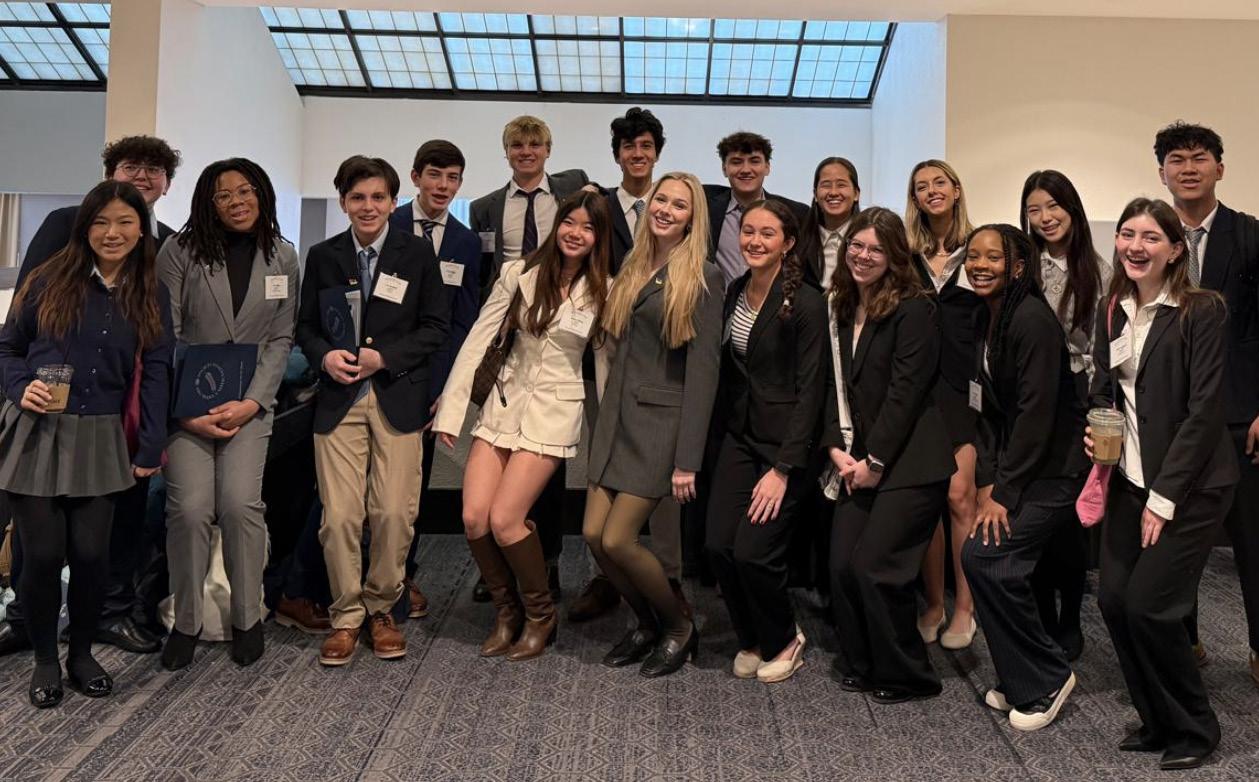
For the first time in years, our school had the opportunity to attend ODUMUNC; one of the larger Model UN conferences, hosted by Old Dominion University in Norfolk. Being freshmen and new club members in general, neither of us had any idea what this meant. The seniors, on the other hand, practically rejoiced as soon as they heard the news from Mrs. Rubenoff and Mr. Shoup. Acknowledging the excitement, we also signed up with friends, and before anyone knew it, hotel rooms and committees were assigned. Weeks became days, days became hours, and it was finally time.
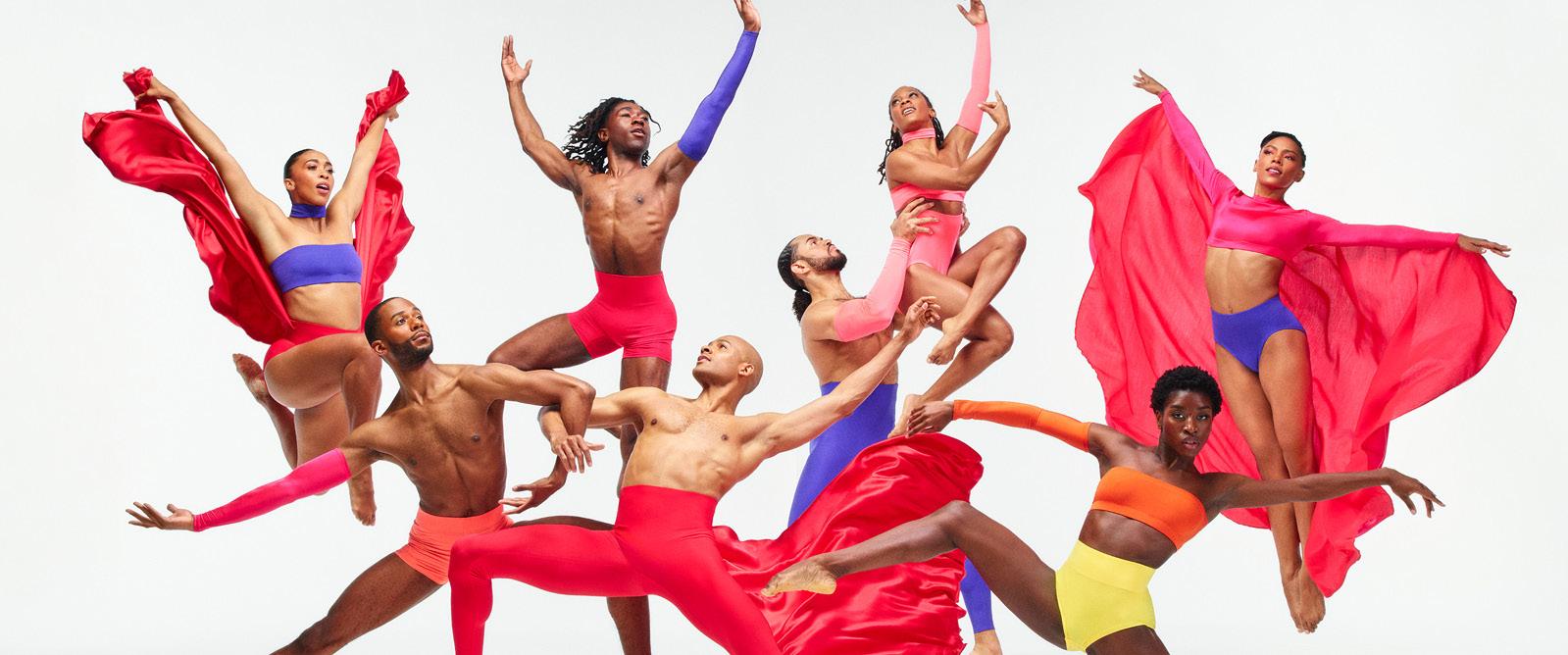
The Arts – Alvin Ailey (January 5, 1931 - December 1, 1989) After moving to LA as a teenager from the racially segregated South, Alvin Ailey discovered a passion for dance. Becoming a student of Lester Horton, one of the leading modern dancers of the time, Ailey joined his company where he took over as artistic director and choreographer after Horton’s sudden death. Later, after moving to New York to work on Broadway, Ailey formed the Alvin Ailey American Dance Theater as a space to honor Black culture through dance. The company and academy is still renowned today, with his piece Revelations recognized as one of the most popular and most performed ballets in the world.
Politics – Hiram R. Revels
(September 27, 1827 - January 16, 1901)
In his life Hiram Revels organized two regiments of Union troops, was a father to eight children, was ordained minister in the African Methodist Episcopal Church, and was the first African American to serve in the U.S. Congress. At a time when the Mississippi legislature elected its U.S. Senators, Revels was elected by a vote of 81 to 15 in 1870 to fill a seat left vacant since the Civil War. Revels’s term was marked by compromise and moderation, while he advocated for the equality of the races, he was against the punishment of ex-Confederates on the condition they swore allegiance to the nation.
Religion – Sr. Thea Bowman
(December 29, 1937 - March 30, 1990)
Sister Thea Bowman joined the Franciscan Sisters of Perpetual Adoration at age 15, despite her Methodist parents’ objections. Sr. Thea was dedicated to education, eventually earning her Ph. D. in English at The Catholic University of America as well as teaching elementary school and university level courses at her multiple almae maters. Additionally, Sr. Thea radically changed Catholic music, becoming deeply involved in publishing a new Catholic hymnal in 1987 titled Lead Me, Guide Me: The African American Catholic Hymnal, aimed at combining the distinct sound of African American worship with that of the Church. In 2018 Sister Thea Bowman was designated “Servant of God” by the Catholic Church, opening her official cause for canonization as a Saint.
With a plethora of rowdy kids in the back of the bus, someone turned the speaker on full blast and we all tried to forget the assignments and tests we were missing back at school. In fact, the three-hour bus ride arguably did the best job giving us a taste of what was to come: karaoke, misleading quotes, and laughing because someone confused a pink baseball cap for cotton candy. Soon after we arrived, we ate a quick dinner and headed to karaoke night, where we had a blast with a bunch of the other delegates.
Throughout the next couple days, we also got to do the Model UN part of the conference. In summary, everyone is assigned to a committee (e.g., DISEC), often in pairs. At the end of the day, our goal in a GA committee was to help write our bloc’s resolution paper, present it to our committee, and then hoped it would pass. Crisis committees are more complicated; the focus is more on real-time decision-making while still being diplomatic.
After each 3-hour session, we took our minds off politics by getting food with new friends. On Saturday night, we all went to the delegate dance, which was also super fun. Other nights, we played hide and seek, sending each other the most ragebait hints.
On the last day, we had FUNMUN, meaning we could finally take a break from all the formality and end on a high note in our committees, doing whatever people wanted: superlatives, mock debates, and even more karaoke. And finally, to officially close out the conference, we watched the closing ceremony, where our school won 2 best delegates, 2 outstanding delegates, 3 honorable mentions, and a verbal commendation. Overall, ODUMUNC was the most fun I’ve ever had at a school-related event. Yes, we had work to do, but the people we met and the things we did together were unforgettable.

By Kate Cheng ‘26
Lunar New Year is one of my favorite holidays. Not just because I usually receive a decent paycheck from my grandma in the form of a red envelope—although that is a heavy contributor—but because it always means good food and quality time with my relatives. Here in Charlottesville the holiday isn’t as high priority as others, but that almost makes the day feel more special. Of course, that doesn’t mean we can’t spread that secretive joy, which is exactly what the Asian Culture Club did at their Lunar New Year forum!
In only half an hour, they managed to pack in so much celebration of culture. Starting with a recap of the story of The Great Race and the Zodiac Calendar, and ending with a competition between all four grade levels to create the best well-wishes for the new year, the energy in the room was great. What made it all come together, however, were the performances.
“We wanted this year’s focus to be really on the performers,” said Nori, president of the Asian Culture Club. “The vibe of the ACC Forum is always talent, and we try to keep it hype. The whole thing with Lunar New Year is that it’s super festive and loud and everyone is having fun, so that’s why we try not to bore anyone.” Standout acts this year include Sissie and Sophia’s phenomenal string duet, Alina playing the Guzheng, and Anna singing “Da Yu” by Zhou Shen.
As a club that hosts forums every year, it might seem difficult to keep things fresh, but the ACC has perfected the simple balance between sticking to tradition and switching things up. For instance last year, instead of presenting the story of the twelve zodiacs, they told the Legend of Nian, a beast scared off with firecrackers and red lanterns, both staples of New Year celebrations. It is very hard to keep traditions going in clubs that change leadership from year to year, but ACC has done a terrific job of maintaining excellence with their forums. You can thank them if you’re ever at a trivia game about Asian culture, and need to know which animal came first in the Great Race.
ACC has also worked so hard to put together the Lunar New Year Gala at the Lower School, complete with sweet treats, craft stations, and a special performance with the Laughing Dragon. Huge congratulations to everyone who participated for their hard work and wishing you a happy Lunar New Year!
By Anastasiia Pestov ‘27
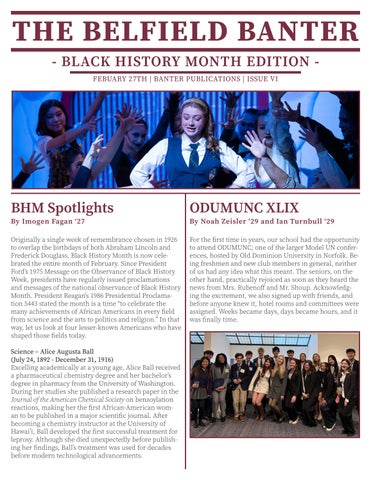
As everybody in the audience made sure to fasten their seatbelts, St. Anne’s-Belfield successfully presented its winter 2026 musical production: Ride the Cyclone. One of the significant highlights from the performance was a humorous lightness of silly jokes and diverse characters that kept the show’s dark themes from overshadowing the story. Ride the Cyclone opens a window to a small Canadian town where six main characters compete to decide which one will survive a roller coaster accident.
Ride the Cyclone became a special moment in St. Anne’s-Belfield’s history due to the Artist-In-Residence, Matt Steffens, who came from Broadway to bring his exceptional experience to our campus. He worked together with other choreographers to create a show that would be recognized as exceptional, encouraging every cast member to become one whole part through his teaching techniques. The cast successfully overcame almost one week of snow days by bonding together and making sure that everyone was fully committed to those six-hour-long rehearsals. Stage managers as well as tech crew responded to the challenges in the most efficient way to run the production smoothly. All the technical elements including spooky flashlights, a fog machine, and Jane Doe’s spinning wheel made it to the stage just on time. Even the crazy cats in Ricky’s “Space Age Bachelor Man” meowed in unison to surprise the crowd with their feline moves.
Many audience members mentioned how cool it was to see the amount of diversity between each character and each song: including Ocean’s upbeat and highly competitive dance number to Ukrainian bad boy Misha’s golden chains and self-aggrandizing commercialized hip hop. Nevertheless, those characters had a hidden common goal directly transmitted to the crowd through the final song—appreciation of the world and life. Through funny lines and moving songs, Ride the Cyclone delivered an important message that debuted in Grisham Hall with unforgettable music that sticks in the spectator’s mind. Our winter musical definitely reached high quality mastery, followed by the loud applause that signified appreciation from the whole St. Anne’s-Belfield community.
By Quinn Humphreys ‘27
After months of designing, building, and troubleshooting, the St. Anne’s-Belfield robotics team showcased their robot at the regional championship, competing against some of the top teams in the area. It is super impressive for a team to get to regionals, and hopefully something we will start to see more of as our robotics program grows over the years. Congratulations to Nico and Noah Zeisler, Michael Brimacombe, Oscar Reyes, and Jake McLaughlin, and keep reading if you’d like to learn more about our incredible program with some insights from the robotics faculty advisor, Mr. Groves.
This year, the robotics challenge was to create a robot that would collect and launch whiffle balls into a goal in a particular order. If you have been in the SCAS atrium at all this year, you will have noticed a large field with baskets of whiffle balls in the corners, and that has been the robot’s testing ground this year. At the regional championship, our school’s team finished “in the middle of the pack” Mr. Groves says this is what they were hoping for, because it’s already a big accomplishment to attend regionals at all as such a young team in such a new program. The group “had a chance to see some world-class teams up close, learn a lot, and [they’re] looking forward to next year!”
Mr. Groves believes what has allowed the team to do so well this year is that they do “a good job of listening to each other, taking everyone’s ideas seriously, and— most importantly—putting in the time and habits necessary to succeed.” These are all important qualities, and fostering thoughtful listening and perseverance is just one of the reasons why robotics is so beneficial. When asked why someone should join robotics, Mr. Groves replied that “robotics has something for everyone!” He goes on to explain all of the different roles that are required for a strong robotics team: “we do need members who are good with programming and power tools. But we also need someone good at Mario Kart to be a driver, as well as someone who is tidy and a good visual organizer to help with our engineering portfolio.” If you have any interest at all, try robotics! And if you have any questions, I’m sure Mr. Groves or any of the members of the team would love to answer them.

By Emily Zhu ‘26
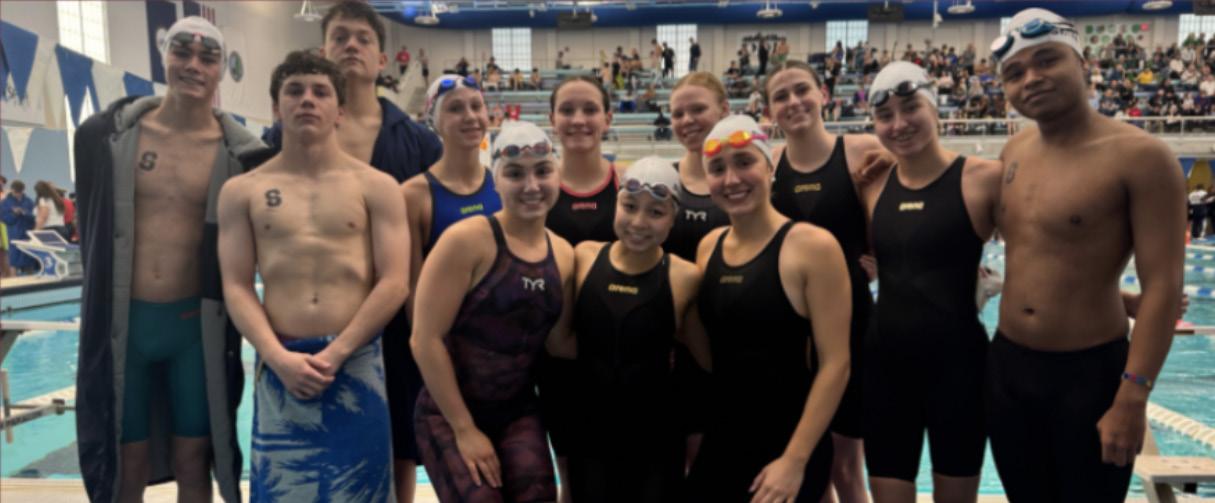
This year, the St. Anne’s-Belfield Co-ed swim team delivered an exceptional performance in and out of the pool. Over the course of eight meets, practices through winter break, and lifts at the lower school, the team consistently proved that hard work pays off. With the girls’ team finishing as state runner-up with a mere eight-person team, it’s clear that this year’s athletes were dedicated. This commitment has clearly shown at every meet, where personal best times improved, and confidence rose.
Beyond the pool, what truly defines this team is the unwavering support that we have for one another. Whether it’s a relay, swimming an event for the first time, or chasing a state cut, you’ll always have a teammate cheering for you at the end of your lane. Even when you can barely hear the encouraging shouts of your teammates while in the water, simply knowing that your teammates are cheering for you is motivational enough for you to swim faster and stronger.
Over Valentine’s weekend, the state-qualifying team, consisting of twelve swimmers and one diver, traveled to the SwimRVA facility, where they participated in four preliminary and finals sessions. The weekend resulted in setting numerous best times in individual and relay events, shattering school records, and earning spots in the finals for the top 16 swimmers. However, the state championship meet isn’t only about the swimming, but the little moments in between. Having our annual dinner at Olive Garden, singing countless songs to hype us up before the session, and even waiting twenty minutes on the bus for Starbucks drinks, these memories are what make states so special.
As a senior, I can confidently say that St. Anne’s-Belfield swimming has taught me the importance of having fun in a highly competitive sport. This team culture is unlike any other; it is filled with excitement, a relentless work ethic, and a constant drive to improve. While I will deeply miss being part of this team next year, I have no doubt that the returning swimmers will accomplish great things.
By Amaya Megginson ‘28 & the BSU
Black History Month is a time for us to focus on and celebrate black excellence and achievements, and most importantly, the history that has led to these accomplishments. But we also should be celebrating and remembering the history, not just during Black History Month, but throughout the entire year, because that’s where it counts. Remembering and showing up for black artists and musicians and black figures throughout the entire year, and not just one month, is what makes the change that we all strive for in our communities. Black History Month shouldn’t just be where we start to remember, but where we take even more time to focus on and go into the little details that matter. Along with that, we should not go back to ignoring all the important black figures who have worked so hard to make change as soon as Black History Month ends. For this year, I want people, including myself, to be more mindful about paying more attention to the importance of black history all twelve months of the year, and not just one. This way, we get to celebrate black excellence, black achievements, and black history all year round.

By Stefan Laza ‘29
This past Saturday was Winter Formal and overall it had a mixed reception. (I’ve heard varying thoughts about the quality of the music and the DJ.) A few moments I want to highlight for both good and bad are when the DJ played Fein, and in contrast immediately right after everyone was having a good time switched to Ed Sheeran. That definitely killed the vibe. I don’t know what the majority opinion was on the dance as I’ve heard everything from, “it was terrible!” to “that was pretty good!” Honestly I’m not sure what to think. One necessary thing to do is shout out the faculty sponsors, and everyone that helped plan. Special thanks to all of them. Personally, I really enjoyed the dance and having fun with my friends, and I saw a large amount of the school there. All in all the experience was pretty fun, but had some mixed reception.
By Caroline Reilly ‘26
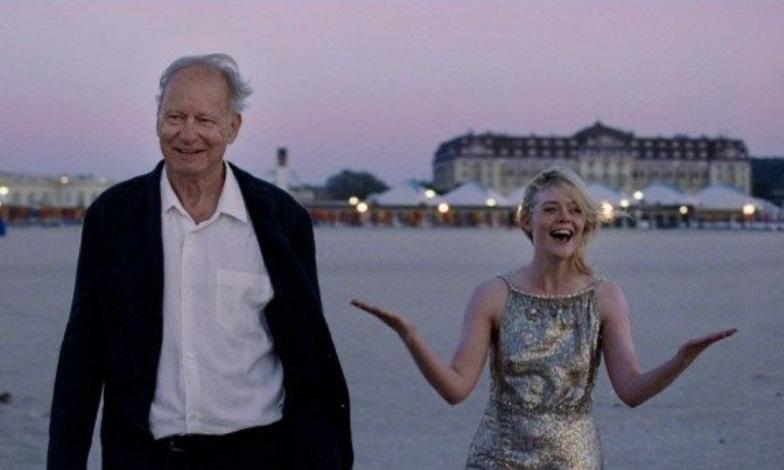
On January 22nd, the Academy announced this year’s Oscar nominees. This announcement brought surprise, never-before-nominated actors, and broke records with Ryan Coogler’s Sinners receiving 16 total nominations, more than any other film in Oscar history. Additionally, the Academy announced an entirely new category for the first time in twenty-five years. This new category recognizes casting directors for their achievement of selecting the entire cast, not just the main ensemble. This year’s Best Casting nominees include Nina Gold for Hamnet, Jennifer Venditti for Marty Supreme, Cassandra Kulukundis for One Battle after Another, Gabriel Domingues for The Secret Agent, and Francine Maisler for Sinners
While I haven’t seen all of the approximately forty different nominated films, I have been steadily making my way through the best picture nominees. This year has been particularly competitive with a wide range of truly incredible film releases. I’ve seen six of the ten films nominated for best picture, and I hope to see all ten by the time the Oscars roll around. From what I have seen, two of my personal favorites from this award season have been One Battle after Another and Sentimental Value. Both movies have incredible stories, casts, and visuals that I am sure will secure some awards.
Most of the nominated films are available for streaming, but the big screen is truly the best way to watch any of these movies. Even in February, there are several nominated films still showing at the theater, including Hamnet, The Secret Agent, and Avatar: Fire and Ash. Please go to the movie theater and support cinema!
If you would like to share your own Oscar predictions for a chance to win a prize, keep an eye out for Film Club’s 2026 Oscar Prediction form! The person with the most accurate prediction will win a giftcard to the cinema of their choice.
By Sarah Sanders ’26
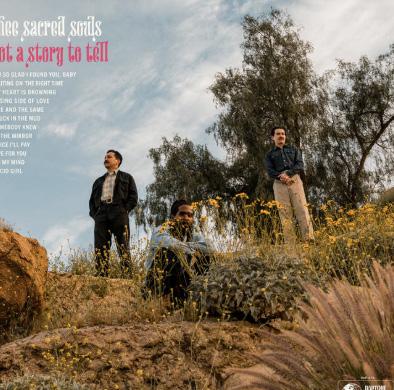
How I haven’t yet written about this album surprises me! Last spring, I was lucky enough to see Thee Sacred Souls at the Ting Pavilion on the Downtown Mall. The album combines a mysterious sound with a soulful intricacy. It is a pure description of the band’s improvement in sound and production. It is funky and groovy, relaxing and awake. I can remember the first few times I heard Thee Sacred Souls. I seriously thought I was listening to Sixties soul when Josh Lane, the lead singer, would belt his ballad-like lyrics. Lane grew up in Sacramento, California and the rest of the band originates from San Diego, California, formed around 2019. He was primarily influenced by Stevie Wonder, Marvin Gaye, and Aretha Franklin. He began with Gospel music, then studied Classical, and finally moved onto soul. The songs are illusions and wonderful odes to storytelling.
My favorite song off of the album is “Live For You.” The song is inspirational and preaches the ever moving, constant motion of life: how we have to “get up and place our feet on solid ground,” as Lane’s beautiful voice sings. The bass and guitar are great in this song, and really bring that ‘60s soul vibe to it.
Another underappreciated song is “I’m So Glad I Found You, Baby.” It is an exploration of being grateful for the unexpected people who show up in our lives. It is a thank you letter of appreciation. The harmonization is beautiful and also Lane’s voiceover, while the harmonization continues, is a small detail that brings us back to that retro feeling.
Overall, Got A Story To Tell is a beautiful album. it creates images of neon colors and sunset on the beach. It smells like sunshine and ice cream on a warm day. This album is a reminder to thank the people who have encouraged you to be your best, your family and your loved ones, and most of all, relax. With a world that moves so fast it’s hard to keep up, take time to breathe and relax.

The Köln Concert
Keith Jarrett
“Purple Rain” Prince
“Oct
33” Black Pumas “Golden Boys” Res
“Man in the Mirror”
Michael Jackson
“Bless the Telephone” Labi Siffre
“Scream” Janet Jackson
“Not Like Us”
Kendrick Lamar

Parable of the Sower
Octavia E. Butler
Beware Of Pity
Stefan Zweig
Beloved
Toni Morrison
Trash
Andy Mulligan
Invisible Man
Ralph Ellison
Weather
Jenny Offill
Deacon King Kong
James McBride
Vigil
George Saunders
Editor-in-Chief
Kate Cheng ‘26
Senior Editor
Sebastian Laza ‘26
Formatting Head
Carter Kelly ‘26
Staff
Henry Dozier ‘26
Lovissa Price ‘26
Ari Kastello ‘26
Sarah Sanders ‘26
Eleanor Carter ‘26
Caroline Reilly ‘26
Anastasiia Pestova ‘27
Quinn Humphreys ‘27
Grace Browne ‘28
Liam Gundersen ‘28
Formatting Team
Nori Zhang ‘27
Hi everyone,
We’ve made it to the end of February! I know I, for one, am grateful to see the tail-end of Mod 4. Thank you for reading this edition of the Belfield Banter and special thanks to the staff and writers for all their hard work. As always, it’s never too late to join Banter, so if you’re interested in writing or formatting, please don’t hesitate to reach out!
I hope everyone has a fantastic and relaxing Spring Break. See you all when we come back!
Kate Cheng (Editor-in-Chief)