The Serbian Cultural Center of Seatte is a nonprofit 501(3)(c) organization founded in September 2024.
The Serbian Cultural Center of Seattle’s mission is to become a platform that enhances opportunities for a variety of cultural and educational programs that aim to connect Serbian Americans living in Washington state and beyond. One of our first projects is the play The Pocket Watch produced by its subsidiary, the Serbian Theater of Seattle Srce.
Our vision is to lay groundwork for a sustainable and dynamic legacy that celebrates Serbian heritage, inspires future generations of Serbian Americans, and builds a lasting impact which continually enriches the cultural ethnic diversity of the greater Seattle area.
We see ourselves as the descendants of the many generations of Serbian American families that have for the past 150 years celebrated and upheld Serbian cultural heritage within the greater Seattle area. By continuing their work, we aim to inspire future generations and ensure a lasting cultural legacy that enriches Seattle’s diverse ethnic community.
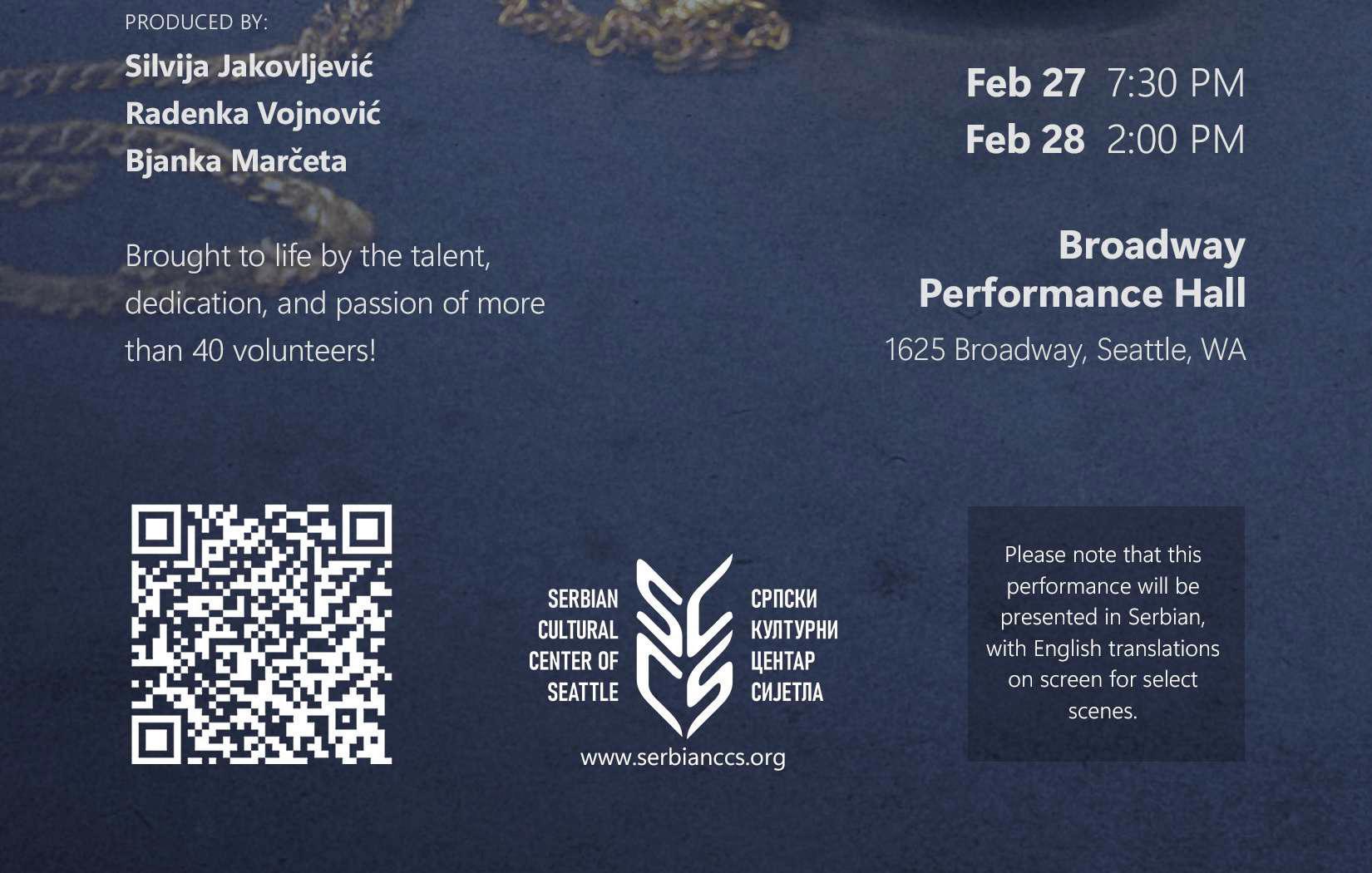
Please visit the Event Calendar on our website www.serbianccs.org to find upcoming events.

The Serbian Cultural Center of Seattle and its subset Theater “Srce” acknowledge that we live, work, and create on the traditional unceded indigenous land of the Coastal Salish Peoples, particularly the stillunrecognized Duwamish Tribe. They have been and still are this land’s original stewards and storytellers.

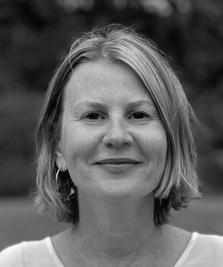
rada VojnoVic, PrESiDEnT AnD PrODuCEr
As President of the Serbian Cultural Center of Seattle and one of the producers of this play, i am honored to welcome you to The Pocket Watch. We brought the play to the stage a year ago, and yet returning to it now does not feel like repetition. This work has become a part of something greater than a theatrical performance. it is an artistic commitment to a culture of remembrance dedicated to preserving the memory of the great War. it is our way of saying to those who endured the war: “You are not forgotten.” Beyond the love story, this play portrays not only the suffering of Serbian soldiers, but also the endurance of the women and families left behind, who carried households on their shoulders. Their often-overlooked struggle, rarely shown in movies or theatrical works, is what sets our production apart. Many endured hardships we can scarcely imagine, giving their youth, their homes, and their lives so that we might have a future. As the french poet Alphonse de lamartine once observed, the Serbian people possessed hearts that could be torn, but not broken — like the oak upon the mountain. if they could bear that burden for us, the least we can do is speak their stories and honor their resilience.
This production is deeply personal to me, as my entire family is part of the play. it is my hope that future generations will similarly carry this story forward.
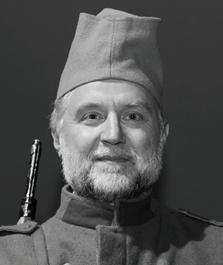
Bjanka Marceta, PrODuCEr AnD MArkETing lEAD
Almost a year has passed since the first performance of the play The Pocket Watch (Sат) in Seattle. To paraphrase the famous song lyrics: Are we happier? Yes. Are we wiser? We certainly are! Much has changed since last year. We have introduced new characters and dialogue, moved to a more beautiful stage, and our ensemble has moved past the initial growing pains. Today, we perform with newfound confidence and experience, and we are certain you will feel that energy on stage!
The graphic novel The Watch, which served as the primary inspiration for this project, continues its own journey. in addition to our production, the story has come to life through the multimedia project “We, the radomirs,” organized by the City of Belgrade and cultural associations from the diaspora. We are also thrilled to announce that both an animated and a documentary film titled The Watch are currently in development.
Thank you for recognizing the importance of this theme here in Seattle and for standing wholeheartedly with us from the very beginning.

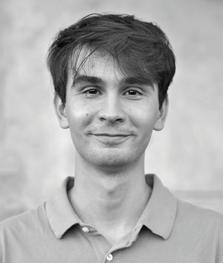
Mira MartinoVic, PlAYWrighT AnD DirECTOr
My entire experience working on The Pocket Watch has been nothing short of transformational. As i update this letter, i still marvel at the same three things.
The first is what an incredible joy it is to create something beautiful in an intergenerational community! Our production is much more layered because we leave a piece of ourselves in it. i shout into the four winds about the delight we experienced working together, the beauty we created, and the connections we deepened along the way. The second thing i still marvel at is watching people i’d known for decades transform into identities on the stage that not even they themselves would ever have imagined. Each of us learned something unexpected about ourselves and each other. in the words of the great Bard, that is how we became “we few, we happy few, we band of brothers.”
And the third is my enduring sense of wonder as i behold characters who once existed only in my imagination being called forth into flesh and voice upon the stage. i cannot envision ever tiring of that singular, deeply authorial fulfilment.
These first years of our deep attachment to each other have flown by! But what wonder we’ve lived through together. it is inspiring how each of us insisted on making our play exceptional from the very first moment, in the first, as well as the second season. Thank you, actors, organizers, fans! As i proclaimed in a thousand emails throughout the last year—our Pocket Watch would never have been such a success had it not been for each one of us. i am beyond thrilled to invite all our friends who came to watch us into our magical world! Welcome!

Silvija Јakovljevic, PrODuCTiOn AnD CrEATiVE TEAM lEAD
Welcome, dear friends!
To those of you in the audience, those on stage, and those in the quiet behind the scenes — thank you for placing your trust in us and choosing to be here tonight.
homo ludens — The human being as one who plays! indeed, the four of us have been playing: from working on children’s school performances at our Saint Sava church, to the Serbian Cultural Center and Broadway Theater. One of the ideas behind founding the Cultural Center was to create a space and an opportunity for our grown children and former students, where they could continue, in yet another way, to be active members of our community and where we could show them by personal example that learning the Serbian language and nurturing our culture lasts a lifetime. My heart is full when i see those young, hardworking people here among us. i sincerely hope that each year there will be more and more of them participating in the Center’s various programs. “if we do not become better, we will become worse,” our Professor Vladeta Jerotić taught us. The creative journey of every actor, organizer, and donor who took part in this shared endeavor was unique, but i believe that the effort and love invested have made all of us better — both as individuals and as a community.
So once again, from the bottom of my heart, thank you for being with us tonight. May this be just one of many events we will share together. Cheers!

1914. - 1919.

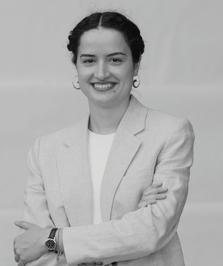

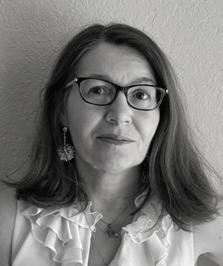
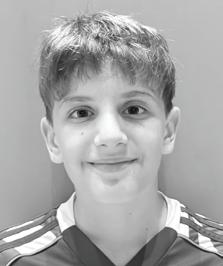

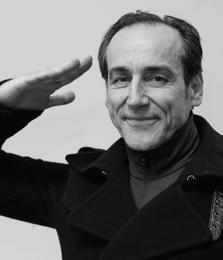

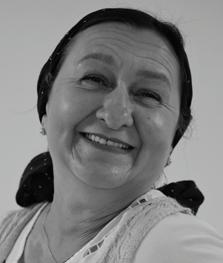
Svjetlana Vasic (Slobodanka)
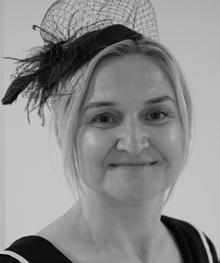
rada Vojnovic (Townswoman Dara)



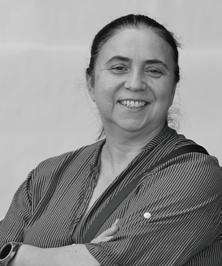
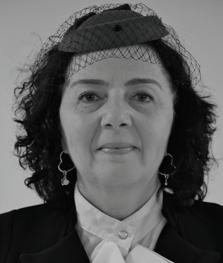
roberta roso (Townswoman rosa)
Juric (Student’s father Mr. Jovan)
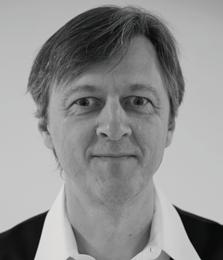
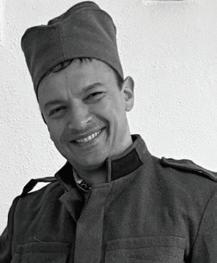
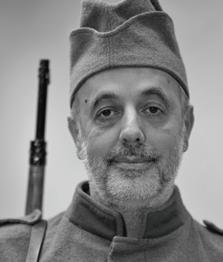
Deni hajdarpasic (Adult Dragan lazarevic)
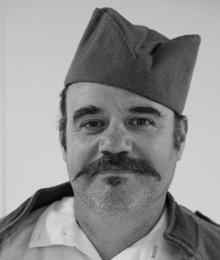
Dozic (Old man Mijajlo)



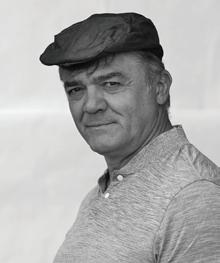
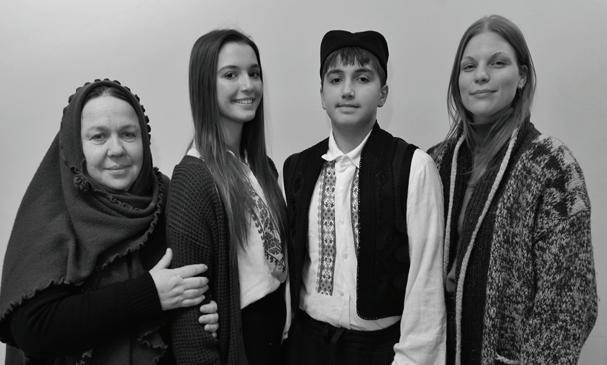
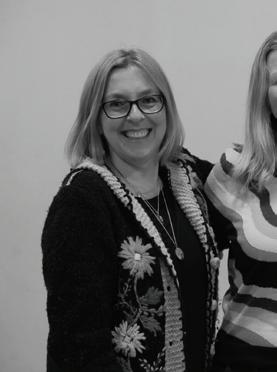
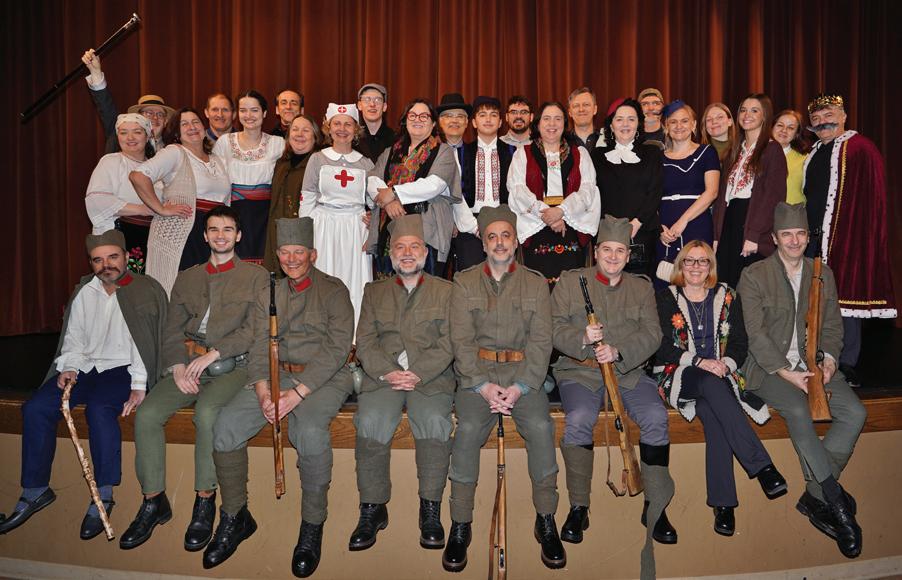
Martinovic, Bjanka not in the picture: Milena golic, Milica Jakovljevic
sounD anD light
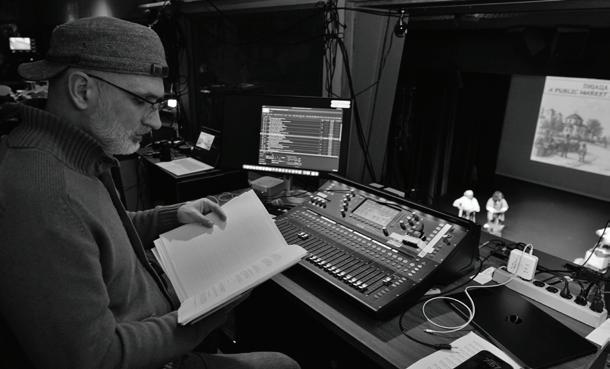
Mira Martinovic, goran Sofija rudic, Aleksa Milovanovic, Milica Jakovljevic, Silvija Bozurka Pejcic-Morrison,
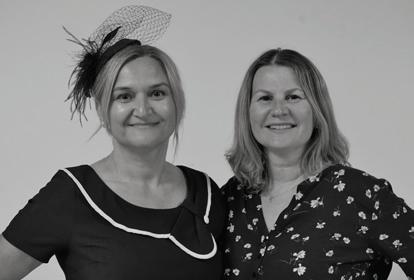
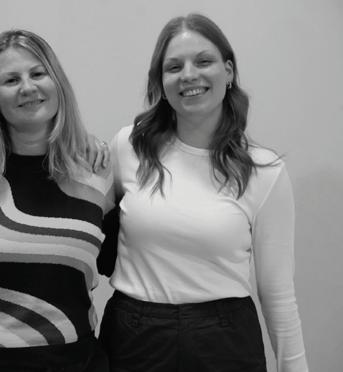
Bjanka Marceta, ivana katancevic Milena Dedijer, Predrag Vasic, Milica Jakovljevic
oran Martinovic, Milovanovic, Stela Plavsic, Silvija Jakovljevic, Pejcic-Morrison, Danko Panic
costumes anD makeuP
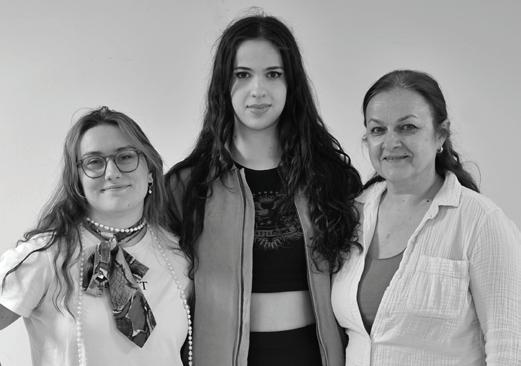
Milica Jakovljevic, Sofija rudic, Mira rudic, not in the picture: Mila Panic, goran Martinovic, katarina rudic, Silvija Jakovljevic
greeters/ushers
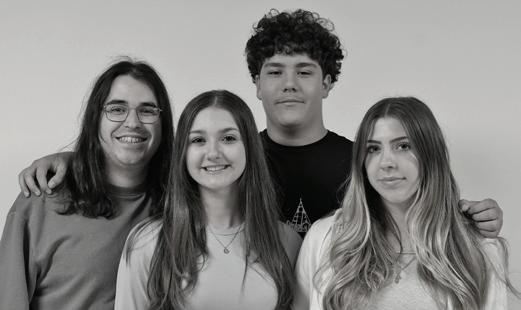
Aleksa Jovcic, Sara Zekanovic, Mihailo Jakovljevic, Elena Martinovic, not in the picture: Mila Stefanovic, lena Marceta, luka Jovcic, Aleksandra Stefanovic
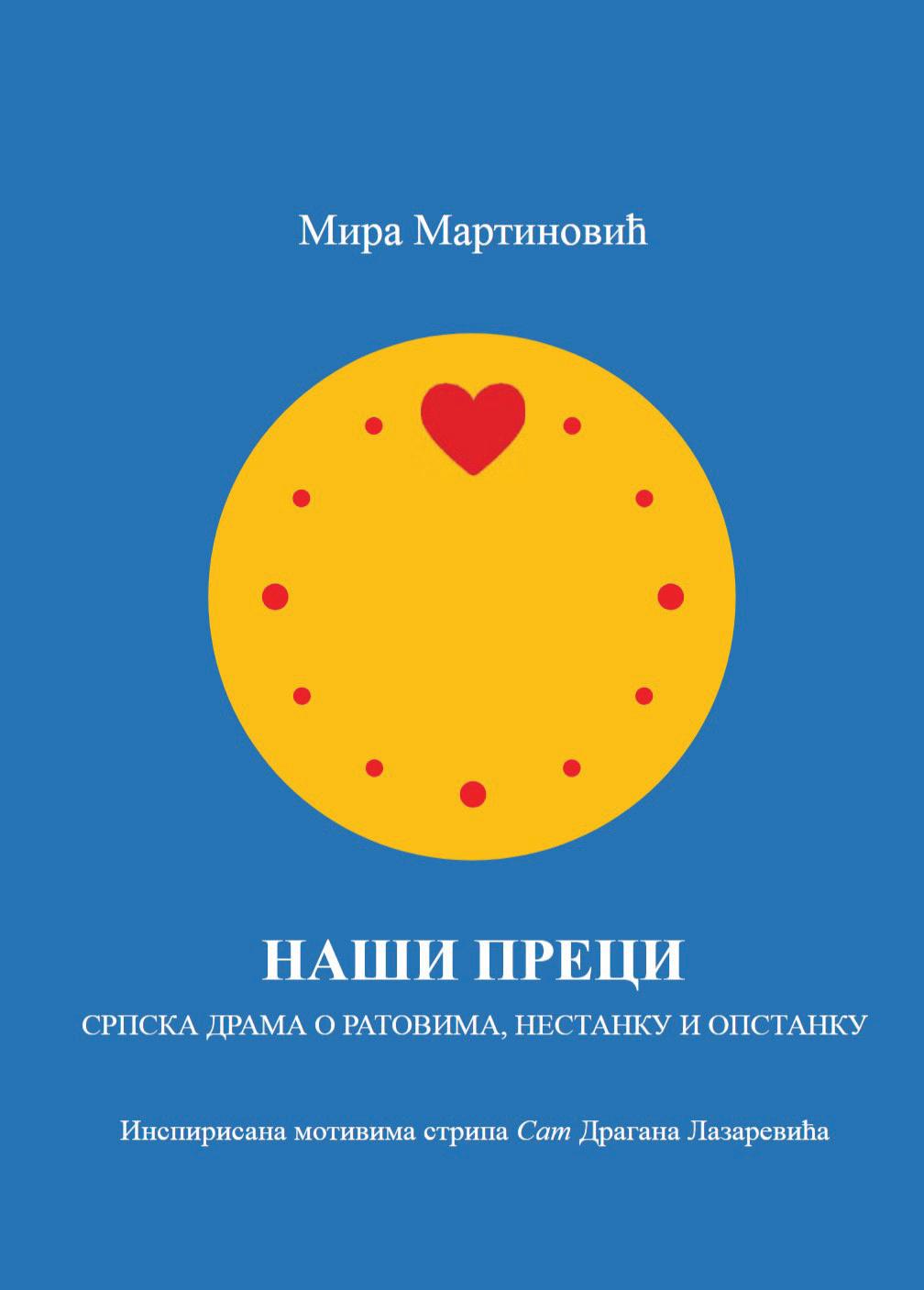
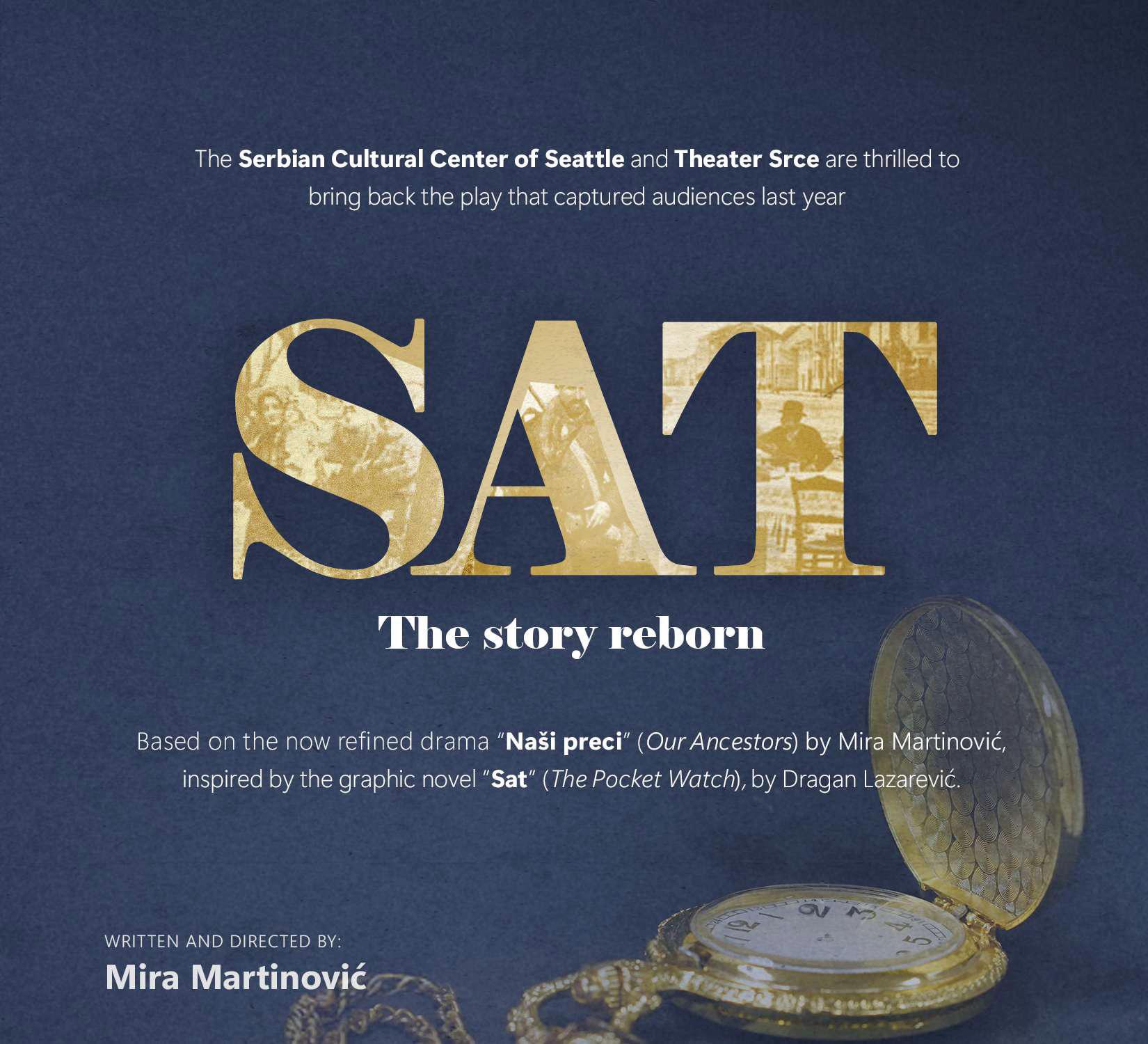
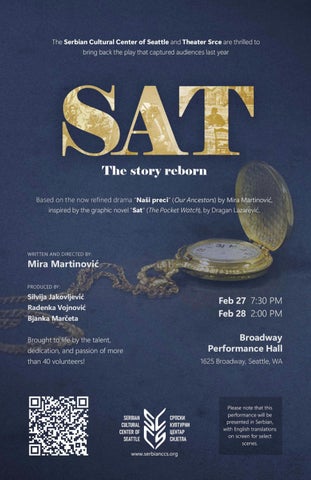
Based on nasi preci (Our Forefathers), a drama written by Mira Martinovic that was originally inspired by the graphic novel Sat (The Pocket Watch) written by Dragan lazarevic.
the Present day
narrator – Jovica Spasic
1914-1919
act 1
An Overture
Jula 1915.
fleeing and Engagement
Drac
The french Boats
Tunisia
happy Times
Open Market
The Tavern 1
intermission
act 2
Serbian Women
Jula 1916
The Tavern 2
Zelabia
The Pocket Watch
Jula and radomir
french nurses
Death
Salonika front news
handover
radomir lazarevic – Mihajlo Spasojevic
Jula lazarevic, Slobodanka’s older sister – lana Parezanin
Child Dragan lazarevic – Mateo radmilac
Milutin – luka Marceta
leca – goran Martinovic
Milorad – nikola rudic
Admiral guepratte – Danko Panic
french Colonel – Srdjan Jovcic
french nurse lucille – Milica Dozic
french nurse Simone – gordana Subotic
Serbian Soldier – Zivko Vojnovic
Extras: Dragana Bojanic, lena Marceta, Andjela Vojnovic, filip Vojnovic, Zivko Vojnovic
1933
Market Seller Savka – Marija radojcic
Slobodanka, Julka’s younger sister – Svjetlana Vasic
Market Seller Cana – ljilja Bojic
Market Seller Vesa – nada Jovcic
Townswoman Dara – rada Vojnovic
Townswoman rosa – roberta roso
Adult Dragan lazarevic – Deni hajdarpasic
Student – Aleksa Milovanovic
Student’s father Mr. Jovan – Aleksandar Juric
Old Man Mijajlo– Aleksandar Dozic
newsboy – Petar Spasic
umberto the 1st king of italy – Pedja Bojic
Tavern Owner Milisav– Slobodan Bojanic
The german, fritz Schmit – Dejan Subotic
Content Warning: given the topic of the play Sat – the first World War, please be advised that this content may be disturbing to some audiences. The depictions contain potentially triggering images, such as the use of prop guns, suffering, and death.
We invite you to take the pictures of the set before and after the show.
Photography, video and sound recording, and use of cell phones is prohibited during the play.
SPOilEr AlErT: if you understand the Serbian language, we advise that you read this extensive summary only after you have seen the play. A non-spoiler plot summary is available in the Serbian language program.
The play that you are about to see, The Pocket Watch, encompasses three time periods: the years around the first World War, the spring of 1933, and the present day. The link that connects them is a young couple from a village in Serbia, Jula and radomir lazarevic. They are real people as well as the great grandparents of the author Dragan lazarevic, whose graphic novel The Pocket Watch serves as a baseline for our play.
The first World War came on the heels of the two Balkan Wars. in the first Balkan War, Serbia fought alongside Montenegro, greece, and Bulgaria to complete their struggles for freedom from the Ottoman Empire, their centuries-long overlord. in the Second Balkan War, primarily Serbia, Montenegro and greece fought with Bulgaria over land claims.
By the time the summer of 1914 came around, Serbia, as all the other Balkan countries, was exhausted. The great War would not wait, however, and their peasants were called to take up arms for the third time in a row. Jula and radomir lazarevic personify all those peasants—their joys in peace, the woes of war, and the resurrection of a shattered nation.
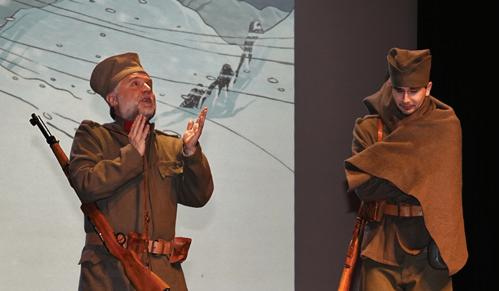
in our play, the years 1914 to 1919 frame the events of the great War. The scenes are set in Serbia, Albania, and Tunisia, and in them we meet Jula, radomir, their young son Dragan, and radomir’s best friend, Milutin. These scenes reveal the deep yearning that radomir and Jula feel for one another. They are far apart, radomir in the war and Jula in their village, and yet, their mutual devotion makes us feel as if they were together. While radomir and Milutin trek the Albanian mountains to flee the german and Austrian armies, radomir relates the story about how he asked for Julka’s hand in marriage. he tells Milutin that he waited on the bank of the creek where she was to pass, plucking grass blades and worrying himself into believing that his love was not reciprocated. As he got up, ready to abandon his marriage proposal, he saw Jula standing on the other bank, looking at him “as if she knew what was hiding” in his soul. unable to collect himself, he mumbled about taking
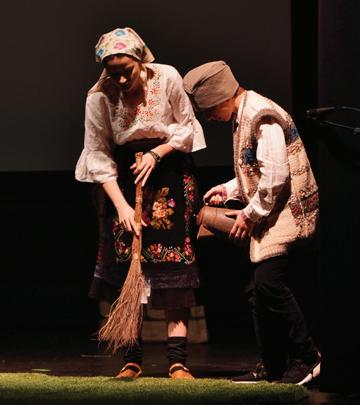
a little break from the fieldwork while his mother’s calls in search of him echoed across the valley. he describes to Milutin how Jula just kept looking at him and smiling, and then she said a simple “i do,” making him feel “as if she attached wings’ to him.
in Jula’s two monologue scenes, she speaks as if speaking to radomir. She tells him about the news from the village—who was killed and how the women and elderly help one another while armies pass through and leave them without livestock and grain. She mentions the old mill owner who would not accept payments. “What good’s money to me if none of my sons return.” in his words, we feel the peasants’ chilling intimacy with war and death. in her second scene, Jula tells us that Vidosav, her sister Slobodanka’s bridegroom, was killed.
characters’ main quotes
Jula: “But we did. We survived.”
radomir: “All of life is on you, now, Jula.”
milutin: “The Allies proclaimed us dead. Dead! Oh, just wait until they see dead Serbs sprint towards their Serbia! They’ll see us outrunning all their horses.”
The three scenes taking place in 1933 are set in a market and in a tavern of a Serbian town. in these scenes we meet Jula and radomir’s now adult son, Dragan, as he is coming to the market to bring crops and with it help his Aunt Slobodanka. Slobodanka remained alone and childless, finding her life meaningless. “A burden, only a burden is what i am.”
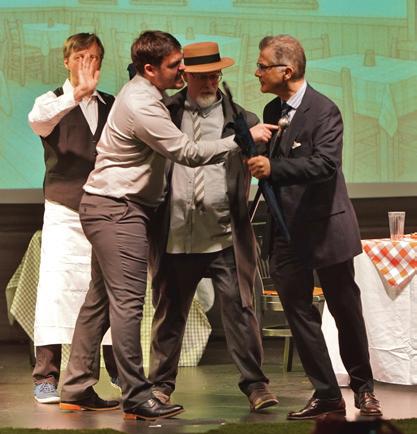
in the tavern scenes, we get to know an old man who was Slobodanka’s bridegroom’s officer and responsible for his death. he symbolizes survivor’s guilt and drinks his life away, lamenting his memories of all the young men he sent to their deaths.
The father and his student son, who just came from his studies in Vienna, discuss the great War. The student is enraged over the way in which his Austrian professors define Serbia as the cause of the great War. The father, recognizing his son’s passion, tries to make him see how peace is better than war, regardless of the circumstance. he intensely worries about his son, reflecting that worry onto us. And we, the audience, can imagine what awaits young men like this student in the decade that follows. When a german seller of Bayer Aspirin, fritz Schmit, walks into the tavern, he reminds the old man of the horrors that he had witnessed when the Austrians and germans crossed into Serbia. The waiter pleads with the old man to be civil to the german, but the old man squeezes through his teeth a reply that he “didn’t take kids off of the scaffolds these villains put them on to be civil with him now.” The german does not pay attention to the old peasant, and his pride in the development of the german industry spills into a panegyric on hitler.
characters’ main quotes: slobodanka: “What do i care about another war. What do i have left to lose!”
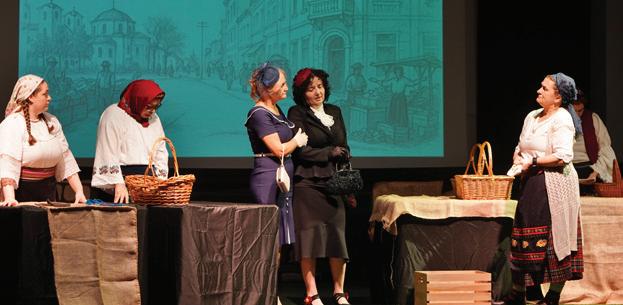
young market seller: “See! We took time, but we made it through! not even the empires could break us. We managed as best as we could, and now look, we’re building a new Serbia! A whole new world!” student: “nearly 40 political assassinations in Europe between 1900 and 1914. kings, princes, prime ministers, high diplomats. nearly 40 murdered in Portugal, Spain, france, finland, greece… But then, because of this one prince, the small peasant Serbia with its peasant king is guilty for the great War. Well, i cannot, father, not even for you, i cannot accept such lies!”
Father: “What’s the point of glory that kills off our kids! To live, Son, we must live!” old man: “They put me, a peasant, a simple man, they put me as an officer. To command kids to slaughter. not even twenty years old like Vidosav. he only spoke of his Slobodanka. how beautiful she is, and when he returns, how he’ll build her a home and fill it with kids… And i sent him to slaughter! And how many more like him.”
today:
The narrator, Jula and radomir lazarevic’s great grandson shares with us historical photographs of the Serbian golgotha that the first Serbian war photojournalist, rista Marjanovic captured. We see endless lines of Serbs in the snow fleeing the german and Austrian armies across the Albanian mountains; women and children in traditional clothes pushing along oxen carts packed with what could be packed, also fleeing. The narrator connects these women with his great grandmother Jula as embodiments of those who found strength within themselves to survive and to bring up what was left of their families, their villages, and their country.
The narrator adds that, since one in four Serbs perished in the great War, it is impossible that every one of us with Serbian origins does not share in the losses of the great War. in the end, he devotes the play to all those Serbs who would never be born.
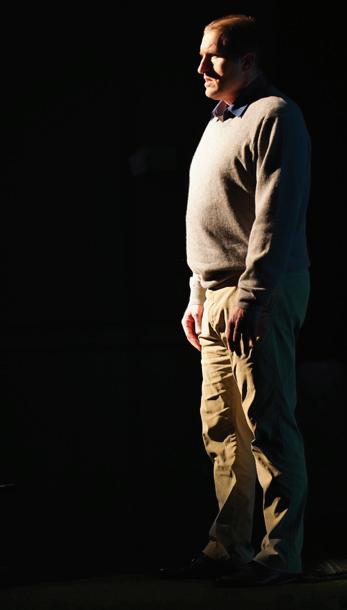
The narrator’s quote: “This only happens to be a story of my great grandparents, but it could easily be your family story too. if you don’t believe me, ask, and you’ll see.”
Cristina Amaral
Andrija Antonijevic
Danka and uros Batricevic
Dragana and Slobodan Bojanic
nikola Bojanic
ljiljana and Predrag Bojic
Zana and Srdjan Boskovic
nevenka and Zlatko Burina
Svjetlana Vasic
Marija and Dusko Velickovic
rada and Zivko Vojnovic
Bojan Vukadinovic
ljiljana and Milos Vukic
Vladimir Vulovic
Zinka galusic
Svetlana and Zoran glisic
Milovan glogovac
ivana Denic
Sandra Drakulovic
Marina and Vlado Zaric
Milica golic and Damjan Zivaljevic
irena Zlatanovic
Milena and Miodrag Dedijer
Milica and Aleksandar Dozic
ljilja Djukanovic
ruzica and golub Zekanovic
Marko Yakovlevitch
Silvija and Srdjan Jakovljevic
nada and Srdjan Jovcic
Aleksandar Juric
li xua and Danijel Plavsic
Mirjana and goran kundacina
ivanka lakic
Elena Martinovic
Mira and goran Martinovic
Bjanka and Dalibor Marceta
Aleksa Milovanovic
Marko Milovanovic
Tanja and Sava Milovanovic
Zorica and Jadran Mihailovic
Bozurka and Doug Morrison
lilliana and Danko Panic
lana Parezanin
renata and Milan radic
ljiljana Savkovic and Miroslav Plese
Marija Prokopijevic
Violeta and goran Prunk
Calin Prutean
Aleksandra and Predrag radmanovic
Marija and gordan radojicic
Snezana and Sasa radosavljevic
roberta and Predrag roso
Mirjana and nikola rudic
ljiljana Savkovic
Jovica Spasic
Mihajlo Spasojevic
Cheryl Spasojevic
Aleksandra and Milan Stefanovic
gordana and Dejan Subotic
Jelena and Milan Tomic
Viktorija and Deni hajdarpasic
Alma hadzimuratovic
hajrija hodzic
nikola Cvijancevic
ines Cobeljic
Ying Jin
rishabhkumar Shukla
AT&T I ByteDance I Verizon I
Serbian Cultural Center San Diego I
GitHub I Microsoft I MediaMosaic I Cisco I TikTok I F5
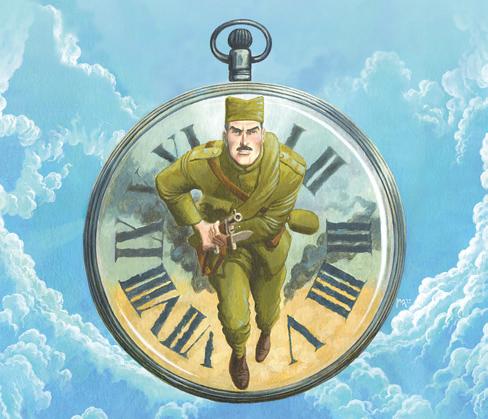
An updated list of donors will be posted on our website. This will include the donations given after the printing of this program.
We thank you from the bottom of our hearts!
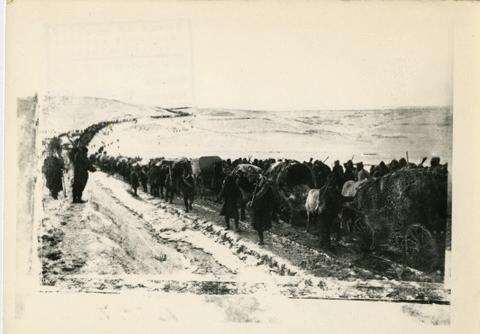
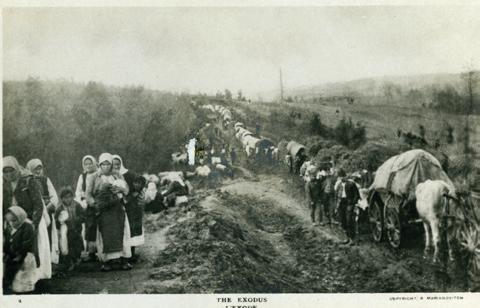
There are many people who have helped us with this production, and we thank each one of you from the bottom of our hearts!
We would like to specifically call out Dragan lazarevic and Vujadin radovanovic for allowing us to use their graphic novel Sat with all its artistic drawings.
We would also like to thank Professor Dragan Elcic for allowing us to use the photographs from his documentary, Rado ide Srbin u vojnike, which contains the Serbian war photojournalist, rista Marjanovic’s first World War original photographs. Your support has helped us create a production that we are profoundly proud of. Thank you!