17 & 18 Apr 2026
Sayaka Shoji & Masaaki Suzuki / Mozart and Kalliwoda
24 Apr 2026
Kahchun Wong’s Pictures at an Exhibition
1 & 2 May 2026
Eric Lu & Kahchun Wong / Chopin Piano Concerto 1


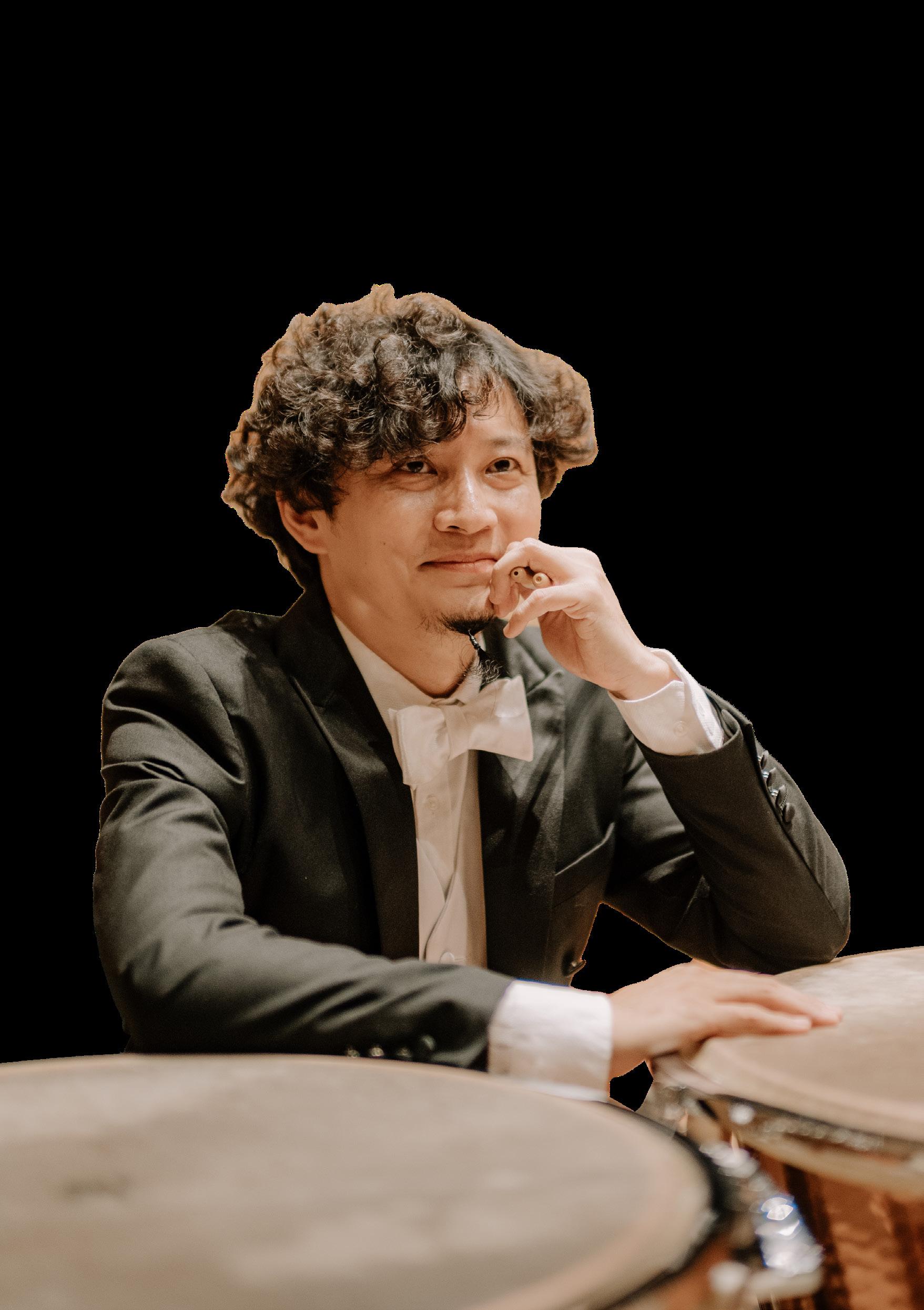
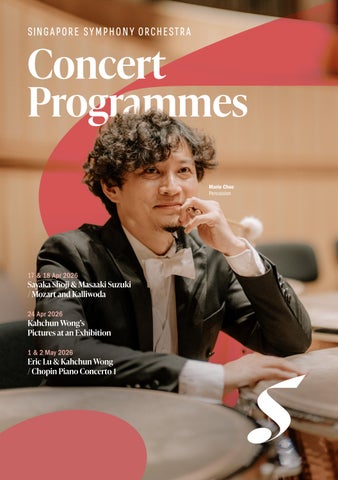
Mario Choo Percussion
17 & 18 Apr 2026
Sayaka Shoji & Masaaki Suzuki / Mozart and Kalliwoda
24 Apr 2026
Kahchun Wong’s Pictures at an Exhibition
1 & 2 May 2026
Eric Lu & Kahchun Wong / Chopin Piano Concerto 1
18
Sayaka Shoji & Masaaki Suzuki / Mozart and Kalliwoda
Fri & Sat, 17 & 18 Apr 2026
Victoria Concert Hall
26
34
Kahchun Wong’s Pictures at an Exhibition
Fri, 24 Apr 2026
Esplanade Concert Hall
Eric Lu & Kahchun Wong / Chopin Piano Concerto 1
Fri & Sat, 1 & 2 May 2026
Victoria Concert Hall
For the enjoyment of all patrons during the concert:
Please switch off or silence all electronic devices.
Please minimise noises during performance. If unavoidable, wait for a loud section in the music.
No photography, video or audio recording is allowed when artists are performing.
Non-flash photography is allowed only during bows and applause when no performance is taking place.
Go green. Digital programme books are available on www.sso.org.sg.
Photographs and videos will be taken at these events, in which you may appear. These may be published on the SSO’s publicity channels and materials. By attending the event, you consent to the use of these photographs and videos for the foregoing purposes.
Cover photo: Mario Choo © ILUMINEN
The orchestra performs over 60 concerts a year, and its versatile repertoire spans alltime favourites and orchestral masterpieces to exciting cutting-edge premieres. Bridging the musical traditions of East and West, Singaporean and Asian musicians and composers are regularly showcased in the concert season. The SSO makes its performing home at the 1,800-seat state-ofthe-art Esplanade Concert Hall. More intimate works, as well as community performances take place at the 673-seat Victoria Concert Hall, the Home of the SSO.
Since its founding in 1979, the Singapore Symphony Orchestra (SSO) has been Singapore’s flagship orchestra, touching lives through classical music and providing the heartbeat of the cultural scene with its 44week calendar of events.
In addition to its subscription series concerts, the orchestra is well-loved for its outdoor and community appearances, and its significant role educating the young people of Singapore through its school programmes. The SSO has also earned an international reputation for its orchestral virtuosity, having garnered sterling reviews for its overseas tours and many successful recordings. In 2021, the SSO clinched third place in the prestigious Orchestra of the Year Award by Gramophone. In 2022, BBC Music Magazine named the SSO as one of the 23 best orchestras in the world.
From the 2026/27 season, the SSO will be led by Finnish conductor Hannu Lintu, the fourth Music Director in the orchestra’s history after Choo Hoey (1979–1996), Lan Shui (1997–2019) and Hans Graf (2020–2026).
Beyond Singapore, the SSO has performed in Europe, Asia, Australia and the United States. In the 2024/25 season, the SSO performed to full houses at Asia Orchestra Week in Kyoto, Japan, and made its “dazzling – and true-blue – Down Under debut” (Limelight) in Sydney, Melbourne and Brisbane. In May 2016, the SSO was invited to perform at the Dresden Music Festival and the Prague Spring International Music Festival. This successful five-city tour of Germany and Prague also included the SSO’s second performance at the Berlin Philharmonie. In 2014, the SSO’s debut at the 120th BBC Proms in London received praise in major UK newspapers The Guardian and The Telegraph. The SSO has also performed in China on multiple occasions.
The SSO has released more than 50 recordings, with over 30 on the BIS label. Recent critically acclaimed albums include A Hero’s Life (OUR Recordings), Symbiosis - Tribute to Bill Evans (Pentatone) and a complete Mozart Violin Concerto cycle with Singaporean violinist Chloe Chua conducted by Hans Graf (Pentatone). The SSO also leads the revival and recording of significant works such as Kozłowski’s Requiem and violin concertos by Robert Russell Bennett and Vernon Duke.
The SSO has collaborated with such great artists as Vladimir Ashkenazy, Gustavo Dudamel, Charles Dutoit, Joe Hisaishi, Neeme Järvi, Lorin Maazel, Martha Argerich, Diana Damrau, Janine Jansen, Leonidas Kavakos, Lang Lang, Yo-Yo Ma, Mischa Maisky, Gil Shaham, Daniil Trifonov and Krystian Zimerman.
The SSO is part of the Singapore Symphony Group, which also manages the Singapore Symphony Choruses, the Singapore National Youth Orchestra, the Singapore International Piano Festival and the biennial National Piano & Violin Competition.
The Group’s vision is to be a leading arts organization that engages, inspires and reflects Singapore through musical excellence. Our mission is to create memorable shared experiences with music. Through the SSO and its affiliated performing groups, we spread the love for music, nurture talent and enrich our diverse communities.
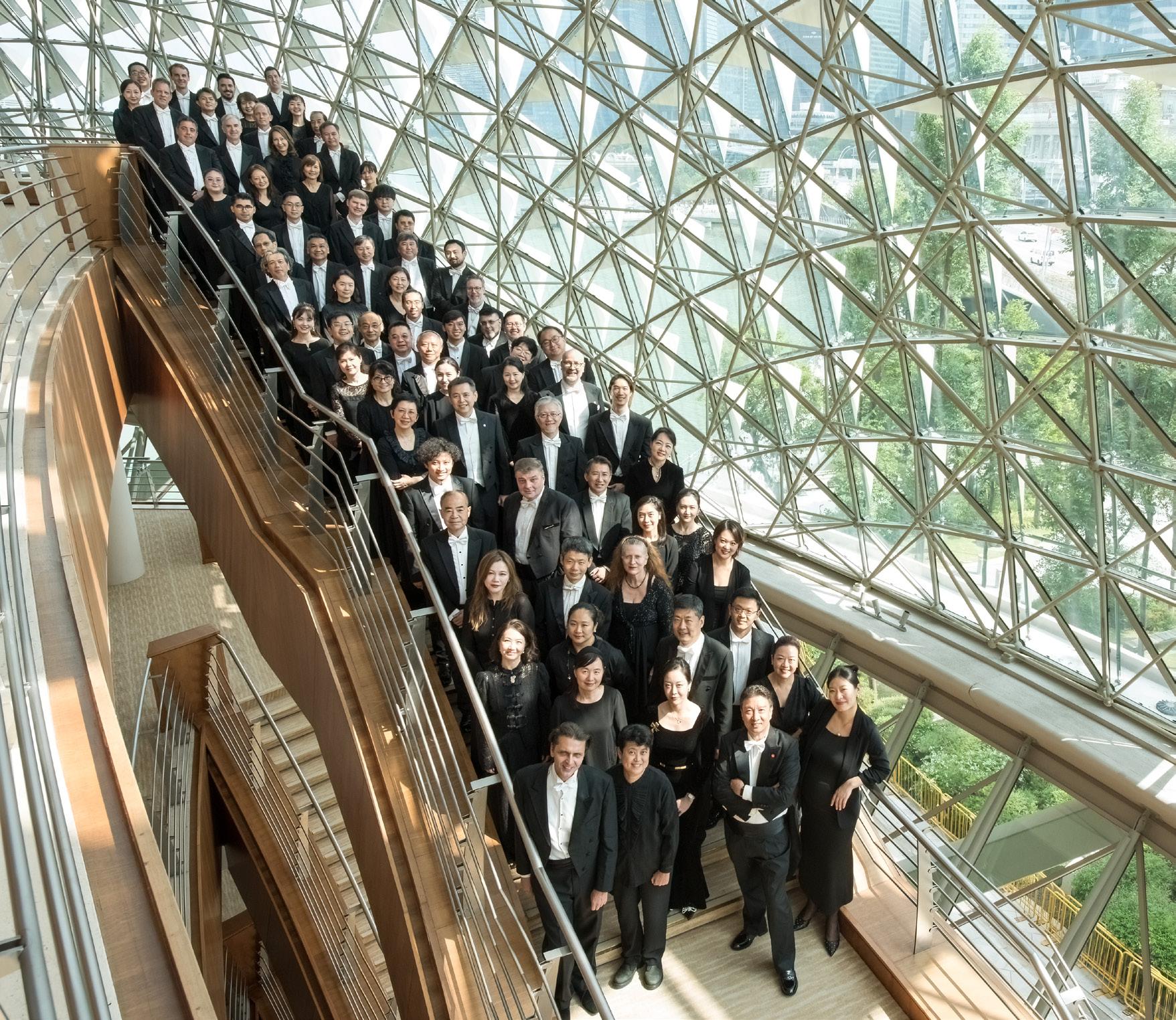
Sayuri Kuru Associate Principal
Nikolai Koval*
Hai-Won Kwok
Renyu Martin Peh^
Margit Saur
Shao Tao Tao
Wu Man Yun*
Xu Jueyi*
Yin Shu Zhan*
Zhao Tian
Hans Graf
Quantedge Music Director
Rodolfo Barráez
Associate Conductor
Lan Shui
Conductor Laureate
Eudenice Palaruan Choral Director
Wong Lai Foon Choirmaster
Ellissa Sayampanathan Assistant Choral Conductor
(Position vacant) Concertmaster, GK Goh Chair
David Coucheron Co-Principal Guest Concertmaster
Kevin Lin Co-Principal Guest Concertmaster
Chan Yoong-Han1 Acting Associate Concertmaster
Cao Can*
Duan Yu Ling
Foo Say Ming
Jin Li
Kong Xianlong
Cindy Lee
Karen Tan
William Tan
Wei Zhe
Ye Lin*
Zhang Si Jing
Manchin Zhang Principal, Tan Jiew Cheng Chair
Guan Qi Associate Principal
Gu Bing Jie* Assistant Principal
Chen Li
Marietta Ku
Luo Biao
Julia Park
Shui Bing
Janice Tsai
Dandan Wang
Yang Shi Li
Ng Pei-Sian Principal, The HEAD Foundation Chair
Yu Jing Associate Principal
Guo Hao Assistant Principal
Chan Wei Shing
Christopher Mui
Jamshid Saydikarimov
Song Woon Teng
Wang Yan
Wu Dai Dai
Zhao Yu Er
Yang Zheng Yi Acting Principal
Karen Yeo Assistant Principal
Po-Yu Fang
Victor Lee
Jacek Mirucki
Wang Xu
Jin Ta Principal, Stephen Riady Chair
Evgueni Brokmiller Associate Principal
Roberto Alvarez
Miao Shanshan
Piccolo
Roberto Alvarez Assistant Principal
Oboe
Rachel Walker Principal
Pan Yun Associate Principal
Simon Emes^
Carolyn Hollier
Elaine Yeo
Cor Anglais
Elaine Yeo Associate Principal
Clarinet
Ma Yue Principal
Li Xin Associate Principal
Liu Yoko
Tang Xiao Ping
Bass Clarinet
Tang Xiao Ping Assistant Principal
Bassoon
Guo Siping Principal
Liu Chang Associate Principal
Christoph Wichert
Zhao Ying Xue
Contrabassoon
Zhao Ying Xue Assistant Principal
Horn
Austin Larson Principal
Gao Jian Associate Principal
Jamie Hersch Associate Principal
Marc-Antoine Robillard Associate Principal
Bryan Chong
Hoang Van Hoc
Trumpet
Jon Paul Dante Principal
David Smith Associate Principal
Lau Wen Rong
Nuttakamon Supattranont
Allen Meek Principal
Damian Patti Associate Principal
Samuel Armstrong
Bass Trombone
Wang Wei Assistant Principal
Tomoki Natsume Principal
Christian Schiøler Principal
Mario Choo
Jonathan Fox Principal
Mark Suter Associate Principal
Mario Choo
Lim Meng Keh
Harp
Gulnara Mashurova Principal
With deep appreciation to the Rin Collection for their generous loan of string instruments. Musician on annual contract.
Chan Yoong-Han performs on a David Tecchler, Fecit Roma An. D. 1700, courtesy of Mr G K Goh. Musicians listed alphabetically by family name rotate their seats on a per programme basis.
Sayaka Shoji & Masaaki Suzuki / Mozart and Kalliwoda 17 & 18 Apr 2026
First Violin
Frank Stadler Guest Concertmaster
Second Violin
Andreas Siles Mellinger Guest Principal
Seow Jin Chong
Double Bass
Joan Perarnau Garriga Guest Principal
Kahchun Wong’s Pictures at an Exhibition 24 Apr 2026
First Violin
Sulki Yu Guest Concertmaster
Chen Dawei
Lim Shue Churn
Yew Shan
Second Violin
Markus Gundermann Guest Principal
Wilford Goh
Yvonne Lee
Edward Tan
Viola
Ho Qian Hui
Yeo Jan Wea
Double Bass
Joan Perarnau Garriga Guest Principal
Guennadi Mouzyka
Flute
Wang Tong
Eric Lu & Kahchun Wong / Chopin Piano Concerto 1 1 & 2 May 2026
First Violin
Chen Dawei
Wilford Goh
Second Violin
Michael Salm Guest Principal
Ikuko Takahashi
Viola
Ho Qian Hui
Piano
Beatrice Lin Principal
Trumpet
Douglas Waterston
Percussion
Mark De Souza
Harp
Charity Kiew
Piano/Celesta
Aya Sakou
27 Feb – 1 Mar
26 – 29 Mar
27 – 31 May
31 Jul – 1 Aug
5 – 8 Nov
9 – 13 Dec
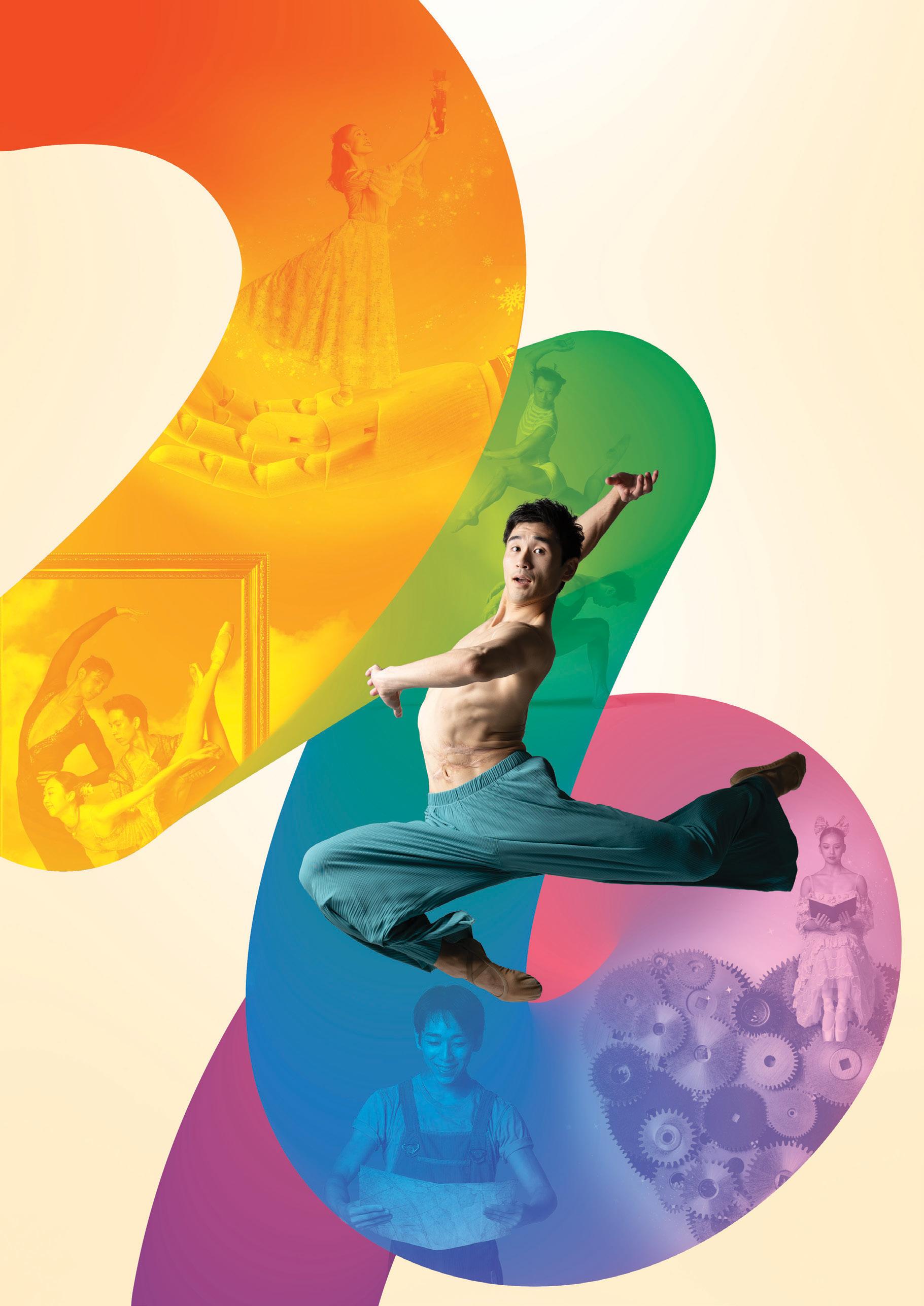
Singapore Ballet Masterpieces
Passages

conductor
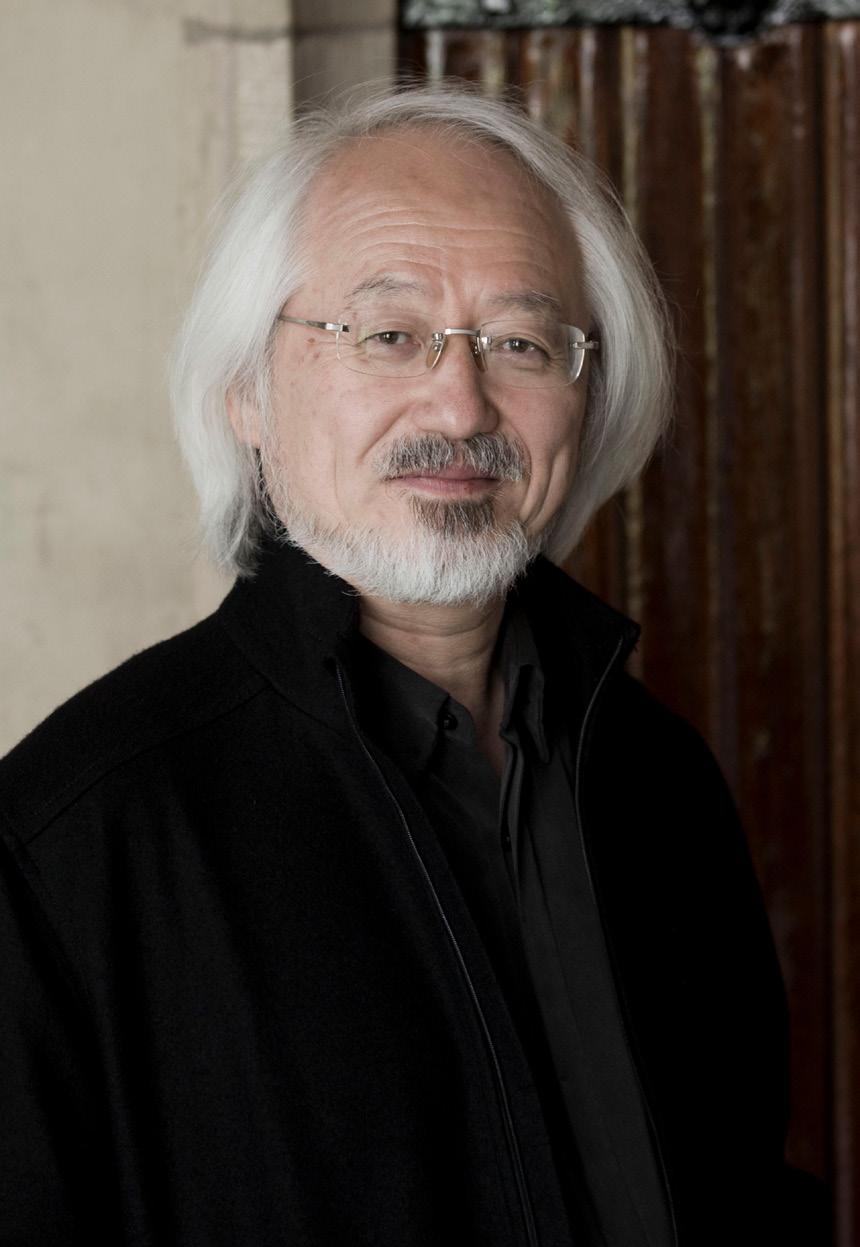
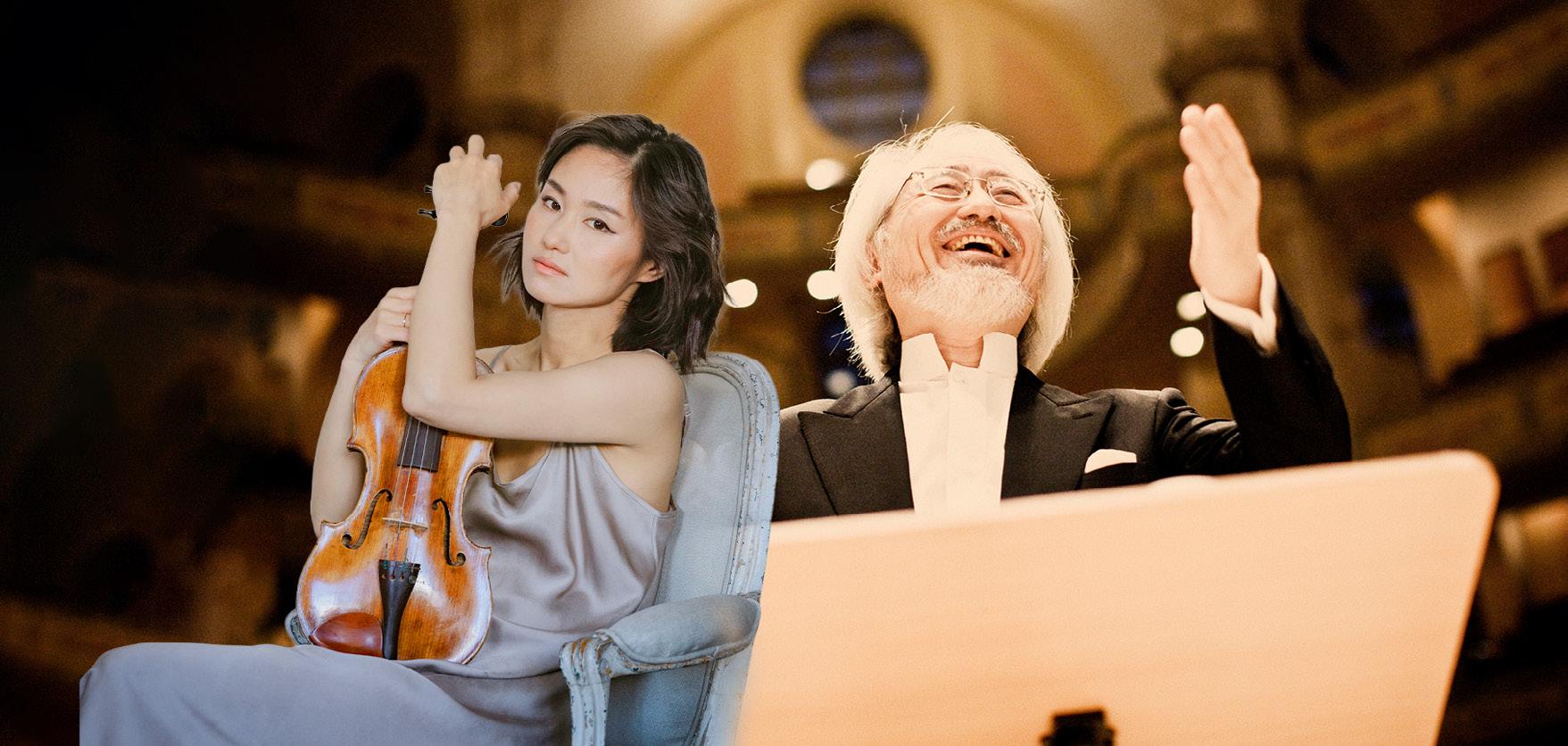
Since founding Bach Collegium Japan in 1990, Masaaki Suzuki has established himself as a leading authority on the works of J.S. Bach. He has remained their Music Director ever since, taking them regularly to major venues and festivals in Europe and the USA, recording the complete cycle of Bach’s Sacred Cantatas and building up an outstanding reputation for the expressive refinement and truth of his performances.
In addition to working with renowned period ensembles, such as Collegium Vocale Gent, Orchestra of the Age of Enlightenment and Philharmonia Baroque Orchestra, Suzuki is invited to conduct orchestras such as New York Philharmonic, San Francisco Symphony Orchestra, Los Angeles Philharmonic, hr-Sinfonieorchester, Philharmonia Orchestra, Mozarteum Orchester Salzburg, Gewandhausorchester Leipzig, and Yomiuri Nippon Symphony Orchestra, amongst others.
Suzuki’s impressive discography on the BIS label, featuring all Bach’s major choral works as well as complete works for harpsichord, has brought him many critical plaudits. The Times wrote, “it would take an iron bar not to be moved by his crispness, sobriety and spiritual vigour”.
Suzuki combines his conducting career with his work as an organist and harpsichordist; he recently recorded Bach’s solo works for these instruments. Born in Kobe, he graduated from the Tokyo University of Fine Arts and Music with a degree in composition and organ performance and went on to study at the Sweelinck Conservatory in Amsterdam under Ton Koopman and Piet Kee.
In 2012 Suzuki was awarded with the Leipzig Bach Medal and in 2013 the Royal Academy of Music Bach Prize. In April 2001, he was decorated with ‘Das Verdienstkreuz am Bande des Verdienstordens der Bundesrepublik’ from Germany.
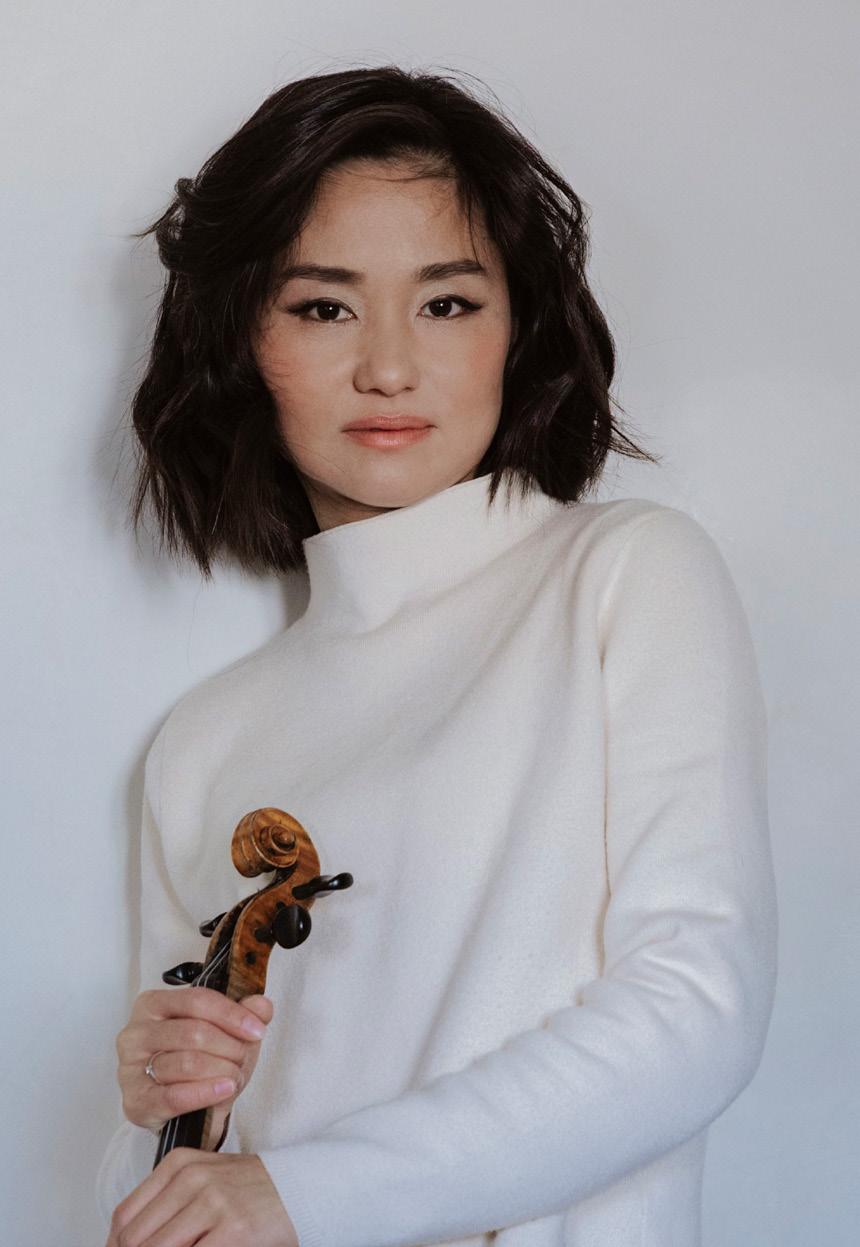
Sayaka Shoji has become internationally recognised for her unique artistic versatility and detailed approach to her chosen repertoire. Her remarkable insight into musical languages comes from her mix of European and Japanese backgrounds. Shoji was born in Tokyo and moved to Siena, Italy when she was three. She studied at Accademia Musicale Chigiana and Cologne’s Musikhochschule. She made her European debut with Lucerne Festival Strings and Rudolf Baumgartner at the Lucerne Festival, and then at the Musikverein, Vienna at the age of fourteen.
Since winning First Prize at the Paganini Competition in 1999, Sayaka Shoji has been supported by leading conductors such as Zubin Mehta, Lorin Maazel, Semyon Bychkov, Mariss Jansons and Yuri Temirkanov to name a few. She has also worked with renowned orchestras including Berliner Philharmoniker, hrSinfonieorchester, Los Angeles Philharmonic, New York Philharmonic, London Symphony Orchestra, Philharmonia Orchestra, BBC Symphony Orchestra, Royal Philharmonic Orchestra, The Mariinsky Orchestra, NHK Symphony Orchestra and Czech Philharmonic Orchestra, among others.
As an active chamber musician, she has a longstanding collaboration with many artists including the Modigliani Quartet, Gianluca Cascioli, Benjamin Grosvenor, Beatrice Rana, Kian Soltani, Steven Isserlis, Stephen Kovacevich and Vikingur Olafsson. Shoji regularly appears in recital in venues such as Philharmonie de Paris, Wigmore Hall, Suntory Hall, and Hamburg Laeiszhalle.
Shoji won the Mainichi Art Award in 2016, one of Japan’s most prestigious awards, presented to those who have had a significant influence on the arts. In 2012, Nikkei Business named her one of the 100 Most Influential People for Japan in the Future.
Sayaka Shoji plays a Stradivarius ‘Recamier’ c.1729 kindly loaned to her by Ueno Fine Chemicals Industry Ltd.
conductor
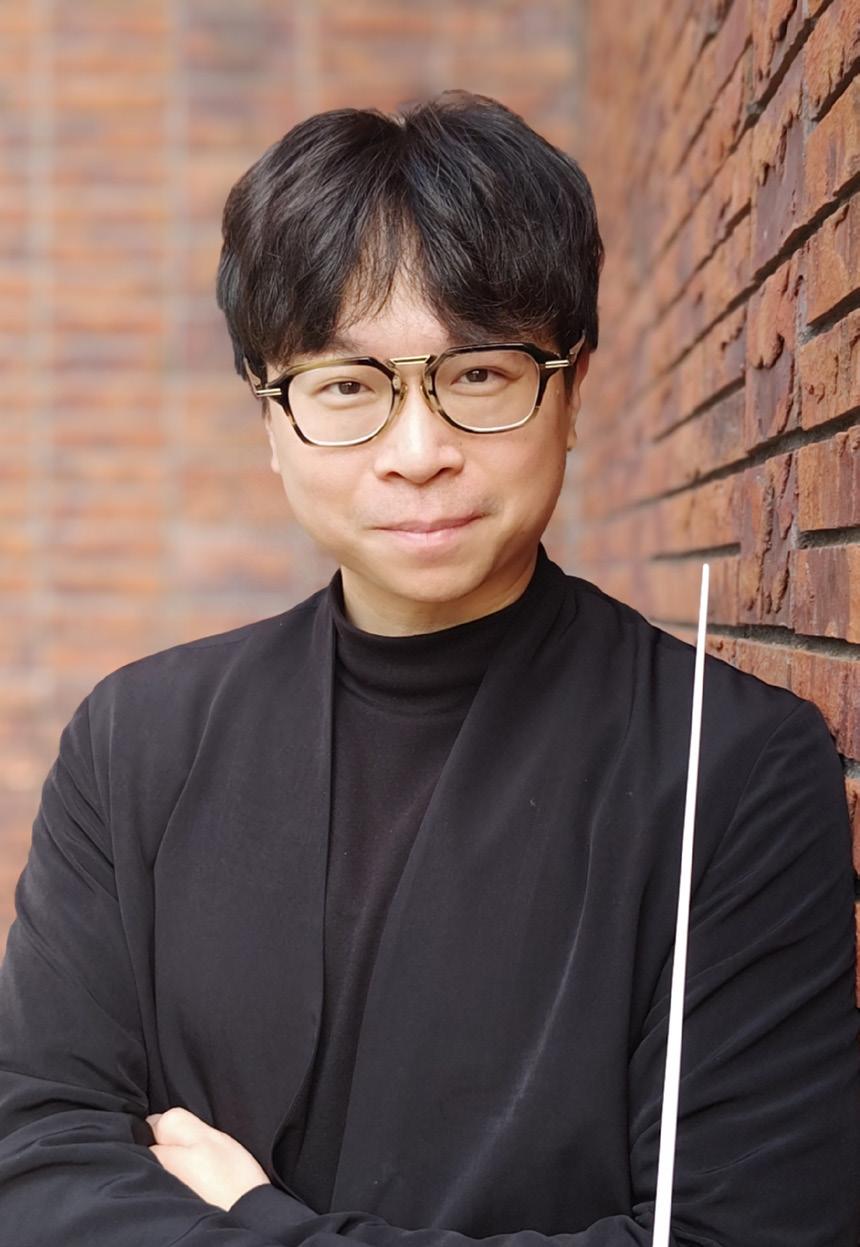
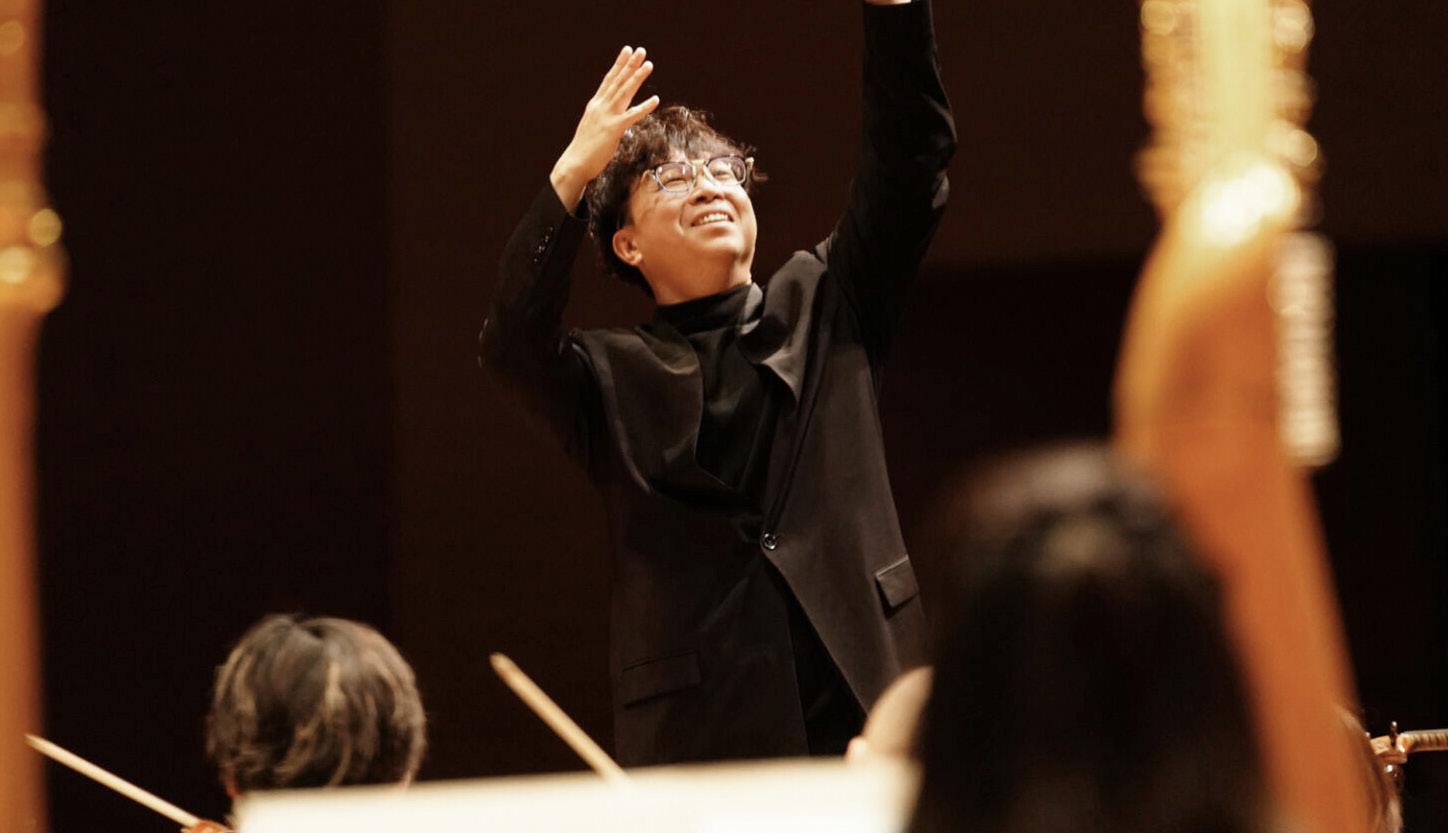
Kahchun Wong is Principal Conductor and Artistic Advisor of the Hallé and Chief Conductor of the Japan Philharmonic Orchestra, recognised for his work in the Austro-German symphonic tradition and an artistic voice shaped by East–West dialogue.
Since winning the Mahler Competition in 2016, he has established a profile in the composer’s symphonies. His BBC Proms debut in 2025, conducting the Second Symphony with the Hallé, was described by The Times as worthy of “six stars”. This season, he marks the Japan Philharmonic Orchestra’s 70th anniversary with the Eighth Symphony at Suntory Hall, and earlier in 2026 stepped in for Daniele Gatti with the Hong Kong Philharmonic for the Seventh Symphony.
Born in Singapore, where cultures meet and continually redefine themselves, Wong brings a keen awareness of plurality to his work, conducting and curating programmes that shape East–West dialogue through premieres of works by Tan Dun, Toshio Hosokawa and Unsuk Chin with the New York Philharmonic, BBC Symphony Orchestra and the Hallé. His reimagining of Mussorgsky’s Pictures at an Exhibition as a sinfonia concertante for Chinese instruments will be released on the Hallé label.
Last season included tours with the Cleveland Orchestra, the Hallé and the Japan Philharmonic Orchestra. Forthcoming engagements include debuts with the Pittsburgh Symphony Orchestra, Minnesota Orchestra, Frankfurt Radio Symphony and Gothenburg Symphony Orchestra, alongside return appearances with the London Philharmonic Orchestra, Bergen Philharmonic Orchestra, Hong Kong Philharmonic Orchestra and Singapore Symphony Orchestra.
His discography with the Hallé includes Britten’s Prince of the Pagodas (Limelight Recording of the Year 2025), Bruckner’s Ninth, described by Gramophone as “a must-hear for all Brucknerians”, and Mahler’s Second.
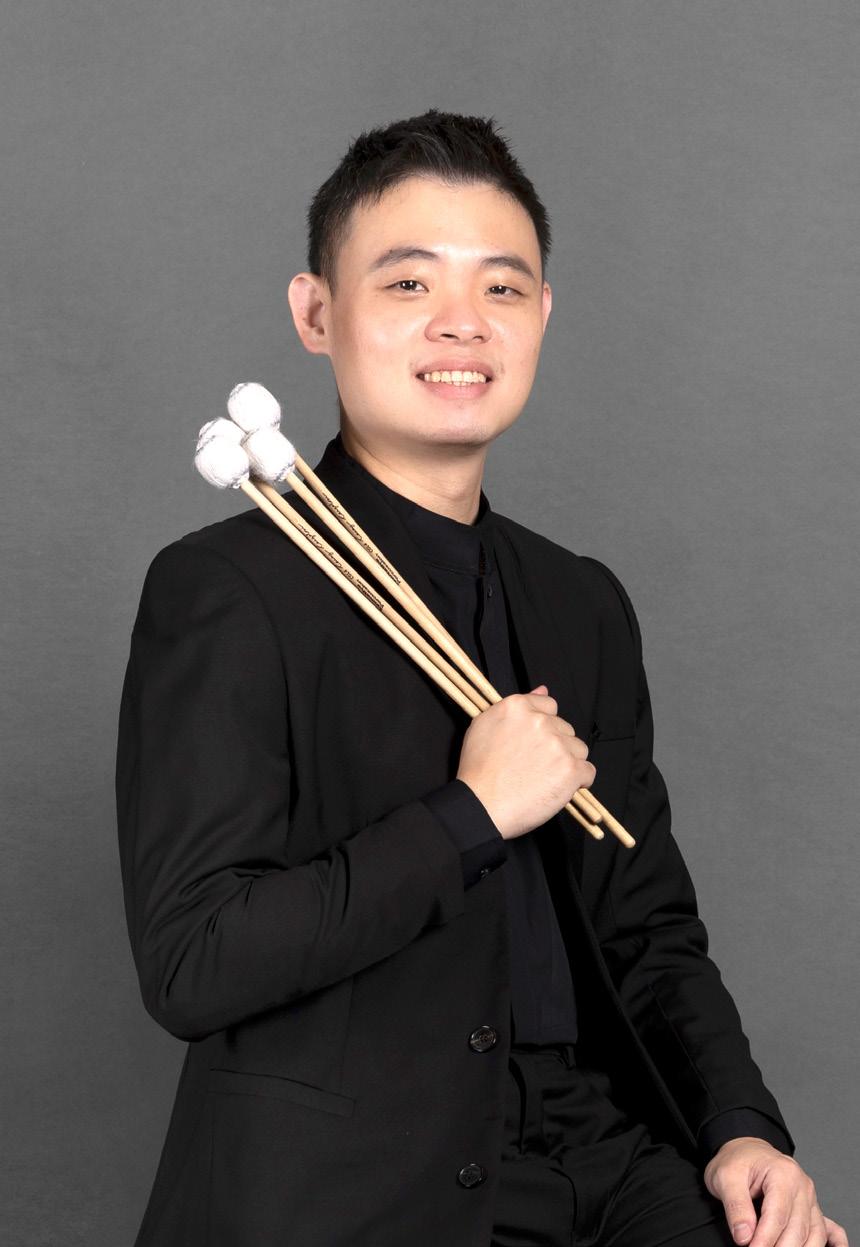
Benjamin Boo is a distinguished Singaporean percussionist and current Percussion Principal of the Singapore Chinese Orchestra (since October 2022), having joined as Percussionist in 2018. He began piano at age three and discovered Chinese percussion at nine. He studied Chinese percussion for over a decade under Quek Ling Kiong and later trained in Western percussion with Ngoh Kheng Seng.
A recipient of the National Arts Council’s Georgette-Chen Bursaries Award, Benjamin earned a Diploma in Music Performance from Nanyang Academy of Fine Arts in 2010, studying under Mark Suter. He graduated with First-Class Honours from the NAFA–RCM joint degree programme and completed a Master of Performance (Distinction) at the Royal College of Music in 2016, supported by the Neville Wathen Award.
While in London, he performed with the Philharmonia Orchestra, Royal Philharmonic Orchestra, and BBC Symphony Orchestra under the BBCSO Pathway Scheme.
An accomplished competitor, Benjamin led Symphonic Percussion to championship at the inaugural NAC Chinese Music Competition (2008) and won prizes at major Chinese and Indian music competitions. He is a founding member of the Singapore Youth Chinese Orchestra and Orchestra of the Music Makers, and has toured internationally, including appearances at Zappanale #28 and Klassik Open Air in Nuremberg (2022).
Co-founder and Ensemble Principal of Reverberance (回响), Benjamin actively promotes innovative Chinese wind and percussion music. He endorses Innovative Percussion and Pantheon Percussion.
dizi
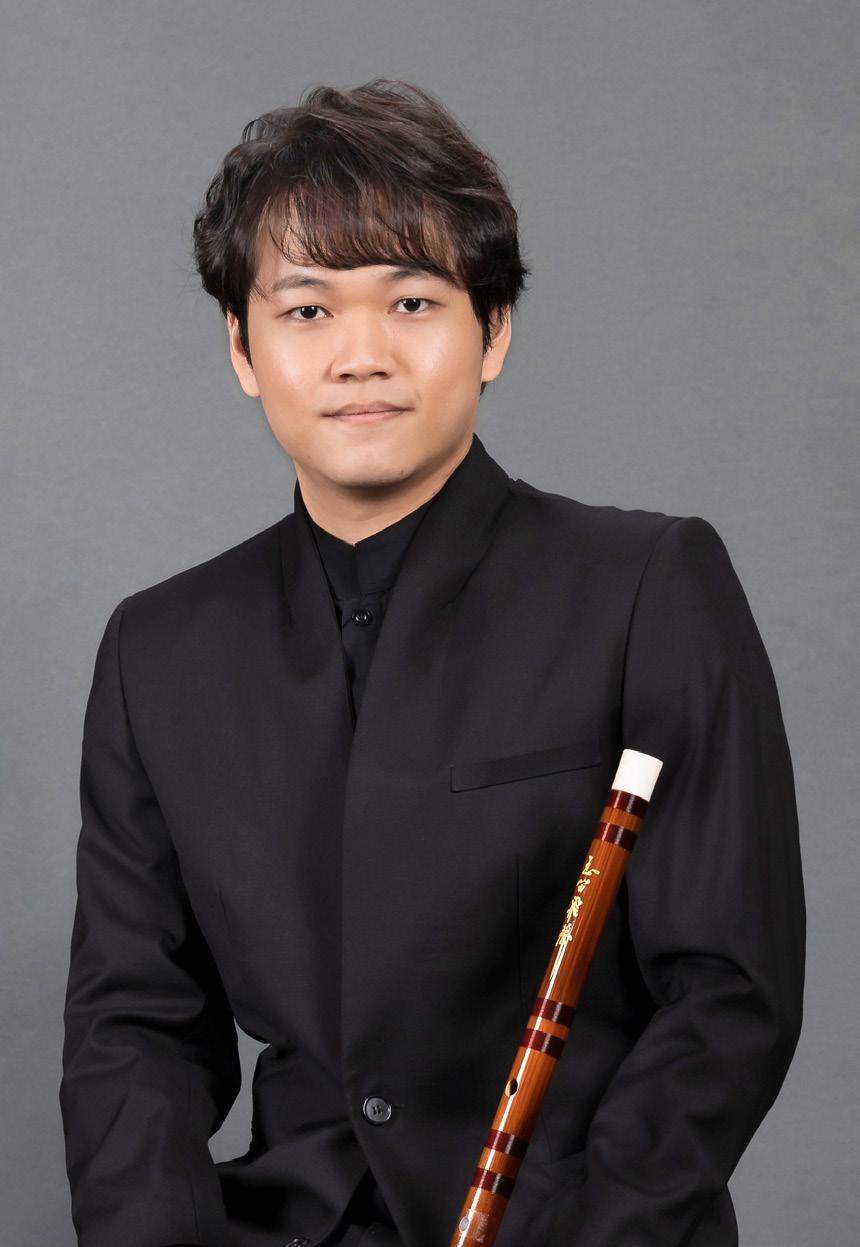
Lee Jun Cheng is a professional Singaporean dizi musician who began learning dizi at age nine in his primary school Chinese orchestra. At 13, he studied under Zou Boqiang and later received guidance from renowned masters including Li Zhen, Liu Sen and Qu Xiang.
He joined the People’s Association Youth Chinese Orchestra in 2008 and the Singapore Youth Chinese Orchestra in 2011, where he trained under Singapore Chinese Orchestra dizi musician Lim Sin Yeo.
In 2012, Jun Cheng was admitted to the China Conservatory of Music, studying with Professor Zhang Weiliang. During his conservatory years, he performed internationally across Europe and Asia and participated in major concerts such as Sound of Heaven: New Era of Zhang Wei-Liang’s Chinese Music and Call of the Ancient. He also collaborated with musicians from the Philharmonia Orchestra at Queen Elizabeth Hall.
In 2014, he became dizi principal player of the Toa Payoh West Community Club Chinese Orchestra and recorded an album with the Hua Xia Chinese Orchestra. He achieved the Premium Gold Award (highest honour) at the 6th International Chinese Instrumental Competition in 2017.
Jun Cheng joined the Singapore Chinese Orchestra as a Qudi Musician in 2018 and completed his Master’s degree in 2021. Throughout his career, he has worked with distinguished musicians, conductors, and composers including David Murphy, Joel Hoffman, Fukuda Teruhisa, and Kohei Nishikawa.
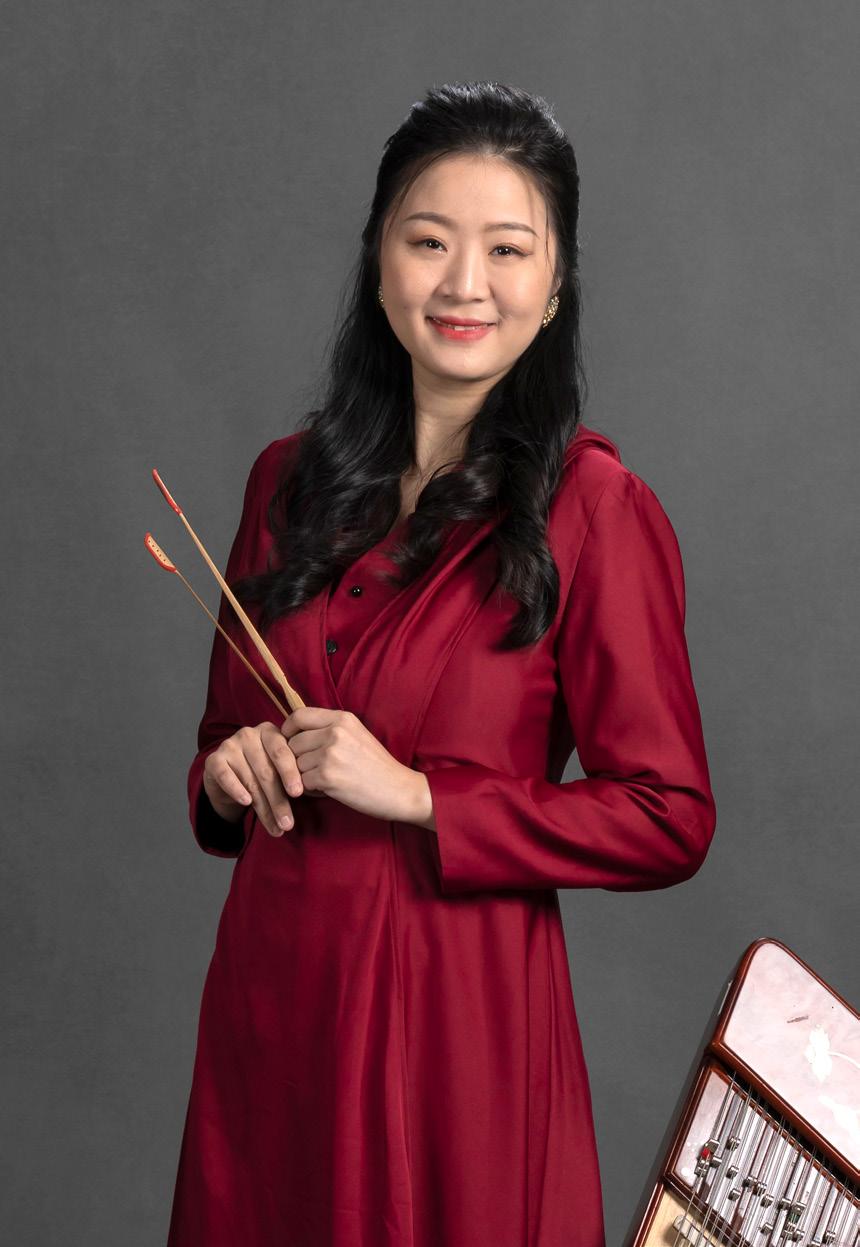
Ma Huan is a virtuosic yangqin musician, educator, and composer. She began learning the yangqin at age four under Professor Wei Yanming. In 2002, she was admitted to the China Conservatory of Music, where she studied with renowned educator Xiang Zuhua. She is also trained in Hungarian dulcimer with Viktoria Herencsar and percussion under Professor Wang Yidong. After earning her Master’s degree in 2008, she joined the Chinese Opera Institute as an instructor.
In 2010, Ma Huan became a yangqin musician with the Singapore Chinese Orchestra. She later studied composition with Law Wai Lun and conducting with Dr. Tay Teow Kiat. She currently serves as Vice Chairperson of the Singapore Yangqin Association.
An accomplished performer, she won the Young Professional Group Performance Award in 2002 and led a String Chamber Orchestra to gold at the 2003 International Youth Instrumental Competition in Macau. She has appeared at major festivals, including the CCTV Teochew Music Festival, the Seventh Beijing International Music Festival, and the SinoFrench and Hungarian Music Festivals. She also performed in the premiere of the double yanqin piece The Butterfly Lovers · Butterfly Qin Tunes and recorded Best of Xiang Zuhua Yangqin Collection II
In 2013, she presented Silken Expressions at Esplanade – Theatres on the Bay. An active educator and judge, her students have won numerous national awards. As a composer, her works include Lost, Dream Chaser, Fantasia Twinkle Twinkle Little Star, and the Singaporeinspired orchestral piece A Ditty of Nyonya
erhu
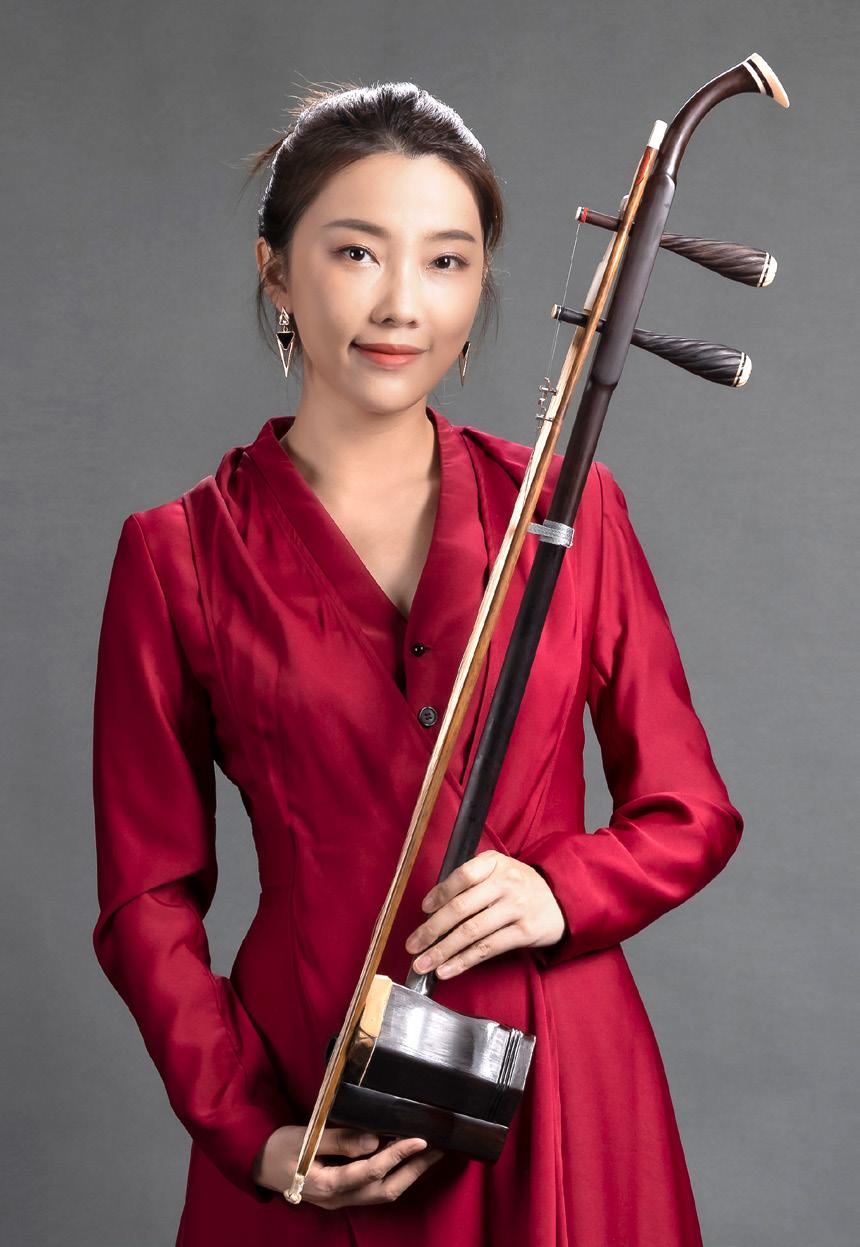
Tan Manman is an accomplished erhu performer recognised for her work as both a soloist and orchestral musician. She has appeared as a soloist with orchestras including the Hallé Orchestra, the Nuremberg Symphony Orchestra, Changsha Symphony Orchestra, and the Singapore Chinese Orchestra, presenting Chinese instrumental repertoire to international audiences.
She received her training at the China Conservatory of Music, where she studied erhu under distinguished pedagogue Cao Dewei, and also specialised in gaohu and jinghu. During her studies she served as principal erhu of the Conservatory’s Huaxia Ensemble, which won the Gold Prize in the Professional Category at the Jiangnan Sizhu Ensemble Competition of the Shanghai International Spring Music Festival. With the ensemble she toured extensively across China and internationally, performing in Taiwan, Malaysia, Singapore, and France.
Tan first gained national recognition through major competitions in China, receiving multiple awards at the Dunhuang Cup Erhu Competition and earning a silver prize in the Youth Professional A category at the First National Youth Erhu Competition. She was also invited to appear as a soloist in the Appreciation of Instrument and New Talents concert organised by the China Musicians Association Erhu Society.
Tan joined the Singapore Chinese Orchestra in 2012 and has since been an active orchestral musician while appearing frequently as a soloist with the orchestra in subscription concerts and fundraising gala performances.
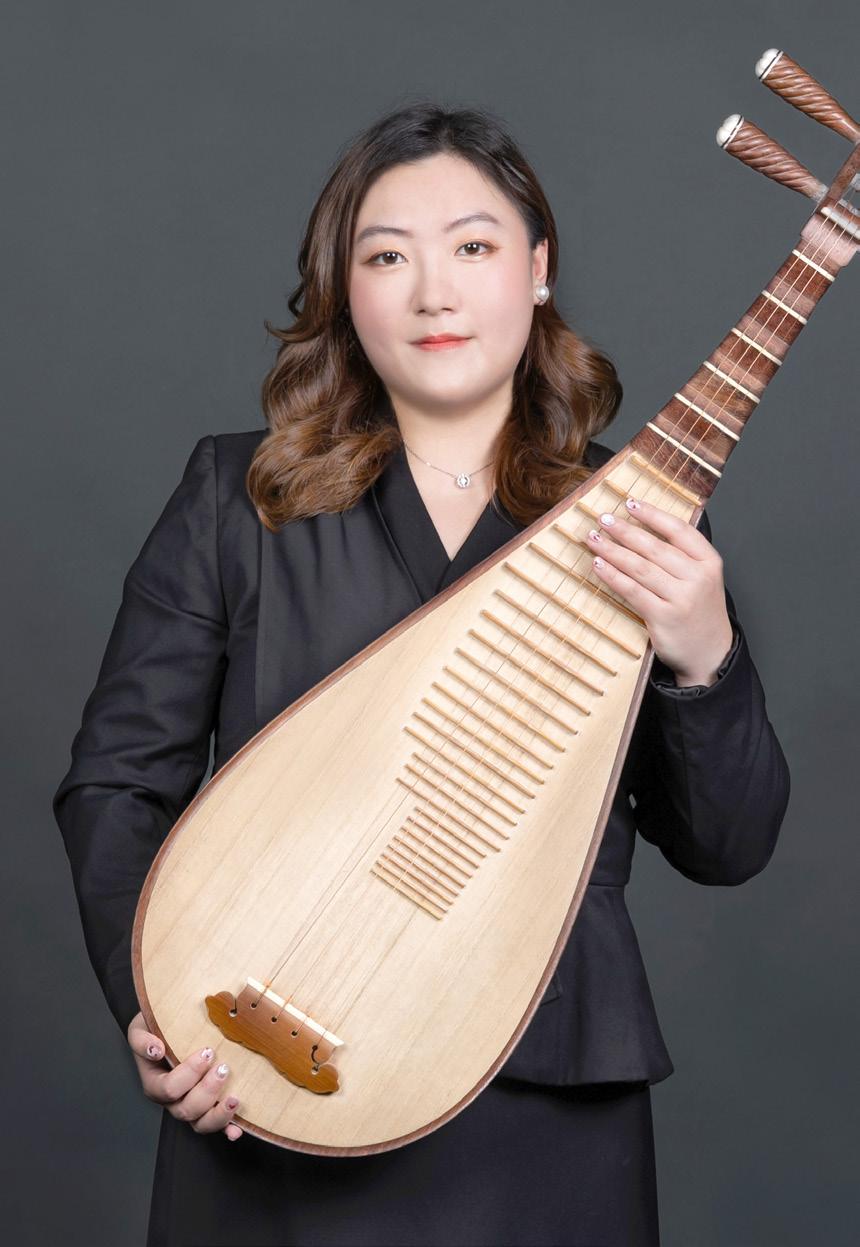
Wang Siyuan was accepted into the Central Conservatory of Music Affiliated Middle School in 2008, where she studied under the tutelage of Professor Fan Wei. After her graduation, she moved to Singapore to continue her music studies in the Nanyang Academy of Fine Arts (NAFA) in 2015, where she studied under SCO Pipa Principal Yu Jia. She joined the Singapore Chinese Orchestra (SCO) as a pipa musician in September 2023.
A career-defining moment came in November 2017 when Prince Charles visited NAFA — Siyuan was specially chosen to perform the beloved classic Spring River in the Flower Moon Night for the distinguished royal guest. In 2017, Siyuan won the Nanyang International Music Competition (Pipa, Open Category). In 2018, she won the Pipa Open Category in Singapore’s National Chinese Music Competition, and was selected for the Winner’s Concert, performing Apsaras on the Silk Road with SCO. In March 2019, she performed the Pipa concerto The Sword and the Scroll with SCO, and her recent collaboration with the China Conservatory Chinese Orchestra in 2023 on the evocative Seeking Yurpaska.
In 2020, Siyuan started studying a Bachelor’s Degree in Zhongruan under the tutelage of Yu Jia. In the same year, Siyuan participated in the Singapore Chinese Music Competition – Zhongruan Open Category and emerged 1st Since 2023, Siyuan continued her studies in a Master’s course at NAFA.
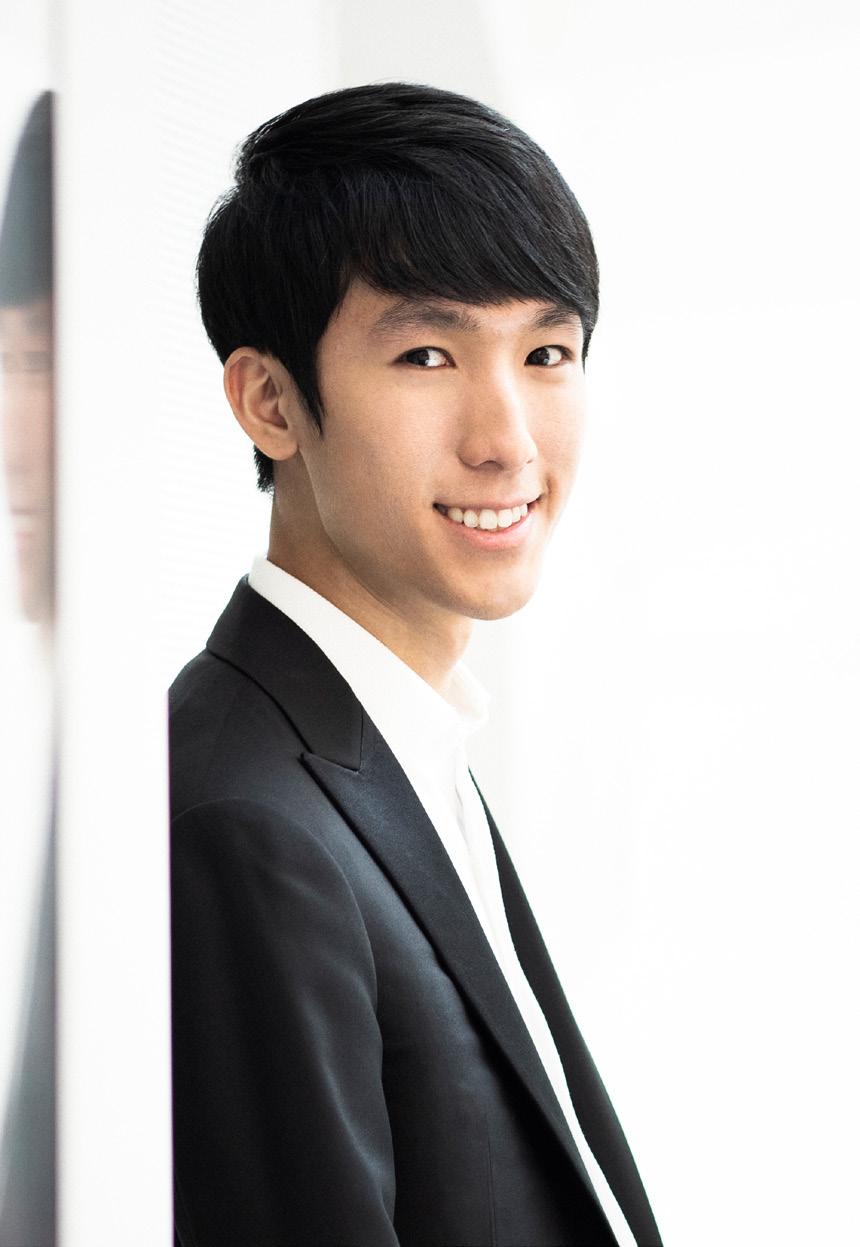
Eric Lu is the First Prize Winner of the 19th International Chopin Piano Competition 2025 in Warsaw. Before that, he had won First Prize at the Leeds International Piano Competition in 2018 at the age of 20. Eric’s always thoughtful, poetically imbued and powerful interpretations have already made him one of the most distinctive artists on the international music scene.
Recent and forthcoming orchestral collaborations include the London Symphony, Chicago Symphony, Boston Symphony, Los Angeles Philharmonic, NHK Symphony, Oslo Philharmonic, Finnish Radio Symphony, Swedish Chamber Orchestra, Scottish Chamber Orchestra, Bournemouth Symphony, Tokyo Symphony, Shanghai Symphony at the BBC Proms, and Yomiuri Nippon Symphony amongst others.
Active as a recitalist, he has performed at Concertgebouw Amsterdam, Queen Elizabeth Hall London, Leipzig Gewandhaus, Elbphilharmonie Hamburg, Wigmore Hall, Aspen Music Festival, 92Y New York, Seoul Arts Center, Shanghai Symphony Hall, Chopin and his Europe Festival, Warsaw Philharmonic Hall, Sala São Paulo and many others.
Eric is an exclusive Warner Classics artist. His fourth album featuring the two opuses of Schubert’s Impromptus was released in January 2026. His previous albums on Warner Classics were all met with worldwide critical acclaim. His 2022 Schubert album won the BBC Music Magazine’s Instrumental Choice while his previous Brahms-Chopin-Schumann album was hailed “truly magical” by International Piano.
Born in Massachusetts in 1997, Eric Lu first came to international attention as a Laureate of the 2015 Chopin International Competition in Warsaw, aged just 17. He is a graduate of the Curtis Institute of Music, studying with Robert McDonald and Jonathan Biss. He also studied with Dang Thai Son and has been mentored by Mitsuko Uchida and Imogen Cooper. He is now based in Berlin and Boston.
Fri & Sat, 17 & 18 Apr 2026
Victoria Concert Hall
Singapore Symphony Orchestra
Masaaki Suzuki conductor
Sayaka Shoji violin*
Frank Stadler Guest Concertmaster

Kalliwoda
Symphony No. 5 in B minor, Op. 106
28 mins
Mozart
Violin Concerto No. 5 in A major, K. 219 “Turkish”*
31 mins
Intermission
20 mins
Kalliwoda
Symphony No. 7 in G minor, WoO No. 1
28 mins
Concert Duration: approximately 2 hrs (including 20 mins intermission)
Check-in to tonight’s concert
Scan this QR code with the Singapore Symphony Mobile App.
1801 – 1866
Symphony No. 5 in B minor, Op. 106 (1840)
I II
Lento – Allegro con brio Scherzo. Allegro vivace
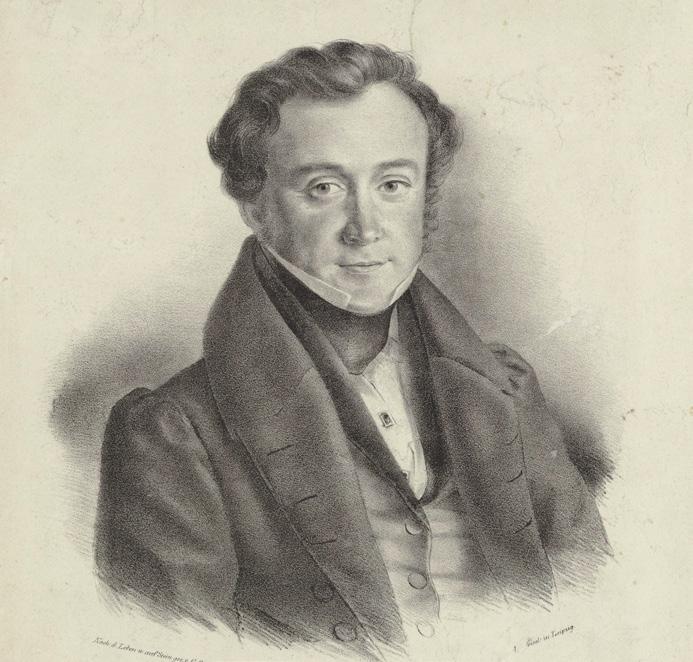
Johann Baptist Wenzel Kalliwoda, more properly Jan Křtitel Václav Kalivoda in his native Czech, was a Bohemian composer, conductor, and violinist. Born in Prague, then part of the Holy Roman Empire, he studied violin and composition at the Prague Conservatory, debuting as a violinist at the age of 14 and eventually joining the Prague Opera Orchestra. After several tours of Europe, he joined the service of the princely family of Fürstenberg at Donaueschingen, where he remained for over 40 years from 1822 to 1865. Kalivoda’s duties as kapellmeister included not only conducting and composing for the court orchestra but also the chapel choir, and arranging annual musical education tours abroad. It was thought that his health was ruined by this overwork and he died of a heart attack only a year after his 1865 retirement.
Allegretto grazioso Rondo. Allegro assai
When he entered employment with the von Furstenbergs, the biggest name in European music was that of Beethoven, but Kalivoda, working in the relatively distant town of Donaueschingen, managed to avoid working entirely in Beethoven’s shadow. His Symphony No. 5 in B minor, Op. 106, starts with a fanfare that introduces us to the brass instruments immediately before a Lento sets a more restful scene. We alternate between melancholic strings and dramatic punctuation, before launching into an Allegro con brio. Though exploring territory already marked out by Beethoven, Kalivoda gives us bold, assertive writing with plenty of memorable melodies.
Instead of a slow second movement, Kalivoda presents a contrasting Scherzo, its Allegro vivace full of light-hearted energy, and the trio reminiscent of country dances, complete with droning horn. It is easy to see why he was considered by his contemporaries to be a fine example of a post-Beethoven German symphonist. The third movement is an Allegretto grazioso that manages to have all the grace and lightness of a slow movement while not actually being one. Broad and memorable, it is remarkably restful and restorative. Bringing us back to attention is the last movement, a Rondo marked Allegro assai. In the decade leading up to 1840 when this was published, the world was a fast-changing place: Queen Victoria had ascended the British throne as the first Queen regnant since 1603,
Shoji & Masaaki Suzuki / Mozart and Kalliwoda | 17 & 18 Apr 2026
the Second French Revolution had occurred, Belgium had been formed out of the Netherlands, Italian Reunification had started, Greece had been liberated from Ottoman rule and become a republic, the Liberal Wars in Portugal and the First Carlist war in Spain had ended. Kalivoda’s last movement is reflective of the great drama and hopes of this turbulent period.
Instrumentation
2 flutes, 2 oboes, 2 clarinets, 2 bassoons, 2 horns, 2 trumpets, bass trombone, timpani, strings
1756 – 1791
Allegro aperto
Adagio Rondo: Tempo di menuetto I II III
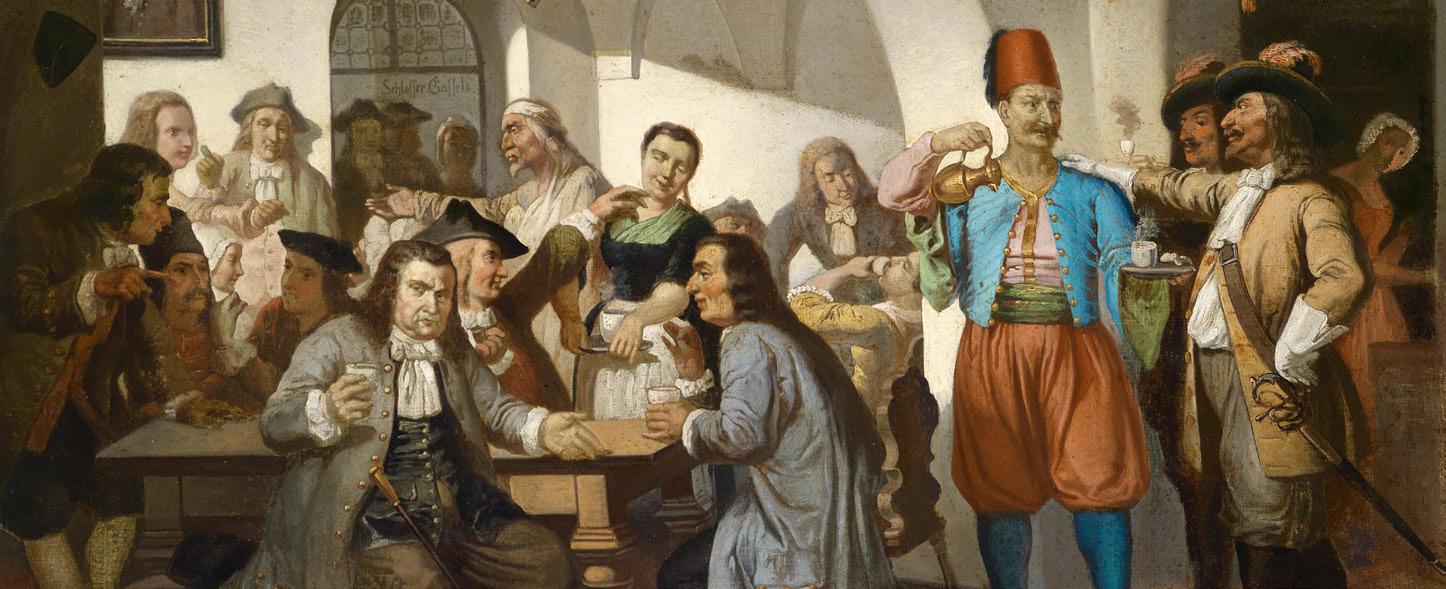
In 1683, Vienna was a desperate battleground. 300 years of Habsburg-Ottoman wars had ravaged the Balkans and Central Europe, and though the Turks had been failed in besieging Vienna in 1529, this time the Ottoman Turks massively outnumbered the Christian defenders. Two legacies of the Ottoman siege are worth mentioning: coffee and croissants. Legend has it the retreating Turks left behind sacks of coffee beans, and this sparked off the coffee house phenomenon. The croissant, according to the lore, was invented in celebration of the Ottoman defeat—the C shape of the pastry symbolizing the Turkish flag, with its Islamic crescent moon. If not for the timely arrival of Jan Sobieski, King of the Polish-Lithuanian Commonwealth, to repel the Turks, Vienna would have fallen and European history (as well as cuisine) might have been
very different. At this time, the Turks were seen as a mortal enemy of Europe, yet less than a century later, during Mozart’s time, “Turcomania” was the latest craze, much like how Japanese trends and fashions find fertile ground in Southeast Asia despite the events of WW2 still being in living memory.
In spite of being the son of Leopold Mozart, an influential figure in the history of the violin, Mozart never performed significantly on the violin after adulthood. The younger Mozart wrote five violin concerti in total, completing the last four in 1775 at the age of 19 and never returned to the genre, surely disappointing his father, who saw much potential in him, which must have been true if the younger Mozart performed the solos himself.
Scored for solo violin, two oboes, two horns, and strings, the Violin Concerto No. 5 in A major, K. 219 “Turkish” begins with the standard Allegro orchestral introduction before the solo enters and Mozart surprises our ears with an unexpected and captivating six-bar Adagio before returning to the Allegro. Mozart has taken us where no man has gone before (or has gone since). The E major Adagio is lyrical and contemplative, with sighing themes passing between the strings and soloist. Melancholy and graceful, the ABA form ends with a cadenza for the soloist.
It is the Rondo third movement that gives the work its nickname “Turkish”. In the middle of a graceful minuet, Mozart transports us to Ottoman lands as he changes metre and switches to a minor mode Allegro as violin and orchestra take up a wild gypsy-like theme intended to represent Turkish music. Without drums, cymbals, and jingles for colourful touches, Mozart here gives us strong accents, exotic chromatic scales, sudden crescendi, and a percussive drone from the celli and basses striking their strings with the bow stick (col legno). As suddenly as it began, the wildness disappears and we return to end amidst the poise and gilded mirrors of 18th-century Vienna, with Mozart giving us a final wink as he heads off to his usual haunt—a Viennese coffee house or kaffehaus, where he will drink, naturally, a Turkish coffee, perhaps with a bit of almond milk.
First performed by SSO 10 Apr 1981 (Pavel Prantl, violin)
1801 – 1866
Symphony No. 7 in G minor, WoO No. 1 (1841)
I II
Adagio – Allegro non tanto Scherzo. Allegro ma non troppo
A year after his Symphony No. 5, Kalivoda published his Symphony No. 7 in G minor in 1841. At this time, Kalivoda served Karl Egon II, Prince of Fürstenberg, who was not only a sovereign prince but a Grundherr possessing large estates, woods and industrial sites, as well as a Standesherr of the three states between which Fürstenberg had been divided—the Grand Duchy of Baden, the Kingdom of Württemberg and the Principality of Hohenzollern-Sigmaringen, and owned Bohemian estate of 98,379 acres. In a word, his employer was a rich man, and a very serious man at that—Prince Karl was vicepresident of the Badische Ständeversammlung for 33 years, a member of the Prussian House of Lords, and had a seat in the Upper Chamber of the Estates of Württemberg. Relatively progressive and unbiased for his time, he was influential in the abolition of tithes and feudal duties, as well as the reduction of state censorship, earning him the respect of the lower classes.
Perhaps consciousness of his employer’s progressiveness enabled Kalivoda to experiment with his music more, and the symphony starts with an Adagio, like a prelude setting a restful dawn scene, but this gives way to an Allegro non tanto when the sun rises, and Kalivoda reminds us he is very much a man of the Romantic era, full of rushing energy and drive. While following the conventional
Marcia. Adagio, attacca Allegro vivace
form, he contrasts the march-like sweeping sections with more lyrical string passages in Schumann-like style. A Scherzo, Allegro ma non troppo bounces along, giving us extended sections of a major-key respite. Not much of a trio is present, but there is a middle section bookended by timpani strikes, before the movement ends with barely any warning. One is tempted to see some Slavic folk influence in the Scherzo, with its mood of intensely serious play—perhaps Kalivoda was thinking of the Bohemian country dances of his childhood? We are yet far from the nationalist Slavic writing of Dvořák and Smetana, but given how even Haydn incorporated Slovak and Hungarian folk melodies into his writing, it is quite possible Kalivoda thought it is fitting to include something from his heritage.
Seriousness pervades the work, even in the Marcia. Marked Adagio, attacca, Kalivoda –unusually for the 1840s – makes extensive use of brass and timpani in this slow movement. A solo clarinet sings out mid-movement, with a melody that evokes first Mozart and then Spohr, before the strings take over and develop it, while the brass and timpani punctuate and underline the more important statements. The final Allegro vivace follows without a break for breath, building on the momentum begun in the previous movement. Heroic elements battle it out, leading to a massive triumphal ending. Kalivoda was no Beethoven, but clearly felt no
17 & 18 Apr 2026
need to become a second-rate Beethoven, and seems to have found his own voice, and we may be grateful for the resulting variety— “Vive la difference” as the French say.
Instrumentation
2 flutes, 2 oboes, 2 clarinets, 2 bassoons, 2 horns, 2 trumpets, bass trombone, timpani, strings
World Premiere
Unknown
Notes by Edward C. Yong | A writer, editor, and teacher of dead languages, Edward plays lute and early guitars, sings bass, and runs an early music group. Like his dog, he is very much food-motivated.

Fri, 24 Apr 2026
Esplanade Concert Hall
Singapore Symphony Orchestra
Chinary Ung
Kahchun Wong conductor
Musicians of the
Singapore Chinese Orchestra*
Benjamin Boo percussion
Lee Jun Cheng dizi
Ma Huan yangqin
Tan Manman erhu
Wang Siyuan pipa
Sulki Yu Guest Concertmaster

Water Rings: Overture
6 mins
Debussy
La Mer
23 mins
Intermission
25 mins
Mussorgsky
Pictures at an Exhibition* (orch. Kahchun Wong)
32 mins
Concert Duration: approximately 1 hr 40 mins (including 25 mins intermission)
Check-in to tonight’s concert
Scan this QR code with the Singapore Symphony Mobile App.
Water Rings: Overture (1993)
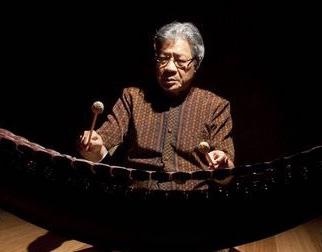
Chinary Ung was born in a tiny Cambodian village in the middle of the Second World War, growing up without running water or electricity and with little contact with the outside world. His earliest musical impressions were of local pinpeat ensembles and religious rituals, and as he embarked on studies of Western music and moved to America, he has never lost that connection with his native land. Studying with Chou Wen-chung in America, he had a thorough education in musical modernism and sought to combine that explosion in compositional technique with his deep need to express the folk traditions of Cambodia.
Ung’s international recognition has been deep and long-lasting, even though musical discourse has tended to group him with the 20th century Asian composers that launched careers from the west (Tōru Takemitsu, Isang Yun, Unsuk Chin, among others). In particular, his musicological work on preserving Cambodian traditions and promoting them as a player of the roneat ek (the lead xylophone in the pinpeat), especially when the Khmer Rouge was tearing the country apart, has been priceless, and shows his love for the country of the music from his childhood.
Water Rings is a very inward-looking piece when compared with the grand gestures of his other work in the same period. The large orchestra is turned into a small pinpeat ensemble, with wind and percussion at the forefront and the strings playing melodic lines that imitate the human voice. Despite this b. 1942
relative intimacy, the overture is still lushly orchestrated, with colourful use of wind choirs and bell sounds played against the dissonant slides and chatter of the string section.
Instrumentation
2 flutes, 2 oboes, 2 clarinets, 2 bassoons, 2 horns, 2 trumpets, 2 trombones, timpani, percussion (suspended cymbal, tam-tam, gong, bass drum, crotales, marimba, tambourine, temple blocks, tom-tom, vibraphone), strings
World Premiere
Unknown
1862 – 1918
La Mer (1903)
I II III
De l'aube à midi sur la mer (From Dawn to Noon on the Sea)
Jeux des vagues (Play of the Waves)
Dialogue du vent et de la mer (Dialogue of the Wind and the Sea)
When Debussy spent two years working on his “three symphonic sketches” eventually to be named La Mer, or “The Sea”, he certainly did not expect to be faced with confusion and dismay over what critics saw as disorganised musical mush. Even his friend Pierre Lalo accused Debussy of only searching for picturesque effects and that he “did not see or smell the sea” – statements unimaginable to modern listeners, for whom the work is a beautiful exemplar of Debussy’s “Impressionism”. It took three years and more international performances before French audiences came around to it; when Debussy conducted the piece himself, three years later, Paris was enraptured.
Debussy’s tone-paintings of water were part of his lifelong love of the sea. Previously limited to pianistic depictions in Images and Estampes, the leap to orchestral writing came when Debussy saw Hokusai’s famous The Great Wave off Kanagawa, a painting that inspired him so much he chose to have it reproduced on the cover of the publication of La Mer. Another painter that inspired Debussy was the Englishman Turner, whose giant seascape canvases Debussy saw on many trips to London.
Turner’s depictions of the interplay of light and water must have given Debussy ideas of how to portray sun and sea in “From Dawn to Noon on the Sea”, the first movement
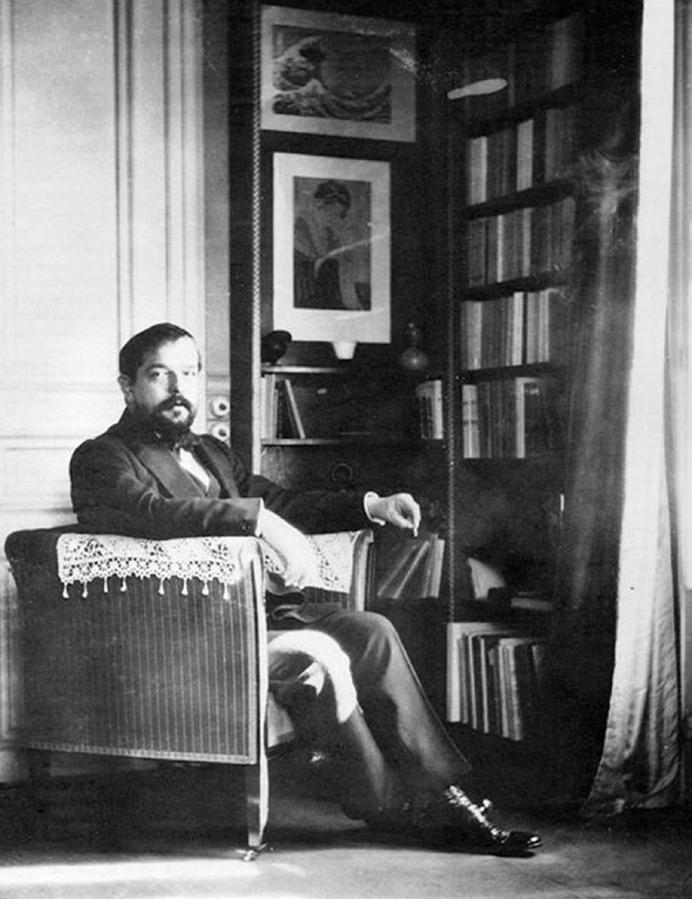
of three. The musical logic is defiantly antiGerman, eschewing symphonic development for a narrative that is, much like the sea, in constant flux. The movement is essentially one long orchestral crescendo, where Debussy plays various instrument groups against each other, and with harps and timpani lending weight and punctuation to the rolling waves.
The second movement, “Play of the Waves”, was probably the motivating cause of the critics’ accusations of lack of development.
It is difficult to find an idea that occurs more than once; Debussy chose to splash varied fragments of melodies across the orchestra, and indeed it is easier to sit back and enjoy the orchestra washing over the audience. The lightness of this scherzo is contrasted by the dark rumblings of the “Dialogue of the Wind and the Sea”: here Debussy illustrates the grandeur of the wide water. Here he comes closest to symphonic logic, giving the wind and the sea sharply characterised themes. Triplets and duplets play off each other in Debussy’s use of rhythm, giving an impression of constantly changing momentum, and there are some truly overwhelming orchestral moments as the billowing wind and waves enjoy their discourse.
Instrumentation
2 flutes, piccolo, 2 oboes, cor anglais, 2 clarinets, 3 bassoons, contrabassoon, 4 horns, 3 trumpets, 2 cornets, 3 trombones, tuba, timpani, percussion (tam-tam, cymbals, triangle, bass drum, glockenspiel), 2 harps, strings
World Premiere 15 Oct 1905, Paris
First performed by SSO 30 Sep 1988
Notes by Thomas Ang | Thomas Ang is a pianist at the Royal Opera House, where he rehearses and plays for operas and ballets. He also specialises in the music of Medtner and Kapustin. www.thomasang.com
Kahchun Wong’s
Pictures at an Exhibition (orch. Kahchun Wong, 2022)
Mussorgsky’s Pictures at an Exhibition (1874) was originally composed as a virtuosic piano suite in memory of his friend, the architect and artist Viktor Hartmann. Mussorgsky never orchestrated it, leaving a percussive, raw, and harmonically bold score that inspired numerous adaptations, the most celebrated being Maurice Ravel’s 1922 orchestration.
Kahchun Wong created his adaptation during the COVID-19 pandemic, when he returned to Singapore for an extended period, supported by the Creation Grant from the National Arts Council. During this time, he deepened his familiarity with Chinese ethnic instruments, having first encountered them while serving as Assistant Conductor of the Singapore Chinese Orchestra. This inspired him to reimagine Pictures at an Exhibition for an ensemble of five Chinese instrument soloists with a symphony orchestra. As a nod to his Singaporean roots, Wong incorporated culturally familiar elements such as the imitation of an Asian koel’s call and Malay Kompangs, hand drums commonly played at weddings and communal events.
Wong’s adaptation exists in two versions. Tonight’s version was premiered by the Nuremberg Symphony Orchestra with musicians from the Singapore Chinese Orchestra (SCO) on 6 August 2022, then at the Manchester International Festival with the Hallé, with a forthcoming recording on the Hallé label. The second version for a full Chinese orchestra was performed by SCO (20 1839 – 1881
August 2022) and the Taipei Chinese Orchestra (26 May 2023).
Written in the form of a sinfonia concertante, the adaptation emphasises dialogue between soloists and orchestra, using the unique timbres of Chinese ethnic instruments and orchestral textures to reimagine each movement.
The five soloists are:
● Chinese flute (Dizi, 笛子) player: performs on five bamboo flutes, a clay eggshaped ocarina (Xun, 埙), and selected percussion instruments.
● Chinese two-stringed fiddle (Huqin, 胡琴) player: performs on four different huqins and additional percussion instruments.
● Chinese hammered dulcimer (Yangqin, 扬 琴) player: doubles as a percussionist.
● Chinese lute (Pipa, 琵琶) player: also plays auxiliary percussion.
● Percussionist: performs on twelve different instruments.
The recurring Promenade represents the composer walking through the exhibition. The first Promenade features the percussionist on the Yunluo (云锣) — a set of small, flat bronze gongs capable of producing different pitches when struck with a padded mallet.
Gnomus. Although Hartmann’s original sketch is lost, it is believed to have depicted a nutcracker with exaggerated teeth. The music, with its sharply contrasting tempi and abrupt starts and stops, evokes the gnome’s clumsy, crooked gait. The percussionist shifts to wooden blocks (Muyu, 木鱼), whose crisp, incisive attacks propel the Yangqin and Pipa in depicting the creature’s lurching movement. The grotesque gnome is further intensified by glissandi and exaggerated vibrato in the highpitched Gaohu (高胡), reinforced by orchestral trumpets using wah-wah mutes.
The second Promenade features the Pipa, which encompasses two traditional stylistic categories: Wenqu (文曲) and Wuqu (武曲). Wenqu, the “civil” style, emphasizes lyrical melody, subtle tonal inflection, and expressive ornamentation. By contrast, Wuqu, the “martial” style, is characterised by rhythmic drive, rapid strumming across multiple strings, sharp articulation, and percussive effects on the instrument’s body. Elements of the Wuqu style were heard in Gnomus; in this Promenade, however, the playing shifts to the more introspective and refined Wenqu idiom. Towards the end, the Erhu gently assumes the melodic, thematic line.
Il vecchio castello (“The Old Castle”) opens with the orchestra’s lower strings evoking the sonority of the tambura — the long-necked, fretless plucked instrument central to Indian classical music for its sustained harmonic drone. The principal melody is first intoned by the Pipa on its lower strings, and later taken up by the bass Dizi, set against a backdrop of hushed orchestral humming.
“I found myself imagining that this ‘old castle’ might stand somewhere beyond any fixed map, as if time had carried it across cultures and landscapes. The sound therefore
becomes not a literal reference, but a space in which different memories of the world can coexist.” – Kahchun Wong.
The third Promenade is brief and conversational, featuring a subtle exchange between ensemble and orchestra before concluding on three shimmering harmonic notes on the Pipa
Tuileries (Dispute d’enfants après jeux), is based on a painting of the Jardin des Tuileries near the Louvre in Paris, now lost. Hartmann is thought to have depicted children quarrelling and playing in the garden. The Pipa and Yangqin present light, rhythmically playful figures that capture their animated chatter and restless energy.
Bydlo (“Cattle” in Polish) forms the subject of the next, also lost, painting that portrayed “a Polish cart on enormous wheels, drawn by oxen.” The flautist joins the percussionist on bell plates tuned a minor third apart, suggesting the heavy, laboured footsteps of cattle trudging through mud. The principal theme is assigned to the Dahu (大胡), the largest member of the Huqin family, whose use of cello strings produces a thick, visceral sonority of great weight and gravity. The Pipa and Yangqin players briefly exchange their instruments for lengths of chain, intensifying the sense of burden and hardship. As the cart recedes into the distance, it is marked by fading resonance and diminishing steps.
The Promenade returns in its fourth iteration presented by the orchestra alone.
Ballet of the Unhatched Chicks was a pencil and watercolour sketch designed by Hartmann for a scene in the ballet Trilby, featuring children in costumes designed to look like canary chicks in eggshells. 3 4 5
The music is a fast-paced scherzino, filled with trills and "pecking" accents. Wong concludes the movement with a cadenza featuring the piccolo-sized Xiaodi (小笛)in interplay with the oboe, clarinet and trumpet, mimicking bird calls, a rooster’s morning crow, and the distinct call of the Asian Koel, the “uwu bird” whose loud morning song is a ubiquitous (and annoying) part of life in Singapore.
“Samuel” Goldenberg und “Schmuÿle” is a psychological study of two men. The wealthy Goldenberg is voiced by the heavy, pompous textures of the full orchestra. Conversely, the poor, trembling Schmuÿle is portrayed by the Yangqin, played fanzhu (反竹)—using the back of the bamboo beaters—to create a brittle, nervous, and nagging sound. Listen for the final bar, where the sound of coins symbolise the character’s money woes.
The fifth Promenade, omitted by many orchestrators, is retained in Wong’s version and begins with the Yunluo’s delicate tones. At the close of this final Promenade, the percussionist takes up the Xinjiang hand drum for an extended solo. Gradually, the remaining four ensemble members rise to join on the Kompang, forming a rhythmic bridge into Limoges (The Grand Market).
Referencing a city in central France, Limoges was accompanied in Mussorgsky’s manuscript by two lively French paragraphs describing animated marketplace gossip—later crossed out by the composer. In Wong’s version, the orchestra propels the bustling texture while the ensemble sustains its energy on hand drums, creating the atmosphere of a Southeast Asian night market.
Catacombae (Sepulcrum romanum). The Paris catacombs by lantern light. The music unfolds in stark alternations between resonant
fortissimo chords and hushed sonorities in the Pipa’s Wuqu idiom, underpinned by Chinese drum and bass drum reverberations. From this cavernous texture emerges the Erhu, its lamenting melody suspended in vast subterranean space.
The movement flows seamlessly into Con mortuis in lingua mortua (With the Dead in a Dead Language). Wong instructs the orchestral percussionists to bow two suspended cymbals and a tam-tam, while the ensemble percussionist sustains a singing bowl, creating an atmosphere of suspended time. The Xun intones the Promenade theme, preserving its original pitches but stripping away its rhythmic profile, reducing it to a steady pulse of one note per beat. The effect is austere and contemplative.
In Slavic folklore, Baba Yaga is a fearsome witch who dwells in a hut perched on giant hen’s legs. She travels through the air in a great iron mortar, steering with a pestle and sweeping away her tracks with a silver birch broom. The Hut on Hen’s Legs (Baba Yaga) opens with forceful strokes on the Chinese drum, as ensemble and orchestra join in fiercely articulated writing. The Pipa draws extensively on Wuqu techniques—rapid full-string strumming, sweeping glissandi, and sharply percussive gestures. In the central section, the texture turns ritualistic and uncanny: the Yangqin shimmers, while the vertical flute (Xiao, 萧) shrieks in piercing high tones and airy glissandi. A breathless accelerando drives the music forward without pause into the final tableau.
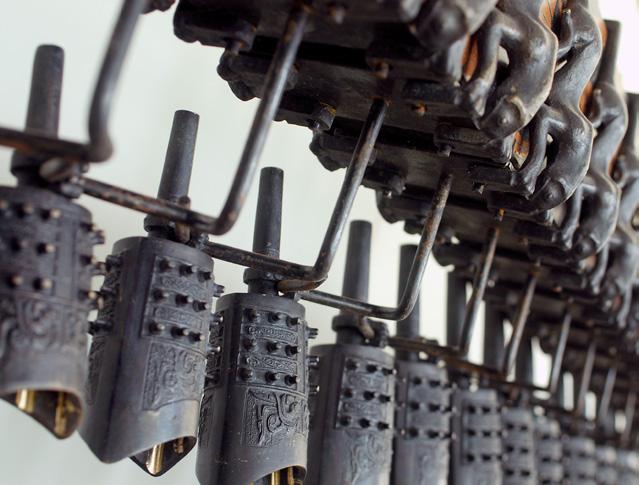
The Great Gate of Kyiv. Instead of a grand proclamation of triumphant brass and pealing bells, Wong’s orchestration uses Ancient Ritual Bells (Bianzhong, 编钟) to open this picture, enveloped in hushed orchestral humming.
The gate emerges gradually, as if revealed from within rather than imposed from without. Wong explains:
“In many Eastern philosophies, true strength does not always announce itself loudly. What endures often begins with stillness, or with a tone that seems almost understated.
The Bianzhong carries within it centuries of human devotion. It is an instrument shaped by time and preserved through generations.
To let it open The Great Gate felt less like an addition and more like an invocation, as though the music were entering a space already filled with memory.”
A complete set of Bianzhong comprises 65 bells, weighing approximately 2.6 metric tonnes. Yet despite their scale, the sound is not overwhelming but refined, inward, and luminous. The Great Gate ceases to be merely an architectural structure; it becomes a symbolic threshold, a passage toward enduring human aspiration.
The serene secondary theme, first entrusted to the Erhu, draws on a baptismal hymn from Russian Orthodox chant. Ascending and descending scale figures ripple through the ensemble, suggesting the shimmer of distant carillons. The Promenade theme returns, voiced by the Bangdi (梆笛), whose bright, incisive timbre stands in vivid contrast to the darker resonance of the Xun heard earlier.
In the final ascent, the orchestra and ensemble converge with mounting intensity. The closing chords resound with immense, vibrating breadth, dissolving distinctions between Western and Eastern instruments into a single, radiant climax.
The Chinese bronze bells, known as bianzhong, were an important percussion instrument in ancient China. Typically arranged in sets of dozens of differently sized bells, each produces a distinct pitch. Early forms appeared in the Shang Dynasty as small sets of three bells, gradually evolving into larger, more complex groupings.
Bianzhong were symbols of power and status, used exclusively by the ruling class in royal ceremonies, court music, and ritual occasions such as sacrifices and state events.
The most complete set, discovered in 1978 in a 433 BC tomb, comprises 64 bells arranged in three tiers on a wooden frame. These include niuzhong (vertically hung bells) and yongzhong (angled suspension bells), showcasing remarkable craftsmanship and musical sophistication.
Instrumentation
Solo Chinese Ensemble, 2 flutes, piccolo, 2 oboes, 2 clarinets, 2 bassoons, contrabassoon, 4 horns, 3 trumpets, 3 trombones, tuba, timpani (crotales on timpani with bow), percussion (coins, bows, superball, triangle, pengling, chimes, cymbals, suspended cymbals, tam-tam, snare drum, bass drum, glockenspiel, tambourine, vibraphone, whip), strings
World Premiere
Notes by Tan Ke Yang
6 Aug 2022, Nuremberg
Fri & Sat, 1 & 2 May 2026
Victoria Concert Hall
Singapore Symphony Orchestra
Kahchun Wong conductor
Eric Lu piano*
Kevin Lin Co-Principal Guest Concertmaster

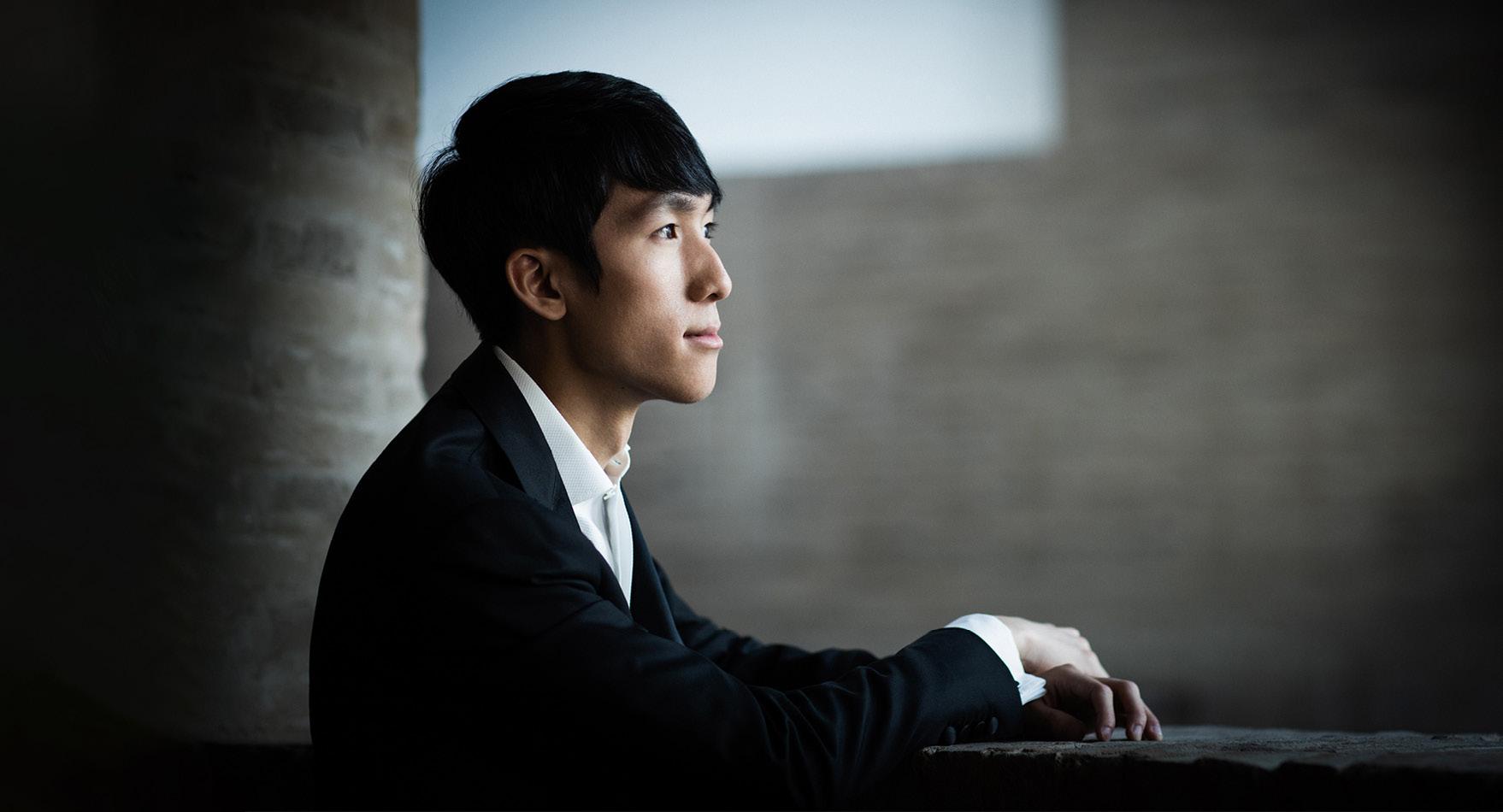
Rwa Bhineda 9 mins
Piano Concerto No. 1 in E minor, Op. 11* 43 mins
Intermission 20 mins
Bartók
Music for Strings, Percussion and Celesta 27 mins
Concert Duration: approximately 2 hrs (including 20 mins intermission)
Check-in to tonight’s concert
Scan this QR code with the Singapore Symphony Mobile App.
b. 1988
Rwa Bhineda (2026)
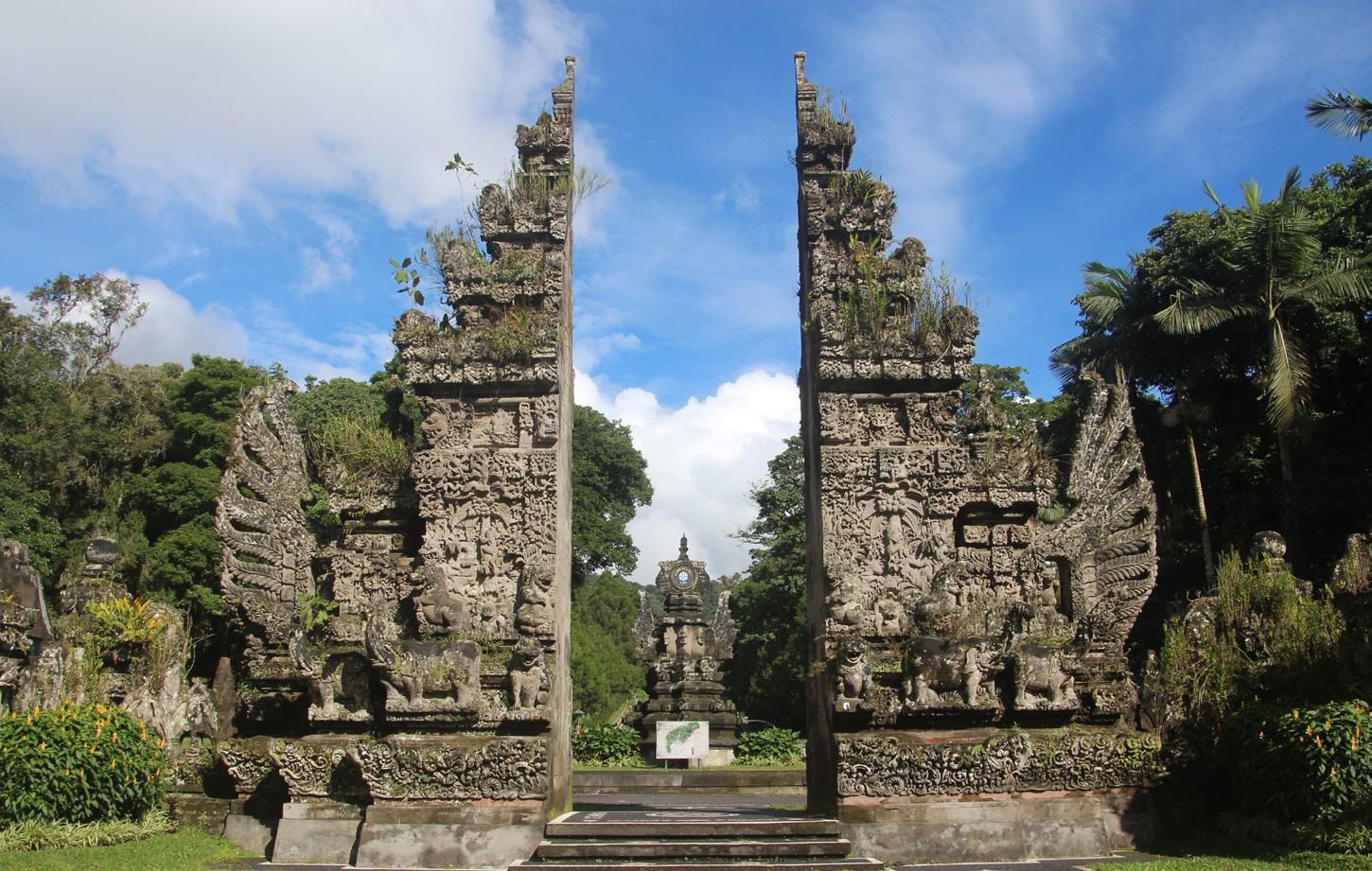
In Balinese philosophy, RwaBhineda represents the concept that opposing forces are interconnected and necessary for maintaining a dynamic balance in the universe. Good and evil, joy and sorrow, can only exist in relation to their counterpart – like the poles of a magnet.
This duality resonates deeply with Balinese gamelan music. Pairs of instruments are deliberately tuned slightly apart, creating a pulsating, curated dissonance. Pairs of opposing parts play interlocking rhythms to form a unified whole. Gong Kebyar pieces switch abruptly between explosive energy and delicate intimacy.
In this composition, I seek to create a symphonic embodiment of RwaBhineda by extrapolating ideas from Balinesegamelan. The piece combines the pelog and slendro pentatonic scales in a state of perpetual bitonality – which never occurs in authentic gamelan. All melodic material is accompanied by its inversion in the opposite scale, realised in approximated Western tuning.
The piece starts with a sustained high E violin harmonic and the contrabass’s lowest E, together alluding to a celestial-terrestrial cosmic backdrop. Ascending strings form the
anhemitonic pentatonic scale E–F♯–G♯–B–C♯–E, while descending strings mirror it with the pelog selisir scale E–C–B–G–F–E. Expanding on this concept, the woodwinds present melodic lines that ascend in the slendro and descend in the pelog scale (E–F♯–G♯–B–C♯–E–C♮–B–G♮–F♮–E). This compositional technique was inspired by Indian ragas that employ different pitches in the ascent and descent.
At phrase endings, pairs of woodwinds and brasses enter in unison, then detune from one another, creating an acoustic beating effect that emulates the ombak of Balinese gamelan. The music gains in intensity and tempo through various juxtapositions of pelog and slendro scales, culminating in a climactic outburst of detuned brass and diverging string semiquavers.
The fast section is underpinned by a metronome-like beat, where the timpanist strikes a triangle placed on a timpano head. This evokes the effect of the kempli, the Balinese time-keeping gong. Pairs of woodwind instruments now engage in kotekan telu, a three-note interlocking pattern in which each player articulates two notes, converging on a shared third note.
The strings burst forth with a driving, chordal theme inspired by the punctuating chords of the reyong (a set of pitched gongs) in Gong Kebyar music. Following a series of transformations and modulations, the chordal theme is reprised, now enriched with contrapuntal woodwind lines and interlocking brass patterns. These gain intensity until a forceful tam-tam strike fractures the semiquaver motion, which then dissipates and converges into unison.
The ternary form leads to a return of the slow section, now varied in its orchestration. Approaching the end, the melodies based on hybrid slendro-pelog scales become increasingly fragmented. The conclusion bookends the opening, with the strings playing the mirrored slendro-pelog notes in retrograde, followed by the high violin harmonic and the contrabass’s low E fading into silence. The overall musical structure is analogous to the candi bentar, the symmetrical split gateway at the entrance to Balinese temples and an architectural manifestation of Rwa Bhineda.
Instrumentation
2 flutes (1 doubling on piccolo), 2 oboes, 2 clarinets, 2 bassoons, 4 horns, 2 trumpets, trombone, timpani, percussion (wind chimes, tam-tam, bass drum, glockenspiel, vibraphone), strings
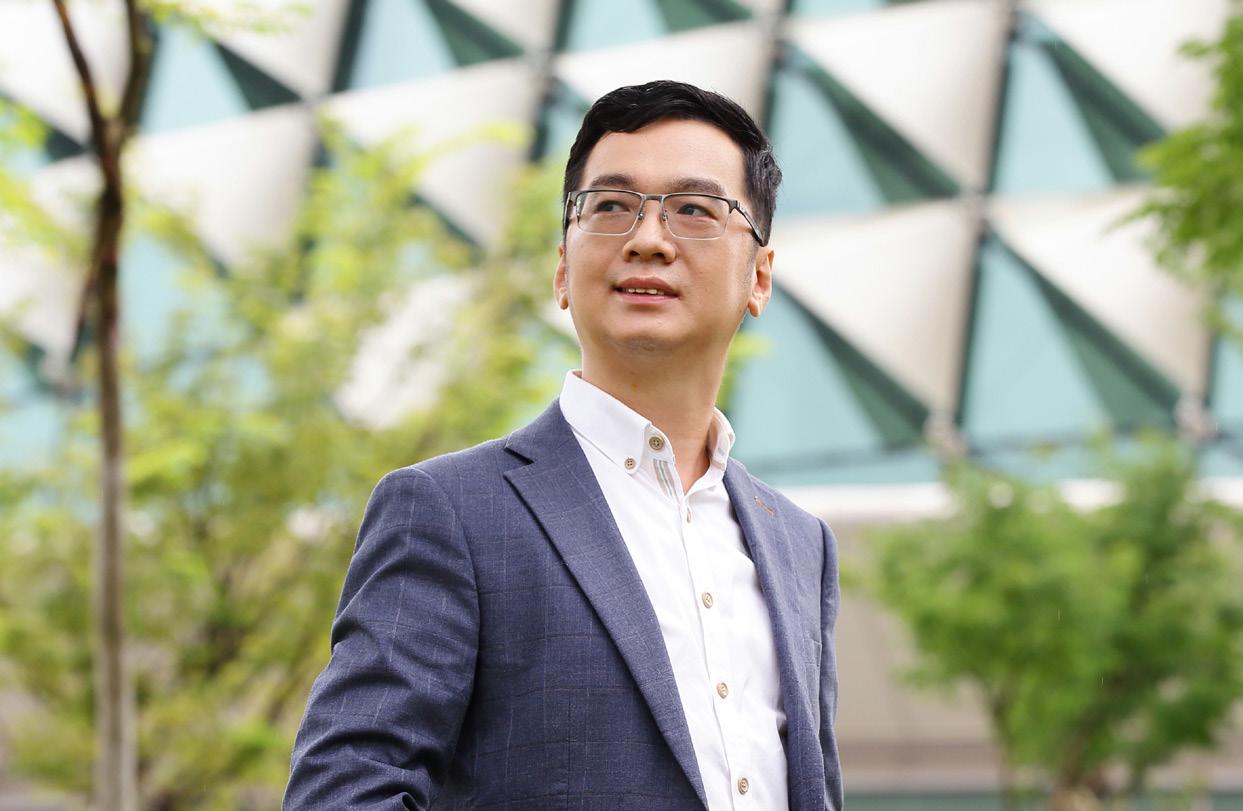
Wang Chenwei is the Singapore Chinese Orchestra’s Composer-inResidence, adjunct faculty at the National Institute of Education and the Nanyang Academy of Fine Arts, and Vice SecretaryGeneral of the Singapore Chinese Music Federation. As The TENG Company’s Head of Research and Education, he is the main co-author of The TENG Guide to the Chinese Orchestra, a 624-page book on instrumentation and orchestration.
Chenwei graduated with distinction and an Honorary Award from the University of Music and Performing Arts Vienna,
where he studied composition and audio engineering under a scholarship from Singapore’s Media Development Authority. He is now pursuing doctoral studies at the Yong Siew Toh Conservatory in its inaugural PhD in Music Practices.
His accolades include Singapore’s national Young Artist Award, the Young Outstanding Singaporeans award from Junior Chamber International and the Top Local Classical Music award from the Composers and Authors Society of Singapore (COMPASS).
1810 – 1849
Rondo. Vivace I II III
Allegro maestoso
Romanze. Larghetto
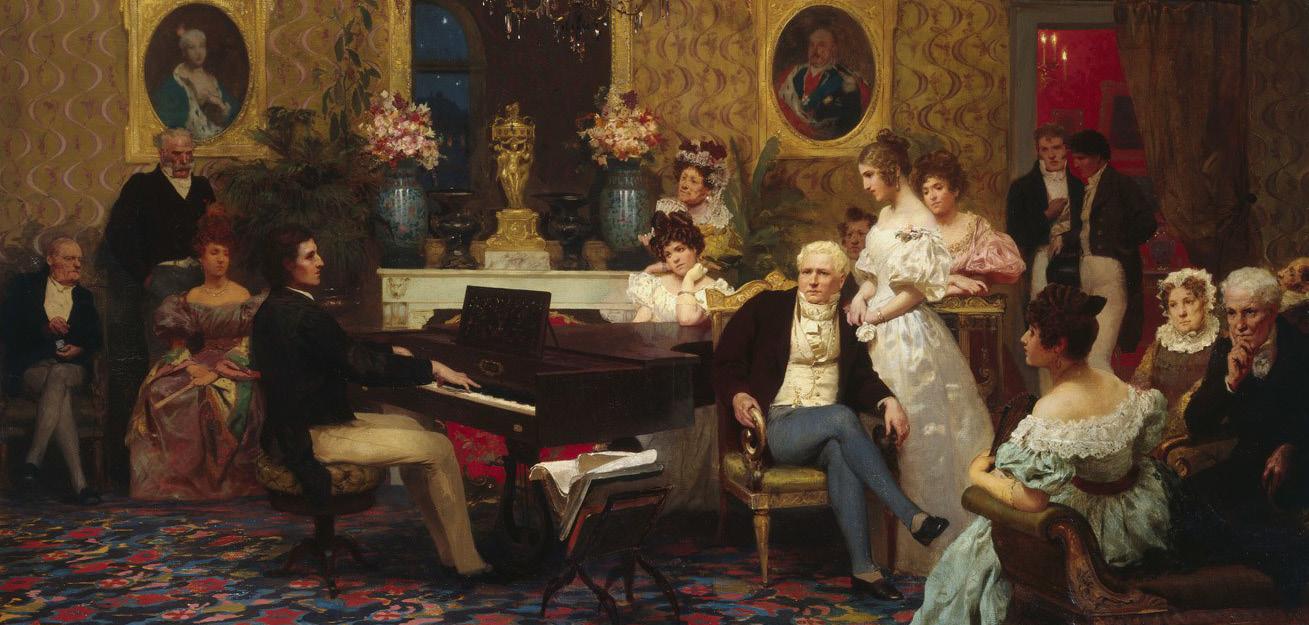
The numbering of Chopin’s two piano concerti is in the opposite order to which they were written; Chopin decided to publish his “better” concerto first, to judge its commercial success, after which he cleaned up the earlier, more youthful one to be printed as No. 2. Both of these are beautiful, sparkling works, full of the piano writing that defines his best work, though they suffer from the somewhat pedestrian orchestration that plagued almost every early Romantic concerto.
In his own piano playing Chopin was as if Beethoven never existed: there is very little that is forceful in his work. Chopin sought narrative drama in other ways, often through use of counterpoint and through sensitively judged chromatic harmony. His melodies
were influenced heavily by his love of Bellini’s operas, and the bel canto tradition permeates his approach to ornamentation and variation (as can be heard in the slow movement here).
In Classical fashion, the opening orchestral tutti lays out all the thematic material to be used in the rest of the first movement. It lasts an uncommonly long time and sounds like the exposition of a symphony, but once the piano enters, it dominates the rest of the concerto’s duration. The piano solo part is overwhelmingly lyrical here, bedecked in gorgeous ornamentation, while the orchestra takes a firm back seat, only laying down harmonies for the piano to float over. With how detailed the piano part is, there
is no need for a cadenza, though a carefully considered coda closes out the first movement.
Chopin’s use of muted strings in the second movement is a truly special effect, one that he was so pleased with that he even wrote to Bellini about it. The entire movement is a homage to the latter composer, and he described it as having a “romantic, calm, and rather melancholy character”, somewhat like “a moonlit reverie on a beautiful spring night”. Apart from two short orchestral passages, this movement is basically a solo nocturne.
With no pause, the rondo-finale begins, a rollicking Krakowiak full of virtuosic piano writing of the greatest delicacy. The bright E major and dance-like nature of the music ensured that this was a brilliant crowd-pleaser, even though Chopin never appeared in more than 50 concerts throughout his life, and often to audiences of less than 100. His fame would spread like wildfire throughout Europe, and his music would never leave the concert stage.
Instrumentation
solo piano, 2 flutes, 2 oboes, 2 clarinets, 2 bassoons, 4 horns, 2 trumpets, bass trombone, timpani, strings
World Premiere 11 Oct 1830, Warsaw (Poland)
First performed by SSO 11 Jun 1979 (Nancy Loo, piano)
Notes by Thomas Ang | Thomas Ang is a pianist at the Royal Opera House, where he rehearses and plays for operas and ballets. He also specialises in the music of Medtner and Kapustin. www.thomasang.com
1881 – 1945
Andante tranquillo Allegro I II
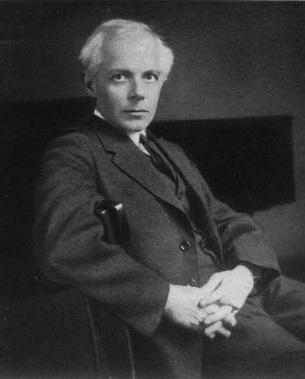
Bartók was particularly fascinated with folk music and mathematics. He recorded traditional folk tunes sung by rural folk, and incorporated them into many formal compositions. He also made use of the mathematical concepts of symmetry, the golden ratio and Fibonacci series.
We see these fascinations in this piece, in which folk tunes, rhythms and dances are present throughout. The first movement is divided according to the golden ratio – 89 bars in length, the climax is at bar 55 – while the harmonic shifts
move symmetrically. More overtly, the opening xylophone passage of the third movement is a rhythmic representation of the Fibonacci sequence. Musical and mathematical concepts combine seamlessly to create a perfectly poised masterpiece.
Unconventionally scored, this piece also requires the strings to be divided equally and arranged on either side of the percussion instruments, celesta, harp and piano, which literally take centre stage.
A fugue encapsulates the first movement with calculated symmetry. Dominated by strings, the music intensifies as it spirals far away from its tonal centre of A. The celesta enters, shimmering, as the music gently undulates back to its point of origin.
The piano and timpani kick off the vigorously driving second movement, as ideas bounce across the stage stereophonically from one string section to another. Strings are plucked percussively before their bows return to bring this brawny dance to a swift conclusion.
The xylophone casts a theatrical spell as it ushers in the Adagio. Timpani glissandos (continuous slides between notes) and instrumental effects feature prominently as Bartók conjures murky images in this music of the night.
The timpani launches the finale, and
strummed chords lead to a dynamic fiddle-led folk dance. Bartók parodies a Charlie Chaplin song from the movie Modern Times, on the piano. It is later brought back, rushing forward hysterically, before the opening dance strides in for one final spin.
Instrumentation
timpani, percussion (cymbals, suspended cymbal, tam-tam, snare drum, snare drum without snare, bass drum, xylophone), harp, piano, celesta, strings
World Premiere 21 Jan 1937, Basel, Switzerland
First performed by SSO 21 May 1993
Notes by Christopher Cheong | Christopher heads the SSO's artistic planning and administration team.









We would like to express our deepest appreciation to the following individuals and organisations who support our mission to create memorable shared experiences with music in the past year. Without your support, it would be impossible for the SSO to continue to strive for artistic excellence and touch the hearts of audiences.
PATRON SPONSOR
Tote Board Group
(Tote Board, Singapore Pools & Singapore Turf Club)
MAESTRO CIRCLE
Mr & Mrs Goh Yew Lin
Stephen Riady Foundation
Temasek Foundation
The HEAD Foundation
Anonymous
CONCERTMASTER CIRCLE
Bowen Enterprises Pte Ltd
Dr Thomas & Mrs Mary Zuellig
Dr & Mrs Antoine & Christina Firmenich
Mr Christopher & Mrs Rosy Ho
Anonymous (2)
S YMPHONY CIRCLE
Andreas & Doris Sohmen-Pao
Christopher Fussner
DBS Bank Ltd
De Miguel Solaguren Family
Kris Foundation
Madeleine Cheok & Wong Hong Ching
Mind the Gap 200 Fund
Ms Paige Parker & Mr Jim Rogers
Prof Chan Heng Chee
Yong Ying-I
Anonymous (2)
Andrew & Stephanie Vigar
Andy, Raymond, Bubble & Breton Tan
Bernard Ryan & Michael Rowe
Cara & Tamara Chang
Colin Lee
Dr Geh Min
Dr Kevin T Yap
Elaine and Eduardo Saverin Foundation Ltd
Far East Organization
Frans & Marie-Pierre Mol
Geoffrey & Ai Ai Wong
Guy Hentsch & Geoffrey Yu
Holywell Foundation Limited
Mavis Lim Geck Chin
Miriam & Merle Hinrich
Neo Group Limited
Patek Philippe Southeast Asia
Paul & Lena Ng
Priscylla Shaw
Robert & Vivian Chandran
UOB
Anonymous
Alan Chan
Ayesha Aziz Khan
Azeeza Aziz Khan
Bernhard Michael Steiner
BinjaiTree
Blossom Hing
Cavazos Tinajero Family
Chen Xiaoyan
Chloe Lee En Yi & Family
Colin & Janet Leong
Dennis Au
Devika & Sanjiv Misra
Dorian Goh & Rathi Ho
Dr & Mrs Adrian Koh
Dr & Mrs Choy Khai Meng
Dr Karen Soh
Dr Kieron Lim
Embassy of France in Singapore
Eva & Nilay Patel
Geraldine Lim & Lim Him Chuan
Hong Leong Foundation
Indosuez Wealth Management
Jacqueline Yeh
JCCI Singapore Foundation
John & Eliza Bittleston
Jonathan Stona
Joy & Han Li Toh
Julien Willeme
Kenneth Kwok
Kevin & Carrie Burke
Kris Foundation - Ms Lim Kang Ning
Krishnan Family
Lee Hsien Loong
Leong Wai Leng
Liew Wei Li
Lito & Kim Camacho
Martin Siah & Wendy Long
Mr & Mrs Choo Chiau Beng
Mr & Mrs Mak Hoe Kit
Mr Xu & Mrs Cairong Ren
Mrs Hemal & Mr Paritosh Thakore
Pavilion Capital
PCS Pte Ltd
Poh Khim Hong
Prima Limited
Prof Gralf & Silvia Sieghold
Sameer Sain
Sing Lun Group
Tan Meng Cheng Ivan
The Anjuman & Aziz Charitable Trust
Tiffany Lim
Tony & Melanie Chew
Vanessa & Darren Iloste
ZDR Investments
Anonymous (7)
Aadarsh Baijal
Anthony & Chloe Tan
from ACE Team Foundation
Anthony Tay
Bloomberg Singapore Pte Ltd
Chuin Wei Yap
Clarissa Chow
Cubeassociate Pte Ltd
Dr June & Peter Sheren
D-Y Lin
Farhana Sharmeen
Francoise Mei
G L Wee
Goh Swee Chen
Grace Fu
Hartley & Hong Lynn Clay
Adeline Ang
Adrian TL Chua
Aileen Tang
Ang Jian Zhong
Belinda Koh
Benito Ting
Benjamin Ma
Bettina Lieske
Chan Ah Khim
Charles Robertson
Charmaine Lim
Cheng Eng Aun
Choo Lim
Clara Lim-Tan
Claudia & Henning Figge
David Chan & Sarah Chan
David Leung
Dr Peter Chew
Isaiah & Suwei
Jesher Loi
Jocelyn Kum
John & Pauline Foo
Kenneth Kan
Keppel
Kim Hae Hyun & Heo Soomin
Lai Siu Chiu
Lau Leok Yee
Lee Yeow Wee David
Lilian Loke
Liwen & Steven Holmes
Lorinne Kon
Madeleine Lee
Maisy Koh
Marcelo V Achoa & Silvia Bordoni Meng
Michael Brenninkmeijer
Mr & Mrs Ong Kong Hong
Nicole & Edoardo Prina
Patricia Lim
Prof Arnoud De Meyer
Prof Cham Tao Soon
Suzanne Lim
Tan Wan Chi
Tantallon Capital Advisors Pte Ltd
The Linh Tinh Family
Wayne & Kim Giap Khoo
Anonymous (2)
Evelyn Chin
Faith Chia
Hwang Chih Ming
Ian & Freda Rickword
In Memory of Timothy Kok Tse En
Jeanne Lee
Jennifer & Alexander Chan
Jennifer Lee
Jerry Gwee
Jinny Wong
Julian & Jane Tan
Julien Brousseau
Kasch Kimmy Kimberly
Kirk Tay
Kok Leong Lim
Kris Wiluan
Lawrence & Celeste Basapa
Michael & Katherin Puhaindran
Natalia & Alex Galinovskii
Pierre Colignon
Ren QiMei
Sam & Claire Loh
Singapore Pools (Private) Limited
Tang See Chim
Valerie Thean
Wang Pei Zhong
Warburg Pincus Singapore Pte Ltd
Winston Hauw
Winston Kwek & Valerie Cheah
Wong Yan Lei Grace
Xinyi Ong
Xu Yixin
Anonymous (9)
A T Teo
A.R.
Adi F & Hui Shi
Akihiro Nemoto
Alexey Filimonov
Alvin Lim Cheng Hin
Alwyn Loy Suan Mao
Andre Francis Maniam
Andrew Cheong
Ang Hui Tiong Eugene
Ang Seow Long
April Mak
Aw Jia Yu
Brenda Ang
Bryan Carmichael
Casey Tan Khai Hee
Chang Chee Pey
Chen H W
Chong David
Chong Mi-Li Pamela
Chong Sien Thye Albert
Chong, Wai Ying Ruby
Christopher Chen Li Hsian
Chua Saw Lan
Cindy
Claire & Ian Jones
Colin Lang
Cynthia Chee
D Cheong
D.N.C.H
Daniel Yong
DCP
Deborah Chee
Deepa Chatrath
Denis Tenchurin
Denise Wong
Derek Lim HK
Dr Anne-Marie Schleich
Dr Chong Shin Min
Dr Kong Tze Yean & Cristina Prado
Dr Lien Boon Hua
Dr Norman Lee
Dr Tan Lay Kok
Dr Teo Kien Boon
Dr Yap Zhu Li
Edith & Sean Lim
Emma Lexi Ng
Ernest Khoo
Esther Fang
Gallery NaWei Pte Ltd
Gan Chee Yen
Ghislain Olagne
Giles Tan Ming Yee
Goh Chiu Gak
Goh Jun Yi
Heinrich Grafe
Henry & Tiffany
Herman Felani MY
Ho Jun Yi & Family
In loving memory of Jasper Irina Piano
Jason & Jennifer Chew
Jay Ganapathy
Jeanie Cheah
Jean-Pierre Felenbok
Jessica Cheam
Jiang Wenzhu
Joanne Lim
Johannes Yap & Family
Joseph Wolpin
Joseph Yoong
K Goh & Family
Kelvin Ho
Kelvin Wong
Khoo Ken Hui
Kianyew
Koh Ruizhi
Kyra Teo
Leonard Augustine Choo
Lily Low
Lim Boon Kong Andrew
Lim Shue Churn
Lim Yin Yin, Jaime
Lim Yuin Wen
Lisa Lee
Low Boon Hon
Maggie Dong
Manski-Nankervis Jo-Anne Elizabeth
Marcel & Melissa Xu
Marcel Smit & Hanneke Verbeek
Marian Goh
Mark Cranfield
Maxim Yanchenko
Michelle & Eric Anziani
Michelle Loh
Michelle Tan & Soo Yixin
Michelle Tay
Min Tan
Minwei
Mr & Mrs Jeremy Ee
Mr & Mrs Kevin
Mr Gareth Tan & Dr Roweena Yip
msm-productions
Naserah Tyebally
Ng Shien
Ngiam Shih Chun
Nguyen Quoc Khanh & Vu Phuong Nhi
Nicolas Pascale Rouveyre
Nicole Ng
Nikki Padilla & Sebastian L. Sohn
Nishioka Hiroyuki
Nurture With Love Suzuki Music School
Ong Chee Siong
Ong Wee Shiang
Parthesh Gulawani
Patrick Lee
Pauline Ang
Prof Goh Suat Hong
Prof Gungwu Wang
Richard Hartung
Robert Khan & Co Pte Ltd
Ronald & Janet Stride
Sangeeta Razu
See Chai Geok
Serene Yeo
Shamim Chowdhury
Shermin Teh
Siveraman K Pillai
Soh Leng Wan
SY Lee
Sylvie Gleises
Tan Kok Huan
Tan Yi Bin
Teo Eng Chai
The McCann Family
Tiffany Choong & Shang Thong Kai
Timothy Leong
Ting Tay
Tom Szetu
TseTsean
Tsou Lei Shirley
Victor Huang Kuan Kai
Viktor & Sonja Leendertz
Virna Machado-Ashish Goyal
Vivien Goh
Voon S Leong
Wang Lei & Gao Bo
Wendy Leong Marnyi
Wennie Wong
Wicky Wong
Wong Lai Foon
Xiao Li
Yang Tian
YC Chen
Yee Deng Tan
Yong Chuk Kwin
Yong Ning & Candice Foo
Yong Seow Kin
Zeng Qiao Jia
Zhai, Yuxiang
Zheng Hongbo
Zhihong Chen
Zhu Yulin
Anonymous (42)
This list reflects donations that were made from 1 Apr 2025 to 31 Mar 2026. We would like to express our sincere thanks to donors whose names were inadvertently left out at print time. The Singapore Symphony Group is a charity and a not-for-profit organisation. Singapore tax-payers may qualify for 250% tax deduction for donations made. You can support us by donating at www.sso.org.sg/donate or www.giving.sg/sso.

DONOR RECOGNITION & PUBLIC ACKNOWLEDGEMENT
Concert booklets and website
Patron of the Arts Nomination
Donors’ Wall at Victoria Concert Hall Subscription/Chamber and
OTHER BENEFITS
Invitation to special events
Donations of $250 and above will entitle you to priority bookings, and discounts2 on SSG Concerts. For tax residents of Singapore, donations may be entitled to a tax deduction of 2.5 times the value of your donation. Donations are non-refundable.
1Complimentary
To find out more, please visit www.sso.org.sg/support-us, or write to Nikki Chuang at nikki@sso.org.sg
4
As a valued donor of the SSO, you will receive many benefits. How can you help?
While SSO is supported partially by funding from the Singapore government, a significant part can only be unlocked as matching grants when we receive donations from the public. If you are in a position to do so, please consider making a donation to support your orchestra – build the future by giving in the present.
We provide our Corporate Donors with impressive entertainment and significant branding opportunities. Through our tailored packages, corporates may benefit from:
• Publicity and hospitality opportunities at an SSO concert or your private event,
• Acknowledgement and mentions in SSO’s key publicity channels,
• National Arts Council (NAC) Patron of the Arts nominations,
• Tax benefits.
Packages start at $10,000 and can be tailored to your company’s branding needs.
We partner with various corporates through tailored in-kind sponsorship and exchange of services. Current and recent partnerships include Official Hotel, Official Airline, and we offer other exciting titles.
For more details, please write to Sarah Wee at sarah.wee@sso.org.sg
We recognise major gifts that help sustain the future of the Singapore Symphony Group. The recognition includes naming of a position in the SSO or in our affiliated performing groups such as the Singapore
In January 2025, the SSO Quantedge Music Director position was named in recognition of a major donation by an anonymous donor.
The position is currently held by Maestro Hans Graf, who has inspired the SSO and its audiences since helming our 2020/21 season as Chief Conductor. As he bids farewell this season and passes the title to Hannu Lintu, we thank him for his leadership and artistry.
SSO Concertmaster
GK Goh Chair
Established in July 2017, the SSO Concertmaster, GK Goh Chair honours Mr Goh Geok Khim, and celebrates his enduring contribution to Singapore’s cultural landscape. We extend our gratitude to the Family and Friends of Mr Goh, and especially to Mr and Mrs Goh Yew Lin, for their generosity.
The position will be held by Andrew Beer from the 2026/27 season.
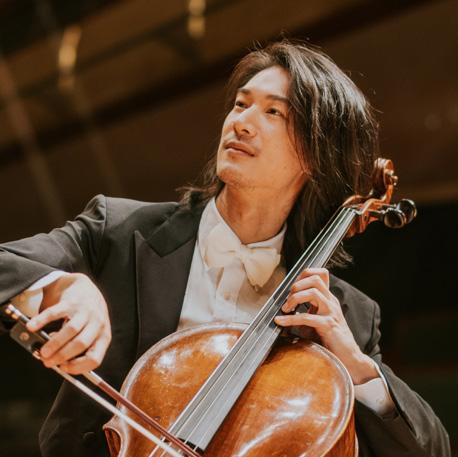
SSO Principal Cello
The Head Foundation Chair
In recognition of a generous gift from The HEAD Foundation, we announced the naming of our Principal Cello, The HEAD Foundation Chair in November 2019. The position is currently held by Principal Cellist Ng Pei-Sian.
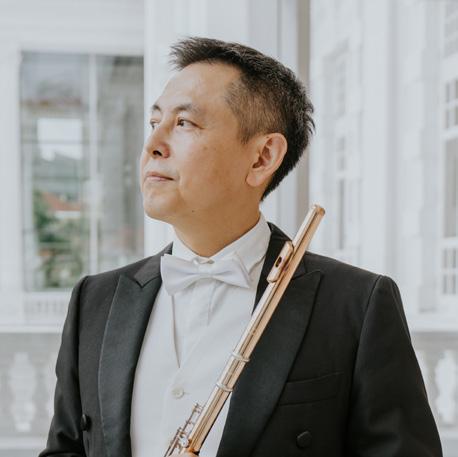
SSO Principal Flute Stephen Riady Chair
In recognition of a generous gift from Dr Stephen Riady, we announced in May 2022 the naming of our Principal Flute, Stephen Riady Chair. The position is currently held by our Principal Flutist Jin Ta.
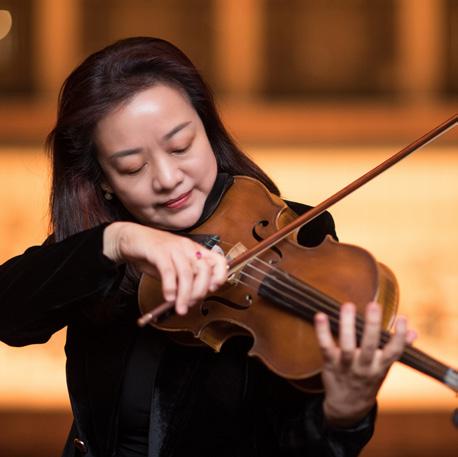
SSO Principal Viola Tan Jiew Cheng Chair
In recognition of a generous gift from the Estate of Tan Jiew Cheng, we announced in February 2024 the naming of our Principal Viola, Tan Jiew Cheng Chair. The position is currently held by our Principal Violist Manchin Zhang.
Chair
Goh Yew Lin
Board of Directors
Chang Chee Pey
Chng Kai Fong
Andress Goh
Kenneth Kwok
Clara Lim-Tan
Jesher Loi
Lynette Pang
Prof Qin Li-Wei
Jovi Seet
Farhana Sharmeen
Doris Sohmen-Pao
Prof Peter Tornquist
Geoffrey Wong
Andrew Yeo Khirn Hin
EXECUTIVE & NOMINATING COMMITTEE
Goh Yew Lin (Chair)
Chng Kai Fong
Lynette Pang
Geoffrey Wong
SSO Council
Alan Chan (Chair)
Odile Benjamin
Prof Chan Heng Chee
Prof Arnoud De Meyer
Dr Geh Min
Heinrich Grafe
Khoo Boon Hui
Liew Wei Li
Lim Mei
Sanjiv Misra
Paige Parker
Dr Stephen Riady
Priscylla Shaw
Prof Gralf Sieghold
Prof Bernard Tan
Dr Tan Chin Nam
Wee Ee Cheong
Yong Ying-I
HUMAN RESOURCES COMMITTEE
Doris Sohmen-Pao (Chair)
Jesher Loi
Prof Qin Li-Wei
Heinrich Grafe*
Carmen Wee*
FINANCE & INVESTMENT COMMITTEE
Geoffrey Wong (Chair)
Andress Goh
Chua Keng Hong*
Alex Lee*
DEVELOPMENT COMMITTEE
Prof Chan Heng Chee (Chair)
Odile Benjamin
Dr Geh Min
Heinrich Grafe
Khoo Boon Hui
Lim Mei
Leonard Ong
Paige Parker
Priscylla Shaw
Dr Tan Chin Nam
AUDIT & RISK COMMITTEE
Jovi Seet (Chair)
Prof Peter Tornquist
Andrew Yeo Khirn Hin
Ryan Siek*
COMMUNITY & YOUTH ENGAGEMENT COMMITTEE
Clara Lim-Tan (Chair)
Chang Chee Pey
Farhana Sharmeen
Asst Prof Kat Agres*
Cecilia Pang*
*co-opted member
Symphony Ball Committee
Paige Parker (Chair)
Celeste Basapa
Geoffrey Wong
Kris Tan
Joy Tan
Dr Karen Soh
Kim Camacho
Lim Kang Ning
Farhana Sharmeen
SSO Musicians’ Committee
Hoang Van Hoc
Austin Larson
Li Xin
Christopher Mui
David Smith
Elaine Yeo
Zhao Tian
Chief Executive Officer
Kenneth Kwok
Deputy CEO
Programmes & Production
Kok Tse Wei
CEO OFFICE
Shirin Foo
Musriah Bte Md Salleh
ORGANISATION DEVELOPMENT
Lillian Yin
A rtistic Planning
Christopher Cheong (Head)
A RTISTIC ADMINISTRATION
Jodie Chiang
Terrence Wong
Jocelyn Cheng
Michelle Yeo
Operations
Ernest Khoo (Head)
L IBRARY
Wong Yi Wen
Cheng Yee Ki
Ng Yi Xiu
ORCHESTRA MANAGEMENT
Chia Jit Min (Head)
Kelvin Chua
P RODUCTION MANAGEMENT
Noraihan Bte Nordin
Nazem Redzuan
Leong Shan Yi
Asyiq Iqmal
Khairi Edzhairee
Benjamin Chiau
Syed Muhammad Idris Bin Ramli
DIGITAL PRODUCTION
Avik Chari
Deputy CEO
Patrons & Corporate Services
Jenny Ang
Community Impact
COMMUNITY ENGAGEMENT
Kua Li Leng (Head)
Whitney Tan
Lynnette Chng
Chua Xu Yang
Darren Siah
C HORAL PROGRAMMES
Kua Li Leng (Head)
Lu Heng
Chang Hai Wen
Mimi Syaahira
SINGAPORE NATIONAL
YOUTH ORCHESTRA
Ramu Thiruyanam (Head)
Tang Ya Yun
Tan Sing Yee
Ridha Ridza
ABRSM
Patricia Yee
Lai Li-Yng
Joong Siow Chong
Freddie Loh
Corporate Services
F INANCE, IT & FACILITIES
Rick Ong (Head)
Alan Ong
Goh Hoey Fen
Loh Chin Huat
Md Zailani Bin Md Said
HUMAN RESOURCES & ADMINISTRATION
Valeria Tan (Head)
Janice Yeo
Fionn Tan
Netty Diyanah Bte Osman
D EVELOPMENT
Chelsea Zhao (Head)
Nikki Chuang
Sarah Wee
Samantha Lim
Eunice Salanga
Kevin Yeoh
C OMMUNICATIONS, DIGITAL & MARKETING
Cindy Lim (Head)
Communications
Ong Shu Chen
Nikki Loke
Elizabeth Low
Tan Li Ying
Data & Digital Projects
Calista Lee
Lim Wen Jie
Marketing & Content
Chia Han-Leon
Hong Shu Hui
Myrtle Lee
Jana Loh
Kashmira Kasmuri
Carrie Woo
CUSTOMER EXPERIENCE
Randy Teo
Dacia Cheang
Joy Tagore
The Victoria Concert Hall has been a home for music, memories, and meaningful moments for generations.
Adopt a seat and be part of history by donating to the SSO Endowment Fund.
Your gift helps secure the future of our nation’s orchestra, so we can continue creating memorable shared musical experiences for years to come.
Seats are available for adoption in donation tiers of $8,000, $15,000 and $25,000, with various patron benefits.
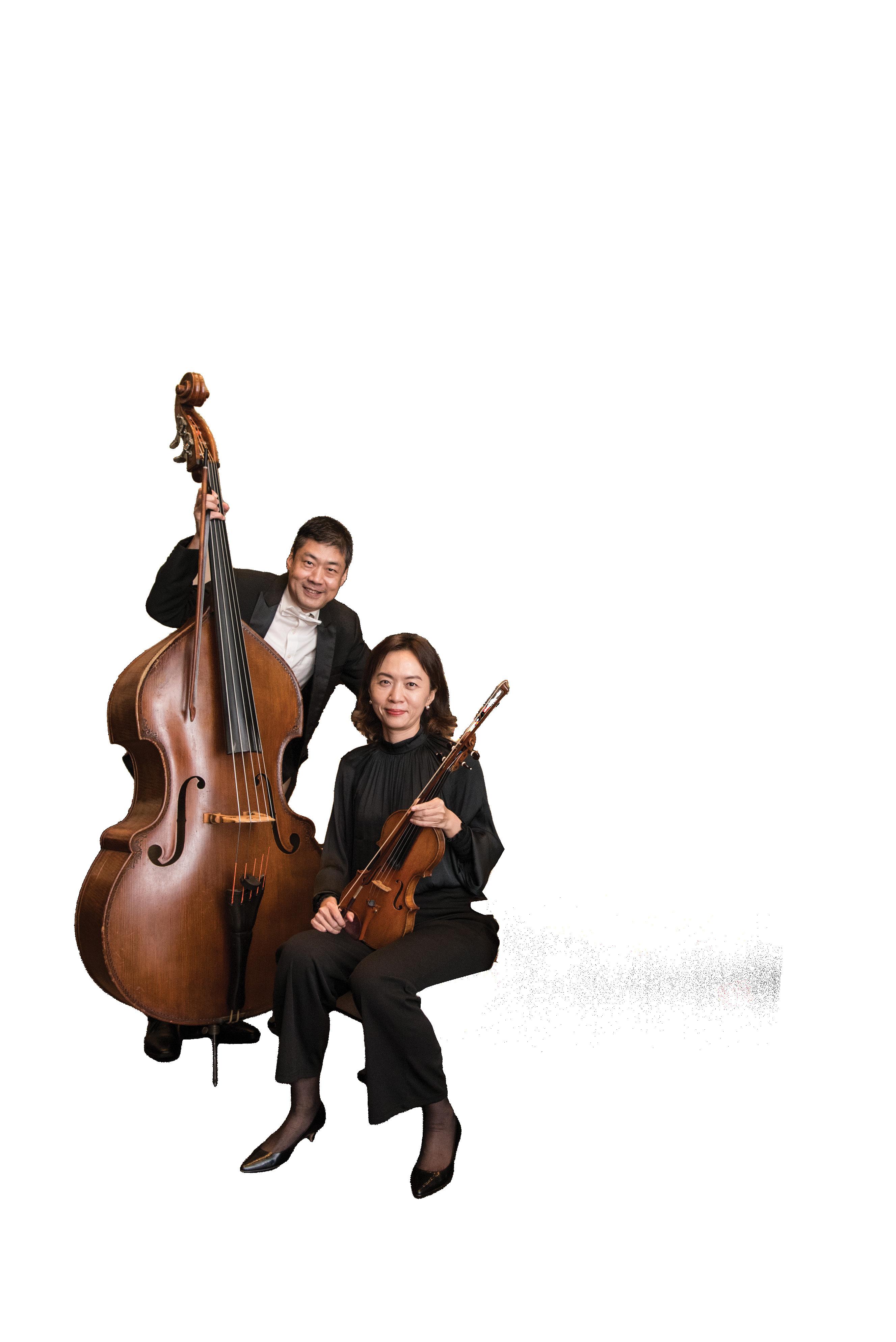

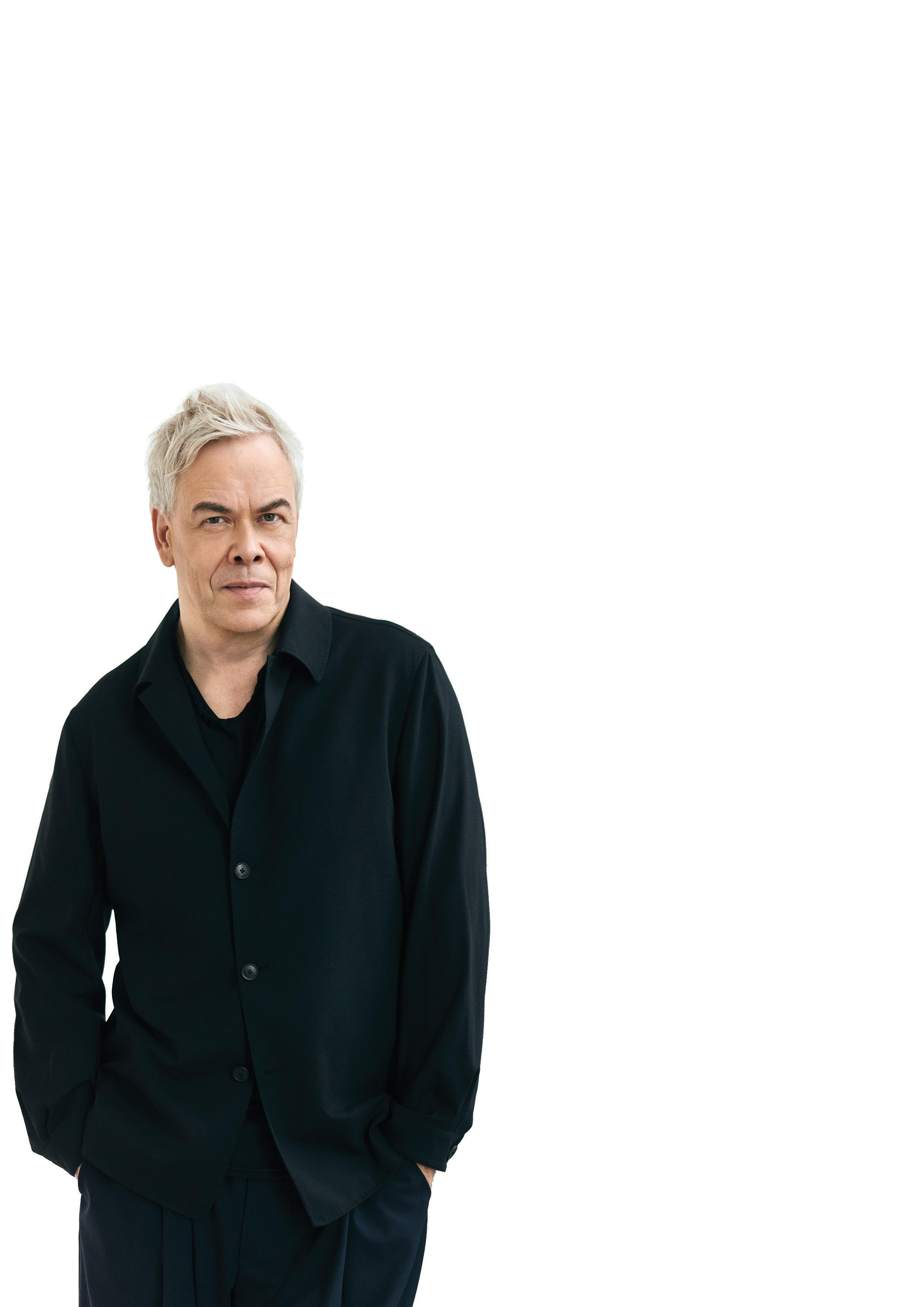
Scan for more information

Join us at the bold opening of our new chapter with incoming Quantedge Music Director Hannu Lintu, and two programmes of expressive breadth.
17 & 18 Jul 2026
Esplanade Concert Hall
SSO Gala
Gil Shaham and Mahler 5
A New Chapter
Singapore Symphony Orchestra
Hannu Lintu conductor
Gil Shaham violin
Tickets from $28.
24 Jul 2026
Esplanade Concert Hall
Zarathustra and Bluebeard’s Castle
Song of the Night Wanderer
Singapore Symphony Orchestra
Hannu Lintu conductor
Shen yang bass-baritone (Bluebeard)
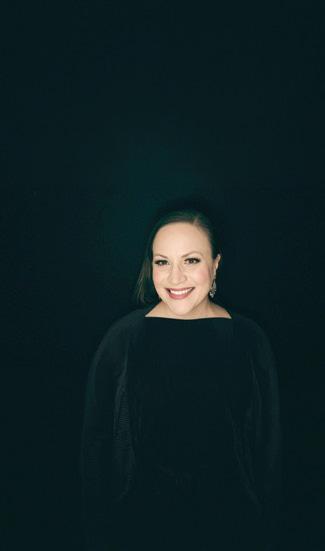
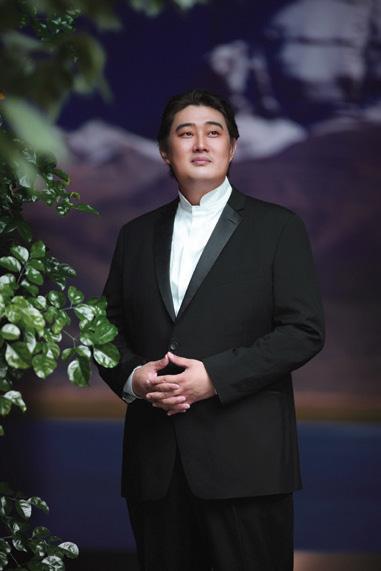
Jennifer Johnston mezzo-soprano (Judith)
Gabriel Chan lighting designer
Michael Huang surtitles
Tickets from $15.