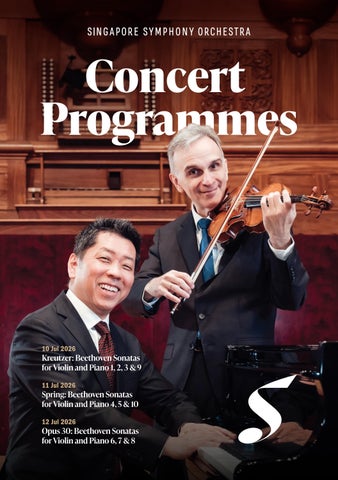
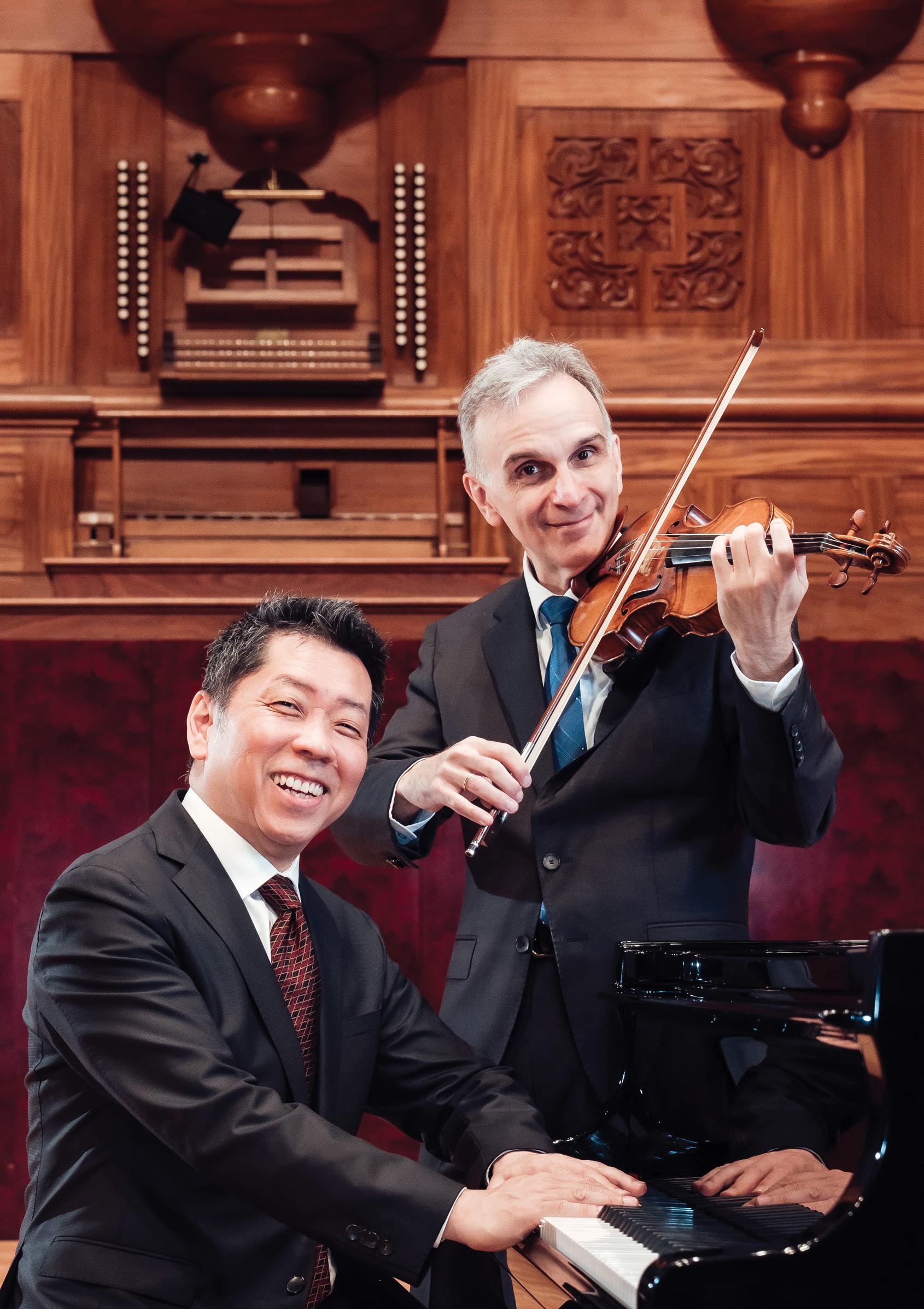
Gil Shaham
violin
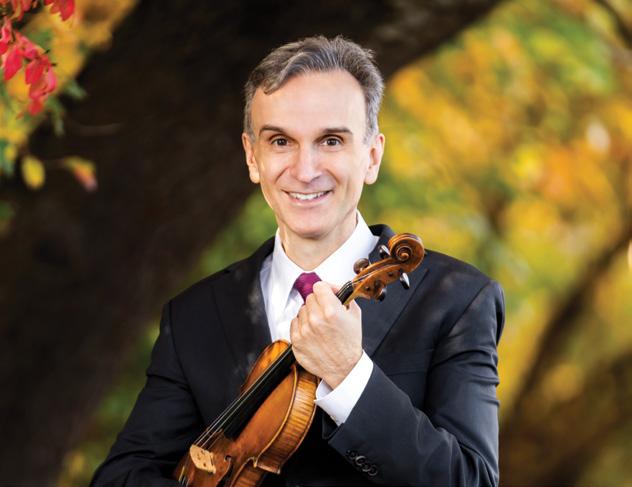
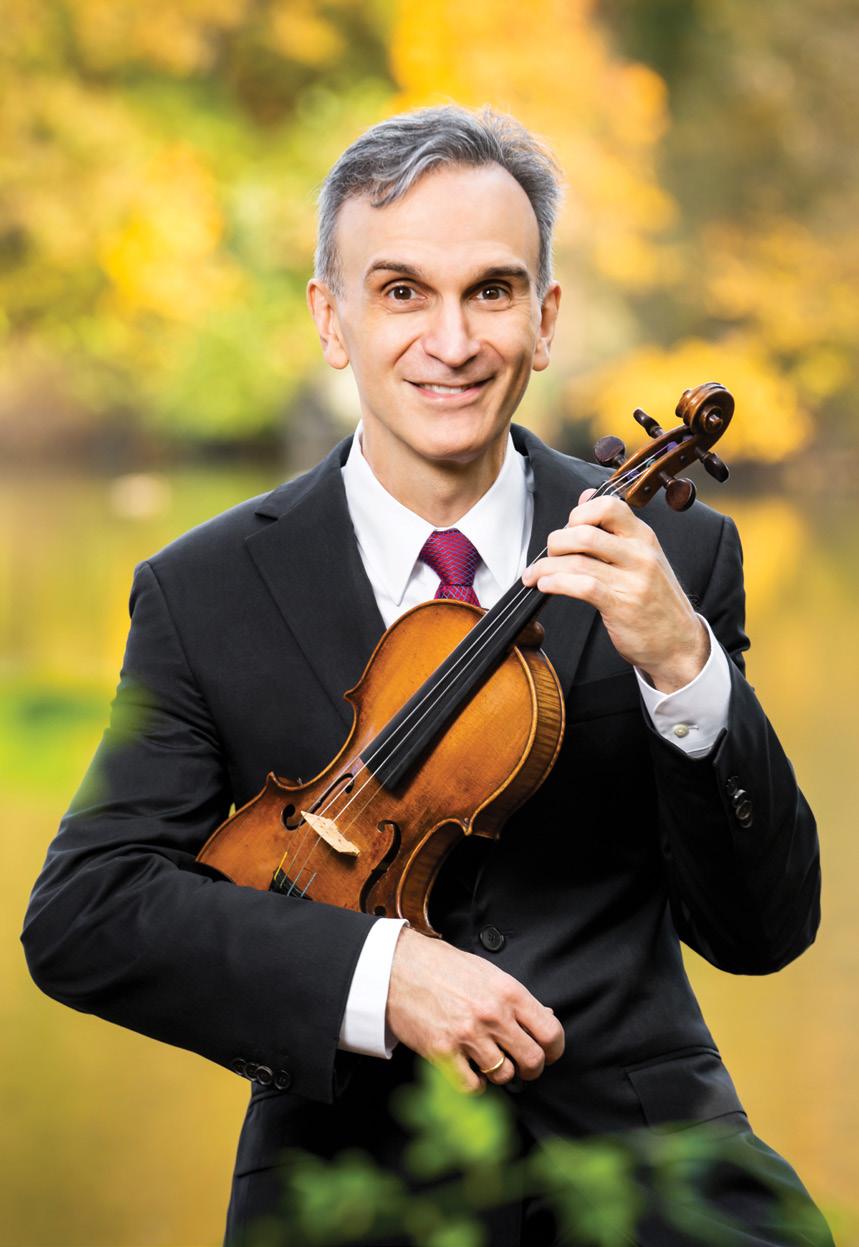
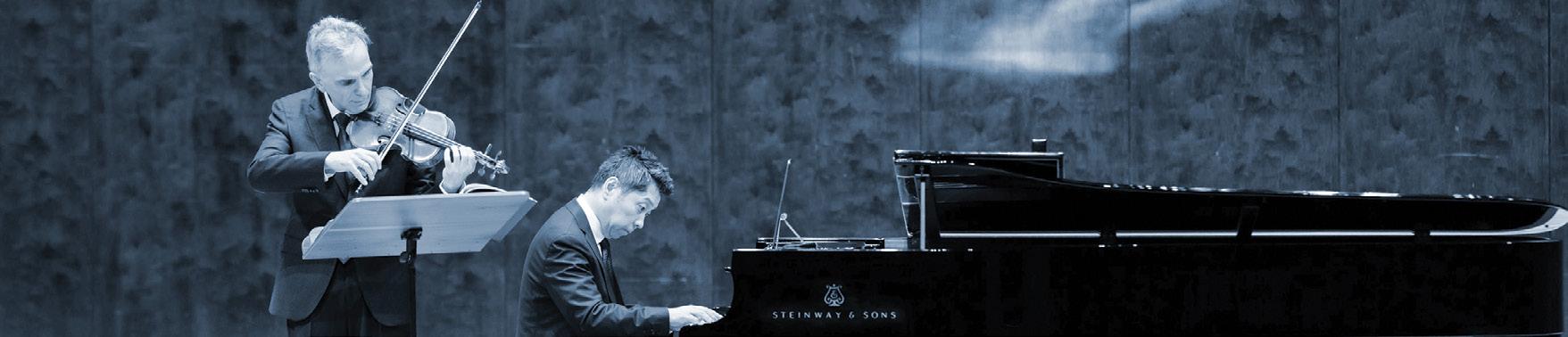
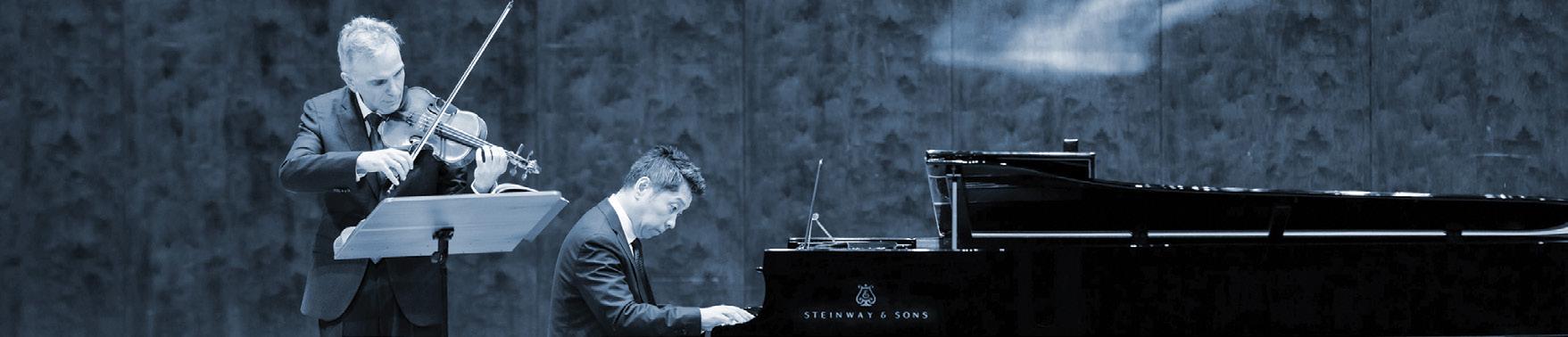
Gil Shaham is one of the foremost violinists of our time; his flawless technique combined with his inimitable warmth and generosity of spirit has solidified his renown as an American master. He is sought-after throughout the world for concerto appearances with leading orchestras and conductors, and regularly gives recitals and appears with ensembles on the world’s great concert stages and at the most prestigious festivals.
Highlights of recent years include a recording and performances of J.S. Bach’s complete sonatas and partitas for solo violin and recitals with his long-time duo partner, pianist Akira Eguchi. He regularly appears with the Berlin Philharmonic, Boston, Chicago, and San Francisco Symphonies, the Israel Philharmonic, Los Angeles Philharmonic, New York Philharmonic, Orchestre de Paris, and in multi-year residencies with the Orchestras of Montreal, Stuttgart and Singapore.
Gil Shaham has more than two dozen concerto and solo CDs to his name, earning multiple GRAMMYs, a Grand Prix du Disque, Diapason d’Or, and Gramophone Editor’s Choice. Many of these recordings appear on Canary Classics, the label he founded in 2004. His 2016 recording 1930s Violin Concertos Vol. 2 as well as his 2021 recording of Beethoven and Brahms Concertos with The Knights were nominated for GRAMMY Awards.
Gil Shaham was awarded an Avery Fisher Career Grant in 1990, and in 2008 he received the coveted Avery Fisher Prize. In 2012, he was named “Instrumentalist of the Year” by Musical America. He plays the 1699 “Countess Polignac” Stradivarius and performs on an Antonio Stradivari violin, Cremona c1719, with the assistance of Rare Violins In Consortium, Artists and Benefactors Collaborative. He lives in New York City with his wife, violinist Adele Anthony, and their three children.
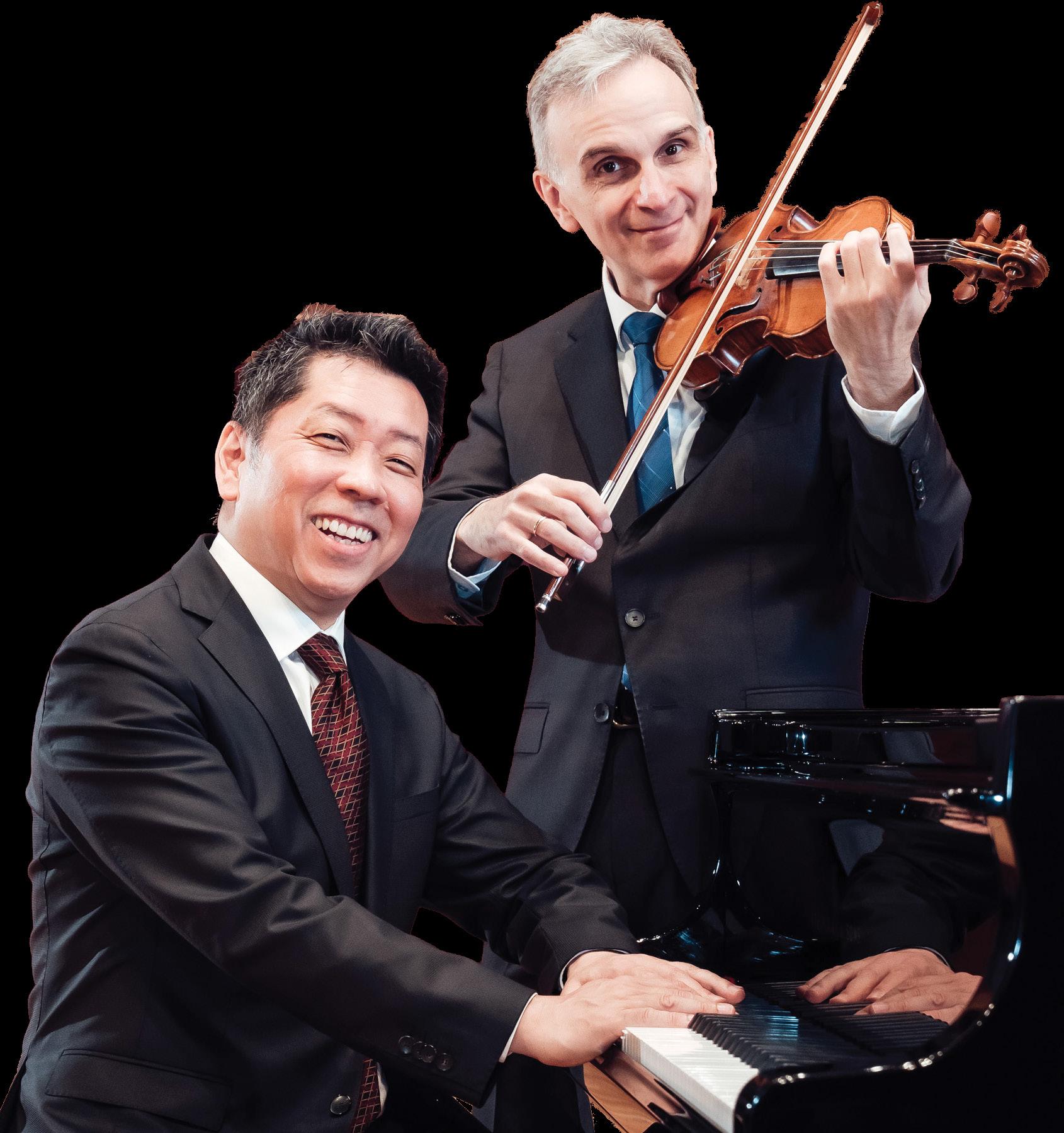
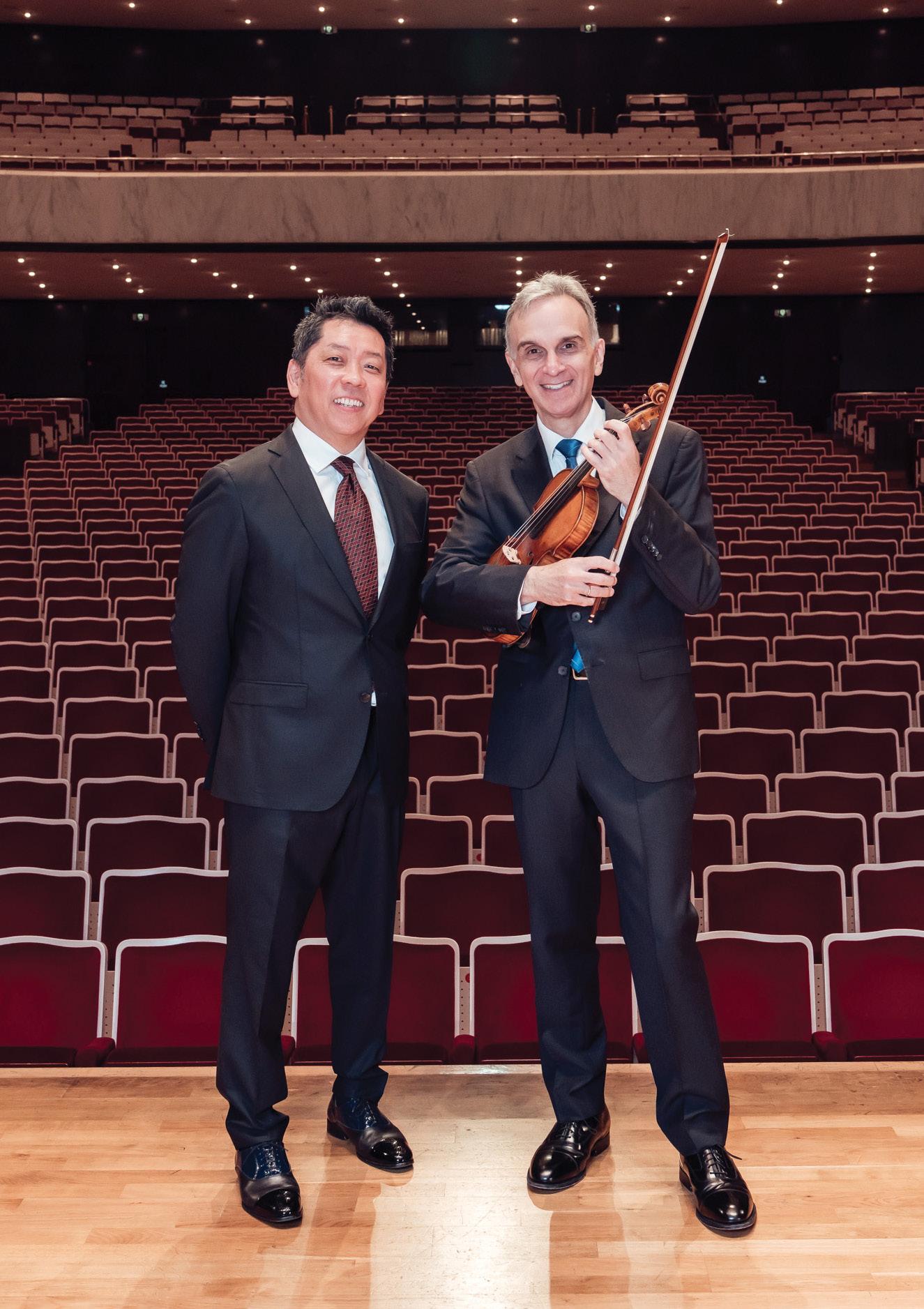
Gil Shaham & Akira Eguchi
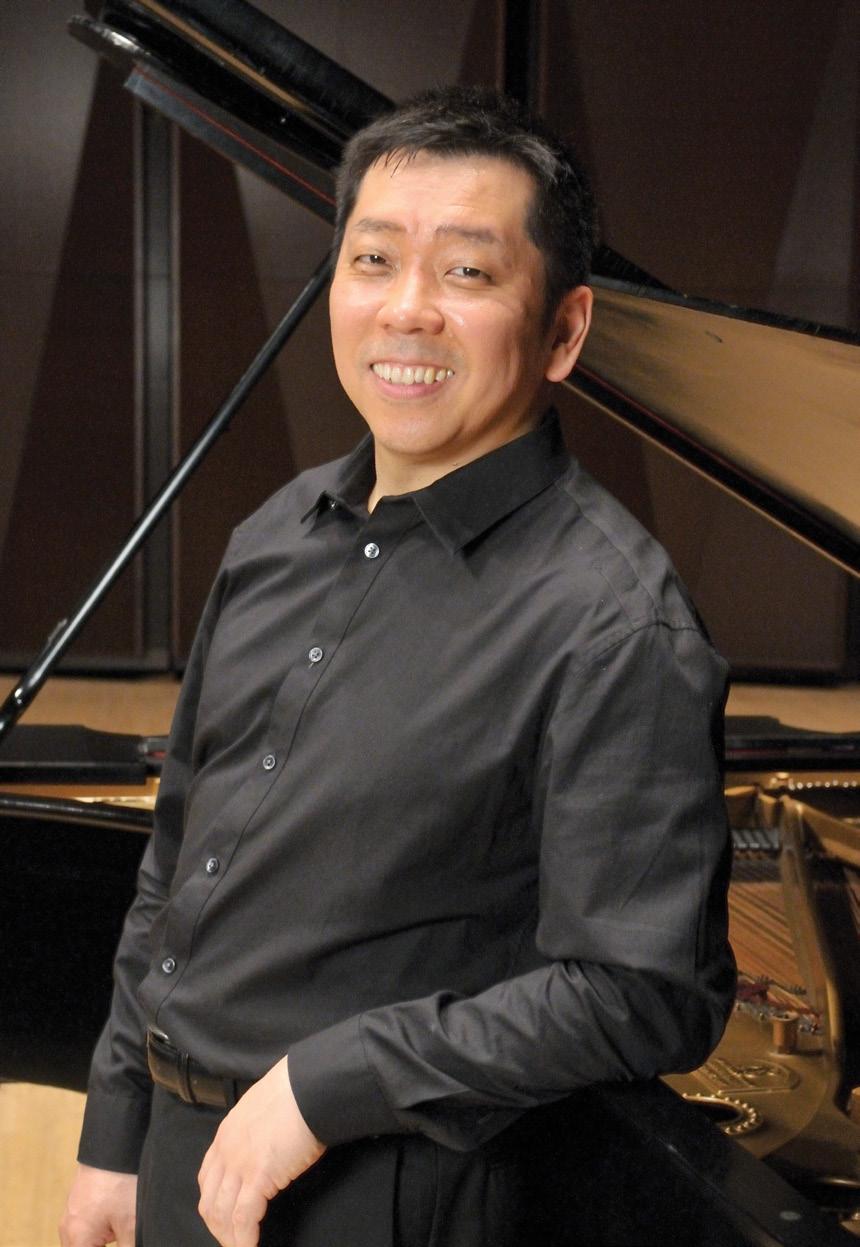
Since his acclaimed New York recital debut at Alice Tully Hall in 1992, Akira Eguchi has performed in major music centers across the United States, Europe, and Asia. In the U.S., he has appeared at Carnegie Hall, Avery Fisher Hall, the 92nd Street Y, and the Kennedy Center. He has also performed at Musikverein (Vienna), Barbican Centre (London), Théâtre des ChampsÉlysées (Paris), Herkulessaal (Munich), Tonhalle (Zurich), and Concertgebouw (Amsterdam). Distinguished for performances for heads of state, he played for President Clinton at the White House, presented by Isaac Stern, and for the Emperor and Empress of Japan in Tokyo. He has appeared in recital and with leading ensembles throughout North America, Europe, and Asia. A sought-after collaborator, he has worked with violinists Gil Shaham, Anne Akiko Meyers, Akiko Suwanai, Kyoko Takezawa, Tamaki Kawakubo, and Reiko Watanabe.
Akira Eguchi has participated in 45 recordings on labels including Deutsche Grammophon, Philips, Denon, and BMG. Many of his 11 solo albums were selected as “best new release of the month” by Recording Arts Magazine. He plays the legendary New York Steinway model “CD75” (1912), formerly played by Maestro Horowitz at his concerts in the late 70s and early 80s, currently owned by Takagi Klavier of Tokyo.
An active composer, his Gershwin arrangements were published by Zen-On, and his piano trio version of Fauré’s Après un rêve by International Music Company.
Born in Tokyo in 1963, he earned a Bachelor’s in Composition from Tokyo University of the Arts and a Master’s in Piano Performance from Juilliard. He is an Associate Professor at Tokyo University of the Arts and a guest professor at Senzoku-Gakuen Music College.
Kreutzer: Beethoven
Sonatas for Violin and Piano 1, 2, 3 & 9
Gil Shaham violin Akira Eguchi piano
Beethoven
Sonata No. 1 in D major, Op. 12, No. 1 18 mins
Beethoven
Sonata No. 2 in A major, Op. 12, No. 2 16 mins
Beethoven
Sonata No. 3 in E-flat major, Op. 12, No. 3 18 mins
Intermission 20 mins
Beethoven
Sonata No. 9 in A minor, Op. 47 “Kreutzer” 34 mins
Concert Duration: approximately 2 hrs (including 20 mins intermission)
Check-in to tonight’s concert
Scan this QR code with the Singapore Symphony Mobile App.
Sat, 11 Jul 2026
Victoria Concert Hall
Spring: Beethoven Sonatas for Violin and Piano 4, 5 & 10
Gil Shaham violin
Akira Eguchi piano
Beethoven
Sonata No. 4 in A minor, Op. 23 22 mins
Beethoven
Sonata No. 5 in F major, Op. 24 “Spring” 16 mins
Intermission 20 mins
Beethoven
Sonata No. 10 in G major, Op. 96 34 mins
Concert Duration: approximately 1 hr 45 mins (including 20 mins intermission)
Check-in to tonight’s concert
Scan this QR code with the Singapore Symphony Mobile App.
Sun, 12 Jul 2026
Victoria Concert Hall
Opus 30: Beethoven Sonatas for Violin and Piano 6, 7 & 8
Beethoven
Sonata No. 6 in A major, Op. 30, No. 1 21 mins
Beethoven
Sonata No. 7 in C minor, Op. 30, No. 2 27 mins
Beethoven
Sonata No. 8 in G major, Op. 30, No. 3 17 mins
Concert Duration: approximately 1 hr 15 mins (no intermission)
Check-in to tonight’s concert
Scan this QR code with the Singapore Symphony Mobile App.
Gil Shaham violin
Akira Eguchi piano
Kreutzer: Beethoven Sonatas for Violin and Piano 1, 2, 3 & 9
One of the most enduring images of Beethoven is that of a brooding genius, venerated by generations of musicians as an almost mythic figure. The 10 Violin Sonatas that Beethoven composed between 1797 and 1812, however, reveal him to be a practical, ambitious musician, mindful of the expectations of patrons, publishers, and the public. The Sonatas were a response to the musical conventions of his time, while continuously pushing the boundaries of his craft.
Around the turn of the 19th century, chamber music was very much in vogue amongst the aristocracy and music-lovers in Vienna. Beethoven was as celebrated a pianist as he was a composer, and it was likely that he may have performed his violin sonatas at aristocratic salons. These were private musical gatherings where rich patrons would invite professional musicians to perform or even play chamber music with them. Many music-lovers also took pride in being proficient at an instrument – or ensuring that their daughters took piano lessons! They were eager not just to listen to Beethoven’s sonatas but to purchase the published scores to play them for themselves.
The growing popularity of private music-making helped to establish the piano as the fashionable instrument of the day. As a result, instrumental sonatas would typically place the pianist in the dominant role, while the violin would serve a more subordinate function, often simply doubling the piano’s melodies. Beethoven subverted this convention, democratically dividing important material between the two instruments and blending their unique qualities to form a dramatic, cohesive partnership.
Beethoven’s first published set of violin sonatas, Opus 12, was reviewed in the influential Allgemeine Musikalische Zeitung in June 1799.
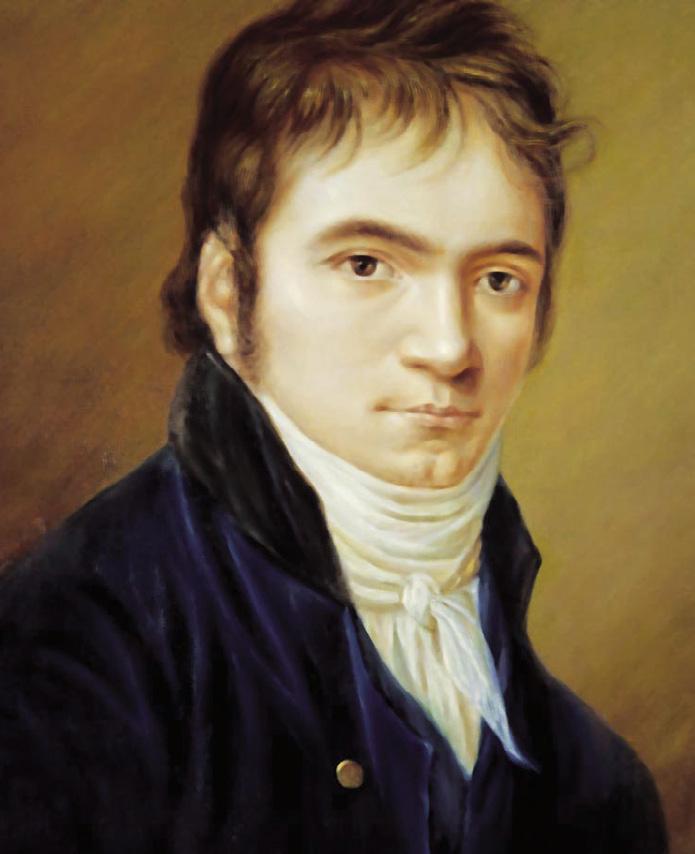
Portrait of Beethoven by Christian Horneman, 1803.
Gil Shaham & Akira Eguchi –
The critic complained of “strange modulations, an objection to customary associations, a heaping up of difficulties on difficulties till one loses all patience and enjoyment”. The Op. 12 Sonatas certainly defied the expectations of Beethoven’s public, who might have been more accustomed to simpler galant style compositions designed for domestic music-making.
In Sonata in D major, Op. 12 No. 1, Beethoven’s bold, energetic writing leaves a strong first impression. We would never find this many fortissimos and sforzandos in Mozart’s Sonatas! Harmonic surprises abound in this sonata. In the first movement, a boisterous cadence in A major at the end of the exposition is nonchalantly pushed aside by a development section in F major. The second movement is a lyrical theme and variations, with a particularly dramatic third variation where both instruments explore the extremities of their physical and dynamic range. High spirits return in the rondo finale, with a cheeky diversion to E-flat major right before the closing themes in D major.
Sonata in A major, Op. 12 No. 2 begins with effervescent humour. The first movement is scattered with impish dissonances and teasing harmonies that lead to unexpected vistas. The second movement is set in the melancholic hues of A minor, while in contrast, the finale is marked piacevole (pleasant). The piano and violin pass melodies back and forth in an amiable conversation, ending the sonata with a twinkle in our eyes.
Sonata in E-flat major, Op. 12 No. 3 is the most substantial of the set. The outer movements demand impressive levels of dexterity from the pianist, a reminder of Beethoven’s own pianistic skills. The first movement is sunny and spirited, while the second movement luxuriates in longspun melodic lines. The third movement is a buoyant rondo with an immensely catchy main theme, bringing the Op. 12 set to a rollicking close.
Sonata No. 9 in A major, Op. 47 was conceived primarily for public performance rather than publication. Beethoven premiered it in 1803 with the British violin virtuoso George Bridgetower. After the pair had an argument, Beethoven rededicated the Sonata to the violinist Rudolphe Kreutzer instead, a most ungrateful dedicatee who considered the piece “outrageously unintelligible”. Nevertheless, we commonly refer to it as the “Kreutzer” Sonata today.
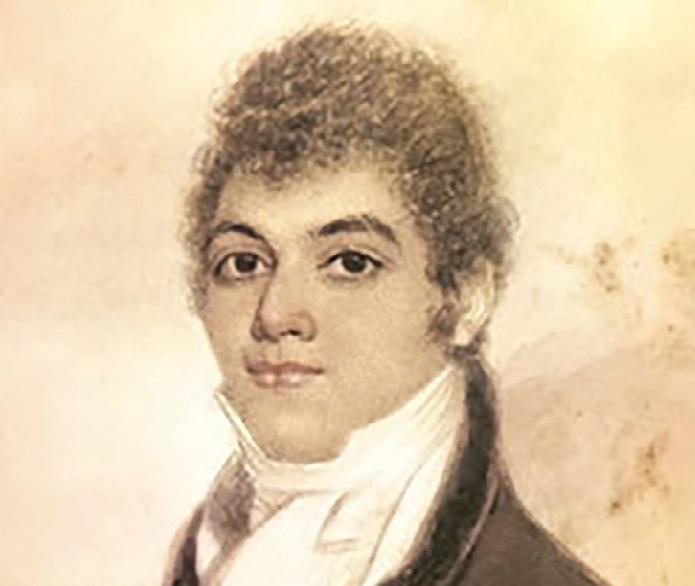
Described by Beethoven as “quasi-concertolike”, Sonata No. 9 is cast on a truly epic scale in terms of length and technical virtuosity. It is a monumental artistic statement, raging at the forces of fate while exulting in the joys of life. The first movement begins with a grand, slow introduction, with the unaccompanied solo violin almost orchestral in scope with triple and quadruple stops, followed by the main Presto section which seethes with urgency. The Andante con variazioni takes us on a journey through diverse landscapes. There are moments of meditative repose, jocular humour, and intense yearning, with shimmering trills that soar heavenward. The scintillating finale features the unmistakable rhythms of the Tarantella, bringing the sonata to a close with a celebratory flourish.
George Bridgetower (1778–1860), a British virtuoso violinist of African-Polish descent, and the original dedicatee of the Sonata No. 9. Portrait from 1800 by unknown artist.
Spring: Beethoven Sonatas for Violin and Piano 4,
5 & 10
Dedicated to Count Moritz von Fries, an important patron who hosted many private salons, Sonatas No. 4 and 5 were composed between 1800–1801 and were originally meant to be published together as a set. The Sonatas complement each other as a yin-and-yang pair.
The first movement of Sonata No. 4 in A minor, Op. 23 displays the volatility and agitation of Sturm und Drang style, keeping us on our toes with ever-shifting outbursts. Marked scherzoso (playful, joking), the second movement offers some respite. The third movement is marked by searching anxiety. It builds to a cathartic release of rage, but dissipates with a whisper.
Sonata No. 5 in F major, Op. 24, nicknamed “Spring”, is one of the most beloved works in the classical repertoire. The opening theme of the first movement is full of uncomplicated, openhearted joy, earning the Sonata its nickname. The second movement is a radiant aria, with graceful,
improvisatory vocal flourishes. The violin playfully ricochets off the piano melody in the Scherzo and Trio, while the carefree lyricism of the finale evokes the freshness and optimism of springtime.
Sonata No. 10 in G major, Op. 96 was written in 1812 for Beethoven’s patron Archduke Rudolf of Austria to play with the French violinist Pierre Rodé. Tailored for the personalities of its intended performers, this sonata is more intimate in scale than the other sonatas. The first movement is understated and tender, with the piano and violin parts engaging in a closely-knit conversation like kindred spirits. The second movement can only be described as sublime, in its rapt enjoyment of sheer beauty. Just as the music comes to a resolution in E-flat major, a rogue C-sharp from the violin whirls us off into the animated Scherzo and dance-like Trio. The final movement is a set of variations on a gently lilting theme. The music sparkles with good humour, while the expressivity of the middle variation harkens back to the second movement. With its beguiling simplicity yet depth of expression, it is easy to see why the great violin pedagogue Carl Flesch considered this Sonata the “most perfect” of Beethoven’s Violin Sonatas.
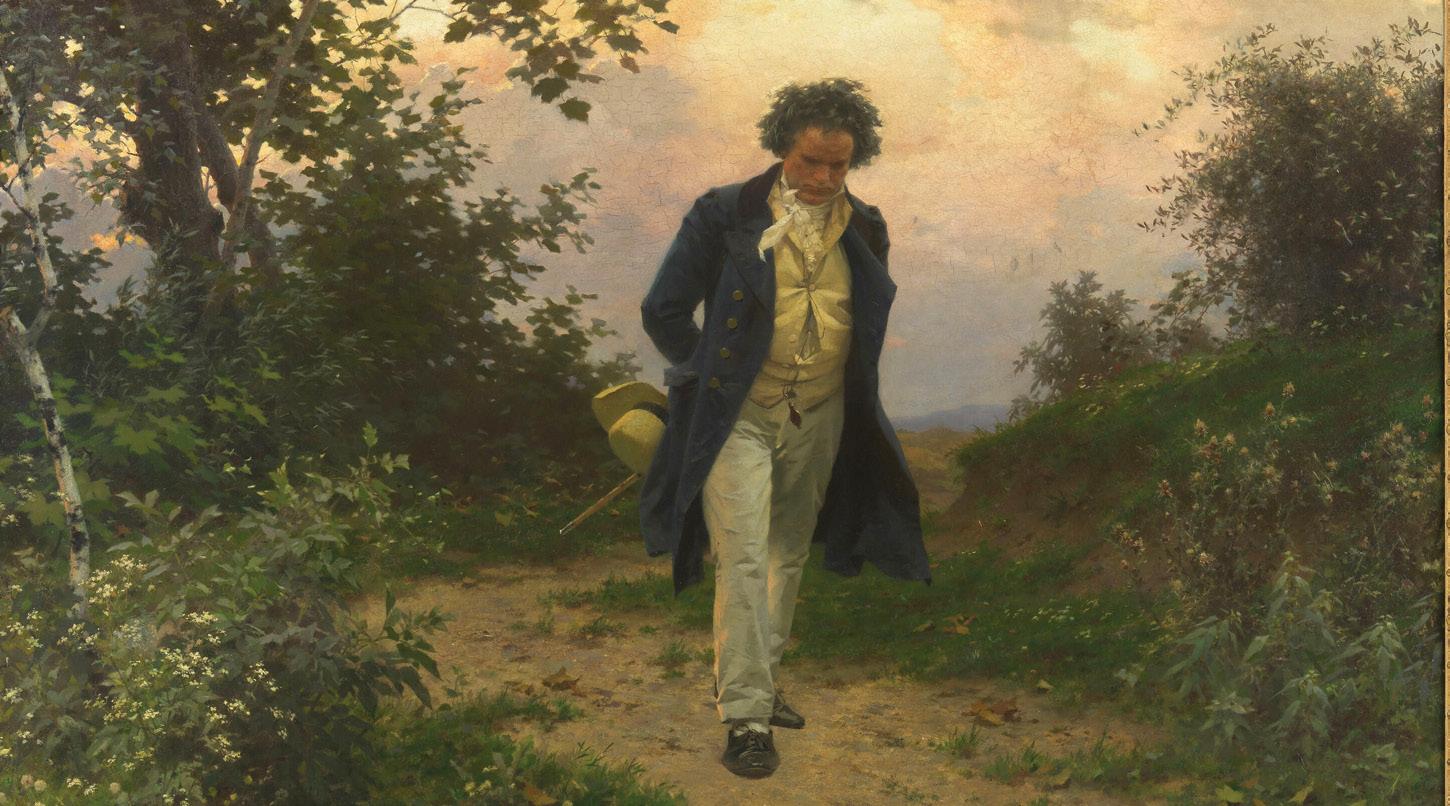
Beethoven, around 1901, by Julius Schmid. Photo: Birgit and Peter Kainz, Wien Museum.
Opus 30: Beethoven Sonatas for Violin and Piano 6, 7 & 8
The three Op. 30 Sonatas were composed in 1802, a profoundly difficult time for Beethoven as he started to come to terms with his encroaching deafness. However, the temptation to read a narrative of heroic suffering into the music from this period may say more about our own romantic sensibilities than about Beethoven’s actual musical output, which remained delightfully varied.
The opening of Sonata No. 6 in A major, Op. 30 No. 1 is warm-hearted and inviting, with no hint of trouble. Just like the Spring Sonata, the second movement of this sonata features florid operatic elements, with both instruments taking turns to put their own spin on the melodic material. The last movement is a theme and variations, one of several we encounter in the 10 sonatas. It brings this underrated work to an end in a cheerful mood.
Beethoven’s C minor works are associated with high-octane drama, and Sonata No. 7 in C minor, Op. 30 No. 2 proves to be no exception.
The hushed opening simmers with menace, and soon brims over in defiance and angst. The contrasting second theme is deceptively simple and innocent, and the polarity of the two themes, as different as night and day, sets the stage for the drama of the first movement. The luminous second movement is an oasis of beauty, while the scherzo features comically lopsided accents. The finale plunges us back into emotional turmoil, with stark dynamic contrasts that seem almost violent in their abruptness. Just as we think the music has reached its conclusion, the intensity ratchets up into a terrifying coda section that is relentless in its fury.
Sonata No. 8 in G major, Op. 30 No. 3 could not be more different from the preceding sonata. The first movement is all charm and gaiety, with both instruments gamboling after each other. The piano and violin genially trade melodies in the second movement, which takes the guise of a gentle minuet. The finale evokes a rousing peasant dance, with drums, drones in the bass line, and a troupe of enthusiastic fiddle players. It brings our exploration of the complete Beethoven Violin Sonatas to a close on a joyous, uplifting note.
Notes by Abigail Sin | Pianist and educator Abigail Sin loves exploring music and sharing it with others. www.abigailsin.com
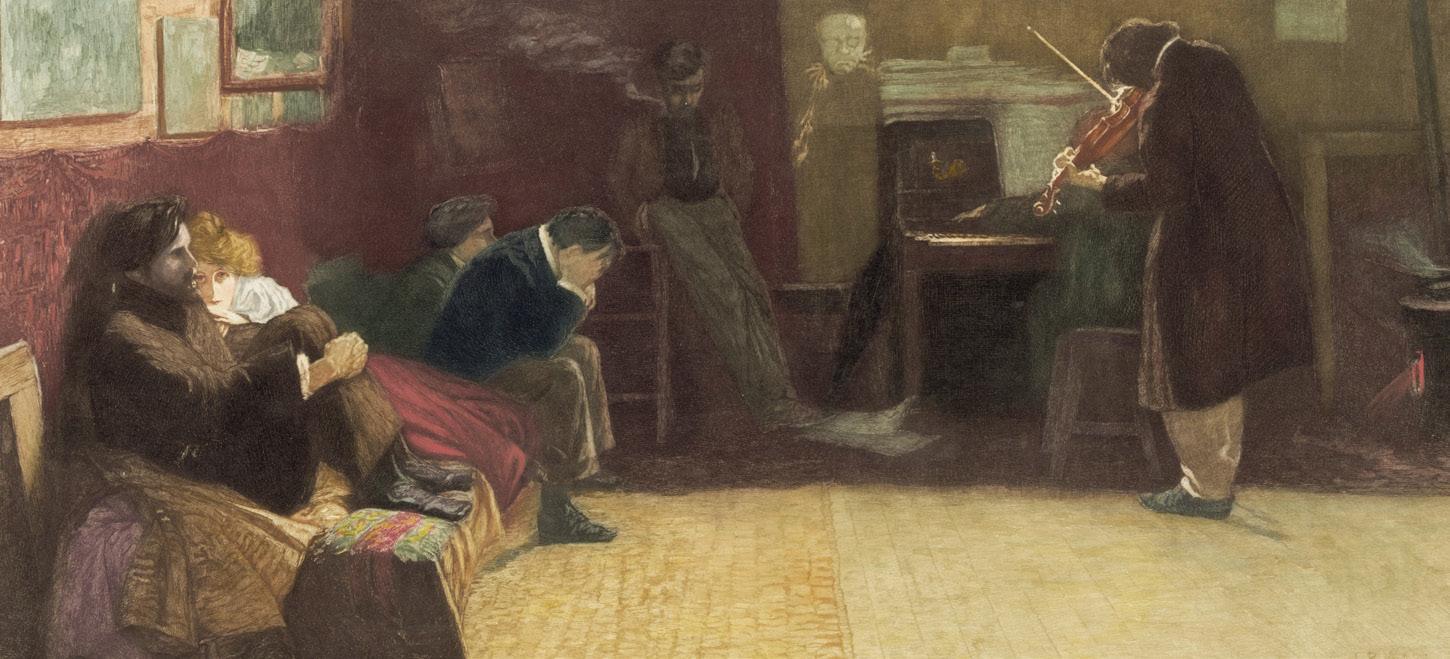
Beethoven, by Lionello Balestrieri, 1900.
Gil Shaham & Akira Eguchi – Beethoven Sonatas
A WORLD OF ELEGANCE & enchanted GLAMOUR