I don’t know about you, but I wouldn’t fight in an imperialist war. I wouldn’t fight for US hegemony. I wouldn’t fight in a culture war. The only war I would fight for is a class war. Being on the ass-end of the world has more than just strategic advantages. For a long time...
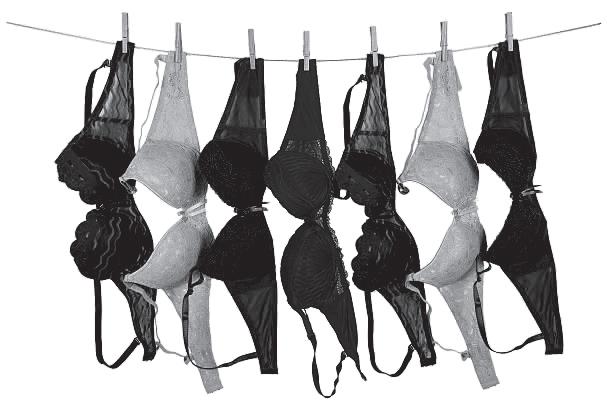
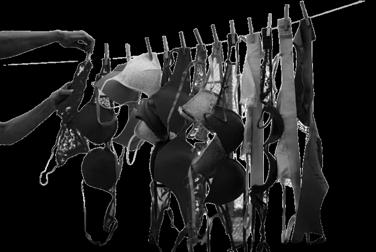
Last year, an article was published in Honi Soit which many deemed as promoting bigoted rhetoric. It was titled “I am a Radical Feminist and I am Burning My Bra”. For me, one of the most offensive parts of the article is its inability to produce a coherent argument...
My grandfather was exiled in 1948 when his home was demolished. My father’s family was expelled, returned, and learned to live under occupation in Ramallah. Others left for Jordan. Others built lives in the Gulf. I grew up here, fluent in distance. And still, the machine finds us. When US military bases are embedded across the Khaleej, when regional power struggles are mediated...
EDITOR-IN-CHIEF
James Fitzgerald Sice
EDITORS
Madison Burland
Anastasia Dale
James Fitzgerald Sice
Kuyili Karthik
Ramla Khalid
Kiah Nanavati
Marc Paniza
Firdevs Sinik
Sebastien Tuzilovic
WRITERS
Anonymous
Max Bowen
Jaseena Al-Helo
Jesper Duffy
Sebastien Tuzilovic
Anastasia Dale
James Fitzgerald Sice
Anjali Dutton
Calista Burrowes
Marc Paniza
Gian Garnell-Ellis
Kiah Nanavati
Charlotte Hood
Acknowledgment of Country
Honi Soit publishes on stolen Gadigal land. Sovereignty was never ceded. The University of Sydney is a colonial institution that upholds Western knowledge as superior to First Nations knowledge systems. We reject this hierarchy.
As student journalists, we recognise that mainstream media has been complicit in silencing and misrepresenting Indigenous voices since invasion.
We commit to centring First Nations perspectives in our reporting, to challenging the colonial structures embedded in journalism, and to amplifying the voices of those resisting ongoing dispossession. We pay our respects to Elders past and present, and to all First Nations students and contributors.
Always was, and always will be Aboriginal land.
Jesper Duffy
Vieve Carnsew
Mickie Quick
James Fitzgerald Sice
Vince Tafea ARTISTS
Vieve Carnsew
We are approaching the midnight of the 21st century. I often find myself succumbing to the cradle of doomerism. Gen Z — we are the lucky ones. Born just in time to see AI Charlie Kirk brain rot next to apocalyptic news updates. Baby boomers are now worth almost $6 trillion, Australia is still the world’s third largest exporter of fossil fuels amid a climate crisis, and WW3 has just started.
This week’s theme — rage against the machine — asks us to resist the drift into paralysis and instead examine what our anger is actually pointing at, who it’s directed toward, and how it can be turned into collective analysis and organised action rather than isolated frustration.
Rage is proof that you have not been numbed to the violence, inequality, and oppression that “the machine” systematically works to normalise. However, purely reactive rage serves little political purpose. Rage must be used as fuel for more proactive political organising and strategising. Without an idea of what the world looks like after “the machine” has been destroyed, rage will remain futile and moralistic.
My feature discusses the dire need for organised resistance by drawing on intersectional examples of industrial action throughout Australian history such as the NSW Green Bans and the Wave Hill WalkOff. Anonymous responds to
controversial 2025 Honi article “I am a Radical Feminist and I am Burning My Bra”. Jesper Duffy explores what it means for the community now that transgender women are being put in men’s prisons in the Northern Territory. Calista Burrowes examines the monopolisation of Sydney nightlife. Jaseena AlHelo writes about the experience of being geographically safe yet structurally implicated in regional militarisation in light of the US-Israeli war on Iran.
I hope this edition makes you angry. I hope it sparks discussion.
Thanks, James Fitzgerald Sice.
Vox Pops: What Students Are Saying About
K says: Social change is meaningless without an organised working-class. Comprehensive societal change must come from below.
S says : I don’t know man I think there are bigger issues. Can we talk about the political and econonomic state of the world right now?
K.M. says: Let the ruling classes tremble at a Communistic revolution. The proletarians have
Honiscopes
nothing to lose but their chains. They have a world to win.
A says: That’s digusting. The only thing that gets me off these days is joining my union and fighting for the rights of the working people of Australia and around the world.
Peter Thiel: I ferociously jerk my hog to videos of poor people being abused, its the best. I am best friends with Jeff (Epstein) who is still alive and doing quite
Aries: Sharehouse core. Sturdy and cheap, just like your couch.
Taurus: You think you’re sooo cool... well I think you’re at risk of lung cancer. Try some nicotine patches.
Gemini: You’re cheap, you’re nasty. I don’t like you. Stop. Develop a personality.
Cancer: You are efficient, effective, and beloved. The office celebrity, you do your to-do list without being asked. Thank you.
K.N. says: I like watching it. I am too busy jorking it to join my unions. My friends call me a scab but I get off on that too.
P.P. says: What is this “porn” you speak of? My pleasure is derived from self improvement and religious devotion. Talk to me when you have a knowledge of the holy trinity.
Virgo: You’re goated. Everyone wishes they were you. You’re fun. You’re expensive because you’re fucking awesome.
Libra: You’re reliable, a solid classic. You are consistent, and that’s why your friends love you.
Scorpio: Chopped and a little bit unc. Maybe stop hanging around your high school and get a job.
Sagittarius: You’re like fine. Face your fears, buy a real cigarette, or give up. We don’t mind.
Capricorn: People may say you’re the goat, but lucky only my opinion matters. You’re pretentious, and not that cool.
Aquarius: Cheap and sad. You owe many a karmic debt.
Pisces: You are a perfect balance of delight and relaxation. A gummy yummy taste and feeling, yipee!
International students face higher costs after Australia’s 2026 visa reforms
Australia has introduced significant changes to its international student visa system in 2026, with one of the most controversial reforms being a major increase in the cost of the Temporary Graduate visa. The new policy, which came into effect in early 2026, has doubled the application fee for the visa that allows international students to remain in Australia after completing their studies.
While the Australian government says the changes are part of broader migration amendments, students and education experts warn that the higher costs could possibly discourage international graduates from staying and working in the country.
The Temporary Graduate visa (subclass 485) is widely used by international students who wish to gain professional experience at a workplace in Australia after graduating from university. It provides graduates with a pathway to remain in the country temporarily and work in roles related to their field of study. However, in March
2026, the government doubled the visa application fee from AUD $2,300 to $4,600, creating a considerably large financial barrier for many graduates. The sudden and drastic price increase has drawn criticism from international student groups, who say the change was introduced with little to no warning, leaving many students scrambling to find more funds to submit their visa applications.
Migration experts have described the increase as one of the most dramatic changes to graduate visa costs in recent years. According to recent reports, the fee rise applies to most international students seeking post-study work rights in Australia, although students from Pacific Island countries and Timor-Leste are exempt from the full increase and continue to pay the previous, lower fee.
The exemption is linked to Australia’s broader diplomatic efforts to strengthen regional partnerships in the Pacific, often referred to as the “Pacific family” policy.
The higher costs also apply to dependents included in visa applications. Partners or adult family members applying alongside the graduate must pay additional fees, while children also incur separate charges. For some graduates applying with family members, the total cost of remaining in Australia after completing their studies can now exceed several thousand dollars.
Education analysts warn that rising costs may particularly affect students from developing countries, many of whom already face severe financial pressures due to high tuition fees and living expenses.
International education is one of Australia’s most valuable export industries. The sector contributes tens of billions of dollars annually to the national economy and supports thousands of jobs across universities, hospitality, housing, and local businesses.
Because of this economic importance, any policy changes affecting international students can have wide-ranging and
On Thursday the 12th of March, the Sydney Gay And Lesbian Mardi Gras (SGLMG) Board of Directors voted to stand down board directors Luna Choo and Damien Nguyen.
In an email sent to Mardi Gras members, Board Co-Chairs Mits Delisle and Kathy Pavlich claimed that this decision was an “interim governance measure to support the effective functioning of the Board while a structured process takes place to address the matters that have arisen.”
Delisle and Pavlich also stated in the email that a pathway to reconciliation has been proposed, but did not divulge what this included.
This is another adverse action recently experienced by Choo and Ngyuen under direction from the Co-Chairs. Activist group Pride in Protest (PiP) claims the censorship was in retaliation for Choo and Nguyen standing up for trans rights. Choo was the main candidate for PiP’s 2025 board election ticket, and Nguyen was the main
candidate for PiP’s 2024 ticket.
This comes after Pride in Protest was banned from marching in this year’s Mardi Gras parade, a decision they were informed of the night before the parade.
In a press conference on Friday March 13th, Nguyen and Choo addressed their standing down. 78ers and Jews Against the Occupation were also present at the press conference in solidarity.
Nguyen restated his commitment to his election promises and the resolutions of motions passed at the 2025 AGM. “We represent the politics of the majority,” Nguyen said. He stated that Mardi Gras membership has had increased support for the trans community and for opposing genocide, citing that himself and Choo had the highest rates of voters from Mardi Gras members in their respective elections.
“It is a shame that the last few weeks
have seen corporate and conservative interests prioritised over clear community demands.”
Nguyen went on.
Luna Choo spoke to her tenure on the board, which lasted just three months before being stood down. Her time on the SGLMG Board included experiencing having her access to her emails revoked, being humiliated and misgendered, and now being stood down.
Choo is the second transfeminine PiP-aligned board director stood down in the last decade. Trans woman Charlie Murphy was notably stood down in 2021 for organising a protest on Oxford Street.
Rohen Snowball, spokesperson for PiP, stated: “In 2021, then co-chair and current CEO Jesse Matheson stood down two
Kiah Nanavati reports.
long-lasting impacts not only on universities but also on the broader economy.
Despite the government’s justification for the reforms, many international students and migration advocates remain concerned about the rising cost of studying and working in Australia.
The Temporary Graduate visa still provides an important pathway for graduates to gain work experience and build professional networks after finishing their degrees. However, the higher cost may force some students to reconsider their plans, with some choosing to return home or pursue opportunities in countries with lower visa fees.
Universities and education experts have warned that if fewer graduates remain in Australia, it could affect the country’s ability to attract and retain international talent.
Read the full article online.
Jesper Duffy reports.
SGLMG directors and Pride in Protest members. This is the emergency tactic to shut down dissent when the leadership –unquestioningly backing the two major political parties and big corporate sponsors – feel they are losing control. A majority of members backed motions at Mardi Gras’s last AGM to highlight trans rights and advocate for anti-discrimination reform. Faced with the opportunity to stand with our community, the organisation’s leadership instead chose to ignore us.”
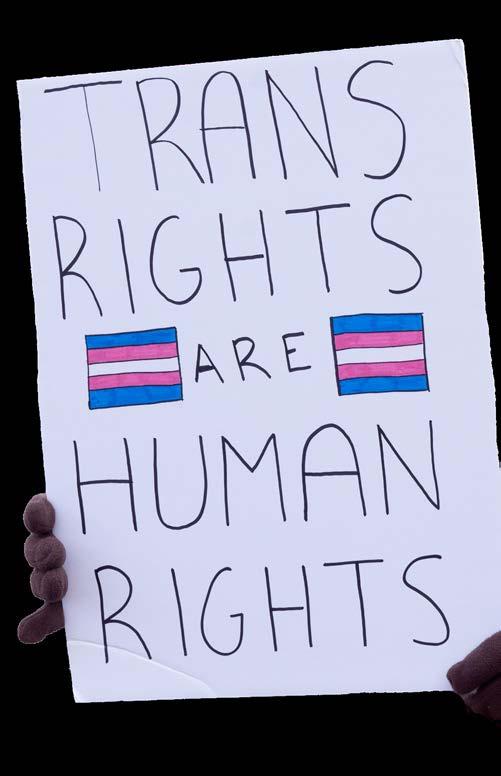
In comments to Honi, Damien Nguyen stated: “I am concerned about the future of the organisation. Who would we be as a community-led organisation without the community? I plan to continue my commitment to what the community and membership have asked for: transgender rights. I will be joining the march for Trans Day of Visibility in two weeks at Pride Square.”
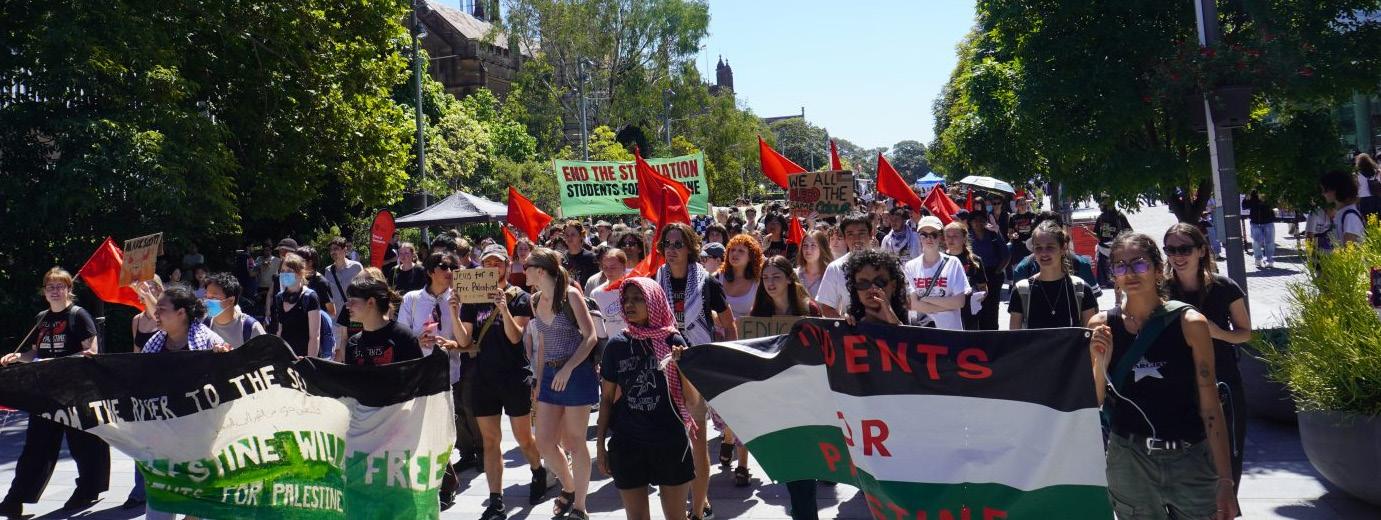
Student Strike for Palestine
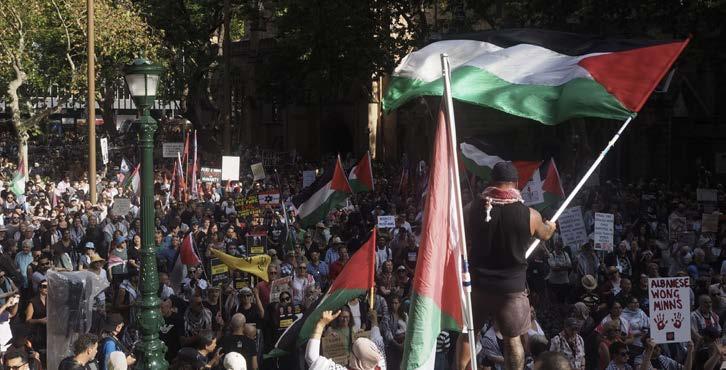
Hundreds of students from across Sydney gathered on Eastern Avenue at the University of Sydney (USyd) on March 11 at 1pm for the Student Strike for Palestine, before marching through the city to Town Hall in a coordinated demonstration of solidarity. Students from USyd, UNSW, UTS, Macquarie University, Western Sydney University, and High Schoolers for Palestine Sydney joined the rally, which began on USyd campus before moving into the city streets.
The protest formed part of a broader wave of students organising around the genocide in Gaza and US-Israeli attacks on Iran. Palestinian flags and keffiyehs were visible throughout the crowd as students assembled on Eastern Avenue, where organisers called for an end to Australian complicity in the genocide and demanded justice for Palestinians.
Police officers walked alongside the demonstration and blocked traffic along the route as students moved through the streets. UTS students joined the march midway, adding to the size of the crowd before the rally reconvened at Town Hall for further speeches.
The rally was chaired by Jasmine Al-Rawi, of USyd Students for Palestine. Opening the protest, Al-Rawi framed the demonstration as part of a wider struggle against war and Western intervention in the region.
“This is a protest that’s not just about Palestine,” Al-Rawi told the crowd. “Israel will not stop at simply destroying Gaza. Their war has always been about total control.” She argued that the war should be understood as part of broader geopolitical power struggles in the Middle East, urging students to organise collectively against militarism.
Photo by Vince Tafea
“Humanity — collective humanity, has to build the strength that can resist this war and intervention in the Middle East, so that we can see a free Palestine.”
Al-Rawi then introduced the first speaker, Anna Batshon, a Palestinian activist from Students for Palestine at Macquarie University, who spoke about the destruction of Palestinian life and identity and the importance of global solidarity. Batshon said that violence against Palestinians had also targeted their history and culture, but that these efforts had failed to erase Palestinian identity. “They’ve tried to wipe out Palestinian history and culture,” she said. “But the history lives on in the resilience shown by Palestinians and by people protesting around the world”
“I used to be afraid of saying I’m Palestinian, afraid someone would tell me it doesn’t exist. But now I’m proud to say I’m Palestinian. I’m proud to be here among all the students who continue to stand with Palestine.”
Batshon emphasised the importance of continuing to organise and speak about Palestine despite attempts to silence the issue. “It is crucial that we continue to talk about Palestine. That we gather together like we are today, and that we continue the fight until
Palestine is truly free.”
Returning to the microphone, Al-Rawi criticised the Australian government’s claims that it was acting in accordance with international law while continuing military cooperation with Western allies.
“How dare anyone talk about international law anymore?” she said. “We have seen it mean absolutely nothing in the past two and a half years.” She also condemned the idea of a “rulesbased international order,” arguing that it had been used to justify civilian deaths across the region. “What that has meant is the United States’ right to do whatever it wants in the Middle East, the right to kill as many civilians as possible… We say we want real justice.” she said.
Despite the police surveillance, the mood among protesters remained defiant as students gathered at Town Hall for the next speakers.
Among them were high school activists Rohan Sargent and Izzy Burgess, who told the crowd they had walked out of class to attend the protest and speak in solidarity with Palestinians.
Sargent stated that children in Gaza had borne the brunt of the war. “More than 100 children in Gaza have been killed since Trump’s so-called ceasefire,” he said. “Children who should be learning and having fun with their friends, instead Israel continues to bomb and starve every man, woman and child.” He also highlighted the destruction of Gaza’s education system. “After two years of bombardment, Gaza’s education system has collapsed. Ninetyseven per cent of schools have been damaged or destroyed.”
Sargent criticised Australia’s role in global arms supply chains, pointing to the use of F-35 fighter jets in the conflict. “Parts of these fighter jets are made and repaired in Australia,” he said. “Our government arms Israel while Gaza is bombed to smithereens.” He argued that the war was driven by geopolitical and economic interests rather than humanitarian concerns.
“The only beneficiaries of this war are warlords like Donald Trump and Benjamin Netanyahu, fossil fuel companies destroying our planet, and military corporations like Lockheed Martin.”
Izzy Burgess then addressed the crowd, emphasising the power of student activism and the role of youth movements in challenging government policy. “At least 20,000 Palestinian children have been killed in Gaza since October 2023,” Burgess said. “And thousands more are still missing under the rubble.” She described the frustration of being told that student protests could not create change. “I’m constantly told that my voice has no power and that these strikes will never amount to anything, all because I’m a student,” she said.
“Students are a large, organised group within institutions that can disrupt operations without violence. We have the power to attract public attention. If we act together, we can fight for justice.” The crowd responded with loud cheers and chants as the speakers concluded, with students filling the steps around Town Hall beneath Palestinian flags and banners.
The next speaker was Greens MP Jenny Leong. She began her speech by speaking on her experience as a student at USyd in 2004, calling out a shift in Labor’s stance on war in the Middle East since then.
Kiah Nanavati and Charlotte Hood report.
What is to be done in the face of police militancy
Sebastien Tuzilovic prepares.
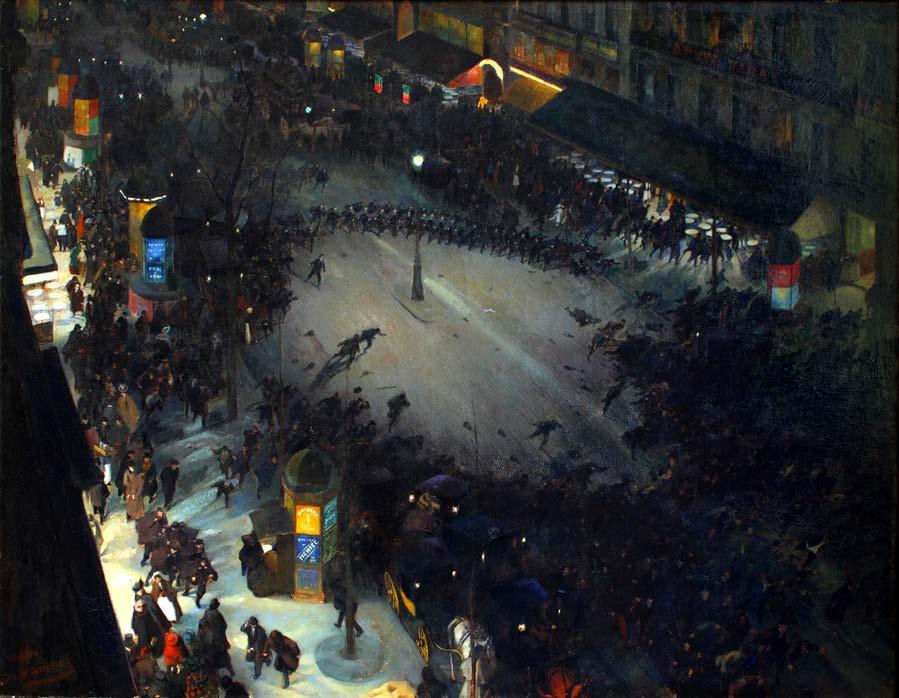
This painting is titled “The Charge”, by Andre Devembez, painted in the early 1900s, a standard oil on canvas. It depicts a mass of Parisian demonstrators running in fright from an oncoming charge of a police line, only two thick at some points. The street is draped in darkness, vauge flashes of light illuminating the officers bonewhite faces. Amongst the darkness of the street, sticks, bags, and a bouquet of flowers have been dropped by the protestors. Police sprint down the sides of the street, breaking the peace of passers-by dining at bistros in an effort to flank the withdrawing mass. They sweep the protestors from the gas lamp beacon at the centre of the painting, a symbol that stands in geometrical defiance to the slant line of the gendarmes. The painting hung in the office of a police prefect famous for his effective repression of street demonstrators, all critiques subsumed, the art now a symbol of the legitimacy and efficacy of police brutality. Police in this hundred year old painting use the same tactics as Australian police have in recent months on peaceful protestors.
To understand how protestors might defend themselves requires an understanding of tactics of resistance to police violence, and an understanding of what worked for protestors like those in this painting. What should you bring to a protest, what tactics can you use, what is to be done.
Protestor Gear
The equipment of a protestor is vital, and the only thing you really have control over before you come to the protest.
Bring a mask, bring some form of eye covering like goggles or large sunglasses. This has the virtue of shielding you from surveillance. These coverings can be potentially vital for your personal safety, as police can spray chemicals on you that, if they get in your throat, nose and eyes, will sting and cause damage that could last for several days.
Umbrellas have been used by protestors in Hong Kong, and continue to be a mainstay at modern mass protests. They appear to be largely effective at neutralising thrown objects, though they offer limited protection from chemical attacks. Spray will pass through umbrellas easily, and gas more so. They’re better than nothing, so bring one too, just in case. They’re also handy if it rains.
Protestor tactics and responding to police
Kettling is the entrapment of a crowd of protestors. Police flank and surround them, ushering the protestors into a confined space, often tightly packing them to cause widespread fear of a crowd crush. Police sometimes leave exits, tactically positioned and then closed quickly to separate protestors from the main body of the protest. The term comes
from war. Kettle is named after the German word for cauldron, kessel , a which was used by the military to describe the annihilation of an entrapped army. You will see a kettle in protests beginning with the formation of a police line on each side of the protestors. Part of the tactic is preventing you from noticing this, keeping you focused on the imminent threat of the officers immediately in front of you.
Police will form blockades of streets, and play upon protestors fears. Situational awareness is necessary in protests, especially ones that are facing repression. Text your friends about what they are seeing, talk with the people around you. Police will also use the equipment at their disposal. They will discharge chemical gasses and spray at close distance, often right in the eyes of protestors. Wash this out of the eyes of affected people as quickly as possible.
What worked for the protestors of the past?
There are lessons to be had from the history of protests. The barricades of the 19th Century are not feasible in the 21st century, as streets now are substaintially wider than they were. Famously the streets of Paris were demolished in swathes and then widened by Baron Haussman following the toppling of the Paris Commune under fears that demonstrators would continue to blockade the smaller alleys and lanes.
Sydney streets with their wide boulevards designed for cars cannot be blockaded.
Disruption of the police line is this most effective tactic in frustrating the efforts of the police to disperse a peaceful protest. Protestors of yesteryear formed lines of linked arms to resist police moving forward. Ducking into alleys and alcoves while police pass to avoid crowd crush was common in protests in the 18th Century. Protestors ducked down lanes and alleys and hid from police to disrupt their line as much as possible. Look for gaps in police lines and use the terrain to your advantage. Plant pots, bus stops, bollards, ads on the street and statues will all require a police line to break to get past them. Use the infrastructure of the city against them. Standing behind these objects can be helpful to avoid police targeting you, and when the line reforms past them, you will often find yourself behind lines. If you find yourself behind lines, filming is imperative. This is where a large amount of violent arrests will happen, often done because police believe that they are safe in these places from civilian cameras.
All of this is easy enough to write in a paper article and difficult to remember or practise while in the moment. The most important things are preparation, situational awareness and the aid of your fellow protestors.
On the Guest List: The Oligarchs of Sydney’s Nightlife
Not all that glitters is gold, and it’s true for the shining city of Sydney. Over a decade of lockout laws that harmed small businesses, nationwide shutdowns during COVID, and increasing unaffordability of urban living have created the perfect storm for wealthy investors to monopolise the city on their terms. But while some have heralded them as “saving” the city’s nightlife and cultural scene, beneath the veneer of glamour is a history of exploitation, neglect, and murky politics.
Sydney nightlife in the late 20th century up until the early 2000s was dominated by independent clubs and underground raves. Whilst private money-minded organisations did own venues, they were much less common. Independence was much more valued in the nightlife scene, with warehouse parties and underground, illegal raves dominating the scene. They existed not for commercial enterprise, but for the exploration of unique music, creating a community for those on the margins of mainstream society. These venues and experiences still exist, albeit on a narrower scale, pushed to the margins by the threat of corporate-owned bars, restaurants, and clubs. The presence of widespread independent, music-forward and community-minded clubs is waning.
Merivale has become synonymous with Sydney. Justin Hemmes, who heads the company, owns over 100 venues around Sydney, including Ivy, Chinese Laundry, The
Vic on the Park, and now, Club Rose Bay .
Hemmes does not come from humble beginnings; he inherited the company from his parents, John and Merivale, who made their fortune in fashion retailing. While he is praised by some as the man who is “reviving” Sydney’s hospitality scene, he has not escaped criticism. Most obviously, Hemmes has monopolised the CBD and other major nightlife districts like the Eastern suburbs. It’s not illegal — but it drives out local competition and gentrifies the surroundings. Merivale does not foster a diversity of venues. Their homogenous forays don’t cater to a wide range of tastes and interests, but exist to offer the most appealing deals to a generation of clubbers with waning disposable income, replicating the same formula on every street corner with mild variations in packaging— a vinyl bar pandering to analog nostalgia, an RSL with pickleball courts catered for private school alumni, a simulacrum of a prohibition era speakeasy. Moreover, Hemmes is making political ploys too. In 2025, he successfully lobbied the Liberalled NSW government to move a light rail stop from being built outside Wynyard Station to right in front of a number of venues on George Street, which he has concentrated ownership over. On many
other occasions, too, he has cozied up to the Liberal Party, hosting fundraisers, making six-figure donations, and even sponsoring Andrew Bragg’s Christmas party. These incidents call into question the idea that Hemmes has “uncanny ability to predict and shape Sydney’s social scene” — the clear political connections show that his lobbying power and clout in elite circles are more instrumental in moulding Sydney nightlife than any capacity for genius business acumen.
The Wynyard light rail story was broken by the Sydney Morning Herald mere months after Hemmes was ordered to pay upwards of 19 million dollars in a class action lawsuit lodged by his underpaid ex-staff. Also occurring in the foreground of this are major allegations of a toxic and sexually abusive workplace, especially for women and migrant employees of Merivale. Hemmes and Merivale have been on Fair Work’s radar for some time now, with allegations including recruiting chefs from Mexico and then forcing them to work 60-hour workweeks with no penalty rates, female workers being assaulted by male patrons who were allowed to stay in the venue after the fact, and widespread neglect of the safety of female patrons. These incidents are not concentrated in one venue but are widespread across all Merivale entities, reflecting a systemic culture of exploitation that has been heavily reported on to no avail, with new allegations continuing to surface.
Merivale is not the only nightlife hegemon in Sydney that has faced allegations of toxicity and exploitation in the workplace. Swillhouse was exposed in 2024 by the Sydney Morning Herald, a publicisation of the open secrets of their toxic workplace and the company’s lack of support for staff harmed by sexual harassment and other serious incidents. Swillhouse currently owns several popular venues, including The Baxter Inn and the Caterpillar Club. Another private owner, Australian Venue Co., which owns over 200 venues Australia-wide, has recently purchased four commercial properties in Sydney. They’re also criticised for poor working conditions, with one damning review on Indeed alleging that the “[c]ompany is exploiting foreign workers using visa sponsorship as a weapon.”
See the pattern? The abuse of workers is representative of private owners’ wider culture of corporate greed, consuming the labour and the patronage of the working class while giving nothing back. As Sydney quickly creeps to the top of the list of the world’s most expensive cities and wages remain stagnant, the price of going out has only increased. It was recently announced that Lion and Asahi, two of Australia’s major beer suppliers, will be raising the price of their taps for pubs, an increase that inevitably trickles down to consumers. Moreover, venue operational costs have risen, from liquor licensing to increased security requirements. The impact is felt most by small and independent clubs that do not have the same financial backing as large, corporatised giants such as Merivale.
Calista Burrowes parties.
And there is no incentive for Merivale to reduce the cost of a night out, because their chokehold on venues means patrons have fewer competitive options. The NSW Treasury does, in fact, have competition policies set in place that are meant to “empower the consumer” and increase the diversity of nightlife. But when Hemmes and others in his orbit have political lobbying power, it is no wonder that laws seem to become irrelevant to their operations.
It is not only corporate-owned venues that are destroying the nightlife of Sydney, but companies like Uber are sharing blame as well, with predatory surge pricing tactics. When individuals such as Hemmes describe themselves as being in the business of providing “a good time,” it is difficult to ignore their disregard for the well-being and happiness of staff and patrons alike. Amidst the chaos of monopolisation, small independent venues are fighting to stay alive, and a passionate scene of musicminded, community-focused people is uplifting what has made Sydney this city for decades.
The Only War Worth Fighting
James Fitzgerald Sice will not enlist.
I don’t know about you, but I wouldn’t fight in an imperialist war. I wouldn’t fight for US hegemony. I wouldn’t fight in a culture war. The only war I would fight for is a class war.
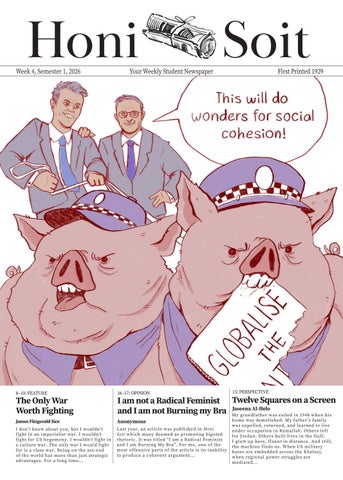
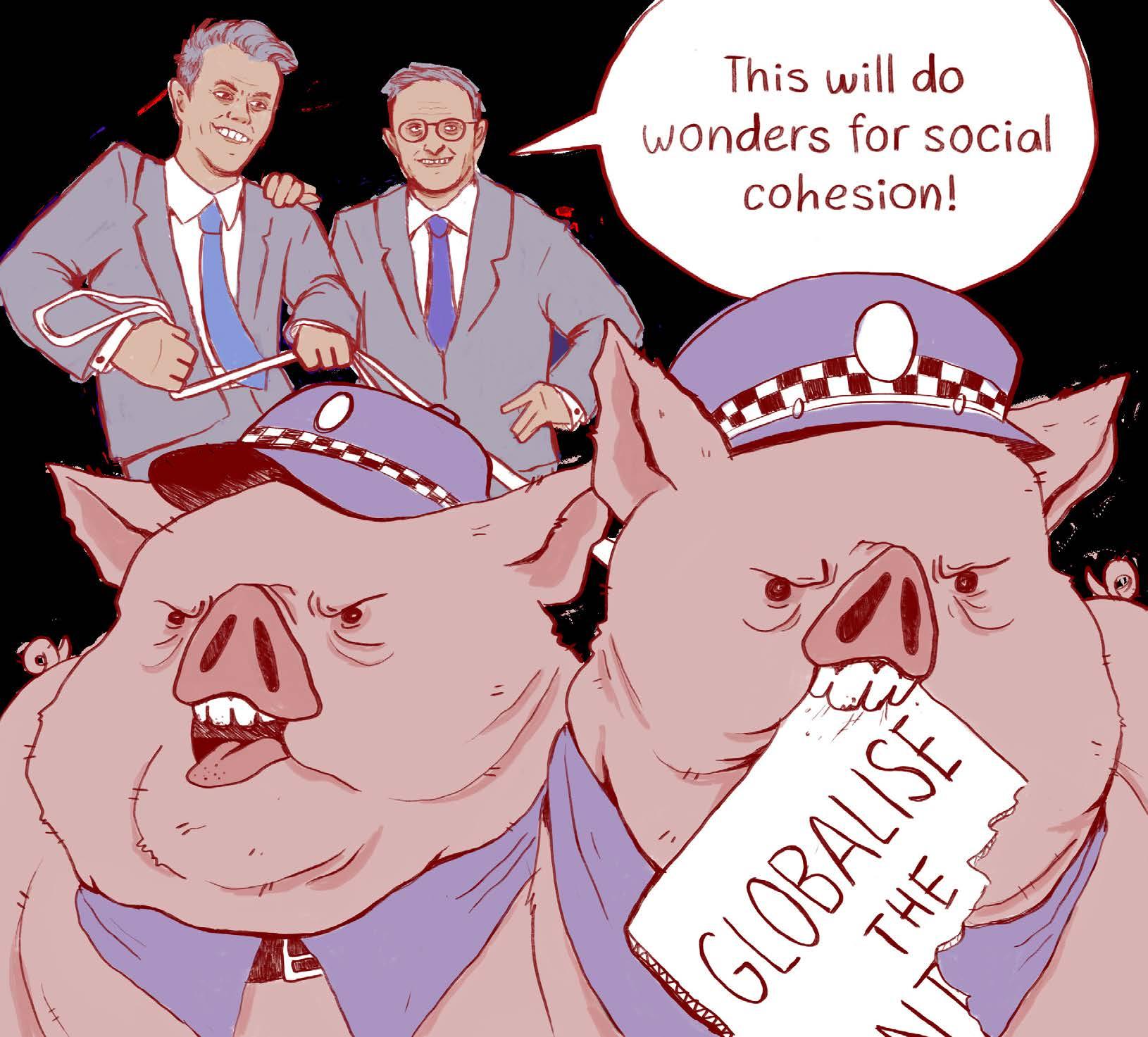
Being on the ass-end of the world has more than just strategic advantages. For a long time, it provided the average Australian with a sense of distance from the rest of the world’s geopolitical fluctuations. Today, you would be hard-pressed to find anyone who feels this way. Except for perhaps our Prime Minister Anthony Albanese, who, when asked about the possibility of banning the phrase “globalise the intifada” last December, said that Australians want “two things… they want killing to stop in the Middle East” and “they also don’t want conflict brought here”. Someone ought to tell Albo that Israel’s genocide, which he euphemistically refers to as a “conflict”, is very much already here and has been for a long time. Pinpointing the exact moment it was “brought here” is difficult, but it is definitely somewhere in between Australia blindly providing military and diplomatic support to Israel, and the beginnings of the violent colonisation of First Nations people with the arrival of the first fleet.
Albanese was the first Western leader to come out in support of the recent US-Israeli strikes on Iran. He pulled out the 2003 Iraq War special: “we can’t let them develop nuclear weapons”. Days later, the Australian government authorised deployment of an E-7A Wedgetail surveillance aircraft, about 85 ADF personnel, and stocks of airto-air missiles to the United Arab Emirates to bolster Gulf air defences, dragging Australia deeper into the US-Israeli imperialist war.
Australia, the loyal sub-imperial lapdog that we are, is more than happy to lick the bloodspattered boots of our fascistic US owners. This is hardly the first time the US has committed or enabled war crimes in the Middle East. Why would our support stop now? Australia itself is no stranger to war crimes. The possibility of WW3 is more acute than ever, and in
this nuclear age, there will be no “post-war boom”.
The age of reformist compromise is over. The will of the people seems all but forgotten in the horrific medley of secretive political donations, war profiteering, and imperialist pissing contests.
Neo-McCarthyism: “Social Cohesion” and Hate Speech
Politicians are once again playing by the McCarthy doctrine.
Premier Chris Minns labelled Palestine Action Group (PAG) Sydney, who organised both the recent anti-Herzog protest and the March for Humanity over the Harbour Bridge, a “pack of communists that are just intent on having a confrontation with police”.
Israel is the spearhead of US imperialism and, therefore, the global capitalist system. It does not take a genius to recognise the importance of Israel in the maintenance and expansion of US imperialism. As Joe Biden said in 1986, “were there not an Israel, the United States of America would have to invent an Israel to protect our interests in the region”. Israel’s genocide has mobilised people around the world to demand their governments take action. In response, Western governments have cracked down on democratic rights. In the US and UK, thousands have been arrested for showing their support for Palestine. Australia has joined its AUKUS friends in this attack on civil liberties.
The Queensland government outlawed the phrases “from the river to the sea” and “globalise the intifada”. Last week, the first arrests were made under these new hate speech laws. Two people were detained in Brisbane during a pro - Palestine protest for using the phrase “from the river to the sea”.
In late January, a NSW parliamentary inquiry into political slogans recommended banning the phrase “globalise the intifada” on the grounds that it “incite[s] violence against Jewish people on a broader scale”.
Premier Chris Minns stated: “We just saw what ‘globalise the infidada’ is, 15 dead people on the shores of Bondi beach. We know what it is, a violent uprising that people want to globalise from the Middle East to places like Australia…some of the submissions that I’ve seen to this inquiry say ‘We demand the right to say that’. A decent person would ask the question, why?”
These attacks on civil liberties in Australia come in response to the antisemitic massacre that took place on Bondi Beach last December, which was undoubtedly the worst case of gun violence in Australia since Port Arthur in 1996. Since the attack, the NSW government has given greater powers to police, cracked down on protests, and, alongside the federal government, introduced new hate speech laws which criminalise “intentionally and publicly inciting racial hatred” with a maximum penalty of two years’ jail time or heavy fines. Hate speech has no place in our community. But much of these new laws are political opportunism and repression of pro-Palestine activism disguised as care for the community and promotion of “social cohesion”.
Intifada is an Arabic word which translates to ‘uprising’ or ‘shaking off’, coined as a description of resistance against the brutal extirpation of Palestinian homes by violent Israeli colonists. The phrase calls for an international effort to rise up against Israel’s illegal occupation of Gaza and the West Bank.
In their submission to the NSW inquiry into political slogans, the Jewish Council of Australia wrote: “the term “intifada” has been associated with violent actions in some historical contexts. However, this is merely one interpretation of the term, not its inherent or exclusive meaning. The word has a long, complex history in Palestine and the broader Middle East that cannot be reduced to a single definition”.
“The Inquiry’s terms of reference decontextualise this Arabic word and falsely imply it inherently causes social harm and violence. This approach has repeatedly been used as a weapon to delegitimise Arab, Palestinian, and Muslim activists and community leaders. Neither government nor media have
made serious attempts to engage with the term’s history, diverse meanings, and implications.”
“As Jews committed to fighting antisemitism, we state unequivocally: banning political slogans will not make Jewish people safer.”
Albanese, sharp political strategist that he is, decided that the best way to avoid inciting violence and encourage unity after the Bondi massacre was to invite the Israeli President Isaac Herzog, a war criminal who the International Court of Justice found guilty of inciting genocide, to visit Australia.
President Herzog — who in October 2023 declared there were “no innocent civilians in Gaza” and personally signed bombs that were dropped upon Palestinians — was, as Foreign Minister Penny Wong put it, “here to provide support”.
Inviting a war criminal complicit in an ongoing genocide did not foster social cohesion nor national unity. Instead, it resulted in horrific violence from a brutal police force against peaceful protestors exerting their democratic rights at the rally against Herzog’s visit in Town Hall last February.
The day after this police brutality, Isaac Herzog had dinner with Albo at Kirribilli House. One can only imagine the topics of conversation between the men that night.
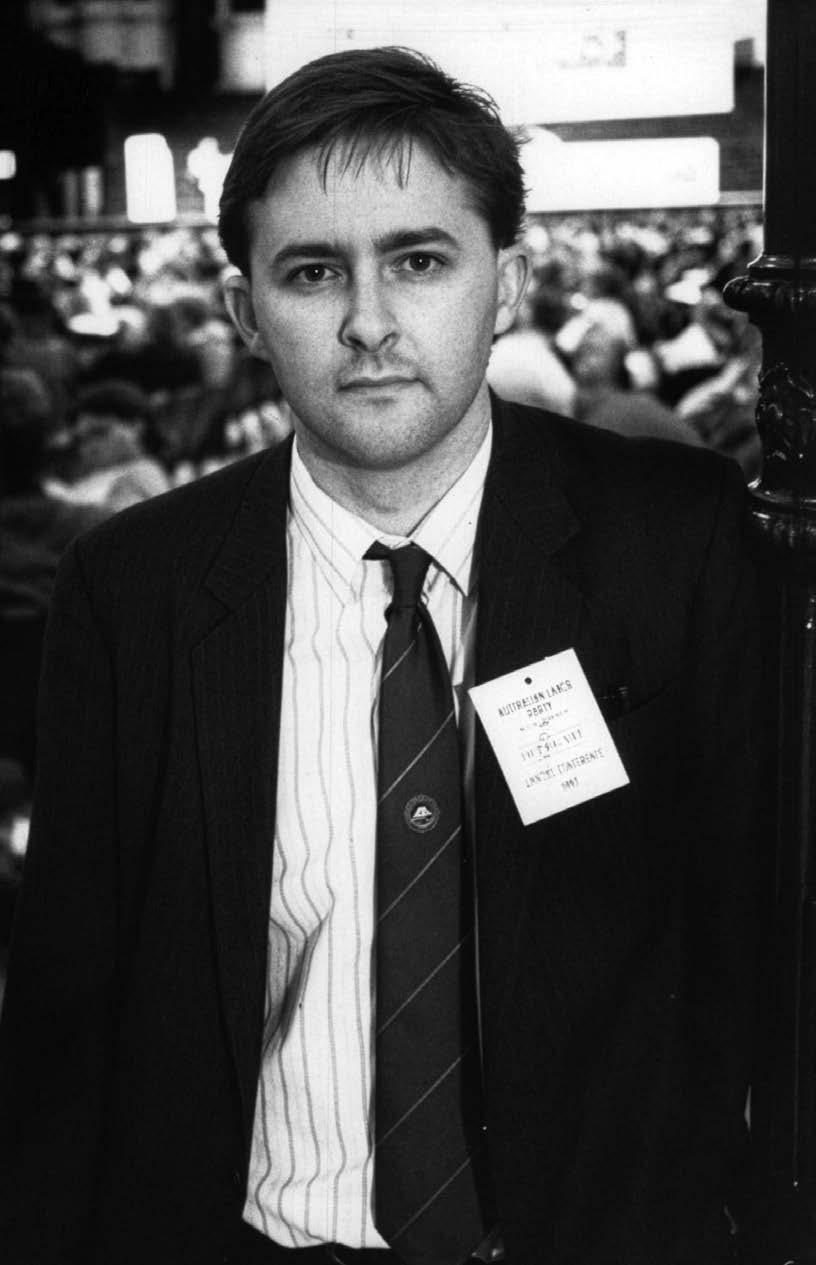
At that dinner, and in years prior, Albanese betrays the promises he made to his people, betrays his former self as a young activist and early in his political career.
Herzog’s visit caused great division in the Labor Party, with members of the “Labor Friends of Palestine”, which Albanese himself founded, calling the police response to the Herzog protest a “terrible erosion of civil liberties”.
The actions of the federal and state governments are founded on a supposed causal link between antisemitic attacks such as the Bondi massacre and the pro-Palestine movement in Australia. This traumatic event has been used as a justification for cracking down on Australians’ freedom of speech and democratic right to protest. Nothing will foster unity and social cohesion in this country aside from ending our complicity in the genocide of the Palestinian people.
Our democratic rights are being attacked on multiple fronts. We must respond in an equally uncompromising and organised manner. The social cohesion of which Albanese speaks is purely rhetorical. It is maintained through violence and silencing dissent. It is a burst of political instability that brings forth a tectonic restructuring of society. The rights and liberties which characterise authentic social cohesion are not naturally given but fought for. The question remains, how can we see such change in Australia? How can we utilise the turmoil of our time for good? For this, we must turn our attention to history.
Resistance in the Colony
With all the talk of social cohesion spouted by our nation’s leaders, it is important to remember the original sin that birthed so-called Australia: the genocide of First Nations people. Loyalty to this colonial identity is constantly violently enforced. The basis of our nation has never been social cohesion but violence and oppression, with the idea of the former being enforced by the latter, often disproportionately impacting First Nations activists and protesters. What we need is social change, not social cohesion. Social cohesion is just a euphemism for the status quo. The Left will never be able to actualise any sort of lasting social change without reckoning with this truth.
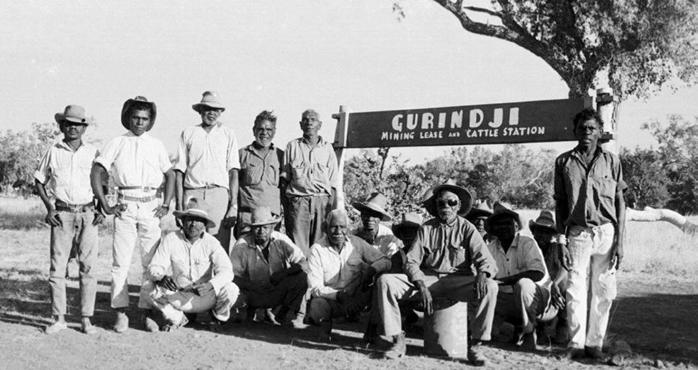
You may be familiar with the Wave Hill Walk-off from Paul Kelly’s well known song, From Little Things Big Things Grow
The Wave Hill Walk-off (WHW) was a watershed moment for First Nations land rights, and laid the legal groundwork for later native title decisions such as the Wik decision and Mabo v Queensland. Although the material impact of the Mabo case is contested, it legally overturned the myth of Terra Nullius.
The WHW occurred after the Arbitration Commission delayed the removal of laws which discriminated against First Nations people, enabling appalling wages and conditions for three years after the case for removal was brought by the North Australian Workers Union. This delay saved pastoralists an estimated $6 million. Over the course of nine years, the Gurindji people of the Northern Territory fought and won for the return of their land. On August 23rd 1966, Gurindji Elder Vincent Lingiari led approximately 200 of his people in a strike where they walked off the Wave Hill cattle station for 16 kilometres to the banks of the Victoria River. The station, owned by international meat company the Vestey Brothers since 1914, employed the largest number of Indigenous people in the NT. However, it relied on the extreme exploitation of Indigenous workers, whose wages were a fraction of their white counterparts and whose general living conditions were similarly abysmal. Trade unions provided crucial financial and political support to the Gurindji’s efforts.
By 1967, little progress had been made, so the Gurindji moved camp to Daguragu (Wattie Creek), a place of greater cultural significance. It was at Watti Creek that the Gurindji people began to establish their own settlement and signed a petition to the Australian Government to return part of their land.
The petition stated: “our people lived here from time immemorial, and our culture, myths, dreaming and sacred places have evolved in this land… many of our forefathers were killed in the early days while trying to retain it”.
The Government rejected the petition, with the Minister for the Interior stating it was “wrong to encourage” Indigenous people to think that because of their ancestral connection to a “piece of land” that they have “the right to demand ownership of it”.
Up until this point, the WHW had been presented as a struggle for equal wages wherein the interests of Indigenous workers and sections of the settler working class aligned. Despite the implementation of equal wages in 1968, the strike did not cease. Rather, its public articulation shifted from a struggle over discriminatory labour relations to an explicit confrontation over land rights. In “From Wattie Creek to Wattie Creek: an oral historical approach to the Gurindji walk-off”, Minoru Hokari argues that the WHW was, from its very conception, an act of decolonial resistance.
While Vincent Lingiari was the leader of the WHW, its founder was Gurindji elder Sandy Moray Junganaiari (Tipujurn). Tipujurn met with unionists in Queensland and all around the country, where he had the idea to reclaim Gurindji land from the Vesteys by utilising their position as cheap pastoral labour. Being too old to lead the plan himself, Lingiari was appointed leader. Having conceived this plan well before 1966, the first step was finding someone who knew “how to deal with white agencies such as Vesteys, the government and the Australian media”. As such, important figures such as communist writer Frank Hardy acted as the “external conditions which simply ignited the Gurindji’s long awaited project”.
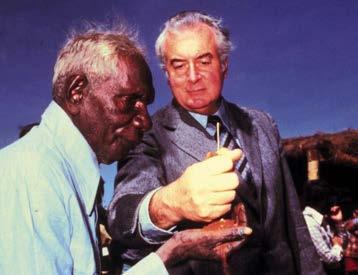
In 1975, after nine years of Gurindji resistance, Prime Minister Gough Whitlam returned 4000 square kms of land back to the Gurindji people, leading to the historic
moment where Whitlam poured a handful of soil into Lingiari’s hand and said “I solemnly hand to you these deeds as proof, in Australian law, that these lands belong to the Gurindji people”. Valuable lessons can still be learnt from the WHW. The Gurindji appeal to the exploited settler workers succeeded in becoming an act of decolonisation. Their resistance was illegal, uncompromising, and intersectional. It galvanised the support of trade unions through the recognition of a common enemy.
Radical Unionism and the NSW Green Bans
As Marx famously put it, “the history of all hitherto existing society is the history of class struggles”. The working class is the key agent of social change. What is missing from the current Palestine movement in Australia is militant trade union leadership to organise the working class. The majority of current union leadership isn’t prepared to break from the rules set by the Labor party. But Australian trade unions were not always this way, as evidenced by the success of the NSW Green Bans in the 1970s.
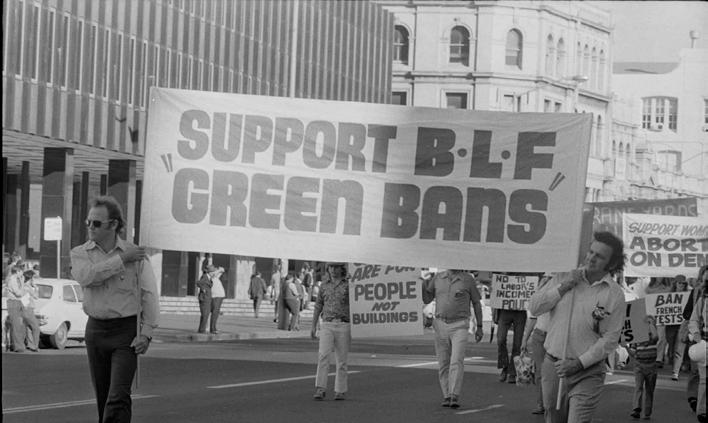
The Rocks. Woolloomooloo. The State Theatre. Glebe. The Opera House fig trees. Kings Cross. Ultimo. Surry Hills. These are just some of the sites and buildings saved from destruction by the New South Wales Builders Labourers Federation’s (NSWBLF) ‘Green Bans’ in the 1970s. The physical city of Sydney was won by workers. Class struggle is embedded in every building you walk past, every road and tree you see.
Feature continues on next page.
The Only War Worth Fighting
Whereas “black bans” were utilised by unions over disputes regarding the economic interests of workers, “Green Bans” were developed by the NSWBLF leadership in Sydney based on a “new concept of unionism” which focused on the social responsibility of labour. The strategy involved the selective withdrawal of labour from projects deemed environmentally or socially harmful.
In a letter to the Sydney Morning Herald in 1972, NSWBLF union leader and member of the Communist Party of Australia, Jack Mundey said:
“Though we want all our members employed, we will not just become robots directed by developer-builders who value the dollar at the expense of the environment. More and more, we are going to determine which buildings we will build …The environmental interests of three million people are at stake and cannot be left to developers and building employers whose main concern is making profit. Progressive unions, like ours, therefore have a very useful social role to play in the citizens’ interest, and we intend to play it.
The first Green Ban was in June 1971 at Kelly’s Bush in Hunters Hill. A group of uppermiddle-class women known as the ‘Battlers for Kelly’s Bush’ got the NSWBLF to help them block the construction of luxury apartments on undeveloped bushland by developer AVJennings (AVJ). By August 1971, AVJ was forced to abandon its plans, and Kelly’s Bush remains an open public reserve.
After the success at Kelly’s Bush, the Green Ban strategy caught on. The NSWBLF was contacted by similar resident action groups seeking to impose construction bans, which they did only after evidence of widespread community support
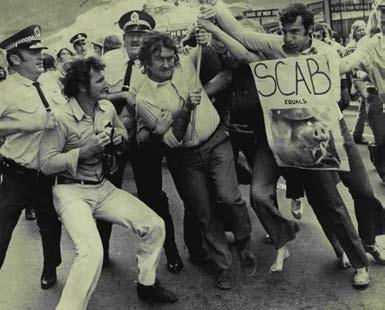
for the action was provided. This typically took the form of a public meeting wherein the community would decide how long the ban would last and what other steps would be taken. Between 1971 and 1974, there were 54 Green Bans in NSW, preventing an estimated $3 billion worth of construction projects. The bans were not costfree: many rank-and-file builders willingly forewent pay, risked being sacked or blacklisted, and during occupations, squats, and blockades, often came into violent contact with police.
The bans stopped a car park from being built underneath the Royal Botanic Gardens and the destruction of ancient fig trees. They stopped the development of high-rise office blocks being built in The Rocks, which would have required the destruction of public housing and historic harbourside working-class settlements. In 1972, they stopped the destruction of supposedly “empty” housing in Redfern, which First Nations families had been living in for years. The newly elected Whitlam government bought the houses from Developer IBK and established the “Redfern Aboriginal Community Housing Scheme”, a series of over 60 lowincome houses which saw vacant factories being turned into a preschool, a medical centre, and a cooperative shop to sell affordable groceries.
The movement was eventually brought to an end in 1974 when the federal leadership of the BLF intervened, dismissing the militant leadership of the NSW branch, which championed the bans. With the union placed under more conservative control, the organised refusal of labour that had sustained the Green Bans largely collapsed.
Feature article continues on this page.
The NSW Green Bans stopped developers and the state government from tearing down working-class areas. They are responsible for the preservation of historical sites and natural reserves, which define the character of Sydney to this day.
The cost of living in Sydney is one of the highest in the world. Property developers are richer than ever. It is thanks to an organised working-class and community action that Sydney has even a sliver of life and culture outside the grey monotony of property development.
But the work of the Green Bans is not yet complete. In Glebe, the NSWBLF imposed Green Bans in 1972 to stop the demolition of the historic Lyndhurst House and the construction of the North - Western Expressway in response to a request from the Glebe Society.
Earlier this month, the NSW Government unveiled its plan to transform Glebe Island, Sydney’s last working port, into “Bays West”, a massive new luxury inner - city suburb of up to 8,500 homes. The development would be only 10 per cent “affordable homes”, far below Chris Minn’s pre-election pledge of 30 per cent affordable housing, and nowhere near enough to house essential workers or lower - income residents. Public land will once again be handed over to property developers to maximise their profits over the next 99 years.
What is to be done?
What do these historical examples have in common? They are defiant acts of organised working-class resistance with specific, strategic goals. They recognise the importance of intersectional communityoriented collaboration and democratic decision-making. We must learn from the success of these actions and apply this knowledge. Time is running out. No matter how many slogans our politicians ban, academics they fire, or protesters they arrest, it will not be stopped until the government enacts the will of the people.
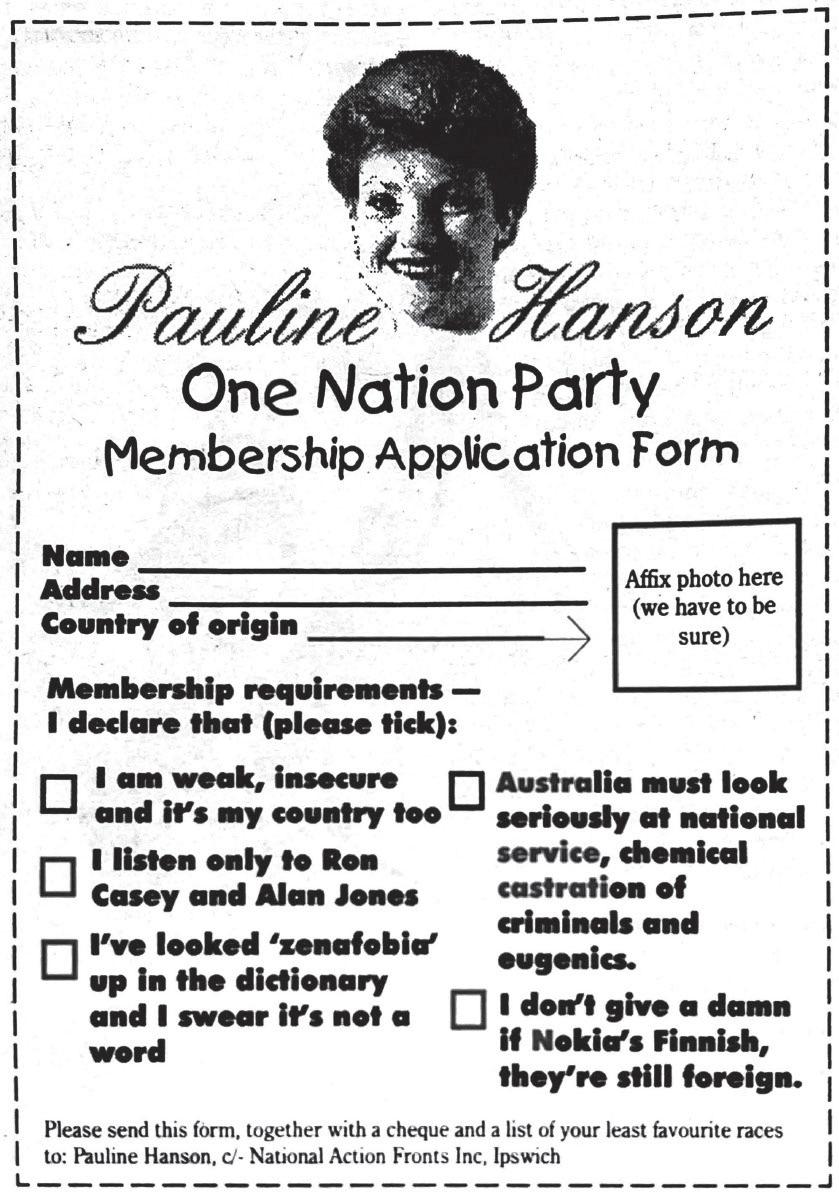
Even as our climate becomes increasingly volatile and unlivable, Australia remains the world’s third-largest exporter of fossil fuels. One Nation, Pauline Hanson’s racist alt-right cabal, has seen a historic surge in popularity and last week announced a (vote-grabbing) policy to charge the gas industry royalties, which the Labor party is still frustratingly dragging its feet on.
In these conditions, our Prime Minister asks us to “lower the temperature” of political debate. Is it naive to point out that these leaders are elected to represent the will of the people in a liberal democracy? In 2003, half a million Australians protested the invasion of Iraq. Despite this historic turnout, the Howard government proceeded with the invasion. From this, we can learn that numbers alone are not enough; what is required is organised and strategic resistance.
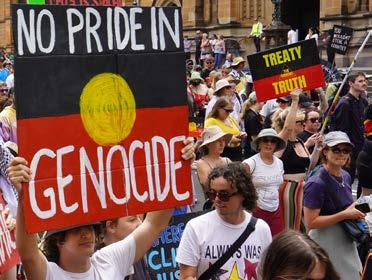
Photos: Archives, Vince Tafea (top), James Fitzgerald Sice (bottom).
Trans Women in Men’s Prisons: Cruel and Unusual Punishment
The prison industrial complex is the monster under the bed: state-sanctioned torture hiding behind every so-called crime. From shoplifting for survival, to possession of recreational drugs including cannabis or LSD, and other actions people take outside colonial law, the government’s answer is the same every time: Isolation, restricted movement, and control.
Any power incarcerated people had before they were imprisoned is stripped from them.
And yet, when people who exist outside of the cisgender, heterosexual norm are in prison, society pretends they have more power over their fellow inmates — that they have more ability to affect the lives of the people around them.
In October 2025, Northern Territory Chief Minister Lia Finocchiaro publicly stated that transgender women in NT prisons will be incarcerated in men’s facilities. She called this decision “a practical, common-sense” approach. Before this, incarcerated transgender people were held in either a separate area for transgender people, or in the facility that aligned with their identity, according to the ABC. Finocchiaro has publicly accepted the false narrative that trans women are, at best, threatening to cis women. At worst, they are simply men “pretending” to be women in order to gain access to cis women without their consent.
These arguments are tired, incorrect, yet zealous in their determination to persist, aided by the dogma of transmisogyny. Activists have argued until we are blue in the face that we do not want to pose a threat to cisgender people. Rather than being large-scale violent offenders, trans people are much more likely to be the victims of violent crime. Trans people are over four times more likely than cis people to experience victimisation of violent crimes including aggravated assault, sexual assault, or rape. Rates of victimisation are even higher for trans women of colour. In addition to bigotry, oppression, and being targets of violent crime, trans people often face higher rates of poverty and housing instability, all of which are risk factors for incarceration.
But the NT prison decision is not about the facts at hand. The Northern Territory incarceration system is notorious for its illegal use of known torture methods on imprisoned people.
From spit hoods on teenagers to the use of chemical agents on inmates, the Northern Territory is the most glaring example of state-sanctioned torture.
Jesper Duffy won’t shy from the truth.
NSW was repeatedly deadnamed despite legally changing her name, denied her hormones while detained, and had correctional officers scream in her face that she is a man.
If trans women in prison are already in solitary confinement and have their mental health targeted more severely than that of their cisgender counterparts,why is the prison system so determined to further expose them to violence by placing them in men’s prisons?
It is important to return to the purpose of the prison system. To punish deviance. To torture people for stepping out of line and affecting the bottom line of the ruling class. To ruin communities and push false ‘justice’ instead of allowing us to learn to change and rise up.
This humiliation ritual of forcing trans women into men’s prisons is yet another case of unjustified cruelty.
There have already been cases of trans women being denied their Hormone Replacement Therapy (HRT) in prison. Trans women in immigration detention in Villawood, NSW, are outnumbered by corrections officers and held in a separate section from cisgender inmates, describing it as akin to solitary confinement. A trans woman who was arrested in
The main reason for this ban is to punish the ‘deviance’ of the trans community. Samesex intercourse has only been decriminalised for less than 50 years. Queer people are still perceived as deviant in socalled Australia, as shown by hate crime rates, right-wing bigotry, and online hate.
The point of putting trans women in men’s detention is conversion: a new kind of statesanctioned conversion therapy that people will look away from, because prisoners are already seen as undeserving of basic human rights.
Removing trans women’s medication, indefinitely placing them in solitary confinement for existing outside of cis-normativity, and at worst turning a blind eye to ‘corrective’ sexual violence tells transgender people they are wrong for daring to have autonomy over their bodily expression. The prison system deliberately strips them of their basic human rights.
These decisions are made with the knowledge that people outside of the cishet norm are subject to higher rates of rape in prison.
Anyone perceived as ‘not manly enough’ is victimized and has the cycle of abuse pushed onto them. But ‘corrective rape’ is not a new concept to the queer community, nor is it a new type of conversion therapy
I can’t help but watch what is happening in the Northern Territory, and the acceleration of the transgender genocide in the United States with anxiety. In the US, trans people are receiving new passports that are completely unusable, and being subjected to attacks from ICE for having incorrect documentation. Many bills are being proposed to ban genderaffirming care, either for minors or completely, which includes cessation of ongoing gender affirming care. In some states, medical professionals or even a minor’s parents can be prosecuted for supporting gender affirming care.
I can’t help but watch the way we are plummeting into America’s pocket on basic trans rights, as with so many issues. I spent so long on the front lines of the fight for trans rights, but I worry that all my work will be for nothing. I watch a new wave of queer bashings and hope it never happens to someone I love. I watch the Australian Border Force brutalise trans women entering the country and know that the ABF and ICE aren’t all that far apart.
I watch trans women being put in danger in mens prisons and know they will be the first victims of a genocide against the queer community.
Ban for Teens, Boon for Lobbyists
Touting the benefits of “three additional years” before young Australians are allowed to open social media accounts, the for-profit entity and Newscorp- backed campaign, 36 Months, has been central to pressuring the Albanese government into restricting youth access to social media. Throughout 2024-25, the campaign, fronted by 96.9 radio host Michael “Wippa” Wipfli, spread rapidly across television panels, newspaper columns and breakfast radio segments, presenting the ban as a common-sense response to teenagers’ declining mental health and its alleged cause, the toxic world of social media.
Yet remarkably little scrutiny has been applied to the methods and motivations behind the rush to legislate a policy with such wide-reaching consequences. Mention the social media ban in conversation, and many will recall Wippa as its loudest proponent; mention the corporate entity behind it, and you are far more likely to be met with blank stares. This author feels obliged, then, to present an explanatory rant on how the public has been manipulated into assuming that the motivations behind this rushed legislation were altruistic. In truth, they were anything but: what was presented as a grassroots child-safety movement is a private lobbying effort that was born in the boardroom of an advertising production agency.
It doesn’t take much digging through corporate filings to find that 36 Months has two major shareholders: Wipfli’s company, Kawaii Media , and advertising production company FINCH. In December 2025, one of the few Australian media outlets to critically investigate 36 Months, Crikey, published a series of articles detailing a major overlap of staff who were simultaneously working for both entities. As one example, the Managing Director of 36 Months, Greg Attwells, lists himself on LinkedIn as also being FINCH’s head of communications from May to December 2024.
This crossover becomes even more significant when considering FINCH’s commercial portfolio: since 2017, FINCH has produced at least 5 major advertising campaigns for gambling giants, including TAB, Ladbrokes, and Sportsbet. And yes, they were the brains behind one of the most complained-about advertisements of 2024, TAB’s “Get Your Bet On”.
The irony deepens when reading 36 Months’ own description of the harms it believes justifies a social media ban for teens. Among the features it argues should be restricted are “gamified online interactions that make using the service highly addictive”. This is, to put it mildly, an unusual concern for a campaign costaffed by people with a professional highlight reel consisting of sports betting hype videos.
Meanwhile, the Australian Financial
Review reported in November 2025 that the Albanese government had quietly abandoned extensive plans for restrictions on gambling advertising, instead framing the under-16 social media ban as a measure that would “in principle” reduce young people’s exposure to such ads.
This policy shift conveniently preserved the lucrative gambling advertising market.
Set against the government’s handling of these other reforms, the rush to legislate a social media ban for under-16’s looks less like urgency, and more like a disregard for democratic process.
In June 2023, after more than six months of investigation, a parliamentary committee delivered the findings of a major inquiry into online gambling harm; unanimously recommending a comprehensive ban on all forms of online gambling advertising, to be introduced in stages over three years. The process was extensive and deliberate, involving hearings from researchers, regulators, public health experts, and
industry stakeholders. It held 13 public hearings and allowed nearly two months for submissions. And despite this thoroughness, the government spent more than a year watering down the proposed reforms before scrapping them entirely.
The inquiry into the social media ban allowed just one day for submissions and held one three-hour public hearing. The Senate committee then had just four working days to consider the age threshold.
The contrast between the two policy processes highlights the Albanese government’s exceptional lack of due diligence. The ban’s total time from policy flagging to passing parliament was less than three months. This was despite another parliamentary inquiry into social media use having already delivered its findings, notably declining to recommend an age-based ban. If the goal was to craft the best possible policy to protect young people online, the process chosen to produce it was unusual.
The speed of the legislation also meant that key questions about how the ban would function received little scrutiny. Enforcing an age-based social media restriction relies on age-assurance technologies such as biometric facial
analysis, AI age estimation tools, or ID verification systems. Therefore, the policy does not simply regulate social media companies; it mandates the adoption of digital identity-verification technologies at a large scale, generating mass commercial opportunities for the new age of tech companies who build these technologies, the marketers who use them, and the operators of the data storage infrastructure who process and host it.
A quick scan over 36 Months’ website will lead you to a FAQ page which convincingly states that their corporate sponsorship does not “buy access to government” or “directly influence political decisionmaking”. These sponsors, including Nestle’s Kit Kat, Omnicom Oceania, Hyundai, Medibank, Nova 96.9, and IHG Hotels and Resorts, simply “support [their] mission because they believe in improving online safety for young people.”
The most benign explanation for why 36 Months has attracted such diverse sponsorship is that protecting the well-being of young people is a politically low-risk campaign that strengthens corporate ESG disclosures. Another is that companies operating in regulated Australian sectors often publicly support government-aligned social initiatives to build ‘cooperative policy relationships’ (open doors and find ears to whisper in to). This explanation is made more likely by a document leak revealing 36 Months offered companies proximity to global policymakers and heads of state through a “United Nations General Assembly Sponsorship” package, priced at $150,000.
36 Months states that “corporate sponsorship does not cover all organisational costs” and that, to remain “independent and mission-focused”, its co-founders personally fund the shortfall. To this author, that sounds an awful lot like a tax write-off.
None of this necessarily proves that the social media ban is bad policy, nor does it imply explicit wrongdoing by 36 Months or its many corporate sponsors. Reasonable people can disagree about how governments should regulate digital platforms.
But it does raise a far more fundamental question:
If a law affecting millions of people was pushed through parliament with extraordinary speed, after being championed by a lobbying group co-founded and staffed by an advertising firm which produces campaigns for gambling giants – at the very moment the government abandoned plans to ban those advertisements online – how confident can the public really be that the outcome is in their interest?
And if it is not in ours, then whose?
Gian Garnell-Ellis looks deeper.
People Power at 40: What the Revolution Left Behind
Marc Paniza did not celebrate EDSA.
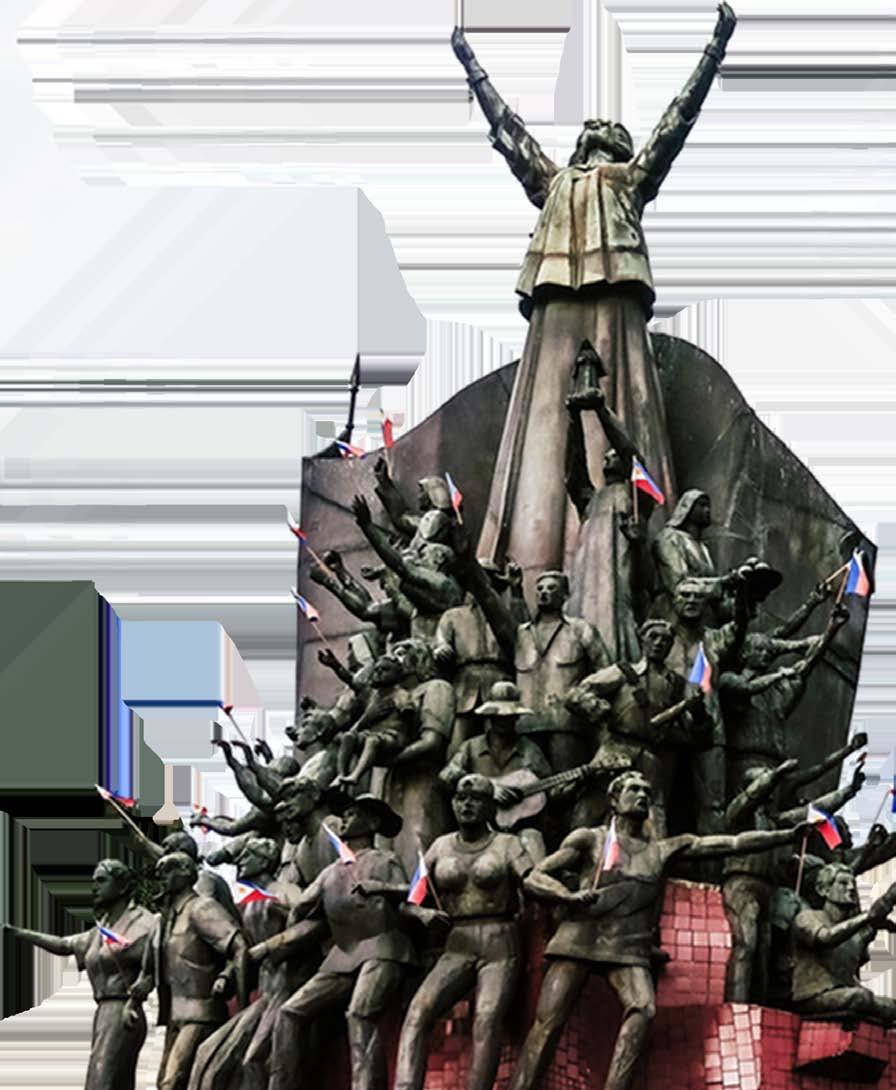
On 22nd February 1986, millions of Filipinos gathered on Epifanio de los Santos Avenue, a major highway running through Metro Manila, and refused to leave.
They had been called there by Cardinal Jaime Sin following a failed military coup against Ferdinand Marcos, who had ruled the Philippines under martial law for nearly a decade before transitioning to a nominally civilian but still deeply authoritarian government.
The crowds that answered the call were not predominantly trained activists or armed insurgents. They were students, nuns, office workers, and ordinary families who placed themselves between government tanks and the defecting soldiers; those tanks were sent to attack. Within four days, Marcos had fled to Hawaii and Corazon Aquino was sworn in as president. The event became known as the “People Power Revolution”, and it remains one of the most widely cited examples of nonviolent civilian resistance successfully overthrowing an entrenched authoritarian regime.
I grew up in a household that did not celebrate it. In my family, the Marcos era was referred to as a kind of golden age, a period when the Philippines made sense, and life was easier. Stability, economic growth, and order. These were the words that came up, offered not as political analysis but as lived memory. When a man appeared on the news describing what had been done to him during the regime, my uncle remarked that he was bought and paid for. The conversation simply moved on.
When Bongbong Marcos won the 2022 presidential election with 58% of the vote, my household was celebratory — it felt like the return of something unjustly taken away. Thirty-six years after his father fled to Hawaii, a clear majority of Filipino voters chose to return the family to power through a democratic election. The reasons are complex and include decades of historical revisionism, a sophisticated social media disinformation campaign, and the failure of successive postMarcos governments to deliver material improvements to ordinary Filipinos. But the fact that the story was so successfully sold, including among diaspora households watching the results come in with something close to relief, is itself worth examining. A revolution that succeeded in removing a regime had not succeeded in dismantling the conditions, loyalties, and structures that produced it.
This is the distinction that the romantic telling of EDSA tends to obscure. The narrative gravitates toward the miraculous,
toward tanks stopping and soldiers standing down and a dictatorship falling. What gets flattened is the years of prior organising, the institutional fractures within the military that made defections possible, and the specific political conditions created by the assassination of Benigno Aquino Jr. in 1983 and the fraudulent snap election of 1986. People Power did not emerge from spontaneous moral clarity but from accumulated political conditions that made mass mobilisation viable at that particular moment. When the moment passed, the legal architecture, the political dynasties, the economic structures, and the culture of impunity that Marcos had either built or entrenched remained largely intact, waiting.
What happened at the Herzog protest on the 9th of February illustrates how that waiting works. The violence visited on demonstrators outside Sydney Town Hall did not require anything resembling a suspension of democratic norms. It required a government with access to expanding protest laws, a police force prepared to deploy them to their fullest extent, and a legal system unwilling to intervene before the damage was done.
The NSW Government used democracy’s own instruments, the courts, the legislature, and public order powers available under recently expanded protest laws, to produce an outcome that a more overtly authoritarian government would have had to achieve through cruder means.
Marcos himself did not begin his rule by declaring martial law, but was democratically elected in 1965 and reelected in 1969 before declaring it in 1972, by which point the institutional conditions had been sufficiently prepared. The structure precedes the moment it is used, assembled in increments that are each individually justifiable until the circumstances arise in which it can be used fully. That is what EDSA failed to dismantle when it removed Marcos from power, and what my uncle’s dismissal of a torture survivor on television demonstrates can persist not just in institutions but in the way ordinary people learn to explain the world to their children across generations and across
diasporas.
I watched the footage from the Honi office, where I was helping coordinate live coverage of the protest. My family does not want me going to protests — the concern is practical and genuinely felt: that I will get arrested, that something bad will happen, and that the people who show up to these things are disruptive and ought to be getting on with their lives instead. I do not think they are unusual in feeling this way. I think they are the product of a political culture that spent decades teaching ordinary people to be suspicious of dissent and to regard the state’s management of it as basically reasonable. That disposition did not require martial law to produce and has not required Marcos to maintain. It persists across generations and across diasporas, in households where the Marcos era is remembered as a golden age, and attending protests is something that happens to other people’s children.
EDSA at 40 is worth commemorating and examining honestly as a case study of what it means to remove a person from power without removing the habits of mind that made it possible. The question the anniversary asks is what it takes to build a politics capable of reaching the people who were not outside Town Hall on the 9th of February, and who would not have wanted their children there either.
You probably don’t know your union (and that’s the whole point)
In any form of employment, there is an axe that hangs right over your head. It is a perpetual reminder that you are being assessed — your actions are being watched. That endless reminder becomes particularly poignant when you watch it
In the chaos of my very first job, I witnessed it firsthand.
trained
into a softer discipline. You learn not to complain, not to ask questions, and to be grateful you have a job at all.
Which one is your union anyway? Something-WU, but they blur together. In hospitality, retail, customer service, rideshare, and
itself. It is not the process of termination that empowers the employer; it is the fact that we all fear so deeply the possibility of its happening, and that fear is disproportionate to the risk.
Young workers are taught to see themselves as individually fragile. One wrong move, one complaint, one awkward conversation with a manager, and you are gone. The fear feels rational because it is emotional, not legal. Most young workers do not know that firing someone for
Max Bowen knows his rights.
exists. Alone, you are expendable. Together, you are infrastructure.
That’s the logic of a strike. Of industrial action. It’s why your trains are sometimes delayed. It is rare, but it is the crux of the union movement: the idea that we are together, that we could stop showing up—the idea that mistreatment can be resisted. Even if we don’t use it (and we usually don’t), it’s our axe that lingers over their head. It doesn’t make a fair fight,
Twelve Squares On A Screen
Jaseena Al-Helo is still on the call
7:30pm. Maghrib.
The first date is still between my fingers when my phone starts vibrating.
We are breaking our fast. The table is loud in the soft way family tables are, my brother reaching for the sambousek before the dua is finished, my mother pouring water, the sky outside that pale, bruised pink that only lasts for a few sacred minutes.
And then the notifications stack.
Israel and the United States have launched ‘pre-emptive’ strikes on Iran.
Within hours, Iran retaliates, targeting Israel and US bases across the Gulf.
Qatar. The UAE. Bahrain. Saudi Arabia. Kuwait.
The map tightens.
Later that evening, I am in line at Yo-Chi in Newtown with my younger brother, arguing about toppings, when my phone begins vibrating again, not headlines this time, but faces. Cousins. Aunts. Uncles. Voice notes. Videos of sirens echoing through compounds. Emergency announcements instructing families to shelter.
We are suddenly on a rushed BOTIM call, the only app that somehow manages to connect Jordan, Palestine, the UAE, Saudi Arabia, and us here in Australia.
Twelve squares on a screen.
Jido in Ramallah is holding his phone too close, the camera pointed at his ceiling fan because he cannot work out how to flip it. My aunt in Jordan is asking if the sound is working. My uncle in Saudi is balancing his newborn against his shoulder, whispering “it’s fine habibi, it’s fine” more to himself than to us. My younger cousins in Abu Dhabi are silent, wide-eyed. Everyone’s speaking over each other.
“Wait, who just said that?”
“Lamar, habibti, what do you mean the house moved?”
Lamar’s voice is steady but thin. “Wallah, the whole com pound shook.”
She asks me, randomly, “Are you at that place with the long line and the ice cream?”
Yo-Chi. I took her there in December when she visited. We laughed about Australians queuing for frozen yoghurt. Three months ago we were debating toppings. Tonight she is describing sirens.
“Put the boys on,” I tell her.
Her younger brothers appear on the screen, stunned. We try to make it light. “It’s like COVID, remember? Just stay inside. Temporary lockdown.”
The joke hovers somewhere between fragile and necessary.
My cousin Saif in Amman sends me a video, an intercepted missile streaking across the Jordanian sky. He captions it, “Shoof shoof ya zalameh, addeish 7ajmha!” Look at the size of it.
Humour as reflex. Humour as armour.
And through it all, Jido keeps asking, “Can you see me now?”. The camera never flips.
I am standing in Newtown, frozen yoghurt melting down my hand, trying to comfort people closer to the blast radius than I will ever be.
What exactly am I meant to be angry at? This is the part people do not talk about.
Everyone assumes that if you live in Australia, or the Gulf, or Jordan, you are insulated. Protected. That the instability is contained somewhere else. And of course, it could be worse. It has been worse. Gaza reminds us of that daily. But as Palestinians, peace has never been geographic.
My grandfather was exiled in 1948 when his home was demolished. My father’s family was expelled, returned, and learned to live under occupation in Ramallah. Others left for Jordan. Others built lives in the Gulf. I grew up here, fluent in distance. And still, the machine finds us.
When US military bases are embedded across the Khaleej, when regional power struggles are mediated through our skies, when “pre-emptive strikes” claim to target regimes, but kill civilians, what exactly is being achieved?
If you want precision, we have seen precision. We have watched leaders targeted down to the floor of their apartment. We have watched operations executed with surgical accuracy. So when entire civilian areas absorb shockwaves, when schools are hit, when
children die, we are told it is collateral.
Collateral for what?
What does destabilising entire regions accomplish except fear?
Tonight, I lost connection to my family mid-call. The screen froze. The audio cut. For a few seconds I could not breathe. And all I could think was: when will there ever be a consistent stretch of peace? Not dramatic peace. Not historical peace. Just ordinary, uninterrupted safety.
I think of the summer of 2019 in Palestine. The sunsets were better then, not because the occupation was softer, but because I was younger and saw less of the cruelty. I believed in permanence. Walks with my cousins through the hills. Entering Jerusalem. Seeing our flag and thinking, wow, this is ours. It will remain.
I am planning to return this summer.
And tonight, holding melted frozen yoghurt in Sydney while missiles streak across Middle Eastern skies, I find myself asking something I have never dared articulate:
Will there even be a Palestine to return to?
So what exactly is this rage supposed to do?
Who do I direct it toward, when the machine is not a single man, not a single missile, but an architecture designed to make instability feel inevitable?
What am I meant to do with it? Bottle it, reduce it to an Instagram story, pray it away, while my family recalculates safety across time zones?
Because rage without direction does not dismantle machines. It only exhausts the people living beneath them.
I am not a Radical
Feminist
I am not a Radical Feminist and I am not Burning my Bra
and I am not Burning my Bra
Last year, an article was published in Honi Soit which many deemed as promoting bigoted rhetoric. It was titled “I am a Radical Feminist and I am Burning My Bra”. For me, one of the most offensive parts of the article is its inability to produce a coherent argument. In this article, I will attempt to unravel the messy politics of the original, explain why it was widely deemed offensive by readers, and respond to some of the assertions made.
The piece was published in the ‘Analysis’ category, suggesting the editors considered it, on a balance, more objective fact than subjective opinion. This is an interesting choice considering the lack of substance and analysis behind the author’s assertions.
The term ‘radical feminist’ has been tainted with its association with the label Trans Exclusionary Radical Feminist (TERF). Labeling oneself as a radical feminist today, rather than an intersectional feminist or simply a feminist, carries associations with bigoted groups that are successfully lobbying for laws in the UK and US to be more exclusionary of trans people, often trans women specifically.
If the title was a dogwhistle, it was quite a loud one.
The article opens with: “One of the great tragedies of the modern feminist movement is that its members do not want to burn their bras”. It goes on to state, over four wasted paragraphs, that feminist bra-burning was a myth originated by a male reporter. This invalidates the thesis sentence and leaves the reader lost in the middle of nothing.
The article then talks about how “leftwing men still often fail to extend their solidarity to women”. Sure, no argument there. How are you going to expand on this topic sentence?
“Feminist issues are often viewed as being of secondary importance to more ‘serious’ ideological questions of class, and are frequently detached from discussions of race.”
Many left-wing people would argue that analysis of oppression is incomplete without factoring in class. To argue that feminist issues are ‘valued less than class’ is to ignore those important intersections between class and gender, and the importance of class solidarity within every movement. Class amplifies the structural inequality of women, and working for survival is what causes most women to work in the sex industry, as strippers, inperson sex workers, or online sex workers. When we alienate class from feminism it is much easier to exclude from feminism those who work in jobs or industries deemed to not be feminist.
This paragraph also states that the subordination of feminist issues by left-wing stupol men lead to “further marginalisation of non-white women” and the author invokes the word “intersectional”. I would argue that race is not just a problem for left-wing men, but for the whole Left.
White nonbinary people and white women on the left are equally culpable in any marginalisation of non-white women that is happening in organising spaces.
Did you catch that I mentioned nonbinary people? The original article does not mention any intersections further than class or race along which feminism can or should exist, nor any other identities that are marginalised or left out of dominant left wing conversations. The article accuses left-wing men of “dismissal of the intersectional nuances of patriarchal oppression” while perpetrating a noticeable dismissal of the intersectional nuances of patriarchal oppression, namely as experienced by queer people.
To speak of radical feminism and intersectionality, to speak of the problems of the left in its awareness and organising around feminism, and to omit any mention of any queer identity is pretty fucked.
The Womens’ Collective accepts nonbinary members, are they included in the article’s idea of feminism? Are nonbinary people equal in that left-wing space? What of the well-known intersections of oppression experienced by lesbians, trans women, queer women? The article has just laid out the logic for why what it is doing reflects a “failure to extend solidarity”.
The article then goes on to cite a book written in 1970, the analysis of the text’s key message being that “heterosexual sex is one of many ways outright force is used to uphold the patriarchy”, and says this book has “great modern relevance”. Sometimes the most radical thing a movement can do is go backwards, apparently.
Anonymous is not exclusive.
It’s an interesting mention of heterosexual sex as violent alongside the continued omission of other sexualities, leaving an innocent reader to wonder: Is there any alternative to heterosexual sex? It sounds scary and violent… help!
The article labels the Right as expecting women to be “sexually available… to men as wives and mothers” with “sexual and reproductive labour… viewed as the primary value of women” in the ideal of the far right, religious extremists, and conservatives. I understand where the article is coming from, but allow me to analyse here. Through this characterisation of the Right, the Left is let off the hook. The article goes on to say that sexual politics play out differently on the Left, thus reaching the unwitting conclusion that on the Left these things are not true. I would argue that in many spaces, sexual and reproductive labour is still seen as the most important value a woman adds to society. Don’t exonerate the Left just because the Right unashamedly admits what some sectors of the Left believe but attempt to obscure.
This is brought to the absurd when the article confidently asserts: “Right-wing men react badly when women don’t want to have sex with them, infamously so. But, left-wing men are also not exempt from impeding feminist progress.” An article implying left-wing men never react badly when denied sex went through multiple rounds of edits and was published as an Analysis article in the USyd student newspaper. I love it here.
Anyway, then the article hates on choice feminism, puzzlingly stating “What women were actually choosing was largely beyond the scope of feminist criticism, which led to the mainstream acceptance of things like sex work, pornography, conforming to patriarchal beauty standards and opting into being a house wife as valid “feminist” choices.” Those things are not beyond the scope of feminist criticism. Those things have been criticised constantly. They are being criticised right now, hello?
The idea that sex work, pornography, things like wearing makeup or shaving one’s legs, and becoming a housewife are now viewed by the mainstream as valid feminist choices is… layered. I’m assuming the article means appearing in pornography, or maybe also consuming it, but it’s hard to tell as what it’s saying is “pornography is a choice”. So consuming sex work, and doing sex work.
So sex work. Sex work is accepted by the mainstream as a valid feminist choice, and has been since the 2010s. That is the article’s assertion. This is wrong. Sex workers continue to be one of the most marginalised and least empowered groups of people in the world. Sex workers continue to experience stigma and bigotry
that leads to violence, ostracisation, and being excluded from, among other things (such as workers’ rights and unionism), mainstream leftist and feminist spaces. It was irresponsible for our student newspaper to publish an article that so flagrantly flies in the face of real, lived oppression.
The basic choice feminism stuff of shaving and being a housewife was also brought into the mix. Girl whatever. I’m tired of saying this: Everyone is free to choose the life they lead, and it is everyone’s duty to examine the reasons behind their choices. Yes, society incentivises certain choices for women. Shaving your legs is not a fuck-you to the patriarchy. But a woman who shaves her legs is very capable of being a feminist. Personal choices do not inherently mean a person is a worse or better political actor. A woman who doesn’t shave her legs is very capable of being bigoted.
A movement gets nowhere by alienating the people it is meant to represent.
The article continues by saying that, while the further left you are the closer you are to being correct about feminism, you still totally miss the mark about sex. One short paragraph is granted to the topic of sex work, the point of the paragraph being that “radical feminist criticisms” are “dismissed” and “stifled as we’re labelled as ‘SWERFS’ (sex worker-exclusionary radical feminists)” and that analogies between sex work and other forms of work are incorrect.
I agree that “the sex industry… exploits and commodifies women’s bodies and reproduces patriarchal conditions of male domination”. The sex industry, like all industries, reflects society. In patriarchal society, women are dominated by men, and therefore this domination extends to every industry. Women’s bodies are exploited and commodified in modeling, sex work, porn, stripping, often in bartending and waitressing, and in the personal lives of many women as they occupy the roles of girlfriend, mother, wife. The society we live in exploits and commodifies women’s bodies at large. It follows thus, that sex work is the industry where so many women can achieve a living wage where elsewhere they could not.
The sex industry can and must be critiqued. I am certainly not trying to stifle this. Everyone knows the sex industry is “sharply gendered”. This is where the article’s analysis of the sex industry ends. Yes, really. So what’s the real argument?
The implicit point of the article, by drawing a connection between disputable ideas around choice feminism, to the silencing of #radfem criticism of the sex industry, is that choosing to do sex work is not a valid feminist choice for a woman. The implication is that if you choose to do sex work, you are not a real feminist, because the action you are choosing upholds the patriarchy and is antifeminist. Whether by design, ignorance, or clumsiness, that is the conclusion drawn. This plainly excludes sex workers from feminism, no?
Criticise the industry without criticising the worker, and I will never call you a SWERF.
The article cleanly avoids the welldocumented fact that many sex workers choose sex work out of necessity, in order to meet their basic subsistence needs. This should not exclude them from feminism, even by the article’s “radical” standards. Other sex workers choose sex work because it’s the kind of work they want to do. This does not mean they are engineers of patriarchal oppression of women, and should therefore be the targets of feminist moral blame. That is absolutely ridiculous. It means they are workers existing in a uniquely complex industry, where they are often on the frontlines of how patriarchal oppression plays out in real life — both in the workplace, and outside of it. It is a mystery to me how their perspectives, voices, and organising power would be anything other than an asset to the feminist movement.
The article then dances around the idea of being anti-sex entirely before spewing out the sentence: “Feminist liberation requires women to challenge both the capitalist commodification of sex and the patriarchal dehumanisation of women as sex objects, both of which are contingent on women making themselves less sexually available to men.”
Well, you heard it at Honi first: women, you are the designers of your own oppression. If you stop having casual heterosexual sex and start labeling sex workers as anti-feminist, then feminist liberation will be achieved.
Nobody has ever tried that before, so as soon as you start doing it everything will be so awesome, you have no idea girl!
The article then goes #maskoff — invoking Andrea Dworkin and telling us to stop defending women who are doing feminism wrong. Dworkin was apparently “as right as she was provocative when she said that ‘the left cannot have its whores and its politics too’.” Who are you calling a whore? Casual sex enjoyers, sex workers’ allies, choice feminists, sex workers? People in stupol spaces who care about sex workers’ rights?
Dworkin’s most famous book, Intercourse , does not discuss lesbian sex once, only zeroing in on the violence of heterosexual sex and how women must make themselves less sexually available. Dworkin’s work was deeply influenced by her own experience of abuse in a heterosexual marriage. She later married a gay man and became a ‘political lesbian’, as in, not attracted to women but exclusively being with them because it was the right thing to do politically. She viewed penetration as subjugation and “intercourse
as immune to reform”. Personally, I don’t care who anyone thinks deserves to be shamed and excluded from the Left for their whorishness.
Dworkin, in fact, attracted a lot of ire on the left and even some positivity from the right:
“[m]any on the social right liked Andrea Dworkin. Like Dworkin, their essential impulse when they see human beings living freely is to try and control or stop them—for their own good.
Like Dworkin, they are horrified by male sexuality, and see men as such a problem to be tamed. Like Dworkin, they believe in the power of the state to censor and coerce sexual freedoms. Like Dworkin, they view the enormous new freedom that women and gay people have acquired since the 1960s as a terrible development for human culture”. #maskoff continues: “It’s time to stop placating men who purport to be our allies and defending the choices of women that are antithetical to feminist liberation.” Difficult conversations certainly must be had on the Left. When someone does not recognise the privilege they are speaking from, they should not be placated. When a woman makes a choice that is antithetical to the aims of feminist liberation, critical voices should not be censored. That is why I am writing this article. The article does not recognise the privilege, or the bigotry, from which it speaks.
To be a TERF or SWERF, you do not need to be powerful or violent. You just need to exclude certain women from your feminism.
Dreaming of the AI Genie
From the digital colonisation of First Nations artists’ work to large-scale heists of your favourite author’s novels, the AI Genie has been unleashed on Australian creative industries.
I wonder how many of us have, absentmindedly and perhaps with a fleeting twinge of discomfort, uploaded copyrighted works into an AI Chatbot’s warm embrace. It is, really, all too easy: summarisation, consolidation, recapitulation, encapsulation, synthesisation. Oh! What facile fun it is to be a (un)willing participant in the process — a mere intermediary for the AI monstrosity-machine — aiding, abetting, and gleefully procuring in the Great Embezzlement of Intellectual Property.
Admittedly, this all may sound rather disconcerting (and drastic, you might be muttering to yourself): a landscape of crime and the unsavoury possibility of accessorial liability. Yet, as Trystan S Goetze (and others) convincingly suggest, the language of ‘theft’ might, in actuality, be apt. In a 2024 article, Goetze, a Senior Lecturer in Ethics of Engineering at Cornell University, characterises generative AI as a rampant “pattern of extraction and exploitation” that derives its intelligence from systematic ‘scraping’, training its data sets on creative and intellectual labour without consent or compensation.
In his July 2025 address to the National Press Club, former Atlassian CEO and Tech Council of Australia Chair Scott Farquhar propounded that the current AI regulation framework needed ‘fixing’ . Yet, he went on: “My first ask today is for the attorney general to urgently amend our copyright act to look at fair use and text data mining exceptions”. As Holly Rankin, a musician and activist who performs under the stage name Jack River, expressed at the Senate Environment and Communications References Committee inquiry in September, such sweeping exemptions threaten “a fundamental dismantling of our copyright system, legalising the theft of Australian culture at scale”.
and not the information itself. In October 2025, following media and arts industry outcry, Attorney General Michelle Rowland announced that Australia would not be proceeding with any TDM exception, explaining that the Government “stands behind Australia’s creative industries” and would instead consult on alternatives.
So, what is the current copyright framework in Australia to protect our creative and academic works from AI expropriation? Under the current Copyright Act , AI developers must obtain licences before reproducing copyrighted material for training. The ‘fair dealing’ defences for copyright infringement in the Copyright Act only apply to specific purposes such as research or study, criticism or review, parody or satire and news reporting — and, generally, not to commercial usage. Yet, despite boasting one of the world’s strongest copyright frameworks, a grey zone persists in which AI models are
Anjali Dutton has a nightmare.
first, ask for permission later”.
You might be pondering: where does that leave us? Whilst I am afraid I do not have the answers, I do have some constructive suggestions.
First, as has been pointed out by various Australian creatives and academics, a simple alternative remains — a comprehensive, opt-in licensing system that allows for adequate compensation: “Australian creators should have the right to say yes or no to the use of their work for AI training, to set terms for that use, and to be compensated fairly if they grant permission”. Clearly, AI giants like Anthropic have highlighted their capacity to pay, when legally compelled to do so: last year, it agreed to hand over US $1.5 billion to settle a class action arising from its use of pirated works to train the large language models behind its AI models, such as Claude.
Adding fuel to the fire in an increasingly divided national debate, the Australia Government’s Productivity Commission, following significant consultation with various technology multinationals, including Meta, Microsoft and OpenAI, and not creative industries, echoed Farquar’s sentiments and suggested, in its interim report Harnessing Data and Digital Technology , that Australia ought to consider amending the Copyright Act 1968 (Cth) to introduce a text and data mining (‘TDM’) exception. This would allow data mining, or scraping, to be exempt from copyright law because it constitutes a ‘non-expressive’ use of copyrighted material, and therefore does not infringe on copyright law, which seeks to protect the ‘expression’ of ideas and information,
Contrary to the AFR’s recent editorial line, our focus must not be on slavishly pursuing foreign investment, but on protecting domestic creators’ intellectual property.
Whilst begrudgingly acknowledging the evident “cannibalisation of artists’ work”, the editorial argues that “Australia risks missing out”, pointing to other countries that have adopted a more AI-friendly copyright licensing regime (such as Japan, which allows the use of copyrighted works without permission for data analysis and machine learning, regardless of whether it is for non-profit or commercial purposes, and Singapore, where the Copyright Act ’s ‘computational data analysis’ exception permits using copyrighted works to train AI models for both commercial and non-commercial purposes, provided the user has lawful access).
One
already being trained on unlicensed copyrighted materials, leaving Australian creative and academic works vulnerable to corporate misappropriation. This is illustrated by the AI technological colonisation of First Nations artists’ culture and work, such as Adobe’s Firefly AI platform, which generated fake images of First Nations artworks and people. Dr Terri Janke, a legal expert on Indigenous Cultural and Intellectual Property, has suggested that such usage amounts to an act of cultural “flattening”, whilst Gunai artist Kirli Saunders described Meta’s unauthorised use of her book, Bindi, and 36 other First Nations titles sourced from Indigenous publishing house Magabala Books, as “double colonisation”. Consistent with Arendt’s characterisation of capitalism’s “original sin of simple robbery”, the approach can be summed up as “scrape
only needs to look overseas at the spate of headlines about the unlawful use of writers’ works to see that this is perhaps neither a fabulous nor a fair idea.
In the words of Yorta Yorta rapper and artist, Briggs, “the technological evolution is inevitable, but the inevitability shouldn’t be at the cost of the artist and the integrity of the art and the artist”. The Australian Government must hold its nerve against the alluring appeal of Big AI. It is imperative that we remain vigilant to regulatory slippage and avoid slumping into complacency: anything less may prove fatal to creative freedom. As Briggs expressed to the Commission, once the genie has escaped (or, more aptly, swallowed and regurgitated) the bottle, we cannot turn back.
Emily Maitlis Promised Me “No Spin”
Not being overly familiar with Emily Maitlis’ political views before this talk, I was hopeful, as the talk was titled No Spin, No Compromise. The panel was part of All About Women, and the Sydney Opera House website promised: “Maitlis brings her signature fearlessness to All About Women to talk politics, power, journalism’s critical role in seeking justice and holding power to account – and what it takes to expose the truth when the stakes couldn’t be higher.”
I was, of course, familiar with the infamous 2019 Andrew Mountbatten interview, where Maitlis grills the then-prince on his friendship with Jeffrey Epstein and Virginia Guiffre’s claims of being sex trafficked to him. I also knew that Maitlis resigned from the BBC and began The News Agents, a podcast which I later learned derives funding from HSBC, a major UK bank. Going into this talk, I expected to hear from a person who had had enough of the spin and compromise necessitated by working in mainstream journalism. I expected a discussion of politics, journalism’s role in justice, and uncovering truth.
Maitlis is a well-spoken, welleducated, intelligent person. Her father was a professor, her mother was an Oxford graduate, and Maitlis herself went to Cambridge. Her received pronunciation was accentuated when she mimicked the accent of her former boss at the BBC, whom she then referred to as “rather Cockney”. Maitlis’ work investigating and interviewing the UK’s royals and politicians is commendable to say the least. But throughout the panel, which was moderated by Janine Perrett, formerly of Nine and Sky News, currently of the ABC, Maitlis’ criticisms of mainstream media seemed to stop short of anything foundational or controversial that may truly challenge the media’s dominant narratives or modus operandi. The panel was like watching the ABC talk to the BBC.
Maitlis and Perrett first discussed the Andrew interview. Maitlis stated it was meant to be a “forensic document”. She made reference to King Charles’ recent statement which spoke of “the victims” but did not call Andrew guilty. Maitlis questioned how these two ideas could coexist, saying there was an important chasm of meaning between them. Maitlis
also discussed the settlement reached between the monarchy and Virginia Giuffre, saying they were “buying silence” and that the public “still don’t know how much money, or if it came from public, private, or royal funds”. Maitlis stated that she was surprised when Andrew was arrested in February of 2026: both that it happened, but also how late it was after their interview and Andrew’s civil case.
The speakers then discussed Maitlis’ reporting on UK politicians breaking COVID regulations which they themselves had set. Maitlis spoke of the inequity of ordinary people sacrificing so much, in contrast to the most powerful of the UK doing whatever they wanted.
This led into “the question of the public broadcaster”, and how much they were allowed to criticise the government. Maitlis expressed deep frustration with the requirement to equally represent both sides during Brexit reporting, stating the BBC could find “fifty economists in thirty minutes who were against Brexit” but there was only “one, literally one” who supported it, meaning they constantly had to have him on air. Maitlis stated the BBC’s enforced “both-sidesism” dangerously implied that the two sides had near-equal support among economists.
Maitlis stated: “You can’t always say some people believe this and others believe that… sometimes you must take a stance and try to find the truth”.
I agree with this, and felt the glaring question in the room was the BBC’s, and Maitlis’ own, stance on
the use of both-sides-ism in discussing Israel committing genocide in Gaza.
Maitlis then went on to speak about the Iran War, characterising it as Donald Trump’s project, abstaining from mentioning that it is a coalitional effort between the US and Israel. Maitlis stated
that middle powers “should not rush in” as Albanese did. Then, she said something interesting. She said that the war on Iran was concerning as it represents a shift “away from a rules-based order” and into a “power-based order” where every country fears invasion or regime change from a larger power.
The rules-based order, advocated for by a small number of Western countries, is different from international law. The rules-based order has always been about US hegemony, with its economics closely resembling the economics of empire. It was disappointing to hear Maitlis use this phrase so uncritically, as if the rules-based order were a closely held ideal now under threat.
But further than that, the largest question in my mind was: Maitlis is only now concerned that the “rules” of the rules based order are eroding? The Iran War is what did it for her, not years of genocide in Gaza? Not the invasion of Iraq or Afghanistan?
This spurred me to research Maitlis further. In a 2021 BBC interview with Husam Zomlot, the Palestinian Ambassador to the UK, Maitlis repeatedly asked him to “condemn Hamas”. Zomlot told Maitlis she was addressing the “symptom” of Hamas attacks and ignoring the “illness” of illegal Israeli occupation of Palestinian land. He also accused her interview approach of displaying “double standards.”
Her more recent podcasts on the issue seem, to some extent, to allow for the dreaded “bothsides-ism”.
A 2023 podcast asks if ‘Free Palestine’ protests in the UK have “merged” “legitimate support for the rights of
Anastasia Dale is disappointed.
Palestinian citizens” with “support, or acquiescence of, the presence of Hamas, a deeply illiberal, misogynistic, homophobic and anti-semitic terrorist organisation, in Gaza and the Palestinian territories?” The same podcast goes on to mention that Israel is evacuating large parts of Gaza and asks if Hezbollah will somehow get involved, rather than addressing the human toll of Israel’s operations in Gaza. A 2025 podcast labels the situation in Gaza an “aid crisis” full of “combat zones”. This segment is jarringly presented alongside a segment on a visit to a “Reform pub” in Blackpool.
The News Agents publishes a new podcast every weekday. Their most recent podcast that focused on either Israel or Palestine was published on the 14th of October, 2025. It was titled: “The hostages are home. Is this lasting peace?” It appears Maitlis and her coworkers found their answers to that question sufficient, with no need for updates on whether or not peace has lasted since October 2025.
Maitlis has left the BBC, but she is keeping fundamental elements of its trademark spin. She is excellent at reporting on and exposing the wrongdoing of individuals, but her words signalled an unwillingness to admit more than individualised culpability. Maitlis does not wish to talk about the structural deception and imperialism behind the international “rulesbased order”, and does not wish to hold all types of power to account.
Read the full article online.
President Grace Street (Grassroots)
Last week saw the Nationwide Student Strike for Palestine, which was a huge success! I dedicated some time to flyering and talking to students, trying to create an SRC all-in building day, and importantly creating an infographic with FAQs about protest and this rally so that all students felt informed and empowered to go.
Over in Brisbane/Meanjin, two students were arrested over the phrase “from the river to the sea” after the Queensland government passed new legislation banning it. This is abhorrent and a cruel reminder of the political reality that we are in and fighting against.
This cannot be our new normal, and we need more students involved through the SRC and Students for Palestine. We are stronger together.
In the background, are some important tasks and campaigns:
• Working on drafting and collaborating on long overdue policies for the SRC
• Fine-tuning the vaccination scheme sign up form and promotional materials
• Working with ISOs on launching and organising our SRC document translation service
• Working with caseworkers and Safer Communities on feedback and strengthening new university sexual harm and gender-based violence (GBV) prevention policy and procedures
Interfaith
Did not submit report.
Womens’
• Working on 2025 SSAF Acquittal to account for all of our spending
• Continued work with On the House to install two period product dispensers on campus
• Preparing to present and answer questions at the March Senate meeting about ‘student experience’ and the amazing work the SRC does
I raised some important student issues in recent committees:
• Long wait times for Business and Engineering faculty academic integrity cases from 2025 which creates issues for re-enrolment
• The changes needed from university leadership to implement and advance the Disability and Inclusion Action Plan
• The future of International House and University-owned accommodation
• The over-enrolment of students and use of non-classroom spaces
There’s lots happening, make sure to keep up to date and involved!
This week was marked by the National Student Strike for Palestine on March 11th. Students from our campus striked from class and marched to NSW Parliament, demanding action for Palestine in our universities after three years of genocide and escalating complicity. USyd still has ties with weapons manufacturers, such as a research partnership with Thales and sells drone technology to the IDF. Shamefully, in Queensland, two activists were arrested at the Student Strike for Palestine, only 30 minutes after new laws signed into effect suppressing the right to free speech, banning the phrase ‘from the river to the sea’. Protestors were reportedly arrested for wearing a shirt that said ‘from the river to the sea’. These laws are shameful and are unconstitutional.
On the 18th of March, NSW Parliament is set to meet to discuss their proposed
Environment
The image of black rain hailing down on Tehran and plumes of acrid smog erupting from bombed depots paint a vivid dystopian picture of capitalist greed.
This week saw acid rain cover Tehran, polluting a city already stricken by the terror of the recent airstrikes by the US and Israel.
The imperialist conquest to annex and plunder in the name of resource hoarding once again underlines the interrelatedness between intersectional justice and the continued fight for climate justice.
laws banning free speech, including phrases like ‘globalise the intifada’. All over the world, people fighting for justice for Palestine are being suppressed with language on trial. The Labor government and Chris Minns are complicit in the genocide in Palestine, refusing to sanction Israel yet still proudly supporting American imperialism supporting the war on Iran. Israeli Apartheid Week starts on March 21st. This is our chance to tell our government and university: there is no room for weapons and war on campus!
We have also been stalling on campus with the SRC. Come chat with us on Eastern Avenue and keep an eye out for us!
In solidarity Jasmine and Dana.
Aria Nadkarni (Grassroots) Lucas Pierce (SAlt)
After all, fossil fuels have become the currency of oligarchy. Albanese’s government has only expanded destructive fossil fuel projects despite running off the back of a sustainability campaign, clearly taking a page out of the AUKUS playbook.
This week, members of the Enviro collective came out to endorse and participate in the National Student Strike: just one action in many to come in resisting fascism as the uphill battle for survival continues. Stay tuned for more on what’s to come!
Many celebrate March 8th as simply “International Women’s Day”, however, historically this date was established in the early 20th century by socialists, originally “International Working Women’s Day”. This date has become sanitised within recent years, but it is important to remember its radical origins, celebrating working women and revolutionary ideas.
As a convenor of WoCo, I planned to join Pride in Protest’s float at Mardi Gras, but Pride in Protest was banned from participating in the parade. During Mardi Gras, police assaulted members of Pride in Protest, particularly trans protestors and drag kings. This is utterly repugnant, especially considering the systemic attacks upon the rights of trans and sex worker communities, even among our own campus. WoCo affirms its unconditional support for the safety and autonomy of these communities. March 31st marks Trans Day of Visibility, and as a collective, we encourage you to join the demonstration at Newtown Pride Square on the 29th of March.
During the March SRC council, WoCo presented a motion condemning our university for enabling sexual violence. This is through its support of institutions of misogyny such as the residential colleges, where cultures of sexual violence have existed for as long as the buildings themselves. However, this is also through our university’s continued ties to Israel, an apartheid state which uses sexual violence as a weapon of war.
Make sure to attend the upcoming protest of “Day of the Unborn Child’. St Mary’s Cathedral holds an annual mass to commemorate this date, which is blatantly an attempt to conflate religion with bodily autonomy and gender based rights. WoCo demands safe, accessible and free abortions, and to keep religious lobbying out of healthcare. Join WoCo on March 22nd to stand up for bodily autonomy and healthcare. Message our Instagram for further questions or if you want to get involved!!
In love and rage, Maxine and Avin
When brutal extermination campaigns allow for the indiscriminate bombing of civilians in the standoff for oil exports, it is impossible to ignore that multispecies justice – or justice for all life – continues to be further threatened by the expanding fascist powers of the western world.
Thanks!
International Students’
Aoyue Cao, Anu-Ujin Khulan, Lucas He, George Feng (PENTA)
Did not submit report.
Student Guide to Living on Little Money in Sydney
Online article with
Centrelink
If you are a full-time student, and an Australian resident, you may be eligible for a Centrelink payment. The amount you are paid depends on how old you are, where you live, and what your other incomes are. If you live away from your family home you may also get a Rent Assistance payment. Check the SRC Centrelink Payments information for more details. If you are a part-time student because of illness, disability, or uni requirements, you might also be eligible for a payment. If you have any questions, ask an SRC caseworker.
Scholarships and Bursaries
The University offers financial support through many different scholarships and bursaries. Usually these are only available to students who have not failed any subjects and fulfil other criteria. Check for the details, and if there is any chance you might be successful, you should apply. The Uni also provides 12 month interest free loans. It is a good idea to only take a loan if you are going to be able to repay it, as failure to do so will result in financial sanctions that will restrict your ability to use the library, see your grades, or even graduate. There are a few other community scholarships available through different charity and community organisations. The details of these change regularly, so search for more information before the beginning of each semester.
Working
Joining your trade union will help you to have a stable work life. Unions will protect your work rights individually and collectively, and their fees are tax deductible. To join go to australianunions.org.au/join.
Pay Day Loans
You may have seen advertisements on television showing how easy it is to get a short-term loan. What the ads do not show you is how expensive these loans really are, with fees that cost an equivalent of 45% to 50% interest. Some consolidation loans will put in a position of paying off the interest each month, without reducing the loan amount. The SRC strongly advises you against taking out one of these loans, and instead talk to a caseworker about viable alternatives.
Buy Now Pay Later
It is great to have interest free periods on loans, and partial payment schemes such as Afterpay, and Ezipay, but the penalties for late repayments can be very high. If you are going to use one of these services, calculate when you will be able to complete the payment, and how much this will actually cost you.
Electricity and Gas Bills
If you are struggling to pay your energy bills, call your energy provider as soon as possible. They can offer a range of assistance, including payment extensions, payment plans, and hardship programs, as well as information about concessions, rebates, and other support. You may also be eligible for an Energy Accounts Payment Assistance voucher for a once off payment towards your bill. You can also reduce your “bill shock”
by paying a small amount each week towards your bills.
Phone & internet
Pre-paid accounts allow you to monitor your usage and keep track of your weekly spending. Being locked into a contract can reduce the monthly price but might end up costing more in the long term if need to move house, or if a better deal becomes available. Free alternatives include using the University’s internet to make phone calls and send messages through apps like Facebook Messenger, WeChat, and WhatsApp. Keep in mind that some free Wi-Fi providers, e.g., the Uni, cafes, and local councils, will use your private information for their own purposes or sell it on to third parties. Yes, the Uni tracks you when you use their Wi-Fi!
Debts
The SRC Legal Service may be able to help negotiate suitable repayments for debts. There are also telephone advice lines including the National Debt Help Line and the Gambling Help Line. If you are struggling with debt, we also recommend you meet with a Financial Counsellor to provide confidential assistance in managing and resolving debt. Be very cautious if you use the services of a debt consolidation agency. Often the interest rates mean that you will never repay your debts and can lead to bankruptcy.
Budgeting
There are many different ideas on how to budget: make a spreadsheet to know how much to spend on each thing; give yourself pocket money; or pay a little bit on each bill each week. Whatever works for you is the best one for you to consider. For more ideas go to ASIC’s MoneySmart budgeting page.
Food
• The SRC has a limited number of grocery vouchers. If your financial situation means that you are at risk of missing a meal talk to an SRC Caseworker to see if you are eligible for a grocery voucher.
• There are a few free and affordable meal providers listed on the Newtown Neighbourhood Centre website (under Meals and Food Services), or go to AskIzzy to find out what is available in your area.
• Preparing food for yourself is cheaper than buying take away. There are lots of easy cook recipes and snack ideas online or find someone who will cook dinner for/with you. You could provide the entertainment (board game), while they provide the dinner. Bring take away containers for leftovers.
• The Uni has microwaves you can use, which will save you from the expense of buying food on campus.
• Lots of restaurants have discount lunch options, and most food courts will provide discounts near closing time. Be careful of food kept out of the fridge or heating for too long.
• Fresh food markets will discount boxes of food at closing time. You may also find pieces of fruit and vegetables that have fallen on the ground (“gleaning”).
Finding a home
Cheap housing in Sydney is extremely rare to find. There are many scams around that if you find a deal that seems too good to be true, it’s likely to be a scam. Before paying a deposit or bond make sure you inspect the property, and carefully read the contract before signing it, paying particular attention to fees for moving out early. If you are not sure about the contract, ask an SRC Caseworker to read it for you before you sign. Get receipts for all money paid, even if it is an electronic transfer, and email a photo of them to yourself, so that you have timestamped evidence whenever you need it. The SRC has an Accommodation Guide with more hints and tips about accommodation, including getting help with your bond, and taking precautions when dealing with your landlord.
Rent Choice Assist
Family and Community Services (FACS)
NSW have a private rental subsidy called Rent Choice Assist that helps people to stay in rental properties, avoiding homelessness or moving to social housing. If eligible, the renter pays 25% of their weekly income plus 100% of Rent Assistance (Centrelink), and FACS pays the remainder of the rent. The renter’s contribution increases over a three-year period, until they transition out of the project. For more information go to the Rent Choice Assist website.
Furniture
Cheap furniture, kitchen things, and clothes can be bought cheaply at op shops run by charities. The Bower in Marrickville also has secondhand furniture and small appliances. There are many groups on Facebook, including FreeCycle, Pay It Forward, Rough Trade, and Buy Swap Sell, that offers all sorts of things. You could also go to wealthier areas just before their council clean up days to see what they are putting out for disposal.
Doctors / General Practitioners (GP)
The University Health Service (Wentworth Building) provides bulk billing for domestic students and direct billing for Bupa OSHC. There is usually no additional ‘gap fee’ for other insurance holders. Some other doctors’ surgeries will not charge a gap fee, especially for full time students, so always check when making a booking. Keep in mind that when you need to provide a doctor’s certificate for a special consideration application, you will need to see the doctor in person or through a telehealth appointment. Online doctor services will not be considered.
Psychologists / Counsellors
The University has a Wellbeing team that provides a range of free, confidential, and professional health, wellbeing, and personal support to all students. They also have some online resources and an app that connects you with other students. They are a good place to start, if you are looking for some help in managing your mental wellbeing. Headspace also has a range of free online resources including an online forum specifically for students. LGBTQI+ students can also access counselling from Twenty10. This service is free for a limit of 10 visits. The University also has a Psychology Clinic where supervised postgraduate psychology students provide counselling services. There is a small fee for this service. They also provide psychometric assessments for adults experiencing cognitive difficulty stemming from learning disorders (reading, writing, maths) and ADHD. The fee for this assessment is $150 for full time students. If you are looking for a private counselling service, make sure you ask what their fees are, as these can sometimes be very expensive.
Dentists
There are very limited options for free dental treatments through Medicare. International students should check their health insurance provider to see what services are included. Domestic students could consider the benefit of getting dental insurance too. The cheapest way to have good oral health is to take as many preventative measures as possible, including regular professional cleaning and check ups as well as a daily brushing and flossing routine.
Ambulance
Whether you or someone else calls an ambulance when you are sick or injured, you may be liable for the cost, starting at around $750. Health Care Card Holders are given free ambulance cover in NSW, and private health insurance provides ambulance cover from $45 per year.
Other allied health services
For cheap or free services, you could be treated by final year students (who need to practice on clients) under the strict supervision of qualified teachers. These services include osteopathy, physiotherapy, psychology, acupuncture, hairdressing, chiropody, and massage. Contact the faculty or TAFE offering these courses and ask them for clinic hours and fees.
Health Care Card
Anyone who is on JobSeeker or a pension from Centrelink is eligible to get a Health Care Card. Health Care Cards are available to most students on a Centrelink payment, or Australian citizens (or PR) who earn an average of less than $797 per week (single person with no dependents, as at 1st Jan 2026). It entitles the holder to:
• Reduced pharmaceuticals (about $6 or more per script)
• Free ambulance cover
• Access to free dental care (though the waiting lists are a few years long)
• Free prescription lenses and frames (limited choices)
• Discounts to some alternative medical practices (as negotiated with the provider)
Sexual Health
Have as much consensual, safe sex as you would like. The SRC can provide you with free condoms and lube, as can various sexual health providers and family planning clinics. Take the time to learn how to use condoms correctly. If you are a sex worker, contact the Sex Worker Outreach Project for safer sex supplies, information, and support.
Alcohol and other drugs
• It’s always cheaper to have some drinks at home than to go to a pub or club. NSW Health offers comprehensive information on many different types of alcohol and other drugs.
• For free needles and a safe point of disposal check the NSW Needle and Syringe Program.
• If you are accused of possession of illegal drugs, say nothing to the Police until you speak to a solicitor.
Transport & Fun sections are continued online - scan the QR code under the heading above
Riding a bike is cheap but reduce the risk of theft by getting an effective bike lock and learning how to attach it properly. The City of Sydney offers information and courses on how to ride safely, and how to maintain your bike. Public transport can be expensive if you are not eligible for a transport concession, however, it is significantly less expensive than running your own car. When traveling from place to place, always consider your safety. Sometimes it is good to splash out and take a taxi or ride share home.
Read full article using QRcode above
Dusting Off the CObwebs
Aw,
1. “Peanuts” family name (5)
5. Home of the Bagginses (6)
9. For ____ -- With Love and Squalor. Salinger character (4)
11. Honest president (3)
12. Nintendo character (3)
13. Old testament queen and heroine, wife of Xerxes (6)
16. “___ I was saying...” (2)
17. This shit pisses me off (5)
20. ___ shot (3)
22. Emotional intelligence, abbrev. (2)
23 ____ Kedabra! Incantation beginner (4)
26. Good times (3)
27. Goddess of the Rainbow, intermediary between mortality and divinity in the Iliad (4)
28. Duo, couple (4)
30. Viennese artist, gold leaf, art nouveau (5)
31. Thought (4)
33. British rapper, central ___ (3)
34. Assistant to the travelling secretary of the New York Yankees, TV failure, little +bald (8)
36. Socialist Republic, abbrev. (2)
37. British imperial government in India (3)
39. Monomaniac pursuer of the white whale
42. Tibetan ox (3)
43. Stringy (4)
46. English poet laureate, 17th Century (6)
49. Current year of the Chinese Zodiac (14)
Sudoku
1. Altar in the orthodox church, pulpits in ancient Athens (4)
2. Injury musicians and athletes, gamers and gooners get from doing the same thing over and over again, abbrev. (3)
3. Leave out (4)
4. Us (2)
6. Videogame company known for FIFA (2)
7. Hoops org. (3)
8. Final song on Highway 61 Revisited, Bob Dylan’s finest work (13)
10. Japan’s largest active volcano (3)
13. __ dash (2)
14. Hilary Clinton loved to send these (5)
15. Grading aid (6)
18. French pointillist, pioneer, artist of the painting in Ferris Bueller day off 19. Wrestling victory (3)
21. Canadian singer songwriter, dated Elon Musk (5)
24. Indomitable gaul (6)
25. Works by Homer, Virgil, Dante, Ovid, Milton etc. e.g. (10)
26. Alternate title of Hemingway book
“The Sun Also Rises”, a Spanish nap (6)
29. Much ___ about nothing (3)
32. Poet Pound (4)
35. Ooh and ___ (3)
38. “Blue” bird (3)
Quiz
40. “Moulin Rouge!” director Luhrmann (3)
41. It has its ups and downs (4)
43. Bollywood triumph, period piece (3)
44. Sharable PC file (3)
45. So far (3)
46. Russian yes, revelation in the Waste Land (2)
47. New Hampshire, abbrev. (2)
48. Computer generated experience (2)
an
1. Names of the board directors stood down by Sydney Gay and Lesbian Mardi Gras board?
2. Name of the leader of the Wave Hill Walk-Off ?
3. Where does the term “kettle” come from in police tactics?
4. Name of the new Nationals party leader?
5. Where and what year was the first Green Ban?
6. Name of the company that owns Chinese Laundry, Ivy, Vic on the Park, and Club Rose Bay.
Answers: 1. Luna Choo and Damien Nguyen, 2. Vincent Lingiari,
Named after the german word “kessel”, a military tactic describing
annihilation of
entrapped army 4. Matt Canavan 5. Kelly’s Bush 1971,
6. Merivale, 7. “From the river to the sea”
intifada”.
cute. From a 1997 Honi edition.
Last week’s crossword answers
ACROSS: 1. Aquinas, 3. Janedoe, 5. Marge, 7. Amish, 9. Nixon, 11. Obama, 13, Deli, 15. Aeneas, 17. Goddot (apologies again, we’ve annihilated the crossword maker and are growing an infallible one in a lab), 19. Toad, 22. Haydn, 24. Glebe, 27. Major, 28. App le, 29. Amongus, 30. Agender. DOWN: 1. Austen. 2. Steroid, 3. Joecool, 4. Ethernet, 5. Marx, 6. Rain, 7. Abba, 8. Ikea, 10. Ice, 12. Big, 14. Eva, 15. Academia, 16. STD, 18. Orb, 20.
I AM NOT THAT FUCKING RED
Hi guys, it’s me, Barmady. I mean Barnaby. Basically whole point of this effing article is to get you nutcases off my back about being all red in the face all the time. I hear it from everyone, oh you’re an alco, oh you drink so much your bloody face is red, look at you, rack off mole, all that sort of stuff. And most of the time I take it on my chin. I’m a battler.
But the other day Pauline just saw me from afar, she was driving I think, hard to say as I was pretty pissed at the time, but anyway she yells out “Motherfucker go back to where ya came from!” And then she threw some vanilla malt flavour milk at me. It got on my suit. I looked like I’d bloody splooged myself. It wasn’t good.
Anyway obviously we had a good laugh about it later, and obviously it’s all good because I am white, and I can buy another suit and all that.
But it got me thinking like, I’m not even that fucking red, hey?
I’m basically just a bloke from Tamworth. Blokes are red. Blokes enjoy a beer. Blokes have watery, bloodshot eyes, and smell like the carpet of an RSL. That’s just normal bloke shit. It’s nothing to comment on.
So if everyone can just leave me alone, you know, stop with the videos of me shitfaced on the pavement, stop calling me “Backdown Barney”. And stop bloody saying I hate women and the migrants just cause I don’t think they deserve the same rights as me. I am literally just a bloke.
DOES ANYBODY KNOW WHERE TO WATCH PORN NOW?
If I were, hypothetically speaking, wanting to watch porn on the internet, does anyone know where I would hypothetically do that?
From time to time, I research sexual content online, just to see how it’s going. It’s like an anthropological study to me. Whole time I’m just, like, shaking my head and being like “Wow”. But a bad type of “Wow”, not a good type of “Wow”. Not even close. Then I call my Mum and I just sort of say stuff like, “I can’t believe the things my generation does” and “Women are queens”.
So anyway, when I was doing one of my rare research expeditions, I noticed that PornHub (at least I think that’s what it’s called) is no longer available for Australian viewers and/or researchers.
I was just wondering if anyone would know anywhere else I could continue my inquiries into the state of online explicit material.
I’ve been resorting to looking at old editions of Honi Soit to get me through. Zoo wee mama, they had some hot stuff! Hoo-AH! Humanahumanahumana. Awooga!
Um... I guess I’m finished.
Thanks Honi!
in next week’s edition...
FINDING FARTERHOOD: WHAT LACTOSE INTOLERANCE TAUGHT ME ABOUT MASCULINITY
Flat Ulent learns to listen to the farts of others, particularly women, whose farts have often gone unhead (or unacknowledged).
THE RIGHT TO BARE ARM(PITS)
Women have a right to bare or hairy pits. We get to choose.
A HANDIE’S TALE: HOW HANDJOBS TEACH REPRESSION
The editors wax poetic on why handjobs should be abolished. MORE THAN JUST A (W)HOLE: WHAT GRINDR MEANS TO ME
Pietro P. tells the story of how he built a religion around Grindr as a young gay man, and why it may be time to say goodbye... for a little while, at least.
Barnaby Joyce defends himself.
Leadership for dud
sharts here
23 years ago former USyd student Anthony Albanese said this about Australia’s involvement in the war on Iraq:
"Our government is about to redefine Australia in the eyes of the world as willing backers of US militarism"
"We are a multicultural nation, and yet here we are sending a message, particularly to the Islamic world, that we are a part of the old, white, Anglo-Christian order and we have the President of the United States who invokes God in defending his government’s actions."
Recently, as Prime Minister (after an operation to have his spine removed), Albo had this to say about the illegal attacks on Iran by Israel & USA:
"We support the United States acting to prevent Iran from obtaining a nuclear weapon and to prevent Iran continuing to threaten international peace and security"
"My government has been clear that we’re not taking offensive action against Iran ...deployed ADF assets will operate according to the right of collective self-defence."