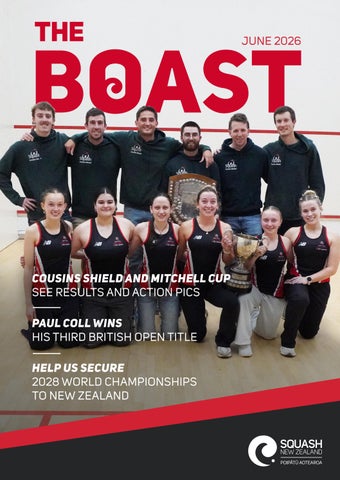
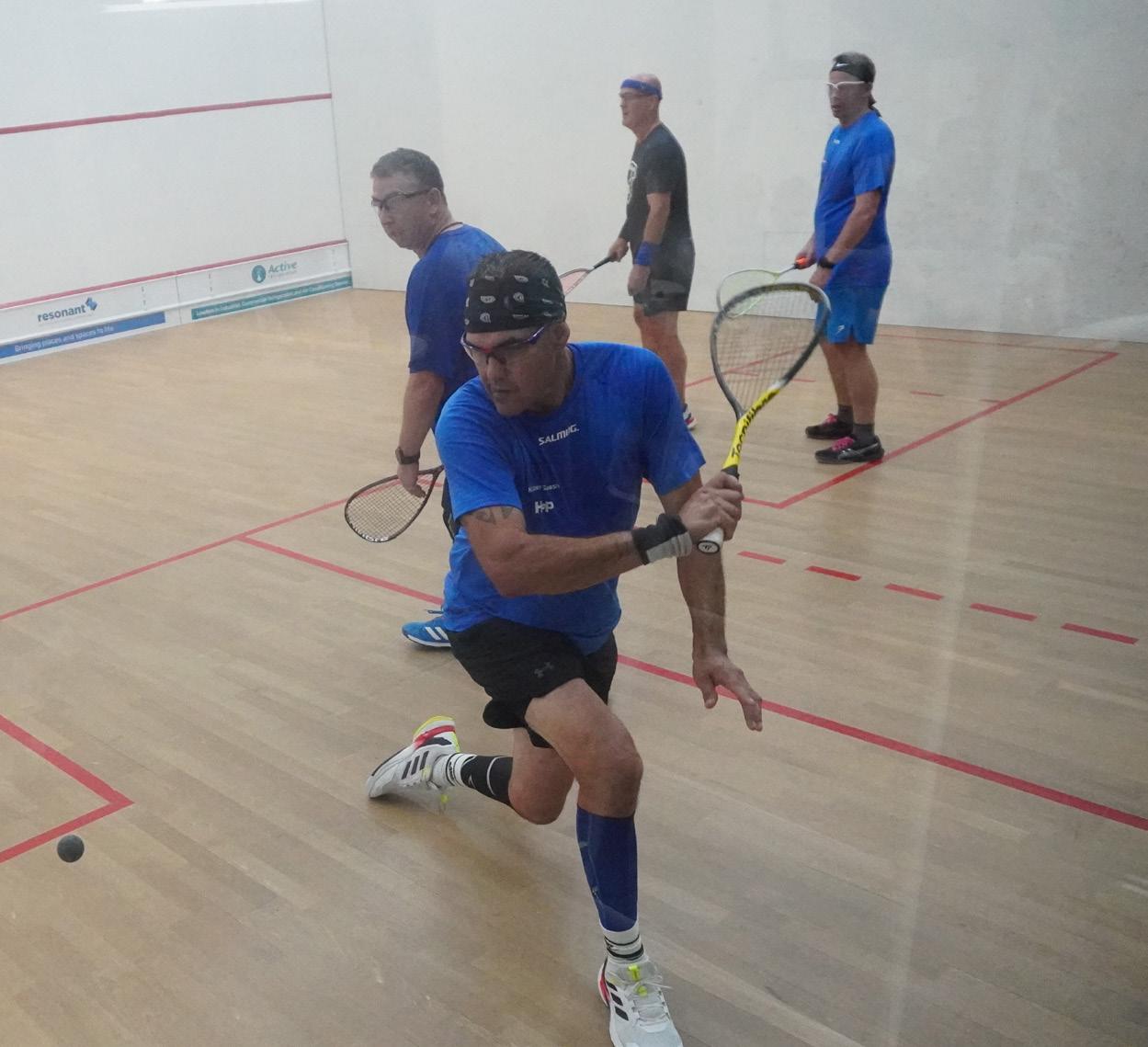
COUSINS SHIELD AND MITCHELL CUP SEE RESULTS AND ACTION PICS
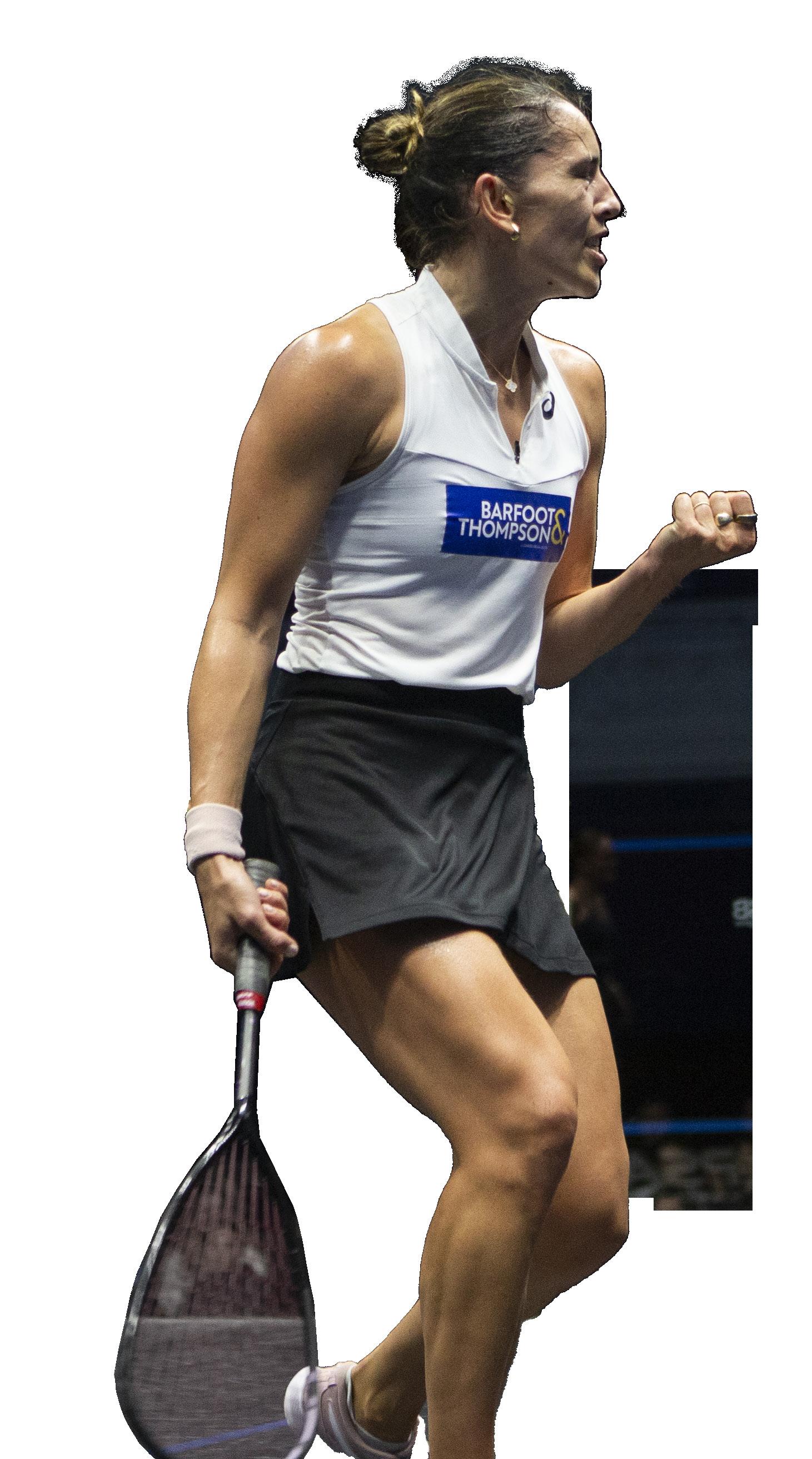
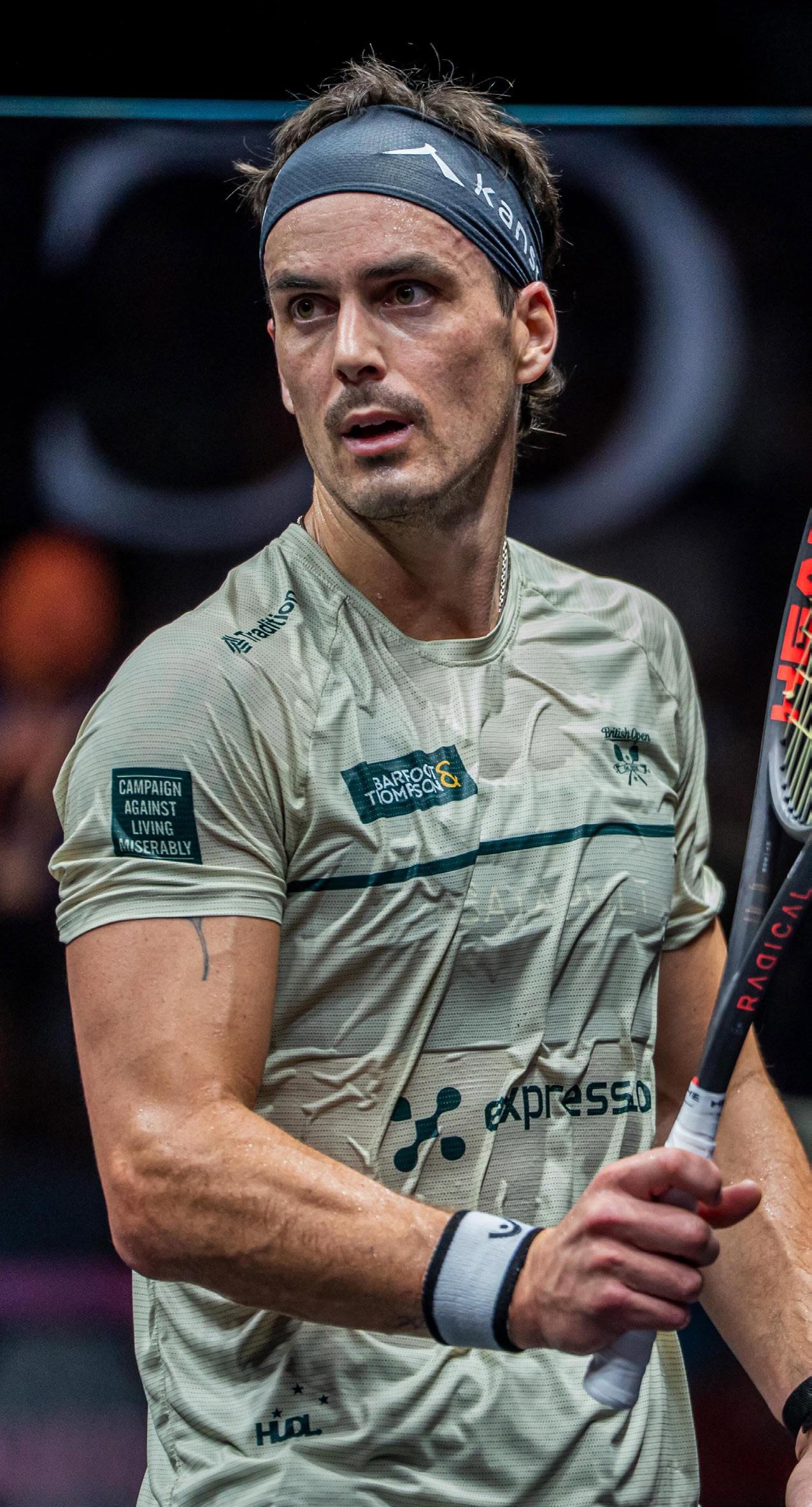
PAUL COLL WINS HIS THIRD BRITISH OPEN TITLE
HELP US SECURE 2028 WORLD CHAMPIONSHIPS TO NEW ZEALAND
5. Portable Squash Courts
7. Your new member benefit from SquashSkills
8. Les Brain’s 90th birthday bash
10. Squash Stars builds momentum in 2026
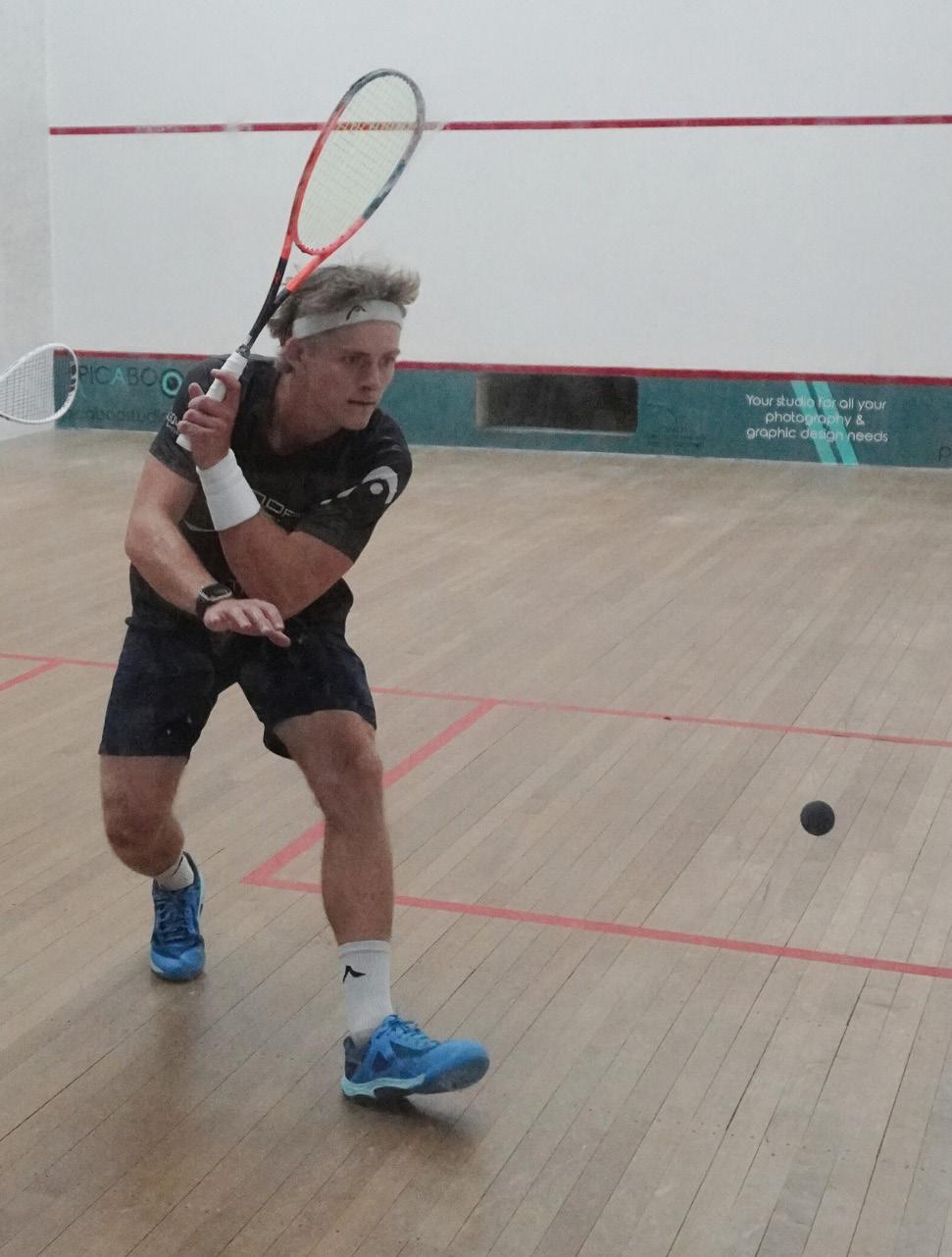
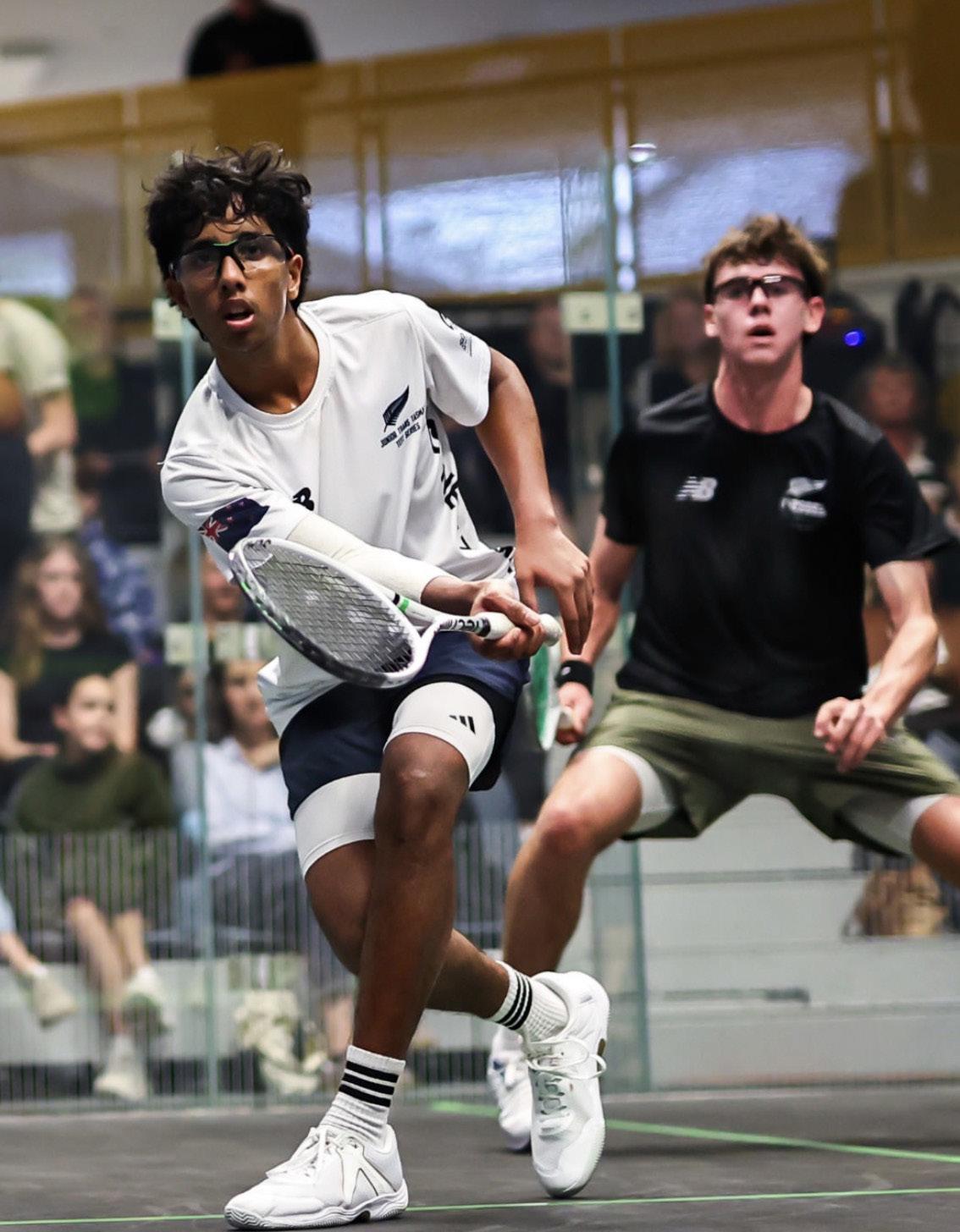
12. Cousins Shield & Mitchell Cup
18. Inspire Net NZ Doubles Championship
22. Coll Claims His Third British Open Title
24. Peak Performance with Kemp
26. Player Profile: Bihandu Nanayakkara
27. Opportunity to secure the 2028 World Championships.
24. HEAD NZ Pro Tour
26. Club of the Month - Kāwaroa Park Squash Club
28. Referee - Calling the Shots: Allan Bailey’s Refereeing Journey
30. In memory of Nichol Taylor
36. Volunteers of the Month - Matt & Lauren Shaw
40. Blast from the past - The father of Mitchell Cup
Stay updated with our other channels
Chief Executive Update
Tēnā koutou
It’s been an exciting and incredibly busy period - a significant portion of my time recently has been dedicated to working towards what we hope will become the biggest squash event ever held in New Zealand in 2028. This is a bold ambition for our sport,
Upcoming events
and one that requires the full strength and support of our community to bring it to life.
You will have seen the recent launch of our lottery initiative. This is a critical moment for us. Not only does it contribute to our fundraising goals, but it also demonstrates the passion and commitment of our squash whānau. Your support this month is vital—by getting involved, you are helping us show that we can deliver something truly world-class. The opportunity to win tickets to the World Championships is particularly special. The very first person to hold one of these tickets will be part of history, given how sought-after they are expected to be.
I would like to extend my congratulations to Devoy Squash and
Fitness and Christchurch Squash Club teams for their recent success in claiming both the Mitchell Cup and Cousins Shield. These events carry immense history and prestige, and to win them is a remarkable achievement. Building on that tradition, we are also planning a complementary event to run alongside the proposed World Championships— something that mirrors the spirit of the Mitchell Cup and Cousins Shield on a global scale. Watch this space.
Finally, a sincere thank you to all clubs delivering Squash Stars programmes. Your commitment to growing junior participation is fundamental to the future of our sport, and your efforts are already making a difference.
Ngā mihi Martin Dowson
Don’t miss any upcoming events. Click HERE to access the full tournament calendar
Squash Player Magazine – FREE subscription offer!
MySquash subscribers with a Competitive Adult, Lifestyle Player or Junior Player subscription can now grab a FREE ‘Blue Dot’ digital subscription to Squash Player Magazine, valued at $71.00!
First published in 1971, Squash Player Magazine is the longest running, independent magazine dedicated to covering the game of squash at all levels.
The magazine is committed to covering the game at all levels - from the very top of the PSA Squash Tour, to the local league scenes around the world - with a strong emphasis on showcasing the inspiring stories and tales from those who make the game so special.
Working with world class photographers and illustrators, the magazine ensures each edition is packed with breath-taking imagery that shows off the game of squash at its very best.
To access your free subscription, login into MySquash, head to Subscriber Benefits, and click on the Squash Player Magazine tile.
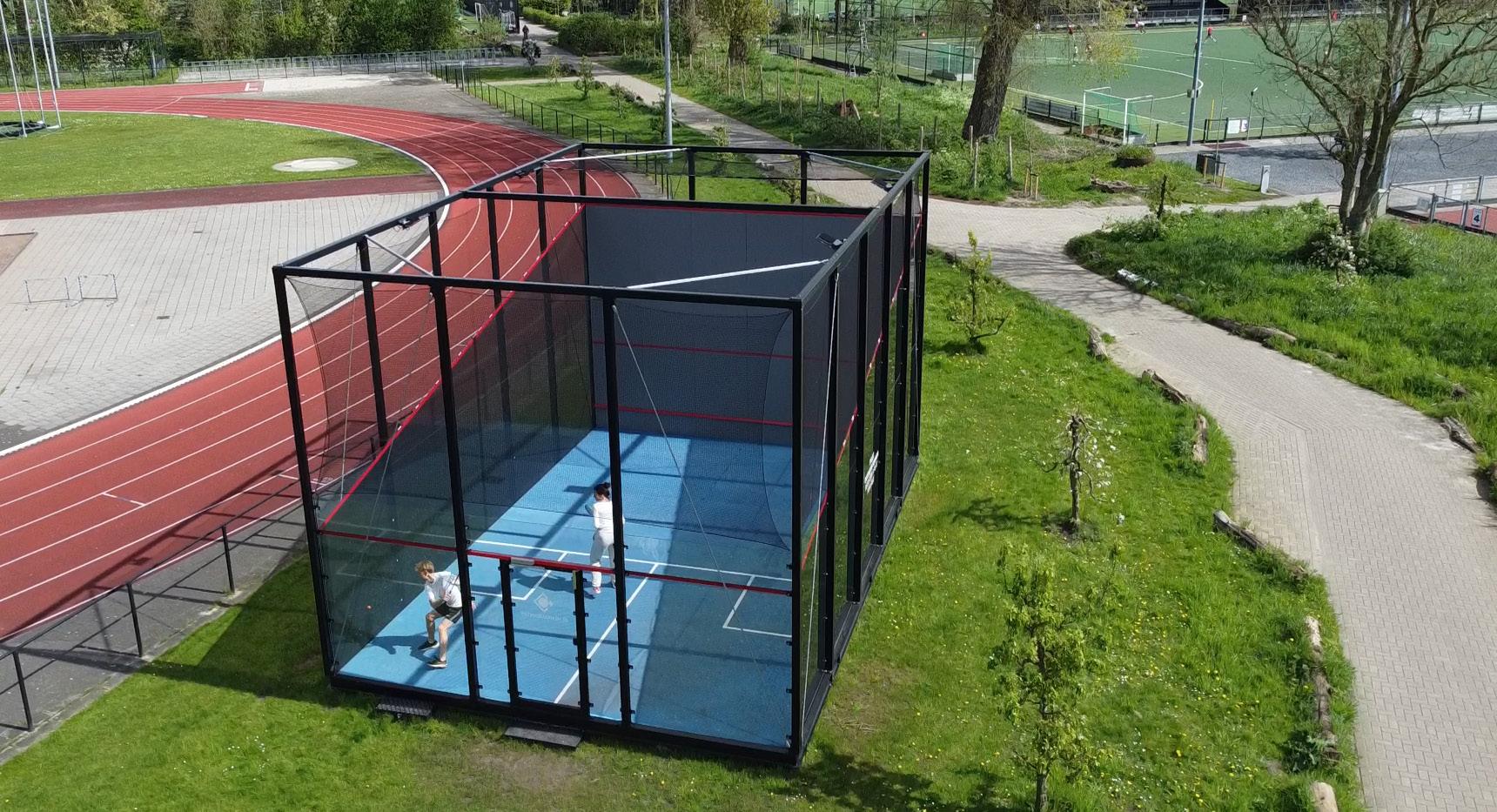
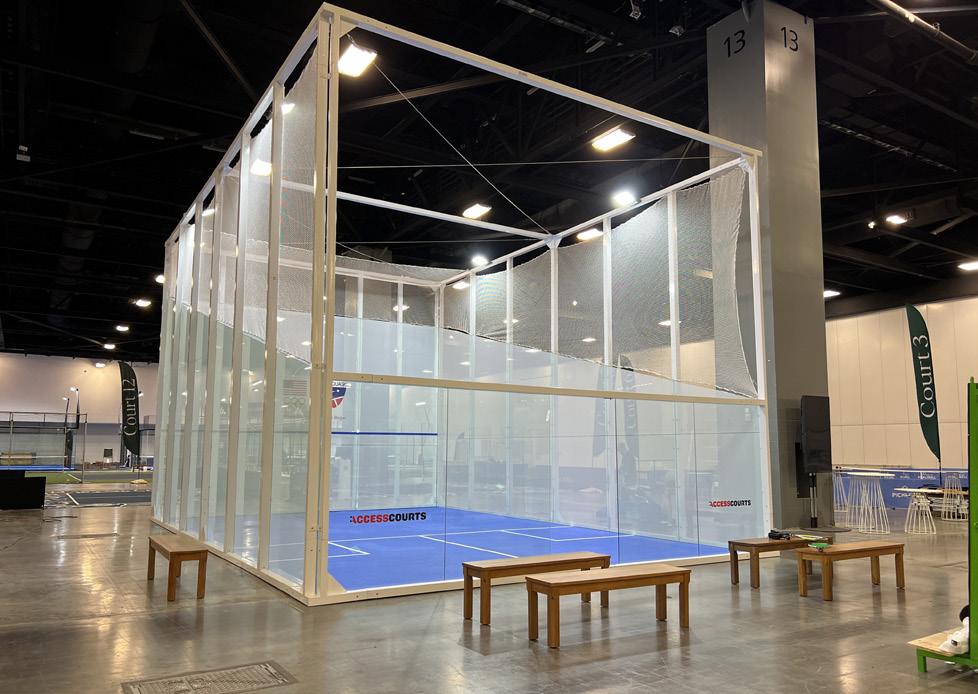
Portable Squash Courts
Open New Opportunities Across New Zealand
If your club is looking to add another squash court — indoors or outdoors — now is the perfect time to explore new possibilities.
Squash NZ now offers direct access to modular squash courts that are quick to install, cost-effective, and ideal for clubs, schools, parks, and community spaces. These modern courts create exciting opportunities to grow participation and generate additional venue revenue.
We also encourage conversations with other sporting organisations such as padel, tennis, badminton, and pickleball clubs that may have available space and are looking to diversify their facility offerings.
With LA28 on the horizon and squash preparing for its Olympic debut, there has never been a better time to make the game more visible and accessible for everyone.
Learn more about Access Courts
at www.accesscourts.com or contact Fleur at fleur@squashnz.co.nz for further information.
North Island JUNIOR AGE GROUP
Entries Close Date 5 July
Entry Fee $25
Dave Dravitzki
Phone: 027 446 0442
Email: d.dravitzki@lde.co.nz
YOUR NEW MEMBER BENEFIT FROM SQUASHSKILLS
Every Squash New Zealand member now has the world’s best squash coaches on demand, with 14 days free access, a lifetime 50% off, and 10% of every signup going back to help fund grassroots squash in New Zealand.
Every active Squash New Zealand member gets:
and amateur match analysis. All on your phone, tablet, or laptop, anytime, anywhere.
A powerful addition to your coaching environment
World-class coaching is now part of your Squash New Zealand Poipātū Aotearoa membership through SquashLevels. Adding SquashSkills gives you the tool to act on what you see, with worldclass coaching at your fingertips. Used alongside the great coaching happening in clubs, it helps reinforce learning and keeps players progressing between sessions. What we are most proud of is the 10% revenue share. Every signup puts real money back into junior squash, coaching, and club support across the country. The more of our members who give SquashSkills a go, the more we put back into the sport for everyone.”
• 14 days free access to the full SquashSkills coaching library, with over 400 video coaching series covering every aspect of the game. No payment details required.
• An exclusive lifetime 50% off any SquashSkills subscription using code SNZ50. The biggest offer SquashSkills has ever made.
• Plus, 10% of every subscription using code SNZ50 returned to Squash New Zealand to fund grassroots squash.
Struggling in the back corners?
Sarah-Jane Perry shows you how to get the ball out with control. Want to clean up your straight hitting? James Willstrop covers the most important shot in squash.
Need better fitness? Joel Makin’s movement and ghosting series shows you how the pros train.
Plus exclusive interviews with the best pros and coaches in the world, world-class documentaries on squash legends, and professional
SquashSkills is designed to complement the great work already happening in clubs across New Zealand, not replace it. The platform gives players the ability to revisit key concepts, reinforce learning between sessions, and access world-class insight that supports what they are working on with their local coach. When combined with in-person coaching and club play, it becomes a powerful tool to accelerate development and build confidence on court.
10% back to grassroots New Zealand squash
Automatically, every Squash New Zealand member who signs up to SquashSkills with code SNZ50 sends 10% of their subscription back to Squash New Zealand. The funds go straight into junior squash, coaching programmes, and club support across the country. The more members who sign up, the more we put back into the sport.
John Fletcher, National Development Manager at Squash New Zealand, said: “This is a partnership built around our members. You already get un-rivalled insight into your game
Jamie Warren of SquashSkills said: “Squash New Zealand has built one of the strongest squash communities in the world. We wanted a partnership giving every member access to the best coaching available, and sending real money back into the grassroots game. This is the biggest offer SquashSkills has ever made. We hope every Squash New Zealand member gives the platform a go.”
Les Brain’s Les Brain’s
Birthday Bash 90 th
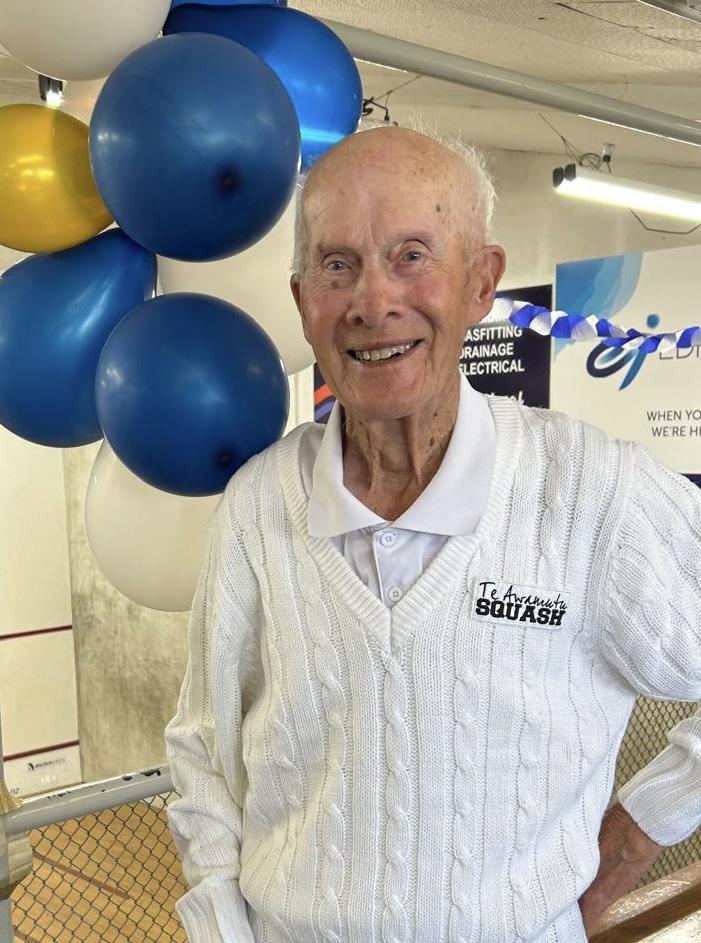
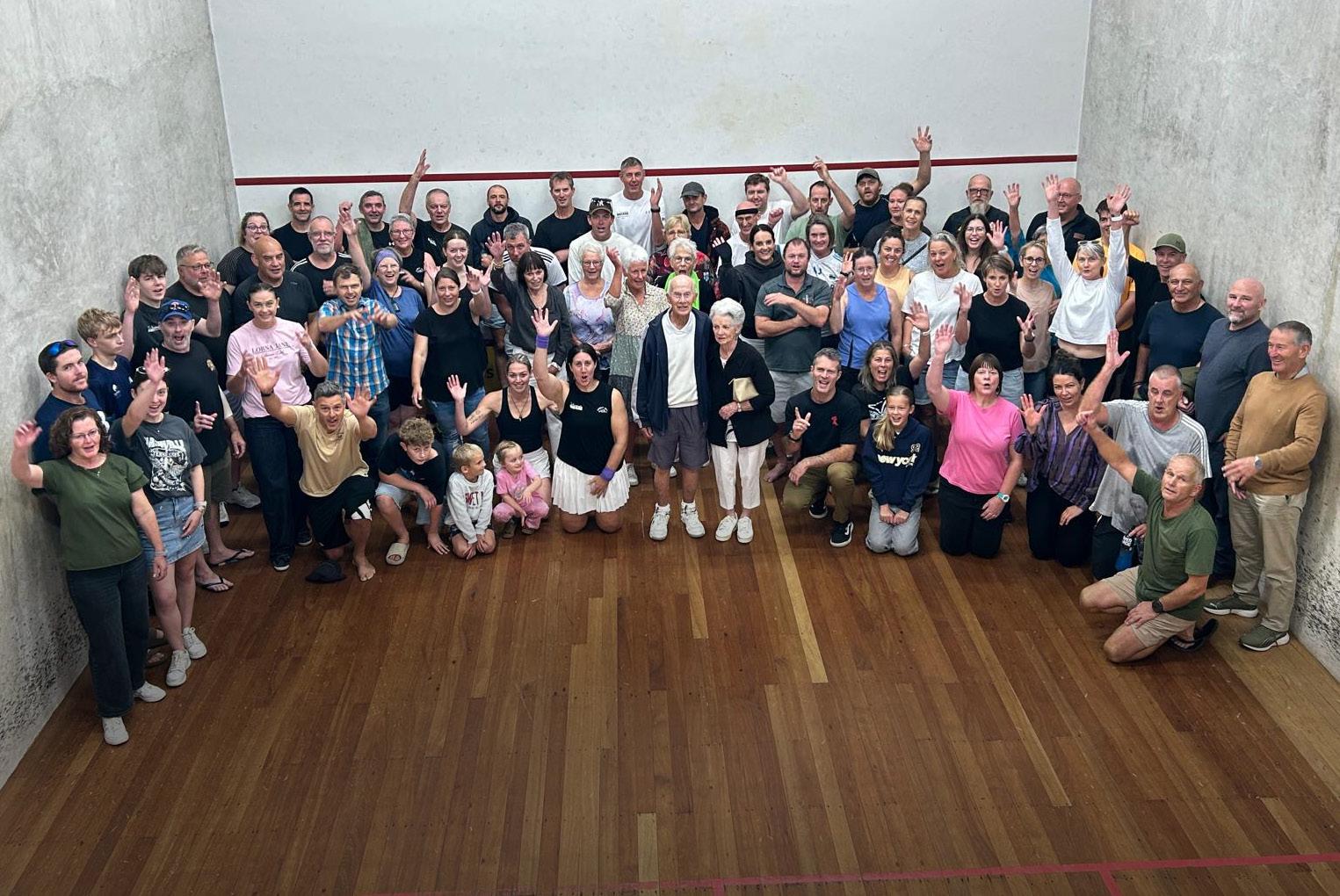
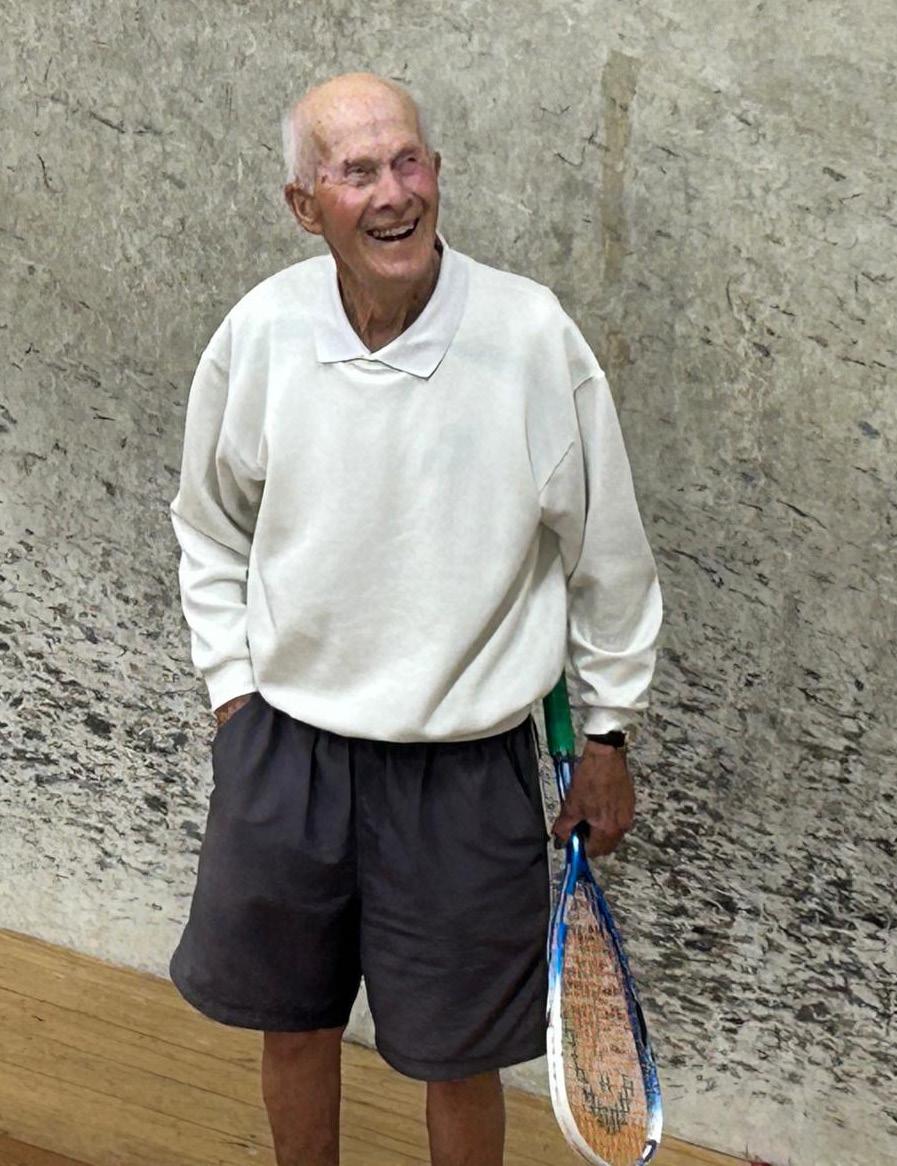
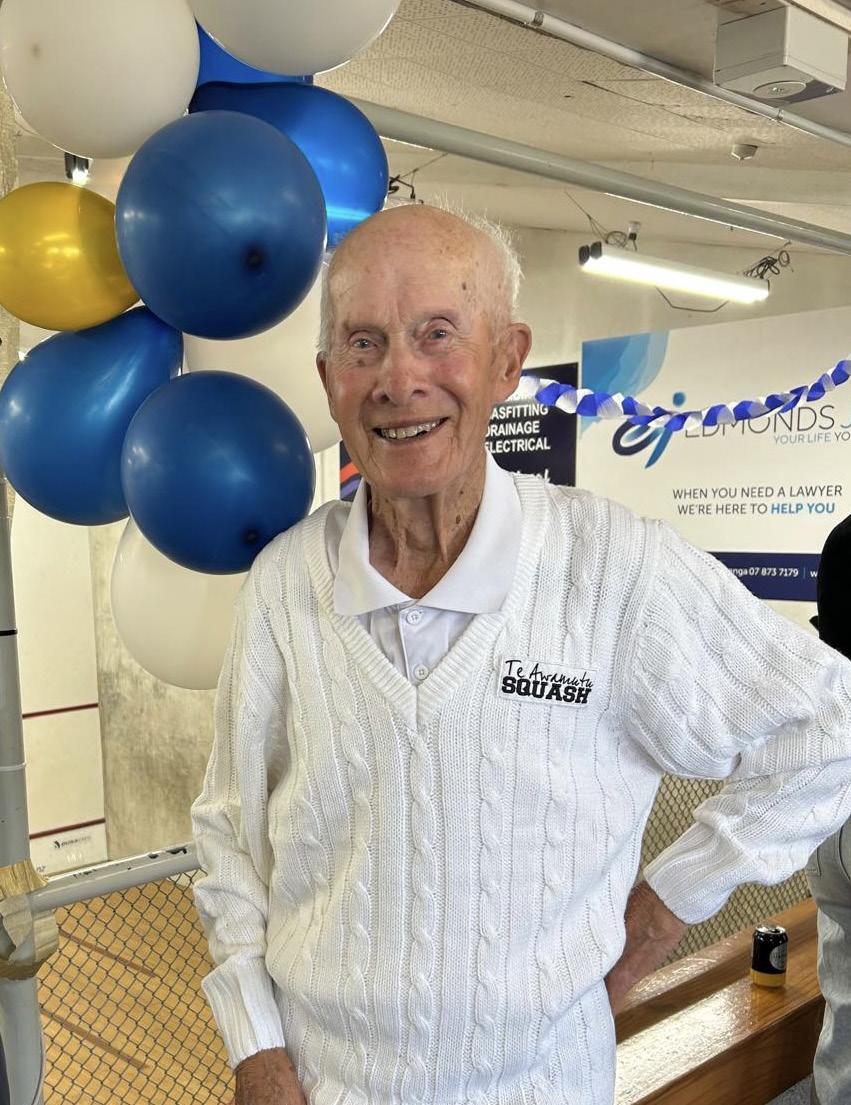
“A stalwart, legend and absolute gentleman” was how Te Awamutu Squash Club president Shelley Van der Hulst described patron Les Brain as she opened celebrations for his 90th birthday luncheon and tournament.
Inspired by too many rain-interrupted tennis days, Les decided in 1962 to establish a squash club of his own.
As a founding member of the Te Awamutu Squash Club, his foresight, determination and fundraising efforts were instrumental in the design and construction of the clubrooms and courts.
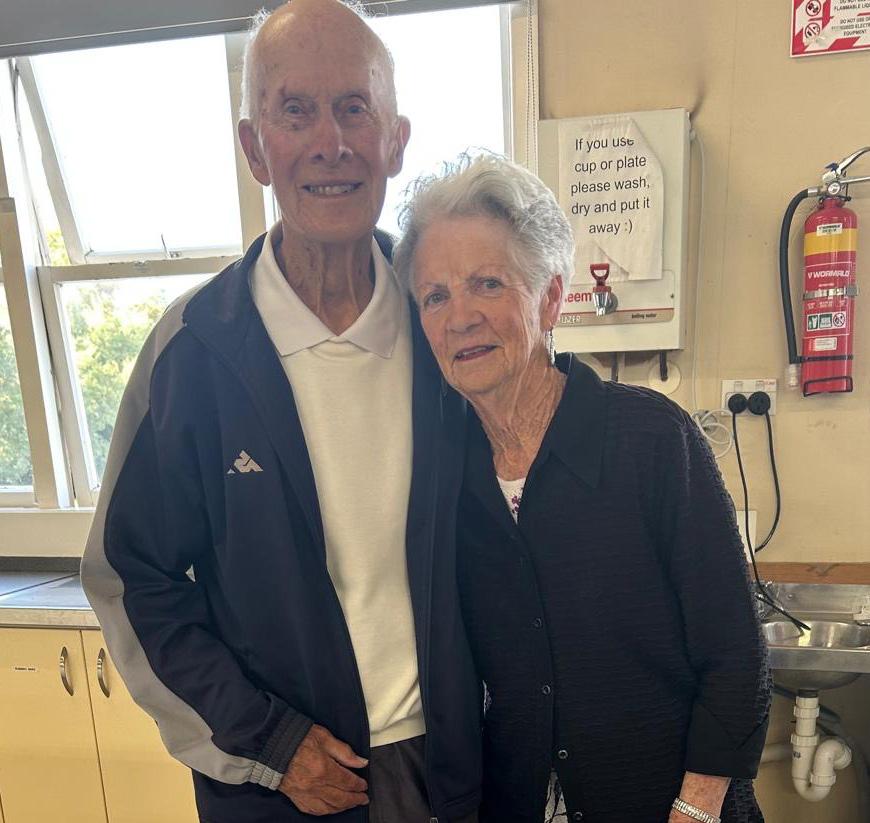
Together with his wife Maureen, Les helped foster the strong culture of volunteerism that continues to define the club today. Through countless working bees, maintenance projects and expansion initiatives, the pair played a major role in shaping the club into the community hub it has become.
Even at 90, Les remains an active participant in the club’s fortnightly squash ladder competitions and continues to encourage others to give the sport a try. Club ladder co-ordinator Bronwyn Brier said anyone who had played against Les would know his “humble, yet fiercely determined and competitive nature”. “His characteristic wry smile after a well-placed shot and nod of appreciation for an opponent make playing Les an absolute pleasure,” she said.
Over the decades, Les has filled many roles within the club, including president, statistician, maintenance officer, mentor and coach. He was also the club’s
first men’s champion, holding the title from 1962 to 1967 and again in 1969, while continuing to compete in interclub squash until 2019 at the age of 83.
Maureen, an accomplished player in her own right, also contributed significantly to the club as women’s captain, kitchen operations manager and co-ordinator of debenture repayment plans.
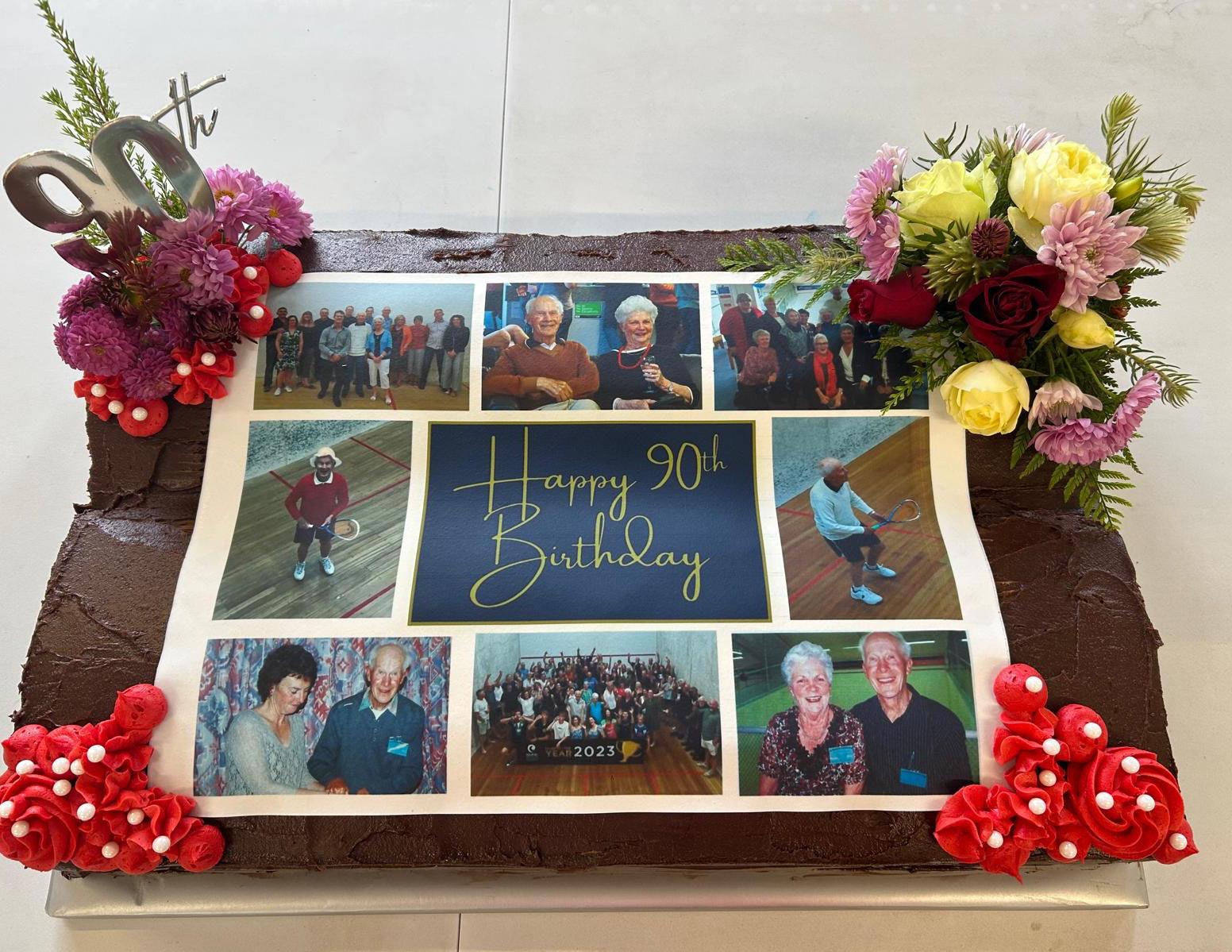
Fruit platters, savouries and edible photo-decorated birthday cake powered the enthusiastic past and present club members through the 90th celebration tournament in Les’ honour. Les was presented with an embroidered white Te Awamutu Squash Club jumper, which he proudly wore while taking on younger opponents on court; winning both matches convincingly.
Maureen joked that in recent years the challenge of playing Les had not necessarily been beating him, but trying to get him to remove his jumper during a match. Former club president Wade Bell proudly wore his signed white jumper from Les’ 80th birthday celebration, hoping to add a 90th birthday signature while leaving room for a centenary autograph in the future. Bell described Les as “an unassuming player often underestimated by younger opponents on court”.
He estimated Les had played about 7000 games throughout his squash career. He also recalled seeing a 75-year-old Les changing lightbulbs atop a towering ladder at the club - just one example, Bell said, of the many practical contributions he had made over the years.
Past president Craig McDonald spoke about learning never to judge an opponent by their attire after playing Les, while noting that Les and Maureen remain loyal supporters of local tournaments and are always given front-row seats to watch finals in recognition of their special place within the club.
Les’ son Graham reflected on his father’s deep connection to the squash community, describing it as “his other family”. He said Les’ passion for the sport remained as strong as ever, with his competitive streak extending even to games against his grandchildren. Maureen was also recognised during the luncheon for her unwavering support, receiving a large bouquet of flowers. Her encouraging words “run Les run” can often be heard during his matches.
Tributes throughout the day celebrated Les’ sportsmanship, humour, charisma and humble approach to the game, alongside his famously accurate drop shot placement. The sentiment most widely shared was the hope that everyone could still be actively playing squash at the age of 90.
For the Te Awamutu squash community, the occasion was both a celebration of a milestone birthday and an opportunity to honour the enormous contribution Les and Maureen have made to the club and to the sport over more than six decades. Keep up the great work!
Squash Stars Builds Momentum in 2026
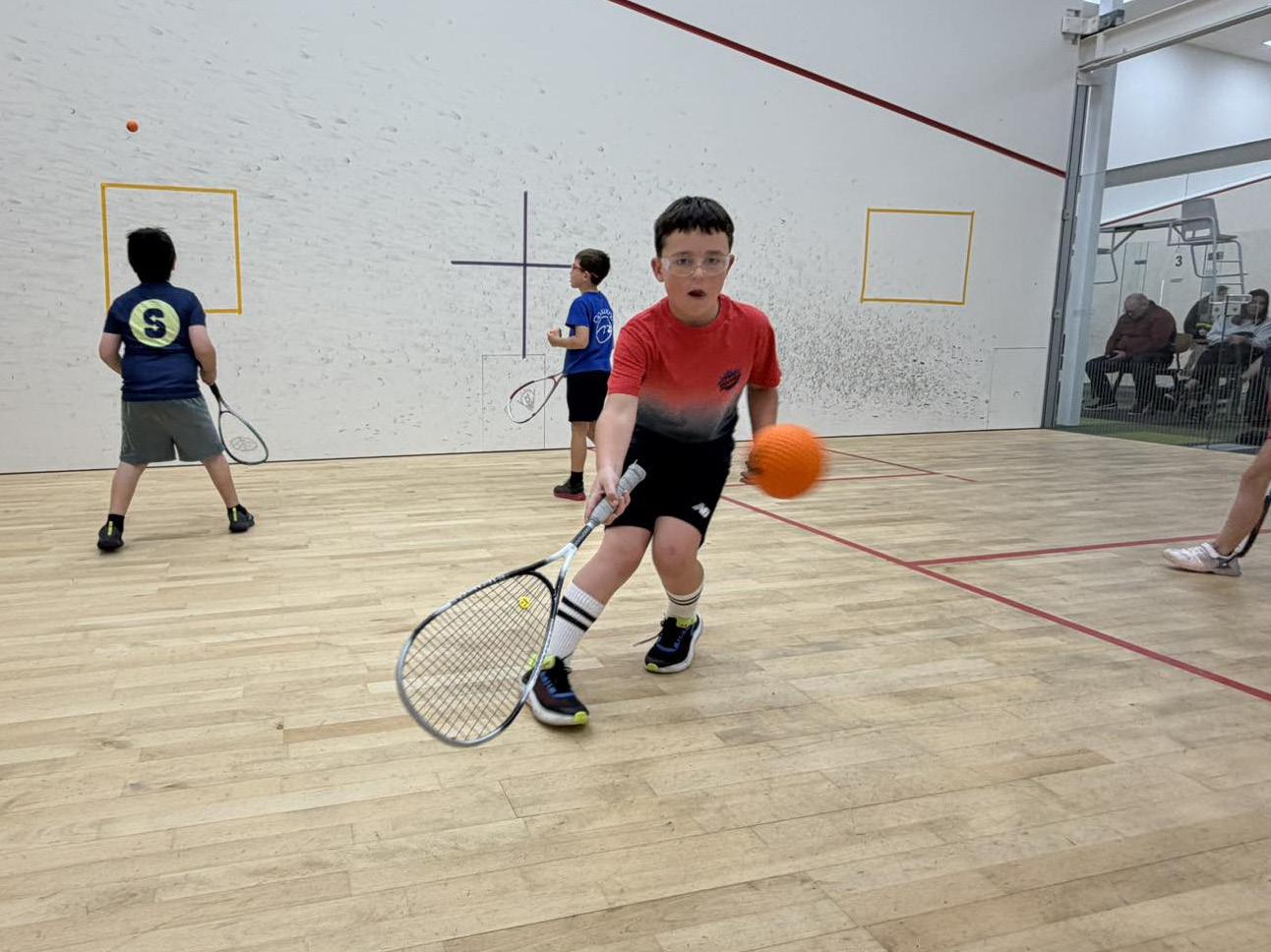
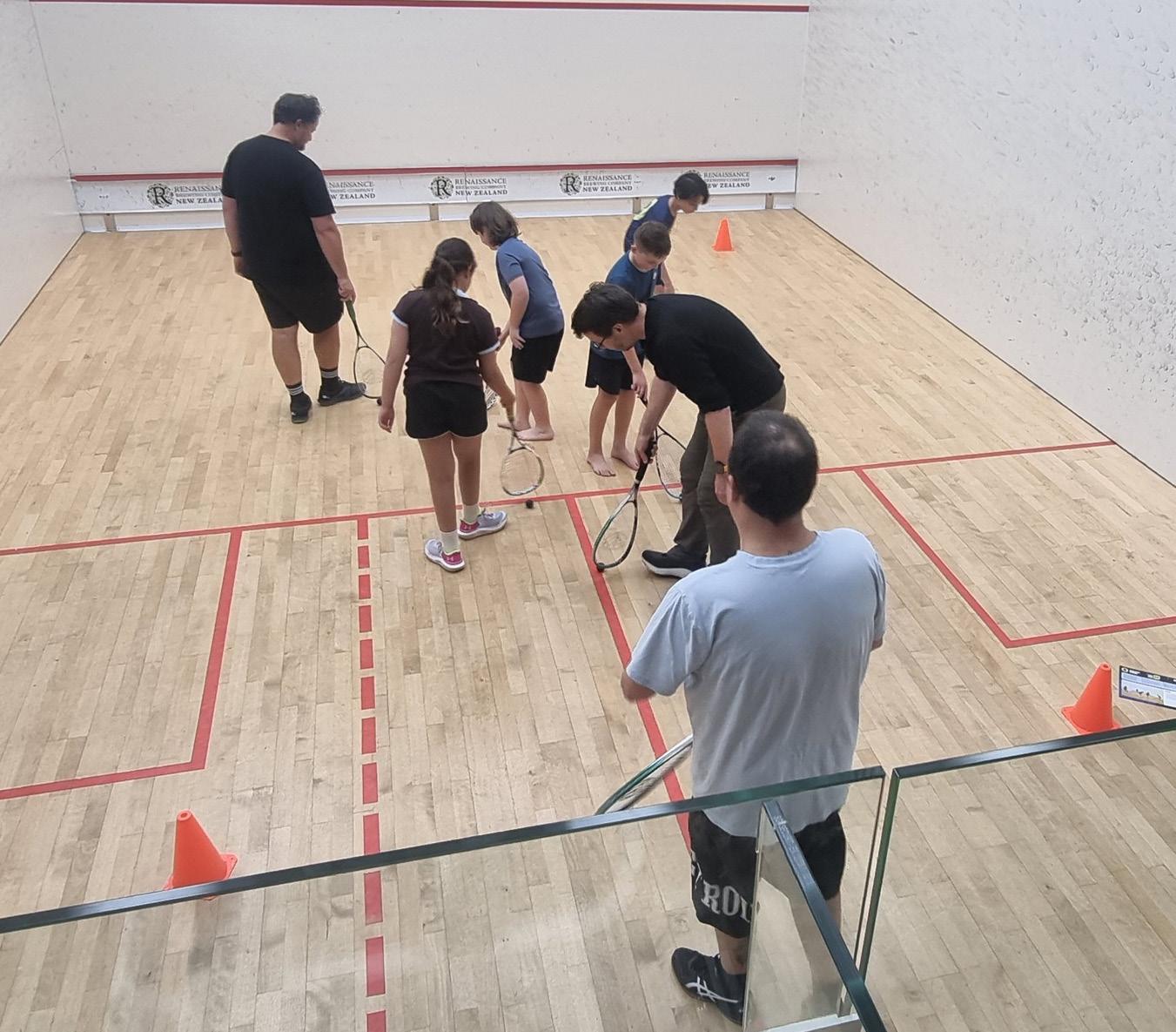
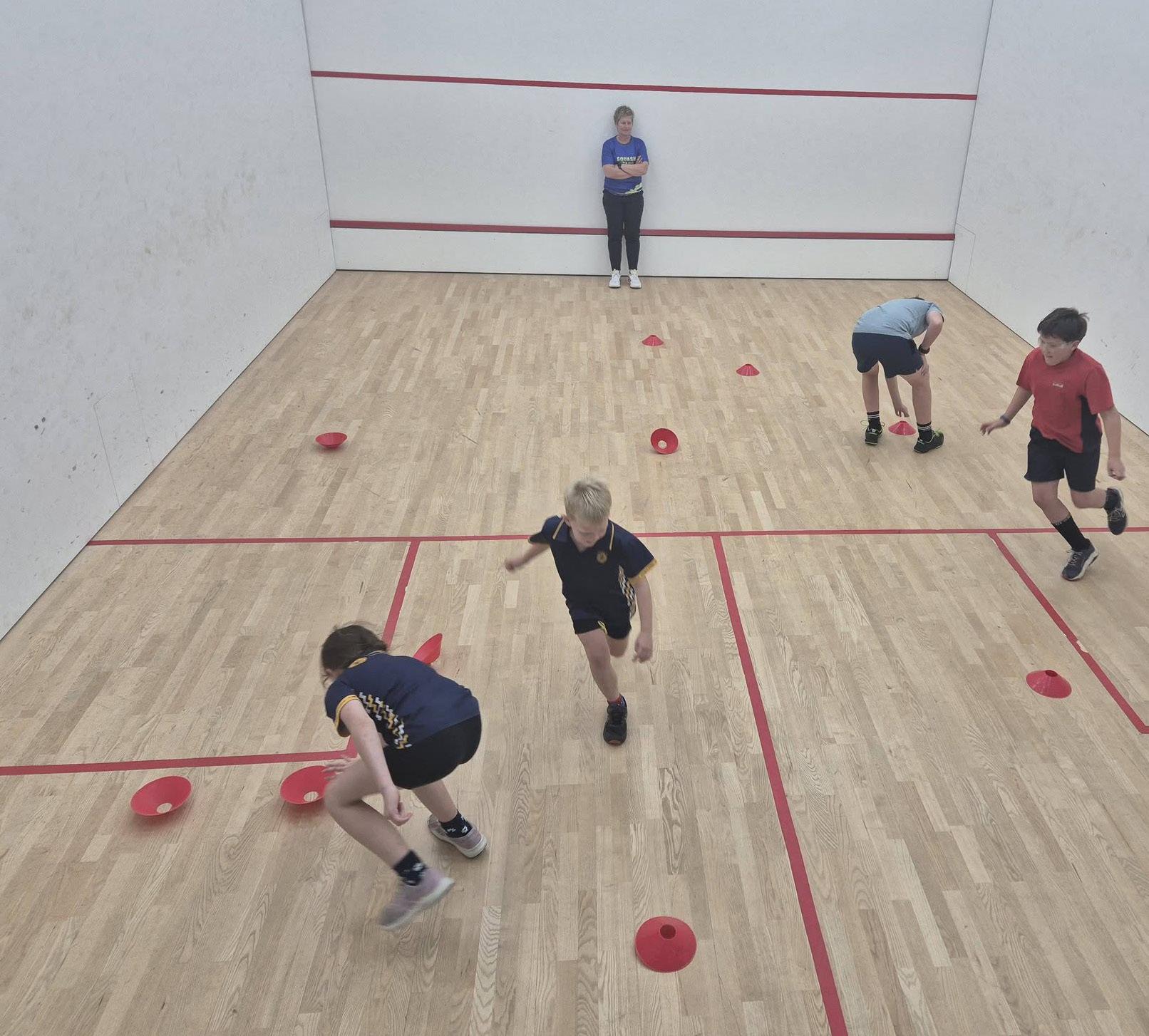
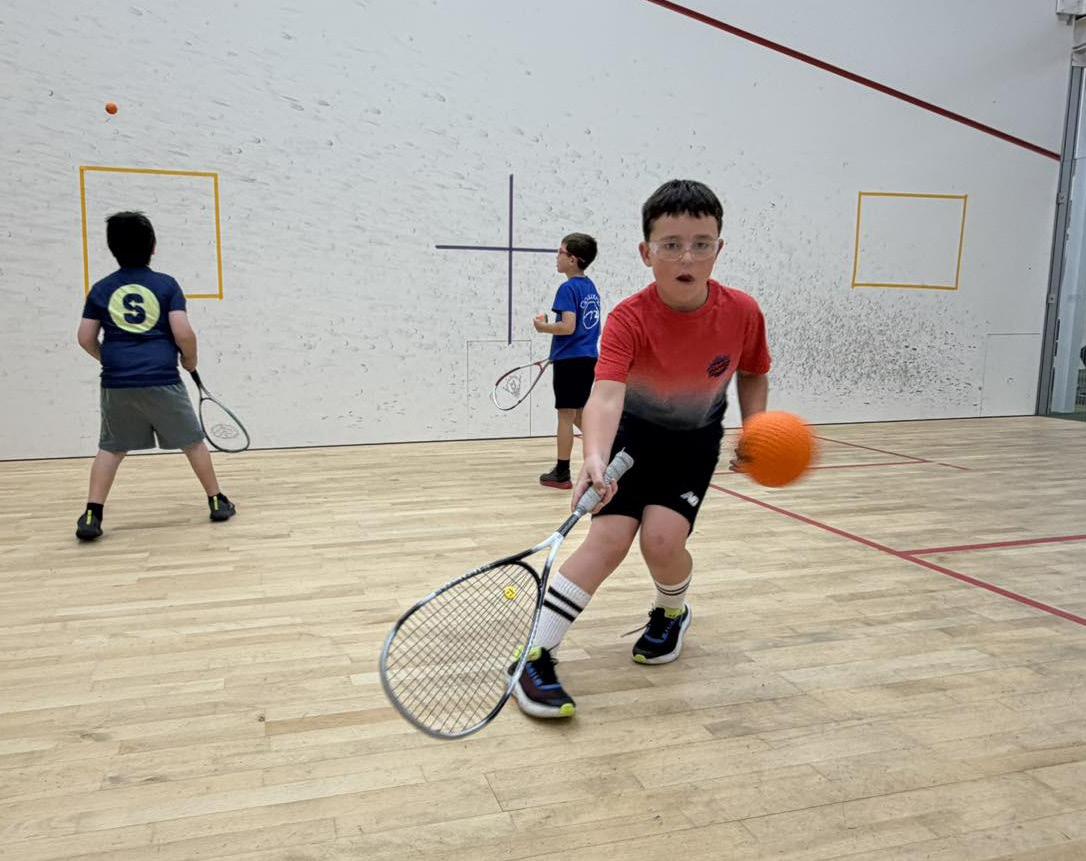
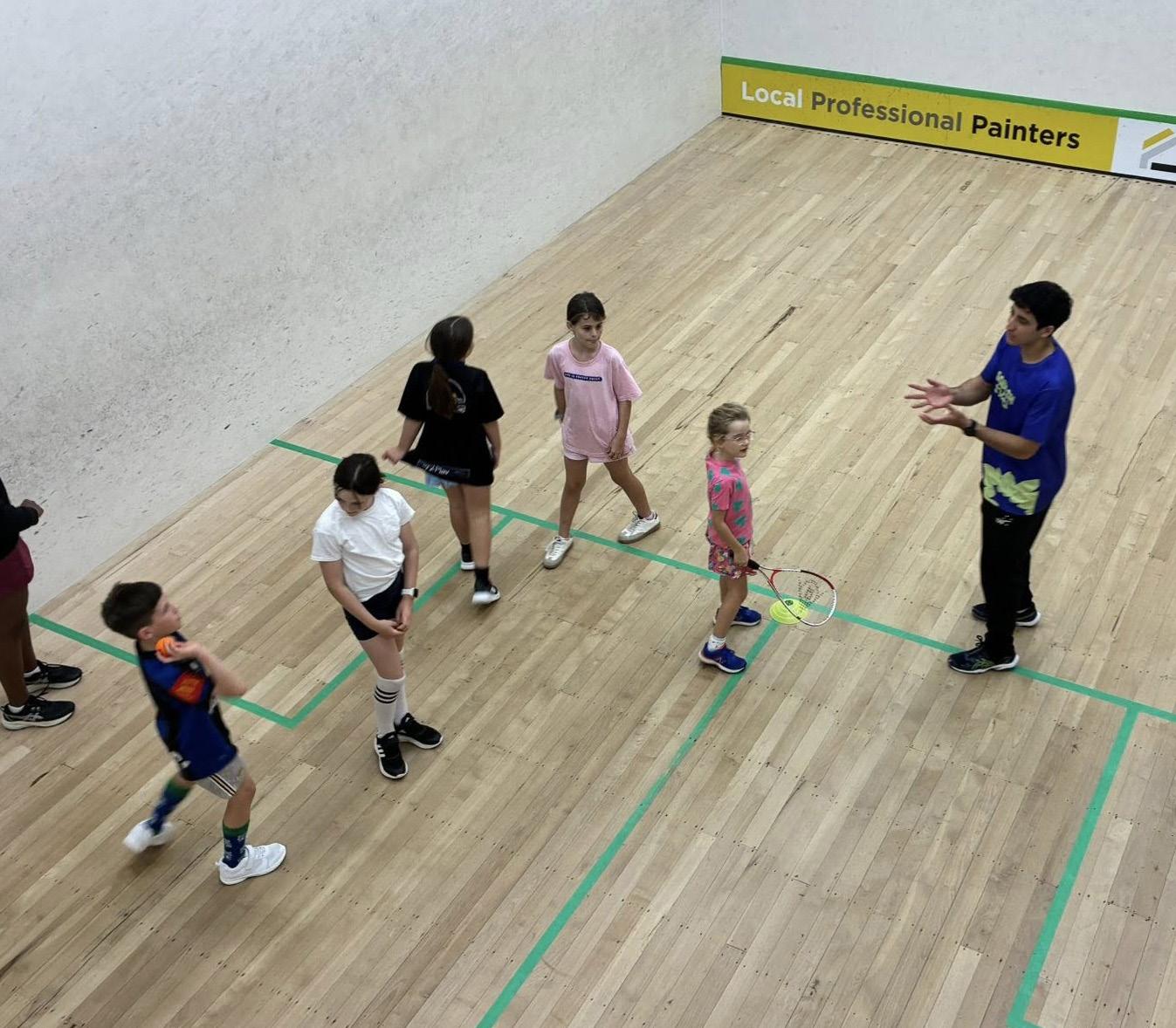
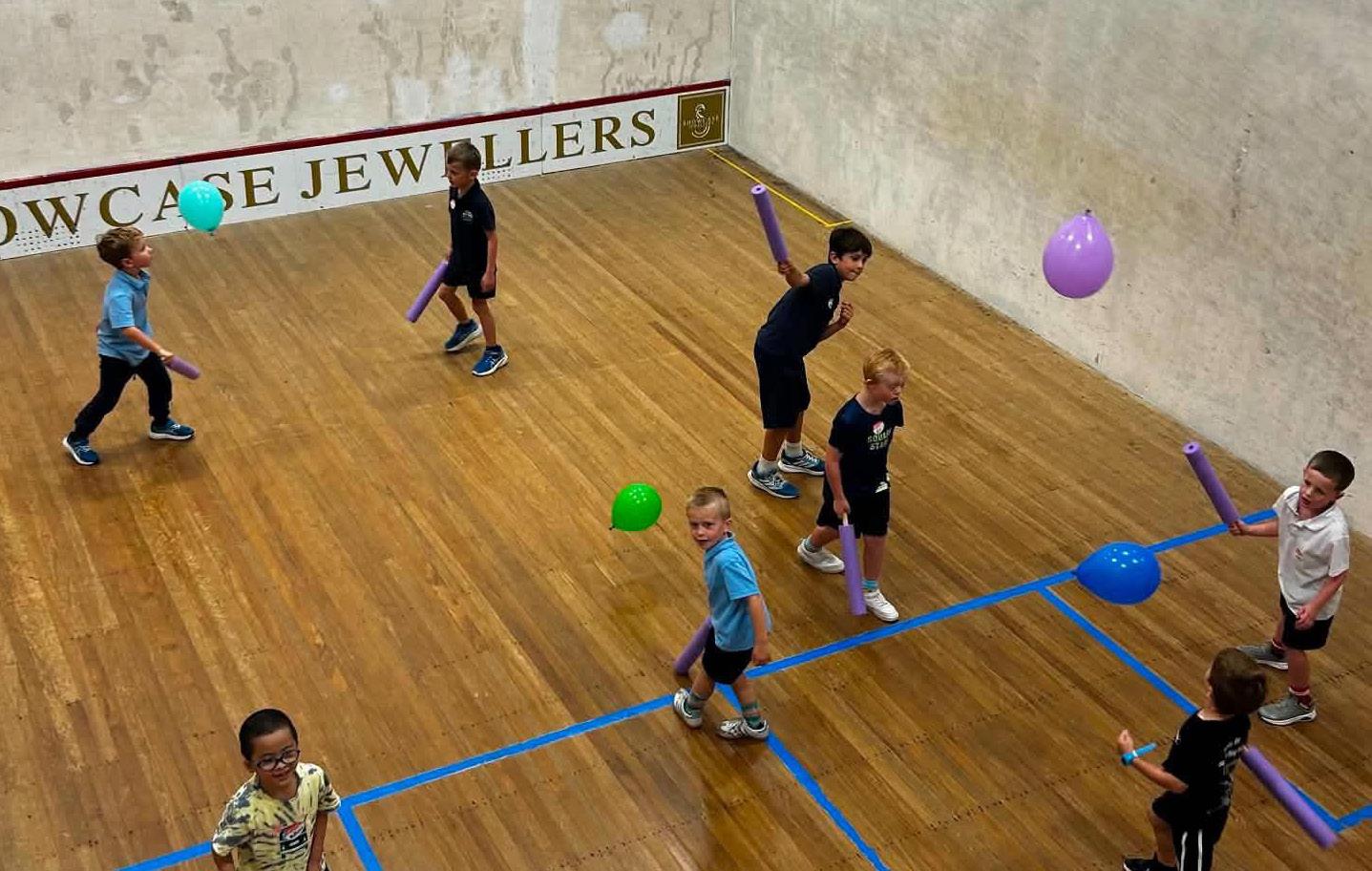
Squash Stars continues to grow its impact across Aotearoa in 2026, with strong club delivery and an expanding network of Activators helping introduce more tamariki to squash.
Clubs Driving Delivery
This term 43 clubs are delivering Squash Stars programmes nationwide, bringing the total numbers of clubs since the launch in July 2025 to 84, reflecting strong uptake and growing confidence at club level. Programmes are being delivered in flexible formats, either as standalone offerings or integrated into existing junior activity.
Clubs are supported through national resources, funding contributions, and a coordinated promotional campaign—making it easier than ever to run highquality, engaging programmes.
Digital Campaign Generating Interest
The 2026 rollout was backed by a national digital campaign across Facebook and Instagram during March and April. The campaign saw a total reach of 94,000 with 3,000 link clicks to the Squash Stars website, demonstrating strong interest from families engaging with the programme.
Combined with local promotion through schools and communities, this is helping convert interest into participation across the country.
Activators Building Capability
A major focus in 2026 has been growing the Activator workforce. So far nationally:
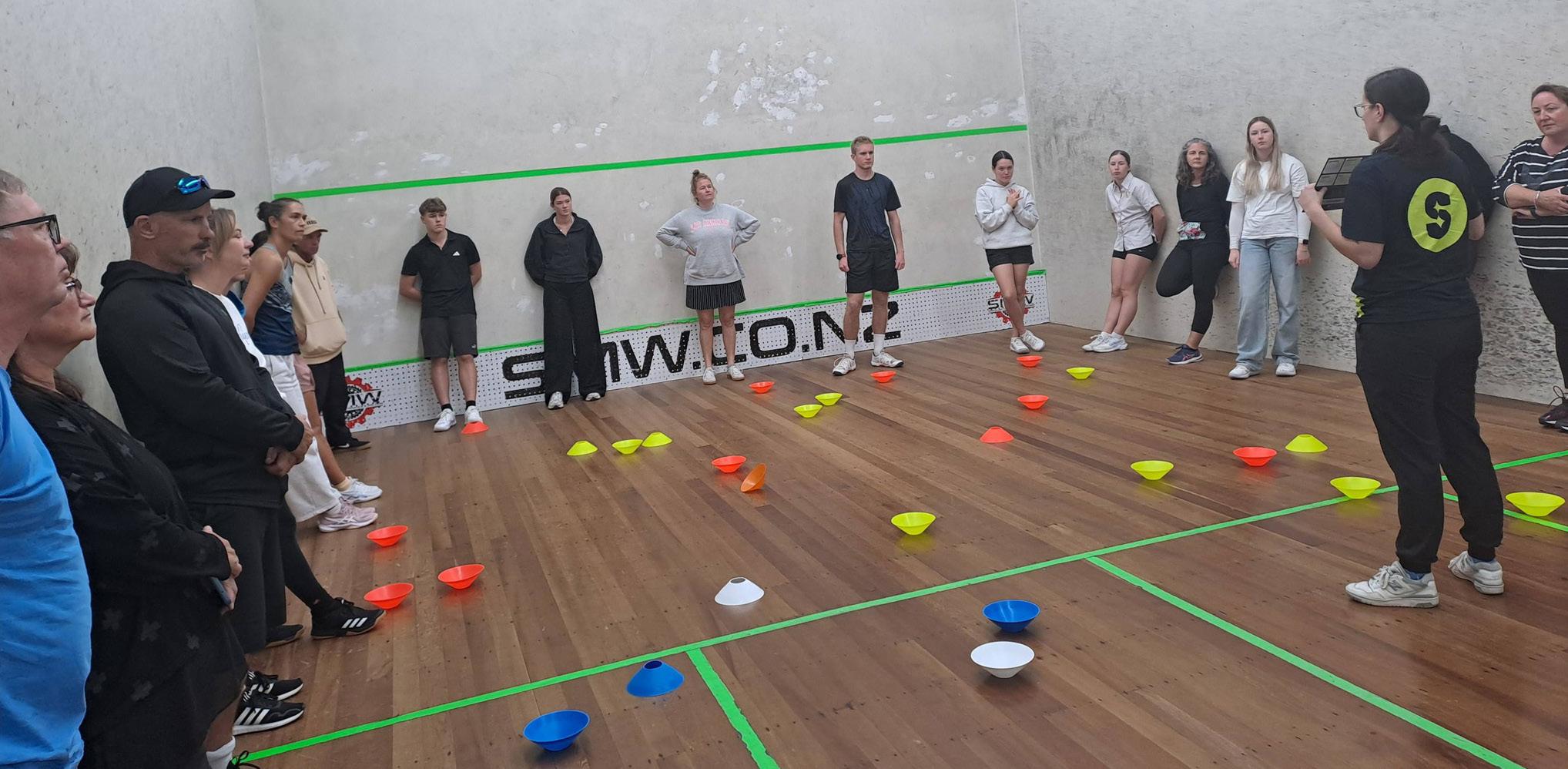
• 8 Activator workshops have been delivered
• 58 Activators have been trained
Delivered in partnership with districts, these practical workshops are helping coaches, volunteers, and parents confidently run fun, inclusive sessions based on the SMILES philosophy.
Looking Ahead
With strong momentum building, Squash Stars is creating positive first experiences and strengthening junior pathways—helping more young players take their first step into squash, and ensuring clubs are well supported to sustain that growth.
Christchurch activator workshop
Marlborough Squash Rackets Club
Cousins Shield & Mitchell Cup
29th - 31st MAY - CHRISTCHURCH SQUASH CLUB
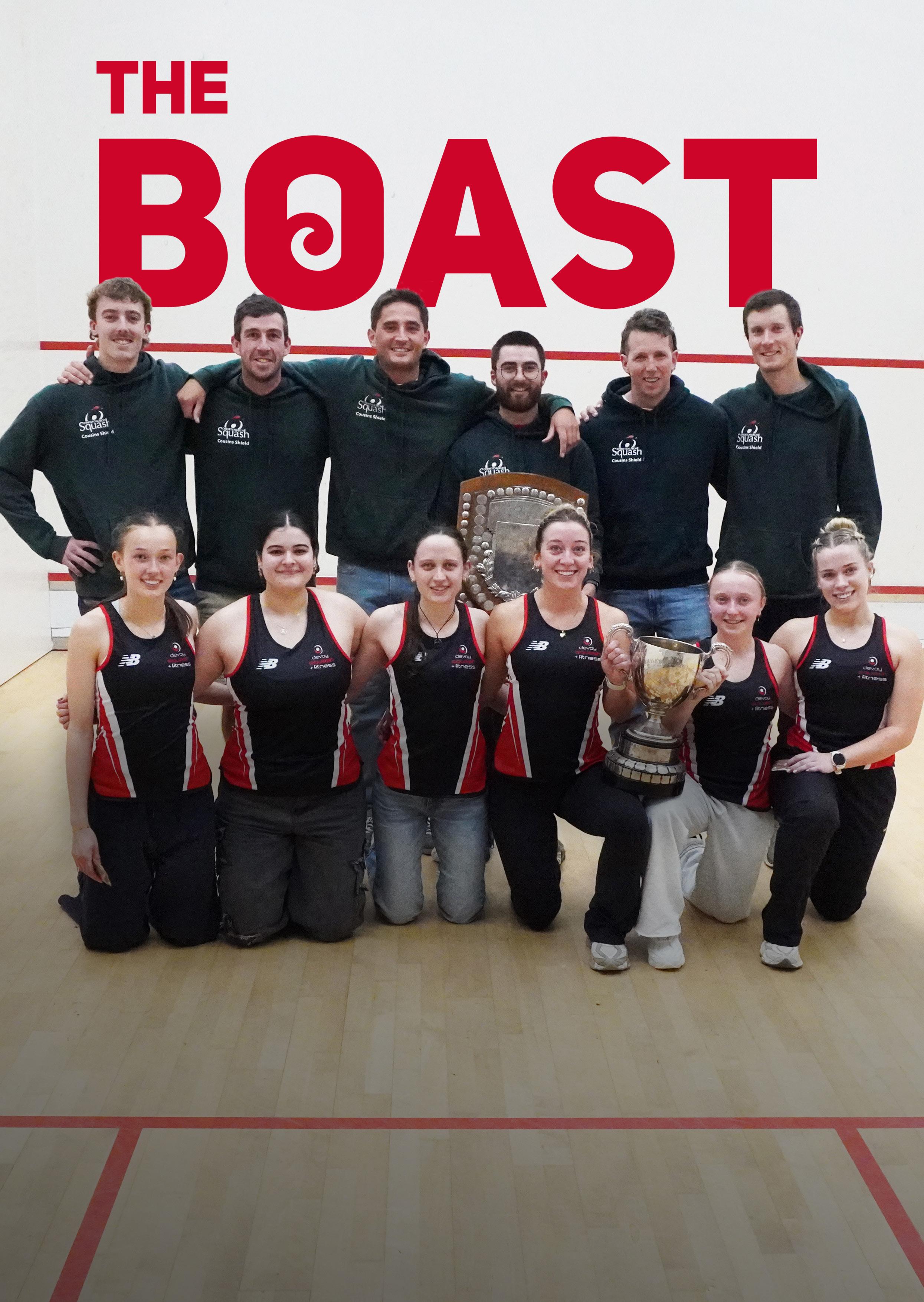
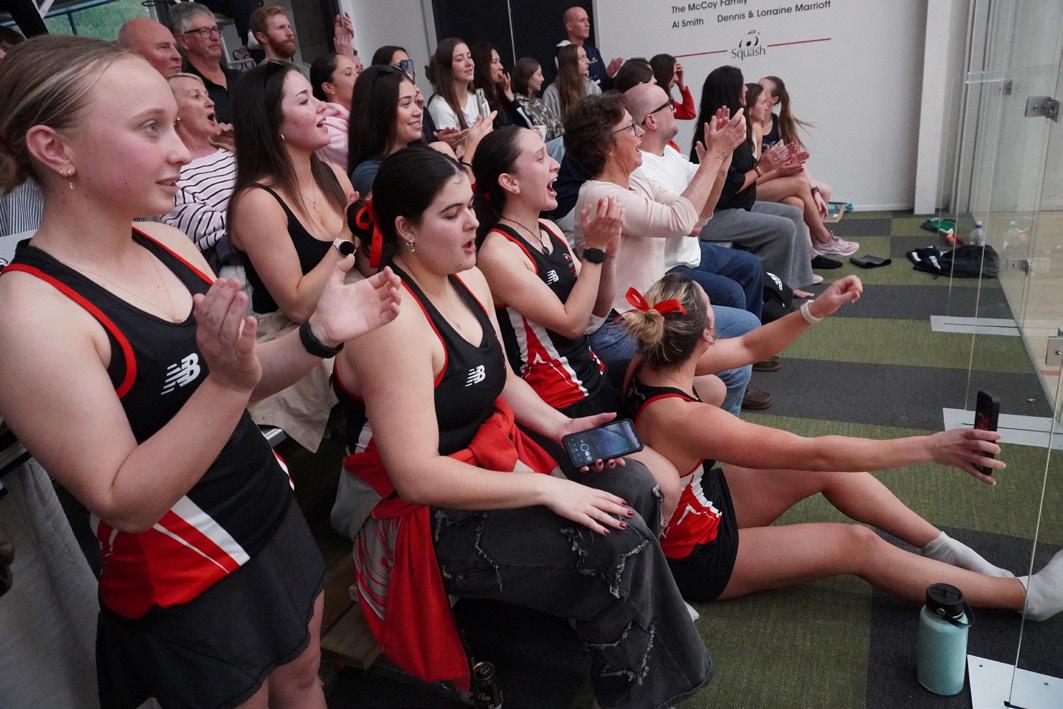
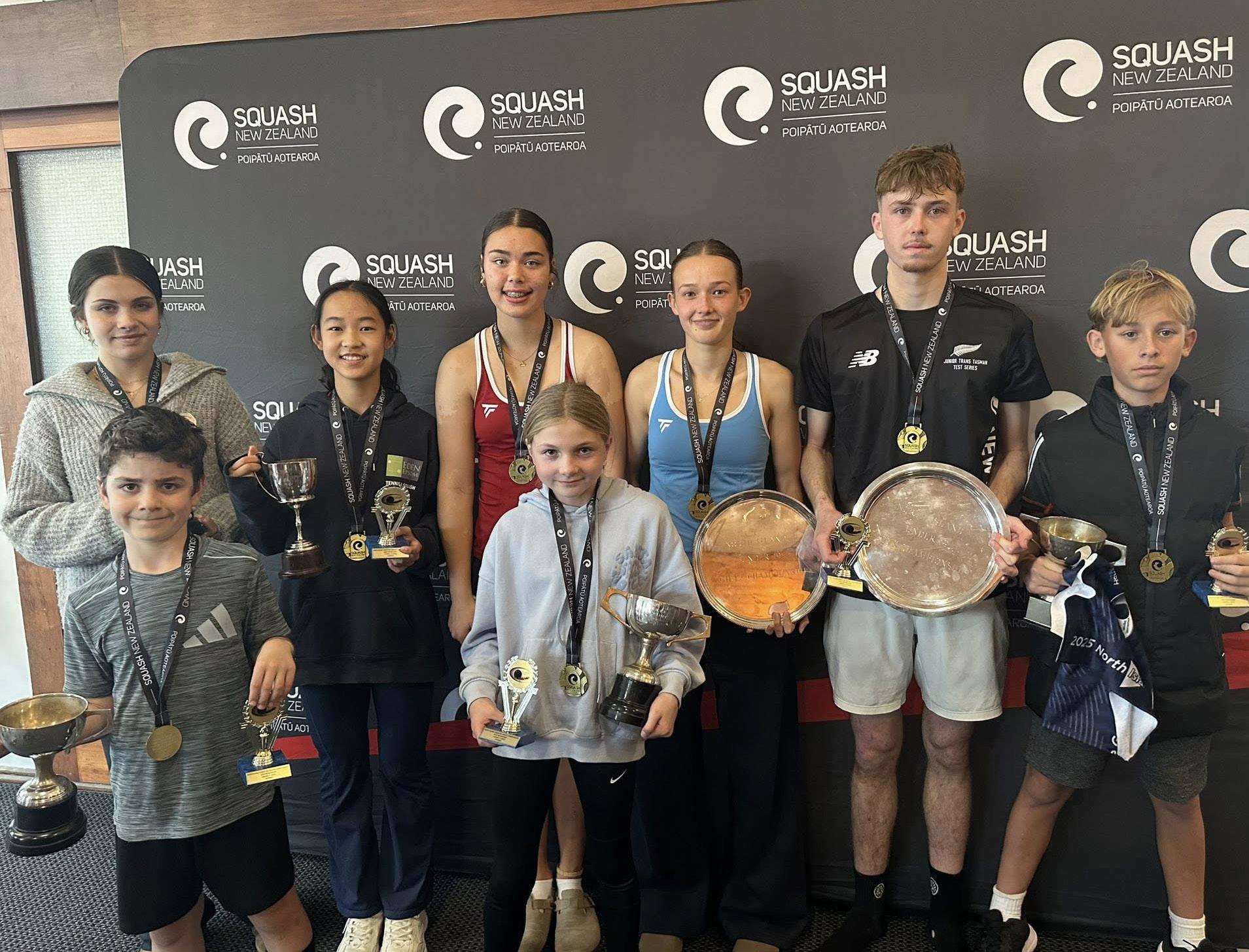
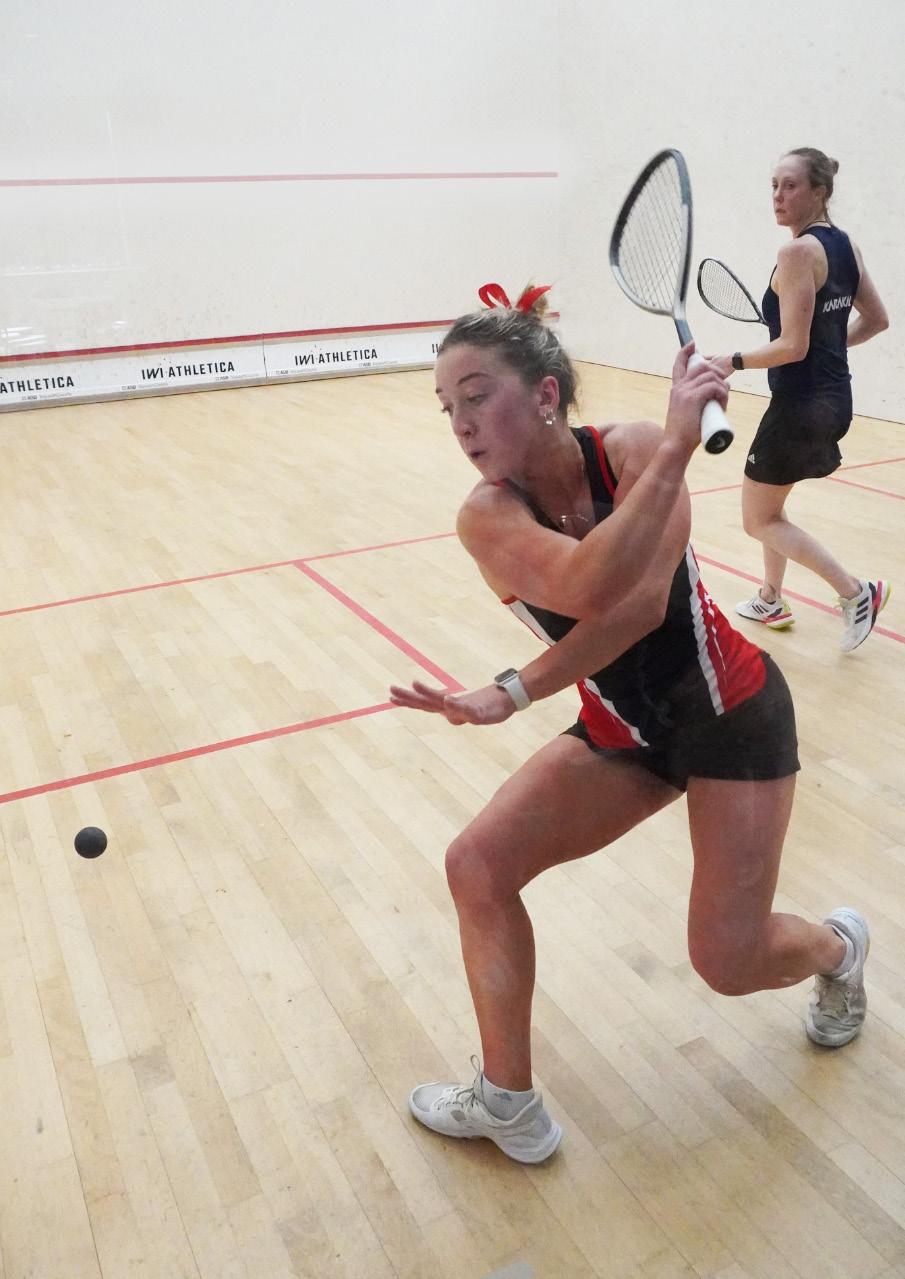
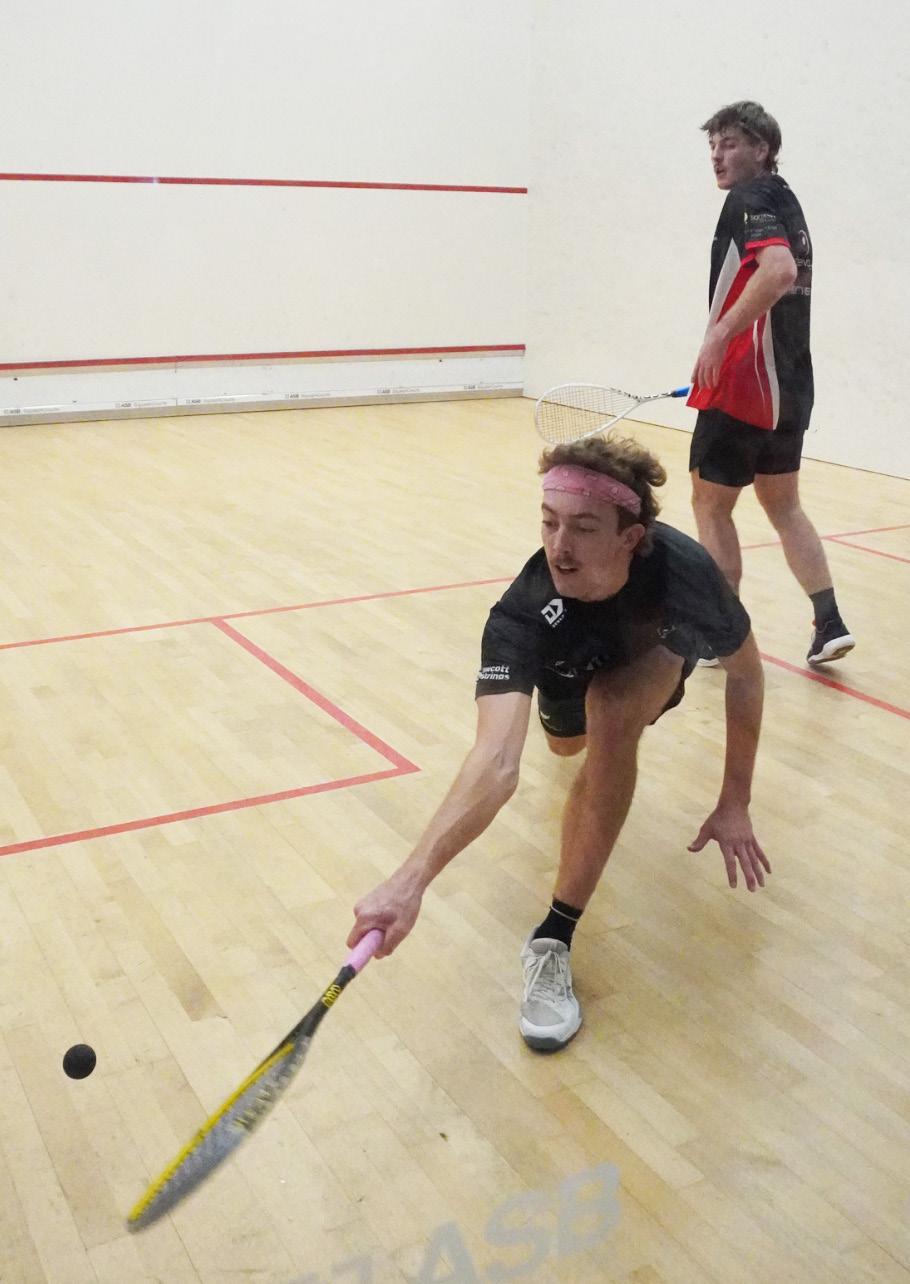
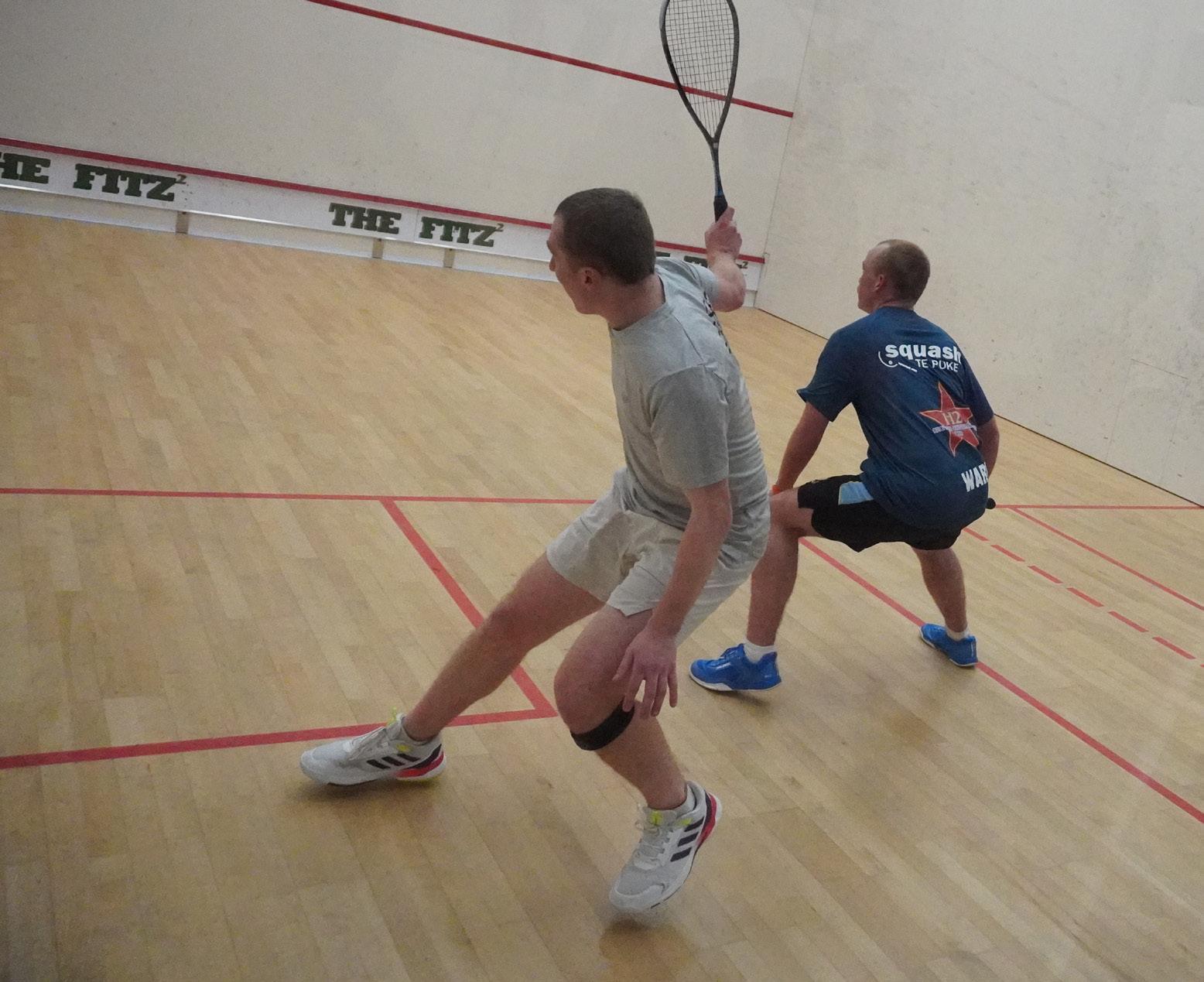
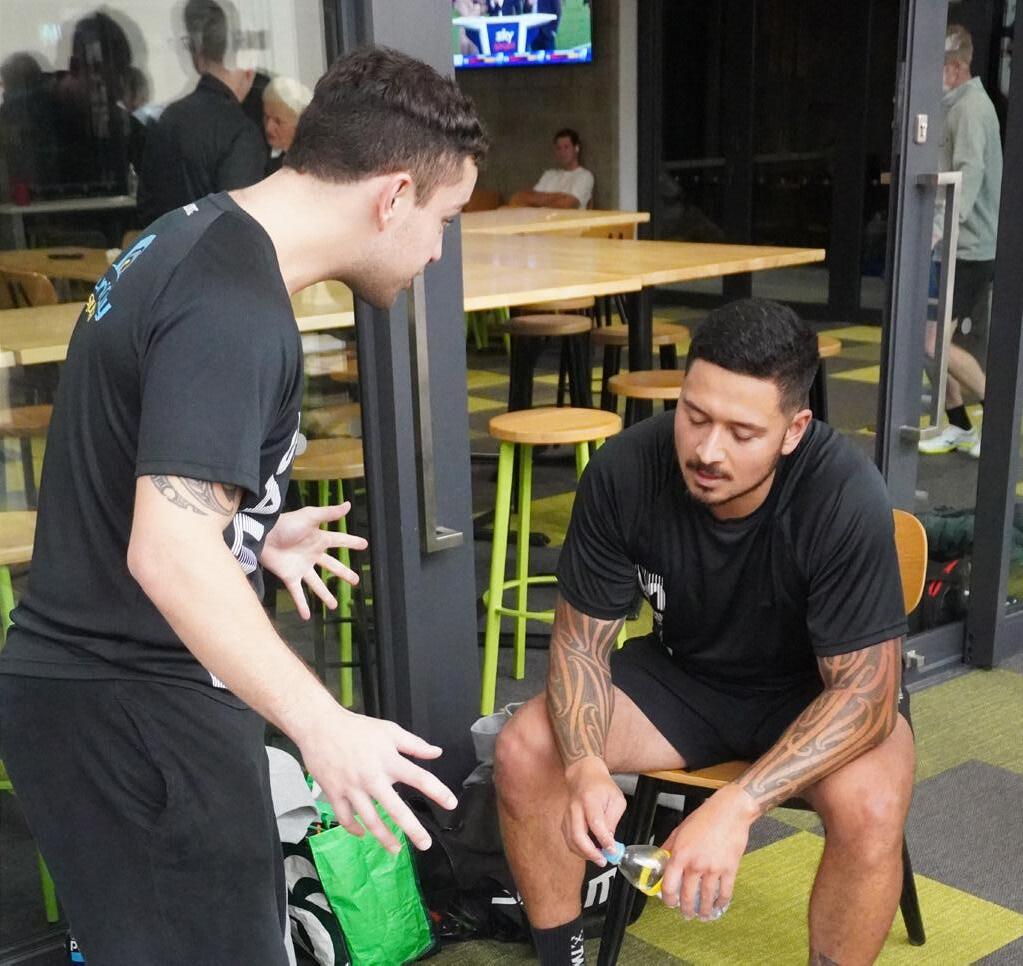
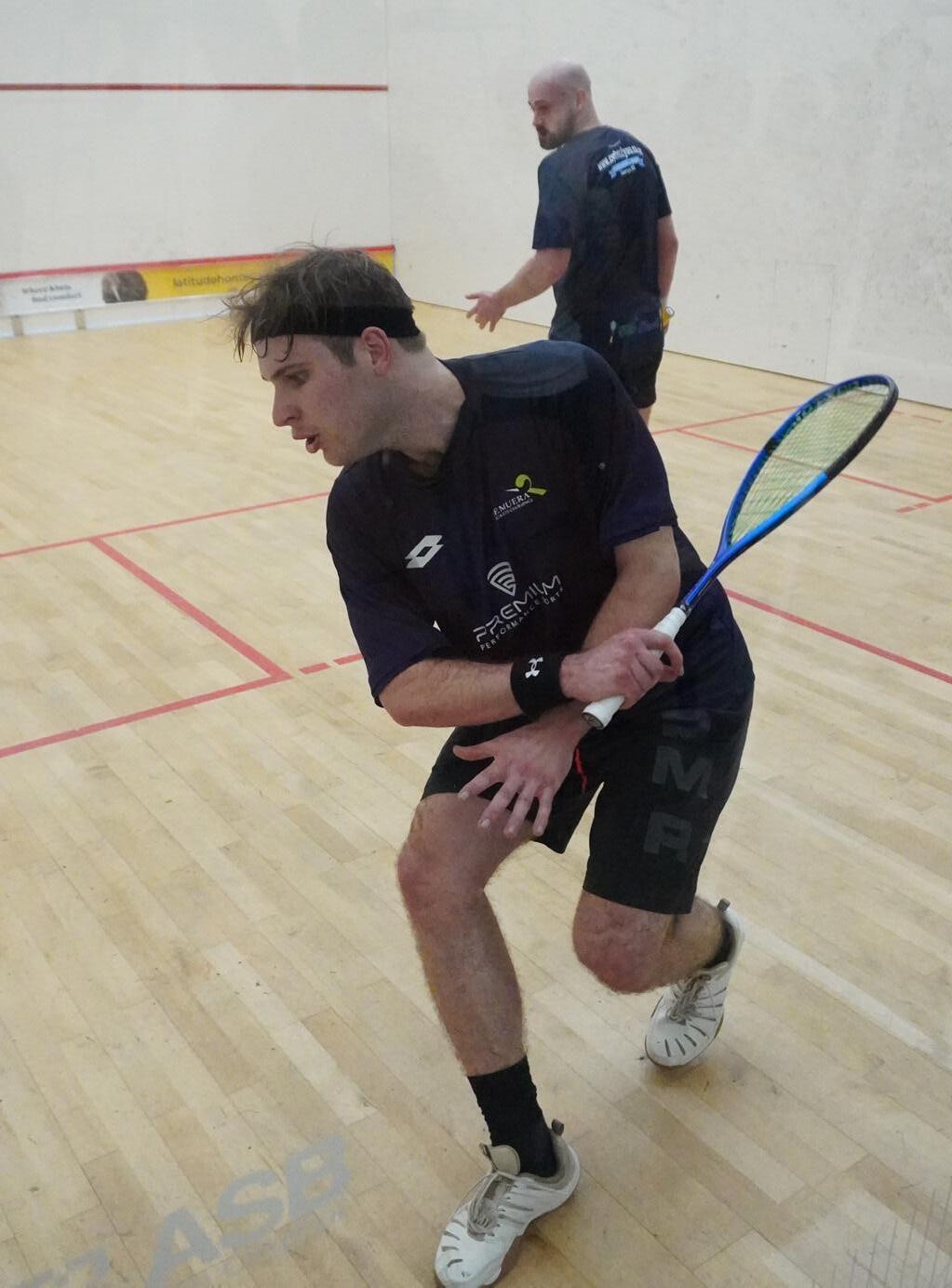
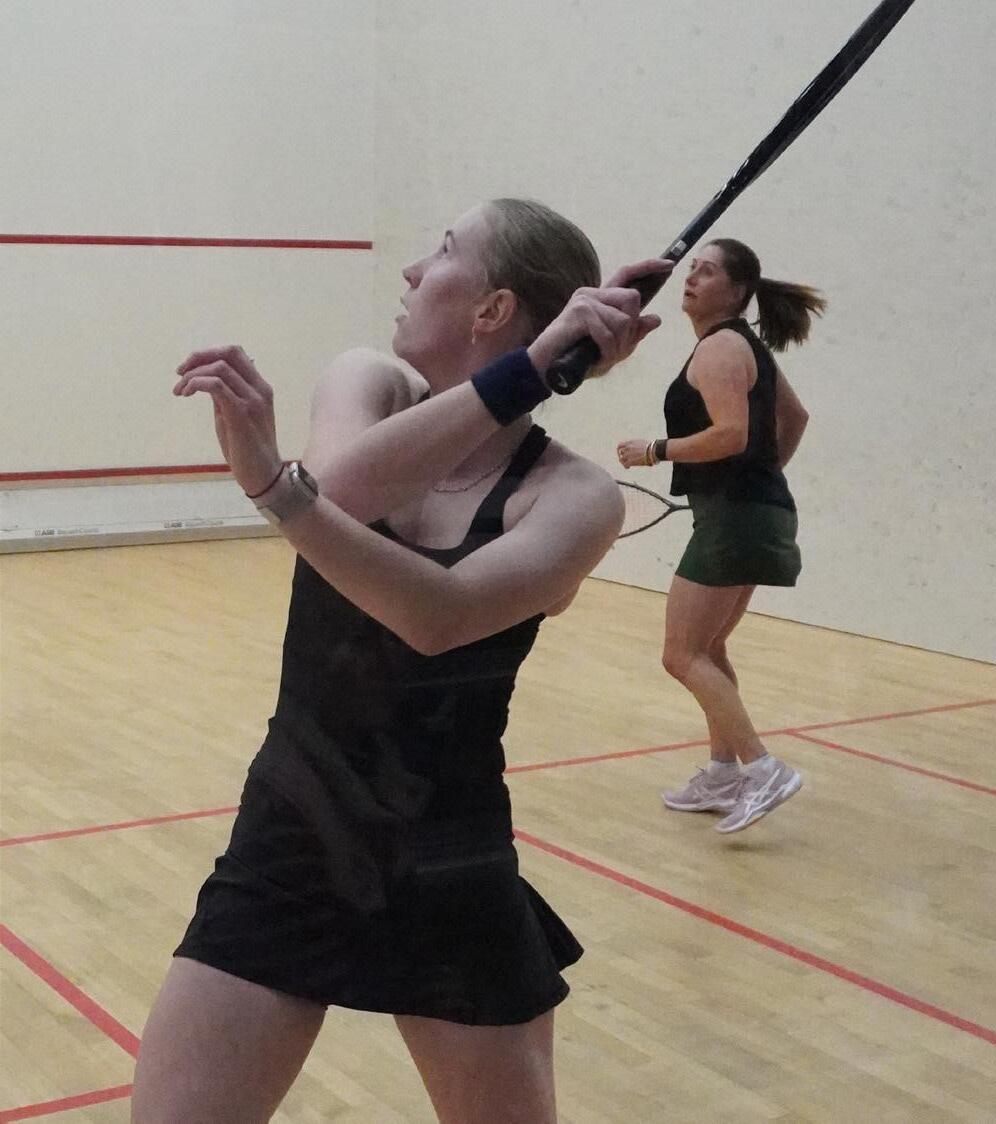
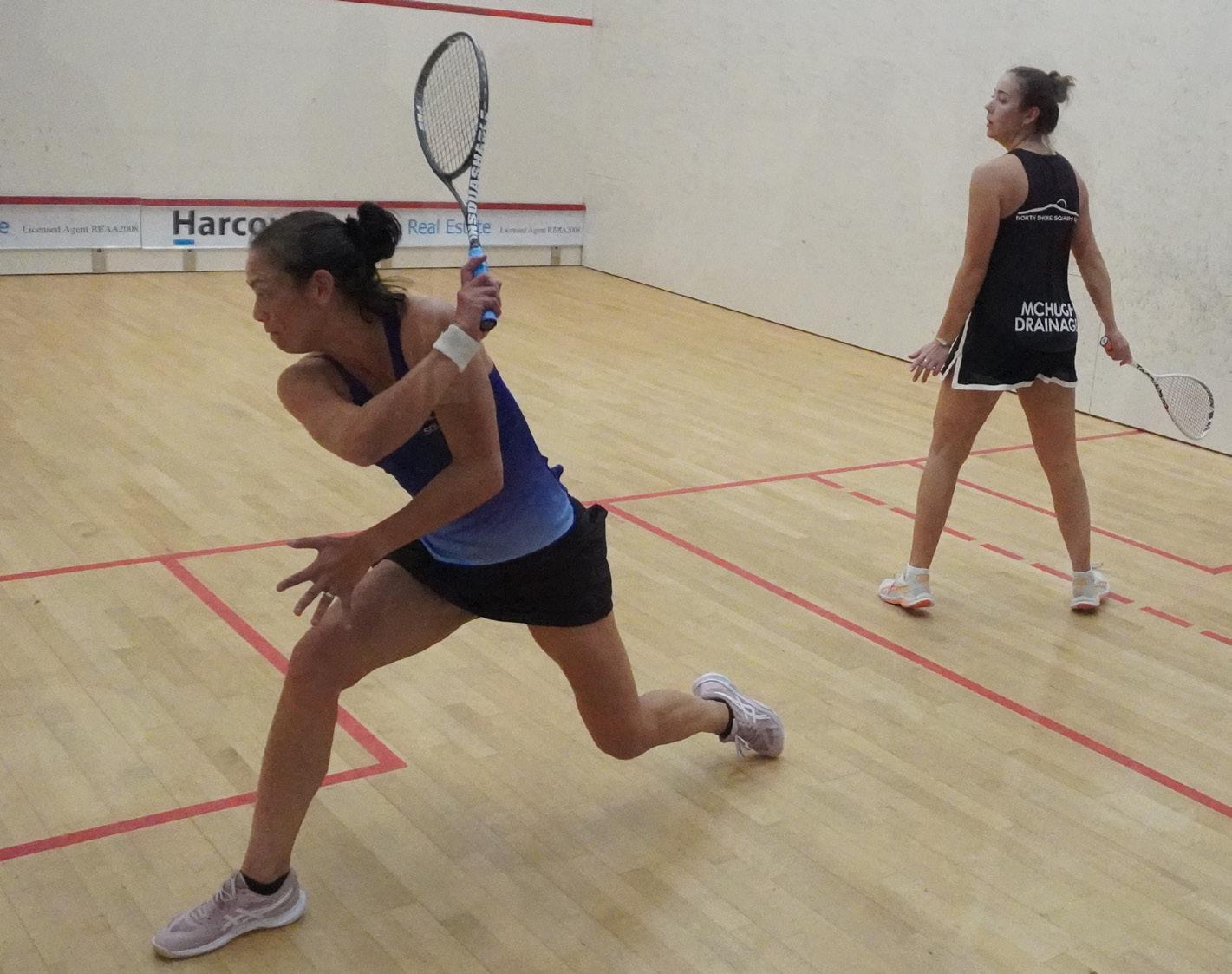
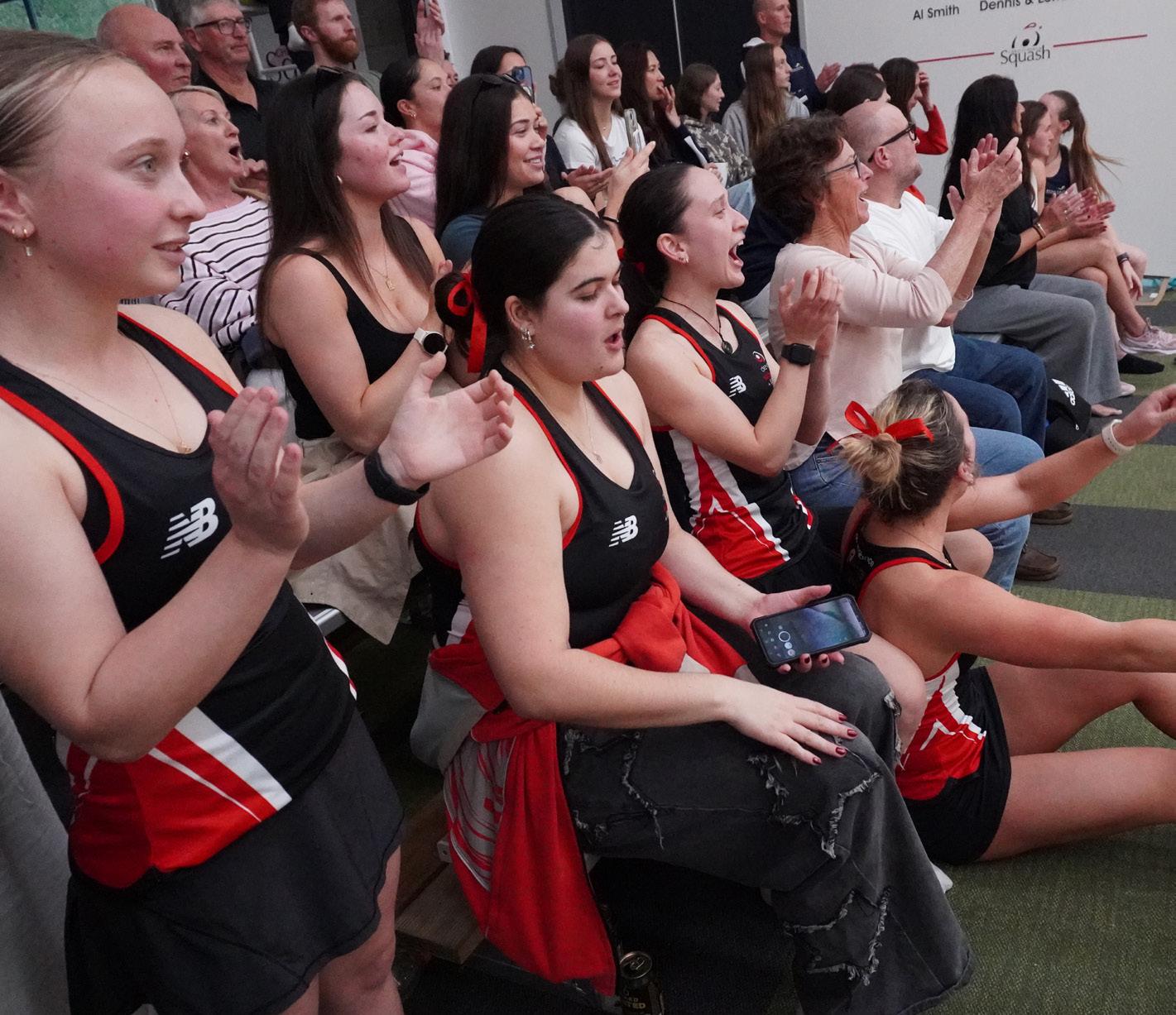
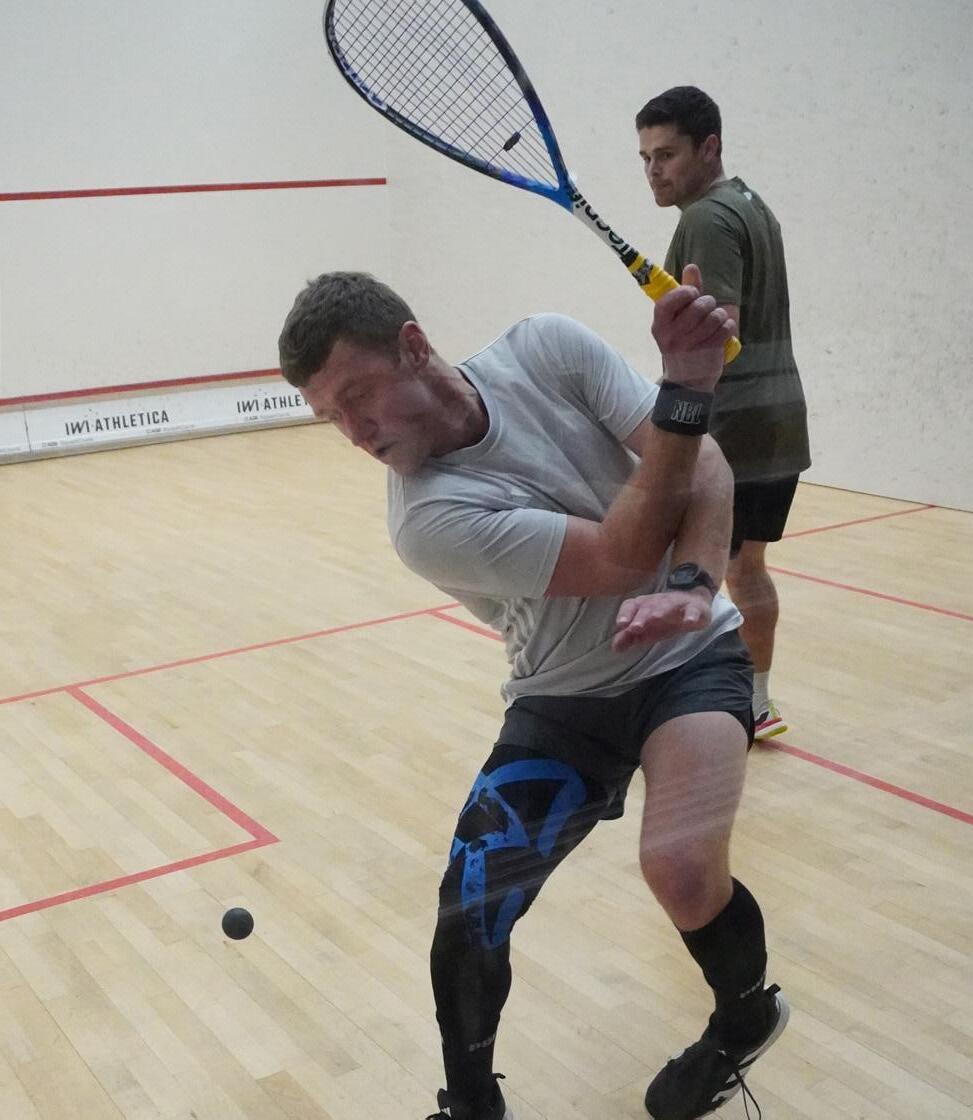
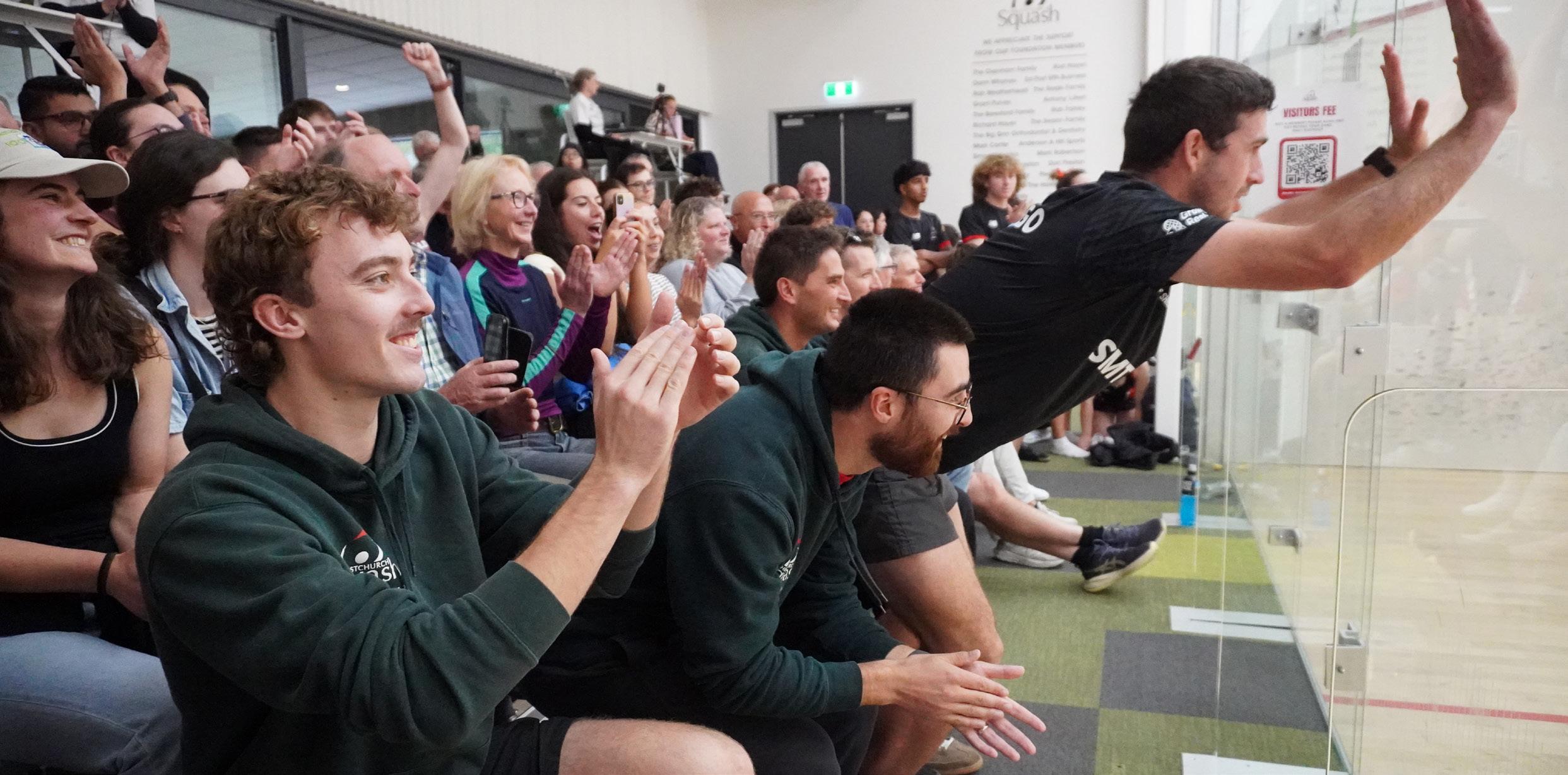
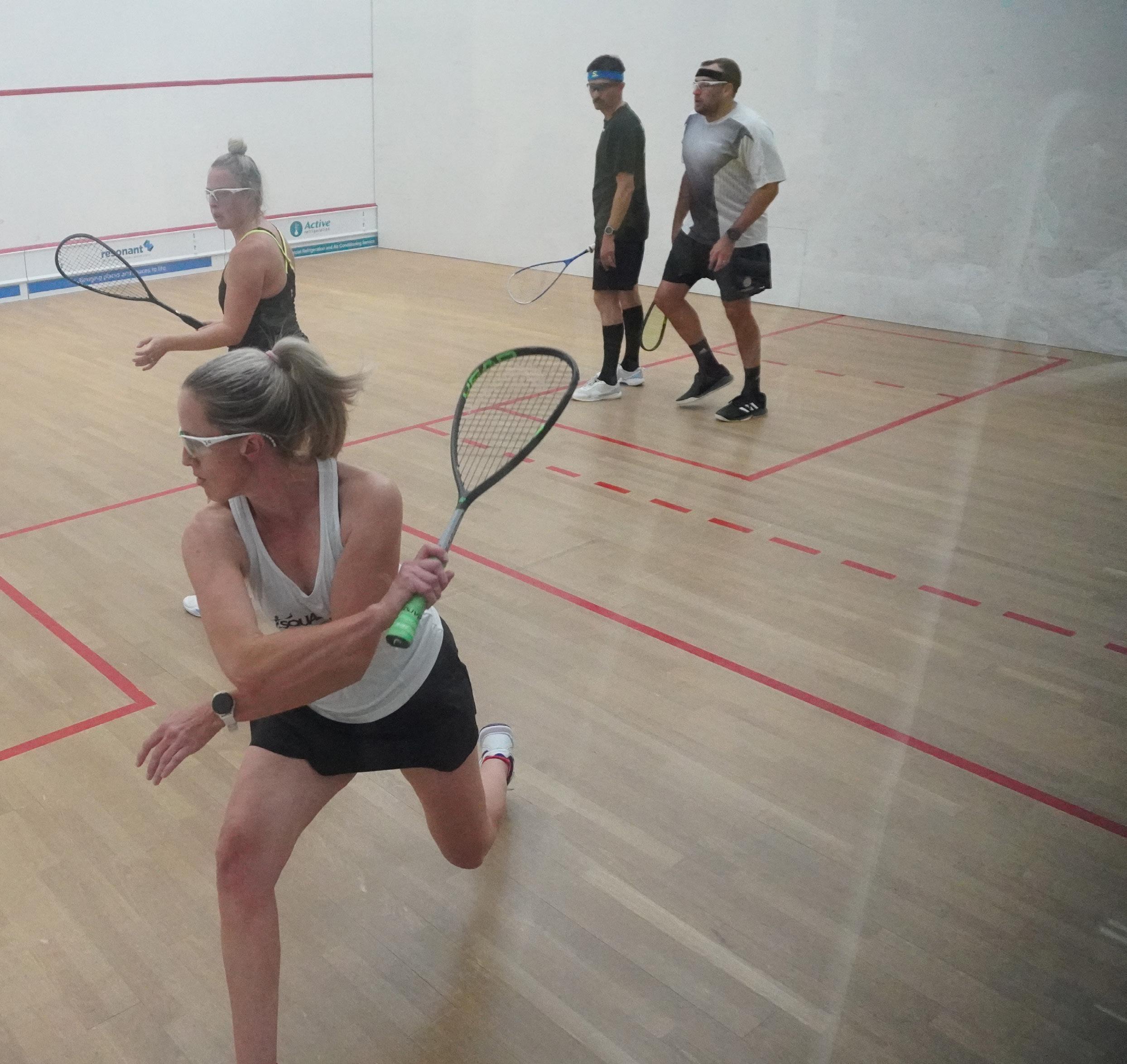
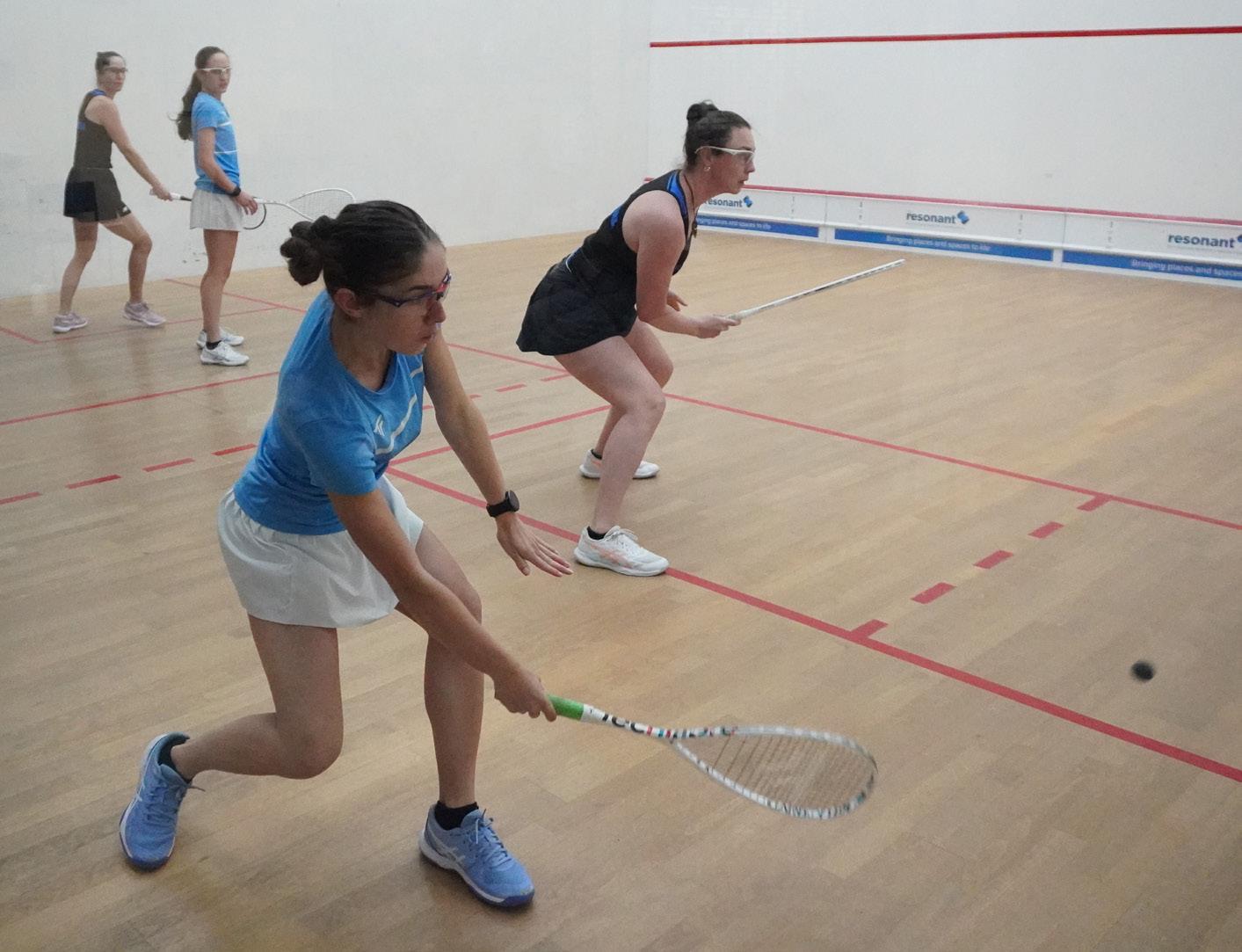
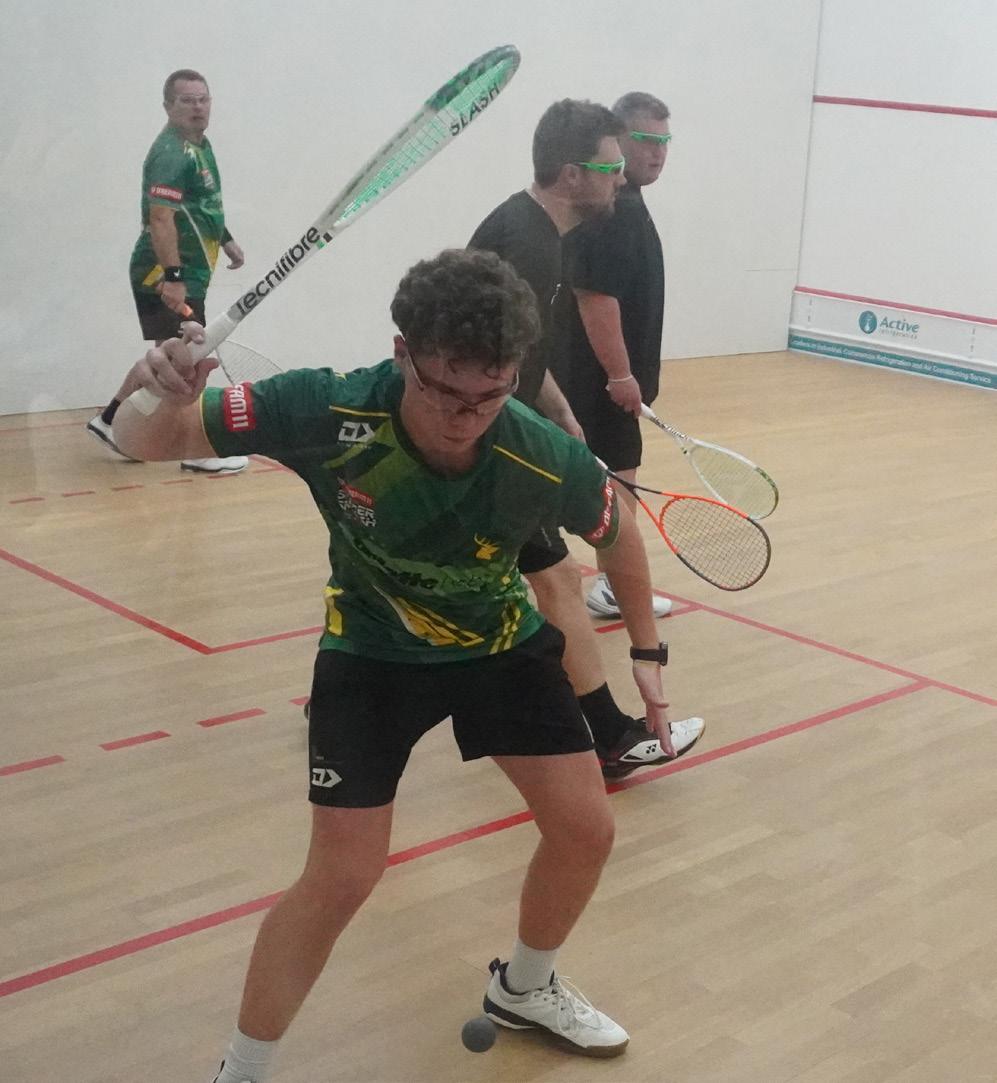
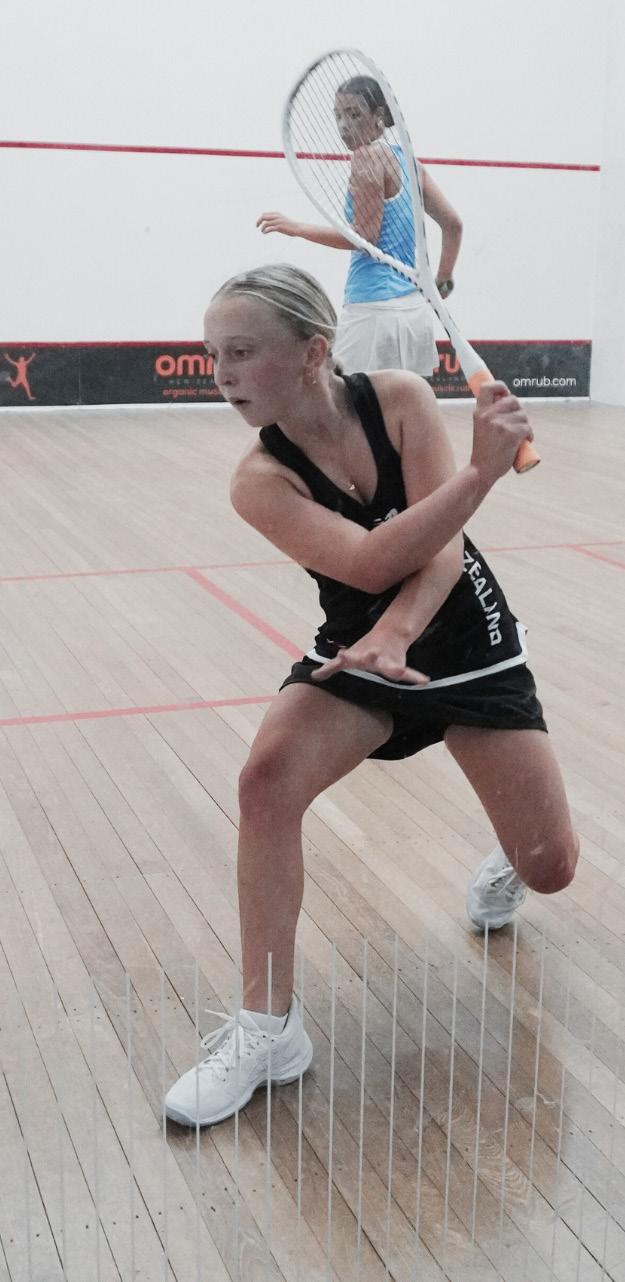
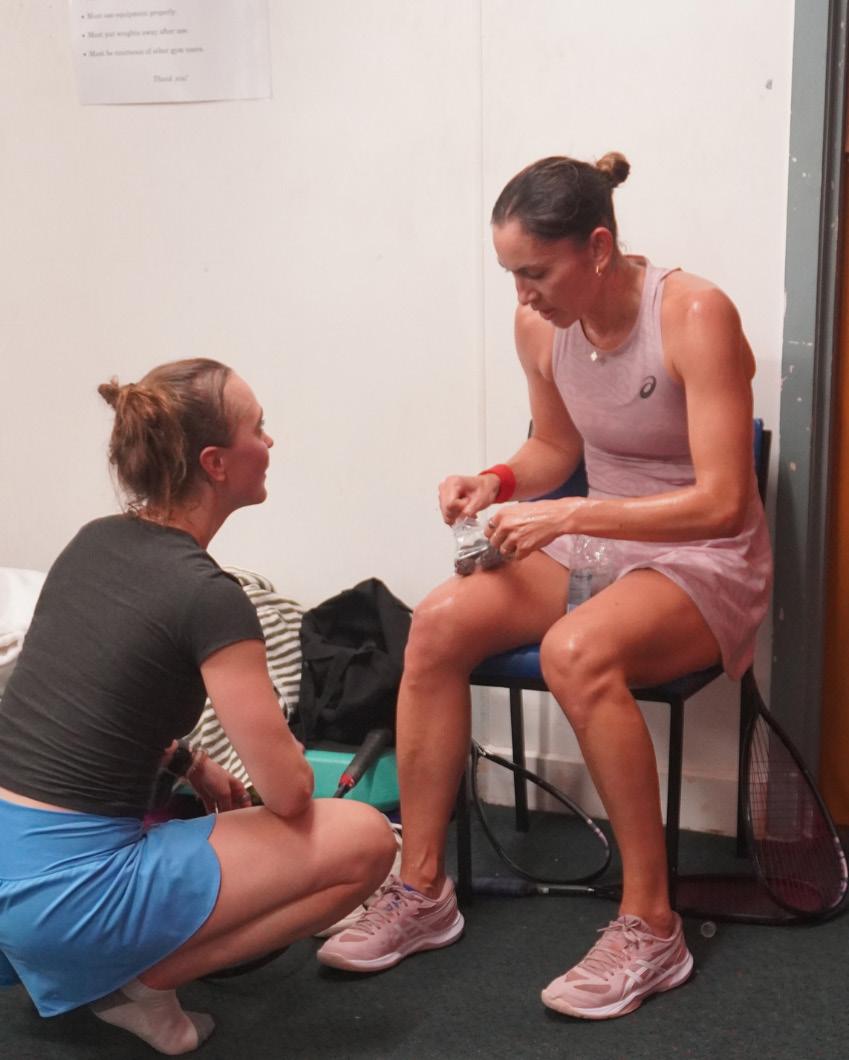
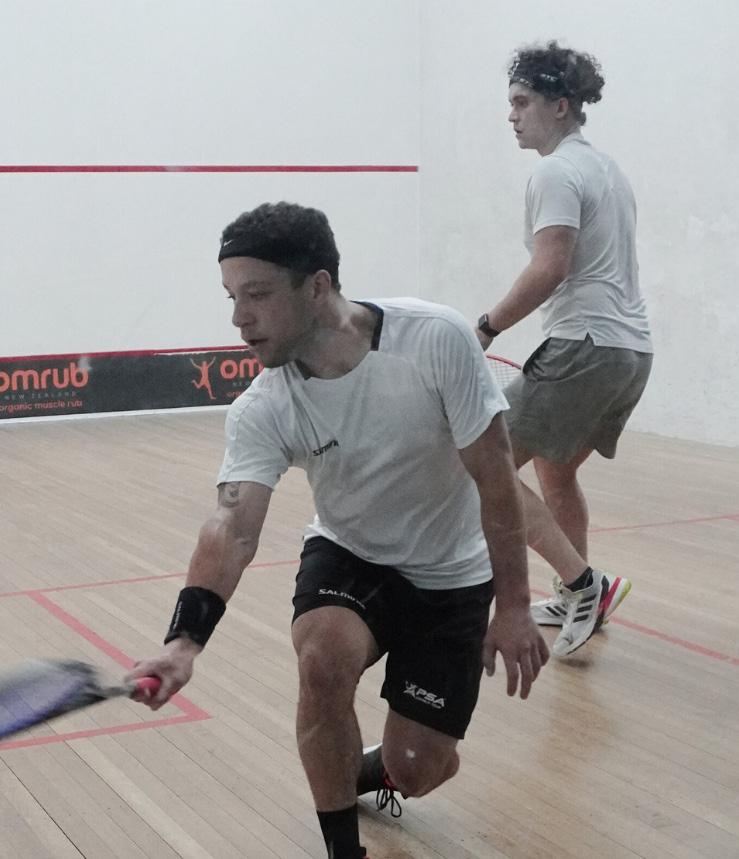
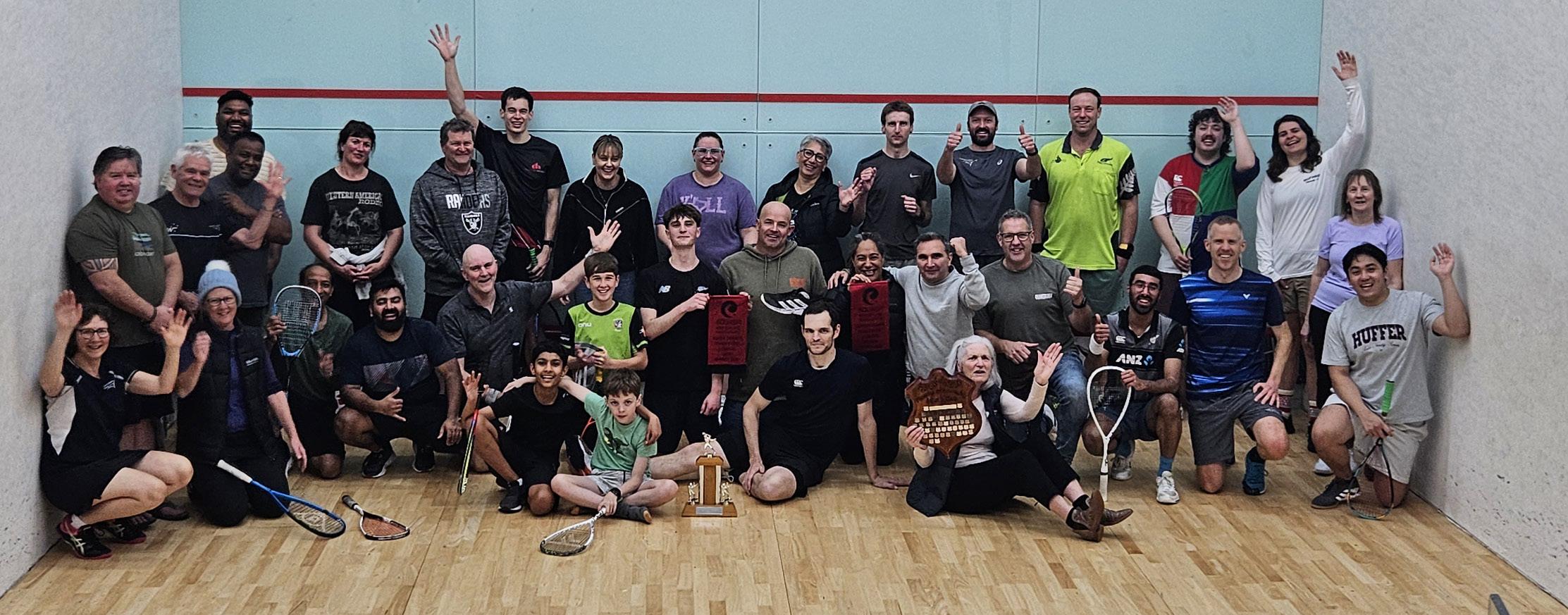
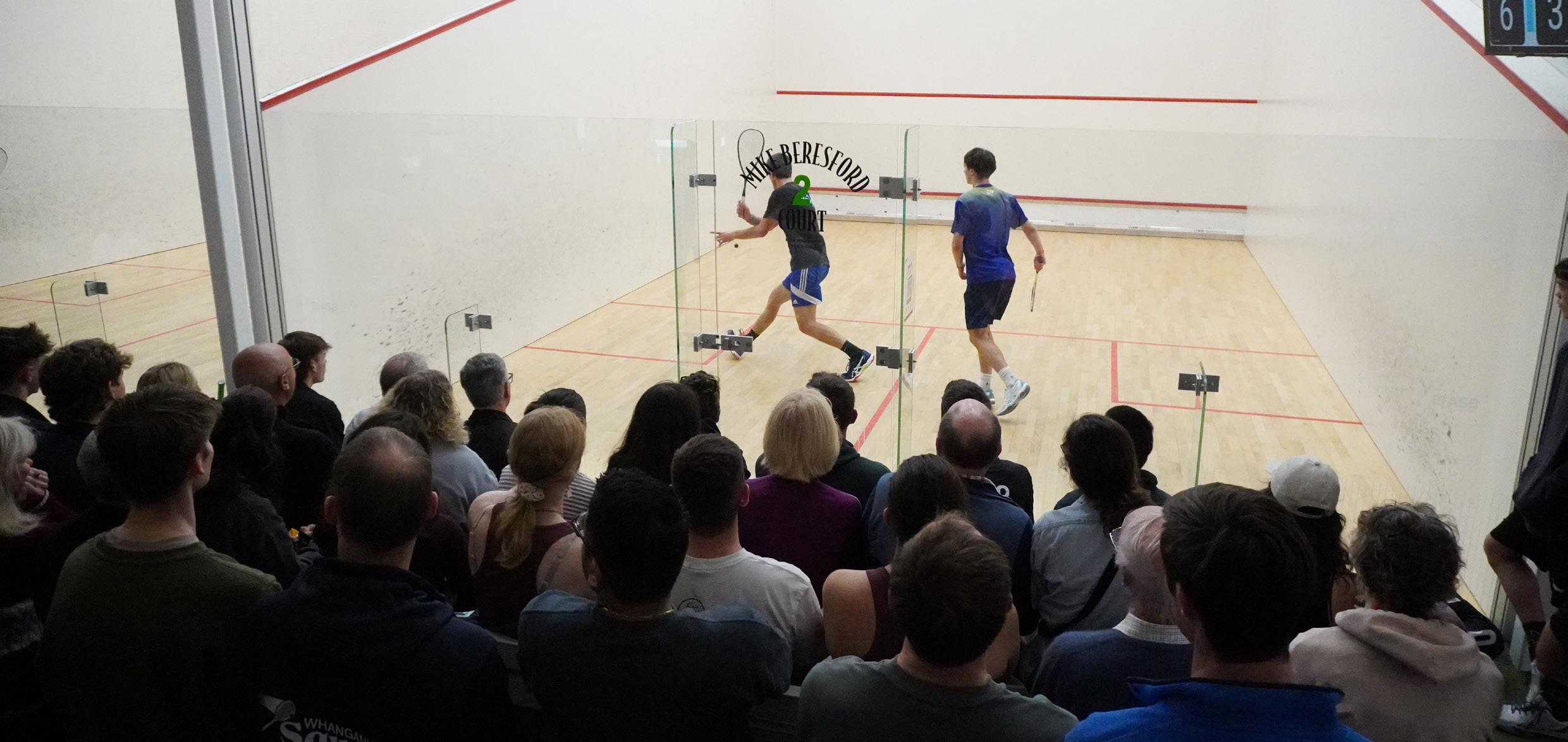
A full and fiercely contested weekend of squash saw 32 teams—20 men’s and 12 women’s—battle it out across the Cousins Shield and Mitchell Cup, delivering high-quality matchups, close ties, and standout performances throughout. From early-round pressure to finals-day intensity, the event once again showcased the depth of talent and strong community spirit within the game.
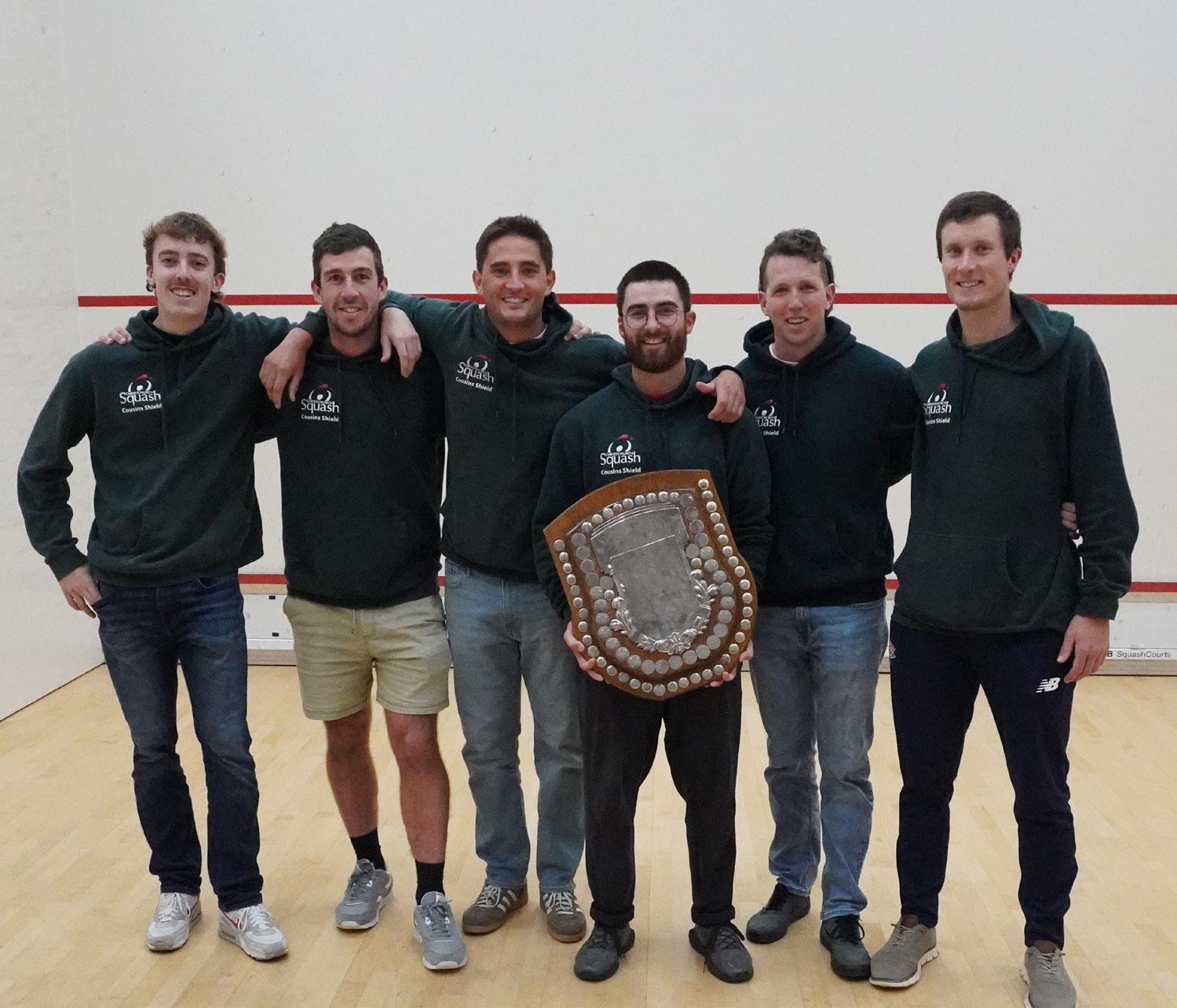
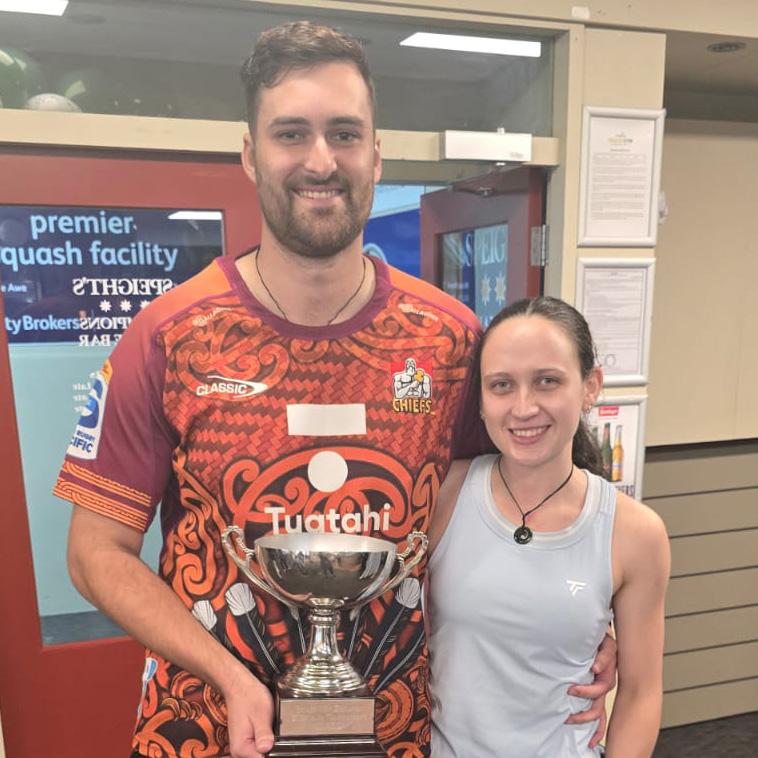
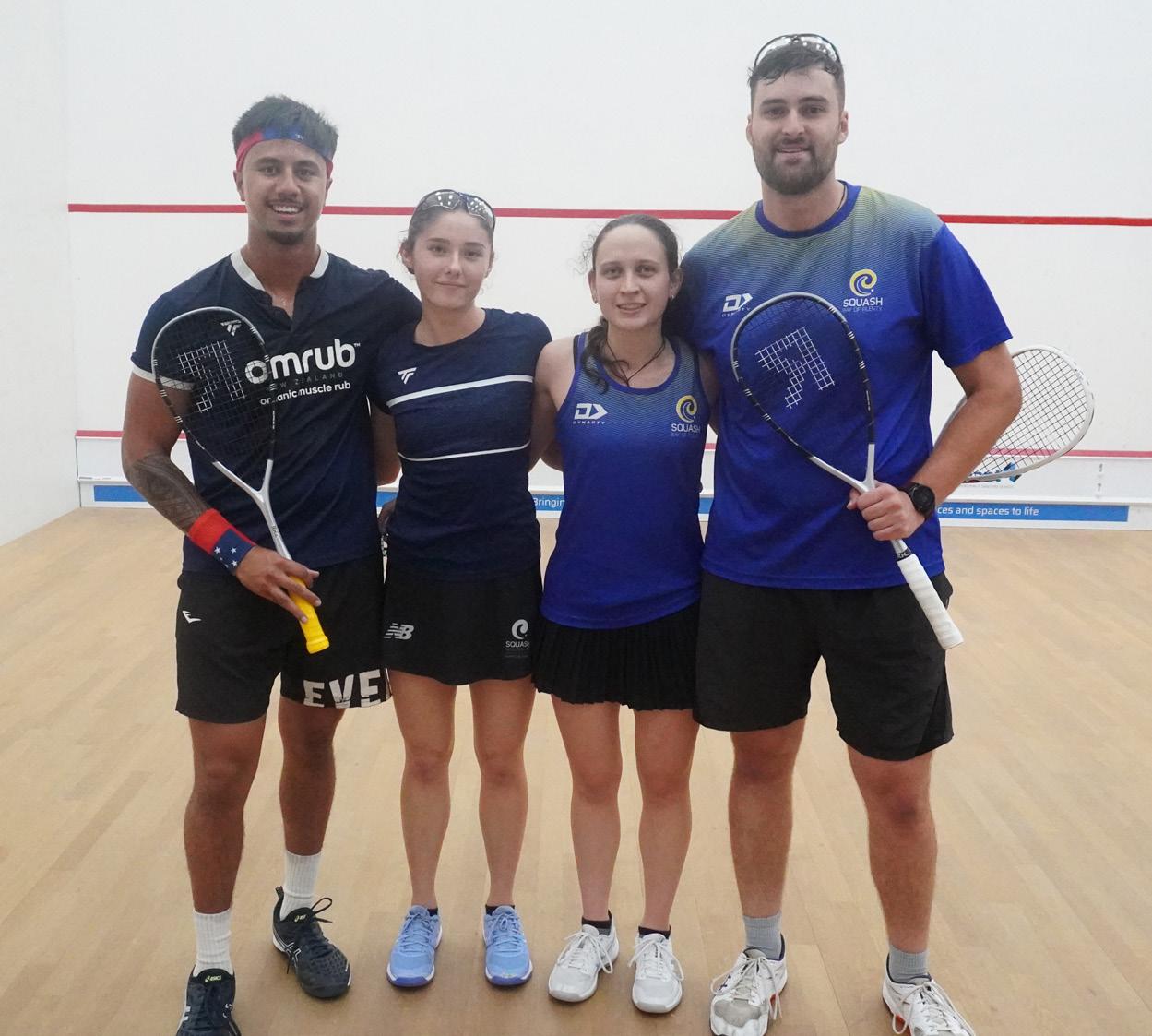
At the end of it all, Christchurch Squash Club emerged as Cousins Shield champions for 2026, producing a polished and decisive performance in the men’s final. They took control early against Devoy, winning the opening three matches to seal the title in convincing fashion. Their consistency and composure across the weekend proved the difference, capping off a strong campaign with a well-deserved championship.
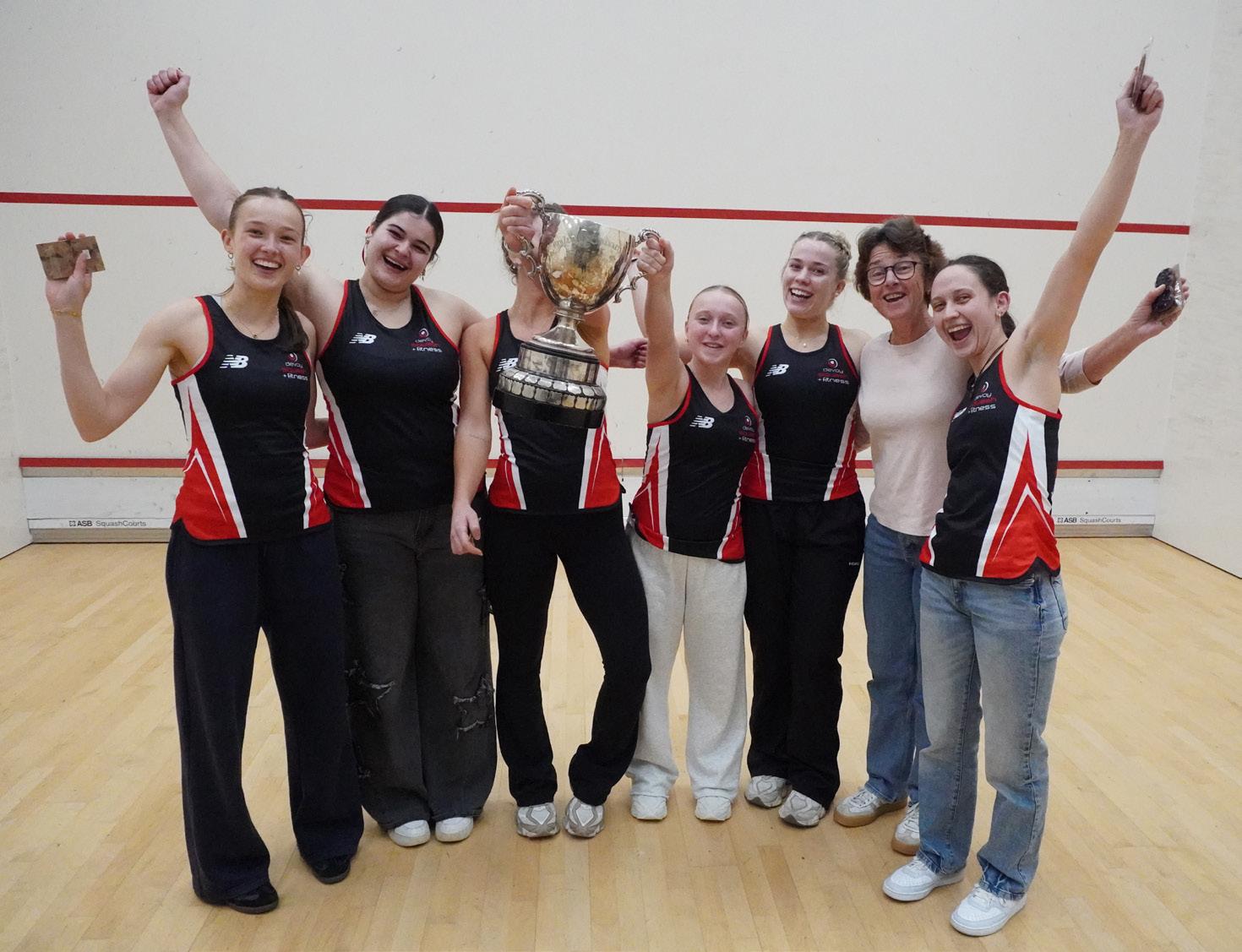
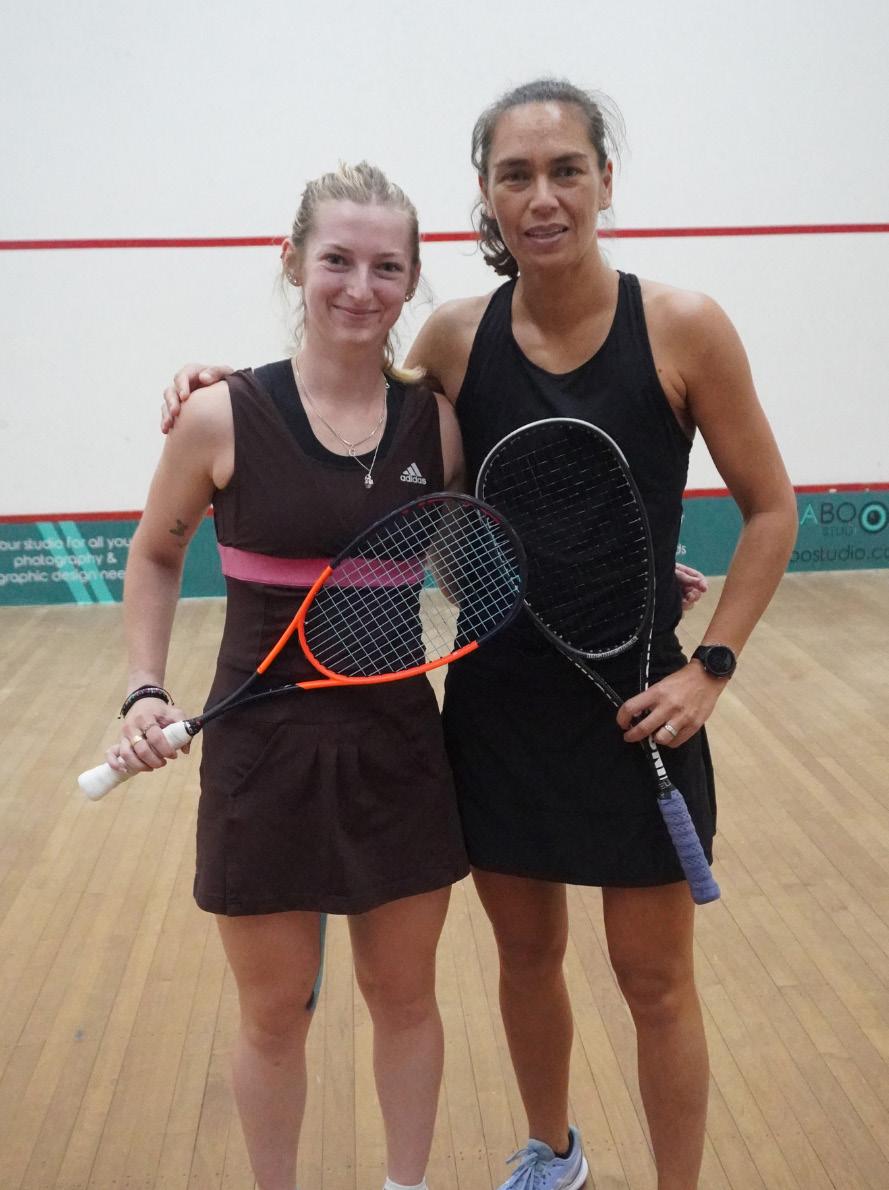
In the women’s competition, Devoy Squash & Fitness Centre claimed the Mitchell Cup, finally breaking through after years of coming close. After a strong start with two wins, Devoy rallied to secure the fourth match up and clinch the title. It was a determined and emotional victory that reflected the team’s persistence and belief.
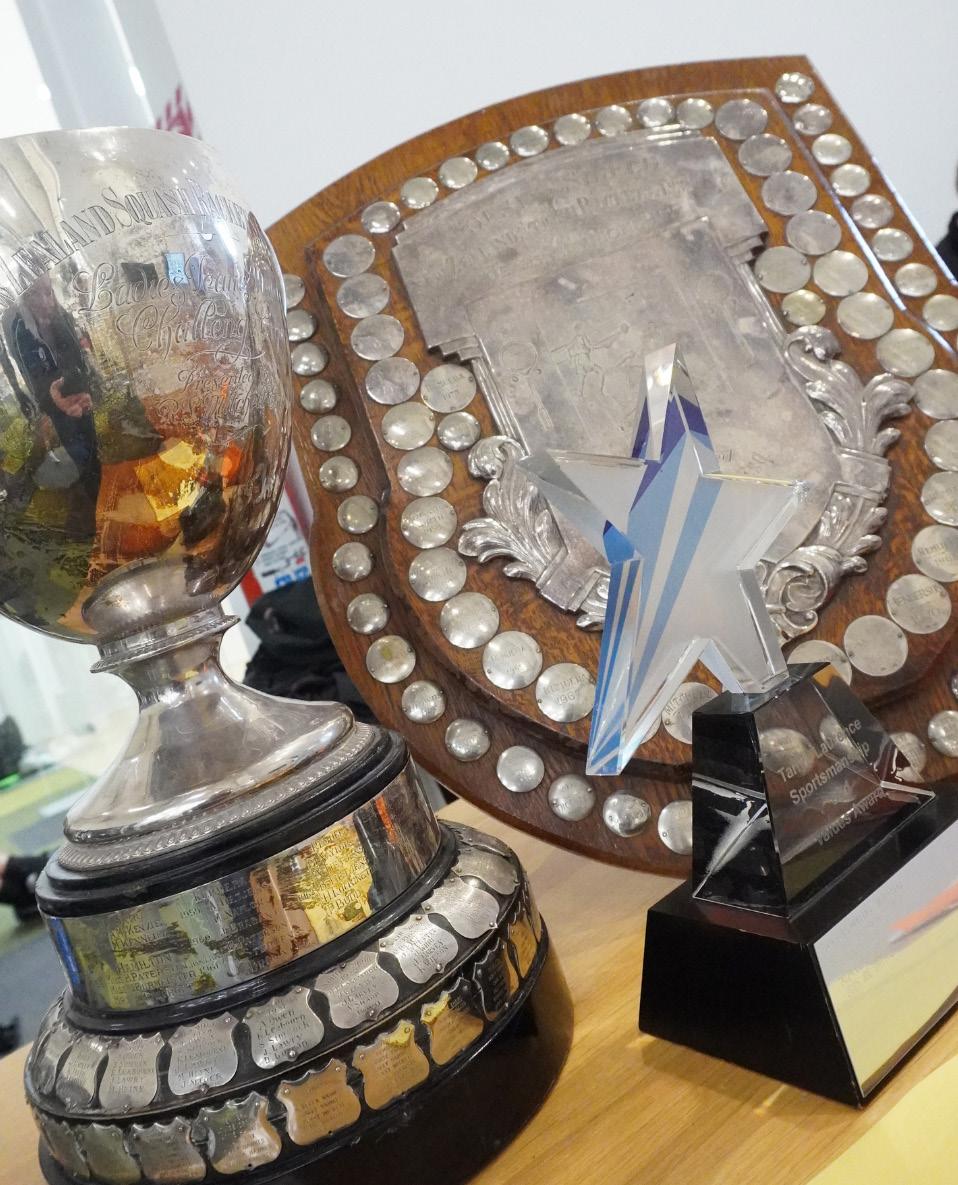
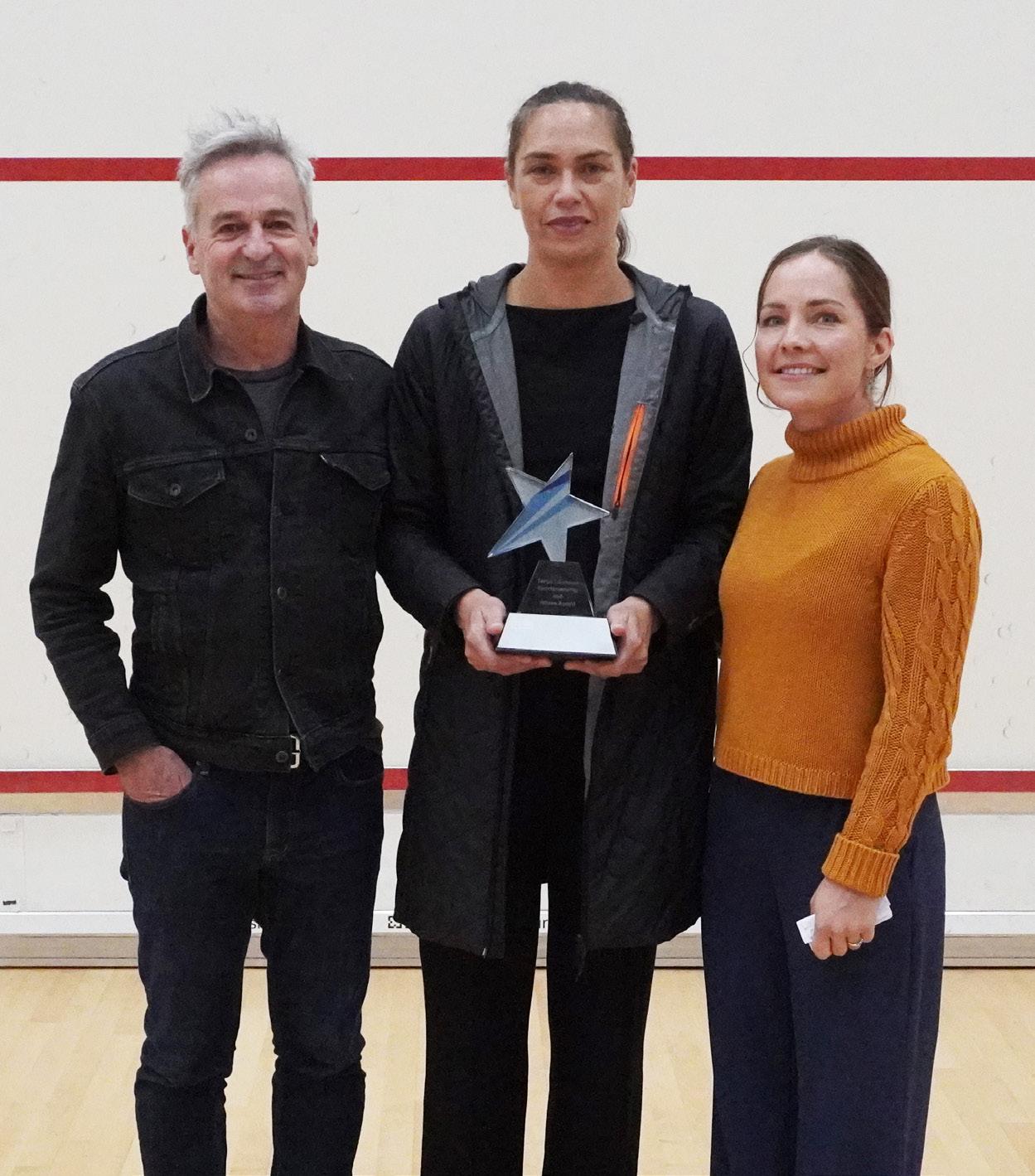
The weekend also celebrated the values that underpin the sport, with Shelley Kitchen awarded the Tanya Laurence Sportsmanship and Values Award, recognising her outstanding example of integrity, respect, and dedication to the game.
With Christchurch and Devoy taking top honours, the 2026 event will be remembered as a weekend of both dominant performances and longawaited success, underpinned by the spirit and competitiveness that define these competitions.
Cousins Shield
1. Christchurch 1
Devoy
Whangarei
Surf City
Remuera Mitchell Cup
Devoy
Remuera
Thorndon
Christchurch
Whangarei
Scratch resistant lenses constructed with high impact polycarbonate
Optically correct lenses with no distortion
Unobstructed field of vision, including peripheral vision
Adjustable temple arms permit a custom fit
Anti fog coating and flow through ventilation to eliminate fogging
Ships with a protective cloth storage pouch and adjustable strap to secure the eyeguards in place
The 2026 Inspire Net NZ Doubles Championship brought a busy and enjoyable weekend of squash to Palmerston North, with SquashGym hosting 50 pairs across men’s, women’s and mixed events on April 17–18.
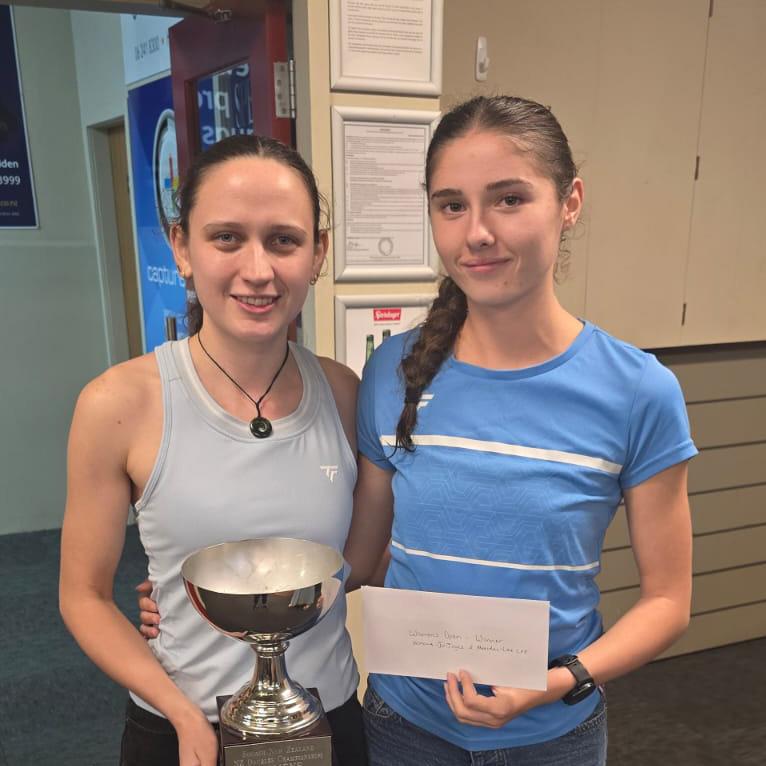
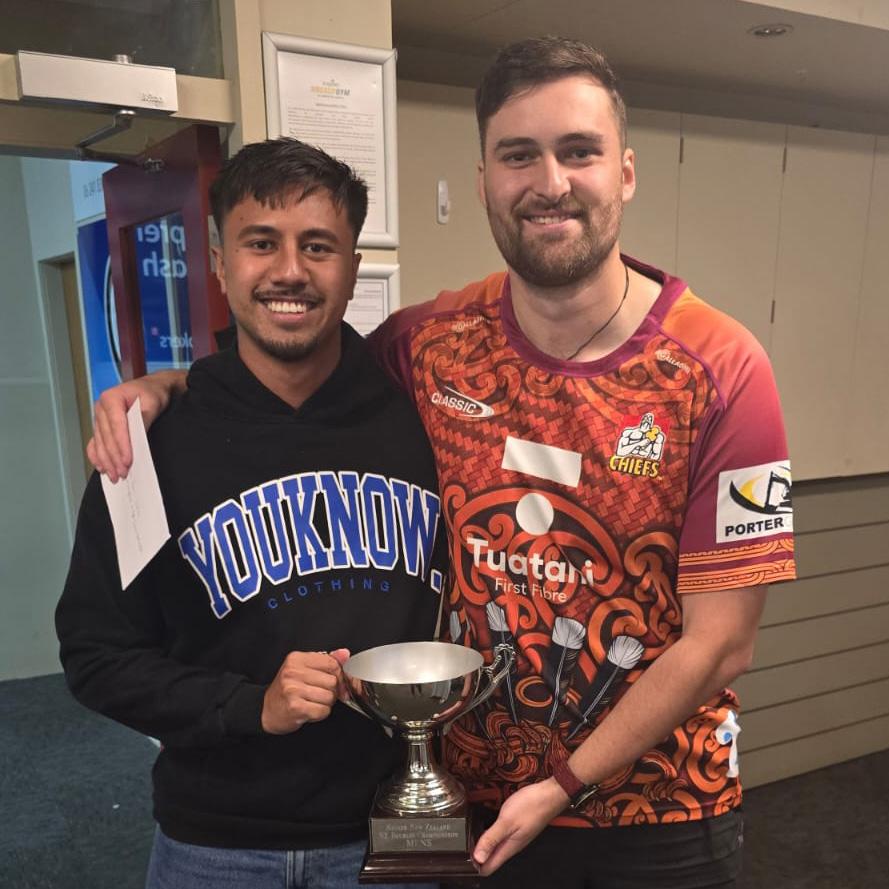
Competition was strong across all divisions, with Glenn Templeton and Apa Jr Fatialofa taking out the Men’s Open title, while Winona-Jo Joyce and Maiden-Lee Coe won the Women’s Open. Joyce also featured in the Mixed Open win alongside Templeton, capping off a standout weekend for both players.
Beyond the top grades, there was plenty of participation across masters and social divisions, highlighting the depth and appeal of doubles squash for players of all levels. Many competitors played multiple events, adding to the full schedule and lively atmosphere throughout the tournament.
The event was well received overall and the atmosphere both on and off court was a key feature, with a strong social feel running alongside the competitive matches.
The championship also extended beyond the venue, with livestream coverage drawing over 1,300 views and social media reaching a wide audience, helping to showcase doubles squash to more people.
Overall, the event delivered a successful national championship, combining competitive matches with a positive player experience and reinforcing the strong community behind doubles squash in New Zealand.
RESULTS
Men’s Open
1. Glenn Templeton & Apa Fatialofa
2. Matt Nation & James Thompson
Women’s Open
1. Winona-Jo Joyce & Maiden-Lee Coe
2. Danielle Cooley & Rebecca Bennett Mixed Open
1. Winona-Jo Joyce & Glenn Templeton
2. Maiden-Lee Coe & Apa Fatialofa
Men’s Masters
1. Matt Nation & Matt Ratcliffe
2. Justin Brown & Corey Love
Men’s 50+
1. Justin Brown & Corey Love
2. Jason Fletcher & Andrew Niles Social
1. Brett Garrett & Luke Garrett
2. Iaveta Maurice & Gerard Glanville
Whangarei Squash Club / 21-23 august
Entries Close 9 August 2026
Entry Fee - $90 per player
(includes Sat/Sun lunches and Saturday night dinner and band)
Click HERE to enter your team
Whangarei
Coll Claims His Third British Open Title PSA Squash tour
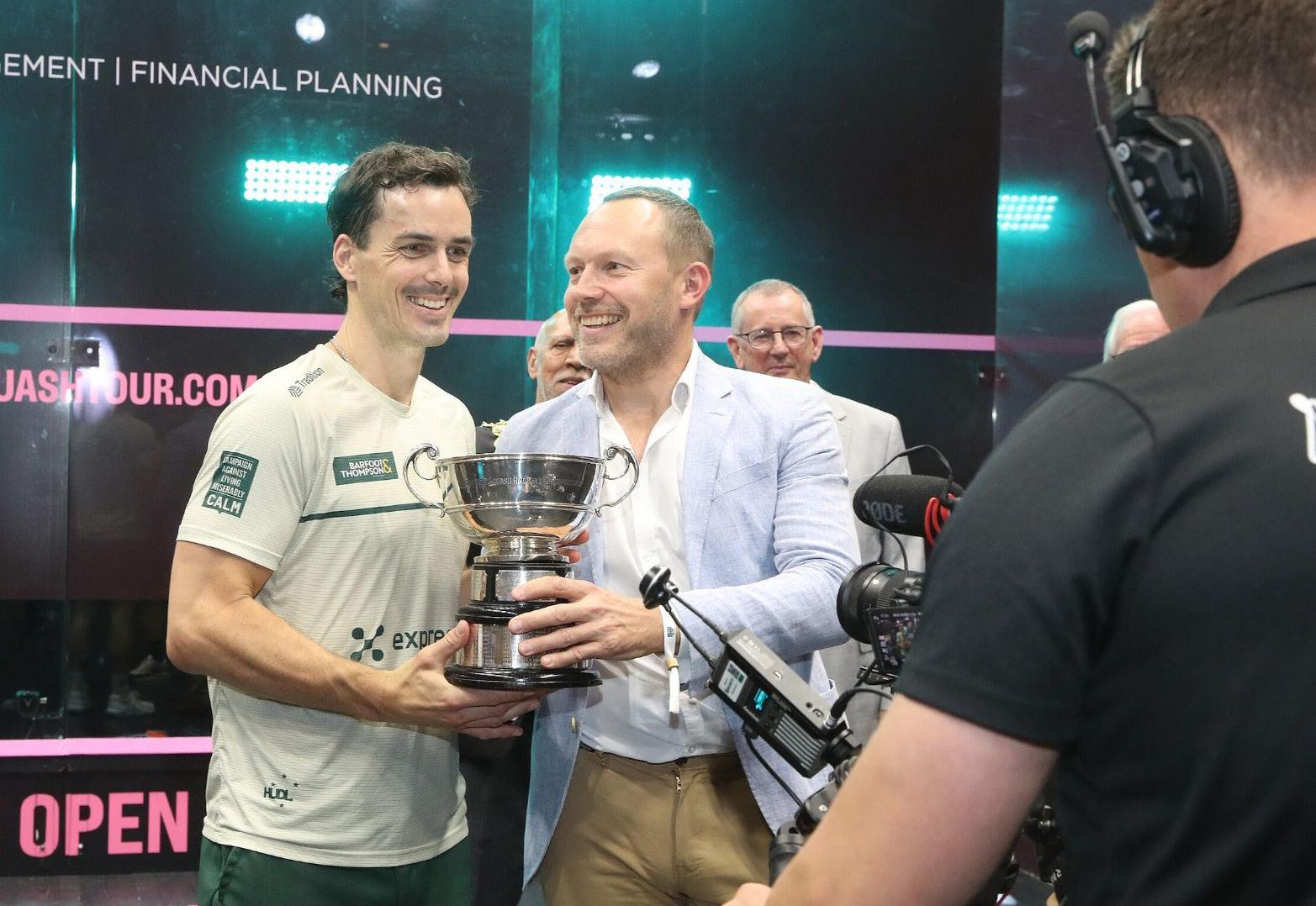
New Zealand’s Paul Coll has etched his name into the history books after claiming his third British Open title.
Coll produced a strong performance across three completed games against World No.1
Mostafa Asal who had to retire from the match after feeling the effects of yesterday’s semifinal battle which lasted 115 minutes.
The opening game of the final lived up to the hype, with neither player willing to give the other any opportunity to build momentum. After a gruelling 21 minutes it was the Egyptian who pulled through and claimed the first 11-9.
However, Asal’s momentum was halted in he second as he started to show signs of fatigue. Coll’s patience and effort were rewarded, as he was able to grow into the contest claiming the second game in a dominant 11-3 scoreline.
The World No.2 continued to find success in the third game, with Asal’s errors becoming costly and Coll using all four corners to his advantage.
With the Kiwi claiming the third 11-6, Asal came off the court looking for assistance from the physio. It proved to be the end of the match, with Asal conceding the contest, allowing Coll to add another British Open title to his collection after a four year wait from his last triumph in 2022.
“It’s been an amazing week. Mostafa had a brutal one yesterday, but I still had to get him today, make him hurt, pick up as much as possible and I’m very happy with that performance. I put in a lot of work since the World Champs to flip the script, very happy with my mentality and squash this week,” said Coll.
“The confidence was always there – it was just about execution. Since the Aussie Open I was focused on World Champs and I got hyper focused on one thing. In training I’ve been hitting the ball really well and the things I’ve been working on have been really good.”
Result: [2] Paul Coll (NZL) bt. [1] Mostafa Asal (EGY) 3-1: 9-11, 11-3, 11-6, 0-0 ret. (52m)
Photo credit: PSA
Photo credit: PSA
Peak Performance with Kemp HIGH PERFORMANCE
CONFIDENCE IS A SKILL, NOT A PERSONALITY TRAIT
Confidence is often misunderstood in squash. It is treated as something players either have or don’t have, a personality trait that appears on good days and disappears on bad ones.
In reality, confidence is far less mysterious. It is built, trained, and earned through experience. It is not a feeling first, but a consequence.
When players look confident, what they are really showing is trust, in their preparation, their decisions, and their ability to handle what comes next.
Confidence Comes From Evidence, Not Belief
Players are often told to “be more confident,” as if confidence can be switched on through positive thinking alone. But belief without evidence is fragile.
If a player has not experienced solving problems under pressure, recovering from mistakes, or executing skills when it matters, then confidence has nothing to anchor itself to.
This is why confidence built purely on results quickly collapses. A few losses, a dip in form, or a stronger opponent, and it disappears.
Confidence that lasts is built on evidence. It comes from repeatedly doing the right things in environments that resemble matches.
Why Outcome-Based Confidence Fails
Many players tie their confidence directly to outcomes – winning matches, hitting winners, or playing well on a given day.This creates unstable performance. When outcomes are good, confidence rises. When outcomes drop, so does confidence. The problem is that outcomes in squash are variable. Even good decisions and good execution do not guarantee immediate success.
Players who rely on results for confidence become reactive. They chase reassurance instead of trusting their process.
This is where inconsistency grows. Not because of a lack of skill, but because confidence is tied to something they cannot fully control.
Confidence Is Built Through Reliable Behaviours
If outcome-based confidence is unstable, then the alternative is to root confidence in behaviour. Confidence grows when players can rely on what they do, regardless of what is happening around them.
Simple examples matter:
• Completing hard training sessions
• Developing good decision making under pressure
• Training to refocus between rallies
These behaviours create consistency. Consistency creates predictability. Predictability builds trust.
Over time, players stop asking “am I playing well?” and instead know “I am doing the right things.” That is the shift. Confidence becomes less emotional and more structural.
Training Confidence, Not Waiting for It
Confidence is not built in comfortable environments. It develops when players are placed in situations where doubt is likely, and they learn to manage it. Training needs to reflect this.
Games with consequence, pressure scoring, and fatigue all challenge confidence. They expose moments where players feel uncertain and give them the chance to work through it.
Without these environments, confidence becomes theoretical. Players may feel good in practice, but that feeling has not been tested. When matches introduce pressure, that confidence has no foundation.
Just like decision making, confidence improves through exposure, not instruction.
Confidence Under Pressure Is Regulated, Not Fearless
Confident players are not those who never feel pressure. They are the ones who can function within it.
Pressure creates noise – faster thinking, tighter muscles, rushed decisions. Confidence shows itself in the ability to slow that down.
This might look like:
• Taking an extra moment before serving
• Committing fully to the right shot
• Resetting after a mistake
These are small actions, but they stabilise performance. Confidence, in this sense, is not the absence of nerves. It is the ability to regulate them.
Confidence Follows Decision Quality
Strong decision making and confidence are closely linked. When players consistently choose well, even if execution is not perfect, they feel more in control. When decisions become reactive or unclear, confidence drops quickly. This is why confidence cannot be trained in isolation.
It sits on top of other skills like decision making, movement, fitness, and tactical awareness. Improve those, and confidence follows.
Over time, players stop asking “am I playing well?” and instead know “I am doing the right things.”
Looking Forward
If confidence is a skill, then the conversation changes. It is no longer about trying to feel better before competing. It is about building systems that hold up when matches become difficult.
Confidence becomes something practical. Something trainable. And once players understand that, pressure is no longer something to avoid. It becomes something to prepare for.
JONATHAN KEMP National Performance Coach
HIGH PERFORMANCE
National development player
BIHANDU NANAYAKKARA, 16 DEVOY SQUASH AND FITNESS CENTRE
Tell us a bit about yourself—when did you start playing squash, and what got you into it?
My name is Bihandu Nanayakkara, and I moved to New Zealand 2 years ago. I started playing squash about 10 years ago, when I was 6 years old back in Sri Lanka. My older brother started playing squash in school, and I would wait around with my mom running around waiting till he finishes, where one day the school coach came in and offered me a go at squash. For the first two months, all I did was hit the glass back while everyone else played inside the court. Even though I wasn’t playing proper squash, all I wanted to do was hit a ball and get really good at it. I continued to build the basics before I actually stepped onto the court, where after a year of continuous training and long hours of solos after school, I played my first tournament. I got second place. I kept training almost everyday, spending my whole childhood on the squash court, where my ranking quickly boosted to Srilankan number 1 in my age group. I am very grateful to my brother for getting me into this sport.
What’s been your biggest highlight in squash so far?
The biggest highlight in my career has to be when I got 2nd in both the Australian and Oceania Junior Open. It’s always been a big milestone of mine since I started squash. I would always watch the AJO finals every year and dream when I’ll get a chance to play amongst the top juniors and it was for sure a dream come true.
What are you currently working on most in your game?
Currently I’m working hard with Jonathan Kemp on being more solid and conscious while I play. Being able to play at a very high intense pace and to maintain the same shot quality without losing my focus is what I’m heavily focused on at the moment.
Who do you look up to in squash (or sport) and why?
Paul Coll has always been one of my favourite squash players ever since I started watching the PSA tour. I idolize his work ethic and mindset to this day. When I was around 10 I used to paint his nickname “Superman” on the back of my shirts. Paul Coll is the embodiment of pure hard work, and it still fascinates me how hard work will always beat talent, when talent doesn’t meet hard work. I always try to follow that motto and Paul Coll has always been a reminder of that.
What goals have you set for yourself over the next year or two?
Over the next couple of years, my main goal is to compete in the pro tour and keep believing in my team and the process. To keep turning up everyday and give 120%. A big milestone for the next two years for me to achieve is competing in the British junior open and making it to the podium.
What do you enjoy most about being part of the squash community?
Moving to a new country two years ago was very tough, but the New Zealand squash community welcomed me with open arms immediately. Whether it’s at my local club or traveling for tournaments, everyone is incredibly supportive, friendly, and passionate about the game. It truly feels like a second family.
It is a once in a lifetime opportunity. We need your help.
“It would be a dream come true.” – Paul Coll
That’s how our world number one describes the opportunity to host the 2028 World Championships in New Zealand.
It’s a vision shared across our past and present players. For Joelle King, our most decorated Commonwealth Games athlete, the 2028 World Champs would represent a potential swansong on home soil. A chance to finish an extraordinary career in front of a New Zealand crowd would be incredibly special — not just for Joelle, but for everyone who has followed her journey.
This is what is at stake. We have a genuine opportunity to secure the 2028 World Championships — the biggest squash event ever held on our shores. But to make it happen, we need to show something powerful: that our community stands firmly behind it.
That’s why we’ve launched the 2028 Lottery Funding Campaign.
We have a genuine opportunity to secure the 2028 World Championships. But to make it happen, we need your help.
For $50, you’re not only going into the draw for some incredible experiences — you’re helping create history. Prizes include exclusive behind-the-scenes access, premium match tickets, and experiences that won’t be available anywhere else. The first people in the world to hold tickets to the 2028 World Champs will come from this group — and that’s something truly special. While you’re at it why not tell your friends or even by multiple tickets to increase your chances to win!
The early phase draw closes on 4 July 2026, making this a critical window to build momentum. The stronger we start, the stronger our case becomes. Phase 1 winners will be drawn and announced at NZ Champs.
This is our opportunity — for Paul, for Joelle, and the opportunity to showcase our sport to the whole of New Zealand and grow the game of squash.
Let’s make this dream a reality, together.
CLICK HERE OR SCAN THE QR CODE TO BUY YOUR TICKET
Promote Your Brand in
Want to reach thousands of squash fans across New Zealand?
The Boast is Squash NZ’s digital magazine, shared with over 22,000 subscribers and across 11 Districts and International followers.
Connect with players, coaches, and fans who live and breathe squash. With clickable ads, sponsored content, and multi-issue discounts, it’s a smart way to get noticed.
Interested?
Email admin@squashnz.co.nz or visit www.squashnz.co.nz to learn more.
Order our cool Order our cool
Squash tops
Choose between hoodie, mid-layer top and a standard T-shirt. Check out the colour options and place your order by clicking the link below.
HEAD NZ Pro Tour
BUILDING A STRONGER FUTURE FOR NEW ZEALAND SQUASH
What began as an ambitious vision to strengthen the pathway from junior development to the professional ranks is already making a significant impact. Just months into its inaugural season, the HEAD NZ Pro Tour is raising standards, creating opportunities and bringing a new level of connection to squash in Aotearoa.
The HEAD NZ Pro Tour has quickly established itself as a major stepping stone for elite squash in Aotearoa, bringing a new level of structure, purpose and opportunity to the domestic game.
Created to strengthen the pathway from junior development through to the international stage, the tour was designed to provide New Zealand’s leading players with regular, meaningful competition at home. Just a few months into its inaugural season, it is already delivering on that vision.
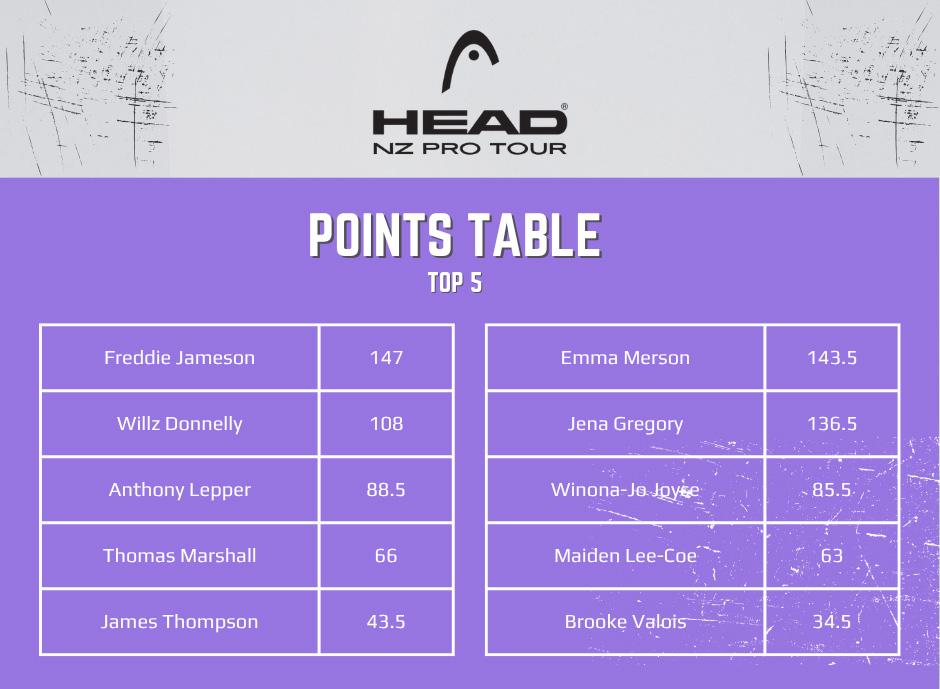
Running from mid-February through to early July, the tour connects a series of PSA-sanctioned events into one cohesive competition, culminating at the New Zealand Championships. Along the way, players earn points based on their performances, rewarding consistency and creating a season-long objective that extends beyond individual tournaments.
At its heart, the HEAD NZ Pro Tour is about creating better, more accessible competition. While high-level events have always existed in New Zealand, there are now more of them, they are better connected, and they form part of a clearly defined pathway for aspiring players.
For emerging athletes, that has made a real difference. Rather than relying so heavily on overseas travel to test themselves, players now have regular opportunities to compete against strong domestic opposition in
Rather than relying so heavily on overseas travel, players now have regular opportunities to test themselves against strong opposition at home.
momentum and credibility, attracting many of New Zealand’s top players and creating genuine excitement around the domestic calendar.
The benefits extend beyond match results. Satellite events allow emerging professionals to earn valuable PSA ranking points without rushing overseas before they are ready. Players can continue developing their technical, physical and mental games while still making progress on the professional circuit.
For younger players, the tour is helping create a stronger development environment. Standards are rising, confidence is growing and ambitious goals are starting to feel more attainable. A Junior World Championship medal, once considered a distant prospect, now appears increasingly realistic for New Zealand’s emerging talent, particularly among a promising group of young women coming through the ranks.
The tour is also creating a stronger sense of connection within the squash community. Experienced players are sharing knowledge with younger athletes, referees are playing an important supportive role, and clubs around the country have embraced the opportunity to host highperformance events. The result is a more connected and collaborative environment that benefits everyone involved.
There has also been a noticeable lift in professionalism. Events are easier to follow, live streaming has improved visibility, and supporters around the country can engage with the action in ways that were previously difficult. Every tournament contributes to a broader narrative as players chase points, rankings and momentum throughout the season.
With only a handful of events remaining before the New Zealand Championships, the race for points is intensifying. Every match carries added significance as players position themselves for a strong finish to the inaugural season.
While the final chapter of the first HEAD NZ Pro Tour has yet to be written, its early success is already clear. The feedback from players, the support from clubs and officials, and the standard of competition have all highlighted the tour’s potential.
The HEAD NZ Pro Tour is doing exactly what it set out to do: building a stronger domestic environment, creating clearer pathways and providing meaningful opportunities for New Zealand’s best players. More than that, it is helping create a connected, competitive and playerdriven community that will support the growth of the game for years to come.
And this is only the beginning.
James Thompson’s Road to the Pro Tour
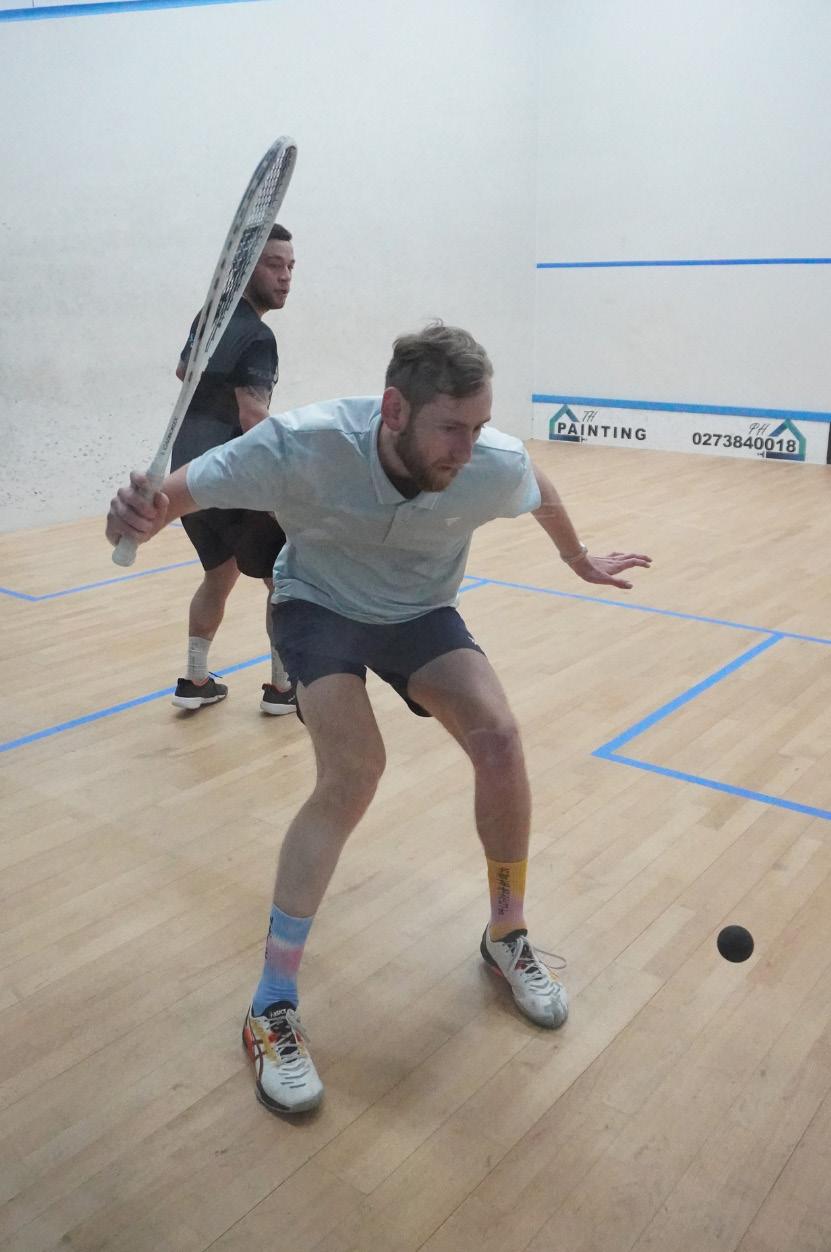
For James Thompson, the Henderson PSA tournament was more than just another stop on the squash calendar. It marked the beginning of a long-awaited chapter in a journey defined by patience, resilience, and a refusal to accept limitations—whether imposed by competition level, age, or health.
“The level of competition here has made this an exciting experience,” Thompson said. “Knowing that every game demands you to be at peak performance and bring that extra 10% has certainly brought the best out of my game.” At Henderson, every match carried consequence, and every rally required intent. For Thompson, that pressure was not a burden, but a catalyst.
Beyond the court, the tournament environment offered something equally valuable. Constant exposure to highlevel squash—both playing and watching—provided a rare opportunity to learn, adapt, and improve. With a draw that saw him face almost entirely new opponents, Thompson relished the variety and the challenge. “You’re constantly adjusting, constantly learning,” he said. “That’s where real growth happens.”
Thompson believes the professional tour plays a crucial role in developing domestic talent. Without it, many local players would feel forced to leave the country to experience the next level of competition. “Having a consistently high-level environment for players to sharpen their fangs is an incredible bonus to the strength of the country’s squash,” he said. For him, events like the Henderson PSA validate the idea that elite pathways can exist at home.
His journey has been further complicated by Postural Orthostatic Tachycardia Syndrome (POTS), a medical condition that causes symptoms such as dizziness, brain fog, low blood pressure, and exercise intolerance. There was a time when basic daily tasks felt insurmountable—walking up stairs left him breathless, and simple chores required multiple rests. “I was sick of that way of life,” Thompson said. Training became not just a sporting ambition, but a means of reclaiming normalcy.
Through gradual, committed work, his fitness improved, allowing him not only to manage daily life but to compete against some of the country’s best players. A key figure in that transformation has been Wellingtonbased coach Matt Green. Green helped Thompson learn how to slow the game down, use height effectively, and recover during rallies—skills that proved essential as fatigue was a constant companion.
That belief is shaped by his own unconventional rise. Thompson describes himself as a “very low-level junior,” barely cracking E grade and never seen as a standout talent. It wasn’t until his early twenties that he fully committed to squash, embarking on what he calls a late run. Now, as he joins the PSA around his 30th birthday, the milestone feels less like an endpoint and more like a starting line.
“I never thought I’d get to B2 level, let alone where I am now,” Thompson reflected. Standing on court at Henderson, competing on the professional stage, that disbelief still lingers—but so does determination. For James Thompson, the journey has already defied expectations. And as his Pro Tour story begins, it’s clear he believes the best chapters are yet to be written.
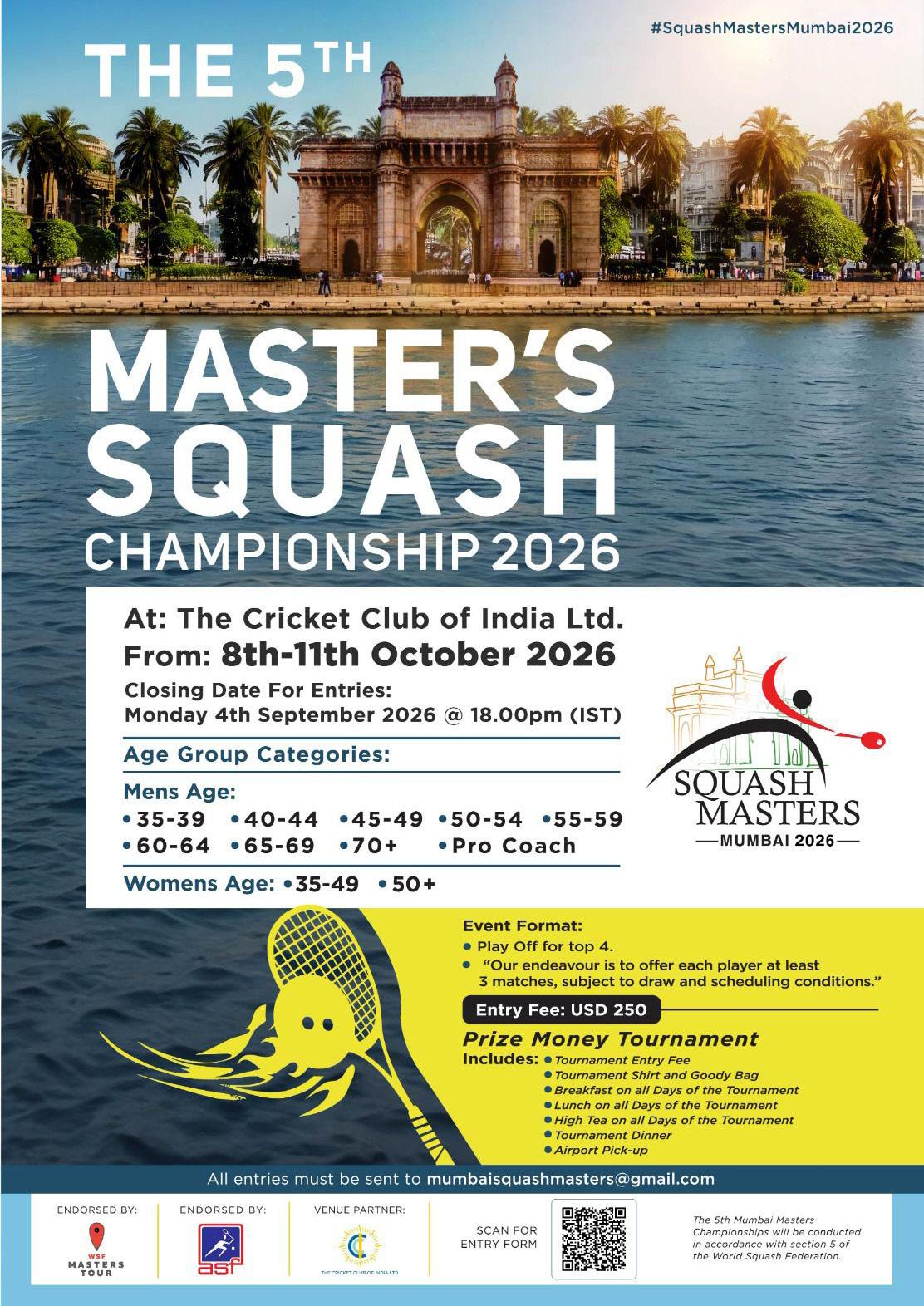
THE 2026 WORLD SQUASH MASTERS CHAMPIONSHIPS
30th August - 6th September 2026
Australia will welcome players, supporters, and squash fans from around the globe to the for the 2026 World Squash Masters Championships.
The event will be held in in Perth, Australia, 30th August6th September 2026
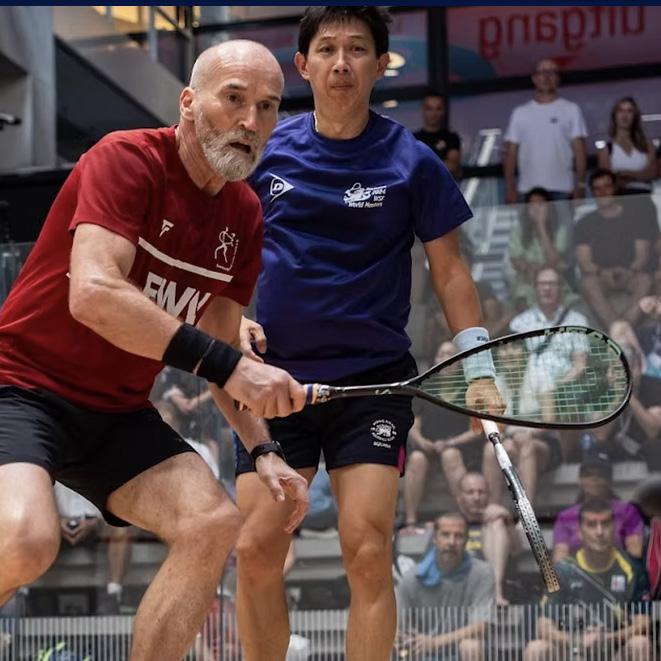
You can expect an unforgettable celebration of squash, community, and competition as they bring together masters athletes of all ages and nations in a showcase of passion, performance, and international spirit.
Eastern Promise
Mike Dale looks into China’s potentially huge impact on global squash — which may hinge on our inclusion at Brisbane 2032.
As we lick our lips at the prospect of squash’s Olympic debut in 2028, there’s a more vital and immediate engagement in this year’s diary.
The sports programme for the 2032 Olympic Games in Brisbane will be announced later this year. Within months, we will know whether squash is on the path to becoming an embedded Olympic discipline, or will be coldly ditched as a one-Games experiment before we’ve even had the chance to prove our merits (the same sad fate that befell ‘breaking’ at Paris 2024).
It is a considerable understatement to state that it is a massively important moment for our sport.
Keeping our place at the Olympic table would have a far-reaching ripple e!ect across the squash landscape, strengthening the sport at all levels and setting out aspirational, fully-funded long-term pathways to motivate thousands of young players. Nowhere would this ripple e!ect be more profoundly felt than in China, where squash is currently booming.
China loves the Olympics. The Games are a perfect platform for demonstrating its status as a global
“China loves the Olympics. The Games are a perfect platform for demonstrating its status as a global superpower, boosting nationalistic pride, and showcasing its modernisation”
superpower, boosting nationalistic pride, and showcasing its modernisation.
Squash in China is already receiving huge investment. If squash maintains its place in the Olympics for Brisbane 2032, state and private support for the sport would “go to a whole new level.”
That’s according to Thomas Tang, whose organisation FindingSquash is helping the growth of the Chinese game by forging connections and partnerships with experts in more developed squash nations.
Some of his revelations about what’s currently going on in China, and the potential if squash remains on the Olympic roster beyond 2028, are astounding.
For example, a new National Squash Academy is set to open in March in Chengdu, the capital of Sichuan Province. It will have 24 glass courts, AI-powered training technology, state-of-the-art fitness and physio facilities, and will be the new training hub of Asian squash for juniors and PSA players.
Tang claims discussions have already taken place about the Academy hosting the 2027 WSF World Junior Championships.
At the end of 2025, there were 240 squash clubs and academies in mainland China, totalling over 500 courts. More than 70 schools and 30 universities have adopted squash as an extracurricular activity. Forecasts put playing numbers at 50,000 in the next six years, of which 35,000 will be juniors.
In 2025, there were 17 large-scale squash tournaments across 11 Chinese cities; a mix of U-Series junior tournaments, four national championships, five tour events, and PSA tournaments (including the China Open, a PSA Gold event).
This growth is being driven by a mixture of commercial investment, adoption of squash within the education system and government funding (largely fuelled by the Olympics).
The participation numbers above might seem relatively modest for a country as vast as China, but they’re just getting started — and if the Brisbane 2032 decision goes our way, prepare for an explosion.
“There are likely to be 1000 courts across mainland China by 2030, but if Brisbane is confirmed, that figure will be more like 5000,” claims Tang.
“The di!erence Brisbane will make is that the General Administration of Sport of China will start to fund squash nationwide, with each province given its own funding. The numbers will go to a next level.”
Another knock-on e!ect of a favourable Brisbane outcome will be the probable inclusion of squash in the China National Games, the next edition of which is in 2029. The size and significance of this would be gigantic.
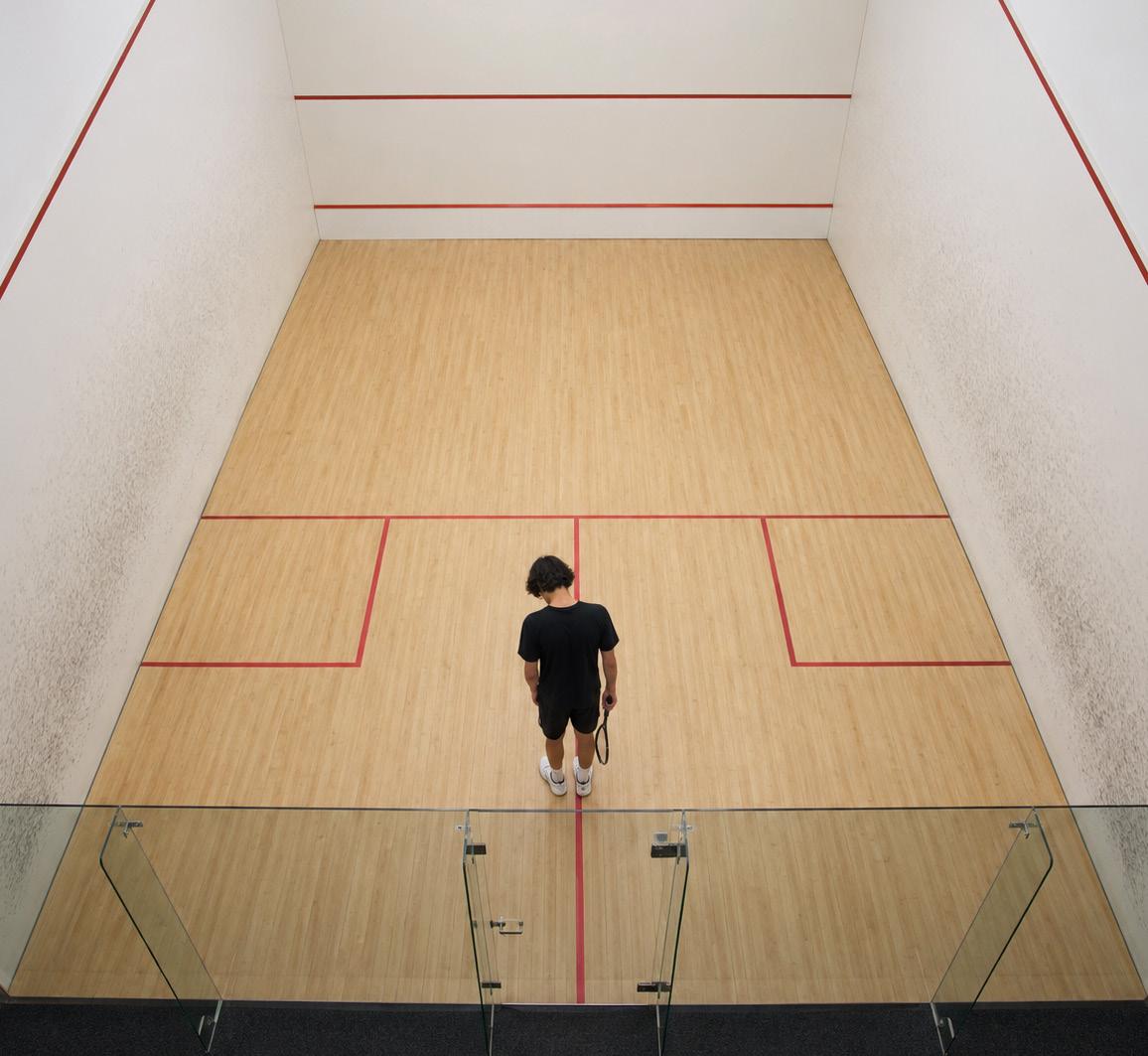
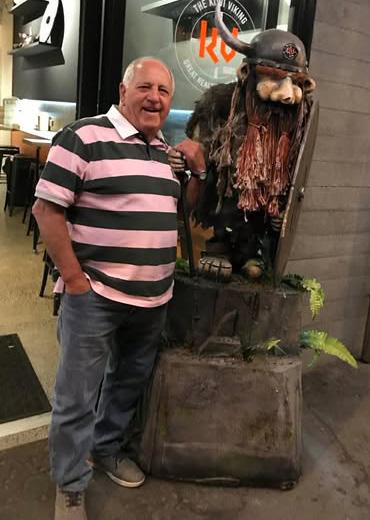
What is this building and where?
Kāwaroa Park Squash Club
/ CENTRAL
Written by Allan Bailey – Club President
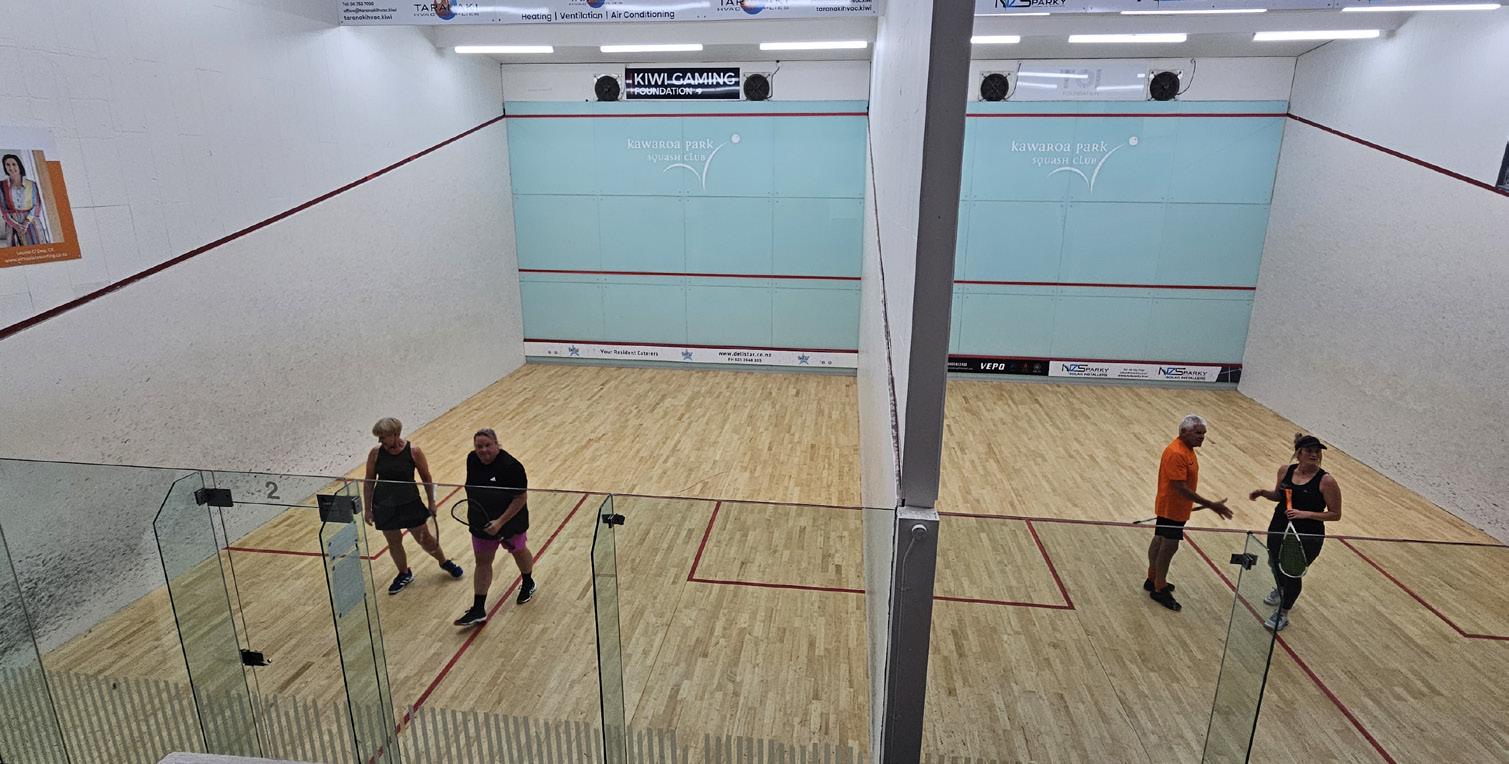
Out on the west coast of the North Island, in the place that South Islanders and Aucklanders often get confused with Palmerston North, this month’s club of the month is a thriving squash club in the heart of New Plymouth, Kāwaroa Park Squash Club, affectionately known as ‘KP’.
A club of vast history, KP is home to many legends of the game including but not limited to former world #10 Murray Lilley, World 40+ Masters Champ Carol Chard, and Commonwealth Silver Medallist Tamsyn Leevey. We also are lucky to have Central Hall of Fame Member and very accomplished National Referee Mike Jack, who still checks that the Steinlagers are cold in the fridge at least once a week.
2025 was an epic year for the club, which saw us take out the Taranaki Sports Awards Club of the Year (with my personal highlight of the year watching Clint Watson pick his jaw up off the ground and dominate a winner’s speech on the spot) as well as Central Squash Club of the Year. We were absolutely stoked to take out not just
one, but TWO national Super Champs titles, with our B grade men and C grade ladies both punching well above their weight to bring it home down south.
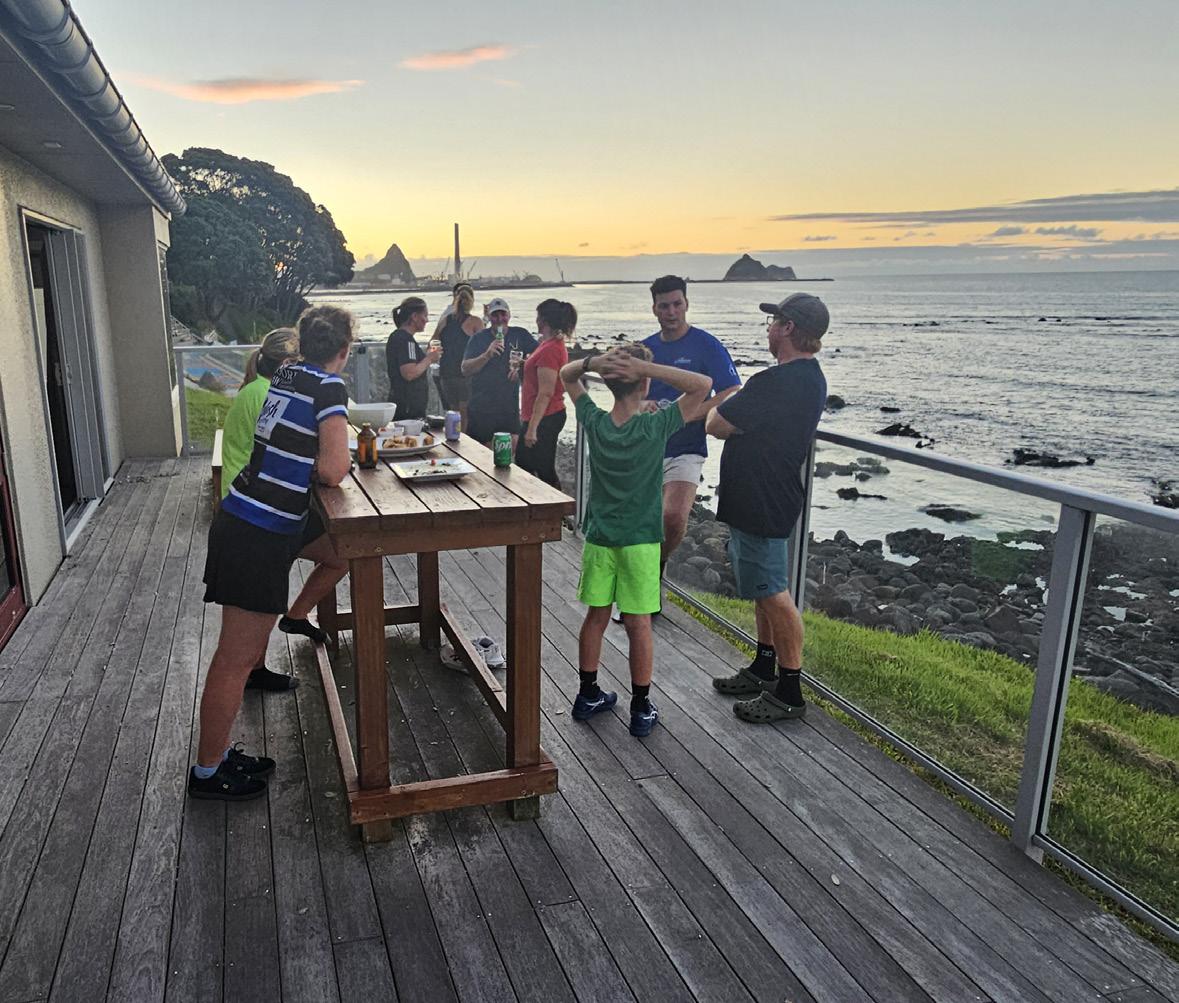
Looking forward into 2026, there is plenty of growth to celebrate as well. Our club ladder league has grown from around 30 players to now nearly 60, our monthly club nights regularly have 40+ people, and our social summer series and business house fill the club with an awesome buzz. We have Bridget Taylor driving women’s membership growth with women’s only trainings and mini tournaments, and junior convenor Clint bringing a new wave of youth through the doors and onto the court. Thanks to Tū Manawa Active Aotearoa and Sport Taranaki, there is no cost for juniors to join the junior programme this year, which has really boosted the number of kids giving it a go.
On the competitive front, we recently had 20 of our players head over to the Central Masters and Juniors in Ohakune, and we have 7 teams in training to represent KP at the district super champs eliminations in July, thanks in a big part to Kim Peachey and her efforts to herd the cattle. We also have 8 Taranaki players heading up to Graded Champs Nationals in Tauranga, 3 of those from KP.
Off the court, we are proud to have our resident national referee Allan Bailey (and also current KP President) who was one of
two NZ referees officiating at the British Junior Open at the start of the year, and who will head over to referee at the World Masters later in the year in Perth.
Like every club, we rely on volunteers, and it is thanks to a few driven volunteers that our club is in such good nick – Steve Oldfield and his team are constantly painting, cleaning, waterproofing, fixing and just tinkering around making our second home a better place to be. Part of that has been the revamp of courts 2 and 3 to have glass fronts and sprung flooring, and more recently, the addition of TVs and tablets to support electronic scoring. Alongside our volunteer base, we also have to thank our office manager Kaye Carter as a super friendly face for the club, always welcoming new members and keeping Allan on track.
As a club we also take pride in supporting local, and are grateful to have the opportunity to engage with Taranaki businesses and also those of our members. We are privileged to be one of the prime function hire spots in New Plymouth, and have wonderful in house caterers Deli Star.
This year, KP is super excited to be hosting a PSA Satellite tournament as part of the Head Pro Tour Series – the Jane’s Gallery Central Open 2026, 19-21st June. As well as generous sponsorship, we’re lucky to have Fiona Gifford-Moore who has driven a whole lot of fundraising to help us put our best foot forward and host top players from all over the country. It’s going to be an amazing opportunity for both our club and our sport to shine, so hopefully see you there.
You’ve probably noticed a few names dropped in here, and that isn’t even the half of it. For me it highlights that yes, we are fortunate to have a great location and great facilities. But really, what is a squash club?
It’s the people. The community. The passion. Get people in the door and foster a community based on the sport we all love. That’s where you find the magic. See you soon.
Looking to do an upgrade to your club or give it a facelift?
On our facilities page you can get more information about:
• Floor cleaning
• Wall cleaning
• Wall maintenance and repair
• Squash court floor sanding
• Squash court floor replacement
• New court lights
• Court heating and ventilation
• Changing room and bathroom facilities
• Lounge facilities
• Kitchen / Bar facilities
Click here for our facilities page
Looking to build a new facility or expand your existing club?
• Needs assessment
• Feasibility
• Facility guidelines
• Design and consent
For information contact our Facility Advisor Jamie Archibald jamie@squashnz.co.nz
Special deals
Click HERE to see special deals for affiliated squash clubs
referee
CALLING THE SHOTS: Allan Bailey’s
Refereeing Journey
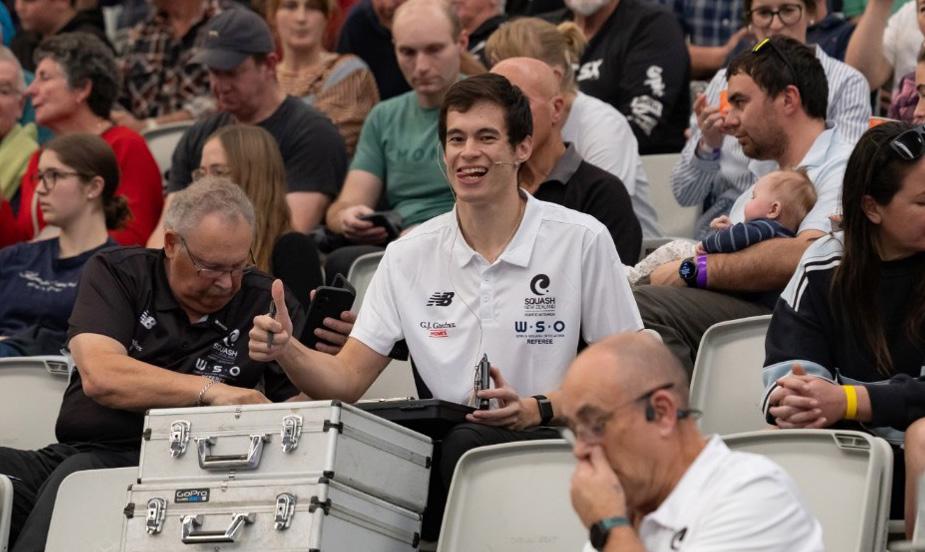
This month we talk to A grader, WSO Level 3 National Referee and 2026 recipient of the SquashNZ Personal Endeavour Award, and the current President of Kāwaroa Park Squash Club in New Plymouth, Allan Bailey, on his rapid rise in the refereeing world and the cool opportunities that refereeing has provided for him.
How did you first get involved in squash?
I wasn’t much of a sporty kid growing up in Palmerston North, as many people know. I had a mate whose parents played, and after going down for a mess around one day and a couple of junior nights along with Sunday morning free coaching with John Keenan, my sister and I were into it. I was never any good for my age, which is what I think kept me in the sport after juniors - I kept turning up because I loved playing, and never much bothered with training.
How about the refereeing side of it? What got you into the refereeing pathway?
For me, I originally wanted to give back and be involved in the sport in a facet other than as a player. And I HATE coaching (I can tell you where to hit the ball, but I do not have the patience to tell you how) - naturally, I fell into refereeing. I enjoyed refereeing and marking (I find it incredibly satisfying getting the words and numbers right), and I was fortunate to have Mike Jack in our district as a mentor, and he was keen to have my youth join the refereeing ranks.
From there, I went through the process of getting appraised and developing my skills and experience, finally getting my WSO Level 3 certificate in mid-2024 through the fast track process (where an A grader can go straight for their Level 3 instead of having to hold Level 2 for a year). I do have to attribute my relative
success as a referee to all the people who have helped me in my journey - in the NZ contingent notably Mike, Glenn Carson, Buck, Nicky McNaught, Janet and Heather alongside the cool bunch at WSO.
What has changed for you from being a “player referee” as you’ve developed your skillset as a WSO referee?
The biggest difference I observe between club referees and WSO referees is that at the higher level, there is a big focus on looking at the match as a whole, not each decision as a standalone event. Early decisions are what draw the line in the sand for the players and send a message about what will and won’t be tolerated, and it is important to get these right to try and reduce the number of decisions down the line.
What irks me is that replays of clips that go viral for ‘bad refereeing’ online don’t give any context of the decisions in the match up to that point - a player might have had multiple warnings about dodgy movement leading up to what one might call a ‘harsh’ decision. In reality, they have had plenty of warning and at this point in the match it is a fair outcome to penalise unsafe behaviour and potentially dangerous play.
You have to remember - at the end of the day all we want as referees is free flowing, safe play with minimal decisions - we’re not trying to impose our presence on the match.
“Refereeing has taken me places and introduced me to people I never would have met otherwise.”
What have been your favourite experiences as a referee to date?
Earlier this year, Nicky McNaught and I were fortunate to referee at the 100th British Junior Open over in Birmingham. It was full on, challenging, and pretty bloody awesome. Eye opening when you’re used to Kiwi juniors (and parents) and a few brutally long days but an experience we will never forget, and a wicked group of referees. Seeing all the big famous referees on TV is one thing, but getting to know them off court and getting to socialise in a less formal setting was hella fun.
Another favourite event of mine to referee at has been the Temuka 6K PSA last year, an extraordinary setup run by an extraordinary woman and her team, Vicki Rae. An incredible setup that I would never have imagined possible in a super small town, but she was mad enough to pull it off and then some.
Lastly, the Te Puke Easter Open has been one of the more memorable events this year - Heather and I experienced phenomenal hospitality from a great bunch of club members, along with a cheeky red wine with the iconic Helen Hodge.
What are the biggest challenges you face as a referee?
It applies to every code, and every referee in every code, but in short, funding. There appears to be less funding every year as referees, and it is not conducive to our longevity. We stay with billets, get fed by the clubs, and get part of our travel reimbursed, but it is certainly not a profitable venture. Not to mention it ruins annual leave balance at our proper jobs. Less referees at events means less capacity for development and appraisals, and whilst we do punch well above our weight as a small NZ collective, it’s getting harder and harder to see the next generation coming through the ranks when we struggle with capacity and cost as it is.
What’s next?
I’ve recently been allocated to the World Masters over in Perth at the end of August, which is going to be a blast.
Other than that, I’m close to signing off as a WSO Level 3 Appraiser, which will mean I can appraise other current and upcoming referees.
Lastly, I’d be remiss to not mention the 2026 Jane’s Gallery Central Open at Kāwaroa Park 19-21 June, a Head Pro Tour Series PSA Satellite event and an opportunity to see NZ’s top players and referees on show at my own club, which is super exciting for me and our club. Come along and get amongst it!
I was turning on the ball, and my opponent stopped my backswing. Is this a let or a stroke?
This would be a stroke to the player. (and is one of the ‘new’ changes in the rules) Rule 8.13. Turning
Q A Hey Ref!
Turning occurs when a player rotates in a way that causes them to lose sight of either the ball or the opponent, or when the ball passes behind their body from one side to the other. If the striker encounters interference while turning, and could have made a good return, then:
8.13.1. if the swing was prevented, even though the opponent was making every effort to avoid the interference, a stroke is awarded to the striker;
8.13.2. if the non-striker had no time to avoid the interference, a let is allowed;
8.13.3. if the striker could have struck the ball without turning, but turned in order to create an opportunity to request a let, no let is allowed.
Do you have a refereeing question or a situation you are not sure about?
Chances are others may have the same query.
Send your query to Brett Simôn: brett.squash@outlook.co.nz and we will share the answers with the squash community each month.
Please note – every situation is different and without seeing the exact context (player skill, direction of movement etc) we are giving our responses based on the rules and some guidance on how to apply them.
In memory of Nichol Taylor
It is with great sadness that we recognise the passing of Nichol, a cherished friend to many and a deeply respected member of the squash community.
Source: Squash Midlands Facebook
Nichol’s lifelong devotion to the game spanned every corner of the sport — as a player, administrator, coach, referee, and mentor. His contribution was immense, and his absence will be felt profoundly by all who had the privilege of knowing him.
A proud and active member of the Timaru Squash Club, Nichol was awarded life membership in 1994 — a fitting recognition of his dedication. As a National Referee from 1982 to 2015, he gave 33 years of service at the highest level, travelling the country to officiate at numerous national events and generously mentoring referees along the way.
Nichol was a true gentleman. Calm, fair, and quietly authoritative, he embodied everything a referee should be. In a role that often invites scrutiny, he never raised his voice. He approached every decision with clarity and composure, calling the game as he saw it — and, importantly, owning it if he later felt he could have done better. That humility earned him enormous respect from players and officials alike. He had a rare gift for making people feel welcome. Whether you were new to the sport or a seasoned competitor, Nichol gave his time freely, encouraging and guiding others with patience and kindness. Many of us who knew Nichol are wiser about refereeing because he took the time to show us the way. He inspired by example — not through grand gestures, but through quiet consistency, integrity, and generosity. He showed what it meant to serve the game.
Off the court, Nichol was just as memorable. After long days of refereeing, it wasn’t unusual for evenings to stretch into the early hours with games of cards, laughter, the occasional song, and, of course, one of his dry jokes. Those moments built lifelong friendships and a sense of camaraderie that define the refereeing community he loved so much.
Stories of Nichol have circulated among his peers following his passing — stories filled with humour, respect, and affection. They all point to the same man: positive, honest, straight-talking, with a wonderfully dry sense of humour.
He wasn’t flashy. He didn’t seek recognition. He simply got on with the job — and did it exceptionally well. One memory that stands out is of Nichol’s pocket-sized diaries. He carried them everywhere, recording each day’s play, every tournament, every match. At his final nationals in Christchurch in 2015, one of those diaries was passed around for others to write messages in — a quiet tribute to a man who meant so much to so many. One imagines those pages now hold a remarkable record of both the sport and the friendships he built within it. Nichol was a man who did what was right, not what was easy. Friendship never compromised his integrity — even on court. That was who he was: principled, fair, and unwavering.
He was also, in his own way, wonderfully particular. Those who knew him will smile at the memory of how meticulously he tied his shoelaces — always neat, always just so. It was a small reflection of the precision and care he brought to everything he did.
If we are measured by the impact we have on others, then Nichol Taylor’s legacy is extraordinary. He left a lasting imprint on this sport, on this community, and on many of us personally.
We are all richer for having known him.
THANK YOU
For your support and funding
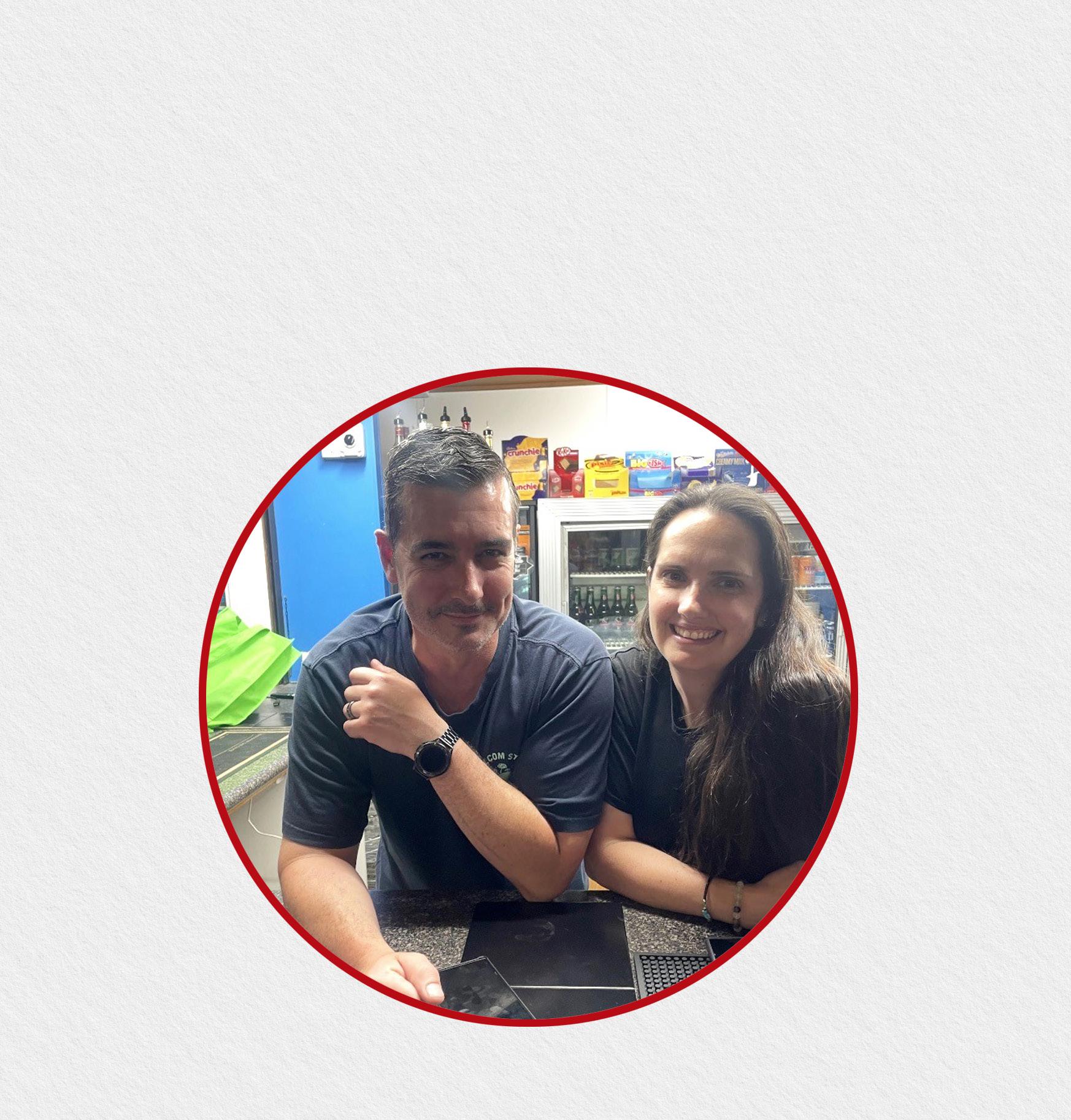
Matt & Lauren Shaw
June
Matt and Lauren have made an outstanding contribution to squash in the Eastern district and continue to go above and beyond to support players, events, and the wider squash community. Most recently, they played a huge part in delivering a highly successful Eastern Open. From coordinating the event and managing player withdrawals across all levels, including PSA, to arranging accommodation and transport for visiting players, they put in an enormous amount of time and effort behind the scenes to ensure the tournament ran smoothly. They also personally contributed significant sponsorship and support, helping create a welcoming
and memorable experience for everyone involved. Their support extends well beyond individual events. They continue to back Eastern players attending tournaments around the country and are always approachable, encouraging, and willing to lend a hand wherever needed.
Matt and Lauren are passionate advocates for squash and have helped create a strong sense of community around the Hawke’s Bay Squash Rackets Club and across the wider Eastern region. Their dedication, generosity, and ongoing support make them incredibly deserving recipients of Volunteer of the Month
THE FATHER OF MITCHELL CUP
Roy Mitchell was one of the great figures of New Zealand squash. Sadly, few would know of him today, even though nearly half a century after his death he still contributes many thousands of dollars a year to the national association, through the incredibly generous terms of his will.
Roy farmed at Mt Dasher, a station about 20km west of Oamaru. He was extremely wealthy and he and his wife had no children. When he retired to Oamaru in 1934, he decided to foster interest in squash and badminton, particularly among young people.He was instrumental in converting the Bank of New Zealand premises in Tyne St into a building that housed the Oamaru squash and badminton clubs.
Besides financing the Oamaru courts, he also, through a family trust fund, provided the money that enabled courts in Invercargill and Ashburton to be built as memorials to his brothers, killed in World War I.
Mitchell was always a progressive thinker, encouraging junior and women’s squash at a time when to do so was to be rather swimming against the tide.
He donated the Mitchell Rose Bowl for the winner of the national women’s title, and, a few years later, the Mitchell Cup, for the champion national women’s club team.
Source: Long or Short? the Story of New Zealand Squash, written by Joseph Romanos.
View full copy in MySquash (Free Features). Anyone can register free as a Digital subscriber
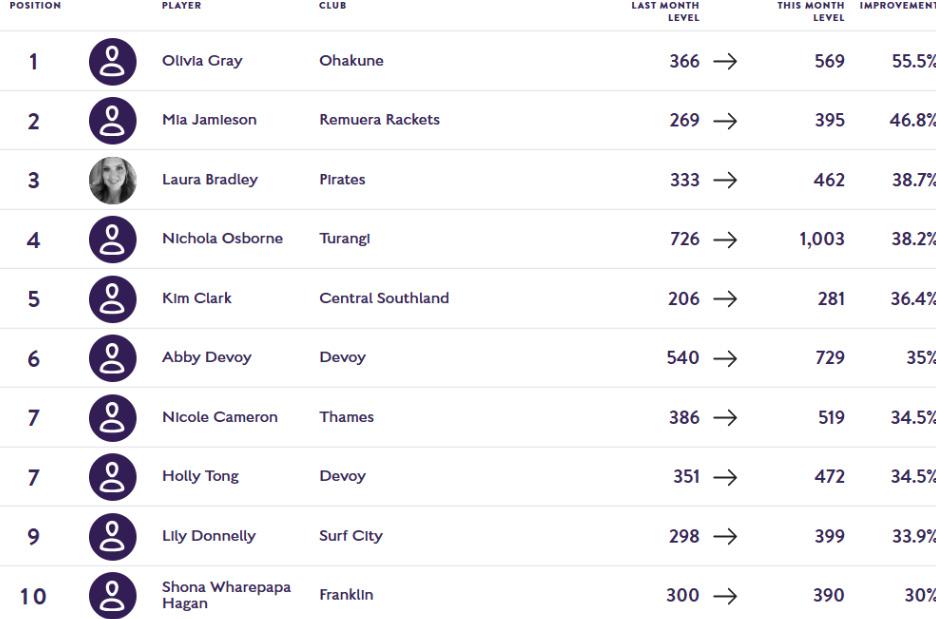
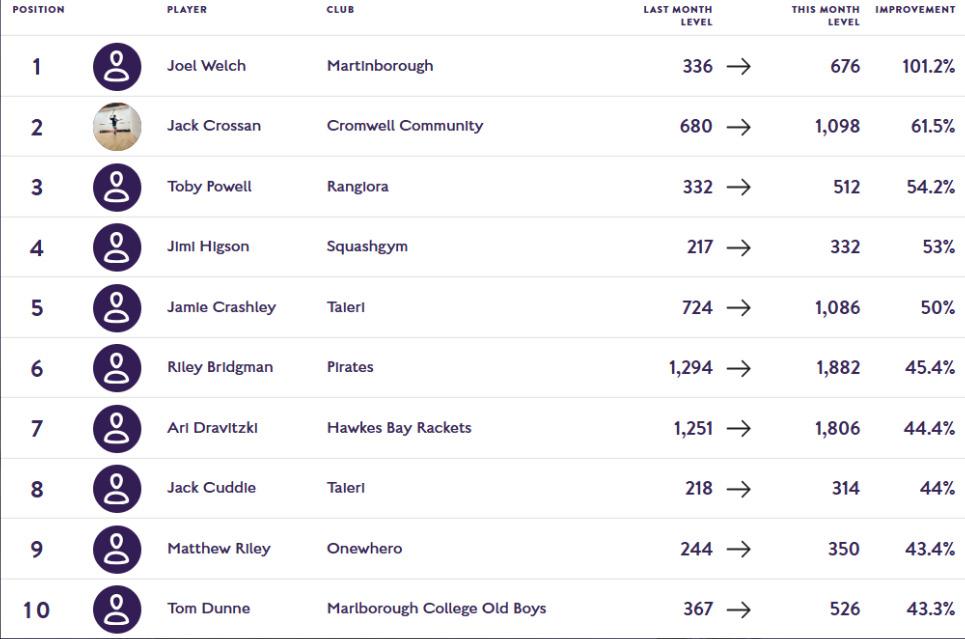
OLIVIA GREY / Ohakune
MOST IMPROVED MALE congratulations congratulations
55.5%
JOEL WELCH / Martinborough
101.2% MOST IMPROVED / MAY 2026
SQUASH NEW ZEALAND
POIPĀTŪ AOTEAROA
National tournament calendar
Event
3rd - 8th
4th - 7th
5th - 8th
24th - 25th
29th - 31st
3rd - 5th
10th - 12th
17th - 18th
7th - 9th
14th - 15th
21st - 23rd
16th - 19th
New Zealand Open
Oceania Masters
New Zealand Junior Open
New Zealand Doubles Championships
Mitchell Cup & Cousins Shield
HEAD New Zealand Championships + National Graded Champs
North Island Junior Age Groups
South Island Junior Age Groups
NZ Secondary Schools Squash Nationals
NZ Inter-District Team Championships
Masters Club Team Championships
G.J. Gardner Homes National Superchamps Finals
B Grade Superchamps
C Grade Superchamps
D Grade Superchamps
E Grade Superchamps
F/J Grade Superchamps
1st - 4th
5th - 6th
16th - 18th
19th - 20th
G.J. Gardner Homes NZ Junior Age Group Championships
G.J. Gardner Homes NZ Inter-District Junior Team Championships
G.J. Gardner Homes NZ Masters Individual Championships
G.J. Gardner Homes NZ Inter-District Masters Team Championships
Club
Isaac Theatre Royal, Christchurch
Christchurch SC & Richmond SC
Burnside SC / Christchurch Football
SquashGym Palmerston North
Christchurch Squash Club
Devoy Squash & Fitness Centre
Hawkes Bay Squash Rackets Club
Waimea Squash Club
Christchurch Football Squash Club
Hawkes Bay Squash Rackets Club
Whangarei Squash Club
Hamilton Squash and Tennis Club
Devoy Squash & Fitness Centre
Tawa Squash Club
Squash City Invercargill
Kerikeri Squash Club
Henderson Squash Club
Henderson Squash Club
Whanganui Squash Club
Whanganui Squash Club
Want to be featured in The Boast?
Email admin@squashnz.co.nz with stories from your club or district to be featured in the next edition of The Boast.