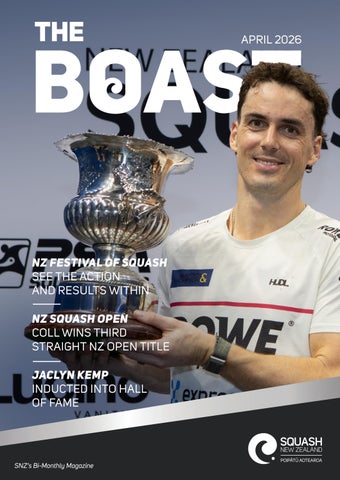
NZ FESTIVAL OF SQUASH SEE THE ACTION AND RESULTS WITHIN
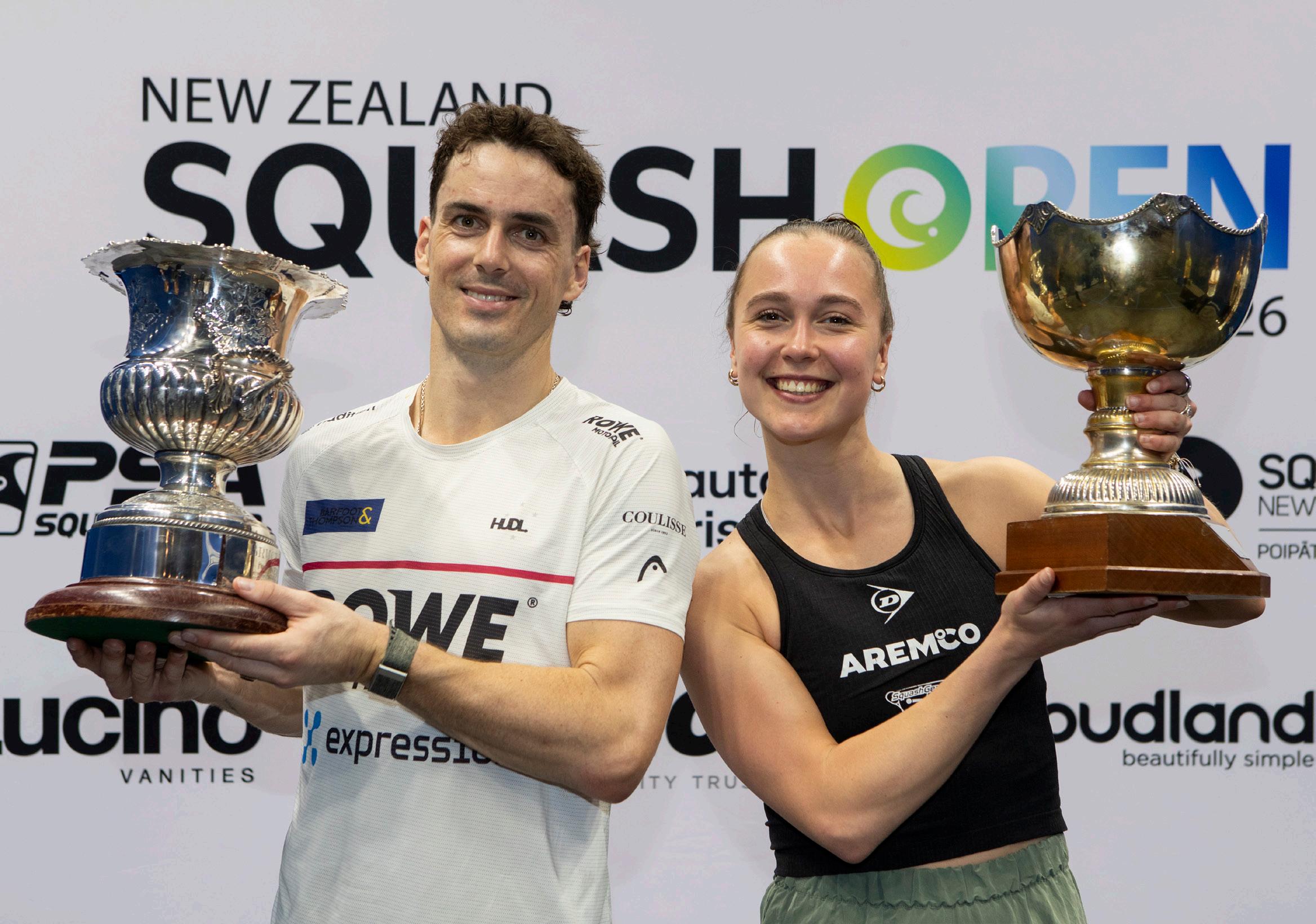
NZ SQUASH OPEN COLL WINS THIRD STRAIGHT NZ OPEN TITLE
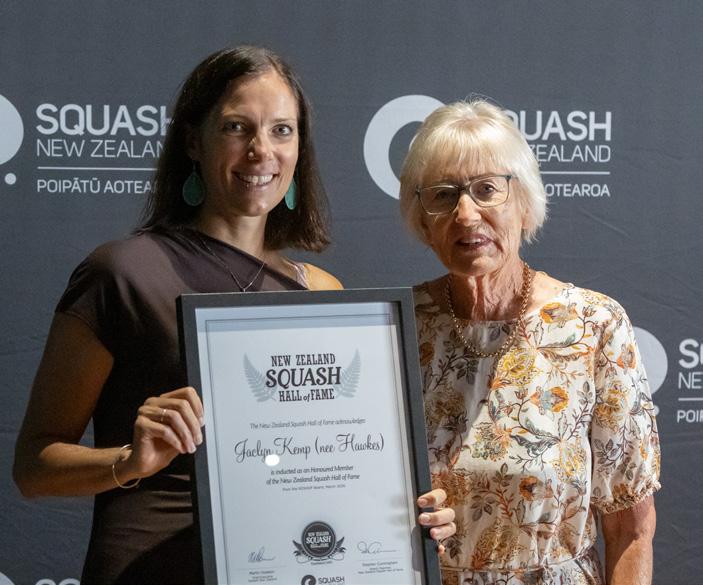
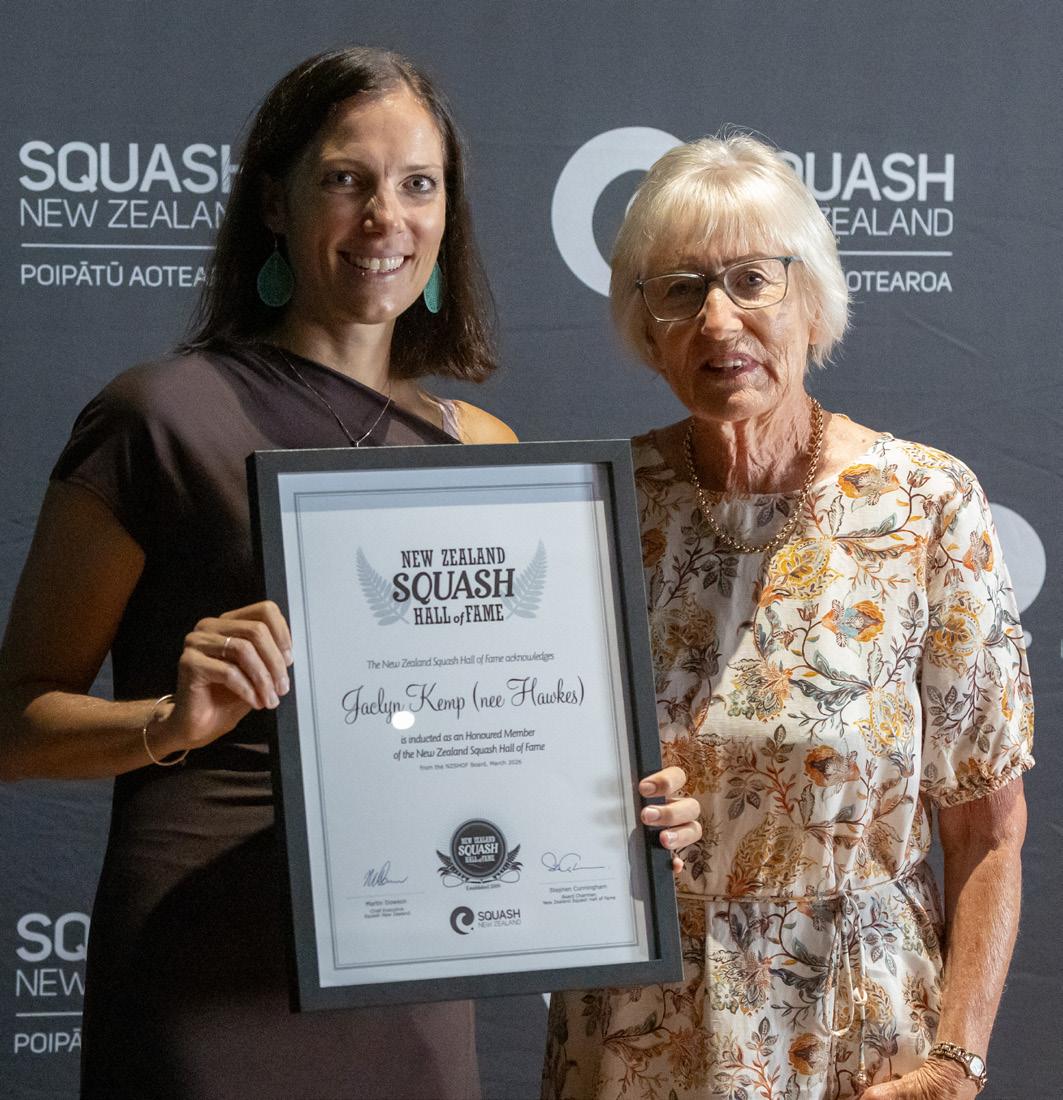
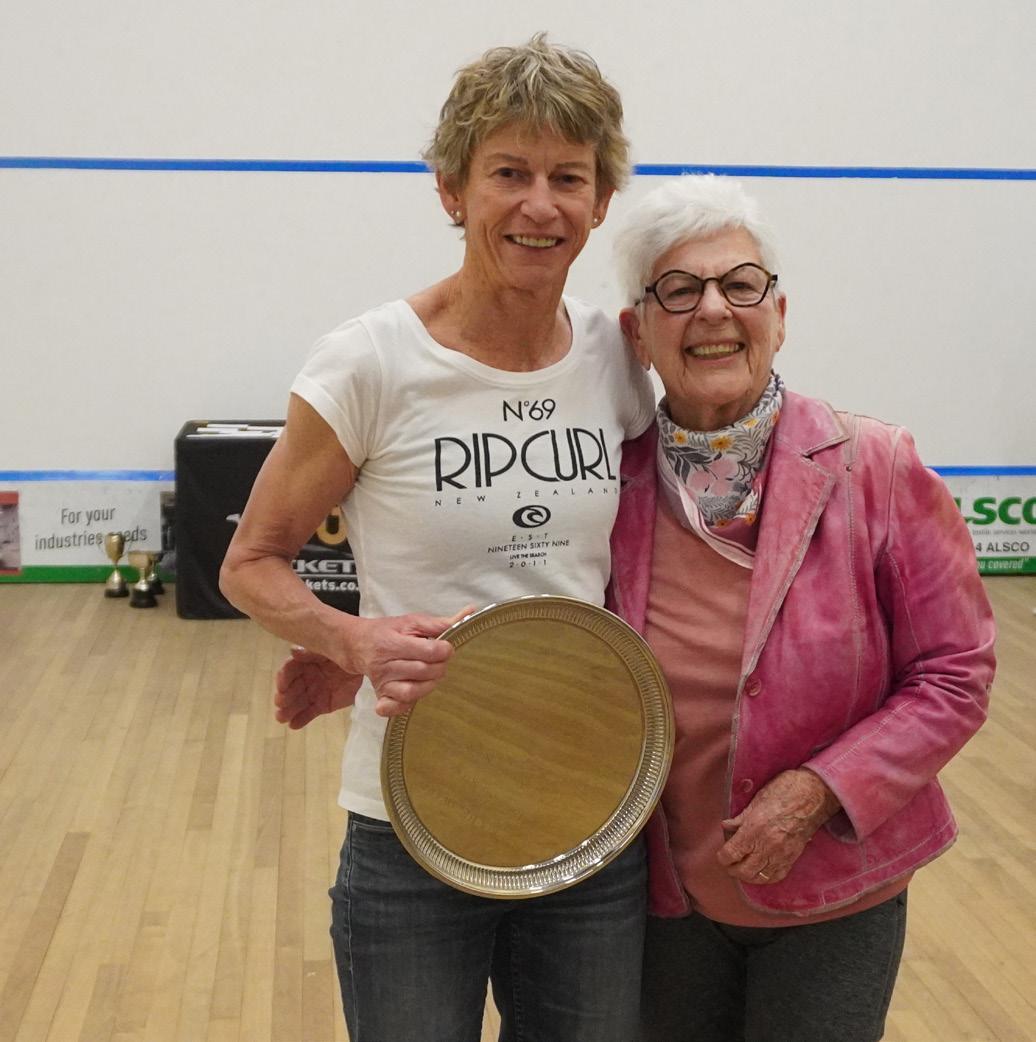
JACLYN KEMP INDUCTED INTO HALL OF FAME
6. Jaclyn Kemp - Inducted into NZ Squash Hall of Fame
7. Extended partnership with New Balance
9. Squash Stars Showcase - Christchurch
10. New partnership with Innoway
12. NZ Squash Open
18. NZ Junior Open
22. Oceania Squash Masters
26. Junior Trans-Tasman Series in Australia
28. PSA Squash Tour
30. Peak Performance with Kemp
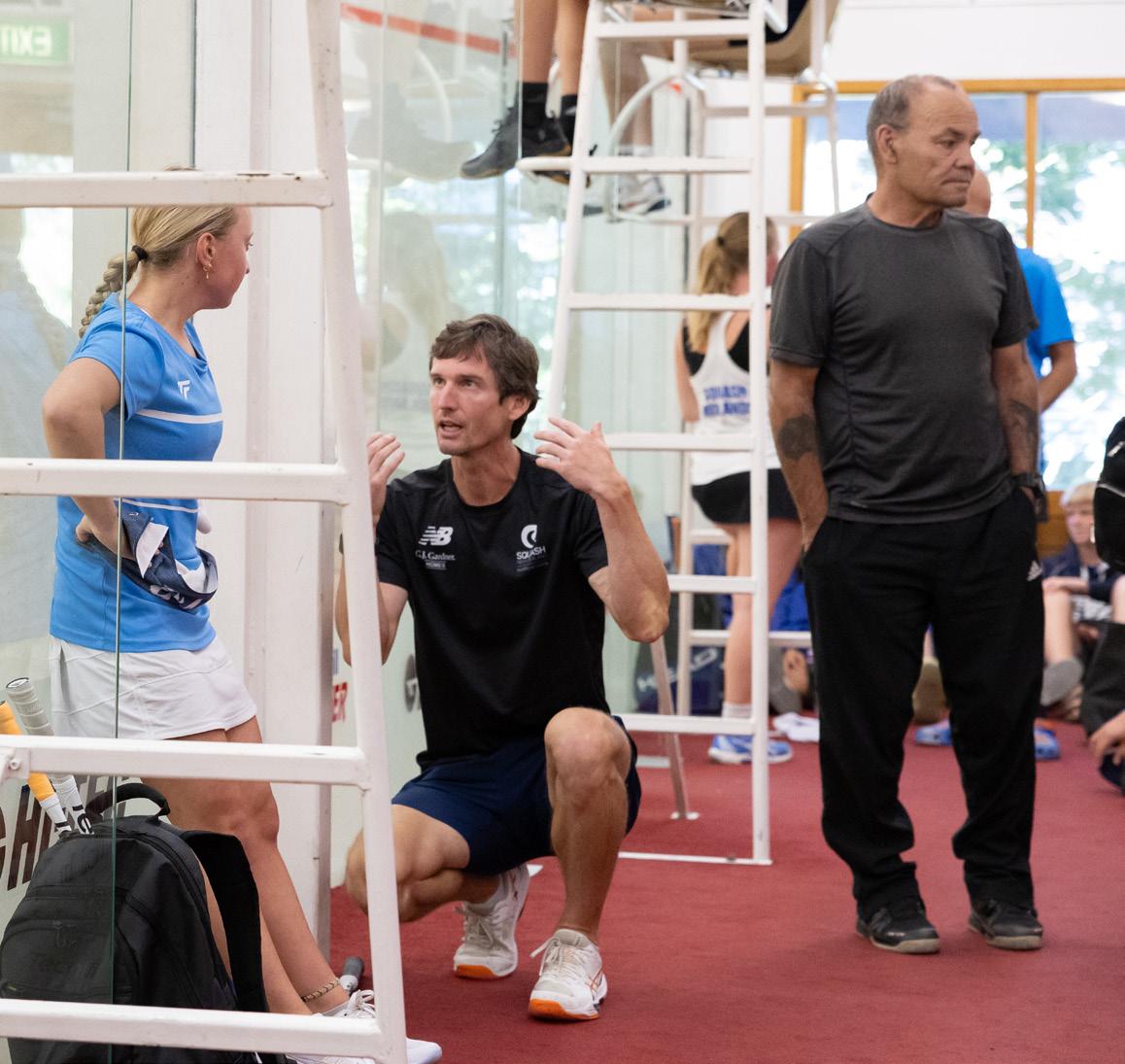
32. Coaching Conference By Emma Millar
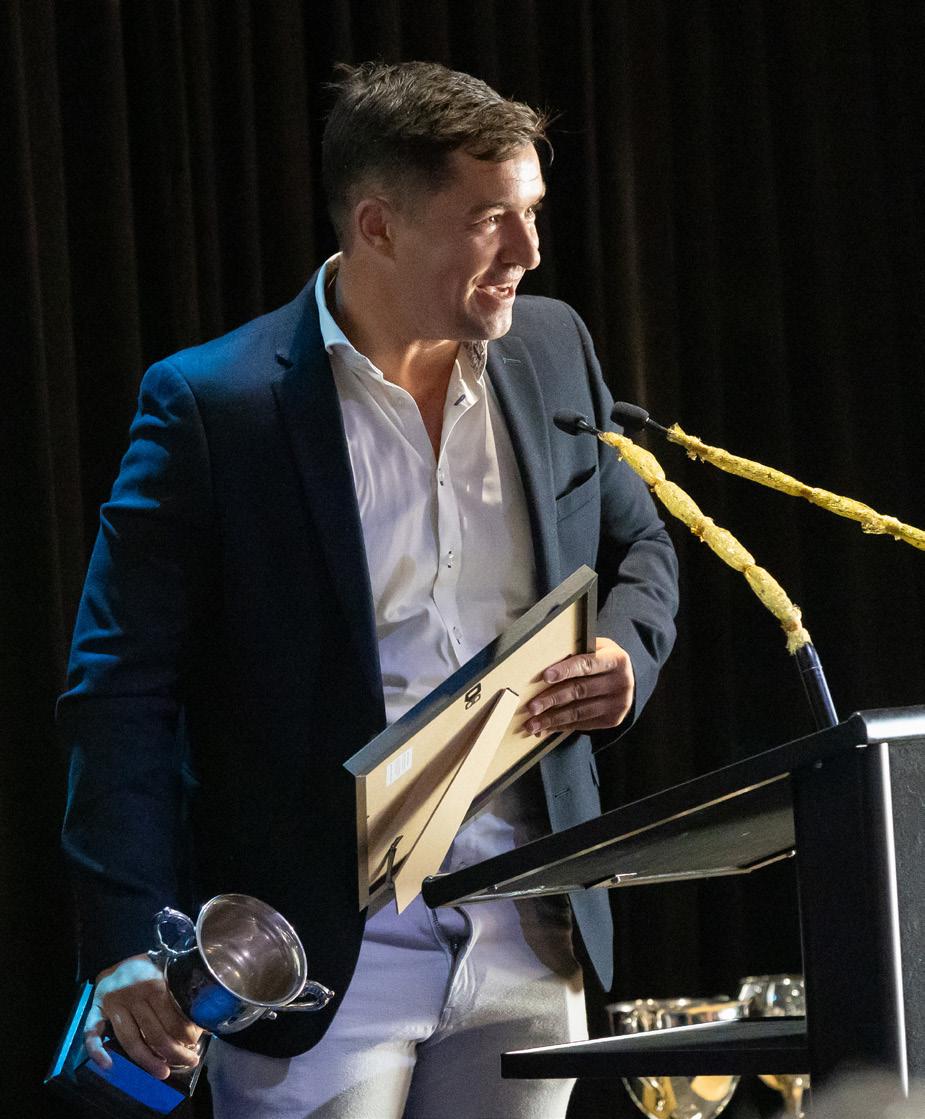
38. A night of celebration at the SNZ Awards
44. Guest Writer – Gary Duberly
46. Club of the Month -Temuka Squash Club
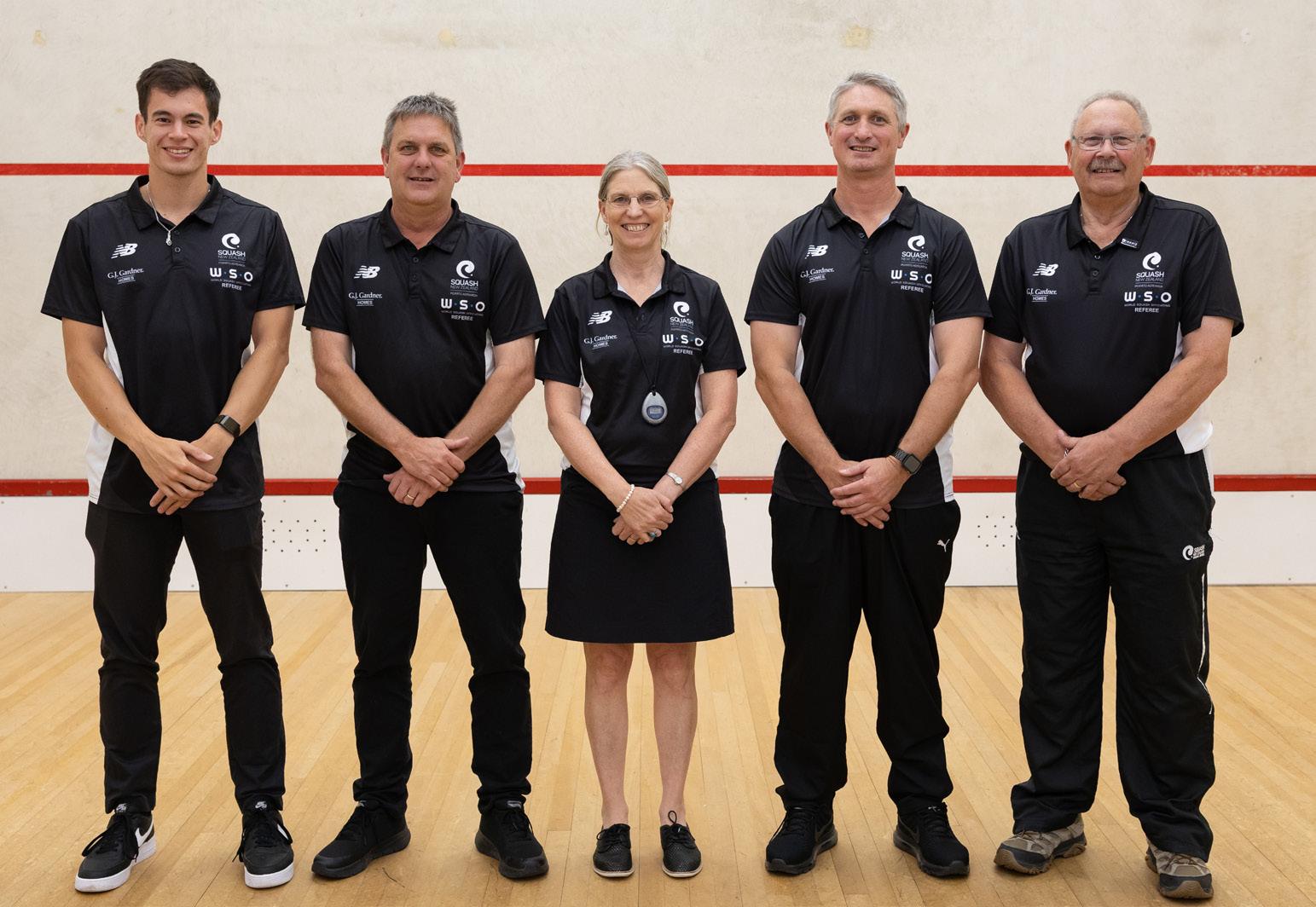
48. Referee - Mike Jack: a retirement well earned
50. Volunteer of the Month - Deb Salisbury
Stay updated with our other channels
Chief Executive Update
Tēnā koutou
The past few months have been all about momentum — and what a momentum it is.
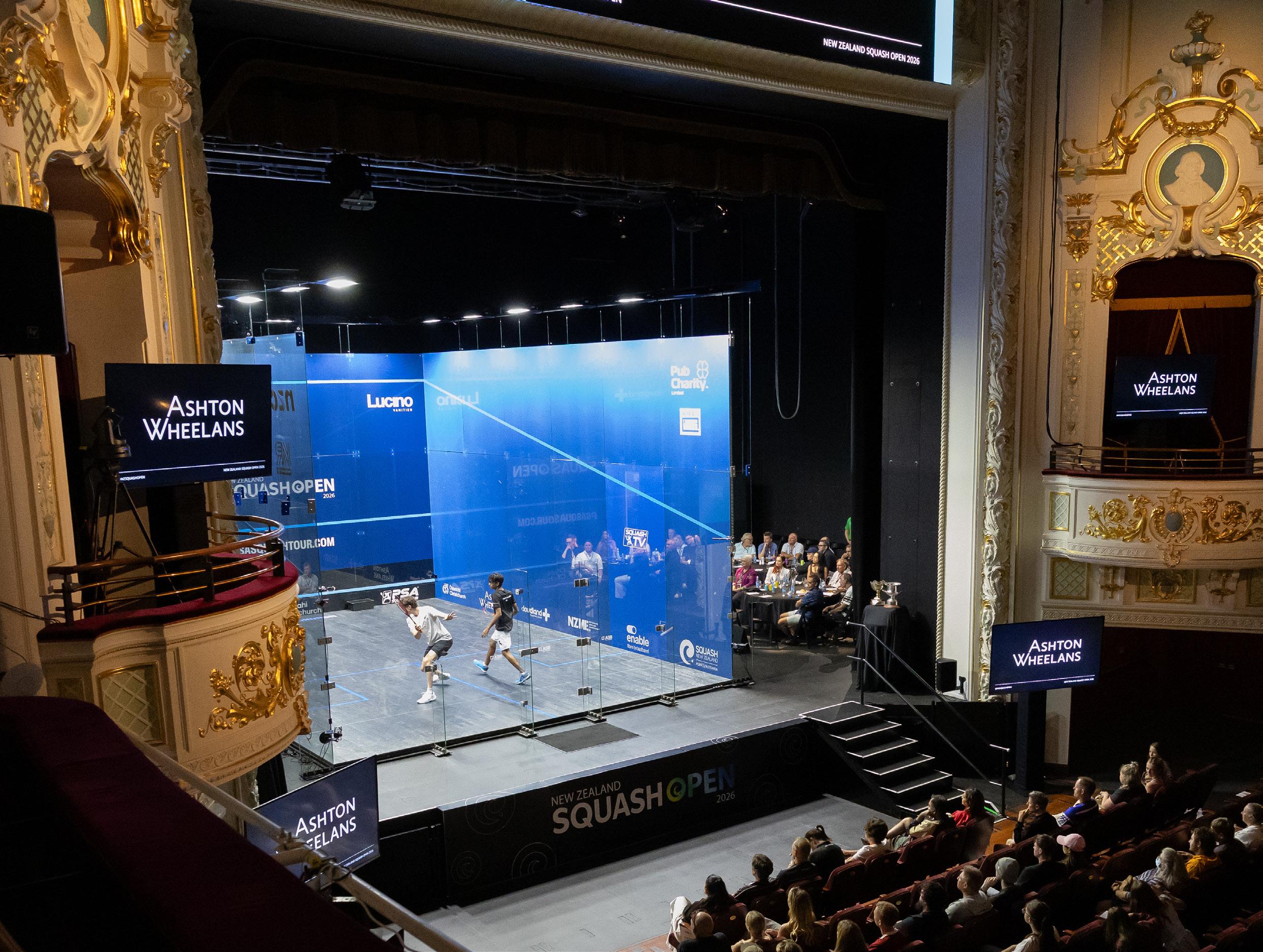
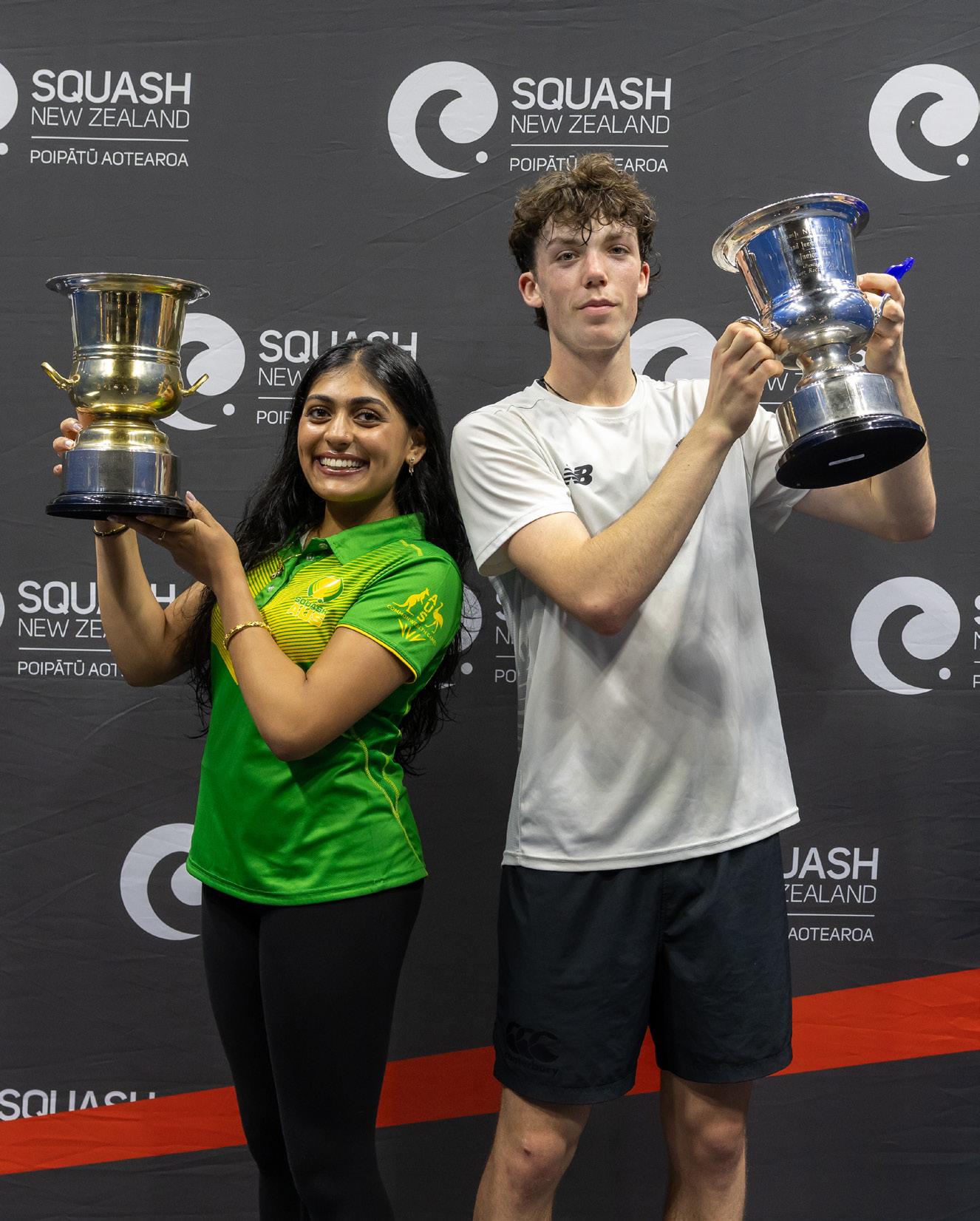
The New Zealand Open and Festival of Squash reminded us exactly why we do this. Christchurch again delivered a magnificent event at the Isaac Theatre Royal, and I want to sincerely thank the local organising team for creating something special. A huge congratulations also to Paul Coll and Tinne Gilis, our NZ Open 2026 champions, whose performances lit up the stage. One moment that really stayed with me was walking through the city before an evening session — cafés full, bars buzzing, squash supporters reconnecting, debating match-ups, and soaking up the atmosphere before heading into the theatre. That feeling matters. It’s why we host events like this: to be visible, relevant, and to give New Zealanders the chance to experience world class squash right here at home.
Upcoming events
Event
NZ Doubles
Eastern Open
Bay of Plenty Open
Auckland Open
Canterbury Masters
Southland Open
Central Juniors and Masters
Mitchell Cup and Cousins Shield
Don’t miss
Looking ahead, Palmerston North is already gearing up for the NZ Open 2027, with dates now confirmed for 16–21 February. The whole city will be immersed in squash, and with 2027 being a huge year for Olympic qualification, the level of competition will be immense. If you’re planning to attend — now’s the time to secure accommodation.
And then there’s 2028. What felt like a pipe dream is suddenly very real. We’ve received strong support from local and central government to host a ‘huge’ event that is extremely exciting during the Olympic year; as part of this think Mitchell Cup, Cousins Shield, Masters Club Team Champs (AKA AD Long) and global club competition — mix it together - and something truly special could emerge run alongside a world class international top level event. Local sponsorship will be the final piece. If you or your networks can help, please reach out – we need this!
Venue
SquashGym Palmerston North
Hawkes Bay Squash Rackets Club
Mount Maunganui Squash Club
Henderson Squash Club
Burnside Squash Club
SquashCity Invercargill and ILT Stadium
Southland
Ohakune Squash Club
Christchurch Squash Club
The notice board
What’s happening in our community
FEATURED IN WHANGANUI CHRONICLE:
Whanganui teen Maximus Mathews eyes Oceania glory and Olympics dream
Whanganui’s national junior squash champion Maximus Mathews has his sights set on a big future in the sport.
The 17-year-old has more than another year of competing in the junior grade for players under 19.
He will represent New Zealand in the Junior Trans Tasman Test against Australia in April before competing in the Australian Junior Open the following week.
Read the full article HERE
Squashlevels notice released on 1 April
Who was fooled on their April Fools joke?’
GIve-a-little towards Zac’s Comeback Journey
The New Zealand squash community is rallying behind Zac Wyatt from Warkworth Rackets, who is facing a long and challenging recovery after a life-changing spinal injury. If you’re able, please consider supporting Zac and his partner Laura by contributing to his Givealittle page— small donations can make a big difference.
Support Zac HERE
A
WORLD SQUASH LIBRARY PUBLICATION - Bringing The Rich History Of The Sport Alive
The World Squash Library publication, Squash Then And Now: A Celebration, is a lavishly-illustrated pictorial history of the sport, covering over more than 150 years. Read more about it HERE
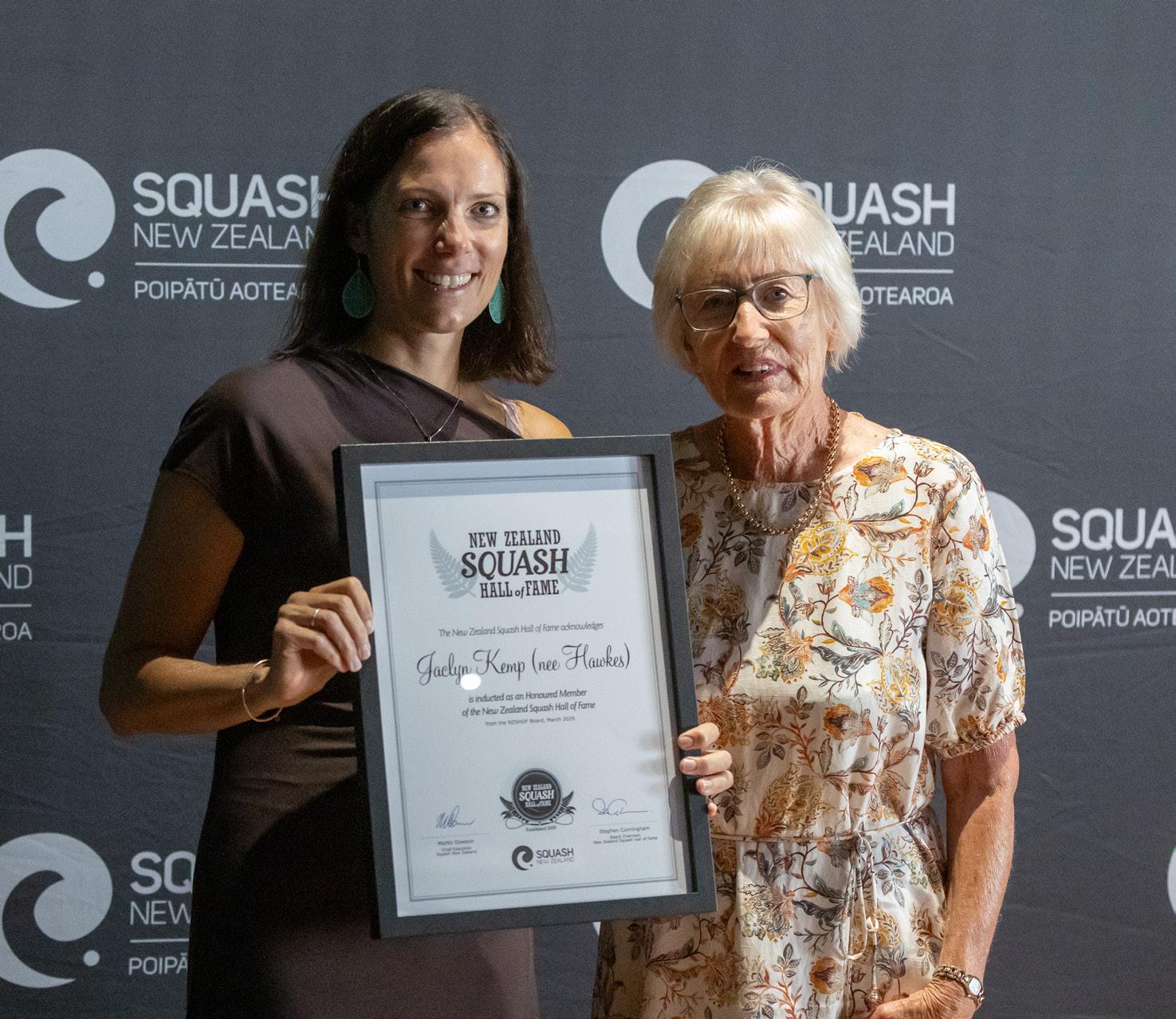
Jaclyn Kemp Inducted into New Zealand Squash Hall of Fame
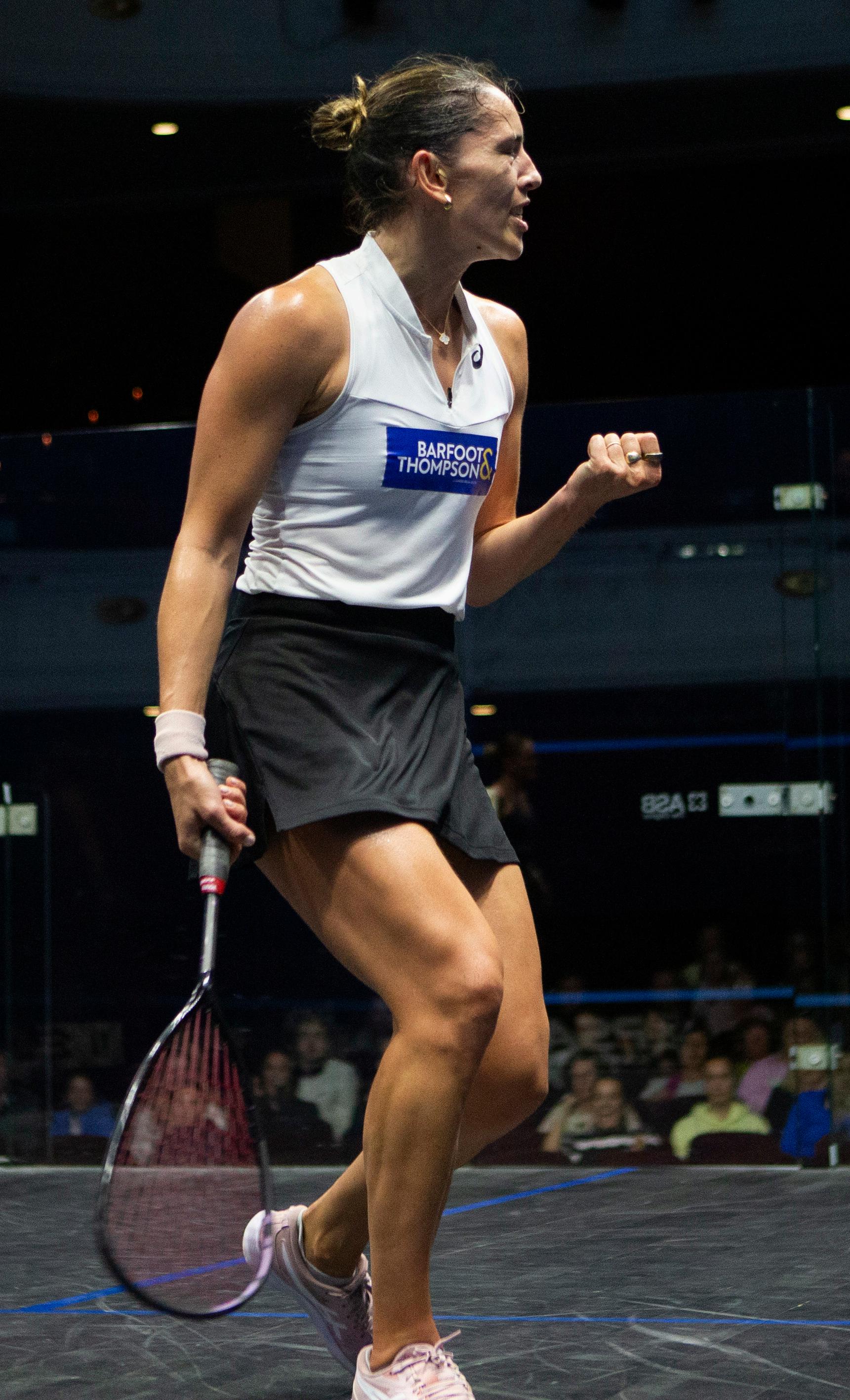
Kiwi squash legend Jaclyn Kemp (née Hawkes) has been inducted into the New Zealand Squash Hall of Fame, recognising a career that helped define an era of women’s squash in Aotearoa.
Jaclyn began competing internationally in 2003, and over the next decade became New Zealand’s premier women’s professional, known for her speed, fitness, and tactical clarity under pressure.
“It feels a bit surreal to be added to the Hall of Fame,” said Kemp. “It’s amazing to be named alongside some of those players who I really looked up to.
“When I look back now, I feel really proud of my achievements. At the time I always felt like there was more I could do, I wanted to climb the rankings and win more tournaments, so it’s really nice to reflect a few years on, and remember all of those special moments and amazing achievements.”
Born in Hong Kong in 1982, Jaclyn Kemp (née Hawkes) first picked up a squash racquet at five years old. She came from an impressive line of racket sports athletes, with her mother, Julie Hawkes, a former New Zealand representative and World Masters champion, and her father, Richard Hawkes, a New Zealand Davis Cup tennis athlete.
At 15, Jaclyn moved to New Zealand and quickly emerged as a leading junior. She earned selection for the New Zealand Junior Team and travelled to the 1997 World Junior Championships in Antwerp, with the experience accelerating her rise through the national programme.
Jaclyn made her senior New Zealand debut at the 2004 World Teams event in Amsterdam where she competed alongside Shelley Kitchen, Tamsyn Leevey and Louise Crome. The team had an impressive tournament and finished with the bronze medal.
memories. We weren’t expected to win, we were massive outsiders, so it felt like such an awesome achievement.”
Across her PSA career, Jaclyn recorded multiple title wins and a long run inside the world top 20. Another career highlight was a quarter-final finish at the 2008 World Championships in Manchester.
You don’t have to be a professional to enjoy squash, it’s a game for everyone
Jaclyn joined the PSA circuit in 2003, competed full-time from 2005 and achieved a career-high world ranking of No.12 in December 2010. That peak coincided with her most celebrated moment in the black singlet. At the Delhi 2010 Commonwealth Games, Jaclyn won gold in the women’s doubles alongside Joelle King, then followed it with a fifth-place finish in the women’s singles. She also competed in the mixed doubles, rounding out a Games campaign that remains one of New Zealand squash’s standout achievements.
“That was an unbelievable moment when Joelle and I won that gold medal. It’s still one of my favourite
After retiring from the professional tour Jaclyn has remained closely connected to squash. She continues to contribute through coaching and player development, and through her wider involvement in the squash community, while also raising three children with her husband Jonathan Kemp.
“Squash is my life’s passion,” said Kemp. “I still love playing now, I play masters and I play in the Bay senior team and I coach at the club and do the junior programme.
“I love getting people into squash. You don’t have to be a professional to enjoy squash, it’s a game for everyone and that’s my favourite thing about it.”
Jaclyn’s induction into the New Zealand Squash Hall of Fame celebrates a world-class playing record and what’s sure to be a lifetime of community squash involvement. Squash New Zealand Poipātu Aotearoa is proud to welcome her into the Hall of Fame.
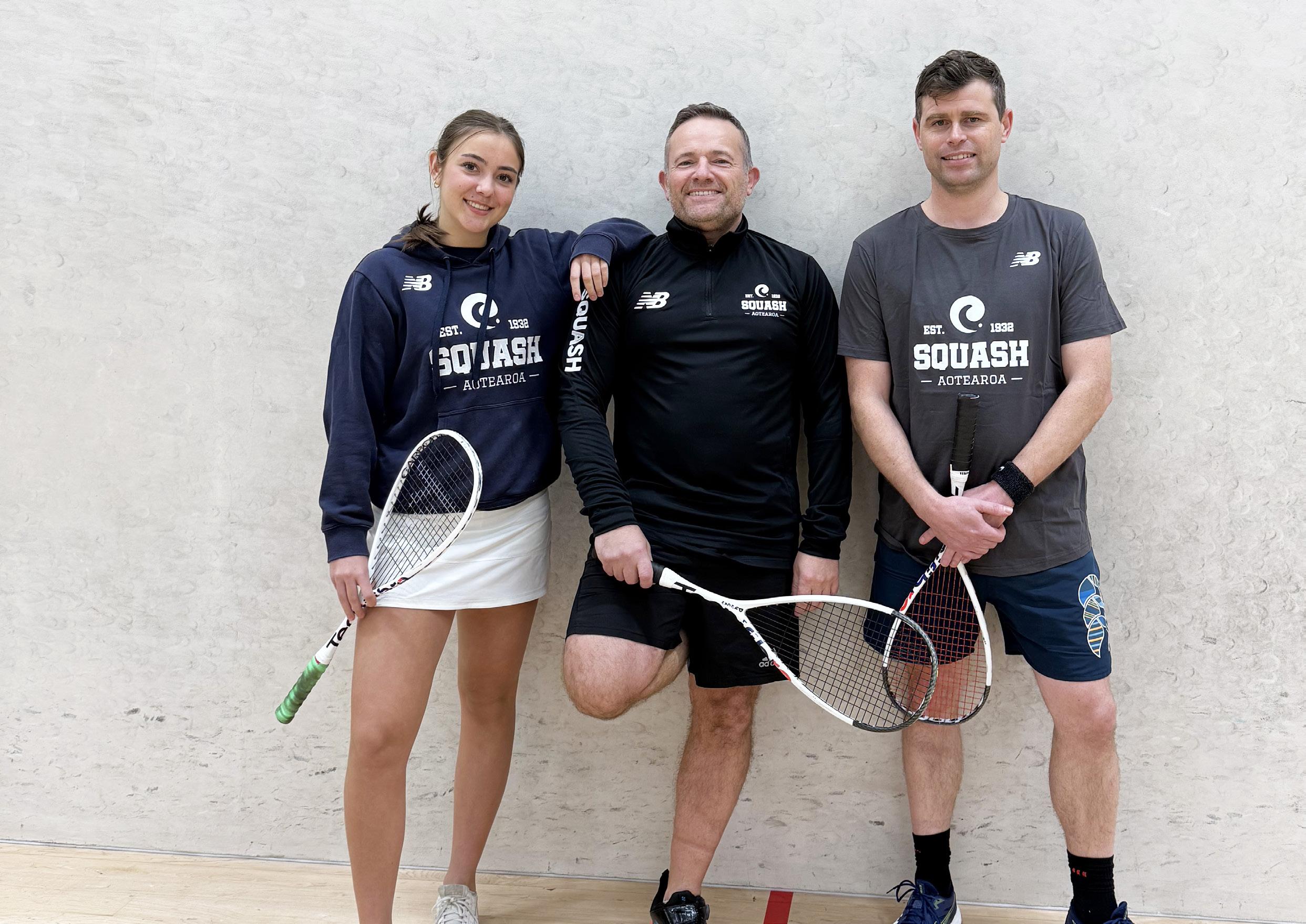
Squash New Zealand and Belgravia Apparel/New Balance
Extend National Partnership
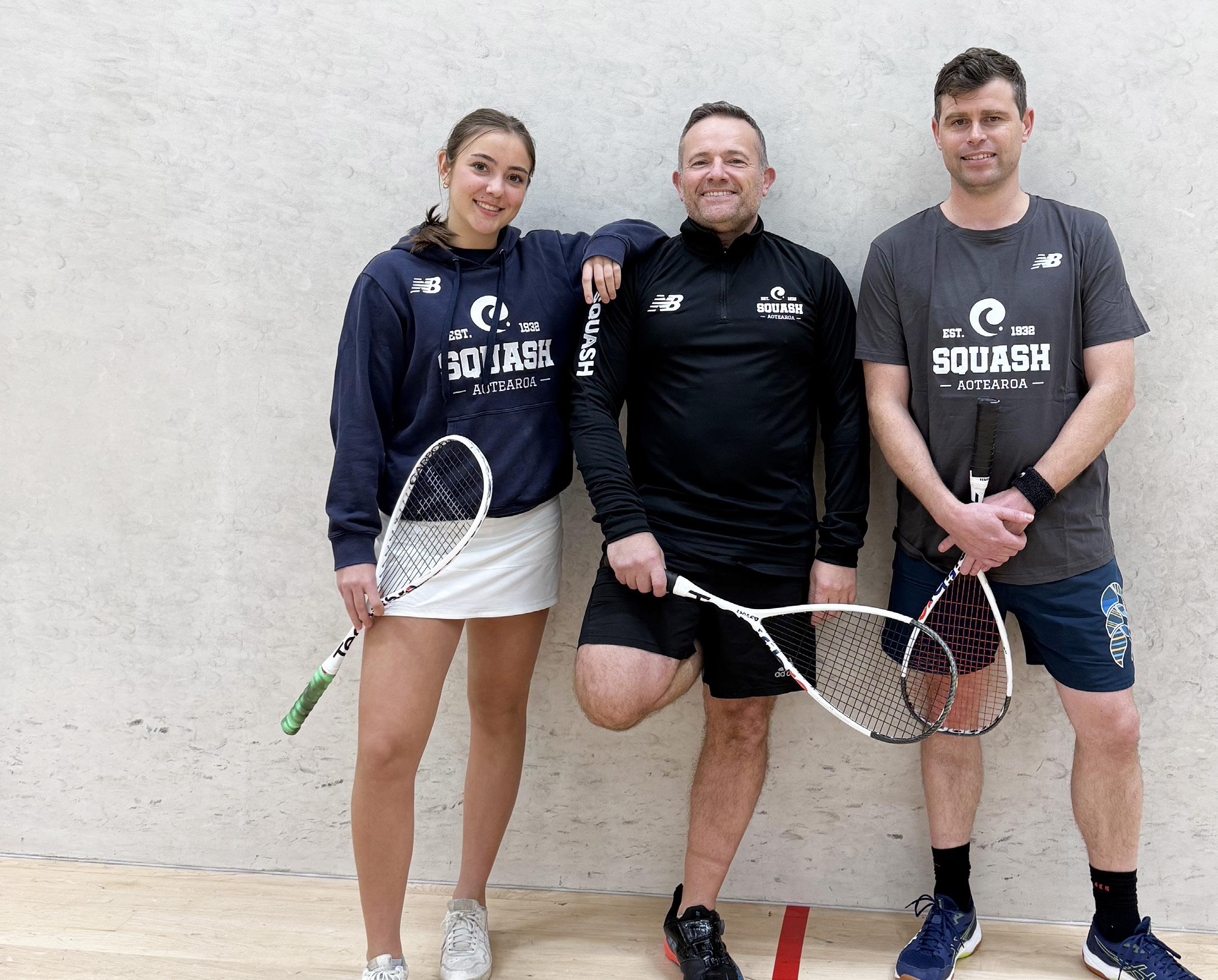
Squash New Zealand Poipātū Aotearoa is pleased to announce a four year extension of its national partnership with Belgravia Apparel delivering New Balance branded teamwear, following the successful completion of an initial two year agreement.
The extended agreement reflects the strength of the relationship and growing adoption of New Balance teamwear across the squash community, with Squash Canterbury, Squash Eastern and Squash Auckland recently joining the national agreement. Demand continues to grow, with an increasing number of clubs choosing New Balance apparel.
Martin Dowson, Chief Executive of Squash New Zealand said the extension was a natural progression of a highly valued partnership.
“We love working with Belgravia Apparel. They are incredibly easy to work with, and we genuinely believe in the quality of their New Balance product. The growth we’re seeing across districts and clubs shows how strongly the New Balance brand resonates with our squash community.
Belgravia Apparel Chief Operating Officer, Brian Waldron said: “We are delighted to extend our partnership with Squash New Zealand, an organisation that shares our commitment to performance, innovation, and the growth of the sport. This continued collaboration reflects our mutual dedication to supporting athletes at every level and elevating squash both on and off the court.”
New Balance branded Squash New Zealand apparel is available through the official online shop:
SHOP NEW BALANCE APPAREL
Apparel is the Australasian elite teamwear partner of New Balance, supplying both supporter and performance products for a broad range of professional and amateur sporting organisations across New Zealand and Australia.
BA produces a full range of custom apparel, including playing tees and singlets, polos, hoodies, plus a range of other products. The process is simple, from initial concept and design to final delivery, ensuring clubs receive high quality apparel with minimal effort and a seamless experience.
Clubs interested in ordering or learning more about joining the agreement are invited to contact the following Belgravia Apparel representatives:
North Island: Hale Lawrence hlawrence@belgraviaapparel.com
South Island: Shannen Morris smorris2@belgraviaapparel.com
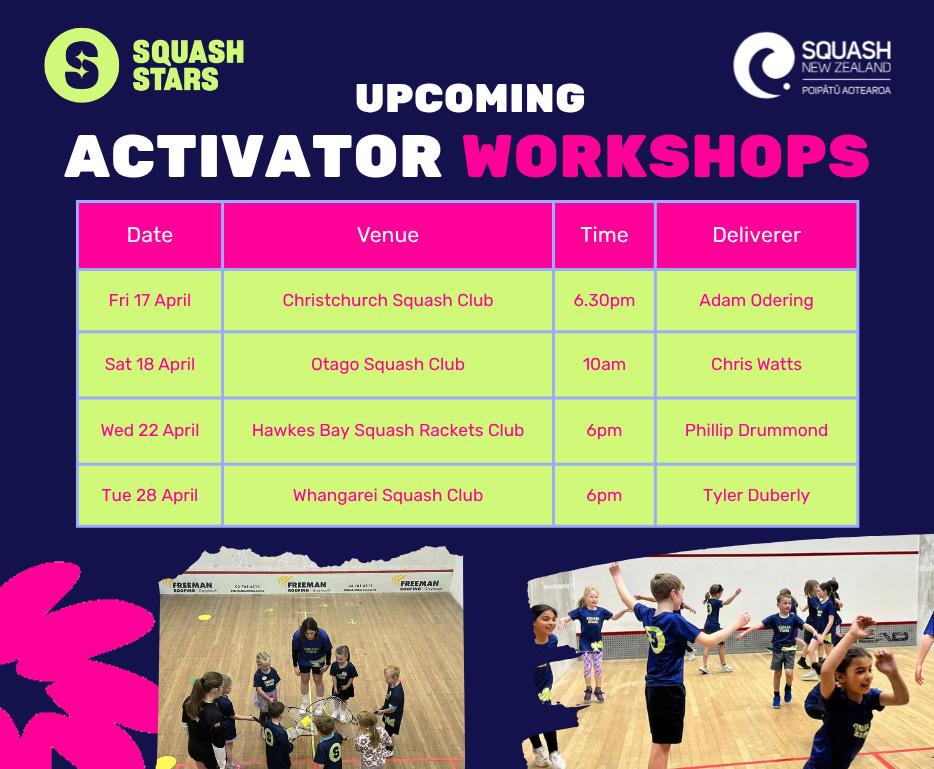
Inspire the Next Generation of Squash Players
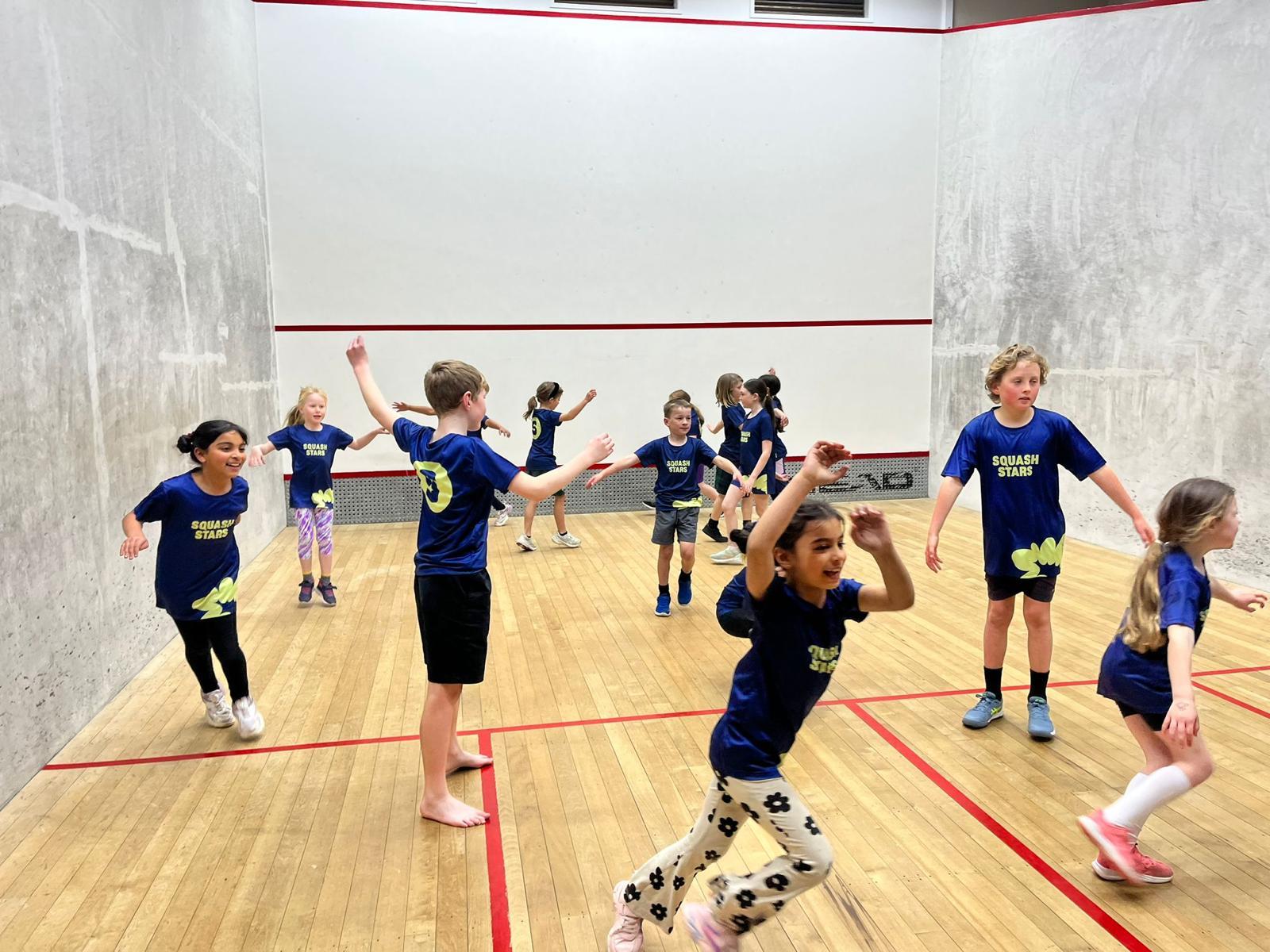
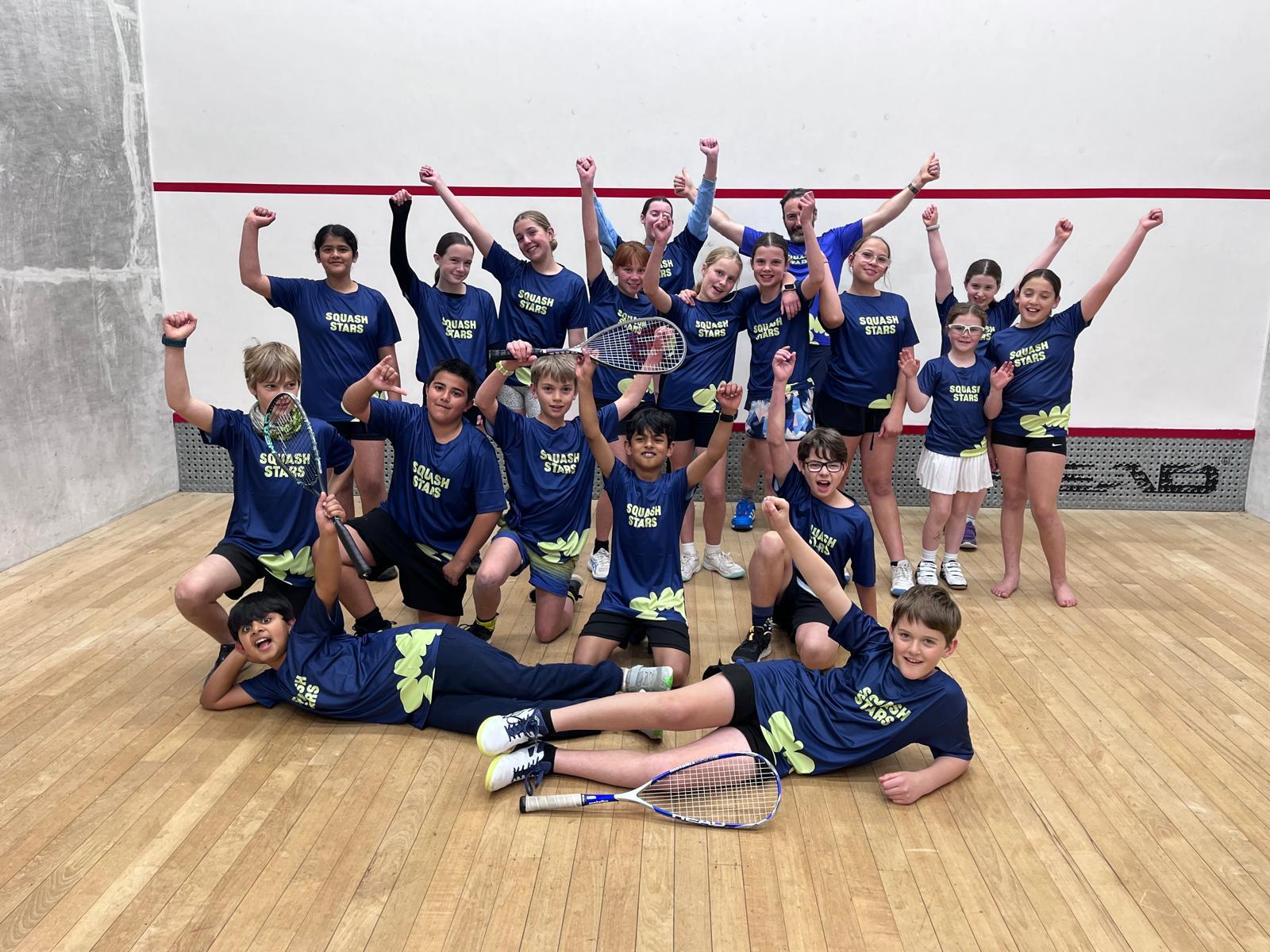
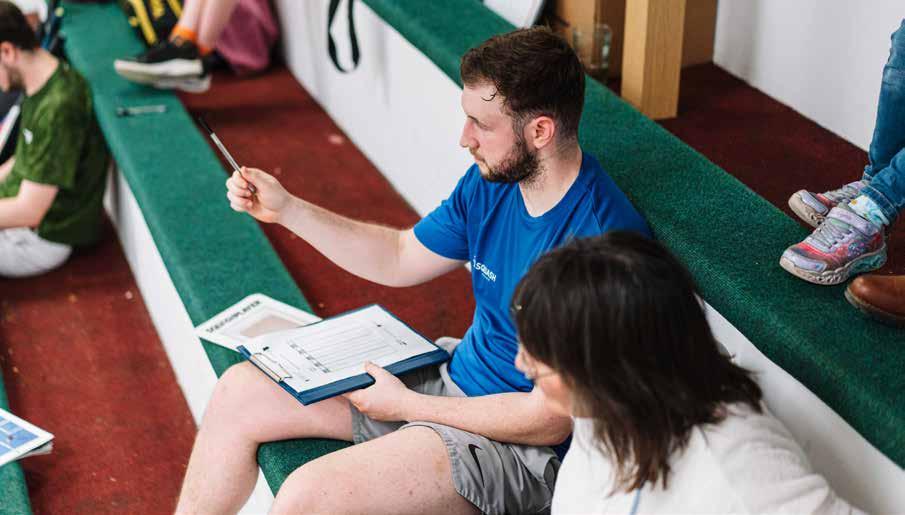
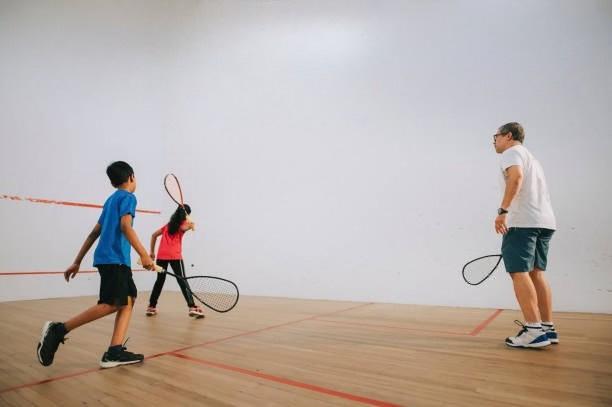
Looking for a way to introduce kids to squash and grow junior participation at your club? The Squash Stars Activator Workshop is a great place to start.
This free workshop is designed for anyone keen to help kids fall in love with the game — whether you’re a coach, volunteer, parent, or simply someone who enjoys being involved at your club. You’ll learn simple, fun ideas for running engaging sessions and gain practical confidence to support Squash Stars or beginner junior programmes.
No previous experience is required — just enthusiasm and a desire to make a positive impact. If you’re passionate about helping young players get active, learn new skills, and enjoy squash in a welcoming environment, this workshop will give you the tools to get started.
More workshops across New Zealand will be added throughout the year.
View and register for all upcoming workshops via the Calendar page in MySquash.
SQUASH STARS SHOWCASE:
Cambridge Racquets Club
Format:
Term-based: Groups for a range of abilities. Grouping players was a dynamic process, requiring flexibility and constant adjustment due to varying attendance each week.
Sessions: Each day had three afternoon session minutes each (2.5 hours total).
Organisation: One paid coach and five volunteers were involved each week. The organiser spent about an hour outside of session time preparing and sharing session plans with the team. stayed on the same court, with drills progressing from beginne advanced as the evening went on.
Activities: Included a mix of Squash Stars drills, favourite exercises, and Big Nix resources.
Participants:
Term 2: 65 participants (34 new players). Challenging and chaotic. Term 3: 45 participants (2 new, rest returning or existing members). Easier to manage.
Organisers: Involvement included one paid coach and five volunteers, with the organiser dedicating additional planning time.
Volunteers: Played a crucial role in supporting delivery and managing groups.
Promotion:
Primarily through a Facebook post and posters distributed to lo schools. Simple but effective approach, leveraging community networks to attract new participants.
Why It Works:
Volunteer Support: Having a strong volunteer team made the programme less stressful and more enjoyable for everyone involved.
Good Organisation: Stations all set up with equipment before start of the session so volunteers just needed to arrive and start running their court.
Flexible Grouping: The ability to adapt groups on the fly was essential, given fluctuating attendance.
Engagement: Lollies (fruit bursts) were given out at the end of each session, adding a fun, memorable touch.
Focus on Play: Emphasis was placed on actual game play, as children were most interested in playing squash rather than just drills.
Retention and Follow-up: Due to high interest, the club extended into Term 4, shifting to a more social club night format with a mix of coaching and games. This targeted those genuinely interested in squash, leading to new sign-ups and future memberships, especially for Friday night interclub.
Advice for Other Clubs: More volunteers make a big difference, and keeping sessions fun and focused on play helps with retention.
New Partnership Helps Clubs Save Money — and members can play a big part
Squash New Zealand Poipātū Aotearoa is excited to announce a new national partnership with Innoway, a New Zealand–owned supplier of cleaning and hygiene products.
This collaboration is designed to support our affiliated clubs by significantly reducing their operating costs — especially on everyday essentials like toilet paper, rubbish bags, tissues, cleaning chemicals, and more.
For many clubs, these consumables are an unavoidable and ongoing expense. Whether clubs buy through their cleaner or order from commercial suppliers, prices are often marked up and hard to negotiate. That’s why this deal is such a big win: it gives clubs access to genuine wholesale-style pricing, removes middle-man margins, and makes ordering easier for volunteers.
What the Partnership Means for Clubs
All affiliated squash clubs now automatically qualify for 20% off Innoway’s standard list pricing across more than 2,000 essential products. Innoway sets clubs up on a dedicated Squash NZ price list, ensuring consistent discounting nationwide.
The benefits aren’t just financial. Innoway’s ordering system makes life easier for volunteers, with:
1. simple online, phone, or email ordering
2. a repeat-order function
3. optional reminder prompts
4. helpful NZ-based support from owners Rob and Christine Goddard
This means clubs save not only money, but also valuable volunteer time — a resource just as precious.
How Members Can Make a Huge Difference
One of the most exciting elements of this partnership is the opportunity for club members who run or work in businesses to directly support their club while also saving money themselves.
Members can sign their business up with Innoway and receive 10% off their normal pricing. When they do, they simply nominate their squash club.
And here’s the key: every time a member’s business joins, their club receives an additional 5% discount on top of the standard 20% club pricing. This extra discount continues for as long as that business remains a customer.
For many clubs, if even 10–20 members sign their businesses up, the cumulative effect of these extra discounts could reduce the club’s cleaning consumables bill so dramatically that they could be paying next to nothing — or in some cases, nothing at all.
It’s a practical way for members to support their club without donating money or taking on more tasks. They simply shift their business purchasing to a reliable NZ-owned supplier and save money themselves in the process.
HOW TO GET STARTED
Clubs: Email info@innoway.co.nz and mention “Squash Club Deal” with your club name to be added to the Squash NZ price list.
Members with businesses: Email info@innoway. co.nz, mention “Squash Club Deal” and your club’s name, and Innoway will set up your business with its 10% discount.
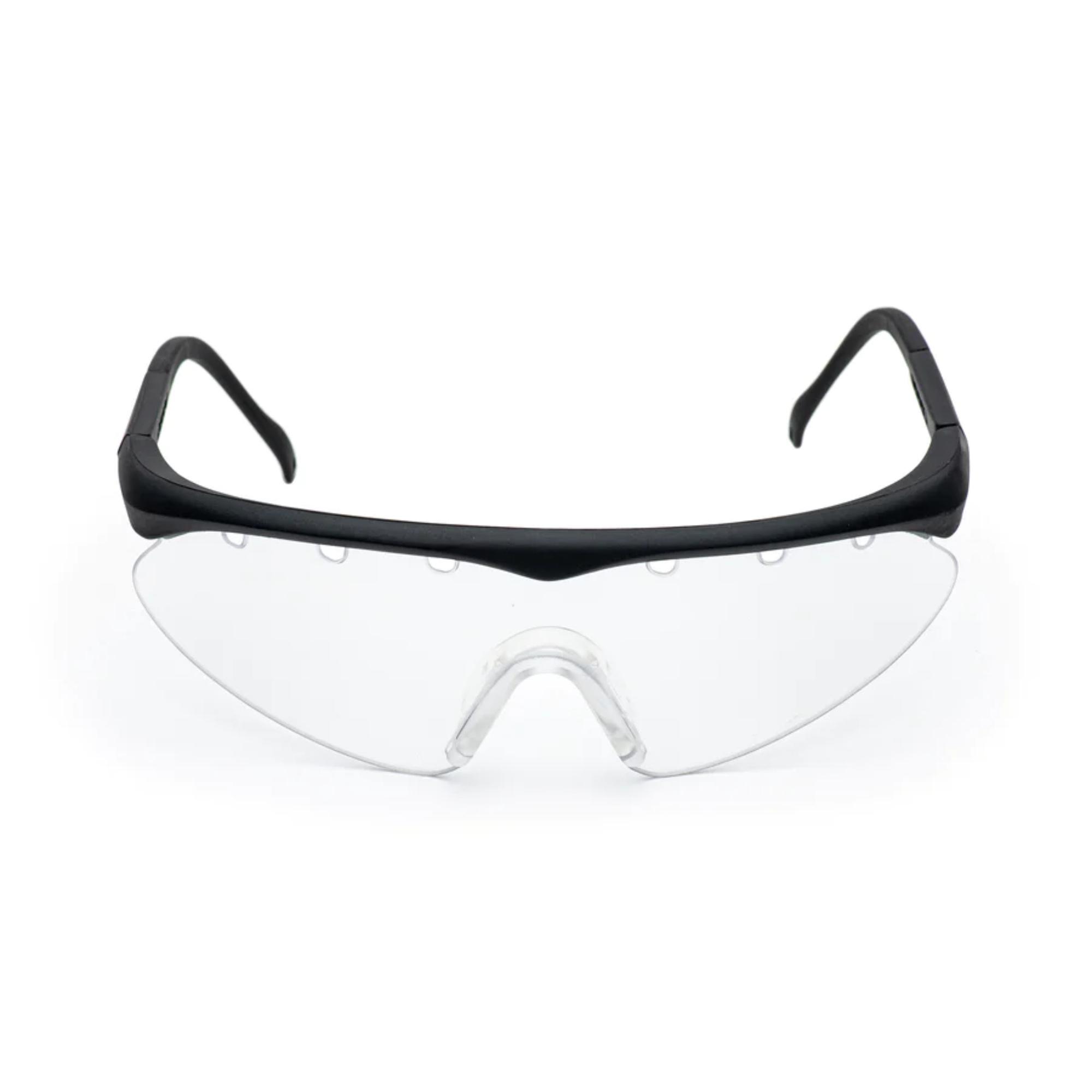
Scratch resistant lenses constructed with high impact polycarbonate
Optically correct lenses with no distortion
Unobstructed field of vision, including peripheral vision
Adjustable temple arms permit a custom fit
Anti fog coating and flow through ventilation to eliminate fogging
Ships with a protective cloth storage pouch and adjustable strap to secure the eyeguards in place
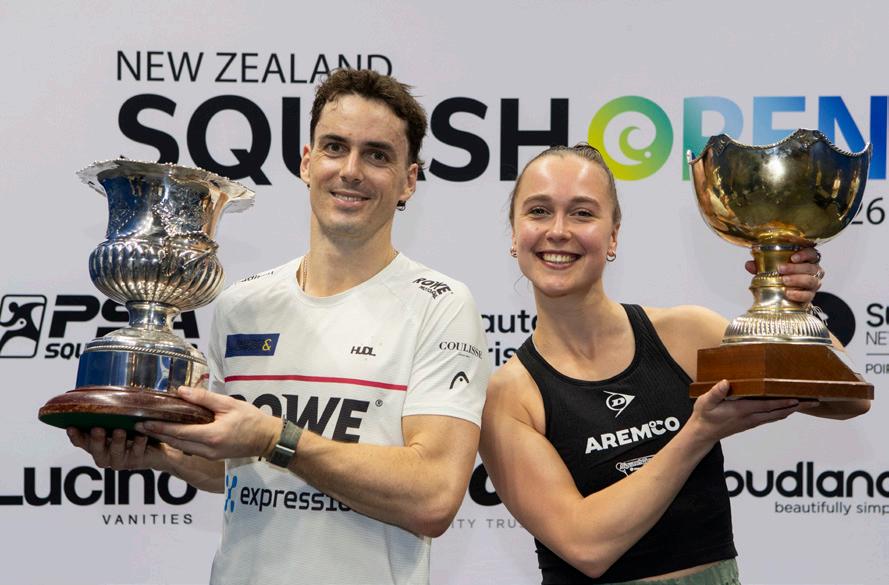
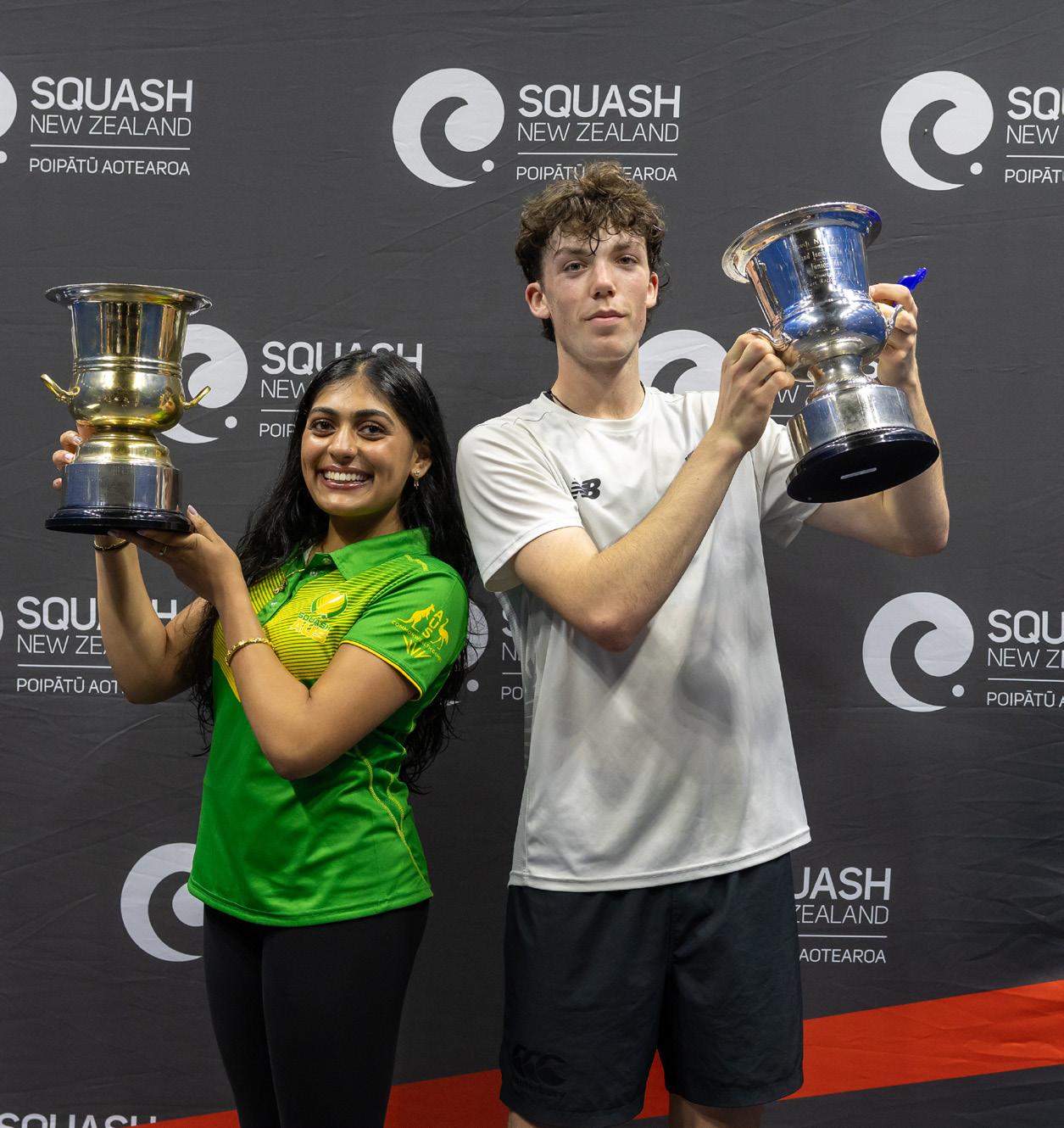
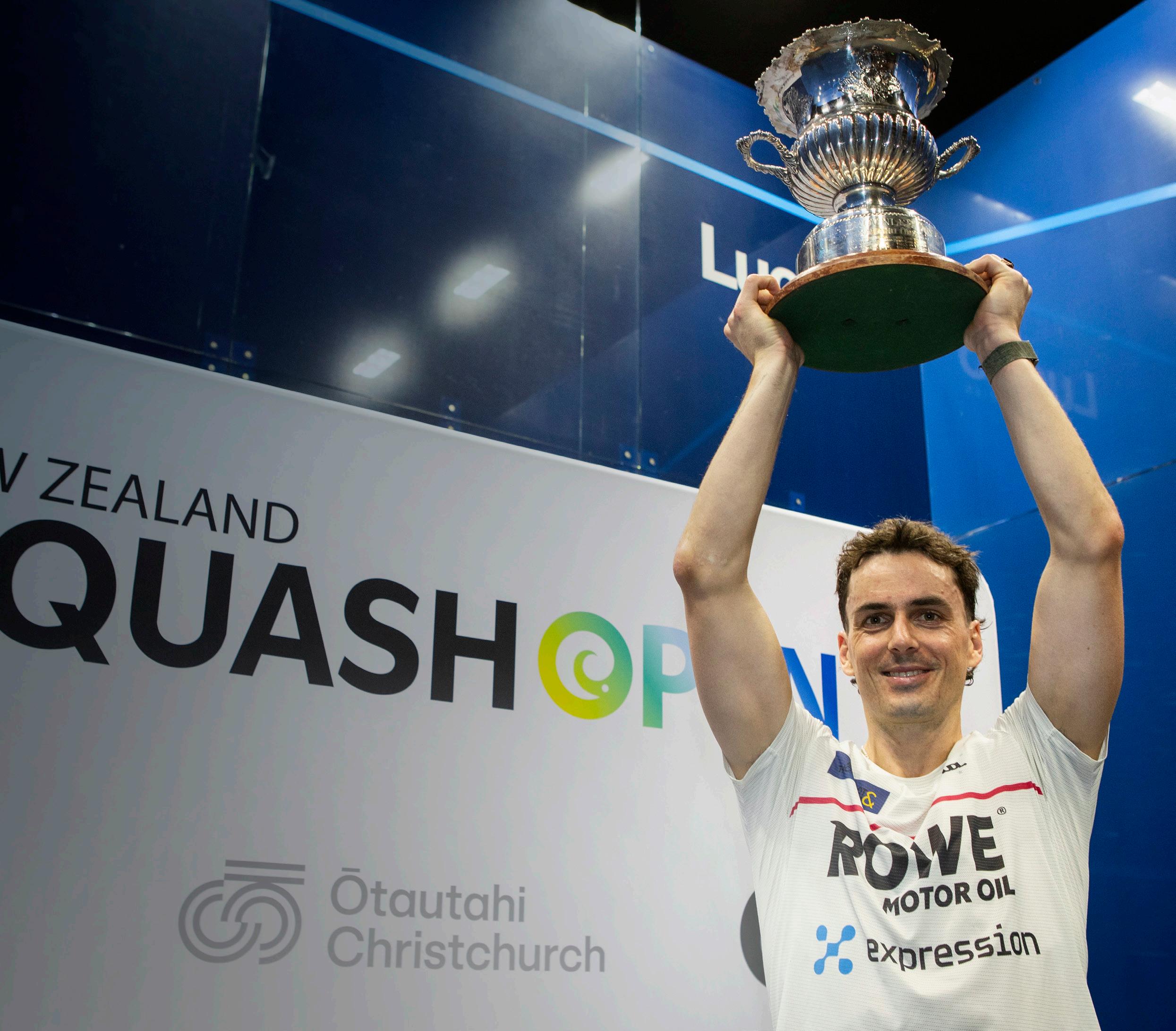
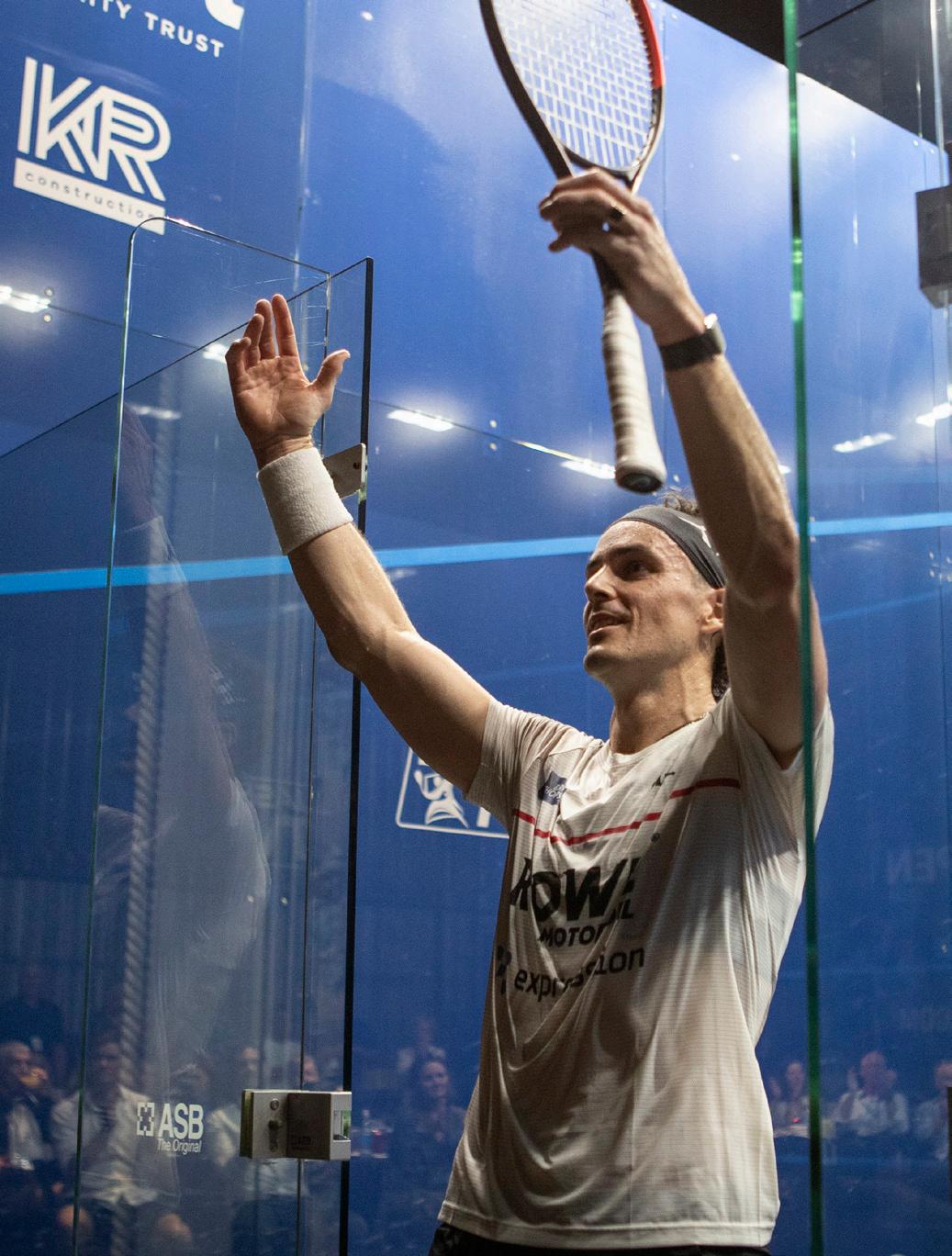
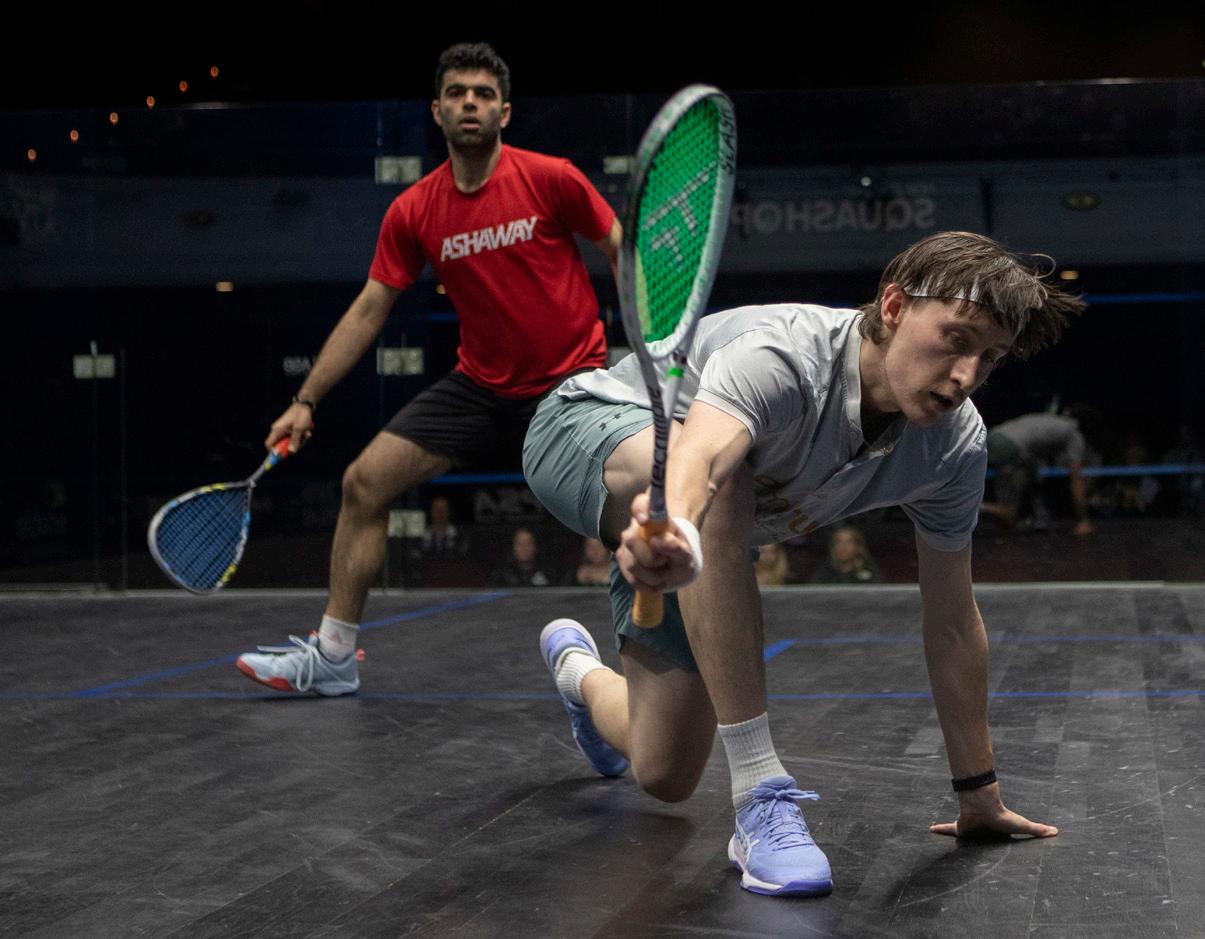
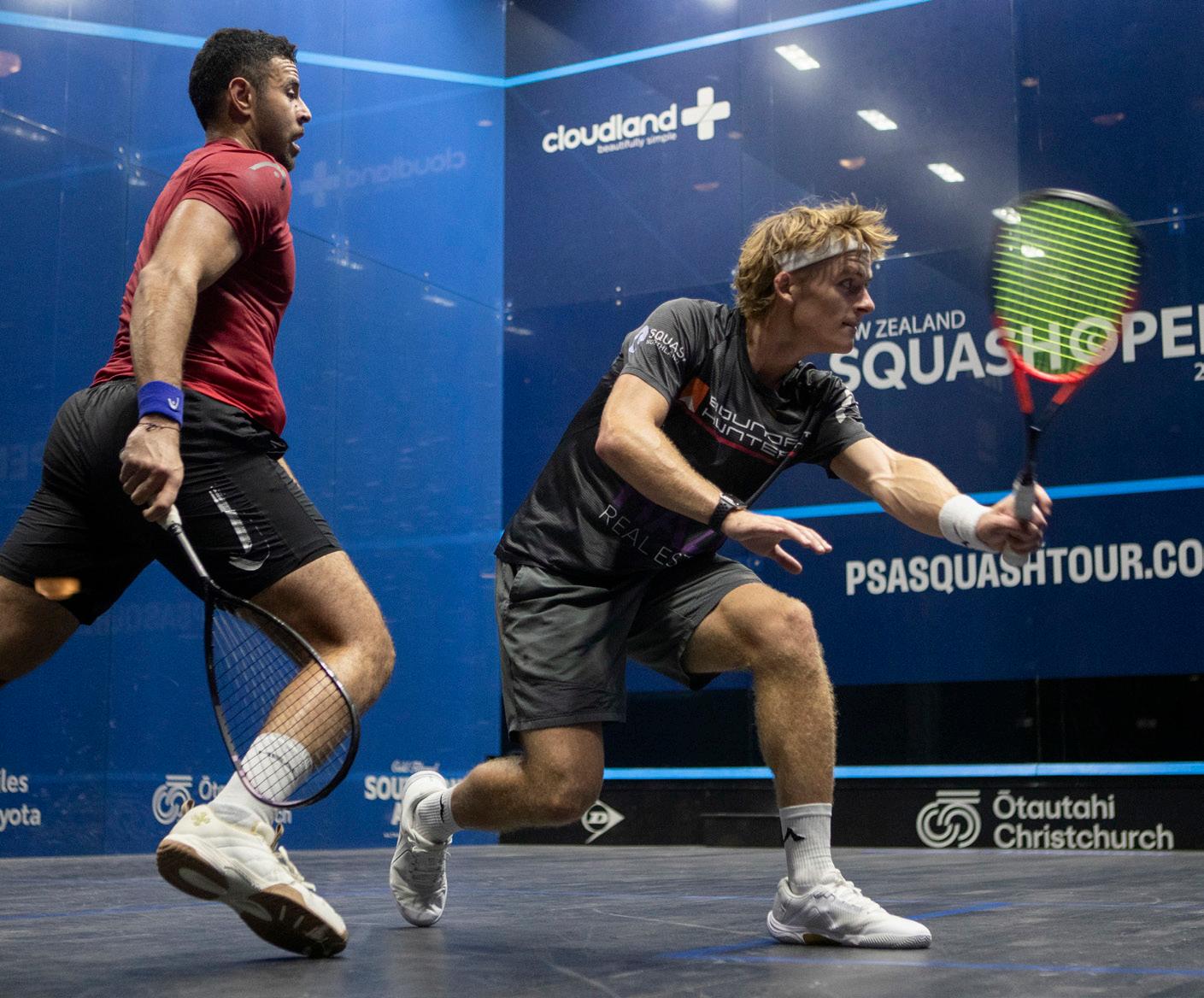
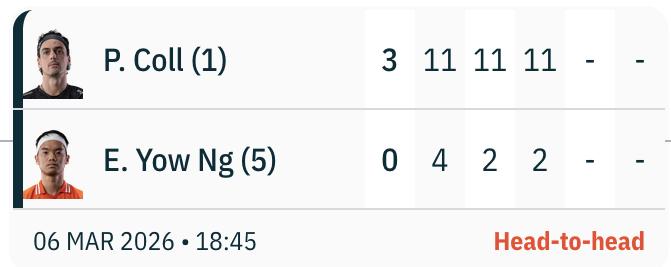
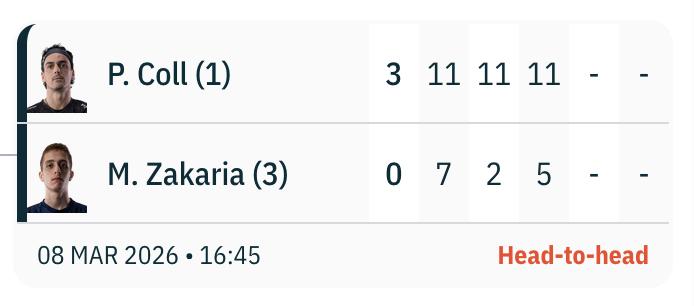
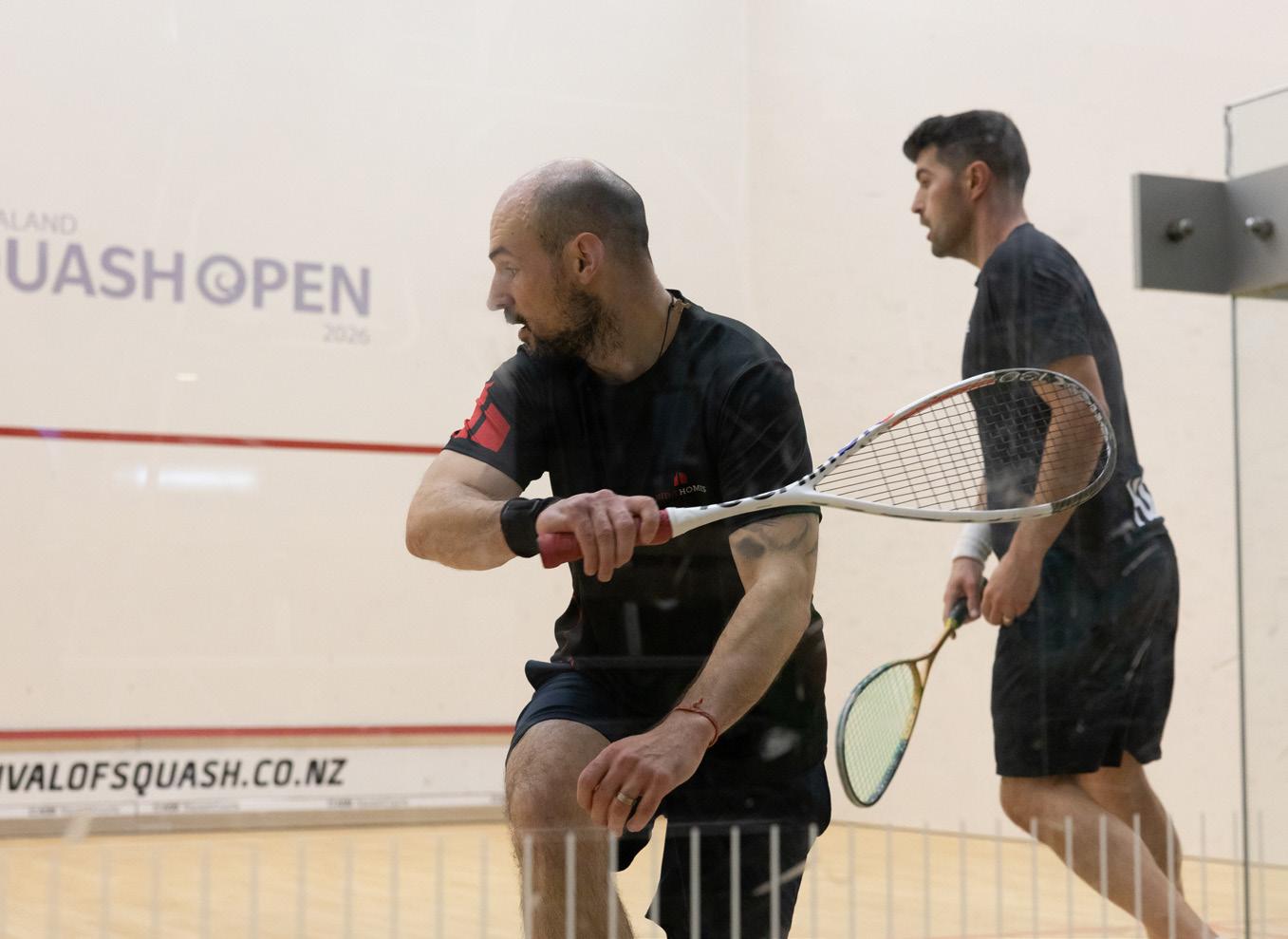
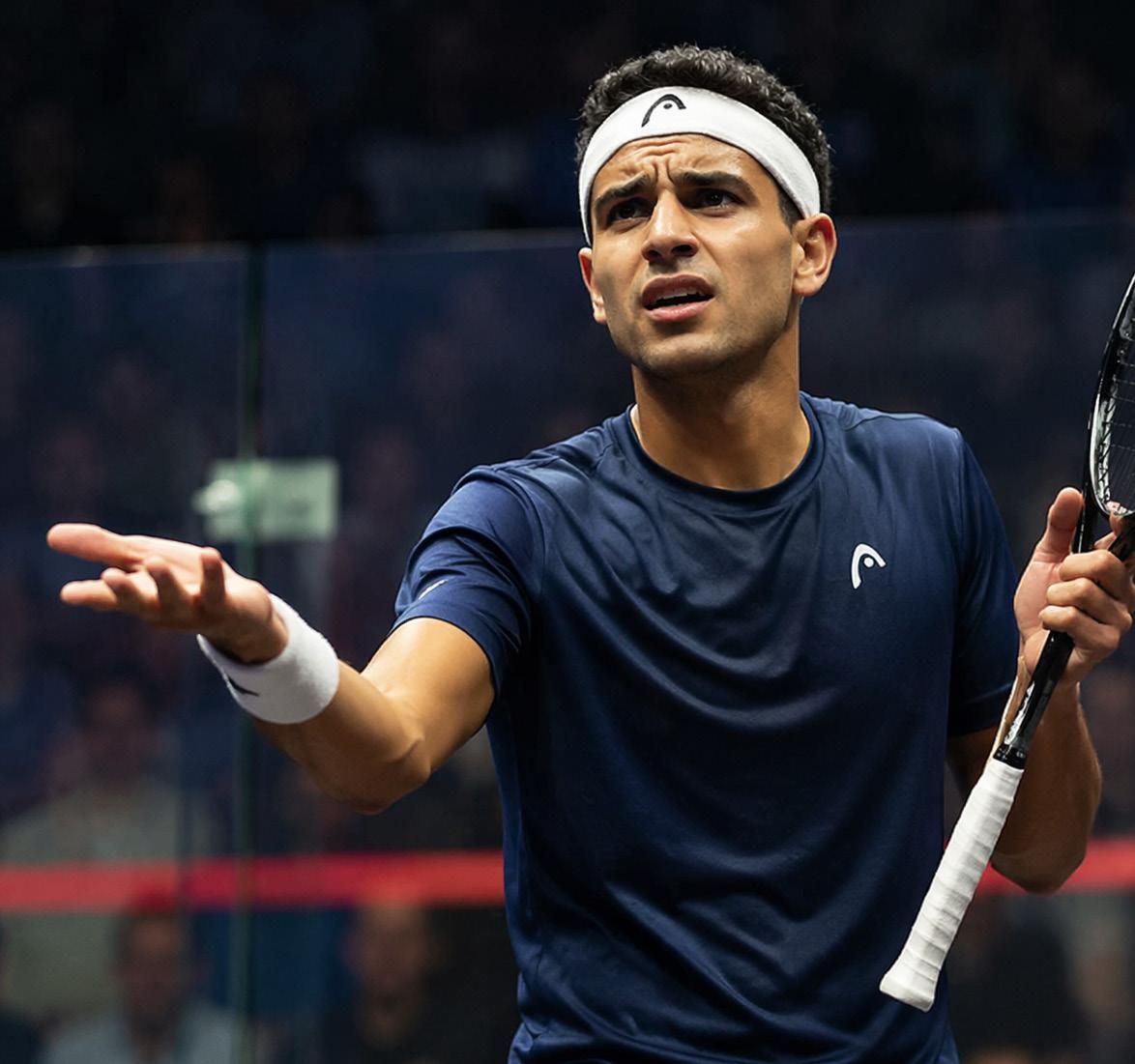
Paul Coll has reaffirmed his status as king of the Isaac Theatre Royal stage in Christchurch after defending his Cloudland New Zealand Open title courtesy of a dominant 11-7, 11-2, 11-5 victory over Egyptian teenager Mohamad Zakaria in the final.
Both players found their range early in an opening game that ebbed and flowed. Zakaria rallied from a 4-2 deficit to lead 8-7, but that’s where the points ended for the two-time junior world champion. Coll lifted his intensity and dictated terms with superior court positioning, stringing together four consecutive points to take the game 11-8.
That momentum remained in the second game as Coll looked to capitalise on tired legs after Zakaria’s marathon semi-final triumph less than 24 hours ago. The world number two looked to take the ball early and seemed more comfortable in the longer rallies knowing fatigue was becoming a factor. Coll won the first eight points after the resumption, before clinching the second game 11-2 to take a commanding 2-0 lead.
There was no stopping Coll from there with the finish line in sight in front of friends and family who made the trip from the West Coast. He maintained his level, putting the hammer down to win the third game 11-5 inside seven minutes. “I’m stoked mate,” Coll exclaimed.
“This means a lot to me, to come back and play in front of a packed theatre. I’m very happy to win the NZ Squash Open for the third time. I was feeling a bit nervous, he [Zakaria] had a monster match yesterday. I knew he was going to feel tired, but I was trying to put that out of my mind and play my squash.”
With the win Coll extended his unbeaten record to 8-0 on the Isaac Theatre Royal stage and moved to a 27-1 overall record for PSA matches held in New Zealand.
“Last year all the players left here saying how good it was and it was such a good showcase for New Zealand. I’m sure it’ll be great in Palmerston North in 2027, I’ll definitely be back to try and make it four [in a row],” Coll said.
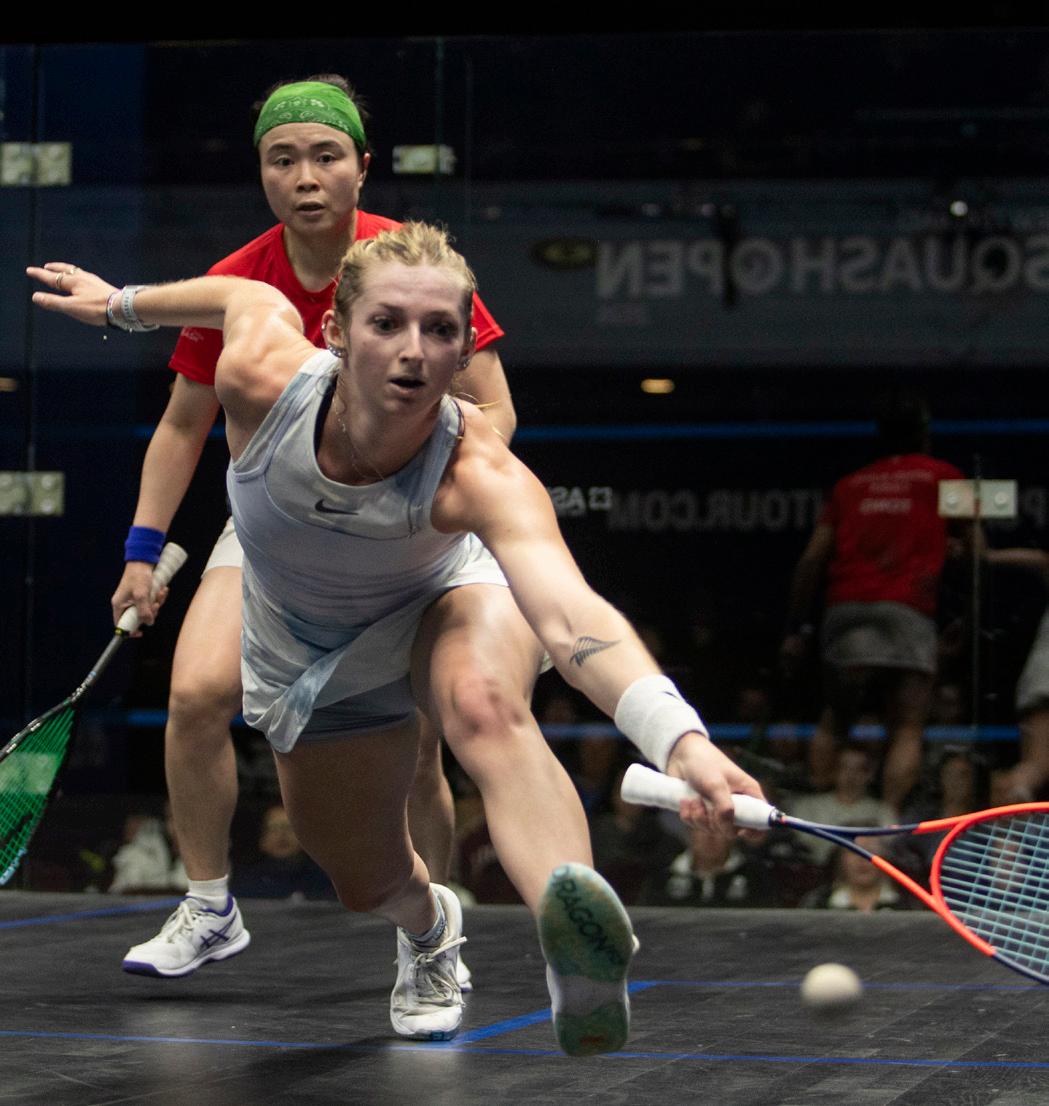
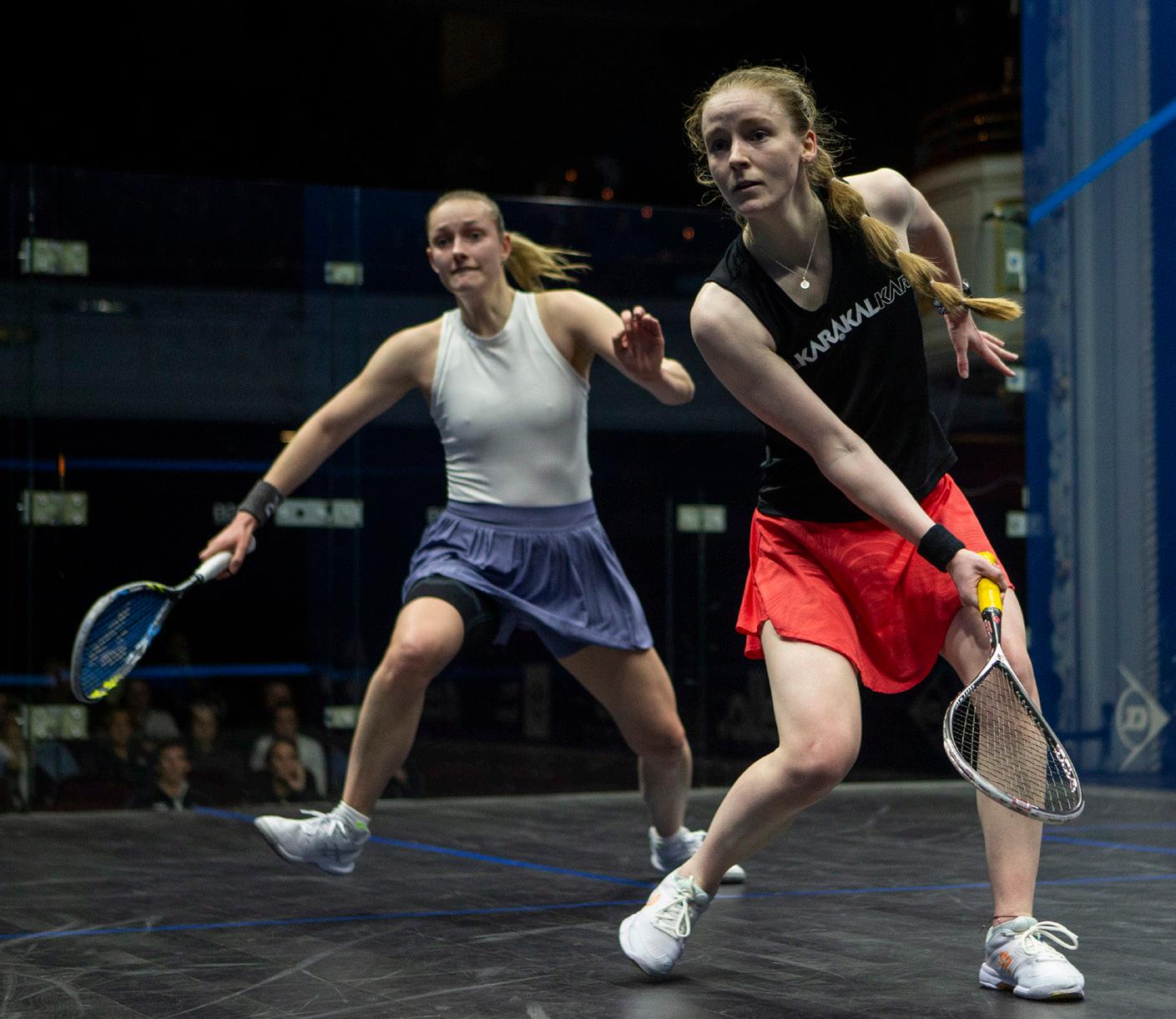
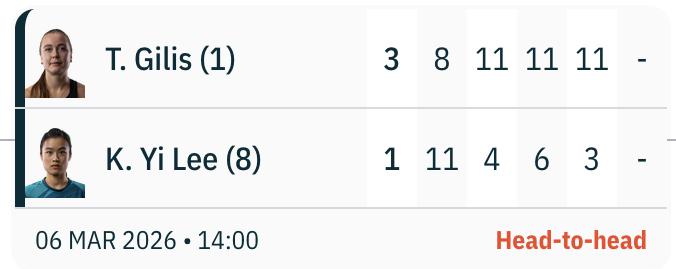
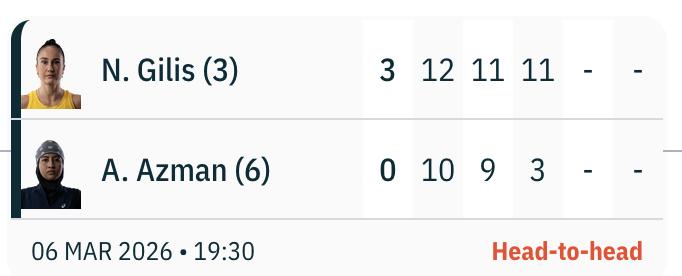
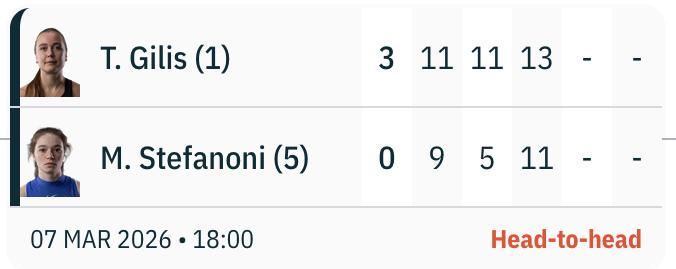
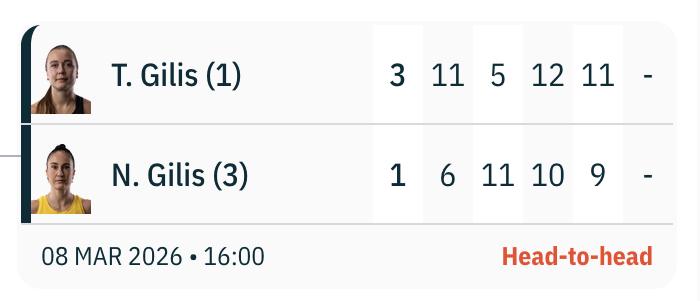
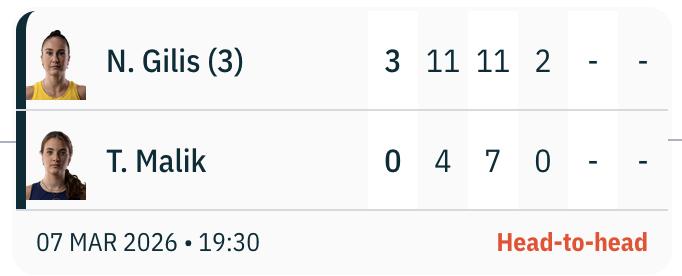
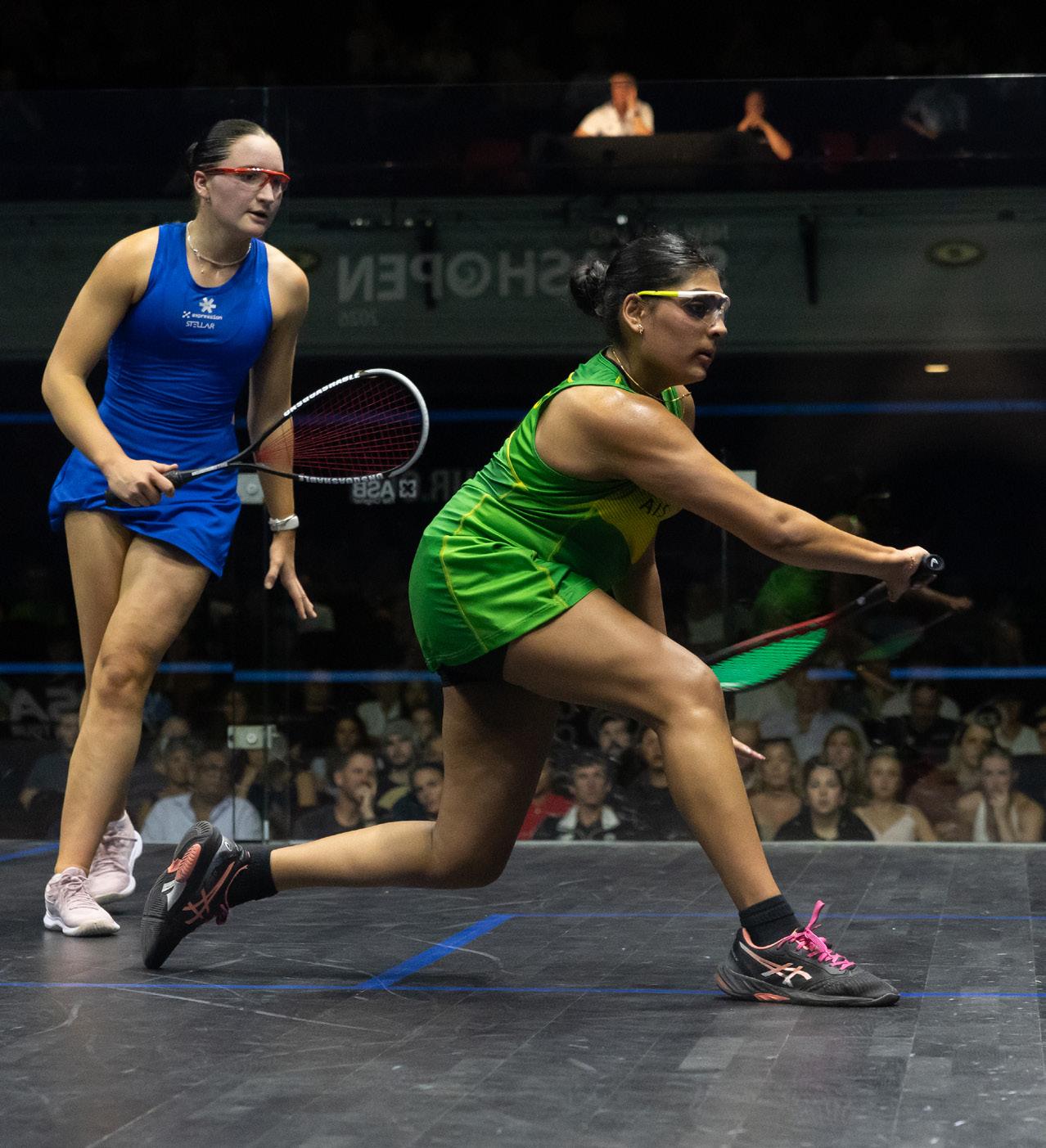
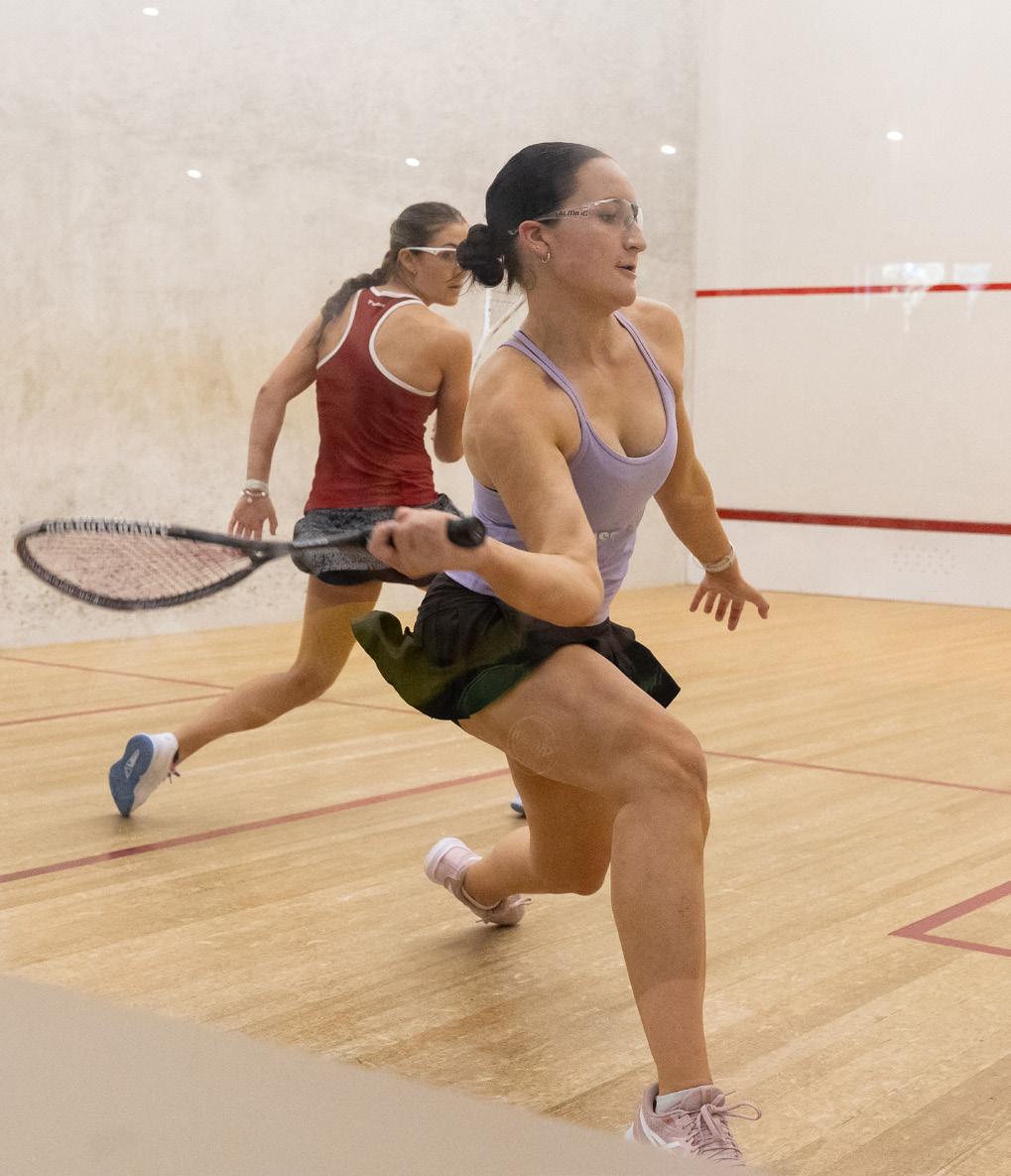
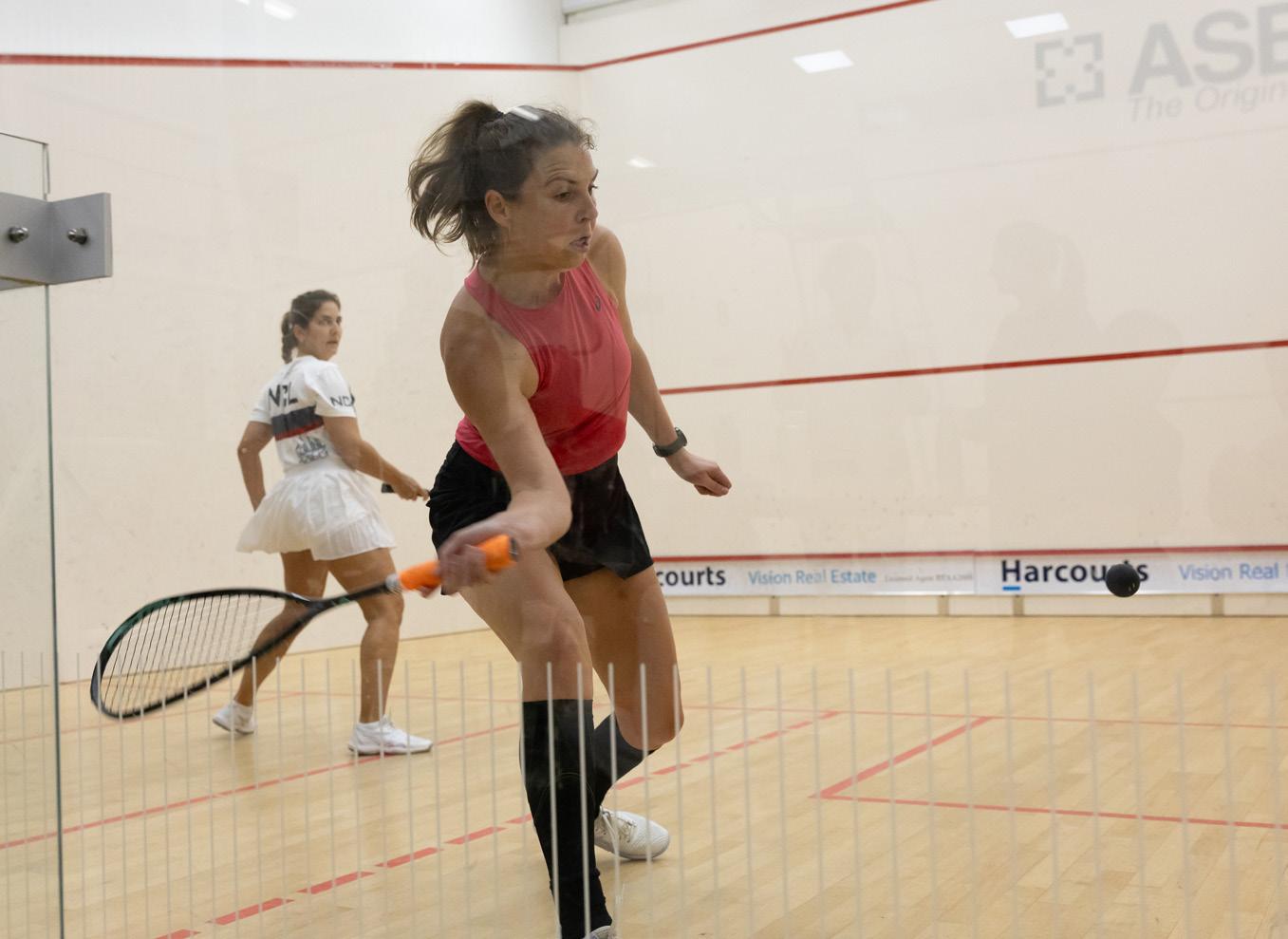
Earlier the Christchurch crowd was treated to a Gilis epic in the Lucino Vanities NZ Women’s Open decider as top seed Tinne held her nerve to beat younger sister Nele 116, 5-11, 12-10, 11-9 across 78 minutes.
It’s Tinne’s first New Zealand Open title, and just her second win in 11 attempts on the PSA Tour against Nele.
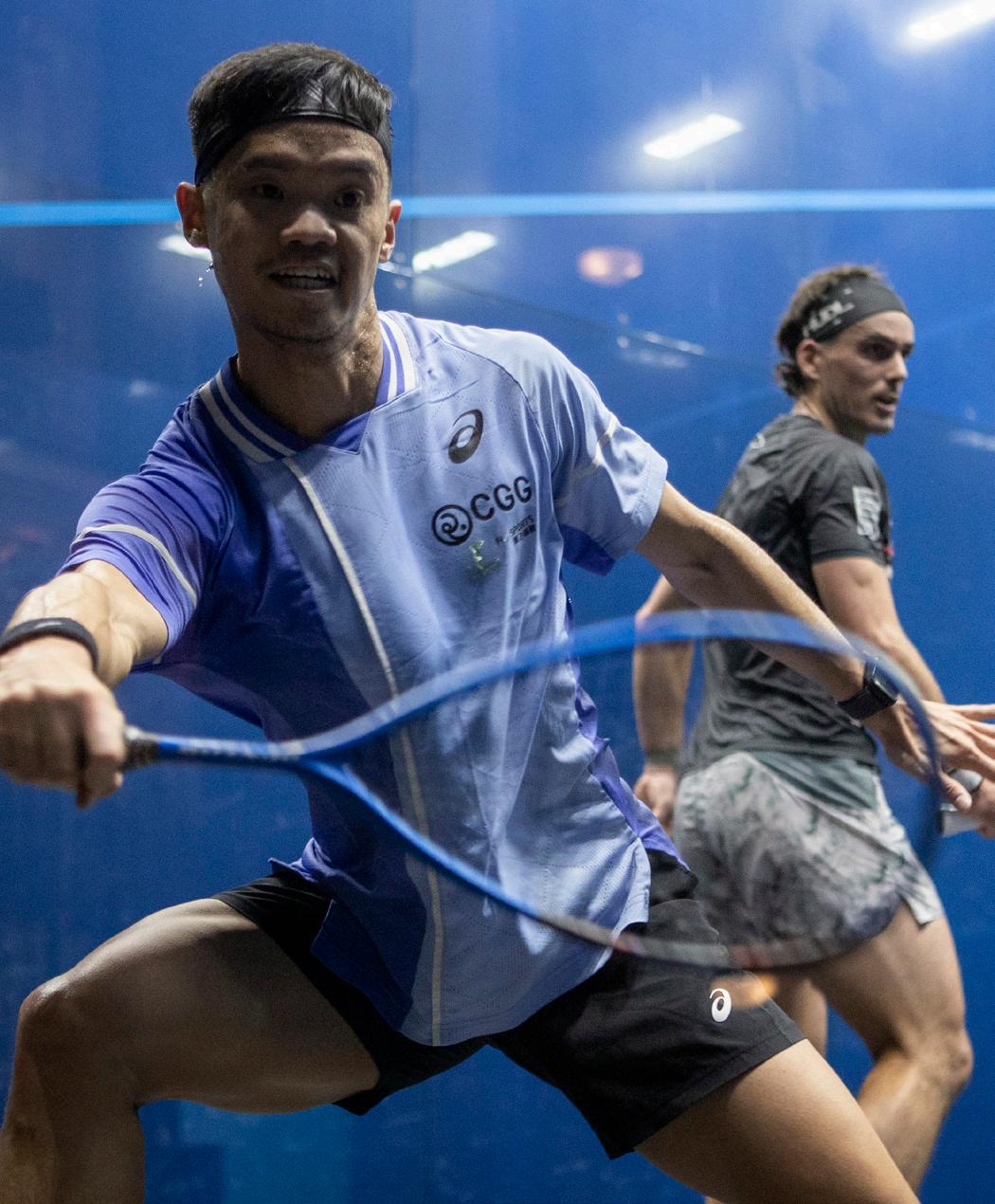
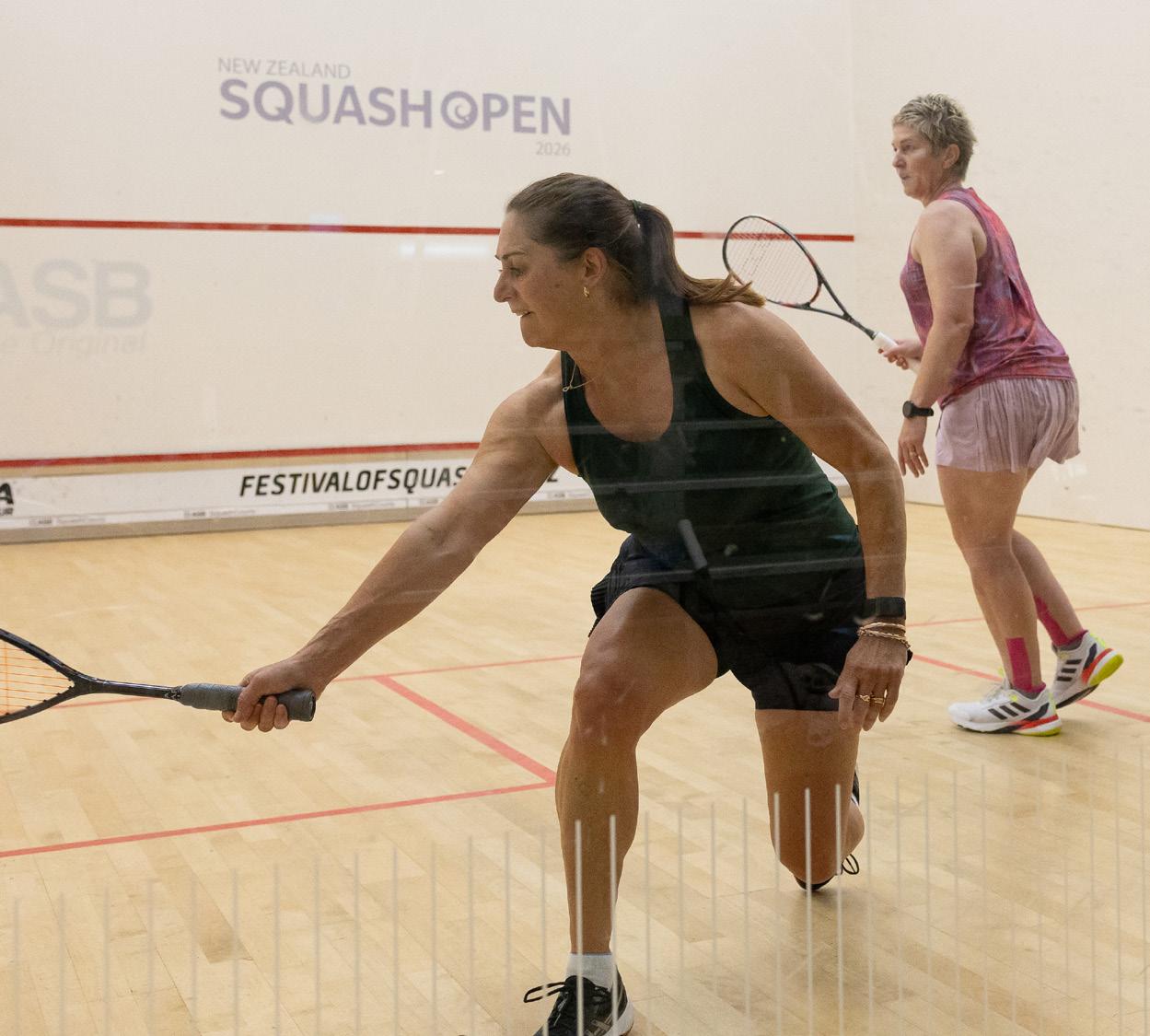
The 2026 New Zealand Squash Open runs from March 3-8 and is a Silver-level tournament on the PSA Squash Tour. The Open is the centrepiece of the New Zealand Festival of Squash, which returns with a full line-up of age-group and international events for all squash lovers.
Alongside the Open, Christchurch will also host the Oceania Masters and the New Zealand Junior Open across multiple venues including Christchurch Squash Club, Burnside Squash Club, Richmond Club Squash Centre and Christchurch Football Squash Club.
The 2026 NZ Squash Open and associated events are being delivered in partnership with the Professional Squash Association (PSA), Squash Events Canterbury, Squash New Zealand Poipātū Aotearoa, and supported by key partners including ChristchurchNZ and Lucino.
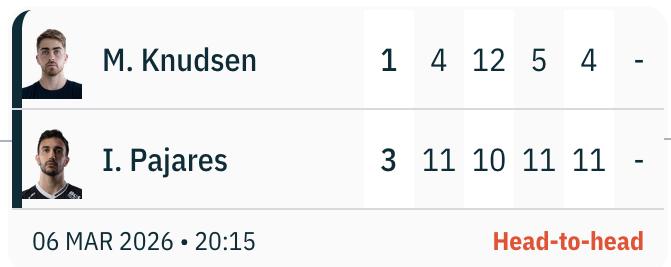
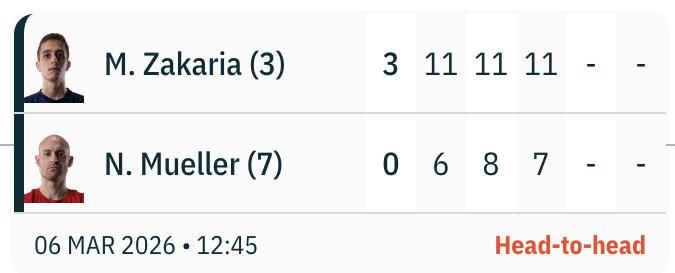
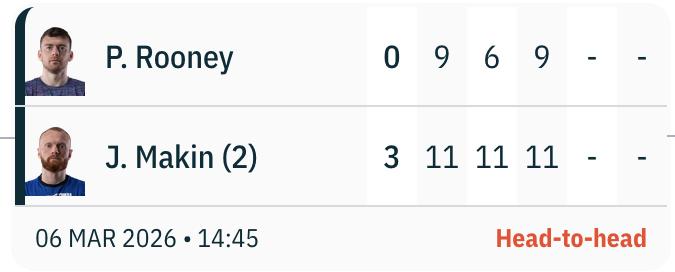
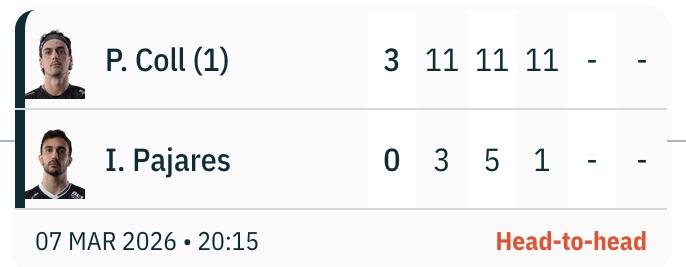
QUARTER FINALS
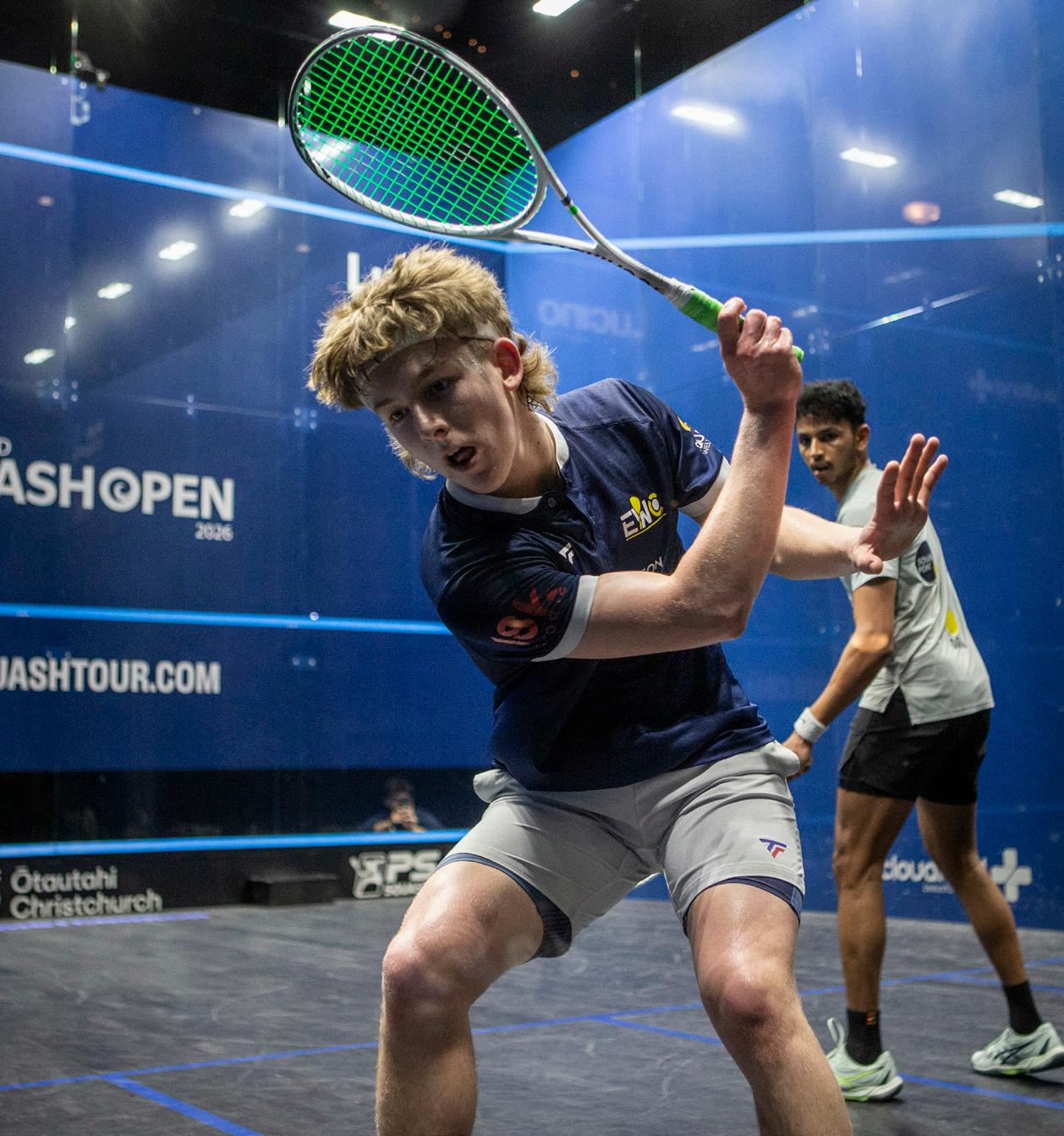
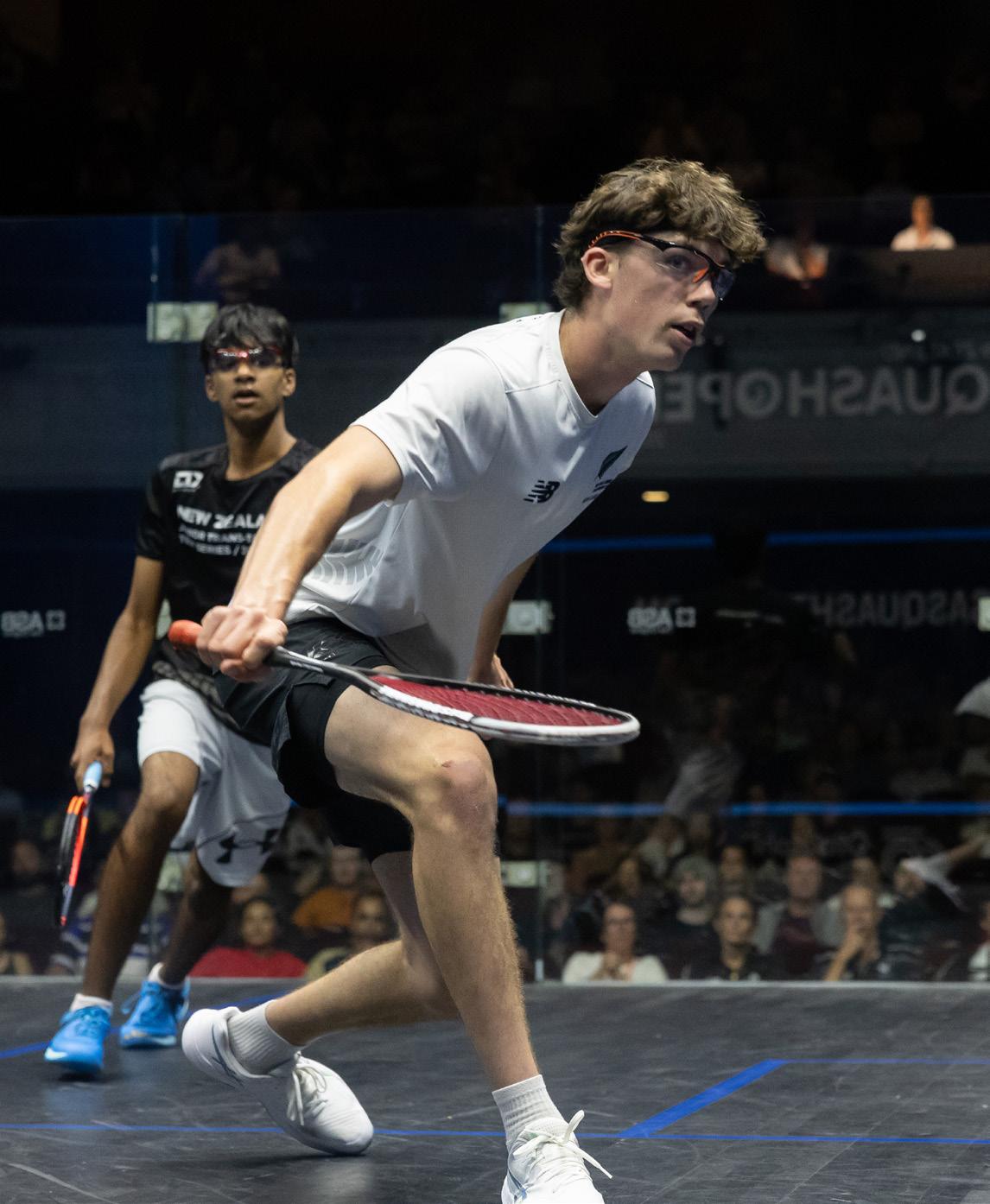
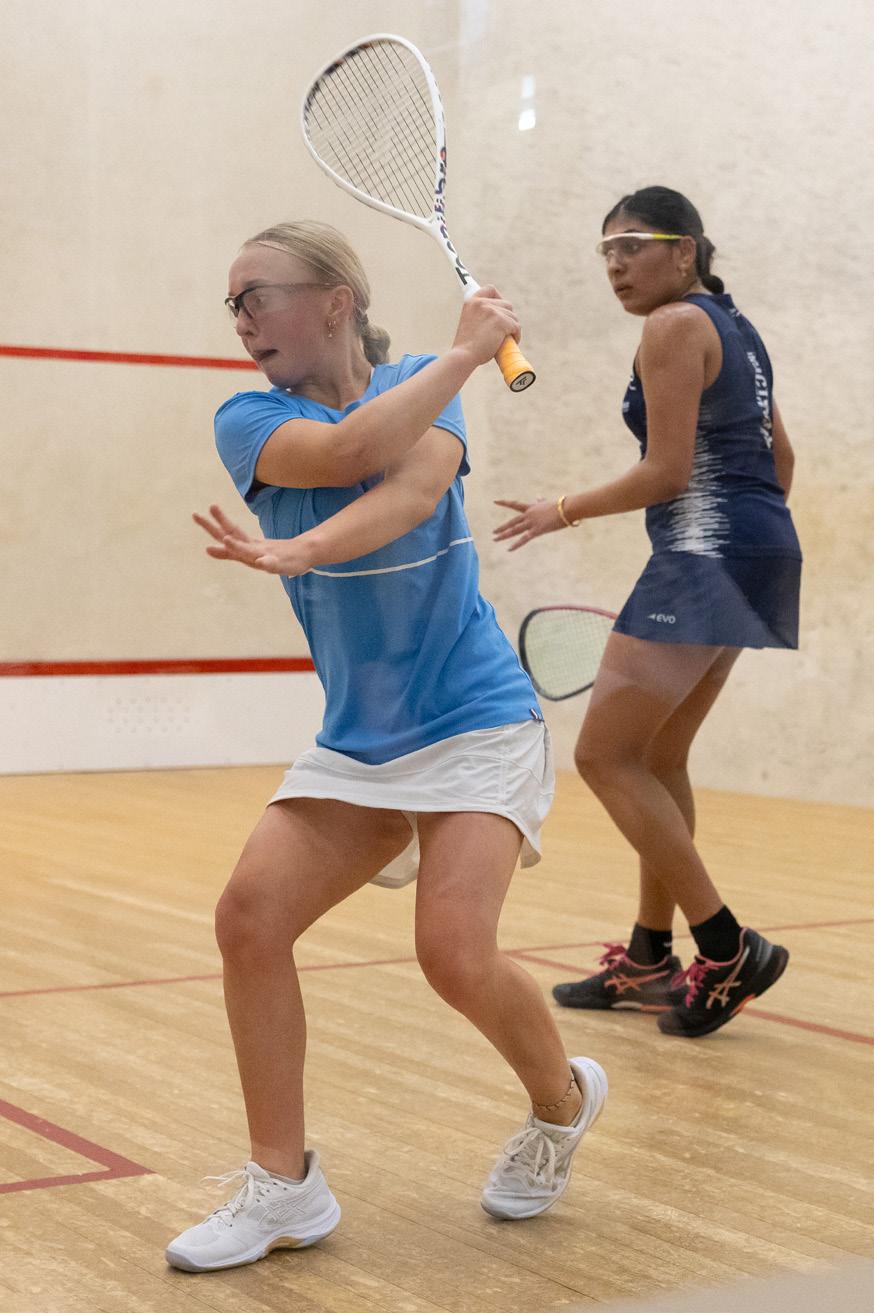
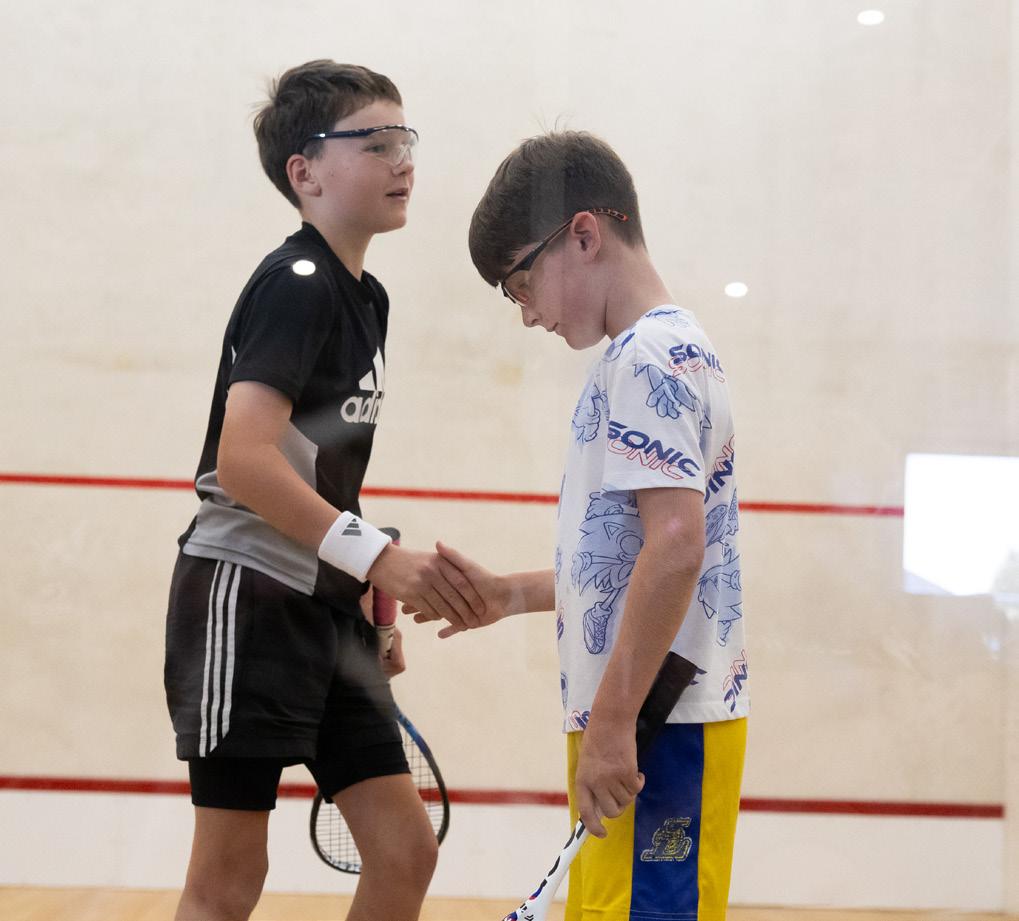
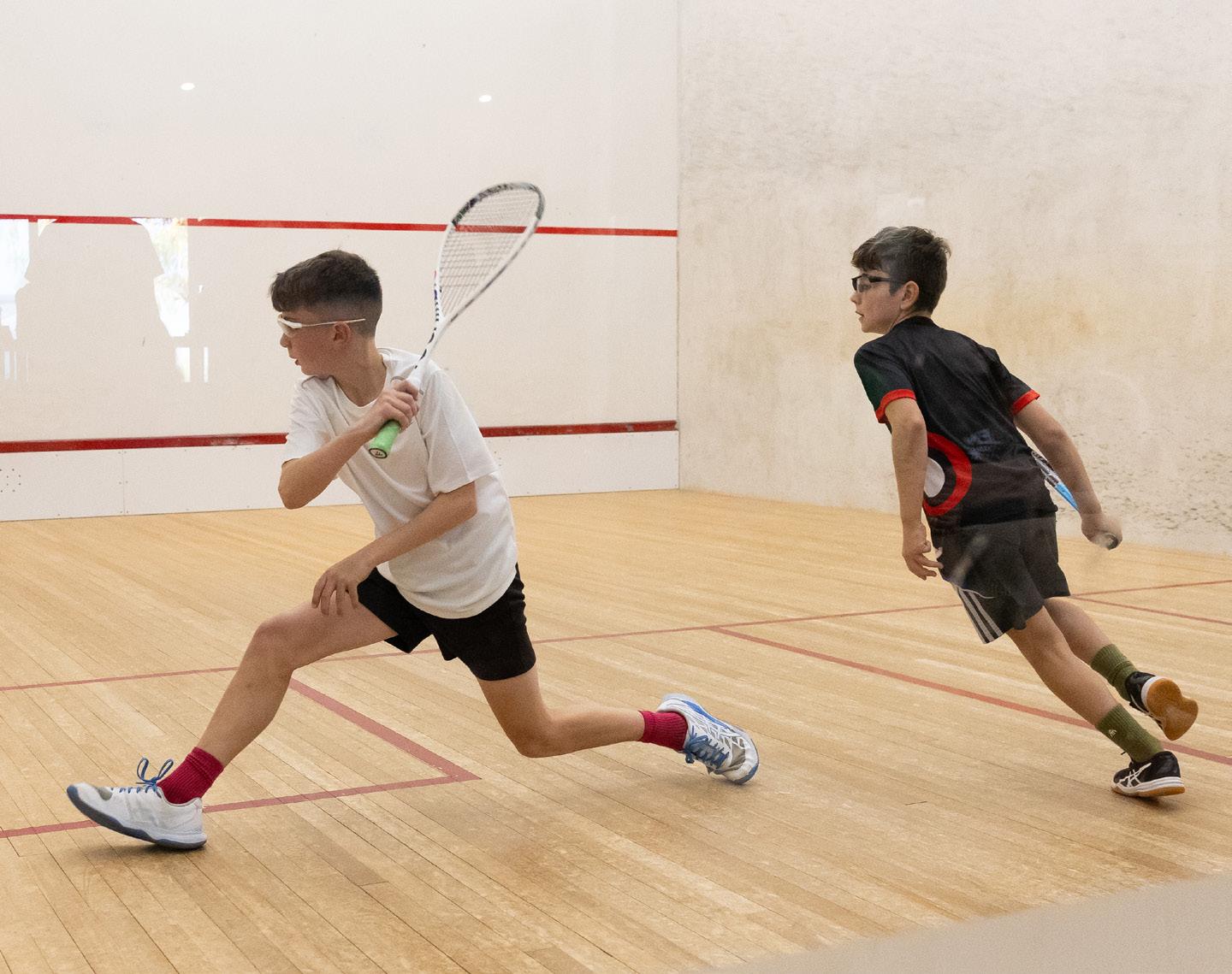
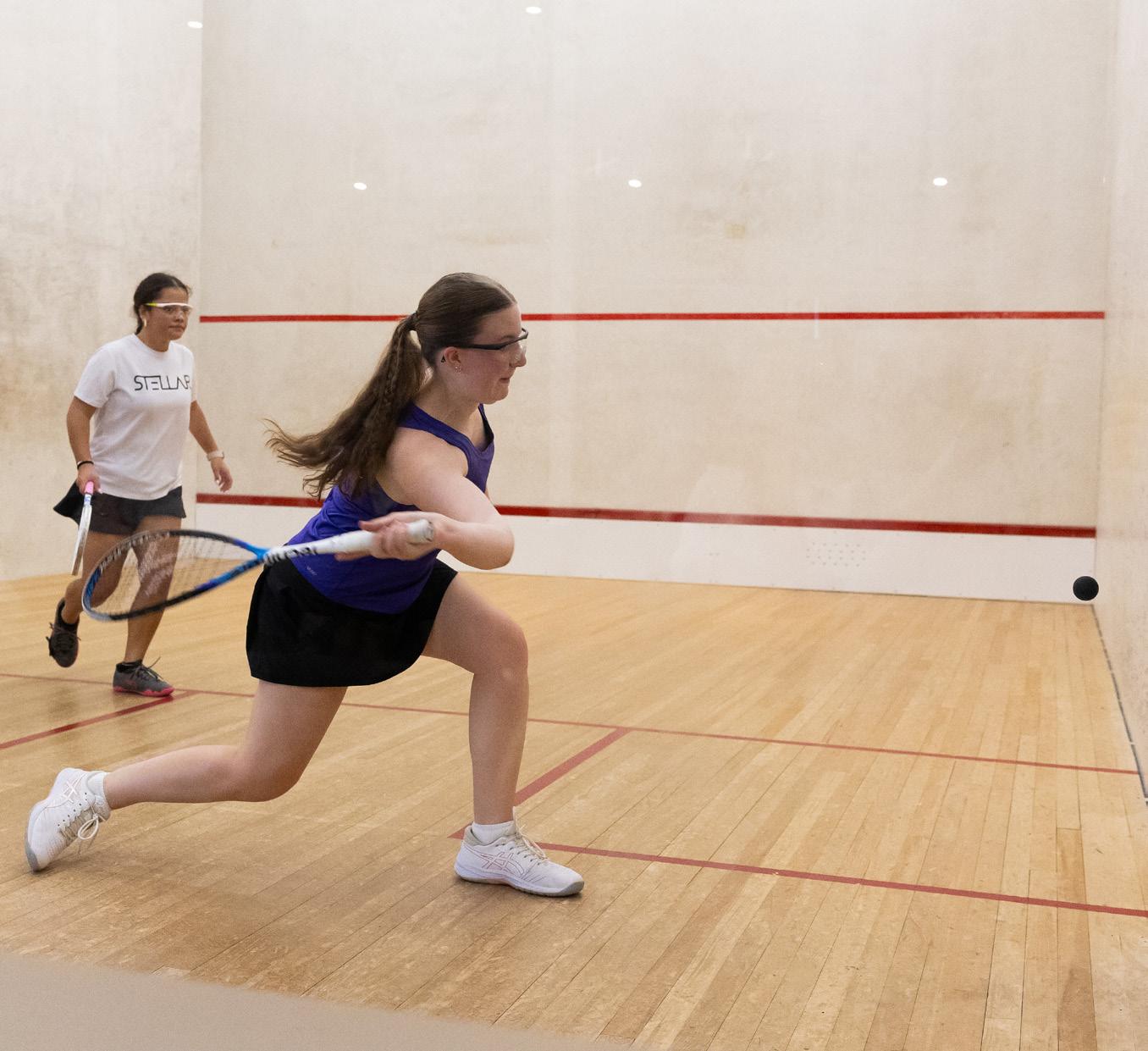
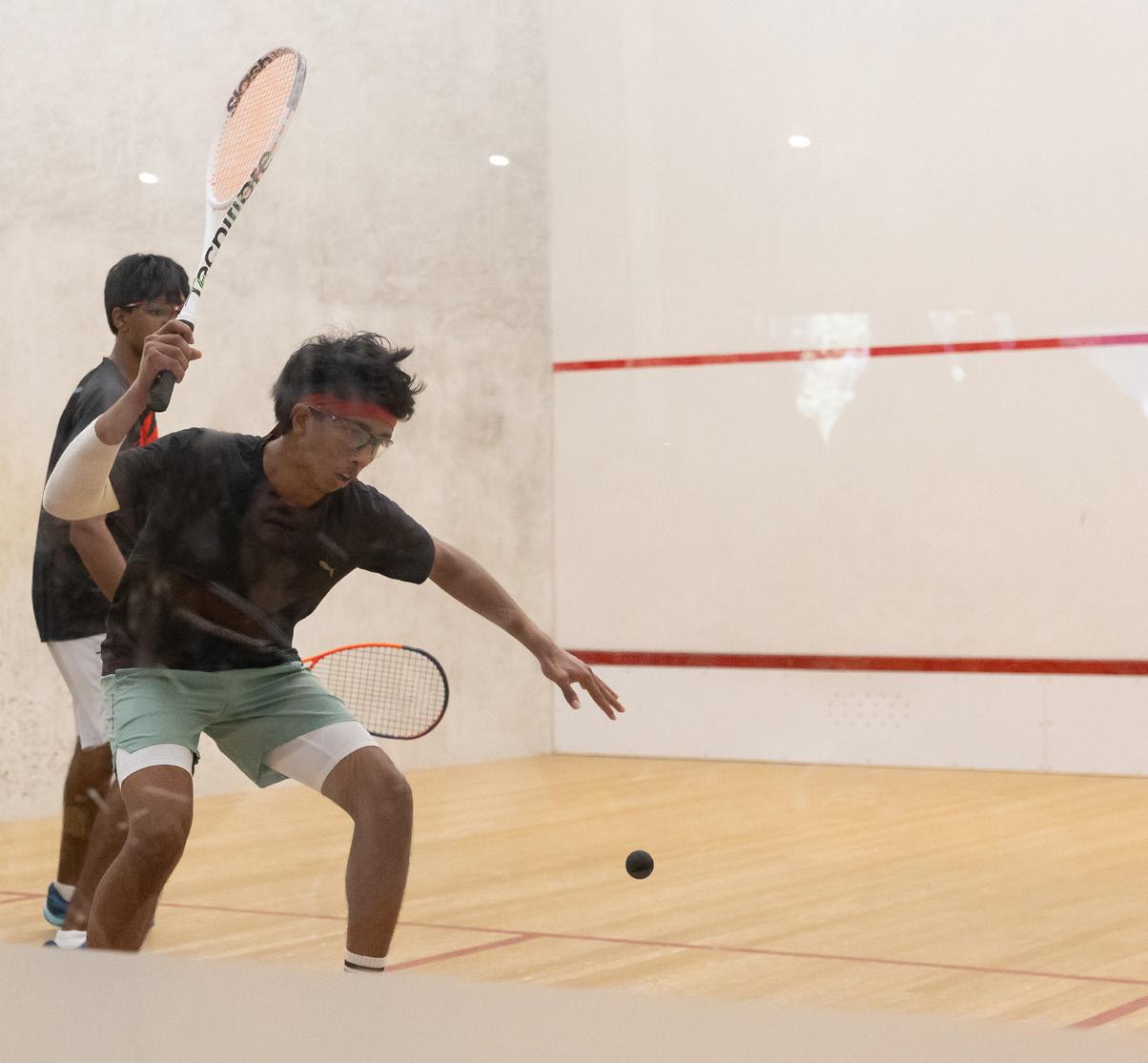
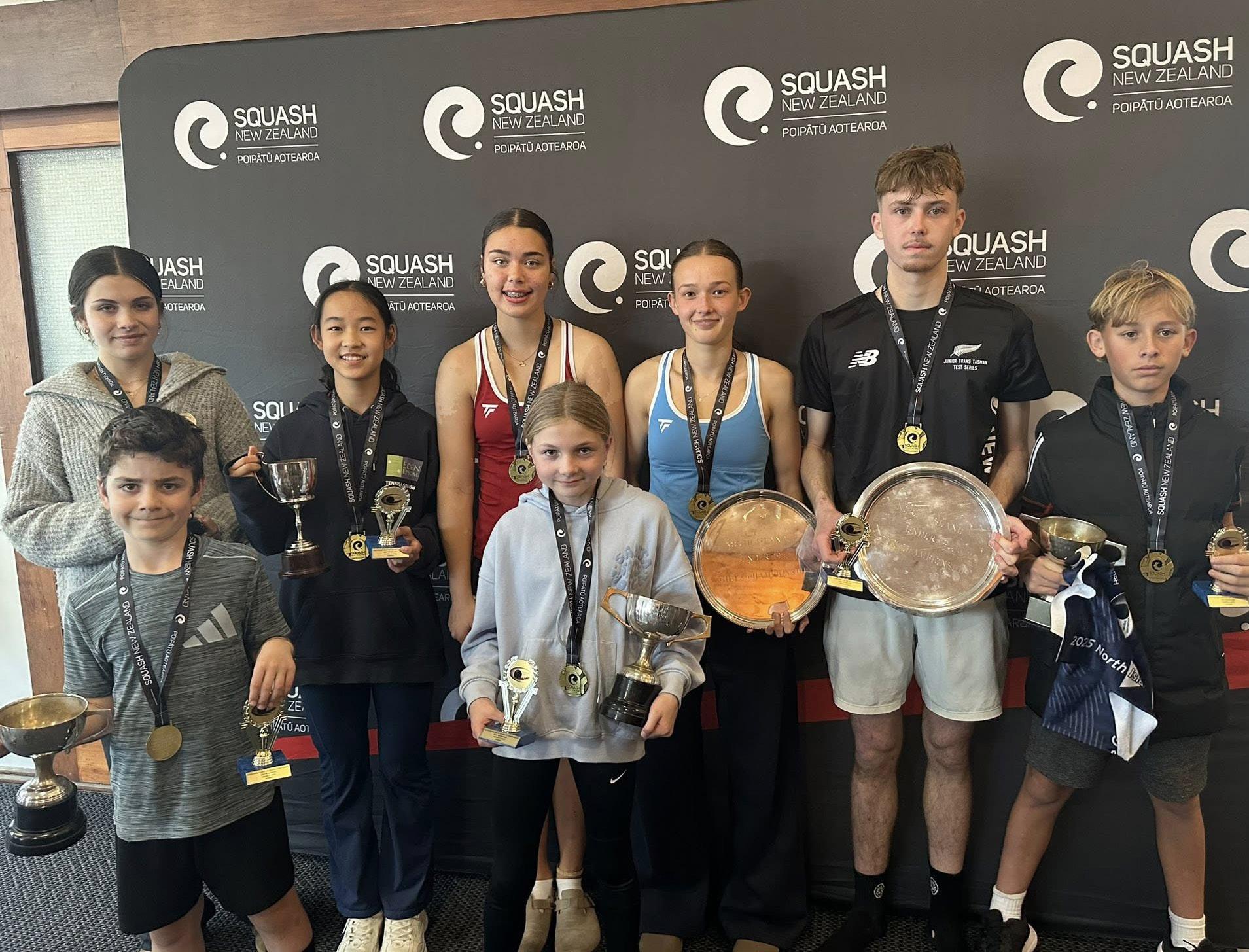
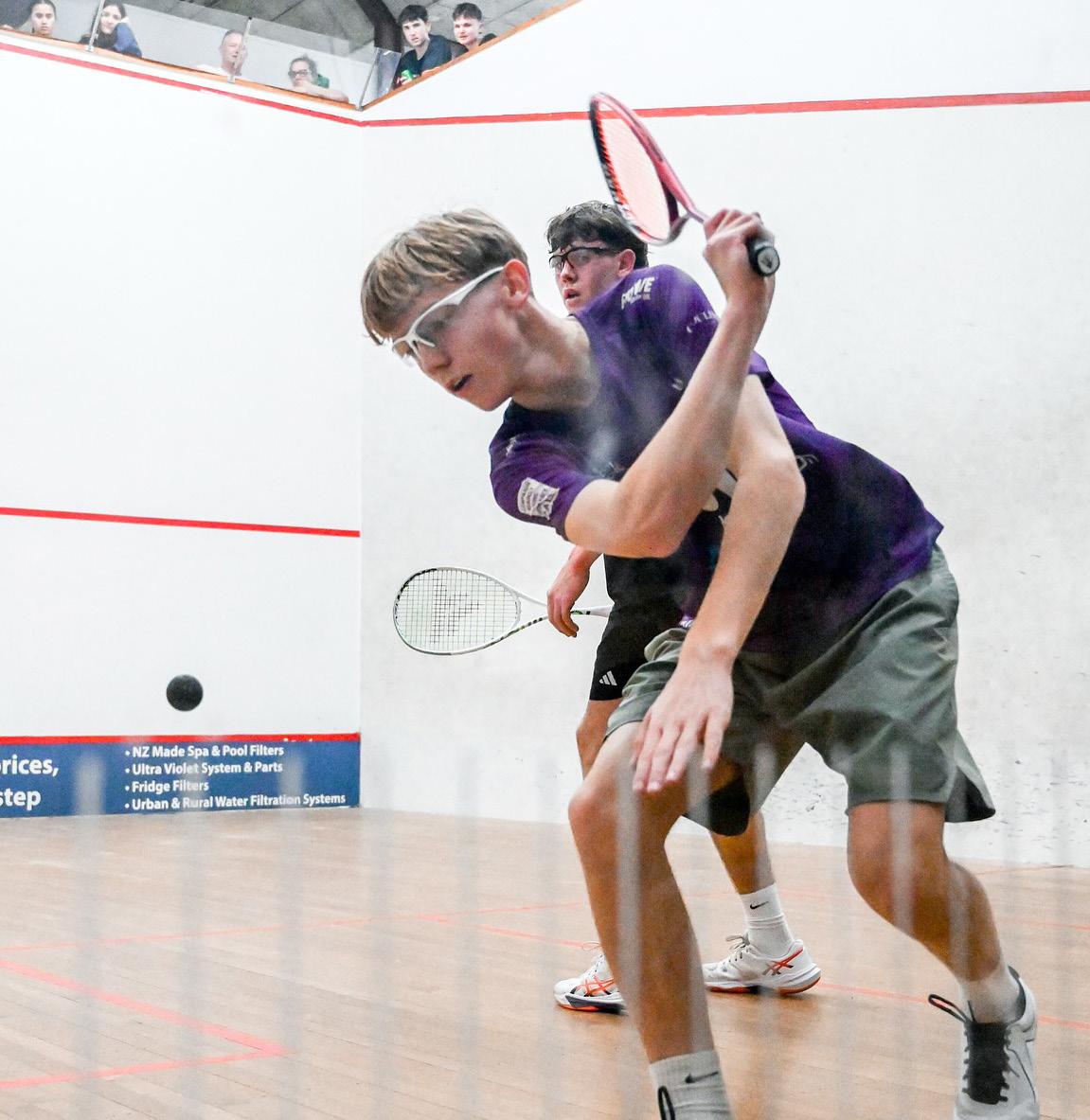
The 2026 New Zealand Junior Open delivered four days of high-energy squash in Christchurch from 5–8 March, bringing together 112 of the country’s top junior players as part of the Festival of Squash alongside the NZ Open and Oceania Masters.
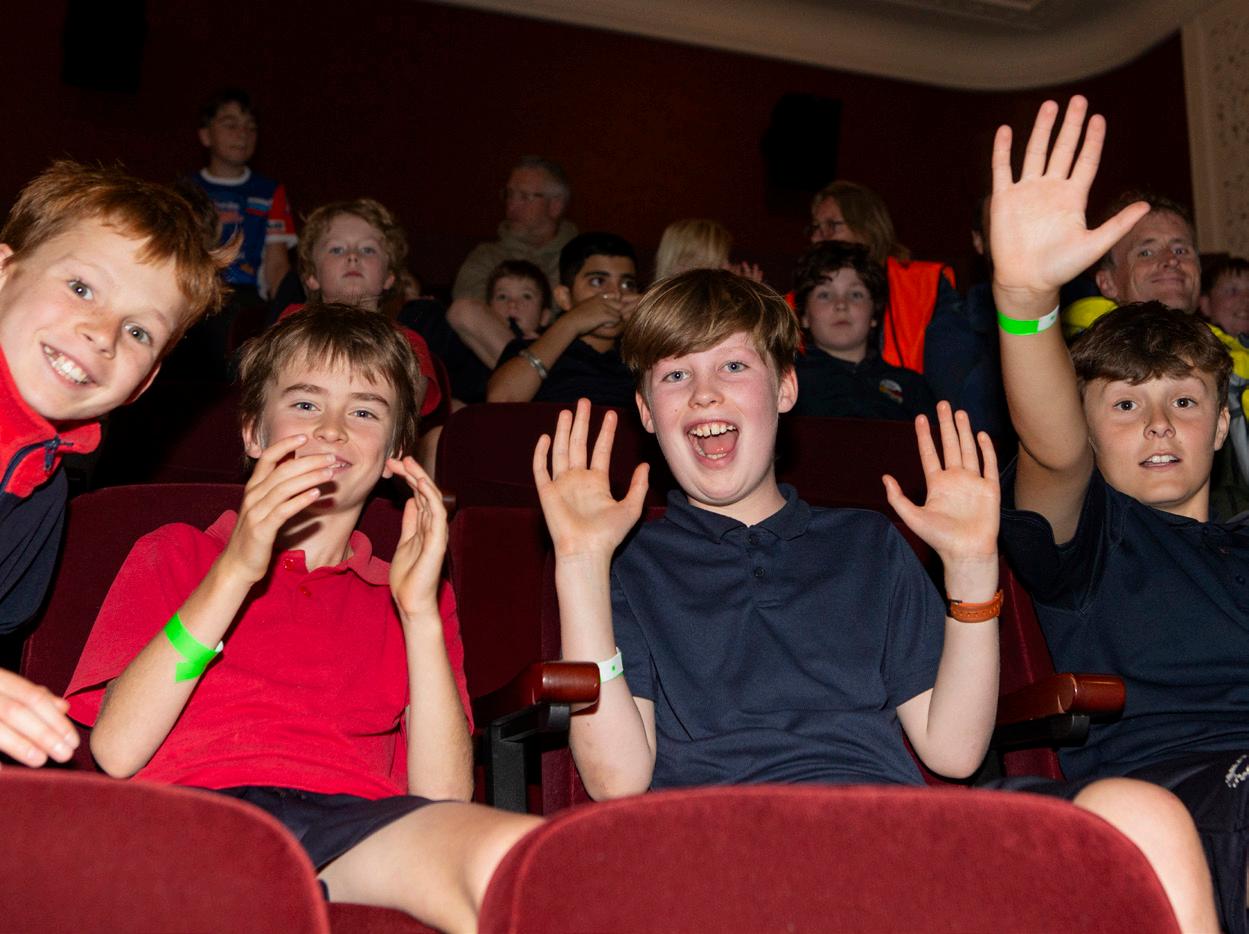
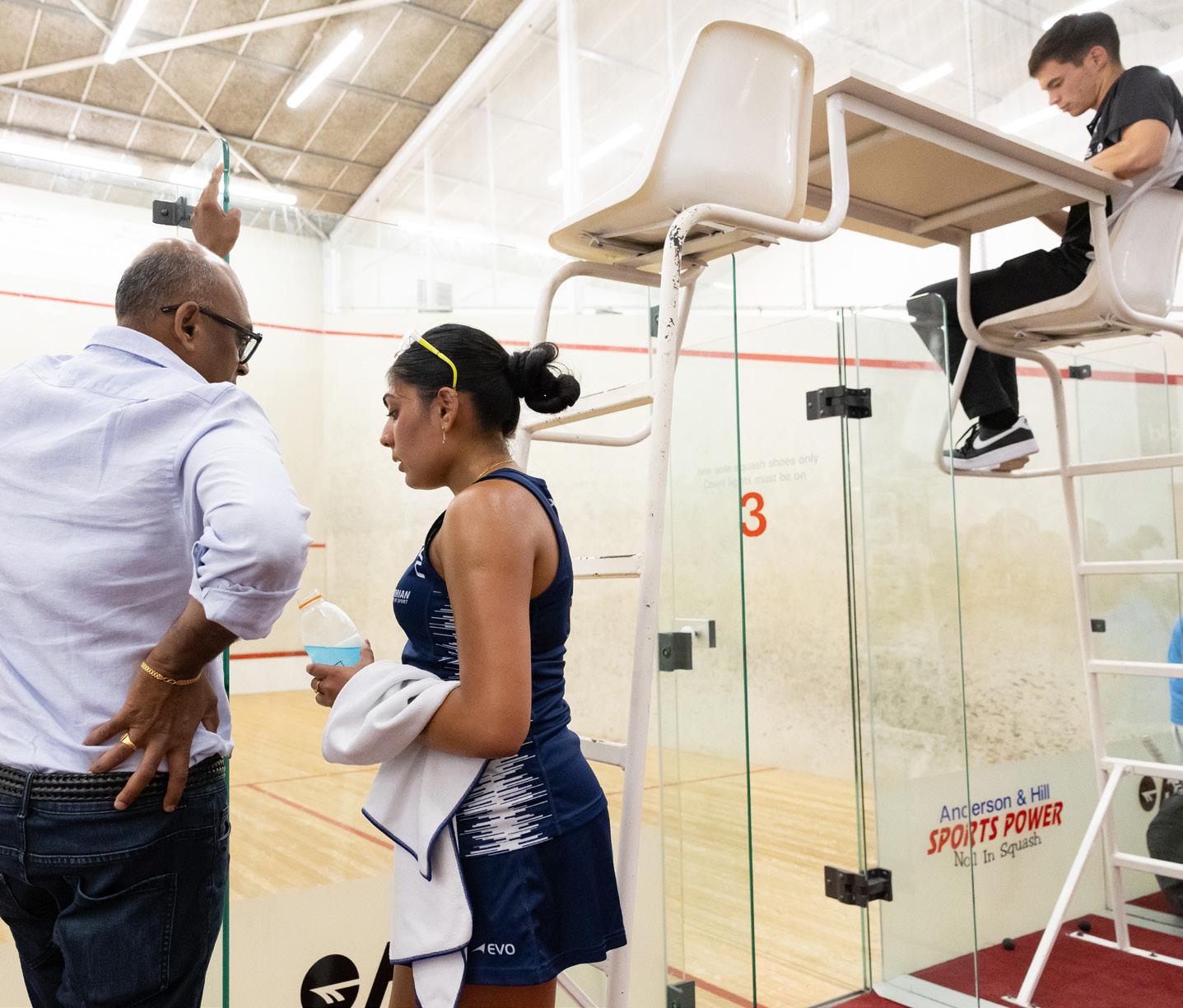
The highlight of the week came at finals time, when our Junior Open finalists were the curtain raisers for the NZ Open Finals at the theatre. Walking onto the show court to music, with full player introductions and songs just like the PSA professionals, was a truly unforgettable experience and one that made the juniors feel part of the biggest stage in New Zealand squash.
That strong integration with the NZ Open was a defining feature of the event, giving young players the chance to watch world-class squash up close, feature in high-quality photography and livestreaming, and experience the atmosphere of a major professional event. The NZ Junior Open 2026 was not just about titles – it was about inspiration, visibility and giving the next generation a taste of what’s possible.
BOYS
Open
Winner Maximus Mathews
Runner Up Vihan Chathury
Classic Plate Ciaran Manning
Special Plate Ben Jones
Plate Zac Laing
Consolation Plate Benjamin Robb
Div 1
Winner Sumeir Bains
Runner Up Neihana Noble
Special Plate Max Dillon-Roberts
Plate Taylor Vette
Consolation Plate Riley Bridgman
Div 2
Winner William Hu
Runner Up Logan Donald
Special Plate Harry Murfitt
Plate Prasad Prabhu
Consolation Plate Beau Buchanan
Div 3
Winner Jasper Christie
Runner Up Nikos Michalakis
Special Plate Benjamin Williams
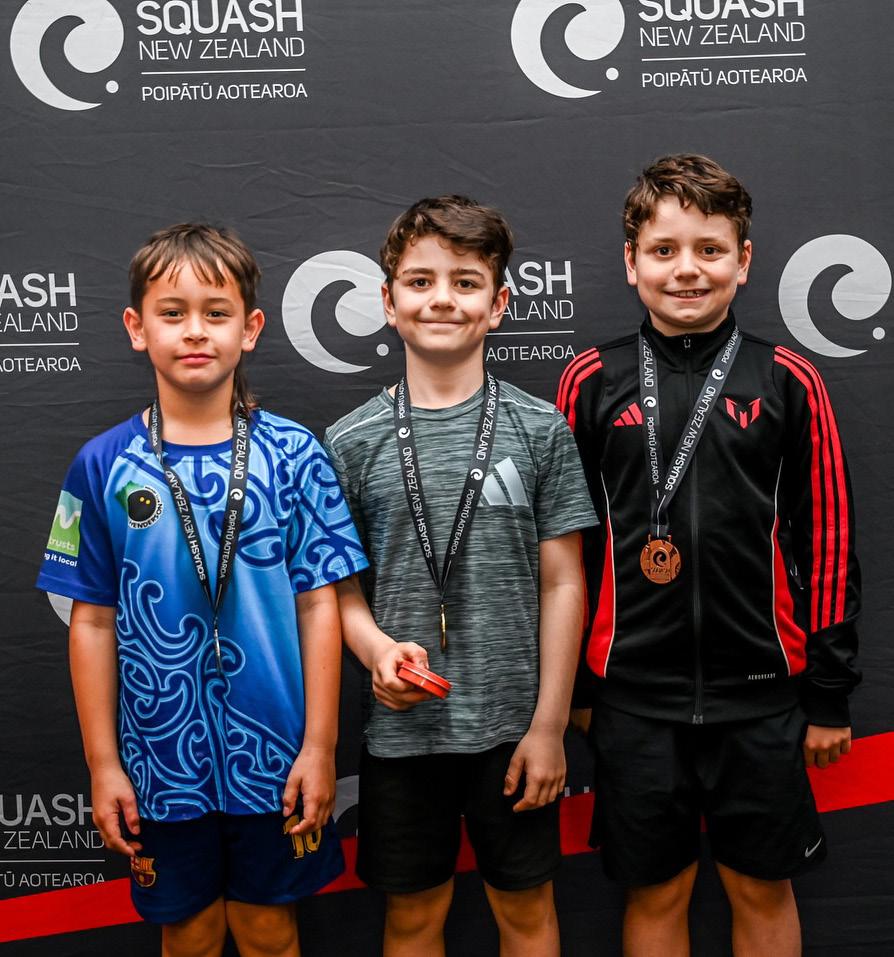
Plate Ben Smith
Consolation Plate Caleb Smith
Div 4
Winner Alex Thomas
Runner Up Seb Reeves
GIRLS
Open
Winner Joanne Joseph
Runner Up Aria Bannister
Classic Plate Brooke Valois
Special Plate Not Played
Plate Casey Ellery
Consolation Plate Maebh Manning
Div 1
Winner Chloe Poole
Runner Up Charlotte Poole
Special Plate Millie Christie
Plate Addison Rouse
Consolation Plate Yvonne Guan
Div 2
Winner Olivia Michalakis
Runner Up Cecilia Lim
Special Plate Hayley Allen
Plate Samantha Nieman
Consolation Plate Mia Mennell
Div 3
Winner Tayla Keeley
Runner Up Maia Kemp
Special Plate Fia Guest
Plate Annabel Kemp
Consolation Plate Rachael Hodder
Special Plate Marley Mathis
Plate Mattias Holmsen
Consolation Plate Cooper Cherry
Div 5
Winner Louis Mathis
Runner Up Arran Wall
Special Plate Romeo Michalakis
Plate Joel Taylor
Consolation Plate Ari Shuja
Div 6
Winner Harry Luckman
Runner Up Mokoia Whiripo
Special Plate Kop Whiripo
Plate Tyler Ali
Consolation Plate Xander Green
Div 7
Winner Carter Goldsmith
Runner Up Alex Burgess
CONGRATULATIONS
OCEANIA SQUASH MASTERS
4-7 MARCH 2026 | CHRISTCHURCH | NEW ZEALAND
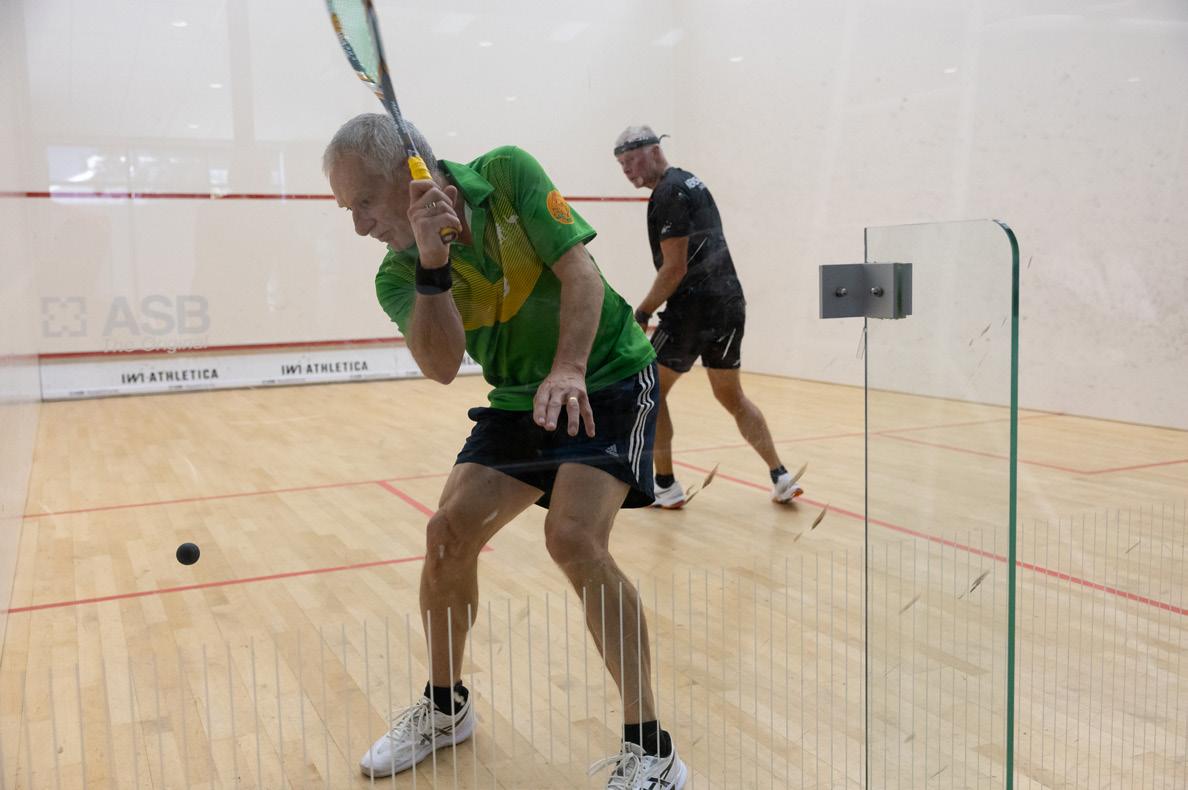
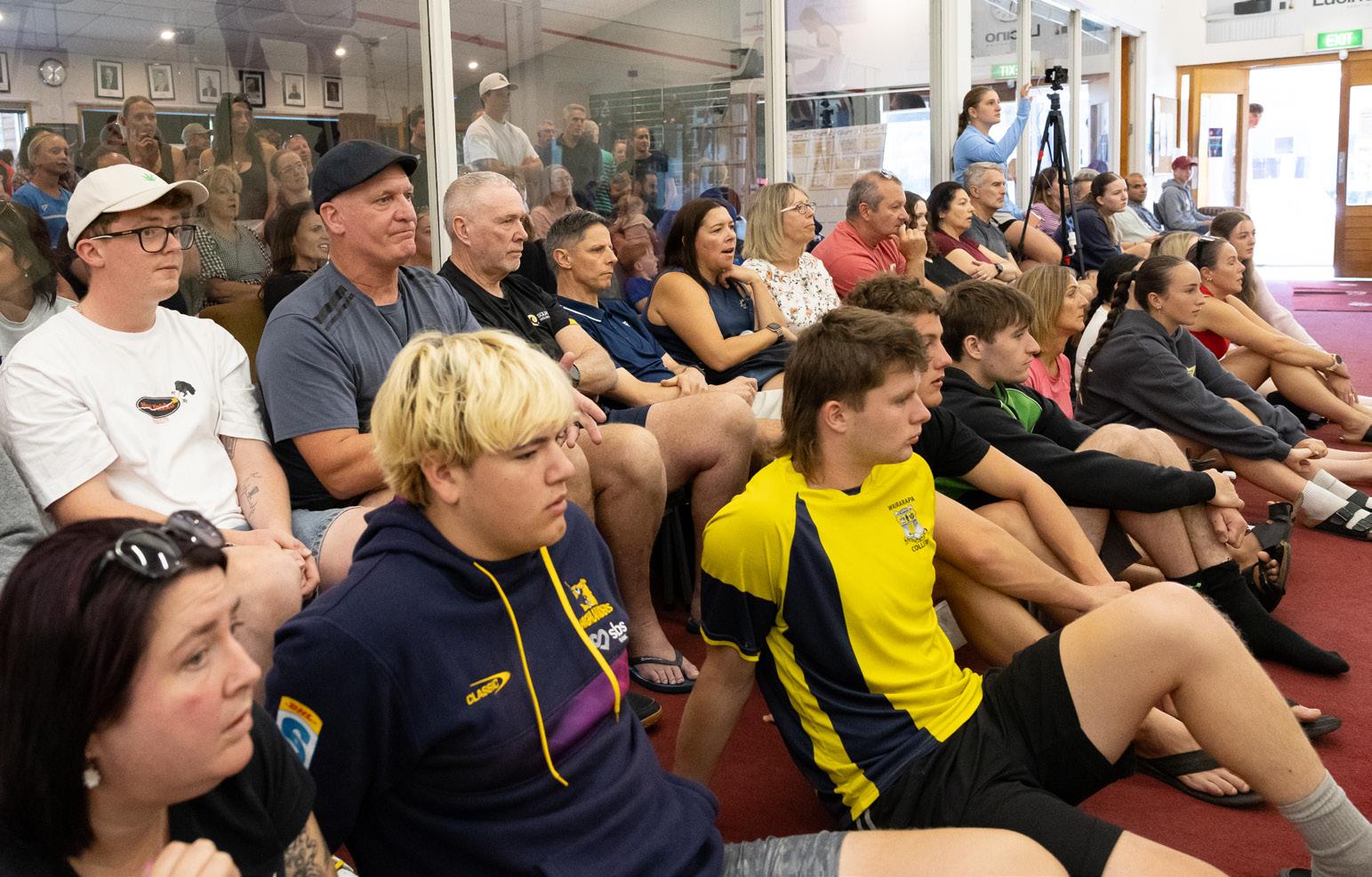
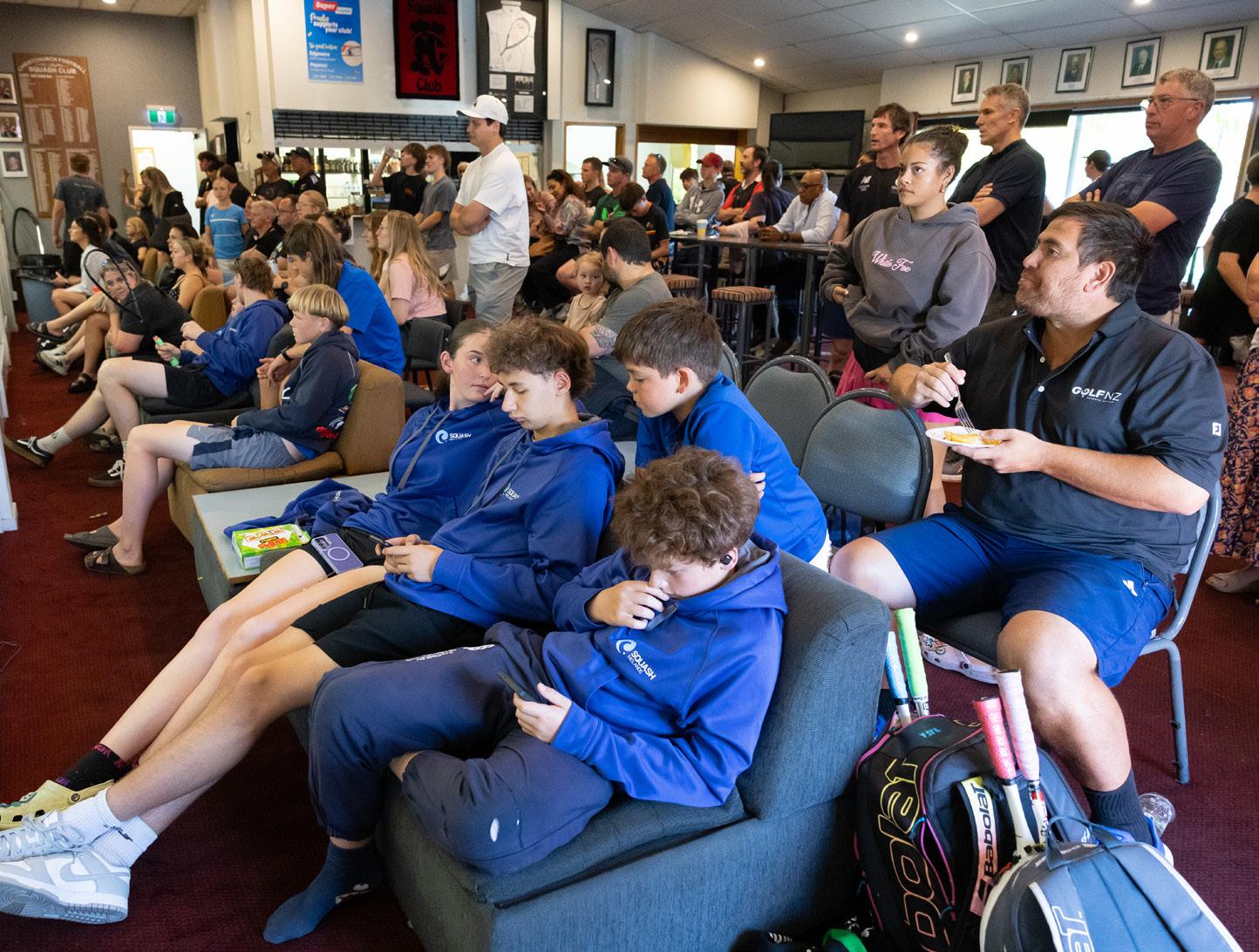
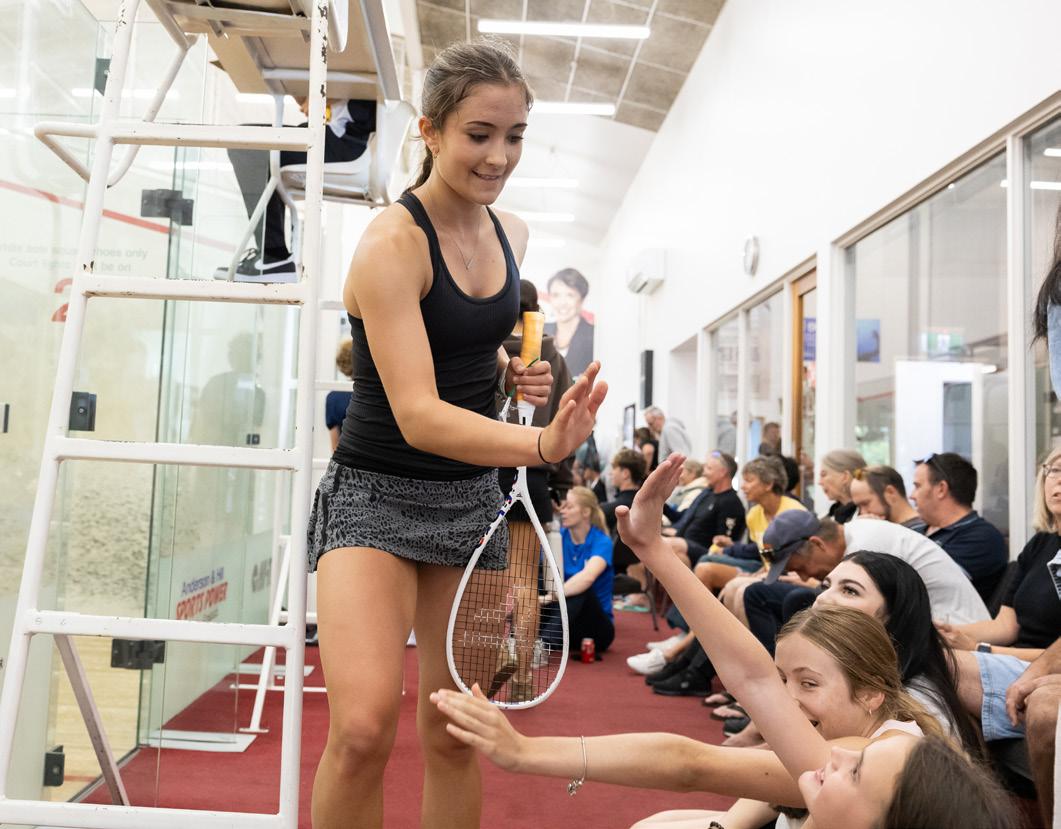
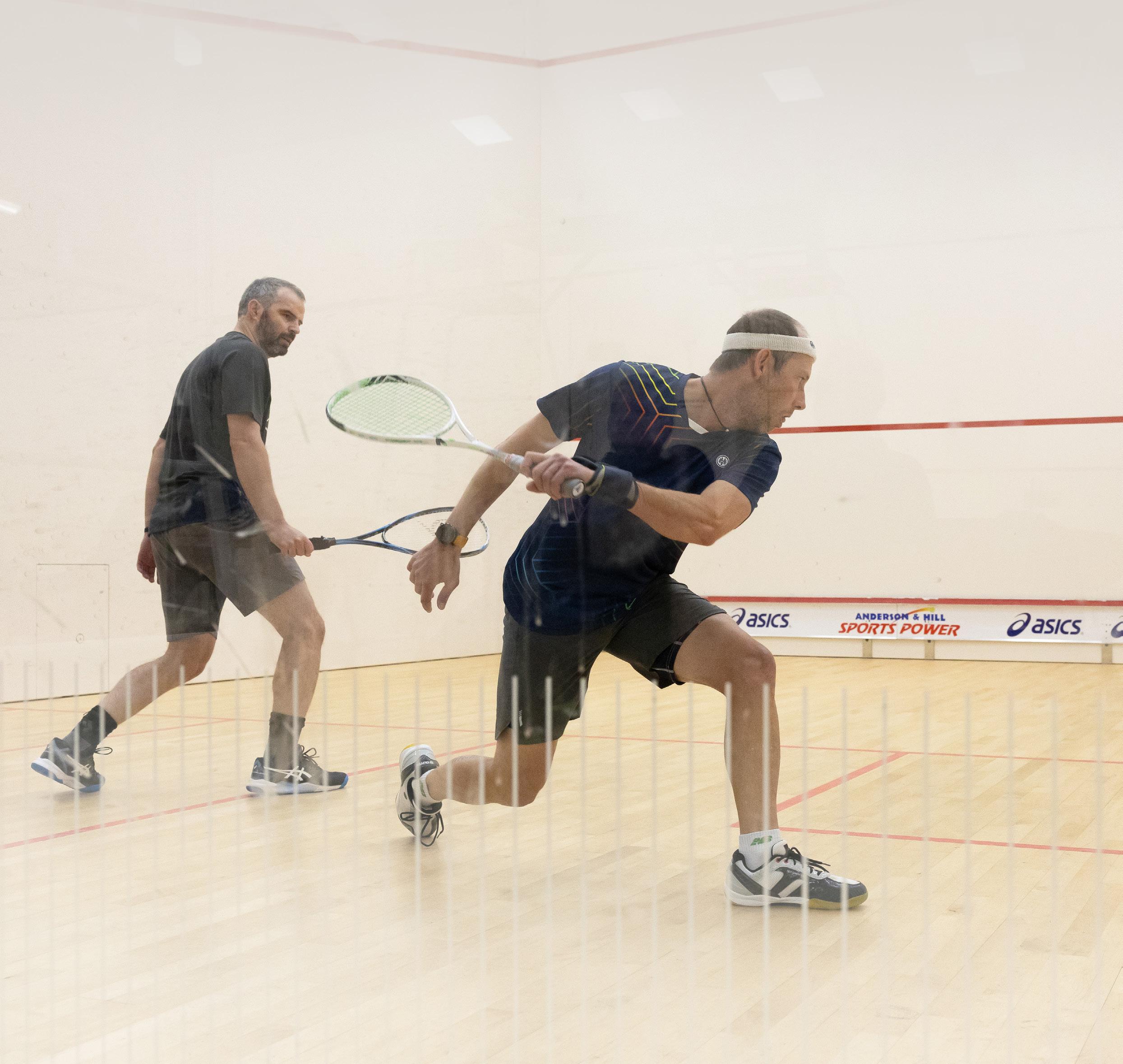
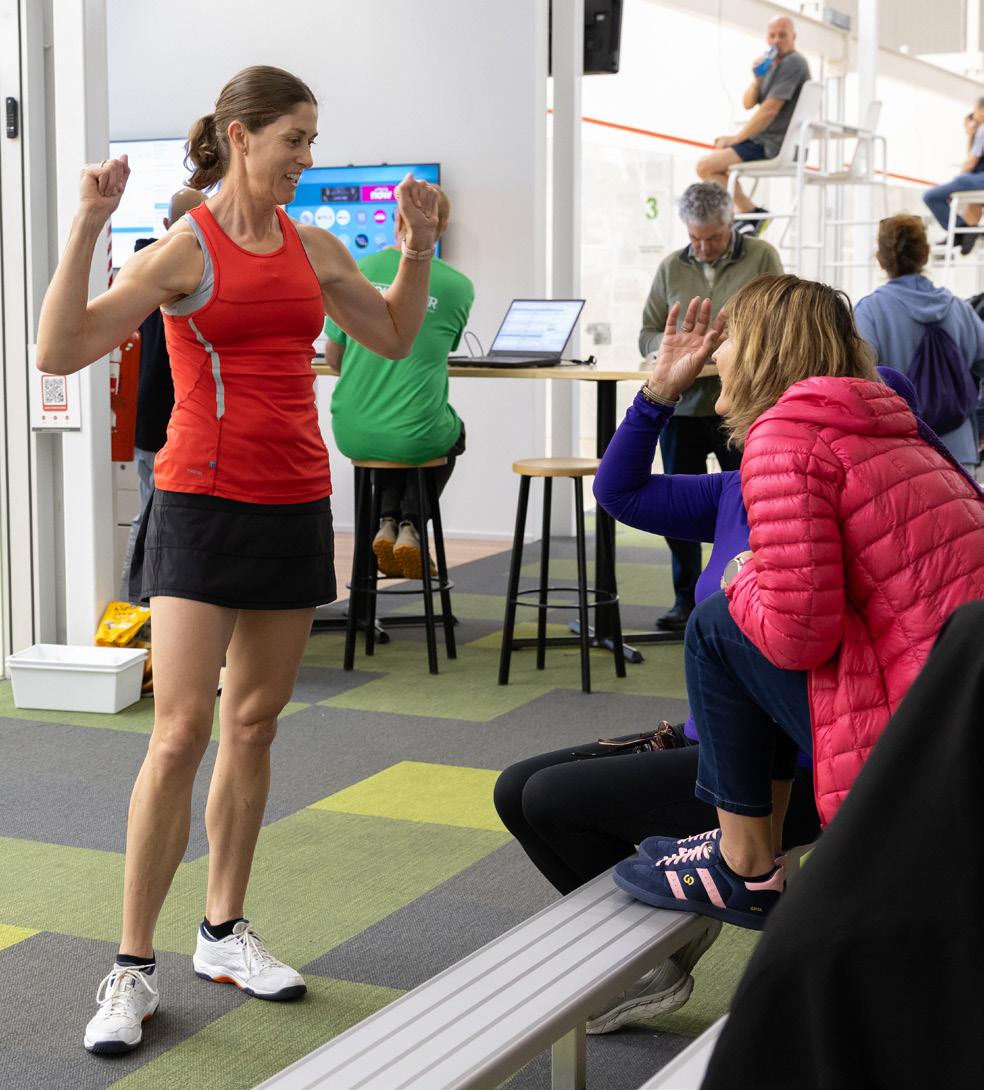
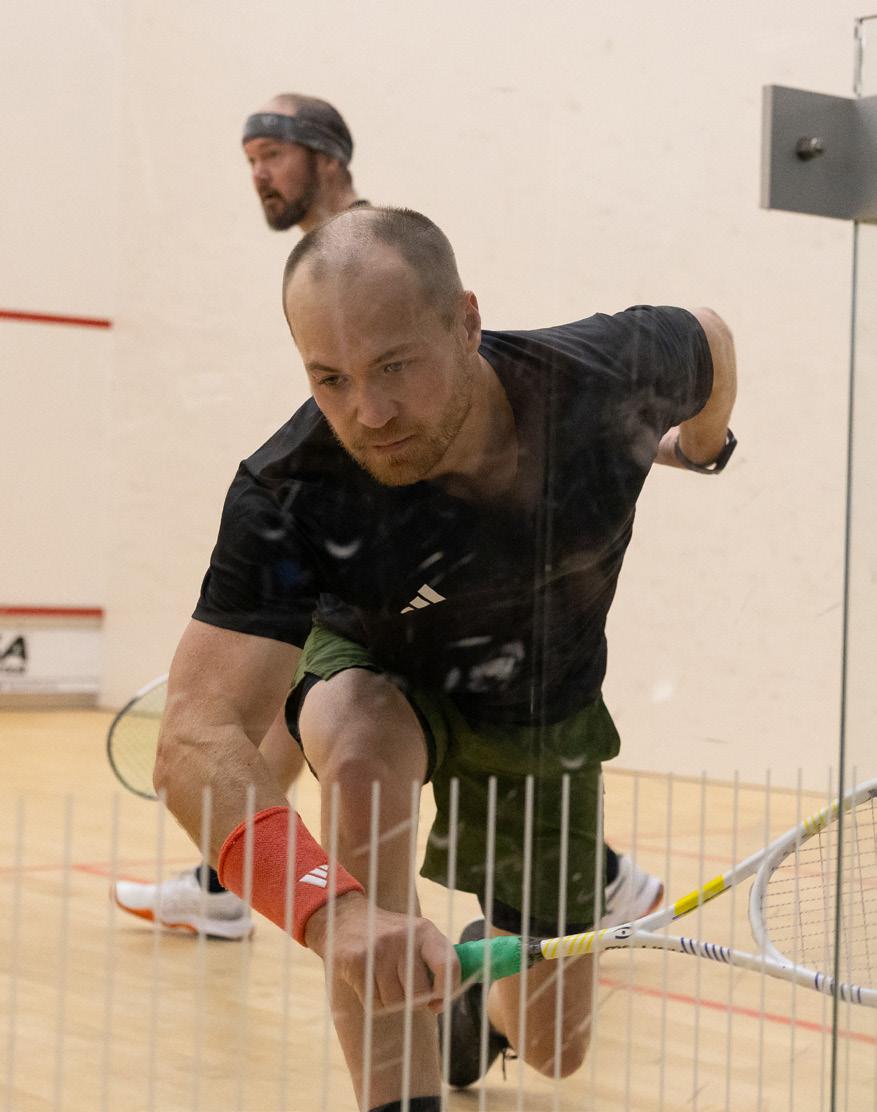
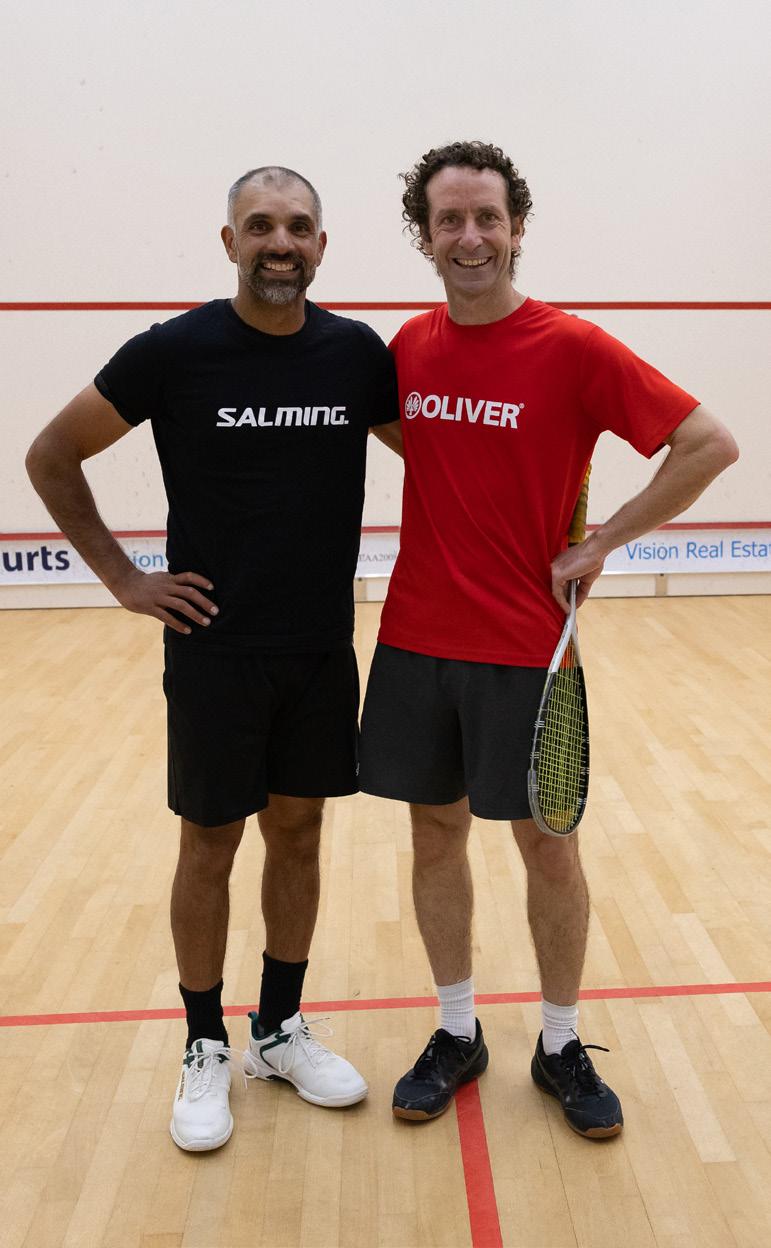
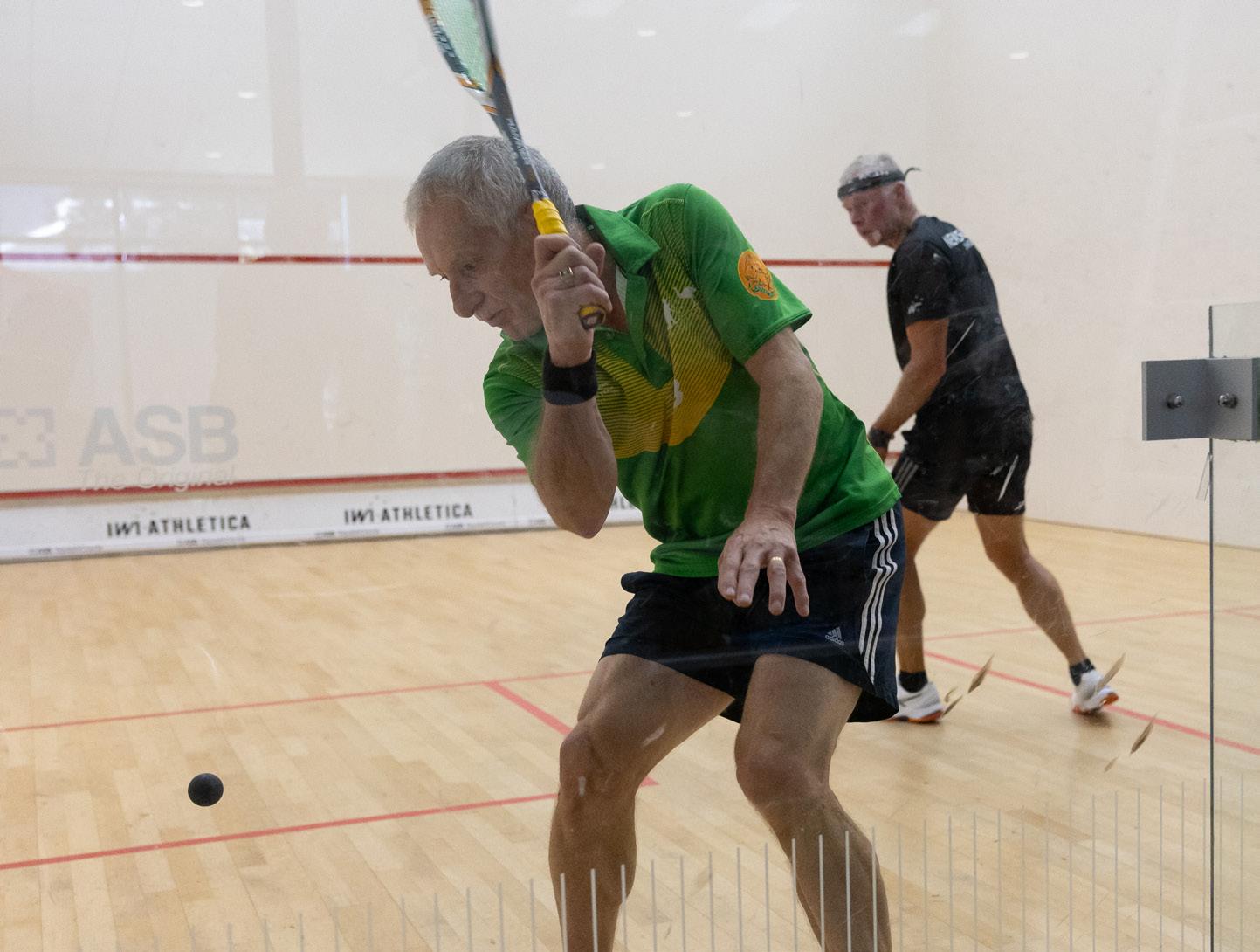
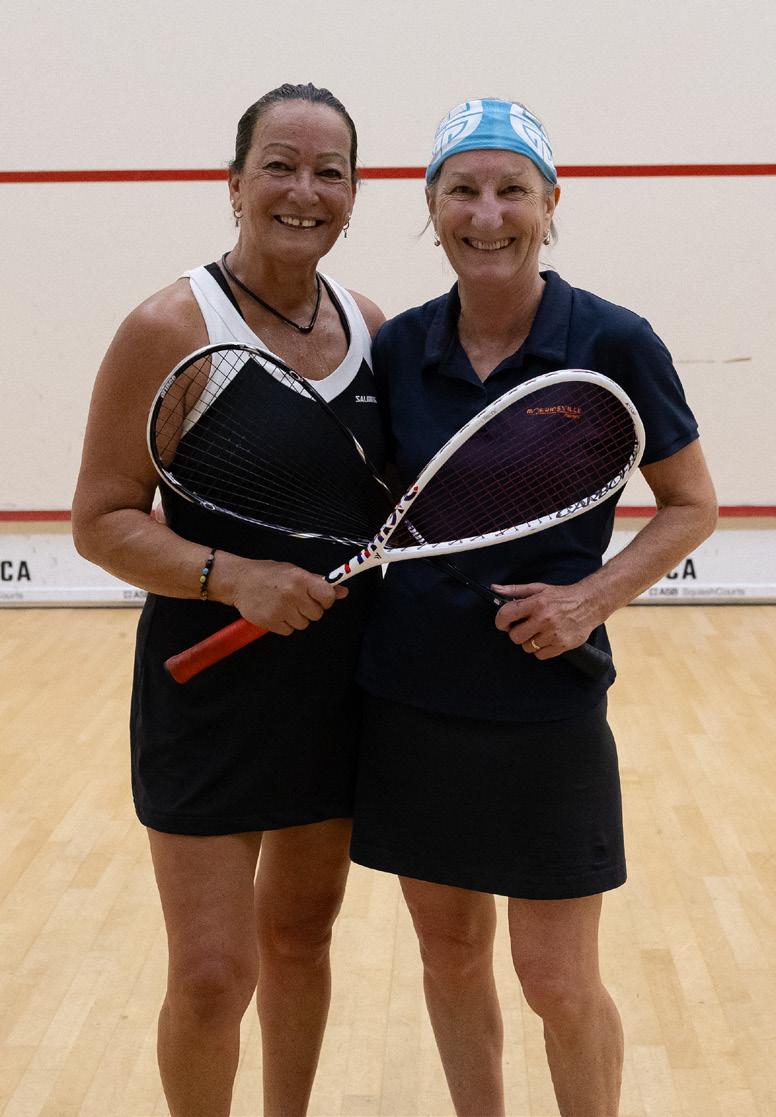
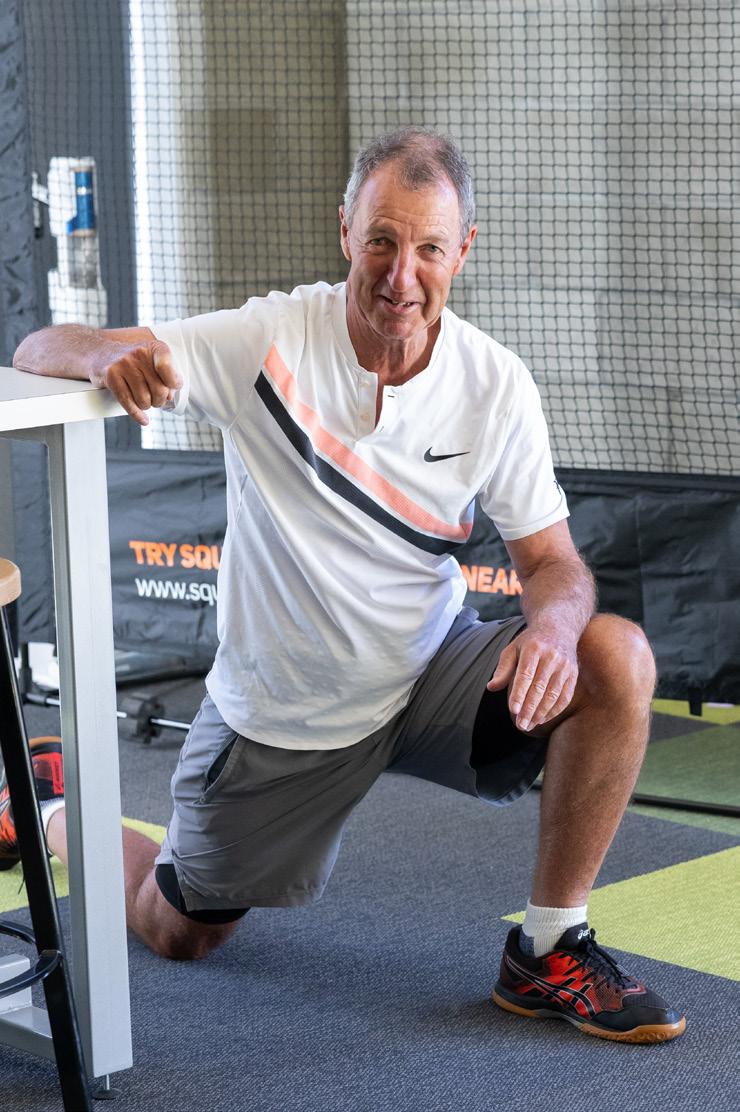
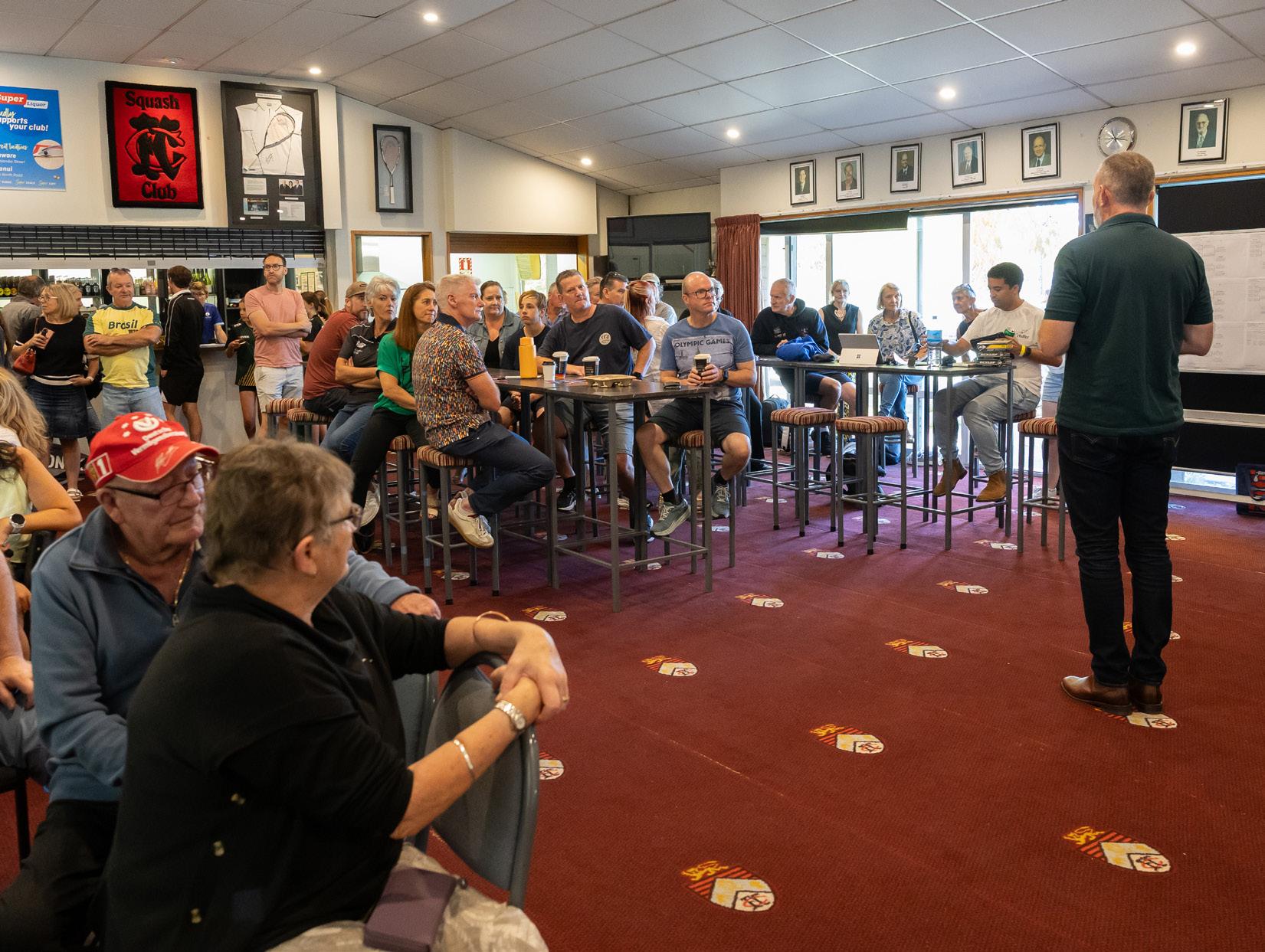
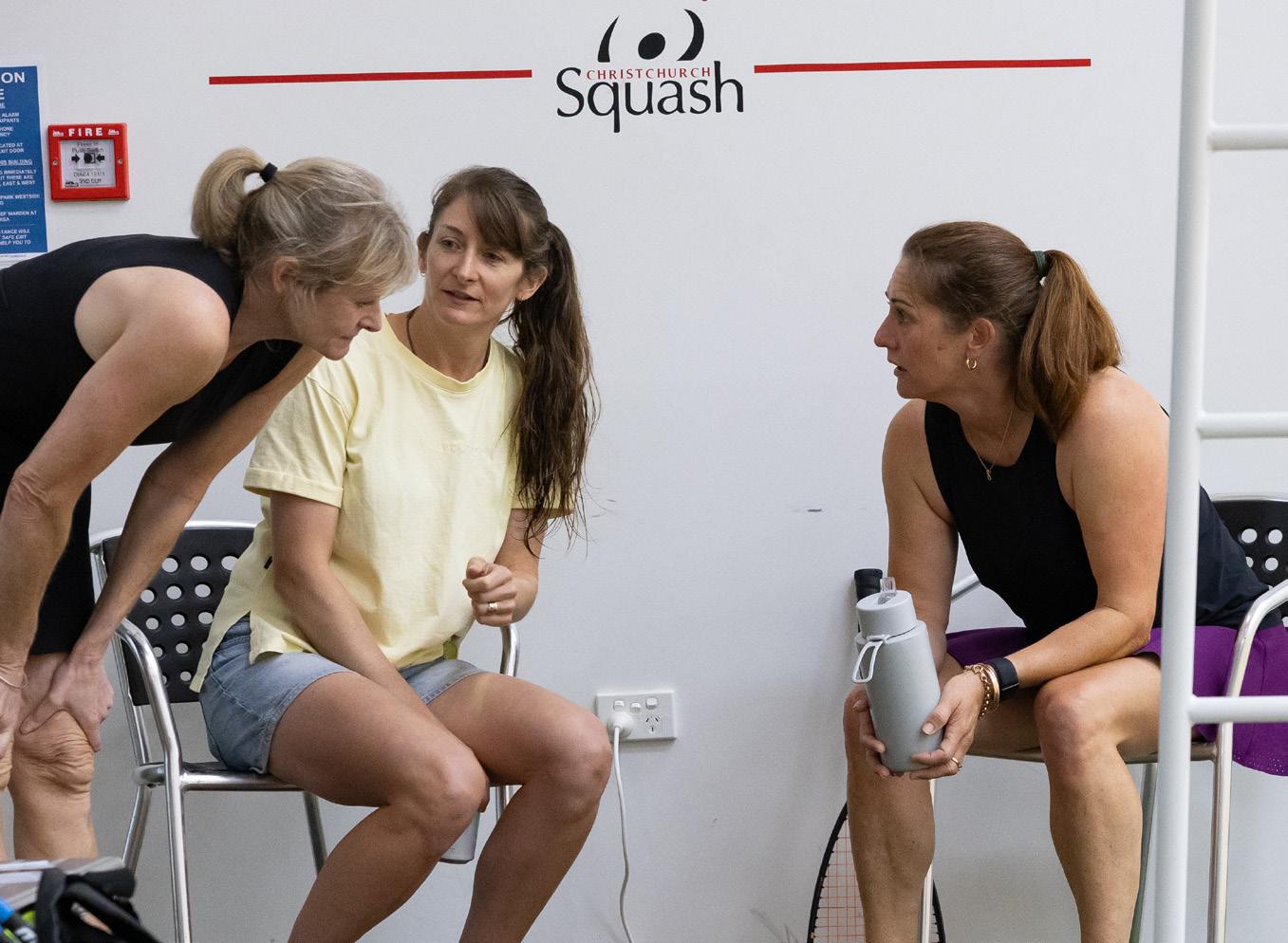
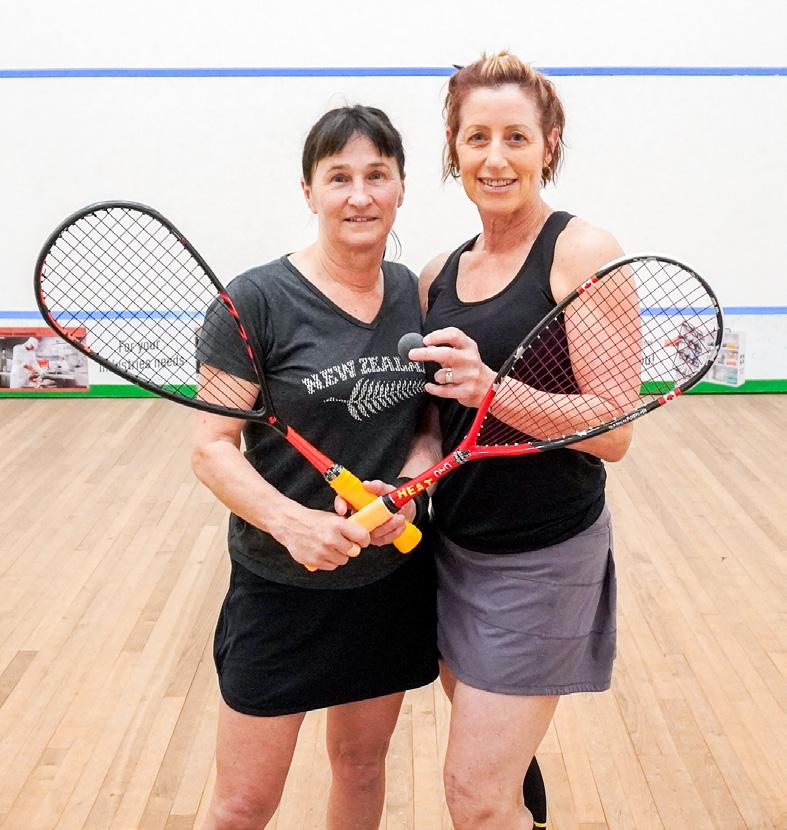
Oceania Masters 2026 brought four days of world-class squash, camaraderie, and celebration to Christchurch, as more than 160 Masters players from across the region came together as part of a true festival of squash.
Running alongside the New Zealand Open and New Zealand Junior Open, the event created a rare and energising atmosphere where generations of players shared courts, crowds, and conversation.
From fiercely contested finals on the glass-back courts to quiet moments of connection between matches, the Masters event showcased not just competitive excellence, but the enduring spirit of the game. The single-venue format strengthened the sense of community, while players embraced the chance to be part of something bigger—watching international stars compete, reconnecting with old rivals, and forming new friendships.
Well supported by volunteers and officials, and warmly hosted by Christchurch Squash Club, Oceania Masters 2026 was a reminder that great squash is as much about people as it is about results.
OCEANIA SQUASH MASTERS
CONGRATULATIONS TO OUR 2026 CHAMPIONS!
Womens 35+
Winner Holly Shuja
R/U Jaclyn Kemp
Third Stacy Rata-Hodgson
Womens 45+
Winner Erin Ellery
R/U Nadine Cull
Third Mickayla Kerr
Womens 55+
Winner Brigid Peddie
R/U Kathryn McKay
Third Jeanne Yells
Womens 65+
Winner Sandra Lelievre
R/U Liz Hamilton
Womens 70+
Winner Michel Galloway
R/U Judith Smith
Mens 35+
Winner Matt Nation
R/U Matthew Smith
Third David Schultz
Mens 40+
Winner Oliver Johnston
R/U Simon Slade
Third Nick Burns
Mens 45+
Winner Kashif Shuja
R/U Dino Michalakis
Third Charles Fergusson
Mens 50+
Winner Corey Love
R/U Shane Johnston
Third Damon Winter
Mens 55+
Winner Tim Preston
R/U Laurent Guepy Martinetti
Third Mark Foxcroft
Mens 60+
Winner Brett Meyer
R/U Peter Gilbee
Third Clark Ellery
Mens 60+ Div 2
Winner Geoffrey Scott
R/U Robert Warner
Mens 70+
Winner Phil Tough
R/U Graeme Randolph
Third Lawrence Skurr
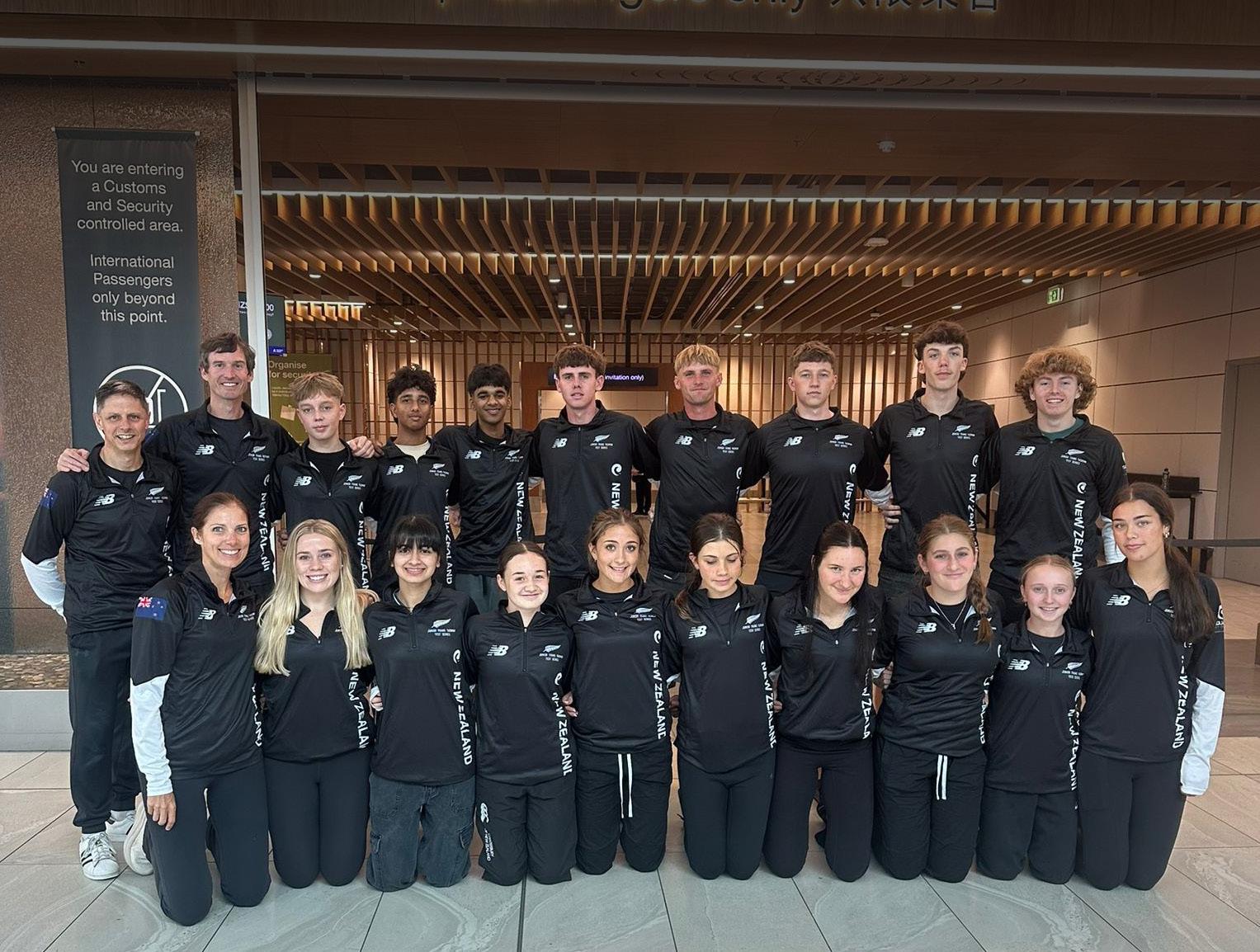
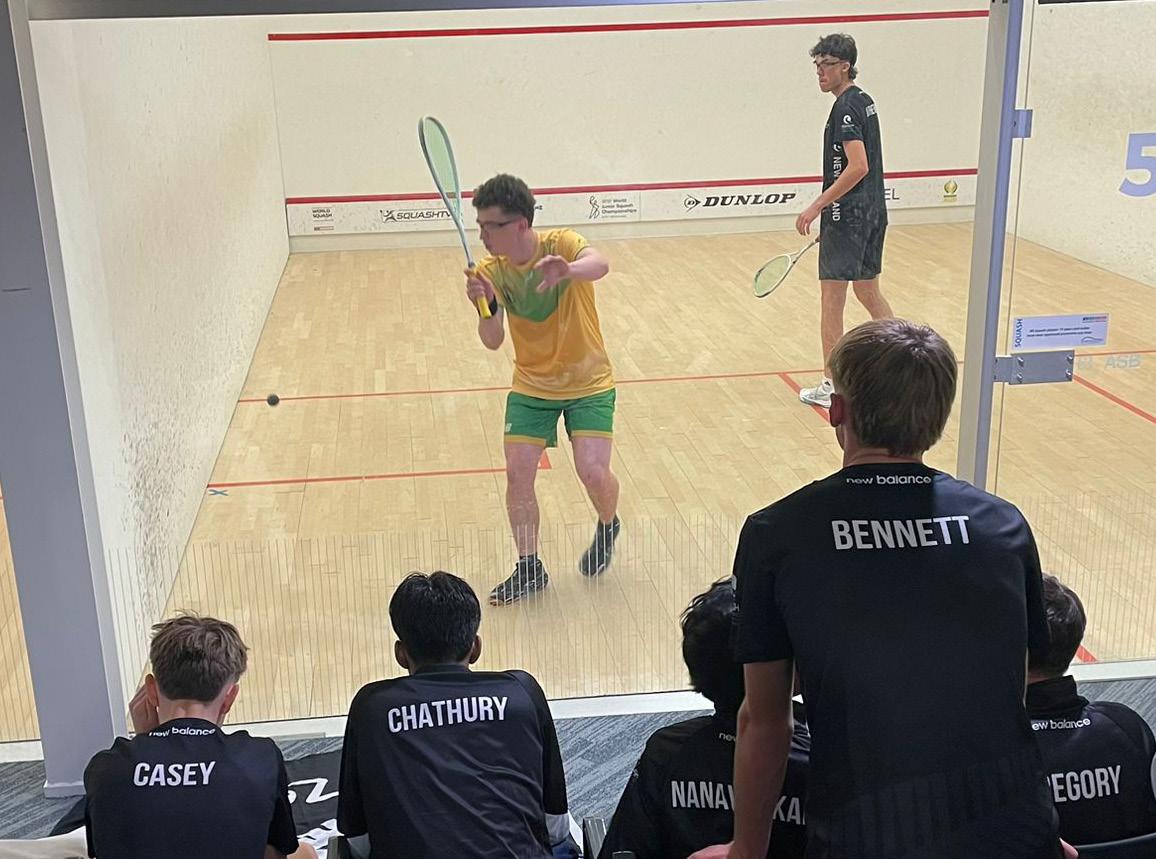
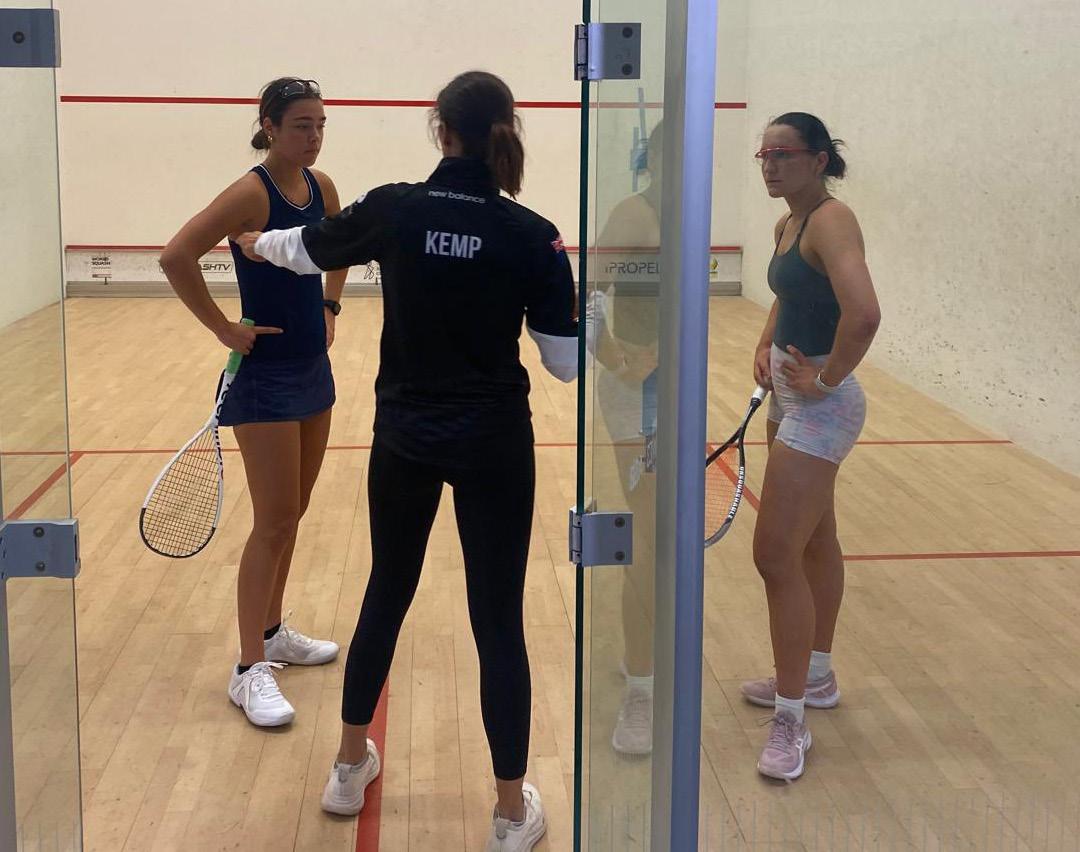
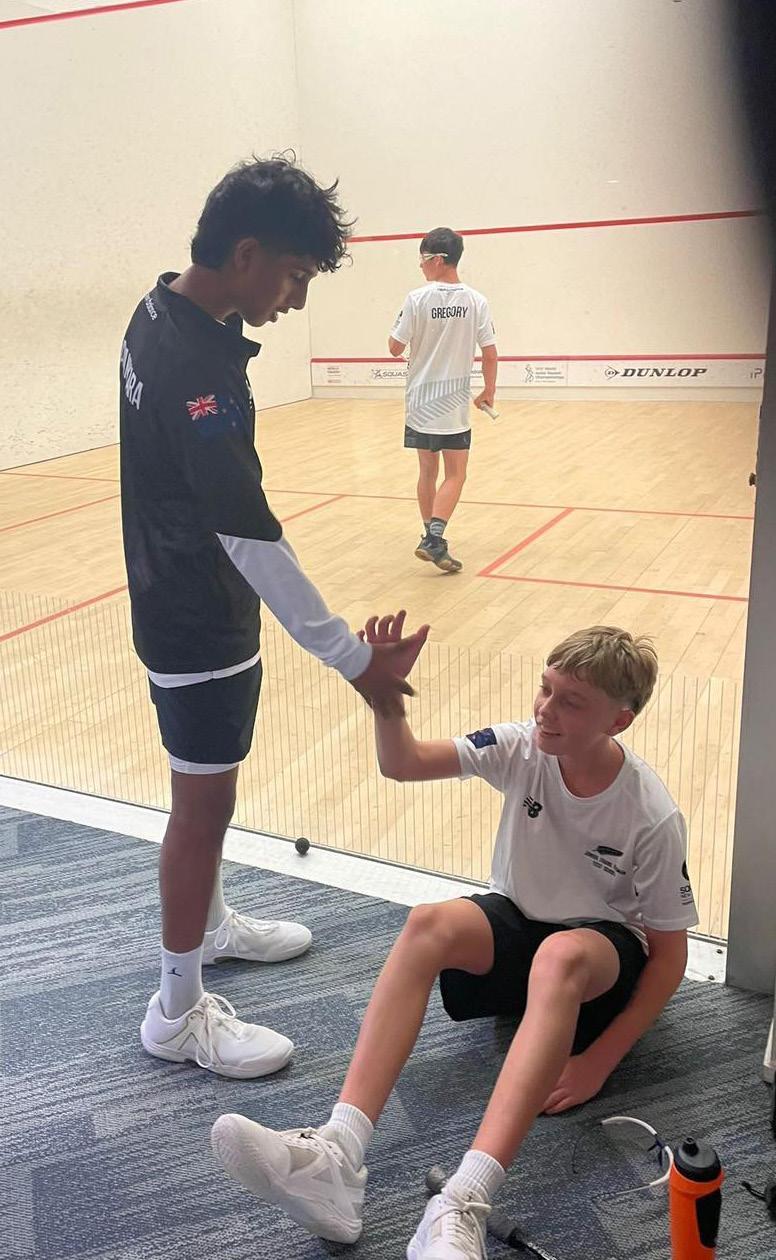
junior Trans‑Tasman Series / MELBOURNE / AUSTRALIA
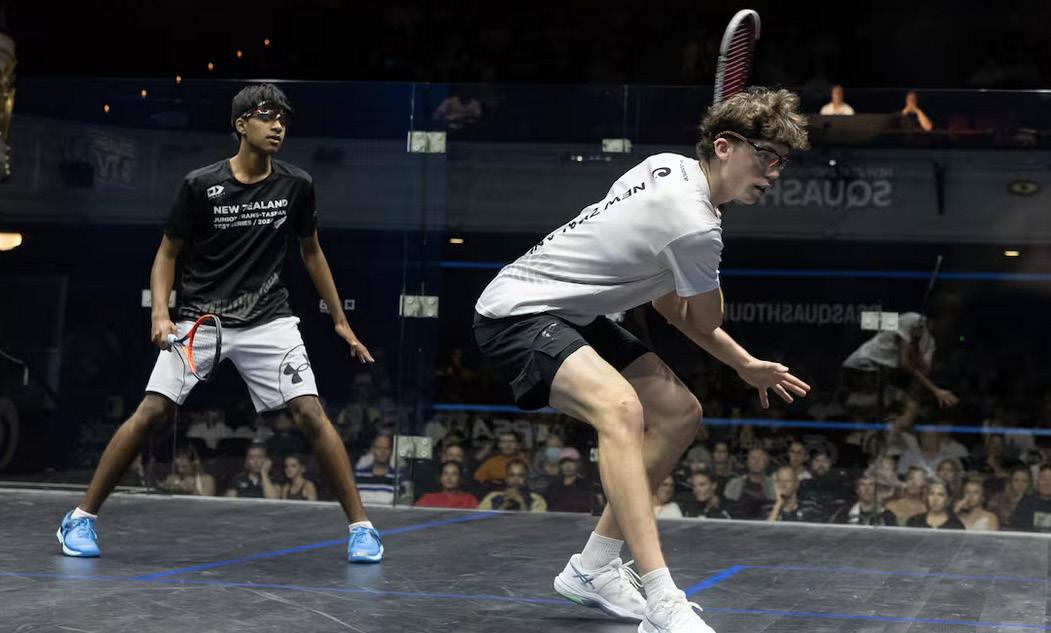
The Trans Tasman series once again delivered high-quality competition, grit, and standout performances from the New Zealand team. A massive collective effort saw another strong start, with New Zealand evening the tie at 12–12 by the time the Under 15s and Under 17s had completed their matches.
There were some excellent individual highlights across the squad. Hemi produced a superb performance, hitting immaculate straight lines to defeat a player rated over 1000 points above him, winning 3–0. The Under 15 and Under 17 girls were again a real strength, delivering several wins against higher-rated opponents. Brooke showed great composure to come back from 2–0 down, Liberty was impressive with a 3–0 win, and Animaia battled through a slight injury to remain undefeated on her NZ debut—a special achievement.
In the end, congratulations go to Australia, whose top order proved too strong, taking the series 19–13. Importantly, New Zealand still leads the overall Trans Tasman series 6–5, setting up plenty to play for when we meet again on home soil.
Best of luck to all our players as they now head into the Australian Junior Open. A huge effort across the team—take the confidence and momentum forward and represent New Zealand with pride.
DAY 1
Boys
Hemi 0-3
Vihan 3-1
Bihandu 0-3
Ciaran 1-3
Jack 1-3
Max 1-3
Brodie 0-3
Levi 3-1
Girls
Animaia 3-1
Yusra 3-0
Liberty 3-1
Casey 3-2
Amalia 3-1
Brooke 0-3
Aria 1-3
Erin 0-3
DAY 2
Boys
Hemi 3-0
Levi 1-3
Bihandu 1-3
Vihan 3-0
Jack 1-3
Ciaran 1-3
Brodie 0-3
Max 0-3
Girls
Yusra 1-3
Animaia 3-2
Casey 3-0
Liberty 3-0
Brooke 3-2
Amalia 0-3
Erin 0-3
Aria 0-3
THE NEW ZEALAND TEAM:
BOYS
Under 15
Hemi Gregory
Levi Casey
Under 17
Vihan Chatury
Bihandu Nanyakkara
Under 19
Ciaran Manning
Jack Lord
Max Mathews
Brodie Bennett
GIRLS
Under 15
Animaia Payne
Yusra Rashid
Under 17
Liberty Jones
Casey Ellery
Under 19
Amalia Ricketts
Brooke Valois
Aria Banister
Erin Wyillie
PSA Squash tour
Coll Wins Collosal Australian Open Final
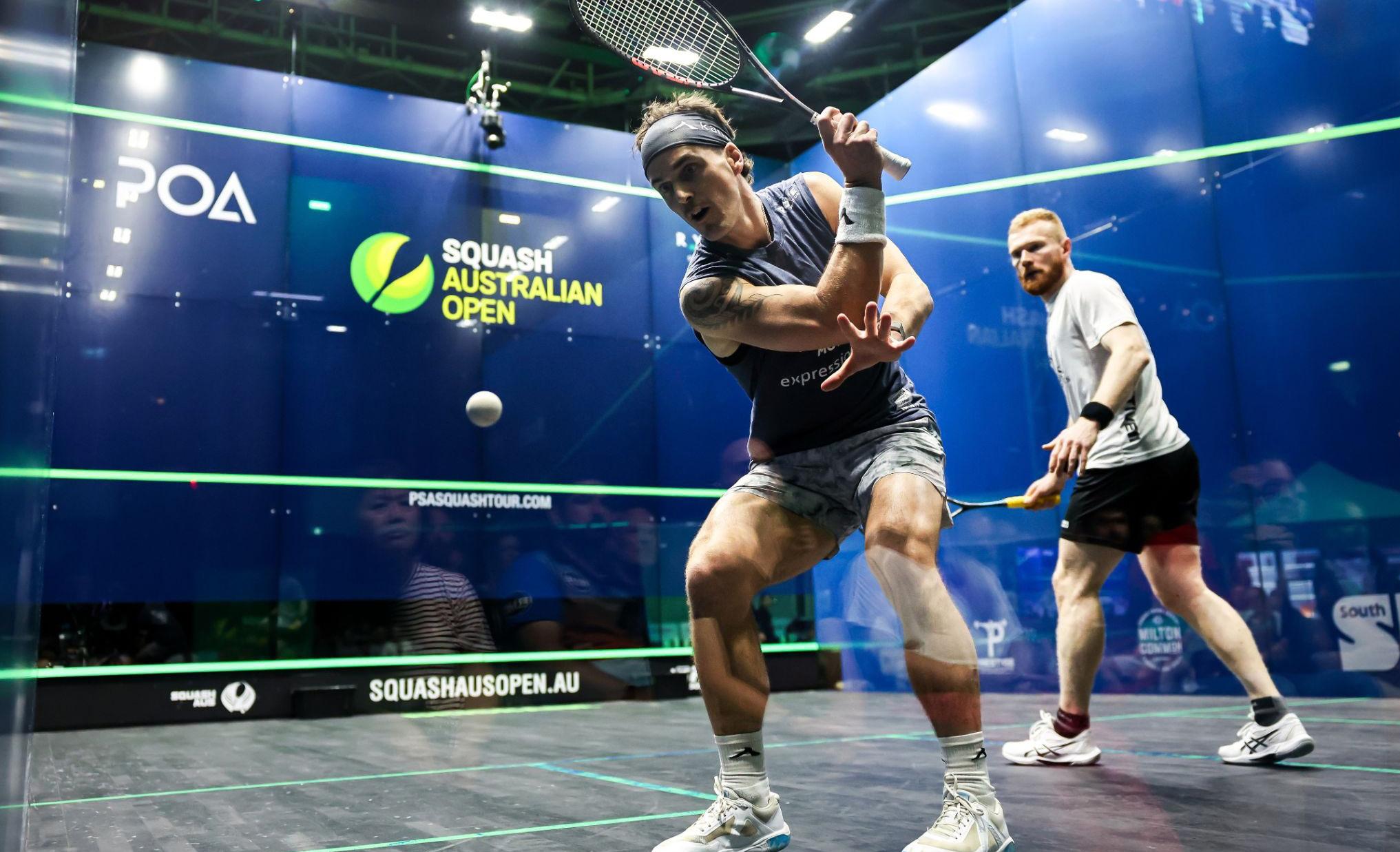
New Zealand’s Paul Coll has lifted his second Australian Open title after overcoming World No.6 Joel Makin in a brutal 90-minute, three-game encounter at South Bank Piazza in Brisbane.
Despite the three-game scoreline, the Gold-level final was anything but straightforward for Coll, with the World No.2 eventually prevailing by a 19-17, 11-4, 14-12 scoreline.
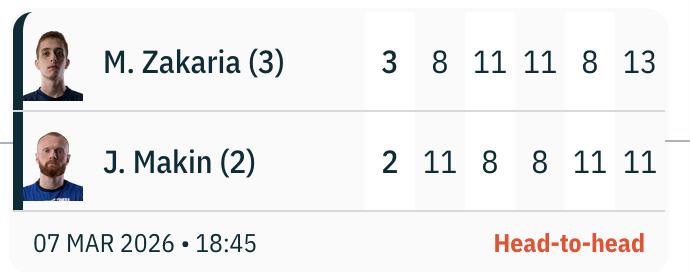
Coll and Makin came into the men’s title decider in contrasting circumstances. Makin spent 107 minutes on court getting past Mohamad Zakaria in their epic semifinal clash – over twice as long as Coll took to dispatch Jonah Bryant earlier on Saturday evening.
However, there were few signs of fatigue from the Welshman early on as he and Coll slugged out a seismic 44-minute opening game.
British National Champion Makin took full advantage of a scrappy start from Coll, in which the Kiwi No.1 gave away three consecutive strokes in the mid phases, to move 10-7 up. However, Coll regained his accuracy to reel in all three game balls with brilliant composure before entering a mammoth tie-break.
The match referee was brought into question 16 times throughout the opening game, as the clock ticked over the 30, 35 and then 40-minute mark. However, it was eventually Coll who took the opener by a 19-17 scoreline.
The psychological boost of saving seven game balls before stealing the opening game gave Coll more confidence in the second, the New Zealander doubling his advantage by an 11-4 scoreline.
At 10-6 down in the subsequent third game, Makin looked to be staring down the barrel of defeat, but the Welshman showed incredible grit and determination to save all four championship balls and force the third into a tie-break. Makin then saw two of his own game balls come and go, before Coll finally wrapped up the epic win 14-12 after 90 minutes of play.
After the match, Coll said: “It was an unbelievable battle. I didn’t even care about what he had yesterday [107 minute match]; he’s just so tough, and I knew he was going to come out hard. I thought I played well, but I just let it be sloppy in a couple of patches, at 10-6 in the third.
“I respect Joel so much for his professionalism and the way he trains like a beast. It’s always fun playing him and it’s always a great battle when we get out on court.”
Result: [1] Paul Coll (NZL) bt [2] Joel Makin (WAL) 3-0: 19-17, 11-4, 14-12 (90m)
Peak Performance with Kemp HIGH PERFORMANCE
THE SKILL NOBODY TRAINS ENOUGH:
DECISION MAKING -
JONATHAN KEMP National Performance Coach
Matches are decided by decisions under pressure, not shot quality in isolation.
Coaches often talk about technique, tighter length, better short game. These things matter. But when matches get close, the outcome is rarely decided by who can hit the best forehand in practice.
It is decided by who chooses the right shot at the right time, under pressure, fatigue, and consequence.
Decision making is the quiet skill that separates nice players from successful players. And it is an area often undertrained across squash clubs.
Knowing the Right Shot vs Choosing It
Most players know what the right shot is. Ask them after the rally and they’ll tell you exactly what they should have done. That knowledge often disappears in the moment.
Decision making is not a knowledge problem; it is an execution problem under constraint. In matches, players must read the situation and assess the opportunities in real time. Knowing the textbook option is very different from consistently choosing it when you are late, tired, or slightly panicked.
Under stress, players default to habit. If training reinforces decision-free repetition, then matches expose that gap. The brain is not trained to choose; it is trained to repeat.
Why Games-Based Training Matters
Decision making improves through situations, not instructions. Drills that remove opponents, scoring, and consequence also remove the need to decide. Games-based training does the opposite. It forces players to perceive, choose, and adapt, exactly what matches demand.
Constraint-based games (restricted options, adapted scoring rules, or positional limitations) sharpen awareness. They challenge players to weigh risk, recognise patterns, and make good decisions. Crucially, they create errors with meaning, mistakes that reveal decision quality, not just shot execution.
When players train mostly in drills, decision making is assumed. When they train in games, it is developed.
Fatigue and Decision Quality
Fitness is not only physical; it is cognitive.
As fatigue increases, decision quality drops. Players attack when they should be controlling or defend when they should attack.
This is why players often train well but compete poorly late in matches. Their conditioning may be adequate, but their decision-making under fatigue has never been exposed in training.
If sessions finish before clarity breaks down, then matches become the first place players experience decision stress, and that is too late.
Training must create fatigue to test decision making, not just fitness.
Decisions Shape Confidence
Confidence is commonly treated as a personality trait, something players either have or don’t. In reality, confidence is often the byproduct of repeated good decisions.
Players feel confident when they trust their choices. When decisions making is consistently good, outcomes feel controllable. When choices are reactive or unclear, confidence becomes fragile.
Strong decision-making structures create calm under pressure. Poor ones create doubt, even in technically skilled players.
Looking Forward
If matches are decided by decisions rather than shots alone, then confidence stops being something mysterious or emotional.
It becomes something built through preparation, clarity, and practice under pressure.
Once decisions sit at the centre of performance, confidence is no longer a personality trait, it becomes a performance consequence.
HIGH PERFORMANCE strat chat
HIGH PERFORMANCE Strat Chat
is a new regular feature designed to give greater visibility into SNZ’s high performance strategy.
In each edition, the SNZ high performance team will share bite sized explanations of the thinking that underpins the end to end pathway, why it exists, how key decisions are made, and what the system is ultimately trying to achieve.
Key principles that underpin SNZ’s high performance strategy:
• High performance is defined as WORLD TOP 10. It is not about being the best in New Zealand, but about competing with the best in the world.
• World top 50 by age 25 : critical benchmark. This is the lowest realistic benchmark that keeps world top 10 success possible.
• All high performance decisions track to this benchmark.
Selection, support, and investment are guided by long term trajectory, not short term results.
Success at the highest level of international squash — reaching the world top 10 — is a long term process. International data and career trends show that the lowest realistic benchmark that keeps this goal possible is reaching the world top 50 by around age 25. Without meeting this benchmark, the likelihood of ever reaching the top 10 becomes extremely low.
That is why the SNZ pathway is built around one central question: Is this athlete on a trajectory toward world top 50 by age 25?
This clarity ensures that limited resources are invested deliberately and consistently, with the ultimate goal always in focus - sustained success on the world stage.
Future HP Strat Chats will explore how this strategy is applied in practice across development, selection, support, and expectations.
By Emma Millar
Foundation First — Coaching Conference Ignites Grassroots Squash Across Aotearoa
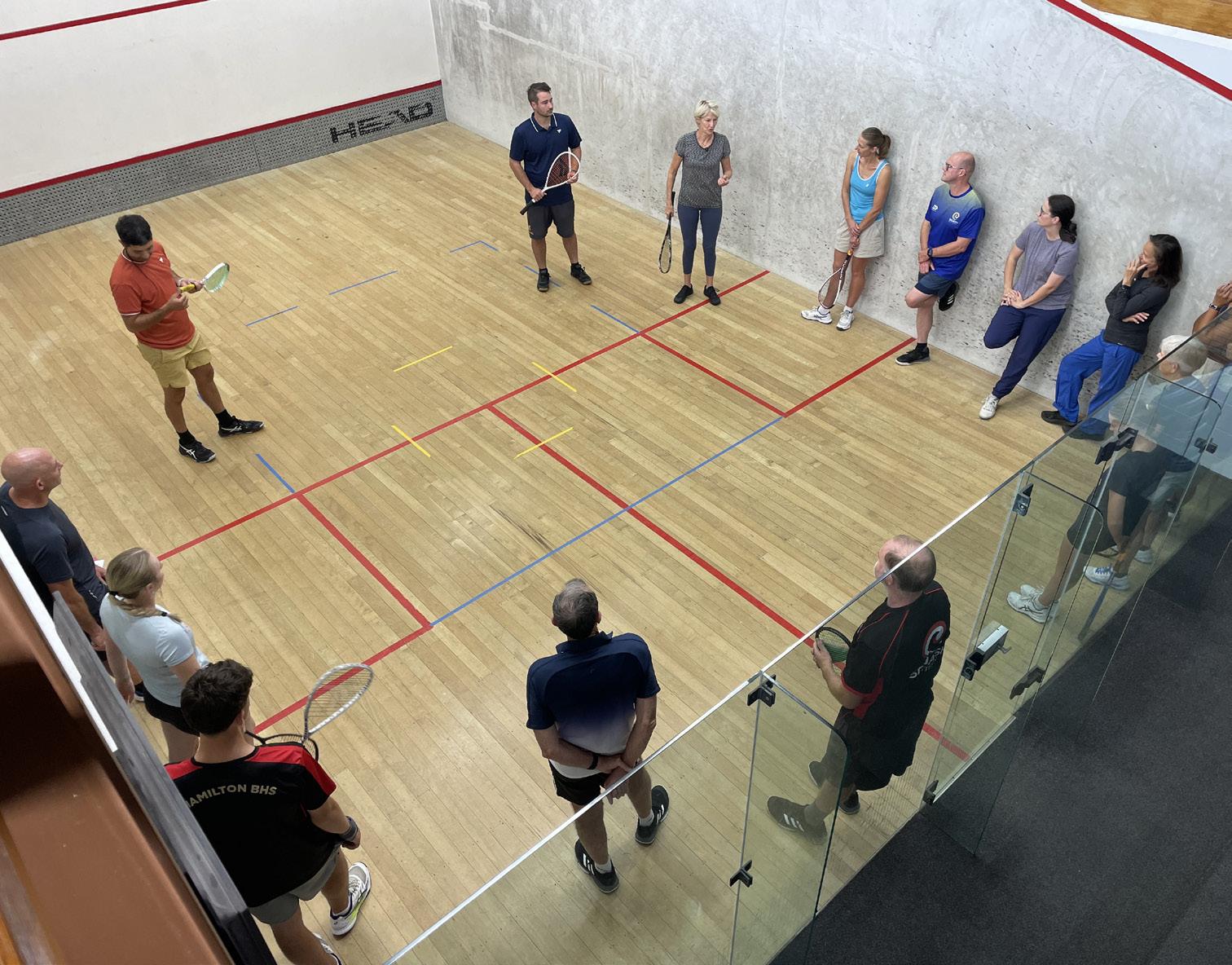
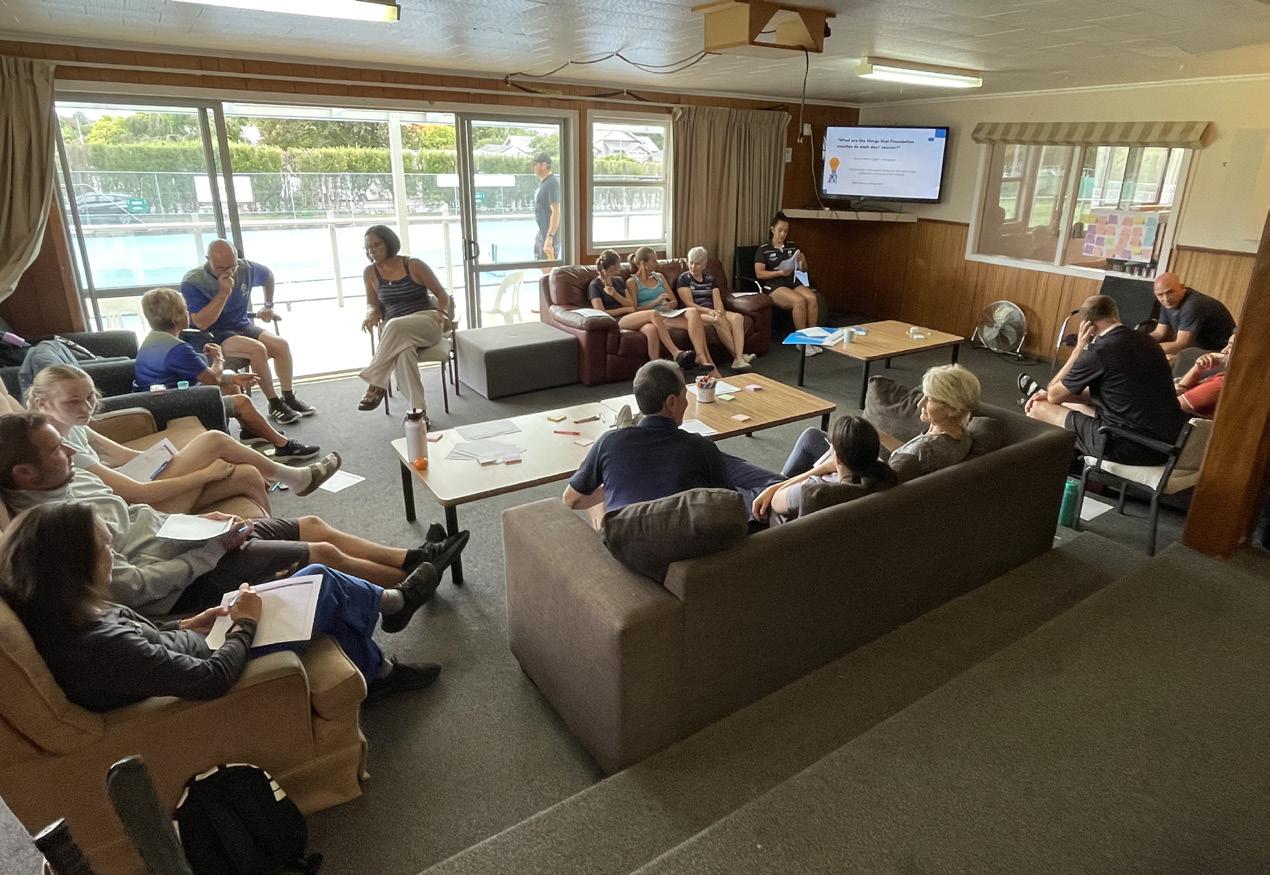
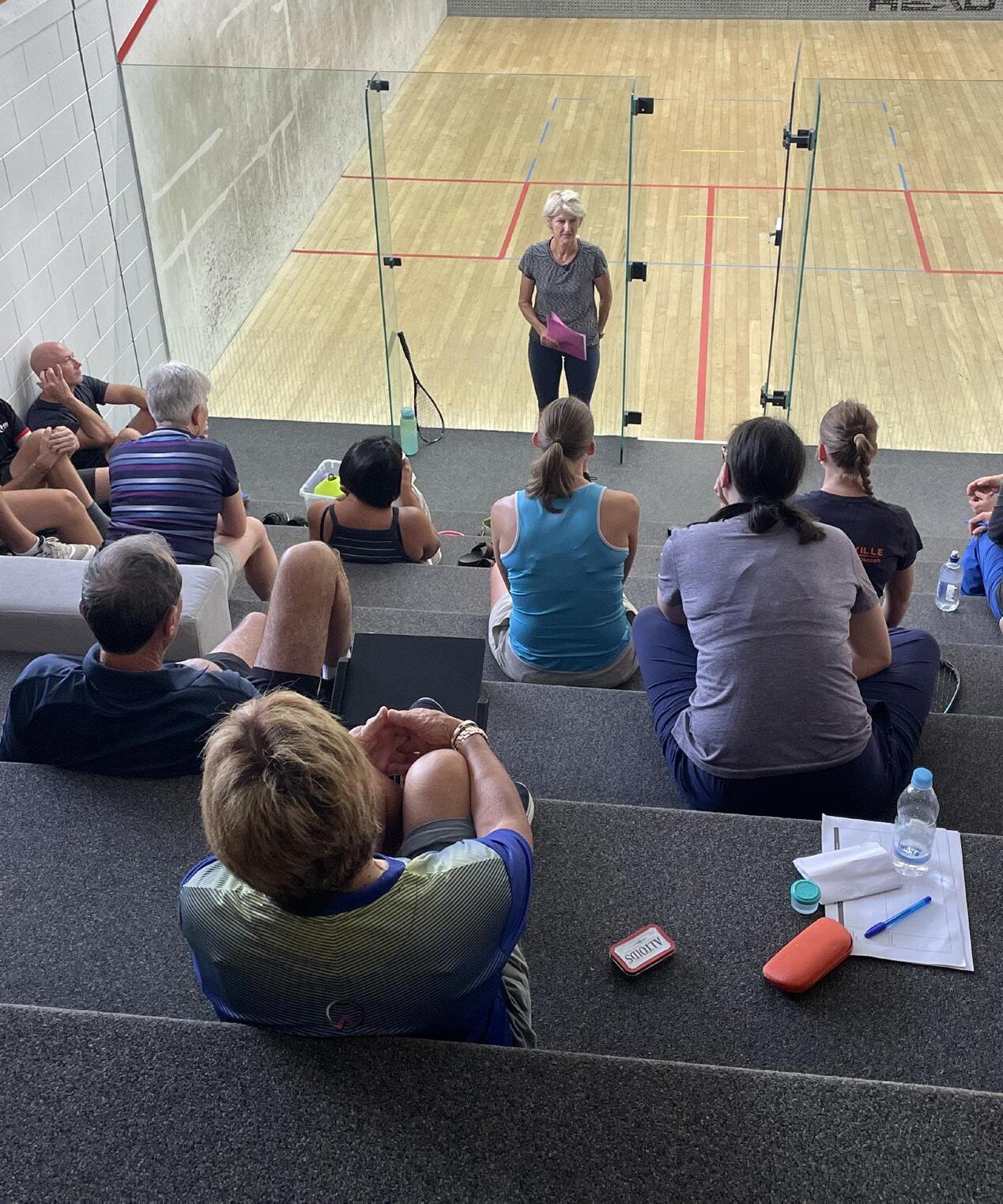
On 14–15 March in Cambridge and 21–22 March in Christchurch, Squash New Zealand brought over 35 Foundation and Development coaches together for two energetic coaching conferences designed to lift the standard of beginner and junior squash across the country.
Coaches from Auckland, Waikato, Bay of Plenty, Central, Eastern, Canterbury, Midlands, Otago and Southland attended, sharing insight, practical tools and real-world solutions for growing participation and retention at club and community level. Our first cohort of Activator Trainers were also upskilled to deliver Activator workshops in their home regions, supporting those running Squash Stars in their local clubs.
Why Foundation coaches matter
The conference reinforced a simple truth: foundation coaches shape players’ first experiences and set the tone for lifelong participation. Sessions such as “The Power of Coaching at the Foundation Level” and “FUNdamentals First” emphasised age-appropriate progressions, playful learning and the importance of movement, coordination and simple technical foundations before load-bearing technique work.
Practical, play-focused learning
The “Game Analysis to Practice” session gave coaches a framework for identifying what to work on and turning observations into targeted practice plans.
Snapshot discussions and coach support
A strong theme across both events was games-based learning — replacing repetitive drills with small-sided games that build decision-making, spatial awareness and shot choice. “Teaching the swing made simple” focused on coaching grips, swings and common fixes for beginners, while “Introducing tactics to new players” used conditioned games to make tactical concepts accessible and relevant.
Coaching in the real world
“Challenges at the Coalface” provided a forum for coaches to share on-the-ground experiences from clubs and schools, and a hands-on practical stream let delegates put new ideas into action by coaching juniors and adult beginners under guided feedback.
Short, focused snapshot sessions sparked group discussion on tools and resources to support coaching, building junior pathways and player retention, strengthening club–community connections, increasing club engagement, and coach wellbeing — recognising that sustainable grassroots coaching depends on supported, resilient volunteers and staff.
Looking ahead
The conferences delivered practical, ready-to-use ideas and renewed energy for grassroots coaching across Aotearoa. Coaches left with games, drills, session designs and community-focused strategies to keep kids playing, engage social adult beginners and strengthen club pathways.
A huge thank you to everyone who attended and shared and collaborated so openly. To my two co-deliverers, Robbie Wyatt and Joanne Williams, the conferences would not have been the same without your knowledge and passion - we are lucky to have two such experienced people continuing to support squash at Foundation and Development levels in New Zealand.
Participant highlights of the conferences:
“splitting the conference to North and South Island to make it more regional than national”
“connecting with other coaches, sharing ideas and reassurance as we all face most of the same challenges”
“practical activities and ideas to implement and reinforce technical improvements for players”
“touching base with other South Island coaches, collaboration, comradeship and networking”
“collaboration with other coaches and the opportunity to be in a room together”
Common themes for what coaches are wanting:
“more opportunities for districts to collaborate together like these more than once a year”
“support for women in coaching and coaching women”
“more coach development opportunities - resources, workshops and observing different coaches”
EXPLODE READY TO
READY TO
Mike Dale explains why racketball / Squash57 is about to get the global recognition it deserves.
Is squash’s symbiotic sister sport, racketball (or Squash57, if you prefer), finally about to fulfil its potential?
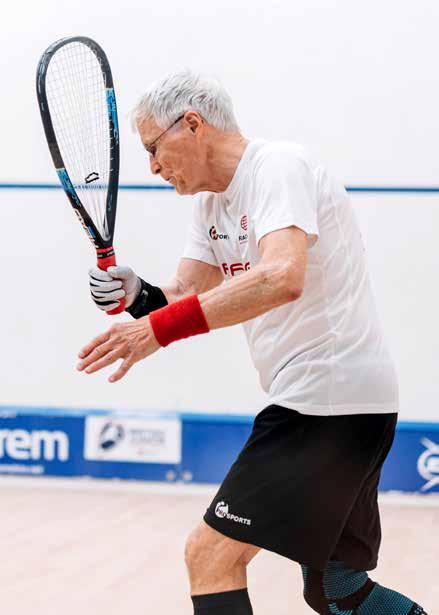
It’s long been recognised that racketball’s shorter racket and larger, bouncier ball make it easier for beginners to have enjoyable rallies (the ball doesn’t even need warming up). Its instant accessibility can also bring new demographics to the squash court.
It’s gentler on the body than traditional squash and can thus extend the playing careers of older squash players, even those with long-term injuries or reduced mobility.
The format also lends itself to doubles, where teamwork, communication, and plenty of laughter make for a social and enjoyable experience.
All of this is, of course, of great benefit to clubs as it retains members and boosts court occupancy.
Racketball is easy to pick up and hard to master — the exact same qualities, in fact, that are propelling padel and pickleball to world domination.
However, these undoubted a!ributes have been slow to catch on outside racketball’s hotbed of the UK. British readers might be surprised to learn that the sport is barely known or played in many major squash nations, apart from small and sporadic pockets of activity.
What the game has long needed is proper support from the governing bodies, who have been slow or reluctant to incorporate it into coaching and competition programmes. Up until now it has mostly operated ‘outside the system’.
That is about to change though, thanks to several recent developments that could be set to spread the Squash57 gospel across Europe and beyond.
The European Squash Federation (ESF) announced
“It’s gentler on the body than traditional squash and can thus extend the playing careers of older squash players, even those with long-term injuries or reduced mobility”
in January that it will stage the first ever European Squash57 Racketball Cup in partnership with UKRacketball.
The inaugural tournament, which takes place at Hallamshire and Fulwood Squash Clubs in Sheffield on 2-4 October, sees Squash57 added to the ESF’s competitions calendar for the first time.
It’s hoped that the event will a!ract players from as many different European nations as possible.
It may later spawn Squash57 events in more nations, building on existing competitions in England, Scotland, Wales, Finland, Portugal, Gibraltar, Guernsey and Jersey.
In the future, it’s possible that the European Squash57 Racketball Cup could become one of the ESF’s annual major Championships (along with the European Team Championships, European Individual Championships, European U19 and U15/ U17 Championships and biennial European Masters). Squash57 could even be added to the ESF’s calendar of Masters squash events which take place around major European cities throughout the year. Squash57 draws could potentially be added to the traditional range of O35-O75 age categories, capitalising on its suitability for older squash players.
“It’ll certainly be interesting to see what developments come off the back of the first European Squash57 Racketball Cup,” says head of UK-Racketball Mike Harris.
“For me, initially it’s about ge!ing some recognition of the sport — showing the likes of Turkey, France, Luxembourg and others who haven’t really come across the sport, that there is a place for it within the squash family.
“It works really well in that Masters squash space and it can really help the development of squash clubs.
“Ge!ing the ESF logo behind it and ge!ing European Squash channels pushing it gives it that added kudos that I wouldn’t have been able to achieve on my own. It’s a bit of a game-changer really.”
Thomas Troedsson, President of the European Squash Federation, said: “Squash57 is playable at any age and standard, can boost court occupation at clubs and extend the playing careers of older squash players. The inaugural European Squash57 Racketball Cup will help this version of the game grow even stronger.”
The European Squash57 Racketball Cup will in fact be the world’s second continental Squash57 championships.
Spearheaded by Lolly Gillen (former Squash Canada president, Secretary General of the Pan American Squash Federation and World Squash Squash57 Commission member), the Pan-America region staged its first Squash57 championships in 2024 in Bolivia.
The second edition of the championships (also in Bolivia) took place last year and excitingly the 2026 event is to be held at the Arlen Specter Center in Philadelphia, the spectacular HQ of US Squash.
Players from eight different countries aged between 13 and 70 took part in the inaugural Pan-Am competition. It’s hoped similar diversity can be achieved in this October’s European version.
“Our biggest metric for success will be if we had 10 different flags across the draws,” says Harris.
“It might be a slow burner to start with because the current Squash57 playing population is somewhat UK-centric, but with a successful first year and more independent Open events like the ones we’ve seen in Finland, Gibraltar and Portugal, there will hopefully be a drive for it in the future.”
Ge!ing numbers through the door shouldn’t be a problem as UK-Racketball already runs a hugely popular calendar of competitions at clubs up and down Britain through the year. These include a British Open, National Championships and Inter-County Championships.
Spreading awareness beyond the UK and achieving more diversity in the playing population is the objective — and another recent development across the pond should help with that aim.
“Ge!ing numbers through the door shouldn’t be a
problem as UK-Racketball already runs a hugely popular calendar of competitions at clubs up and down Britain through the year”
RECREATIONAL REFEREEING
For the majority, squash is a sport played amongst friends as a midweek activity. O!en when playing with friends, you’ll be required to referee from the balcony, offering your view on situations that have happened on court, while also managing the egos of your peers. To save you from awkward situations, we’ve broken down some helpful tips for refereeing on the local courts.
It’s not as easy as it looks
A lot of us are guilty of watching a situation on SQUASHTV and thinking, “That’s obviously a Stroke!” when the referee gives a No Let. Not many of us have been in the position to make those decisions with mountains of pressure in the form of global viewership, being seated in the middle of the crowd, and prize money for the players on the line. One thing is for sure: refereeing is a tough job. Even when looking down from the balcony on a Tuesday night playing with your friends, you’ll still be facing pressure when interference occurs through a lack of clearance, taking the wrong path to the ball, or lack
of intent to play the ball in the hope that the decision goes their way. What do you do in those situations? Well, when refereeing matches at the local squash club with your friends, the Yes Let is often your best friend. While we’re always looking for the fair outcome to every rally and every match, the middle ground is not always the worst option when it comes to players becoming tangled on court. This isn’t exclusive to interference decisions either. Line calls, down calls, double bounces, are all situations where debate amongst friends is rife. Sometimes, the easiest option in these situations is to play a let, particularly when you are unsure of the correct outcome when considering fairness and safety.
Tips and Tricks
! REMEMBER, THE LET IS YOUR BEST FRIEND
! BE CONSISTENT WITH YOUR DECISIONS - give the same decision for both players!
! USE SIMPLE LANGUAGE - we’re not on the PSA Squash Tour yet!
! PRIORITISE SAFETY - don’t let your friends play dangerous squash
! AGREE ON STANDARDS BEFORE THE MATCH
So, you enjoy refereeing?
So, it turns out you enjoy refereeing at the local squash club. You might be wondering what the first step is to becoming the next Roy Gingell or Andrea Santamaria, or you might think that you could help out in local county leagues.
Ge#ing started is often the biggest hurdle for new referees but the WSO educational system, alongside the increasing support provided by Federations, is making training and progression much more accessible for the new squash referee.
The WSO system, providing courses from Level 0 to Level 5, meets the needs of referees at all levels, with the Level 0 providing an entry level introduction to the Rules of Squash, and the Level 5 being the highest ranked referees in the world, operating regularly on the PSA Squash Tour and at major World Squash Championships. Online, selfpaced, and designed with decades of experience, the courses are your first step to refereeing with a consistent line of thinking and messaging, whether it be a junior match, or the final of the PSA World Squash Championships. While working through the Level 1 to 3 courses on the WSO website, it’s important to be in regular contact with your Federation, as this is where you will gain experience on local and national circuits.
As o$iciating gains traction in the world of Squash, Federations are continuing to put structures in place to provide a pathway for referees at the lower levels. While still underfunded, progress is being made, and individuals should have a dedicated contact should they wish to continue refereeing beyond being a hobby. Remember, each Federation may have additional requirements for you to referee, such as safeguarding courses or a valid membership.
If you’re not looking to become a referee but want to improve your understanding of the rules and how decisions are made, WSO also o$ers Player Certificates. The Introductory Level is designed for club players who want to build their confidence in understanding interference situations and basic rules, while the Tournament Level is aimed at competitive players looking for a deeper understanding of the rules that govern the game. Both are available online through the WSO website and are a great way to improve your knowledge without the commitment of the full refereeing pathway.
Conclusion
Hopefully you’re now equipped to start refereeing matches amongst friends. The goal is always a fair (and safe) outcome to a rally, although utilising a let may be the best option for managing debate and inconclusive situations. This is useful to remember when refereeing recreationally. The changes come when you decide that refereeing is for you. It’s important to remember that your rule understanding, decisionmaking and, interpersonal skills become much more important when you start on your journey through the o$iciating pathway. Landing on a Yes Let as it puts a stop to any debate suddenly becomes less viable and you will be expected to act professionally and o$er clear explanations for your decisions. Using the WSO courses, you can develop your skills to a level expected of referees at the local, national, regional and international level and taking advantage of the discount for Squash Player subscribers, you can start your journey with a saving.
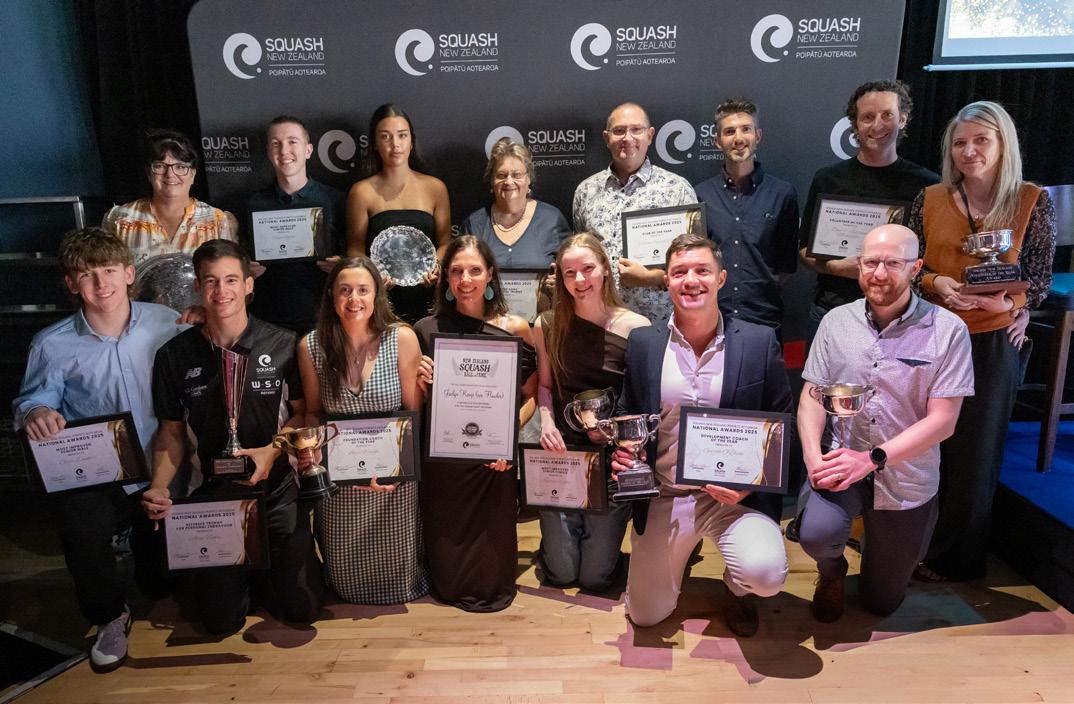
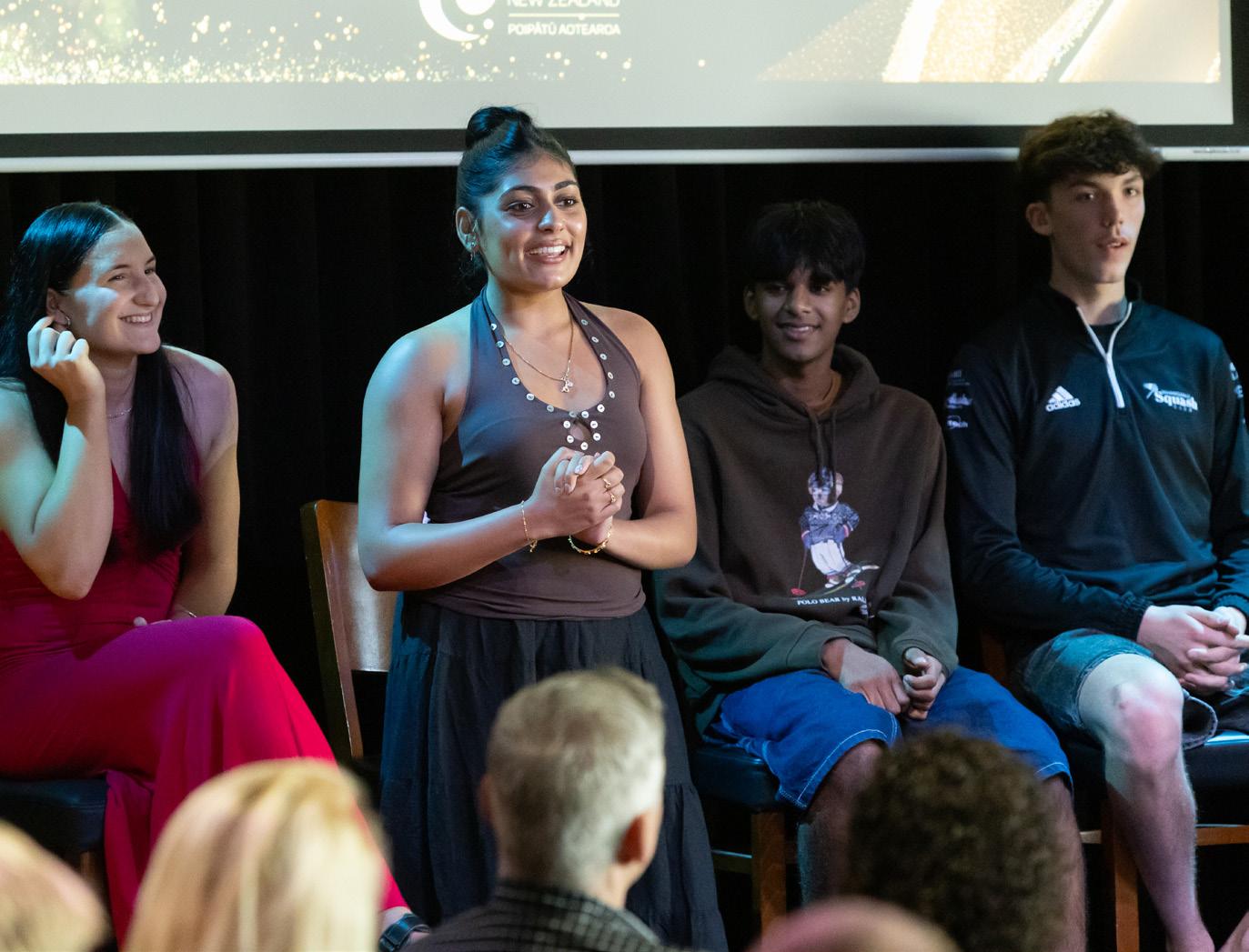
A NIGHT OF CELEBRATION AT THE Squash New Zealand Awards
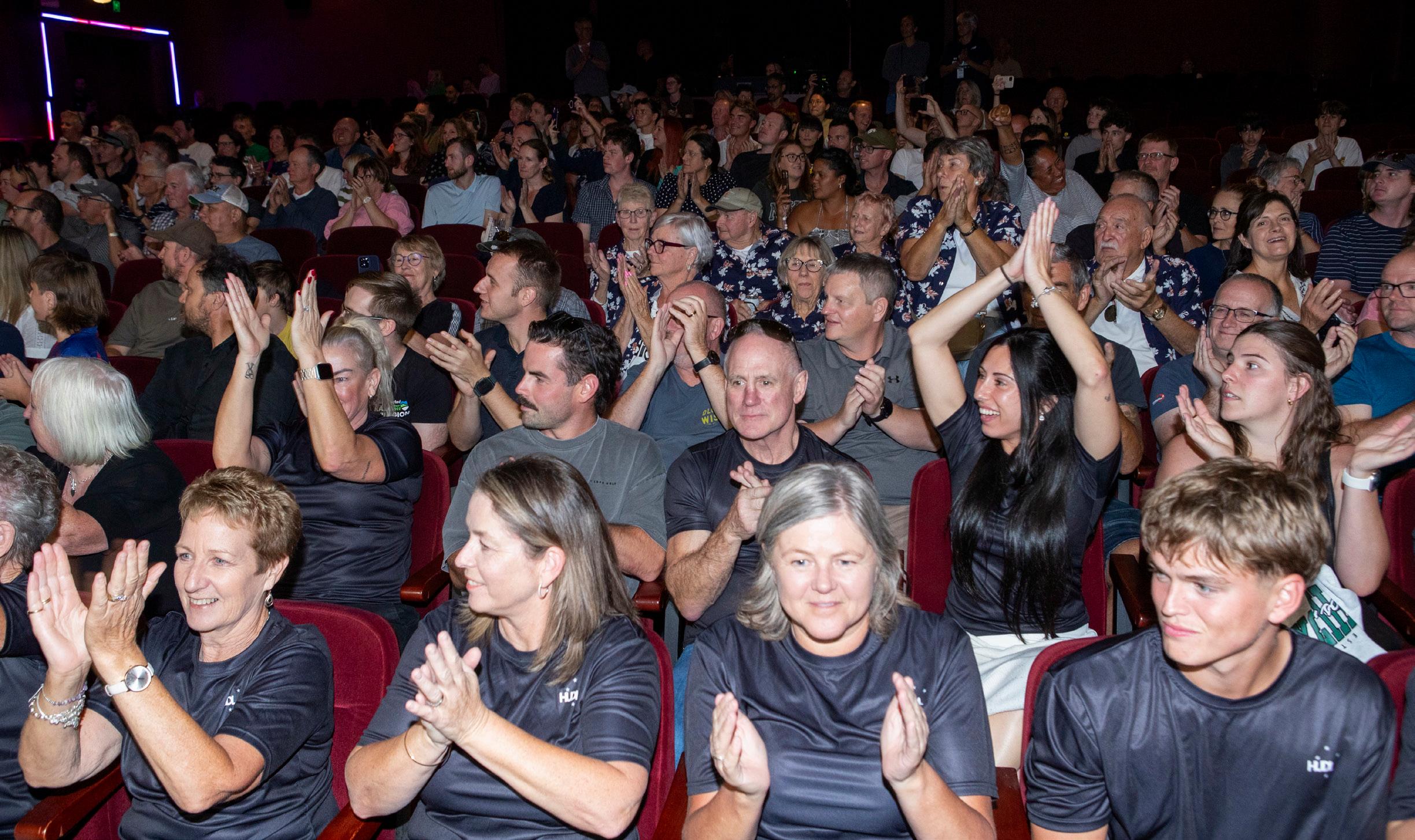
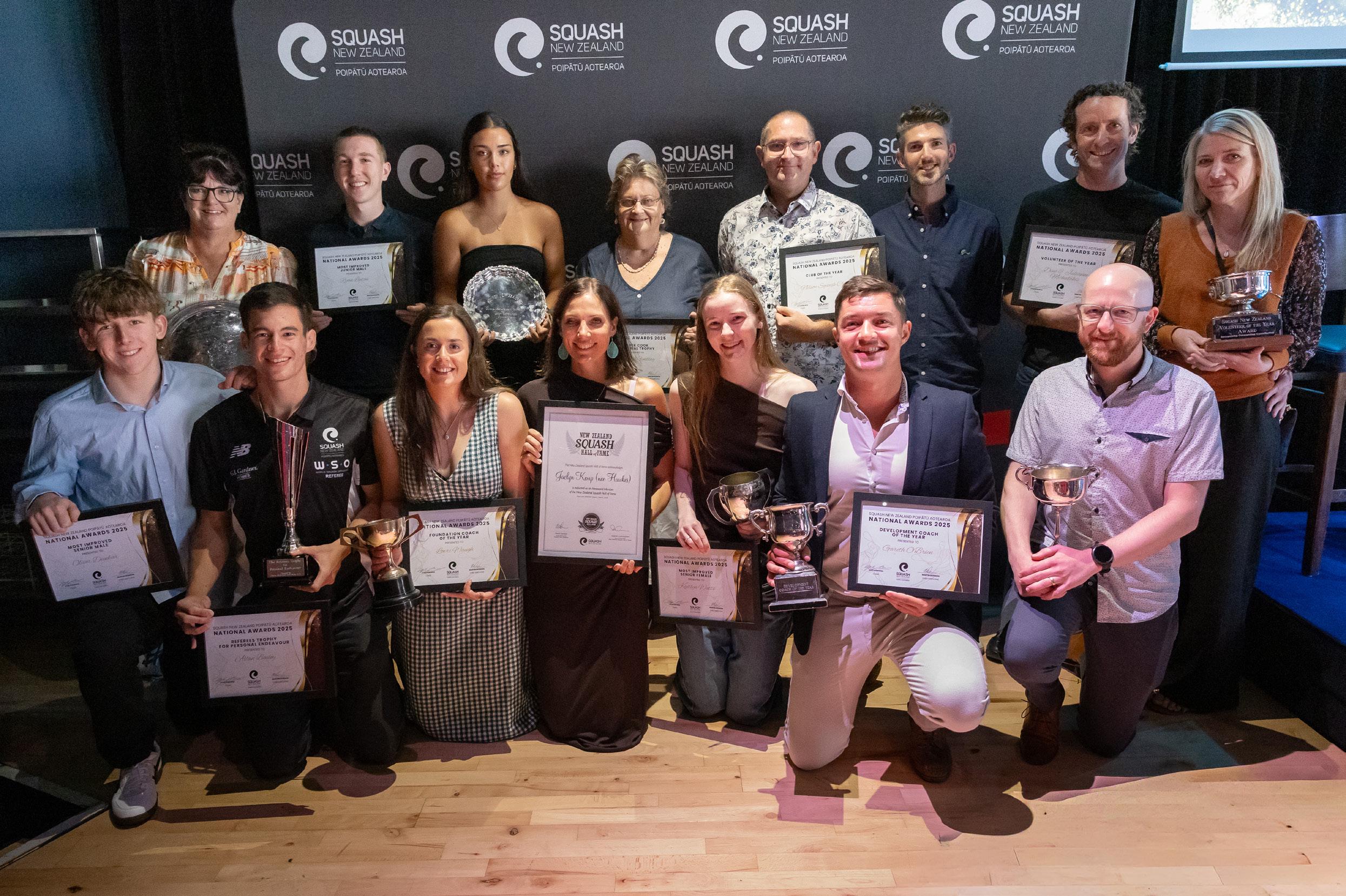
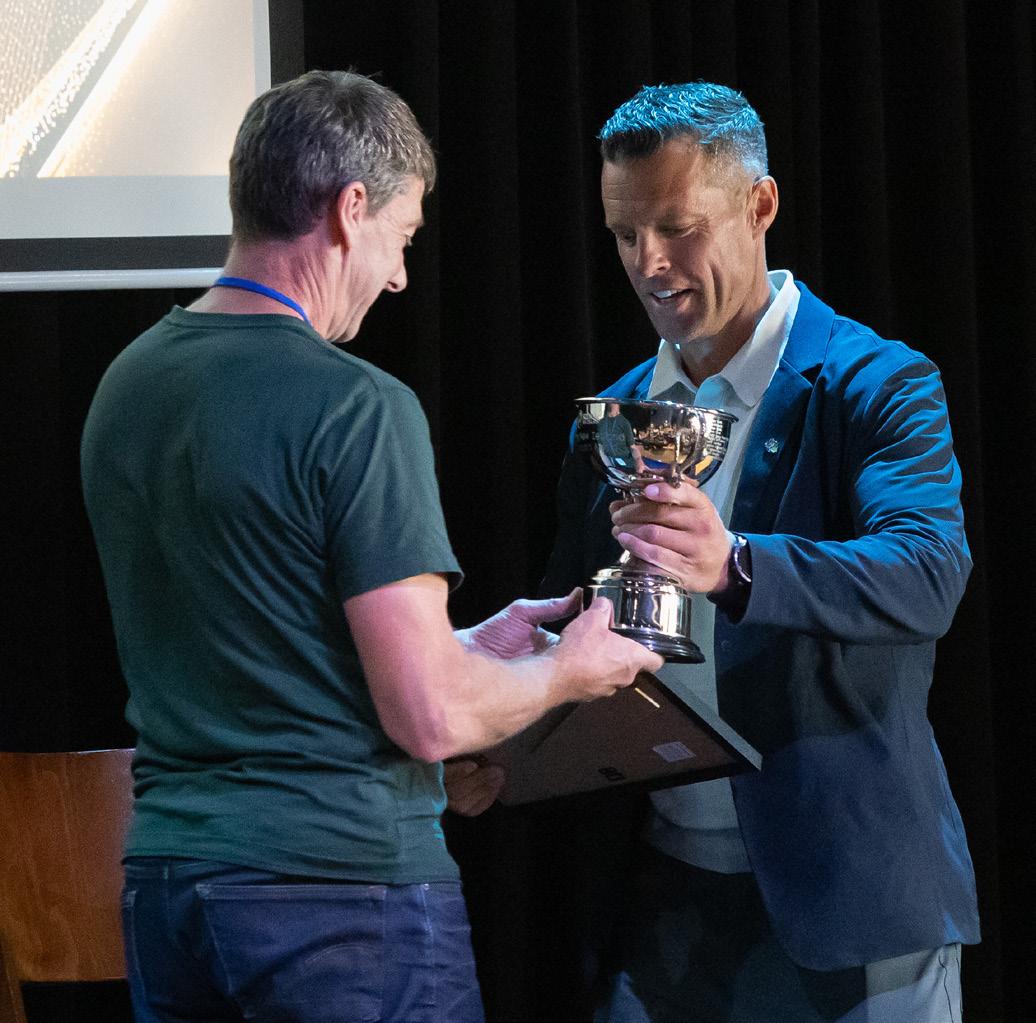
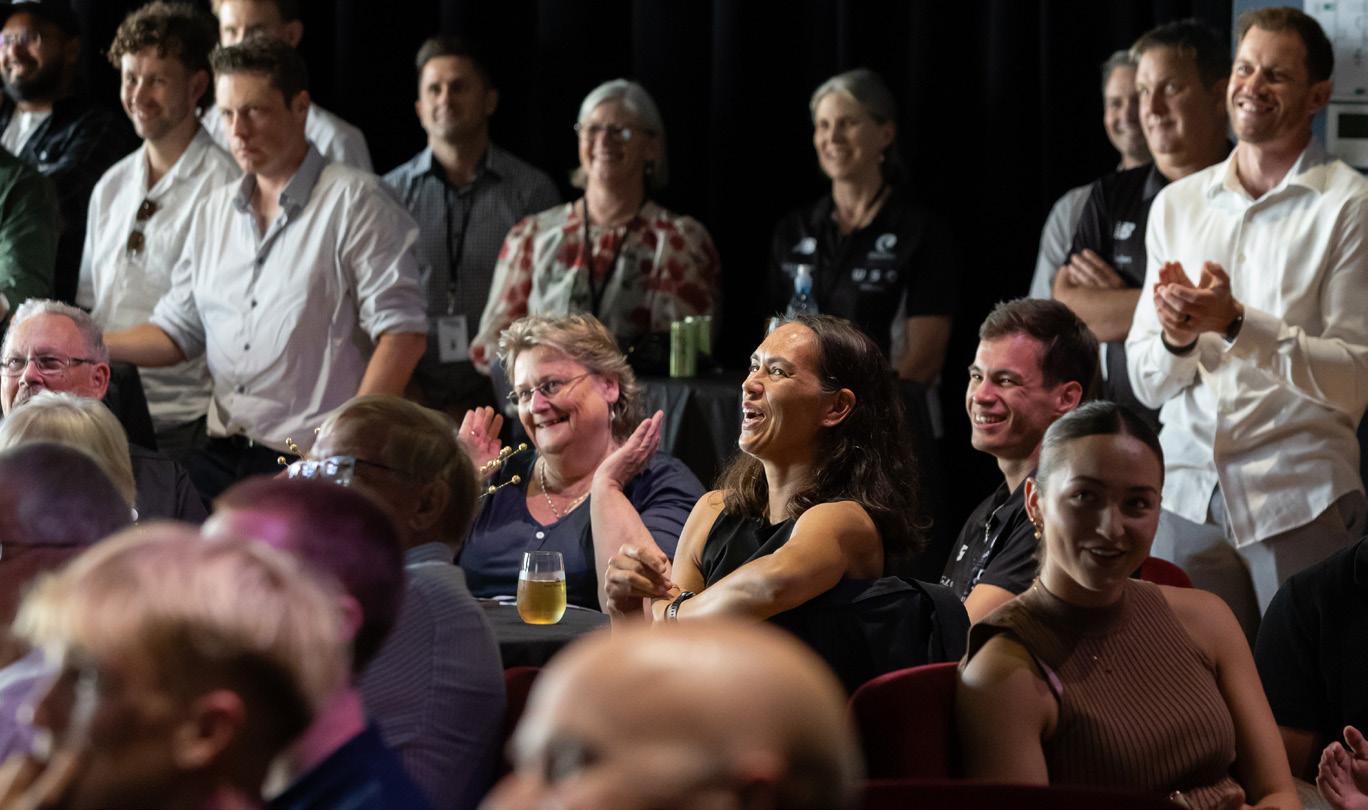
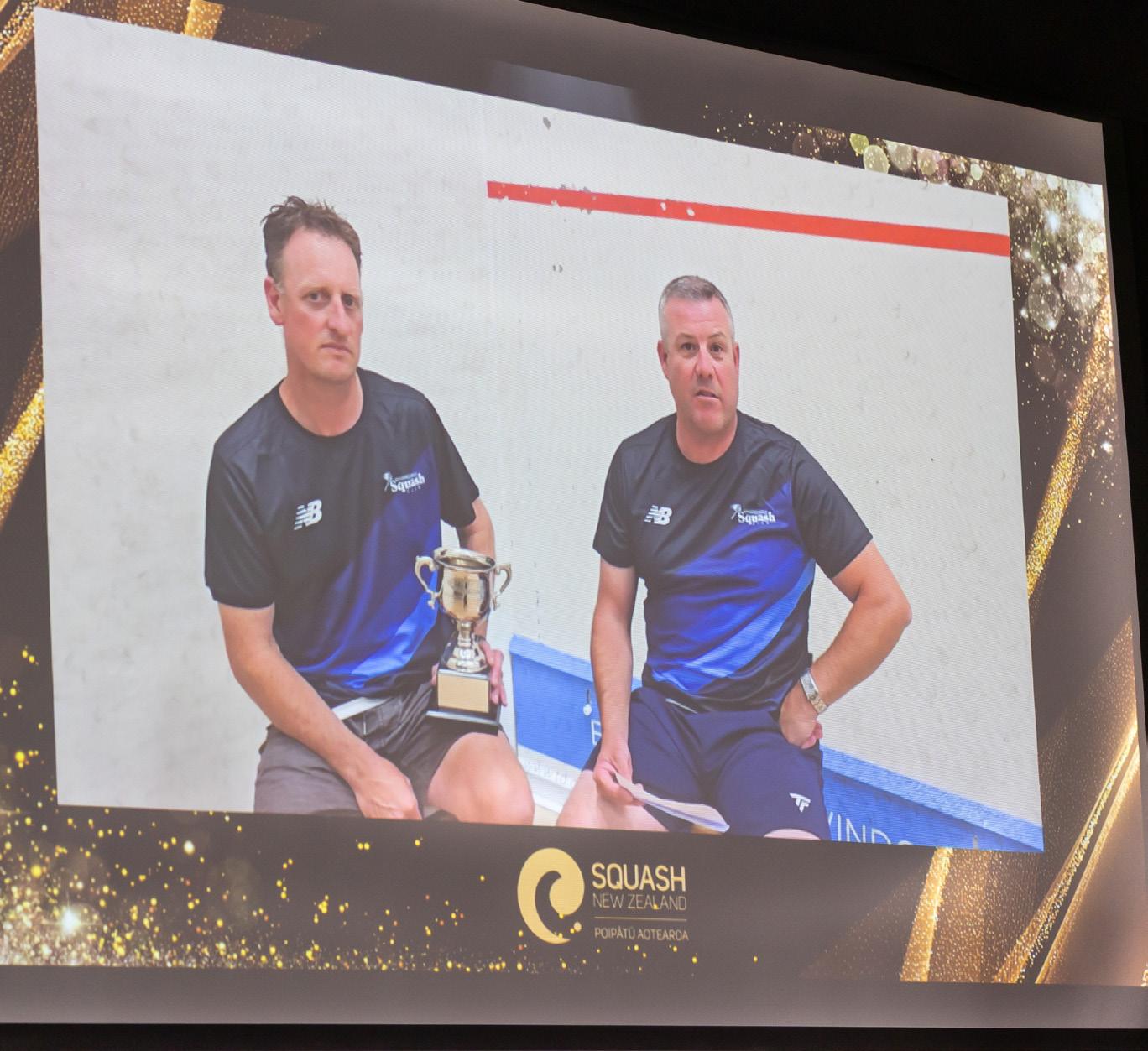
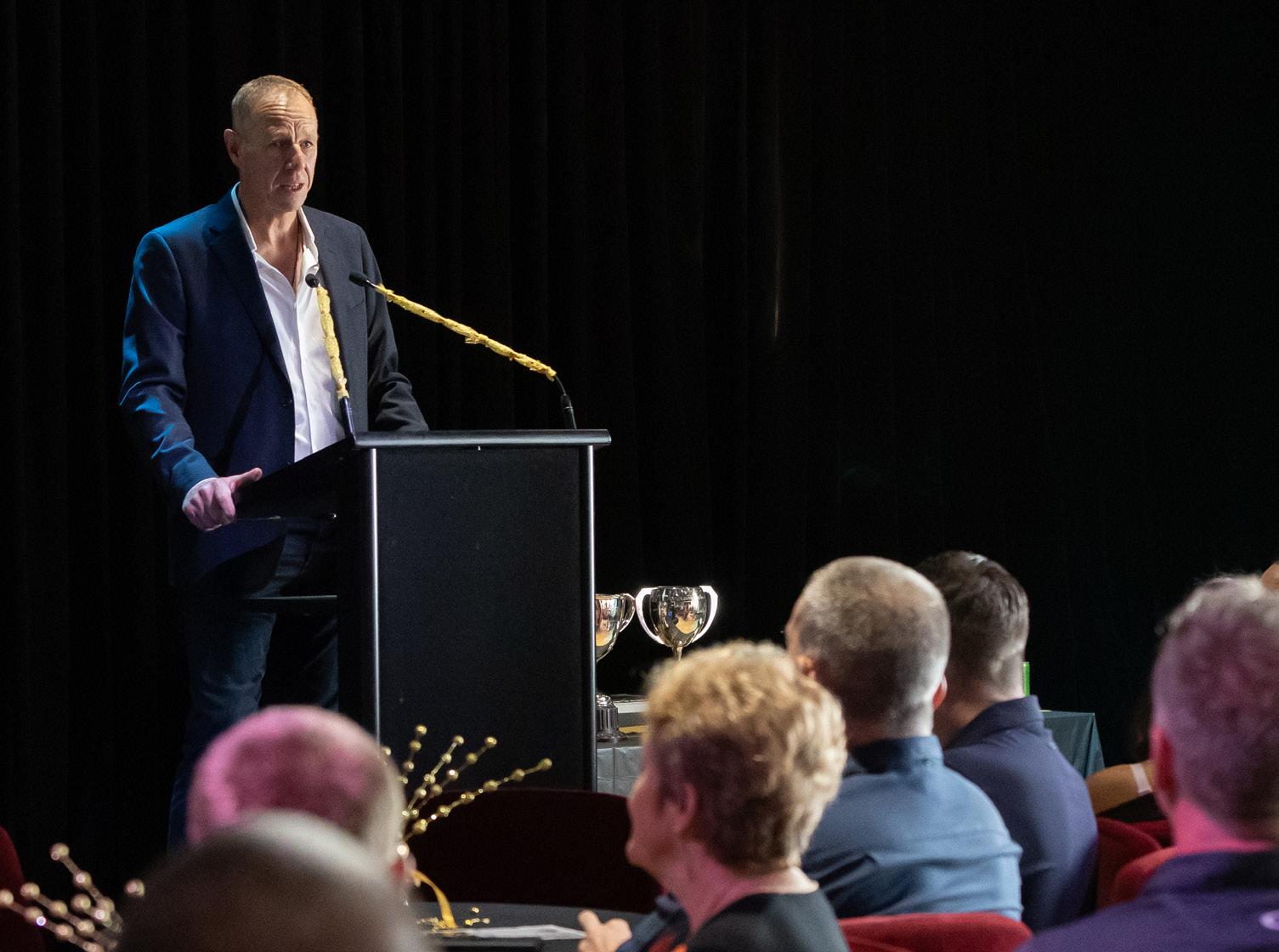
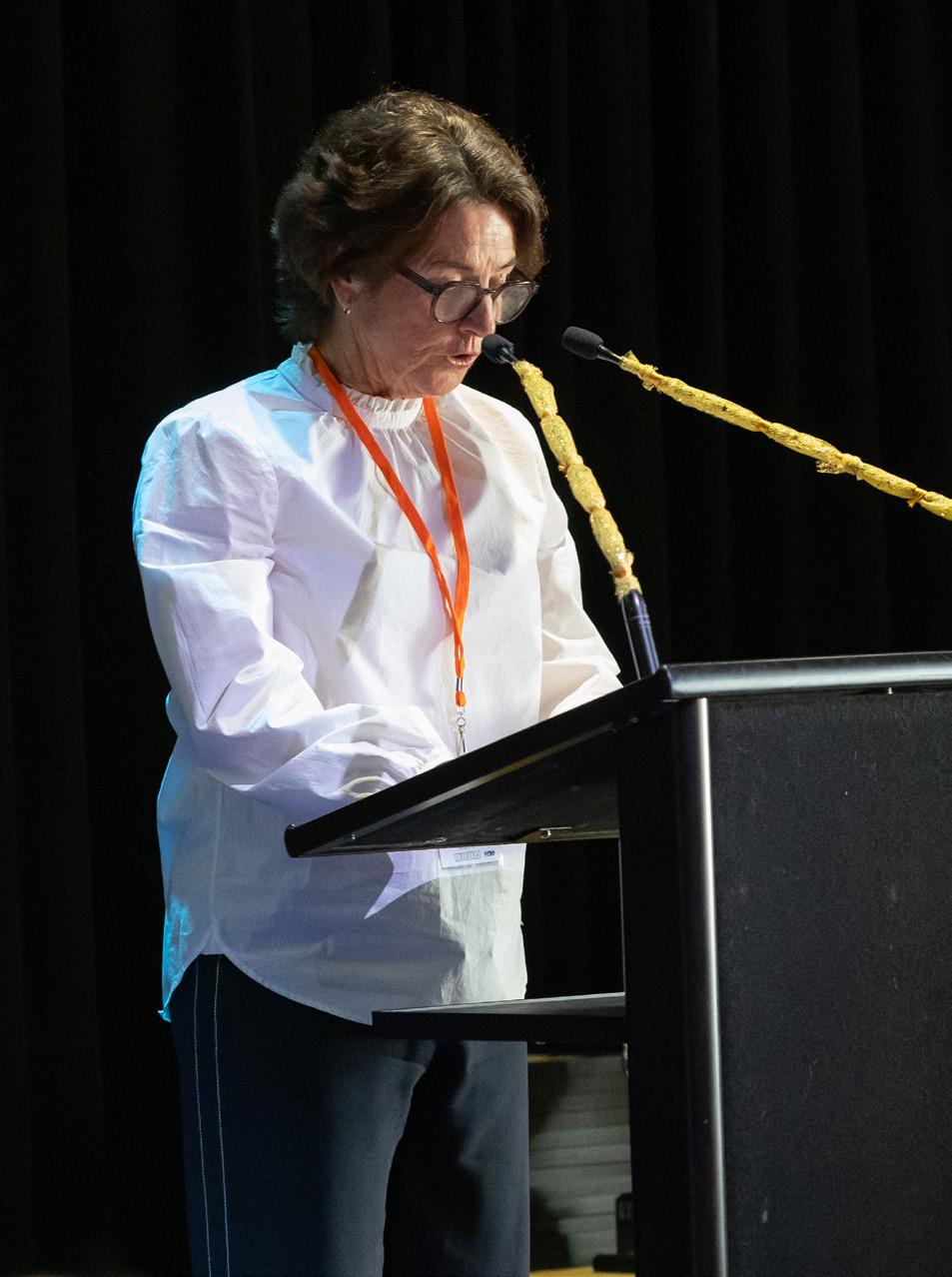
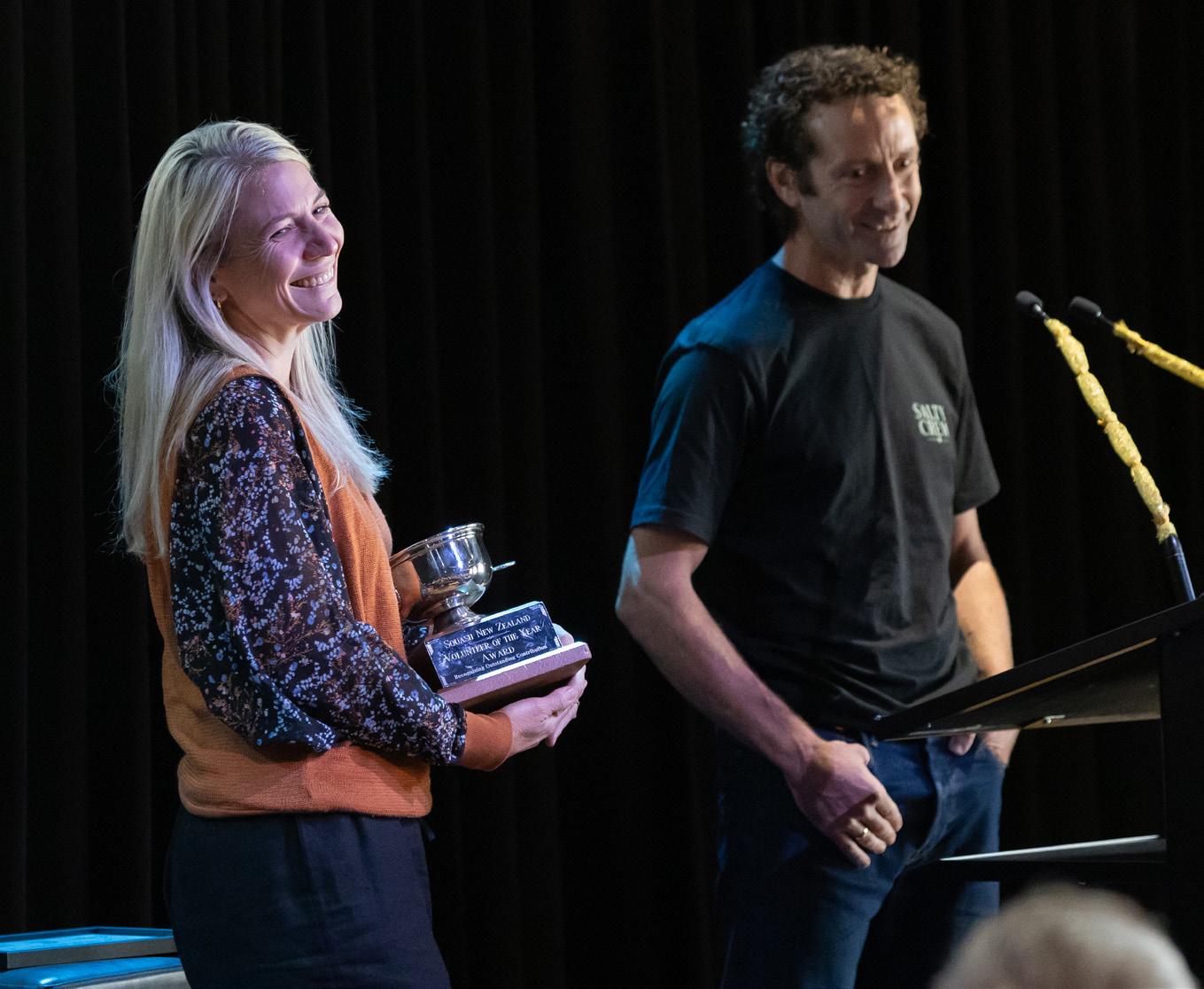
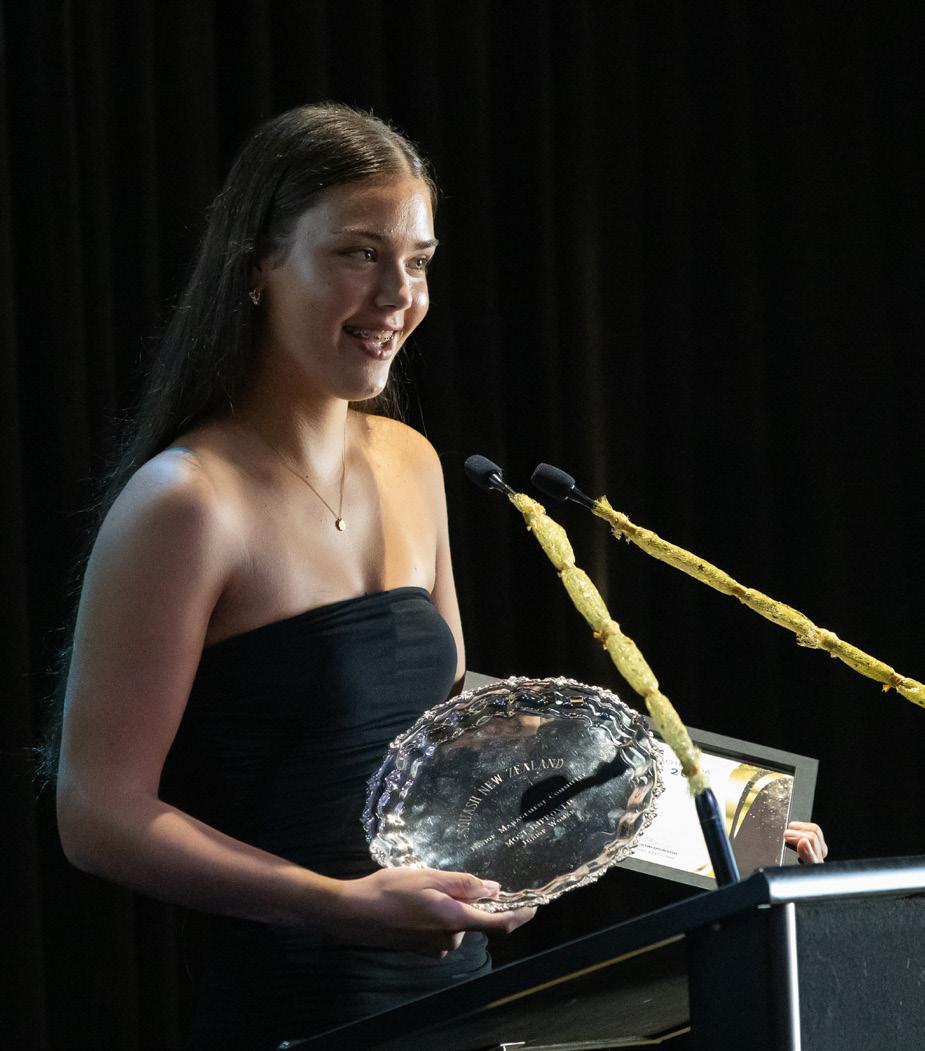
The Squash New Zealand Awards delivered an unforgettable evening of celebration, recognition, and inspiration, held in the magnificent Isaac Theatre Royal just ahead of the NZ Open Semi Finals.
The setting provided a fitting backdrop for an event that honoured the outstanding achievements and contributions made across every corner of our sector over the past year.
From grassroots to elite level, the depth of talent, dedication, and creativity on display was remarkable. The calibre of nominees reflected a year of tireless effort and innovation, with each finalist showcasing the very best of what our community has to offer. The energy in the room was unmistakable as winners were announced and applauded for achievements that continue to raise the bar for excellence.
A particularly memorable highlight of the evening was the induction of Jaclyn Kemp (née Hawkes) into the Hall of Fame. Her lasting impact on the sport and her exceptional legacy were rightly celebrated.
The night was made possible by the collective efforts of supporters, partners, and contributors, all coming together to create a truly special occasion. It was a powerful reminder of what can be achieved through collaboration—and a fitting prelude to the excitement of the NZ Open Semi Finals that followed.
CONGRATULATIONS!
CHAIRMAN’S AWARD
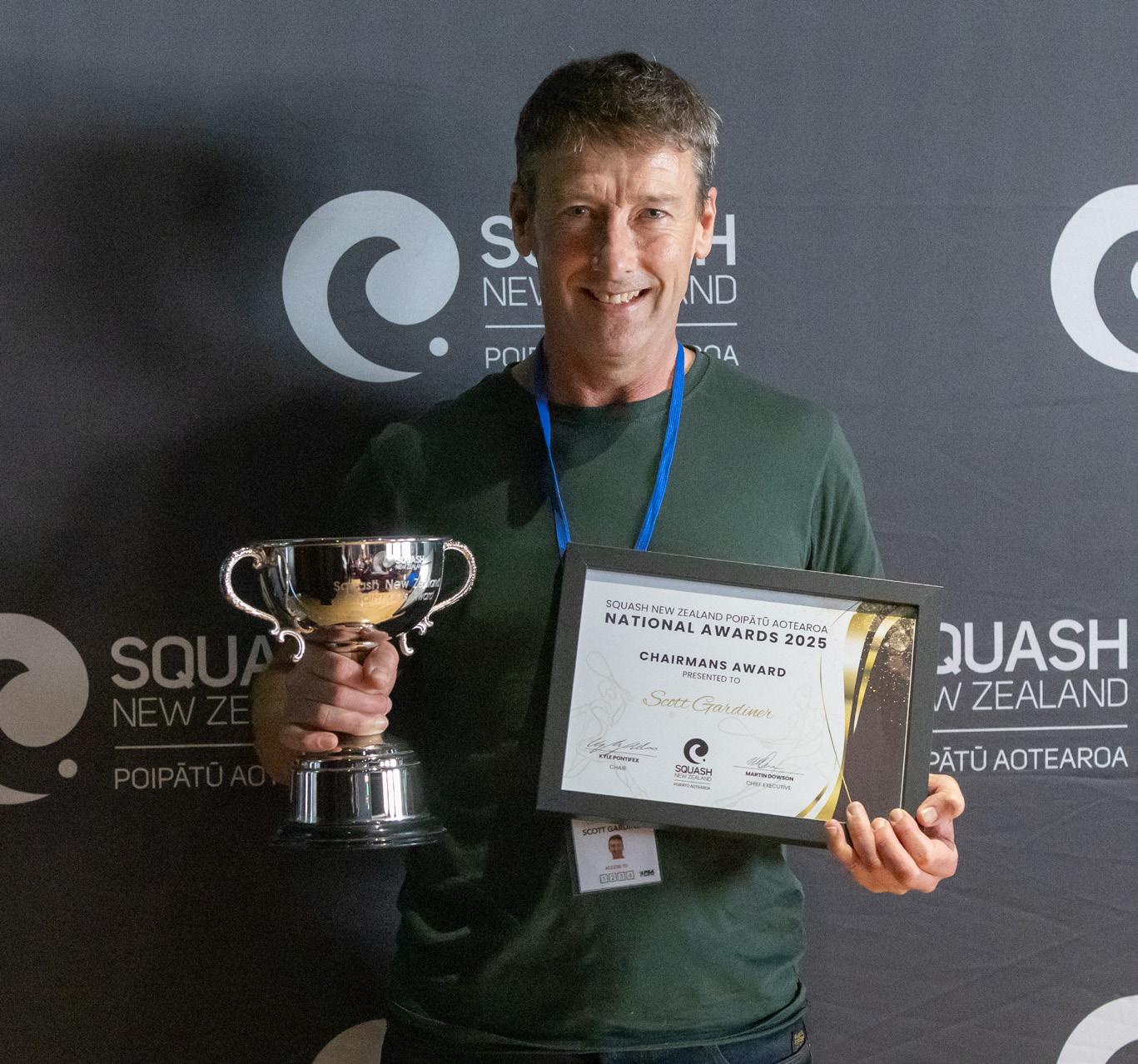
Scott Gardiner
PERSONALITY OF THE YEAR
Vicki Rae
VOLUNTEER OF THE YEAR
Dino & Julianne Michalakis
CLUB OF THE YEAR
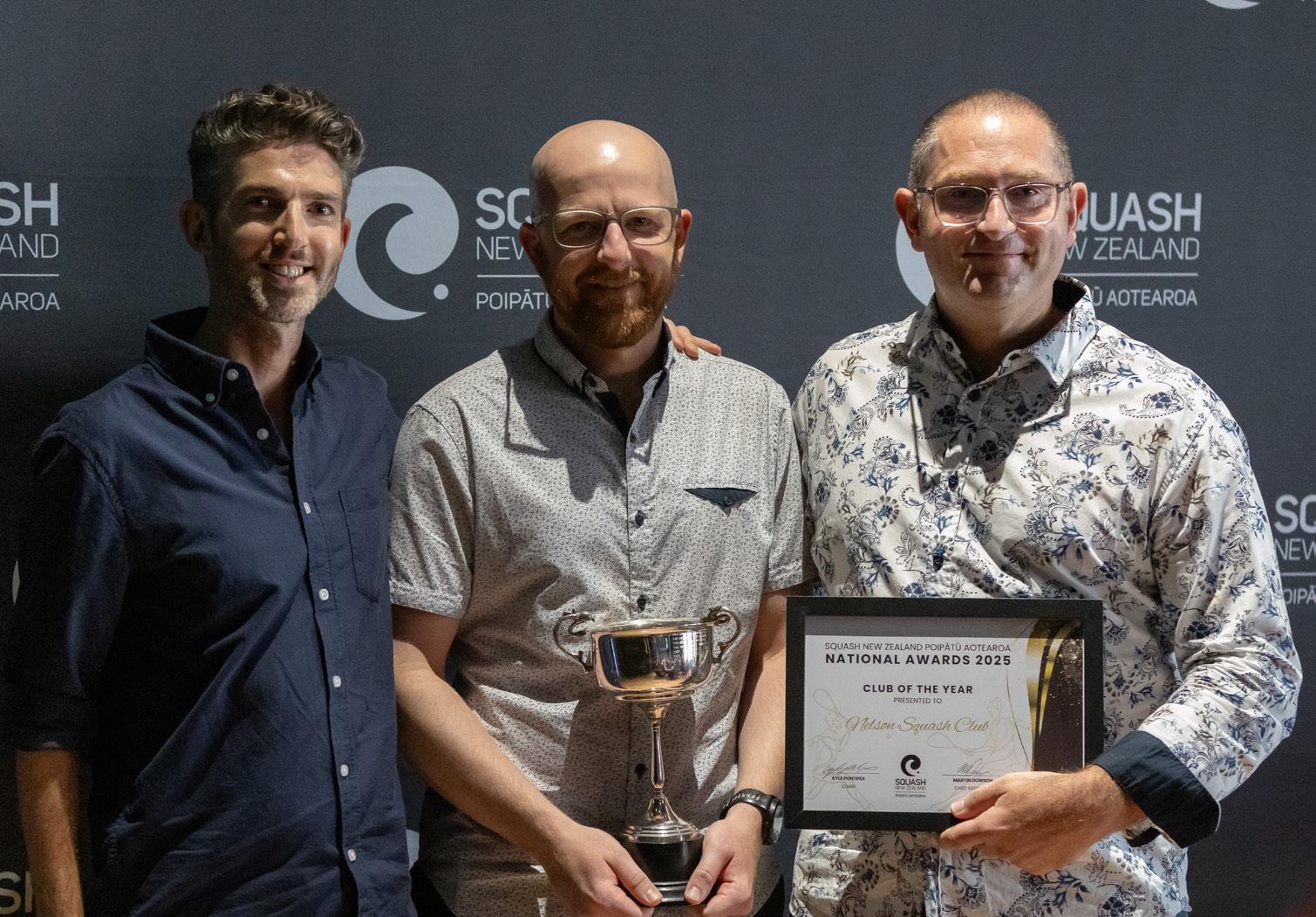
Nelson Squash Club
MOST IMPROVED SENIOR PLAYERS
Female – Kaitlyn Watts
Male - Oliver Dunbar
MOST IMPROVED JUNIOR PLAYERS
Female – Amalia Ricketts
Male – Ryan Linton
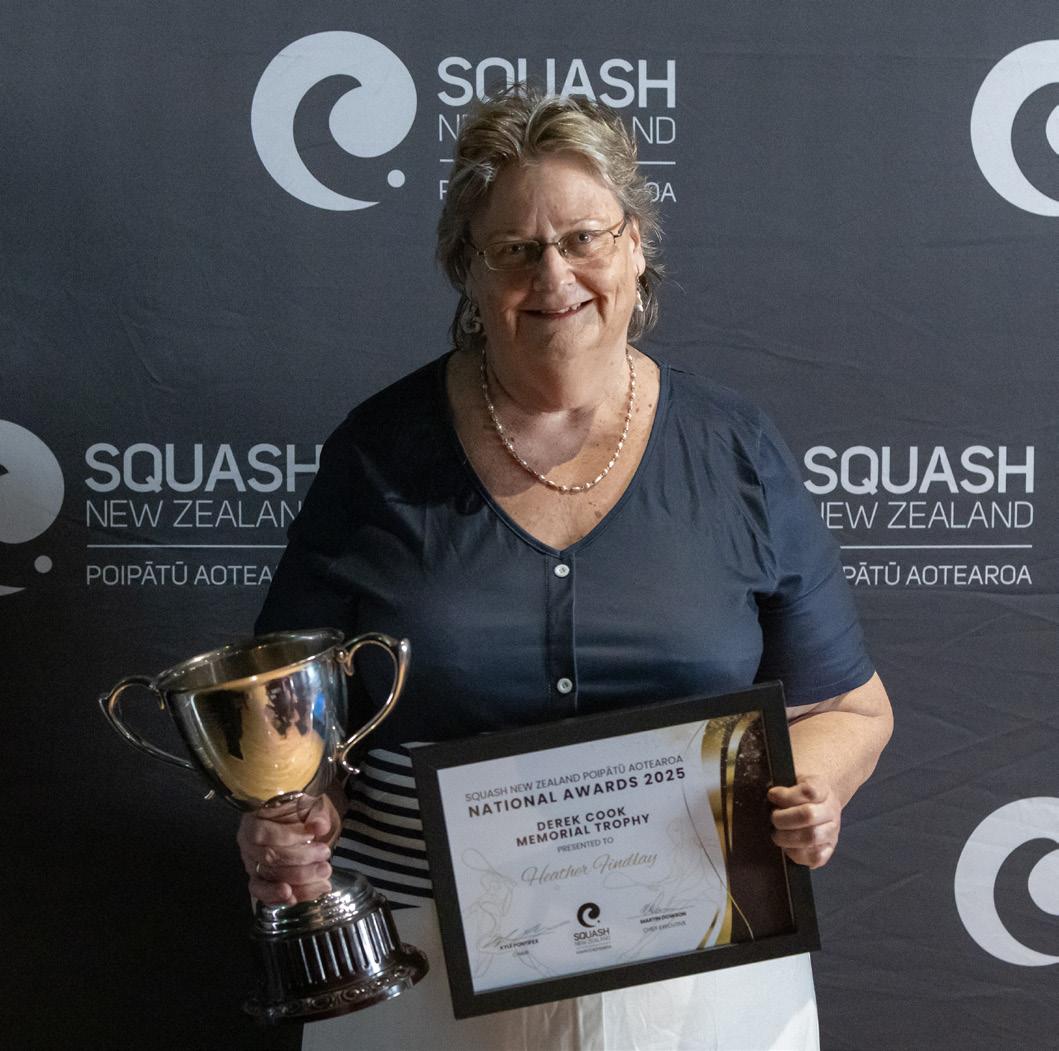
DEREK COOK MEMORIAL TROPHY FOR REFEREEING
Chris Buckland
REFEREE TROPHY FOR PERSONAL ENDEAVOUR
Allan Bailey
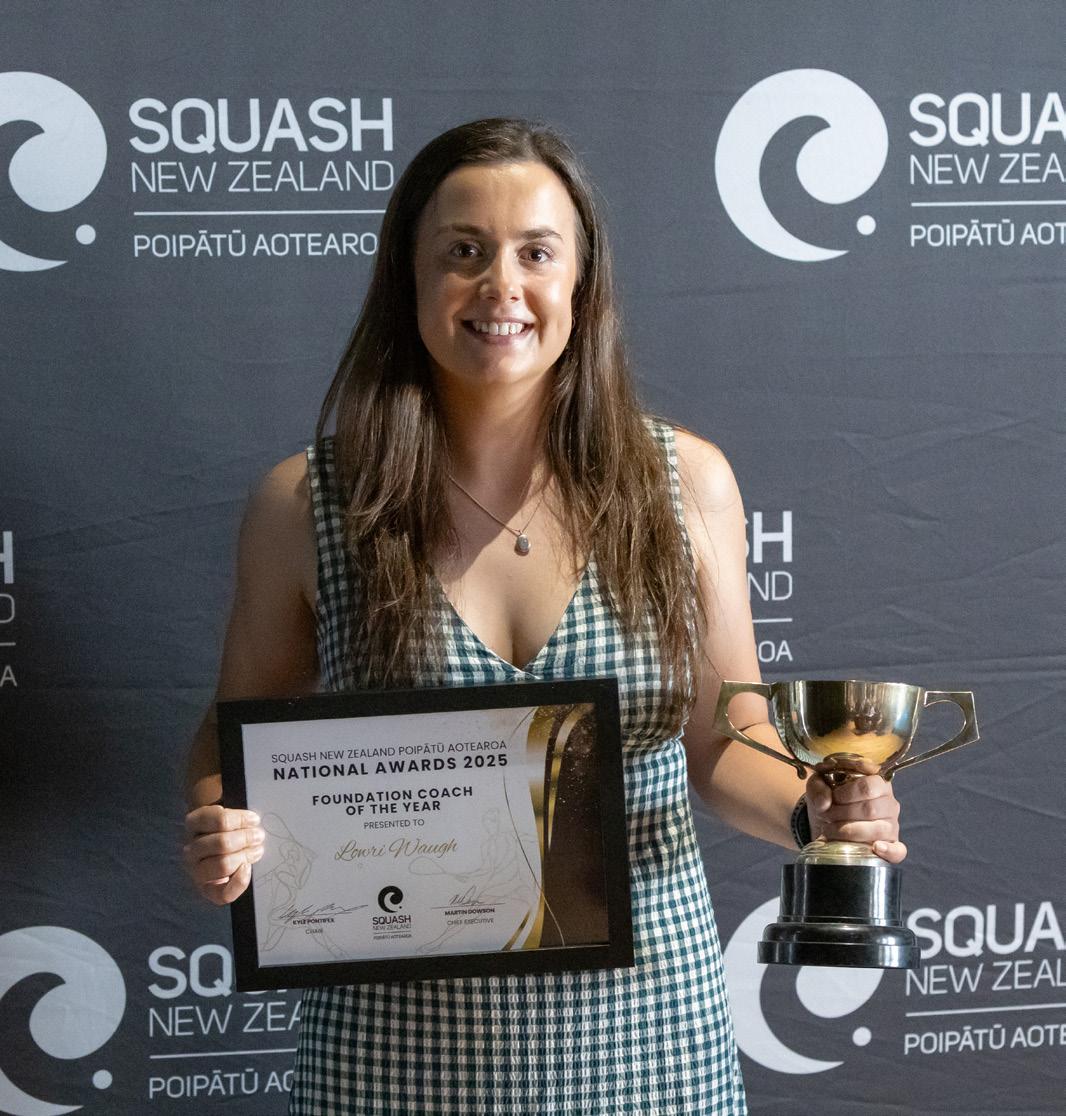
FOUNDATION COACH OF THE YEAR
Lowri Waugh
DEVELOPMENT COACH OF THE YEAR
Gareth O’Brien
PERFORMANCE COACH OF THE YEAR
Kent Darlington & Paul Tuffin
ROB ROCHE TROPHY FOR MERITORIOUS SERVICE TO MASTER’S SQUASH
Karen Walton
North Island JUNIOR AGE GROUP
Entries Close Date 5 July
Entry Fee $25
Dave Dravitzki
Phone: 027 446 0442
Email: d.dravitzki@lde.co.nz
Guest Writer – Gary Duberly
Call It a Let
SQUASH OFFICIATING: HAS IT GONE TOO FAR?
I’ve been fortunate enough to play this amazing game called squash for nearly 48 years, and while I can no longer play, I still thoroughly enjoy watching it, especially at the top level. I’ve been lucky enough to attend all of the New Zealand Opens that have been held in Tauranga and, more recently, Christchurch. The level of squash on display has been truly outstanding, particularly being led by our very own Paul and Joelle. Not to mention the iconic venue, the Isaac Theatre — what an awesome spectacle. The atmosphere and vibe around these events were magnificent. However, the refereeing and some of the decisions had me scratching my head and got me thinking about how much officiating has changed over the last 40 years or so.
players were producing a high-quality contest, calling their own lets and strokes, and realistically could have played the match without much referee intervention at all. This is where my frustration lies. Referees should be able to read body language, understand what type of match it’s going to be, and adjust their level of involvement accordingly. For me — and this might be naïve or old-fashioned — a truly great squash match is one where you barely even notice the referee is there.
A small disclaimer: I’m not a currently qualified referee, having sat my referee’s exam about 35 years ago, so I know the rules have changed and been “tweaked” over time. However, despite advances in technology, equipment, and the professional environment, the game of squash itself remains the same. So why, over the last few years, has refereeing become so much more controversial?
referees are getting too involved and are far too pedantic
In my opinion — and please remember this is just my view — I believe referees are getting too involved and are far too pedantic. At times it almost feels like they enjoy hearing their own voice. Don’t get me wrong, there are definitely situations where referees need to step in, take control, and be decisive, but there are also many situations where they need to take a back seat and allow the game to flow.
In one match, the referee stopped play three times by calling the ball down — how they could see that from where they were sitting I’m not sure — and all three times the video referee overturned the decision, as the ball was clearly up. In that same match, the two
My second major gripe has been the decisions across all four Squash New Zealand Opens. Some of them have been absolutely mind-blowing. When you’re sitting in the crowd with fellow squash players and everyone independently comes to what seems like a blatant decision — say, a stroke — only for the video referee to return with the complete opposite, such as a no-let, you can’t help but wonder what’s going on. Of course, there are situations where it’s simply too close to call and a decision could reasonably go either way. In those cases, the referee’s interpretation of the rules applies, and whichever call is made is justifiable and acceptable.
However, that brings me to my final point. So many decisions now seem to polarise around “no let” or “stroke,” which are by far the most common calls. Whatever happened to the good old-fashioned let? By the nature of the game, there are going to be many situations where, at the end of the day, it’s simply — and quite rightly — just a LET.
GARY DUBERLY
Club – The Mighty North Shore
SNZ Board Member NZ
3rd – 5th JULY 2026
DEVOY SQUASH AND FITNESS CENTRE
$50 Entry fee
Entries Close 24th May
Enter through MySquash Competitions
Played in conjunction with the National Graded Championships
Men’s & Women’s Open Divisions only – Top 32 players entered as at 24th May
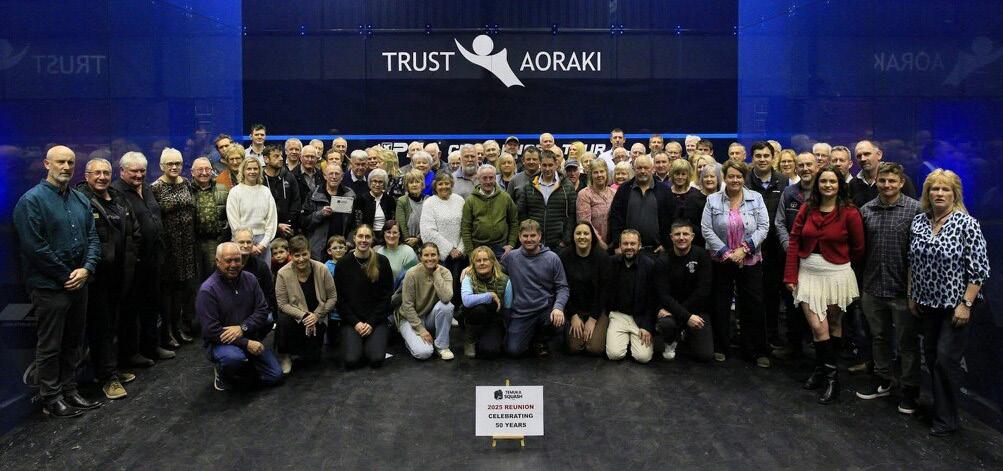
The Temuka Squash Club has enjoyed a remarkable year, marked by strong community engagement, player development, and the successful delivery of a major international event alongside its 50th Jubilee celebrations.
Despite being a small club, Temuka has demonstrated what can be achieved through commitment, collaboration, and a shared passion for the sport.
A key focus for the club has been growing participation, particularly among juniors and women. Through its support of the Midlands “Squash in Schools” programme, Temuka has built meaningful links with local primary schools, driven by a dedicated volunteer base. This initiative has been complemented by after-school coaching sessions funded through successful grant applications, allowing the district coach to work with juniors across the area. Waihi School, in particular, has benefited from allocated court time and structured training, contributing to a significant rise in junior membership.
on experiences, the opportunity to meet elite athletes, and the chance to watch live matches. Transport was provided to ensure accessibility, further boosting participation and interest across multiple clubs.
The club has also made efforts to encourage greater female participation by hosting weekly ladies’ evenings. These sessions have created a welcoming and supportive environment, with coaching introduced as players gained confidence. This initiative has helped broaden the club’s reach and strengthen its inclusive culture.
Community engagement reached new heights during the Temuka 50 celebrations. A wide-ranging promotional campaign included radio advertising, social media outreach, local newspaper coverage, and even a feature on national television. A two-page spread in “The Boast” further highlighted the significance of the milestone and the accompanying PSA event, which was also live-streamed to extend its reach.
The PSA tournament itself was a standout success, attracting positive feedback from both national and international players. Notably, one overseas competitor described it as the best Challenger event he had attended. The event showcased squash at the highest level and brought unprecedented exposure to the region. Professional players Emma Millar and George Thomas were also engaged to deliver skill sessions in schools across South Canterbury, providing students with hands-
On the court, Temuka’s players also achieved impressive results. The club fielded three interclub teams, with one winning its division and another finishing as runner-up. Junior player Ben Smith represented the club at national level, placing fourth at the New Zealand Age Group Championships and seventh at the New Zealand Junior Open. Alongside Carter and Cooper, he also represented Midlands at the South Island Age Group tournament. Additionally, Myah Hanifan was recognised as the Midlands Most Improved Junior.
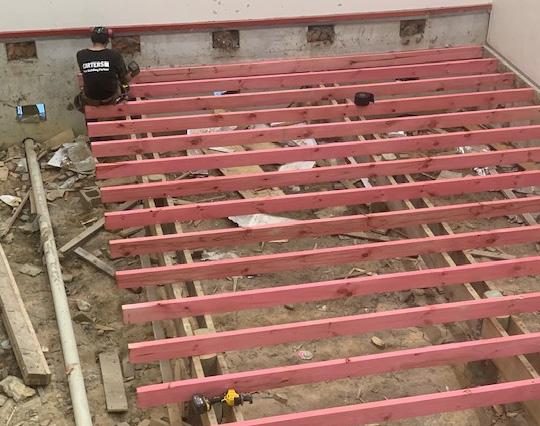
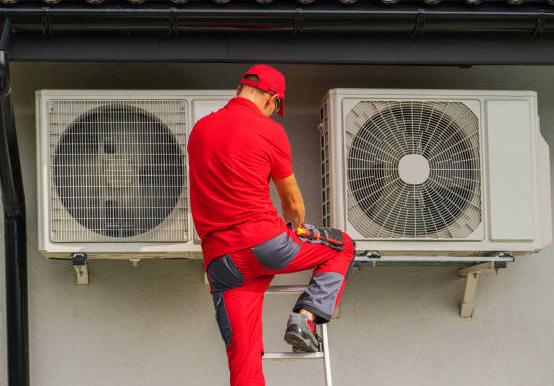
Off the court, the club has invested in several upgrades to enhance facilities and operations. These include the purchase of demo rackets, installation of a heat pump, improved drainage, new signage, and the introduction of an EFTPOS system and modern membership management platform.
Financially, the club has remained stable through fundraising initiatives, funding applications, and ongoing sponsor support. The collective effort of members— just 44 senior players—has been extraordinary. From constructing a full glass court and grandstand to organising logistics, hospitality, and sponsorship, every member played a role.
The Temuka Squash Club’s achievements this year highlight its determination, community spirit, and ability to deliver on a grand scale. It is truly a small club making a big impact.
Looking to do an upgrade to your club or give it a facelift?
On our facilities page you can get more information about:
• Floor cleaning
• Wall cleaning
• Wall maintenance and repair
• Squash court floor sanding
• Squash court floor replacement
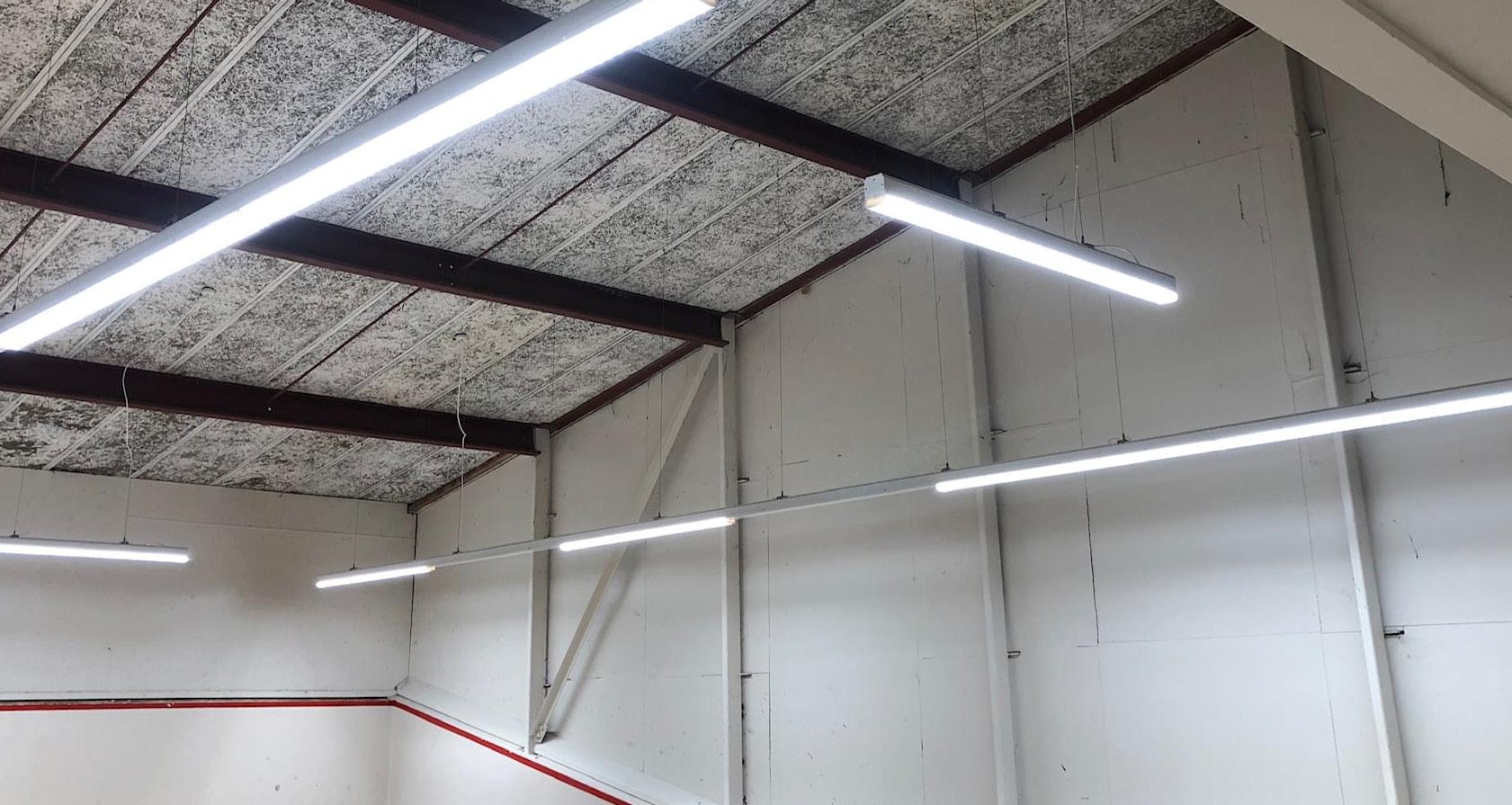
• New court lights
• Court heating and ventilation
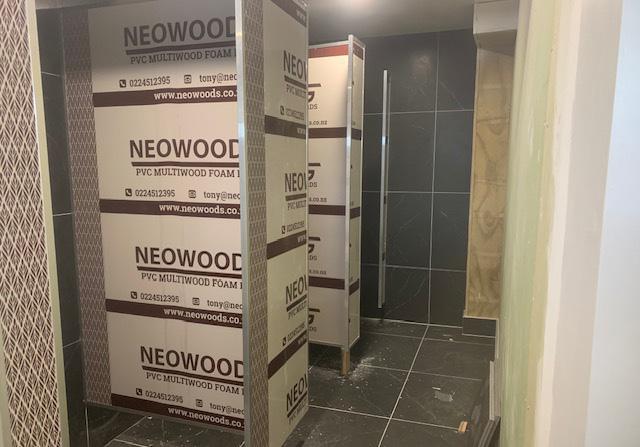
• Changing room and bathroom facilities
• Lounge facilities
• Kitchen / Bar facilities
Looking to build a new facility or expand your existing club?
• Needs assessment
• Feasibility
• Facility guidelines
• Design and consent
For information contact our Facility Advisor Jamie Archibald jamie@squashnz.co.nz
Special deals
Click HERE to see special deals for affiliated squash clubs
referee
MIKE JACK: A RETIREMENT WELL EARNED Celebrating a Legacy of Refereeing Excellence
Early Beginnings and Inspiration
Mike Jack embarked on his refereeing journey in 2003, inspired by a shared passion for squash with his close friend Mark. Their decision to pursue officiating was born from a casual conversation over drinks, reflecting the camaraderie and love for the sport that would define Mike’s career. Tragically, Mark passed away before completing his District exam, leaving behind a legacy as a squash visionary and a profound loss to the Central squash community.
Refereeing Qualifications and Club Involvement
Mike achieved his District Referee qualification in May 2003 and advanced to National Referee status in May 2007. Throughout his refereeing career, he maintained strong ties to grassroots squash, becoming a life member of Kawaroa Park Squash Club. His service as Club President and later as Patron highlights his unwavering commitment to the squash community.
Commitment to Officiating Integrity
Refereeing evolved beyond a sideline for Mike, becoming a true passion rooted in integrity and fairness. He views officiating as a privilege, stressing the importance of honesty and consistency in applying the rules. Mike recognises that referees are human and may make mistakes, but he consistently emphasises the values of fairness, consistency, and integrity.
Recognition and Achievements
Mike’s dedication has been honoured on multiple occasions, including three Derek Cook Memorial Trophy awards, reflecting the respect he earned from peers and his consistency in officiating. He has twice been named Taranaki Sports Official of the Year, underscoring his significant contributions to sport in the region.
Hall of Fame Induction
Among Mike’s many achievements, his induction into the Squash Central Hall of Fame in 2025 stands out as the pinnacle of his career. This accolade recognises both his longevity and his lasting impact on the game and its community.
Leadership and Administration
Over the past five years, Mike served as National Referee Director, a role increasingly focused on administration while still leveraging his extensive oncourt experience. He continued as a qualified and active WSO Level 3 Referee and dedicated himself to supporting and leading the broader refereeing structure.
In his leadership role, Mike collaborated closely with the Refereeing Panel to oversee the transition of District and National referees to WSO Levels 2 and 3. He played a key part in implementing the New Zealand Refereeing Management Plan, ensuring all referees understood their responsibilities and the processes required.
World Squash Officiating Transition
Mike was instrumental in guiding New Zealand through its alignment with World Squash Officiating. He oversaw the shift from the traditional National Referee system to the WSO framework, helping referees adapt to international standards. His leadership positioned New Zealand as the first country to implement the WSO appraisal system.
He also helped bring Roy Gingell to New Zealand for the Men’s Teams event in 2023, working alongside Chris Buckland, which provided valuable development opportunities for referees nationwide.
Reflections on Change
Mike acknowledges both the benefits and logistical challenges of moving to the WSO system. He believes this change will ultimately enhance the quality and capability of New Zealand’s officials, as referees now take responsibility for maintaining their accreditation.
A Distinguished Career
With 23 years of experience as a National and Level 3 referee, Mike has officiated countless matches at district, national, and international levels across New Zealand and Australasia. His career is marked by professionalism, consistency, and a deep understanding of squash.
Legacy and Thanks
Mike Jack’s journey from a spontaneous decision shared with a friend to a distinguished refereeing career epitomises dedication, leadership, and lasting contribution to squash. The squash community sincerely thanks Mike for his efforts, time, dedication, and friendship, and wishes him all the best in retirement.
I’ve got cramp. Can I take injury time?
No – Cramp is defined as an illness, along with nausea, breathlessness (including asthma) and blisters, rather than being an injury.
Q A Hey Ref!
Rule 13.1. Illness:
13.1.1. A player who suffers an illness or physical impediment that does not involve an injury or blood injury (such as a cramp, nausea, a blister, or breathlessness, as well as asthma), must either continue play immediately or concede the game in progress and take the game interval, if available, to recover. The player must then resume play or concede the match.
Do you have a refereeing question or a situation you are not sure about?
Chances are others may have the same query.
Send your query to Brett Simon: cu2@outlook.co.nz and we will share the answers with the squash community each month.
Order our cool Order our cool
Choose between hoodie, mid-layer top and a standard T-shirt. Check out the colour options and place your order by clicking the link below. Squash tops
Please note – every situation is different and without seeing the exact context (player skill, direction of movement etc) we are giving our responses based on the rules and some guidance on how to apply them. CLICK HERE TO ORDER
Deb Salisbury
April
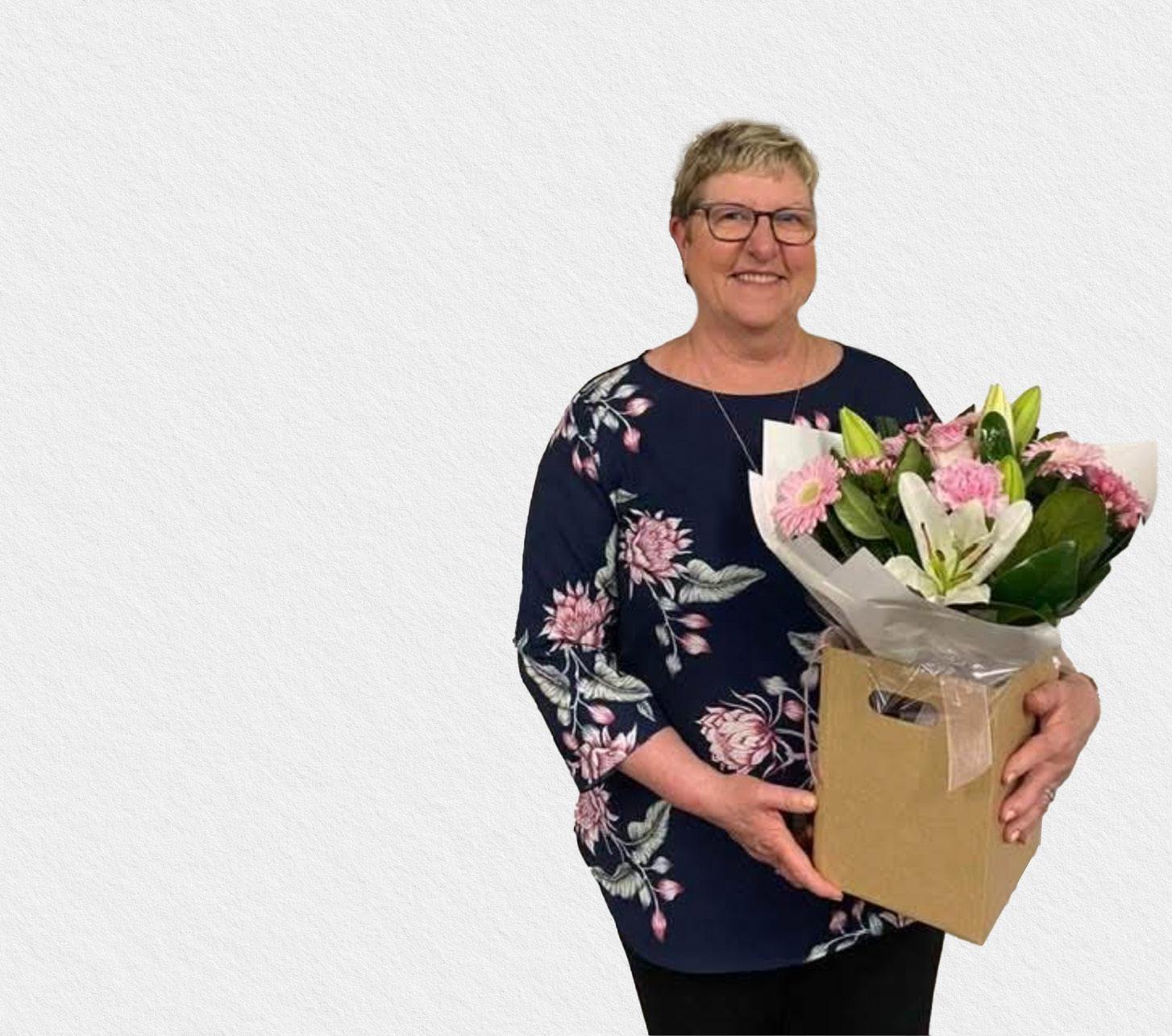
Deb Salisbury is one of those club members every club dreams of having – and Burnside Squash Club is lucky to call her one of its own. Deb has been a valued member of the Burnside Squash whānau for many years (recognised as a Life Member in 2023) and has held a wide range of volunteer roles on the committee during that time.
Deb is a passionate, caring, and efficient committee member with a talent for seeing the bigger picture. She provides valuable input and guidance at a governance level, while also making time for the day-to-day details that help make our club feel welcoming and inclusive.
Most Thursday nights, you’ll find Deb down at the club coordinating our open club nights. Any squashie who comes along can be sure they’ll be well looked after and warmly welcomed, with the chance to get on court and learn more about club membership. No matter your playing level, Deb – alongside our other committee members who run club nights – makes a genuine effort to match everyone up for a fun, competitive game and ensure everyone feels included.
We are also incredibly grateful for Deb’s contribution in her role as our grant superstar. Since stepping down
as Club President in 2021, she has continued to be the driving force behind countless grant applications that have enabled numerous Club Uplift projects and coaching programmes. These include reflooring two courts, offering discounted coaching to all members, supporting school participation programmes, lighting upgrades, and much more. Without Deb’s commitment and passion, many of the great opportunities and improvements at Burnside Squash Club simply wouldn’t have been possible.
On top of all this, Deb is also a consistent and reliable tournament volunteer, always willing to help wherever needed. From club working bees ahead of tournaments to first-round refereeing, and tending the kitchen and bar, you’ll often see Deb alongside Judy Smith and Margaret Thornton, pitching in and supporting the club.
We are so grateful to have Deb as part of the Burnside Squash Club whānau and truly appreciate the countless hours she dedicates to the club.
Thank you, Deb!
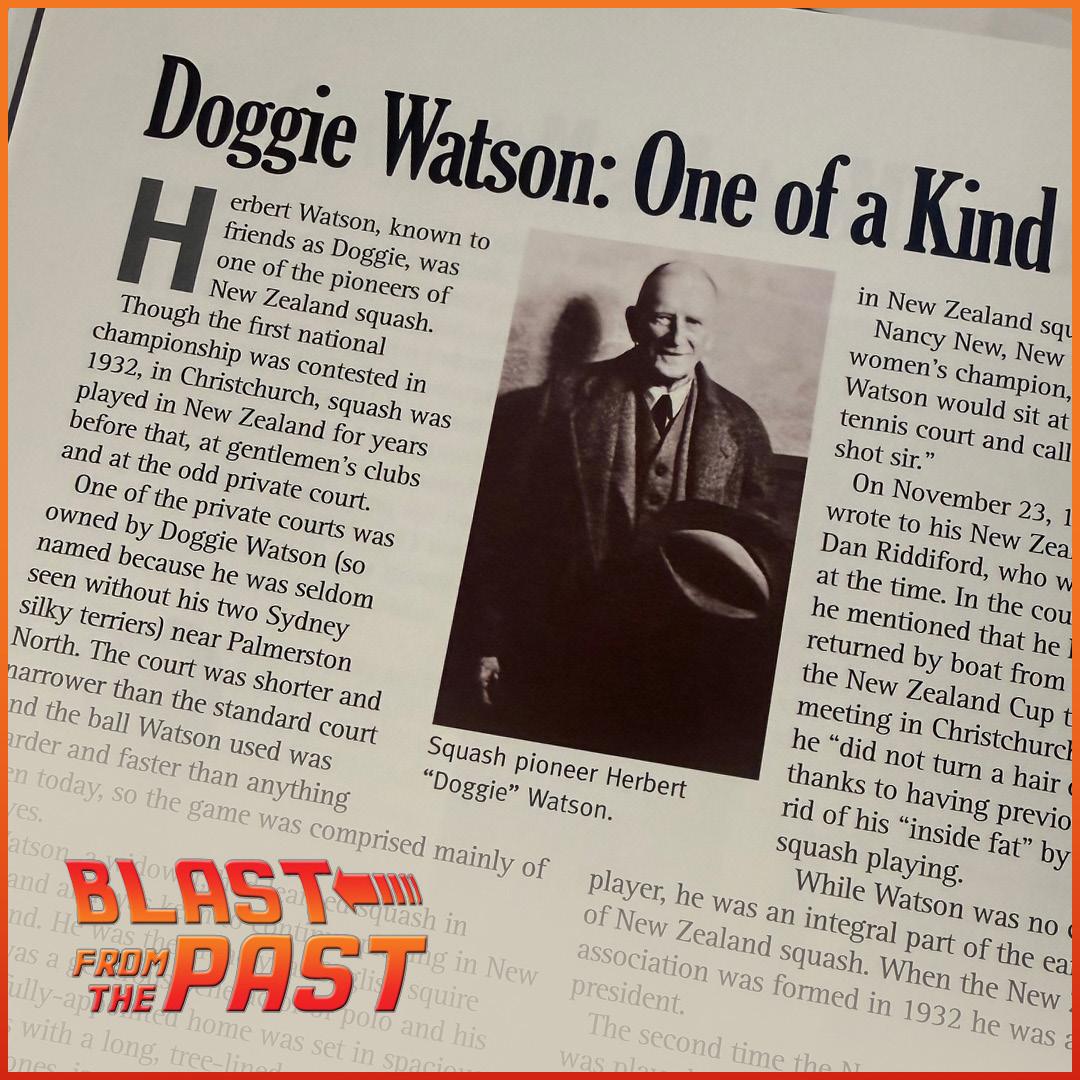
DOGGIE WATSON: ONE OF A KIND
Herbert Watson, known to friends as Doggie, was one of the pioneers of New Zealand squash. Though the first national championship was contested in 1932, in Christchurch, squash was played in New Zealand for years before that, at gentlemen’s clubs and at the odd private court. One of the private courts was owned by Doggie Watson (so named because he was seldom seen without his two Sydney silky terriers) near Palmerston North. The court was shorter and narrower than the standard court and the ball Watson used was harder and faster than anything seen today, so the game was comprised mainly of drives.
Watson, a widower, had learned squash in England and was keen to continue playing in New Zealand. He was the archetypal English squire – he was a generous benefactor of polo and his beautifullyappointed home was set in spacious grounds with a long, tree-lined entrance driveway. Fresh scones, jam and cream would be provided by his housekeeper for afternoon tea for the group of players he invited for games of squash. One of those players in prewar years was Allen Johns, who went on to become one of the giant figures in New Zealand squash. Nancy New, New Zealand’s first women’s champion, recalled how Watson would sit at the back of the tennis court and call out: “Shot sir, shot sir.”
View full copy in MySquash (Free
Anyone can register free as a Digital subscriber
Source: Long or Short? the Story of New Zealand Squash, written by Joseph Romanos.
Features).
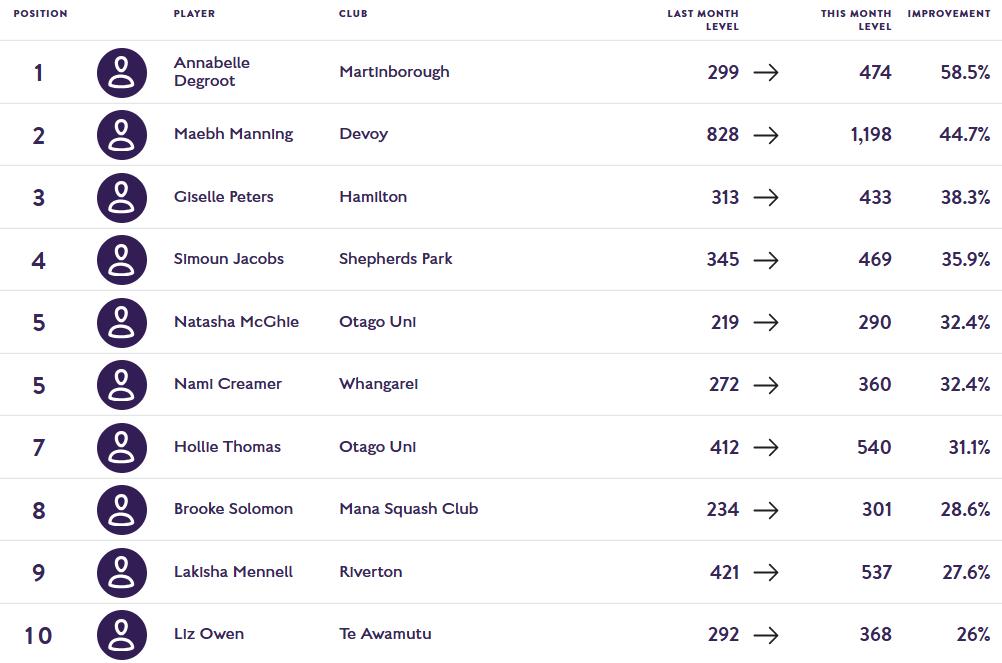
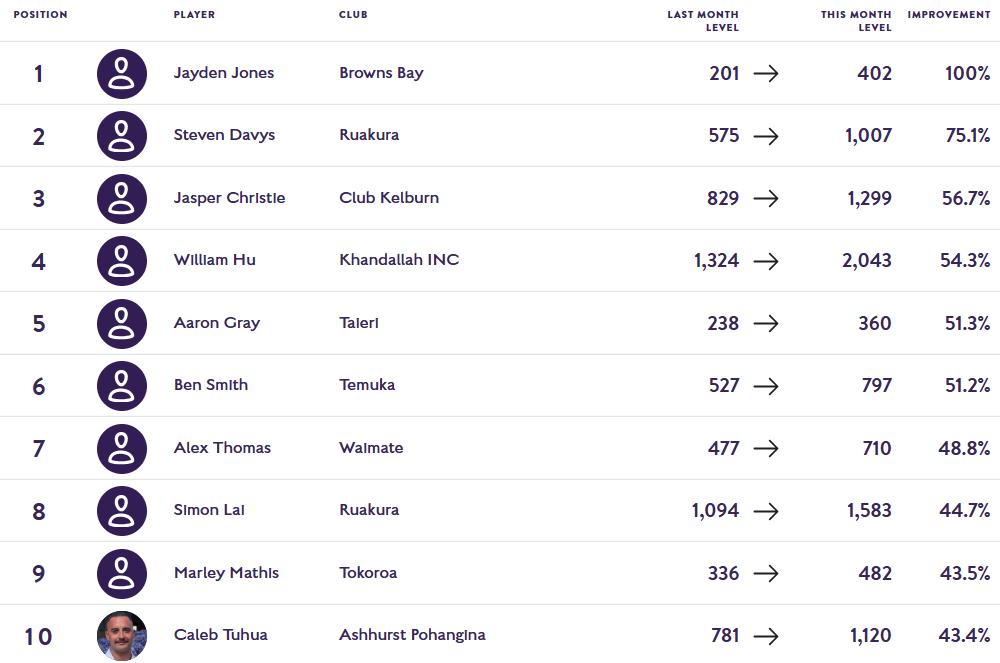
MOST IMPROVED / MARCH
MOST IMPROVED FEMALE
ANNABELLE DEGROOT / Martinborough
58.5%
MOST IMPROVED MALE congratulations congratulations
JAYDEN JONES / Browns Bay
100%
SQUASH NEW ZEALAND
POIPĀTŪ AOTEAROA
National tournament calendar
Event
3rd - 8th
4th - 7th
5th - 8th
24th - 25th
29th - 31st
3rd - 5th
10th - 12th
17th - 18th
7th - 9th
14th - 15th
21st - 23rd
16th - 19th
New Zealand Open
Oceania Masters
New Zealand Junior Open
New Zealand Doubles Championships
Mitchell Cup & Cousins Shield
HEAD New Zealand Championships + National Graded Champs
North Island Junior Age Groups
South Island Junior Age Groups
NZ Secondary Schools Squash Nationals
NZ Inter-District Team Championships
Masters Club Team Championships
G.J. Gardner Homes National Superchamps Finals
B Grade Superchamps
C Grade Superchamps
D Grade Superchamps
E Grade Superchamps
F/J Grade Superchamps
1st - 4th
5th - 6th
16th - 18th
19th - 20th
G.J. Gardner Homes NZ Junior Age Group Championships
G.J. Gardner Homes NZ Inter-District Junior Team Championships
G.J. Gardner Homes NZ Masters Individual Championships
G.J. Gardner Homes NZ Inter-District Masters Team Championships
Club
Isaac Theatre Royal, Christchurch
Christchurch SC & Richmond SC
Burnside SC / Christchurch Football
SquashGym Palmerston North
Christchurch Squash Club
Devoy Squash & Fitness Centre
Hawkes Bay Squash Rackets Club
Waimea Squash Club
Christchurch Football Squash Club
Hawkes Bay Squash Rackets Club
Whangarei Squash Club
Hamilton Squash and Tennis Club
Devoy Squash & Fitness Centre
Tawa Squash Club
Squash City Invercargill
Kerikeri Squash Club
Henderson Squash Club
Henderson Squash Club
Whanganui Squash Club
Whanganui Squash Club
Want to be featured in The Boast?
Email admin@squashnz.co.nz with stories from your club or district to be featured in the next edition of The Boast.