SPEEDOFTRUST

Writtenby: ShaeleneGraceMoler



Writtenby: ShaeleneGraceMoler
The following values were collectively derived and committed to We believe that the sincerity of our process is as important as the outcomes of our collaboration These nine values guide how we show up for one another and our communities They help us to prioritize and build initiatives on the ground
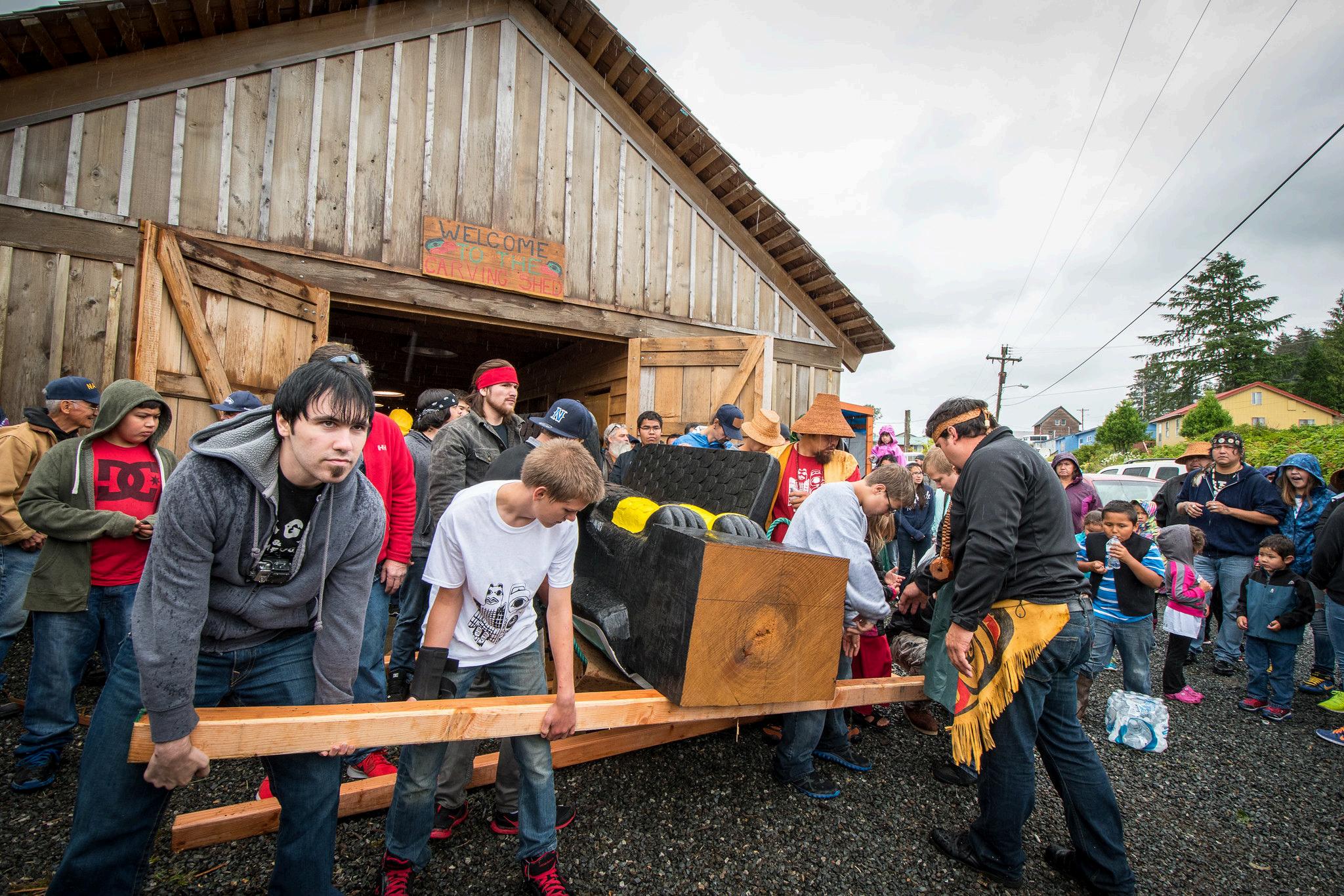



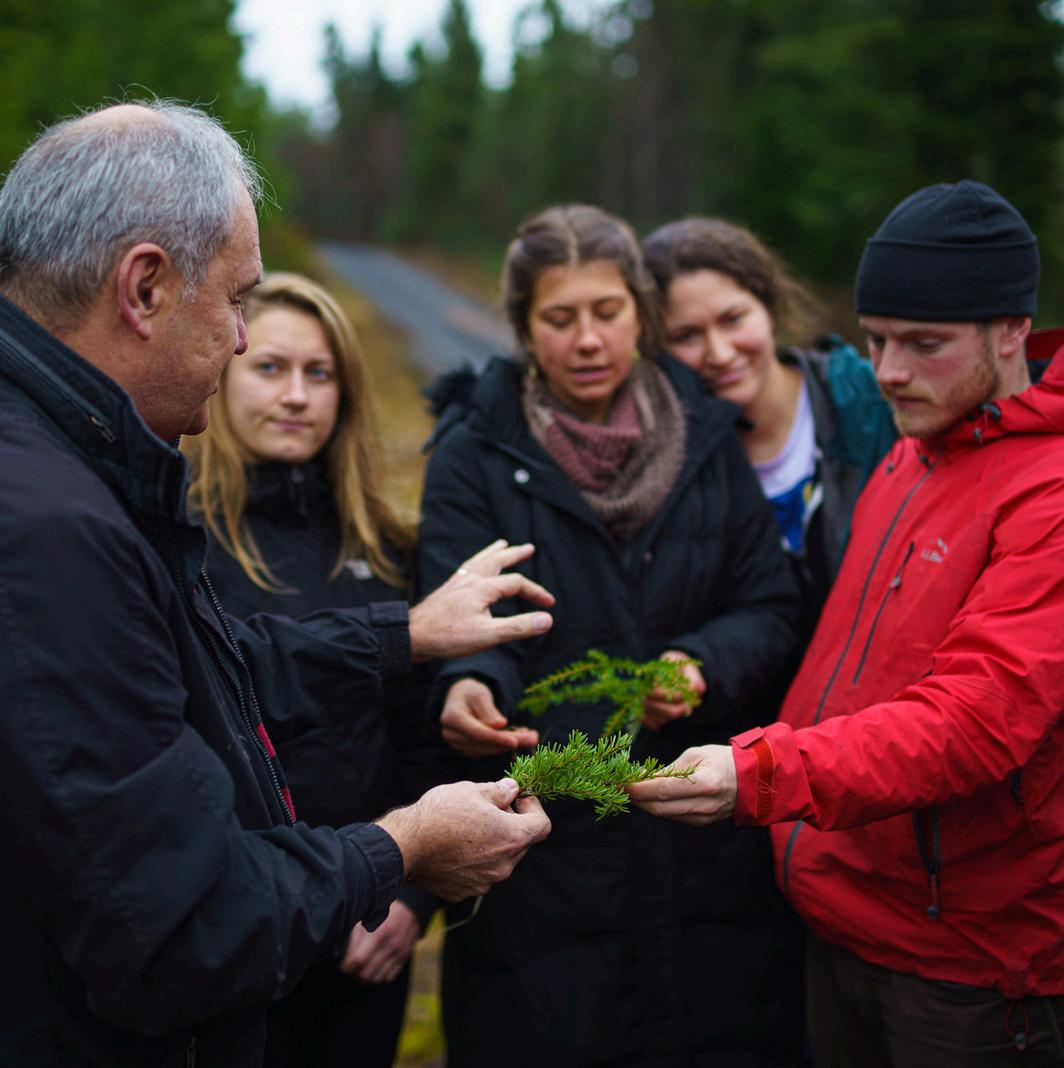
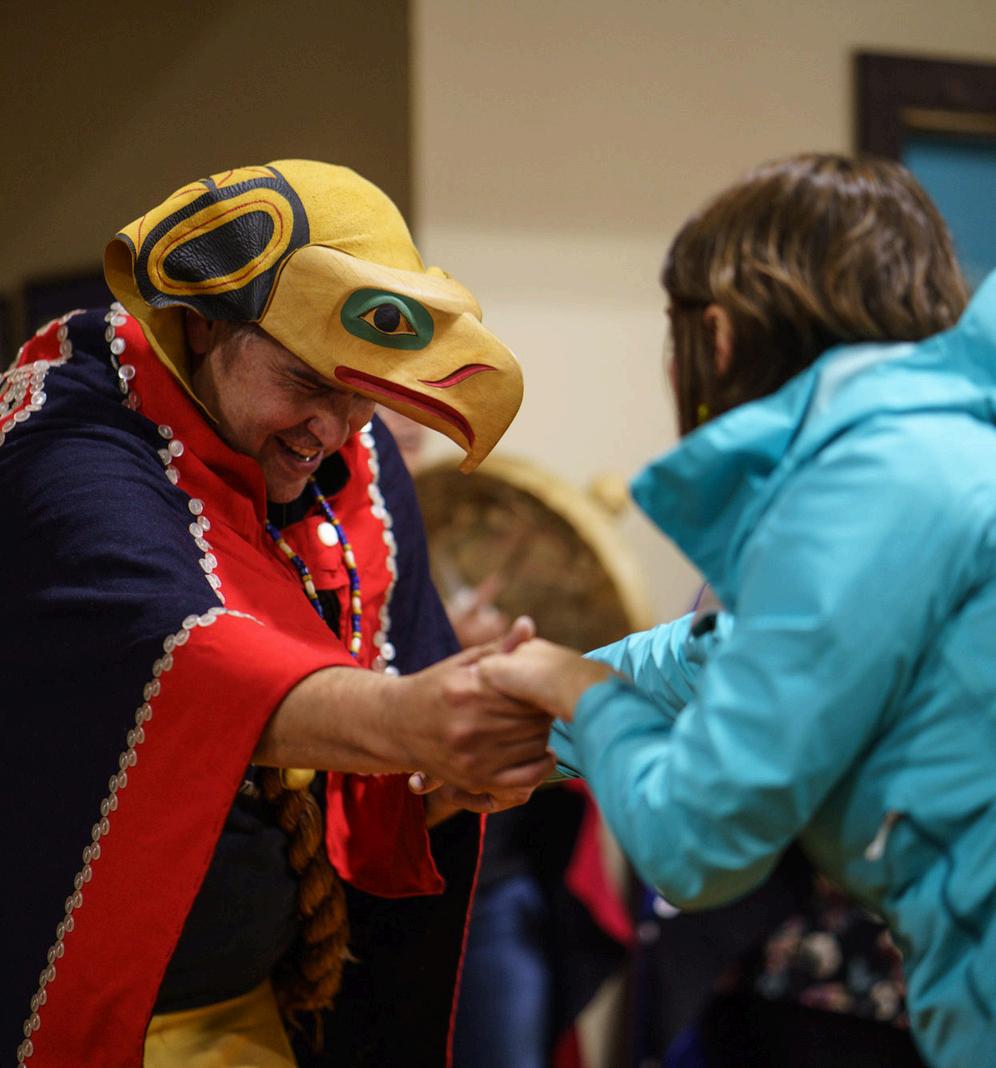
We balance cultural, ecological, and economic wellbeing while supporting a diversity of perspectives, disciplines, and knowledge systems in the process.
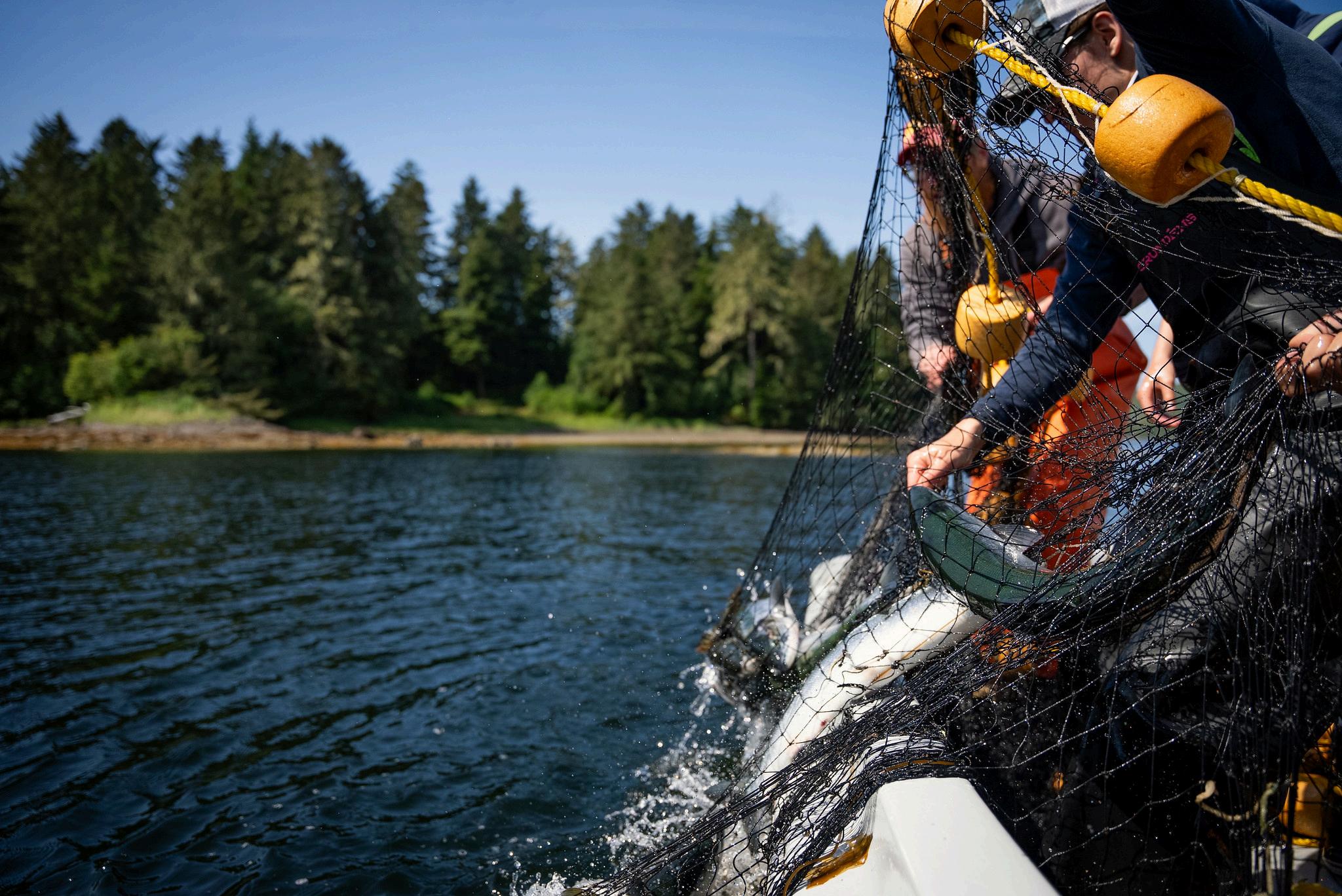
We invest in ourselves and each other and prioritize building the capacity of our communities through knowledge and skill sharing, apprenticeships, and formal programs We cultivate this exchange across geographies, disciplines, and generations
Our Partnership is built on a foundation of trust established and maintained through respectful, reciprocal, and enduring relationship building. Trust takes time. We are patient and dedicated to putting relationships first and showing up as our honest, complex selves
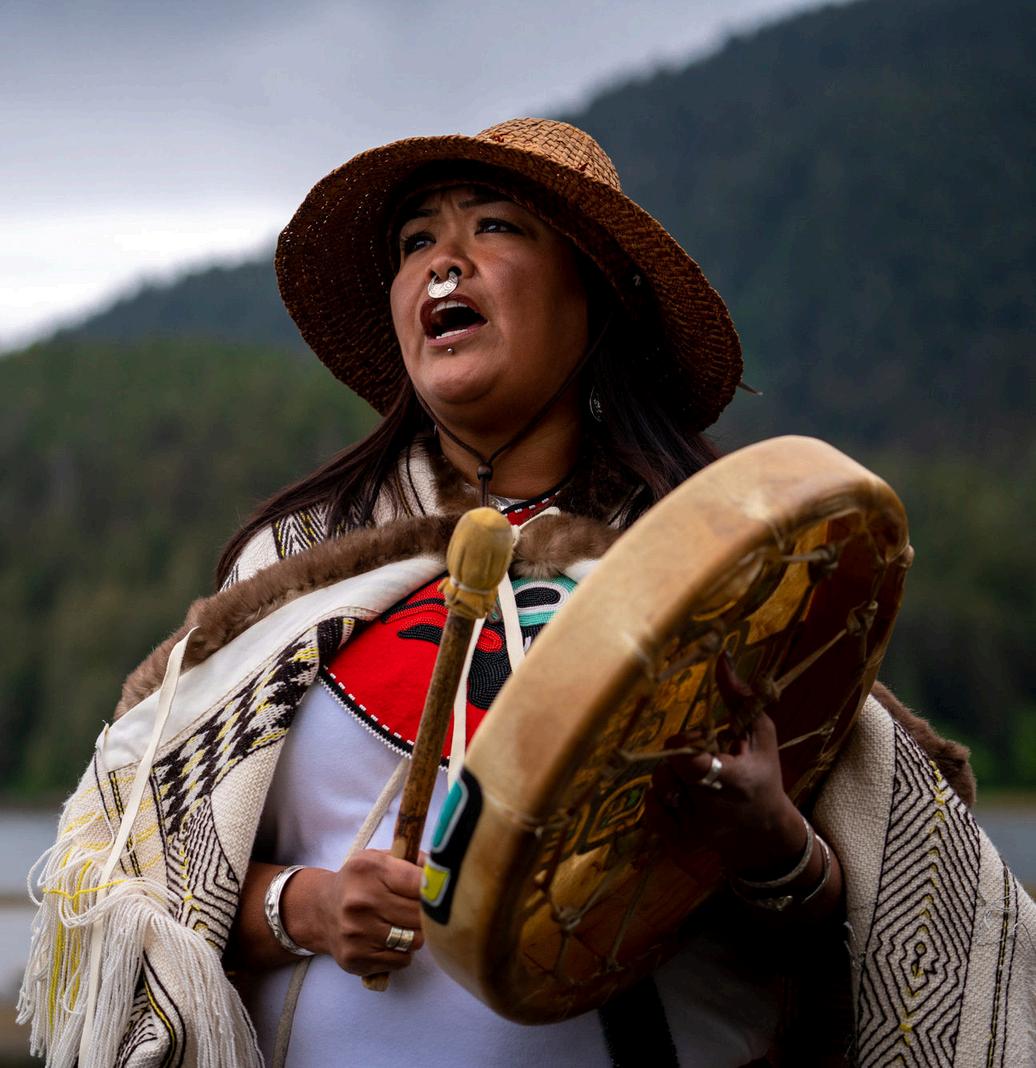
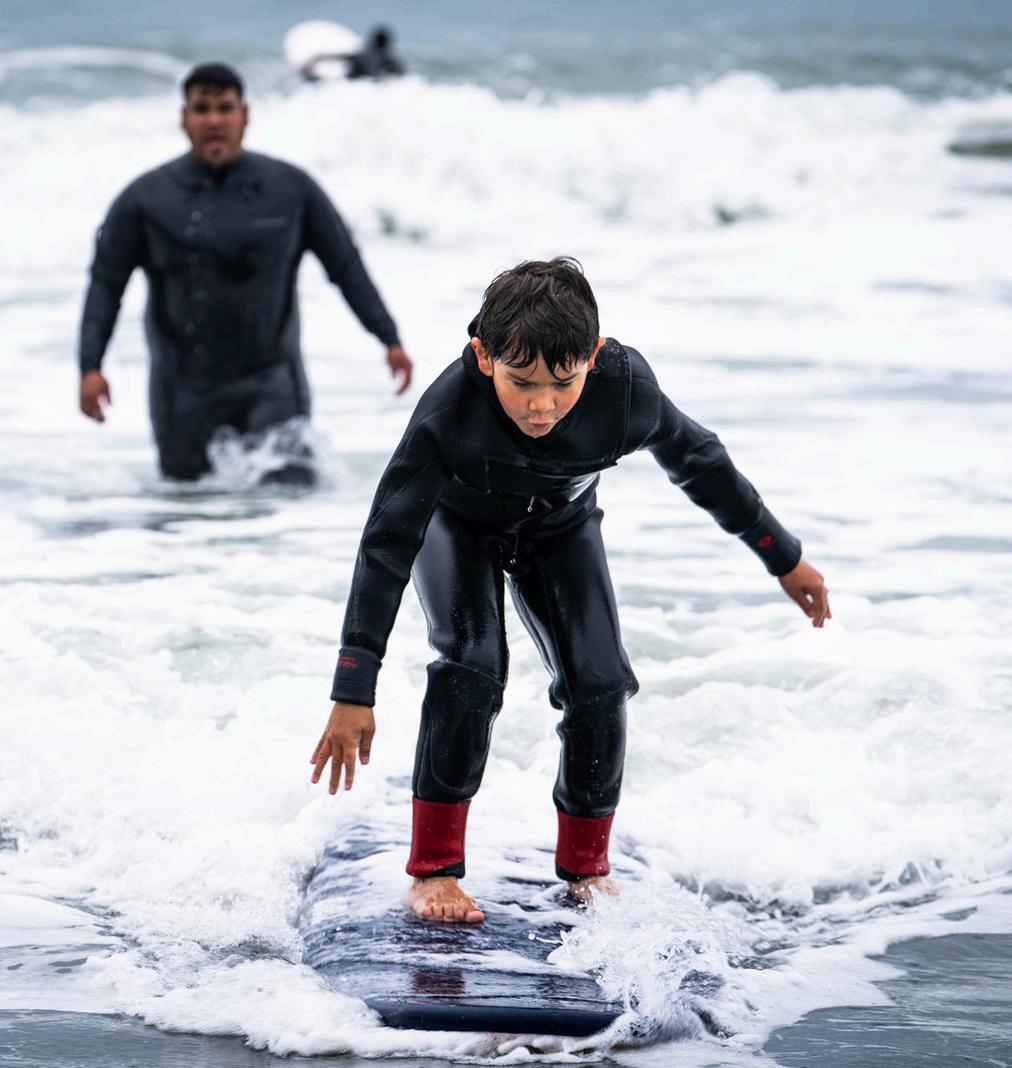
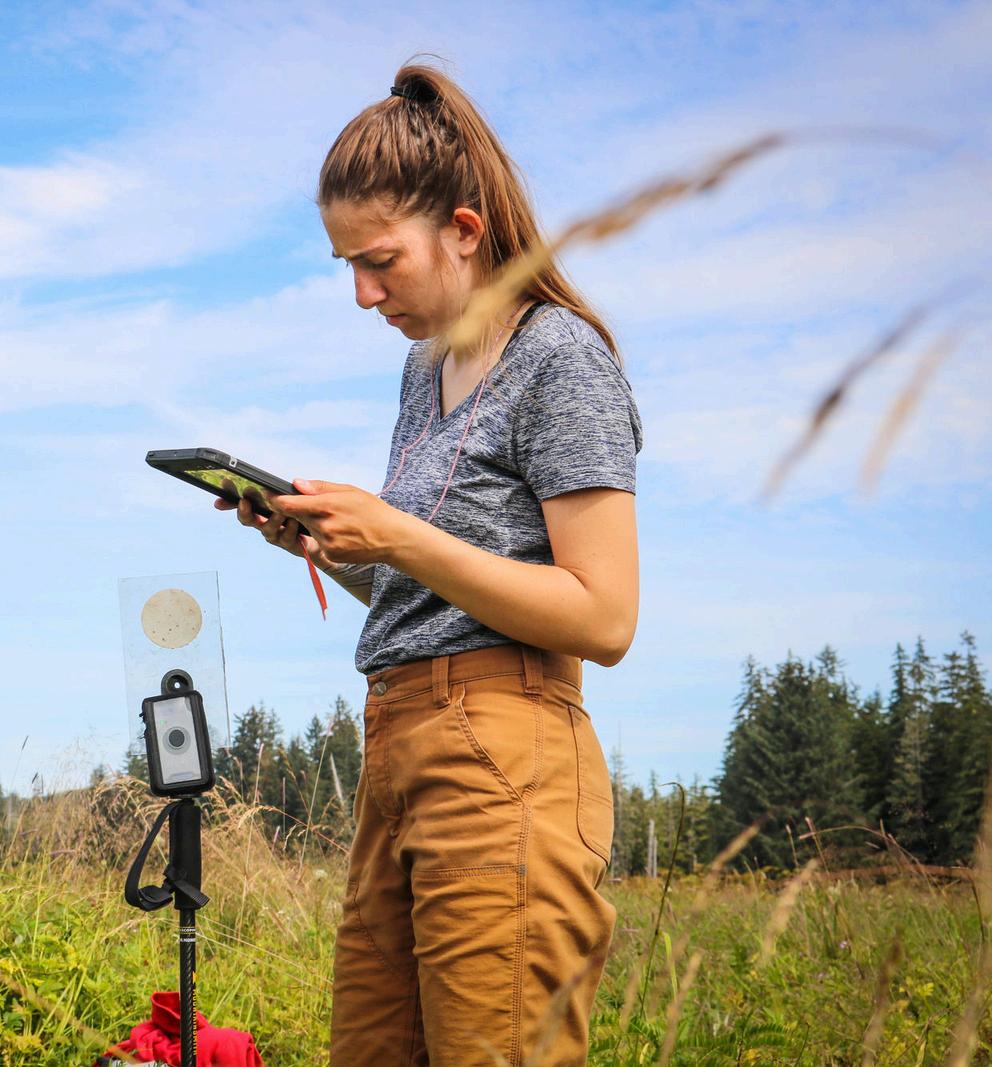
Our work is driven by, identified by, and led by our communities. We work to shift more agency, authority, and governance into the hands of the people who live, work, and thrive in Southeast Alaska. We recognize and honor that Tlingit, Haida, and Tsimshian Sovereignty transcends thousands of years
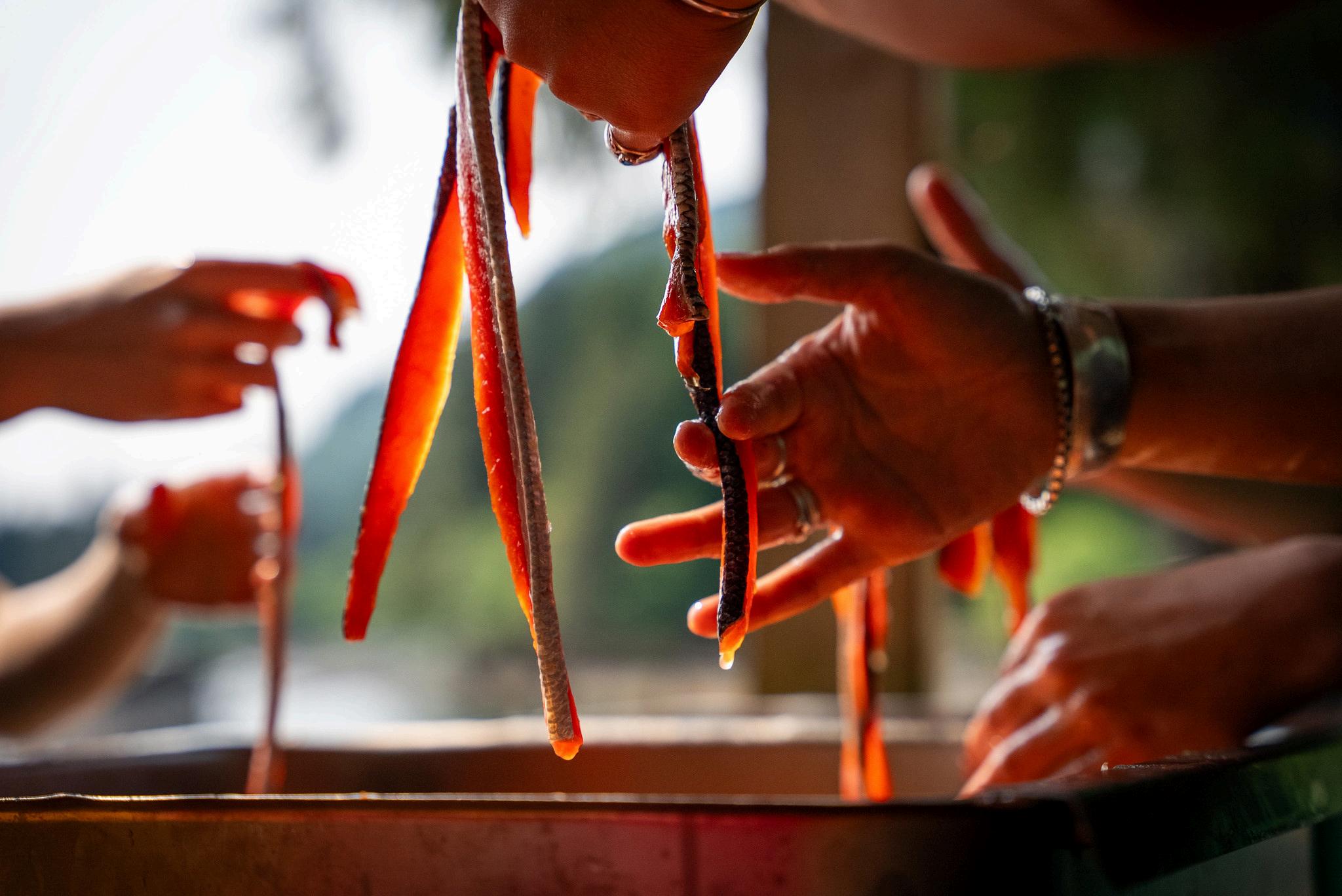
We strive to model our values in action, act courageously, and show up for each other, our communities, and our mission.
We work with intentionality and seek continuous improvement based on reflection and adaptation Our actions are strategic and reflect a coherent plan We are continuously learning from each other and the environment, giving rise to innovation

Our work aims to disrupt the systems of oppression and colonization that continue to harm our communities today We support the Tlingit, Haida, and Tsimshian processes of reclaiming power and healing from trauma Our Partnership holds deep reverence for Indigenous values as we build a more just and equitable Southeast, today and for the next seven generations
We recognize the complexity of our mission and work While we often respond to urgent community needs, our work addresses the roots of, and not simply the symptoms of, any challenge
Our Partnership creates a safe environment for honest dialogue and respectful disagreement We share and leverage our unique resources for our common mission While collaborating, we ask ourselves, ‘Who is missing from our table?’
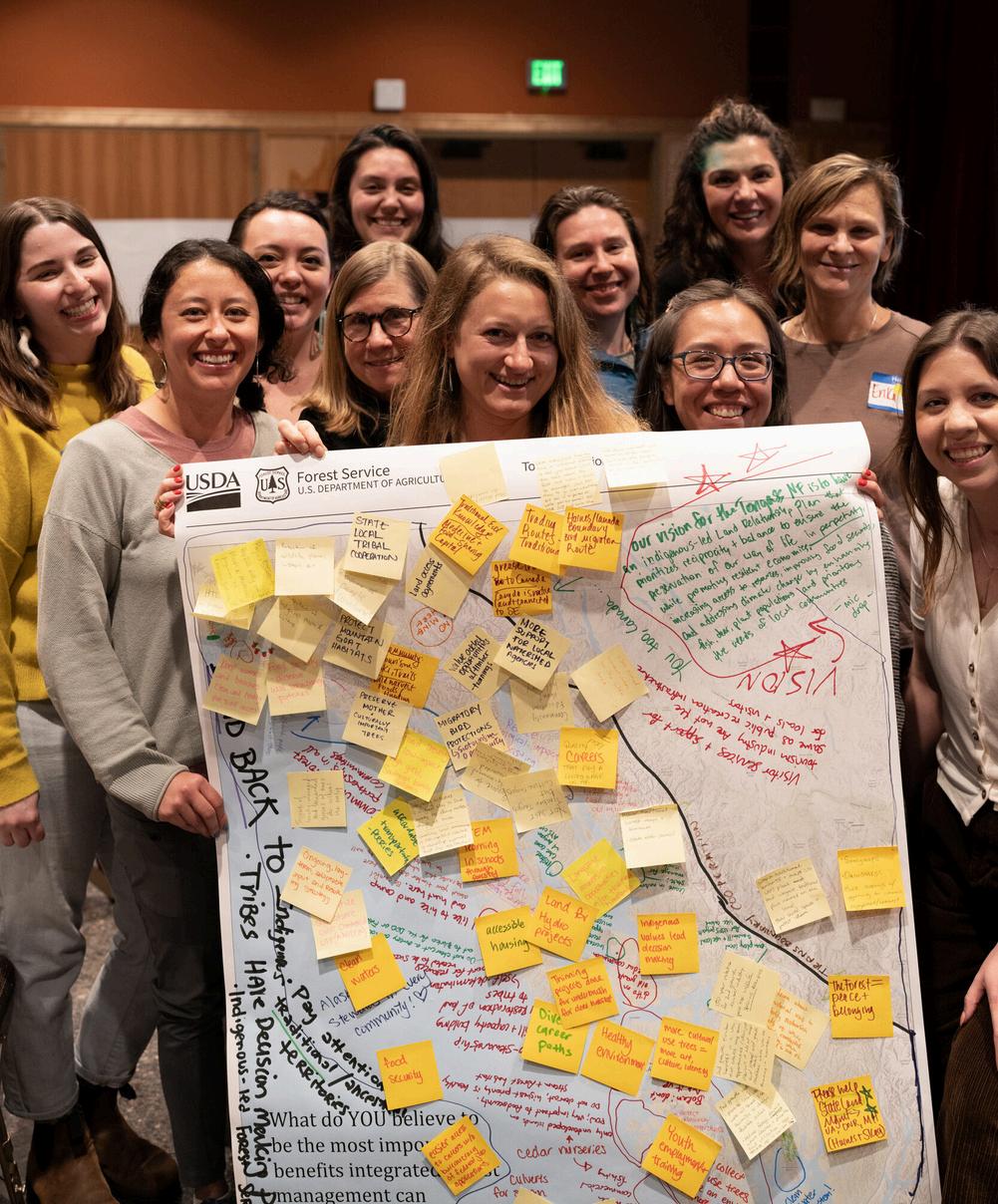

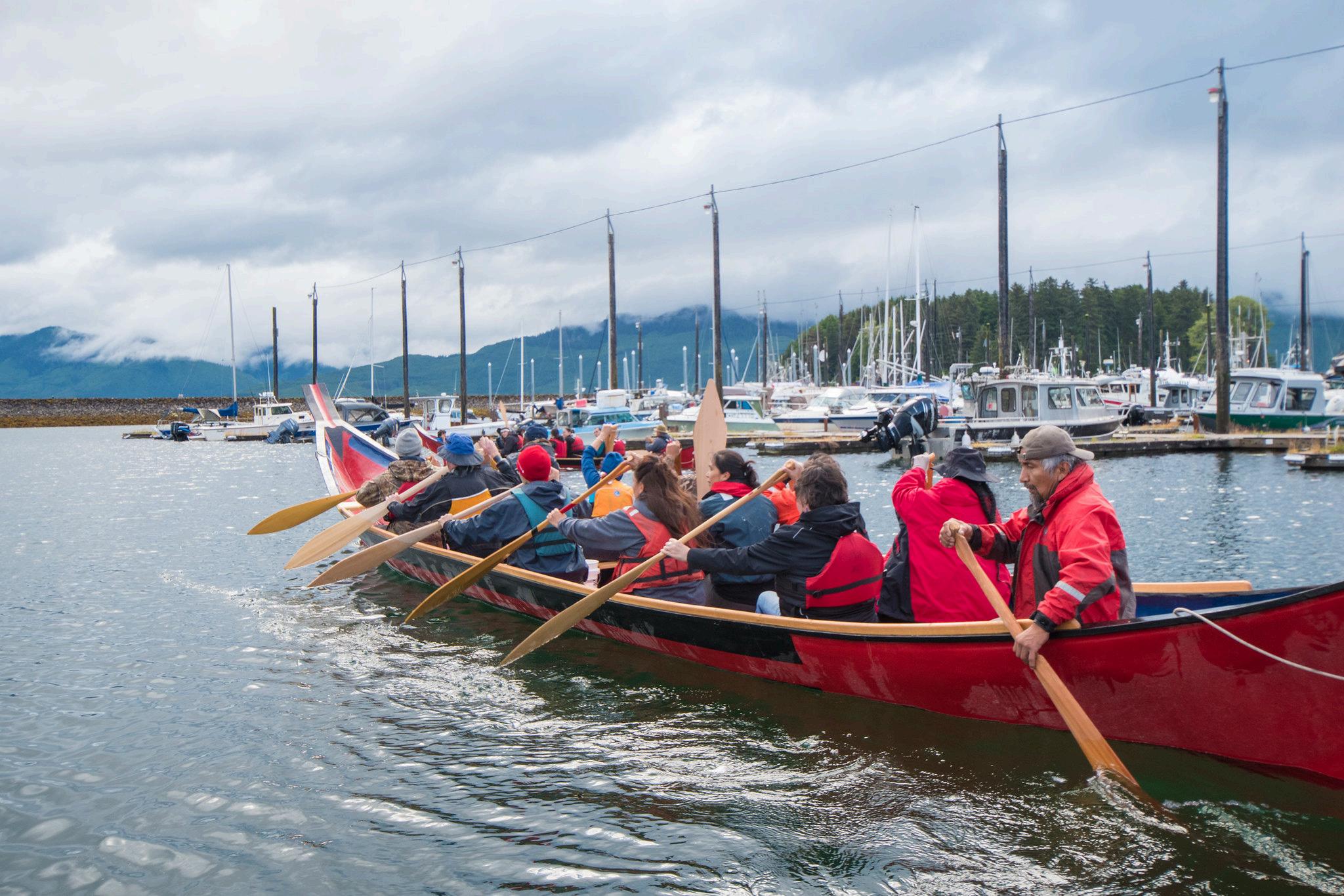
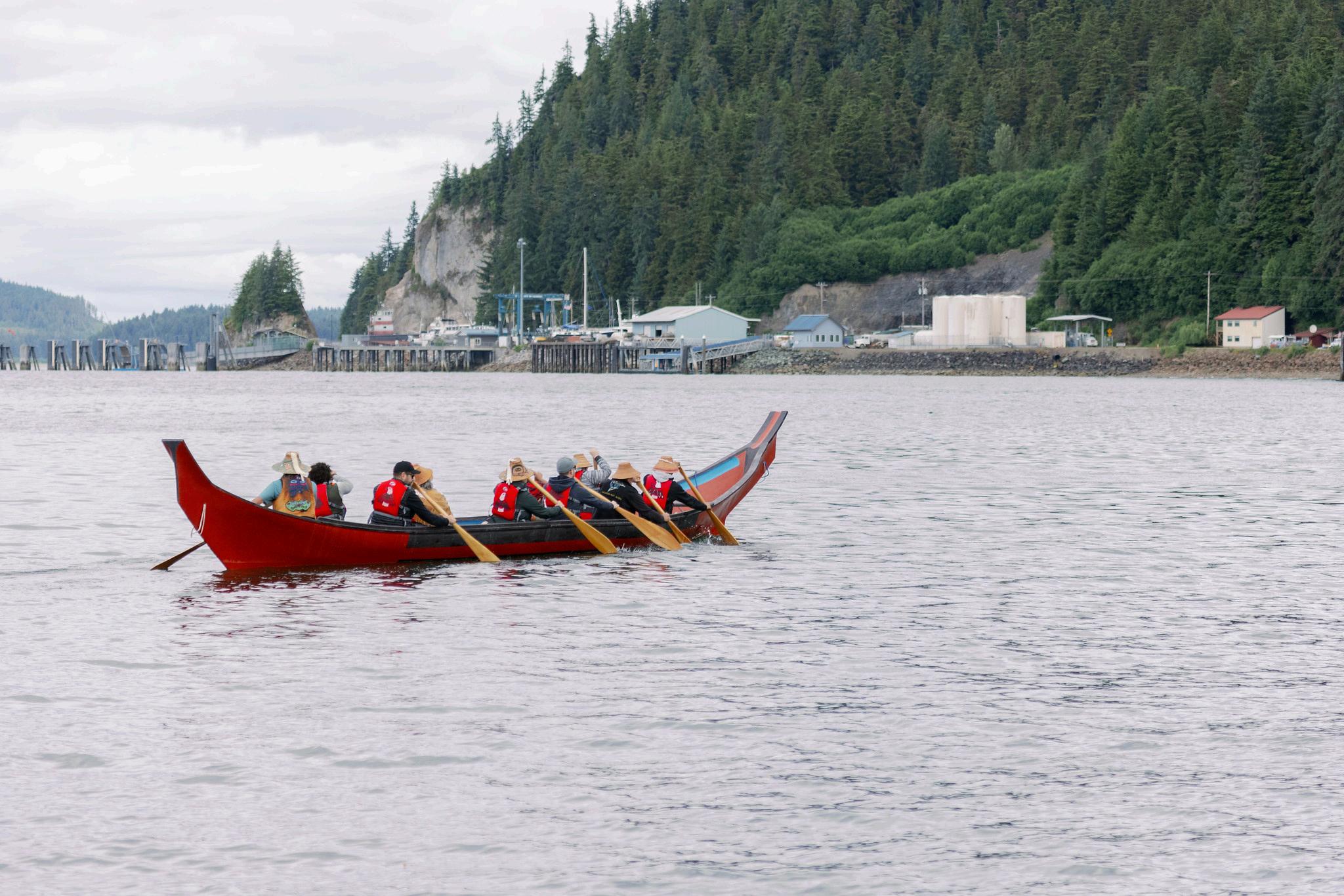
The need for economic development is as apparent as the need for land restoration, energy solutions and community healing Intertwined and layered, the issues we face are as vivid as the silos our region was working in prior to the creation of the Sustainable Southeast Partnership (SSP). We worked separately from each other and never collectively addressed the moose in the room - colonization When the SSP began, I saw solutions to the barriers we created for ourselves Solutions rooted in opportunity for togetherness and building trusting relationships, mirroring the way my people used to travel thousands of nautical miles by canoe, paddles and the strength of our people Guided by Indigenous values and centered around Tribal and community self-determination, we relearned how to paddle together in an agreed upon direction mobilizing to create systems change
In the beginning, we didn’t know what would happen, or if the region would buy into this innovative way of working with each other Sure enough, it worked – over a decade later, we have grown and strengthened our partnership exponentially with over seven times the attendees than we had at our first annual Spring Retreat. We weathered many storms and uncertainties together and it is the trust we have grown into that keeps our balance In strong waves, the best way to keep a canoe steady is by continuing to push collectively forward across divides, and that is what the SSP has been doing and modeling for 15 years now. I welcome you to our story of all we have accomplished in the last decade and a half, and invite you to join us as we write our unwritten chapters

“A single drop of water has begun its journey to the ocean. ”

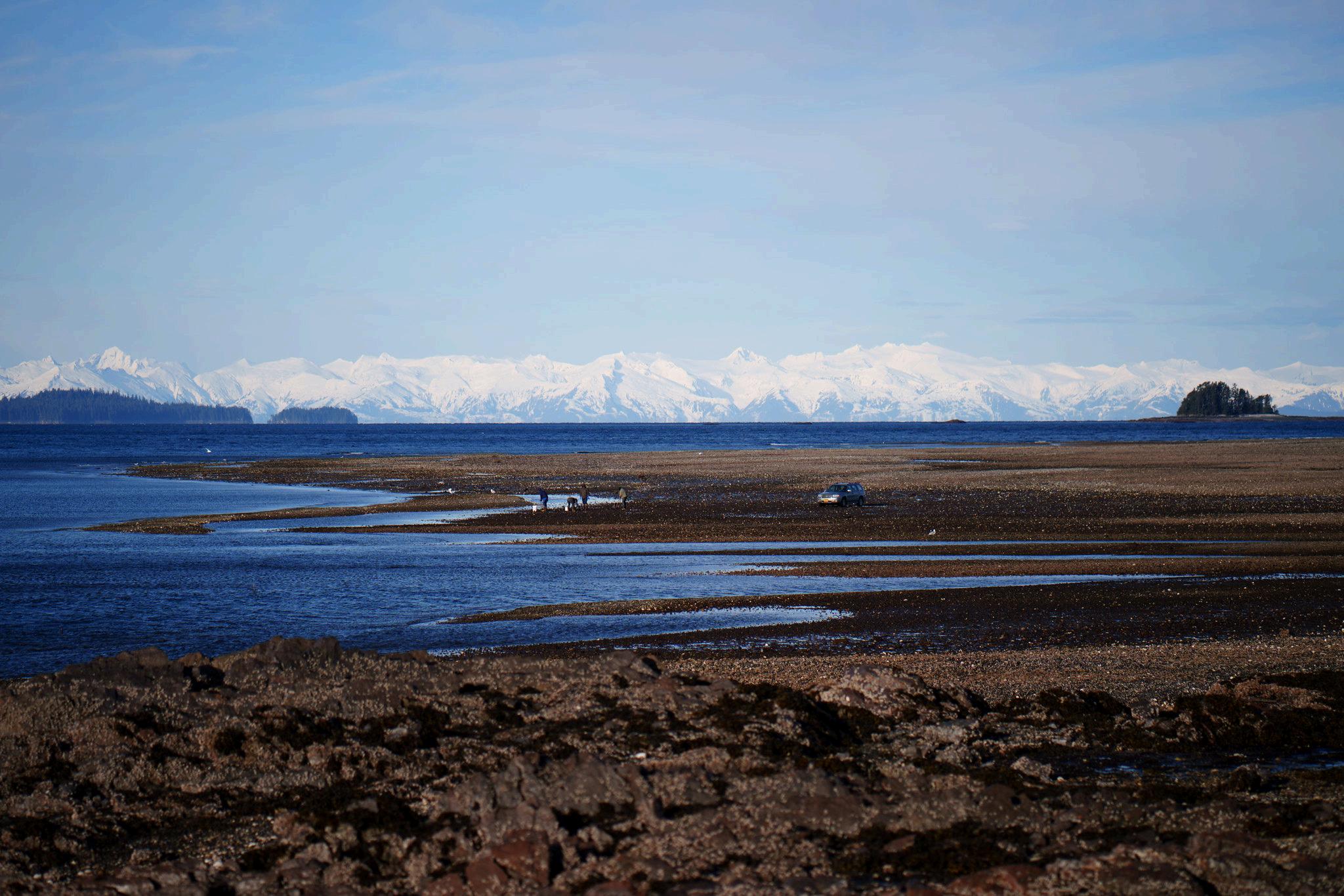
That was the final line in Peter Forbes’s story on the Sustainable Southeast Partnership: Finding Balance at the Speed of Trust What Peter understood in his time with us is that the Sustainable Southeast Partnership (SSP) is built on the foundation of trust in ourselves and our communities – the belief that the sincerity of our process and the relationships we build are as important as the outcomes of this vital collaboration
Finding Balance at the Speed of Trust was published at a time when our values were still being refined, when we sought an outside perspective to validate our legitimacy The SSP has since raised a generation who can speak from the inside looking out, which is why I am now authoring this story My name is Shaelene Grace Moler, and I have spent the last four years working in this Partnership – first as an intern, then as a fellow, and now as the SSP Regional Communications Catalyst In some ways, I grew with the SSP and grew because of it I have been shaped as a storyteller by the values of my Tlingit People, by the values we hold in the Partnership, and by the many people I have had the privilege of learning from over the years. It is my hope that this story not only documents the Partnership's evolution, but practices Haa Shuká by honoring and expressing gratitude to who and what came before me, while tending to those who come after. This is the story of the SSP, over fifteen years after its inception, and how the program is creating the story from conflict to collaboration, towards healing with purpose
To me, the metaphor that shaped the first volume spoke to the journey from individual power to collective power within the Partnership. Each person, each community initiative, each act of trust is like a single drop Alone, it seems small, but water always seeks water The drop joins a trickle, becomes a stream, flows into a river, and eventually reaches the ocean. In the SSP, we recognize that individual efforts, when connected, cultivate systems change. This metaphor also speaks to how in the rainforests of Southeast Alaska, water is a lifeline it carries salmon, connects communities, and shapes our landscape The metaphor suggests that the movement toward collaboration and balance isn't forced, but more like water finding its course following the natural laws of connection and accumulation, starting small, but inevitably growing into something vast and powerful
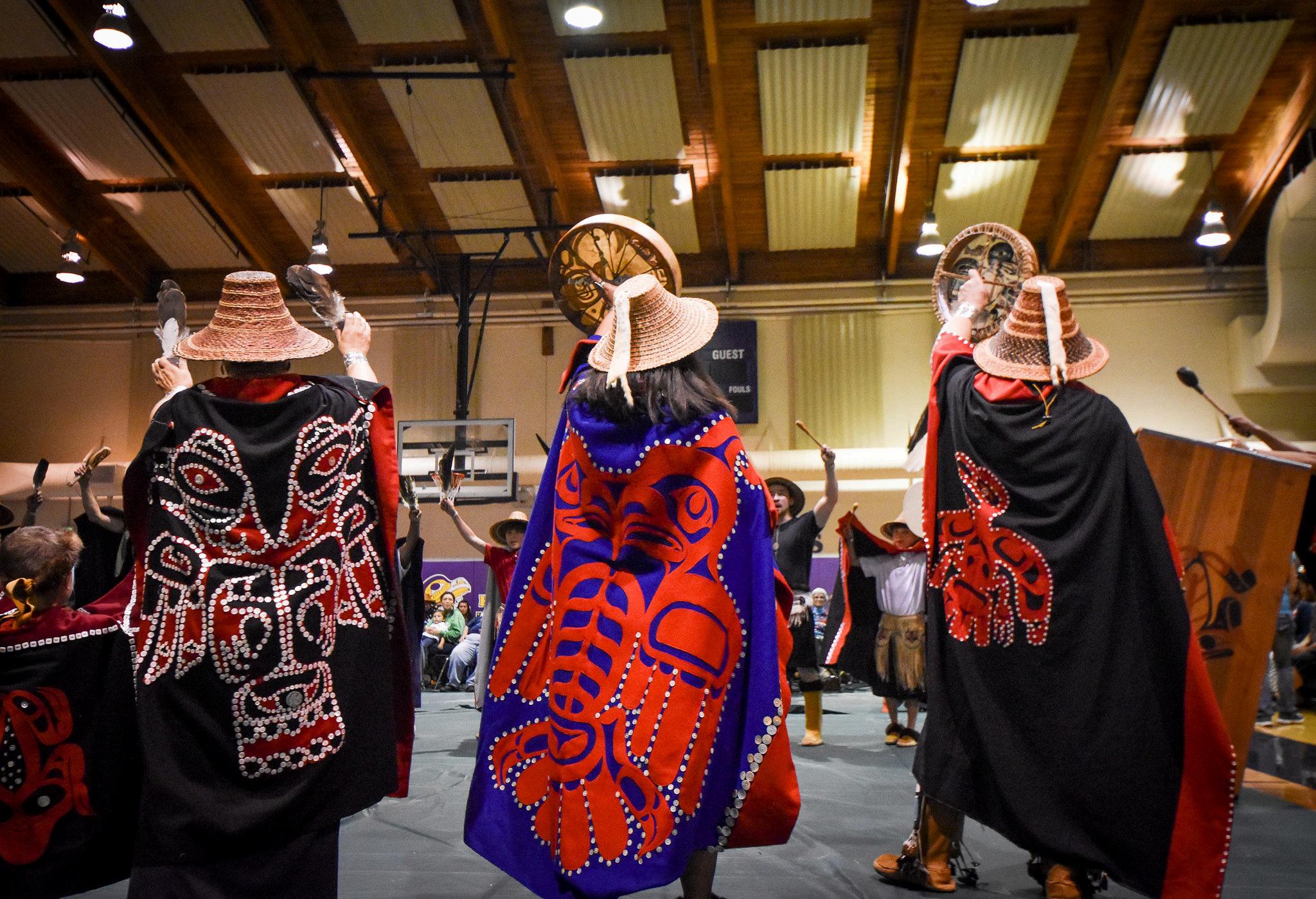
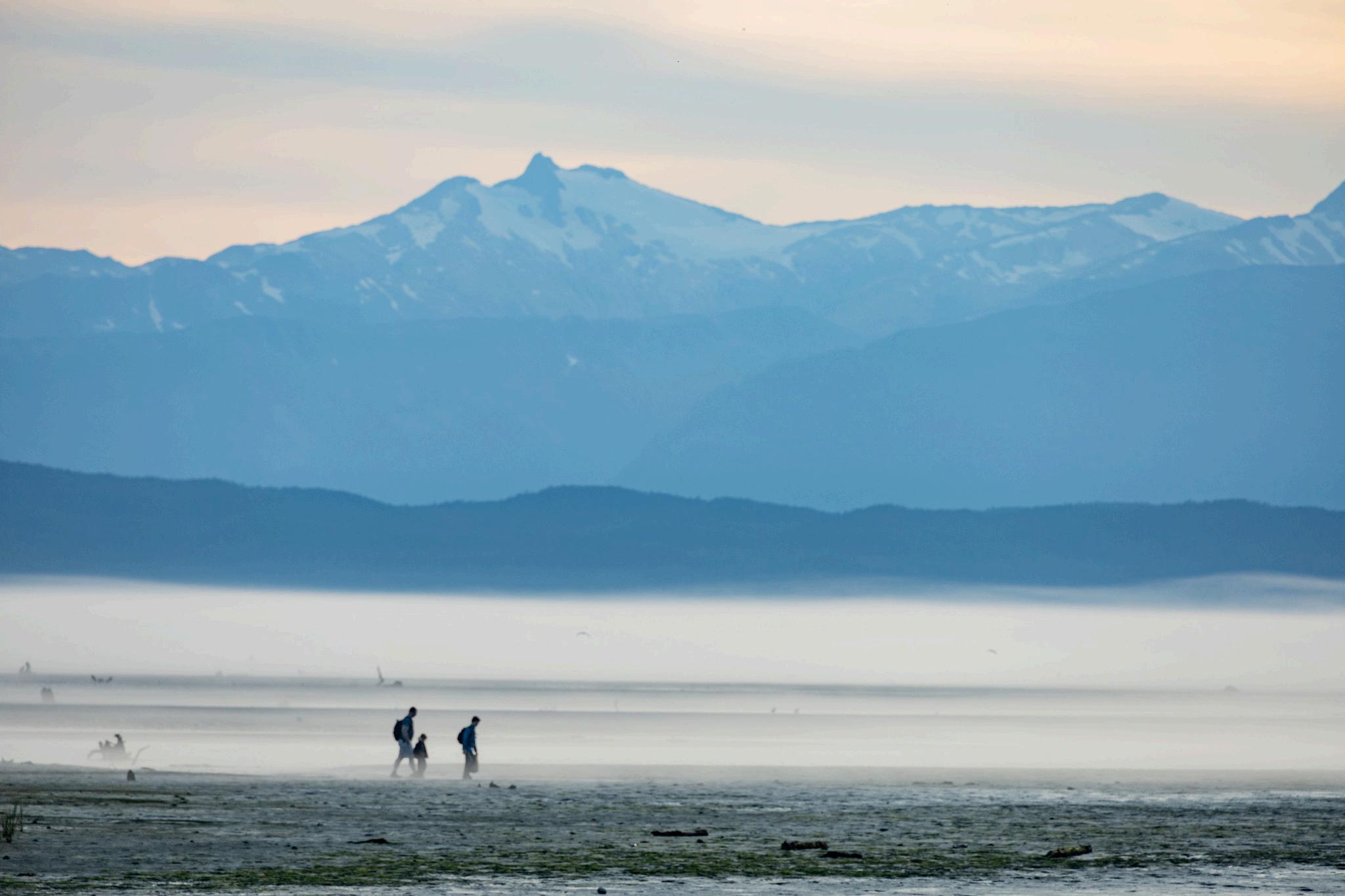
Growing from an idea among a few people into a systems-change approach inspiring people around the world, the SSP is rooted in the Indigenous values of this place and in communities’ self-determination. In the early years, we had a handful of catalysts and core partners with gatherings of less than 20 people. Since then, the SSP has grown significantly to include 20 catalysts, over 130 partners, and more than 80 region-wide projects, proving time and time again that throughout growth and change, what strengthens and makes our network operate remain the same: our commitment to working together, centering relationships, and building trust.
Those we call “catalysts” are industry- or community-specific positions hosted by Tribes, non-profits, local organizations, and businesses. These “partners” are community-minded entities that have joined the SSP and committed to working together With growth over the years, more members have joined who don't all hold official "catalyst" roles, but still catalyze projects, while the catalysts still hold a specific role in connecting communities to the Partnership. Within the first issue of the Sustainable Southeast Partnership’s annual publication Woven, the SSP Director, Marina Keli’ikuli said of our partners and catalysts:
“They are retired teachers, aunties, artists, and business owners. They sit on local boards, fill buckets with berries, put up fish, check in on Elders, and write their local assembly members. We have young people who just graduated from college, others starting new families and building homes with their own hands Our catalysts are often seen as leaders within their communities and the diversity of backgrounds they bring, as well as the collaborating partners they work with, gives us our strength as a Partnership.”
In the second chapter, we explore the complex histories of Southeast Alaska that has led to the formation of the SSP, and our formative beliefs building trust and putting relationships first Since SSP began, we have understood that trust is what ties us together and allows us to work well. As we learn in Chapters 2 and 3, trust can flow through generations, carried by stories and sincere efforts to connect, understand, and heal It is, in some ways, an act of becoming whole This is true everywhere, but especially in Southeast Alaska, where the waterways that separate our communities foster intentional connection uniting us. Engaging in the Partnership is having faith in both where trust can be found and where it can be built: in the areas where people and communities overlap such as efforts in healing and climate adaptation Trust begins with honesty, and understanding where it is broken, it lives in taking the time to understand the histories of Southeast Alaska and commit to a better, more connected future. Without trust, you find friction.
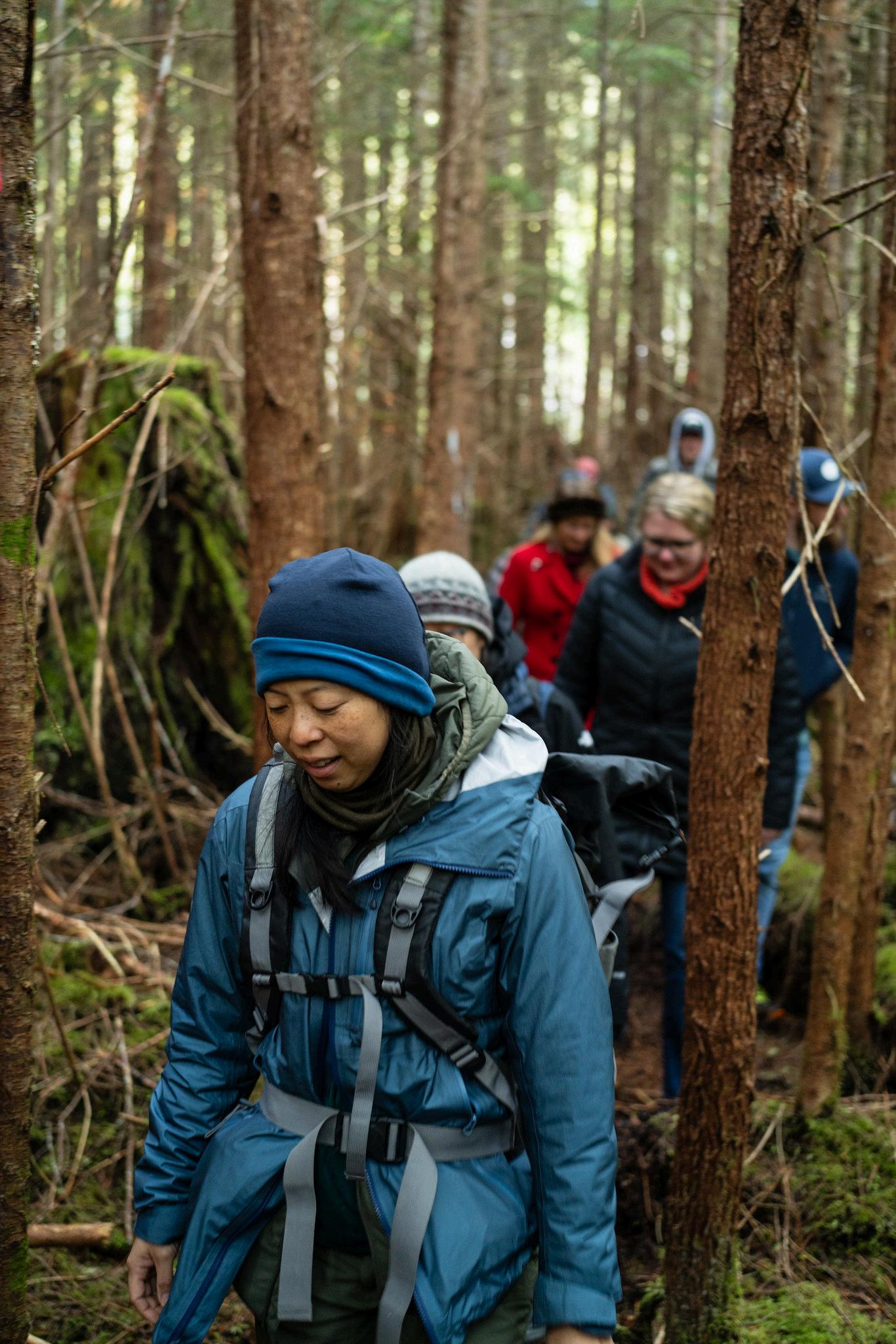
Over the years, we’ve watched relationships and partnership priorities evolve to reflect the needs and visions of our communities. Where national entities once uprooted Indigenous presence from summer harvest grounds, they now invest in community-led priorities and seek Tribal and local leadership in reshaping priorities on the Tongass, an example being the Southeast Alaska Sustainability Strategy (SASS) in Chapter 4. The US Forest Service being one of these entities, now seeks government to government relationships with Tribes, as well as Tribal and local voices in reshaping the Tongass Forest Plan with guidance from SSP partners This has looked like working with Tribal governments to build careers in land management through programs like the Alaska Youth Stewards (AYS) and community forest partnerships across the region, which I share about in the first case study
“The first volume ended with a drop on its way to the ocean. I begin with the ocean that drop travelled to meet: constant, enduring, carrying the memory of every tide, continually reshaping our shores now, and for those who are yet to walk them.”
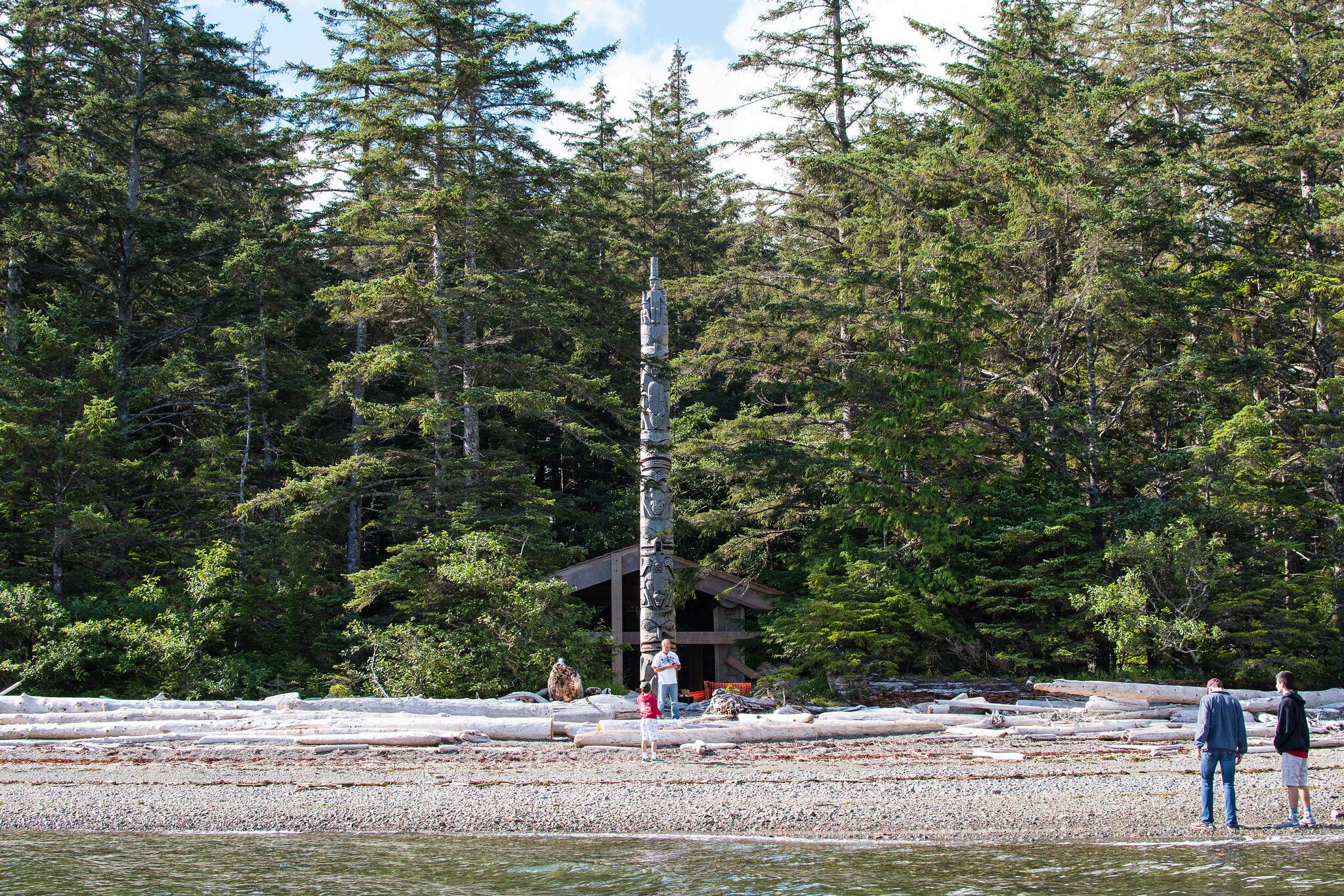

We have also seen stewardship and leadership of initiatives and programs change hands Projects catalyzed through the SSP have shifted in ownership from one organization to another, but have been carried forward thanks to the power of collaboration we have built together As Sitka Community Catalyst Chandler O'Connell eloquently describes it, “the SSP shifts our work from a marathon to a relay,” allowing us to carry the immense weight of our work through many hands, across generations and through to the finish line. Regional Catalyst for Community Forestry Bob Christensen emphasizes the importance of inviting new leadership to engage in this process “This network functions the best through collaboration, and that includes leadership,” says Christensen, “We need individuals to step up at various times, but we also have to be able to step back.”
From the beginning, we understood a hard truth: that federal funding and philanthropy have rarely aligned with the priorities of Indigenous communities, and trust in its permanence was never ours to hold. In response, the Seacoast Trust was created by SSP partners and Chapter 5 shares how it came to be. Seacoast builds financial sovereignty that endures and empowers our communities, regardless of political, social or economic shifts It exists to empower communities and Tribes who have long stewarded these coastal rainforests, one of the world’s most vital ecosystems. Created not just to meet the needs of now, the Seacoast Trust will ensure that those who come after have the means to decide, dream, and thrive on their terms While the fund is working already, the goal is to achieve the $100 million dollar fundraising mark to fully endow Seacoast so it can then perpetuate itself towards the financial security needed by the Partnership.
The Sustainable Southeast Partnership focuses on caring for our home region, but it is globally significant The Tongass National Forest spans nearly 17 million acres, storing an estimated 2.7 billion metric tons of carbon, and has a coastline of 11,000 miles that forms the Alexander Archipelago With 57,000 miles of rivers, streams, and creeks known to be the world’s best spawning habitat for salmon, salmon are a valuable economic, cultural, nutritional, and recreational resource Researchers from the University of Alaska Southeast and the U.S. Forest Service indicated that salmon from Alaska national forests provide 46 million fish, $262 million, and 75 million servings within a single year
The Tlingit, Haida and Tsimshian are the original Peoples of this region. We know Southeast Alaska as Haa Aaní, our homeland, and have stewarded it for thousands of years The colonization of Southeast Alaska disrupted Indigenous peoples' relationships with their land and cultures This disruption harmed traditional knowledge systems and created the ecological, economic, and cultural vulnerabilities we now face.
Today in Southeast Alaska, our partners center healing in their work, understanding that restoring these relationships among ourselves and to our lands and waters is inherently climate work and integral to cultural vitality on a triple-bottom-line scale. When iti l i th i l t diti l k l d t d ti

“TheSustainableSoutheastPartnershipwas formedinresponsetothecomplexhistories thatshapeSoutheastAlaskatoday.Totruly engageinpartnershiphere,wemust recognizethathistoricaland intergenerationaltraumaarepartofour sharedexperience—andthat acknowledgingthemisessentialtohealing. Tobetrauma-informedistobehealingcentered,andhealingistherootofthe SustainableSoutheastPartnership:healing lands,waters,relationships,andpeople.By acknowledgingtheenduringimpactsof colonialismwithhonestyandcare,weopen pathwaystowardafuturegroundedin shared,Indigenousvaluesandcommunity self-determinationofallwhocallthisregion home.”

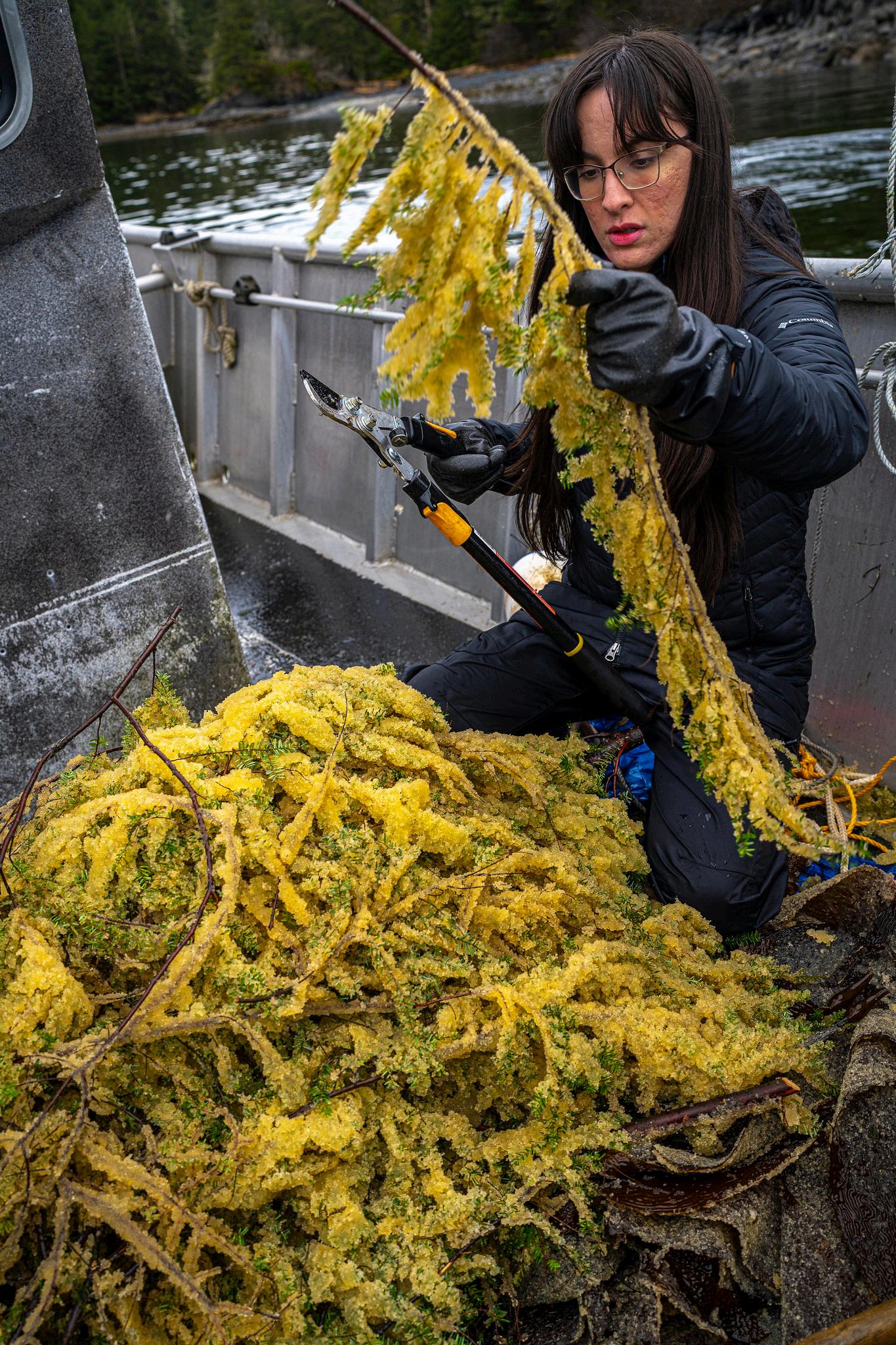
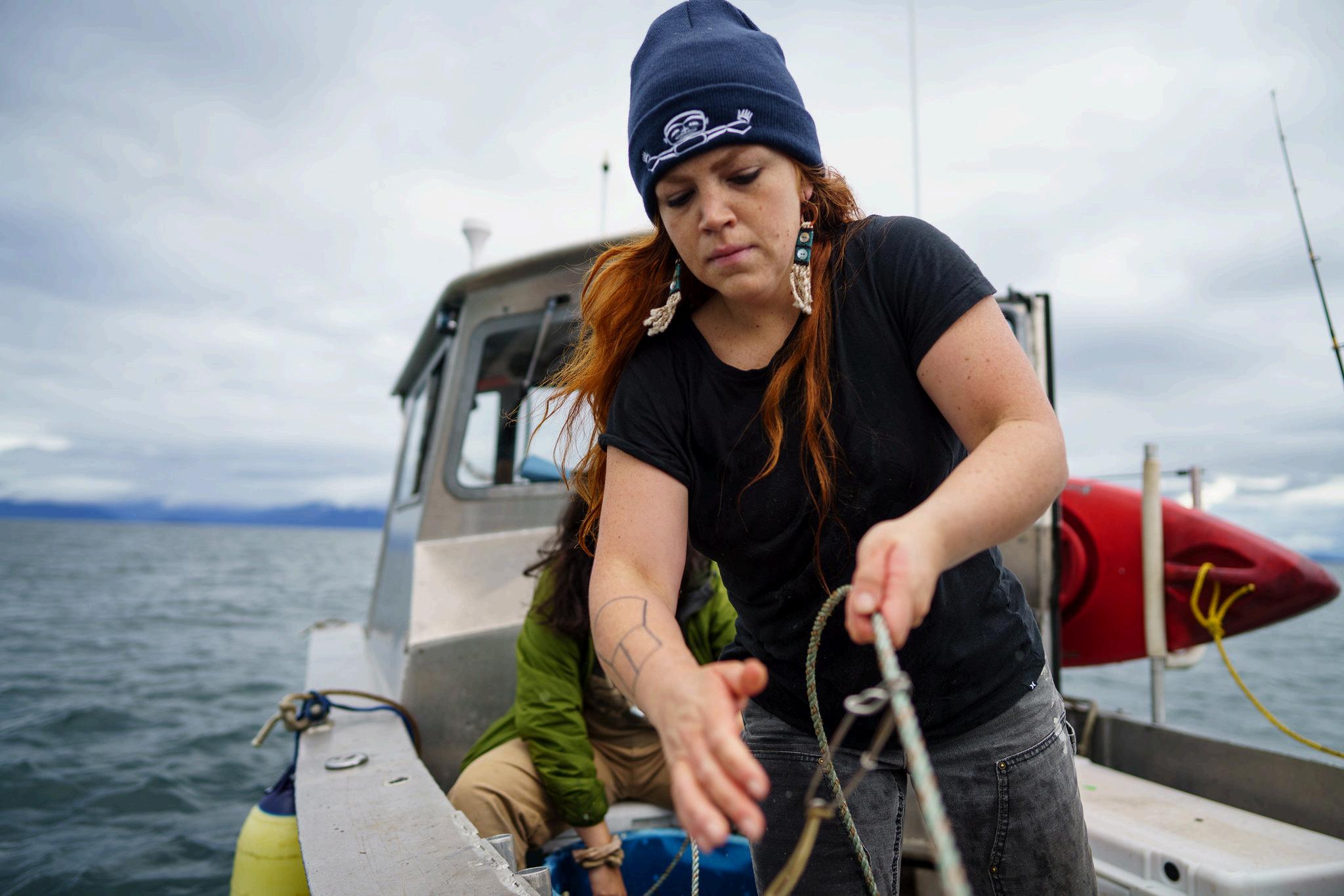
The turquoise water swirls around our boat like liquid abalone, colored by the spawn of returning herring. They school in a pulsing, glinting swarm beneath the surface, disappearing as quickly as they appear in the milky waves.
This was my first time harvesting herring eggs, despite eating them for as long as I can remember. It was also the day I started as the Sustainable Southeast Partnership (SSP) Regional Communications Catalyst. For 55 years, the herring spawn steadily disappeared from the shores of my hometown Ḵéex, Kake, Alaska due to mismanagement While I am now on the waters of Sitka Sound, one of the last remaining strongholds for herring about 115 miles away from home, herring spawn recently returned to Kake thanks to Tribal collaboration and Indigenous knowledge and innovation being put to work
On the water, I thought about everything that has amounted to my being here. As a Tlingit woman, I understand my role and identity in the context of who my people are and our collective history This is part of why showing up as our honest and complex selves is a value held by SSP partners I am Tsaagweidí (the split-finned killer whale clan) from Aan Yakaawlitséxi hit (the House that Anchored the Village) in Ḵéex' (Kake.)
The SSP prioritized storytelling while I was learning to tell stories in grade school Through the deliberate practice of narrative-sharing, and over the years narrativeshifting, SSP demonstrates how choosing to highlight healthy and inspiring stories can shift a community's story out of outside hands, and empower them to tell their own story, shifting the narrative from scarcity towards abundance, pride, and the belief that we have the power to change our world
In the dark waters of Southeast Alaska, herring move like a single mind made of millions, each fish following knowledge from their ancestors Herring are extraordinary communicators, coordinating massive schools of millions Young herring don't learn their migration routes solely by instinct, they follow their Elders, so when their populations depleted, they lost libraries of knowledge They are proof that nature believes in collective power and practices generational knowledge
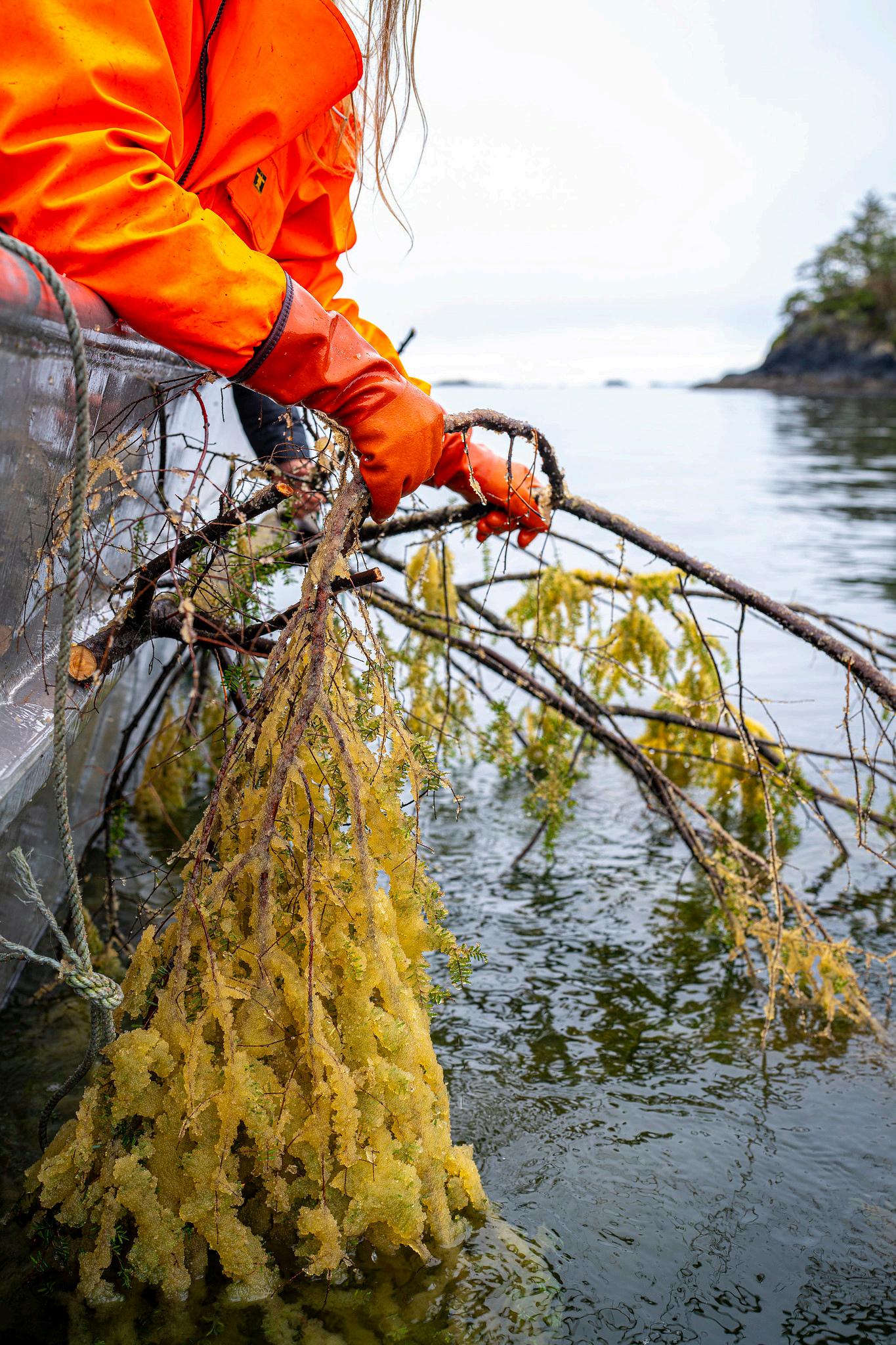
This is Tlingit Aaní, which translates to “our homelands ” Tlingit meaning human/people, and aaní meaning land Together it's "our land,"and everyone who calls Southeast Alaska home today is responsible to the land and it is responsible to us
Although the majority of physical communities that the Haida and Tsimshian Peoples currently reside in are newer than Tlingit communities, they have been connected to the Tlingit people and Southeast Alaska since the Ice Age, having owned and ceded territory, and intermarried with Tlingit people Each of these Peoples are woven into this place as deeply as the Sitka Spruce roots that hold up the mountainsides, having been in this region for thousands upon thousands of years In Southeast Alaska's temperate rainforest, where annual rainfall can exceed 200 inches and steep slopes rise directly from the sea, these are the same root systems that prevent landslides and hold the knowledge of how to live in this place in balance.
Immigration into Southeast Alaska isn’t new, and it started long before European contact with these waterways being highways of relationship and exchange. Tlingit people traded with Interior Athabascans through mountain passes Clans moved seasonally between islands, following harvest seasons, across the great expanse of these Indigenous homelands Marriage alliances connected distant communities. Voyaging canoes travelled the Pacific Ocean bringing South American potatoes with them. Koo.éex’ in the Lingít (Tlingit) language, commonly known as potlatches, brought hundreds of people together in ceremony for days at a time during fall and winter to ensure cultural balance, redistribute wealth, and reinforce bonds.
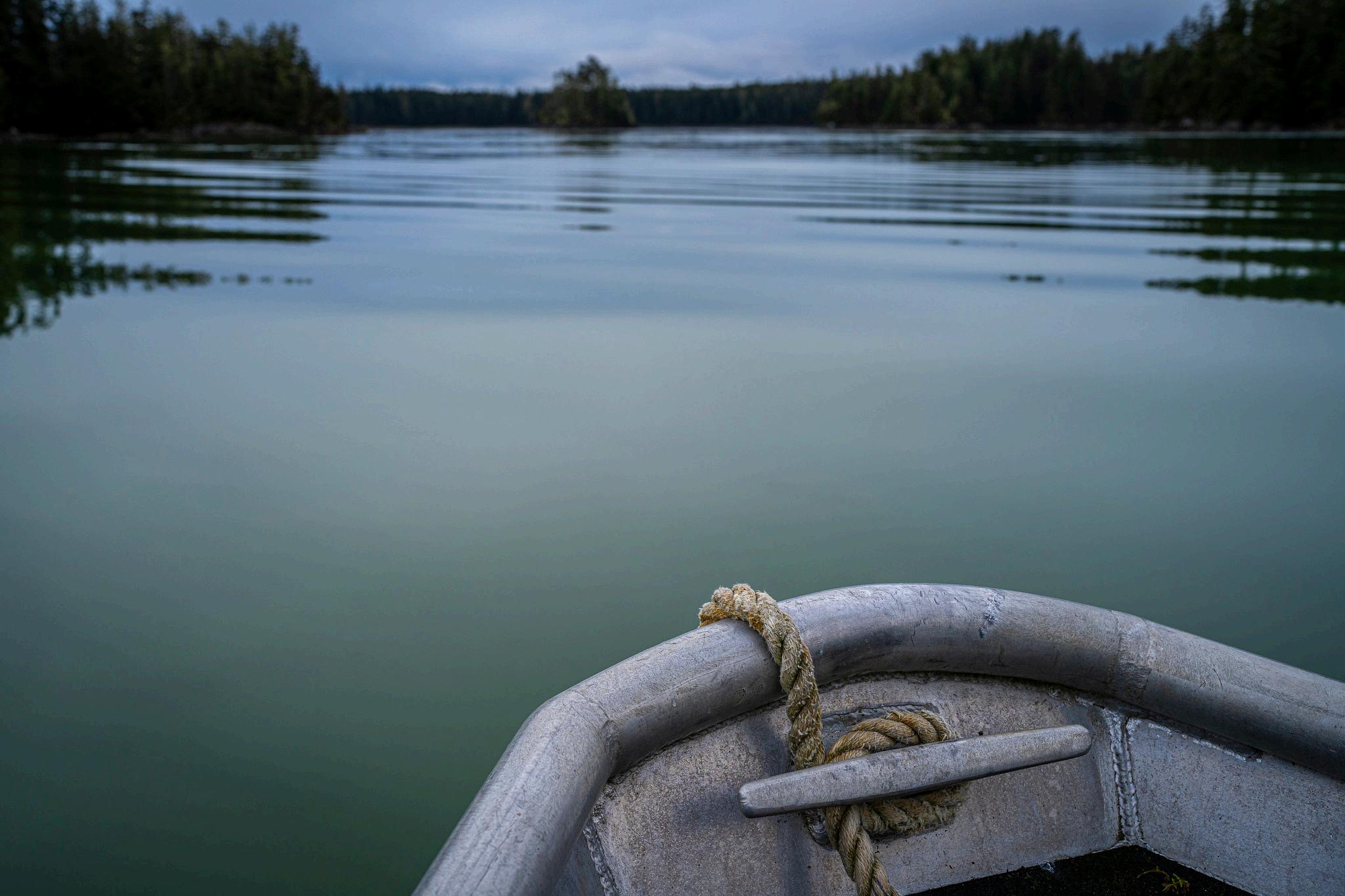
Colonization disrupted Indigenous governance, stewardship and practices, economies, and food systems physically and structurally. During the missionary and boarding school era, Indigenous children across the United States and Canada were forcibly removed from their families and kinship ties, and Native languages, ceremony and traditional knowledge were suppressed. This severed cultural and spiritual practices of knowledge and care, connection to the lands and waters, and began intergenerational trauma transmission Simultaneously, the overharvest of our other-than-human relatives, large-scale extraction and commercial exploitation severely damaged ecosystems that Indigenous Peoples had cared for and depended on
Colonial Industrial economies such as fur trading, commercial fishing, logging, and mining rely on outsiders coming in, extracting, and sending their wealth out of Alaska This shifted us from a regenerative, Indigenous economy to ecosystems out-of-balance When the herring were mismanaged to such a degree that they vanished from Kake's waters in the late 1960s, it was as if the ocean itself had been silenced Elders speak of this time as a double absence: the fish were gone, and so were many of the ceremonies that celebrated them. For decades, Kake’s youth waited for herring eggs to be shipped in instead of learning how to harvest them. This period overlapped with the height of the timber industry

In the early 1900’s, The U S Department of Agriculture created the Tongass Forest to sell off trees starting with pulp mills with industrial scale logging beginning in the 1950s, moving into full swing by the 1960s Southeast Alaska's pulp mill industry was primarily tied to the two large mills in Ketchikan and Sitka in the mid-1950s under 50year timber contracts with the U S Forest Service There were also earlier, less successful attempts at establishing mills, such as Port Snettisham in the 1920s
In 1971, came quick legislation due to the discovery of oil in northern Alaska, called the Alaska Native Claims Settlement Act (ANCSA) This federal law took 375 million acres of Alaska Native lands and left Alaska Natives with only 44 million acres, reducing Alaska Native land ownership under federal law to only 11.8%. Further, Congress also established a new method to control the remaining 44 million acres in Native ownership by requiring them to establish state chartered Native for-profit corporations In Southeast Alaska, ANCSA granted Sealaska over 365,000 acres, only 1.6%, of traditional homelands, and each of the other 12 village corporations had approximately 22,000 acres each for a total of about 620,000 acres, 2.9%. Under ANCSA, Native Corporations were legally required to make a profit, and they participated in the dominant economic industry of that time: logging
Within the same generation as the Alaska Anti-Discrimination Act, the federal law also attempted to do away with “aboriginal hunting and fishing” and required that ¼ blood quantum was required for Alaska Natives to have shares in these corporations This requirement served as a ‘sunset clause’, designed to make Native rights expire over time as fewer descendants qualified. Thankfully, Native leadership was able to amend ANCSA in the 80s to hold off on this expiration attempt if the shareholders so choose So far four of the 12 regional Alaska Native Corporations have allowed descendant enrollment without requiring blood quantum, including Southeast Alaska’s regional corporation Sealaska.
By the mid-1970s, Southeast Alaska's forests were intensively logged, and operators ripped through the highest-value old-growth. Logging eventually came to a standstill; the valuable timber that remained became increasingly remote and costly to access Simultaneously, over a couple of decades, millions of dollars of conservationist advocacy money opposing these logging practices flowed into the region to challenge logging, and then just as quickly as the pulp mills disappeared, so did many of the funds behind environmental philanthropy
Some money flowed into Native communities and jobs were created during this time, but they didn’t last. The reality is little initiative was taken to develop the skill sets of community members This economic development model also caused division between families, Tribal governments, and Native corporations, each moving in different directions on defining how to be in relationship with the land and with each other Even siblings, where some were shareholders born before 1971 and some missed out on owning shares by days, months, or years, and thus didn’t have a say in how things happened on their lands
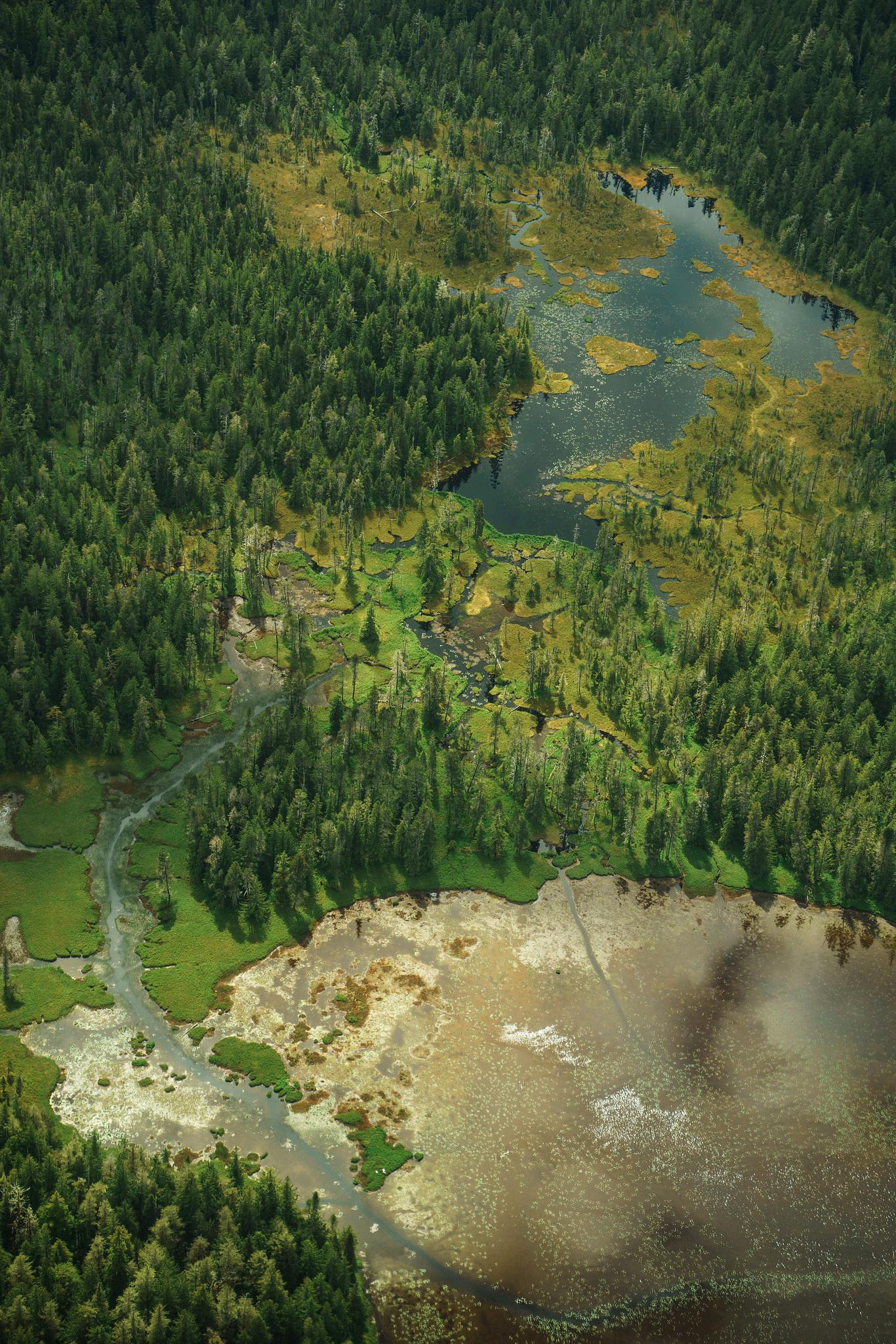
Less than a decade after ANCSA, the Alaska National Interest Lands Conservation Act (ANILCA) of 1980 designated over 100 million acres of Alaska, including nearly 5 3 million acres of the Tongass National Forest, and Glacier Bay, an additional 2.3 million, bringing about 7.6 million or so in Southeast Alaska out of the 104 million acres of protected areas across the state designated as parks, wilderness areas, and refuges
ANILCA provided revenue through tourism and benefiting the fishing industry by protecting salmon spawning grounds, forests and wildlife habitat. However, ANILCA also exacerbated the divide between Native communities and conservationists by imposing stricter controls on resource access, development and traditional land uses. It was influenced by outside interests acting from their own understanding of what was best for the region, and further by conflicting interests within the State It was intended to also fix the issues in ANCSA that had tried to abolish “aboriginal hunting and fishing,” but instead limited Native harvesting rights, defining them as subsistence rights for all rural Alaskans While it gave priority to “rural” residents, these rights were out of reach for Alaska Natives in urban areas because subsistence was defined by location It diluted the Native concept of harvesting as a traditional way of life into a contested regulatory word: subsistence.

ANCSA created the divide within Native communities between economic development and sustainable stewardship. ANILCA furthered the divide between Native communities and conservationists. The driving force of capitalism connected them both, minimizing and excluding sovereign governments
Quickly, a People whose society is based on communal sharing and reciprocity, with a strong sense of place and respect, found themselves in a new world of boardrooms and deal-making, having to learn not just how to navigate these structures, but also how to support their cultures and communities toward a better future through a new worldview. This meant directing their profits toward their vision From this effort, Sealaska Corporation used some of its profits to start Sealaska Heritage Institute, a private nonprofit founded in 1980, whose mission is to advance the cultures of the Tlingit, Haida, and Tsimshian Peoples.
Former Sealaska Corporation Board Chair and current Spruce Root Board member Joe Nelson grew up commercial fishing in Yakutat and found his way to Sealaska as an attorney advising the corporation When describing the corporation’s journey, Joe notes that: “Most Native people are not here to choose ‘extraction’ or ‘conservation ’ We are going to utilize what we need and do it in the best interest of our grandchildren. We are intuitively thinking generations ahead. It is not extraction versus conservation because we are connected to everyone and everything around us. The Western world is destroying itself What is going to save the planet is everyone thinking, living, and working more traditionally, based on Native values. Those same values were much more universal before the Industrial Revolution. Individual stewardship is not our approach. We think collectively.”
Across the United States, beginning in the 1970s and accelerating through the decades that followed, Indigenous peoples moved from underground cultural protections, since our practices and ways of being had been outlawed by federal law and policy, and began a cultural renaissance born from a critical realization: survival and sovereignty required coming together across Tribes and geographies to build collective power and reclamation This movement emerged in direct response to generations of federal assimilation policies, manifesting in pan-Native organizing, the founding of Native-led nonprofits, legal battles for treaty rights and religious freedom, and massive cultural gatherings
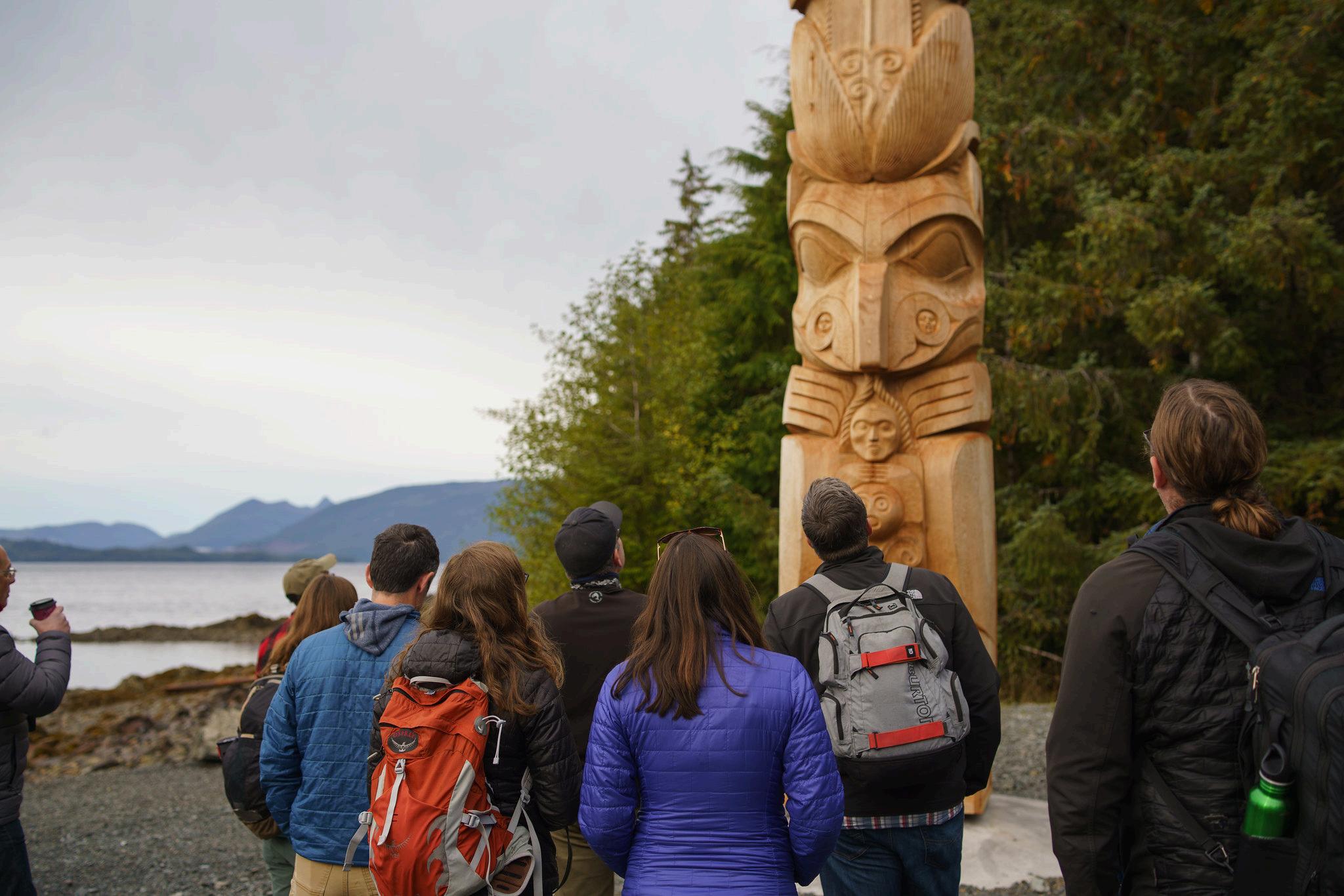
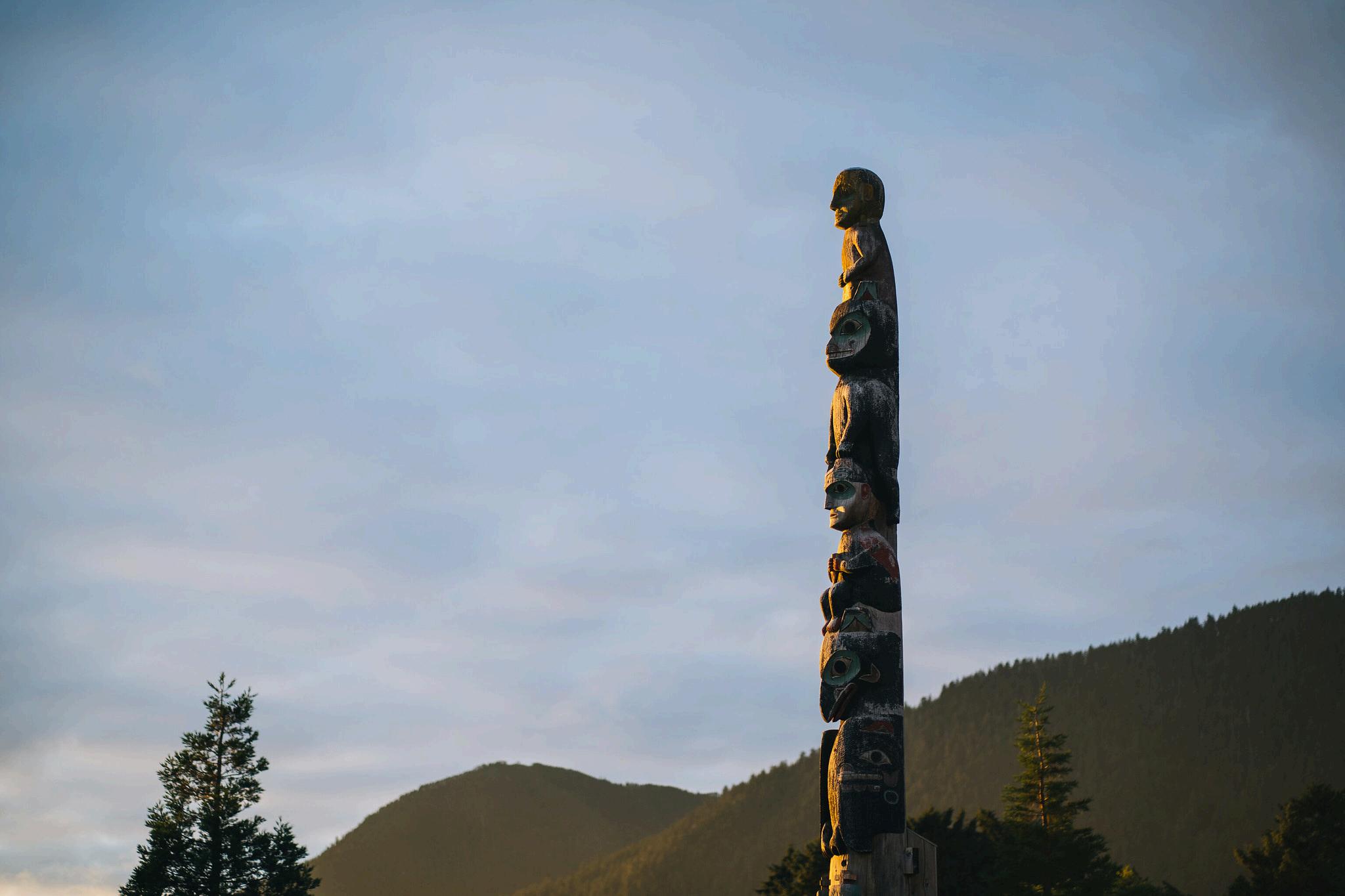
In Southeast Alaska, this renaissance led to the raising of the first totem pole in my home village of Ḵéex’ in 1971, and in 1978 the American Indian Religious Freedom Act passed recognizing our inherent rights, but had no enforcement provisions. In 1982, Celebration, a biannual gathering stewarded by Sealaska Heritage Institute that brings together Native peoples for four days of dancing, singing, art and ceremony that fill Juneau's streets began Launched with timber money just as the industry was peaking, Celebration became a powerful assertion that, despite everything, Indigenous peoples of Southeast Alaska would gather, dance, speak their languages and pass their knowledge together across clan and community lines Celebration is both a joyful reclamation and a statement that these Peoples, these cultures, these ways of knowing, are vibrantly, defiantly alive.
Celebration embodies the principles that would later animate the SSP: that people are strongest when we work together, and that the future we are building honors the past while adapting to present realities. Out of an era of division and loss, reclamation and yearning, the SSP was born in 2009 as an effort to reconcile, collaborate, heal and search for balance together amongst Tribes, conservation organizations, federal agencies, Alaska Native corporations, small businesses and more
As the SSP Program Director, Marina (Anderson) Keli'ikuli focuses on understanding current community needs and addressing them with sustainable solutions grounded in traditional, ecological and social knowledge and values She is from Kíis Gwaii (also known as Prince of Wales Island), and her Tlingit clan is Taakw.aaneidí from Heenya Kwaan; she was also adopted into her father’s clan, Gaw Kiiwaas. She started in Tribal politics through her involvement growing up with the Alaska Native Sisterhood, where she learned from the Elders around her “Being a local Native girl on Prince of Wales Island growing up on the land and water, with my Dad’s work in Tribal Politics, it was natural for me to end up in this type of work,” Marina says. “I never knew what I wanted ‘to be’ when I grew up, all I knew was that we were constantly facing issues that threatened our way of life and I, like my other Native peers, were obligated to take care.”
Marina ensures the longevity of the community's overall success by weaving networks of support that connect local partners and resources Prior to this role, she was on the SSP steering committee and worked as the Tribal Administrator for the Organized Village of Kasaan, overseeing a SSP Community Catalyst Marina Keli’iKuli says: “The SSP is where I saw everything come together– where real community selfdetermination and Tribal sovereignty were being supported I saw work getting done on the ground in communities and policy changes happening at all levels, and I saw ways where conservation groups were working together with our Tribal governments and with other entities in the region to get things done in the best interest of the local people, the communities, and most importantly, the Tribal governments. Before SSP, Tribal governments, conservation groups, and the feds were neck and neck with each other and not working well together. So, I saw SSP as a great way to take all the tools in the tool chest and put them to use.”
Today, local leaders, organizations, and youth are reclaiming languages, stewarding lands and waters, and reimagining local economies built on balance and reciprocity “Our people are out here on the land, and we need to empower them to continue to do that. When our people are out on the skiff trying to catch a salmon through modern-day trolling, that is their way of providing for our communities. Truly honoring community self-determination and empowerment is so important because those are the subject matter experts. We have the people we need in the region, and we need to empower and support them. Nestled on the tops of many of our totem poles are the watchmen who were placed there to look for threats to the village. Our people who are out on the lands and waters daily are our watchmen,” says Keli’ikuli.
When I watch the turquoise water meet our shores during the herring spawn, I'm witnessing collective action older than any human government with millions of individuals choosing to act as one. The herring know what the SSP has actualized over these years: that true power never comes from the individual acting alone, but from the collective choosing to move together, carrying forward the wisdom of their ancestors
“The power is in the collective. And maybe I knew that prior to going into this work when I was the administrator for my Tribal government, and we demonstrated that with some of our work bringing Tribes together, but the power does not lie within one leader. The power does not lie even within leadership. The power lies within the collective,” Keli’ikuli says As my colleagues and I packed those glowing yellow herring eggs on a small plane to Kake where they fed my family and Elders, I reflected on what it means to be a collective. Our herring relatives are teaching us how to find our way back to each other, back to balance, when we remember together, when we choose healing over division, and embrace our partners and our individual and collective histories to work better together
“Storytellingisameansforcommunitiesto understandthemselves,passonknowledge, andmaintainrelationships,especiallywithin Tlingit,HaidaandTsimshianculturesof SoutheastAlaska.Theinterconnectednessof theSSP'swork–thestorywearecreating–addressesdiversecommunityneedsthrough aplace-basedapproachtohealing,climate adaptation,workforcedevelopmentand foodsystems,allgroundedinIndigenous valuesandcollaborativeefforts.SSP's strengthliesinitsabilitytobringtogether diversepartnerstobuildstrong,healthy relationshipsandcreateacollective vision/story,foramoreabundantfuture.”
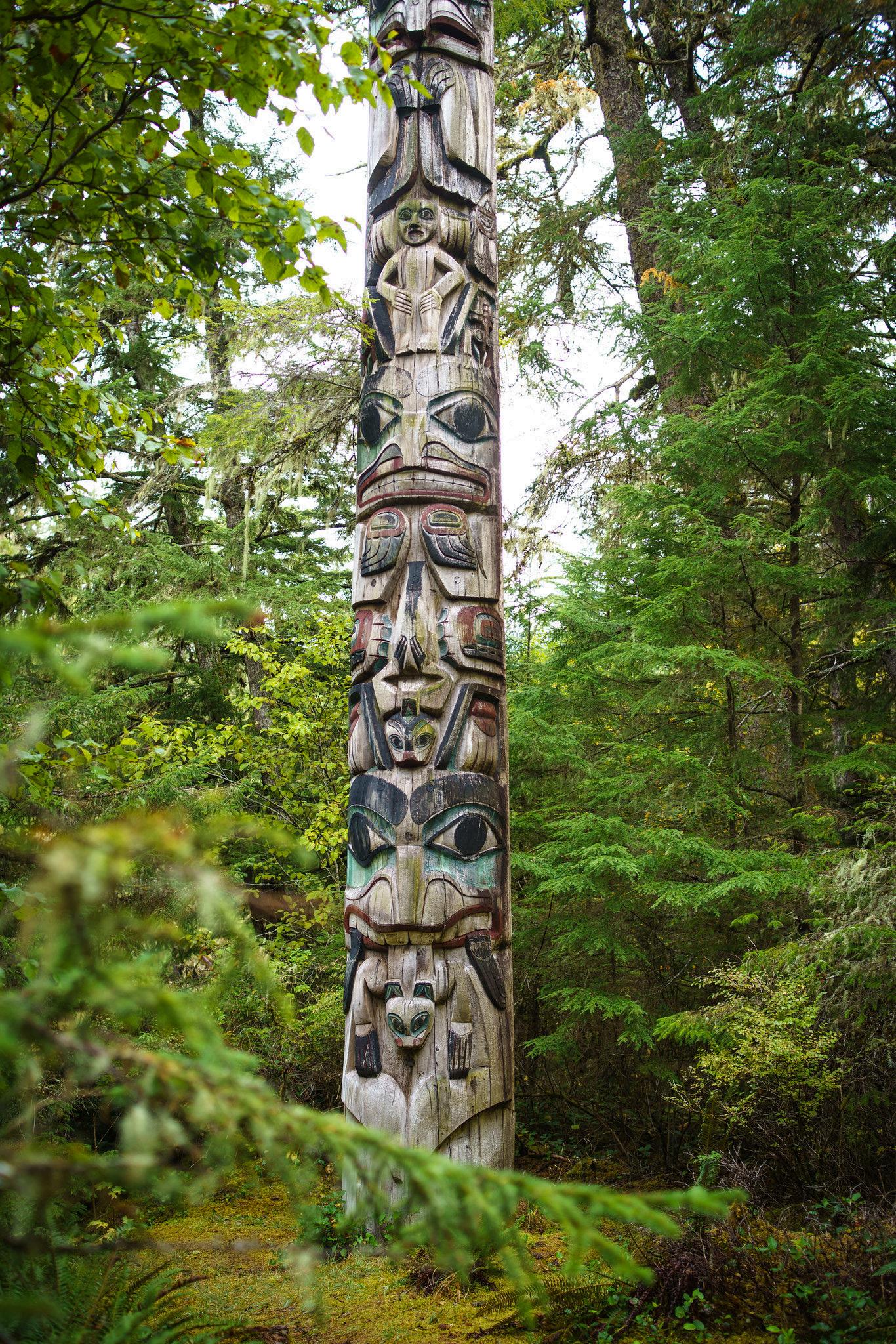

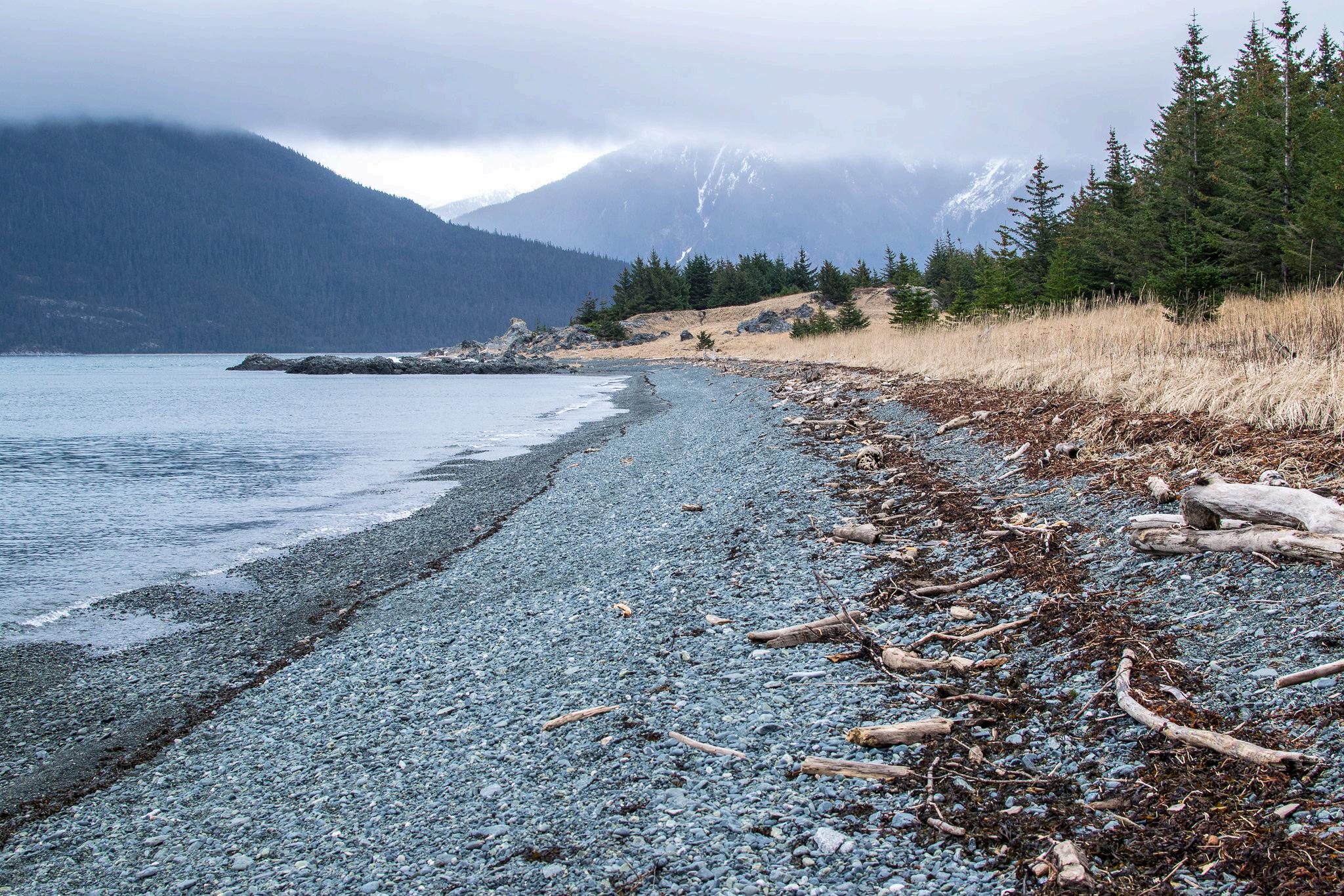
When you first dip in the ocean, the water is shocking It is thrilling It steals your breath and demands your full attention What remains, when you move past that thrill, is total presence. You cannot think of tomorrow or yesterday, and for me, that in itself is healing.
In some ways, this is what the Sustainable Southeast Partnership does socially and culturally. Our work asks us to understand one another, to be fully present to the realities of our region. It asks us to think about the core of who we are and how we contribute to the world around us It asks us to show up as our whole selves, and prioritizing healing is what makes that possible
Like me, SSP Steering Committee member Anthony Mallott is Tsaagweidí. When I called him to discuss this new volume, I emphasized that I wanted to illustrate healing as a throughline in the Partnership I asked him to share his perspective on how healing shows up in our work and why it is a priority: “If we get healing on a productive pathway, healing can resolve remaining bitterness, anger, dispute, anticollaboration methods that, at the moment, can be so prevalent in our communities. Healing is something that fosters productive optimism about our community, as it allows us to put aside ego, old anger and issues. It helps us say ‘This person wants the same thing that I want,’ which is a stronger and healthier community, ‘so I am going to work with them.’”
Another important part of healing is not tying our identities to our traumas and being responsive to them, not reactive Which is why in 2024, the Sustainable Southeast Partnership Storytelling team removed the word “resilient” from the name of our monthly column in the Juneau Empire, adopting the new title “Woven: Peoples & Place” with the launch of our annual magazine of the same name. Rather than tie our identity to our ability to withstand and endure hardship, we wanted to emphasize the interconnectedness of our region
Over the years, I have asked myself time and time again not what it means to be a storyteller though I use that as my professional title but a story caretaker This reflection came about in a conversation with my friend and colleague Lee House, who supports the SSP communications team through a storytelling role at Sitka Conservation Society. He reflected that he didn't see himself as a storyteller, but rather a "story-sharer," acknowledging that the stories of Southeast Alaskan communities aren't his to tell Instead, they are the communities' stories, and he aims to help share them further by highlighting the voices, the work and the relationships that are being fostered by the SSP.
This distinction matters because stories are how communities understand themselves, how knowledge passes between generations, how relationships are maintained across time and distance, and how we perceive and understand the world. In the Indigenous cultures of Southeast Alaska, stories aren't simply entertainment or information; they hold teachings about how to live in relationship with land, water and each other They carry the accumulated wisdom of thousands of years of careful observation. They remind us who we are and what we're accountable to. Our role is to tend them carefully, share them respectfully, and ensure they reach the people who need and want them This in itself a practice of becoming whole; understanding that we're not separate from the stories we carry, but part of a larger narrative that extends beyond our individual lives.
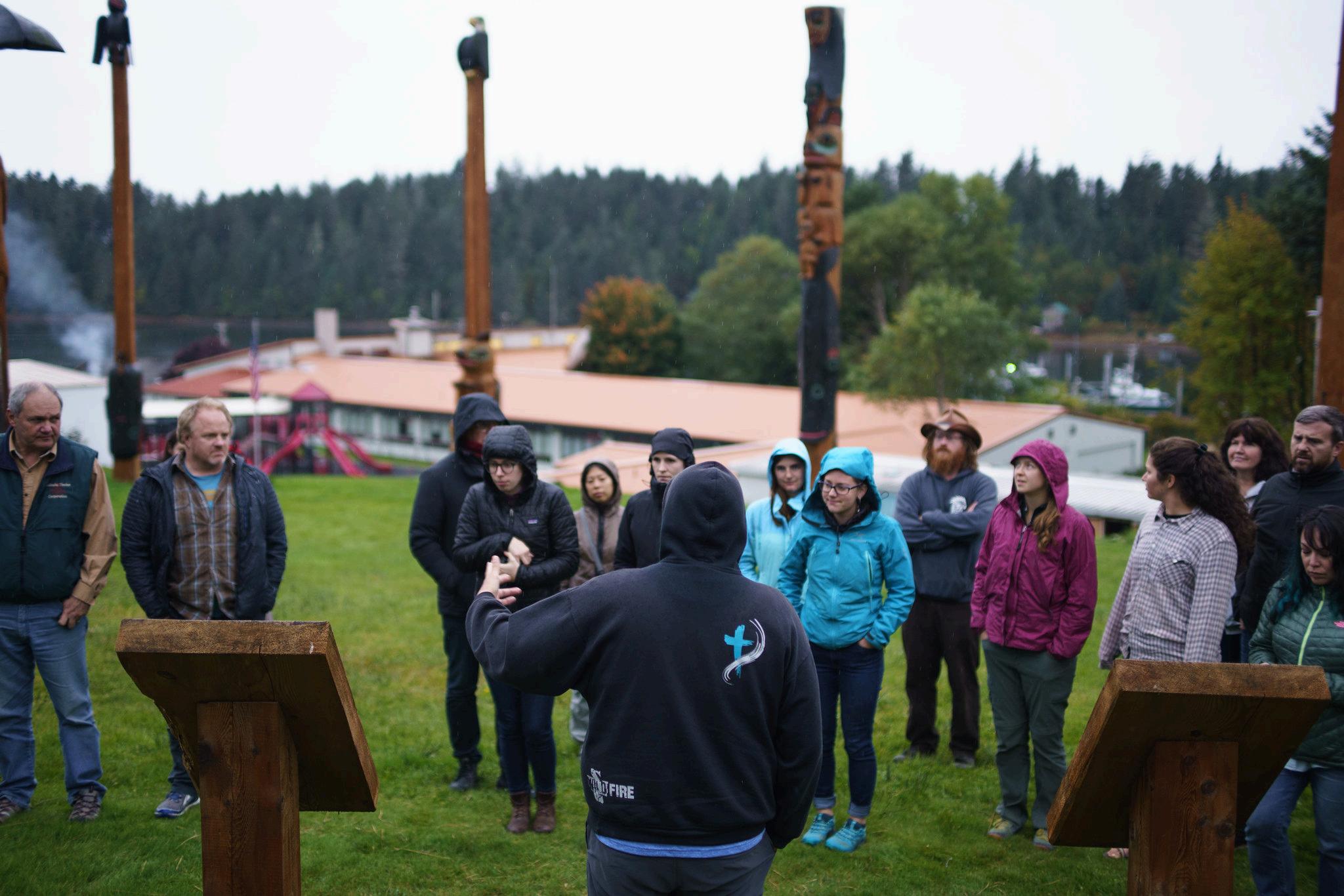
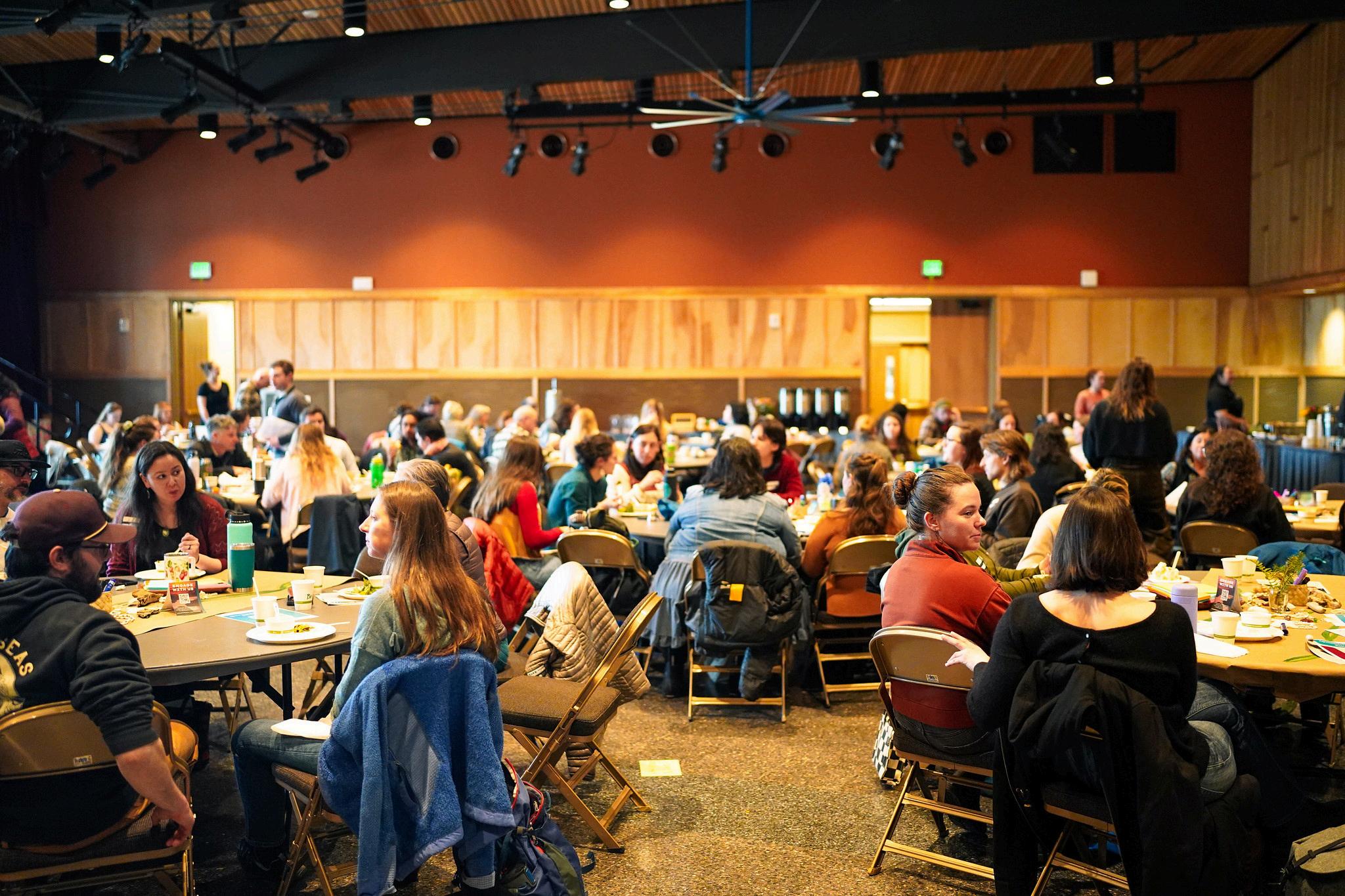
When you look at what communities need to be strong, healthy and adaptive, you will find that these needs are diverse and holistic. For communities to support each other, be creative and solution-oriented, and build thriving, connected relationships that can withstand challenges, they need support for healing and wellness. They need cultural programs that uplift communities and their knowledge and traditions. They need good information, including a mix of traditional Indigenous and scientific knowledge that illustrates how these systems are connected and changing They need a strong workforce and opportunities for people to stay in place, stay connected to the land, and once again manage their own lands, waters, and resources.
"You can start to see how all the tentacles of the SSP are interconnected and how they work together to support strong communities," SSP’s Regional Climate Adaptation Catalyst Annika Ord says "I think that is essential for being able to deal with the challenges that come our way, which include climate change, but also many other forces and factors out there in the world." Annika was born and raised in Juneau in a fishing family. She emphasizes how honored she is to support community needs and priorities What she speaks to is the vast interconnections that are found in this network
This interconnectedness shows up in many ways across the more than 130 loosely defined partners who make up the SSP, from community and Tribal organizations to international entities such as the Nature Conservancy. Beyond host organizations for catalysts, there is no contract when you join the SSP; this invites diverse backgrounds and perspectives to engage in the network The Sustainable Southeast Partnership is an open invitation to work together on what matters to Southeast Alaskans and our changing world.
As part of this, the partnership operates on nine values that it asks partners to demonstrate alignment with: Tribal Sovereignty and community determination, relationships first, growth and collective learning, balance, systems thinking, courage and follow-through, justice and healing, intentional collaboration, and Kuxhadahaan Adaayoo.analgein (stop, observe, examine, act) These values were defined through deliberate conversations and practice over the years with partners at our annual spring retreat, which have grown from 20 dedicated individuals to over 150, filling the largest community space in Sitka, Alaska.
The structure that holds this work together relies on two distinct yet interdependent roles: Community Catalysts and Regional Catalysts. These are positions hosted at Tribes, non-profits, and businesses on the ground.
Community catalysts are staff positions hosted at a local entity, often a Tribal government, and have half their salary paid by the SSP and half by their host. They live and work in remote communities where many people are related to each other. Their commitments and responsibilities are often more personal; and these connections often lend a hand to deeper,meaningful work Community Catalysts bring extensive knowledge, connections and relationships to the communities where their positions are hosted As Hoonah Community Catalyst and Environmental Director at Hoonah Indian Association, Ian Johnson describes it: "Being a Community Catalyst, you're out here on the ground to see the good side and the bad side of things You get the nitty-gritty of project management and personnel management."
Ian became a community catalyst over a decade ago Despite originally intending to move out of the position after a few years, he has stayed in that role since grad school because working in community is where he saw the real change happening that he hoped to make He also stayed for personal reasons “In 2017, we had a house fire,” Ian says. “We had been here almost a year and a half at that point, and the community turned out the next day, whether we knew them or not, [and] helped us get stuff out of the house.” This experience within his community demonstrates why Ian and his family continue to call Hoonah home: because of their community and their commitment to each other’s well-being
Regional catalysts often work for regional entities, and bring expertise, resources, and connections between communities to the Partnership's core focus areas, directed by community self-determination In 2025, we have regional catalysts whose focus in mariculture, healing, climate adaptation, youth, workforce development, energy,

Community Catalysts are the local conduit who facilitate and support initiatives that are driven by community needs and priorities Regional Catalysts represent areas of expertise that can support those individual, community-level projects while also creating a greater network across the region by connecting similar projects and ideas throughout multiple communities Deputy Director of the SSP Shannon Stevens emphasizes this crucial dynamic between catalysts: "A regional partner may have a goal and desire for a community and be a great partner, but it is important not to move forward until the community tells us they share that goal and desire." In a western system, it may appear that the regional catalysts lead the community catalysts, but that is not the case here – this is collaboration and not hierarchy The true lead is neither of the catalysts, but the community itself.
Over the years, people have moved in and out of their catalyst roles, but many stayed connected to the work in other capacities Catalyst turnover at the community level can arise from the challenges communities face, whether that be expensive utilities, housing shortages, or a lack of childcare This identification of regionally-shared issues is in some part how the regional catalyst system has grown Some of these changes within the partnership, though, come from recognizing when new leadership would benefit the network. Bob Christensen, now a regional Catalyst for the SSP in Community Forestry recognizes this, remembering when he was once the program director, and then stepped back, to promote Alana Peterson, then the Regional Catalyst for Economic Development into leadership. He says of this: “the biggest development in my leadership has been learning how to step back, and that answering questions together is really the only way to answer them. In the third or fourth year of working on the SSP, it was clear that I needed to step back in order for us to lead together.”
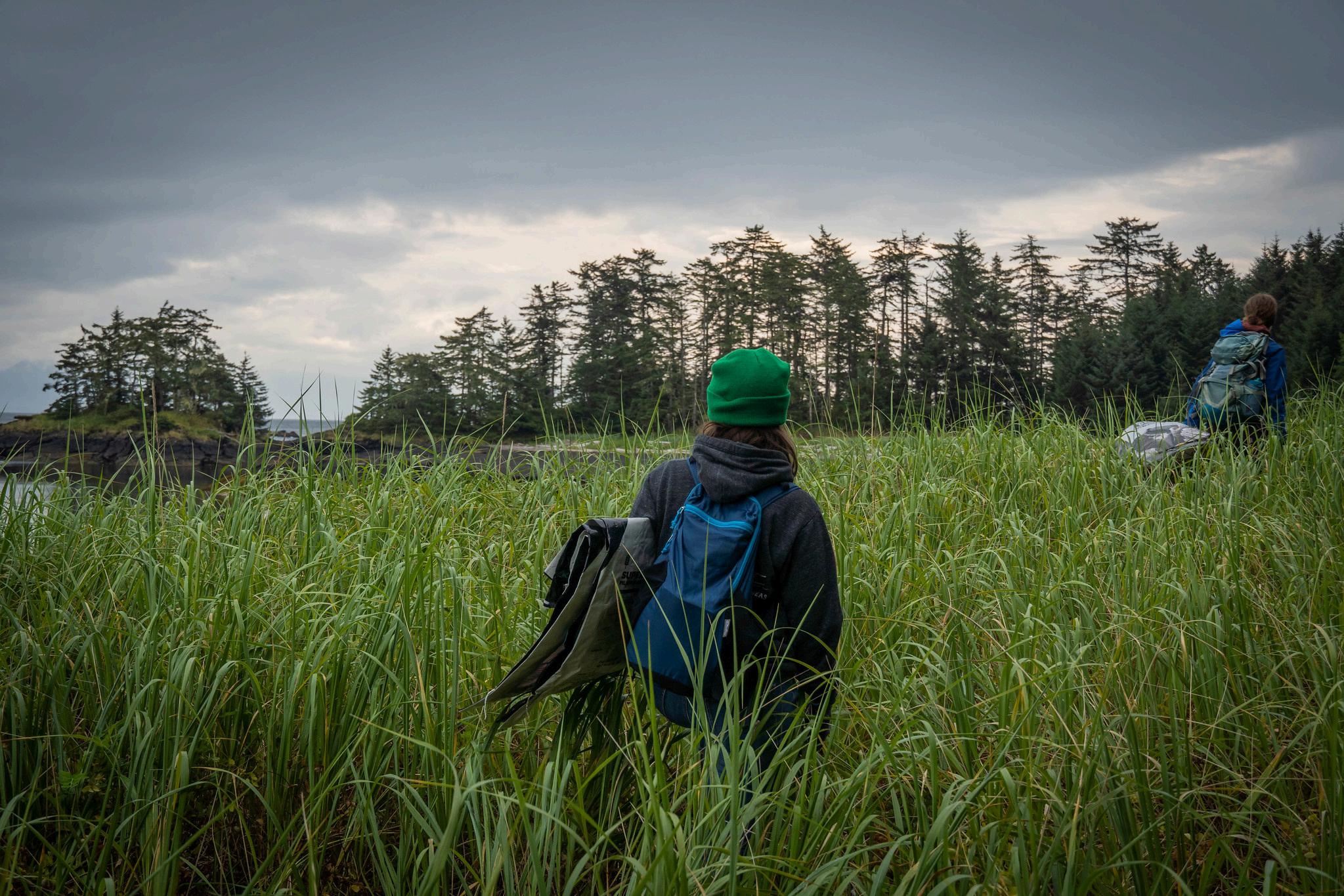
Regional Climate Adaptation Catalyst Annika Ord recognizes the dynamic nature of SSP. “In this work, you never know where connections and relationships will lead to or how they will grow. Even being just a year into this role, I feel the momentum growing and I’ve seen how connections fostered through the SSP lead to important, and at times surprising, partnerships and projects. Together we are able to do so much more than we ever could in our silos,” says Annika. “Before this, I did a lot of work in environmental monitoring and climate change research for many years documenting loss without contribution to solutions or contributing to communities adapting to these changes. I really wanted to pivot to working with communities, valuing their knowledge and ability to define their own solutions. In research, it is often top down, but I was really interested in that bottom up adapting to climate change and building stronger communities.” Now over a year into her position, Annika reflects, “Whether you label it climate or not, adaptation and resilience building is the work of the SSP, and we’re doing it through values that are really grounded in place, I think is just a really powerful way to be supporting a better future.”
The work of our Partnership is inherently climate work, integrated through every initiative because true climate adaptation demands transformation across all systems a recognition of the past held with integration for the future, all moving toward healing. Through science, monitoring and mitigation, we give communities and what they rely on the best chance to adapt to the changes occurring at an accelerated pace in Alaska's warming lands and waters Some of this work is obvious: heat pumps replacing diesel stoves and hydropower dams But other work is more subtle, like Tlingit language classes that restore not just words, but the environmental knowledge embedded within them terms that once described a place now help us track how that place has changed over time From salmon habitat restoration to the recovery of kelp forests and herring runs, each thread of our work strengthens Southeast Alaska, recognizing that climate solutions cannot be separated from cultural revitalization, that ecological restoration cannot be separated from community healing, and that our ability to adapt to what's coming depends on remembering what our ancestors knew
A program that embodies this place-based approach to climate adaptation work is the Alaska Youth Stewards (AYS), a Central Council of Tlingit and Haida Indian Tribes of Alaska (Tlingit & Haida) Workforce Development Program AYS has evolved out of Tribal programs, involving rural and Indigenous youth in stewardship projects for about nine years, emphasizing Indigenous stewardship, experiential education, leadership development, and skill-building rooted in cultural and environmental care In this work, youth gain meaningful, hands-on experience, form strong ties with their communities and lands, observe the direct impact of their efforts on their homelands, and are introduced to local career opportunities. SSP Regional Workforce Development Catalyst Michael Mausbach says: “Part of the reason the AYS program is so popular within the network is because I think it models what workforce programming can look like, being strength-based. It allows people to maintain connections to or better connect to culture on the land in ways that have been proven to have really powerful, social-emotional benefits. They're also growing and incubating many soft and hard skills in ways that will increase their overall employability as they enter adulthood. It's exposing them to all the ways in which they can continue to build lives for themselves on their homelands.”
Experiential-focused programming offers significant benefits for communities because it helps us recognize the story we are creating. This is the core of the workforce development work and opportunities growing within the partnership. This sort of thinking can also be found in food systems work, which in SSP has shown up in the Moby the Greenhouse project, culture camps and more
Jennifer Nu is the Regional Food Systems Catalyst with the SSP, hosted by Ecotrust. She says, “Change sticks when people recognize how it benefits them and their community. People are more open to change when others model it; when local leaders serve as role models. Food is the foundation for individual and community well-being in many ways beyond physical sustenance. As a regional catalyst, I love facilitating opportunities to engage, energize, and empower people to be involved in food systems, strengthening themselves, while supporting their community and practicing stewardship to where their food comes from.”
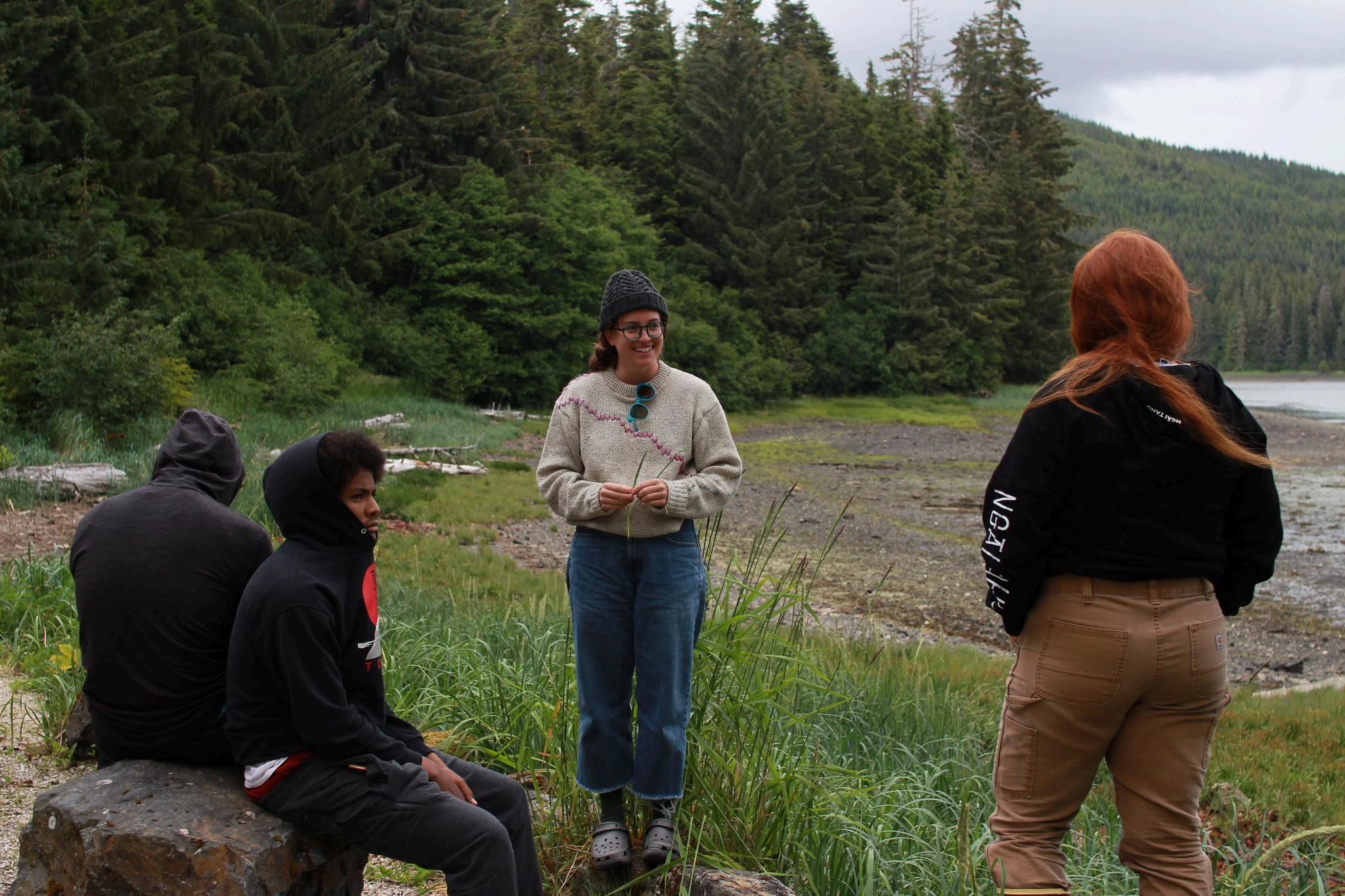
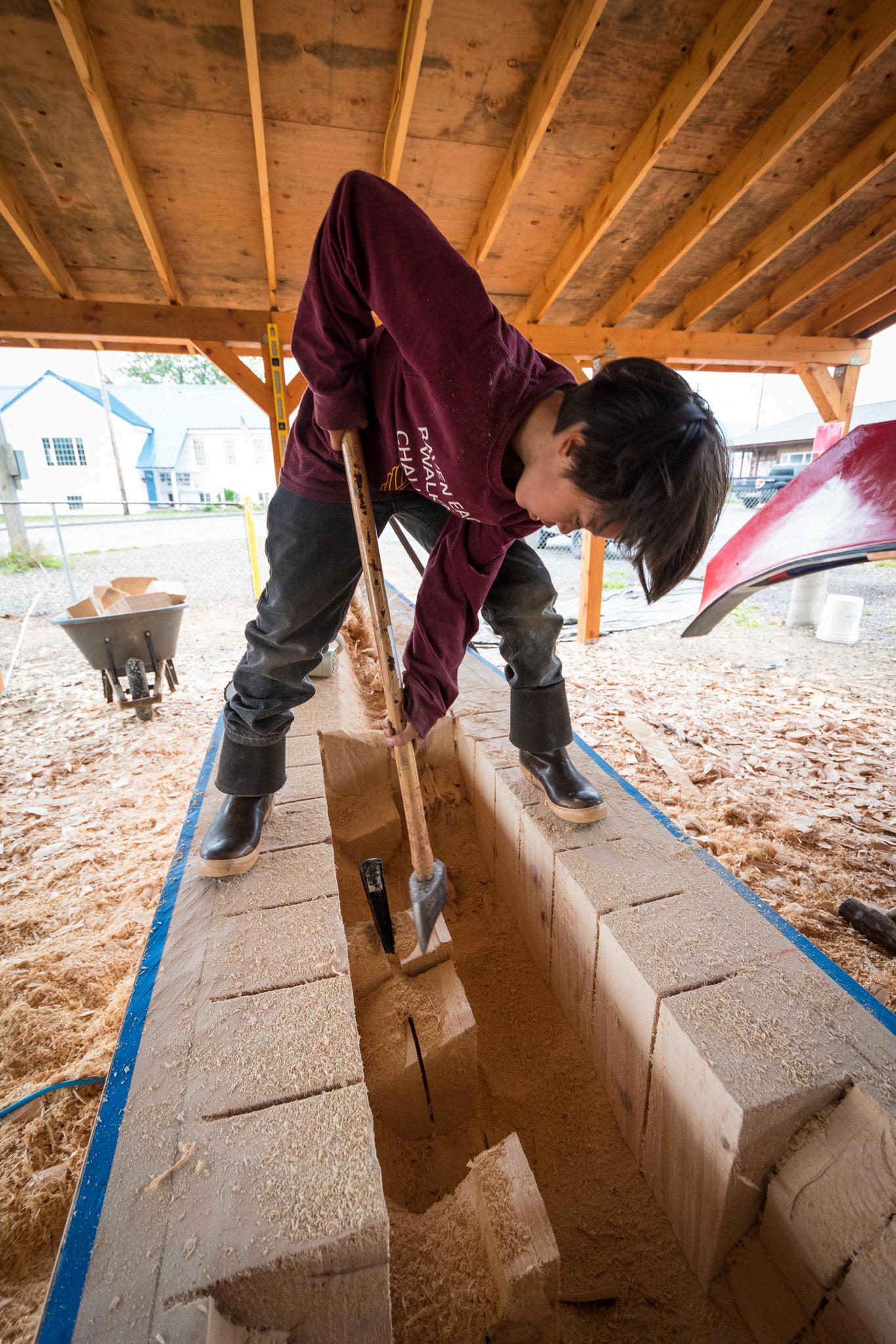

Dawn Jackson is the Executive Director of the Organized Village of Kake (OVK), the federally recognized Tribal government for my community, and serves as the co-chair of the SSP Steering Committee, having been an active member for over a decade She is also my older Tsaagweidí clan sister Over the years, OVK has also prioritized workforce development and food systems work in its programming. This includes, but is not limited to, hosting an Alaska Youth Stewards crew, the Ḵéex' Ḵwaan Community Forest Partnership, building the first contemporary clam garden in Alaska, and leading the annual Kake Culture Camp, they started 38 years ago, where traditional foods are harvested and distributed to the broader community. Dawn understands her unique contributions to the SSP: “I bring a Tribal voice, village voice, women’s voice to healing in this partnership. Not everyone gets to do what I do, I get to live the seasons in my ancestral home and that is a valuable perspective in this work.”
Dawn navigated the partnership from a place of curiosity and grew her ability to serve her community because of it. She is clear that it is the people who keep her in relationship to the Partnership. “I went from the back of the room to being at the table in this partnership. Part of my growth was learning to ask questions when it wasn’t the most comfortable in our gathering spaces Ideas for projects came out of the evening chats, coffee in the morning, walk breaks, etc. in those times. Those moments built me up to be there for others.”
This partnership isn't about being the most qualified or the most experienced. It's not about having all the answers or being perfectly prepared It's about showing up, being present, and trusting that the work shapes you even as you shape it Like Dawn learning to ask uncomfortable questions to create stronger work and relationships, we become who we need to be through the practice of showing up
Spruce Root Executive Director Alana Peterson often shares at our gatherings how important it is to recognize that the people who show up at your table are the right people for this work, at the right moment, for the discussion you are about to have There's profound trust embedded in Alana's words: Trust that the right people will find their way to the work and that communities know what they need. Trust that the process itself the gathering, the listening, the building of relationships is as important as any outcome
Stories are how communities understand themselves, how knowledge passes between generations, how relationships are maintained across distance; they are a practice of becoming whole by recognizing we're not separate from the narratives we carry but part of something beyond our individual lives The SSP operates from this understanding: there is no contract, no requirement of perfect qualifications or complete preparation to start engaging and working with the network This is an open invitation for diverse backgrounds and perspectives to work together on what matters to Southeast Alaskans navigating our changing world, knowing that what communities need to be strong, healthy, and adaptive is as diverse and holistic as the stories themselves Our work is inherently climate work because true adaptation demands transformation across all systems, moving toward healing
“Whenthepandemicshutdowntheworldin 2020,theSustainableSoutheastPartnership provedwhatoveradecadeofpatient relationship-buildingcreated.Whatemerged fromthatcrisiswasn'tjustdisasterresponse, becausewehadbuiltdisasterresilience,buta blueprintforSoutheastAlaska'sfuturethat inspiredtheU.S.DepartmentofAgriculture's SoutheastAlaskaSustainabilityStrategy(SASS). Thisdemonstratedhowcollaborationrootedin commonvaluesandtrustacrossolddividescan transcendunprecedentedchallengesanddream abetterfuture.Ultimately,thePartnership's strengthliesnotinpoliticalmaneuvering,butin itsrefusaltoletdivisionsdeterminewhositsat thetableorwhatsolutionsgetpursued,because whenyou'reaccountabletofuturegenerations, theworkitselfdemandscollaborationacross everydivide.”


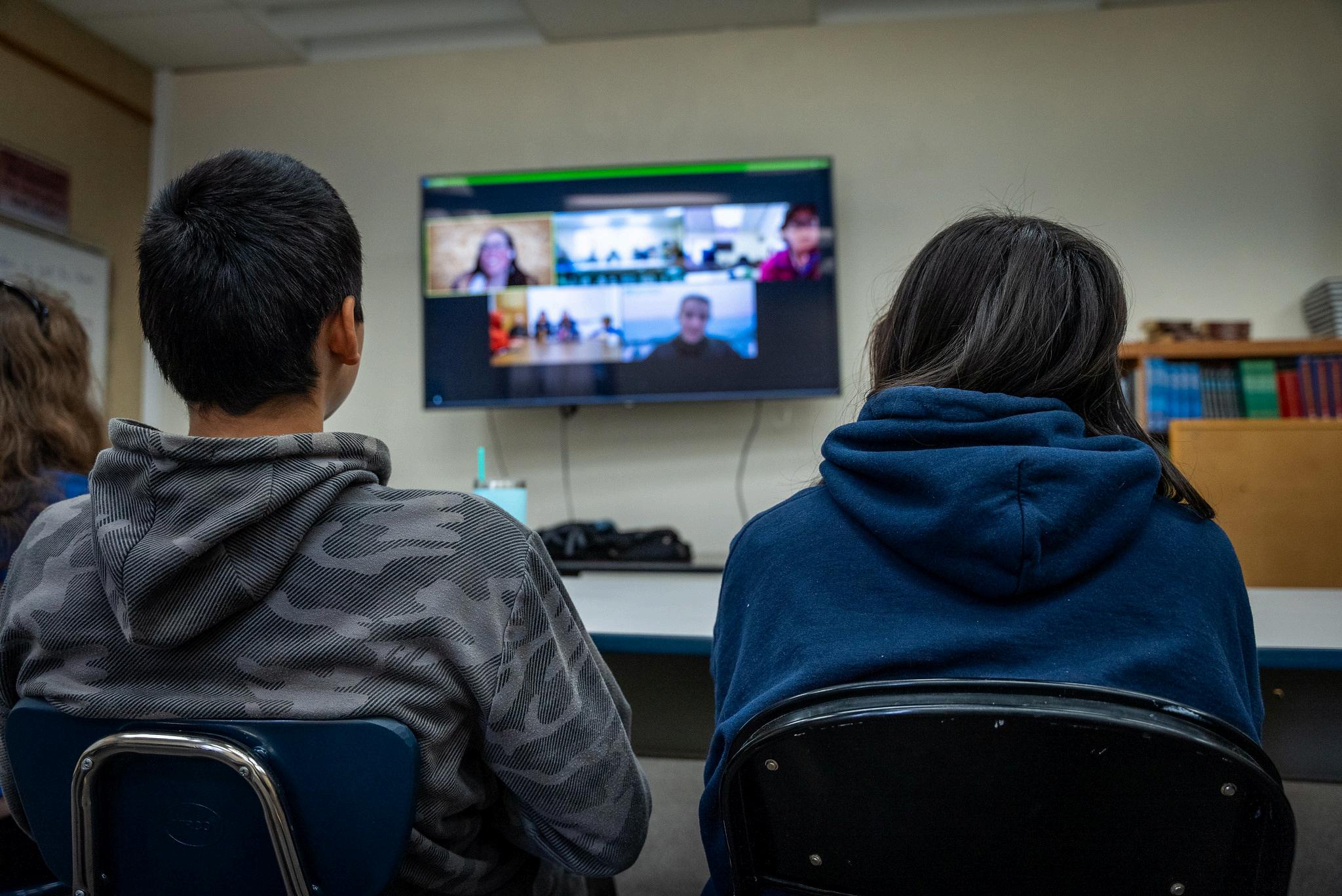
The monitor screen flickered with faces from Yakutat to Ketchikan, from fishermen to Tribal leaders to conservationists, all gathered from their home offices or kitchen tables. It was spring 2020, and COVID-19 had closed borders, canceled gatherings, and many people became sick, with some dying. Everyone quarantined and had to adapt to a world online
During this time, Southeast Alaskan communities were leaning towards each other, into this new world through an already familiar method in the Sustainable Southeast Partnership When the pandemic hit and forced everyone online, the Partnership didn't have to learn how to work together remotely We already knew how to work together across geographies and ideological divides. Tlingit, Haida and Tsimshian peoples have long worked together across disconnected geographies.
For years, the SSP had been intentionally building relationships that could hold tension, trust that could weather obstacles, and a practice of showing up for each other no matter the conditions. Through countless gatherings, workshops and difficult conversations, by the time the pandemic hit, the SSP had already created a “muscle memory” for collaboration When asked about how SSP was affected by the worldwide pandemic, Marina Keli'ikuli said: “SSP was already disconnected physically. Online monthly hangouts were consistent and already taking place before the pandemic. People were so connected and used to it. So during the pandemic, we continued to call into those monthly hangouts Other than missing a Spring Retreat or two, business continued as usual, and we continued to work, connect with, and take care of each other.”
When COVID hit Southeast Alaska's villages hard, SSP members who'd spent years building relationships became the ones coordinating the response, which included food deliveries, PPE distribution and wellness checks on Elders Federal agencies trusted the Partnership to get food to remote communities; Alaska Longline Fishermen’s Association and Sealaska used the SSP network to deliver fish into the hands of those who needed it most. Spruce Root helped entrepreneurs navigate the new reality and used SSP channels to spread word of their offerings Food-related microgrants put processing tools into community hands, so people could put up more food for Elders and neighbors, leaning into the local knowledge that had always been there. The trust we'd built translated into the swift deployment of resources when crisis came, and we realized we'd been building disaster resilience all along without calling it that; we'd just been honoring one of the region's Indigenous values: taking care of each other.
What the COVID pandemic revealed was that the SSP had created a pattern for how to work together that could adapt to any circumstance; whether that be economic crisis, political turbulence, or a public health emergency. None of it broke the collaboration, because the collaboration wasn't dependent on perfect conditions. It was rooted in relationships strong enough to hold complexity The SSP had spent years addressing these patterns, deliberately amplifying the leadership of communities in deciding what is best for them. We'd learned to ask: “What do we need? What can we build together?” Perhaps, most importantly, “Who is missing from the table?”
The SSP is powerful in response to critical needs and challenges like the pandemic, but also able to dream forward and envision a collective future, identifying the stepping stones to get there. So when the world shut down, we gathered virtually, and devised a guide for the federal government to understand what Southeast Alaskans wanted and how management, investment and policy could create better outcomes
In 2020 with a new administration soon to take office, a roadmap for economic development on the Tongass National Forest built through collective conversations began to take shape as The Tongass Blueprint It was messy, exhausting work People were juggling childcare, caring for sick family members, dealing with unstable internet connections, and facing economic uncertainty But, partners connected through SSP kept showing up Knowing the administration would want to have their own policies on the Tongass, the Blueprint emerged as a vision for how the USDA could invest in the future of Southeast Alaska, made specifically to influence the administration. It was a suite of policy recommendations that all the people who were involved in the development could live with There were elements of the blueprint that people who contributed didn't fully agree on, but overall, it was much closer to a consensus from all the entities involved than anything else that had come before. It outlined investments in sustainable fisheries, value-added seafood processing, tourism infrastructure that respected cultural sites and community priorities, renewable energy projects, restoration work, and support for the sustenance economy that nourished this region. Anthony Mallott, one of the thought partners, said: “For the blueprint, we were inspired by the work and success of the forest partnerships. They have garnered national attention. We didn’t believe in this idea of ‘lock it up conservation,’ we believed in being active on our lands and stewarding the most important aspects thinking about future generations. This concept is Indigenous, ancient, and tested.”
In Tlingit culture, we practice Haa Shuka, the continuum between past, present, and future generations that is eternal. With Haa Shuka, the present generation has the fortune of being invested in by past generations, of having 10,000 years of ancestral wisdom to utilize for their current benefit, and when you feel fortunate and invested in, you build a responsibility to ensure every future generation will have the same fortune and even more knowledge. Through the SSP, we are practicing Haa Shuka thinking in real time: doing the hard work now so the future would have better options, stronger foundations, clearer paths forward
Our resource wealth can be either extractive or generational Generational wealth understands we're tending habitat that our actions either open passage or close it
to genuine collaboration, and the growth of trust in ourselves and our partners By 2020, many SSP partners had developed the ability to stay in hard conversations, to disagree without demonizing, to find creative solutions that honored multiple truths, making compromises when necessary.
The Tongass Blueprint became the inspiration for the USDA’s Southeast Alaska Sustainability Strategy (SASS), which was described as a ‘new way of doing business in Southeast Alaska’. This Strategy is perhaps most well-known for the announcement of $25 million of federal investments in projects that supported alternative livelihoods and community wellbeing The USDA stated that they would engage Tribes, Alaska Native Corporations, partners and communities in a collaborative process to determine which projects to invest in. The resulting framework was crafted in partnership between the federal agencies of Rural Development, U S Forest Service, and Natural Resource Conservation Service and Southeast Alaska regional entities: Southeast Conference, Central Council of the Tlingit and Haida Indian Tribes of Alaska (Tlingit & Haida), and Spruce Root.
With that, our communities went to work Over 270 project ideas were submitted, totaling more than $276 million. Tough decisions had to be made, and projects were narrowed down to 70 that separate projects focused on Tribal priorities like food security and community forestry, the regional economic drivers of tourism, recreation, and fishing, and support for new industries like mariculture and biomass An Economic Impact Report on SASS calculated, with just $6 million of that initial $25 million investment spent in 2022 and 2023, the initiative catalyzed $8.8 million in economic activity, created 114 jobs, and paid $3 6 million in local wages to Southeast residents The impact of this relatively small investment goes to show how a little support can go a long way when leveraged and put to work by local partners and communities. “SASS shows how much more power we've held together than we were ever able to hold individually," said SSP's Regional Community Forestry Catalyst Bob Christianson
Some partners felt like the investments were just a beginning Reflecting on the federal investment, Organized Village of Kake Executive Director Dawn Jackson shared, “SASS was a start, it solidified our partnerships and gave us the opportunity to combine resources through multiplying impacts.” Others observed the clunkiness of the federal bureaucracy in getting funds out the door for local projects, and commented that it would have been much simpler to just give it all to local entities, SSP partners, to distribute But if the network can help the federal government shift how it works, even in the slightest way, these incremental changes can have longlasting effects SASS has changed how the agency works with communities, calls them up; prioritizes Tribal needs, who it puts in leadership, where resources went for management activities, etc
In a political climate increasingly defined by division and winner-take-all thinking, the SSP operates on a fundamentally different premise: that the work of building resilient communities and sustainable economies cannot afford divisive partisan politics Sitka Conservation Society Executive Director Andrew Thoms, who has worked in Southeast Alaska long enough to witness generational shifts in leadership, sees the fundamental mismatch clearly: "Party politics have an incentive to divide us and make it us versus them, and that's the opposite of what we are trying to do in the SSP where we are working together to find solutions, looking at the full ramifications of what's happening, our values, and what we want our future to look like. What we are getting from our two-party system and Washington, D.C. is leadership seeking to divide us and make it winners and losers in retribution."
The SSP transcends partisan politics because it has to. When you're building relationships that need to last generations, when you're trying to create an economy and ecosystem that will sustain your grandchildren, you can't afford political division You can't let party affiliation determine who you work with or what solutions you pursue, especially in Rural Alaska, a place where political affiliation has no bearing on your likelihood of helping a neighbor rebuild a burnt home, or them sharing moose meat to fill your freezer for the winter season ahead – because we're all dependent on each other whether you like it or not.
"In Southeast Alaska, the value set we have has resulted from growth over time, and learning and understanding how to live in a place and avoid mistakes that were made," Andrew continues. "We're still in that process... We live in a time where there's a push towards orthodoxy on thinking about things on a national level, and in SSP, we are more open to hearing different perspectives and bringing people in." This openness, this willingness to work across differences, is precisely what makes SSP powerful, and what distinguishes it from more conventional approaches to planning and management. By creating space for multiple knowledge systems and lived experiences to inform decision-making, the Partnership operates from an understanding that complex socio-ecological challenges cannot be adequately addressed through singular frameworks or ideological orthodoxy. This openness i i i i i i i
Keeping those doors open isn't just diplomatic courtesy, it's the practical work of ensuring that no matter the political landscape, Southeast Alaska has a seat at the table When you're thinking in terms of long-term benefit, when you're accountable to consequences that are felt by generations, you cannot afford to burn bridges based on political alignment. The doors stay open because the relationships were never conditional in the first place, because the work transcends party politics
The real transformation happening in Southeast Alaska isn't captured in any single policy victory or federal investment It's in the patient rebuilding of relationships across old divides, one conversation, one gathering, one act of mutual care at a time The strength of the Partnership lies not in its ability to respond to political shifts, but in its refusal to be defined by them. What we learned during a pandemic, what we proved through the Blueprint and SASS, is that crisis doesn't break communities that know how to hold each other When COVID hit, when political landscapes grew hostile, when funding became uncertain, Southeast Alaska was already strong, not because nothing could hurt us, but because we'd practiced holding each other up, a Tlingit value
"THESSPHASBUILTANDCONTINUESTOBUILDACUMULATIVEVOICEACROSS GENERATIONSTOMANAGEOURREGIONTHINKINGABOUTLONG-TERMBENEFIT, CONSEQUENCESANDFUTUREGENERATIONS.IHAVESEENALOTOFPARTNERSHIPS WITHPOLICY-MAKINGAGENCIESINFLUENCEDBYTHESSPBECAUSEOFHOWWEAS ANETWORKKEEPTHOSEDOORSOPEN."-ANDREWTHOMS
“TheSeacoastTrustisaperpetualfundingsource fortheSustainableSoutheastPartnership,which promotesthecollectivewell-beingandeconomic prosperityofAlaskaNativetribesstewardingone oftheworld’smostecologicallyimportantplaces —thecoastaltemperaterainforestofSoutheast Alaska.
WiththeSeacoastTrust,we’resupportingthe region’soriginalandcurrentIndigenous guardians—theTlingit,HaidaandTsimshian peoples—ensuringtheirlands,watersand communitiesremainhealthyandabundantfor futuregenerations. Thisisitshistory.”


Money, like water, is medicine Water can bring growth and renewal, it can also bring landslides and floods. Both can heal when they move slowly, intentionally, guided by values and community Both can destroy when they rush in suddenly without guidance and preparation Both can also be traumatic to go without
Like water, money often follows the path of least resistance. It pools in places already carved by previous flows: into urban centers, established industries and organizations, and families with generational wealth When the timber money moved through Southeast Alaska during the peak of the logging industry, it came like spring runoff: fast, powerful, seemingly endless. But it was a “boom and bust,” and like snowmelt that runs too quickly, this money didn't soak into the soil of Southeast Alaskan communities There was no dam to capture it and bank it for a slow release to power our communities for years to come.
The story of Southeast Alaska's timber history must be shared with an understanding that the Alaska Native Claims Settlement Act (ANCSA), is considered the federal government's last major attempt to assimilate Alaska Native Peoples. Before contact, Southeast Alaska Indigenous peoples based their societies on living relationally with the land and waters gathering, hunting, fishing, trade networks built on reciprocity and relationship, and a clan system that redistributed wealth These were sophisticated systems of governance and law, abundance, stewardship and science, and intergenerational wealth transfer, and at the forefront of Indigenous People’s minds when navigating this new system we were brought into
During the peak of the timber industry in the 1970s to 1990s, a flood of money was brought into Southeast Alaska. Loggers earned solid wages, mills employed hundreds, and Native corporations distributed big dividends to shareholders and pursued cultural priorities given the assets at hand About half the timber harvest during this time went to produce dissolvable pulp for rayon and cellophane beginning in the early 20th century, which were turned into disposable products. Logging happened at a rate that ecologically depleted the most productive and accessible forests before they could regenerate When the most accessible old growth was cut and global markets shifted, environmental regulations changed, the mills began closing.
ANCSA created Native Corporations, giving them control over just 2 9% of their traditional lands, while requiring them to make a profit for their shareholders Unlike many Native Nations in the lower 48, where land is held in federal trust, ANCSA land is held in fee by state-chartered for-profit corporations meaning these corporations can make business decisions like any other business, including selling their lands without government approval or logging which was the dominant economic industry at the time, so long as they comply with state and federal law. However, this structure creates a tension: ANCSA lands carry Automatic Land Bank Protections under ANILCA that shield undeveloped lands from taxation, but these protections disappear the moment land is developed, sold or leased to third parties ANCSA Corporations must continually weigh the advantages and risks of developing their lands for shareholder benefit against maintaining these protections and keeping lands intact How each Alaska Native Corporation navigated these decisions varied considerably, shaped by their values, resources, and visions for their people's future. There were some instances where corporations sold their land back to the federal government, which deprived their shareholders of access to their traditional homelands due to economic struggle, while other corporations created heritage arms
When the timber industry depleted, new generations began to ask how we could move forward differently These generations created the SSP
“What we’re doing with the Sustainable Southeast Partnership is a modern-day application of our traditional Southeast Peoples (Tlingit) culture, which is all about living in balance. The West’s word for this is sustainability. We’re not trying to go back to the land or back in time; we’re looking for a balance that enables us all to live here, growing stronger in place, forever. No more ‘take, make, waste’ or ‘boomand-bust’ of Western culture. The history of Alaska in my lifetime has been a pitched battle between industry that wanted to extract everything and conservation that wanted nothing to change. Neither was right. Our generation is prepared to do the hard work of integrating ideas to re-make something healthier and long-lasting for our home,” Alana Peterson said in Vol 1
The SSP began with a $10 million investment from Margaret A. Cargill Philanthropies to change how the region worked together, from a region with many forces in conflict to one of cooperating partners putting their efforts together towards mutual priorities The theory was that by transforming regional collaboration around natural resource management, food security, energy and economic development through a one-time investment, you could create lasting relationships and new ways of working that could self-regulate Once those relationships were catalyzed, the work would be complete, the funding could evaporate, and the SSP would no longer be needed This looked like monthly virtual calls with five to seven catalysts sharing monthly reportouts of their work and figuring out what projects they could work on together SSP was small enough back then that a lot of their work happened on phone calls, and their first gatherings focused on getting to know each other, learning about collective impact, and building trust.
For the next few years, momentum built Projects were moving from concept to reality, communities were seeing tangible outcomes, trust was deepening, and the work that we envisioned was coming to fruition. The ball was in motion, and we weren't about to let it stop
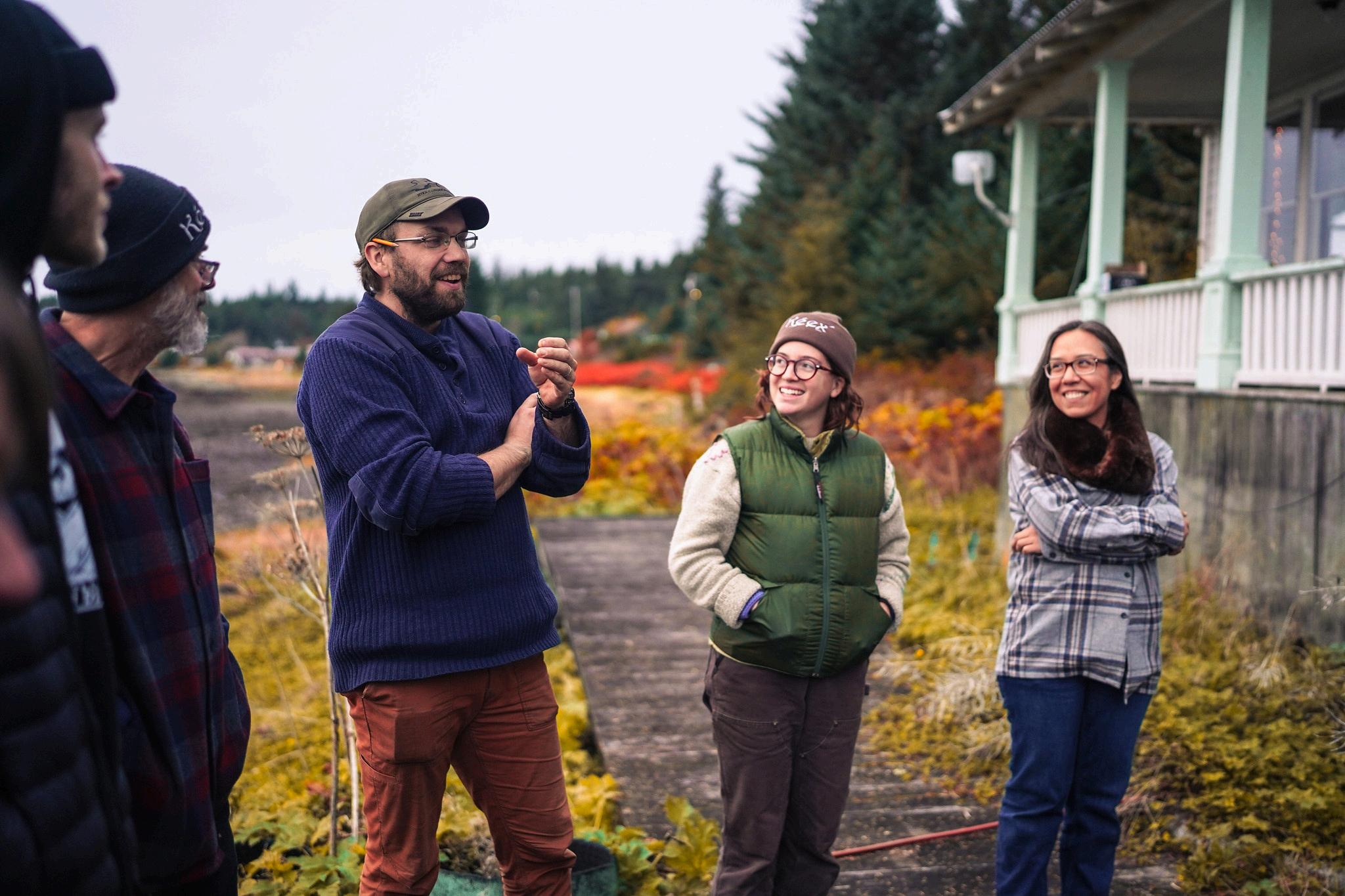
In 2017, partners gathered at the Juneau Arts and Culture Center to answer a pivotal question: when the funding runs out, will we have changed the way the region works together? Everyone was shifting in their seats, but absolutely committed to answering the question together The air was thick with tension and possibility “Was the SSP no longer necessary?” hung in the air like dense coastal fog. Unanimously, they determined the work was not finished.
With two years of funding remaining, the partnership made a pivotal decision to hire someone whose sole purpose would be to find new sources of funding for the SSP. It was around this time that SSP also became a program of Spruce Root, a Native led Community Development Financial Institution, after being hosted at Alaska Conservation Foundation, providing the administrative support needed to keep the partnership going. Spruce Root hired Aaron Ferguson as the Sustainability Catalyst to investigate not the sustainability of the region, but the sustainability of the partnership
Previous Sealaska Board President Joe Nelson, who helped lead fundraising efforts, reflected: “There was some push to create something new [a new network/program], but we weren’t building something new. There’s already way too many entities with too many houses and too many organizations. Don’t build another network to compete with this [SSP’s] network. We already had the framework in Spruce Root, even though they were a small team at the time. They were positioned to be the backbone.” Spruce Root makes a strong and natural host organization for the Sustainable Southeast Partnership (SSP) because as a Native led, place-based CDFI in Southeast Alaska, its values, mission and methods are deeply aligned with the purpose of the network
As research from First Nations Development Institute shows, despite Native Americans representing 2% of the U.S. population, they receive less than 0.4% of philanthropic funding, and most of that comes with strings attached: outside organizations deciding what Native communities should prioritize, requiring communities to compete for grants rather than receiving equitable investment, and funding specific projects rather than building institutional capacity. Southeast Alaska experiences this, on top of another challenge During the height of the timber wars, millions of dollars in conservation advocacy money flowed into the region to oppose logging, but as quickly as the pulp mills closed, much of that environmental philanthropy disappeared too, leaving communities to navigate the economic aftermath Spruce Root Executive Director Alana Peterson reflected on this reality: "We kept getting told that no one is funding in Alaska. It was a very tough time to attract philanthropy for nature-based work in the state."
After a year of research and exploration, Aaron stood before the network with a presentation acknowledging that what needed to be done was already embedded in the SSP's work Rather than solely chase federal grants and philanthropic dollars, why not establish an SSP fund? An endowment-like structure, a permanent pool, that gives the network the freedom to fund its priorities on its terms. Those who knew fundraising best initially dismissed the idea, but a few other believers kept the idea alive In every conversation with a funder, in every meeting, they mentioned it Alana reflected on it:“It didn't feel like it [a long-term fund] was going to get very far at that time. When it was first presented, it was dismissed, but in the background, we all decided to continue forward. They said this was a great track and to keep going… you're probably not going to start an endowment, but you can ask around about it and just keep fundraising. Each year, we were able to secure enough funding to support the partnership and catalysts. We never ran out of money, and along the way, we kept pushing this concept of an endowment.”
The turning point came disguised as something else, a trip to Vancouver, B.C., for a project accelerator through The Nature Conservancy’s Emerald Edge program. But beneath the surface was a strategy to gather buy-in for what would later become the Seacoast Trust Regional leadership came back from that event with a commitment to advance three lanes of work: fundraising, stewardship and healing.
Today philanthropic support for Native American communities is not just stagnant but actively declining, large foundations cut funding by 29 percent from 2006-2014 This resulted in a $35 million reduction to Native causes who already receive on average $4.3 million less each year. The Seacoast Trust matters because it breaks this pattern: it's designed to resource Native-led work in Southeast Alaska, to support the l t l ti hi b ildi d it d i l ti th t d 't fit tl

“Westrivetomodelourvaluesin action,actcourageously,andshow upforeachother,ourcommunities, andourmission.”

Today, Kaylah Duncan helps steward this vision. Kaylah is Tlingit and a child of the Dakl'aweidí clan. She carries the name S'eiltín and was raised in the territory of the Áak'w Kwáan, Juneau, Alaska Her path to becoming the Spruce Root Development Manager for the Seacoast Trust was unexpected, but in some ways, inevitable.
While studying environmental policy at Western Washington University, Kaylah discovered that "a big part of making changes is through communication." That realization led her to the Sustainable Southeast Partnership, where she discovered her gift for storytelling and building connections, as the Regional Communications Catalyst, a role I now hold Though she felt called to Southeast Alaska during her studies, it wasn't until she worked alongside other Indigenous people that she understood what had been pulling her home."That was when I discovered the heart of the work," she shares
When the Development Manager position opened at Spruce Root, Kaylah almost let her fear of intimidation stop her from applying. But upon deciding to believe in herself the way Spruce Root believed in her, she realized a fundamental truth about development work: "A lot of the development and success of an organization is not from the development person, it's from highlighting the strong communities of people who are stewarding projects that are creating lasting, positive and transformational change across the region ”
Now, as Development Manager, she tends the Seacoast Trust with a clear vision: "passionate about future generations and their ability to have abundance in their lives, and all of that is made possible by long-term funds like the Seacoast Trust."
Like a healthy watershed, Seacoast Trust doesn't just store resources; it ensures these resources flow where needed, when needed, at the pace of healing rather than harm. The money moves slowly, intentionally, creating a constructive alternative for communities independent of any political or philanthropic shifts that may occur
The Seacoast Trust aims to fund the SSP in perpetuity, enabling partners to maintain lasting relationships and model the world we envision The first funding for projects happened in 2025 to support community catalysts hosted at village Tribes and to address project funding needs amid drastic changes in political priorities.
Looking back, our initial theory of change was right, but it was just beginning Yes, we needed to transform how we worked together. But we also needed to transform who leads that work, how we sustain it, and whose voices guide it. The Seacoast Trust is evidence that when a region commits to genuine collaboration, even the boldest ideas can be actualized
“Theoceanevaporates,rises,becomesrain thatfallsonmountains,feedsthestreamsthat salmonfollowhome,andflowsbacktothe seainanendlesscycleofrenewal.The SustainableSoutheastPartnershipmovesinto thefutureaspartofthisperpetualflow.We aretendingawatershedthatwillnourish thoseyettocome.Thedropthatjourneyedto meettheoceanhasbecomepartof somethinglargerthanitself,andthecycle continues.”
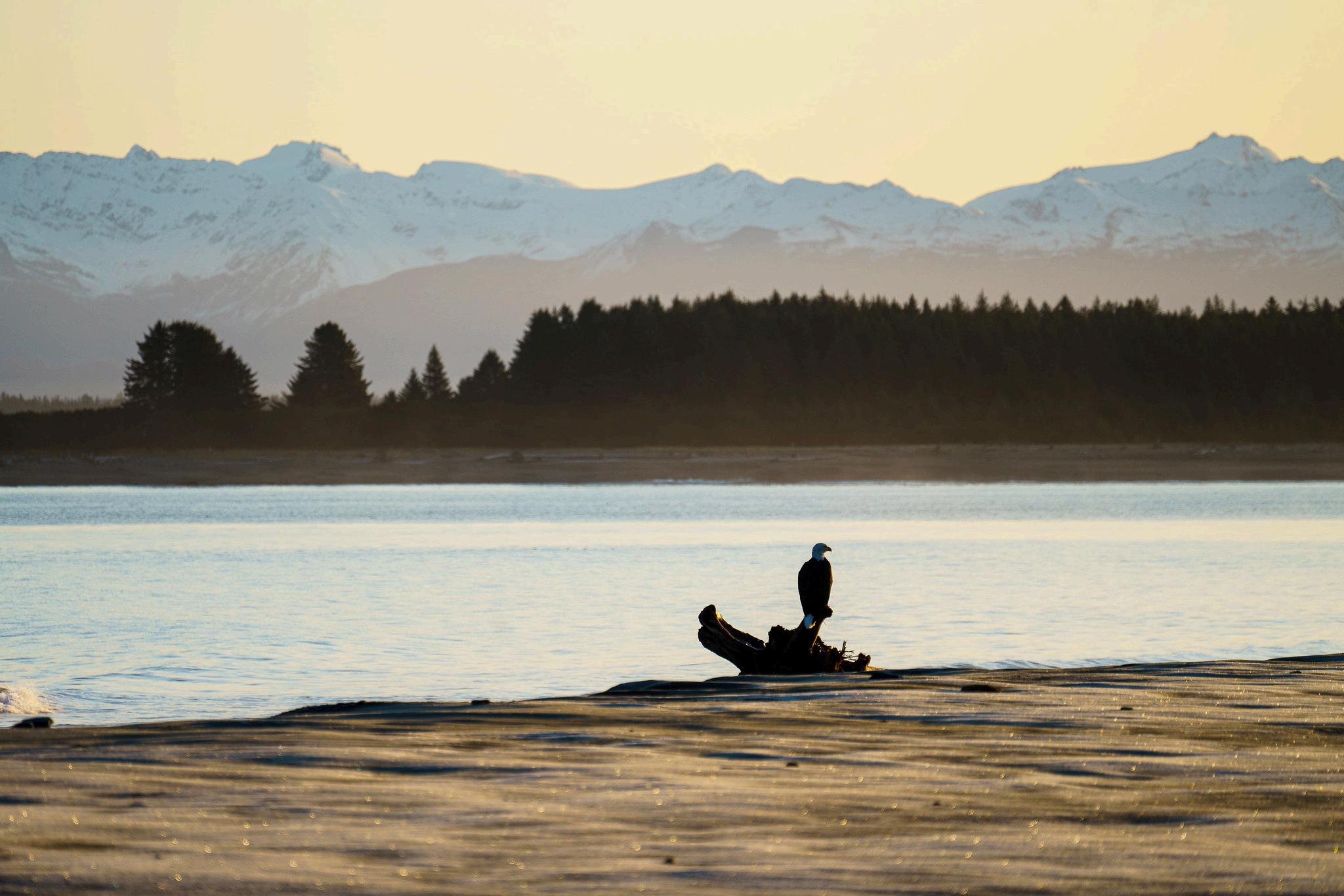

The Sustainable Southeast Partnership began like a spring: a single source emerging from the ground, fed by the simple belief that relationships could transform a region fractured by decades of conflict and harm In its early years, the Partnership was small, trying to find its course through unfamiliar terrain But, watersheds don't remain static; they evolve, carving deeper channels, gathering tributaries, responding to the landscape they move through. Over 15 years, the SSP has done the same by continually transforming to better serve the communities it was created to support, shifting from conservation-led to Indigenous-led, with Indigenous values controlling the flow and community voices determining the course
As Tribal leaders stepped into primary stewardship roles, as catalyst positions and partner organizations grew, the Partnership learned to ask not just "What can we do?" but "Who is missing from this table? Whose voices need to shape this decision?" These questions changed who led, what got prioritized, how success was measured, and grew our commitment to our communities The work became about creating conditions for communities to determine their own paths forward
The work of our Partnership is inherently climate work because true adaptation demands transformation across all systems, including a recognition of the past held with integration for the future, all moving toward healing Some of this work is obvious, but other work is more subtle, but it is present in all we do from ecological restoration, to entrepreneurship support, to cultural revitalization. Our ability to adapt to what's coming depends on remembering what our ancestors knew and inviting new and diverse ideas and solutions
When the pandemic hit in 2020, the Partnership proved what a decade of relationshipbuilding had created While other systems seized up, SSP's channels kept flowing Food and PPE moved through established networks of trust The Partnership revealed itself as disaster resilience. But the SSP wasn't just responsive to crisis, it was bold enough to dream forward, even in uncertainty. While meeting virtually, partners gathered to imagine what Southeast Alaska could become The result was the Tongass Blueprint, a vision for how federal agencies could invest in the region's future that honored multiple truths: the knowledge of former timber workers, the expertise of scientists, the wisdom of Tribal leaders, the priorities of fishermen, the dreams of young people who wanted to stay home This wasn't just a policy document; it was a practice in Haa Shuká thinking doing the hard work now so future generations would have better options, stronger foundations, clearer paths forward. The Blueprint inspired the U.S. Department of Agriculture's Southeast Alaska Sustainability Strategy (SASS), demonstrating that a network rooted in trust and guided by Indigenous values could influence national policy
Yet even as the Partnership proved its capacity to respond to crisis and shape policy, another challenge remained: how to sustain this work without dependency on philanthropic or federal funding The answer came from within the region itself, graciously invested in by partners across the world The Seacoast Trust represents patient capital guided by Indigenous wisdom that flows at the pace communities need and a direct challenge to philanthropy's traditional model The Seacoast Trust will help the SSP network build the long-term capacity that transformational work requires
The Sustainable Southeast Partnership has evolved by staying true to itself, and to the fundamental principle that transformation happens at the pace of relationship and healing The Partnership didn't just adapt to meet each challenge, it utilized each moment to become what communities needed it to be.
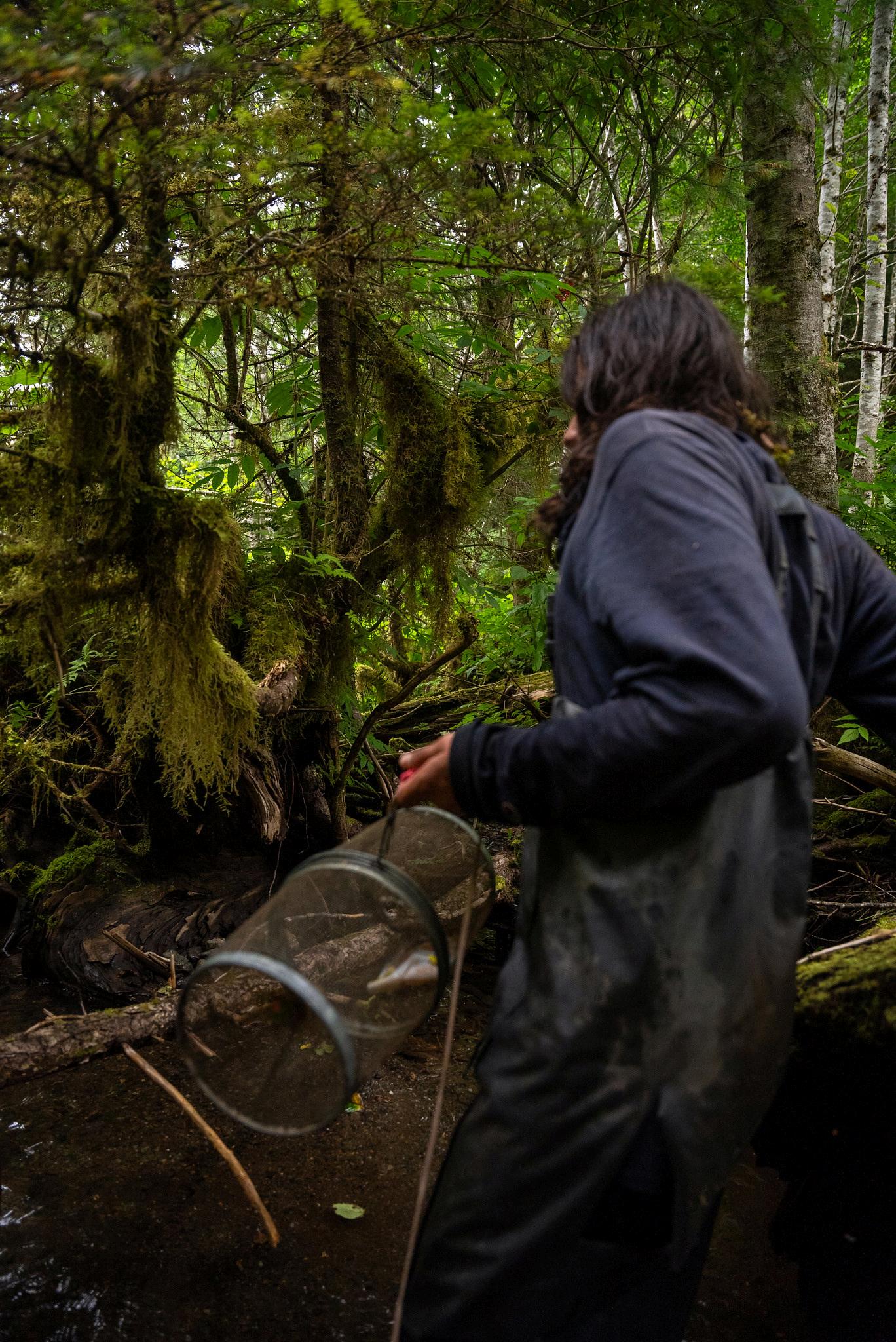
THESYMBIOTICRELATIONSHIPBETWEENFOREST PARTNERSHIPSANDTHEALASKAYOUTH STEWARDSCREATINGLOCALCAREERPATHWAYS
TheAlaskaYouthStewards(AYS)programishostedbyCentralCouncilTlingitandHaidaIndian TribesofAlaskawithlocalorganizationsthatincludeHoonahIndianAssociation,Organized VillageofKake,ChathamSchoolDistrict,andCraigTribalAssociation;someofwhichalsohost localforestpartnerships.BothAYSandlocalforestpartnershipsareenhancedbyextended partnershipswiththeUSDAForestService,SpruceRoot,SoutheastConference,Sealaska Corporation,TheNatureConservancy,NationalForestFoundation,SoutheastAlaska WatershedCoalition,andmore.
Promotesalocalizedworkforcespecializinginforesttechnology,wildlifehabitatmanagement, culturalengagement,vegetationinventories,andcommunitywellbeingEncouragesyouthand communitymemberstoserveasleaderswhileequippingthemtonavigateresources management,environmentaleducationandTriballeadershipcareersinSoutheastAlaska.
Tomodelcollaborationbetweeninstitutionsacrosscommunitieswhowerehistoricallyatodds witheachotherandbuildbettereconomies,naturalresourcemanagement,localcareer pathways,andlocalinvestmentTouplifttheexpertiseoflocalpeopleinthisregiontomanage resources,landsandwaterstothebenefitofall,keepingfuturegenerationsinmind
Angoon,Hoonah,Kake,andPrinceofWalesIslandwherebothCommunityForestPartnerships andAlaskaYouthStewardcrewsexistasof2025.
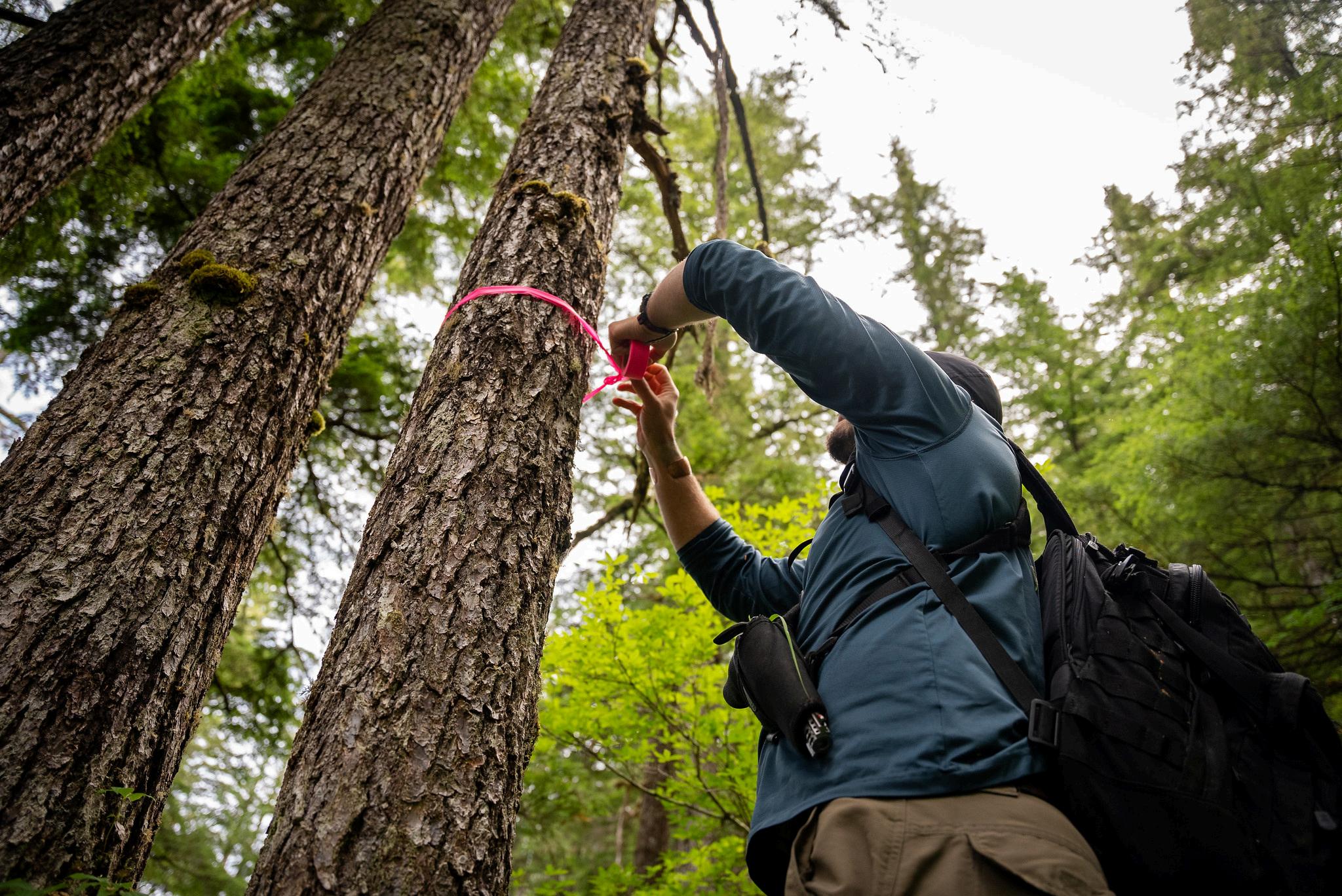
Over the last decade, Tribal governments, Alaska Native corporations, the USDA Forest Service, nonprofit organizations, and other entities have been prioritizing healing lands, waters, and communities of Southeast Alaska holistically through local investment This isn't just ecological restoration it's community, economic, and cultural restoration, all woven together
At the heart of this transformation are two interconnected efforts: the Alaska Youth Stewards program hosted by Central Council of Tlingit and Haida Indian Tribes of Alaska (Tlingit & Haida), which trains the next generation of land-connected leaders, and Community Forest Partnerships, which employ community members to care for the lands and waters as their peoples always have, because they know best how to sustain their communities Together, they're creating a regenerative economy, where economic growth is supported by local workforces that improve the ecosystems their communities depend on and diversify career opportunities.
The Alaska Youth Stewards (AYS) program is a workforce development program that nurtures the next generation of environmental leaders, rural and Indigenous youth of Southeast Alaska, AYS offers place-based, on-the-job experiential education and training to care for lands, waters, and communities Work seasons are dynamic and variable, reflecting the priorities and needs of each community that hosts a crew, and exposing youth to a diversity of career pathways and professional networks. In addition to acquiring valuable professional experience and life skills, youth make friends, meet role models, and stretch their limits mentally and physically They learn to seine and smoke sockeye salmon Some youth enter the program with family techniques to share, for others, this is their first time fishing for sockeye salmon. During many summers, they work alongside their local community forest partnerships on shared priorities building cross-generational relationships in their communities
The numbers from 2023 speak to the comprehensive learning and impacts of the Alaska Youth Stewards with 19 crew members in Angoon, Hoonah, Kake, and Prince of Wales, who collectively met over 106 different instructors from various Southeast Alaskan institutions Over the summer, they completed 88 hours of safety training and participated in 31 different workshops. Crews improved or maintained 20 miles of recreational trails, built two miles of new trail, constructed or repaired 29 structures like picnic tables and bridges, and restored 15 different recreation sites that experience heavy public use Youth also surveyed salmon streams, conducted scientific studies of salmon habitat, restored rivers, planted more than 500 trees and shrubs, and collected over 5,000 pounds of trash from local beaches and forests They inventoried and collected tree core samples from 50 ancient cedar trees, helping document and understand this important cultural resource Over that year, nearly 800 gallons of wild foods were harvested and distributed to community members, and 17 potlucks and community events were hosted
Many AYS youth have graduated into full-time positions within their communities and the organizations they collaborated with in the program. One common pathway has been growing into forest partnership workers in their home communities Other graduates now lead or support shellfish testing labs with their Tribal governments, work with the Forest Service or their local Alaska Native corporation, or pursue post-graduate degrees in the natural sciences, and many come home to serve as AYS crew leads or help with local youth culture camps
Over the last decade, a related effort, Tribally-led community forest partnerships have risen to the surface as impactful models that work on the forest holistically, deploying local crews Four community forest partnerships exist in Southeast Alaska to date, with similar efforts on the rise in the region More than a job, these stewardship crews are rooted in community, working toward the benefit of future generations and listening to current community stewardship priorities. They're creating capable crew members, training in forestry skills, collaborating with state and federal agency staff and youth crews, and centering local and traditional knowledge to sustainably steward watersheds and forest habitats that are inextricably linked to the ways of life of the region.
Over the last decade, a related effort Tribally led community forest partnerships has emerged as an impactful model that works holistically in the forest, deploying local crews. Three community forest partnerships exist in Southeast Alaska to date, with similar efforts on the rise in the region More than a job, these stewardship crews are rooted in community, working in the best interest of future generations and listening to current community stewardship priorities. They're creating capable crew members, training in forestry skills, collaborating with state and federal agency staff, and centering local and traditional knowledge to sustainably steward watersheds and forest habitats that are inextricably linked to the region's ways of life
This year, Hoonah Indian Association celebrated ten years of the Hoonah Native Forest Partnership (HNFP), the first of its kind The partnership started with the shared guiding vision of "a thriving community with access to abundant resources and workforce opportunities that consist of members who work together to improve economic, ecological, and social conditions," shared in the Vol.1, setting the scene for future partnerships The Kéex’ Kwáan Community Forest Partnership (KKCFP) came next, learning from HNFP's successes and challenges, and then the Klawock Indigenous Stewards Forest Partnership (KISFP) began in 2021 on Prince of Wales Island. As Quinn Aboudara, a previous crew lead and Community Catalyst, described it: "The HNFP really laid the foundation for the rest of the partnerships, and then the KKCFP came along and they put up the framing for the house, and now we, KISFP, we're putting on the siding. We are utilizing the successes, lessons and even some of the struggles to build on."
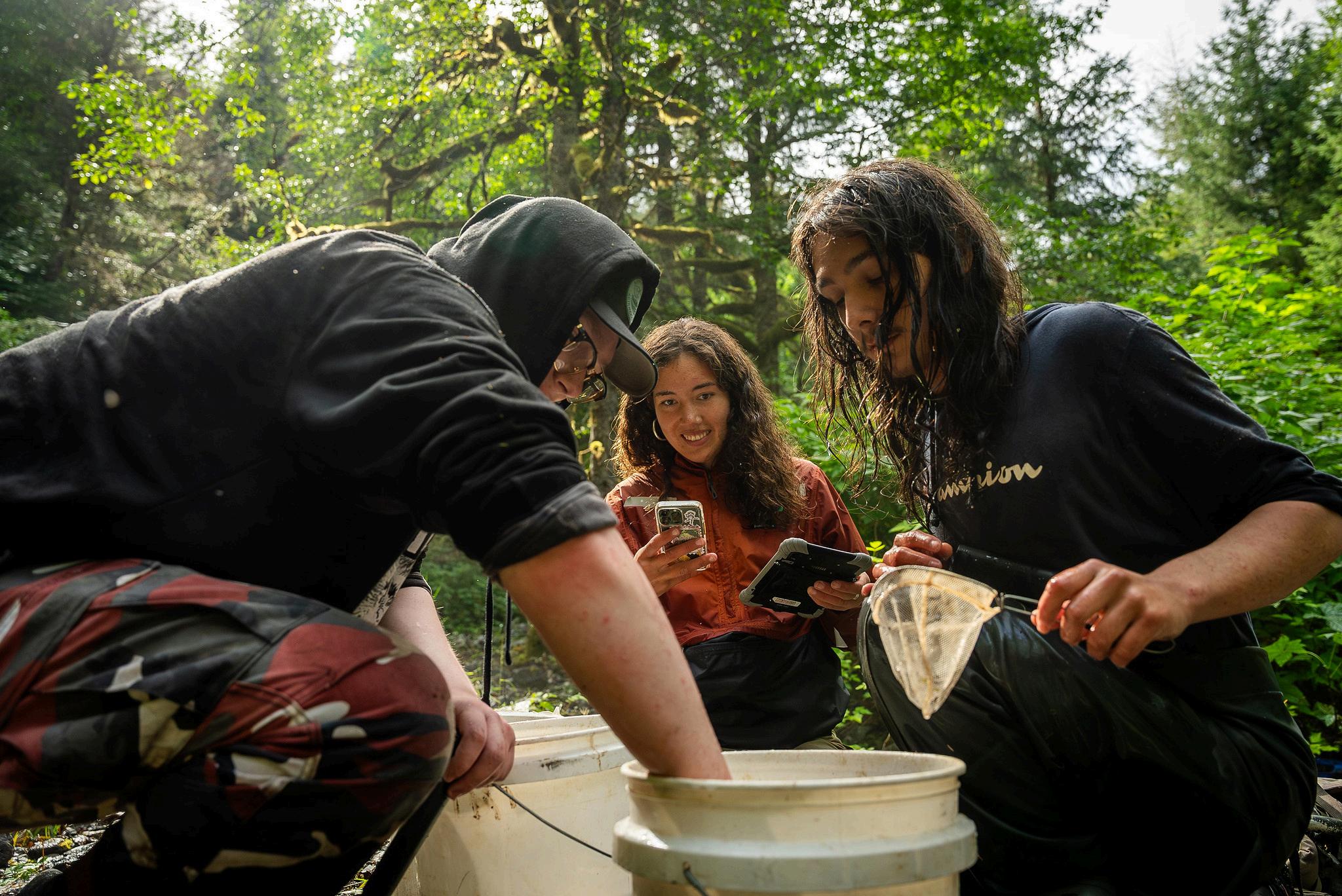
This approach is made possible through multi-partner agreements that hinge heavily on collaboration. Community Forest Partnerships recognize what Indigenous peoples always knew: you can't heal ecosystems by managing in silos Caring for ecosystems requires working across physical boundaries, leveraging expertise, and building capacity through partnerships .
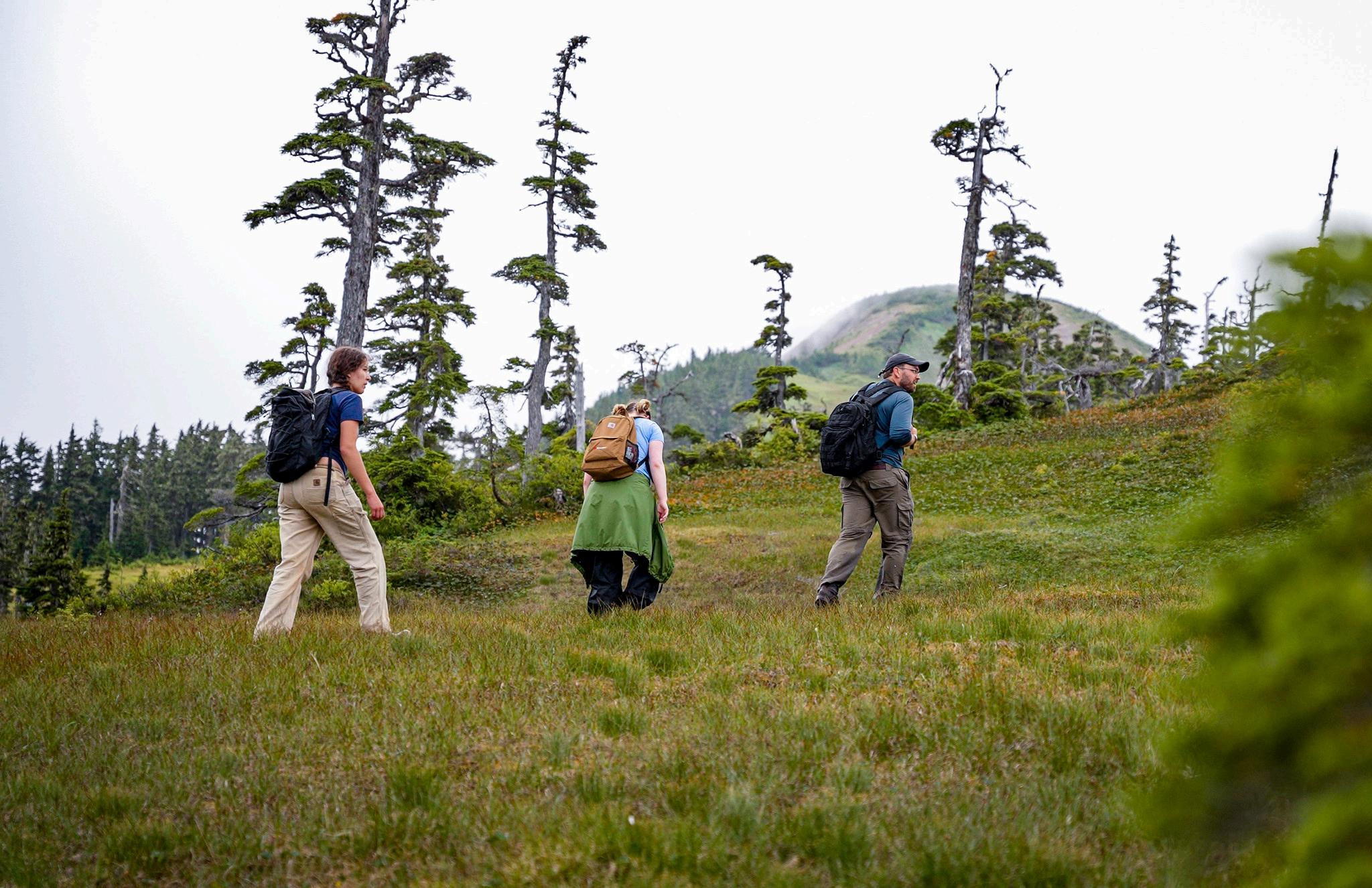
When you invest in local workforce development for the long term rather than bringing in outside contractors for short-term projects, money stays in communities. When you employ local people, their paychecks are spent at local stores, they pay local rent, and they support local economies When you hire outside contractors, money flows out of the region as quickly as it flows in With local priority, skills and knowledge accumulate and build capacity over time. Outside contractors take their knowledge with them when they leave When local people are doing the work, communities have direct input into priorities and methods They can integrate traditional knowledge, respond to community needs, and adjust as conditions change Local opportunity helps youth see futures at home. When young people see adults with good jobs doing meaningful work in their communities, they can imagine staying
The relationship between AYS and Community Forest Partnerships isn't incidental it's intentional. AYS was designed to introduce youth to the work, build basic skills, expose them to potential stewardship careers in their hometowns, and connect them with role models and mentors The Forest Partnerships were designed to address local stewardship priorities, empower community care, and serve as employment opportunities for people who want to stay in their communities and work on their lands Quinn Aboudara describes the mentorship model, “Engaging younger people is so important. We’re always focused on the Alaska Youth Stewards program on Prince of Wales Island. We work alongside them on certain projects, we find out what their goals are in life, and we work to build them careers.”
Today's AYS youth have become partnership crew members, AYS crew leaders and program coordinators. Tomorrow, they will be Tribal Council members, corporate leaders, city managers, and agency leads. Each generation builds on the last. Communities with skilled local workforces can respond to challenges, whether climate impacts, economic shifts, or public health crises This is what a regenerative economy looks like in practice. Not extractive, not even just sustainable, but regenerative actually improving conditions while creating meaningful livelihoods, healing landscapes while healing communities, investing in ways that compound over time
THEHOONAHGREENHOUSE:ASTORYOFLONGTERMINVESTMENTANDCREATINGFOODSYSTEMS
HoonahIndianAssociation,Ecotrust,RenewableEnergyAlaskaProject,HoonahCitySchool District,TheCityofHoonah,MottFoundation,RasmusonFoundation,TheNationalParkService, Newman'sOwnFoundation,BureauofIndianAffairs,USForestService,SpruceRoot, SoutheastConferenceandmore
MobytheGreenhouse,HoonahIndianAssociationGreenhouse WHAT:
AlleviatingthecostoflivingwhileprovidingbetterqualityproducePrioritizingeducational institutionsandprovidingcommunityeducation WHY:
Hoonah,Alaska WHERE:
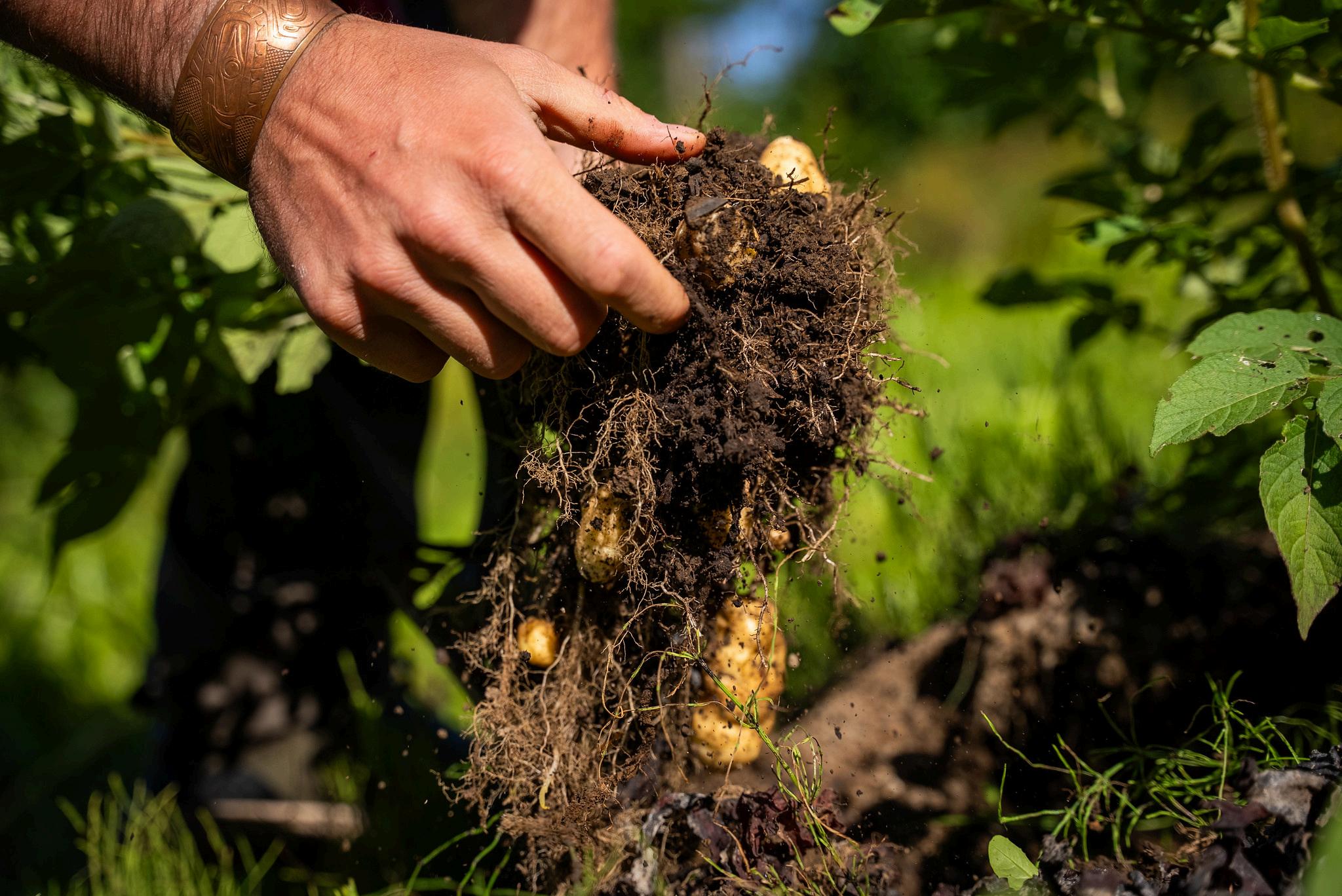
When COVID arrived, it illuminated a truth Southeast Alaskans had long known about our reliance on shipping routes when we couldn’t rely on food delivery to our rural communities. The pandemic's systematic disruptions became an invitation to cultivate new possibilities, and Hoonah, a community of 800, answered. Just four years later, they are nurturing their own path forward in the heart of their community, where an impressive 30x60-foot greenhouse now stands; a testament to the Hoonah Indian Association's (HIA) vision and dedication.
Ian Johnson, who serves as both HIA's Environmental Department Director and Hoonah's Community Catalyst for the Sustainable Southeast Partnership, has been tending this vision for over a decade. In 2016, the “first seeds” were planted when five community members traveled to Prince of Wales Island to learn about the realities of community greenhouses in Southeast Alaska They returned eager to begin, though funding remained elusive through multiple attempts
Then came a turning point When SSP visited Hoonah with a philanthropy group to understand the community and its priorities, Ian pitched the greenhouse, sharing everything they had envisioned thus far Not long after, HIA's Tribal Administrator received a message from Mott Foundation: $150,000, no strings attached. That gift became the uplift needed to transform years of dreaming and planning into action
By 2025, the heated facility was complete, designed for year-round production, with contributions from nine funders and backbone support from the US Forest Service through SASS over five years Now, 90 hydroponic towers stand ready to simultaneously grow 4,680 heads of lettuce, leafy greens, or herbs, alongside 100 vine crops, which is a remarkable scale for a community this size.
Ian reflects on the journey: "We didn't succeed the first time we tried. We didn't even succeed the second time. It took three attempts at funding to even get this thing to turn." He emphasizes the importance of consistency in the Community Catalyst role, especially for complex, long-term projects. "If I had transitioned out and the next catalyst came in, they could have had different priorities and may never have prioritized the greenhouse. Being here long enough to see it through was an important part of it."
The community's commitment deepened through tangible experience Moby, a mobile greenhouse demonstration project, visited Hoonah twice, once in 2017 and again a couple years later, engaging students in hands-on learning about gardening and greenhouse maintenance. Originally a Southeast Alaska Watershed Coalition project now stewarded by Ecotrust, Moby traveled to communities throughout the region, but its time in Hoonah sparked an abundance of support and desire that fueled the greenhouse vision.
Now, the greenhouse grows through three interconnected arms: food production, marketing and distribution, and community education This year, HIA signed a Memorandum of Understanding (MOU) with the Hoonah School District to provide produce at 75% of current costs, with Head Start programs also expressing interest. A new farmer's market offers a space not just for greenhouse produce, but for local vendors to share food and crafts Next year in 2026, Sealaska will sponsor a marketing position to meet local demand while developing connections to sell regionally, and a new curriculum will weave the greenhouse into school lessons, like the partnership with Rural Alaska Students in One-Health Research, where botany meets food production in classrooms
Thinking back on when he first arrived in Hoonah and began working for HIA, Ian says, "I think one of the reasons I didn't leave after two years was because I felt that I had just started to build things, and if I left, they would fall apart," he continues "[Back then] I hadn't been here long enough to create sustainability in the programs, and that was important to me. But this is not just a testament to me but to the people we have here [in Hoonah]." The greenhouse stands as proof that when communities are given the space to nurture their own visions, when partnerships like SSP truly listen, and when catalysts stay rooted long enough to see ideas actualize, communities transform
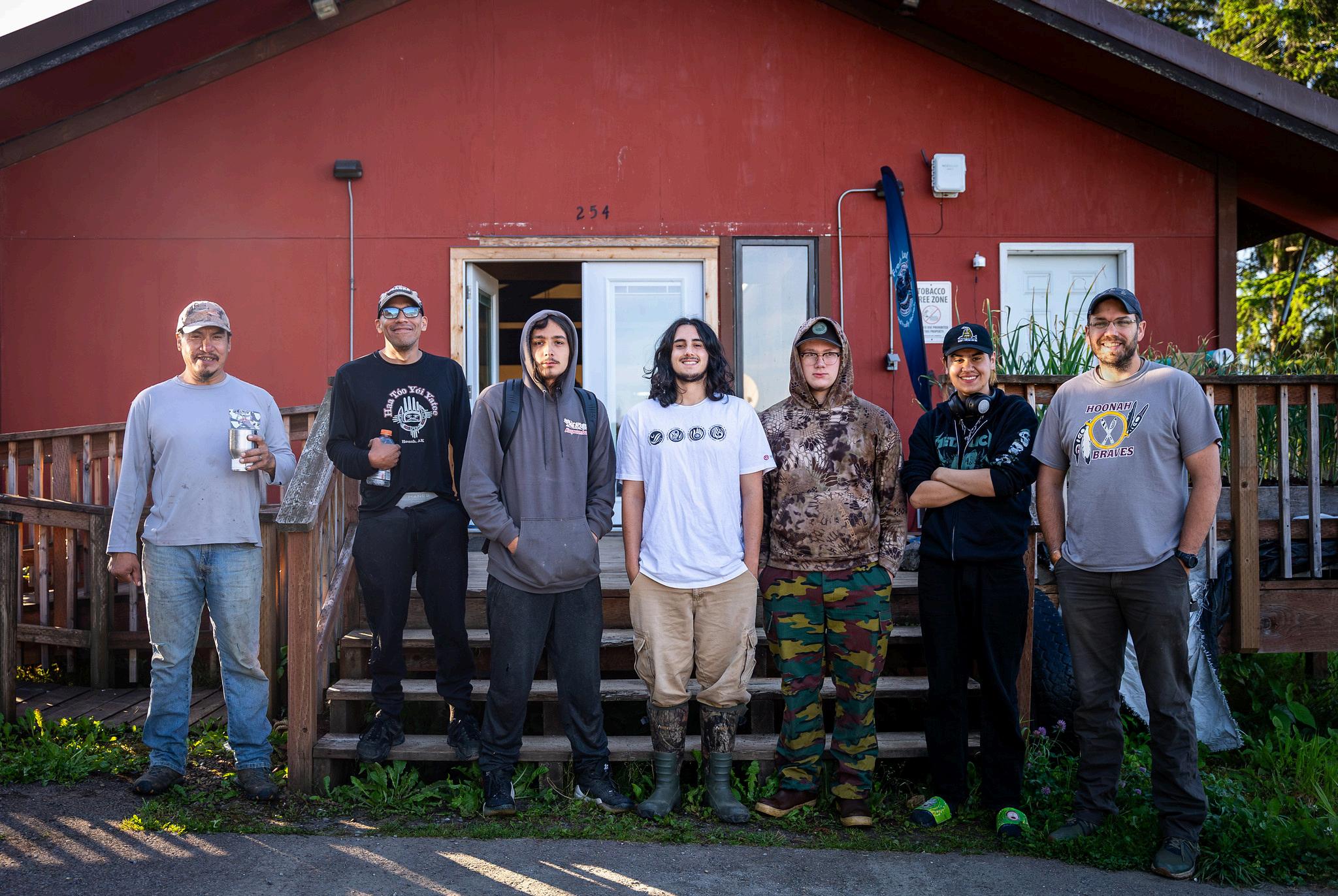
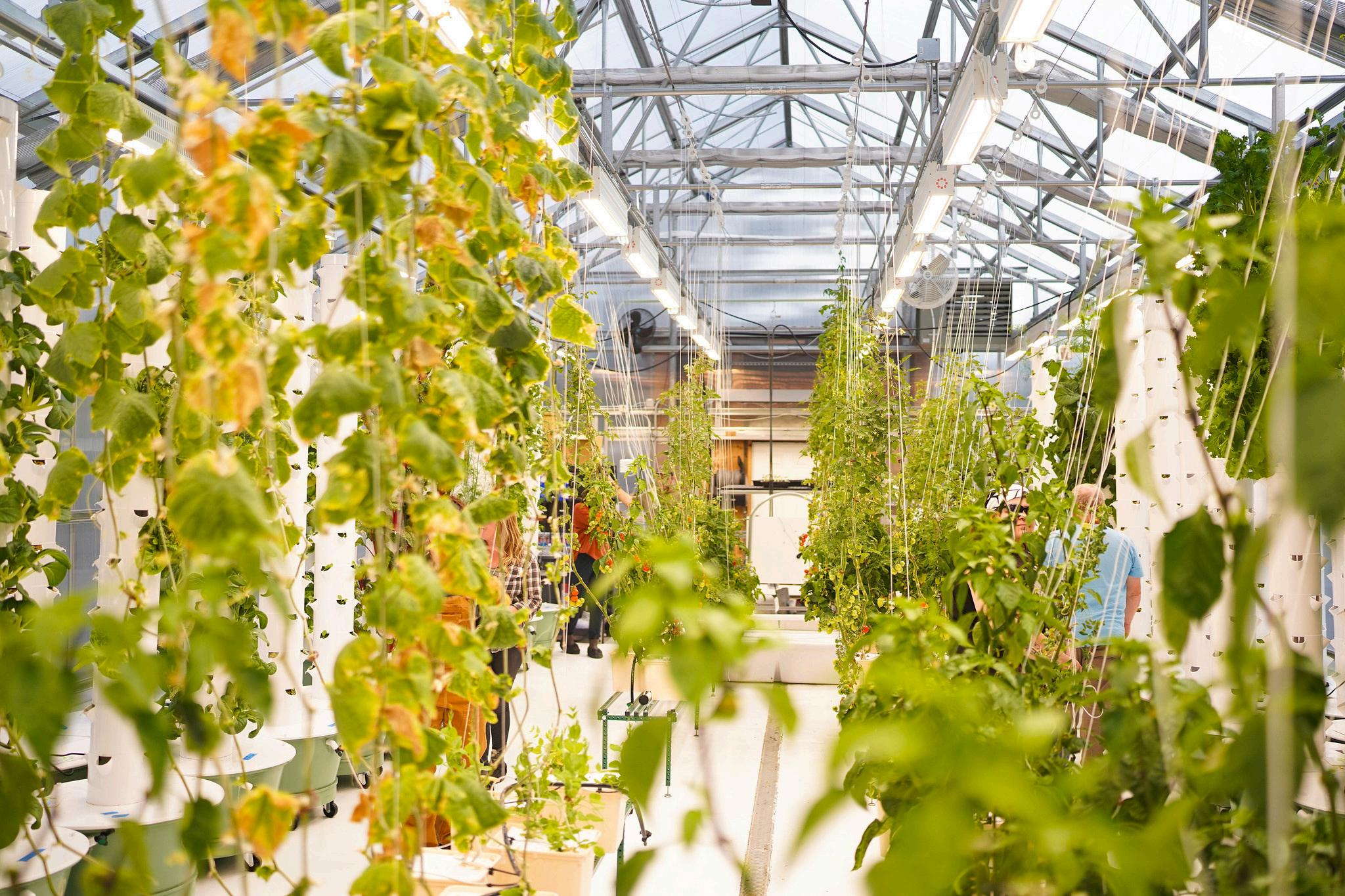
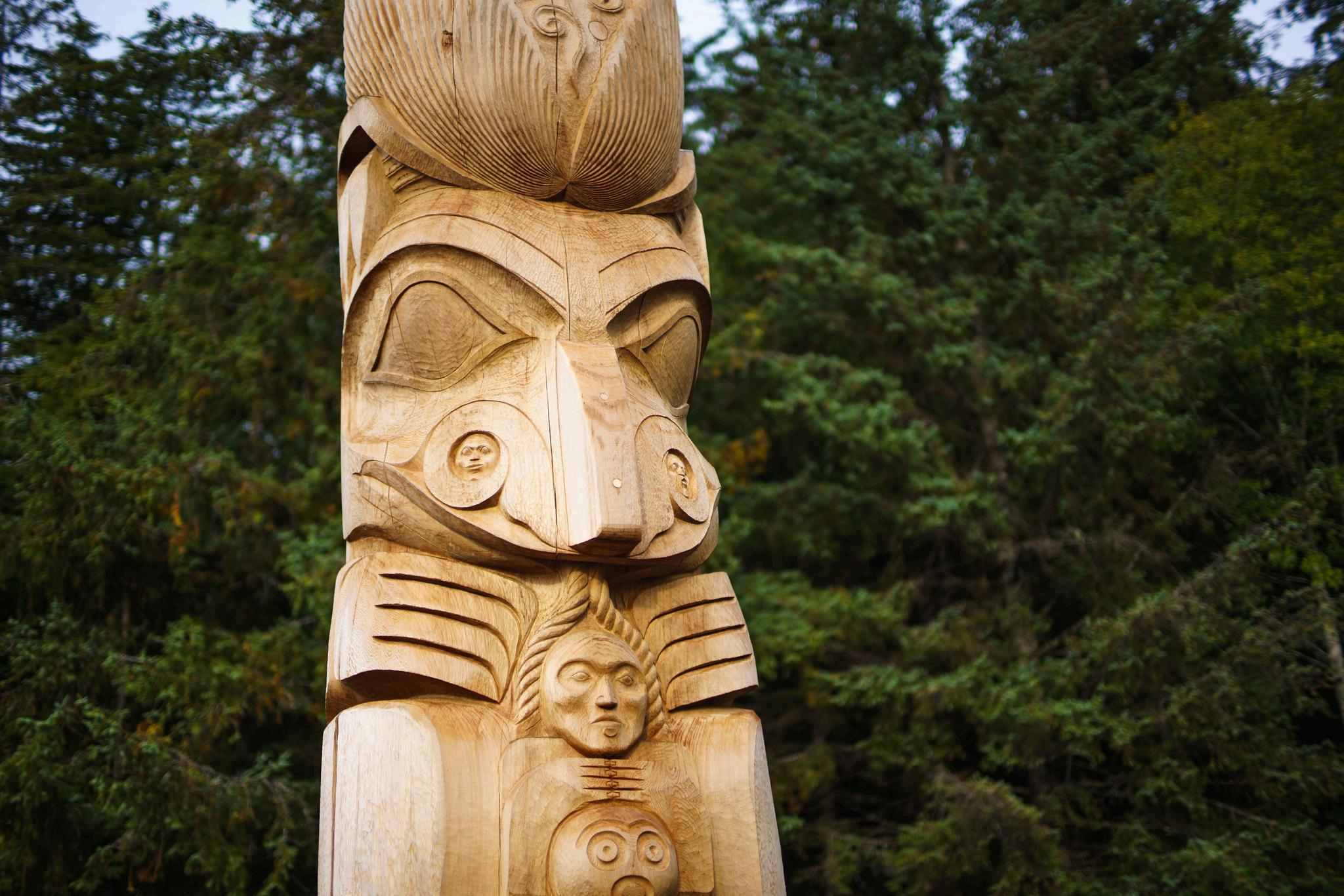
Spruce Root, JumpScale, various independent businesses and contractors across Southeast Alaska HolisticBusinessandClientServicesatSpruceRoot
In2023,JumpScaleandSpruceRootlaunchedthefirstorganizationalResilienceCirclesto supportAlaskaNativeimpactcompaniesandNGOs.ResilienceCirclesisatrauma-informed, culturallyresponsivecohortprogramdesignedtoenhancethewell-beingandsuccessof growingNative-ledbusinessesTheirgoalistostrengthenthecapacitiesofAlaskaNative enterprisesforecosystemguardianship,long-termeconomicresilience,comprehensivewellbeingandcommunitymentalhealth
AlaskaNativeandNativeAmericanentrepreneursareessentialtobuildingaregenerative, thrivingeconomyrootedinwell-beingWithbasicaccesstocapital,networks,andculturebasedwell-beingservices,NativeAmericanentrepreneurshipwillgrow,resultinginripple effectsthroughoutTribalcommunitiesandthebroaderbusinessecosystemThetimeisnow forAlaskaNativesandNativeAmericanstoreceivepriorityaccesstoreparativeresourcesand collectivehealingsupport.ResilienceCirclesfostersandconnectstrustedhealingjustice supportforentrepreneurswhohavehistoricallybeenmistreatedandunderserved
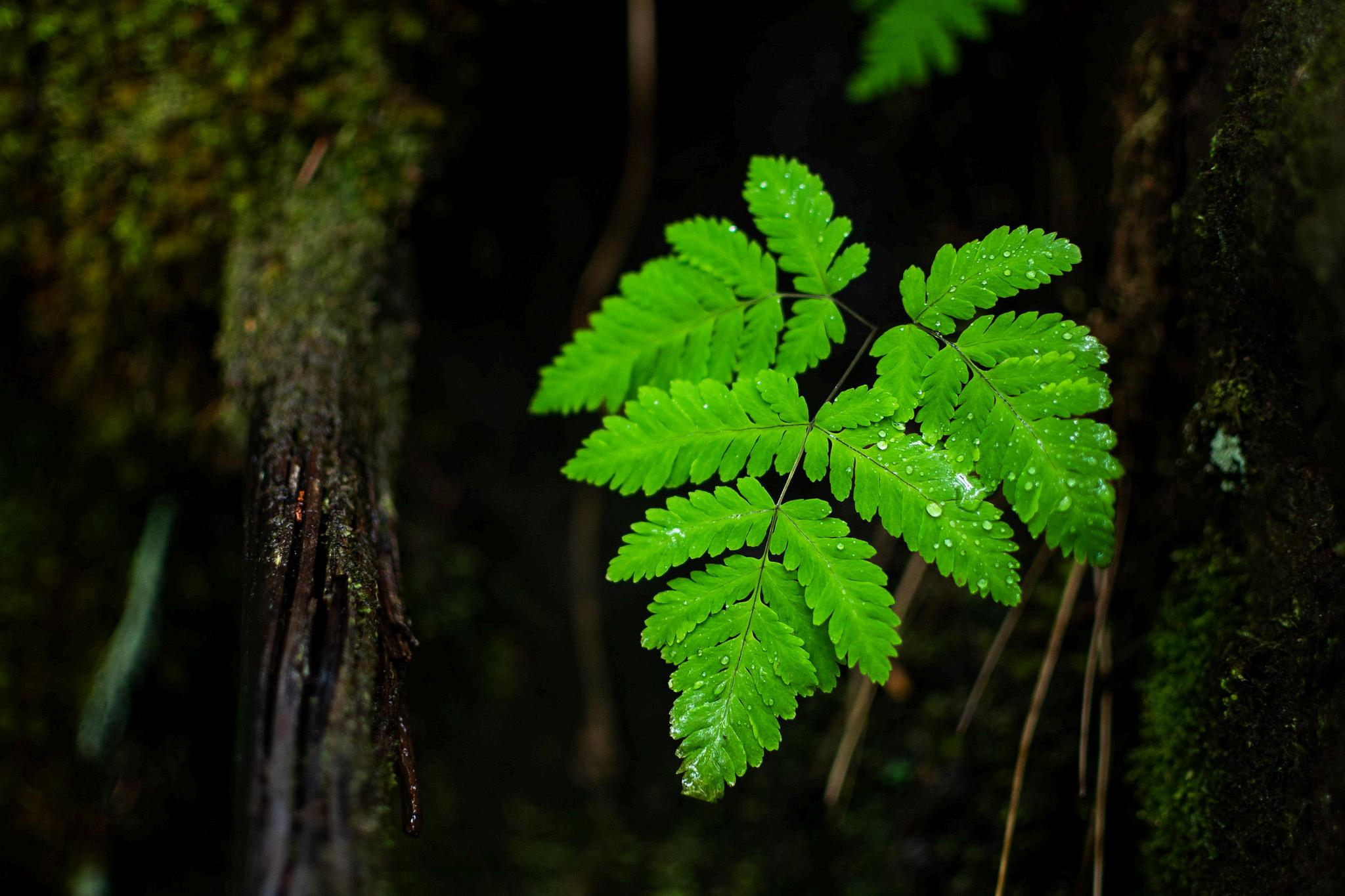
Spruce Root’s Resilience Circles program erases any separation from personal wellbeing, healing, economics and community, treating each of them as vitally important to the future of Southeast Alaska. Resilience Circles is a cohort designed to support Native entrepreneurs without divesting them of their humanity, but instead strengthening it. The program is purposefully developed to strengthen the capacities of Alaska Native businesses and entrepreneurs for ecosystem stewardship, long-term economic resilience, comprehensive well-being and community mental health. In many ways, it reflects the Sustainable Southeast Partnership’s systems change approach by taking a holistic method to entrepreneurship, recognizing that healthy communities rely on strong local businesses, and business success is deeply connected to the personal and cultural well-being of the entrepreneur. In 2025, Resilience Circles concluded its first cohort and entered its second year
Lisa Nelson, who is Tlingit and Eyak, is the Resilience Circles Director at Spruce Root As a Native-led Community Development Financial Institution, Spruce Root’s mission is to be “a driver of a regenerative economy across Southeast Alaska so communities can forge futures grounded in this uniquely Indigenous place ” Driven by her passion for creating positive change in communities, Lisa continues to hone her expertise in addressing trauma, promoting healing and growth. She works to support individuals to utilize their power to overcome adversity and strengthen their capacity through Resilience Circles To this, she says: “Looking at short-term, medium-term, and long-term outcomes, we are evaluating short-term outcomes within the program immediately and building in the ability to follow through so that what they learned and how they developed as individuals is carried on after the program. That being the medium-term outcomes, a positive spillover effect by finding the centric influence within their circles and communities. Leaders who are actualized, healed, and well are not only able to survive, but thrive, and have a clear sense of responsibility to everyone and everything they impact. The long term outcome of that exists in their impacts.”
Resilience Circles began during a conversation between Spruce Root Executive Director Alana Peterson and Jumpscale. When Lisa began directing the program, she prioritized incorporating mental health, viewing healing as her biggest responsibility The first cohort engaged in a series of in-person and virtual workshops that covered a wide range of topics: personal and business financial planning, marketing and branding, physical health and nutrition, mental health, and Indigenous culture and values. Lisa emphasizes that this program is composed of existing paradigms across the world, from business accelerators, to wellness retreats, to life coaching, etc , so it was a matter of looking at existing knowledge, determining what was done well, and creating a holistic approach based on what they learned and inviting local expertise to empower participants culturally while building their networks across communities
As expressed earlier in this volume, “to be trauma-informed is to be healingcentered,” and Resilience Circles embodies this philosophy The cohort model is careful and deliberate in giving the entrepreneur the space and time to decide this journey for themselves. To this, Lisa says: “One thing I have seen done well as well as done poorly in other spaces is unpacking participants' boxes of trauma. There are times where it is simply repacked, and you’re stuck with this box you don’t know what to do with because you didn’t process it, you didn’t organize it. We are doing our best not to showcase traumas but help participants find strength-based approaches, looking at why we respond the way we do to certain things as well as our familial histories, childhoods, personalities, and having this sense of grace for ourselves and each other.”
The program consists of practicing, continual, and learning participants, with coaches, mentors, and experts in all fields It is structured this way, knowing that everyone is entering this space at different times in their journey, and that each person is a leader in their own right, stronger together as a community When Lisa was reflecting on how closing the first cohort felt, she shared that it was important for them to de-shame not knowing and elevating each other, assuming good intentions. By the end of the year, Resilience Circles participants emerge with enhanced business skills and a stronger support network of fellow Indigenous entrepreneurs across Southeast Alaska
This program, in some ways, is a movement to reclaim and sustain Indigenous knowledge, wellness, and economic sovereignty across Alaska, empowering Native entrepreneurs to thrive in a way that reflects their values, strengthens their communities, and ensures long-term prosperity.
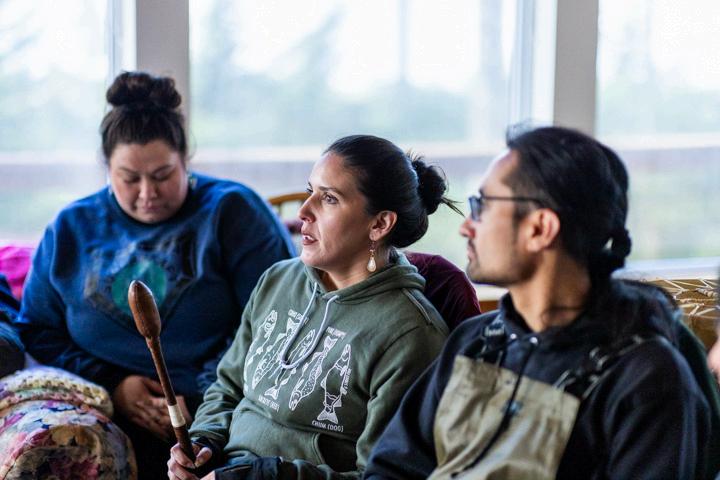
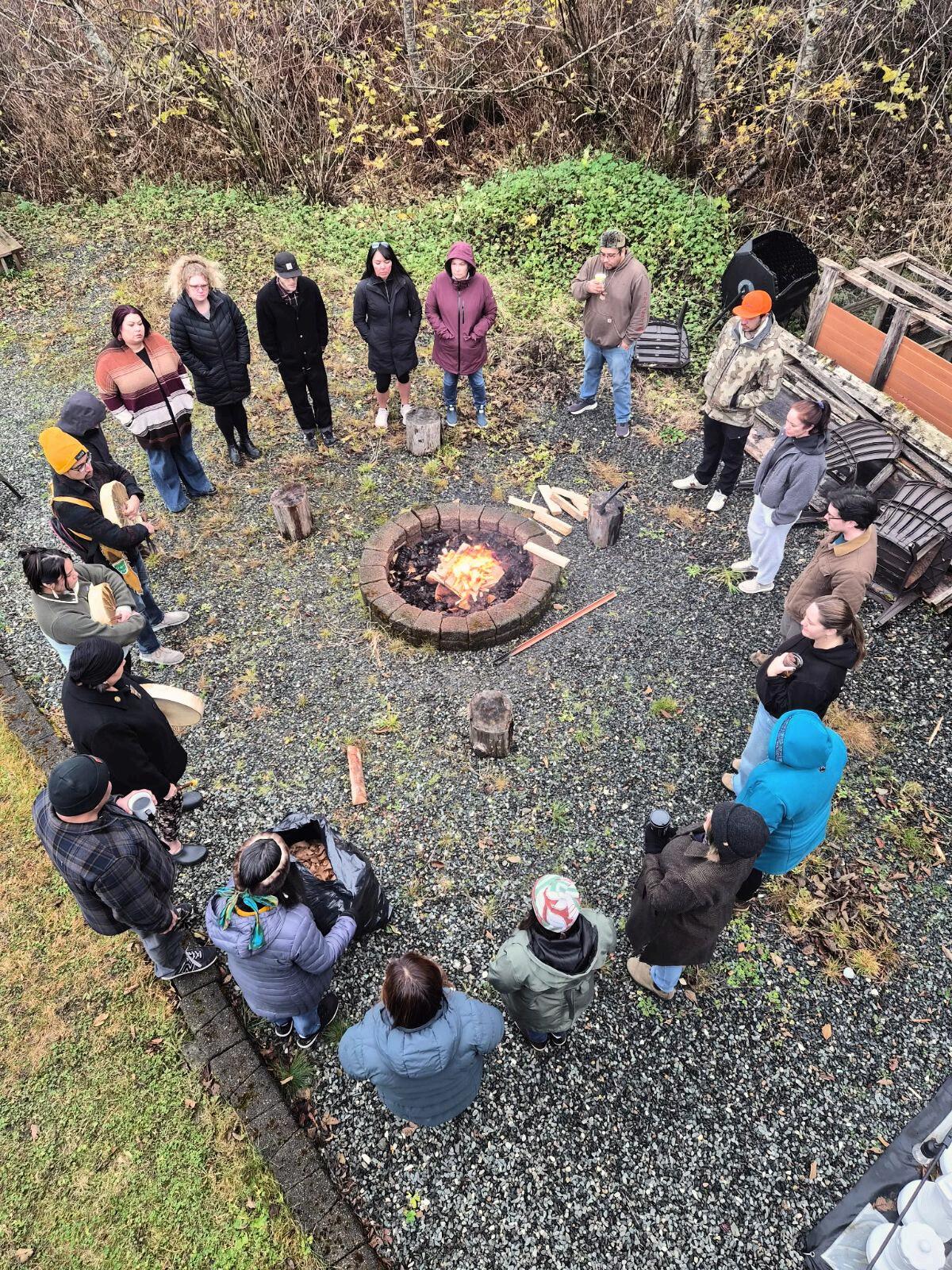
Háw'aa Gunalchéesh T’oyaxsut'nüüsm




Writing this story has been as much a learning process as much as it is a love letter to the Partnership that made me who I am today I have been fortunate to have grown up in and to be nourished by Lingít Aaní (Tlingit homelands), by its waters and forests, its salmon and berries, and its storms and stillness. And, as revealed in this story, I perhaps most of all have been nourished by its people.
There are many voices who have shaped this partnership and this story who were not featured. This includes previous catalysts, SSP program directors, and partners and community members who catalysed regional programs and projects. One example being the Alaska Youth Stewards which is now housed at The Central Council of the Tlingit and Haida Indian Tribes of Alaska, but had major contributions by individuals in its development such as Bob Girt, Laurel Stark, and Carrie Sykes Many catalysts and directors have moved to new positions in network, and partners have retired or walked into the forest, how Tlingit people refer to loved ones who passed away Regardless of the reason, I wanted to recognize this shortfall, and express so much gratitude for the groundwork they laid for me and many others in SSP There are so many who have shaped not just this story, but how I understand my responsibility to this place
I express gratitude to all my interviewees and reviewers I had the privilege to learn from in this process and over the years: Alana Peterson, Andrew Thoms, Annika Ord, Anthony Mallott, Bob Christensen, Dahr Jamail, Dawn Jackson, Ian Johnson, Jen Nu, Joe Nelson, Katie Riley, Kaylah Duncan, Láaganaay Tsiits Git’anee, Leilani Wilson Walkush, Lisa Nelson, Marina Keli’iKuli, Michael Mausbach, and Shannon Stevens who have shared their knowledge, stories and trust with me.
I also want to thank my storytelling team, who have been my mentors and friends since I began working in the SSP, Bethany Sonsini Goodrich and Lee House, and Spruce Root team members Leslie Jackson, Will Kronick, Erin O’Farrell; Seacoast Trust Investment Committee members Laird Jones, Micah McNeil and Brad Harrison; and SSP Youth Catalyst Gabe Sjoberg with Ralph Wolfe and Heather Hintz for additional guidance A special thank you to Chloey Cavanaugh, who designed this story Last but not least, my home community of Kake for raising me into who I am today and continuing to support me in this path that I am on
You have all taught me that listening to understand is the most important part of this work, that work and relationship must go hand-in-hand in this beautifully interconnected region. To the community of Southeast Alaska (and beyond!) that cares for me and I care for.
~ SGWEÍN SHAELENE GRACE MOLER, SSP COMMUNICATIONS CATALYST, HOSTED BY SPRUCE ROOT
PHOTO CREDITS HÁW'AA GUNALCHÉESH T’OYAXSUT 'NÜÜSM TO THE PHOTOGRAPHERS WHO HAVE GENEROUSLY CONTRIBUTED THEIR WORK TO THIS PROJECT AND MANY OTHERS: BETHANY GOODRICH, LEE HOUSE, SHAELENE GRACE MOLER, MURIEL REID, LIONE CLARE, RYAN MORSE, IAN JOHNSON, AND SCOTT BURTON. THEIR IMAGES HELP BRING THESE STORIES TO LIFE.