TESTING TOMORROW’S VEHICLE FIRES
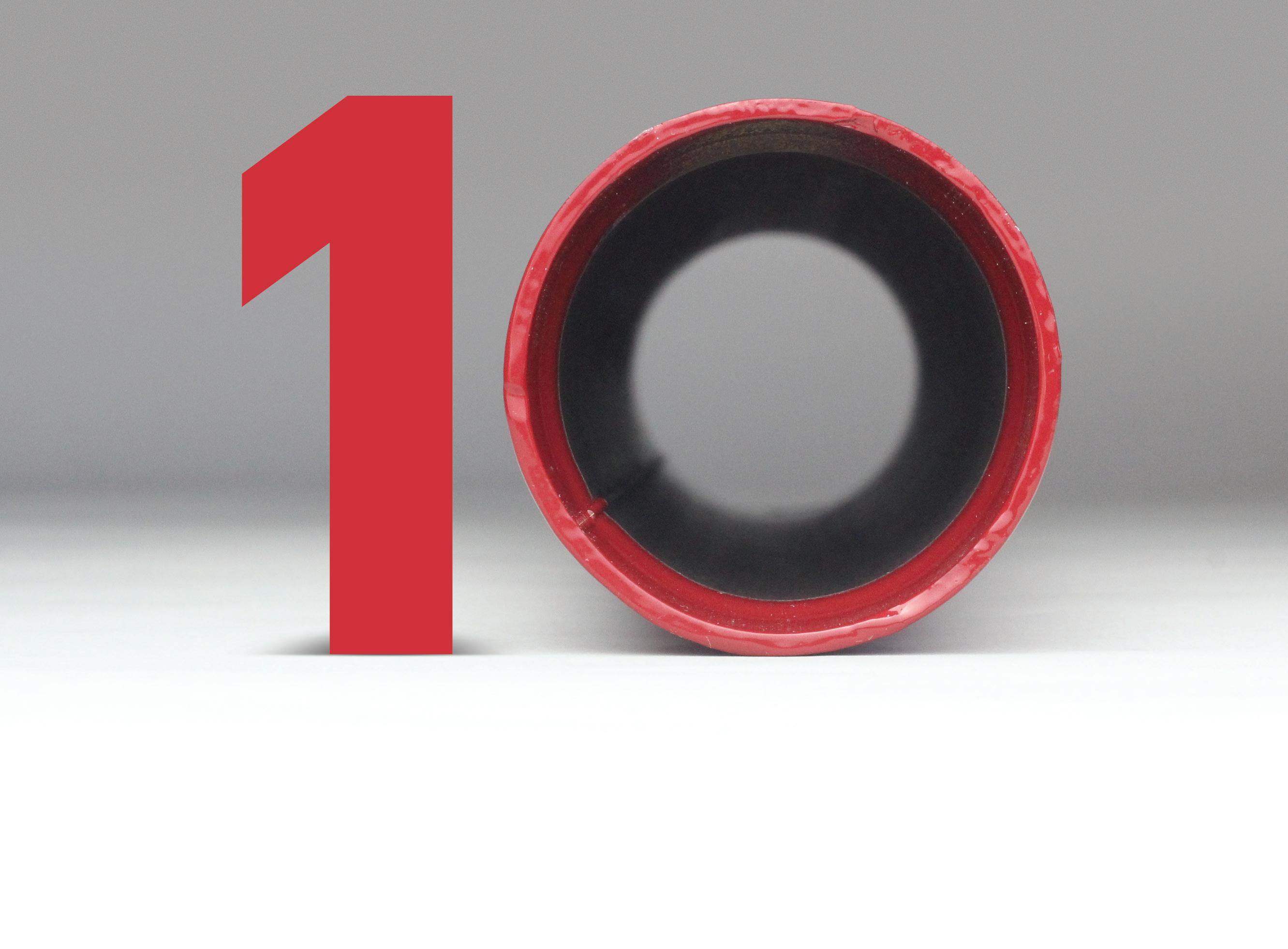
Our new mill expands our overall product capabilities, giving us the most comprehensive range of sprinkler pipe in the industry:
• Diameters from 1” to 10” NPS.
• Schedule 10, 30, 40, and Eddy Flow (size dependent)
• Lengths up to 25’, with custom lengths available
Plus a variety of finishing options — not to mention our exclusive EddyGuard II® MIC antimicrobial coating to help ensure reliable flow for years.
It’s all available to you from a single, responsive supplier…making your pipe selection job much easier.

INSTALLATION-READY ™ SPRINKLERS
FOR STORAGE FACILITIES AND EXPOSED APPLICATIONS
Pre-assembled guards and shields to protect damage-prone sprinklers, combined with FireLock IGS™ Style V9 sprinkler connections, make Victaulic the safe and efficient solution for storage projects.
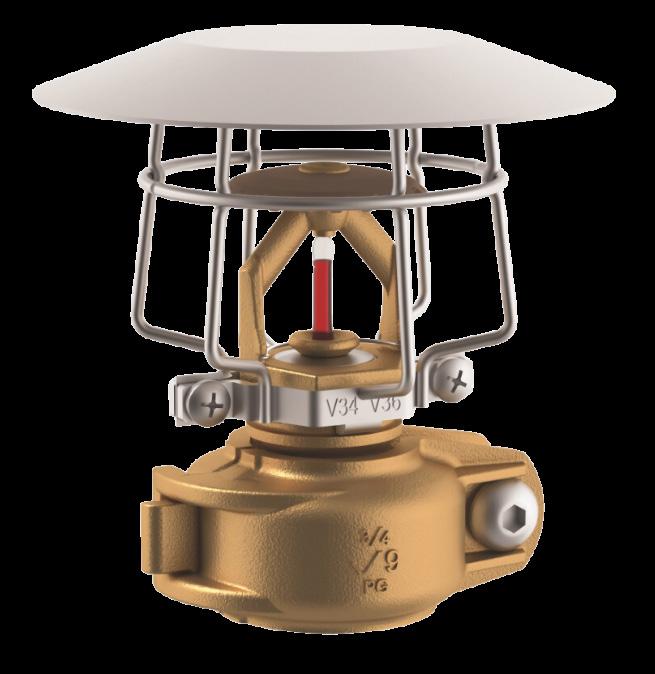

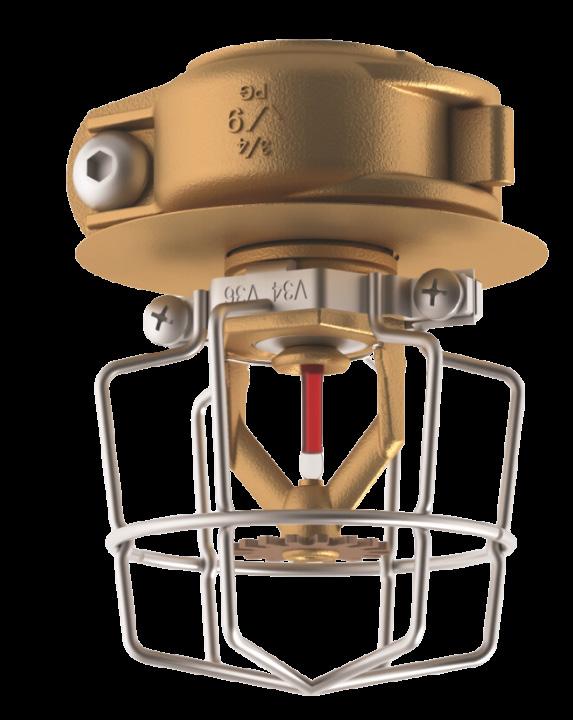
• Pre-assembled guards & shields no time wasted attaching in the field
• Zero sprinkler prep eliminate tape and dope
• Eliminate sprinkler wrenches reducing injury from repeated strenuous motion
• Visual inspection of proper installation no additional torque for frame alignment
• Standardize on 1" IGS™ outlets coupling transitions to 1", ¾", and ½" sprinklers Scan to view our full sprinkler offering
ENTS
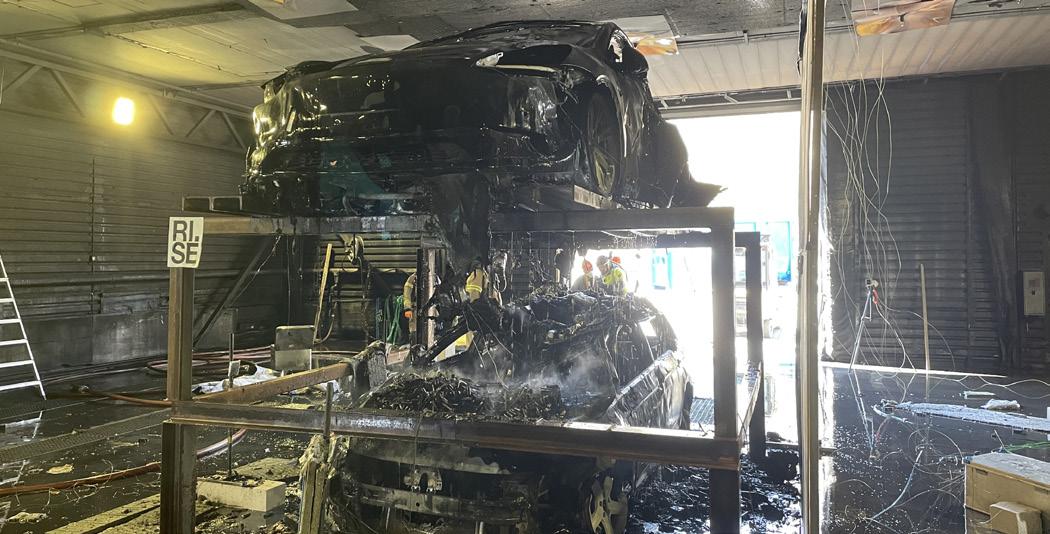
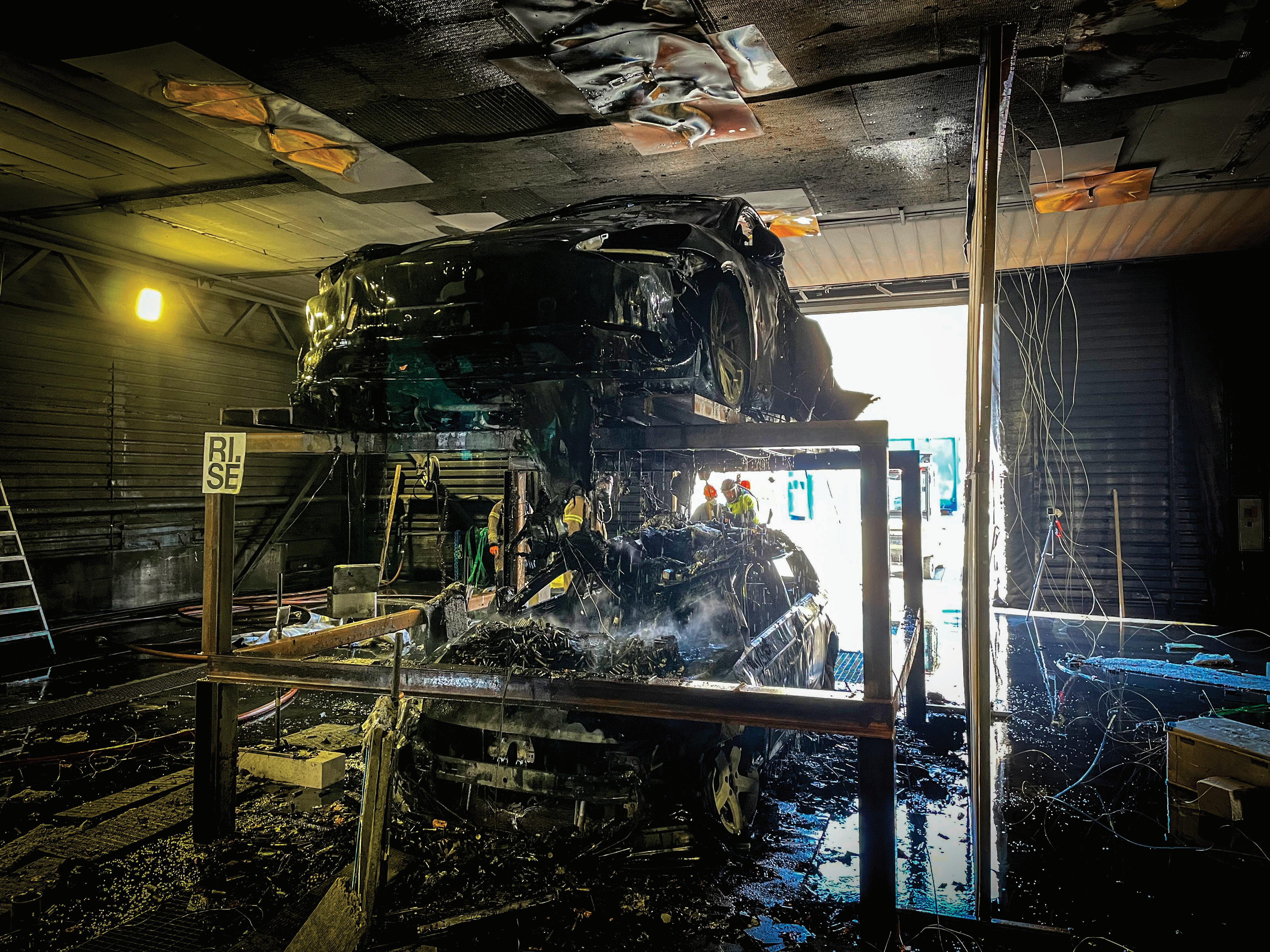
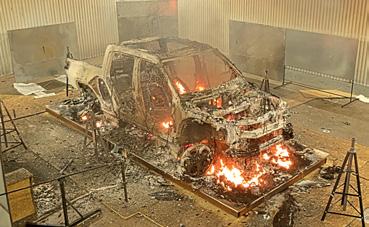
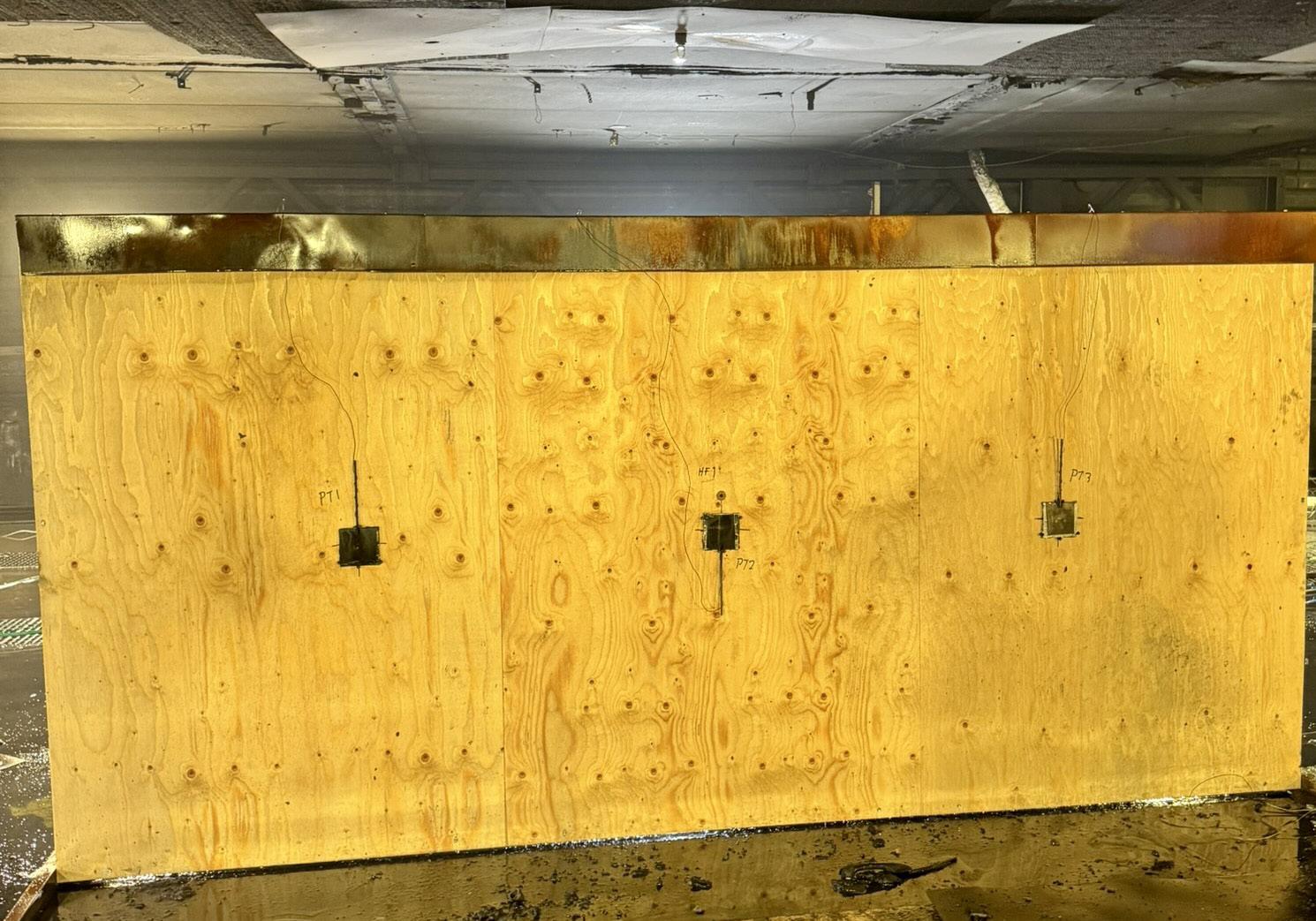
Aftermath of a sprinklered car stacker fire test showing limits of ceiling-only sprinkler protection. Photo credit: Fire Protection Research Foundation.
AFSA is the voice of the
shop fire sprinkler contractor. We educate and train the industry while promoting fire protection systems to save lives and property.

CHAIR’S MESSAGE
On behalf of the American Fire Sprinkler Association, I am honored to express pride in our partnership with Homes For Our Troops (HFOT). This remarkable organization demonstrates unwavering dedication to building and donating mortgage-free, specially adapted custom homes nationwide for severely injured post 9/11veterans to empower them to regain some freedom, independence, and dignity. Homes For Our Troops is a privately funded 501(c) (3) nonprofit organization. Since its inception in 2004, HFOT has built over 400 homes nationwide. AFSA is the exclusive provider of fire sprinkler systems for HFOT. Their mission perfectly aligns with our commitment to safety and community, reminding us of the importance of creating secure, accessible, safe environments for those who have sacrificed so much while defending our country.
Every year, nearly 4,000 Americans lose their lives in home fires, and 25,000 are injured. The risk is even higher for individuals with physical, mental, or sensory disabilities, including many veterans. Installing a residential fire sprinkler system can reduce the risk of death from home fires by up to 81% by providing lifesaving protection where it is needed most.
The partnership between AFSA and HFOT is championed by Paulene Norwood, executive director of the AFSA Sacramento Chapter, and D’Arcy Montalvo, public relations manager for AFSA and editor of Sprinkler Age. Together, they work with AFSA’s Public Education and Awareness (PE&A) Committee, chaired by AFSA At-Large Director Mindy McCullough Buckley, CFO and co-owner of Allsouth Sprinkler. That national committee reaches out to AFSA member contractors, manufacturers, suppliers, and designers. They graciously donate the installation of home fire sprinkler systems without hesitation. At our January 2026 Quarter 1 national meeting, the PE&A Committee announced that, so far this quarter, 11 homes to be built by HFOT are scheduled to have fire sprinkler systems donated by AFSA members.
On February 7, I attended the Key Ceremony and Flag Raising at the new custom home built for Army CPL
Paul Hedge in Tuftonboro, N.H. It was solemn and joyous. Many people braved the very cold and snowy day in tribute to CPL Hedge. The challenging weather amplified the good work of all involved in the project. The executive director of HFOT, Bill Ivy, spoke of the primary importance of the community embracing the veteran and his or her family for lasting happiness and project success. AFSA is proud to be a member of this community.
Promoting public support of wounded veterans is right and true. I am grateful to our members who support Homes For Our Troops, whether through volunteering, raising awareness, or financial contributions. Together, we can make a lasting difference in the lives of veterans and their families, ensuring they have the safe, comfortable homes they deserve. Thank you to Homes For Our Troops for their inspiring work and to everyone who helps advance this vital cause.
To learn more about CPL Hedge, visit hfotusa.org/ building-homes/veterans/hedge. To learn more about the Homes For Our Troops organization, visit hfotusa.org.

PAUL DELORIE AFSA BOARD CHAIR


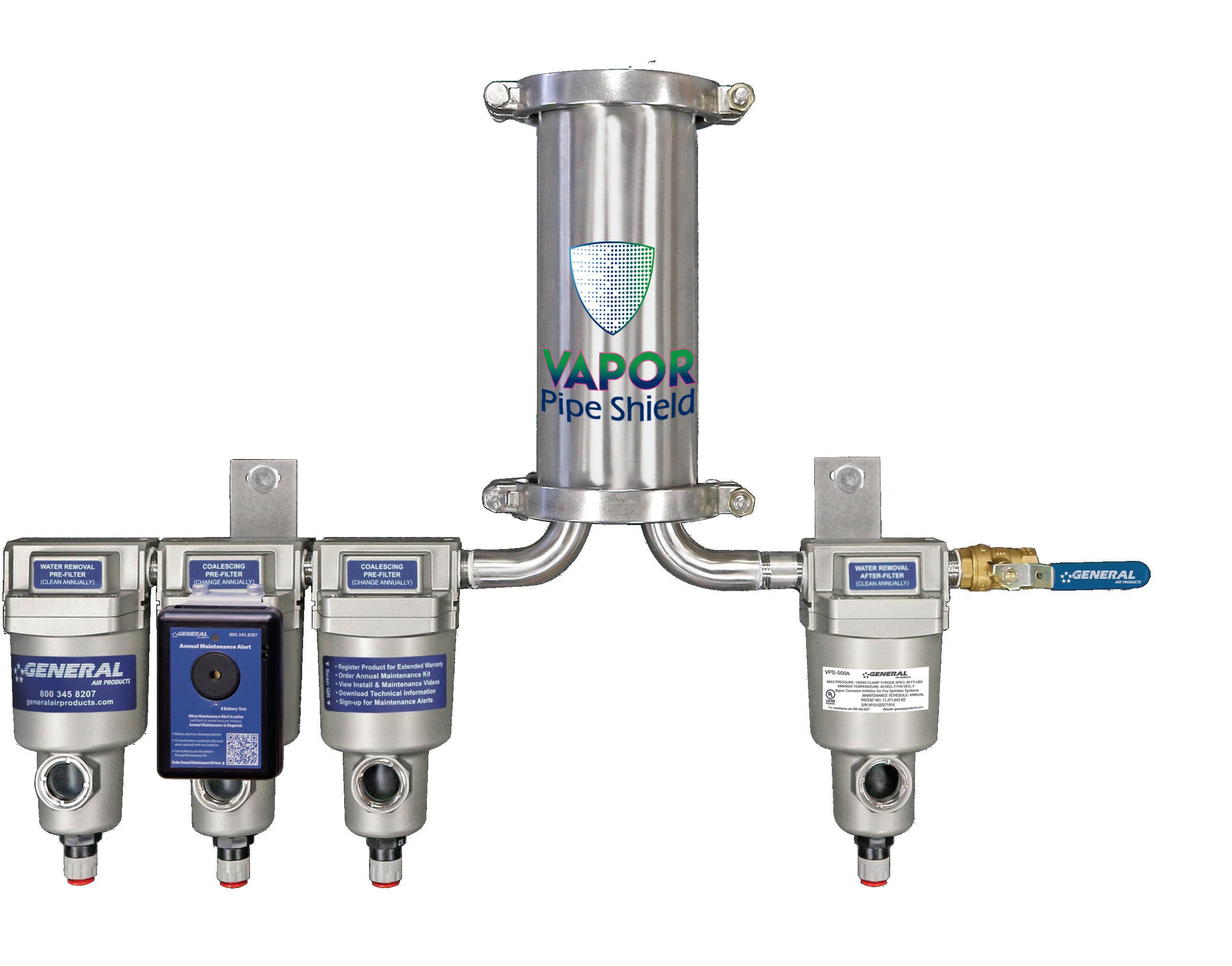
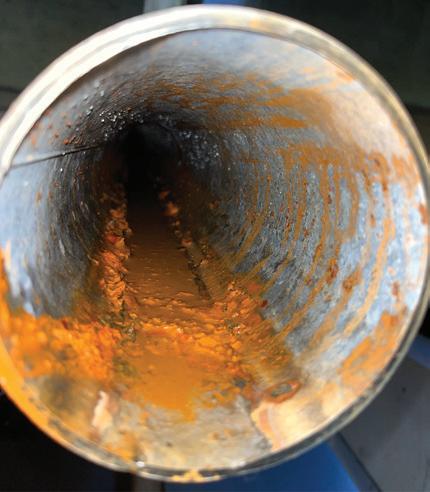
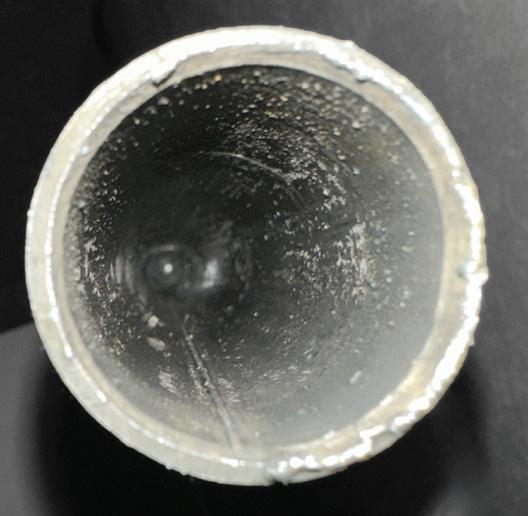
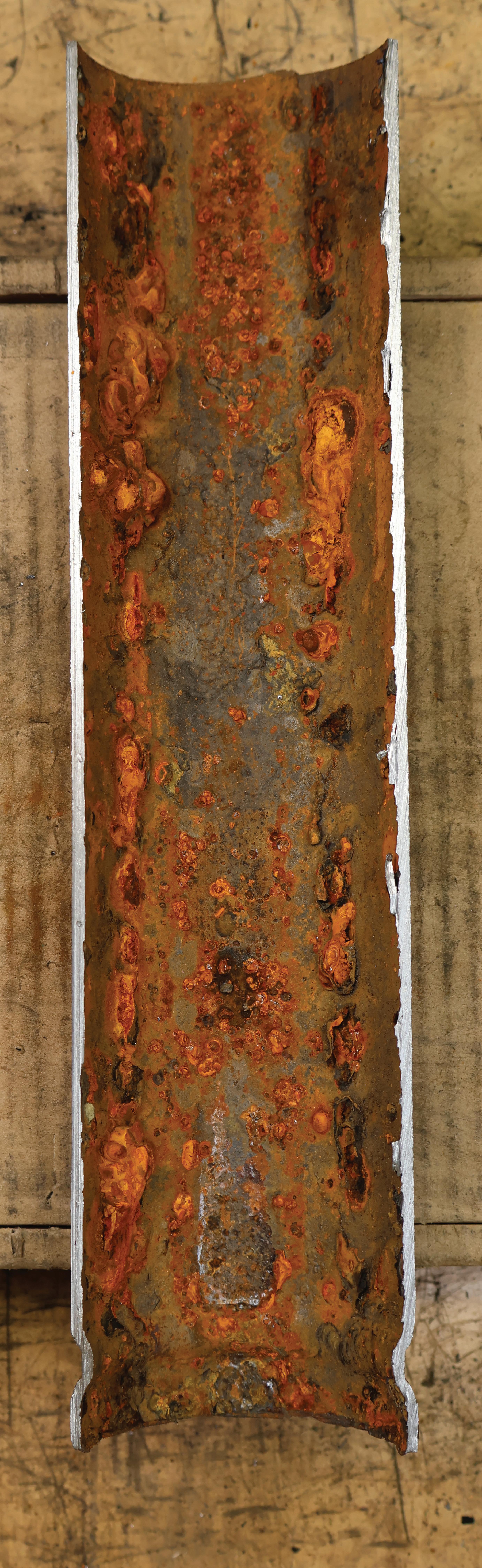
Vapor Corrosion Inhibitors Outperform 98% Purity Nitrogen in Mil Loss Testing.
Test Results
• Less Expensive
• More Effective
• Easier Install


PRESIDENT’S REPORT
So, you think you know what your inspectors are doing…. Perhaps one of the most interesting and dynamic changes in our industry during my 48-year career has been the shift by many companies away from new construction toward recurring revenue streams through inspections and testing. While a lot of this shift has been driven by venture capital investments in our industry and other service trades, it is equally driven by the importance of maintaining life safety systems to ensure they will function as intended when needed, while also meeting required codes and standards. Before you stop reading, let me tip my hat to those fire sprinkler contractors who still find new construction, retrofits, and remodel projects exciting and a big part of your work. That said, I believe ITM is perhaps the most important thing we can do to protect life and property in the built environment.
Every aspect of the work we do in the fire and life safety business carries liability. From the people who drive our trucks filled with materials and tools, pipes and ladders on truck racks, plus the inherent job site safety issues and beyond, our world is filled with risk and reward opportunities, and we are open to liabilities both seen and unseen every day. In fact, when I owned my sprinkler company years ago, I would lie in bed many nights with the conscious thought of what someone might have done that day, which would result in a claim or lawsuit in the days or weeks ahead. Fortunately for me, we didn’t have many claims or injuries, but having served as an expert witness in multiple cases, I have seen that nightmare play out for others.
Here at AFSA, we offer a range of training and education programs to support our industry and our members. The one program that always sells out, no matter how often we offer it, is our 20-month ITM Inspector Development Program, which confirms the expanding,
BOB CAPUTO, CFPS AFSA PRESIDENT
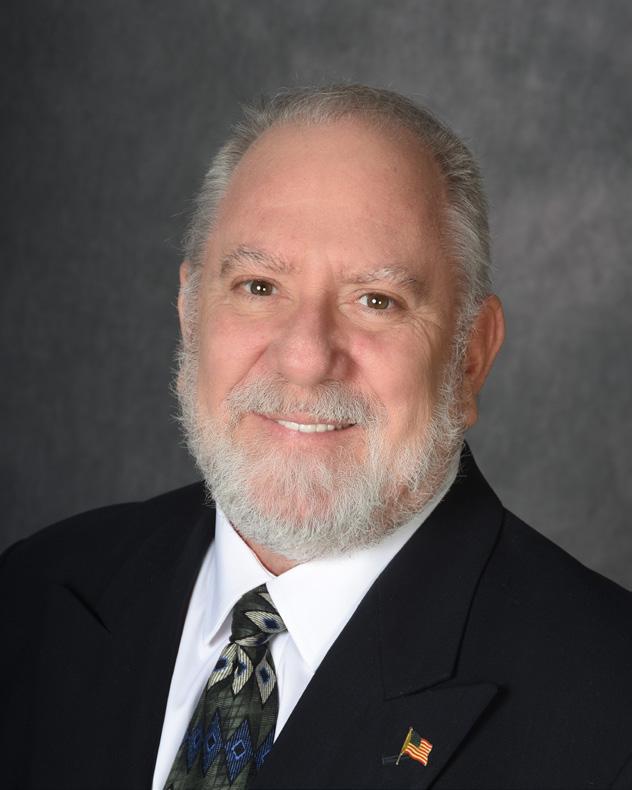
profitable ITM market and the need for qualified inspectors to fill the gaps. Personally, I am proud of this program, having teamed up with Russ Leavitt, chairman of Telgian Holdings, to create it when we both had darker and more hair.
Prior to joining the AFSA staff in 2020, my role was training at one of the larger, nationwide, venture capital-owned fire and life safety firms. During my tenure, we developed a two-year training program to train new inspectors needed to perform inspection and testing functions as the department grew across multiple offices and regions. The program was designed to provide a 90-day on-the-job period, between one-week classroom and lab training schedules. The classroom training was (and still is) conducted by a training team, with the OJT component provided by legacy inspectors serving as mentors to the trainees. This arrangement seemed perfect to me and to the firm’s leadership team.
After about nine months, we discovered we had a serious problem. The legacy inspectors were undermining the classroom training sessions, telling their trainees to forget all that book stuff. The problem was, and still is today, that many legacy inspectors had become complacent with their role, were no longer in touch with the requirements of updated codes and standards they should be inspecting and testing to, and they’d stopped writing up deficiencies because they didn’t believe the customers wanted to be bothered with small things, like missing cover plates, painted sprinklers, or bent deflectors. This revelation was disturbing on multiple levels, the least of which was the liability it created for the company. From a business model perspective, the hope was to create at least two dollars of service and repair work for each dollar of inspection service revenue, so we were cheating ourselves out of revenue and profit streams the department was built for in the first place.
The solution was to create a second training program to update and inform our legacy inspectors and those hired from other companies whose standard procedures didn’t align with ours. In addition, we kept everyone up-to-date with code and standard requirements, and the need to document everything, big and small, to limit our liability.
To make this long story longer, we are seeing and hearing this same scenario play out among our ITM Inspector Development Program participants, both during their training and post-graduation. This concerns us greatly for this industry and for our member companies, who believe their people are out there every day doing the right things when no one is looking. We certainly hope that is true and probably is in most cases. However, we have testimonials and photographic evidence indicating that the problem exists.
I have never been one to bring a problem to the table without a proposed solution, so it is my pleasure to announce the introduction of a four-day legacy inspector training program being developed by AFSA’s technical team. The program will include both classroom training on NFPA standards and best practices, as well as hands-on fire pump flow testing and analysis, dry-pipe, pre-action, and deluge valve tripping, and practical application discussions on customer service, scheduling, and stewardship of tools and equipment. This course will be available in Dallas and at any location with a lab for the hands-on portion. It can be made available to individual companies, where AFSA sends one instructor to you rather than you sending multiple people to us. The course is designed for inspectors with more than two years of experience, who will benefit from updated training and a refocus on the importance of their role in ensuring safety in the built environment and in helping mold the next generation of inspectors.
You may think your inspectors are providing a complete, compliant inspection service every day. The AFSA team wants to help you guarantee it, limit your liabilities, and increase your revenue and profit streams. Look for scheduled dates for this new training program on our website, firesprinkler.org, soon, and click on the Education & Training tab, under Programs.
BOB CAPUTO, CFPS, Publisher, ext. 124 | bcaputo@firesprinkler.org
D’ARCY G. MONTALVO, Editor, ext. 115 |dmontalvo@firesprinkler.org
CLARISSA RIOS, Communications Coordinator, ext. 134 crios@firesprinkler.org
D’ARCY G. MONTALVO, Editor, ext. 115 |dmontalvo@firesprinkler.org
PAUL DELORIE, Chair, Region 10, 603-432-822
JAY STRICKLAND, First Vice Chair, Region 6, 301-474-1136
CHRIS JOHNSON, Second Vice Chair, Region 7, 727-581-9339
TOMMY CLEMENTS, Treasurer, Region 9, 804-459-2218
JEFF PHIFER, Secretary, Region 8, 803-438-2994
LINDA M. BIERNACKI, Immediate Past Chair, Region 5, 318-688-8800
BROOKS BAYNE, Region 1, 503-692-9284
HUNTER BRENDLE, At-Large, 334-270-8571
MINDY BUCKLEY, At-Large, 770-925-9099
R. DONALD (DON) KAUFMAN, Region 3, 505-884-2447
MICHAEL F. MEEHAN, At-Large, 804-459-2200
WAYNE WEISZ, Region 2, 209-334-9119
BOB CAPUTO, CFPS, President, ext. 124
MATT KLAUS, Executive Vice President & COO, ext. 139
MELISSA ATHENS, Vice President, Finance, ext. 112
LESLIE CLOUNTS, Vice President, Education Services, ext. 130
JOHN AUGUST DENHARDT, P.E., FSFPE, Vice President, Engineering & Technical Services, ext. 121
MEDA MERRITT, CAE, Vice President, Membership & Chapter Development, ext. 133
Sprinkler Age is devoted to the professional development of the fire sprinkler industry. Deadline is 1st of the month preceding publication.
Published by American Fire Sprinkler Association, 1410 East Renner Road, Suite 150, Richardson, TX 75082. Call (214) 349-5965, FAX (214) 343-8898, or email sprinklerage@firesprinkler.org for information.
Copyright © American Fire Sprinkler Association, Inc. All rights reserved. PRINTED IN USA. Unless expressly stated otherwise, all editorial and advertising material published is the opinion of the respective authors and/ or companies involved and should not be construed as official action by or approved by Publisher or the Association.
Sprinkler Age is a membership benefit, provided free of charge to AFSA members. For information on non-member and/or foreign subscription rates, call (214) 349-5965.
AFSA annual membership dues are a sliding scale for Contractors and Associates and a flat fee for Authorities Having Jurisdiction. (Members receive a free subscription to Sprinkler Age.) Write or call AFSA for membership information. See AFSA’s website at firesprinkler.org.
FLASHPOINT
On the news nearly every day, one can hear a report about a vehicle fire. These fires occur in residential garages, commercial garages, and open parking lots, among other places. Fires in automobiles are not new. However, the attention and severity of the fires have increased the attention these fires receive. What has caused this?
Since the earliest days of the automobile, vehicle designs have evolved in response to demands for performance, efficiency, safety, and cost reduction. Central to this evolution has been a steady shift in materials and a reduction in vehicle weight. These changes have significantly altered the nature of automotive fire hazards. Understanding how modern vehicles burn requires an appreciation of how and why these materials replaced earlier, heavier construction methods.
Early automobiles were built primarily from steel, iron, and wood. Thick metal frames, heavy body panels, and minimal interior components resulted in vehicles with substantial weight and relatively low combustible content. Fires in these early vehicles were typically caused by fuel leaks or engine failures, but fire growth tended to be slower and more localized. The predominance of metal allowed heat to dissipate, and the absence of synthetic materials limited flame spread and toxic smoke production.
As mass production expanded in the mid-20th century, manufacturers began reducing vehicle weight to improve fuel efficiency and lower costs.

JOHN AUGUST DENHARDT, P.E., FSFPE AFSA VICE PRESIDENT OF ENGINEERING & TECHNICAL SERVICES
Thinner steel panels replaced heavier components, and plastics, rubber, and synthetic foams were introduced into interiors, wiring insulation, and trim. These materials dramatically reduced weight but increased the combustible fire load. Plastics and foams ignite more readily than metal and burn with higher heat release rates, producing dense, toxic smoke that accelerates fire spread and reduces survivability.
One of the most significant weight-saving changes was the transition from steel fuel tanks to plastic fuel tanks. This shift began in Europe in the late 1960s and 1970s, and became widespread by the 1980s and 1990s. Plastic fuel tanks, typically made from high-density polyethylene, offered substantial weight savings, corrosion resistance, and design flexibility. Their ability to be molded into complex shapes allowed for improved vehicle packaging and compliance with emissions standards.
From a fire safety perspective, plastic fuel tanks present both benefits and risks. Their flexibility can help absorb impact energy during minor to moderate crashes, potentially reducing immediate rupture. However, plastic tanks are combustible and vulnerable to heat exposure. In fire conditions, they can soften, melt, and fail more rapidly than steel tanks, releasing fuel that intensifies fire growth. Molten plastic can further spread burning fuel, increasing fire severity and reducing the time available for occupant escape and firefighting intervention.
Modern lightweighting strategies have continued into the 21st century with the use of aluminum, magnesium alloys, advanced plastics, and composite ma-
terials. While many of these materials are non-combustible, they often lose structural integrity at lower temperatures than traditional steel. Reduced vehicle mass also means less thermal mass to absorb heat, allowing fires to escalate more rapidly. At the same time, increased use of plastics and synthetics continues to raise interior fire loads.
Electric, hybrid, and other alternative-fuel vehicles introduce additional complexity. While eliminating liquid fuel fires in some scenarios, lithium-ion battery systems create prolonged, high-energy fire events. Propane, hydrogen, and other gaseous fuels create their own concerns. Lightweight and combustible surrounding materials can accelerate fire spread once a failure occurs, and if a battery system is involved, the battery itself sustains the fire.
The evolution of automotive materials and the drive to reduce vehicle weight have transformed vehicle fire behavior. Modern vehicles burn faster, hotter, and with greater complexity than earlier designs. Recognizing how material choices, particularly plastics and fuel system components, affect fire hazards is essential for fire protection engineers, sprinkler system designers, AHJs, and fire departments adapting to the realities of today’s vehicle fires.
Now that we know the historical factors, how do fire protection engineers and sprinkler designers address these problems? Up to now, most of the designs were based on historical designs with some educated guesses. Research into these designs has been conducted, and while not at all comprehensive or complete, the preliminary data is clear. (Note: AFSA is a proud sponsor of the parking garage research being conducted by the NFPA Fire Protection Research Foundation.) Sprinkler systems do work to control the fire until the responding fire department takes control of the situation. Again, “control” is the magic word. A sprinkler system, in most cases, will not extinguish a fire in a vehicle. If one looks at the definition of “fire control” in NFPA 13, Standard for the Installation of Sprinkler Systems , 2025 edition, it states:
3.3.82 Fire Control – Limiting the size of a fire by distribution of water so as to decrease the heat release rate and pre-wet adjacent combustibles, while controlling ceiling gas temperatures to avoid structural damage.
One thing was obvious from personally witnessing many of the vehicle tests: the vehicle’s hood, roof, and trunk lid shielded the fire from the sprinkler’s water spray. A vehicle fire is a shielded fire—period. No amount of water on the exterior of the vehicle will extinguish the fire, but it will control the fire, which meets the purpose of the sprinkler system design goals.
The remaining question is how the fire department handles the fire. Well, just as almost everything in the world, the answer is “it depends.” How is the fire department trained? What equipment do they have at their disposal? Do they have sufficient water? What type of vehicle is burning? While these questions and answers are important to the AHJ and fire department, they have almost no impact on the sprinkler design. The only item I think could be affected is the water supply duration. Given that most parking garages are in urban areas with public water supplies, water duration is usually not a concern. In a rural setting, the water duration should be evaluated by the AHJ and the fire department.
Look for changes in the upcoming 2027 edition of NFPA 88A, Standard for Parking Structures, which should be released in the fall of this year, and the 2028 edition of NFPA 13, which should be released in the fall of 2028.
Just like everything in life, change is going to happen. My grandson is turning two years old, and my granddaughter is now seven months old. I’m getting older myself, but I still love what I do. Drop a line if you have comments on this topic or ideas for future columns. I look forward to seeing everyone as I travel around the country making presentations and attending events. Feel free to say hello to me as I enjoy meeting members on the road!
AFSA SETS THE STAGE IN SAN ANTONIO
BOOTS, BUSINESS, AND BREAKTHROUGHS!
D’Arcy Montalvo | AFSA
Get out your Western wear and join the American Fire Sprinkler Association (AFSA) for connections, collaboration, and a little Texas flair at AFSA45: Convention, Exhibition, and Apprentice Competition. The best in the sprinkler industry will convene in the Lone Star State September 27-30, 2026, at the JW Marriott San Antonio Hill Country Resort and Spa for education, training, exhibits, networking, and fun!
“AFSA45 will be an ideal platform to provide value and fun for our membership,” says AFSA Chair of the Board Paul DeLorie, senior vice president of Hampshire Fire Protection Co., Inc., in Lon-
“AFSA45 will be Texas BIG and I’m excited to be the Board Chair at the celebration of our industry!”
– Paul DeLorie

donderry, N.H. “There will be a wide range of educational seminars that will support continuing education for contractors, designers, and inspectors. AFSA’s technical services group will lead the charge with many code and product experts. Attendees can check out the latest technology and innovations in the fire sprinkler industry.”
NEW SCHEDULE
From BBQ to breakout sessions, AFSA45 offers the best training, a packed exhibit hall, and connections that will last a lifetime. This year’s event features a new format—beginning on a Sunday and ending mid-week. In addition, the General Session will be held on the second day of this year’s event at 3:30 p.m., allowing a full evening for networking opportunities. The Exhibit Hall Grand Opening will move to the afternoon of Day 3.
BUSY DAYS AND NIGHTS
Everything’s bigger in Texas, and so is this year’s convention! AFSA45 runs across four days. Technical and business management seminars will cover multiple tracks and all facets of the industry. AFSA’s exhibition provides an opportunity to meet with leading manufacturers and suppliers of the latest products and services offered in the fire sprinkler industry. The unopposed exhibit hours allow attendees and exhibitors to visit without interruption, and the second day of exhibits features the finals of AFSA’s 33rd National Apprentice Competition (NAC).
AFSA45 highlights include the Opening Party, where the NAC finalists and their companies will be introduced; the Exhibition Grand Opening Reception, offering the first glance at the latest products and services in the industry; and
AFSA45 WILL BE HELD AMIDST THE BEAUTIFUL LANDSCAPE OF TEXAS HILL COUNTRY.
AFSA45 SCHEDULE-AT-A-GLANCE
Sunday, 9/27
10:00 am – 7:00 pm Registration
10:00 am – 12:30 pm Leadership Conference (Invitation Only)
1:00 pm – 5:00 pm Seminars
2:30 pm – 3:30 pm New Attendee & Member Reception
3:30 pm – 4:30 pm Women in the Industry Panel
7:00 pm – 10:00 pm Opening Party
Monday, 9/28
7:00 am – 8:30 am Grab-and-Go Breakfast
7:30 am – 5:00 pm Registration
8:00 am – 11:30 am Seminars
11:30 am – 1:00 pm Networking Lunch
1:00 pm – 3:15 pm Seminars
10:00 am – 8:00 pm Exhibitor Move In
3:30 pm – 5:00 pm General Session
Tuesday, 9/29
7:00 am – 8:30 am Grab-and-Go Breakfast
7:00 am – 6:00 pm Registration
8:00 am – 12:00 pm Exhibitor Move In
8:00 am – 12:00 pm Seminars
11:30 am – 1:00 pm Networking Lunch
1:00 pm – 2:00 pm Seminars
1:30 pm – 2:00 pm Exhibitor Appreciation (Exhibitors Only)
2:00 pm – 5:30 pm Exhibit Grand Opening
Wednesday, 9/30
7:00 am – 8:30 am Grab-and-Go Breakfast
7:30 am – 3:30 pm Registration
8:00 am – 9:30 am M/S Council Meeting
8:00 am – 11:00 am Seminars
11:00 am – 12:30 pm Networking Lunch
12:30 pm – 3:30 pm Exhibit & Apprentice Competition
3:30 pm – 9:30 pm Exhibitor Move Out
the Awards Party, celebrating the winners of this year’s NAC. Knibbe Ranch will host AFSA for the final night party, site of the AFSA40 Awards Party. That is a celebration talked about to this day, and one you don’t want to miss! Help make the second visit to Knibbe Ranch the new talk of the industry.
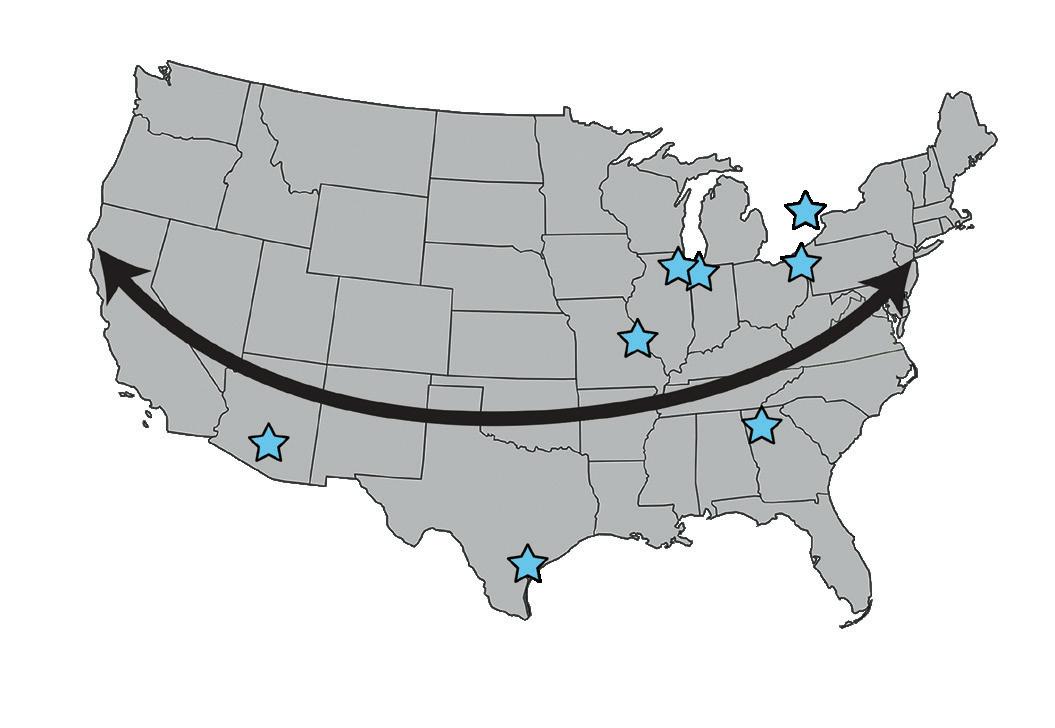
AFSA’s NAC is one of the most popular events during AFSA’s convention. The top seven finalists in the nation will enjoy an expense-paid trip to San Antonio to compete for bragging rights, cash prizes, and tools. Interested in competing? For more details, visit firesprinkler.org/ competition. Many thanks to Core & Main for serving as the event’s organizing sponsor!

LONE STAR STATE
7:00 pm – 10:00 pm Awards Party at Knibbe Ranch
Come experience a big Texas welcome and join AFSA in San Antonio, aka The Alamo City, in recognition of the historic 1836 battle site and symbol of Texas independence. There, conven-
longhorns are the official State Large Mammal of Texas.
tion attendees will experience the oak-covered hills nearby at the JW Marriott San Antonio Hill Country Resort and Spa.
Guests can immerse themselves in renowned attractions nearby, including wineries, SeaWorld, Shops at La Cantera, Natural Bridge Caverns, and Six Flags Fiesta Texas. Retreat to the River Bluff Water Experience, a nine-acre water park with a 1,100-ft lazy river. Indulge in delectable cuisine at six exceptional resort restaurants or rejuvenate with a body treatment or massage at the luxurious spa. Relax in upscale hotel accommodations with expansive floor plans, lavish furnishings, top-tier amenities, and awe-inspiring views of Texas Hill Country. Find solace in this country retreat, where tranquility and sophistication meet amidst the natural beauty of San Antonio.
tration process at firesprinkler.org/ book. Group rates are available for stays from September 27-30, 2026. To receive full AFSA hotel benefits, attendees must book directly with the hotel by phone or use the link found on AFSA’s convention website, firesprinkler.org/AFSA45.
AFSA is not represented by travel agencies or housing companies, such as Global Housing, that may try to book your room outside of our room block. Be aware of third-party vendors soliciting AFSA exhibitors and attendees posing as our housing vendor. These companies mislead you into thinking they are working on our behalf, but are NOT endorsed by or affiliated with AFSA. Book directly with the JW Marriott San Antonio Hill Country Resort and Spa using the links on AFSA’s website to ensure your reservation is guaranteed.

The AFSA group rate for the JW Marriott San Antonio Hill Country Resort & Spa is $259 per night plus tax, which includes a $20 daily resort fee. Reservations may be made online during the convention regis-
SPONSORSHIP OPPORTUNITIES
AFSA45 sponsors are offered exclusive benefits based on their level: Diamond, Platinum, Gold,
Silver, and Bronze. Booth selection will be based on a point system within each sponsorship level, from Diamond to Silver. Benefits vary throughout each level, and as levels increase, so does the available exposure and visibility to convention attendees. Benefits are provided throughout the convention with online exposure, increased visibility, and face-to-face opportunities. Some of these benefits include the following:
• Priority booth selection for sponsors at the Diamond, Platinum, Gold, and Silver levels (AFSA members only). Booth selection will be based on the current point system within each sponsorship level, from Diamond to Silver.
• Room-access key cards. Diamond sponsors will have their logo featured on hotel room key cards.
• Diamond sponsors will have added exposure with company branding on the JW Marriott San Antonio Hill Country Resort and Spa’s giant screen during the entire event.
• Diamond sponsors will have their logo prominently displayed as guests arrive at the Opening Party.
• Diamond sponsors receive a sponsored blog post on SprinklerAge.com with automatic social media postings on AFSA’s platforms.
Sponsorships must be entirely paid by April 26, 2026, to take full advantage of publicity. For more information on sponsorships, contact AFSA’s convention team via email at convention@ firesprinkler.org or phone: (214) 349-5965 ext. 116.
A cowboy, a herd, and miles of Texas horizon.



TRUSTED EXPERTISE. QUALITY PRODUCTS. NATIONWIDE REACH.
From state-of-the-art fabrication to a broad, job-ready product o ering, Core & Main Fire Protection brings experienced professionals, practical solutions, and local service – backed by the strength of a nationwide network.

We work with our partners to provide resources, a sense of urgency to overcome challenges, and reliability in driving success on all of your projects.
• Experienced fire protection experts
• Solution-driven support from design through installation
• Local service with national reach and reliability
Your Trusted Distributor of Fire Protection Products and Fabrication Services.

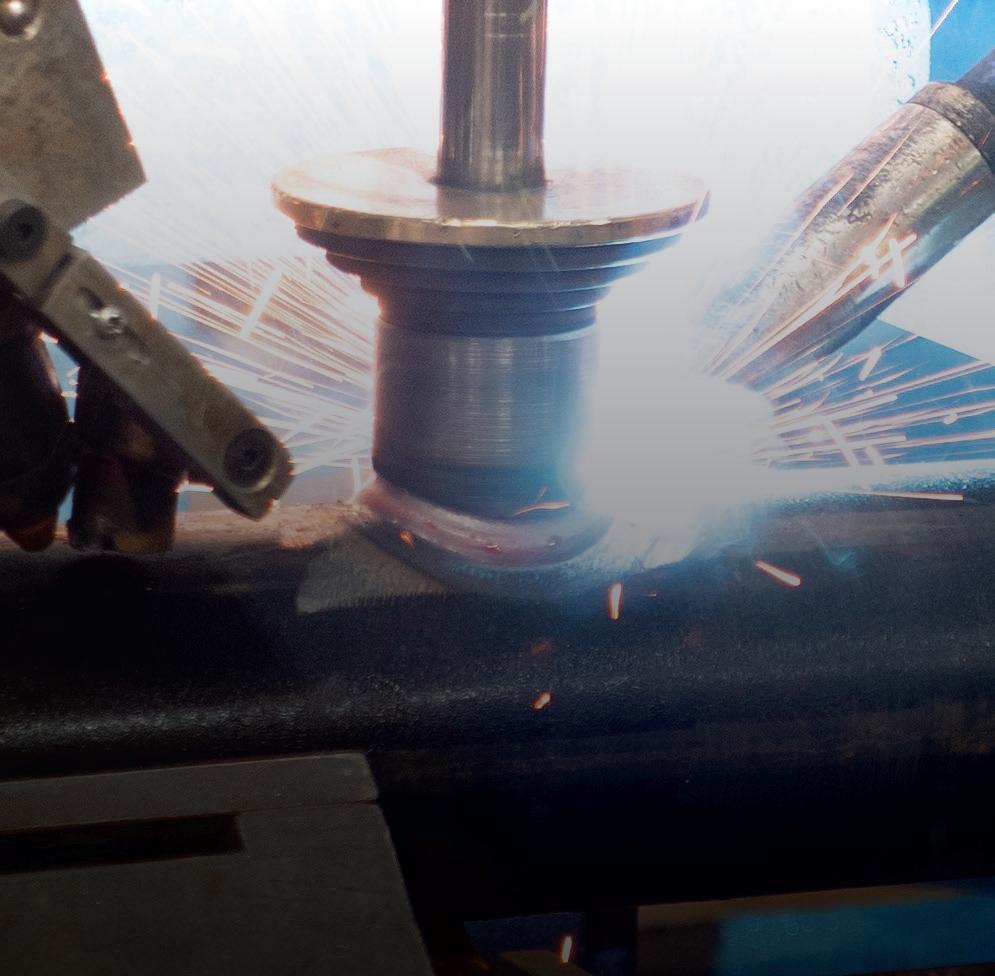




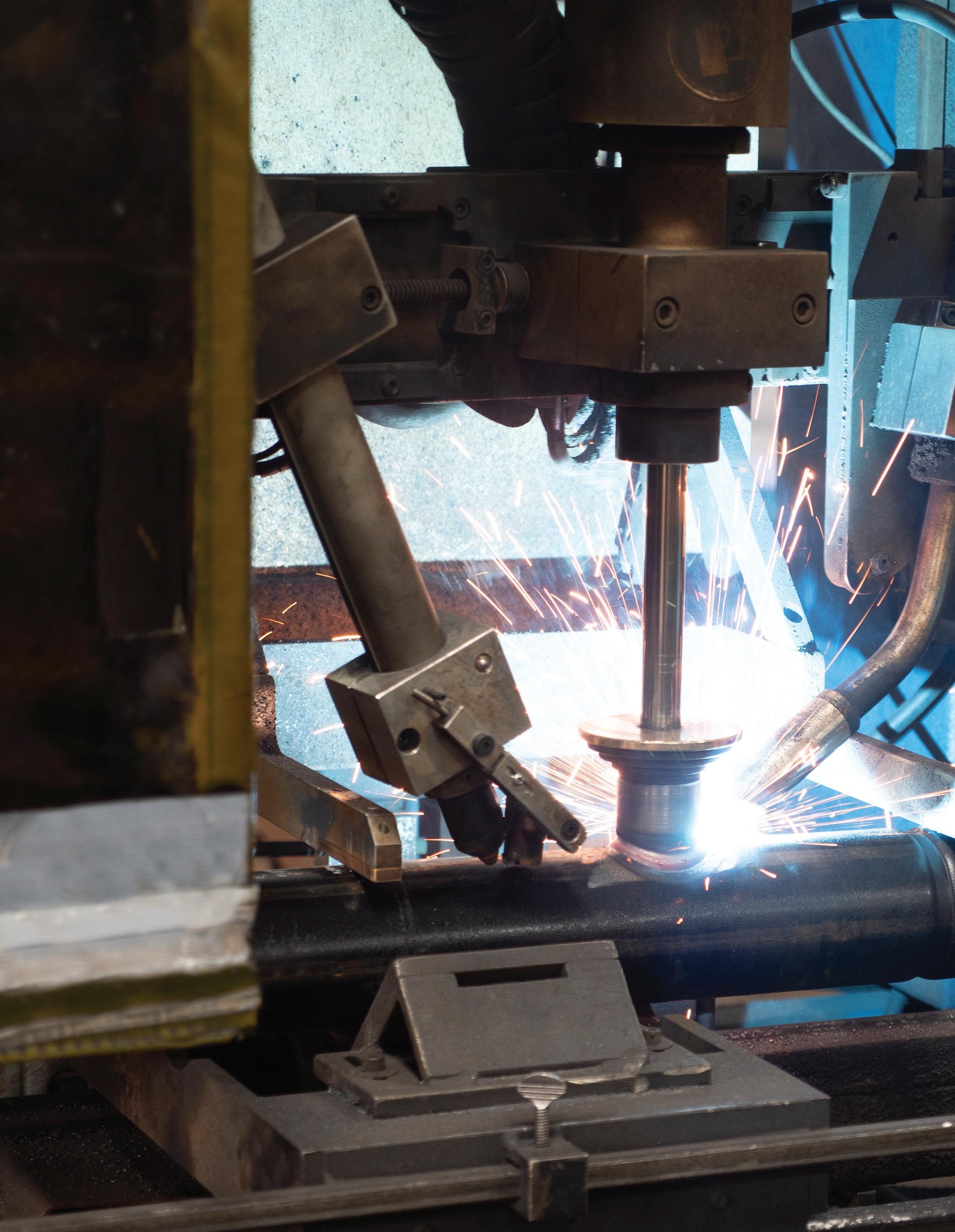
EXHIBIT SPACE AVAILABLE
Reservations for exhibit hall booths are now being accepted. The schedule for AFSA45 is specifically designed to create multiple opportunities for attendees to visit the exhibit hall and network. This gives exhibitors ample time and as much face-to-face interaction with customers as possible. How does AFSA ensure traffic through the exhibit hall?
• Unopposed exhibit hours. AFSA carefully schedules each day of the convention to avoid seminars and social events conflicting with exhibit hall hours.
• National Apprentice Competition. AFSA’s NAC will be held in the exhibit hall. This popular event draws convention attendees to view the installation portion of the competition and puts them within your reach.
• Exhibition Grand Opening Reception. AFSA’s Chair of the Board hosts this popular evening event, allowing convention attendees to tour the exhibit hall, which features hors d’oeuvres and a cash bar.
• Free passes are available on the second day of the exhibits. AFSA invites local sprinkler contractors and exhibitorinvited guests to visit the exhibit hall. Sponsors also enjoy exhibitor benefits at AFSA45. Diamond and Platinum sponsorship levels include one 10-ft x 20-ft booth, and the Gold sponsorship level includes one 10-ft x 10-ft booth. Additional booths are available for purchase to expand the size.
Diamond sponsors receive three all-access registrations and six exhibit-hall-only registrations. Platinum-level sponsors receive two all-access registrations and four exhibit-hall-
Get real-time updates on AFSA’s official happenings sent to your desktop or wireless device by subscribing to or following AFSA social media (see QR code below), and use our official hashtag #AFSA45.

only registrations. Gold sponsors receive one all-access registration and two exhibitor-hall-only registrations.
For all the details, download the exhibitor kit at firesprinkler.org/ AFSA45 or contact AFSA’s convention team via email at convention@ firesprinkler.org or phone: (214) 349-5965 ext. 116.
ATTENDEE REGISTRATION OPENS SOON
Ever heard the phrase “Don’t Mess With Texas”? This year, don’t mess with success and plan to attend AFSA45. Attendee registration opens on May 15, 2026. Bookmark AFSA45’s official website at firesprinkler. org/AFSA45 and dust off those cowboy hats and boots. AFSA is ready to host industry professionals in its home state of Texas!
As big and bold as Texas itself, AFSA’s annual convention is more than just sessions and speakers— it’s an experience! From inspiring ideas and powerful connections to a little Lone Star hospitality, attendees will leave informed, energized, and ready to make an even greater impact on the industry. Don’t miss the chance to be part of something truly unforgettable— attend AFSA45 where innovation meets Texas-sized opportunity!

hard day’s work; well-earned sunset, texas style.

Ready for premium piping connections?
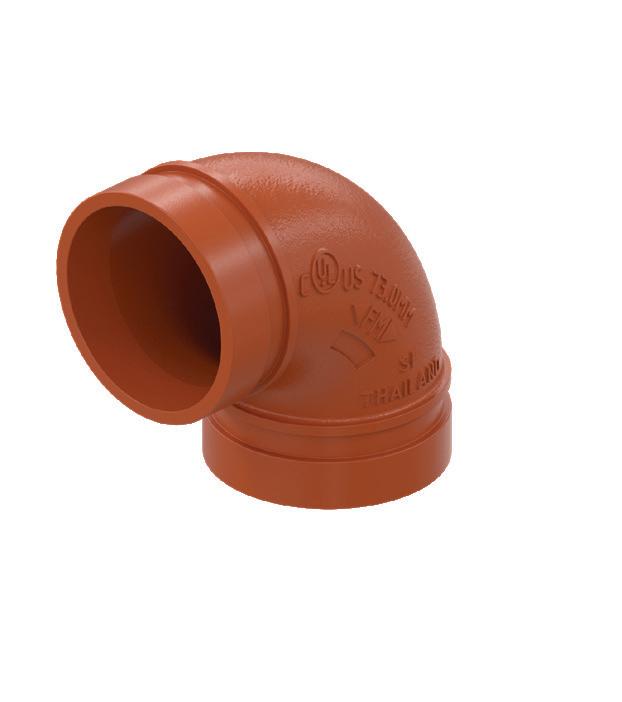
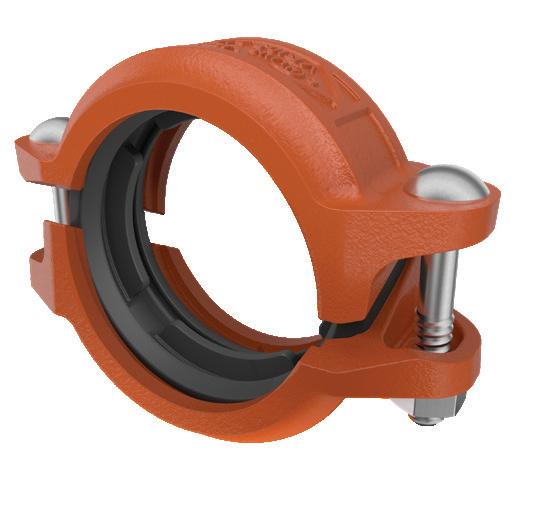
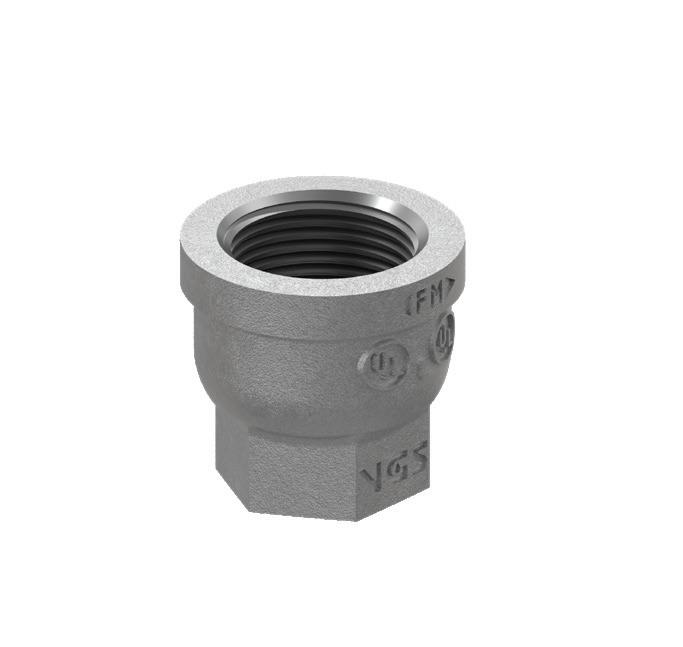
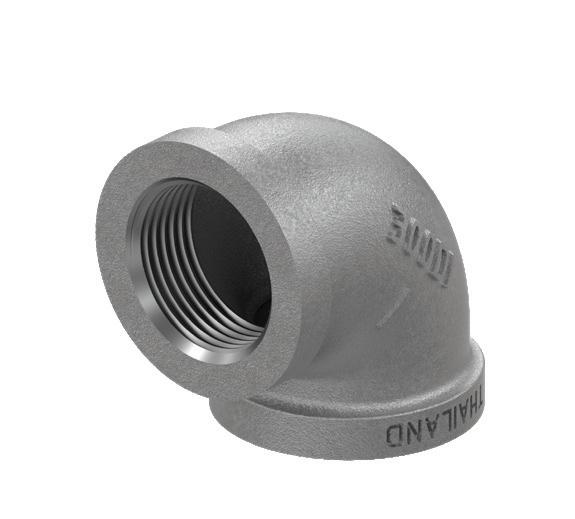
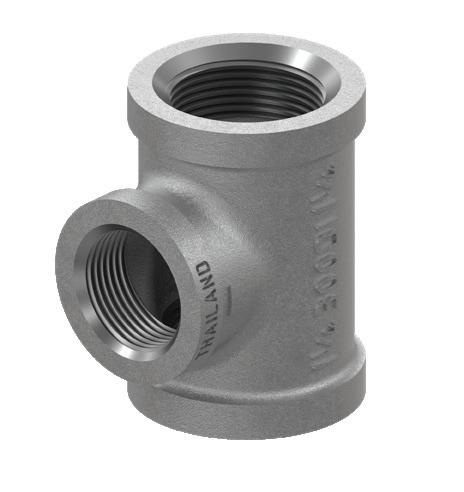
The VGS offering provides a full lineup of premium piping connections and is backed by the Viking brand that contractors have trusted for over 100 years.
This full lineup, paired with long-standing and new, strategic partnerships, the industry’s leading fire protection experts and world-class training, and the consistent and significant growth in the booming Viking SupplyNet distribution space, VGS provides contractors with a trusted, strong solution, and offers a stable product line amidst industry turmoil.
For more information, contact your local Viking SupplyNet branch.
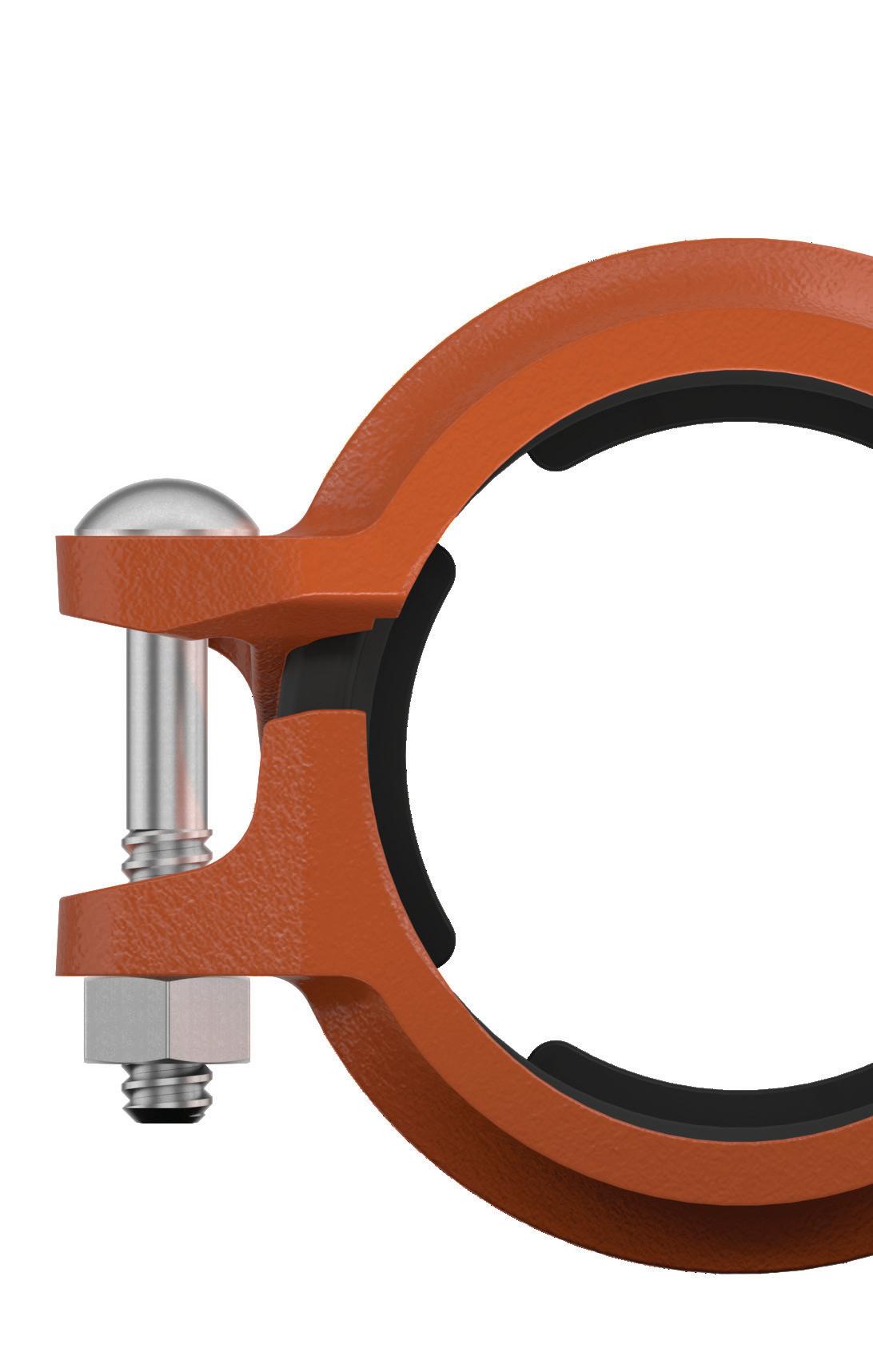
JL17, P22/P25, N28, and now
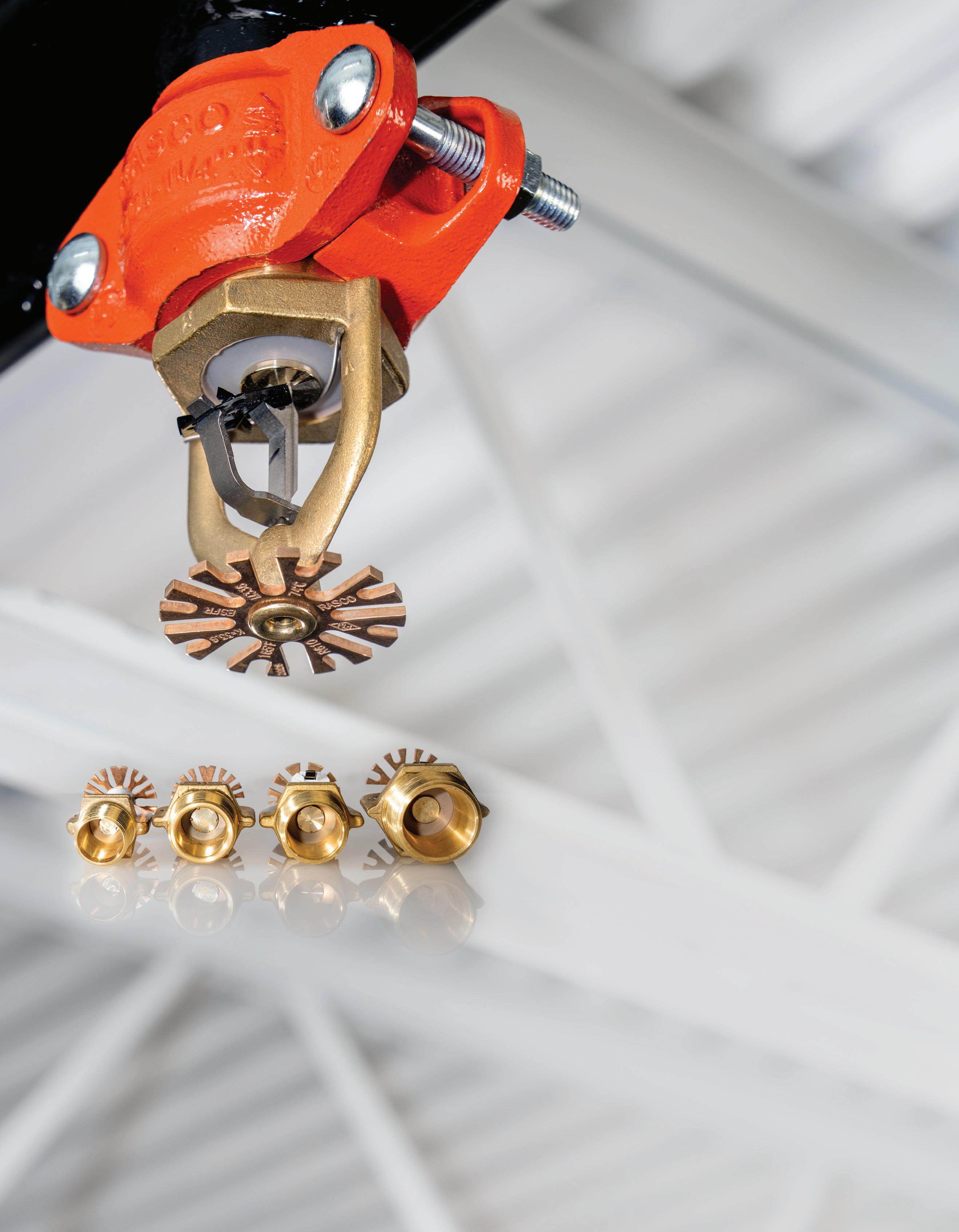
• 55 ft (16.8 m) ceiling height
• 50 ft (15.2 m) storage height
• 4 ft (1.2 m) minimum aisles
• 3 ½” (89 mm) takeout
• K33.6 (480)
• Available in Grooved or Threaded connections
• Durable fusible link operating element
Contact the Reliable Product Technology team at tech@reliablesprinkler.com or 1-800-557-2726 to discuss warehouse solutions.

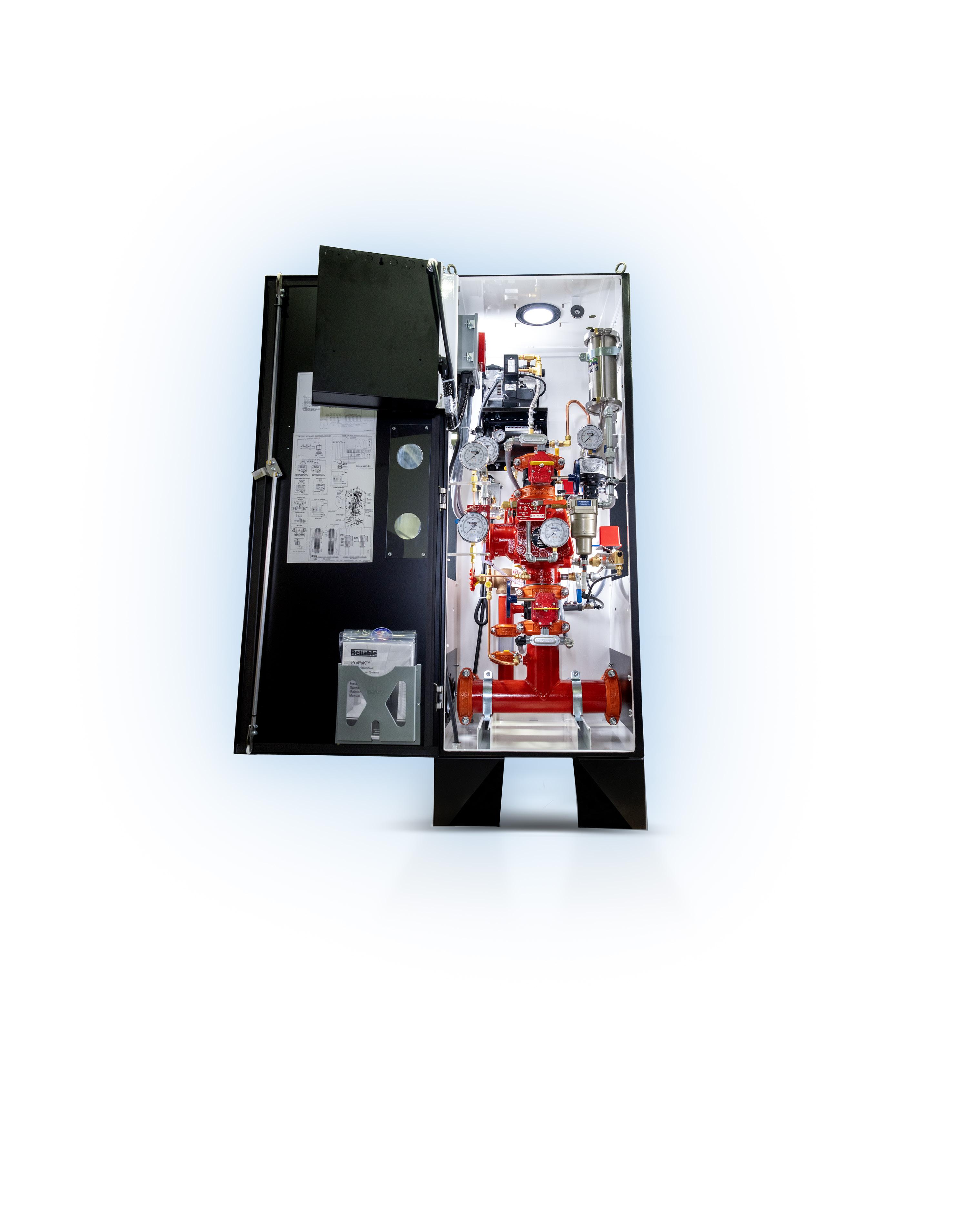
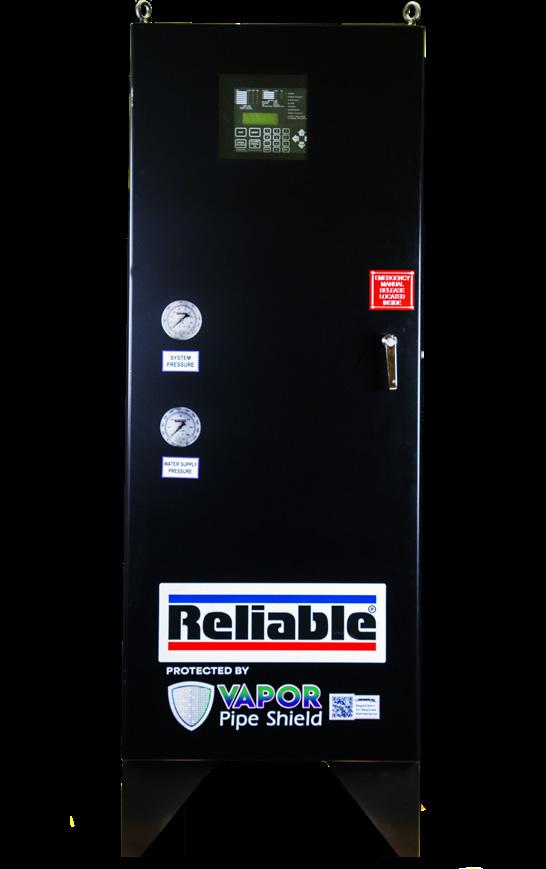
The PrePaK™Cabinet
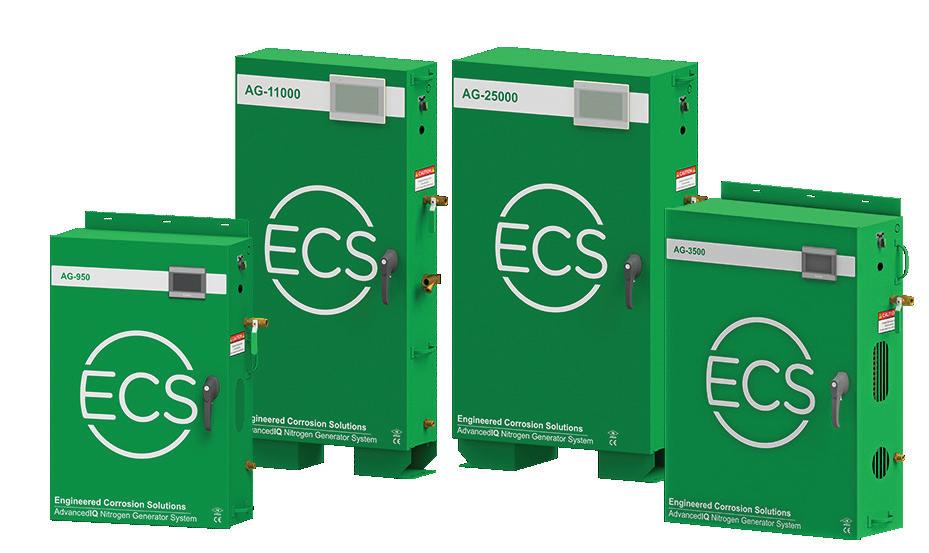
Corrosion Prevention for Dry & Preaction Systems
The PrePaK™ Cabinet
Quiet operation, compact design ideal for occupied spaces
Powder-coated steel construction
Factory-wired terminal box consolidates connections
Easy service access
Vapor Pipe Shield® for corrosion protection
New streamlined Model DD Air Maintenance Device
Time-tested Model DDX valve with external reset for easy service
Now available in the trusted PrePaK™, Vapor Pipe Shield® uses advanced VpCI® technology to prevent internal pipe corrosion with a low-maintenance design engineered for efficient system protection. For technical questions or information, contact tech@reliablesprinkler.com or call 1-800-557-2726.
Vapor Pipe Shield® is a trademark of General Air Products, Inc. VpCI® technology is a trademark Cortec Corporation
BUILDING THE FUTURE OF FIRE PROTECTION
FOCUSING ON CTE AND WORKFORCE DEVELOPMENT
BELINDA ATUATASI | AMERICAN FIRE SPRINKLER ASSOCIATION
I’m excited to introduce myself as the new workforce development coordinator for the American Fire Sprinkler Association (AFSA). I am stepping into this role with enthusiasm and a clear mission: to help build a strong, skilled pipeline of professionals for the fire sprinkler industry while directly supporting AFSA contractor members.
I bring experience from my time as a teacher, where I saw firsthand the need to connect classroom learning to real-world career pathways. Now, I’m channeling that passion into expanding opportunities for students to discover rewarding careers in the fire sprinkler industry. Most importantly, these careers offer excellent pay, job security, and the chance to make a genuine difference by protecting lives and property.
MY GOALS IN THIS ROLE
My primary objectives are to:
• Forge strong partnerships between schools, colleges, workforce boards, and AFSA chapters to integrate handson curriculum and industryrecognized experience into CTE programs.
• Raise awareness among students about the high-demand, high-value opportunities available in the fire sprinkler trade.
• Help AFSA contractor members solve workforce shortages by delivering job-ready talent with essential skills in installation, safety, and system design.
These efforts build on AFSA’s long-standing commitment to our contractor members and ensure our industry continues to thrive for generations to come. Since stepping into the position, I’ve begun reaching out to local school districts and CTE programs to identify how we can partner together to bring fire sprinkler fitting into their curriculum.
I know these partnerships will only be truly successful if our AFSA contractor members
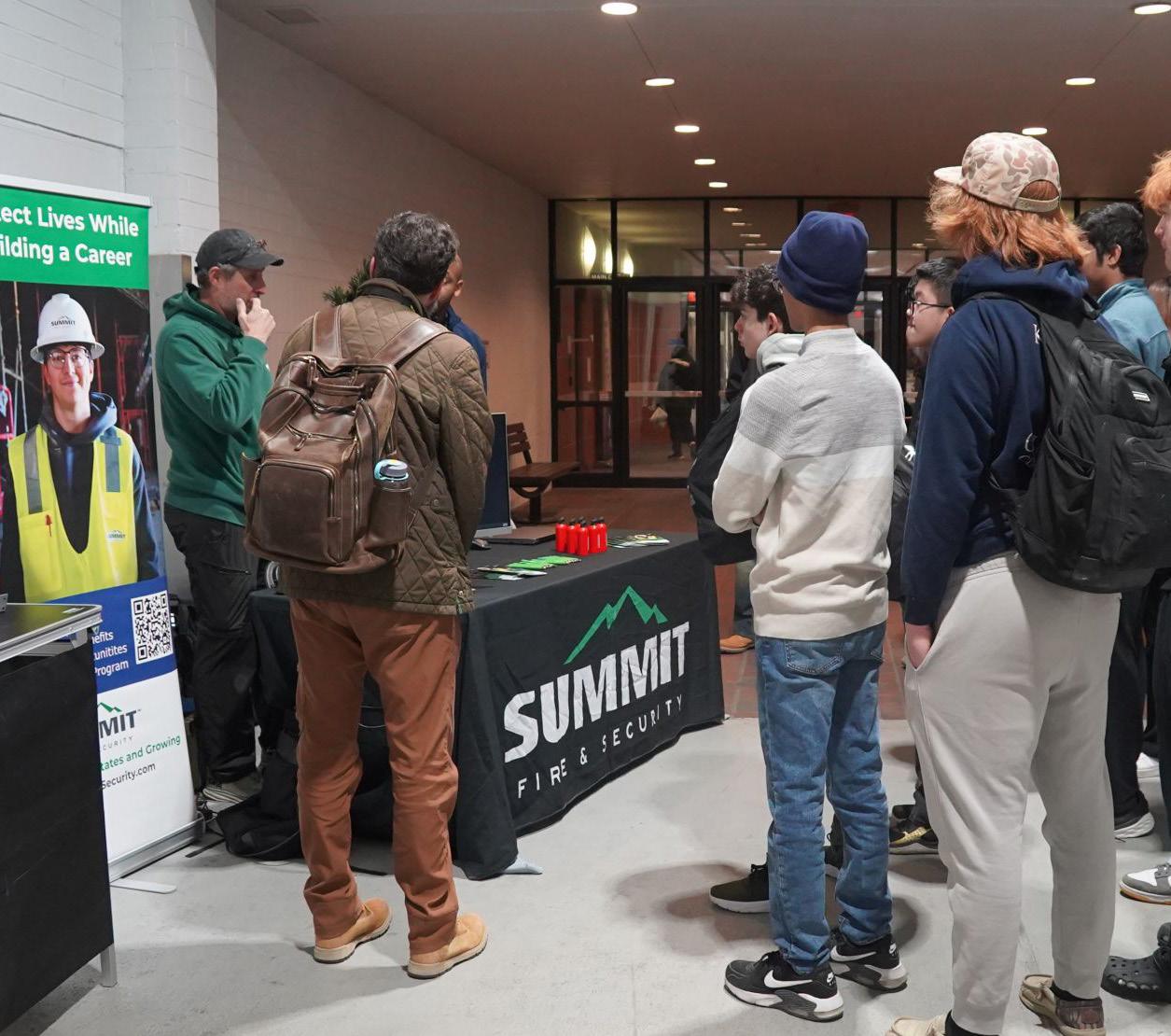
the AFSA Virginia Chapter and Henrico County, VA CTE partnered to host a Career Fair, welcoming over 200 high school students!
come alongside me in this effort. I cannot build an effective program alone—I need your expertise and involvement. That’s why I’m calling on contractors to help by:
• Going into schools to participate in career fairs, give presentations, conduct live demonstrations, and show students what a career in the fire sprinkler industry entails.
• Providing work-based learning opportunities, including internships, apprenticeships, job shadowing, and facility tours.
• Sharing your industry knowledge and real-world experience with students, parents, and school administrators to help them see this as a viable career path.
This collaboration between AFSA, local schools, and our contractors is the key to creating a sustainable and successful talent pipeline.
I’m truly passionate about showing students the incredible possibilities in our industry. By bridging education and the workforce, we can provide hands-on experiences that prepare the next generation for successful, fulfilling careers while meeting the urgent workforce needs of our contractor members.
AN OPEN INVITATION TO AFSA CONTRACTORS
I want to hear directly from you, our contractor members. Whether you are interested in joining a career fair at your local school district, offering student site visits or job shadowing, sponsoring in-
ternships, speaking in CTE classrooms, or discussing your current hiring challenges, I’m here to help coordinate it all.
Your active participation is essential. By investing your time and expertise, you will help grow the next generation of fire sprinkler professionals while strengthening your own company and our entire industry. Please reach out to me anytime at batuatasi@firesprinkler.org or call me at (214) 349-5965 ext 118. Let’s work together to schedule career fairs, plan school presentations and demos, or address your specific workforce development needs.
I’m honored to serve in this role and look forward to partnering
with you to build the skilled workforce our industry needs to continue safeguarding communities across the nation.
ABOUT THE AUTHOR:

Belinda Atuatasi is AFSA’s new workforce development coordinator where she focuses on building meaningful partnerships between education and industry. In this role, Atuatasi works to connect CTE programs with the company’s fire sprinkler curriculum, helping students and educators access pathways into the fire protection industry.
With a Master of Arts in Teaching from the University of Southern California, and more than a decade of experience in education, Atuatasi has worked with learners across a wide range of ages and levels. Her background in education brings a student-centered perspective to workforce development, emphasizing collaboration with schools, instructors, and community partners to create practical, career-focused learning opportunities. She is passionate about strengthening the pipeline between classrooms and careers, ensuring that students are aware of and prepared for opportunities in the fire protection field.
GET IN THE GROOVE
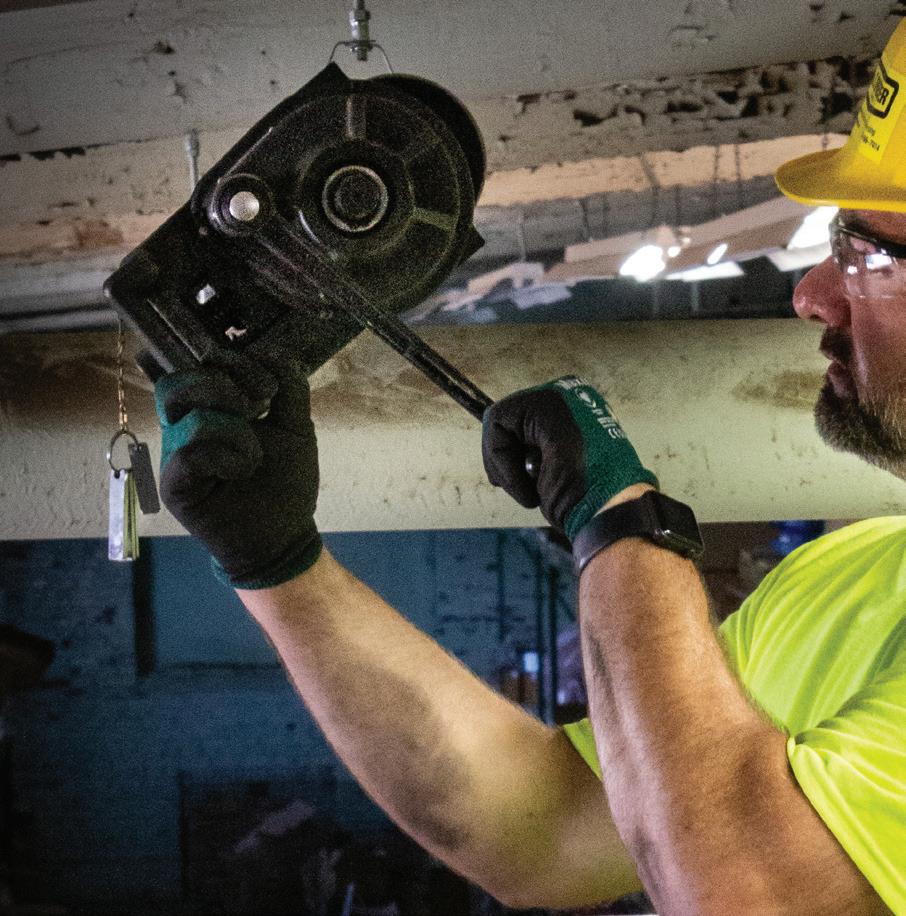

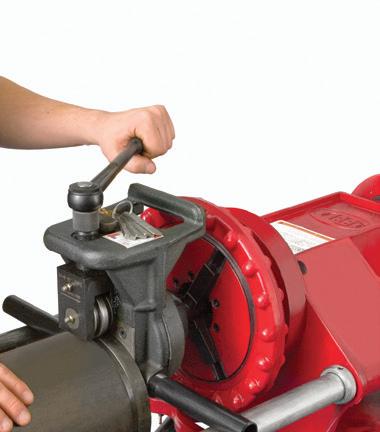
• Built to last — delivering reliable and consistent tracking over the long haul
• 2-in-1 groover for manual use or with a power drive
RGCOMBO2 with Power Grooving

BUILDING BETTER APPRENTICES
GET READY FOR THE 33RD ANNUAL NAC
Empower your apprentices and celebrate your dedication to training by encouraging your apprentices to enter AFSA’s 33rd Annual National Apprentice Competition (NAC)! This competition showcases apprentices’ skills and will be the highlight of AFSA45: Convention, Exhibition, and Apprentice Competition, to be held September 27-30 in San Antonio, Texas.
COMPETITION COUNTDOWN
Each year, the competition, created in 1994 by the late Robert L. McCullough, continues to attract apprentices from AFSA chapters and member training programs. To enter the NAC, apprentices already enrolled in AFSA’s apprenticeship training series can take the Phase I exam June 1-14, 2026. This exam will be found in Canvas, where their apprenticeship exams are also located. Eligible apprentices of any course level are encouraged to enter! Apprentices not testing in Canvas can scan the QR code on this page to enroll to test in Phase I.
Phase II of the competition will occur during AFSA45 and consists of two portions: a second written test and a live competition practical in the AFSA exhibit hall. During the live competition, seven competitors construct and pressure-test a miniature sprinkler system in front of convention attendees. Each finalist
is given a drawing of the system and all the required materials to install it. Finalists then construct the system with five sprinklers onto a 9-ft tall metal frame structure. Competitors must measure, cut, thread, and use fabricated materials for the installations per the drawing they are provided.
After the entire system is installed and allowed to set, it is placed under a static water pressure test of approximately 80 psi, with points deducted for any leaks or pressure drop. During the mini-installation, apprentices are judged in three areas—accuracy, craftsmanship, and safety—to form their practical score, which is combined with their written score to determine the winner.
PLENTY OF PERKS
The top seven finalists from Phase I receive an expense-paid trip to compete at AFSA45 and a complimentary convention registration for their employer. Finalists also receive a commemorative plaque, tools, and cash prizes—$10,000 for first place, $7,500 for second place, $5,000 for third place, and $2,500 for fourth through seventh place!
Raul Larios, winner of last year’s NAC and a fitter with Hiller Companies, recommends the NAC to other apprentices. “I don’t think there’s a reason why not. I think they should. If you really enjoy the trade and you want to better yourself, it’s for sure

something that will better you. If you really care about the trade, you have to try your hardest to be a part of it.”
“An AFSA convention is the most valuable thing an apprentice can experience,” says Eric Rieve, SET, Rieve Fire Protection, Bethel, Conn., whose company has a long history with the NAC. Rieve competed in 2007, his brother Connor in 2014, and their Apprentice Stephen Dolan in last year’s competition. “Phase I testing is great practice for state licensing exams. And qualifying for the Phase II competition is the opportunity to test your skills and be inspired and awed by your industry and the people in it.”
AFSA encourages all apprentices enrolled in the Sprinkler Fitting apprentice training series to enter. All apprentices who take the Phase I exam will be entered into a drawing to win one of three $100 Amazon gift cards. Their training coordinators will also win $100 Amazon gift cards. Visit firesprinkler.org/competition.
Scan this QR code to enter the 2026 nac.




NEXTGEN: CONTINUING THE LEGACY
A LOOK INTO THE INDUSTRY’S PAST AND FUTURE
TERRY WHITFIELD | BRENDLE SPRINKLER CO., INC.
Attending AFSA43: Convention, Exhibition, and Apprentice Competition in Denver, Colo., in the fall of 2024 as a NextGen Scholarship recipient was an experience that exceeded every expectation I had walking into the convention. From the moment I arrived, it was clear that this was more than just an industry event; it was a gathering of passionate professionals committed to advancing the fire sprinkler industry and investing in its future leaders.
As a representative of Brendle Sprinkler Company, Inc., which has been in this business since 1960, and one of the first NextGen scholarship recipients, I felt a deep sense of pride attending AFSA43. Receiving the NextGen scholarship was both an honor and a motivator. The scholarship represents AFSA’s commitment to supporting emerging young professionals, and being selected strengthened my desire to continue growing within our industry. Being able to connect with other young professionals who share the same drive to learn and lead was energizing. There was a shared understanding that we are stepping into an industry built on legacy, craftsmanship, and service, and that we have a role in shaping its future.
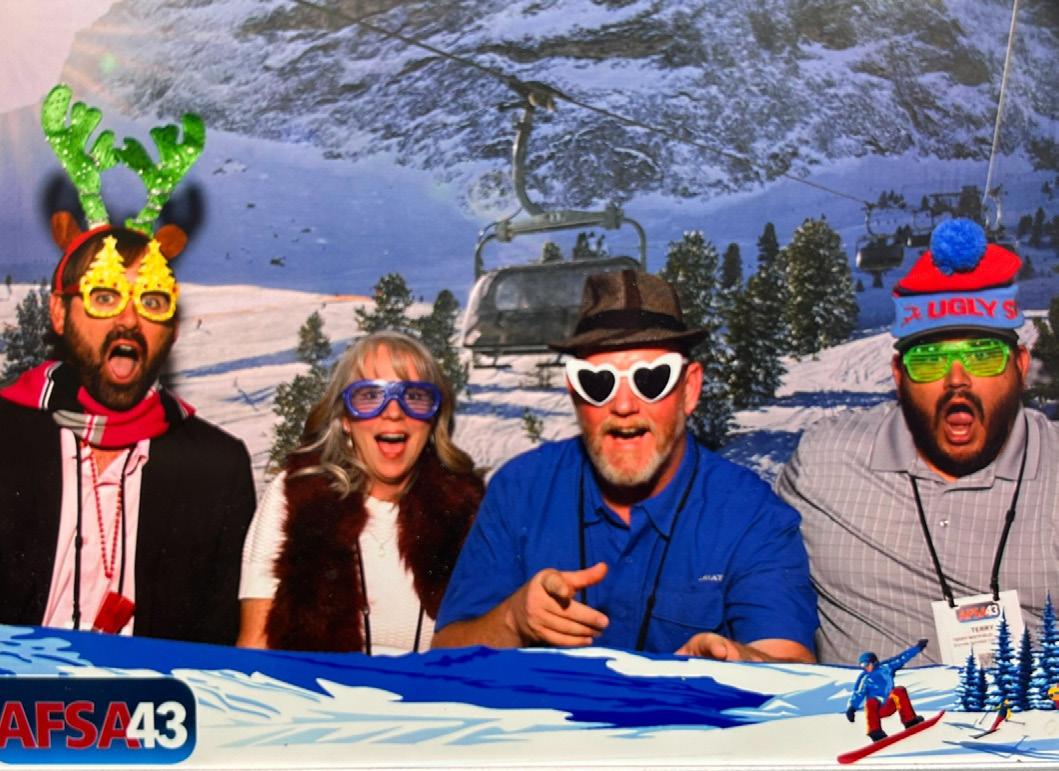
One of the most impactful aspects of AFSA43 was the opportunity to network with contractors, manufacturers, suppliers, and industry veterans from across the country. Conversations that began with simple introductions quickly evolved into meaningful discussions about leadership and the future of fire protection. I was especially encouraged by how approachable seasoned professionals were. Many were eager to share lessons learned over decades in the field and in business, offering advice that I can apply both personally and within Brendle.
The educational seminars were incredible. They covered a broad range of topics, from technical advancements and code updates to leadership development and business strategy. I walked away with a clearer understanding of the challenges and opportunities facing our industry. Seminars addressing workforce shortages and emerging technologies were particularly relevant, as they emphasized the importance of attracting, training, and reaching the next generation of skilled professionals.
The exhibit hall was another highlight of the convention. Seeing the latest in tools, materials, and software firsthand deepened my appreciation for the technology driving our industry forward. Having conversations with manufacturers and product experts allowed me to explore solutions that could enhance efficiency, safety, and performance back home in Alabama.
Beyond the seminars and networking events, AFSA43 fostered a strong sense of community. Whether during organized receptions or informal conversations between sessions, there was a shared mission: protecting lives and property through reliable fire sprinkler systems. That collective purpose created an
The Brendle Team mixed in fun with learning at afsa43.
atmosphere of collaboration rather than competition, reflecting the values we prioritize at Brendle.
Ultimately, attending AFSA43 as a NextGen scholarship recipient strengthened my commitment to this industry. I returned to Alabama with new knowledge, valuable connections, and renewed motivation to contribute meaningfully to both AFSA and Brendle Sprinkler Company. I am also excited to become more involved with my local Alabama Fire Sprinkler Association, building on the momentum from AFSA43 and supporting our industry at the state level.
I would highly recommend that young professionals in our industry take advantage of the opportunity to attend a convention at the national level. The exposure to new ideas, access to industry leaders, and a sense of shared purpose are invaluable. Experiences like AFSA43 not only expand your professional network but also broaden your perspective on what is possible within the fire protection industry. The experience affirmed that the future of fire protection depends on continued

education, innovation, and strong leadership, and I am eager to play a meaningful role in that future.
ABOUT THE AUTHOR: Terry Whitfield is a NICET Level III inspector with Brendle Sprinkler Co., Inc. in Montgomery, Ala. He began his career with Brendle Sprinkler Company in September of 2008. Whitfield has devoted most of his career as an inspector, earning his NICET Level III Inspection Testing and Maintenance of Water-Based Systems in 2017 and, most recently, NICET Level I Water-Based Systems Layout while servicing Brendle’s subcontract on the Auburn University campus. Whitfield looks forward to continuing to help Brendle Sprinkler Company build a legacy for future generations.
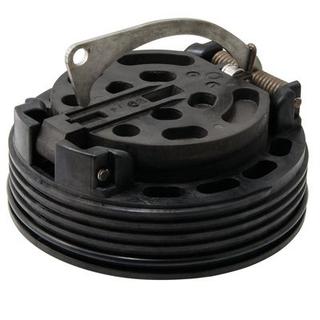
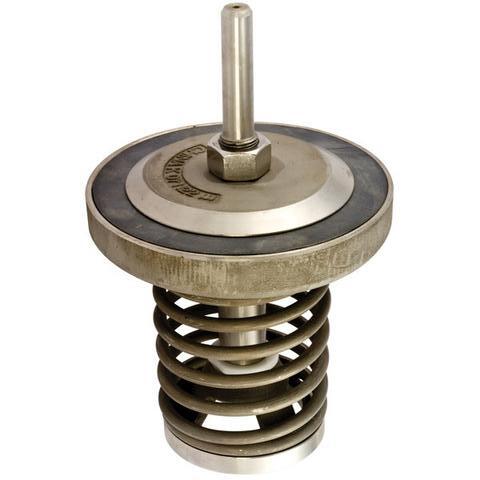
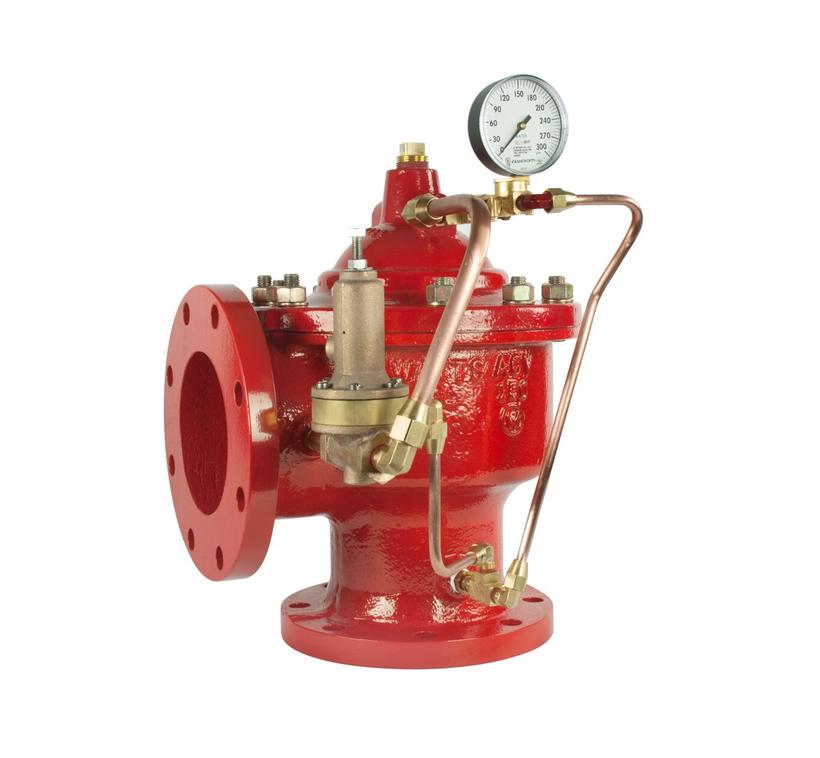
The REPAIR PARTS Experts
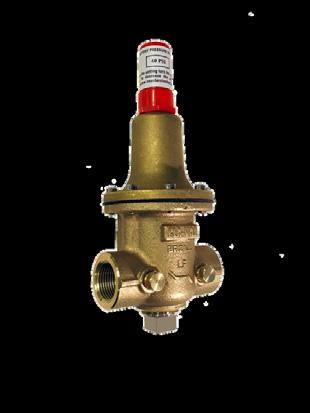

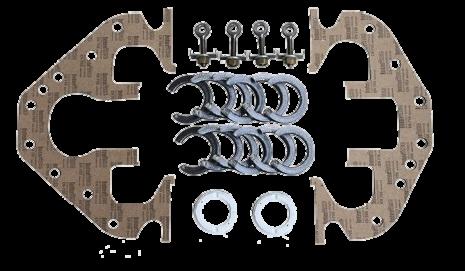
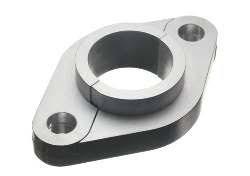
WHITFIELD says afsa43 was more than just an “industry event.”
PARKING GARAGES
TESTING TOMORROW’S VEHICLE FIRES
VICTORIA HUTCHISON | ENERGY SAFETY RESPONSE GROUP
CARS ARE CHANGING. GARAGES ARE CHANGING. FIRES ARE CHANGING. YOUR SPRINKLER DESIGN SHOULD, TOO.
On New Year’s Eve, 2017, the global fire protection community watched in awe as a single car fire in Liverpool’s Echo Arena car park resulted in over a thousand vehicles destroyed, severe structural damage, and a total loss. Soon, headlines from Stavanger to Luton and Jacksonville airports and an underground garage in South Korea were telling the same story of “routine” vehicle fires turning into infrastructure-level catastrophes. Those blazes joined a growing list of multi-vehicle, multi-story parking deck fires that exposed how vulnerable unsprinklered garages really are. Given the growing garage density coupled with vehicles getting larger, heavier, and more fuel-rich, these incidents have become the case studies driving the reevaluation of vehicle design fires and hazard classification assumptions, pushing codes and standards to respond, and fueling a new wave of testing to understand how today’s vehicles actually burn.
Recent full-scale tests by the Fire Protection Research Foundation are providing more insight into how battery electric vehicles (BEV) and internal combustion engine vehicles (ICEV) behave under ordinary hazard group 2 (OH2) sprinkler protection in parking structures. Conducted as part of the Classification of Modern Vehicle Hazards in Parking Structures research program, the tests evaluated both vehicle types—including a two-car stacker configuration—through controlled burns at RISE fire research
facilities in Sweden and Norway. These experiments generated data on heat release, heat flux exposure, ceiling temperatures, fire spread potential, and overall sprinkler performance. The findings are helping refine modern vehicle hazard classifications and influencing whether current design criteria remain adequate for today’s parking environments.
EV VS ICEV VEHICLE FIRES: WHAT PARKING GARAGE SPRINKLER TESTS ARE REVEALING?
How do modern vehicles differ from legacy vehicles?
Vehicles have changed significantly in recent decades, becoming larger and incorporating far more plastic— rising from under 3% of vehicle weight in the 1970s to about 9.6% in 2021. This increased plastic content raises the available fuel load, influencing heat release rates, burn duration, and fire spread potential. While EV bat-
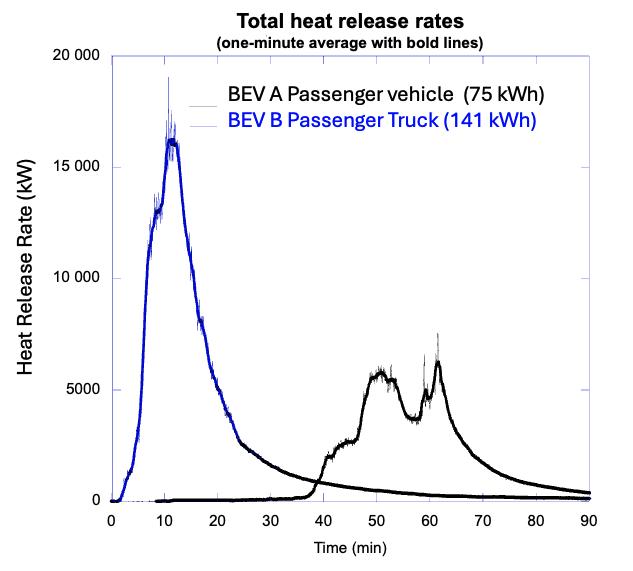
FIGURE 1. BEV A and BEV B HEAT RELEASE RATE (kW).
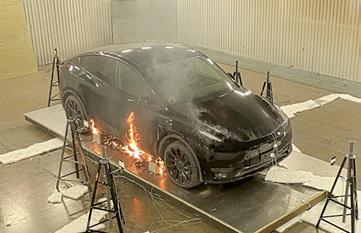
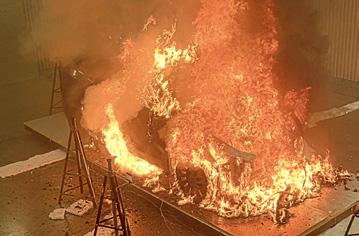
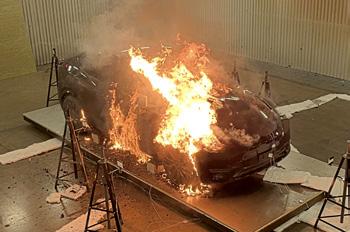
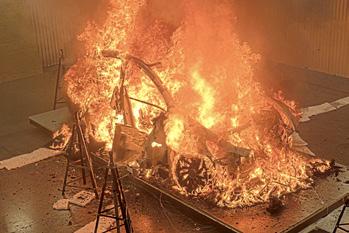
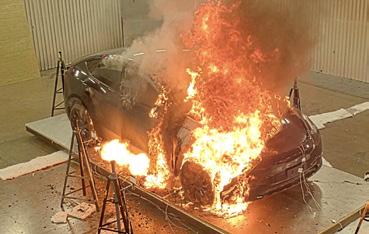
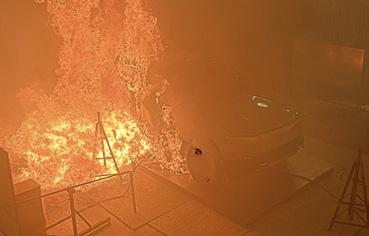
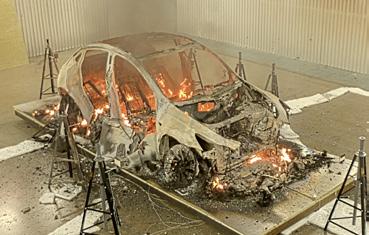
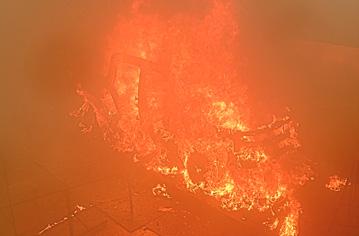
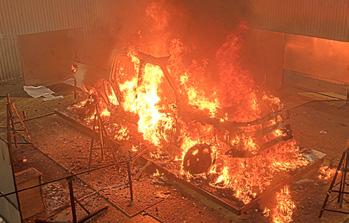
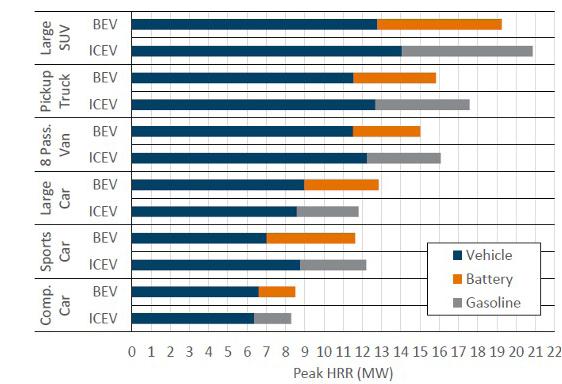
tery packs add unique hazards, testing shows that overall fire severity is generally comparable between modern ICEV and EV vehicles. However, larger vehicles—like full-sized SUVs—may produce significantly larger fires, with peak heat release rates up to ~19 MW compared to ~7.5 MW for a standard passenger car.
When researchers compared design fires, they found that when vehicle size is held constant, ICEV and BEV fires exhibit similar peak heat-release characteristics, meaning BEV calorimetry data can be representative of ICEV fires and vice-versa—in terms of order of magnitude. Literature suggests that large BEVs (i.e., SUVs) can exceed 18 MW heat release rate (consistent with the BEV B), while compact BEVs fall near 8 MW (aligning with BEV A), confirming both as realistic and representative test cases. (See Figure 3.)
Thermal Exposure: ICEV vs EV
Modern vehicles generate significant heat at the ceiling regardless of fuel type, but the tests revealed
clear differences in temperature profiles. ICEV vehicles produced higher average ceiling temperatures and longer periods of elevated heat, with temperatures in the 1,112°F - 1,472°F (600–800°C) range sustained for roughly 15-20 minutes. BEV fires showed slightly higher peak temperatures, reaching about 1,619°F (882°C), but these peaks were short-lived, lasting only a few minutes. (See Figure 4). Both vehicle types, when unsprinklered, created ceiling temperatures above 800°C—levels capable of threatening structural integrity.
Performance Differences by Sprinkler Type
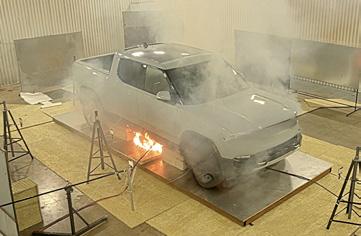
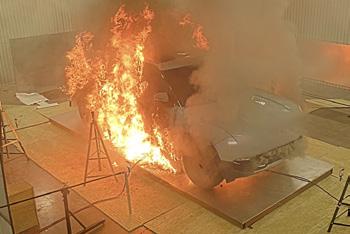
The tests also compared sprinkler performance by K-factor. In two ICEV burns, Test 2 used K5.6 nozzles and Test 4 used K11.2 nozzles—both designed for OH2 densities but with different droplet characteristics. The results were surprising; while Test 2 charred the plywood target and produced localized peak heat fluxes above 20 kW/m², Test 4 showed no visible target damage. (See Figure 5).
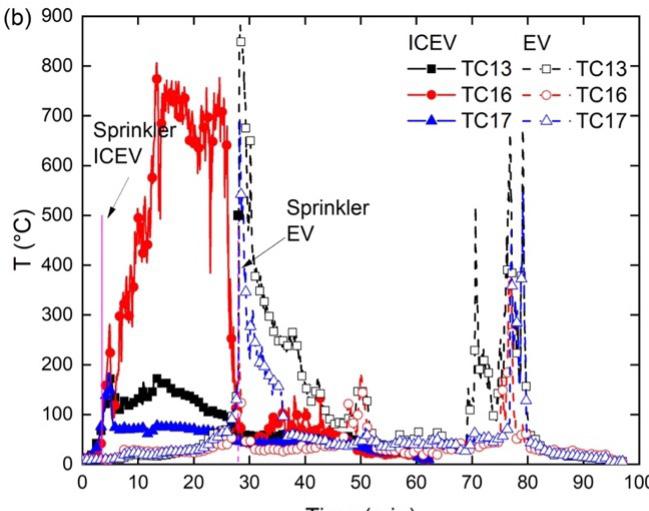
FIGURE 3. AVERAGE DESIGN FIRE HRR FOR ICEV VS. EV BASED ON VEHICLE SIZE (HODGES, 2024).
FIGURE 4. EV VS ICEV TEMPERATURES AT THE CEILING (C).
FIGURE 2. BEV A (75 kWh) and BEV B (141 kWh) FREE BURN CALORIMETRY TEST.
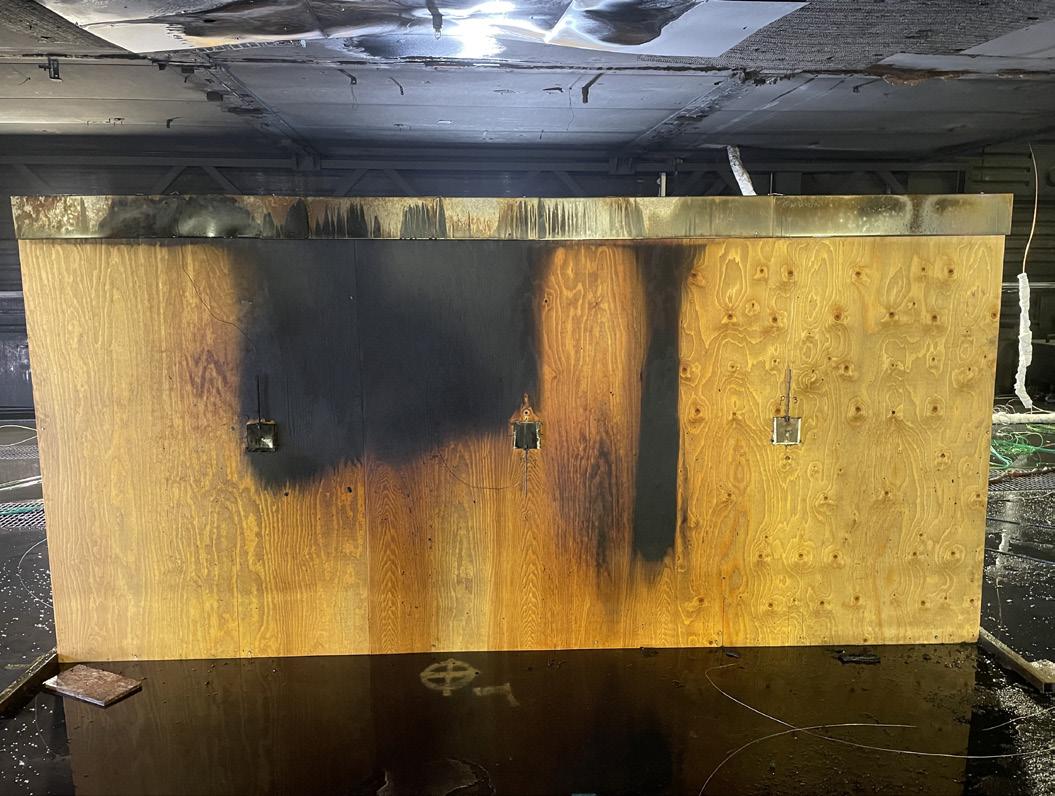
Researchers observed that larger droplets from higher K-factor sprinklers penetrated deeper into the fire plume and more effectively wetted surfaces, reducing heat transfer and preventing ignition of adjacent materials. The data suggest that higher K-factor sprinklers may provide better cooling and shielding under similar design densities, though more testing is needed to confirm this trend.
Vehicle-to-Vehicle Spread, Heat Flux, and Impact of Sprinkler Protection
Regardless of vehicle type, heat flux generated from a single-vehicle fire can be intense (with peak exposures reaching between 30 kW/m2 and 100+ kW/m2) and capable of driving rapid fire spread in the absence of sprinkler protection. However, the reduction in heat
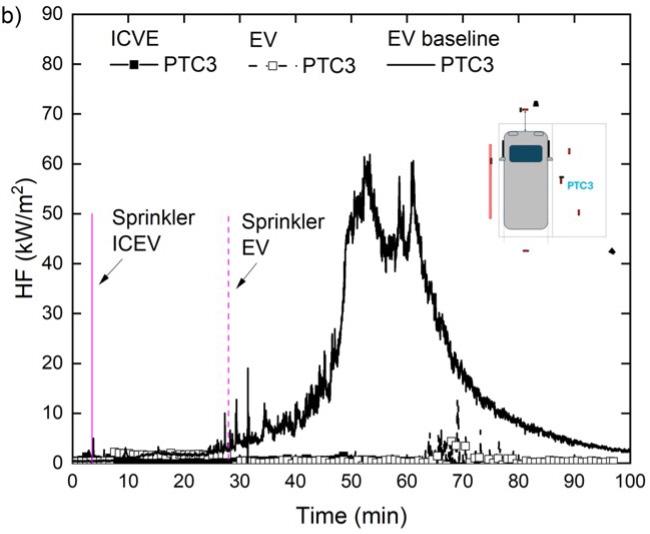
flux achieved by the OH2 sprinkler system during standard vehicle fire tests indicated that lateral fire spread was unlikely. For all single-vehicle tests with OH2 densities, maximum measured heat fluxes at the plywood target generally remained below 10 kW/m²— well below the threshold needed to ignite most automotive plastics. Only one ICEV test produced short-term peaks exceeding 20 kW/m², but even then, the sprinklers kept the duration of the fire intensity below the threshold for fire spread. (See Figure 6).
However, results were very different in the two-vehicle vertical stacker test. In that scenario, the ceilingonly OH2 system failed to control the fire. The lower ICEV ignited the upper BEV, and the target heat fluxes exceeded 100 kW/m², with heavy charring. Shielding effects from the upper vehicle limited sprinkler water penetration—indicating that ceiling-only protection may not be adequate for compact vertical parking systems. These results confirm the language in NFPA 13, Standard for the Installation of Sprinkler Systems: for a twocar stacker, hazard classification must be Extra Hazard Group 2 for ceiling protection or sprinklers at every level with Ordinary Hazard protection. However, more research and testing are needed to further assess the adequacy of these design criteria.
Summarized Results
Across five full-scale comparable sprinklered garage tests, the single vehicle scenarios (Tests 1–4) were all controlled by OH2 sprinkler protection but showed distinct severity and sprinkler operation patterns: a BEV without battery involvement (Test 1) produced the lowest condi-
FIGURE 5. at left, test 2 k5.6 with charring. at right, Test 4 k11.2 without charring.
FIGURE 6. HEAT FLUX AT ADJACENT VEHICLE BASELINE VS SPRINKLER.
tions (290°C, 8.5 kW/m²) with only two of nine heads operating and no target charring; the ICEV with K5.6 (Test 2) drove higher early exposures (806°C, 65 kW/m²) and seven heads with partial charring; the BEV with induced thermal runaway (Test 3) activated all nine heads, peaking at 882°C and 50 kW/m² with partial charring; and the ICEV with higher K factor K11.2 and slightly higher density of 0.23 gpm/ft² (Test 4) limited severity (720°C, 33 kW/m²), required six heads, and avoided charring. The two-car stacker configuration (Test 5) was the outlier—triggering nine-plus heads beyond the design area and producing the highest temperatures and heat flux (≈900°C, 120 kW/m²) with severe target damage—underscoring that ceiling-only protection is far more challenged in stacked parking arrangements, even where sprinklers substantially reduce heat flux.
Implications for Designers
As test data continue to emerge, and standards go through future revisions, it is important to incorporate these learnings and design considerations into future design practices, to ensure protection is aligned with the latest science:
• OH2 performance in standard garages: FPRF experiments to date found OH2 densities to appear capable of controlling fires involving both BEVs and ICEVs in single-level parking structures and prevent lateral spread. However, the findings are based on a small number of tests and apply only to standard size passenger vehicles. Additional data—particularly on large vehicles—expected later this year will help validate whether OH2 remains adequate for all vehicles.
• Benefits of higher K factor sprinklers:
Larger orifice sprinklers demonstrated better cooling and reduced radiant heat exposure compared with smaller K factors, improving overall effectiveness.
• Limitations in stacked and multi-level configurations:
Ceiling only OH2 systems were unable to prevent ignition and fire spread in vertically arranged parking scenarios. These configurations may require in rack sprinklers or higher design criteria to achieve effective control.
Sprinklers activated beyond
FIGURE 7. SPRINKLER

• BEV fire development considerations: While BEV fires do not always generate higher heat release rates, delayed battery involvement can extend fire duration. Designers should account for these dynamics when sizing water supplies and determining required system duration.
Impacts on future codes and standards
Revisions to the 2022 edition of NFPA 13 and the 2023 edition of NFPA 88A, Standard for Parking Structures, were reflective of a decisive shift toward sprinkler protection in both enclosed and open garages, driven by research linking unsuppressed incidents to large loss outcomes and structural damage. Analyses indicate that where sprinklers are present and sized to modern hazards—rather than legacy design fires—systems can generally maintain control until fire department arrival. These learnings are now influencing the 2027 edition of NFPA 88A. Draft updates include refined hazard classifications, potential changes to minimum sprinkler densities, new proposed provisions to address stacked and automated parking systems, EV charging layouts, and ventilation strategies to reflect the suppression challenges associated with modern vehicles. Visit nfpa.org/88A for more details or nfpa.org/foundation to access the forthcoming research report.
LOOKING AHEAD
If you installed a they aren’t!
The AGF COLLECTanDRAIN Model 5500 is a dry fire sprinkler system auxiliary drain that features a thermostat which operates an internal heater. The heater runs as needed to reduce energy use while maintaining a temperature safely above freezing. The motorized supply and drain valves automatically maintain the auxiliary drain per NFPA standards, and the programmable logic control (PLC) can be wired to a fire control panel or building management system for remote notification and/or operation. Be ready for winter! Upgrade your system’s auxiliary drains and streamline system maintenance while preventing expensive system freeze-ups.
The results from this research program deliver a clear message: well designed and operational sprinkler systems in garages significantly reduce the likelihood of major losses. However, today’s garages—characterized by larger vehicles, denser layouts, and automation— demand design choices grounded in modern hazards. These decisions ultimately determine whether a fire is controlled or escalates into a large loss event.

ABOUT THE AUTHOR: Victoria Hutchison is a fire protection engineer with a specialized focus on fire protection for emerging energy systems. She is currently the chief operating officer with the Energy Safety Response Group (ESRG) and previously served as a senior research project manager at the Fire Protection Research Foundation, the research affiliate of the NFPA.
PRODUCT VIDEO
APPRENTICE HONOR ROLL
RECOGNIZING THE TOP STUDENTS FOR 2025
It’s time to celebrate the best of the best in fire sprinkler training! The American Fire Sprinkler Association (AFSA) started the National Apprentice Honor Roll in 2012 and has continued the annual tradition of spotlighting the top students. This roll showcases the brightest trainees who have not just completed the four levels of Sprinkler Fitting apprenticeship training but have raised the bar and earned a 95% or higher GPA. AFSA is proud to recognize eight outstanding students from the Class of 2025—selected from a graduating class of 301!
The following companies are the proud employers of inductees into the 2025 National Apprentice Honor Roll:
• Aqueduct Fire Protection, Williamstown, N.J.
• Blaze Fire Protection, Grand Rapids, Mich.
• Impact Fire Services, Southborough, Mass.
• Johnson Controls, Inc., Raleigh, N.C.
• Mack Fire Protection, Middletown, Conn.
• Maine Fire Protection, Bangor, Maine
• Mammoth Fire Protection, Hudson, N.H.
• Titanium Fire Protection, Gretna, Neb.
Sponsoring employers will receive recognition plaques to honor their students, giving contractor companies the perfect opportunity to present these awards in an appropriate setting. AFSA celebrates all contractors participating in this curriculum and encourages fitter trainees to excel in their studies by bringing attention to these companies in Sprinkler Age and on the national stage at AFSA’s annual convention.
APPRENTICE TRAINING PROGRAMS
The National Apprentice Honor Roll is just one way AFSA acknowledges the hard work and commitment of both apprentices and employers enrolled in the association’s apprenticeship training series, which offers two options: Employer-Led Path (ELP) or Virtual Instruction Path (VIP).
With ELP, employers choose to instruct their own in-house apprenticeship training. AFSA provides course materials, including assessments. Other benefits include online testing with 24/7 access, modules for customizing the program, visual aids to assist with learning, and online access to student history and grades.
AFSA also offers the VIP option, which includes the Sprinkler Fitting textbooks, two live monthly sessions, performance tasks to reinforce the modules, self-study components, and assessments. Each level provides ten months of education to accompany the On-The-Job Learning (OJL) conducted by the employer. The live lessons are instructed by AFSA staff and subject matter experts.
With VIP, AFSA handles the related technical instruction (RTI) portion so employers can focus on apprentices’ field training. For more details regarding either program or to register, visit firesprinkler.org/ sprinkler-apprentice-training.
NATIONAL APPRENTICE COMPETITION
AFSA’s National Apprentice Competition (NAC) is the perfect opportunity to showcase apprentice skills! Competitors receive hand tools and cash prizes—$10,000 for first place, $7,500 for second place, $5,000 for third place, and $2,500 for fourth through seventh place finishers.
Completing the competition’s Phase I testing is easier and more accessible than ever with online testing through each apprentice’s Canvas account. This year’s Phase II will take place at AFSA45: Convention, Exhibition, and Apprentice Competition, Sept. 27-30 in San Antonio, Texas. For more information on the NAC, visit firesprinkler.org/competition.
SHAPING SKILLED DESIGNERS
AFSA TRAINS FROM BEGINNER TO NEXT LEVEL
The American Fire Sprinkler Association (AFSA) has design on its mind and your designers in mind! The association offers two schools to train your layout technicians: Beginning for new designers and Intermediate for those ready to advance their skills to the next level.
hensive, hands-on approach to preparing fire sprinkler drawings from start to finish.
The three-week course features a blend of virtual and in-person learning with six live webinars, selfpaced modules, and exercises focused on installation and design requirements. Q&A and open-discussion sessions support deeper understanding.
“GREAT DESIGNERS AREN’T BORN; THEY’RE TRAINED.”
“Great designers aren’t born; they’re trained,” says AFSA President Bob Caputo, CFPS. “Experience, combined with AFSA’s online and classroom training, can accelerate the process of training your people. Send them to us, and we will send them back better.”
BEGINNING DESIGN SCHOOL
Immerse yourself in NFPA 13, Standard for the Installation of Sprinkler Systems (2022 edition), and build a strong foundation in fire sprinkler system design. AFSA’s Beginning Design School provides a compre-
Following the webinar portion, a week of in-person instruction reinforces these concepts as students prepare fire sprinkler layouts, shop drawings, and hydraulic calculations by hand—without the use of CAD or third-party software. This manual approach ensures that future designers thoroughly understand the inputs required by software programs and how to interpret their outputs, strengthening both technical accuracy and professional judgment. The course concludes with a comprehensive exam covering NFPA 13, Standard for the Installation of Sprinkler Systems , installation rules, layout concepts, and hydraulic calculations.
These foundational design skills help prepare participants for the NICET Water-Based Systems Layout certification exams, provide prep for the NFPA Cer-
THE BEST TRAINED DESIGNERS START AT AFSA’S IMMERSIVE DESIGN SCHOOLS.

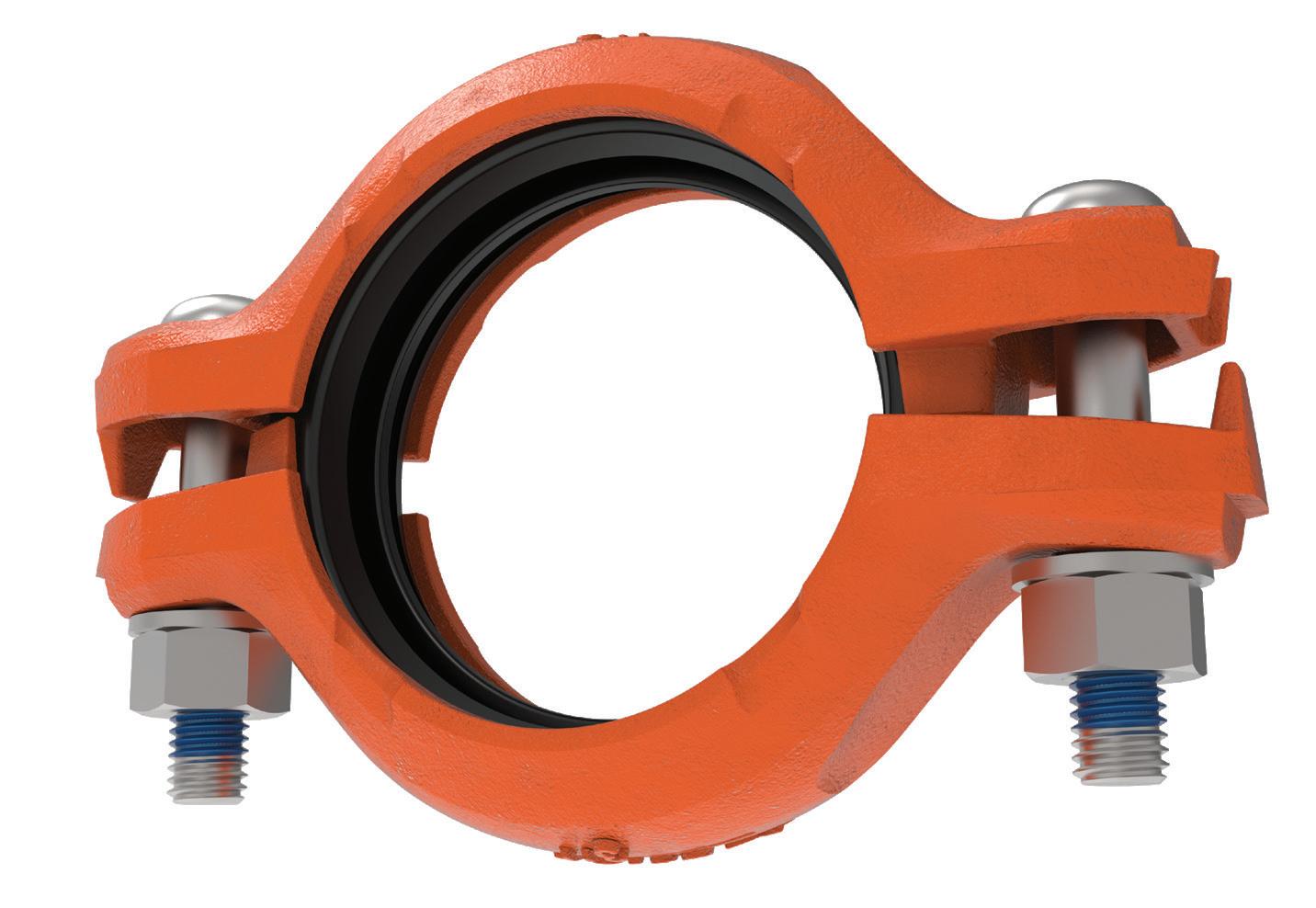
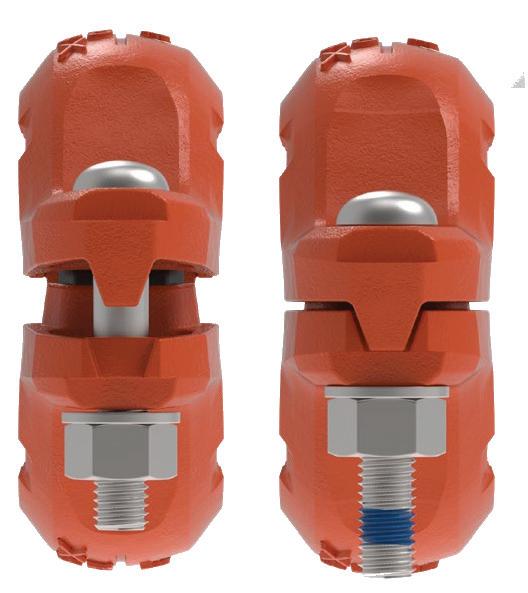
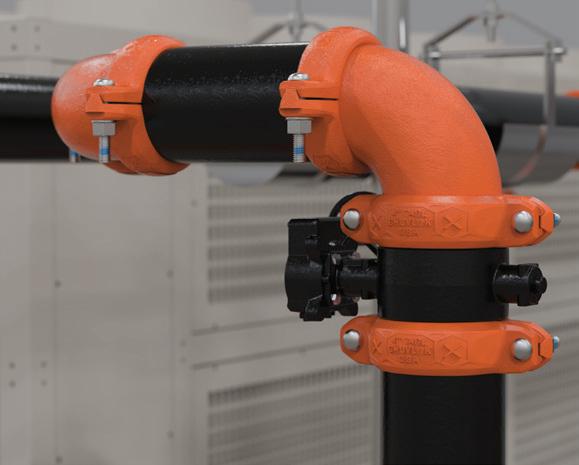
Introducing the Figure C9-CL The Fastest, Easiest to Verify Rigid Coupling Available
• Visual and Tactile Installation Verification
• All-new Patent-pending Design
• CenterLOK™ Gasket Enables Two-handed Installation
• Simplified Tightening
• Ready-for-installation

tified Water-Based Systems Professional (CWBSP) credential, and strengthen readiness for other industry credentialing tests.
AFSA’s Beginning Design School will prepare the student to:
• Interpret building plans and construction types to apply proper sprinkler spacing requirements.
• Determine proper system layouts and installation methods.
• Analyze sprinkler specifications, shop drawings, technical data sheets, and flow test results.
• Identify sprinkler types, system types, pipe types, hangers, fittings, & system components.
• Explain coordination requirements with plumbing, mechanical, electrical, and structural trades.
• Perform hand-drawn system layouts and hydraulic calculations, and evaluate hydraulic inputs to understand computer-generated outputs.
• Navigate NFPA 13 effectively to locate and apply design and installation requirements.
“The instruction and explanations were excellent. Josh and Eric were great,” says Logan Nail, Four Feathers Alarm, Denison, Texas, who took the school earlier this year. “Every course I’ve taken with AFSA has been leagues above the other industry courses I’ve had. The instruction is always clear and informative, the instructors are likable and helpful, and the facility is great.”
AFSA’s Beginning Design School offers 7.6 CEUs, 76 CPDs, and 76 Contact Hours. This class is designed for trainees and entry-level technicians with at least six months of experience, as well as those with experience in the sprinkler trade looking to make the transition to system layout.
Upcoming schools are scheduled for May 26-June 19 with in-person training being held in Exton, Penn., and June 30-July 24 with in-person training being held at the AFSA Training Lab. For more details and to register, visit firesprinkler.org/design.
INTERMEDIATE DESIGN SCHOOL
Ready to take your designers to the next level? AFSA’s Intermediate Design School helps experienced layout technicians develop a deeper understanding of standpipe systems, fire pumps, seismic protection, and
general storage design using Autodesk® Revit® and key NFPA standards. Students will strengthen the tools they use daily while expanding their technical knowledge of NFPA 13; NFPA 14, Standard for the Installation of Standpipe and Hose Systems; and NFPA 20, Standard for the Installation of Stationary Pumps for Fire Protection.
The blended-learning course begins with an orientation and six hours of webinar content that introduces the Revit® toolsets used to model sprinkler systems and support the Building Information Modeling (BIM) process. Students then participate in five days of in-person instruction focused on applying design and installation requirements for general storage, laying out and calculating seismic protection, designing and calculating standpipe systems, and selecting and sizing fire pumps. The course also covers detailed seismic protection and sway bracing requirements.
These intermediate design skills help prepare participants for the NICET Water-Based Systems Layout certification exams, provide prep for the NFPA Certified Water-Based Systems Professional (CWBSP) credential, and strengthen readiness for other industry credentialing tests. Students also learn to:
• Classify commodities and storage arrangements for proper sprinkler selection.
• Compare installation requirements for CMDA, CMSA, and ESFR sprinklers.
• Model and confirm sprinkler installations in Revit® to confirm compliance with NFPA requirements.
• Determine the correct components, installation, and design criteria for standpipe systems.
• Develop shop drawings incorporating seismic bracing and sway brace requirements.
• Select an appropriate fire pump based on water supply and system demand, and verify performance using computer modeling.
This school offers 4.7 CEUs, 47 CPDs, and 47 Contact Hours. The required computer hardware and software for this course are included for AFSA members. This class is designed for competent trainees and technicians with at least one year of system layout experience. No prior Hydratec or Autodesk® Revit® experience is required. Students should be computer-literate.
The next Intermediate Design School will be held April 27–May 8, with in-person training at AFSA’s

You’ve got a deadline to meet, and we’re not in the business of delaying your progress. When it comes to on-time delivery of jobsite material, you can count on the industry’s top choice for fire protection products.
Training Lab in Dallas, Texas. To learn more and register, visit firesprinkler.org/nextlevel.
“Josh is a very good teacher, explaining things in a manner that made some of the technical parts of our jobs more understandable. His analogies were a great way to paint a better picture as well,” comments Jordan Todd with Foothill Fire Protection, Inc., Rocklin, Calif., who took the intermediate course. “I enjoyed how he made sure we were all on the same page and kept up with his instructions. I also enjoyed his enthusiasm for the industry.”
“EVERY COURSE I’VE TAKEN WITH AFSA HAS BEEN LEAGUES ABOVE THE OTHER INDUSTRY COURSES I’VE HAD.”
Introduced in 2023, the Bill Phair Design School Scholarship Program aids in training fire sprinkler layout technicians for AFSA Contractor members in Categories 1-3. A limited number of scholarships have been allocated to this program and assists students wanting to attend the beginning and intermediate schools taught by AFSA.
The program is named for Bill Phair, area sales manager for Ferguson Fire & Fabrication. Phair was
a long-time volunteer with AFSA and active on local and national levels, including AFSA’s Manufacturers/Supplier (M/S) Council and Public Education & Awareness Committee. He was a dedicated member of the fire protection industry and an advocate for public awareness of sprinklers and training and education for the industry. His passion was a catalyst for creating this program in 2022. With his untimely passing in the following year, AFSA renamed this program in his honor.
Scholarship entries are accepted through the AFSA Design School Scholarship website. Scholarship funds are payable to the designer’s employer to be used towards travel expenses. The registration fee is waived for scholarship recipients. Chosen designers must enroll and complete the school within the calendar year. AFSA Contractor members and their employee are encouraged to complete the online application together. To read more details and to enter, visit firesprinkler. org/designscholarship.
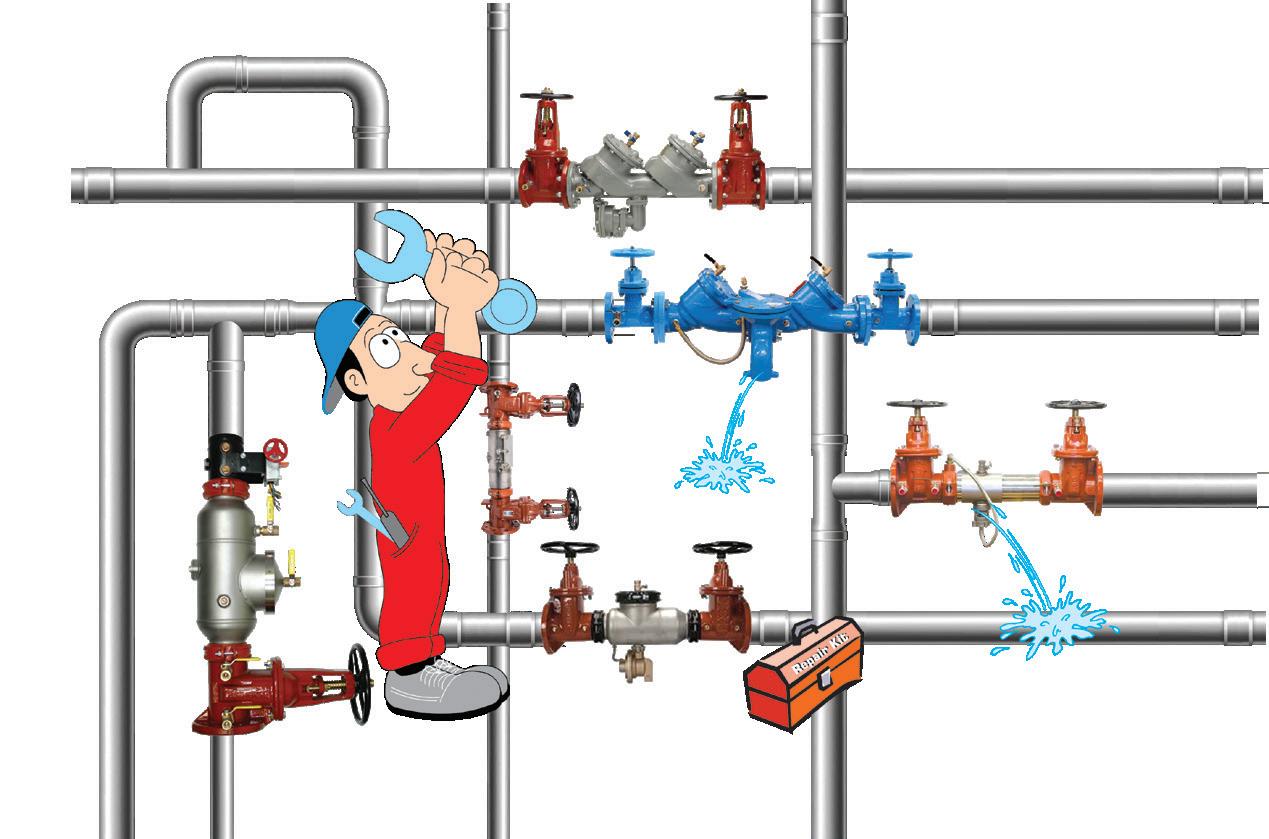
InstaSeal’s revolutionary “Torque-Assist” cap allows for handtightening, while InstaSeal gaskets seal the connection upon sprinkler installation. This exciting process completely eliminates the need for wrenches and sealants, meaning fitters can maximize their efficiency. InstaSeal fittings are now available in 1/2”, 3/4” and 1” sizes for your next project!
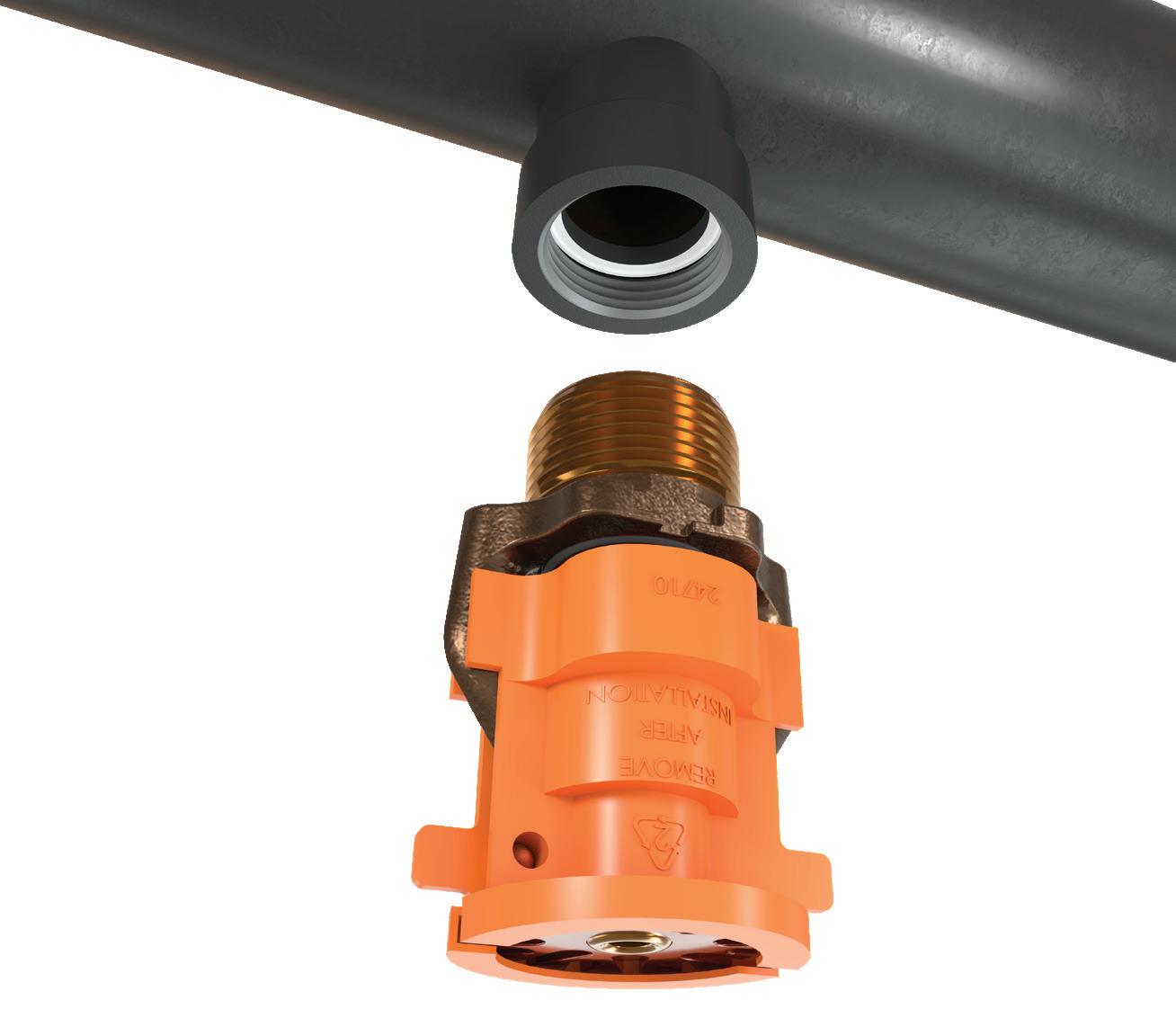

Select Viking sprinklers are compatible with the advanced InstaSeal technology through the addition of new “Torque-Assist” caps.
Look for the compatibility icon to ensure the correct sprinklers are being ordered for a job requiring InstaSeal technology.
No sealants needed
InstaSeal technology eliminates the need for messy traditional sealants like thread tape or pipe dope
Hand-Tightening encouraged
Wrenching is no longer required!
Maximize sprinkler fitting efficiency with hand-tightening
Torque-Assist cap
The protective “Torque-Assist” sprinkler cap makes it a truly seamless experience for contractors to hand-wrench
Listed and Approved
A growing number of products within the InstaSeal family are FM Approved and UL Listed with Viking sprinklers
SPARKY THE FIRE DOG IS TURNING 75!
NFPA’S OFFICIAL MASCOT CELEBRATES DECADES OF FIRE SAFETY EDUCATION
Sparky the Fire Dog®, the official mascot of the National Fire Protection Association® (NFPA®), is turning 75! This milestone birthday reflects a legacy that spans the generations. Since his official launch on March 18, 1951, Sparky has helped fire professionals, teachers, safety advocates, civic organizations, businesses, and the media, among others, share educational fire and life safety information with the public, delivering invaluable impact.
“Sparky is an emblem of fire safety for kids and adults alike, and his messages are just as relevant today as they were nearly 75
years ago,” said Lorraine Carli, vice president of Outreach and Advocacy at NFPA. “His dogged determination to highlight the importance of home fire safety over the decades has ultimately helped reduce fire loss and injuries in North America.”
Among his many achievements, Sparky has touted long-lasting fire
safety messages in support of Fire Prevention Week™—NFPA’s largest annual public awareness campaign—such as “Stop, drop, and roll”; “Get out, stay out”; “Dial 9-1-1”; and “Know two ways out”. He has also served as the brand for countless NFPA educational programs, resources, and initiatives, including NFPA’s Learn Not to Burn® curricula, children’s books,
FIRE AND LIFE SAFETY START HERE

WHO: An international audience of industry professionals focused on facing the world’s toughest safety challenges head first. Last year’s diverse group of attendees included more than 8,000 architects, consultants, engineers, emergency responders, public officials, suppliers, consultants, and other fire, electrical, and life safety stakeholders from 88 countries.
WHEN: NFPA Conference & Expo®: June 22–24; Technical Meeting: June 25–26
WHERE: Mandalay Bay Convention Center, Las Vegas, Nevada
WHY: Collaborate and network with thousands of your colleagues from around the world, experts from several industries, and NFPA® staff on fire, electrical, and life safety innovation.
HOW: Select the pass that fits your needs at nfpa.org/conference2026.




online activities, videos, apps, safety tip sheets, and brochures, to name just a few, promoting basic but critical fire safety information with a mix of spirit, authority, and compassion.
In recognition of Sparky’s big day, NFPA is reminding the public that while we’ve continued to make significant progress in reducing the home fire problem, real risks remain. A U.S. fire department responded to a fire every 23 seconds, on average, in 2024. A home structure fire was reported every 96 seconds, while a home fire death occurred every three hours, and a home fire injury occurred every 59 minutes. In addition, the majority of U.S. fire deaths (70%) continues to occur in homes.
“The number of U.S. home fires has declined significantly over the past decades, which reflects significant progress, but the home fire death rate has not seen the same declines in recent years. In fact, you’re more likely to die in a home fire today than in 1980,” said Carli. “These sobering statistics reinforce that our work is far from done.”
As we celebrate Sparky’s 75th birthday, consider some of his key fire safety messages, which remain essential to home fire safety:
• Install smoke alarms on every level of the home, in each bedroom, and near all sleeping areas.
• Test smoke alarms once a month using the test button.
• Make a home escape plan with all members of your household. Draw a map of the home, marking all doors and windows with a
path from each exit to the outside, and choose a meeting place outside in front of the home where everyone will meet upon exiting.
• Practice your escape plan regularly—at least twice a year—with all members of your household.
Visit Sparky’s website at sparky. org for a wealth of age-appropriate games, videos, apps, and other activities that make learning about fire safety easy and fun, along with fun resources and activities that can be used to celebrate his big
day. In addition, Sparky School House offers fire safety lesson plans, resources, and activities for teachers, parents, caregivers, and students, many of which can be easily downloaded and shared.
ABOUT SPARKY THE FIRE DOG®: Sparky the Fire Dog was created for the NFPA in 1951 and has been the organization’s official mascot and spokesdog ever since. He is a widely recognized fire safety icon who is beloved by children and adults alike. In addition to connecting with the public through educational programs, he has a very active website, sparky.org, which allows kids to explore and learn about fire safety in a trusted, interactive environment. Sparky the Fire Dog is a registered trademark of NFPA.

HIGHER STANDARDS
Iwoke up this morning to see a story on my newsfeed about a paper shredding comping that caught on fire. I recalled retrofitting the fire pump in that building many years ago, and luckily, the post stated, “[The fire] was placed under control within 20 minutes. All facility employees evacuated prior to [fire department] arrival, and there are no reported injuries.” While we never hope for incidents to test our work, it is a good feeling to know that something you had a hand in protected the lives and safety of the people inside who probably didn’t even know it was there.
Staying on the topic of fire pumps, we will once again be fighting the battle for common-sense electrical requirements when it comes to horsepower ratings on fire pump motors. If you recall from the NFPA Technical Meeting a couple of years ago, the membership voted to base the minimum power required to operate a fire pump at rated speed on 200% of its rated flow. It should be noted that NFPA 20 only permits fire pumps to utilize 150% of their rated flow to supply fire protection systems, so this limit constituted a 33% safety factor! Apparently, that was not enough for some members of the technical committee, as that amendment ultimately failed the committee ballot, and the language was returned to the previous text, which requires a power source capable of operating the pump at rated speed at any flow condition. Before testing laboratories changed their interpretation of this requirement several revision cycles ago, “any flow condition” was interpreted as any
flow condition within the design objectives of NFPA 20—150%. Now, “any flow condition” literally means “ANY flow condition,” and NFPA 20—a minimum standard that is intended to provide a reasonable degree of fire protection—requires the electrical components of the pump assembly to be indestructible.
The debate was picked up again for the 2028 edition of NFPA 20, which is currently in the Public Comment stage. At the first draft meeting, a task group was formed to come to a consensus on an appropriate flow rate to determine the power requirements. That task group determined that 220% was the appropriate value. For those asking where the 220% came from, we didn’t play rock, paper, scissors, or filibuster until the clock struck happy hour. There was a concerted effort to provide actual technical substantiation for this value, and I believe the committee’s statement speaks for itself:
This revision provides a maximum flow condition for maximum HP for fire pump drivers. The flow criteria were determined to be the variable most directly related to horsepower. Extrapolating the steepest head capacity curve shape permissible using a second-order polynomial in Figure A.6.2 results in 0% of rated pressure being produced at the 220% flow condition. Beyond this condition, the pump would be of no material value to the systems supplied downstream. Additionally, if the pump is run beyond 220% on the steepest head capacity curve, the pump would become an impediment and begin to restrict the flow.
Unfortunately, this did not sway the naysayers from previous cycles, and the first revision failed ballot by three votes. When a first revision fails the letter ballot, it becomes a committee input for the public comment stage, which leaves the section open for revisions at the public comment stage.
If you are in support of limiting the power requirements to a reasonable flow condition, then we need your help during the public comment stage. Submit a public comment in SUPPORT of Committee Input No. 33. Provide data on the maximum reasonable flow conditions in your area and let the committee know about your struggles connecting an oversized motor to an existing power supply. Even if a revision is not made by the committee at the second draft, an overwhelming number of public comments can sway the vote at the Technical Meeting or force the Standards Council to uphold an appeal against a committee that is indifferent to an overwhelming public consensus. Take part in the standards development process and submit your public comment by navigating to nfpa.org/20next.

KEVIN HALL, M.ENG, P.E.,ET, CWBSP, PMSFPE AFSA DIRECTOR OF ENGINEERING
E. PARKS MOORE, P.E., CHAIR (National Scope) Pye-Barker Fire & Life Safety
Alternate: Phillip Clemen, Rapid Fire Protection Group
ROBERT ANDERSON (Region 6) Silco Fire & Security
CHRIS CAMPION (Region 9) Eastern Fire and Safety
Alternate: Thomas Carlock, Eastern Fire and Safety
KEVIN GALLIGAN (National Scope) Johnson Controls Fire Protection
JASON GILL (Region 8) Crews and Gregory Fire Sprinkler, Inc.
Alternate: Griff Brinkley, Old Dominion Fire Co.
CHRIS JOHNSON (Region 7) Piper Fire Protection
Alternate: Steven Helkin, Piper Fire Protection
CHRIS KACHURA (National Scope) VSC Fire and Security
Alternate: Andrew Hafner, VSC Fire and Security
ADAM LEVINE (Region 9) Capitol Fire Sprinkler
Alternate: Chris Ribando, Approved Fire Protection
JEFF LEWIS (Region 8) VSC Fire and Security
Alternate: David Victor, VSC Fire and Security
DALE LINDH (Region 4) Summit Companies
Alternate: Paul Szafranski, Summit Companies
ERIC RIEVE (Region 10) Rieve Fire Protection
Alternate: Connor Rieve, Rieve Fire Protection
CHRIS RUSSELL (Region 1) Security Solutions NW
Alternate: Cody Sharp, Security Solutions NW
STEVEN SCANDALIATO (Region 5) SDG, LLC
Alternate: Michael Newell, Belvedere
JOHN SCHOTZ (National Scope) Davis Ulmer Sprinkler Co. (APi Group)
Alternate: Noah Koski, Reliance Fire Protection (APi Group)
TAYLOR SCHUMACHER (Region 4) Security Fire Sprinkler
Alternate: Calen Schumacher, Security Fire Sprinkler
BYRON WEISZ (Region 2) Cen-Cal Fire Systems, Inc.
Alternate: Erik Weisz, Cen-Cal Fire Systems, Inc.
JASON WILLIAMS (Region 3) Telgian Corporation
Alternate: Tracey Bellamy, Telgian Corporation
KEVIN HALL, M.Eng, P.E., ET, CWBSP, PMSFPE (Staff Liaison) AFSA
EX-OFFICIO MEMBERS
AFSA MANUFACTURERS/SUPPLIERS COUNCIL CHAIR Andy Kaempfer, Safe Signal
Alternate: AFSA Manufacturers/Suppliers Council Vice Chair Dave English, General Air Products
JOHNSON CONTROLS Melisa Rodriguez
RELIABLE AUTOMATIC SPRINKLER CO. Cary Webber
Alternate: Brandon Telford
UL SOLUTIONS Kerry Bell
Alternate: Jeff Hebenstreit
VICTAULIC Kevin Kelly
Alternate: Alaina Schwall
VIKING CORPORATION Martin Workman
Alternate: Josh Overholt
ABOUT THE TAC TAC meetings are open to all AFSA members in good standing. Contact your regional representative to discuss any issues that the TAC should hear. While the number of voting members on the TAC is currently restricted to 20 contractor companies, there are other opportunities for interested AFSA members. If you are interested in serving on an NFPA or UL technical committee, email technical@firesprinkler.org. All technical committee appointments are made by the TAC. AFSA TECHNICAL ADVISORY COUNCIL
UNCLE RUSS
RUSS LEAVITT, CFPS, S.E.T.
TELGIAN
HOLDINGS EXECUTIVE CHAIR AFSA COMMITTEE MEMBER & SPEAKER

Iwas recently asked if honesty is always the best policy. My initial reaction was to answer that it is always best to be honest. However, as I reflected on my response, I determined that it depends on the context of the situation and my reason for being honest. I considered the difference between saying what I think when it is meant to be hurtful or mean-spirited and when my honesty is coupled with a desire to be repentant or to help. Honesty is certainly the best policy in almost every situation, but there are exceptions, such as when our reasons for being honest lack honor or, in some cases, stoop to being nefarious.
Honesty is fundamentally important in both personal and professional settings. It serves as the bedrock for trust, credibility, and integrity. It may be tempting to tell an embellished truth or a half-truth to avoid discomfort, especially when the consequences of our actions can be detrimental. When tempted to “lie by omission,” it is good to remember that a half-truth can also lead to a half-wrong.
In our work lives, telling the truth ensures that our relationships with our associates are built on honesty, where expectations are clear, and decisions can be made with accurate information. Having a reputation for reliability and integrity enhances our careers. The author Mark Twain wrote, “If you tell the truth, you don’t have to remember anything.” Which means, of course, if we lie regularly, we’d better have a steel-trap memory.
We have all heard the expression, “The truth hurts.” That usually applies to situations where we already know what is real but are reluctant to admit it. There is no doubt that telling the truth can bring high costs. However, keep in mind that the costs are not just monetary, but can also be reputational or emotional. Being truthful can hurt, but never forget
that the truth may cause pain for a period of time. But a lie hurts forever.
In our relationships with others, it is important that our honesty comes with empathy and tact. Balancing honesty with sensitivity helps us maintain strong, respectful relationships. Remember that we cannot change the truth, but the truth can change others. That can also mean that there are times we are better off being silent. I am reminded of the adage, “If you can’t say something nice, then shut up.”
I read about a study conducted by the Forum Corporation. It looked at 341 salespeople from 11 different companies in five different industries. The purpose was to determine what separated the top producers from the average producers. When the study was finished, the results were startling. It was not skill, knowledge, or charisma that divided the pack. The difference came down to one trait: honesty. When a customer trusts the salesperson, they buy from them.
A seldom discussed part of honesty is the simple ability to admit when we are wrong about something. This has been a challenge of mine over the years. I do not like to be wrong. My problem is that I am not the smartest kid in the room, so I am often mistaken about something. I can be a master at rationalization. However, rationalizing wastes a lot of brain power and has never ended well for me. Allowing myself to be wrong has made my life simpler and less stressful.
Albert Einstein once said, “Whoever is careless with the truth in small matters cannot be trusted with important matters.” Along with that, keep in mind that exaggeration is a billion times worse than understatement. Hmmm... read that one again.
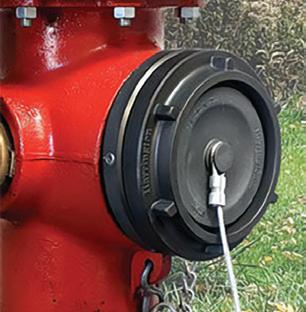
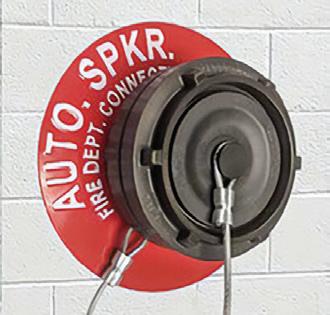
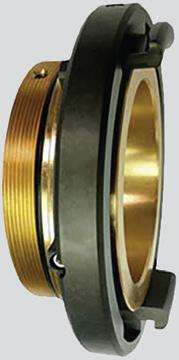
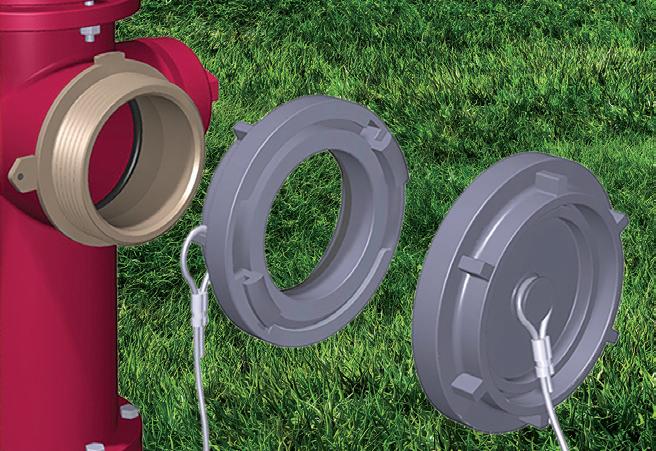
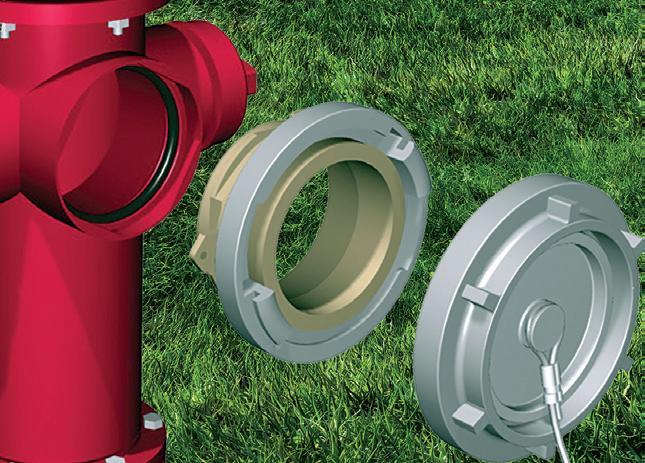
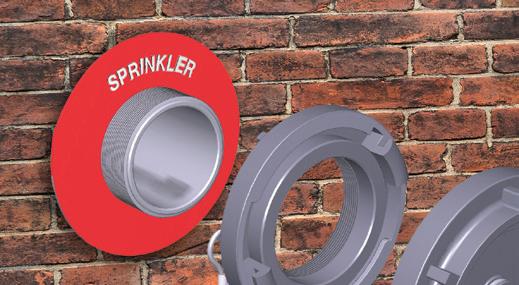
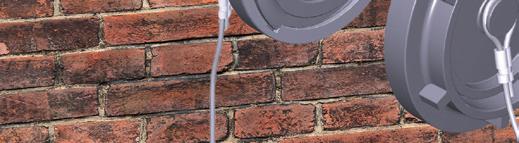
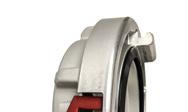
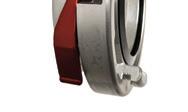
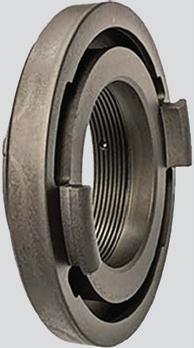
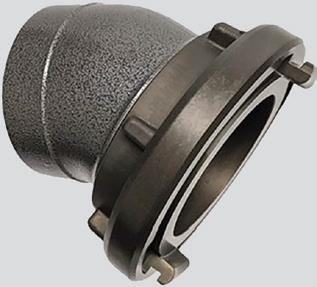
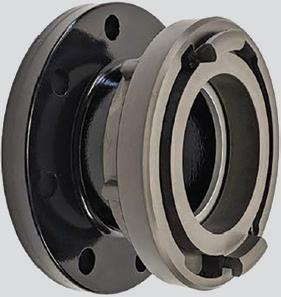
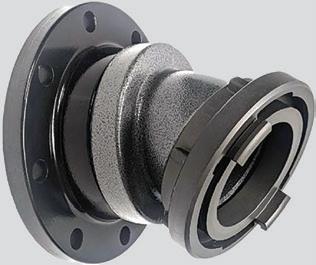

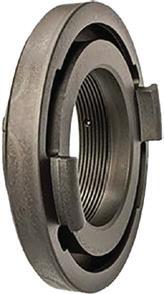
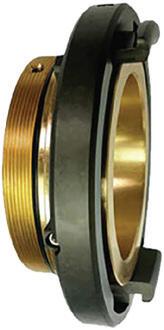

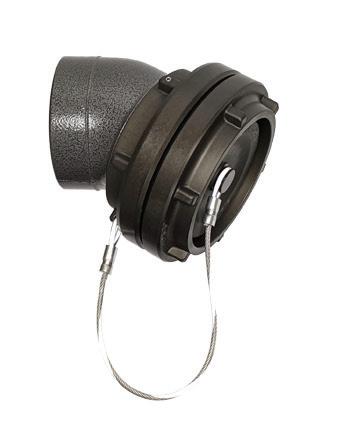
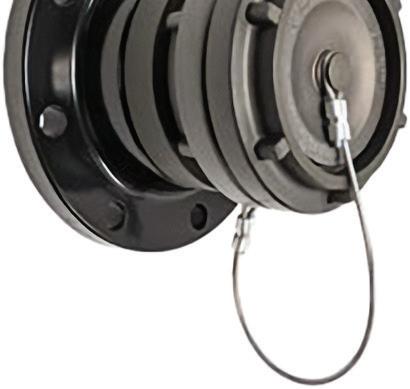
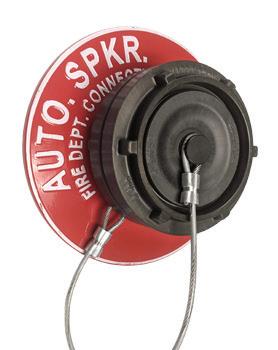
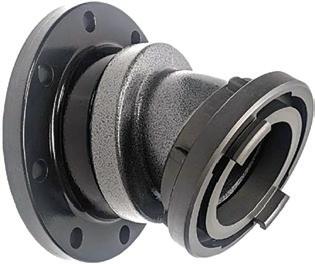
AFSA NEWS
AFSA ANNOUNCES NEW STAFF
The American Fire Sprinkler Association (AFSA) is pleased to welcome several new team members whose diverse backgrounds will support the association’s continued growth and service to the fire protection industry.
Joining AFSA’s membership department, Belinda Atuatasi serves as a workforce development coordinator. In this role, Atuatasi is responsible for developing, coordinating, and expanding workforce pipeline initiatives by collaborating with education partners, including CTE programs, high schools, community colleges, training institutions, and AFSA local chapters. Through this work, Atuatasi helps strengthen workforce readiness, career awareness, and talent development through outreach, program implementation, and community engagement efforts. She holds a bachelor’s degree in Child & Adolescent Development from California State University, Fullerton, and a master’s degree in Teaching from the University of Southern California.

neering from the University of Maryland and has passed the Fundamentals of Engineering (FE) exam. Stoll is currently an Engineer-in-Training (E.I.T.) working toward professional licensure. Prior to joining AFSA, he gained hands-on industry experience installing and maintaining sprinkler systems with Strickland Fire Protection in Forestville, Md.

Andrew Boyer supports AFSA as an office generalist/receptionist, assisting multiple departments with a wide range of tasks. In addition to front-office responsibilities, Boyer plays an active role in AFSA’s K-Factor Podcast, serving as host and producer, overseeing editing and distribution. Boyer has a background in warehouse and hospital administration and served as a hospital corpsman in the U.S. Navy. He also co-founded Studio 448, where he works on multimedia marketing projects and provides creative services to entrepreneurs.

Hayden Stoll joins the team as a technical services specialist, where he develops and updates technical presentations, assists with technical reviews, and contributes to seminar instruction, with plans to teach courses in the near future. Stoll also supports members by answering technical questions and creating new content on emerging topics. He holds a bachelor’s degree in Fire Protection Engi -
Rounding out the group, AJ Weiss serves as a training administrator/coordinator. In this role, Weiss is responsible for coordinating the registration and planning of in-person training courses and seminars, ensuring each event runs smoothly from start to finish. By handling key administrative functions, she enables technical staff to focus on delivering high-quality instruction. Weiss holds a bachelor’s degree from Pace University.

AFSA looks forward to the contributions these individuals will make as they support members, strengthen programs, and advance the future of the fire sprinkler industry.
FIRE SPRINKLER LAB RESERVATIONS
Facility requests for AFSA’s fire sprinkler playground are rolling in, with many users requesting regular training throughout the year. The 2026 calendar is filling up quickly. If you are interested in renting the facility or providing customized training to support your organization’s educational and training needs at the sprinkler playground, complete the request form at firesprinkler.org/facility-request-form.
SCHOLARSHIPS EDUCATE PUBLIC
AFSA’s Second Chance School Scholarship Essay Contest was created by AFSA’s Public Education & Awareness Committee to raise awareness about fire sprinklers, the fire protection industry, and its careers. Eligible high school graduates can enter to win one of five $1,000 scholarships for college or trade school education. Visit afsascholarship.org/secondchance to learn more and enter by August 31, 2026.
ATUATASI
BOYER
STOLL
WEISS
CHAPTER NEWS
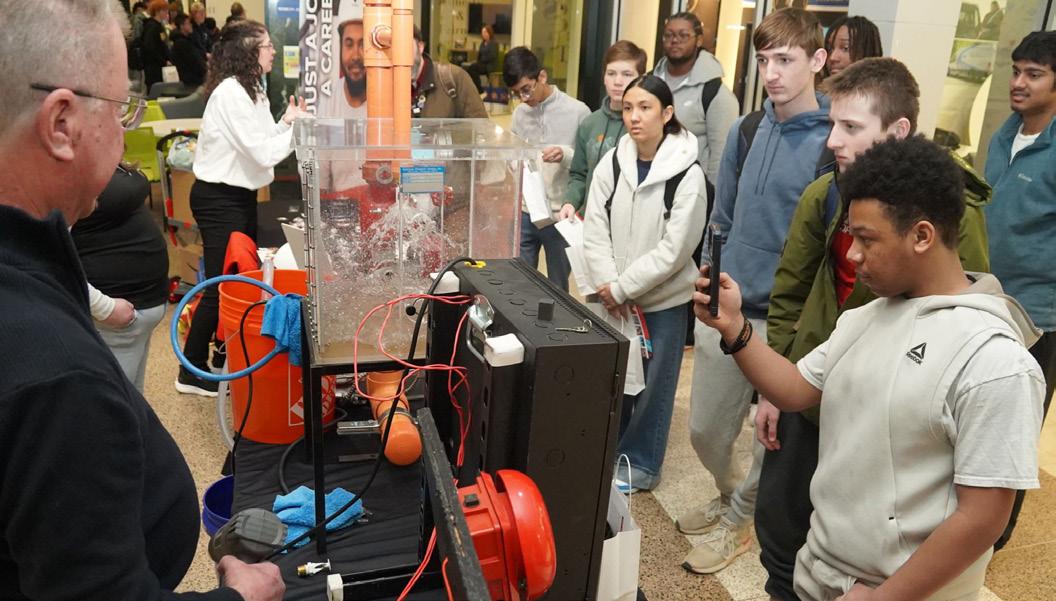
VIRGINIA
The AFSA Virginia Chapter recently partnered with Henrico County Public Schools to participate in a local career fair, continuing its efforts to introduce students to opportunities within the fire protection industry. Events like this provide valuable exposure to careers that are often overlooked but offer strong long-term opportunities in the skilled trades.
During the event, chapter members spoke with a large number of students about careers in fire sprinkler installation, inspection, and design. Members discussed the critical role fire protection systems play in protecting lives and property, demonstrated some of the tools and materials used in the trade, and shared information about apprenticeship and career pathways. Many students were surprised to learn how technical and impactful fire sprinkler systems are and showed genuine interest in learning more about the field.
Partnering with Henrico County Public Schools allows the Virginia Chapter to connect directly with students who are exploring career options in construction and the skilled trades. The goal is to help raise awareness of the fire protection industry while supporting workforce development and creating clear pathways for students interested in entering the trade after graduation. Visit virginiaafsa.org.
ASSOCIATION NEWS
FSCATX
The Fire Sprinkler Contractors Association of Texas (FSCATX) announces Skins and Fins 2026 15th Annual Celebration, to be held June 4-6 at Moody Gardens in Galveston. Events include national training classes, a Star Wars-themed Vendor Show, golf tournament, and guided fishing event. Visit FSCATX.org.
CALENDAR
APRIL 1
Hydraulics—Back to Basics Webinar
firesprinkler.org/calendarevent/hydraulicsback-to-basics
13-15
Sprinkler Hydraulic Calculations Workshop
General Air Products, Exton, PA firesprinkler.org/calculations
15
Electrical Requirements for Fire Pumps Webinar
firesprinkler.org/calendarevent/electricalrequirements-for-fire-pumps/
16-17
Advanced Sprinkler Hydraulic Calculations Workshop
General Air Products, Exton, PA firesprinkler.org/acalculations
20 – MAY 15
Beginning Design School
AFSA Headquarters, Richardson, TX firesprinkler.org/design
27 – MAY 8
Intermediate Design School
AFSA Headquarters, Richardson, TX firesprinkler.org/nextlevel
28-30
NFPA 25 Essentials Workshop
AFSA Headquarters, Richardson, TX firesprinkler.org/essentials
MAY 1
Introduction to the Fire Sprinkler Industry
AFSA Headquarters, Richardson, TX firesprinkler.org/programs/introductionto-the-fire-sprinkler-industry
AFSA Virginia Chapter members at the Henrico County, Va. career fair.
AFSA CHAPTERS
ALABAMA
Lee Seewald – Pres.
202-252-5101
Greg Willis – Exec. Dir. 334-567-4257
ARIZONA
Jason Williams – Chair 480-421-8411
Denniece Cooper - Exec. Dir. 480-282-5393
ARKANSAS
Randy Gilliam – Chair 479-391-4523
Stephen Bitely – Exec. Dir. 501-605-3495
CHESAPEAKE BAY
Jason Martin – Chair 240-848-2710
Danielle Fowler – Exec. Dir. 410-972-1122
COLORADO
Roger Wallace – Chair 719-337-6550
Kim Cook – Exec. Dir. 704-213-4368
DALLAS-FORT WORTH
Talon Hernandez – Chair 214-575-2000
Merle Hittle – Vice Chair 214-282-0350
FLORIDA
Aaron Jones - Chair 813-695-1082
Jessica Cox – Exec. Dir. 813-784-3624
GEORGIA
Allen Cagle – Chair 770-554-5285
Tracy Williams – Exec. Dir. 770-355-0774
GREATER BAY AREA
David Lewandowski – Chair
209-652-3243
Angelica Ramirez – Exec. Dir. 408-680-1875
GREATER KANSAS CITY
Mark McKenzie – Chair
913-432-6688
Brett Heinrich – Exec. Dir. 785-825-7710
ILLINOIS-INDIANA
Skyler Bilbo – Chair 217-342-2242
LOUISIANA
Randy Laguna – Chair
504-464-6236 ext 224
Ellen Ballard – Exec. Dir. 318-393-9565
MICHIGAN
Doug Irvine, Jr. – Chair 616-784-1644
MINNESOTA-DAKOTAS
Marc Haug – Chair
701-232-7008
Tina Hoff – Exec. Dir. 701-709-1899
NEW ENGLAND
Daniel Berry – Chair
978-729-9977
Alison Desmond – Exec. Dir. 774-278-3260
NEW JERSEY
Thomas Bowlby, Jr. – Chair
908-226-5313
Victor Lugo – Exec. Dir. 201-635-0400
NEW MEXICO
Paul Chavez – Chair
505-898-9197
Renee Nix - Exec. Dir. 505-690-0913
NORTH CAROLINA
Drew Jester – Chair
336-469-0382
John Turnage – Exec. Dir. 919-624-3456
OHIO
Scott Huber – Exec. Dir. 513-942-1500
ORANGE COUNTY/INLAND EMPIRE
Henry Fontana – Chair 914-497-6316
Michelle Rossmann– Exec. Dir. 951-644-9247
PACIFIC NORTHWEST
Brandon Stewart – Chair 971-235-9608
Cameron Kammers – Exec. Dir. 425-343-9793
SACRAMENTO VALLEY
Holly Gray Salmon – Chair 916-296-9913
Paulene Norwood – Exec. Dir. 916-296-0635
SAN DIEGO
Justin Joseph – Chair 619-588-6364
Rhonda Gudger – Exec. Dir. 951-326-4600
SCHUYKILL
Dan Hinkle - Chair 215-778-5484
Alyssa Capko – Exec. Dir. 610-754-7836
SOUTH CAROLINA
Tyler Blume – Chair 864-909-2643
Kari Miller – Exec. Dir. 843-415-5452
SOUTHERN CALIFORNIA
Vahe Zohrabian – Chair 818-822-1797
Rigo Vazquez – Exec. Dir. 909-208-5410
TENNESSEE
Justin Smith – Chair 901-664-5930
David Pulliam– Exec. Dir. 901-484-0605
UTAH ROCKY MOUNTAIN
Mark Winder, Jr. – Chair 385-630-8064
Brent Heiner – Exec. Dir. 801-544-0363
VIRGINIA
Timothy “Hooper” Loscomb – Chair 804-620-3735
Danielle Fowler – Exec. Dir. 410-972-1122
OKLAHOMA FIRE SPRINKLER ASSOCIATION (AFFILIATE)
Tim Hollon – Pres. 918-851-2416
FIRE SPRINKLER CONTRACTORS ASSOCIATION OF TEXAS (AFFILIATE)
Paul McKenna – Pres. 281-741-1006
Sarah Kiefer – Exec. Dir. 512-844-6632
AFSA NEW MEMBERS
New members as of Mar. 12, 2026
CONTRACTORS
A & B Fire Protection & Safety, Salinas, CA
All State Fire Protection Services, Easton, PA
Elite1 Fire Protection, Bakersfield, CA
Federal Fire and Security LLC, Owensboro, KY
GO Fire Protection Inc, Corona, CA
Icon Fire and Life Safety, Taylor, TX
Interstate Fire Protection, Gardiner, ME
J Mellington FireProtection LLC, South Windsor, CT

Milestone Fire Protection, LLC,
Pulsar Alarm Systems ltd, Plaistow, NH
Roget Fire Protection LLC, Dorchester Center, MA
Secufire, LLC, Knoxville, TN
DESIGNERS
CampFire Protection Engineering,
AFSA
FACILITY MANAGERS
Martin Skyler, Goleta, CA
AHJS
Rolando Andre Aguilar Carranza
Daniel Anderson, West Sacramento, CA
Johnathan Baker, Moreno Valley, CA
Brandon Bale, Elk Grove, CA
Michael Bristol, North Attleboro, MA
Brian Carter, Weed, CA
Gregory Cobabe, Sacramento, CA
Tommy Durham, Lake Buena Vista, FL
John Geliebter, Lafayette Hill, PA

Danielle Leikach, Baltimore, MD
Kieran Looney, San Diego, CA
Beth McDowell, Sacramento, CA
Richard Roland, Ada, OK
Michelle Savary, Berlin, VT
Dallas Soles, St. Petersburg, FL
Daron Solesbee, Fairbanks, AK
Tim Spear, Champaign, IL
Gary Stillman, Conway, SC
Corey Thomas, Stone Mountain, GA
Melissa Vink, Elk Grove, CA
Kayla Warren, Yuma, AZ
Richard Wilbur Jr., Fabius, NY
Jessica Wraa, Richmond, CA
LATIN AMERICA FIREFIGHTERS
Hans Evanof Barrón Cóndor, Lima
Joel Pressley, Office of Buildings/



U.S. CONSTRUCTION REPORTS
CONSTRUCTION STARTS GROW 1% IN JANUARY
Total construction starts expanded 0.7% in January to a seasonally adjusted annual rate of $1.24 trillion, according to Dodge Construction Network. Nonresidential building starts fell by 15.4%, residential starts decreased 6.4%, and nonbuilding starts grew 24.3% over the month. On a year-over-year basis, total construction starts were up 5.0% from January 2025. Nonresidential starts were down 10.3%, residential starts were down 17.0% and nonbuilding starts were up by 46.1% over the same period. For the 12 months ending January 2026, total construction starts were up 6.1% from the 12 months ending January 2025. Residential starts were down 6.0%, nonresidential starts were up 5.5% and nonbuilding was up 21.0%. “Nonbuilding construction remained the primary engine of growth in the first month of 2026,” stated Eric Gaus chief economist at Dodge . “Three mega projects in the nonbuilding sector accounted for nearly $20 billion or almost half of the growth in January, which would mean total construction would have been negative without those three projects.”
CONSTRUCTION STARTS GROW 3% IN DECEMBER
Total construction starts expanded 2.6% in December to a seasonally adjusted annual rate of $1.24 trillion, according to Dodge Construction Network. Nonresidential building starts fell by 6.6%, residential starts increased 1.0%, and nonbuilding starts grew 16.3% over the month. For the full year, total construction starts expanded 5.4%. Nonresidential starts were up 4.5%, residential starts were down 4.8% and nonbuilding starts were 18.7% higher when compared to 2024. “Nonbuilding construction, alongside data centers, was the primary engine of growth in 2025, supporting a 5.4% expansion in the total dollar-value of starts,” stated Sarah Martin, associate director of forecasting at Dodge. “In square footage terms, however, building starts declined 4.7% alongside weaker residential, manufacturing, and institutional activity.”
Take Advantage of Your Member Benefit!

Learn how you can be a Colonel with tuition support! Eastern Kentucky University is proud to partner with progressive organizations like American Fire Sprinkler Association to support students as they pursue their educational aspirations with a degree from EKU. ALL eligible American Fire Sprinkler Association members qualify for a 25% tuition discount at EKU.*
Whether you want to take the next step in your career or finish your education, EKU has a program that can fit your schedule and your needs. The EKU Advantage program allows you to take classes online OR on campus. There is no better time to apply, applications are FREE!
Your EKU Advantage Benefits: You might be interested in these programs:
EKU awards all American Fire Sprinkler Association members a 25% flat-rate tuition discount for online and on-campus classes. Plus, a 20% discount on EKU’s Workforce Development courses.
All students receive low-cost books for their classes.
Enhanced customer service assistance to members and contractors to expedite and prioritize the admissions process, class registration, financial aid and scholarship applications.
Dedicated academic advisors provide individualized attention to move students quickly towards degree completion.
Gain access to all EKU facilities and events enjoyed by EKU Students.**
*EKU Advantage and Corporate Educational Partnership is considered a scholarship and therefore is NOT stackable with any other EKU Scholarships. **Additional costs may be associated with some activities on campus.
• Fire Protection & Safety Engineering Technology
• Fie Protection Administration
• Fire, Arson & Explosion Investigation
• Political Science
• Emergency Services
• Homeland Security & Emergency Management
• Occupational Safety
• Public Administration
• Safety, Security & Emergency Management
• General Studies
Not sure about a full degree? Start with a certificate in:
• Industrial Fire Protection
• Safety Leadership & Management
• Security Management
• Occupational Safety
• Homeland Security & Emergency Management
• Intelligence Studies
Visit the EKU website for a complete list of more than 100 online options.
APPLY NOW!
Eastern Kentucky University is an Equal Opportunity Employer and Educational Institution.
PEOPLE IN THE NEWS
HAWKS ELECTED TO FPRF BOARD
The Fire Protection Research Foundation (FPRF or Foundation), the research affiliate of the National Fire Protection Association® (NFPA®), has announced that Steve Hawks, senior director for wildfire at the Insurance Institute for Business & Home Safety (IBHS), has been elected to serve on its board of trustees. Hawks joined IBHS in 2023 and currently serves as the senior director for wildfire. In this role, Hawk’s responsibilities include advancing wildfire policy and code development, managing IBHS’s post-fire field deployments, and implementation of the Wildfire Prepared Home and Wildfire Prepared Neighborhood programs. He also serves on the Underwriter’s Laboratory Fire Safety Research Institute’s Wildfire Advisory Committee. Visit nfpa.org.
NFPA GROWS BOARD AND COUNCIL
The National Fire Protection Association® (NFPA®) board of directors has announced the appointment of Alan Manche, vice president of external affairs at Schneider Electric, to the NFPA Standards Council, to begin a threeyear term. In addition, Anthony Apfelbeck, Dwayne Sloan, and Victoria Valentine were each re-appointed to a second three-year term; Michael Crowley’s appointment was extended for two years; and James Quiter was re-appointed as chair for a second three-year term. All appointments and re-appointments officially began on January 1, 2026. Manche has more than 30 years of experience in the electrical industry, including roles in product design, testing, product certification, and industry standards development for numerous electrical products and systems. In his current role at Schneider Electric, Manche is responsible for company strategy and participation in trade and industry associations, standards organizations, and conformity assessment. He has also played an active role in the enforcement and electrical inspection community. Visit nfpa.org.
GENERAL AIR HIRES OWENS
General Air Products announces the newest member of its leadership team and director of its new Service Products Division, Adam Owens. He first joined the sprinkler industry in 1999 after a career as a contractor for his family business, and since spent over 25 years working with sprinkler and valve manufacturers. Owens has built a wealth of experience in product management, distribution, sales, and purchasing. In his new role, Owens will build upon a core company mission of helping fire protection contractors grow more effective, efficient, and profitable ITM programs by delivering service-driven solutions for fire protection air supplies while supporting end-user satisfaction and compliance. Visit generalairproducts.com.

WINSUPPLY ADDS BACKMAN TO THE TEAM
The Winsupply Family of Companies is growing its East Coast presence as it adds another person responsible for coaching and recruiting entrepreneurs in wholesale distribution. A proven Winsupply entrepreneur and Local Company President, Jesse Backman, has moved into an Area Leader role for Winsupply Inc., a national wholesale distributor based in Moraine, Ohio. Area Leaders coach and mentor Winsupply Local Companies and lead recruitment efforts of future entrepreneurs. In the role, Backman will focus on supporting new Presidents and Local Companies with substantial top- and bottom-line growth opportunities. Backman joined Winsupply in 2015 as part of its veterans recruiting program. He previously served in the U.S. Army for five years and was deployed to Iraq and Afghanistan. Visit winsupplyinc.com.
PRODUCT NEWS
LUBRIZOL LAUNCHES LED
REACTOR TECHNOLOGY
Lubrizol has announced a major advancement in its CPVC manufacturing with the introduction of LED reactor technology at the company’s Louisville, Ky., plant. This next-generation manufacturing approach delivers improvement in CPVC resin quality and processing efficiency, reinforcing Lubrizol’s technical resin leadership and enabling greater operational flexibility to meet global demand.
Thermal stability has long been a critical performance driver in CPVC resin manufacturing. In recent years, CPVC resin stability demands across the industry have increased. The LED chlorination upgrade represents a breakthrough, demonstrating significant improvements in thermal stability and energy efficiency, improving sustainable production. The process also provides operational benefits to customers, including enabling longer production runs with less down time, increasing formulation flexibility and supporting improved color performance. Visit lubrizol.com.
ARMSTRONG 4380 PUMPS
Armstrong Fluid Technology has launched an express delivery for its design envelope permanent magnet (DEPM) IVS 4380 pumps, enabling shipment within two weeks at no extra cost. This includes 14 pump models ranging from 0.5 hp to 10 hp, supporting urgent retrofit and replacement projects that require fast turnaround. Product selection is streamlined through the Armstrong ADEPT select tool. All pumps are factory tested and performance-mapped for simple system coupling tested
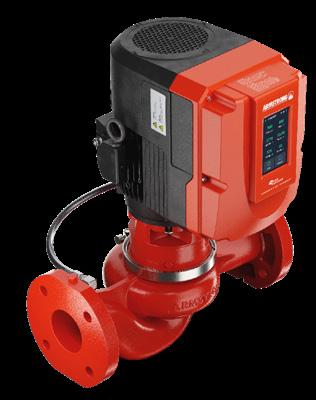
to deliver the full benefits of design envelope technology including high efficiency, reduced operational risk, and simplified installation through a vertical in-line design. Pumps also feature flexible control methodology for fast, accurate onsite self-commissioning. Visit armstrongfluidtechnology.com.
Inc. and Winsupply Sourcing LLC, in
with Winsupply Local Companies in several U.S. markets, have facilitated the donation of $266,000 worth of personal protective equipment (PPE) to nursing homes, food banks, and homeless shelters with dozens of pallets of masks, gloves, hand sanitizer, and no-touch thermometers. Visit winsupplyinc.com.
INDUSTRY NEWS
MEMBERS SAVE 25% ON EKU TUITION
American Fire Sprinkler Association (AFSA) members can enroll in a degree or certificate program at Eastern Kentucky University (EKU) and SAVE 25% with the EKU Advantage tuition discount. EKU, AFSA’S educational partner, offers more than 100 career-ready program options, providing the flexibility and support you need to achieve your goals. The next online term starts soon. Request more information from EKU today to learn how to get started.
• Flexibility: Fully online or on-campus programs to meet your needs and preferences.
• Support: Enhanced enrollment and advising services to expedite and prioritize your admissions process, class registration, financial aid and scholarship applications. Dedicated academic advisors providing individualized attention to move you quickly towards degree completion. Nocost tutoring services.
• Savings: Flat-rate 25% tuition discount and a 20% discount on EKU’s workforce development courses. Low-cost textbooks delivered to you. Financial aid eligible. For questions about degree programs or the application process, contact Shari VanHoose at EKU via phone at (859) 622-1217 or via email at shari.vanhoose@eku.edu.
WINSUPPLY BURBANK CA CO. OPENS
The Winsupply family of companies has welcomed its latest addition of a new Local Company with the opening of Winsupply Burbank CA Co.
Led by Local Company President Sammy Tulbendzhyan, the team of about 10 in Burbank serves the residential and commercial plumbing sector. Winsupply of Burbank opened its doors on October 13, 2025, operating 12,000 ft2 at 8161 Lankershim Blvd., North Hollywood, CA 91605. Visit winsupplyinc.com.
SAFETY STAND DOWN 2026
Fitness is a critical component of keeping responders healthy, safe, and ready to serve their communities. To help fire and emergency personnel of all ages and capabilities meet these physical requirements, Safety Stand Down 2026, June 14-20, has announced “Firefighter FITNESS: Fit to Serve, Fit for Life” as the official theme for this year’s campaign, focusing on the foundations of physical fitness, how they can continue to be met throughout the years, and sustainable strategies for long-term success.
Safety Stand Down is a joint initiative held each year during the third week of June. The campaign works to reduce the number of preventable injuries and deaths in the fire and emergency services. In support of Safety Stand Down, responder agencies are encouraged to suspend all non-emergency activities during the campaign week to focus on training and education related to this year’s theme. Visit safetystanddown.org.
DYNE PARTNERS WITH INSPECT POINT
Dyne Fire Protection Labs and with Inspect Point announce their partnership. Their integrated solu-
tion will connect sprinkler sampling and lab testing with inspection workflows, enabling fire protection contractors to manage the entire process—from field sampling to test results and documentation—directly within Inspect Point.
The new integration allows contractors to initiate sprinkler sampling from within Inspect Point’s platform, track submitted materials, and associate test results with inspection records and building histories. Contractors no longer need to reconcile multiple systems or manually import results—a breakthrough for operations and compliance documentation. Visit dyneusa.com.
RESEARCH FOUNDATION SEEKS SPONSORS
The Fire Protection Research Foundation, the independent research affiliate of NFPA®, is seeking sponsors for a new research projectaimed at advancing direct current (DC) arc-flash hazard calculations—an increasingly critical need as DC power applications expand in use.
Most arc-flash hazard calculation methods used today are built around alternating current (AC) systems. While established models exist for AC applications, there is a growing need for validated, practical approaches for direct current (DC) systems as DC power uses become more widespread. This project will help address that need by developing practical, implementable models and guidance tailored to DC arc-flash hazard calculations. Visit nfpa.org

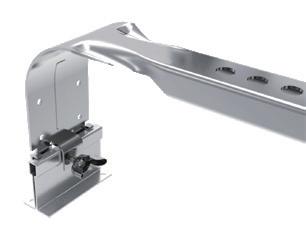
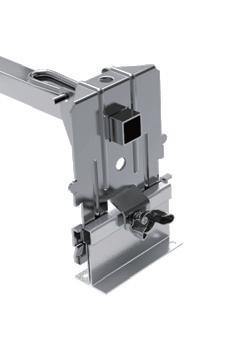
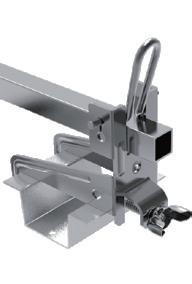
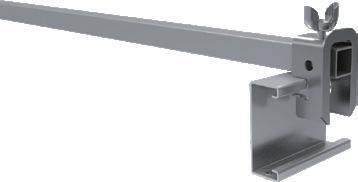
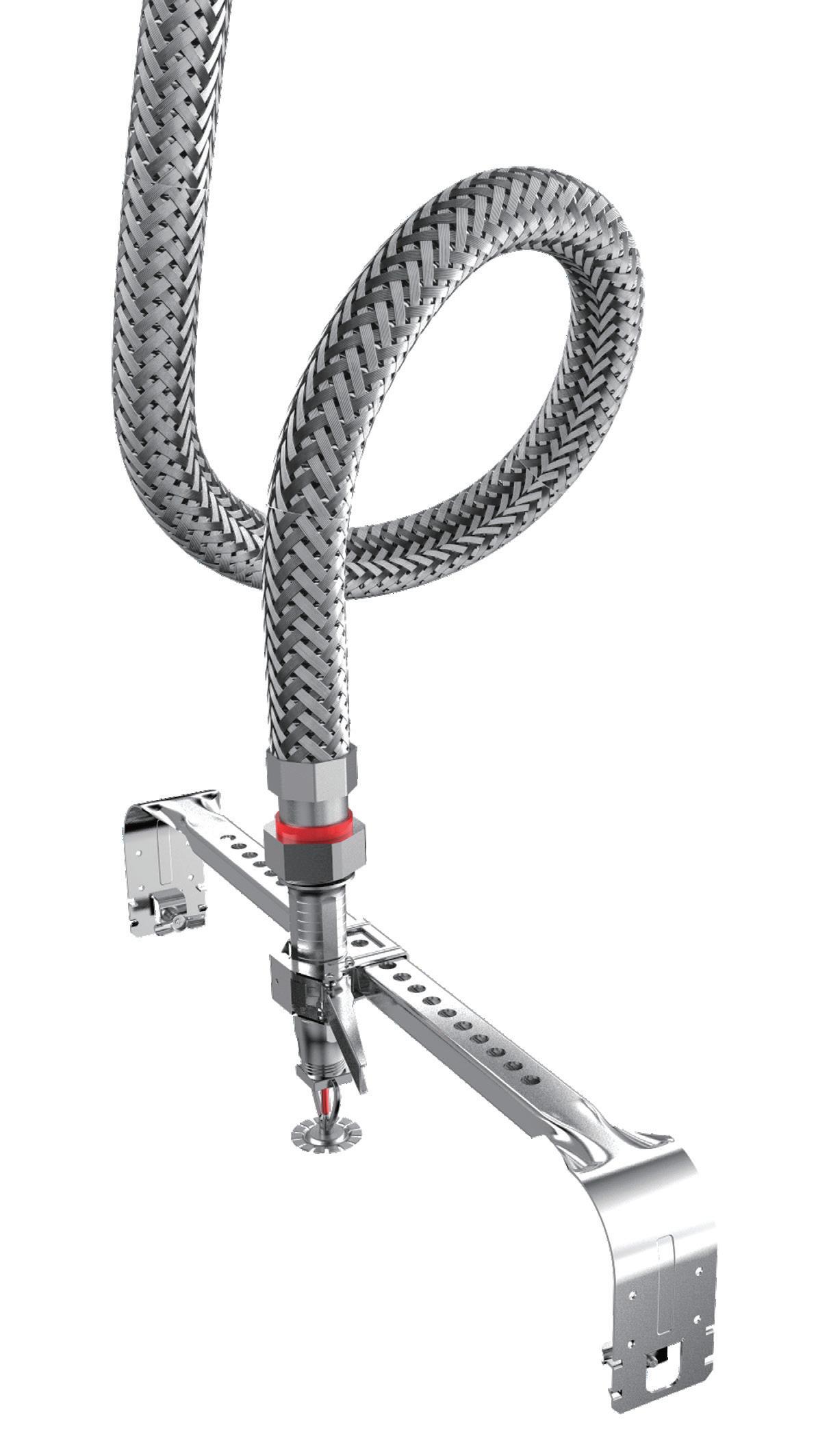




CONVENTION, EXHIBITION & APPRENTICE COMPETITION