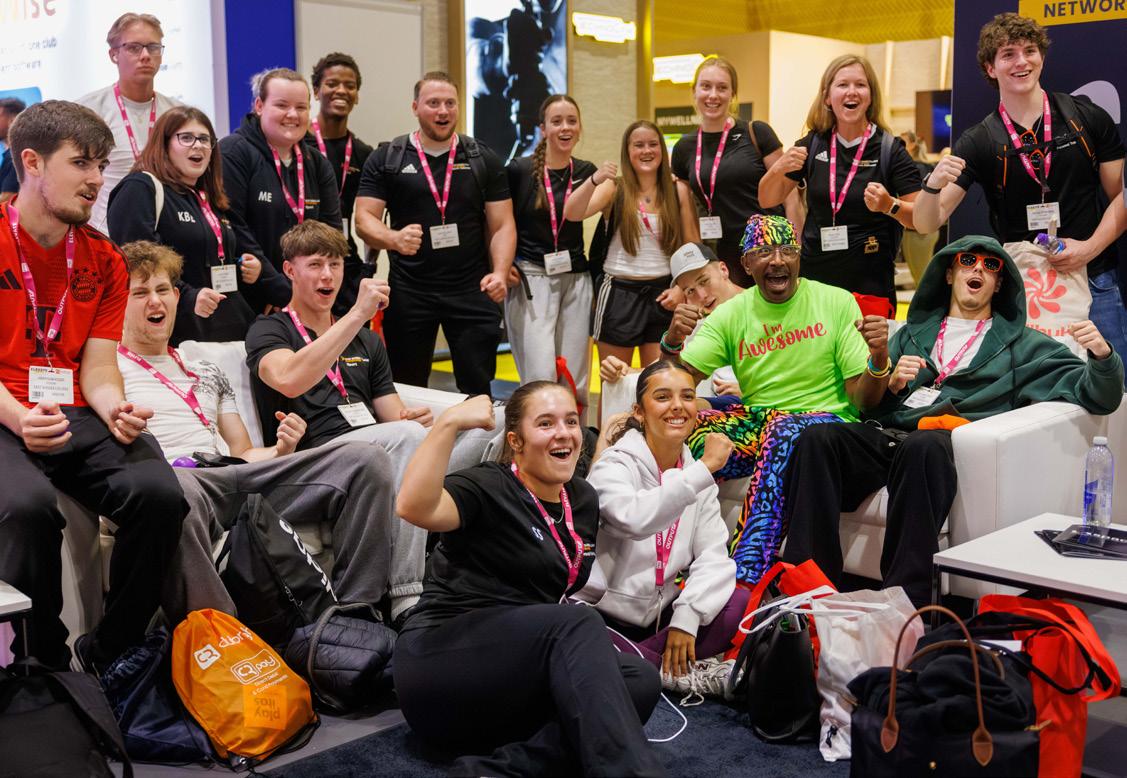
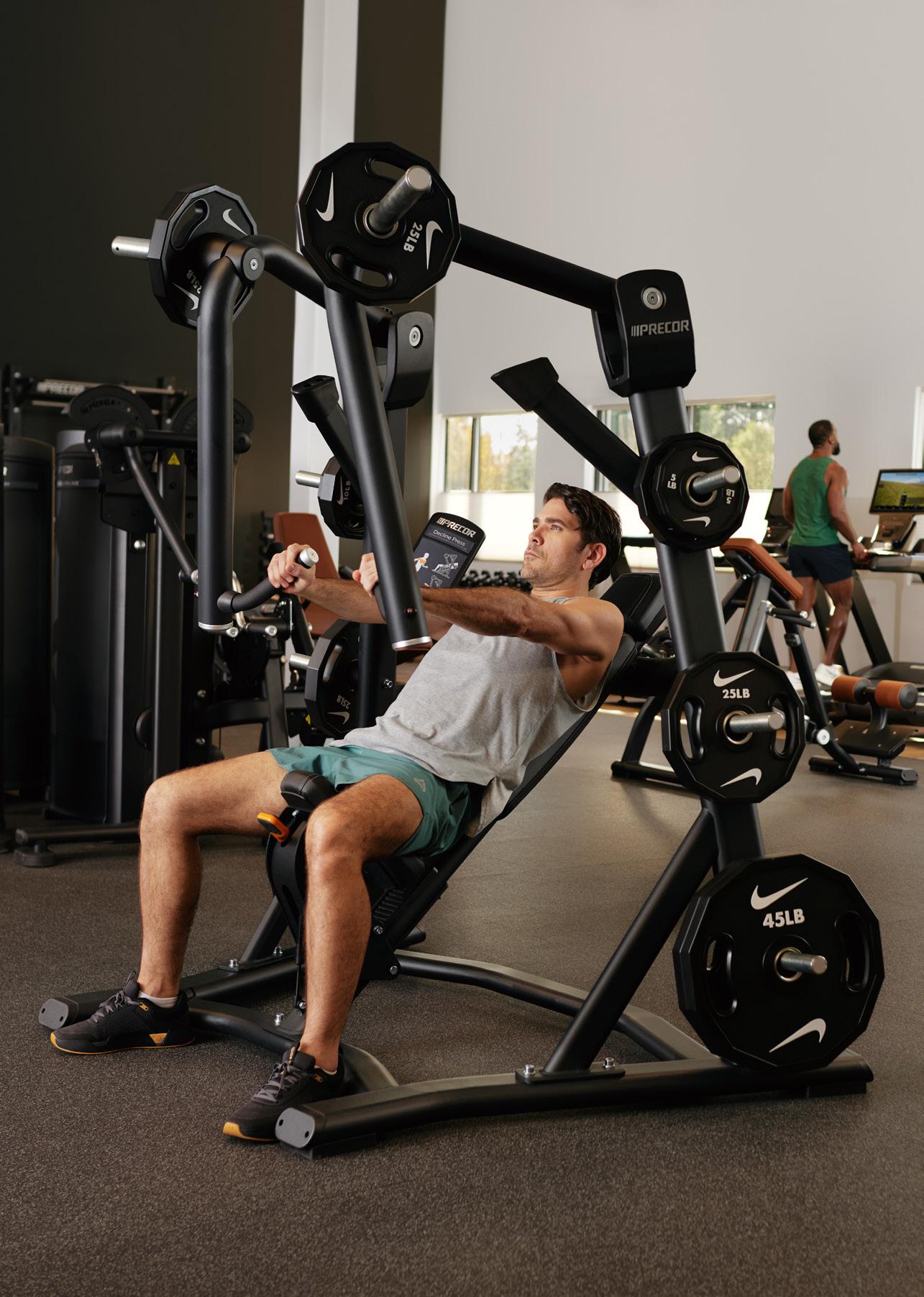
Discover how EGYM powers growth you can see, prove, and repeat with a fully connected, data-driven ecosystem, tailored to you.

www.egym.com/uk | sales@egym.com
LEARN MORE
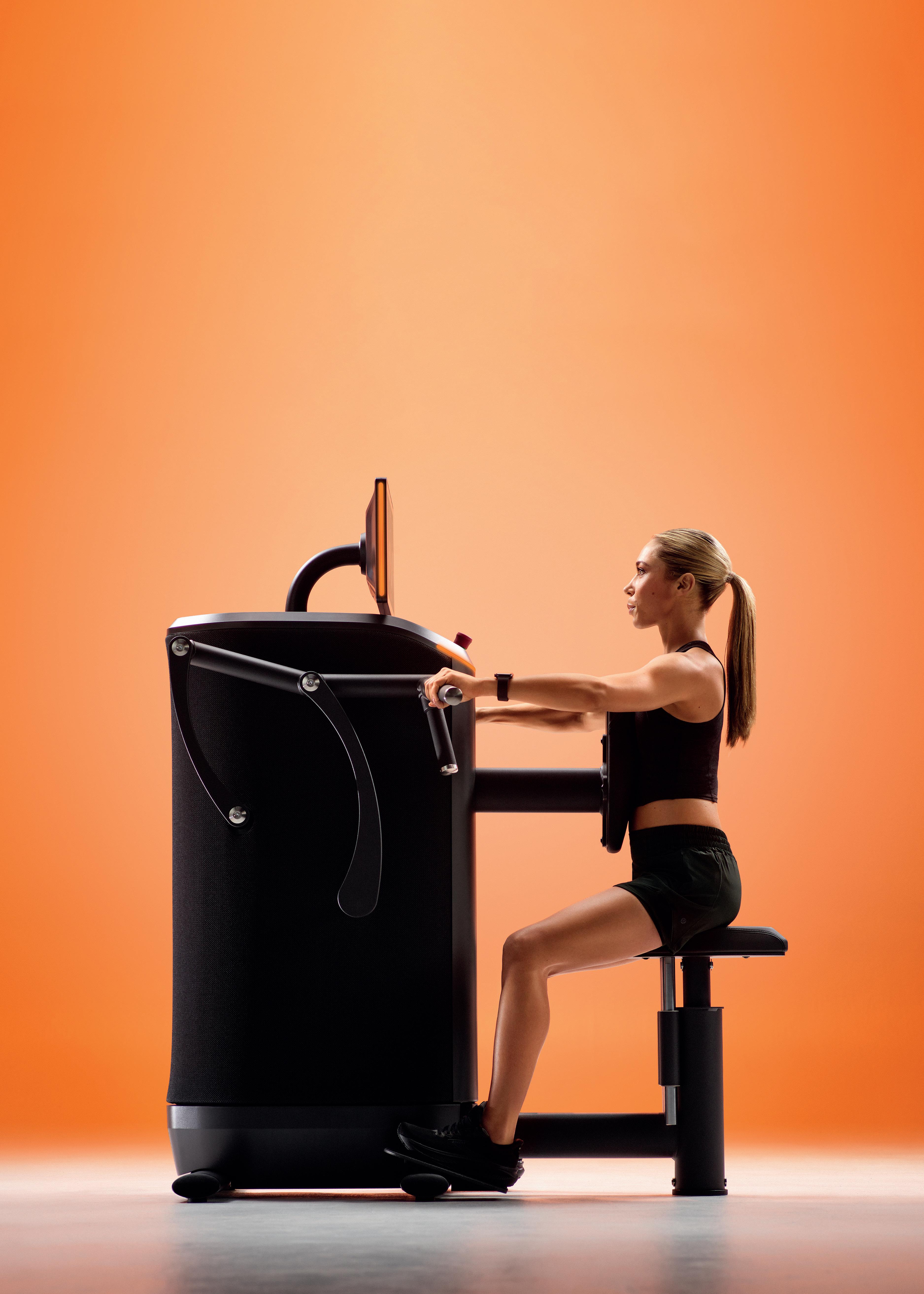
Discover how EGYM powers growth you can see, prove, and repeat with a fully connected, data-driven ecosystem, tailored to you.
www.egym.com/uk | sales@egym.com
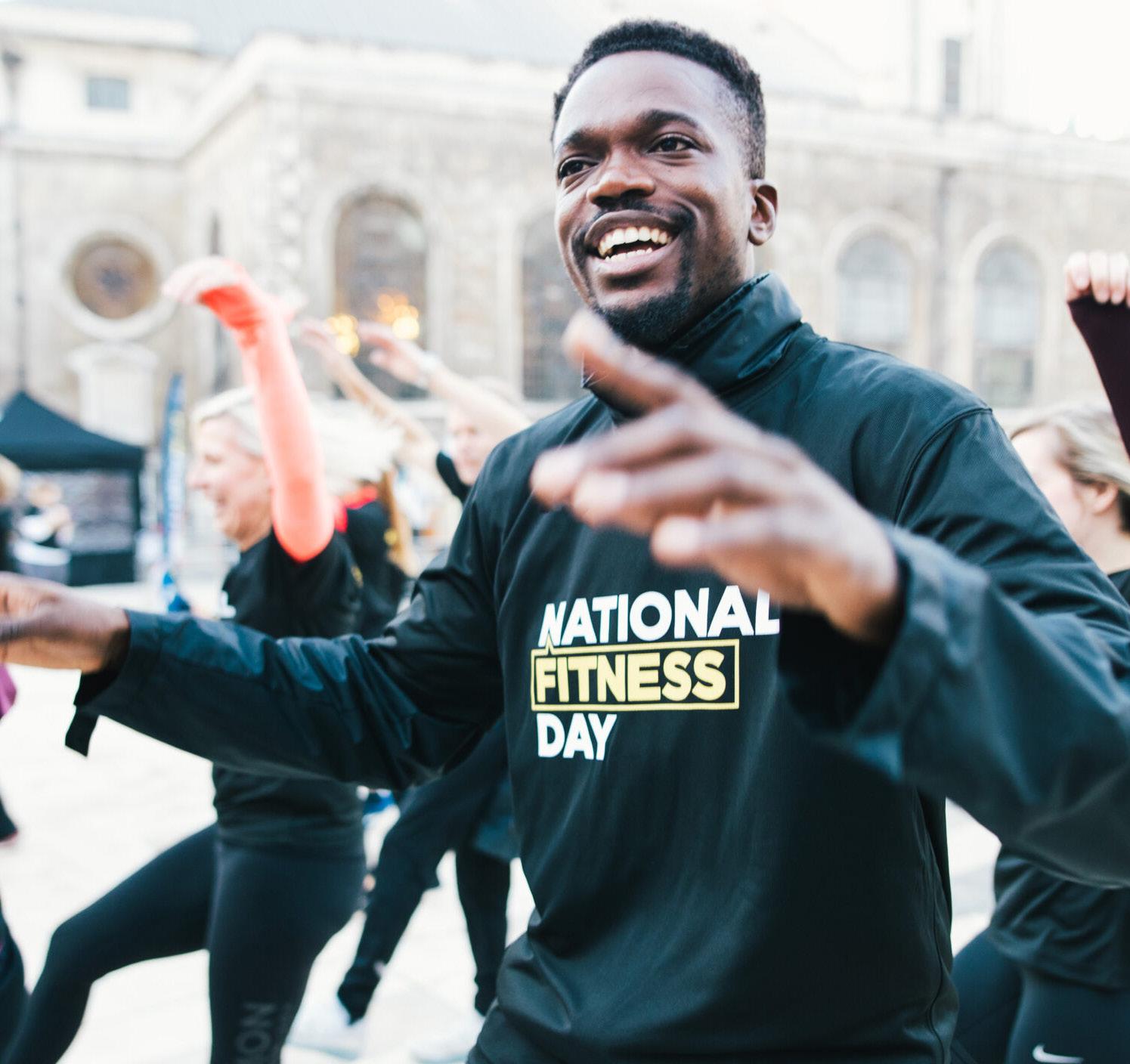
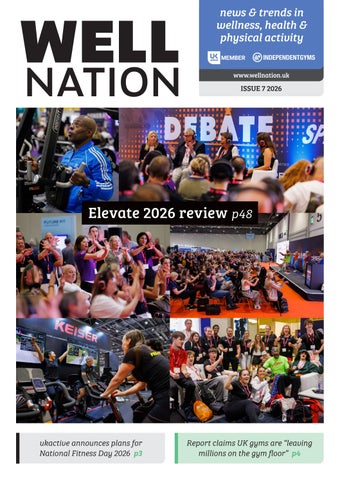
Ukactive has confirmed that National Fitness Day 2026 will take place on Wednesday 16 September, with fitness, leisure and sport facilities across the UK preparing to offer free activities to help more people get active.
Now in its 15th year, the campaign is coordinated by ukactive and delivered by its members across the physical activity sector. Each year, National Fitness Day celebrates the role of movement in supporting physical health, mental wellbeing and stronger communities. The campaign attracts an average of 10 million participants annually and aims to showcase the many ways people can build activity into everyday life.
“National Fitness Day is about showing the nation that physical activity is for everyone, regardless of age, background or experience,” explains
Cameron Saunders, CEO of ukactive.
“Today, more people are discovering the enjoyment, connection and rewards of being more active in their daily lives. It’s a chance to come together to celebrate being active and also the brilliant work of our local gyms, pools, leisure centres and sports clubs.
“We encourage all our members, partners and organisations across the UK to get involved and help power National Fitness Day in every community.”
Following the success of last year’s campaign, ukactive will continue with the theme “Powered by you!”. The message highlights how everyone can play a role in creating a more active nation, from individuals and families to schools, workplaces, hospitals, community groups and leisure operators.


WellNation is published by Glencroft Ltd. This publication is protected by copyright and no part may be reproduced, transmitted or stored in any print or electronic format without the written permission of the publisher. Every effort has been made to ensure the accuracy of the contents of this publication and WellNation accepts no responsibility for any error or misrepresentation. Opinions expressed by the contributors and advertisers are not necessarily those of the publisher and we do not accept responsibility of losses or damages arising from them. Printed by BCP Media Group Ltd.

Leading awarding organisation
Active IQ has announced that it will fully integrate with education charity and vocational learning specialist NCFE by the end of 2026.
The move marks a milestone for skills development across the active leisure, sport and wellbeing sector. It follows NCFE’s acquisition of Active IQ in 2022 and will bring the strengths of both organisations together into a broader, more streamlined offer. The integration is designed to support qualifications, assessment, delivery and learner support across the sector.
Parkrun has partnered with The Nation’s 5K Challenge, a new nationwide movement initiative aiming to inspire one million people across the UK and Ireland to become more active. The challenge launched on 27 June 2026 and will be led by fitness coach and endurance athlete Esmée Gummer, who will run 5,000km through 77 cities between 27 June and 3 October.
The Nation’s 5K Challenge has already attracted strong public interest, with more than 1300 people registering in the first 24 hours of sign-ups opening.
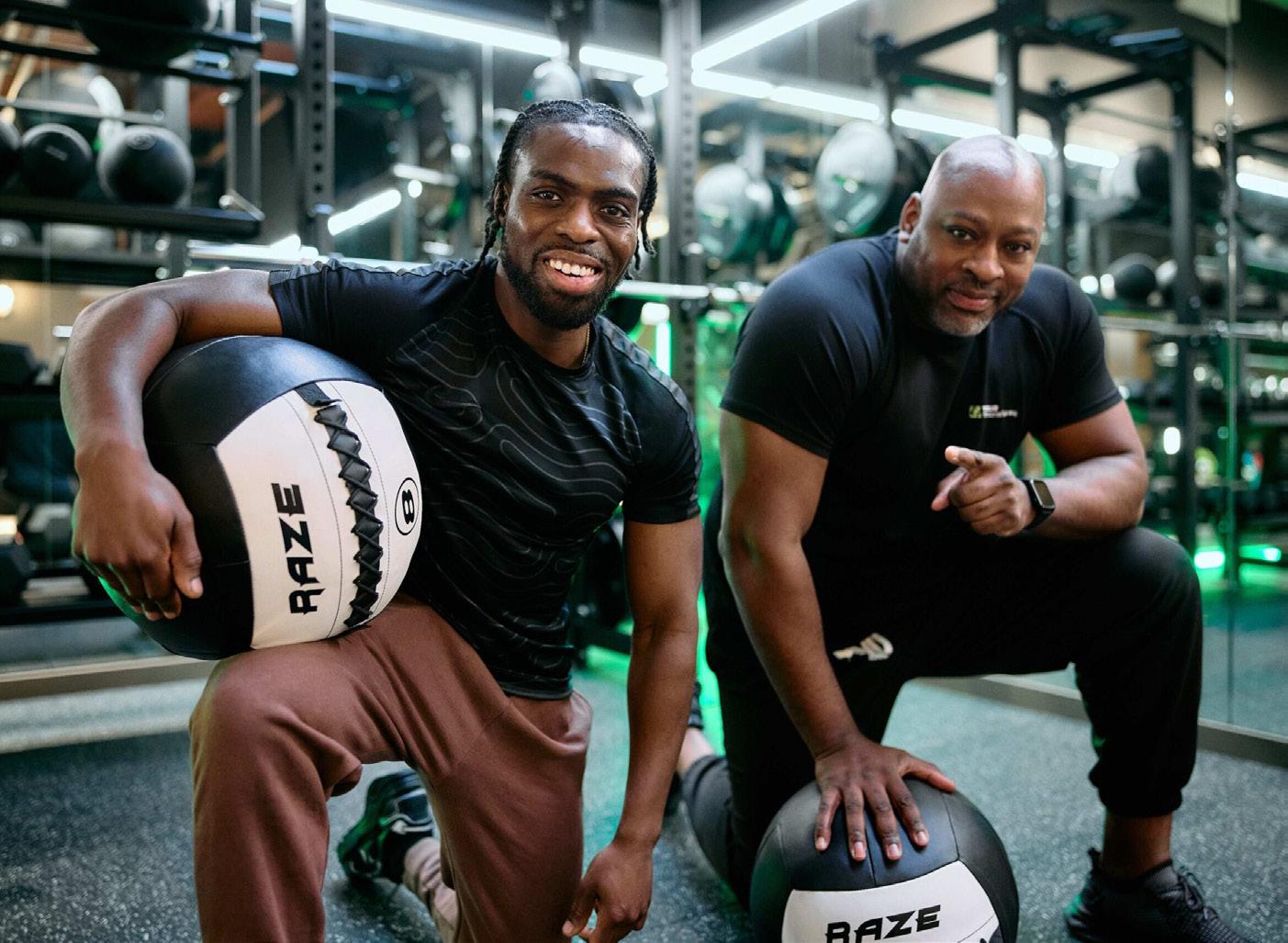
The report challenges the idea that PT performance is a sales issue
New report reveals UK gyms are “leaving millions on the gym floor”
A major new industry report from YOUR Personal Training (YPT) has revealed that the UK fitness sector is systematically underperforming in one of its most valuable commercial areas, Personal Training, costing tens of millions of pounds of unrealised value every year.
Titled “The Million Pound PT Problem”, the report draws on 16 years of operational data from more than 400 UK gyms and uncovers a persistent gap between average and well-run clubs that YPT says represents one of the industry’s biggest hidden revenue leaks. Average PT penetration across UK gyms remains just 1-2%, while high-performing clubs consistently achieve 4-5%.
Even small improvements in this figure have a dramatic commercial impact, with every additional 1% of PT penetration worth around £136,800 per year per 20,000 members. At a national level, YPT estimates this underperformance equates to more
than £30 million in lost revenue and retention value for large operators. The report challenges the idea that PT performance is a sales issue, instead positioning it as a systemic management failure. According to YPT, most operators treat PT as an add-on or a tenancy model rather than a core commercial function. This leads to poor recruitment standards, inconsistent onboarding, limited development and high trainer churn, all of which undermine performance. The data shows that many gyms lose the majority of new trainers between months six and 12, wiping out thousands of pounds in potential revenue before those trainers ever reach stable productivity. Commenting on the findings, CoOwner of YPT, Aaron McCulloch said: “For too long, personal trainers have been treated like tenants instead of business partners. When you build the right systems around recruitment, onboarding and development, PT stops being unpredictable.”
Sport England has launched the next generation of its Moving Communities Place platform, strengthening the way the physical activity sector uses data to support participation, reduce inequalities and evidence impact.
Powered by 4GLOBAL’s new InsightOS infrastructure, the enhanced platform has been designed to help local authorities, leisure operators, Active Partnerships, delivery organisations and national bodies make more informed decisions about the communities they serve.
“The future of sport and physical activity will be shaped by the quality of the decisions we make today,” says Jack Shakespeare, Managing Director at 4GLOBAL.
“InsightOS represents a significant advancement in the sector’s ability to turn data into intelligence and intelligence into action. By bringing together participation, place, social value and performance insight in a single ecosystem, we’re helping create a more connected, evidence-
led sector capable of delivering greater impact for communities.”
The upgrade marks a major step forward for Moving Communities Place. It brings together participation data, demographic insight, social value analysis and place-based intelligence in one integrated platform.
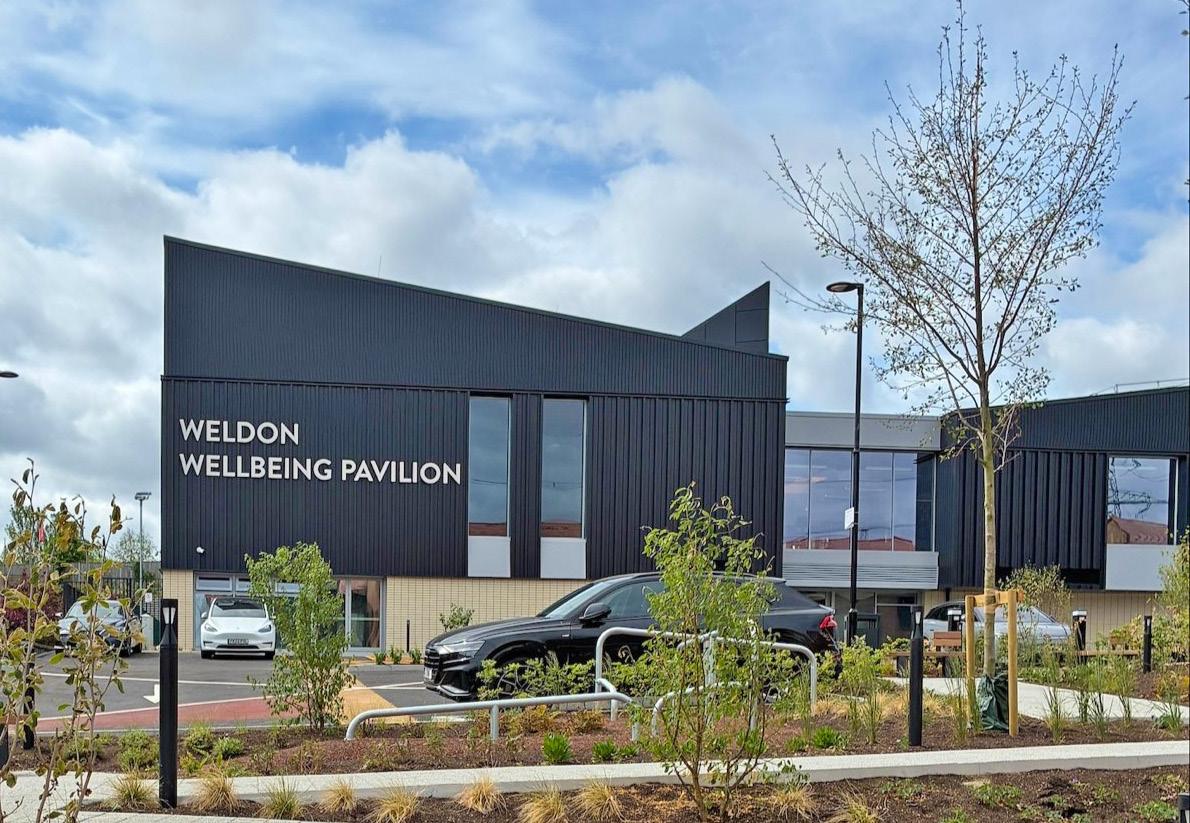
A new community wellbeing and sports facility has opened its doors in Ebbsfleet. Weldon Wellbeing Pavilion features a health club with a large gym floor and exercise studios, while outside facilities include a 3G football pitch, netball and tennis courts. There is also a versatile community hall.
The facility is owned by Ebbsfleet Garden City Trust and operated by not-forprofit leisure trust, Freedom Leisure.
Ebbsfleet Development Corporation (EDC) worked alongside Redrow, Ebbsfleet Garden City Trust and Freedom Leisure to deliver the Pavilion. The £13m investment in the site by EDC has been designed to enhance community facilities across the Weldon neighbourhood, including the Wellbeing Pavilion, creating high-quality spaces for sport, health and wellbeing for local residents.
As a result, organisations can gain a clearer understanding of what is happening in local communities, why it is happening and where support can have the greatest effect. New capabilities include advanced catchment profiling around facilities and key locations.
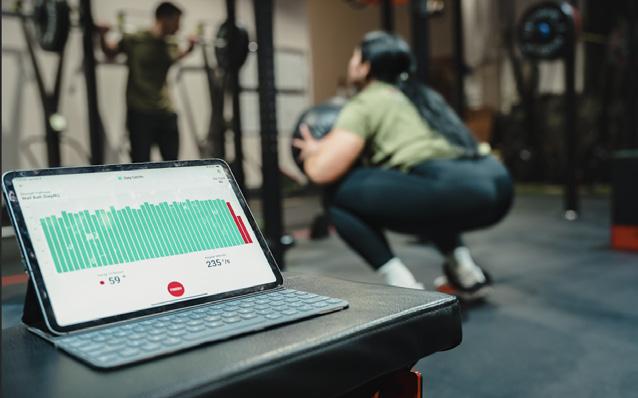
The solutions enables coaches to move work to a new platform
Output Sports has launched Program Uploader, a new AIpowered feature designed to help coaches move existing training regimens into the Output platform in minutes. Available now in Beta for Output Program customers, the new tool converts PDF and CSV files into fully structured plans inside Output Hub. Coaches can upload an existing plan through the Program Builder, with Output’s AI then matching exercises from its library, flagging movements that require review and assigning confidence scores to each suggested match.
RNR has opened franchise opportunities across the UK, as the premium recovery lounge brand begins its national rollout.
The Restore & Recharge concept, powered by cryotherapy and wellness specialists CTN, gives operators, investors and entrepreneurs the chance to launch a premium wellness lounge built around restorative technology, member care and repeat-use treatments. RNR lounges are designed to sit between the clinical and spa sectors and offer guests six science-led treatment options.

A collaboration between the Standing Tall Foundation and Saints Community Sport CIC is set to take up the lease of the former Broadway Leisure Centre in St Helens.
The partners plan to transform the site into a new community hub with indoor and outdoor sports and physical activity facilities. Broadway Leisure Centre, was closed in January 2013 due to local funding cuts. Facilities at the centre included a six-court sports hall and outdoor playing fields.
The move is part of St Helens Borough Council’s Community Asset Transfer policy, which allows community organisations to take over council-owned land or buildings, enabling them to play a more active role in helping deliver services.
The former Broadway Leisure Centre is the last location of the first tranche of sites that have been through the community asset transfer process, with Bishop Road Playing Field in Windlehurst and King George V Playing Fields in
Earlestown having been approved for community leases last year.
The Broadway opportunity had initially received several bids when first put forward last year but individually these did not meet the published criteria. However, subsequent collaboration between two of the bidders – The Standing Tall Foundation and Saints Community Sport CIC –has achieved a successful outcome.
Lisa Harris, the council’s Executive Director for Place Services, said: “We are now able to move forward with the plans to transfer this facility back into the hands of community groups who are committed to delivering a range of services for our residents.
“Through our Community Asset Transfer policy we have a process in place to help us choose suitable organisations to deliver services. These two organisations have demonstrated a clear commitment to the community and that will unlock great opportunities for residents across the borough.”
Making public leisure sustainable and building healthier communities.
310+ completed projects
81% of clients choose us for further projects
£520m+ investment in local authority leisure
Alliance Leisure are a trusted and experienced leisure development partner, with over 25 years’ experience transforming leisure facilities for local authorities.

Three new senior leaders have joined the Everyone Active board, in an expansion reinforcing the organisation’s commitment to innovation, growth and operational excellence across the UK.
Commercial Director Alison Ford, Regional Director (Central) Mark Leahy and Regional Director (South) Ian Cook bring with them decades of combined experience across the leisure, health and wellbeing sector. The trio will guide the strategic direction of the business,
PSLT appoints Paul Lennon to accelerate commercial success in the south
Paul Lennon has joined PSLT as sales manager-South, in a significant step to continue scaling its commercial operations.
The UK suppliers of DHZ and USAeon equipment created the role to reflect its ongoing growth and strategic focus on expansion across the UK.
“Paul’s depth of experience across both single and multi-site environments gives him a strong understanding of our customers’ needs,” explains Stuart Martin, Commercial Director at PSLT.
“The creation of the Southern Sales Manager role reflects our commitment to growth, particularly in driving our DHZ and USAeon ranges, and we’re confident Paul will play a key role in accelerating our success in the region.”
Paul’s time in fitness and leisure includes a wealth of senior leadership experience, operating as general manager and multi-site manager.
“I’m really pleased to be joining PSLT at a time when the business is making serious progress and
building real momentum,” he said.
“Having spent 26 years in the leisure and fitness industry, including 17 years in management and more than 10 as a GM and multi-site GM, this felt like the right opportunity at the right time.
“The focus on quality, innovation, and meaningful impact across the sector is exciting, and I’m looking forward to contributing as PSLT continues to grow.”
PSLT is an independent, full turnkey solution provider servicing the health, fitness, and sport sectors – from multi-site and independent health clubs to sports facilities, hotels and educational facilities.
maintaining the highest quality of services and delivering positive community impact across the UK.
“Alison, Mark and Ian have each made an outstanding contribution to Everyone Active over many years, and I’m delighted to welcome them to the board,” says Duncan Jefford, Managing Director at Everyone Active.
“Their experience, leadership and understanding of our business and people will be invaluable.”

fibodo appoints Dave Cross to coaching role
fibodo, the operating system for the experience economy, has appointed Dave Cross as its new Head Coach. The appointment is part of a strategy to grow from the bottom up, leveraging coaches’ credibility and networks. Cross is a former Master Trainer at Les Mills and National Group Exercise Manager at PureGym. In his new role, he will lead the education strategy and adoption of fibodo across the industry, from workshops and webinars to live events and podcasts.
NO UPFRONT COSTS. NO RISK
We run the marketing and sales.... You run the club.
6 week on site member acquisition campaigns for gyms, hotel gyms and leisure centres
Average result: 225 new members. Built for clubs ready to grow 5.0 Google reviews
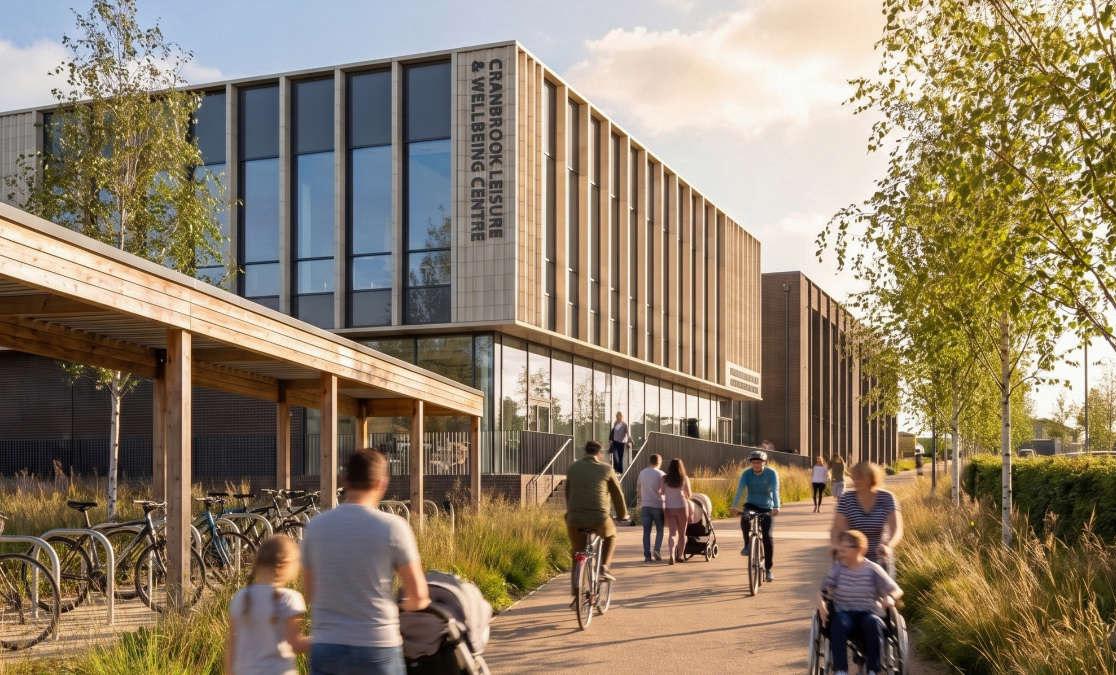
New, updated plans – which include a 25m swimming pool and group exercise studios – have been unveiled for the proposed Cranbrook Leisure and Wellbeing Centre in Devon.
East Devon District Council, which will own the centre, has worked with project managers and designers to develop proposals for the centre in Cranbrook town centre over the past 12 months.
The design work was based on a public consultation which received nearly 1,000 contributions, charting what future users wanted to see at the facility.
The strongest demand from the consultation was for a 25-metre swimming pool, gym and fitness suite, café and social spaces and exercise studios. People also said they wanted the building to “feel bright, welcoming and easy to navigate”.
According to Nick Hookway, East Devon District Council’s portfolio holder for Culture, Leisure, Sport & Tourism, the feedback
has been taken into account in a number of the design elements.
“The feedback has helped shape the proposals and highlighted what matters most to people who will use the centre,” he said.
“The updated plans are now available to view, along with
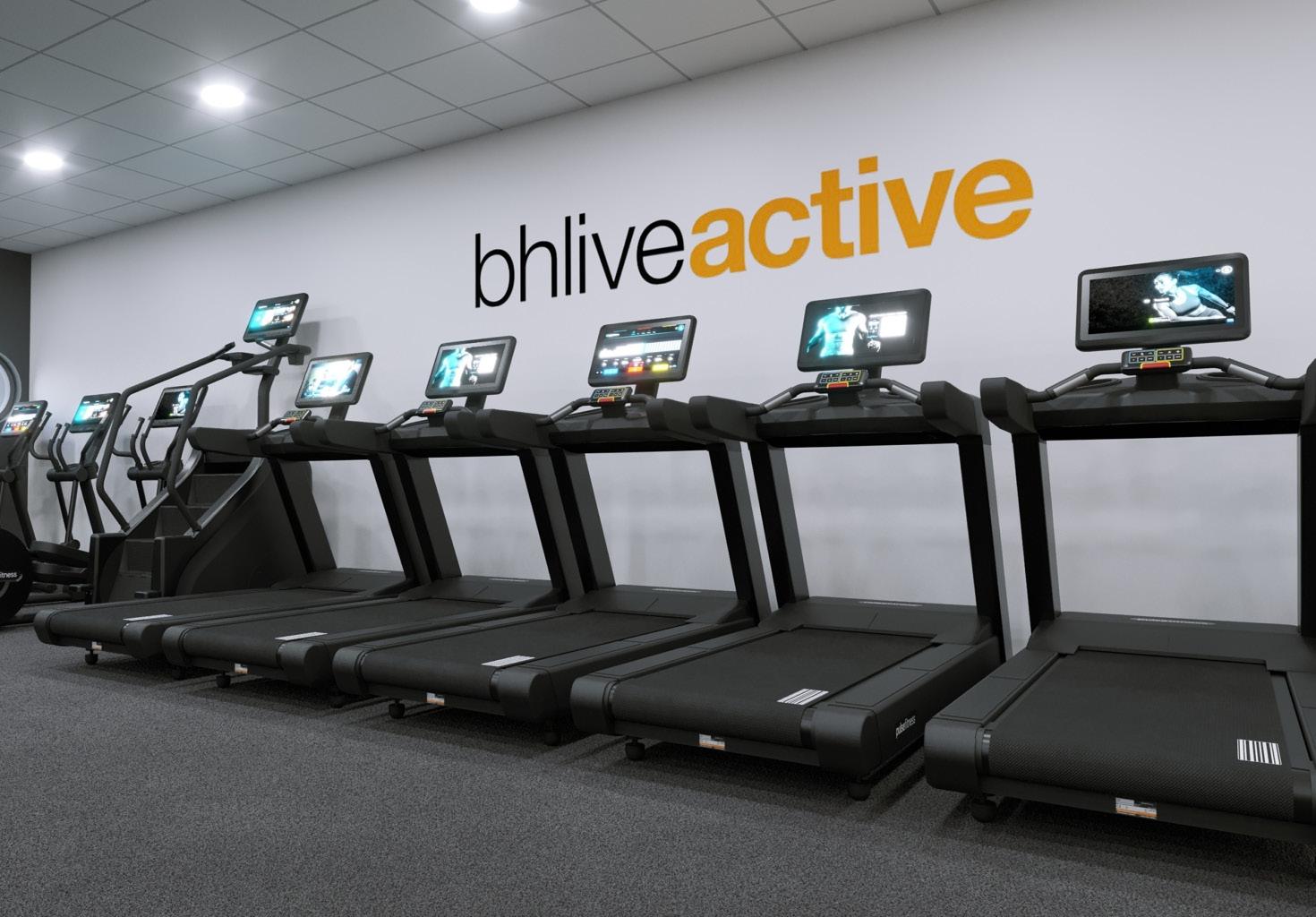
In partnership with Southampton City Council, BH Live, a registered charity and social enterprise, has announced three major gym refurbishments for the city’s leisure centres.
Supporting Southampton City Council and BH Live’s mission to improve community wellbeing, these improvements will inspire more people of all ages and abilities across the city to get active for better health.
BH Live has partnered with Pulse Fitness to completely revamp each of the centre’s gyms at BH Live Active, The Quays, Bitterne Leisure Centre, and Chamberlayne Leisure Centre. Customers can expect brand-new gym equipment, workout zones, improved décor and more. All cardio equipment will have integrated digital screens, allowing exercisers to access streaming services.
information showing how comments from the first survey have been considered and where possible improvements made.
“We are asking people to look again at the proposals and share their views through this second survey before the project moves to the next stage.”


Women’s health is a topic of conversation that has been gathering increased traction within the fitness sector. In particular, the discourse has centred around how to offer more varied opportunities to get women of all ages and abilities physically active. Could vibration training be the answer?
Women make up half the population, yet for decades the health and fitness industry has largely failed to reflect female physiology when talking about long-term health and wellbeing. From menstrual cycles in younger women to the hormonal shifts of perimenopause and menopause, women experience ongoing physiological change that affects bone health, muscle mass, recovery, metabolism and even cognitive function. Historically, however, exercise science and training advice have been shaped around male physiology. That gap is now impossible to ignore.
Steve Powell, Director of Education at Power Plate and Master Trainer Natt Summers explore how women can be better supported through every stage of life — and where vibration training and complementary technologies such as red light therapy may play a role.
Why longevity matters for women
Longevity isn’t simply about living longer. It’s about maintaining the ability to live well — physically, metabolically and mentally — for as many years as possible. A longevity-focused approach is built on three core pillars: functional capacity (strength, balance and mobility), tissue and metabolic health (muscle, bone and energy regulation), and brain health. Every form of movement and recovery feeds into these pillars, from strength training and cardiovascular exercise to rest, stress management and community support.
Looking at women’s health through this lens also shifts the conversation away from menopause as a single defining moment. While menopause is important, the foundations for healthy ageing are laid much earlier, and the opportunity to support women continues long after.
One of the most overlooked aspects of women’s health in the younger years is bone health. Peak bone mass is typically reached around the age of 30, meaning the strength of our skeleton later in life is largely determined by what happens during our teens and twenties. While resistance training and impact exercise are often recommended, bones respond most strongly to specific mechanical signals, such as compressive loading and muscular tension.
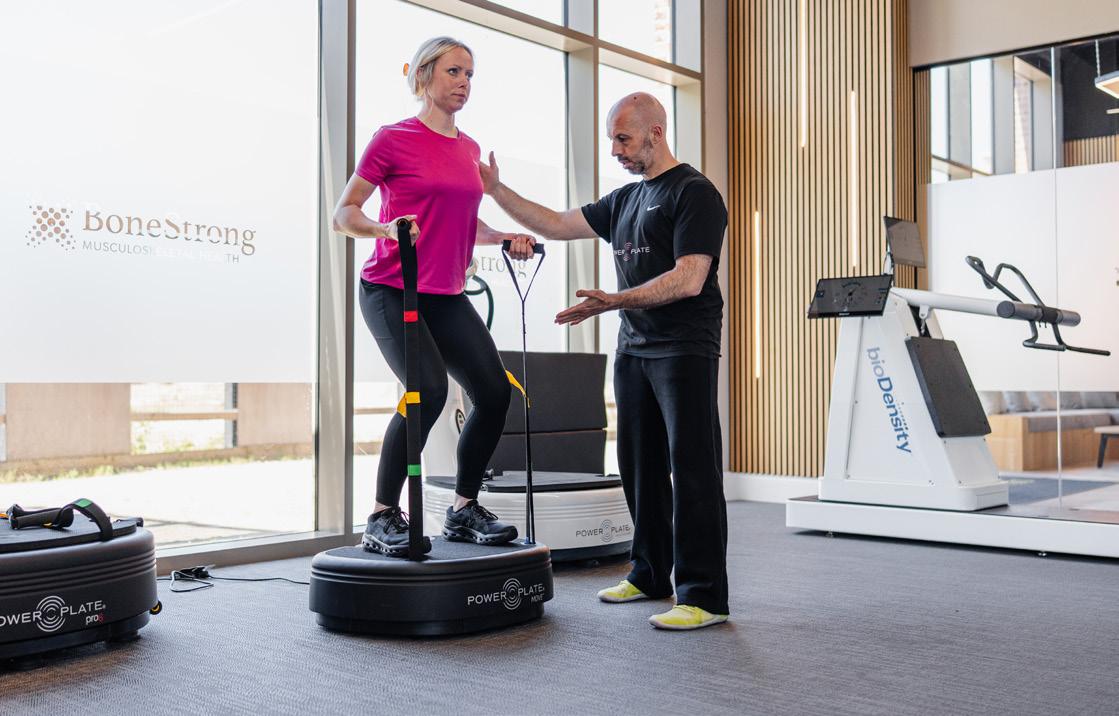
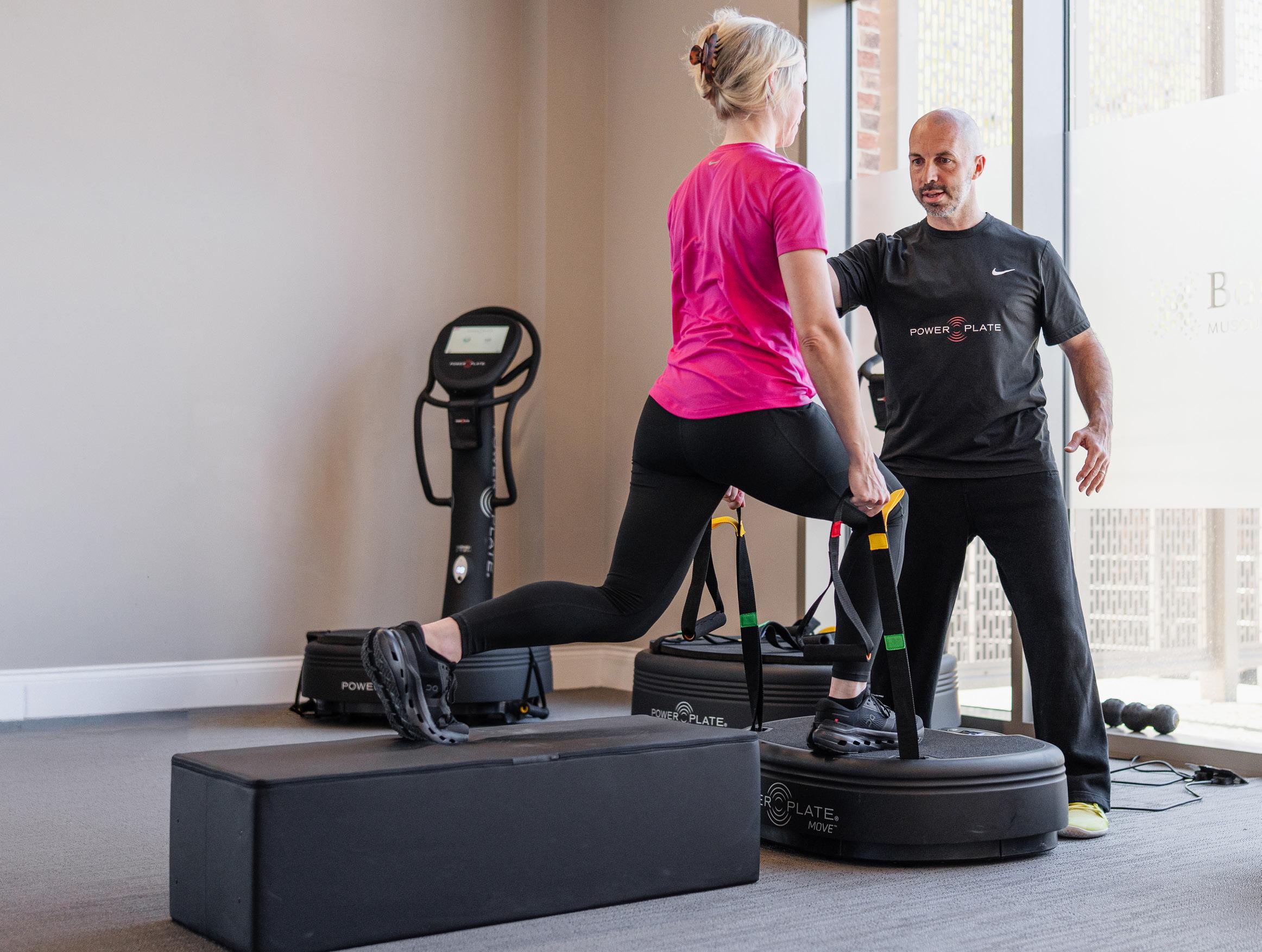
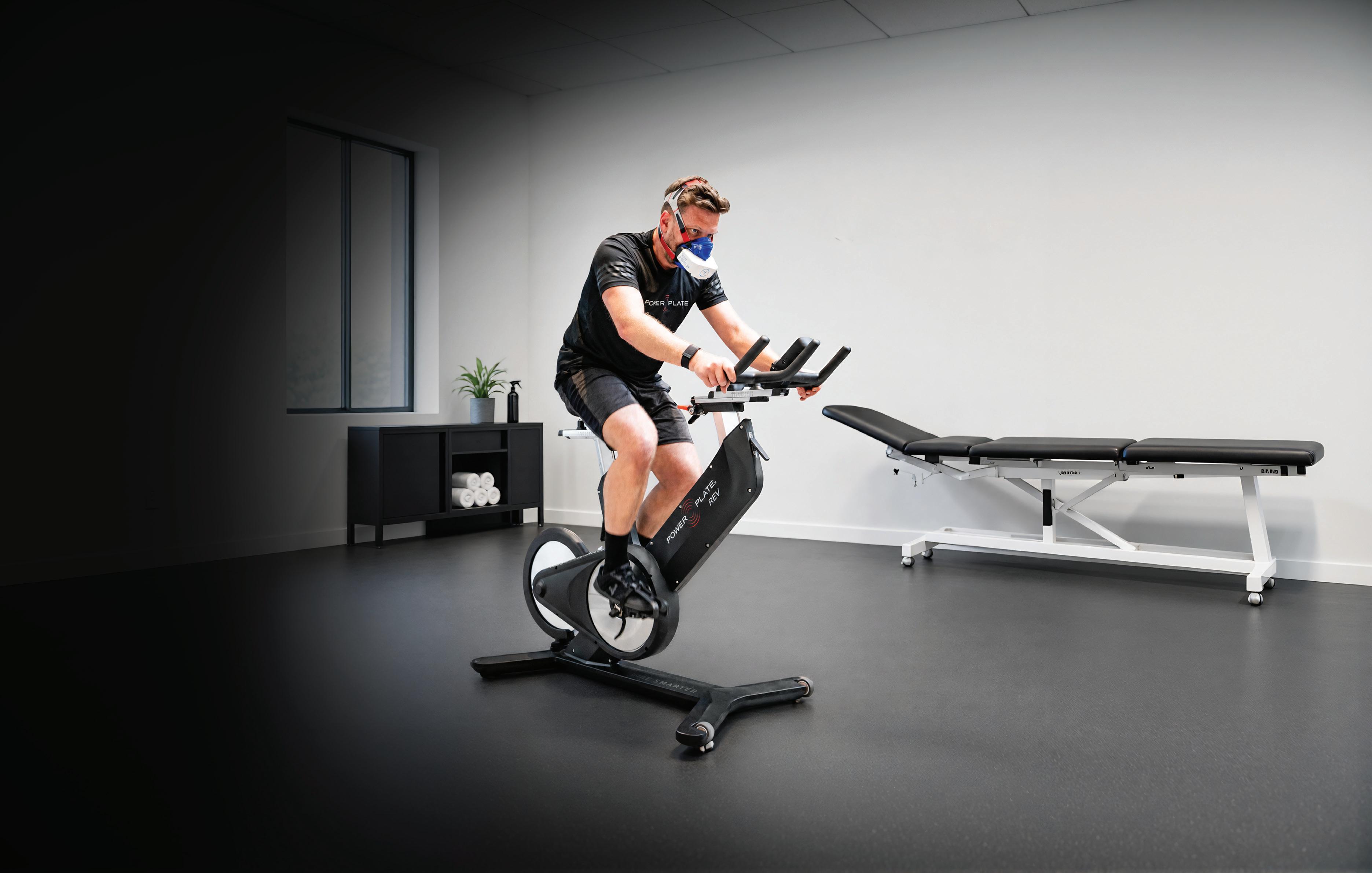
Power Plate Whole-body vibration (WBV) training can help amplify these signals by triggering rapid reflexive muscle contractions, increasing mechanical loading across the skeletal system without long or intense workouts. When used correctly, WBV can support bone density, muscle strength and pelvic floor health — an important consideration for younger women balancing busy lives.
There’s growing interest in adapting training around hormonal cycles, but a more empowering approach is helping women understand their own responses and adjust intuitively.
At certain points in the cycle, sleep may be disrupted, recovery slower or fatigue higher. Training doesn’t need to stop, but intensity or session length may need adjusting. Vibration training allows women to maintain a meaningful neuromuscular stimulus in shorter sessions with lower mechanical load, supporting consistency without pushing the body beyond what it can recover from. The goal isn’t rigid rules, but flexibility and awareness.
Because muscle strength and mechanical loading are closely linked to bone health, maintaining both is essential
When the focus shifts from short-term performance to long-term wellbeing, recovery becomes just as important as exercise itself.
One system gaining attention is the lymphatic system, which supports immune health and inflammation regulation. Unlike the cardiovascular system, it relies on muscle contractions to circulate fluid. This makes movement — particularly vibration-based exercise that activates large muscle groups — an effective way to support lymphatic flow and recovery.
For many women, perimenopause is the stage where health suddenly becomes a priority. There’s often a strong desire to build muscle, manage weight and protect metabolic health, but also a sense of overwhelm. Rather than doing everything at once, a more sustainable approach is consistency. Vibration training can provide an accessible entry point, delivering strong neuromuscular activation without high loads or long sessions.
Bone health also becomes increasingly important during this phase. Declining oestrogen levels accelerate bone loss, yet bone remains a living tissue that adapts to the forces placed upon it. Because muscle strength and mechanical loading are closely linked to bone health, maintaining both is essential.
Traditional high-impact training may no longer feel appropriate, particularly where joint discomfort or pelvic floor weakness is present. Vibration training offers a lower-impact alternative that still delivers the mechanical signals bones respond to.
After menopause, many women report feeling more physically stable as hormonal fluctuations settle. However, age-related declines in strength and power — known as dynapenia — become a key focus. Power is increasingly recognised as one of the strongest predictors of healthy ageing. It supports balance, mobility and even cognitive health. Vibration training provides a way to stimulate power-related adaptations without explosive movement, making it a practical option for many women.
Even short vibration Power Plate sessions can improve circulation, reduce pain perception and rebuild confidence in movement — often the most important factor in staying active.
Women’s health is not static. It evolves across the lifespan, and support needs to evolve with it. Creating spaces where women feel informed, supported and understood is just as important as the exercise itself. Supporting women through every life phase isn’t just about fitness. It’s about helping women build resilient, capable bodies that support them for decades to come. For more information: https://powerplate.co.uk/
Good Boost has published new findings showing that digital exercise programmes can support adults with joint and muscle problems while reducing the cost burden on NHS physiotherapy services. The study, which analysed more than 40,000 exercise sessions from over 4400 people, found that Good Boost’s personalised digital exercise programmes helped participants move better, feel happier and reduce anxiety after just six weeks.
At 12-week and 26-week follow-ups, more than a third of participants reported reduced pain, while around 47% achieved a clinically meaningful improvement in physical function. More than 65% reported a positive improvement in their condition overall.
The findings are significant for the NHS at a time when more than 20 million people in the UK live with musculoskeletal disorders and many patients face waits of more than 14 weeks for physiotherapy appointments.
“These findings highlight the huge potential of digitally-enabled,
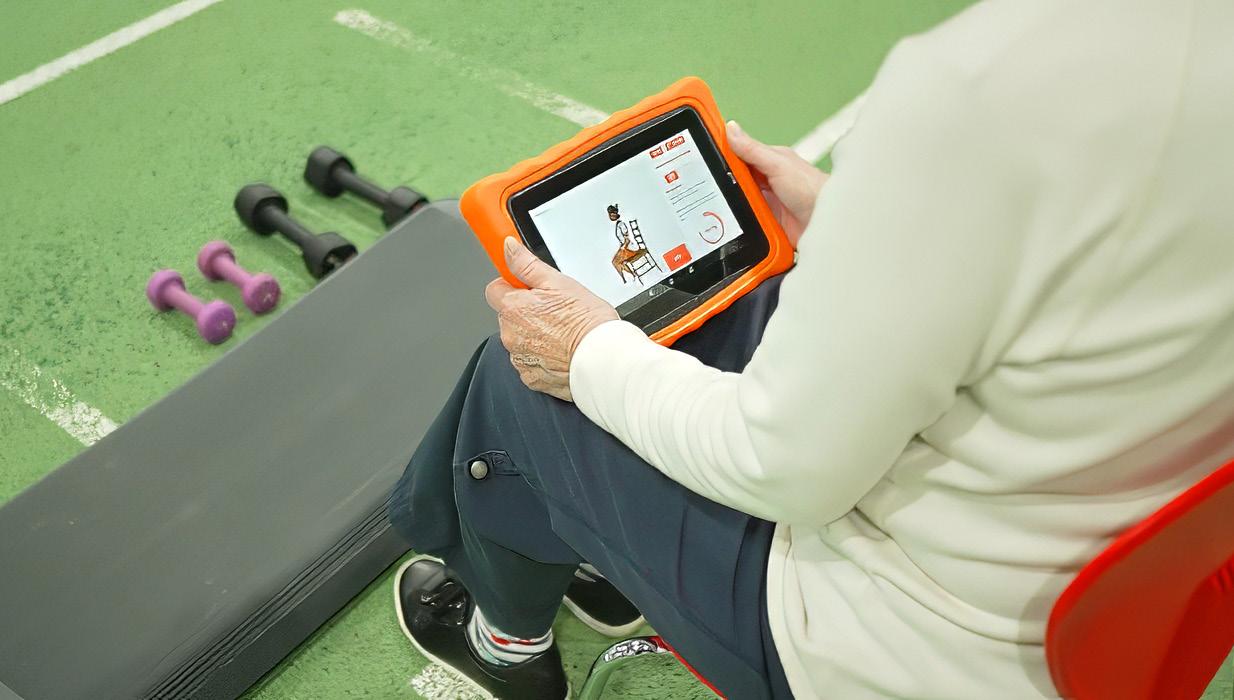
personalised physical activity to support people living with longterm musculoskeletal conditions,” explains Dr Hussain Al-Zubaidi, Royal College of General Practitioners lifestyle and physical activity lead.
“By combining evidence-based movement with community delivery, programmes like Good Boost can
improve outcomes, widen access, and reduce pressure on NHS services. This is exactly the kind of preventionfocused, neighbourhood health approach the NHS urgently needs.”
“This isn’t a one-size-fits-all app,” says Ben Wilkins, CEO of Good Boost. “It personalises movement and responds to real-time feedback.”
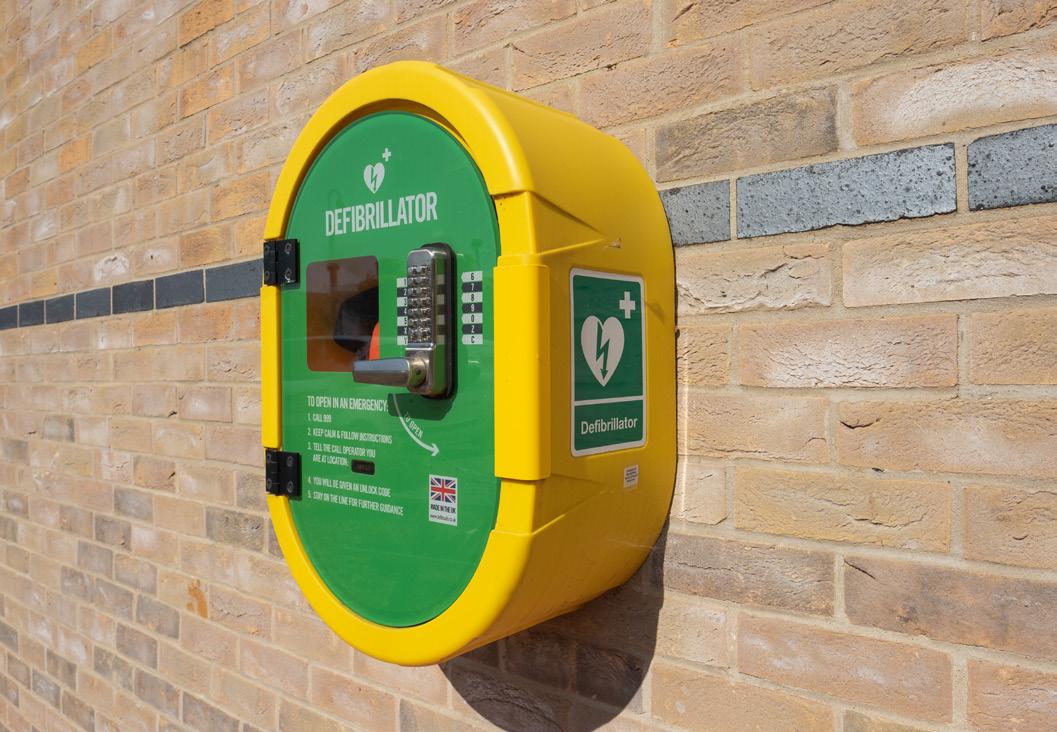
ukactive has published guidance on defibrillators to help fitness and leisure operators deliver life-saving support for anyone who suffers a cardiac arrest.
The guidance has been developed with the British Heart Foundation (BHF) and forms part of ukactive’s commitment to support gyms, swimming pools, leisure centres and other fitness facilities to further improve safety and standards.
Out-of-hospital cardiac arrest survival rates in the UK remain low, with fewer than one in 10 people surviving. However, rapid defibrillation within a few minutes of collapse can significantly increase survival rates. The new resource, titled ‘Guidance on Defibrillator Provision in Physical Activity Settings’, provides practical advice on installing, registering, and maintaining a defibrillator, as well as training staff and maximising the devices’ impact.
























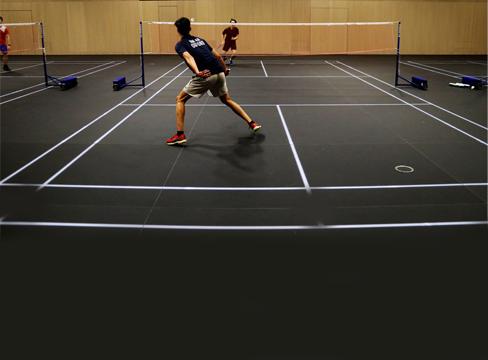

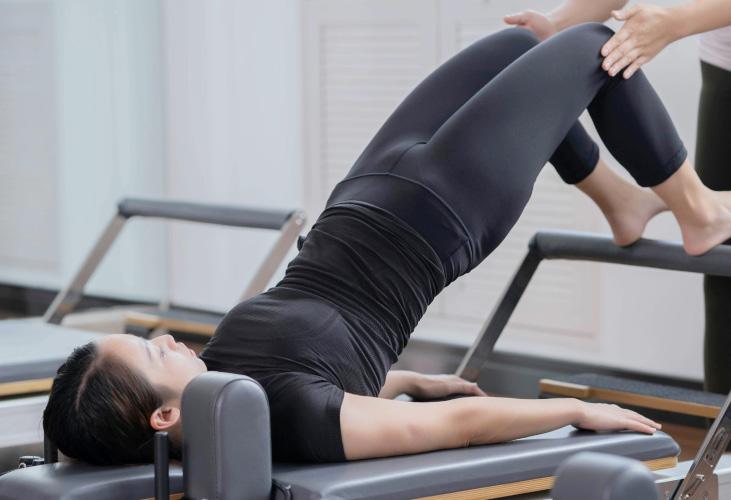
In response to the rapid growth of Pilates, YMCA Awards is championing robust, evidencebased education through its Regulate Pilates qualification portfolio. YMCA Awards was the first body to regulate the market with an Ofqual-recognised qualification. Now it’s continuing its drive for higher industry standards in Pilates certification.
YMCA Awards said the move will ensure that instructors are “equipped with the depth of knowledge and practical expertise required to meet the evolving needs.”
Music and technology solution provider, Pure Energy Music, has expanded its platform with the launch of Pure Energy Covers, designed to give operators access to familiar tracks re-engineered for fitness environments. The new platform extension introduces thousands of professionallyproduced cover songs, fullyintegrated within the Pure Energy Music system. The new catalogue sits alongside the company’s core original music offering, enabling both original and familiar tracks to be programmed through one platform.
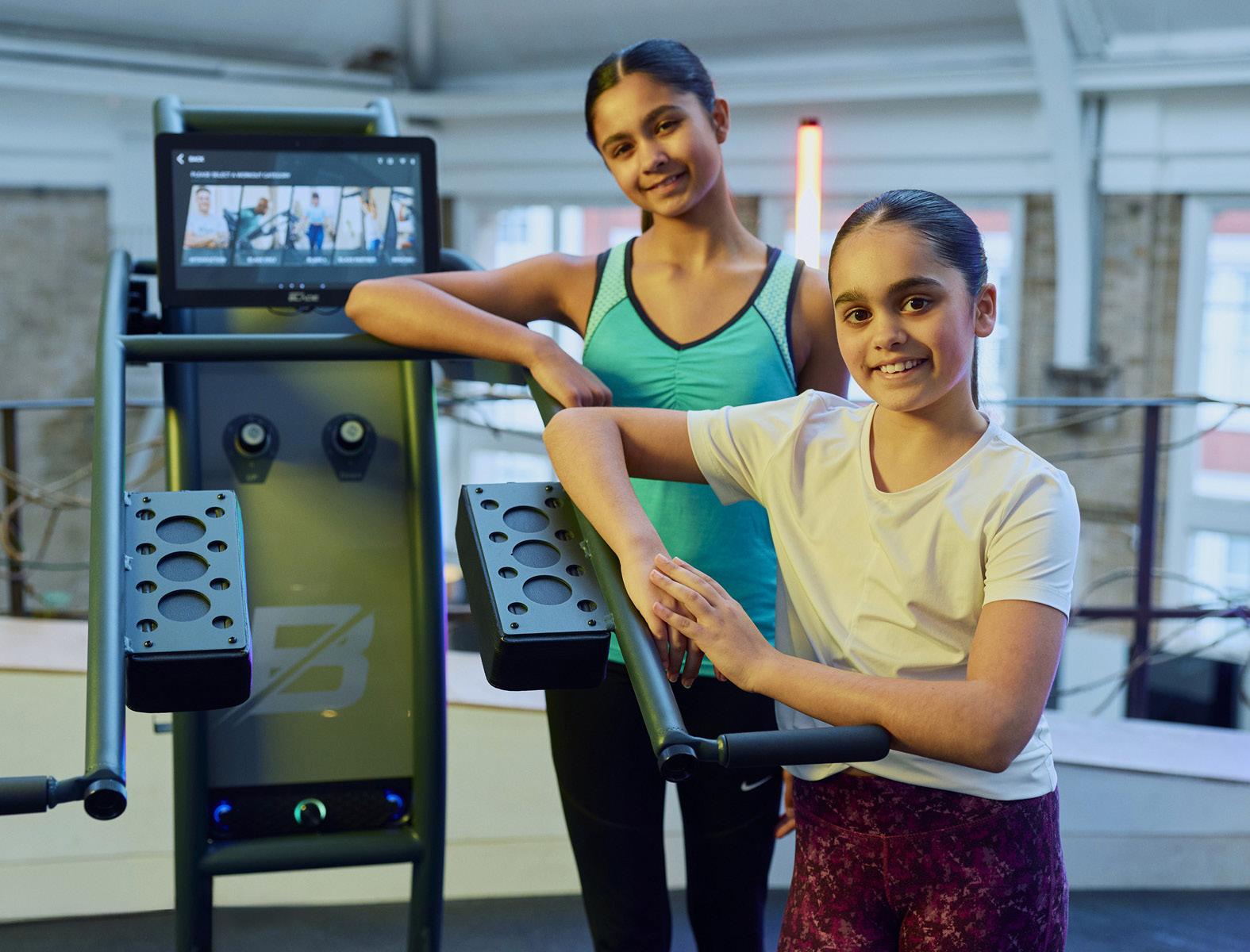
Speedflex has announced JNRZ, a new youth-focused training programme designed to make strength training safer, more inclusive and more engaging for children aged 10-16 years old.
The programme has been developed in line with the latest ukactive guidelines and is built around the Speedflex Blade, which uses adaptive resistance technology to respond instantly to the force applied by each user.
JNRZ has 20 on-demand workouts available directly on the Speedflex Blade. The sessions introduce strength, cardio, coordination and athletic development in an ageappropriate format, with expertled coaching shown on screen.
Speedflex JNRZ has been created to support young people in a controlled, low-impact training environment.
Unlike traditional weight-based strength training, the Blade does not require weight stacks, plates or manual adjustments. Instead, the
system automatically adapts to the effort of the user. For children and young people, this creates a setting where they can train with intensity while reducing the risk of overloading. It also removes the need to change settings between users, making the programme easier for operators, families and young members to use.
“This is a step-change moment for youth fitness,” explains Paul Ferris, CEO and co-founder of Speedflex.
“For too long, strength training for young people has either been inaccessible, intimidating, or simply not designed with them in mind.
“With JNRZ, we’ve created a solution that removes those barriers entirely. By combining adaptive resistance with guided, engaging sessions, we’re delivering a training experience that is not only safe for developing bodies, but incredibly effective in helping young people build strength, confidence, and a lifelong connection to exercise.”


LeisureLabs and AltaDX Group have announced a strategic global alliance designed to support health, fitness, beauty and wellness operators with technology consulting and digital transformation across multiple regions.
The partnership brings together AltaDX Group’s North American operator relationships and AI-led technology expertise with LeisureLabs’ EMEA market experience in fitness, wellness and leisure technology.
The two companies said the alliance will create a globally coordinated technology services and consulting capability built specifically for the fitness and wellness sectors.
“Operators are increasingly looking for strategic partners that understand both the complexity of the global fitness technology ecosystem and the realities of local market delivery,” explains Alex Peacock, Co-Founder of LeisureLabs.
“By combining AltaDX’s strength in North America with our experience across EMEA, we’re creating a
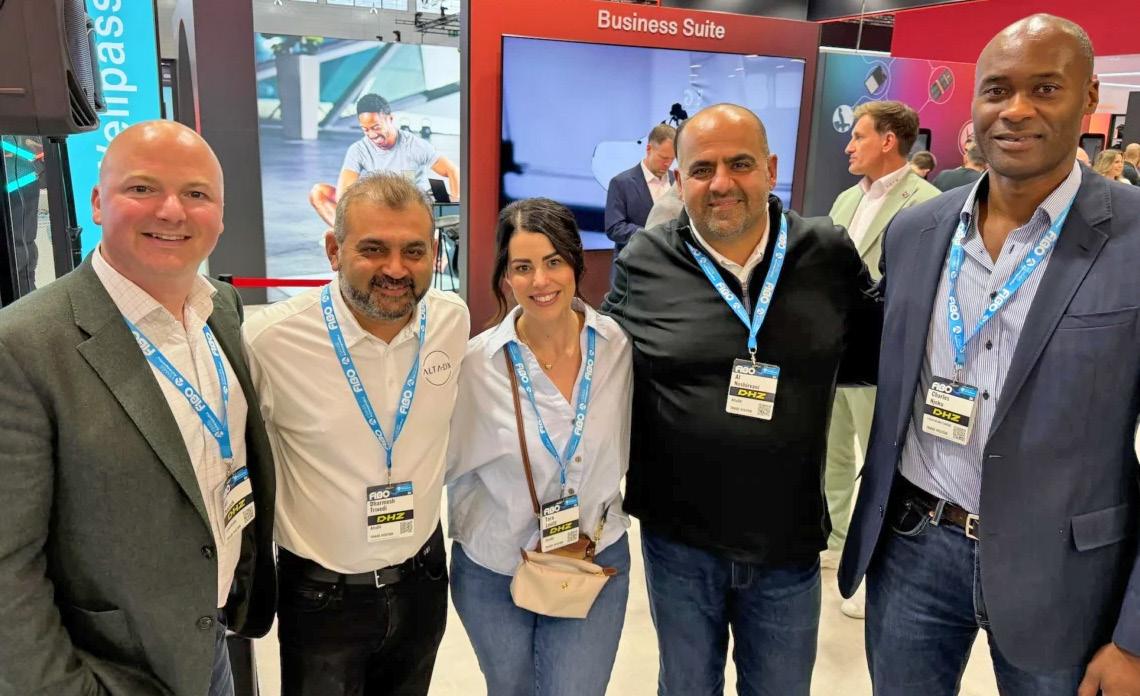
LeisureLabs and AltaDX bring together global experience in fitness and tech
genuinely global capability that neither business could credibly offer alone.
“Most importantly, we’re doing it in a way that preserves the entrepreneurial culture, speed, and specialist expertise that both organisations are known for.”
Under the new structure, AltaDX Group and LeisureLabs will continue to
operate as independent regional hubs, while working through a shared global network layer. The model is designed to preserve local client ownership and market agility, while giving operators, suppliers and investors access to shared methodologies, talent and delivery standards across regions.
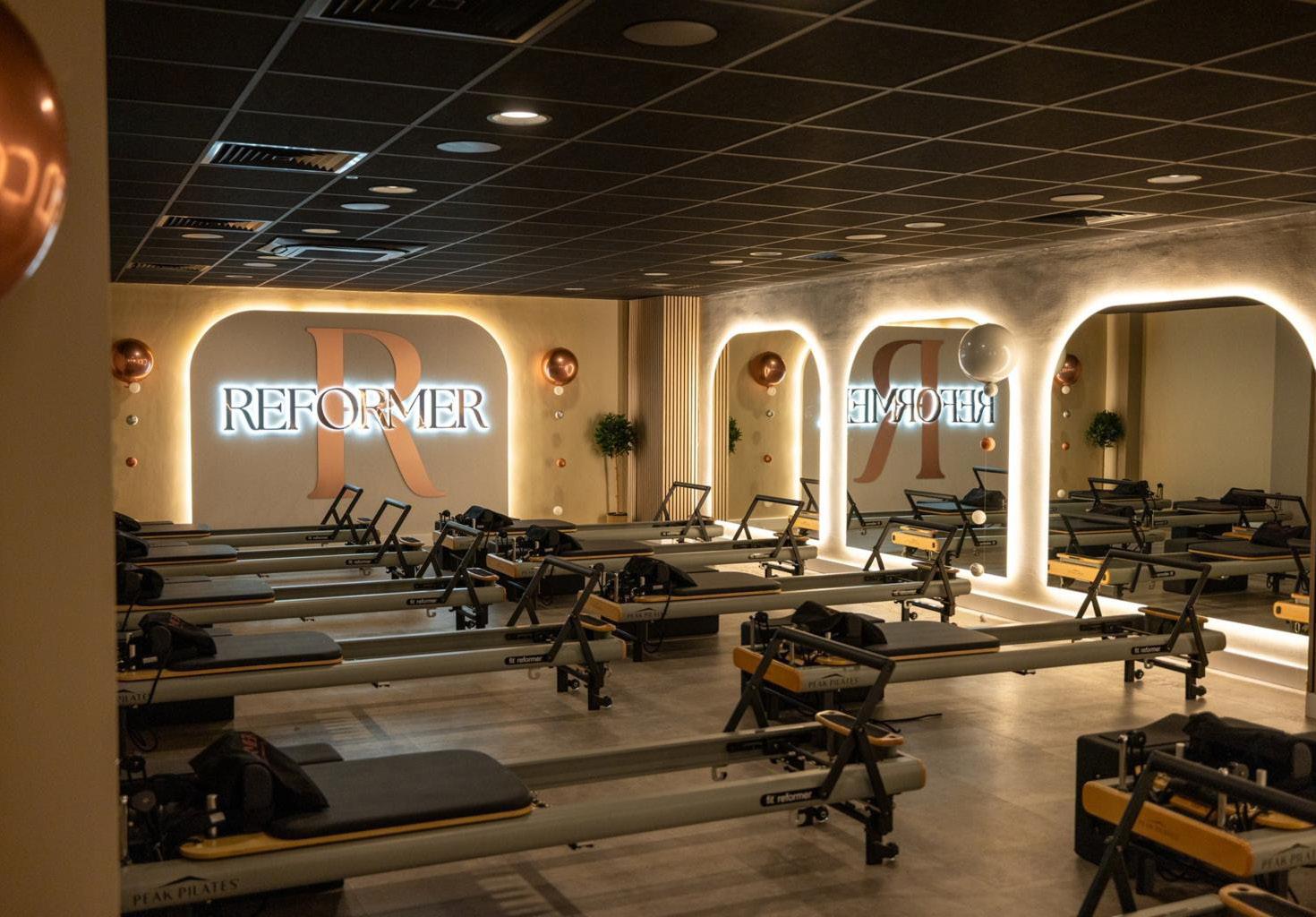
A reformer Pilates studio with 16 beds has opened at Woking Leisure Centre as part of a £1.2m investment in upgrading and modernising the venue’s facilities. Launching with FitCore classes, designed to provide an accessible introduction to full-body strengthening, the studio will expand its timetable in the coming months to include additional sessions. The centre is owned by Woking Borough Council and operated by Everyone Active. Alongside the new reformer studio, the upgrade includes a fully refurbished gym featuring Life Fitness equipment and refreshed group exercise studios, such as a new indoor group cycling studio with Keiser bikes.
Daniel Healy, Contract Manager at Everyone Active, said: “We’re delighted to bring Reformer to Woking Leisure Centre and make this fantastic workout accessible to the local community.”
Robert Handy, founder of IG
Championing independently run fitness facilities, Independent Gyms has partnered with Leisurejobs.com to launch a dedicated employer hub that connects fitness operators with over one million active job seekers.
The Independent Gyms Employer Hub will provide a centralised platform for member gyms to advertise job vacancies directly to a highly engaged and relevant candidate pool.
“Recruitment remains one of the biggest pressure points for independent gym owners,” says Robert Handy, founder of Independent Gyms.
UK-based hotel and spa textiles supplier, BC SoftWear, has achieved Certified B Corp status, having eliminated 111 tonnes of plastic across 19.2 million products since 2021.
As part of the B Corp certification process, every aspect of BC SoftWear has been assessed, from how its products are made to how the company supports its team and the customers.
Established in 2002, the business supplies luxury spa treatment linens, towels, bathrobes, footwear and accessories to hotels and spas.
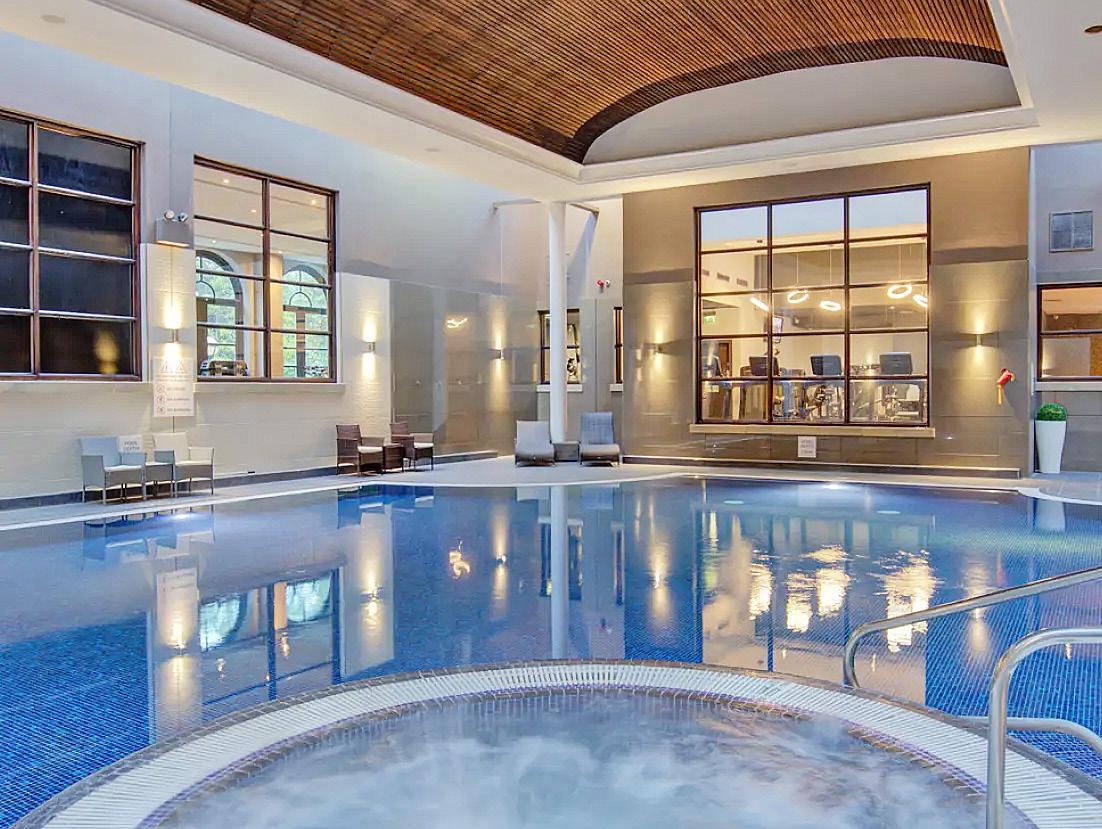
The QHotels Collection is expanding its health club proposition with the launch of a new digital healthcare bolt-on, giving gym members access to remote GP appointments, physiotherapy consultations and dietitian support. Delivered in partnership with HealthHero, the service will be available to health club members for £9.99 per month.
Members who opt into the bolt-on will benefit from on-demand access to qualified healthcare professionals via phone or video consultations, supporting everything from illness and injury management to nutrition and lifestyle improvements.
Services included in the bolt-on:
• Remote GP appointments: Access to practising doctors for advice, diagnosis and treatment at convenient times
• Physiotherapy consultations: Support with injury prevention, recovery and rehabilitation, including personalised exercise plans
• Dietitian support: Tailored
nutritional advice to support a wide range of health goals and conditions. Keith Pickard, Head of Leisure at The QHotels Collection, says “We’re seeing increasing demand from members for more joined-up approaches to health and wellbeing. This partnership with HealthHero enables us to extend our offering beyond fitness, providing convenient access to expert healthcare services that support members at every stage of their wellbeing journey.”
The move reflects a growing trend among operators to integrate healthcare into fitness memberships, as demand rises for more holistic wellbeing solutions and convenient access to medical support. Designed to complement members’ fitness journeys, the service supports a more rounded approach to health by combining exercise, nutrition and expert medical advice in one offering. Health clubs are a core part of the QHotels experience, with 18 sites across its portfolio of hotels.
A round-up of the latest news, brought to you in partnership with Independent Gyms
Gymbound has opened its doors as a modern hybrid training space designed to bring strength, fitness and wellbeing together under one roof.
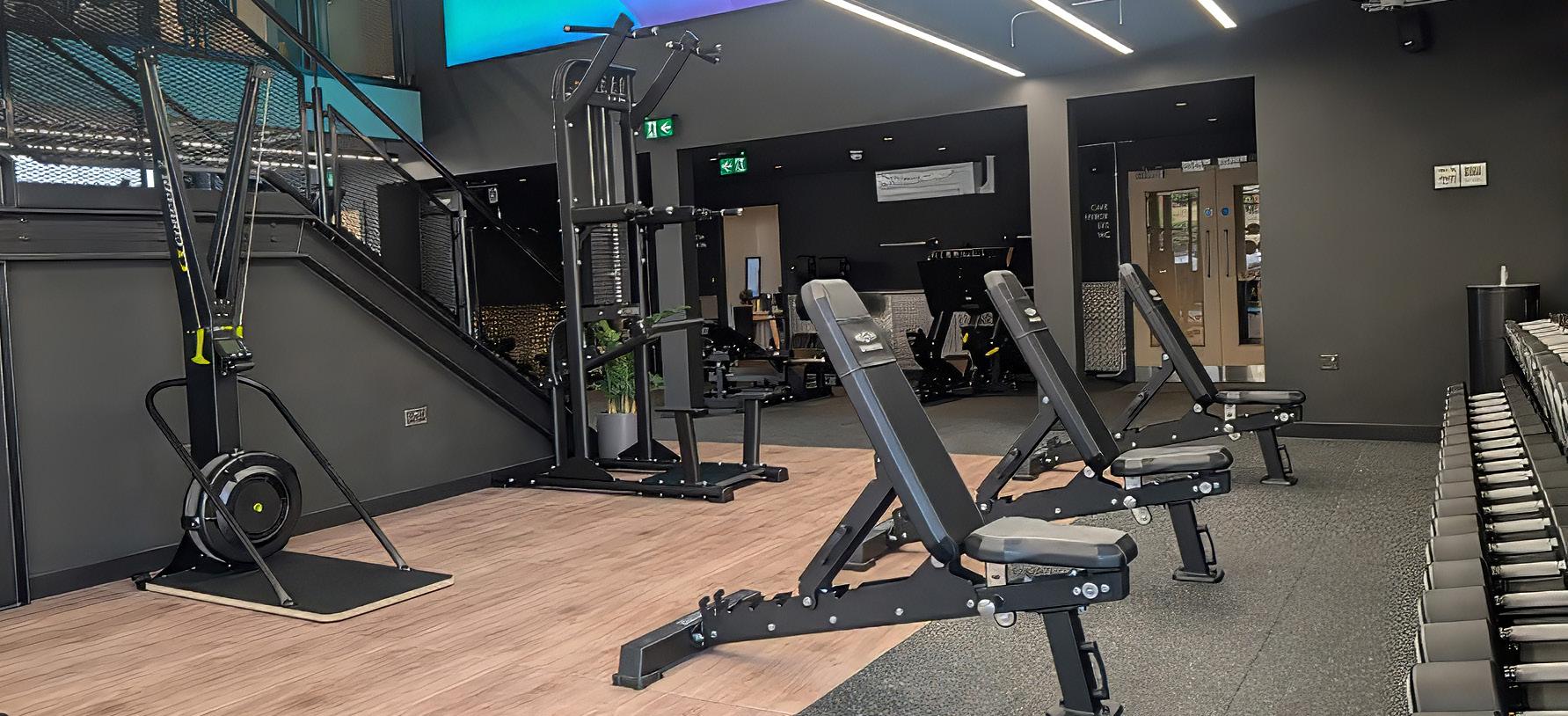
Created for people at every stage of their fitness journey, from first-time gym users to experienced athletes, Gymbound aims to provide a welcoming and supportive environment where members can progress both physically and mentally.
The gym’s approach is centred on training with purpose, recovering with intent and creating a fitness experience that feels genuinely human. With no egos and no unnecessary pressure, the focus is on good energy, supportive people and giving everyone the space and confidence to grow.
Community has been central to Gymbound from the outset. Even before the facility opened, the team began building connections through a free weekly run club. This early engagement helped the gym attract more than 100 members in its first week.
Inclusive Movement CIC is a Lincolnbased not-for-profit organisation founded by Rob Wilkins, owner of CR Fitness, with a mission to make fitness accessible for people with disabilities, neurological conditions and additional needs.
Since launching, the organisation has begun delivering specialist coached sessions for adults with learning disabilities, people living with neurological conditions, and children and young people with additional needs.
More programmes are planned over the coming months, alongside partnerships with organisations such as CP Sport to expand opportunities
Alongside supporting local people to become stronger, healthier and more active, Gymbound also plans to use its growing community to help raise funds for local charities.
“It is always exciting to see a new independent gym open, particularly at a time when operators continue to face significant financial and operational pressures,” explains Rob Handy, Founder of Independent Gyms.
“Gymbound has demonstrated the power of building a community before the doors even open. Signing up more than 100 members in its first week is a fantastic start and shows there is still a strong appetite for independent facilities that offer something personal, welcoming and genuinely connected to their local area.”
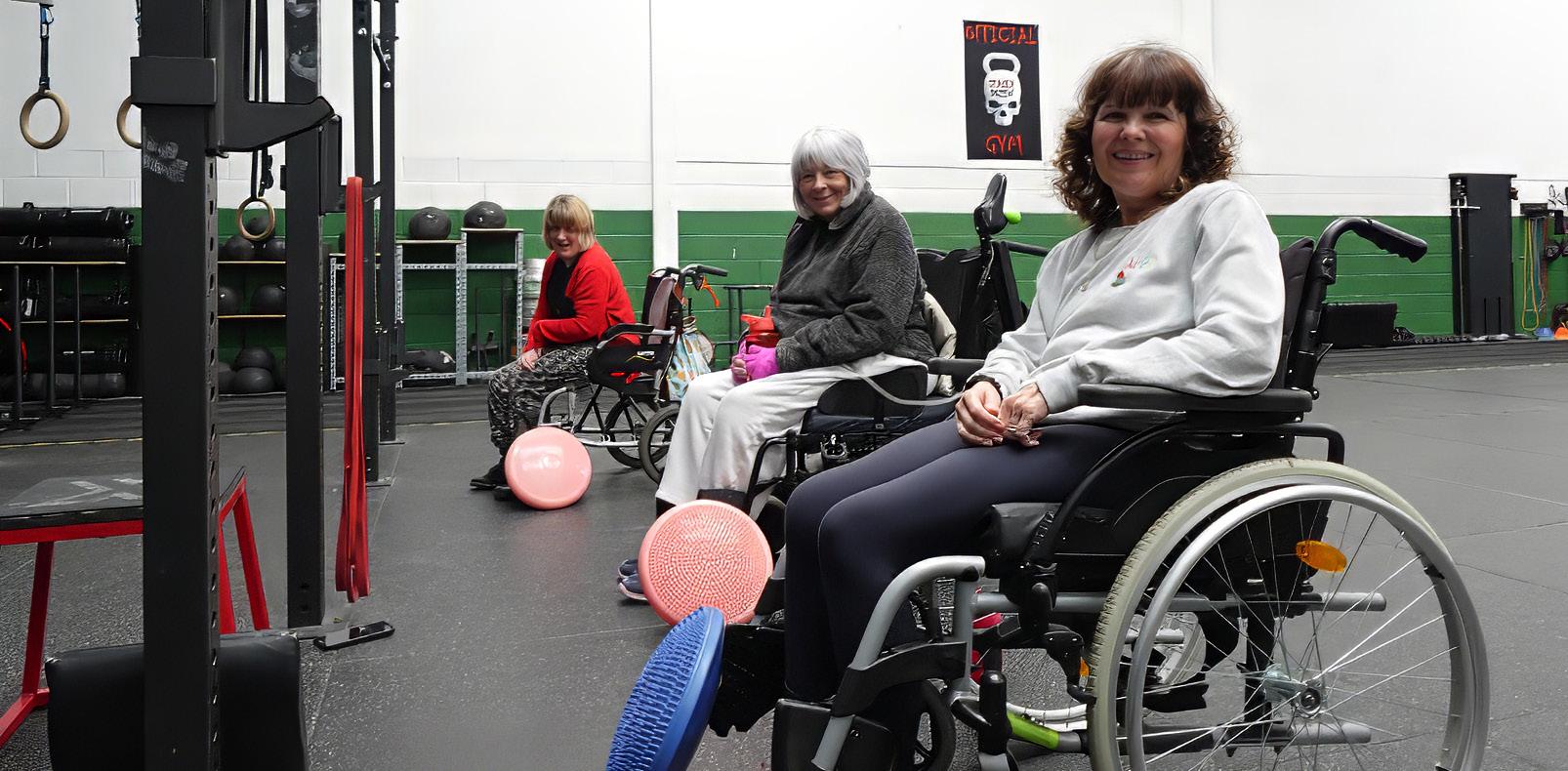
for people who have traditionally had limited access to exercise. To support its work, Inclusive Movement has also organised community fundraising events, helping to purchase specialist equipment and subsidise sessions so that cost is never a barrier to participation.
The aim is to build a community where everyone, regardless of
ability, has the opportunity to improve their health, confidence and independence through movement.
The project was created in response to a challenge faced by many people with disabilities and additional needs, who are often excluded from mainstream fitness or simply don’t have access to the right support.






















Jemma will focus on supporting independent gym owners, suppliers, and brand partners across the North of England.
The appointment supports the continued growth of the Independent Gyms platform, which works with independent fitness facilities across the UK through events, partnerships and its member community.
In her new role, Jemma will work closely with gym operators and partners to
build stronger relationships across the Independent Gyms network.
“I’m really excited to be joining Independent Gyms at such an important stage of its growth,” she explains.
“I’ve seen first-hand the impact the community has on gym owners, and I’m looking forward to building on that by supporting members in the North and helping create even stronger connections across the network.”
Her remit includes growing the organisation’s brand partner community, improving member engagement and helping independent operators access more value through the platform.
The role will also support Independent Gyms’ wider focus on connecting fitness businesses with relevant suppliers, sector insight and peer-to-peer support.
Jemma joins Independent Gyms following previous roles

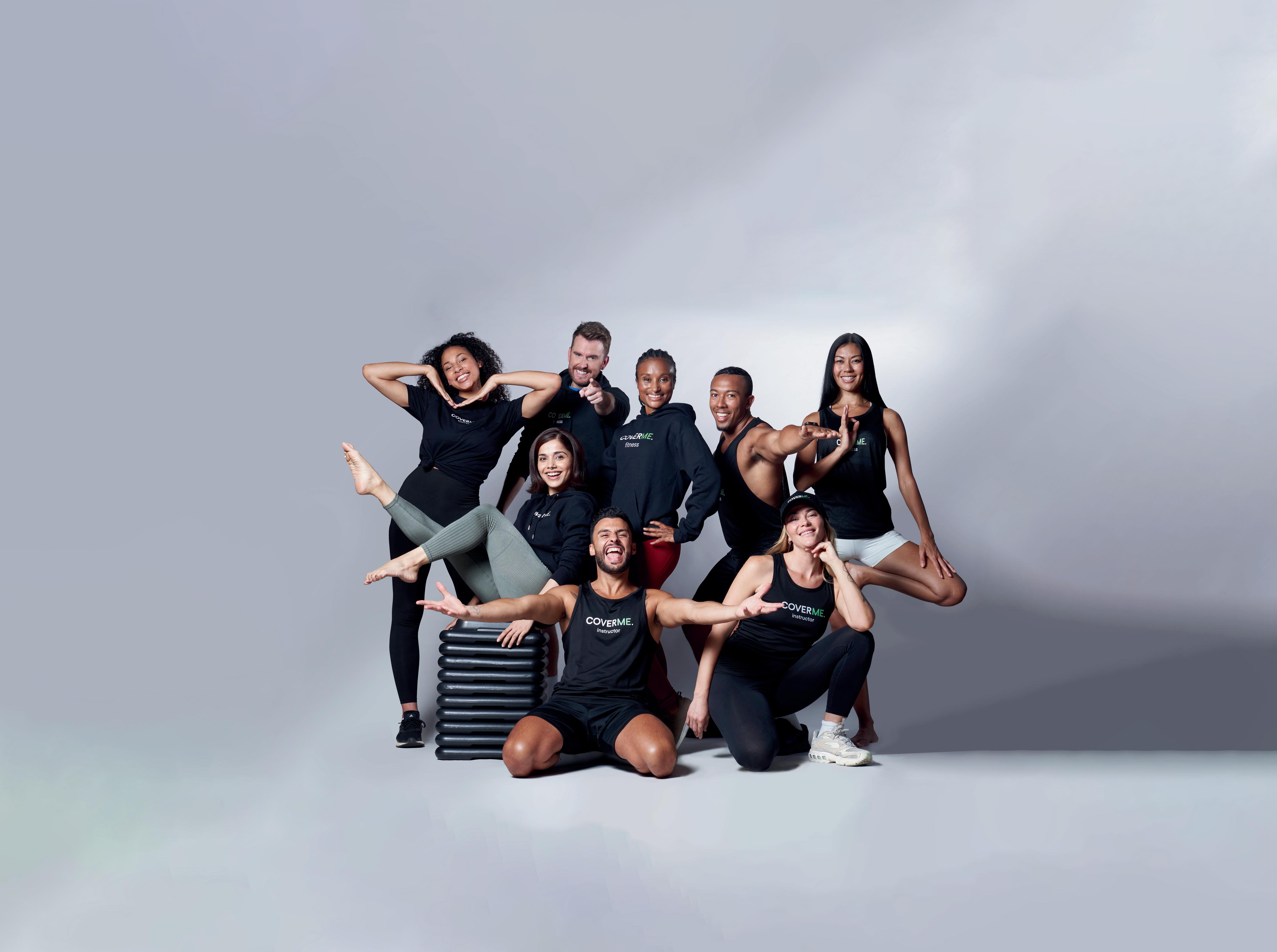
with Myzone and CoverMe.
“Jemma is a fantastic addition to the team,” says Rob Handy, founder of Independent Gyms. “She understands the independent market, shares our belief in the power of community.”
Chandlers Ford Gym has continued the rapid growth of the Hedge End Gym brand, with its second location reaching around 60% of membership capacity within just four weeks of opening.
The new 24-hour facility opened at the end of May, just six months after Hedge End Gym completed a major expansion that reportedly filled almost immediately following its reopening.
“Seeing Chandlers Ford Gym grow so quickly has been incredibly rewarding,” says Rob Handy, founder of Independent Gyms. “That growth is also a reflection of what people are looking for from a gym today.
“Members want somewhere that feels welcoming, where they’re recognised, supported, and genuinely part of a community; not just another membership number.
“Inadvertently or otherwise, the independent gyms sector has focused on creating great neighbourhood gyms that people are proud to recommend, and that organic growth has been far more powerful than any marketing campaign.”
The strong early performance
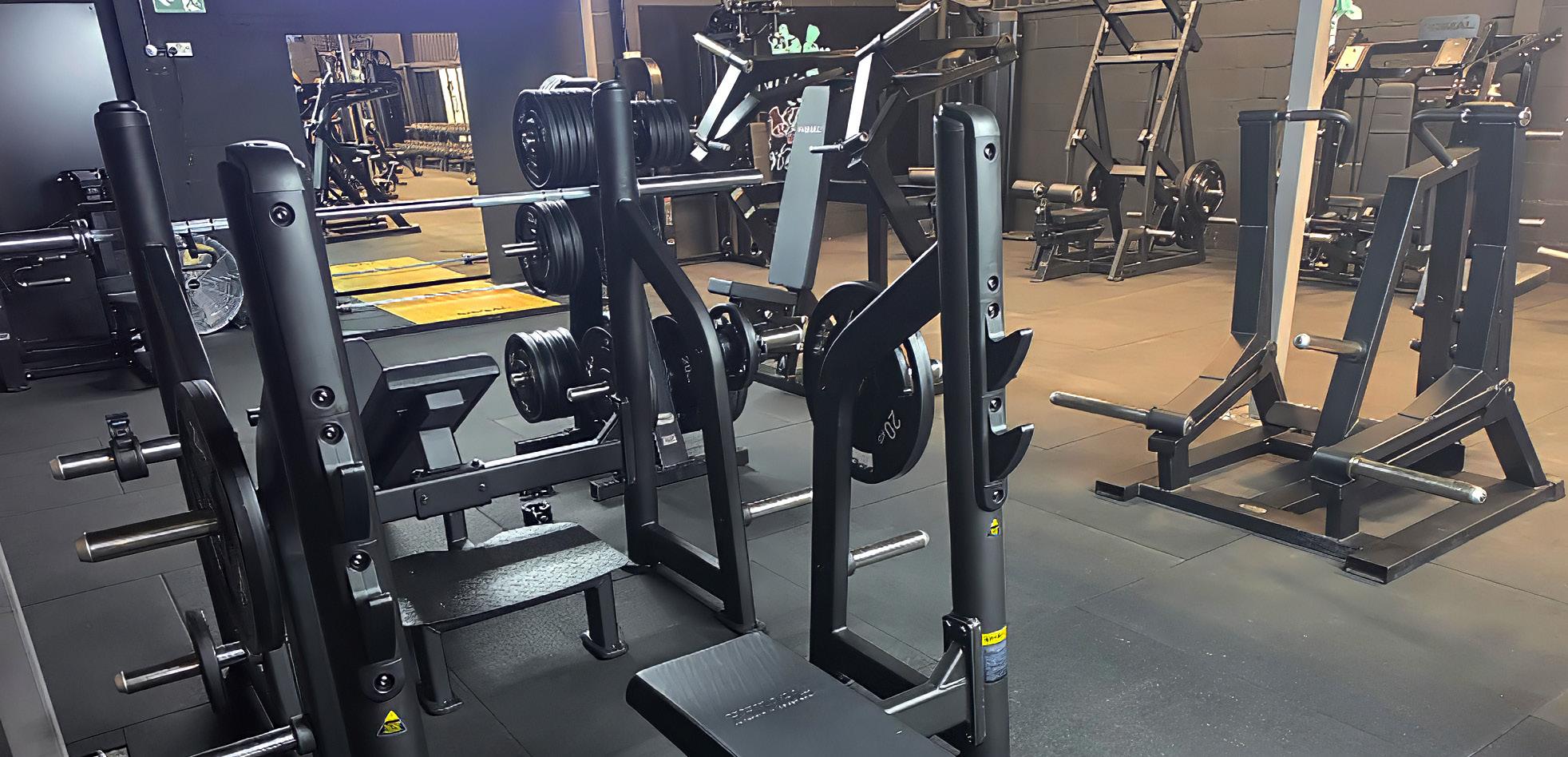
means both clubs near Southampton achieved break-even within their first month of operation, highlighting the continued demand for communityfocused independent fitness facilities.
Rather than investing heavily in advertising, the business credits its success to creating highquality neighbourhood gyms with a welcoming atmosphere and strong member experience.
Growth across both locations has been driven largely through member recommendations, word of mouth and consistently positive Google reviews,
demonstrating the value of customer advocacy and third-party validation over marketing efforts alone.
The operator describes its model as the “gym version of a convenience store”, providing accessible, local fitness facilities while creating an environment that encourages members to visit for the community as much as the equipment.
“It’s an exciting time for independent gyms,” Rob continues. “If you have a clear identity, invest in your members and stay true to your values, you can thrive alongside the big national chains.”

Julie Allen from Active Insight explains why the future of leisure data could be “all about the emotion”
The leisure sector has never had access to more data. Membership trends, attendance figures, retention rates and customer satisfaction scores all play an important role in measuring performance. Yet many operators continue to face the same challenge, ‘understanding what is happening, but not always why.’
As the sector becomes increasingly datadriven, there is a growing recognition that numbers alone cannot tell the whole story. The next evolution in business intelligence is understanding the emotion behind the data.
Traditionally, customer feedback has been gathered through surveys, complaints and conversations at reception, however, today’s customer leaves a much broader digital footprint.
Approximately 45% of feedback is still delivered face-to-face, while website forms (15%), email (10%), surveys (10%), telephone (5%), and social media and online reviews (10%) all contribute valuable insight. Every channel offers a different perspective, yet many organisations continue to rely heavily on structured feedback alone sent directly to them.
Just as importantly, not all feedback has equal influence. A private complaint may lead to an internal resolution, but a public review can influence prospective customers, shape community discussion and have a lasting impact on an organisation’s reputation. Increasingly,

understanding public sentiment has become as important as measuring customer satisfaction.
This shift is driving the adoption of more sophisticated approaches to customer insight. Rather than simply counting positive or negative responses, organisations are beginning to analyse sentiment, identify emotional drivers and measure how customers feel about specific parts of their experience. Metrics such as Net Sentiment Score (NSS), Complaint Intensity Score (CIS), Management Response Rate (MRR) and Emotional Heat Indexes are helping operators move beyond traditional KPIs towards a richer understanding of customer experience.
Recent benchmarking we at Active Insight shared with the ukactive Scottish Member Network
The most valuable data isn’t just about what people do, it’s about how they feel
illustrates why this matters. The sector’s overall Net Sentiment Score currently sits at 72.88, with an overall Sentiment Score of 73.37, suggesting that customer opinion remains broadly positive. However, looking beneath these headline figures reveals a far more nuanced picture.
Customers express the strongest positive emotions around classes (83.24), staff (77.4) and gym experiences (76.02), reinforcing the importance of people, programming and personal interaction in creating memorable experiences. Facility quality (73.7) and swimming pools (73.24) also perform strongly. In contrast, lower emotional scores around booking (35.36), value (52.76), cleanliness (58.5) and accessibility (60.47) highlight areas where seemingly routine operational processes
can significantly influence customer perception.
This richer level of insight enables organisations to identify where improvements will have the greatest impact, not simply on satisfaction scores, but on reputation, loyalty and participation.
Ultimately, the future of leisure data is not about collecting more information. It is about connecting operational performance with human experience. The organisations that combine quantitative measures with qualitative insight will be better equipped to understand their communities, make informed decisions and create environments where more people feel welcomed, valued and motivated to be active.
Because the most valuable data isn’t just about what people do, it’s about how they feel.
Clemency Lion Director of Research, Policy and Communications at ukactive
The UK has bid farewell to Sir Keir Starmer and welcomed its second Prime Minister of this Parliament, and seventh of the decade, Andy Burnham. After leading his Party to a landslide victory at the last General Election, Sir Keir lasting in post for only two years is a clear demonstration of how quickly support can be lost and how impatient the British public has become with its politicians.

So, is there reason to be optimistic about Mr Burnham’s chances of outlasting his predecessor? In his first week, the new Prime Minister began to set out a 10-year plan for change, based around a flagship ambition to deliver “growth in every postcode” and improve people’s quality of life during the cost-of-living crisis.
He swiftly followed up by announcing a swathe of policies to deliver targeted tax relief to households and a small number of businesses in the coming months. His immediate charm offensive will certainly have pleased those benefiting in the short term, but he is likely to find it difficult to maintain his nice guy image come the Autumn Budget, where the measures to fund his tax cuts will have to be introduced. This will be the first real test for him and his new Chancellor.
Though there are some radical changes being floated by the new-look Government, particularly concerning setting up a ‘Number 10 North’, this change of leader should be less of an upheaval than the last. Much of the work that was already underway within Government departments is likely to continue, though potentially with some delays. The Bills announced in the King’s Speech last month will still proceed as Government Business, and at DCMS in particular little has changed, with both the Secretary of State and Sports Minister remaining in post.
But a new leader renews the opportunity for the sector to present its value to Government. The PM is no stranger to our sector, having spoken at ukactive’s
Fully unlocking the sector’s potential will require more creative thinking and strategic investment
Active Uprising conferences in 2020 and 2018, where he said physical activity is “the most cost-effective way of dealing with some of biggest challenges we face – obesity, traffic congestion, air quality, mental health”.
An avid runner in his personal life, as Mayor of Greater Manchester he has previously demonstrated support for our members’ work and played a central role integrating physical activity into healthcare across the city.
Our open letter to the PM last week urged him to leverage our sector’s national infrastructure and expertise in meeting his ambitions. For example, gyms, leisure centres and other fitness facilities can play a key role in high street regeneration, driving health and wealth in town centres. These services form the social fabric of our communities, and the growth of these facilities improves not just the health of their members, but also the local economy as secondary spend with surrounding businesses such as cafés and shops.
However, fully unlocking the sector’s potential will require more creative thinking and strategic investment. Keen to reinforce his reputation as pro-business, the PM has already indicated plans to “back the businesses that people want to see in their communities”.
Our sector falls firmly into that bracket, and our engagement with the PM’s newly appointed Cabinet and Ministers will underline the opportunities to back our businesses, as will our upcoming lobbying. Over the coming months, we will be working closely with our members and partners to ensure our sector takes full advantage of the shifting policy landscape.

healthandfitness.org/congress
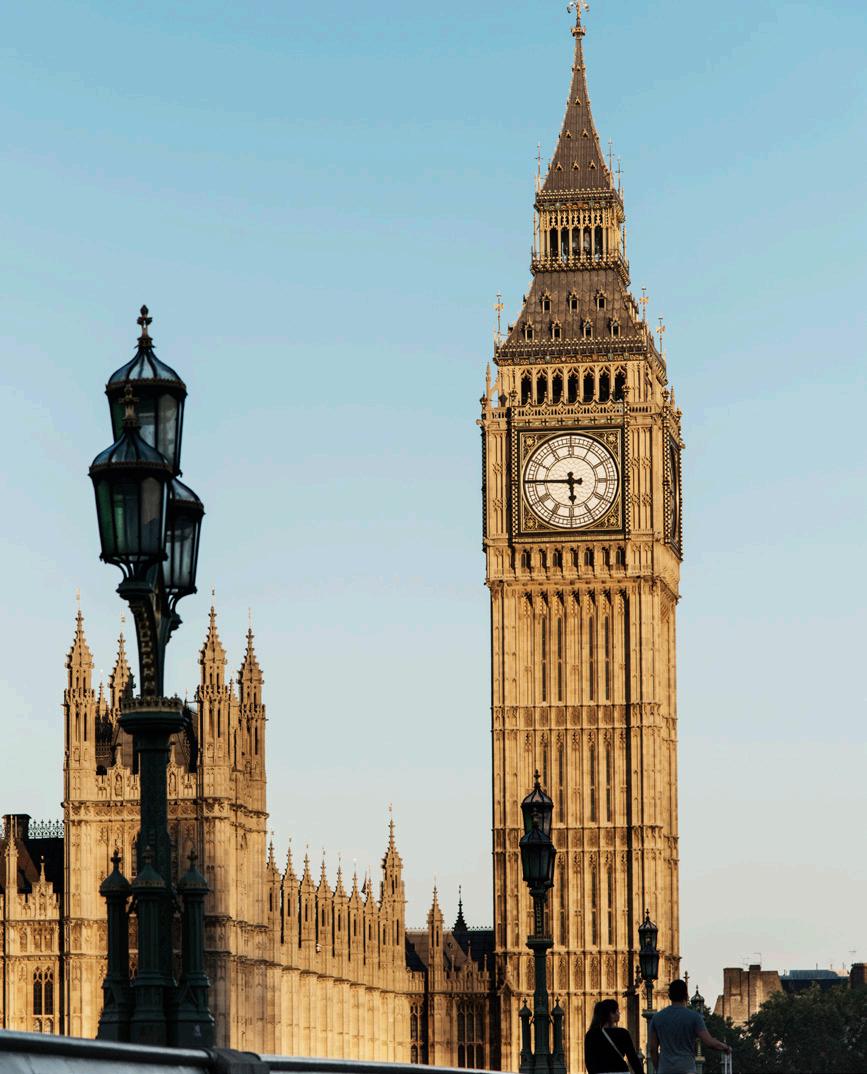
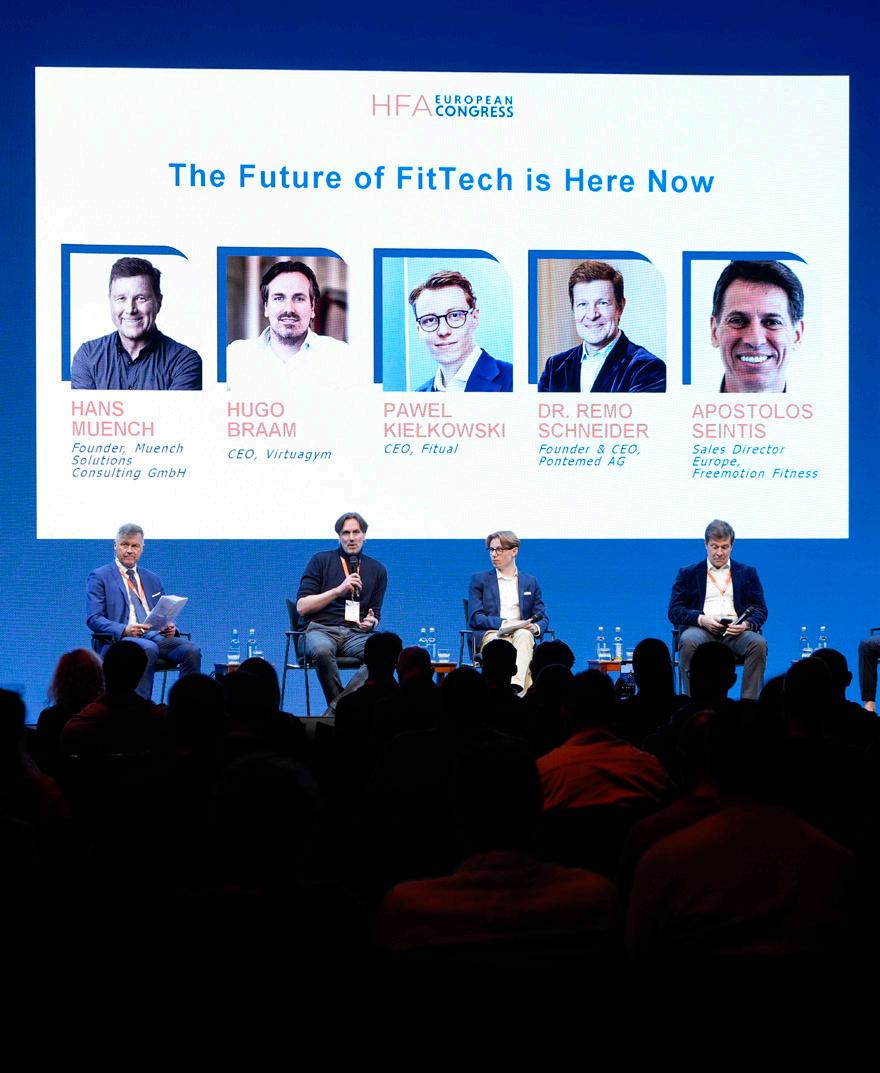
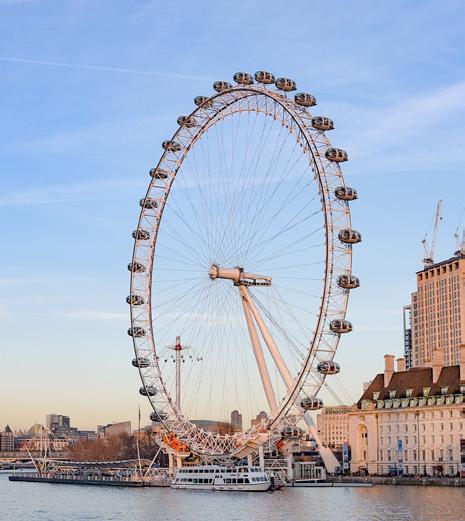
If you’re thinking about the future of our industry, London is where you need to be.
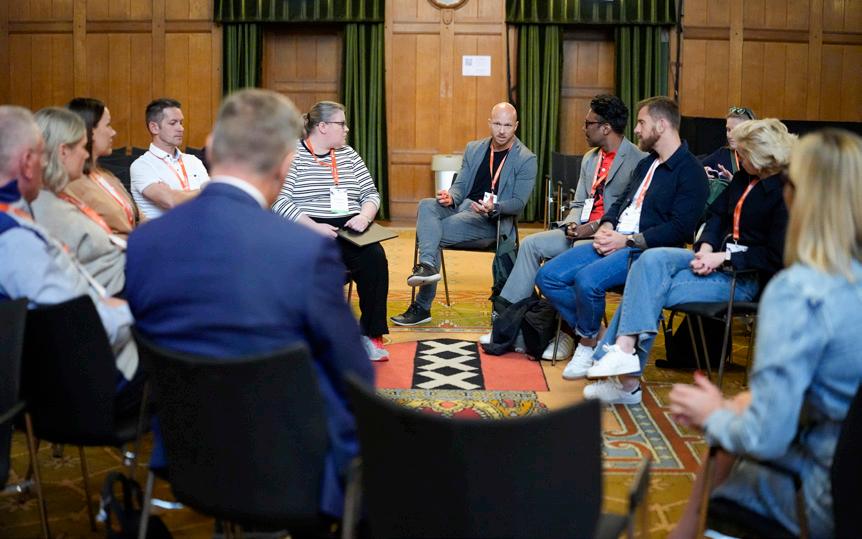
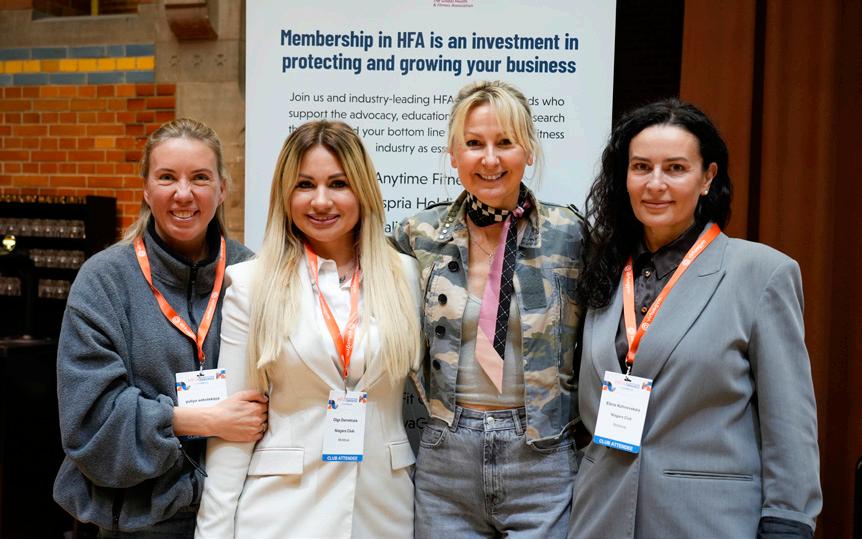
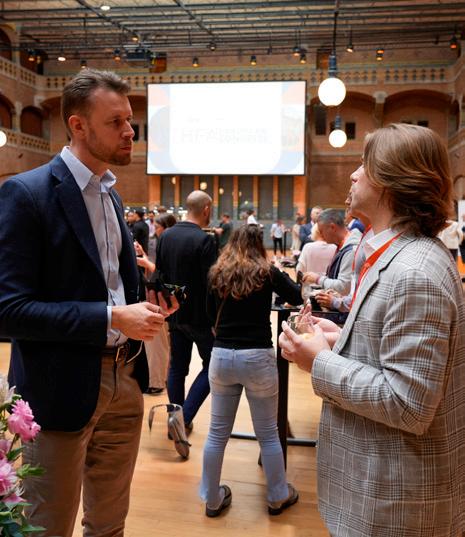
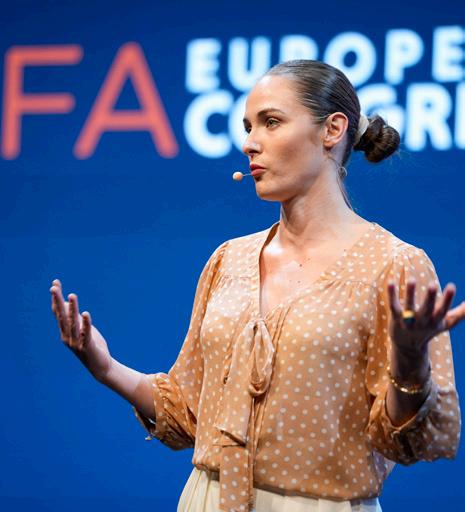
The HFA European Congress isn’t just an event—it’s a movement. It’s a gathering of top industry leaders who believe fitness is healthcare, prevention is power, and our industry is stronger when we speak as one.
Join the conversations that shift perspectives, the collaborations that spark change, and the community shaping the next era of fitness across Europe.
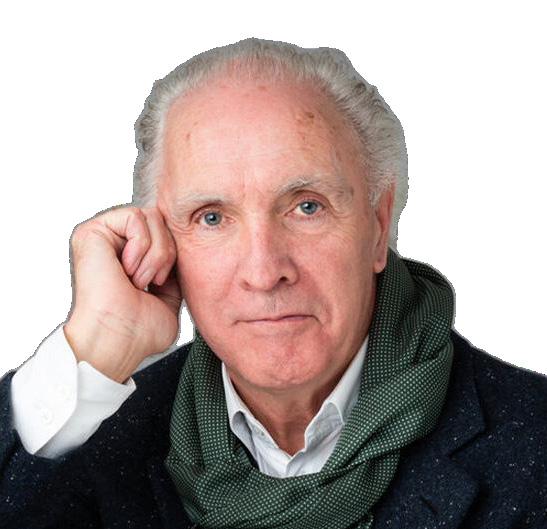
Technological change is accelerating faster than old assumptions and models predicted and AI is about to transform every industry – including fitness and wellbeing. David Minton, founder of Evolve, argues that while tech cannot replace the human foundations of wellbeing, the sector needs to embrace AI, rather than resist it
Two laws have recently been consigned to the historical paper bin due to advances in technology. Moore’s Law, coined by co-founder of Intel, Gordon Moore in 1965, predicted that the number of transistors in a microchip would double every year. This foundational roadmap, which accurately charted decades of computing progress, has now been ripped up by Nvidia’s architectural innovations, which have driven a new paradigm for AI and accelerated computing.
that fitness lacks potential, but that sectors and businesses able to harness technological change will define the future.

Vaughan’s Law of multimedia minimums – which holds that improvements in technology steadily raise consumers’ minimum expectations for digital experiences – is in the same wastebasket for a similar reason: AI has accelerated technological change so much that the law no longer describes reality.
Whenever markets evolve, there will be winners and losers. Suppliers and operators have a choice to carry on, as near normal as possible, or follow reality. There are some especially divisive happenings, that we could call “the great unravelling”, which are equally balanced by the opportunities.
It is June 2026 and a number of industry-defining events have taken place. Elon Musk has become the world’s first trillionaire by reimagining what is possible and reinventing the way we think about the final frontier. Alongside the IPO of SpaceX, which propelled him into unprecedented territory, Musk has seen shares in Tesla increase by more than 2,400% over the past decade, reaching $400.49.
The comparison with our own sector is stark. Peloton, which experienced meteoric growth in 2020, has seen its share price fall to $5.77, while The Gym Group – the UK’s only listed fitness company – has risen by 13.6% since 2016, with a share price of 215p. The lesson is not
Having recently experienced Tesla’s Full Self-Driving technology, together with Autopark and Smart Summon – all controlled entirely by Tesla AI – I came away deeply impressed. The same vision-based artificial intelligence powers Optimus, Tesla’s generalpurpose humanoid robot, now on display at the company’s first diner in Los Angeles. Two days immersed in the Tesla ecosystem provided my closest singularity-like experience to date. It reinforced my belief that AI must be embedded at every level of every product and service at Evolve – and across the wider physical activity sector.
That conviction has only strengthened with the launch of Claude Fable 5, Anthropic’s latest AI agent. It offers something profoundly different: work itself, delivered as a service, at extraordinary speed. The phrase “not what we have done, but what we are becoming” captures the moment.
This year also marks my 45th year in the data business, giving me a unique perspective on how technology has continually expanded horizons and increased our capacity to work. I have witnessed the transition from Rolodexes and paper files to desktop computers and floppy disks, from mainframes to graphics cards, GPS mapping, email, digital services and app development. Each technological shift has altered the way we live and work. AI represents the next leap. Claude Fable 5 claims to be able to do a lifetime’s work in a few hours or days. It has already found faults across cybersecurity, financial and defence software – hence countries and companies have contributed to Anthropic’s annualised revenue run rate last month of US$47bn – which would give the six-year old company a valuation at their IPO of around $1 trillion.
Used responsibly, these technologies could remove friction from almost every aspect of daily life and physical activity
year, affecting emotional, psychological and social wellbeing, and shaping how we think, feel and act.
Used responsibly, these technologies could remove friction from almost every aspect of daily life and physical activity. Operators across our sector are already making use of tools from Google, OpenAI and Anthropic. The pace of change will only accelerate.
Evolve – both as an annual conference and as a platform for constant data collection – has become a convening space for conversations about the future of the sector. If we are serious about moving fitness from a niche provider to an essential service that meets the needs of all ages, in every community, we need fresh thinking, bold leadership and a political agenda that places health and activity at its heart.
For the new Prime Minister, Andy Burnham – and those pursuing devolution and inclusive growth – there is an opportunity. Across the UK’s 1.8 million postcodes, we have the ability to understand communities in unprecedented detail, layering health and activity data to identify need and drive meaningful change. If done well, devolution could play a transformative role in improving activity levels and the nation’s health.
There may be no universally agreed definition of wellbeing, but I propose a new “Andy’s Law”: seven pillars of health for every postcode.
The first is a healthy diet. According to the Nutrition Society, evidence-based nutrition rests on the principles of adequacy, balance, moderation and diversity.
The second is sleep. Insomnia, sleep deprivation and sleep disturbances affect significant proportions of the population, while the body continues its vital work overnight – breathing, circulating blood, regulating temperature and repairing cells.
The third is mental health. Around one in four people in the UK experiences a mental health problem each
The fourth is community. Across those 1.8 million postcodes, strong communities combat loneliness, promote safety, enable resource sharing and improve health outcomes.
The fifth is the arts. Following the Evolve conference, we have a deeper understanding – thanks in part to Professor Daisy Fancourt’s work at UCL – of the ways in which arts and culture can transform health and wellbeing.
The sixth is nature. As many people discovered during lockdown, just 20 minutes spent outdoors can reduce stress, strengthen the immune system and act as a form of free medicine.
The seventh pillar is healthy movement. Mobility, stamina and strength make everyday life easier, while exercise itself has a positive effect on each of the other six pillars.
So, Andy, will you become Britain’s first truly pro-activity leader, championing the seven pillars of health in every postcode? A new Ministry of PH4EP – Pillars of Health for Every Postcode – could help bind communities together through a shared humanity and a renewed British can-do spirit.
We can expect singularity-like experiences to become more common as long-established laws and systems continue to be disrupted. But technological progress alone will never be enough. Good health and human relationships remain our emotional anchors. AI will not replace empathy, trust, pain, anger or ageing.
The challenge for communities, businesses and policymakers alike is to bridge the gap between digital efficiency and authentic human connection. Only then will we be truly fit for the future.
Fitness and physical activity operators track member retention, customer satisfaction and attendance. But, asks Vicky Mose, a menopause mentor and founder of Imagine How, are they paying enough attention to retaining their workforce?
The fitness and leisure sector has become highly skilled at retaining members. We analyse customer journeys, monitor attendance, invest in new programmes and continually look for ways to improve satisfaction and loyalty. We train our workforce to support diverse populations and adapt our services to meet changing customer needs.
Yet while we focus on member retention, a different retention challenge may be quietly unfolding behind the scenes. The workforce delivering those member experiences.
The sport, leisure and physical activity sector employs more than 400,000 people across England, although many believe the true figure is significantly higher. Spencer Moore, Chief Strategy Officer at CIMSPA, has previously highlighted that parts of our workforce remain underrepresented within official workforce data. A conservative estimate of 500,000 people is therefore not unreasonable.
Our sector spends millions attracting and retaining members. Yet if national trends are reflected within our workforce, we could be losing thousands of experienced employees through a challenge that remains largely invisible.
Research suggests that around one in 10 people experiencing menopause leave work due to menopause symptoms. Applying that figure to our sector paints a sobering picture. If approximately half of the workforce is biologically female and around 60% of those employees are aged 35 and over, as many as 15,000 people could potentially be at risk of leaving work because of menopause-related challenges if national trends are reflected within our sector.
These are not simply workforce statistics. They are experienced managers, instructors, personal trainers,

As many as 15,000 people could potentially be at risk of leaving work because of menopause-related challenges if national trends are reflected within our sector
customer service teams and operational leaders whose knowledge, relationships and expertise underpin both the member journey and business continuity.
The challenge is not a lack of good intentions. Many organisations are introducing policies, awareness sessions and wellbeing initiatives. The challenge is knowing whether they are making a difference and whether support is being embedded in a way that can be sustained over time.
That is why I am encouraged to see organisations such as CIMSPA exploring how workplace menopause support can move beyond awareness and become part of a sustainable workforce strategy. Through an ongoing case study with Imagine How, we are examining how organisations can identify gaps in support, listen to employee experiences and build approaches that can be measured, reviewed and sustained over time.
The question for our sector is not whether menopause affects the workforce. The evidence already tells us it does.
The question is whether we are prepared to measure its impact, understand the risks and put support in place that helps experienced employees remain and sustain their careers in the industry. Behind every successful member journey is a workforce we cannot afford to lose. For more details, visit: www.imaginehow.co.uk

WellNation speaks to Julie Russell, the driving force behind the new Active Wellbeing Leadership Network, which aims to use collaboration in tackling inactivity and health inequalities
Julie Russell has spent more than three decades working across local government, building a career that has spanned leisure, culture, heritage, libraries, festivals and wellbeing. Beginning her career with Blyth Council in Northumberland, she quickly developed a belief that public services should extend beyond the walls of leisure centres to reach those who need them most. Working in a former coal mining community shaped her commitment to tackling inequality through access to physical activity, culture and creativity. Today, alongside her role at Wakefield Council, Julie is convenor of the newly established Active Wellbeing Leadership Network and immediate past chair of CLOA (Chief Cultural & Leisure Officers Association). Across each role, she is driven by the same ambition: helping local authorities create healthier, more connected communities. She believes opportunities to be active, creative and engaged are fundamental to improving health, wellbeing and life chances, particularly for those facing the greatest barriers. It is a philosophy that has underpinned her leadership throughout her career and continues to shape her work across the sector today.

and the role of physical activity in creating healthier places. It is not a single organisation or a traditional representative body. It is deliberately neutrally held as a “network without boundaries”, open to people who share the ambition of creating the conditions for more active, healthier lives. The network emerged from earlier work around the future of public leisure, including the Local Government Physical Activity Partnership report on securing the future of public leisure in 2021 and the Sport England Future of Public Leisure report in 2022. By early 2024, with the policy context changing and a general election anticipated, there was a sense that a new narrative was needed — one that linked public leisure, physical activity, prevention, health inequalities and place-based leadership more clearly.
What is the Active Wellbeing Leadership Network and why, and when, was it launched?
The Active Wellbeing Leadership Network is a network of people and organisations who want to think differently about inactivity, health inequalities
The network’s purpose is to create the conditions for stronger collaboration, clearer leadership and practical learning across the active wellbeing system. It is trying to connect, not duplicate, existing work. The ambition is to help local places move further and faster in tackling inactivity and health inequalities, while influencing the national frameworks and policy conditions that support local action. Our priorities include developing a more common language across the system, strengthening the evidence base for policy and investment, supporting innovation, sharing national and international learning, and working hard to build the leadership capacity and capability in a complex world.
The challenges we face – inactivity, inequality, poor health, pressure on public services and the future of local infrastructure – do not sit neatly in one department or one sector. So the response and solution cannot sit neatly in one place either.
Underneath all of that is a simple aim: to make active wellbeing a valued contributor to a healthier, happier society, particularly for those communities who have the most to gain from being active.
What would you describe as its biggest achievements so far?
One of the biggest achievements has been creating a trusted, neutral space where people from different parts of the system can come together and speak honestly. The network has helped build a shared language around active wellbeing and has given people a forum to think beyond individual services, facilities or organisational boundaries – this helps create important feedback loops, so we grow the conversation and keep learning as a network. It has also helped give momentum to the idea that the facilities operated or offered (from parks to playgrounds to community centres and swimming pools), and the wider physical activity or wellbeing interventions, need to be seen as part of a wider preventative health system. The network has met in person several times, brought new voices into the conversation, developed thought pieces, shared case studies and created a platform for learning across places. The inaugural conference in Wakefield feels like an important next step because it has taken that energy and given people more time together to learn, challenge, connect and build confidence.
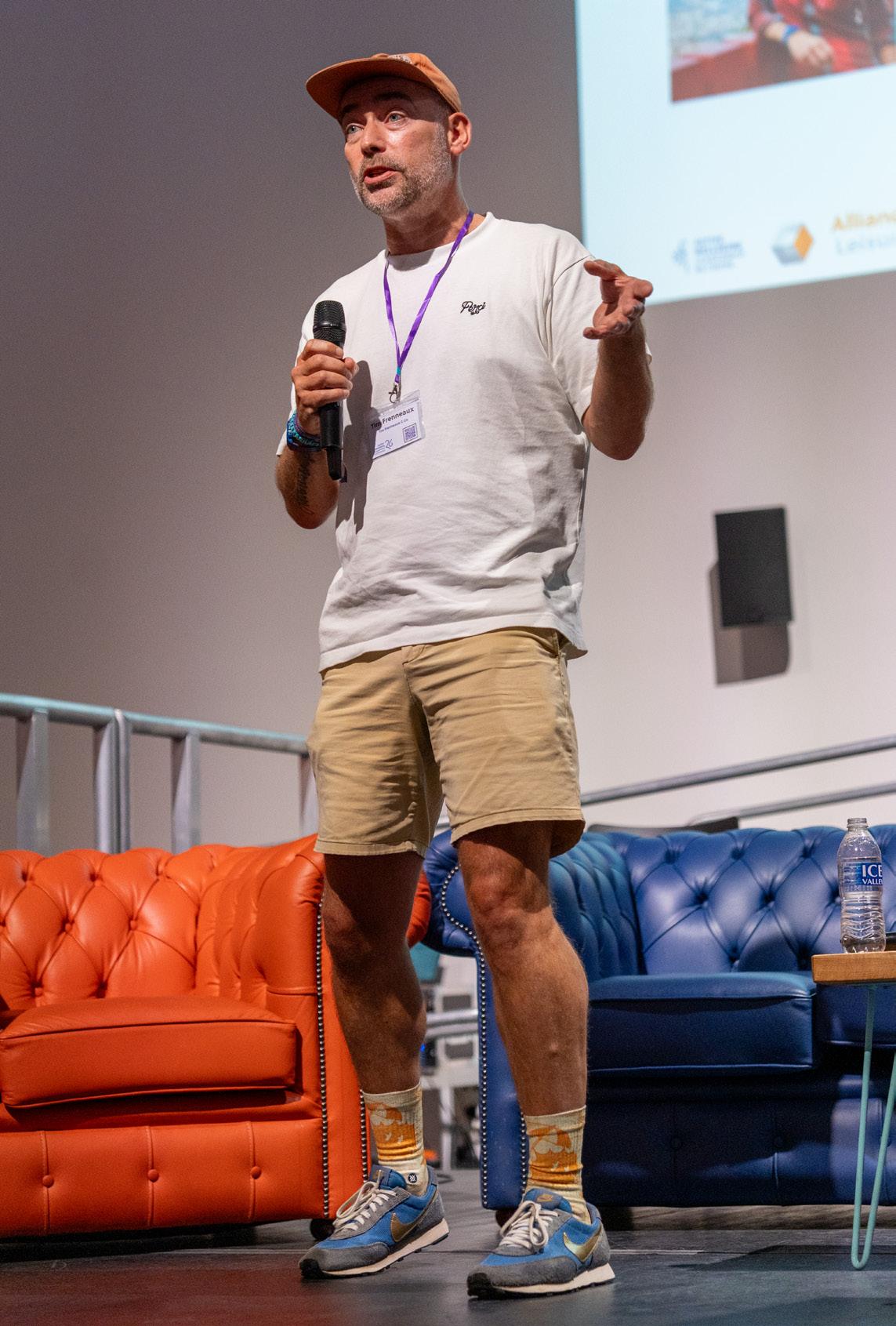
Who can be members and how can an organisation join or become involved?
The network is open to anyone who shares the ambition and values. To date, that has included local authority leaders, leisure and physical activity professionals, health and social care colleagues, education, charities, voluntary and community organisations, operators, national bodies and others who want to help tackle inactivity and health inequalities.
The easiest way to get involved is to join the network’s conversations, attend events where places are available, follow the network’s updates and bring to the network your own wisdom and learning or practice, that others can benefit from. We are particularly interested in people and organisations who are prepared to share honestly — not only what has worked, but what has been difficult, what has failed and what still needs to change –as we will harvest far more learning this way.
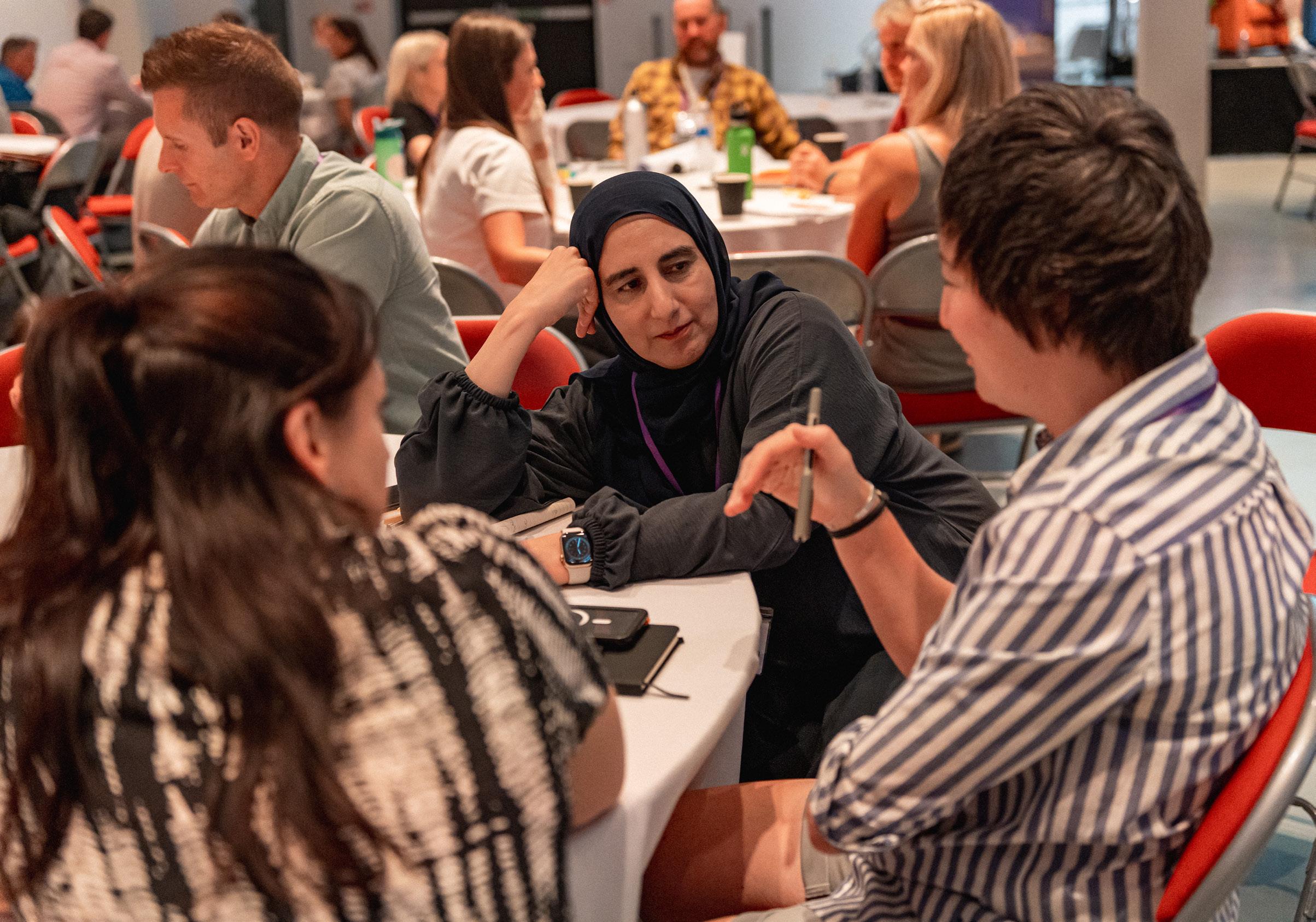
The network is intentionally not trying to become another organisation in an already busy landscape. Its value is in connecting people, ideas and practice.
The network is intentionally not trying to become another organisation in an already busy landscape. Its value is in connecting people, ideas and practice. The challenges we face – inactivity, inequality, poor health, pressure on public services and the future of local infrastructure – do not sit neatly in one department or one sector. So the response and solution cannot sit neatly in one place either.
The network is about creating a movement for movement. It is about recognising that facilities matter, but that active wellbeing has to go way beyond bricks and mortar. It depends on leadership, data, creativity, community voice and lived experience, inclusion, prevention and the confidence to work differently across systems.
Tell us about the Active Wellbeing Leadership Conference. What is it and who is it for?
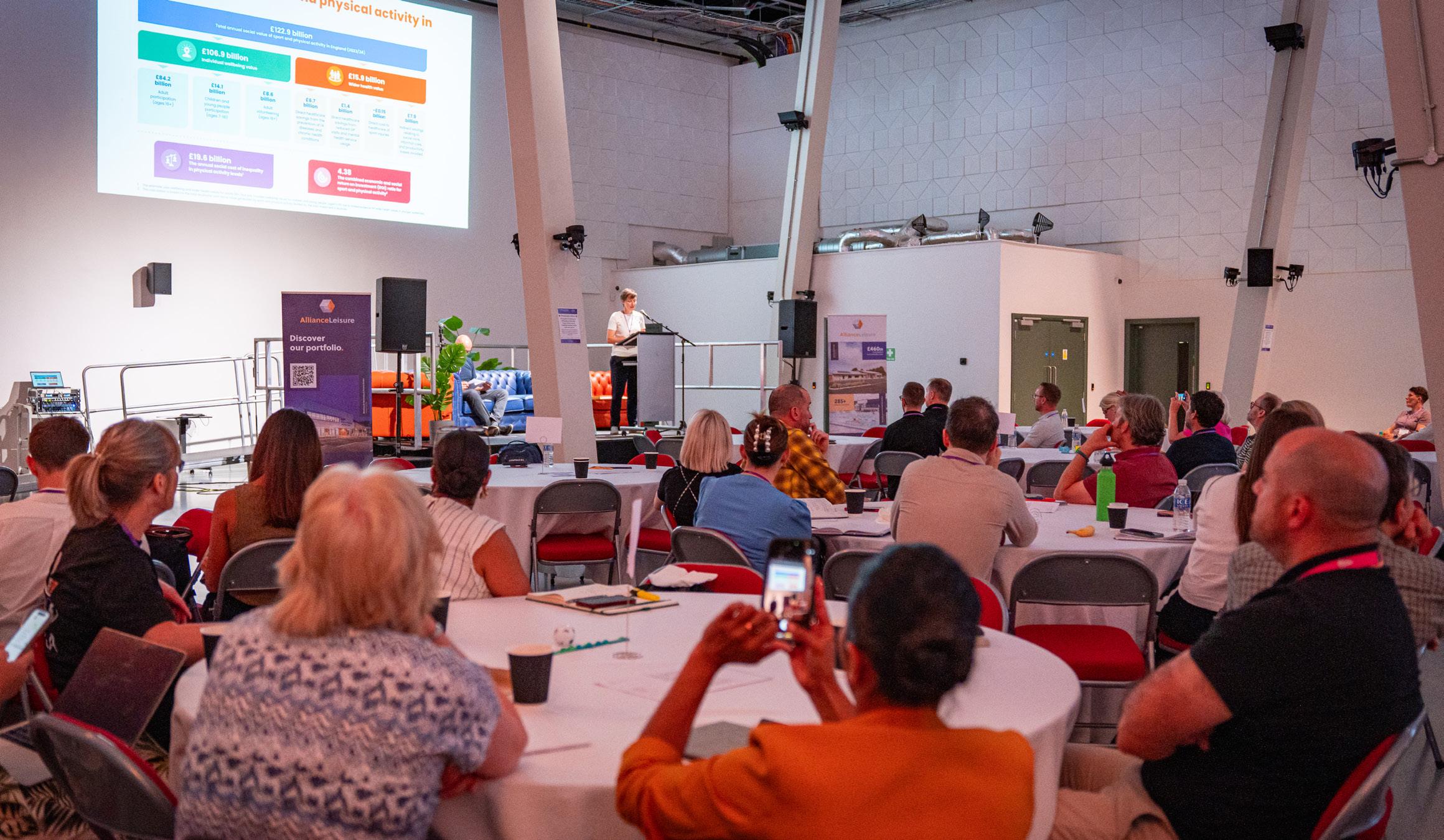
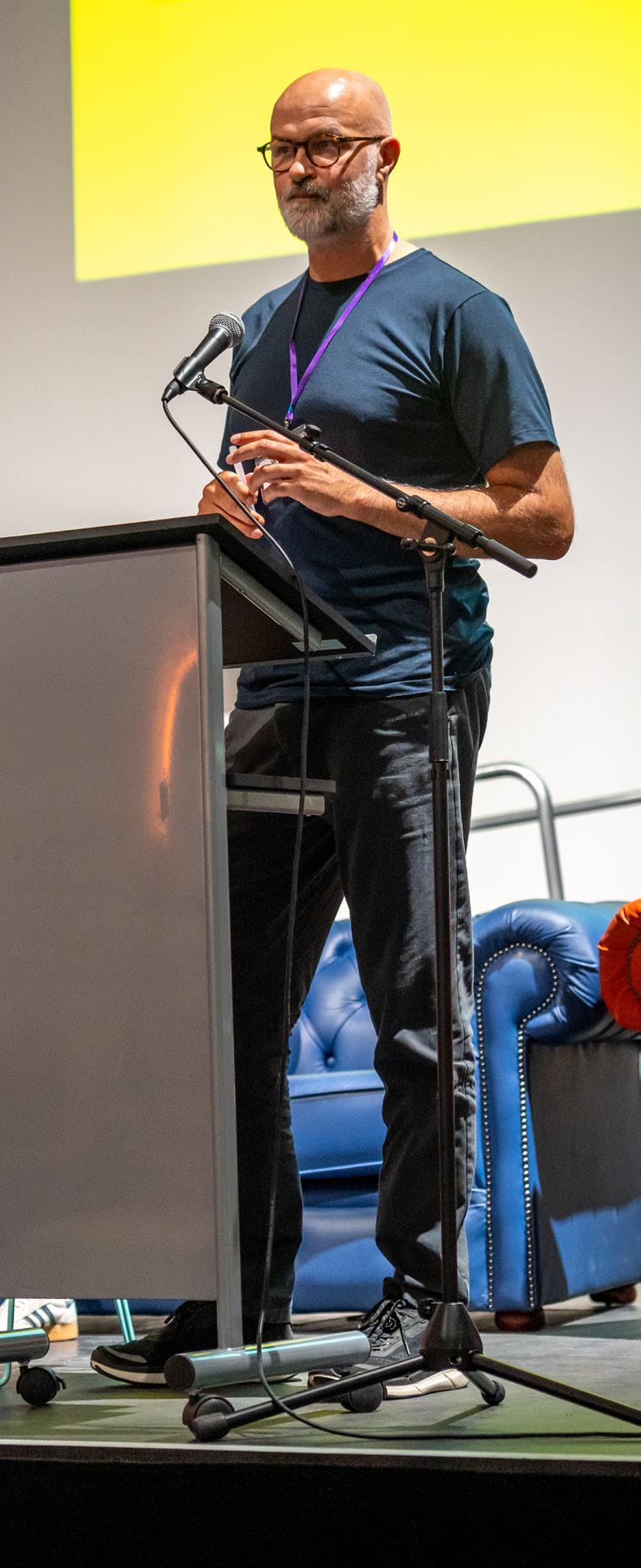
The Active Wellbeing Leadership Conference 2026 was the first national conference convened by the Active Wellbeing Leadership Network. It took place at WX Wakefield on 22 and 23 June 2026 and brought together leaders, practitioners and partners from across the active wellbeing system. It was designed for people working across leisure,
local government, health, sport, physical activity, education, charities, the voluntary and community sector and others interested in tackling health inequalities, prevention and whole-system change. Across a day and a half, the aim was to create time and space for people to step back from day-to-day pressures, explore the changing national and local landscape, share and celebrate learning, look at data and evaluation, discuss leadership capability and capacity, and consider how place-based approaches can create healthier, more active communities.
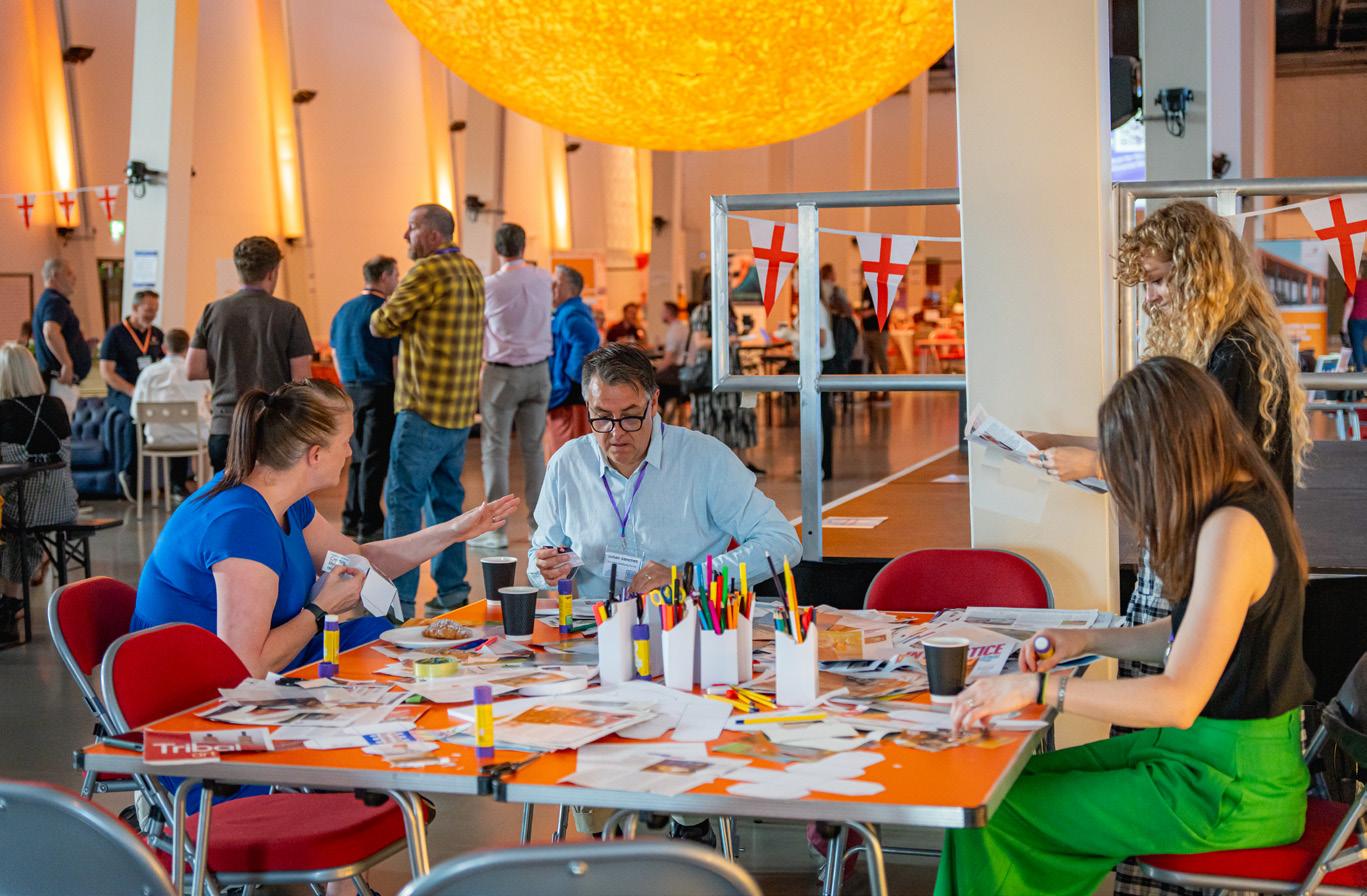
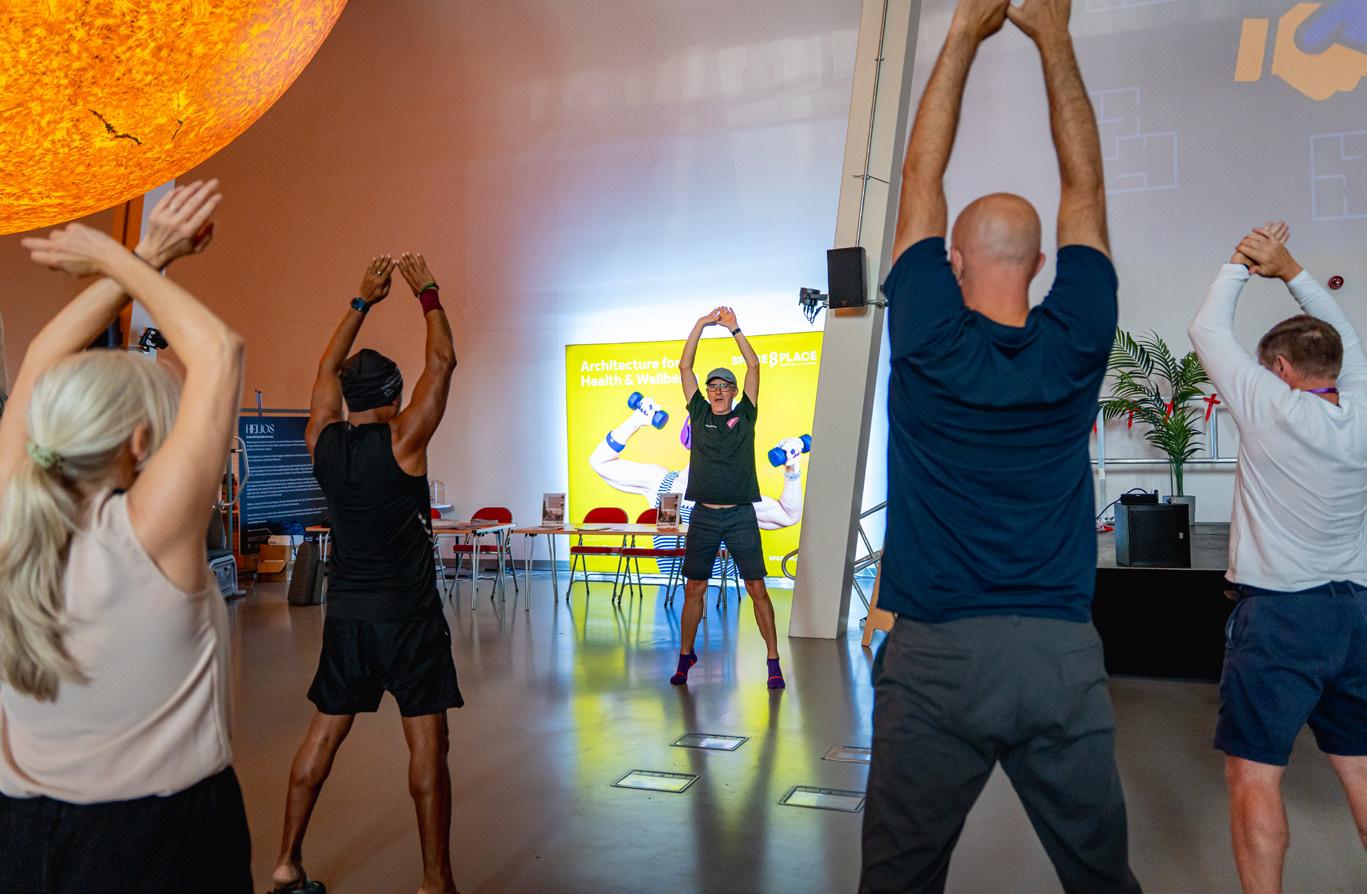
What felt important about the conference was that it was not simply a programme of presentations. It was designed as a networkstyle event, with space for discussion, challenge, creativity and honest reflection. We wanted people to share good practice, but also to talk about what is difficult, what has not worked and where the system needs to change.
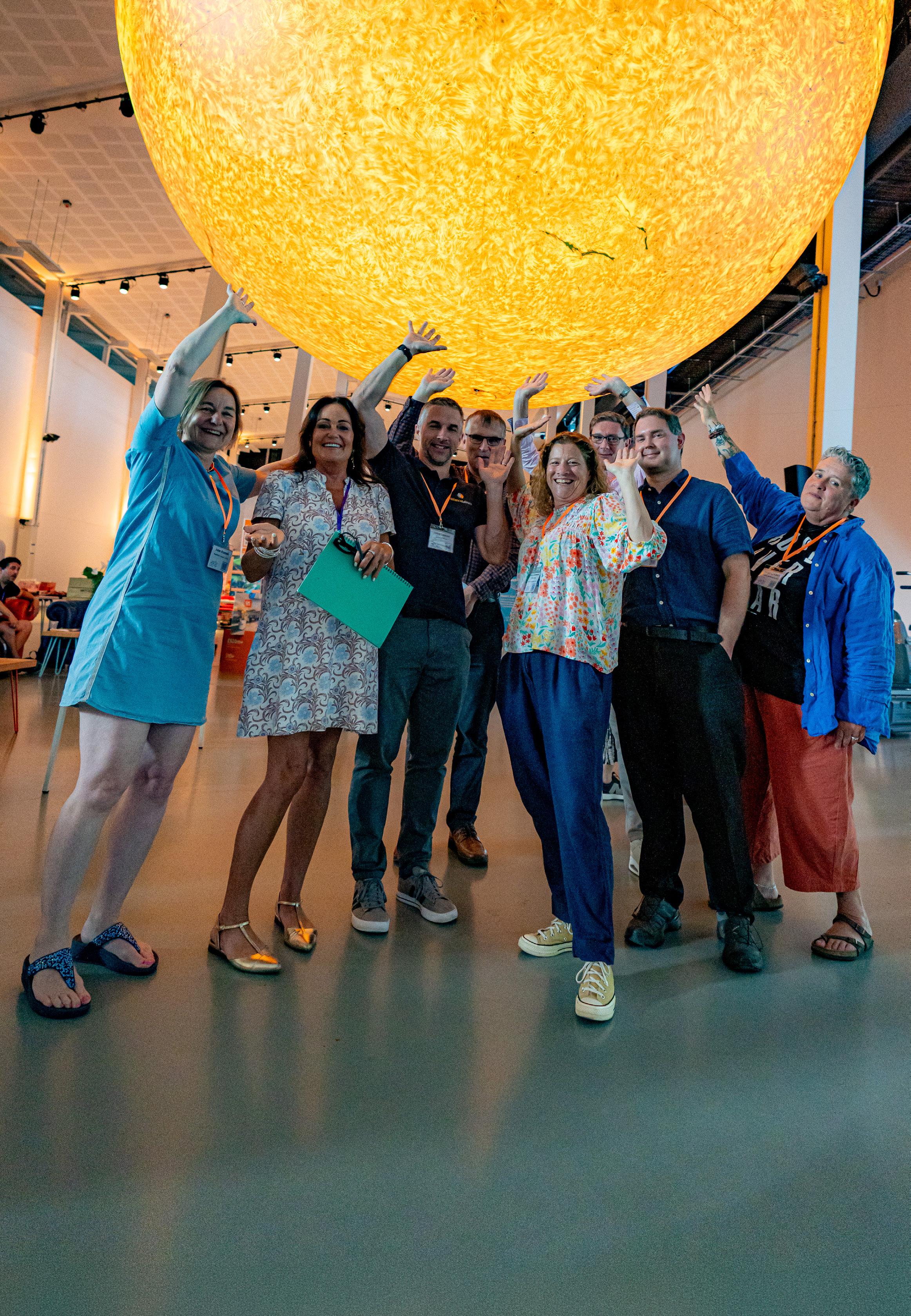
The venue helped with that. Holding the event at WX Wakefield, beneath Luke Jerram’s Helios sculpture, gave us a creative setting in which to think about complex challenges differently. That felt very fitting for a conference focused on active wellbeing, prevention, inequality and place.
It was the inaugural event this year – what can you tell us about next year’s conference?
We have not formally confirmed the details of next year yet. What we can say is that the response to the network and to the conference has reinforced the need for more time together. The conference came about because people involved in the network were repeatedly asking for greater and more quality time to connect, reflect and work through these issues in more depth. So, while I would not want to pre-empt a formal decision about the format, timing or location, the intention is certainly to continue creating opportunities for leaders across the system to come together. Whether that is through another conference, network sessions, themed events or shared learning work, the need is clear. We are awaiting to review all of the feedback from the attendees and speakers, and we can take our next steps from there.
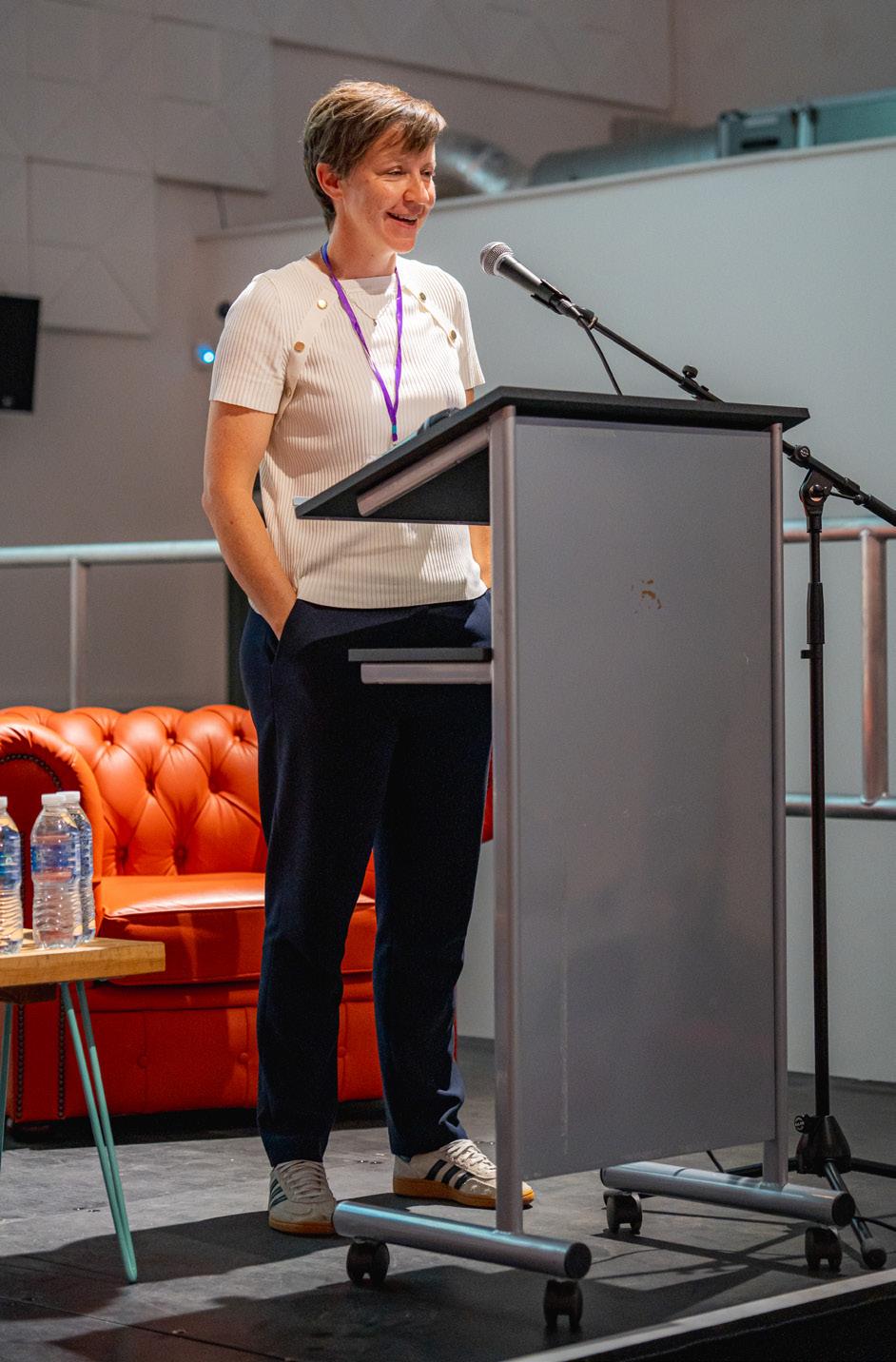
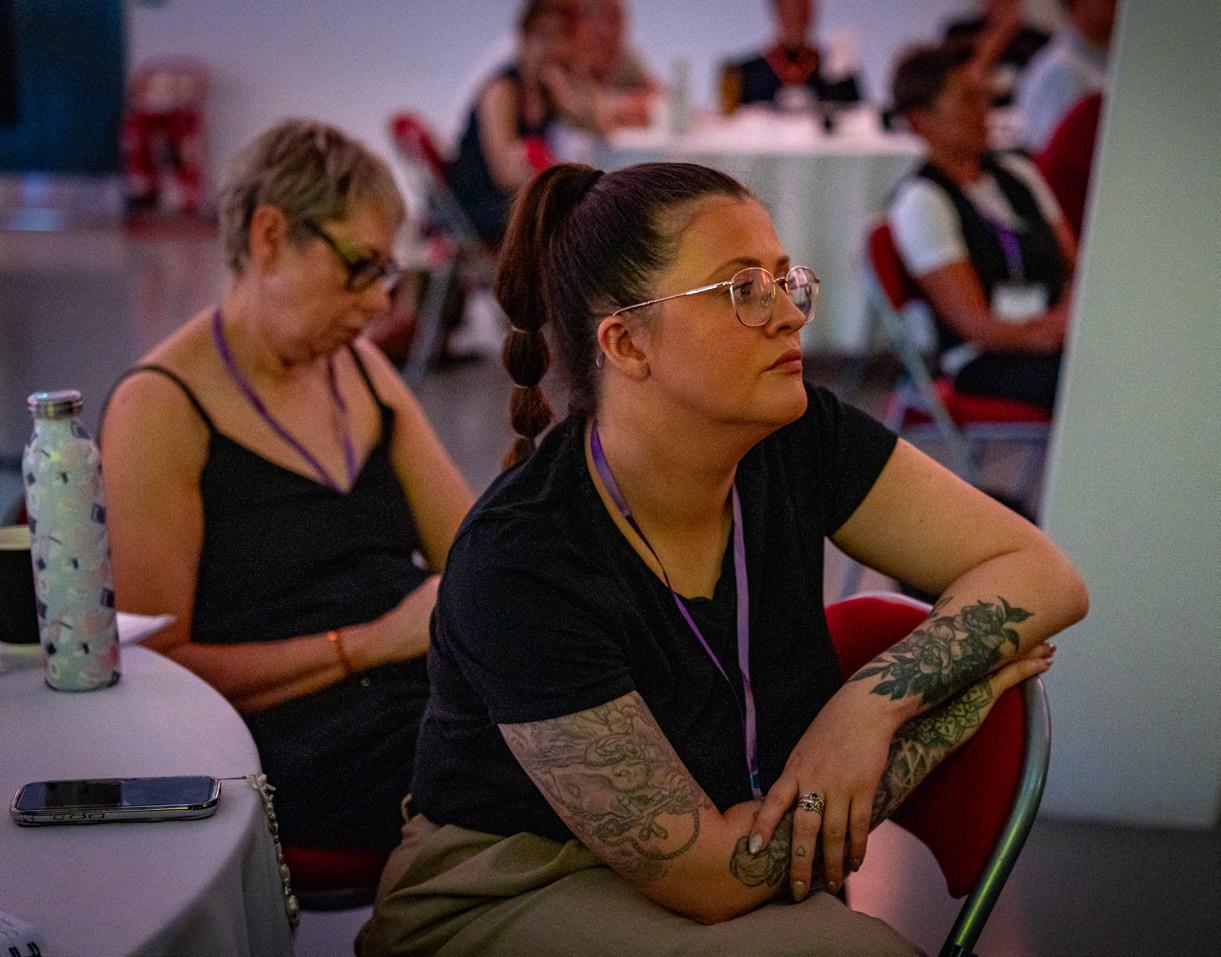
It is widely recognised that we need an integrated, whole-system approach to tackling inactivity — and for the sector to become part of a preventative health system. What inroads have been made compared with when you first started?
There has been real progress, even if it does not always feel fast enough. When I first started working in this space, leisure and physical activity were often seen primarily through the lens of facilities, programmes or participation. Those things still matter, but the conversation has broadened, along with the breadth of attendees: from occupational therapists to older age experts. We are now talking much more about health inequalities, prevention, social value, community connection, local place leadership and the wider determinants of health.
By example, one of the key workshops at the conference focused on the cycle of decline for some of our young people, for whom their mental and physical health had created a barrier to entry level work: and no work, then led to further isolation and poorer health. Correcting the system for support to such individuals at an earlier stage, between agencies, could be transformative not just on their individual health, but their long-term contribution to society. The trailblazer in place in West and South Yorkshire and the North East are working collaboratively on this area right now.
There is also a stronger evidence base and a clearer national narrative. Sport England’s Uniting the Movement strategy makes tackling
inequalities central to the future of sport and physical activity. The UK Chief Medical Officers’ physical activity guidance describes physical activity as something that can prevent and help treat many illnesses. The Moving Communities work is helping demonstrate the contribution that public leisure facilities and local activity in a place make to participation, social value and community wellbeing. Those are significant shifts.
The challenge now is implementation. We have better language, better evidence and more examples of place-based practice, but we still need to embed this thinking into mainstream health, local government, devolution and investment decisions – as the inequality in health is far and ‘widening’. We need to stem the current flow of ill health – whilst also get upstream –prevent another generation of ill-health.
How close are we to physical activity being seen, by government, as a genuine part of a preventative health system? Or is that utopia? I do not think it is utopia, but I do think we are still some distance from it being fully embedded. The direction of travel is encouraging. National strategies now recognise the importance of physical activity, prevention, health and wellbeing much more explicitly than they once did. The government’s Get Active strategy, for example, set ambitions to increase activity levels and recognised the importance of join-up between communities, schools and local healthcare systems.
But recognition is not the same as protected investment, or everyone in ‘power’ at all levels (from government departments to local placebased policy and decisions) ensuring that current investment is appropriately focused. Indeed, as Professor Marmott would say, it is applied with ‘Proportionate Universalism’. There are still many areas of the system where investment is focused more on the ‘active’ - than those who are in greatest need of ‘moving more’. We all need to tackle this responsibly. Every leader, in every part of the system. The sector still too often must prove its value project by project, facility by facility and budget cycle by budget cycle – which isn’t going to help the need to look more at system level to make the change and be less precious where the actual financial gains appear! If active wellbeing is
If we are serious about prevention, active wellbeing needs to be designed into the way we live, that’s the way we travel, work, study and play…
genuinely part of prevention, then it needs to be treated as part of the country’s core health, care and community infrastructure, not as discretionary spend or a ‘nice to have’. That means long-term investment and commitment across government both nationally and with regions and local place, and a much stronger commitment to the places and communities where inactivity and health inequalities are greatest so we can ‘shift the system’ to work a better way – a way that reduces inequalities.
If you could introduce or change one law, to make the biggest impact on people getting active, what would that be?
I would ask for an equivalent to the Wellbeing of Future Generations Act 2015 already in place in Wales, maybe with some further ‘bells and whistles’, or greater pace to create system change.
A clear statutory expectation from central government to local, and across a range of public bodies (and indeed those funded to deliver public services), which says they must go about their duties, showing care for future generations and the environment we live in.
Like Wales, wellbeing goals should include both active and creative health, to strive towards a heathier and more equal society. Active wellbeing (including creative health) is the single most affordable pill for health. Why wouldn’t we?
This approach should include recognising properly the distributive effects of any public funding, so we know the funding is reaching those where the society value, or true impact, will be the greatest. Indeed, it would rightly expect better ways to design in, or apply proportional universalism, to truly tackle the inequalities as we move forward.
If we are serious about prevention, active wellbeing needs to be designed into the way we live – the way we travel, work, study and play.
A future generations act would provide a perfect scaffold to drive long term change, across a complex system.
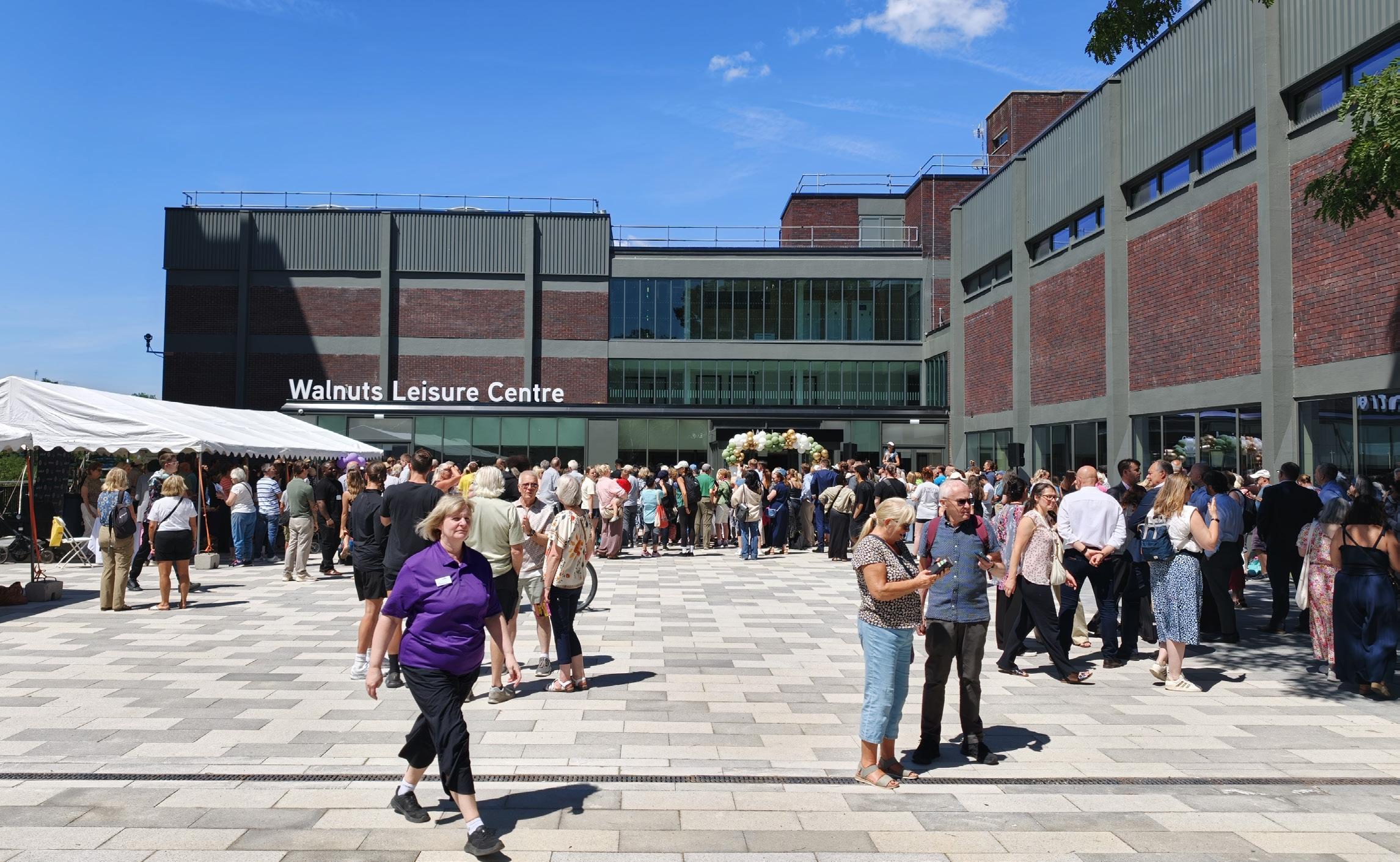
Leisure centres are evolving from the “pool and gym” format into wellbeing hubs. WellNation looks at a recent example of this trend – the Walnuts Leisure Centre in Orpington
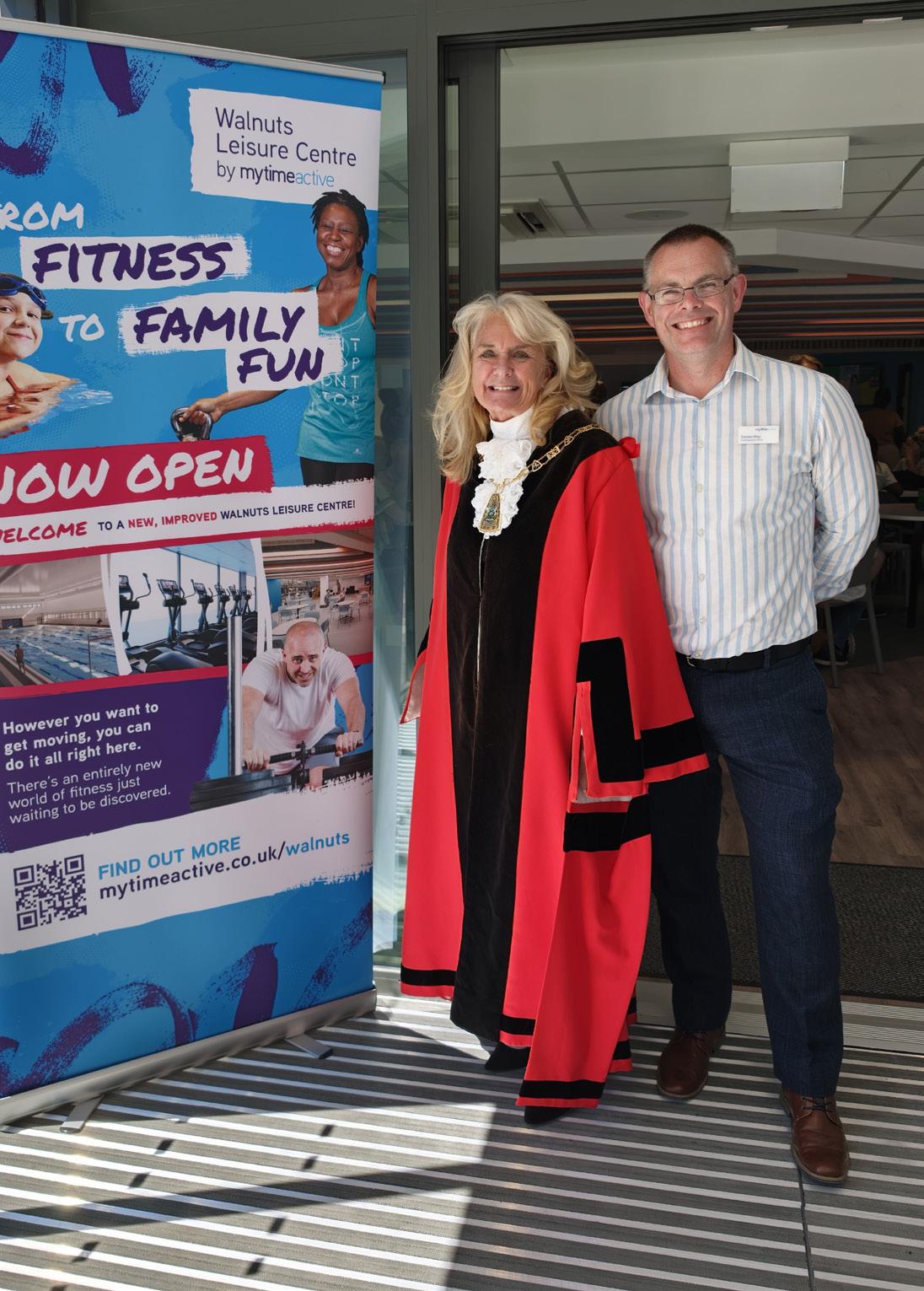
Modern leisure centres are no longer simply somewhere to swim a few lengths or squeeze in a workout after work. Increasingly, they are becoming community wellbeing hubs – places where exercise, rehabilitation, social connection and family activities all sit under one roof. The reopening of the Walnuts Leisure Centre in Orpington is a timely example of that evolution. Following a £17m transformation, funded by Bromley Council – with additional funding from Sport England (£296,000) and the London Marathon Foundation (£125,000) – the centre has reopened with a completely refreshed offer that goes well beyond replacing ageing facilities. The ambitious redevelopment reflects a growing recognition across the sector that leisure centres need to be accessible, welcoming and relevant to people at every stage of life if they are to play a meaningful role in improving community wellbeing. Meanwhile, the funding arrangements illustrate the collaborative investment increasingly required to modernise the UK’s ageing leisure estate.
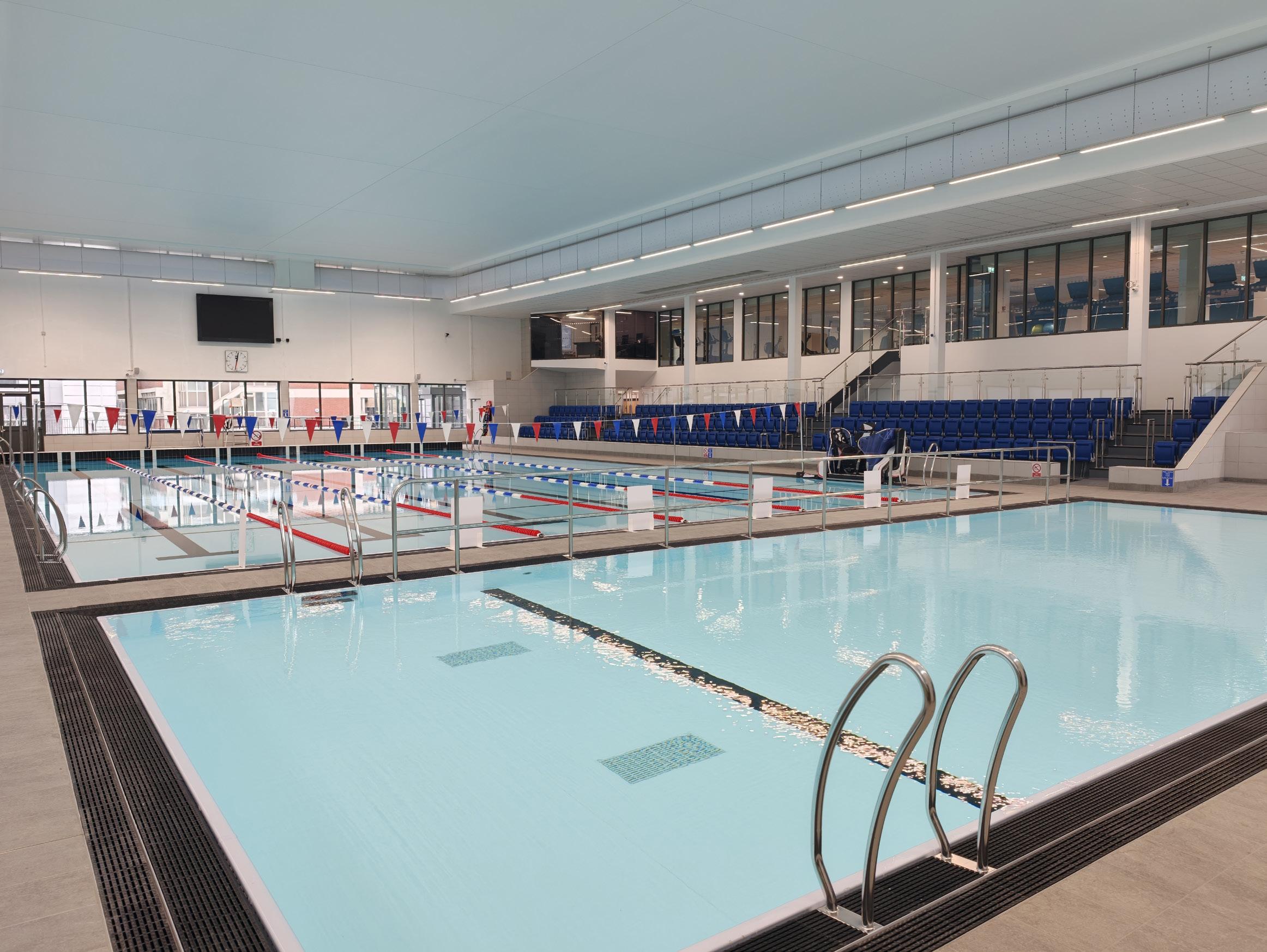
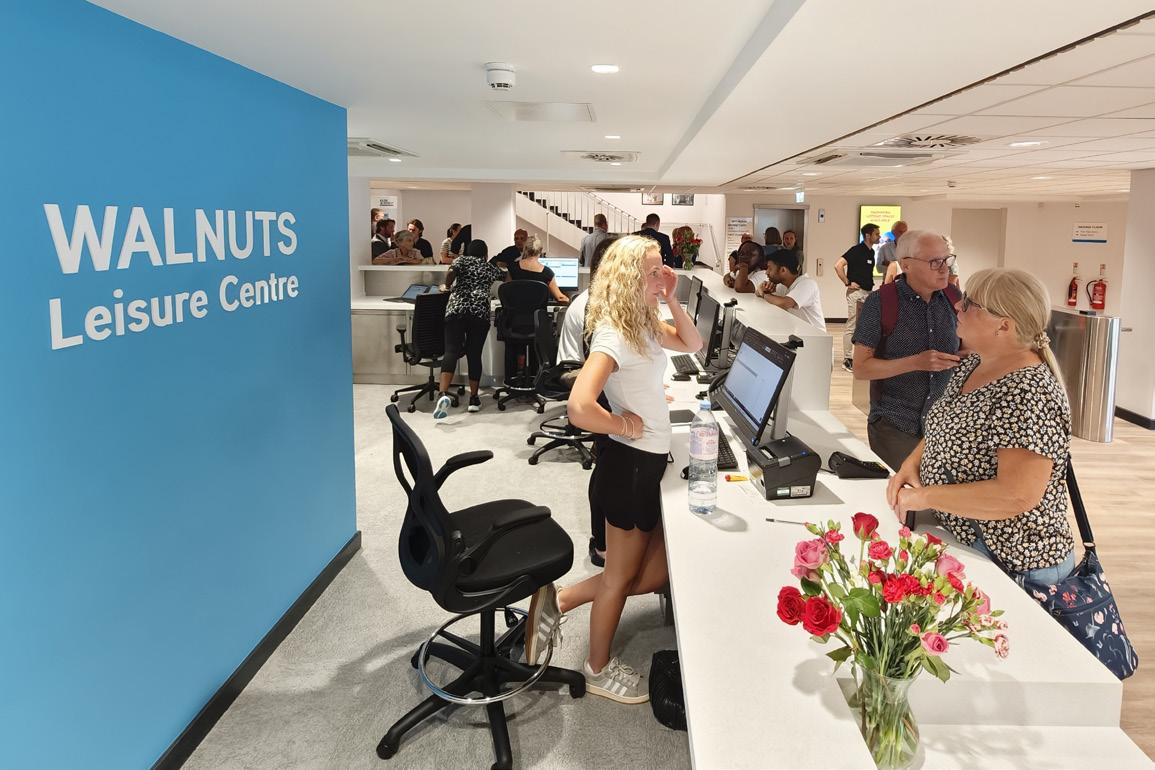
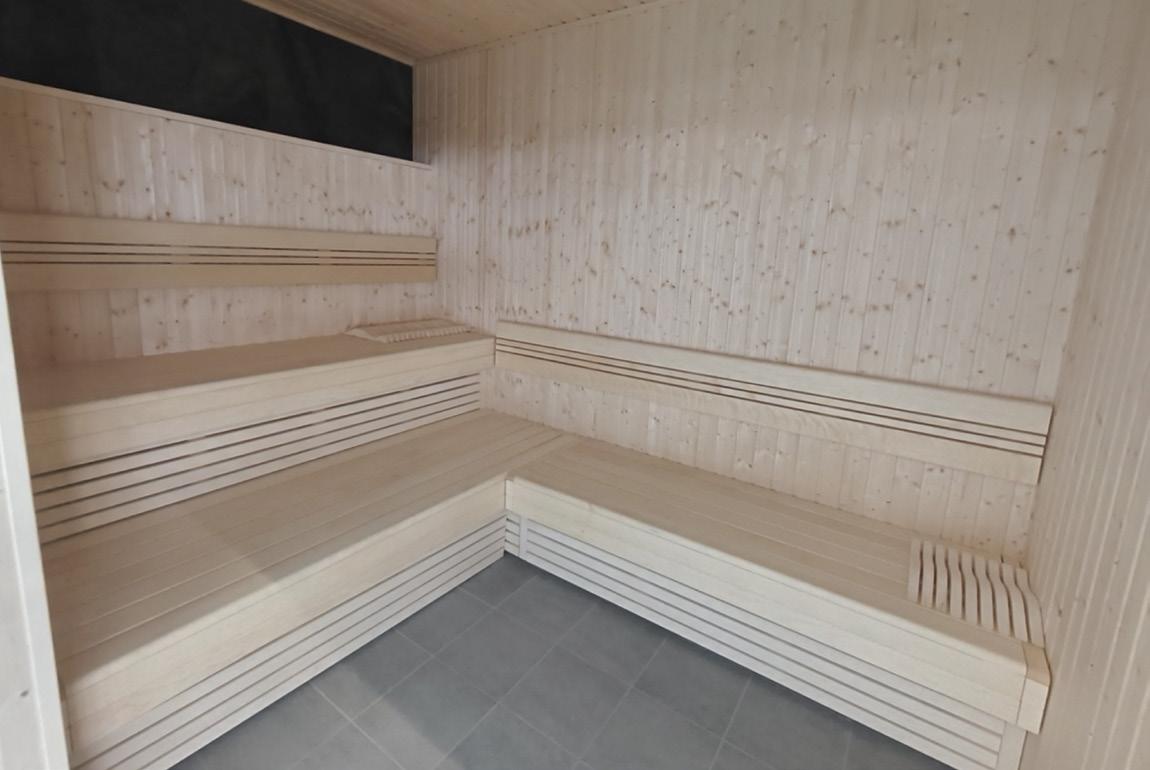
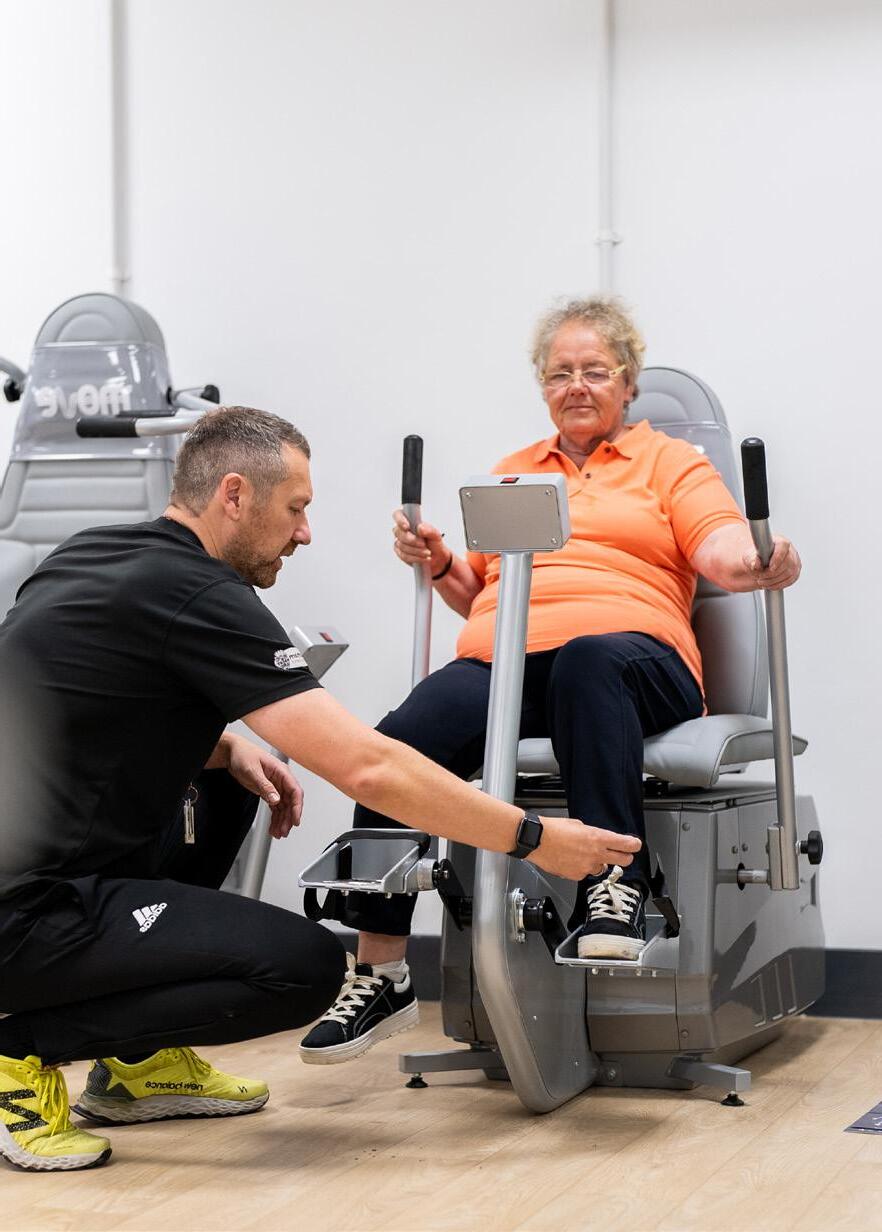
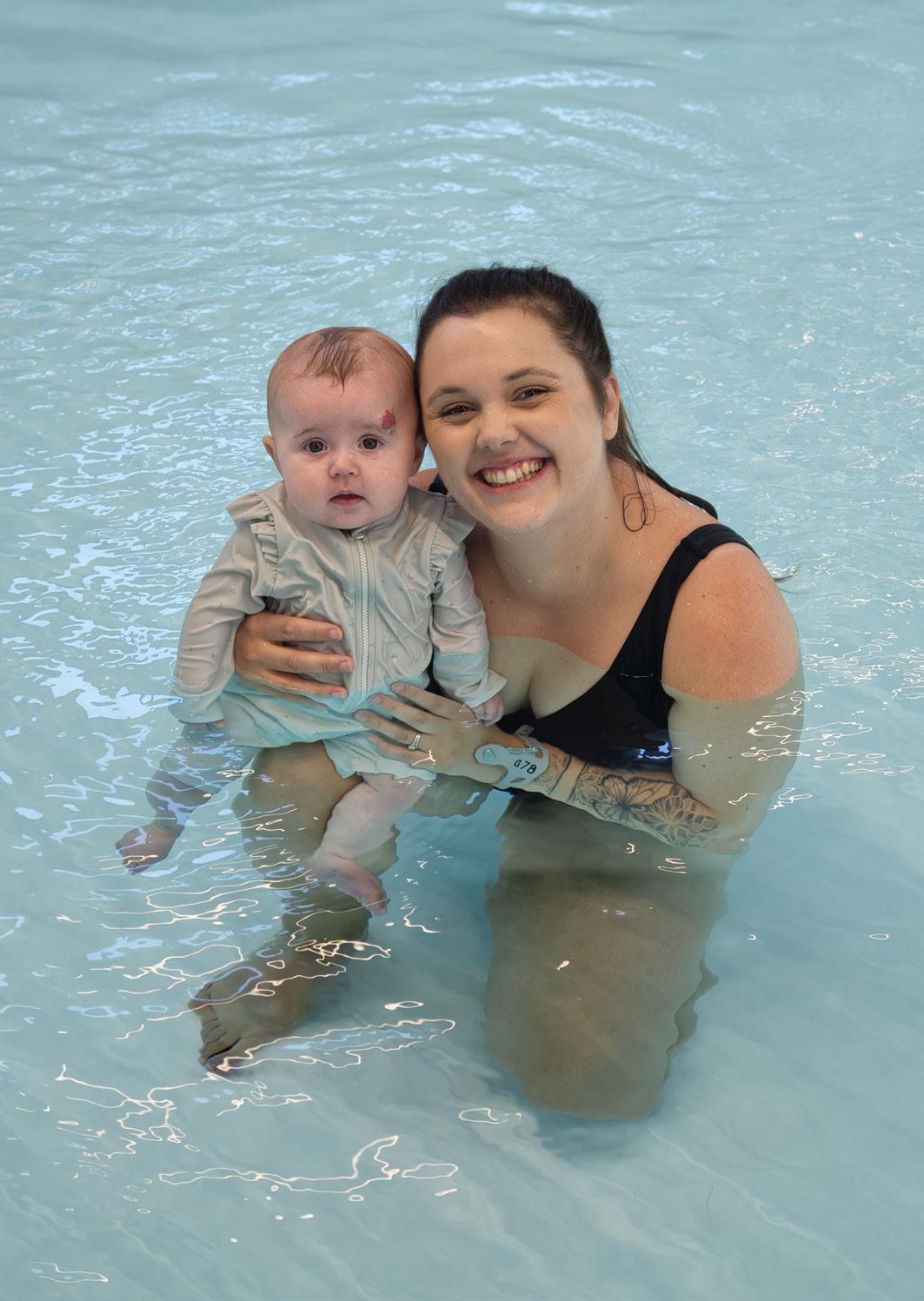
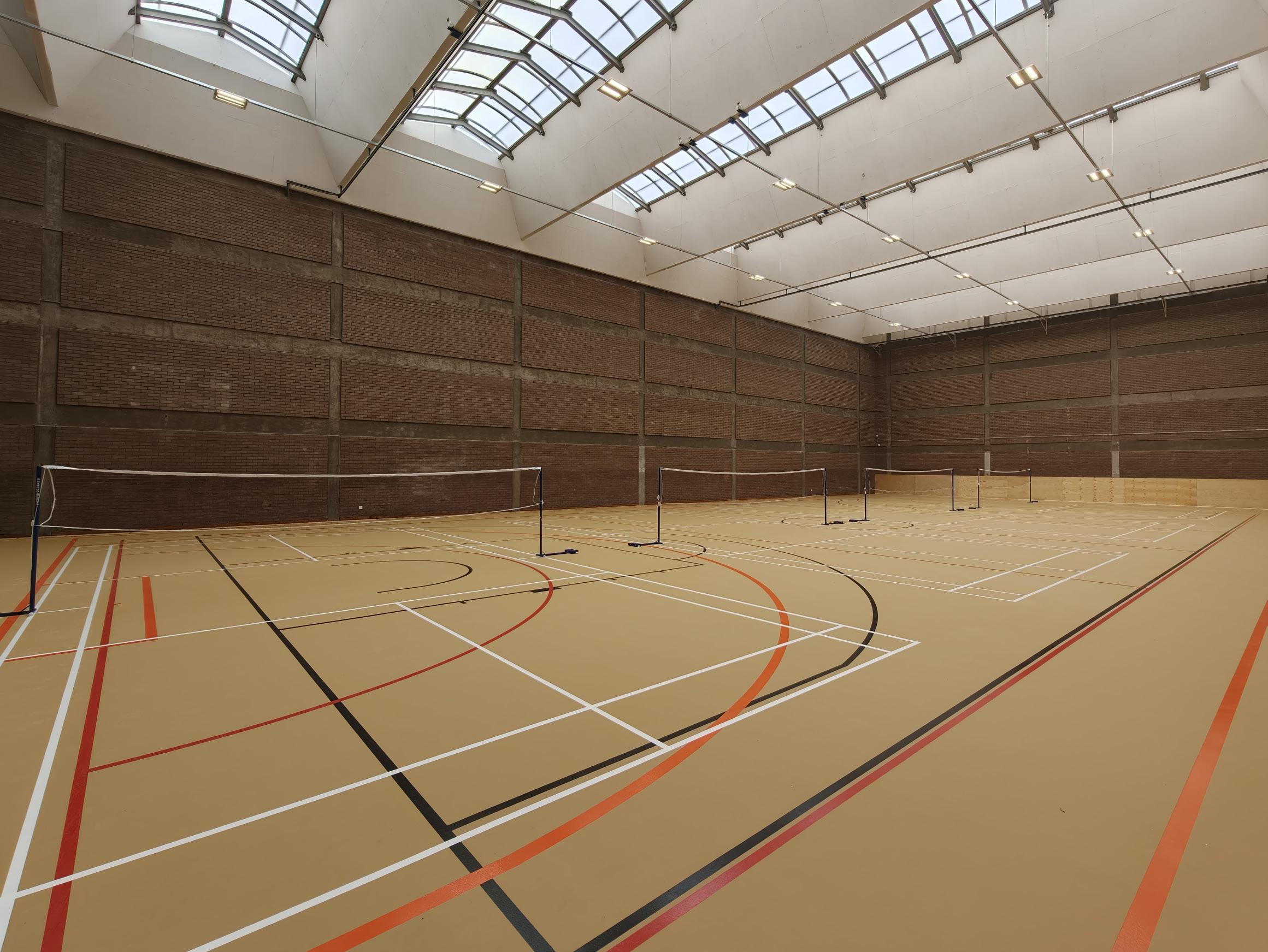
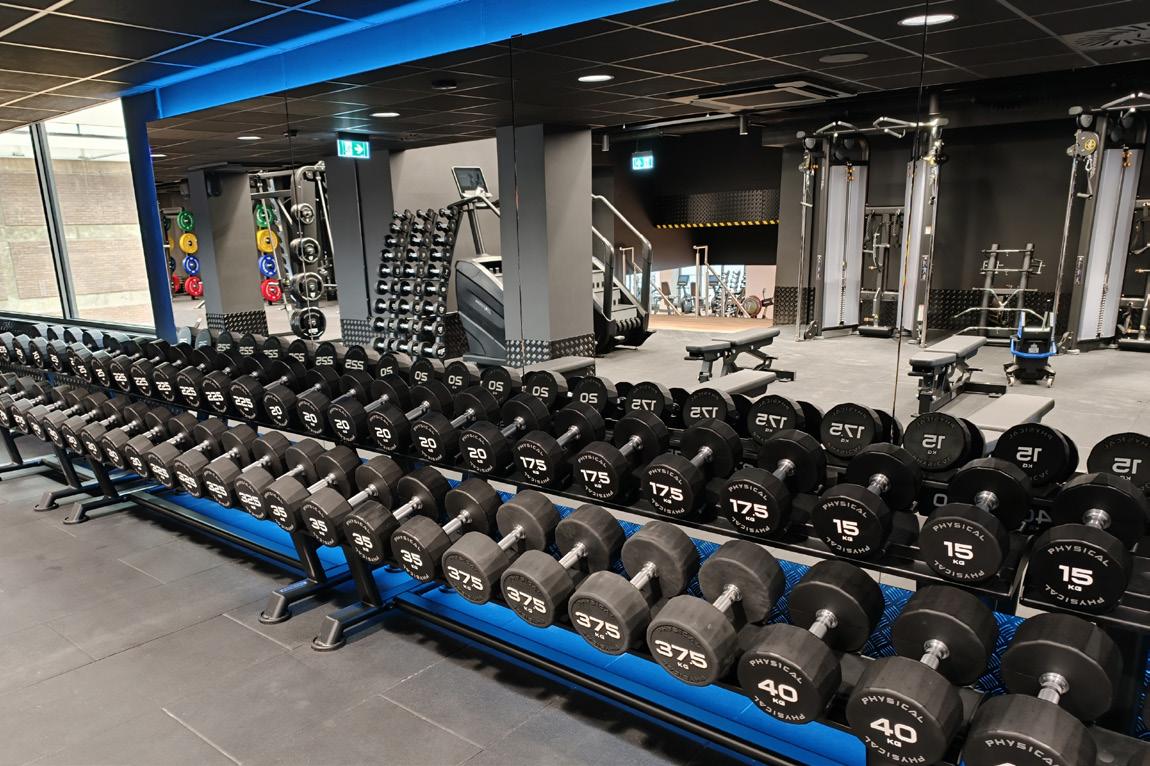
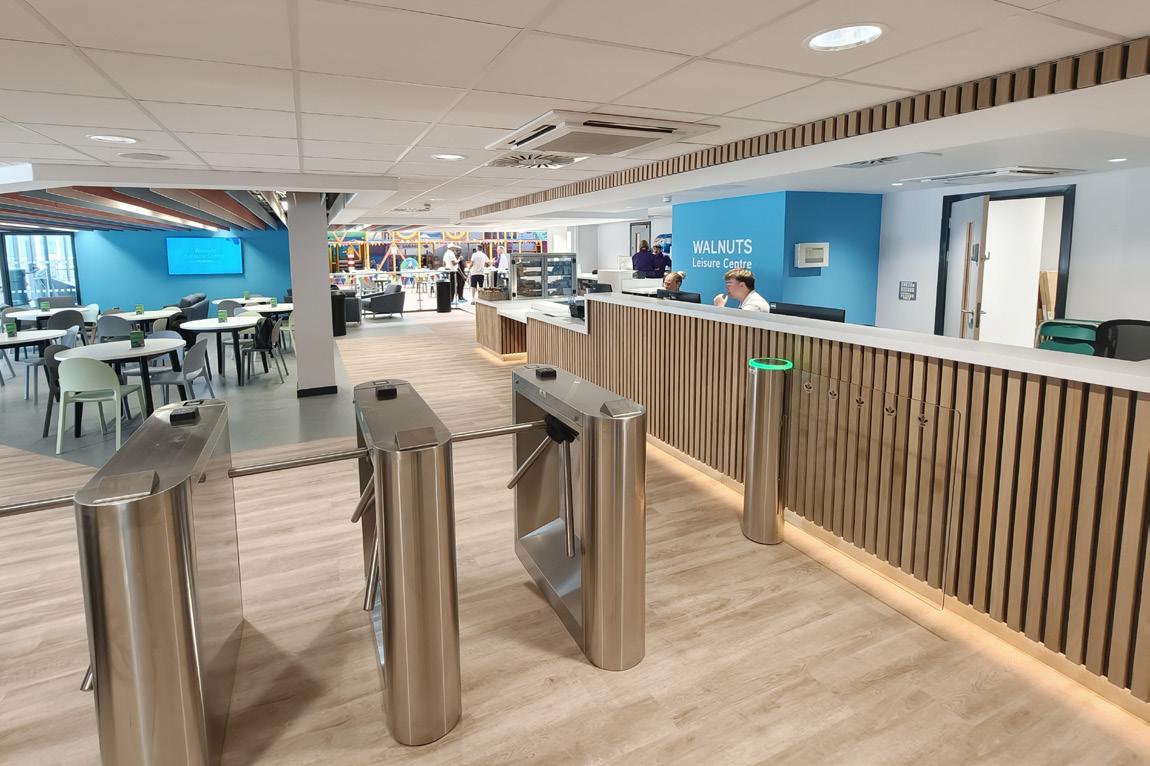
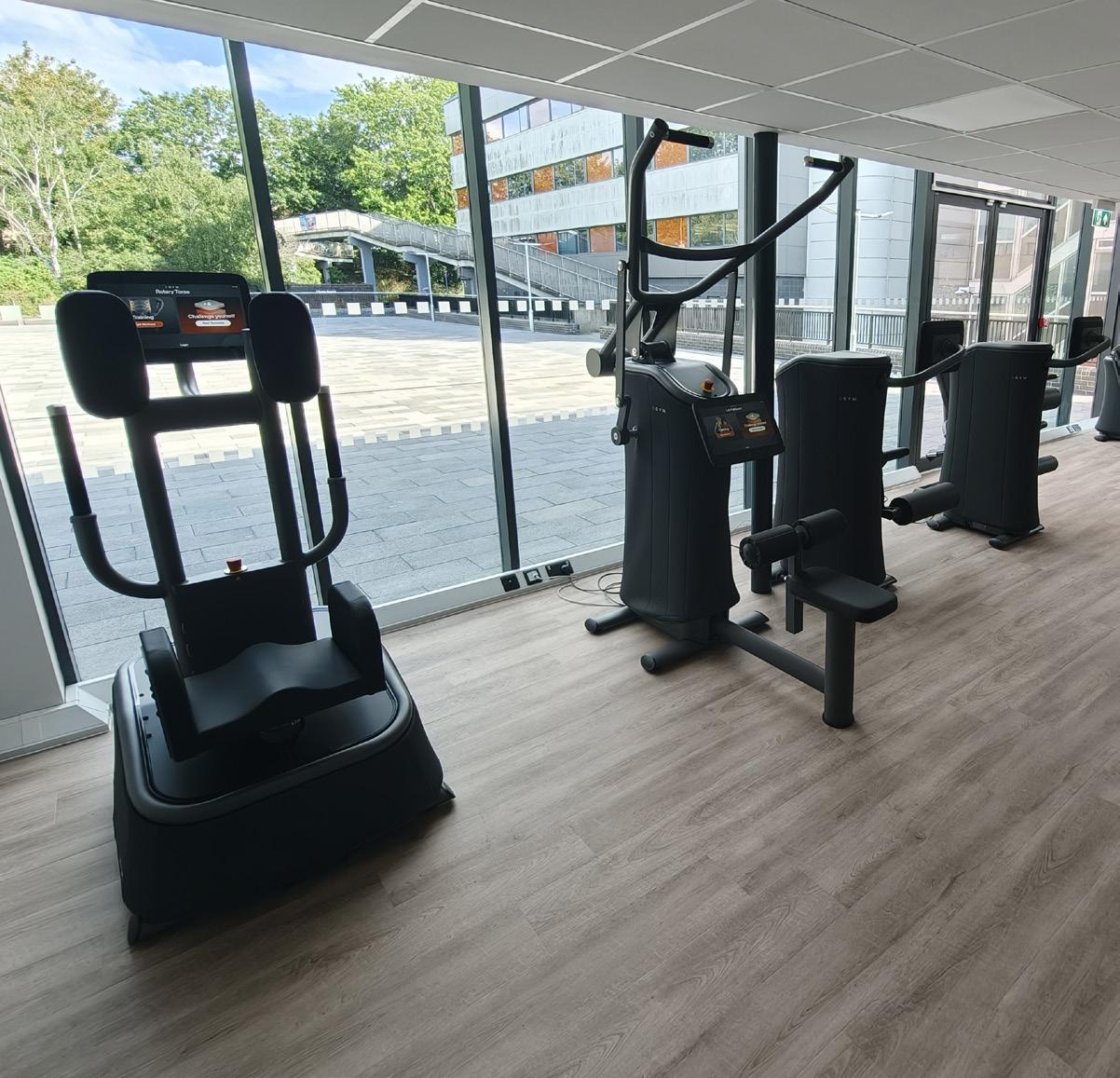
At the heart of the redevelopment are two new pools: a competition-length swimming pool and a dedicated training pool – alongside an expanded two-storey gym featuring the latest fitness equipment and EGYM smart strength technology. There is also a new rehabilitation studio, featuring EGYM and InBody technology, to support health, wellbeing and active ageing. The sports hall has been refurbished, while new sauna and steam rooms, a children’s splash wall and redesigned reception and café spaces aim to encourage visitors to spend more time at the centre rather than simply passing through.
The investment reflects another growing priority for operators: ensuring facilities are genuinely inclusive. A Poolpod lift now provides easier access to both swimming pools for people with reduced mobility, while new Changing Places and accessible toilet facilities have been introduced to ensure the centre can welcome more members of the community with confidence and dignity.
Sustainability has been another major focus. A new heating system has been installed to improve energy efficiency and reduce operating costs, supported by £3.4 million from the Public Sector Decarbonisation Scheme.
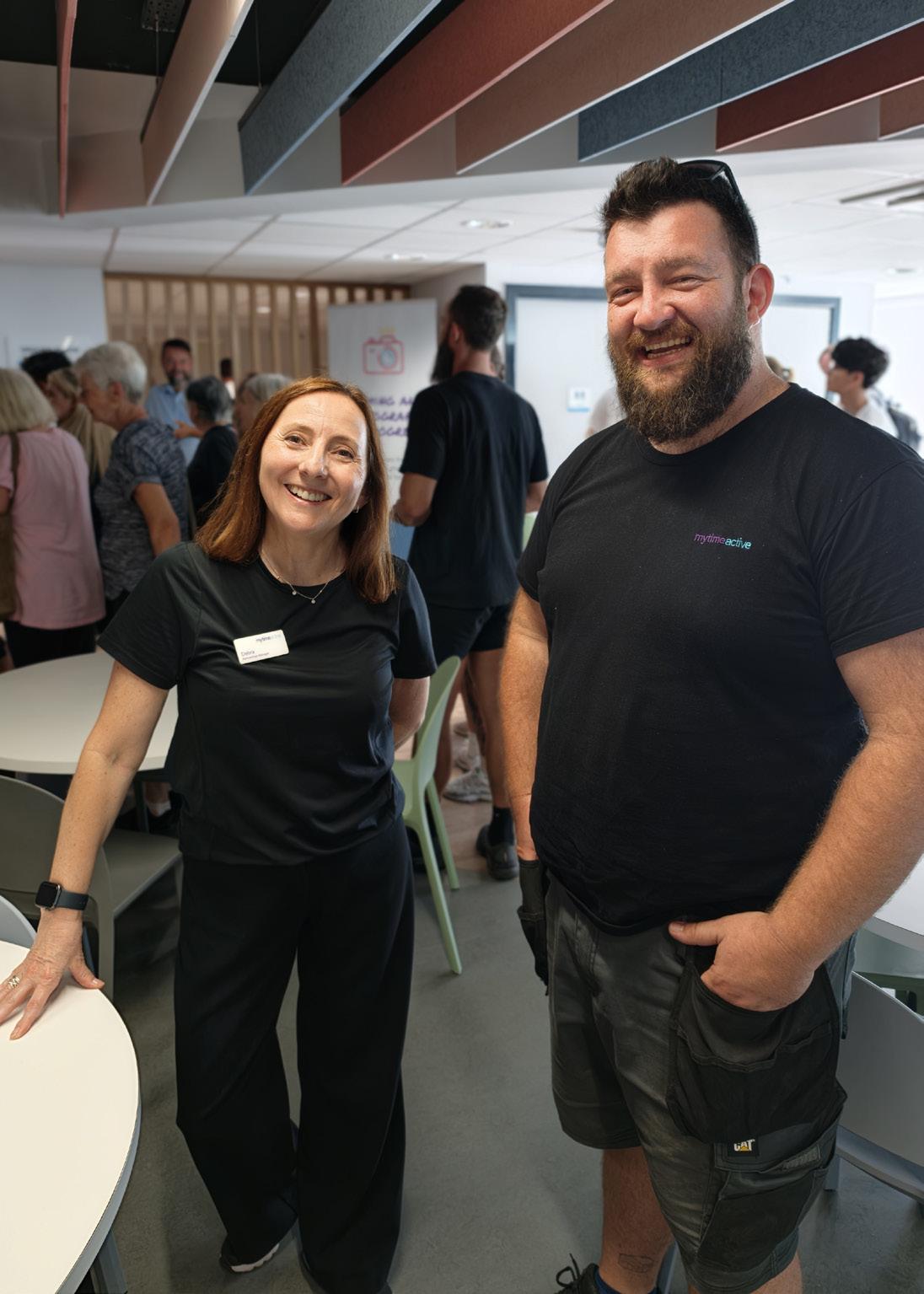
For Mytime Active, which operates the facility on behalf of Bromley Council, the redevelopment aligns closely with its wider mission of improving health and wellbeing across the communities it serves. As an independent charity and social enterprise, Mytime Active reinvests its surplus back into facilities, programmes and community initiatives.
Across Bromley, the Midlands and Hampshire it delivers more than 100 services, ranging from swimming, golf and gyms to childcare, health programmes and specialist activities for people living with disabilities, long-term health conditions and those at risk of inactivity. Steve May, chief executive of Mytime Active, believes that philosophy is reflected throughout the transformed Walnuts.
Our aim is to offer a true community hub to be er serve the needs of local residents for many years to come
“We are thrilled to welcome members and residents back to the transformed Walnuts Leisure Centre,” he says. “At Mytime Active, we’re passionate about providing more than just leisure facilities; our aim is to offer a true community hub to better serve the needs of local residents for many years to come.
“The scale of this investment by the Council means the whole community will benefit from outstanding new facilities. Walnuts Leisure Centre will be a vibrant hub where people can improve their health and wellbeing, try out new hobbies, connect with others and enrich their lives, all under one roof.”
The project itself was delivered by Alliance Leisure through the UK Leisure Framework, continuing a trend towards large-scale partnerships that combine local authorities, operators and specialist delivery teams to regenerate community leisure infrastructure.
For Alliance Leisure, however, the success of the project extends beyond the physical building.
“We have worked closely with Bromley Council to bring forward a vision that secures the long-term
future of Walnuts Leisure Centre,” says Ruth Ripsher, delivery manager at Alliance Leisure. “This project is about far more than bricks and mortar, it is about creating a high-quality, energy-efficient community asset that will support healthier lifestyles, social connection and local pride for generations to come.”
That sentiment is echoed by Bromley Council, which sees the investment as securing the future of one of the borough’s most important public assets.
Councillor Yvonne Bear, Executive Councillor for Renewal, Recreation and Housing, says residents can now enjoy modern facilities that will serve the community for many years after what has been one of the council’s most significant leisure investments. The impact is expected to extend beyond health outcomes alone. Increased footfall generated by the leisure centre is also anticipated to support Orpington’s wider town centre economy, creating benefits for neighbouring businesses and reinforcing the role leisure facilities can play as anchors for local regeneration.
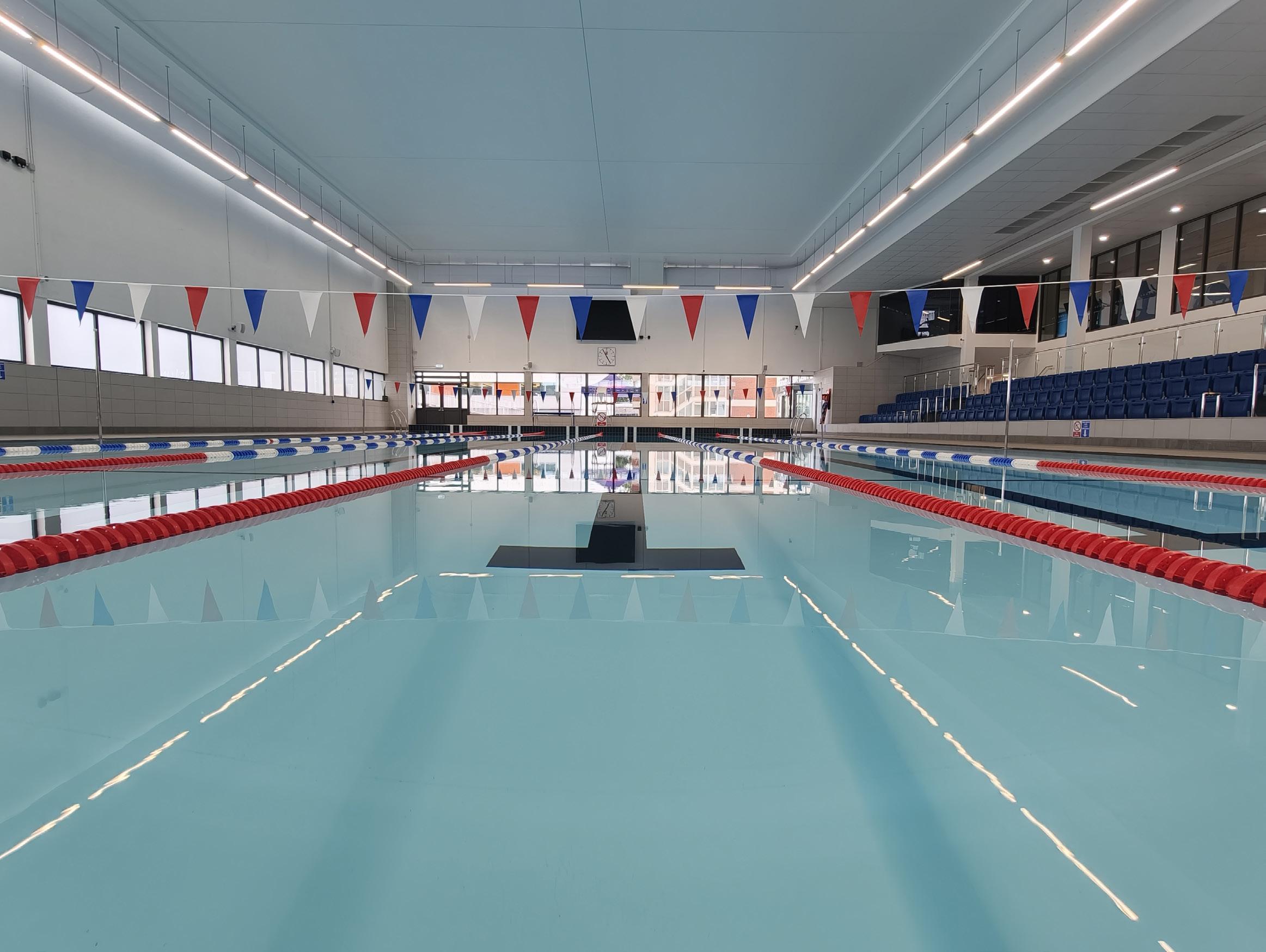
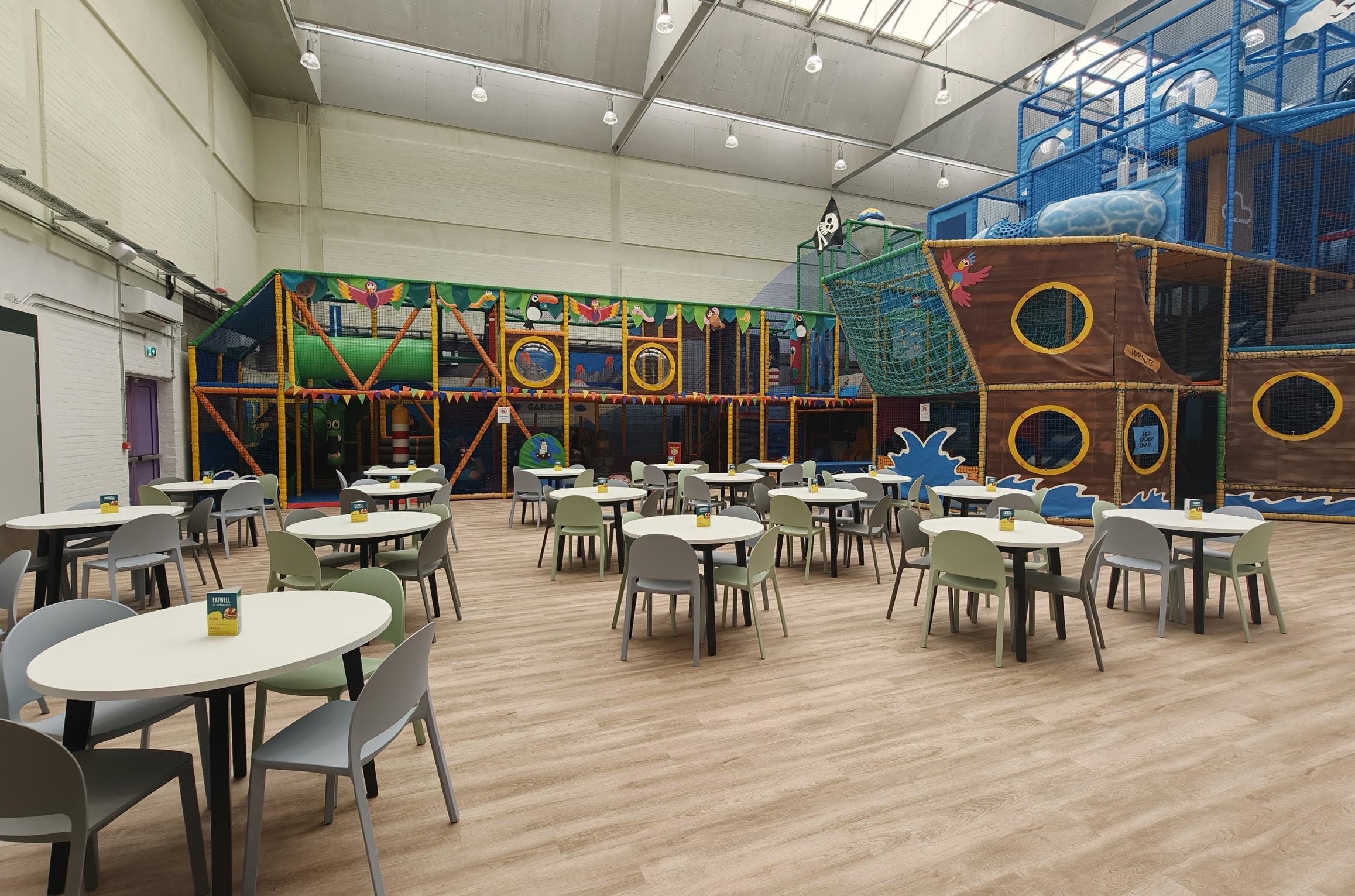
This year’s edition of Elevate marked a major milestone for the UK’s leading trade event as it celebrated its 10th anniversary. WellNation picks out some of the highlights from the event which highlighted the sector’s evolution over the last decade, while exploring future opportunities for collaboration, innovation and growth
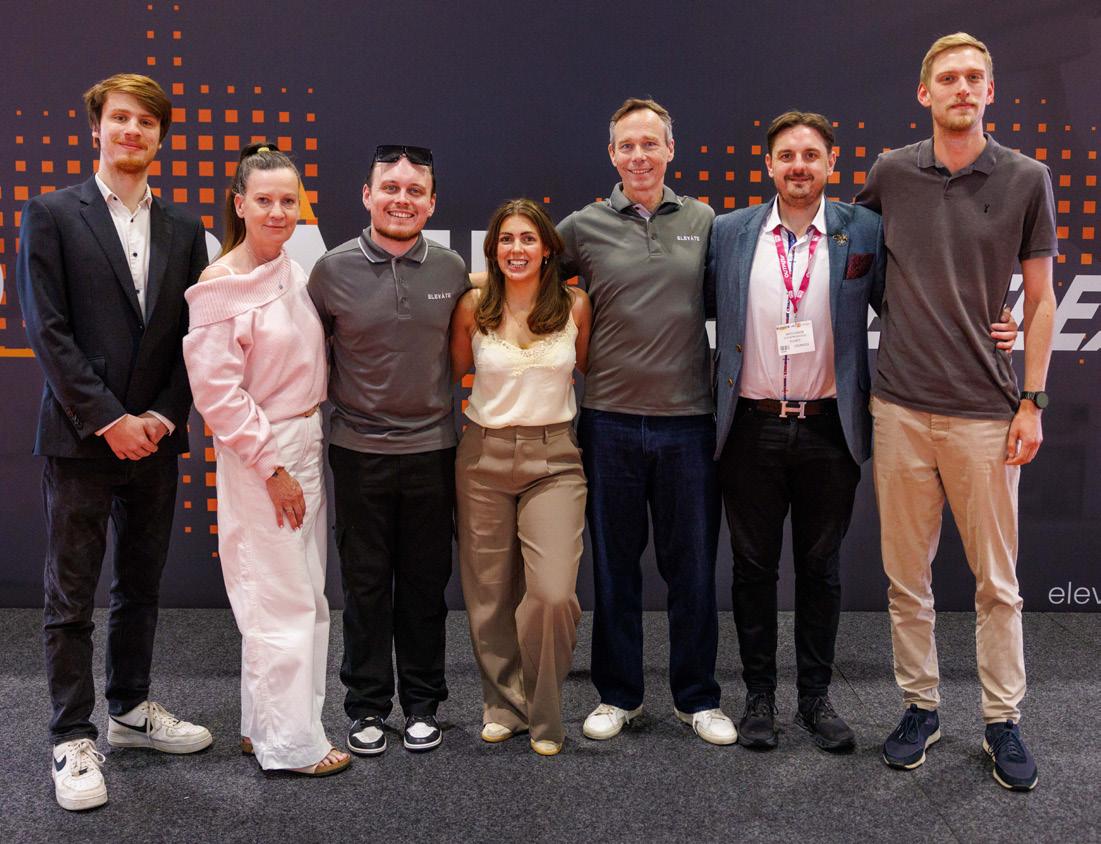
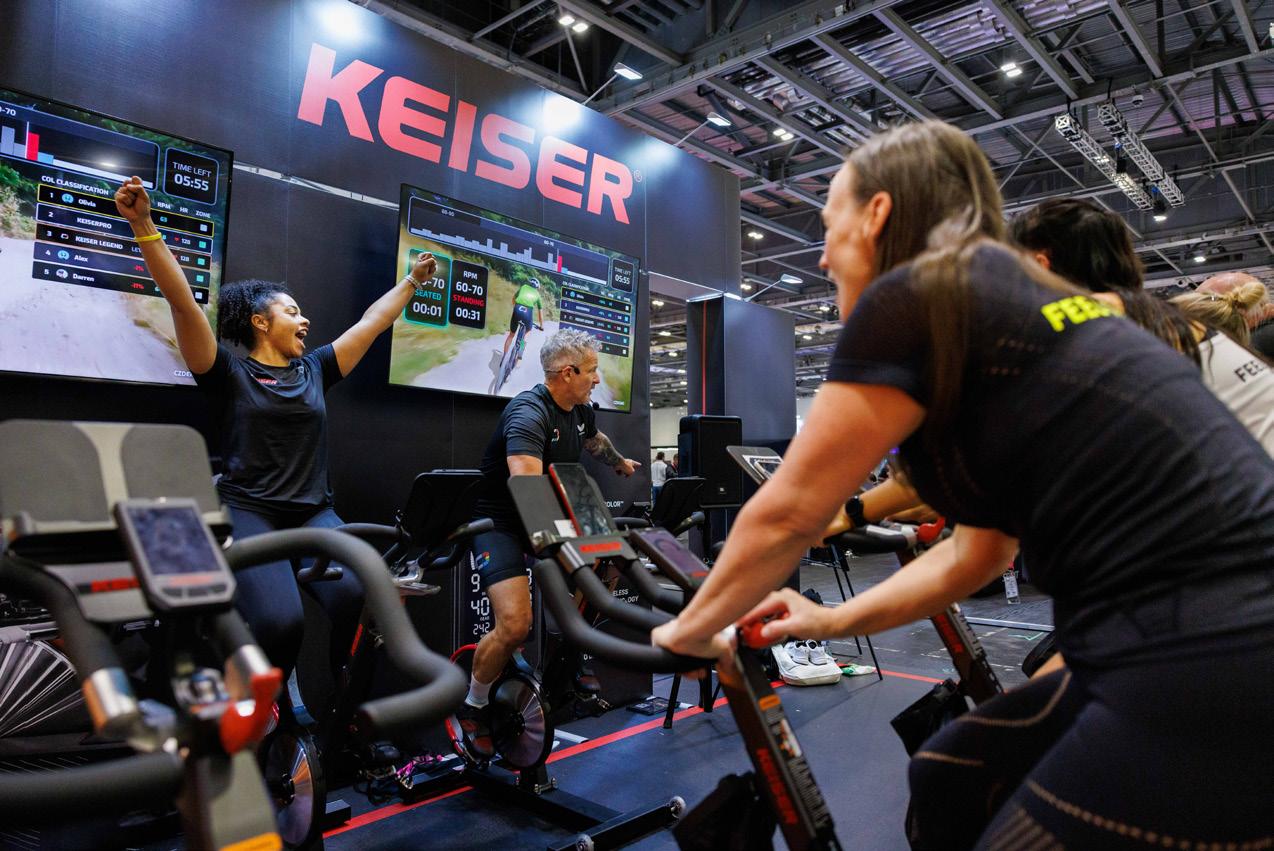
One of the most striking aspects of this year’s event was the diversity of the exhibition floor. Traditional fitness suppliers sat alongside recovery specialists, longevity brands, digital health innovators, rehabilitation providers, workplace wellbeing solutions and emerging technology companies. The breadth of exhibitors reflected an industry expanding beyond gyms and leisure facilities into wider conversations around preventative health, active ageing and wellbeing.
Delegates explored AI-powered engagement platforms, connected fitness technology, recovery solutions, inclusive equipment and specialist services designed to support increasingly diverse populations.
The result was a show floor that was dynamic, forward-thinking and representative of the wider wellbeing ecosystem surrounding physical activity.
Education was central to the show, with Future Fit Group continuing to support the show as the official Education Partner. Across multiple theatres and partner-led stages, hundreds of speakers tackled some of the sector’s most pressing challenges and opportunities.
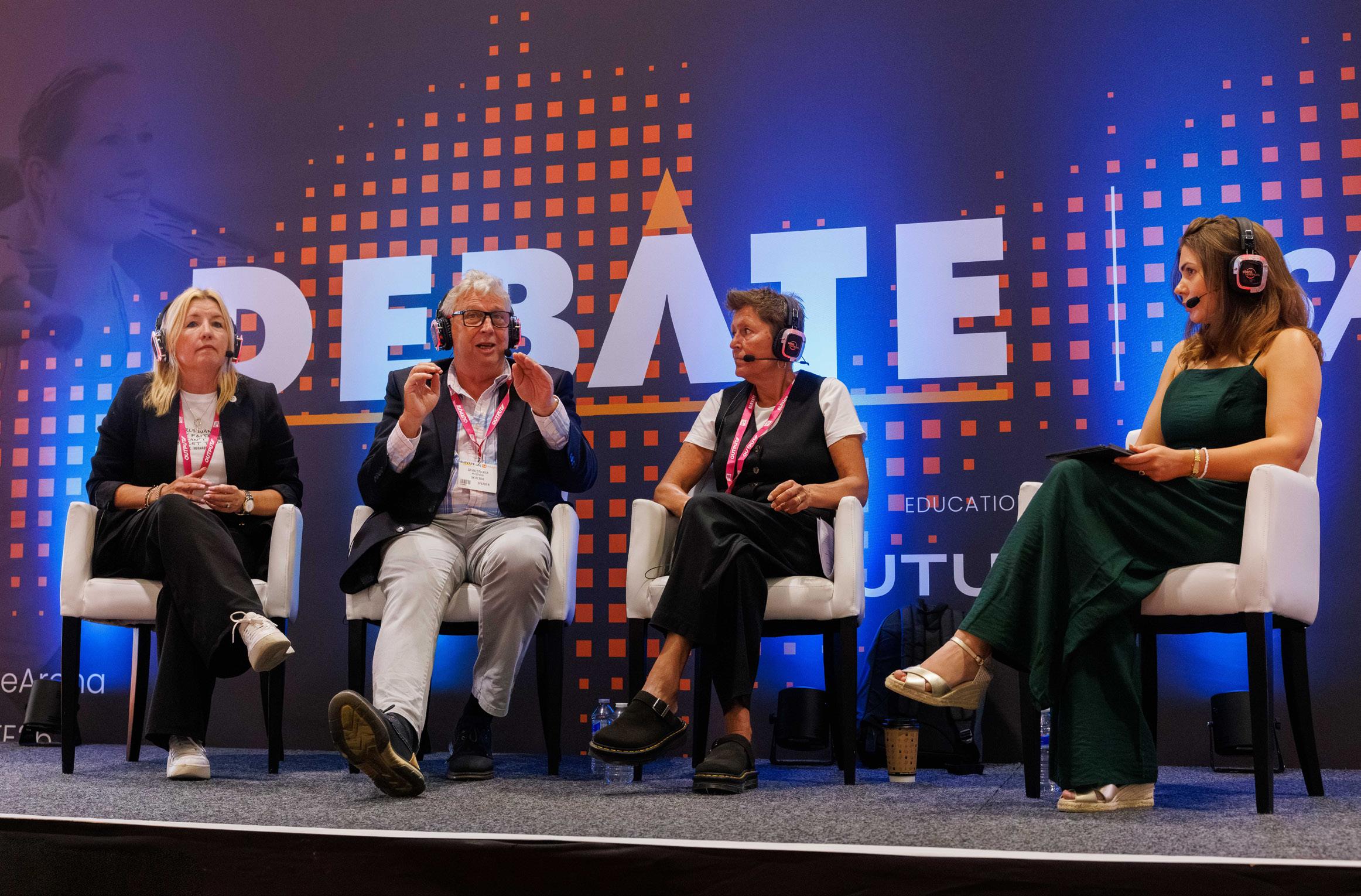
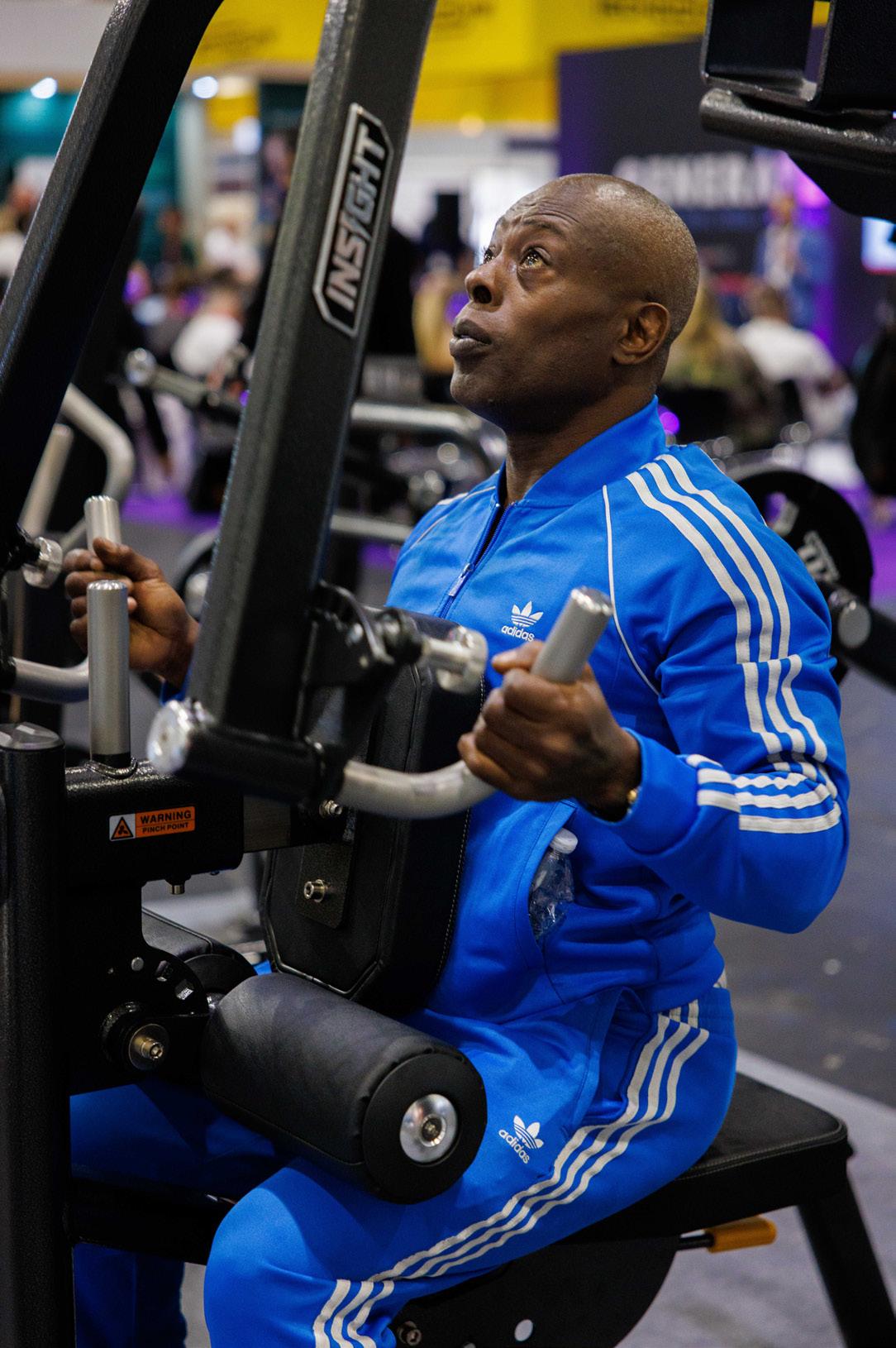
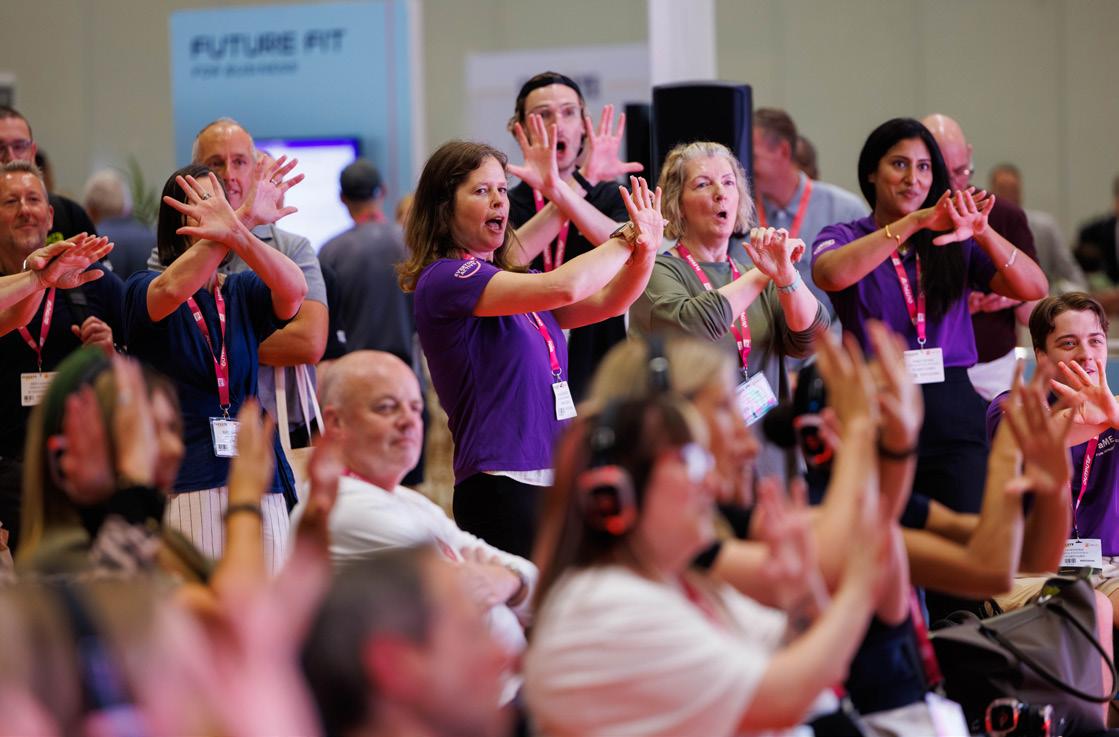
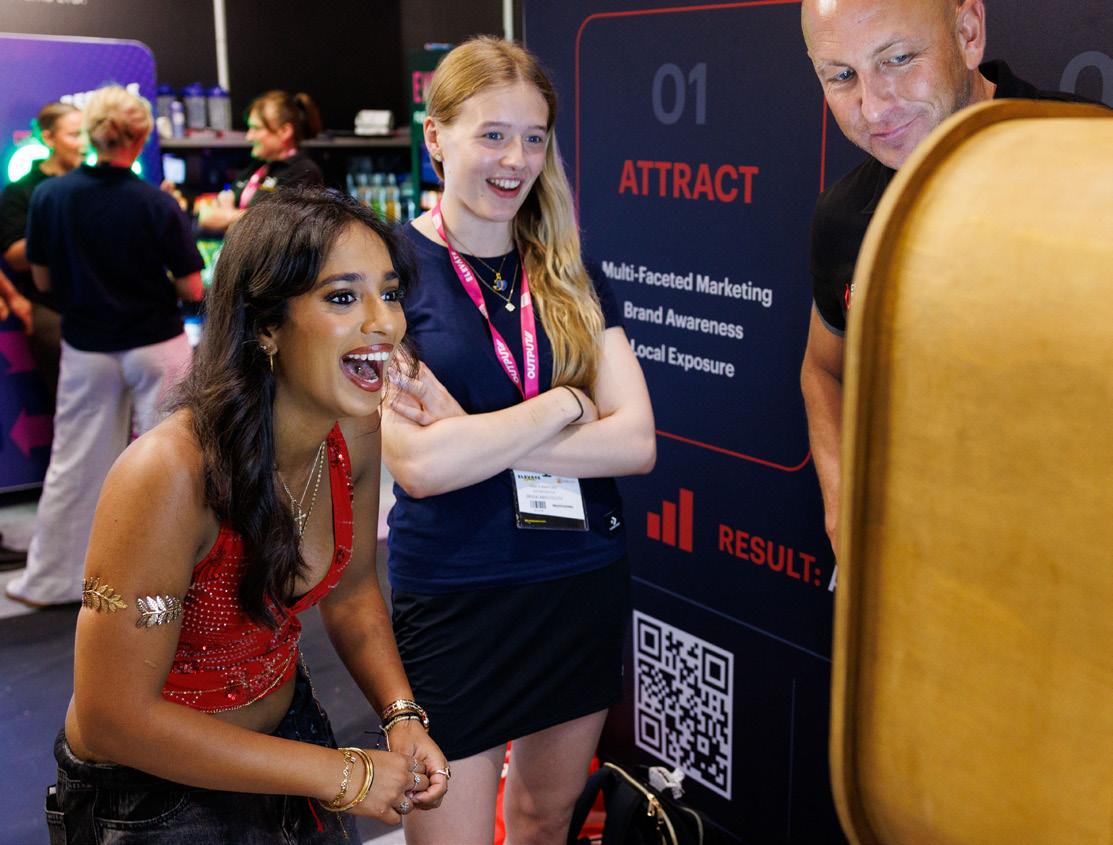
Inclusion and accessibility featured prominently, with discussions exploring how facilities, services and marketing can better welcome underrepresented communities and create environments where everyone feels they belong.
Active ageing also attracted significant attention, while active kids, mental wellbeing, recovery, sleep, breathwork and holistic health continued to move further into the mainstream. Technology and artificial intelligence were equally prominent, with sessions examining how digital tools can enhance engagement and efficiency without losing the human connection that remains central to wellbeing outcomes.
Together, the programme reflected an industry becoming more inclusive, sophisticated and increasingly integrated into wider healthcare and public health agendas.
“Elevate 2026 really highlighted the pace of change across our sector, from the impact of new innovations to the growing focus on customer experience, leadership and health. What stood out most was the openness of the conversations and the shared commitment across the industry to keep learning, adapting and moving forward together.”
Carl Richards, Group Operations Director, Future Fit Group
Among the many memorable moments across the two days, few generated as much enthusiasm as the appearance of Innerva Ambassador and movement icon, Mr Motivator.
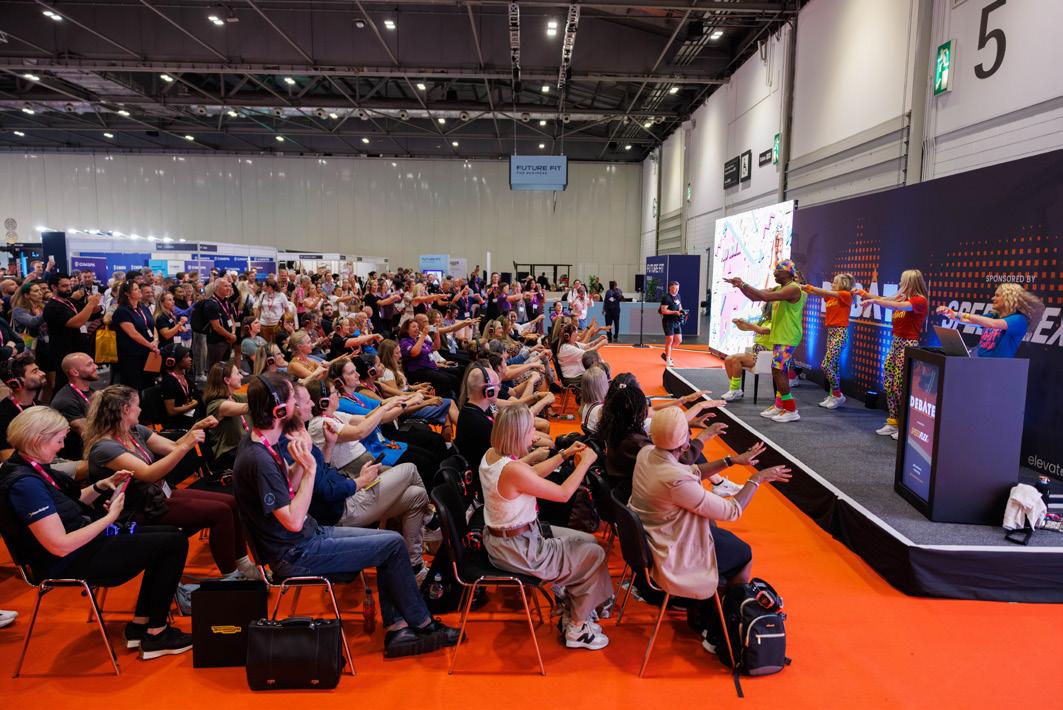
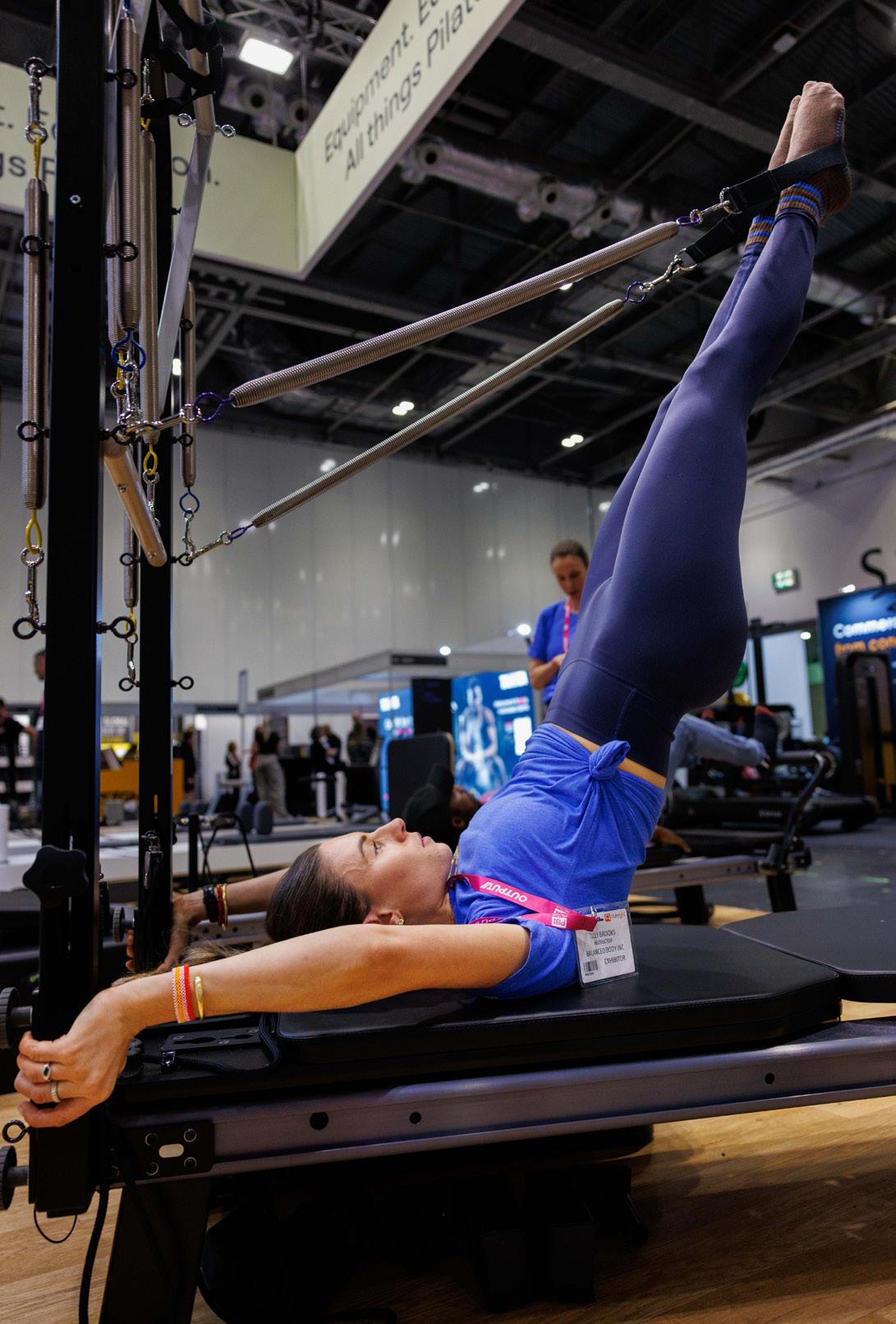
Bringing his trademark energy and positivity to the event, he proved a huge hit with delegates. His sessions attracted strong crowds and reinforced one of the show’s key themes: helping people stay active at every stage of life.
“It was fantastic to speak with the sector about active ageing and why welcoming, inclusive activity spaces are so important,” Mr Motivator said. “Our ageing population needs our support now more than ever — and there is a huge opportunity for the sector to step up, embrace the challenge and make a lasting difference. Inclusive activity spaces help older adults stay healthy, active and independent for longer.”
Innovation has always been a key feature of Elevate and this year’s Innovation Trail, organised by Intelligent Health, provided attendees with an efficient way to discover some of the event’s most exciting developments. Showcasing emerging products, technologies and services, the trail featured all Elevate legacy brands – those who have supported the show every year for the last 10 years – and highlighted practical solutions to industry challenges while reinforcing Elevate’s role as a launchpad for future-focused ideas.
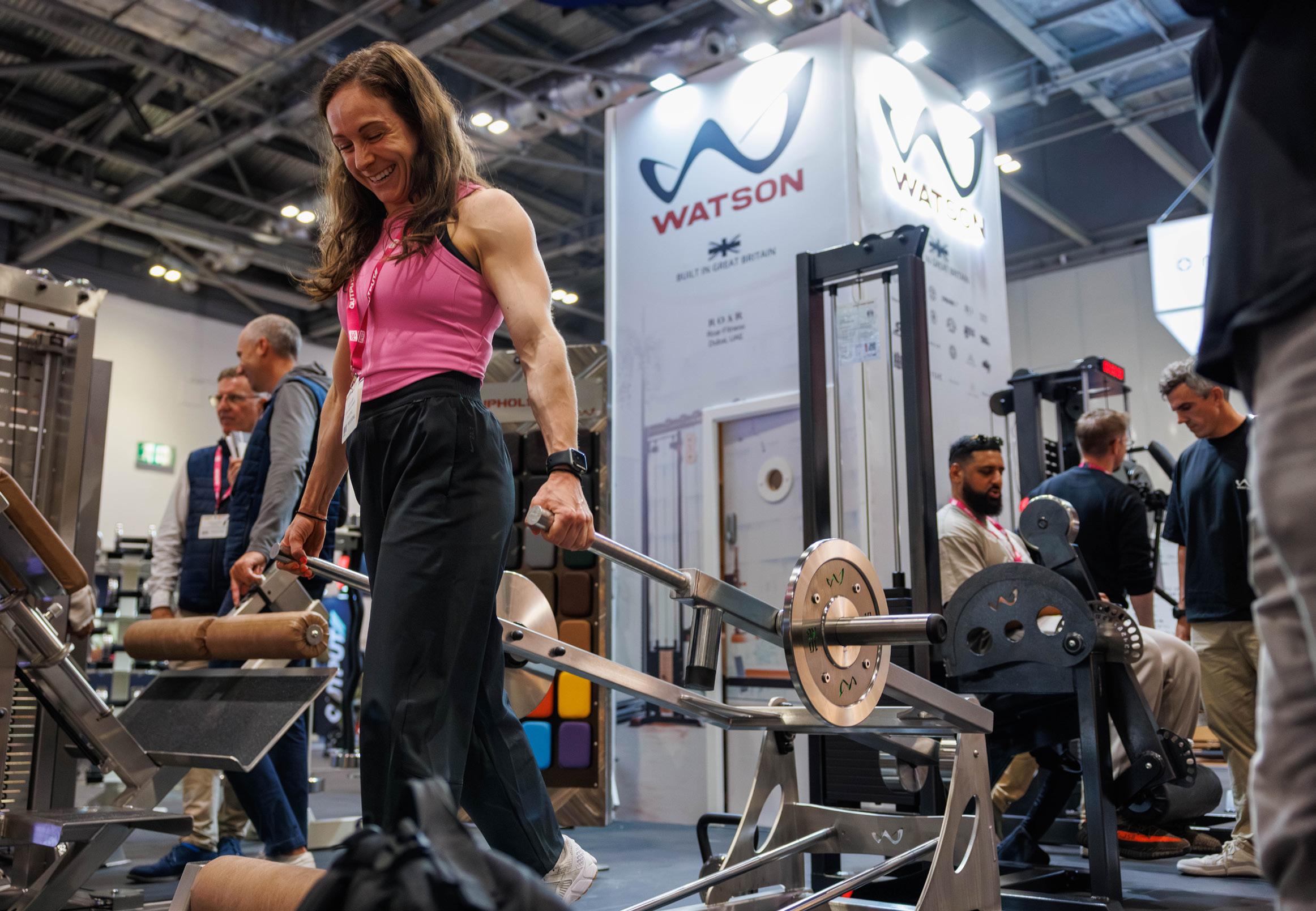
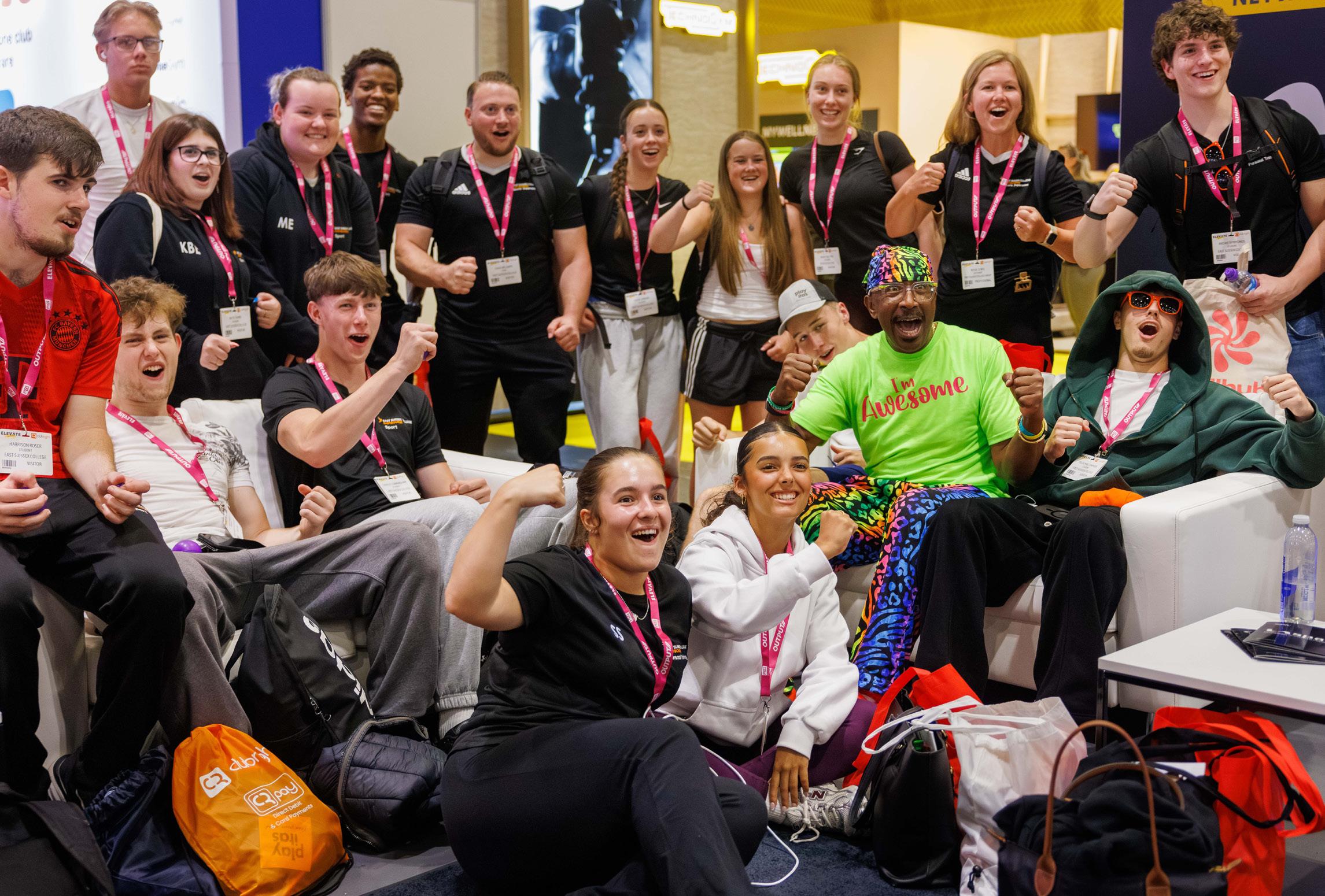
RAISING A GLASS TO A DECADE OF ELEVATE
The celebrations continued beyond the exhibition halls with a special 10th Anniversary Drinks Reception, at the Waterfront, London Excel. Hosted in partnership with SHUA, the evening brought together exhibitors, speakers, partners and delegates to celebrate a decade of Elevate’s impact and the relationships that have helped shape its success.
“Elevate has played a huge role in bringing the fitness industry together over the past 10 years. Sponsoring the post-show drinks reception was a great way for SHUA Fitness to celebrate the people and partnerships that continue to move the industry forward.”
Jon Johnston, UK Country Manager, SHUA Fitness
As Elevate enters its second decade, the event appears stronger than ever. The combination of high-quality education, a buzzing exhibitor floor, meaningful networking and a focus on the future is a now a proven concept. Ten years on from its launch, Elevate has become a meeting place for ideas, collaboration and progress — and judging by the energy on display throughout this year’s anniversary celebration, the future looks bright.
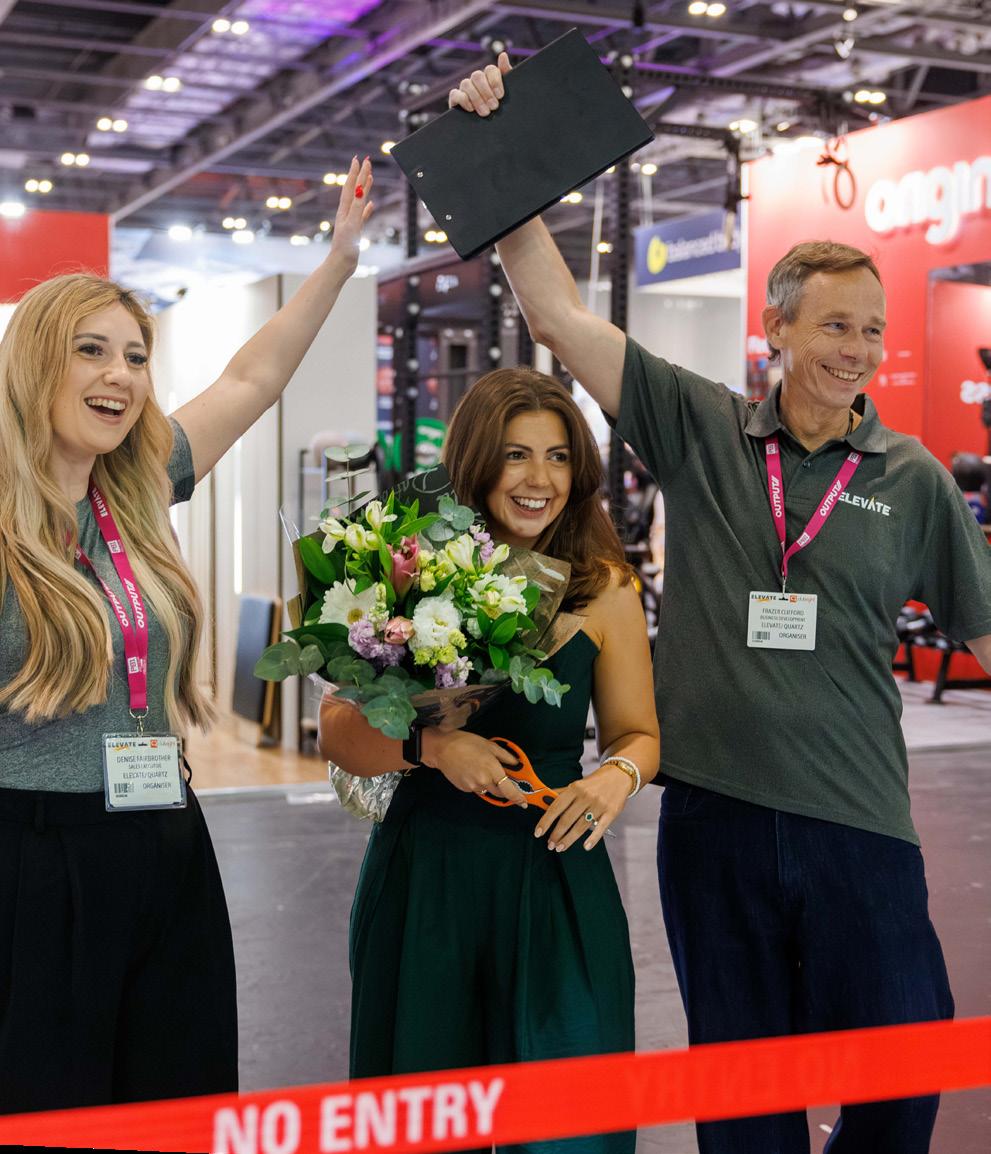
“As we close out 2026 we turn our attention to 2027,” said Lucy Findlay-Beale, Elevate Director.
“Next year we intend to grow the size of the exhibition to reflect the sector’s growing diversity and relevance to improving health and tackling inequalities. We will continue to nurture long term partnerships while also developing new ones to ensure Elevate remains the UK’s number one trade and education show. We are also looking to introduce a new Health education stream and a dedicated product demonstration zone.”
“Elevate definitely felt different this year. There was far more focus on health, inclusion and wellbeing, and lots of conversations about working better across sectors. As health partners, we were spoilt for choice. One thing really stood out: change doesn’t have to be complicated. Sometimes it starts with one health professional and one coach working together.”
Liz Fletcher, OT Educational Development Lead, Sport for Confidence CIC
“Elevate delivered exactly what makes the event so valuable: meaningful conversations, strong industry engagement and the opportunity to connect with customers, partners and peers in one place.”
Matthew Pengelly, Managing Director, Matrix Fitness UK
“We had one conversation which is potentially an absolute game changer for us – the right people were here.”
Andy Miller, Oyster Risk Solutions