Discover how EGYM powers growth you can see, prove, and repeat with a fully connected, data-driven ecosystem, tailored to you.

Discover how EGYM powers growth you can see, prove, and repeat with a fully connected, data-driven ecosystem, tailored to you.
The UK government should double its investment in sport and physical activity, in order to gain the full benefits of a physically active nation.
That is among the key recommendations made in the Game On: Community and school sport report, published this week by the Culture, Media and Sport Committee (CMS Committee). The report is based on a year-long inquiry which included consultations with industry bodies, including ukactive and the Sport and Recreation Alliance. In the report, the CMS Committee says that current funding for physical activity is insufficient and “increasingly unstable”.
“Falling local authority budgets, rising operating costs for facilities and fragmented, short-term funding streams all make long-term planning difficult,” the report states.
Currently, the UK’s general government expenditure on sport and recreation is among the lowest in Europe. In 2023, European countries on average devoted around 0.8% of total public expenditure to recreational and sporting services. By contrast, the figure for the UK is around 0.3% (£3.8bn). As a result, the committee recommends that the UK government should increase the level of annual spend from the 0.3% share to at least 0.6% – which would translate to £7.6bn per year at current levels.
In addition to increased investment, the report also recommends the publication and implementation of a national facilities strategy to address ageing infrastructure and uneven provision. It also calls for improved coordination across national and local government and other bodies.



those of the publisher and we do not accept responsibility of losses or damages arising from them.
ukactive has appointed Cameron Saunders as its new CEO. Saunders, who will join the organisation in April, has a vast amount of experience in the world of TV and film, having held senior roles at Century Fox UK, Sky, Paramount and Channel 4.
As Managing Director of 20th Century Fox UK, he built a high-performance culture and led the organisation’s commercial growth. He has also held senior positions at Showmax Africa and advertising agency Engine.
Saunders also served on the Board of Cinema First, the UK’s trade body for the film industry, where he played a lead role aligning rival cinema operators and film studios around shared priorities, convening senior leaders through structured roundtables, and translating discussion into tangible outcomes.
Alongside his commercial career, Saunders served as Chair of The Film & TV Charity, where he led industry-wide action on mental health and wellbeing – commissioning landmark research into workforce mental health, building

cross-industry coalitions around shared standards, and demonstrating that a diverse sector can come together to be a powerful force for the wellbeing of the people it employs.
David Stalker, Chair of ukactive, said: “Cameron’s leadership record and his experience bringing an industry together
will help us to build on our work to improve our services and grow our sector’s impact. Cameron joins ukactive at an important time for our sector’s future and I look forward to working with him and our members to capitalise on the clear opportunities we have to get more people active across the UK.”
Myzone has announced three major product innovations – Strength Tracking, Garmin integration and Switch 2.0 – adding to its growing Motivation Technology (MoTech) ecosystem.
Strength Tracking will recognise and reward strength-based training, allowing members to earn effort points during resistance workouts and bringing Myzone’s gamified engagement model to more types of exercise.
The Garmin integration will allow Garmin smartwatch users to connect their workouts directly to the Myzone ecosystem via Myzone Go – without requiring a dedicated heart rate belt.
Meanwhile, Switch 2.0 represents the next generation of Myzone’s interchangeable wearable devices, allowing users to wear their device on the chest, arm or wrist while tracking exercise.
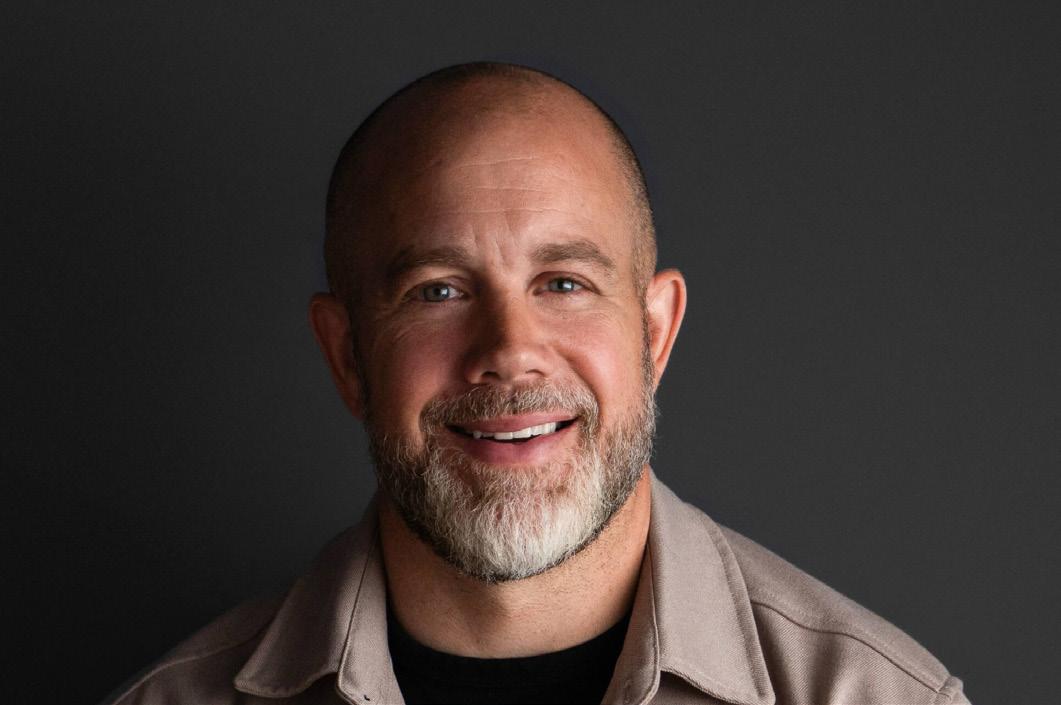


After 12 years of service, Jenny Patrickson is to leave her position of Director at Active IQ at the end of April, marking a significant leadership change for the organisation.
The long-standing director is stepping away to pursue a portfolio career spanning education, physical activity, active leisure and wellbeing. Her next chapter will focus on consultancy, advisory work and non-executive roles, though she is expected to remain closely connected to both Active IQ and its parent company, NCFE.
Patrickson has been widely credited with shaping Active IQ’s reputation as one of the industry’s most trusted, highquality awarding organisations, helping to drive standards, innovation and sector leadership during her tenure.
Reflecting on her decision, Patrickson said: “After 12 incredibly rewarding years with Active IQ, I am immensely proud of all that it has achieved. Although moving on is not easy, I know that this is the right
time for me to begin a new chapter and embrace new experiences.
“It has been an honour and a privilege to work alongside such talented and dedicated colleagues, customers and partners. Together, we have navigated challenges, celebrated significant milestones, and built a lasting legacy of quality, innovation, collaboration and meaningful impact within and for the sector. I will remain an advocate of Active IQ from the sidelines and am confident I will see it continue to play a leading role in supporting and driving the sector as part of the larger NCFE family.”
Active IQ has reassured partners and stakeholders that its strategic direction and commitment to high standards remain unchanged. Leadership continuity will be supported by a senior team including Lisa Skelton, Head of Business Development, and Lee Buck, Head of Employer Product Strategy, who will continue to drive engagement, partnerships and innovation.
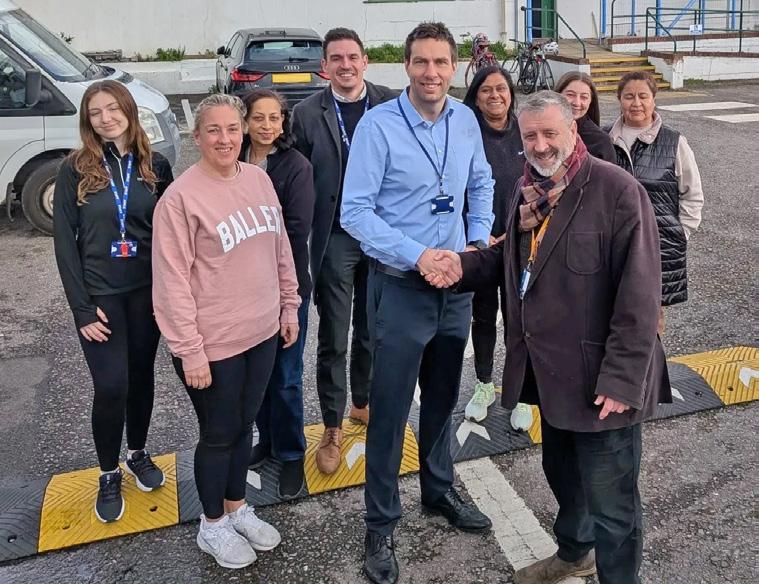
BH Live has secured a 10-year contract extension to operate leisure and wellbeing services on behalf of Portsmouth City Council (PCC).
The charitable trust has operated community leisure facilities in Portsmouth on behalf of the council since 2013. The renewed agreement supports the council’s £40 million investment in sport and leisure facilities, aimed at helping improve residents’ health and wellbeing through enabling physical activity for all abilities. BH Live currently operates six leisure centres and attractions across the city.
Plans to build a new leisure and community centre in the town of Diss are a step closer after South Norfolk Council’s cabinet agreed a funding package to complete the project. The proposed facility will include a health club, multi-use community room, soft play and a café with outdoor plaza seating with stunning views over the mere.
The new centre is part of a multi-phase project to improve leisure facilities in Diss, which began with improvements being made to the town’s existing swimming pool. These included the upgrade of the changing area and a dedicated swim centre.
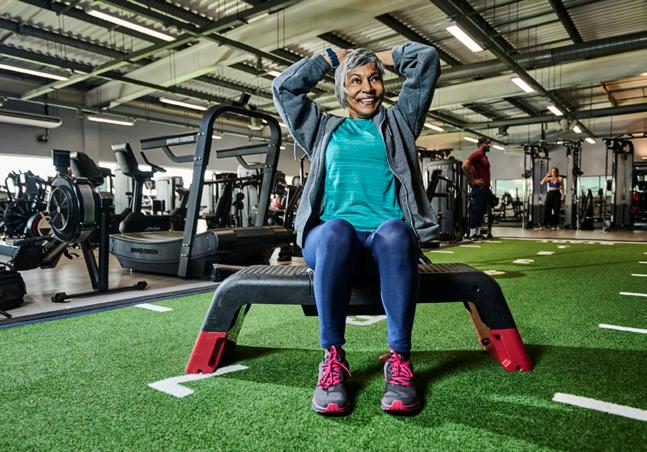
Attendance has nearly doubled
Parkwood Leisure’s Downham Health & Leisure Centre is seeing record attendance on its Steps to Health exercise referral programme after switching from paper-based processes to a fully digital system, dramatically improving service efficiency and patient outcomes.
Since adopting ReferAll, the exercise referral platform, patient engagement has soared while staff have been freed up to spend more time supporting clients directly. In just four months, initial assessment attendance rates have nearly doubled, rising from below 40 per cent to a consistent 73 per cent.
“By transitioning to a digital platform, our Steps to Health programme has successfully navigated a period of rapid growth while improving the quality of patient care,” said Adam Roberts, PFI Contract Healthy Communities Manager at Parkwood’s subsidiary, 1Life, which operates the centre.
“ReferAll has not just changed our systems; it has changed our culture. We are spending less time behind a desk and more time on the gym floor, which is exactly where our expertise is needed most. The platform encourages patients to take ownership of their referral journey. Clients can update personal information in advance saving time and letting us spend more time working with patients.”
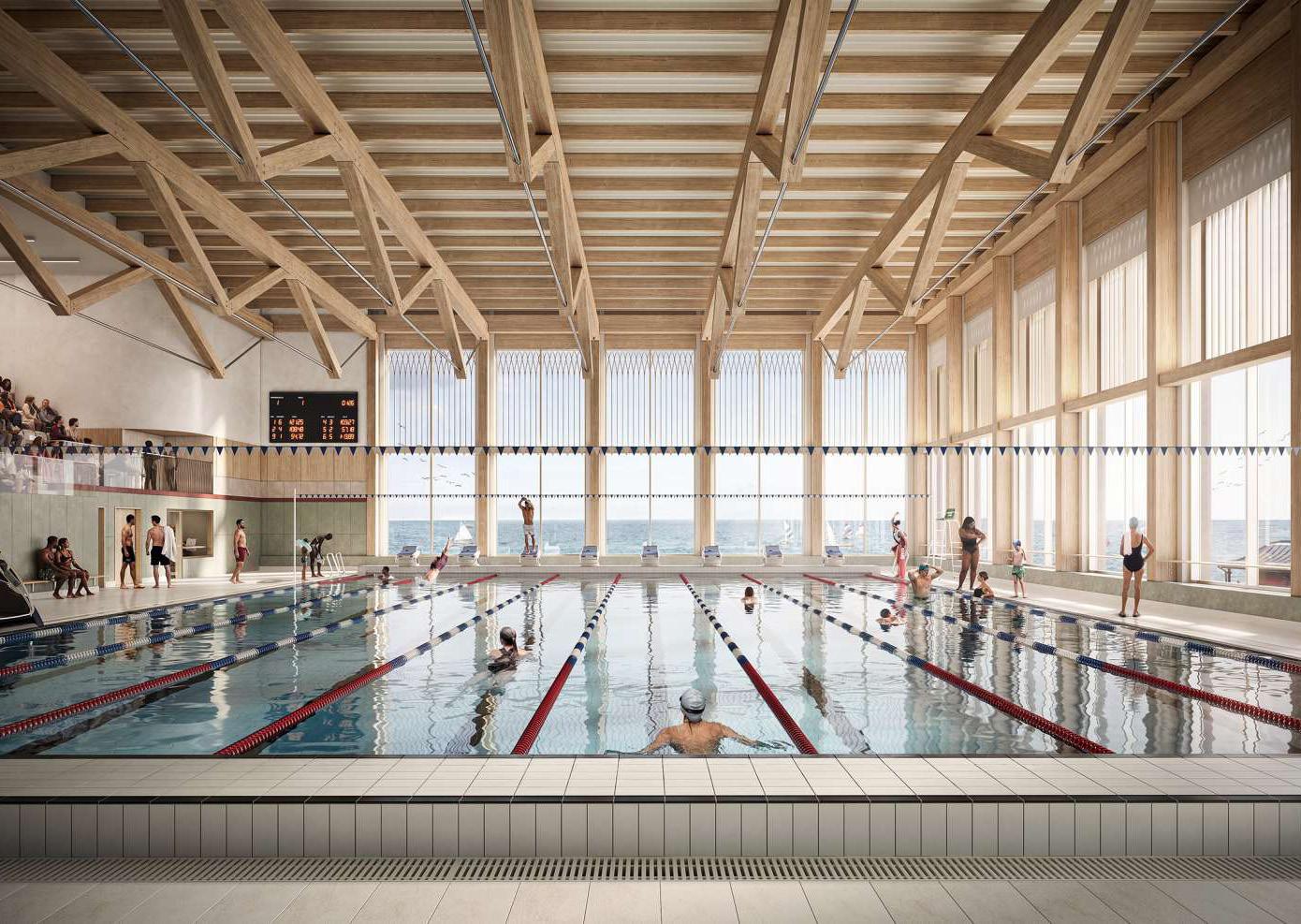
Final plans have been revealed for the new £65m sports and leisure facility set to be built on the site of the ageing King Alfred Leisure Centre in Brighton.
The plans – which will transform the current seafront site into a “modern, accessible and sustainable leisure destination for all” – include a swimming pool, large health and fitness suite, a leisure water area, family entertainment zone and an underground car park.
Shaped by feedback from earlier community engagement and further technical work, the proposals bring together a scheme designed to meet the needs of residents.
The new designs show how the building will offer sea views from the pools, gym and café, alongside landscaping to better connect the site with the surrounding area.
Brighton and Hove City Council (BHCC), which owns the site, has been working with Alliance Leisure, GT3 Architects, Engenuiti,
Van Zyl & de Villiers and Hadron Consulting on the project.
Alan Robins, Cabinet member for Sports, Recreation and Libraries at BHCC, said: “These final designs reflect the feedback we’ve heard from residents and the progress we’ve made in developing a scheme that is deliverable, sustainable and right for this seafront site.
“With the project team now firmly established and the plans worked through in detail, we have a clear and credible route to delivering a new leisure centre while keeping the existing facility open until the replacement is ready.”
“I think this is an exciting development for the city and will bring much needed new facilities for residents.
“The King Alfred has played an important role in the city for many years, and I’d encourage anyone with an interest to comment on the planning application.”
Making public leisure sustainable and building healthier communities.
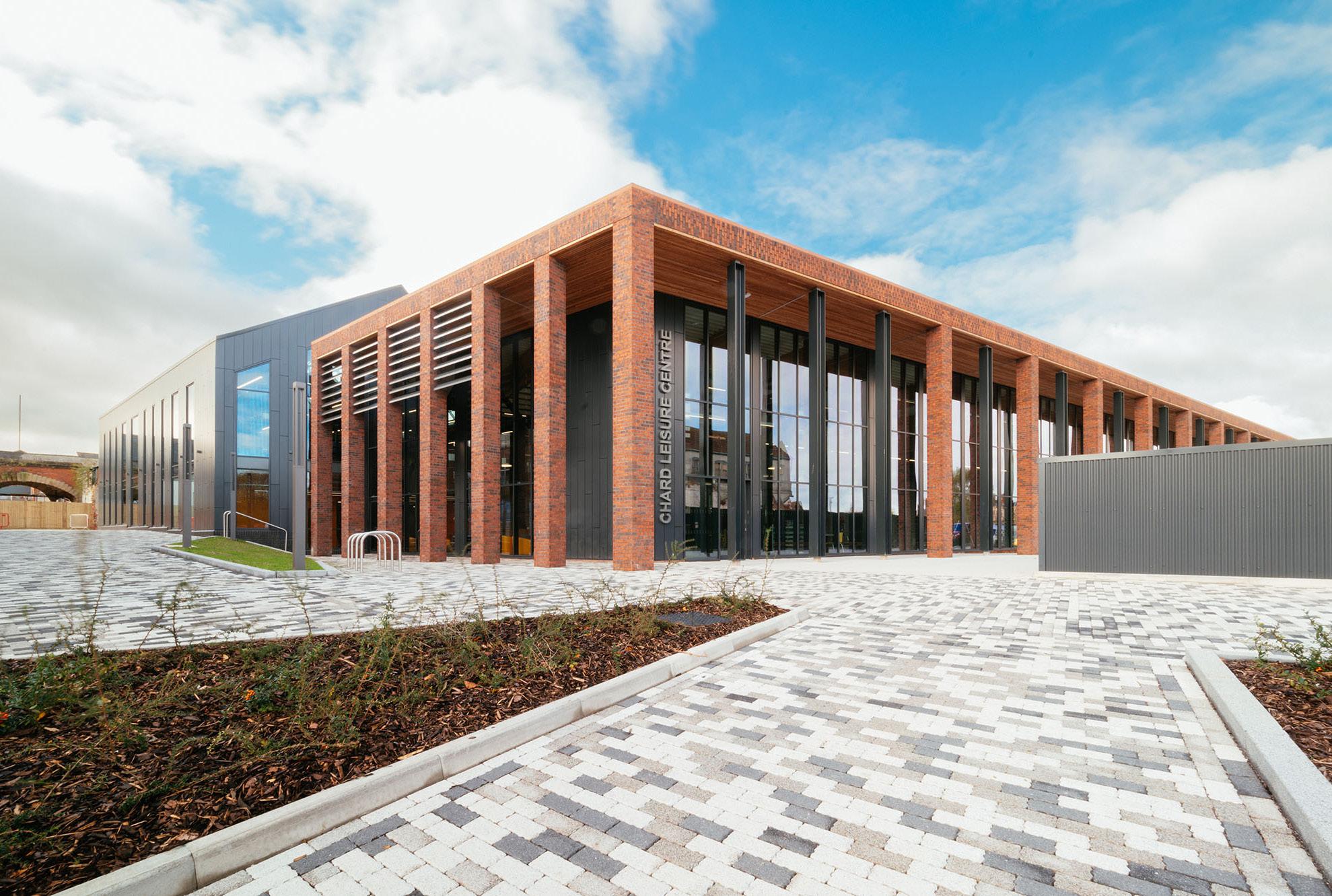
310+ completed projects
81% of clients choose us for further projects
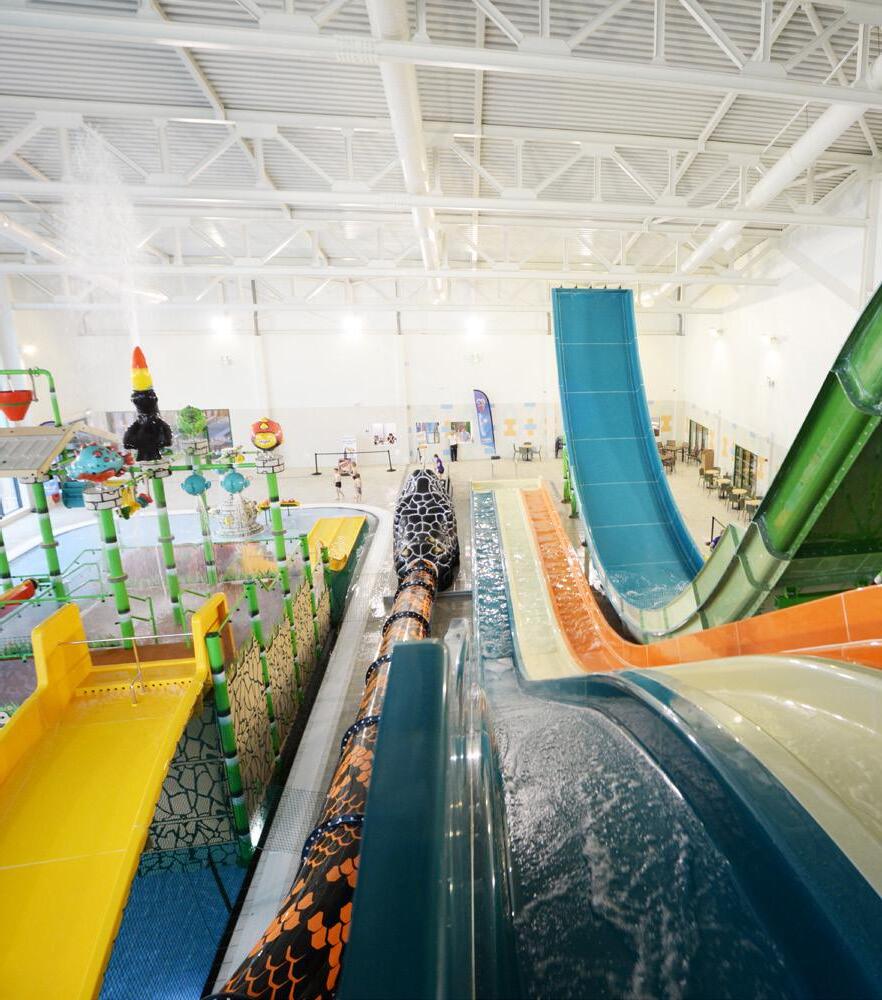
£520m+ investment in local authority leisure
Alliance Leisure are a trusted and experienced leisure development partner, with over 25 years’ experience transforming leisure facilities for local authorities.


Personal training management company, YOUR Personal Training (YPT), has appointed James Smith as its new Group Business Development Director, as the business strengthens its senior leadership team.
Smith joins from Speedflex, where he served as Director of Sales, leading national sales strategy and supporting the brand’s growth across both new and existing operator partnerships. With over 15 years of experience in the
Matrix Fitness has announced the continued expansion of its UK sales team with the appointments of Andrea Oliver and James Bents to senior national account roles, alongside the addition of three new Sales Executives – Tom Edge, Freya Davis and Fiona Crockett. Andrea Oliver joins as Senior National Key Account Manager, reporting into Danny Melling, National Key Account Director. In her role, Andrea will lead and develop relationships with national and multi-site operators, working closely with internal teams across sales, projects, service and education. James Bents joins Matrix as Senior National Account Manager, also reporting into Danny Melling, with responsibility for managing and growing national accounts, developing long-term partnerships and supporting operators with tailored, performance-led solutions. Adding to the senior appointments, Tom Edge, Freya Davis and Fiona Crockett have been appointed as Sales Executives, expanding regional coverage and enhancing day-to-day
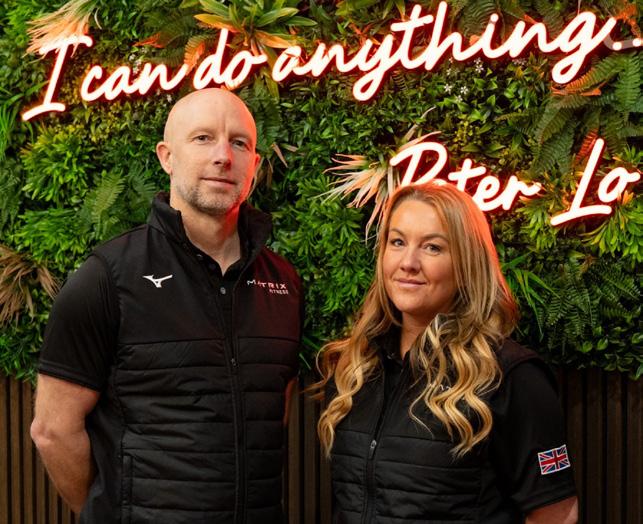
customer support across the country. On the company growth, Matthew Pengelly, CEO, said: “The expansion of our UK sales team is a direct result of the continued trust our customers place in Matrix. Bringing Andrea and James into senior national account roles, alongside welcoming Tom, Freya and Fiona to the wider sales team, allows us to further strengthen relationships, respond even more effectively to customer needs and continue delivering outstanding support. This investment in people is fundamental to our long-term growth strategy and our commitment to being true partners to our customers.”
health and fitness sector, he brings a strong track record in commercial leadership, revenue generation and multi-site performance management, experience that closely aligns with YPT’s enterprise growth ambitions.
In his new role, Smith will lead groupwide business development strategy, with responsibility for identifying new market opportunities, strengthening strategic operator partnerships and driving revenue growth.

Balanced Body® UK has strengthened its team with the appointment of two new sales professionals, Shyam Lakhani and Steven James, as the brand continues to build its presence and support the growing Pilates community across the UK.
Lakhani joins the team as UK Commercial Sales Manager, while James has been named UK Sales Account Manager. They will work alongside Katherine Ryzhova, Balanced Body Business Development Manager.
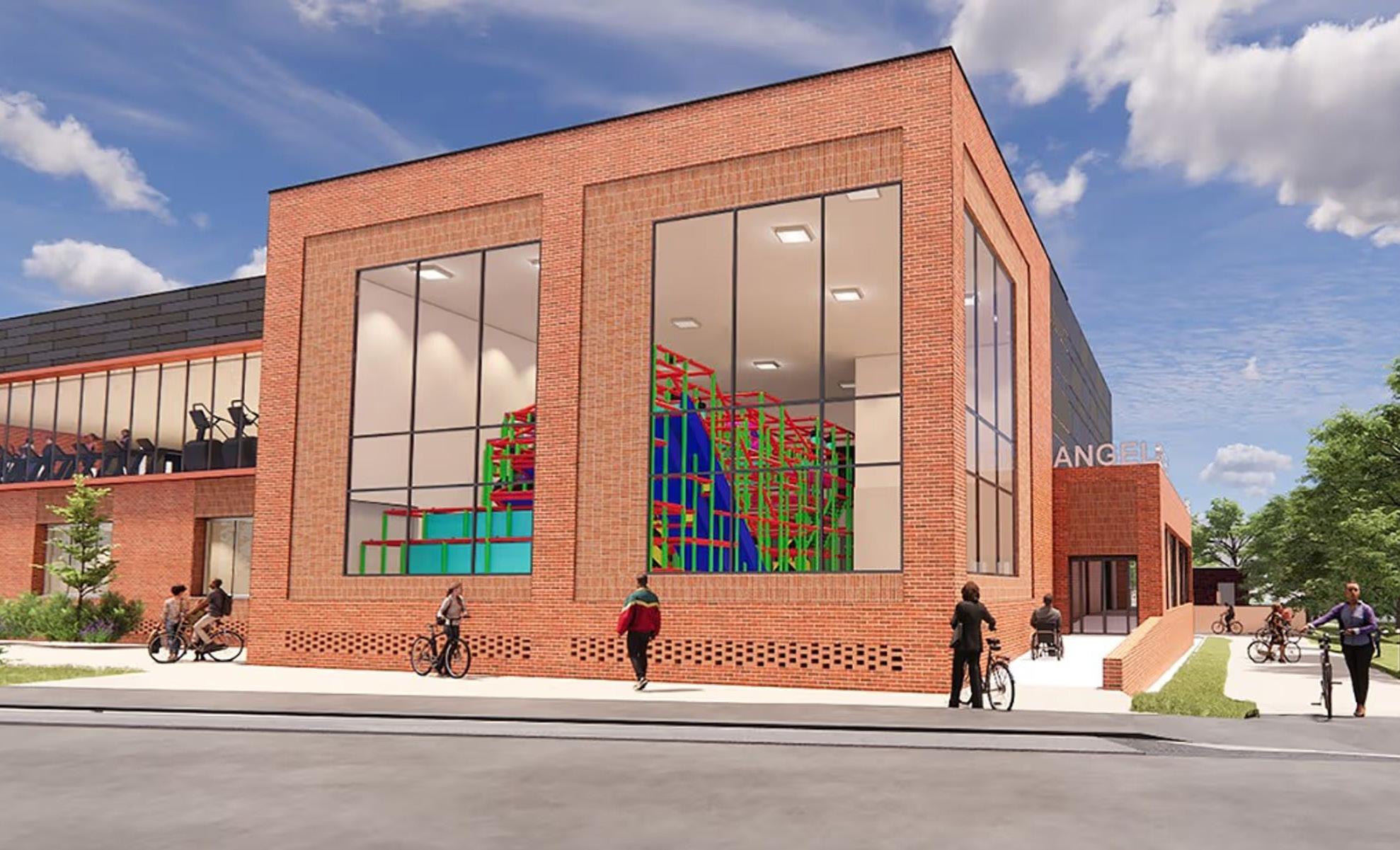
Proposals have been revealed to replace an ageing leisure centre in Tonbridge, Kent, with a new £19m facility.
Tonbridge and Malling Borough Council (TMBC) plans to replace The Angel Centre, which first opened to the public in 1981, with a new, more environmentally-friendly venue.
Facilities at the proposed centre are set to include a large health club with a gym floor, an immersive indoor cycling studio, multi-purpose exercise studios, a sports hall with four racket courts and a wellbeing suite featuring power-assisted exercise machines.
Plans also include a café and a soft play area with party space.
Environmental sustainability will feature heavily in the designs and the council has set a target of achieving a BREEAM rating of Excellent for the building.
The design plans were shaped by feedback received from a public survey in Summer 2025, which asked residents and users of the existing
Angel Centre what was valued most in a new, modern facility. Subject to planning permission and council approval in October, the new centre is scheduled to open its doors in 2028.
The new Angel Centre will be run by tmactive (Tonbridge and Malling
Leisure Trust), the council’s leisure trust partner which operates the existing Angel Centre, alongside other sports and leisure facilities in the borough. The cost of the new centre will be funded by a combination of council reserves, borrowing and a contribution from tmactive.
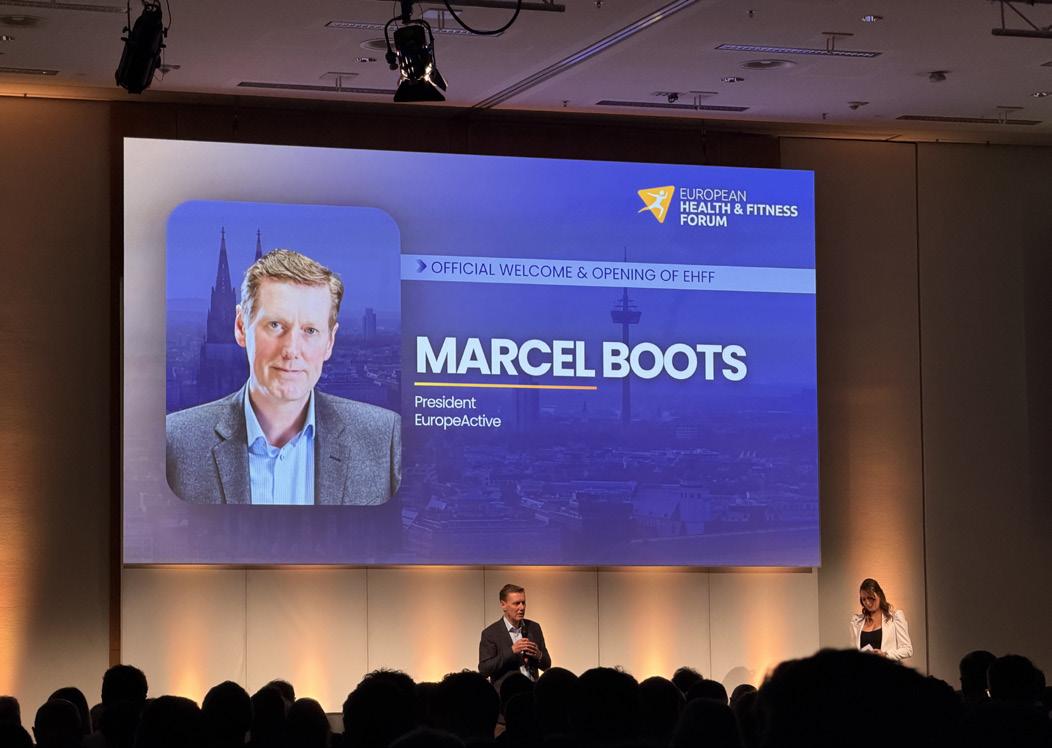
WellNation attended the 13th European Health & Fitness Forum (EHFF) in Cologne earlier this month. With 585 senior leaders from 44 countries in attendance, the event set the strategic agenda for the industry ahead of FIBO 2026. Hosted by EuropeActive in partnership with FIBO, the forum focused on the sector’s continued growth.
A central feature of the programme was the presentation of the European Health & Fitness Market Report, which confirmed strong momentum across the European market. The number of clubs rose to nearly 66,000, which led to revenues increasing to €39.1bn.
The report shows that growth has returned and investor confidence remains strong. The message from Cologne is clear: the opportunity is significant, but so is the responsibility to deliver on it.
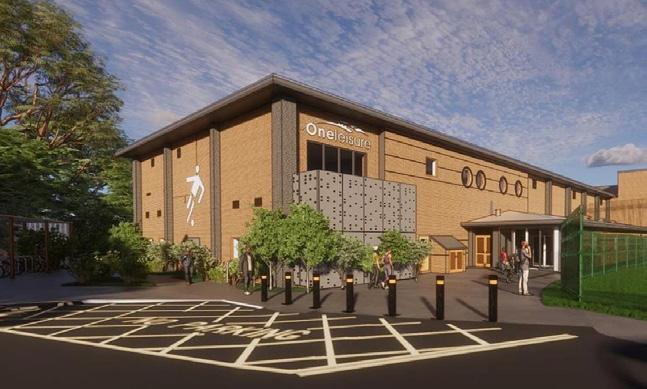
The existing One Leisure facility will be upgraded and extended
Huntingdonshire District Council has approved planning permission for the creation of a new, improved Huntingdon Sport and Health Hub.
Under the plans, the existing One Leisure facility in the town will be given a two-storey extension and a range of new facilities. These include a 25-metre, eight-lane swimming pool with spectator seating, a 13-metre learner pool, a gym and a new village-style changing area.
Outside, facilities will include a new sports pitch, four pickleball courts and three covered padel courts.
The planning approval follows a collaboration with Huntingdonshire District Council’s strategic partners, including Huntingdon Town Council, Alliance Leisure, the CAM Academy Trust, the NHS Integrated Care Board and sporting organisations.
According to Sally Howell, Huntingdonshire District Council’s Executive Member for Health and Leisure, the project aims to help tackle the shortage of swimming and fitness provision across the district.
“This marks a key step in delivering high quality leisure, health and wellbeing facilities that meet the needs of our communities today and for future generations,” she said.
The next step is for funding for the project to be agreed as part of the council’s budget.
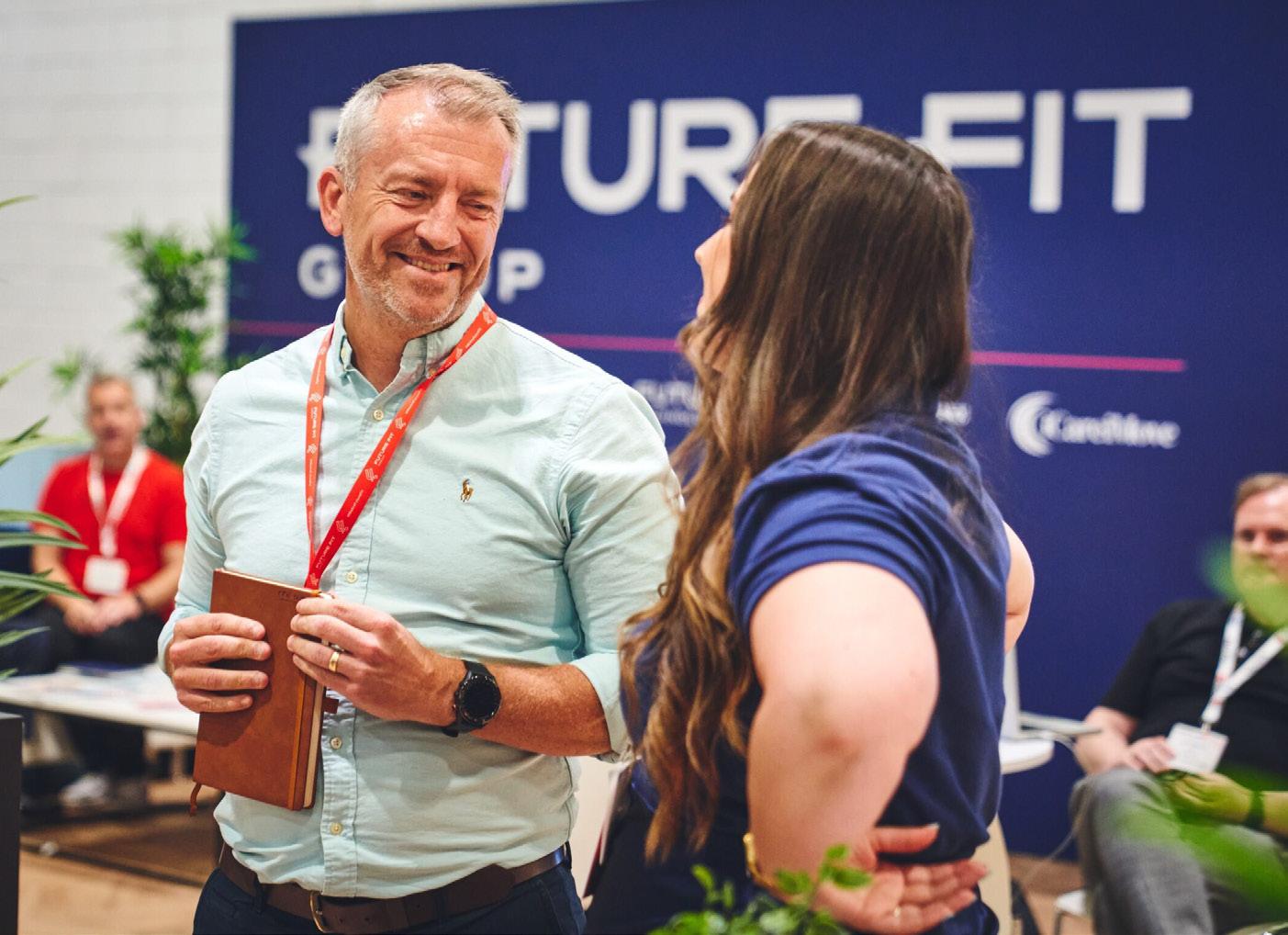
Elevate has confirmed that The Future Fit Group (Future Fit), its official Education Partner, will once again lead a major strand of its education programme at the 2026 show. The ongoing collaboration delivers focused sessions designed to challenge thinking, spark debate, and support professionals navigating a rapidly evolving physical activity sector.
The Future Fit programme forms part of an ongoing education partnership with Elevate, now entering its fourth year. It has grown into a strategic collaboration that helps shape the show’s education agenda, addressing some of the most pressing challenges facing the sector, from obesity medications and workforce development to inclusion, leadership and long-term business sustainability.
This year, Future Fit’s content across the show’s flagship theatres brings together academics, clinicians, industry operators and specialist practitioners to bridge the gap between research, policy
and gym-floor activation. Their sessions will tackle both immediate operational challenges and wider systemic issues shaping the future of fitness.
• Across the two-day event, Future Fit sessions will explore topics including:
• The impact of GLP-1 weight-loss medications on fitness business models: from practical coaching implications to long-term industry disruption
• Leadership in complex health systems: examining how collaborative, place-based approaches can help address widening health inequalities
•The fitness sector’s inclusivity gap: do current imagery, language and business models truly reflect ambitions to reach the inactive majority
•Sleep and recovery as performance tools
• Pre- and post-natal training: offering guidance on safe programming and postpartum recovery
• Retention strategies: focused on building resilient, sustainable fitness businesses




The fitness and health landscape is shifting. Members now demand measurable results, while operators need leaner workflows and scalable models for sustainable growth.
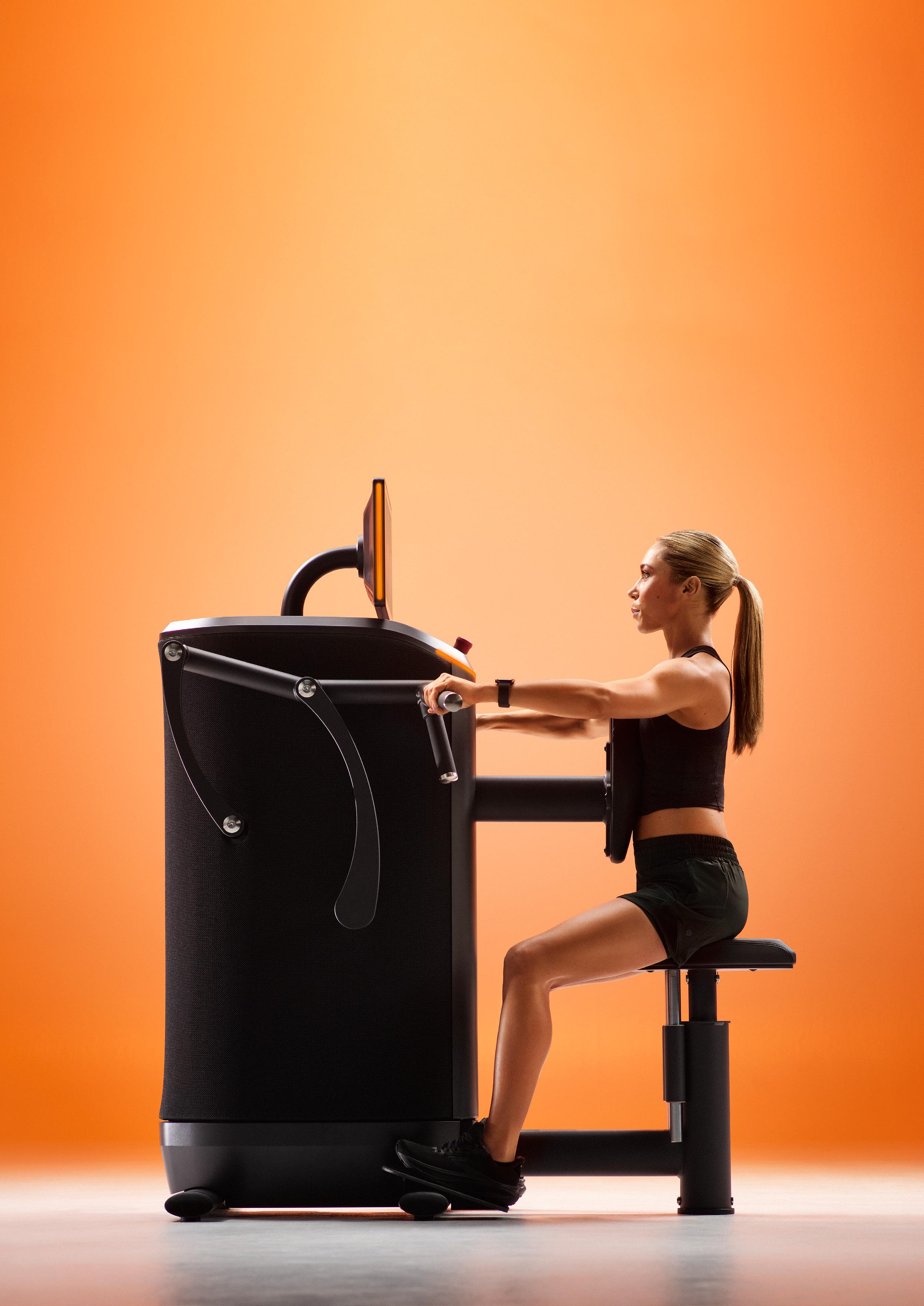
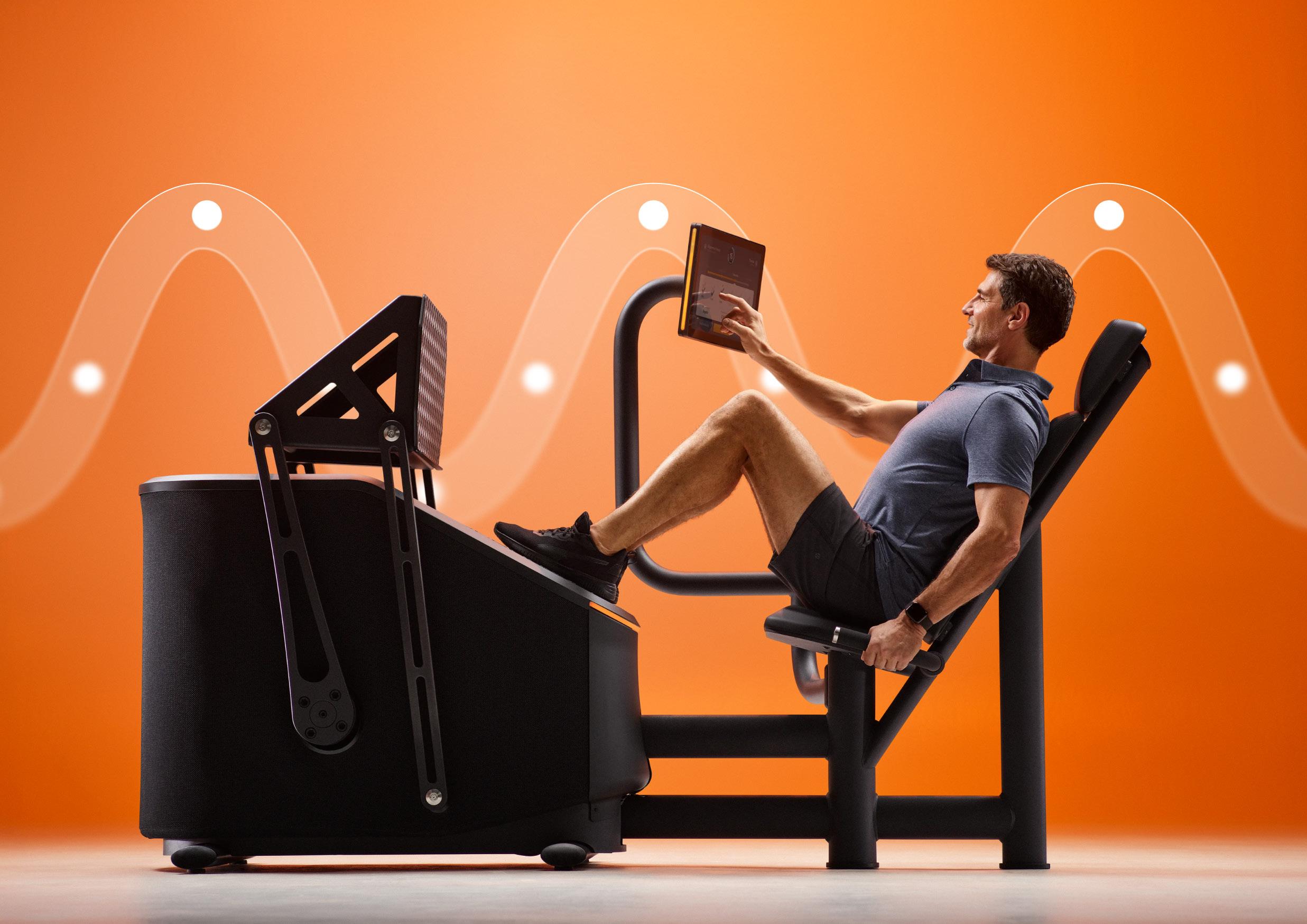
EGYM is meeting these challenges head-on with the launch of its new Smart Strength line, powered by the EGYM Ecosystem, an integrated fitness & wellbeing operating system, a world-first approach that seamlessly unites training, technology and gym management.
The new Smart Strength Series 3 range features a complete ergonomic overhaul, deep software integration, and a sleek, premium aesthetic. More than just a new hardware line, it represents a total system approach designed to deliver consistent, high-quality training at scale.
Built to meet the needs of today’s members and operators, the all-new Smart Strength line features enhanced ergonomics, stunning design and even more intelligent software, transforming individual workouts into long-term training journeys.
As part of the EGYM Ecosystem, Smart Strength adapts seamlessly to different floor concepts and training philosophies without compromising personalisation or control. Whether it’s a guided strength circuit or an open, flexible training zone, it adapts seamlessly to unique businesses and redefines the gym floor for personalised, data-led training that is standardising enough to scale, yet individual enough to deliver elite results.

Training for life: The Longevity Training Programme
Health span is the new wealth. At its first Innovation Congress in March, EGYM highlighted its Longevity Training Programme, a direct response to the global shift toward proactive health management. This programme isn’t just a workout plan; it’s a data-driven roadmap designed to combat the biological markers of ageing. By focusing on muscle quality, metabolic health and functional mobility, we are helping operators move beyond fitness and into the holistic healthcare space, keeping members active and loyal for the long term.
EGYM is further evolving its customised approach with powerful software solutions that work in sync with hardware, giving facilities the flexibility to shape their business strategy.
As the final, customisable layer of the EGYM Ecosystem, EGYM Software Packs seamlessly activate the specific capabilities each facility requires by delivering a coordinated business system, backed by powerful software solutions.
The EGYM Core Pack delivers everything needed to power the full member journey, while EGYM Success Packs unlock additional business opportunities. Together, these packs transform fitness facilities into data-driven, future-ready businesses designed to compete, grow, and thrive in a rapidly evolving market.
Whether an operator focuses on growth, coaching or multi-site expansion, the Software Packs unlock specific features, ensuring the tech evolves alongside the facility. Customers can get started with their unique EGYM software solution by speaking to their sales representative.
On top of all of these innovations is the EGYM Ecosystem, the comprehensive Operating System for fitness and wellbeing.
This Operating System sits above individual tools, coordinating them through five functional layers:
● Physical execution: Bringing training intelligence to life on the floor through networked hardware.
● Experience: How members and trainers interact with the system on a daily basis for an elevated training experience.
● Intelligence & data: Powered by EGYM Genius AI, this is where learning, adaptation and progress live, so the system learns from every rep and every result, automatically evolving the training logic for every member.
● Business & orchestration: Where complexity is absorbed and operations line to give operators total clarity on floor space optimisation and economic KPIs.
● Integration & openness: Effortless integration with external partners, removing technical friction for guaranteed flexibility.
The EGYM Operating System is built on three pillars:
● Flexibility – without fragmentation.
● Efficiency – tech that empowers staff rather than replacing them.
● Retention – driving long-term success without the need for constant “re-selling.”
The EGYM Ecosystem isn’t just about completing workouts; it’s about facilitating lasting success for businesses and members. By connecting execution, intelligence and integration into one coordinated system, it ensures that training, data and business processes work together, so progress builds over time and complexity is absorbed by the system, not by operators. And, in combining holistic training with data-backed steering, EGYM helps members stay healthy, capable and engaged for life, not just in the short term.
In March, EGYM also launched its new central London showroom, an interactive, hands-on environment where operators can experience the EGYM Ecosystem in real-time.

Experience the operating system for fitness and wellbeing for yourself and schedule a personalised tour of EGYM’s new London showroom today: https://engage.egym.com/1Vc8AX4
Kirklees Council has begun developing detailed proposals for a new leisure centre to serve the towns of Dewsbury and Batley in West Yorkshire.
Described as a “major step forward” for the plans, the work comes after the project secured £35m worth of funding at the council’s budget meeting on 25 February 2026.
“The next stage will include engaging experts in sports, leisure and health to help us to shape a facility that delivers long-term benefits for local communities,” the council said in a statement.
“That work will make sure the centre has the right mix of facilities to make a real and lasting difference to health and wellbeing for people in Dewsbury, Batley and across North Kirklees.”
The facility mix will include a swimming pool. A health club, featuring a large gym and studios, and an indoor sports provision are also likely to be included.
“We are also considering whether we could co-locate additional

services on site,” a spokesperson for Kirklees Council said.
“This could include community facilities for local groups and flexible spaces that help build social connections. The centre could also include local health services. Colocating these services could create a
resource that tackles health inequalities and strengthens community wellbeing.” Specialist consultants are expected to be appointed in the coming weeks and their findings will be considered by the council in the autumn. The council will then assess suitable sites for the facility before construction can begin.
The £30.6m Bedworth Physical Activity Hub opened its doors to the public for the first time on 10 March.
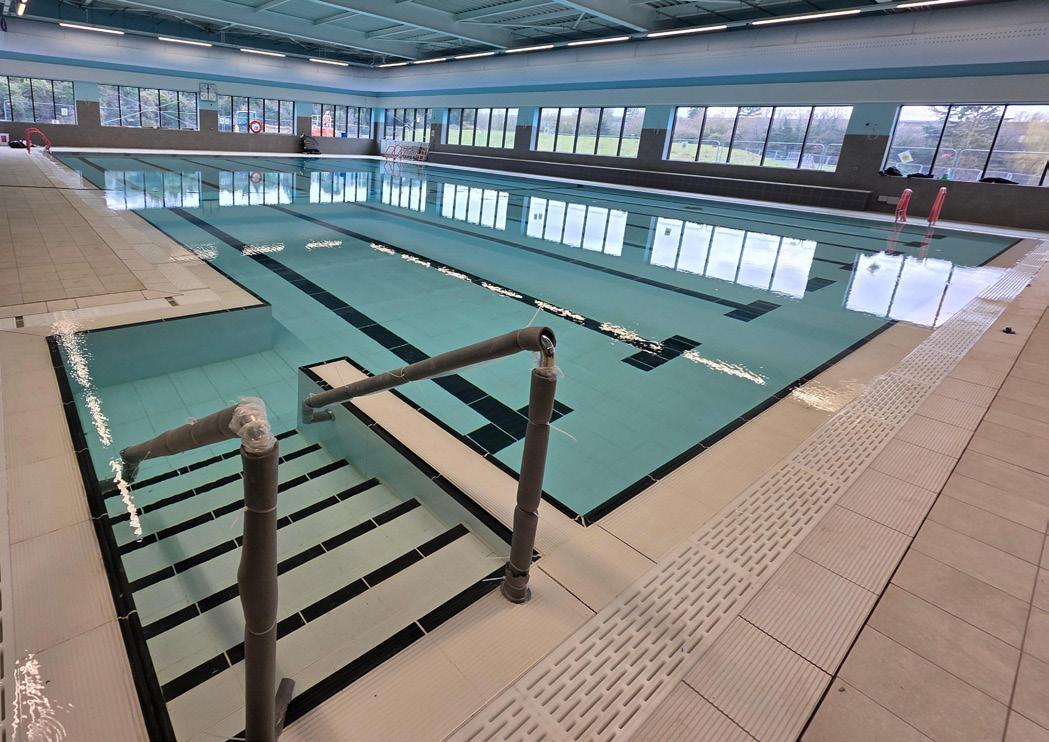
Designed by GT3 Architects and operated by Everyone Active on behalf of its owner, Nuneaton and Bedworth Borough Council, the facility features a 25m, eight-lane pool, learner pool with movable floor and a 100-station gym with Life Fitness and EGYM equipment.
There are also two group exercise studios, spacious changing areas, a meeting room, a fourcourt sports hall and a Reformer Pilates studio.
Outdoors, works are still ongoing on a 3G pitch, which is expected to open in September.
Lloyd Barraclough, Everyone Active’s Area Contract Manager, said: “This centre will serve the health and wellbeing of local people for many years to come.”

Workforce operating system
CoverMe Fitness and education provider, FitIQ Education, have partnered to address the ongoing disconnect between certification and work-ready fitness professionals. By supporting instructors earlier in their career journey and guiding them as they enter the industry, the collaboration will help to provide a pipeline of confident and connected fitness professionals ready for the workplace.
Lou Crossland, chief commercial officer, CoverMe, says: “This partnership ensures learners enter the industry ready to thrive. With CoverMe embedded into the learning journey, we’re opening pathways to real job opportunities while providing operators with work-ready instructors.”
FitIQ Education delivers UKregulated qualifications across the UK and UAE. Learners will be introduced to CoverMe Fitness during their training through an academy-style app that provides real-world insight into how the industry operates, how to build networks and position themselves professionally. At the end of their learning pathway, FitIQ courses will include a dedicated CoverMe module designed to connect graduates directly to operators, employment and freelance roles, the gig economy and flexible work opportunities.

Derrick Evans, MBE, better known as Mr Motivator, has warned that the fitness industry is overlooking older adults, one of the UK’s fastest-growing populations.
The 73-year-old fitness icon, who rose to fame in the 1990s with his ITV GMTV workouts, says many operators still view older members as a risk rather than an opportunity, a perspective he describes as “lazy and short-sighted.”
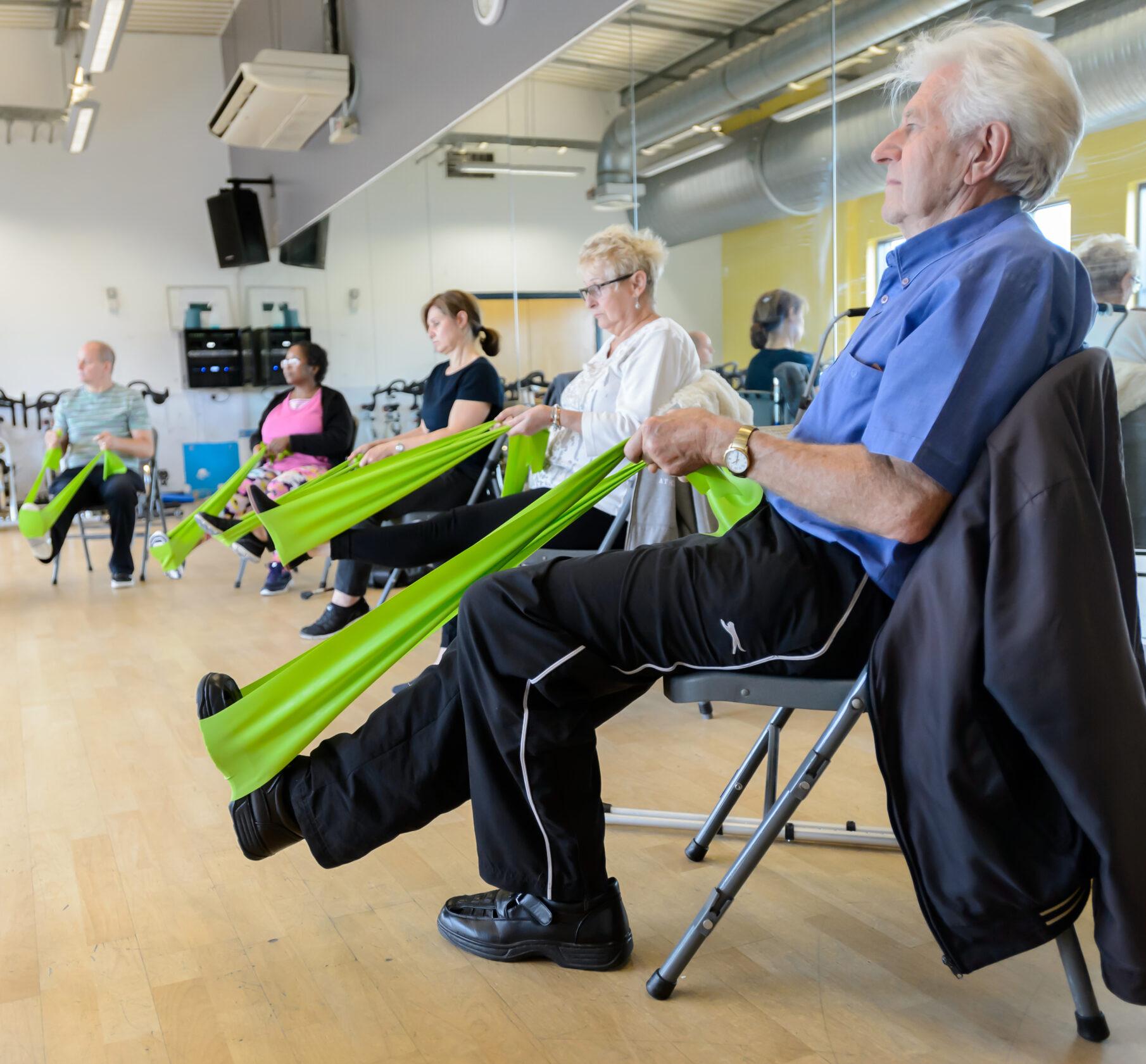
“Older adults, when properly supported, are incredibly loyal, have money to spend and can become your biggest advocates,” says Evans, who is championing a new era of healthy and active ageing as brand ambassador for power assisted exercise specialists Innerva.
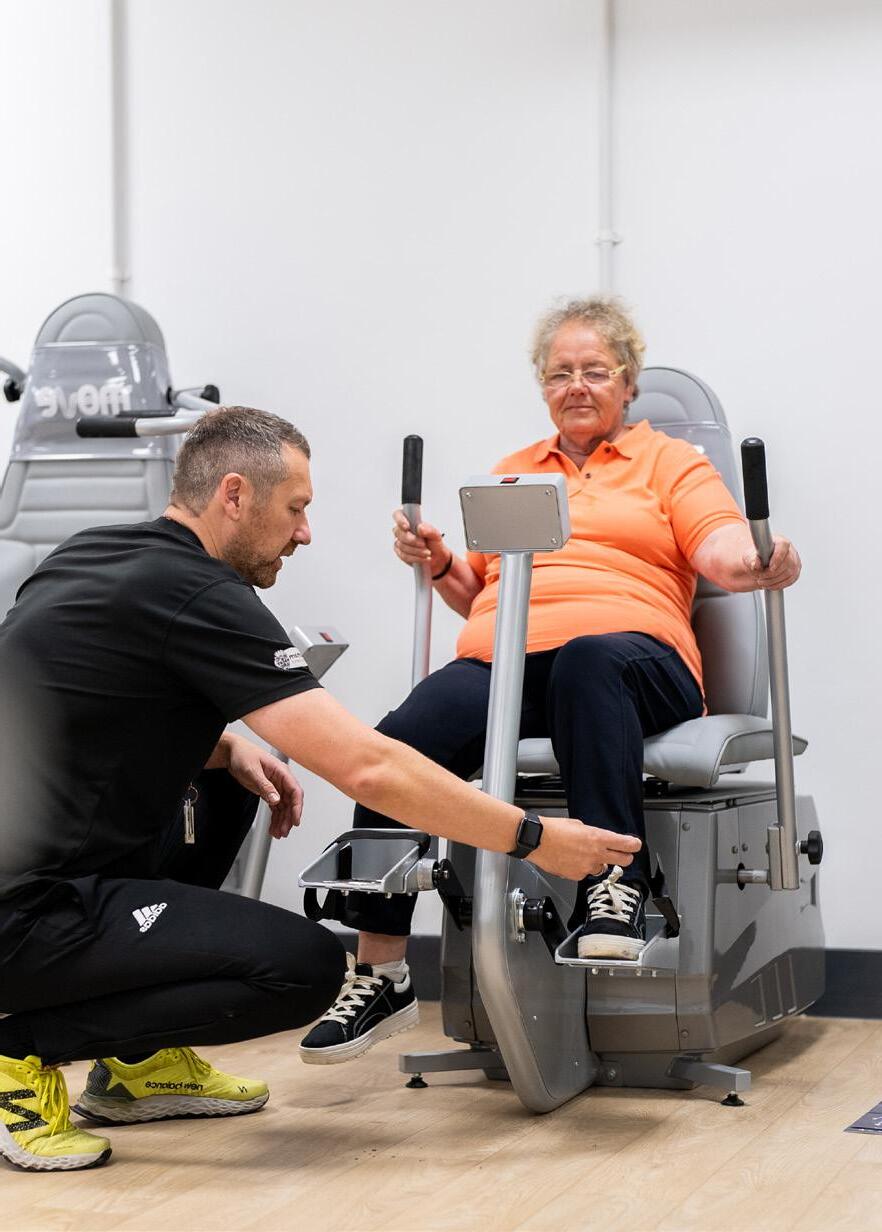
He argues that conventional gyms are often unsuitable for older adults. Instead, they seek inclusive spaces where they can move safely, build confidence, maintain independence and most importantly of all, socialise. Go to a power-assisted exercise suite and you’ll see people planning their
next visit with their friends and chatting over a cup of tea afterwards. Some sites arrange meals out, day trips and bingo nights. At a stage of life when most people’s social circles are shrinking, when they are dealing with loss or major life changes, these spaces give older adults a sense of belonging which keeps them coming back,” he says.
“Older adults need more attention than other members. You have to interact with them and pick up the phone to check they’re okay, if you haven’t seen them in a while. Many operators just aren’t willing to put in that effort. Instead, the industry obsesses with signing up new members every year. It’s easier, but it’s lazy.”
He also highlights a common misconception: that life slows down after retirement. “Most people aren’t aware they can get stronger, fitter and more confident as they age. They need encouragement and reassurance, which is why dedicated exercise spaces are so important.”




















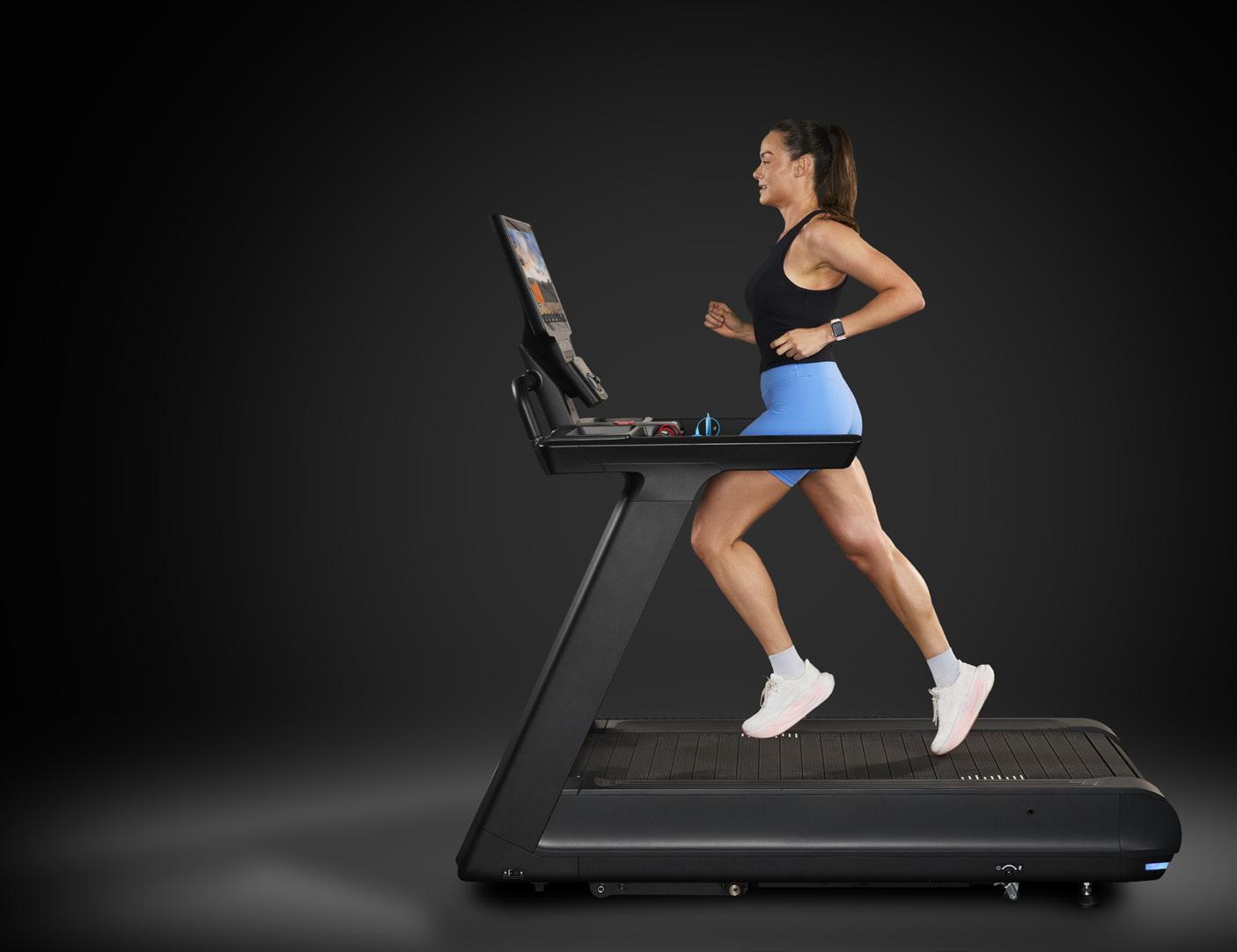
Introducing the Precor Breakaway™ Treadmill
BUILT TO STAND APART
Defies expectations with a striking look and rebellious spirit.










MAXIMUM COMFORT, SUSTAINABLE MOTION
Feels great underfoot and all around to keep exercisers in the zone.
NEW WORKOUTS, NEW POSSIBILITIES
Strength and Cadence Training for a serious sweat.
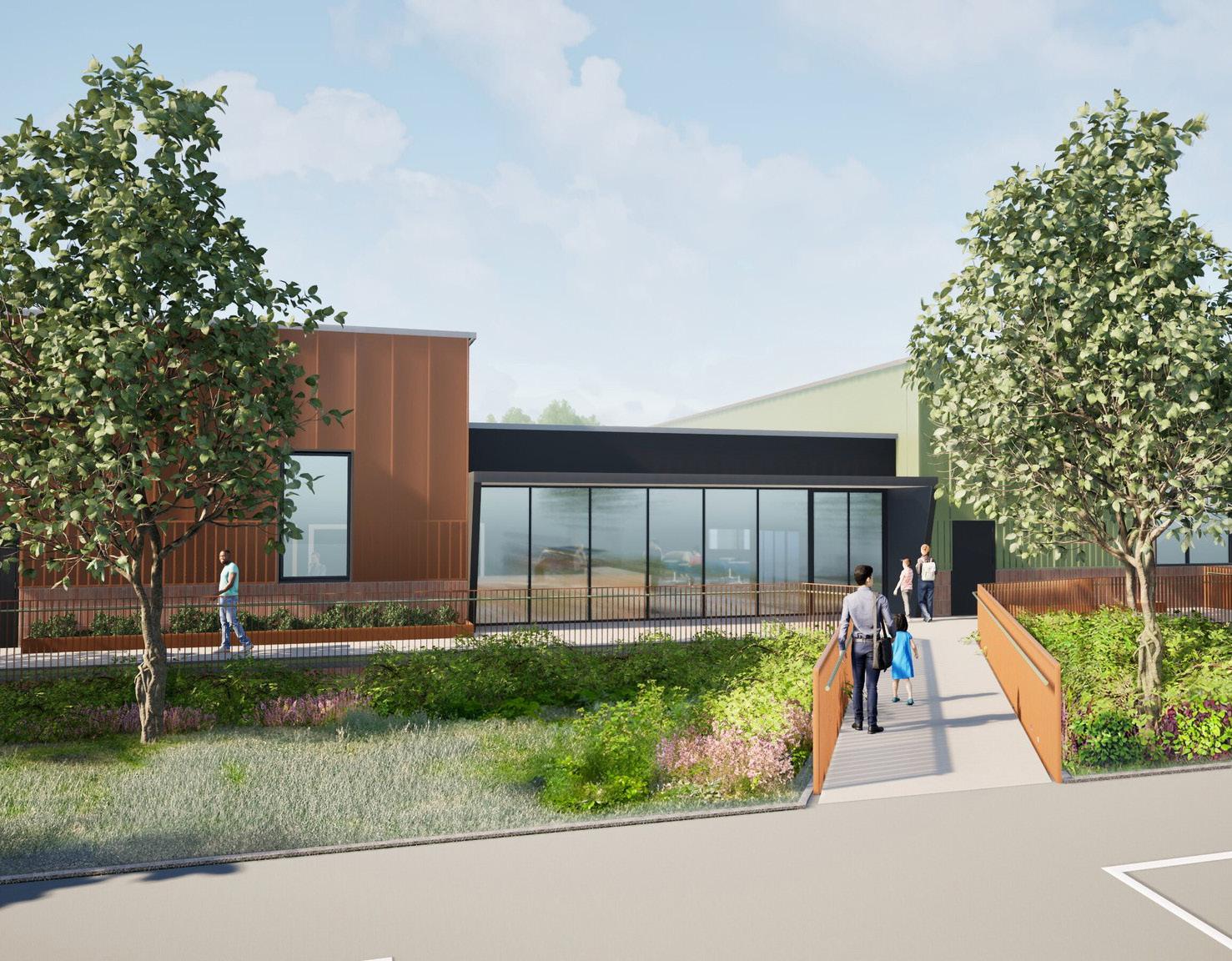
Demolition work is set to begin on the former Edlington Leisure Centre in Doncaster, paving the way for the building of a new facility on the site.
Edlington Leisure Centre closed during the COVID-19 pandemic and never reopened. City of Doncaster Council, which owns the venue, opened a tender for the demolition work, with the submission deadline closing on 27 March.
The new Edlington Leisure Facility, which received cabinet approval in November 2025, will include a 25m pool and will be built on the site of the existing Leisure Centre, adjacent to Sir Thomas Wharton Academy.
Construction of the new facility – a project led by leisure development specialist, ReCreation and its partners, including Box Architects – follows local feedback from residents and swimming clubs, who made it clear that they preferred a 25m swimming pool.
The estimated cost for construction is just over £6.5m and once the site
is cleared, the council will then be able to finalise the construction timeline to build the new venue.
Mayor of Doncaster, Ros Jones, said: “This is a major step forward to delivering a brand-new Leisure facility for Edlington that will include a 25m swimming pool, changing facilities, wellbeing suite with Innerva equipment, pool viewing gallery and food and drink offer.
“We have listened to residents throughout this process, which is why I am delighted to see that our new leisure facility for Edlington will include a 25m swimming pool. I know how important this was from the feedback we received, and it was essential that we went back, looked at this and made the relevant changes.
“I am proud to deliver continued investment in our leisure facilities across the City of Doncaster.”
When open, the new centre will be operated by Doncaster Culture and Leisure Trust.

HealthSeekers focuses on inclusive entry points to health
Bigwave Marketing has announced a partnership with GGFit to lead the branding and marketing development of HealthSeekers, a coaching-led approach designed to help leisure operators and health clubs engage people who want to live healthier lives but do not identify with traditional gym models. HealthSeekers focuses on inclusive entry points to health, such as HealthChecks, simple measures, and coaching conversations that support confidence, everyday behaviours, and sustainable lifestyle change.
Wattbike has announced a new performance partnership with Hybrid Racer, uniting precision indoor cycling technology with elite hybrid racing coaching to support athletes preparing for one of the fastest-growing disciplines in fitness. Through the partnership, Wattbike users will gain access to the Hybrid Racer Training Programme via the Wattbike Hub App, an 8-week structured plan designed by leading coaches in the hybrid racing space. Hybrid racing combine endurance running with functional strength.

Carolyn Thorsen Safer Space to Move Project Manager ukactive
Creating environments where people feel safe, confident and supported to be active is fundamental for our sector. For many women, feeling confident and safe in gym, fitness and leisure facilities is something that must be actively built.
This sits at the heart of Safer Spaces to Move, a collaborative project developed by ukactive and Sport England’s This Girl Can campaign. Our newest operator guide, From Policy to Practice: How to Share Your Stance Against Harassment, marks the next step in this work.

The guide builds on earlier resources launched in July 2025, including an Operator Handbook that provides foundational-level guidance on policies and procedures along with staff training modules for responding to incidents of sexual harassment and intimidation. It focuses on the next step: not whether facilities have policies in place, but whether members are aware of them, understand them, and trust they will be upheld. A key message from the guide is that how operators communicate their stance is just as important as the stance itself.
Throughout the development of the guide we carried out research with facility users and collected feedback from a taskforce made up of operators from across all parts of our sector to make sure recommendations were relevant and practical. Our research showed that policies alone are not enough. Facility users are looking for clarity and reassurance – what behaviour is expected, how concerns will be handled, and what happens during the reporting process. Without this, even the strongest policies can fail to translate into a feeling of safety.
The guide provides practical support to help operators communicate more effectively across every touchpoint – from in-facility signage and digital channels to staff interactions. It includes messaging principles, message examples and guidance on
Trust is built over time through consistent delivery through our sectors’ operations and its people
how to position communications so they feel reassuring rather than performative, sticking to our facilities’ aims to be welcoming environments for all. Building and sustaining trust is a key theme throughout the guide. Our research highlighted that trust is often thought of as a ‘hygiene factor’ –unnoticed when present but quickly felt when absent. Members build trust in their facility when they believe the facility shares their values, can deliver on its promises and genuinely cares about their experience. This is reflected not just in messaging, but in what members consistently see and experience during their visits. Importantly, this is not about a single campaign or statement. Trust is built over time through consistent delivery through our sectors’ operations and its people. Communication plays a vital role in reinforcing this, ensuring members understand the standards in place and the support available to them.
We encourage operators to use this guide to strengthen how policies are communicated to their members and ensure this is backed up through action so that their facilities can build the confidence that encourages more people to be active.
As a sector, we play a vital role in supporting the nation’s health and wellbeing. Creating safer, more inclusive environments is central to that mission. This guide is designed to help operators move from policy to practice, embedding safety and reassurance into everyday experiences, and helping more people to feel supported in our spaces which we know can help them meet their health and wellbeing needs.




Stoke-on-Trent City Council has set out long-term plans to modernise leisure and sports facilities across the city. The new Indoor Facilities Strategy, which will cover the next 18 years, will guide investment in sports halls, swimming pools, gyms and other indoor leisure venues.
The strategy outlines a vision of “high quality, modern, accessible facilities” for Stoke-on-Trent that will support health, wellbeing and quality of life. The strategy is built on an independent needs assessment carried out in 2024, that looked at checking capacity, quality and local demand. It found that while Stoke-on-Trent has some excellent facilities, many are either outdated or operating at capacity.
Short-term priorities include essential improvements at Fenton Manor Sports Complex and Dimensions, as well as energy-efficient upgrades. In addition, it will also look at expanding concessionary pricing and improve community access to sports halls – many of

which lie unused during the day.
Over the next three to five years, the strategy will see improved partnership working with schools and sports clubs, with the city council set to explore options for indoor tennis and supporting the continued growth of gymnastics, netball and basketball.
Majid Khan, cabinet member for wellbeing at Stoke-on-Trent City Council, said: “This strategy is necessary to transforming the city’s leisure services going forward. We’re working with partners across the city to ensure that facilities will be fit for purpose for years to come.”
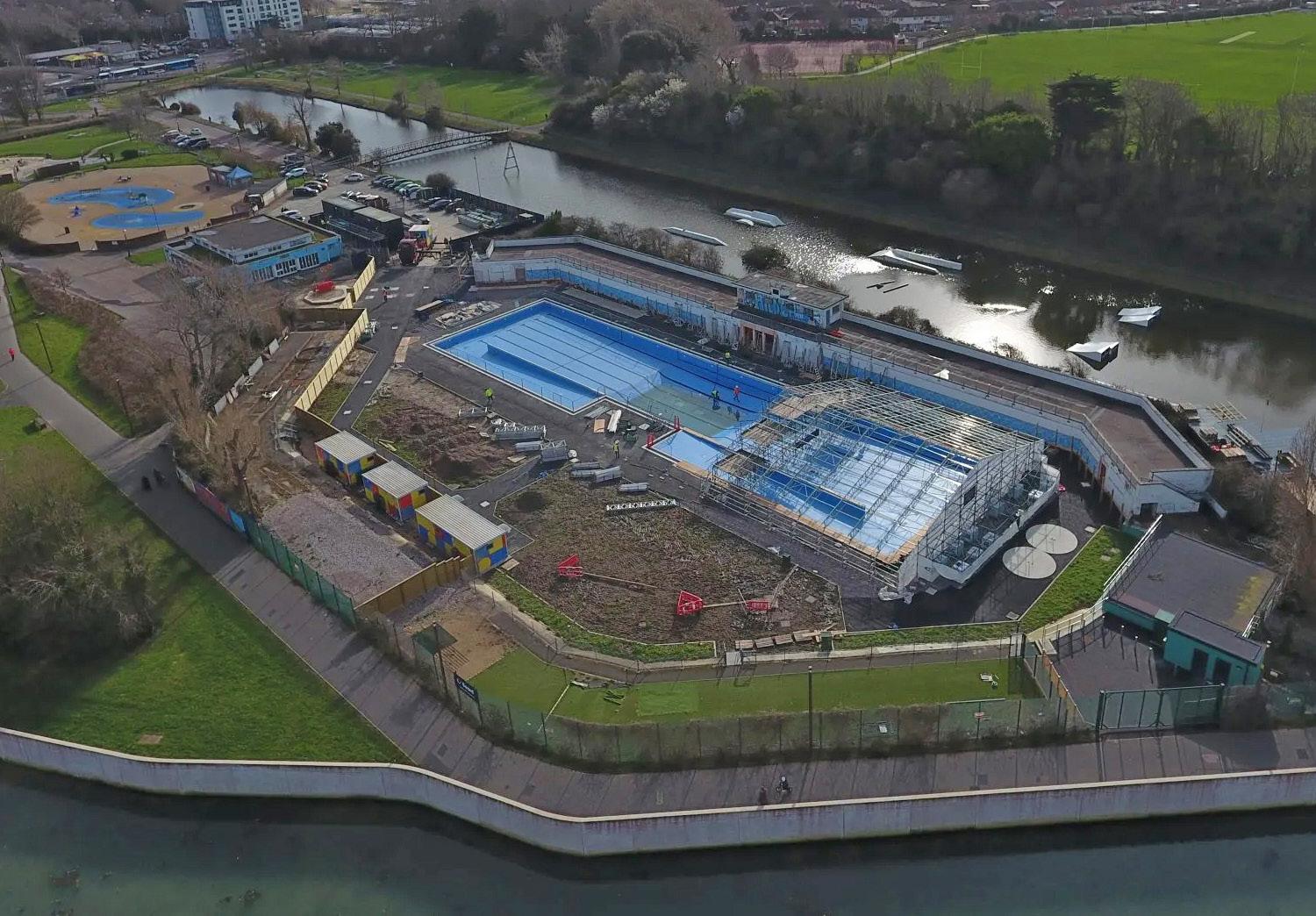
Hilsea Lido in Portsmouth will reopen to the public, following a redevelopment, on Saturday 2 May 2026.
Owned by Portsmouth City Council, the lido will have several new features, including a new sauna and pop-up food and beverage offerings.
The council describes the opening of the historic pool as an “exciting new chapter”, with a view of making the site a year-round destination.
The refurbishment of the pool is being driven by the team behind Sea Lanes Brighton, in partnership with South Downs Leisure.
Judit Kollat, General Manager at Hilsea Lido, said: “As Hilsea Lido celebrates its 90th birthday, the work that Portsmouth City Council has done to refurbish the site has enabled us to regenerate it.
“For Portsmouth, it is more than a pool – it’s a place with history and heart.”



The latest industry data from ukactive shows a resilient sector, with visits to health and ��tness clubs up 10%
The UK health and fitness sector has achieved record growth, with membership penetration rates reaching 18% and total income hitting £6.5bn, according to the UK Health & Fitness Market Report 2026, published earlier this month (9 April).
The annual report – commissioned by ukactive and produced in collaboration with Sport England and 4GLOBAL, with analysis from Grant Thornton UK – shows a record 12.2 million people over the age of 16 are now members of a health and fitness club in the UK. The report suggests the sector is maturing, diversifying and creating deeper value for its members despite the challenging economic conditions stemming from increasing operating costs, the latest energy crisis and the rising cost of living.
The total number of clubs has reached 5,842 – an increase of 4.2% since 2024 – as public demand for fitness services continues to grow. A total of 679 million visits to health and fitness clubs were recorded in 2025, marking a 10% increase on 2024 as more people turn to facilities to improve their health. This figure is nearly double the number of visits recorded to GPs last year (383 million according to NHS data), reflecting the scale of the sector’s reach and the unique part it plays supporting national health.
This is reinforced by the report’s finding that the sector is also generating £7.5bn worth of social value through health and fitness activities, which is measured by using participation data and national models of wellbeing and health impact to calculate a person’s improved life satisfaction and reduced incidence of major health conditions.

The annual UK Health & Fitness Market Report brings together quarterly data on recorded customers visits to health and fitness facilities run by public, private and independent operators across the UK, making it the sector’s most authoritative source of market intelligence. The data represents a sample coverage of 74% of private operators, 85% of public operators and 88% of independent operators.
In 2021 ukactive set out a shared ambition for growth: to have more than five million new people regularly using gyms, swimming pools and leisure centres on a regular basis by 2030, which is equivalent to 20% of the population. The latest report shows that 18% of over-16s are now members of a health and
fitness club, reflecting an increase of around 1% every year since data collection began– 14.6% in 2022, 16.0% in 2023, 16.9% in 2024 and 18.0% in 2025.
Total membership income across the sector has risen from £5.0bn in 2024 to £5.7.bn, resulting in a year-on-year increase of 14%. The past year has also seen seven mergers and acquisitions deals recorded, reflecting continued investor confidence in the sector’s long-term growth potential.
The report shows increasing demand for health and fitness services across all segments of the market, with ‘productivity per site’ rising as pricing and offer-mix contribute to income growth. It also demonstrates the broadening spectrum of activities and consumer motivations, with health and fitness clubs increasingly seen as hubs that support other
priorities and routines such as recovery services, social spaces and work-from-gym options. Consumer data within the report shows that ‘trying new activities’ is a motivating factor for taking out a membership for 62% of consumers, and ‘making friends’ is important for almost half (49%) of members.
The authors also highlight the opportunity for the Government to leverage the multi-use facilities by helping to scale support for people with a range of health conditions. In particular, the rapid uptake of GLP-1 weight-loss medications is shown to be a growing priority for the sector as more users and healthcare practitioners recognise the evidence for physical activity and lifestyle changes to maintain muscle mass, reduce side effects, and ensure sustainable results.

Commenting on the findings, Huw Edwards, CEO of ukactive, said: “The report provides clear evidence that the UK is home to one of the strongest health and fitness sectors in the world and a much-needed success story for UK plc. Consumer demand for the services provided by gyms, pools and leisure centres is growing year-on-year, and our members are rising to the challenge by investing in new clubs and services.
“The most exciting thing is the untapped potential to get millions more people active if the sector gets the right support from the Government to remove the barriers to growth and help us reach more communities. One-in-four adults in England are classed as physically inactive, there are stubborn health inequalities, and the NHS and the economy are creaking under the strain of ill-health, so our sector has a vital role to play.”
Utku Toprakseven, Chief Development Officer, at 4GLOBAL, added: “The continued growth of the UK health and fitness sector reflects both increasing consumer demand and the sector’s ability to adapt and evolve in a changing environment.
“This year’s analysis highlights a maturing sector, where operators are generating more value per member through more frequent usage, diversified offers and stronger alignment with consumer needs. At the same time, the data reinforces the critical role of the sector in supporting national
health outcomes, with £7.5bn of social value being generated through sustained participation.
“By bringing together data from across private, public and independent operators, this contributes to a completer and more transparent picture of performance and impact, enabling, more informed understanding of not just how the sector is growing, but how it is evolving.
“As a result, the report offers valuable insights for operators, investors and policymakers alike, supporting better decision-making and helping to shape a more effective and evidence-led sector.”
According to Rob Turner, Partner at Grant Thornton UK, the report’s findings provide a “sharp, timely snapshot” of the UK’s booming health and fitness market.
“This sector is a key contributor to both the UK economy and the nation’s health,” Turner said. “The growth in gym numbers and their rising popularity strongly support the Government’s Prevention Agenda and will, in turn, ease pressure on the NHS. Additionally, fitness spaces are also evolving into key social hubs, with wellness becoming a core part of personal identity, and more than just exercise. For public and private investors alike, this is a high-growth market with significant long-term potential.”
The annual report is sponsored by headline partners BLKBOX and Matrix, alongside contributing partners Precor and Technogym.
6 week on site member acquisition campaigns for gyms, hotel gyms and leisure centres.

Will Febbo has been named the new CEO of Performance Health Systems, manufacturer of Power Plate. In a Q&A, he outlines his vision for the company
How does your appointment support Power Plate’s broader ambitions and what perspective do you bring?
This appointment comes at a pivotal moment. Power Plate has already proven three essential truths: whole body vibration works, supported by 25 years of research; the product scales globally; and demand extends far beyond elite athletes.
After seven years as a Board member, and deeper operational involvement over the past year, I now see clearly that we are not simply a product company. We are building a platform. With the integration of technology, agentic AI, data, content, and community, Power Plate can evolve beyond equipment into a pervasive wellness system.
The market is shifting rapidly. Consumers are no longer separating fitness, recovery, longevity, and musculoskeletal health. Power Plate delivers automated biological stimulus that enhances bone density, circulation, neuromuscular activation, hormonal response, strength and functional health. This is not just fitness equipment — it is wellness infrastructure.
The opportunity ahead is category expansion, not incremental growth.
I bring a platform perspective:
● Moving from product sales to category leadership.
● Shifting from fitness positioning to activation positioning.
● Integrating into daily life — from gym to home, clinic to workplace.
Power Plate can become woven into how people live, work and perform.
What does Power Plate do exceptionally well – and where is it differentiated?
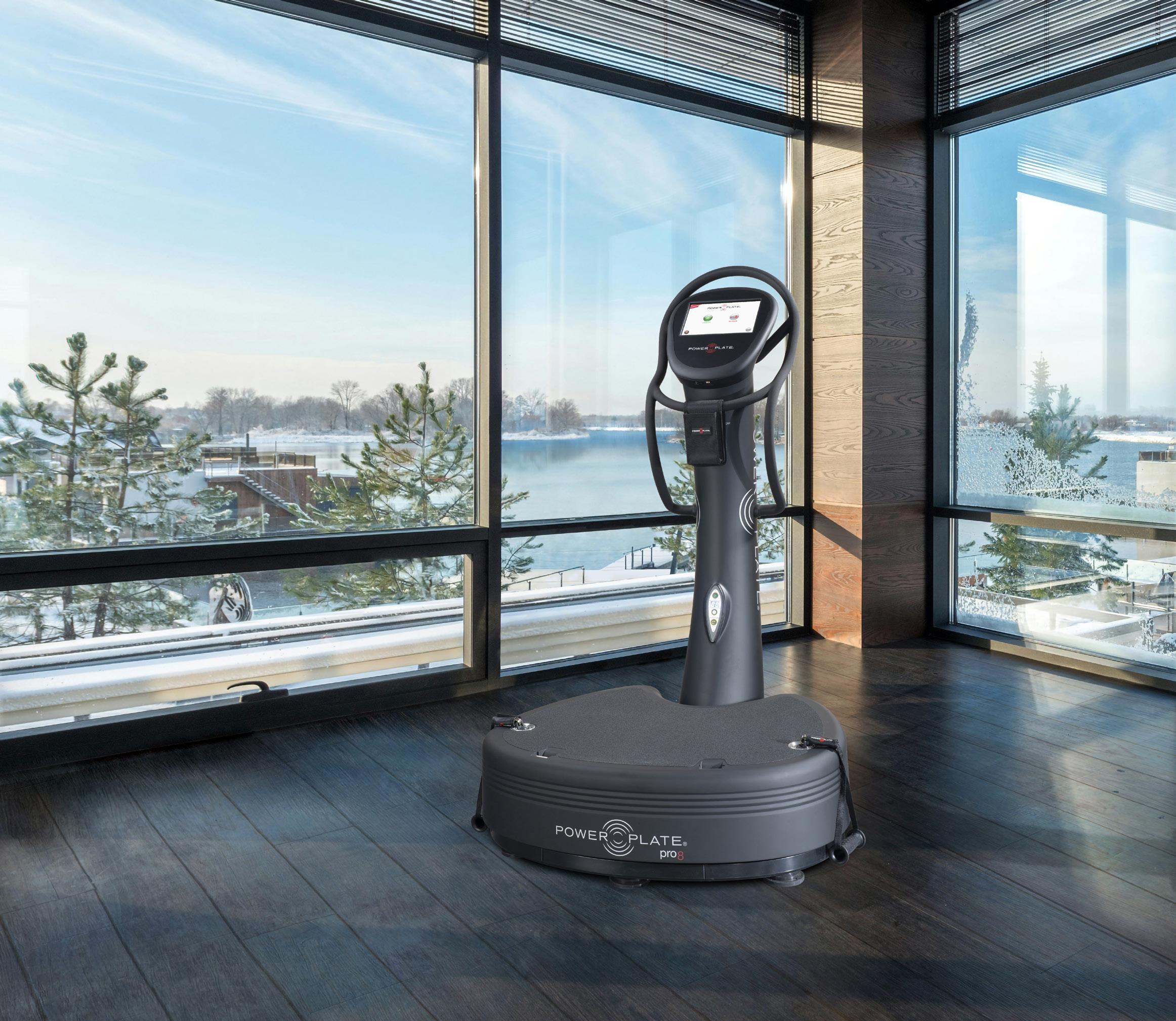
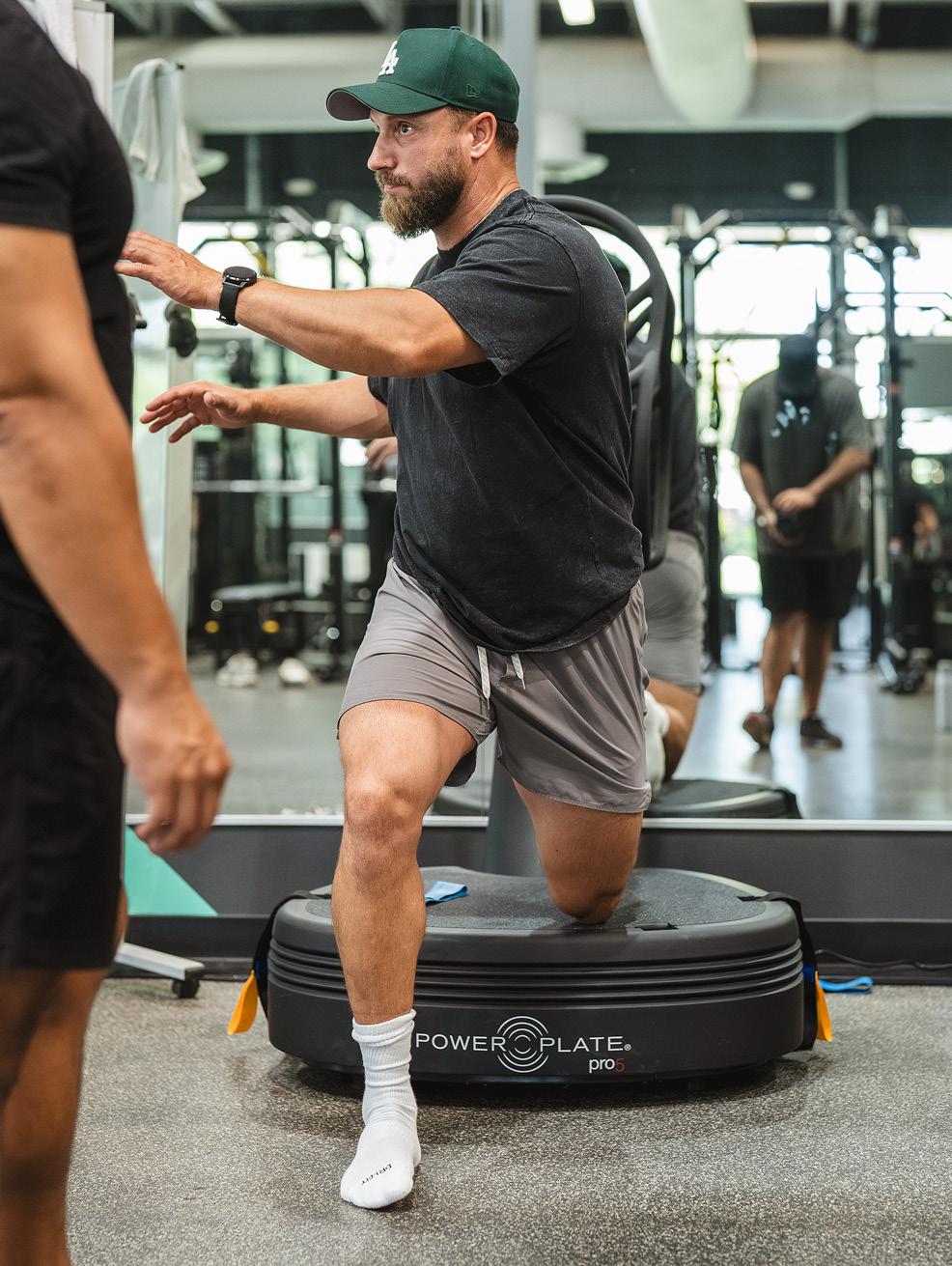
Power Plate is fundamentally different by design. Traditional equipment relies on voluntary exertion. Power Plate delivers automated biological stimulus through precise, multidirectional vibration. The platform delivers the stimulus; the body adapts reflexively.
Practically, this enables rapid muscle fibre recruitment in seconds, increased circulation without high impact and simultaneous performance, conditioning and recovery. This means we can offer accessibility across populations — from elite athletes to active ageing, rehabilitation patients to busy professionals.
When it comes to differentiation, there are three key areas. These are:
● Automation versus effort — stimulus delivered by physics.
● Speed of effect — measurable change in minutes.
● Breadth of application — performance, rehabilitation, bone density, circulation and productivity. While treadmills, bikes and wearables rely on effort or measurement, Power Plate triggers adaptive biological response. Wearables measure. We activate. That distinction is powerful.
How would you describe Power Plate’s current positioning?
Power Plate is not competing in connected fitness. It is redefining baseline human functionality. Where others measure steps and heart rate, Power Plate influences circulation, neuromuscular activation, and cellular signaling. As the global market shifts toward longevity, prevention and resilience, that positioning becomes not just differentiated – but essential.
Power Plate is a transformative technology that enhances daily life and contributes to a longer, healthier lifespan
Power Plate is not competing in connected fitness. It is redefining baseline human
How does Power Plate evolve as fitness and healthcare converge?
Training, recovery, longevity and mental clarity are merging into a single wellness continuum. Power Plate becomes the base layer of that continuum – integrated across health clubs, homes, offices, clinics and hospitality environments. Over the next three to five years, major opportunities include longevity and healthy ageing markets, corporate performance environments and boutique medical and recovery clinics. In addition, we will see premium home optimisation, and digital ecosystems being layered onto hardware. In short, there will be expanded integration in traditional fitness.
As daily life grows more sedentary, automated biological stimulus becomes increasingly valuable baseline conditioning.
Will Febbo on industry challenges and opportunities
Challenges:
● Rising consumer expectations around wellness and longevity.
● Digital and boutique competition.
● Commoditisation in fitness.
● Macroeconomic pressure on discretionary spending.
Opportunities:
● Ageing populations seeking nonpharmaceutical interventions.
● Employers investing in productivity and resilience.
● Integration with measurable biomarkers.
● Expansion beyond “exercise” into daily conditioning.
“The next generation of operators will not sell more intensity. They will deliver intelligent, research-backed solutions that fit into real life.”
In which areas do you see Power Plate strengthening its position?
Power Plate holds a premium niche with strong clinical credibility and elite heritage. The opportunity is to broaden perception beyond performance into everyday wellness.
We can strengthen consumer education around automated biological stimulus and create partnerships in medical and longevity verticals. Other areas where I can see us growing is brand storytelling around physics-driven activation and providing distribution depth in high-value markets. The shift is from gym equipment to pervasive daily stimulus infrastructure.
What will your immediate priorities be as CEO?
To clarify the category narrative – which is activation through automated biological stimulus. We also want to strengthen global distribution and regional leadership.
Expanding commercial verticals is another one. For us, priority verticals include longevity clinics, corporate headquarters, luxury residential developments, physiotherapy studios, hospitality environments and progressive health clubs.
We also need to layer digital education and services onto hardware and align our global messaging around everyday integration. I believe that acceleration will come from clarity and expanded application — not by simply adding products.
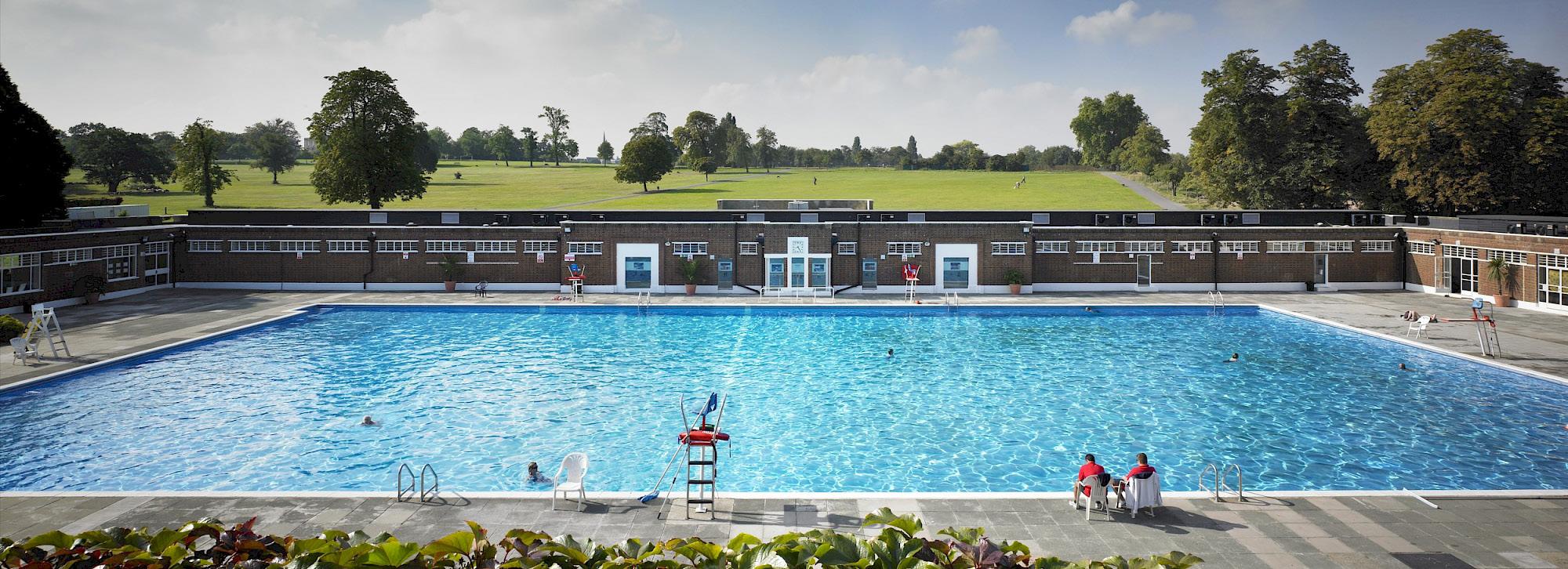
Fusion Lifestyle, which operated a network of leisure centres across England, entered administration on 1 April with Nadeem Sweiss and Adam Stephens of S&W Partners appointed as joint administrators for the business. To minimise disruption to the public, many of the local authorities have agreed to a transition period, supporting the charity in administration, while a new operator is secured to manage the leisure centres, ensuring key services remain open to the local community.
Most of the leisure centres managed by Fusion will continue to operate. Somerset Council states that facilities in Frome, Wells, Glastonbury and Street, will continue to operate for the next three months while a new operator is lined up. The lido in Shepton Mallet is expected to open in May as usual.
Charnwood Borough Council says three leisure centres – in Loughborough, Syston and Mountsorrel – will operate as normal and says it expects to appoint a new operator in the coming months.
Tunbridge Wells Borough Council said Serco Leisure – in partnership with Leisure Solutions Community Trust – would take over management of its facilities once a handover date was agreed. According to West Devon Council, Parkwood Leisure would take over
Meadowlands Leisure Centre in Tavistock and Parklands Leisure Centre in Okehampton after the council awarded a short-term contract. At the time of writing, facilities that have been confirmed as closing include the leisure centre situated at Golden Lane Sports and Fitness Centre – owned by the City of London – which will be shutting its doors on 30 April 2026.
In a statement, S&W said: “The joint administrators, management team and local authorities are focussed on providing support to those impacted by the immediate changes, including those impacted by closures, and are committed to a smooth transition.”
Fusion, which had its headquarters in Dartford, Kent, cited “rising operational costs, reduced government funding and post-pandemic recovery challenges” as the causes of its financial struggles. It said it had “made significant attempts to introduce new funding” that had been unsuccessful.
The difficulties experienced by Fusion were closely mirrored by another leisure operator, Active Nation, which ceased trading nearly a year earlier, back in June 2025. Despite achieving strong participation and membership numbers, impressive retention figures and healthy sales, Active Nation’s cost base proved simply too much.

Stuart Martin, the former CEO of Active Nation, said the demise of Fusion was sign of just how widespread the issue of increased operating costs is.
“Fusion isn’t an isolated case - it’s a continuation of a pattern the sector has been warning about for years,” Martin told WellNation. “At Active Nation, we saw first-hand that strong participation and demand aren’t enough to offset a cost base that’s fundamentally out of sync with reality.
“These facilities are essential public health infrastructure, yet they’re still being treated like discretionary services when it comes to funding and support. That gap is where organisations are falling. If government is serious about prevention, reducing pressure on the NHS and improving population health, then leisure can’t keep operating on the margins. It needs a sustainable model - not short-term sticking plasters.
“The sector also has a responsibility to be clearer, louder and more united in making that case. Because without change, this won’t be the last story like this.”
Several industry bodies, led by ukactive, have highlighted the impact that increasing costs are having on the sector. And it’s not just constantly rising energy prices that are a cause for concern. “The reality is the last two consecutive Budgets have hit businesses hard, from business rates to NICs. This means that operational pressures remain acute for facilities, while consumers face rising costs – and ultimately lose out,” said Huw Edwards, ukactive CEO.

Fusion isn’t an isolated case - it’s a continuation of a pattern the sector has been warning about for years
Stuart Martin
Another industry body that has been actively working with sector partners to develop long-term sustainability for facilities is CIMSPA. Back in 2023, it partnered with STA to launch a survey into the impact of energy prices on the workforce. While the increases in employment costs are a huge worry, investing in the workforce is paramount in order to help build trust in public services.
Tara Dillon, CIMSPA CEO, said: “The loss of any operator or closure of any facility is always concerning, not just for the communities that they serve, but also for the talented and dedicated workforce in what is already a difficult jobs market.
“Our sector is vital to the economic recovery and we continue to support employers and our members with new guidance and resources to help them navigate a challenging financial landscape.”
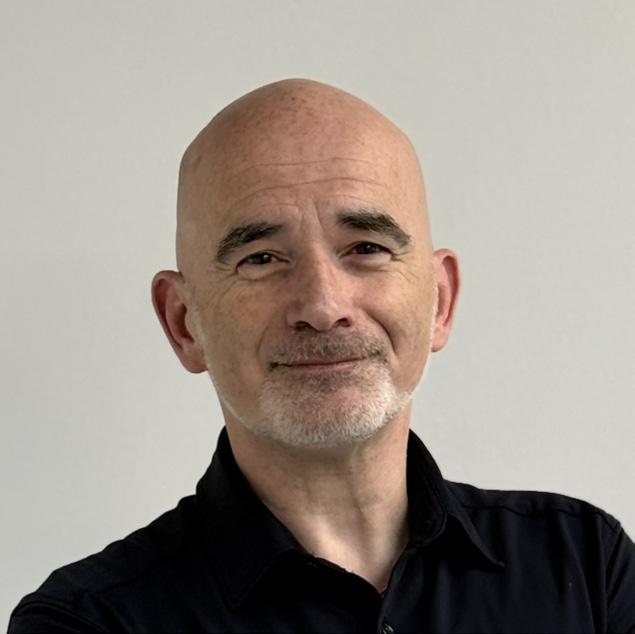
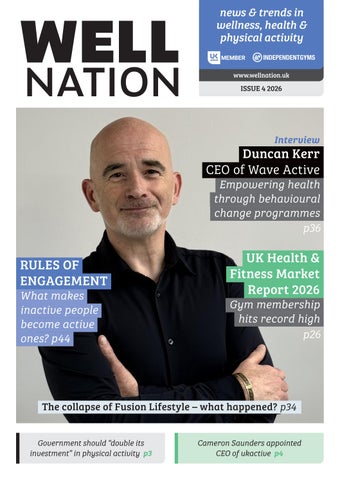
WellNation speaks to Duncan Kerr, CEO of Wave Active, about the leisure trust’s strategy to empower health and wellbeing through behavioural change programmes and activity pathways
When Duncan Kerr joined Wave Leisure in 2014, the leisure trust operated four sites, relied heavily on public subsidy and had limited local engagement. Today, under his leadership, it has evolved into Wave Active, a community-focused organisation with 15 locations delivering physical activity for all. Driven by an ambition to integrate healthcare, inclusivity and community engagement, Wave Active is committed to tackling health inequalities and removing barriers to participation. Under pressure to become self-sustaining, Kerr realised early on that financial reform alone wouldn’t be enough. “Our research showed that while awareness was high, participation was low. Many people felt they didn’t belong in our centres. It was clear we needed to better understand and connect with our community,” he says. This insight led to a stronger focus on outreach and engagement to build trust and shift perceptions, ultimately shaping some of the sector’s most innovative delivery models aimed at the 86% of people unlikely to join a gym.
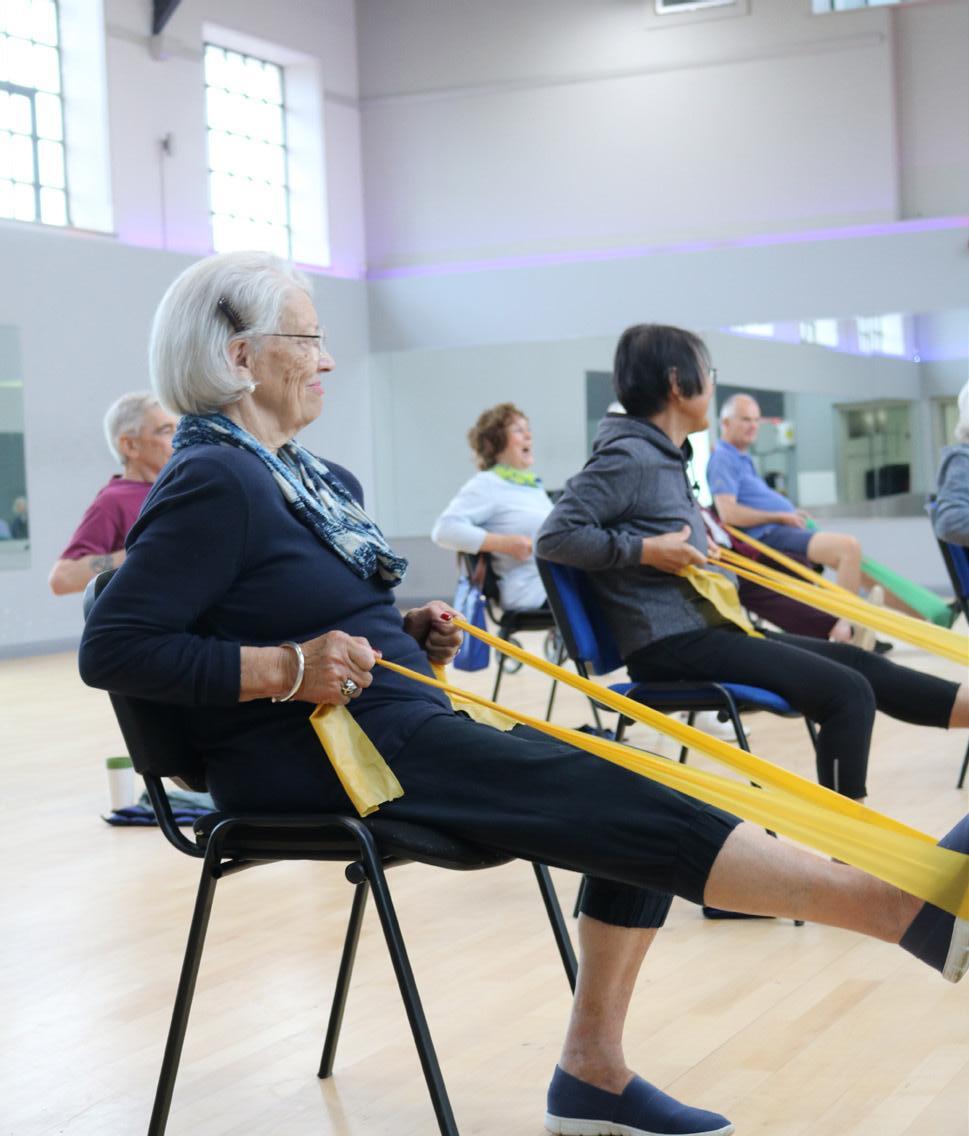
Kerr is convinced that the sector has a key role to play as a partner to primary healthcare. It’s a belief he has held throughout his more than 25-year career, which has included such roles as Director of Sport at the University of Reading, CEO of Gosling Sports Park and MD of Celtic Community Leisure. At Wave Active, he has gained real traction, developing models that align more closely with local primary care. Building on the success of in-centre programmes such as cardiac rehabilitation, Parkinson’s and weight management, the trust has introduced a dedicated health space for health-focused activity at Downs Leisure Centre. Launched this February following a legacy donation from a local resident, Lilian’s Room combines powerassisted equipment with rehabilitation technology and strong emphasis on social interaction. The concept was developed in conjunction with active ageing experts Innerva and is used by the public as well as Wave Active’s team of specialist health practitioners to support older adults and people living with long-term health conditions. (For a more detailed look at how Wave Active designed and operates Lilian’s Room, turn to page 40).
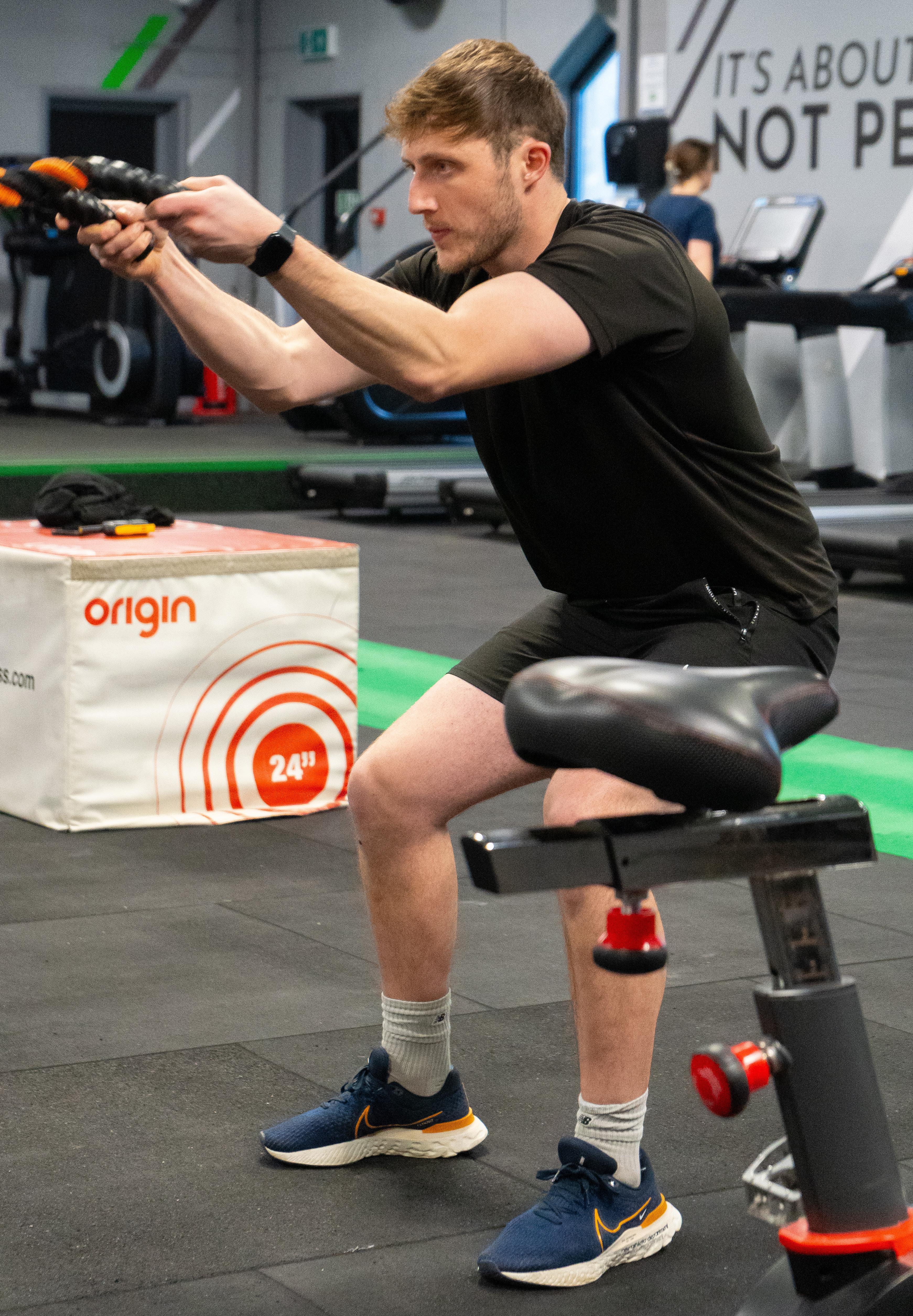
Wave Active is also embedding itself within the local healthcare ecosystem through a partnership with Lewes District Council, Quayside Medical Practice and Chapel Street GP Surgery to deliver Newhaven Health Hub. Opening later this year, the hub will provide a pathway between prevention, rehabilitation and treatment.
“If a GP hands you a leaflet and tells you to be more active, there’s a good chance nothing happens. But if they can walk you down the corridor and introduce you to one of our health coaches, that’s a completely different experience. It becomes part of your care pathway,” says Kerr.
He believes this model will help address a critical gap in traditional referral systems, where up to 30% of patients fail to follow up with appointments. By contrast, co-located services can achieve engagement rates of up to 90%. (These figures are indicative, based on a project run by Wave Active when a member of their team was based at a GP surgery for a period).
Hillbrow Health and Wellbeing Centre is Wave Active’s most ambitious model. Launched in March 2025, the facility is co-owned with South Downs Health and Care, a GP federation and NHS provider that represents 25 doctors’ practices.
Benefiting from shared services and a truly integrated approach, the health and wellbeing hub brings prevention and treatment together combining GP services, specialist clinics and GP training with fitness and rehabilitation facilities.
Achieving this level of integration hasn’t been easy, requiring persistence and a willingness to navigate two very different business models. But for Kerr, the potential rewards are worth it.
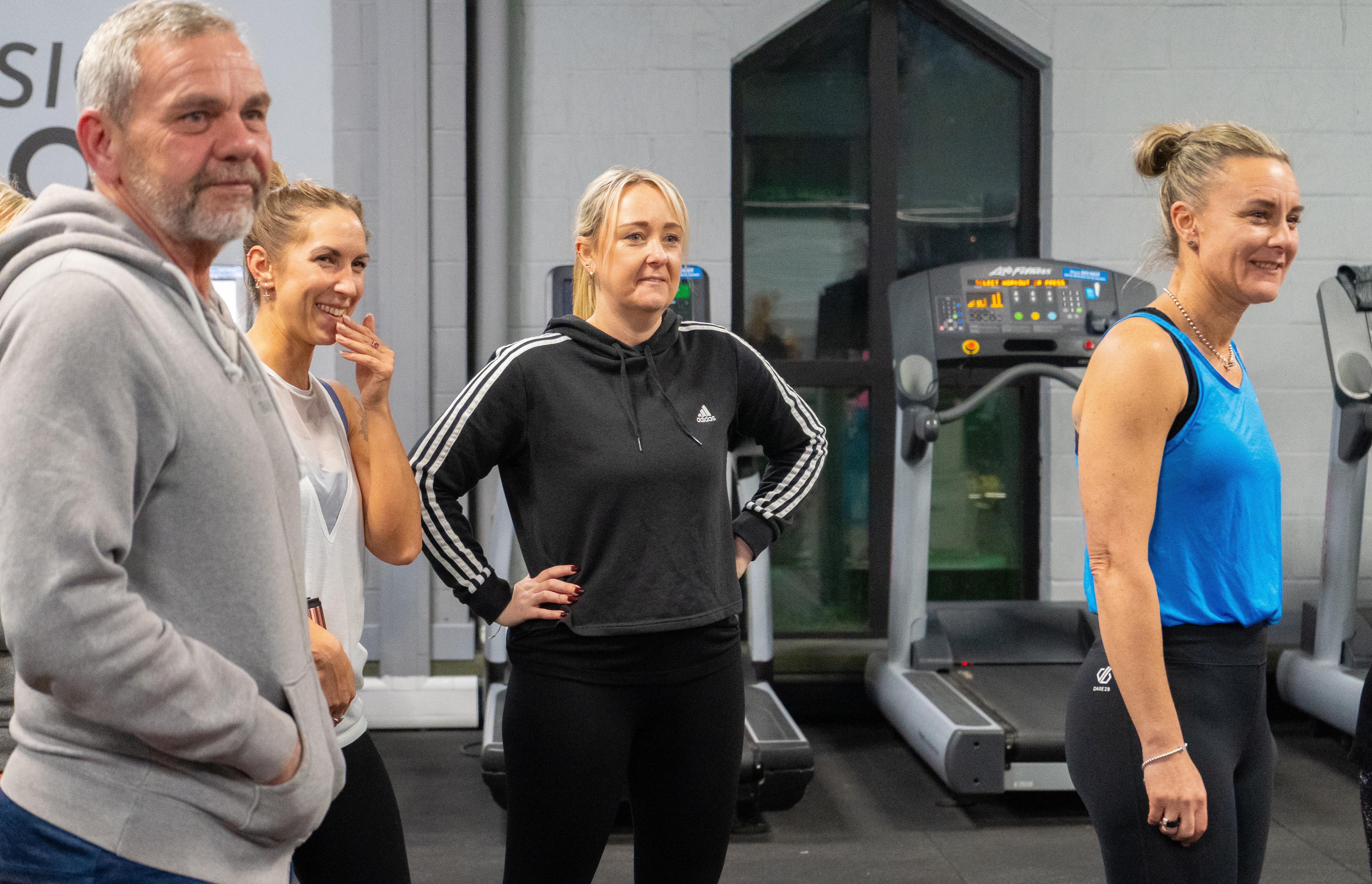
Wave Active’s work aligns with the NHS’s shift towards prevention and community-based care as outlined in its long-term plans.
“The 10-Year Plan gives us insight as to what the new landscape will look like and I hope we can build on the relationships we’ve already established across public health to support positive health impact. We’re open to working across geographical areas to bring relevant and appropriate services and partners together to support positive neighbourhood health impact.”
Supporting this work is its sub-brand, Wave Active Health, which delivers behavioural change programmes and tailored activity pathways for people living with illness, injury or long-term conditions.
“We’re not just trying to get people active. We’re trying to support behaviour change. That’s a completely different challenge,” says Kerr.
The launch of its dedicated Just Keep Moving membership in line with the opening of Lilian’s Room is already attracting hundreds of members, reflecting growing demand for this approach.
Looking ahead, Kerr sees initiatives such as Lilian’s Room, Newhaven Health Hub and Hillbrow as blueprints for the future.
“We’re starting to prove that leisure centres can be much more than places to exercise. They can be hubs for health, connection and community.”
As Wave Active continues to evolve, its ambition is to play a central role in the health system.
“I often describe our potential impact in terms of colours,” says Kerr. “If blue is leisure and yellow is healthcare, then the real opportunity lies in the green space where they overlap. That’s where we can make the greatest difference.”
We’re starting to prove that leisure centres can be much more than places to exercise. They can be hubs for health, connection and community
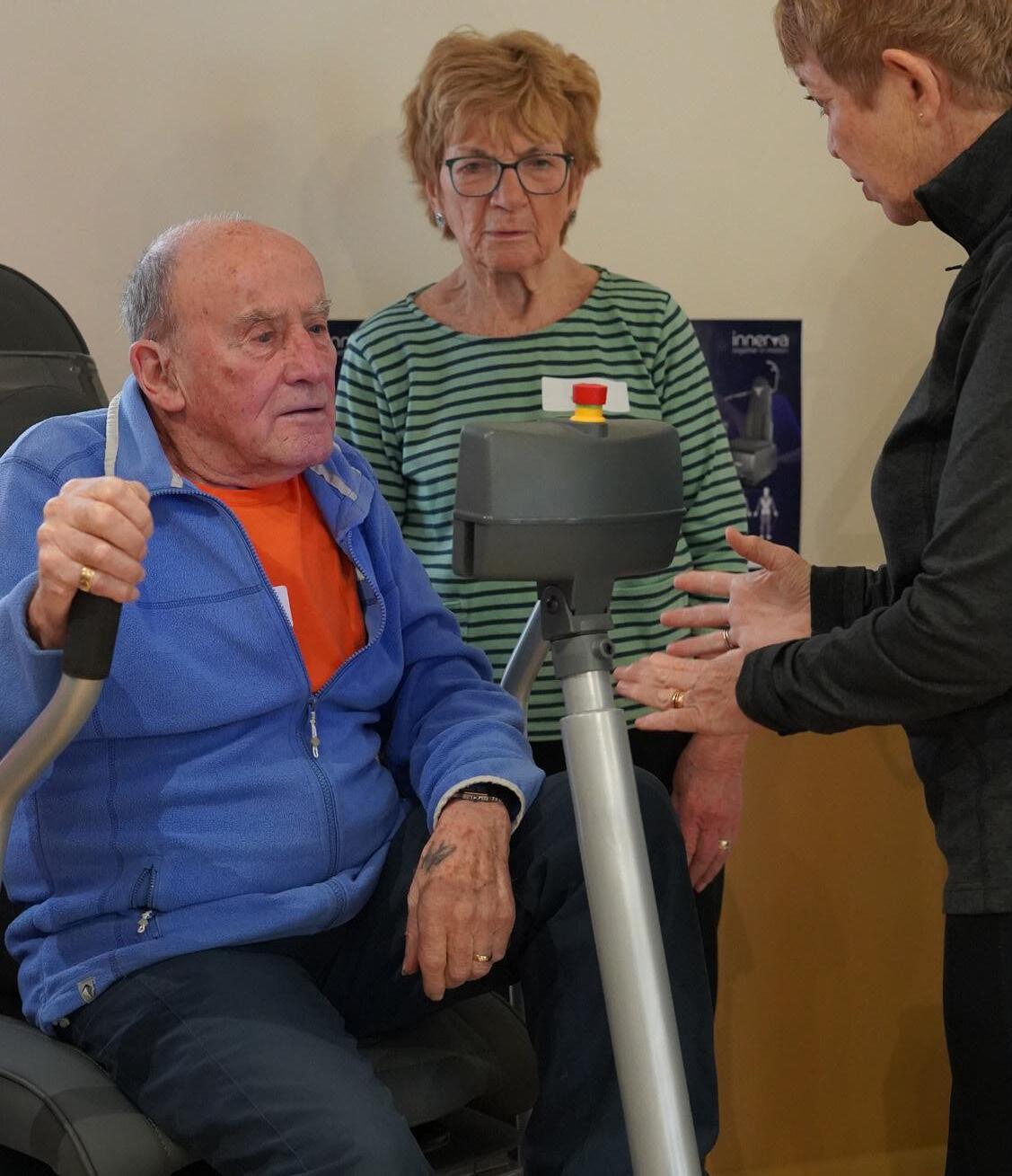
Combining power-assisted technology with advanced solutions such as augmented reality, rehabilitation applications and therapeutic tools, Lilian’s Room bridges the gap between traditional fitness and health.
Lilian’s Room is the latest project from Wave Active and another example of how the operator is delivering integrated health solutions designed around community need.
Launched in February 2026 at Downs Leisure Centre, Seaford, the space is named in honour of Lilian Davis, who regularly attended health outreach sessions delivered by Wave Active in her local care home. It combines power-assisted exercise, rehabilitation technology and social engagement to better support people living with long-term health conditions, recovering from illness or injury or simply returning to activity after time away.
The concept was co-designed with Innerva, whose expertise in active ageing and rehabilitation helped to shape both the physical layout of the room and mix of equipment on offer. Innerva
partners with proven solutions in the health and rehabilitation space, with a focus on providing a pathway from a hospital to community settings.
“Working with the Wave Active team, we have integrated our power-assisted technology with advanced solutions including augmented reality, rehabilitation applications and therapeutic tools. Lilian’s Room is a safe, accessible environment designed to support recovery, reduce the risk of injury and falls and enable long-term improvements in strength, mobility and confidence,” says Liz Wright, National Sales Manager at Innerva.
“It’s a fantastic example of how inclusive, adaptive environments can deliver measurable health and wellbeing outcomes through physical activity and social connection.”
Previously a multi-use room, the 12.9 x 8.3sq m space is now a welcoming, flexible environment featuring several key activity zones including a 10-piece power-assisted exercise circuit from Innerva, which allows users to build strength, mobility and confidence while reducing the risk of strain or injury.
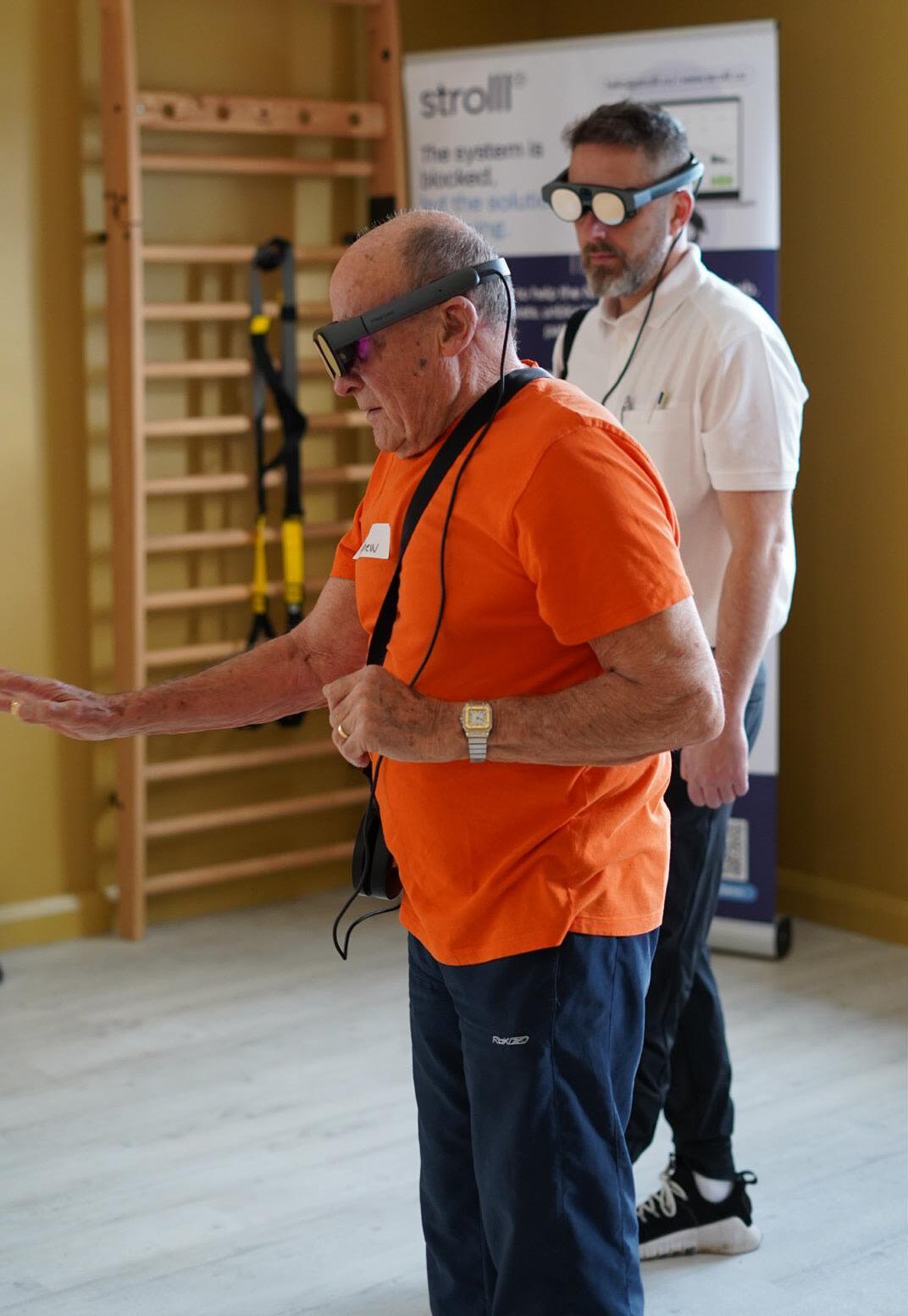
The space also includes specialist neurorehabilitation tools, including the Strolll digital augmented reality rehabilitation system – the first time the technology has been installed in a non-clinical setting in the UK. Using AR glasses, Strolll delivers guided therapeutic programmes supporting balance, mobility, functional movement and cognitive engagement. The see-through lenses allow the real world to remain visible which enables Wave Active’s in-house physiotherapist, neuro physiotherapist, health practitioners and
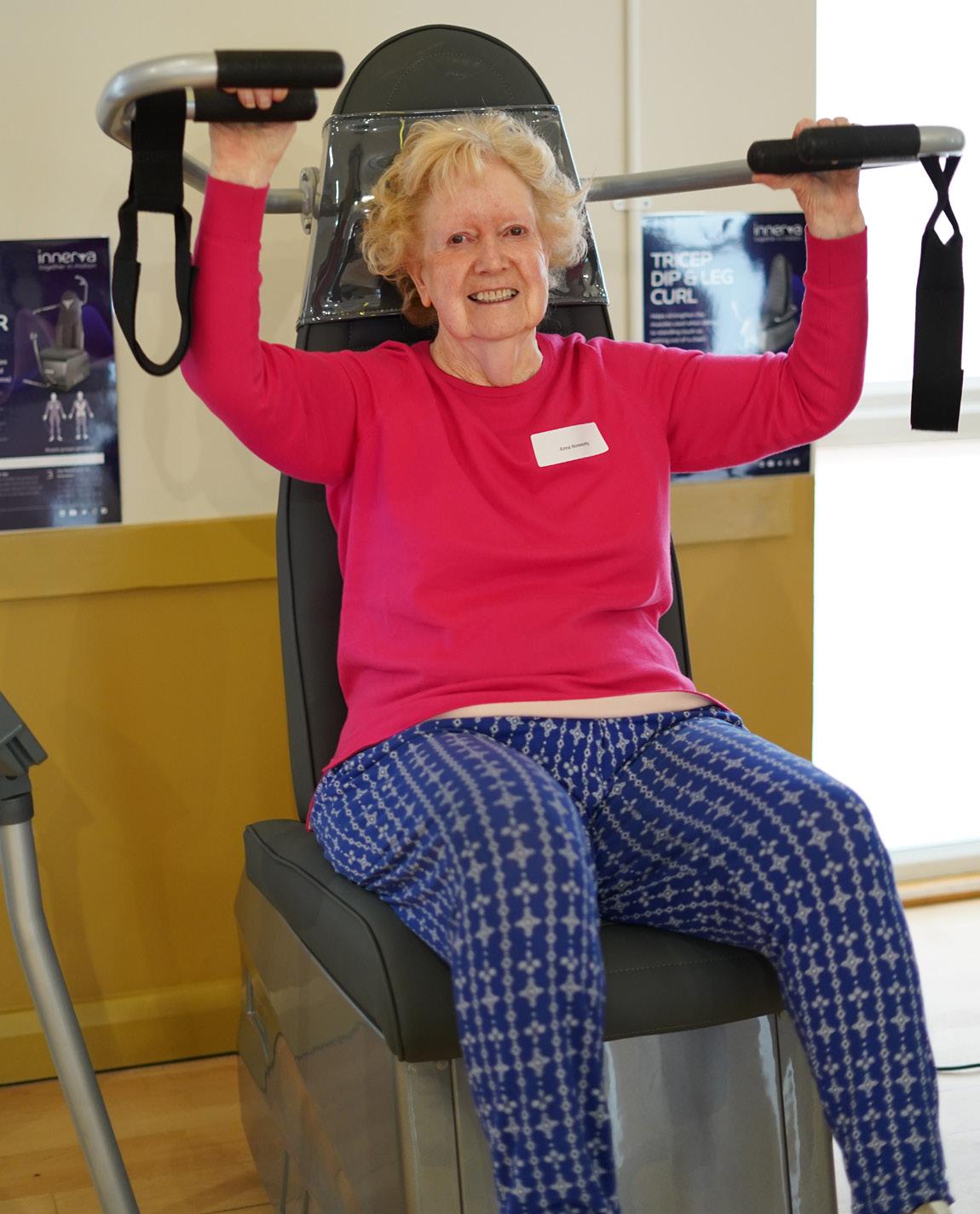
Working with the Wave Active team, we have integrated our power-assisted technology with advanced solutions including augmented reality, rehabilitation applications and therapeutic tools
health coach to deliver high-impact, immersive therapy in a safe and supportive environment.
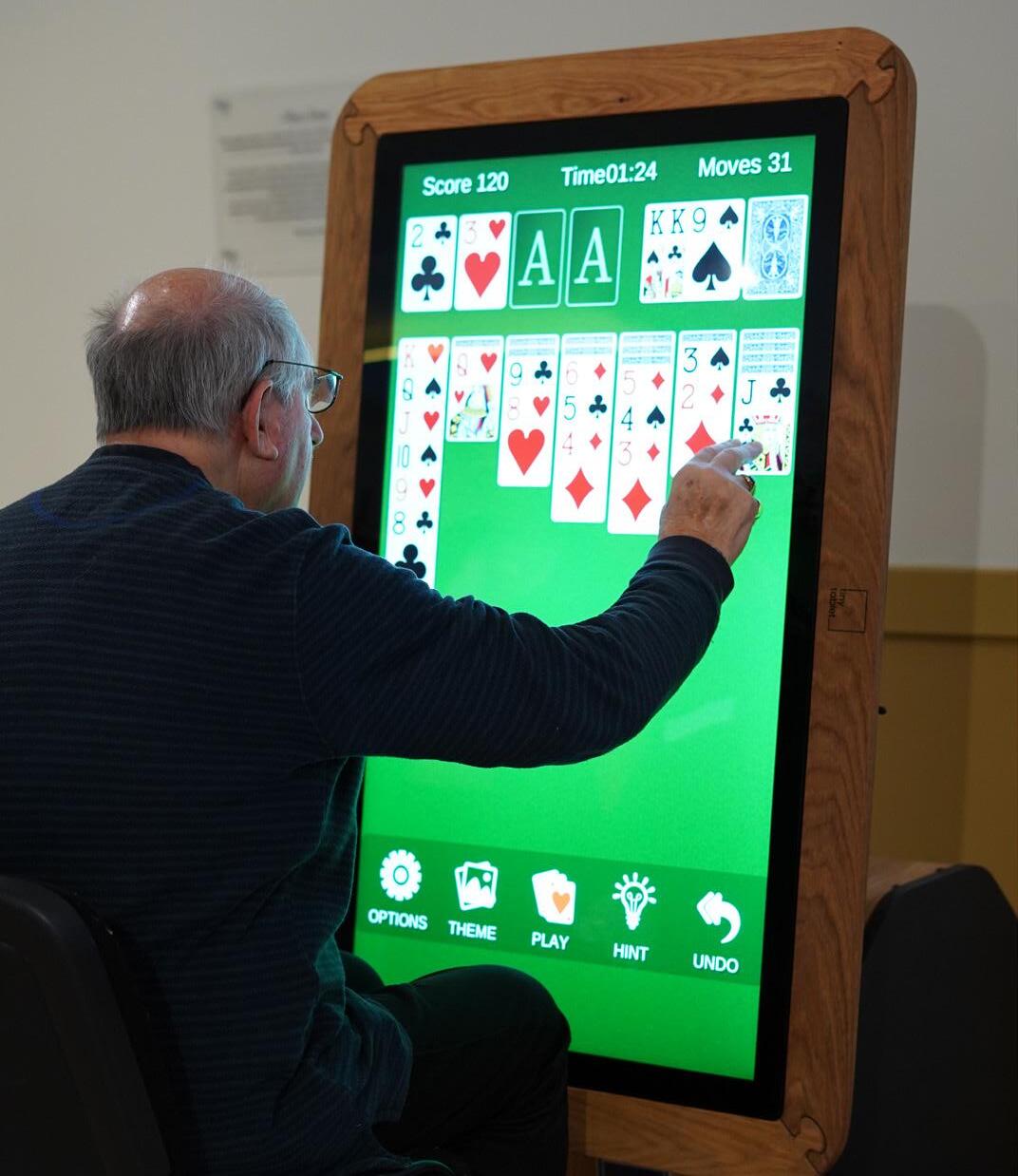
Lilian’s Room also offers Tiny Tablets, large format interactive touchscreen tables that can be used for rehabilitation apps, memory work, coordination exercises and social interaction. Widely used in care and therapy settings, the tables are fully portable and accessible and can be used by individuals and groups while encouraging digital confidence.
In the group exercise area of the room, Wave Active Health offer sessions including chairbased, stroke rehab, falls prevention and more.
Lilian’s Room is staffed throughout the day to ensure users receive the support and guidance they need to engage with the facilities. The open-plan layout is designed to encourage curiosity, interaction and social connection. For example, someone taking part in the Innerva circuit can see across the room to those interacting with the touch tables. This sparks conversation and often encourages people to try something new.
Designed to feel familiar, approachable and appropriate for many people who cannot or choose not to use mainstream gym facilities, Lilian’s Room offers a genuinely accessible entry point into health and wellbeing.
“Lilian benefited from the types of classes we were running in care home settings, so it was important that
this space offered activities she could have engaged with. As operators, we have a responsibility to support the 86 per cent of the population who don’t belong to a gym, finding alternative, more accessible ways to meet their health and wellbeing needs. Lilian’s Room offers a softer, more welcoming pathway into rehabilitation than a clinical environment. With the Wave Active Health brand dedicated to supporting people with health conditions, this purpose-built space fully aligns with that mission, offering an environment designed around people’s needs rather than simply around equipment,” says Duncan Kerr, CEO of Wave Active.
The impact of Lilian’s Room is already being felt across the community, with users travelling from outside the area to use the facilities and many reporting significant benefits, from reduced pain to improved mobility and confidence.
Wave Active plans to build on this success, exploring how the model can be adapted to meet different local needs, including ‘lighter’ versions of Lilian’s Room, says Kerr.
“We will consult with local GPs to understand the needs they are seeing in their surgeries, so we can put services in place to address them. It’s all about reaching those people who don’t fit into mainstream fitness. By creating supportive, inclusive spaces like Lilian’s Room, we can help more people become active regardless of their ability.”
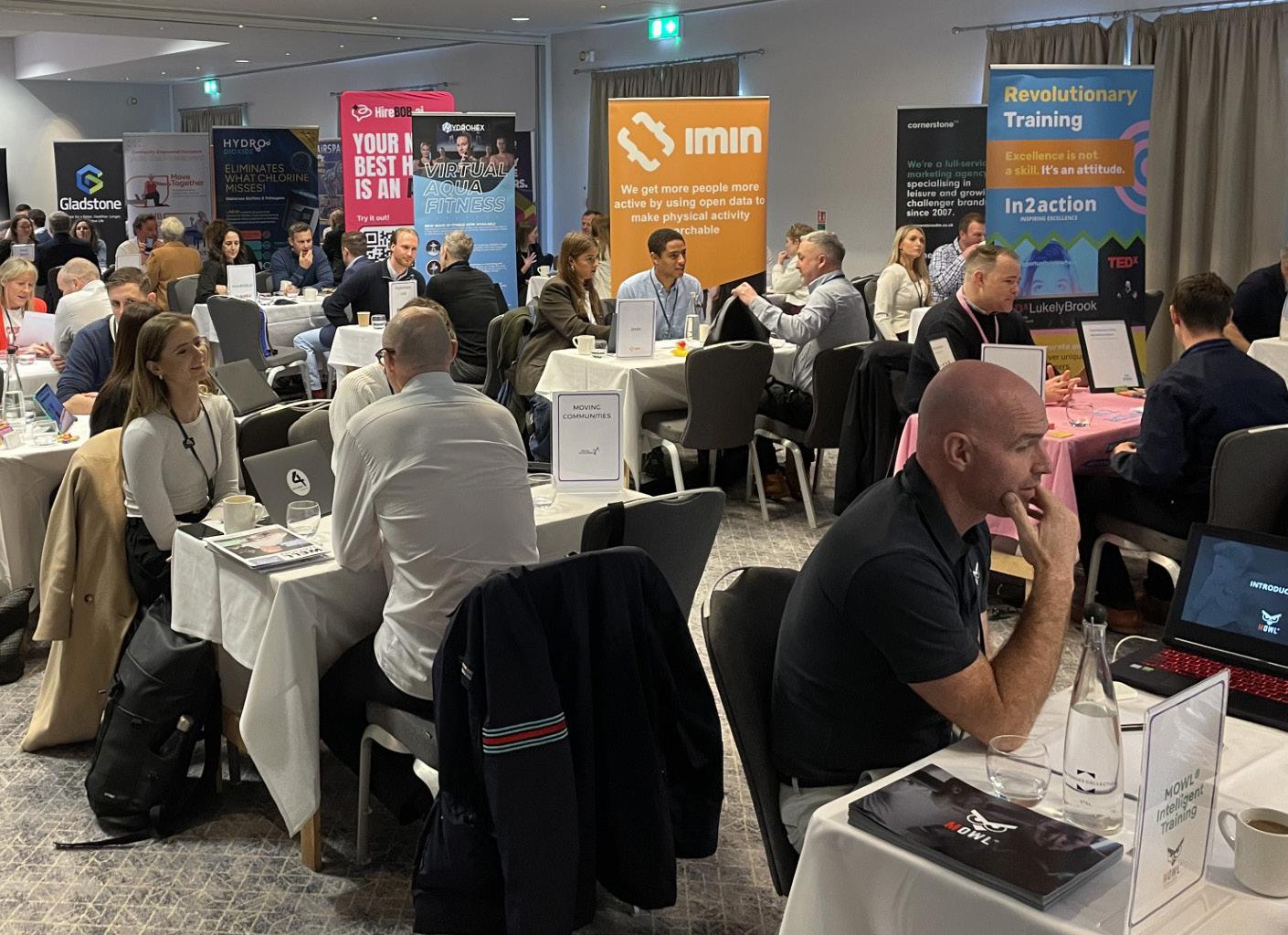
The annual active-net National event returned to Eastwood Hall, Nottingham, on 26th and 27th March, delivering its largest and most impactful gathering to date. With a completely sold-out audience of over 150 delegates, the event brought together supplier partners and operators from across the UK, reinforcing its position as a cornerstone event for the physical activity and leisure sector.
With its unique format, active-net once again combined education, insight and meaningful connection, offering attendees a curated experience designed to spark collaboration and drive tangible outcomes. From keynote sessions to structured one-to-one meetings, the event created an environment where ideas could flourish and partnerships could form.
This year’s keynote was delivered by Dr Heather McKee, titled “Mindset to Momentum: Why Behaviour Change is the Fitness Sector’s Defining Opportunity.” A leading behaviour scientist and Motivation Science Advisor to Myzone, Dr McKee delivered a powerful and timely message to the sector, challenging operators to rethink their approach to engagement. The session highlighted that while the industry has made significant strides in attracting new participants, member retention remains its greatest challenge.
This year’s active-net proved to be a landmark event driving connection, insight and education
“The challenge for the physical activity sector isn’t starting behaviour change anymore, it’s sustaining it,” McKee said.
The session emphasised that motivation is not fixed, but fluid, influenced by everyday factors such as stress, confidence and life circumstances. Rather than focusing solely on getting people through the door, she urged the sector to design environments that support individuals when motivation inevitably dips.
At the heart of the message were three core principles for sustaining engagement: competence, connection and autonomy. By creating environments where individuals feel capable, supported and in control, operators can foster consistency, the true driver of long-term habit formation. Her keynote set a compelling tone for the event, positioning behaviour change not as theory, but as a practical and essential strategy for the future of the industry.
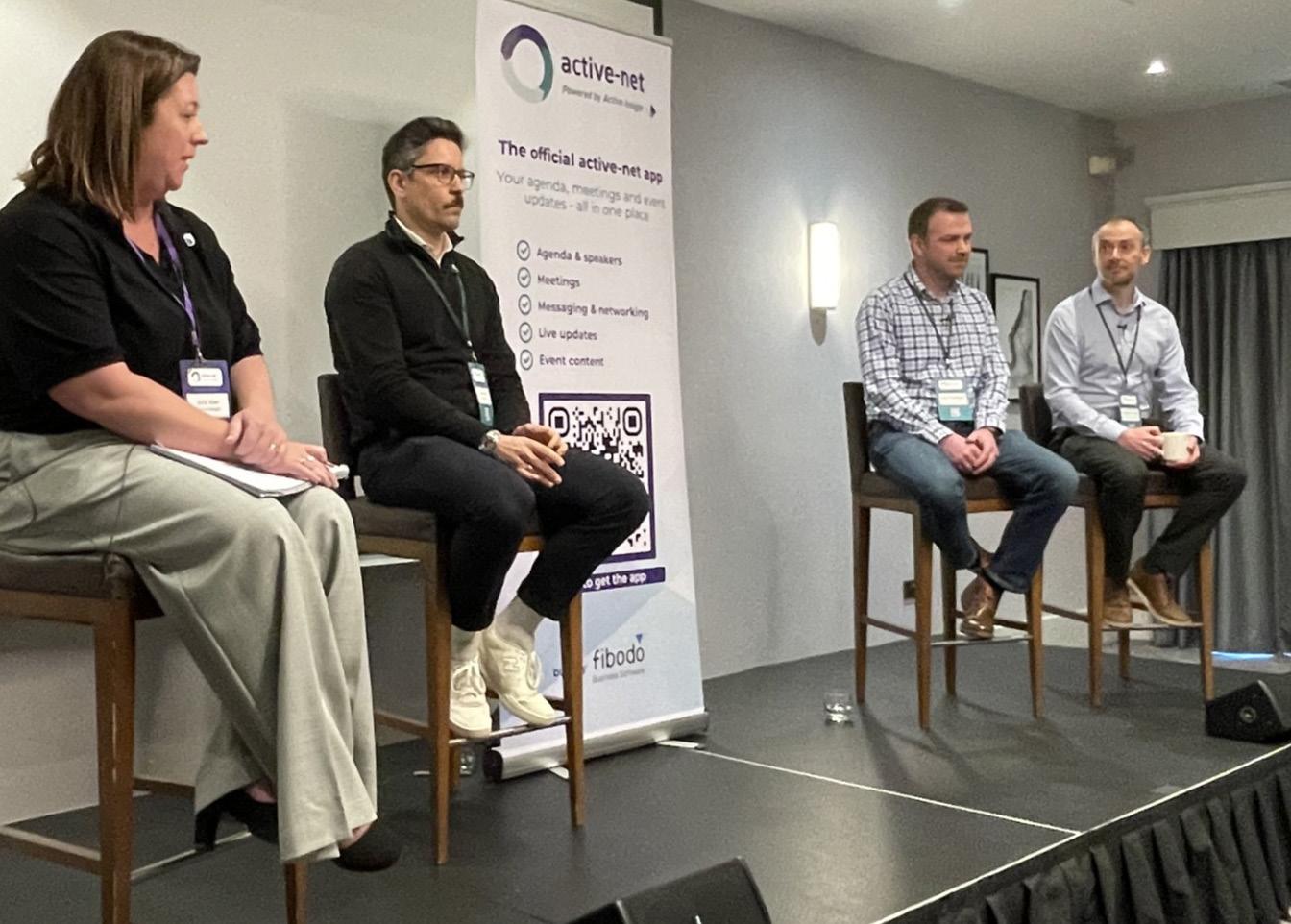
Following the keynote, delegates split into three panel sessions, each offering a different lens on the sector’s evolving landscape. The Wellbeing Services panel, chaired by Mike Hill (Active Insight), explored how operators can expand their offering, with contributions from Liz Wright (Innerva), Suzanne Gabb (Goodboost) and Tanya Hall (EGYM).
In the Wellbeing Policy session, chaired by Mark Braithwaite (Kore), industry leaders including Tara Dillon (CIMSPA), Emma Bernstein (Moving Communities) and Claire Place (ukactive) discussed the role of policy in shaping healthier communities. Meanwhile, Julie Allen (Active Insight) led the Data Driven Decision Making panel, joined by Jonathan Cooke (Innovatise), David Wadsworth (Cornerstone) and Neil Tandy (4Global), highlighting how data can inform smarter, more effective business decisions and behaviour change.
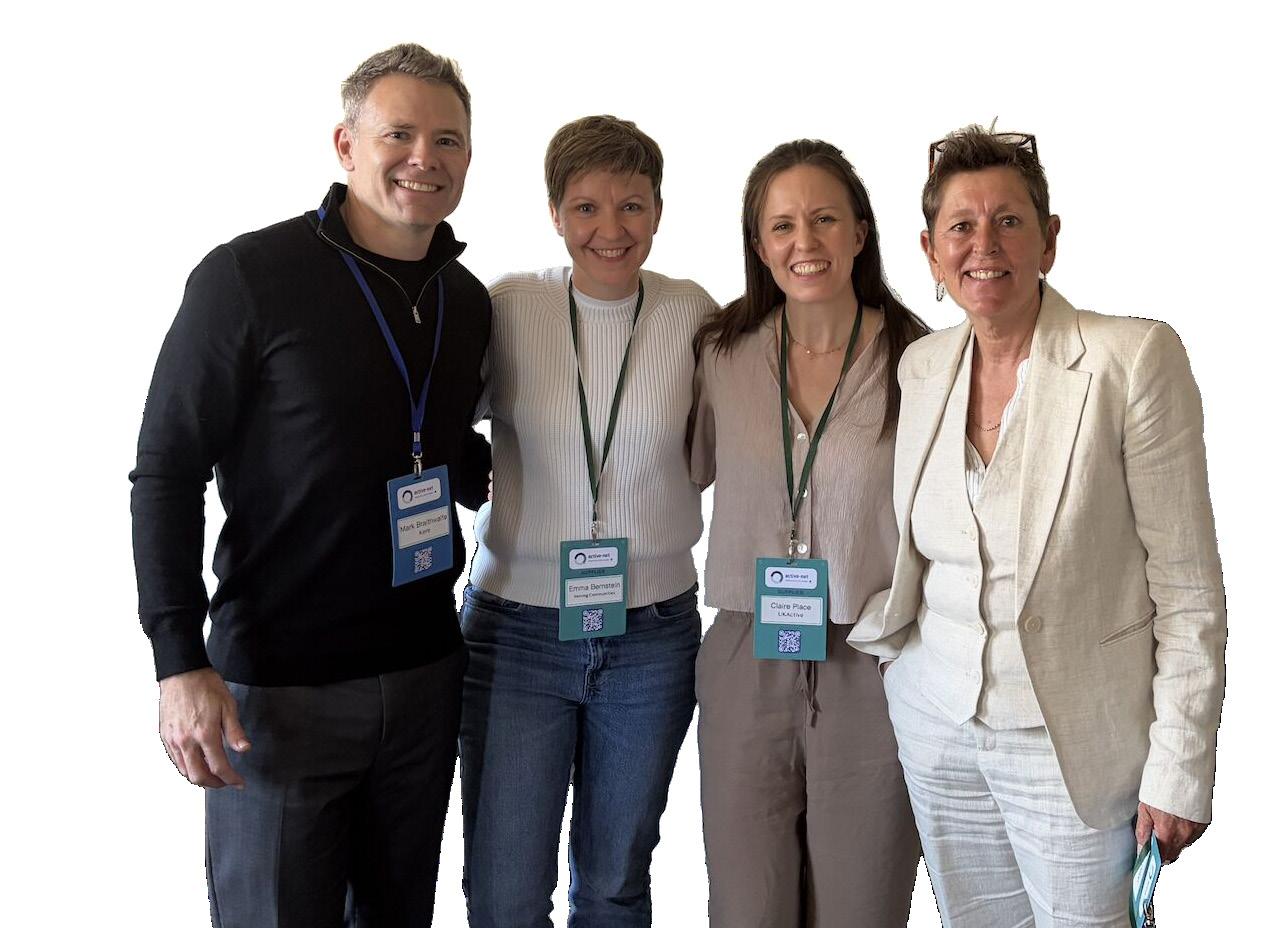
Together, these sessions provided delegates with practical insight and strategic perspective, helping them navigate both current challenges and future opportunities.
The Wellbeing Policy panel session discussed the role of policy in shaping healthier communities
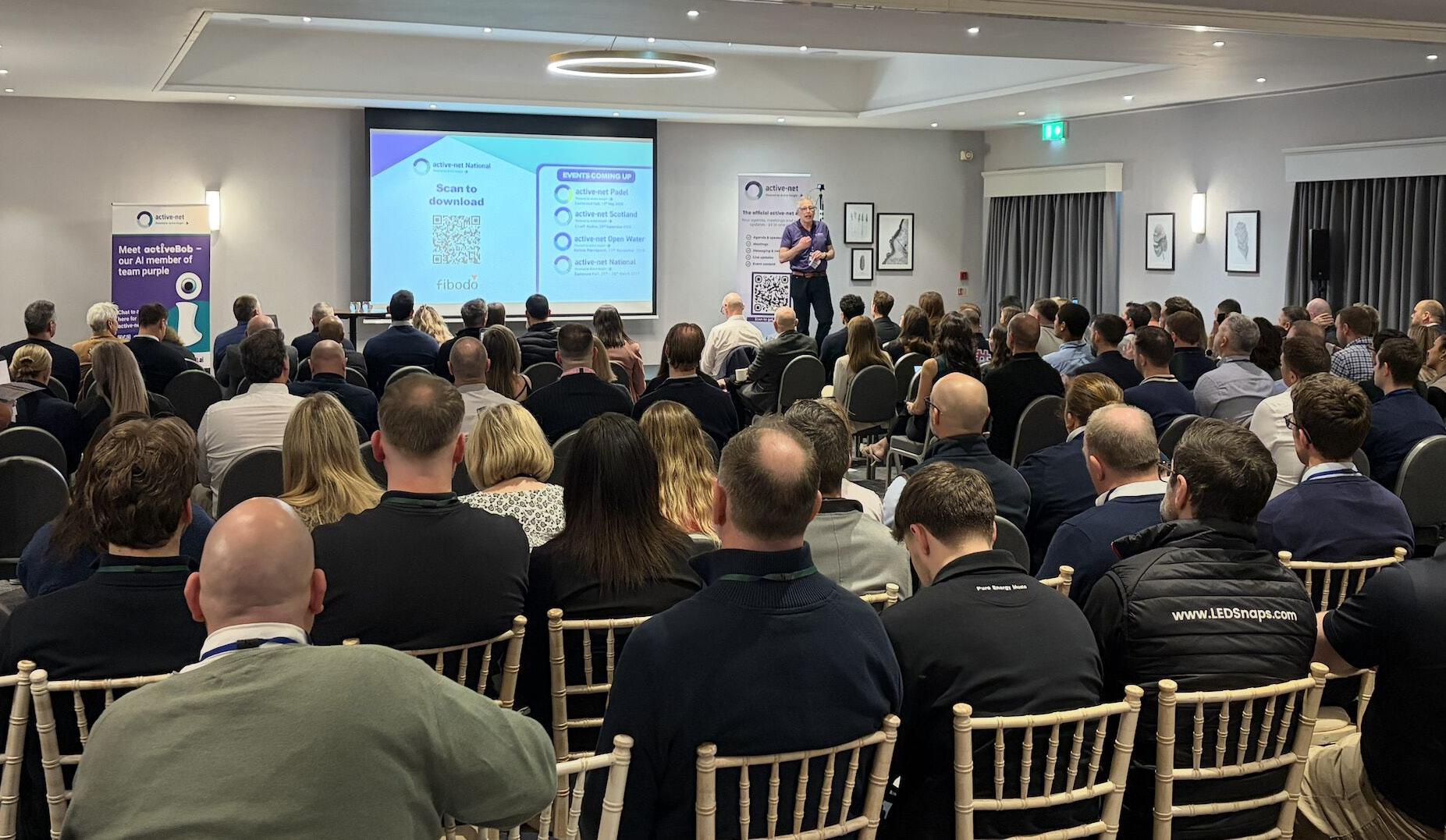
With three more active-net events still to come this year, along the themes of Padel, Open Water and Scotland, we are really excited to see how the growth of the event series continues in 2026
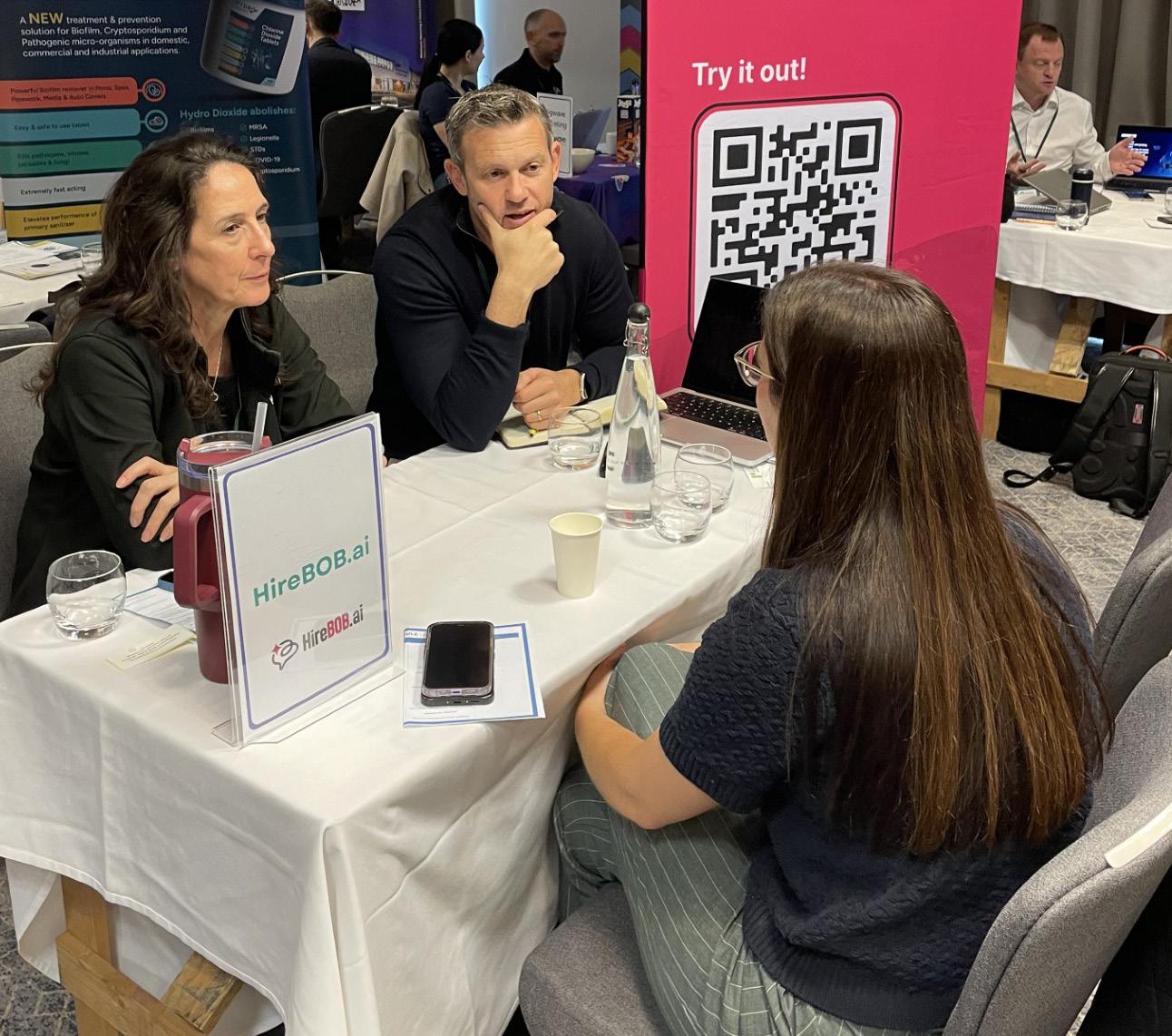
At the heart of active-net National lies its signature one-to-one meeting format. Across the two-day event, each attendee participated in at least 12 prescheduled meetings, designed to match suppliers with operators in focused, 20-minute sessions, making up a total of 854 meetings across the event.
These meetings are where the event truly comes to life, enabling attendees to build new relationships, strengthen existing partnerships, and match real-world challenges with tailored solutions. Beyond the meeting room, the event also fostered connection through shared experiences. Day one concluded with a group exercise session supported by Big Sister, a charitable initiative tackling the drop-off in sports participation among teenage girls, followed by a formal dinner and evening entertainment.
Sticking to active-net’s unique approach, day two began with energy and movement, as delegates joined a studio cycling session led by Les Mills’ Customer Experience Director, Charlton Clarke, before returning to the meeting programme after breakfast.
With a mix of returning attendees and a strong influx of new faces, the event reflected the growing reach and relevance of the active-net series. Organisations including UKactive, STA, Les Mills, Innovatise, HireBOB, ReCreation, Speedflex and 4Global were all among those in attendance, demonstrating the breadth of organisations represented and the value it delivers to them.
Reflecting on the event’s success, David Monkhouse, Director of active-net, said: “We have been delighted by the response to this year’s first active-net event. We knew going into the event that it was sold out weeks in advance, but to then feel the energy and enthusiasm in the room on the day was very special. With three more active-net events still to come this year, along the themes of Padel, Open Water and Scotland, we are really excited to see how the growth of the event series continues in 2026.”
As active-net continues to expand, active-net National 2026 has set a new benchmark, not only in scale, but in its ability to connect people, inspire new thinking and drive the sector forward.
New national research from Active Insight is challenging long-held assumptions about why people struggle to become more physically active. The findings, published in March, suggest the sector may need to rethink how it engages communities.
Drawing on 530 responses from a recent Active Insight Consumer Panel survey, the study explored a simple but revealing question: “When you think about becoming more physically active, what thoughts or feelings usually get in the way?”
The results point clearly towards one dominant theme – not cost, not access, but mindset.
Across a broad mix of ages and genders, the most common barrier was feeling too tired or lacking energy, cited by 30.94% of respondents. This was followed by low motivation (25.66%) and health or physical limitations (19.62%). In contrast, more traditional structural barriers such as cost, access or convenience were mentioned by just 16.79%.
This shift is significant, as it suggests that for many people, the challenge is not whether opportunities exist to them, but whether they feel physically and mentally able to engage with them. In other words, the real barrier is one of “Mindset to Momentum.”
The findings reinforce the critical insight that people are not inactive because they are ‘lazy’, but they are often simply depleted and haven’t yet made the connection between being more active and feeling like they have more energy with improved sleep.
A commonly held narrative around exercise is that it requires effort, discipline and time, which from the very outset sounds like a significant commitment for most people. This mindset presents a clear opportunity

Is the physical activity sector getting it wrong, when it tries to turn inactive people to active ones? Could the real reason for people not exercising be that we aren’t doing enough to change mindsets?
for the sector’s messaging to be different, the messaging must evolve to a position of physical activity not as an energy drain, but as an energy creator. Short, accessible formats such as 20 – 30 minute express sessions, “low energy day” classes, and lunchtime re-energisers can help reframe activity as achievable and immediately beneficial. Equally, simple benefit-led messaging such as “feel better in 30 minutes” may resonate more strongly than performance-driven headlines.
Alongside energy and motivation, the research highlights the importance of psychological barriers, particularly around health concerns and fear of discomfort. Nearly one in five respondents indicated that health limitations or physical constraints prevent them from being more active. Although
in some cases this will be a physical issue, it can also be a psychological one, with concerns about injury, pain or not being able to keep up creating a significant barrier before participation even begins.
Here, psychological safety can become a narrative that needs more discussion, reassuring and supporting people that exercise “starts where you are” and “progress is at your own pace”, these types of messages can help reduce intimidation and open the door to participation.
While time is often cited as a barrier, the research suggests it is rarely the root cause, instead it is often a secondary barrier behind deeper thoughts about energy, motivation and confidence.
To address this, operators can reduce friction through shorter, structured sessions,
simple booking systems and hybrid delivery models that fit more easily into daily life.
Crucially, the data also highlights a confidence gap with 14.1% worrying that they won’t stick to long term activity, while 5.9% say previous attempts have failed. This “adherence anxiety” reflects a lack of self-belief.
The message is clear, if we are to move more people from intention to action, we must focus less on provision and more on perception. By understanding the emotional and psychological barriers that sit between mindset and momentum, the sector has an opportunity to reshape its approach, making physical activity feel not just accessible, but achievable. If you would like to know more about this research, please reach out to Active Insight’s Julie Allen (julieallen@active-insight.org)

WellNation attended the ��fth annual PerformX, held in Birmingham in February
PerformX held its fifth annual event at the NEC Birmingham in February.
Marketed as “the business of fitness show”, it is quickly becoming one of the most important sector events in the diary. As in previous years, PerformX provided delegates with insights into the state of the industry, focusing heavily on the key trends and shifts shaping the landscape for gyms and wellbeing businesses.
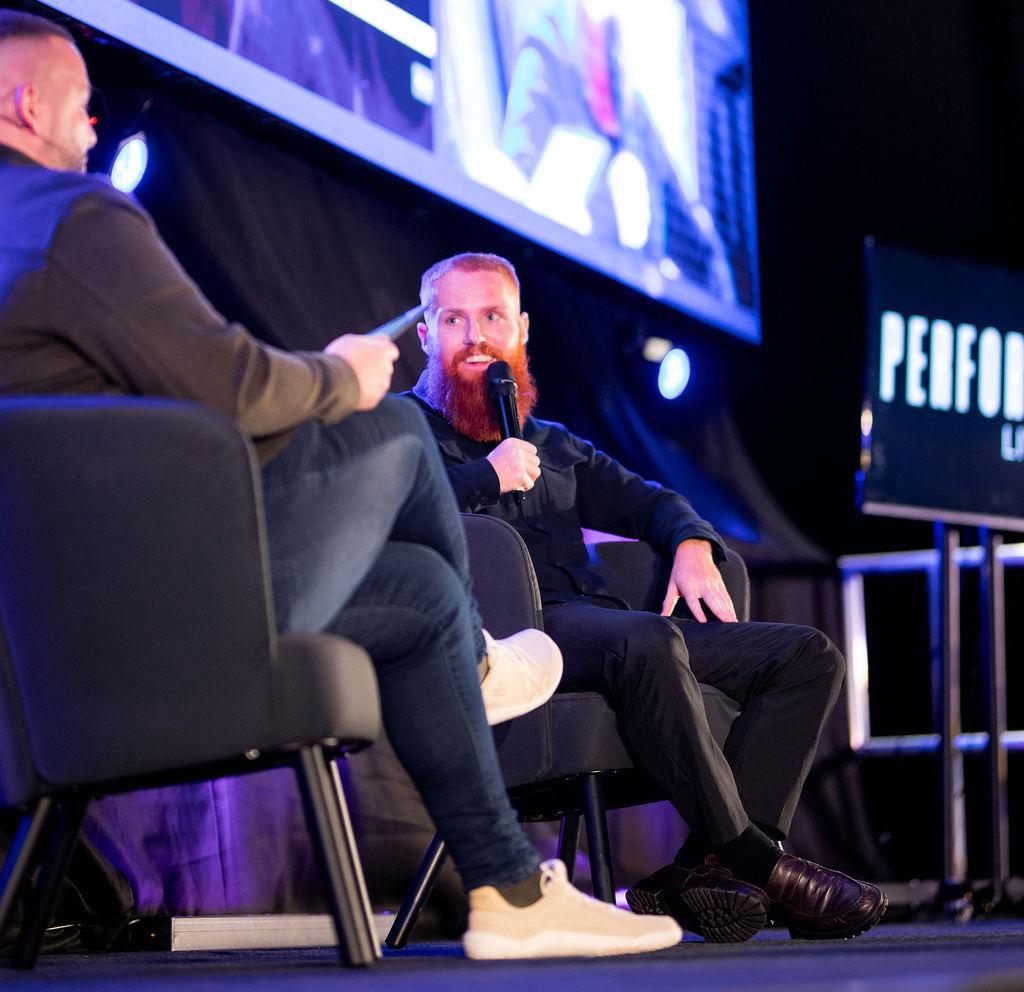
Education is at the heart of the show and the four stages certainly did not disappoint this year, with headliners Jonny Wilkinson and Russ Cook – aka. ‘The Hardest Geezer’ – packing out the Main Stage. They were joined by a range of important conversations, hosted by thought leaders Mohammed Iqbal and Matthew Januszek.
Other highlights included a Gym Leaders panel with John Penny (Third Space), Neil Randall (Urban Gym Group), Jean-Claude Vacassin (Foundry) and Sophie Lawlor (Total Fitness), hosted by Ian Rushbury, while Adrienne Adhami delivered a session on Key Shifts Shaping Consumer Behaviour.
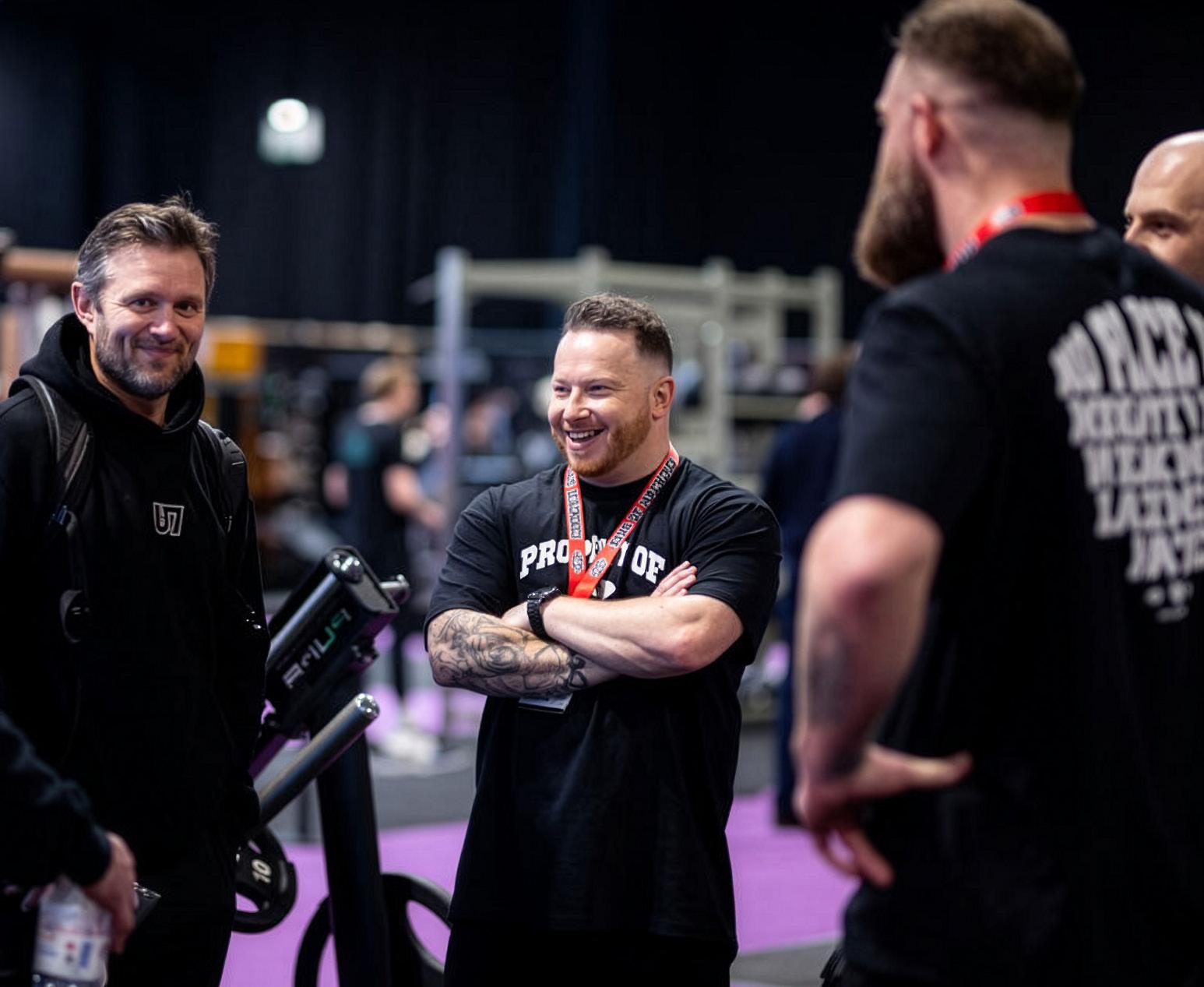
Elsewhere, a session on men’s mental fitness explored the sector’s role in helping men thrive (delivered by Jay Worthy of Myzone, Dr Joe Gaunt, Ben Coomber, Pete Taylor and Ross Colquelin), There were also masterclasses from Phil Learney and Oliver Patrick. In total, more than 80 talks took place across four stages and three streams (the c-suite, the independent gym owner and the personal trainer).
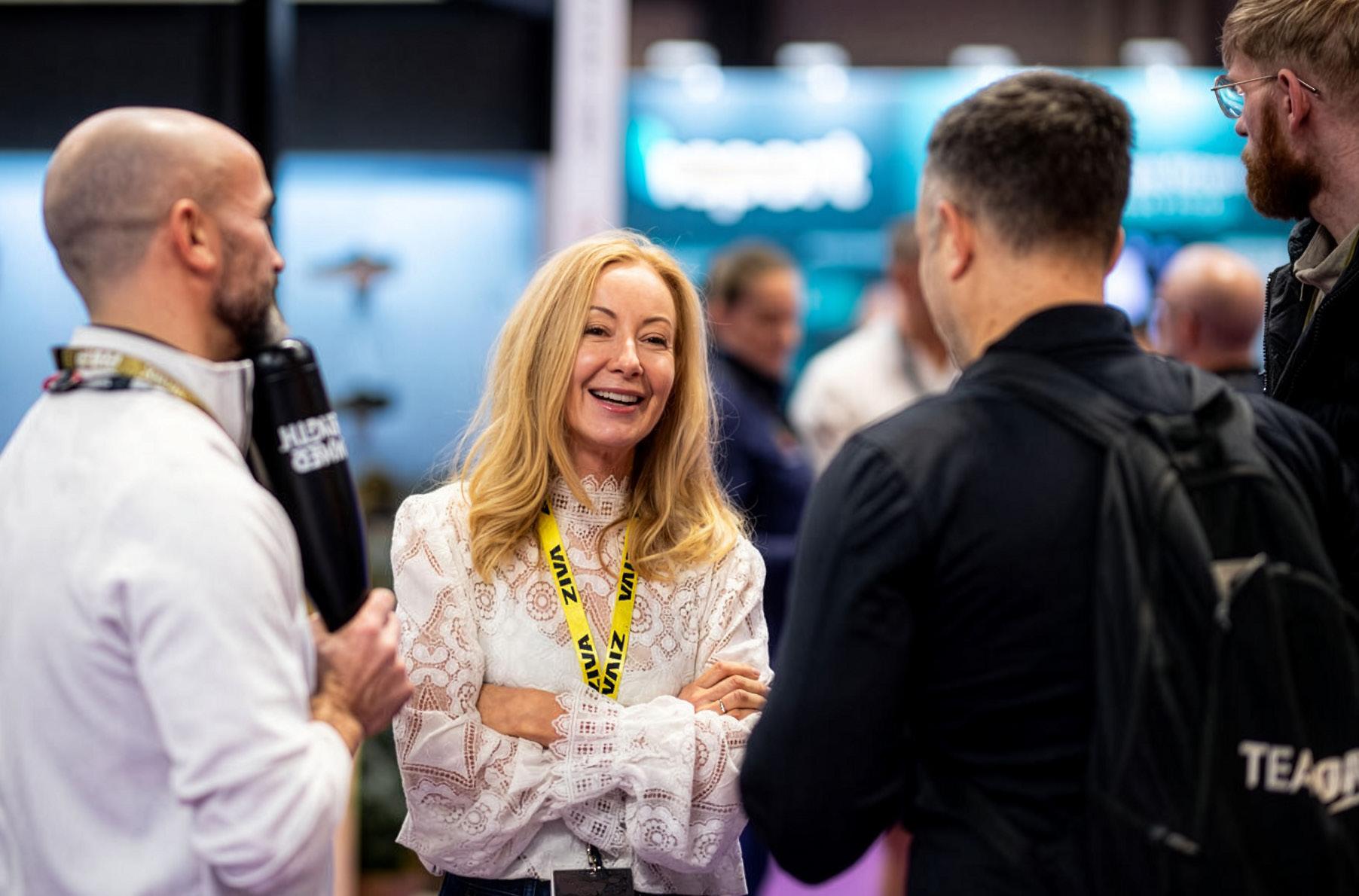
This year’s show brought together 5,000 sector professionals and leaders, including a packed VIP Club made of up of C-Suite leadership teams of the key accounts in the country, many of who are also part of the PerformX Advisory Board. The board helps to define the speaker schedule and exhibition floor and features members from Third Space, Everlast, Everyone Active and David Lloyd Leisure.
New additions for this year’s edition of PerformX included a focus on the UK’s spa and wellness sector. As the worlds of physical activity, fitness, health and wellbeing merge – and consumer tastes change accordingly – it is important for the show to adapt and this was the first time the schedule had dedicated content for the C-suite decision makers from the leading spas. This was led by Jaclyn Hughes and Sara Young of Spa Well.
The exhibition floor was the biggest in PerformX’s history, made up of some of the leading fitness equipment and technology that is shaping the future of the space – including Life Fitness/ Hammer Strength, gym80, EGYM and InBody
The dates for next year’s PerformX Live – which will again be held at NEC Birmingham – have been confirmed as 24 and 25 February 2027. Delegates can expect four stages of world-class content, prime networking, an exhibition floor packed with leading brands and complimentary VIP experiences for senior decision-makers.
The exhibition floor was the biggest in PerformX’s history