



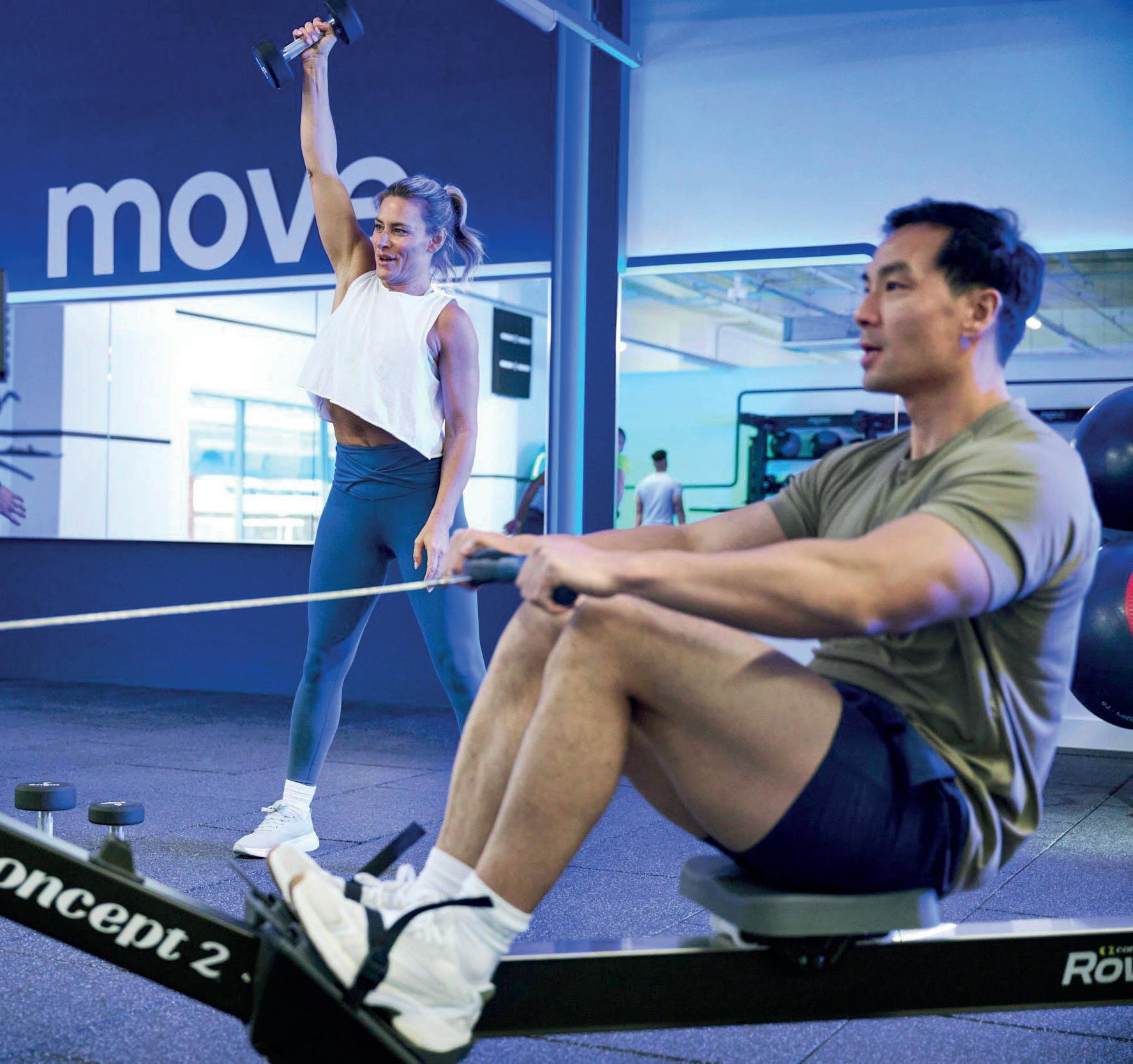
The Gym Group is speeding up its growth plans, with 20 new gyms scheduled for 2026 and a further 55 openings planned over the next two years. The company opened 16 sites during 2025, all which were funded by cashflow.
Announcing its full year results for 2025, the budget gym chain reported a 194% increase in pre-tax profits (from £3.6m to £10.6m), as adjusted revenue for the year to 31 December 2025 was up 8% (from £226.3m in 2024 to £244.9m).
Due to the strong results and a “positive financial outlook”, the company said it is accelerating its new site openings programme to “take full advantage of the available white space and market growth opportunity”.
“This has been another year of strong progress for the Group, exceeding
both our own and the market’s expectations,” said Will Orr, The Gym Group CEO. “Our Next Chapter growth plan is delivering, and we see significant opportunities ahead in a market with structural growth tailwinds. The resulting momentum has produced a strong profit outturn in 2025 and we have made a good start to 2026.
“Group Adjusted EBITDA Less Normalised Rent for FY26 is expected to be at the top end of the analysts’ forecast range and we confirmed plans in January to accelerate our expansion, targeting circa 75 new, organically funded sites over the next three years, while also returning cash to shareholders.
“These results are a testament to the hard work of our expert teams, who are committed to delivering for our members and our investors.”

Work is underway on a new leisure centre in Thornaby-on-Tees, Yorkshire. The £14m facility will house a five-lane swimming pool and health club with a gym, sauna and changing rooms.
The two-storey building will connect to the existing Thornaby Pavilion with a link bridge and the investment will see enhancements being made to the internal layout and fitness spaces in the existing pavilion building. Funded by Stockton-on-Tees Borough Council – alongside investment from Sport England – the centre is expected to open in summer 2027.
Designed by Ryder Architecture, the centre has been designed to promote sustainable travel, aims to achieve BREEAM ‘very good’ status and will provide a biodiversity net gain of around 30 per cent. Other companies working on the project include planning consultants DPP Planning.
The project is part of the £23.9million Thornaby Town Deal, set to bring long-term change and investment to Thornaby. Other projects funded
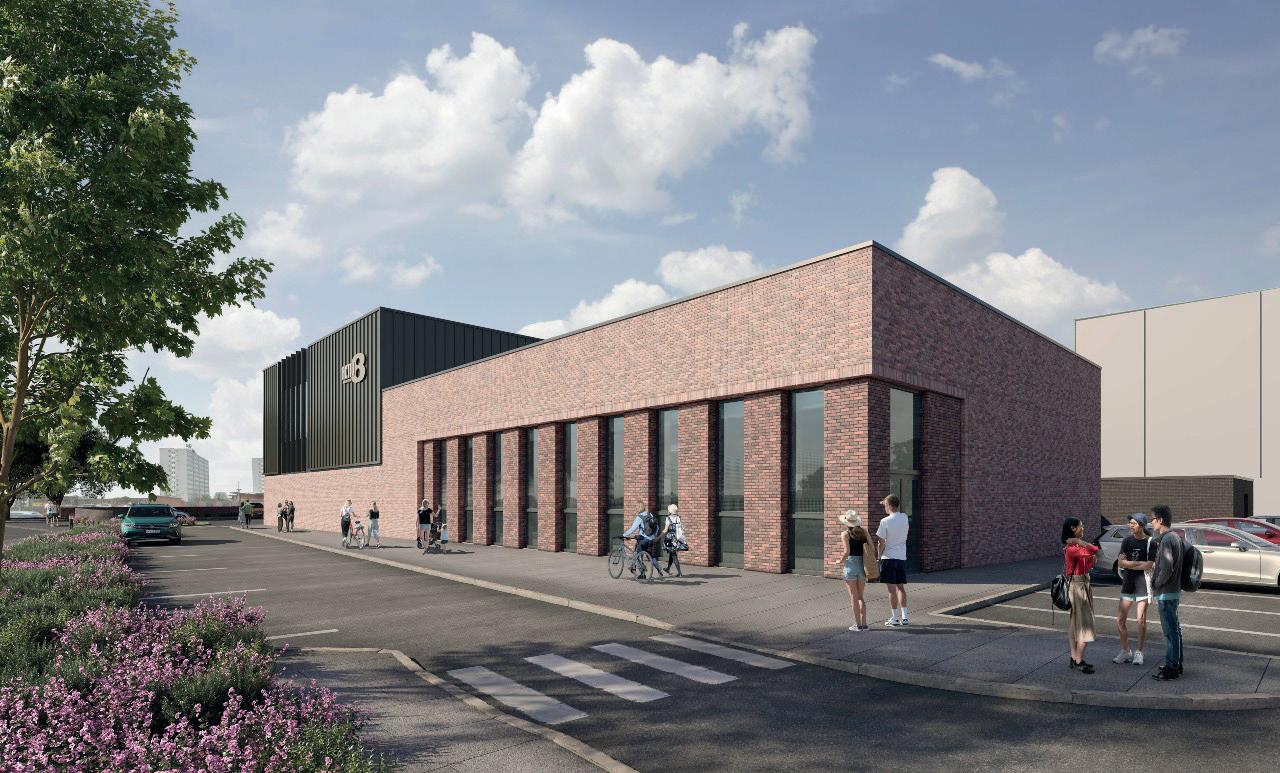
The centre has been designed to promote sustainable travel
by the Town Deal include a joinedup network of cycle routes across Thornaby, designed to improve access to the town centre and connect with existing cycle infrastructure to the North and South. The new infrastructure includes segregated cycle facilities – as well as shared
walking and cycling facilities – new safer crossings for both walking and wheeling and also additional signage.
Councillor Richard Eglington said: “A new leisure centre will provide sports facilities and add vibrancy to the town. We’re bringing life to a site that has been vacant for a number of years.”
Preliminary works have begun on the Cascades Leisure Centre project in Gravesend. The initial works will prepare the ground for construction of the new low-carbon leisure facility, which will replace an existing, ageing facility with a building designed to host regional events.
Plans for the new Cascades centre, which will be owned by Gravesham Borough Council, include a 25m pool, 17m learner pool, aqua play and water flume area, spectator seating, a six-court sports hall, multi-level soft play zone, party and community rooms and a café.
John Burden, Leader of Gravesham Borough Council, said: “After two years in the planning, and following lobbying to secure government funding for this project, this will be a landmark day for the borough.”

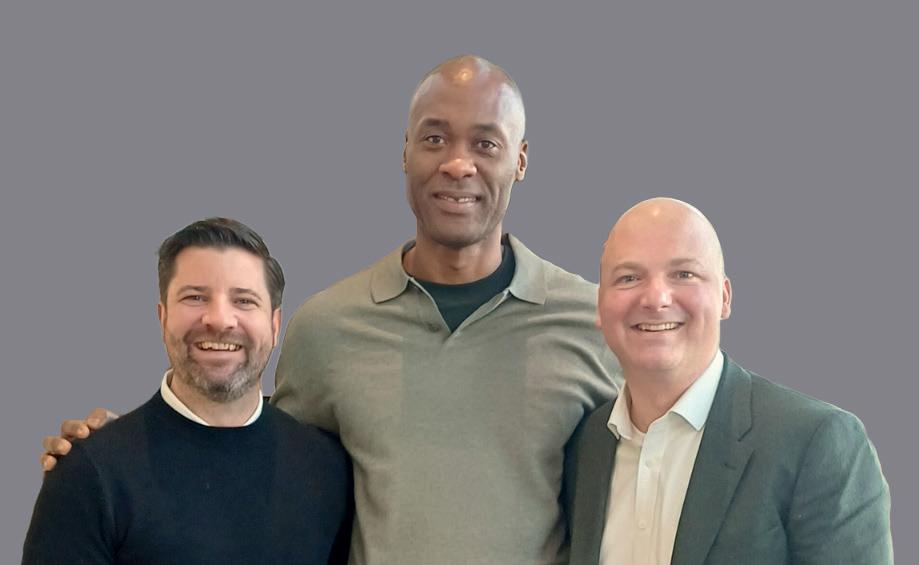
LeisureLabs has announced the launch of Connect, a sister company created to address one of the industry’s persistent challenges: fragmented digital systems that are costly to build, difficult to integrate and slow to evolve. Headquartered in the UK, Connect has been established as an operationally independent business, strategically aligned with LeisureLabs. Its focus is the development and delivery of enterprise-grade digital products designed to work across complex, multi-vendor environments, accelerating delivery at scale.
FitnessGenes, one of the early pioneers in the direct-toconsumer DNA testing space, backed by David Lloyd, founder of David Lloyd Health Clubs, has just launched BASIL, the world’s first independent, AI-powered, DNA-based longevity platform. BASIL – short for Biological Assessment System for Improved Longevity – translates genetic insights into practical recommendations, ranking foods, supplements, and exercise strategies according to their potential impact on long-term health.

The guide covers a range of practical examples and tips
A new guide has been launched to help gyms, leisure centres and other physical activity facilities communicate their policies and procedures around sexual harassment and intimidation.
Published by ukactive and Sport England’s This Girl Can campaign, the guide covers a range of practical examples and tips to improve communication with gym members and build trust. Titled From Policy to Practice: How to Share Your Stance Against Harassment in Your Facility, the guide will be downloadable from the Safer Spaces to Move resource hub and has been designed to inform facilities how they can ensure everyone feels informed, welcomed and respected.
Among other guidance, the new resource aims to inform facilities: l How to communicate clearly to visitors and members that sexual harassment and intimidation are not tolerated in facilities.
l How operators can ensure that visitors and members know how
to report any concerns, what will happen next if they do, and what support is available to them.
l How to build trust and confidence with their visitors and members in an operator’s policies and training so more members feel able to report issues should they arise.
The guide has been designed for operators across the physical activity sector and is set to be utilised at all levels within an organisation, from the operations teams to marketing and member communications. It has been informed by a series of focus groups with women and men to put members’ voices first, providing in-depth insight into what members expect and how messaging can best build trust, convey safety and strengthen confidence.
Hattie Jones, Head of Membership at ukactive, said: “This guide will help ensure that every woman and girl feels informed, confident and empowered to use the range of services within our nation’s gyms, pools and leisure centres.”
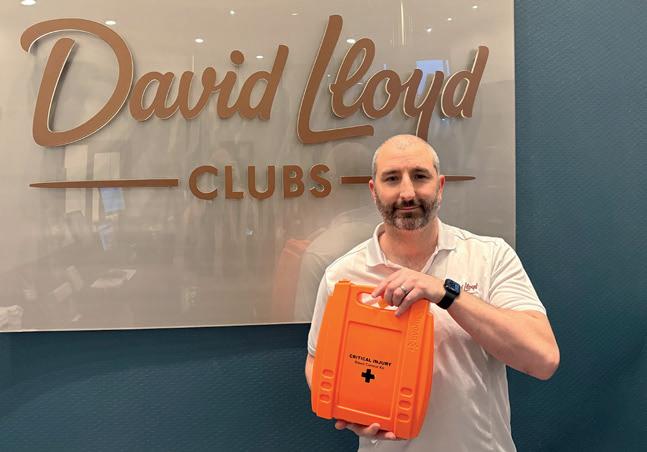
David Lloyd Clubs has become the UK’s first health club group and national leisure operator to install bleed control kits across all its sites, ahead of the implementation of Martyn’s Law. Bleed kits help anyone who is suffering from severe bleeding under any circumstances. Martyn’s Law, officially the Terrorism (Protection of Premises) Act 2025, has been designed to improve security at public venues and events. Named after Manchester Arena attack victim Martyn Hett, it requires venues with a capacity over 100 to implement risk assessments and, for larger venues (800+), enhanced security plans. The law received Royal Assent on 3 April 2025.
There will be an implementation period of at least two years before the Act fully comes into force in 2027. David Lloyd Clubs has taken early action with each of its 108 UK clubs now housing a centrally located bleed control kit, sourced from RLSS UK, ensuring quick and easy access for trained staff in the event of a serious injury.
As part of the rollout, the company has added bleed control training to its first aid courses. Duty managers and team members with First Aid at Work qualifications are being trained in how to use the kits, followed by the group’s lifeguards, so that staff have the skills and confidence to respond in an emergency.
Central YMCA has sold its whollyowned awarding body subsidiary, Y Awards Limited, to Access Training Enterprises. The move follows a strategic review, undertaken by the charity’s trustees, which concluded that the awards would be best supported by an ownership structure which provides investment to support their “future growth and operational resilience”.
In a statement, Central YMCA said the move will enable it to “sharpen its strategic focus” and concentrate its resources on delivering its charitable objectives.
Y Awards Limited will continue to operate independently, retaining its regulatory status and governance arrangements.
“Access Training Enterprises is not an awarding organisation and will not be involved in the design, assessment, or awarding of qualifications,” the statement reads.
Lianne Clark, Head of Y Awards Limited, said: “This decision
follows a period of growth and the strengthening of our senior leadership team for Y Awards, representing the next step in investing in the future of the organisation and the sector we serve.
“Y Awards Limited remains fully regulated, fully operational, and committed to delivering high quality qualifications that support learners, centres and employers across the health and fitness sector.”
Ian Bennett, CEO of Access Training Enterprises, added: “We are committed to safeguarding the standards and trust established by Central YMCA, while also looking ahead, investing in engagement, technology and new opportunities to support providers and learners alike.
“Together, we are excited to build on what has come before and create an even richer, more connected experience for the loyal YMCA Awards community and the many learners it serves.”


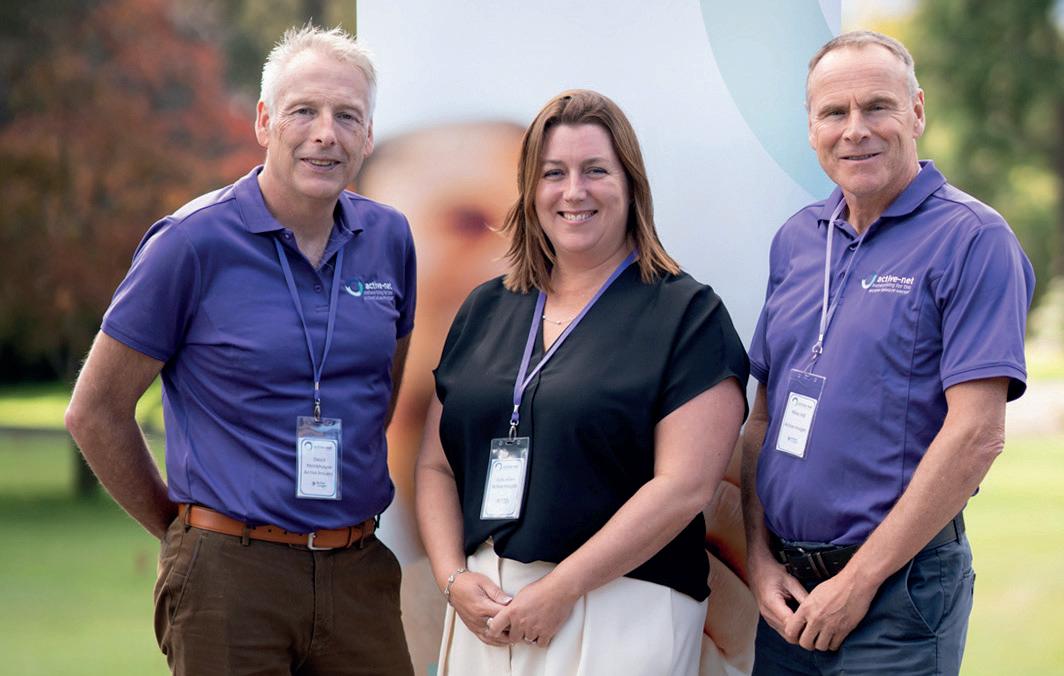
Active Insight has named Julie Allen as its new Managing Director. Allen is stepping into the role following her appointment as Director in late 2024.
The move will also see Active Insight founder, Mike Hill, and long-standing Director, David Monkhouse, stepping into more strategic roles, “aligned with their respective strengths and passions”. Hill will continue to lead the development and delivery of the partnership with Sport England’s Moving
Horizon Leisure has appointed industry stalwart Peter Cheeseman as its new Head of Operations.
Cheeseman joins Horizon Leisure with more than 20 years of leadership experience in the leisure industry, most recently as National Commercial Manager at Freedom Leisure, where he established a strong reputation for enhancing facility performance and creating vibrant community spaces.
His proven track record in the industry is further supported by previous leadership positions as Area Manager for the New Forest and Woking areas at Freedom Leisure and as Business Manager at Active Nation. His expertise in local authority collaboration will be instrumental in driving Horizon Leisure’s vision to help communities to lead happier, healthier lives.
Reporting directly to the Chief Executive, he will also lead the operational delivery of Horizon Leisure’s facilities in Havant, Waterlooville and Guildford, as well as its community assets, including the Wellbeing Hub in Havant’s

Meridian Shopping Centre.
Mike Lyons, CEO Horizon Leisure, said: “Peter joins us at a pivotal time, his commercial capability and clear alignment with our mission make him a valuable addition to the team. In his new role, Peter will play a central role in delivering our five-year plan, and his leadership will support our continued growth and the positive impact we deliver across our communities.”
Cheeseman added: “I have always believed that leisure centres are the heartbeat of any community and my goal is to ensure that every person who walks through a Horizon Leisure door feels supported and welcome.”
Communities, while Monkhouse will be tasked with growing and enhancing the Active-Net event portfolio.
In a statement, Active Insight said: “Julie’s appointment comes as the organisation moves into its next phase of growth and strategic focus.
“Her increasing leadership comes in recognition of her ongoing contribution to the organisation’s evolution, product development and sector impact since joining the business three years ago.

Mytime Active appoints Lee Clark as operations director
Mytime Active has appointed Lee Clark as its new Operations Director. In the role, Clark will lead, develop and drive Mytime Active’s operational agenda and will be tasked with delivering “continuous improvement to the member experience”.
Beginning his career as a lifeguard, Clark is a leisure industry veteran who has spent the past 30 years in the sector, working within operations and as a multi-site director within the health, leisure and golf sector.
As the commercial fitness industry doubles down on strength and innovation, Michael Bruno has taken back the helm of Core Health & Fitness, bringing with him more than three decades of leadership, innovation and vision
Often described as one of the principal architects of the modern commercial fitness industry, Michael Bruno built his reputation not simply by growing businesses, but by reshaping how the industry operates. He was a pioneer of the offshore manufacturing model for commercial fitness equipment, a strategic shift that elevated production quality, consistency and scalability across global markets. At a time when operational precision was not yet the norm, Michael introduced systems and standards that helped professionalise the sector and raise expectations worldwide. However, his influence
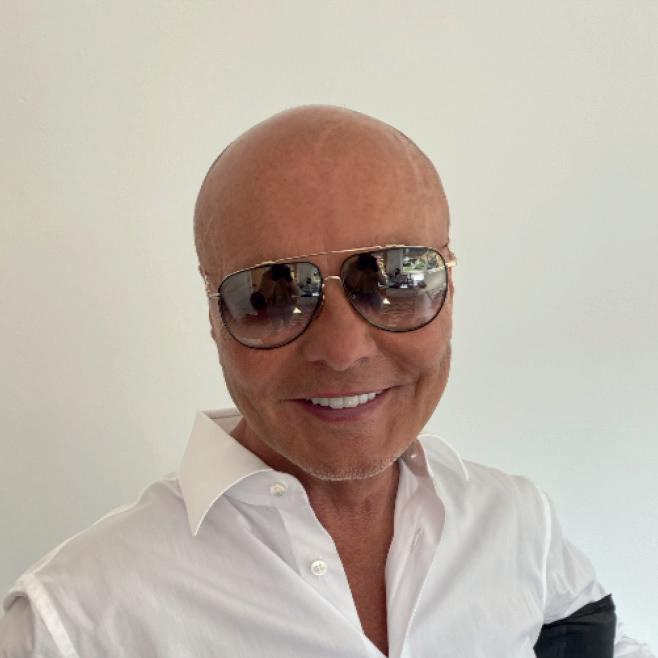
My passion for this industry is only superseded by my passion for new products. As we navigate 2026 and beyond, we have a lot of exciting new products for our current and future customers.
Michael Bruno, Founder & CEO, Core Health & Fitness
extends far beyond manufacturing. Michael has demonstrated a rare ability to steward iconic brands without compromising their heritage. Under his leadership, Core Health & Fitness became one of the largest privately held commercial fitness companies in the world, uniting category-defining names including Nautilus, StairMaster, Star Trac, Schwinn, Throwdown, Wexer, and Gym Rax under a single strategic vision.
This was never about building a simple portfolio. Instead, Michael shaped an ecosystem, one where each brand leads its modality while reinforcing the collective strength of the whole. His philosophy centres on innovation, resilience and an unwavering belief in product excellence. It’s this mindset that earned him industry-wide recognition, including a Lifetime Achievement Award from canfitpro for his lasting contribution to fitness.
Now, as Founder and CEO, Michael returns with renewed energy at a time when strength training, performance spaces and connected fitness are redefining commercial gyms globally. For the UK market, his leadership signals continuity, confidence and an ambitious product roadmap for 2026 and beyond. Michael remains, above all, product-driven and industrypassionate, a builder who never stopped innovating.
l Website: https://hubs.ly/Q042PzBp0
Everyone Active has secured a new 10-year contract to continue managing leisure centres on behalf of Ealing Council.
The deal began on 1 March 2026 and will see Everyone Active operating key community leisure sites across the borough, which it has managed on behalf of the council since 2013. The facilities include Acton Centre, Northolt Leisure Centre, Dormers Wells Leisure Centre and Brent Valley Golf Course and Fitness Centre. The contract includes a commitment to invest £2.5 million in redeveloping and modernising facilities.
Planned improvements will see Acton Centre refreshed with a significantly expanded main gym – around 50 per cent larger – including a much bigger free weights area, alongside upgraded gym and studio spaces. There will also be a new reformer Pilates studio.
Northolt Leisure Centre will receive an expanded gym and upgraded fitness equipment across all areas, creating a modern and inclusive
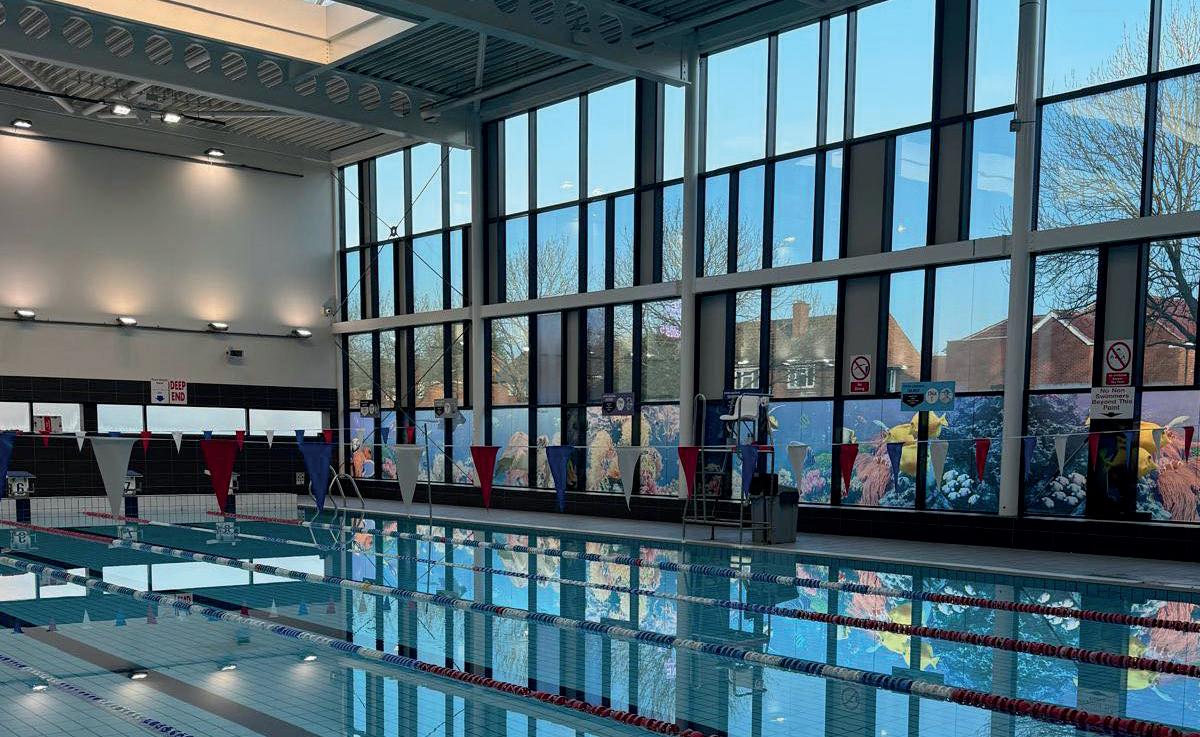
Northolt Leisure Centre will be one of the centres to receive an upgrade
environment for all users. Dormers
Wells Leisure Centre will benefit from a refreshed main gym and women’s only gym, enhancing accessibility and providing versatile spaces for individual workouts and classes. Brent Valley Golf Course and Fitness Centre will see its main gym refurbished.
Further enhancements across these sites will include refreshed group exercise studios, improvements to wet changing facilities, and reconfigured layouts to create versatile and engaging spaces. All refurbishment works are expected to be completed by autumn 2026.
Work is set to begin at Guildford Spectrum in Surrey, as part of a phased programme to enhance and modernise the centre’s leisure offering.
The first improvement to get underway will be the introduction of Puttify, a techenhanced, high-energy, interactive indoor mini golf experience, developed in partnership with specialist provider Greenspan.
Other improvements planned for the site, owned by Guildford Borough Council (GBC), include the expansion and redesign of the gym floor at the centre’s health club, as well as the installation of a new interactive water splash pad and play area within the leisure pool.
The modernisation programme is being funded by GBC and Freedom Leisure, which operates the centre on behalf of the council.

Making public leisure sustainable and building healthier communities.
310+ completed projects
81% of clients choose us for further projects

£520m+ investment in local authority leisure
Alliance Leisure are a trusted and experienced leisure development partner, with over 25 years’ experience transforming leisure facilities for local authorities.

Serco Leisure has secured a 15year deal to operate Chichester’s three leisure centres.
The contract – for Westgate Leisure Centre, Grange Community & Leisure Centre and Bourne Leisure Centre – includes a commitment from Chichester District Council to invest £8m in improving the three sites. Serco Leisure is working in partnership with More Leisure Community Trust (MLCT) on the contract. Serco and MLCT will take over the contract on 1 May 2026. The sites are currently operated by Everyone Active.
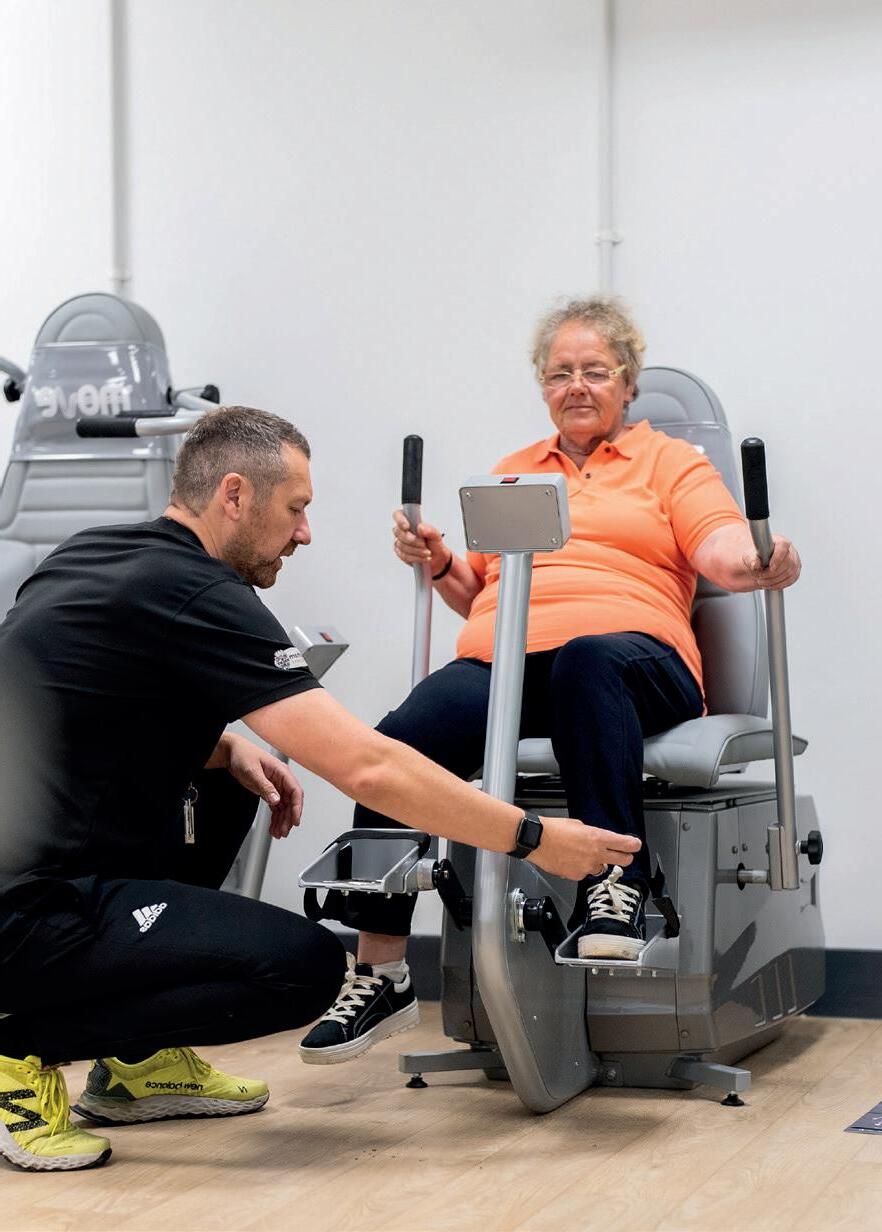
At Westgate Leisure Centre, funding will be used to transform the customer experience and expand the range of activities on offer. The centre will undergo a major reconfiguration to create a suite of new specialist studios, including dedicated spaces for spin, mind and body classes, toning, reformer Pilates and new equipment, including an EGYM Smart Strength circuit Grange Community and Leisure Centre in Midhurst will also
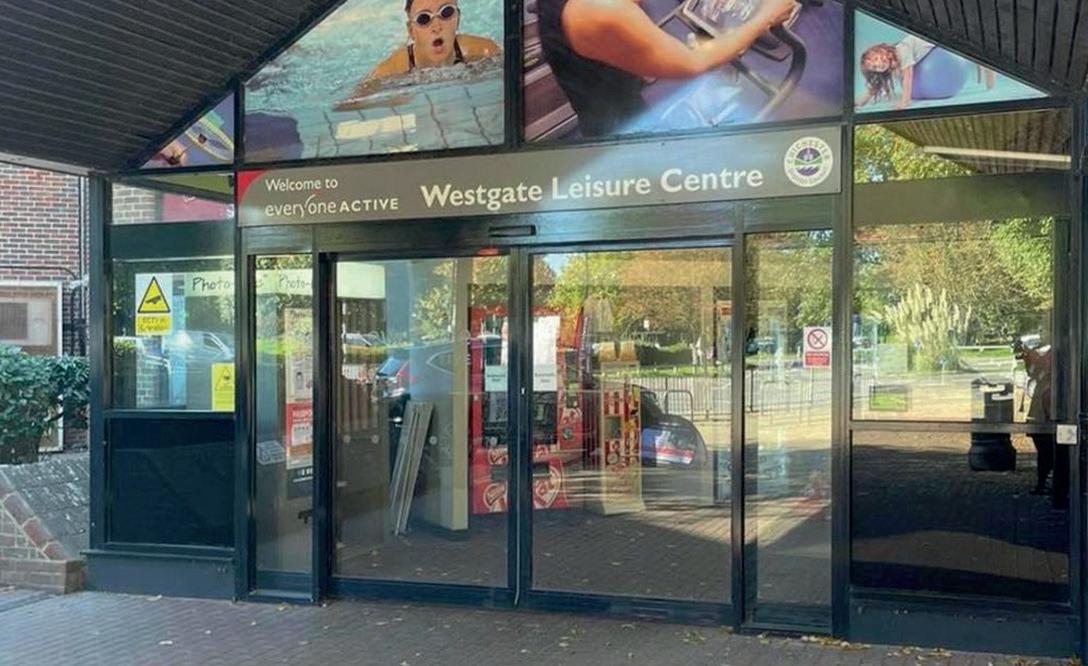
Westgate Leisure Centre will be redeveloped and refreshed
benefit from substantial upgrades, including the installation of a new mezzanine floor within the sports hall to create an expanded gym area equipped with EGYM technology.
John Cross, Chichester District Council’s Cabinet Member for Culture, Sport and Place, said: “This investment
marks a significant step forward for our district. We know how important high-quality leisure facilities are for people’s health, wellbeing and sense of community. By securing this new contract, we’re not only protecting the services residents value, but enhancing them for the future.
Places Leisure has partnered with PSLT for a equipment extraction and re-purposing project for Blackwater Leisure Centre, supporting both an ongoing site redevelopment and a local school through the re-use of leisure equipment. The project involved the extraction of fitness kit and the coordinated transfer to a local school. The project not only supported the site’s redevelopment programme, but also delivered tangible community benefit by enabling usable equipment to be repurposed within a local educational setting.
Stuart Martin, Commercial Director for PSLT said: “The team worked efficiently to deliver this project within a 24 hour period. Demonstrating excellence in all aspects of the business deliverables. As always, we are incredibly proud of all the team who were involved.”
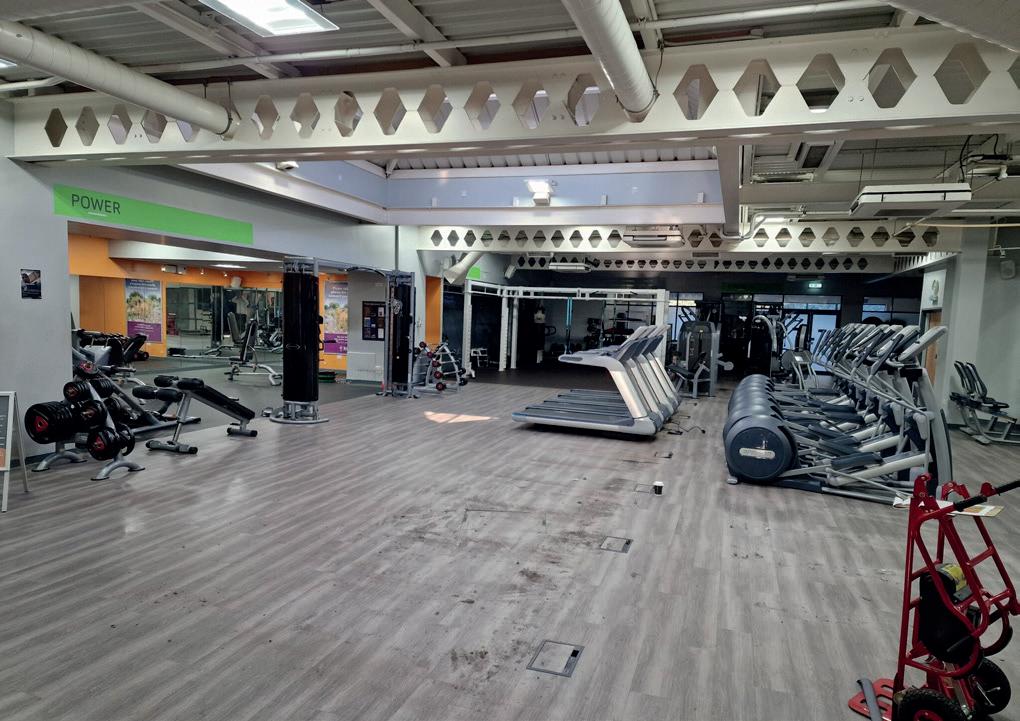
The equipment was re-purposed for use by a local school








Built for studios that thrive on energy and connection, the Schwinn Aetherion delivers a pure, instructorled cycling experience. No screens. No distractions. Just a natural, responsive ride that fuels endorphins and unites the room. With durable construction and low-maintenance design, Aetherion keeps classes consistent, immersive, and full.
Key Features:
• Match your studio’s style with a quiet, fluid ride or outdoor-inspired feel
• Multi-position handlebars support rhythm rides, climbs, and sprints
• Wider base for a steadier, more confident ride












From viral workouts to dramatic diet
‘hacks’, social media has become one of the most powerful influences on how people approach their health and fitness. But as the volume of content grows, so too do concerns about its credibility, accuracy and the potential consequences.
A recent study has found that almost 90% of fitness and nutrition influencers on social media platforms, such as TikTok and Instagram, fail to sufficiently sign post potential risks behind the advice they share. This lack of transparency is fuelling the spread of misleading and potentially harmful information, often presented as quick fixes or life-changing transformations.
In response, leading awarding organisation for the physical activity sector, Active IQ, has launched a new industry-wide initiative called Trust Your Trainer. At the heart of the campaign is a manifesto urging social media companies to take greater responsibility for the role they play in shaping public health behaviours.
The scale of the problem is significant. Recent research into so-called fitspiration videos on TikTok found that most diet and exercise content is either misleading, inaccurate or promotes an unbalanced view of health. In many cases, influencers with no recognised training are presenting complex physiological advice to millions of users, with no accountability, safeguards or evidence base.
Active IQ’s manifesto challenges this status quo by proposing a simple but powerful solution: a digital trust mark. This would allow users to clearly identify whether the person giving fitness advice holds a professional



Trust Your Trainer is a vital step for our industry, helping to ensure anyone seeking guidance can have confidence in the expertise behind it, not just the number of followers
concern among operators, trainers, and educators who see first-hand the impact of misinformation on clients’ physical and mental wellbeing.
Championing the campaign is Robyn Drummond, personal trainer, who has experienced first-hand how much harm misinformation can cause.
Robyn says: “Early in my career I learned just how damaging misleading online fitness advice can be. After following advice from influencers without proper qualifications, I developed a severe eating disorder, and saw first-hand how easily people can be misled. Trust Your Trainer is a vital step for our industry, helping to ensure anyone seeking guidance can have confidence in the expertise behind it, not just the number of followers.”

regulated training pathways and professional standards. It also offers a potential turning point in how digital fitness content is regulated, moving the conversation from popularity to professionalism.
The message is not about silencing social media, but about making it safer and more transparent.
For health club operators and fitness professionals, the campaign strikes at a critical issue. Members increasingly arrive with expectations shaped by social media trends, from extreme training regimes to unproven supplements. This can place professionals in the difficult position of having to unlearn harmful advice before meaningful progress can begin.
By championing qualified expertise, the Trust Your Trainer campaign reinforces the value of
In a world where algorithms often reward the loudest voices rather than the most informed, Active IQ’s call for a trust mark represents a practical step towards protecting consumers and strengthening the long-term credibility of the fitness industry.
As public reliance on online health content continues to grow, one thing is becoming clear. When it comes to fitness advice, expertise should matter more than followers. The future of digital wellbeing may well depend on learning to trust the trainer, not the trend. l https://activeiq.co.uk/trust-your-trainer

Plans have been submitted for a new £59m leisure centre and office complex in Swadlincote, Derbyshire.
The proposals, put forward by South Derbyshire District Council, would replace the current Green Bank Leisure Centre which, once the new centre is built, will be demolished as part of the redevelopment of Swadlincote town centre. The leisure centre will also include a modern open-plan office facility. Exact facilities at the centre are to be confirmed, but the designs – by CPMG Architects –show a large glass-fronted leisure centre at ground level with an open-plan office hub above. The designs were originally presented to the Council’s Housing and Community Services Committee on 13 November and went out for public consultation late last year.
More than 450 people, business representatives and community groups responded to the consultation and, according to SDDC, the feedback was overwhelmingly supportive with 88% of respondents being in support of the scheme.
Robert Pearson, Leader of SDDC, said: “Submitting the plans for this transformative new leisure facility in South Derbyshire is a huge milestone. The building is not just designed to support our local communities, but to encourage more visitors into the district, driving growth.”
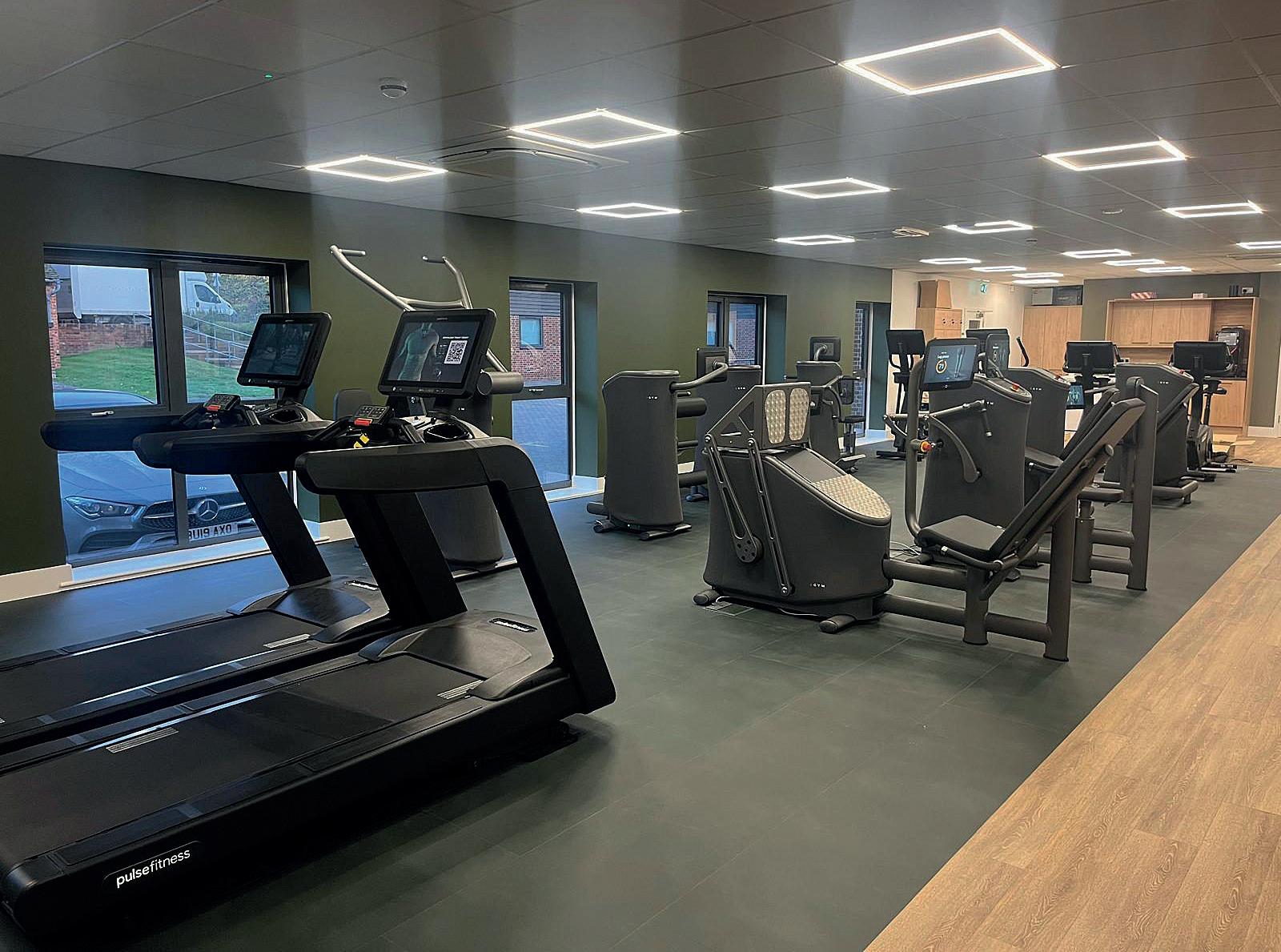
Fitness industry veterans, Phil Hall and Pete Evans, have launched a new club that they say aims to “recapture the original spirit of health clubs”.
Called Go! Health, the venture will, the business partners say, place “service, support and social connection” at the heart of the member experience and has been specifically designed for adults looking for a supportive and personalised wellness journey.
Go! Health will also offer exercise referral schemes, in collaboration with a host of local health practitioners and NHS service providers. The service is supported by ReferAll.
The first Go! Health opened in Woking, Surrey, in January 2026 and provides a holistic and personalised experience focusing on movement and fitness, recovery and sleep, mindset, nutrition and healthy eating, lifestyle coaching and social wellbeing.
The “non-intimidating” club offers a wide range of services including health screening, behaviour change
coaching, body composition analysis, lifestyle consultations, cryotherapy, Hyperbaric Oxygen Therapy, genetic and epigenetic testing.
All services are included in the membership fee, with no joining costs. Combined, Hall and Evans have more than 60 years of fitness management and club operations experience –which they plan to make full use of.
“When I started my fitness career in the mid-1990s, there were lots of instructors on the gym floor providing comprehensive onboarding and regular reviews, as well as general engagement and support for members,” said Hall, whose former roles include MD of the énergie Fitness franchise group. That’s all gone now. If you want that level of service today, you have to pay for personal training, which is a real shame.”
Go! Health looks to build relationships with health partners, including GPs, the NHS, chiropractors, physiotherapists, nutritionists and local care homes to deliver structured interventions.
Alliance Leisure is working with Kore (formerly Sandwell Leisure Trust) and Tribute Brands to increase access to Reformer Pilates in the public sector.
The leisure development specialist is supporting the new PILAT3S studio at Wednesbury Leisure Centre in Sandwell. Operated by Kore, the studio will offer PILAT3S’ signature immersive experience which comprises dynamic movement, curated music and in-studio technology.
Sarah Watts, CEO of Alliance Leisure, says: “Alliance Leisure is known for its innovative approach and commitment to exploring new solutions for our clients. In line with this, we wanted to work with Mark Braithwaite and the team at Kore to demonstrate proof of concept in the public sector to help smaller trust clients successfully deliver Reformer Pilates, one of the UK’s fastest growing fitness trends.”
One of the longstanding challenges in launching and scaling reformer Pilates studios has been sourcing reformer Pilates instructors. Owned by fitness
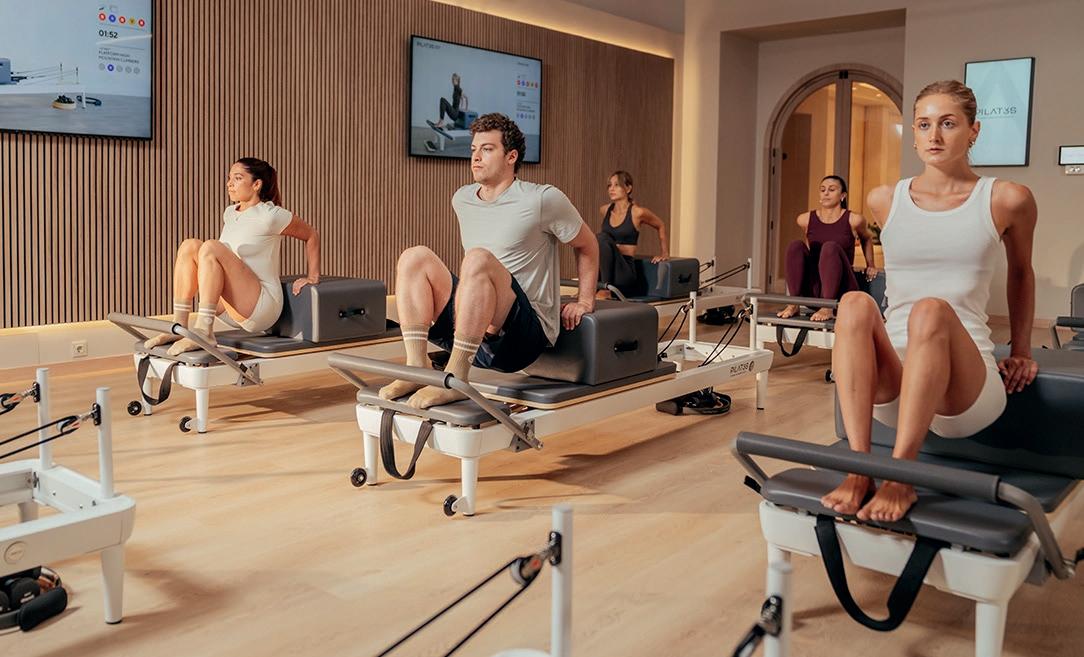
franchisor, Tribute Brands, PILAT3S’ pre-choreographed sessions, screenbased content and comprehensive training and support will enable Kore’s existing instructors to upskill to deliver exceptional Pilates classes.
“Many of our clients are keen to offer reformer Pilates to compete
with the private sector and align with the broader shift towards a more holistic, recovery-focused offering. We were introduced to Tribute and were extremely impressed by the PILAT3S product and the high level of support and training the company provides,” says Watts.
A new national initiative aims to help leisure operators and health clubs engage the “missing majority” – people who want to feel healthier but are put off by conventional gym environments.
The HealthSeekers programme, designed by specialist consultancy, GGFit, offers an alternative to traditional membership-led models, focusing instead on coaching-led health services and more inclusive messaging. Rather than leading with fitness goals or memberships, the programme starts with education and choice, supporting behaviour change and positioning health as achievable. It is built around a coaching approach, supported by measurements such as metabolic age. The goal is to build motivation, demonstrate progress and change health behaviours, rather than simply prescribing exercise programmes.






























Bobby Griffiths General Manager, UK Spa Association
The UK Spa Association (UKSA) began 2026 with renewed purpose, unveiling a new mission statement, a focused programme of work for the year ahead and the announcement of a dedicated industry jobs board.
Following the successful launch of its online Suppliers Directory in December, the association set out a clear vision to guide its activity throughout 2026. At the heart of this is a refreshed mission: uniting and empowering the UK spa industry through support, education, collaboration, national advocacy and an ongoing drive for positive change within the wellness sector. With a board representing a cross-section of industry specialists, groundwork has already been laid for what promises to be a transformative year.
Education will be a central pillar of the association’s efforts. In particular, the UKSA plans to spotlight industry pathways, including apprenticeship schemes that remain underused and not fully understood across the sector. Beyond initial qualifications, the organisation is also keen to emphasise continued professional development. By sharing best practice and showcasing career progression
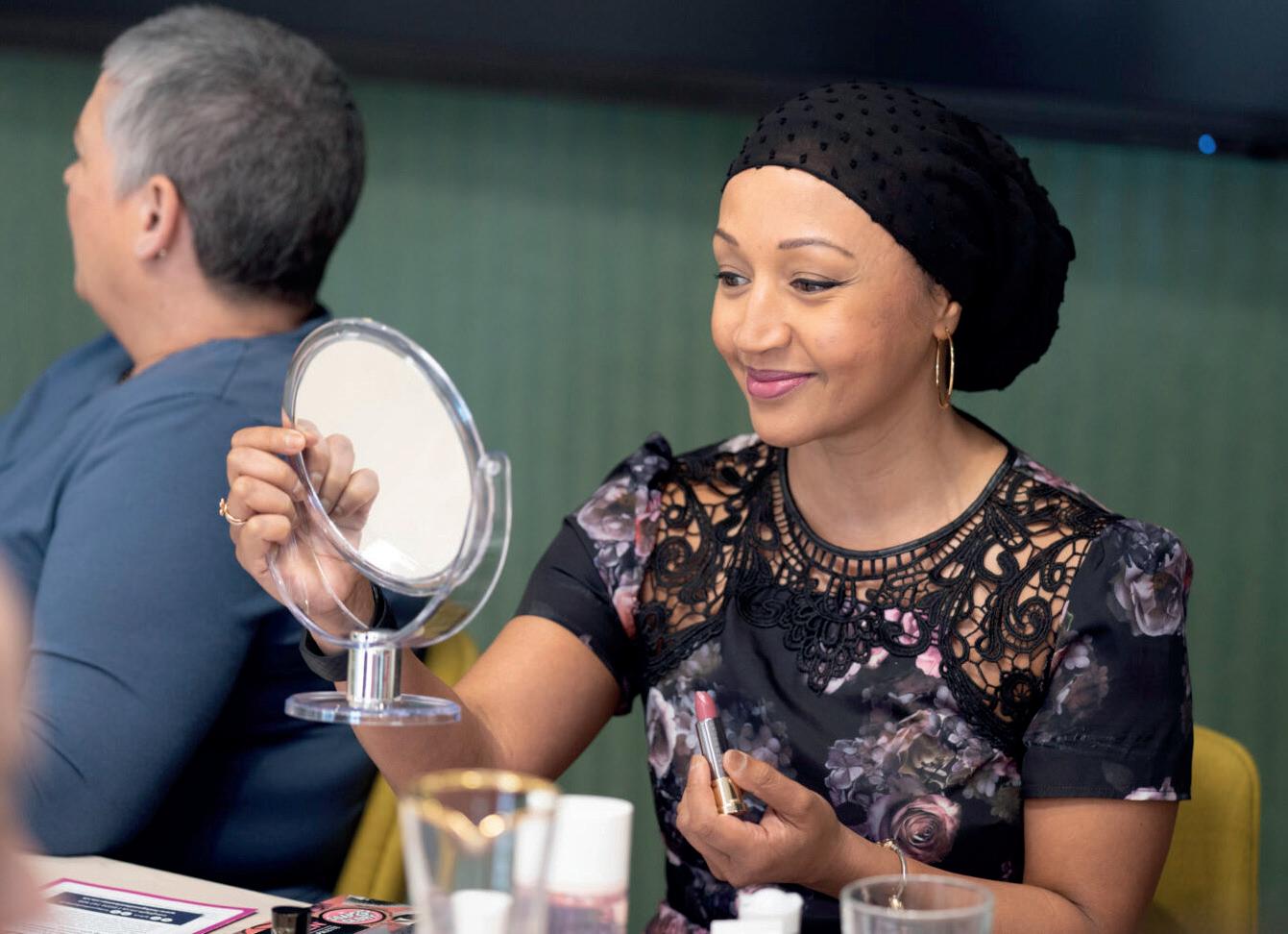

The UKSA has positioned 2026 as a year of unity, opportunity and meaningful progress for the UK spa sector
opportunities, UKSA hopes to support therapist retention, a pressing challenge for many spa operators.
Collaboration remains another priority. UKSA will work closely with its exclusive charity partner, Look Good Feel Better, to raise awareness among members and ensure accessibility for all clients, including those living with cancer. The charity delivers free, in-person workshops focused on skincare, nails and make-up, designed to help individuals rebuild confidence during and post treatment. The UKSA is passionate in its mission to give spas the tools they need to deliver transformative experiences and treatments to those who need it most and have just announced a strategic partnership with SATCC (the Standards Authority for Touch in Cancer Care) to signpost spa operators to the most up to date information and training and ensure they are able to carry out treatments in complete confidence.
Members can expect enhanced benefits throughout the year, alongside the continuation of networking events and regional operator meet-ups aimed at strengthening community ties across the UK spa landscape. Improved communication is also high on the agenda, as the association seeks to better articulate its role and achievements on behalf of the industry.
A recent highly anticipated development is the creation of the UKSA Industry Jobs Board, hosted on the association’s website. Announcing the initiative, UKSA Chair Abi Selby described it as “a huge benefit” to members and integral to supporting the industry’s continued growth.
With a sharpened mission and tangible new initiatives, the UKSA has positioned 2026 as a year of unity, opportunity and meaningful progress for the UK spa sector.

Huw Edwards CEO, ukactive
Sport captures the nation’s attention like few other things. The Winter Olympics has provided us with escapism during a rather gloomy new year, with Team GB’s success in Milan-Cortina delivering the nation’s record gold medal haul.
Sport was also on the agenda in Davos-Klosters, which hosted the annual meeting of the World Economic Forum (WEF). This meeting focused on the economic value of sport, physical activity and movement and in its report, ‘Sport for People and Planet’, the WEF made the explicit case that sport – in this case including fitness, active travel and movement – must be recognised by governments as crucial economic infrastructure that supports consumer spend, jobs, growth, community health and social resilience. The report also warns that weakening foundations such as rising physical inactivity levels or climate risk, threaten not just sporting outcomes, but economic systems.
In the UK this is sadly no longer a threat, but a living reality and the UK is paying a major economic price for poor national health. Rising obesity, chronic disease and inactivity are not just public health problems but also productivity killers. Sick days, lower workplace performance and long-term workforce incapacity are eroding our economy. Every year, billions are lost while policymakers focus narrowly on healthcare costs instead of the root cause: preventable ill health. Youth unemployment figures are at a devastating 11-year high, while 39% of 16–24-year-olds are defined as economically inactive. Combined with record levels of long-term sickness, the UK has a generational crisis on its hands.
The measures for driving economic growth are, of course, multi-faceted, but not having a key sector on the pitch playing its full role is counter-productive. The Government can no longer afford to pigeonhole sport and physical activity as purely leisure pursuits. They are an economic engine. Gyms, pools, leisure centres, community sports programmes, school PE, and even elite sport pathways generate jobs, drive spend,
The Government must urgently shift from reactive healthcare spending to a proactive economic strategy
reduce long-term NHS costs, and improve workforce performance. Countries that treat physical activity as a system see tangible returns in health and economic resilience. The UK cannot afford to lag behind any longer. The Government must urgently shift from reactive healthcare spending to a proactive economic strategy that fully leverages movement, placing our members and the industry at its core. For too long Government thinking has been outdated and lags behind where the both the public and the sector currently are. Physical activity should be embedded across departments: treasury, education, health, transport, and business.
Our members are already making these connections, building programmes that incentivise activity, working with communities to refine their offer and training staff to provide consistent and sustainable services. Now the Government needs to bring in our sector so it can do even more to support economic growth.
Workplaces should be encouraged to incentivise activity, high street renewal plans must include physical activity as an integral sector, and communities need sustainable sport and leisure infrastructure. Public funding, private investment, and tax incentives need to work together to create a virtuous cycle of health and productivity.
Failing to act risks a future where ill health further constrains our workforce, drives up public spending further, and continues to weaken Britain’s economic competitiveness. Recognising sport and physical activity as economic systems, not optional extras, is not just smart policy but essential for a healthier, wealthier, and more competitive nation. The choice is stark: prioritise physical activity and movement or watch our economy continue to stumble.







Village Hotel Club is rolling CoverMe Fitness out across its health and wellness clubs to reduce unnecessary admin, improve compliance and free up managers to spend more time in member-facing roles.
The partnership follows a successful five-month pilot of the all-in-one team management platform at six Village Health and Wellness clubs. The trial highlighted the significant administrative burden faced by fitness and group exercise managers, who can spend at least eight hours a week (and up to 20) finding last-minute cover for classes.
Village is one of the UK’s leading hotel and leisure club brands with 34 sites. Offering modern fitness equipment, exercise classes and swimming pools, its health and wellness clubs serve more than 130,000 members.
Diana Wright, National Group Fitness Manager at Village, says: “CoverMe provides us with a single, centralised system to manage instructor cover and compliance across
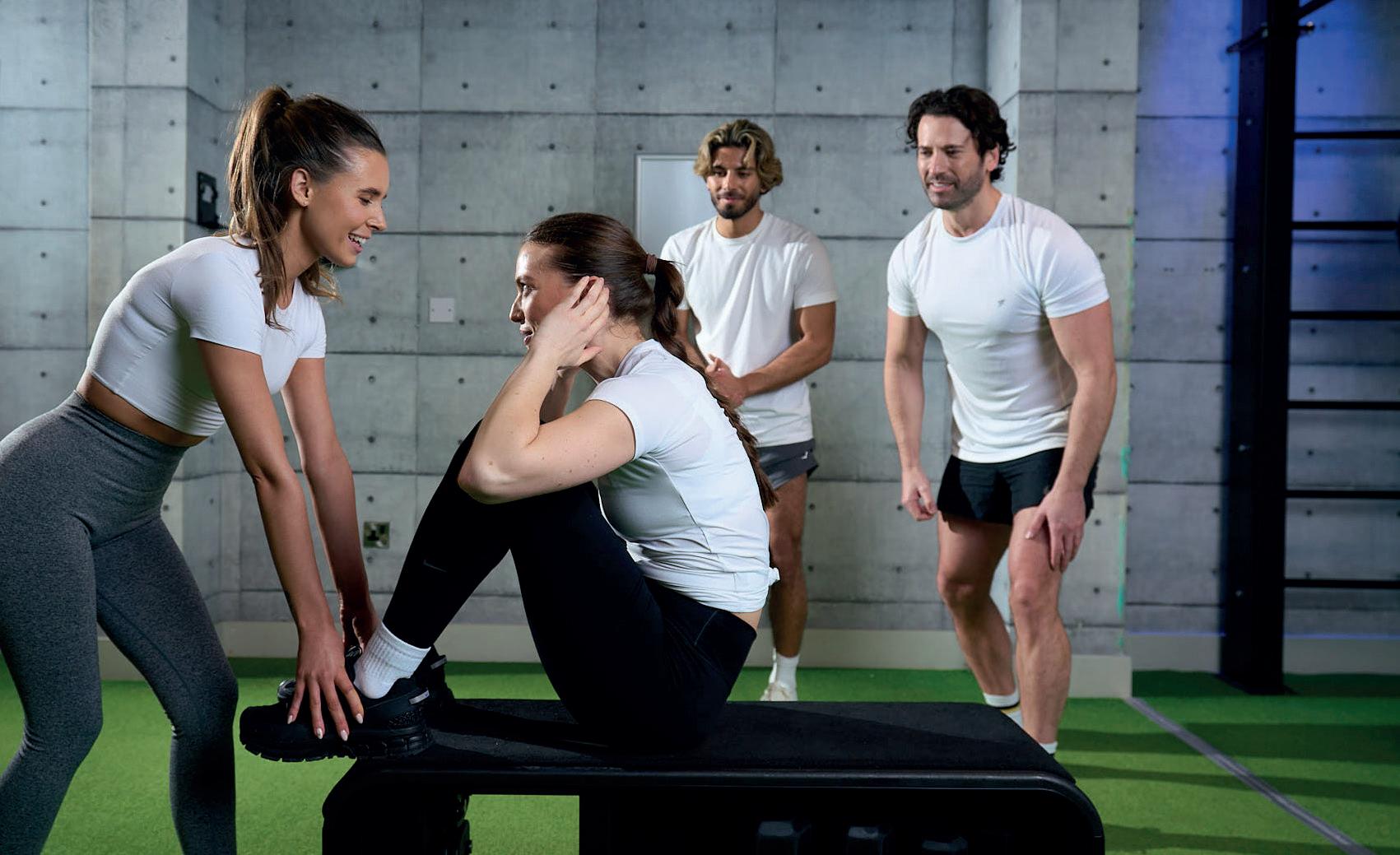
Village aims to use the platform to recruit more personal trainers
our leisure operation. It strengthens governance, improves visibility at club and national level, and ensures consistent standards are maintained while reducing operational risk.”
By introducing CoverMe across its estate, Village aims to streamline all aspects of operations, from
improving team communication and making it quicker and easier to find cover to simplifying external audits by providing instant, on-screen access to compliance evidence.
Going forwards, Village aims to use the platform to recruit more personal trainers into the business.
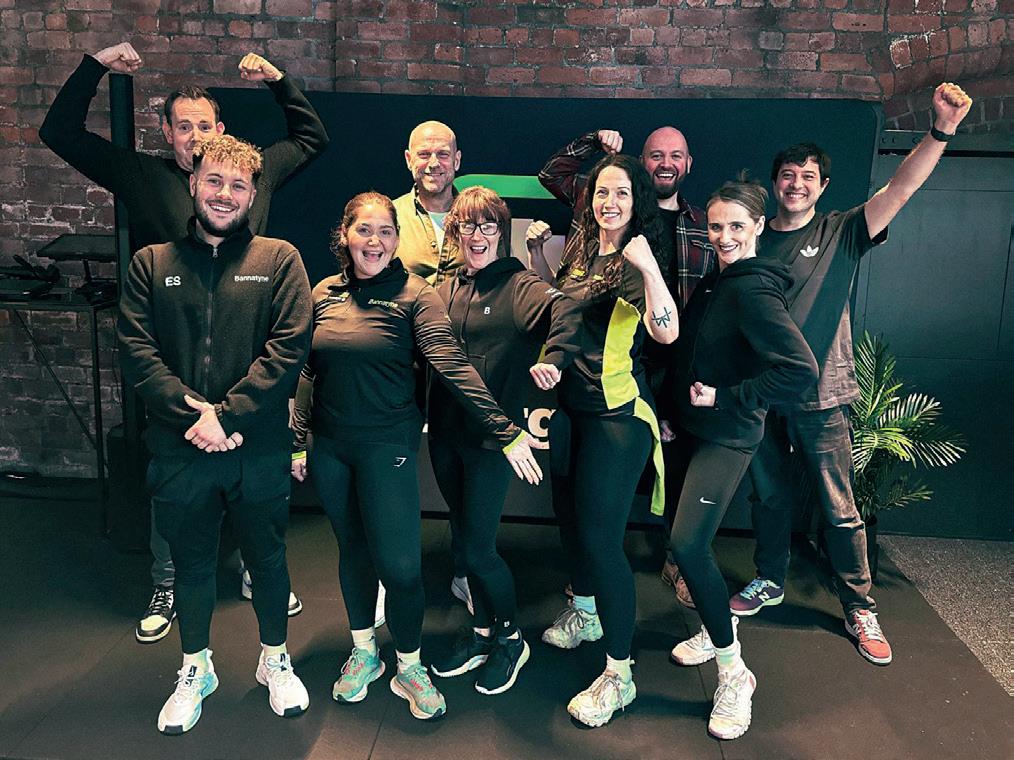
Pure Energy Music, a specialist provider of music for the fitness and leisure industry, has secured a three-year partnership with The Bannatyne Group. Following a successful trial across eight sites, Bannatyne has now on-boarded 66 clubs, integrating Pure Energy Music into the majority of its group exercise timetable.
The partnership gives both employed and freelance instructors seamless access to Pure Energy Music’s innovative app, web player, and music catalogue optimised for fitness and wellbeing through class ready playlists and pre-mixed soundtracks.
As part of the agreement, Bannatyne has also rolled out Pure Energy Music subscriptions as an added benefit for its instructors – a “significant investment” in supporting high quality class delivery.



Owen Clements, Director of Operations at Hussle, says that fitness is undergoing the same platform transformation seen in travel, food delivery, and entertainment –and marketplaces will shape the future of how people discover and access wellbeing



Fitness is having its platform moment, and it is arriving at exactly the right time. Gyms and studios have spent decades building communities, coaching cultures and the spaces where people discover what they are capable of. The opportunity now is not to “disrupt” that foundation, but to extend it. If only around 16% of people currently hold gym memberships, the real growth story is about engagement beyond the existing base. That is where marketplaces and access platforms can play a powerful role. In other industries, platforms expanded participation by making discovery, trial and booking simpler. Fitness can follow the same path by connecting more people to facilities. Someone might want strength training near work one day, a class closer to home the next and a swim at the weekend. That flexibility is a practical route into consistency for people whose lives do not fit neatly around a single routine. Cost is one of the most stubborn barriers to engagement, and it is also one of the most solvable. Many people hesitate at the point of committing to a membership, not because they do not value health, but because they are unsure they will use it enough to justify the spend. Employers, healthcare providers,
and insurers are uniquely positioned to change that equation. Subsidies, discounts, and funded access models can reduce both the financial burden and the psychological risk of “wasting money.” When the cost of trying is lowered, more people try. When more people try, more people find a routine that sticks. It is an opportunity to engage a previously untapped audience.
We’re also entering an era where fitness is increasingly connected to broader health journeys, such as GLP-1 medications. where the sector can support beyond the prescription. Partnerships in this space can encourage new members to use the gym, build confidence and adopt sustainable habits that improve long-term outcomes. Access platforms can make that transition smoother by guiding people to appropriate options, lowering the intimidation factor through choice, and turning good intentions into repeat visits.
For gyms and operators, the upside is direct and meaningful. Platforms can bring venues into the consideration set for people who might never have walked through their doors otherwise. That means reaching untapped or new audiences, generating incremental footfall that fills quieter hours and benefiting from free marketing through national distribution and visibility. Being part of a bigger network
also allows independents to leverage the market reach of large employers, insurers, and national partners.
The story becomes even more compelling as consumer expectations widen from fitness to wellness. More people are looking for saunas, ice baths, recovery spaces and holistic wellbeing experiences alongside training. Many independent operators may not be able to invest in every facility on their own, but they can still play a central role by joining a wider wellness network. Platforms make it possible for different venues to contribute their strengths, so the public can access a fuller wellbeing offering across locations, while each operator benefits from increased relevance and reach.
Ultimately, fitness marketplaces are not just a convenience layer, they are a public health lever. By lowering barriers to entry, offsetting cost through partnerships and connecting people to the right environments, platforms can help drive preventative healthcare at scale. The goal is simple but ambitious: increase engagement beyond the current users, help gyms grow by welcoming new audiences and build healthier communities. The corporate and B2B opportunity is not something to fear. It is one of the clearest routes to expanding participation and shaping the health of the nation, for the better.
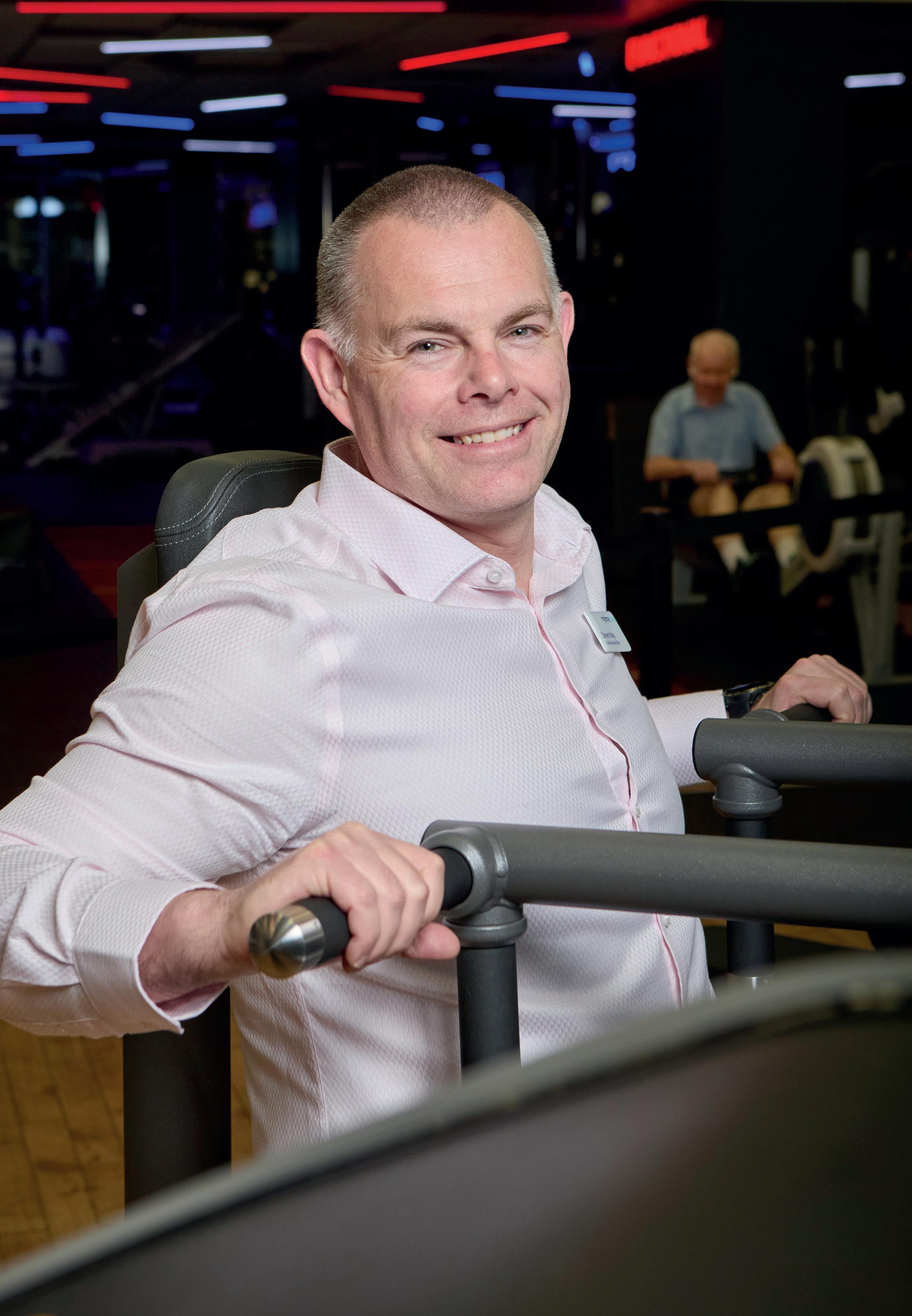
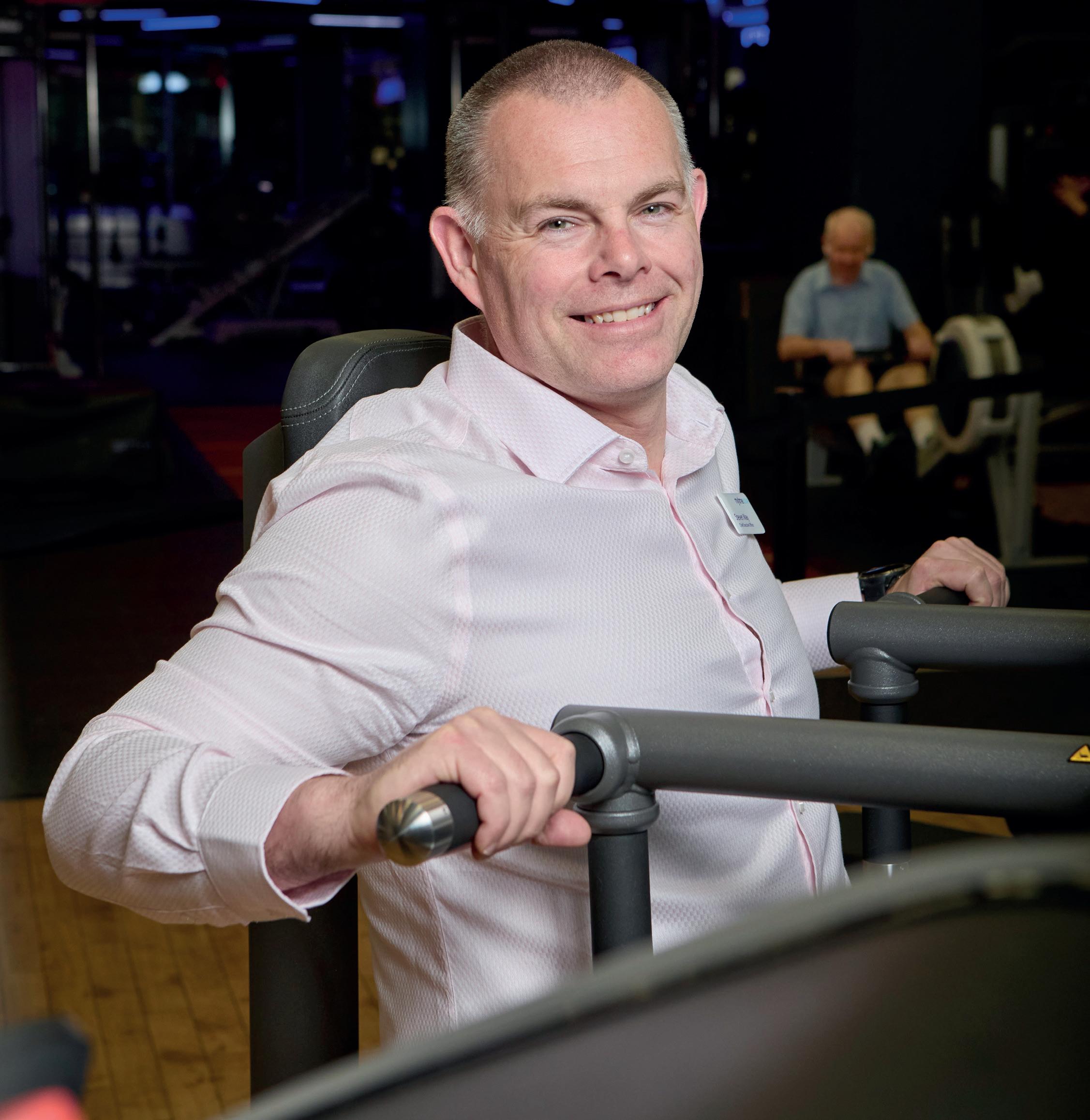
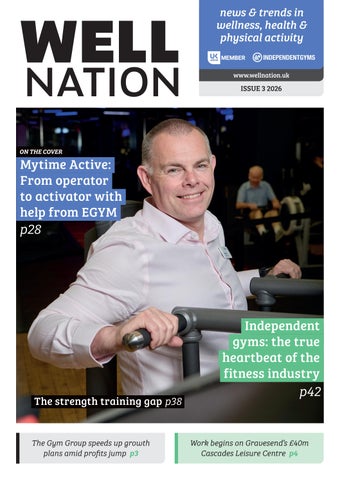
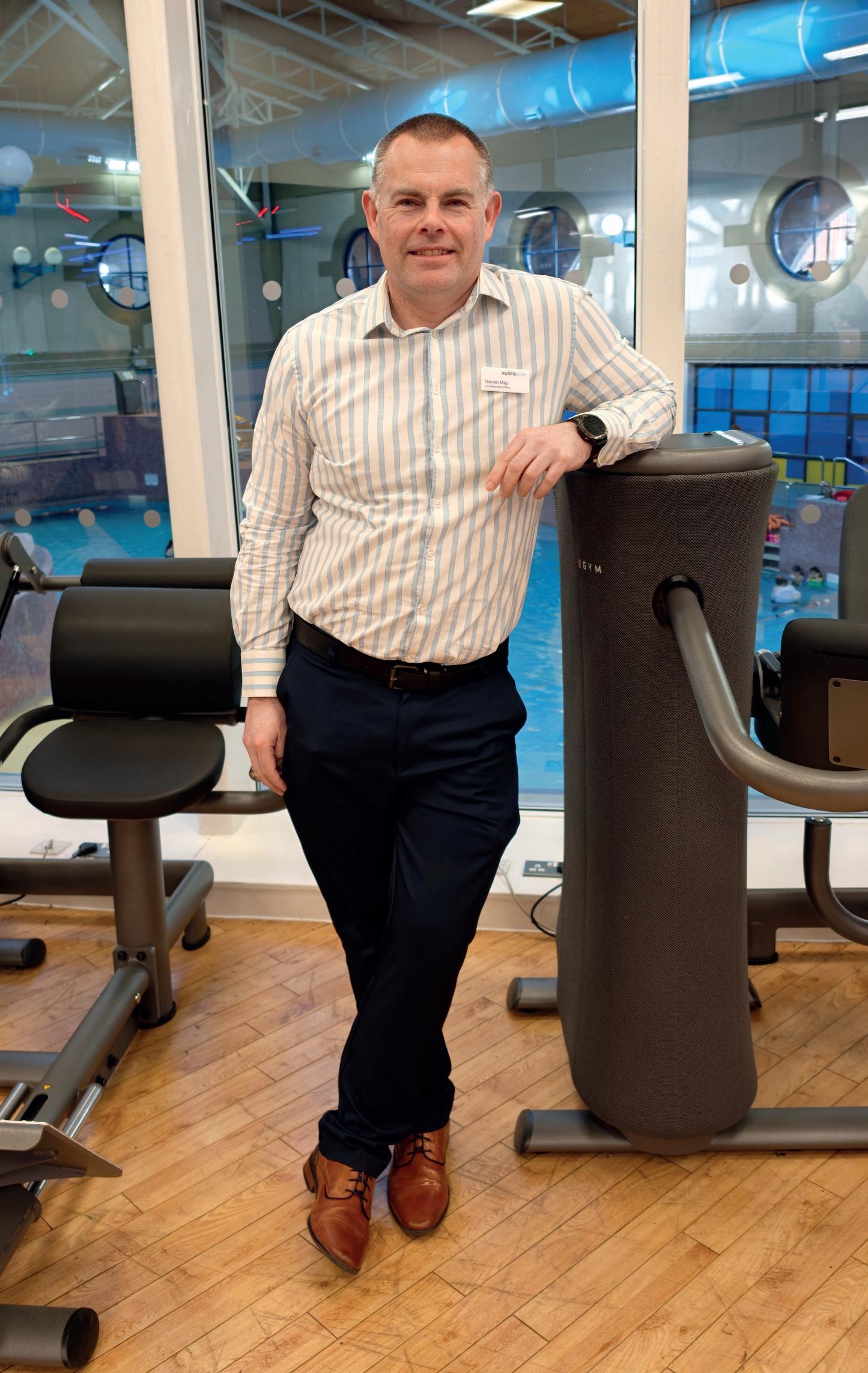
WellNation speaks to Steven May, CEO of Mytime Active, about how the operator is using EGYM to engage with health partners and drive positive community health outcomes
Steven May has a clear ambition. As CEO of Mytime Active, his goal is to reposition public leisure at the heart of Bromley’s health system; not as places people simply go to be active, but as essential community infrastructure for preventing ill health, extending health span, and reducing pressure on primary care services.
At a time when the NHS is under unprecedented strain and local authorities are being asked to do more with less, May believes leisure operators have a critical role to play in the shift from healthcare that repairs problems to whole systems that prevent them.
Here, he explains how Mytime Active is using the EGYM digital fitness ecosystem to evidence realworld health outcomes, strengthen partnerships with health and community stakeholders, and build a data-driven model for public leisure.
What is Mytime Active’s overarching mission?
We’re currently in the process of writing a new five-year health and wellbeing strategy in full consultation with the council, NHS, public health and a wide range of community partners. Our previous strategy was developed on the back
of the pandemic and comes to an end in March 2026, with the new one launching from April.
The direction of travel is very clear. We’re moving towards a whole-system approach to health, where leisure, healthcare, local government and the third sector all work together rather than in silos. If we genuinely understand each other’s ambitions, challenges and capabilities, we can design solutions that not only deliver far better health outcomes for residents but are also commercially more viable. There is a wealth of experience and resources that already exist within the community; we just need to get better at optimising what is available. This can only be achieved through cross-sector, cross-organisation collaboration.
A big part of this process is a shift towards prevention rather than repair. This aligns perfectly with the government’s long-term health strategyFit for the Future: 10 Year Health Plan for England and Sport England’s Uniting the Movement vision. It also reflects what communities need; more support earlier, in non-clinical, neighbourhood settings, before issues become acute.
We’re also focused on reaching those people who are furthest away from physical activity but
stand to benefit the most from an active lifestyle. For example, those living with long-term health conditions, people recovering from trauma or injury, and individuals with disabilities.
How do you initiate and maintain strong links with community and health partners?
Working in partnerships is fundamental to everything we do. I chair ProActive Bromley and sit on a borough partnership group chaired by the London Borough of Bromley Council. These forums bring together public health, healthcare and third sector organisations, including Mytime Active, to look at live priorities and ask a simple question: what can we collectively do to address this?
Our leisure facilities and services have huge potential to support population health, but the
key is understanding where the real needs are and designing pathways that genuinely make a difference. Our primary driver is always improved health or social outcomes, rather than income generation.
That’s a really important distinction. Of course, we need to be financially sustainable, but the purpose of Mytime Active is to improve the quality of life for local people. Leisure centres can and should be part of the health system. We need to be on the field of play rather than watching from the bench.
How does EGYM help you achieve your community health and wellbeing ambitions?
My initial perception of EGYM was completely wrong. I assumed it was designed for older adults. In reality, it’s designed for everyone, and that’s exactly what we’re seeing.
Our gyms welcome users from as young as 11 years old, right through to people in their senior years.
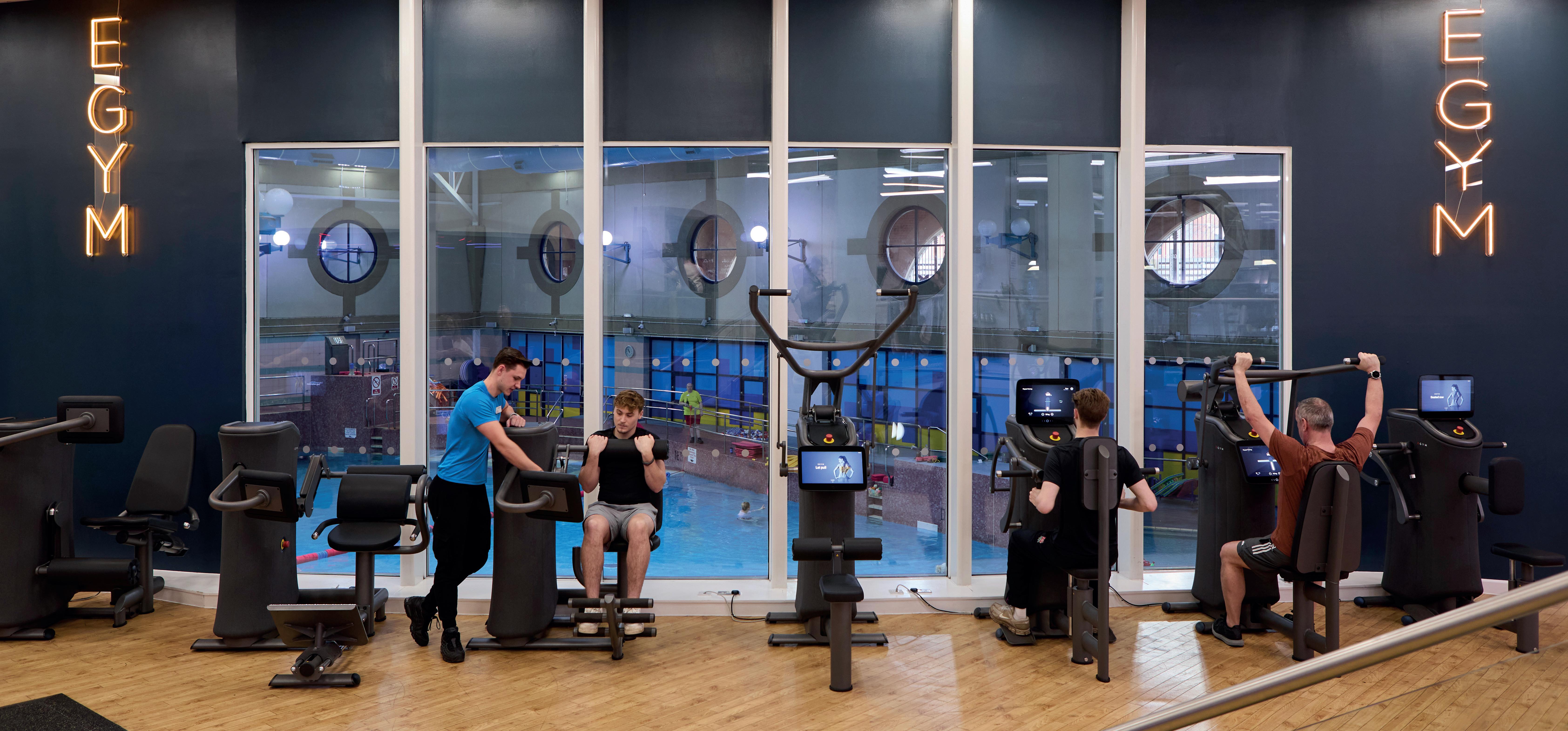
At both The Pavilion and The Spa at Beckenham, EGYM is positioned as an integral part of the gym floor, not a separate or specialist provision. It’s open, visible and part of the core experience.
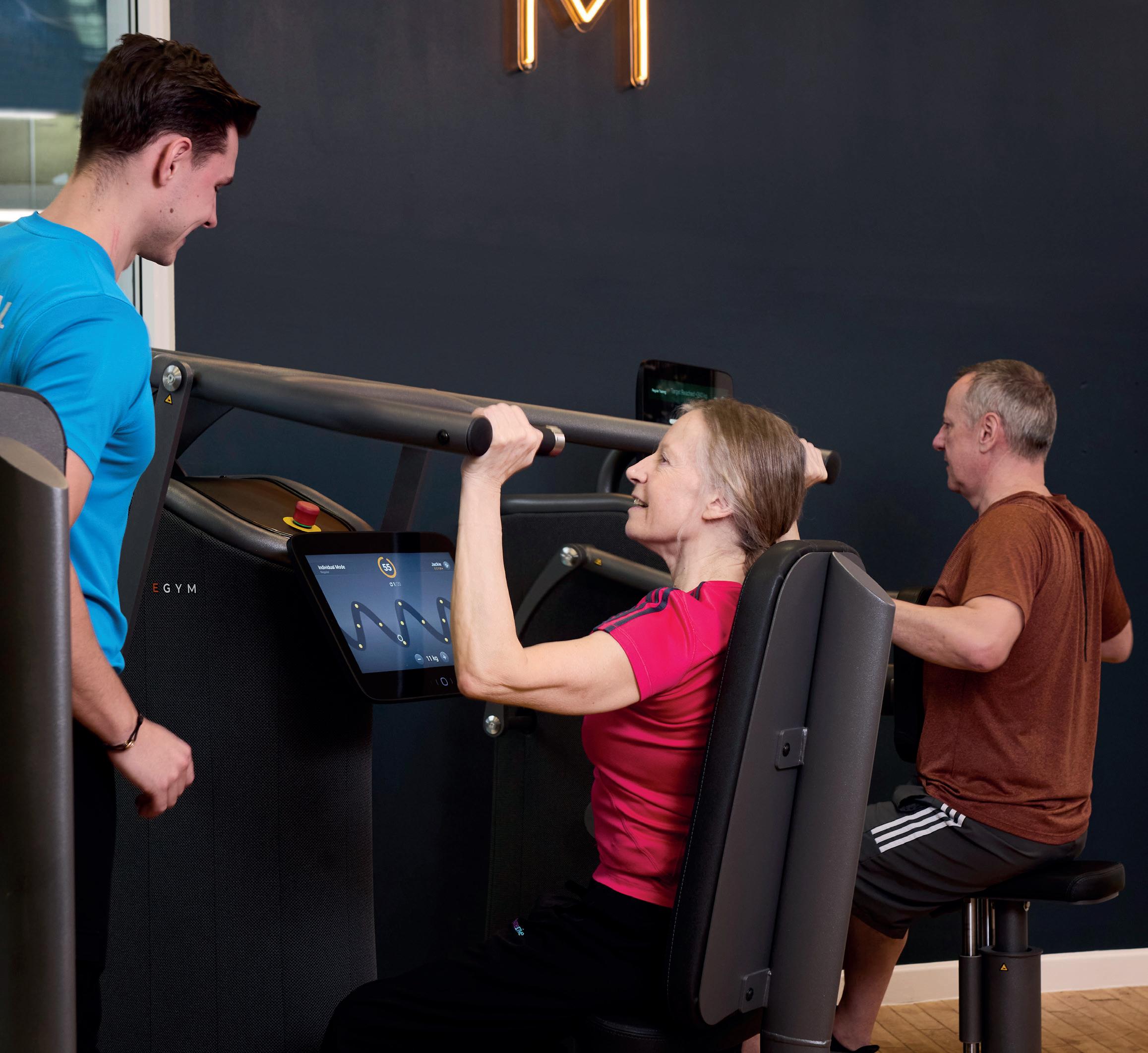
At The Pavilion, we replaced some older modular strength equipment with EGYM Smart Strength and positioned the individual units as standalone pieces. At The Spa, the EGYM equipment is still on the gym floor, but set up in more of a traditional circuit format. Both are supported by the EGYM Fitness Hub, plus the EGYM Member and Trainer Apps. We’ve fully invested in the ecosystem, with third-party providers such as InBody also fully integrated. This creates a fully connected experience for our users where they can access all their data through a single touchpoint.
How is EGYM helping engage and onboard more people?
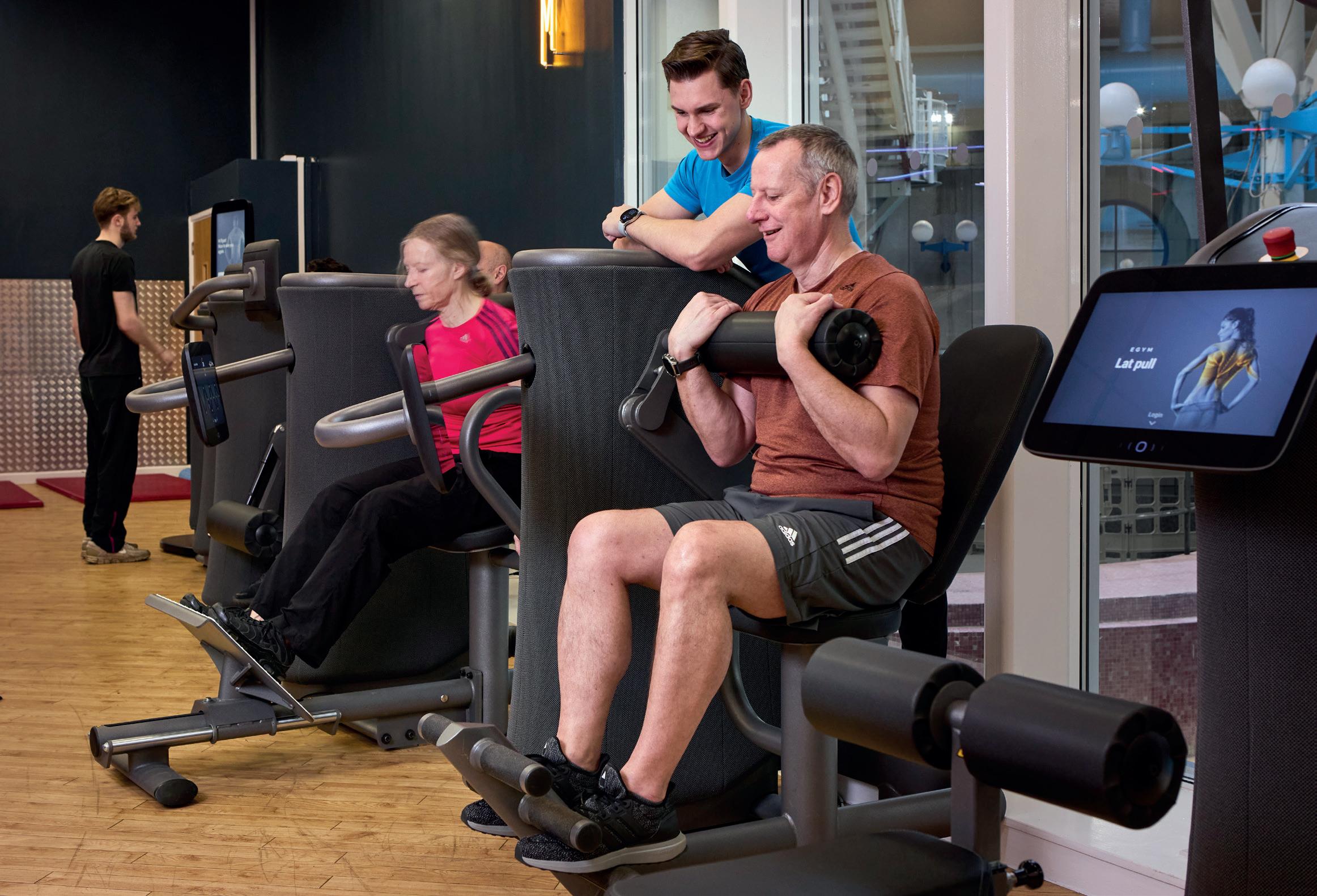
The onboarding process has been transformational. Everyone is offered an EGYM induction, and the volume we’re now able to process compared to before we installed EGYM is on a completely different scale.
In December alone, we onboarded 1,502 people into the EGYM ecosystem. That put us second on the EGYM UK leaderboard for public sector facilities for the month.
Before EGYM, an induction could take an hour, sometimes longer for people with complex needs. Now, the automated setup and digital hand-holding through each repetition reduces this time to just 20 minutes. Our teams now spend far less time on setup and far more time on what actually matters: mentoring and coaching people towards their goals.
YOUNG PEOPLE LOVE THE GAMIFICATION. THEY’RE MOTIVATED BY THE LEADERBOARDS, THE CHALLENGES, THE DATA
This has huge operational benefits, but it’s also critical for inclusion. The easier it is to onboard people, the easier it is to reach and spend quality time with those who might otherwise feel intimidated, invisible or disengaged.
What impact are you seeing on user behaviour and outcomes?
The data is incredibly powerful. EGYM gives people continuous feedback on their progress based on evidenced improvements to key health markers rather than vanity. We’re seeing users train more consistently, largely because they can see tangible improvements in strength, flexibility and BioAge. These regular check-ins reinforce the value of their effort and keep them engaged. Our EGYM users train, on average, 4.4 times per week. We all know that the more times people turn up to train the more engaged they are and the longer they remain so.
Members who joined in December have seen a collective strength improvement of 9.4% and an average BioAge reduction of 5.8 years in just two months, demonstrating a physiological shift, not just a cosmetic one. These improvements will drive good health and build resilience.
EGYM is changing mindsets. People are moving away from purely aesthetic goals towards a deeper understanding of health, resilience and longevity.
This drives a much healthier relationship with exercise, encouraging long-term behaviour change that supports good health and prevents ill health.
You’re seeing strong uptake from young people. Why do you think that is?
We currently have the highest number of under 21 EGYM users in the public sector in the UK. That’s not by accident; it’s the result of intentional product positioning.
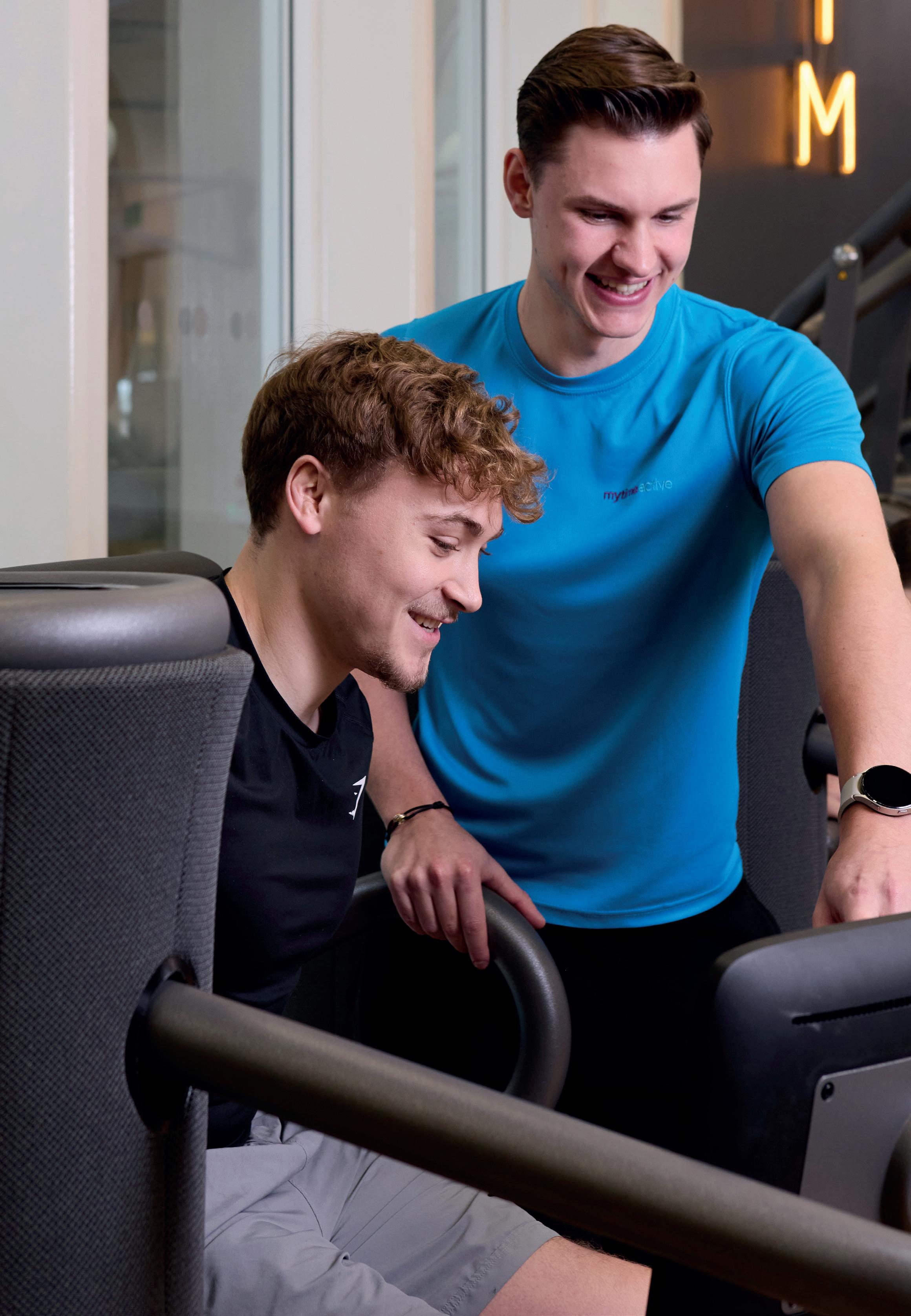
EGYM is visible on the gym floor, everyone gets inducted, and it’s never framed as something just for older adults or rehab. Young people love the gamification, the technology, the performance tracking. They’re motivated by the leaderboards, the challenges, the data.
They can safely compete with friends. Performing a one-rep max with a dumbbell would run a high risk of injury but, using EGYM, youngsters can challenge each other to perform the highest one-rep max with little risk of overload. EGYM taps into the motivations and becomes an engagement driver of this demographic.
How is EGYM supporting referral and recovery pathways?
One powerful example came out of a partner meeting, where we identified several local firefighters who were off work due to injury or
Average weekly visits by EGYM users – 4.4
Collective improvement in BioAge across all EGYM users – 5 years in the first three months
Collective improvement in strength for under 21s after three months is 14.7% and 11.5% among the over 61s
Collective average strength increase of all EGYM users – 11%
trauma. Together with the fire service, we created a referral pathway hosted in our facilities specifically to support their recovery and return to work.
Each month, the fire service sends us a list of individuals who might benefit and we onboard them through EGYM. It gives participants a safe, structured, measurable way to support their clinical rehabilitation, whilst also creating social opportunities and keeping them moving while they wait for availability of medical support services.
We’re also working closely with local GPs and other integrated care partners to deliver cardiac rehabilitation and a range of GP referral programmes. Many of our activity-led programmes
are funded and being able to evidence proven health outcomes helps justify current and future investment. EGYM makes this incredibly simple.
Why is data so important in this model?
For the first time, EGYM means we can genuinely evidence impact in a language our health partners understand.
The depersonalised data from the EGYM ecosystem allows us to demonstrate, at scale, how engagement in leisure services is improving health outcomes. Metrics like BioAge reduction and strength improvements show real physiological changes that support good health and longevity.
We’ve always known physical activity is beneficial, but now we can prove it with statistical evidence. This is incredibly powerful when talking to public health teams, primary care networks and funders.
Once stakeholders can see how our services are improving resilience, reducing future health risk and potentially lowering demand on clinical services, the value of investment in public leisure becomes obvious and undeniable.
EGYM supports the transition of leisure centres from being perceived as cost centres to being recognised and accepted as a vital solution to the health crisis.
Are there plans to expand EGYM to other venues?
Yes. EGYM will be installed at both Walnuts and West Wickham Leisure Centres. Walnuts reopens in the spring following a multi-million-pound regeneration, with West Wickham following in 2028.
Our vision is to create a connected network of data-driven health and wellbeing hubs across the borough, all operating on EGYM’s digital ecosystem, all contributing to a shared evidence base.
Our focus is on scaling engagement and deepening partnerships. EGYM gives us the infrastructure to deliver truly personalised physical activity pathways at population level. Through EGYM’s connected ecosystem, we can now support individual needs while also demonstrating collective impact. That’s the holy grail for public leisure. If we want to be taken seriously as prevention partners within the health system, we must speak the language of outcomes, evidence and data. EGYM allows us to do exactly this and it’s changing the conversation around what leisure is, and what it’s capable of delivering.

















Strength training is enjoying something of a renaissance in the UK’s fitness sector – but new research suggests that the nation still has a long way to go before resistance exercise becomes a routine part of everyday physical activity
Anew report, Shaping a New Era of Strength Training, published by ukactive in partnership with Les Mills, highlights both the growing popularity of strength-based exercise and the significant participation gap that remains across the population. The findings paint a mixed picture. On the one hand, younger generations are embracing strength training in record numbers. On the other, a large proportion of the population still fails to perform muscle-strengthening activities, which are recommended for good health.
Perhaps the most striking insight from the report is the enthusiasm for strength training among younger people. According to the research, 75% of Generation Z participants say they undertake strength training at least twice a week, making them the most engaged age group when it comes to resistance exercise. Millennials follow closely behind, with 74% meeting the same benchmark.
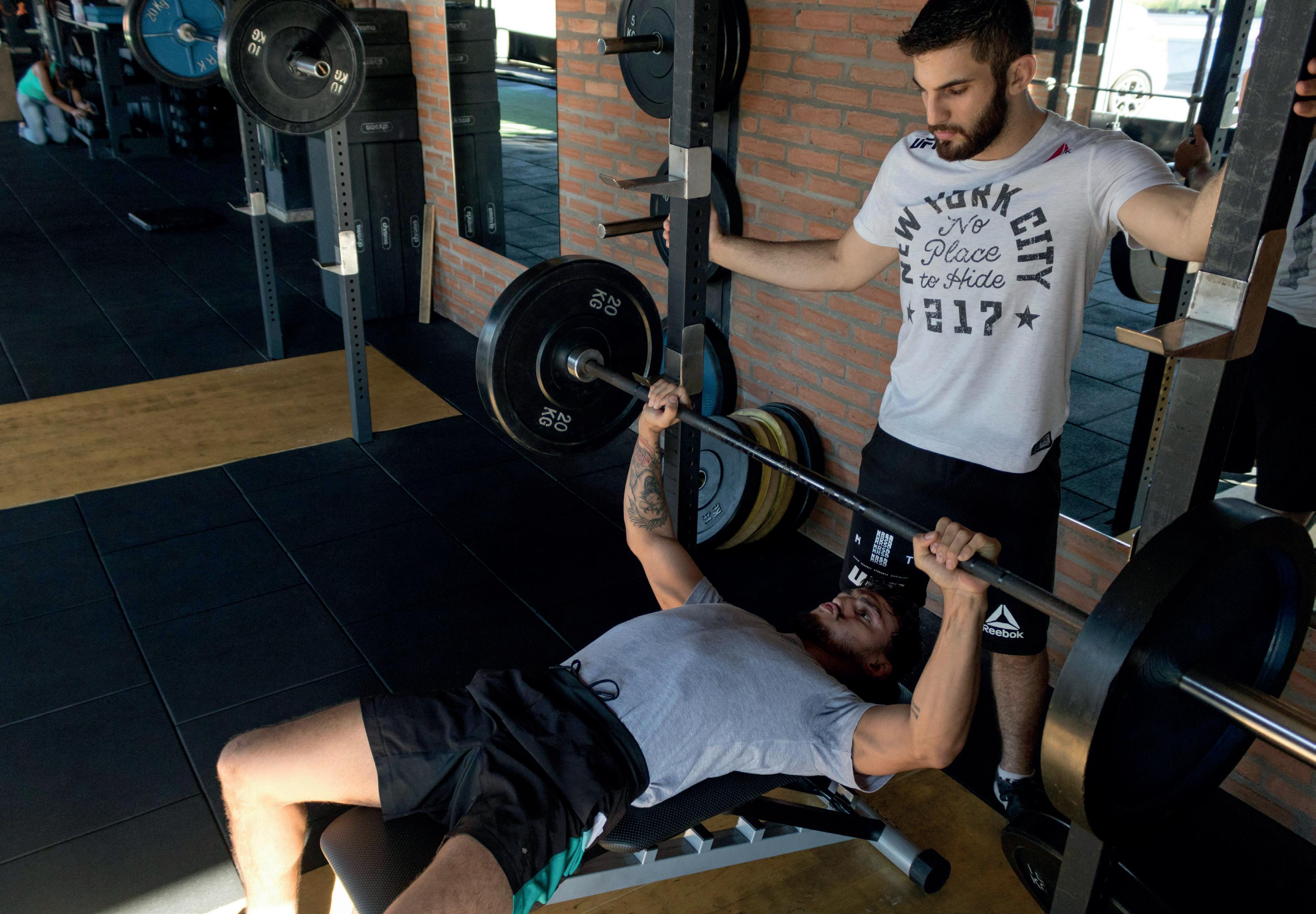
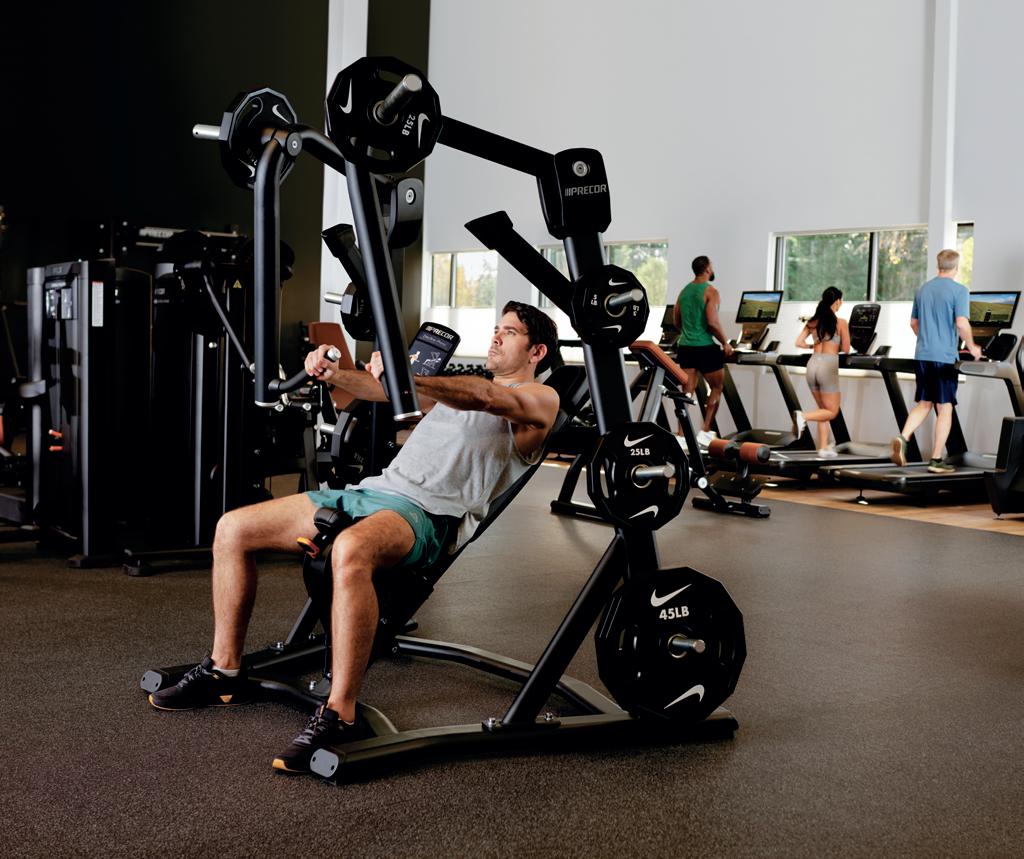
This trend reflects a broader shift in attitudes towards fitness. Strength training is increasingly viewed not only as a tool for athletic performance but also as an essential component of overall health and wellbeing. Free weights, resistance machines and strength-focused group classes are becoming central features of programming at gyms and studios across the UK. For operators, the message is clear: demand for strength-based exercise is growing, particularly among younger audiences.
Despite this momentum, the report also reveals a worrying participation gap. The UK’s Chief Medical Officer (CMO) recommends that adults undertake muscle-strengthening activities involving major muscle groups at least twice per week. However, the report shows that 43% of adults fail to meet these guidelines, while 32% do no strength training at all.
In other words, roughly one in three Britons are missing out entirely on an
activity widely recognised for its role in supporting long-term health. The findings highlight a significant opportunity – and challenge – for the physical activity sector.
Strength training is associated with numerous health benefits, including improved bone density, reduced risk of injury, better functional movement and improved metabolic health. It is also increasingly recognised as a key intervention for healthy ageing. Yet awareness of these benefits remains limited.
The report found that 73% of adults are unaware of the CMO’s strength training recommendations, suggesting that public understanding of muscle-strengthening activity lags far behind awareness of cardiovascular exercise guidelines.
Roughly one in three Britons are missing out entirely on an activity widely recognised for its role in supporting long-term health

Participation in strength training varies significantly across demographic groups. While younger people are embracing resistance exercise, engagement declines steadily with age. The report shows that 55% of Generation X participants meet the recommended strength guidelines, compared with just 34% of Baby Boomers. Women, older adults and individuals from lower socio-economic backgrounds are also less likely to engage in regular strength training. These disparities highlight the importance of targeted interventions to build confidence and knowledge among underrepresented groups. For many people, strength training can appear intimidating – particularly in traditional gym environments dominated by weights and resistance equipment. Addressing these psychological barriers will be critical if the sector is to broaden participation.
On the one hand, the report highlights the scale of the public health challenge posed by insufficient strength training. On the other, it underscores the fitness and
Strength training is associated with numerous health benefits
physical activity sector’s potential role in addressing it. Operators, instructors and governing bodies all have a part to play in improving public awareness of the benefits of resistance exercise and supporting people to incorporate it into their routines.
The report suggests that clearer communication, more accessible programming and improved education around strength training could help close the gap. Strength-focused group exercise classes, beginner-friendly gym programmes and targeted community initiatives may all help build confidence among new participants.
The rise in popularity of strength training among younger generations offers an encouraging foundation for the future. As the report suggests, there is an opportunity to harness this momentum and create a broader cultural shift in how strength training is perceived. If awareness can be improved and barriers reduced, resistance exercise could become a core pillar of the UK’s physical activity landscape.








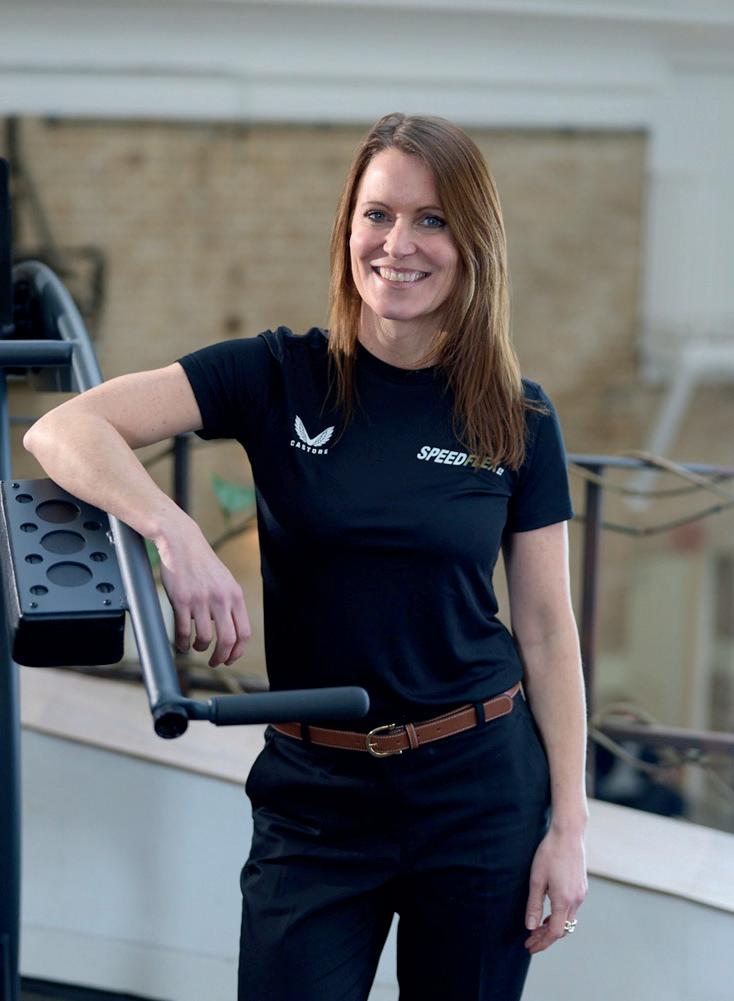
My love for independent gym owners didn’t come from the outside looking in, it was built from the inside out. I was raised by two incredible parents who instilled in me, from a young age, the importance of being active, eating well, and living a happy, balanced life. Movement wasn’t punishment. Health wasn’t restriction. It was something we shared and enjoyed as a family. That foundation shaped everything. I’ve spent most of my working life in the fitness industry, and after the birth of my second child, something shifted. I felt a pull to create something of my own, not just a business, but something with meaning. Something that would make my family proud. Something that gave me a true sense of purpose. It felt like a calling.
I opened my own gym, SO51Fitness, in 2017 and ran it for five years. In that time, I made every mistake under the sun. I learned lessons the hard way, through long days, tough decisions, financial pressure, self-doubt and constant adaptation. But I wouldn’t change a thing. Because that journey gave me empathy, perspective and a deep respect for what independent gym owners do. I know what it feels like to pour your soul into a space and to care deeply about every member. To lie
Amy Ritson, who has spent the past 20 years working in the sector, explains why Independent Gyms are the true heartbeat of the ��tness industry
awake worrying about retention, the culture and cash flow all at once. That lived experience is what now fuels my work. It’s why I’m so driven to help others learn faster, evolve stronger, and feel heard in an industry that too often overlooks the independent voice.
I don’t just work with independent gym owners; I am one of them. And helping shape the future of this industry alongside people who lead with passion, integrity, and heart is what gives my work meaning today.
1They bring unwavering passion
Independent gym owners don’t open gyms to chase trends or valuations. They do it because they care and they they have unwavering passion. They coach early mornings and late nights. They obsess over programming, member experience, and culture. They take feedback to heart because the gym isn’t a brand on a spreadsheet, it’s their life. When things get tough (and they often do), passion is what keeps the doors open.

Helping shape the future of this industry alongside people who lead with passion, integrity and heart is what gives my work meaning today

2 Masters at creating communities
Independent gyms don’t sell access, they build belonging. These owners know names, stories, injuries, celebrations, and struggles. They notice when someone hasn’t trained in a week. They create spaces where people feel safe, seen, and supported, often long before fitness results appear. Community isn’t a marketing strategy for independent operators – it’s the product. And in an industry in which motivation fades fast, community is the difference between someone quitting and someone changing their life.
3 True grafters
Independent gym owners graft, relentlessly. They clean toilets, coach sessions, fix broken equipment, chase invoices, update social media, and still show up with energy for their members. They don’t hide behind departments or job titles. There is no off switch, no safety net, no guaranteed pay slip. Their resilience is earned the hard way, through long hours, financial pressure, and constant problem-solving. They are operators in the truest sense of the word.
4 True integrity
Independent owners don’t have the luxury of hiding poor decisions behind a logo. If they cut corners, their members feel it immediately. If they break trust, they lose people they see every day. Integrity isn’t optional, it’s survival. They stand by their values even when it may cost them a member or the option of a shortcut. Their reputation is personal, and it gets earned one conversation at a time.
In an industry where motivation fades fast, community is the difference between someone quitting and someone changing their life
5 Skin in the game
Independent gym owners carry real risk: their savings, their time, their reputation, and often their family life is tied to the business. Every decision matters, because they feel the consequences directly. That creates a level of care, urgency, and accountability you cannot replicate in corporate models.
6
They change lives – up close Independents don’t measure impact in monthly reports; they see it daily. They watch confidence return. They help people through grief, illness, divorce, addiction and self-doubt. They are often an anchor in their community far beyond fitness. Many independent gyms do more for mental health, confidence, and social connection than they’ll ever be credited for.
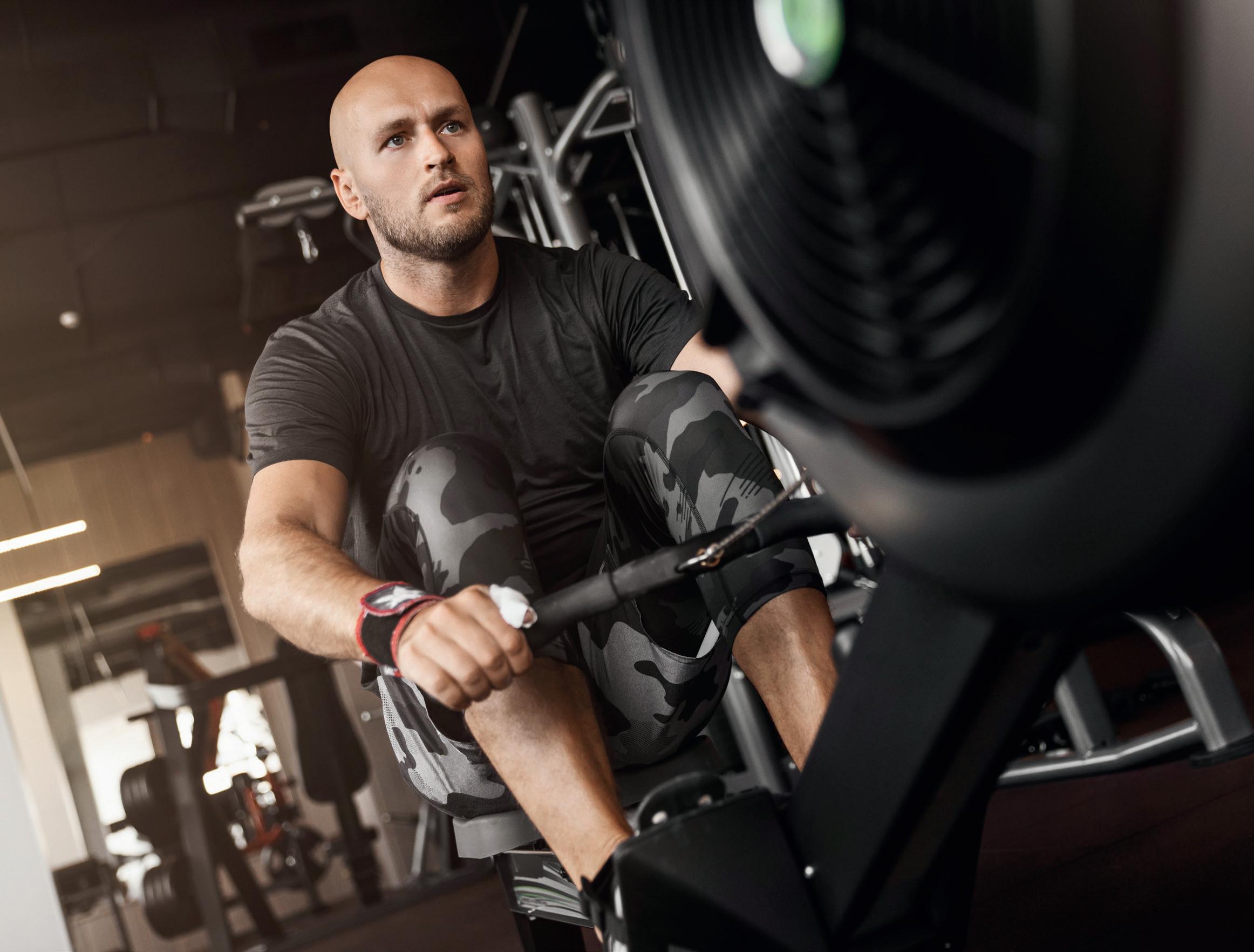
NO UPFRONT COSTS. NO RISK
We run the marketing and sales. You run the club.

6 week on site member acquisition campaigns for gyms, hotel gyms and leisure centres.
Average result: 225 new members. Built for clubs ready to grow.
7
Courage to stand alone
It takes courage to open a gym without the safety of a franchise playbook or a national advertising budget. Independent owners bet on themselves: Their ideas,their values, and incredible bravery. To back your own vision in a crowded, noisy industry truly deserves respect.
8
They keep the industry honest
Independent gyms are the heartbeat of the industry. They innovate first. They challenge norms, they remind everyone that fitness is about people, not just profit margins. Without them, the industry becomes sterile, transactional, and disconnected from its purpose.
9
They lead from the front
Independent gym owners don’t manage from a distance; they lead in the trenches. They coach sessions, have the hard conversations, welcome new members, and set the tone every single day. They model the behaviours they expect and because they’re visible, their leadership carries weight. Members don’t just hear the values; they see them in action. That kind of leadership builds trust, loyalty, and long-term impact.
Many independent gyms do more for mental health, confidence, and social connection than they’ll ever be credited for
10
They build legacies, not just businesses
Independent gym owners rarely talk about “exit strategies.” Their success isn’t measured solely in revenue, but in stories: the member who got stronger after illness, the person who found belonging, the coach who grew into a leader. Independent gyms leave fingerprints on people’s lives. That’s legacy work, and it’s what makes this sector so special.
Independent gym owners don’t just run businesses, they carry responsibility. Responsibility for people’s health, confidence, and belief in themselves. That’s why I love working with them. Because when you help an independent gym grow, you’re not scaling a brand, you’re amplifying impact, and in my opinion, are the true heartbeat of the fitness industry.