


In an industry where cost is often the focus, Active IQ stands apart by delivering more - more quality, more support, more value. We know that price matters, but when it comes to qualifications, reliability, and long-term success, quality is non-negotiable.
That’s why we offer:
Industry-leading qualifications – Designed with employers to meet workforce demands
Comprehensive support – A dedicated team invested in your success
Added value – Free CPD, FitPro membership with eLearning purchases, and extra resources at no cost
A trusted partner – Transparent pricing, no hidden fees, and a gold-standard reputation.

Find out more
Why settle for less?
Begin with better. Choose Active IQ.
Active IQ - where you get more… more quality, more support, more value.
Offer
Extensive tutor and learner resources
One annual fee - Transparent pricing with no hidden fees
No charge for EV visits and sampling
Online learning platform with eLearning, marketing support and eClinics
Talent match service
High quality manuals
Dedicated External Verifier
Dedicated Customer Service Representative
Business consultancy to support growth of your business
Other Awarding Organisations


The government has been accused of ignoring the pressures faced by the physical activity sector after the hospitality sector – including pubs – were given a 15% discount on their business rates bills from April. The cut in rates for hospitality comes after a backlash against November’s Budget, which left many facing major increases in their business rates bills.
In the budget, the Retail, Hospitality and Leisure (RHL) relief was reduced from the current 40% discount to around 20% for the smallest properties and 10% for those properties with a rateable value between £51,000 and £500,000. As a result, many businesses faced higher costs.
Led by industry body, UK Hospitality, the sector mobilised and launched a high-profile – and ultimately successful – campaign, which
included more than a thousand pubs across England banning Labour MPs from their premises.
While hospitality premises secured a discount, there has been no let off for physical activity operators, however, who will now face business rate increases of up to 60%.
Huw Edwards, CEO of ukactive, said: “This announcement takes a narrow view of the support required by businesses, ignoring the immediate pressure facing fitness and leisure facilities across the UK.
“The announcement on the business rates support package for pubs and music venues seems to have forgotten that gyms, pools and leisure centres were also closed during the pandemic and without further protection operators have told us their business rates will rise by as much as 60%.



The Gym Group is accelerating its new openings programme by “taking full advantage of the available white space” and market growth opportunities.
The low-cost gym operator, which opened its 260th location in 2025, expects to launch 75 new sites over the next three years, with around 20 new gyms set to open in 2026.
Funded from free cash flow, the new openings will run alongside an ongoing reinvestment programme in its existing estate. The group opened 16 new sites in 2025.
The announcement was made as the company released its pre-close update for 2025. In it, The Gym Group said revenue for the year (ending 31 December 2025) increased by 8% to £244.9m (up from £226.3m in 2024), with like-for-like revenue growth of 3% year on year.
Average members grew 4% to 945,000 (2024: 906,000), and average revenue per member per month (ARPMM) was up 4% to £21.60 (2024: £20.81).
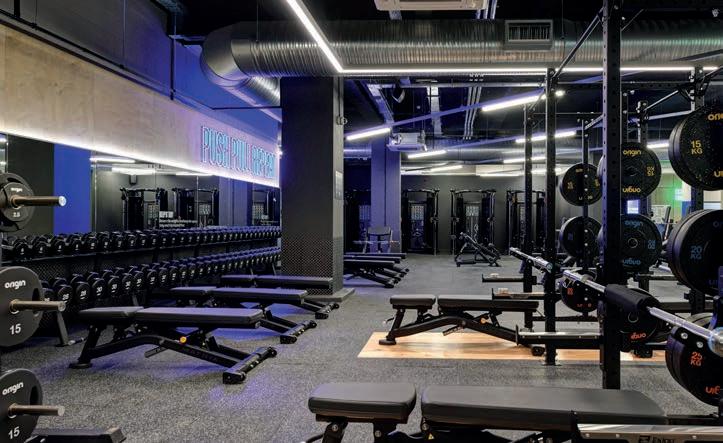
The Gym Group expects to launch 75 new sites over the next three years
The Gym Group now has 923,000 members across its portfolio of clubs, a 4% increase on the 891,000 it had on 31 December 2024.
Will Orr, CEO, said the strong trading performance is evidence that the group’s business model and its “Next Chapter” growth strategy, launched
in March 2024, was delivering. “This has been another year of strong progress for the Group, and we now expect the FY25 outturn to be at the top end of our previous guidance,” Orr said. “We see significant opportunities ahead in a market with structural growth tailwinds.”
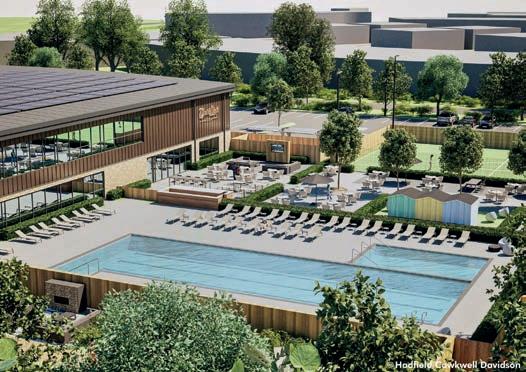
David Lloyd Clubs has secured planning approval for a health club at Wirral Waters.
The club will be located on the Bidston Dock site off Wallasey Bridge Road, spanning a generous six-acre site. It will include a large gym space with personal training, group exercise studios, heated indoor and outdoor swimming pools, kids indoor and outdoor swimming pools and a soft play area. There will also be a wide selection of racquet sports – six canopy-covered padel courts, three weatherprotected tennis courts, indoor badminton courts and pickleball courts – as well as a luxury spa retreat with spa garden and clubroom for members to meet. The project forms part of the wider vision for Wirral Waters, a long-term regeneration project led by Peel Waters, looking to transform the “left bank” of the River Mersey into a vibrant, mixed-use community. The

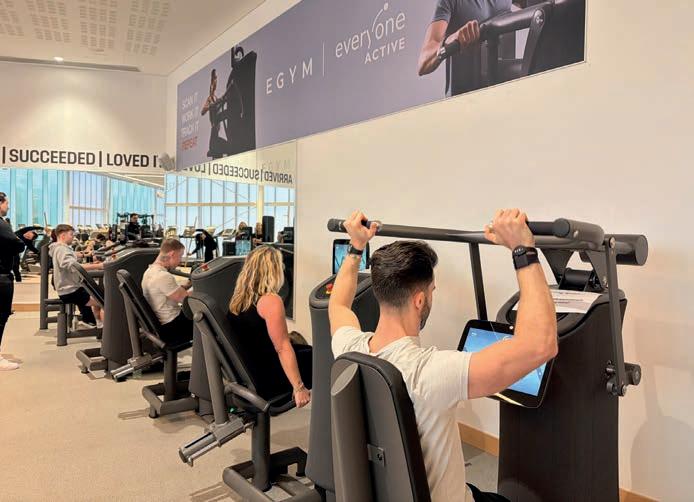
Everyone Active has partnered with EGYM to launch its first Smart Strength facility at Winchester Sport and Leisure Park. The installation of the eight-piece EGYM Circuit and Fitness Hub has been designed to improve Everyone Active’s personalised fitness offering and provide data-led insight into members’ training.
The initial launch at Winchester will be followed by two further EGYM installations at Bedworth Physical Activity Hub and Stratford Leisure Centre, scheduled for early 2026.
The equipment will be available to all Everyone Active members at the participating sites, including those on the GP Referral scheme. Each customer will be guided through a 60-minute onboarding session, which includes a full-body workout on the EGYM Fitness Hub and Smart Strength equipment. The Smart Strength equipment provides AI-powered on-screen exercise guidance, which can remove several barriers to strength training.
As part of the onboarding, members will also undergo a comprehensive fitness level and body analysis, which includes an assessment of flexibility and metabolism. The PT will highlight the areas where targeted training can support improvements in BioAge (biological age). Once completed, EGYM machines will automatically configure to the customer’s set-up each time they use the equipment.
Duncan Jefford, Regional Director at Everyone Active, said: “At Everyone Active, we are committed to providing the best and most advanced equipment across our gym facilities. This new partnership with EGYM will enable our fitness colleagues to provide data-led support and gain additional insight into each member’s fitness and BioAge.
“Our ambition is to grow this partnership across further centres in 2026. We’re confident that this equipment will encourage more people to get active, including those with health conditions.”

The funding will see the St Annes Pool completely modernised
Fylde Council rubber stamps “historic” £9.3m investment
Fylde Council has given the green light to a £9.3m funding package to modernise and redevelop two leisure centres. Describing it as the “most ambitious leisure investment in the council’s history”, the funding will see the St Annes Pool completely modernised and Kirkham Baths reopened for the community. St Annes Pool will be transformed with modern leisure facilities, while Kirkham Baths will be fully restored with a reconditioned pool and new fitness suite, and historic features protected where possible.
Aviva introduces personal training to its DigiCare+ app
Insurance giant Aviva is introducing a personal training option to its DigiCare+ app, which is attached to its individual protection policies.
From 29 January 2026, Aviva customers with DigiCare+ will be able to access up to eight online consultations per year with a personal trainer, who will assess fitness levels, goals and barriers before creating a personalised, digital training plan. The eight sessions can also be shared between the policyholder, their partner and children. The new PT option has been added as part of a wider overhaul of the services offered through the DigiCare+ app.

The latest round of recruitment takes the agency’s headcount to 57
Leisure marketing specialist, Bigwave, has expanded its team with 11 new appointments.
The latest round of recruitment, which takes the agency’s headcount to 57, has strengthened several of Bigwave’s teams and departments – from paid media, client services, content creation and design to web development and the creative team. Further growth is already planned for the New Year, with three additional
CoverMe Fitness has appointed Noel Agyei as Chief Operating Officer, marking his return to the fitness industry.
With almost 20 years of hands-on fitness experience as well as extensive expertise in sales, operations and technology leadership, Agyei has been brought in to scale the CoverMe Fitness business – a fitness team management platform – globally.
Agyei said: “I’m incredibly excited to return to the industry where it all started for me, working closely with CoverMe’s visionary founders Rosanna Tucker and Beverlee Browne to grow the business. After years in tech, product development and leadership roles, I’m excited to use my experience to help fitness professionals and clubs thrive and make CoverMe the go-to platform for the global fitness community.”
Agyei’s career in fitness began in the mid-1990s and saw him progress from a gym floor instructor to personal trainer, group exercise instructor, sales manager, general and regional manager, eventually opening a new club in Amsterdam.

Leaving the fitness industry to pursue new challenges, he went on to hold senior roles across the hospitality, entertainment and healthcare sectors, including cofounding a MarTech SaaS platform. Agyei helped scale the company from a start-up to a 30-person team, securing £15 million in investment and ultimately achieving a successful acquisition by Adobe.
Rosanna Tucker, co-founder of CoverMe, says: “Noel brings proven SaaS (software as a service) leadership, exceptional commercial judgement and a track record of scaling technology businesses through disciplined execution.
roles being created in the web, paid media and client services teams.
Tom Gozna, Director at Bigwave Marketing, said: “These appointments come at a really exciting time for the business as we kick off several new client partnerships. We’re delighted to welcome so many talented people to the team.”
In 2025, Bigwave Marketing joined the ukactive Supplier Council and achieved B Corporation certification.

CET CryoSpas appoints Adrian Worsley as MD
Cold-water immersion technology specialist, CET CryoSpas, has appointed Adrian Worsley as its new Managing Director.
Worsley, who has 20 years of senior experience in health club operations, digital media and loyalty-driven business models, will be tasked with leading CET through its next phase of global expansion in the wellness and fitness market.
Worsley’s career includes a 11year stint at premium health club operator, The Bannatyne Group.
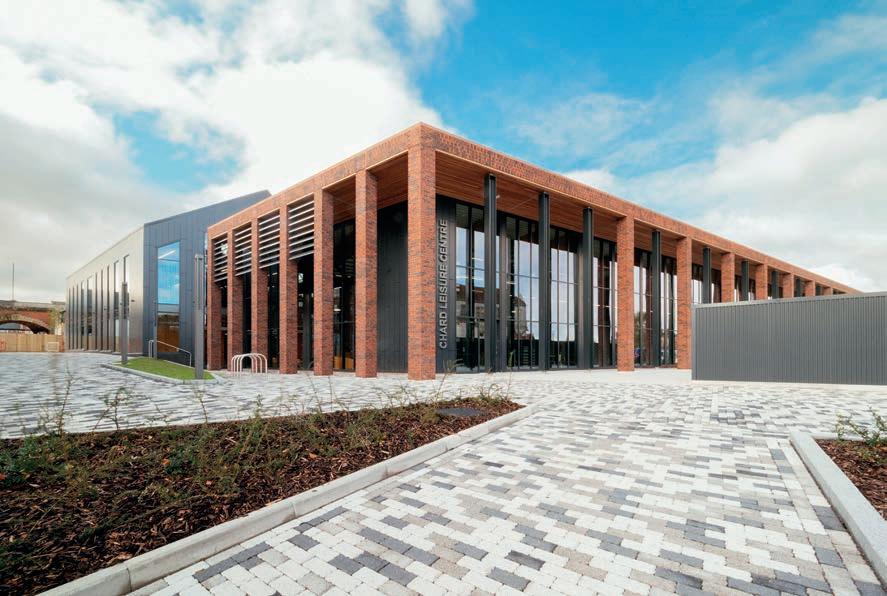
Making public leisure sustainable and building healthier communities.
310+ completed projects
81% of clients choose us for further projects
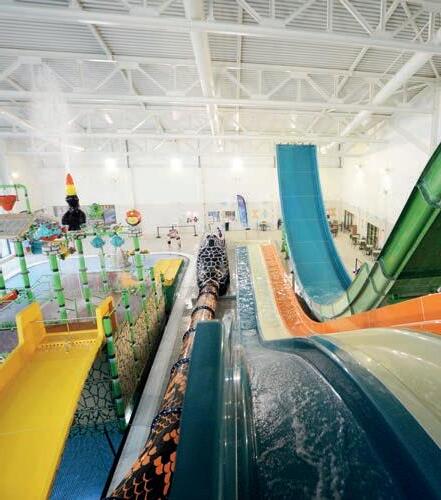
£520m+ investment in local authority leisure
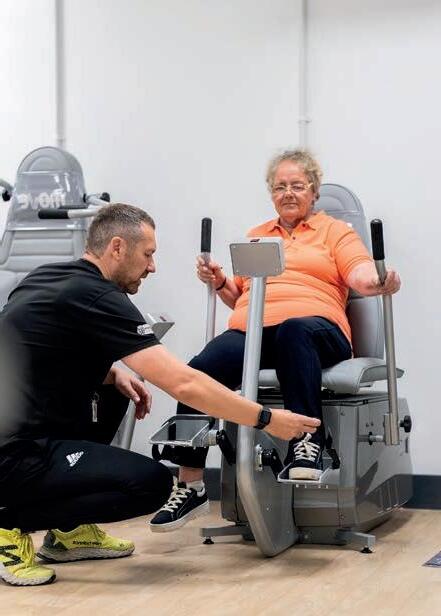
Alliance Leisure are a trusted and experienced leisure development partner, with over 25 years’ experience transforming leisure facilities for local authorities.


Companies feel they lack the resources to deliver programmes
Businesses are struggling to keep pace with rising expectations for workplace wellbeing, with 82% of employers feeling “increasing pressure” to enhance their offering.
According to research by fitness tech specialist, EGYM Hussle, while companies understand the importance of workplace wellbeing – 90% of employers included in the study believe improved wellbeing would boost productivity and staff retention – many feel they lack the resources to deliver what employees now expect.
Many cite hurdles with regards to cost (25%), as well as lack of time to dedicate to internal resource management (19%) and feelings that many wellbeing suppliers don’t provide suitable options that fit the needs of their workforce (17%). Adding another layer of complexity to the issue of workplace wellbeing is the growth of hybrid working, with nearly three-quarters of employers finding it difficult to offer benefits that work equally for in-office, remote and hybrid staff. These inconsistencies are reflected in current workplace wellbeing provisions; while 57% offer flexible working hours and 47% provide mental health support, just 33% offer access to gym or fitness services, highlighting the limits of one-size-fits-all schemes.
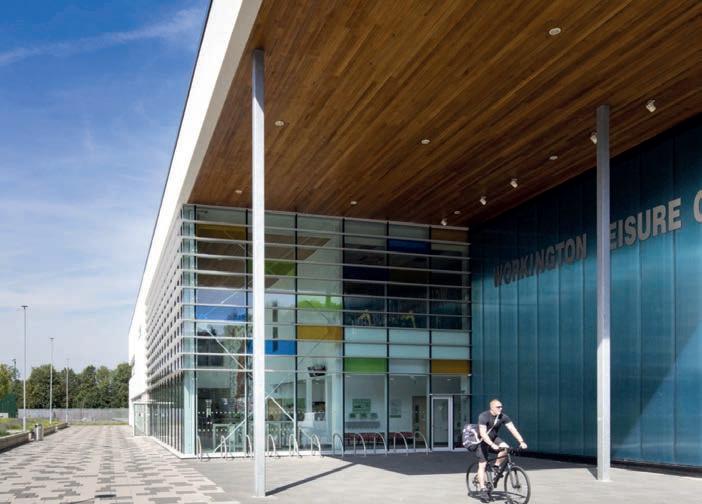
Everyone Active has secured a contract to manage Cumberland Council’s leisure facilities in the West of Cumberland.
The new 10-year contract will start in April 2026 and includes: Workington Leisure Centre; Maryport Activity Centre; Cockermouth Leisure Centre; Keswick Leisure Centre; Whitehaven Sports Centre; Copeland Pools and Fitness Centre; Cleator Moor Activity Centre (redeveloped facility) and Millom Leisure Centre (new facility under development).
A key part of the new contract is the delivery of an Active Wellbeing programme and to support a new Cumberland wide Active Wellbeing Partnership. The programme targets health inequalities and will work in partnership with health and social care providers to support community groups.
Leisure sites in Carlisle – including The Sands Centre – do not form part of the new contract and will
continue being managed on the council’s behalf by Greenwich Leisure (GLL), trading as Better.
Councillor Anne Quilter, Cumberland Council’s Executive Member for Vibrant and Healthy Places, said: “We want to provide the best possible leisure facilities with the aim of supporting the health and wellbeing of our residents. The new approach puts them at the heart of the service and makes leisure more accessible and more inclusive.
“The 10-year approach makes the service more sustainable and aligns with our approach to active wellbeing.”
The Active Wellbeing Programme will include targeted programmes designed to deliver social prescribing and GP referral schemes, take an age-friendly approach and ensure programming for all by providing a responsive programme of activities. They will meet the needs of all sections of the community and promote the physical, social and emotional wellbeing of residents.





Planning approval has been secured for an ambitious regeneration of the Five Acres site in Berry Hill in Gloucester.
Forest of Dean District Council confirmed that work on the sports, leisure and fitness facility can now commence, with Willmott Dixon having been appointed the design and build contractor.
Plans for the facility include a health club with a 53-station gym, group fitness studios, power assisted exercise rooms and soft play area.
Outside facilities will include a new 3G pitch, while the former Speedwell Building on the site will be repurposed to create new office and community spaces.
The redevelopment of the Five Acres site is being funded by the council’s successful Levelling Up Fund bid to the government.
Cabinet Member for Property and Projects, with oversight of Five Acres, Sid Phelps, said: “Securing planning approval for the building and facilities at Five Acres in Berry Hill
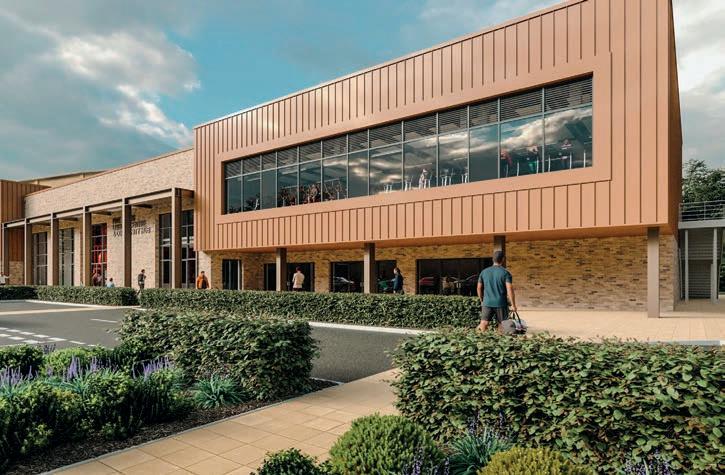
Plans for the facility include a health club with a 53-station gym and group fitness studios
marks another major milestone for the project, allowing us to move forward and focus on beginning construction.
“The updated designs include a wide range of accessible features to ensure the building can be used and enjoyed by everyone in the community, whatever their age or ability.
“Our aim is to create a facility that serves the community of the Forest of Dean for many years to come. We recognise that some residents have felt frustrated by the time this project has taken, but it has been essential to ensure the scheme is both financially and environmentally sustainable.”
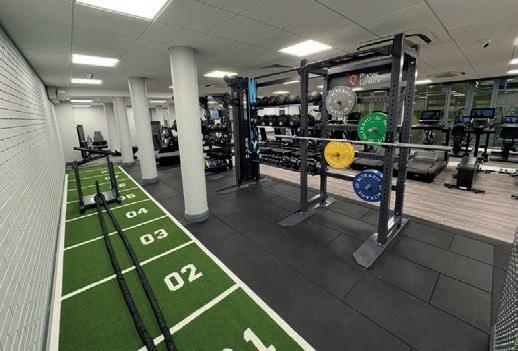
A new, redeveloped gym has opened at Latchmere Leisure Centre, as part of Wandsworth Borough Council’s and Places Leisure’s £24m investment in leisure, swimming and sports centres across the borough.
Featuring Life Fitness cardio machines and Hammer Strength equipment, as well as an EGYM fitness hub, the focus has been to provide gym users a modern fitness experience, including the opportunity to gain insight into key body metrics to help members develop personalised workouts.
There is also a new Box 12 Hub for functional and boxing-inspired training, while the entire gym layout has been reconfigured to improve flow, accessibility and training space. The £24m investment at Latchmere and other venues are at the heart of the council’s Wandsworth Moves Together strategy.
Snap Fitness has opened its newest club in central London, which the franchised operator says has “set a new benchmark” for 24-hour high street gyms. Located on Gray’s Inn Road, Chancery Lane, the 12,000sq ft club brings together traditional gym training with modality group training, recovery and wellbeing –including reformer Pilates – in a single environment. Snap says the facility is part of plans to move the brand beyond the traditional 24-hour gym model.
Kevin Yates, CEO of Snap Fitness EMEA, said: “Chancery Lane showcases the future for Snap Fitness and elevating the 24/7 gym sector.
“We are showing that roundthe-clock access and premium, multi-modality experiences can be delivered without the usual premium price tag. This site demonstrates how we’re taking the category to a new level to create a genuine wellbeing destination, not just gym access.”
The club features an extensive gym floor with cardio, free weights and
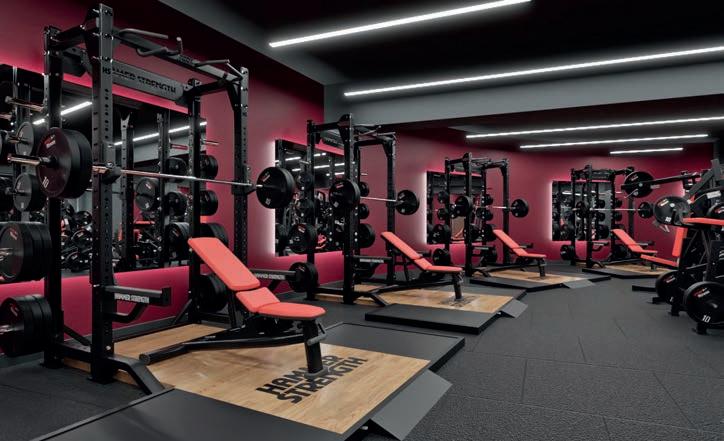
The 12,000sq ft club is located in central London
strength training zones equipped with premium kit from Life Fitness, Hammer Strength and other leading suppliers. Other facilities include eight reformer Pilates beds with 24-hour access, a group cycling studio and a dedicated recovery lounge with compression boots, massage chairs and massage guns.
JD Gyms has introduced a new, coachled group exercise class for 2026.
Called JD Engine, the 45-minute programme focuses on agility and cardiovascular fitness, combining running, rowing, skiing, lunging and wallballs.
According to Lee Matthews, Chief Operating Officer of JD Gyms, the new classes have been designed to challenge both body and mind through a hybrid training routine. JD Gyms operates more than 100 gyms in the UK.
“It’s an exciting, results-driven class that’s accessible to everyone, no matter where you are on your fitness journey,” Matthews said.
“We can’t wait for our members to experience the energy, challenge and community that JD Engine will bring to our gyms.”
Elsewhere, contrast therapy is offered through infrared saunas and cold showers. Members will be able to tap into more than 800 on-demand classes
The club will be operated by Peter Dhillon, a multi-site franchisee.
The Grays Inn site will be Dhillon’s seventh Snap Fitness location.


Matrix Fitness, the world’s fastestgrowing commercial fitness brand, has launched the Onyx Collection, a five-machine assortment of luxury cardiovascular products designed to invigorate the senses with premium materials, advanced technology and meticulous attention to detail. Carefully crafted by Matrix’s global product development team, the collection, consisting of a treadmill, Ascent Trainer, ClimbMill, upright cycle, and recumbent cycle, is a testament to thoughtful innovation and customer-centric design.
Launched officially to the UK market at the Professional Beauty’s World Spa and Wellness event in London in March, Onyx creates a unified aesthetic that complements a facility’s décor and elevates their
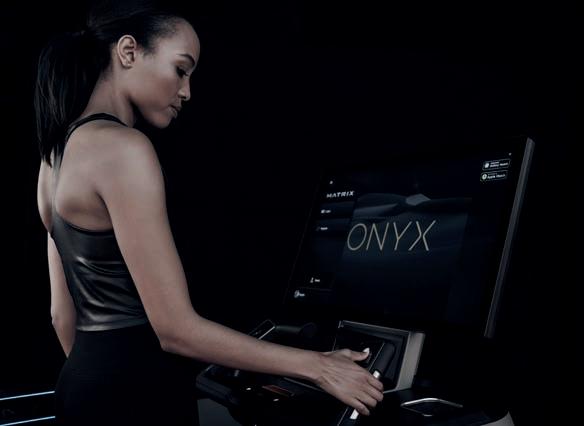
space with a fusion of luxury accents and details. The refined design combines elegant angles, seamlessly smooth surfaces, rippling textures and full-spectrum ambient lighting to make a statement of style. A large, captivating touchscreen console, intuitive app-based display and interactive touchscreen controls with haptic feedback create an immersive and multi-sensory exercise experience that is the first of its kind.
“Every touch point and every element of the Onyx Collection was designed to be exceptional, immersive, and unlike anything else in our portfolio,” said Matthew Pengelly, Managing Director, Matrix Fitness UK.
“At Matrix, meaningful innovation is at the heart of everything we do. Our partners can expect to see this guiding principle artfully expressed in every design detail.”
The Onyx Collection was carefully crafted to meet and exceed the needs of high-end health clubs and luxury hotels – a growing global market estimated to reach over $300B (USD) by 2030.
“Feedback from our industry partners was central to the development process of Onyx, beginning first when Onyx was a mere concept and in every design phase to follow,” said Pengelly.
“As a commitment to the success of our partners, we have made significant investments in enhanced manufacturing processes, machinery and more exacting quality standards that will not only meet but exceed the expectations of the ultra-premium customer.”
The first UK installation of the Onyx Collection has taken place at Four Seasons, Ten Trinity Square, London, a site that is renowned for its unparalleled luxury and wellness. To find out more about the Onyx Collection, visit: https://onyx.matrixfitness.com/uk/eng
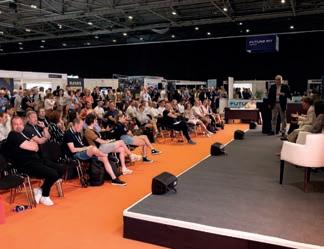
The programme features a range of speakers across four theatres
Registration has opened for this year’s Elevate, the 10th edition of the annual physical activity, health and wellness event.
Taking place at Excel London on 17-18 June, Elevate 2026 will feature an exhibition and a two-day, multi-theatre education programme supported by structured networking opportunities.
The programme will feature a wide range of speakers across four theatres: Debate, Generate, Accelerate and Collaborate, complemented by a number of partner theatres. As part of plans to celebrate its 10th anniversary, the event will also feature special additions, including legacy sessions that reflect on industry progress and future direction.
A series of polls will also be run across Elevate’s social media channels, exploring the trends, challenges and opportunities shaping the sector, with insights directly informing elements of the 2026 show.
According to Lucy Findlay-Beale, Event Director at Elevate, the 2026 event marks an “important moment” in the show’s history.
“Opening registration for Elevate 2026 is a significant moment for us, as we prepare to celebrate 10 years of bringing the industry together,” she said.
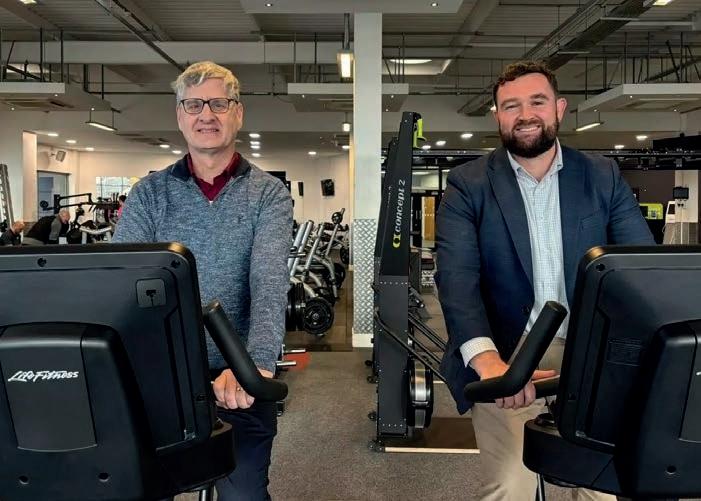
Three leisure and sports centres in Milton Keynes are set to share £3m worth of investment in improving their facilities.
Milton Keynes City Council has secured the funding for Bletchley Leisure Centre, Woughton Leisure Centre and Windmill Hill Golf Centre as part of a new long-term contract with leisure operator Serco Leisure and More Leisure Community Trust.
The new agreement between the council and Serco, working alongside the trust, brings all three sites under one management contract for up to 15 years.
Serco Leisure currently manages over 50 centres in the UK on behalf of local authorities, Sport England and the national charity for wheelchair sport, WheelPower.
The investment includes a new outdoor water play area at Bletchley Leisure Centre and improvements to the driving range and irrigation
system at Windmill Hill Golf Centre.
Nearly a third of the money – around £800,000 – will be spent on new energy-saving initiatives, designed to cut annual energy use by an estimated 1.1m kWh each year, across all centres.
The council’s Cabinet Member for Sport and Leisure, Mick Legg, said: “This new investment will help ensure that these popular centres continue to play that role for years to come.”
Brian Taylor, Chair of Milton Keynes City Council, said: “This contract win gives us the opportunity to further expand our Active Wellbeing programme, working with the council’s Sport & Active Communities Team to engage underrepresented groups and support improvements in the health and wellbeing of Milton Keynes’ citizens.”
“Our priority as a leisure trust is to create welcoming, inclusive spaces that inspire people to stay active and healthy.”
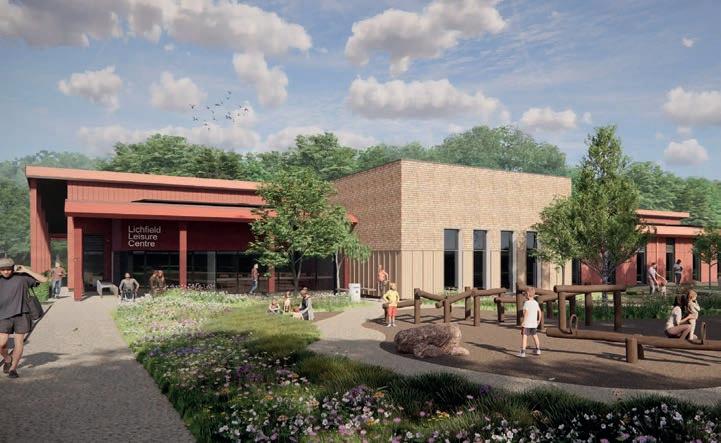
The new Lichfield Leisure Centre has opened its doors to the public at the city’s Stychbrook Park.
Owned by Lichfield District Council, the centre – estimated to have cost around £11m to build – offers a range of amenities and has replaced the ageing Friary Grange leisure centre.
Facilities include a 25m, six-lane variable depth swimming pool; poolside seating and changing village.
A large health club features an 80-station gym floor, indoor cycling studio and dance studio, as well as assessment room, equipment store and a community space.
Outside, the centre features a 3G pitch and changing rooms.
The centre was designed by ReCreation, a company founded by British Olympians – including swimmers Rebecca Adlington OBE and Steve Parry – which provides swimming pools featuring an above-ground design, described as being more affordable than the traditional construction method as it doesn’t require excavation. Stepnell
was the selected contractor with GWB Consultants also working on the project. Environmental sustainability is at the heart of the new facility. The roof of the centre features nearly 400 solar panels, installed through a partnership with Staffordshire Community Energy (SCE). The system is expected to
generate around 149,000 kilowatt hours of clean electricity each year –with approximately 90% of the solar utilised on site and 10% sold to the grid to support a community fund. By producing its own power on site, the centre is estimated to cut its carbon footprint by around 35 tonnes a year.
Design work is now underway for the new Cranbrook Leisure Centre in Devon.
Proposals for the centre include a 25-metre and learner pool, a health club with a gym floor and fitness studios, a soft play area and a café.
East Devon District Council (EDDC), which will own the centre, is looking to gain residents’ feedback on the proposals, in order to shape the plans to meet the needs of Cranbrook’s growing population, expected to reach more than 20,000 people.
Two engagement events are planned, with the first set to take place in early 2026. Following engagement with residents, the planning application for the leisure centre is expected to be submitted in Autumn 2026, with onsite work scheduled for Summer 2027.
Craiglockhart Leisure and Tennis Centre in Edinburgh has unveiled a newly completed, purpose-built spin studio, delivered through the UK Leisure Framework, by Alliance Leisure and supported by a specialist team of Scotland-based delivery partners. Completed in just six weeks, the £246,000 project has transformed an underused lower-floor social space within the centre into a modern, immersive indoor cycling studio, while allowing the leisure centre to remain fully operational throughout the build. The development provides a dedicated new home for Edinburgh Leisure’s popular group cycling programme and marks a significant milestone in the centre’s post-COVID recovery. Alliance Leisure led the project from inception to completion, coordinating a collaborative delivery team made up entirely of Scottish specialists. Works were delivered by lead contractor Thomas Johnstone Ltd, with design by Wellwood Leslie Architects, mechanical and electrical
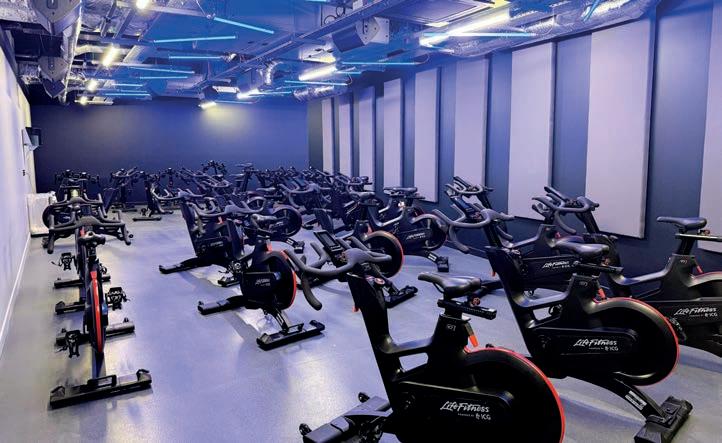
consultancy from Wallace Whittle, audio-visual and lighting installation by Hutchi, and principal designer oversight provided by ABT Safety.
The new spin studio has been designed to support a high-energy, immersive class experience, featuring advanced sound and lighting systems to
enhance programmes such as Les Mills Sprint and RPM. Crucially, the facility enables Edinburgh Leisure to reinstate its full indoor cycling timetable for the first time since the pandemic, responding to strong member demand and increasing capacity for peak-time and evening classes.
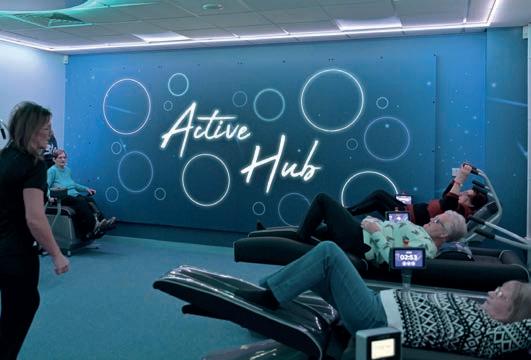
Burnley Leisure and Culture’s (BLC) renewed focus on older adults and people living with long-term conditions is delivering impressive results following a major upgrade of its power-assisted exercise suite. Relaunched as the Active Hub, the revitalised space has seen membership double and usage by those with disabilities increase by 300%. Located at St Peter’s Leisure Centre, the former women-only suite is now a premium exercise space featuring Innerva’s latest power-assisted technology with enhanced digital connectivity via Innerva Connect, offering a supportive environment for all abilities. Prior to the refurbishment, 23% of exercise referral participants converted to mainstream membership. Following the upgrade and the introduction of a stepping-stone membership, the conversation rate has grown to 81%.















Gyms want to offer health memberships, but doing so credibly requires more than bolt-on services. David Joerring, founder & CEO of HealthKey, explains how to get it right
As gyms and leisure centres move beyond fitness and into health, operators are discovering an important reality: creating a credible health membership is far more complex than adding a new benefit.
What members want is access to a range of healthcare support that feels joined-up, easy to use and clinically robust. In practice, health memberships have often evolved piecemeal. Telehealth GP services have been added as bolt-ons, typically limited in scope and rarely integrated into the wider member journey. Additional services such as blood testing or diagnostics have sometimes followed, generally as separate touchpoints even when bundled into a single premium tier.
The result is fragmentation for members, complexity for operators and rising costs on both sides.
BRINGS COMPLEXITY
The challenge is not a lack of ambition, but the reality of healthcare delivery. Quality provision is rarely driven by generalism: the strongest health services tend to be highly specialised, focused deeply on a specific clinical area and delivered by experts.
Creating a meaningful health programme from scratch therefore requires numerous specialist partners, which is where gyms have struggled; navigating governance, safeguarding, clinician oversight and data protection across multiple contracts takes time and expertise that sits well outside the operational comfort zone of most gyms and leisure organisations. Step forward HealthKey.

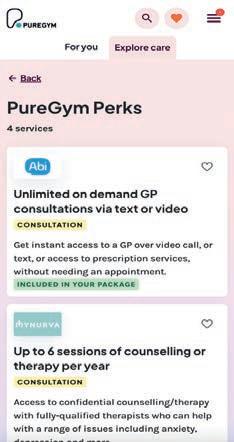
HealthKey acts as a health partner to gyms and leisure operators, uniting more than 300 preventative health and wellbeing services – from around 100 carefully vetted providers – on one easy-access platform.
Services range from instant GP access – average match time 27 seconds – to in-person physiotherapy, mental health counselling to weight management, blood tests and diagnostics to women’s health, reproductive health, guidance through cancer pathways and far more.
Every partner is assessed to the robust clinical standards you’d expect from a company that’s backed by Aviva and our ecosystem continues to grow, including in response to specific operator requests; we were recently asked for skin cancer checks for a golf membership, for example.
We consult with each operator to create a bespoke health programme, helping them select the best-fit services for their members, and we fully support a phased approach. Start with a few core services. Use our anonymous, aggregated usage data to identify what people value most. Evolve your package over time.
There is absolutely no need to do everything at once – nor, indeed, to make a long-term commitment, with HealthKey contracts starting at just three months.
Operators retain full ownership of the member experience and preventative healthcare journey
We’re even flexible enough to create distinct packages within a membership base, whether tied to membership tiers or to reflect specific health needs: different GP referral pathways or post-natal women, for example.
This is enabled by HealthKey’s full and seamless integration with existing gym apps and software systems. From a tile in their gym app, members access a white-labelled health portal which recognises them instantly, no second log-in required. This ensures they are offered only the services selected by their gym – potentially with selffunded access to hundreds more via the discounted HealthKey marketplace, should the operator wish. And so operators retain full ownership of the member experience and preventative healthcare journey, without any of the burden of procurement, clinical due diligence, data compliance or technical integration.
shapes and sizes can offer world-class preventative health support at an affordable price – and it comes with no restrictions. Pricing is a fixed, low monthly fee per service, per member: no usage caps, no surge pricing, no unexpected costs.
Why? Because we want people to actively use the service, enjoy the resulting health improvements – and associate these with their gym.
It’s why we always refer to ourselves as a health partner. We exist to help every gym become a credible, profitable health hub, moving away from a series of disconnected bolt-ons and towards an ecosystem that combines best-in-class providers – clinically vetted, properly integrated and tailored to the specific member base.
Operators also enjoy unbeatably low rates with HealthKey, negotiated directly with each provider on the platform based on aggregated demand. It means gyms of all
As holistic health memberships continue to rise, operators that embrace rather than oversimplify this complexity will deliver the greatest long-term value – for their businesses and their members. HealthKey removes the headache of that complexity.
For more information about HealthKey email info@healthkey.health
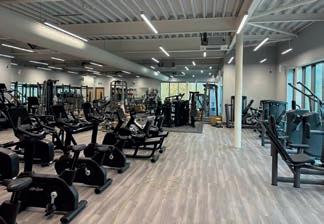
The new Epping Leisure Centre opened its doors to the public for the first time on 12 January. Owned by Epping Forest District Council and operated by Places Leisure, the new facility replaces the Epping Sports Centre and forms an “integral part” of the wider regeneration project for Epping town.
The centre houses a 25m main swimming pool, learner pool, sports hall, squash courts and a health club with a 120-station gym floor with a mix of strength and cardio machines, an indoor cycle studio and two group exercise studios.
Designed to be the most energy-efficient leisure centre in the district, the facility is a key milestone in the council’s commitment to achieving carbon neutrality by 2030. Environmentally sustainable solutions at the facility include heat pumps, advanced digital technologies and high levels of insulation to significantly reduce energy consumption and minimise future carbon emissions and operational costs.
The project is being delivered by the council with its construction partner, Pellikaan Construction.
Councillor Chris Whitbread, Leader of Epping Forest District Council, said: “The opening of Epping Leisure Centre is a clear statement of our ambition for the residents of Epping and the district.”
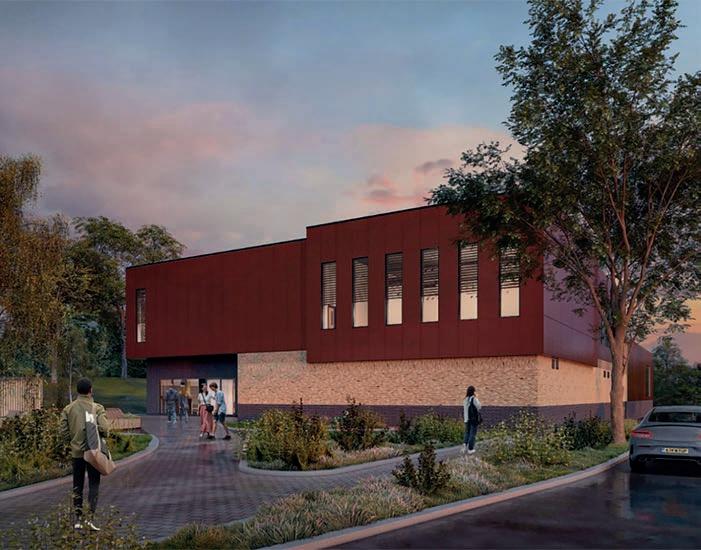
Plans for a new multi-million leisure centre in Bramcote, Nottinghamshire, have taken a significant step forward after Broxtowe Borough Council’s Planning Committee formally approved the plans.
The proposed development includes a 25m, six-lane swimming pool with viewing gallery, a 20m teaching and learner pool and spectator area.
Plans also include an indoor cycling studio, a health club with a large gym floor and exercise studios, and changing facilities. The plans also include office space.
The new leisure centre, which will be owned by Broxtowe Borough Council, will replace an existing leisure centre, ensuring long-term, highquality provision for the community.
It is the latest project to involve leisure facility development specialist ReCreation, which acted as project consultant on the plans. Other companies involved in the project
team include Box Architects, BWB Consulting, GWB Consultants and Adept Consulting Engineers.
ReCreation was founded by three former Olympic swimmers – Becky Adlington OBE, Steve Parry and Adrian Turner – who set up the company with a vision to transform the way swimming pools and leisure centres are designed and developed in the UK.
ReCreation says it can significantly cut the cost of developing swimming pool facilities by building the pool above the ground – rather than sinking it into the ground, which involves heavy site preparation and costly excavation.
“We have worked in partnership with Broxtowe Borough Council, local residents and other key stakeholders to ensure this is a facility the entire community will love,” Turner said.
“This centre will be exactly that, so we are delighted to have passed this major milestone of achieving planning consent.”






























Swim England, the national governing body for swimming, has overhauled its teaching qualification structure, introducing a new streamlined, “one qualification” pathway to becoming a swimming teacher.
The new SEQ Level 2 in Teaching Swimming qualification has been designed to consolidate the learning journey, allowing individuals to become fully qualified and poolside ready more efficiently.
The traditional, two-step qualification process comprised a Level 1 Swimming Assistant (Teaching) course, followed by Level 2 Teaching Swimming course or an intense combined Level 1 and 2 course. These have been replaced with one single, comprehensive Level 2 qualification. Developed following a sectorwide consultation with learners, operators, licensed educators and tutors, the new Swim England qualification directly aligns with CIMSPA’s updated Swimming Teacher Professional Standard.

Sarah Green, Head of Workforce Education at Swim England, said: “It’s essential that our qualifications continue to meet industry needs. The recent sector-wide consultation highlighted a clear need for change.
“Learners are seeking faster, more accessible training with a stronger
emphasis on practical skills rather than academic content. There is also growing demand for a ‘one-course’ approach, without the intensity of a combined course. At the same time, our partners need high-quality teachers with the confidence and capability to deliver exceptional lessons from day one.”
Everyone Active has renewed its partnership with Pure Energy Music, a specialist provider of music for the fitness industry, for a further five years.
Everyone Active first appointed Pure Energy Music to provide the music selection for its group exercise classes in December 2023. Following a successful rollout, it has now introduced Pure Energy Music to all of its group exercise classes (excluding Les Mills programmes) across 143 sites nationwide.
The contract will see Everyone Active utilise Pure Energy Music’s Enterprise Multisite Plan, giving instructors easy access to the company’s app platform and music catalogue.
Andy Pickles, CEO at Pure Energy Music, said: “We’re helping instructors feel confident and inspired and ensuring every class delivers the energy and engagement that keeps members coming back.”
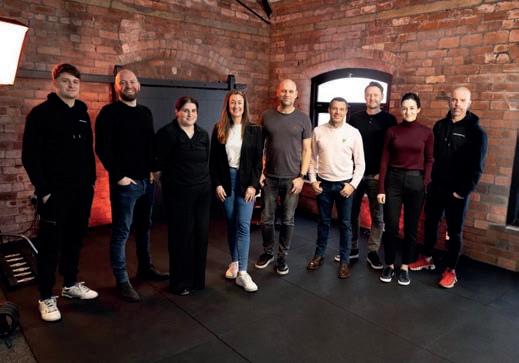
So why not trust experts to grow your gym?

6-week campaign
✅ Avg. 225+ new members
✅ We cover all upfront costs
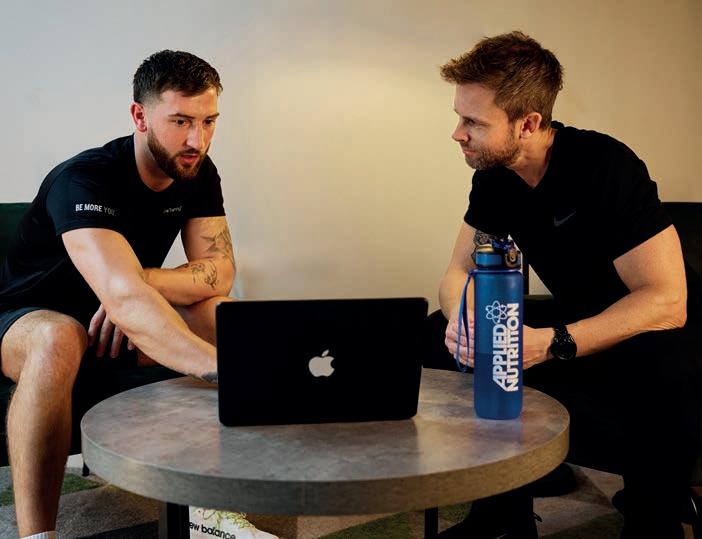
YourPT launches ChatYPT to combat ‘unsafe’ AI-generated workouts
Your Personal Training (YourPT) has launched ChatYPT; a free national advice and workout review service addressing the rapid rise in AI-driven workouts and the associated risks of generic and unsafe guidance.
According to ABC Fitness’ Summer 2025 Wellness Watch Report, nearly 50% of consumers use AI-powered fitness and wellness apps daily – creating both opportunity and challenge for the fitness industry. Those trusting AIgenerated workouts, which are often created without taking into account individual needs and restrictions, could be opening themselves up to potential risk and misconceptions.
In response to the growing trend, the new ChatYPT service will allow users to submit their AI-generated workouts or fitness questions using the Typeform platform and receive personalised feedback from qualified YourPT professionals and industry experts within 48 hours.
YPT Ambassadors will also respond directly to common questions on social channels to help strengthen public understanding and highlight where AI can potentially raise cause for concern, and how best to approach AI as part of any fitness goal.
The service is designed to combine the convenience of AI with human judgement to improve safety, support individual needs and correct common AI fitness misconceptions.
“People enjoy the speed and convenience of AI tools but they know these tools lack human understanding,” comments Aaron McCulloch, Co-Owner and Director of YOUR Personal Training.
“AI will never fully understand the individual and contextual details that a real professional sees when reviewing a plan or answering a question. ChatYPT brings real trainers into the conversation to correct mistakes, address misinformation and ensure safe, effective training guidance.”

The Fitness Group (TFG) has launched a new concept which combines a Pilates studio with an education centre for instructors.
Sana Pilates, located in Islington, North London, offers trainees an opportunity to qualify as recognised Pilates instructors, while members can participate in contemporary mat and reformer Pilates classes.
Education and daily studio sessions will run side by side, creating what TFG describes as a “first-of-itskind ecosystem”, designed to benefit both aspiring instructors and the wider Pilates community.
The site will also serve as TFG’s new Southern UK headquarters, supporting the expansion and development of its Pilates curriculum. According to Steven Dick, Co-Founder and Director at TFG, Sana Pilates was originally founded as a dedicated education centre for mat and reformer Pilates qualifications, but as increasing numbers of trainees progressed through their education, it became clear there was a need for a real-world studio environment where they could continue to refine their craft.
“Great Pilates starts with great education,” Dick said. “By combining a professional studio with an education centre, we’re creating a space where standards are higher and teaching is exceptional.”







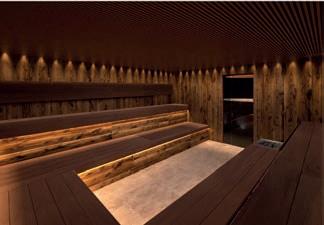
Reset offers hot and cold experiences
A new luxury wellness destination is set to open its doors in Islington, North London, this month.
Located at 240 Upper Street, Reset is aimed at those looking to “recharge and reconnect” with a focus on becoming London’s “dedicated contrast therapy and breathwork studio”.
Reset provides contrast therapy by offering members hot and cold immersion services and an ecosystem of sauna, ice immersion and guided breathwork designed to restore balance, build resilience and cultivate clarity.
There are also expert-led classes, community-focused social sessions and flexible memberships.
At the heart of the purpose-built 3,000sq m space is a 25-person sauna, among the largest in London. Heated between 90°C and 105°C, the sauna features curated music, aromatic oils, and therapeutic herbs, designed to ease inflammation, boost circulation, support detoxification and restore clarity of mind.
There is also an ice plunge, maintained between 1°C and 9°C, which aims to elevate dopamine, strengthen the nervous system and build mental resilience while providing a deeply restorative release.
“Reset offers a variety of ways to engage,” a spokesperson for Reset told WellNation
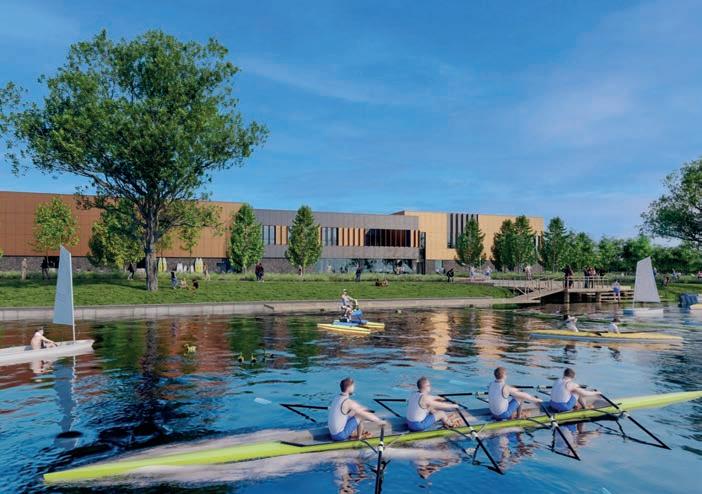
Construction work has begun on a transformative £70m redevelopment of the Fermanagh Lakeland Forum in Enniskillen.
The project, supported by £20 million of UK Government funding, will deliver Ireland’s first Passivhaus-certified leisure centre on the banks of the River Erne.
The health and wellbeing hub will include swimming pools, health club with a gym floor and fitness suite, community spaces for health and wellbeing activities, soft play area, sensory room and café.
Extensive outdoor amenities include a destination playpark, pump track, 3G pitch, cycling and walking trails and an active waterfront area.
Construction works are being undertaken by Graham, with completion expected in 2028.
Designed by SPACE & PLACE, this project “combines innovative design, sustainability and a strong community focus to create an inclusive, eco-
friendly facility that supports healthy living and community connection”.
The hub will be owned by Fermanagh and Omagh District Council and will replace the Fermanagh Lakeland Forum, which closed in 2025 after 48 years of operation.
Chair of Fermanagh and Omagh District Council, councillor Barry McElduff, said: “The beginning of construction of the new Leisure and Wellness Centre is a big milestone.
“The ambitious redevelopment of the Fermanagh Lakeland Forum demonstrates the council’s commitment to promoting health and wellbeing, creating inclusive and accessible spaces, boosting tourism and economic growth and advancing climate action.
“I am delighted that we have reached this stage and would like to sincerely thank our funding partners, contractors and project management team for their dedication and progress to date.


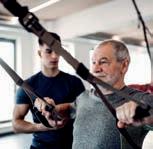





The University of Liverpool has unveiled a major refurbishment of its main gym facility, developed in partnership with Matrix Fitness, one of the world’s leading providers of commercial fitness equipment. The newly upgraded gym represents a significant investment in student wellbeing, reflecting the University’s commitment to providing a first-class fitness experience for its diverse community of students, staff and members.
Driven by high levels of demand and extensive usage, the University’s previous equipment needed an upgrade. The decision to refurbish the facility stemmed from a need to modernise, refresh and realign the gym with evolving fitness trends.
“Our previous equipment had served us well, but it was simply time for a complete refresh,” explained Peter Grugel, Sports & Fitness Centre Supervisor at the University of Liverpool. “The gym is an incredibly busy

space and our members were ready for something new. The refurbishment has completely transformed the environment, it feels brighter, more spacious and more in tune with what our members want from a modern gym.”
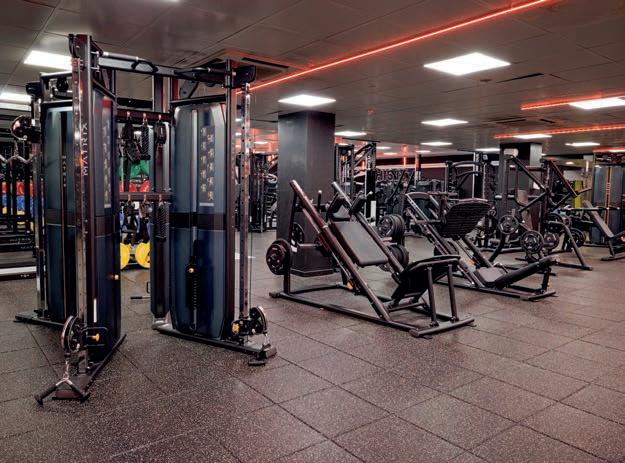
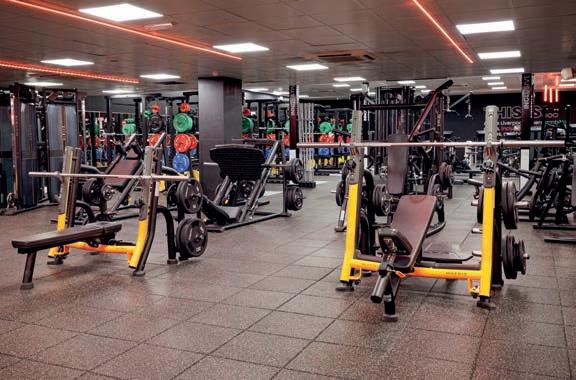
A major focus of the redesign was addressing the increasing popularity of strength and functional training. The new layout doubles the number of lifting platforms, expands the free weights area and introduces an open turf space for functional workouts, now one of the most popular areas in the facility. The new equipment mix also includes an enhanced range of glute and lower-body strength machines, and additional stair climbers to meet member demand.
“The old setup was quite cramped and heavily cardio-focused, but member feedback made it clear that strength and functional zones were the priority.” Grugel added. “We’ve now got an open, well-balanced space that supports all types of training, from beginners to experienced lifters.”
The Matrix team was open to feedback, responsive and creative, helping us bring our ideas to life. It felt like a true partnership from start to finish
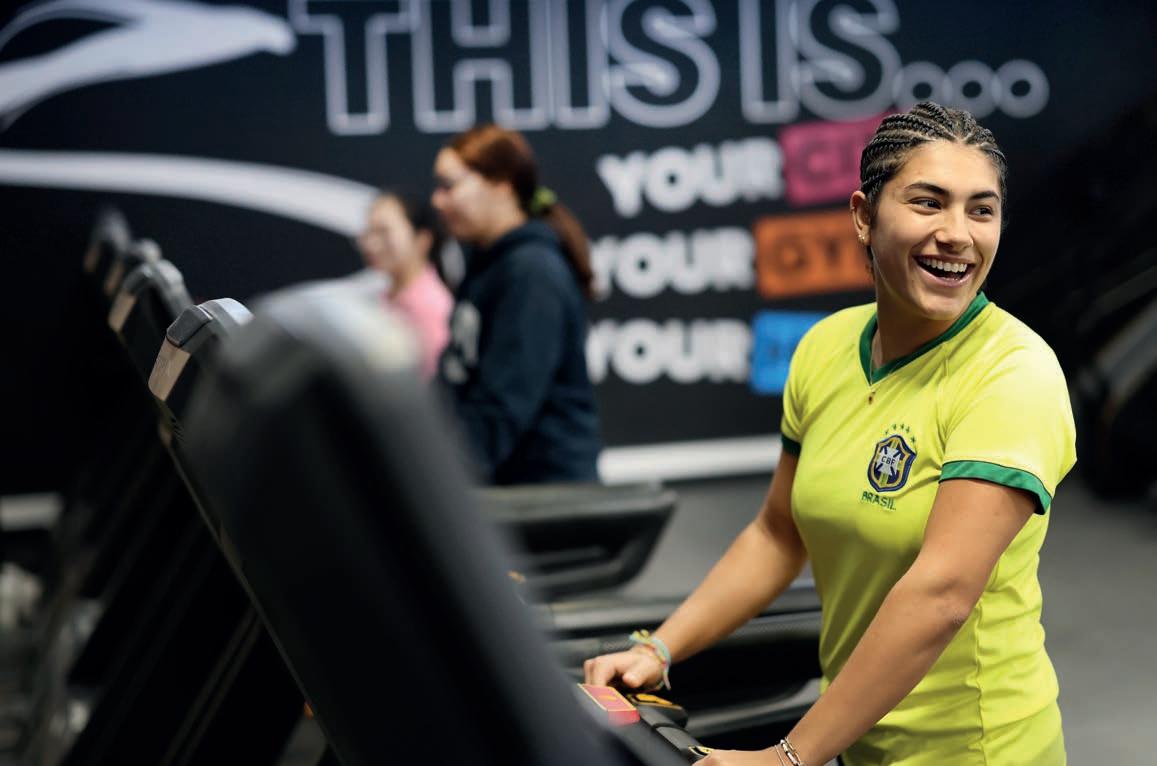
The refurbishment was delivered through a highly collaborative partnership between the University and Matrix Fitness, going far beyond equipment installation. Matrix supported the project with consultancy on gym design, branding, lighting and visual identity, ensuring the space felt cohesive and on-brand with the University’s “Be Part of It” messaging.
“The process with Matrix has been incredibly collaborative,” Anthony Williams, Sports & Fitness Centre Supervisor at the University of Liverpool commented. “We worked closely together on every detail, from layout and equipment selection to the messaging and visual feel. The Matrix team was open to feedback, responsive and creative, helping us bring our ideas to life. It felt like a true partnership from start to finish.”
Matrix Fitness’ Stephen Nutt, Head of Sales –Education, commented: “This project has been a real labour of love. Peter, Anthony and the Liverpool team had a clear vision of what they wanted, and our role was to listen and deliver solutions that reflected that. The result is a dynamic, forward-thinking facility that will support active wellbeing for years to come.”
Since reopening in September 2025, the gym has received overwhelmingly positive feedback from students, staff and visitors, with main student membership numbers already showing a 25% uplift compared to previous years.
“The space speaks for itself,” added Williams. “During Welcome Week, new students were queuing to get in and signing up straight away.
The feedback has been incredible, everyone’s impressed by how modern and engaging it feels.”
With plans already in motion for Phase Two, a new purpose-built studio space in the adjacent building, the University of Liverpool is continuing its investment in health and wellbeing. The new studio will allow an improved group exercise offering and expansion of the gym into the existing studio space.
As student demand for wellness and fitness continues to grow across higher education, the University of Liverpool’s collaboration with Matrix Fitness demonstrates how thoughtful design and partnership can redefine the campus fitness experience. For more information, visit www.matrixfitness. co.uk or www.liverpool.ac.uk/active-liverpool
Plans for the new Cranleigh Leisure Centre have taken a significant step forward with Willmott Dixon appointed as the preferred bidder to carry out the project. Construction is now expected to begin next summer, with the new leisure centre scheduled to open in winter 2027.
The step marks the next phase of the £31.1m scheme, during which final designs, costs and timelines will be agreed. Owned by Waverley Borough Council, the facility will be operated by Everyone Active.
Designed by GT3 Architects, the centre will have a focus on environmental sustainability. It will be built to Passivhaus certification, offering a 60-70% reduction in carbon emissions and a corresponding decrease in energy demands.
Once complete, the new leisure centre will feature a six-lane 25-metre swimming pool, a teaching pool with a moveable floor, spectator seating, a large gym, multi-purpose exercise and indoor cycling studios, a children’s soft

play area and a café open to the wider community. Accessible features, such as pool pods, will also be installed to support swimmers with mobility needs.
Liz Townsend, Waverley Borough Council Portfolio Holder for Planning and Development, said: “Together, we’re creating a truly groundbreaking
Passivhaus leisure centre shaped by our residents’ feedback and built to stand as a community asset for many years to come.”
Planning permission for the new leisure centre was approved last spring, but several planning conditions needed extra time to be resolved.
Franchised gym operator, Jetts Fitness, has launched operations in Ireland. The group is inviting interest from “experienced multisite business owners” and potential countrywide partners to drive national growth and bring the Jetts model to the Irish market.
Jetts Fitness launched in the UK in 2017 and now operates 22 locations, with 20+ in the pipeline nationwide.
According to James Garner, Managing Director at Jetts UK & Ireland, the growth reflects Jetts’ distinct positioning: an “affordable boutique” concept that pairs high-quality facilities with results-driven programming, advanced technology and a “member-first training experience”.
“Ireland represents a major opportunity for the next phase of Jetts’ growth,” Garner said.
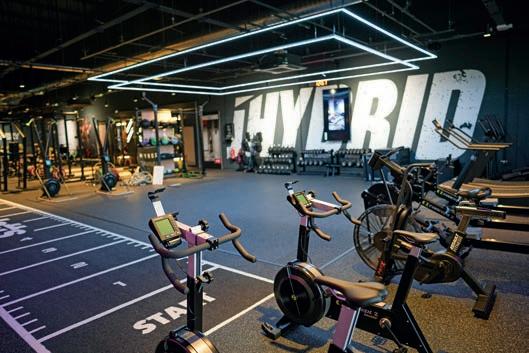

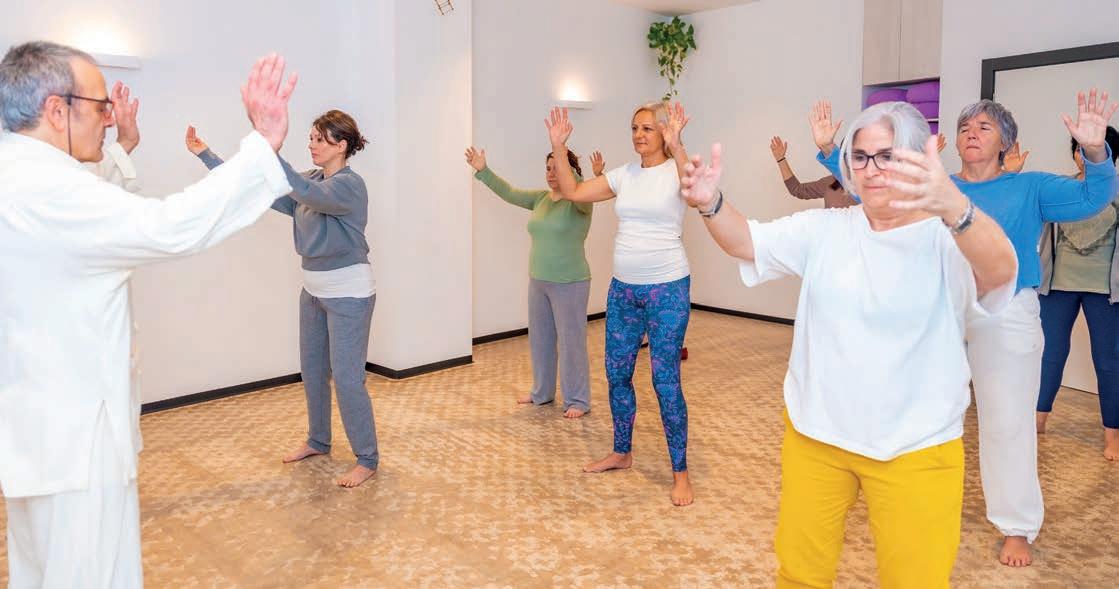
As the UK grows older, an ancient, low-impact practice is ��nding new relevance in modern health, wellbeing and activity settings
Slow, deliberate and almost meditative in appearance, Tai Chi and Qigong are a world away from some of the high-intensity, “time is of the essence” fitness trends that dominate the wellness landscape. Yet, as the UK faces the twin challenges of an ageing population and rising inactivity among older adults, this ancient practice of cultivating energy (Qi) is quietly positioning itself as one of the most accessible and sustainable forms of movement available.
Rooted in centuries of Chinese tradition, Tai Chi and Qigong combine controlled movement, breathing and mental focus to support balance, mobility and overall wellbeing. Their growing visibility across parks, community centres and health settings in the UK reflects a broader shift in how physical activity is being redefined for later life.
Qigong is widely regarded as one of the oldest systems of physical exercise in the world, with origins stretching back more than 2,000 years. Developed within traditional Chinese medicine, Taoist philosophy and martial traditions, Qigong focuses on cultivating

Crucially, these practices were never designed around performance metrics or physical exertion. Instead, they prioritise consistency, awareness and longevity – principles that resonate strongly with modern public health goals.
Tai Chi and Qigong began to take root in the UK during the 1960s and 1970s, largely through cultural exchange, Chinese diaspora communities and visiting teachers from Hong Kong and mainland China. One of the most influential figures was Cheng Manch’ing, whose simplified Tai Chi form was introduced
to Europe during this period and helped make the practice more accessible to Western audiences.
By the 1980s and 1990s, Tai Chi classes were appearing in adult education programmes, leisure centres and community halls, often attracting older adults seeking gentle exercise and stress reduction. This grassroots growth was supported by early academic interest, with UK universities beginning to explore Tai Chi’s impact on balance, falls prevention and mental wellbeing.
Crucially, these practices were never designed around performance metrics or physical exertion
Today, Tai Chi Qigong is practised across the country, from informal park sessions to structured classes linked to health, social care and community wellbeing initiatives.
Across Asia, Tai Chi and Qigong have long been staples of daily life, particularly among older people. Their popularity is closely tied to their accessibility: movements can be adapted for different abilities, require no specialist equipment and place minimal stress on joints. This non-impact nature is especially important for ageing populations, where fear of injury, chronic
Tai Chi and Qigong are closely related, complementary, but generally distinct practices originating from ancient China. Tai Chi is often considered a specialised, more complex and martial-based form of Qigong. While both cultivate energy (Qi) through movement, breathing, and mental focus, Qigong is generally simpler and repetitive for health, whereas Tai Chi involves complex, choreographed, flowing sequences with underlying self-defense applications.

As the UK population continues to age, the challenge is not simply to extend life expectancy, but to improve quality of life in later years. That requires forms of activity that people can sustain, enjoy and feel confident practising well into older age.
Tai Chi Qigong offers a compelling answer. By combining ancient wisdom with modern professional standards, it is increasingly well positioned to play a meaningful role in activating older adults, supporting independence and reducing pressure on health and social care systems.
This milestone in professional recognition represents a strong foundation for the future growth, credibility and impact of Tai Chi and Qigong for Health and Wellbeing across the UK — and a reminder that sometimes, the most effective solutions are also the gentlest.
Mark is the Lead Trainer for Midlands Tai Chi Rehab and a CIMSPA Training Partner specialising in Tai Chi and Qigong for rehabilitation and wellbeing. With more than 30 years of experience in teaching Tai Chi, Qigong and movement therapy, Mark’s approach blends traditional Tai Chi principles with modern rehabilitation science.

He is passionate about integrating mind–body awareness into recovery, helping clients reconnect with their bodies, regulate stress, and restore confidence in movement. His work bridges Eastern and Western models of health, making mindful movement accessible and evidence-based for both healthcare and fitness professionals.
One striking UK-relevant example comes from the ProAct65+ trial – a large community-based exercise intervention involving 1,256 adults aged 65 and over-recruited through general practices in London, Nottingham and Derby. While the core programme – called the Falls Management Exercise (FaME) programme –blended Tai Chi-style balance movement with strengthening and flexibility activities, its impact provides a meaningful case study of how such gentle approaches can work in the community.
Participants attended weekly group classes alongside home exercise and walking plans. One year after the programme, those in the FaME arm were:
● More physically active, averaging an extra 15 minutes of moderate to vigorous activity per day than those receiving usual care.
● Less likely to experience falls, with a 26% reduction in the incidence of falls among participants.
This outcome matters: falling is one of the most common causes of injury and loss of independence in later life. Programs incorporating gentle movement and balance exercises – including Tai Chi – therefore not only support physical activity levels but also target critical risk factors for long-term health.
To read the full paper: https://pubmed.ncbi.nlm.nih.gov/27420150/
Alex Lucas Research Manager, ukactive
Strength training is vital for overall health, mobility and independence and helps to reduce the risk of frailty as we age. While we are often told of these benefits, less is understood about how gyms and leisure facilities are adapting to support changing strength training preferences. Our report, Shaping a New Era of Strength Training, that we’ve produced with Les Mills, is based on consumer trends and patterns from our consumer engagement polling, and it shows just how important strength training has become for the population.
Despite knowing we need to stay strong, overall awareness of the Chief Medical Officer’s strength guidelines is low. This data begins to tell us why.
Involvement in the gym and fitness community makes a notable difference to individuals’ knowledge, confidence and engagement with strength training. These levels are highest among current gym members and lowest for those who have never been members. For example, 56% of individuals who have never been gym members report being ‘not at all confident’ to start strength training, compared to 34% who used to be members and only 7% who currently are members.


We hope this evidence can be used by the sector to stay ahead of the curve
When it comes to knowledge on the number of days to strength train, and where to look for information, the pattern is the same. Over a third (34%) of individuals obtain their information to start strength training from a gym or leisure facility – the top source reported - which is highest for current members and lowest for never been members.
For the younger groups- Gen Z* and Millennials –these age groups are more aware, more confident and more likely to look to our sector for support for strength training than middling (Gen X) and older generations (Baby Boomers and Silent Generation). They’re also more likely to utilise a mix of in person and online (e.g. social media) sources for knowledge and participation whereas older generations are more likely to rely on interactions with their GPs to gain knowledge and will complete daily tasks as a part of their strength training. These age group differences show the challenges and opportunities for our sector on how to balance the use of facilities with the demands for online content, plus the need for strength support to be integrated with healthcare services.
The report also offers a series of recommendations to support these unique strength journeys. These include the need for increased public awareness driven by government, tailored messaging from operators on how the sector can support individuals and the importance of healthcare partnerships to ensure consumers are getting the strength support they need.
Our sector plays a vital role in maintaining population strength and this should align well with Government and NHS health priorities as they continue to manage a range of health and frailty issues as the population ages. By using these consumer insights from our report, we hope this evidence can be used by the sector to stay ahead of the curve and continue to support the population in its evolving strength-based needs.





The Global Wellness Summit (GWS) has published its 2026 Future of Wellness Trends report, which details 10 trends that it says will shape the US$6.8 trillion global wellness industry in the coming year. Launched on 27 January, the annual report aims to provide analysis and strategic insight for those working in the sector.
In its foreword, the GWS says that the latest report is published at a time when wellness is “no longer a niche industry”.
“The 2026 edition arrives at a moment of accelerated change,”
GWS says. “Consumer expectations are shifting, capital is reallocating, old models are under pressure and new ones are emerging. This report is not about what’s interesting – it’s about what leaders will soon be expected to respond to.”
The report argues that the longevity market, similar to medicine, is “tacitly male”. Women’s health, it says, is extrapolated from men’s data and protocols designed for men. According to the report, that era is ending.
“Research is mounting that women age fundamentally differently, that the ovary functions as ‘command-central’ for women’s health, and its decline dramatically accelerates systemic aging, leading to a cascade of conditions that women suffer more – and longer. In 2026, longevity pivots to women’s healthspan, moving beyond managing menopause symptoms to addressing ovarian aging itself, with interventions tailored to women at every life stage. Clinics, wellness resorts, telehealth platforms, wearables, diagnostics and gyms will all reorient toward women’s biology and needs – and the culture will shift too: less ultrahuman optimisation; more human approaches.”
1 Women get their own lane in longevity
2 The over-optimisation backlash
2 The over-optimisation backlash
According to the report, we’re living through a “modern wellbeing paradox”, in which health is more measurable than ever before – but also feels more psychologically demanding than ever.
“Sleep is scored, glucose is graphed, aging is tracked and wellbeing has shifted from something we feel to something we perform correctly,” the report states. As a result, while longevity research, diagnostics and health technology have undeniably expanded human potential, optimisation without integration is proving costly.
“Therapists warn that data-driven wellness can tip from motivation into fixation, turning insight into pressure,” the report reads. “As health data multiplies, many experience analysis paralysis rather than clarity, overwhelmed by constant self-tracking and fear of ‘getting it wrong’.
“What’s emerging now is not a rejection of science, but a recalibration: a shift toward regulation over results, sensation over scores, and wellbeing measured by how fully alive we feel. In 2026, the next phase of wellness moves beyond performance, towards emotional repair, nervous-system safety and embodied care.”

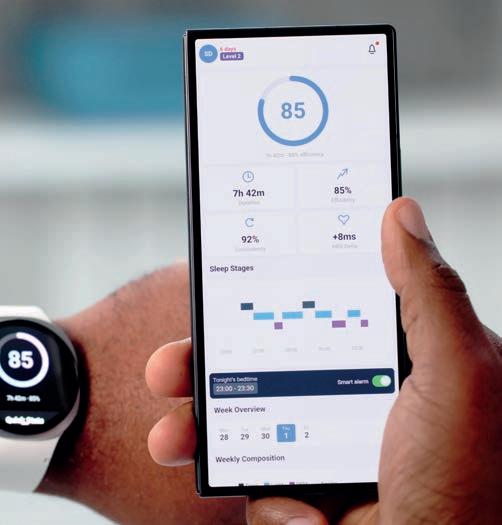
“Modern life keeps the nervous system in a near-constant state of activation and neurowellness is emerging as a critical new frontier in health focused on regulation, recovery and resilience before breakdown occurs,” the report predicts. It also highlights how the nervous systems today are overwhelmed by nonstop digital stimulation, blurred work boundaries, artificial light, social media and global uncertainty – trapping many people in chronic low-grade fight-or-flight.
“This state contributes to poor sleep, anxiety, inflammation, hormonal imbalance, cognitive fog, weakened immunity and accelerated aging”, the report says.
As a response to this, there is an increased demand for neurowellness, which is rapidly expanding beyond individuals into hospitality, real estate, corporate wellness, consumer tech and longevity, with AI accelerating personalisation and regulation.
“Neurowellness is helping people move through modern life without living permanently in survival mode,” the report concludes.


Fragrance layering is the art of combining scents to create a “personalised olfactory signature”. According to GWS, the method is “changing the way people express themselves” and even shape moods and affect the way humans interact with others.
“Once associated mainly with luxury and seduction, fragrance is re-emerging as a cultural and emotional language,” the report reads. “Gen Z and Millennials are reviving the heritage through experimentation, fueled by TikTok, indie fragrance communities and brands that encourage mixing, mood-shifting and the creation of “fragrance wardrobes. This rise of ‘smellmaxxing’ coincides with experimental cocktailing, socialcoded scents and layering workshops.”
The report claims that “preparing for climate disaster is the new preventative wellness”.
According to the GWS, just as preventive medicine is transforming healthcare, disaster readiness is becoming “the next evolution of everyday resilience:, where having a disaster plan is as essential as having a fitness plan.
“The implications for the global wellness economy are vast,” the report states. “Gyms and fitness studios will double as emergency shelters; wellness retreats will teach readiness; and demand for disaster-proof architecture will surge.”
6. Skin longevity redefines beauty
The report predicts that anti-aging is being replaced by the concept of skin longevity, which recognises skin as the body’s largest organ and a key marker of overall health.
“People are living longer and seeking solutions to maintain long term health and vitality –and by a philosophical shift treating skin as a diagnostic tool and reflection of overall health,” the report reads. “The movement is gaining significant momentum, backed by major investments and deep scientific research.”
According to the report, a new wave of group wellness events has emerged on the global wellness landscape, marking the rise of the “festivalisation of wellness”. Inspired by festival and rave culture, the events range from “wellness raves”, to sober morning dance events and multi-day immersions. Their purpose is to reframe wellbeing as experiential, social and identity-driven, rather than prescriptive or perfection-oriented.
“Spanning movement, music, sauna culture, learning and creative expression, the festivals emphasise participation over performance and lower barriers to entry by creating judgment-free spaces where people explore what intuitively feels good,” the report states.

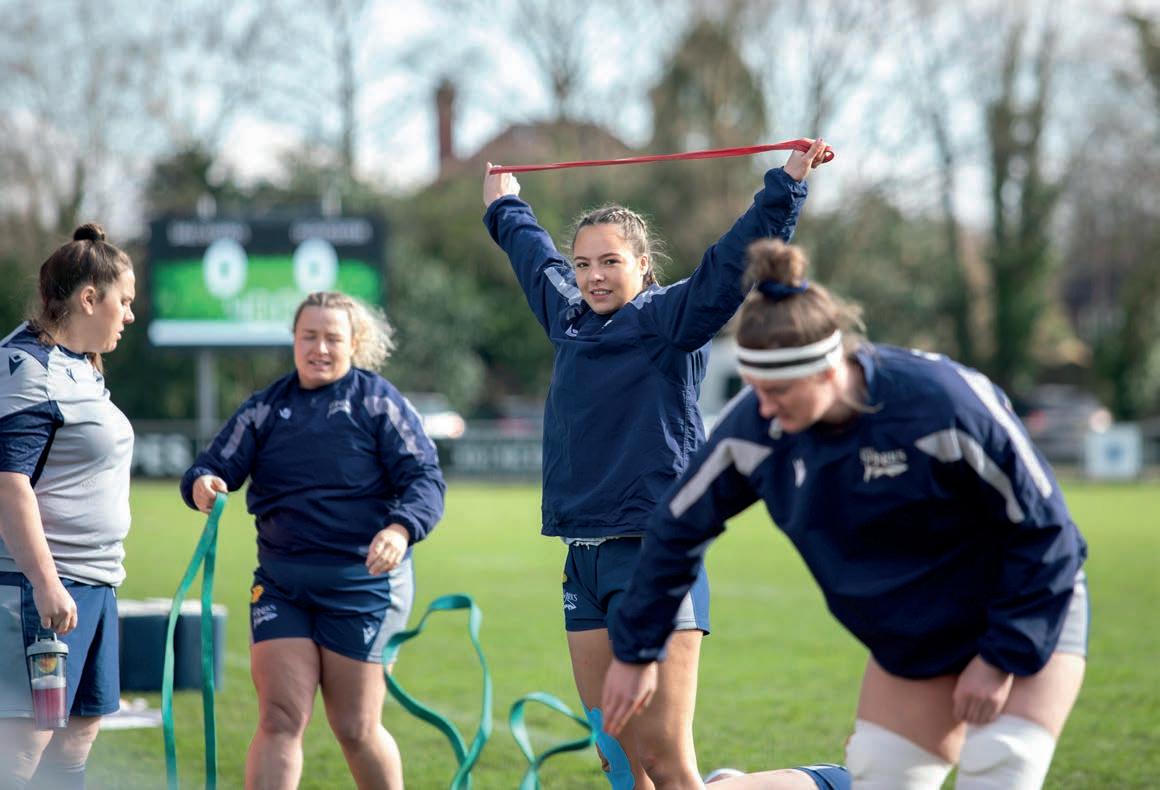
8. Women and sports: the revolution continues
Women’s sports are growing and gaining profile, from grassroots to high performance. Women’s sport has become a booming global economy with cultural, commercial and social impact. Fueled by shifting attitudes toward women’s strength, mental health and athletic identity, female athletes are gaining visibility as competitors, founders, creators and marketing powerhouses, while fandom, media coverage and grassroots participation surge worldwide.
:New leagues, women’s sports bars, record-breaking tournaments and major brand partnerships signal growing legitimacy, even as pay inequity, research gaps and structural sexism persist,” the report says. “Strength training and competitive sport are increasingly embraced by women of all ages, reframing fitness from aesthetics to capability and longevity, with benefits spanning physical and mental health.”
The report outlines how microplastics have shifted from an environmental problem to a direct human health concern. Once associated mainly with oceans and wildlife, the particles are now being detected in human blood, lungs, placentas and even the brain.
“As concern grows, the wellness and medical sectors are moving from observation to intervention,” the report predicts. “In London, private clinics are already offering costly treatments claiming to reduce microplastic loads in the body, while consumer-facing innovations such as plasticfree underwear are also emerging. Looking ahead, microplastics may become a routinely measured health marker – tracked alongside cholesterol or inflammation – and plastic exposure a factor shaping architecture, fashion, food systems and healthcare.”
According to the GWS, a new category of “longevity residences” is emerging within wellness real estate, designed to support longer, healthier lives. Driven by rising life expectancy, an aging global population and a “fast-growing longevity economy”, these developments go beyond typical wellness real estate, integrating preventive medicine, advanced diagnostics, AI-enabled health tracking and therapeutic interventions directly into the home environment.
“Wellness real estate is already the fastest-growing sector of the wellness economy, and longevity-focused living is its next evolution,” the report predicts. “For now, most longevity residences are still in planning or early development stages, and most sit firmly in the luxury tier. But as diagnostics become cheaper and AI-driven healthcare scales, these concepts may trickle down – shaping how cities are designed, how people age in place, and how homes themselves become active partners in long-term health.”







Leisure DB hosted its Q4 2025 Monthly Market
Tracker Review in January, offering attendees an exclusive look at the key trends and shifts in the sector during Q4 2025. WellNation attended the call to pick up on the latest insight and data
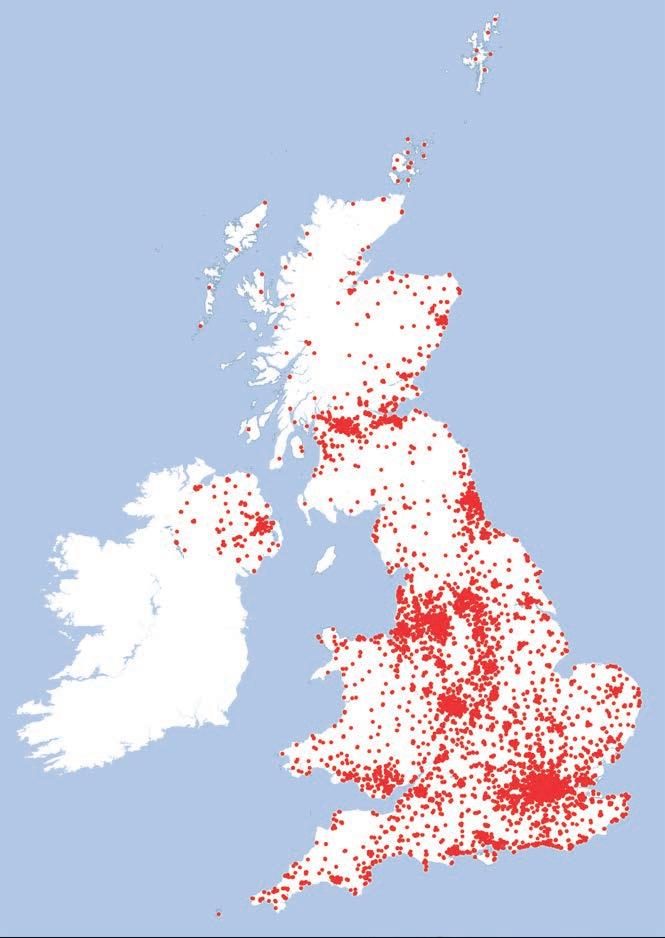
Tracker Review began by Jamie Buck, Leisure DB’s Head of Research, introducing attendees to Leisure DB’s “My Facility Info” online submission portal. The platform has been designed to make it easier for fitness and leisure operators to keep their facility information accurate and up to date. The portal enables sites to submit updates directly to Leisure DB on an ongoing basis, complementing the company’s continuous day-to-day research activity.
Jamie explained that this direct input works alongside Leisure DB’s daily intelligence audits, carried out by the research team, to ensure the database remains as current and comprehensive as possible. In fact, 82% of all recorded annual changes are identified through this proactive daily research process, with operator submissions providing an additional layer of validation and real-time updates.
Together, the combination of operatorled submissions and structured research monitoring ensures that Leisure DB maintains one of the most up-to-date and reliable facility datasets in the industry.
The review focused on two particular areas – the public sector and padel. In the public sector, Leisure DB recorded 275 changes for Q4, accounting for 42% of all market activity. However, 84% of this activity related to redevelopment and refurbishment, with only three new openings. This confirms that local authorities have moved firmly into “asset management mode”, prioritising life-extension, compliance and efficiency upgrades over network expansion. Capital is being directed toward protecting core provision rather than growing estates. The top redevelopment themes reinforce this pattern. Whole-site and multi-area refurbishments (118 records) lead the way, often bundling multi-million-pound improvements into single programmes. Gym refurbishments (61 records) and swimming pool upgrades (47 records) remain central, reflecting the importance of revenue protection and the high cost risk profile of pools. Studio modernisation and flexible activity spaces also feature, offering lower-cost ways to enhance programming.

Padel within public centres, however, remains opportunistic and pilot-led rather than strategic. In contrast, the dedicated UK Padel Monthly Market Tracker shows 163 developments tracked across November and December 2025 alone. Growth is increasingly driven by court additions and site expansions rather than first-site launches, signalling operator confidence and capital discipline.
Local authorities have moved firmly into “asset management mode”, prioritising life extension, compliance and efficiency upgrades over network expansion
There is a clear structural move toward indoor and covered formats, driven by utilisation, programming stability and weather-proof revenue. As padel enters its “optimisation phase,” the focus shifts from speed to quality, yield and scalable infrastructure.
The next Monthly Market Tracker – Quarterly Review Event, will take place on 9 April. Readers of WellNation can register for the event for free here: https://www.tickettailor. com/events/leisuredbevents/1668993
To subscribe to Leisure DB’s Monthly Market Report email: jamie@ leisuredb.com for more details.
Each month, Leisure DB’s dedicated research team rounds up key developments in the UK gym market and publishes them in our Monthly Market Tracker. It records a number of activities, from openings/re-openings, closures and planning updates to rebrands, planned projects and proposed management changes. The results offer a monthly snapshot of the state of play in the sector. Leisure DB hosts quarterly Tracker Review events for industry professionals, where data and insights are presented to attendees.
What is actually changing inside our gyms and leisure facilities?
From provision realignment with local communities, to shifts in facility mix and physical design, the sector is evolving at pace. Leisure DB tracks the granular projects reshaping gyms and pools open to the general public, capturing changes in provision, services and facility design.
82% of all changes per annum recorded via daily intelligence audit
Public whole-site / multi-area refurbishments
These are broad schemes rather than singlespace upgrades, typically described as:
● Major refurbishment
● Centre upgrade/Redevelopment works underway
● Multi-million-pound improvement programme
INSIGHT
This reflects strategic reinvestment in ageing stock, often funded by local authorities, levellingup grants, or capital lifecycle programmes These schemes usually bundle several facility upgrades into one project
149 Planning update changes in Q4 2025

Public gym refurbishments and equipment upgrades
Includes:
● New fitness suites
Public swimming pool refurbishments
Includes:
● Pool tank refurbishments
● Plant room upgrades
● Leisure pool refreshes
● Temporary closures tied to pool works
INSIGHT
Pools are the highest-cost and highest-risk assets. The volume reinforces how much public capital spend is being absorbed by essential maintenance rather than enhancement

● Replacement gym equipment
● Expanded or reconfigured gym floors
INSIGHT
Gyms remain the anchor space for public leisure centres. Investment here is about revenue protection and competitiveness vs private
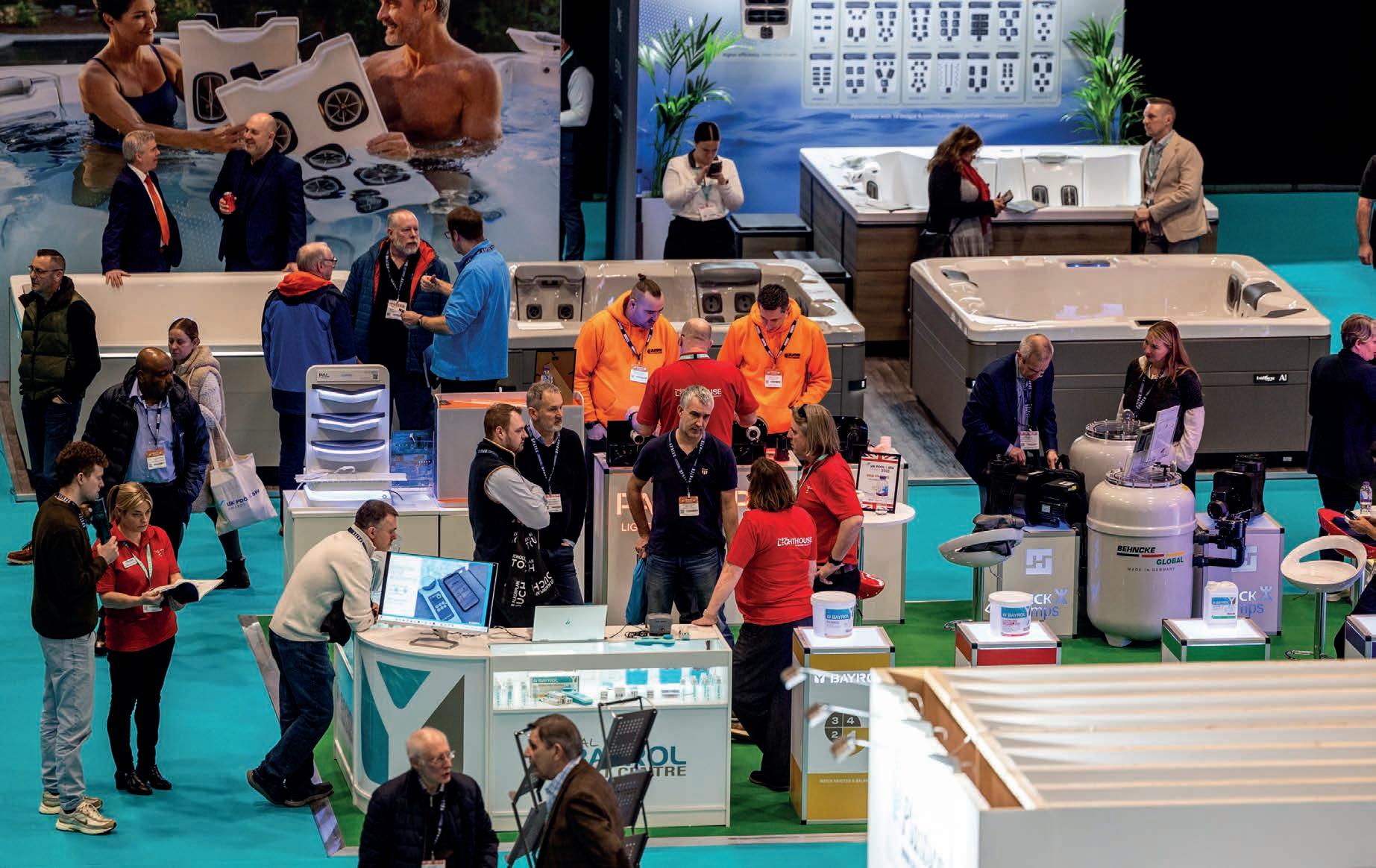
The 30th edition of the UK’s dedicated water leisure exhibition attracted the highest number of exhibitors and visitors at the Coventry Building Society Arena
Professionals from across the aquatics and leisure sectors descended on Coventry for the annual SPATEX event, which acts both as an educational event and a showcase for the latest products and innovations. From swimming pools, ice baths, spas and saunas to steam rooms, hot tubs, enclosures and swim spas, the hall was brimming with new solutions.
“The event illustrated just how integral water leisure has become to 21st century life,” said SPATEX Organiser, Michele Bridle.
“The industry’s overwhelmingly positive response to SPATEX was this year rewarded with a fantastic turnout of 1,749 unique visitors – which is up 14% on last year.”
SPATEX’s double seminar programme, with leading industry speakers addressing topical and current issues and giving vital health and safety guidance, also recorded an impressive increase in attendance figures – up nearly a quarter (23%) to 737. This included a highly informative Pool Plant Theatre for commercial pool operators, plus the ever-popular CPD-
accredited ISPE (Institute of Swimming Pool Engineers) technical workshops. The Industry Hub was launched this year with great success. Free impartial advice was provided by the BSPF (British Swimming Pool Federation) representing SPATA (Swimming Pool & Allied Trades Association) and BISHTA (British & Irish Spa & Hot Tub Association), RLSS UK (Royal Life Saving Society UK), IOS (Institute of Swimming), PWTAG (Pool Water Treatment Advisory Group) and STA (Swimming Teachers’ Association).
Visitor Kushal Vyas of Humidity
Solutions: “We spent the day meeting a range of pool and spa experts, from installers and consultants to engineers and manufacturers. It was a great opportunity to further understand the challenges the industry faces with regards to humidity control.”
Visitor Anthony Jackson, Project Manager: “Always worth stepping away from site to see what’s new, what’s changing, and what’s coming next in the pool and spa world. Plenty of good chat, new ideas, and a few sore feet by the end of it.”
Visitor Sarah Morley of Water Hygiene Centre Ltd:
“A great opportunity to connect with industry professionals, share insights, and keep up to date with the latest developments across the sector.”
Exhibitor Jordan Lemon of Superior Wellness:
“An incredible few days packed with great conversations, increased momentum and exciting new opportunities. One clear highlight: sauna enquiries were through the roof. A strong signal of where the market is heading.”
Experts from LCA (Legionella Control Association) and WMSoc (Water Management Society) were also on hand to give keynote talks in the seminar arenas.
With the “who’s who” of water leisure gathered under one roof, networking was to the fore. The BSPF hosted an entertaining Wet Leisure Industry Gala Evening & Awards, highlighting exemplary projects and honouring winners who continue to raise industry standards and deliver exceptional results. This year’s ceremony was made even more special by the presence of the Guest of Honour, Anna Hopkin MBE, Olympic champion and one of Great Britain’s most accomplished sprint swimmers.
The following evening, SPATEX hosted a special anniversary edition of the now famous SPATEX Networking Party. Visitors and exhibitors enjoyed challenging and cheering on colleagues with a variety of interactive games and fantastic prizes. With the night still young, the fun continued with a Bandeoke Curry Night, with many taking to the stage, complete with a lively audience providing an exuberant support act.
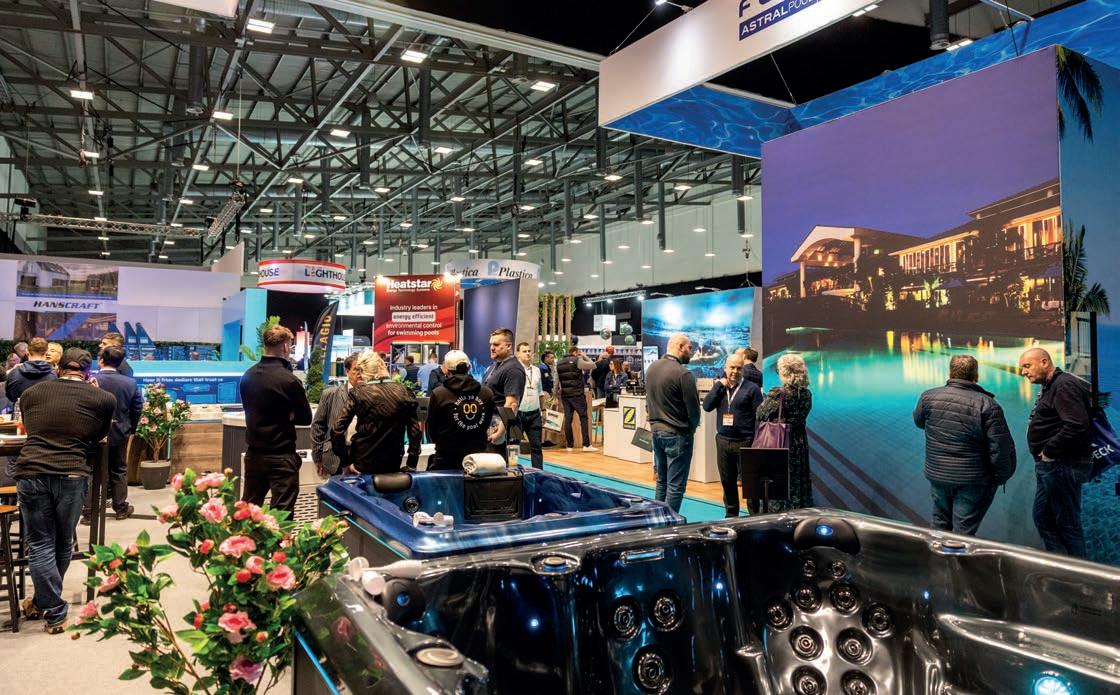
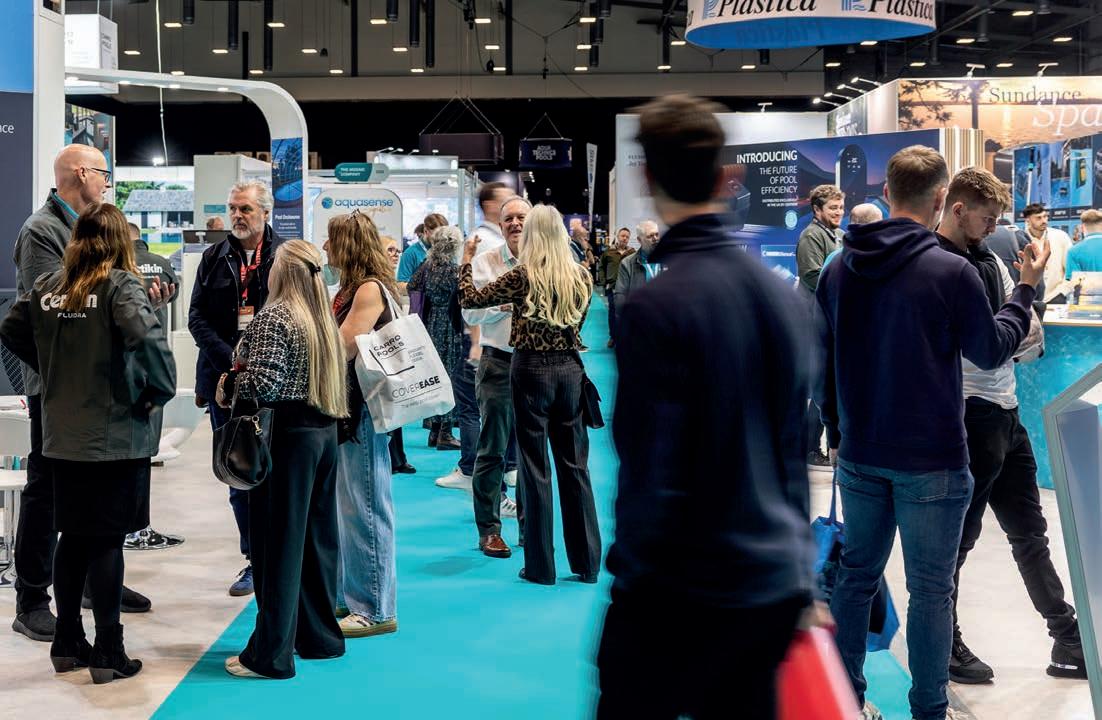
Exhibitor Robert Smits Poolstar: “What an incredible experience. Celebrating 30 years of the pool and spa industry in the UK was the perfect backdrop for what turned out to be one of our most successful shows yet.”
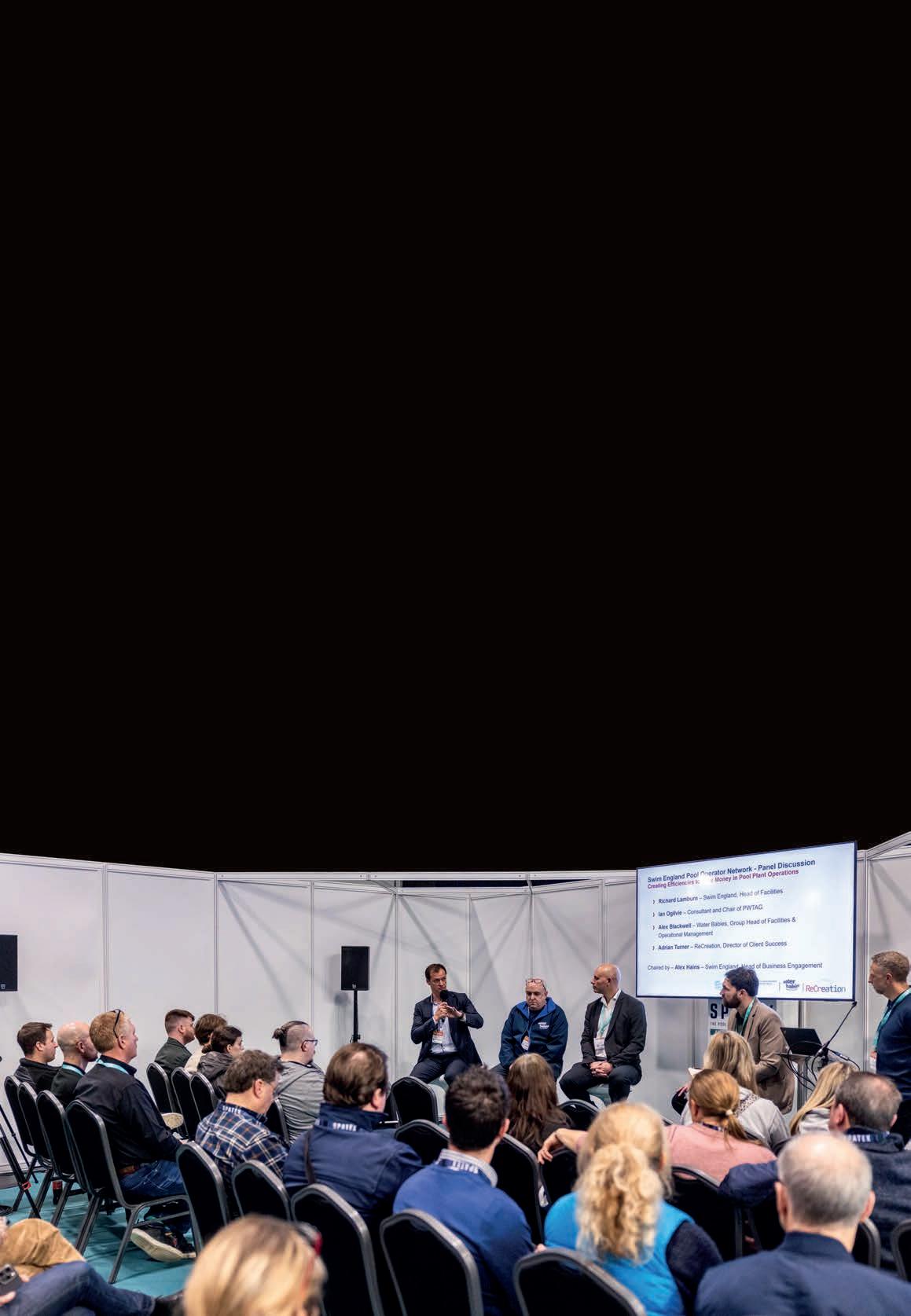
SAVE THE DATE: The 31st edition of SPATEX will take place from Tuesday 2nd to Thursday 4th February 2027 at the Coventry Building Society Arena