The importance of Play!
Play England campaigns for all children and young people to have freedom and space to play throughout childhood.
We work with national partners and other organisations with shared aims to raise awareness about the importance of play. We lobby government to make fundamental policy changes to protect and promote play, and encourage everyone who has an impact

on the lives of children and young people to recognise and plan for children’s play.
Play England has also built up considerable experience and resources to help support individuals and organisations that work in these particular areas:
Government
Local Authorities
Schools
Playwork

We need your support
The new UK government is making positive noises about understanding the importance of play. However, against this positive backdrop, Play England is suffering from a lack of funds to pay for our essential work campaigning for children’s right and freedom to play. Donate today to support our work. www.playengland.org.uk/donate

www.playengland.org.uk





Maria Cantarella, CEO of Association of Indoor Play, outlines how dedicated role play centres are reshaping the UK indoor play sector
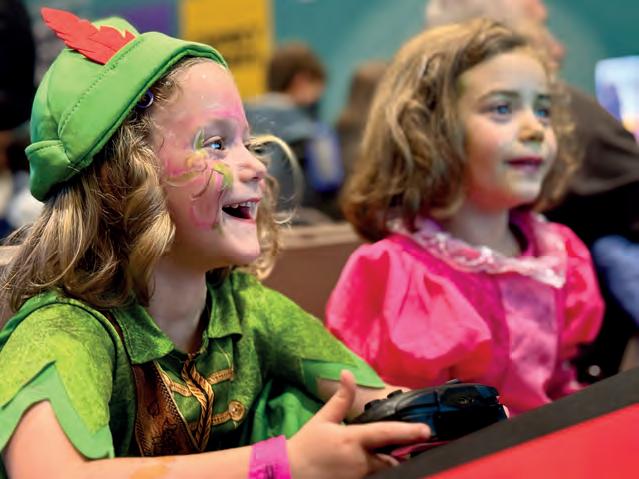
Not all screen-based games and play are bad, argues Andy Robertson, the founder of the Family Gaming Database
PlayNation looks at some recently completed play projects and developments




John Challinor
Publisher
PlayNation
john@nationmedia.uk
Contributors




Tom Walker Editor
PlayNation
tom@ nationmedia.uk

Maria Cantarella CEO Association of Indoor Play Meynell Founder National Playwork Conference






Eugene Minogue
Executive Director
Play England

Andy Robertson Founder
Family Gaming Database







PlayNation UK
The importance of play and physical activity for young people
PlayNation, in partnership with Play England and SAPCA (the Sports And Play Construction Association), is dedicated exclusively to the dynamic and growing sector of play and physical activity for children and young people. Published bi-monthly, the magazine focuses on the policies, people and places that help young people to play and be more active. Subscribe now and we will email you a complimentary copy of the magazine every two months.
@PlayNationMag FOLLOW US: Subscribe today for
http://www.playnation.uk
Advertising opportunities
Contact John E: john@nationmedia.uk http://www.linkedin.com/ company/playnationmag
PlayNation is published by SportsNation Ltd in association with Play England (www.playengland.org.uk) and the Sports And Play Construction Association (www.sapca.org.uk) This publication is protected by copyright and no part may be reproduced, transmitted or stored in any print or electronic format without the written permission of the publisher. Every effort has been made to ensure the accuracy of the contents of this publication and PlayNation accepts no responsibility for any error or misrepresentation. Opinions expressed by the contributors and advertisers are not necessarily those of the publisher and we do not accept responsibility of losses or damages arising from them. Printed by Bigwave Marketing Ltd.
Government’s £18m investment in play to be spent on 66 communities
The government has confirmed a multi-million pound investment in play, with 66 of the most deprived areas being prioritised for the funding.
In total, £18m will be spent creating safe places for children to play, with cash earmarked to buy new or upgrade playgrounds across the country.
The funding is part of a larger, £319m investment announced as part of the Labour government’s Pride in Place strategy. It will see town centres being transformed into mixed-use spaces with new homes, health services, libraries, community hubs and green spaces.
The £18m investment in play follows sustained lobbying from Play England, the All-Party Parliamentary Group (APPG) on Play – chaired by Tom Hayes MP – and growing cross-party recognition of the deep inequalities

£18m will be spent creating safe places for children to play
in children’s access to play. Evidence shows there are stark inequalities across England when it comes to accessing the outdoors –with children from poorer households spending much less time outside than children from wealthier families.
According to Communities
Secretary, Steve Reed, funding for playgrounds will flow “straight to local areas”, with no requirements to bid or compete against other places.
Councils receiving funding will also be encouraged to consider buying British materials – providing a boost for the play construction sector.
Work begins on upgrades to playgrounds in Essex
Work has begun on work to upgrade playgrounds at three Essex Country Parks.
The £335,000 investment from Essex County Council will see the play trail at Great Notley Country Park receive new equipment from spring 2026, as well as new safety and surfacing features at
Hadleigh Country Park – where works have already begun – and Belhus Woods Country Park.
Working with play specialist Kompan UK, the new equipment at Great Notley will include a play pit, climbing forest, sensory equipment, an agility trail and a 12-metre rope bridge.
The new equipment at Great Notley will be supplied by Kompan
Stratford council invests in play area at leisure centre
Stratford-on-Avon District Council (SADC) is investing in a new indoor soft play area at Stratford Leisure Centre.
The addition will transform part of the leisure centre’s existing facilities into a safe, fun and engaging space that will help support learning and development. Featuring colourful slides, building blocks, spinning panels and sensory features, the soft play area for early years will enable children to build motor skills and development through balancing, sliding and rolling throughout the secure two-tier structure.
The play area is part of plans to create more play-based environments in the district for children to stay active. It will replace the clip and climb facility at the centre and is expected to open in early May. Entry will be available to both members and non-members with affordable pricing. Stratford
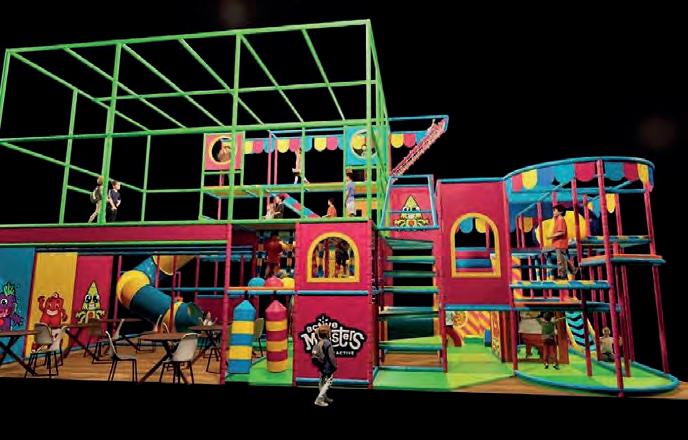
Leisure Centre is operated on behalf of the council by Everyone Active. Richard Bell, contract manager at Everyone Active, said: “We hope our new soft play area, will become a much-loved feature of the centre and encourage children to learn, grow and have fun all while
The play area is part of plans to create more play-based environments in the district
staying active with their family.
“We intend to keep our customers updated every step of the way and thoroughly look forward to welcoming new and existing members to our brand-new dedicated play facilities this spring following this fantastic investment.”
Sutcliffe Play installs Helix in Trimley
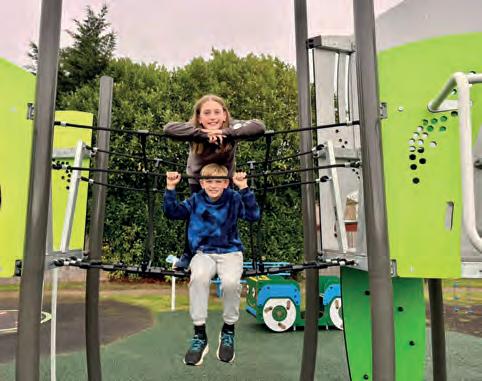
The two-tower multiply unit can accommodate up to 29 users
In the East Suffolk village of Trimley St Mary lies Stennetts Park Playground, a popular space full of long-serving Sutcliffe Play equipment. In late 2025, the company was excited to return to upgrade the space once again, and realise the Parish Council’s ambitious vision.
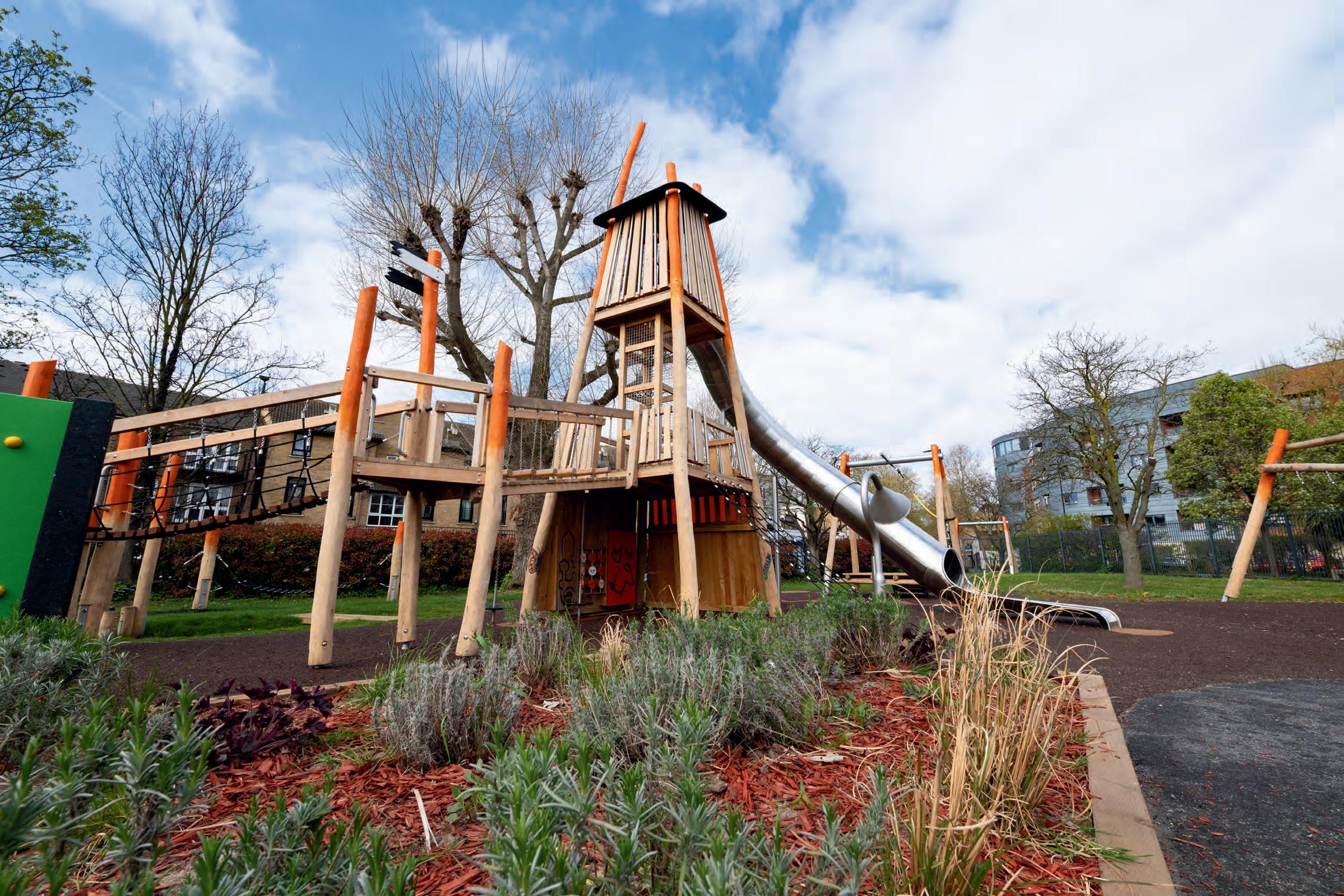
The brief emphasised the need for new junior-focused equipment (to contrast with the existing toddler-facing items). Sutcliffe Play met this requirement with a brandnew unit, Helix, which is the first of its kind to be installed anywhere in the country.
The dynamic two-tower multiplay is the largest entry in the company’s new Pentagon range, and offers engaging play opportunities for up to 29 users of junior age.





EPIC playground designs & solutions Synthetic Turf Management
Two recent play upgrades at local schools have showcased Synthetic Turf Management’s (STM) 20 years worth of playground innovation. Jon Bell, Director of STM, details how its EPIC (Education and Play In Colour) solutions merge learning with outdoor play



A brighter, more active playground at Cullercoats
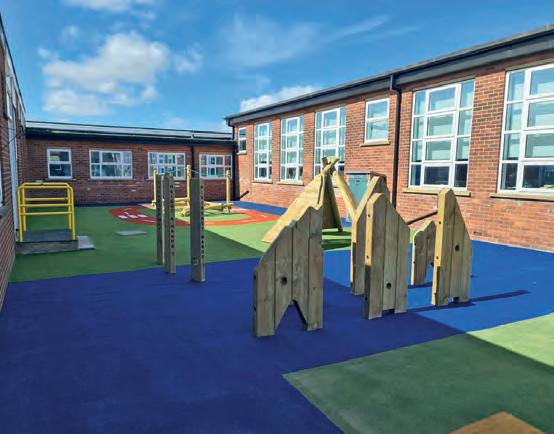
We’ve recently completed an exciting playground upgrade at Cullercoats Primary School in North Shields, Tyne and Wear, delivering a fresh new surface alongside engaging timber trail elements designed to get pupils moving, playing and learning outdoors.
As specialists in synthetic surfacing and the EPIC (Educational Play in Colour) system, we love projects like this because they combine colour, creativity and long-term performance – helping schools make the most of their outdoor space, whatever the weather. The Cullercoats project focused on creating a safer, more inspiring environment for daily play and structured activity.
The works included:
● New playground surfacing to refresh the space and improve day-to-day usability
● EPIC playground graphics to add colour, structure and game-based learning opportunities
● Timber trails to encourage balance, coordination and confidence through active play
The result is a playground that supports both free play and teacher-led activity – ideal for breaktimes, PE and outdoor learning.














Another recent EPIC project: Christ the King School, Teesside

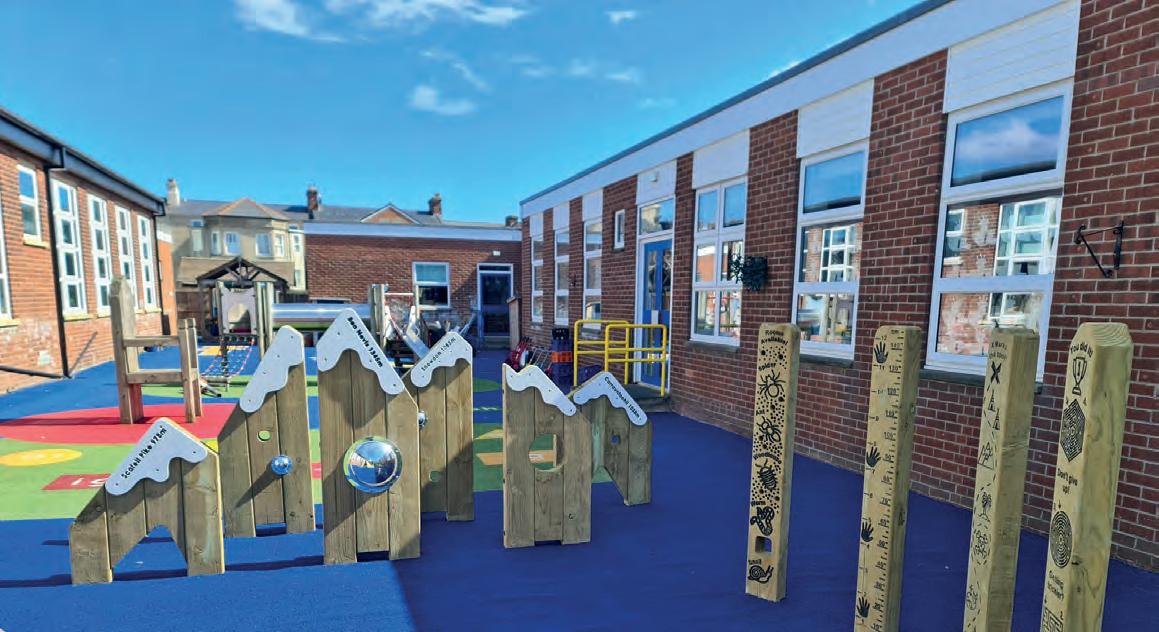
We’ve also recently delivered an EPIC playground improvement at Christ the King School in Teesside, focused on creating a more structured, energetic play space that encourages movement and participation.
The project included:
● Colourful surfacing to brighten the area and define activity zones
● Playground markings to support games, group activities and inclusive play
● A running track to promote daily movement, fitness and fun competition
It’s a simple but highly effective combination – helping pupils build confidence through active play, while giving staff a practical outdoor space that can be used throughout the school day.
Why EPIC playgrounds work so well for schools
EPIC playground surfacing is designed specifically for busy education environments. It’s a practical investment that helps schools by allowing the installation of a simple overlay onto an existing, often dull tarmac, with shock pad and sand dressed STM EPIC Play surface.
This means that schools can:
● Create clear activity zones (games, movement, quiet areas)
● Encourage inclusive play across age groups and abilities













● Improve physical literacy (agility, balance, coordination)
● Add colour and identity to outdoor areas
● Choose a solution built for durability and long-term value

Built for year-round use
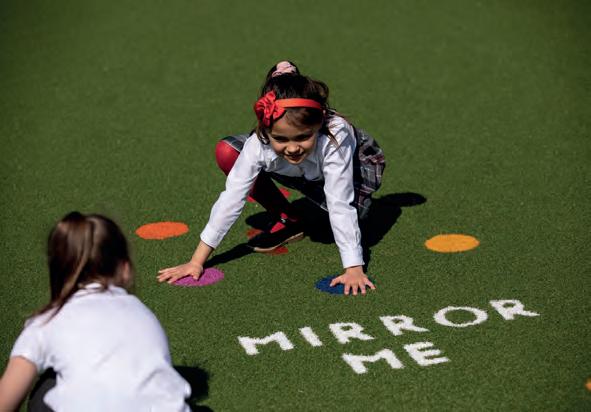
Schools need outdoor spaces that stand up to daily footfall and unpredictable UK weather. With the right preparation and materials, upgraded surfacing helps reduce downtime and keeps outdoor areas usable across the school year.
If you’re considering a similar upgrade – whether it’s a full playground refresh, new activity markings, or adding timber trail elements – we can help you plan a solution that fits your space, budget and pupils.
Want to upgrade your playground?
If you’d like to explore an EPIC playground design, new surfacing options, or markings such as running tracks, get in touch to arrange a chat or site visit.
Synthetic Turf Management (STM)
Call: 01642 713555
Email: info@stmworld.co.uk Web: www.stmworld.co.uk
SAPCA AWARDS 2026
A play project and a new product for playgrounds were among those recognised at this year’s prestigious SAPCA Awards
The winners of the SAPCA Awards 2026 (organised by the Sports and Play Construction Association) were announced at a gala dinner held at Allianz Stadium, Twickenham, in London, in February. Marking their 11th year, the awards celebrate the achievements of SAPCA, which include some of the leading UK play companies.
Boxing it up
Among this year’s finalists was an innovation from Jupiter Play and Leisure. BoxUp – voted runner-up in the SAPCA Product of the Year category – is an innovative, free-to-use equipment locker designed to transform public spaces into active play and sports environments. The modular, solar-powered equipment locker system removes financial and accessibility barriers to sport and play. It enables users to borrow a wide range of equipment for up to three hours – completely free to use. The solution aims



to promote physical, sporting and leisure activities to help the wider public discover their passions.
Each unit connects to a cloud-based dashboard that provides real-time operational monitoring, usage insights and automated maintenance triggers. This transparency enables you to track participation, equipment wear, and user demographics whilst providing clear return on investment. Each locker features secure, transparent doors which can only be accessed through the app, making them perfect for photographing the equipment upon its return.
Adventure trail wins the day
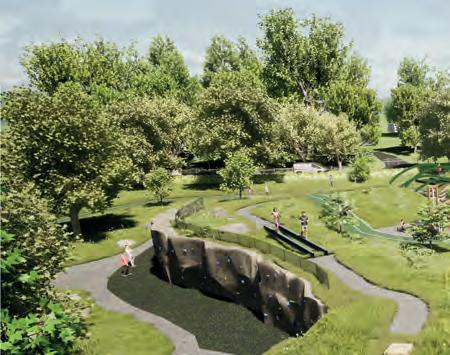
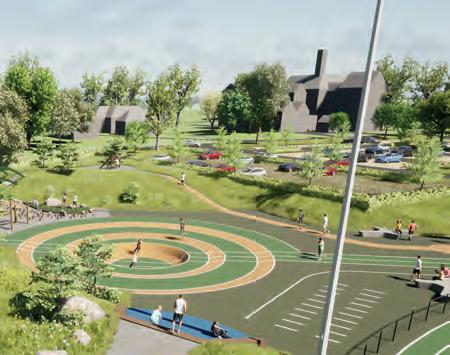
The winner of this year’s SAPCA Award for Large Project of the Year was the expansion of Bluecoats Sports at Christ’s Hospital School. At the heart of the project was the “Get Active Adventure Trail”, which reimagines the world of wellness through playful, imaginative design, a compelling example of how thoughtful design can transform exercise from obligation into invitation.




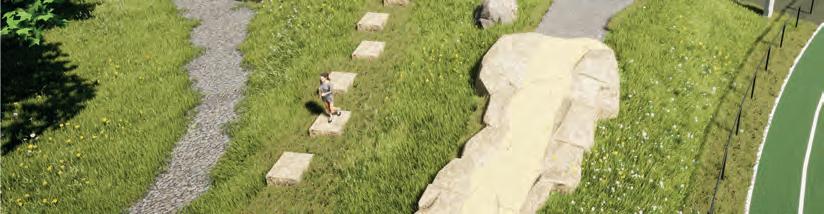
Inspired by international ‘playful’ sports facilities, LK2 Architects – in partnership with SAPCA member, Smith Construction – created an engaging landscape shaped by an undulating landform, which enhances the natural environment while encouraging risk-taking, problem solving and imaginative exploration. Although technically a running track, its real achievement lies in something deeper: it redefines movement as something joyful rather than purely performance driven.
Unlike traditional tracks that measure success in speed or endurance, this trail encourages a variety of movement. Along the route, users encounter features that prompt them to jump, climb, balance and scramble, turning a simple lap into an engaging multi-dimensional physical experience. The goal is not competition, but curiosity: how many ways can your body move, and how good can it feel while doing so?
The Get Active Trail at Christ’s Hospital School


Crafted Crafting Bespoke Play Spaces
Some projects call for creativity that cannot be achieved from off the shelf products. That’s where our bespoke design service ‘Crafted’ comes into play!
We’ll bring your visions to life through custom designs and our Global Partner Programme. The only limit is your imagination!
Design-led Approach
RIBA Plan of Work Framework
Bult & Risk Assessed to EN1176




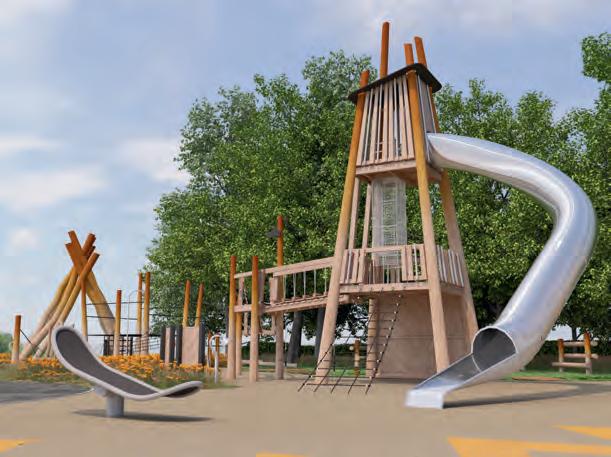
£500,000 National Adventure Playground Fund launched
A new funding programme has been launched to protect, restore and grow staffed adventure playgrounds across England.
The Adventure Playground Fund will see £500,000 being made available in unrestricted grants of £20,000 to £50,000, alongside expert sustainability support and peer learning. It is designed to help adventure playgrounds build long-term financial resilience and safeguard their future.
The fund has been made possible through a philanthropic donation, reflecting growing recognition of the importance of adventure playgrounds.
It will be available to registered charities and community interest companies operating adventure playgrounds, provided that they are free of charge and open access, are staffed by skilled playworkers and enable children

The funding will help protect, restore and grow staffed adventure playgrounds across England
to choose how they play. Priority will be given to playgrounds in low-income communities and those facing financial pressure.
Welcoming the fund, Play England’s Executive Director, Eugene Minogue, said: “Adventure playgrounds are not discretionary
amenities. They are distinct, staffed spaces that enable childled, freely chosen play supported by skilled playworkers.
“They create the conditions for managed risk, independence, inclusion and year-round community connection.”
Destination play park approved in Glasgow
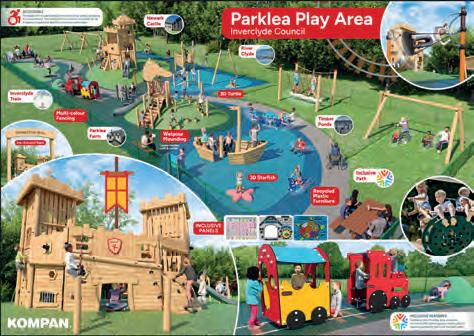
The 750sq m area will feature a range of play equipment by Kompan
Plans for a new themed, destination play park –inspired by Port Glasgow’s shipbuilding past and railway heritage – have been given the green light by planners.
The 750sq m area will feature a range of play equipment, including two multi-play climbing frames, swings, a zipline, a group rope swing and a wheelchair-accessible carousel.
Driven by Inverclyde Council, the equipment and spaces will be designed in partnership with Kompan Scotland to feature local landmarks. These include a large climbing structure called the Newark Castle with a cableway crossing a ‘River Clyde’.
The playground, estimated to cost around £300,000, will be located on land east of Parklea Road, west of the nearby community sports facility.
PHOTO:
PHOTO:

Neurokinex opens dedicated space for activity-based rehabilitation
Neurokinex Charitable Trust, the UK’s leading provider of activity-based rehabilitation for people living with paralysis, has opened a dedicated children’s space at its Bristol site.
The purpose-built space is designed to transform rehabilitation for children with spinal cord injuries, neurological conditions and other causes of paralysis. The expansion has been made possible thanks to the generous support of The Toy Trust, the charitable arm of the British Toy & Hobby Association, which funds projects that help disadvantaged and disabled children to play and experience joy. Neurokinex received a grant, enabling the centre to create this vibrant, child-friendly environment.
Neurokinex Kids has already supported 270 children nationwide and helped more than 20 at Bristol. In 2025, the Bristol team delivered 334 hours of paediatric
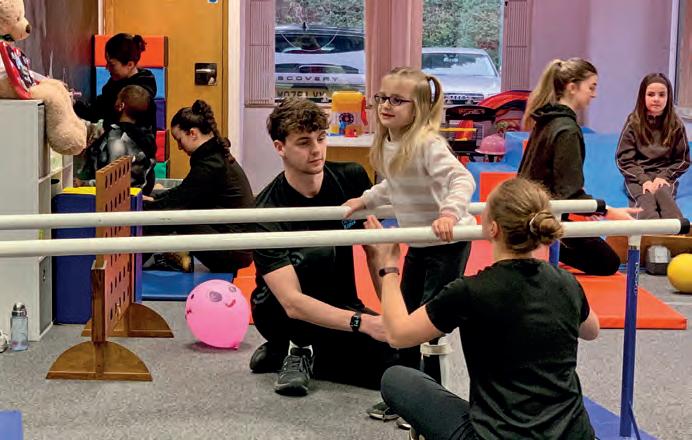
rehab, nearly three times as many as the 121 hours they delivered in 2024. The rising demand for its services comes from young clients living with a wide range of conditions including cerebral palsy, spinal stroke, spinal cord injury, transverse myelitis, spinal muscular
atrophy (SMA) and arteriovenous malformation (AVM). The new space allows Neurokinex to expand its specialist services and meet the increasing need for scientifically proven, community-based rehab for children living with paralysis and neurological conditions.
Vortex launches large-scale interactives
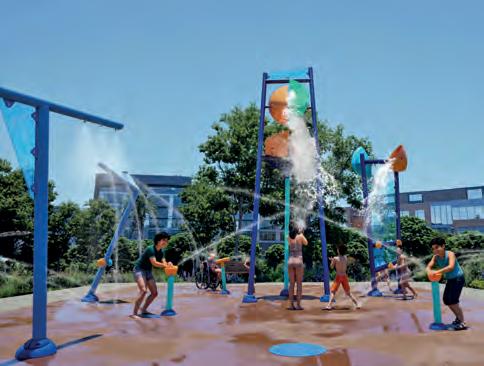
Vortex Aquatic Structures International has launched two large-scale, interactive aquatic play features.
Called Epik N°1 and N°2, they are the latest additions to the Vectory collection and have been designed to elevate the visual impact, play intensity and social energy of water playground systems and aquatic spaces.
Designed as signature centerpieces for aquatic spaces, the new products combine large-scale presence, high-capacity play and synchronised water action that encourages movement and shared experiences.
“With Epik, we wanted to design features that stand out from afar and fully engage users up close,” says Richard Martin, Vice President, Product Development at Vortex.
The facility includes a range of specialist equipment
The solutions have been designed as signature centrepieces for aquatic spaces
PHOTO:





The conference (below) was followed by the Annual Playwork Awards gala dinner (top)
We don’t need to fix children. We need to fix the system
learn about playwork A place to play &
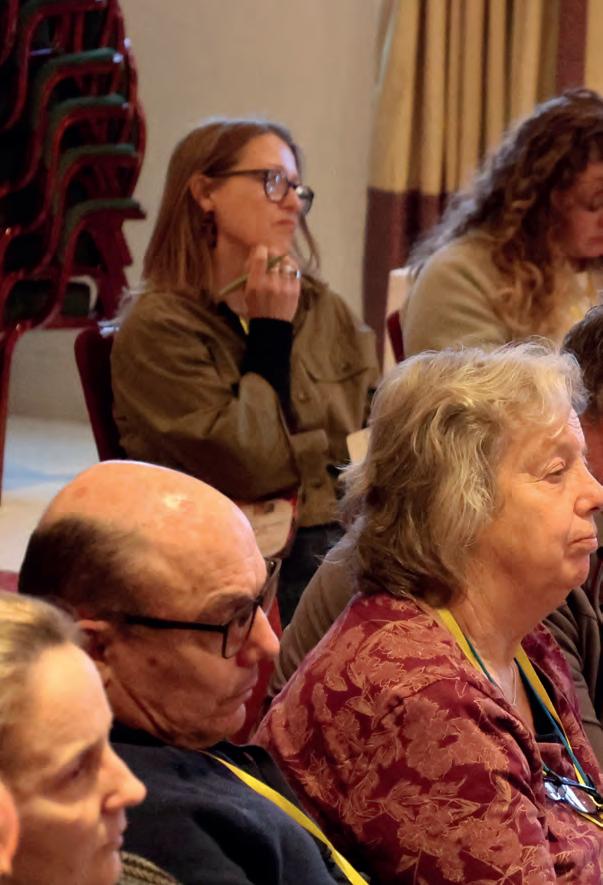
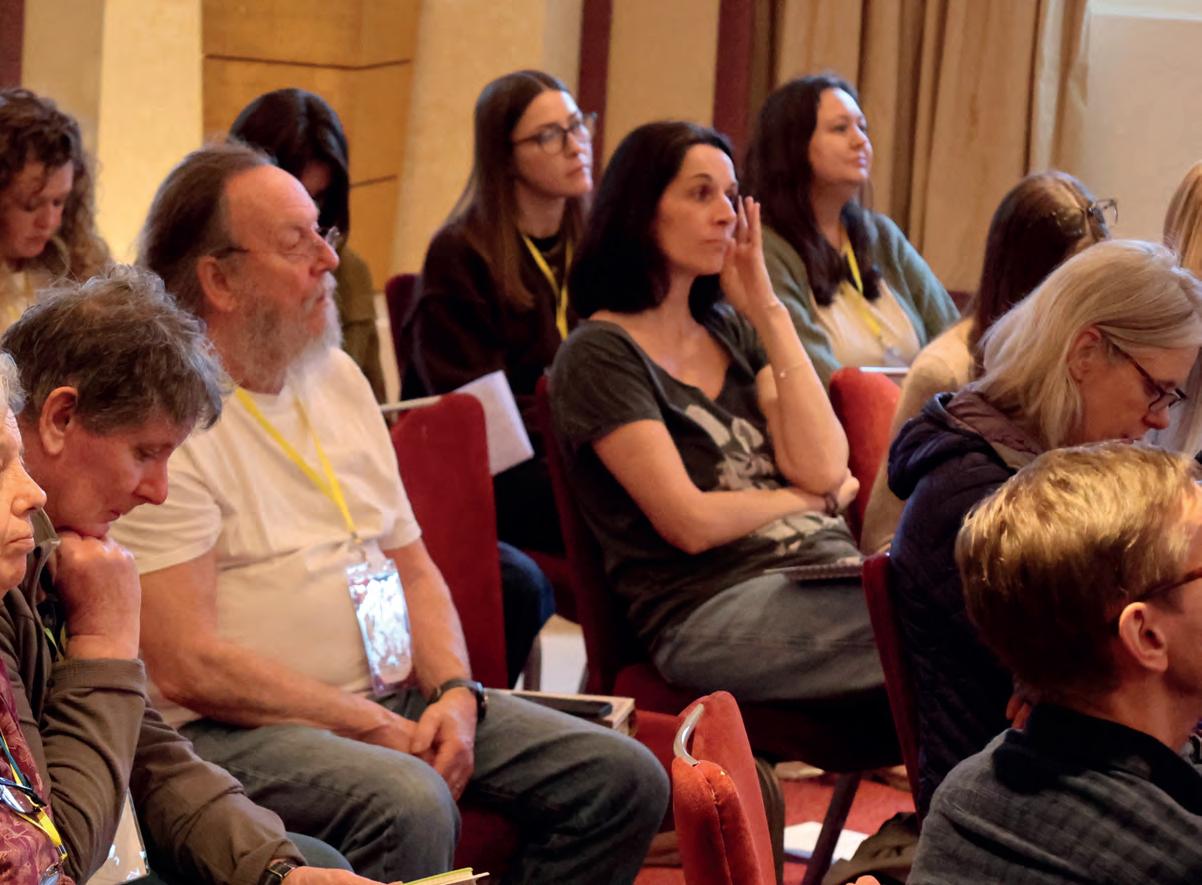
The 23rd National Playwork Conference was held in Eastbourne in March. Organised by Meynell Games, this year’s edition of the annual two-day event attracted more than 170 delegates to the Cavendish Hotel
The National Playwork Conference is like no other event. This becomes very clear from the very beginning, when nearly every delegate is greeted personally, upon arrival, by the driving force behind the conference – play industry pioneer Meynell.
“Our approach has been, for 23 years, to deliver the conference as we would a playwork setting,” he explains. “I believe that’s what makes it so successful.”
The event is the largest national gathering of playwork people from across the sector. It brings play professionals together to share their knowledge and thinking, offering an opportunity for playworkers to learn from each other.
Learning opportunities
This year’s conference featured 12 themed “tracks” across the two days, from which delegates could pick sessions to attend. In total, there were more than 50 talks and presentations, given by play industry experts from across the UK, US, Australia, Denmark, Greece and Kenya. Track 5 began with a deep dive into Play England’s
The 12 tracks were:
DAY 1
● Play and…
● Playwork: back to basics
● Play in the digital world
● Playwork in other places
● Playing in Policy
● Inclusivity and equity
DAY 2
● Anarchy
● Playwork advanced thinking
● Even more thinking about play and playwork
● Doing right by children
● Play and early years
● Play for itself
10-year strategy, “It All Starts With Play”. Eugene Minogue, the industry body’s Executive Director, outlined how the strategy, announced in 2025, provides an ambitious roadmap to restore a play-based childhood for all children by 2035.
“Children’s freedom to play has been steadily eroded – by fear, traffic, time poverty, risk aversion and shrinking space,” Minogue said. “But children haven’t changed. They still need what they’ve always needed: time, space, opportunity and freedom to play.
“We don’t need to fix children. We need to fix the system. And that’s what the strategy aims to do. It’s a practical plan to ensure play is recognised, accepted and protected again — in policy, in planning, in design, in streets, schools and public space.”
People Nervous systems choose spaces long before policies do
Inclusion and insights
Elsewhere, Miguel Sicart, Associate Professor and Head of the Center for Computer Games Research at the IT University of Copenhagen, gave a thought-provoking talk titled “Play in the Age of Computing Machinery”. He discussed how, as screens are everywhere and everyday life is increasingly digitised, it is easy to be too pessimistic – and instead, the sector should come up with tactics and strategies to resist the negative aspects of digitalisation through “playful appropriation”.
One of the topics that featured across several of the tracks was how to better cater for – and include – neurodivergent children in play. In a session titled “The Neurodivergent Pull in Playwork”, Angie Casella and Kaycee Larney from Australia-based Curious Me confronted what they described as “uncomfortable question many sense but rarely voice”: do neurodivergent playworkers attract neurodivergent children – and what does that reveal about belonging in play?
Through the lens of lived experience as neurodivergent playworkers (and mothers) themselves, they argued that inclusion is not something that can be added to existing systems. “Nervous systems choose spaces long before policies do,” they said.
On the same topic, delegates also heard from Max Alexander from Play Radical, who shared his insights on play, disruption and non-compliance,
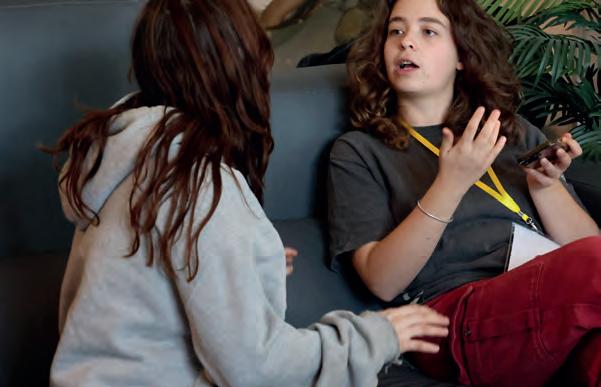
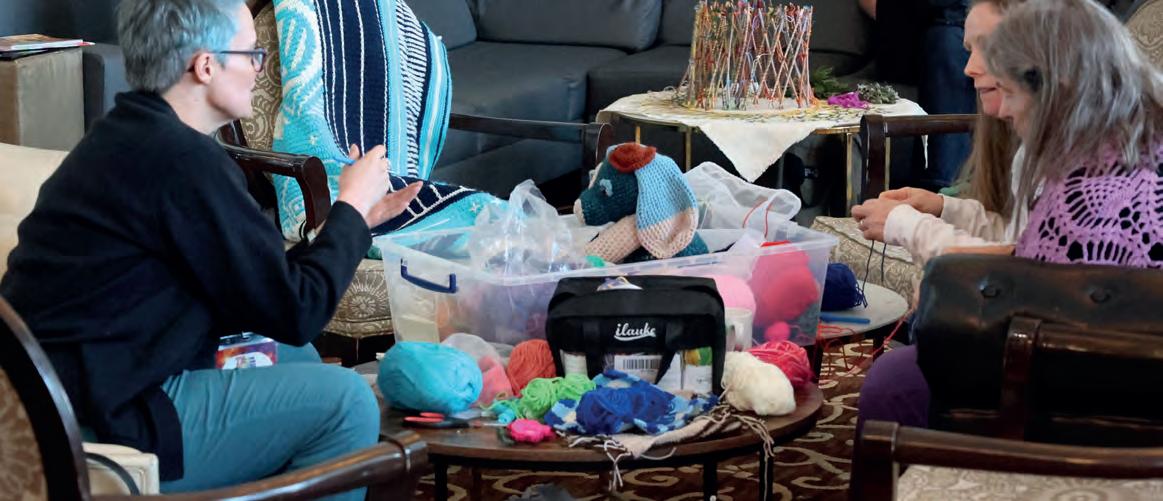
alongside the wisdom of disability justice movements. “We need to think about inclusion as something that is essential and radical, rather than something that is nice and charitable,” he said.
Elsewhere, Professor Peter Gray from Boston College, delivered a powerful session on how play has an evolutionary function in promoting innovation, resilience and cooperation – as well as training humans to practice something they need (or want) to learn.
“Young mammals, including humans, come into the world biologically designed to play,” Professor Gray argued. “But why would natural selection have promoted behaviour that looks purposeless and clearly has costs – it uses energy and can be noisy and attract predators or cause injury. It is simple – it’s because play has survival benefits that outweigh the costs.”
Other speakers and facilitators over the two days included Andrew Robertson, founder of the Family Gaming Database; Helen Dodd, Professor of Child Psychology at the University of Exeter; Jayne Osgood, Professor of Childhood Studies at Middlesex University; Martin King-Sheard from Play Wales;
Adrian Voce from Starlight Children’s Foundation and Meynell himself talking about the importance of love, joy and empathy in playwork practice.
Rewarding the change-makers
According to Meynell, this year’s edition of the Conference was the “best ever”. “We had a fantastic breadth of topics and speakers,” he said. “What was great to see was that there were many young playworkers attending. This was in no small part thanks to our generous sponsors, OPAL (Outdoor Play and Learning), whose support meant that we could help with the financial cost of attending for students and make the event more accessible for all.”
The Annual Playwork Awards are an integral part of the Conference, where there is a gala event and the announcement of the recipients of the Annual Playwork Awards for 2026. The awards set out to celebrate all that is good about the UK Playwork sector, highlighting the work of people and organisations who have made a noticeable contribution and difference to the lives of those they work with.
This year’s award recipients were: Professional Development Award: Portsmouth City Council Play & Youth Service Frontline Playwork Award: Learning Partnership West CIC Play and Community Development Award: Meriden Adventure Playwork Altogether Different Award: The Whitworth, Manchester UK Playwork Sector Award: Amber Ogunsanya William
During the awards dinner, Meynell revealed the launch of a Playwork Hall of Fame, which will be established in partnership with the Playwork Foundation. The first 10 names to be inducted to the Hall of Fame will be revealed ahead of next year’s conference.
According to Meynell, the planning for the 24th Conference is already underway. “We already have some of the cast list ready for 2027,” he said. “The event will again be held on the first Tuesday and Wednesday of March – at same venue. Watch this space for more announcements!”
PLANNING for PLAY
PlayNation
drills into the
detail of Play England’s submissions to the government consultations on national planning policy and guidance
Play England has submitted a formal response to the Government’s consultation on proposed reforms to the National Planning Policy Framework (NPPF) and the Design and Placemaking Planning Practice Guidance (DPPPG). The response sets out changes that it says are “required to ensure the proposed reforms deliver meaningful improvements in children’s access to play”.
Play England’s proposed changes include the following:
Creating clear definitions of play space
National planning policy should clearly define what constitutes play space so that meaningful provision cannot be replaced with minimal or incidental spaces.
A play sufficiency approach to planning
Planning authorities should assess whether children have sufficient opportunities to play across their neighbourhoods, considering quantity, quality, accessibility, inclusivity and integration.
Accessibility-based standards for play
Planning policy should move beyond outdated acreage-based standards and instead adopt accessibility measures based on walking distance.
Stronger protection for existing play spaces
The Government should maintain the strong protections for formal play spaces introduced into the NPPF in 2024.
Use of spatial evidence to assess provision
Planning decisions should be supported by robust spatial analysis to identify where play provision is insufficient and where inequalities exist.

Response to NPPF
Play features across multiple sections of the NPFF, including sections 6 (delivering a sufficient supply of homes), 14 (achieving well-designed places) and 16 (promoting healthy communities). These proposals underscore the Government’s growing recognition of the importance of promoting, protecting and enhancing safe, inclusive and accessible spaces for play. They also build on the shift in national planning policy secured in December 2024, when the NPPF was amended to explicitly recognise the need to protect formal play spaces.
According to Play England, however, several aspects of the proposed policy changes require clarification to ensure they are operationalised effectively.
As a result, Play England’s consultation response highlights the need for stronger national evidence to support planning decisions about children’s play.
“Understanding where play spaces are located, how accessible they are and how provision varies across communities is essential if planning policy is to address the significant inequalities that exist in children’s access to play,” Play England states.
To support this, Play England has been working in partnership with the University of Sheffield to develop Playces, a national spatial evidence platform for children’s play. The underlying dataset maps almost 34,000 playgrounds across England, analysing playground count, playground size, distance to provision and relationship to deprivation.
According to Eugene Minogue, Play England’s Executive Director, the analysis demonstrates that children living in more deprived areas often have access to fewer, smaller and more distant play spaces, highlighting significant inequalities in access to play across England.
“Playces has been developed to support evidenceled planning for children’s play, enabling local authorities to assess play provision through a play sufficiency approach,” Minogue said. “By bringing together national spatial data and analytical tools, the platform will help identify gaps in provision and support monitoring of improvements in play opportunities over time as local plans and new developments are delivered.
“This kind of national spatial evidence will be

increasingly important as planning authorities move toward assessing play sufficiency within local plans and development decisions.”
Response to DPPPG
In its response to the Design and Placemaking Planning Practice Guidance (DPPPG), Play England welcomes the government’s focus on play areas and spaces, rather than playgrounds alone. Play is referenced across multiple elements of the DPPPG , including the Seven Features of Well-Designed Places, the design quality process and the setting of design codes.
“This breadth of reference represents a significant step forward in recognising the role of play across the built environment,” Play England states.
However, in its response, Play England also calls for several amendments to ensure the policy intentions translate into effective implementation.
These include the following:
Define play spaces clearly
What constitutes “play space” must be clearly defined so that planning and built environment professionals can consistently understand and distinguish between formal and informal play spaces.
Ensure consistency between the DPPPG and the NPPF
Cross-referencing between the DPPPG and the NPPF is needed to ensure the NPPF’s intentions for play are supported by clear and practical guidance.
Update standards for play provision
Accessibility standards for play provision should be based on contemporary spatial evidence and reflect the scale of inequalities in access to play across England.
Promote quality, accessibility and inclusion, not quantity alone
The guidance should make clear that play provision must be adequate in quantity, quality, accessibility, inclusivity and integration within community infrastructure.
Address inequalities in play provision
Planning guidance should recognise and respond to significant inequalities in access to play spaces across England.
Strengthen accessibility standards for play spaces
Design codes should include clear proximity standards for play spaces to ensure children can access play within their everyday neighbourhoods.
Embed spatial evidence through Playces
Playces should be recognised as a robust tool to support play sufficiency assessment, local analysis, monitoring and evaluation.
Ensure effective statutory oversight
An effective statutory consultee remains necessary to ensure planning decisions affecting formal and informal play provision are informed by specialist expertise. Sport England should continue to act as the statutory consultee.
A critical opportunity for national policy
According to Play England, the consultations represent a critical opportunity to strengthen national planning policy, so that it better supports play.
“With clearer policy, better spatial evidence and stronger protection for play spaces, the planning system can play a central role in restoring children’s access to play,” Minogue added. “We will continue working with the government, parliament and the built environment sector to ensure that children’s right to play is fully recognised within the planning system and embedded in the places where children live. These consultations mark an important step in that work.
“We would like to thank Michael Martin (School of Geography and Planning) and Paul Brindley (School of Architecture and Landscape) at the University of Sheffield for their assistance with the formal response.”

360° wrap-around branding Printed with your design







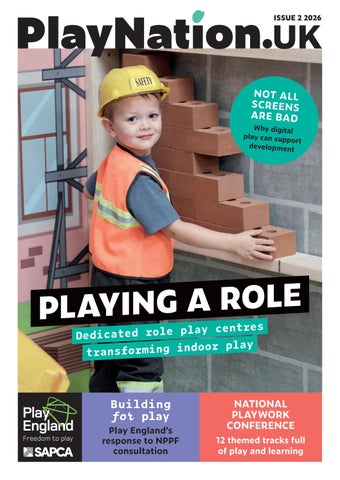
PLAYING A ROLE
Maria Cantarella, CEO of Association of Indoor Play, outlines how role play is reshaping the UK indoor play sector
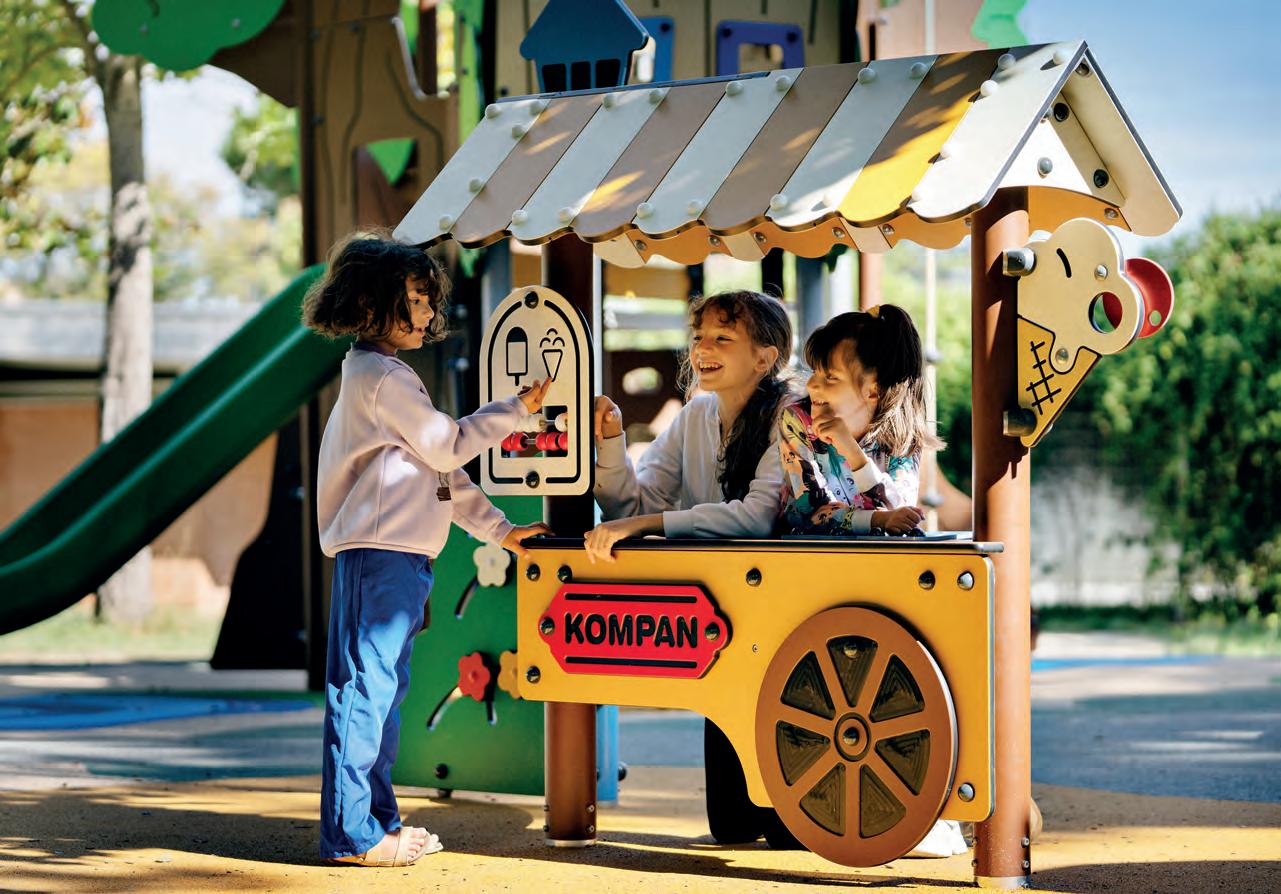
One of the most compelling growth stories in UK indoor play since the pandemic has been the emergence of dedicated role play centres as a serious and scalable format. What was once a small add-on within larger venues has evolved into a defined category in its own right. Compact, beautifully curated spaces, often positioned just off the high street, are now built entirely around immersive role play experiences supported by a strong café offer and structured session model. This growth is not confined to standalone operators. Across the wider indoor play landscape, established centres are investing heavily in highquality role play zones within their existing footprints. Operators understand the commercial logic. Role play broadens appeal into the early years market, extends dwell time, enhances weekday utilisation and strengthens secondary spend. In a challenging trading environment, it provides both differentiation and resilience.
Post-COVID consumer behaviour has accelerated this shift. Families are increasingly drawn to calmer, bookable, capacity-controlled environments that feel safe, manageable and intentional. Parents are seeking experiences that are not only enjoyable but purposeful. Role play delivers precisely that. It offers structured yet flexible play in settings that feel developmental rather than chaotic. At the same time, operators have been adapting to changes in early years funding and the impact of subsidised nursery places on traditional stay-and-play patterns. Strengthening the toddler and preschool proposition has become a strategic necessity.


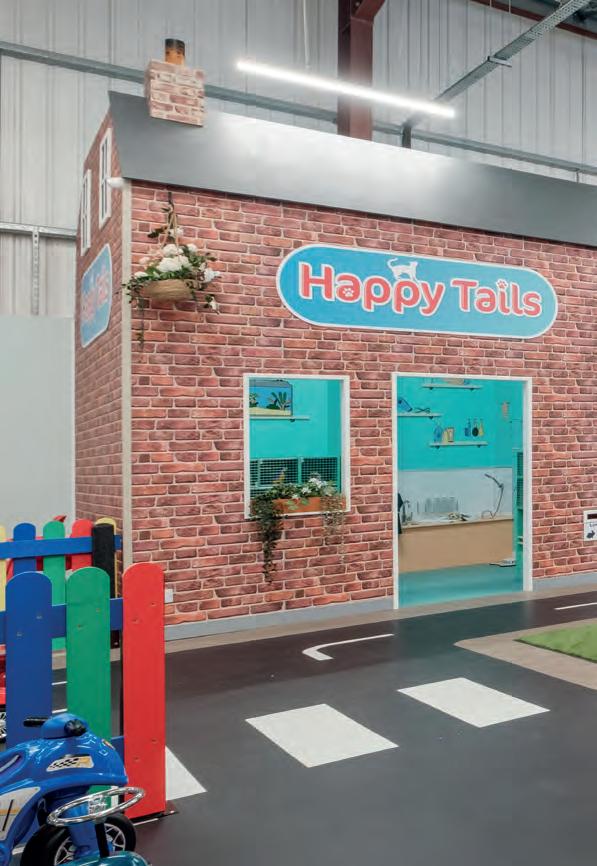
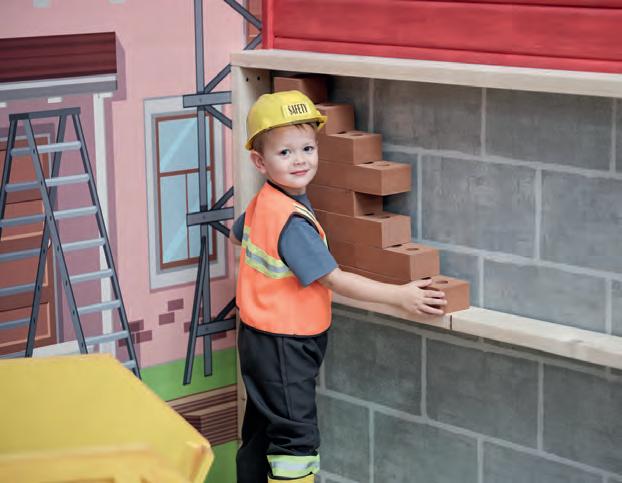


Maria Cantarella, CEO of Association of Indoor Play (AIP), said: “We have seen a marked increase in both standalone role play centres and larger indoor play venues investing in dedicated role play environments. It has become a distinct and important part of our sector. That is why we have established a dedicated sub-group within the association, giving role play operators the opportunity to share best practice, address specific operational challenges and strengthen their collective voice.”
Built for size
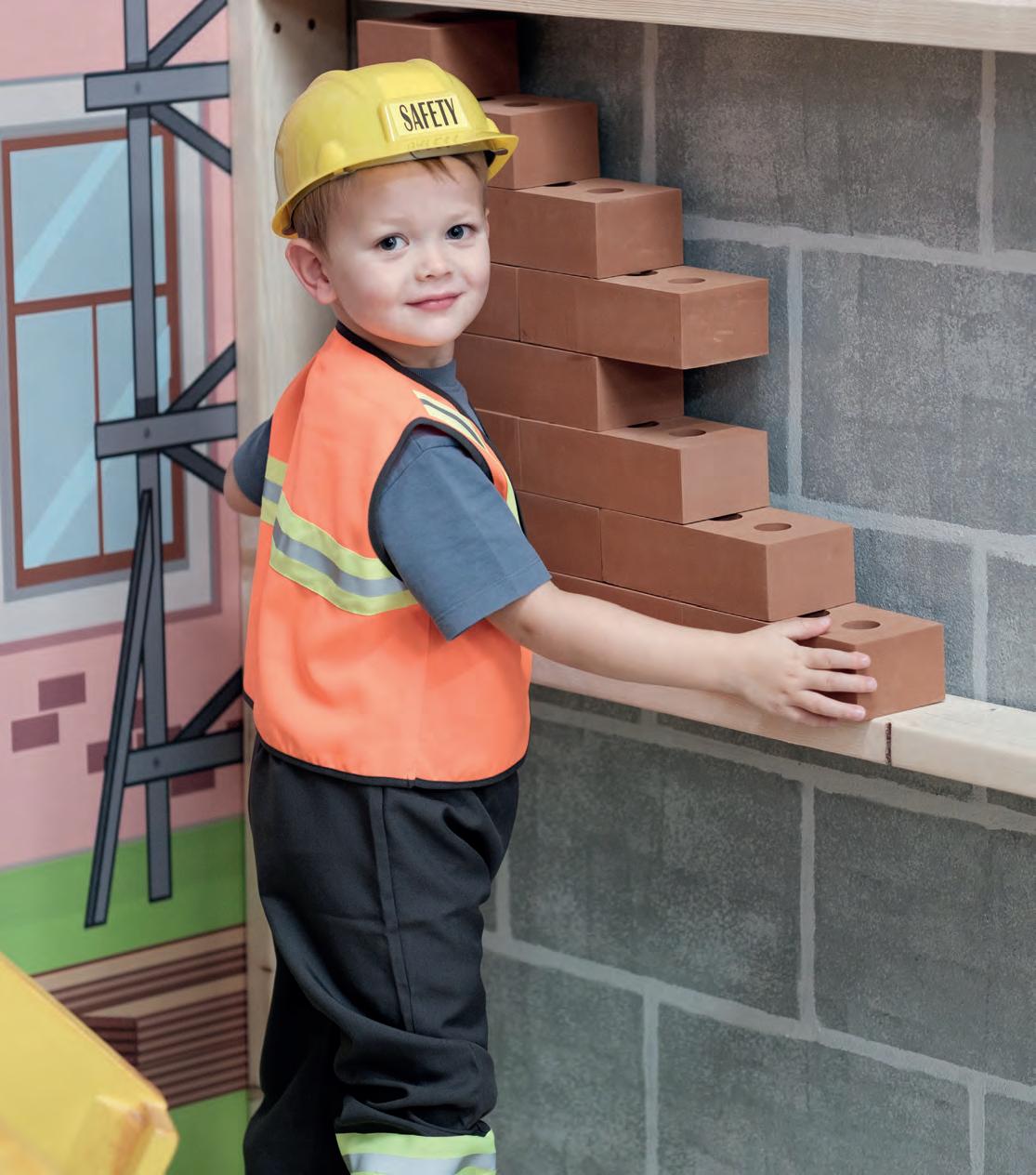
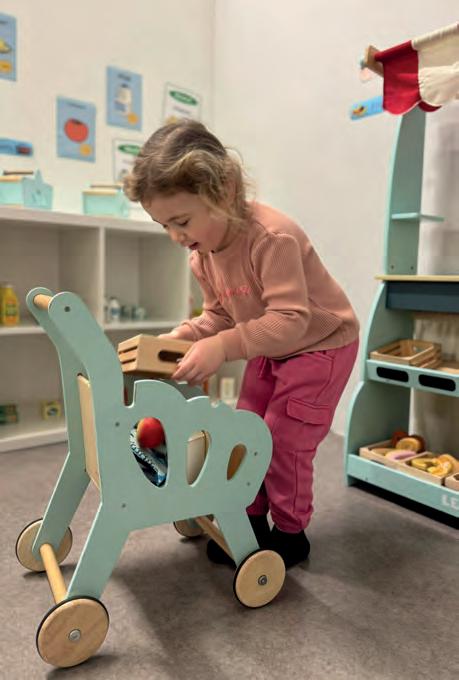
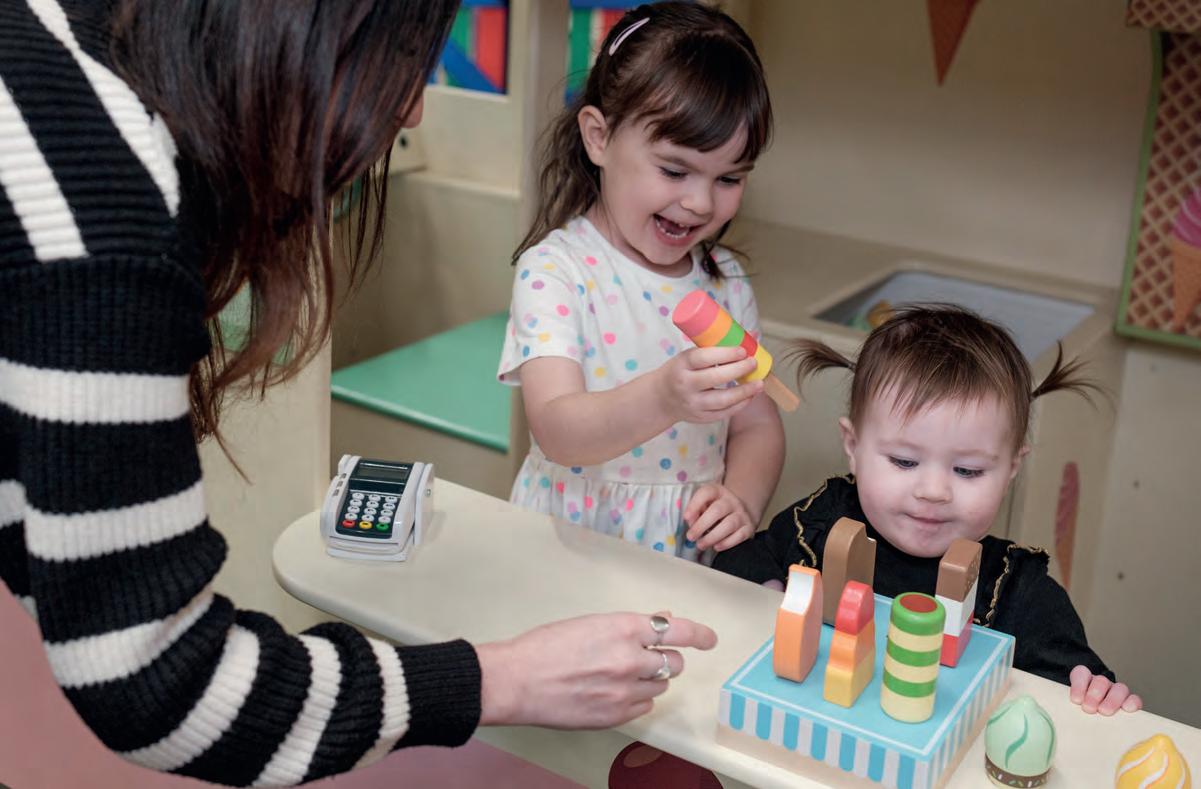
At the heart of these venues is the miniature town concept – a scaled world built entirely at a child’s height. Supermarkets with pint-sized trolleys, cafés with tiny tables and aprons, doctor’s surgeries complete with X-rays, post offices, garages, theatres, hairdressers and veterinary clinics create instantly recognisable environments. Children do not need instruction. They instinctively
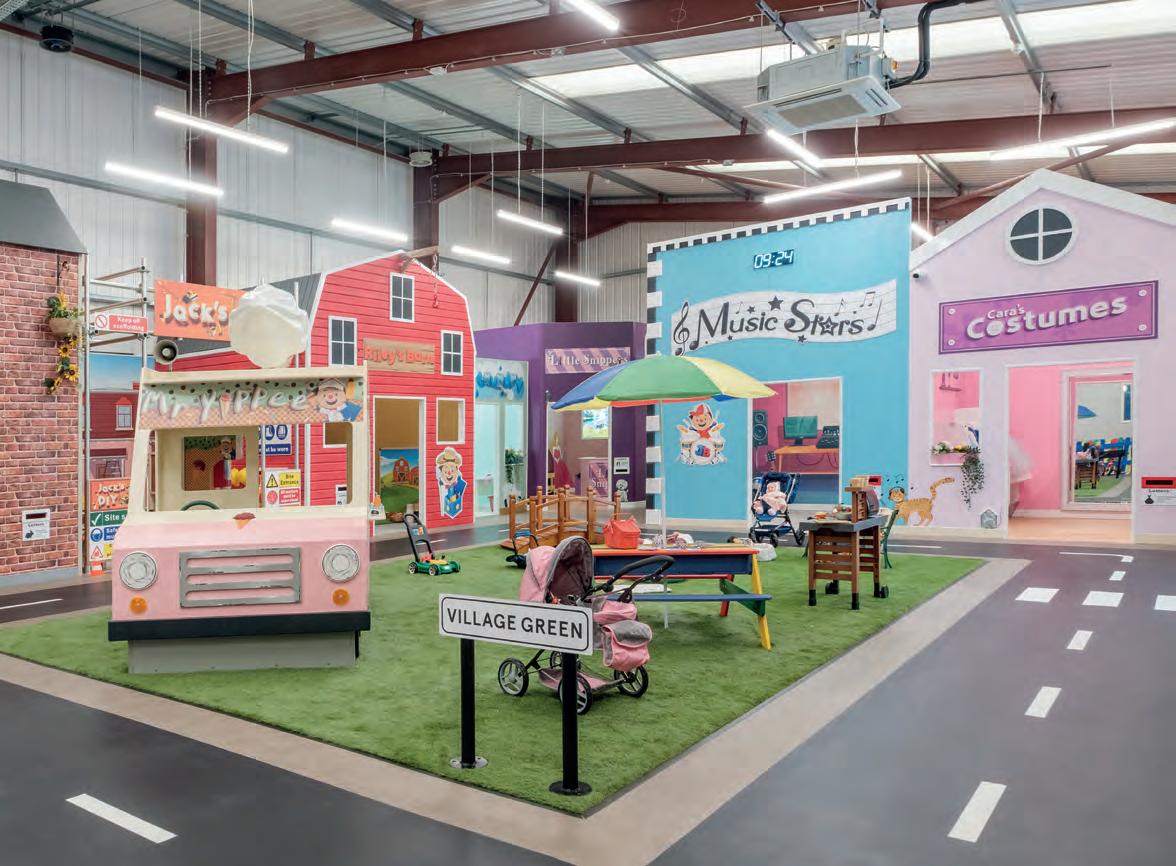


step into roles as shopkeepers, chefs, mechanics, performers or carers. They build storylines, negotiate scenarios and collaborate with peers in ways that feel both familiar and empowering.
The appeal is not merely aesthetic. Role play is a cornerstone of child development. It is an interactive form of imaginative play in which children act out specific roles and scenarios, often using costumes and props. They are not simply pretending; they are rehearsing life.
“Role play isn’t just play, it’s learning, it’s growing, it’s connection, it’s important”, says Sophie Siddle, from the The Little Town of Play, South Yorkshire and The Little Town of Play Batley, West Yorkshire.
The developmental foundations for this are well established. In Mind in Society, Lev Vygotsky (1978) argued that imaginative social play is central to language acquisition, social competence and cognitive growth. He believed children learn most effectively in social contexts where they

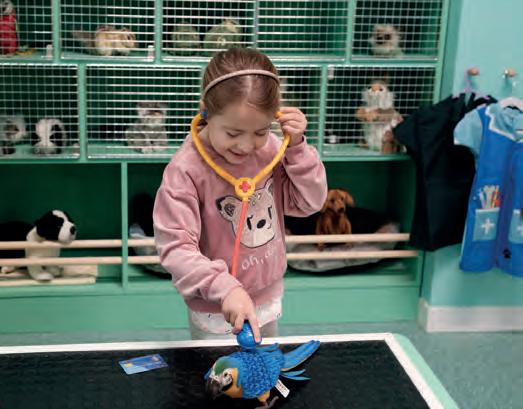









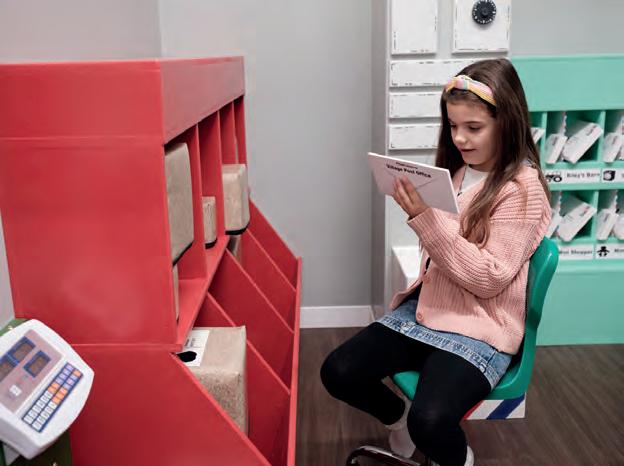

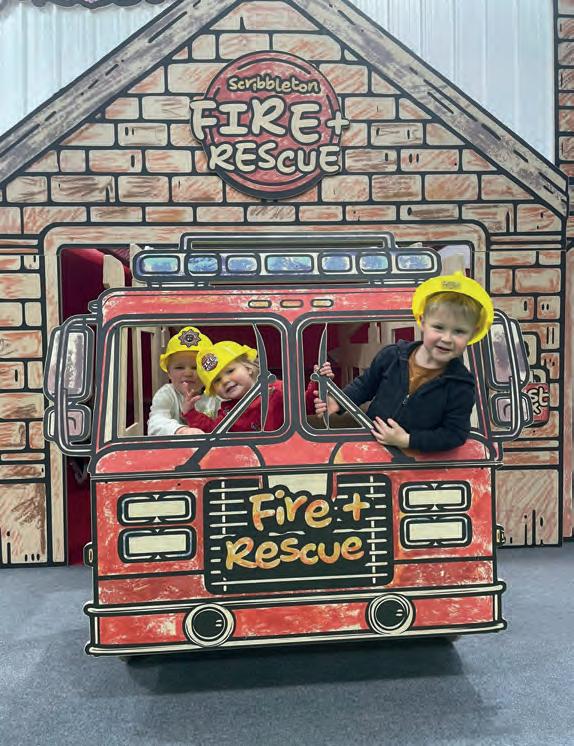

A simple prop becomes something entirely di erent in a child’s hands
negotiate roles, communicate intentions and solve problems collaboratively. Role play environments provide exactly this dynamic: children must listen, adapt, articulate and respond in real time.
Similarly, in Play, Dreams and Imitation in Childhood, Jean Piaget (1962) identified pretend play as a crucial stage in cognitive development. Through symbolic thinking – using one object to represent another, or stepping into a role – children begin to make sense of how the world works. When a child conducts a doctor’s appointment or manages a shop transaction, they are exploring systems, sequencing events and understanding cause and effect.
Learning through roles
Socially, role play demands interaction. Children practise sharing, turn-taking, listening and cooperation. They negotiate storylines and resolve minor disagreements when someone shifts the narrative. These exchanges lay the foundations for empathy, teamwork and an understanding of social boundaries.
Creatively, it stretches imagination. A simple prop becomes something entirely different in a child’s hands. Characters emerge, plots evolve and possibilities are tested. This imaginative flexibility underpins later innovation and problem-solving capacity.
Cognitively, role play requires sequencing and decision-making. What happens first in a restaurant? How does payment work? What tools are required to fix a car? Children begin to understand real-world systems through repetition and experimentation. Even selecting a costume involves intent and planning.
Language development accelerates rapidly in these environments. Dialogue sits at the centre of every scenario. Children articulate ideas, negotiate roles and express emotions. They absorb and deploy new vocabulary naturally — words such as appointment, reservation or receipt become meaningful because they are contextualised.
Emotionally, role play offers a safe structure within which children can explore feelings. They can

act out caring for someone who is unwell, handling disappointment or celebrating success. These rehearsals support emotional regulation and resilience.
Confidence grows alongside competence. When a child successfully “runs” a café, leads a performance or directs a storyline, they experience mastery. Role play provides a controlled environment in which identity and responsibility can be explored without pressure.
Physically, while calmer than large-scale soft play, these environments still encourage movement and coordination. Children bend, carry props, fasten buttons, handle small objects and transition between zones. Fine motor skills are strengthened through dressing up and manipulating accessories, while gross motor development is supported through active engagement within the space.
The scale of growth has been significant enough for the Association of Indoor Play to formally recognise role play as a distinct and important segment of the sector.
Operators within the segment echo this perspective. As Anju Pawan, Owner of Teddy’s Playtown, puts it: “When children pretend, they are not escaping reality – they are preparing for it.”
Role play is not replacing traditional indoor play. It is strengthening and expanding the sector’s overall

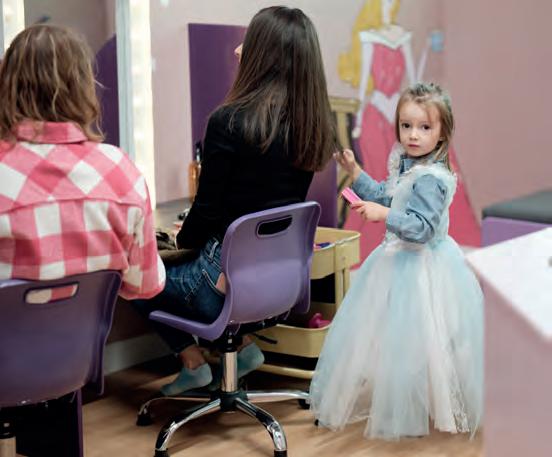


proposition. It reflects a broader shift towards experience-led, thoughtfully designed environments that combine creativity, developmental value and hospitality. In an era dominated by screens and structured timetables, the simple act of running a pretend café, fixing a car or delivering the post remains one of the most powerful, purposeful and commercially sustainable forms of play available to young children.
&
DIGITAL PLAY THE PLAY AGENDA
Andy Robertson, a digital play expert who runs the Family Gaming Database, argues that not all screen-based games and play are bad
Digital play has a problem: it happens on a screen at a time when screens are the thing we disparage because of social media. No matter how intrinsic, relational, freely chosen or ambitious the play on a screen may be, our instinct is to get children off it and outside. No matter how child-led or play-centric we are, if children’s play leads them to a screen, we are less likely to value or support it.
To make meaningful progress with how digital play relates to the wider play agenda, we need to resist either pretending there are minimal shortcomings or suggesting that the benefits make those limitations acceptable. Although those are both interesting points, we only muddy the water or polarise the debate if we don’t first grasp the problem of screens.
I’ve spent the last five years investigating play on screens to catalogue thousands of examples for the Family Gaming Database. The sheer breadth of games this fieldwork uncovered challenged what I thought were the limits of what a screen could offer. These were not the kind of instrumental competitive games that make headlines, but intrinsic moments of play chosen, organised and directed by children: grouping badged boxes in Wilmot’s Warehouse, helping run an airship hospital in Wayward Strand or depending on other players to look after them as babies in One Hour, One Life.
Along the way, this work identified recurring ways to reframe digital play more accurately, which I’ll touch on now before diving into specific games that illustrate what’s possible.

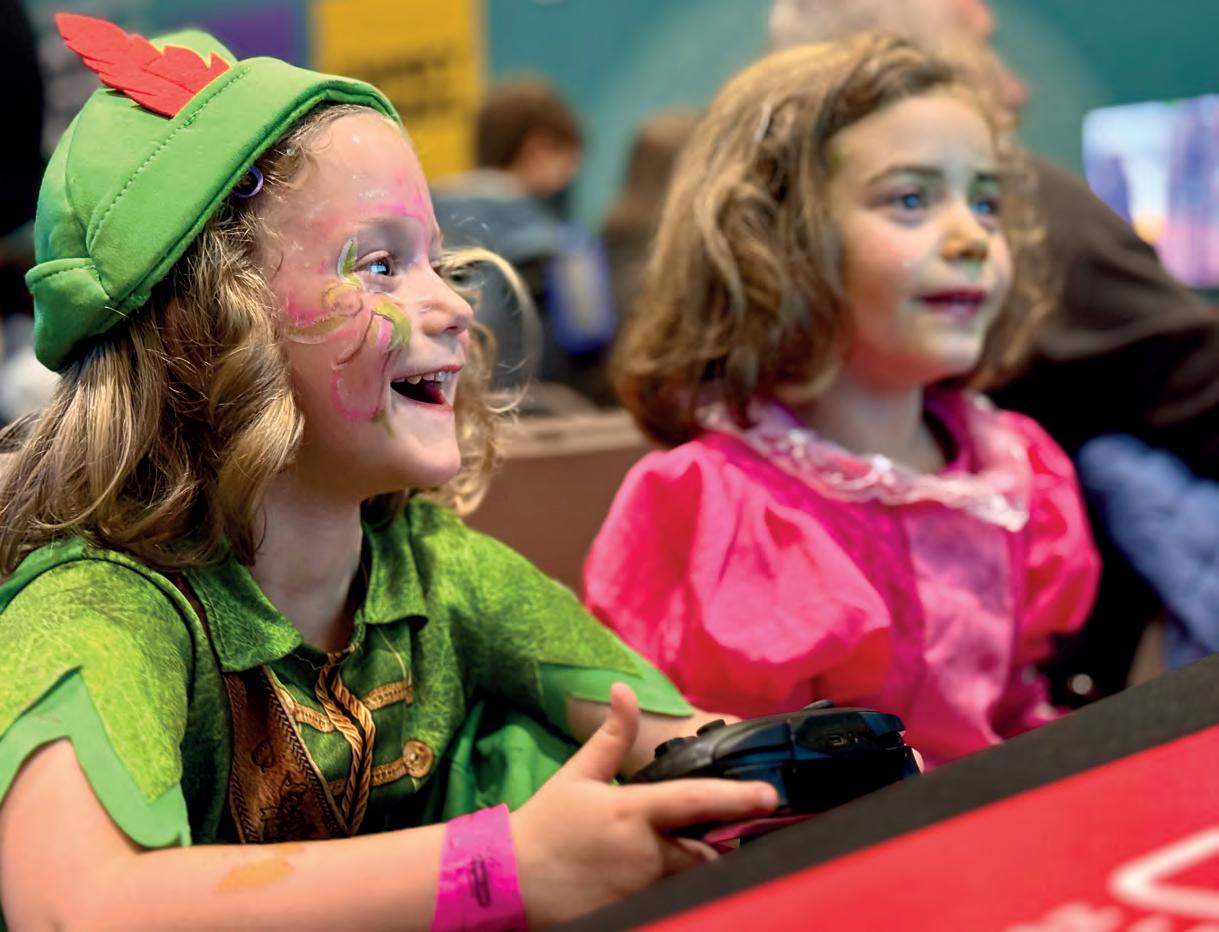
Digital play only appears to be linear
Before we look closer, digital play seems much more restrictive than playing away from a screen. Understandably, we assume that screen-based experiences are linear, limited and focused on winning or losing. This reflects more where screen-based play has come from rather than where it is going, and the types of digital play that attract the largest number of children. Video games these days encourage the player to explore and find different routes through the world in many more ways than initially seem possible. Even the first Super Mario Bros. game, which seemed like a linear charge to the castle, hid ways to literally break out of the level, find secrets and even skip whole worlds.
Digital space is less limited than it seems
By definition, digital play happens in a space created with limited resources, which inevitably limits where players can and can’t go. However, it compensates for these limitations by overcoming real-world constraints children face in a non-digital playground. While digital
play is limited to the bounds of the game, these spaces escape real-world limits of private property, fences, gravity and teleportation. Also, like non-digital playgrounds, children often find ways to squeeze through gaps and shortcut the intended limits.
Digital
play is play
In a nutshell, what I’ve learned from embedding myself amongst the digital play of thousands of games played by millions of children is this: it offers a familiar yet never-seen-before opportunity for children to practice all manner of ways of relating to the world in the hope that one will hold. It’s this, rather than any benefits or outcomes, that makes digital play worth supporting in a child’s life.
In this way, it’s a strong ally for play in general. A child who loves playing video games is, as Peter Gray highlighted back in 2013, also likely to play outside and elsewhere. Like other forms of play, it benefits from adults being out of the way but on hand if needed - a possibility only if we understand and value it.


A selection of games picked by Andy Robertson which show what’s
Joust Mania
Platform: PC, Raspberry Pi, PS4
Joust Mania is unusual because it’s played with a PlayStation Move controller but doesn’t use the screen. 16 players are invited to stand in a large physical area, ideally at dusk, and are handed the motion-sensitive controller. Their task is to protect their controller from jolts or quick movements. If it gets moved too much, the controller can tell, the light goes out, and the player must leave the arena until the next round.
At first, the group is cautious about protecting their controller. But soon, there is a moment when someone realises there is nothing to stop them from hitting, nudging or shaking other players’ controllers to get them out. Of course, if they focus too much on offence, they leave themselves vulnerable to attack from behind. In this way, the round descends into sneaky

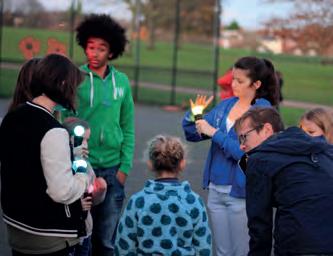
attacks and covert movement as the players compete with increasingly hands-on strategies to be the last one standing.
Once the group has got the hang of it, you can add lots more layers. Music plays over a loudspeaker, the speed of which indicates how sensitive the controllers are at any given moment. Because the controllers light up, players can be put into teams of different colours. In those teams, they can assign a vulnerable leader who must be protected, or the whole team is out. In Traitors, one person on each team is secretly indicated by their controller buzzing; they have to sneakily get their team out to win. As the sun sets, the field is a blaze of coloured lights and movement as we move onto more complex rounds like Fight Club, Zombies, Tournament and Werewolves.
LINK: Link: https://www.familygamingdatabase.com/game/Joust+Mania

Sky: Children of the Light Platform: iOS, Android, PC, Switch Sky: Children of the Light is unusual because it invites altruistic interactions between players. It’s an online collaborative adventure about bringing light and connection back to a fallen cloud kingdom. Play involves gliding through vast, dreamlike realms, collecting light, solving environmental puzzles, and nurturing connections with others. Communication and connection with other players are driven by emotive gestures rather than words. It has inclusivity at its core, so player avatars are not tied to gender, age, or ethnicity. Where it’s most unusual is with the items you can buy with real money in the game. Unlike other games, these items benefit you not when you consume them but when you give them away to another player.
LINK: https://www.familygamingdatabase.com/game/Sky+Children+of+the+Light
Everything
Platforms: PS4, Switch, PC, Mac
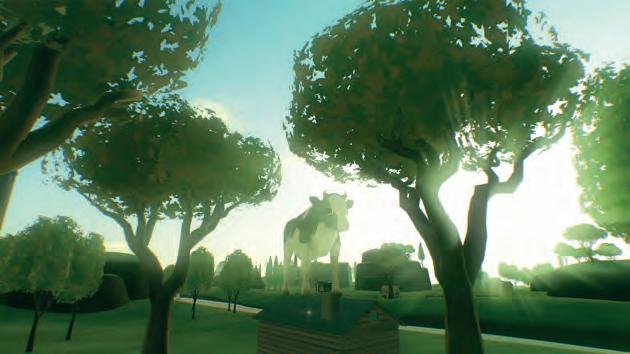
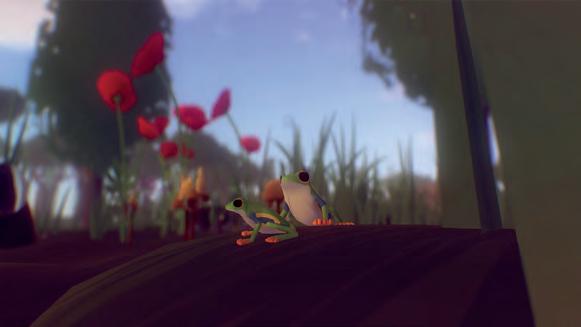
Everything is a simulation game that’s significant for the possibilities of play it creates, rather than popularity or technical prowess. It was created by Irish artist and filmmaker David O’Reilly and invites players to explore a universe by inhabiting and controlling a wide range of things: animals, plants, buildings, seeds, insects, street lights, and even continents. It sounds strange and not much fun, but the enjoyment is in discovering how small or big a thing you can become, from tiny atoms to whole planets and everything in between. There’s also a playful awkwardness to how everything tumbles around rather than walks or runs. As you move from large objects to tiny ones, the simulation changes speed to match your size. From the perspective of a speck of pollen, the world moves incredibly slowly so that a day will take hours to pass. From the perspective of a forest, the sun sets and rises again quickly. It’s a simple twist, but one that affects the player’s sense of embodying these things so powerfully that it often alters their breathing or heart rate.

LINK: Link: https://www.familygamingdatabase.com/game/Everything
We Transform tired spaces into vibrant, inter generational community hubs.
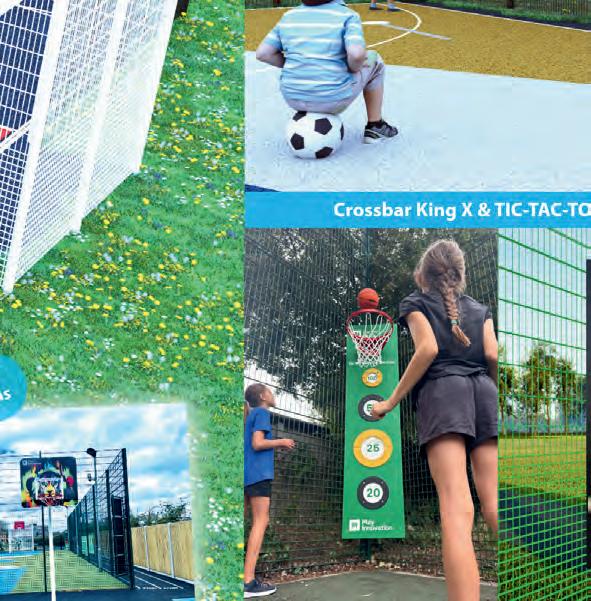
Activation kits from just £1,999 - Full MUGA options available for all budgets
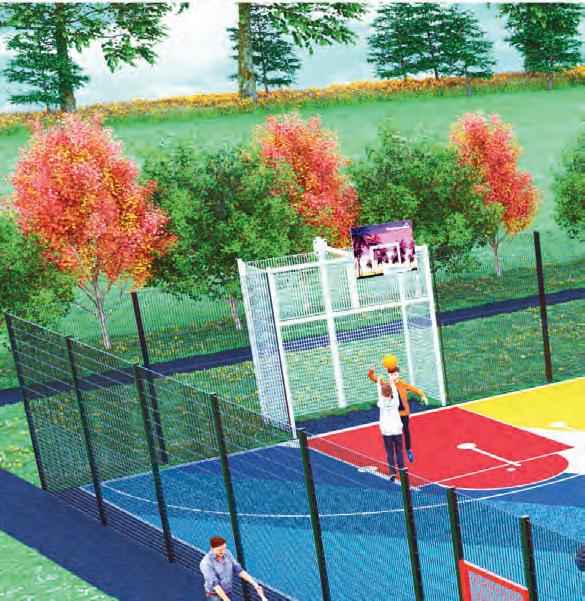
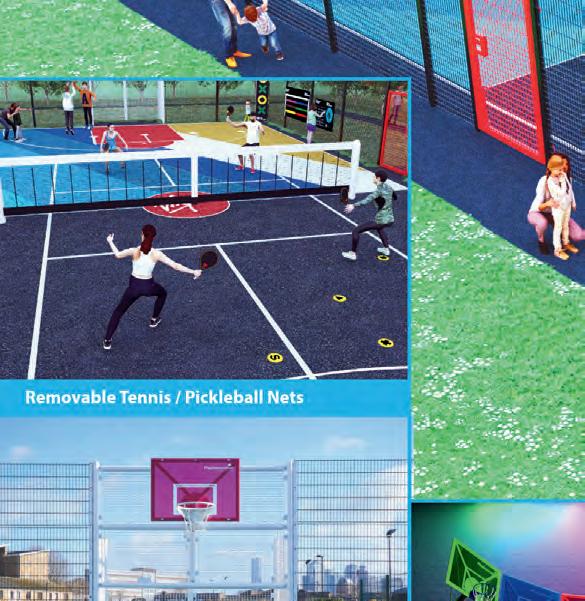
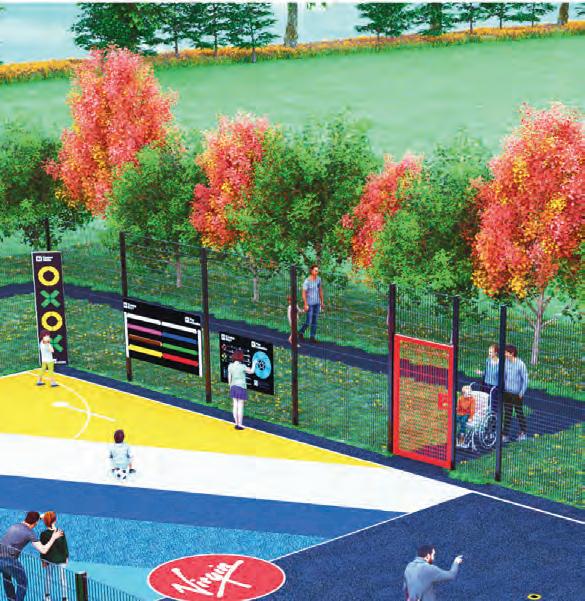

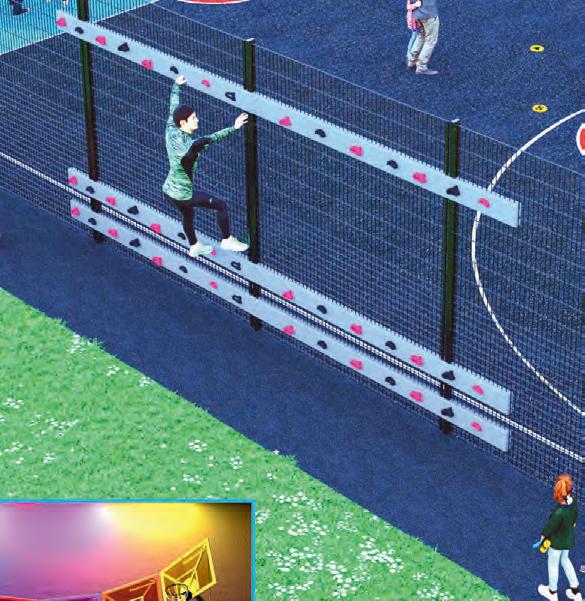

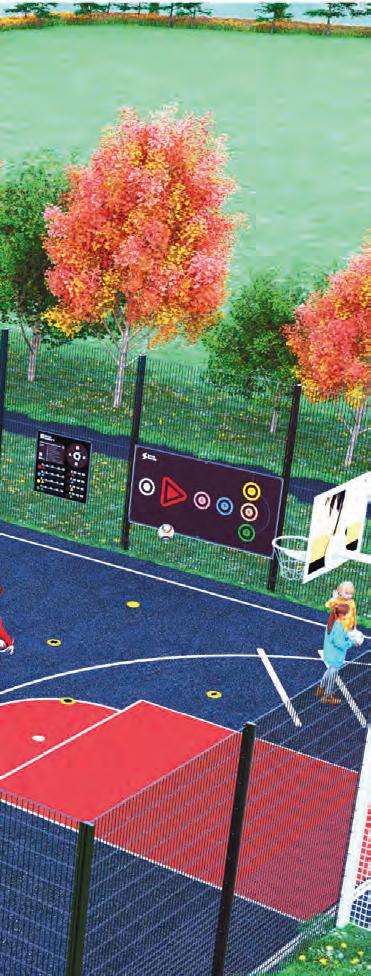


Patented games designed to tackle inactivity and mental health issues.
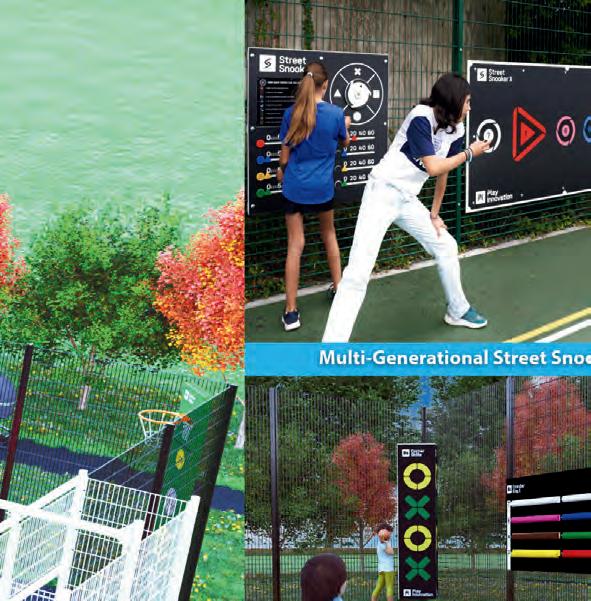
inter-generational, low maintenance games

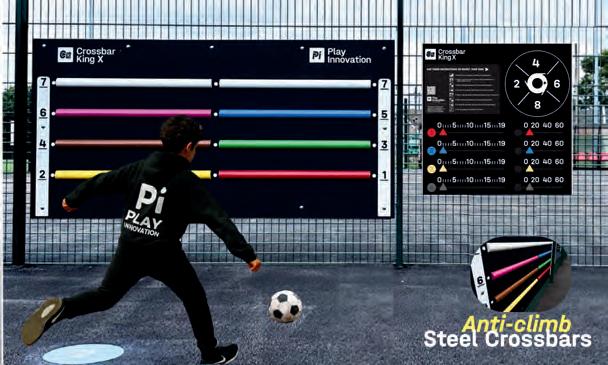
90–95%Inclusivedesignstandardsresultin useracceptanceacrossage&abilitygroups.


90–95%Inclusivedesignstandardsresultin useracceptanceacross

Ask about the Corner Skills range today!



Scan for video
Quick wins to increase physical activity & health
Places BUILDING PLAY
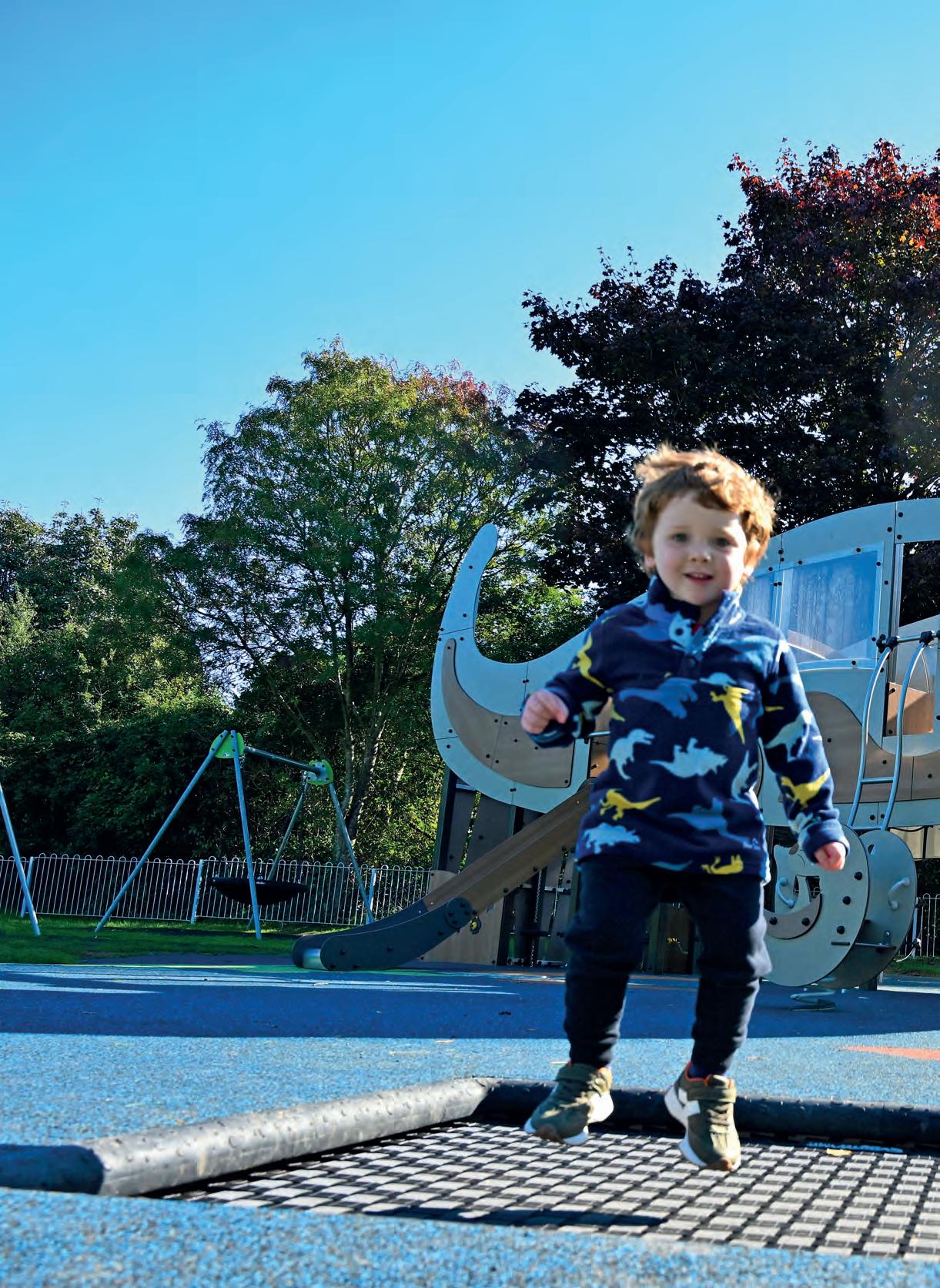
PlayNation looks at some recently completed play projects and developments

Proludic completes 10-site playground redevelopment project in Devon
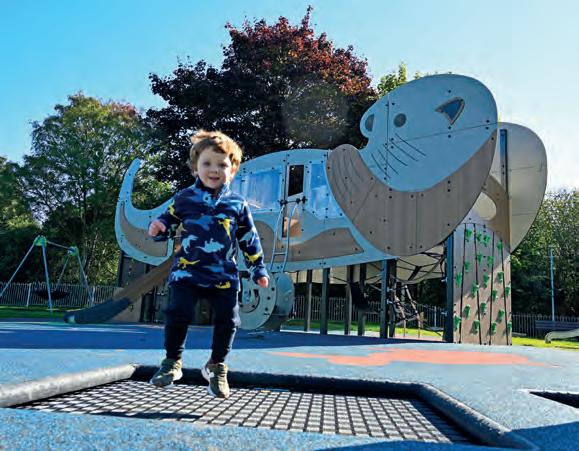
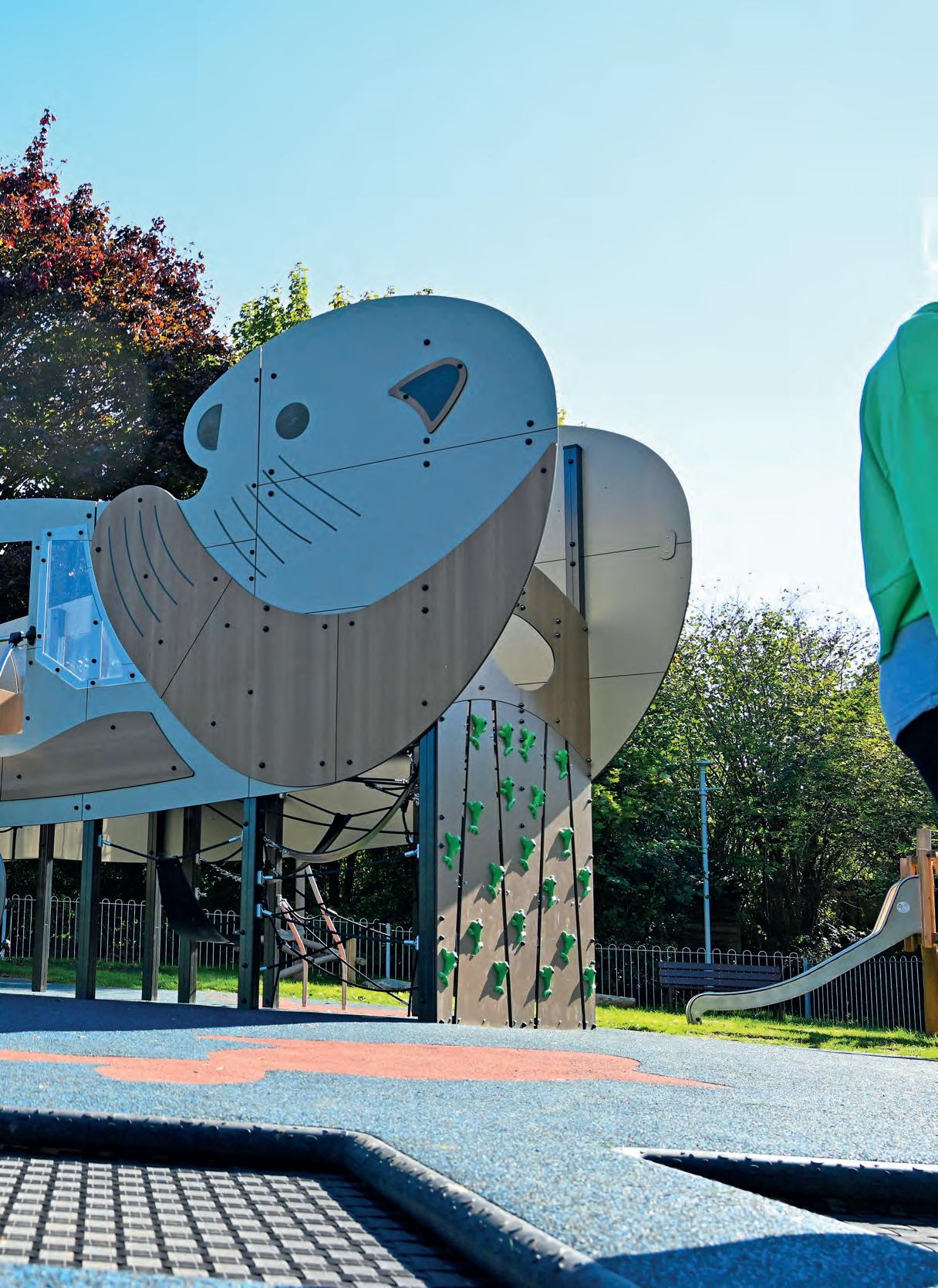
Play specialist Proludic has successfully delivered a landmark 10-site playground transformation programme in partnership with East Devon District Council during 2025. One of the standout projects of the programme – which was secured through a competitive tender process – was the Land of Canaan Play Area in Ottery St Mary, which brought a distinctive identity to the town through a bespoke, nature-inspired design.
Set beside the meandering River Otter, the play space is anchored by a glorious basking otter multi-play unit, custom-created by Proludic as a playful celebration of the local environment. The sculpture provides a clear focal point for users and a memorable sense of place for the community, encouraging imaginative storytelling as well as active play. Within the otter, children can climb, traverse, balance, and explore tactile elements, creating a rich, multi-sensory experience that supports confidence, coordination and social interaction.
The otter unit offers capacity for over 70 child users and delivers more than 59 play values, ensuring high play throughput and repeat visits. Importantly, low-level features are integrated so children with differing access needs can participate and play together in a cooperative manner, supporting inclusive outcomes without segregating play.
To broaden the play offer across ages and interests, additional equipment provides varied challenges and social play opportunities. Younger children can build confidence on a wooden junior climber and enjoy a compact Robinia wood multi-play experience where climbing and sliding can be realised.

Ustigate renews splash park in Bulwell
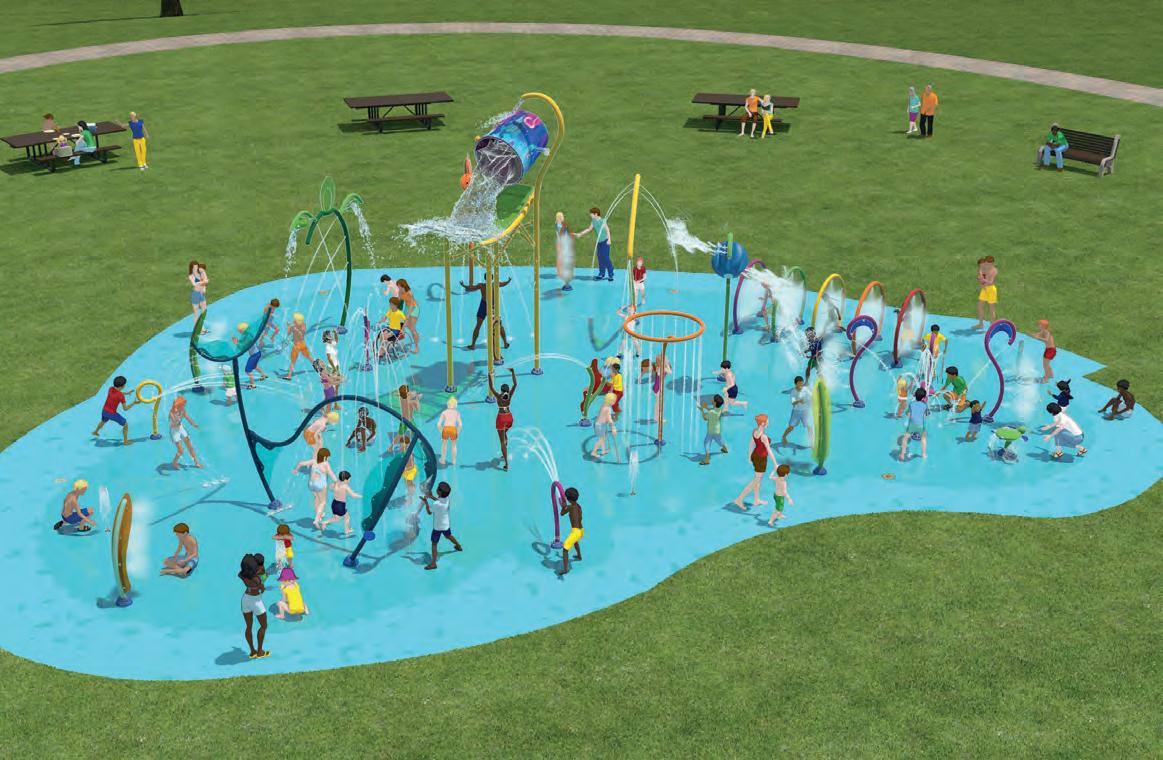
Ustigate Waterplay is currently working with Nottingham City Council and Willmott Dixon on The Bulwell Bogs development; a major £20m regeneration project for the entire Bulwell town centre in Nottingham. The development includes a new play area, kiosk, improved landscaping and facilities, and the replacement of an existing, well-loved splash park.
Bulwell Bogs is formerly an ancient open space and for centuries it has been a place for people to relax and for children to play, fish and paddle. Today, it remains a popular park that runs alongside the River Leen.
The renewed splash park is being expanded and enhanced to provide additional water features and activities for all to enjoy; with several products
of character handpicked from Ustigate’s Vortex Sea Silhouette and Watergarden collections.
The new Bulwell Bogs splash park will feature Ustigate’s Turtle No.2, Snake No.2, four Tall Grass No.1’s, an Angelfish, two Seaweed No.1’s and an Octopus. The company will also install its show-stopping Sea Silhouette Whale, with its self-spinning and spraying tail and a high-flying burst of water from its blowhole.
In recognition that a river offers journey, there will be five Spray Loop’s in a row, forming an inclusive, misting tunnel for children to journey through.
To heighten the aquatic experiences for everyone, there will also be four vertical Jet Stream No.2’s, one accessible activation bollard and four foot activators.
The water and splash park is set to open to the public ahead of summer 2026.
Three Ninja Warrior Adventure Parks get a refresh
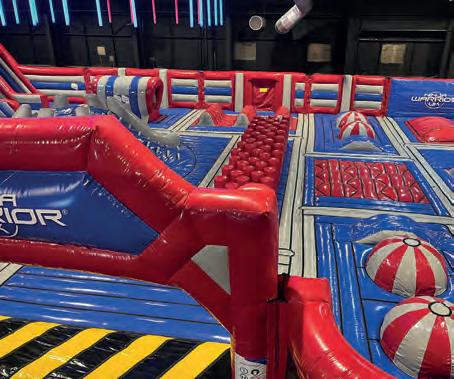
Following Oxygen Activeplay’s recent five-site acquisition of the ITV gameshow-themed “Ninja Warrior UK Adventure Parks”, indoor play and inflatable structure specialist, Airparx, had the opportunity to design, manufacture and install three large inflatable parks for the company. Located in Leeds, Liverpool and Walsall, each site was designed to boost the customer experience, replacing old inflatable play structures.
Daniel Billington, Head of Business Development at Airparx, said: “It’s always a pleasure working with the Oxygen team, especially Graham Rivers, and seeing these visions come to life in record time.”
150 YEARS
OF BRITISH MANUFACTURING
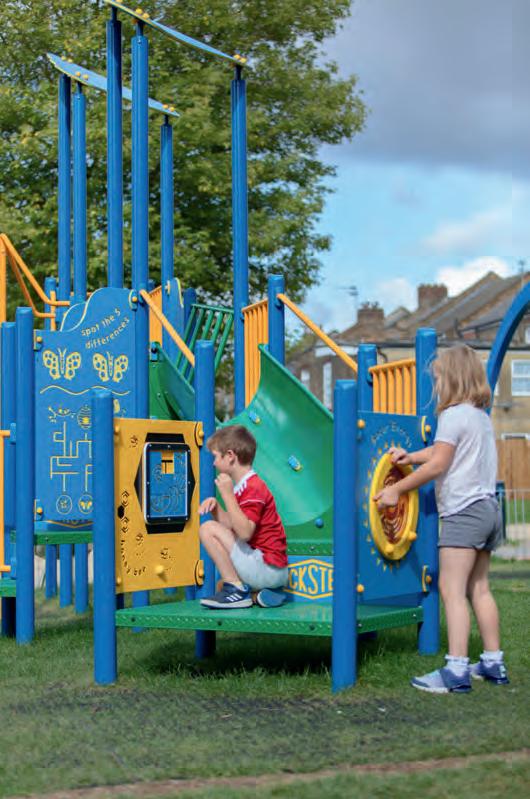
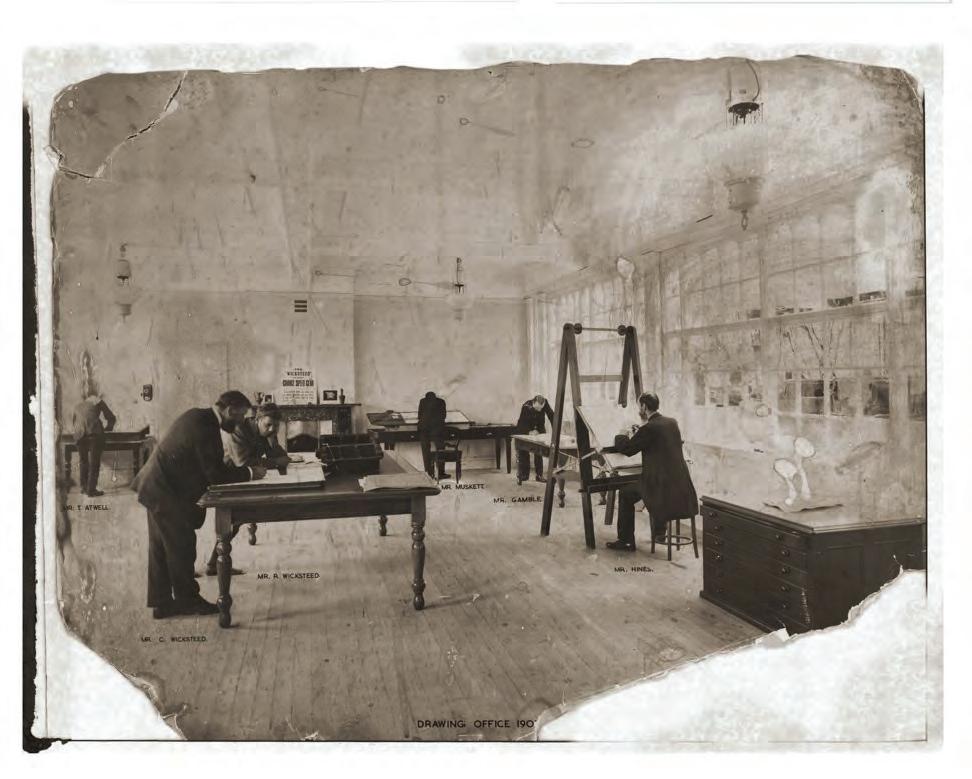
In 2026, we’re celebrating 150 years of British manufacturing in Kettering, and a legacy built on engineering, innovation, and play.
From pioneering early engineering breakthroughs to becoming the UK’s leading playground equipment manufacturer, Wicksteed has helped shape childhoods for over a century.
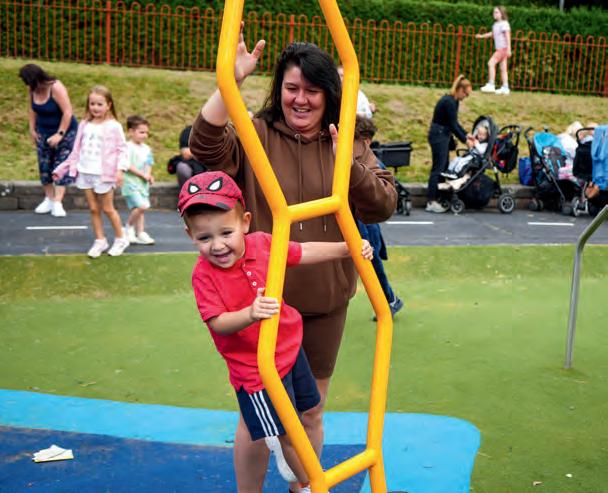

Since entering the world of play in 1918, we’ve remained committed to creating safe, inclusive, and inspiring places to play for communities across the UK and beyond.
Today, we continue to support local authorities, schools and developers with durable, inclusive play environments built for long-term value.
Here’s to 150yearsofWicksteed, and generations of unforgettable play.


Original Wicksteed Drawing Office
Places
THE SPACE WAS DESIGNED WITH YOUNGER CHILDREN AT ITS HEART
eibe play Partners with Coram’s Fields to Deliver a New Junior Play Space
In central London, where green space is precious and community connection matters more than ever, Coram’s Fields has long stood as a sanctuary dedicated entirely to children and families. Surrounded by listed Georgian buildings in Bloomsbury, the site carries both historic significance and deep social value. Positioned directly opposite Great Ormond Street Hospital, Coram’s Fields gets thousands of visitors each year.
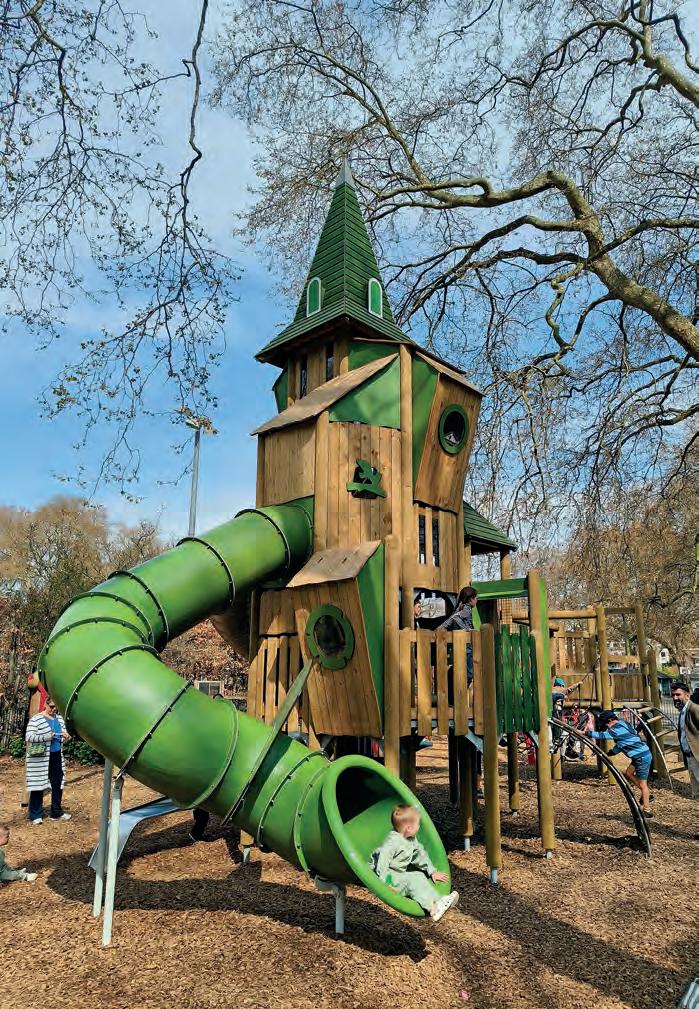
Now, a new chapter is unfolding — the creation of a thoughtfully designed junior play area, developed in partnership with eibe play. The space was designed with younger children at its heart – offering opportunities for exploration, movement and discovery within a safe and welcoming environment.
The design vision focused on ageappropriate challenge that builds confidence, inclusive design that welcomes children of all abilities, offering sensory-rich elements that stimulate curiosity and having clear sightlines and accessibility for parents and carers. The design has been directly shaped by young people themselves. Primary-aged children from Coram’s Fields’ Kids
Council and young people from the Young People’s Forum at Great Ormond Street Hospital have actively contributed to the process.
The space now includes climbing and balancing elements to develop coordination and core strength, lowlevel platforms and slides designed for early years confidence-building, interactive play panels incorporating architectural detailing inspired by the site’s heritage and sensory features supporting cognitive and
emotional development. There are also inclusive access points ensuring children of varying abilities can participate.
For eibe, this project represents far more than the delivery of equipment. It is about shaping a space where younger children can explore safely, build confidence, develop social connections and simply experience the joy of play — all within an environment that feels intrinsically connected to its setting.








www.eibe.co.uk
eibe@eibe.co.uk















A royal transformation at Buttrills Housing Estate
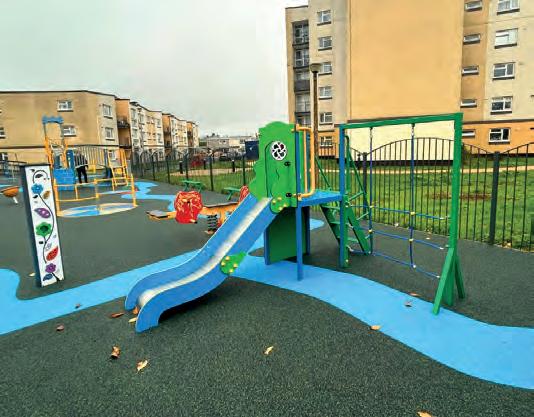
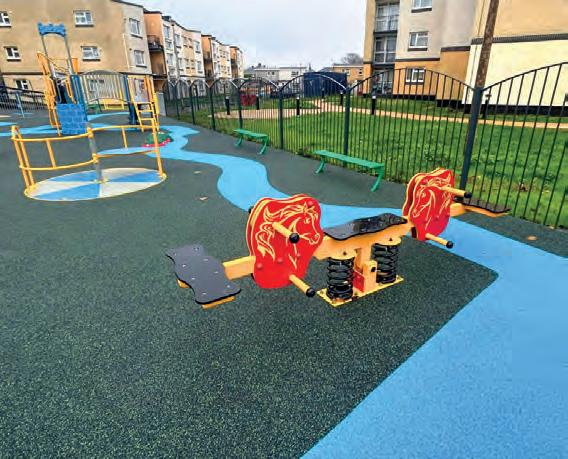
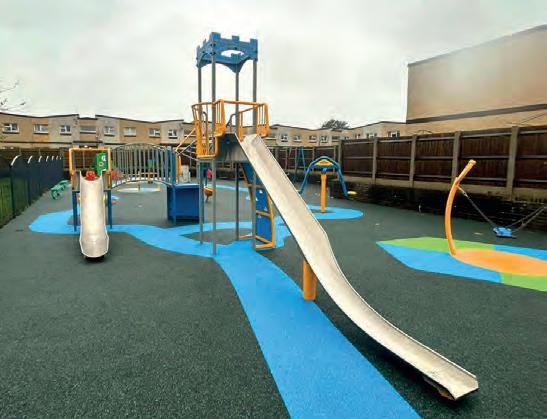
Wicksteed has partnered with Vale of Glamorgan Council to deliver an ambitious new destination play space at the Buttrills Housing Estate, transforming the area into a vibrant hub for play and community wellbeing. The council’s vision centred on creating a distinctive castle and knight–themed environment that would ignite children’s imaginations, complemented by a separate, fenced fitness zone for older users. A key requirement was to closely align with an existing design concept, while enhancing overall play value, inclusivity and long-term durability.
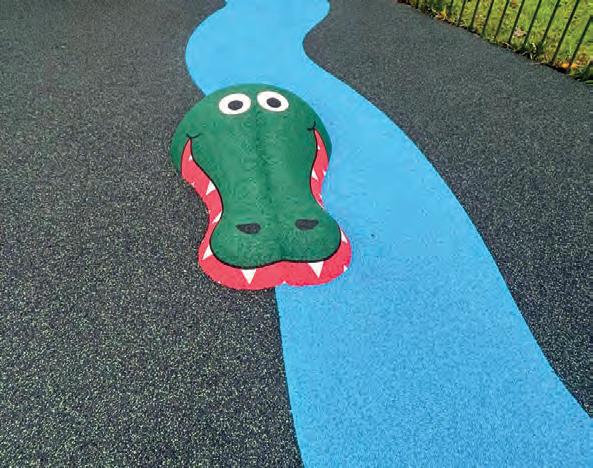
The finished scheme brings the medieval theme to life through carefully detailed wetpour surfacing, featuring bespoke graphics including shields, swords and a winding moat. These visual elements not only strengthen the identity of the space but also encourage immersive, imaginative play from the outset.
Zoning was fundamental to the design strategy. The layout clearly separates toddler provision from the fitness area, ensuring a safe and comfortable experience for younger children while maintaining an integrated community feel across the site.
The Kora and Horizon Multiplay Units form the centrepiece of the play area, providing diverse climbing, sliding and balancing challenges that support physical development, coordination and confidence. Complementary themed features including an imaginative play castle and a 3D printed crocodile head invite storytelling and role play, enriching the overall experience.
Inclusive play was also central to the scheme. The Swirl Inclusive Roundabout enables children of varying abilities to play together, while dynamic elements such as the Dragon Springy and Horse 4Saw promote cooperative and active play for younger users.
























Fantasy Range world of wonder




























































































































































National Play Conference 2026
A landmark one-day event designed to bring the play sector together at a pivotal moment



The conference will provide a unique national forum for everyone involved in creating, enabling and advocating for play, from designers, playworkers, contractors, manufacturers and local authorities to educators, playground operators and policymakers. Through a carefully curated programme of keynote addresses, panel debates and practical learning sessions, the event will explore the most pressing issues shaping play today and into the future.




The one-day conference will take place on Friday 9 October 2026 at The Slate, University of Warwick. The night before, on Thursday 8 October 2026, the same venue will also host the rst ever National Play Awards.









Delegates will hear from an in uential speaker line-up, which includes policymakers, sector specialists from a range of industries and innovators connected to play.
For anyone working in, or alongside, the UK play sector, the National Play Conference will be an essential date in the diary.


https://sapca.org.uk/events/national-play-conference/