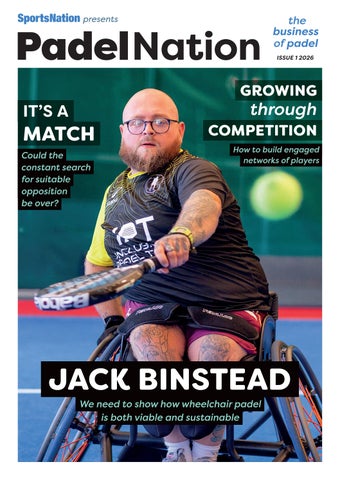
Padel Nation

IT’S A MATCH

Could the constant search for suitable opposition be over?


How to build engaged networks of players
Could the constant search for suitable opposition be over?
How to build engaged networks of players
We need to show how wheelchair padel is both viable and sustainable




































Steve Mills, General Manager, Nottingham Tennis Centre


Working with Fordingbridge was a breath of fresh air! One of the most professional, respectful, diligent contractors we’ve ever worked with.”















Fordingbridge brings real sector expertise to the table. Their product is strong, their team is comfortable with complex national programmes, and we’ve had complete trust in them every step of the way.”


Sean McNicholas, Director of Estates & Facilities, The Bannatyne Group







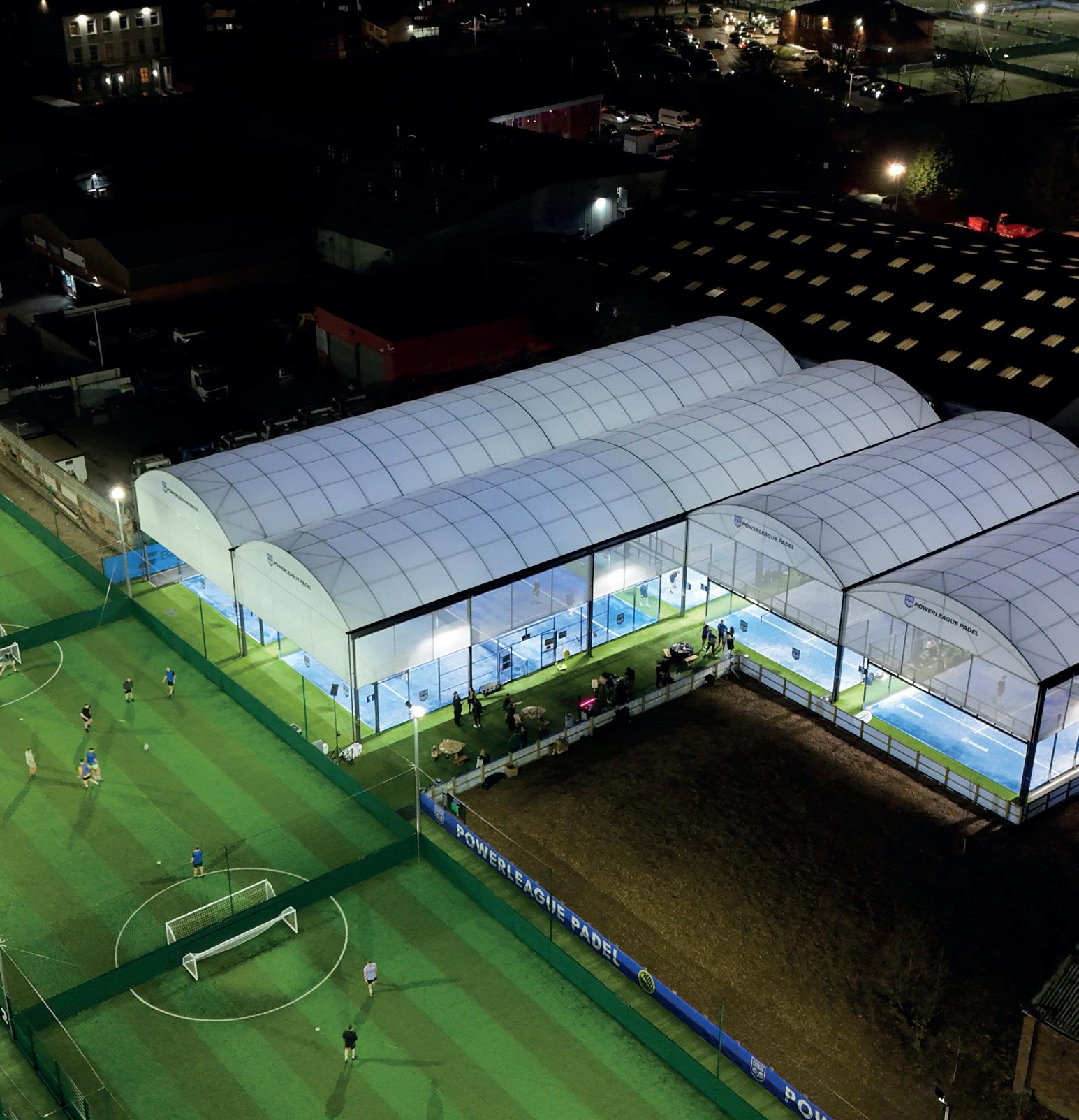
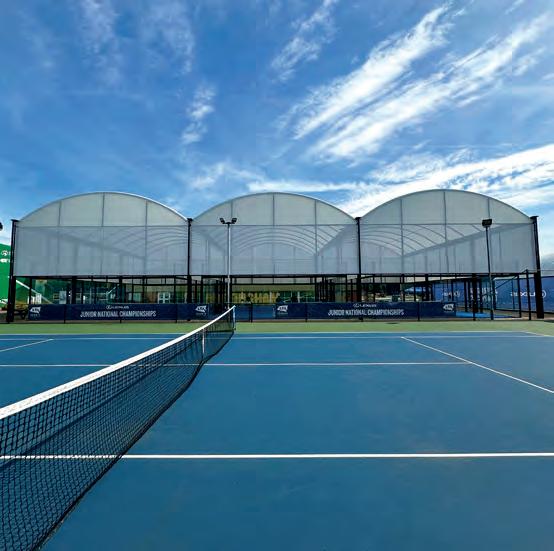
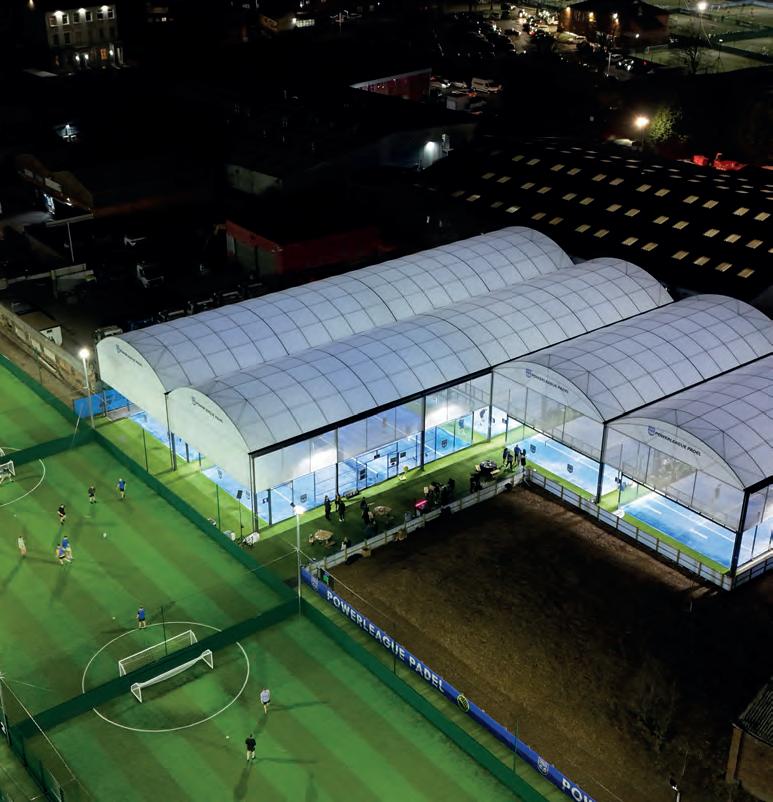
The padel court canopies Fordingbridge have designed for us have been beautiful and we’re thrilled with the finished product. The player experience is now excellent, regardless of the weather.
The team’s attention to detail and commitment to meeting our needs was impressive.”
Freya Tringham, Head of Padel, Powerleague


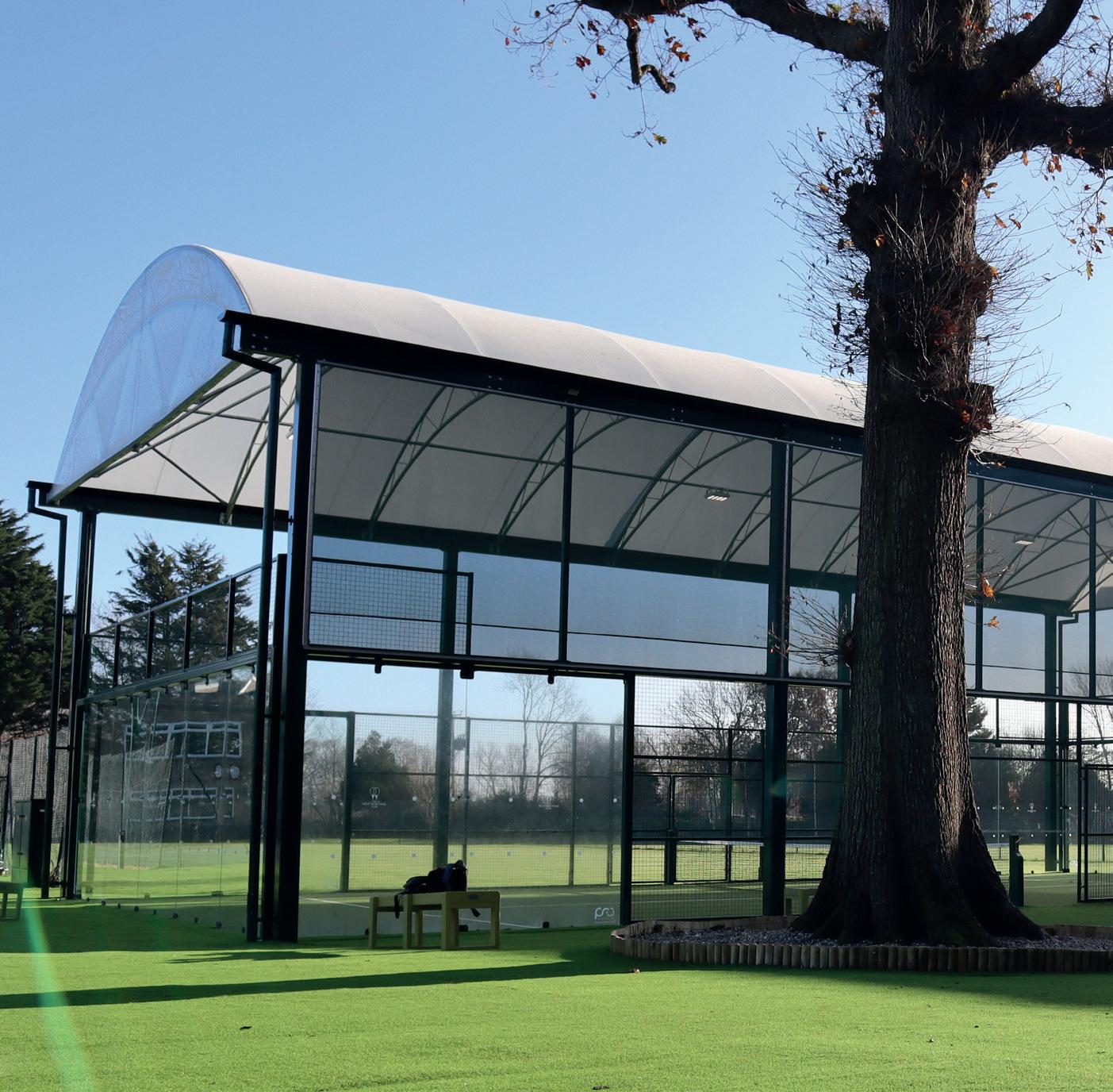
At every step of the development we felt assured that the advice, technical specifications and delivery of Fordingbridge’s product would be to the highest standards. The finished canopies not only look amazing but have received excellent feedback from our players.”

Carole Naunton, Director, West Worthing Tennis Club








John Challinor
Publisher
PadelNation john@nationmedia.uk

Jethro Binns Co-founder PadelLevels
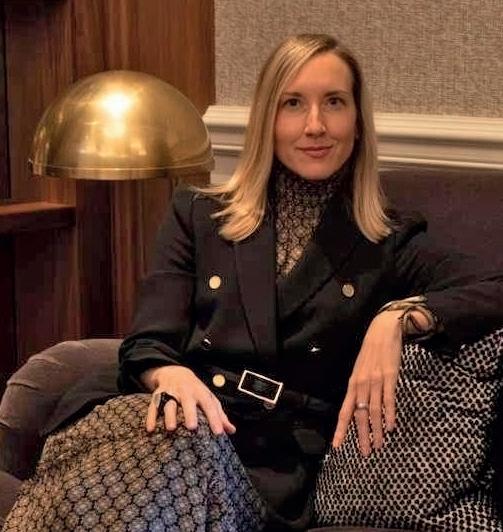
Robyn Duda Founder RacquetX

Tom Walker Editor
PadelNation tom@nationmedia.uk
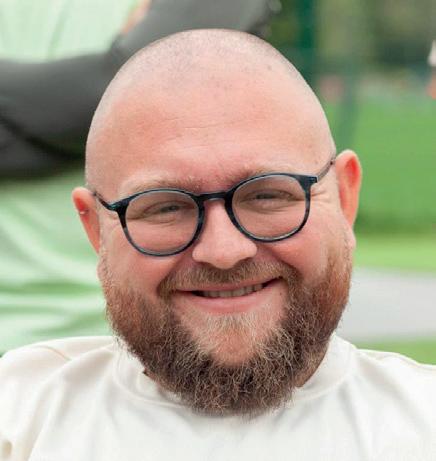
Jack Binstead
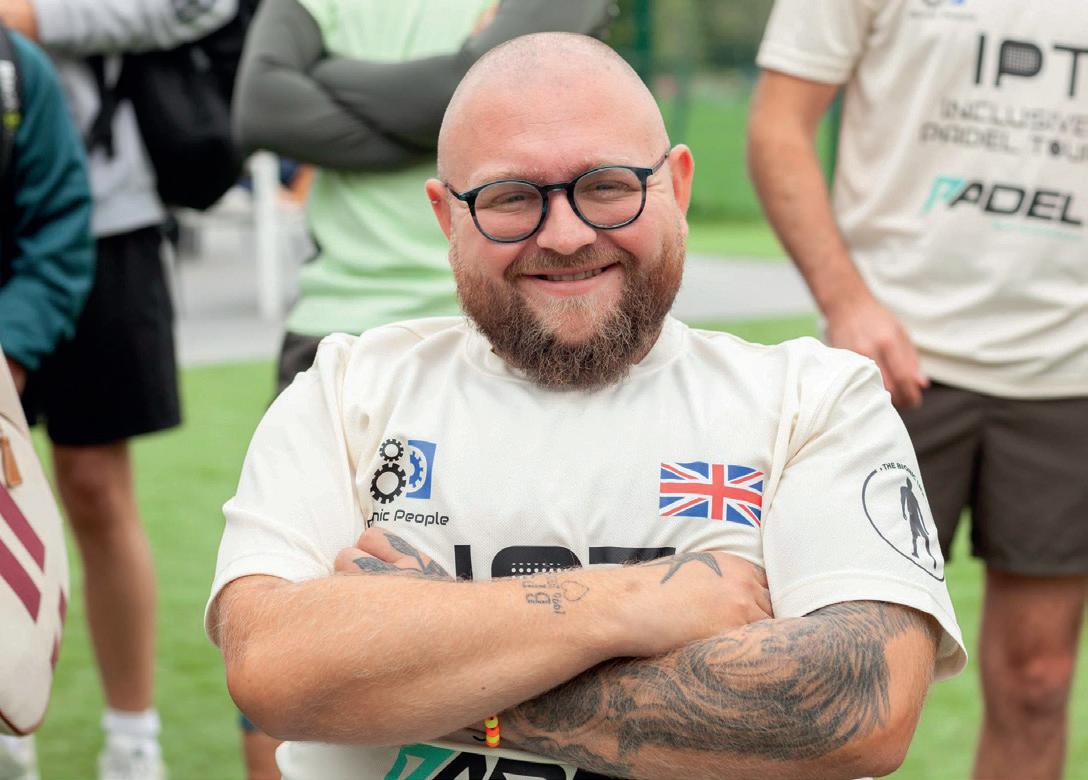
The UK’s number 1 disabled padel player
Guy Gri ths Founder Padel Partners Networking
PadelNation is at the heart of the UK’s fastest-growing sport. With new courts, clubs and investors entering the market every month, we’ve created the go-to publication and news website for operators, developers, investors and stakeholders looking to succeed in padel. PadelNation is published three times a year as a standalone title, with each issue also included within SportsNation. In addition to this, the annual Padel Book provides the most comprehensive industry guide - covering design & build, management, operations and maintenance - and developed in partnership with SAPCA, the LTA and leading padel specialists.






Slazenger has announced ambitious plans to grow its presence and become “the leading name on the UK padel market”, with more than 10 new Padel Clubs set to open in 2026. This would bring the total number of courts in its portfolio of clubs to 150. Slazenger Padel Clubs opened its third location in Blackburn, a multi-purpose destination, earlier this month. The 30,000 sq.ft club features nine panoramic padel courts, expert coaching for all levels, a Members Bar, social spaces, pro shop, equipment hire and, for the first time within the Slazenger Padel portfolio, two dedicated pickleball courts. In addition, Slazenger operates clubs in Leeds and Swindon. Confirmed future locations include Mansfield, Cardiff, Exeter, Hull, Liverpool, Newport, York, Gillingham and a second site in Leeds. Slazenger Padel Clubs is owned by Frasers Group, the retail giant which also
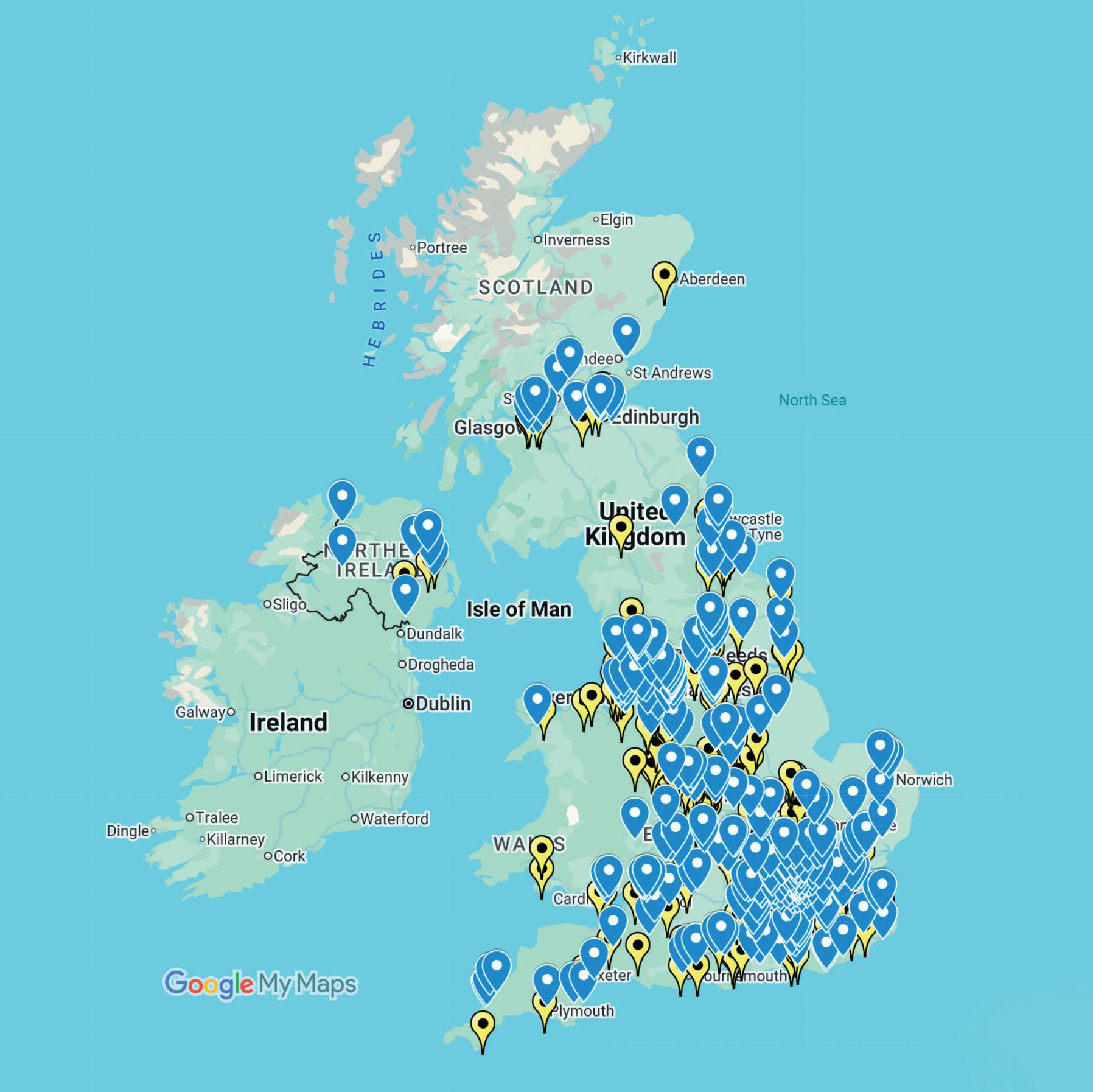
Regionally, London remains the largest padel market in the UK
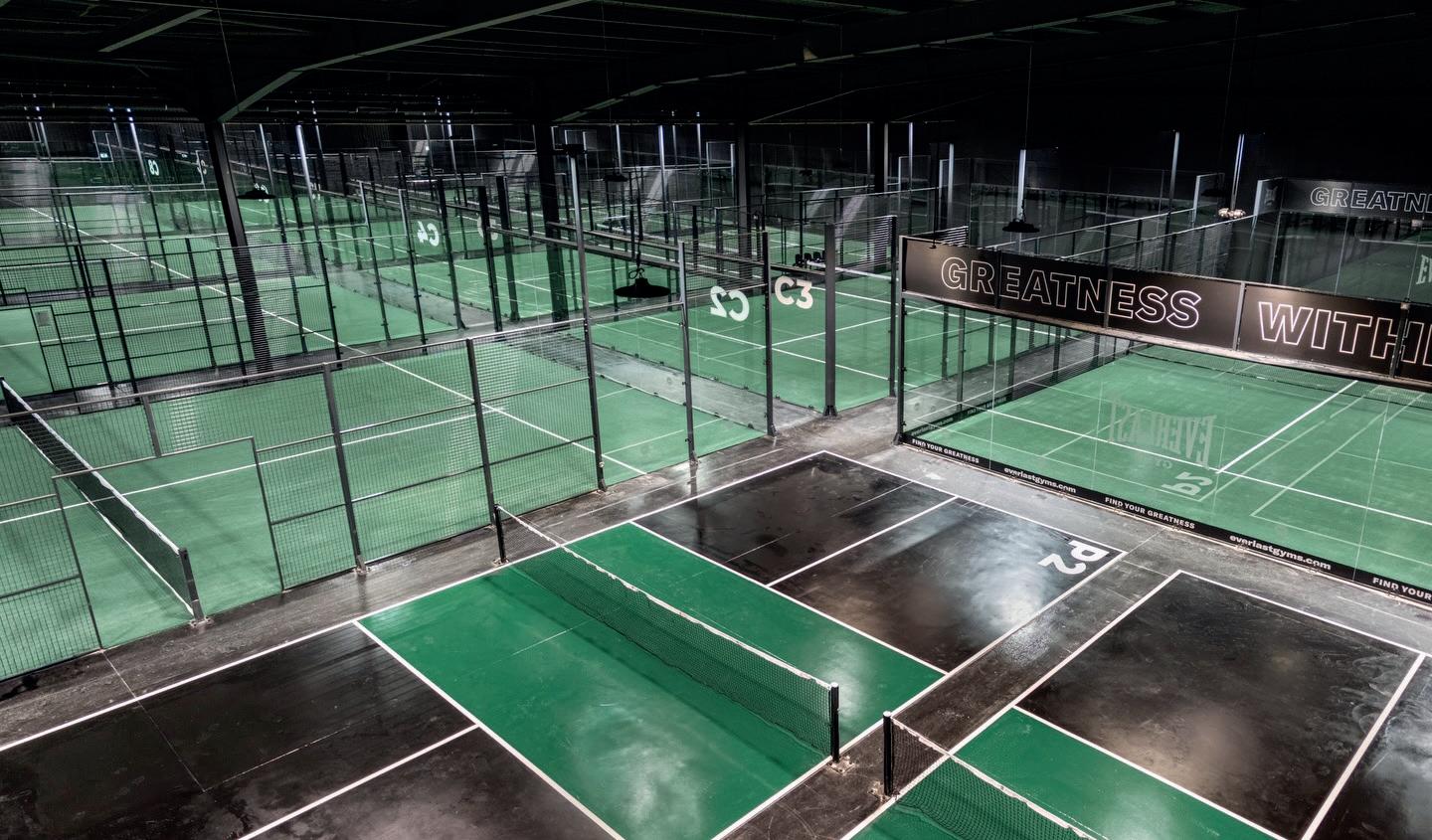
owns Sports Direct, House of Frasers, Flannels and Game chains of outlets. In addition, Frasers Group also owns the Everlast Gyms chain and a number of branded apparel lines, including Everlast and Jack Wills.
“Padel has experienced an incredible trajectory over the past few years,” they said. “It’s a highly
social sport and a relevant younger brother of tennis, appealing to a wide array of demographics making it a natural fit for our audiences.
“Slazenger has long been synonymous with elite racquet sports, and building on its heritage in tennis, padel represents a powerful next chapter for the brand.”
than doubled in 2025”
Participation in padel more than doubled in the UK during 2025, according to data published by Playtomic.
The number of players booking courts through Playtomic’s platform rose from 76,695 in January 2025 to 172,564 in December 2025 – representing growth of approximately 125% across the calendar year.
According to the data, new player acquisition also accelerated sharply during the year. The number of firsttime players booking through the platform rose from 17,196 in January to 37,411 in December, an increase of approximately 117%. Regionally, London remains the largest market, followed by Manchester, Bristol, Leeds and Derby, demonstrating growth in urban centres.

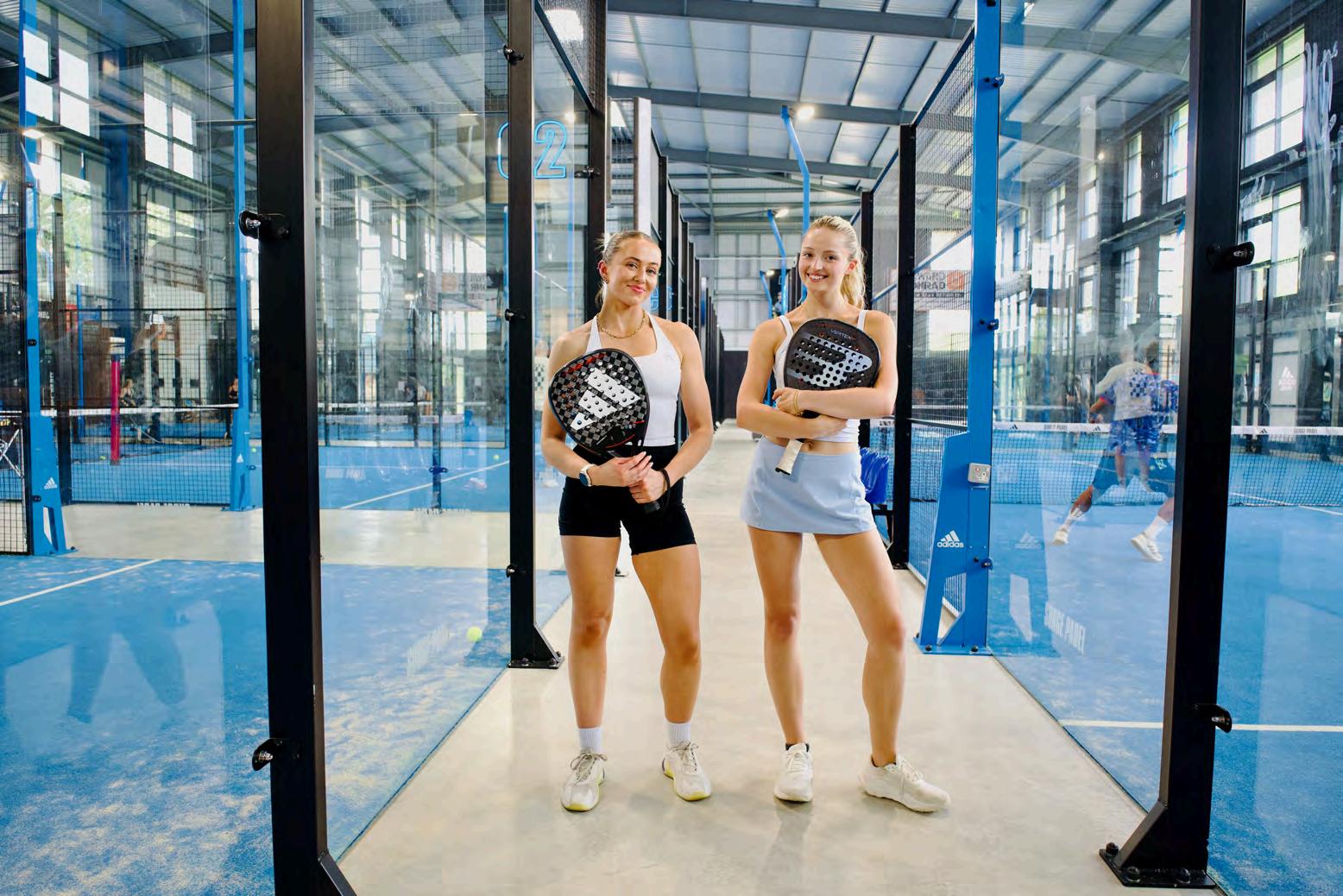

SurgePadelisexpandingacrosstheUK, partnering with golf, leisure, rugby, football and tennis clubs, plus large venues.Knownforpremiumfacilitiesand community-focused coaching, Surge helps venues tap into the booming demandforpadel.
Forpartnershiporpropertyopportunities, contactrich.wingfield@surgepadel.co.uk
Hounslow Council has approved plans to deliver six new padel courts at two of the council’s leisure centres.
At both Hanworth Leisure Centre and Isleworth Leisure Centre, two of the four existing tennis courts will be converted to three padel courts.
The estimated capital cost for the project is £950,000. The council estimates that the courts will generate around £1.4m of additional income across the two leisure centres.
Following the funding approval, the Council will now consult with local people and put the project to the planning team. It is currently estimated that the new courts will be available for spring/summer 2027 and Council partner, Lampton
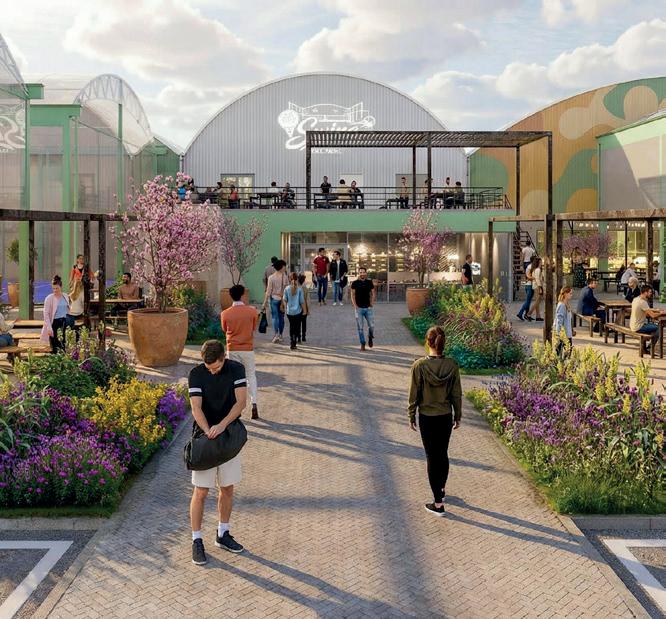
The council estimates that the courts will generate around £1.4m of additional income
Leisure, will manage the new offer on behalf of the council.
Councillor Salman Shaheen, Cabinet Member for Leisure and Public Spaces, said: “I’m proud we are investing nearly £1m to bring padel to our leisure centres, in Isleworth and Hanworth, for the first time. There can be no greater investment than in the health and wellbeing of our residents.”
The LTA has announced the appointment of Iciar Montes as LTA Padel International Performance Coach. Montes brings a wealth of experience into the role and will be working closely alongside LTA National Performance Pathway Manager and Great Britain coach Libby Fletcher. Montes, a former world number 1, will be joining the LTA Padel performance team, joining forces with Agustin Gomez Silingo who was appointed as LTA Padel International Coach last May ahead of the FIP Euro Padel Cup. Montes will focus on the GB Women’s National Team, with Silingo transitioning to the GB Men’s National Team. In this role, Montes will support the preparation and activities of the Great Britain’s Women National Padel Team, contributing to team selection processes, travelling to FIP-sanctioned international team events, and providing comprehensive on-court support.
Plans have been submitted for a £4m, purpose-built padel centre and social hub in Nottingham. Called Swing, the proposed centre will have 11 courts and could help make Nottingham become a focal point for British padel.
Developed by ALB Group and designed by Leonard Design
Architects, the proposed 30,000sq ft facility on the city’s Electric Avenue would feature eight indoor and three covered outdoor padel courts, a show court with arenastyle seating alongside wellness and leisure spaces including sauna, physiotherapy and sports massage rooms and reformer pilates studios.
Padel’s social aspect and “easyto-learn” nature are among the key drivers of the sport’s rapid growth in the UK.
Research into player motivations, conducted as part of a partnership by Soul Padel and Loughborough University, shows that players appreciate the sport’s “fun” and “addictive” nature, with many saying they improved quickly enough to stay motivated. The research, titled Why Choose to Play Padel? A Study Exploring Motivations and Social Benefits of Tennis Padel Participation in the UK, was undertaken by Vasia Karvouni, an MA Sports Management student and elite Greek tennis player.
When asked about barriers, players frequently mentioned accessibility and cost. Some players had experienced courts priced up to £80 per hour, making padel feel exclusive in certain areas. Participants also
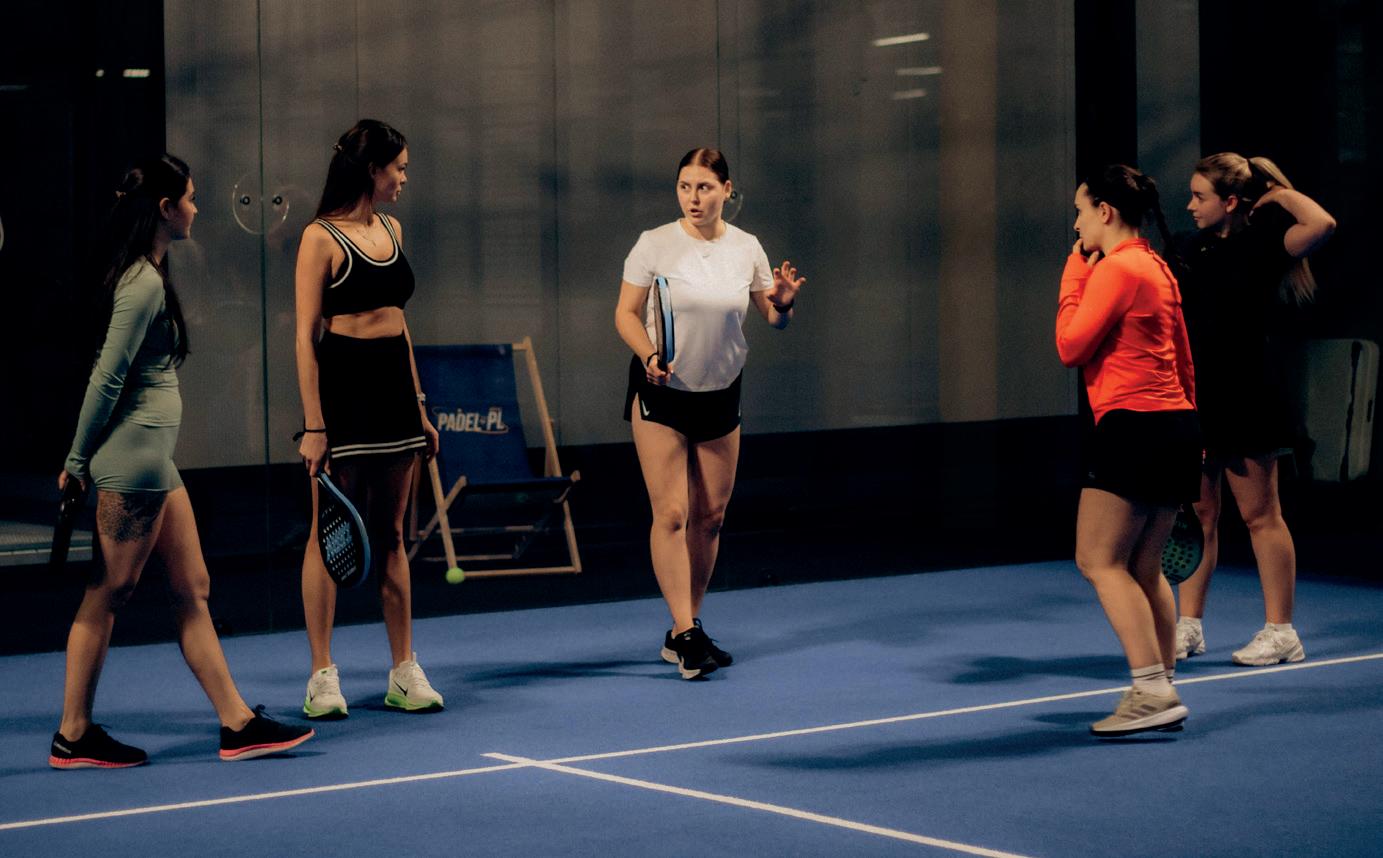
Those surveyed described padel as “more interactive than tennis”
highlighted equipment prices reaching £500 for some rackets.
Weather and limited court availability were also referenced as restricting regular play.
The research is part of the ongoing “Soul Padel on Campus”
partnership between Loughborough University and Soul Padel – one of the UK’s leading padel operators.
Mark Hewlett, CEO and Founder of Soul Padel, said academic collaboration has been a core part of the programme from day one.
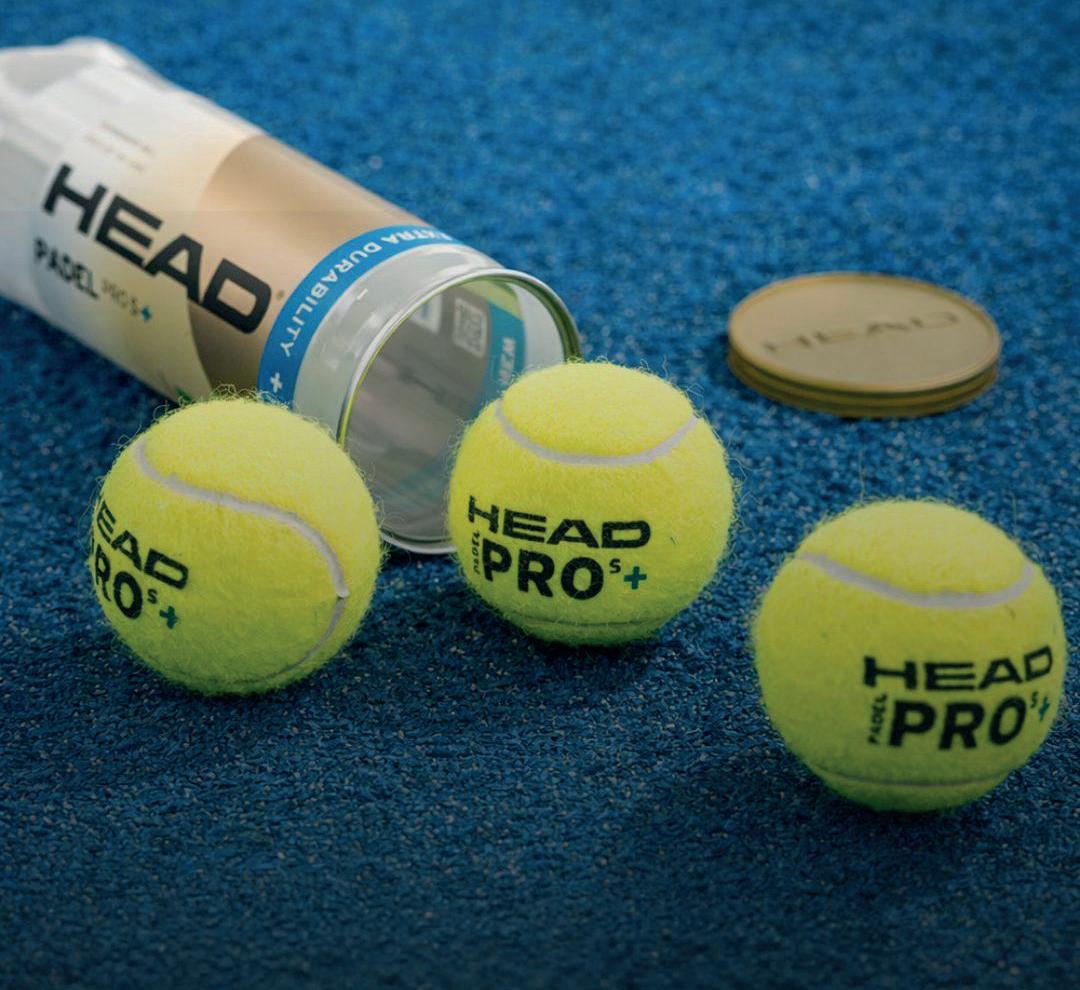
Padel tournament operator, UK Padel, has announced HEAD as the official ball sponsor of its UK Padel National Championships.
The three-year agreement ensures that every level of the UK Padel events pathway will be played with the HEAD Pro S+, a padel ball trusted across the game worldwide.
From U13, U15 and U18 National Schools and Universities Championships to the Masters Series and UK Padel County Championships, HEAD is the exclusive and official padel ball supplier for these events.
UK PADEL’s CEO, Nick Baker said: “We are absolutely thrilled to have a global powerhouse like HEAD behind us for the next three years. Their world-class ball elevates our competitions”




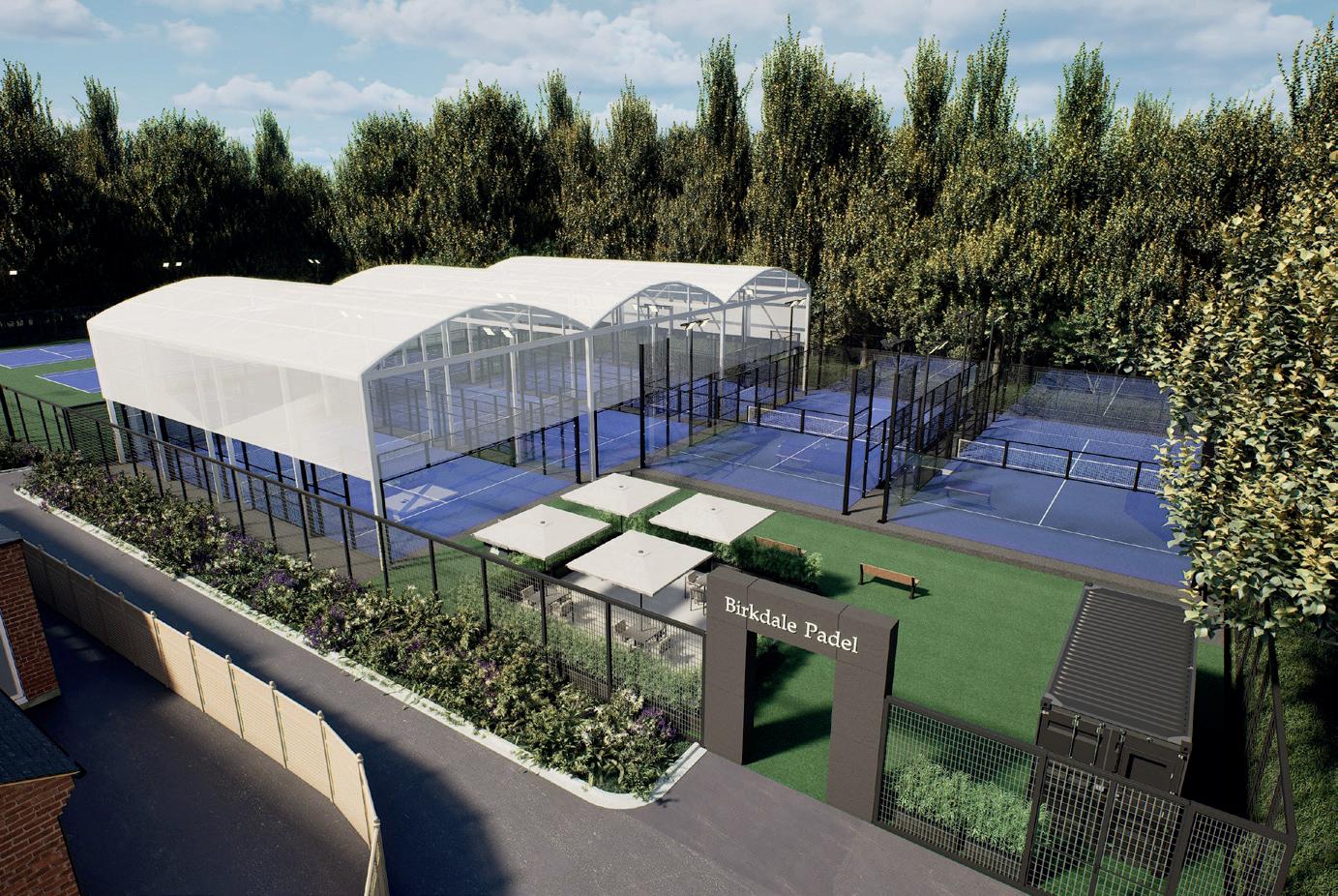
Construction work has started on a new five-court padel venue in Southport which is scheduled to open in June 2026.
Site clearance and groundworks are under way at the Birkdale Padel Club development in Victoria Park, which is the first project by Sefton Padel. Planning permission was granted in December by Sefton Council, which said the scheme would be a positive addition to the character of the area.
Alongside the courts, the scheme will feature a grab-and-go coffee kiosk, vending machines for playing equipment, drinks and snacks, changing facilities, outdoor seating, cycle storage and an office for staff.
Sefton Padel founder and chief executive, Paul McComb, has leased the 3,600sq m site on a 15-year agreement with Sefton Council.
Birkdale Padel Club will be open daily from 7am until 10pm and
already has a waiting list of 2,500 people ahead of its launch. The site previously housed six tennis courts. Three will be retained and upgraded as part of the development.
The club will offer concessions for blue light workers and under-
18s, and will work closely with local schools by providing free introductory sessions and holiday coaching camps for youngsters.
Sefton Padel has also committed to using local suppliers through the construction project.
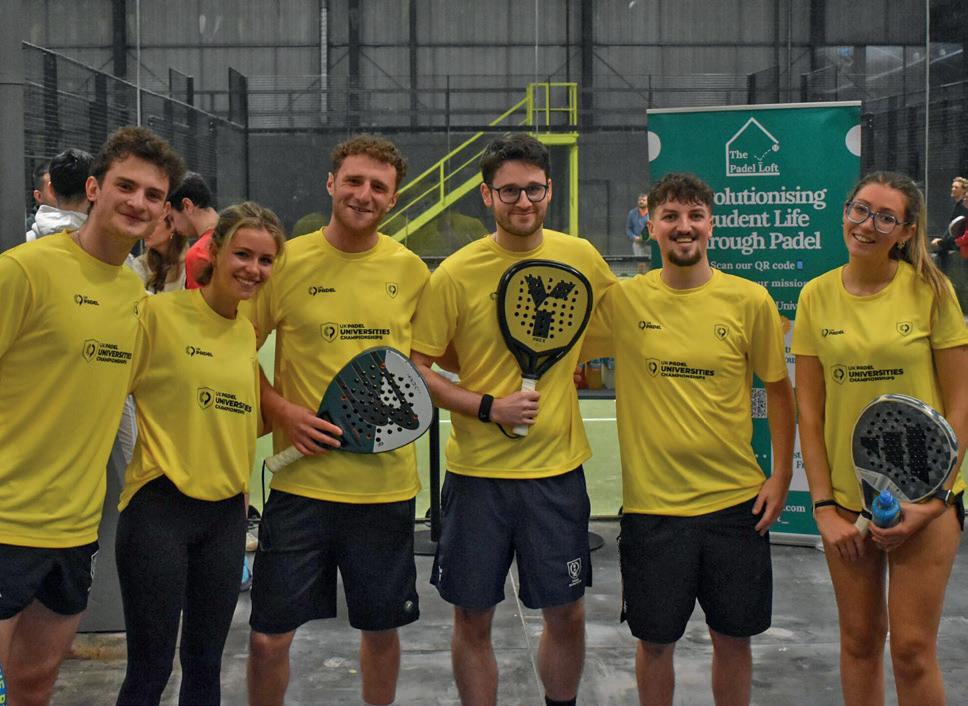
Players from across the country came together in Bristol recently for the UK Padel University Championships, with 67 teams from 23 universities competing across men’s, women’s and mixed events.
The Championships highlighted not only the rapid growth of padel within higher education, but also the unique culture that makes the sport so appealing to students. Many players already knew one another through UK Padel’s NUPL or LTA-sanctioned events, creating a sense of familiarity, rivalry and mutual respect that lifted the weekend to another level.
Mark Ayers, Tournament Director, said: “The atmosphere across the whole weekend was exactly what university padel should be about. There was a real raw energy from the players and a great sense of community between teams.”










The ratings solution for clubs, rations, and booking platforms.
































ismatched players fe feder ccurate player ratings





cost s you ti t me, m . players coming back. gement and retention.


e

F ir matches that keep roven to increase enga embers r , and revenue. e




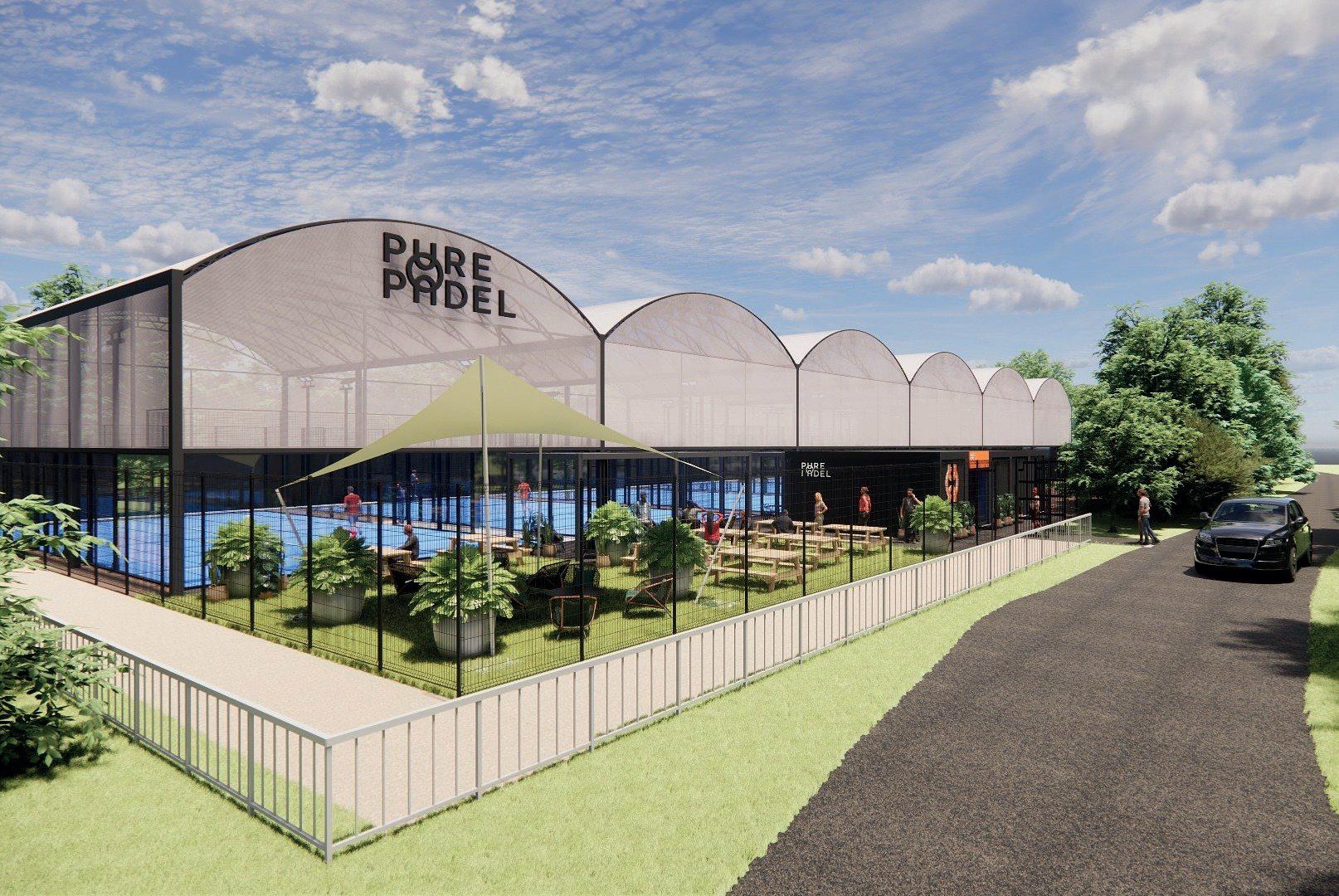
Pure Padel has announced plans for its first Liverpool club, marking a major North West expansion for the business.
The proposed development would see a new premium padel destination take shape on the Edge Lane site, featuring six covered courts beneath a 9.5m canopy to allow year-round play. Plans also include a clubhouse with a food and beverage café, pro shop and social spaces, designed to make the club as much a place to spend time as it is to play sport. No opening date has yet been confirmed.
Liverpool Innovation Park has benefited from significant recent investment and has established itself as a key business and innovation hub for the city. Located around two miles from Liverpool city centre and positioned on Edge Lane, the main arterial route into the city from the M62, the site offers
strong visibility and accessibility, placing padel in one of Liverpool’s most prominent urban locations.
The proposed Liverpool club would operate on a pay-to-play basis.
By the end of 2026, the company’s rapid growth is expected to see
The proposed development would feature six covered courts beneath a 9.5m canopy to allow year-round play
Pure Padel become one of the largest padel operators in the UK.
Planning has already been approved or is progressing for further clubs, including Birmingham city centre, Gosforth, York, Royal Wootton Bassett and Coulsdon.
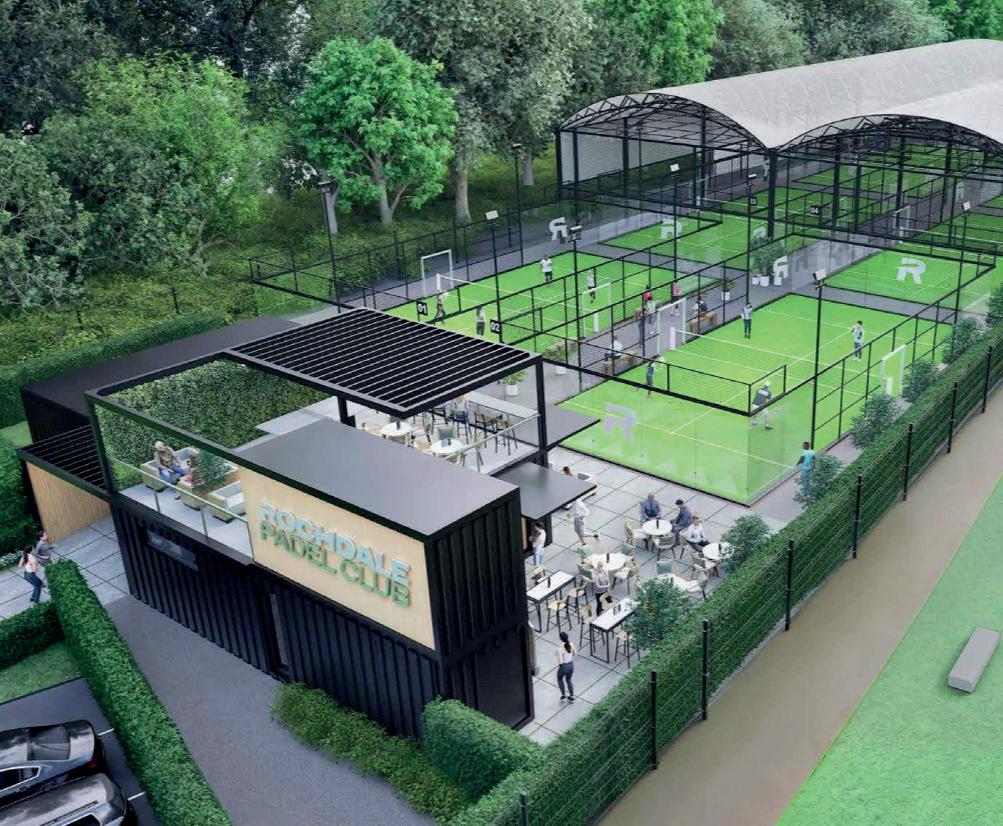
Planning approval has been granted to build six padel courts on the grounds of Rochdale Sports Club.
The project, led by Rochdale Padel Club, includes both covered and uncovered courts, alongside a clubhouse building with changing rooms, café and a terraced socialising area.
Rochdale Padel Club has worked with The Padel Architects on the project.
The padel courts will add to the existing facilities on the 13-acre Rochdale Sports Club, the home ground of Rochdale Cricket Club, located in the North West of Rochdale, Greater Manchester. Current facilities include a cricket ground and large pavilion with three function rooms.
Other sports played at the site include lacrosse and squash.
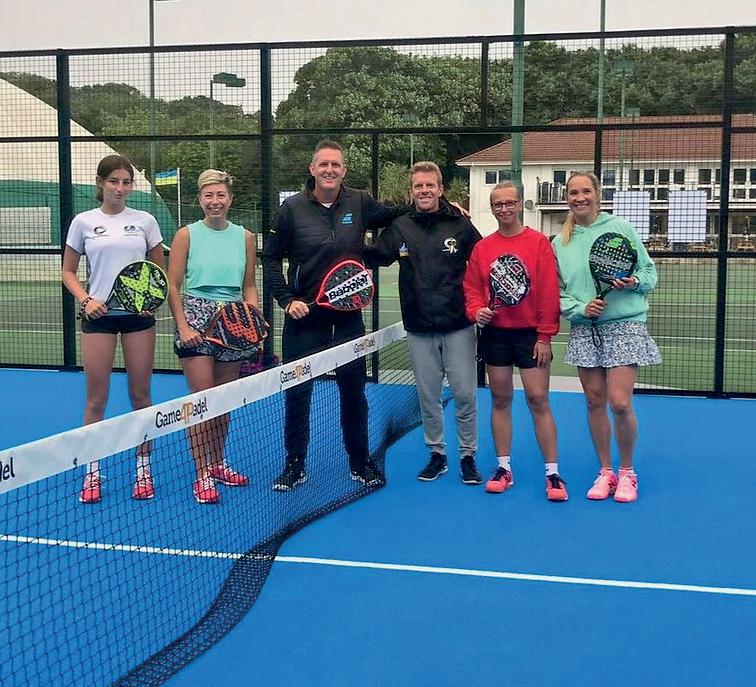
Game4Padel has opened three new padel courts at Withdean Sports Complex in Brighton. Developed in partnership with leisure management company, Freedom Leisure, and Brighton and Hove City Council, they will be the first covered courts in the area and are expected to be hugely popular with the existing Withdean community and beyond. Plans for a new community swimming pool on the site have also been approved.
Game4Padel previously operated a single, temporary court at Withdean, until May 2024, which ran at an average of 90% occupancy. The company also operates the padel and tennis facilities at Hove Beach Park (which were at 97% occupancy throughout the summer). Game4Padel is one of the UK’s leading operators, with 26 venues around the UK.
A duo of Nottingham-based hospitality entrepreneurs have partnered with former England and Nottinghamshire cricketer, James Taylor, to launch a premium padel complex in the city. Called Padelplex, the £1m venture will consist of five covered outdoor padel courts alongside a hospitality pavilion featuring a reception area, snack bar, indoor seating and changing facilities. Located adjacent to the city’s Showcase Cinema, on the land at Dusk Till Dawn’s car park on Redfield Way, Padelplex is the brainchild of Nottingham hotelier Richard Johal and Rob Darby, founder of popular coffee house, 200 Degrees. Plans have now been submitted for the facility, which has been designed by Leonard Architects and will have a focus on a premium padel experience with “customer service at its heart”. The deal for the land was brokered by Box Property.
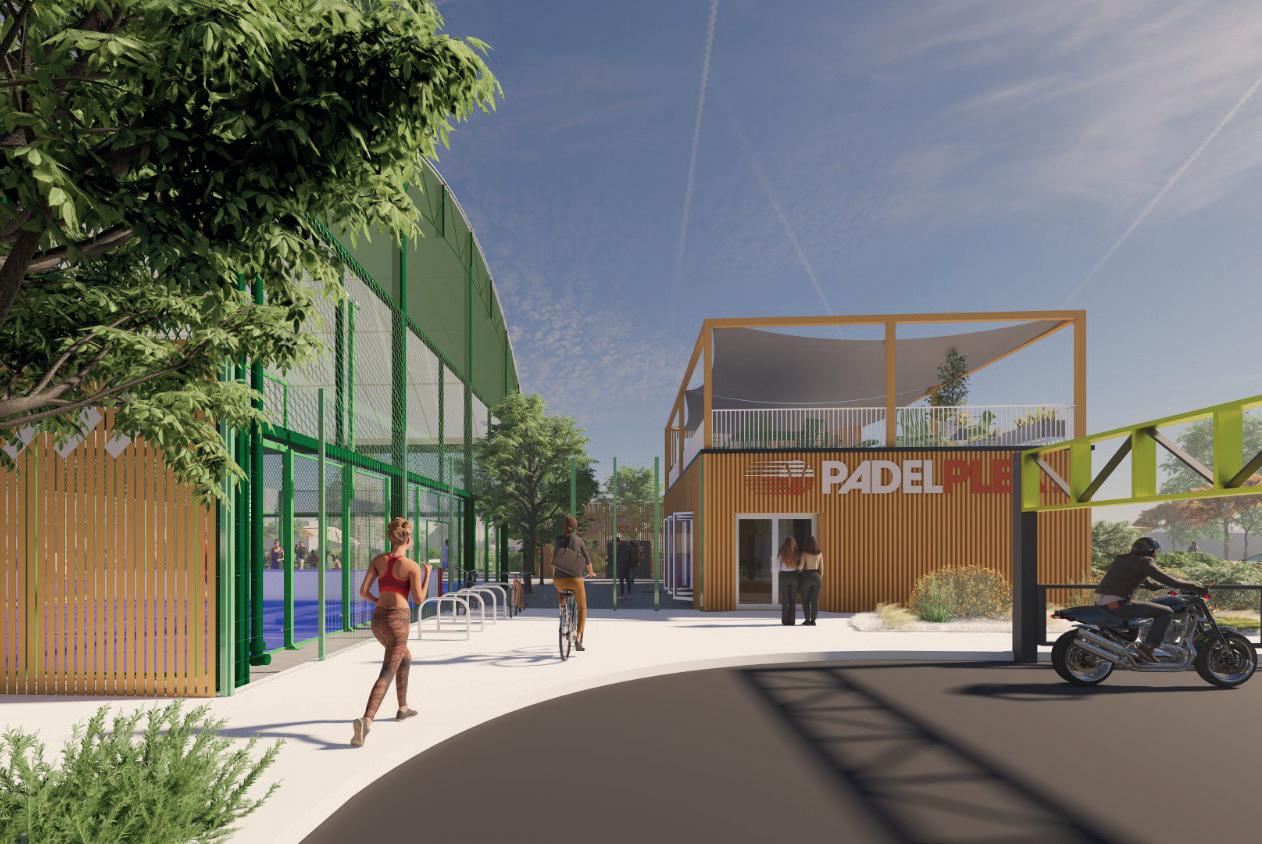
Padelplex co-founder, Richard Johal, said: “We saw an opportunity to develop a high-quality, premium offering with an eye on the ‘added extras’ of a top quality venue, but at the same price point to play. The small things like a consistently
The centre will house five courts and the founders hope to open the facility in 2026
friendly welcome, clean and bright and well maintained facilities will be consistently excellent at Padelplex, combined with the essentials such as plentiful free parking and easy access to great restaurants and other activities, such as the cinema.”

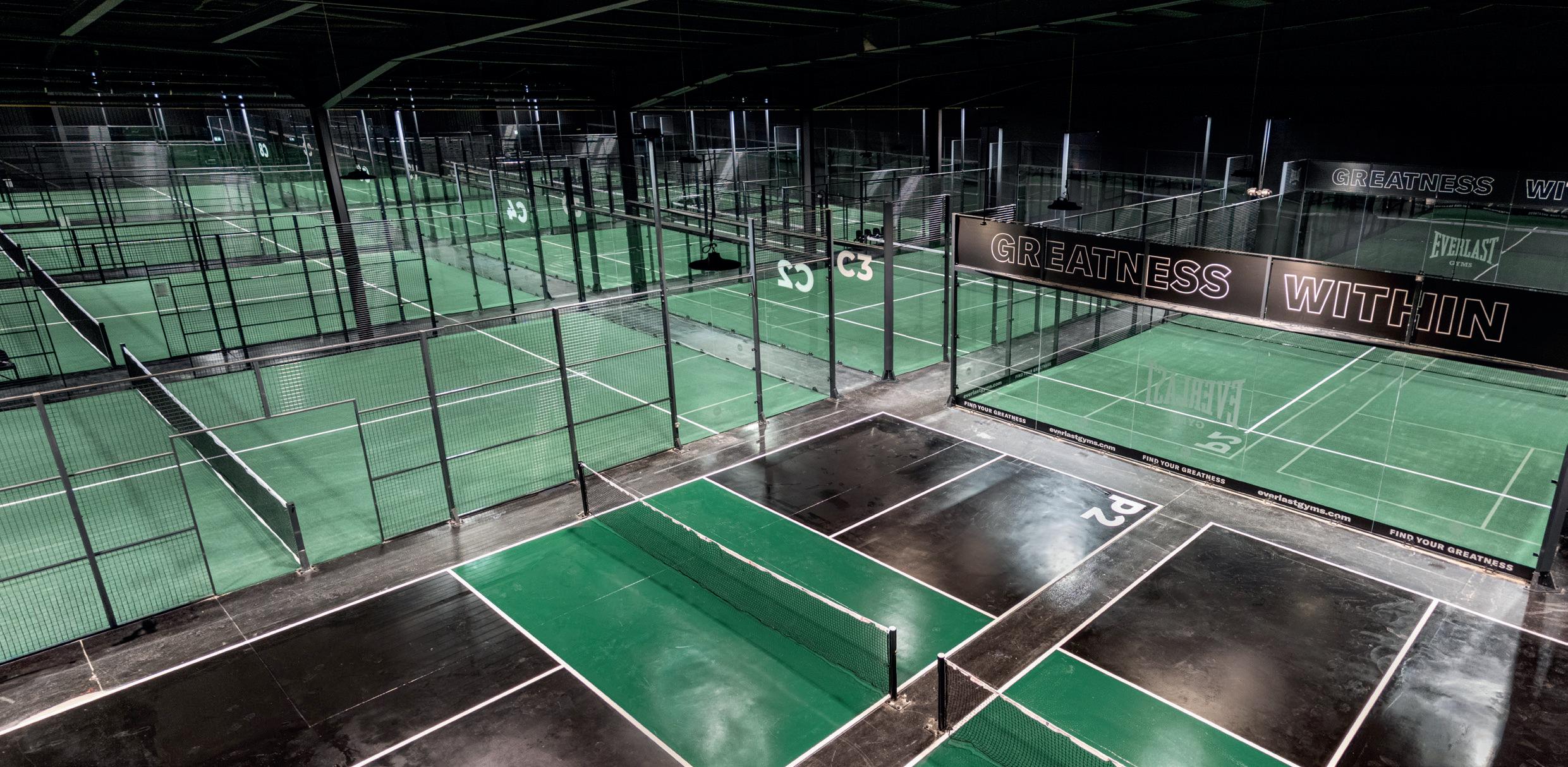
As padel continues its rapid rise across the UK, Slazenger Padel Clubs has firmly established itself as one of the country’s largest and most influential padel operators, delivering what many now recognise as the highest standard of padel facilities, programming, and player experience nationwide.
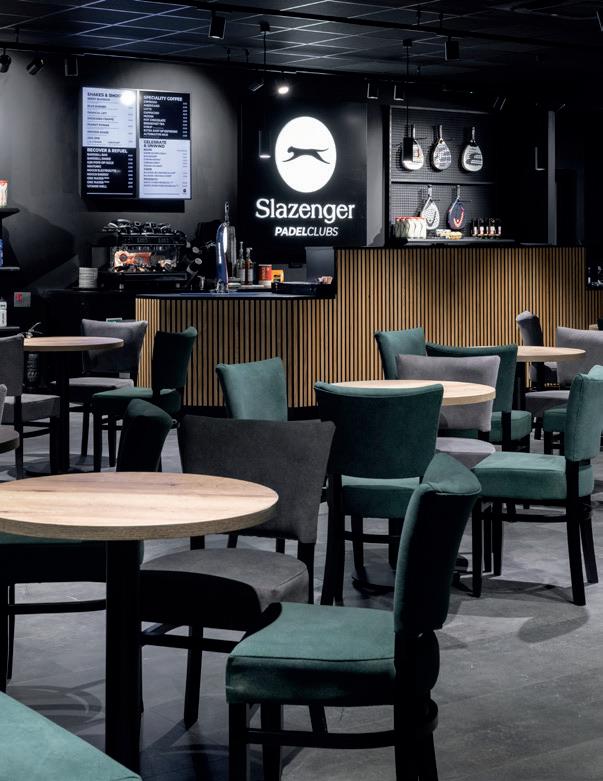
The foundation of Slazenger’s growth is its flagship Leeds North club, which has now been open for over a year and continues to set the benchmark for padel performance in the UK.
With 12 indoor courts, Leeds North operates at an exceptional 90%+ occupancy on a weekly basis, demonstrating both the strength of demand for padel and the effectiveness of Slazenger’s operational model. This success is driven by a comprehensive offering that includes structured coaching programmes for all abilities, daily socials, competitive leagues, and a vibrant club community.
Leeds North has also become a destination venue for the sport, hosting elite tournaments, Pro-Am events, and exhibition matches featuring top UK and international players, alongside appearances from high-profile sporting celebrities. These events have played a key role in elevating padel’s profile while reinforcing Slazenger’s reputation as a leader at both grassroots and elite levels.
Following the success in Leeds, Swindon opened in December 2025 and has already established itself as a major hub for racket sports in the region. The club features 8 indoor padel courts, alongside pickleball, and has seen strong early engagement across coaching, socials, and casual bookings.
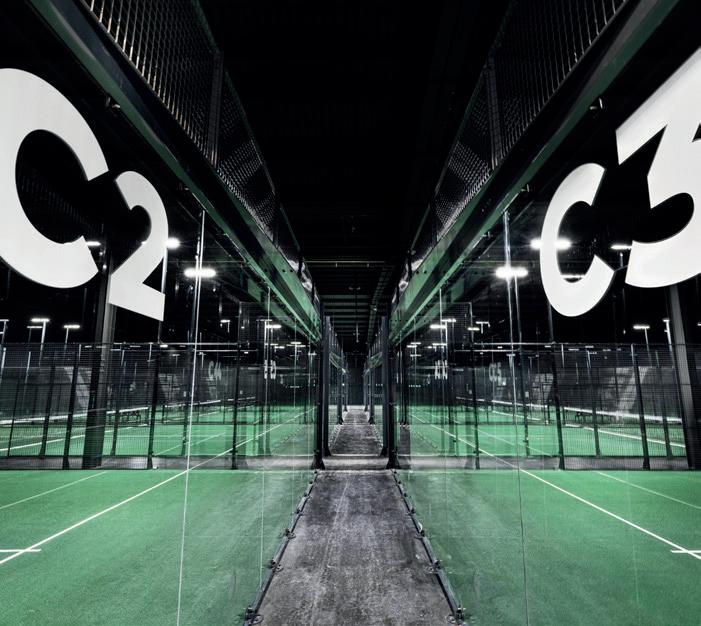
Blackburn, which opened in January 2026, continues this momentum in the North West. With 9 indoor padel courts and pickleball facilities, the club strengthens Slazenger’s multi-sport strategy and reinforces its commitment to creating inclusive, high-quality indoor venues that appeal to both new and experienced players.
Commenting on the brand’s trajectory, Stuart Perrin, Managing Director, said:
“After securing industry-leading results in the Leeds North club, Frasers Group have confirmed their commitment to being the biggest name in the sector to match the heritage and legacy the Slazenger brand has become synonymous with. Growth plans in 2026 should see the chain operate 150+ courts nationally by the end of the year, with an even bigger 2027 planned.”
This commitment underlines Slazenger’s position not just as an operator, but as a long-term architect of the UK padel landscape.
Slazenger Padel Clubs’ expansion plans are among the most ambitious in the UK.
Two major developments are already confirmed:
MANSFIELD
12 indoor padel courts, designed to replicate the proven Leeds model
LEEDS SOUTH
set to become the largest padel club in the UK, with an industryleading 14 courts
Beyond these flagship locations, Slazenger has outlined further
expansion into key UK cities, including:
• Cardiff
• Exeter
• Hull
• Liverpool (Ellesmere Port)
• Newport
• York
• Gillingham
Each new club will follow the same core principles: premium indoor facilities, elite-level court quality, comprehensive coaching pathways, community-led programming, and the flexibility to incorporate additional racket sports such as pickleball where demand exists.
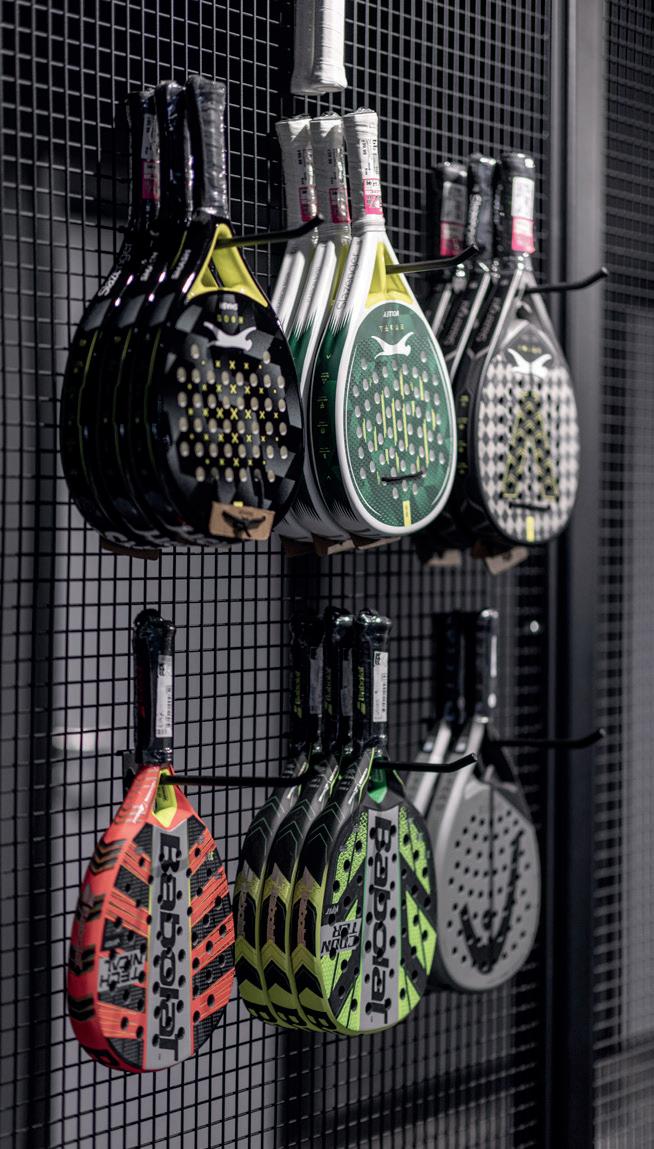
From elite competition and celebrity Pro-Ams to accessible grassroots participation, Slazenger Padel Clubs is not simply growing — it is defining what best-in-class padel looks like in the UK.
With proven performance, rapid expansion, and a clear long-term vision, the brand continues to lead the sport’s evolution nationwide.
Want to get on court? Scan the QR code to book your session.

Richard Shaw CEO, SAPCA
Just like every middle aged bloke, it seems, I’m on my own padel journey. Playing once a week, I’m slowly – very slowly –improving (2.7 for those in the know). When our group first started playing, we searched the internet for anywhere close to us that “did padel”, without much success, or many options. The courts that we could find were booked up quickly by regular players and people like us wanting to try out the new sport. Had you given us an outdoor, instant padel court with plastic click flooring and perspex sides and we’d have happily paid you over the odds! Covered courts with a nice surface were only a dream. Today, it’s a different story. As more centres and courts have been built, we’ve tried and tested several. Like everyone else, we’ve become informed consumers – making decisions about where we play, how much travelling is involved and what the cost is. This week, while driving home and organising the following week’s session, we discussed everything from the price of the court and how cold the centre was to the roof height and even the quality of the drinking water. The site we have settled on is an extra 20 mins drive, but we’re happy to do it, to get what we wanted.
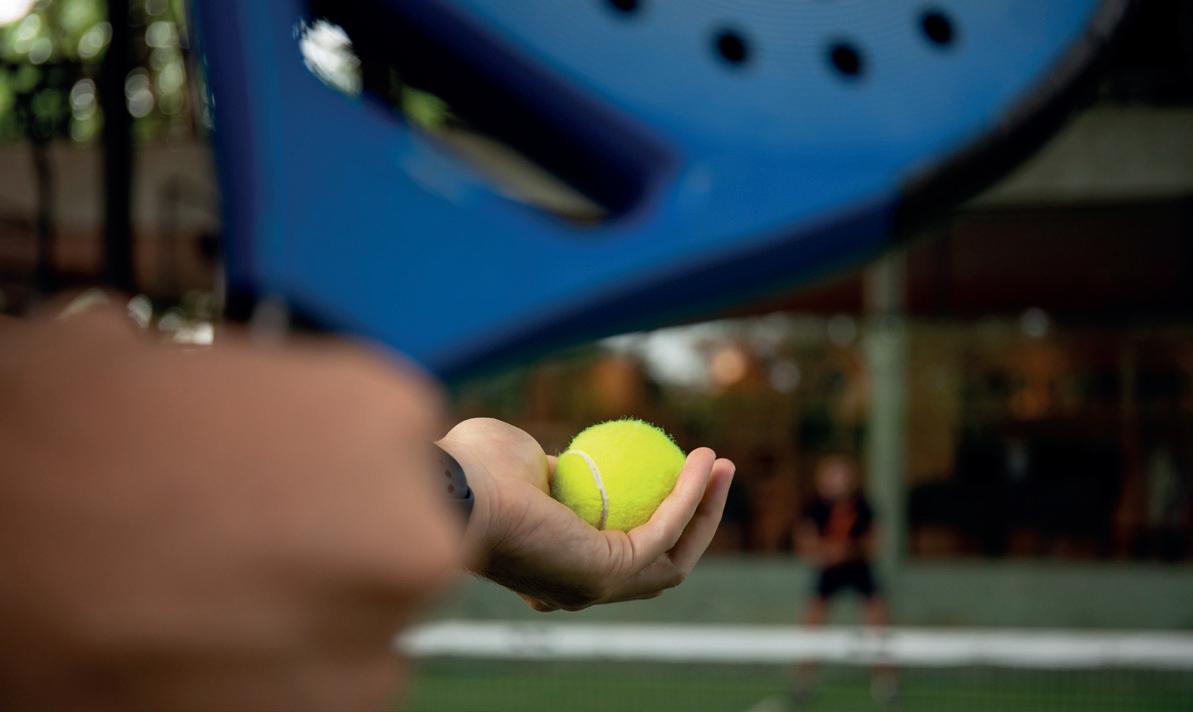

A much greater focus is now being placed on building facilities that people want to be part of, rather than a necessity to play the sport
Conversations with padel operators recently have suggested that consumer choices – and therefore club differentiation – is shifting. The days of “build it and they will come” was only ever partly true and never had much longevity as supply caught up with demand. A much greater focus is now being placed on building facilities that people want to be part of, rather than a necessity to play the sport. Quality of courts, roof height and surfaces all have a significant impact on the playability of the game. As standards increase and players demand more, these are the factors that will have long term consequences for operators.
At SAPCA, in the early days of padel, we spent a lot of time trying to convince operators of the need for having good courts and good installations on the basis of player safety, performance and longevity. All true, all correct, of course – but we didn’t really talk about return on investment based on consumer preferences. Simply put, we don’t really talk that language with any other sport. This is because the growth of padel has been very different to anything we have seen – it has been rapid because of its appeal to private capital. The lexicon of the sport is different, more entrepreneurial and more sensitive to differentiation of clubs.
The choices of consumers and the longer term prospects of padel as a sport, have brought together more operators to focus on quality and consider the longer term implications of their investment. Long may this continue and, hopefully, bring much needed stability to the world of padel, both literally and figuratively!
Understand
Target
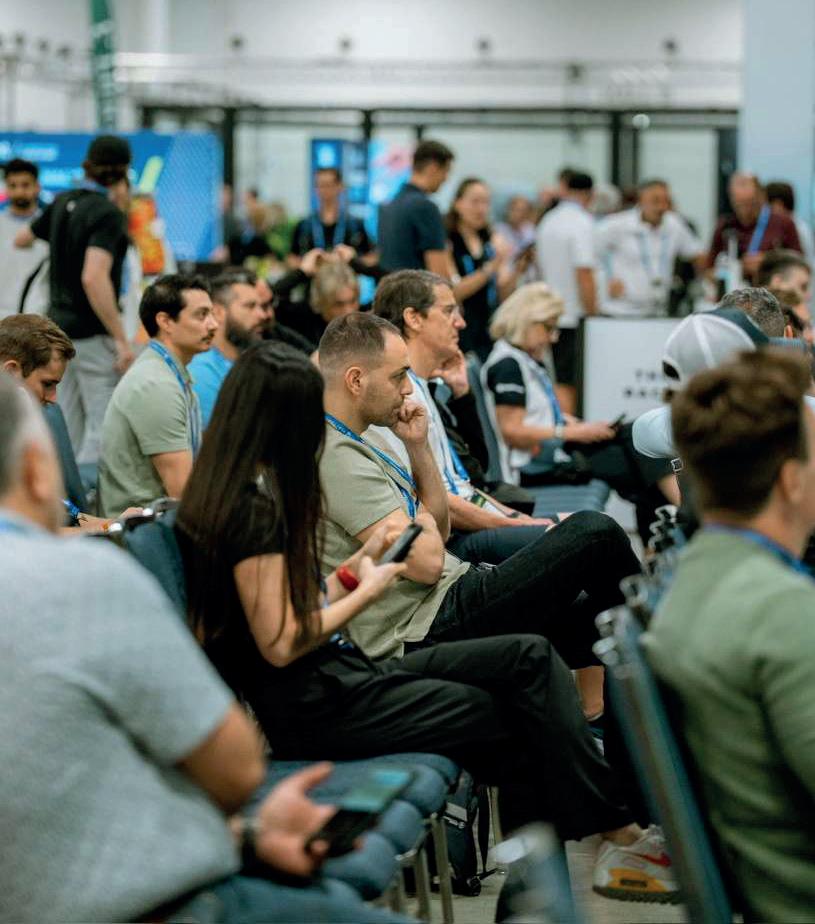
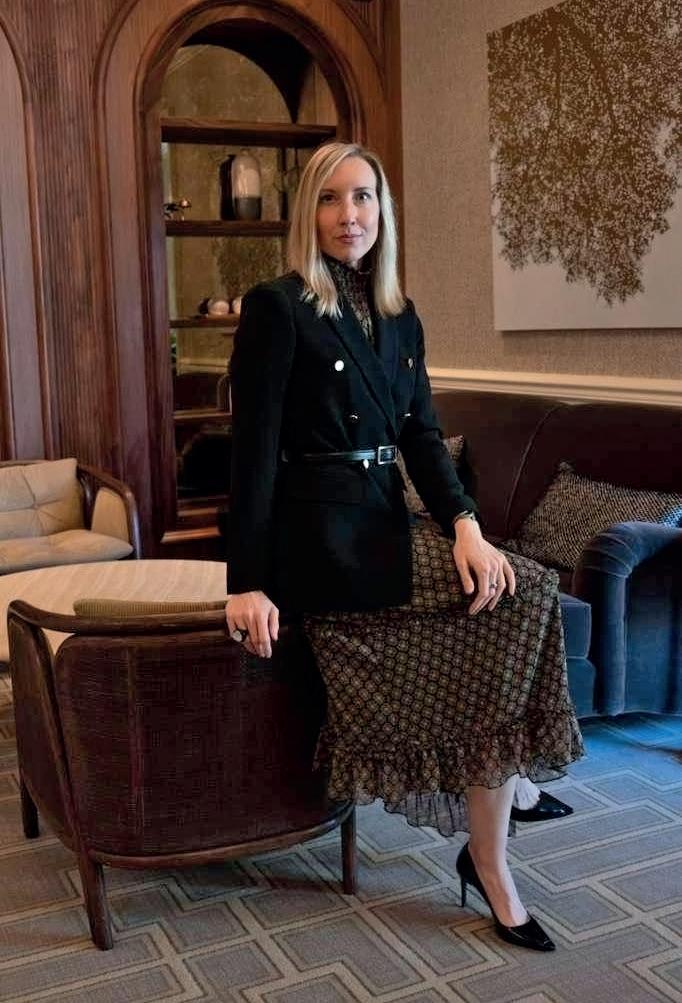
Robyn Duda, the founder of RacquetX –North America’s biggest racquet sports festival –talks about building the event from nothing, why padel was the spark and why UK readers should mark June 9 in their calendars
Why did you create RacquetX?
It was clear there was a need in the market and people had validated that. I love building things. There are very few white spaces left where you can genuinely create something new. And mixing sport, connection and events? That’s kind of a dream for me.
The timing was right, too. Racquet sports were on the rise and nobody had claimed the space. We came in at the right time when padel was still early enough to be intriguing, pickleball was established but still finding itself and tennis had been growing steadily, with major brands starting to move into pickleball and padel.
There was this undeniable crossover between the sports. It felt like there had to be a way to make it work. We never wanted to leave out squash, table tennis or any of the other sports represented [at RacquetX] because we want everyone to be part of it. But it started with those three because they have the most players and generate the most revenue.
Padel has had a remarkable few years. What does that growth look like from where you’re sitting?
It’s exciting. When we launched, padel was still early enough that it felt like a genuine discovery moment for a lot of people in the U.S. Now it’s much more established and you’re seeing serious investment and real infrastructure. The fact that



RacquetX is a premier, world-class festival and conference uniting the global racquet sports industry – including tennis, pickleball, padel, squash and badminton. Held annually, it brings together brands, players, coaches, investors and facility owners to explore industry trends, technology, and cross-sport growth.
The latest RacquetX ran March 13–15, 2026 at the Broward County Convention Center, Fort Lauderdale. The RacquetX City Series comes to London on June 9, 2026. For more information visit www.theracquetx.com


we had the National Padel League Finals (NPL) taking place as part of RacquetX this year tells you something about where the sport has come. That wouldn’t have been possible three years ago.
What was new at RacquetX this year?
We had what I’d call a proper centre court district. We partnered with LaBella and Production to bring in stadium seating, so you can actually watch pros play in a true competitive environment. And once we had that, it changed the dynamic for sponsors too as we really encouraged all of them to bring it. Bring your athletes. Put on a show. There’s now this brilliant competition between sponsors to have the biggest crowd at their activations. That energy was incredible to be around.
The National Padel League took place at RacquetX – was that a significant moment for American padel?
It really was. The NPL has had a record-breaking inaugural season and established itself as the
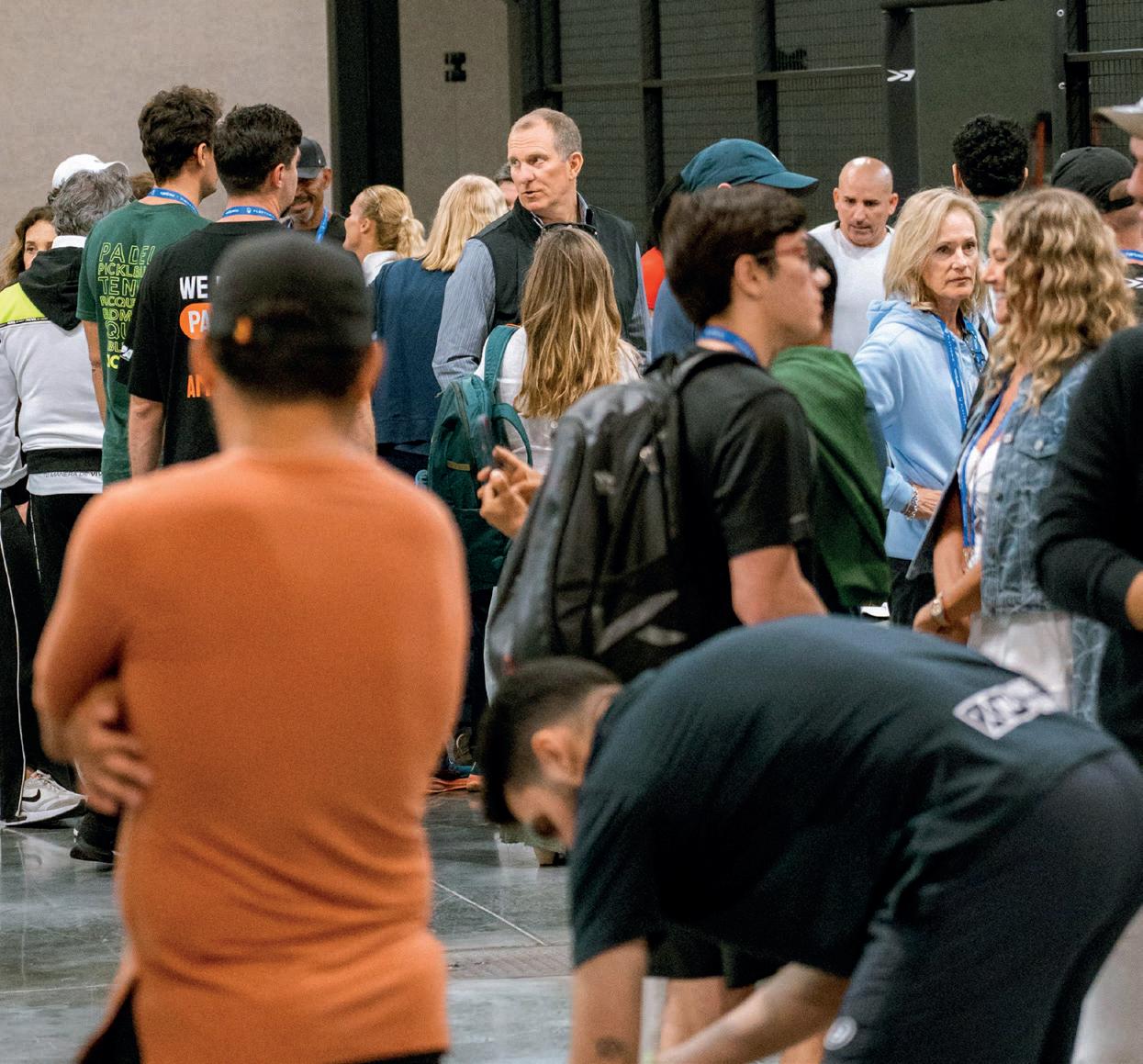
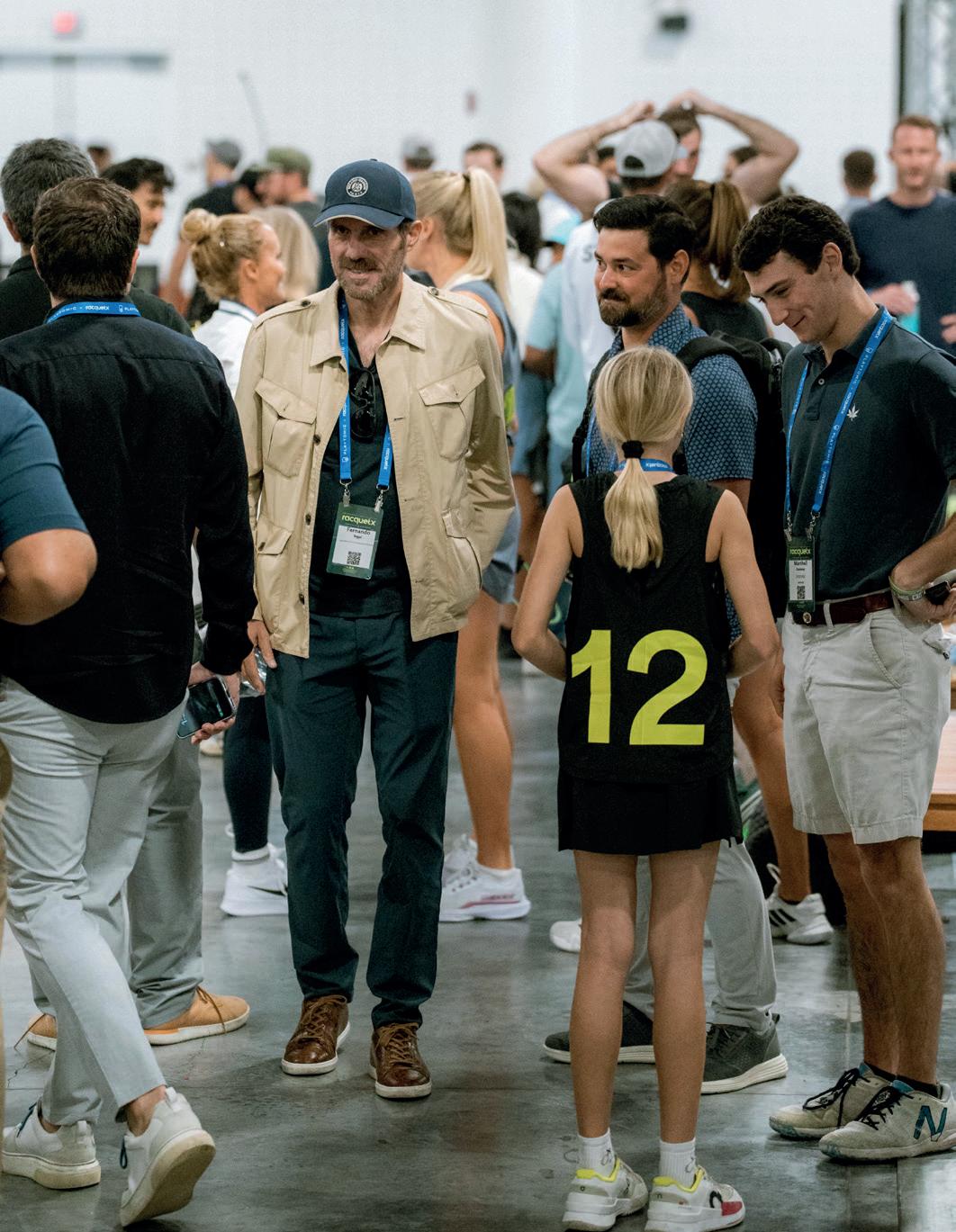
premier amateur padel team competition in the US. The fact that the finals are happening as part of RacquetX, with all finalists getting a three-day pass to the event, created exactly the kind of connection we want between elite amateur competition and the wider industry. It reinforces RacquetX’s role at the centre of the U.S. padel ecosystem.
And RacquetX is now coming to UK shores?
Yes! You are going to see a smaller version of RacquetX, the City Series, coming on 9 June 2026. We’ve wedged it in right before the FIFA World Cup and just ahead of Wimbledon, which felt like the perfect window before the heart of British summer sporting season. We want to see what kind of reception our brand gets over in the UK and whether there’s an opportunity to bring a bigger show eventually.
Is a full UK RacquetX event something you can see happening?
The London City Series will tell us a lot. Our whole approach has been: go in, learn, listen. We did five US cities this year through the City Series — sold out every single one. We take that intelligence and feed it back into the main event. The UK trip is the same philosophy. We want healthy growth, not forced growth. But I’ll say this: the UK racquet sports scene is buzzing right now, and we’re paying very close attention.






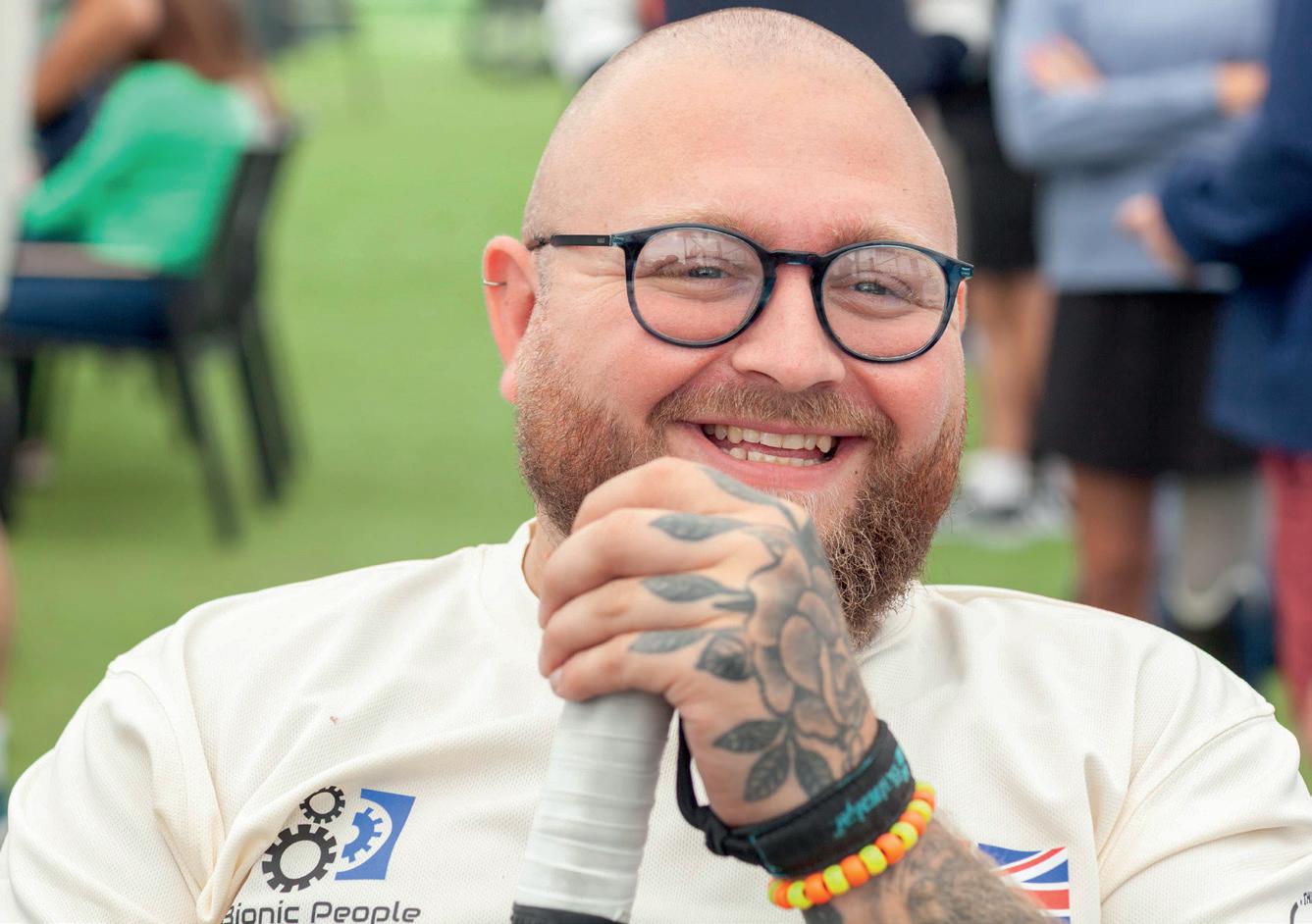

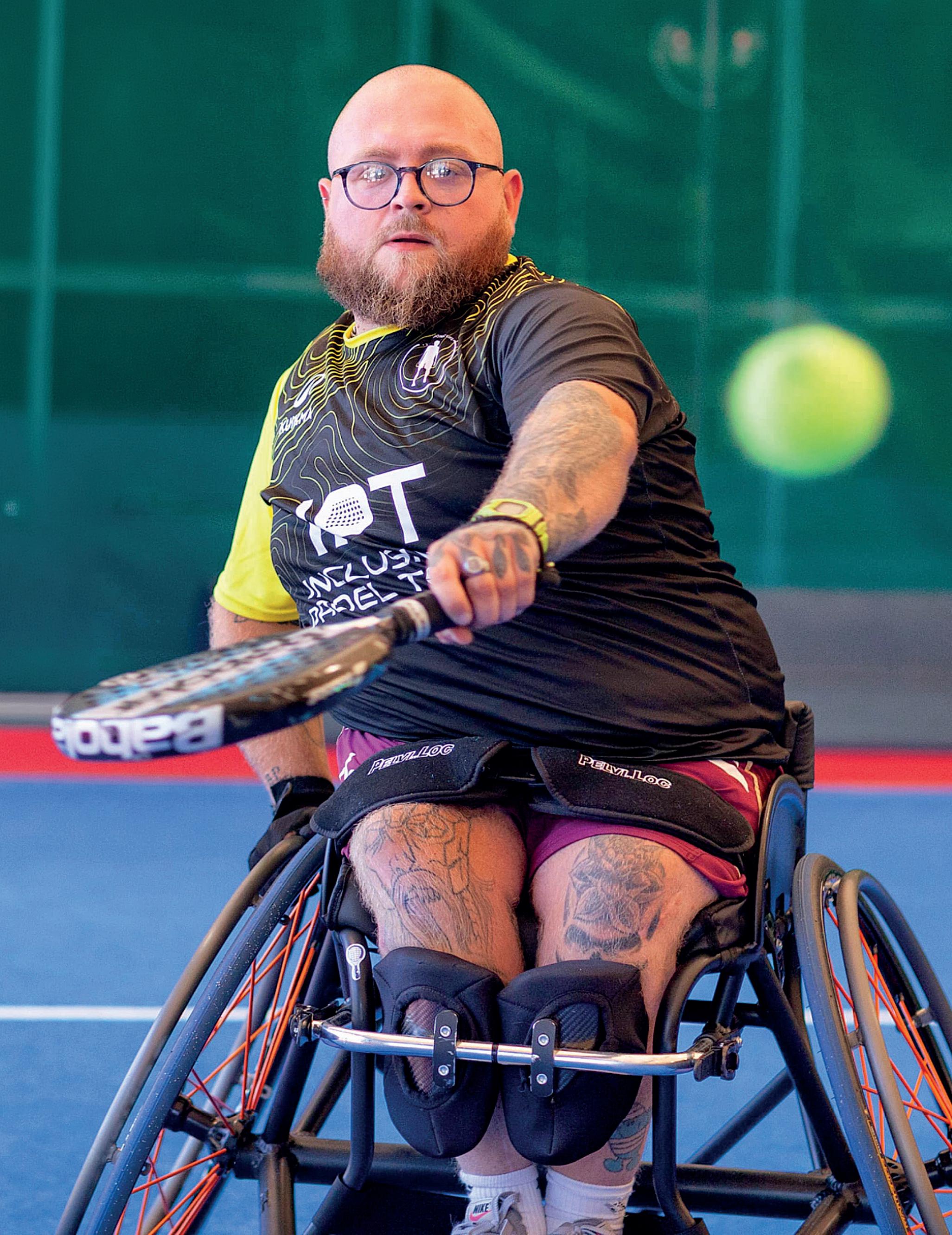
The UK’s leading wheelchair padel player has a pragmatic view on improving inclusiveness and accessibility –
“if someone wants to play, they should find a way”
As padel continues its rapid rise across the UK, questions around accessibility, inclusion and opportunity are increasingly shaping the sport’s development. Few voices in this conversation are as direct, or as optimistic, as Jack Binstead, widely regarded as Great Britain’s leading wheelchair padel player and a passionate advocate for growing the adaptive game.
A former actor and lifelong wheelchair user, Binstead discovered padel almost by chance. Today, he is not only competing internationally and coaching full-time, but also helping to build a pathway for future players through the Inclusive Padel Tour and wider UK initiatives. His outlook is refreshingly simple: rather than focusing on barriers, he encourages disabled players to engage with the sport immediately – to “get out there and do it”.
For operators, governing bodies and investors navigating padel’s growth, Binstead’s perspective offers a grounded view of both the sport’s accessibility challenges and its significant opportunities.
Binstead’s sporting journey began long before padel entered the picture. He competed as a wheelchair racer for many years, representing Team GB pathways, before exploring strength training and powerlifting. Alongside sport, he built
a successful career in acting and comedy, starring as Rem Dogg in BBC Three’s Bad Education.
Padel entered Binstead’s life through a personal connection. A friend working as a coach at Rocks Lane Padel in Chiswick encouraged him to try the sport, recognising his strong chair mobility and hand-eye coordination.
The impact was immediate. “I fell in love with the sport straight away,” Binstead explains. “Even if it was just for health, I knew it was something I wanted to keep doing.”
Within weeks of playing regularly, he noticed something striking: there were virtually no wheelchair players participating seriously in the UK. Seeing an opportunity to grow the game, he began training intensively and working with coaches, supported by sponsorship that funded a year of development.
His progress quickly attracted international attention. After sharing videos online, Binstead was invited to compete abroad by the Inclusive Padel Tour, exposing him to a much more developed adaptive scene than existed in Britain at the time.
“That’s when it became a mission,” he says. “To find other wheelchair users in the UK who wanted to give padel a go.”
Through outreach, networking and coaching, a small but committed community has since emerged, with several players continuing to compete domestically and internationally.
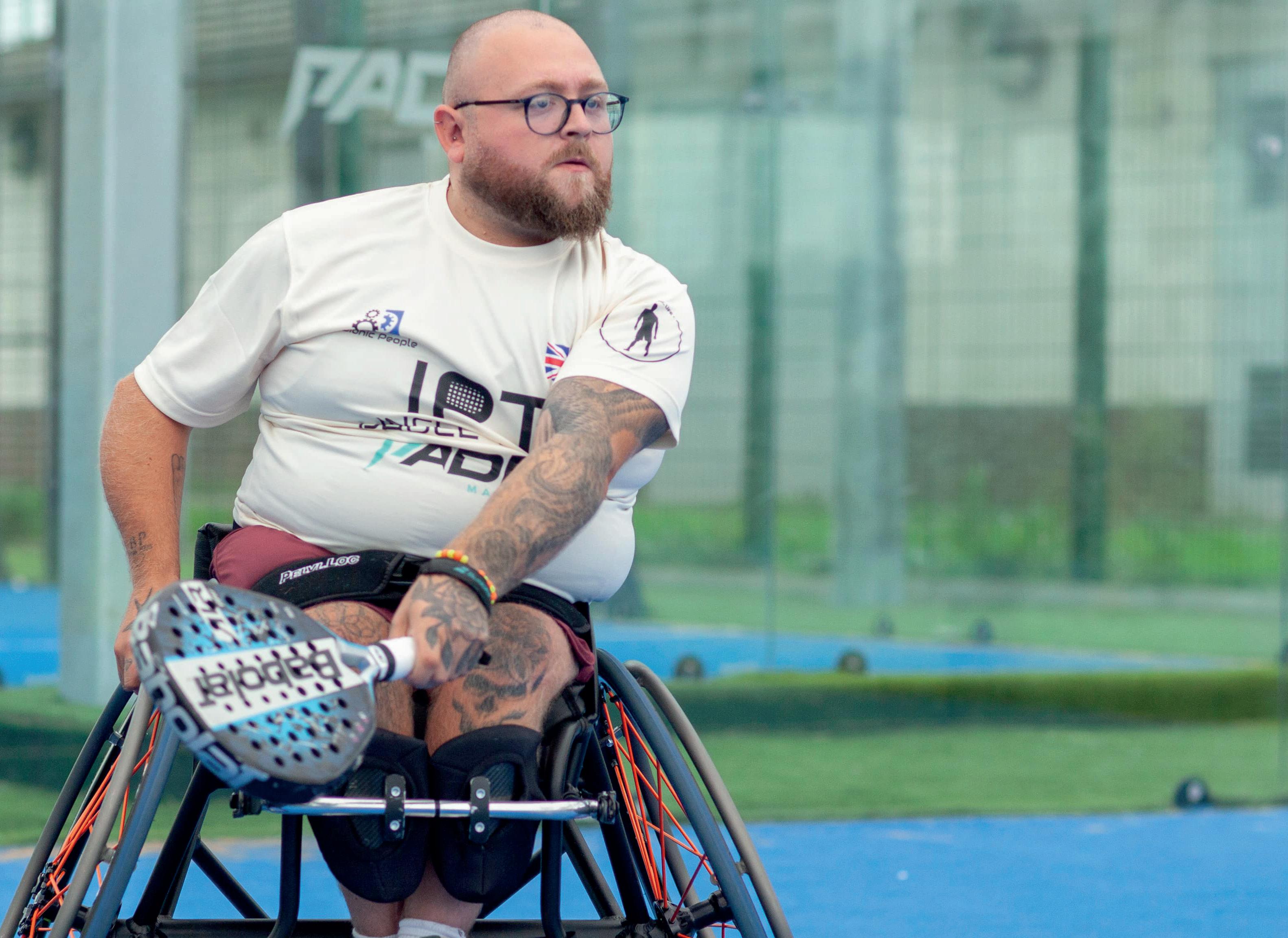
From participant to pioneer
Padel is now central to Binstead’s professional life. He has spent the past two years working as a coach and currently manages padel operations at a London venue, delivering coaching programmes and building participation.
Beyond coaching, his ambitions are farreaching. He wants to see padel recognised as a Paralympic sport and ultimately hopes to help establish a formal Team GB pathway.
His long-term target aligns with wider international ambitions for the sport, though he recognises the structural work required – particularly around funding, governance and participation numbers.
“There’s zero doubt in my mind,” he says. “If a Paralympic team is built, I’ll compete and I’ll get a medal.”
For now, much of the adaptive game remains self-funded, placing significant pressure on players seeking to compete internationally. Binstead argues that earlier investment from sponsors and governing bodies would accelerate development and create stronger long-term returns for stakeholders.
As padel infrastructure expands rapidly across Britain, accessibility in facility design remains a frequent topic of debate. Here, Binstead’s views
There’s zero doubt in my mind. If a Paralympic team is built, I’ll compete and I’ll get a medal
differ from many in the disability sport community.
While he supports improvements, such as wider court entrances and better facilities, he takes a notably pragmatic stance. Padel, he says, was not originally designed with wheelchair players in mind. For him, the focus should be on participation first and structural change second.
“I don’t believe in ‘no access’,” he explains. “I believe in trying a bit harder.”
Binstead says his philosophy is rooted in personal experience. “My view is to go, ‘right, this is my situation’,” he says. “These are my cards and I’m going to get ahead of the game and make my life better by doing something.”
Drawing on personal experience – navigating public transport and everyday environments as a wheelchair user – Binstead emphasises resilience and adaptability. If minor adjustments, such as removing a wheel or adjusting entry angles, enable participation, he believes players should embrace those challenges while the sport evolves.
He is eager to stress that this perspective, however, does not dismiss accessibility improvements. He welcomes innovations in court design and supports discussions around minimum access standards, particularly through national governance frameworks such as The LTA. However, he also highlights commercial realities for operators.


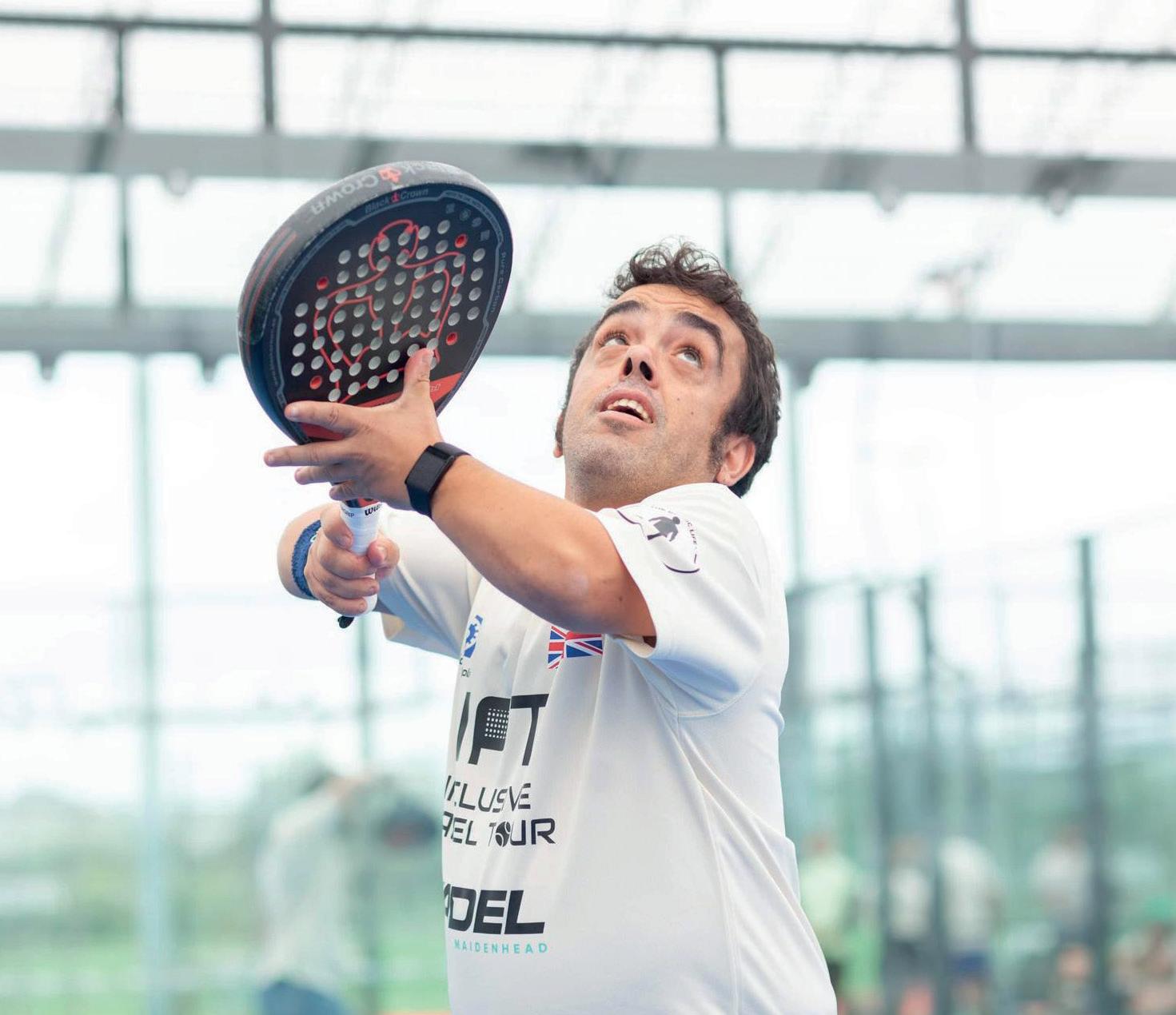








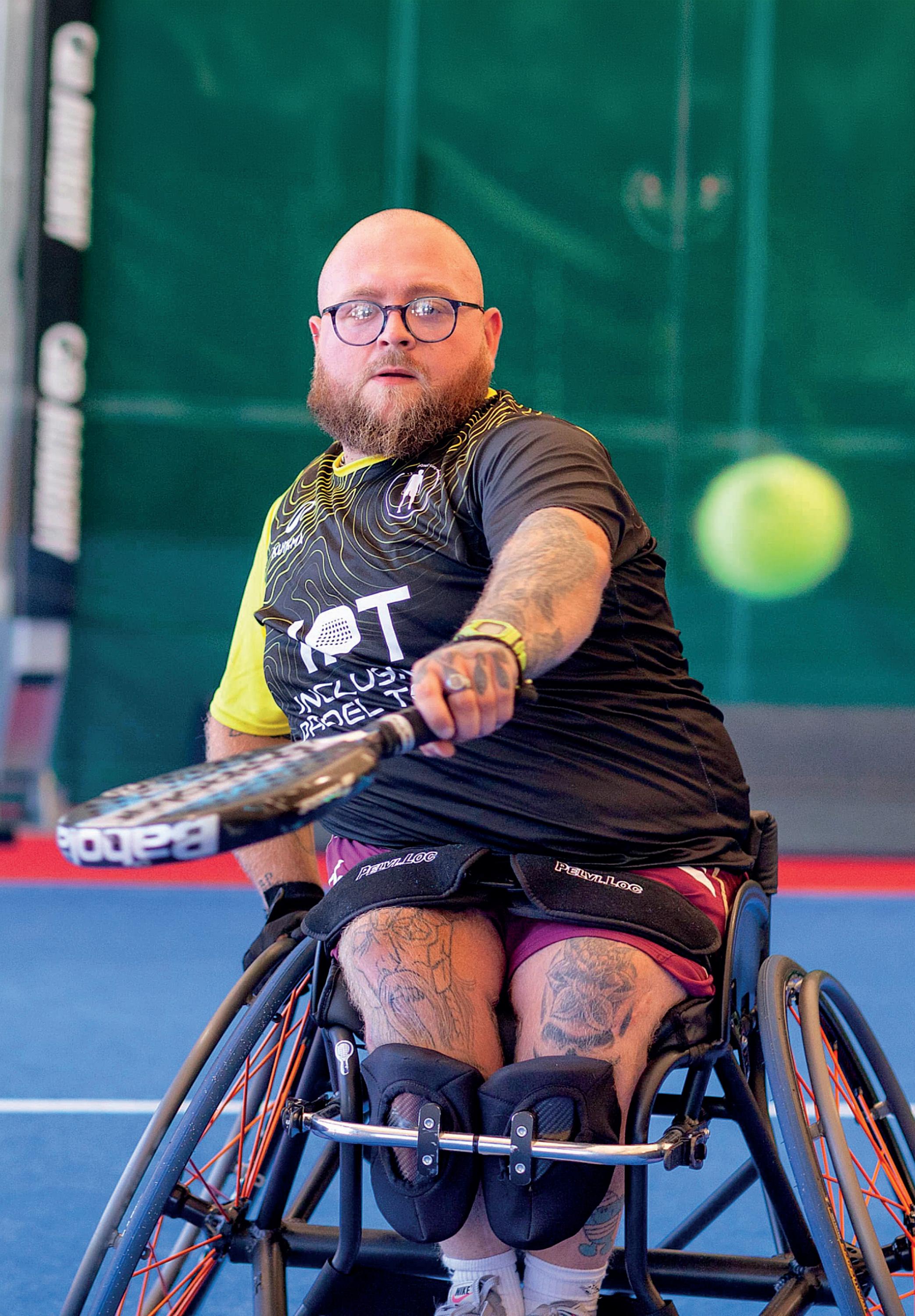
The Inclusive Padel Tour (IPT) provides visibility for players with disabilities
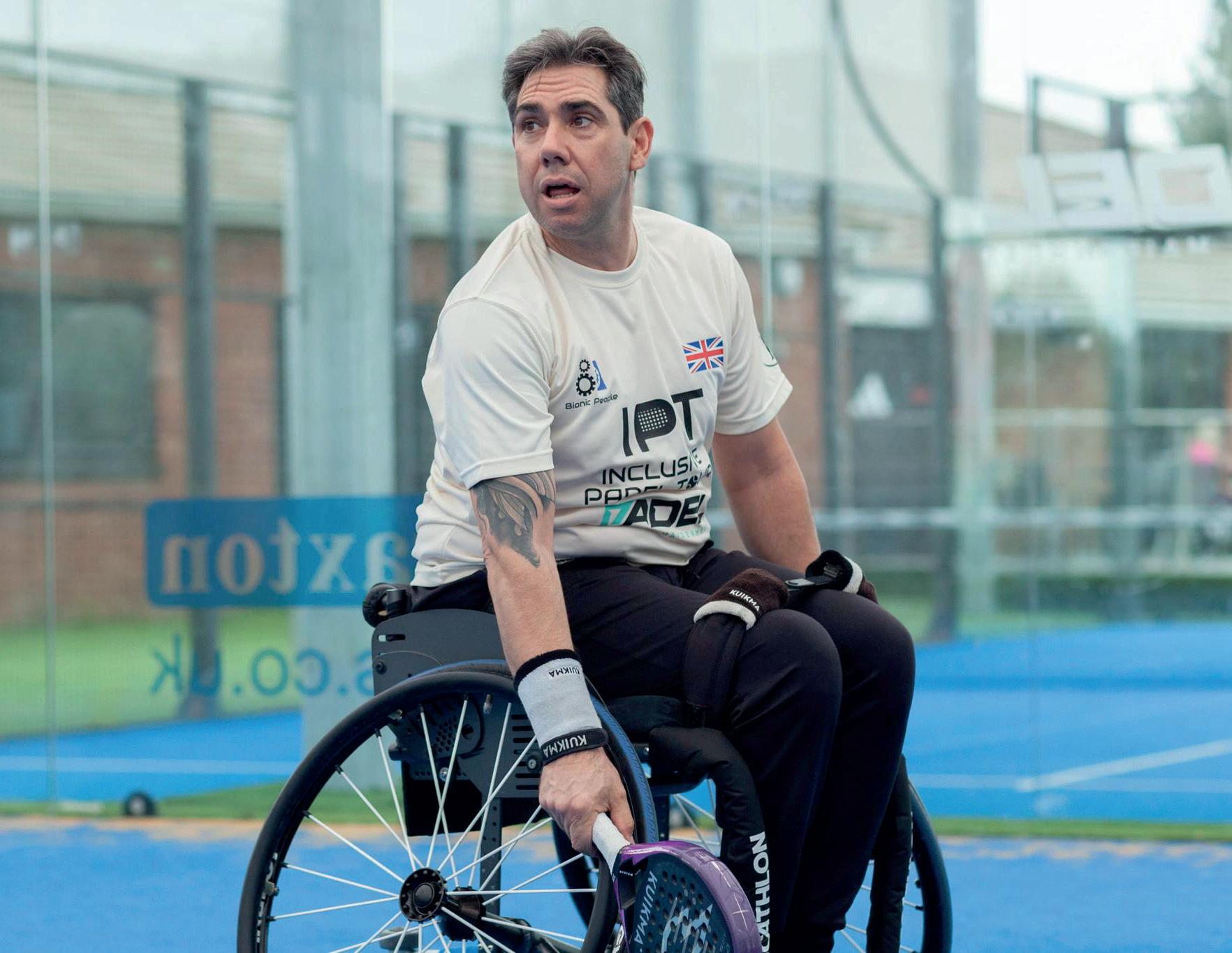


“With relatively few wheelchair players currently active in the UK, large-scale infrastructure investment remains difficult for venues to justify without clear regulatory requirements or growing demand,” he says. “So my message to anyone – disabled or not – is that if you want to play, find a way!”
For operators, his message is straightforward: as the sport grows, improving access where feasible is becoming increasingly valuable. “Participation growth will, ultimately, drive change,” he says. “And the operators who get there first with accessible venues will have a huge advantage.”
Binstead acknowledges that some UK venues are already taking meaningful steps. Clubs built with accessibility in mind – including accessible changing facilities, level access and wider entry points – demonstrate what future design standards could look like.
However, he believes the most effective route to widespread change would be clear regulatory guidance from governing bodies, supported by enforceable standards for new developments.

Until such frameworks are consistently applied, progress is likely to remain uneven, shaped by commercial priorities and market demand.
At the same time, Binstead stresses that padel’s appeal itself is not a barrier to wheelchair participation. The sport’s shorter rallies, smaller courts and social format make it highly accessible from a gameplay perspective.
“The excitement and enticement of padel doesn’t exclude wheelchair users,” he says. “It’s as exciting for someone in a chair as it is for anyone else.”
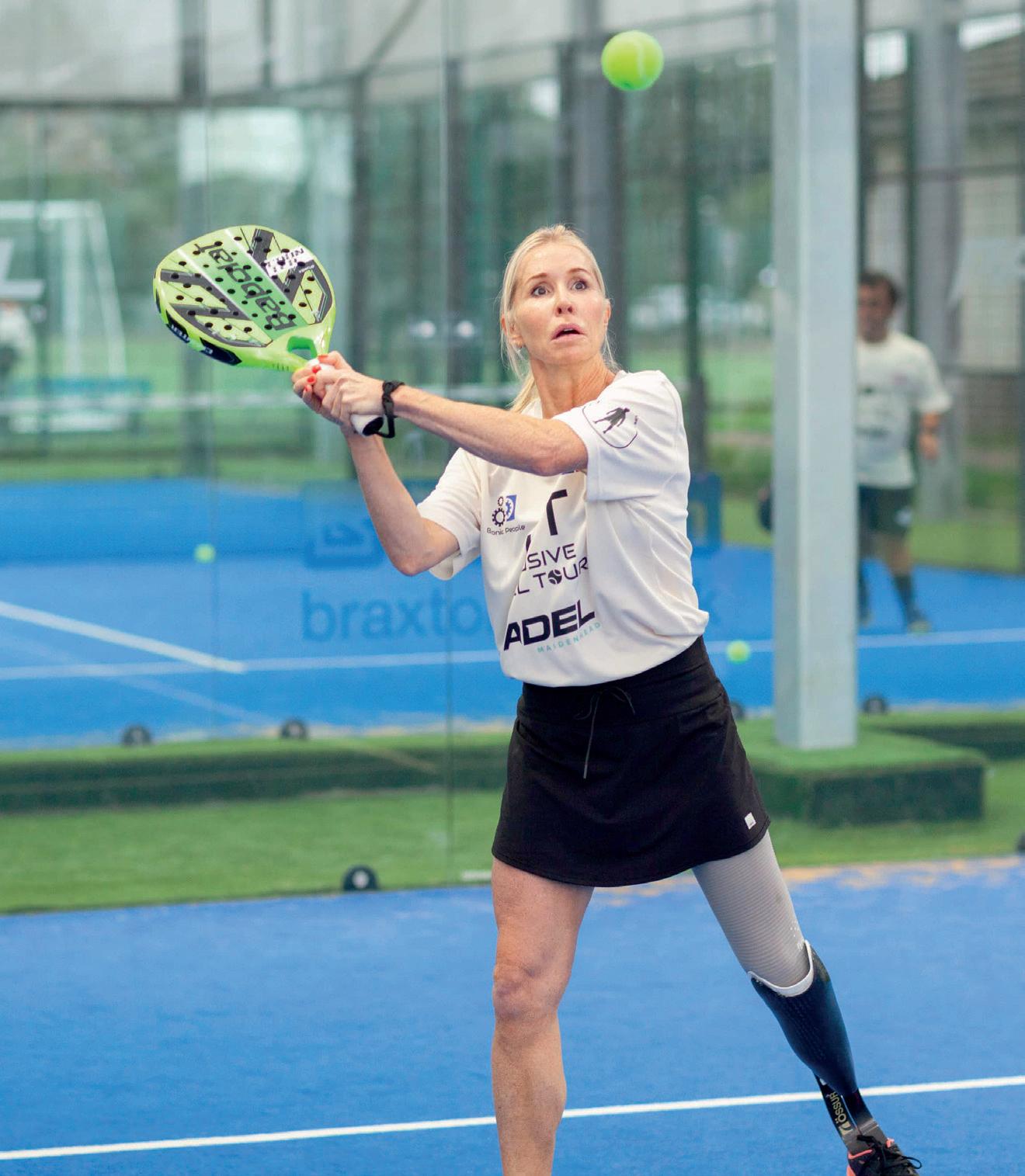
A major driver of adaptive padel’s development is the Inclusive Padel Tour (IPT), which provides competitive opportunities and visibility for players with disabilities. Binstead has been actively involved in the tour, competing internationally and helping to raise awareness of wheelchair padel in the UK.
The tour’s expansion into Britain represents a significant milestone, creating structured competition pathways and encouraging grassroots engagement.
Alongside this, new domestic initiatives –including inclusive events, training sessions and
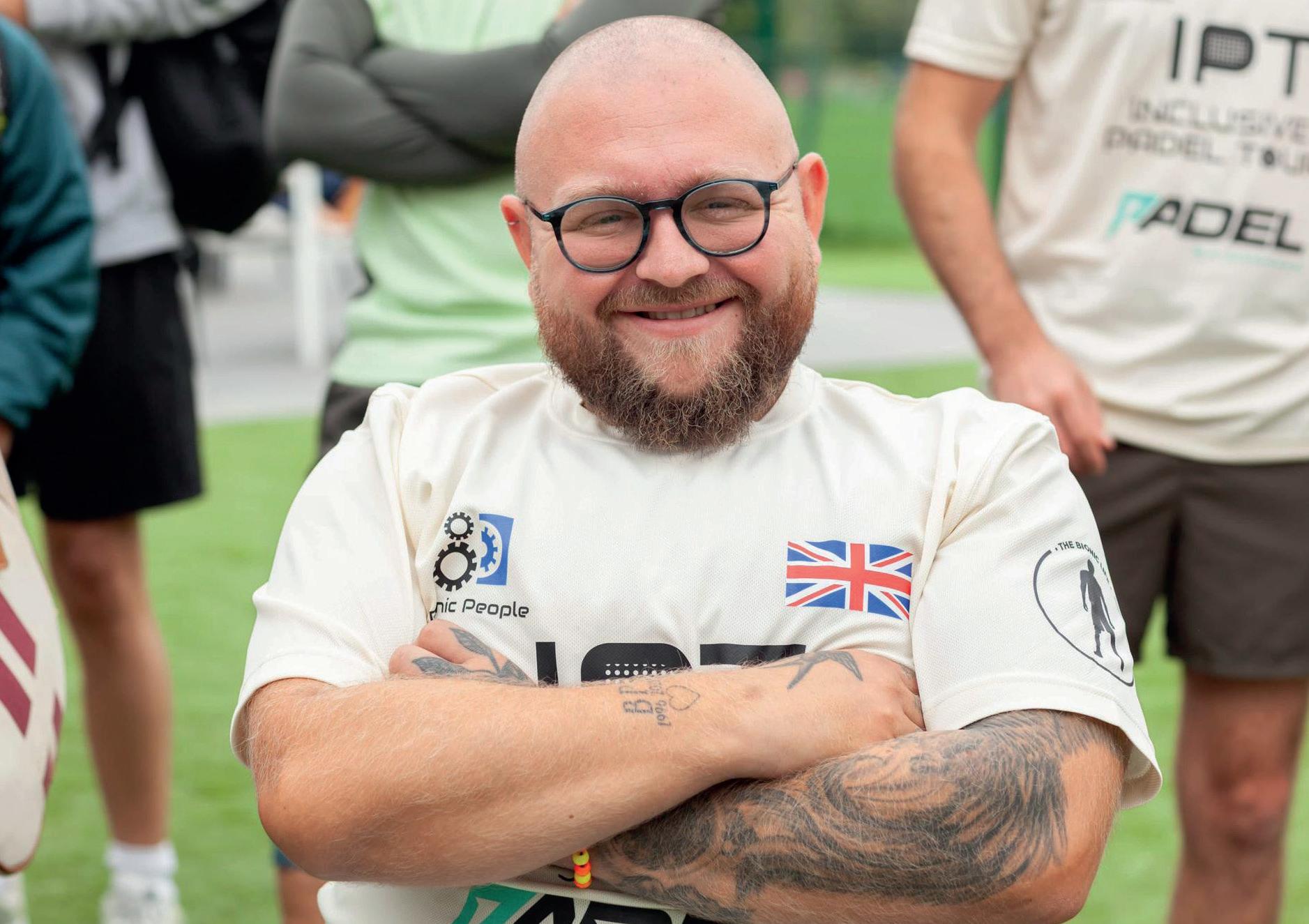
The objective is clear: build a visible, supportive community that proves wheelchair padel is both viable and sustainable
community outreach – are beginning to strengthen participation. Binstead has supported efforts led by fellow players and organisers to introduce inclusive sessions at UK clubs, helping new participants access coaching and competition.
For him, the objective is clear: build a visible, supportive community that proves wheelchair padel is both viable and sustainable.
Binstead’s insights extend beyond accessibility to the wider economics of the sport. He has witnessed the rapid growth of UK padel participation, fuelled largely by social media exposure and word-of-mouth enthusiasm. He believes the sport’s accessibility for beginners and families has been central to its expansion. However, he also anticipates rising costs could eventually limit participation, potentially shifting padel towards a more premium market position.
“Court hire, equipment costs and coaching fees are all increasing as demand grows and facilities expand,” he says. “It reflects commercial maturity, but also raises questions about longterm affordability and accessibility – both for disabled and non-disabled players.
“I think that, for operators, the challenge will be balancing commercial sustainability with broad participation.”
Throughout the conversation, Binstead’s underlying message remains consistent: participation drives progress. Infrastructure, investment and governance will follow engagement.
“I would encourage any disabled individuals interested in padel to take the first step, reach out to the growing community and experience the sport for themselves,” he says.
At the same time, he calls on sponsors, investors and operators to support adaptive players earlier in their journeys – not only as a social responsibility but as a strategic opportunity within one of the world’s fastest-growing sports.
As the UK padel sector continues to scale, accessibility and inclusivity will remain central to its long-term success. Binstead represents a powerful example of how individual drive, community support and industry collaboration can shape emerging pathways.
His vision is not defined by limitations but by momentum — building participation, strengthening competition and ultimately securing recognition for adaptive padel on the global stage.
For a sport still defining its identity in Britain, that mindset may prove one of its most valuable assets.




























assessments to opening day &























The LTA’s Venue Registration scheme offers support packages designed to assist standalone padel venues across Great Britain
As padel continues to grow across Great Britain, venue operators are encouraged to deliver safe, well-run and sustainable venues. From safeguarding expectations to operational efficiency and insurance requirements, running a venue is about far more than courts and coaching.
LTA Venue Registration is the national governing body’s official scheme designed to support padel and tennis venues across Britain, at every stage of their development. LTA Venue Registration offers a comprehensive package of practical, financial and operational benefits that help venues run smoothly, professionally and safely.
At its core, LTA Venue Registration is also the LTA’s commitment to ensuring that padel and tennis are Safe to Play, supporting venues to implement safeguarding, inclusion and welfare standards that protect players, staff, volunteers and the long-term operation of the sport.
Safe to play: protecting people and protecting your venue
Safeguarding is no longer optional. Players, parents, partners and local authorities increasingly expect venues to demonstrate clear standards around welfare, inclusion and safety. Through LTA Venue Registration, venues receive guidance and support to meet safeguarding requirements and become recognised as a ‘Safe to Play’ venue. This not only helps protect children, adults at risk and participants of all ages, but also reduces operational risk for venue operators. By embedding best practice around safeguarding and inclusion, registered venues demonstrate professionalism, credibility and a commitment to providing an enjoyable and secure environment for everyone involved in the sport.
LTA Venue Registration is designed to make life easier for venue operators by offering tools and services that save time, reduce costs and improve
efficiency. One of the most significant benefits is public liability insurance. Registered venues receive a leading public liability insurance package through Howdens, offering essential protection for clubs, volunteers and organised activities. Howden Insurance are one of the largest insurance brokers in the UK and have been providing insurance policies and quotes for over 30 years. For many venues, this alone represents a substantial operational and financial advantage. Venues also gain access to ClubSpark, the LTA’s venue management system. While standalone padel venues may not always use the full functionality, ClubSpark provides powerful tools for court bookings, membership management, coaching administration and payments, helping venues streamline processes and deliver a better customer experience.
Registered venues also benefit from a suite of business and operational support services designed specifically for sports venues. These typically include access to the LTA Buying Group, enabling venues to benefit from collective purchasing power, as well as a tax and legal helpline to support day-to-day business queries.
For venues looking to grow, protect their operations and meet expectations, LTA Venue Registration is fast becoming essential
What
are the benefits of the LTA Padel Venue Registration?
Public Liability Insurance package through LTA partner Howdens
A range of business services that help save time and money
The ability to host and enter LTA padel competitions
Access to the LTA’s Venue Support Toolkit
An individual LTA Membership package for venue members
Access to a suite of LTA products and programmes for members and players
In addition, venues can access template policies and best practice guidance through the Venue Support Toolkit, reducing the burden of creating documents and procedures from scratch.
LTA Venue Registration opens the door to official LTA-sanctioned competitions and programmes, including padel competitions and league opportunities. This enables venues to attract new players, retain existing customers and position themselves as recognised hubs within the sport. Registered venues can also benefit from increased visibility and promotion, with the ability to list their facility through LTA platforms. This helps increase player reach, drive player awareness, grow court bookings and strengthen connections with the wider tennis and padel community. In addition, venue members gain access to LTA Advantage, the LTA’s official membership scheme, adding further value to a venue’s offer.
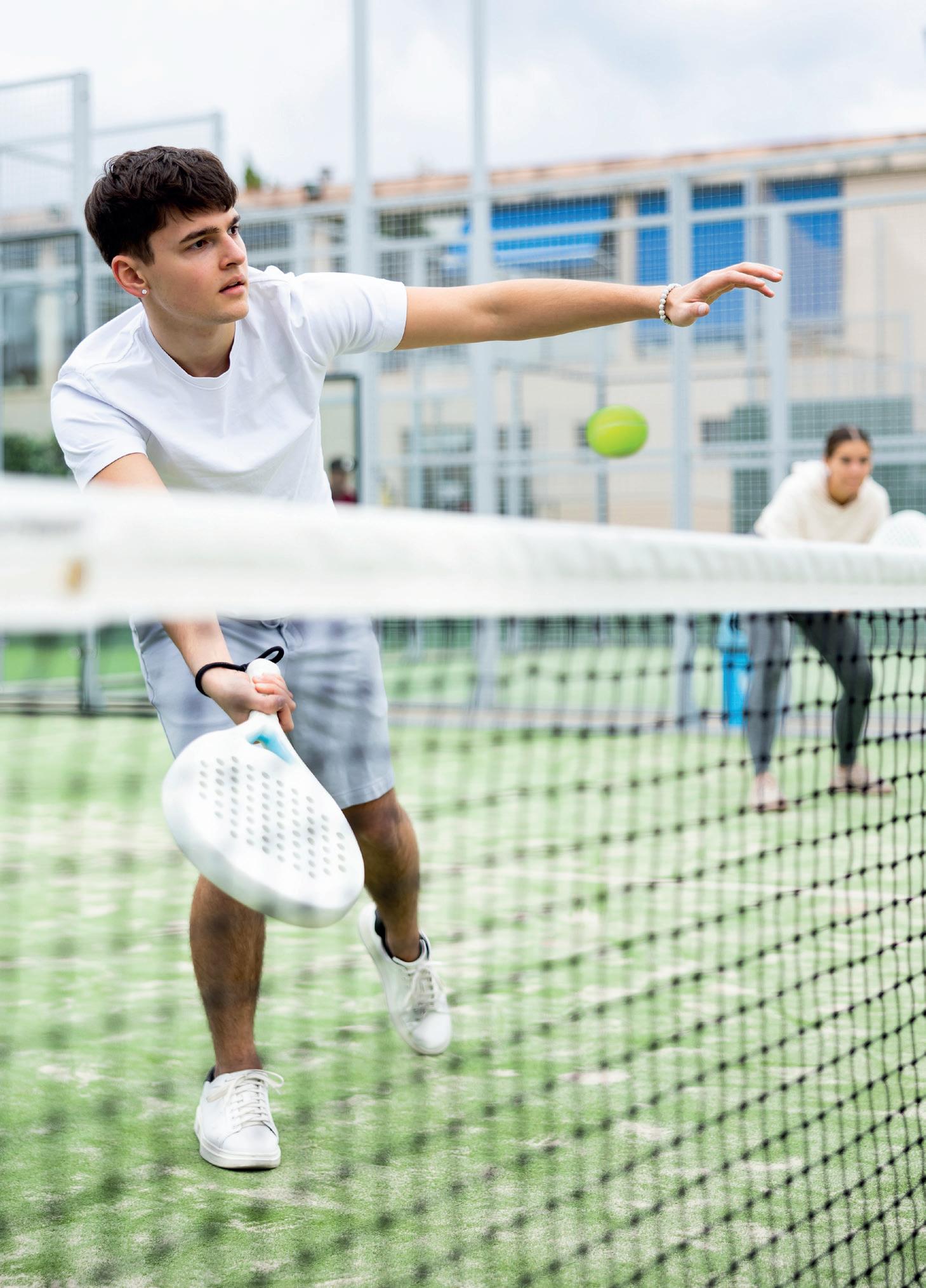
In an increasingly professionalised sports landscape, LTA Venue Registration provides a clear framework for venues to operate safely, efficiently and sustainably. By combining safeguarding support, insurance protection, business tools and promotional opportunities, it helps venue operators
focus on what matters most: delivering great tennis and padel experiences. For venues looking to grow, protect their operations and meet expectations, LTA Venue Registration is fast becoming essential. The LTA are now open for renewals and new registrations for the 2025-2026 registration year. To register your standalone padel venue, you’ll need a personal LTA Advantage account to access LTA Venue Registration. If you’re registering a standalone padel venue and looking for a step-by-step guide on how to become an LTA Registered Venue, then check out the LTA’s handy onboarding guide on the LTA Padel website. Or, if you’re a registered tennis club who have recently added padel courts, you can simply add your padel courts to your existing registration in the LTA Registration portal.
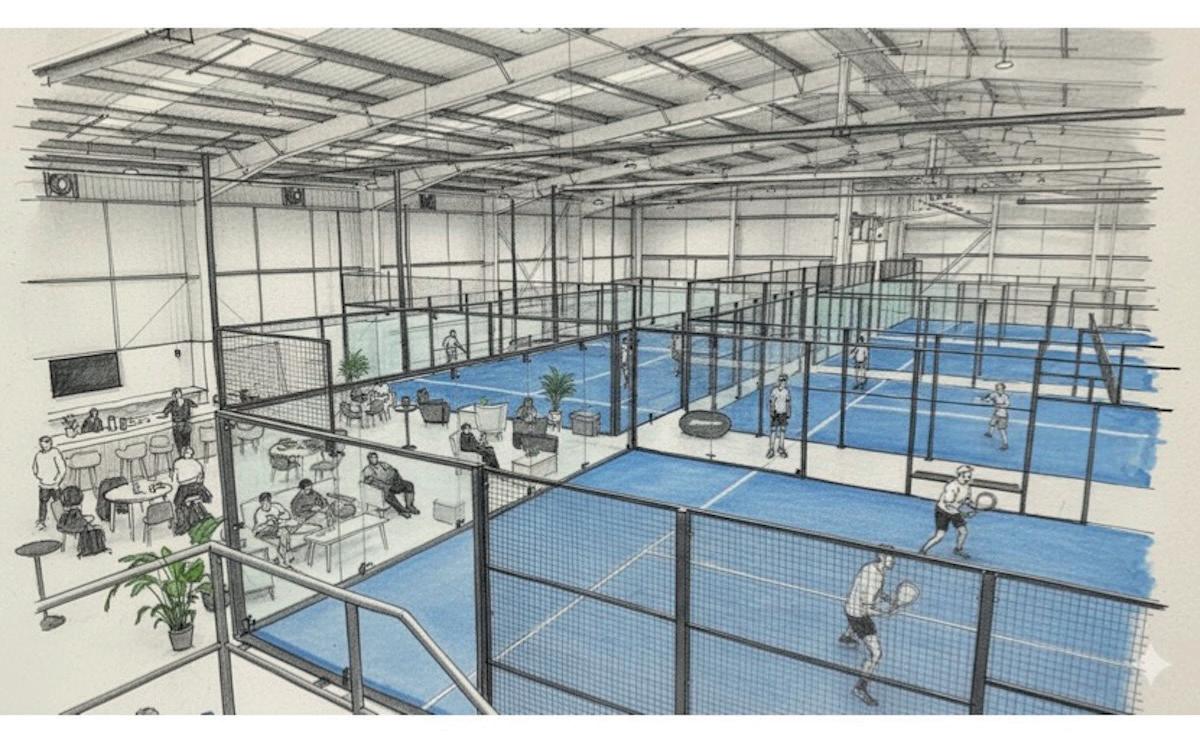
The UK padel market is maturing. The initial “build it, and they will come” phase is ending. As supply increases, players will gravitate toward venues that deliver the best experience and value, rather than simply choosing the nearest available court.
For investors, this means success now depends on professional market positioning and pricing strategy – not just novelty.
Oxygen Consulting researches and publishes the annual UK Padel Report. We leverage this deep market data to help organisations make the right build-and-operate decisions.
We help organisations build the right version of padel for their site before capital is committed:
● Rapid feasibility studies
● Strategic experience design – building a sense of place and belonging that fosters player loyalty
● Investable operating models – market positioning, pricing strategy, financial modelling

Arrange a 30-minute confidential discussion. oxygen-consulting.co.uk ray@ oxygen-consulting.co.uk
Oxygen Consulting – strategic insight that moves people
Competitions that cater for all players – whatever their level, background or individual reason for playing padel – are a great way to develop an engaged network of regular players. Sam Kemp from R3 Sport highlights how, for clubs and court operators, events can be effective community creators

Thanks to padel’s rapid participation growth and courts being built at pace, many operators are now well past the initial challenge of attracting players to their venue. The challenge has now become ensuring that they retain and engage these players and make them part of the padel community.
Competition is core to the sports success and remains one of the most effective and widely used tools available to clubs. However, having worked across multiple venues and events, one of the most common mistakes that clubs are still making is believing that competitions start with a tournament.
In truth, the success of a tournament can sometimes be decided before the entries have even opened. The foundations of competition are less related to match formats and results and more about social connection, community and trust.

For many players, particularly those new to the sport, competition is not intimidating because of standard or ability. It is intimidating because of uncertainty. Internal monologue such as ‘Who will I play with?’, ‘Will I fit in?’, ‘Will I feel out of place?’ ‘Will I enjoy it?’ plays on repeat as their finger hovers over the enter button. I have experience of venues delivering consistently well run weekly competitions but struggling to grow beyond the same familiar group of players. The tournament was full, and from the outside looked very successful, yet new faces rarely appeared and it had limited impact on the atmosphere and feeling at the club. The venues that succeed don’t alter the playing level or structure of the competition, but instead address the environment around it. Crystal clear communication about who the
event is aimed at, a relaxed arrival process and supporting players to connect with others from the club before stepping onto court. This leads to new players trying competition through socialising, new members being introduced to competitive opportunities from the beginning and a club event that truly brings the community together in a safe and welcoming manner.
The lesson is the competition works best when players feel part of the community and trust the environment before they test themselves within it.
The most effective competition programmes treat competition as a journey rather than a single event. Opportunities are varied, entry points are clear, progression is layered and players are not pigeon holed or rushed to move along.
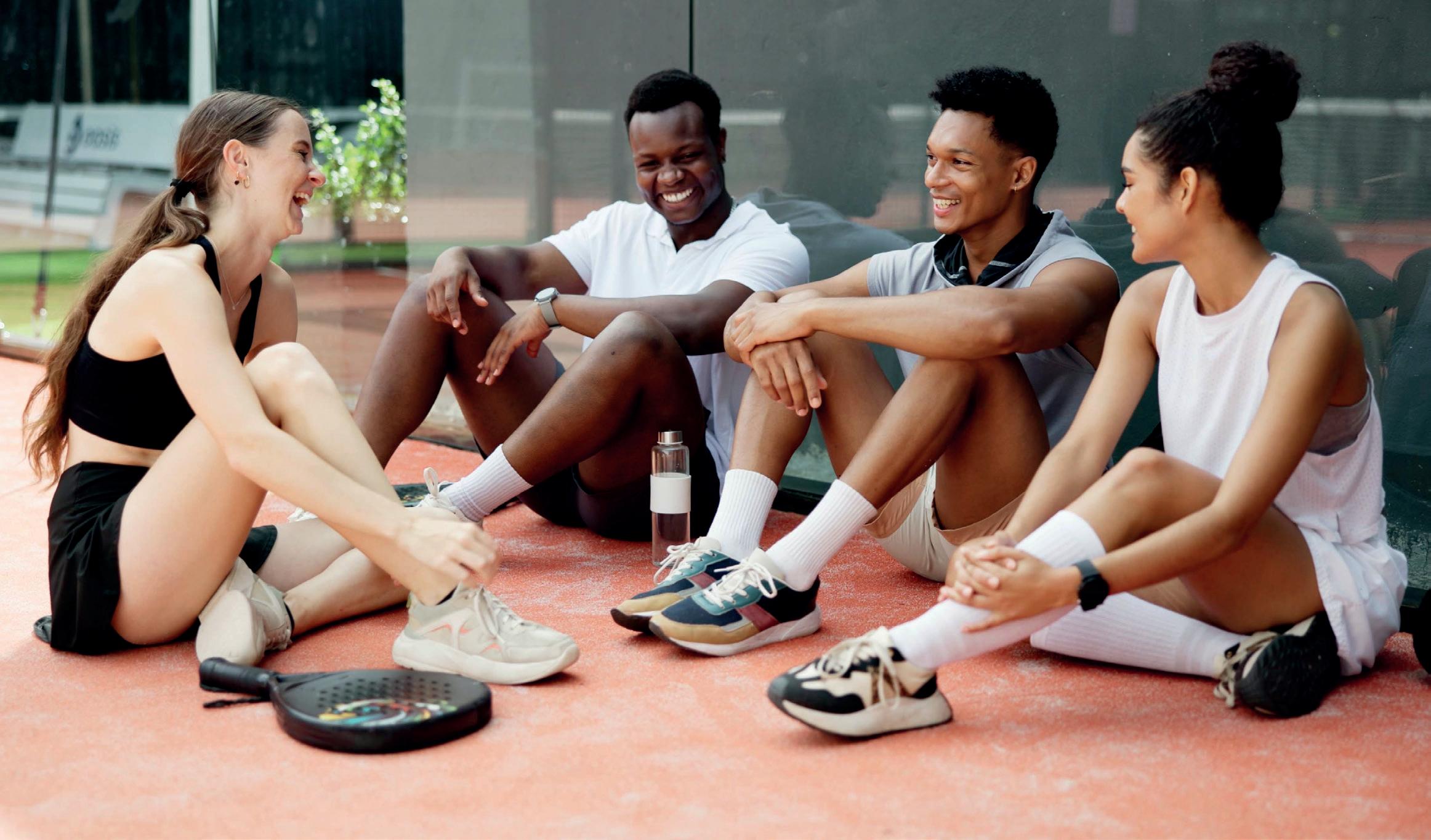
Venues that achieve this best, consistently position socialising and community alongside competition.
New players are bought into competitive opportunities from the beginning - using competition to meet new players where partners are rotated regularly and results are secondary.
From here, they offer a wide range of competition to cater for players of all abilities offering players the opportunity to progress as they become more comfortable not just with the sport, but with each other.
Larger, more structured competitions often follow from player demand and interest in competing in, and spectating, competitions of a higher level. When competitions become more ingrained, the community will better understand (and increasingly ask for) competitive environments.
Competition, when designed properly, doesn’t push players forward. It allows them to move at their own pace.
Truly successful competition comes when events stop feeling like something organised by the venue and starts feeling like something owned by the community.
Non-participants coming to watch, players arriving early and staying late, conversations about competition extend beyond the court. Promotion of events happens organically rather than needing to be driven by staff.
This is when competition becomes more than just a sporting activity. It becomes the social
Competition, when designed properly, doesn’t push players forward. It allows them to move at their own pace
anchor of the venue. The community is built around it and it keeps the community thriving.
This change also impacts the engagement of partners and sponsors. Carefully selected, commercial involvement can feel natural, with brands not just buying into a format but into a community that is engaged and invested.
Competition will always be central to sport. For padel, however, one of its greatest values lies in its ability to bring people together rather than set them apart. When competition is placed at the heart of a venue and treated as a cultural tool, built on trust, understanding and shared ownership, it becomes one of the most effective ways to create a sustainable, engaged community.
The clubs that succeed long-term will not necessarily be those running the biggest tournaments (although of course there is very much a place for this within the community), but those that understand that competition does not start with a tournament and end with a winner. It starts with people.

































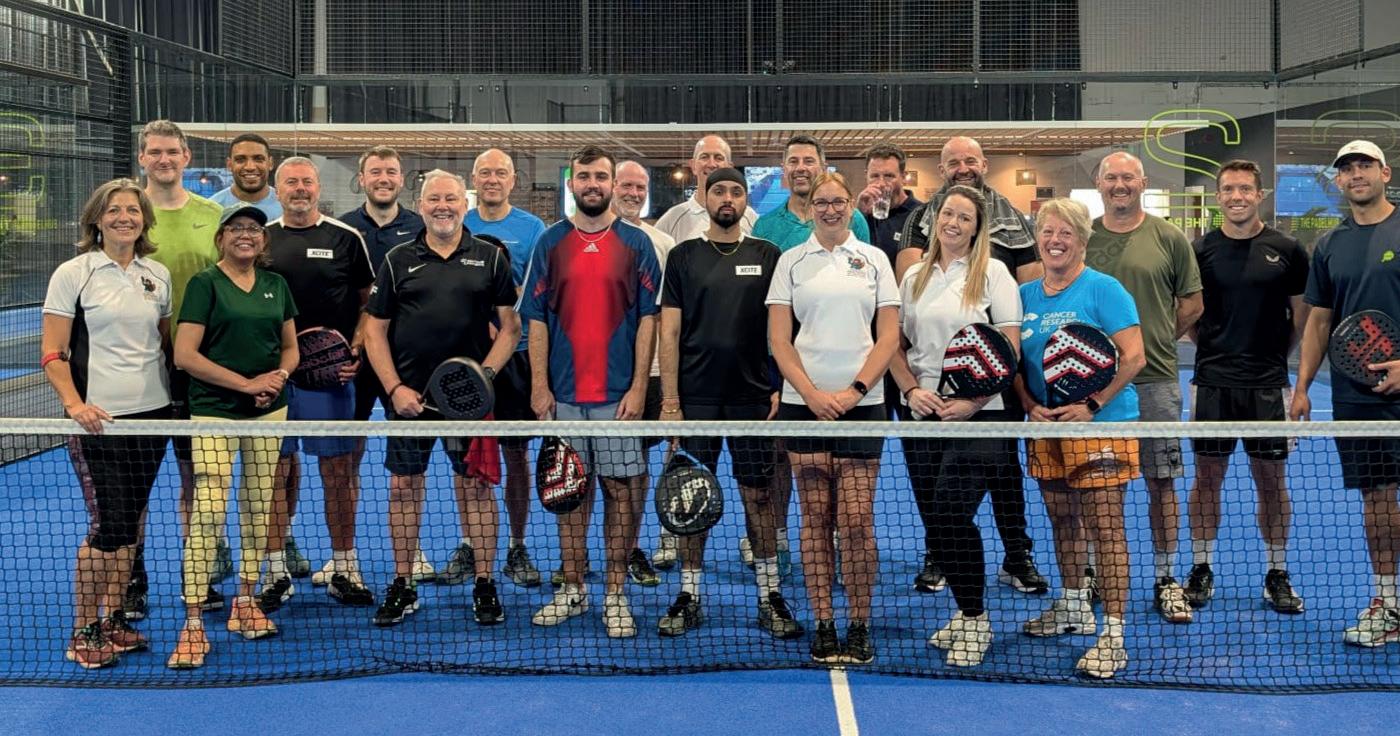
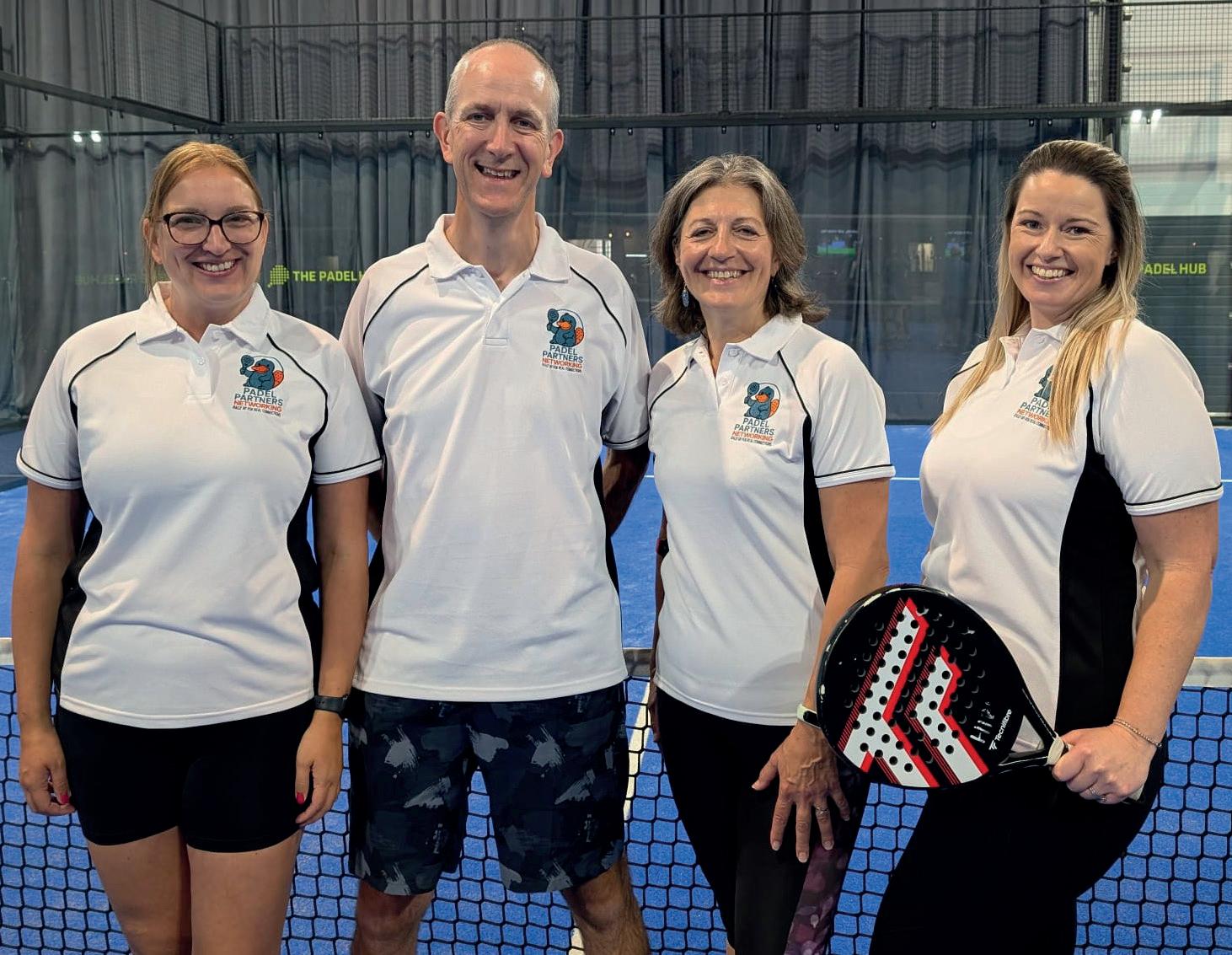
Guy Gri ths, founder of Padel Partners Networking and GGFit, o ers his insights on how creating sustainable communities can ensures successful, healthy clubs


Community” has become a buzzword across sport and leisure, and for good reason. In padel clubs, a strong sense of community is critical to both growth and retention. It drives repeat bookings, fills quieter court times, increases secondary spend, and turns casual players into long-term advocates.
Most padel clubs will proudly say they have a great community. Some genuinely do. However, many are drifting towards a familiar model seen in gyms: catering primarily to the most committed, competitive players and treating them like royalty. While this core group is important, it represents only a small slice of the potential padel audience.
One of padel’s greatest strengths is its accessibility. It is inclusive by design; easy to learn, social, mixed-gender, and suitable for a wide range of ages and abilities. Yet too often, clubs unintentionally build communities around performance, rather than around participation.
A community is simply a group of people who share interests, attitudes, or experiences. Creating a community of highly competitive padel players is relatively easy. The real opportunity lies in serving wider, often underserved groups: beginners, students, over-50s, women, ethnic communities, and the like, who may want to be active but struggle to find welcoming entry points.
Clubs that run simple, fun beginner sessions,
combining light coaching with friendly Americanostyle games, do this particularly well. These formats lower the barrier to entry, remove fear of “not being good enough,” and create shared experiences that naturally lead to conversation and connection. Follow this with informal meet-ups or themed sessions, and you quickly move from attendance to belonging.
A great example is PadelHub Fleet, where General Manager Steve Cutler regularly fills all six courts on a Monday morning with Monday Madness, a pre-booked, all-abilities session. Players rotate courts and partners every 20–30 minutes, creating energy, variety, and plenty of social interaction. Coffee afterwards is part of the routine. Alongside this, the club has built a thriving WhatsApp ecosystem, with sub-groups for open matches, ladies’ sessions, events, and even pre-loved padel kit.
In Bristol, Will and The Padel Team have taken a similarly community-first approach. By actively welcoming local ethnic groups, particularly women, they’ve made padel feel more accessible than many traditional sports. Small touches make a big difference: ice lollies after summer games, warm cookies alongside winter coffees. Without a formal membership model, the club relies on retention and repeat visits, and community has become their strongest asset.
Ultimately, community is not about competition; it’s about cooperation. You need to listen to your members and customers, create space for connection, and make more people feel welcome, on and off the court.
Build courts and they might come. Build community, and they’ll keep coming back.







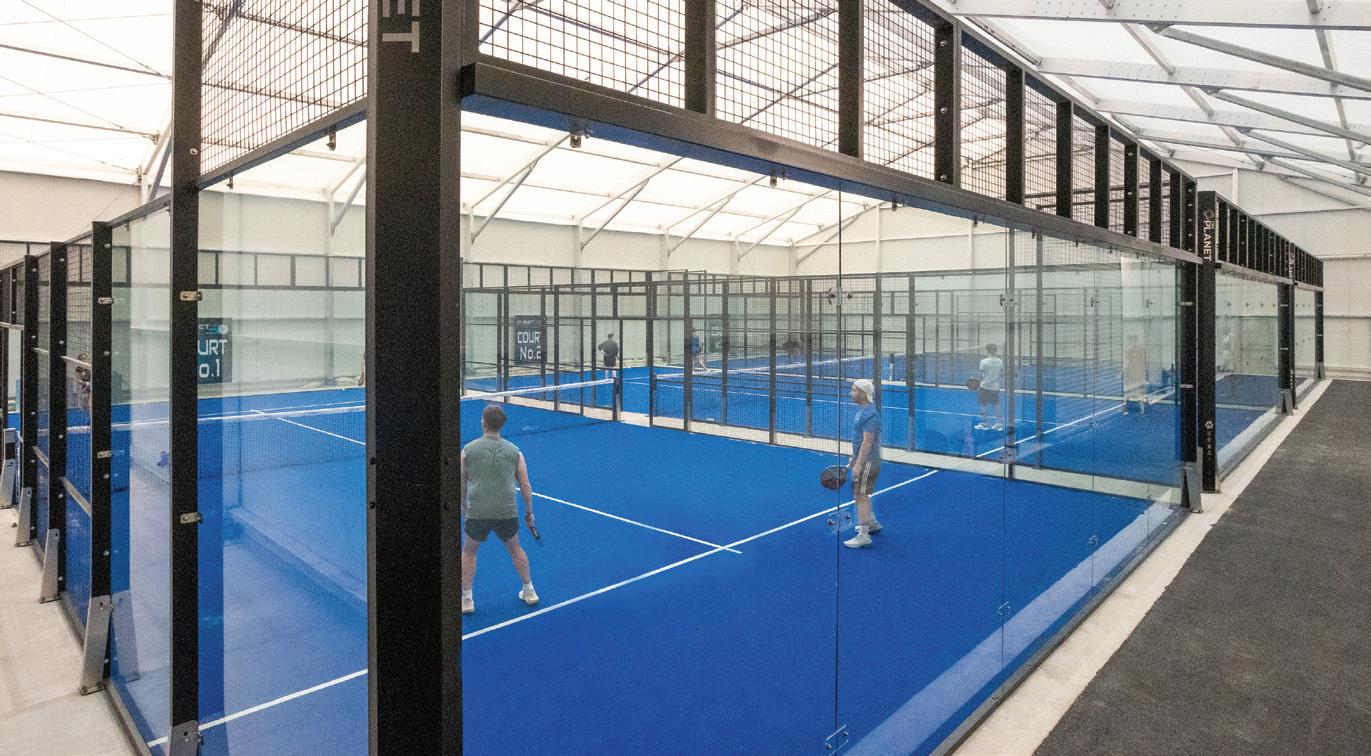
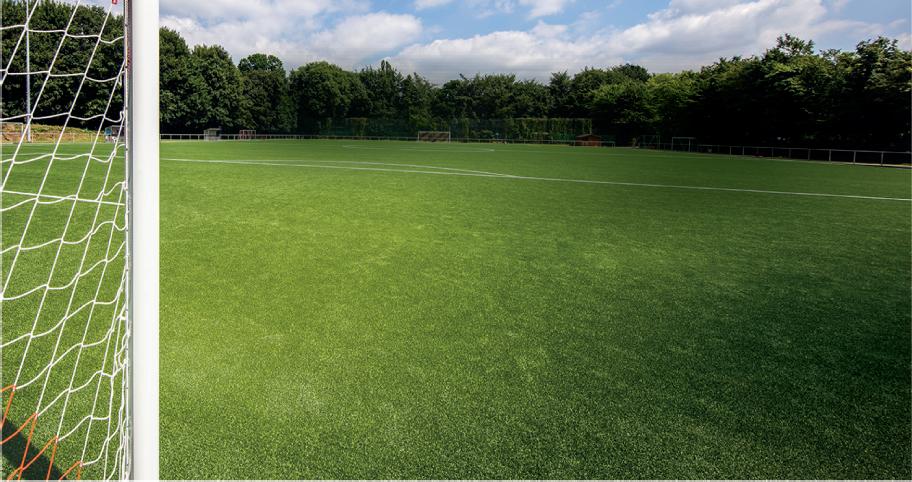
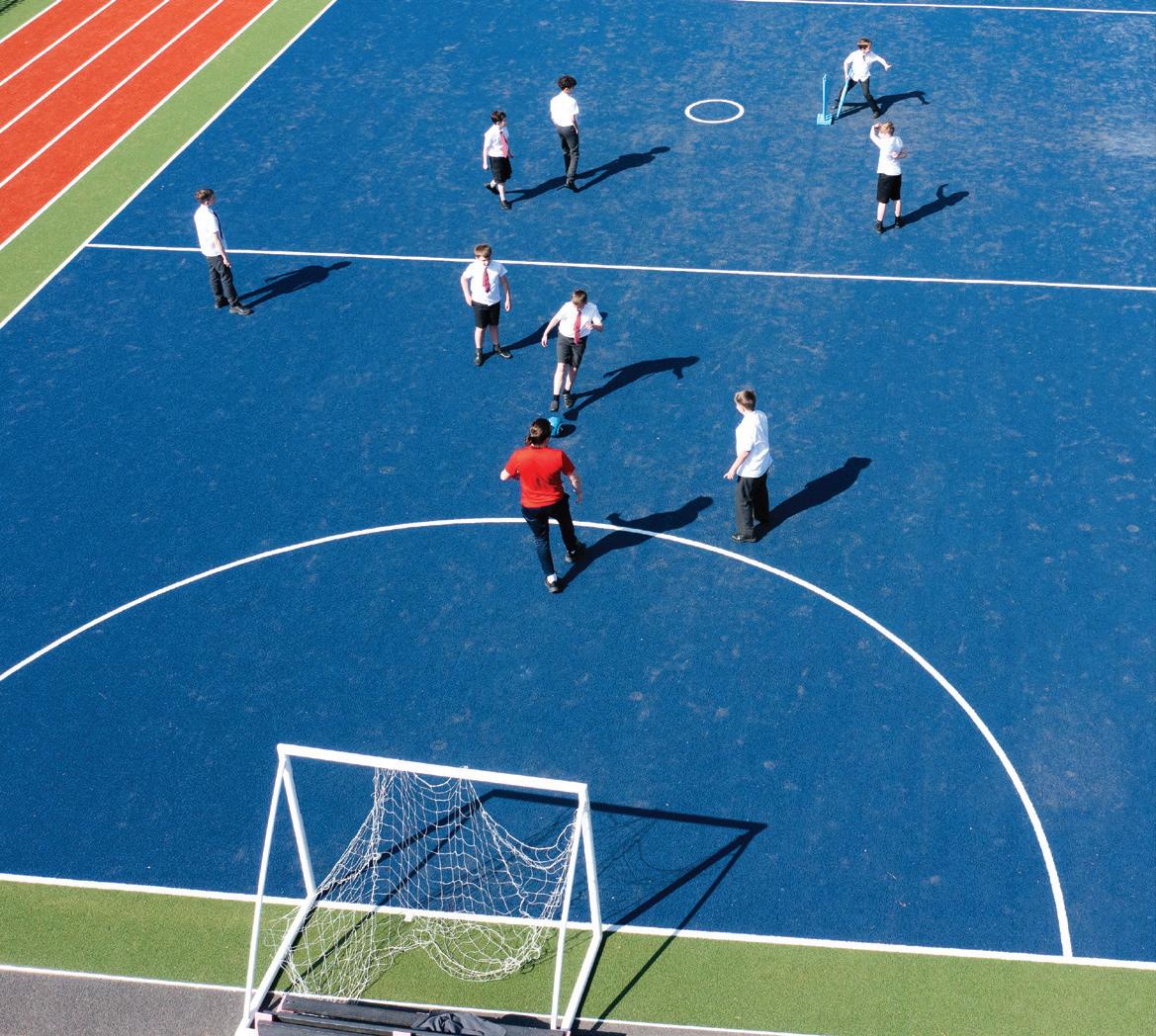
Padel isn’t just one of the fastestgrowing sports in the world — it’s also one of the most enjoyable ways to stay active. At Surge Padel Clubs, we believe sport should be social, inclusive, and energising for everyone, whether you’re a child picking up a racket for the first time or an adult looking for a new way to stay fit. Combining movement, social interaction, and skill-building, padel delivers physical fitness while boosting confidence, supporting mental wellbeing, and creating strong communities on and off the court.
Unlike traditional gym workouts, padel keeps you moving without it feeling like exercise. The game blends quick reactions, short sprints, coordination, and strategy. This creates a full-
Rich Wingfield, MD of Surge Padel, says that, in addition to its social aspect, padel is also the perfect sport for those looking to get (and keep) fit – both physically and mentally
body workout that improves cardiovascular fitness, agility and balance, strength and coordination, and reaction speed and mobility. Because padel is played in doubles on a smaller court, rallies are longer and more engaging. That means more movement, more laughs and more time enjoying the game with others. At Surge, our courts are designed to create an environment where fitness happens naturally through play, competition, and community.
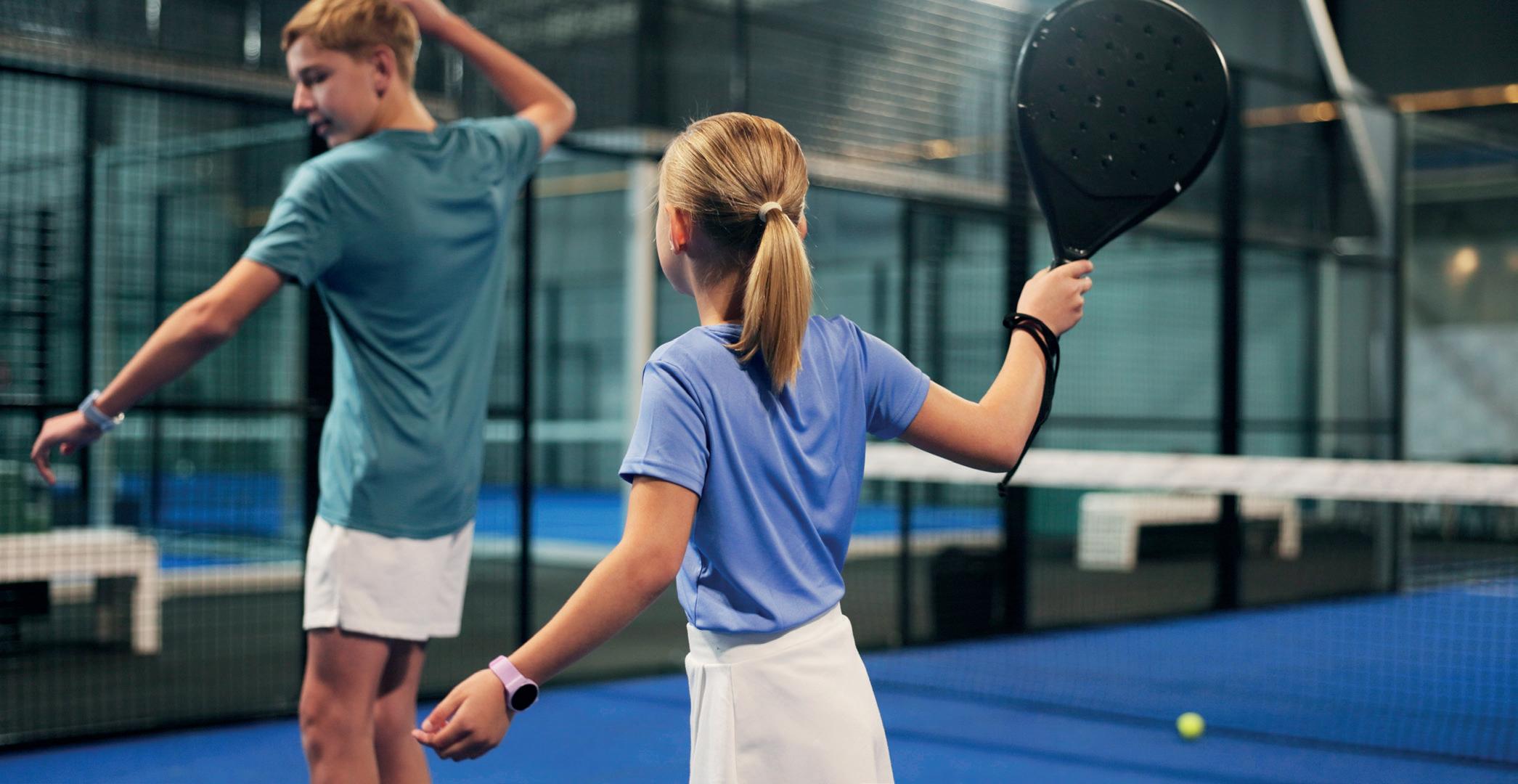
For children, sport is about so much more than exercise. It’s about building confidence, learning teamwork, and developing a love for movement that lasts a lifetime. That’s why Surge Padel Clubs offer dedicated junior coaching programmes, designed to introduce young players to the sport in a fun, supportive environment.
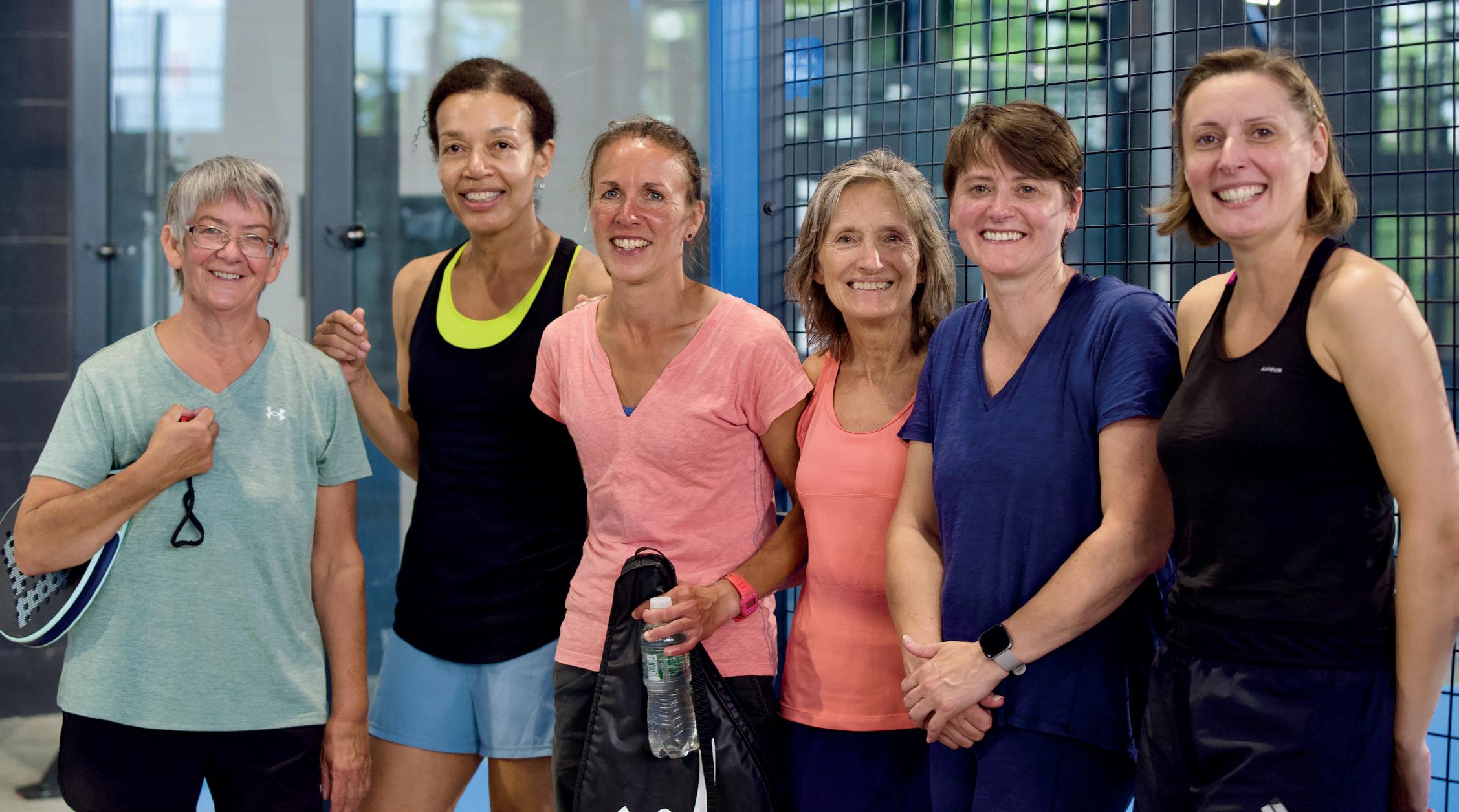
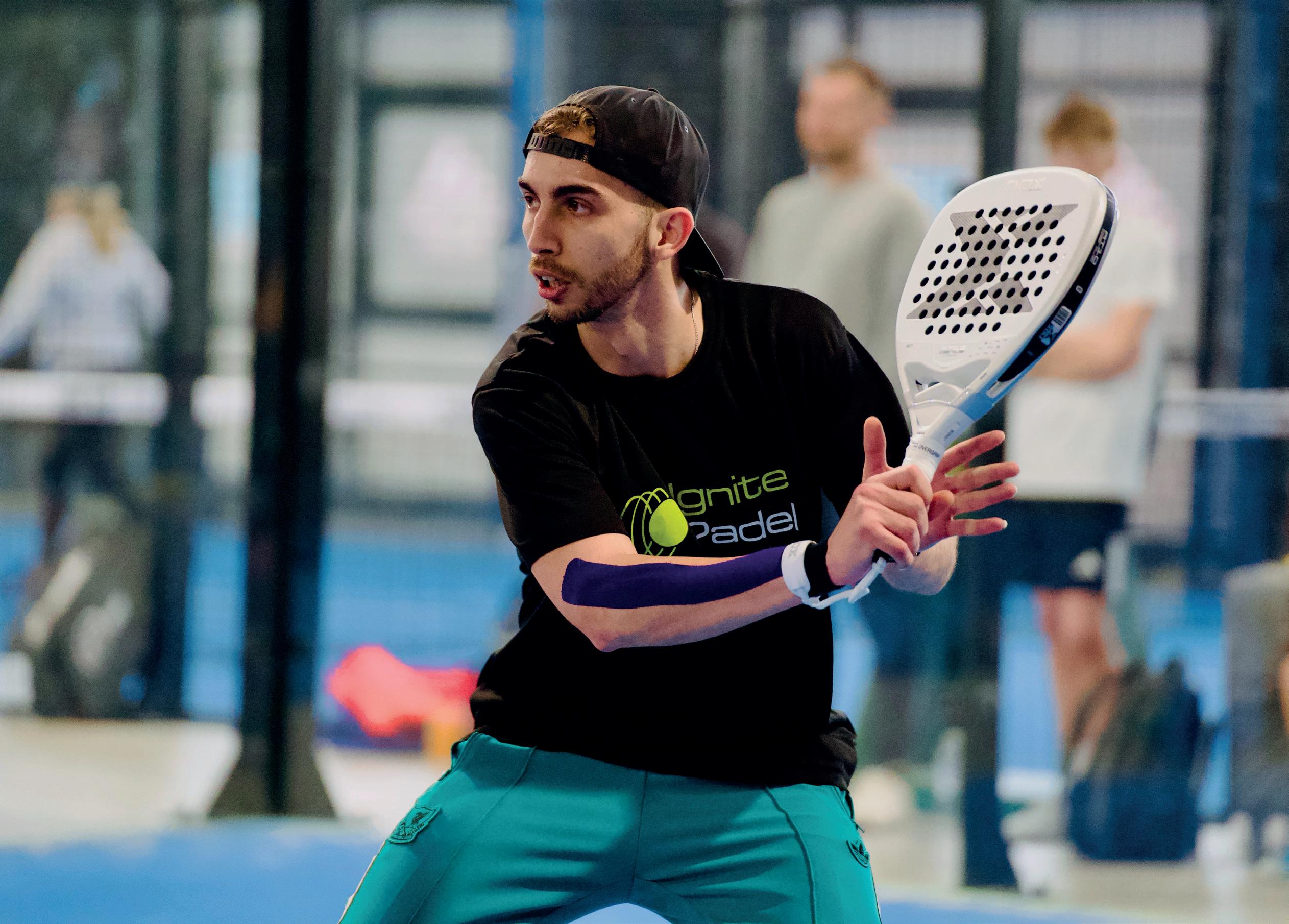
Our junior sessions focus on:
● Developing coordination and agility
● Building confidence through skill progression
● Encouraging teamwork and social interaction
● Creating healthy habits and active lifestyles Padel is particularly great for children because it’s easy to learn and incredibly fun to play. With smaller courts and doubles play, young players quickly get involved in rallies, building confidence from the very first session. Many of our junior players start with beginner coaching and quickly grow into confident young athletes who love being part of the club community.
One of the most exciting things about padel is how accessible it is. You don’t need years of experience or elite fitness to get started – players of all ages and abilities can jump on court and enjoy the game. At Surge Padel Clubs, we welcome everyone from complete beginners to competitive players. All our clubs offer both beginner sessions and coaching, as well as competitive games and tournaments. There are also social match play and club nights and friendly community events. Because padel is played in doubles and on a smaller court, it’s less physically demanding than many racket sports while still providing an excellent workout. That makes it perfect for adults who want to stay active, meet new people, and enjoy a sport that’s both social and competitive.
One of the biggest reasons people fall in love with padel is the community that forms around it. At Surge, the court is more than just a place to play – it’s a place to meet people, make friends, and become part of something bigger. From club nights to tournaments and coaching sessions, our clubs are designed to bring players together. Whether you’re arriving solo or with friends, you’ll always find a welcoming community ready to play. That sense of belonging is what makes padel special – and why so many players quickly turn a single game into a regular part of their week.
Sport has a powerful impact on mental wellbeing, and padel is no exception. Regular physical activity is proven to reduce stress, boost mood, and improve overall mental health. But padel adds something extra: social connection. Playing padel combines exercise with laughter, teamwork, and shared experiences. That combination helps people switch off from daily pressures and focus on the moment — something that’s increasingly important in today’s busy world. At Surge, we see it every day. Players leave the court feeling energised, relaxed, and more connected to the people around them.
Could a partnership between Playtomic and DUPR signal the end to a regular issue for padel players – the difficulty in finding suitable opposition to play when scheduling a game with strangers? Jethro Binns, co-founder of LevelTech and PadelLevels, explores how to build a working ratings system
Here is a question padel hasn’t answered yet: if you play at a club in Bristol, travel to Barcelona for a week, and want to book a game with strangers, how does anyone know what level you are?
Right now, the honest answer is: it depends which platform you’re on. And even then, it only works if the club in Barcelona happens to use the same platform as the one in Bristol. Play somewhere else and the number stays behind. And even when it does travel, ask anyone who’s tried it and the same word comes up: calibration. The number doesn’t quite mean the same thing in both places.
That might sound like a minor inconvenience. It isn’t. It’s one of the most important structural problems the sport needs to solve before it gets much bigger.
A signal appeared recently in racket sports that mostly went unnoticed outside the industry. Playtomic, one of the largest booking platforms around, announced a partnership with DUPR — the dominant ratings system in pickleball. On the surface it looked like a routine business collaboration. What it actually signals is something bigger: the ecosystem is beginning to separate into layers. Booking platforms manage courts and

payments. Competition platforms run leagues and tournaments. And ratings are emerging as their own independent infrastructure — sitting underneath the sport rather than inside any single product.
This has already happened in squash, where SquashLevels provides portable ratings used across federations, clubs and competitions in dozens of countries. For the significant number of padel players in the UK who came from squash, this isn’t a theoretical concept — it’s something they’ve already lived. They know what it feels like to turn up at an unfamiliar club, share a number, and get into a competitive game. They know the difference it makes. Padel deserves the same.
It’s happened in tennis too, with UTR and WTN providing portable ratings across clubs, tournaments and regions. And most recently in pickleball, where DUPR has become the common language of player level – significant enough that Playtomic just announced a formal partnership with them.
In each case, players carry one number with them wherever they go. Padel hasn’t got there yet. But it will. And how it gets there matters enormously.
The problem today is fragmentation. Almost every platform entering padel builds its own rating system. It’s an understandable instinct — if you’re running a booking or competition product, attaching a number to a player profile feels like
A rating system owned by one platform will always be limited to that platform’s network
A
from
to Barcelona should arrive with a number that still makes sense in the new environment
a natural feature. But ratings are much harder to build properly than most people expect. And when every platform creates its own version, the sport ends up with multiple versions of reality.
One system says you’re a 3.5. Playtomic says you’re a 4. Padel Mates calls you something else entirely. A tournament platform has its own scale altogether. Players quickly ask the obvious question: which one is real?
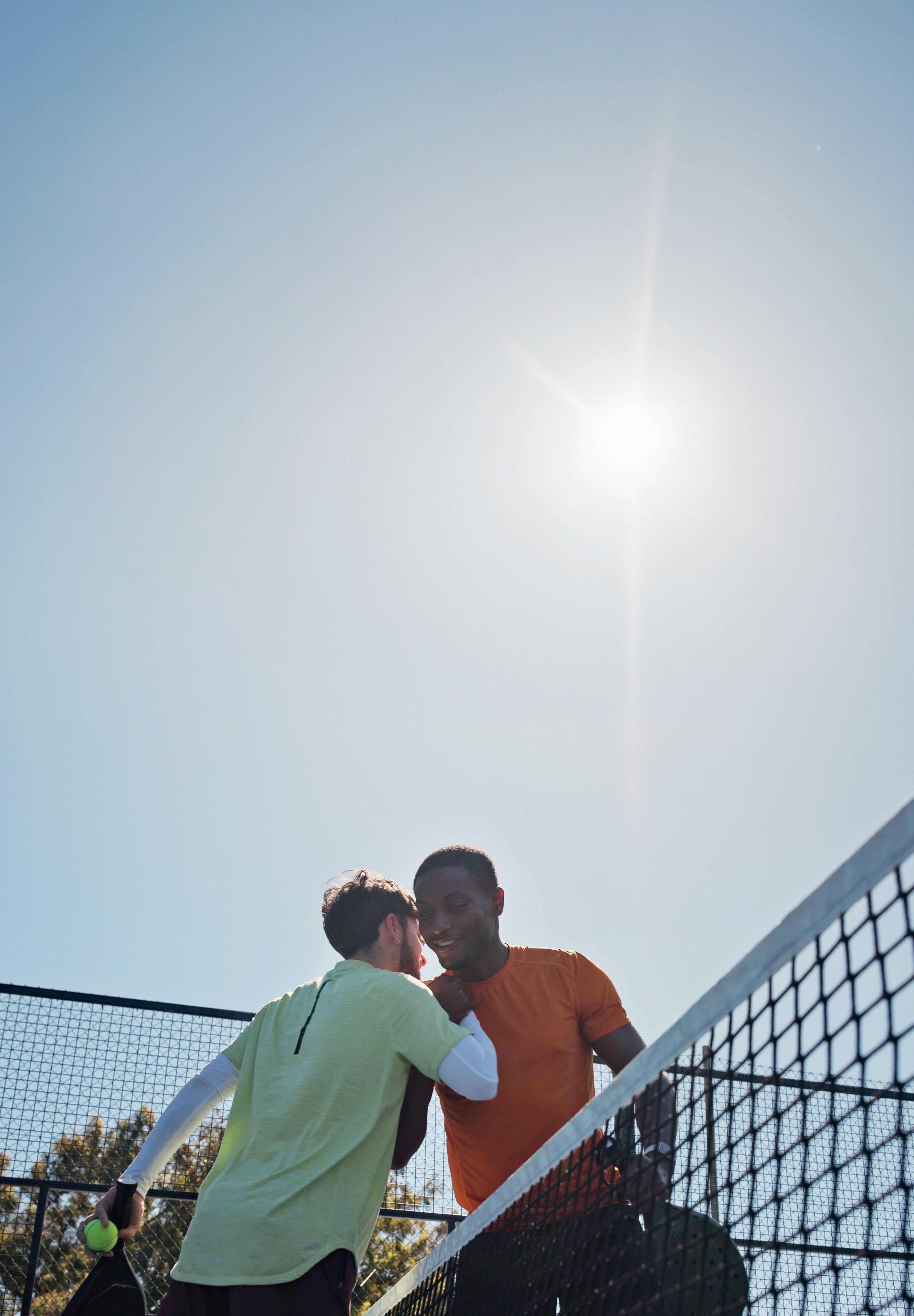
For a while, inconsistent ratings feel like a minor annoyance. But the effects compound. Padel works because it is open and social. One of the genuine joys of the sport is turning up at a club, booking a match, meeting strangers, and having a competitive game without knowing anyone beforehand. That openness depends on trust. Players trust that the match will be roughly balanced. They trust that the numbers next to names actually mean something. When ratings become unreliable, that trust erodes quietly and quickly.
If players start experiencing more mismatches,
it means court time can get wasted. Matches can also become one-sided or uncomfortable. As a result, behaviour often shifts in a way that’s hard to reverse – people retreat into closed WhatsApp groups, organising games only with people they already know are at a similar level. Open matches become less appealing. New players struggle to break into established networks.
This can all lead to sport becoming less accessible, less social and less “itself”.
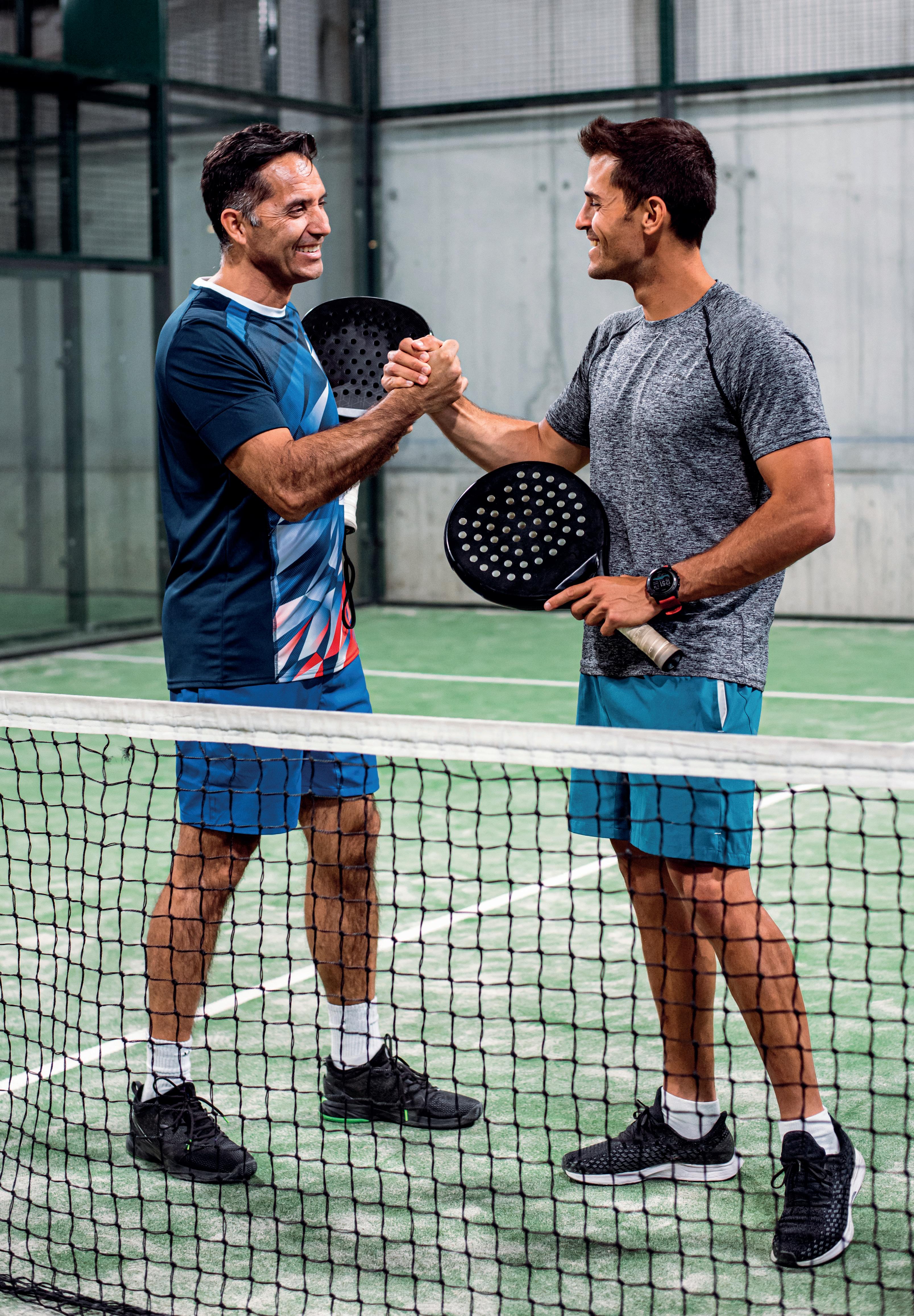
The fix isn’t complicated in principle, even if it’s hard in practice. Ratings work best when they are neutral – when they sit underneath the ecosystem rather than inside a single product. Even the largest and best-resourced platforms in the sport have found this hard to solve alone. That’s not a reflection of effort or ambition. It’s a structural problem. A rating system owned by one platform will always be limited to that platform’s network. The moment a player steps outside it, the number stops meaning anything.

The solution isn’t building a better walled garden. Rather, it is an independent infrastructure that any platform can plug into. When that layer works properly, a match played through a booking app, a league fixture and a tournament result can all feed into the same number. Players carry that number between clubs, cities and countries. It still means something when they arrive somewhere new.
That portability is what keeps the sport open. It’s what lets a player book a game with strangers in Barcelona and have a reasonable match, not a mismatch. It’s what lets clubs run open sessions without chaos. It’s what lets new players enter the ecosystem without needing personal introductions to find a game. The open approach means ratings stop being a feature – they become a foundation.
Building a system that works at scale is genuinely hard. A good rating needs to be stable enough not to swing wildly after one result, but responsive enough to reflect real improvement. It needs to recognise the difference between expected and unexpected outcomes – beating someone you were already supposed to beat shouldn’t inflate your rating, but a strong performance in defeat should still count for something.
Context matters too. A national championship match should carry more weight than a local league game. And padel adds extra
complexity because it’s a doubles sport –partner strength changes expectations, and any serious model has to account for that.
Most critically, ratings need to stay calibrated across geography and time. A player moving from Bristol to Barcelona should arrive with a number that still makes sense in the new environment. Without that, the numbers eventually mean nothing at all.
Padel is still early enough in its growth to build an efficient and working rating system properly. Other racket sports have already learned that ratings are infrastructure, not features. The Playtomic-DUPR partnership is one sign that even the largest platforms are starting to accept this. Proprietary rating systems create walled gardens. Independent ones create a sport that can grow while staying connected.
Get this right and padel grows together –players moving freely between clubs, cities and competitions with a level that travels with them. Get it wrong and the sport quietly fragments into disconnected pockets, each with their own language for competitive level, none of them compatible.
Ratings are not just numbers. They shape behaviour. And in a sport built around openness and spontaneity, they may turn out to be the most important piece of infrastructure padel builds.