Steve Smith, Partner, Bryan Cave Leighton Paisner LLP
Ryan Strickland, STS, Vice President, Play Treasure Coast
Sports Tourism
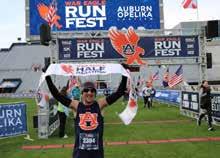
Anthony Terling, STS, Sports Development Director, Auburn-Opelika Tourism
Katy Tigchelaar, STS, Vice President of Operations, West Michigan Sports Commission-2025
Ashley Whittaker, Partner + SVP, Marketing, The Sports Facilities Companies
Looking to share your expertise?
Information-sharing is a founding principle of Sports ETA, and the industry knowledge among the Sports ETA membership lends itself to unprecedented expertise.
Sports ETA encourages members to share information with their peers. Contact Meagan Grau, Director of Marketing and Communications, at Meagan@SportsETA.org to learn more about how you can contribute to a future edition of the Sports ETA Playbook.
To include your news in our weekly Get in the Game eNews, send press releases and articles to info@sportseta.org
Distribution Date: Thursdays. Deadline for content: Wednesday at Noon ET before distribution date.
Letter from the President and CEO
Dear Sports ETA Family,
Happy Holidays!
As the year winds down, I find myself reflecting on what an extraordinary season this has been, not just for Sports ETA, but for the entire sports tourism industry. From coast to coast, our members have continued to innovate, adapt, and lead with purpose in ways that elevate communities, strengthen economies, and showcase the power of sport at every level.
This fall has been one of the most dynamic stretches in our association’s history. We crossed a major milestone with our 100th new member of the year, for the second consecutive year, a testament to the momentum of this industry and the trust you continue to place in Sports ETA.
Education remains at the forefront as we released two new white papers and launched multiple online STS certificate courses. These projects reflect our commitment to being more than a membership organization; we are a true knowledge, research, and strategy partner for the industry.
Our advocacy efforts also reached new heights. Whether speaking at state tourism conferences, elevating your success stories on national stages, or joining coalitions to influence policy issues such as the proposed Visa Integrity Fee, Sports ETA has been increasingly recognized as the voice of sports tourism. From Tennessee to Colorado to Louisiana to Orange County, I’ve seen firsthand how your leadership is reshaping communities and inspiring elected officials and tourism leaders alike.
Perhaps one of the most exciting developments was the launch of our first-ever international sales mission, that took place in December in Lausanne, Switzerland, the Olympic Capital. The response from global rights holders was overwhelming, and this initiative represents a landmark moment for our association as we expand our reach and open new pathways for members to engage on the world stage.
Through all of this progress, through the milestones, events, research, advocacy, and partnerships, one thing stands above the rest: you.
Your work in your communities, your commitment to athletes and families, your creativity in designing world-class experiences, and your willingness to share, collaborate, and lift one another up, that is what makes Sports ETA special. That is what powers this movement.
As we close out the year and prepare for a 2026 filled with major events, global opportunities, and new challenges, know that Sports ETA will continue to invest in you, champion you, and stand proudly beside you.
Happy Holidays and here’s to a bold, bright year ahead.
Yours in Sport,
John David President & CEO, Sports ETA
Letter From Your Board Chair
Happy Holidays!
As the end of the year is quickly approaching, I want to take a look back at where we have been and then where we are going as an organization and industry. Sports ETA closed out its fiscal year in July with record setting numbers for membership and event attendance, which has put our organization in its strongest financial position in history.
The Board of Directors, while excited about this growth, has taken a cautious approach to our outlook for this year. The budget approved by the Board was conservative and forecasted a flat year for membership and revenue as we look at the uncertain economic situation we are all facing. We have already seen budget cuts and attempted cuts to tourism departments across the country, and there could be more coming as federal, state, and local governments look at cutting government budgets, falling tax revenues, and an unstable labor market. However, given our current strong financial position and proper planning, Sports ETA is still moving forward with our bold plans to provide value for your membership.
We welcomed Raelyn Dessart and Jordan Dillon to our Membership and Engagement Team in October, the Board created an Education Taskforce that is working with Christina Velasquez to overhaul our education program, and in December we sent a delegation of cities to Lausanne, Switzerland to meet with International Federations as we work to expand our international footprint.
As we approach the new year there are big things on the horizon. We are in the decade of mega sporting events in the US with FIFA World Cups, Olympics, and Rugby World Cups, but we know that youth and amateur sports are still driving sports tourism in our communities. I am excited to see where we are going as an industry as we raise our profile and more people are paying attention to the impact we have on our cities, counties, and states. We have been presented with a great opportunity, and it is up to us to seize the moment and do great things.
On behalf of myself and the Board of Directors, thank you for a great 2025, Happy Holidays, and may your 2026 be even better.
Matt Libber Sports ETA Board Chair
Member Services News & Updates
Sports ETA Strengthens Its Membership & Engagement Team with Two New Leaders
The team serving members at Sports ETA is growing. This fall, the association welcomed two new leaders to its Membership & Engagement team: Jordan Dillon and Raelyn Dessart. Together, they will help strengthen relationships, grow membership, and drive engagement across Sports ETA’s national network.
“Raelyn and Jordan bring an exciting mix of experience, energy, and creativity,” said Michelle Wessels, Senior Director of Membership & Engagement at Sports ETA. “Their passion for building connections and advancing our members’ success aligns perfectly with our mission to elevate the organizations and professionals driving the sports events and tourism economy.”
A Return to Her Roots: Jordan Dillon
In her new role as Associate Director of Membership & Engagement for Rights Holders, Jordan Dillon brings over 15 years of experience spanning national governing bodies, local nonprofits, and brand partnerships. Her career includes tenures with USA Gymnastics and USA Synchro, where she built innovative programs that connected athletes, fans, and host cities through sport.
Most recently, she served as Executive Director of the Broad Ripple Village Association, leading membership growth and large-scale event strategies in Indianapolis. A graduate of DePauw University, Dillon holds a degree in Communication Arts & Sciences and a minor in Sociology.
“I’m thrilled to return to the sports events community that has meant so much to me,” Dillon said. “Having been a Sports ETA member in the past, I know how powerful this network is. I’m excited to help others experience that same value and connection.”
A Rising Star in Destination Sports Tourism: Raelyn Dessart
Joining as Associate Director of Membership & Engagement for Destinations & Industry Partners, Raelyn Dessart brings eight years of experience in sports tourism and destination development. She previously served as Senior Sales & Events Supervisor at Visit Central Florida Sports, where she played a key role in recruiting and managing more than 300 events annually, producing more than $215 million in economic impact.
Her innovative approach led to programs such as the Sweetest Sports Experience and the Visit Central Florida Partner Summit, both designed to strengthen collaboration among regional stakeholders. Under her leadership, Visit Central Florida Sports earned the title of 2025 Sports Tourism Organization of the Year from Sports ETA.
A member of Destinations International’s 30 Under 30 Class of 2025, Dessart also co-founded the Women in Sports Tourism (WiST) Collective and holds Sports Tourism Strategist (STS) and RRCA Certified Race Director credentials.
“I’m so grateful to join an organization that has played such a significant role in my professional journey,” Dessart said. “This industry thrives on collaboration, and I look forward to helping our destinations and partners continue to create impact in their communities.”
New Member BenefitRequest for Services Portal
The Request for Services (RFS) Portal is a centralized platform designed to connect destinations and rights holders with qualified industry partner service providers across the sports events and tourism industry. Whether you're seeking event operations support, marketing expertise, transportation solutions, or other specialized services, users can post project needs by category, making it easy for relevant organizations to identify and respond to opportunities that match their expertise. While Sports ETA facilitates the platform, it does not collect or manage proposals—instead, interested organizations are encouraged to personally contact the requesting party directly with their questions, proposals, or bids. This direct connection streamlines communication, encourages collaboration, and ensures a more efficient and targeted response process. The Request for Services (RFS) Portal is a centralized platform designed to connect destinations and rights holders with qualified industry partner service providers across the sports events and tourism industry. Whether you're seeking event operations support, marketing expertise, transportation solutions, or other specialized services, users can post project needs by category, making it easy for relevant organizations to identify and respond to opportunities that match their expertise. While Sports ETA facilitates the platform, it does not collect or manage proposals—instead, interested organizations are encouraged to personally contact the requesting party directly with their questions, proposals, or bids. This direct connection streamlines communication, encourages collaboration, and ensures a more efficient and targeted response process.
For more information or to sponsor a new Rights Holder, contact our member services team at info@SportsETA.org
New Role:
• Robert Cox, Director of Sales with DistiNCtly Fayetteville NC
• John Oney, STS, President & CEO, Destination Dayton
Recently Promoted:
• Nathan Caferro, Sports Events Manager, Snohomish County Sports Commission
• Ariana Darcy, Vice President - Northeast Region, 3STEP Sports
• Abby Owens, Director of Sports Sales, Explore Utah Valley
• Jon Scheuren, Senior Director, Valley Forge Sports
A Summit Built Around Learning: Strategy, Services, Sales,
and Sponsorship
BY MEAGAN GRAU, SENIOR DIRECTOR OF MARKETING & COMMUNICATIONS, SPORTS ETA
As a purpose-driven, education-first conference, the 4S Summit centers on four pillars critical to industry success: Strategies, Services, Sales, and Sponsorships. Throughout three days in Annapolis, attendees experienced a dynamic mix of keynotes, breakout sessions, round-table discussions, STS coursework, and collaborative workshops designed to deliver tangible value to professionals across the sports events and tourism ecosystem.
Wednesday and Thursday featured a deep catalog of educational sessions ranging from adapting to accessibility and inclusivity needs, to navigating NIL trends, managing event safety, exploring international federation partnerships, and elevating both fan and community experiences. Attendees consistently shared that the breadth and depth of the content allowed them to move beyond surface-level concepts and into meaningful, applicable strategies.
Immersive Leadership Training — With Real-World Lessons
A standout moment of the Summit occurred at the United States Naval Academy, where Tom Van Dam — a 20-year Navy helicopter pilot and former Naval Academy leadership professor — delivered the STS certification course, “Character in Sports: Building Teams, Cultures and Communities.” Held within one of America’s most storied leadership institutions, the course transformed military leadership principles into actionable frameworks for
building strong teams, fostering collaboration, and establishing resilient organizational cultures. Many attendees left with a renewed roadmap for strengthening stakeholder relationships and driving long-term success.
Voices That Resonated: Keynotes Worth Talking About
The keynote stage featured some of the most compelling voices we’ve ever assembled. Cal Ripken, Jr. headlined with a powerful session on the Future of Youth Sports, examining accessibility, evolving expectations, and the responsibility of communities and organizations to steward positive experiences for young athletes. Additional speakers — including Melanie Newman of MLB Network, Crista Samaras of Brave Enterprises, and Jameel McClain
Baltimore Ravens — delivered personal, energizing messages about innovation, perseverance, team culture, and impact.
A Host Destination That Went Above and Beyond
No Summit of this quality happens without an exceptional host and Visit Annapolis & Anne Arundel exceeded every expectation. Their team elevated the entire experience—from helping secure local subject matter experts who added regional depth to our education program, to ensuring the best venues, backdrops, and hospitality for our members. Their partnership with the U.S. Naval Academy brought unmatched authenticity to the STS course, and their attention to detail—from transportation to off-site event coordination—set a new standard for what host destinations can contribute. Their commitment was felt at every touchpoint and played a critical role in shaping the success of this year’s Summit.
Peer Learning and Lasting Takeaways
One of the greatest strengths of the 4S Summit continues to be the connection between individuals navigating the same opportunities and challenges. This year’s round-tables, working groups, and informal discussions facilitated some of the most meaningful peer learning attendees have experienced, producing actionable ideas that destinations, rights holders, and partners can implement immediately.
Setting a New Benchmark
With its exceptional educational content, diverse perspectives, immersive training, and best-in-class host support, the 2025 4S & Rights Holder Summit established a new benchmark for what sports tourism education can achieve. Attendees didn’t simply attend sessions — they gained tools, perspectives, and partnerships that will strengthen their organizations and communities long after they returned home.
LEAD BOLDLY. LEARN TOGETHER.
Where the industry’s top minds exchange ideas that move us forward.
THE EXECUTIVE EXPERIENCE
Join Presidents, CEOs, Executive Directors & Senior Leaders for The Executive Experience—a curated space to explore office culture, crisis management, workforce trends, and strategic goal-setting.
KEYNOTES:
AI and the Future of Sports Tourism: Strategy, Story, and the Human Edge
Artificial intelligence is rapidly reshaping how visitors discover, experience, and value sports tourism. In this keynote, Brand USA’s Chief AI Officer, Janette Roush, cuts through the noise to show how AI is transforming strategy, operations, and engagement. Learn what leaders must know now to build an efficient, ethical, human-centered future—and how to use AI to create smarter organizations and more meaningful experiences.
Leading When It Matters Most
College athletics is entering a period of rapid transformation, creating new challenges and opportunities for leaders across the industry. In this keynote, Ross Bjork, Athletic Director, The Ohio State University, highlights why effective leadership, collaboration, and strategic partnerships are more critical than ever. Attendees will gain practical insights to navigate change, strengthen relationships, and elevate their impact within the evolving sports-event ecosystem.
Finance That Drives Results
WHAT YOU CAN EXPECT:
Think your financial strategy is future-ready? Gain the insights leaders need to make confident, clear, and forward-focused decisions in this keynote with Megan Kilgore, Columbus City Auditor
Leading with Authenticity – The Four Pillars of Trust
Speaker: Dr. Gary Johnson, BCC, Executive Coach & Author
In today’s workplace, trust is currency. Teams don’t just want managers—they want authentic leaders who bring clarity, compassion, and connection. Yet only 29% of employees describe their leaders as authentic— a gap that impacts performance, retention, and culture.
2
The Current Landscape of Workforce Development & Industry Trends
Speaker: John Brich, SearchWide Global
Gain fresh insights into workforce development and the trends shaping the sports events and tourism industry. Learn how to anticipate shifts in talent, identify growth opportunities, and build a resilient organizational culture that can adapt to the future of work.
1 3
Leadership Round Tables
Experience the peer discussions everyone talks about—high-level round tables where executives exchange solutions, sharpen strategy, and drive real breakthroughs.
Your leadership matters—register today and invest in your impact.
Pennsylvania Takes Center Stage: A Supercharged 2026 Sports Calendar
BY CHRISTOPHER D. SILBERNAGEL
With global and national tournaments and historic firsts from east to west, Pennsylvania’s sports scene is gearing up for its most thrilling and impactful year yet.
After PA Sports’ 20th anniversary celebration, the organization followed up in the best possible way by growing to 14 members across the Commonwealth. Now celebrating America’s 250th anniversary, and spanning every corner of a state where you can drive from championship to championship in a single day, if you thought 2025 was a big year for Pennsylvania then take a deep breath because 2026 is about to blow you away.
Meet the PA Sports Members
Along with the new addition of Pocono Mountains Visitors Bureau, PA Sports is made up of Chester County Tourism, Discover Lehigh Valley, Erie Sports Commission, Experience Butler County PA, Happy Valley Sports & Entertainment Alliance, Hershey Harrisburg Sports & Events Authority, PHL Sports, Sport York, SportsPITTSBURGH, Valley Forge Sports, Visit Delco, Visit Johnstown, and VM Sports.
Get ready for the largest sporting event on the planet, when the FIFA World Cup arrives at Lincoln Financial Field in Philadelphia for multiple Group Stage matches as well as the Round of 16 knockout stage. Taking place June 11–July 19, 2026, this expanded edition is not only upping the qualified nations to 48 teams, but it will also be the first time that Pennsylvania has hosted the quadrennial soccer event—making it a rare experience that may be once in a lifetime.
Also taking place in Philadelphia, the MLB All-Star Game will descend upon Citizens Bank Park on July 14, marking the 96th edition of baseball’s midsummer classic and the city’s first time hosting since 1996. Set against the backdrop of America’s 250th anniversary, this celebration of sport and spirit will showcase the game’s brightest stars on one of baseball’s most electric stages.
“In 2026, Philadelphia will take center stage as host to the world—from the FIFA World Cup and MLB All-Star Game to NCAA Basketball and the PGA Championship —showcasing not just world-class competition, but the passion, pride, and history that makes this city the ultimate sports destination,” said Larry Needle, executive director at PHL Sports.
Just outside of Philly, the Continental Youth Championships (CYC) return to Chester County from July 30–August 2, uniting hundreds of youth teams from across North America for the largest Gaelic football and hurling tournament outside of Ireland. The weekend will mix competition with a cultural celebration of Irish traditions set within Pennsylvania’s vibrant summer landscape.
The Best in Golf Arrives in 2026
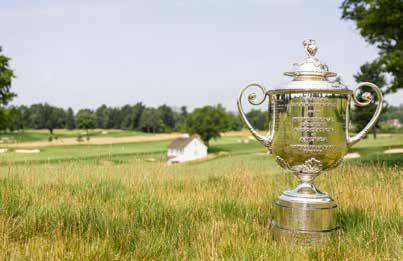
The 2026 PGA Championship will land in Delaware County at Aronimink Golf Club in Newtown Square, Pennsylvania, from May 11–17, hosting the 108th edition of golf’s great major. This will mark the first time the PGA Championship returns to Aronimink since 1962, when Gary Player claimed the Wanamaker Trophy. With a globally spotlighted field, and an estimated 200,000 fans expected, the week promises a stirring blend of challenge and hometown spectacle just a short drive from Philadelphia.
The U.S. Amateur will spotlight Delaware County and Valley Forge, with Merion Golf Club in Ardmore hosting both stroke-play and match play rounds, and Philadelphia Country Club in Gladwyne serving as a strokeplay co-host. The championship runs from August 10–16, promising to bring together the top amateur talent in the world.
Meanwhile, for the U.S. Junior Amateur, Lehigh Valley has a special mix of urban amenities and rural landscapes, rich with history and ready for visitors to explore. Teeing off July 20–25, Saucon Valley Country Club will host the nation’s top U19 male amateurs in a week of stroke play followed by match play.
Showcasing Central Pennsylvania’s Competitive Spirit
The State Games of America will bring thousands of athletes and families to Happy Valley from July 28–August 2, transforming Penn State University and surrounding venues into a celebration of amateur sporting excellence. Expect five days of competition across dozens of disciplines, with a community-wide festival atmosphere that captures the spirit of Pennsylvania pride on a national stage.
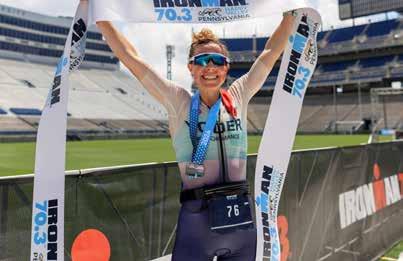
Taking place June 14, the IRONMAN 70.3 North American Championship will challenge elite and age-group athletes alike in what’s expected to be one of the sport’s most memorable continental showdowns. The course will further showcase central Pennsylvania’s scenic terrain and finish with a roar through Happy Valley’s heart.
Out in Dauphin County, the Obstacle Sports Expo will take place from July 11–16. Made up of the Federation of International Ninja Athletics World Championships, Ultimate Ninja Athlete Association World Series Finals, and USA Ninja World Cup, this event promises a spectacle of strength, agility, and community in the Hershey/Harrisburg area.
Western Pennsylvania is Set for the NFL Draft and More
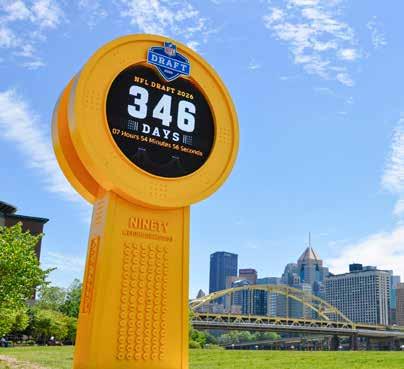
On the western side of the state, the NFL Draft will take over Pittsburgh from April 23–25, turning the city’s North Shore, Point State Park, and Acrisure Stadium into a three-day football festival. With top prospects and fans descending from all corners, the Steel City is aiming to stake its claim as the ultimate draft stage, with beautiful bridges, rivers, and a unique skyline all framing the moment when tomorrow’s stars hear their names called.
From July 7–11, Butler County will welcome the world’s best young disc golfers for the PDGA Junior World Championship. About an hour’s drive north of Pittsburgh, multiple courses will host the competition, bringing international talent and a festival-style energy that will cement western Pennsylvania’s growing disc golf reputation.
“Hosting the NFL Draft, FIFA World Cup 26, PGA Championship, MLB All-Star Game, and NCAA Playoff events all in one year is nothing short of monumental,” said Anne Ryan, deputy secretary of the Office of Tourism. “These events will drive once-in-a-generation economic impact, national pride, and unforgettable moments that prove Pennsylvania isn’t just part of the game—we’re where history gets made on and off the field.”
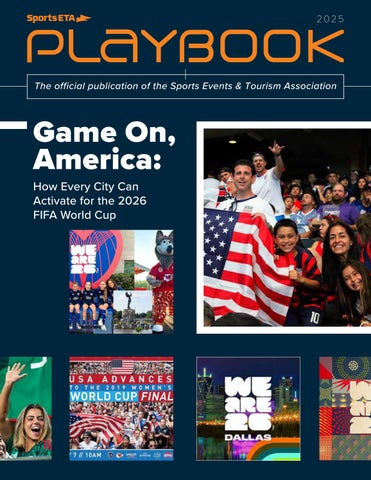
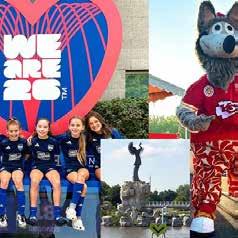
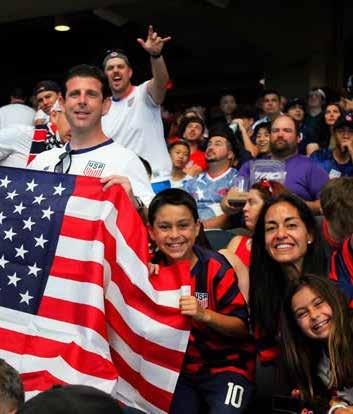
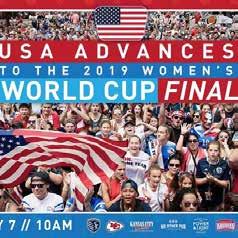
Game On, America: How Every City Can Activate
for the 2026 FIFA World Cup
When the FIFA World Cup kicks off from June 11 through July 19, 2026, it won’t just be the 16 host cities that feel the global spotlight. From coast to coast, the United States will become the stage for the biggest sporting and cultural event in the world, a once-in-a-generation opportunity for every destination to showcase its story, engage communities, and build a legacy that lasts long after the final whistle.
Beyond the Stadiums
The World Cup will bring more than 5 million international visitors and an estimated $5 billion in economic value to North America. But fans won’t stay in one place, they’ll travel between matches, training bases, and nearby cities. That creates an unprecedented chance for destinations along these corridors to capture both visitor traffic and spending by positioning themselves as authentic, accessible, and welcoming stops along the journey.
Whether you’re a host city or not, the key is clarity: define what success looks like for your community. That might be increased hotel occupancy, global media visibility, or long-term participation in youth soccer. Set bold but measurable goals, identify partners early, from local sports teams to transport providers, and ensure every activation supports your city’s broader tourism and development strategies.
Community, Culture, and Collaboration
Fans crave authentic experiences that connect them to local culture. Cities can leverage existing assets, stadiums,
music scenes, food districts, or ethnic communities tied to participating nations, to tell a story that feels both local and global. Imagine a “Taste of Argentina” street festival in a Midwest city, a youth soccer clinic led by local MLS players, or outdoor watch parties at iconic landmarks.
Partnerships are the multiplier. Work with neighboring cities or regional sports commissions to build “Soccer Trails” or themed experiences that link events, breweries, and attractions. Collaborate with media outlets, influencers, and cultural institutions to broadcast your city’s passion for the game to the world.
“ ”
The most successful cities don’t go it alone, they pool their voices, create authentic content, and push it out together.”
– Peter Angell, Sunset+Vine
Build the Legacy, Capture the Halo
The World Cup is a moment, legacy is the multiplier. Investing now in youth programs, facilities, and fan engagement will create lasting value beyond 2026. Cities can partner with MLS, USL, and youth clubs to expand soccer access, or direct event proceeds into new fields and community grants. Documenting these efforts through storytelling and media will extend the “halo effect,” positioning your destination as a future-ready soccer city. As Peter Angell of Sunset+Vine notes, the most successful cities “don’t go it alone, they pool their voices, create authentic content, and push it out together.” Shared storytelling, not stadium geography, determines who wins the World Cup of attention.
Own Your Moment
With ticketing windows opening this fall, fans around the world are already planning where to go, stay, and celebrate. Now is the time for cities to launch campaigns, invite international visitors, and ensure they show up in those searches, feeds, and travel itineraries.
In the words of JTA’s Jon Tibbs: “Start telling your city’s story before someone else does.” The world’s eyes will be on America and every city has a chance to shine.
Milestone FIFA World Cup Matches to Watch
OPENING MATCH
The tournament kicks off on June 11, 2026 at Estadio Azteca in Mexico City. It will mark the first match of the 48-team era of the World Cup, and the stadium becomes the first to host three World Cup openings (1970, 1986, and 2026).
SEMI-FINALS
Two semi-finals are set for July 14 and July 15, 2026. One will be held in AT&T Stadium (Dallas) and the other in Mercedes-Benz Stadium (Atlanta) according to FIFA.
FINAL (and Bronze Play-off)
The championship match takes place on Sunday, July 19, 2026 at MetLife Stadium in East Rutherford, New Jersey.
The bronze‐final (third place) is scheduled for July 18 in Hard Rock Stadium in Miami.
Houston readies for its FIFA World Cup volunteers
FIFA is recruiting an army of volunteers, about 65,000 volunteers across 16 host cities to power everything from wayfinding to media ops. Applications opened globally this summer signaling the start of the massive community effort.
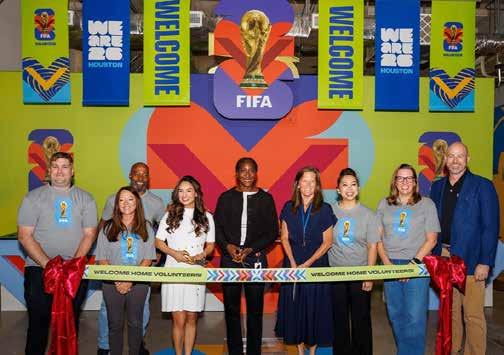
Cities are also opening on-the-ground hubs. Houston recently launched a dedicated Volunteer Center at POST Houston to interview thousands of candidates for 5,200 local roles, complete with FIFA-themed spaces and 40 interview booths running Oct. 21–Dec. 11. It’s a smart, visible touchpoint that doubles as a community engagement tool and a model other markets can borrow.
Fan Festival sites are becoming destination postcards
Expect the FIFA Fan Festival™ to be the central, free gathering space in each host city, think live match feeds, concerts, food, and sponsor activations. FIFA confirms this multi-city format across all 16 hosts for the first time.
Some U.S. hosts have already revealed their Fan Fest locations:
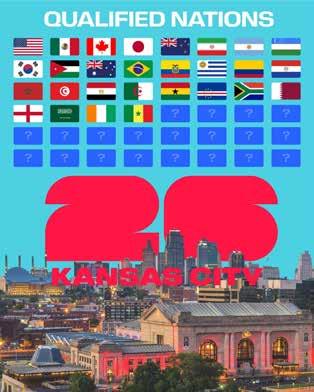
• Kansas City will stage its Fan Festival at the National WWI Museum and Memorial, an iconic skyline vantage that blends culture, history, and fan energy.
• NY/NJ says Liberty State Park will anchor the Festival with the Statue of Liberty as a backdrop, instant global imagery for broadcasts and social content.
• Miami has begun detailing a Bayfront Park concept for multi-day programming, positioning the Festival as an economic and cultural driver
Posters, contests, and public art fuel local pride
Official Host City Posters are out and they’re more than wall art. Cities are using them to spotlight local creatives, run contests, and seed public-realm activations. FIFA’s full poster set dropped in March; city teams continue to localize the rollout.
Recent highlights:
• Atlanta unveiled a surrealist-style poster by Jose Hadathy, a nod to the city’s canopy, culture, and Mercedes-Benz Stadium, paired with media storytelling that decodes “hidden gems” in the design.
• Boston partnered with MassArt, one of the few cities to tie poster work to a college arts ecosystem, creating both content and workforce legacy.
• Dallas commissioned illustrator Matt Cliff to blend urban and cowboy iconography, anchoring local identity to global football.
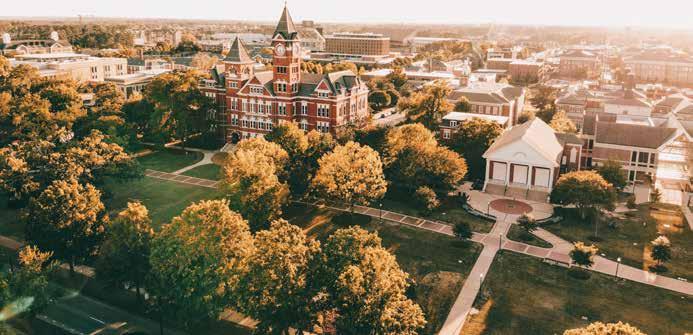
Q&A with Robyn L. Bridges, President & CEO of Auburn Opelika Tourism (AO Tourism)
Q: You’ve described the Auburn-Opelika area as “modern hospitality … the coolest college town in the South.” On the sports and events front, what new venue developments or facility upgrades are underway (or recently completed) that will particularly benefit sports tourism?
A: We’ve seen significant expansion of our sports facility capacity across the market. Auburn’s new Lake Wilmore Recreation Center features indoor courts, 18 covered pickleball courts, and four lighted multi-purpose turf fields, already attracting new events like gymnastic meets and partnerships with USA Gymnastics Alabama. Opelika continues to invest as well, adding eight more pickleball courts (including a championship court) and a 4,000+ sq. ft. player experience area to its existing 24-court covered pickleball facility, plus new outdoor recreation assets such as expanded disc golf courses, field archery, three, 20-lane 3D archery courses, and a modern event lodge at Spring Villa Park. Auburn University is also advancing major upgrades across its athletic facilities, including the $30 million Plainsman Park renovation, new technology enhancements at Jordan-Hare Stadium and Neville Arena, and improvements to its aquatics facility.
Q: How is AO Tourism leveraging the region’s existing sports culture (e.g., college sports, outdoor recreation, trails) to attract more national/ international sporting events?
A: At AO Tourism, our deep-rooted sports culture is a strategic foundation for attracting events that span from youth to national and international opportunities in
traditional and emerging sports and outdoor recreation. We have a diversified portfolio of facilities, a compact footprint in a safe and vibrant community, a dedicated and knowledgeable service experience staff, and a long and storied history of hosting successful events. We actively market our strengths and leverage strong community partnerships to ensure we always overdeliver on our promises.
Q: Host cities often benefit directly from major events, but non‐host cities can still capture “halo” impact. For destinations like Auburn-Opelika, what strategies are you using to engage with sports events that aren’t necessarily in your immediate backyard?
A: Our geographical location has made this relevant only twice in modern history. The first time was the 1996 Olympics in Atlanta where we benefitted from hosting teams who preferred to be on the periphery of the event where they had better focus and less distractions. We also hosted fans who followed those teams and those who either couldn’t obtain lodging within the host city or preferred to pay lower rates for a superior product in a safe and welcoming environment. The next opportunity we are eying is the FIFA World Cup next year. In addition to actively seeking to host teams, we anticipate hosting fans for the same reasons we had them for the Olympics. We maintain our primary focus on securing events that are well suited for us as the host city. However, our active industry involvement continues to build our reputation with the network of venues and providers that rightsholders consider for a wider event ecosystem.
Q: On the lodging and hospitality side: as you welcome larger scale sports events, what new partnerships or product expansions (hotel rooms, short-term rentals, lodging clusters) have you initiated or plan to initiate?
A: Our hospitality product continues to expand with new additions in both full- and limited service segments as well as a healthy short-term rental market. Our key function is to ensure we’re connecting our rightsholders and planners with the properties and lodging
opportunities that best fit the needs of their participants and attendees and work to facilitate the prompt delivery of negotiated rates and services.
It's important to point out here that the visitor “product” goes far beyond the lodging piece, and we work closely not just with them but with our dining, retail, and entertainment partners to inform development and advocate on workforce and other key issues facing the entire hospitality community.
Q: Community engagement is key. How are you involving local stakeholders, universities, youth sports clubs, business community, volunteers, to build capacity before an event is awarded?
A: We are proud of the reputation we maintain in this community for being a champion for our local partners and stakeholders. Economic impact is a key component in our work, but the welfare and success of our community on a holistic level are what drive us. We’re privileged to maintain great relationships with the key partners in our sports tourism business. It’s an exhaustive list depending on the event and can include municipal leadership and public safety, Auburn University, parks and recreation, amateur leagues, recreational clubs, and our volunteer base. We activate the relevant players as soon as consideration for an event begins and collaborate early on so we’re confident every partner is prepared to deliver on the promise we’ve made to our event holders and their attendees.
Q: Looking ahead, what types of sports events (age group, regional, national, international) are you targeting for the next 3-5 years and why? Are there any “sweet spot” sports for your community (for
example mountain biking, pickleball, golf, youth soccer) that align with your natural strengths?
A: While we continue to focus on regional and statewide events, we’re placing greater emphasis on national events that drive economic value and positive visibility for our destination. Adapted sports and sports tourism events that produce a leisure travel impact in the future are key priorities, along with leveraging our collegiate and club sports infrastructure at Auburn University and Southern Union State Community College. We will continue to develop and support our bread-and-butter sports, which include pickleball, golf, cycling (mountain, road, and gravel), diamond sports, aquatics, and soccer. Overall, we are focused on hosting sporting events that inspire local participation and business engagement and deliver lasting economic value.
Q: Finally, what new or upcoming initiatives (facility, tournament, collaboration) can you share that event tourism leaders should watch for in the AuburnOpelika market over the next 12–24 months?
A: We are excited about the opportunities to partner with our friends at Auburn University and the Athletics Department to host sports and entertainment events that generate revenue while bringing added value to the citizens of Auburn and Opelika. We’re also working to position our destination as an accessible and inclusive place for travel and event hosting for individuals with disabilities. Lastly, we are focused on pursuing opportunities with international and Olympic connections that can positively impact our local community. We’ve accomplished a lot, but we’re just getting started on what our collaborative spirit and local partnerships can achieve together.
Elite Ambition:
How Baton Rouge’s New Sports Powerhouse Elevates Louisiana’s Game Plan
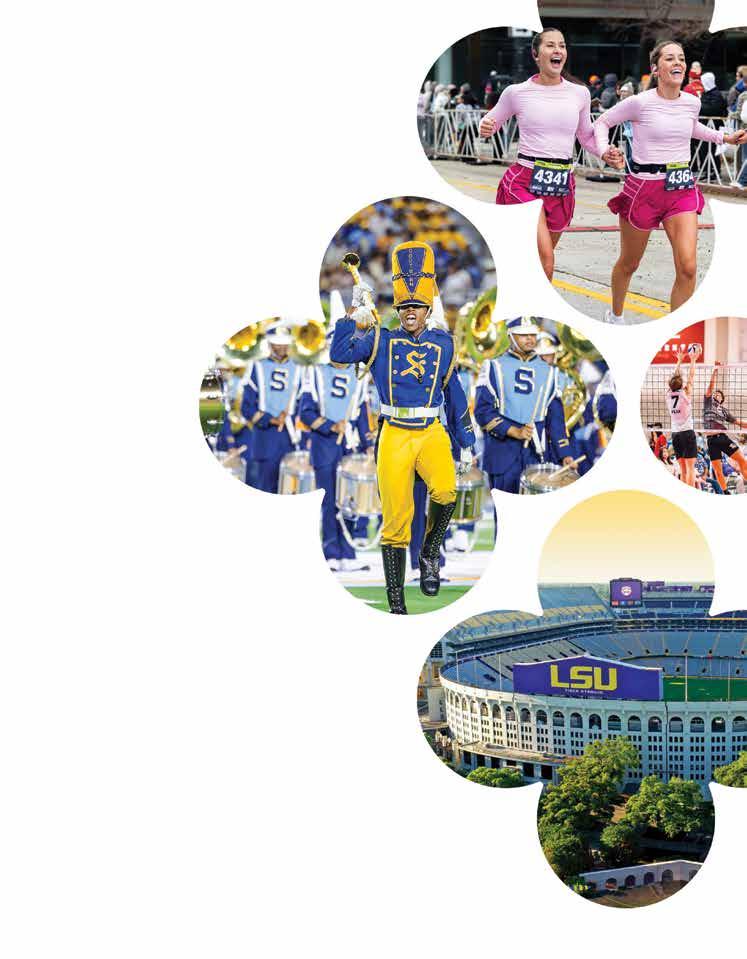
In Baton Rouge, the love of sports runs deep, from the roar of Tiger Stadium to the grassroots energy of youth leagues across the region. Now, a new facility is taking that tradition to another level. The Elite Training Academy, a privately owned, state-of-the-art sports complex
located just one mile from Louisiana State University, is redefining what community sports development can look like and what it can mean for sports tourism.
A Facility Built for Performance and Possibility
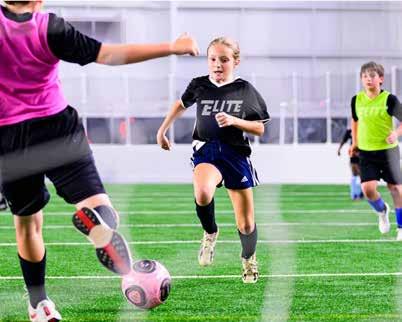
Officially open and already buzzing with activity, Elite Training Academy is the largest privately owned community sports facility in Louisiana. The scale and versatility of the complex make it stand out not only in the state but across the Southeast. Its 42,000-square-foot indoor training area includes a 60-yard, full-width field designed for year-round training and conditioning. Just outside, two full-sized, lighted artificial-turf fields host football, soccer, rugby, and lacrosse teams from across the region.
Inside, the amenities rival a Division I athletic program, complete with men’s and women’s locker rooms, plunge tubs, and an infrared sauna for athlete recovery. This comprehensive design reflects the founders’ vision of creating a high-performance environment accessible to youth athletes, college players, and corporate clients alike.
From camps and leagues to clinics and private training sessions, Elite has quickly become a hub for development and community connection. “It’s the kind of space that inspires growth at every level,” says Geraldine Bordelon, Senior Vice President of Destination Sales, Visit Baton Rouge, which promotes the facility nationally to sports rights holders and event planners. “We’re proud to have a partner investing in infrastructure that supports both local athletes and our city’s sports tourism economy.”
Public-Private Partnership, the Baton Rouge Way
While Elite Training Academy is privately owned, its impact stretches into the city’s overall tourism and development strategy. For Visit Baton Rouge, the complex adds a powerful new asset to an already strong sports portfolio.
“Our role is to bring opportunities to Elite and highlight its world-class amenities to meeting planners and sports rights holders across the country,” said Bordelon. “Facilities like this help us tell a bigger story about Baton Rouge as a sports destination, one that balances championship heritage with cutting-edge innovation.”
In a city long associated with college football dominance, Elite opens new pathways for youth tournaments, multi-sport events, and year-round activity. Beyond the economic impact of visitor spending, the facility expands the city’s capacity to host events that engage residents and visitors alike, from regional tournaments and birthday parties to corporate team-building sessions.
“Sports tourism is one of the most reliable drivers of visitation and community pride,” Bordelon noted. “Facilities like Elite strengthen our ability to bid on major tournaments and create experiences that benefit hotels, restaurants, and local businesses throughout the year.”
A Ripple Effect Across the Region
For Baton Rouge, Elite Training Academy represents more than just a sports complex, it’s a signal of the region’s growing influence in the Southeast’s competitive eventhosting market. Large-scale, multi-purpose facilities like Elite attract rights holders who require reliable infrastructure, easy access, and a vibrant local culture, all elements Baton Rouge delivers in abundance.
The complex’s proximity to LSU adds further draw, enabling potential collaborations with collegiate coaches and teams while creating opportunities for youth athletes to train “next door” to their heroes. This synergy between community sports and collegiate culture gives Baton Rouge a distinctive positioning few markets can replicate.
The City of Champions
AI Work Plan for Sports Events & Tourism
BY JACKIE REAU, CEO, GAME DAY
A step-by-step guide
INTRODUCTION: WHY AI BELONGS IN YOUR PLAYBOOK
The next era of sports events & tourism will be defined by how well leaders combine data, creativity, and technology to deliver results. Artificial intelligence (AI) is not a passing trend, it’s a transformational tool that’s already helping destinations draft bids faster, forecast economic impact, and personalize visitor engagement.
This isn’t about replacing people. It’s about freeing people, from repetitive work, from blank-page pressure, from inefficiencies that slow down innovation.
The following work plan outlines how sports commissions, CVBs, and rights holders can integrate AI into daily operations, define team roles, and strengthen community impact, one deliberate step at a time.
1
Step 1: Establish an AI-Ready Mindset
GOAL:
Build awareness, curiosity, and confidence around AI tools.
Before launching any new platform, start with your team’s mindset. AI adoption succeeds when leaders create space for learning, experimentation, and conversation.
• Show real examples of AI-generated event content.
2. Reframe AI as a teammate, not a threat.
• Discuss how it can draft first versions, not final ones.
• Emphasize human review and authenticity.
3. Identify internal champions.
• Select 1–2 staff members to test new tools monthly and share findings.
TEAM ROLES:
• Executive Leadership: Endorse AI exploration as strategic, not optional.
• Communications Staff: Pilot writing tools like ChatGPT for drafts.
• Data Staff: Evaluate secure tools for analytics and forecasting.
OUTCOME:
A team that views AI as a creative collaborator, not a disruptor.
Tourism Leaders to building smarter, faster, and more strategic destination teams
2 3
Step 2: Define Team Roles and Responsibilities
GOAL:
Assign clear ownership for how AI supports your mission.
AI works best when integrated into defined workflows. Start by mapping who does what and how AI enhances each role.
Role
Prompt Editor
Research Coordinator
Multimedia Producer
Automation Manager
AI Ethics Gatekeeper
Primary Focus
Writes and refines prompts for content creation and research
Monitors industry trends, RFPs, and competitor activity
Creates social media, video, and graphic content
Streamlines internal workflows
Ensures outputs are accurate and inclusive
ACTION ITEMS:
How AI Helps
Generates consistent, on-brand messaging for bids, emails, and releases
Uses AI tools (Feedly AI, Perplexity) to identify leads before they’re public
Uses Canva AI or Descript to repurpose existing assets
Connects calendars, analytics, and reports with Hootsuite AI
Reviews all AI-generated material for bias, tone, and factual accuracy
• Assign one staff member to each role (even in small teams, roles can overlap).
• Add AI responsibilities to existing job descriptions.
• Schedule quarterly reviews to refine roles and tools.
OUTCOME:
A clear internal structure that aligns technology with team strengths.
Step 3: Develop Ethical and Operational Guardrails
GOAL:
Protect your brand’s integrity and data while using AI responsibly.
AI can amplify your voice or damage your reputation if used carelessly. Setting ground rules early keeps your communication accurate and credible.
ACTION ITEMS:
1. Write an AI Use Policy.
• Specify approved tools and what’s off-limits (no confidential RFPs, financials or contracts in public tools).
• Require human verification of all facts and data..
2. Adopt a Disclosure Standard.
• If major copy is AI-assisted, note: “Drafted with AI assistance, reviewed and approved by [Name].”
3. Create an Ethical Checklist.
• Confirm tone is inclusive.
• Verify every number, name, and venue.
• Avoid language that excludes or stereotypes.
TEAM ROLES:
• AI Ethics Gatekeeper: Final review of content before publishing.
• Leadership: Communicate transparency policy to partners and media.
OUTCOME:
Trust remains your brand’s currency, even in an AI-driven landscape.
Step 4: Implement AI Across Core Workflows
GOAL:
Integrate AI into everyday operations to increase speed and precision.
Below are key areas where AI can have an immediate, measurable impact for sports tourism teams:
A. EVENT DISCOVERY & BID DEVELOPMENT
• Use AI search tools to identify upcoming events or expiring host contracts.
• Summarize bid criteria and generate outlines for proposals.
• Draft economic impact estimates using conservative assumptions.
Prompt Example: “Create a 200-word bid summary for a regional volleyball championship highlighting facility capacity, hotel proximity, and community engagement.”
B. MEDIA RELATIONS
• Identify journalists covering similar sports in peer markets.
• Draft custom pitch emails and track sentiment analysis.
• Measure media ROI using the Sports ETA Earned Media Calculator.
C. SOCIAL & MULTIMEDIA CONTENT
• Repurpose a press release into three social posts and one video script.
• Use Canva AI for graphics and Descript for quick highlight reels.
D. CRISIS COMMUNICATIONS
• Monitor social channels with tools like Hootsuite AI.
• Use AI to summarize sentiment and draft holding statements.
OUTCOME:
Teams respond faster, write smarter, and make data-driven decisions with confidence.
Step 5: Build a Measurement Framework
GOAL:
Tie AI efficiency to measurable impact for transparency and funding.
AI shouldn’t just save time, it should show results.
ACTION ITEMS:
1. Track Time Saved: Estimate staff hours reduced per project using AI.
2. Monitor Output Quality: Compare engagement, media placement, or bid success rates before and after AI integration.
3. Quantify PR Value: Use the Sports ETA Earned Media Calculator to convert coverage into economic terms.
4. Share Success Stories: Present case studies to city councils, boards, or partners.
• Executive Director: Reports results to stakeholders.
OUTCOME:
A data-backed story demonstrating how AI drives measurable ROI for your destination.
Step 6: Empower Continuous Learning
GOAL:
Keep your team curious and adaptive as AI evolves.
AI tools and features are evolving monthly and the leaders who keep testing will stay ahead.
ACTION ITEMS:
1. Create a “Prompt Library.” Store tested prompts for bids, media alerts, and social content.
2. Host Monthly AI Jams. Each staffer shares one new prompt or tool and a realworld use case.
3. Encourage Cross-Team Collaboration. Pair marketing and operations to co-create new efficiencies.
4. Invest in Training. Include AI workshops in professional development plans or Sports ETA webinars.
OUTCOME:
An adaptable team culture where innovation is ongoing, not a one-time rollout.
LONG-TERM ACTIONS:
• Pilot Predictive Tools: Use AI to forecast visitor spend or hotel demand for specific events.
• Integrate Accessibility AI: Add translation, captioning, or mobility tools to event apps and signage.
• Explore Partnerships: Collaborate with universities or startups developing sports tech innovations.
• Advocate for AI Investment: Include technology infrastructure in funding requests and economic development plans.
OUTCOME:
A destination positioned as a national leader in innovation, inclusion, and fan experience.
FINAL THOUGHT: LEAD THE CHANGE
The future of sports events tourism will belong to those who combine technology with humanity, who use AI to enhance, not replace, the values of community, creativity, and collaboration that define this industry.
Start with one prompt. Build one dashboard. Test one new idea.
Because leadership in this new era isn’t about who adopts AI first, it’s about who uses it best, ethically and strategically, to bring people together through sport.
Pro Tips: How Tuscaloosa Became a Multi-Sport Events Powerhouse
If you think Tuscaloosa, you likely think of the Crimson Tide. Yet behind its football fame, this Alabama city has built one of the most balanced and adaptable sports ecosystems in the Southeast and an example on how to deliver volume, variety, and operational ease.
Tuscaloosa’s strategic efforts outlines how the city and county’s long-range planning, investment in diversified facilities, and thoughtful hotel growth demonstrate a strategic roadmap for communities aiming to grow their sports events strategy.
Invest in Scalable Park Systems
Sokol Park North and South show the power of designing complexes that serve multiple sports at once. The combined footprint includes skinned fields, full-size soccer fields, junior golf, pickleball, a Marine O-Course, disc golf, and extensive biking and hiking trails. Event hosts gain versatility through large parking areas, concessions, lighting, and pet-friendly spaces that make this large park usable beyond standard tournaments. In total, the complex offers over 12 miles of trails and is adjacent to Tuscaloosa’s best public golf course, which also recently opened their first-ever golf simulators.
Pro Tip: This has created new opportunities for cycling, skills-based events, and outdoor recreation programs. This multi-sport system extends booking potential and reduces seasonality.
Strengthen Diamond Sports and Indoor Capacity
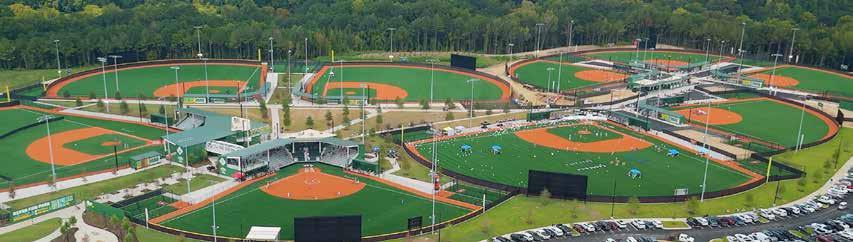
Bowers Park demonstrates how a well-designed diamond sports complex can anchor consistent weekend business. With eight ballfields, dugouts, press boxes, concessions, indoor gyms, a disc golf course, and a pool complex, Bowers functions as a single-site tournament engine. Interstate access and nearby hotels further reduce logistical friction. Available in 2026 at Bower’s Park will be the opening of a 19-court pickleball complex.
Pro Tip: Cities looking to attract softball and baseball rights holders should note the integration of both indoor and outdoor spaces. This enables event operators to maintain schedules during inclement weather or expand into skills clinics and value-added programming.
Maximize Collegiate Partnerships
The University of Alabama’s Student Recreation Facility is a standout example of maximizing collegiate partnerships. The facility includes nine basketball and volleyball courts, twelve full-size multipurpose fields, a fully adaptive athletics center, a climbing wall, aquatics, and breakout spaces.
Pro Tip: This kind of collaboration creates immediate access to high-quality infrastructure without the cost of new capital projects.
It also highlights an increasingly important trend: inclusive and adaptive sports programming. Built-in accessibility expands community impact and opens new opportunities for rights holders serving athletes with diverse needs.
Expand Hotel Inventory Aligned with Sports Infrastructure
Tuscaloosa’s lodging market now includes more than forty hotels across the community, positioned near sports facilities, downtown, and campus. Properties like Hotel
Capstone, Embassy Suites, and Hotel Indigo enhance the events ecosystem with group-friendly layouts, modern meeting spaces, and walkable amenities.
Pro Tip: The city’s hotel clustering strategy demonstrates how aligning accommodations with venue zones reduces transportation costs and boosts guest satisfaction. Sports tourists value convenience, and destinations that plan for proximity see stronger repeat visitation.
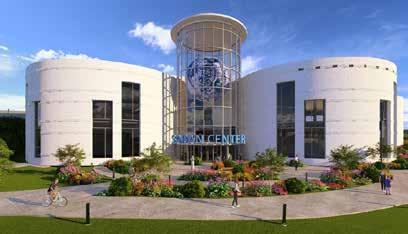
Speaking of walkable amenities, it’s not Tuscaloosa without the mention of legendary football coach, Nick Saban. By mid-2027, Downtown Tuscaloosa will add a major differentiator for tournament travel: the Saban Center, an interactive STEM hub located along the Black Warrior River. This means the team can compete all day and still have a one-of-a-kind engaging family outing with this state-of-the-art attraction.
Pro Tip: Rights holders increasingly win on the total trip, not just the venue. Destinations that pair fields and courts with signature attractions and things-to-do see stronger satisfaction scores and repeat bookings.
Invest in Growth Sports: Tennis and Pickleball
Tuscaloosa continues to tailor its expansion to match national demand trends. Two major highlights:
• The Tuscaloosa Tennis Center now totals 30 courts following an expansion that adds 17 new courts plus shaded areas and amenities.
• Between two new facilities, 27 new pickleball courts are scheduled to be playable by the end of 2025.
This surge positions the city to compete for regional and national racquet sports events.
Pro Tip: follow the data and build facilities in sports with significant participation spikes and reliable amateur interest.
Getting in the Game - Leverage Regional Partners for Signature Venues
River Run Park at Northport Shore, located in neighboring city Northport, demonstrates the value of collaborating across municipal lines. The new complex features nine turf baseball and softball fields with professional-level amenities positioned along the Black Warrior River. Opened in August, the venue is already driving regional tournament demand and generating new visitor spending. Key strengths of the River Run Park model include all-turf fields for year-round play, a layout designed for large events, and the ability to serve both community needs and high-caliber tournament expectations.
Pro Tip: destinations expand faster when cities, counties, and tourism bureaus collaborate on shared sports infrastructure.
Tuscaloosa’s evolution offers a clear lesson: a successful sports destination is not built on one sport or one venue. It grows through intentional expansion, multi-sport design, hotel alignment, regional cooperation, and a commitment to inclusive and emerging sports.
The Sports ETA Women’s Summit is an essential, career-elevating gathering developed by top women leaders in the sports events and tourism industry that inspires attendees to strengthen community relationships, hone leadership skills, and elevate their personal brand with actionable tools and resources. Hosted in an intimate setting designed for meaningful dialogue and connection, the Summit draws women at all career levels— as well as professionals who champion the advancement of women—to build impactful networks and accelerate professional growth. Attendees also have the exclusive opportunity to enhance their experience with add-on access to NCAA Women’s Final Four activities—tickets are limited and sell out quickly. Don’t miss your chance to be part of this high-value experience that will leave you better equipped, better connected, and ahead of the curve.
Renew Your Sports ETA Membership for 2026
Your Sports ETA membership delivers year-round access to education, advocacy, resources, and a powerful professional community—supporting your success well beyond our annual events.
WHAT YOUR MEMBERSHIP DELIVERS—ALL YEAR LONG
EDUCATION ADVOCACY RESOURCES NETWORKING
Stay informed. Stay relevant. Stay ahead.
• On-demand webinars, white papers, research & industry insights
• Professional development and certification opportunities
• Best practices from leaders across sports events & tourism
Your industry. Your voice. Your future.
• National advocacy on issues impacting events, travel, and destinations
• Industry leadership on safety, sustainability, and policy priorities
• Representation that elevates sports tourism nationwide
Tools you can use immediately.
• Member-only Models & Samples, calculators, and toolkits
• RFP resources and industry benchmarking
• Practical assets designed to make your job easier
Connections that create opportunity.
• Access to 2,500+ industry professionals
• Member communities and peer groups
• Relationship-driven collaboration—online and in person
Membership Is More Than the Symposium
What You Get at Symposium
• Timely Education Sessions
• Business Development through Marketplace Appointments
• In-Person Networking
What You Get All Year as a Member
• On-Demand Education & Researchnew releases throughout the year
• Member-Only Resources and Tools
• Advocacy and Industry Representationat the local, state, and national levels
• Digital Communities and Peer Connections
• Ongoing Professional Growth
Cincinnati Open’s $260 Million Makeover: A New Cutting Edge Center for Racquet Sports
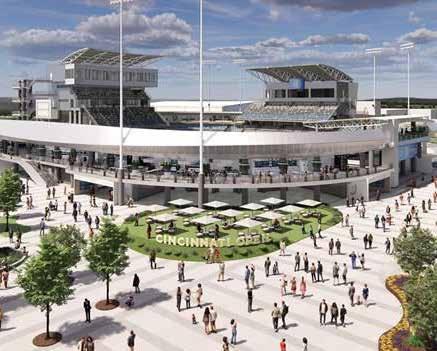
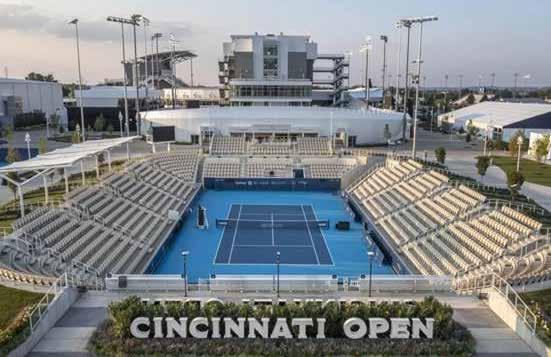
The Cincinnati Open, held at the Lindner Family Tennis Center in Mason, Ohio, outside of Cincinnati, unveiled its $260 million upgrade this August across multiple arenas, courts, fan zones and player amenities.
Expansion that Means Business
The heart of this revamp is a major expansion in physical footprint and court capacity. The Lindner Family Tennis Center’s campus is now more than 40 acres, nearly double what it was just a year prior. The number of outdoor courts has grown to 31, up from 21 in 2024, with plans for a six-court indoor facility, pickleball and padel venues. The broader campus means more space to host parallel championships, training sessions and ancillary events, all year long now.
Premium Player Amenity Upgrade
The facility enhancements drew players’ praise. ATP #2 ranked player Jannik Sinner said, “It’s amazing. I was talking with all the players and it’s actually very strange
for us to come to a venue where everything was new… It’s amazing what they did in one year. Everything has improved so, so much, but mostly the space we have for us players.”
The new 56,000 square-foot Clubhouse is a centerpiece of the renovation.
Inside: lounge and restaurant space, player recovery rooms with plunge tubs and advanced fitness equipment, and upgraded locker areas spread across multiple floors. The player Performance Center has been reimagined with indoor and outdoor gyms, direct connectivity to the Clubhouse, and ample space for athletes to train, recover and relax.
Start with athlete and guest experience in tandem. The facility didn’t just add courts, it improved the environment for athletes and the environment for fans.
“ ”
Enhanced Fan & Hospitality Experience
Facility upgrades weren’t just for athletes. The Cincinnati Open has leaned heavily into fan comfort and hospitality, essential for the more than 285,000 tennis fans who visited during the two weeks.
Highlights include:
• A 16,000-square‐foot permanent fan Pavilion with shade canopy for comfort in the August Ohio heat.
• A new sunken stadium, “Champions Court,” seating approximately 2,300, giving fans courtside vantage and easier access.
• Replacement of hot asphalt surfaces with decorative concrete and enhanced landscaping, more trees, green space and spectator‐friendly zones.
• Expanded dining offerings: a shaded eating terrace seating 1,400 adjacent to 13 restaurant storefronts.
Lessons learned…
What can destination marketers and sports commissions learn from this transformation?
1. Start with athlete and guest experience in tandem. The facility didn’t just add courts, it improved the environment for athletes and the environment for fans.
2. Lever hospitality offerings to drive visitation. Dining terraces, shaded lounges and premium suites create reasons for fans to arrive early, linger longer, and spend more.
3. Use infrastructure expansion to extend event duration and scale. More courts mean more matches, more teams, more hotel nights, and more visitor impact.
4. Emphasize “destination” not just “venue.” With greenspace, new landscaping and integrated fan zones, the facility feels like a sports-cultural campus, not simply a collection of courts.
5. Keep accessibility, flow and comfort front of mind. The upgrade of walking surfaces, shady zones and fan-friendly orientations illustrate that small environmental details matter for retention and repeat visitation.