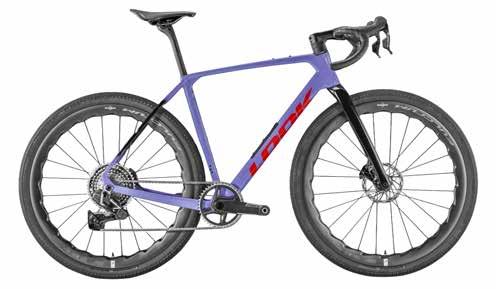
18 ON THE MTB ROLLER COASTER 20 WILIER, SCOTT, ORBEA, BOTTECCHIA
21 BH, GHOST, OLYMPIA, FORBIDDEN 22 ALL MOUNTAIN 7 HEPHA
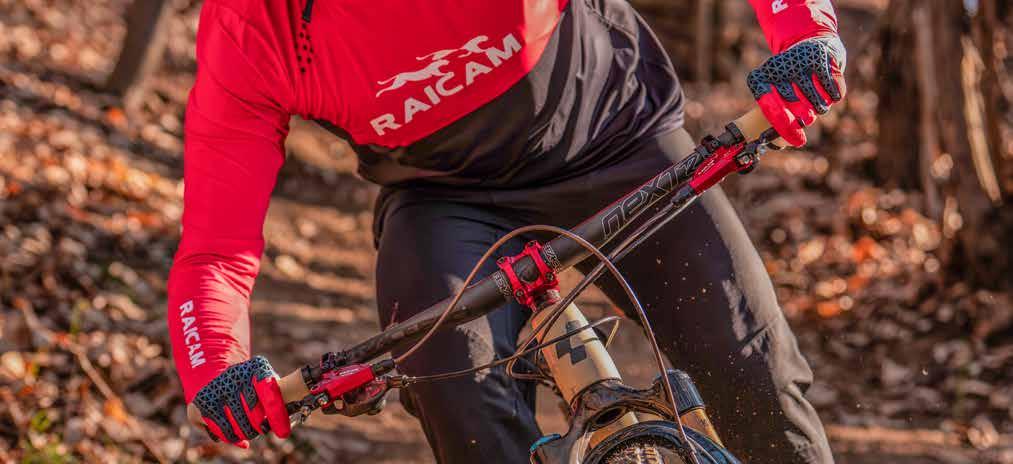
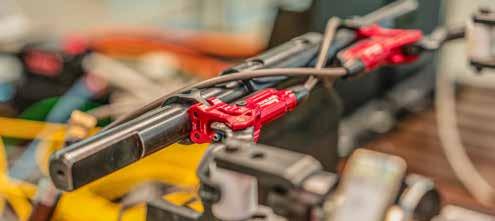
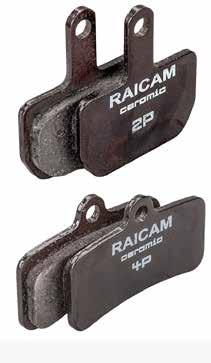
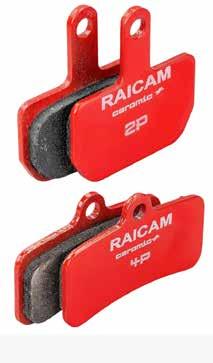
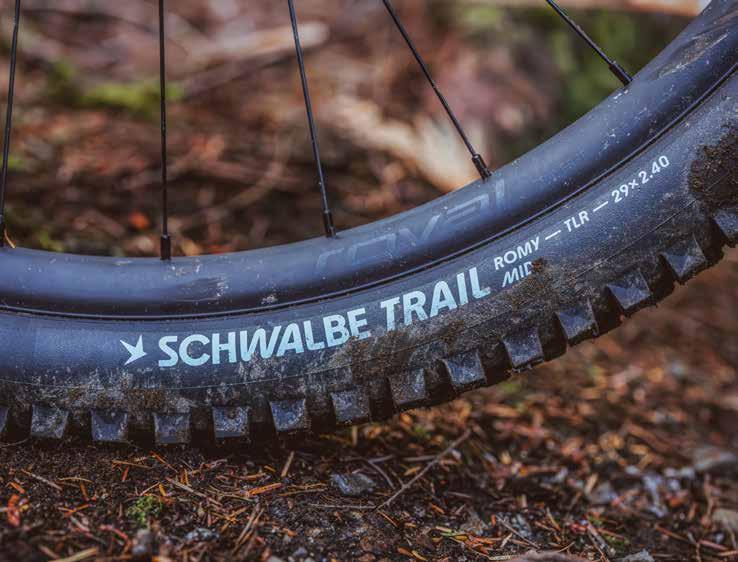
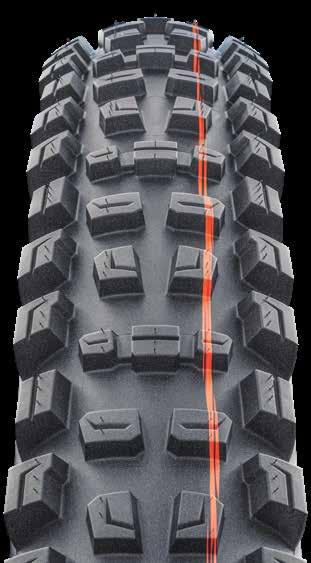
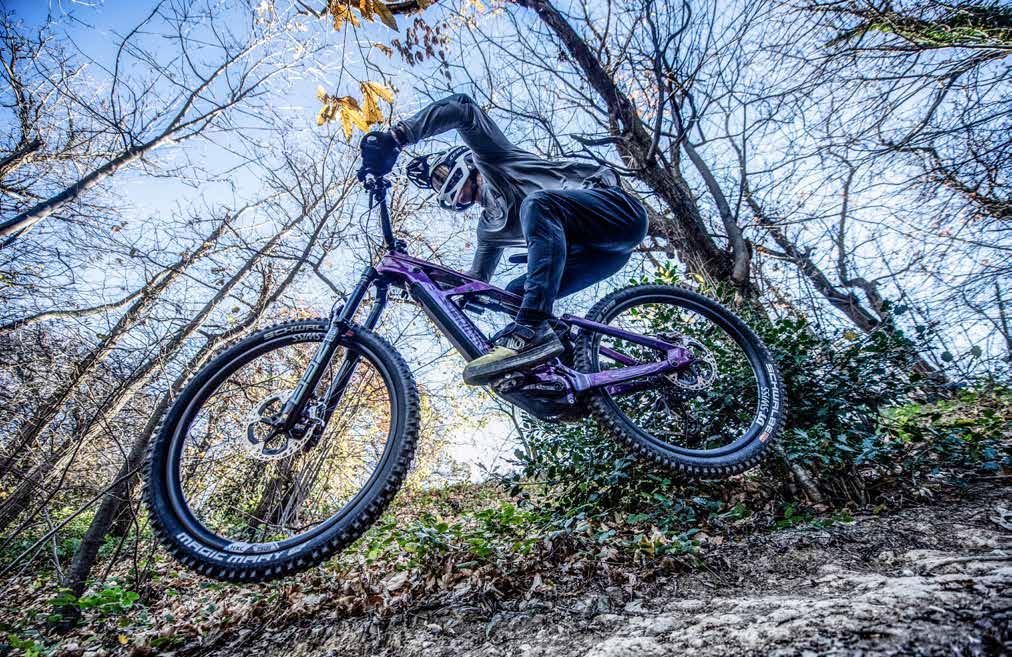
RAICAM'S CERAMIC AND CERAMIC+ TILES 24 SCHWALBE ROMY: NEW FRONTIERS IN MOUNTAIN BIKING
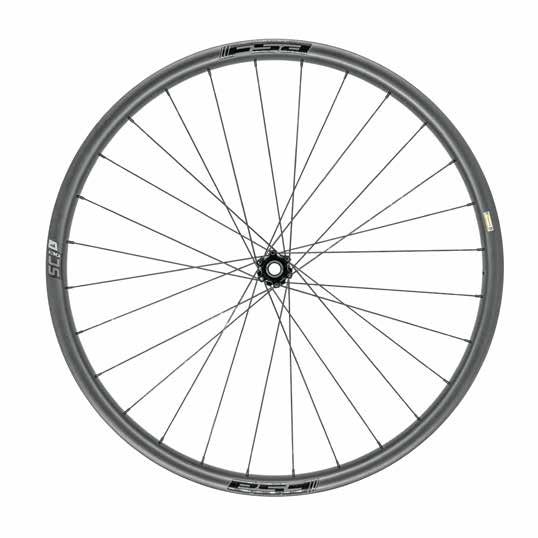
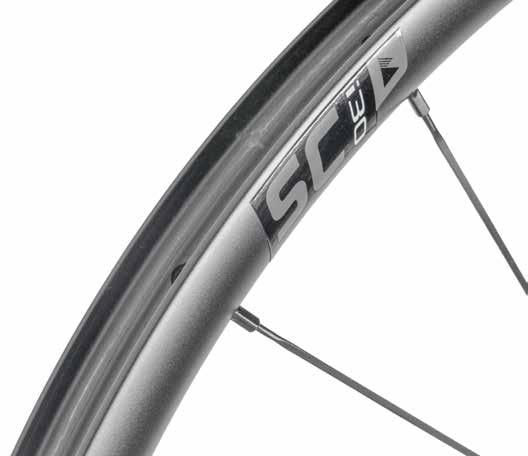
25 FSA NS SCI30 CARBON WHEELS
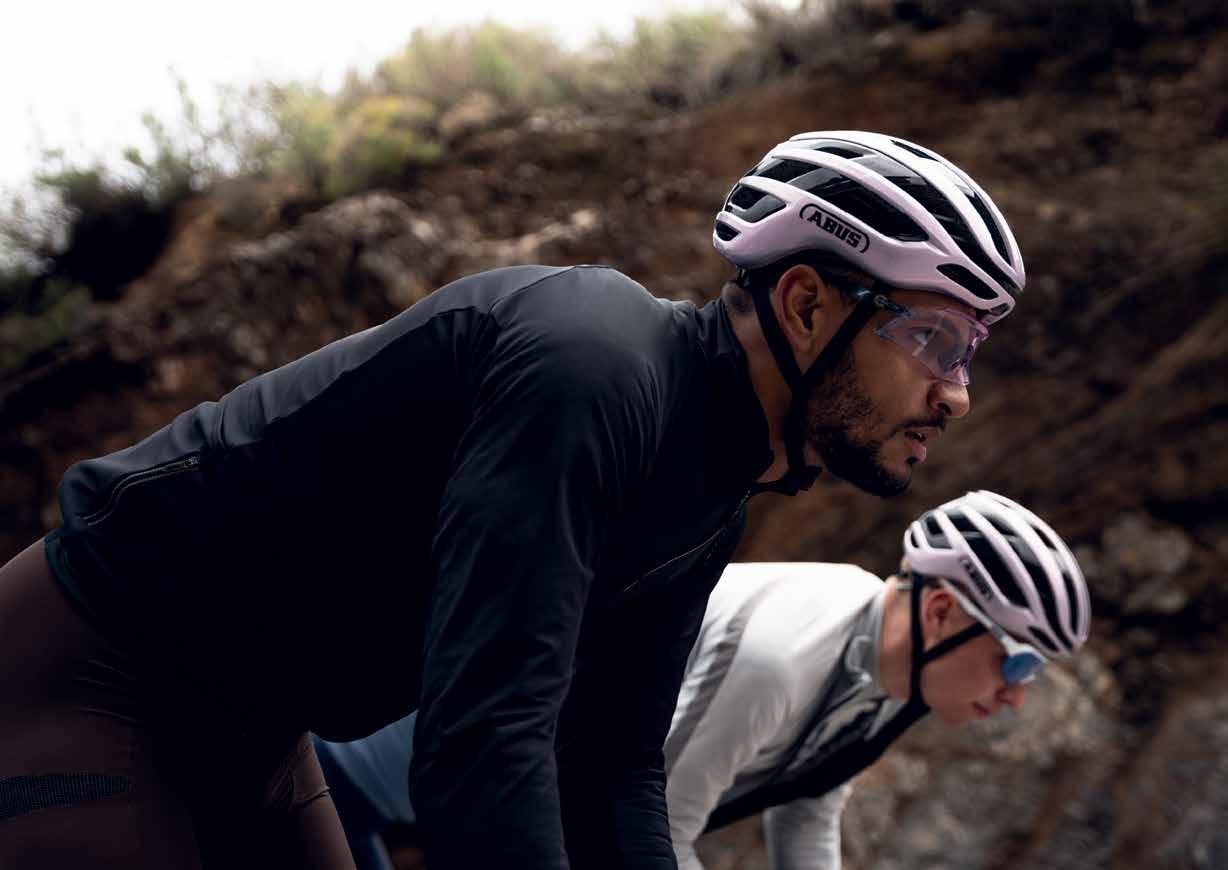
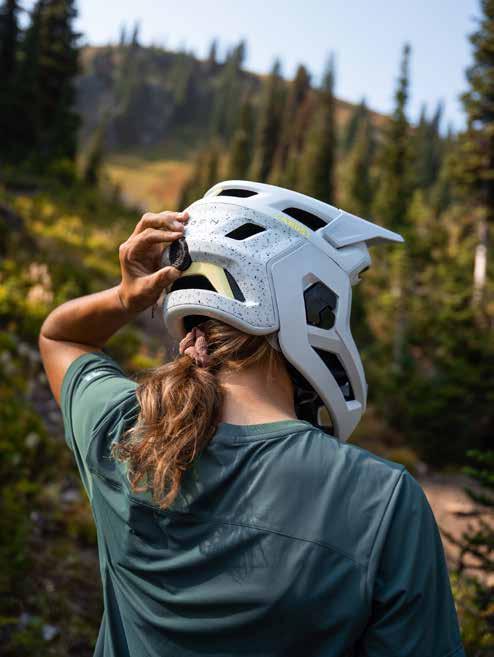
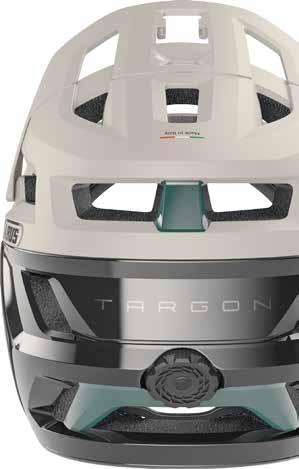
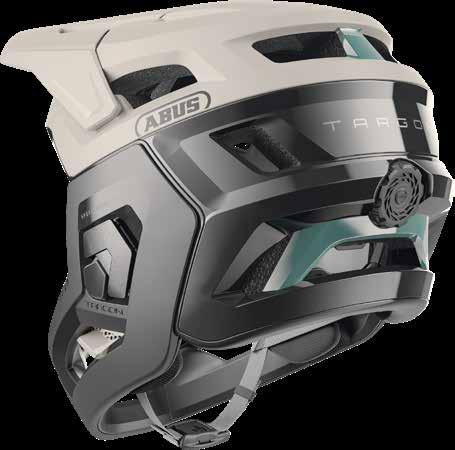
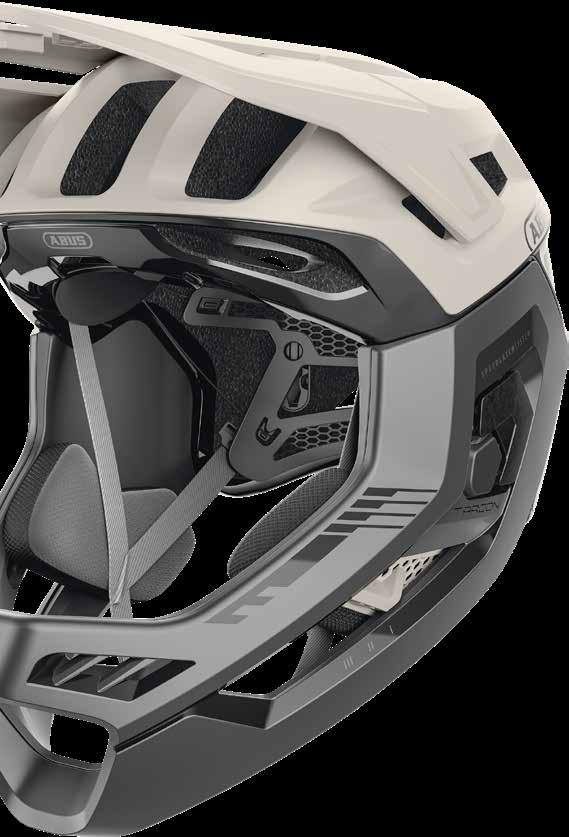
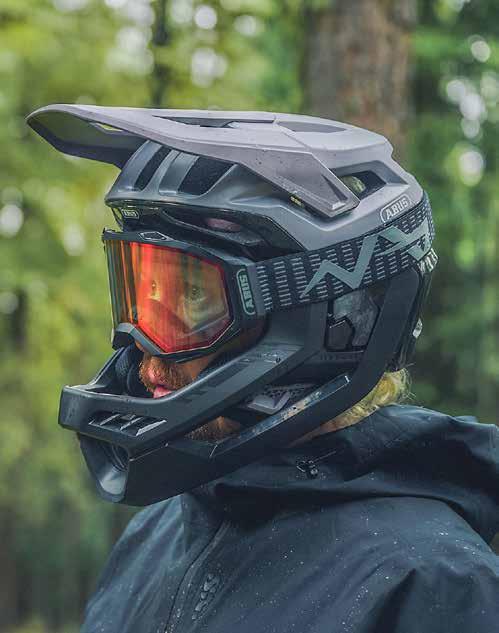
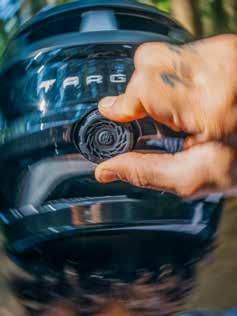
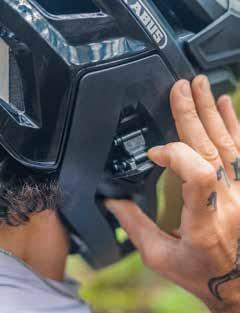
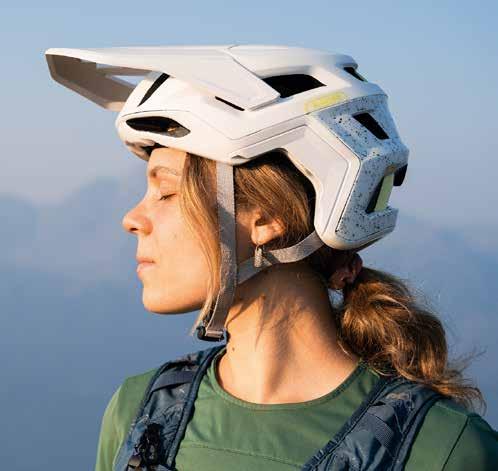
26 THE ABUS TARGON HELMET
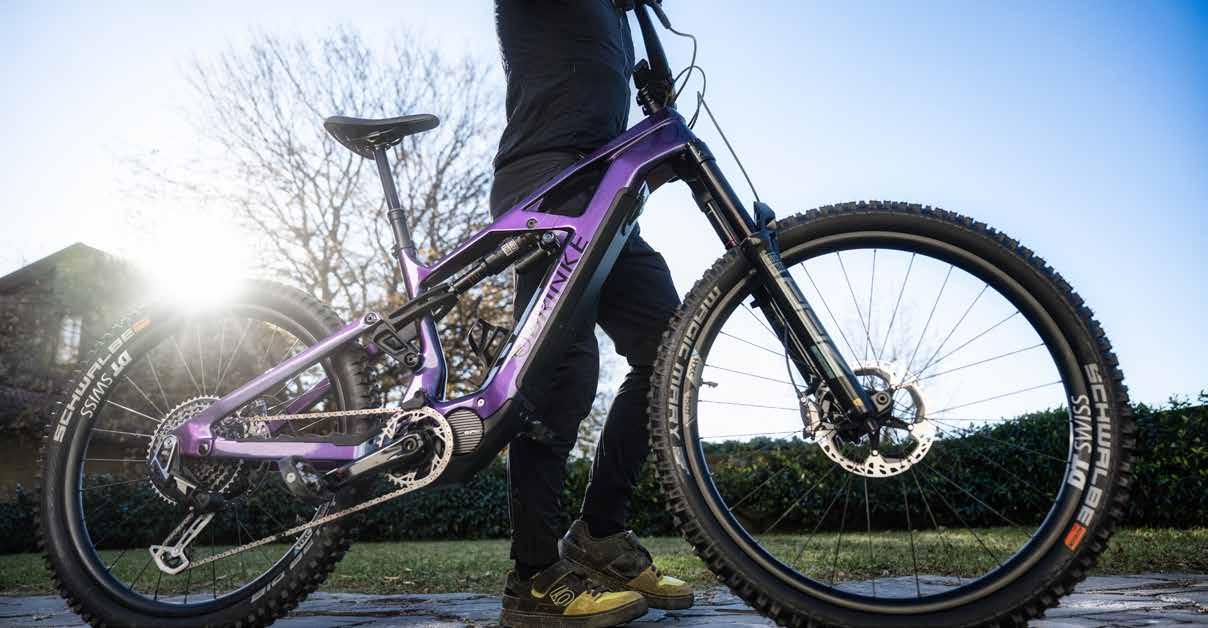
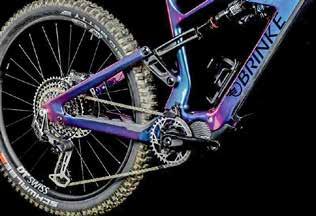
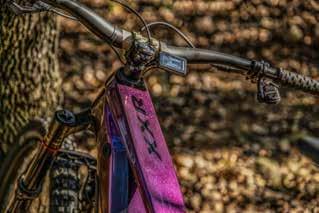
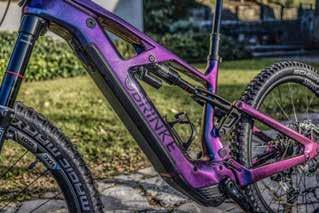
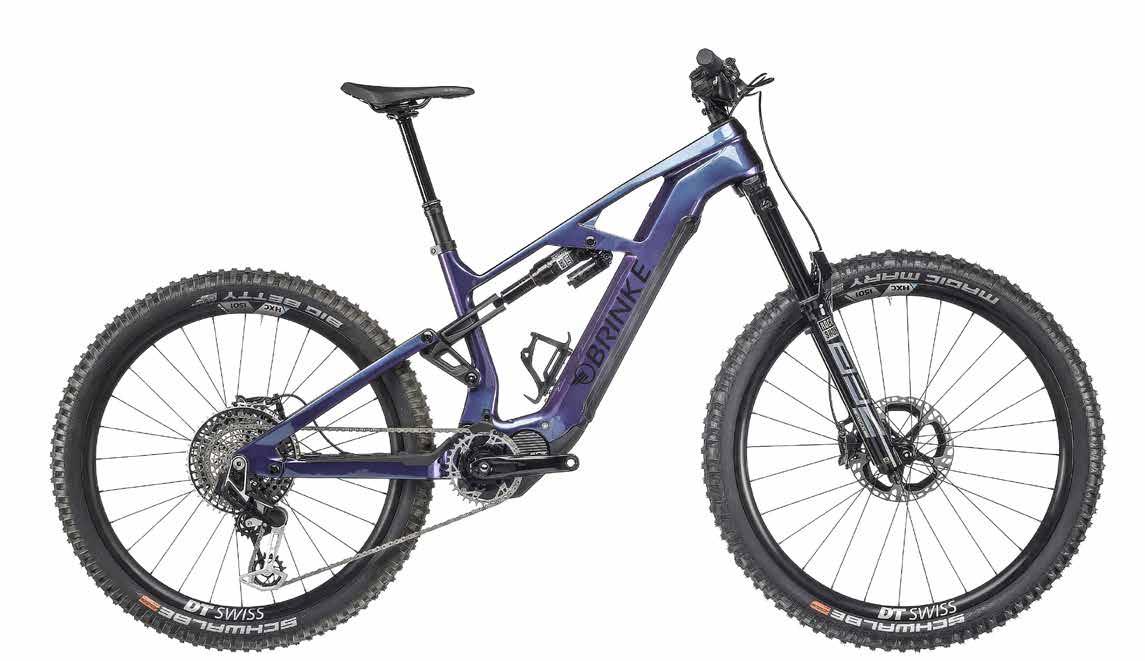
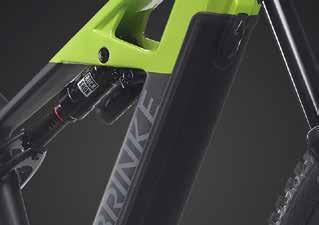
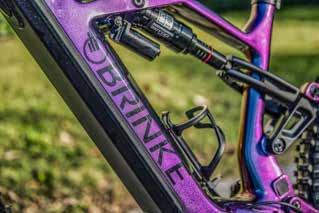
28 XXR CARBON BRINKE
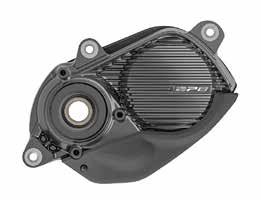
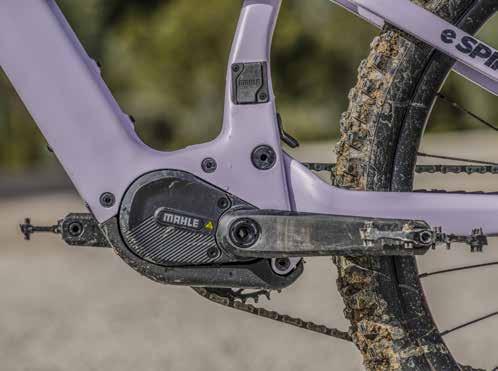
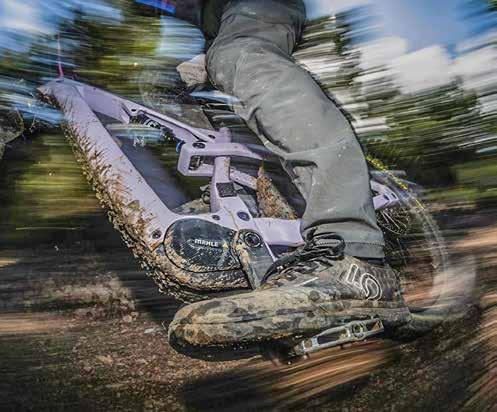
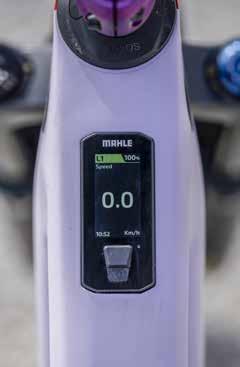
30 THE MAHLE M40 SYSTEM 32 THE GRAVEL GETS A MAKEOVER 34 TAAC'S NEW START COLLECTION
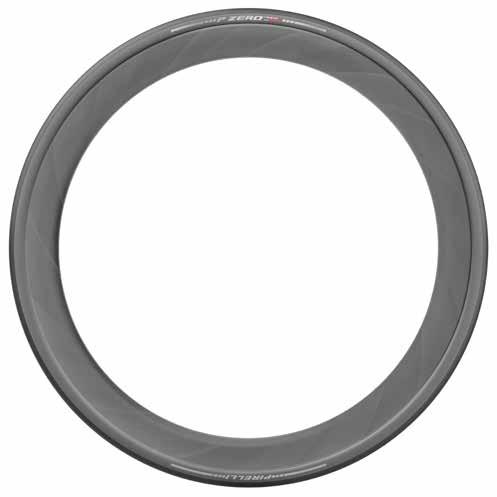
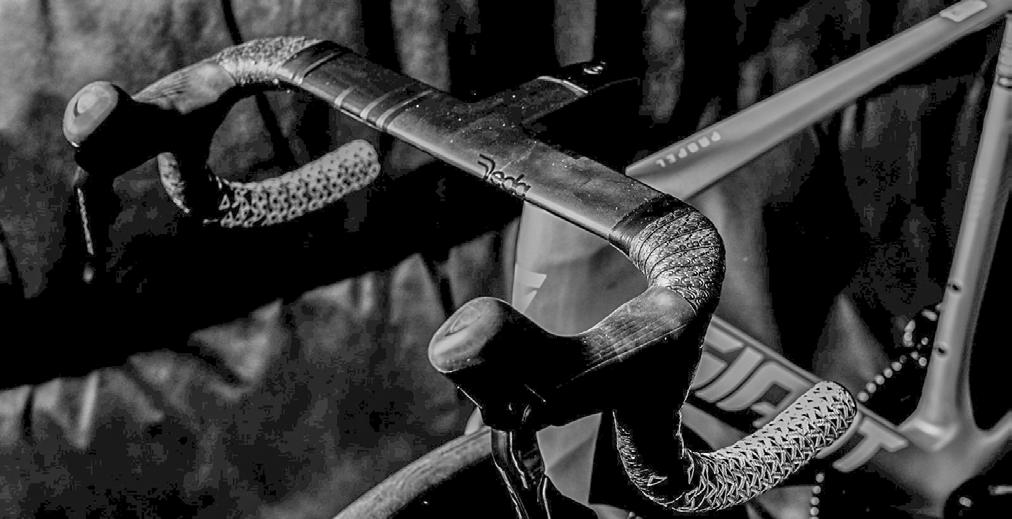
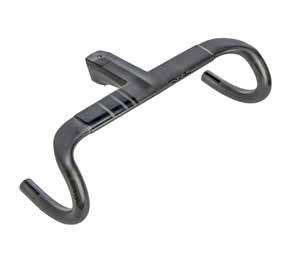
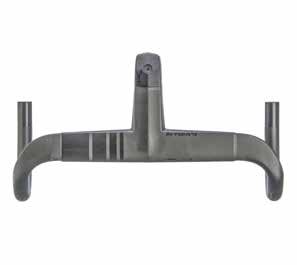
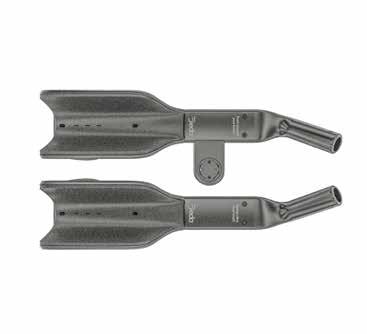
36 PIRELLI: A "STEP" FORWARD FOR THE WHEEL SYSTEM 37 AERO REDEFINED WITH DEDA
38 CYCLINGWORLD EUROPE DÜSSELDORF
SURVEY
40 LA CARICA DEI 101: EPISODE 3 TECH PARTNERSHIP 46 THE SANTINI AND POLARTEC AERO RACE RETAIL COACHING
BY DAVIDE L. BERTAGNA davide.bertagna@mag-net.it
POINT OF NO RETURN
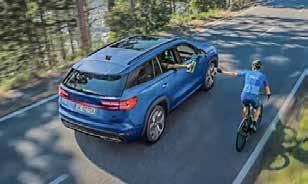
“Every time I train in Italy, I risk my life. I’ve come here to ride many times, and every time I’m afraid because traffic on Italian roads can sometimes be a bit criminal. They are building some beautiful cycle paths, but it takes a lot of effort.” The words of Tadej Pogačar, spoken the day after his victory at Milan–Sanremo, are not just an outburst. They are a signal. When one of the global symbols of modern cycling defines training in Italy as life-threatening, the issue is no longer just sporting, but systemic. Safety and culture thus become decisive variables not only for those who ride, but for those who produce, distribute and sell bicycles.
From our point of view, this is where we must start in order to read the data presented by Confindustria Ancma (explored in detail on pages 10 and 11). The Italian market closes 2025 with another negative sign: 1,303,000 units sold between bicycles and eBikes, down 4% compared to 2024. Traditional bikes fall to 1,047,000 units (-3%), while eBikes stop at 256,000 (-7%). But the overall figure alone risks being misleading. To truly understand it, it is necessary to look into the sales channels: while large-scale retail and online show signs of resilience, the real “seriously ill patient” remains the specialized store, as also emerges from the third installment of our investigation “La Carica dei 101” dedicated to Italian stores. A limited decline in percentage terms, but deep in its implications. Because behind that -4% lies a structural transformation: while other channels advance, the most identity-defining stronghold of the sector retreats. And this is the critical point. Not only because the store represents the heart of the supply chain, but because it is the place where the bicycle becomes experience, culture, relationship. If that stronghold weakens, the entire system loses balance.
And while Italy struggles, the global scenario tells equally complex dynamics. Shifting our gaze eastward, a slowdown emerges that cannot be ignored. Taiwan records a significant drop in exports, especially in the eBike segment. A fi-
gure that reflects not only a cyclical phase, but a deeper redefinition of industrial balances. From the first quarter of 2019 to today, the total value of Taiwanese exports has decreased by 37%, from 15 billion to 9.4 billion dollars. On the eBike front, exports to the European Union remain essentially stable (around 50,000 units), while the overall 15% decline compared to 2025 is mainly caused by the U.S. market, down 54%. In other words: the crisis is not local, but systemic.
As we know, today’s customer is informed, aware, often already oriented before even entering the store. But precisely for this reason, they are more difficult to interpret. They are not simply looking for a product: they are looking for the right choice. And this is where a decisive game is played for retail. It is not the one who has the most stock, nor the one who lowers prices the most, who wins, but the one who is able to read (and understand) the customer. The point of sale must become a space of interpretation, where technical expertise and relational skills merge to create value. Because in a suffering market, the difference is not made by the bicycle that is sold, but by the way the customer is guided in choosing it.
And here the thread comes together again. Safety, culture, market, distribution, relationship are not separate issues, but parts of the same system. A system that today shows evident fragilities, but also equally clear margins for evolution. Safety creates the conditions for riding, culture creates the motivation to do so, and retail creates the experience that transforms interest into choice. Without one of these elements, the system weakens.
For this reason, the current moment, despite its complexity, represents a decisive turning point. It is not just about overcoming a negative phase, but about redefining the foundations on which to build the future of the sector. Because (and we are certain of this) the market may start again, but it will never truly do so without safety and culture.
Editorial Offices: Corso della Resistenza, 23 - 20821 - Meda (MB) 68 Via Tertulliano - 20137 Milan - Tel. 02.87245180-1-2 - Fax 02.87245182 redazione@bike4trade.it - bikefortrade.it Year 14 - Issue 3 - 2026 - Bimonthly magazine
Registered with the Court of Milan, No. 39, February 8, 2013 Poste Italiane SpA Sent via postal subscription Decree-Law No. 353 of 2003 – Converted into Law No. 46 of 2004 – Article 1, Paragraph 1, LO/MI Registration in the ROC No. 16155, dated November 23, 2007 Print: Ingraph - Seregno (MB) - One copy: 1.00 euro
The publisher guarantees the strictest confidentiality of the personal data in its possession. This information will be used to manage subscriptions and to send marketing communications. Pursuant to Article 13 of Law No. 196/2003, you may request the correction or deletion of your data at any time by writing to: MagNet Srl SB
Data Controller: Benedetto Sironi - Corso della Resistenza, 23 - 20821 - Meda (MB) Finalized in the editorial office on April 24, 2026
Made For Trails, Tales & Good Times
PARTNERSHIP
SOUDAL QUICK-STEP AND AG INSURANCE – SOUDAL EXTEND THEIR PARTNERSHIP WITH CASTELLI
Soudal Quick-Step and AG Insurance – Soudal have announced that they have agreed to a three-year extension of their partnership with Castelli. The new agreement continues what has become the longest-running partnership with a professional team in Castelli’s history. “This goes far beyond simply supplying apparel: we work closely with Castelli to develop and test products that give our riders every possible advantage, and they have been exceptional partners in our commitment to making racing safer for everyone involved. Both of our organizations have deep roots in this sport, but we share the same desire to continue moving forward,” said Jurgen Foré, CEO of the Soudal Quick-Step Pro Cycling Team.
PARTNER
VENETA
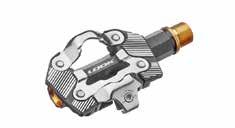
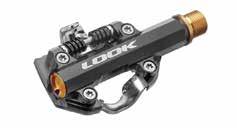
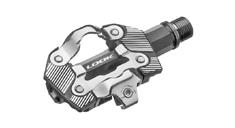
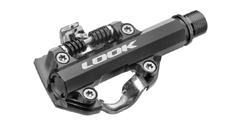
For the 2026 season, Look Cycle officially becomes the pedal supplier for all athletes on the Metallurgica Veneta Professional Team, which relies on the French brand’s technology to achieve the utmost in performance, lightness, and power transfer. “For us, partnering with Look—a symbol of absolute excellence in the world of pedals—is a source of great pride. We’re talking about a brand that needs no introduction, synonymous with innovation and top-level performance. We’re excited to be able to use their products in both the MTB and gravel worlds, confident that they will provide essential technical support in helping us achieve our goals,” said Martino Tronconi, team manager of the Metallurgica Veneta Professional Team.
WHOOP BECOMES THE OFFICIAL PERFORMANCE WEARABLE OF UAE TEAM EMIRATES-XRG
UAE Team Emirates-XRG has announced a two-year partnership with WHOOP, which will become the Official Health and Performance Wearable of one of the world’s most recognized teams. The collaboration pairs UAE Team Emirates-XRG with a leader in health and performance technology. Briain Curtin, Global Marketing Director at WHOOP, stated: “UAE Team Emirates – XRG represents the pinnacle of performance in endurance sports, and we are proud to partner with a team that continues to redefine the limits of professional cycling. With Tadej and the team, we have an extraordinary opportunity to give fans an inside look at the physiological demands of this sport, translating real-time data such as recovery and heart rate into a narrative that shows what it takes to win at the highest level. This partnership goes beyond visibility: it aims to deepen our understanding of human performance.”
NORCO AND ADIDAS ANNOUNCE A MULTI-YEAR AGREEMENT
Norco and adidas present Race Division, the new team that will compete on the biggest stage in downhill racing during the UCI World Series. The launch comes as the two brands have announced a multi-year partnership as the team’s title sponsor. The agreement reflects a long-term commitment to performance innovation and the growth of mountain biking and its culture. The team, which includes riders Gracey Hemstreet, Danny Hart, Erice Van Leuven, Bodhi Kuhn, and Lina Frener, will also be equipped with lifestyle and technical off-bike apparel. Products include the Terrex Agravic GTX, the Adizero Evo SL, and items from the Z.N.E. line, along with the 5.10 Hellcat Pro performance shoes, which team director Greg Minnaar helped develop thanks to the experience he has gained throughout his career.
GREGORY BARNABY AND GIORGIA PRIARONE ALÉ’S
NEW BRAND AMBASSADORS
Alé announces a new partnership with Gregory Barnaby and Giorgia Priarone, a couple in real life and top-tier athletes at the starting lines of the most prestigious international triathlon events. Starting this season, the two athletes will wear Alé apparel both in competition and during training, becoming outstanding ambassadors for the Verona-based brand’s products. During races, Barnaby and Priarone will wear the Falcon Tri short-sleeve bodysuit, a garment designed to maximize performance through the use of aerodynamic and breathable fabrics. The Air Wings bodice features a texture similar to the surface of golf balls, which minimizes aerodynamic drag, while the channeled sleeves made of Jet Stripes fabric boast an ergonomic design. The Matrix fabric shorts complete the outfit, providing moderate compression to support muscle function and circulation. During training, however, the choice falls on the PR.S 1000 line.
Starting this season, Škoda Italia will partner with the Italian Cycling Federation as its main partner. For the Czech automaker, this marks a true return to its roots. In 1895, the brand’s founders, Václav Laurin and Václav Klement, began their industrial venture with the goal of building the best bicycles of the era. Over the years, Škoda Auto has never abandoned its connection to cycling, remaining a partner of some of the world’s most important sporting events, including the Tour de France, the Vuelta a España, and, more recently, the UCI Mountain Bike and Gravel World Championships. The Škoda logo will once again take center stage in Italy and will be prominently featured on the race jerseys of the athletes competing in these events: from the road to the track, all the way to the dirt trails of mountain biking.
An international project that embodies the ever-evolving identity of gravel riding. Within this project, Campagnolo plays a key role in ensuring top-level performance. From Bora wheels—a symbol of the brand’s racing heritage—to the latest innovations designed for gravel riding. Beyond competitive racing, the Foodmaker GRAVELKING Team aims to build a sustainable ecosystem around gravel riding. Through events, content, and shared experiences, the goal is to actively engage enthusiasts and riders, giving back value to the community. Nick Sannen, the team’s manager, commented: “When I was younger, it was simply fantastic to watch races on television and see the riders on the iconic Bora wheels. Today, seeing our team use them is like a dream come true.” LOOK CYCLE TECHNICAL
CAMPAGNOLO: COLLABORATION WITH FOODMAKER GRAVELKING KICKS OFF
Meier joins Canyon after more than twelve years at DT Swiss, where he held roles including chief sales & marketing officer, vice president, and, most recently, co-CEO. He led DT Swiss’s commercial presence through six subsidiaries across four continents and was instrumental in establishing partnerships with Continental and Swiss Side. In his role as CEO, Meier will assume full responsibility for Canyon’s global operations, commercial execution, and sustainable growth, including the continued development of the direct-to-consumer model and the expansion of the global partner network. “The hardest part in this industry is building a brand that cyclists truly believe in. Canyon has succeeded in doing that. Now we need the operational and commercial strength to live up to its ambitions. That is what we want to build,” said Matthias Meier.
ROMANO FAVOINO JOINS CRUSSIS AS COUNTRY MANAGER FOR ITALY
Crussis has announced the appointment of Romano Favoino as country manager for the Italian market, with the aim of strengthening the brand’s presence and developing its positioning in the e-bike segment. Romano brings with him many years of experience in the industry. In 2004, he co-founded Releven, a company initially focused on distributing brands related to the gravity sector, which later evolved into a comprehensive distribution platform for the cycling world. In 2021, Romano founded Accell Italia, serving as both country manager and managing director. In 2024, he joined Propain Bicycles as country manager. Now, with Crussis, he will be responsible for consolidating and expanding the brand’s presence in Italy, contributing to the growth of a brand already well-established in Central European and DACH markets and rapidly expanding in France and Spain.
PEOPLE
SCOTT SPORTS APPOINTS
HSUAN BOON TAN CO-CEO
The manager will work alongside current co-CEO Pascal Ducrot and will be based at the company’s global headquarters in Switzerland. Scott Sports is owned by the South Korean group Youngone Corporation, which acquired full control of the brand in 2025. Tan succeeds Juwon Kim, who is returning to South Korea to focus on Youngone’s Strategy and Investment division. Juwon Kim was appointed co-CEO alongside Ducrot in August 2024. Pascal Ducrot, who has been with the company for 35 years, will continue to serve as co-CEO alongside Tan. Both Kim and Tan will also retain seats on Scott’s board of directors, while Ducrot will join the board. Hsuan Boon Tan brings with him extensive experience in corporate governance, as well as deep knowledge of both Youngone and Scott. Most recently, he served as head of legal and compliance at Youngone. A member of Scott’s board for two years, Tan played a key role in stabilizing the business following the challenges faced by the bicycle industry in the wake of the pandemic.
Matth as Meier ceoCanyon
Da s nistra i co-ceoPascalDucrot
Rom ano Favoino, countrymanager
Crussi s
BIKEFORTRADE AND MAGNET: AN INCREASINGLY INTERNATIONAL IDENTITY
A new chapter is beginning for MagNet. Over the years, our group has become a leading name in B2B publishing (and beyond) in Italy, and we now aim to expand our reach to an international audience. All digital editions of our magazines are now available to read and download entirely in English. This evolution aims to broaden our editorial reach and create networking and visibility opportunities for professionals worldwide. It is an ambitious step to meet the needs of an increasingly interconnected global market. MagNet currently boasts a readership of over 2 million readers. The international editions of our magazines aim to increase the reach of our information, transcending language barriers—which, now more than ever, can be overcome with increasing ease. And we won’t be doing this solely through print magazines. Our digital ecosystem is now also available entirely in a bilingual version. On our websites, via the dedicated menu option, you can change the language and view all our content in English.
FAREWELL TO DINO SIGNORI, FOUNDER AND DRIVING FORCE BEHIND SIDI
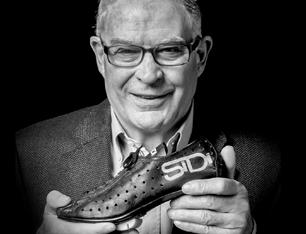
Dino Signori, the founder of Sidi, passed away on March 24. A visionary entrepreneur and a central figure in the worlds of cycling and motorcycling, Signori leaves behind an indelible legacy of passion, dedication, and craftsmanship. Born in Maser in 1935, he founded Sidi in 1960, transforming a small artisan workshop into a globally recognized brand for technical footwear. With intuition and determination, he successfully blended tradition and innovation, making a decisive contribution to the evolution of cycling and motorcycling and guiding generations of athletes toward extraordinary achievements. “Dino Signori didn’t just found a company: he blazed a trail. He taught us that progress stems from daily commitment, respect for people, and the ability to build a better tomorrow through hard work. His legacy will continue to live on in the values that still guide Sidi today: passion, research, and dedication, with the desire to improve every day,” said Davide Rossetti, CEO of Sidi.
MARKET
WILIER APPOINTS UNOFFICIAL WORLDWIDE AS ITS EXCLUSIVE DISTRIBUTOR FOR THE U.S.
Wilier Triestina has announced the appointment of Unofficial Worldwide as its new exclusive distributor for the United States. The new partnership, which replaces the previous distributor Velostar, aims to significantly expand product availability and sales network support, with the goal of accelerating the brand’s growth in the U.S. market. “The United States represents a key market for the future of Wilier Triestina. To respond to the growing interest of American cyclists, we were looking for a partner who shared our vision for the brand’s development. In Unofficial Worldwide, we have found a team capable of interpreting the Culture of Speed and connecting the brand with riders, retailers, and the community,” stated Andrea, Enrico, and Michele Gastaldello, the company’s owners.
DISTRIBUTION OF EGO MOVEMENT EBIKES BEGINS IN ITALY
The Swiss e-bike brand EGO Movement, part of the TVS Ebike group, has chosen the start of spring to officially launch its product line in Italy through a network of authorized dealers. EGO Movement e-bikes are characterized by a particular attention to style and detail. Starting in early April, the bikes will also be available in Italy; the rollout begins with various models in ten pilot stores located in strategic areas, before expanding to most of the country. “We are pleased with the retailers’ interest in our brand, as they are our link to the market. During the preparations for our launch in Italy, their appreciation and dedication were crucial,” said Gary Fabris, TVS Ebike country manager.
ROCKY MOUNTAIN CHOOSES 4GUIMP FOR ITS RELAUNCH IN ITALY
Rocky Mountain is ushering in a new phase of its presence in the Italian market by entrusting distribution to 4Guimp. The agreement was established with the goal of revitalizing a brand that has made a significant contribution to the development of MTB culture worldwide. Rocky Mountain stands out for its performance-driven approach to product development. Over the years, the company has introduced proprietary platforms, dedicated geometries, advanced suspension systems, and technical solutions developed directly on the most iconic trails. With this new assignment, 4Guimp assumes the role of a key partner for the Italian market, with the goal of consolidating the sales network and strengthening the brand’s presence among dealers and industry professionals.
ARC’TERYX MAKES ITS DEBUT IN THE WORLD OF MOUNTAIN BIKING
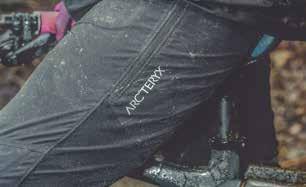
Arc’teryx, a company specializing in technical apparel and high-performance gear, is entering the MTB world with a capsule collection designed to tackle variable conditions, challenging climbs, and technical descents. The Arc’teryx Design Centre is located on Vancouver’s North Shore, where the brand’s development team rides regularly, field-testing prototypes and solutions in real-world conditions to protect against rain, cold, and humidity. This process led to the creation of Rhoam, the first MTB collection. “Mountain biking is part of our DNA. For our first dedicated line, we applied the same know-how used for climbing and ski shells, developing articulated constructions designed for comfort in the saddle. The team spent hours on the North Shore trails, tackling harsh conditions and technical terrain,” explained Ashley Anson, VP of Design at Arc’teryx.
RED BULL GENOVA CERRO ABAJO RETURNS TO GENOA ON JUNE 27–28
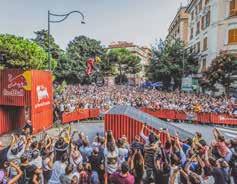
After two editions that have won over both the public and the riders, Red Bull Genova Cerro Abajo is set to return in 2026 on June 27–28, marking the third consecutive year that this Ligurian city has been part of one of the world’s most spectacular urban downhill circuits. The event is changing dates and moving to the first half of the year, on June 27–28. “La Superba” has become a highly anticipated highlight on the international calendar: its urban landscape offers an unparalleled sporting spectacle, thanks to a 2.2-kilometer course with a 279-meter elevation drop, from Monte Peralto to Largo della Zecca, in a dizzying race through natural obstacles, centuries-old staircases, hairpin turns, and manmade hazards. In 2024 and 2025, approximately 35,000–40,000 spectators lined the Genoese course throughout the race day. The challenge is on for Tomáš Slavík and Roger Vieira, the respective winners of recent years.
CYCLING
TOURISM FAIR: AN
EDITION THAT DREW OVER 27,000 VISITORS
The Cycle Tourism Fair, an event organized by Bikenomist and hosted by the Padua Exhibition Center, took place from March 27 to 29 and concluded with over 27,000 registered visitors, 210 accredited journalists, 268 exhibitors and co-exhibitors, 12 Italian regions, 20 foreign countries represented, and 1,112 meetings between industry professionals featuring over 60 talks. “The fifth edition achieved good results in terms of attendance and exhibitors, and we are pleased to have introduced more and more people to the magical world of cycling vacations. We saw increasingly sophisticated products and an increasingly interested audience. The involvement of international operators was particularly satisfying,” stated Pinar Pinzuti, director of the Cycling Tourism Fair. The next event will take place in Padua in March 2027.
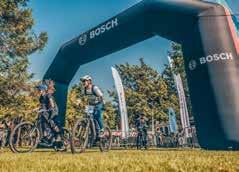
BOSCH EMTB CHALLENGE: THE NINTH SEASON KICKS OFF WITH AN EXPANDED SCHEDULE EVENTS
The Bosch eMTB Challenge has become a staple on the off-road community’s calendar. In 2026, the series enters its ninth season, featuring two new destinations: Les Arcs and Davos. Spectators and athletes will also be treated to a special highlight at the Willingen stage, where the German
Credits: Red Bull Content Pool
HAVE WE HIT ROCK BOTTOM?
The data presented by Ancma paint a picture of a market that has slowed down again in 2025. Total sales stood at 1.3 million units (-4% compared to 2024), with the e-bike segment struggling. Specialty stores have been hit hardest, while the supply chain is showing tentative signs of resilience
by Davide L. Bertagna
“Every time I train in Italy, I’m risking my life. I’ve come here to ride countless times, and every time I’m afraid because—no offense to anyone—traffic on Italian roads can sometimes be downright dangerous. They’re building some beautiful bike paths, but it’s going to take a lot of effort.” These are the words of modern cycling’s “Martian,” Tadej Pogačar, who, in the aftermath of his victory at the 2026 Milan–Sanremo, denounced the safety conditions on our roads. Why start here to read and try to understand the market data? Because, looking at the numbers, the feeling is that the sector has, unfortunately, hit rock bottom. And to get back on track, in our view, two fundamental elements are needed now more than ever: safety and culture. While action on the first front can be relatively swift, the path forward on the second issue will inevitably be longer. But time is running out. Because while the sector faces overstock, pressure from online retail, aggressive discounts, rising prices, geopolitical instability, and shrinking spending, we cannot ignore the systemic repercussions of a context that remains fragile in terms of culture and safety. Warning signs are already visible and are now confirmed by the data presented by Confindustria Ancma.
DIVING INTO THE DATA
The Italian bicycle market closed out 2025 with yet another decline, confirming the difficult period that has already emerged in recent years. According to data compiled by the association, total sales of bicycles and e-bikes stood at 1,303,000 units, down 4% from 2024. Specifically, compared to 2024, sales of conventional bicycles fell to 1,047,000 units (-3%), while e-bike sales stood at 256,000 units (-7%). To fully understand the data, however, it is necessary to analyze the various sales channels: while large-scale retail, specialized retail (sports and consumer electronics), and online sales show signs of growth, the real “seriously ailing” sector remains the specialty store.
TRENDS OVER THE PAST SEVEN YEARS
DATI DI MERCATO
SPECIALTY RETAIL IS STRUGGLING
The overall data paints a picture of a market that is only superficially limiting the decline. The contraction in demand within the specialty channel remains significant and continues to reflect the worrying difficulties (as also detailed in our survey “The Charge of the 101”) experienced by a large portion of the retail network (-14% in e-bike sales, -8% in conventional bikes), which serves as the primary benchmark for the sector and for the vast majority of member companies. At the same time, as mentioned, the recovery of other sales channels—from large-scale specialty retailers to online—helps limit the final decline and redefine the balance of sell-out. In contrast, however, the number of retail outlets is growing: by 2025, there will be 4,012 stores across Italy. This is a sign that once again confirms how, in our sector, entrepreneurial activity is often driven by a deep and deep-rooted passion, even in a complex and constantly changing environment.
THE SUPPLY CHAIN IS SHOWING RESILIENCE
On the industrial front, however, 2025 shows slightly more encouraging signs for the traditional bicycle sector. Production rises to 1,805,000 units (+6%), exports reach 1,042,000 units (+11%), while imports fall to 284,000 units (-28%). In terms of value as well, bicycle exports grow from 276 to 317 million euros (+14.8%), while imports fall from 136 to 133 million (-2.2%).
THE DECELERATION OF THE E-BIKE
The picture for e-bikes is more complex, showing a slowdown in both the domestic market and in production and sales. In 2025, production stands at 281,000 units (-17%), exports drop to
MARKET DATA
107,000 units (-20.7%), and imports fall to 82,000 units (-7.8%). In terms of value, the sector also recorded a decline: exports fell from 153 to 139 million euros (-9.2%), while imports dropped from 138 to 124 million. A comparison with other European countries highlights a structural challenge in the pedalassist segment. This trend raises questions not only of an economic nature but also of a cultural one: why does Italy continue to lag behind markets with purchasing power not so far removed from our own, such as France, Spain, and Portugal?
TRADE BALANCE AND COMPONENTS
Overall, the trade balance for the bicycle sector remained positive and largely in line with the previous year, standing at +172 million euros, compared to +175 million in 2024. This result nonetheless confirms the competitive strength of the Italian supply chain, even amid a weak and uneven market. Components also contribute to the sector’s industrial profile: in 2025, exports of bicycle parts grew to €550 million (+14.5%), while imports rose to €577
million (+25.4%). These figures indicate, on the one hand, a production sector that remains responsive and, on the other, a competitive environment that demands close attention to margins, positioning, and market strategies.
“2025 was a difficult year, likely one of the most challenging in recent times for the domestic bicycle market. A close examination of the data sets off alarm bells. Sales figures, in particular, must be interpreted with caution, because behind a relatively modest overall decline lie significant struggles, especially in the specialty retail channel, which continues to represent the heart of our sector. At the same time, the figures for production, exports, and the trade balance confirm the quality, resilience, and industrial capacity of the Italian supply chain, which remains a leader on the international stage,” stated President Mariano Roman.
“The e-bike segment deserves special attention, as it is suffering not only from a slowdown in demand but also from distortions caused by the growing prevalence of vehicles improperly marketed as electric bicycles. We are calling for regulatory clarity on this issue and for the continuation of all enforcement efforts to protect businesses that operate in good faith, ensure consumer safety, and uphold fair competition,” Roman emphasized.
In this complex landscape, however, one decidedly positive trend stands out: cycle tourism. According to the report “Traveling by Bike 2026” published by Isnart and Legambiente (which we will discuss in depth in upcoming issues of Bikefortade), Italy recorded approximately 49 million cycle tourism visits in 2025, generating an economic impact of 6.4 billion euros. These figures open up very interesting prospects for all businesses in the bike sector, particularly in the areas of services and rentals, which are becoming increasingly widespread across the country.
THE FREEDOM NOT TO CONFORM
Velo de Ville’s strength lies in its ability to move at just the right pace, thanks to a bold and counterintuitive business model. We visited Altenberge to get an up-close look at a company that’s one of a kind in the bike industry
our correspondent Daniele Pansardi
by
Altenberge is one of those places where life flows peacefully. A small town nestled in the Westphalian countryside, surrounded by forests, vast green meadows, and gentle slopes. Arriving from Münster, the German cycling capital just ten kilometers away, the impression is that everything moves at just the right pace, especially since bicycle traffic flows seamlessly alongside car traffic, thanks to clear, efficient infrastructure and a tradition spanning decades. It is no coincidence, in fact, that Altenberge’s main calling card is the headquarters of Velo de Ville, which this year celebrates its 60th anniversary and is, to all intents and purposes, one of the driving forces behind German cycling culture, with a unique identity in the world of city bikes. The Velo de Ville system revolves around customization, as its founder Albert Thiemann intended from the very beginning.
Every bike aims to reflect the story and personality of each rider. The manufacturing process begins with the individual’s desire: why ride a standard bike when we can customize every detail and component to our liking? Take colors, for example. Velo de Ville now offers a choice of 35 different shades, thanks to a modern powder-coating system that makes the process more flexible. When the frames reach the final stages
The Interview
Let’s start with the history of Velo de Ville, which is celebrating its 60th anniversary this year. What were the key moments that transformed the company into what we know today?
I believe we can identify three fundamental moments. The first dates back to the major oil crisis of the 1970s: we were still just small retailers; we first experienced a huge surge in demand and then a collapse of the sector. So my father Albert decided to strike out on his own as a manufacturer. The second step was the investment in powder coating and its automation. Despite various difficulties, we eventually managed to create an automated system over the decades, which was essential for fully developing the concept of Custom Made—a concept that is primarily reflected in the diverse color options we offer. The third key moment was the decision to focus on e-bikes: without electric technology, we probably wouldn’t be here today.
You are the pioneers of Custom Made. Was it a philosophical choice to set yourselves apart from others? Or rather a response to market demands?
It was a simple observation by my father. He was investing significant resources in
of the production lines, lined up side by side awaiting final testing or shipment, we are faced with a kaleidoscope of colors that has nothing to do with standard industrial production—and that can be seen as a small symbol of Velo de Ville’s philosophy. At the Altenberge factory, automation plays a major role, but to run a company with such a philosophy, machines alone are not enough. It takes courage and ingenuity, and a counterintuitive way of looking at the industry, with greater freedom for everyone, including retailers. Among the many practical advantages of Custom Made is that it spares retailers who choose Velo de Ville from that small or large nightmare called overstock.
Alain Thiemann, Albert’s son and CEO at just 34 years old, took up his father’s challenge alongside his brother Volker with the same spirit, and today leads a company with 300 employees from 20 different countries in a healthy and open environment, where everything seems to be moving at just the right pace. In the factory, in the offices, or on the streets teeming with bikes. During our visit to Altenberge, we spoke with Christof Reitemeier, marketing manager, and with Thiemann himself about Velo de Ville’s international ambitions.
the production of frames in different sizes, and from that reflection he developed the founding concept of Velo de Ville: people’s individuality must be reflected in the bikes. That’s why we always want to adapt to our customers and not the other way around.
Today, many companies talk about customization. In your experience, what are the main mistakes people make when trying to invest in tailor-made solutions?
We’ve made plenty of mistakes ourselves, but we’ve learned along the way. Many underestimate its complexity. The system must be completely calibrated toward a single goal: fulfilling each customer’s wishes. If it were just a niche, it wouldn’t work.
How do you choose your partners in an increasingly complex global supply chain?
We are a family-run business, so we rely on our long-standing relationships. Velo de Ville’s motto is “together successful”: if we work together, we will succeed together. In recent years, in addition to our long-standing Asian partners, we have been working to increase our supply of frames from Europe through an Austrian manufacturer.
The bike industry is experiencing difficult times in some countries and stabilization in others. How is Velo de Ville responding, and what changes do you foresee for the sector in the short term?
In the short term, we will see a consolidation process. During the pandemic, many new players entered the market, backed by venture capitalists and private equity funds, but with mixed results. I believe that independent companies like ours will experience greater stability in the coming years.
What is your opinion on the impact of private equity in the bike industry?
Alain Thiemann CEO of Velo de Ville
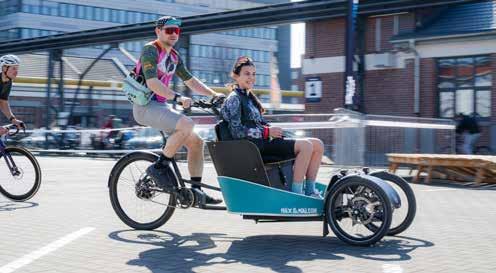
The Loady cargo bike by Velo de Ville
Private equity views the company itself as the product. For Velo de Ville and our retailers, however, the product is the bicycle. The perspective is completely different, as are the strategies adopted: for us, the customer is the person riding the bike; for the financial world, it’s just another company to sell to.
In a world where e-commerce poses a sort of threat to physical stores, how do you develop your collaboration with stores to provide them with real added value?
need people with a broad perspective and an open mind.
Looking to the future, what are the biggest risks for European manufacturers and the main opportunities for the sector?
“People’s
individuality should be reflected in their bikes. That’s why we always want to adapt to our customers —not the other way around.”
We always ensure that sales take place through our retailers, even when the bicycle is chosen independently via our online configurator. It’s a policy highly appreciated by our dealers, because it attracts people to the store who otherwise would never set foot there. Velo de Ville’s strategy is always partneroriented: going back to what I said earlier, that’s what allows us to be “together successful.”
What qualities must a retailer have to best represent the brand?
A desire to innovate. We want to change the way bikes are sold, and to do that we
The Interview
The concept of customization can be difficult to convey succinctly. What are the best ways to explain that you’re not just buying any old bike, but a product tailored to your specific needs?
Retailers play a key role. We offer numerous training courses to help them understand how to promote our concept. For about four years now, we have been strengthening our direct engagement with consumers by focusing on our online configurator. We are constantly investing in it to ensure that it remains both intuitive and compelling.
What are the most important events of the year for you?
We participate in numerous B2C trade shows, not only related to bicycles but also to RVs and tourism. As for the B2B sector, we used to rely heavily on Eurobike, but its importance has diminished this year, so we are exploring alternative options. On May 4 and 5, we will present next year’s new line to our customers via a live-streamed event. In Italy, however, we will be attending the International Bike Festival in Misano (September 4–6) and the Bike Festa Südtirol in Bressanone (September 17–20).
One of the main risks in Brussels is the excessive tendency toward regulation, which fuels bureaucracy and hampers productivity. Our real challenge isn’t internal among EU countries, but with China and the United States, where the legislative framework isn’t as strict. On the other hand, this complex system of rules also has positive implications, because it guarantees access to all European markets thanks to shared standards.
If you were a bike industry lobbyist in Brussels, what would you ask for on behalf of the entire sector?
To pay attention to anti-dumping. Many non-EU entities circumvent and evade the rules, importing non-compliant products that harm the European economy. We are seeing a significant increase in e-bikes at very low prices, and institutions should seriously question their origin and the entire production chain
So your strategy extends beyond the bike industry: how are you approaching this?
We focus primarily on the tourism sector, sponsoring specific events and collaborating with leading cycling tourism operators. It serves as a showcase to demonstrate to companies and individuals what we are capable of: with our custom manufacturing, it’s easy to personalize a line of bikes with specific colors or logos.
The configurator is at the heart of Velo de Ville, giving you access to a vast amount of data. To what extent does this influence your marketing decisions when developing new models?
The data shows us which options have been most successful in a given period or region: a valuable resource for guiding new retailers in their initial decisions. But that’s not all. We also analyze where users stop the configuration process. If many users stop at the same point, we realize that the system has become too complex and take steps to simplify it.
Is there a particular type of bike that customers tend to configure most often using the configurator?
Our best-seller is the AEB (All-Round E-Bike) model with a low step-through frame; the most popular color is midnight blue, even though it accounts for only 8 or 9% of total sales. We constantly monitor the data, striving to maintain a wide variety of options since customers want to customize their bikes as much as possible. It’s their tool for buying the perfect bike, and we don’t want them to have to compromise. That’s what sets us apart: if we lost this unique feature by narrowing our selection, we’d become just like everyone else.
Christof Reitemeier
Marketing Manager, Velo de Ville
The Revo-C, currently Velo de Ville's most powerful urban e-bike
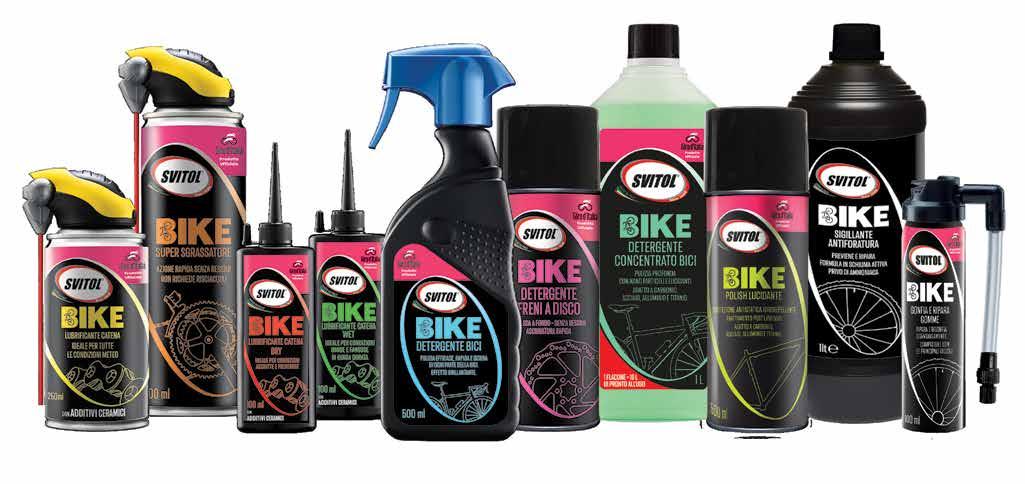
A STORY IN CONSTANT EVOLUTION FOR SVITOL
With over 80 years of experience in maintenance, Svitol has decided to expand into the cycling world by strengthening its engagement with retailers and enthusiasts. We interviewed Antonio Sinigaglia, marketing manager at Arexons, to learn more about the brand’s strategies, partnerships, and future goals
by Davide L. Bertagna
Svitol’s history spans over eighty years of innovation. Born within the Arexons group as a solvent-based anti-rust lubricant and developed for the maintenance of Milan’s trams, the Italian brand has gradually expanded its areas of application, becoming a benchmark in industry, DIY, car care, and household use. In recent years, drawing on this expertise, Svitol has chosen to enter the cycling world
The Interview
Svitol is a long-standing brand in the maintenance sector: what prompted you to enter the cycling world in a structured way, and what specific needs did you aim to address right from the start?
Our entry into the cycling world stemmed from observing a very clear shift: over the years, the bicycle has become much more than just a leisure activity. Today, it represents sport, daily mobility, a passion for technology, a focus on well-being, and in many cases, a sustainable choice. At the same time, awareness of maintenance has grown: those who ride regularly know that performance, comfort, and durability also depend on the quality of the products used to clean and care for their bikes. For a brand like Svitol, with a long history in maintenance, this represented a natural area in which to put our experience to good use. From the very beginning, we sought to address the specific needs of an increasingly sophisticated audience—from experienced amateurs to semi-professionals—by developing dedicated solutions that guarantee high performance, ease of use, and safety even on high-performance bikes, ranging from road bikes to MTBs and gravel bikes.
How strategic is the bicycle segment within your business strategy today?
Over the years, the cycling segment has become increasingly important to us because it combines several key elements central to our vision: specialization, innovation, and the ability to engage with a knowledgeable and diverse community. It is a sector that encompasses not only competitive cycling but also urban commuting, leisure, and the e-bike market—areas with very different needs but united by the same demand for reliability and ease of use. For us, it is an important area also because it allows us to credibly expand the brand’s historical scope. This is not a one-off extension, but an area in which we have chosen to invest continuously, developing a dedicated range and strengthening it through technical collaborations, expanding product formats, and establishing a presence in contexts relevant to the sector. The goal is to consolidate Svitol’s presence as a recognizable benchmark within a constantly evolving market.
in an increasingly structured way, keeping pace with the evolution of cycling: from a recreational activity to a technical, cross-cutting, and constantly growing ecosystem. This journey has led to the development of a specialized product line, collaboration with the professional cycling world, and an increasingly direct dialogue with retailers, with the goal of establishing itself as a leader in bicycle maintenance.
What are the main differences between maintenance in cycling and in other sectors where you operate?
Bicycle maintenance is a highly specialized field, as it involves a vehicle in which every component is closely linked to smooth operation, precision, and safety. Bikes operate in an exposed environment: dust, mud, water, weather changes, and debris accumulate quickly, especially on the most sensitive parts like the drivetrain, brakes, and tires. This requires specialized products capable of deep cleaning while being gentle on materials and mechanics. There is also another important aspect: in cycling, maintenance is perceived by the user as an integral part of the riding experience. It is not merely a functional task, but a habit that directly impacts the quality of the ride and the bike’s longevity. This calls for highly precise solutions: degreasers that leave no residue, lubricants suited to specific riding conditions, specific cleaners for individual components, and products that help keep the bike running efficiently over time. It is an approach that demands technical expertise and the ability to develop a truly specialized product line.
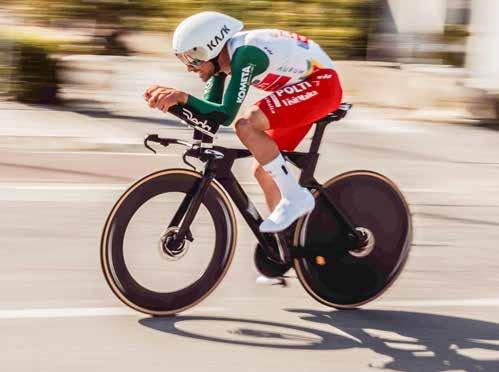
What role does the collaboration with the Polti VisitMalta team play in the development of the product line?
Our collaboration with the Polti VisitMalta team holds real value for us, because it takes our product line beyond the theoretical realm and puts it to the test in the dayto-day operations of a professional team. In this sense, it is much more than a visibility partnership: it is an opportunity for continuous testing, technical dialogue, and realworld validation. The fact that the team uses Svitol Bike products consistently—both in races and during daily bike maintenance—allows us to gather extremely useful feedback to refine formulations, performance, and ease of use. From detergents to oils to brake cleaner, every product is evaluated in a high-intensity setting. This collaboration has also evolved during the competitive season, at events like the Gran Fondo Strade Bianche, where the course’s characteristics demand particularly careful bike maintenance. In these situations, working alongside the team means closely observing dynamics and critical issues that are difficult to replicate in other contexts. This direct dialogue with the professional world is also reflected in products designed for advanced amateurs, who seek quality standards and performance comparable to those of high-level cycling.
What about the one with the MTB Metallurgica Veneta Pro Team?
For Svitol, sponsoring the team represents another step toward strengthening its presence in the off-road world. Mountain biking is a particularly demanding discipline in
Antonio Sinigaglia marketing manager Arexons
terms of maintenance, where extreme conditions such as mud, water, and dust constantly put components and performance to the test. Collaborating with a top-tier team allows us to validate the effectiveness of our products in real-world, highly technical settings, and then transfer this know-how to our entire range of products for enthusiasts. This type of experience has also been evident in competitions like the Absa Cape Epic, where Svitol supported the team in an event that, due to its duration and conditions, represents one of the most demanding challenges on the international calendar. It is a partnership that perfectly reflects our market positioning: standing alongside advanced cyclists, amateurs, and semi-professionals who want to care for their bikes in a precise, technical, and professional manner, even in the most demanding disciplines.
How is your product line evolving?
The Svitol Bike range is evolving in a very clear direction: to become increasingly comprehensive, specialized, and aligned with the needs of a market that is growing more technical and segmented. Today, those looking for maintenance products don’t want a generic solution, but rather specific formulas tailored to different needs. That’s why the range has gradually expanded to include dedicated products and solutions designed to address different stages of maintenance. This evolution also extends to packaging and professional use. The introduction in 2026 of the new five-liter sizes for Super Degreaser and Puncture-Proof Sealant is aimed at meeting the needs not only of individual enthusiasts but also of workshops, specialty shops, and heavy users, who require continuous use and greater autonomy.
What role can specialty stores play in promoting and showcasing Svitol products?
Specialty shops play a decisive role because, in the cycling world, sales still largely depend on expertise. Customers who walk into a specialty store aren’t just looking for a product; they’re seeking reliable guidance on which one to choose, how to use it, and when to incorporate it into their maintenance routine. It is precisely at this stage that the store becomes a crucial hub: it helps translate the technical features of the product line into clear, immediate benefits for the cyclist. For a brand like Svitol Bike, which focuses on specific, complementary products, specialty retail also serves as a space for educating customers on proper use. It allows the brand to highlight the depth of its product range and build a more
informed relationship with the end consumer.
Looking ahead, what role does Svitol hope to play in the coming years?
Over the next three to five years, our goal is to strengthen Svitol’s presence in the cycling world as a reliable and increasingly recognizable brand when it comes to bicycle maintenance. We want to continue working to further develop our product line, listen to the market, collaborate with technical partners, and maintain an ongoing dialogue with the community. Our ambition is not simply to “be there,” but to become an increasingly authoritative voice for those who approach cycling with care, passion, and expertise.
Svitol and the Polti VisitMalta team have renewed their partnership for the 2026 season
Credits: Maurizio Borserini
FROM "MADE IN" TO "MADE BY" TAIWAN
Data from the first quarter of 2026 show a significant slowdown in exports of e-bikes and traditional bicycles from the Asian country. Amid production relocations and Vietnam’s growing role, a transformation is taking shape that could reshape the balance of the global supply chain
by Davide L. Bertagna
As Europeans, we are accustomed to viewing and understanding the market through a very narrow lens. Italy, Spain, France, Germany: we look to these countries to interpret trends, dynamics, and prospects. A useful approach, certainly, but inevitably partial. Because to truly understand where the bicycle industry is headed, it is more necessary than ever to shift our gaze eastward, where production, investments, and industrial strategies that influence the entire global supply chain are concentrated.
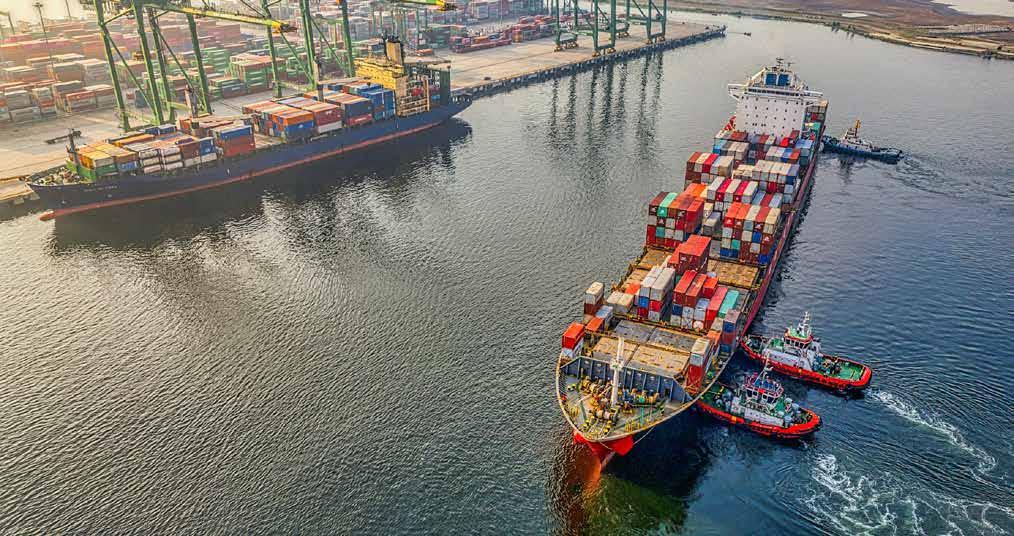
It is against this backdrop that the first-quarter data, compiled by Bike Europe, offers significant insights. The picture emerging from Taiwan is not a simple one: e-bike exports fell below 77,000 units in Q1, marking a 15% year-over-year decline and the lowest level for a first quarter since 2018. Traditional models also saw a decline, down 17% over the same period. Given that the total value of exports has remained below the $10 billion mark for two consecutive quarters, concerns are emerging that part of that value is gradually shifting outside Taiwan’s borders. “Taiwan is a global resource hub and a supplier of premium and high-end bicycles to the world market,” said Robert Wu, president of the Taiwan Bicycle Association (TBA), during the Industry Forum at Taipei Cycle 2026. “Taiwan accounts for 46% of this segment: not only domestic production, but also operations in Europe with Taiwanese involvement and manufacturing in Vietnam or Cambodia.”
According to Wu, 39% of the premium segment and 48% of the high-end segment are now produced in collaboration with Taiwan: not necessarily manufactured on the island, but developed using Taiwanese capital, expertise, and know-how. This perspective helps to provide a less simplistic interpretation of the decline in exports in recent years, which is therefore less drastic than it appears at first glance. Geopolitical dynamics and constant changes in trade regulations are, in fact, accelerating the relocation of production. In this scenario, Vietnam remains one of the most significant destinations for Taiwanese suppliers. Its integration into the Regional Comprehensive Economic Partnership (RCEP), along with trade agreements with the European Union, further enhances its appeal, encouraging new industrial investments from Taiwan.
“We still have the key capabilities to serve the global market with quality products, on-time deliveries, and competitive prices,” Wu added. According to the data presented, 16% of the high-end segment is now “Made by Taiwan” in Vietnam and 21% in China.
THE LARGEST DECLINE WAS IN THE UNITED STATES
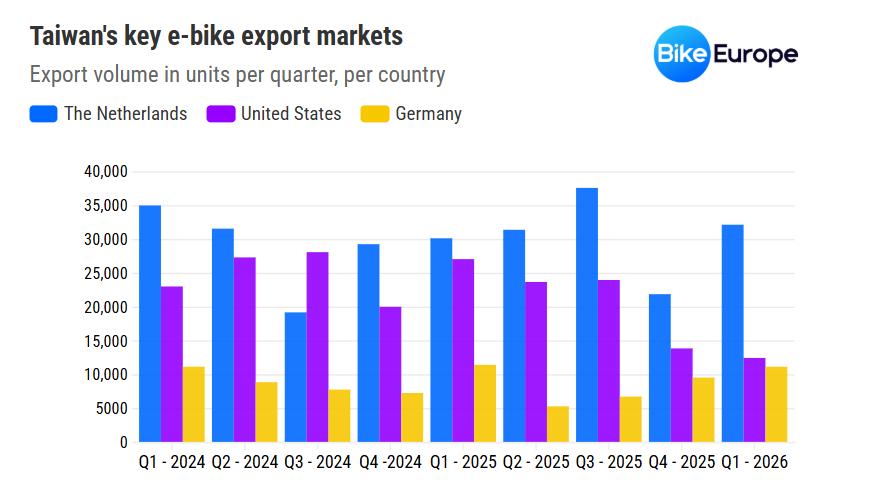
In light of these trends, the decline in exports must therefore be interpreted in a more nuanced way, although it continues to point to a challenging period for the industry. From the first quarter of 2019 to the present, the total value of Taiwanese exports has fallen by 37%, dropping from $15 billion to $9.4 billion in Q1, according to customs data. The negative start to 2026 comes as no surprise. On the e-bike front, exports to the European Union remained largely stable, at around 50,000 units compared to the first quarter of 2025. The overall 15% decline, however, is largely attributable to the U.S. market, which saw a 54% drop, falling from 27,000 to 12,500 units. The value of electric bike exports also reflects this contraction: down 27% year-over-year, totaling 4.5 billion New Taiwan Dollars (TWD) in the first quarter. Exports to the United States fell from over 2 billion to less than 1 billion TWD, marking the lowest level since 2019.
RELATIONS WITH EUROPE
Meanwhile, there are signs of partial stabilization coming from Europe. The Netherlands, a strategic hub for e-bikes entering the European market, saw a 7% increase in sales volume in the first quarter. Germany, on the other hand, remains stable at around 11,000 units for the third consecutive year. However, the value of exports to both markets continues to show a double-digit decline. Overall, exports to the European Union fell by 18% year-over-year, reaching TWD 2.5 billion in Q1 2026.
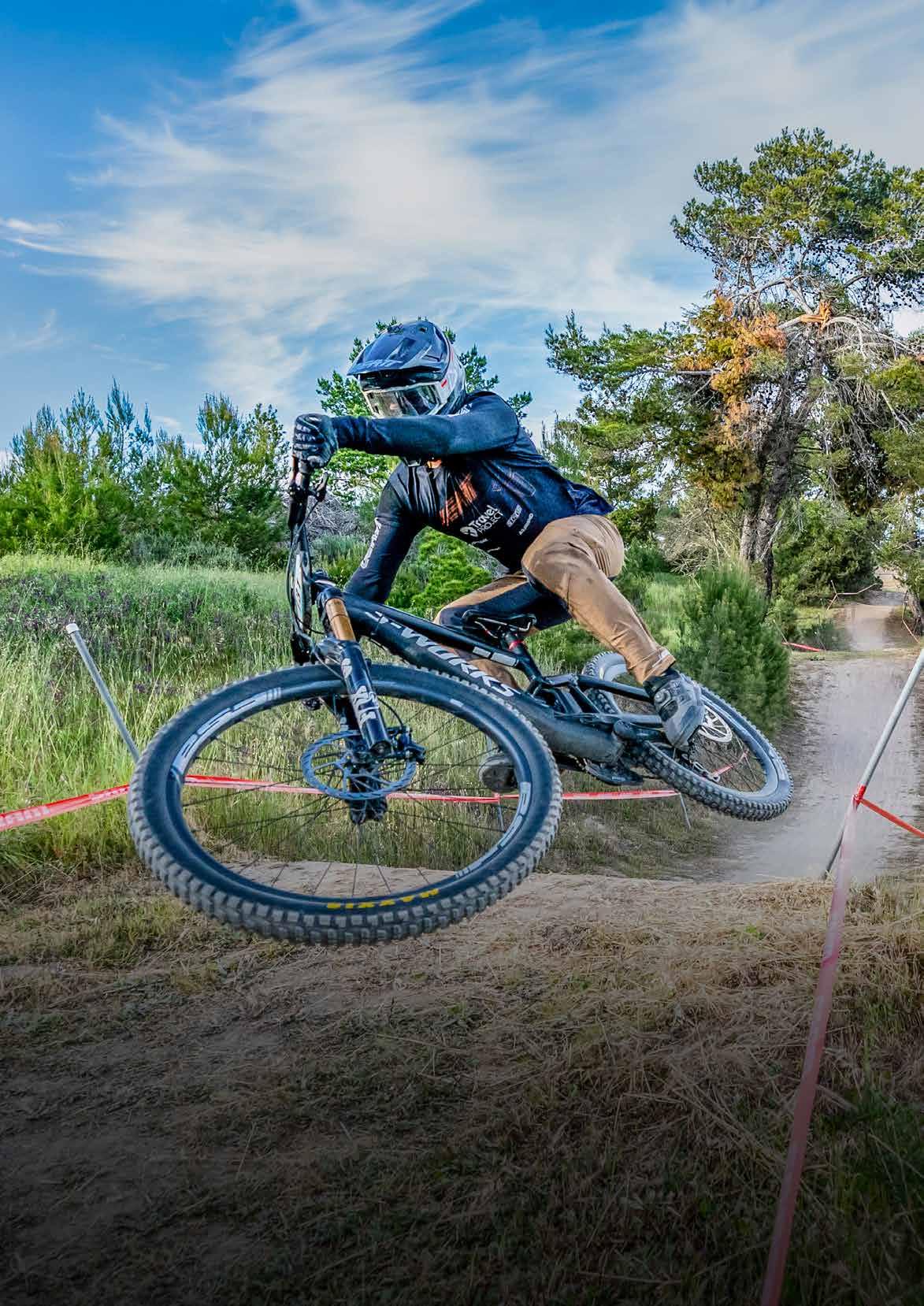
ON THE MTB ROLLER COASTER
The season is just beginning, and fans and insiders alike already have many doubts. Perhaps appearances are deceiving, and the team’s direction will change without warning, just like on a roller coaster
by Gabriele Vazzola
To describe where the world of mountain biking stands right now, the English expression “on a roller coaster” comes to mind. Just like a roller coaster. It’s certainly a complicated, chaotic phase, but also an exciting one full of potential thrills. If we think about it, it has a lot in common with off-road biking, even in terms of the trails we tackle.
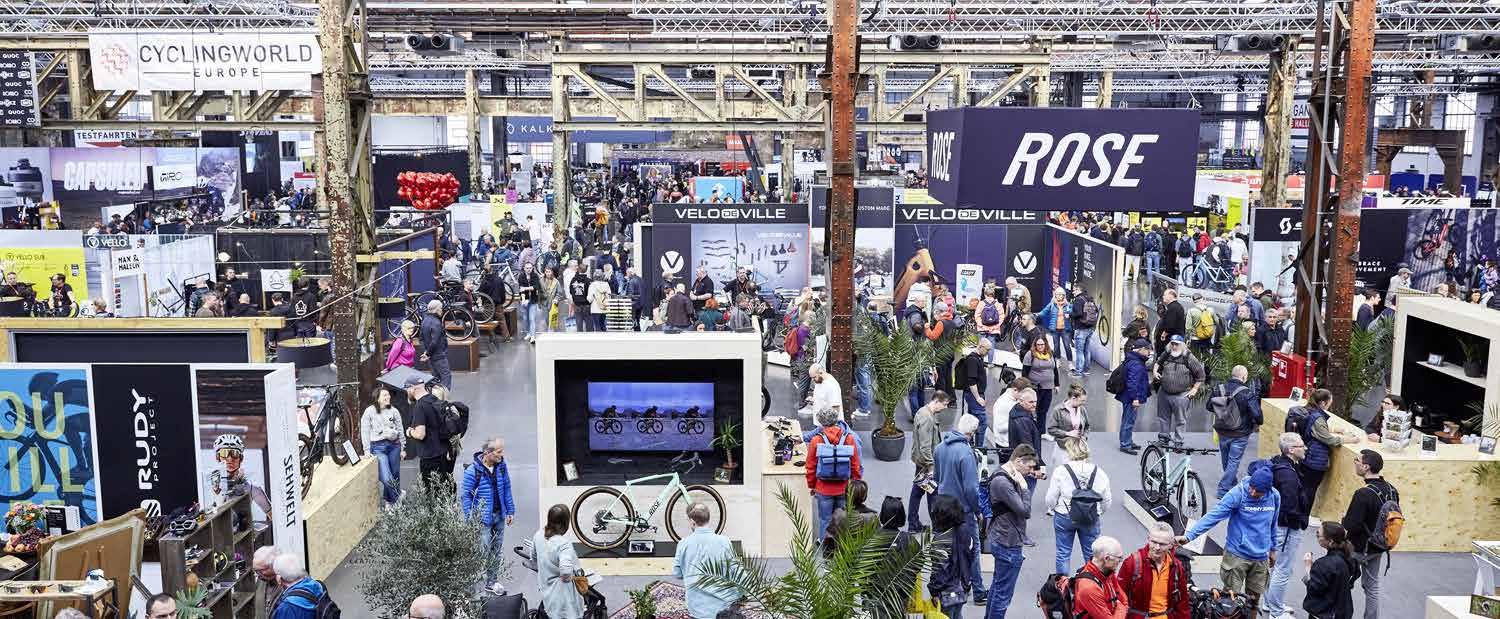
Anticipation for the start is high, even though this early spring brings with it a great deal of uncertainty—whether in terms of the weather, the economy, or geopolitics— but it looks promising for the bike market, given the enthusiasm and large turnout at the first events already held, such as Cyclingworld in Düsseldorf. And even in an era of uncertainty, the FSA Bike Festival in Riva del Garda remains a sure bet and officially kicks off the season. Meanwhile, for the pros on the world circuit, the season has already begun with a highly acclaimed and spectacular event. We’re talking about the Cross Country Eliminator World Championships in Barcelona, where the star of the show was our top athlete in this discipline: Gaia Tormena (whom we interviewed in this special feature). The young rider from Valle d’Aosta took home her sixth world title and the rainbow jersey, a well-deserved redemption after last year’s disappointment, when she suffered an injury shortly before the event that forced her to withdraw. The season will continue with the UCI Whoop World Series, with the first stage in Korea, while two events are scheduled in Italy: one in Val di Fassa in June for enduro, and then in July in La Thuile for the major event featuring all disciplines. The grand finale, however, will take place in North America. It’s a packed calendar that promises great entertainment and seems to mark a generational shift, where charismatic champions are witnessing the arrival of new stars on the scene. But that’s not all. From a technical standpoint as well, it will be interesting to see if—and who—decides to take a risk and break the mold by debuting the much-discussed 32” wheel bikes in top-level competitions. In this regard, the UCI has already weighed in and permitted their use starting this season.
EXPECTATIONS AND DOUBTS
Between certainties and possibilities, another interesting aspect concerns expectations (and doubts) about market trends. The first weekends of spring serve as a litmus test for what might happen with sales in 2026, and the MTB industry faces at least three distinct challenges that, in one way or another, could undermine its abi-
lity to generate sales and provide breathing room for manufacturers and retailers. First: the overstocking crisis may never have fully subsided. The sales frenzy that began in 2020 (and ended in 2023) clouded many people’s judgment, and some warehouses still seem to be suffering from a hangover. We’ve already discussed why we ended up in this situation. Today, we’ll just focus on the fact that these problems seem to be lingering longer and more deeply in the MTB sector than in other market niches.
Second: the uncertainty surrounding the eMTB segment, which has been the driving force up to now. Electric bikes seem to have reached a plateau; on the one hand, this can be attributed to what was mentioned in the previous point, but on the other, it appears to be a consequence of their own success. After years of continuous growth and evolution, pedal-assisted MTBs seem to have lost their way somewhat and are unsure exactly what their next evolutionary step might be. Following the bulky, fully-charged enduro models—which didn’t always appeal to a more athletic and technical audience—the market shifted to lightweight eMTBs that perhaps weren’t fully understood, not even by those who might have wanted them. Today, however, we are witnessing a boom in Avinox motors, which, with a few well-executed moves, have turned the tables and even launched their own premium e-bike brand, Amflow. This existential crisis has certainly contributed to creating indecision among both those considering a new e-bike purchase and those approaching their first purchase.
Third: we can talk about the real “inside job” coming from the market segment that has grown the most in recent years. We’re referring to gravel and the way it’s carving out a space for itself between its road bike and mountain bike cousins, wedging itself right in the middle with the impetuosity—and perhaps even the enthusiasm—of a newcomer. This niche has many arrows in its quiver, allowing it to chip away at MTB’s market share, starting with wheels featuring increasingly wider tires, approaching cross-country specs. Many are wondering where one world ends and another begins. We’ll see what happens this new season: all that’s left is to settle into the comfortable armchair of our passion and experience it as always to the fullest, whether as industry professionals or as enthusiasts.
The Interview
Gaia Tormena is one of the rising stars of Italian mountain biking and women’s cycling in general. The young rider from Valle d’Aosta has been mountain biking since before she started elementary school, and has found her niche in one of the most demanding and selective disciplines, where it is difficult to maintain leadership and consistent performance. Let’s talk about Cross Country Eliminator, where pure spectacle and explosive speed come together thanks to short, intense race heats. Four athletes compete simultaneously on a technical course where only the top two finishers advance to the next round, in a single-elimination format similar to the snowboard cross we just saw at the Winter Olympics. Gaia tells us about her beginnings and her love for off-road biking, without forgetting how important her technical expertise is in product development. This synergy ensures that athletes always have toptier products and allows companies to constantly innovate through ongoing feedback from their partners.
How did you get into mountain biking, and what led you to high-intensity disciplines like XCE and XCO?
My introduction to XCO (Olympic Cross Country) happened very quickly. I started riding a bike at age four, and I soon got rid of the training wheels. I immediately joined a competitive team to learn, and by age five I was already competing in my first races. MTB teams, almost naturally, prepare you for XCO competitions, which were my focus until I reached the age of 13 and moved up to the Esordienti category. That year, almost without my knowledge, I was entered into the Italian XCE Youth Championship. I loved it right away and realized I had a real knack for that discipline in particular. I raced in the Italian Youth Championship (which at the time was the only XCE race of the season for my category) for the next three years, winning twice. In the meantime, I continued to do XCO. When I reached the Junior category (age 17), given my results at the national level, I felt the need to compete against the world’s best in the Eliminator discipline. Results came right away, so I decided that would be my path and my main goal.
In fast-paced, technical disciplines like XCE, one of the most important factors seems to be maximum control when braking—and therefore the performance of the braking system. Do you agree?
Yes, I agree—braking control is essential, especially because when technique meets speed, every detail makes the difference between winning and losing.
What role does the braking system play in your performance, and what advantages does a system like the one you use today offer?
Today I use Raicam’s Italian-made brakes, specifically their flagship product for endurance and competitive cross-country racing: the RXC Racing. The precision and, above all, the progressive response of the RXC Racing system allow me to modulate my braking to slow down just enough to tackle the turn or obstacle in front of me—no more, no less. I thus avoid losing speed or having to alter my set line: it’s a real advantage when racing head-to-head in XCE heats at the highest international levels.
Do you also get to work with your sponsors on component development or feedback? Absolutely, it’s a crucial part of our collaboration. Sponsors are invaluable to me because they provide me with the best equipment available on the market. When I use it, I push it to the limit during races and wear it out during countless hours of training, so I can give my feedback to the developers. They’re the brains, I’m the muscle: we both contribute thoughts and ideas on how to raise the bar.
How has cross-country skiing changed in recent years in terms of technique and equipment?
From a technical standpoint, cross-country courses have become much more “extreme.” I’m talking about increasingly technical descents, steep climbs, obstacles, and jumps. This certainly makes the discipline much more spectacular, and in fact there’s always a very passionate crowd, especially at World Cup stages. In my opinion, this trend hasn’t yet led to courses of excessive difficulty, because the evolution of bikes and materials allows riders to tackle these ever-increasing technical challenges. Everything has
progressed hand in hand. Speaking specifically about materials, I think the XC world is increasingly inspired, on the one hand, by the road bike world in terms of weight and aerodynamics, and on the other, by gravity racing for everything related to suspension, brakes, and overall durability. I’ve always believed that broadening one’s horizons and looking at what others do well is excellent for personal growth. And some of the companies I collaborate with understand this well, just like the aforementioned Raicam.
Let’s talk about the return of the XCE to Italy. How important is it for you to compete on home soil, and what are your goals?
Having XCE races back in Italy is a dream come true for me, and I want to thank everyone who worked to make this happen this year. For the first time in history, there will also be a circuit entirely dedicated to the all-Italian Cross Country Eliminator. For my part, I’ll try to attend as many events as possible and pass on my secrets to the younger riders, because I truly believe the time has come to see a little more of Italy in the World Cup.
What advice would you give to girls who are new to this sport or who want to get started?
My advice is always to give it a try before saying, “It’s not for me.” Cycling is a wonderful and addictive sport. Cycling in general isn’t just about races and competitions; it can be enjoyed without the competitive aspect. You don’t have to break records every time you ride. It’s a world that helps you connect with people, broadens your horizons, and gives you the chance to participate in international events and meet people from all over the world—forming bonds and friendships that last a lifetime. For young female cyclists, it’s a life experience that helps you grow, first and foremost, as a person. Cycling is freedom; it’s connecting with nature; it’s self-discovery; it’s synonymous with well-being.
What do you think of the trend toward 32-inch wheels? Do you think they have a future in cross-country cycling? Have you tried them out yet?
They aren’t exactly new—I hadn’t heard them mentioned in a while, but lately there’s been a lot of talk about them. People have been talking about them for years, but I’ve never seen one in person or tried one out. The transition from 26” to 29” seemed impossible, yet here we are seeing almost exclusively 29” wheels everywhere. I think that for now, they can only be used by very tall people who feel limited by 29” wheels. It’s a current trend, but I can’t really say much about its future.
Gaia Tormena XCM world champion
Credits: neilwilsonphotography
Credits: Alessandro Di Donato
CROSS COUNTRY
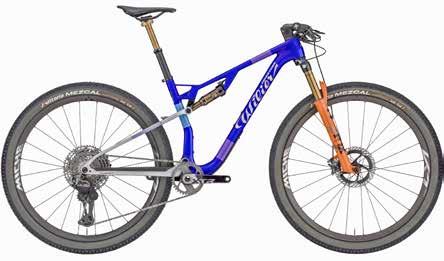
WILIER TRIESTINA
URTA MAX SLR
A 120mm-travel MTB designed to provide the Wilier-Vittoria team with a modern and versatile race bike. A bike that’s fun to ride even on the most challenging trails, featuring a new singlepivot suspension system with a three-stage optimized compression ratio to maximize pedaling efficiency. The frame is made of high-modulus carbon fiber, with the front triangle fully integrating the cables through the headset. This elegant solution improves stiffness. The rear triangle is designed with a single pivot point, and the geometry is optimized for a 120 mm fork. Wilier has reduced the stack height, extended the reach, and kept the bottom bracket lower, providing a greater sense of riding confidence and aggressiveness in the attack position. To protect the rear triangle and bearings, the Urta MAX SLR features a special rubber cover at the junction of the frame triangles that keeps out mud, dirt, and debris.
wilier.com
TECHNICAL DATA SHEET
Frame: Wilier Triestina URTA SLR
Front fork: FOX 34 Factory Kashima
Shock absorber: FOX 2024 Series FLOAT
Groupset: Shimano XTR, 12-speed
Brakes: Shimano XTR
Wheels: Miche K1 RD Tires: Vittoria Mezcal/Peyote
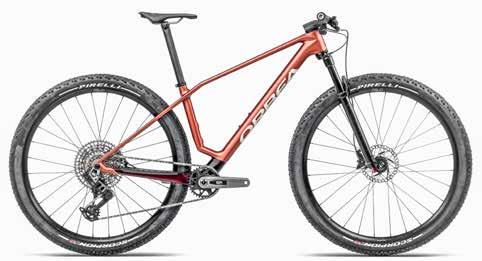
ORBEA
ALMA 2025
The Alma 2025 is a hardtail designed by Orbea to ensure a smooth and controlled ride. The frame, featuring X-Fader technology, is flexible and works to absorb vibrations, allowing you to perform at your best. The X-Fader system acts as a micro-shock absorber with a contoured seat tube, designed to better manage energy-sapping impacts so you can ride harder and longer. The optimized rear triangle, featuring flattened horizontal and vertical chainstays, increases vertical compliance and resists lateral flex, improving power transfer. Additionally, for better traction and a smoother ride, it features wider tire clearance, up to 2.4”. Alma is available in four sizes and five models. Finally, the Spanish brand offers the MyO program, which allows you to customize the configuration to your needs and design your own color scheme.
orbea.com
TECHNICAL DATA SHEET
Frame: Orbea Alma Carbon, Boost 12x148
Fork: RockShox SID Sl Ultimate 110 DebonAir+ RL
Groupset: SRAM XX Eagle SL AXS
Brakes: SRAM Level Ultimate Carbon
Wheels: Oquo Mountain Performance
MP30LTD Wheels: Pirelli Scorpion XC RC 2.40”
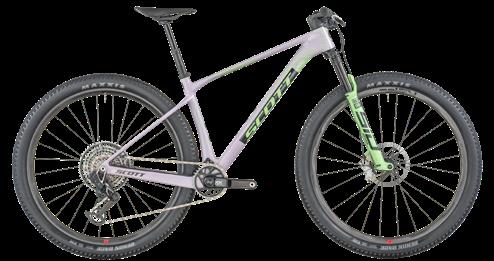
SCOTT
SCALE RC WORLD CUP
With the new Scale RC World Cup, Scott aims to redefine the standards of the XC segment, focusing on an advanced balance between stiffness, lightness, and structural integration. Drawing on over 30 years of experience in carbon fiber manufacturing, the brand has developed a monocoque frame design that reduces the number of joints, improving the structure’s overall efficiency: less weight and greater stiffness, two key elements for enhancing off-road performance. Scott’s focus on the rider also translates into practical solutions, such as the service port integrated into the down tube, which ensures quick access to the inside of the frame without invasive work on the bottom bracket. Additionally, there’s plenty of room for customization: the head angle is adjustable by 0.6°, allowing you to adapt the geometry to a more aggressive or stable riding style without needing to adjust cables or the braking system.
Scott Italia - 035.756000 - marketing@scott-sports.it
TECHNICAL DATA SHEET
Frame: HMX carbon
Fork: RockShox SID SL Ultimate 110 mm
Groupset: SRAM XX - SL AXS, PM
Brakes: SRAM Motive four-piston disc brakes
Wheels: Fulcrum Red Zone Carbon Tire: Maxxis Rekon Race Foldable
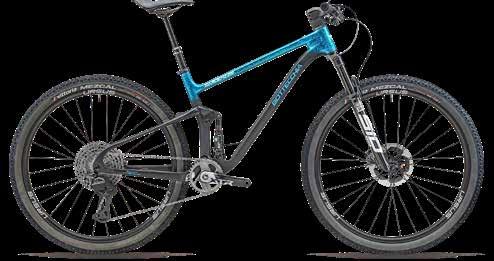
BOTTECCHIA
GARDENA 29
The Gardena 29 is a full-suspension bike designed for cross-country racing and used by the Bottecchia Factory Team. The super-light, full-carbon monocoque frame with 100 mm of travel is built using MONOLITH technology, which eliminates all joint points thanks to a single mold that allows for the uniform distribution of high-modulus carbon fibers, ensuring greater strength and lower weight. The 1½-inch head tube has also been updated to fully integrate the cables, a feature that ensures a clean aesthetic and improves overall rideability. The rear triangle, featuring a 12mm thru-axle and 148mm wheelbase, ensures the necessary stiffness during the most demanding changes in pace, delivering outstanding performance even on the toughest trails. Rounding out the setup is the integrated ONE MR full-carbon handlebar.
Wheels: Ursus Diablo Carbon 30 TL Tires: Vittoria Mezcal 29x2.25
BH
GHOST
ILYNX+ DL POACHA
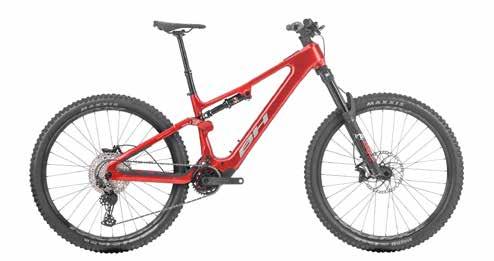
The new iLynx+ DL is an e-MTB featuring the Avinox M2S system, capable of delivering 150 Nm of torque and up to 1,300 W of peak power. The 800 Wh battery provides a range of up to 157 km, paving the way for longer rides. The 2-inch OLED touchscreen display is fully integrated into the top tube, offering high visibility and extensive customization. The bike is equipped with two wireless remote controls that allow you to manage the assistance modes and display functions. The frame (compatible with dropper posts up to 200 mm) is built using Ballistic Carbon Layup technology, designed to offer an optimized stiffness-to-weight ratio. The HCIM process eliminates internal imperfections and reduces unnecessary weight. With 170 mm of travel, the geometry is clearly geared toward enduro: the 77.5° seat tube angle improves climbing efficiency, while the 63.5° head angle ensures stability and control on technical descents.
BH - 335.6442523 - g.orsi@bhbikes.com
TECHNICAL DATA SHEET
DL
Frame: carbon
Front fork: Fox 38 Float Factory 180 mm 15QR
Front suspension: Fox Float X2 Factory
Groupset: Shimano XTR Di2 12-speed
9.8
Brakes: Shimano XT 4-piston 203 mm
Wheels: DT Swiss H1700 TR
Tires: Maxxis Assegai TPI60, Minion TPI120, Terra EXO TR 29" x 2.5/2.5
OLYMPIA
HEKTON
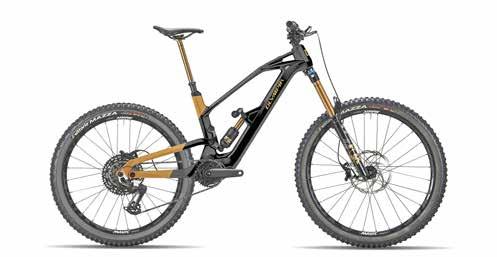
The Hekton is Olympia’s new eMTB, distinguished first and foremost by its Avinox M2S motor, which delivers a maximum torque of 150 Nm. Among the new features that enhance this eEnduro’s performance is the Fox 38 Float Factory Grip X2 fork, which reduces friction and maximizes smoothness of operation. What stands out about this model is the strong personality that emerges from the geometry of the Toray T700-T 800 carbon frame, designed around the drivetrain to extract everything from this MTB that can make every trail an exhilarating experience. The Hekton is available in two versions: with 180 mm of travel, a mullet setup, and a distinctly enduro character, or with 160 mm of travel and 29-inch wheels, for those who prefer a more trail-oriented approach. The two different flip chips allow you to adapt the geometry to your preferred version—180 mm or 160 mm of travel—by swapping out the suspension, and to choose your preferred rear wheel size: 29" or 27.5".
Olympia Bicycles - info@olympiacicli.it - olympiacicli.it
TECHNICAL DATA SHEET
Frame: Toray T700-T800 carbon
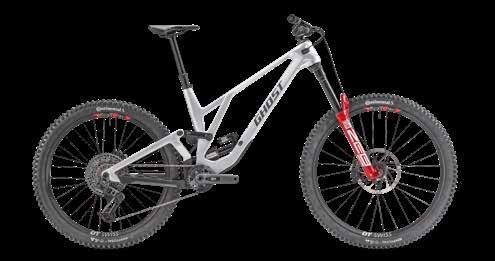
The Poacha is a mullet-style MTB designed by GHOST to be the perfect choice for riders who refuse to accept limits. Developed in collaboration with athletes Tomáš Slavík and Korbinian Engstler, it utilizes the German brand’s Traction Link technology, which allows the carbon frame to respond efficiently to rough terrain. With 180 millimeters of travel front and rear, the model offers the ideal characteristics for tackling challenging descents and remaining agile during rapid changes of direction. It is available in three different versions: the base model in a RockShox configuration with a Zeb Select fork up front and a Vivid Select shock at the rear, while the Pro version steps it up with a Fox 38 Factory Grip X2 and TRP DH-R Evo brakes. For those who want it all, the flagship model is the Full Party, equipped with RockShox Zeb Ultimate, Vivid Ultimate, and a wireless SRAM GX AXS T-Type drivetrain.
Schretzmayer Sport GmbH by Krauti sas - 0471.613046 - italy@srt-sports.com
TECHNICAL DATA SHEET
Frame: carbon
Forcella: Rock Shox ZEB Ultimate Charger
Front suspension: Rock Shox Vivid Ultimate Groupset: SRAM GX Eagle 70 T-Type, 12-speed
HEKTOR 180 EVO-R POACHA FULL PARTY
Forcella: Fox Float 38 Factory Grip X2
Front suspension: Fox Float X2 Factory Trunnion
Groupset: SRAM XS 1270 T-Type (10/52)
Brakes: Formula Cura 4-piston disc brakes
Wheels: Mavic Deemax DH
Tires: Vittoria Mazza 29×2.4 TNT, Vittoria
Mazza 27.5×2.6 TNT
Motor: Avinox M2S 1300 W Battery: 800 Wh, 21700 cells
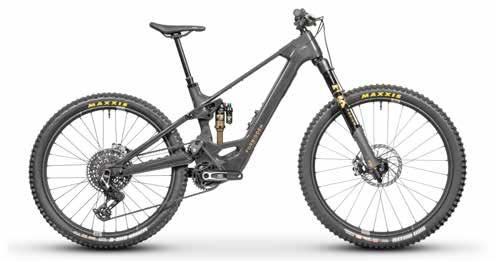
The Druid E 2026 represents the evolution of Forbidden’s high-performance eBikes, which, following the success of its first year, returns with a completely updated platform. This mulletconfiguration eMTB was designed to offer an even more stable and intuitive riding experience while maintaining the brand’s distinctive character. Described as a true “wolf in sheep’s clothing,” it combines clean aesthetics with benchmark performance in the trail/enduro segment. For this year, the brand has decided to discontinue the LitE and CorE versions, introducing a single platform with 150 mm of rear travel and 160 mm of front travel. A design choice aimed at maximizing versatility and control, making the model suitable for both technical climbs and the most challenging descents. The Druid E 2026 is equipped with the new Avinox M2S (1300 W power and 130 Nm) or M2 (1100 W power and 110 Nm) systems.
Tribe Distribution - 0174330152 - info@tribedistribution.com
TECHNICAL DATA SHEET
TIER 1
Frame: carbon
Fork: Fox Podium Factory 160 mm
Front suspension: Fox Float X Factory
Groupset: SRAM X0 T-Type 12-speed
Brake: SRAM Maven Ultimate
Ruote: Carbon Crankbrothers
Tires: front (Maxxis High Roller 3 3C, MaxxGrip) rear (Maxxis DHRII 27.5"x2.5" 3C MaxxTerra)
Motor: Avinox M2S or Avinox M2
Battery: Avinox 600 Wh or 800 Wh
FULL GAS WITH HEPHA
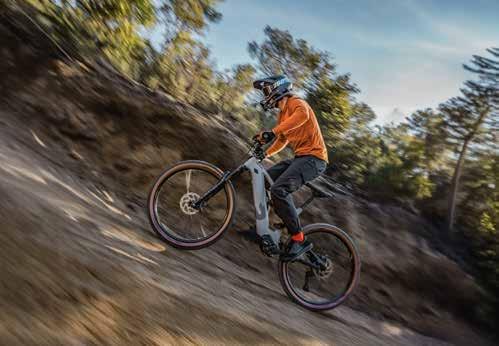
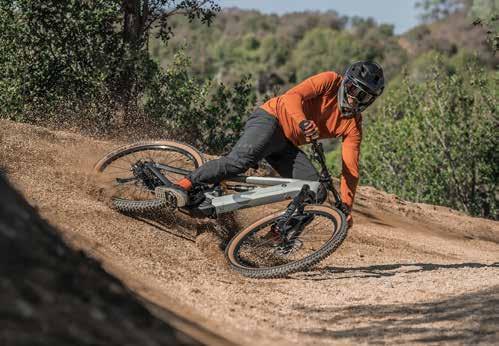
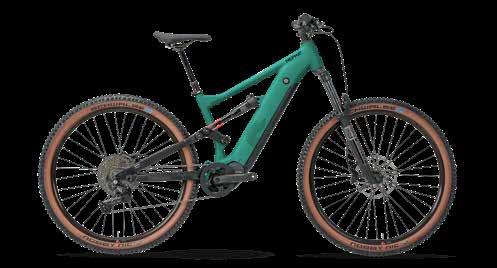
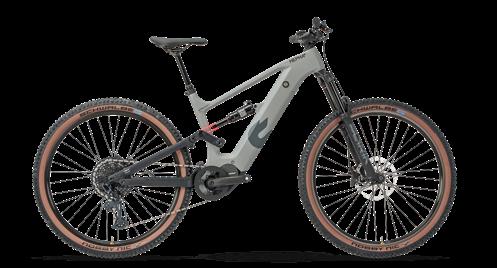
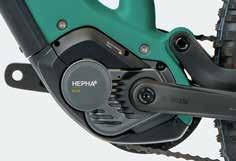
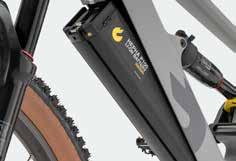
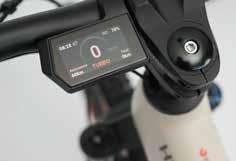
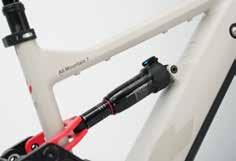
The All Mountain 7 platform, available in both aluminum and carbon versions, features a proprietary 110 Nm motor, batteries with a capacity of up to 804 Wh, and high-end components. Designed to ensure maneuverability even in the most technical terrain, it is ideal for tackling challenging descents and rock gardens
In the last issue of Bikefortrade, we told the story and evolution of HEPHA, a brand founded in 2021 and based in Maisach, just outside Munich, which has managed to make a name for itself internationally in just a few years. Since its inception, the German company has been able to rely on a leading industrial partner like Gobao, which specializes in developing drive systems for e-bikes: this support has allowed
It sits at the top of HEPHA’s aluminum full-suspension lineup, above the All Mountain 7 Alloy Long Range, All Mountain 7 Alloy LTD, and All Mountain 7 Alloy Long Range SUV models—the latter equipped with fenders, front and rear lights, a kickstand, and a rack. The entire aluminum range features the proprietary 100 Nm motor, paired with a high-density battery using 21700 cells, available in 708 or 804 Wh versions. This configuration is designed to ensure range and continuous operation, factors that are particularly important in both retail settings and rental applications. The bikes are equipped with 10- and 11-speed Shimano Cues drivetrains and four-piston brakes, a choice designed to offer reliability and ease of maintenance over time. All four models share the same 100 Nm drive unit, confirming a consistent design approach across the entire range.
HEPHA to develop proprietary technological solutions and establish itself with a solid offering in the highly competitive e-bike sector. Among these solutions is the All Mountain 7 range, consisting of high-end e-MTBs available in various configurations and versions, designed to meet different usage needs but united by a shared technical platform.
A more performance-oriented model. The carbon monocoque frame, which also includes a carbon rear triangle, houses a 110 Nm motor, peaking at 120 Nm in Boost mode. The kinematics, developed in collaboration with RAAW (a German brand specializing in enduro and downhill bikes), help make it agile even in the most technical terrain. The low weight—less than 24 kg for the complete bike (excluding pedals)—further reinforces the model’s off-road credentials. At the same time, the option to install the SUV kit with a rack, lights, kickstand, and fenders expands its range of use, making the Carbon Ultra a versatile solution even beyond purely sporting applications. The full-suspension carbon range includes the LTD (with a 100 Nm motor), Ultra, and Tschugg models, both equipped with 110 Nm drive units. All models share the 804 Wh battery, underscoring a common technical platform geared toward high performance.
Tires:
THE RECIPE FOR PERFORMANCE
To ensure maximum performance, a braking system must be designed so that all its components work in perfect harmony. With this in mind, Raicam has also developed the new Ceramic and Ceramic+ brake pads
In the last issue of Bikefortrade, we published an exclusive interview with Andrea Asta, product promoter and technical specialist at Raicam. During that interview, Andrea explained the secrets behind the Italian brand’s products and how crucial the company’s expertise is—a company that leaves nothing to chance in its strictly Made in Italy creations. In fact, the braking systems are the result of meticulous research and design, with a particular focus on detail. The goal is to provide riders with a high-performance and safe product. It all starts with an analysis of the market and user needs, leading to a meticulous selection of materials. In this process, nothing is left to chance, ensuring the creation of complete systems where brakes, rotors, and pads are engineered to work in perfect synergy. Raicam’s philosophy is to push the boundaries of quality and safety to the absolute limit. Only in this way is it possible to achieve top-tier performance and control, both in endurance disciplines—where lightness is key—and in gravity and eBike applications, where the four-piston caliper provides the braking power needed to perform at the highest level on descents.
To complement its braking systems, Raicam is also launching its own line of proprietary brake pads, available in two different types. The Ceramic and Ceramic+ pads embody the brand’s expertise gained over more than 40 years as a leader in the automotive sector, where precision, tolerances, and reliability are essential. Every component of Raicam’s braking systems is developed according to the same standards of excellence required to be selected by the top car manufacturers, using materials and technologies that gua-
The two types of pads are designed for different riding styles.
rantee high performance, thermal stability, and quiet operation even under the most demanding conditions—and the bike brake pads are no exception. They are the result of intensive in-house R&D aimed at finding the perfect formula that ensures the best balance among the components at the point of equilibrium between the four fundamental reference parameters: noise, vibration, braking torque, and heat resistance. Raicam organic brake pads combine ferrous elements with plastic resins, plus ceramic components that allow for better heat dissipation, reduced vibration, and longer service life.
THE TWO OPTIONS
Ceramic: progressive friction coefficient for smooth, controlled braking; high acoustic comfort; ideal for those seeking precision and smoothness.
Ceramic+: powerful braking performance in all conditions, stable at high temperatures and under high pressure, perfect for e-bikes and heavy-duty use.
Both options share key features: zero copper, reduced fine dust, and long service life. The ceramic matrix dampens high-frequency vibrations, reducing noise and squealing, while ensuring resistance to fading even during long descents or extreme conditions. The result is a high-performance, reliable, and sustainable product, designed not only to last but also to reduce environmental impact. Raicam brake pads are the ideal solution for those seeking consistent performance, safety, and comfort, making the most of every component of the braking system. The official launch of Ceramic and Ceramic+ will take place in mid-May in Bruzolo, the production hub for Raicam friction materials, during a special event where we will be present.
Ceramic
Ceramic+
ROMY: NEW FRONTIERS IN MOUNTAIN BIKING
Schwalbe’s all-rounder guarantees all-mountain fun, and marks another step forward in the evolution of the German brand’s off-road lineup
Schwalbe continues to revamp and innovate its MTB lineup, introducing technical solutions designed to redefine the standards for riders seeking peak performance or pure fun. The latest addition announced by the German manufacturer is the new Romy, a versatile model that truly shines on trails and in all-mountain riding. The Romy’s tread pattern features pronounced lugs on the shoulders—essential for ensuring cornering grip and control—contrasted by a central area with closely spaced lugs and shallow grooves, designed to maximize smoothness and durability. The Romy is lighter than many enduro tires, yet it remains sturdy and durable. It is suitable for use on both the front and rear wheels.
From a structural standpoint, the Romy marks a turning point. It is the first 2.4inch model to incorporate Schwalbe’s radial technology, introduced in 2025, which ushered in a new era for MTB tires (we first covered this in Bikefortrade 9/2024). While the classic bias-ply casing focuses on protection and low rolling resistance, the radial casing (characterized by wires arranged at a much wider angle than the standard 45°) provides a 30% larger contact patch, which translates to a significant increase in grip, comfort, and safety—ideal for the most demanding trails. The Romy is available in both radial and traditional versions.
THE ROMY VERSIONS
The Romy's market positioning follows Schwalbe's new product line strategy, which is divided into three usage categories: trail, gravity, and race—each of which is also available in a Pro version.
Trail
It offers excellent value for money and features compounds that were previously reserved for the Evolution line.
Pro (trail, gravity, race)
They are developed in collaboration with World Cup pro riders, represent the top of the line, and utilize cutting-edge ma-
terials. The Trail Pro version, for example, features the Apex protective insert made of reinforced fabric, while the new Ultra Soft compound stands out among the options used—it was redesigned specifically for the world downhill circuit. According to Schwalbe, it offers 50% more cushioning than the previous version and provides better grip in wet and challenging conditions.
THE EXPANSION OF THE RADIAL FAMILY
The success of radial technology, which impressed testers right from the start, has prompted the company to apply this technology to other iconic models in its MTB lineup as well.
In addition to Albert, Shredda, and Romy, the Radial family now includes:
• the Tacky Chan for gravity fishing (available in the new 2.5-inch size only in the radial version);
• the Eddy Current, a rear tire specifically designed for e-MTBs with a Gravity Pro radial construction, optimized to handle the stresses of electric bikes;
Schwalbe Italia - 039.6058078 - info@schwalbe.it
• The Magic Mary, perhaps the bestknown DH/enduro model, is available in both 27.5” and 29” wheel sizes.
NEW CATEGORIES AND REORGANIZATION
Along with the announcement of the new Romy, Schwalbe has also streamlined its MTB catalog, creating a new classification system aimed at simplifying the product lineup and making life easier for retailers. As mentioned, there are now three categories (gravity, trail, and race), and the three MTB category names also correspond to the casing structures. Schwalbe is also revising the compound nomenclature: the Addix designation has been discontinued, while the universal Speedgrip compound has been renamed Mid, reflecting its balanced performance profile.
ALL MOUNTAIN, PURE FUN
FSA’s premium technologies are also incorporated into its mid-range products, such as the NS SCi30 carbon wheels. A guaranteed upgrade for those looking for a high-end solution for their MTB
FSA is adding the NS SCi30 carbon wheelset to its lineup—a solution designed for all-mountain and enduro enthusiasts seeking a sturdy, high-performance product that can elevate their riding experience while ensuring comfort and control across various terrains. Positioned as a mid-to-high-end option, the NS SCi30 incorporates the brand’s most cutting-edge premium technologies to offer versatility without the extreme performance typical of competition models. The wheel rim, assembled entirely by hand, is made of carbon fiber with a 22 mm profile. The choice of a hookless design, combined with a generous 30 mm internal channel, provides optimal support for modern-section tires, ensuring greater stability and superior ground contact on technical terrain. This configuration promotes agile and responsive handling, while maintaining the strength needed to tackle the most demanding trails. At the heart of the wheel, power transmission is handled by an alloy hub with a six-pawl system, designed to ensure smooth and long-lasting engage-
ment. The hub is fully compatible with modern 12-speed drivetrains (Shimano Micro Spline and SRAM XD) and uses the six-bolt rotor standard. The build is completed by 28 Direct-Pull butted spokes on both the front and rear wheels, a technical choice that optimizes the balance between structural strength and overall weight.
RIGOROUS TESTING AND E-MTB CERTIFICATION
Although these wheels were not designed for pure racing, the NS SCi30 undergo the same rigorous testing that ensures the high standards of the entire FSA range. From torsional tests to fatigue and impact tests (with loads up to 90 joules, exceeding common safety standards), every component is verified to withstand extreme stress. This robust construction allows the wheels to pass specific certifications for eMTB use, making them ideal for handling the higher torque and weight of electric mountain bikes.
TARGON: TWO-IN-ONE
Abus is expanding its off-road lineup with a modular helmet made entirely in Italy, combining versatility, certified safety, and comfort. From bike parks to trail rides, this single model features both full-face and open-face configurations to suit every riding style
by Davide L. Bertagna
Targon marks a significant milestone for Abus in the mountain bike segment: it is, in fact, the first helmet with a removable chin guard to be developed and manufactured entirely in Italy at the Camisano Vicentino plant. One model, two distinct styles: a full-face helmet for maximum protection on singletrack and in bike parks, and an open-face helmet for greater freedom on more relaxed rides or for everyday use.
TWO CONFIGURATIONS, ONE HELMET
The Targon Modular is a true all-rounder for every type of mountain bike ride: from the most technical sections to relaxed rides, from bike park sessions to the most challenging climbs. Its standout feature is the innovative, patented Speed Latch System, which allows you to switch quickly and intuitively between configurations. Simply press on both sides with your thumb and index finger to remove the chin guard, and reattaching it is just as easy. The Targon thus lets you switch from fullface to open-face (and vice versa) depending on the demands of the ride.
Made in Italy
Targon was manufactured in Camisano Vicentino by Maxi Studio (the production facility for the German brand’s high-end helmets) in accordance with high quality standards and using precision craftsmanship.
Visibility and full control
The premium visor protects against the sun and low-hanging branches, and in the event of a fall, it detaches to reduce the strain on the neck. Beneath the visor is a dedicated area designed to keep your goggles securely in place, preventing them from slipping during the most challenging sections.
PRECISE FIT
Fit is one of the most important aspects of a helmet, and the Targon has been designed by Abus engineers to offer a wide range of adjustment options. The Vario Pads in the chin guard can be positioned in three different configurations, allowing for a precise fit tailored to the shape of the head. In addition, the Zoom Rapid Fit adjustment system adds an extra level of customization thanks to a rear dial that allows for millimeter-precise adjustment. Comfort has also been carefully considered: the soft inner padding ensures a stable and comfortable fit even on the longest rides. It is adjustable, washable, and easy to remove, and is secured inside the helmet with Velcro fasteners.
Features designed for long days on the bike
The premium Fidlock magnetic buckle allows you to open and close the chin strap with just one hand, even while wearing gloves. To promote ventilation during intense activity and on hot days, the helmet features 15 ventilation ports. Additionally, a polycarbonate lower shell protects the helmet from scratches, impacts, and wear.
Protection that exceeds industry standards
In the MIPS version, safety has been further enhanced thanks to the Air Node Pro padding, designed to reduce rotational forces transmitted to the head in the event of an impact. The safety package is rounded out by all relevant certifications: Targon meets the European standard EN 1078, the CPSC standard used in the United States and Canada, and ASTM F1952-22 (an additional voluntary test with stricter requirements specific to downhill models).
Dimensions and weight
It is available in sizes S (51–55 cm), M (55–58 cm), and L (57–61 cm), in the colors velvet black, sand beige, ash purple, and lemon white. The Targon also stands out for its lightness, weighing as little as 950 g (size S with chin strap) and 490 g (size S without chin strap).
XXR CARBON: TECHNOLOGY, PERFORMANCE AND
FUN
The Brinke All-Rounder has everything it takes to be the ultimate all-mountain e-MTB. Balanced geometry and premium components (combined with a powerful Shimano motor) make it versatile and suitable for both leisurely rides and rugged alpine trails
by Gabriele Vazzola
Brinke is an all-Italian brand headquartered on Lake Garda. It is amonG the pioneers of e-bikes and has always focused on creating well-balanced bikes, designed first and foremost to meet customer needs rather than follow passing trends. In fact, ever since its first city and trekking models, its bikes have been characterized by quality, durability, and the careful selection of reliable, purpose-built components. This eMTB is no exception; as the flagship of the Brinke catalog, it embodies a spirit that fully reflects the region where it was born. The design of this premium electric off-road bike seeks and achieves a balance between the performance needed to tackle the most challenging trails of the Upper Lake region at full speed—and safely. A place where mountain biking history was made, and where the freeride and enduro movements were born and developed; it also allows for a more relaxed ride, one that doesn’t overwhelm the average rider seeking an eMTB that serves as the perfect companion for exploring every trail safely and comfortably. This “magic” is no accident, but the result of careful frame design born from years of experience in the e-bike field.
The Brinke XXR Carbon, in its various configurations, features 160 mm of rear travel and 170 mm of front travel (on the Race model), with balanced geometry featuring 445 mm chainstays and a 65° head angle that can be adjusted to 64.2° using a flip chip on the rear triangle. The reach is substantial but not extreme, while the seat tube angle is tailored differently for each size to allow riders of varying heights to maintain the same center of gravity: 77° in size M, 77.5° (L), and 78° (XL). All these details ensure a balance between great traction on climbs, speed, and control on descents. In addition to the technical features that make the XXR Carbon the right choice for those seeking an all-around eMTB, certain design elements also make it a distinctive product with a strong personality. We’re talking about the unique frame design that blends function and aesthetics, as the special front triangle configuration not only gives it a unique, easily recognizable look— thanks in part to its distinctive colorways—but also stiffens the structure, enhancing the performance of the suspension components. As is standard for bikes of this type, Brinke opts for a mullet wheel configuration, with a 29” front wheel and a 27.5” rear wheel, while still allowing for the option of a 29” rear wheel.
THE COMPLETE RANGE
Frame: full carbon mullet
Frame: full carbon mullet
Fork: Rock Shox ZEB Ultimate 29" Solo
Air 170 mm
Rear shock: Rock Shox Super Deluxe
Ultimate
Groupset: SRAM XX Eagle 12-speed; 1052 cassette, 34T chainring
Brakes: Shimano XTR, 4-piston, 203 mm
rotors
Wheels: DT Swiss HXC 1501 Spline
Tyres: (front) Schwalbe Magic Mary
29x2.6; (rear) Schwalbe Big Betty
27.5x2.6
Motor: Shimano EP801 250 Watt, 85 Nm
Battery: Darfon 708 Wh / Darfon 800 Wh
Display: Shimano SC-EN600
Fork: Rock Shox ZEB Ultimate 29" Solo
Air 170mm
Rear shock: Rock Shox Super Deluxe
Ultimate
Groupset: Shimano XTR 12-speed; 10-51
cassette, 34T chainring
Brakes: Shimano XTR, 4-piston, 220/203 mm rotors
Wheels: full carbon rims with XTR hubs
Tyres: (front) Schwalbe Magic Mary
29x2.6; (rear) Schwalbe Big Betty
27.5x2.6
Motor: Shimano EP801 250 Watt, 85 Nm
Battery: Darfon 708 Wh
Display: Shimano SC-EN600
Shimano EP801 motor with 85 Nm of torque. A powerful, compact, and quiet drive unit with batteries up to 800 Wh to tackle epic days of riding.
Tyres:
29x2.6;
27.5x2.6
Motor: Shimano EP801 250 W, 85 Nm
Battery: Darfon 708 Wh
Display: Shimano SC-EN600
27.5x2.6
Motor:
A 445 mm chainstay and mullet wheel setup, for the perfect balance of stability, responsiveness, and traction.
Four-bar suspension system with Horst links, an efficient and durable design that delivers excellent traction and a fun downhill ride.
65° head tube angle, adjustable to 64.2° with the flip chip in the “low” position to switch from trail riding to more demanding downhill trails
The frame design is engineered for maximum stiffness and character.
The seat tube angle is adjusted for each frame size to maintain the same optimal centre of gravity: 77° for size M, 77.5° for size L and 78° for size XL.
The Mahle system update allows brands to tailor performance to the intended use and driving style. With Smart Assist, Traction Control, Dynamic Overrun, and Auto Hold working together, the experience focuses on control, efficiency, and natural handling
Mahle SmartBike Systems is expanding the capabilities of the M40 system with a new generation of features designed to improve control, efficiency, and rider confidence on technical terrain. The latest update introduces Smart Assist and Traction Control, two features that further enhance the riding experience, alongside existing technologies such as Dynamic Overrun and Auto Hold.
SMART ASSIST
Smart Assist introduces a dynamic automatic mode that continuously adjusts assistance based on the rider’s effort and terrain conditions. Instead of switching between different levels, the system automatically adjusts power output to maintain a smooth and natural ride. The system analyzes multiple parameters in real time, including wattage, cadence, speed, and terrain gradient. Based on this data, it provides the appropriate level of assistance. This dynamic approach eliminates the need to switch modes frequently, allowing cyclists to focus entirely on the ride. Smart Assist is also highly configurable. Manufacturers (OEMs) can adjust the parameters to suit the intended use of each bike, while end users can customize the experience via the app or the HU+ by adjusting the assist ratio, maximum power, and acceleration behavior. In addition to improving ride quality, Smart Assist also optimizes energy efficiency, helping to increase battery range by providing power only when needed.
TRACTION CONTROL
Traction Control boosts rider confidence by preventing the rear wheel from slipping on rough, wet, or uneven terrain. The system continuously monitors traction and adjusts engine torque in real time to maintain control and forward momentum. The M40 system uses a high-resolution rear speed sensor capable of measuring the wheel’s position 84 times per revolution. Combined with torque, cadence, and motor data, it can detect loss of traction with great precision. When traction loss is detected, the system automatically adjusts torque delivery to
prevent power surges that could cause wheel spin. This ensures smoother power delivery and greater stability on technical climbs and challenging surfaces with poor traction.
DYNAMIC OVERRUN
Dynamic Overrun provides controlled assistance after you stop pedaling, helping you navigate technical obstacles such as rocks, steps, or tree roots. Unlike traditional systems, Dynamic Overrun adapts to the rider’s effort and terrain conditions. The feature activates naturally based on your pedaling behavior.
• The force of the final pedal stroke determines the intensity of the assistance
• Up to two meters of overrun, configurable via the app
• Gentle pedaling at a low cadence prevents activation when it is not necessary
This dynamic behavior allows riders to control the function intentionally without pressing buttons or activating additional modes. Dynamic Overrun is particularly useful on technical climbs, where maintaining momentum is essential. By providing a brief, controlled burst of assistance, the system helps riders navigate obstacles with greater confidence.
AUTO HOLD
Auto Hold improves control when stopping on steep inclines by automatically preventing the bike from rolling backward. When the system detects that the eBike is stationary on a slope, it automatically activates the motor brake. As soon as the rider starts pedaling again, the system provides launch assistance, enabling a smooth and controlled restart, even on very steep terrain. The Auto Hold feature uses a fusion of data from the accelerometer (HU+), speed sensor, and torque sensor. Together, this data allows the system to detect the slope and the rider’s and bike’s movement intent in real time. Like all M40 functions, Auto Hold operates automatically without requiring any user interaction, maintaining Mahle’s commitment to delivering intuitive riding experiences.
GRAVEL GETS A MAKEOVER
The French company presents a bike with a distinctive, modern design, thanks in part to 50mm wheel clearance, aggressive geometry, and suspension compatibility
Look is introducing the G85 Cezal, a new gravel bike designed for riders seeking a model that makes no compromises and caters to those who no longer want to choose between a race-oriented bike and one designed for touring or long-distance riding. Thanks to its features, the G85 Cezal is well-suited to the challenges of the most progressive and contemporary gravel riding: the bike was designed around a platform developed by Look to perform on long rides, where comfort, versatility, and load-carrying capacity are essential. Furthermore, it lends itself to customization thanks to generous clearance and the option to fit a front suspension fork with up to 60 mm of travel—a feature beloved by enthusiasts of more extreme trails. Internal cable routing improves overall aerodynamics and eliminates cable vibrations on rough terrain, making it ideal for those seeking a true race machine. The carbon frame’s geometry is balanced and designed to tackle a wide variety of terrains, making the G85 Cezal a blend of stability, fun handling, and comfort, without neglecting any aspect of a gravel bike designed to perform across different scenarios. This is thanks to the 70° head angle, which provides good stability, and the 74° seat tube angle, which ensures efficient pedaling. The down tube features a storage compartment for tools or a tire repair kit—a musthave detail on high-end off-road products. The G85 Cezal is available in various configurations, with the option to choose between single-chainring or doublechainring drivetrains, 700c or 650b wheels, and tires up to 50 mm.
Frame: Look G85 Carbon UDHM
Fork: UDHM Carbon (compatible with 60mm suspension forks)
Groupset: SRAM Force 1x13-speed electro-
10-46 cassette Brakes: SRAM Force E1 with 160 mm discs Wheels: Fulcrum Soniq Carbon 2WF Tires: Hutchinson Touareg 700x45c
While compromises are often made, Look is launching a product designed for the gravel scene and is focusing on SPD compatibility with a larger platform for better power transfer
The X-One line is the perfect hybrid between mountain bikes and road bikes. Both models share the same core features but differ in materials and weight, taking the best of the road bike world—power transfer and smooth operation—and combining them with the versatility and walkability of SPDcompatible mountain bike pedals. This creates a product specifically designed for gravel riding. The X-One thus allows riders to tackle portage sections during races
and offers comfort on the go. Born for the racing world, it adapts to all gravel enthusiasts by enhancing the rider-bike connection and creating a special bond, much like on high-performance road bikes, where every watt is transformed into forward momentum and every pedal stroke is a direct expression of the athlete’s power—all while seeking performance and stability even on the most challenging terrain, steep climbs, and dusty straightaways.
La prossima generazione dei motori centrali
M7100 eCity motor
M7600 eMTB Motor M7200 eTrekking motor
Potenza naturale
Controllo preciso
Integrazione totale
Costruita su una piattaforma condivisa e ottimizzata per diverse esigenze di guida, la serie M7000 combina potenza di picco e coppia elevata, design compatto, funzionamento silenzioso e connettività intelligente in un’unica soluzione.
EXPERIENCE MODERN BIKEPACKING WITH TAAC
The new START gravel bag collection is designed for those who value practicality, ease of use, and minimalist style. This range allows us to enter the market at a competitive price without compromising on technical quality
For the second year in a row, TAAC has chosen the Riva del Garda Bike Festival as the setting to launch the latest evolution of its gravel bag collection. Following the success of the range presented at last year’s event, with this new launch, the Mandelli brand aims to take another step forward in its growth strategy, seeking to reach a broader and more diverse audience. This is not just a new line, but a horizontal expansion of the catalog, designed for those who experience gravel not so much as a performance sport, but rather as a pleasure and a lifestyle.
PRACTICALITY AND FUNCTIONALITY
The START line is designed to meet the needs of those who prioritize practicality and functionality above all else. TAAC’s designers decided to switch from heat-sealing to traditional stitching, combined with a new 420D nylon fabric. This choice is not only practical but also gives the bags a softer, more minimalist design.
• Water-resistant handlebar bag
• Capacity: 6 or 10 liters
• 420D nylon exterior
• External mesh pocket
• 6L (weight: 150 g, max load: 3 kg)
• 10 L (weight: 180 g; max. load: 3 kg)
• Water-resistant frame bag
• Capacity: 0.5 liters
• 420D nylon exterior
• Magnetic closure with one-handed opening
• Weight: 130 g and maximum load: 0.5 kg
UNCHANGED TECHNICAL DNA
The true added value of the collection is that it makes no compromises on stability (which has always been the brand’s strong point), fully retaining the highly regarded frame-mounting systems, which are the true technological heart of TAAC.
• SUPER ATTAAC : The aluminum subframe remains the standard for absolute stability on the handlebars.
• SUPERSHELL & SHELL: thermoformed supports ensure that the bag stays in place even on the roughest dirt roads.
• ATTAACHINO: This line also features an aluminum clamp system for saddle bags.
GOAL: EXPAND INTO NEW CATEGORIES
With the START line, TAAC positions itself as a leading brand for those looking to get into gravel biking, targeting urban cyclists, weekend travelers, and newcomers seeking a practical, functional, durable, and sleek product.
THE START 2026 SERIES
• Water-resistant cylindrical handlebar bag
• Water-resistant handlebar bag
• Water-resistant handlebar bag
• Capacity: 2.5 liters
• 420D nylon exterior
• Zipper closure
• Weight: 170 g; maximum load: 1 kg
• Capacity: 2 liters
• 420D nylon exterior
• External mesh pocket
• Reflective prints and roll-top closure
• Weight: 100 g and maximum load: 1 kg
• Capacity: 1 liter
• 420D nylon exterior
• Weight: 80 g and maximum load: 1 kg
• Fastening system consisting of Velcro strips
TOP TUBE PAC
LA PRECISIONE SVIZZERA DIVENTA PERFORMANCE TRAIL.
Con CILO, l’ingegneria svizzera incontra la leggerezza per trasformare ogni trail in puro flow e massimo divertimento di guida.
Per scoprire i vantaggi di diventare rivenditore Cilo contattaci scansionando il QR code
A “PAAS” AHEAD FOR THE WHEEL SYSTEM
The P ZERO Race SL-R features the new Pirelli Advanced Aerodynamic System and the LiteCORE carcass, placing it at the top of the pack in every category among racing tires in the road segment
The renovated production facility in Bollate continues to churn out new Pirellibranded products made in Italy: this time, we’re looking at a tire that promises a small yet significant revolution, particularly through the introduction of concepts we might call “holistic” in the study of the wheel system. For the first time, those who study the aerodynamics of open-wheel racing tires have worked on developing a bicycle tire, introducing and creating a profile that works organically with the rim. This focus on integrating the entire wheel system leads to top-tier drag performance. This result was achieved by engineers through the new patented PAAS (Pirelli Advanced Aerodynamic System) technology, which allows air to remain in contact with the tire and, in turn, flow smoothly over the rim, thereby improving overall aerodynamics. According to the Italian brand, this should occur under all airflow conditions in laboratory tests and in real-world conditions.
Pirelli’s stated goal is to achieve maximum speed on the road without sacrificing smoothness, handling, or grip. The P ZERO Race SL-R is designed for riders seeking performance across a range of conditions: from time trials to road races, all the way to Sunday rides pushed to the limit. A tire designed to enhance the marginal gains of pros, it is also ideal for advanced amateurs seeking a top-of-the-line product. The tire remains stable even in wet conditions, thanks to the SmartEVO² compound. The P ZERO Race SL-R was further refined through collaboration with the WorldTour teams Alpecin-Premier Tech, Fenix-Premier Tech, and Lidl-Trek, who tested the product under Pirelli’s renowned #prototype label. Rounding out the package is the new LiteCORE casing, the lightest and most efficient tubeless-ready structure for road bikes.
Compared to the highest-performance model in the range, it offers a further 10% reduction in rolling resistance without compromising road holding. According to the Milan-based manufacturer, acceleration response is quick, and cornering is precise and stable even at high speeds. The tire is compatible with hookless rims and optimized for internal widths between 22 and 25 mm, in line with the latest ETRTO standards. Finally, the micro-texture of the slick tread is designed to further optimize airflow at high speeds and improve grip and riding feel. Available in stores in sizes 28-622 and 30-622, in a version with black sidewalls and a silver label or in the yellow “Team Edition” colorway, a 32 mm option is also coming this fall.
APPLICATIONS
SEASONS
“The bike industry like the automotive industry? Only possible with Pirelli!”
“This tire firmly establishes Pirelli at the top of the road bike category in terms of rolling resistance and aerodynamics. It is the first tire on the market to combine and optimize these two characteristics, establishing itself as the fastest tire on the WorldTour. To achieve this result, we utilized software simulations and mathematical models developed by engineers who also work in motorsports. Along with cycling, it is the only sector that operates with open wheels. I believe that no one in the bike industry has ever gone this far or possesses the know-how that Pirelli has at this moment. The profile of the PZERO Race SLR has
therefore been patented, defining the ratio between the two parameters that determine the aerodynamics of the tire’s profile—namely, its highest point and its widest point. PAAS (Pirelli Advanced Aerodynamic System) is the name of this technology, and it ensures that air stays close to the tire and then to the rim, improving the aerodynamics of the entire wheel system in all situations. Not just on the straight and in calm conditions, but also when being overtaken by a car, or in the middle of the peloton. We achieved this result without compromises such as a teardrop-shaped profile, which performs poorly in corners, or grooves in the tread that force the use of more rubber and increase rolling resistance. The pros have been using it since the start of the year with van der Poel and the Alpecin team, and it also won the triathlon world championships.”
Samuele Bressan
global marketing manager Pirelli Cycling
AERO REDEFINED
At the 2026 Taipei Cycle Show, Deda Elementi unveiled two new products that expand integration and fitting options. The Alanera RS OD2 handlebar, now compatible with 1 1/4” forks, makes its debut alongside the Jet2 Hydro range in sizes L and XL, ensuring maximum comfort and performance in triathlon
For years, Deda Elementi has chosen the Taipei Cycle Show as its preferred platform for unveiling some of its innovations. It is a strategic setting where the Lombardy-based brand not only unveils new products but also identifies and anticipates global market trends. This setting provides the backdrop for the
The Alanera RS is Deda’s flagship integrated handlebar. The Lombardy-based brand has now also developed a version compatible with 1 1/4” forks, thereby expanding installation options. Consequently, several custom top covers for the headset have been created, designed to allow the installation of the Alanera RS and its spacers on the following bike models: Giant Propel Advanced MY23–26, Giant Propel MY27, Scott Addict RC MY20–24, and Addict MY22–25. The product features remain unchanged from the Alanera RS, including the RFID tag that provides access to Deda Cycling Club services and the versatile mount designed to securely hold various devices such as Garmin, Wahoo, and Bryton bike computers and GoPro cameras on your bike. The Alanera RS OD2 will be available starting in summer 2026.
TECHNICAL SPECIFICATIONS
Material: UD/3K carbon fiber monocoque
Fork steerer tube: 1 1/4” (31.75 mm)
Clamp height: 43.5 mm
Angle: 82°
Reach: 75 mm
Drop: 120 mm
Flare: 6° (+2,5 cm)
Weight: 340 g (110×42)
latest innovations presented in the Far East during the 2026 edition: the evolution of the Alanera RS integrated handlebar, now also available in the OD2 version for 1 1/4” forks, and the expansion of the Jet2 Hydro range with new extensions in sizes L and XL, designed to meet the needs of an increasingly broad and specific audience.
Building on the experience gained with the Jet2 Hydro in sizes S and M, the new extensions are now also available in sizes L and XL (390 mm and 420 mm in length), expanding the range to meet the needs of an ever-growing number of users, particularly triathletes. Optimized to ensure maximum comfort even over long distances and an efficient aerodynamic position during races. The elbow rests have been redesigned to accommodate the longer extensions, as have the grips, to offer ergonomics and excellent stability. Developed in Italy using the exclusive Dedacciai V107 aluminum and manufactured using hydroforming technology, they are compatible exclusively with electronic groupsets and integrate with basebars featuring a hole spacing between 17 and 41 mm, offering great mounting versatility. The other features remain the same as those of the S and M sizes, including the availability of three grip versions compatible with the various remote controls available on the market.
TECHNICAL SPECIFICATIONS
Extension material: Dedacciai V107
hydroformed aluminum tubing
Elbow rests and handles: 3D printing
Extension length: 390 mm (size L), 420 mm (size XL)
Armrest dimensions: width 90 mm, length 190 mm
Compatibility: electronic control units
Basic handlebar compatibility: TT handlebars with a bolt hole spacing of 17 to 41 mm
ALANERA RS OD2
JET2 HYDRO
THINK LOCAL, ACT GLOBAL
This year, Cyclingworld Europe in Düsseldorf proved to be the rising star of the trade show industry.
Like a dish created by a master chef, it blends a variety of authentic, high-quality ingredients to produce a well-balanced and authentic result: neither pretentious nor over-the-top
by our correspondent Gabriele Vazzola
Reasonable costs, perfect timing, a mixed B2B/B2C audience, and a location with strong lifestyle appeal. A seemingly simple formula, yet one that is making Düsseldorf’s Cyclingworld a must-visit destination for industry professionals seeking to determine where to focus their efforts and budgets in the European market. “Cyclingworld is growing every year. I want to thank all the visitors, especially the international ones. This is a special place, a space converted into an exhibition center and a legacy of Germany’s steel industry. I see many happy faces, and the fair has grown by 30% in 2026. We don’t want to compete with anyone, but it’s clear that our format and our vision seem to be winning in the context of the bike industry,” said Nils Kudla, one of the event’s organizers. Nils’ enthusiasm was palpable and shared by all, thanks to an energetic, relaxed, and passionate atmosphere in a welcoming venue that decisively facilitated connections and interactions.
We’re all familiar with the challenges facing the bike industry, but we often forget one thing that we’ve made a point of highlighting in recent issues: more and more people are cycling, and the passion for it is stronger than ever. So the numbers, forecasts, and institutional events in crisis matter little. What counts is knowing how to embrace, anticipate, and manage change by interpreting the evolution of a market that isn’t static but in constant flux. This applies to trade shows as much as it does to retailers, because it’s undeniable that something happened in Düsseldorf, with such a large crowd and palpable enthusiasm. Perhaps the secret to the recipe was precisely to embrace the moment, reviving the slightly “disheveled” style of days gone by and reinterpreting the spirit of an industry that has no desire to grow up, instinctively refusing to fully follow the cold logic of finance, the global market, and mere profit. For a while, it seemed like we’d tried, but the atmosphere at Cyclingworld reminded us of who we were, and perhaps made us realize that we’d been chasing pipe dreams that simply weren’t part of our DNA.
IDEAL LOCATION
Düsseldorf is a city that seems a bit off the beaten path. On closer inspection, however, we find ourselves deep in the heart of continental Europe, near the Nether-
Credits:PauPau
lands, Belgium, and Denmark—an area where cycling, even for daily use, is taken very seriously. The people here are passionate and knowledgeable, and to attract their attention, you don’t need gimmicks, a big budget, or flashy booths; what you need is quality and interesting products. Nearly 35,000 people visited the Areal Böhler and 15,000 visited the new Urban Hub in downtown Düsseldorf—and this for an industry that has spent the last few years juggling overstocking, the collapse of major brands, and declining retail sales figures. In this context, the sometimes haphazard marketing certainly didn’t help, nor did media and influencer communication that focused on the hype of clickbait posts or fruitless controversies over the excessive cost of bikes. This short-sighted approach had the sole effect of fueling controversy and mistrust among end consumers.
Cyclingworld has put cycling back at the center and done one thing above all else: accurately, credibly, and naturally captured the spirit of the times—in the venue, in the mix of different exhibitors in the halls, in creating a friendly and relaxed atmosphere, and even in the budget. Brands are scrutinizing every expense, and a modest entry fee opens the doors to smaller, independent, and emerging companies that otherwise couldn’t afford commercial visibility, but which often bring innovative, interesting, and unconventional products that the public and social media love. The timing also seems right, though it could perhaps be slightly refined. We are in a period that is a bit too late for placing orders, a bit too early for launching new products, but at the exact moment when cyclists can’t wait to get back in the saddle, retailers are stocking up their warehouses, and the sector’s energy is growing. This is also an advantage for the B2B audience that needs to make purchasing decisions and plan campaigns. Cyclingworld Europe began as an event dedicated to the German audience, and naturally and almost unconsciously, it has also won over the international and B2B sectors. It did so with an approach that was (deliberately?) a bit naive, yet incredibly focused and professional, in an industry that still retains a genuine cultural momentum and a strong appeal for European consumers. The next edition of Cyclingworld Europe is scheduled for March 12–14, 2027, in Düsseldorf.
An interview with Nils Kudla, one of the organizers of Cyclingworld Europe
Tecnologia delle lenti adattive per una visione perfetta in ogni condizione di luce.
"LA CARICA DEI 101"
This issue concludes Bikefortrade’s exclusive survey of Italian retailers, in which we analyze market trends for 2025 and offer interesting insights into the future prospects for the bicycle industry
by Davide L. Bertagna and Daniele Pansardi
Retailers are the cornerstone of the bicycle supply chain, which is precisely why it’s important to gather their perspectives, listen to their requests, and take their needs into account. Through our “Focus Shop” column, we give them a voice every day of the year, but it is in the first issues of the new year that, with the customary “Charge of the 101” (now a MagNet trademark), we conduct a comprehensive market survey. A review of
the year just ended and outlook for the coming one, news, trends, challenges, opportunities, proposals: with 2025 now in the books for retail outlets, what is the sentiment among Italian retailers? Here is the third installment of our survey, offering interesting food for thought for all players in the bike market. In the next issue, we’ll give companies and distributors a chance to respond to Italian retailers.
THE QUESTIONS
YEAR-END FINANCIAL STATEMENTS
1. How did the store's sales perform in 2025 compared to 2024?
2. Indicate the percentage of any increase or decrease.
3. Bike sales, accessory and clothing sales, and repair shop. Which of these categories generated the highest profit margins for you in 2025?
4. Given the current market challenges, what were the biggest challenges you faced in 2025?
PURCHASING TRENDS
5. Which types of bikes/e-bikes were the best sellers in 2025? And in which price range?
6. What is the feature that customers value most and that has the greatest impact on sales?
SOCIAL MEDIA
PEPPERBIKE
Rimini
Mirko Manfroni, socio
BILANCIO DI FINE ANNO
1. Stabile.
3. Vendita abbigliamento e accessori.
7. Which social media platforms do you use most often?
8. Do you use them for direct sales, promotions, or simply to build your community?
TOP-SELLING BRANDS IN 2025
9. What are your top 3 bike brands, in order?
What are your top 3 e-bike brands, in order?
What are your top three clothing brands, in order?
What are your top 3 accessory brands, in order?
10. In your opinion, which brand was the standout (the company that stood out the most) in 2025?
11. Overall rating for 2025 on a scale of 1 (very poor) to 10 (excellent)?
12. Any final thoughts or messages for the bike industry.
MINERDO
Neive (CN)
Enrico Bressan, titolare
BILANCIO DI FINE ANNO
1. In decrescita.
2. -40%
3. Vendita bici.
4. Tra i problemi principali sicuramente abbiamo avuto quello dell’elevato numero di bici a magazzino, ma anche la concorrenza spietata nel vendere i modelli e prezzi super scontati da parte di negozianti e produttori stessi.
TREND DI ACQUISTO
5. Per quanto ci riguarda le più richieste sono state le bici da corsa di fascia media/alta.
6. Gli elementi che influenzano maggiormente la vendita sono la tecnologia della bici, i colori e la componentistica.
SOCIAL MEDIA
7. Instagram
8. Li sfruttiamo semplicemente per pubblicità e per costruire la nostra community.
MARCHI PIÙ VENDUTI NEL 2025
9. bici: TREK, BH
eBike: TREK
abbigliamento: BONTRAGER, PISSEI, ENDURA
accessori: BONTRAGER
10. COLNAGO
11. 7
12. Purtroppo oggi come oggi per vendere devi avere disponibile il materiale in pronta consegna. Questo ci obbliga ad avere un grande magazzino con rischi elevati relativi a cambi di tendenza, nuovi modelli o offerte dirette della casa madre.
4. Il problema principale è stato il calo dei prezzi imposto dalle case con il materiale di magazzino acquistato con listini più cari e di conseguenza vendite in perdita.
TREND DI ACQUISTO
5. Mtb e eBike di media gamma.
6. La ricerca di un prodotto che soddisfi le sue necessità.
12. La situazione è veramente complessa. La crisi economica e in generale il malessere trasmesso dalla crisi internazionale non fanno ben sperare. La clientela che si rivolgeva a prodotti medio bassi è molto più cauta negli acquisti, forse il mercato ancora florido può essere la gamma alta dove si è sentita meno la crisi.
MTB SICILY
Messina
Fabio Lavafila, titolare
BILANCIO DI FINE ANNO
1. In decrescita.
2. -20%
3. Officina.
4. I problemi principali sono stati la concorrenza sleale su internet, i bassi margini e in generale la bassa domanda.
TREND DI ACQUISTO
5. I modelli più venduti nel 2025 sono state le eBike tra i 5.000 e gli 8.000 euro.
6. L’autonomia della batteria è l’elemento che influisce maggiormente sulle vendite.
12. Per l'esistenza del negozio fisico devono aumentare i margini di guadagno. I brand dovrebbero supervisionare i prezzi su internet, altrimenti “moriremo tutti”.
MASTERBIKE
Ortona (CH)
Giovanni d'Ottavio, titolare
BILANCIO DI FINE ANNO
1. In decrescita.
2. -10%
3. Officina.
4. I problemi principali sono stati il generale aumento del costo della vita e la concorrenza sleale dei siti internet e della grande distribuzione (supermercati) che rovinano la passione dei piccoli negozi.
TREND DI ACQUISTO
5. Le più richieste sono state le mtb e i modelli per bimbini di bassa gamma.
4. Il problema più complicato da gestire è stato quello di avere sotto controllo il magazzino, in particolare con riferimento agli arrivi degli ordini programmati che hanno rischiato di sbilanciare pesantemente i flussi di cassa.
TREND DI ACQUISTO
5. Le più vendute nel 2025 sono state le gravel in alluminio e carbonio.
6. La caratteristica maggiormente ricercata è quella di rispondere all'esigenza dell’utente finale con competenza ed emozione.
SOCIAL MEDIA
7. Instagram e Facebook
8. Attraverso i social stiamo avviando un processo di costruzione della community.
12. Il Q4 del 2025 è stato particolarmente difficile per il settore. In particolare la vendita di bici su tutto lo spettro del catalogo ha rallentato, con speciale riferimento alla fascia bassa/medio bassa di citybike e mtb in alluminio (fino ai 1.000€) e al comparto eBike. La mountainbike muscolare front e bi di media/alta gamma è sostanzialmente inesistente nelle percentuali di vendita. Questi dati sono coerenti con i report di colleghi distributori e clienti. Da segnalare che i reparti officina hanno mantenuto comunque una buona operatività, ma non sufficiente a recuperare il fatturato perso. Questo in quanto la struttura economica più comune del tipico negozio si basa più sulla vendita di bici che sulla riparazione. In proporzione ci sono alti costi fissi difficilmente comprimibili in quanto si tratta di utili (1 o 2 titolari), stipendi (0-2 dipendenti) e affitto o mutuo. In questa prima fase del 2026 si registra un lieve ottimismo, ma la crisi non è finita e forse il modello dei preordini con ticket d'ingresso da 100.000€ andrà ripensato per il 2027. Dal canto nostro gli obiettivi del 2026 sono legati all'operatività del nostro e-commerce b2c/b2b, svuotamento degli stock di anni precedenti e implementazione di un controllo di gestione più approfondito a tutti i livelli dall'officina al magazzino.
LA CICLISTICA MILANO
Milano
Fabio Venturini, titolare
BILANCIO DI FINE ANNO
1. Stabile.
3. Officina.
4. Non abbiamo sofferto eccessivamente nel 2025, facendo parte di una nicchia di mercato a livello di vendite. Abbiamo sicuramente avuto un incremento notevole nelle manutenzioni di alta/altissima gamma.
TREND DI ACQUISTO
5. Abbiamo prettamente venduto biciclette per utilizzo urbano e touring.
6. Quello che il cliente finale cerca in noi è soprattutto la personalizzazione quasi infinita che possiamo fornire: partiamo dal telaio nudo e costruiamo la bici insieme. È il nostro punto di forza e quello che fa sentire l’utente a casa.
SOCIAL MEDIA
7. Instagram, Facebook e LinkedIn
8. Li sfruttiamo per costruire la community, ma anche per promozioni e piccoli tips sulla riparazione.
MARCHI PIÙ VENDUTI NEL 2025
9. bici: LA CICLISTICA MILANO, MYLAND, VIAVENETO
eBike: MYLAND, FIIDO, VIAVENETO abbigliamento: non lo trattiamo. accessori: WAG, SKS, POLISPORT
10. DYNAMIC per la linea di prodotti per tubeless e il chain waxing
11. 7
12. Speriamo che in futuro le istituzioni aumentino le iniziative per incentivare l'uso della bicicletta. Una città come Milano ne gioverebbe, sia in termini di sostenibilità sia di aiuto ai negozianti.
LA BICICLETTERIA Milano
Selene Caldarone, responsabile
BILANCIO DI FINE ANNO
1. Stabile.
3. Officina.
4. Gli sconti online sono stati il principale problema che abbiamo dovuto affrontare nel 2025.
TREND DI ACQUISTO
5. Le più vendute nel 2025 sono state le gravel intorno ai 1.500 euro.
6. Il cliente finale cerca sempre lo sconto più alto. Purtroppo prima guardano online poi vengono in negozio e vogliono gli stessi sconti.
SOCIAL MEDIA
7. Instagram e Facebook
8. Li sfruttiamo per informare la nostra community dei nuovi arrivi e per far conoscere le promozioni.
MARCHI PIÙ VENDUTI NEL 2025
9. bici: CUBE
eBike: CUBE
abbigliamento: CUBE, POC
accessori: CUBE, ORTLIEB, POC
10. CUBE
11. 1
12. Noi negozi fisici siamo schiacciati dagli sconti surreali e sta diventando impossibile sopravvivere!
EUROBIKE
Cusano Milanino (MI)
Diego Monaco, titolare
BILANCIO DI FINE ANNO
1. In decrescita.
2. -20%
3. Officina.
4. Il problema maggiore che abbiamo dovuto affrontare nel 2025 è stata la gestione del magazzino e la rotazione del materiale.
TREND DI ACQUISTO
5. Le più vendute nel 2025 sono state le gravel e le bici da corsa.
6. La caratteristica più ricercata dal cliente e che influenza maggiormente la vendita
è sempre e comunque il prezzo.
SOCIAL MEDIA
7. Instagram
8. Li sfruttiamo per la promozione ai nostri servizi.
MARCHI PIÙ VENDUTI NEL 2025
9. bici: CUBE, CINELLI, FACTOR eBike: non le trattiamo.
abbigliamento: LINEA PERSONALIZZATA, CASTELLI accessori: ABUS, SHIMANO, OAKLEY
10. FACTOR
11. 7
IDEA BICI DOGLIANI
Dogliani
(CN)
Giancarlo D'ambrosio, titolare
BILANCIO DI FINE ANNO
1. Stabile.
3. Vendita accessori e abbigliamento. TREND DI ACQUISTO
5. Le più vendute nel 2025 sono state le mtb full suspended intorno ai 3.500 euro.
6. La caratteristica più ricercata dal cliente e che influenza maggiormente la vendita delle eBike è l’autonomia della batteria.
SOCIAL MEDIA
7. Facebook
8. Li sfruttiamo per costruire la nostra community.
4. In un momento comunque complicato per il nostro mondo i problemi principali sono stati le battaglie sul prezzo, gli overstock di magazzino, e il poco potere d'acquisto da parte dei clienti.
TREND DI ACQUISTO
5. I modelli più richiesti nel 2025 sono state le bici usate sotto i 2.000 euro.
6. La caratteristica più ricercata dal cliente finale è sempre e comunque il prezzo.
SOCIAL MEDIA
7. Instagram e Facebook
8. Li utilizziamo per costruire la nostra community.
12. È fondamentale rendersi conto che non si può più vendere tutto a tutti e che il mondo bici ha bisogno di respiro e aria fresca. Inoltre, è importante che gli utenti non seguano solo la moda ma che utilizzino veramente la bicicletta quotidianamente. .
CHE BICI
Isera (TN)
Maurizio Gardumi, responsabile punto vendita
BILANCIO DI FINE ANNO
1. Stabile.
3. Officina.
4. La marginalità per noi negozianti è ormai al minimo.
TREND DI ACQUISTO
5. Le più vendute nel 2025 sono state le eBike sotto i 4.000 euro.
6. Le caratteristiche più ricercate dal cliente per le bici a pedalata assistita sono il motore (potenza della coppia) e l’autonomia batteria.
SOCIAL MEDIA
7. Instagram e Facebook
8. Li sfruttiamo per vendite dirette, promozioni e semplicemente per costruire la nostra community.
12. La vendita della bici da corsa aiuta durante l’inverno, mentre le mtb muscolari soffrono particolarmente. Ma il messaggio è quello di non mollare nessun segmento, perché il mercato è ciclico. Le bici da corsa fino a quattro-cinque anni fa erano in difficoltà, mentre ora trainano il mercato. Lo stesso potrebbe succedere con le mtb muscolari ora, per cui non bisogna fare i disfattisti senza eliminare un segmento dal mercato perché non si vende, o svalutare le bici e i marchi.
REMOOVE
Riva del Garda (TN)
Valentina Negri, collaboratrice
BILANCIO DI FINE ANNO
1. In crescita.
2. +15%.
3. Vendita bici.
4. Per fortuna non abbiamo avuto grandi problemi nel corso del 2025.
5. I modelli più venduti nel 2025 nel nostro negozio sono stati i tandem affiancati.
SOCIAL MEDIA
7. Instagram, Facebook, LinkedIn
8. Li sfruttiamo per vendite dirette, promozioni, ma anche per costruire la vostra community.
MARCHI PIÙ VENDUTI NEL 2025
9. bici: VAN RAAM, HUKA, HASE eBike: MS ENERGY abbigliamento: non lo trattiamo. accessori: non li trattiamo.
10. VAN RAAM
11. 7
MOEZ
Bergamo
Nicolò Codognola, store manager
BILANCIO DI FINE ANNO
1. In crescita.
2. In generale è stato un anno positivo per noi. Nel segmento eBike abbiamo avuto una crescita del 14% rispetto al 2024. I primi quattro mesi del 2026 sono partiti ancora meglio.
3. Vendita bici.
4. Il nostro è un settore un po’ di nicchia dato che trattiamo esclusivamente eBike e Cargo. E devo dire che non abbiamo sofferto.
TREND DI ACQUISTO
5. Le bici più vendute sono state le eTrekking tra i 3.500 e i 4.000 euro.
6. Comodità e facilità sono i due elementi che fanno la differenza per il consumatore finale.
SOCIAL MEDIA
7. Instagram, Facebook e YouTube.
8. Li sfruttiamo principalmente per farci conoscere e per spiegare i nostri prodotti. Per esempio siamo rivenditori di Thule e cerchiamo di raccontare al meglio le peculiarità dei vari modelli ai consumatori.
MARCHI PIÙ VENDUTI NEL 2025
9. bici: non le trattiamo. eBike: RIESE & MÜLLER, KALKHOFF, FOCUS abbigliamento: non lo trattiamo. accessori: ABUS, KASK, POC
10. RIESE & MÜLLER, ma è una conferma dopo gli ultimi anni. 11. 7
AGO BIKE
Palazzolo sull’Oglio (BS) Mirko, titolare
BILANCIO DI FINE ANNO
1. Stabile.
3. Officina.
4. L’aspetto più complicato da gestire è stato competere con gli sconti aggressivi proposti dalle grosse aziende.
TREND DI ACQUISTO
5. Le più richieste sono state le bici da corsa di media gamma tra i 4.000 e i 6.000 euro.
6. La caratteristica più ricercata dal cliente e che influenza maggiormente la vendita è oggi il manubrio in carbonio integrato.
SOCIAL MEDIA
7. Instagram.
8
. Li utilizziamo per costruire la nostra community.
2. L’aumento è stato del 20%, soprattutto grazie alla notorietà dei brand venduti.
3. L’officina.
4. Non abbiamo riscontrato nessun problema in particolare.
TREND DI ACQUISTO
5. La bici da strada, soprattutto la fascia alta dagli 8000 ai 10000 euro.
6. L’esposizione mediatica di corridori di spicco e la riconoscibilità del marchio.
SOCIAL MEDIA
7. Instagram, Facebook.
8. Per costruire una community e vendita diretta.
MARCHI PIÙ VENDUTI NEL 2025
9. bici: COLNAGO, CERVÉLO
eBike: non trattiamo bici elettriche abbigliamento: SANTINI
accessori: MET, BONT, FIZIK
10. BERRIA per la sua efficienza operativa. 11. 8
BAM SHOP VARAZZE
Varazze (SV)
Christian Ancione, titolare
BILANCIO DI FINE ANNO
1. In decrescita.
2. -25%
3. Officina
4. Il problema principale con cui abbiamo dovuto fare i conti nel 2025 è stata legata alle garanzie delle bici elettriche. Una situazione davvero complicata da gestire ma che ci ha fatto capire quanto sia importante in questo momento cercare di collaborare con brand che si facciano carico delle problematiche.
TREND DI ACQUISTO
5. Le più vendute lo scorso anno sono state le eMtb tra i 3.500 e i 5.500 euro.
6. Il rapporto qualità/prezzo fa la grande differenza nelle scelte d’acquisto.
SOCIAL MEDIA
7. Instagram
8. Purtroppo fino ad oggi non siamo riusciti a gestire bene i social perché faccio fatica a seguire tutto . Uno degli obiettivi di questo 2026 è però quello di crescere in questo segmento per far crescere la nostra community e per organizzare dei test ride.
MARCHI PIÙ VENDUTI NEL 2025
9. bici: CANNONDALE, BAM eBike: CANNONDALE, XP BIKES, BRINKE abbigliamento: LEATT, ALPINESTAR accessori: OUT OF
10. NESSUNO IN PARTICOLARE.
11. 5
LISSANDRON ANDREA CICLI E ACCESSORI
Casalmaggiore (CR)
Andrea Lissandron, titolare
BILANCIO DI FINE ANNO
1. In calo.
3. L’officina.
4. I problemi generali del mercato e il consolidamento, anno dopo anno, del ruolo di internet e della grande distribuzione.
TREND DI ACQUISTO
5. City bike per una media di 300 euro e mtb per una media di 400.
12. Mi piacerebbe che molte aziende prendessero esempio da un’azienda come XP, che tutela i propri prodotti sugli e-commerce imponendo un tetto massimo agli sconti del 5%, con l’obiettivo di non svalutare il proprio marchio.
SPAZIO BIKE
Foggia
Marco Zavattini, titolare
BILANCIO DI FINE ANNO
1. Stabile.
3. L’officina.
4. Non c'è stata una domanda particolarmente forte, tranne per chi ha scelto di passare al gravel e al cicloturismo.
TREND DI ACQUISTO
5. Le bici gravel tra i 1500 e i 2500 euro.
6. Un buon 60% della clientela punta sulle bici elettriche. Guardano principalmente la potenziale affidabilità del post-vendita.
SOCIAL MEDIA
7. Instagram, Facebook
8. Per fare promozioni.
MARCHI PIÙ VENDUTI NEL 2025
9. bici: OLMO, CASADEI
eBike: BH, OLMO
abbigliamento: GSG, BRN accessori: BRN
10. BRN
11 6
12. Mi sembra che ognuno resti nella propria nicchia. C’è bisogno di fare più rete tra commercianti, per cercare di vendere di più e darsi manforte. Faccio un esempio: se io non ho in negozio un certo modello di bici, vorrei poter reindirizzare quel cliente verso un altro rivenditore, almeno se condividiamo uno stesso marchio.
BIKE LAB SHOP
Salerno
Alessandro Salzano, titolare
BILANCIO DI FINE ANNO
1. In crescita.
2. L’aumento del fatturato è stato del 20%.
3. La vendita delle bici.
4. I nostri fornitori che non impostano un limite di sconto sulle vendite al dettaglio sul web. Nello specifico, se una bici costa al pubblico 10000 euro da listino, non la si può trovare col 30% di sconto appena due settimane dopo su internet! Pertanto, al fine di garantire sia il valore commerciale della bici e sia le vendite dei vari dealer, si dovrebbe impostare un limite di sconto sulla vendita online in fase di contratto e preordine.
TREND DI ACQUISTO
5. Le eBike dai 4000 euro in su.
6. Le prestazioni del motore e della batteria in rapporto al loro peso e il peso totale della bici.
SOCIAL MEDIA
7. Instagram, Facebook.
8. Per vendita diretta, promozioni e costruire una community.
MARCHI PIÙ VENDUTI NEL 2025
9. bici: CANNONDALE, MEGAMO, XP eBike: CANNONDALE, MEGAMO, XP abbigliamento: ALPINESTARS, EPICA accessori: ZEFAL, WAG, SLICY
10. CANNONDALE
11. 6
FEWER EMISSIONS, MORE POWER
Santini and Polartec have succeeded in raising the bar for sustainability as well as aerodynamics, unveiling the first cycling jersey made by converting CO2 emissions into technical yarns
by Gabriele Vazzola
Asunny weekday in mid-spring offers the perfect weather for a full-throttle ride through the countryside and rice paddies south of Milan. Even better if it’s also a chance to ride with former pro Alessandro Vanotti, getting an early look at a truly special jersey that’s definitely worth trying out. Its name is AERO RACE, and, as is often the case with products designed for speed, it was developed in a wind tunnel and is packed with features dictated by the need to offer the best in terms of aerodynamic efficiency. Starting with the pro fit, raw-cut sleeves (which fit like a second skin), and the design of the collar and zipper combo (designed to be non-irritating). The jersey is not only comfortable but also fits the cyclist’s body perfectly; you barely notice it’s there, even at high speeds—we tested it at over 50 km/h—with no vibrations or annoying flapping. The quality of the AERO RACE is clearly the result of feedback from the Lidl Trek pros on the World Tour, but what makes this product unique—beyond its fit and construction quality—is the effort made by Santini and Polartec to make the use of a special fabric possible. And they do so by starting with a premium garment designed for performance in the saddle.
In fact, this marks the first time Polartec Power Dry With Recycled Carbon has been used in the world of cycling. As mentioned, the AERO RACE jersey features a pro fit that combines aerodynamics and comfort. But we’re dealing with a brand like Santini, which has been producing jerseys for professional cyclists for 60 years, so we could have expected it—its most surprising feature is actually another: the jersey was hand-sewn in Italy using a fabric made from yarn produced through a revolutionary carbon capture process. Polartec has found a way to capture industrial CO₂ emissions before they are
released into the atmosphere and convert them into polyester fibers. Polartec Power Dry with Recycled Carbon yarns are composed of 91%recycledcarboncontent, without compromising the technical excellence and overall performance of the finished product. The fabric ensures breathability and temperature regulation during high-intensity activities, while significantly reducing environmental impact (by up to 66% compared to equivalent garments made from virgin polyester), without sacrificing the comfort, durability, and technical precision demanded by enthusiasts.
Tested and refined in the wind tunnel, the AERO RACE is designed to maximize aerodynamic efficiency, thanks in part to strategically placed rear panels that create a second-skin fit, hugging the rider’s body perfectly to reduce drag. The sleeves feature a special striped pattern to optimize airflow via the Vortex Generator. This technology amplifies the vortex effect, reducing aerodynamic drag. Additionally, they feature internal silicone inserts to prevent annoying shifting even during rides lasting many hours. The new jersey is unisex and already available in three color options. Fergus Niland, Santini’s creative director, comments on the genesis of this special jersey: “We started by analyzing the evolution of cycling and what this means for the products we create. By collaborating with Polartec, we were able to push the boundaries and develop a high-performance recycled carbon material that truly delivers. The AERO RACE jersey reflects our shared determination to achieve this goal. It has been tested by professionals, conceived for cyclists, and designed to ensure performance, comfort, and a new standard of sustainability.”
SANTINI AERO RACE COLORWAY
MTB OR GRAVEL? A BUSINESS DECISION FOR THE STORE
Behind every purchase decision lies a need that must be understood, not oversimplified. In today’s increasingly demanding market for fat-tire bikes, retailers create value by guiding customers through a consultative approach that generates satisfaction and long-term returns
by Riccardo Penna
In my daily conversations with business owners and store managers in the bike industry, a recurring pattern has emerged: customers walk into the store with a seemingly simple question—“Is a gravel bike better than a mountain bike?”—but behind that question lies a much deeper complexity. Reducing this choice to a technical comparison is a strategic mistake today. Not because the technical aspects aren’t important, but because they’re no longer enough. The context has changed, the customer has changed, and, consequently, the way the retail outlet interprets its role must also change. This article does not aim to take a rigid stance between gravel and MTB. On the contrary, it aims to offer a useful framework for those who manage a store and find themselves every day transforming a generic question into a concrete choice, while simultaneously striving to build value, satisfaction, and loyalty.
A COMPLEX MARKET, MORE INFORMED CUSTOMERS
In recent years, the bicycle industry has experienced a period of significant growth, followed by an equally noticeable stabilization. Today, we find ourselves in a market characterized by greater product availability, price pressure, new distribution dynamics, and competition that is increasingly shifting online. In this landscape, the customer has changed profoundly. They arrive well-informed, often after consulting reviews, videos, forums, and comparison sites. They have already formed their own opinion, even if it is not always complete or consistent with their actual usage. They are more demanding, more selective, and less willing to accept a standardized offering. They are not just looking for a product, but for the “right choice.” And this completely shifts the focus of the retail store’s work.
PRODUCT
FOCUS ON THE CUSTOMER, NOT THE
Today, the difference isn’t made by those who know the technical specifications best, but by those who can best understand the customer. Behind the question “gravel or MTB” often lie other questions: Where will I actually use this bike? How much time will I have to ride it? What kind of experience do I want to have? These questions are rarely asked directly. And this is where the retail store can make a difference. If the conversation stays on a technical level, there’s a risk of missing the real need. If, on the other hand, it shifts to the level of usage and experience, the quality of the relationship changes completely.
THE RISKS OF SIMPLIFYING TRADE
In a complex market environment, the temptation to simplify is understandable. For example: pushing products that are “easier” to sell, following the latest trends, or offering solutions considered more universal. The growth of the gravel segment, in this sense, is evident and represents a major opportunity. However, turning a trend into a standard solution can have unintended consequences in the medium term. A choice based not on opportunity but on the customer’s actual needs leads to lower satisfaction, even if the sale was initially successful. And an unsatisfied customer doesn’t always voice their dissatisfaction: often, they simply don’t return. This is a crucial point for store managers. Selling today isn’t enough. You need to create the conditions for the customer to return tomorrow.
The key shift is this: moving from a product-centric sales approach to a consultationcentric one. This doesn’t mean abandoning technical expertise, but rather integrating it into a broader approach. It means, for example: asking questions before providing answers, linking product features to the user experience, and helping the customer visualize concrete scenarios. It’s not about saying “this bike has these features,” but explaining “what this bike will allow you to do.” It’s a subtle but decisive difference.
THE ROLE OF THE RETAIL LOCATION IN SHAPING CONSUMER CHOICe
In an environment where customers can easily access information online, the value of a physical store no longer lies simply in product availability, but in the ability to guide customers in their choices. This involves active listening, the ability to summarize, aligning the offering with the customer’s needs, and building trust. Customers no longer come in just to buy. They come in to understand. And if they find someone who truly helps them understand, the relationship changes.
There is a lot of talk about service and customer satisfaction, but often in very general terms. In reality, customer satisfaction is built throughout the entire journey. Before making a purchase: by listening and interpreting.
During the purchasing process: through clarity, consistency, and transparency. After the purchase: through support, assistance, and a lasting relationship.
It is especially during this final phase that customer loyalty is built. A customer who is supported over time perceives value that goes beyond the product itself. And this value becomes the true differentiator from the competition, especially in a market where prices are increasingly transparent and comparable. The value of services and ongoing relationships now represent a fundamental strategic lever. Not only in operational terms (maintenance, support, bike fitting), but also as tools for keeping the relationship with the customer alive. Digitalization, management apps, monitoring systems, and predictive maintenance are changing the way these services are delivered. They enable greater precision, greater speed, and more transparent communication. However, technology alone is not enough. The true value lies in the ability to transform every interaction into a moment of connection. This is what builds trust over time.
EXPERIENCE AND BELONGING: THE NEW COMPETITIVE LANDSCAPE
Another increasingly important factor is the experiential aspect. Today’s customer isn’t just looking for a functional product, but also a setting in which they can see themselves reflected. This can take the form of test ride events, organized outings, and opportunities to connect. The store thus becomes a gathering place, not just a place of transaction. And this has a direct impact on customer loyalty. A customer who feels part of something is a customer who returns, who talks about the store, and who brings in other customers.
The distinction between gravel and MTB should not be viewed as a choice between two competing options. Instead, it can serve as a way to gain a deeper understanding of the customer. Every question on this topic is an opportunity to assess their level of experience, identify their expectations, and develop a tailored recommendation. It’s not about choosing which category to promote, but about using both as tools to build a stronger relationship.
A FINAL THOUGHT
The bike industry is entering a more mature phase, but one marked by a challenging market. This inevitably leads to greater selectivity on the part of customers and a greater need for expertise among salespeople. In this context, the deciding factor will not be solely the product or the price, but the quality of the relationship built with the customer. The choice between gravel and MTB is just one example, but it is a significant one. Because it highlights how a seemingly technical question can become a key moment in building value. For entrepreneurs and store managers in the industry, the challenge is not deciding which type of bike to sell more of. The real challenge is developing the ability to understand the customer, interpret their needs, guide them toward a coherent choice, and build a lasting relationship. Gravel and MTB will continue to evolve, as will the market. What will make the difference is the store’s ability to evolve alongside them.
Riccardo Penna
He is an executive business and sports coach with over 45 years of experience in sales and marketing in the mobility sector (cars, motorcycles, bicycles). Former Head of Global Sales Training for Alfa Romeo at FCA, he specializes in digital transformation. He offers free strategic assessments to help brands and retailers grow. As a lecturer in master’s programs and an athlete-manager, he is the ideal partner for achieving excellence in the mobility market.
• Evento non competitivo aperto a gravel, MTB ed e-Bike
• Tre percorsi 45 - 65 - 85 km con 40% di sterrato
• Party post pedalata e fiera Florete Flores
• Pacco gara ai primi 250 iscritti
A ROADMAP FOR SUSTAINABLE GROWTH
Email marketing is a key channel for building relationships and generating value in the sports industry. Relevant content improves performance, revenue, and brand recognition. Platforms like Klaviyo enable you to turn data into concrete actions throughout the customer journey
In the world of sports, where experience, reliability, and a connection to nature truly drive purchasing decisions, many companies continue to view email marketing as a cold or purely transactional channel. On the contrary, it is one of the most effective tools for building a strong relationship with the public and generating value over time, far beyond a single purchase.
RELEVANCE CREATES VALUE
Email marketing continues to be one of the channels with the highest return on investment (ROI), and for many e-commerce businesses, it generates between 25% and 35% of total revenue. The reason is simple: emails are all about relevance. Users open them because they expect to find something relevant. When the content aligns with their interests, the moment they’re experiencing, and the relationship they’ve already built with the brand, results improve. And along with the results, the brand’s authority grows as well, ensuring it remains top-of-mind and recognizable precisely when a purchasing need arises.
FROM PROCESS TO RESULT
A well-designed email marketing program isn't just about making an immediate sale; it's about creating value over time. It means guiding the customer along their journey with relevant content and messages at the moments that really matter.
From this perspective, there are three main objectives.
• Positioning: Be there with the right solution when users face their next technical challenge.
• Engagement: Stim ulate curiosity through relevant content that educates and engages.
• Customer loyalty : turning occasional buyers into repeat customers, thereby reducing reliance on aggressive promotions.
KLAVIYO: YOUR GUIDE TO TURNING DATA INTO ACTION
To achieve these results, you need technology capable of analyzing user behavior
and turning it into concrete actions. In this sense, Klaviyo isn’t just a mailing tool, but a platform that lets you use data to communicate more effectively and maximize the return on your investments in advertising, affiliate marketing, and social media.
By integrating Klaviyo, you can manage the entire customer journey. For example, if a user views a product page for technical pants without making a purchase, automation can step in with a relevant message to address any concerns, reduce friction, and guide them through the decision-making process. Thanks to Marketing Analytics, you can analyze user cohorts, build more effective workflows, reduce conversion times, and work on customer retention from the very first contact, with a positive (and sometimes dramatic) impact on customer acquisition cost (CAC).
ECONOMIC SUSTAINABILITY AND PREDICTIVE ANALYSIS: THE COMPETITIVE ADVANT age
The real competitive advantage lies in the ability to anticipate trends and know when to take action. This is where the integration of artificial intelligence and predictive analytics becomes crucial. Klaviyo lets you monitor key metrics and the health of your business:
• CLV (Customer Lifetime Value): the value a customer can generate over the course of their relationship with the brand.
• Average time between orders: a useful metric for identifying the best time to encourage repeat purchases.
• Churn Risk: a signal that helps identify customers who are drifting away and re-engage them before they drop off the journey.
When the average order value (AOV) increases and the customer relationship deepens, the business doesn’t just grow—it becomes more stable, resilient, and financially sustainable. In a competitive market like the sports industry, investing solely in cold traffic is like climbing a cliff without a rope: a huge and unnecessary risk. Email automation is what secures this progression and helps the brand not only reach the summit but also build a solid presence at the top and enjoy the view.
Ride On is a digital agency that combines strategy, marketing, and technology to support brands in the sports, lifestyle, and fashion sectors. It stands out for its collaborative and data-driven approach, working alongside brands as a strategic partner and integrating expertise in e-commerce, marketing automation, and digital product development. The agency’s mission is to contribute to brand growth through relevant communication strategies, strong user relationships, optimized conversion processes, and tailored digital solutions. As a certified partner of Shopify and Klaviyo, Ride On combines creativity, technology, and data analysis to generate concrete, measurable results, with the goal of attracting qualified traffic and fostering sustainable growth over time.