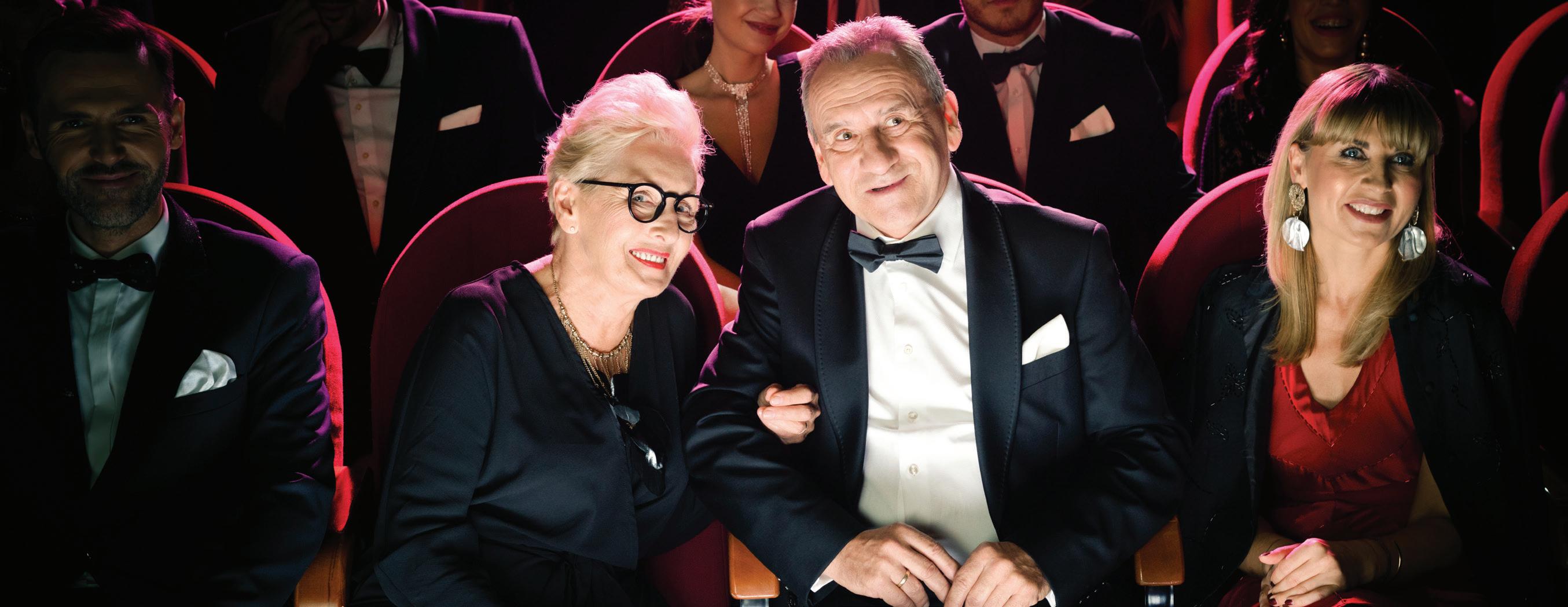
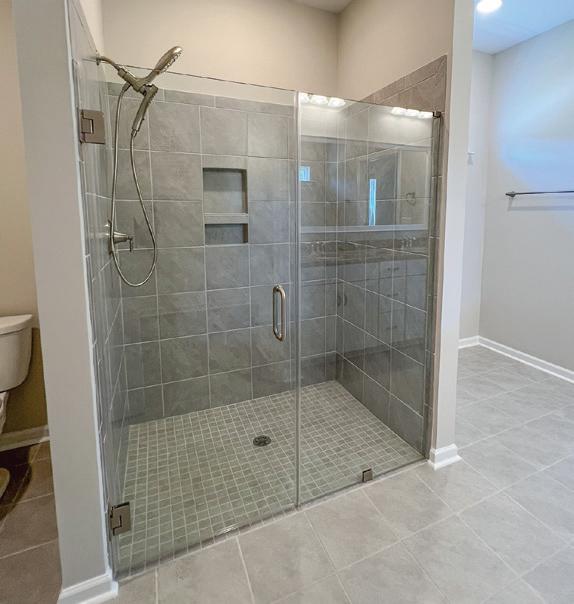
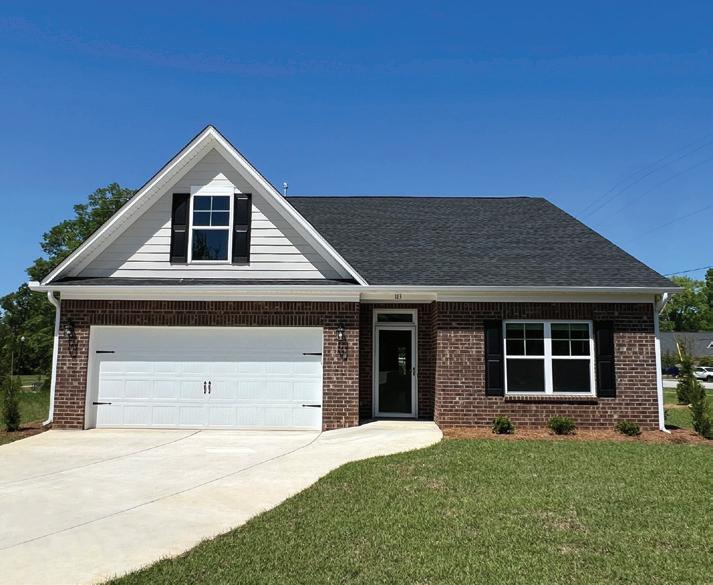
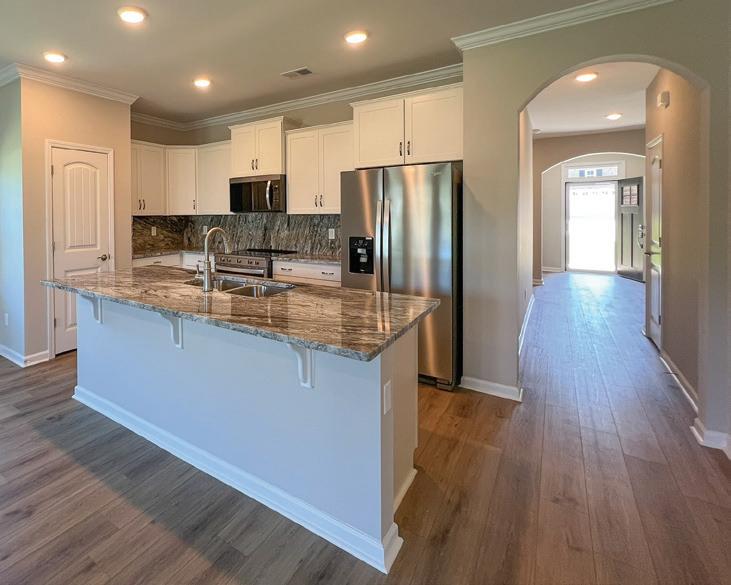
Living at RoseCrest blends comfort, connection, and care into a harmonious lifestyle where every note matters. Now, you can design your own masterpiece— we’re building custom dream homes tailored to your ideal retirement, with elegant finishes and personalized touches that reflect your unique rhythm.
With faith as our foundation and you as our inspiration, your days unfold like a beautiful score—filled with moments of joy, purpose, and community. Whether you’re enjoying the quiet rhythm of nature or the vibrant energy of shared experiences, your next act awaits on a stage set for living well.
CONCERTS
ARTICLES
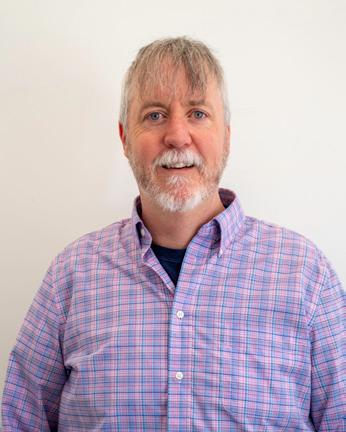
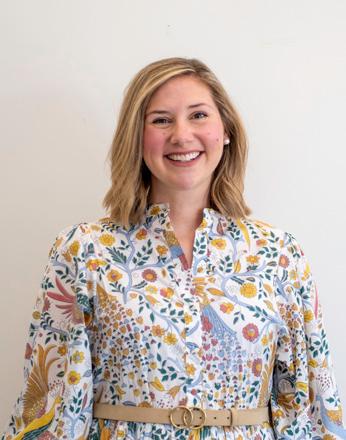
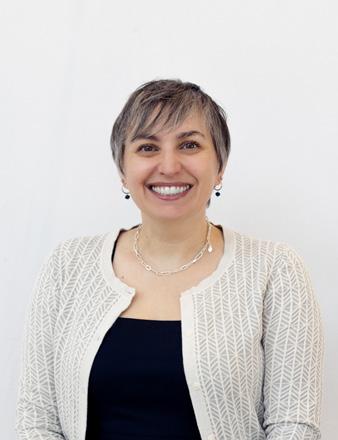
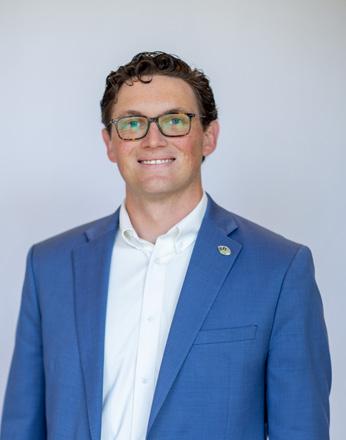
Authors
Kathryn Boucher
Jenny Bonner
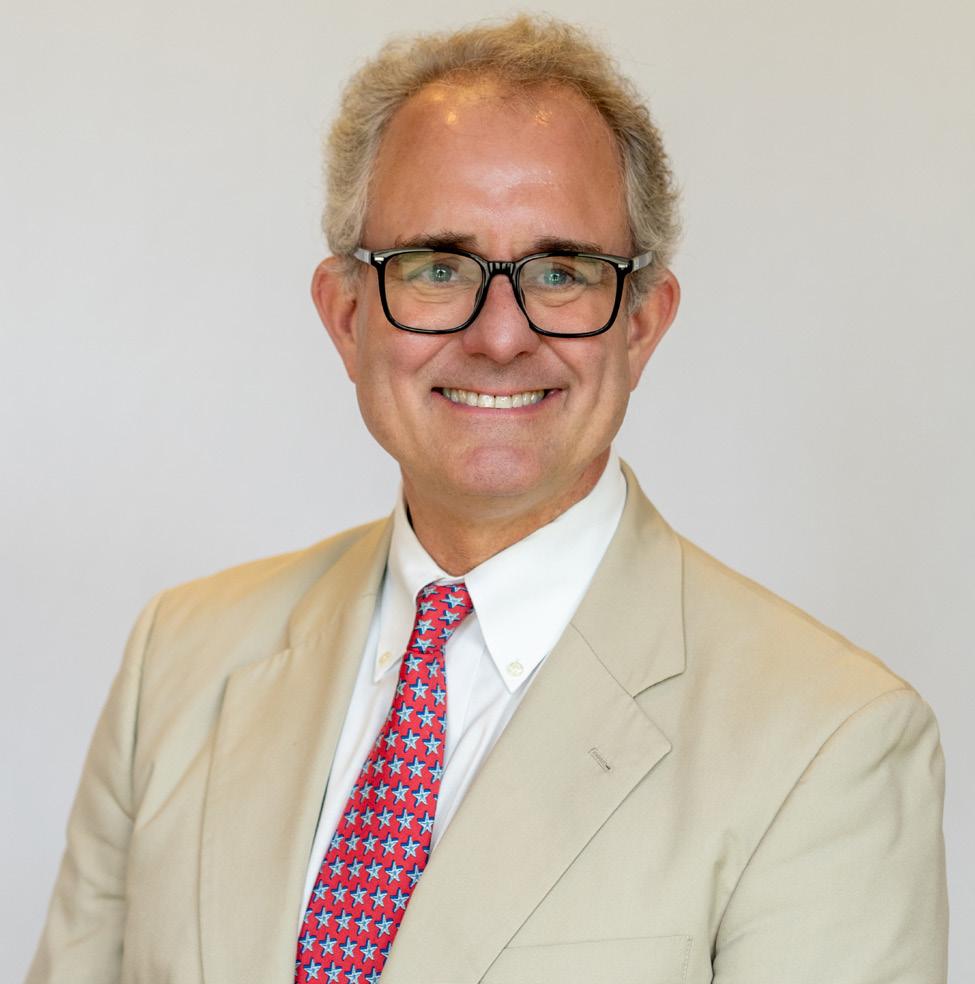
Dr. Peter B. Kay
Dr. Cabe Loring
Katherine Poss
Photographers
Kavin Bradner
Chandler Crawford
Peter B. Kay
Design
Peter B. Kay
Arthur Ross
Charity Rouse
Hannah Simpson
Dr. Chris Vaneman
BEYOND THE SYMPHONY
Mark Olencki
Avery Owens
Katherine Poss
Connect with the Spartanburg Philharmonic!
See photos and video of the symphony on stage, backstage, and behind the scenes. Learn more about music and musical life, and stay up-to-date about our upcoming events. Like, Follow, Watch, and Listen! facebook.com /SpartanburgPhil instagram.com /SpartanburgPhilharmonic tiktok.com/@SpartanburgPhilharmonic youtube.com /SpartanburgPhilharmonic
Recognized nationally. Caring locally.
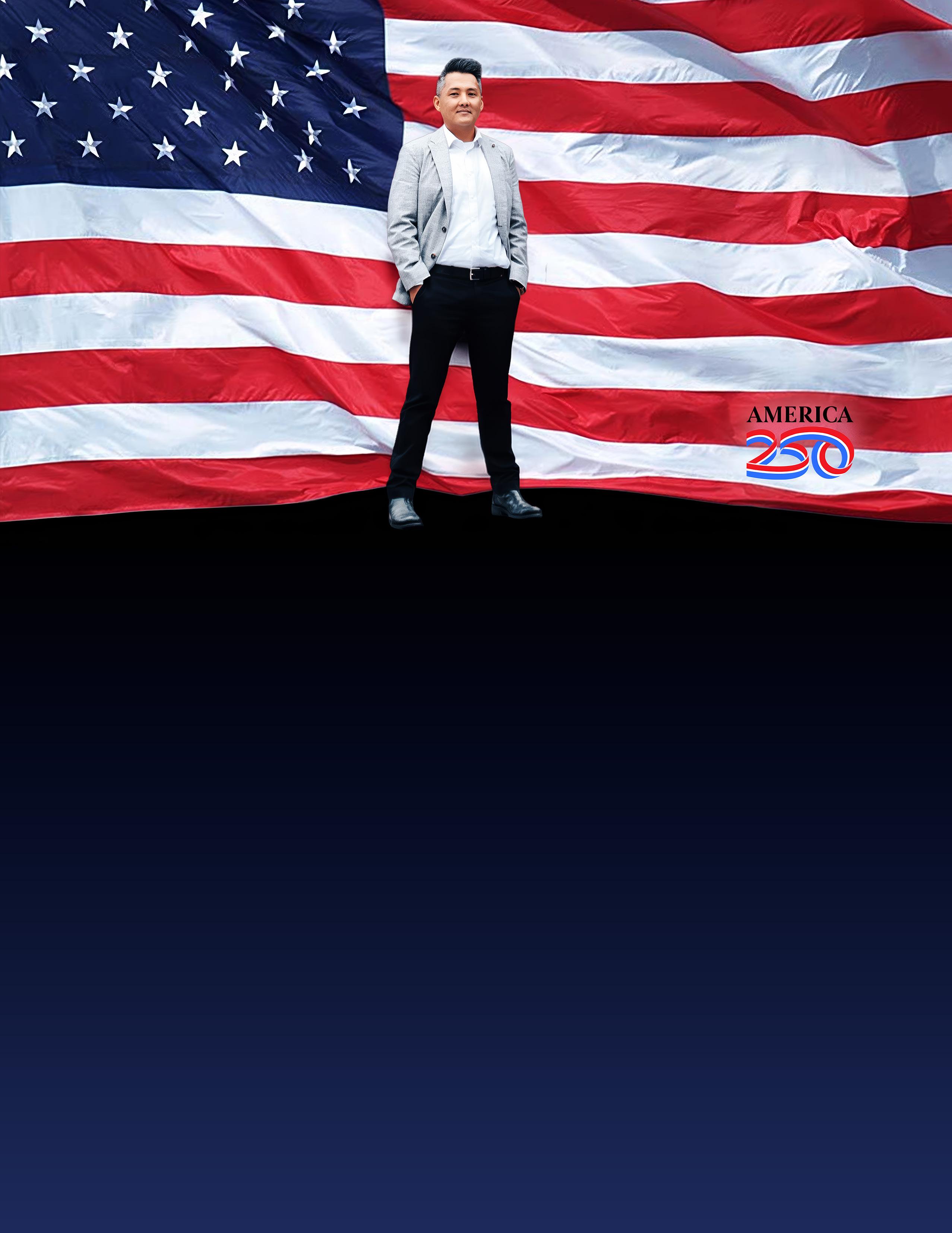
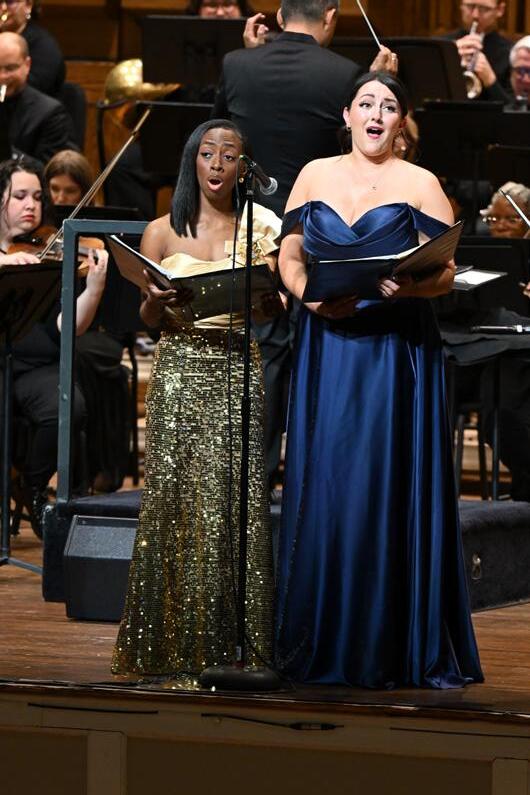
2026marks the 250th anniversary of the signing of the Declaration of Independence. To celebrate, the Spartanburg Philharmonic is embarking on a year-long journey where we will tell musical stories of our great nation, highlighting individuals, communities, and narratives that illuminate the American experience. We’re calling it the Festival of American Voices.
In preparation for this once-in-a-lifetime series, we asked - what does it mean to be an American? How do we express this musically? And, how can the Spartanburg Philharmonic be an active player in building community, modeling collaboration, and embodying America at its best?
Our American experiment has achieved many successes over the course of its history. At the same time, there are many challenges in the present for us to overcome, and ones that we will inevitably face down the road. As we look back in our history, it is clear that our victories have been secured when we came together, uniting toward a mutual vision.
Music organizations like us are places in which people from all walks of life can come together and create something greater than they could alone, without
someone having to lose in the process. We all win when the Spartanburg Philharmonic plays. Our performances won’t solve the issues our community faces, though perhaps they do offer a means of reminding us that we are stronger together.
With that in mind, the Spartanburg Philharmonic aims to offer experiences in which we have the opportunity to lean into one another. We strive to create musical environments in which everyone can see themselves represented, valued, and included. We endeavor to put on performances that underscore our humanity, togetherness, and core values. We accomplish this through the communicative power of music. Where language fails, melody, harmony, and rhythm succeed.
The Festival of American Voices will provide our community with unforgettable events that unify us around our shared future through the power of music. It is a celebration of what we have achieved as a nation. It is also a year where we in Spartanburg will compose new melodies, discover unique harmonies, and innovate fresh rhythms that will shape our community for those generations that come after us.
- John Young Shik Concklin
Zimmerli Series (page 43)
Espresso Series (page 29)
Bluegrass Spartanburg (page 33)
Event
January
Sticks, Stones, Rock, & Bones
Voices of a Nation
Split Rail Bluegrass Band
Locally Sourced
February
SPYO: Winter Concert
Dorman High School Orchestra
Authentic Unlimited
Nathan Shirley, piano
March
Finn Again
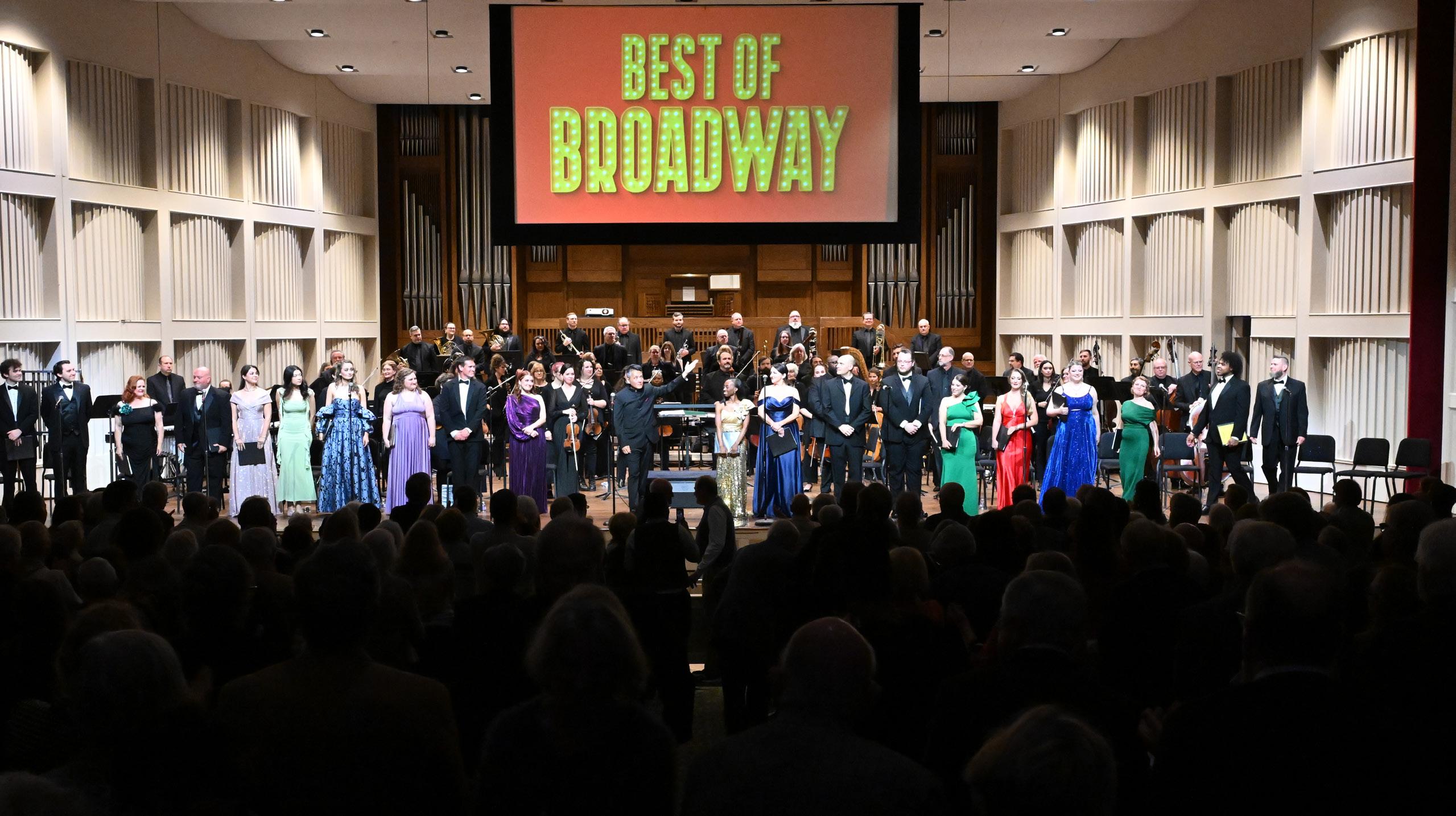
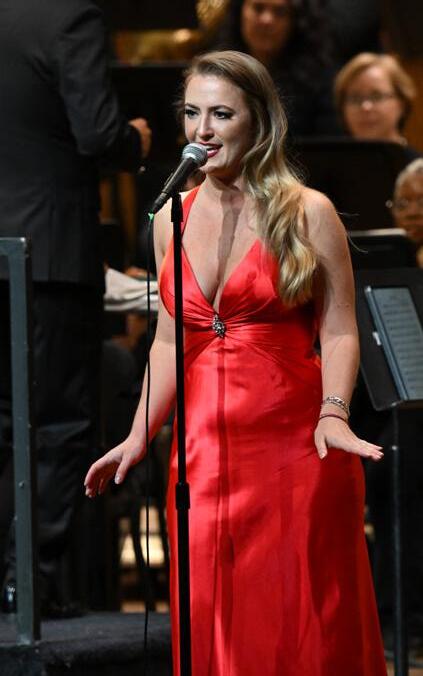
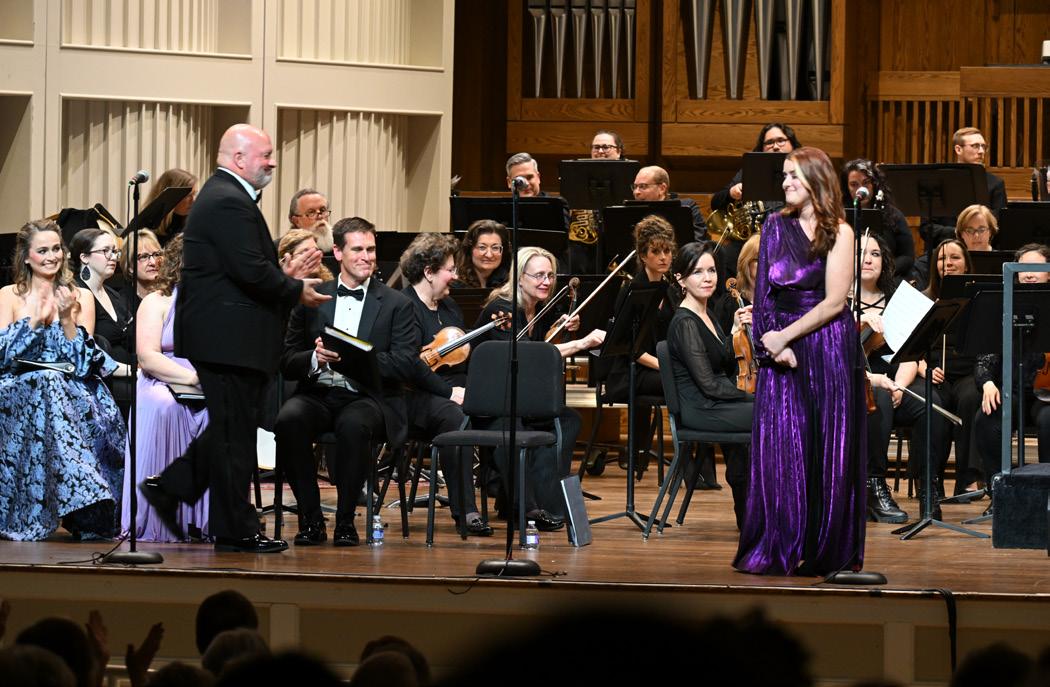
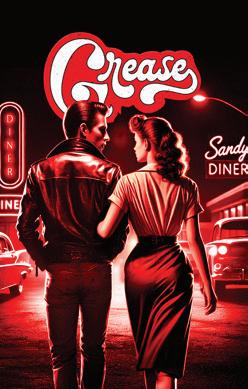
Best of Broadway
Emma Smoker, soprano
Murder at the Philharmonic
April
Wofford Ensemble
SPYO: Spriing Concert
Vijay Gupta, violin
Chatham Rabbits
American Dreams
May
Converse Trio
Phoenix Down RPG
Youth Orchestra (page 54)
Music Sandwiched In (page 22)
Wed 1/14 Spartanburg County Library*
Sat 1/24 Twichell Auditorium
Wed 1/28 Spartanburg County Library
Fri 1/30 Chapman Cultural Center
Sun 2/8 Twichell Auditorium
Wed 2/11 Spartanburg County Library
Fri 2/20 Chapman Cultural Center
Wed 2/25 Spartanburg County Library
Wed 3/11 Spartanburg County Library
Sat 3/21 Twichell Auditorium
Wed 3/25 Spartanburg County Library
Fri 3/27 Chapman Cultural Center
Wed 4/8 Spartanburg County Library
Sun 4/19 Twichell Auditorium
Wed 4/22 Spartanburg County Library
Thurs 4/23 Chapman Cultural Center
Sat 4/25 Twichell Auditorium
Wed 5/6 Spartanburg County Library
Wed 5/20 Spartanburg County Library
*Music Sandiwched In has returned to the downtown library location (see page 22)
SpartanburgPhilharmonic.org/box-office-venues
Twichell Auditorium at Converse University Box Office Hours
10:00 AM - 2:00 PM, M-Th 10:00 AM - 1:00 PM, F
(864) 596-9018
580 East Main Street Spartanburg, SC 29302
Zimmerli Series & Youth Orchestra Individual Tickets
Chapman Cultural Center Box Office Hours
10:00 AM - 5:00 PM, T-Th 10:00 AM - 2:00 PM, F Closed Mon
(864) 583-2776
200 East Saint John St. Spartanburg, SC 29306
Espresso & Bluegrass Series Individual Tickets
Restrooms: Restrooms in Twichell Auditorium are located off of the first floor lobby and next to the handicap accessible entrance in the auditorium. Restrooms at the Chapman Cultural Center are located to the left and right of the main entrance lobby.
Seating: Twichell Auditorium uses a reserved seating system for our Zimmerli Series concerts, so please keep your ticket with you at all times to verify section and seat specifics should there be any confusion. Chapman Cultural Center also uses a reserved ticket system for Bluegrass Spartanburg. For our Espresso Series, Chapman uses a General Admission system and does not reserve seating.
Late seating: For the listening pleasure of our audiences, late arriving patrons will not be seated while music is being performed. Latecomers will be seated at the first appropriate pause in the program (typically during applause). Additionally, we ask that patrons who must leave prior to the end of a performance exit only between selections if at all possible.
Ticket donation: We are unable to issue refunds for unused tickets. However, if you are unable to attend a concert, we encourage you to donate your tickets back or give them to a friend. When you donate your tickets to the Spartanburg Philharmonic, you not only receive a donation tax receipt, but you also share your seat with another music lover. If you would like to give in this way, please notify our ticket office at least 24 hours prior to the performance.
If a concert is canceled or rescheduled due to inclement
Spartanburg Philharmonic Administrative Offices
9:00 AM - 5:00 PM, M-F
(864) 948-9020
200 East Saint John St. Spartanburg, SC 29306
Season Tickets
YOUR VISIT TO THE PHIL
weather, a tax letter will be provided for any ticket returned within 24 hours after the original concert date.
Accessibility: The Spartanburg Philharmonic is committed to providing an environment that is welcoming and inclusive to all patrons. Persons requiring assistance are encouraged to call the respective box offices for direct assistance in purchasing the appropriate tickets.
Please note that Twichell Auditorium does not currently have an elevator for balcony seats. Wheelchair accessibility is located at the side entrance of the auditorium. The Chapman Cultural Center is fully ADA compliant, and the theater has state-of-the-art hearing assistance technology. In addition to traditional amplification devices, such as headphones, the theater is equipped with “The Loop” technology.
Food/Beverage: No food or drink, other than bottled water, is allowed in Twichell Auditorium.
Cameras, cell phones, recording devices, watch alarms, and similar devices: To ensure a quality experience for everyone, the use of flash-photography or video/audio recording equipment is strictly prohibited. Patrons are asked to turn off or mute (not just turn to vibrate) all personal electronic devices prior to the performance.
In Case of Emergency:
Prior to the performance, we request that you familiarize yourself with the locations of all exits in case of an emergency. If the power to the building should be interrupted for any reason, generators will begin within 10 seconds for lighting.
The Mission of the Spartanburg Philharmonic is to enrich, inspire, and educate people of all stages and walks of life hrough live performances of high-quality music.
Welcome to the Spartanburg Philharmonic!
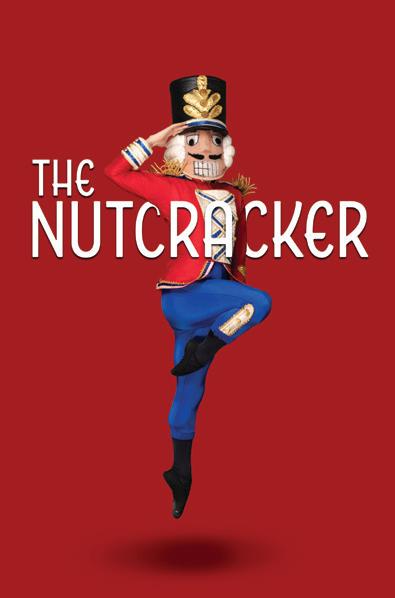
Greetings and Happy New Year! I hope you were able to enjoy one of our numerous performances in the fall of the 97th season for the Spartanburg Philharmonic. We are halfway through our season and barely have time to catch our breath. The Hub City Holiday Concert is quickly becoming a festive tradition in Spartanburg, and it was wonderful seeing so many young people and their families at the performance. Speaking of traditions, The Spartanburg Philharmonic’s partnering with Ballet Spartanburg for The Nutcracker is also a great way to wrap the year.
2026 is the 250th anniversary of the signing of the Declaration of Independence and the founding of The United States of America. That’s “Semiquincentennial” for you wordsmiths out there, and our Zimmerli Series kicks off our “Festival of American Voices” appropriately in January with a “Voices of a Nation.” This concert will present a vivid survey of American classical music, highlighting voices from different cultural backgrounds, and a new work by our Composer-in-Residence Dr. Peter B. Kay will be revealed at this performance as well. In March, we revisit our collaboration with The Spartanburg Little Theatre to present our second “Best of Broadway” performance that will surely continue
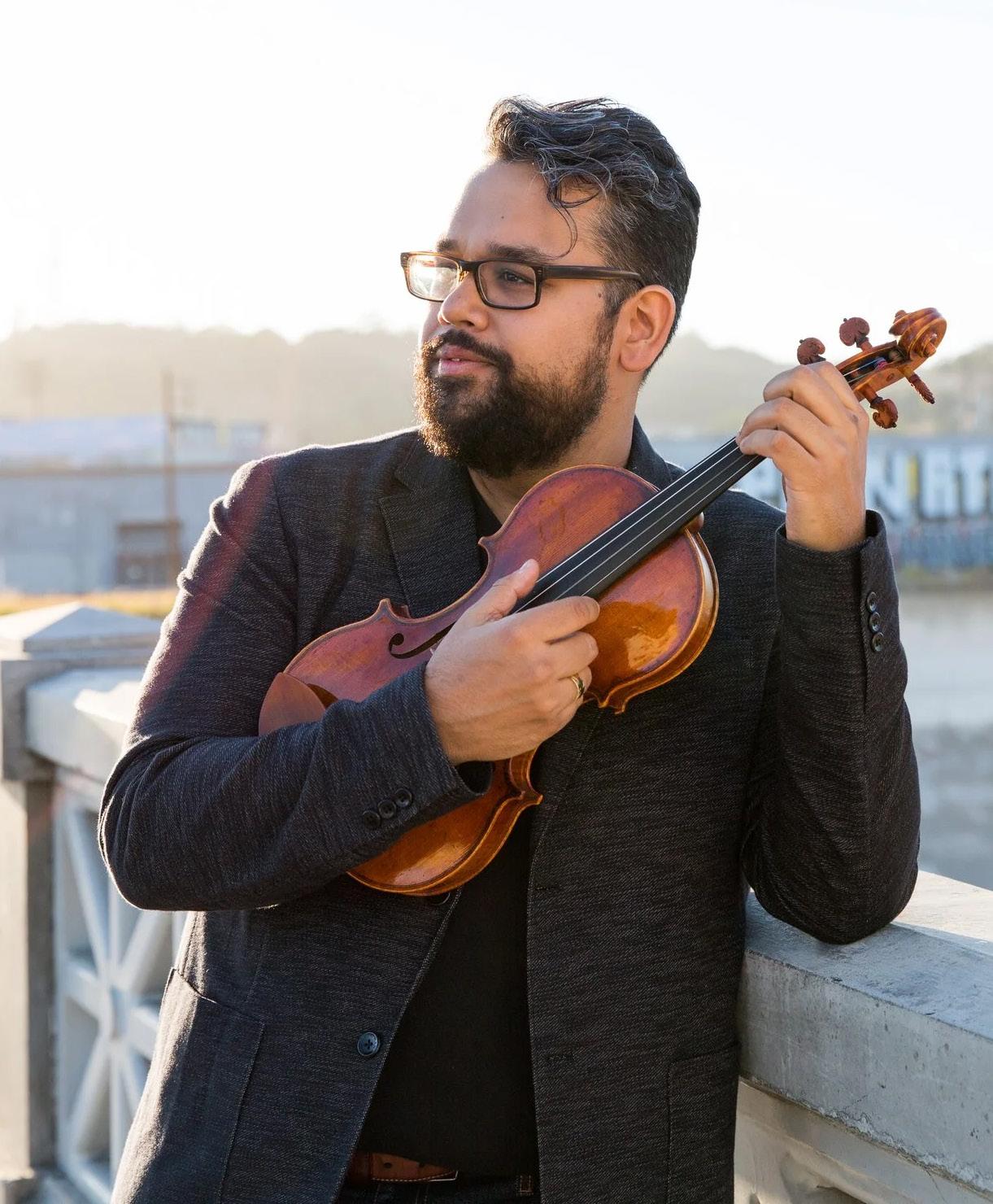
to defy gravity. We wrap up our Zimmerli season in April with “American Dreams” featuring Vijay Gupta performing Samuel Barber’s Violin Concert and Rachmaninoff’s Symphonic Dances.
Our first Espresso Series concert is entitled, “Locally Sourced” and will celebrate Spartanburg’s rich musical heritage with a concert dedicated to showcasing the incredible talent of composers and musicians from our very own community. Our final Espresso Series concert is “Murder at The Philharmonic,” where you will unleash your inner detective as the Philharmonic unravels an interactive murder mystery piece by piece.
Our Bluegrass Spartanburg Committee has been working hard to bring two fabulous groups during the second half of the season. “Authentic Unlimited” is described as a dynamic bluegrass band that blends rich harmonies with skillful instrumentation to create a sound that is both timeless and innovative. And finally, we have “Chatham Rabbits,” featuring the beloved North Carolina roots duo of Austin and Sarah McCombie. Through their performances they blend their personal stories through deft songwriting and a warm, instantly familiar sound. Steeped in regional traditions, their music embodies a new era of roots music
If you get the chance, please also check out our, “Music Sandwiched In,” concerts that will be returning to the downtown Spartanburg Library after the completion of The Planetarium!
Our two upcoming Spartanburg Philharmonic Youth Orchestra concerts are on February 8th and April 19th at Twichell Auditorium. There is no better way to spend a Sunday afternoon than attending one of these performances, and you will be inspired by the musical talent of the students across our community.
It has been a privilege to serve as President of the Board of The Spartanburg Philharmonic for the past 18 months, and I can safely say the future of The Philharmonic is bright with our amazing leadership, staff, musicians, and board. Thank you all for your continued support as we stream towards our own centennial celebration in three years!
Dr.
Cabe Loring President of the Board of Directors
Kathryn H. Boucher Executive Director
Dr. Cabe Loring, President
Rachel Chalmers John Cribb Sharon Doyle Ross Hammond
Dr. David Ike Bob Ireland Marshall Jordan Dr. Curt Laird
Kay Maddox
Greg Murphy Marilyn Nguyen Amy Oakes
Dr. Rick Orr
James A. Reese Claudia Albergotti Ruffin
Myrella Samuels
Dr. Bill Scott Switi Thakkar Sarah Tignor Kathy Zimmerli Wofford
Samantha Larkins President Elect
Karen Parrott Past President
Dr. Mark Ferguson Vice President
Dr. Chandra Hopkins Vice President
Perrin Dent Patterson Vice President
Chris Strickland Vice President
David Smart Treasurer
Francisca Yanez Secretary
Dr. Sidney Fulmer Lifetime Board Member
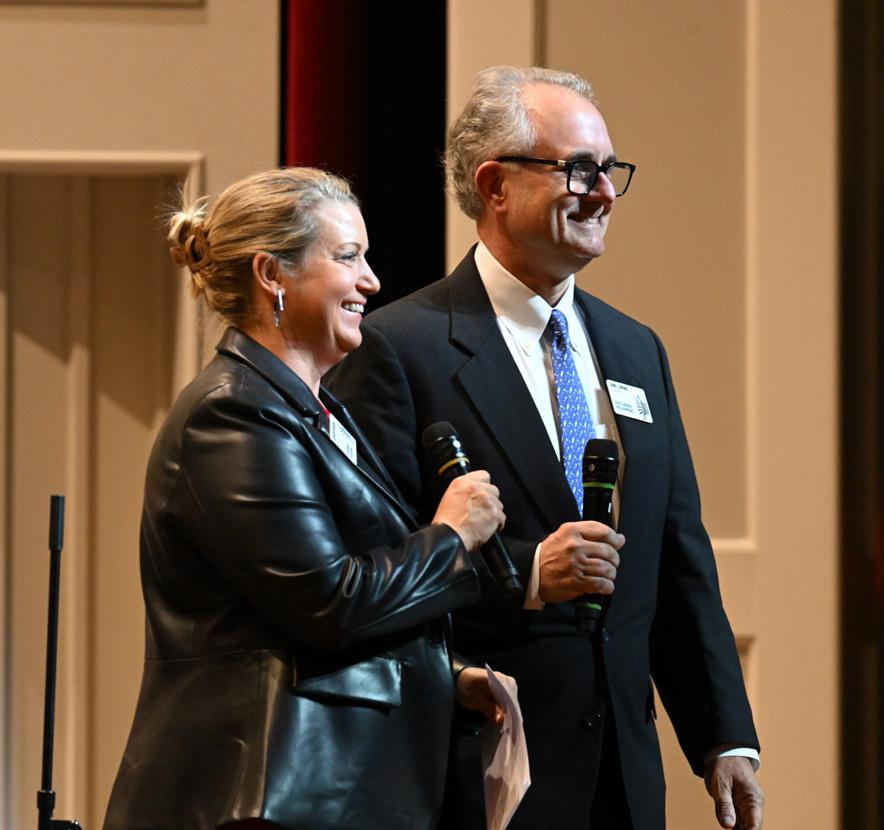
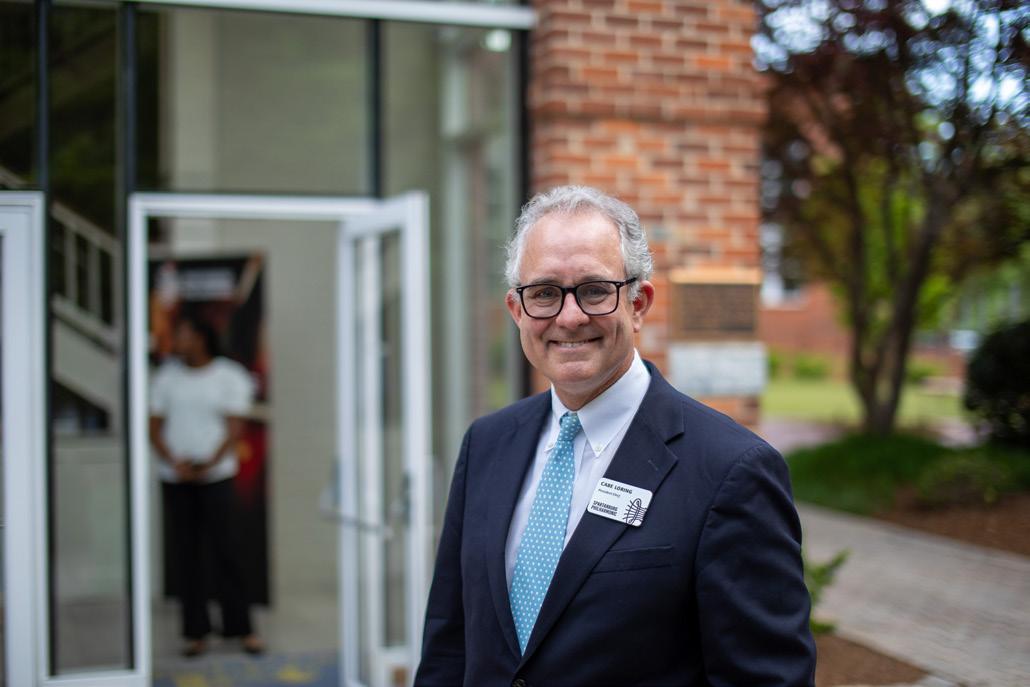
Thank You, Dr. Cabe Loring!
The Spartanburg Philharmonic is deeply grateful to Dr. Cabe Loring for his years of dedication and leadership on our Board of Directors. Cabe has been part of the Philharmonic family since 2018, and his steady guidance and passion for our mission have made a lasting impact.
After joining the Executive Committee as President-Elect in 2022, Cabe stepped into the role of Board President in July 2024. Over the past two years, he has led with care, thoughtfulness, and enthusiasm, helping us navigate exciting growth and new opportunities. While his term as President wraps up this summer, we’re thrilled that he’ll continue to share his insight and support as Past President when Samantha Larkins takes on the role of Board President in July.
Outside of his Philharmonic work, Cabe is a clinical psychologist with master’s and doctoral degrees from the
Georgia School of Professional Psychology, as well as a master’s in general psychology from Boston University and an undergraduate degree from Davidson College. He has shared his expertise through training and presentations on topics such as parenting children with ADHD, social skills development, and the treatment of eating disorders.
When he’s not working or volunteering, you can often find Cabe fly-fishing, enjoying the outdoors, or with his wife, Mary-Stewart, and their three children—Blair, Sims, and Merrill.
Thank you, Cabe, for your leadership, your generosity, and your unwavering belief in the power of music to bring people together. We’re so grateful for all you’ve done—and will continue to do—for the Spartanburg Philharmonic!
John Young Shik Concklin
MUSIC DIRECTOR, SPARTANBURG PHILHARMONIC
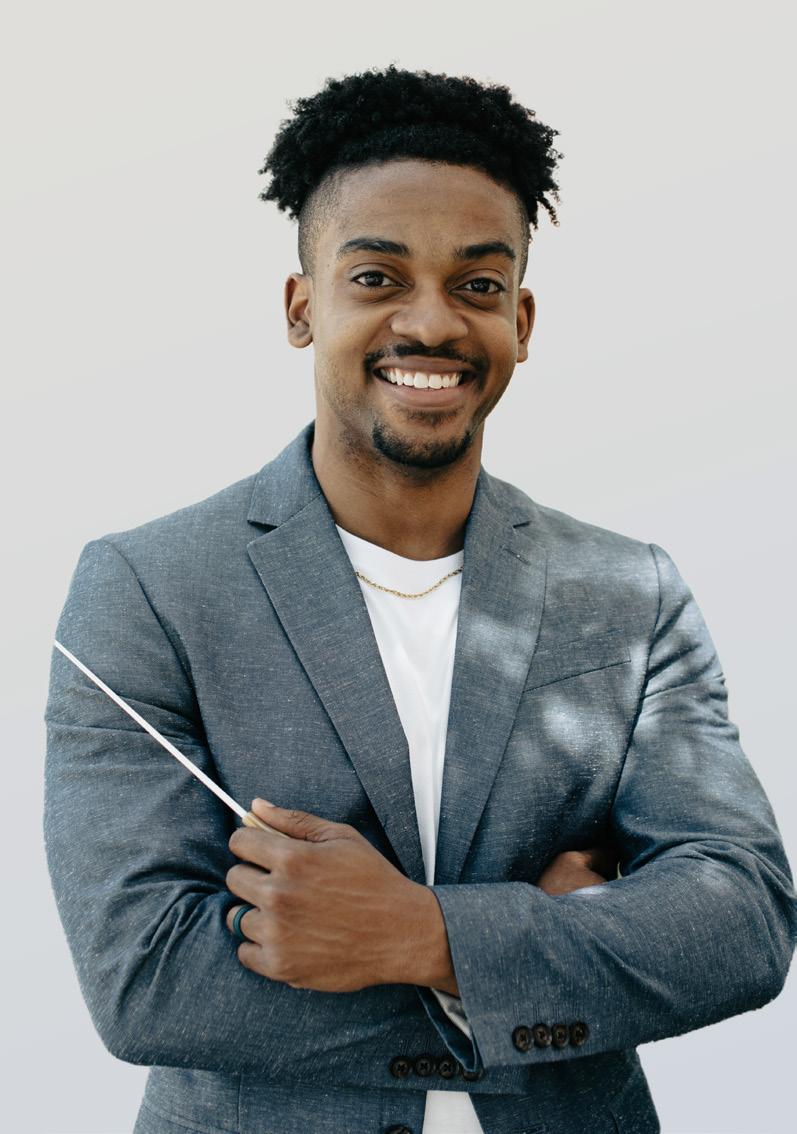
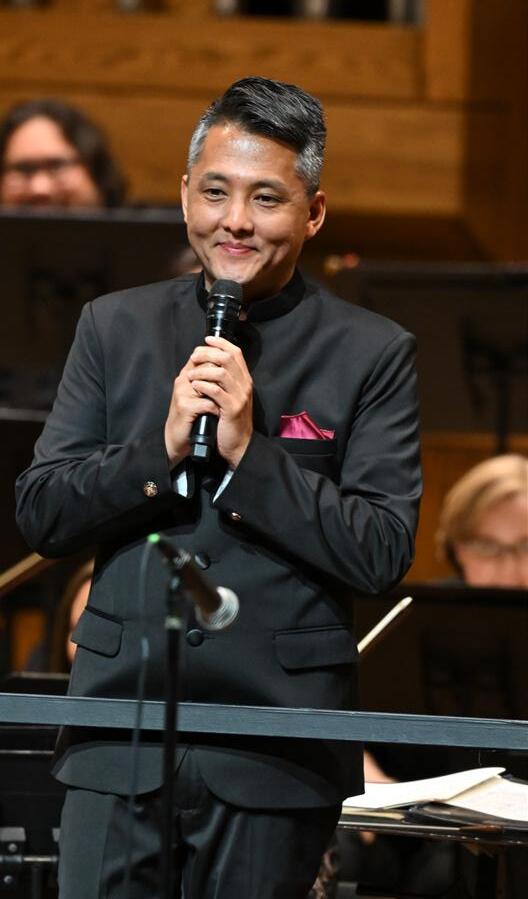
John Young Shik Concklin, conductor, is the tenth Music Director of the Spartanburg Philharmonic. He began as a violist in the Philharmonic, made his conducting debut in 2018 to wide acclaim with two John Williams concerts, returned as a Music Director Finalist in 2022, and came in at the last moment as a substitute conductor later that year. He is praised for his clear beat, strong sense of rhythm, inviting gravitas, and innovative mind.
Concurrently, John serves as Music Director of the Hendersonville Symphony Orchestra and Conductor with the Atlanta Music Project and Piedmont Chamber Orchestra. For the 2023/24 season, he was also a Music Director Finalist with the Walla Walla Symphony in Washington State. John was National Finalist for the 2019-2020 American Prize in Conducting, has competed internationally at the Almaty Conducting Competition, the Nino Rota Conducting Competition, and as the only American in the Città di Brescia Conducting Competition, and has appeared numerous times to cover conduct the Atlanta, Nashville, and Kansas City Symphony Orchestras.
Previous positions include Associate Conductor of the Georgia Symphony, Assistant Conductor of the Cleveland Pops Orchestra, and faculty appointments at Vanderbilt, Clemson, Furman and Converse Universities He has been a fellowship conductor at the Aspen Music Festival, a teaching assistant at the Brevard Music Center, and a finalist at the New World Symphony and Debut Orchestras.
A flexible musician, John has also performed at the Super Bowl Halftime Show and has collaborated with Monica, a Grammy-winning R&B artist.
John studied at Vanderbilt and Yale Universities and the Cleveland Institute of Music. His mentors include David Zinman, Carl Topilow, Shinik Hahm, and Robin Fountain. He received further training from Lorin Maazel and Michael Tilson-Thomas.
John and his wife, Lauren Maxwell, co-founded Mozart for a Cause, an annual fundraising event for local causes.
www.JohnConcklin.com
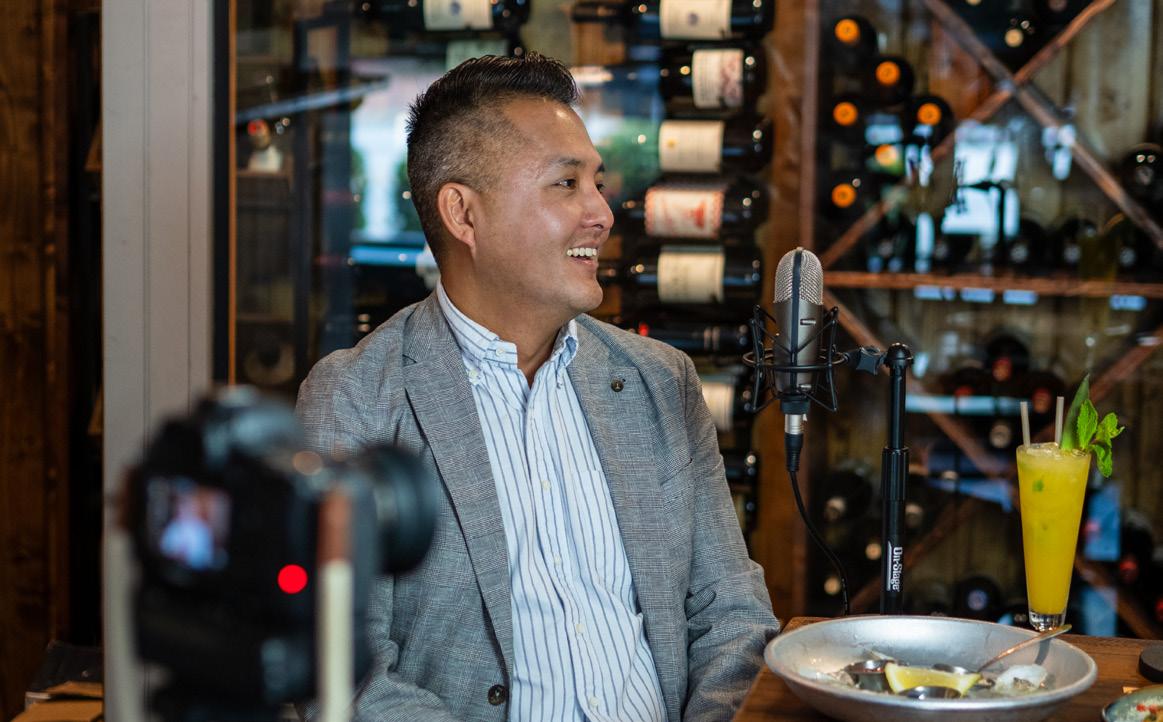
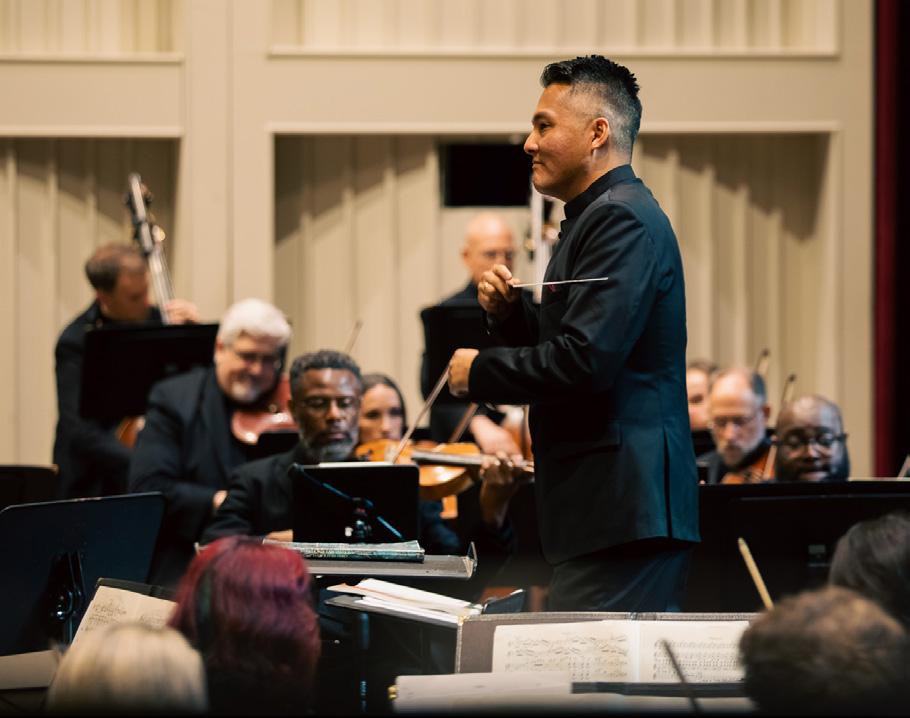
Left: John recording Classical Conversations at Isla's on Main Right: John conducting Symphonie Fantastique (Sept. 2024)
Katherine Henderson Poss Development Manager
Hannah Simpson Director of Education & Community Engagement Orchestra Librarian & Youth Orchestra Operations Manager
Susan Wines Music Director, Youth Orchestra & Symphony Conductor
Dr. Joshua Miller Youth Orchestra Prelude Conductor
Ashlyn Scheuch Youth Orchestra Site Coordinator
Andrew Merideth Orchestra Personnel Manager
Kathryn H. Boucher Executive Director
Dr. Peter B. Kay Director of Artistic Operations & Composer in Residence
The goal of the Spartanburg Philharmonic’s Orchestra Committee is to amplify our musicians’ voices throughout the organization and ensure that communication runs smoothly among musicians, staff, and board. Committee members provide a musician’s insights on operational issues as well as artistic policies like outlining a new process for how to select the next concertmaster. They also mediate complaints and conflicts among musicians and staff. Some members serve on multiple committees – two members served on the recent Music Director search committee – to facilitate communication among groups. At least one member of the orchestra committee attends each board meeting to convey the considerations and concerns that are unique to the world of working musicians. This participation ensures that musicians are a part of the decision making at the highest level of the organization.
Orchestra Committee members are elected from among the core musicians of the orchestra, those members who have won their spot in the orchestra through audition. They represent most of the instrument families – strings, brass, and woodwinds with current members – and have experience playing in more than a dozen orchestras across the region which helps them stay current with best practices from the field. Their day jobs range from college professor to middle school orchestra director to financial advisor to work-fromhome mom, and these varied experiences bring diverse perspectives to their decision making. They are proud to represent the musicians of the Spartanburg Philharmonic and are deeply grateful for the tremendous support from the community, the board of directors, and the staff who
Custom Custom
Ian Bracchitta Principal Bass
Alvoy Bryan, Jr. Principal Viola
Rosalind Buda 2nd Bassoon
Michele Tate Cockram Violin
John Holloway Principal Tuba
Theresa Jenkins Russ Violin
The Philharmonic's New "A" Team
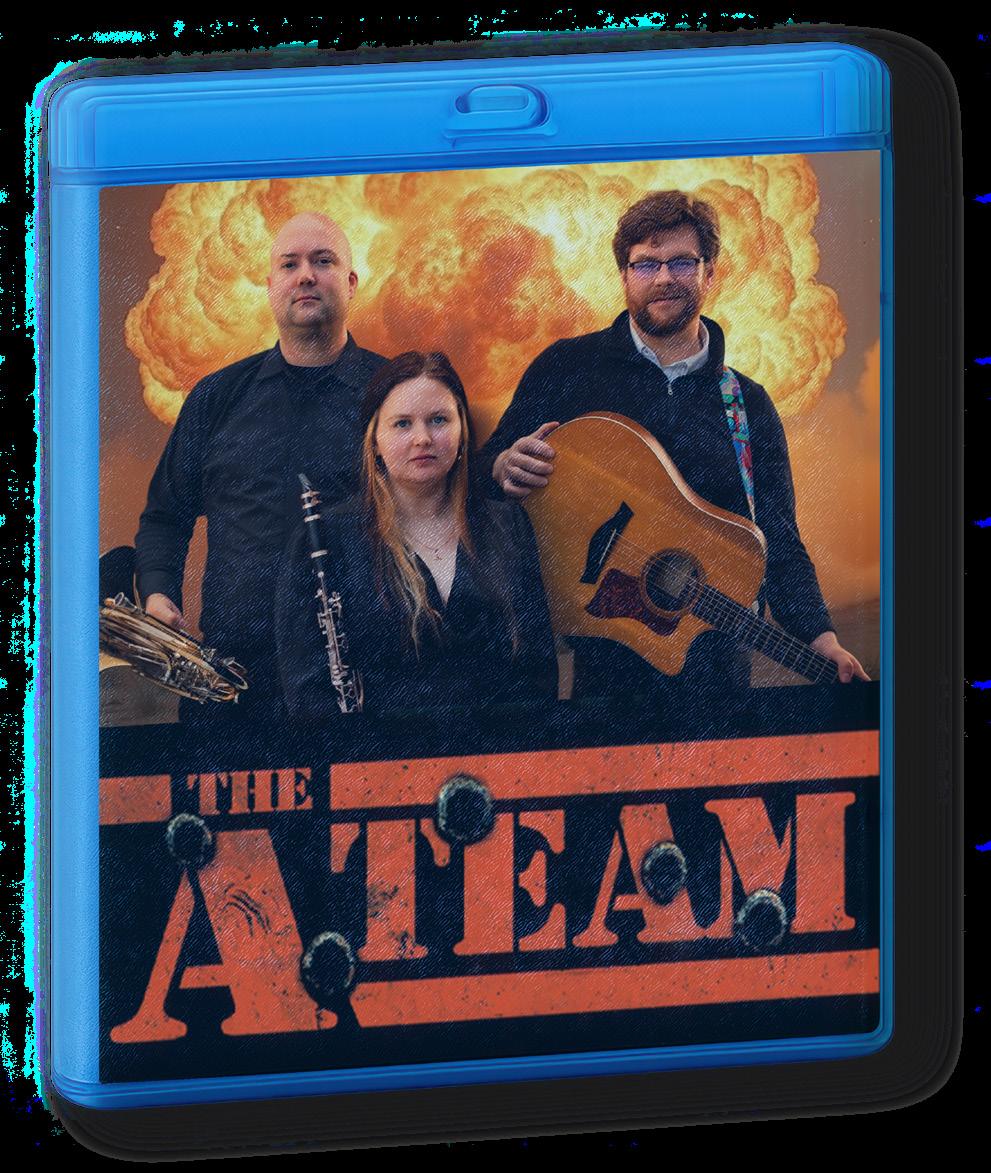
In recent months, the Spartanburg Philharmonic welcomed three new staff members: Avery Owens, Marketing & Audience Experience Manager, A ndrew Merideth, Personnel Manager, and A shlyn Scheuch, Youth Orchestra Site Manager. We are excited to have such a wonderful array of talented and dedicated individuals in the office. If you see them at a concert, please help us welcome the "A" team!
When arts and businesses partner, everyone profits. With corporate partnerships, our concerts and events provide invaluable exposure to prospective and current clients, educate the public about your business initiatives, offer networking opportunities with clients, and provide benefits for employees.
For full details regarding our Corporate Partnership packages, please contact: Kathryn Boucher, Executive Director kathryn@spartanburgphilharmonic.org
Donations given to Chapman Cultural Center’s Annual United Arts Fund supports Spartanburg Philharmonic through a General Operating Support Grant.
Chapman Cultural Center is a proud supporter of Spartanburg Philharmonic and their mission.
We gratefully acknowledge the following donors who made generous commitments to the Spartanburg Philharmonic. This list reflects gifts received July 2024 through June 2025.
Benefactor ($25,000+)
The Balmer Foundation
Mr. and Mrs. William Barnet III
Mr. and Mrs. George Dean Johnson, Jr.
Mrs. Nelly Zimmerli
Maestro ($10,000-$24,999)
Mr. and Mrs. Andrew Babb
Dr. Barry Bodie and Ms. Laurel D. Johnson
The Alfred Moore Foundation
Mr. and Mrs. Stephen P. Parrott
Mr. and Mrs. Glen Warner
The Joe R. & Joella F. Utley Foundation
Virtuoso ($5,000-$9,999)
Mrs. Joan B. Gibson
Mr. and Mrs. Roger Habisreutinger
In Memory of CRI, MD
Elbert W. Rogers Foundation
Mr. and Mrs. John S. McBride, Jr.
Mr. and Mrs. Thomas P. Nederostek
Mrs. Corry W. Oakes III
Dr. and Mrs. Rick Orr
Baton ($2,500-$4,999)
Anonymous
Arkwright Foundation
Mr. and Mrs. John Cribb
Ms. Laura Henthorn
Dr. Leslie W. Howard, Jr.
Mr. and Mrs. Paul Lehner
Dr. and Mrs. Caleb Loring IV
Mrs. Betty Luce
Mr. and Mrs. V. C. McLeod III
Don and Mary Miles
Mr. and Mrs. Wiley North
Clint and Amy Brown North
David and Jennifer Smart
Ms. Switi Thakkar
Mr. and Mrs. H. Peter Theiler
Mr. and Mrs. Peter Weisman
Mr. and Mrs. Geoffrey Wilson
Ms. Kathy Zimmerli Wofford
Principal ($1,000-$2,499)
Anonymous
Mr. and Mrs. Stanley Baker
Mrs. Susan H. Baker
Mr. Robert Borden
Ms. Kathryn H. Boucher
Ms. JoAnn Bristow
Mr. and Mrs. James Burchfield
Mr. James Cheek
Mr. and Mrs. Leland Close
Mr. and Mrs. Jerry Cogan
Mrs. Cecilia Cogdell
Mr. and Mrs. Halsey Cook
Mr. Reed Cunningham
Dean and Pam Davis
Mr. and Mrs. Frederick B. Dent, Jr.
Allen and Sharon Doyle
Mr. and Mrs. Ray Dunleavy
Mr. and Mrs. David Ellis
Fellow Musician ($500-$999)
Laura Allen and Roger Sullivan
Mrs. Ruta Allen
Dr. Joel Atance and Ms. Kara Bui
Mr. and Mrs. James Bagwell
Mr. and Mrs. Tom Barnet
Ms. Karen E. Bjelland
Ms. Harriet Bolen and Mr. Jim Brown
Mr. and Mrs. Walter Reed Brown
Dr. and Mrs. Ernest Camp III
Mr. Mark Carlson
Mr. and Mrs. Joe Cheatham
Mr. and Mrs. Paul Cote
Mr. and Mrs. Bill Fitch
In Memory of Elizabeth H. Floyd
Dr. and Mrs. Mark Ferguson
Phyllis and Robert Frank
Mrs. Elaine T. Freeman
Mr. and Mrs. Ken Frick
Mr. Peter Grzan
Drs. Chandra and Boone Hopkins
Ms. Maureen Johannigman
Cindy and Keith Kelly
Dr. and Mrs. Louis Knoepp, Jr.
Dr. Curt Laird
Clint and Samantha Larkins
Mr. and Mrs. Lindsay Little
Col. and Mrs. Robert N. Maddox
Mr. and Mrs. William C. Mayrose
John McAllister and Katee Castleman
Mr. E. T. McLean
Dr. and Mrs. Donald H. McClure
Ms. Judy McCravy
Mr. Lawrence Flynn III
Mr. and Mrs. James Glenn
Mr. and Mrs. Brandt Goodwin
Mr. and Mrs. Ross Hammond
Dr. and Mrs. John A. Harrill, Jr.
Butch and Syd Harris
Ms. Mary Ann Hipp
Dr. and Mrs. David A. Holt
Carter and Geordy Johnson
Rear Admiral and Mrs. Stephen Johnson
Ms. Wallace Eppes Johnson
Steve and Lori Josefski
Mrs. Dorothy C. Josey SpartanburgPhilharmonic.org/GiveNow
Mr. and Mrs. Mack McKeithan
Mrs. Walter Montgomery, Jr.
Mrs. Paula Morgan
Mr. Jeffrey Nye
Mr. and Mrs. Robert Parmenter
Mr. and Mrs. G. Garrett Scott
Dr. and Mrs. Peter Sereque
MG(R) Edwin E. Spain III and Mary B. Spain
Mr. and Mrs. E. Donald Stevens
Michel and Eliot Stone
Mr. and Mrs. Chris Strickland
Mr. and Mrs. Robert Troup
Mr. and Mrs. Donald Wildman
Dr. and Mrs. Auburn Woods
Kristi and Kim Keith
Carlin and Alexander Morrison
Mr. and Mrs. Charles L. Powell
Dr. Bill Scott
Ms. Joy Shackelford
Ms. Johanna Lewis and Mr. Richard Spiers
Kim and Aaron Toler
Donna and Jody Traywick
Mr. and Mrs. W. Burnham Uhler
Mr. and Mrs. Mark Van Geison
Mr. and Mrs. Marshall T. Walsh
Robert and Francisca Yanez
Patron ($250-$499)
Patty and C. Mack Amick
Mrs. Dianne Bagnal
Mr. and Mrs. Bert D. Barre
Diana and Alden Berti
Mr. and Mrs. Thomas Blexrud
Mr. and Mrs. W. Waller Caldwell Jr.
Mr. and Mrs. Jan Caldwell
Mr. Charles Clementson and Dr. Blair Clementson
Mr. and Mrs. J. Derham Cole
Dr. Jean Dunbar
Mr. William Edwards
Members
( $100-$149)
Mr. David Anderson
Ms. Pat Wilks Battle
Beth and Orin Beach
Cyndi and David Beacham
Mr. and Mrs. Chris Berg
Mr. and Mrs. Louie W. Blanton
Mr. and Mrs. Tim Brannon
Mr. and Mrs. John Brock
Dr. John Burchfield
Robert and Maggie Burnette
Dr. and Mrs. William W. Burns
Dr. Andrew Taber and Ms. Alyson Campbell
Ms. Rachel Chalmers and Mr. Hayden Raabe Chalmers
Mr. and Mrs. John Thomas Claggett
Mr. and Mrs. Dexter Cleveland
Ms. Barbara Colvin
Ms. Carolyn Concklin
Mr. Bill and Mr. Martin Cooper-Meek
Mr. and Mrs. William V. Cummings
Mr. and Mrs. James C. Curry
Ms. Lynda Davis
Ms. Lisa Davis
Mr. Dennis Easler
Mrs. Angelina Eschauzier
Mr. James Farmer
Dr. and Mrs. Charles M. Fogarty
Mrs. Sharon Free
Mr. and Mrs. Michael Ferguson
Linda and Bruce Greenberg
Mrs. Lucy Hummers
Dr. and Mrs. David Ike
Leon Russ and Dr. Theresa Jenkins Russ
Mr. and Mrs. Thomas N. King
Michael and Claire Klatchak
Mr. and Mrs. Horace C. Littlejohn, Jr.
Mr. and Mrs. Robert Lyle
Mr. and Mrs. Boyce Miller
Ms. Cabell Mitchell
Dr. and Mrs. Mark Monson
Mr. Dwight F. Patterson, Jr.
Mr. and Mrs. Daniel O'Connell
Ms. Katherine Poss
Dr. and Mrs. Jan H. Postma, Jr.
Mr. and Mrs. Jason Sikma
Mr. and Mrs. Richard Strasburger
Ms. Sarah Tignor and Dr. Kevin DeLapp
Douglas and Rita Weeks
Mr. and Mrs. Taylor White
Mr. Heiner Gallmann
Col. (Ret.) James D. and Jackie George
Mr. Mark Jason Haddox
Tom and Traci Hamilton
Mr. and Mrs. Stuart Hansen
Ms. Linda Chappell Hays
Mr. and Mrs. Ken Henderson
Mr. and Mrs. Robert Houston
Jim and Nicole Hunt
Mr. and Mrs. Robert E. Hyatt
Dr. and Mrs. William A. James
Ms. Jane Johnson
Ms. Kathleen Jones
Dr. Thomas N. and Janet E. Kias
Dr. and Mrs. Larry Kibler
Dr. and Mrs. Bert Knight
Mr. and Mrs. George Loudon, Jr.
Susan and Harold Luhrsen
Mr. and Mrs. Kingsley Martin
Thorne and Harrison Martin
Mr. and Mrs. Paul McChesney
Mr. Matthew McClelland
Dr. Cavert K. McCorkle
and Mr. Charlie Burns
Linda and Clint Montgomery
Dr. and Mrs. Tom Moore
Mr. and Mrs. John P. Moore
Ms. Hazel Morgan
Mr. Reed Mueller
Ms. Rebecca Mueller
Dr. and Mrs. W. Harold Nixon
Ms. Jean W. Ogden
Mr. and Mrs. W. Gerald Palmer
Mr. and Mrs. Jim Patterson
Dr. Terry O. Pruitt
Senator Glenn G. Reese
Ms. Elizabeth Refshauge
Claudia and Stuart Ruffin
Ms. Myrella Samuels
Mr. and Mrs. Wilson P. Smith, Jr.
Mr. and Mrs. Ray Sturm
Helen and John Tipton
Malinda and Charles Tulloh
Ms. Sandra G. Turner
Mr. Arnie Tuttle
Phyllis and Greg Valainis
Mr. and Mrs. Gregory Wade
Dr. and Mrs. Lawrence N. Warren, Jr.
Mr. and Mrs. Paul D. Weaver
Ms. Linda Sangster West
Ms. Libbo Wise
Mr. and Mrs. Bob Wynn
Mr. Steven Zides
LEGACY SOCIETY FUNDS
Many donors feel strongly about preserving the legacy of classical music in the community. They are able to do so by remembering the Spartanburg Philharmonic in their wills, or by creating a planned gift to benefit the Philharmonic. These gifts can be un-restricted, or designated for a special purpose such as the endowment of the Philharmonic.
The array of giving options and the ways you can incorporate them into your planning are as varied as the circumstances they serve. We are always available to provide you with further information and suggestions on gifts that fit your lifestyle and philanthropic goals.
THE UTLEY LEGACY SOCIETY
We have created the Utley Legacy Society to provide a fund through which friends can make bequests in a number of different ways. The easiest method is an instruction in a Will to leave a specific dollar amount to Spartanburg Philharmonic. It is a simple matter to add a codicil to an existing Will, giving the direction to make a gift from your estate to the Society. Gifts may also be made by giving appreciated securities or other assets, by way of charitable trust, through gift of life insurance, or by gifts of retirement account assets.
If you have chosen to remember the Philharmonic in this manner, we would like to hear from you and to include you either by name or anonymously (your choice) as a member of the Legacy Society. Members will enjoy a variety of Spartanburg Philharmonic activities as major donors.
THE JERRIE LUCKTENBERG CONCERTMASTER CHAIR ENDOWMENT
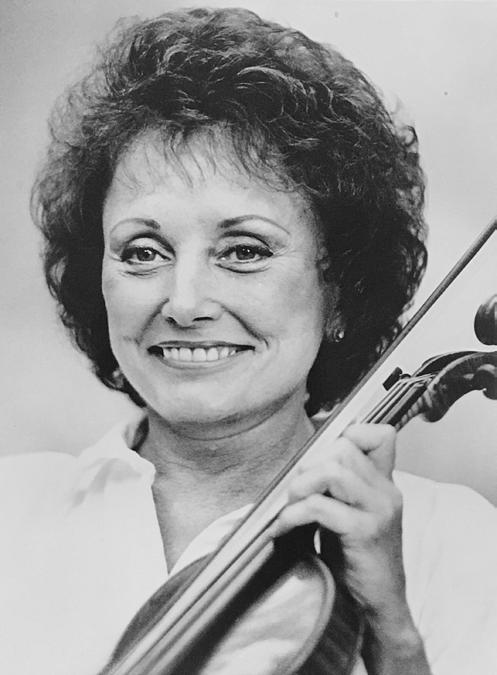
Dr. Jerrie Lucktenberg - former Concertmaster of the Greater Spartanburg Philharmonic (now the Spartanburg Philharmonic), artist, pedagogue, and author - retired from her position during the Philharmonic’s 2002-2003 season. To help ensure the presentation of Spartanburg’s professional orchestra in our community, Dr. Lucktenberg made a generous gift of $50,000 towards the endowment of the Concertmaster Chair. With your help, the Philharmonic has matched this gift, fully endowing the chair as the Jerrie Lucktenberg Concertmaster Chair. We hope you will be inspired to follow Dr. Lucktenberg’s generous lead.
For information about supporting a Legacy Society Fund, contact Kathryn Boucher, Executive Director: kathryn@spartanburgphilharmonic.org | 864.948.9020
Dr. Joe Roy Utley & Dr. Joella Utley
BARRETT ROOM
Spartanburg County Public Library, Headquarters
151 South Church Street
WEDNESDAYS
12:15 - 1:00 PM
Read more online: Presented by Spartanburg Philharmonic In Partnership with:
Music Sandwiched In
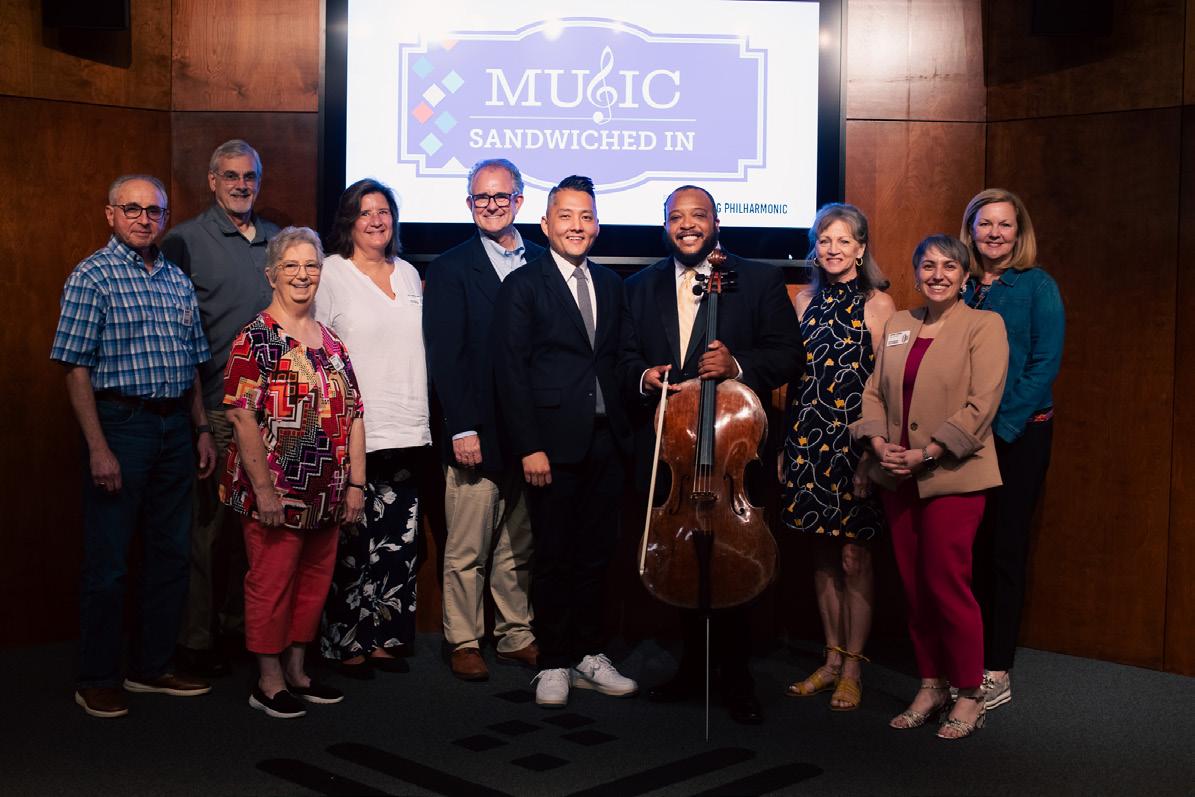
Celebrating over 25 years of Music Sandwiched In, Spartanburg Philharmonic is proud to present an exciting line up of performers for its popular series at the Spartanburg County Public Library Headquarters! MSI is on-going throughout our season, and all concerts are free and open to the public . All are welcome!
Spring
Jan. 14
Jan. 28
Feb. 11
Feb. 25
. .Sticks, Stones, Rock, & Bones
.Split Rail Bluegrass Band
. Dorman High School Orchestra
Nathan Shirley & Silent Films
Mar. 11 Finn Again
Mar. 25
Apr. 8
Apr. 22
May 6
May 20
. . Emma Smoker, soprano
. Wofford Ensemble
. Vijay Gupta, violin
. Converse Trio
Phoenix Down RPG
Programs subject to change. All timings are approximate.
NOMINATE a MUSICIAN
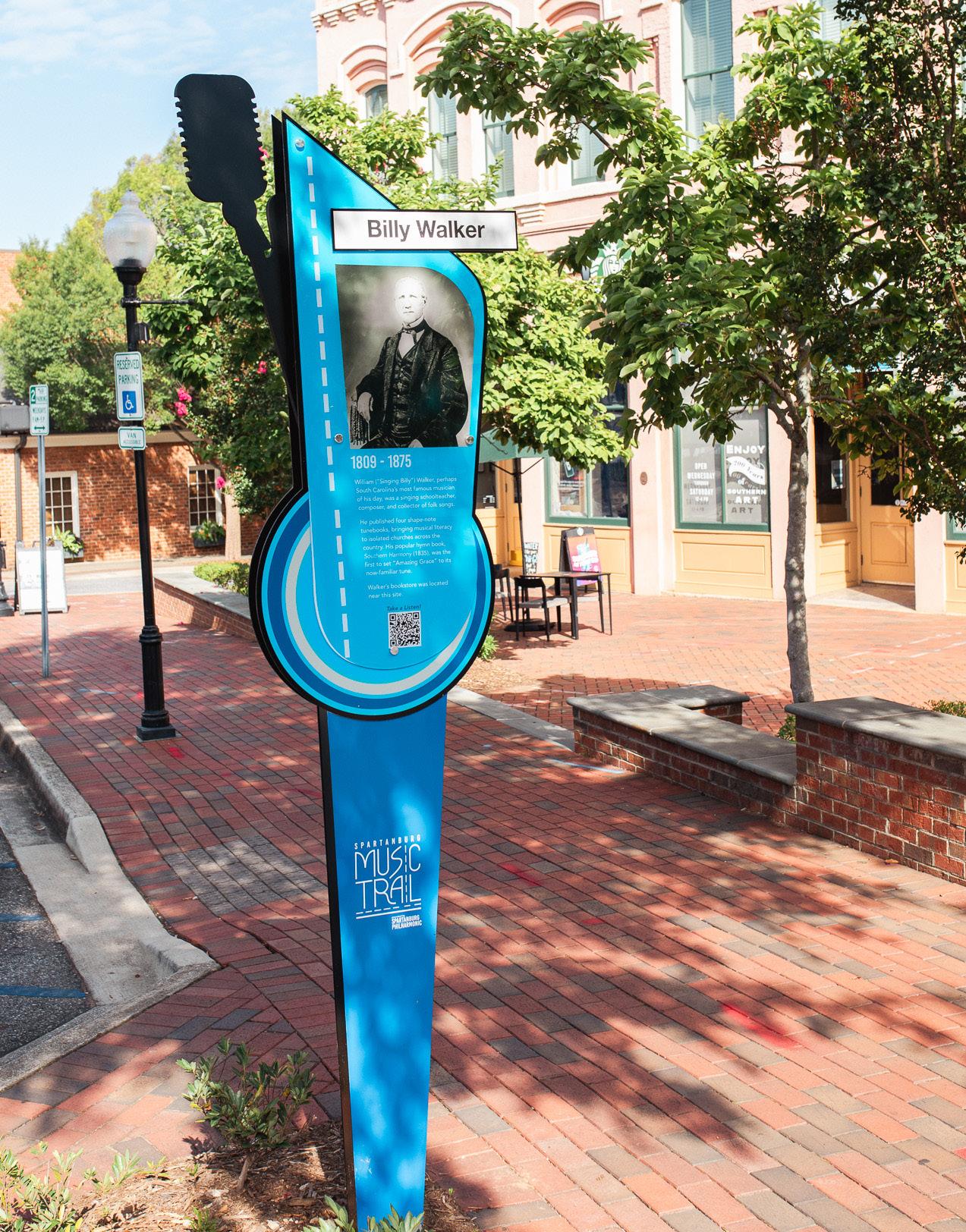
The Spartanburg Philharmonic is the custodian of the Spartanburg Music Trail, and we welcome nominations for future inductees. The Music Trail honors people from the Spartanburg area who have made a national or international impact in the world of music. We generally induct new members every two to three years.
Please use the form online to nominate honorees. We are grateful for all suggestions and will consider every nominee. The Music Trail Committee of the Spartanburg Philharmonic makes the final selections of Music Trail inductees.
SpartanburgMusicTrail.com/Nominate
Guidelines:
• Impact: Nominees must have made a significant and demonstrable impact on the national or international music landscape.
• Connection to Spartanburg: Nominees must have been born in, or have spent a substantial portion of their lives in, the Spartanburg area.
• Eligible Professions: Individuals may be vocalists, instrumentalists, composers, songwriters, or others whose careers have meaningfully influenced the field of music at the national or international level.
• Living or Deceased: Both living and posthumous nominations are eligible.
• Individual or Group: Nominations may be submitted for individuals or groups (e.g., bands or ensembles).
• Self-Nominations: Self-nominations will not be accepted. However, individuals may nominate family members, friends, or others.
• Multiple Nominations: You may submit nominations for more than one individual or group; however, duplicate nominations for the same person or group are not counted.
Nominations for the next round of honorees are due by January 31, 2026
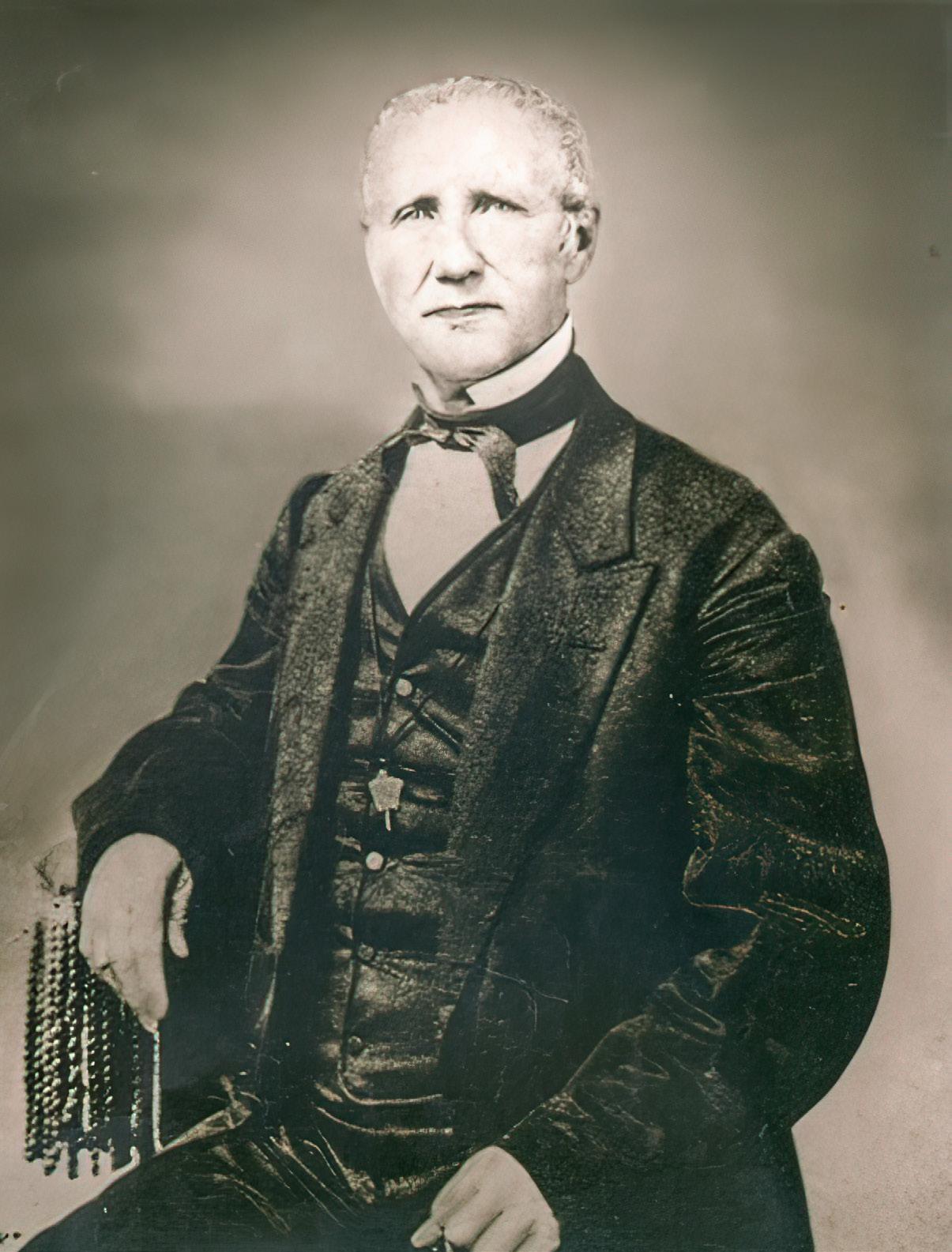
William Walker, A.S.H.
1809-1875
Charity C. Rouse Director of Local History Spartanburg County Public Library
“Singing Billy” Walker was an active musician and music publisher in Spartanburg. Born on May 6, 1809, near Cross Keys in Union County, SC, William Walker was the son of Absalom and Susan Jackson Walker. The family later moved to Cedar Springs, in Spartanburg County where Billy received some formal education at the Word Academy studying English, Greek, Latin, and mathematics. His musical education began at home with his mother teaching him to sing hymns by the time he was five.
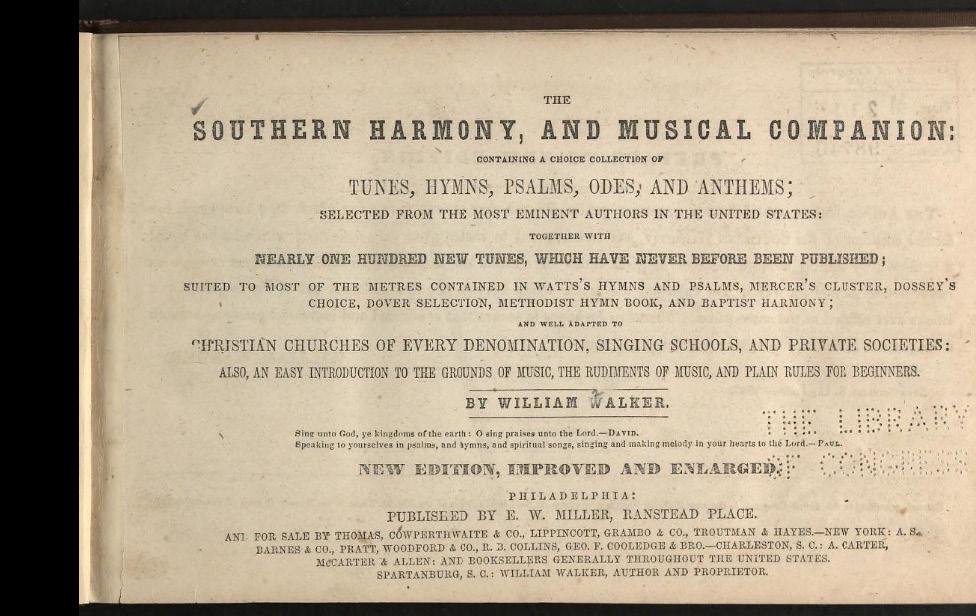
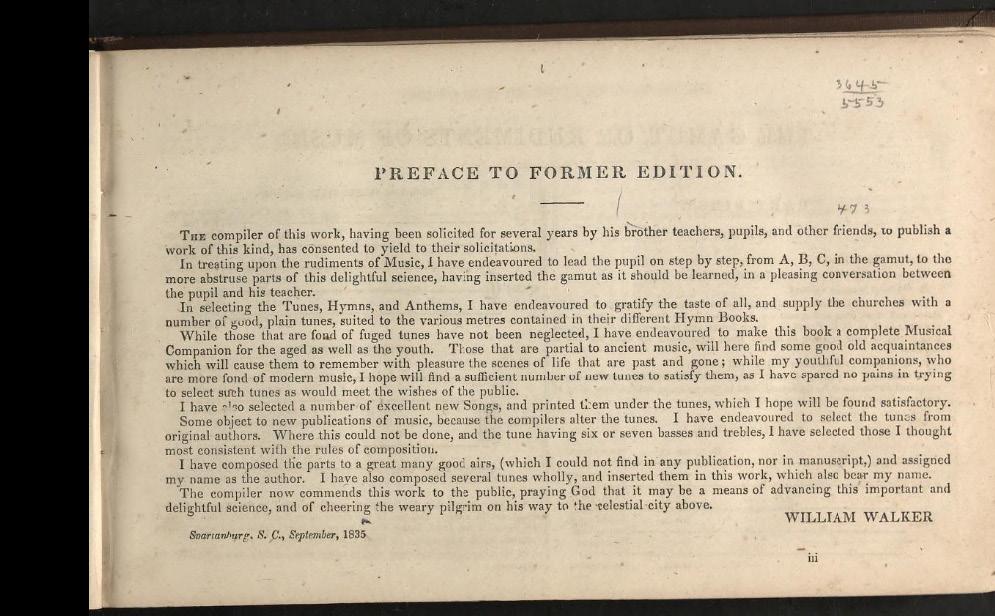
In 1835, Walker became widely known as the author of the popular shape note hymnal Southern Harmony. It was at this time that he began adding the initials A. S. H. (author
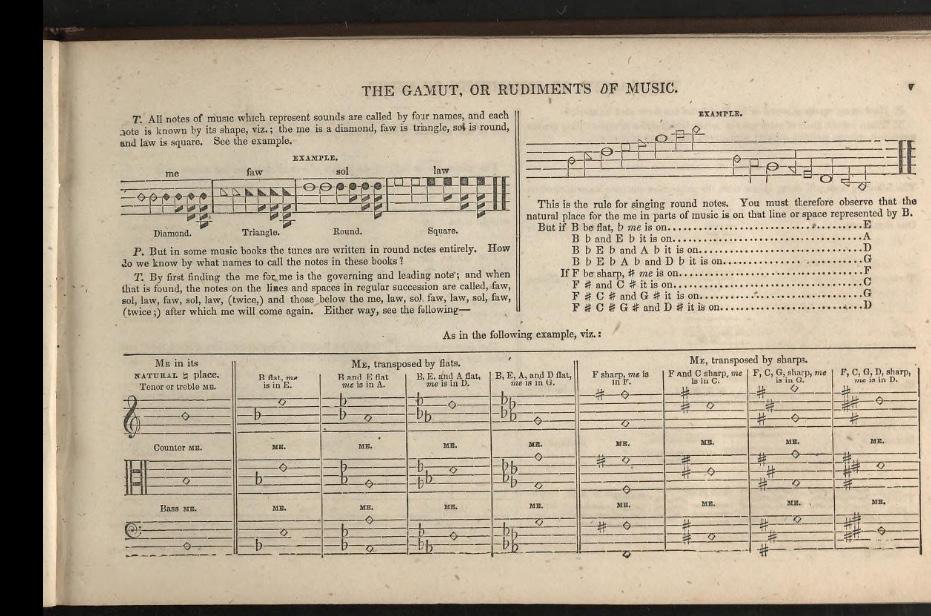
Southern Harmony ) to his name to differentiate himself from the multiple other William Walkers in Spartanburg. This collection is significant because it was the first hymnal or songbook to publish the text of the hymn “Amazing Grace” with the tune NEW BRITAIN, now the standard pairing of the familiar hymn text and tune. Two other notable hymns in this collection are “On Jordan’s Stormy Banks I Stand” to THE PROMISED LAND and “What Wondrous Love is This, O My Soul” to WONDROUS LOVE. The Southern Harmony used a four-shape system of musical notation to help teach singers to read music. He published multiple editions of the Southern Harmony over the next twenty years.
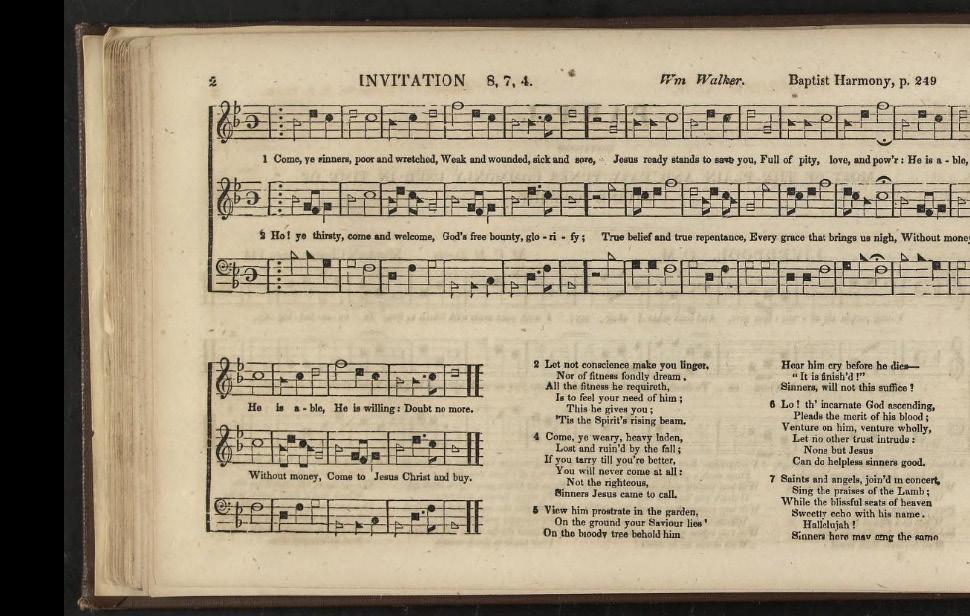
Walker traveled thousands of miles in the middle, southern, and western states, leading singing schools and selling copies of his books while also running a bookstore on Morgan Square in the mid-1800s. His second publication was The Southern and Western Pocket Harmonist in 1846 which was intended to be a supplement to the Southern Harmony. In 1867, he published the Christian Harmony, a tune book using seven-shapes for the notes of the scale (think “Do-Re-Mi” from The Sound of Music). His fourth, and final publication in 1873 was called Fruits and Flowers and was designed for use by children in Sunday Schools and school classrooms.
Walker joined the newly organized First Baptist Church of Spartanburg on October 2, 1839 and was an active member of the church as well as in the Tyger River Baptist Association. He was also a great supporter of education in the Spartanburg community as a trustee of the Spartanburg Male Academy and as a financial supporter of the Female Seminary. He took part in the laying of the cornerstone for Wofford College in 1851.
In 1835, Walker married Amy Shands Golightly of Spartanburg and had ten children: Harriet, Emily, Joseph, Mary, Absalom, Louisa, Miles, Franklin, Wiliam, and Flora. Walker died on September 24, 1875 and is buried in Spartanburg’s Magnolia Cemetery.
Both the Southern Harmony and the Christian Harmony are regularly used in shape note singings around the world with reprints of the books still in publication. The Kennedy Room at the Spartanburg County Public Libraries Headquarters on South Church Street has the Walker Family Bible, copies of various editions of the four hymnals he published and more information about the family.
Learn more about “Singing Billy” Walker and other honorees online:
SpartanburgMusicTrail.com
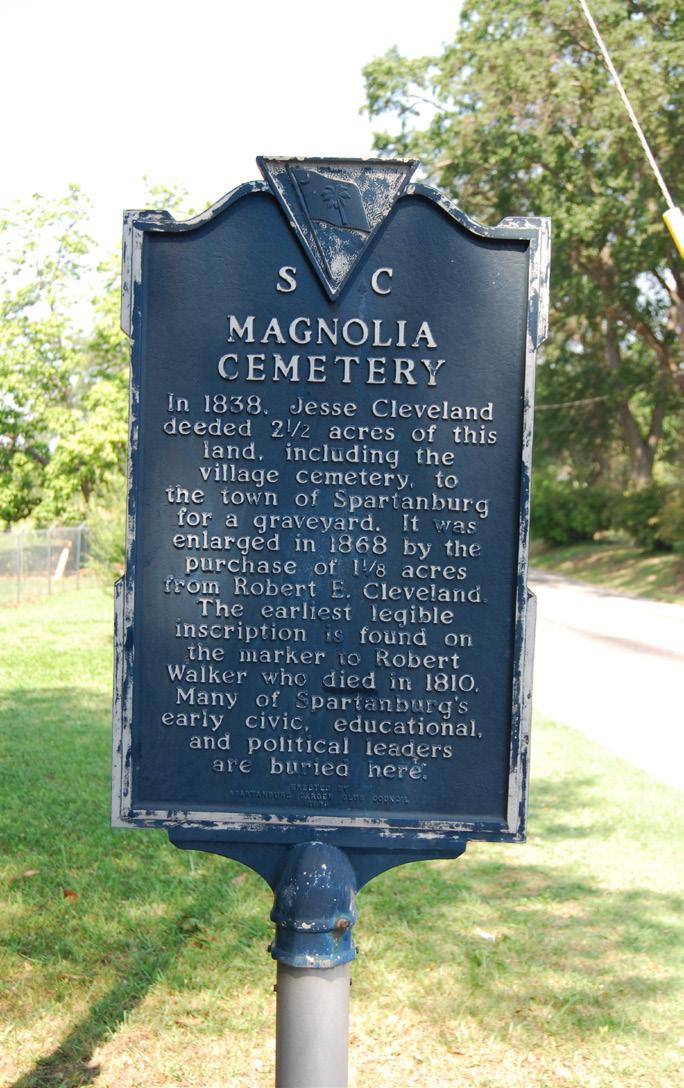
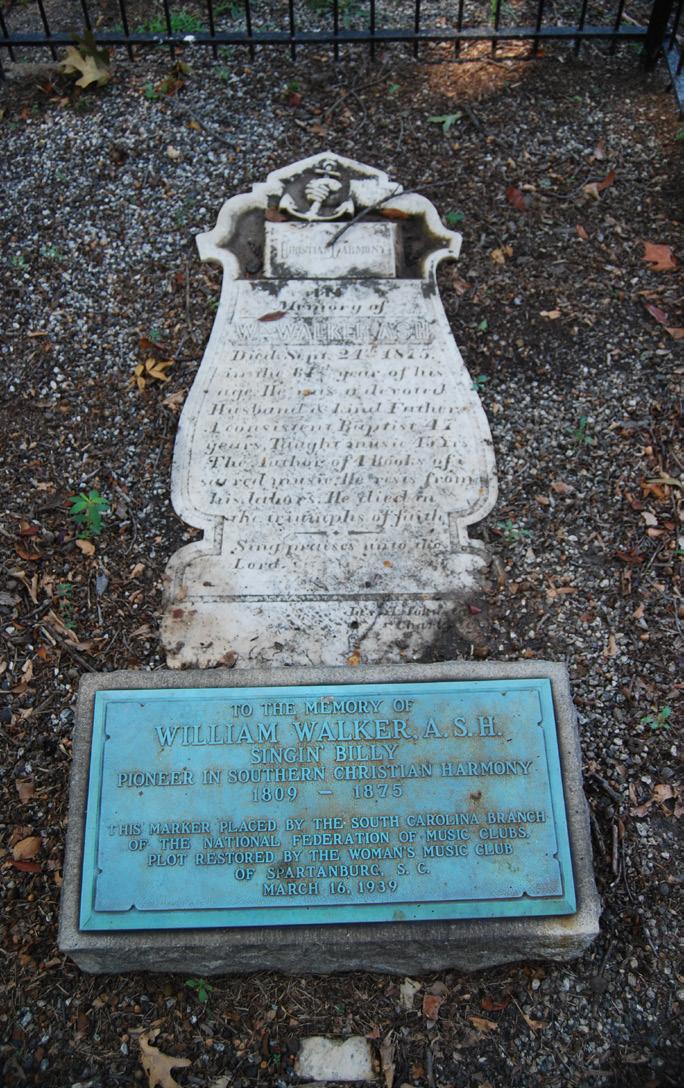
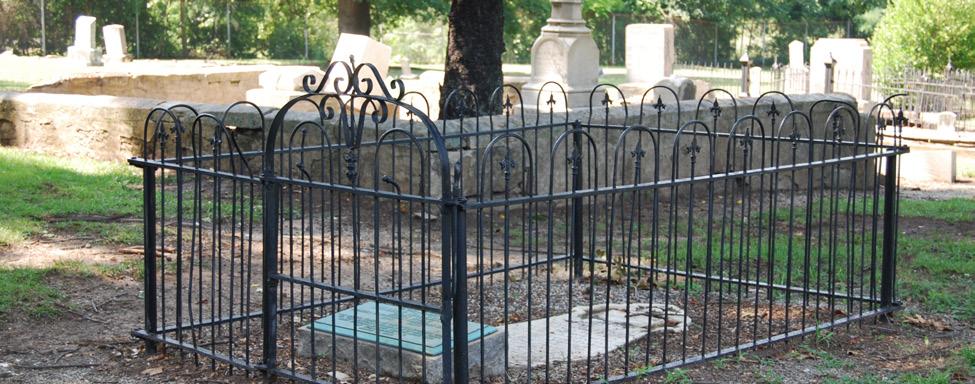
Music Trail honoree, Singin’ Billy Walker, the father of shape-note music, is buried in the historic Magnolia Cemetery near the Magnolia Street Train Depot. The marker reads:
In Memory of Wm. Walker, A.S.H. Died September 24th 1875, in the 64th year of his age. He was a devoted Husband & kind Father, a consistent Baptist 47 years. Taught music 45 yrs. The author of 4 Books of sacred music. He rests from his labors. He died in the triumphs of faith. Sing praises unto the Lord.
Walker's Music Trail sign can be found downtown at the corner of Main Street and Spring Street
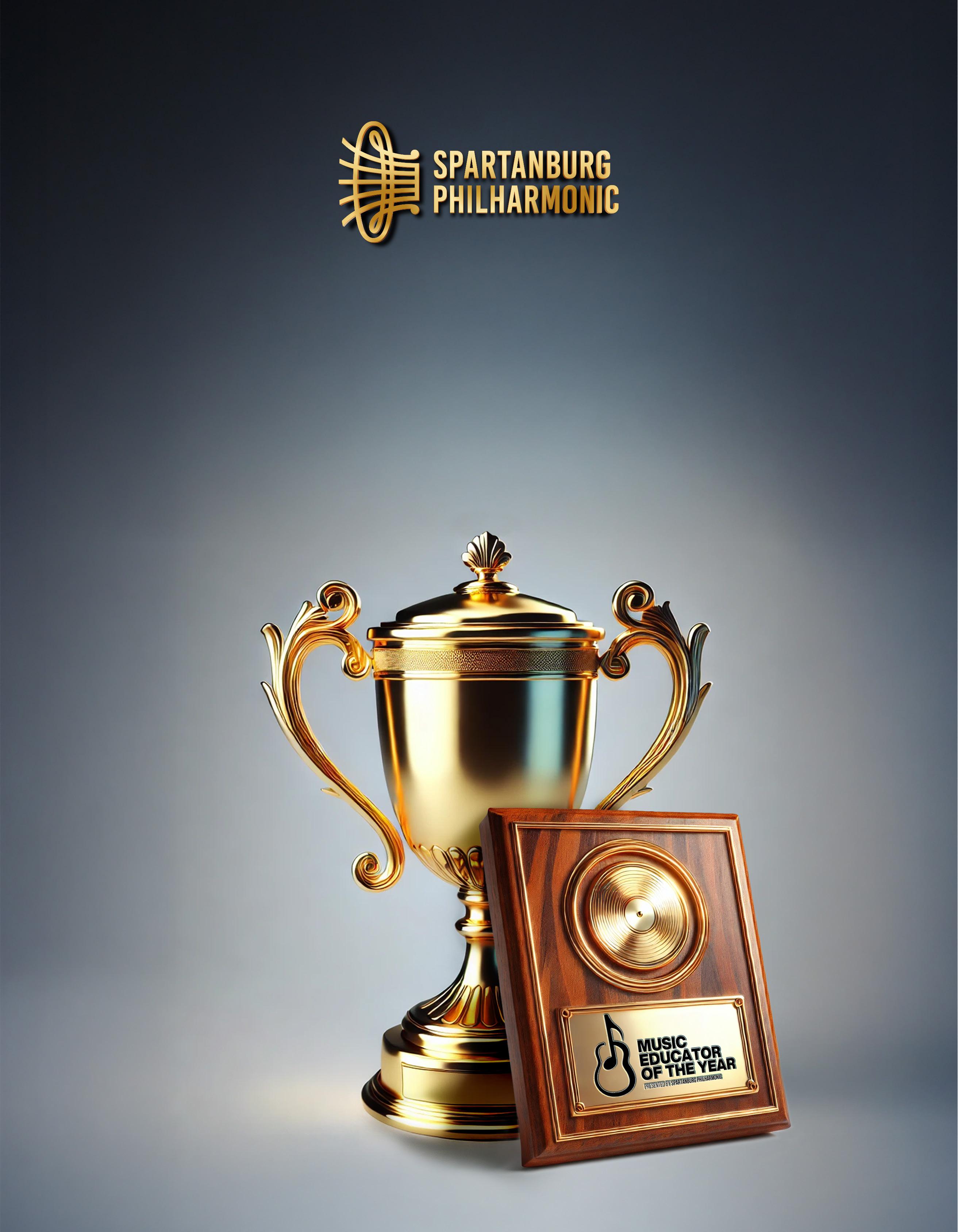
The Spartanburg Philharmonic is proud to announce the establishment of the Music Educator of the Year Award, which is dedicated to honoring outstanding music educators in Spartanburg County. This prestigious award celebrates the exceptional dedication, creativity, and passion of local music teachers who inspire and cultivate a love of music in their students.
Nomination Deadline: January 31, 2026
SpartanburgPhilharmonic.org/Educators
Announcement: March 2026
Espresso Series
Kick-start your weekend with a short shot of music! Join us for complimentary light appetizers, wine, and craft brews during our preconcert social-hour. Then enjoy our Friday evening, one-hour Espresso concerts with programs that span genres and sounds. From the beautiful and enduring music of the past to popular hits from today—there is something for everyone!
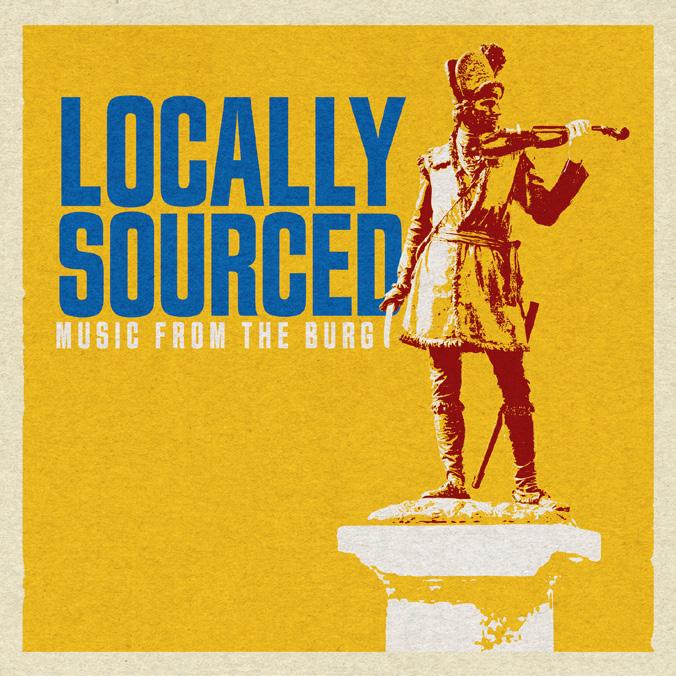
Locally Sourced
5:30 PM Happy Hour
Jan. 30, 2026
6:30 PM One-hour Concert @ the Chapman Cultural Center
Celebrate Spartanburg’s rich musical heritage with Locally Sourced, a concert dedicated to showcasing the incredible talent of composers and musicians from our very own community. This intimate performance features works crafted by native artists from the Piedmont region of South Carolina, offering a glimpse into the creative spirit that thrives right here at home. From innovative new compositions to pieces that reflect the unique cultural tapestry of the Upstate, “Locally Sourced” is a tribute to the power of local artistry. Join us for an evening of connection, creativity, and pride in the sounds of Spartanburg.
Murder at the Philharmonic
FRIDAY
Mar. 27, 2026
5:30 PM Happy Hour
6:30 PM One-hour Concert @ the Chapman Cultural Center
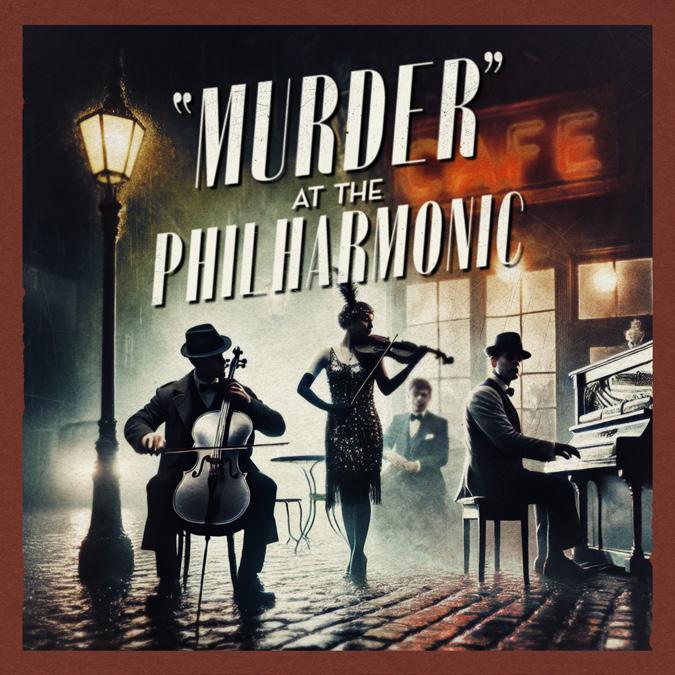
Unleash your inner detective as the Philharmonic unravels an interactive murder mystery piece by piece. A stormy night sets the stage as violin, cello, and piano unravel a twisting musical tale. Shadows gather in the crime, sharp rhythms drive the sting, and fevered motifs fuel the escape. This chamber trio turns a classic murder mystery into a vivid, pulse-quickening soundscape of tension and intrigue.
Our Next Generation of Musicians
CLAIRE CATHEY'S "MURDER AT THE PHILHARMONIC"
The Philharmonic has grown tremendously in the last 10 years or so, and we are primed for another leap forward as we prepare for our 100th Anniversary (see page 71). Still, we are an organization that remains flexible and open to fresh ideas. We plan most of our concerts and events a year or more in advance, but happily, we can still pivot and adjust as quickly as an organization a fraction of our size.
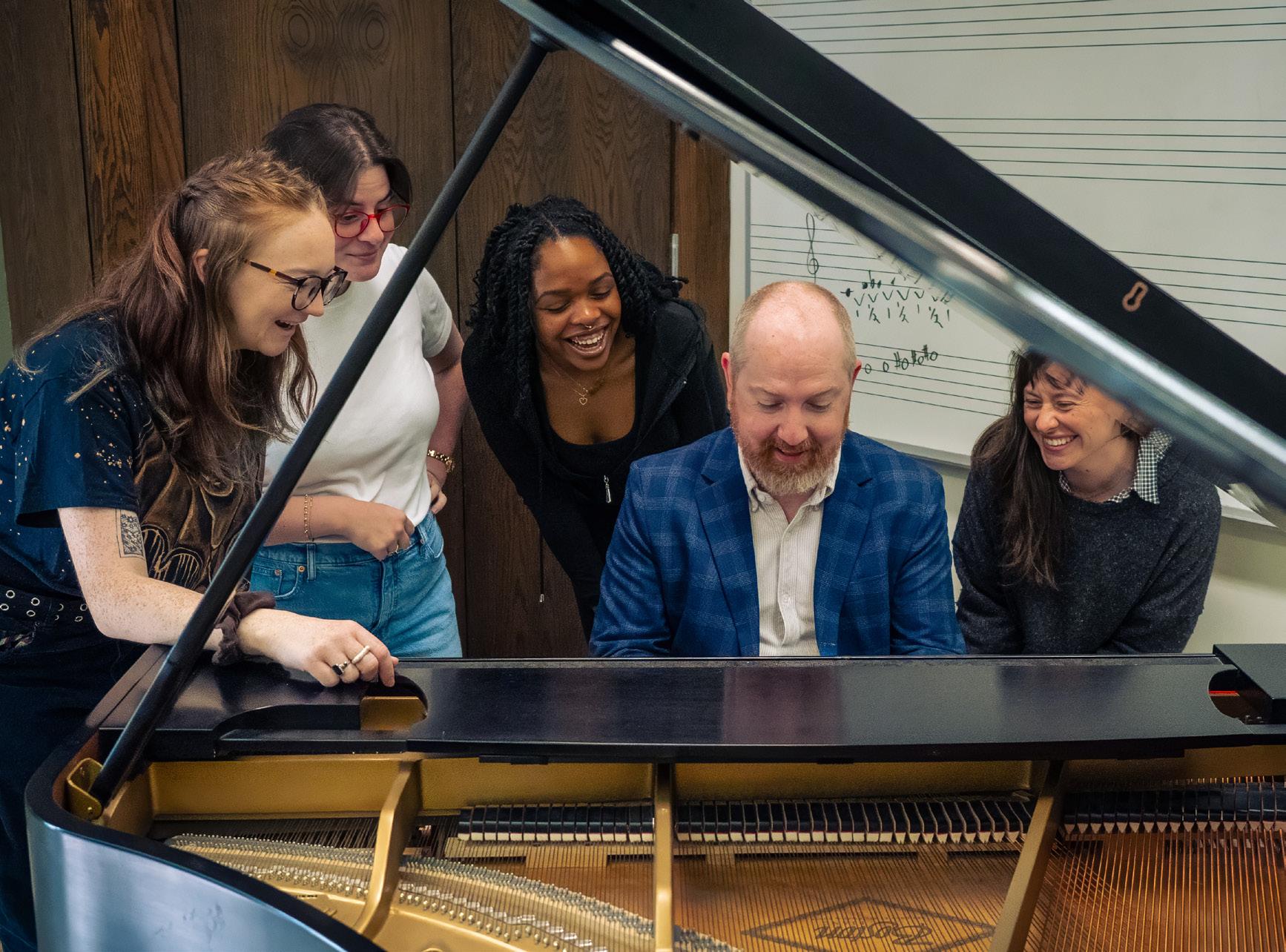
In addition to my roles with the Philharmonic, I also teach a class at Converse University called “Petrie 360.” The central focus of the course is to give students (Performance Majors in particular) a chance to explore several aspects of concert production. Not only do they perform, but they learn about marketing, branding, budgeting, logistics, etc. The course stretches over a two-semester period. The Spring is more theoretical, covering the topics one at a time with singularly focused projects. The Fall, on the other hand, is a realworld project in which the class works together to put on a full concert anywhere in the area... except on the Converse campus.
The final project of their spring semester is to present a complete concert idea that includes program repertoire, social media posts, run sheets, budgets, a fundraising letter, and several other aspects of an actual performance. However, they are not required to execute the project. It is still an imaginary concert that has no real-world restrictions.
Peter B. Kay Director of Artistic Operations
Every year, I also invite someone from the industry to join me during the presentations – someone the students have never met but who has expertise in some (if not all ) of the fields that the students are asked to cover.
This past May, I invited Kathryn Boucher, Executive Director of the Spartanburg Philharmonic, to sit in and offer feedback, ask questions, and weigh in on the project presentations. [Here’s where the story takes an interesting turn.] Although all of the projects were quite well done, one project in particular stood about among the rest.
Claire Cathey’s murder-mystery-themed chamber concert featuring a Piano Trio (violin, cello, and piano) grabbed our attention. After Claire’s delightful presentation, Kathryn leaned over to me and whispered (half) jokingly, “can we steal this one?”
Thankfully, there was no need for theft – Claire was happy to share the idea with us – and together we developed the final Espresso concert of the season (see page 29).
Interestingly, and without Claire's prior-knowledge, I had programmed an Espresso concert for Piano Trio that incorporated a few of the same pieces that Claire had in her project. However, Claire’s program – with its overarching theme, narrative structure, and individual choice of pieces – is
admittedly far stronger than my original Espresso idea. And because the Philharmonic is still nimble, we were able to pivot to this new concert idea as quickly as Claire gave the okay!
For me... teaching isn’t about students parroting my words or ideas. Instead, the goal is for each one to eventually create something newer, better, and more exciting than I could ever imagine. And so, I am deeply proud and thrilled to share with all of you: Claire Cathey’s “Murder at the Philharmonic.”
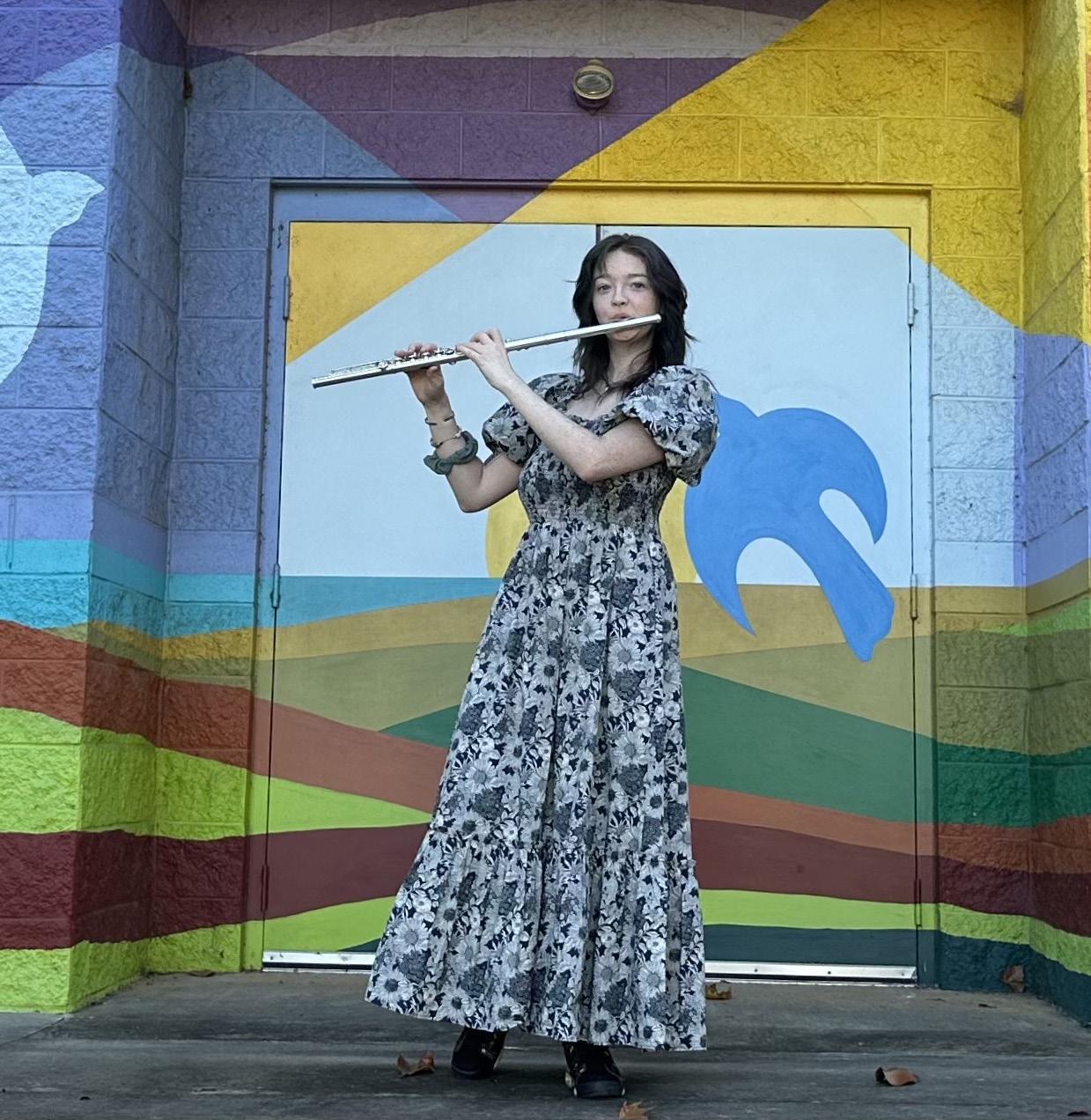
Claire Cathey is a flute student of Dr. Chris Vaneman at the Petrie School of Music and principal flute of the Converse Wind Ensemble. She has played in masterclasses for Greg Patillo and Demarre McGill, and studied intensively with Laurel Zucker at the Interharmony International Music Festival in Acqui Terme, Italy, where she was principal flute of the symphony orchestra. This past summer, Claire attended Aria International Summer Academy in Massachusetts. As a Petrie Young Artist winner, Claire performed Cécile Chaminade’s Concertino with the Converse Symphony Orchestra. She was the winner of Converse University’s 2024 RISE Symposium Performance Competition, and was the first-place winner of Western Carolina University’s Flute Society Concerto Competition. Claire was also the 2024 winner of the NFMC Ernest A. Bluhm Flute Award and was recently awarded the Edwin Gershchefski award for exemplifying outstanding musical, academic and community excellence in the Petrie School of Music.
OCTOBER 17-19, 2025
Ballet, Bourbon & Blues
FEBRUARY 12-14, 2026
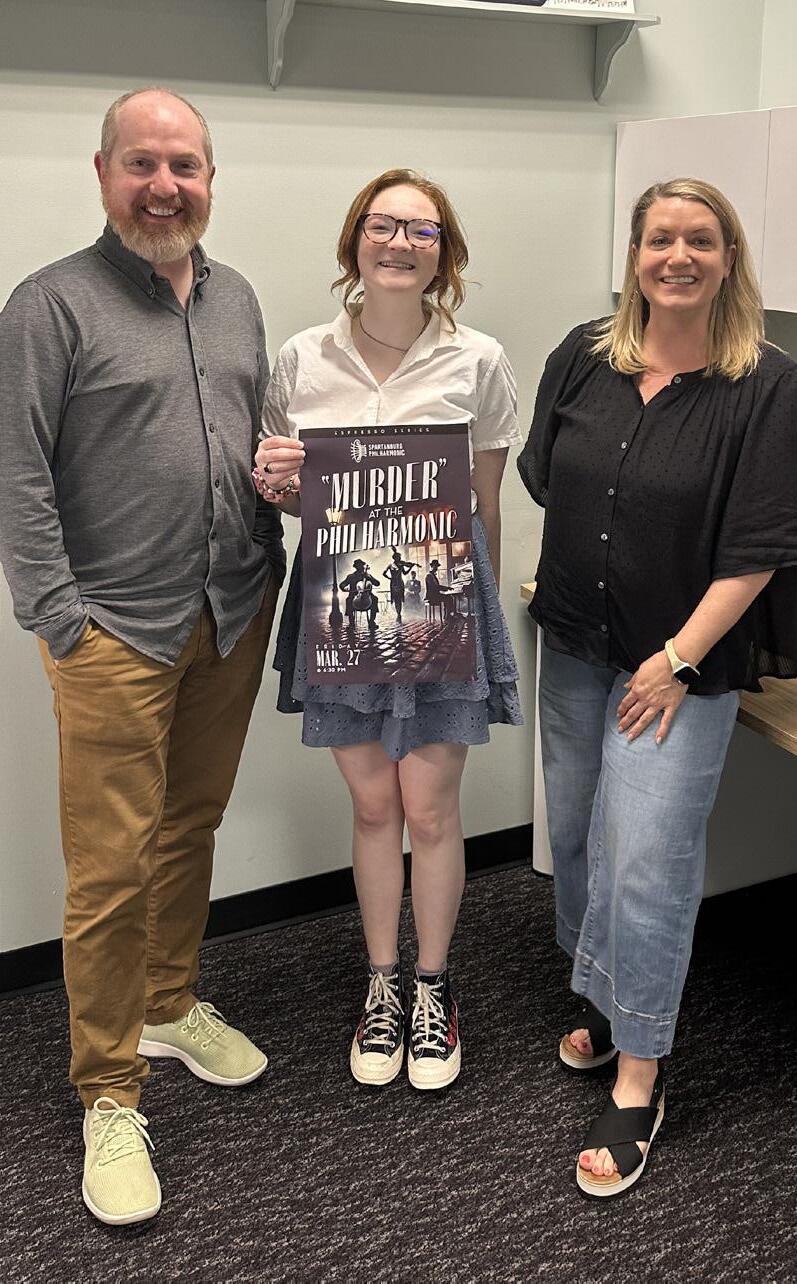
From left: Peter with Petrie 360 students (2025); Peter and Kathryn with Claire holding a mockup of the concert poster; Claire Cathey playing the flute.
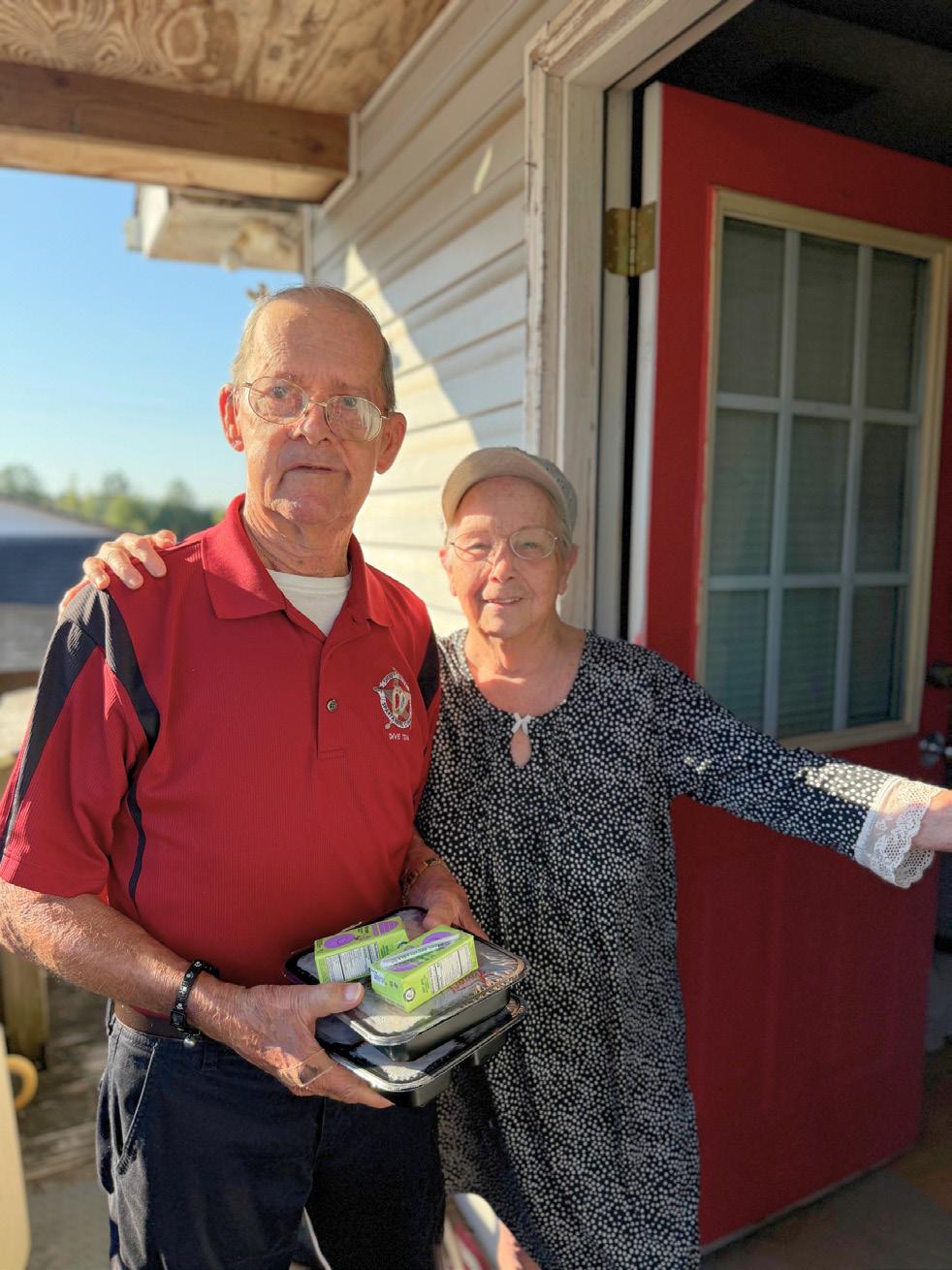
Mobile Meals delivers more than 300,000 meals each year across Spartanburg County all funded by local gifts and powered by hundreds of volunteers
Whether you give an hour of your time or a donation, you’re helping neighbors live with dignity and independence.
Bluegrass Spartanburg
Bluegrass Spartanburg welcomes a variety of bluegrass bands that span from traditional to contemporary, bringing their down-home roots mixed with rock-infused jams for all to enjoy. Hear award-winning talent and the hottest bands in the industry right here in your own backyard!
Authentic Unlimited
FRIDAY Feb. 20, 2026
8:00 PM @ the Chapman Cultural Center
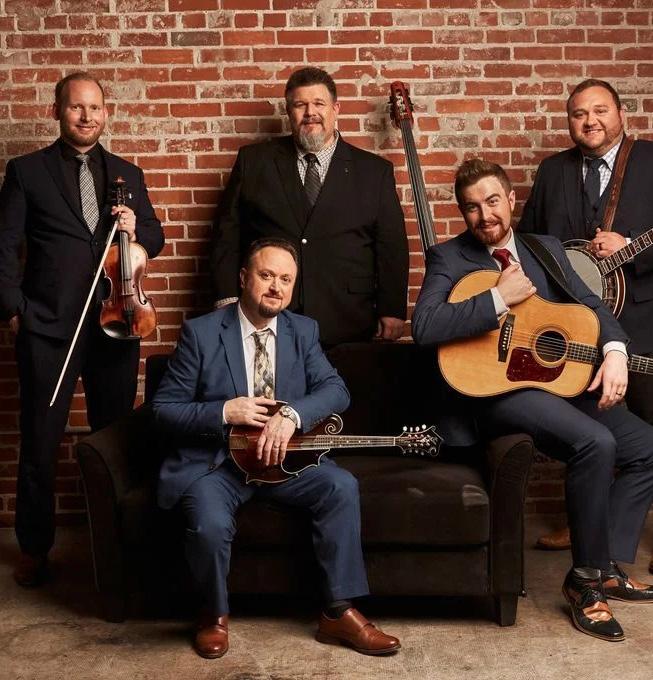
Authentic Unlimited is a dynamic bluegrass band that blends rich harmonies with skillful instrumentation to create a sound that is both timeless and innovative.
Comprised of seasoned musicians, including former members of the legendary Doyle Lawson & Quicksilver, the band brings a deep-rooted passion for traditional bluegrass, infused with fresh energy. Having earned recognition with IBMA (International Bluegrass Music Association) awards, IBMA nominations, and Dove Awards nominations, the band’s talent and dedication to their craft is widely celebrated in the bluegrass community. Their heartfelt lyrics and soulful melodies resonate with audiences, offering an authentic musical experience that speaks to both old and new generations of bluegrass fans.
Chatham Rabbits
THURSDAY Apr. 23, 2026 8:00 PM @ the Chapman Cultural Center
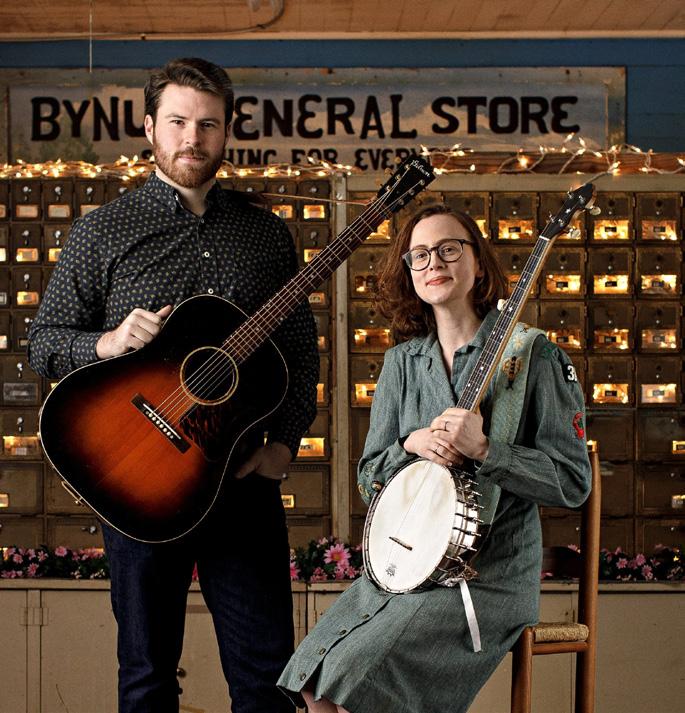
Chatham Rabbits, the beloved North Carolina roots duo of Austin and Sarah McCombie, blend their personal histories through deft songwriting and a warm, instantly familiar sound. Steeped in regional traditions, their music embodies a new era of roots music, earning praise from Garden & Gun Magazine, American Songwriter, and No Depression. Since their debut album All I Want From You (2019), they have continued to evolve, with The Yoke is Easy, The Burden is Full (2020) featuring Paste Magazine’s “Top Folk Song of 2020” and their third album, If You See Me Riding By (2022), coinciding with their PBS-NC series On the Road with Chatham Rabbits.
Bluegrass Spartanburg is made possible by support from:
Andrew and Kitsy Babb
Catherine and Jim Burchfield
Dean and Pam Davis
Butch and Syd Harris
Don and Kay McClure
Clint and Amy Brown North
Cathy and Garrett Scott
Michele and Eliot Stone
Kim and Aaron Toler
The Krüger Brothers & the Philharmonic
A MUSICIAN’S CONCERT MEMOIR
So I show up to Twichell Auditorium Saturday morning, the day of the Philharmonic’s concert with The KrÜger Brothers. This is the final reahearsal with the band (there were only two) before we play the show that evening. I took my place on stage next to Alvoy, Principal Viola - all of us orchestra members engaging in the usual banter on concert days. The band is also getting ready, and John, Music Director and conductor for the show, is chatting with them working out last minute details, or cracking jokes; they’re all laughing so it may be the latter. The official stage clock strikes 10:00am, and we start playing.
There’s always some anxiousness the day of the concert, especially with artists you’ve not worked with before. The
banter relieves the tension because you’re never sure how things are going to go. Will the music gel? Will the guest artists be easy to work with? Will the orchestra be able to do what’s asked of them? And this was especially true for this show because, as we discovered at rehearsal the night before, putting this music together was not going to be easy!
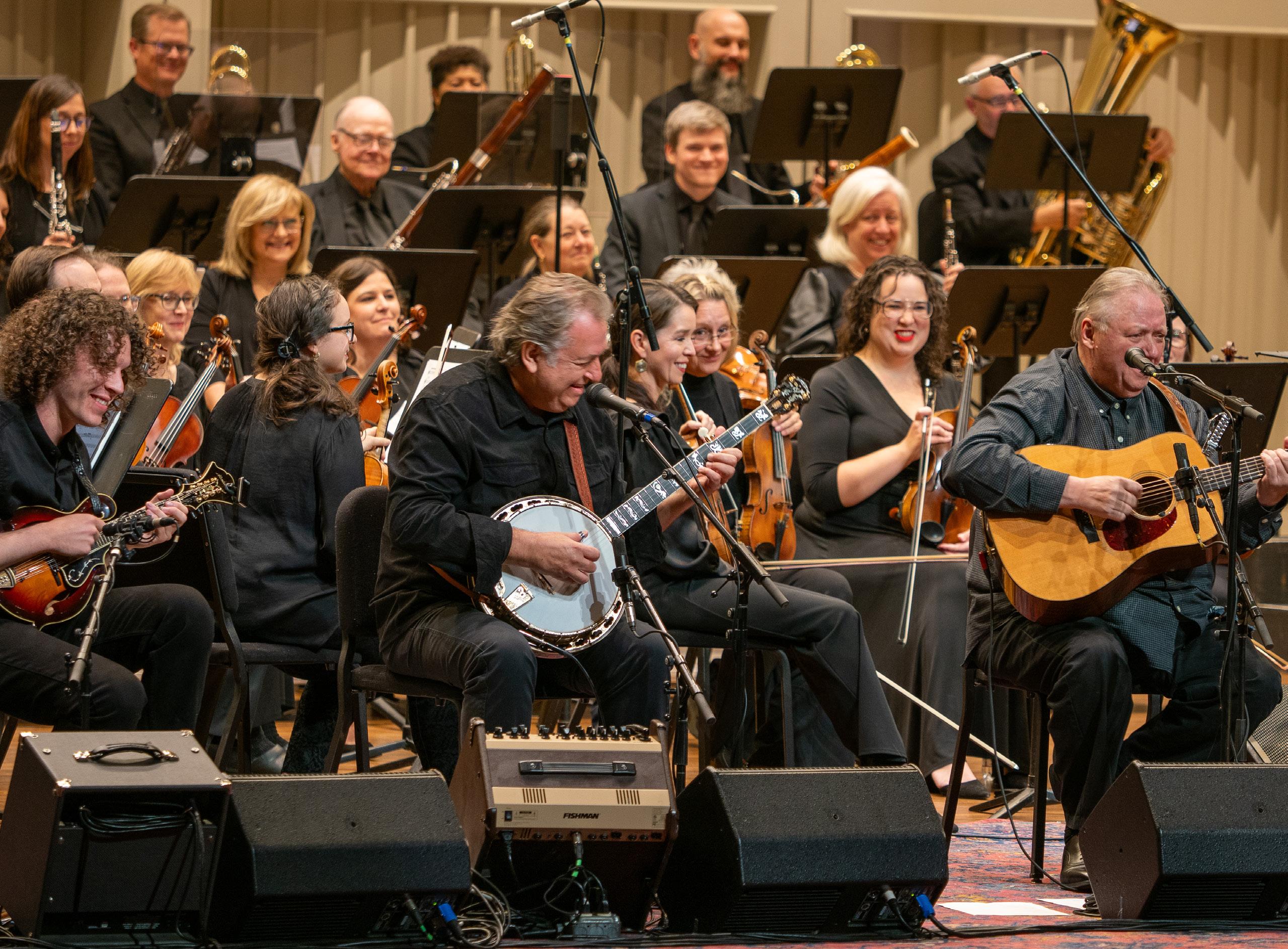
Crossover collaborations (the fusion of two musical genres - in this case, classical and bluegrass) can be tricky. Fundamental elements of the two groups may not meld naturally, so each side works especially hard to accommodate the needs and tendencies of the other. For example, although the Kruger Brothers wrote out the orchestra parts for us to play, it was clear they usually work by ear. So, while they were able to
Arthur Ross Assistant Principal Viola
quickly make changes to their performance based solely on what they were hearing in the moment, the orchestra was busy counting measures, crossing out sections, and drawing arrows in our sheet music just to keep up. The band was testing the orchestra’s flexibility while the orchestra was encouraging the band’s greater exactitude. Happily, the music did gel. This final rehearsal went really well, and all the band members were just the friendliest folk. I found myself looking forward to the evening. That doesn’t always happen!
I have been a professional musician for over 30 years; I’ve worked with hip-hop lyricists, R&B singers, country music bands, new-age pianists, bubblegum pop stars, bebop jazz artists, the list goes on. But the KrÜger Brothers show was one of the most fun, and musically rewarding I have ever done!
The band was fantastic - tight, expressive, virtuosic. All the things you’d expect from artists who’ve won awards and have been inducted into multiple “Halls of Fame." Also, because the orchestra writing was top notch (crossed out sections and changes not withstanding), it was a blast to play! Sometimes groups don’t know what to do with the Symphony; you have almost unlimited options so it can be daunting figuring out which option to pick. But the KrÜger Brothers’ music was both challenging and interesting. The orchestration was inventive - music jargon meaning the unique capabilities of each instrument group in the orchestra were used in really creative ways. And most notably, what the orchestra was being asked to play was consequential to the musical whole. We weren’t just backup, window-dressing for the band to shine in front of, but real partners, making the musical whole more rich, complex, and varied.
This was one for the books!
For the KrÜger Brothers concert last October, Chris Strickland - an accomplished fiddle player, Spartanburg Philharmonic Board Member, and Chair of the Bluegrass Committeejoined the orchestra alongside his son, Sam, who is a member of the Spartanburg Philharmonic Youth Orchestra. They shared their thoughts afterward:
Our experience performing with the Philharmonic at the KrÜger Brothers concert was truly inspiring!
Jens, Uwe, Joel, and Jonah are not only talented musicians and engaging performers, but also very kind and approachable people. (They took time to speak with everyone that greeted them during the rehearsals and concert, providing encouragement for our musical pursuits. They even said to come and find them to say hello next time we attend Merlefest!)
The rehearsals gave us an idea of how good the music would sound on-stage, but the real magic happened as the notes rang through the hall at the concert. To hear the audience respond so positively and to see how much joy was brought to life that night was so special.
It was an absolute thrill to join the Philharmonic and the KrÜger Brothers for this concert!
Sam and Chris Strickland
Left: The Kr Üger brothers with the Philharmonic. Above: Arthur Ross before an Espresso concert.
Right: Sam & Chris Strickland on stage with the Kr Üger Brothers.
Music Lovers' Luncheon
HOSTED BY THE PIEDMONT CLUB OF SPARTANBURG
Did you know that during the week preceding a Zimmerli Concert, the Spartanburg Philharmonic hosts a delicious lunch at the Piedmont Club? You are invited to join us for a delectable meal and learn more about the fantastic pieces you will hear at Saturday evening’s performance.
The icing on the cake (and yes, you do get to visit the fanfavorite Piedmont Club dessert bar), is hearing directly from Music Director John Young Shik Concklin about the pieces which will be performed on Saturday night at the Zimmerli Series Concert. In addition to having lunch, this event is a wonderful way to become educated about and familiar with the pieces being performed at the upcoming concert.
“Learning about the composers’ lives and what they were experiencing at the time they wrote the pieces is so interesting. I find when I attend the Zimmerli Concert after attending a Music Lovers’ Luncheon, I gain much more from my experience at Twichell. I find myself listening to hear certain themes and messages from the composers while the pieces are performed,” said Charlene Lyle, a Music Lovers’ Luncheon regular. “I like meeting the conductor and getting
to know him personally. After chatting with him, I feel like I’m watching a friend on stage and feel so proud to see him delivering a wonderful concert!”
Oftentimes, in addition to our Music Director John Young Shik Concklin attending Music Lovers’ Luncheon, the featured soloists will also attend and offer an excerpt of their performance. The intimate size of this audience offers attendees an opportunity to ask questions of the conductor and of the soloists. It’s a truly special offering, and one we urge you to attend.
Spring Dates:
• Friday, Jan. 23
• Friday, Mar. 20
• Friday, Apr. 24
Piedmont Club members should RSVP to the Club. Non-Piedmont Club members contact Avery Owens at: avery@spartanburgphilharmonic.org (864) 278-9671
Meet: Joanna Mulfinger CONCERTMASTER
Joanna Mulfinger is a native of Greenville, SC. She graduated from Bob Jones University and continued her education at the Peabody Conservatory in Baltimore, MD, receiving a Masters Degree under the tutelage of renowned Russian pedagogue Victor Danchenko. While at Peabody, she was awarded the J.C. van Hulsteyn Prize for Outstanding Musical and Academic Contributions. She has pursued additional summer music studies at the Juilliard School in New York, the Hanns Eisler Hochschule Fur Musik in Berlin, Germany, and other festivals in France, Italy, Germany, Switzerland, and Canada. Since returning to Greenville she has developed a large studio of private students, and has been on the faculty of several local universities.
Joanna appreciates learning about all kinds of music. In 2016 she learned and performed a new work for erhu, a stringed instrument of Chinese origin. And, in 2017, as a result of her interest in Baroque violin playing, she started a Baroque String Ensemble at Anderson University, which she led for four years. Professionally, she has performed with Baroque ensembles, including The Sebastians in New York and New Jersey, and is currently a member of Early Music New York.
Joanna is active at the Peace Center in Greenville, where she enjoys playing with National Tours of Broadway shows such
as Disney’s Lion King, Chicago, Phantom of the Opera, My Fair Lady, White Christmas, Something Rotten, Motown, Newsies, Porgy and Bess, The Producers, Young Frankenstein, Evita, West Side Story, and Wizard of Oz, among others. She is also in demand to accompany local performances of popular touring artists such as Smokey Robinson, Celtic Woman, TransSiberian Orchestra, Josh Groban, Mannheim Steamroller, Anne Murray, Wayne Newton, and Johnny Mathis.
As a chamber musician, Joanna is a member of several local ensembles including the Mulfinger String Quartet, Trio Tapestry (guitar, cello, violin), Tryptich Musica (piano, horn, violin), and Steve Eager and Friends, a band that covers pop and Broadway tunes.
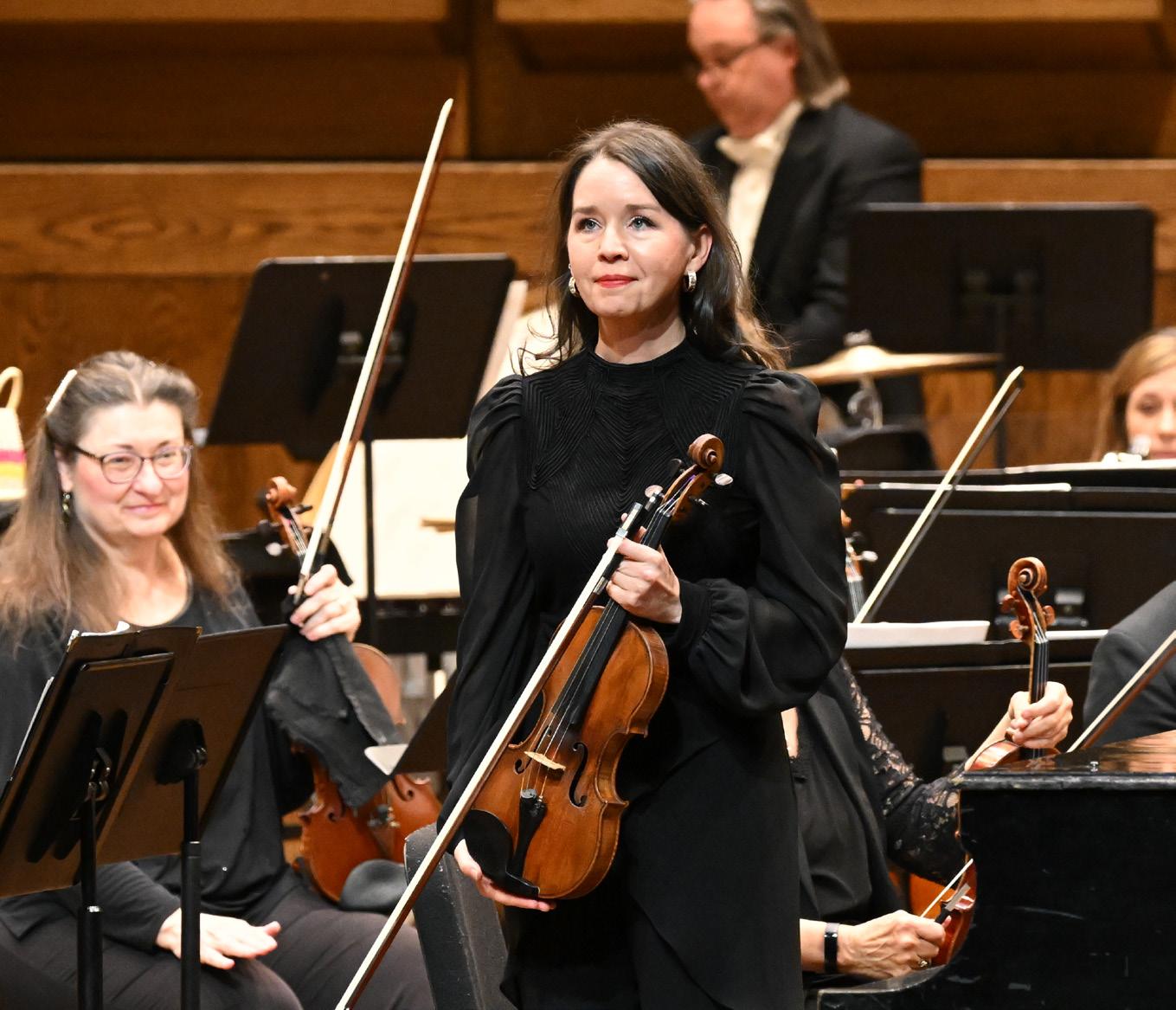
She is an active orchestral musician. From 2007-2019 she was Assistant Concertmaster and then Concertmaster of the Spartanburg Philharmonic and returned in 2022, first as Interim Concertmaster and then on a permanent basis after the new Music Director was announced in 2023. She has been Principal Second Violin of the Greenville Symphony Orchestra since 2003.
Joanna performs on a 1653 Nicolo Amati violin, a violin she inherited from her mother.
Spartanburg Philarhmonic
Orchestra Members and Section & Chair Sponsors as of August 2025
Violin I
Mr. and Mrs. George Dean Johnson, Jr.
Joanna Mulfinger, Concertmaster
Endowed by the Dr. Jerrie Lucktenberg
Concertmaster Endowment
Courtney LeBauer, Associate Concertmaster
Mrs. Elaine Freeman
Debra Anthony
Mr. and Mrs. Geoffrey Wilson
Carla Bilger
Mr. and Mrs. Ray Dunleavy
Robin Hague Els
Ms. JoAnn Bristow
Christine Hallett-Penney
Kathy Zimmerli Wofford
Randolyn Emerson
Mr. and Mrs. John Cribb
Abigail Inafuku
Mr. and Mrs. Chris Strickland
Tim McMurray
Mrs. Walter Montgomery, Jr.
Elisabeth Miller
Mr. and Mrs. Halsey Cook
Kathleen Robinson
Mr. and Mrs. David Ellis
Cello
Mr. and Mrs. Roger Habisreutinger
Ismail Akbar, Principal
Mr. and Mrs. Stanley Baker
Kathy Foster, Assistant Principal
Arkwright Foundation
Katie Hamilton
Mrs. Betty Luce
Camille Johnson
Mr. and Mrs. Robert Parmenter
Violin II
Mr. and Mrs. William Barnet III
Simone Beach, Interim Principal
Mr. and Mrs. Peter Weisman
Ann Buttimer
Allen and Sharon Doyle
Michele Tate Cockram
Mr. E.T. McLean, in memory of Henry Janiec
Theresa Jenkins-Russ*
Mr. and Mrs. Wiley North
Allison Key
Ms. Kathryn H. Boucher
Jessica Martin
In Memory of CRI, M.D.
March Moody
Col. and Mrs. Robert N. Maddox
Emily Riesser
Mr. and Mrs. Leland Close
Alice Skaar
Mrs. Cecilia Cogdell
Stacey Wiley
Dr. and Mrs. Auburn Woods
Franklin Keel
Phyllis and Robert Frank
Meredith Keen
MG(R) Edwin E. Spain III and Mary B. Spain
Eric Scheider
Dr. and Mrs. Peter Sereque
Benjamin Smith
Drs. Chandra and Boone Hopkins
Viola
Dr. Barry Bodie and Ms. Laurel D. Johnson
Alvoy Bryan Jr.*, Principal
Endowed by friends and family in honor of Wallace Eppes Johnson
Arthur Ross, Assistant Principal
Mr. James Cheek
Daphne Bickley
Elbert Rogers Foundation
Amber Berthume
Mr. and Mrs. William C. Mayrose
Scott Garrett
Mr. and Mrs. Lindsay Little
Diana Maley Berti*
Mr. Peter Grzan
Katy Martin
Emily Poole
Ms. Switi Thakkar
Emma Smoker
Don and Mary Miles
Michael Weaver
Cindy and Keith Kelly
Bass
Mr. and Mrs. Andrew Babb
Ian Bracchitta*, Principal
Mr. and Mrs. Jerry Cogan
Matthew Waid, Assistant Principal
Ms. Laura Henthorn
Rich Harbison
Mr. and Mrs. James Burchfield
Tom Hildreth
Clint and Samantha Larkins ,
Sponsoring a musician's chair or an instrument section is just one of the many benefits of annually donating $1,000 or more to the Spartanburg Philharmonic. Ask us about more opportunities to see your gift in action.
Musician chair sponsorship from $1,000 Section sponsorship from $5,000
Flute & Piccolo
Mr. and Mrs. John S. McBride, Jr.
Rhea Jacobus, Principal
Mrs. Susan H. Baker
Caroline Ulrich
Dr. and Mrs. Donald H. McClure
Jessica Sherer
Jennifer Dior
Dr. Curt Laird
Oboe & English Horn
Dr. and Mrs. Rick Orr
Kelly Vaneman*, Principal
Michele and Eliot Stone
Mary AllyeB Purtle
Robert Borden
Teil Buck
David and Jennifer Smart
Clarinet
Karen Hill, Principal
Dr. and Mrs. Louis Knoepp Jr.
Harry Hill‚ Jr.
Sarah Allen
Kyra Zhang
Mr. and Mrs. Frederick B. Dent, Jr.
Bassoon
Frank Watson, Principal
Dr. & Mrs. Caleb Loring IV
Rosalind Buda
Ms. Judy McCravy
Stephanie Lipka Rhyne
Jeffrey Nye
Saxophone
Mr. and Mrs. Thomas P. Nederostek
Tom Wright, Principal
Horn
Karen and Stephen Parrott
Andrew Merideth, Principal
Mrs. Joan B. Gibson
Chris George
Mr. and Mrs. Mack McKeithan
Darian Washington
Dr. and Mrs. Mark Ferguson
Jordan Chase
Mr. and Mrs. Robert Troup
Ericka Grodrian
Mrs. Paula Morgan
Jeanette Schlimgen
Trumpet
The Joe R. and Joella F. Utley Foundation
Tyler Jones, Principal
Ms. Maureen Johannigman
Kenneth Frick
Mr. and Mrs. Mack McKeithan
Bruce Cox
Mr. and Mrs. G. Garrett Scott
Cody Beard
Trombone
Mr. and Mrs. Glen Warner
Mark Britt, Principal
Mr. and Mrs. V. C. McLeod III
John Grodrian
Mrs. Corry W. Oakes III
Rienette Davis
Mr. and Mrs. H. Peter Theiler
Eric Henson
Mr. and Mrs. Glen Warner
Tuba
John Holloway, Principal
Clint and Amy Brown North
Mike Taylor
Mr. and Mrs. Donald Wildman
Timpani
Patrick Lowery, Principal
Mr. and Mrs. E. Donald Stevens
Percussion
Adena McDaniel, Co-principal
Mr. Reed Cunningham
Matt McDaniel, Co-principal
Dr. Leslie W. Howard Jr.
Del Burton
John McAllister and Katee Castleman
Piano/Organ
Mrs. Nelly Zimmerli
Brennan Szafron, Principal
Mr. and Mrs. Paul Lehner
Steven Graff
Dean and Pam Davis
Harp
Emily Waggoner, Principal
Mr. and Mrs. Ken Frick
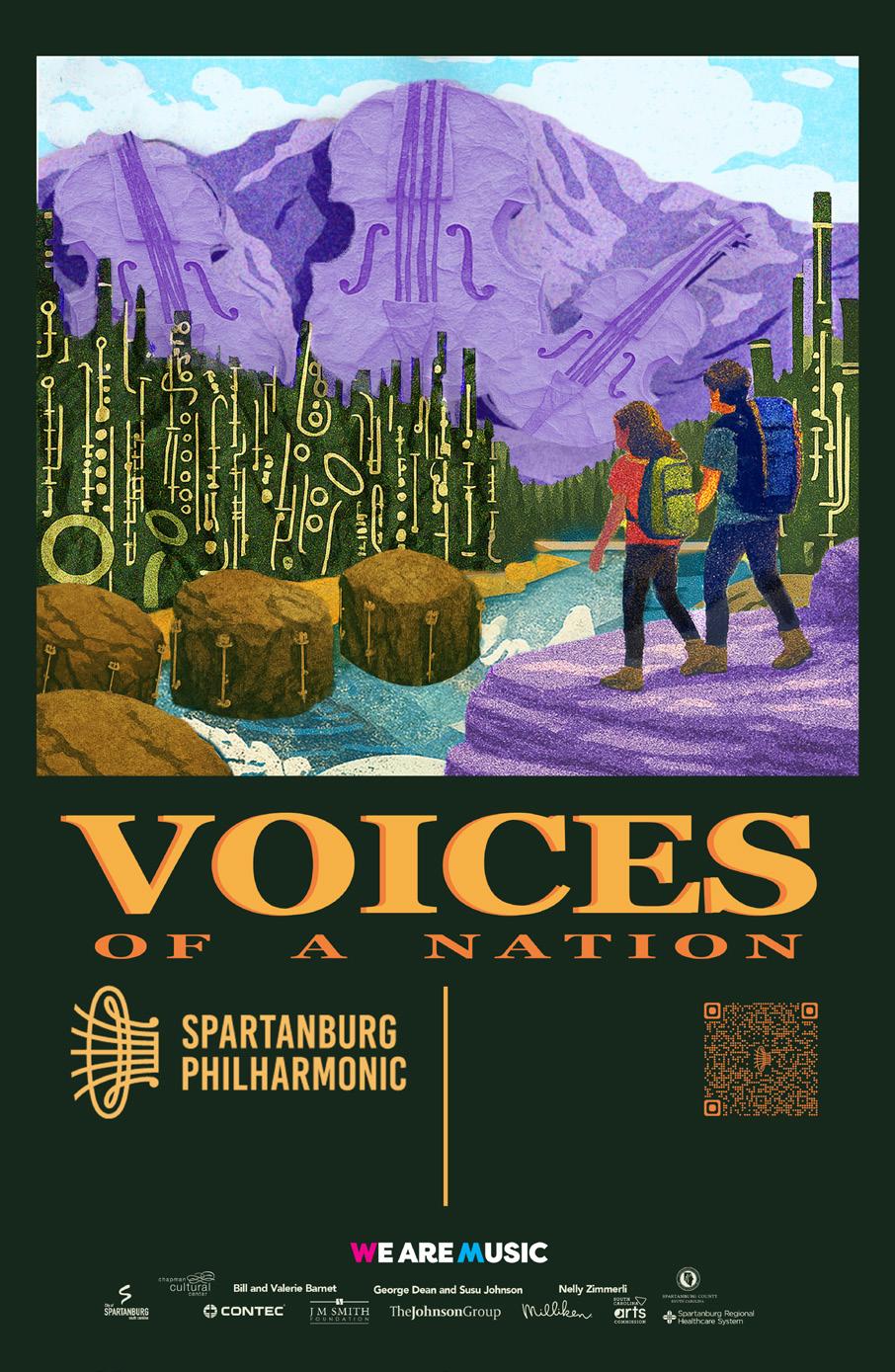
Voices of a Nation
Jan. 24, 2026
7:00 PM
Jerod Impichchaachaaha' Tate Chokfi'
Peter B. Kay
Aaron Copland Rodeo: Four Dance Episodes
I. Buckaroo Holiday
II. Corral Nocturne
III. Saturday Night Waltz
IV. Hoe-Down
CHOKFI’ JEROD TATE
(1968-)
PREMIERED 2018
INSTRUMENTATION
strings and percussion
APPROXIMATE DURATION
7 minutes
Jerod Impichchaachaaha’ Tate, is a classical composer, citizen of the Chickasaw Nation in Oklahoma and is dedicated to the development of American Indian classical composition. His Washington Post review states that “Tate is rare as an American Indian composer of classical music. Rarer still is his ability to effectively infuse classical music with American Indian nationalism.”
Mr. Tate’s middle name, Impichchaachaaha’, means “his high corncrib” and is his inherited traditional Chickasaw house name. A corncrib is a small hut used for the storage of corn and other vegetables. In traditional Chickasaw culture, the corncrib was built high off the ground on stilts to keep its contents safe from foraging animals.
The composer writes:
Chokfi’ (choke-fee) is the Chickasaw word for rabbit, who is an important trickster legend within Southeast American Indian cultures.
Inspired by a commission for youth orchestra I decided to create a character sketch that would be both fun and challenging for the kids. Different string and percussion techniques and colors represent the complicated and diabolical personality of this rabbit person.
In honor of my Muscogee Creek friends, I have incorporated a popular tribal church hymn as the melodic and musical base.
In Tune with Our Clients
It is, as I write this, one of the stormiest days of Fall 2025, a year that surely ranks among our nation’s stormier ones, politically and culturally. In times like these we need all the good news we can get, so here’s a piece of good, even great news for us all: the world is full of great music we don’t know yet. Just as the stars visible to the naked eye – lovely though they may be – are only a tiny fraction of those in the heavens, the music we already know is only a fraction of the music written. Music can slide into obscurity for any number of reasons, and often those reasons don’t reflect in the least the quality of the music itself; lots of terrific music is awaiting rediscovery.
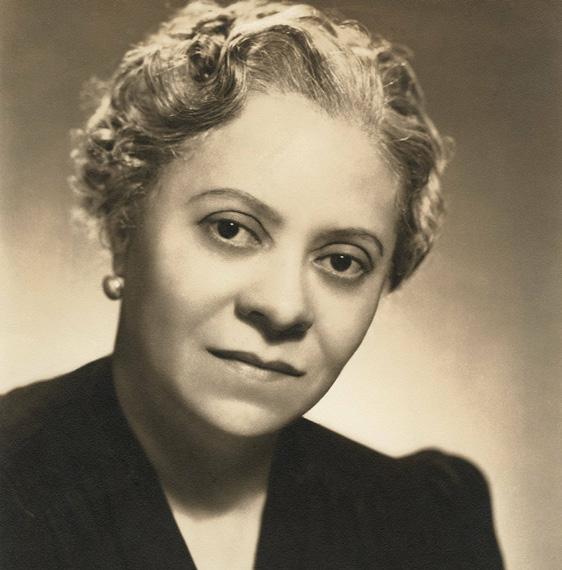
Just for example: in 2009 a couple in the small Chicago exurb of St. Anne, Illinois, bought and began renovating a long-abandoned house. In one of the house’s few intact, dry rooms, they discovered boxes and boxes of music manuscripts, many of which bore the name “Florence Price.” Curious, they took to the internet, and discovered that Florence Price had, in the 1930’s and ‘40’s, been a composer of some repute – she had even been, very briefly, famous, the first Black woman to have a work performed by a major American orchestra. The small house had once been her summer home, and it had hidden for over half a century most of the musical output of someone who might have become one of the most celebrated American composers.
Florence Price had grown up in the relatively cosmopolitan Little Rock, Arkansas, of the turn of the 20th Century, where Jim Crow laws had not prevented the growth of a well-educated Black elite. She had attended the New England Conservatory, one of the few major music schools open to Black students, and after years spent teaching in her hometown and at Clark University in Atlanta, found herself in Chicago by the end of the 1920’s. In 1932 she submitted two works to the Wannamaker Foundation’s competition; both won awards, with her First Symphony taking the top prize. The Symphony came to the attention of Friedrich Stock, the Chicago
Symphony’s German-born Music Director, and he programmed the piece to general acclaim later that year. A star, it would have appeared, was born.
But the “two handicaps -- those of my sex and race,” as she put it in a letter to the famed conductor Serge Koussevitzky, proved enough to prevent her entering the mainstream in a time when racism and sexism were overt in the music world. Stock might have championed her, but as a German he was drummed out of Chicago as World War II drew nearer. Her later works were performed by the Women’s Symphonies of Chicago and Detroit, and she was a leader in the tightly-knit community of Black classical musicians in Chicago, but when she died in 1954 only Black newspapers saw fit to print an obituary. Her reputation, like the moldering boxes of music in the St. Anne house, had been abandoned.
But thanks to the efforts of a few intrepid performers and musicologists like the pianist Karen Walwyn, she had not been entirely forgotten when those boxes of music were discovered. The moldering manuscripts found their way to scholars and from them to publishers, and a Florence Price revival has been gaining steam in recent years. Many works have received premieres and acclaim 70 and 80 years after their composition –turns out audiences love her! -- and seven decades after her death she received the ultimate stamp of approval from the cultural elite: a profile in The New Yorker
The Mississippi River Suite was composed in 1934, when she was riding the wave of her brief burst of flame, and can well be seen as an American response to Bedrich Smetena’s celebrated piece The Moldau. Just as The Moldau imagined a trip on the Danube as it flowed through the Czech Republic, Price’s work imagines a trip down the mighty Mississippi as it rolls from North to South through the heart of our country.
The Suite’s first movement envisions dawn on the quiet river in the upper Midwest, as reverent chorales are interrupted by chirping
birdsong. It flows directly into a second movement as the river flows southward, and we hear evocations of the Native tribes that once dominated the landscape of southern Illinois. “Git Along, Little Dogies” announces that we’re passing the stockyards of St. Louis, and as we proceed South, Price weaves familiar African-American spirituals like “Go Down, Moses” and “Deep River” into a
Last April, the Spartanburg Philharmonic premiered my suite The Moons, inspired by Gustav Holst’s The Planets, local young authors, and a deeper look at the mythology we associate with astronomical landmarks. I was overwhelmed with the positive response to the work. Performers connected with it, and audience members went out of their way to express their gratitude. I can’t help but feel I have experienced the kind of prolonged ovation composers secretly hope for but rarely expect. (Thank you!)
It’s deeply affirming, but also resets the bar. I find myself asking whether I can (or should) try to surpass it. Creative growth doesn’t necessarily follow a linear path, and yet the pressure to “outdo” myself with each new piece is real. The creative process can sometimes feel like a revolving chase, the prize and the pursuer masquerading as the voice of previous works.
What complicates matters further is the sheer freedom of this commission. I have been asked to write a piece about… anything I want. Every possibility feels equally valid and risky. Every choice means abandoning many others, and over-analyzing the possibilities further stalls progress.
And, of course, there is the context of the premiere to be considered. Not only will this new piece be performed on the second half of the concert (a sign of distinction all on its
powerful and touching musical statement. Its final movement layers those melodies in remarkable orchestral counterpoint, and “Nobody Knows the Trouble I’ve Seen” sings out over them all before they all fade and the river empties quietly into the sea.
Chris Vaneman
own), it will be performed alongside Aaron Copland’s Four Dance Episodes from Rodeo Copland’s music carries an unmistakable confidence and a strong sense of place in American musical history. Knowing my work will be heard in that company forces me to think carefully about voice, scale, and purpose.
My new piece, titled Revolutions, brings its own conceptual weight. The title conveys two meanings: revolution as cyclical motion and as resistance against tyranny. As this premiere concert will be a part of the celebrations of the 250th anniversary of the American Revolution, it is a fitting concept. Musically, I find myself drawn to repeating patterns that evolve over time - figures that return, altered by experience - while also searching for moments of disruption, where the cycle breaks and something new comes to the surface. Balancing those ideas can be tricky. Too much repetition risks complacency; too much upheaval risks chaos. Finding the right proportion feels like the central compositional task.
Despite all this, the challenge remains irresistible. The difficulty, the doubt, and the paralysis are all signs that something is at stake. (Whoever pursued a revolution without a little risk?)
Eventually, the only solution is to stop weighing every implication and begin
Mississippi
writing. Notes accumulate, choices commit themselves to paper, and the endless possibilities narrow into something tangible. The doubts don’t disappear, but they soften. The piece won’t reveal itself all at once. It never does. But measure by measure,
One of the most significant writings in the world of 20th Century American music wasn’t written in the 20th Century, wasn’t the product of an American, and it wasn’t even a piece of music. It was an article that appeared in Harper’s magazine in 1895 by the Czech composer Antonín Dvořák, who was concluding a three-year spell living in New York and directing the National Conservatory of Music (an institution that proved unable to compete with the better-funded school funded by one Augustus Juilliard that opened several years later, and closed by 1920).
Called “Music in America,” Dvorak’s article made the case that, although Americans had “worked wonders in most fields of endeavor,” in music they were still sadly backward, content to provide poor imitations of European music. The way to greatness, Dvorak suggested, lay in the development of a national style based as much on America’s muscular folk and popular music traditions as on the European classics.
It took a few decades, but American musicians did, by the 1930’s, heed Dvorak’s advice. Florence Price’s 1934 Mississippi Suite is a perfect example, but no composer did more to wed the two traditions than Aaron Copland.
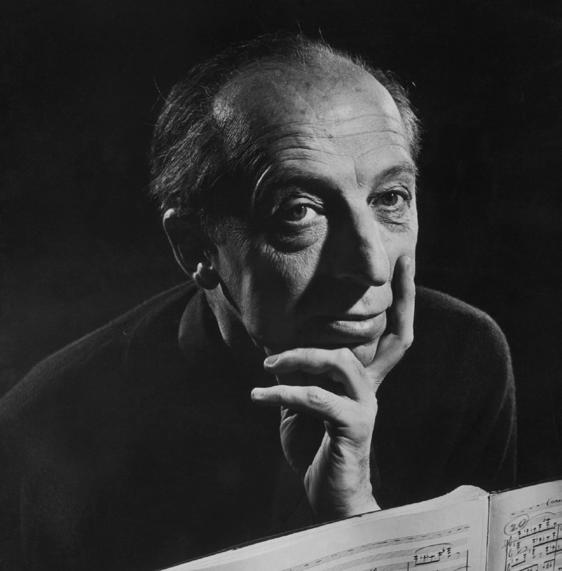
At first glance Copland would have seemed an unlikely candidate for such a role. Born in Brooklyn to a not-especially-musical family of Russian Jewish immigrants, Copland spent his childhood afternoons working in his parents’ dry goods store, and only began to immerse himself in music in his teens. “My discovery of music,” he wrote later, “was rather like coming on an unsuspected city – like discovering Paris
expectation gives way to curiosity. In the end, Revolutions is about something new –imperfect, personal, and hopefully relatable to the audience.
Peter B. Kay
or Rome if you had never before heard of their existence. The excitement of discovery was enhanced by the fact that I came upon only a few streets at a time, but before long I began to suspect the full extent of the city.”
Unimpressed by the stodgy conservatism of the post-WW I New York classical music world, Copland saved his pennies and decamped for Paris in 1920, where he spent four years studying with the great Nadia Boulanger. In addition to rigorous discipline and technique – and the art of “keeping the instruments out of each other’s way” –Copland picked up a profound sense of what it meant to be American, and a strong desire to write music that, in embracing the sounds of popular and folk music, reflected the experiences of ordinary Americans.
Rodeo, like its artistic siblings Appalachian Spring and Billy the Kid, took the pioneers and cowboys of the American frontier and turned them into ballet. Written in 1942 and choreographed by Agnes De Mille, the ballet was a smash hit, and Copland wasted little time extracting most of its best music for a standalone orchestral piece. The Four Dance Episodes – “Buckaroo Holiday,” “Corral Nocturne,” “Saturday Night Waltz,” and “Hoedown” – have seemed ever since to perfectly capture the spirit of the old west even as they establish to new generations what the sound of the old west must have been. Or in other words, they do exactly what Dvorak suggested: they use American folk melodies and memories to make great, lasting art.
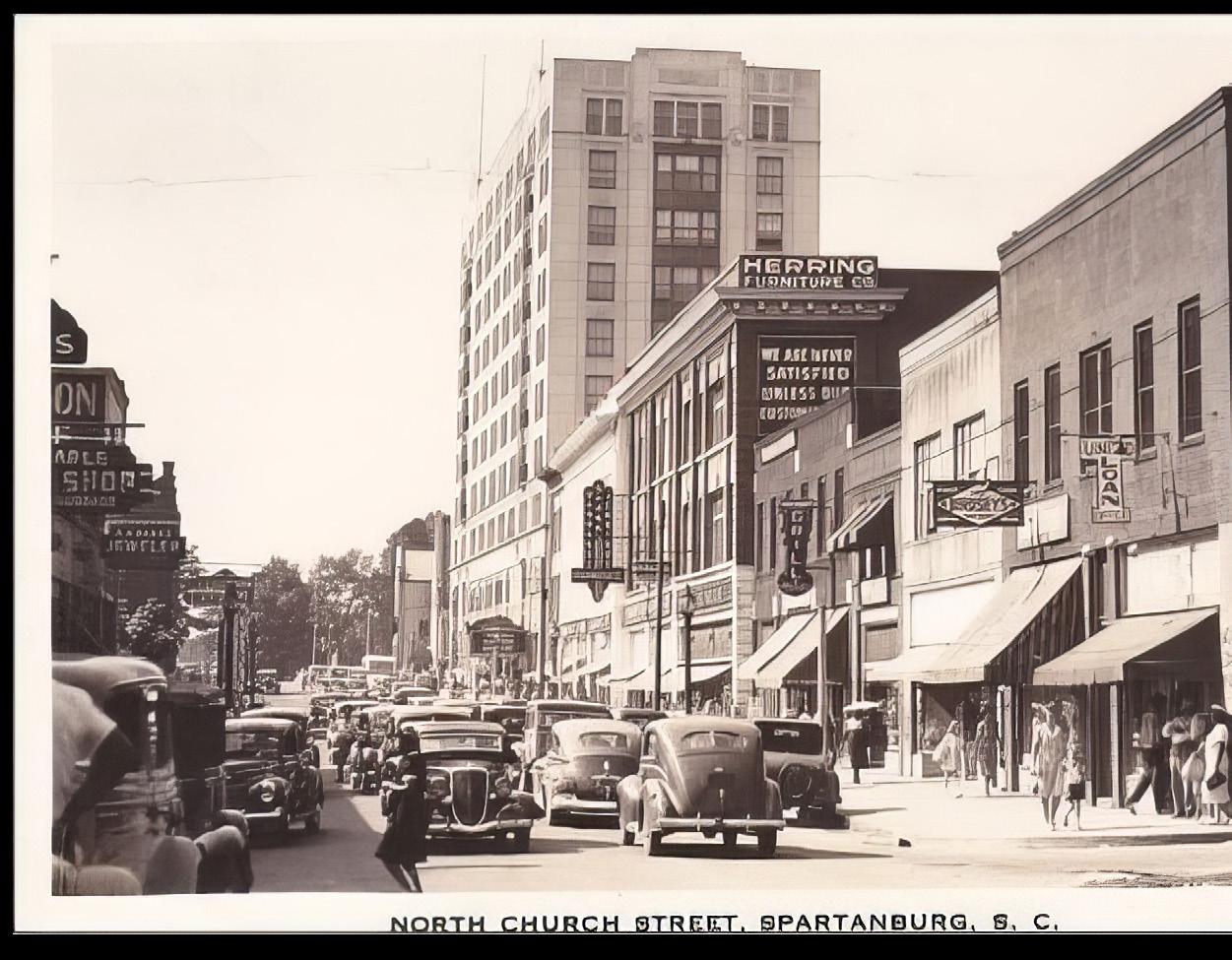
A bright spot in the uncertainty following the Wall Street Crash of 1929 was the debut broadcast of WSPA, South Carolina’s first commercial radio station, from the Montgomery Building in Spartanburg, SC, on February 13, 1930. Including a speech from Governor John G. Richards, and live musical performances from their studio, WSPA committed itself to featuring local and regional content. In 1931, they broadcast a live play-by-play of the football game between Spartanburg High School and Georgia Military Academy, becoming the first radio station in the state to provide live updates during a sporting event.
While Spartanburg residents sought hope and entertainment through the airwaves, American composer Samuel Barber waited out the early years of the Depression in Europe, finding inspiration in Paris and studying composition in Northern Italy. He then continued his studies in Vienna, making his conducting debut in the City of Music on January 4, 1934, the same year Florence Price was writing her Mississippi River Suite in Chicago, Illinois.
While economic recovery was front-page news at this time, throughout the country, especially in the southern states,
Jenny Bonner Contributing Author
many Americans were battling issues of discrimination based on race. Arkansas-born Florence Price was a classically trained pianist, organist, and composer. Following increasing racial tensions in Little Rock, Price, an African-American of mixed race, settled her family in Chicago, where she joined a creative movement known as the Chicago Black Renaissance (CBR), which spanned the 1930s and 40s. CBR included heavy hitters like poet Gwendolyn Brooks, musician Louis Armstrong, and artist Elizabeth Catlett. These creatives used their work to discuss and promote racial pride, workers’ rights, and community awareness. In her Mississippi River Suite, Price paints an auditory picture as she brings listeners on a journey from North to South on a riverboat, developing physical and emotional landscape as the piece progresses, and using traditional spiritual music to give voice to her African ancestry.
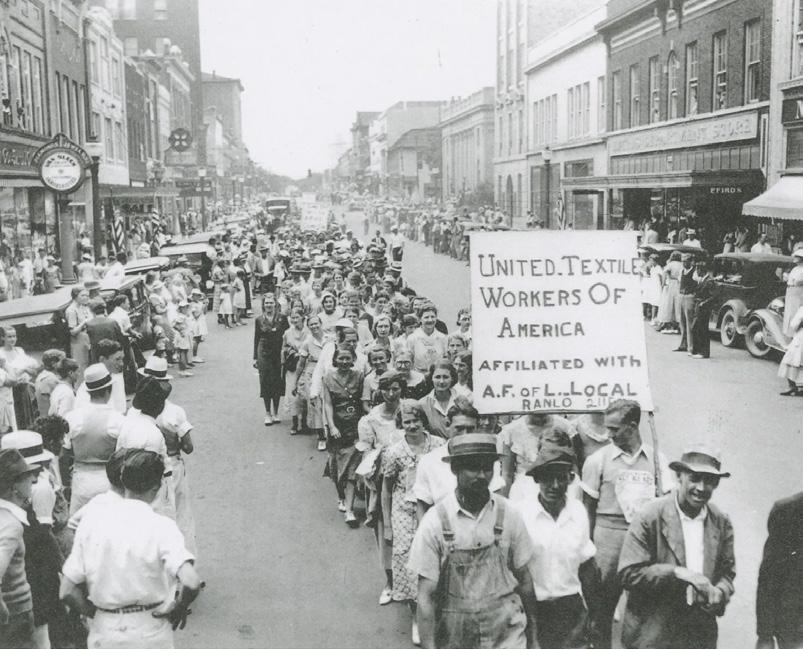
At the same time Barber lifted his baton across the pond, and Price made her final tweaks to her deeply reflective composition, Spartanburg’s textile mills were at a standstill, caught up in the biggest strike in the industry’s history. This strike, known as the Uprising of 1934, involved over 400,000 workers nationwide and was a result of deteriorating working conditions, including longer hours, fewer breaks, and unfair
compensation. Unions were unsuccessful in reaching any kind of compromise for workers at southern mills, and the strike was essentially a failure, with mills back up and running in only 22 days, and many workers finding themselves blacklisted after standing up for better working conditions.
No stranger to civil unrest, Russian-born Sergei Rachmaninoff immigrated to the United States with his family following the Bolshevik Revolution. While he never returned to Russia, Rachmaninoff sought creative growth in Europe during the Depression years, spending much time in France and Switzerland when he was not touring. Upon his return to the States in 1939, he performed with the Philadelphia Orchestra in New York City. By 1940, he had completed his final composition, the Symphonic Dances, which Philadelphia premiered in January 1941.
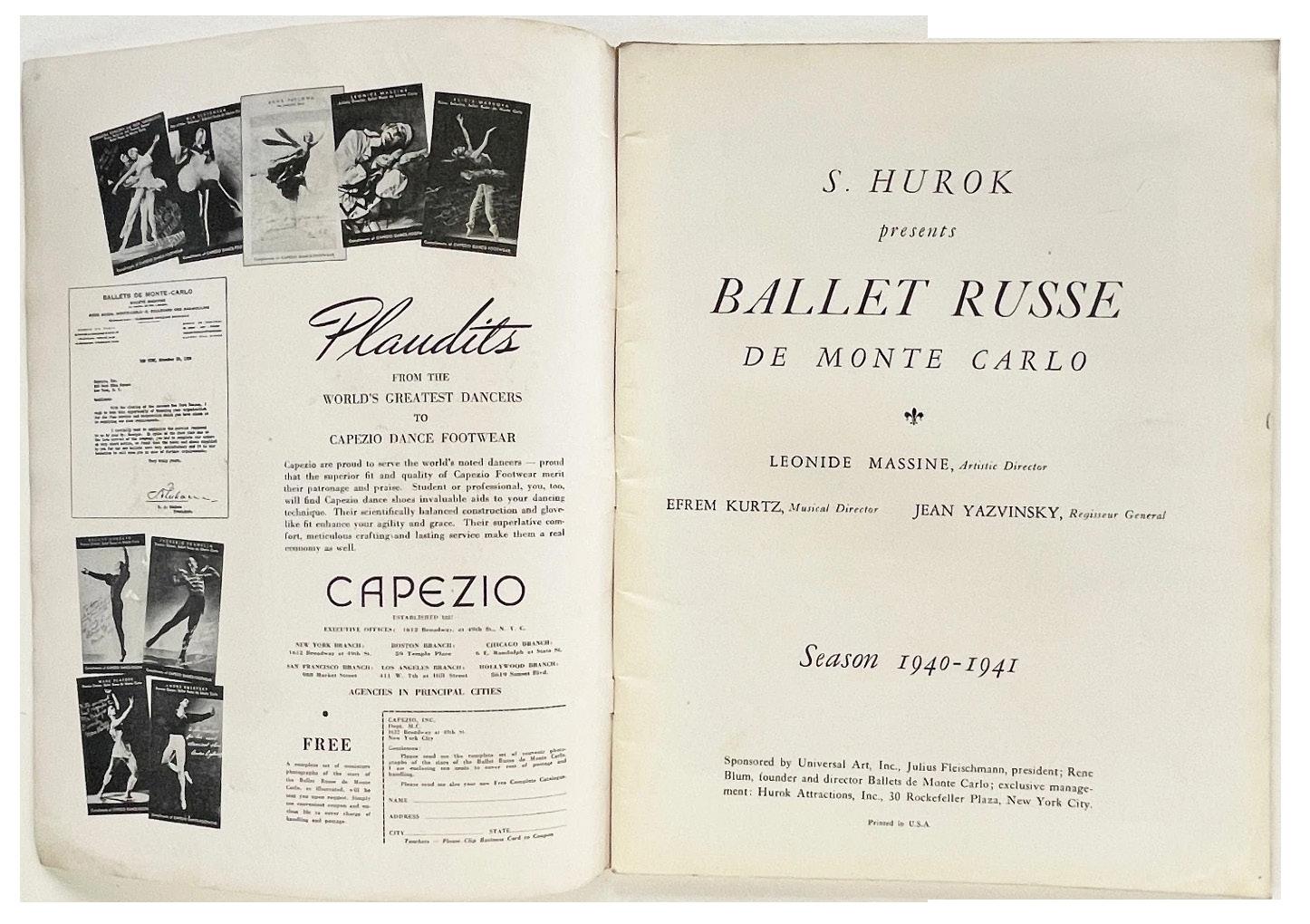
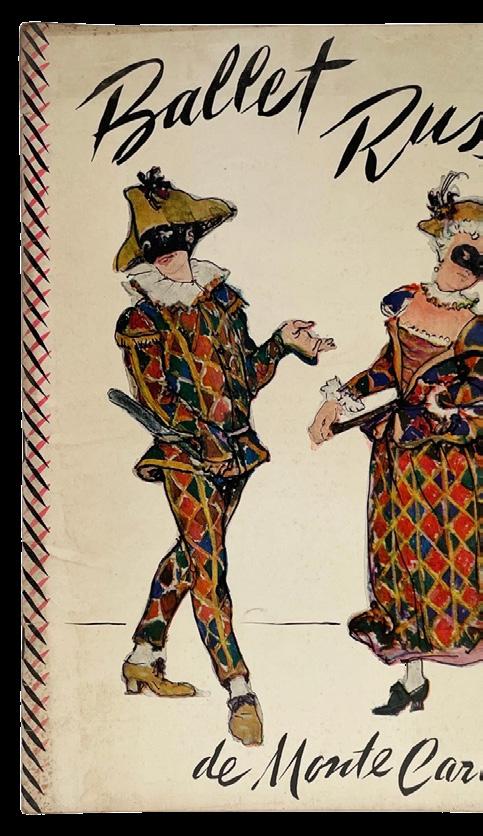
Aaron Copland was not exempt from the urge to escape during America’s time of economic hardship, spending time traveling to Mexico, Europe, and Africa, when not lecturing and composing in New York City. Thanks in part to the generosity of influential patrons and money earned from awards, teaching engagements, and small commissions, he was able to remain afloat despite continued economic uncertainty. When Ballet Russe de Monte Carlo, a dance company that had relocated to the US after the start of World War II, contacted American choreographer Agnes De Mille to create a new American ballet, she knew Aaron Copland was the composer for the job. Rodeo premiered in 1942 to an astounding 22 curtain calls and resulted in De Mille being recruited to choreograph Oklahoma! for Rodgers and Hammerstein, who had both been in attendance at the premiere.
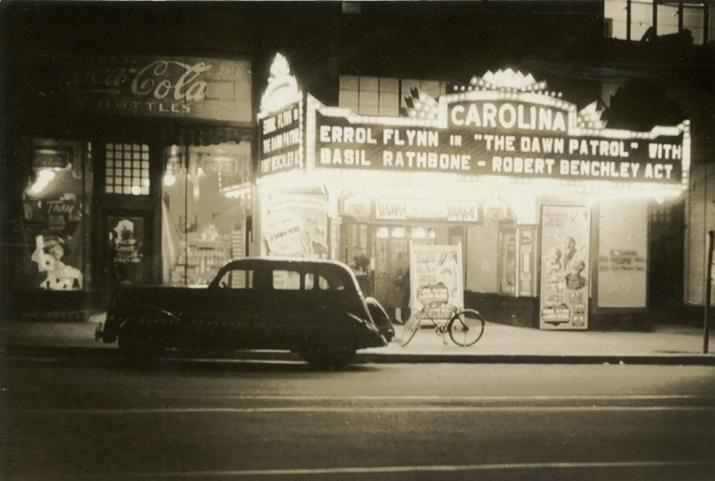
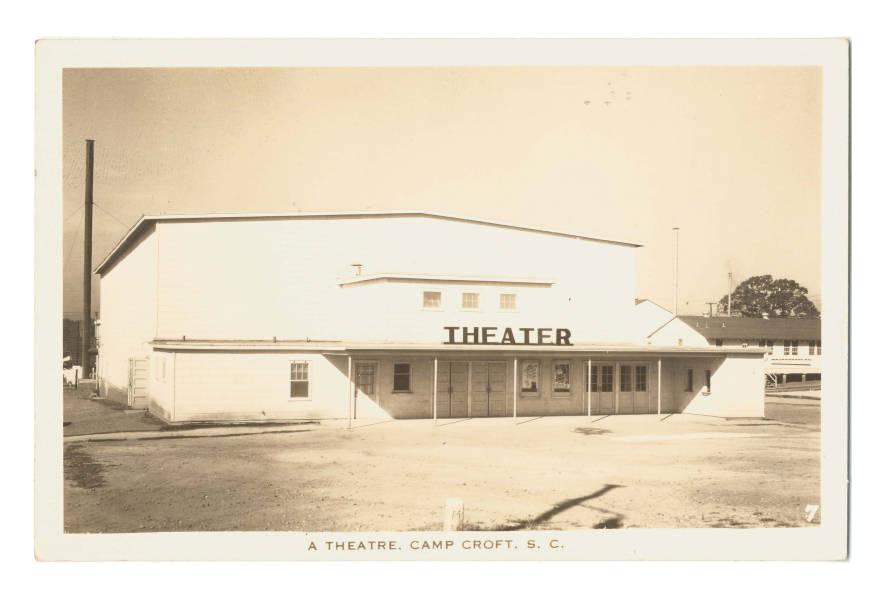
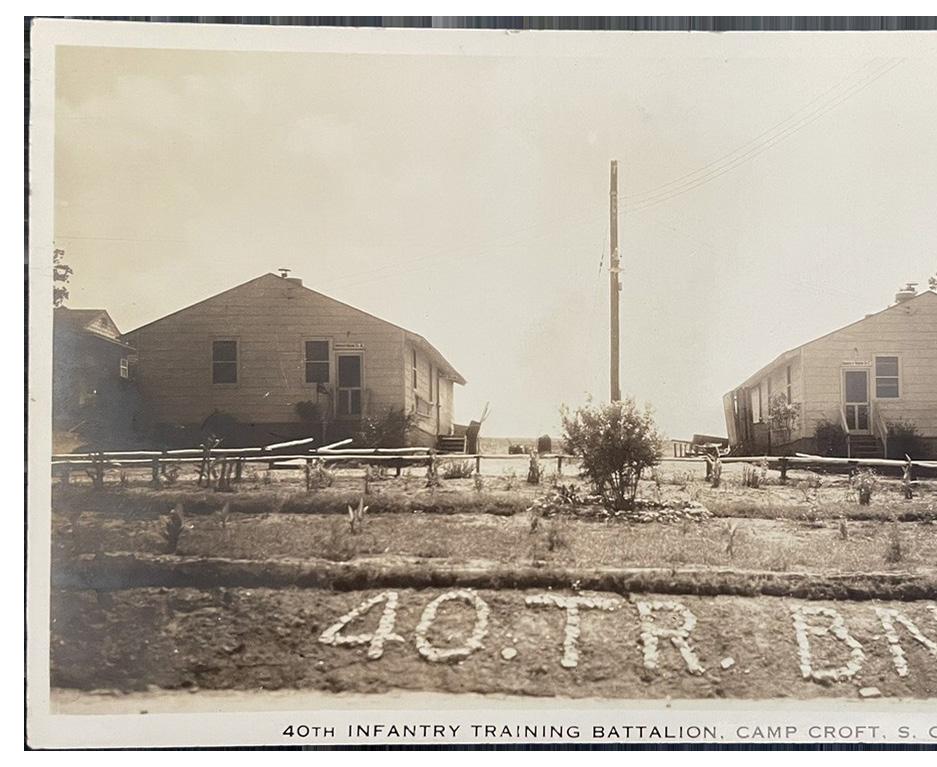
Meanwhile, in South Carolina, the Spartanburg Civic Music Association hosted the Ballet Russe de Monte Carlo at the Carolina Theater in 1940 to great local acclaim. That same year, ground was broken at Camp Croft, where the US Army would go on to train more than 250,000 soldiers for active duty, before closing in 1946. The training facility at Camp Croft had a significant impact on the local economy and helped promote Spartanburg as a desirable place to live and visit.
Generations later, we look to these composers to show us something yet undiscovered, just as we tuned in to that first WSPA broadcast in 1930 with a desire to listen. These are the voices that shaped the American soundscape; a legacy that is still being written, and one deeply intertwined with the global conversation that is music. I can’t wait to hear their historic works performed in Spartanburg this season, as we celebrate our country and our collective experience as Americans.
Instruments: Caring & Crafting
When you own a home or a car, maintenance is required to keep systems running smoothly and reliably. HVAC inspections, oil changes and new tires, when something is used frequently, parts require adjustment and even replacement. For the homeowner, there are plumbing trucks wrapped in signage zipping about town with their telephone number legible from outer space. There is certainly no shortage of options when looking to maintain your home or your vehicle.
But what about maintaining a musical instrument? Musicians’ livelihoods depend on the quality of sound they are able to produce from their instrument. So what happens when inevitable wear and tear starts to show up or, oh no, a more serious case for repair presents? Where do you go to find the very best craftsman in the area to repair a broken soundpost? What about having a bow rehaired? Have a reed that has worn out on a woodwind? For musicians, keeping their instruments in tip-top shape is a high priority. Read along to learn more about what instrument maintenance looks like and the interesting regional network of professionally trained craftsmen and women who keep the music playing!
This quest for instrument maintenance information began as I unpacked my cello for the first time in five years. And, if you know me, you’re probably aware that I have a five
Katherine Poss Development Manager
year old son. There is a strong correlation there between my instrument being shelved and my precious little one! A few months ago, I unpacked my instrument and sat down to play and, to my surprise, I was unable to produce a sound. Instantly, I realized my bow needed to be rehaired. Not being a professional musician and not having lived in the area for a number of years, I called my fellow cello friend and Spartanburg Philharmonic orchestra member, Ben Smith. Ben told me about a wonderful craftswoman out of Candler, North Carolina who did beautiful bow rehairing work. So, I connected with the “Bow Doctor,” Betty Tang.
Betty Tang grew up in Hong Kong. Born into a musical family, her father was a violinist and luthier who owned a music store. As a child, Betty remembers being fascinated when her father would repair or hair bows for his clients. Years later, Betty moved to the United States and became a self-employed string teacher who later taught strings in a private school. She recalls in those early teaching days she oftentimes had students with bow issues, “Sometimes the bow was falling apart, missing a screw or a wedge, or could not be tightened.” Because of this and her familiarity with bow work because of her father, Betty enrolled in the Violin Craftsmanship Institute at the University of New Hampshire. It was here, she would learn to repair bows. Betty recalls, “I loved the technical aspect of it all, the hands-on classes
Q&A WITH KAREN HILL , PRINCIPAL CLARINET
Q. Karen, how do reeds wear over time?
A. Reeds lose their resiliency as they are played, and on average are good for about 20 hours of playing. Professional players usually rotate a dozen or more reeds at any given time. I’ve never actually counted, but I estimate I go through 70 reeds a year or so.
Q. What needs to happen when a reed is replaced - how do you make it or fit it to your instrument or go about selecting the material, what is the material you prefer, what are options for material, etc.
brought me knowledge and joy.” Betty currently lives in Candler, NC and has been repairing bows for over twenty years, “The most common problems i see are worn out thumb grips, broken bow tips and excessive hair loss. It is important to have these problems addressed early because they can lead to decreased performance, bow warping or cracking and even hand injuries.” Over the years, Betty has developed her own techniques and methods for achieving the best results, “As a cellist myself, I often look for ways of using different combinations of bow hairs to achieve better tone quality, grip and responsiveness on spiccato and sautillé. I often ask my customers about their style of playing or their upcoming performance repertoire, and then I will mix the hairs accordingly.” Recently, Betty rehaired a bow with a different combination of hairs for a violin player. She mixed brown with white hair and the results were a bigger sound with less aggressive bowing and increased hair life. Another recent customer celebrated “now I can really make my instrument sing.”
Betty recommends string players have their bows rehaired every six months to one year. Betty says, “Living in an area with so many string players, both amateurs and professionals, I’ve been able to be offer my services to players of a variety of musical genres!”
Continued on page 52
A. Although some people make their own reeds, most people buy commercially produced cane reeds. Reeds come in different strengths (thicknesses), and different cuts to suit the needs and preferences of the player.
Q. How about your clarinet - how do you go about making sure it is ready for the season? Do you ever have keys that stick, need to be oiled?
A. Clarinet maintenance, care and repair is an ongoing process. When I buy a new instrument, I have it customized right away by a clarinet specialist. The pads are replaced with higher grade pads, and the keywork is regulated to even out and customize the spring tension. After that, it will require regulating from time to time, but it’s rare to require a major repair.
Q. What is the most memorable instrument malfunction you’ve had in your professional experience?
A. I was in a rehearsal with the Asheville Symphony once and came back to my chair after our break. I picked up my clarinet to tune, and absolutely nothing came out. I had a few fleeting seconds of panic and puzzlement until I noticed my husband looked a bit red in the face from suppressed laughter. (Chip Hill and I are the clarinet section of the Asheville Symphony, as well as in Spartanburg.) Immediately suspicious, I quickly pulled my barrel off and found the penny he’d placed inside, obstructing the bore completely. We still laugh about that, but fortunately, he never did it again!
From Left: Brian Gencarelli (bass); Betty Tang with Kathy Foster (cello); Matt McDaniel (percussion); 3 different triangles used in "La Mer".
Top Right: Karen Hill (clarinet)
Did you know the Spartanburg Philharmonic had a bonified instrument-maker and luthier in its ranks? Long time member of the Double Bass Section, Brian Gencarelli owns an instrument shop called Gencarelli Bass Works located in Fountain Inn, South Carolina. “As a luthier and instrument maker specializing in string instruments, I take great consideration into managing seasonal changes and the effects of humidity on wood movement. Certain conditions can make Violin-family instruments sound different, respond differently, and affect playability,” says Brian.
Brian went on to describe his work: In my workshop, I strive to maintain 45% humidity for ideal working conditions. Winter is my preferred time to tackle major top repairs for violins, violas, cellos, and basses. It’s also the best time for new instrument construction because the humidity is lower. Instrument parts are at their smallest in the winter due to moisture shrinkage in the wood.
Violin-family instrument woods are carefully selected and dried slowly. The moisture level in the wood should reach around 6-8% before it can be considered usable in instrument making. Most wood is quarter sawn to provide the greatest strength and resistance, especially for instrument tops. Spruce is the traditional wood used for violin-family instrument tops due to its remarkable strength to weight ratio.
Traditionally, instrument backs and sides are constructed from Maple, however, other woods like Sycamore, Cherry, Walnut, and Mahogany have become popular among makers. The fingerboards, tailpieces, and pegs are traditionally made from Ebony.
Violin-family instrument tops are constructed with two pieces of wood joined in the middle. Instrument backs are usually two pieces of wood as well. The “ribs” of the instruments are six pieces mated on the end at corner blocks inside the instrument body. Instrument necks and scrolls are carved from one piece of maple and fit into a mortise in the neck block. Decorative inlaid purfling and varnish both make the instrument more attractive and protect the wood from exposure to the environment and impact.
The first two years of a newly made instrument are the hardest of its life! During this time, the wood movement is the most exaggerated as the instrument “settles” into its forever shape. With age, the instrument will relax and wood movement will become minimal from season to season.
Finding the right combination of instrument repair craftsmen is paramount to playing as an amateur and, certainly, as a professional. As long as there’s music to be played, there will be a need for these skilled tradesmen!
Stages of Brian Gencarelli's latest double bass creation.
Q&A WITH ADENA MCDANIEL , CO-PRINCIPAL PERCUSSION
Q. How do you, Adena, maintain percussion instruments? Drums, xylophones, triangles, etc.
A. Percussion instruments as a whole do not require heavy maintenance. Keeping instruments clean, dry and in low humidity will keep most in working order. The heads on the membranophones, such as snare drum, do have to be replaced usually once a year or less frequently depending on how hard you hit it. A friend of ours who plays drum set every weekend changes his drum heads every 2-3 months, but orchestrally, that is not usually necessary. Mallet instruments require restringing of the bars when the cord begins to show signs of wear. For metal instruments such as triangles and cymbals, if you store and transport them correctly, maintenance is minimal.
Q. Let’s talk about a wood block. Does striking it over time add character to the sound or does it damage it? Can you repair a wood block and mallet or do they need to be replaced over time?
A. Woodblocks do not necessarily age gracefully as wood does sometimes dry out and could cause a crack. Using a rubber mallet on a woodblock instead of a stick or hard mallet will prevent damage. Cymbals are the best example of instruments that change character over time. The patina that builds up on the metal will often mellow the sound.
We often repair mallets by re-gluing the head or rewrapping the yarn top. Sticks regularly break and they just become part of your brag box, nothing that can be fixed there.
Repairing a woodblock sound easy enough with wood glue and clamps, but once the wood cracks, we have not had success repairing the break. Even if the wood is reattached, the resonance of the instrument is often dramatically reduced.
Q. How about a triangle? How do you get different sounds from a triangle? Are they muted, painted, etc and what does that maintenance look like?
A. Different sounds from a triangle can be created by using a variety of triangle beaters (we own 5 different sets) or playing the triangle in different spots. It is not uncommon for an orchestral percussionist to own multiple triangles to facilitate the variety of sounds required across the repertoire. Triangles are made of different blends of metal alloys and each blend creates a unique mix of overtones. They often come is a variety of triangular shapes of equilateral and isosceles or with sides bent in a curve and each variation changes the sound. Triangles range in size from 3” to 12”+ and the size often correlates to pitch. A muted sound on a triangle would usually come from using your fingers to damped some of the overtones not from an external source like paint.
Maintenance for triangles is limited to the triangle clip which involves replacing the string from which the triangle hangs. Over the years, we have decided that 50lb. test fishing line is a strong option that doesn’t dampen the overtones of the triangle. We always tie a second loop to act as a back-up just in case the first one lets go at an inopportune time.
Q. What is the most notably odd experience you’ve had with a percussion instrument malfunctioning due to lack of maintenance?
A. For Matt McDaniel, my husband and Co-Principal, the most notable instrument failure was when a bass drum head broke during a performance of the Star-Spangled Banner at the start of a concert. The conductor had to add lib a bit with the audience while we removed the drum and replaced it before the concert could continue. Thankfully, the venue had two bass drums, which is very unusual.
For me, it was the very first Divertimentos & Dressage with the Spartanburg Philharmonic. The air was a little cooler and much damper near the mountains and when I got out the tambourine, the head was so loose it seemed to be a member of the bass section. To raise the pitch of the head, the tambourine needs a little rest on a heating pad. While it didn’t have it that night, I now always pack the heating pad if a tambourine is required, just in case.
Q. Anything else you’d like to add...
A. Maintenance does not play as much of an everyday role for percussionists because we have so many different instruments to play. As we rotate through instruments as the concert requires, daily wear and tear is not as common as with other instrumentalists who may only have a few instruments. The flip side of that is, we must own, and be able to play, all of those instruments.
Winter Concert
Feb. 8, 2026
3:00 PM
Conductors
Susan Wines & Joshua Miller
Program Online:
Susan H. Day
Doug Spata
Kathryn Griesinger Centrifuge
Brian Balmages Hey Fiddle Fiddle
Soon Hee Newbold
min Alan Lee Silva
Soon Hee Newbold The Iliad
Vincenzo Bellini, ed. Harry Peters
Oboe Concerto in E-flat Major
min I. Risoluto allegro featuring Kylie Fowler, oboe
Camille Saint-Saëns
Danse Bacchanale
John Powell, arr. Sean O'Loughlin How to Train Your Dragon
Susan Wines
MUSIC DIRECTOR OF SPARTANBURG PHILHARMONIC YOUTH ORCHESTRA AND SYMPHONY CONDUCTOR
As a native of Spartanburg, Susan Wines’ enthusiasm for music and teaching began as a double bass player at Boiling Springs Middle School. Her eagerness and excitement for music continued to develop through teacher encouragement as well as participation in several honor orchestra opportunities throughout the state.
With nearly two decades of youth orchestra experience, it is with excitement that she joins the Spartanburg Philharmonic Youth Orchestra community as the Symphony Conductor at her alma mater - Converse University. Susan Wines holds a Bachelor of Music in Instrumental Music Education from Converse University, two Master of Education degrees from the American College of Education, and is pursuing a Doctorate of Music Education from Liberty University.
In addition to being the Director of Orchestras at Byrnes Freshman Academy and the Music Director and Symphony Conductor for Spartanburg Philharmonic Youth Orchestra, she is the master teacher for the North Greenville University String Project. She was instrumental in creating many student-centered music activities such as Greenville County’s All-County Honor Orchestras, SC ASTA Double Bass Workshop, as well as the annual SC ASTA Orchestra. Ms. Wines serves as the Executive Director of the SCMEA Orchestra Division and past president of the South Carolina Chapter of SC ASTA.
She has been recognized as a WYFF Golden Apple Teacher Award Recipient, Teacher of the Year, Music Club of Greenville’s Golden Note Award Recipient, South Carolina High School League’s “Heart of the Arts Award,” and most recently, the recipient of the Yamaha “40 under 40” national music educator recognition.
Joshua Miller PRELUDE CONDUCTOR
Although he didn’t originally set out to become a teacher, he received his Bachelor of Music degree in Music Education from Furman University. While in college, his plan was to become a dentist until he finally listened to the encouragement of those around him to consider teaching. The choice to become an orchestra teacher turned out to be one of the greatest decisions of his life. After graduation, Dr. Miller began his career in Anderson School District One teaching orchestra for grades 5-12.
In 2016, he moved back to his hometown and joined the faculty at Spartanburg School District Two. As a music educator, he holds two main philosophies: kids who trust you can learn anything, and fundamentals are key to musical success. He currently serves as an Assistant Principal at Roebuck Elementary School in Spartanburg County School District 6.
In 2021, he was selected by his peers and administration to serve as Teacher of the Year. And this past year, he received the honor of being the WYFF News 4 Teacher of the Year. During his years as an orchestra teacher, his performance groups have earned numerous awards. Dr. Miller and his wife (Raven) currently reside in Inman, SC, with their son (Asher) and daughter (Ayla). He enjoys watching as much Netflix as possible and spending time with his family.
The Concerto Competition is held annually in the fall and is open only to members of the Symphony Ensemble in the Youth Orchestra. The Concerto Competition is used to select soloists to perform with the Youth Orchestra at the scheduled winter and/or spring concerts.
Kylie Fowler is a current junior at Chesnee High School. She began her musical career on the clarinet, but she has now transitioned to oboe and occasionally mellophone. She has made the Region Band three seperate times: two times for oboe and once on clarinet. She was also named to the All-State band this past year and currently studies oboe with Dr. Kelly Vaneman. She participates in many ensembles including her high school's 2025 silver medalist marching band and honor bands held at universities such as Furman University and the University of South Carolina. Alongside her musical prestige, Kylie is also a very active student within Chesnee High. Aside from her high academic ranking, she was also named Beta Club secretary and Student Body treasurer this past year. She loves learning new things, drinking coffee, and spending time with her family, friends, and pets. She would like to thank you for your support of the arts, and she hopes to see you again at future SPYO concerts.
Addyson Posey is a senior at Boiling Springs High School and has been playing the flute for six years. This is her third year participating in SPYO and her fifth year studying through the Lawson Academy under the instruction of Julie Keeling. Addyson has participated in SCBDA All State Honor Band Clinics, Region Honor Band Clinics, and Furman Music Clinics. She is also very active in her school’s music program, performing with the BSHS Wind Ensemble, BSHS Symphonic Band, BSHS Marching Band, and the BSHS Jazz Band. Addyson consistently receives "Superior" ratings at Solo and Ensemble Festivals and other adjudicated events. In addition to her musical achievements, Addyson is also currently in the top 2% of her graduating class, a Beta Club and National Honors Society member, and a Gifted Art student.
Nancy Mae Flippin is a 16 year old homeschooled sophomore who grew up in South Carolina. She began playing Clarinet in the fifth grade and has attended Region and Allstate band.
She has been the recipient of the Lawson Scholarship. She started playing in the Spartanburg Philharmonic Youth Orchestra last year. She plays in the Converse Clarinet Choir and studies under Dr. Karen Hill.
When not playing clarinet, Nancy runs for the Spartanburg High school cross country and mountain bike teams.
Proudly sponsored by:
Donor Spotlight: Susan Baker
Katherine Poss Development Manager
While sorting through a box of old keepsakes, Susan Baker stumbled upon her childhood diary. Flipping through its pages, she came across a simple motto she had written as a young girl: “Music Forever.”
It’s ironic how our younger selves sometimes see life with such clarity. For Susan, that little phrase turned out to be a guiding theme throughout her life.
A MUSICAL BEGINNING
Susan grew up in Teaneck, New Jersey, where her parents were active supporters of the local symphony. Music was part of the family fabric — from attending concerts together to watching famous soloists take the stage. Her aunt was a talented singer, and her father, though never formally trained, had a wonderful ear and loved to strum his ukulele when they sang together.
At just five and a half, Susan started attending a Jewish summer camp where her mother and aunts worked. She spent seven summers there, calling them some of her “fondest memories.” The camp was full of creativity — theater, Israeli dancing, Hebrew songs — and it was there that Susan truly discovered her love of music.
FINDING HER INSTRUMENT
By the time she was seven, Susan’s school offered a music program, and she was given a choice of instruments. She picked the flute — and never looked back. It was the 1940s, and her first flute was made of wood. She quickly flourished, performing in her school bands and orchestra, and eventually, in the town symphony.
“Band was my social life,” Susan said with a smile. Her high school band director was a talented jazz musician who had played with Tommy Dorsey. When both he and Susan’s parents retired to Florida, Susan had the chance to attend some of his band’s rehearsals — an unforgettable experience that deepened her appreciation for jazz and performance.
A NEW CHAPTER IN SPARTANBURG
In 1967, Susan and her husband moved to Spartanburg when he accepted a teaching position at Converse. While he completed his PhD at Duke, the couple built their lives in South Carolina, raising two daughters and becoming part of the community. She remembers her pleasant surprise at discovering Spartanburg’s vibrant music scene. “I realized it was actually a musical mecca,” she said. “I loved it here!”
Susan completed her training as a school psychologist and began working in Spartanburg District Three schools. But after a decade focused on family, Susan began to feel something was missing — that spark from her “Music Forever” days. When she heard that a rare opening in the Spartanburg Symphony flute section had become available, she jumped at the chance. She got the spot!
That same year, Alia Lawson called to ask if she’d like to teach flute in the Pre-College department at Converse. Susan happily accepted, teaching mostly junior and high school students. Her connection to music was reignited — and thriving.
DECADES WITH THE SPARTANBURG PHILHARMONIC
While researching Susan’s story, I reached out to Peter B. Kay — our unofficial Spartanburg Philharmonic historian — to see when “Susan Baker, Flute” first appeared on an orchestra program. It turns out, she joined in 1971 under conductor Henry Janiec, and went on to play with the Philharmonic for the next 34 years under three conductors: Henry Janiec, Bill Scott, and Sarah Ioannides.
When reflecting on her time in the orchestra, Susan’s memories of Janiec stand out. “He was passionate about
music, easy to follow, and had a great sense of humor. Oh, he could get frustrated too,” she laughed. “But by the dress rehearsal, everything always came together beautifully.”
She also remembered Janiec’s post-renovation “acoustic experiment” in Twichell Auditorium. “He went up to the balcony and whispered — and we could hear every word on stage! The acoustics in Twichell are excellent. There’s truly no bad seat in the house.”
A LIFELONG SUPPORTER OF MUSIC
Eventually, Susan made the difficult decision to step away from performing. But she didn’t step away from music. She remains a devoted supporter of the Philharmonic, subscribing to both the Zimmerli and Espresso series and sitting in her favorite seats — K102 and K104 — with a perfect view of the flute section.
She also generously sponsors the principal flute chair, currently held by her friend and colleague, Rhea Jacobus.
“Music has been the center of my life for so long,” Susan said. “Supporting the arts is my way of staying connected. The arts depend on people showing up — and giving back.”
Today, you can find Susan playing the flute and singing in the choir at St. Paul the Apostle Catholic Church. She also participates in the Spartanburg Philharmonic Music Club, she sings in the Spartanburg Master Chorale at Converse University, and in the summer, she plays with the Spartanburg Community Band.
LOOKING AHEAD
Susan is enthusiastic about the Philharmonic’s direction under Music Director John Young Shik Concklin. “I love that John started out as a musician with the orchestra,” she said. “Watching him conduct is an artistic experience. He’s everything we need in a Music Director — his repertoire choices are exciting, he connects beautifully with people, and I really enjoy the way he talks about each piece.”
As the Spartanburg Philharmonic approaches its 100th anniversary, Susan’s hope is simple but heartfelt: “I want the orchestra to stay alive, vibrant, and growing. I hope this wonderful musical community continues to inspire people for generations.”
BROADWAY IS BACK!
CHAMBER MUSIC SERIES
Experience world-renowned musicians and support the arts! These Monday evening concerts are followed by intimate receptions with champagne, hors d’oeuvres, and post-concert conversations where you can meet the performers.
Dai Wei (b. 1989) is originally from China. Her music navigates the spaces between East and West, classical and pop, electronic and acoustic, innovation and tradition. Her artistry is nourished by Asian and ethnic Chinese culture in many different ways. An experimental vocalist, she performs as a khoomei throat singer and is active as a Mandopop songwriter and singer.
The Dancing Moonlight is a brief, energetic work composed for the Chinese New Year in 2017 which brings together the sounds and rhythms of jazz, rock and classical music. According to Wei, “it was largely about my infatuation with a type of traditional dance music that originated from an ethnic group called Yi in Yunnan, China. I wanted this piece to carry a celebratory and energetic vibe while one is being nostalgic at the same time.” As she says, “we are always looking at the same moon regardless of where we are.” Wei’s music, like the moon above, crosses borders, shedding light on the gaps of difference as well as the bridges of connectivity, and, as all progressive art must, moves us forward in its glow.
The Dancing Moonlight is also a part of our Link Up curriculum (see page 77) , functioning not only as a listening experience, but also as an interactive, cross-disciplinary vehicle for music education. Through singing, basic and advanced recorder parts, and a variety of body-percussion and movement activities (stomps, snaps, taps), students of grades 3–5 become participants — embodying rhythm, meter, motifs, and expressive movement rather than remaining passive listeners.
The piece acts on multiple levels: as orchestral repertoire, as cultural bridge between Chinese ethnic musical tradition and Western classical context, and as a pedagogical tool that merges music, movement, and communal participation. In this way, The Dancing Moonlight stands as a model of how contemporary composition can serve both artistic and educational purposes — inspiring young students to explore rhythm, melody, cultural awareness, and collective creativity under the glow of the same moon.
“Composers,” as my old teacher Martin Bresnick was fond of saying, “are rising and falling in the graveyard all the time.”
What Bresnick (himself a composer of some repute) was getting at wasn’t a “Night of the Living Dead”-style musical zombie apocalypse. He was observing that composers’ artistic reputations are subject to trends and fashions just as much in the years after their deaths as during their lives. There can be no better example than that of Florence Price, but two composers on tonight’s concert, Samuel Barber and Sergei Rachmaninov, prove Bresnick’s point pretty decently as well.
For many years academics and critics were committed to the notion that the 20th Century’s truly important music was modernist, music that strove to put into sound Ezra Pound’s urging to “make it new!” Thus the century’s story was of experimentalism, of Schoenberg, Webern, Stravinsky, and John Cage. Samuel Barber, whose music was accused of being anachronistic even in the thirties when he came on the scene, never bought into the modernist aesthetic. “I just keep on doing, as they say, my thing,” he commented towards the end of his life. “I believe that takes a certain courage.”
Barber’s “thing” was music whose vocabulary was in most respects not very different from composers more than a half century older than he was. Direct communication was paramount to Barber throughout his career, and sensibly enough he knew that he couldn’t do that if he insisted on speaking a musical language his audiences couldn’t understand. He was no reactionary, but he never indulged in experimentation for its own sake. There are thorny passages aplenty in Barber’s music, but they’re driven by the same force that impels his passages of great lyrical beauty: an overriding commitment to direct emotional expression.
It was this profoundly expressive quality that captured the attention of such figures as the eminent conductor Arturo Toscanini, and when Toscanini championed the young composer’s Adagio for Strings in 1938, audiences nationwide swooned and Barber’s career was made. Among the commissions that followed was one from a wealthy businessman, Samuel Fels, for his son, a child prodigy violinist named Ivo Briselli. When Briselli received the first two movements in 1939 he groused that Barber’s lyricism was too pervasive, and that he had no opportunity to show off his technique. But here Barber was already a step ahead of the young violinist, for he had already sketched out a brilliant perpetual-motion finale. Briselli, it seems, got more than he bargained for, because he rejected the finale as unplayable, and it was another violinist who premiered the work in 1941.
Not to cast aspersions on Briselli (tempting as it may be), but posterity has judged him to be very much in the wrong. While the Concerto is exceedingly difficult, its rewards far exceed its challenges, and in the 21st Century a new generation of critics and academics has come to agree with audiences and fiddlers that Barber’s is the greatest American violin concerto. Its songlike melodies are matched by its skillful use of orchestral coloration, and each of the woodwind instruments makes a vital contribution to the yearning, impassioned opening Allegro and the plaintive Adagio. The brief closing Presto that so frightened young Briselli does indeed wear its daemonic character on its sleeve, and when the soloist shifts gears from triplets to blazing 16th notes in its closing bars the effect is (almost!) as hair-raising for the audience as it is for the performers.
Leon Fleisher, who was the most respected American piano teacher of the last part of the 20th Century, used to tell a story. Fleisher would have been around six when Rachmaninoff, who had been a wildly famous pianist for decades, made his last concert tour. Somehow Fleisher’s mother managed to get him backstage at a concert, and, between the fourth and fifth encore, pushed the frightened Fleisher forward to meet the great man. Rachmaninoff gazed down at the six-year old, and asked in his heavily accented basso profundo, “So, my young friend, you also are pianist?” Fleisher nodded timidly, and Rachmaninoff shook his head and said dolefully – but with the hint of a smile on his lips – “It is a baaaad business!” then turned and walked back onstage to receive the cheers of an adoring audience.
Not only does this brief moment seem to perfectly capture that characteristically Russian sense of humor, it’s a window into Rachmaninoff’s unique career and artistic legacy. Possibly the most famous virtuoso in an era when instrumental virtuosos were celebrities nearly on par with movie stars, he was known for his impossibly difficult piano music, which of course was what he played as he toured the world and recorded. But, while the audience appeal of his lush, Romantic melodies and technical demands was undeniable, critics and academics of his day were deaf to the emotional depth of Rachmaninoff’s music; like Samuel Barber, Rachmaninoff was dismissed as an anachronism or, worse, a panderer to the middlebrow taste of the average concertgoer. But beneath the thunderous waves of Rachmaninoff’s pianism and the sentimental tug of his melodies is an undercurrent of complexity and even sadness –and beneath them, even, is another layer, one of joy and recurring playfulness.
Rachmaninoff’s genius as both pianist and composer had been recognized and cultivated at the Moscow Conservatory, and by the time of the 1917 Russian Revolution he
had for many years spent more time living and touring outside his native country than within it. So when he and his family fled on an open sled across the Finnish frontier one night that December, a life in exile was in a certain sense an obvious choice. Within a few years he had a villa in Switzerland to complement his main residence in New York, and he was celebrated throughout Europe and America; but his compositional output, which to that point had been considerable, slowed to a trickle.
In fact he wrote just four major works after that point, and the Symphonic Dances was the last. It was written during the summer of 1940 at the luxurious Long Island estate where Rachmaninoff was regathering his strength between two busy seasons of concert tours on the piano. Rachmaninoff is often thought of as a nostalgist whose music evokes an idealized past Russia, and in fact he sometimes described himself in those very terms. But the Symphonic Dances display a rhythmic verve that at times points more to Broadway than to the Kremlin, and an optimistic spirit that reflects mid-century America more than anything (and the prominent alto sax solo that is the first movement’s heart sounds pretty American, too).
The piece – and, with it, Rachmaninoff’s compositional output – ends with a final revisit to the melody of the Dies Irae, the medieval funeral chant that inspired many of the composer’s works through his career. But over top of that part of the manuscript Rachmaninoff wrote “Alleluya,” and, on the score’s last page, “I thank thee, Lord,” a final gesture of gratitude for a life and career that, for all its sadness and loss, ultimately brought joy.
Rachmaninoff’s career as a composer ended with the Symphonic Dances, but he toured the country twice more and moved to Beverly Hills before dying in 1943. His final public act – after finishing his last tour – was to take American citizenship before he died.
Chris Vaneman
Vijay Gupta
GUEST ARTIST, VIOLIN
Vijay Gupta is a violinist, speaker, and writer dedicated to the power of music as a force for human connection and social transformation. Hailed by the Los Angeles Times as “bold, gripping, brilliant”, Vijay is equally at home on the concert stage, in community spaces, and behind the podium as an advocate for the arts as force for healing, belonging, and wholeness.
A 2018 recipient of the MacArthur “Genius” Fellowship, Vijay is the founder and Artistic Director of Street Symphony, a nonprofit organization bringing music to Skid Row and to communities across Los Angeles impacted by homelessness and incarceration. Since its founding in 2011, Street Symphony has presented more than 1,500 free performances, workshops, and collaborations in shelters, jails, transitional housing facilities, and recovery programs, with musicians from the Los Angeles Philharmonic, LA Master Chorale, and across the city’s musical spectrum.
Vijay made his solo debut with the Israel Philharmonic Orchestra under Zubin Mehta at age 11 and entered the pre-college program at Juilliard at 7. He studied violin with Glenn Dicterow, longtime concertmaster of the New York Philharmonic, and earned his master’s degree in violin performance from the Yale School of Music. At 19 he became the youngest-ever violinist to join the Los Angeles Philharmonic. His performances have taken him across the United States, Europe, Japan, and India, and he is a regular chamber musician and soloist with ensembles across the country.
As an innovative curator and collaborator, Vijay is a founding member of the Darshan Piano Trio with pianist Dominic Cheli and cellist Yoshika Masuda, praised for performances that weave music, storytelling, and cultural connection. His wide-ranging collaborations also include projects with choreographer and dancer Yamini Kalluri, exploring intersections between Bach and South Indian classical dance. He is an advocate of early music and new music, equally at ease in the works of Jacquet de la Guerre and Kaija Saariaho. He has commissioned and premiered several works by living composers. In Spring 2026, he will appear as a soloist with the Spartanburg Philharmonic in the luminous concerto by Samuel Barber.
As a speaker, Vijay has addressed audiences at dozens of conferences, campuses, corporations, and communities
across the United States. His keynote engagements include The Richmond Forum, The Aspen Institute, the American Medical Association, Hallmark, Accenture, Mayo Clinic, the U.S. Psychiatric Congress, the American Planning Association, the League of American Orchestras, and gatherings of leaders from major Fortune 50 companies. In June 2020, he delivered the 33rd annual Nancy Hanks Lecture on Arts and Public Policy for Americans for the Arts. His three TED Talks have received millions of views worldwide.
Vijay is a 2024 inductee into the American Academy of Arts and Sciences, joining leaders from across disciplines who are recognized for their contributions to public life.
He is represented as a speaker by The Lavin Agency and as a performer by Visconti Arts. Vijay performs on a 2010 violin made by Los Angeles-based luthier Eric Benning, as well as an 18th-century Baroque violin from Tyrol.
VijayGupta.com
Composing Legal Solutions in Harmony with Your Life.
Estate Planning
Elder Law
Medicaid Planning
Special Needs Planning
Guardianship & Conservatorship
Probate
Special Education Advocacy
World-Class Music on Wofford’s Stage
THE BENJAMIN B. DUNLAP CHAMBER
MUSIC SERIES
CANTUS
NOV. 17, 2025
MANHATTAN CHAMBER PLAYERS FEB. 9, 2026
SINTA QUARTET APRIL 16, 2026
The Strategic Plan THE NEXT
100 YEARS
Kathryn Boucher Executive Director
Over the past two years, the Spartanburg Philharmonic Board of Directors, staff, musicians and stakeholders worked closely with an orchetra industry consultant Scott Harrison to create a Strategic Plan that will encapsulate our work through our upcoming 100th Anniversary Season (2028-2029).
WE ARE . . . UNFORGETTABLE. UNDENIABLE. UNIFYING.
As the Spartanburg Philharmonic approaches its Centennial Season in 2028-2029, it stands tall at the intersection of tradition and transformation. The 2025-2029 Centennial Strategic Plan captures the collective wisdom of many stakeholders, arises from rigorous groundwork, and harnesses a wealth of creative ambition. It is rooted in a newly refreshed Mission, Vision, and Values, and reflects the daily efforts of the musicians, staff, students, volunteers, and partners that support the many facets that comprise the Spartanburg Philharmonic. This Plan and its Three Pillars leverage the momentum and achievements of the 2022-2025 Strategic Roadmap.
We dare to reach for the highest heights, blazing trails not tread before. With purpose and clarity, we chart our journey: four unforgettable seasons of live music, bold fundraising for our future, and a deepening of our commitment to every resident of Spartanburg County.
1. Plan and perform four unforgettable seasons of live music, building to a trailblazing, transcendent Centennial Season.
With the Centennial Season as our north star, we will design and present four seasons of live music that will connect people throughout our region. Each season will reflect a balance between honoring our history and embracing innovation, presenting works both beloved and bold. We will explore diverse programming, deepen our connections to existing and new audiences, and foster artistic partnerships that take us into fresh territory
Through these efforts, we aim to amplify our community presence, energize our audiences, and set the stage for an unforgettable Centennial Season in 2028-29.
2. Activate fundraising that allows the Phil to “play big” in its next century.
To secure the Spartanburg Philharmonic’s next century, we will launch an ambitious fundraising campaign. This will include doubling our contributed revenue and expanding our donor base.
Through a structured approach to donor stewardship, community engagement, and leadership, we aim to empower our organization to “play big”—ensuring longterm resilience, flourishing creativity, and undeniable impact.
3. Ignite and unite Spartanburg County through access, learning, collaboration, and courage.
The Spartanburg Philharmonic will become a catalyst for connection and inspiration countywide. We will ensure the SPYO serves every child whose passion is music through an expanded structure, maximize musician engagement in schools and community spaces, strengthen partnerships with educational institutions, and be endless nimble in serving families, youth, and adults alike.
By reimagining the places and ways we share music, we aim to unite residents across communities and generations, deepening the Philharmonic’s unifying role as a creative and social hub.
Scott Harrison, Strategic Planning Consultant, at our Sept. performance of La Mer at Twichell Auditorium.
Spotlight: Carrera Stamile
Today we are catching up with Carrera Stamile, Spartanburg Philharmonic Youth Orchestra (SPYO) alumnus ‘24 and current music performance major at Converse University. When I first met Carrera, she was playing percussion in our Youth Orchestra and spreading joy at every SPYO rehearsal. Carrera played alongside Kenneth Overton during the “La Mer” concert iin September, and you may have seen her at Music Lover’s Luncheon, on WSPA, or heard her on NPR!
Q. Tell us about you! Where are you from and how did you get into music?
A. I am a classical mandolinist from Spartanburg, South Carolina. Ever since I was very young, life surrounded me with music and the sounds of instruments. My household was filled with creativity, and I grew up with a fascination for music and art. At the age of three, I was given my first instrument - the violin. For eight years, I studied violin before switching to mandolin. Since then, so much has happened, and I take such great joy in exploring music and discovering myself through my instrument. In taking the love of my first instrument and transferring its inspiration to the
Hannah Simpson Director of Education & Community Engagement
mandolin, I have become very dedicated to interpreting the violin’s vast repertoire on the mandolin - as both instruments are tuned the same. The new colors and textures that the mandolin brings to this music is something truly special and full of endless possibilities.
Q. How did your time at SPYO help prepare you for Converse?
A. The years I spent with SPYO connected me as a musician even closer to the community around me. I made countless friends among the students as well as the faculty/teachers affiliated with the symphony. SPYO also gave me the opportunity as their Concerto Competition winner to perform a violin piece for the very first time on mandolin with orchestraPraeludium and Allegro by Fritz Kreisler. Needless to say, I still have not been cured of the ‘performing bug’ I seem to have caught many years ago!
Q. What was it like to play onstage with the Philharmonic in September at the “La Mer” concert?
A. The experience performing with the Spartanburg
Philharmonic alongside award-winning baritone Kenneth Overton was an unforgettable moment for me. Being originally from Spartanburg and growing up on concerts from the Spartanburg Philharmonic, I felt as if surrounded by family. Don Giovanni’s aria accompanied by the innocent serenade of the mandolin embodied a sort of perfection in that short moment of time.
Q. Tell us about what you’re working on now! Any performances coming up?
A. Right now, I am studying new solo and chamber pieces for the upcoming concerts. I am also focusing on my studies here at Converse University while learning this new music - primarily centered on violin repertoire, performing constantly, and entering competitions. Coming up, I will perform as a soloist with the Converse Symphony Orchestra, at Sigal Music Museum, and with the Converse Wind Ensemble. I will also be performing in December (2025) in Philadelphia as second mandolinist with the Atlantic Mandolin Quartet.
Q. I know you’ve got a great story about your current mandolin - tell us about your instrument!
A. My instrument is very special to me…it was built in Modena, Italy by luthier Carlo Mazzaccara. With the help of the Jack Kent Cooke Young Artist Award, I was able to come to own it a few years ago! This instrument, which Mazzaccara refers to as a Double Top, is built in the style of the Israeli mandolins built by Arik Kerman. Its deeply rich, intimate sound has so much to bring to the music that I study, and I am grateful to have it.
More about the Jack Kent Cooke Young Artist Award: Each year From the Top’s Jack Kent Cooke Young Artist Award Program provides 20 outstanding young musicians with a $10,000 scholarship to support advanced musical training. Award recipients are also featured on the organization’s flagship radio broadcast “From the Top” distributed by NPR, performing alongside host and Cooke Alum, Peter Dugan.
Q. What do you dream about doing after college?
A. For me, the dream and the plan is to get my masters degree abroad, studying mandolin performance on an even higher level. Following this, my long term goal is to travel, performing as a soloist and as a chamber musician across different countries. Through this, I seek to create a spotlight on the mandolin as a major classical performing instrument in the United States.
From left: Carrera with Kenneth Overton, John Concklin, and Jamarcus Gaston on WSPA's Your Carolina; Carrera performing her concerto with the Youth Orchestra (2023); Carrera jamming with the Kruger Brothers before the performance; Carrera with Kenneth during the Sept. 2025 concert; Kenneth and Carrera preparing to go on Your Carolina.
Palmetto State Arts Education Awards the Philharmonic
Hannah Simpson Director of Education & Community Engagement
The Spartanburg Philharmonic won the inaugural Community Arts Education Impact Award from Palmetto State Arts Education (PSAE) in October 2025. The award is given annually to recognize a community arts organization that has demonstrated exceptional leadership in making the arts accessible and meaningful for learners of all ages. This state-level honor celebrates the vital role these organizations play in strengthening communities, nurturing creativity, and supporting impactful arts education experiences.
Jenny Kabool, Executive Director of the Palmetto State Arts Education (PSAE), praised the organization for its achievements: “Spartanburg Philharmonic exemplifies what it means to invest in a community through the arts. Their commitment to expanding access to music education and creating transformative learning experiences has made an undeniable impact on learners of every age. We are proud to honor their leadership and the joy and inspiration they bring to Spartanburg.”
Thank you to our Spartanburg community, for partnering with us along the way and continuing to serve Spartanburg through the joy of music.
About Palmetto State Arts Education (PSAE):
is a nonprofit organization and works to connect all educators in the advancement of student learning in and through the arts.
PSAE
From left: Cabe Loring, Alethea Bryant Dixon (PSAE Board Member), Kellianne Floyd (PSAE Board Member), Sharon Doyle, Bill Scott, Kathryn Boucher, Hannah Simpson, Jenny Kabool(Executive Director of PSAE).
WE ARE WUSIC EDUCATION
SpartanburgPhilharmonic.org/msi
The "Music Sandwiched In" program features 22 free concerts each year held in the Barrett Room of the Spartanburg County Downtown Library. This 25+ year partnership enriches the lives of the intergenerational population of attendees. Over its span, thousands of individuals have enjoyed many genres of music including jazz, bluegrass, classical, and rock. During "Music Sandwiched In" the doors of the Barrett Room are left open, and the 105,000 square foot library is filled with music, laughter, and applause. Attendees are encouraged to bring their own lunch to enjoy the concert or to purchase a lunch on site. All are welcome!
(see page 22 for more details)
SpartanburgMusicTrail.com
Some cities celebrate their war heroes, others their sports stars, but in Spartanburg, it’s all about our musicians. Head out on the Spartanburg Music Trail, a 30-minute outdoor walking tour of the city’s incredibly robust music history. With your GPS enabled smartphone, you’ll be directed to each colorful marker to learn about the artists and hear the music that lifted them onto the national stage. You’ll also discover opportunities for side trips to further explore our musical heritage.
The Spartanburg Music Trail honors musicians from Spartanburg who have made a national or international impact in the world of music. The stops highlight artists in such genres as country, gospel, soul, rock ‘n’ roll and more. Ultimately, the trail will circle the downtown as new inductees are added.
SpartanburgPhilharmonic.org/linkup
For more than 15 years, the Spartanburg Philharmonic has partnered with Carnegie Hall's Weil Institute to present Link Up, a program that works with local communities to explore orchestral repertoire and fundamental musical skills, including creative work and composition, through a hands-on music curriculum.
Link Up addresses the urgent need for music instruction and resources by providing a free, high-quality, year-long curriculum that teachers can implement, along with classroom materials, online video and audio resources, and the professional development and support necessary to make the program an engaging experience for youth.
The Spartanburg Philharmonic utilizes Link Up to provide a music curriculum to all 4th graders in Spartanburg County. This means over 4,000 youth join the Philharmonic in Twichell Auditorium each Spring for a participatory concert like no other!
SpartanburgYouthOrchestra.org
The Spartanburg Philharmonic Youth Orchestra was founded in 2019 to bring together the best young players from across the Upstate as a core education program of the Spartanburg Philharmonic. Now composed of three high performing ensembles, the SPYO serves over 150 students in grades 6th through 12th each year.
The Youth Orchestra provides a place where musicallyinclined students learn to master their instruments and collaborate with others to produce three high-quality performances each year. Working with the SPYO challenges talented young musicians to grasp difficult repertoires and perform at a higher level than what is possible in their school orchestras.