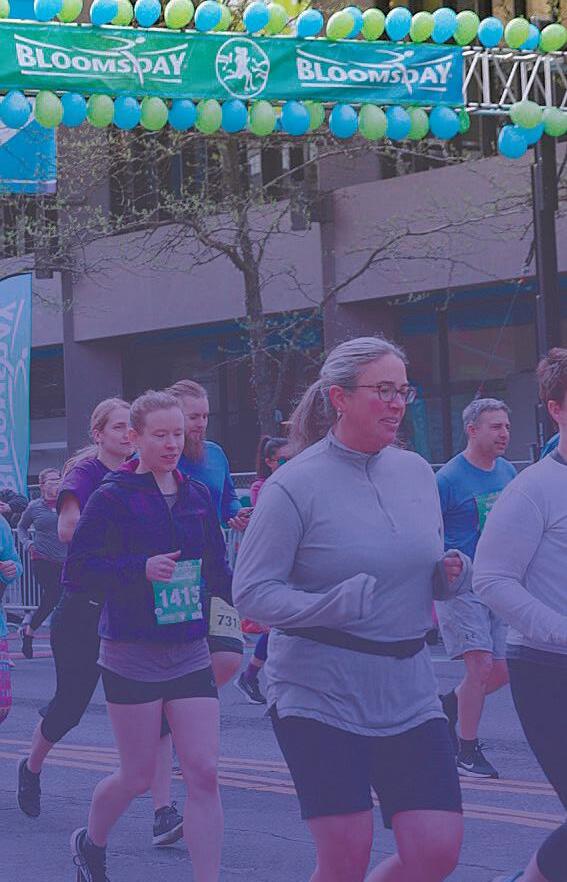
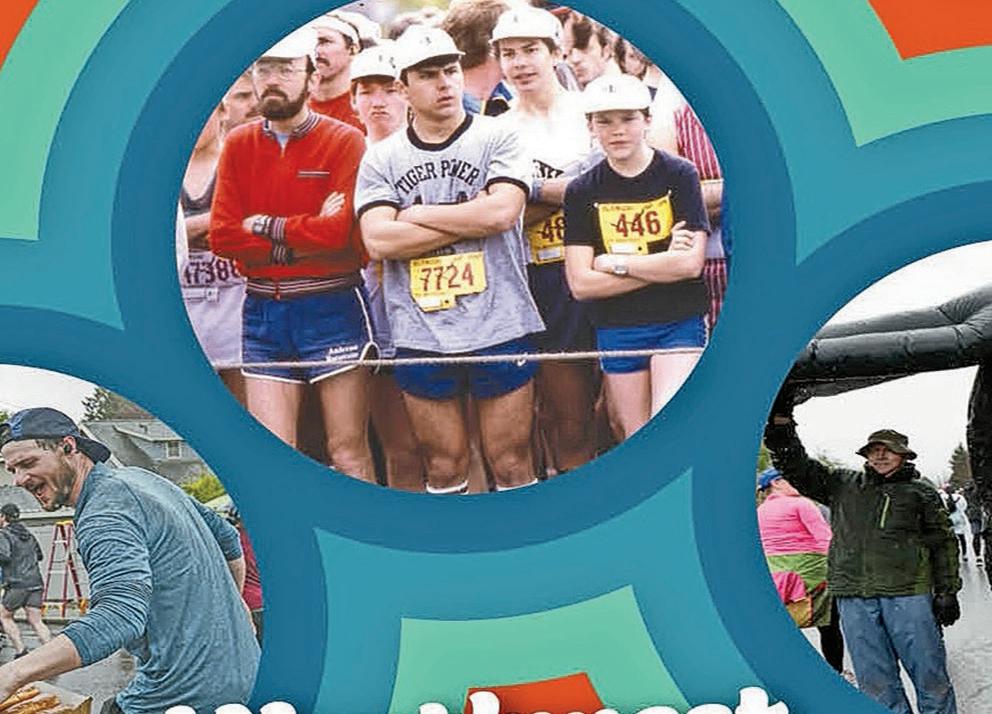
Bloomsday is Spokane’s iconic annual 12K/7.46 mile race. It is organized by the Lilac Bloomsday Association and attracts tens of thousands of participants each May.
Since 1977, it’s been a beloved tradition fostering health, fitness, and community spirit.
The challenging course winds through scenic streets, showcasing landmarks and providing a unique experience for runners of all levels. Beyond a sporting event, Bloomsday is a celebration of camaraderie, athleticism, and the enduring spirit of the Lilac City.
All photos from The Spokesman-Review archives
Bloomsday is also part of the Professional Road Running Organization. PRRO is an alliance of race directors who together organize and promote the PRRO Circuit, a series of premier nonmarathon road racing events.
To read the full timeline story: spokesman.com/timelines/bloomsday
Bloomsday
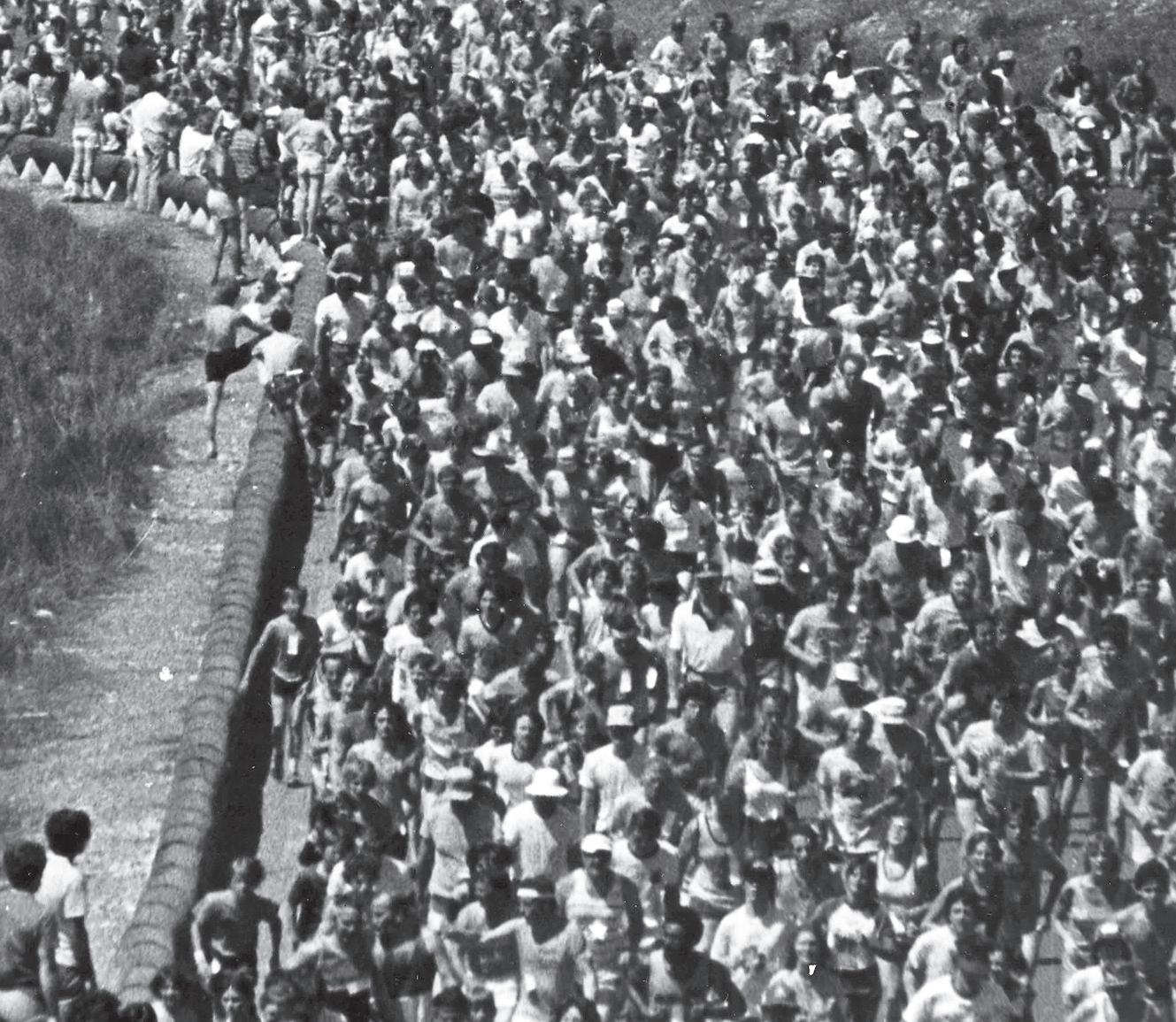
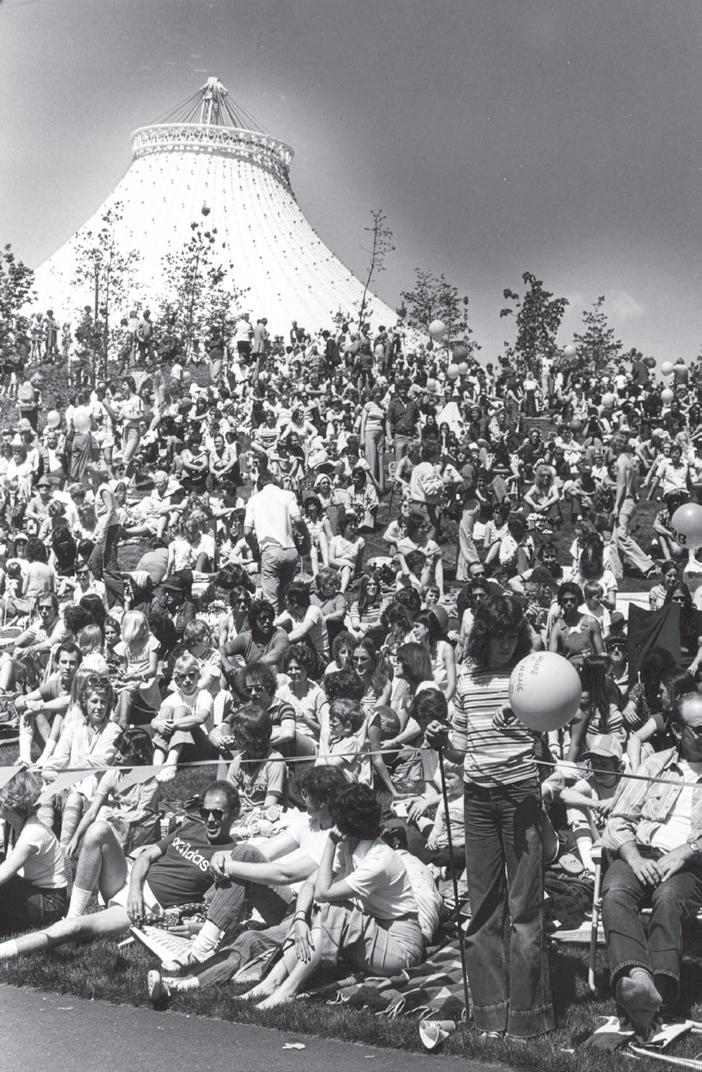
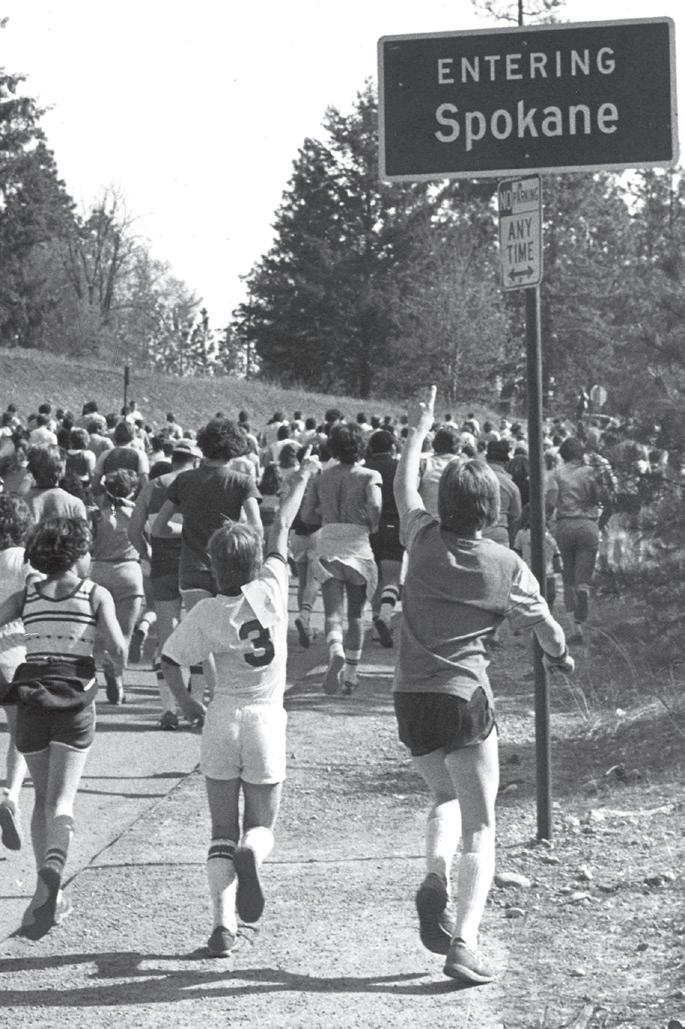
People cover the hills in Riverfront Park waiting for the finishers during Bloomsday 1978. Photo Archive/The Spokesman-Review
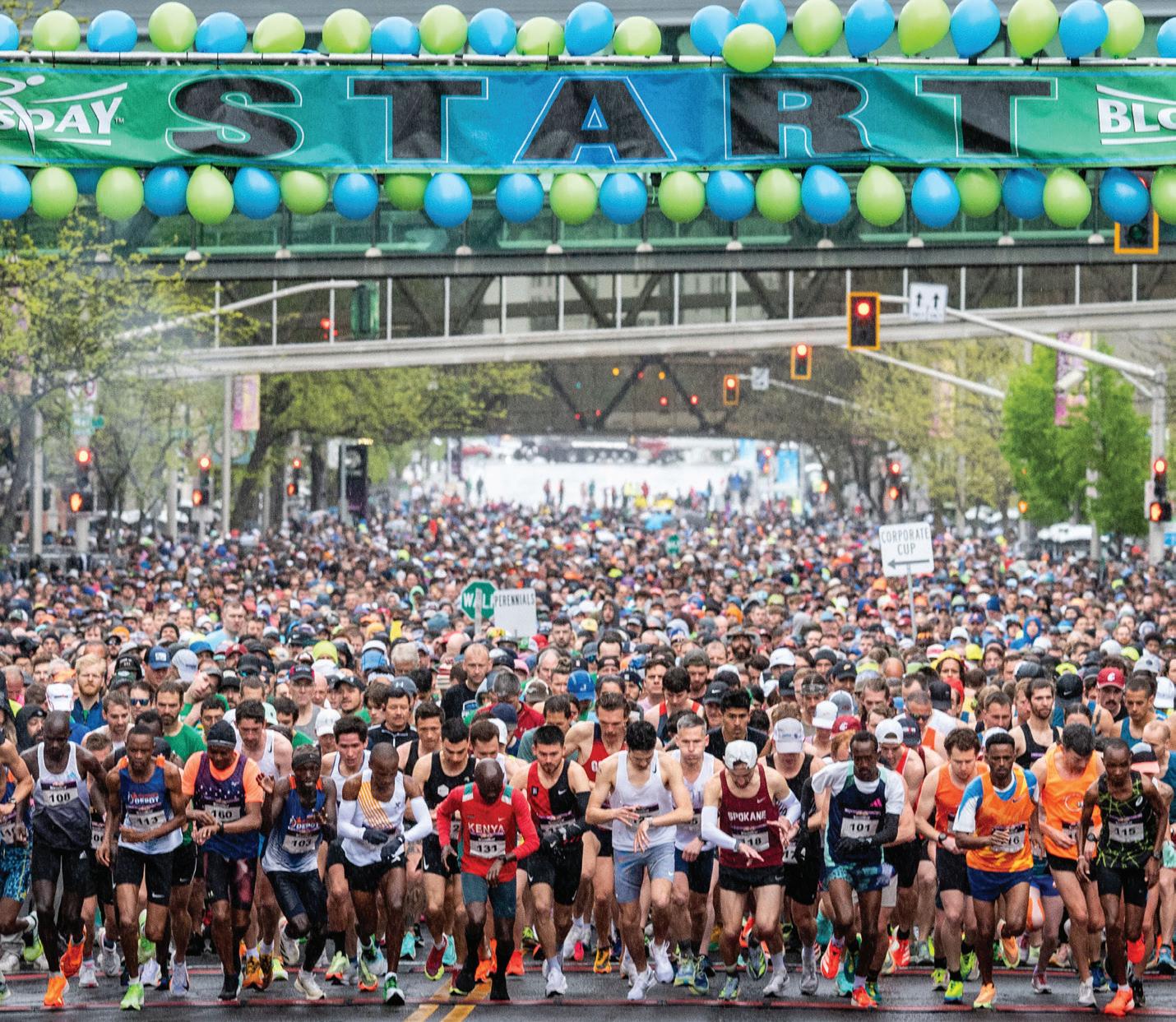
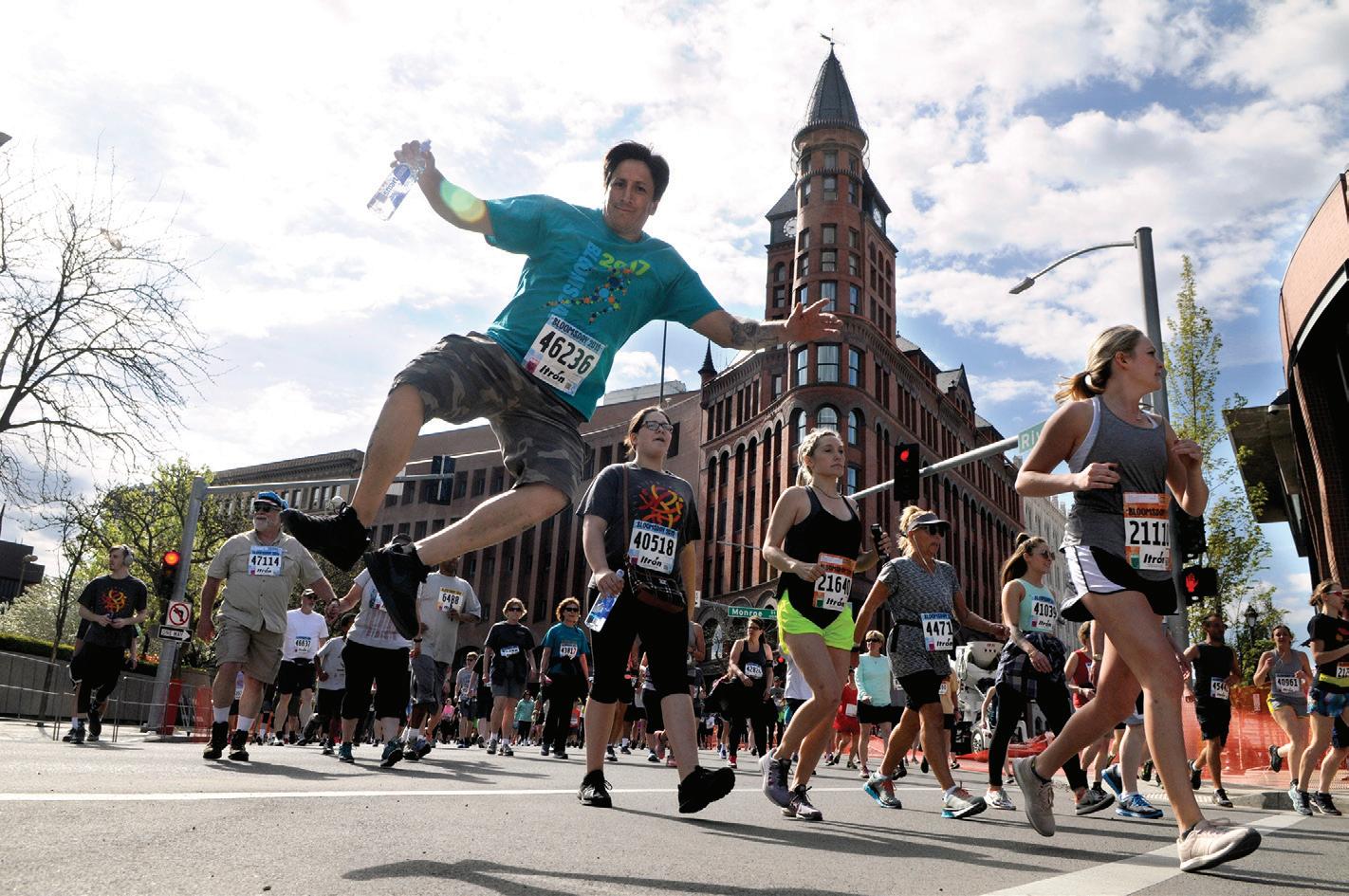
Ryan Avery jumps for joy at the beginning of Bloomsday 2019.
Photo by Liz Kishimoto/The Spokesman-Review
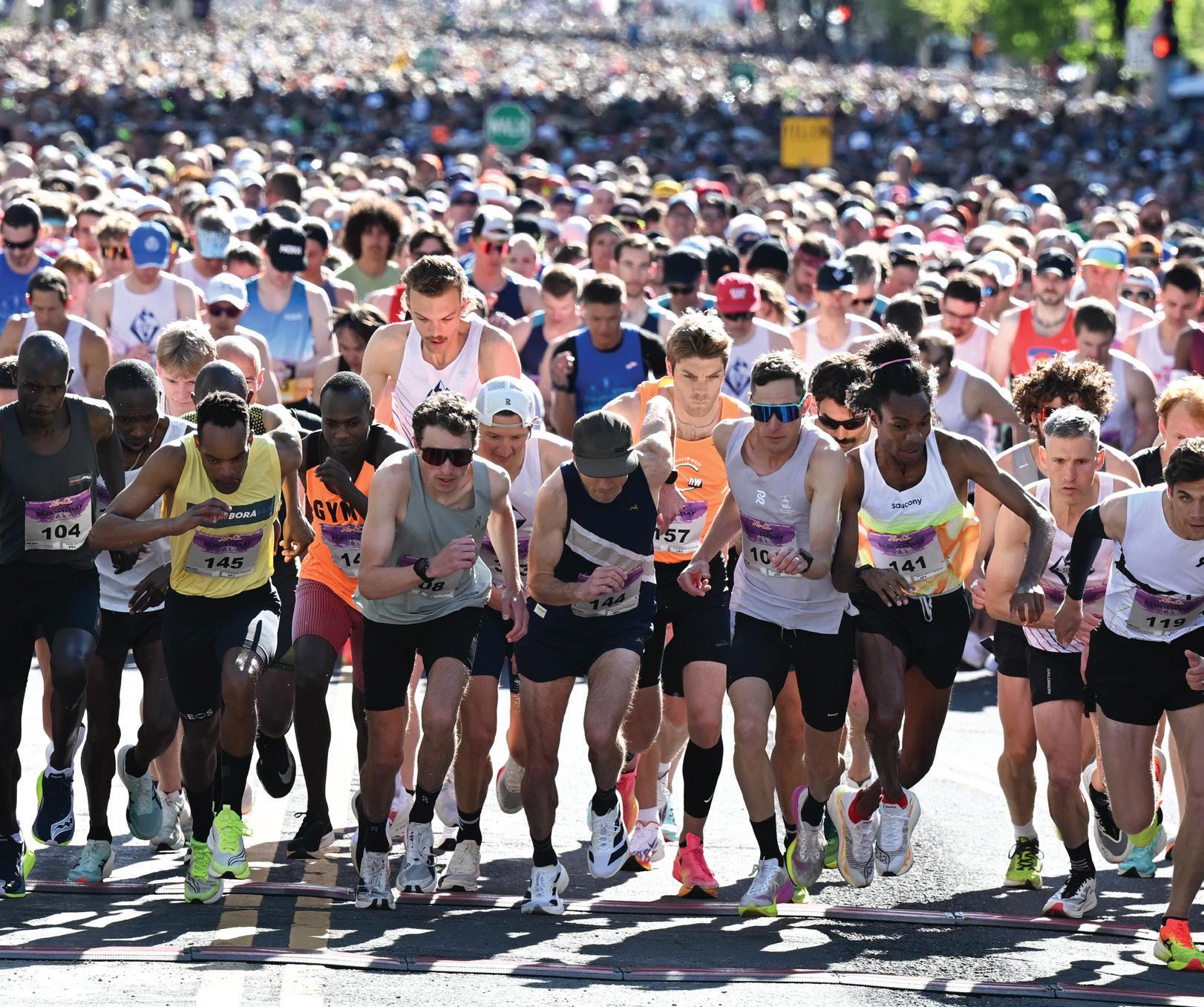
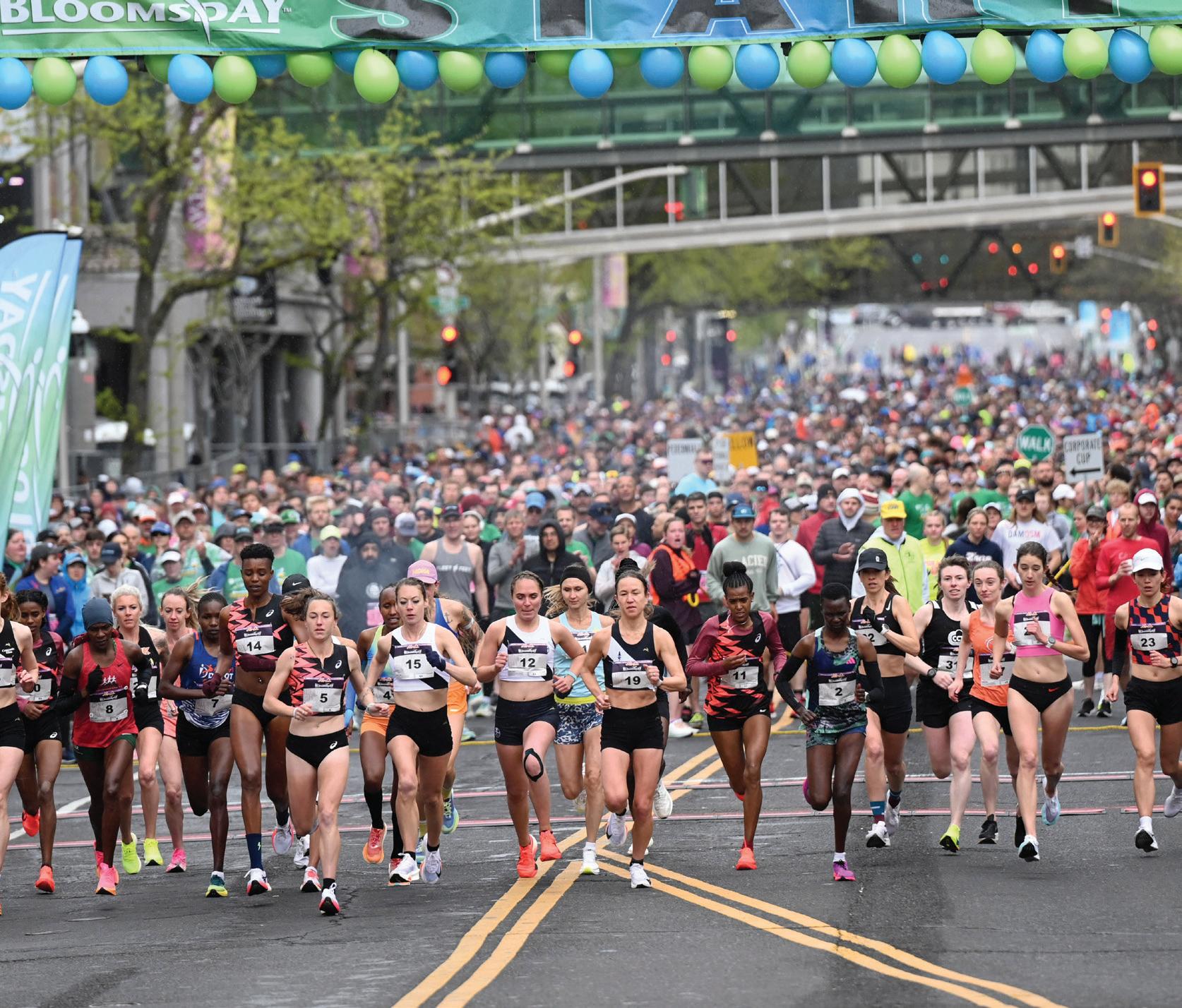
On Riverside Avenue in the downtown Spokane, elite women runners start the Bloomsday road race Sunday, May 5, 2024.
Photo Archive/The Spokesman-Review
How It All Started
A run in Atlanta, a Spokesman-Review article, an elevator ride all contributed to Bloomsday’s legacy
By Nina Culver THE SPOKESMAN-REVIEW
It took a chance encounter in a Spokane elevator to launch a community event that celebrates its 50th anniversary this year. But the roots of Bloomsday stretch back even further, with race founder Don Kardong competing in the 1976 Olympics. He also participated in the Peach Tree run in Atlanta and admired how it brought together accomplished athletes as well as the community.
“I just thought it was a fabulous event,” he said. “That was the spark.” At the time there were only a few small, scattered fun runs. “There were not big running events in every city like there are now,” Kardong said.
After one of the small community runs in 1976, Kardong was interviewed by a Spokesman-Review reporter. He mentioned that he’d love to see Spokane have a run like Atlanta. His comment was read by thenSpokane Mayor David Rodgers.
Not long after, Kardong found himself in an elevator with Rodgers and a member of the Spokane Jaycees, Ron Richardson. Rodgers told Kardong that he thought a community run was a great idea, then left the elevator. Richardson then told Kardong that he thought a community run was something the Jaycees could help with.
“He brought me to a Jaycees meeting and I pitched the project,” he said. The Jaycees were on board with the idea and someone asked what the run would be called. Kardong responded that he wanted to call it Bloomsday.
Ken Hill, Jaycees vice president at the time and now a Bloomsday perennial, recalls that Kardong’s announcement was met with silence.
“None of us, including me, were
thrilled with that name,” Hill said. There was discussion about calling it the “Nat and Back” since the original race course covered the site of the former Natatorium Park. But Bloomsday stuck.
“They allowed me to make that choice,” Kardong said. The name came from the main character of the James Joyce novel, “Ulysses,” Leopold Blooms. The book takes place in Dublin, Ireland, and Blooms spends one day wandering the city.
“People who study that book call that day Bloomsday,” Kardong said. “It sounds like spring,
but it really references ‘Ulysses.’ Ordinary people are on heroic journeys of a kind every day.”
1978
The second year of Bloomsday welcomed 5,024 participants, nearly five times as many as 1977.
Kardong called the first race the Lilac Bloomsday run to tie it into the long running Lilac Festival.
The first Bloomsday took place in May 1977.
“It wasn’t that long, really,” Kardong said. “Not as long as we needed.” Medical Service Corp, now Premera, came on as a sponsor and helped with organization. Kardong said he’s amazed at how everything came together relatively quickly.
He met with Rodgers, the city police chief, and a traffic engineer to discuss closing streets, including the Maple Street Bridge. Also at the meeting was Doug Kelley, a Jaycees member who would later become
the first Bloomsday race director.
Kelley said he remembers the police chief and city engineer shaking their heads and suggesting the run be held near Joe Albi Stadium instead. But Kardong wanted the race to begin and end downtown.
“We had just had Expo 74 and there was a lot of excitement about downtown and Riverfront Park,” he said. Kelley said the city engineer seemed not to understand what they were asking for.
“He said ‘I can’t keep all the lights green so you can run through them,’” Kelley said.
The mayor, however, started talking about growing up in Boston and what an experience it was to see the Boston Marathon go through his neighborhood.
“That’s all it took,” Kardong said. “I’m not sure if he had the authority to override the city engineer and chief of police.”
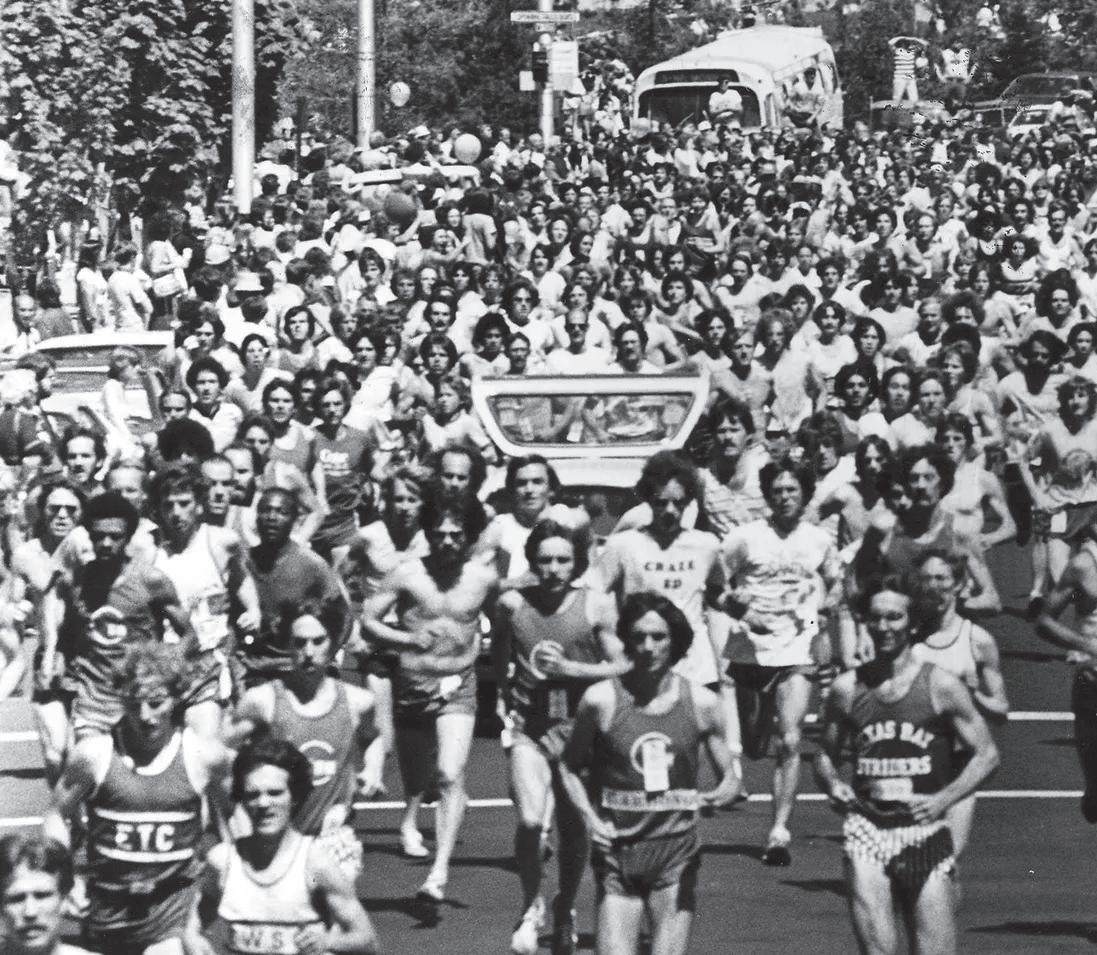
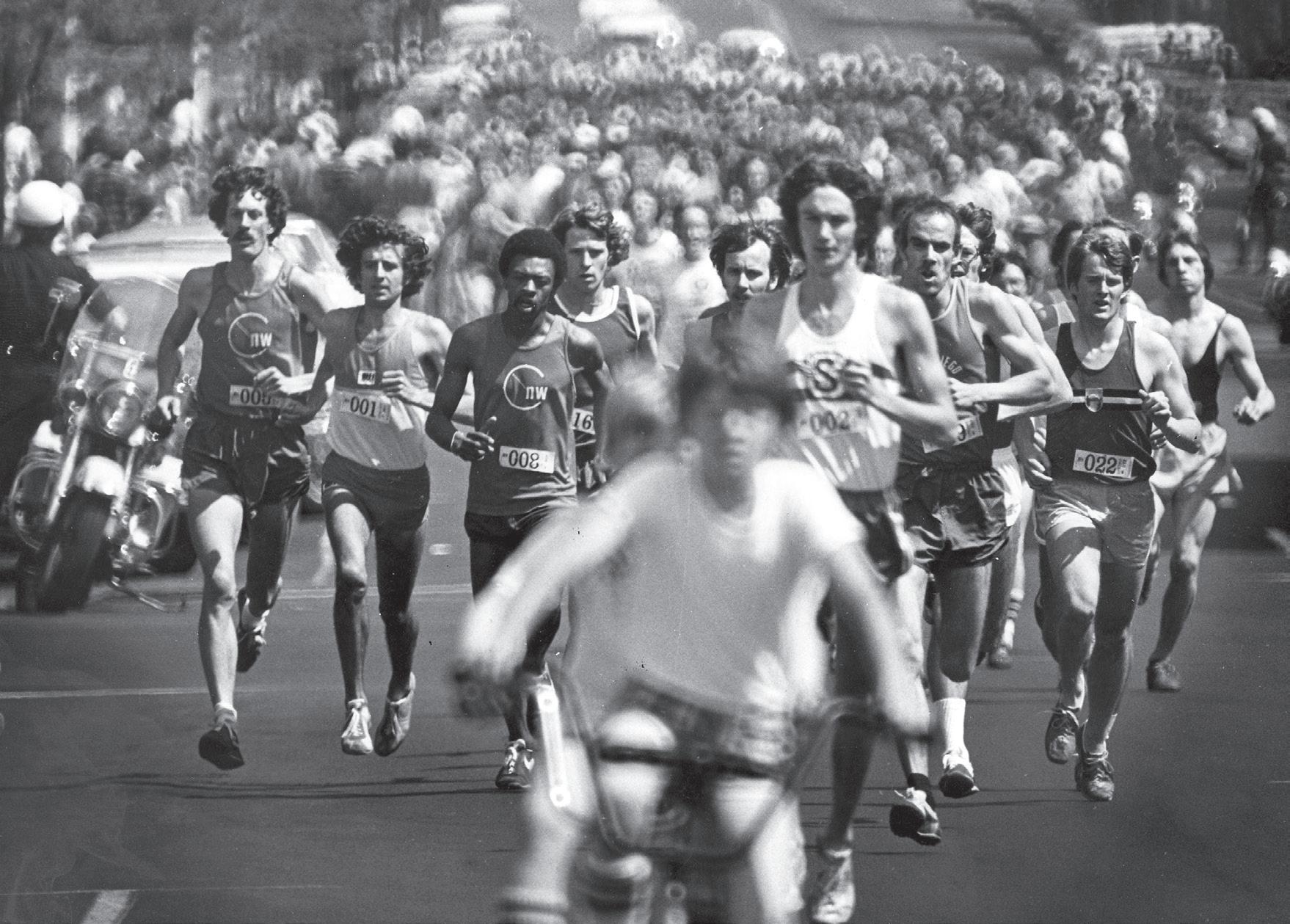
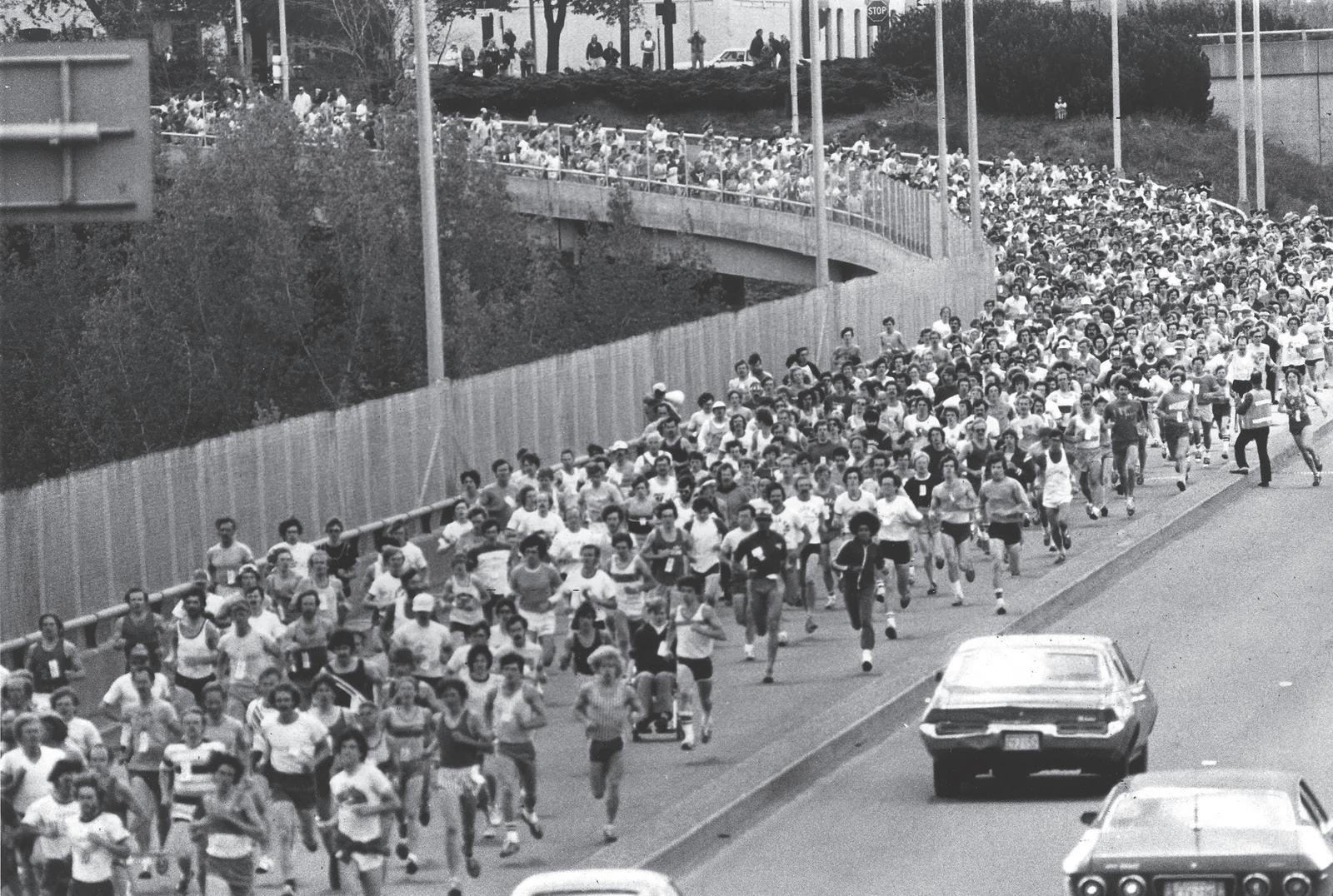
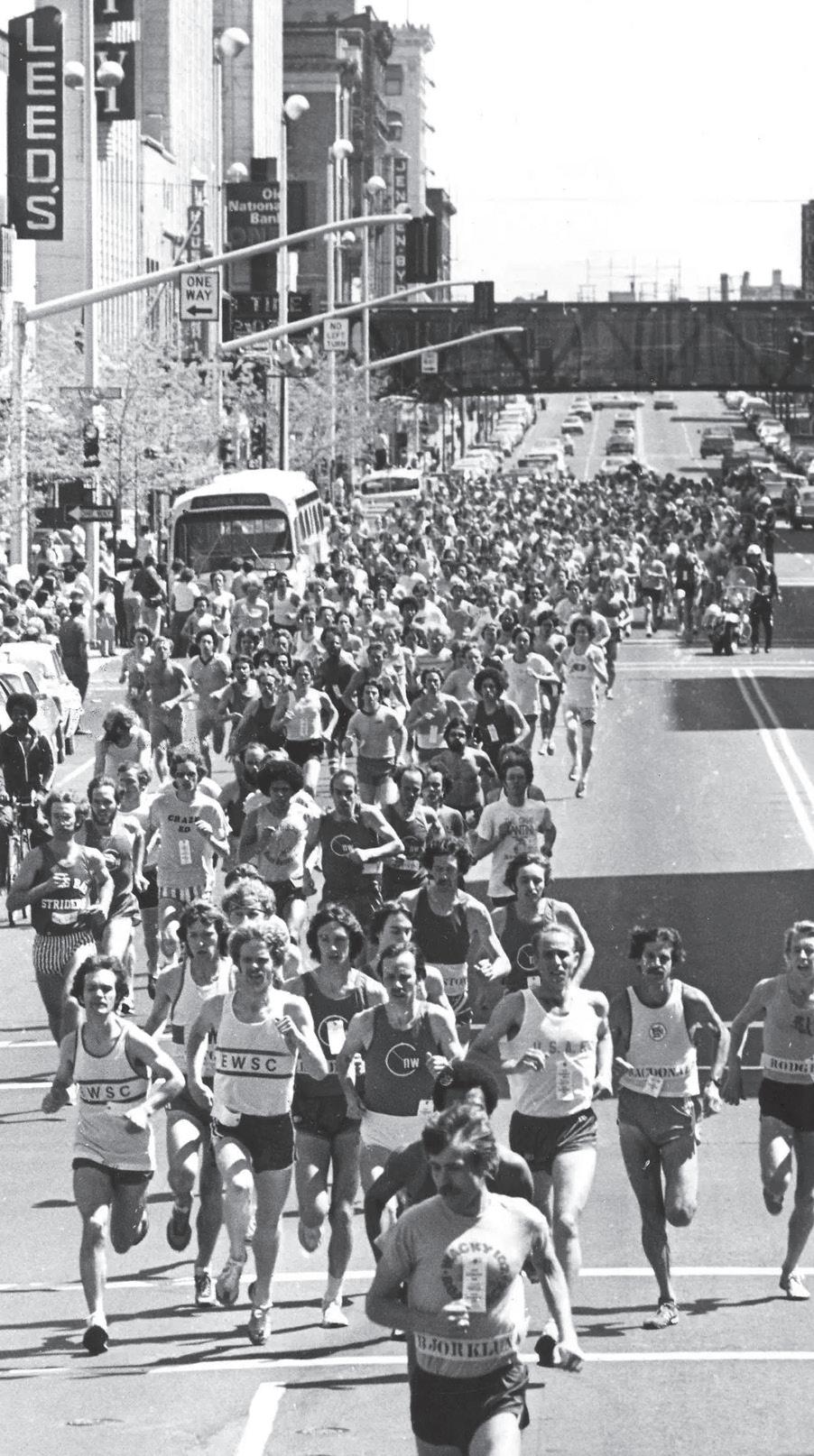
The start of Bloomsday 1977. Photo Archive/The Spokesman-Review
That first year Kelley chaired the Jaycees committee tasked with helping organize Bloomsday. He said he doesn’t remember why he volunteered.
“I wish I could tell you,” he said. “I think I was a little starstruck by Don.”
When the first race posters went up, Bloomsday was limited to the first 500 people. Kelley said they did this to get people to sign up early. They ended up registering nearly 1,500.
Kelley would check the post office box every couple of days, collecting a small bundle of envelopes. One Monday, he arrived at the post office to find a note directing him to visit one of the windows. The postal worker produced a large canvas bag full of entries.
“That’s when we knew,” Kelley said. Kelley recruited people to help him open and process entries. He would receive more canvas bags from the Post Office.
The first Bloomsday start time was set at 1:30 p.m. Kardong chose that time because he wanted people to be able to go to church in the morning.
However, the first year was unseasonably warm and numerous runners suffered heat stroke, some going to the hospital. The second year the start time was changed to noon, but there were still heat-related issues.
Kardong switched the start time to 9 a.m., giving up on accommodating churchgoers. “That became less important than keeping people from collapsing,” he said. Other than the heat issues, Kardong was pleased with the first Bloomsday.
“It was amazing, the turnout we got,” he said. Year 2 and beyond
The Jaycees, who had planned on 300 runners, announced they couldn’t help with the second Bloomsday.
Hill and up the hill on T.J. Meenach Drive.
So many people signed up for the third Bloomsday in 1979, over 10,000, that the pounding feet caused lampposts on the Maple Street Bridge to sway alarmingly. The course was altered to avoid the bridge.
At one point it took people longer to get their T-shirt at the end of the race than it did to run the race, Kardong said.
“Even in the third year we were doing a lot better, at least with certain elements,” Kardong said. “It took a good six or seven years to get everything going smoothly.”
After a few years of having the board chair be the race director, Kardong told the board that there needed to be someone doing the job full time. Kelley was hired -- he’d quit
“We didn’t have that kind of manpower,” Hill said.
Key volunteers from the first year formed the Lilac Bloomsday Association and took over organization. Kardong was board president, effectively race director.
A KREM-TV helicopter meant to help cover the event struck a TV tower wire about 60 feet off the ground during takeoff. Photojournalist Gary Brown and helicopter pilot Cliff Richey died in the crash.
Registrations surged to more than 5,000 for the second race in 1978.
“That was wonderful, but we didn’t have any idea how to manage that many people,” Kardong said.
Volunteers were so overwhelmed that timed results for that race simply don’t exist, Kardong said.
Organizers learned what worked and what didn’t. Many changes happened in the first few years. People went down Doomsday
his banking job and finished his degree, so it was a good time to take on the Bloomsday role.
“That was year 5,” he said. “We’d been growing like crazy. We had some incredible people help us, the volunteers.”
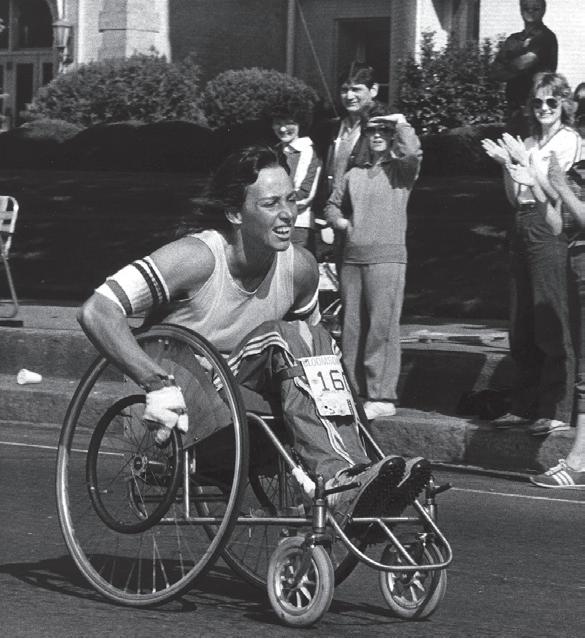
Being race director isn’t just about organizing the run: it’s organizing the trade show as well as recruiting world-class runners and wheelchair racers. What made it
difficult was not knowing how many T-shirts to order.
Kelley stepped down after a year as board chair and a year as race director. He wanted a job not associated with running. He said what he’s most proud of is “not screwing up such a huge event.”
Sylvia Quinn took over as race director in 1981. She had run every Bloomsday since the beginning and had experience putting on smaller area runs.
Quinn saw her task as growing the race and attracting entire families to register. She started the Fit for Bloomsday, Fit for Life program in schools. Students could train after school and they would often persuade family members to join them in Bloomsday.
“That made a big difference,” Quinn said. “That brought the families out.”
It worked so well that race registrations grew to more than 60,000 by the time she stepped down after 10 years. Creating traditions
A few years after Bloomsday began, a board member went through records to identify which runners had run every race. When these regular runners were first recognized, they were called the Old Timers, then the Silver Stars. By the 25th race, the name Perennials started being used.
“I just decided they should be called Perennials because they bloom every spring,” Kardong said.
The event has evolved in other ways beyond the course and start time. Kardong
recalls the shift from entering race results by hand to using computers.
In 1989 Bloomsday was advertised as the world’s largest timed road race, a milestone confirmed by The Athletics Congress in 1992. Bloomsday was also one of the first races in the nation to allow online registration, which began in 1997.
Kardong remembers when Bloomsday was the first race in the country to have a finishing time for each runner instead of reporting finishers by blocks of time.
“I was proud of our volunteers, that we figured out a way to get that done,” he said.
Quinn, who has run 49 races and has taken first place in her age group every year except two, plans to be there for the 50th. At 89, she’s the oldest Bloomsday Perennial. She had a hip replacement two years ago, has osteoporosis, and neuropathy in her feet, but she’s determined.
Despite the early success of Bloomsday, Kelley said he never expected it to still be going strong 50 years later.
“I never thought it had that kind of legs, no pun intended,” he said. “It’s incredible what Don thought of and created.”
Kelley, who has about 20 Bloomsdays under his belt, hasn’t done the race in nearly two decades. But he’s registered for the 50th Bloomsday.
“I absolutely have to,” he said. “There’s no way I can miss that. They may have to time me with a calendar. I am by no means a runner right now.”
Photo Archive/The Spokesman-Review
2026 Schedule
Friday May 1
Spokane Convention Center
Check-in 11:30 a.m.-7 p.m.
Late registration 11:30 a.m.-7 p.m. Trade Show 11:30 a.m.-7 p.m.
Saturday May 2
Spokane Convention Center
Check-in 9 a.m.-5 p.m.
Late registration 9 a.m.-5 p.m. Trade Show 9 a.m.-5 p.m.
Sunday May 3
Worship Service 8 a.m.
Floating stage
334 W. Spokane Falls Blvd.
Spokane Convention Center
Out-of-Town Check-in 7:30-9 a.m.
Elite Wheelchair: 8:30 a.m.
Elite Women: 8:45 a.m.
Elite Men, CC, and Brown: 9 a.m.
Race Start: 9 a.m.
Yellow & Green: 9:05-9:20 a.m.
Orange & Blue: 9:25-10:10 a.m.
Lilac: 10:15 a.m.-10:25 a.m.
Red: 10:30 a.m.
*should be in place by 10:15 a.m.
Bib pickup times are:
Friday May 1, 11:30 a.m.7 p.m.
Saturday May 2, 9 a.m.-5 p.m.
Sunday May 3, 7:30 a.m.-9 a.m. (out-of-town packets only)
There will be no on-site registration for the in-person race on Sunday, May 3. Online registration for the in-person race closes at 5:30 p.m. on Saturday, May 2, while in-person registration at the Spokane Convention Center concludes at 4 p.m.
(All participants should arrive 30 minutes prior to the time listed to ensure entrance to your starting area.)
Champions Awards Ceremony 9:45 a.m.
Street opens at 1:30 p.m.
Post-race party Ends at 2 p.m. (Riverfront Park)
For the first time, a majority of participants were women.
It Only Takes One Spark to Start Something Amazing
Or, in Bloomsday’s case, one simple conversation in 1977 that “we should think about doing a road race here someday” has blossomed into an impressive fitness event recognized worldwide and loved by everyone from professional runners to Spokane-area residents who are less interested in the competition but more eager to get out and have some fun outdoors.
Over the course of 50 years, hundreds of thousands of people of all ages, backgrounds, nationalities, and fitness levels have traveled the 7.46-mile course. Some do it for the challenge, trying to set personal records or bring home prize money. Others do it simply for the fun of it: maybe it’s become a multi-generational
family tradition, especially when combined with other activities like carb loading the night before or a favorite post-event celebration downtown.
Among other accomplishments, Bloomsday is all about bringing people together.
As you will read in this special section,
there’s an elite group of “Perennials,” the 60-plus competitors who have taken part every year, regardless of weather or whatever is happening in their lives.
themselves Bloomies – and they have at least one colorful finisher T-shirt to prove it. With this special section, The Spokesman-Review wants to celebrate all the things we love about Bloomsday. We’ll start with recognition of the Perennials. We’ll also share interesting details about how Bloomsday has grown from “a decent
1991
Dr. Ed Rockwell, a lifetime advocate for fitness running, became the first person inducted into the Bloomsday Hall of Fame.
There are also countless other participants who, whether they’ve taken part in one or 49, have earned the right to proudly call
idea” to a race known worldwide. We’ll also share info about who has taken part and where they’ve come from, along with all sorts of
interesting tidbits of the race’s impact on our community.
For more than 150 years,
The Spokesman-Review has been chronicling life in our community, and our continuing coverage of this event has unarguably helped it grow and word to spread. Our skilled writers and photographers have gathered all sorts of stories and images showing how important Bloomsday is. In past years, we even printed the results, whether someone set a course record or
strolled across the finish line 3 hours later.
If you’re planning to take part in the 2026 Bloomsday experience, we’ll provide all the info you need to know, including where and when to show up and get your packet.
We hope that these details are welcome, whether you’re familiar with the race or new to the community! See you out there!
Happy 50th Bloomsday!
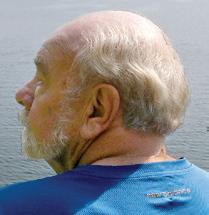
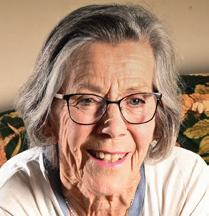
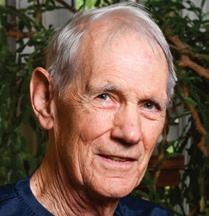
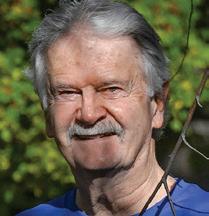
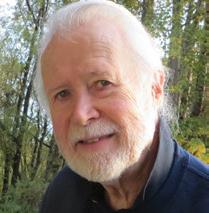
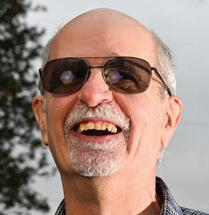
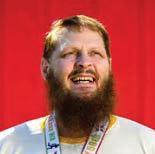
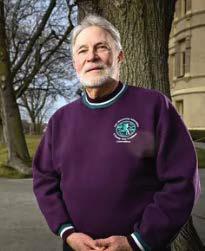
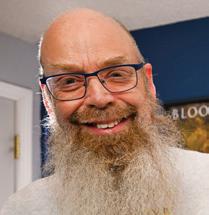
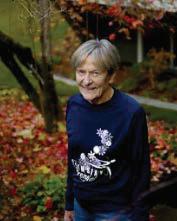
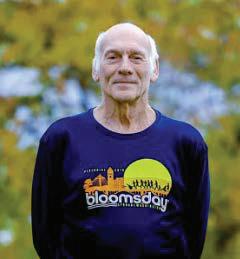
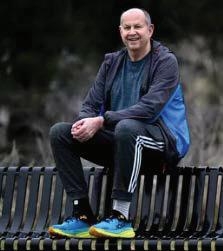
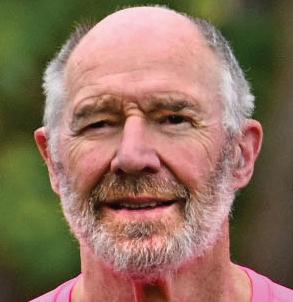
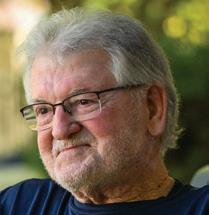
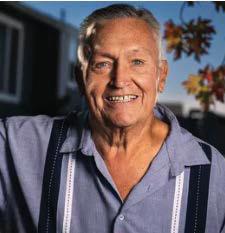
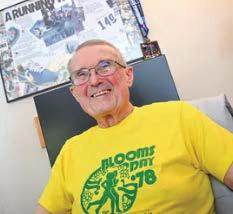
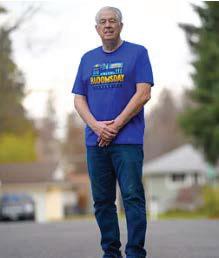
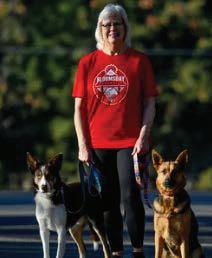
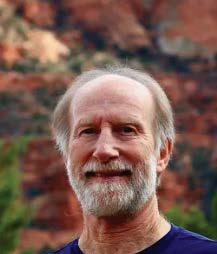
Bloomsday has always been about community. And one of the most special communities is those who have run every event, every year.
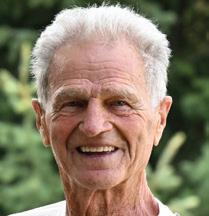
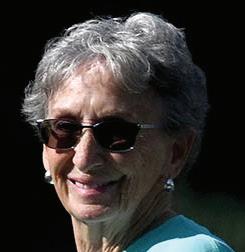
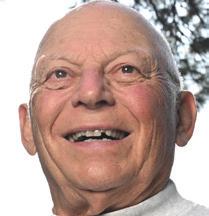
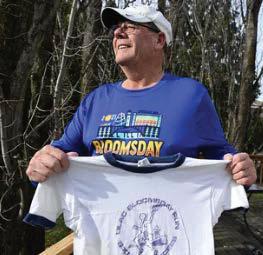
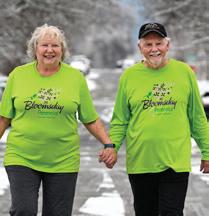
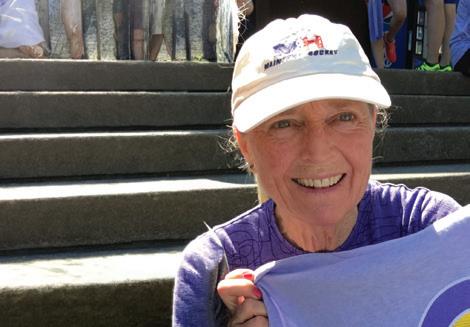
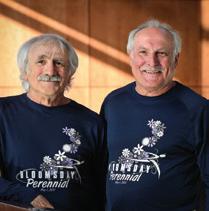
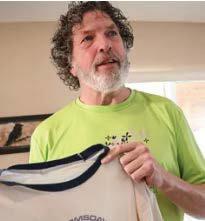
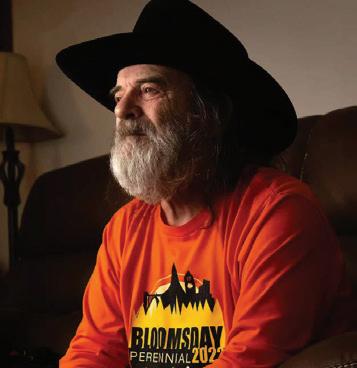
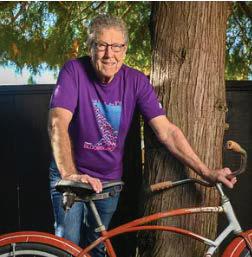
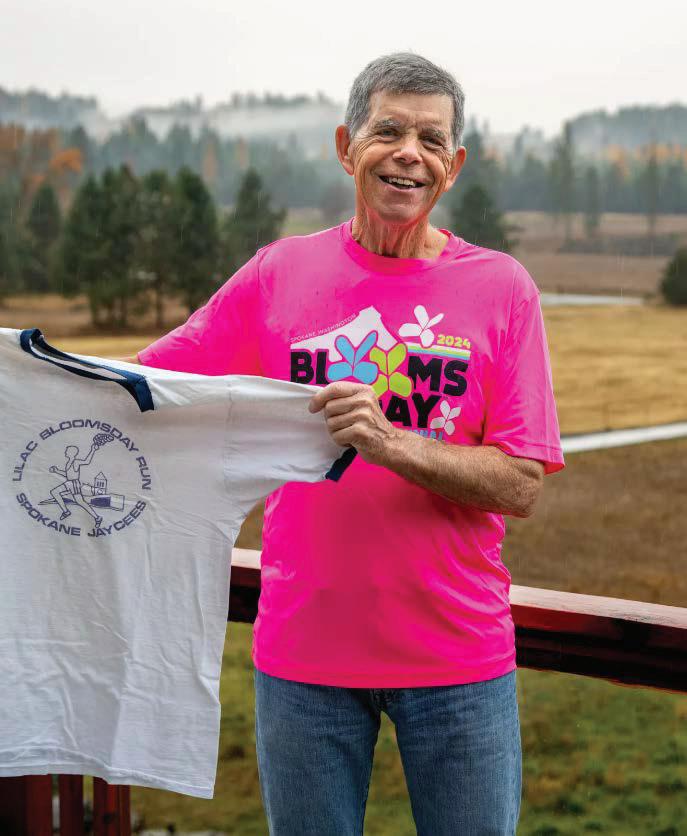
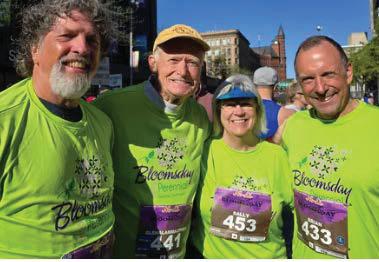
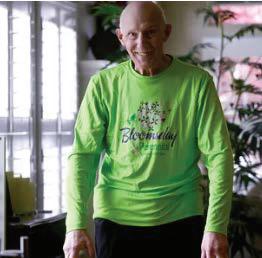
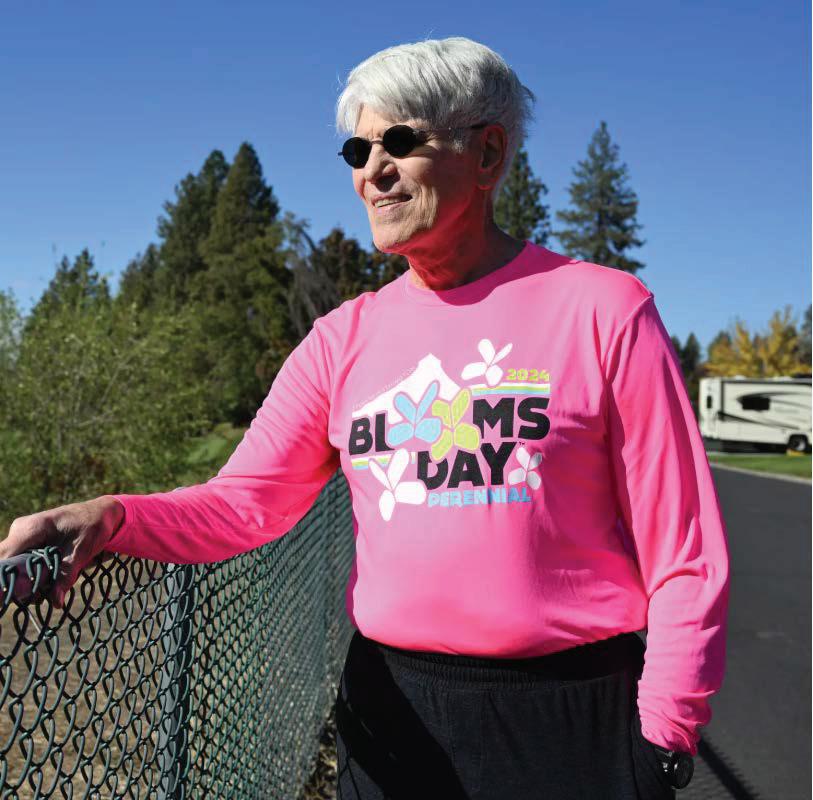
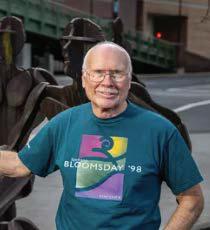
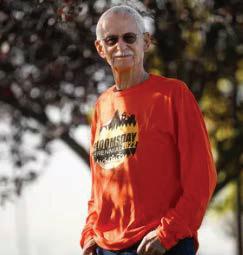
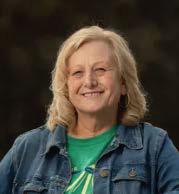
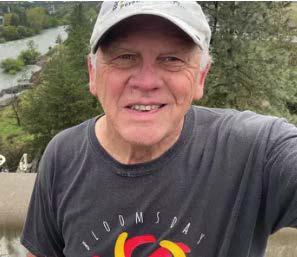
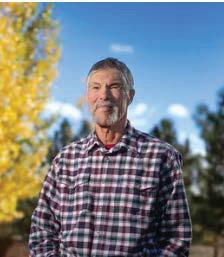
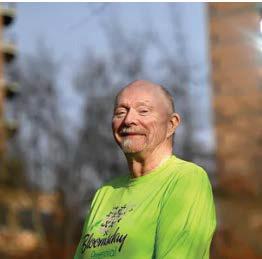
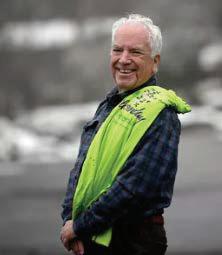
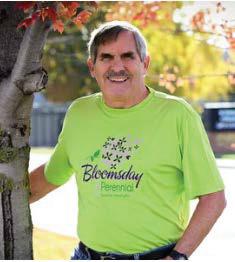
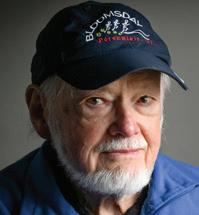
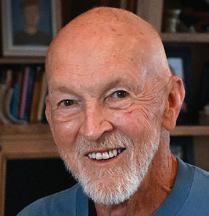
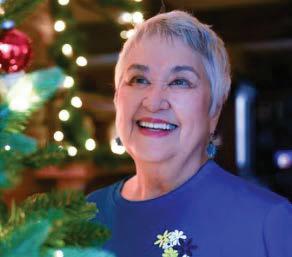
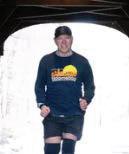
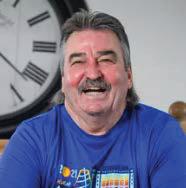
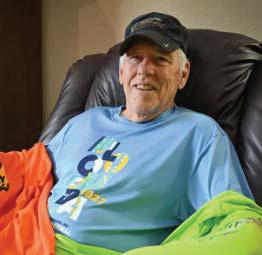
Membership in the group, now called the Perennials, is reserved for the 70 individuals who are completing their 50th run this year. It takes a blend of good health, support from friends and family, and a lot of determination to keep this title. But it pays off with 50 T-shirts and a lot of bragging rights.
This year, The Spokesman-Review has made sure to recognize the Perennials.
You can see their photos here and also read their interesting and at times inspirational stories at www.spokesman.com/sections/bloomsday-perennials/
The 20th Bloomsday race attracted the most people ever with 61,298 registered and 56,156 finishers.
Bill Peters Robert Maudlin Franklin
Gary Berg Parry
Dianne Bruhn Sylvia Quinn Pete Thompson Steve Vaguts
Jack Tenold
Steve
Dennis Doyle Roger Aldrich Kris Olson-Wood
Ron Douglas Martin Kittredge Jeff Snow
Mike & Marji
Bill Sleeth Charles Bean
Mike Fleming Charbonneau
Larry Gorton Paul Chapman
Greg Wright
Rick Cadwallader
Von Klohe
Rick Serns
Ted Kirpes Bernie Barnes Jack Williams Dennis McMullen
Brian Kenna
Roger Risinger
Chuck Murphy Steve Rusch Bob Felton
John Day
Keith Lalonde Bob and Rick Barbero
2002
Saul Mendoza set the record for a wheelchair finisher with a time of 25:24.
Time Well Spent
At Touchmark, your days open up— and so does a life you’ll love.
For more than 45 years, Touchmark has redefined what senior living can be; creating vibrant communities where comfort, connection, and support come together beautifully. Now, with our exciting community expansion, we’re proud to introduce Pembrook, our new early memory care neighborhood, and Claremont, our new specialized assisted living neighborhood— bringing even more personalized support to Spokane families.
With beautiful surroundings, compassionate team members, and care tailored to each resident’s needs, Touchmark offers confidence for today and peace of mind for tomorrow.
Framing the Legacy
50 Years of Bloomsday Art
What makes Bloomsday different than other runs around the country?
Part of it is how well it is embedded in our culture – it’s not just something for elite runners or serious fitness enthusiasts. It’s also something that any member of the community can take part in. Want to run fast and set a new personal record? Go for it. Want to walk slow and chat with your friends and family? You can do that too.
Along with welcoming anyone who wants to participate in the race, Bloomsday officials make the same offer
to people who want to help promote the event.
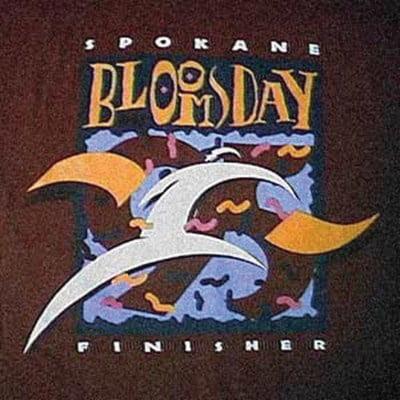
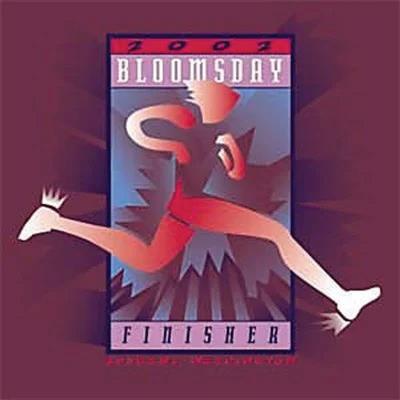
Over the last 50 years, the T-shirts have been all the colors of the rainbow. Though submissions begin in the fall, the secret look and color is kept until the boxes are opened at the finish line. In 1990, a group of psychics couldn’t even guess the final color (it turned out to be raspberry!)
Local artists are also invited to come up with the official designs for the official poster. Like the race itself, the poster portion attracts artists from around the world as well as plenty of talented local artists.
Micah Kogo, who later that year took the bronze medal in the 2008 Olympics during the 10,000 meter event, set a new course record for the men’s elite division with a time of 33:51.
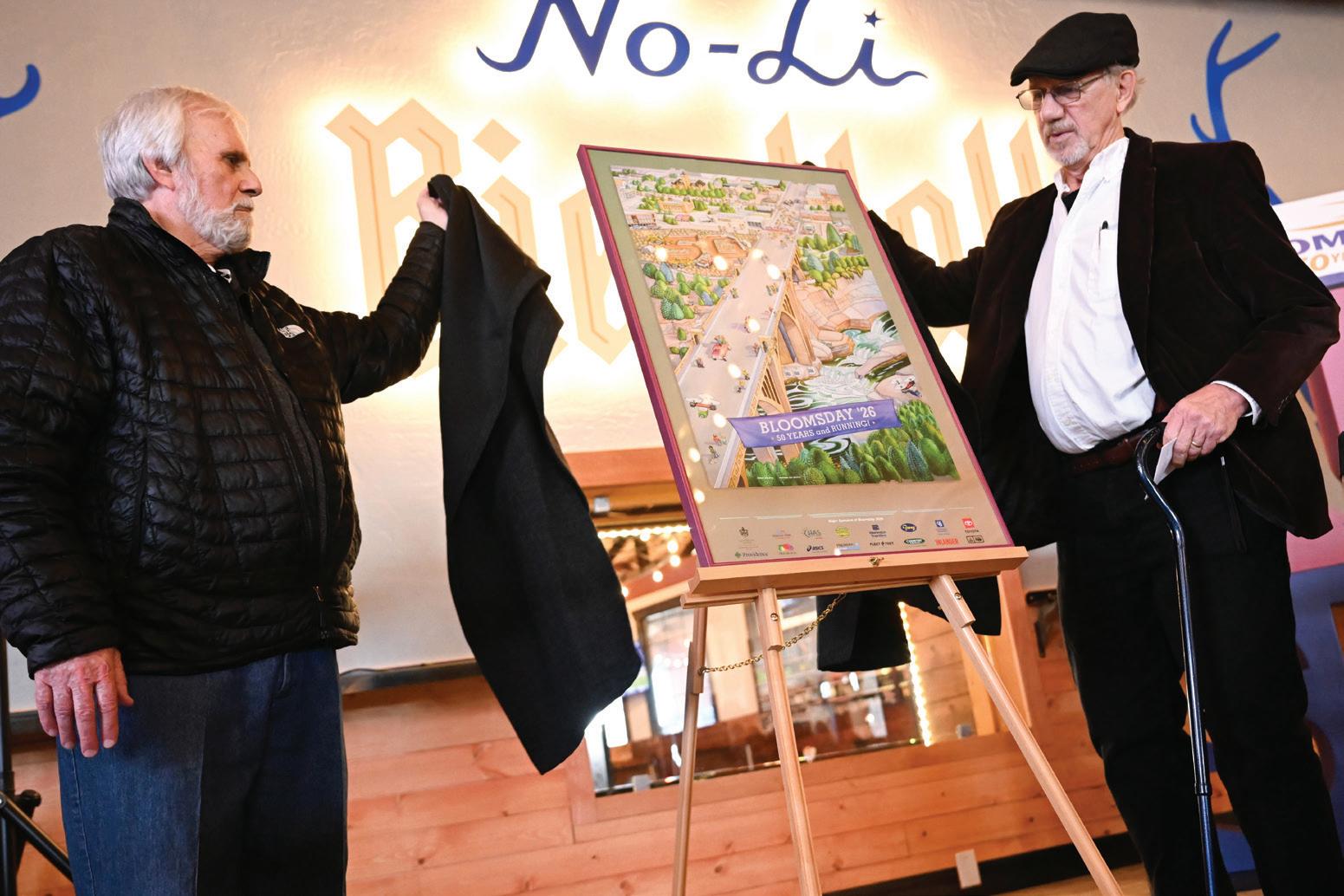
One noted local artist is Ken Spiering, whose images have been chosen for many of the posters and T-shirt designs as well as Spokane’s noteworthy big wagon sculpture. Altogether, he has created 11.
posters, including the special 50-year one this year. He also gets credit for some of the more iconic images, such as the paper cups in 1996. 2008
He was first commissioned for the poster in 1992, and created a confettifilled image of people climbing Doomsday Hill. His 1994 poster was picked by Runners World magazine as one of the best images from eight races around the country, and in 2001, the magazine declared that his poster and Steve Merryman’s T-shirt for that year were among the best in the nation. Spiering and other notable local artists were recently honored with a Bloomsdaythemed exhibition at the Museum of Arts and Culture and at Terrain.
Sculptor David Govedare also deserves a mention for his artistic contributions to Bloomsday: he created “The Joy of Running Together,” the iconic group of running statues which are installed outside of Riverfront Park.
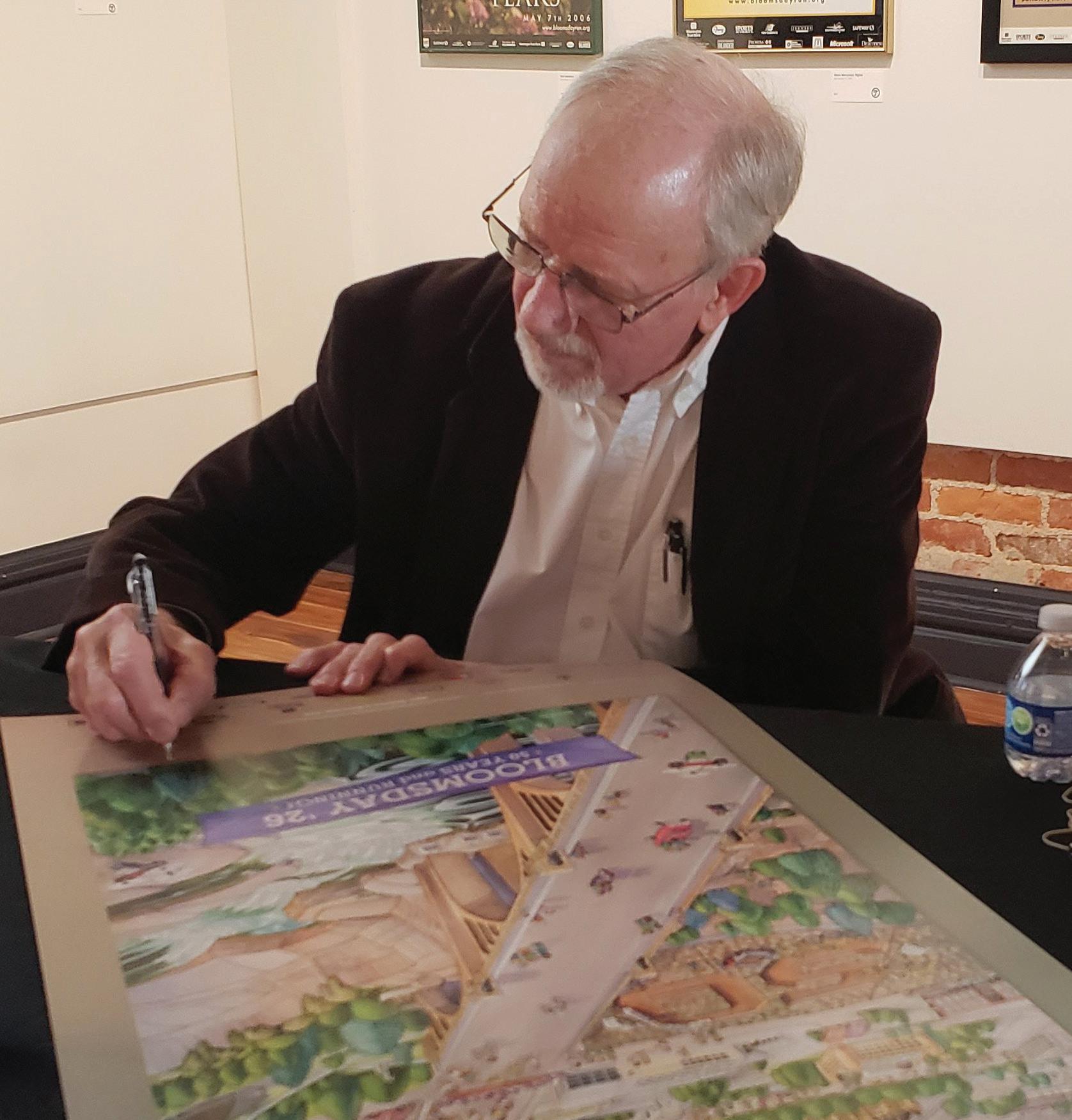
Ken Spiering signs a poster for the 50th Bloomsday during April’s First Friday event for the exhibit “50 Years of Movement” at Terrain Gallery. Azaria Podplesky/For The Spokesman-Review
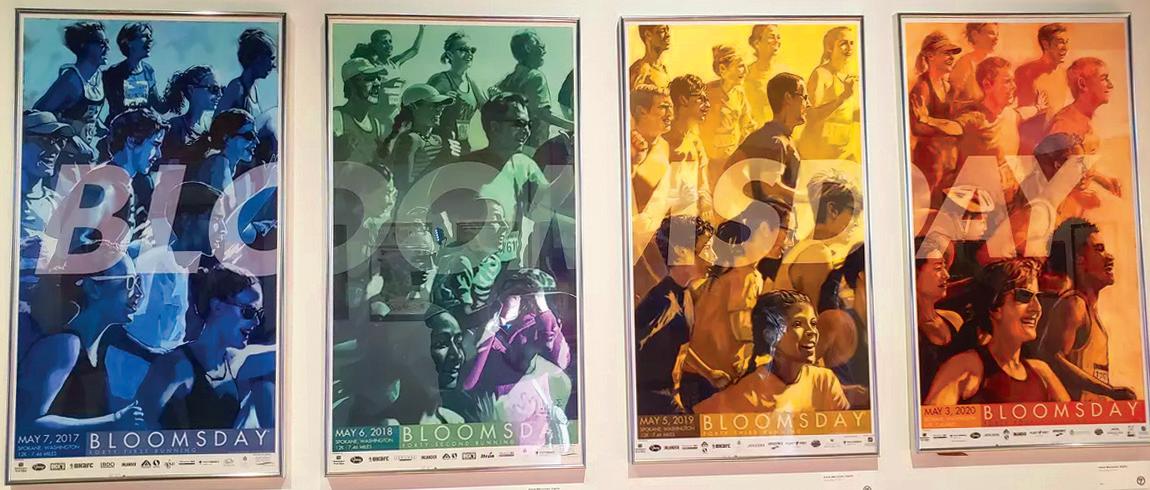
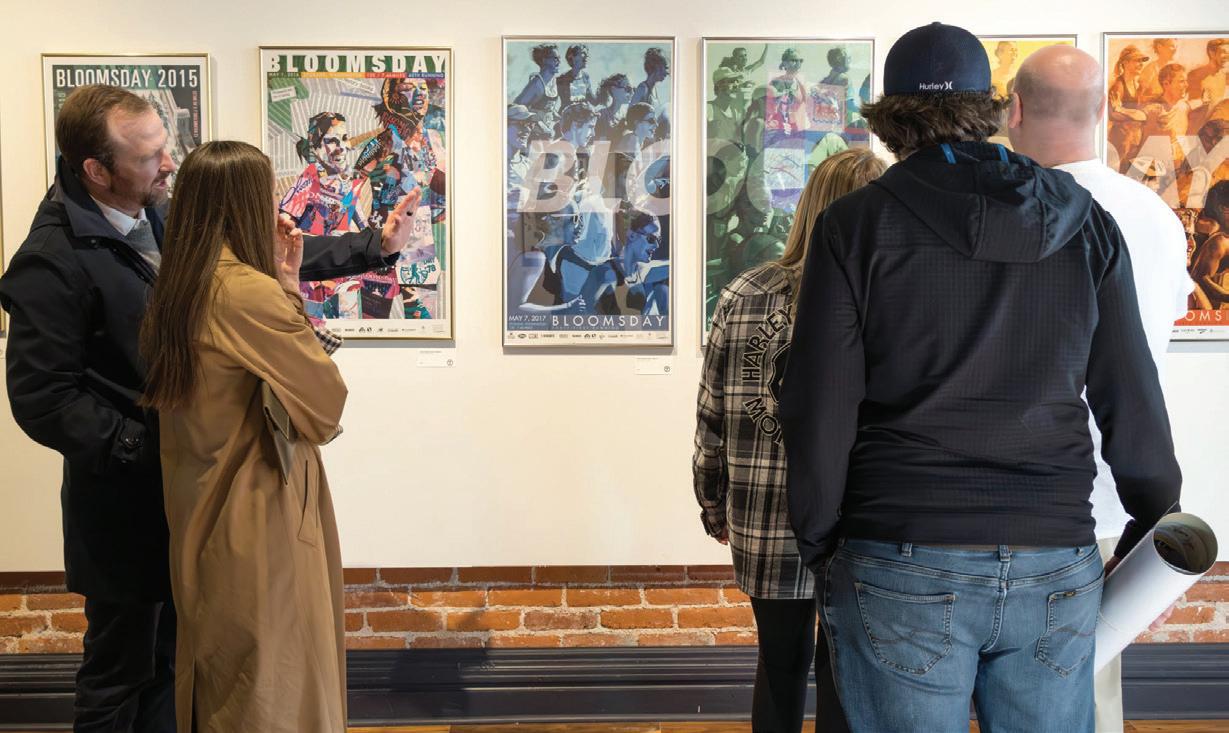
Steve Merryman’s posters for the 2017 through 2020 Bloomsday races at “50 Years of Movement” at Terrain Gallery. Azaria Podplesky/For The Spokesman-Review
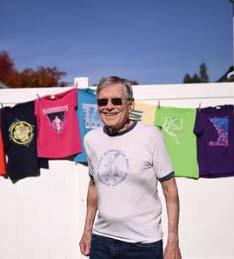
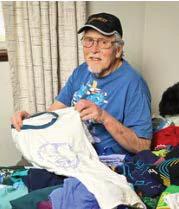
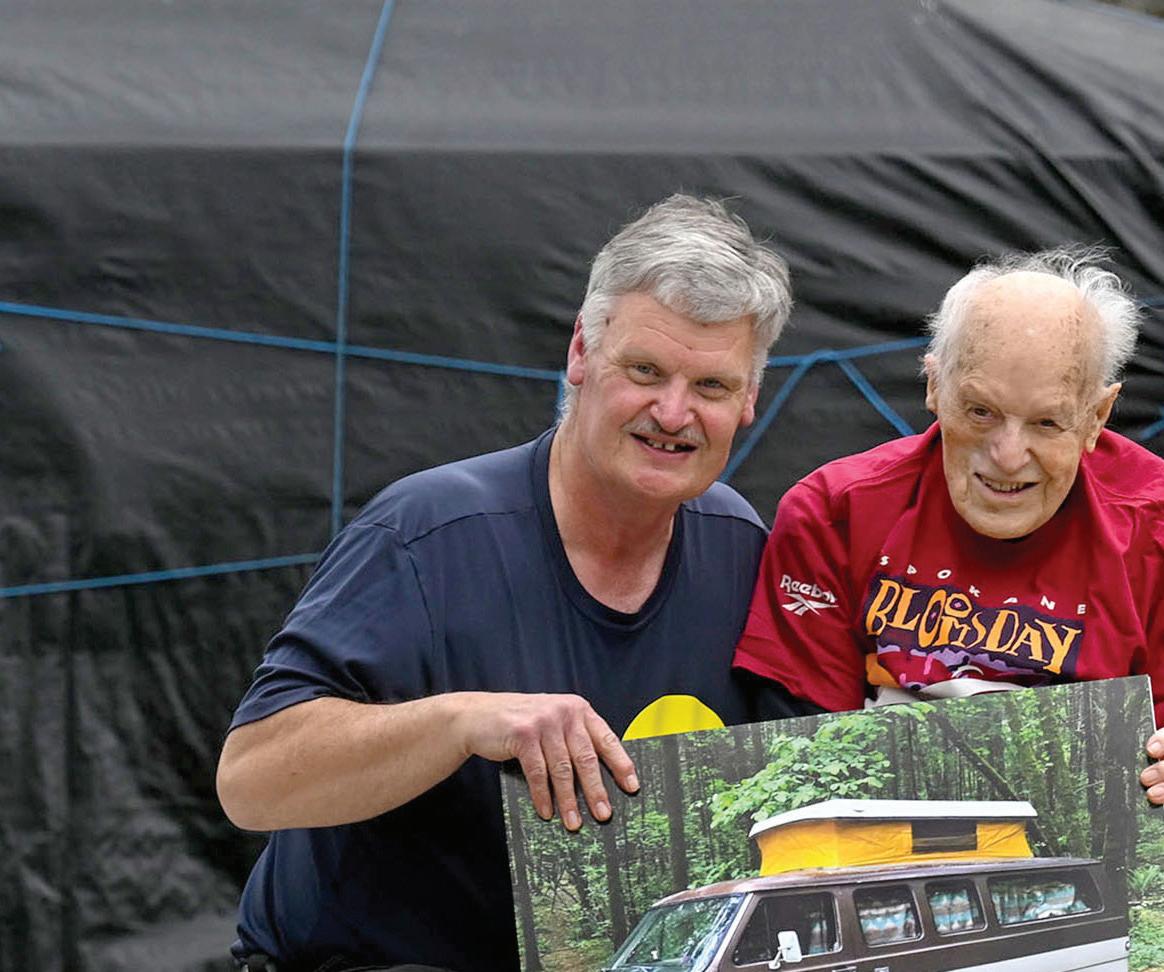
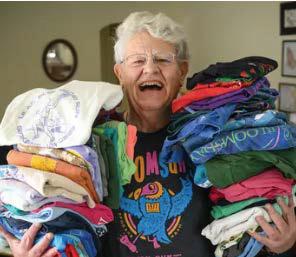
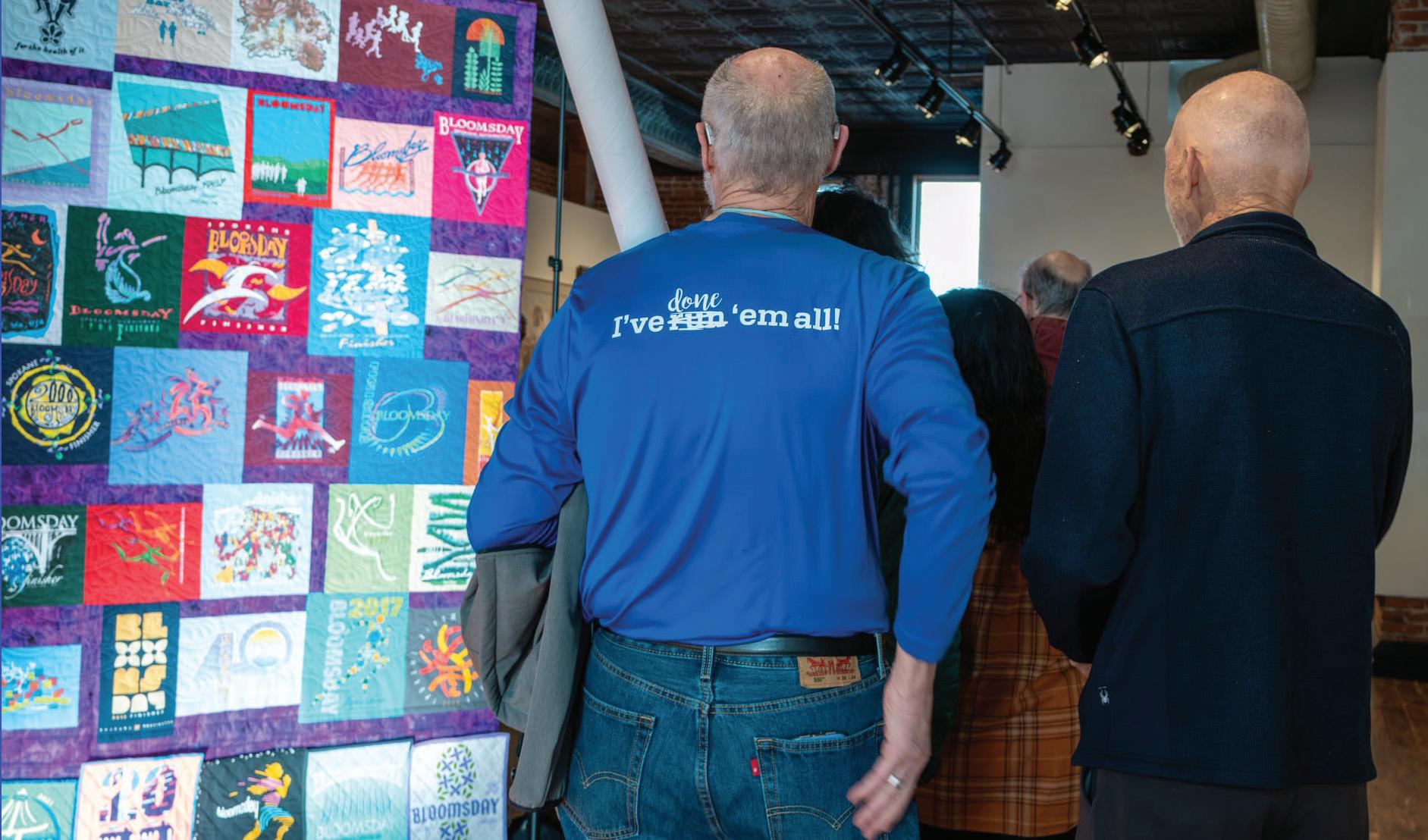
While some Bloomies use their T-shirts until they fall apart, others enjoy preserving theirs. Some of the Perennials even take great pains to keep their collection intact, such as putting them in storage or creating them into quilts.
2025
Want your artwork on a future Bloomsday T-shirt? Each year, the Lilac Bloomsday Association invites artists from around the world to submit a design. If selected, the artist will be able to see their work on thousands of Finisher shirts, a cash prize – “plus a lifetime of bragging rights.”
2020
2020 Bloomsday participants during the pandemic could choose their course and finishing was on the honor system.
Veronica Loleo shaved one-hundredth of a second off the previous women’s race record to set a new one of 38:02.
There are some rules to follow, such as certain words and phrases and the correct year. Bloomsday officials will also work with the artist for any adaptations to their design, such as colors.
To learn more about the 2027 T-shirt design contest, keep watching the bloomsdayrun.org page. Details are expected to be put up by summer.
John Mraz, left, and artist Ken Spiering unveil the 2026 Bloomsday poster during a news conference on Thursday at No-Li Brewhouse in Spokane. Tyler Tjomsland/The Spokesman-Review
John Mraz, left, and artist Ken Spiering unveil the 2026 Bloomsday poster during a news conference on Thursday at No-Li Brewhouse in Spokane. Tyler Tjomsland/The Spokesman-Review
Terrain Gallery visitors look at Bloomsday posters from throughout the years on April 3 at the “50 Years of Movement” exhibit. Photo courtesy of Andrea Olmsted