SUSTAINABLE PACKAGING NEWS
Taking the lead in sustainability

Food Packaging
Food packaging trends are shifting towards greater sustainability
Glass Packaging
Embracing the Sustainability & Versatility of Glass
Bio-based Packaging
Paper vs Plastic
Labelling
In Transit? Get smarter! New packaging technologies are reshaping our freight industry.
Issue 24:1 - February 2024
SmartCycle®
Sustainable Label Films
Close the loop with our recyclable, heat shrink sleeve films produced with 30% post-consumer recycled content!
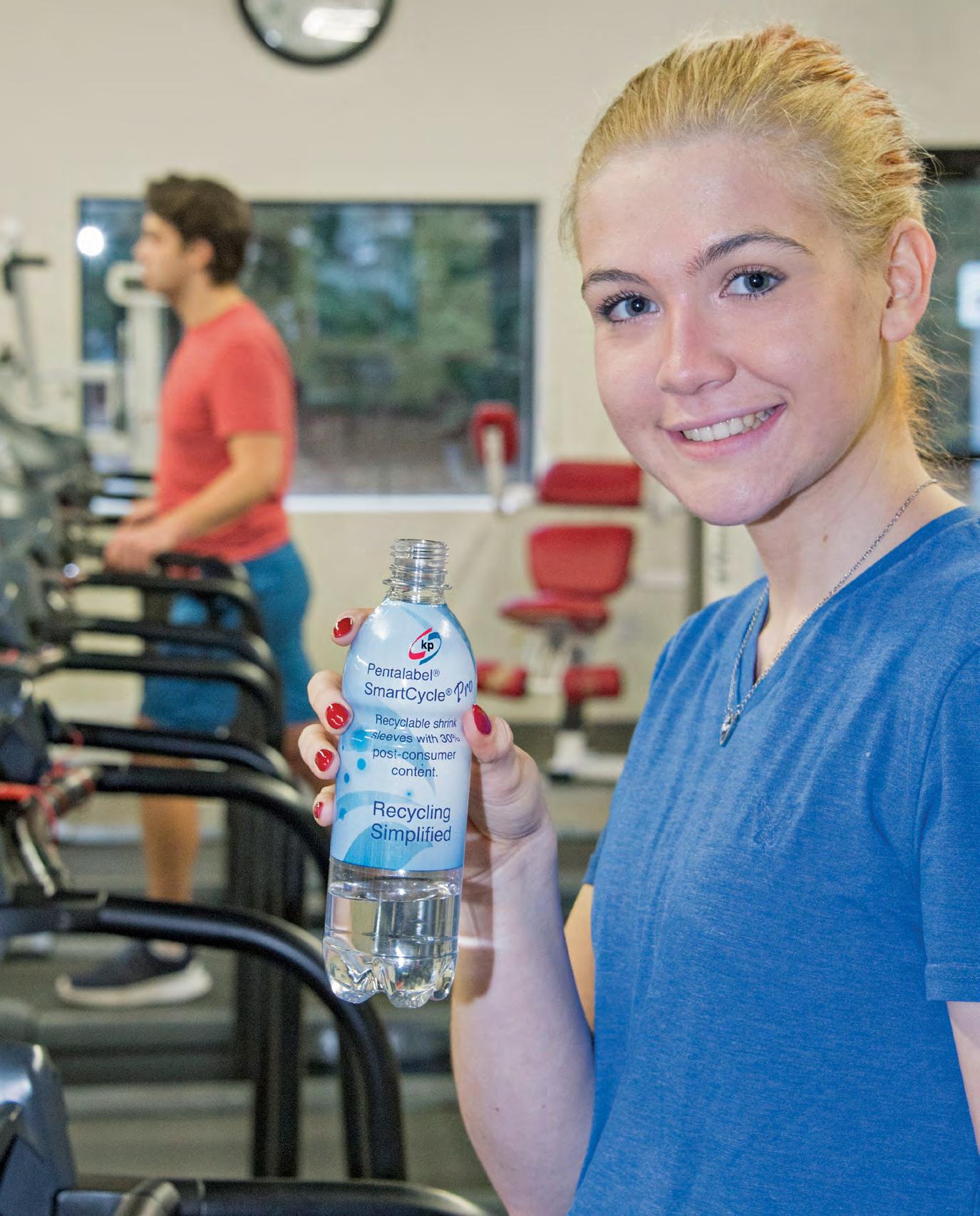

Samples
Welcome to

Dear Readers,
I hope that everyone is keeping well and prepared for the arrival of Spring? The snowdrops and daffodils are already showing their colours in anticipation!
In any event, there is definitely a feeling of renewed optimism in the air and this chimes with the feedback I am getting from a variety of quarters throughout the Packaging Industry. Looking ahead and knowing that there are some important trade shows to look forward to, such as DRUPA, Achema and Anuga Food Tech, we are viewing the future with greater confidence than ever before as many companies are investing in the latest technical innovations that our industry is so adept at creating.
In this latest issue we look at a range of informed observations from Smurfit Kapa as to what the future may hold and the top Industry trends for 2024. This is in addition to providing new insights obtained from a number of contributors based upon the latest in Bio-Based packaging, luxury packaging and food packaging, among many others.
Let us all hope that 2024 will see the cessation of the dreadful hostilities that currently afflict the world with their dramatic impact on people’s lives - and our vital supply chains.
In the meantime, SPN wish you all a healthy, happy and prosperous 2024. You can be sure that we will be doing our very best to support you throughout the year with insights and advice that really make a difference!
Sincerely,


 Philip Yorke ( Editor )
SUSTAINABLE PACKAGING NEWS
spnews.com
2024 SUSTAINABLE PACKAGING NEWS 3 SUSTAINABLE PACKAGING NEWS In Transit? Get smarter! 1. New packaging technologies are reshaping our freight industry. Food Packaging Food packaging trends are shifting towards greater sustainability Taking the lead in sustainability Issue 24:1 - February 2024 Bio-based Packaging Paper vs Plastic Glass Packaging Embracing the Sustainability & Versatility of Glass Labelling news_packaging WELCOME TO SPN MAGAZINE linkedin.com/company/ sustainable-packaging-news/ Director Editor Writers Designer Kevin Gambrill Philip Yorke Steven Gislam, Dominy Jones Dom Thorby
February
6 The shifting sands of risk-resilience
8 New-Wave Plastics?
10
Trends 2024 from Smurfit Kappa
11 Lidl Scraps ‘Use By’ dates
12

4 SUSTAINABLE PACKAGING NEWS Contents CONTENTS REGULAR FEATURES TOPICS 6 SUPPLY-CHAIN SLEUTHS
RETAIL ROUND-UP
FOOD PACKAGING 16 Colpac - Taking the “complex”out of complexity 18 Shifting Trends in Food Packaging PAPER VS PLASTIC 22 The Sustainable Showdown LUXURY PACKAGING 30 Hunter Luxury - Without Compromise BIO-BASED PACKAGING 27 CJ Biomaterials - ‘Derived from nature’ 28 Süper Film - Super Vision 29 New growth in compostables PROTECTION DURING TRANSPORTATION 31 In Transit? Get smarter! 32 Eco-Sustainability in Ecommerce GLASS PACKAGING 34 Glass – the clear choice LABELLING 26 Spirit Label Solutions 12
VISION
20-20
DIGITAL DIGEST
Top
8
Thysse - Widening horizons

SUSTAINABLE PACKAGING NEWS 5 CONTENTS
22
18 32
34
Supply-chain Sleuths
The shifting sands of risk-resilience
Increasing risk-resilience is a priority when it comes to Supply Chains. Today, key drivers of supply chain process improvement have shifted from profit maximisation and cost minimisation to a stronger focus on customer service and long-term partnerships. These options result in higher satisfaction, greater customer loyalty, fewer service complaints and improved risk-resiliency.

Today’s packaging buyers understand that storage, handling, and transportation decisions based on price alone are not enough as the level of personalised service they can count on is equally, if not more important. Thus, they are embracing new strategies that will help drive profits and build risk-resilient supply chains through their strategic packaging procurement partnerships.
Supply Chains Optimised
Due to Post-Covid complications, unpredictable disruptions, and evolving regulations, businesses have learned to be more proactive than reactive in their supply chain management. This includes everything from sourcing raw materials or goods to manufacturing to storage and shipping. Supply chain management encompasses product design and development, sourcing, engineering, logistics, as well as tracking. Optimised packaging procurement is also an important aspect of supply chain optimisation.
Squaring the Circular Economy
As environmental consciousness continues to rise, businesses are increasingly investing in circularity, a sustainable approach to the supply chain that reduces resource consumption, waste generation, and CO2 emissions. Circularity involves reusing ostensible waste materials, returns, and other wasteful byproducts as much as possible. With green consumerism on the rise, more businesses are expected to implement ecofriendly supply chain processes in future, thus paving the way for a more sustainable future.
“ more businesses are expected to implement eco-friendly supply chain processes ”
Sustainable packaging is one area that will help e-retailers optimise the value of their supply chains, acquire more customers, and boost loyalty. Various studies show that consumers are consciously factoring their buying decisions on sustainability. The CGS 2019 US Consumer Sustainability Survey found that 70% of the respondents considered sustainability as an essential aspect and 47% of respondents were ready to pay up to 25% more for sustainable products.
PVH, the brand that owns Calvin Klein, is the first apparel retailer to join the’ How2Recycle Initiative’, and is committed to providing packaging made of 100% sustainable and ethically sourced materials by 2025. Currently, 75% of their packaging is recyclable, which has helped them save over 200 tons of plastic annually.
Vela Bags by Seaman Paper is a transparent biodegradable paper apparel bag, which is being hailed as a sustainable option over single-use plastic poly bags. Primarily used for garment packaging, these bags made from transparent FSC® certified paper are expected to gain popularity.
6 SUSTAINABLE PACKAGING NEWS
SUPPLY-CHAIN SLEUTHS


Ombraz, a leading eyewear brand, not only offers their sunglasses in recyclable packaging, but also has partnered with Eden Reforestation Projects to plant 20 mangrove trees for every pair of sunglasses they sell.
In addition, many companies are incorporating BDP® in their packaging programs. BDP®, introduced by a non-profit group called Change Plastic for Good, is hailed as the sustainable future of plastic. It is a revolutionary ingredient that accelerates the breakdown of plastic materials in nature. BDP® polymer features organic nutrients and compounds, which break down easily and serve as food sources for microbes in the soil. Although BDP® was first incorporated in plastic shopping bags, today, businesses use them in poly mailers and other packaging materials to create sustainable packaging solutions.
Supply Chain Customisation
The global business environment is getting increasingly complex due to rapidly evolving technologies. Many supply chains are slow-moving and do not contribute to the profitability or performance of an organization. Thus, companies are finding new ways to optimise this area of their business.
Retailers are investing in warehouses, shippers are buying new containers, companies are chartering vessels for logistics, and those unhappy with online sales are partnering with e-commerce fulfilment operators. Additionally, traditional truck delivery costs have pushed many shipping giants to embrace air freight, the cost of which was previously considered prohibitive.
Moving forward, logistics companies that offer customisable solutions that add value and transparency to their clients’ operations, such as customised reporting, inventory management, and cross-docking and drop shipping etc. will be well positioned to support packaging buyers.
Last Mile Delivery
Last mile delivery is one of the key challenges in supply chain management. Last mile delivery is the distance the product travels between the distribution centre and the customer. Centralised distribution is a popular supply chain model, which most businesses are familiar with. In this model, the operations are usually limited to a central location. In case of multiple delivery locations, the hubs may be located to handle time zones east and west or area-specific product lines. Fewer delivery locations make the system and process standardisation much easier.
These centralised distribution centres help lower operating costs and ensure improved customer care. Centralised distribution also helps improve product availability. Companies that also invest in Enterprise Resource Planning (ERP) and Product Lifecycle Management (PLM) tools, will see an improvement in supply chain oversight and efficiency. These tools enable businesses to connect with every player in the supply chain and optimise production workflows as well as gain insights on compliance, quality, and customer satisfaction.
Outsourcing Packaging Procurement
Outsourcing packaging procurement helps build resilient supply chains. The type of packaging used by a company can have a significant impact on their brand value, profitability, and customer experience. The cost of packaging is affected by different factors, such as the type of material used, print and design, and of course, logistics. By outsourcing packaging procurement, businesses can speed up their time-to-market and minimize operational costs, without compromising on quality.
An experienced strategic packaging vendor would know how to offer the best packaging solution while navigating the challenges brought by material shortages, port congestions, and socio-political conditions. The right supplier can help understand the nuances of different packaging materials, machines, tooling costs, colour matching, and so on. They can also provide answers for any problems or questions a buyer may have throughout the packaging production and manufacturing process, ultimately leading to better choices to support business goals.
SUSTAINABLE PACKAGING NEWS 7
SUPPLY-CHAIN SLEUTHS
New-Wave Plastics? 20-20 Vision
Ocean-bound plastic is a circularity driver. Plastic pollution is now thoroughly lodged in public consciousness, the pressure having increased over the past five years. However, for decades mis-managed waste has been building up in the environment. The issue is a complex one, with no silver bullet solution or one single responsible party to blame. Between local and national governance, individual consumer purchasing patterns, product design choices, disparities in social economics, underdeveloped waste management infrastructure, and many other factors – ocean plastic pollution has become a problem on a global scale.
Alexandra Tomczyk, Analyst, Plastic Recycling at ICIS gives an introduction to the ocean plastic (OP) and ocean-bound plastic (OBP) industry, which has sprung from the necessity to address the issue and is proving to be an innovative way to tackle plastic pollution.
Challenges of recycling ocean plastic and OBP
Around 80% of OP is generated by the marine industry (e.g., fishing, shipping), and the remaining 20% leaks from mismanaged land waste – otherwise known as post-consumer waste. Projects on all continents addressing both sources have been proving successful in diverting pollution and returning valuable feedstock back into circulation, but not without challenges.

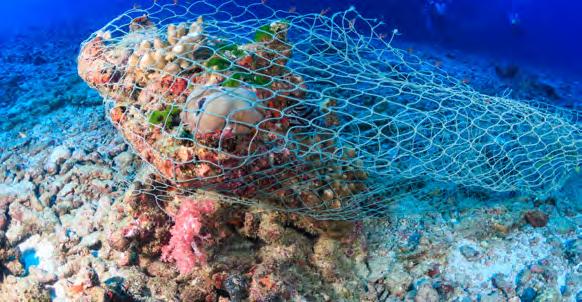
The biggest barriers to recycling OP include the difficulty of establishing a steady stream of feedstock supply, at a consistent quality. Biomass and mineral pollution, deterioration and fragmentation caused by mechanical abrasion (caused by waves) and extended UV-exposure (caused by the sun) are some of the technical challenges to recycling OP. A mix of prevention (e.g. take-back schemes for end-of-life equipment) and direct extraction (gathered from the water) is being deployed as collection method. Despite both collection and processing factors driving the cost of processing and the quality of outputs the industry has seen a significant rise in volumes processed – recycled OP nylon and polypropylene sourced from fishing nets and crates can now be found in consumer goods (chairs, shopping baskets, tools, automotive parts) or in circular industry applications (farmed fish cages).
“
recycled OP nylon and polypropylene sourced from fishing nets and crates can now be found in consumer goods ”
8 SUSTAINABLE PACKAGING NEWS 20-20 VISION
Meanwhile, OBP as a product category consists mostly of commodity resins – predominantly PET. OBP is defined as any plastic found withing 50km of a coastline and at high risk of entering the environment due to lack of adequate formal waste management infrastructure.
Unlike ocean plastic, OBP is found almost exclusively on land and on ocean-adjacent waterways (canals and rivers). The collection is done via the informal sector – each item (bottle) is picked individually and sold to a small aggregator (e.g. an individual with a form of transport able to sell the collected OBP onward) or a centre, where the material is hand-sorted and pre-processed (labels and caps removed). Consequently, the level of pollution found in OPB is much lower than in OP, making it easier to recycle and often having the potential to convert to food-grade quality.
The OBP Challenges
Although theoretically less challenging to recycle, OBP has its own challenges, as its social and environmental impact is complicated. Working with the informal waste sector, found predominantly in the global south, poses many questions and few answers for big western corporations. For many, waste picking is a form of subsistence living – a single person can collect between 10kg up to 50kg of plastic per day.
The lack of work formalisation and adequate access to social services (e.g., education and childcare, healthcare, banking) makes bridging the gap between FMCGs interested in OBP material and the reality of how it’s procured a difficult process to navigate. Additionally, OBP is not collected in an environmental vacuum – where some polymers/waste streams are highly valorised (PET bottles) others currently have little to no market value (e.g., multilayer sachets) – where not structured to address this issue, OBP projects cannot be considered as effective form of environmental pollution prevention.
Finally, there is the issue of traceability. Proof of origin for both OP and OBP is vital to differentiate genuine, impactfully sourced material. The costs of production of recycled OP and OBP are usually higher than comparable material sourced through a well-established waste management system, hence carry a premium price. The added value of the environmental and social benefits, contemporaneous to current public concern with the issue of plastic pollution, is an attractive story many brands want to use to entice consumers with. Consequently, traceability is a cornerstone of OBP especially. The most recognized OBP certification was developed in 2019 by the NGO Zero Plastic Oceans, with a recent addition of a new Social+ standard.
Certification is vital in building trust in ocean-bound plastic as a product. The extended value chain and the resulting highquality, manually sorted product are often sold at a premium precisely because of the attached social value. End-users who want to buy recycled OBP and can align their values with the story behind the materials.

Growth of major players
Nearly 120 organisations across the value chain have been certified with the OBP certification. OBP operations are an example of deep, cross-sectional collaboration – a mode of work which has been growing in the recycling industry in general.
Organisations such as NextWave Plastics bring together members (including Dell Technologies, HP, and IKEA) to pool resources needed to meet their sustainability and social commitments through the incorporation of OBP into their supply chain. Research and investment into this space are also driven by organizations such as The Circulate Initiative (not-forprofit) and Circulate Capital (investment fund).
As fund managers increasingly look to diversify their portfolios and boost their ESG credentials, investing in the blue economy is growing. Companies embarking on the inclusion of OBP in their products or offerings must consider a holistic approach, as many OBP suppliers set high expectations for collaboration and transparency. In a way, the OBP industry is ahead of the curve when considering the likely future legislative landscape (examples of EU laws currently in development: traceability and proof of full chain of custody for digital product passports and Corporate Sustainability Due Diligence reporting).
Outlook for the OBP market
There are no signs of consumer sentiments around plastic pollution changing any time soon, so demand for recycled OBP and OP is there. Businesses are also committing to more ambitious corporate sustainability agendas and pushing investment into innovation and sourcing irrespective of current legislative backing. Those businesses with forethought to establish strong relationships now are likely to futureproof their supply of recyclate, be it for OBP, OP and standard material. The demand is likely to increase as key legislative milestones (in the EU) approach in 2025. However, the industry is not immune to the tough market conditions present since mid-2022. Many OBP players survived last year but are still waiting for their moment to thrive. Current trends indicate brighter future for those with strong traceability, wellestablished relationships, and a bit of patience in place.
SUSTAINABLE PACKAGING NEWS 9 20-20 VISION
Alexandra Tomczyk Analyst, Plastic Recycling at ICIS
Uncertainty –the only Certainty
The following insight “Top Trends 2024” from Smurfit Kappa has been reproduced here in full to provide some valuable food for thought for our readers. As a well renowned and respected leader in packaging sustainability, Smurfit Kappa bring a lot to the table.
Be sustainable as standard...
Businesses that embrace sustainable practices not only contribute to a healthier planet but also build trust and loyalty with consumers, ensuring long-term success in an increasingly conscious market where sustainability is expected as standard. It’s more than being environmentally responsible; it’s a strategic move for a thriving and sustainable future. Focus on transparency, clear on-pack messaging and eliminating harmful materials from supply chains will be key to success.
Tell a story…
Packaging will be an essential tool when it comes to brand storytelling. It’s about creating an emotional connection with consumers. By narrating a brand’s history, values, or the origin of ingredients, packaging transforms from a mere container to a powerful communication tool that gives meaning to customers. In a competitive market, packaging that tells a compelling story sets a brand apart and can influence future sales. Moreover, with consumers valuing sustainability, packaging that communicates a commitment to eco-friendly practices enhances a brand’s appeal. Looking forward, the trend of using packaging for storytelling is likely to continue shaping consumer relationships and influencing purchasing decisions.
Communicate clearly & honestly
In the era of information overload, consumers seek transparency and honesty, and the ability to read and understand on-pack messaging clearly and effectively is crucial for brand loyalty. As consumers navigate their busy lives, simplified packaging becomes essential, providing them with the necessary information without overwhelming them. Honest and straightforward packaging that delivers key messages will be pivotal in building trust and meeting the needs of today’s discerning and time-pressed consumers.
Make it personal…
In an era driven by social networks and digital connectivity, consumers play an active role in shaping their preferences, seeking personalised services, and influencing product development. The advantages of offering customised experiences extend beyond satisfying consumers to providing businesses with valuable insights for future strategies. Personalisation cultivates brand loyalty, stimulates increased purchasing, and allows companies to adapt to evolving consumer preferences, positioning them for sustained success in a dynamic market landscape and packaging has a key role to play in this area.
Navigating uncertainty - the only certainty.
Brands must swiftly adapt, embracing sustainability as a standard, integrating interactive technologies with a personal touch and join the global shift towards transparent and immersive practices. Simplified packaging with clear messaging and an emphasis on storytelling will be crucial. Businesses need to connect with consumers on a deeper level, aligning with their values. Embracing these changes presents opportunities for businesses to future-proof their operations and establish a meaningful connection with consumers.
The future is coming - and fast. Smurfit Kappa is committed to being a trusted and knowledgeable packaging partner of choice, bringing forward the latest cutting-edge developments and consumer insights.
10 SUSTAINABLE PACKAGING NEWS 20-20 VISION
Every Little “Saves” as Lidl Scraps ‘Use By’ dates
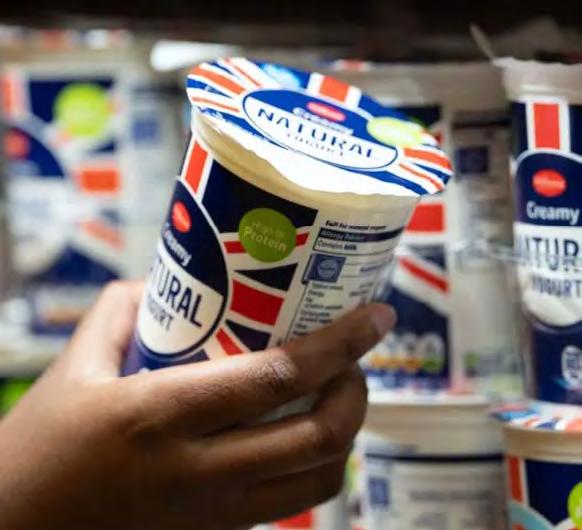
To help curb food waste in the UK, Lidl has scrapped “Use By” dates on all its ownbrand milk and yoghurt products. Discount retailer Lidl GB has committed to changing the labelling of many of its dairy products in a bold move to prevent food waste.
According to the Waste & Resources Action Programme (WRAP), more than half a million tonnes of dairy products are wasted every year. In fact, WRAP noted that the “majority” of the wasted dairy products are thrown away in our homes.
From this month, consumers will be able to spot the changes on Lidl’s own brand milk packaging across England and Wales, however, the move will not be implemented on yoghurts until the early the Spring of 2024. Lidl GB has said that this move is part of its plans to curb food waste by encouraging customers to use their judgement on whether products are still good to eat. Instead of ‘Use By’, ‘Best Before’ dates will be printed on the labels of the dairy products.
“ this move is part of its plans to curb food waste by encouraging customers to use their judgement ”
Advising shoppers, Lidl has shared: “Milk and yoghurt that’s been stored correctly and doesn’t smell bad or appear lumpy, is safe to enjoy”. Commenting on the decision, Richard Inglis, Head of Buying at Lidl GB, said: “At Lidl, we know that a lot of perfectly good milk and yoghurt is being thrown away because of ‘Use By’ dates.
“It therefore makes total sense to us to make the switch to ‘Best Before’ so that shoppers can use their own judgement on whether their milk or yoghurt is good to consume.”
Inglis went on to state that Lidl GB has a “long record of making positive change to reduce food waste”, with this move being “latest step” that builds on its “commitment to helping households tackle food waste at home.
SUSTAINABLE PACKAGING NEWS 11 Retail Round-up RETAIL ROUND-UP
Digital Digest
Widening horizons
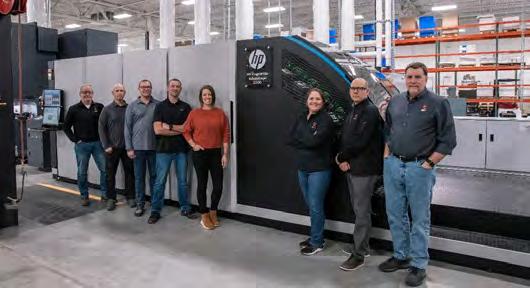
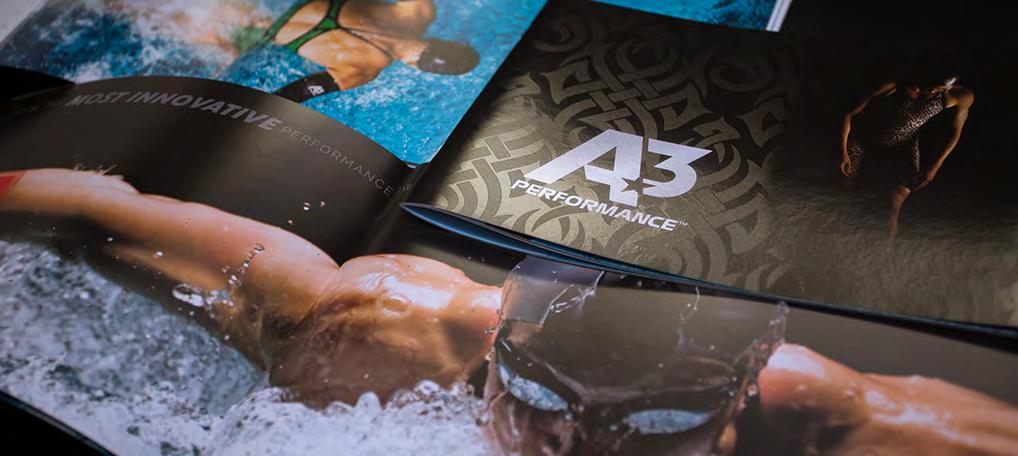
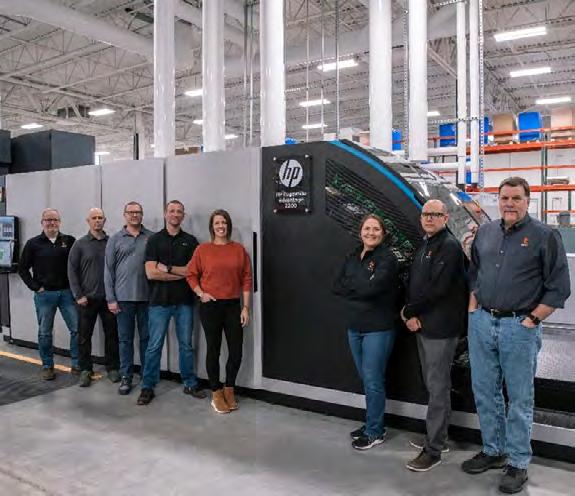
Thysse Boosts Its Capabilities with a new HP PageWide Advantage 2200 Web Press. Thysse, a full-service brand experience provider that offers commercial printing, is proud to announce its recent acquisition of the HP PageWide Advantage 2200
The investment reaffirms Thysse’s steadfast commitment to the core values that have allowed it to grow over the past eight decades; offering exceptional service and project outcomes, efficiently. The company was founded in 1941 by John Thysse, and began as a letterpress printer in Madison, Wisconsin. Since its inception, continuous innovation and embracing new technology have allowed Thysse to meet the evolving needs of its clients.
“ we implemented the HP PageWide Advantage 2200 seamlessly into our workflows, allowing us to offer more to our current clients ”
Today, the third-generation owner and CEO, Jason Thysse, is accelerating the company’s growth trajectory by doubling down on investments aimed at elevating capacity, efficiency, and capabilities across the entire portfolio of services. The scope spans culture, structure, training, process, and technology, all aimed at adding tangible customer value.
On Thysse’s recent adoption of the HP PageWide Advantage 2200, Jason commented: “We don’t acquire new technology right when it comes out. We carefully vet additions to our floor to make sure the innovation promise and reliability are there, which is certainly the case with this press. Working closely with HP, we implemented the HP PageWide Advantage 2200 seamlessly into our workflows, allowing us to offer more to our current clients and prospects- at the high standards they demand.”
Operationally, shorter turnaround times, most notably during peak periods, mean more customer jobs fit in their production schedule, providing invaluable service and competitive advantages. Additionally, the company has been able to shift 30-50 labour hours to other workflows each week with the addition of the HP PageWide Advantage 2200. As noted by Thysse’ s VP of Sales & Marketing, Kevin Kouba,
12 SUSTAINABLE PACKAGING NEWS DIGITAL DIGEST

“The added speed and efficiency give our customers better scheduling flexibility and enable us to deliver on last-minute, time-sensitive requests, even when that request is prefaced with, “I know this probably isn’t possible, but….” Ultimately, being able to deliver in those situations is phenomenal.”
Tripling overall efficiency
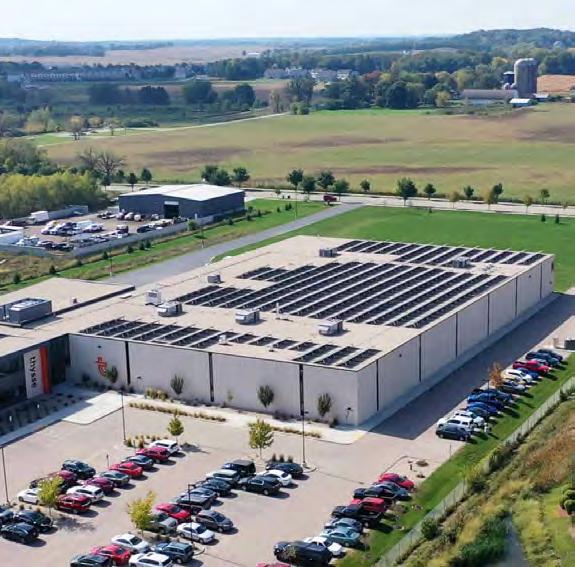
Additionally, the new HP PageWide Advantage 2200 web press has enabled Thysse to advance its sustainability initiatives. The additions reduce per-piece energy consumption and waste. Beyond the equipment, Thysse’s new facility (2020) tripled overall efficiency by optimising storage and production floor plans and workflows. The facility also produces up to 100% of its energy using a rooftop solar array.
Thysse’s President, Dean Bott, had this to say about the sustainability mission, “The HP PageWide Advantage 2200 decision aligned well with the sustainability goals we’ve made so much progress against. The benefits range from meeting rising demand for environmentally responsible partners to internal efficiency and cost savings and beyond. The right mix of technology makes a business case for sustainability, which is truly exciting to those, like us, who want to see widespread adoption.”
“ Thysse have been great to work with, it has been wonderful to watch their business transform ”
“Our partners at Thysse have been great to work with, and it has been wonderful to watch their business transform. And even more with this press that has a versatility of printing a diverse range of applications like full color Posters, 14 points post card, 800 feet per minute black and full color variable jobs at up to 500 feet per minute” stated Vahaaj Khan, AMS HP PageWide Sales Manager at HP. “They are very eager to deliver the best of the best to their customers, and we’re pleased that we’ve been able to support them on this journey with the newest addition of the HP PageWide Advantage 2200 Web press alongside other HP solutions, including Hunkler Gen8, Hunkeler Cut and Fold, H and the B Aqueous Coater”, he added.
This addition demonstrates that Thysse is deeply committed to helping customers drive business value and accurately represent their brand, as well as the company’s passion for boosting its capabilities and creating the most innovative and comprehensive process. By investing in cutting-edge print technologies and workflow improvements, the company continues to establish itself as a major competitor in the print industry.
To learn more about Thysse, please visit: https://www.thysse.com/ and to dig deeper into the capabilities of the HP PageWide Advantage 2200 web press, take a look at this webpage: http://www.hp.com
SUSTAINABLE PACKAGING NEWS 13 DIGITAL DIGEST
Images Courtesy: Thysse archive
A New Years Honours List
Congratulations to the winners of the Sustainable Packaging News Awards 2023. All were selected by an independent panel of judges involved in the packaging industry.


“ Massive congratulations to our winners, finalists and judges for making this possible! We would like to thank all our readers for their continued support, we are proud to be making such a positive difference to our industry and helping to make effective changes to our planet and consumers! ” (The SPN team)
The video of the SPN 2023 Awards is available to watch at: www.spnews.com/spn-awards-2023/
The 2023 Winners...

CHEP Circular Economy Award
CHEP for their Q+ Display Quarter Pallet: A Sustainable Solution for Retail Packaging waste reduction.
14 SUSTAINABLE PACKAGING NEWS SPN AWARDS 2023 WINNERS
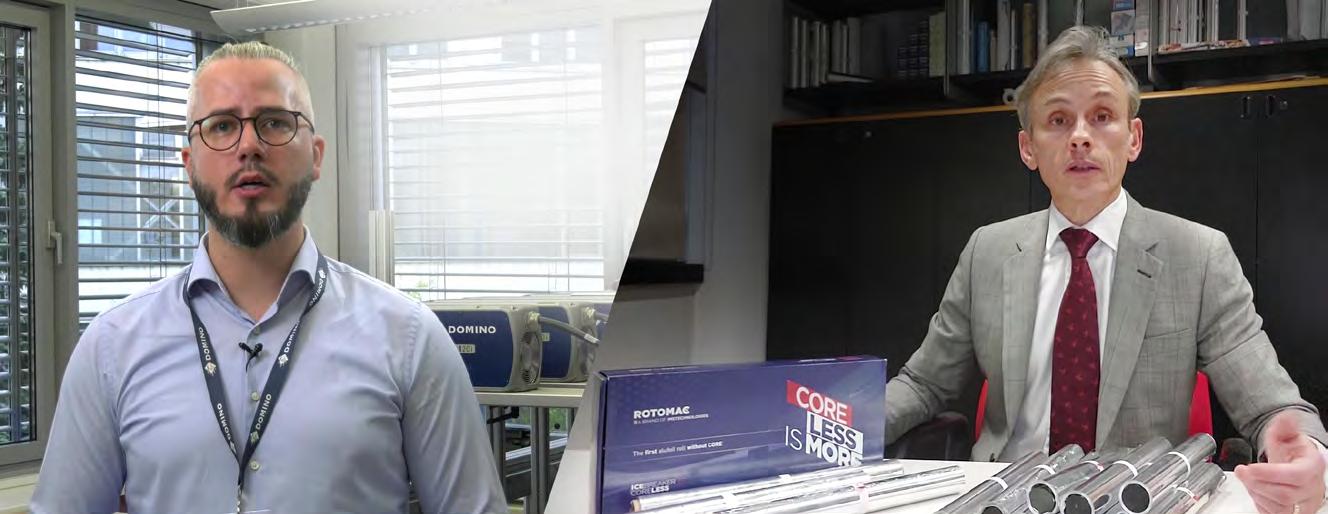
“ Sustainability is a necessity for any forward thinking business ”
- Felix Rief Head of Laser & Extraction at Domino Printing Sciences
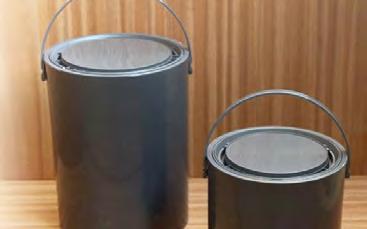
Berry Global Recyclable Packaging Innovation
For their innovative Paint-Recycling Project. Berry Global are introducing a way to offset carbon emissions with Paint 360.

Domino Printing Sciences Packaging Machinery
Domino Printing Sciences’ Laser Academy has collaborated with packaging providers to develop laser coding solutions for use on alternatives to multi-material flexible plastic packaging.
“ Our journey towards sustainable packaging began with a simple yet meaningful concept, Less is more! ”
- Kemal Kalender
Super Film

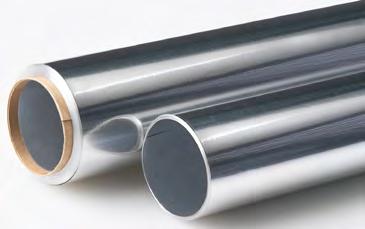
ROTOMAC Resource Efficiency Award
ROTOMAC, for their innovative new coreless roll: the aluminum foil roll without core.
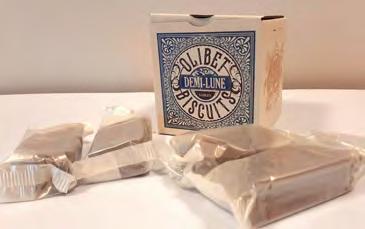
Super Film Sustainable Sourcing Award
Super Film’s pack transforms algae into plastic, a whole new dimension in packaging. They use resins derived from green algae to do this.
To enter visit: www.spnews.com/awards-submission/ or for more information email Emily Gambrill: accounts@spnews.com
SUSTAINABLE PACKAGING NEWS 15 SPN AWARDS 2023 WINNERS Submissions will be opening soon for the Sustainable Packaging News Awards 2024!
Taking the “complex” out of complexity
Colpac offers an insight into the Complexity of Sustainability Credentials for International Packaging Manufacturers.
It is widely understood that we should all do more to reduce our impact on the environment. Disposable food packaging has attracted a huge amount of media attention in recent years and has therefore become an area of focus for consumers. According to Pro Carton, 90% of shoppers would like information about the environmental credentials of packaging.
It is widely understood that we should all do more to reduce our impact on the environment. Disposable food packaging has attracted a huge amount of media attention in recent years and has therefore become an area of focus for consumers. According to Pro Carton, 90% of shoppers would like information about the environmental credentials of packaging.
Minimising single-use plastic and designing products using recyclable, compostable, and recycled materials support the drive towards reduce, re-use, and recycle, but how can international packaging manufacturers best inform consumers of accurate sustainability credentials?
Rightly so, designers and manufacturers are in the spotlight to take more accountability for encouraging the responsible disposal of products after use. However, there is not a onesize-fits-all approach to this, due to significant complexities in sustainability legislation and waste streams across the globe.
Colpac sells paperboard food packaging in over sixty countries, all of which are at different stages of legislating national recycling and composting directives.
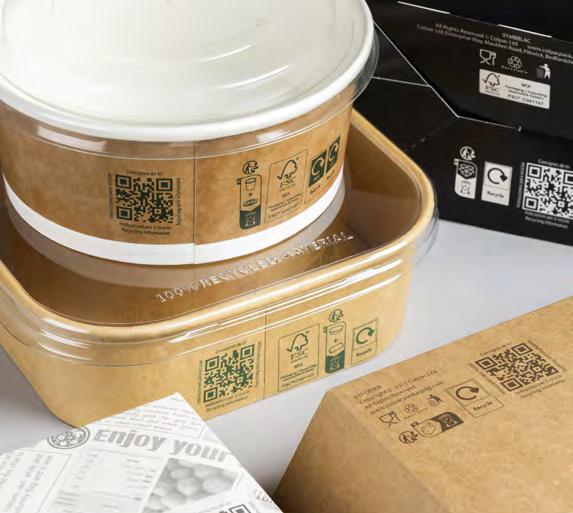
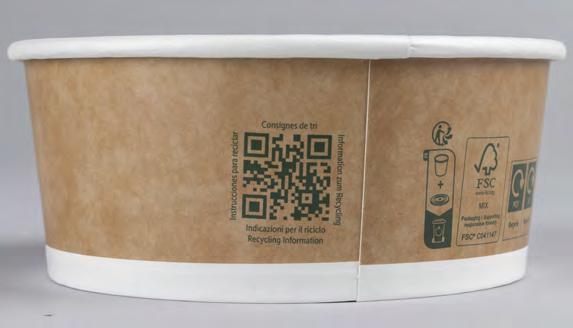
Such directives differ for each nation, and even in some cases regionally within country, meaning there is no single recycling or composting instruction for a piece of packaging. Varying plastic percentage thresholds, recycling processes, composting facilities, and waste collection schemes make this process increasingly complex.
16 SUSTAINABLE PACKAGING NEWS FOOD PACKAGING
Colpac
WRAP Research
Research from WRAP tells us that 88% of UK households regularly recycle2 but is this enough? Further research from, WRAP’s Recycling Tracker highlights that 87% of UK households recycle items which are not accepted, and 57% miss items that can be recycled. The lack of consistency in waste collection and recycling guidelines causes confusion, resulting in missed capture.
Colpac is a UK based food packaging manufacturer, so uses the UK’s On-Pack Recycling Label (OPRL) guidelines as the basis of its recycling information, and the EN13432 European standard for its composting information. However, recycling guidelines for other countries in which Colpac sells must now also be accessible. Therefore, printing a single recycling or composting logo on packs is not enough.
Quick-response QR Codes
Quick Response (QR) codes and specific recycling instructions are being printed on Colpac packaging. The information is available for national recycling schemes in the UK, France, and Italy to date. Guidance is displayed in local languages to inform end users of how to best dispose of packaging. QR codes are linked to dynamic webpages which can host more detailed information than can be printed on packs, and can be easily updated, future proofing the format. The credentials can also be accessed via each product page on Colpac’s website.
Europe is a key market, where 83% of paper and cardboard packaging is being recycled. European countries have begun to legislate the sharing of recycling and composting information on packaging. Italy was the first to establish this and accept the use of QR codes to provide such information. This method simplifies the printing requirements on packs and enables data to be updated at any time due to it being hosted digitally.
However, France has introduced its national Triman system which, like the UK OPRL guidelines, must be printed directly onto packaging. This creates additional complexities and costs for packaging manufacturers, around on-pack space, artwork creation, and print set up, as well as adding unnecessary print and materials.
Dynamic Solutions
Colpac calls for national bodies to accept dynamic solutions, such as QR codes, to simplify the accessibility of the latest sustainability credentials. OPRL research shows that consumers find multiple recycling labels on packaging confusing. Colpac’s layout is clear for consumers to understand, displaying information for each country in relevant local languages. Methods such as this also enable a multitude of differing regulations to be collated in one place, streamlining information sharing for manufacturers.
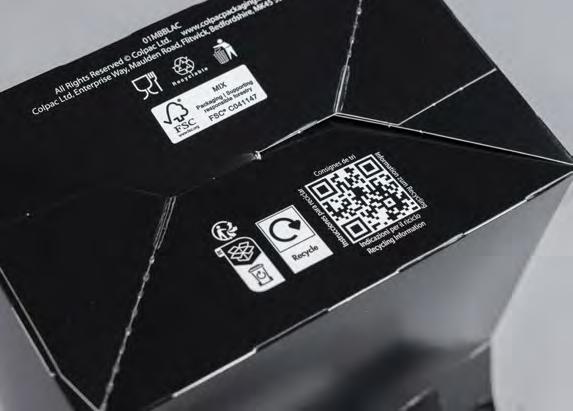
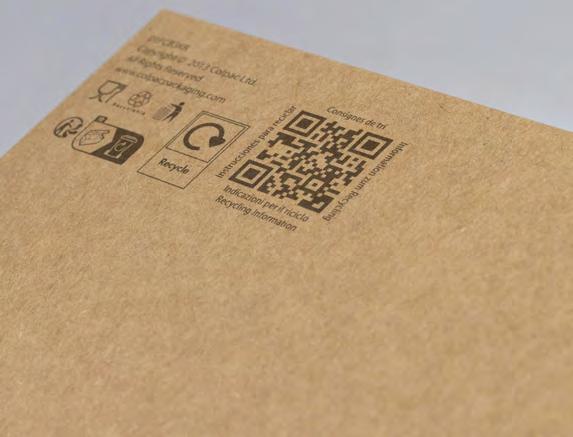
“ Colpac calls for national bodies to accept dynamic solutions, such as QR codes, to simplify the accessibility of the latest sustainability credentials ”
Providing sustainable food packaging is at the core of Colpac’s ethos, having focused on the design and manufacture of paperboard food packaging for many years. Sustainable sourcing and investment in the testing and development of recyclable and compostable materials is central to this, alongside educating customers and the wider industry about the true impact of food packaging.
The desire to reduce impact is evident across food packaging manufacturers, retailers, food service providers, and consumers, but the implementation of solutions could be simplified if legislation were consolidated and standardised across nations. Dynamic solutions will give manufacturers the best chance of providing accurate, up-to-date information to customers and consumers. In turn, consumer action is more likely to be correct, missed capture is likely to reduce, and recycling and composting rates are more likely to improve.
For more details about Colpac’s commitment to sustainability, visit: https://colpacpackaging.com/sustainable-food-packaging/
SUSTAINABLE PACKAGING NEWS 17 FOOD PACKAGING
Shifting Trends in Food Packaging
Food packaging trends are shifting towards greater sustainability as the alignment of food industry players and materials’ spurs a notable move towards a growing emphasis on sustainability. In the ever-evolving landscape of food packaging, significant strides have been
made in the past ten years, with a notable focus on environmental considerations.
Players in the food manufacturing sector and those involved in materials science have both witnessed a notable shift towards prioritising sustainability, and industry experts point out that when asked about recent trends, the consistent response is its prominence.
Rising demand for sustainability
This resounding call for sustainability has become the central driving force in the food packaging industry. Professionals in the field, regardless of their specific roles, have been attuned to the widespread demand for greener and more eco-friendly solutions. This emphasis extends beyond lip service, indicating a palpable change in mindset across the sector. This shift is propelled by consumer awareness and demands for reduced environmental impact.
Pressing concerns related to climate change and plastic pollution have heightened public consciousness, prompting manufacturers and scientists alike to rethink conventional packaging materials.
Materials innovation
In recent years, the journey towards sustainable food packaging has been characterised by a diverse range of innovative materials. This ongoing evolution has seen the emergence of materials that balance the crucial attributes of functionality, cost-effectiveness and environmental friendliness. The notable progress made is a testament to the collaborative efforts of various stakeholders.
A noteworthy aspect of this journey is the “all materials on deck” approach. This strategy signifies the collective endeavour to explore and adopt a multitude of materials that contribute to enhanced sustainability. Rather than relying on a single solution, the approach involves a holistic assessment of materials, resulting in a varied toolkit for packaging solutions. This adaptability has not only spurred momentum but has also fuelled remarkable gains in market share for sustainable packaging materials.

“ the trajectory of food packaging seems firmly rooted in the sustainability paradigm ”
Challenges and future implications
While the strides toward sustainability in food packaging are commendable, it’s essential to acknowledge the challenges that persist. The transition to eco-friendly materials and practices isn’t devoid of hurdles. As the industry embraces change, questions around cost, performance and scalability need to be addressed comprehensively.
In the foreseeable future, the trajectory of food packaging seems firmly rooted in the sustainability paradigm. A deeper integration of research, industry collaboration and consumer education will likely be key drivers in surmounting challenges and achieving long-term success in sustainable packaging practices.
- Mohamed Dabo (excerpts) 2024
18 SUSTAINABLE PACKAGING NEWS FOOD PACKAGING
PACKAGING MACHINES DESIGNED TO HANDLE
SUSTAINABLE MATERIALS.
SO FLEXIBLE TO BE READY FOR TOMORROW’S CHALLENGES.
Raw material costs and their availability, national and international regulations - everything changes so fast, making the future increasingly unpredictable.
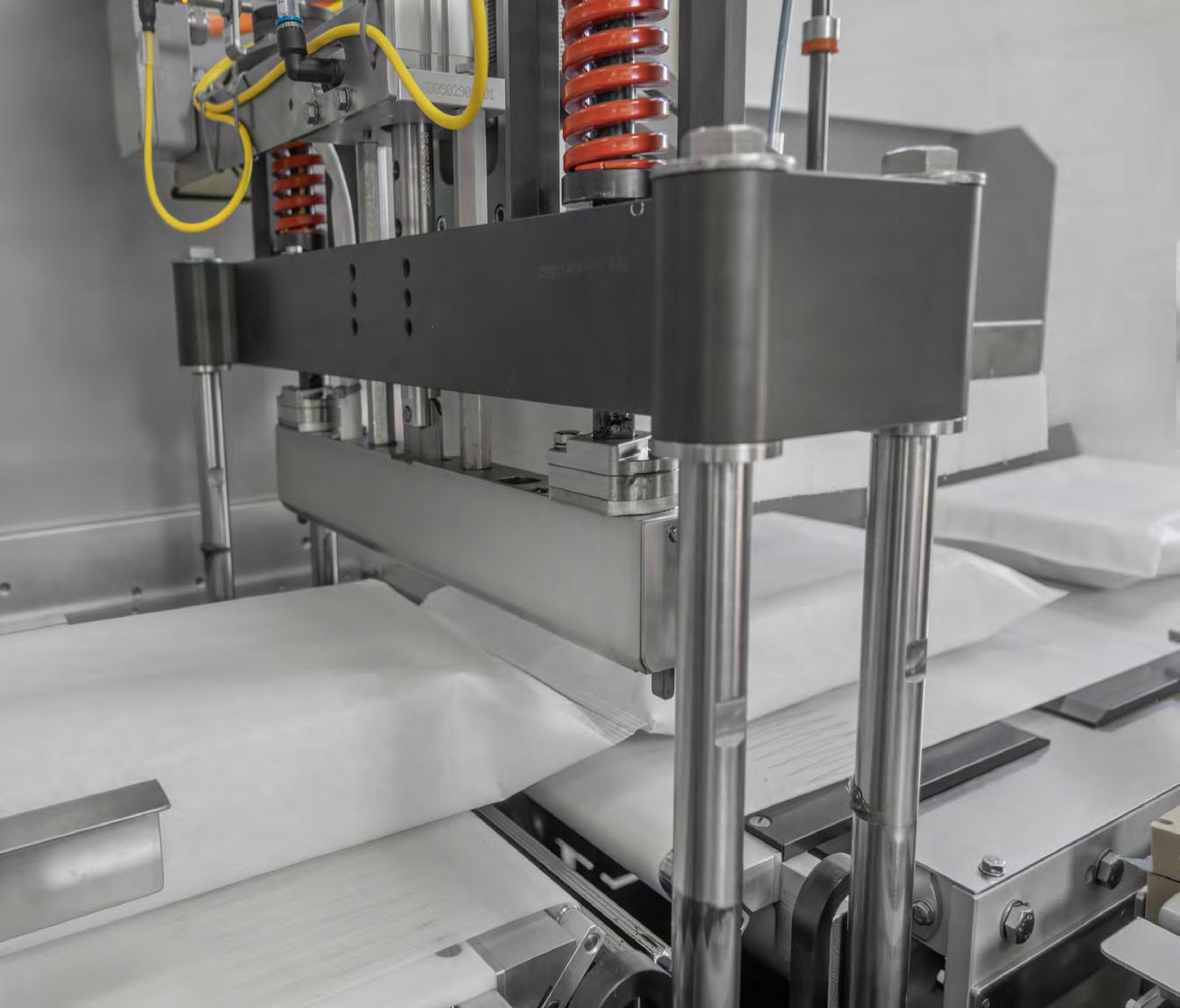
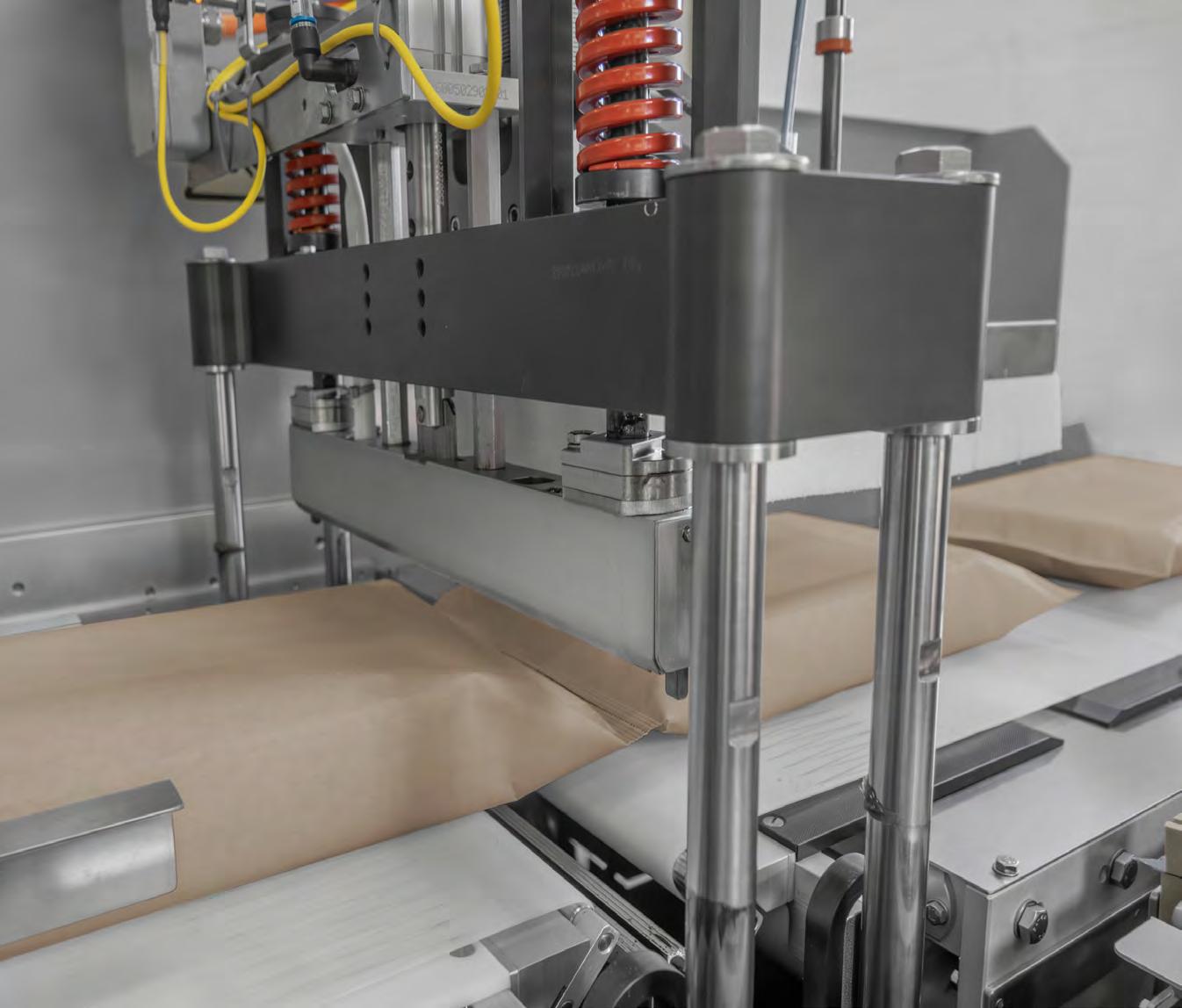
IMA Ilapak’s HFFS horizontal flow wrappers, VFFS vertical baggers and Stand-Up pouch machines offer limitless flexibility to handle the new sustainable and recyclable packaging materials
With IMA Ilapak, the future is in your hands.
SUSTAINABLE PACKAGING NEWS 19

IMA
A perfect match
IMA has always put sustainability at the core of its activities and this commitment has evolved into the development of IMA ZERO, the Group’s sustainability project that aims to minimise environmental impact in the manufacturing industry.
A pillar of IMA ZERO is OPENLab, a network of technological laboratories for the research and testing of new sustainable packaging materials. As part of this project, in 2016, IMA Ilapak established the first laboratory and test area with the aim of analysing all new sustainable flexible materials and testing them on packaging machines.
Thanks to more than 7 years of hard work, IMA Ilapak has gained unrivalled know-how which has allowed the company to develop and patent new technical solutions that are able to handle and seal more efficiently any recyclable film. Fir example, paper based and mono-material – and any industrial compostable materials presently available in today’s market.
Tailor-made solutions
“Our approach with customers is consultative because the current European and global guidelines regarding recyclable materials are still fluid. Consequently, with each customer we study and test a tailor-made solution based on the market and its specific needs, working simultaneously on materials and machines - flow wrappers, vertical baggers, or Stand-up pouch machines to find the perfect match” said a company spokesperson.
IMA Ilapak can also offer retrofit kits to process and seal paperbased or mono-material films. These can be fitted to machines already in production, up to fully automated machines capable of switching from one material to another simply by pressing a button on a machine’s HMI.

20 SUSTAINABLE PACKAGING NEWS IMA ( SPONSORED )
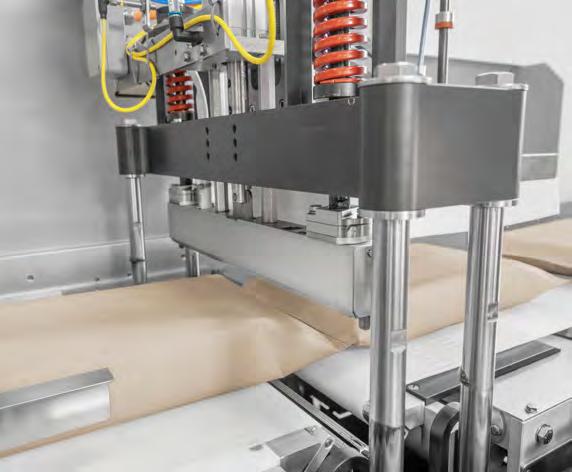
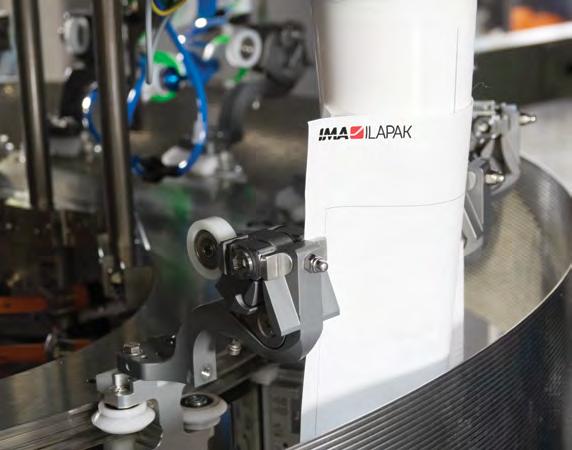
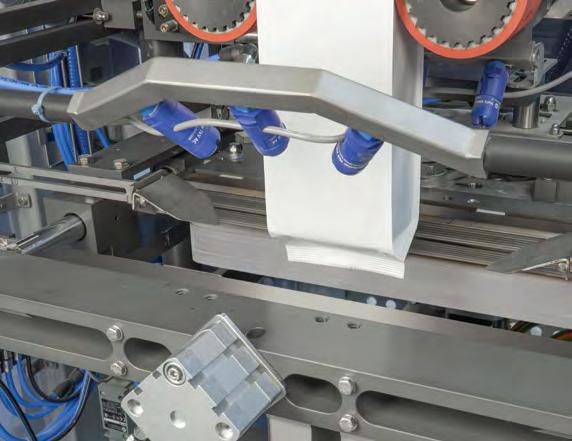
With regard to sustainable flexible materials, we report a slowdown on the ‘’paper’’ front, also due to the performance limitations of the material itself in the specific field of gas-tight applications. However, performance limits emerge mainly during hermetic packaging which is very complicated - we are talking about paper-based films with a minimum cellulose percentage of 95% and a sealing substrate of 5% or less. Thereby allowing the effective recyclability of the wrapping material in most EU and non-EU countries.
Increase in recyclable mono-materials
Today we are witnessing an increase in mono-material recyclable plastic films. In this area we have two clear trends, polyethylene, and very recently polypropylene based films such as BOPP, for sealing, with or without a gas barrier.
Polyethylene-based materials are in high demand, because they are the most easily recycled globally and this makes the managing of their disposal much simpler. Recyclable mono polyethylene materials - with or without gas barrier - are not yet performing optimally, especially with standard machines designed for completely different packaging structures and features (e.g., multilayer multi-materials), much more efficient from a mechanical and heat-sealing perspective.
Furthermore, we are still seeing a lot of R&D on recyclable mono polyethylene materials to improve their performance - thermal protective external lacquer or coextruded layers to obtain a more acceptable and wider sealing range, which tells us that these solutions are still an ongoing process that will need to be improved and consolidated in the year ahead.
Polypropylene-based recyclables have also returned to the sustainability spotlight for many of our customers, possibly due to lower price levels, better market availability and a new, ‘’friendlier’’ approach to waste management in various EU and non-EU countries
Providing unique solutions
Thanks to continuous collaborations with customers and film suppliers we have achieved results that were unthinkable only a few years ago. For example, today we can provide unique solutions for producing paper packaging (with 95% cellulose) with gussets and at high speeds. As a result, we are pushing ourselves to the levels permitted only by the physics of the material itself, thanks to the advanced technological development of today’s packaging machinery.
If you are interested in a packaging machine or solution that allows you to use one or more flexible recyclable materials with which to achieve specific performance and production level, then contact us today at: marketing.ilapak@ima.it
IMA ( SPONSORED ) SUSTAINABLE PACKAGING NEWS 21
Paper vs Plastic The Sustainable Showdown
In the ongoing battle for sustainability, the choice between paper and plastic packaging has become a pivotal point of discussion. Each material comes with its own set of advantages and drawbacks, influencing environmental impact and consumer preferences.
By Dominy Jones
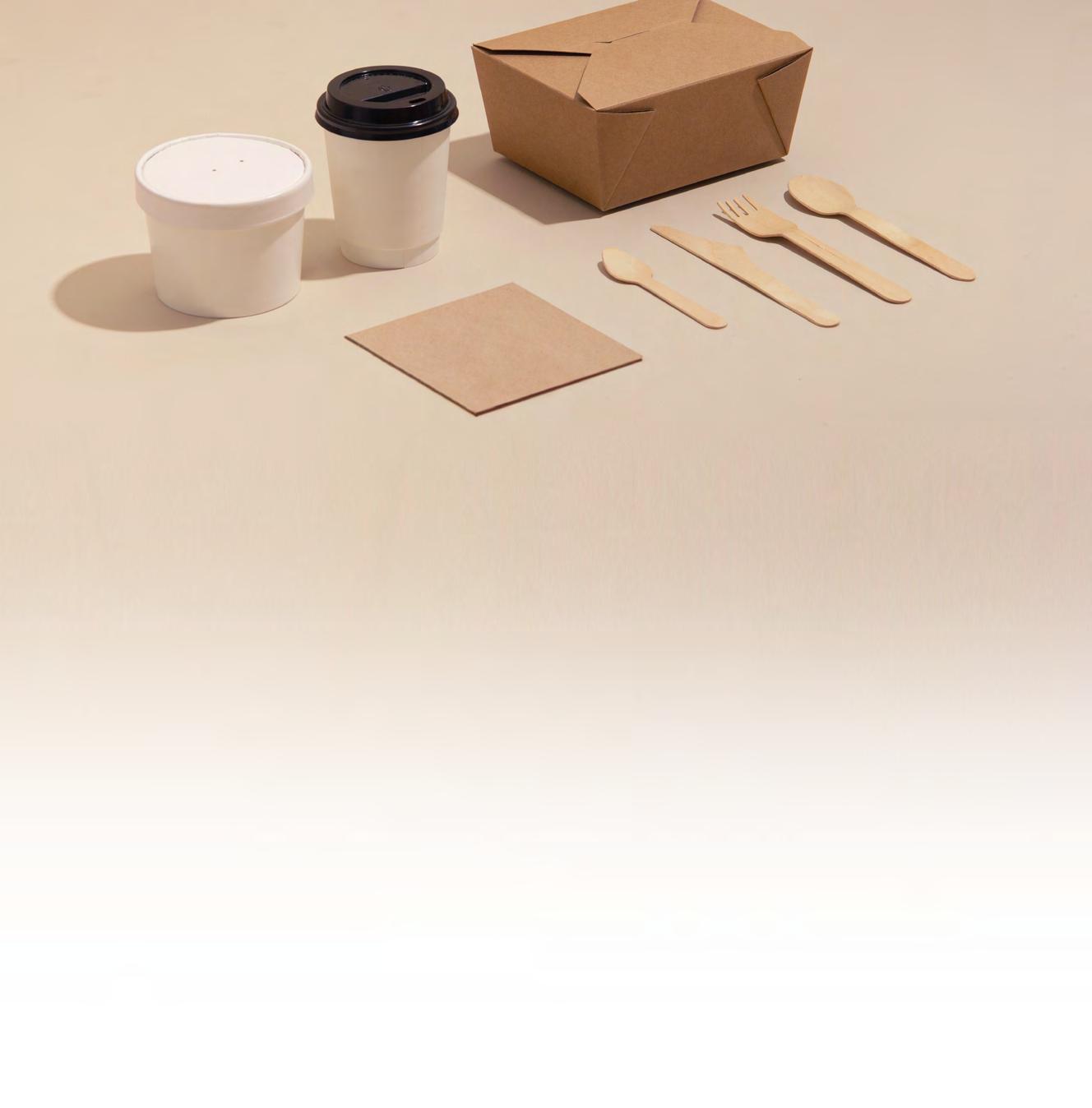
Paper packaging, often touted as the eco-friendly alternative, is derived from a renewable resource – trees. The production process for paper involves fewer toxic chemicals compared to plastic, and it is generally biodegradable. Paper is also recyclable, making it an attractive option for those concerned about environmental conservation. Additionally, advancements in technology have led to the development of recycled paper, reducing the demand for virgin pulp and easing the strain on forests.
Frugalpac is a leading international innovator and supplier of quality recycled paper packaging. Its products have the lowest carbon footprint, are easily recycled again and don’t need to go to landfill. Its first product - the Frugal Cup – is the world’s only recyclable beverage and food cup made from 96% recycled paper and using 60% less carbon than normal paper cups. Frugalpac is now looking to save the planet one bottle at a time by cutting the carbon footprint of wine and spirits bottles by 84% using recycled paper.
Frugalpac CEO Malcolm Waugh said: “At Frugalpac, we have a global mission to help decarbonise the drinks and food industry. We do that by creating sustainable packaging using recycled paper. Our recycled paper can have several lives before becoming a paper bottle and can be recycled again using significantly less carbon than a traditional glass bottle.”
Paper packaging, now well-established in the food and drinks sector, is also being increasingly used in the beauty and cosmetics markets where glass, rigid plastic and metal/ aluminium have dominated in the past.
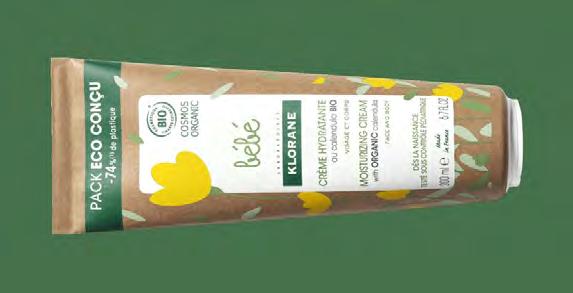
Klorane’s baby organic Moisturising Cream with organic Calendula for face and body is now protected in Albéa’s paper-based tube. The carton-based cosmetic tube provides significant plastic reduction by replacing it with a bio-based, certified paper-like material. For this repack, the brand has selected Albéa Tubes’ paper tube in its kraft version. The tube integrates at least 50% FSC-certified paper.
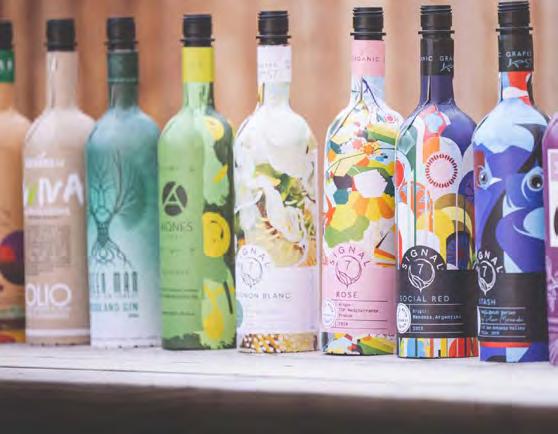
FSC® labelled brands are permitted and encouraged to speak about their use of recycled content and materials from FSC®certified forests, recycled materials, and/or FSC®-controlled materials. The FSC® logo is easily and widely recognised – which means that there are sound commercial, as well as environmental reasons for using it.
Consumers appreciate the advantages of paper-based packaging, for example:
• Widely recyclable
• Often contains recycled materials
• Bio-based – sourced from renewable plant materials and not fossil fuels
• Better biodegradability
• Can be made compatible with industrial composting
• Facilitates food composting – easier channelling of food waste to composting
22 SUSTAINABLE PACKAGING NEWS PAPER VS PLASTIC
The Frugal Cup – the world’s only recyclable beverage and food cup
Increased shelf life
On the flip side, plastic packaging has garnered criticism for its contribution to pollution and the longevity of its environmental impact. However, plastic offers certain benefits that cannot be overlooked. With modified atmosphere packaging made from plastics, shelf life can be increased from 5 to 10 days, allowing food loss in stores to be reduced from 16% to 4% Moreover, plastic packaging can be more energy-efficient in terms of production and transportation due to its lighter weight.
Bioplastics are a type of plastic that can be made from natural resources such as vegetable oils and starches. Neopac’s PICEA™ tubes combine spruce saw dust waste with a plastic matrix of sugar-based raw materials. In total, the tube is composed of 95.8% renewable materials, and a CO2 footprint analysis revealed PICEA™ uses 38.9% less carbon dioxide over its lifecycle than traditional polyethylene (PE) tubes. The PICEA™ tube has attained Ecocert and Cosmos certifications, as well as EU Food Grade status.
Borealis and ITC Packaging, a leading European manufacturer of thin wall packaging for food-contact applications, have jointly developed a series of new and more sustainable rigid packaging formats that are suitable for food contact. The partners used resins from the Borcycle™ C and Bornewables™ portfolios to upgrade a number of iconic food packaging formats found on European supermarket shelves, primarily in the ice cream and ready-to-eat segments. These more sustainable formats containing chemically recycled polypropylene (rPP) and renewable-based PP. Brand owners and converters are keen to find ways to reduce their carbon footprint by enhancing the sustainability of their packaging. At the same time, ensuring the safety of food-contact packaging is crucial.
Grades in the Borcycle C portfolio guarantee the high purity and safety required for food-contact applications because they are gained through the chemical recycling process, which turns plastic waste, which is difficult to recycle back into virgin-grade materials. Grades in the Bornewables portfolio are composed of renewably-sourced feedstocks derived from residue and vegetable waste streams.
Striking a balance
When comparing the carbon footprint of paper and plastic packaging, it’s essential to consider the entire life cycle of each material. While paper decomposes more quickly and is biodegradable, its production often involves energy-intensive processes that release greenhouse gases. Plastic, on the other hand, has a longer life cycle, and certain types can persist in the environment for hundreds of years. The key is to strike a balance between the end-of-life characteristics and the overall environmental impact of each material.
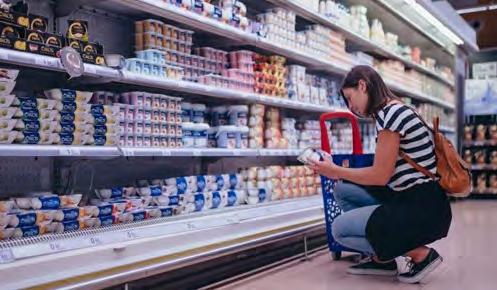
Consumer behaviour and perception play a crucial role in shaping the packaging landscape. Many consumers today are increasingly conscious of their ecological footprint and actively seek products with sustainable packaging.

The rise of eco-friendly initiatives and campaigns has fuelled the demand for packaging alternatives that align with these values. As a result, businesses are under pressure to adopt packaging solutions that cater to the evolving preferences of environmentally conscious consumers.
The choice between paper and plastic packaging is a complex one, involving careful consideration of various factors. While paper has the upper hand in terms of biodegradability and renewable resources, plastic offers durability and energy efficiency. Striking a balance between these factors and considering the entire life cycle of each material is crucial in the quest for sustainable packaging. Ultimately, the future of packaging lies in innovative solutions that minimise environmental impact while meeting the practical needs of modern consumers.
PAPER VS PLASTIC SUSTAINABLE PACKAGING NEWS 23
Klorane’s organic Moisturising Cream in Albéa’s paper-based tube
PMMI
Looking beyond sustainable packaging
Today’s goals encompass ESG concerns in the quest for a smaller carbon footprint. Once focused on packaging, sustainability goals have broadened to include environmental, social, and governance (ESG) strategies to achieve circularity and to minimise the carbon footprint of packaging, products, and brand owners. Successful ESG programmes divert plastic waste from landfills, save energy, improve productivity, and increase profits. Thus, ESG initiatives have become a key focus for many consumer packaged goods (CPG) companies, according to Sustainability and Technology – the Future of Packaging and Processing, a report produced by PMMI, The Association for Packaging and Processing Technologies.
To help transition to ESG goals, the OpX Leadership Network, a collaborative group convened by PMMI to develop best practices and protocols, has developed the OpX Leadership Network ESG Framework – Journey to a Successful ESG Programme. This free work product helps CPG companies and OEMs address the demand from customers for ESG commitments. Built around the United Nations Sustainable Development Goals, the document defines ESG, sets a framework, identifies six success factors, and describes near- and longer-term goals, strategies, and tactics for each pillar (environmental, social, and governance).
Introducing new tactics
The Sustainability and Technology report cites four tactics used to achieve ESG goals: installing new equipment to move to a more sustainable packaging format, adopting renewable energy, minimising truck transport, and reducing waste.
24 SUSTAINABLE PACKAGING NEWS PMMI

ESG commitments also include end-of-life disposal and joining efforts such as the Amazon Climate Pledge or 1% for the Planet. Other tactics employed by CPG companies include transitioning to packaging based on renewable sources. Calgee, for example, has introduced a plant-based, recyclable pouch for its 100% vegan Omega-3 dietary supplement. Made from plant-based plastic derived from sugarcane, the resealable pouch boasts a carbonnegative production process. The new packaging saves 240 kg of petrochemical materials, a 70% reduction in reliance on virgin fossil fuel materials.
Alternative energy reducing gas emissions
Alternative energy is being pioneered by Bacardi Limited, a family-owned spirits maker committed to reaching Net Zero. Fueled primarily by hydrogen, the glass bottle production process used for a run of its ST-GERMAIN® elderflower liqueur bottle reduces greenhouse gas (GHG) emissions by more than 30%. Recyclability was the goal behind the replacement of imported, wax-lined produce trays with a locally produced, water-resistant, recyclable paperboard for McCormack Family Farms, an Irish supplier of greens and herbs.
A biodegradable coating imparts water resistance, enhances durability, reduces the need for plastic, protects the product, and helps maintain its freshness. Eliminating the need to import trays from Spain cuts transportation costs and carbon footprint.
In addition to adopting renewable and recyclable packaging and minimizing GHG emissions, CPG firms and OEMs are taking steps to switch to renewable energy sources. Vetter, a pharmaceutical manufacturing organisation headquartered in Ravensburg, Germany, recently commissioned a photovoltaic plant and converted another heat and power plant at that location to biogas. The photovoltaic plant’s solar panels will generate about 10% of the site’s needs, roughly 700,000 kWh of renewable energy per year. This will result in a reduction of about 330 tons of carbon dioxide per year, while the conversion to biogas will save another 1,000 tons annually.
Watch innovation in action!
Innovative sustainability can be seen in action as well as discovering the latest solutions to your packaging and processing challenges at PACK EXPO East 2024 (March 18-20, Pennsylvania Convention Center, Philadelphia). The largest PACK EXPO East to date will feature exhibitors offering crossover solutions to many of today’s biggest manufacturing needs. Visiting companies will find the easy-to-access location ideal for their teams to attend and assess the latest technologies. In addition, they can learn more from leading industry experts, and make valuable connections to meet current or upcoming projects.
For more information and to register for the show, simply visit packexpoeast.com.
PMMI SUSTAINABLE PACKAGING NEWS 25
Spirit Label Solutions
Roll Out the Barrel!
There’s a new tenant at Westway. Spirit Label Solutions is launched with a £5m investment in an all-new facility.
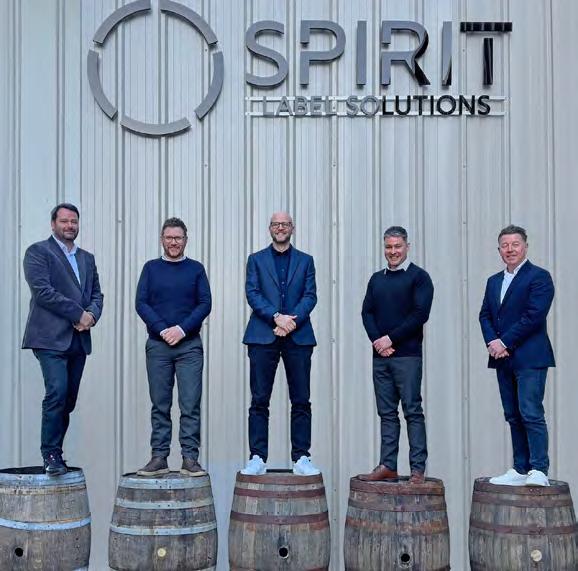
FIVE of Scotland’s most respected printing industry experts have launched Spirit Label Solutions, a brand new premium spirit label production company.
In response to growing demand from the flourishing craft whisky and gin sector, Spirit Label Solutions has been founded by CEO Alex Mulvenny, MD Tom Lightbody, and directors Finlay McLachlan, Jamie Thomson, and Chris Crockert. The business is setting its sights on delivering a bespoke approach to label production.
With a cumulative experience of over 100 years, the founders, having held senior positions within the industry, bring a wealth of expertise to the new enterprise. Based within a recently refurbished unit in Westway at Glasgow Airport, Spirit occupies a spacious 15,113 sq ft facility. The company secured a long-term lease agreement with Canmoor, underscoring its commitment to the thriving Westway business environment.
The unit, fitted out by Spirit, features a production area and office space. A substantial investment of £5 million has been injected into the facility, including state-of-the-art production lines, positioning the company as the most advanced digital label print company in Scotland. Noteworthy is the provision for future expansion, aligning with the anticipated growth of the business.
Currently boasting a 15-member team, including the directors, Spirit has set its sights on rapid expansion, targeting doubling the workforce within the first 3 years. The company’s strategic positioning and commitment to delivering unparalleled quality position Spirit Label Solutions as a significant player in Scotland’s printing landscape. Alex Mulvenny commented: “It’s an exciting time to be starting the business and the response we have had from clients and the market has been very positive. We firmly believe there is a significant gap for our bespoke services.
“Our primary focus is on delivering a high quality, label printing service to our clients. With extensive experience in premium spirits labelling, our leadership teams brings over a century of collective industry experience. Our ethos is simple, yet powerful: ‘Bring Digital Agility to the Scotch Whisky Industry’ and we aspire to be the most customer-centric partner in our industry.”
Managing Director Tom Lightbody agreed: “We are now fully operational from our new base at Westway. As an established team with years of collaboration, we are well-equipped to deliver top-quality service to our clients right from the start. “Westway has met our key business requirements by providing excellent connectivity, communication links, and affordable, high-quality workspace within a secure 24-hour environment.”
Gregor King, Canmoor’s Asset Manager at Westway, added: “Westway at Glasgow Airport remains one of Scotland’s topperforming locations, and the pre-let of one of our newly refurbished units to Spirit Label Solutions is another positive boost for the park. “The continued success of Westway reflects our strategic focus on investing to improve existing stock while speculatively developing new, best in class industrial space, which is receiving a very positive reaction among potential occupiers in the Scottish market.”
(Canmoor’s joint leasing agents are JLL and Colliers, with management by Knight Frank.)
26 SUSTAINABLE PACKAGING NEWS LABELLING
From left to right: CEO Alex Mulvenny directors, Chris Crockert, Tom Lightbody, Jamie Thomson and Finlay McLachlan.
New Biomaterials ‘Derived from nature’
CJ Biomaterials’ PHA biopolymers are derived from nature and produced sustainably. They can be used as building blocks to replace and improve the functional characteristics of a broad range of polymers in the production of finished goods or as starting points for sustainable chemistry. PHAs work well as modifiers to other polymers or biopolymers and can increase bio-based content, accelerate biodegradation and improve the functional properties of resins and finished products.
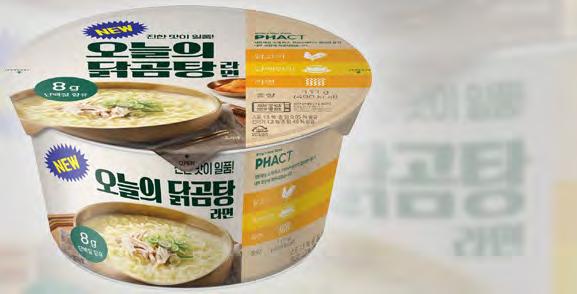
CJ Biomaterials, Inc., a division of South Korea-based CJ CheilJedang and a primary producer of polyhydroxyalkanoate (PHA) biopolymers, announced today that its patented PHA technology is being used in the production of a new noodle cup sold at South Korea’s leading convenience store chain, CU. The new, eco-friendly noodle cup is the first of its kind in the country. With CJ Biomaterials’ PHA technology integrated into the cups’ inner coating, they are biodegradable and compostable, reducing the amount of plastic waste entering the environment.
In 2023, CJ Biomaterials developed microwavable paper coating technology combining its patented PHA with PLA. The paper coating solution increases bio-based content, reducing petroleum-based plastic use without compromising the function and quality of the paper cup. Through CJ Biomaterials’ partnership with CU, the coating technology will be used on the convenience store’s popular New Today’s Chicken Noodle cup packaging.
Enhancing processability
“Using PHA with PLA can enhance the processibility of PLA by providing flexibility and allowing more stable use across a wide range of temperatures. It also exhibits good oil barrier properties, surpassing conventional polypropylene coating while providing a 100% biobased solution,” says Max Senechal, Executive Vice President and Chief Commercial Officer at CJ Biomaterials.
“Through this partnership with CU, we are not only contributing to the creation of eco-friendly packaging, but also demonstrating the practicality and affordability of sustainable alternatives. This marks a significant step toward reducing plastic waste and promoting a greener, more environmentally responsible future.”
CJ Biomaterials is committed to impactful action delivering ecofriendly solutions with its extensive PHA technology platform and continues to expand on the applications of its PHA technology, developing solutions for food and beverage packaging; food service-ware; fibres and nonwovens; consumer goods; agriculture and horticulture; and 3D printing filament.
Over the past year, the company worked together with RIMAN INCELLDERM to create environmentally friendly cosmetic packaging, and collaborated with various companies, including CJ Olive Young, Dongil Platech, Yuhan-Kimberly, Banila Co , and biopolymer manufacturer, NatureWorks, to broaden the use of PHA in multiple markets and applications. The company also won the German 2023 Red Dot Design Award for the PHA Head-Up Toothbrush, developed in partnership with eco-friendly design specialist, Revelop.
For information on CJ Biomaterials, its PHA technology, and how to partner with the organisation to develop solutions that will help to address the plastic waste challenge, visit: https://www.cjbiomaterials.com.
SUSTAINABLE PACKAGING NEWS 27 BIO-BASED PACKAGING
CJ Biomaterials
The new, eco-friendly noodle cup is the first of its kind in the country
Super Vision Süper Film
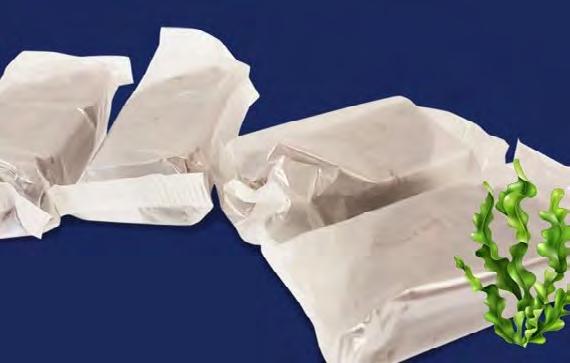
Süper Film is to further develop its innovative product lines through a sustainable and circular-economy-vision and has taken an innovative step forward in the field of biopolymer-based films, especially in BOPP products. This has been achieved by producing a hybrid BOPP film with biopolymer derived from algae-based resources. This approach provides biobased sources without affecting the food chain and reduces the use of fossil resources and the carbon impact of the film whilst maintaining the recyclability of the BOPP film.
Today, Süper Film offers a new Post-Consumer Recycled BOPET films with a minimum of 30% PCR content. The company has also become a participant of the United Nations Global Compact in 2023, to make a commitment to a more sustainable packaging industry. This innovative flexible packaging film has won the prestigious WPO’s World Star and SPN’s Sustainable Packaging Awards in 2023. According to its sustainable product development goals, Süper Film carries out Mono material packaging development studies that will enable the packaging designers to develop recyclable packaging structures. To do so, the company works on heat-resistant BOPP films, films with high barrier properties with BOPP and BOPET and products with improved heat seal properties.
With the ability to produce coated BOPP and BOPET films, Süper Film offers a variety of peelable & sealable BOPET lidding films, barrier BOPET films and acrylic coated & barrier BOPP films to enhance the properties of BOPP and BOPET films even further. Innovation is a core value in Süper Film and product innovation is the key to success for the company. A strong development team with a dedicated pilot film production plant is collaborating with Süper Film’s partners to innovate packaging design and develop new films.
ESG Transformation
Süper Film is in a comprehensive ESG transformation and restructuring mode and is organisng its operations to reach its sustainability goals. The company has also initiated ESG scoring and has been awarded the prestigious ‘Silver Medal’ by Ecovadis in 2023 -an ESG rating encompassing environmental practices, social responsibility, human rights, ethics, and responsible procurement criteria. Süper Film calculates greenhouse gas emissions for Scope 1, 2, and 3 on a regular basis for its single location in Gaziantep, and the calculations are verified by an auditing body from 2019.
Süper Film is one of the key players in the flexible packaging industry in Europe and Worldwide. A company of Sanko Holding – a major industrial Group in Turkey whose origins lie in the textile industry with more than 110 years of history. Super Film has the following production machines and capacities: three BOPP lines (70,000 tons/year), two BOPET lines (48,000 tons/year), a multi-layer cast film line (6,000 tons/year), and six metallization machines (39,000 tons/year). Plus an offline Coating capability, solvent and water-based for PET and OPP with a capacity of 12,000 tons.
Additionally, it operates an adhesive tape facility producing 300,000,000 m²/year. Süper Film is expanding its capacity with a second plant Turkey. A green field BOPP line investment (60,000 tons/year) in Lüleburgaz, Kırklareli. The new BOPP line is expected to start by the end of Q1, 2024. With the new capacity increase, Süper Film will be positioned as one of the largest film producers in Europe.
For more information visit: https://www.superfilm.com/en
28 SUSTAINABLE PACKAGING NEWS LABELLING
SUPEX 2011 ALG BOPP film
SÜPER FILM
A hybrid BOPP film with biopolymer derived from algae-based resources
New growth in compostables
The market for compostable packaging is growing 6.2% a year, which is not a surprise, given both brands’ and consumers’ concerns about the growing plastic waste crisis. With only 9% of all plastic produced each year actually being recycled, plastics are polluting land and waterways, killing wildlife and entire ecosystems, and posing a growing threat to human health. If nothing changes, plastic waste will triple by 2060.
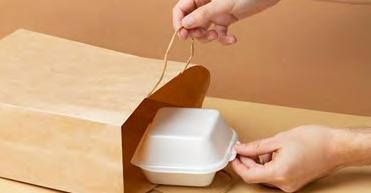
Compostable plastic packaging offers one of the best ways to change this dire situation. These innovative plastics ensure that no damaging waste is left behind—and more than that, they produce valuable agricultural compost. While challenges do remain, market demand, policy, and innovation are all fueling the growth of compostable packaging.
Meeting market needs in a more sustainable way
Compostable plastic is also more sustainable because in addition to breaking down into compost, it often contains bio-based polymers, which reduce the reliance on petroleum for making plastics. Greener inputs, even as just a percentage of the raw materials needed to make compostable plastics, help shrink the carbon footprint of packaging’s entire lifecycle.
While many types of paper packaging are also compostable, compostable plastic packaging can meet needs that paper often does not: Compostable plastic packaging keeps goods dry and can be transparent. These two qualities are often needed when shipping items, or when consumers want to view the contents of what they are buying, which is especially important for fresh produce and other food. As more brands embrace compostable plastic packaging, consumer awareness is growing as well, with people beginning to prefer items that use compostable packaging.
Composting as a growing part of waste management
Policymakers are driving the growth of compostable packaging. The United Nations, states in its proposed road map to reduce plastic waste by 80% by 2040, that compostable packaging needs to play a larger role.
Other changes include the growing number of jurisdictions in the United States that have launched curbside pickup and other programs to make composting items easier for residents. As consumers become more used to composting in general, it is likely that compostable packaging will become more common.
Innovation Means Better Compostable Plastics
Meanwhile, innovations in how compostable packaging is made, along with new technology for composting, are among the forces working to increase the use of this type of packaging. Like traditional plastic, compostable plastic is made from polymers, chains of repeating molecules. With the help of artificial intelligence, research, and development teams are able to identify new combinations of polymers, including some made from bio-based materials like corn and other plants, that can be used to make increasingly durable compostable packaging. The process is also likely to become less expensive in coming years.
Technology is also improving the composting process, with robotic sorters that can quickly remove contaminants from loads of compostable waste, allowing composting facilities to accept more waste, and to save on sorting costs and time. In addition, sensors, and technology like machine vision, can track conditions like heat and moisture, and make adjustments on the spot to ensure faster and better composting.
This combination of consumer demand, policy, and tech innovation is putting compostable plastics on a growth trajectory for 2024 and beyond, offering a practical solution that is also truly healthy for the planet.

SUSTAINABLE PACKAGING NEWS 29 BIO-BASED PACKAGING
Hunter Luxury
Without Compromise
Hunter Luxury lead the field in meeting current sustainable objectives without compromise. “We know that the luxury goods industry is moving fast towards the use of sustainable materials for secondary packaging. However, to achieve the beautiful finishes that customers expect from luxury brands, often plastics and other materials make their way into the final product. As a result, brands can compromise their recyclability and other sustainable objectives and, despite best efforts to do the right thing, they can end up generating hard-to-dispose-of waste”.
Sustainability is a hugely nuanced topic and Hunter Luxury is here to help provide alternative solutions for luxury packaging - whether a brand’s sustainability goals are to reduce plastic, promote recycling, encourage re-use, minimize waste, reduce carbon footprint, or a combination of these.
Responsibility to clients
Packaging designers and developers are increasingly aware of their responsibility to create sustainable packaging, and ensuring ease of recyclability is one way to help achieve this goal. The team at Hunter Luxury is familiar with processes that can help encourage recyclability and can offer a whole range of solutions. From removable features to recyclable films and biodegradable materials, we have a solution for any challenge our clients present.
So, what can be recycled?
A recent survey states that 42% of around 4000 consumers aged 16-64 are now motivated to purchase brands that use recyclable and sustainable materials. This is not a passing trend, and it does not only apply to younger people.
Everyone will give you a different answer to the question “What can be recycled?”, because it is complicated. It all depends on the recycling systems in place, costs, technology, etc. however, WRAP - Waste and Resources Action Programme a UK-based charity, has some very clear guidance on what and why certain materials can or cannot be recycled.
Re-use
Many of Hunter Luxury’s clients are keen to ensure secondary packaging can have a second life by being reusable in some way. Giving added value to products as well as reducing waste are ideal ways to enhance your brand.
We see the trend in creating beautiful secondary packaging continuing for a long time in line with the long-established heritage of whisky brands, for example. But we also continue to see our clients look to alternative longer-life materials to provide a second use and keep their brands front of mind for longer.
As well as reducing the impact on the planet, when used alongside other sustainable materials, re-usability is set to become a bigger theme for packaging, so be ahead by planning it into your sustainable packaging strategy. Find out more about Hunter Luxury’s luxury reusable packaging concept - POD.“Giving added value to products as well as reducing waste are ideal ways to enhance your brand’s sustainability credentials.”
Sustainable solutions
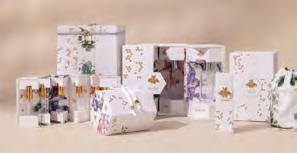
We are conscious that brands want to maintain the luxury experience that they have created, through the use of finishes such as foiling and special coatings, and security of their products, often incorporating plastic fitment trays. Becoming more sustainable shouldn’t mean that a brand has to change its existing identity.


30 SUSTAINABLE PACKAGING NEWS LUXURY PACKAGING
“ It’s time to embrace the power of innovation in freight packaging and shape the future of the industry ”

In Transit? Get smarter!
New packaging technologies are reshaping our freight industry. One such technology is smart packaging, which incorporates sensors and IoT devices to monitor the condition of goods during transit. This real-time data enables businesses to track and respond to any deviations in temperature, humidity, or other factors that could affect the quality of the cargo. Additionally, smart packaging can provide insights into supply chain logistics, allowing companies to optimise routes and reduce delivery times.
Another innovative packaging mode is eco-friendly materials. With increasing environmental concerns, businesses are shifting towards sustainable packaging options such as biodegradable or recyclable materials. These materials not only reduce waste but also appeal to eco-conscious consumers. The utilisation of innovative packaging modes in freight comes with several advantages.
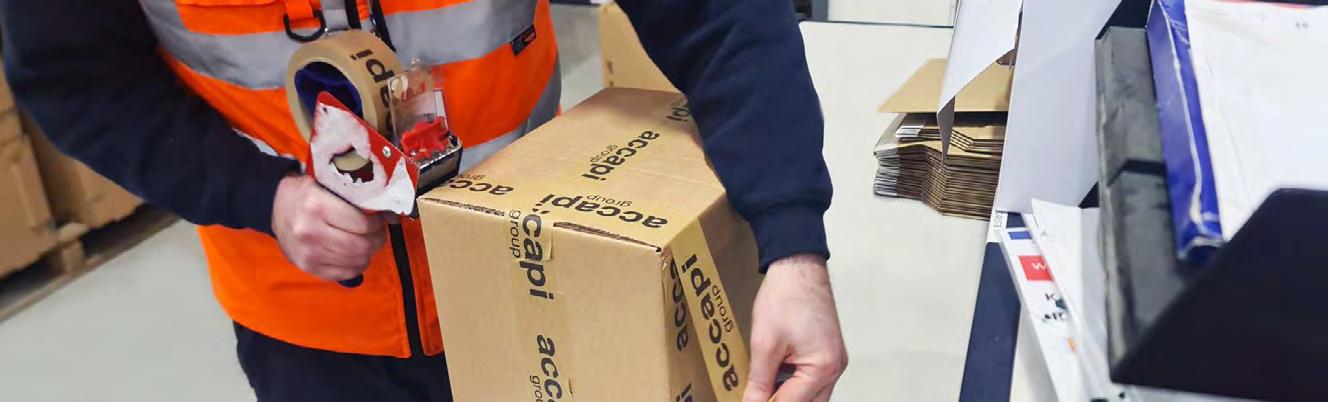
Firstly, it enhances the safety and security of the cargo. Advanced packaging technologies provide better protection against external factors like shocks, vibrations, and temperature fluctuations, ensuring that the goods reach their destination intact. This reduces the risk of damage or spoilage and enhances customer satisfaction. Secondly, innovative packaging modes improve efficiency and reduce costs. For example, the use of automation in packaging processes can streamline operations, saving time and labour costs.
Additionally, smart packaging technologies enable real-time tracking, allowing businesses to optimize supply chain logistics and minimize delays. These efficiencies translate into cost savings for freight companies and ultimately benefit the end consumers.
Challenging the challenges
While the implementation of new packaging modes brings numerous benefits, it also comes with its own set of challenges. One of the primary challenges is the initial investment required to adopt new technologies.
Businesses need to allocate funds for research, development, equipment, and training to integrate innovative packaging modes into their operations. However, the long-term benefits outweigh the upfront costs, making it a worthwhile investment.
Another consideration is the compatibility of new packaging modes with existing infrastructure and processes. In addition, businesses must stay up-to-date with the latest packaging regulations and standards. Compliance with these regulations ensures that the cargo meets safety and quality requirements, avoiding potential legal issues or penalties. Regular monitoring and evaluation of packaging processes are essential to maintain compliance and make any necessary adjustments.
Embracing Innovation
Today, the freight industry is experiencing a revolution in packaging options, driven by innovation and new technologies. Companies that embrace these advancements can unlock numerous benefits, including enhanced safety, improved efficiency, reduced costs, and sustainability. While there are challenges and considerations in implementing new packaging technologies, the rewards far outweigh the initial investments.
Amigo Freight believes that leveraging partnerships, staying informed, and prioritising employee development, businesses can gain a competitive advantage and position themselves at the forefront of the industry. It’s time to embrace the power of innovation in freight packaging and shape the future of the industry.
SUSTAINABLE PACKAGING NEWS 31
PROTECTION DURING TRANSPORTATION
Eco-Sustainability in Ecommerce
When it comes to packaging, consumers are no longer passive observers. Instead, they are actively searching for products that are produced and packaged with greater sustainability and care. This shift in consumer behaviour is a compelling incentive for businesses to embrace more eco-friendly practices.
This holds particularly true for logistics providers offering contract packing, ecommerce, and fulfilment as part of their value-added services. With an estimated 80 per cent of all potential sustainable improvements tied up in the end-toend supply chain, third party logistics providers (3PLs) have a growing role to play in minimising waste. Achieving such objectives demands the implementation of strategic measures for efficient, flexible and waste-free shipping. Therefore, collaborating with specialist 3PLs ensures that brands not only meet their sustainability goals but also receive the most effective packaging solutions without compromising the safety or integrity of their products.
Reducing Packaging Waste
One such example of how 3PLs are offering sustainable initiatives is by optimising packaging dimensions on a perorder basis. In this approach, packaging is tailored to align precisely with individual product requirements, minimising the use of excess materials, enhancing packaging efficiency, and significantly reducing waste generation.
“ packaging is tailored to align precisely with individual product requirements ”
For example, and more specifically, the transition from cardboard boxes to cardboard envelopes is a noteworthy step towards sustainability in ecommerce. This shift not only decreases the overall volume of packaging required but also introduces efficiency gains in the shipping process.
The use of cardboard envelopes enables a higher percentage of orders to be conveniently delivered through consumers’ letterboxes, reducing the need for additional packaging and enhancing the overall customer experience by avoiding unnecessary – and costly – redelivery. Additionally, these spacesaving packaging solutions often require less storage space during warehousing and transit. When comparing precisely fitted packaging to bulkier alternatives, 3PLs incorporating this approach can also contribute to warehouse optimisation, reducing storage costs and further advancing an economically and environmentally sound supply chain.
Addressing the issue of shipping wasted space, 3PLs can implement strategies such as dimensional weight pricing, which charges based on the package’s volume rather than its weight. By encouraging the optimisation of packaging dimensions, this approach incentivises businesses to minimise wasted space in shipments, leading to more efficient use of transportation resources and a reduction in overall carbon footprint.
32 SUSTAINABLE PACKAGING NEWS PROTECTION DURING TRANSPORTATION
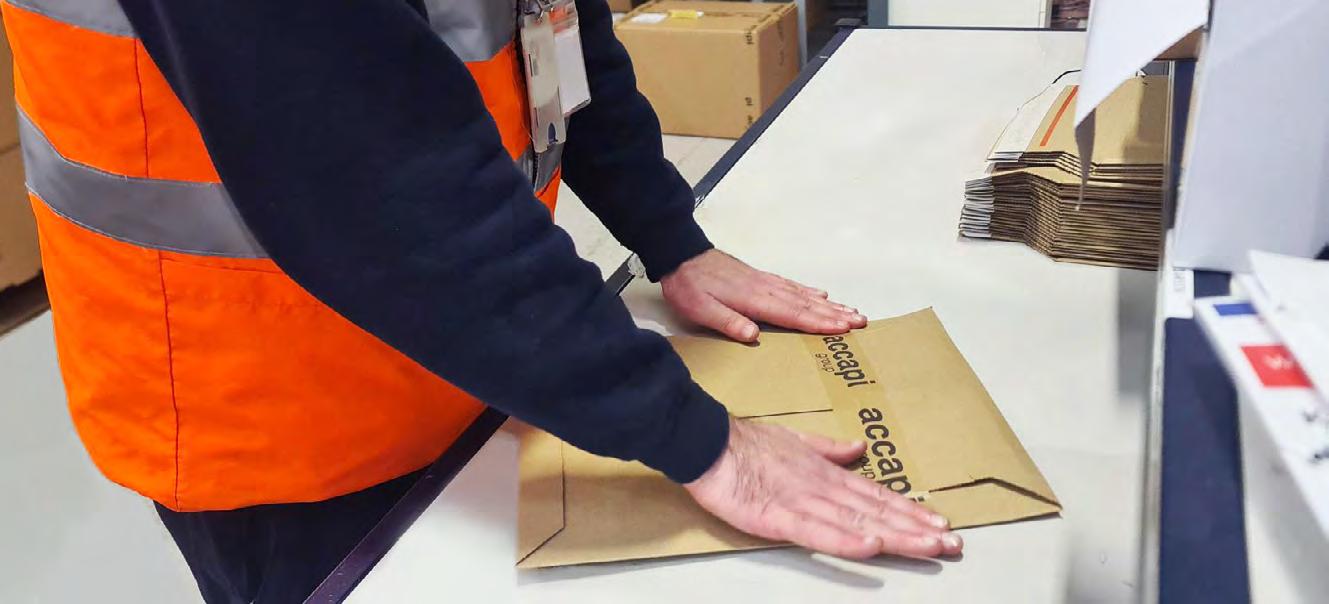
Alternative Materials
Flexibility is no longer a luxury but a requirement in the packaging industry. The need for alternative, sustainable materials has risen of late, so 3PLs which employ sustainable options like padded paper mailers and shipping envelopes are those which tick boxes in the eyes of brands.
A notable transformation in this landscape is the widespread adoption of paper-based tapes, replacing their conventional plastic counterparts. This shift not only highlights the industry’s response to concerns about plastic pollution but also underscores the critical role of eco-friendly material choices in packaging.
Providing the Proof
The Accapi Group, the exclusive European distributor of Ruffwear, a leading dog apparel brand, has achieved recent success in its sustainable packaging endeavours through its collaboration with 3PL provider, Kammac. Since forming this partnership in January 2023, over 100,000 Ruffwear products have been dispatched across the UK via Kammac, marking significant progress in their sustainability goals.
Kammac and Accapi’s alliance has grown in conjunction with the company’s on-going sustainability initiatives, with Kammac helping to optimise Accapi’s packaging dimensions according to each order as well as switching from plastic-to paperbased tapes. Using cardboard envelopes instead of boxes has significantly reduced the amount of packaging, increased shipping efficiencies and enabled a greater percentage of orders to be delivered to consumers through their letterboxes.
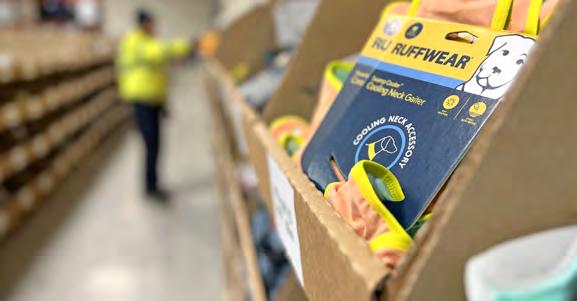
One notable achievement resulting from this collaboration is a 30% reduction in packaging when measured by weight through moving from cardboard boxes to carton mailer envelopes. This outcome highlights the tangible impact of strategic packaging design and environmentally conscious material choices, delivering not only positive environmental benefits but also significant cost savings.
Embracing Sustainability
The collaboration between Kammac and the Accapi Group exemplifies a broader trend within the logistics and retail sectors. For providers offering contract packing and ecommerce and fulfilment services, incorporating sustainable practices is not just a tick box exercise but a strategic imperative for longterm success. Brands and its consumers are increasingly making purchasing decisions based on environmental considerations, and businesses that fail to adapt may find themselves at a competitive disadvantage.
SUSTAINABLE PACKAGING NEWS 33 PROTECTION DURING TRANSPORTATION
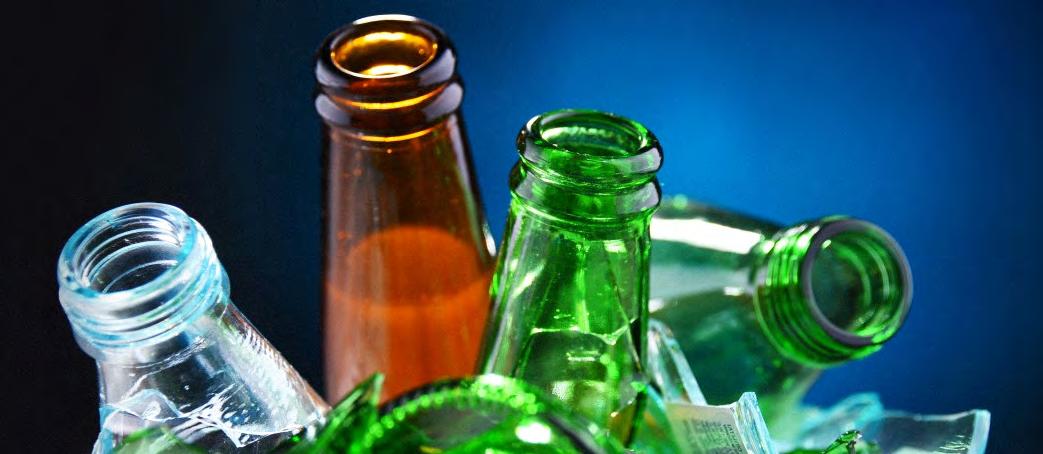
Glass – the clear choice
From the desk of Steve
Gislam
Embracing the Sustainability and Versatility of Glass Packaging. History sometimes has a way of cycling back around. Things that we all thought of as a remnant of the past can come back with a new lease of life. It happened in the music industry with vinyl records, which now outsell all other forms of music. It happens in fashion a lot. And we can see it happening in the packaging sector too.
In an era where environmental issues are at the forefront of consumer concerns, sustainability is the order of the day. And now we see glass as a packaging material having something of a resurgence as an eco-friendly option combining aesthetics, durability, and recyclability. This article delves into the myriad benefits of glass packaging, exploring its environmental impact, versatility, and the growing trend of businesses adopting this time-honoured and well-tested material.
From ancient beginnings
Humanity’s relationship with glass can be traced back thousands of years, to around 3500 BCE in ancient Mesopotamia, in modernday Iraq. It is believed that glass was discovered accidentally by traders who, while resting near a beach, placed their hot cooking pots on naturally occurring soda ash and sand, resulting in the formation of a rudimentary glass.
34 SUSTAINABLE PACKAGING NEWS GLASS PACKAGING
“ Unlike plastic, glass is 100% recyclable and suffers no loss of quality, meaning it can be recycled indefinitely ”
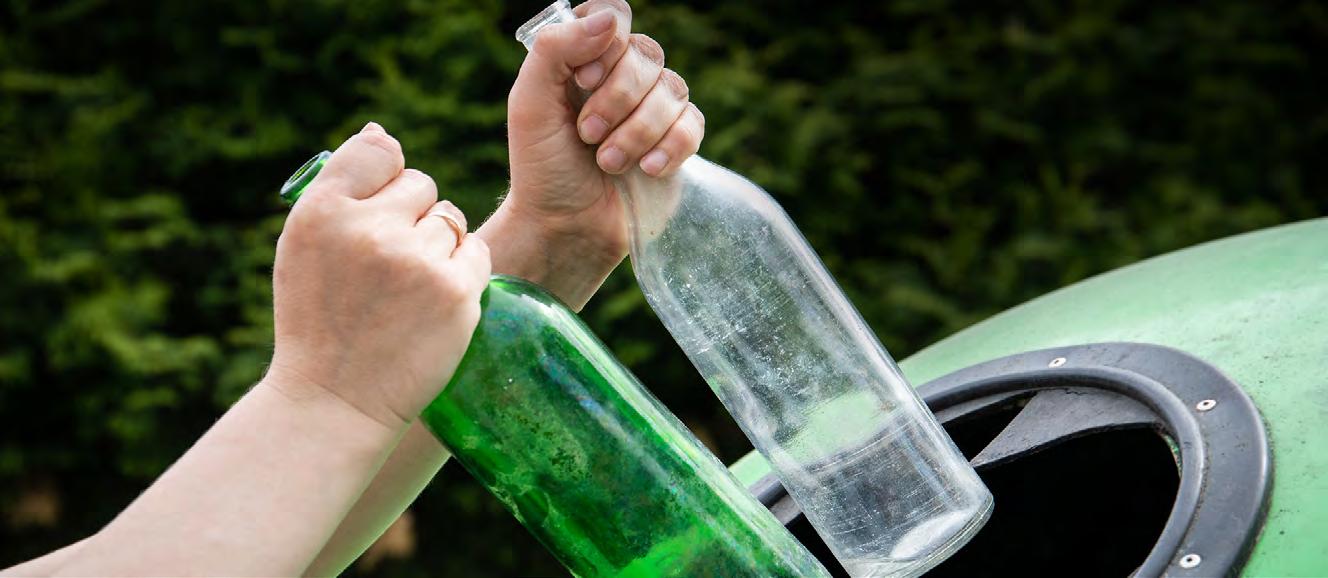
From these basic beginnings, glassmaking evolved into an art form. It’s a material that has had an undeniable impact on the evolution of humanity and its story is far from over. In the postwar era, glass started to be replaced as a packaging material following the rise of the cheaper, more lightweight and less fragile plastic.
Now, almost a quarter of the way through the 21st century, our collective understanding of our environmental impact as a species has changed. Plastic’s prominent position as a wonder-material has been significantly undermined as it floats in our oceans and clogs up our waterways. As a result, glass is well positioned to retake some of the ground it lost to its petrochemical peer.
Clear cut environmental benefits
As a packaging material, glass is celebrated for its low environmental impact across its lifecycle. Unlike plastic, glass is 100% recyclable and suffers no loss of quality, meaning it can be recycled indefinitely. This recyclability significantly reduces the demand for raw materials and energy, making glass a champion in the fight against pollution and resource depletion. What’s more, glass is inert and does not leach harmful chemicals into the contents it holds ensuring the purity and safety of products for consumers.
The rise of the concept of the circular economy has also fuelled the resurgence of glass packaging. Infinite recyclable, glass, as a material, fits perfectly within the circular model, cutting demand for virgin materials and minimising waste. The closed-loop recycling system allows used glass containers to be collected, processed, and transformed into new packaging, creating a sustainable loop that conserves resources and reduces environmental impact.
Furthermore, in most parts of the world, some form of glass recycling infrastructure is already well established in consumer mindsets. A closed-loop recycling system enables glass containers to be easily collected, processed and recycled into new ones. Some countries, like Germany and the Netherlands, even offer shoppers a returnable deposit on glass bottles as an incentive.
Physical properties
One of glass packaging’s standout features is its versatility, which makes it suitable for a wide range of products. From beverages and food items to cosmetics and pharmaceuticals, glass containers provide an impermeable and non-reactive barrier that preserves the integrity and freshness of the contents.
“ the concept of the circular economy has fuelled the resurgence of glass packaging ”
The transparent nature of glass also allows shoppers to see the product inside, enhancing the overall consumer experience and building trust in the product’s quality. It’s versatility also allows for aesthetics to play a large role. It can be shaped and moulded into virtually any design meaning the possibilities are only limited by the imagination of the designers.
Glass packaging is renowned for its durability and ability to withstand extreme temperatures, making it an ideal choice for both hot and cold products. This durability contributes to the longevity of the packaging, reducing the need for frequent replacements and lowering overall production and disposalrelated environmental impacts. The robust nature of glass also ensures that it can be reused for various purposes, further extending its lifecycle.
GLASS PACKAGING SUSTAINABLE PACKAGING NEWS 35
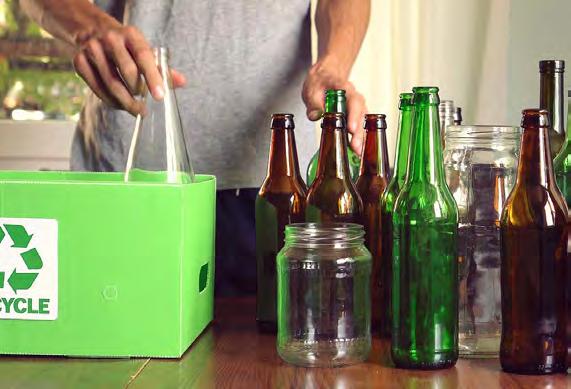
Consumer Perception and Brand Image
In a market where consumers are increasingly concerned about the environmental impact of their purchases, businesses are quickly recognising the value of adopting sustainable packaging solutions. Glass packaging is not only more in tune with this shift in consumer values, but it also actively enhances the perceived quality of a product. By using glass as a packaging material, brands silently convey a commitment to sustainability and environmental stewardship, as well as a dedication to providing products in premium, eco-friendly packaging. It’s a commitment that is self-evident and requires little fanfare. Glass requires no environmental certification to back up its ecological credentials, and unlike plastic – even recycled plastic – there is little scope for accusations of greenwashing. As such, glass as a material resonates with more environmentally conscious consumers.
Where once plastic seemed like the super material of the future, it now appears cheap - tawdry even – in the packaging materials family. Glass, by contrast, comes across as the classy older cousin, to push the familial analogy even further.
Challenges and Innovations
While glass packaging has numerous benefits, like everything in this world, it comes with its own challenges which are important to acknowledge. First off, it’s heavier than most other options, and therefore its weight can mean higher transport costs when compared to plastic. Also, depending on the type of glass used, it can be fragile. When glass packaging does break, it can create a messier situation for delivery drivers, supermarket workers and consumers – not to mention the risk of injury. However, ongoing innovations in packaging design and manufacturing are addressing these concerns.
Lightweight glass technology has proven to be a game-changer. It’s helping to reduce the overall weight of glass containers, thus mitigating transportation-related emissions. This innovation not only enhances the sustainability of glass packaging but also its cost-effectiveness, by addressing one of the traditional challenges associated with its transportation.
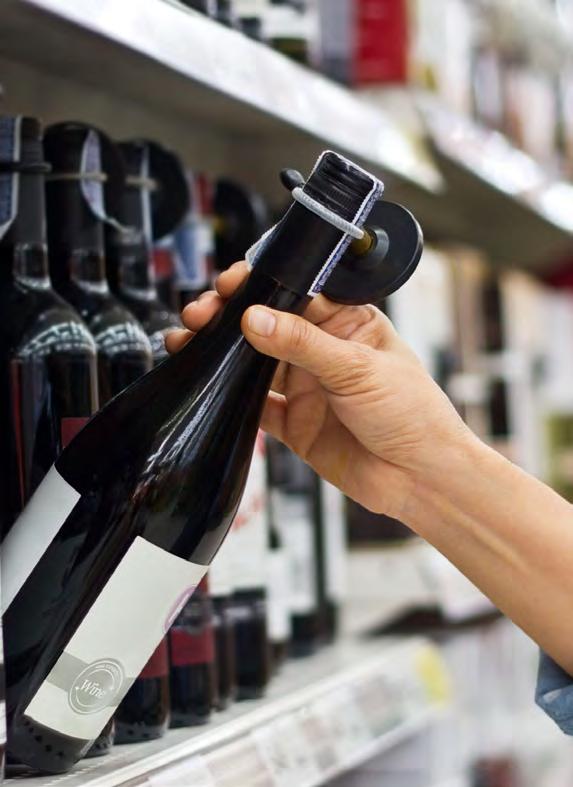
Conclusion
The resurgence of glass packaging is just part of the response to the global call for sustainability. Its journey from serendipitous discovery to modern innovations underscores its enduring appeal and adaptability.
As the global movement towards sustainability, and the quest for eco-friendly alternatives, gains momentum, glass is reemerging as a packaging stalwart and finds itself slowly reclaiming its place as a go-to material. Its recyclability, versatility, durability, and the positive impact it has on brand image make it a compelling choice for businesses looking to align with consumer values and reduce their environmental footprint.
As businesses and consumers alike recognise the importance of responsible choices, glass packaging stands as a clear, ecofriendly choice that not only preserves the freshness and quality of products but also contributes to a more sustainable and resilient future. Embracing glass packaging isn’t just a smart business decision that makes a company look good in the eyes of an ever-more eco-conscious public, but it’s a step towards a cleaner, greener, and more sustainable future for all of us and for future generations.
36 SUSTAINABLE PACKAGING NEWS GLASS PACKAGING
Packaging Heads invited to the EuroPack Summit 2024!
Attendees will have the chance to engage in extensive informal networking with industry peers during meals and cocktail receptions, fostering valuable connections and collaborations. The EuroPack Summit provides a highly focused and interactive atmosphere where participants can address their core concerns and find solutions tailored to their specific needs.
Sponsors will have the opportunity to participate in one-onone business meetings exclusively with key decision-makers in positions such as Heads, Directors, and Managers of Packaging, Packaging Design, Innovation, Packaging Development, R&D, and Technology.
Previous attendees of the EuroPack Summit include executives such as:
• Head of Packaging Procurement Europe - General Mills
• Head of Packaging Procurement, International ZoneThe Kraft Heinz Company
• Packaging Lead – Nestlé
• Senior Manager - Packaging Development -
•
•
EUROPACK SUMMIT 2024 SUSTAINABLE PACKAGING NEWS 37
Fazer Confectionery
Perfetti Van Melle
Global Procurement Director -
Packaging & Sustainability - The Body Shop
Head of
This exclusive forum, accessible by invitation only, is scheduled for March 11-12 at the exquisite Fairmont Le Montreux Palace in Montreux, Switzerland. Join us for an unparalleled opportunity to connect with top packaging executives and innovative sponsors in a high-end networking environment. For additional information and to enquire about the event, please visit https://bit.ly/3uKXGoE or contact Isidora Avraam directly at isidoraa@marcusevanscy.com

SUSTAINABLE PACKAGING NEWS
CIRCULAR ECONOMY CONFERENCE
SPN is excited to invite you to our Circular Economy conference which is being held on the 12 th March
Featuring a wide range of speakers providing valuable insight into ways that services and packaging techniques can be circular and more sustainable.
Some of the speakers featured in the conference include...



Franciele Saorin Grupo Boticario
Zhanar Baishakova Advocate, Sustainable Design & Tech Innovation
Sanna Fager Chief Commercial Officer at PulPac
Filip Viera de Castro Veolia
David Dyce Vegware
SUSTAINABLE PACKAGING NEWS 38
www.spnews.com
