Welcome to the SPN x interpack edition, where we bring together the conversations, innovations and ambitions shaping the future of packaging at one of the industry’s most influential moments.
Alongside the interpack news, is the circular economy feature, including a articles from our Circular Economy Week sponsors, Sabert Europe and goplasticpallets.com. These contributions highlight the practical steps being taken to close the loop, from material innovation and design thinking to scalable systems that are beginning to deliver real world impact. As expectations continue to rise, the focus is shifting firmly towards solutions that can be implemented at pace and at scale.
Interpack provides a vital platform for this progress, bringing together technology, expertise and collaboration in one place. In this issue, we are pleased to feature insights from Hugo Beck, Marchesini, Robatech, Greiner Packaging, KHS and Taghleef, each sharing how they are contributing to this year’s trade fair. From advanced machinery and efficient processes to material developments and forward thinking strategies, these perspectives offer a clear view of where the industry is heading.
As ever, our focus remains on meaningful progress and the collective effort required to deliver it. We hope this edition offers both insight and inspiration as you navigate interpack and continue to shape your own sustainability journey in the months ahead.
All the best, Emily
Page 5
From Promise to Proof: Packaging’s Circular Shift including
• article from goplasticpallets.com, Circular Economy Week sponsor
• article from Sun Chemical, Circular Economy Week sponsor
• article from Colpac x Sabert Europe, Circular Economy Week sponsor
• BUSINESS LIMELIGHT by EyeC
Page 16
Refill and Reuse: Redefining the Future of Packaging
including
• BUSINESS LIMELIGHT by Packaged Sustainable
• BUSINESS LIMELIGHT by Druckfarben Group
Page 22
INTERPACK
including
• FRESH FOCUS by Robatech AG
• FRESH FOCUS by Greiner Packaging
• FRESH FOCUS by KHS
• article by Taghleef
• BUSINESS LIMELIGHT by Marchesini Group
• FRESH FOCUS by Hugo Beck
• Exclusive Interview with Giorgia Minelli at EMEA
• Exclusive Article by PakTech
Page 40
Machinery Driving Change: From Gigamoulding to Smart Fulfilment Systems
How certification, infrastructure and reuse systems are redefining accountability and accelerating the transition from single use to truly circular packaging. Emily Gambrill reports.
Across the packaging landscape, the conversation is shifting decisively from ambition to action. As environmental scrutiny intensifies and regulatory pressure mounts, industries are being challenged not only to reduce their impact but to prove it. From large scale manufacturing to everyday consumer touchpoints, the move towards circularity is no longer theoretical. Instead, it is being shaped by tangible systems, measurable standards and practical interventions that redefine how materials are produced, used and recovered.
A Clearer Standard for Glass
Ciner Glass’s decision to back the ResponsibleGlass initiative at its new Belgian facility signals more than corporate goodwill. It reflects a decisive shift in how the glass sector defines accountability. As one of Europe’s most ambitious container glass investments, the Lommel plant is positioned as a flagship for low carbon, high efficiency production, with capacity of 1,300 tonnes per day and around 500 jobs upon completion.
From Perception to Proof
ResponsibleGlass, a multi stakeholder certification scheme spanning the entire value chain, arrives at a pivotal moment. Glass is often celebrated as infinitely recyclable, yet the industry continues to grapple with energy intensity and emissions. Initiatives like this aim to standardise transparency, an area long criticised as fragmented and inconsistent across markets.
A Sector in Transition
The timing is significant. The European container glass market is forecast to grow steadily towards 2030, driven by demand for premium, sustainable packaging. At the same time, leading plants are increasing recycled content beyond traditional averages. Ciner’s Belgian
site is expected to use up to 75 per cent cullet, reducing both energy use and emissions.
What emerges is a sector moving from circular in theory to accountable in practice. If ResponsibleGlass gains traction, it could do for glass what FSC achieved for timber, turning sustainability from a claim into a verifiable standard.
“Launched at a time when collaboration is key, ResponsibleGlass is built on a multi stakeholder approach where industry insight meets environmental accountability,” This model has already proven effective in other hard to abate sectors. By working with committed manufacturers such as Ciner Glass, we can build a transparent, credible framework that drives meaningful change across the entire glass value chain.”
Reference: https://responsibleglass.org/members-andsupporters/ and https://spnews.com/ciner-glass-backsresponsibleglass-at-belgium-plant-supporti/
Making Reuse the Default
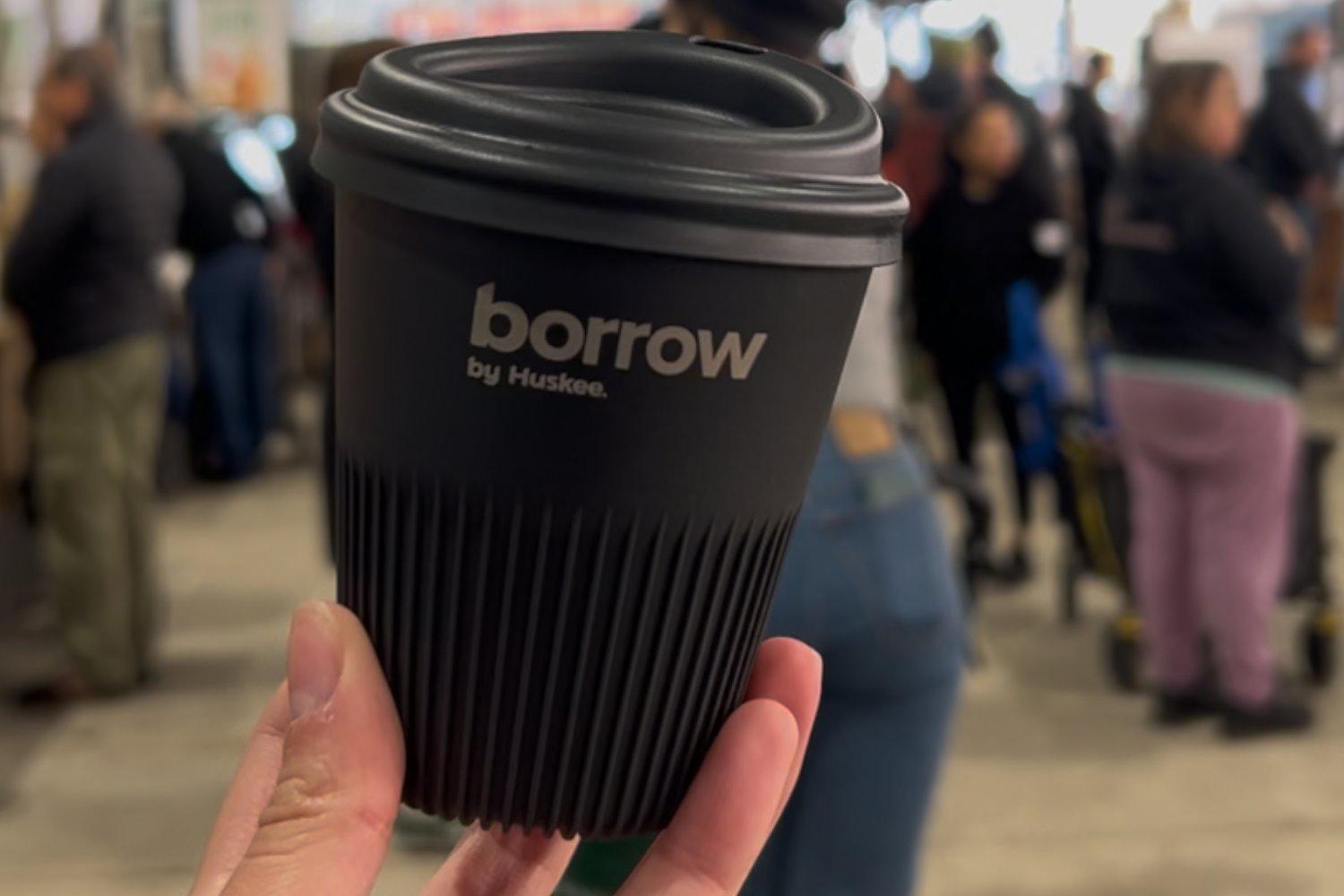
Thousands of disposable coffee cups are set to disappear from circulation as Huskee’s Borrow system launches across three popular vendors at Sydney’s Carriageworks Farmers Market. From 21 March, Single O, Reuben Hills and Colombian Connection Coffee will serve takeaway drinks exclusively in reusable cups, signalling a decisive move away from single use packaging.
A System Designed for Scale
The model is deliberately simple. Customers return cups to smart bins positioned around the market, after which they are professionally cleaned and returned to circulation. Around 1,500 cups will rotate between vendors, eliminating thousands of single use cups each market day. It is a closed loop system that removes friction, long seen as the biggest barrier to reuse. Globally, an estimated 500 billion disposable cups are used each year, with the vast majority ending up in landfill due to plastic linings that make recycling difficult. Against this backdrop, system level
interventions such as Borrow are gaining traction as a viable alternative.
From Behaviour Change to Infrastructure
What sets this initiative apart is its shift in responsibility. Rather than relying on consumers to remember reusable cups, reuse becomes the default. This aligns with a broader industry transition towards infrastructure led solutions, where convenience drives sustainable behaviour.
As regulators and brands intensify efforts to tackle packaging waste, schemes like Borrow demonstrate how reuse can function at scale in high footfall environments. If successful, Carriageworks may offer a blueprint for markets, events and urban precincts worldwide, proving that circular service models can move from niche to norm.
Reference: https://borrowbyhuskee.co and https:// spnews.com/huskee-and-sydney-coffee-vendors-makereusable-cups/
Together, these developments point to a broader transformation in how sustainability is delivered. Whether through certification schemes that bring rigour to global supply chains or reuse systems that reimagine everyday consumption, the direction of travel is clear. The future of packaging will depend less on individual behaviour and more on well designed systems that make the sustainable choice the easiest one. For an industry long defined by linear models, this shift towards accountability and infrastructure may prove to be its most important evolution yet.
“For too long, reuse has relied on customers remembering to bring a cup or ask for one. What we’re doing at Carriageworks flips that entirely. Reuse becomes the default, and single-use becomes the exception. That’s the shift the industry needs.”
Saxon Wright, Co-founder of Huskee.
“We’ve always believed reuse should be the default. No opt-in, no guilt for forgetting to bring your reusable. Just coffee in a cup that doesn’t get used once and thrown in a bin. That’s what this is.”
Emma Cohen, Co-founder of Single O
Why Sustainable Plastic Boxes Are Replacing Cardboard In Supply Chains
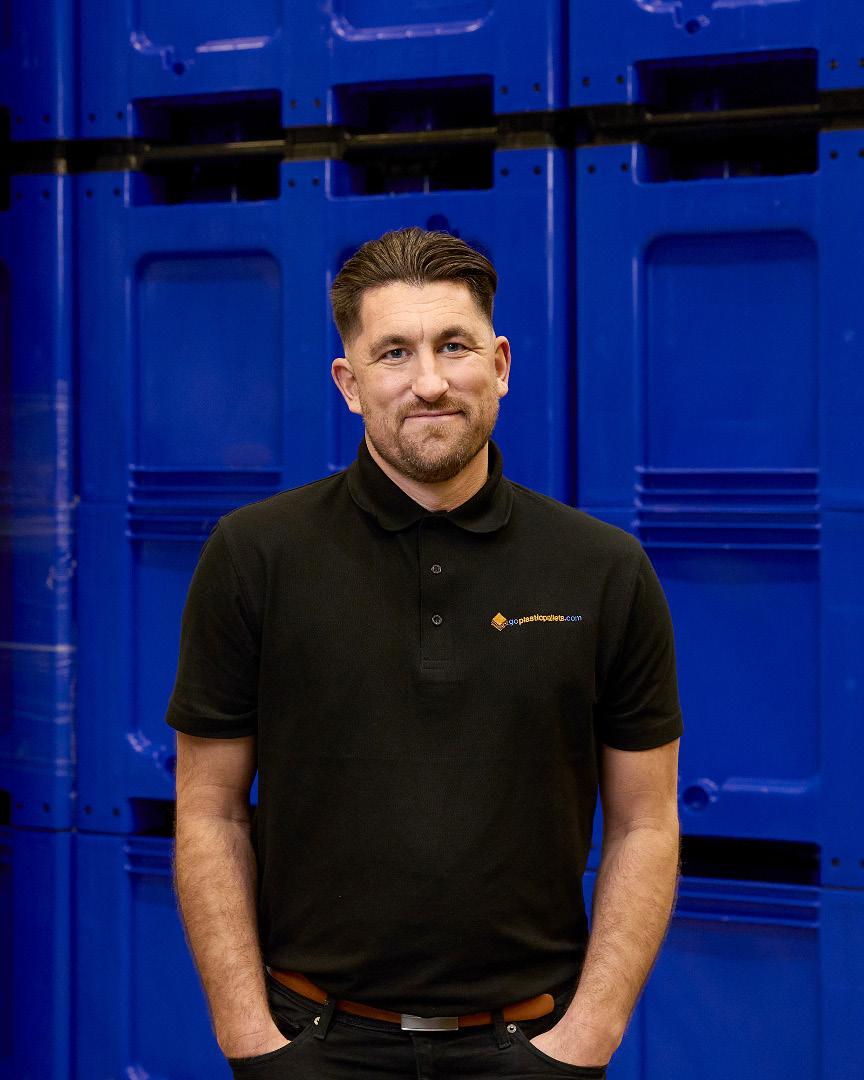
By Dan Starnes, Sales Director at goplasticpallets.com
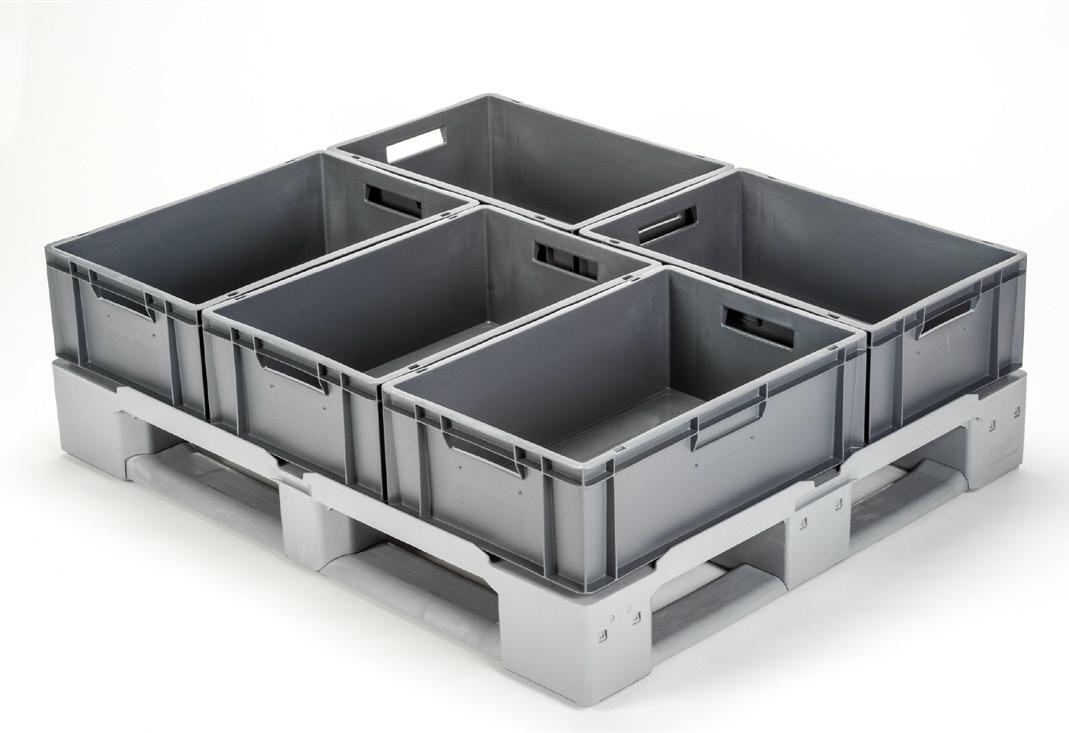
Cardboard boxes have been a mainstay across supply chains for decades. However, we continue to see more customers switching to reusable small plastic boxes and containers.
Plastic boxes are far stronger than cardboard alternatives.
In demanding environments, box strength is key. Plastic boxes provides greater structural strength and their rigid walls and reinforced bases allow higher stacking without compromising stability.
Automated warehouses also benefit from this consistency. Robotics and conveyor systems depend on containers that maintain shape and dimensions. Cardboard deforms under load, which can interrupt automated handling processes.
Plastic boxes are water-resistant, which is crucial in chilled distribution centres and food processing facilities where condensation is common. Meanwhile, a cardboard box will shed fibres into the surrounding environment, which is avoided with plastic.
While high-quality cardboard boxes aren’t necessarily described as single-use products, they degrade quickly – especially when opened, closed and moved frequently.
In contrast, reusable small plastic boxes are designed for repeated use over many years, surviving thousands of cycles and trips. Despite the higher up-front cost, plastic will therefore deliver a better long-term ROI.
They are also a better choice from a sustainability perspective. Unlike cardboard, they don’t contribute to deforestation. Plastic boxes can be used for up to and beyond 10 years, and at the end of their working life, they can be recycled into new products.
In 2019, we launched our own recycling scheme and we’ve since taken full responsibility for recycling all plastic pallets and boxes we supply. To date, we have recycled 2,700 tonnes, and we’re incredibly proud of this feat.
Sustainability Transformed
Explore how our sustainable solutions can drive your packaging innovation journey:
Sun Chemical is the world’s leading provider of printing inks, pressroom products, colour materials, and advanced materials.
A prominent member of the DIC Group, Sun Chemical manufactures printing inks, coatings, adhesives, pigments, masterbatches, polymers, as well as liquid and solid compounds, along with application materials. The company has delivered 200 years of color expertise, innovative technology and an ongoing commitment to quality and service for its customers.
Sun Chemical and its parent company, DIC Corporation, boast a dedicated workforce of over 21,000 employees committed to promoting and developing sustainable solutions to exceed customer expectations. The company’s expansive global reach enables the provision of tailored local services and customer support to meet the unique expectations of the markets it serves.
As the printing industry continues to evolve with an increased focus on efficiency, recyclability,
compostability or biorenewability, Sun Chemical supports packaging producers in achieving their sustainability goals and complying with the world’s most stringent regulations.
In partnership with DIC, Sun Chemical achieves annual sales exceeding 7.0 billion dollars. Sun Chemical Corporation, a subsidiary of Sun Chemical Group Cooperatief U.A, in the Netherlands, is headquartered in Parsippany, New Jersey, USA.
by Sun Chemical, a member of the DIC Group
From Manual Inspection to Defect-free Production: A-Z Color Sets New Standards in Label Production with EyeC
by EyeC
With over 30 years of experience, Polish company A-Z Color is one of the leading specialists in self-adhesive labels, heat shrink labels and flexible packaging. At its modern production facility in Antonie near Ostroleka, the familyowned company with over 90 employees manufactures high-quality solutions for renowned customers in the cosmetics, food and pharmaceutical industries throughout Europe. Its mission: uncompromising precision in every print, especially in regulated markets. The label manufacturer confirms this promise of quality with ISO 9001:2015, BRC P&P Food Safety and FSC® certifications, as well as DPG qualification for the German market.
The challenge: zero tolerance for errors
In the pharmaceutical industry, precision is paramount. An incorrectly placed decimal point in dosage instructions, a slight change in batch number or a subtle colour change on a warning label can have
serious consequences. Consequences can include production stoppages, batch recalls, regulatory audits, and threats to patient safety and brand reputation – an unacceptable risk for GMP-compliant supply chains. “Our priority has always been to deliver products that meet our customers’ high expectations,” explains Katarzyna Zecer-Gołaszewska, partner at A- Z Colour. “However, in a dynamic market that does not forgive mistakes, ensuring absolute reliability at every stage of production was a real challenge.” A-Z Color was faced with the task of finding a future-proof, automated solution that would combine 100% reliability with maximum production speed.
“When selecting the right product, it is not only the technology and price that matter to us, but also the quality of cooperation”
The search for a solution: no compromises on quality
A few years ago, A-Z Color implemented its first automated print inspection systems and evaluated their performance in long-term use. The selection criteria were simple and included ultra-precise detection, stable 24/7 performance, seamless integration, user-friendly design and reliable operation.
“When selecting the right product, it is not only the technology and price that matter to us, but also the quality of cooperation,” emphasises Zecer-Gołaszewska. “We need partners who understand our requirements, share our quality standards and provide us with reliable support in our daily production. An evaluation of various quality control systems, taking into account pharmaceutical requirements and GMP guidelines, allowed us to make a clear decision: while competing systems failed in areas critical to the pharmaceutical industry, EyeC systems reliably and consistently detected even the smallest.deviations.”
Solution: technology meets practice
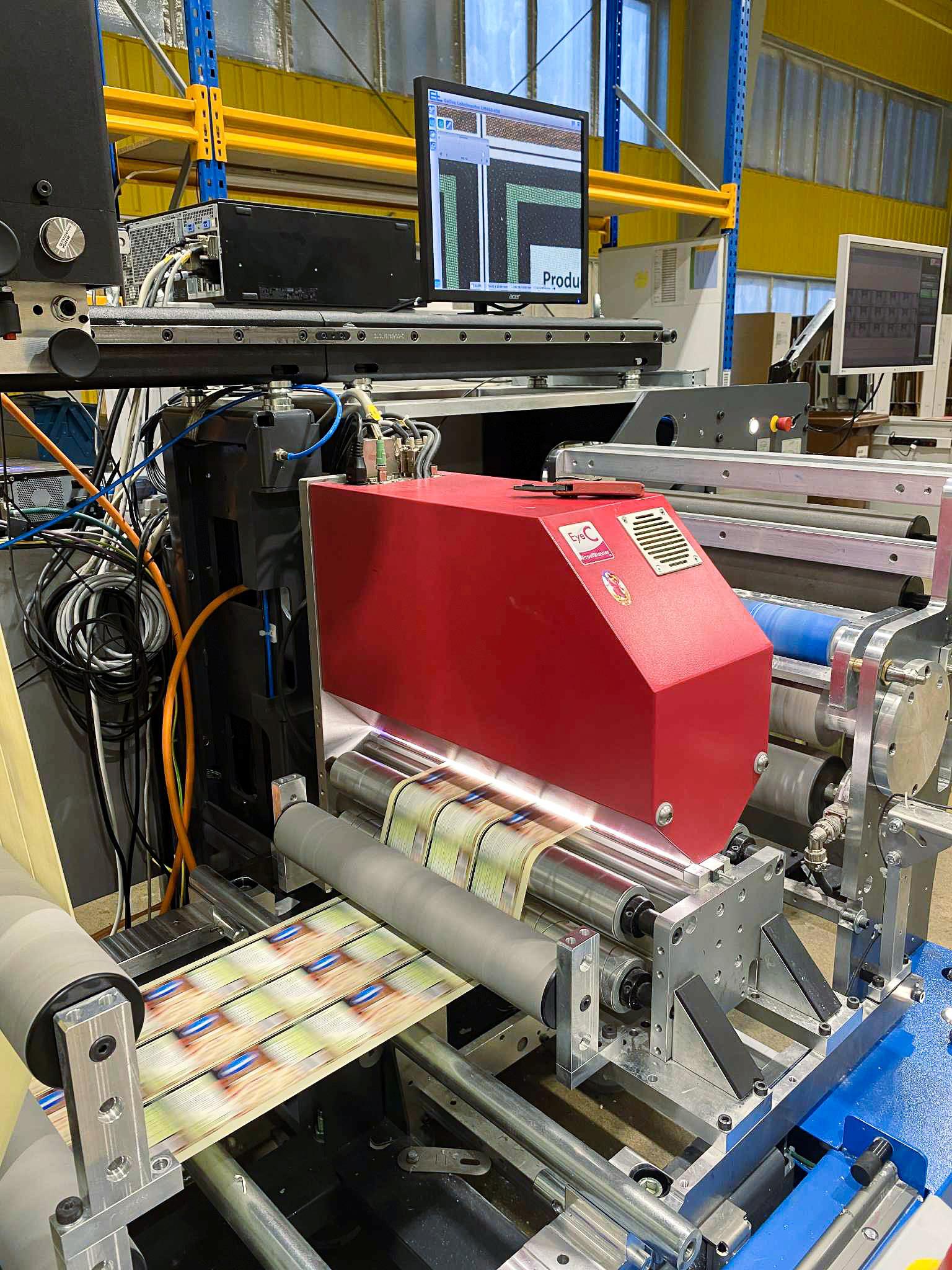
The EyeC Proofiler 600 DT offline scanner system was used to check the print pattern, while EyeC ProofRunner Web inline systems were used for 100% inspection on the label printing line. The EyeC Proofiler combines intelligent software with a high-resolution flatbed scanner and enables objective, repeatable quality control of text, colours, graphics, 1D and 2D codes, and Braille. It digitally compares printed products with approved PDF templates, checking both print quality and content accuracy. Based on this approach, EyeC ProofRunner Web cameras capture every label during
the printing process. Each item is fully checked for accuracy, colour accuracy, registration accuracy and positioning accuracy, and then automatically verified. The system detects and flags errors in real time, so that only error-free products are processed further. All EyeC systems are equipped with pixel-accurate comparison algorithms that detect deviations of 0.1 millimetres, enable real-time analysis at full production speed and automatically compensate for differences in materials and prints. Intelligent contrast analysis also prevents false alarms. If deviations are detected, the system immediately notifies production, precisely locates the deviation and allows operators to make targeted corrections. By combining offline and inline systems, A-Z Colour was able to fully digitise its quality control process.
“We need partners who understand our requirements, share our quality standards and provide us with reliable support in our daily production.”
The implementation was completed in record time without interrupting production. After two weeks of technical preparation, including analysis of production lines, infrastructure upgrades and definition of real world test cases, three ProofRunner Web systems were installed, calibrated and tested in a single day with the active support of A-Z Colour’s technologist and maintenance staff. After practical training for operators, the systems were immediately put into production mode. The installation complied with pharmaceutical standards and included approved documentation (IQ/ OQ) and training certificates for all operators. “The installation can definitely be described as exemplary,” confirms Zecer-Gołaszewska.
“Based on our consistently positive experience, we have no hesitation in recommending EyeC as a proven and reliable partner,”
From pharmaceutical application to company-wide production standard
What began in 2019 as a targeted application in pharmaceutical labels has become a company-wide standard. “Over time, we realised that EyeC solutions also offer us enormous benefits in other areas,” adds Zecer-Gołaszewska. Today, in addition to the EyeC Proofiler, five EyeC ProofRunner systems are an integral part of production, operating virtually around the clock. The most recent installation took place in 2025. In accordance with internal standards, the systems must always be running when the printing machines are in operation. Monitored and controlled by printing house employees, shift managers and technologists, the systems check the entire printing process during all production shifts.
Success: A supplier becoming a strategic partner
The collaboration with EyeC was a decisive breakthrough for A-Z Colour in label production. In several years and thousands of production orders, only one defective printing template was produced. After joint analysis with the manufacturer, insufficient colour contrast was identified as the cause, the system
parameters were adjusted and a preventive action protocol was implemented. Since then, the error rate has been zero. This has fundamentally changed quality assurance from random sampling to 100% automated inspection on the production line. The biggest advantage: deviations immediately lead to production stoppages, are documented and enable targeted corrections – fully GMP compliant and auditproof. For customers, especially in the pharmaceutical industry, this means no product recalls, complete documentation, audit security and predictable delivery dates. At the same time, the amount of waste and reprints has been significantly reduced, leading to real resource savings and significantly higher production efficiency . The investment has also paid off in business terms: A-Z Colour has transformed itself from a standard supplier to a preferred supplier for leading pharmaceutical companies. Top audit ratings, extended framework agreements, a growing number of orders, active recommendations and a reduced number of incoming inspections are proof of this increased trust.
“In an industry where a single missing point can mean the difference between success and failure, EyeC is our life insurance,” emphasises the expert. During audits and customer meetings, the manufacturer now uses automatic quality control as a clear differentiator.
“In an industry where a single missing point can mean the difference between success and failure, EyeC is our life insurance,”
Next steps: quality control as a strategy for the future
With the implementation of EyeC systems, A-Z Colour has set a new quality standard in label printing that guarantees error-free results, maximum process reliability and absolute design fidelity. Building on its successes to date, the company is now working on further development towards predictive quality control through data-driven analysis and continuous process improvement. The partnership with EyeC is an indispensable foundation for these activities.
“Based on our consistently positive experience, we have no hesitation in recommending EyeC as a proven and reliable partner,” concludes Katarzyna Zecer Gołaszewska.
An article by EyeC. For more information, please visit www.eyec.com
PULP Ultra® is a new innovative formula exclusive to Sabert. It features no-intentionally-added-PFAS, achieving excellent performance and full compliance with legislation.
PULP Ultra® combines performance and versatility and is an ideal packaging solution for fresh, ready-to-eat dishes and hot foods. Made from over 95% bagasse fibres, treated with a barrier coating of <5%, PULP Ultra® delivers outstanding Oil and Grease Resistance (OGR) permeation in direct contact hot food applications.
PULP Ultra® outperforms existing market alternatives, including laminated products. It is freezer-safe and able to retain frozen goods integrity, perishable goods freshness, and keep factory conditioned items intact.
Safe for use in microwaves, conventional ovens, and high speed ovens applications, it is suitable for single PET sealing or multi-welding.
PULP Ultra® responds positively to changes in legislation, with its no-intentionally-added-PFAS formulation, compliant with the European PPWR. PULP Ultra® makes refuse collection simpler: it is recyclable (green in the UK’s Recycling Assessment Methodology) and certified as Compostable TÜV OK Compost Industrial & Home Compostable.
“The launch of PULP Ultra® is proof that Sabert continues to reinvent food packaging to nourish and protect our world, and always makes food look great!”
Performance and versatility for your
• Barrier coating without plastic lamination
• Strong grease and moisture barrier performance
• Suitable for PET heat sealing films
NEW PULP ULTRA® RANGE
Performance and versatility for your hot and cold products
Strong grease and moisture barrier
performance
Barrier coating without plastic lamination
One team, one offer, shared expertise.
Suitable for PET heat sealing films
See product details
Refill and Reuse: Redefining the Future of Packaging
From high street refill stations to closed loop logistics, new models are reshaping how the UK reduces waste and rethinks packaging value. Emily Gambrill has her say.
Across the United Kingdom, a quiet transformation is underway in how packaging is produced, used and ultimately valued. What was once seen as a downstream recycling challenge is increasingly being addressed at source, with refill and reuse models gaining traction across both consumer retail and business logistics. As environmental pressures intensify and regulation evolves, these systems are moving beyond niche experimentation towards credible, scalable alternatives. Together, they signal a broader shift towards circular thinking, where packaging is no longer disposable, but designed to remain in use.
A National Shift Towards Refill Retail
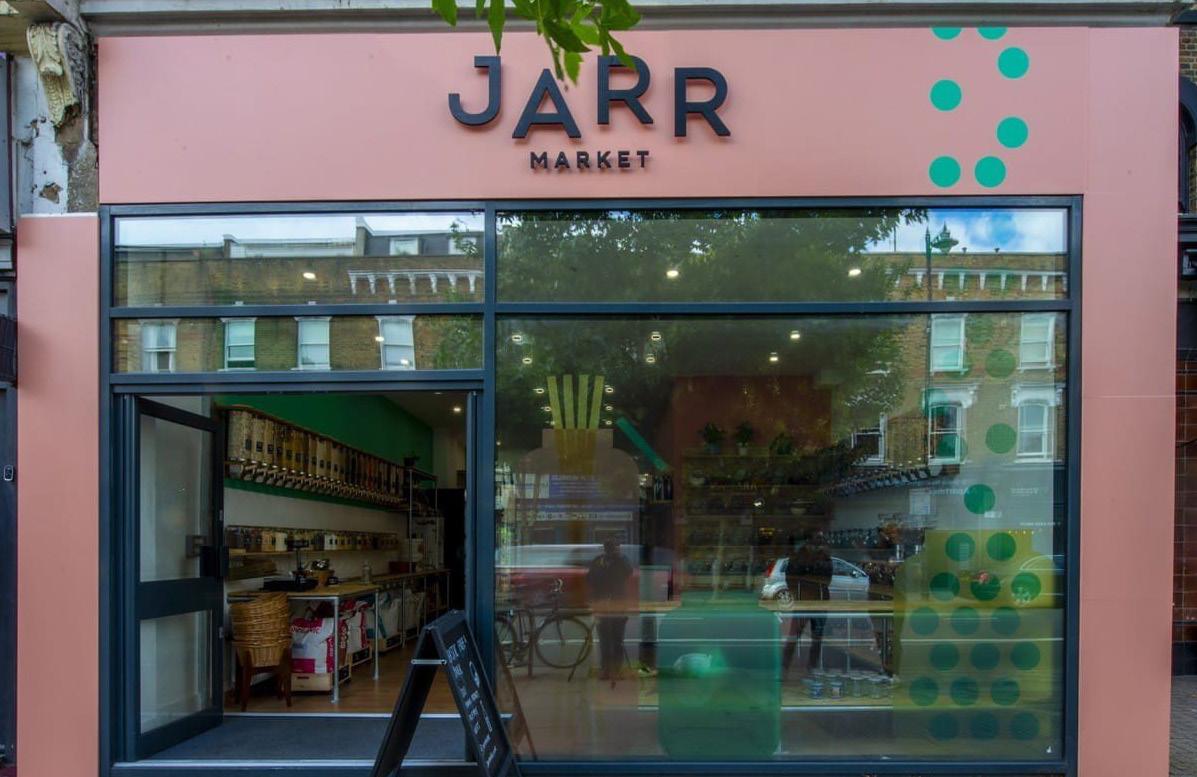
The expansion of packaging free shopping across the United Kingdom signals a quiet but significant shift in consumer behaviour. Recycle Now’s new locator maps more than 675 refill destinations nationwide, bringing visibility to a sector that has often felt fragmented and niche.
Public appetite is clear. Nearly nine in ten shoppers say they would consider refill options, with younger
consumers already leading behaviour change while older groups express growing intent. This suggests a market on the cusp of mainstream adoption rather than a passing trend.
Beyond Recycling
The rise of refill retail reflects a broader industry reckoning. The UK produces around 2.5 million tonnes of plastic packaging waste annually, while packaging accounts for a significant share of overall plastic consumption. Although recycling rates have improved, with over 64 percent of packaging waste recycled in 2024, systemic limitations remain, particularly for plastics.
Refill models address the issue at source by eliminating packaging altogether, aligning with circular economy principles and emerging regulation such as extended producer responsibility.
From Niche to Normal
Yet challenges persist. Cost pressures, convenience expectations and inconsistent infrastructure have historically constrained refill schemes. Even so, innovation across both independent stores and major retailers indicates growing momentum.
If supported by policy and scaled through retail integration, refill could evolve from a conscious choice into an everyday habit, reshaping how the nation shops and significantly reducing its reliance on single use packaging.
Reference: https://spnews.com/packaging-freeshopping-goes-nationwide-recycle-now-maps-uk/ and https://www.wrap.ngo/what-we-do/get-in-touch
Reuse Moves into the Supply Chain Mainstream
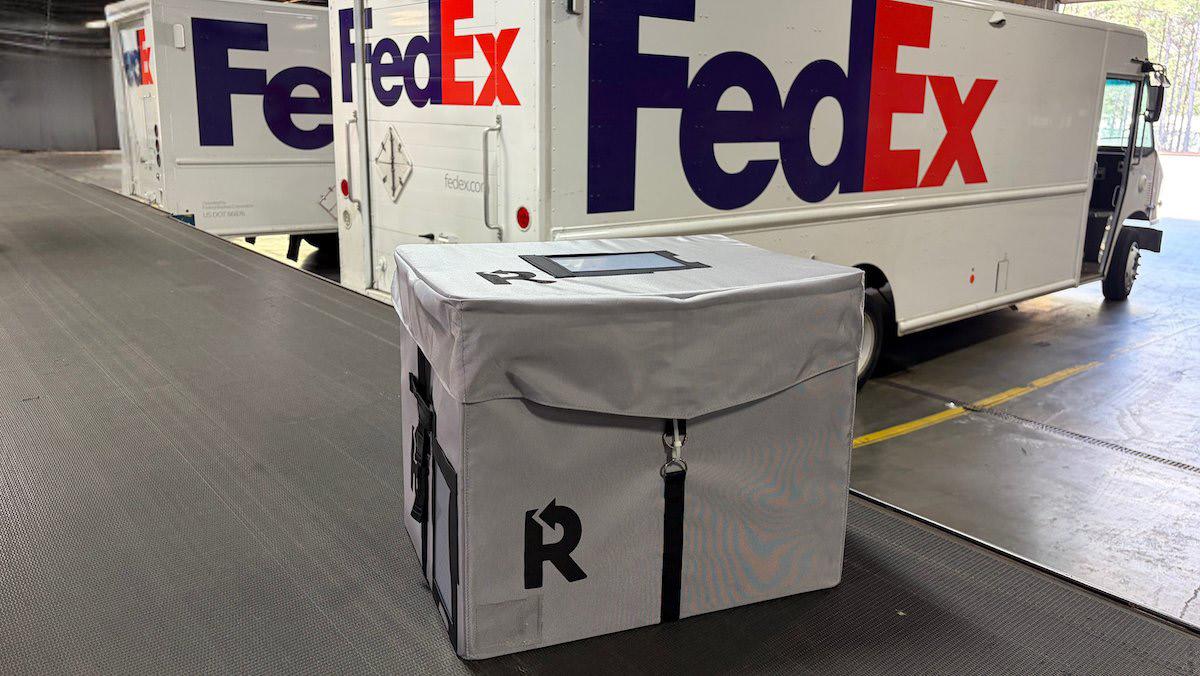
The latest collaboration between FedEx and Returnity marks a notable evolution in reusable packaging, shifting the conversation firmly into business to business logistics. Their new solution introduces a durable, collapsible box designed to replace single use corrugated packaging across controlled distribution networks.
Crucially, the model is built for closed loop systems such as store replenishment and inter facility transfers, where packaging can be reliably returned and reused. This addresses one of the longstanding barriers to reuse, namely unpredictability in reverse logistics.
Efficiency Meets Sustainability
Beyond environmental gains, the commercial case is increasingly compelling. FedEx estimates the system could reduce packaging costs by up to 30 percent per cycle, while cutting emissions by as much as 88 percent under typical conditions. Each unit is engineered for around 50 uses, replacing dozens of disposable boxes over its lifetime.
Operational benefits are equally significant, with early trials reporting faster unpacking, improved labour efficiency and reduced product damage.
From Pilot to Platform
Reusable packaging has long been discussed, yet rarely
integrated at scale within parcel networks due to cost and complexity. By designing a solution compatible with existing infrastructure, FedEx is signalling a shift from experimentation to implementation.
Reference: https://www.fedex.com/en-gb/home.html and https://spnews.com/fedex-and-returnity-launchnew-reusable-box-solution-for-b2b/
As retailers face mounting pressure to decarbonise supply chains, reuse in B2B logistics may prove more scalable than consumer facing models. If widely adopted, such systems could redefine packaging not as waste, but as an asset circulating through the supply chain.
The convergence of refill retail and reusable transport packaging highlights a pivotal moment for the industry. While each model operates in a different part of the value chain, both challenge the long standing reliance on single use formats and demonstrate that change is both possible and commercially viable. The path to scale will depend on infrastructure, collaboration and policy support, yet momentum is clearly building. If sustained, these approaches could fundamentally reshape the role of packaging, transforming it from a source of waste into a managed and valuable resource within a circular economy.
Find the Perfect Sustainable Packaging Solution - Browse for Free!
by Packaged Sustainable
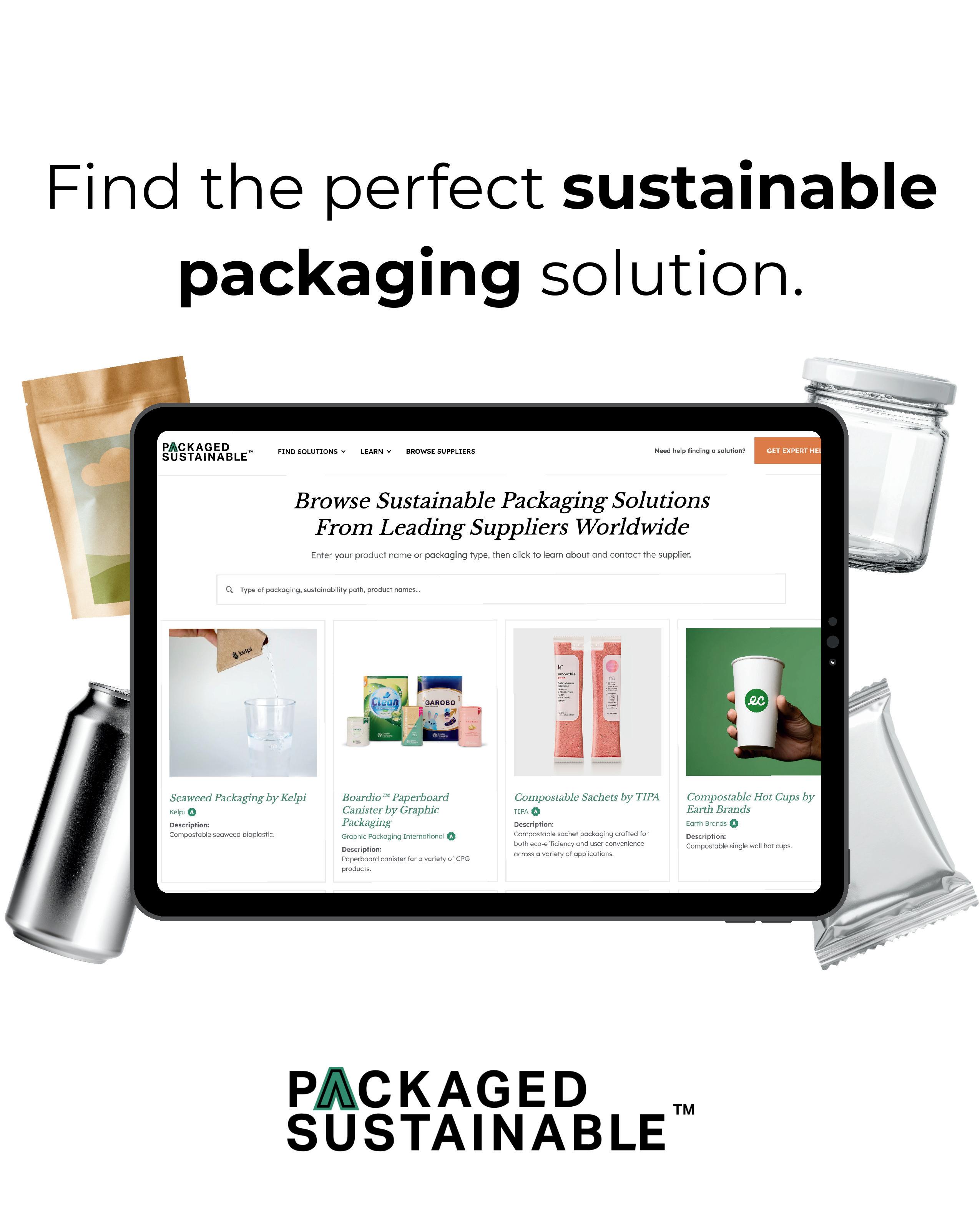
Finding sustainable packaging shouldn’t require months of research, trade show networking, and cold outreach. Packaged Sustainable is a free online platform designed to change that - giving CPG brands a single, objective place to search, compare, and connect with sustainable packaging suppliers across more than 60 product categories.
Think of it as the TripAdvisor for sustainable packaging. Brands can browse supplier options across categories including compostable pouches, recyclable flexible packaging, paper-based formats, refillable systems, and plastic-free alternatives, without wading through supplier marketing or paying for access. Every listing includes company profiles, product categories, certifications, and a direct path to connect.
What sets Packaged Sustainable apart is its commitment to objectivity. The platform doesn’t favor suppliers who pay more or rank listings by ad spend. It also publishes free educational content to help brands navigate the decisions that matter most - compostable vs recyclable, flexible vs rigid, paper vs plastic, and how to tell whether a recyclability claim reflects real-world outcomes or just label assumptions.
Packaged Sustainable is live now at packagedsustainable.com. Suppliers can sign up for free and showcase their favorite innovations. Brands can browse sustainable packaging solutions, explore suppliers, access the educational blog, or book a free consultation to get guidance on their specific sourcing needs.
New to sustainable packaging? Start HERE to learn the basics before you start browsing!
DRUCKFARBEN Group Strengthens ESG Performance in Production and Products
DRUCKFARBEN Group Enhances ESG Strategy with Certified Environmental Performance and Circular Products
The DRUCKFARBEN Group, through its flexible packaging inks business unit DF Inks, announces the further strengthening of its sustainability strategy, with significant certifications and assessments covering both its industrial operations and product portfolio.
A key milestone is the EMAS (Eco-Management and Audit Scheme) certification of DF Inks’ production facility in Chalkida, one of the most demanding environmental management systems in the European Union. This certification confirms the facility’s compliance with Regulation (EC) 1221/2009, following independent verification of environmental performance, legal compliance, and continuous improvement mechanisms. The facility operates under a validated Environmental Statement for 2024, approved by Management.
The certified environmental management system covers critical operational areas, such as energy and natural resource consumption, emissions, waste and solvent management, as well as occupational health and safety. Particular attention is given to the proper handling of hazardous materials, control of volatile organic compounds (VOCs), organized recovery and prevention systems, and certified fire safety and emergency preparedness infrastructure.
At the Group level, DRUCKFARBEN was re-evaluated by EcoVadis in 2026, achieving an overall score of 71/100, ranking in the 84th percentile globally, and earning a Bronze EcoVadis Medal (Top 35%). The assessment highlights strong performance in the Environmental pillar, supported by certified ISO 14001 and ISO 50001 systems, measurable targets for energy, emissions, water, and waste, implementation of VOC reduction technologies, and transparent ESG reporting in accordance with GRI standards and the UN Sustainable Development Goals (SDGs). The assessment covers all Group activities, including the DF Inks, KRAFT Paints, and Bioclima brands.
Furthermore, the sustainability strategy extends to products. DF Inks has received the “Made for Recycling” certification from Interzero for selected flexible packaging solutions, confirming compliance with European circularity criteria and the requirements of the upcoming Packaging and Packaging Waste Regulation (PPWR). Certified products support mono-material PP and PE formats and have been tested in key EU recycling markets, achieving material recovery rates of up to 99%. A flagship product in the portfolio is PU Ultima Matte OPV (PUV001L0002), a 1K polyurethane
matte overprint varnish designed for high recyclability applications.
By combining certified environmental management, independent ESG evaluation, and circular product design, the DRUCKFARBEN Group integrates sustainability across its operations and innovation. Through ongoing investments in facility modernization, energy efficiency, and sustainable products, the Group strengthens its role as a reliable and responsible partner in the flexible packaging value chain in Greece and international markets.
About Us
The purely Greek DRUCKFARBEN Group stands out with a range of innovative and high-quality product solutions. It holds a leading position in the production of flexographic and gravure inks for the flexible packaging market (food packaging, cartons, plastic bags, paper bags, etc.), while also producing and marketing building and architectural paints, mortars, and construction materials under the KRAFT Paints brand, as well as certified building energy upgrade systems under the BIOCLIMA® brand (ClimaWall® systems). The Group operates industrial and storage facilities in Greece (Aspropyrgos, Chalkida, Thessaloniki), Romania, Bulgaria, Serbia, and Nigeria, demonstrating significant penetration and growing presence in Europe and Africa.
“At the Group level, DRUCKFARBEN was reevaluated by EcoVadis in 2026, achieving an overall score of 71/100, ranking in the 84th percentile globally, and earning a Bronze EcoVadis Medal (Top 35%). The assessment highlights strong performance in the Environmental pillar, supported by certified ISO 14001 and ISO 50001 systems, measurable targets for energy, emissions, water, and waste, implementation of VOC reduction technologies, and transparent ESG reporting in accordance with GRI standards and the UN Sustainable Development Goals (SDGs).”
Interpack 2026 is set to reaffirm its position as the world’s leading trade fair for processing and packaging, bringing together the full breadth of the industry under one roof. The event will take place from 7–13 May 2026 at Messe Düsseldorf, Germany, spanning the entire exhibition grounds.
Held every three years, interpack attracts a truly international audience and is expected to welcome thousands of visitors alongside around 2,800 exhibitors, making it one of the most influential gatherings in the global packaging calendar.
A
complete industry showcase
Interpack offers a comprehensive view of the entire packaging value chain, from raw materials and packaging design through to processing, automation and logistics. The show covers key sectors including food, beverage, pharmaceuticals, cosmetics and industrial goods, ensuring relevance across multiple industries.
The 2026 edition will focus on major themes shaping the future of packaging, including smart manufacturing, innovative materials and future skills. These themes
reflect growing industry priorities around sustainability, digitalisation and operational efficiency.
Visitors can also expect dedicated areas highlighting emerging technologies, as well as start-ups introducing new solutions that are set to influence the next generation of packaging systems.
Who will be exhibiting?
A wide range of global manufacturers, technology providers and material specialists will be present. Among those previewing their participation, Sminnovia will unveil fibre-based alternatives designed to replace plastic in demanding applications, reflecting the continued shift towards renewable materials. Sappi will showcase functional paper solutions focused on recyclability and performance, while Michelman will present coating technologies that enable packaging structures to meet both sustainability and functional requirements.
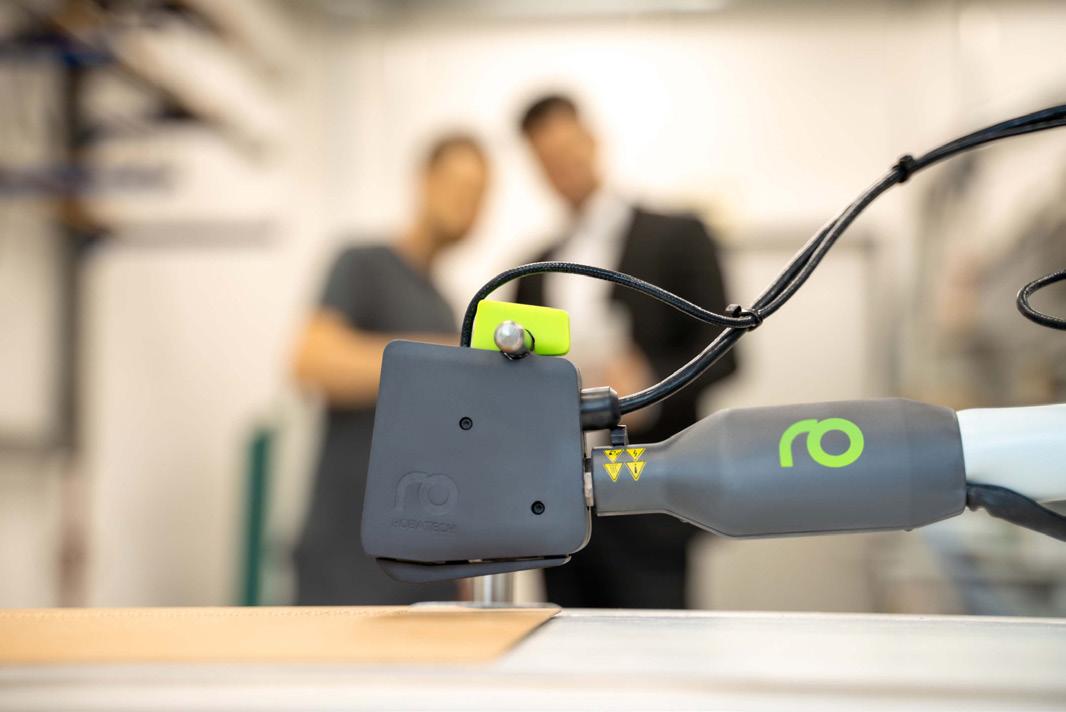
On the machinery side, Hugo Beck will demonstrate packaging systems designed for efficiency and material reduction. Robatech will highlight adhesive technologies aimed at improving precision and
Hugo Beck
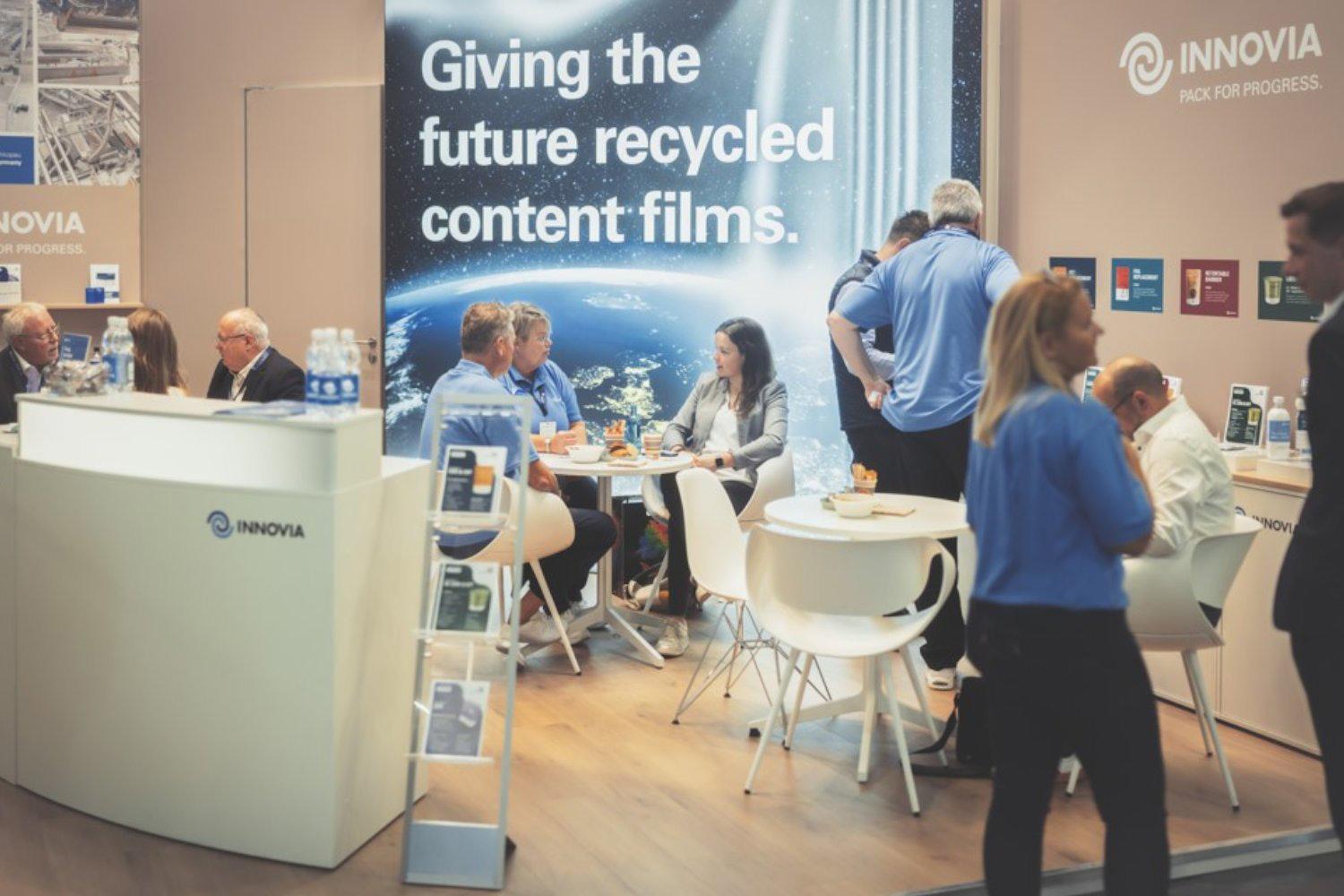
Innovia Films
reducing waste, and Somic will present end of line automation solutions built for flexibility and high throughput.
This mix of exhibitors highlights the convergence of materials, chemistry and machinery across the industry. Innovation, automation and sustainability Beyond the exhibition floor, interpack will provide insight into the challenges and opportunities shaping the sector. Visitors can expect a strong emphasis on sustainability, particularly around recyclable materials, resource efficiency and circular economy solutions.
Automation and smart manufacturing will also play a central role, with exhibitors demonstrating how digital technologies and integrated systems are improving productivity and reducing operational costs.
Live demonstrations, technical presentations and networking opportunities will allow attendees to gain practical insights and build valuable connections across the global supply chain.
Why it matters
As the packaging industry continues to evolve in response to regulatory pressure, changing consumer expectations and supply chain complexity, interpack 2026 offers a vital platform for collaboration and innovation.
By bringing together material suppliers, machinery manufacturers, brand owners and decision makers, the event provides a clear view of how the industry is adapting to a more sustainable and technologically advanced future.
Looking ahead
For anyone involved in packaging, processing or materials, interpack remains a must attend event. Offering a unique opportunity to explore innovation, connect with industry leaders and understand emerging trends, it continues to set the direction for the global packaging market. The SPN team will be attending interpack 2026 in Düsseldorf, providing on the ground coverage, exhibitor highlights and key insights throughout the show.
Robatech
Sappi
Somic
Michelman
YOU GLUE. WE CARE.
An article by Robatech AG. Scan the QR code for more.
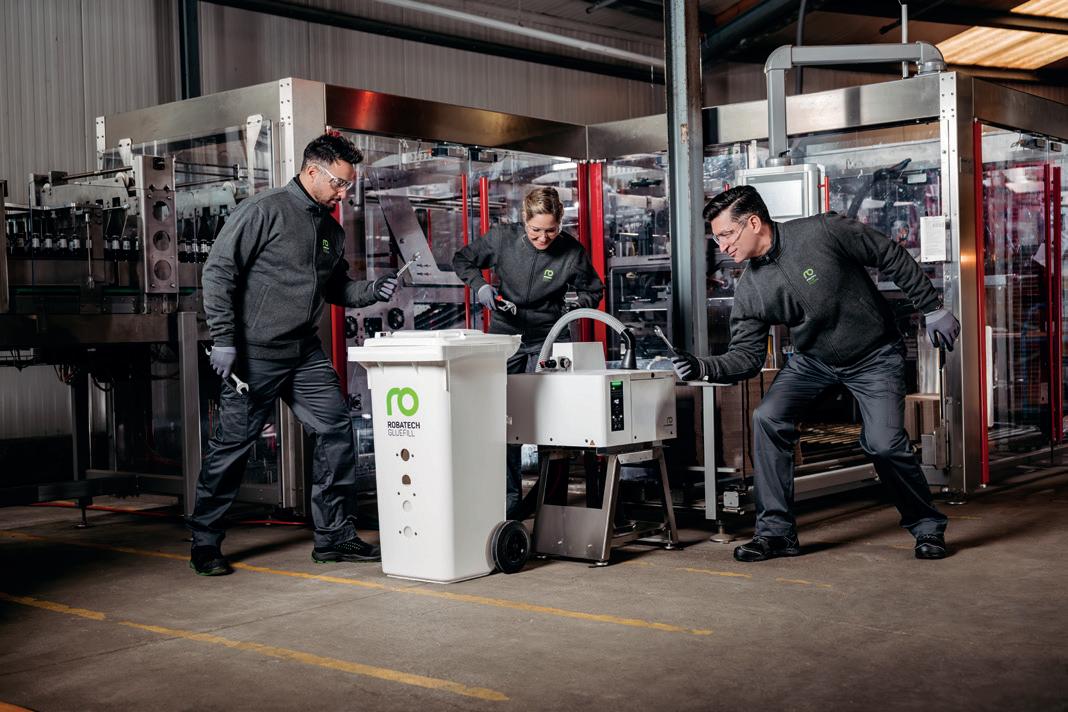
From May 7–13, 2026, Robatech will present its latest solutions for efficient and reliable packaging processes at interpack 2026 in Düsseldorf (Hall 11, Stand G70). Under the guiding principle “You glue. We care.”, the company demonstrates how innovative adhesive application technology and comprehensive service expertise go hand in hand to keep production running smoothly.
In modern packaging environments, performance is measured in uptime, precision and efficiency. Whether for wrap-around packaging, tray forming, case sealing or high-speed inline packaging, adhesive application must be exact, repeatable and energy-efficient. Robatech’s systems are designed to meet these requirements across a wide range of performance levels – from costefficient basic solutions to high-end configurations for demanding production lines.
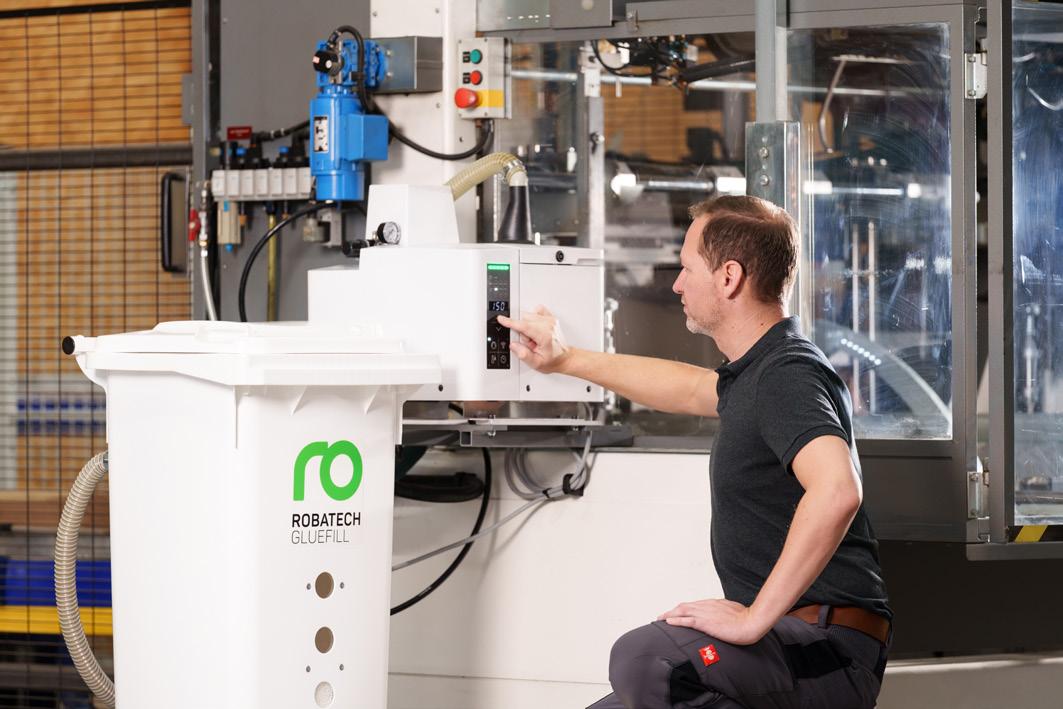
At the exhibition booth, visitors can explore complete adhesive application systems tailored to different packaging needs. Compact melters combined with robust hoses and application heads ensure reliable bonding with low adhesive consumption. For more versatile requirements, powerful all-round systems deliver higher melting rates and adhesive-saving application heads. And where maximum precision and energy efficiency are required, advanced electric application heads provide highly accurate patterns, reduced adhesive consumption and consistent results –even at high speeds.
A key highlight at the booth is the newly designed Glue Experience Line: a demonstration setup on which all application heads relevant to the packaging industry are shown live and in direct comparison. Visitors can see how bead, spray, and coating applications perform, and they can discuss individual requirements with Robatech experts and identify their specific optimization potential. After all, it’s not just about technology, but about the overall process: stability, ease of operation, and long-term reliability.
Indeed, technology is only one side of the equation – the other is service. With local service technicians worldwide, fast spare parts availability and expert consulting, Robatech ensures maximum system availability. Preventive support and rapid response in case of unexpected issues help minimize downtime and protect productivity.
For packaging professionals, interpack is about discovering solutions that make a measurable difference on the line. At Hall 11, Booth G70, Robatech demonstrates how precise adhesive application, intelligent system design and dependable service combine to optimize packaging processes – sustainably and efficiently.
Because in the end, it’s not just about gluing packaging securely. It’s about keeping production lines running.
You glue. We care.
Driving the Circular rEVOLUTION: Greiner Packaging Showcases Scalable Solutions at interpack 2026
At interpack 2026, Greiner Packaging will present a comprehensive portfolio of innovations under the motto “Driving the Circular rEVOLUTION.” As regulatory frameworks evolve and the requirements of the PPWR draw closer, the company aims to deliver clarity and demonstrate how circularity can be effectively implemented throughout the entire packaging lifecycle.
Clarity in an Era of Uncertainty
Many brands are currently navigating a market shaped by rising sustainability expectations and regulatory ambiguity. Greiner Packaging responds with a clear, holistic approach: circularity must begin with design, be executed through responsible production, and conclude with successful recycling. The company’s mission is to create packaging solutions that remain practical, functional, and economically viable, while meeting future regulatory standards.
With this strategy, Greiner Packaging positions itself as a reliable partner for brands looking not only
to futureproof their packaging but also to ensure alignment with upcoming PPWR requirements.
Turning Circularity into Everyday Practice
The centerpiece of Greiner Packaging’s interpack presentation will be real-world applications that show how circularity translates from concept to daily use.
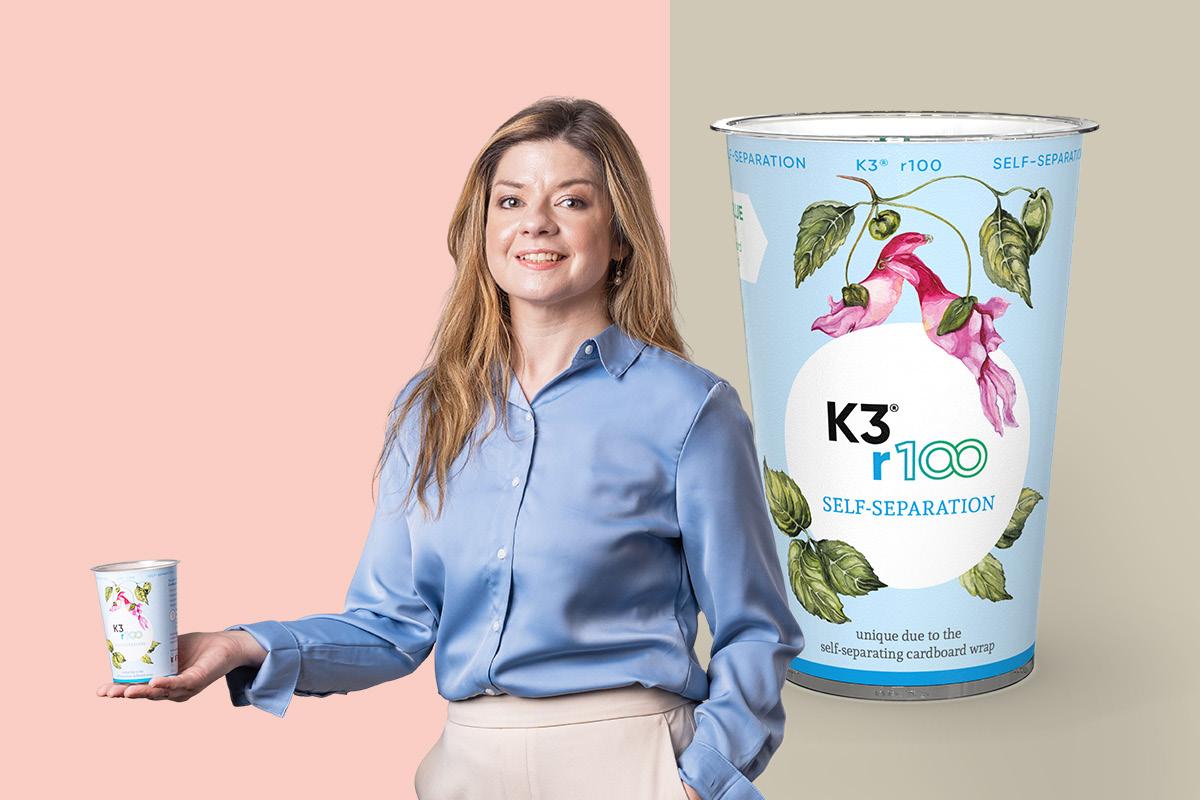
Leading the lineup is the proven self-separating packaging solution K3® r100. At interpack, Greiner Packaging will showcase the expansion of this portfolio, demonstrating how the concept can be successfully applied to additional formats. During the recycling process, the cardboard wrap automatically detaches from the plastic cup, allowing both materials to be correctly sorted without any action required from consumers.
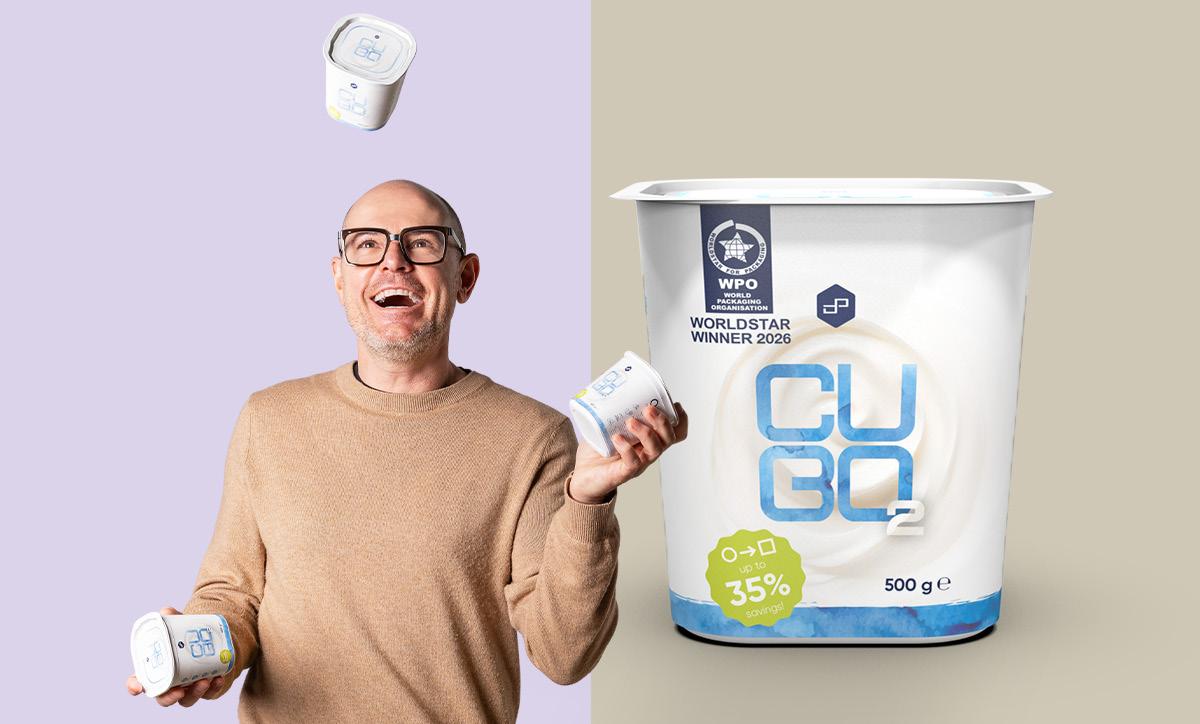
Another highlight is CUBO, the award-winning square cup recognized with a WorldStar Award. Its geometry optimizes logistics by enabling more efficient use of transport and storage space, resulting in improved CO₂ performance and reduced costs.
Equally impressive is the Click In sealing lid, which has earned its own WorldStar Award for design and functionality.
It replaces the traditional combination of snapon lid and aluminum foil with a single component that combines product protection, resealability, and recyclability. Designed as a mono-material solution, the Click In sealing lid supports efficient recycling processes without compromising functionality or convenience.
Special attention will also be given to health packaging, where the highest standards for safety, performance, and regulatory compliance are essential. Greiner Packaging will showcase innovative solutions that prove sustainable, circular packaging can meet the strict demands of highly regulated and sensitive applications, demonstrating that eco-friendly design is achievable even in the most challenging sectors.
Circularity: Scalable and Achievable
Greiner Packaging follows a holistic approach: circularity arises from the interplay of design, materials,
technologies, and effective recycling systems. At interpack 2026, the company brings this approach to life with solutions that not only convince in theory but also succeed in the market.
The core message: circular packaging is no longer a vision; it is reality and ready for broad application.
At interpack, Greiner Packaging will provide insights into its forward-looking packaging solutions and the company’s latest developments.
Visit Greiner Packaging at interpack 2026
Visitors to interpack 2026 in Düsseldorf will have the opportunity to explore these innovations firsthand and speak with experts who are shaping the next generation of circular packaging.
Discover the future of packaging - visit Greiner Packaging in Hall 10, Booth C42, at interpack 2026 and experience the Circular rEVOLUTION up close.
MESSE DÜSSELDORF MAY 7–13, 2026
HALL 13/A31
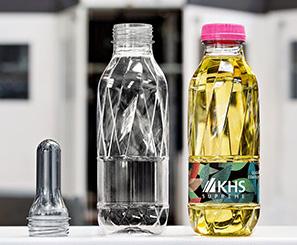
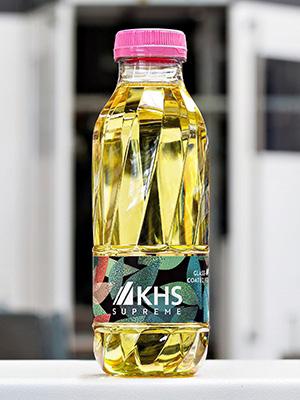
KHS SUPREME: Clear Benefits for Aseptics
With KHS SUPREME, the KHS Group is taking the protection of oxygen-sensitive beverages up to the next level. The innovative system combines the benefits of glass with the handle-ability of PET by applying Plasmax barrier technology.
KHS presents the result of an extensive development study: with the KHS SUPREME PET bottle, the Dortmund turnkey supplier is focusing on the product protection of oxygen-sensitive beverages such as tea. Here, KHS makes use of its tried-and-tested Plasmax barrier technology, a wafer-thin, transparent layer of silicon oxide that coats the inside wall of PET bottles like glass. Less than 100 nanometers thick, it reliably protects the sensitive bottle content from oxidation, retaining its taste, color and quality for lengthy periods of time. This helps to make the product last up to ten times longer.
Plasmax technology, that KHS has been successfully using for over 20 years, is being continuously further developed at its Hamburg factory. This site is KHS’ competence center for PET, with the team’s pooled expertise directly incorporated into every single innovation to support customers worldwide with the development of pioneering packaging systems.
Protection for quality-sensitive beverages
“Our barrier system is ideal for premium products such as green tea that’s extremely quality-sensitive and has to satisfy the highest requirements on markets such as Asia,” explains Philipp Langhammer, product manager for barrier technology at KHS. Tea oxidizes easily, leading to unwanted changes in color and taste. The glass barrier prevents this, making for long shelf lives, freshness and safety.
This technology, originally developed for pharmaceutical glass containers, is based on many years of research and process optimization. The first Plasmax systems were piloted in the food sector back in the early 2000s. Since then, KHS has further developed its Plasmax barrier and this year scaled it up to industrial production speeds of up to 60,000 bottles per hour – without any detriment to its protective properties.
Technology meets sustainability
Besides its technical precision, the barrier is also convincing with respect to its environmental friendliness. One major advantage of Plasmax technology is that it is completely recyclable: the glass coating is removed by caustic during the recycling process without affecting the quality of the material.
Unlike chemical scavenger technologies that make recycling more difficult, here, the purity of the separated PET is maintained. The coating is also fully compatible with 100% [r]PET: this means that it can be recycled and applied to recycled PET containers. “We thus refer to this as a fully circular barrier technology,” says Langhammer. “Our style of packaging combines all the benefits: top barrier performance and full recyclability.”
KHS will be presenting its pioneering system at interpack in Düsseldorf, Germany, from May 7 to 13 in Hall 13, Booth A31. With KHS SUPREME, the Dortmund systems manufacturer demonstrates its extensive powers of innovation in the PET segment.
THE EVOLUTION OF PACKAGING
Experience our two world premieres and a wide range of technical innovations. Discover how our machines boost productivity and comfort - and, thanks to enhanced connectivity, are even better tailored to your needs.
Live at interpack 2026 - May 7–13 in Hall 14 / Booth A02
Taghleef Industries at Interpack 2026: Five Innovative Product Stations, Bold Conversations, and a Front-Row Seat to the Future of Packaging
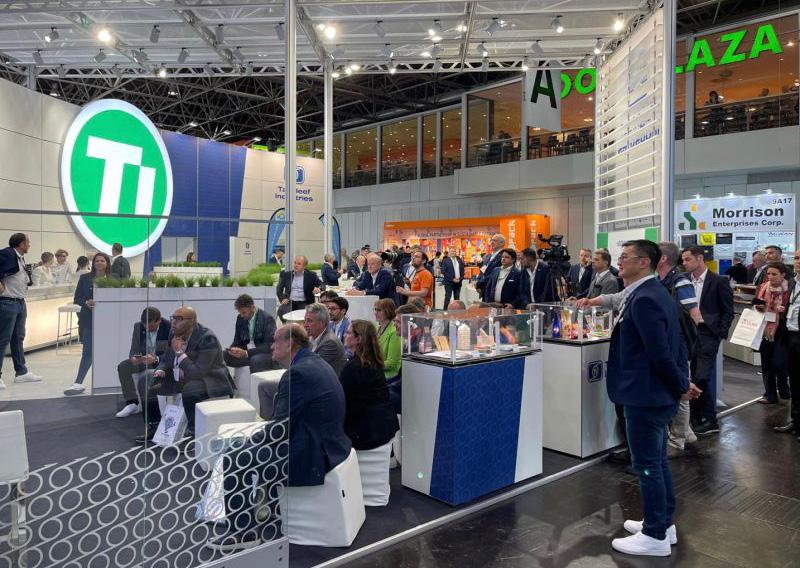
Taghleef Industries (Ti), a global producer of highperformance film solutions for packaging, labels, and graphic arts, will participate in Interpack 2026 under the theme “Expanding the Possibilities of Packaging Together.” The exhibition space will serve as a platform to showcase film technologies addressing the industry’s most pressing needs.
At the heart of the stand, five product stations will guide visitors through Ti’s key areas of innovation: ”ORIGINS, REWRITTEN” explores films made from alternative sources or with recycled content; “DISTINCTION, AMPLIFIED” presents enhanced textures and aesthetics for stronger shelf appeal; “PERFORMANCE, UNLEASHED highlights thinner, more efficient films for improved machinability; “CIRCULARITY, INCREASED” focuses on recyclable mono-material solutions; and “FUTURE, ACCELERATED” looks at flexible formats aligned with evolving lifestyle and packaging trends.
Alongside the product stations, Ti will introduce Ti Talks, a brand-new on-booth programme running throughout the exhibition. Every morning, Ti Talks – Inside Packaging offers expert-led sessions where internal specialists share the latest solutions, innovations, and real success stories designed to spark ideas worth bringing back to the business. Every afternoon, Ti Talks
– Beyond Packaging opens the floor to leading industry voices, delivering sharp insights and honest debate on the trends, regulations, and technologies shaping what comes next.
Both formats follow the five innovation themes of the stand, ensuring each day tells a coherent story from the inside out.
Seats for Ti Talks – Beyond Packaging are limited. Register at interpack2026.ti-films.com
Marchesini Group at interpack 2026: Sustainability, Primary Packaging, Aseptic Production, Robotics and Digital Innovation at the Heart of this Edition
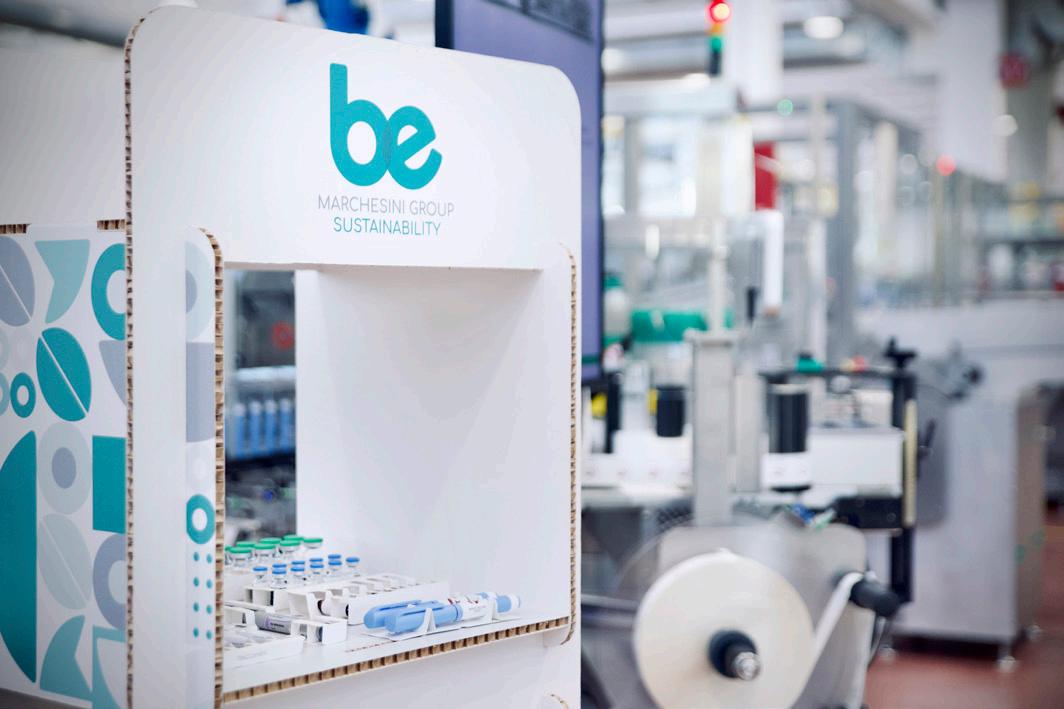
Marchesini Group will take part in Interpack 2026, the Düsseldorf trade fair dedicated to the world of packaging and processing, scheduled from 7 to 13 May 2026. The company will once again welcome customers, suppliers and partners in Hall 15, Stand A42 1-6, presenting areas dedicated to sustainability, primary packaging and aseptic filling, along with robotics, digital solutions, artificial intelligence applications and traceability.
One of the main innovations at this year’s edition will be ORBITA-L, a modular machine for filling and capping non-injectable liquid products, featuring two key advancements: a magnetic transport system that enables 100% in-process weight control (100% IPC) and a servo-driven dip tube tightening unit that optimises the capping phase. This solution, presented for the first time, will be located in a reserved area accessible by appointment only.
“Interpack 2026 will be an important opportunity for Marchesini Group to present its latest innovations, including a machine for filling and capping non-injectable liquids,” comments Valerio Soli, CEO of Marchesini Group. “We will also showcase several solutions from the Aseptic Business Unit, giving visibility to our ongoing collaboration with AST. Sustainability and robotics will take centre stage as we support our customers in implementing the PPWR regulation, balancing product safety, traceability and material recyclability”
The over-1,500-square-metre booth will also host several flagship solutions from the Aseptic Business Unit, which offers a complete range of technologies for filling lines dedicated to injectable products.
A large area will also be dedicated to sustainability. Marchesini Group will showcase its expertise in developing machines and production lines capable of packaging products using paper, mono-material plastics, recyclable and recycled-content materials, as well as aluminum. In recent years, collaboration with suppliers and customers has led to the creation of a dedicated team committed to turning the PPWR Regulation guidelines into a concrete opportunity for innovation and growth.
To further explore these topics, a series of talks on European regulations will be held at the stand, with a focus on technologies that enable the progressive replacement of PVC and the introduction of recyclable mono-material alternatives for blister and tray thermoforming.
The sustainability area will also feature an integrated and robotised high-speed line for packaging blister packs made entirely of polypropylene, paired with a cartoner equipped with a new automatic carton
magazine, showcased for the first time. The line will also include an AI-based Line Clearance system developed by SEA Vision, a company specialised in vision systems for product traceability.
However, sustainability is not limited to packaging materials. The commitment also extends to prolonging the lifecycle of machines thanks to Rinova, the company created to give new life to original Marchesini models through a complete remanufacturing process. This commitment will be showcased in a very tangible way: a refurbished cartoner will be displayed, assembled only up to 60%. During the exhibition days, the Rinova team will continue the assembly directly on-site, bringing the workshop to the fair and showing visitors how the remanufacturing process takes place.
A dedicated area will also be reserved for cosmetic packaging: Marchesini Group Beauty will showcase two lines for packaging liquid products. Lastly, a dedicated area will be reserved for robotics and the new frontiers of artificial intelligence. In fact, several models from the Next Generation Robotics platform will be unveiled at the fair, a new generation of industrial robots built on modular, high-performance multi-axis architectures, integrated with advanced machine vision systems and AI–Deep Learning algorithms.
NEW: Plastic-Free Transport Packaging in Paper
by Hugo Beck
A New Approach to Sustainable Transport Packaging
As the packaging industry seeks practical alternatives to plastic shrink wrap and excess cardboard, Hugo Beck is introducing a new paper-based sleeve wrapping solution at interpack 2026.
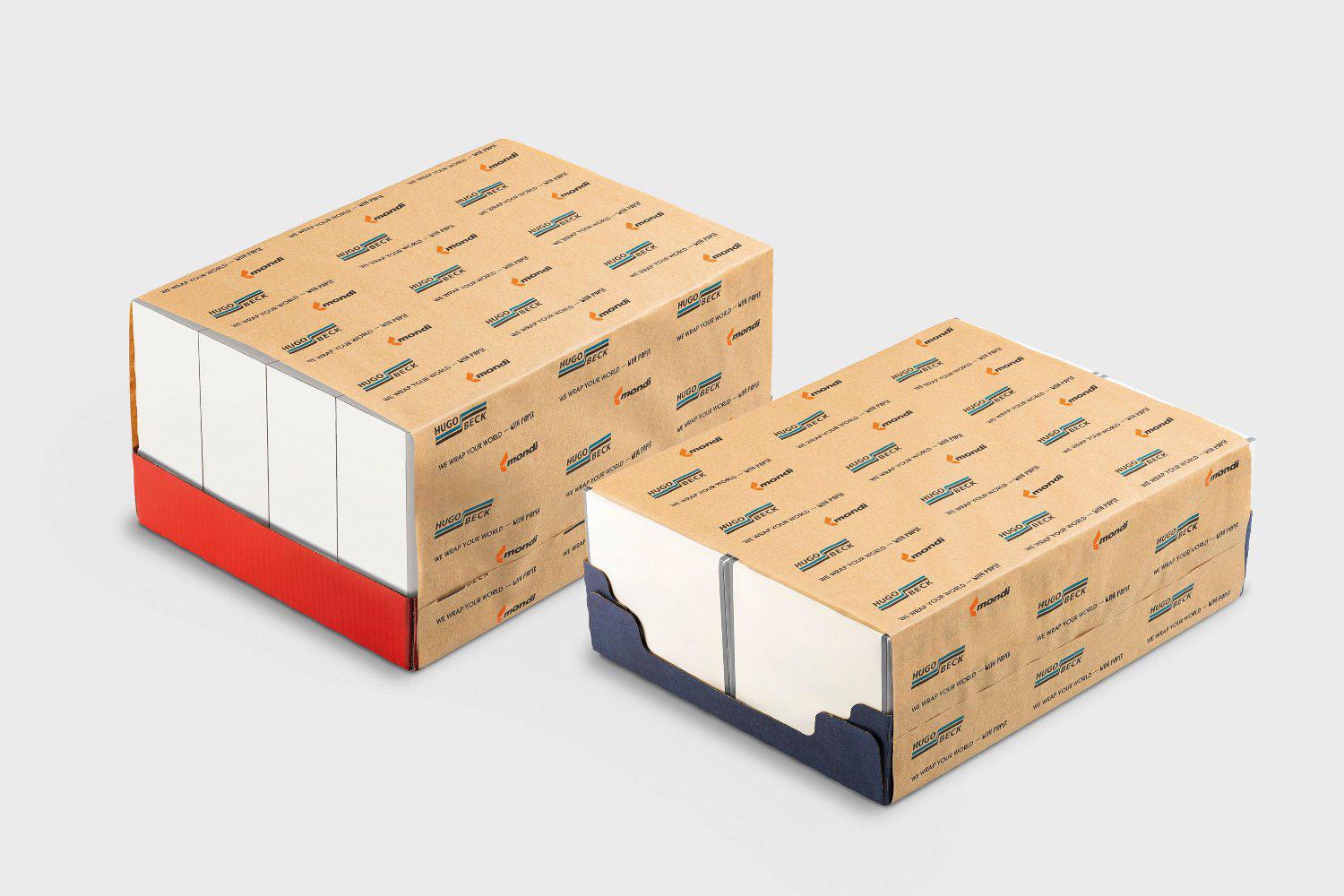
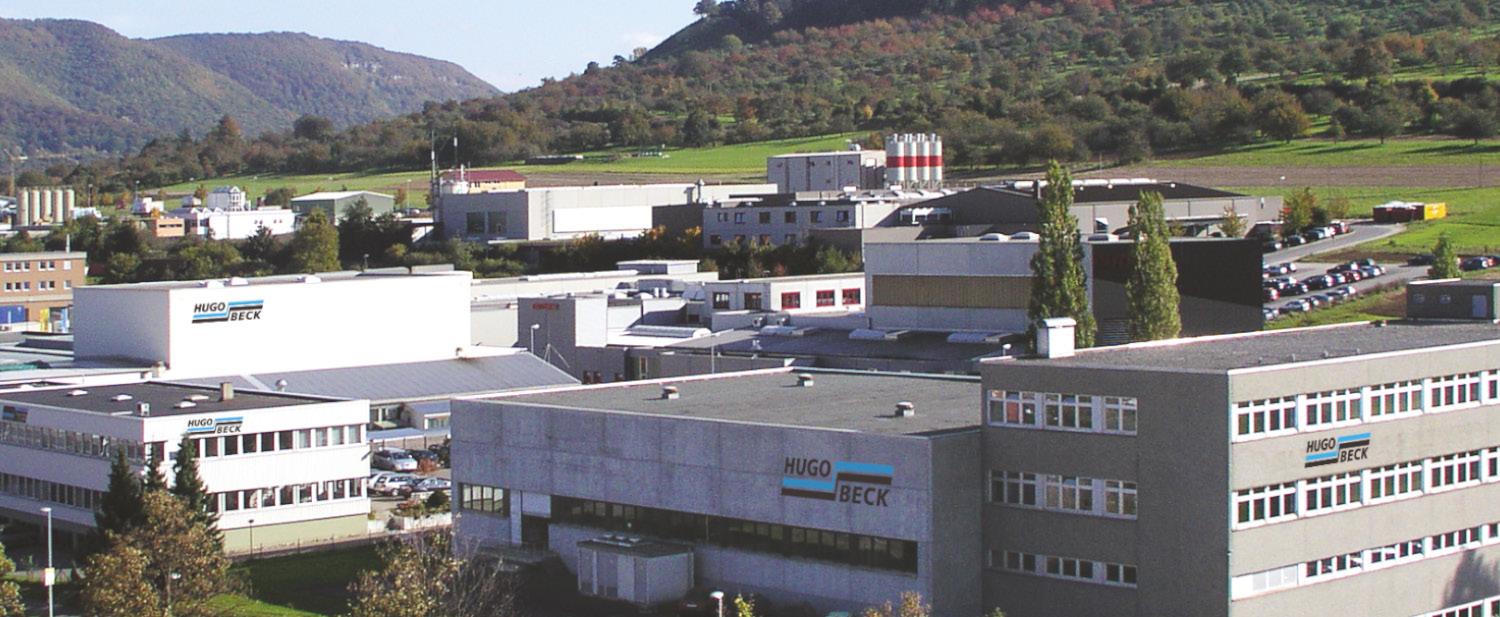
The paper S is a compact sleeve wrapper designed for sustainable transport and secondary packaging using kraft paper and will be unveiled on the Hugo Beck stand (Hall 11, stand A74).
This innovation directly supports the transition from conventional shrink film or corrugated cardboard towards plastic-free, paper-only transport packaging, aligning with growing sustainability demands.
A Compact Sleeve Wrapper for Efficient Kraft Paper Bundling
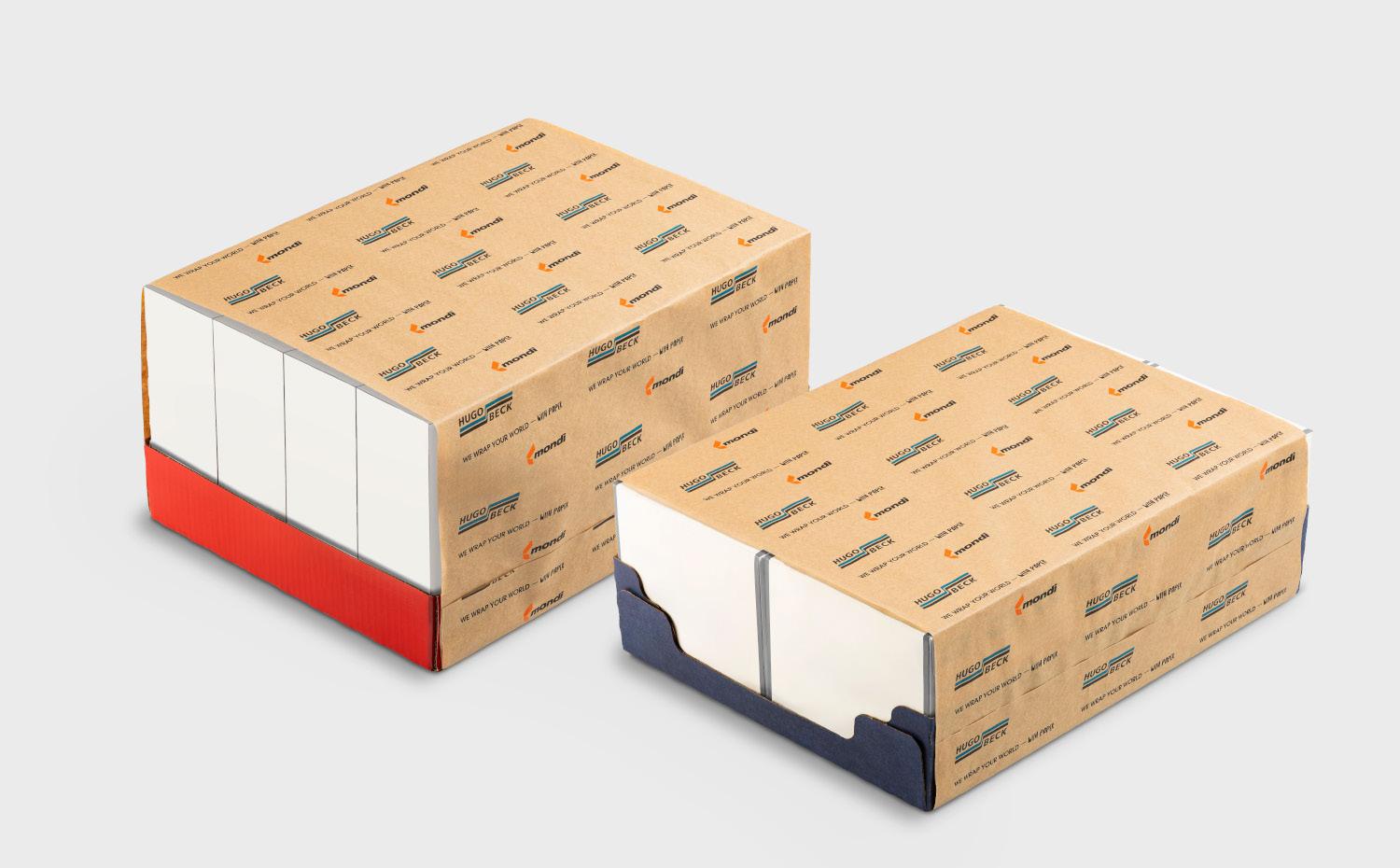
The Hugo Beck paper S creates a tight kraft paper
wrap around the products, either with or without a supporting tray. Using an overlap packaging style with optimised hot-melt gluing, the new sleeve wrapping solution produces secure, stable bundles for transit. This ensures that manufacturers can shift away from shrink-film or cardboard systems without compromising pack stability throughout the supply chain.
An additional benefit of the paper S is the elimination of heat-shrinking respective the need for any shrink tunnels, yielding significant energy savings compared to traditional shrink-wrap processes.
The machine’s compact, operator-friendly design makes it suitable even for facilities with limited floor space. It can be integrated into existing production lines or used as a standalone unit. Optional add-ons like inline digital printing or labelling systems and automation systems can also be incorporated to meet specific customer requirements.
Optimised Material-Machine Combination
To ensure optimal compatibility between material and machinery, Hugo Beck worked closely with paper manufacturer Mondi on this project. The paper S will run Mondi’s new Ad/Vantage StretchWrap kraft paper of 70 gsm on the Hugo Beck stand.
Despite its light weight, this uncoated paper provides high puncture resistance and stretch characteristics, giving the wrapped bundles excellent tensile strength for transport. Notably, Mondi’s paper is also industrially compostable and fully recyclable in normal paper streams.
The combined machine-and-material solution demonstrates a holistic approach to sustainability, leveraging Mondi’s expertise in paper with Hugo Beck’s machinery know-how.
Part of a Sustainability-Focused Portfolio
The launch of the paper S sleeve wrapper expands Hugo Beck’s growing portfolio of sustainable packaging technologies, now extending into transit packaging applications. Hugo Beck – a horizontal packaging machinery specialist with over 70 years of experience – has continually evolved its offerings in line with customer needs and market trends. The company’s commitment to resource-efficient packaging is reflected in machine concepts that reduce material use without sacrificing product protection or operational efficiency.
Dual Expertise: Paper and Film
Importantly, the paper S is not an isolated development but the latest step in Hugo Beck’s long-term sustainability strategy. In recent years, the firm has
been developing paper packaging solutions alongside its established film-based systems, positioning itself as an expert in both domains.
This dual expertise in paper and film packaging machinery means Hugo Beck can help customers choose the most suitable material for each project.
The company’s R&D philosophy focuses on three key pathways:
• minimising material usage
• keeping pace with new eco-friendly films (from recycled content or mono-material films to bioplastics and ultrathin films starting at 7 μm)
• and enabling a smooth switch to paper packaging where it offers benefits.
By providing machines that can handle either material, or even both on the same equipment, Hugo Beck ensures that its clients can future-proof their packaging operations as materials and sustainability goals evolve.
Experience the new Sleeve Wrapper paper S live at interpack (Hall 11/A74)
Packaging professionals interested in sustainable transport and secondary packaging are invited to see the paper S in action. Hugo Beck will be demonstrating this new sleeve wrapper processing Mondi’s paper at interpack 2026 (Hall 11, Stand A74), where experts will be on hand to discuss how paper-based transport packaging can deliver tangible material and energy savings in real production environments.
With its blend of innovation and decades of engineering experience, Hugo Beck’s latest solution showcases how transitioning from plastic and cardboard to just paper can be achieved without compromise.
Exclusive Interview with... Giorgia Minelli
EXCLUSIVE!
Dow’s theme for interpack 2026 is “Generation Transformation.” What does this concept mean in practical terms for the future of sustainable packaging, and how is Dow helping to drive that transformation?
For us, “Generation Transformation” is not just a theme – it reflects a mindset shift that’s already happening across the packaging industry.
It’s about moving beyond talking about sustainability in isolation and instead focusing on how real transformation happens: through collaboration, system-level thinking, and solutions that work across the full packaging lifecycle. At Dow, we look at packaging from design and materials, through performance and functionality, all the way to recyclability, recycled content, and regulatory readiness.
At interpack, we’re bringing this to life by showcasing solutions that are already making an impact – many of them commercial today or launching at the show. They demonstrate how material science innovation drives sustainability, regulatory readiness and next-generation performance.
Your booth will feature a fully realised retail environment rather than a traditional materials showcase. How important is it to demonstrate sustainability through end-use applications rather than raw material innovation alone?
Sustainability only becomes meaningful when it works in a real application, on the shelf and in consumers’ hands. Our intention with the retail displays is to help visitors visualize how sustainable packaging actually appears on shelf, how it functions and how consumers interact with it. That bridge between innovation and application is where real adoption happens.
It also allows us to show that sustainability isn’t just a concept – it’s something that can be implemented today without compromising performance, safety, or consumer experience. At interpack 2026, we are showcasing this across our full portfolio – from food and industrial packaging to medical and cosmetics applications –showing what’s possible when innovation is designed for the real world.
In the cosmetics sector, sustainability often competes with premium aesthetics. How is Dow helping brands balance recyclability, circularity, and consumer expectations for luxury packaging?
In cosmetics, sustainability must enhance – not compromise – the premium experience. Materials like SURLYN™ Ionomers play an important role in achieving that balance.
A recent example is our collaboration with Candiani, which has adopted SURLYN™ PC 2000 REN, a bio-circular version of SURLYN™, for a new range of premium cream jars. These jars deliver the clarity, shine, and tactile quality luxury brands expect, while reducing carbon footprint through renewable, mass-balance-certified feedstocks.
We continue to collaborate with many brand owners such as Guerlain where we have supported their transition to bio-circular SURLYN™ PC 2000 REN.
SPN hears from Giorgia Minelli, Senior Marketing Director, Packaging & Specialty Plastics EMEA at Dow.
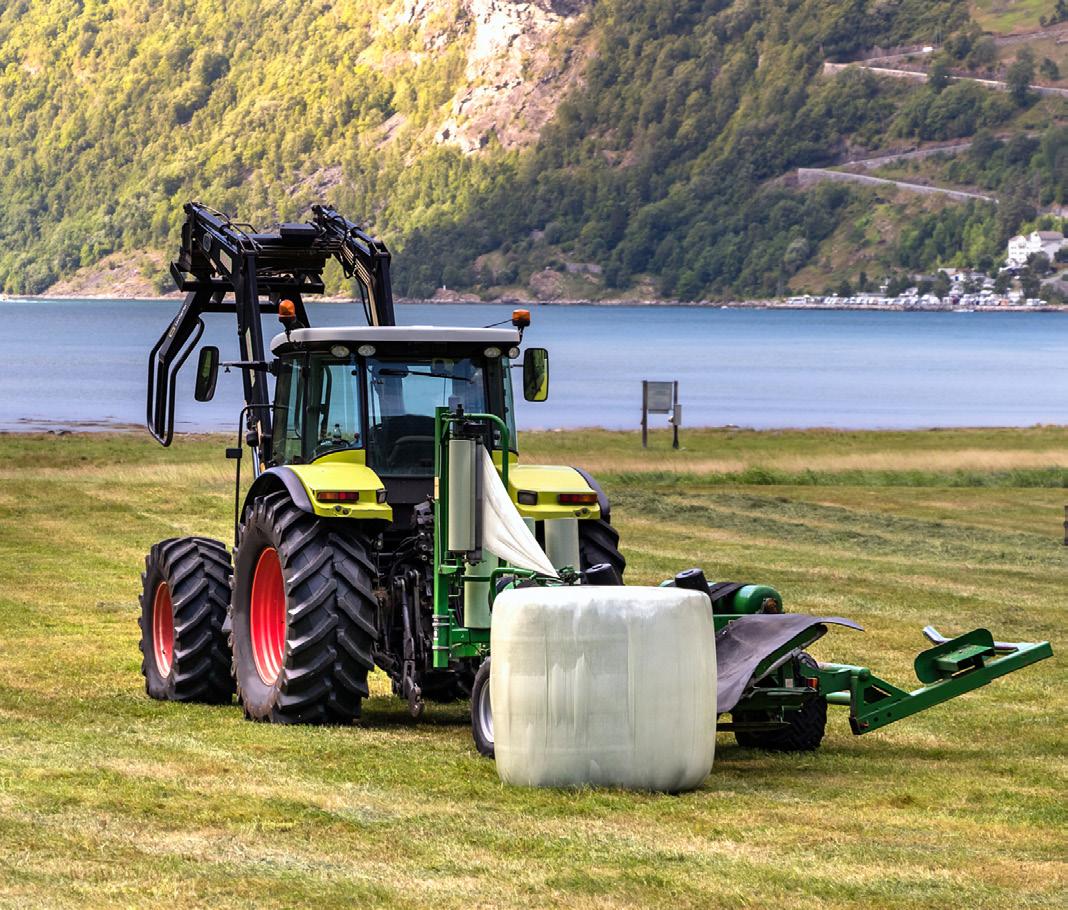
You’re introducing new resin grades for downgauged silage bale wrap. Could you explain how innovations like this contribute to both environmental and operational efficiencies in industrial packaging?
Silage bale wrap film plays a critical role in agriculture by preserving feed quality and ensuring a reliable food supply for livestock over extended storage periods.
At interpack, we’re launching new silage bale wrap solutions enabled by INNATE™ Precision Packaging Resins, which allow significant downgauging while maintaining tear resistance, puncture performance, and barrier properties. Thinner films mean lower material use, reduced carbon footprint, and improved logistics efficiency, while also delivering operational benefits such as easier handling and more efficient wrapping processes.
These are real, field-proven solutions and we’re excited to be bringing them to interpack – showing how downgauging can deliver both sustainability and productivity gains across the value chain.
Collaboration is highlighted as a key part of your interpack presence. What role does cross-value-chain partnership play in accelerating scalable sustainable packaging solutions?
Collaboration is essential because sustainable packaging challenges don’t sit with any single player. Real progress happens when material science, design, conversion, brand requirements, and end-of-life considerations are addressed together. That’s exactly why we are highlighting our Pack Studios™ approach at interpack. On our stand,
customers and partners can engage directly with our Pack Studios™ experts to discuss their specific packaging challenges and explore potential solutions. It reflects how we work every day – bringing brand owners, converters, and value-chain partners together early to co-create solutions while considering the full lifecycle of a package.
A key benefit for our customers is the ability to test resins and machine configurations at our Pack Studios™ environment without interrupting their own production lines. This reduces risk, shortens development cycles, and gives partners greater confidence to move from concept to commercial reality more quickly. What makes this approach powerful is the focus on scalability and speed to market. Collaboration is what enables transformation to happen at pace, across the entire value chain.
“It’s about moving beyond talking about sustainability in isolation and instead focusing on how real transformation happens: through collaboration, system-level thinking, and solutions that work across the full packaging lifecycle.”
Looking ahead, what do you see as the most important innovation or shift that will define sustainable packaging between now and the next interpack?
Sustainable packaging should be the baseline expectation – packaging that is circular by design, lower carbon by intent, and built to perform in the real world. That means greater focus on simplifying structures, designing for recyclability from the outset, reducing material use, and increasing the uptake of circular feedstocks – while continuing to meet performance, safety, and consumer expectations.
Clear and consistent regulatory expectations will also play an important role. They help align the value chain around common targets and timelines, giving industry the confidence to invest, innovate, and scale solutions. Ultimately, delivering on this baseline requires collaboration. Transformation at this scale doesn’t happen in isolation – collective effort is what will define the next era of sustainable packaging.
Interview conducted by SPN.
A Data-driven Approach to Selecting Secondary Packaging: Three Factors Brands Should Consider
Consumers’ values, brand perception, performance, sustainability, regulatory requirements, cost considerations. For brands, choosing the best material for their secondary packaging can feel like walking a tightrope. And when plastic enters the equation, the tension only intensifies. Gary Panknin, Supply Chain Manager at PakTech, shares three factors to help manufacturers make confident, datadriven packaging decisions.
Performance: the non-negotiable starting point
The right secondary packaging material choice starts with a simple question: will it reliably do the job? Structural integrity is critical across supply chains, and when it fails, the impact is immediate: damaged units, unsellable stock, increased waste, and avoidable costs – outcomes that don’t just hurt margins, but also undermine sustainability efforts. This is particularly evident in cold-chain environments, such as European beverage supply chains, where cold storage and humidity are the norm. Under these conditions, moisture-sensitive carriers can lose strength, leading to breakage and product damage before items even reach the shelf. It’s no surprise, then, that performance remains a decisive factor.
While 85% of industry professionals agree that plastics are essential to the supply chain, brands and consumers alike need to recognise that not all materials
are equal. Recycled and recyclable options like highdensity polyethylene can be a smarter, balanced solution. Studies show that recycled high-density polyethylene (rHDPE) retains mechanical properties and structural strength across recycling cycles making it suitable for demanding multipacking applications. Just as importantly, it performs consistently across humid and temperature-variable conditions, from production through to retail refrigeration.
Compliance: keeping pace with a moving target
If performance sets the foundation, compliance is increasingly shaping what is viable. Across Europe, the Packaging and Packaging Waste Regulation (PPWR) is setting ambitious targets that brands cannot afford to ignore. By 2030, for example, all packaging must be designed for recycling, with at least 70% recyclability by weight, rising further in the years that follow. At the same time, national measures are adding even more pressure. In the United Kingdom, for example, the Plastic Packaging Tax charges £223.69 per tonne on packaging containing less than 30% recycled content. For a medium-sized EU beverage company using around 150 tonnes of virgin secondary plastic packaging annually, this could translate into more than £33,553.50 in fees (approximately €39,929, recurring tax).
In this context, recyclability is no longer a downstream consideration – it’s a requirement. Materials that can be recycled multiple times, such as PakTech’s fully recycled and recyclable rHDPE handles, offer a clear advantage, not only meeting today’s standards, but anticipating tomorrow’s.
Total cost: looking beyond the price tag
Performance and compliance ultimately feed into the third factor: cost. But focusing only on upfront material expenses can be misleading. Today’s retail environment is highly competitive, shaped by price-sensitive, ecoconscious consumers and the growth of discount and bulk-buy formats. In fact, multipacks are becoming a symbol of value – but they also demand stability to withstand handling, transport and storage without failing. When packaging fails, the consumer experience suffers. And that experience reflects on the brand, not the packaging provider.
That’s why it’s important to shift towards a total cost of ownership approach when choosing secondary packaging, considering the full picture: product losses, waste, supply chain inefficiencies, and regulatory costs. Packaging taxes, for example, are often tied to weight and recycled content. In markets like the UK and Spain, fully recycled, lightweight solutions can eliminate these charges entirely. At the same time, durable materials can minimise waste and reduce the risk of product damage. In short, the lowest-cost option upfront is not always the most cost-effective over time.
The takeaway
There’s no one-size-fits-all answer to packaging, but there is a clearer way to approach the decision. As sustainability expectations rise and regulations evolve, relying on perception alone is no longer enough. The most effective choices are those grounded in evidence,
balancing what consumers expect with what supply chains require. Performance, compliance, and cost are not competing priorities - they are interconnected. And the materials that deliver across all three are the ones that will stand the test of time.
References:
PakTech. (2025) Proprietary Research Study, European industry professionals (500 participants).
H. Jin et al. (2012) “The effect of extensive mechanical recycling on the properties of low density polyethylene” Polymer Degradation and Stability, 97, pp. 2262–2272.
N. Benoit et al. (2017) “High Density Polyethylene Degradation Followed by Closed-loop Recycling” Progress in Rubber, Plastics and Recycling Technology, 33 (1).
M. Mihelčič et al. (2022) “Influence of Stabilization Additive on Rheological, Thermal and Mechanical Properties of Recycled Polypropylene” Polymers, 14 (24), p. 5438.
EUR - Lex. Regulation (EU) 2025/40 of the European Parliament and of the Council of 19 December 2024 on packaging and packaging waste, amending Regulation (EU) 2019/1020 and Directive (EU) 2019/904, and repealing Directive 94/62/EC (Text with EEA relevance). https://eur - lex.europa.eu/eli/reg/2025/40/oj/eng. Accessed on 5 March 2026.
Gov.uk (2026). Plastic Packaging Tax: steps to take. https://www.gov.uk/guidance/check - if - you - need - to - register - for - plastic - packaging - tax. Accessed on 5 March 2026.
Machinery Driving Change: From Gigamoulding to Smart Fulfilment Systems
How advanced manufacturing and right sized packaging are reshaping efficiency, sustainability and supply chain design. Emily Gambrill reports.
Across both plastics manufacturing and packaging operations, scale is being redefined in ways that go far beyond size alone. From Engel’s record-breaking injection moulding technology to Sealed Air’s intelligent fulfilment systems, the industry is entering a phase where integration, precision and efficiency are paramount. These innovations reflect a shared response to mounting pressures around cost, carbon reduction and operational complexity. As production volumes rise and expectations around sustainability intensify, manufacturers are increasingly turning to technologies that streamline processes while minimising waste. The result is a convergence of engineering ambition and environmental responsibility that is reshaping how products are made, packed and delivered.
Scaling Up: A New Era for Injection Moulding
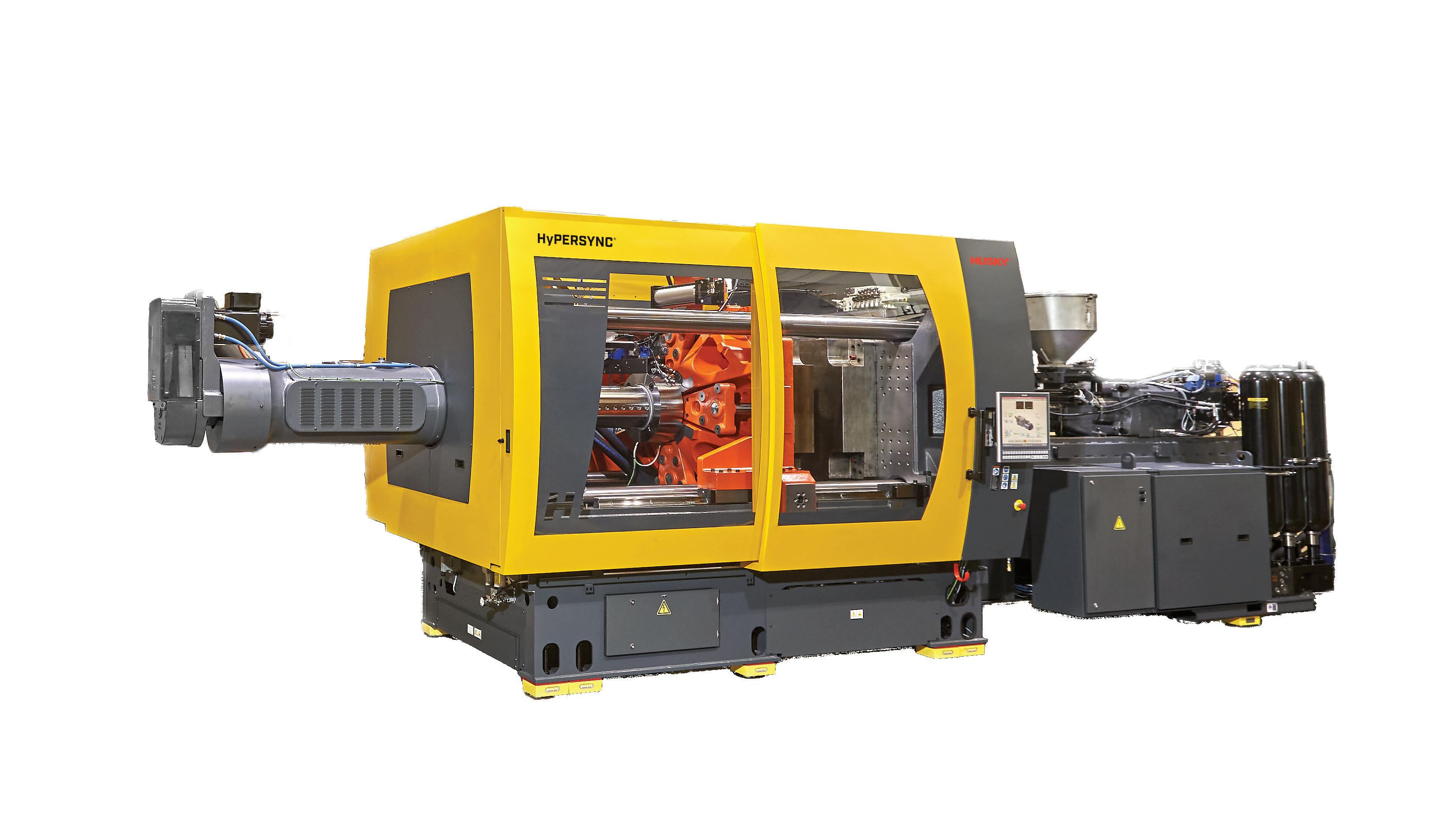
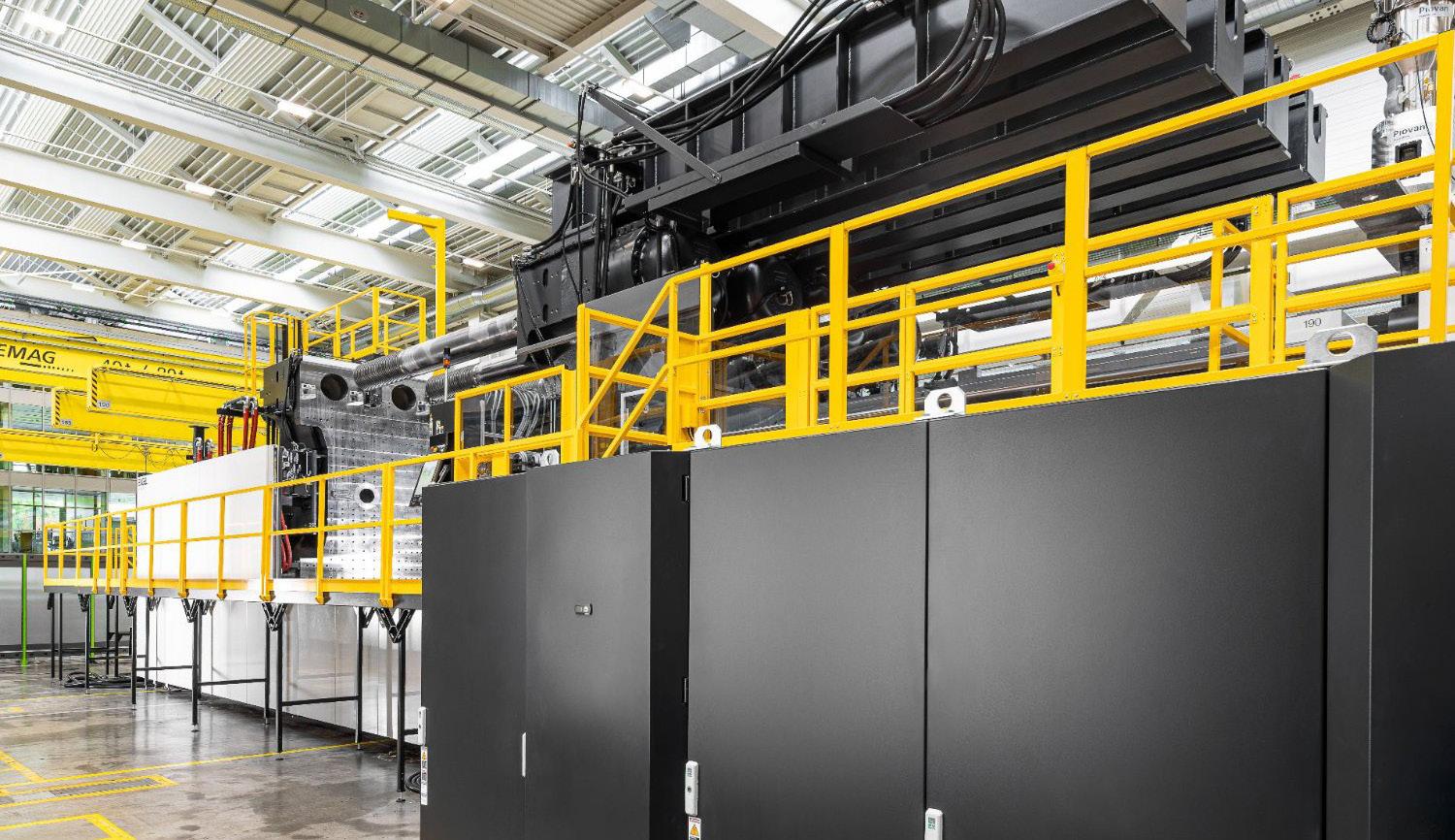
The unveiling of Engel’s duo 12000 US marks a decisive moment for plastics manufacturing. With a clamping force of 110,000 kN and the ability to mould components larger than 2.5 square metres, it pushes injection moulding into unprecedented territory. At roughly 24 metres long and weighing over 500 tonnes, the machine is not simply a feat of engineering. It represents a shift in how products are conceived, enabling large structural parts to be produced in a single step, reducing assembly, material use and overall cost.
The Rise of Gigamoulding
This development reflects a broader trend towards so called gigamoulding, particularly in the automotive sector. Demand is being driven by electrification, lightweighting and the need to cut emissions across the product lifecycle.
By integrating multiple components into one moulded structure, manufacturers can simplify supply chains and improve efficiency. Industry analysts note that such consolidation can reduce part counts by up to 70 percent in some vehicle applications, signalling a fundamental redesign of manufacturing strategies.
Beyond Size: Efficiency and Sustainability
Crucially, scale is not the only story. Machines of this kind are also positioned as tools for sustainability. Fewer parts mean fewer joints, less waste and lower transport requirements.
As global plastics production continues to exceed 390 million tonnes annually, innovations that reduce material use and energy demand are becoming essential. In this context, Engel’s latest machine is less about being the biggest and more about redefining what efficient, integrated production looks like in a resource constrained world.
Reference: https://www.engelglobal.com/ and https:// spnews.com/engel-builds-worlds-largest-injectionmoulding-machine/
Right Sizing the Future of Fulfilment
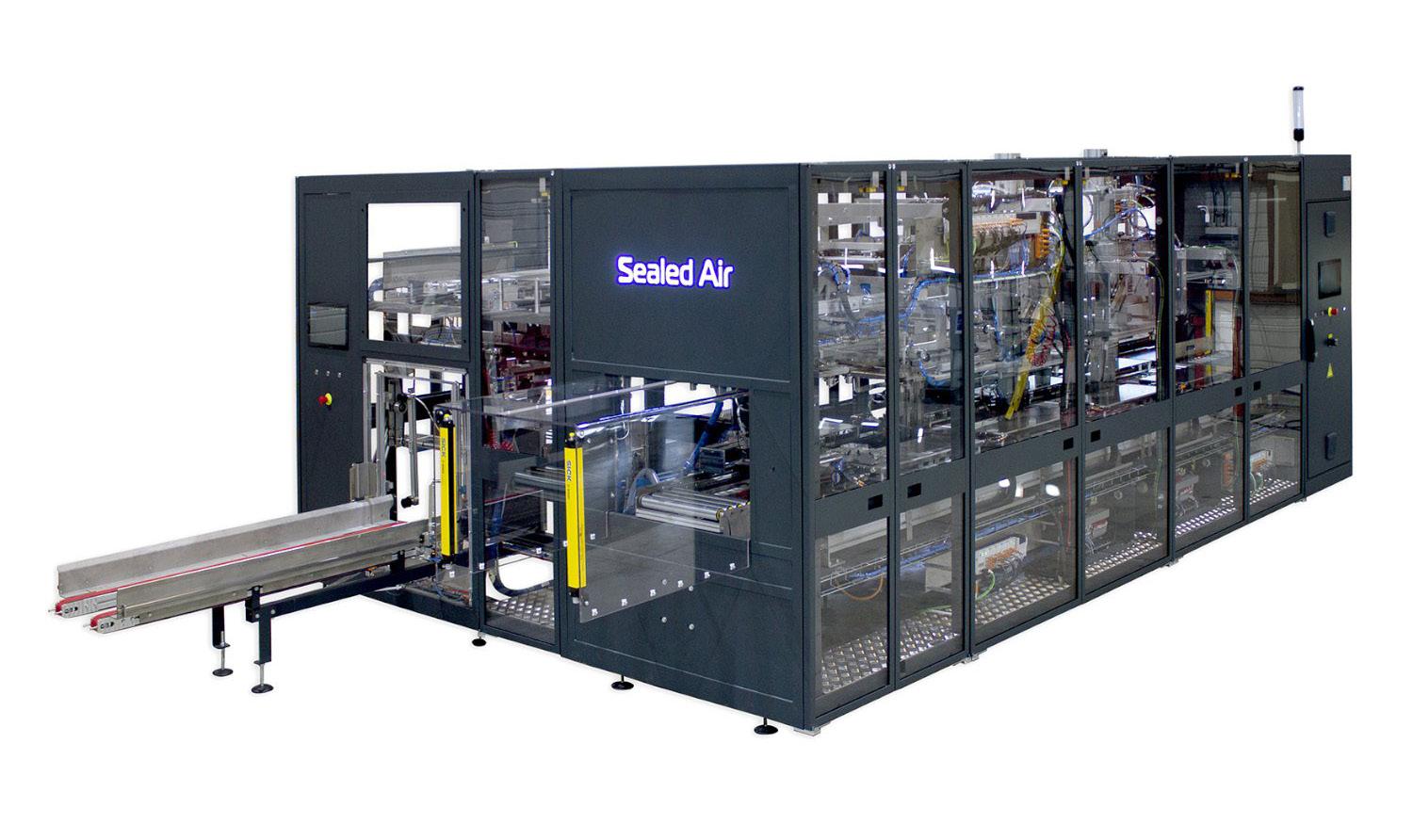
Sealed Air’s latest launch, the I Pack Dual, signals a clear shift in how packaging is being reimagined for the demands of modern ecommerce. Designed to process two fixed box formats on a single machine, the system automates measuring, creasing and sealing to create precisely sized packs, reducing excess void space and improving operational efficiency.
With throughput reaching up to 12 boxes per minute and compatibility with late stage digital printing, the technology reflects a growing emphasis on flexibility and integration across fulfilment lines.
Automation Meets Sustainability
The significance lies not only in automation, but in its environmental implications. Right sizing packaging can lower dimensional weight charges and reduce material consumption, a critical consideration as ecommerce volumes continue to rise.
Globally, packaging waste remains a pressing issue, with corrugated board forming a substantial share of the over 80 million tonnes generated annually in Europe alone. Within this context, solutions that eliminate void fill and consolidate box inventories offer tangible gains
in both cost and carbon reduction.
Smarter Packaging, Leaner Supply Chains
The I Pack Dual exemplifies a broader industry move towards intelligent packaging systems that balance efficiency with sustainability. By enabling multiple pack formats through a single platform, manufacturers can streamline operations while maintaining adaptability. As fulfilment becomes ever more complex, the competitive advantage will lie not in speed alone, but in how intelligently packaging systems respond to variability, cost pressures and environmental responsibility.
Reference: https://www.sealedair.com/uk/products/ protective-packaging/protective-equipment/ automated-volumetric-weight-reduction-systems/ipackdual-reduction-system and https://spnews.com/sealedair-launches-i-pack-dual/
Hazel 4D, Acopia and Kwikpac Unite Under the Name Orkka
by Hazel 4D
Hazel 4D, Acopia’s transit packaging division and Kwikpac have agreed to combine their operations to form a new entity, Orkka.
On formation, Orkka will rank among the largest packaging distributors in the UK, establishing a scaled national platform capable of supporting enterprise customers across consultancy, systems, machinery and supply.
The combined business unites Hazel 4D’s strategic consultancy expertise with the operational strength and supply capability of Acopia’s transit packaging division and Kwikpac. Both Hazel 4D and Kwikpac have built their reputations on a consultancy-led approach, focused on developing practical packaging solutions rather than simply supplying products.
The decision reflects a shared view of how the packaging market is evolving. Larger, multi-site operations increasingly require broader capability, stronger geographic reach and deeper technical support. By bringing their complementary strengths together, the businesses are creating a more integrated structure designed to support customers operating at scale.
Neil Christie, Chief Executive Officer, said:
“I’ve spent my whole career in packaging, working closely with customers to understand their operations and how packaging can support them more effectively. Hazel 4D, Acopia and Kwikpac have each built strong reputations by focusing on practical solutions and long-term customer relationships, and bringing those strengths together is a natural next step.
Each business has developed real expertise in its own area, and by combining those capabilities we can now support customers at a broader, enterprise level. The new structure allows us to bring strategy, specification and supply together in a more integrated way, helping customers manage packaging performance across multiple sites and over the long term.
This launch marks the start of a new chapter. We’re building on decades of experience and established partnerships, while creating a stronger platform to support customers as their operations continue to grow and evolve.”
Three legacies, aligned
Collectively, the three businesses represent more than 120 years of experience in packaging consultancy, machinery, consumables and operational support. While each company has grown independently, the merger formalises a long-standing alignment in values and approach. By combining advisory capability, stretch and strap systems, end-to-end transit packaging consultancy and supply, and national reach within one coordinated structure, the group is better positioned to support customers seeking consistency across multiple sites.
The combined group will transition to the Orkka brand over time. During this period, Hazel 4D, Acopia’s transit packaging division and Kwikpac will continue to trade under their existing legal entities and brand names. Customers will continue to work with their existing contacts and arrangements as normal, and will be informed directly of any future changes as integration progresses.
We’ll be sharing more about the combined business and the Orkka brand at IntraLogisteX, the UK’s premier intralogistics and supply-chain event at the NEC Birmingham. Visit us on Stand 400 to meet the team and learn more.
Further information is available at: www.orkka.co.uk
Redefining Packaging Value Chains
How service innovation and material evolution are reshaping the future of packaging. An article by Emily Gambrill.
The packaging industry is undergoing a profound transformation as supply chains, sustainability demands and consumer expectations converge. From fibre based solutions to advanced plastic formats, the focus is shifting beyond materials towards integrated systems that deliver speed, resilience and environmental performance. Companies are rethinking how packaging is designed, produced and delivered, moving closer to collaborative, service led models. At the same time, regulatory pressures and circular economy ambitions are accelerating innovation across the value chain. Together, these forces are redefining packaging not simply as a product, but as a strategic enabler of efficiency, compliance and long term brand value in a rapidly evolving global market.
Supply Chains Reimagined
Metsä Board’s latest service concept signals a decisive shift in how packaging suppliers support fast moving consumer brands. Built around its new folding boxboard grade, the model prioritises speed, predictability and flexibility, offering delivery windows as short as ten days for time critical orders.
For converters and brand owners navigating volatile demand, this approach reduces reliance on excess inventory while improving production continuity. In an era of ongoing supply chain disruption, such responsiveness is rapidly becoming a competitive necessity rather than a premium add on.
From Product to Partnership
What stands out is the evolution from material supply to integrated service. Metsä Board has long positioned itself as a partner in the circular economy, combining technical expertise with sustainability services that extend beyond the paperboard itself.
This reflects a broader industry trend. Packaging is no longer judged solely on performance or cost, but on
its ability to meet regulatory pressures, particularly in food and healthcare, while lowering carbon impact. Lightweight fibre based solutions are gaining traction as brands seek measurable emissions reductions without compromising functionality.
Industry Direction
The global consumer packaging market is expected to grow steadily at around three to four percent annually, driven by sustainability demands and evolving retail formats.
Against this backdrop, service led innovation such as this may well define the next phase of competition, where agility, collaboration and environmental performance converge to reshape the packaging value chain.
Reference: www.metsagroup.com/metsaboard/ and https://spnews.com/metsa-board--service-concept/
Rethinking Plastic Packaging
Plastic packaging remains essential across food, personal care and e commerce, yet expectations are shifting fast. The market, valued at more than 490 billion dollars, continues to grow, but scrutiny around waste and emissions is intensifying. The challenge is no longer whether plastic has a role, but how it can evolve responsibly.
Innovation Beyond Materials
Upgrading plastic packaging now extends beyond simply changing materials. Progress relies on integrating smarter design with advanced processing and production systems. In food, high barrier films and modified atmosphere packaging help extend shelf life and cut waste. At the same time, recycled content and bio based plastics are gaining ground as brands seek solutions that balance performance with sustainability.
Design Meets Regulation
Regulatory pressure is accelerating change. In Europe, new rules will require higher levels of recyclability and recycled content by 2030, pushing businesses towards mono material structures and lightweight formats. For sectors such as personal care, this must be achieved without sacrificing visual appeal or functionality.
The Road Ahead
With only around nine percent of plastic waste recycled globally, the scale of transformation required is clear. The future of plastic packaging will depend on aligning material innovation with circular design and efficient manufacturing.
As the industry moves forward, the convergence of agility, sustainability and technological innovation will define success. Fibre based solutions are gaining ground through service driven models that enhance supply chain responsiveness, while plastic packaging is being re-engineered to meet stricter environmental and regulatory standards. The challenge lies in balancing performance with responsibility, ensuring materials remain fit for purpose while contributing to circular systems. Businesses that embrace collaboration, invest in smarter design and align with emerging regulations will be best positioned to lead. Ultimately, the future of packaging will depend on its ability to deliver both operational resilience and measurable environmental progress.
How Zecher Anilox Rollers Combine Efficiency with Resource Preservation
by Zecher
At a time when sustainable packaging solutions are becoming an increasingly important competitive factor, greater attention is also being paid to the efficiency of the production equipment used. As one of the leading manufacturers of anilox rollers, Zecher GmbH addresses this challenge with technological precision, wellthought-out standardization, and a clear commitment to resource conservation.
Anilox rollers are the heart of a printing press. Their quality plays a decisive role in ink transfer, print quality, and ultimately in material usage. Zecher recognized early that sustainability begins with the right engraving. Through standardized, optimally adjusted anilox geometries, it is possible to significantly reduce ink consumption. Less ink not only means lower costs, but also directly reduces the environmental impact and the impact on subsequent processes.
A key factor in this success is intelligent standardization. Zecher develops engraving solutions that have proven themselves across various applications and deliver reproducible results. These innovative technologies, such as the SteppedHex engraving or the Zecher C.P.T. engraving optimization, enable print shops to stabilize processes, reduce ink consumption, shorten setup times, and minimize waste. All critical factors for greater sustainability in production. At the same time, sufficient flexibility is maintained to precisely meet individual requirements. This includes complex requirements for
particularly homogeneous application of spot colors like white, gold and silver, varnishes, and coatings.
In addition to optimizing the printing process itself, the service life of the components used also plays a key role. Zecher is recognized as a pioneer in the selection of high-quality materials and innovative coatings. The result is exceptionally durable anilox rollers that deliver consistently high performance even under demanding conditions. This durability reduces the need for new production and helps conserve resources.
“As one of the leading manufacturers of anilox rollers, Zecher GmbH addresses this challenge with technological precision, well-thought-out standardization, and a clear commitment to resource conservation.”
Another sustainable approach is the professional reconditioning of existing anilox rollers. Instead of replacing components at an early stage, Zecher relies on modern reconditioning processes. Through highquality recoating and precise re-engraving, rollers are given a second life, with performance virtually identical to that of a new anilox. This circular approach not only saves materials but also reduces energy consumption throughout the entire value chain.
However, sustainable innovation rarely happens in isolation. Zecher consciously positions itself as a partner to its customers. Through close collaboration, the company develops customized engraving solutions that are not only technologically advanced but also economically and environmentally efficient. Through expert consultation, analysis of existing processes, and targeted optimization, Zecher lays the groundwork for more efficient production workflows and, consequently, for measurably more sustainable packaging manufacturing.
A conscious approach to resource management is integrated into every aspect of the company: from
development and production to service. This holistic approach makes Zecher a reliable leader in sustainable development within the printing industry.
In an industry caught between the conflicting demands of quality, efficiency, and environmental responsibility, Zecher demonstrates that these goals are not mutually exclusive but, on the contrary, can reinforce one another. With innovative anilox roller solutions, durable materials, and a clear focus on partnership, the company is actively paving the way toward a more sustainable future in packaging printing.
Data Driven Packaging Redefines Value
How connectivity, sustainability and innovation are converging to reshape the future of packaging. By Emily Gambrill.
Data driven packaging is rapidly transforming the role of the pack from a passive container into an active source of intelligence. Innovations such as Ephem by Ma Balise demonstrate how connectivity can now be embedded without compromising sustainability, enabling real time access to product data while reducing environmental impact. At the same time, wider industry shifts towards digitalisation, automation and regulatory compliance are accelerating adoption. From traceability and authentication to consumer engagement, packaging is becoming a critical interface between brands and users. This convergence of data, technology and responsibility marks a defining moment for the sector.
Smart without compromise
The emergence of Ephem by Ma Balise highlights a pivotal moment for data driven packaging. The innovation replaces conventional multi-layer plastic and metal tags with a simplified, paper based NFC and RFID solution that is fully biodegradable and compostable. This matters because packaging is no longer just a carrier. It is becoming a data interface, capable of delivering traceability, authentication and consumer insight at the point of interaction.
Packaging as a data channel
Connected packaging technologies such as NFC and QR codes transform packs into real time communication tools, linking physical products to digital platforms. This enables brands to collect valuable data on usage, location and engagement, while offering consumers transparency around sourcing and sustainability. The global smart packaging market is forecast to surpass £40 billion by 2030, underlining the rapid acceleration of this data driven shift.
Historically, data rich packaging has come at an environmental cost, with complex materials creating waste. Ephem challenges this model by proving that data capture and sustainability can coexist, aligning with growing regulatory pressure such as the Digital Product Passport.
A defining shift
Data driven packaging is now a strategic imperative. Innovations like Ephem signal a future where every pack functions as both a source of insight and a responsible material choice.
“Selling a €200 cream on a promise of purity and sticking a plastic tag on it is like serving organic food in polystyrene packaging. The intention is there. The consistency is not.”
—
Philippe, founder of Ma Balise
From innovation to transformation
The report, titled “EPR That Works: Incentivising Real Recycling with Data and Innovation,” reinforces a clear message: packaging is entering a phase where technology is no longer optional, but foundational. Digitalisation, connectivity and automation are reshaping the value chain, turning what was once a linear process into a connected, data rich ecosystem.
Packaging becomes data infrastructure
At the heart of this shift is data driven packaging. Technologies such as cloud platforms, machine learning and connected production systems are enabling real time visibility across operations. From design to delivery, packaging is now capable of generating and sharing data at every stage. This not only improves efficiency but also enables brands to respond faster to changing consumer demands, which are increasingly centred on personalisation and transparency.
The scale of change
Despite the opportunity, adoption remains uneven. Research suggests that only around 26 percent of manufacturers have scaled Industry 4.0 solutions, highlighting both the potential and the gap still to be closed. More broadly, digital transformation is redefining how businesses engage with customers,
shifting focus towards data, agility and experience led models.
A strategic imperative
The direction of travel is clear. Data driven packaging is not simply about adding technology, but about rethinking how packaging creates value. Those who embrace connectivity and data will gain insight, efficiency and competitive advantage. Those who do not risk being left behind in an increasingly intelligent packaging landscape.
The evolution of data driven packaging signals a fundamental shift in how value is created and measured across the packaging lifecycle. No longer confined to protection and presentation, packaging is now a strategic tool for insight, efficiency and accountability. While challenges remain in scaling technologies and aligning systems, the direction is clear. Businesses that invest in connected, sustainable solutions will be better positioned to meet regulatory demands and rising consumer expectations. As innovations continue to emerge, the packaging of the future will not only inform and engage but also play a central role in delivering a more transparent and responsible economy.
From rPET pricing splits to multi mill production, localised supply is reshaping how materials are sourced, valued and secured. Emily Gambrill reports.
“In a period marked by regulatory change, import pressures and competition from virgin PET, transparency is essential. These new price series give converters, recyclers and brand owners the clarity they need to navigate ongoing volatility and uncertainty and make informed commercial decisions.”
Europe’s packaging sector is undergoing a decisive shift as regional materials move from nuance to necessity. Once viewed as a largely unified market, the continent is now revealing clear divisions in how recycled resources are sourced, priced and distributed. From recycled PET flakes in southern Europe to fibrebased board production across central regions, local dynamics are increasingly shaping material realities. Differences in collection systems, infrastructure and policy enforcement are no longer marginal factors but central drivers of cost and availability. For brands
and converters, this marks a turning point where understanding regional variation is essential to maintaining resilience in a rapidly evolving circular economy.
A market split along regional lines
ICIS’ latest move to introduce separate recycled PET flake pricing for Iberia and Italy is more than a technical adjustment. It is a clear signal that Europe’s materials landscape is fragmenting along regional lines. By isolating these two markets, ICIS acknowledges what converters have long experienced. Feedstock quality, bale availability and local demand vary significantly between regions, even within southern Europe. Spain and Portugal, for example, present different collection systems and yields compared with Italy, driving distinct pricing realities.
Divergence driven by supply and policy
This regionalisation is being intensified by broader structural pressures. European recyclers are grappling with cheaper virgin PET and competitively priced imports, which continue to distort domestic markets. At the same time, policy frameworks such as the Single Use Plastics Directive aim to standardise recycled content targets, yet uneven enforcement across member states has created an inconsistent demand landscape.
Regional materials as the new reality
The result is a shift from a unified European materials market to a patchwork of regional ecosystems. Pricing, availability and even material quality are increasingly localised. For brands and packaging buyers, understanding these regional nuances is no longer optional.
It is central to procurement strategy in a volatile circular economy.
Reference: https://www.icis.com/explore/commodities/ chemicals/r-pet/ and https://spnews.com/icisintroduces-iberian-and-italian-flake-pricing/
A networked approach to local supply
MM Board & Paper’s decision to expand MCM Smart production to a third European mill is a clear reflection of how regional materials strategies are reshaping the packaging sector. By adding Austria to existing production in Germany and Slovenia, the company is not simply increasing output. It is redrawing the geography of supply.
This multi mill model enables the same recycled cartonboard grade to be produced closer to end markets, reducing transport distances and improving responsiveness. In practice, it means that a converter in southern Europe will experience a materially different supply dynamic to one in central or eastern Europe, even when sourcing the same grade.
Regional materials as strategic advantage
For brands, this evolution is significant. Access to recycled materials is increasingly determined by proximity to production and regional capacity rather than continental averages.
In this context, regional materials are not a constraint but a competitive advantage. Those able to align sourcing strategies with regional supply networks will be better placed to secure stability in an increasingly localised European materials economy.
Reference: mm.group/board-paper/ and https:// spnews.com/mm-board-paper-expands-mcm-smartproduction-to-third-europe/
“Bringing MCM® SMART to MM Frohnleiten is a natural next step for our MM Multi-Mill® network. The site offers Europe’s highest production capacity for coated recycled board for folding cartons, and adding MCM® SMART to its output means our customers have a third reliable source of supply, with shorter routes and more flexibility built in from the start.”
Regional resilience over centralisation
The shift highlights a broader industry reality. European fibre-based packaging is no longer governed by a single, unified supply chain. Instead, it is becoming a network of regional production hubs, each shaped by infrastructure, capacity and logistics.
Austria’s Frohnleiten site, for instance, offers one of the highest capacities for coated recycled board in Europe, positioning it as a central node for multiple regions with shorter lead times.
The emergence of regional materials as a defining feature of Europe’s packaging economy signals a fundamental change in strategy. No longer can businesses rely on broad continental assumptions around supply or pricing. Instead, success will depend on recognising and adapting to localised conditions that influence both availability and quality. Whether through region specific pricing mechanisms or distributed production networks, the industry is moving towards a more fragmented but potentially more resilient model. For those willing to engage with this complexity, regionalisation offers not just challenges but opportunities to secure supply, reduce risk and build stronger, more responsive material strategies for the future.