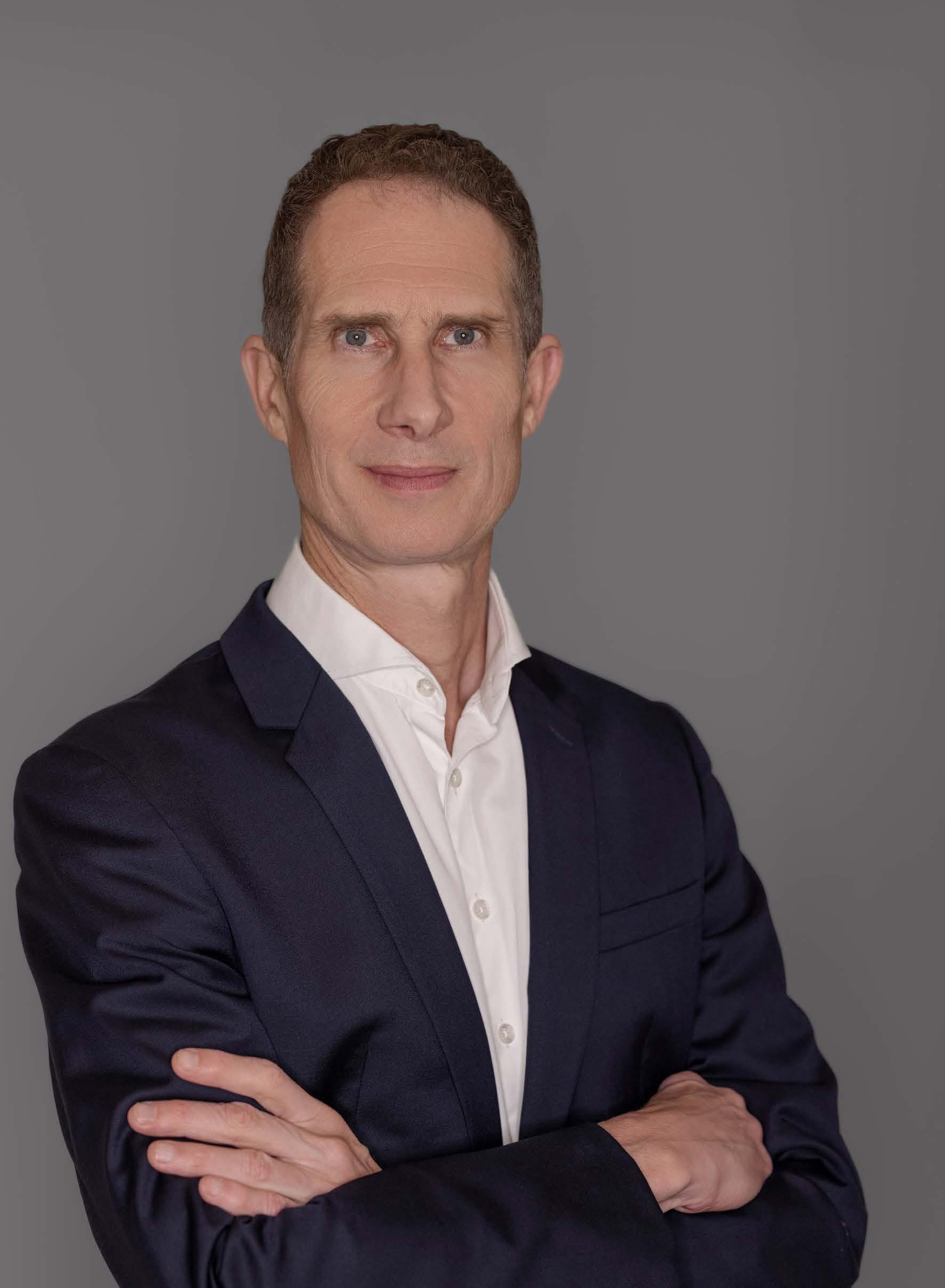
Eric Delmas CEO, Analog Way
FEATURE: Exploring India’s Nuanced Live Events Ecosystem
SPOTLIGHT: Exploring how SHURE is Strengthening India’s Production Standards with Axient Digital PSM

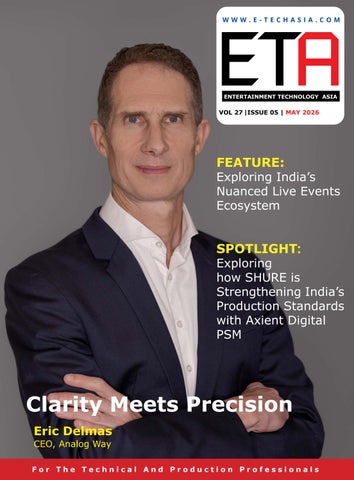
Eric Delmas CEO, Analog Way
FEATURE: Exploring India’s Nuanced Live Events Ecosystem
SPOTLIGHT: Exploring how SHURE is Strengthening India’s Production Standards with Axient Digital PSM
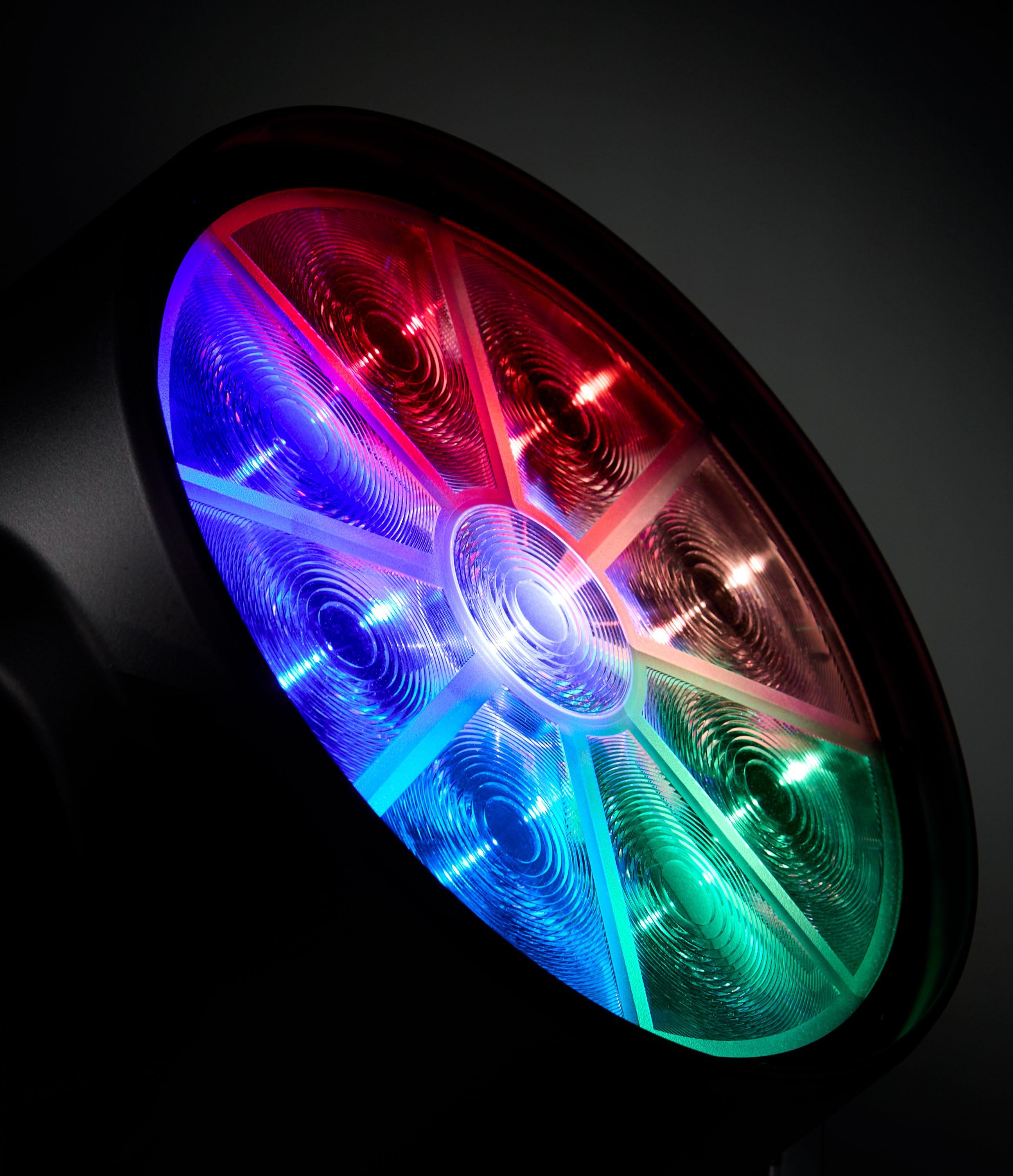
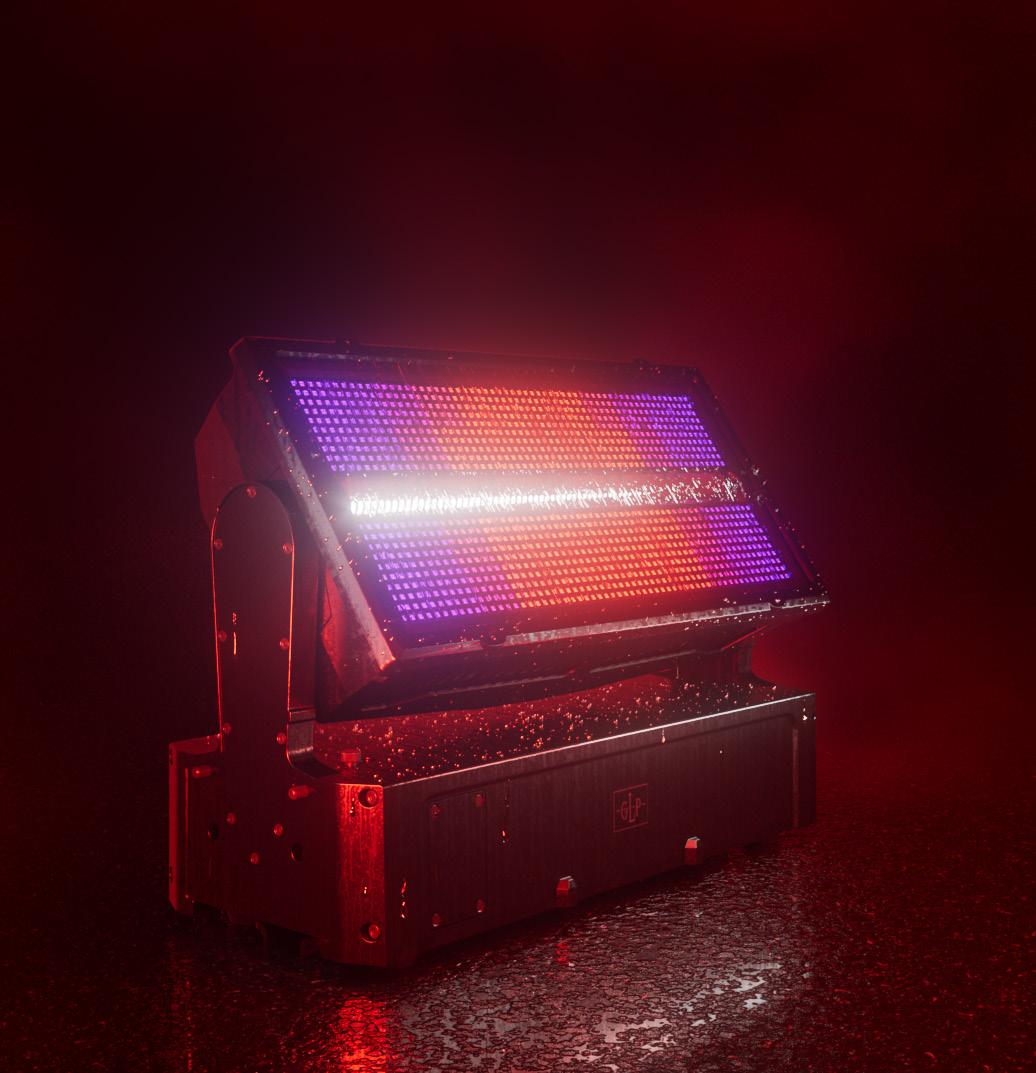
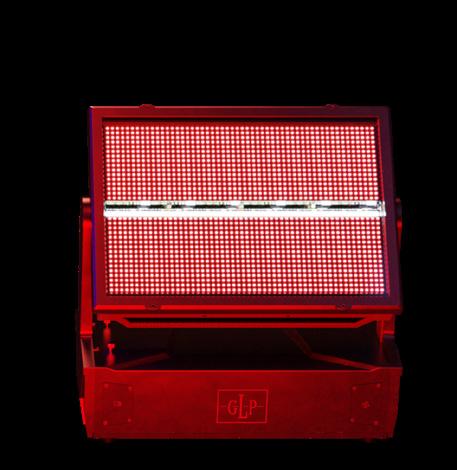
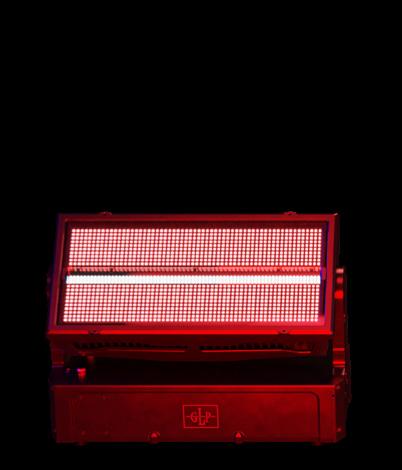
High-impact features in a compact package. These weather-rated fixtures deliver beautiful washes, backed by a patented Fresnel lens system, smooth zoom range, RGBL color engine, and flawless dimming.
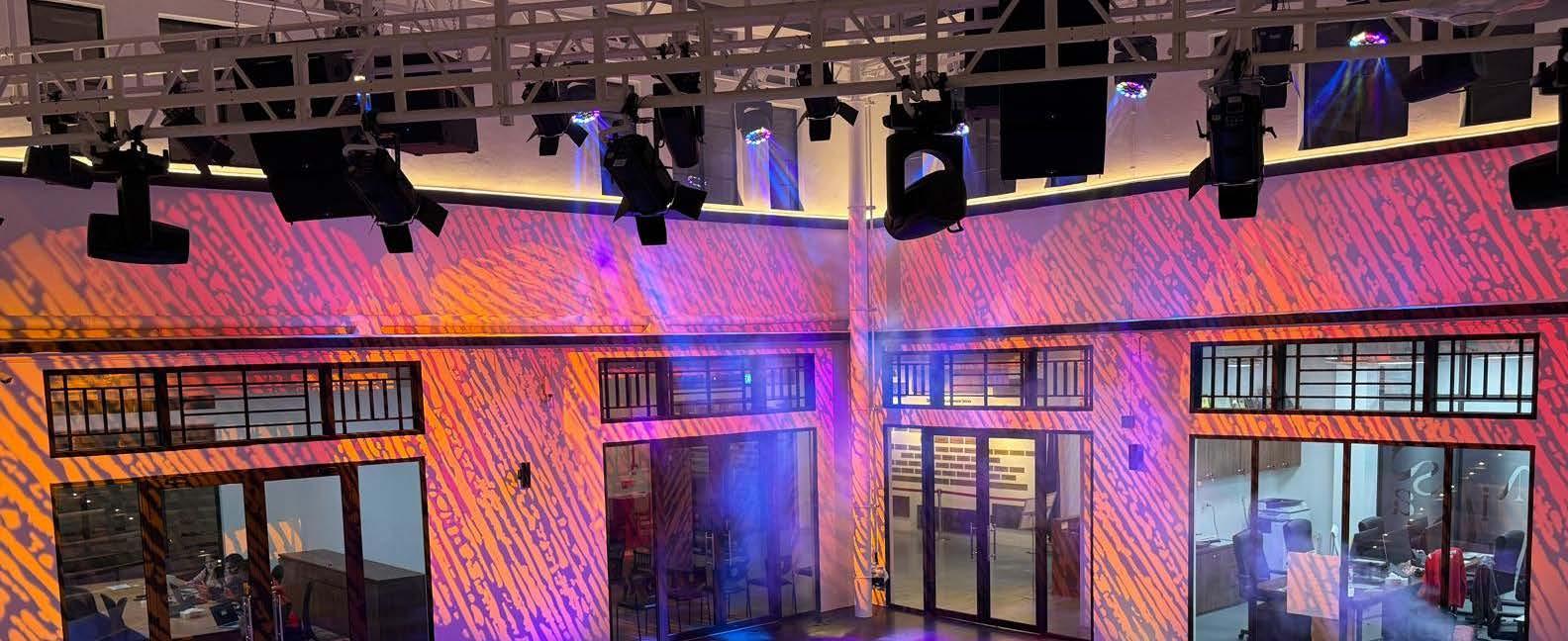
70 INSTALLATION - SINGAPORE: A New Stage for Tradition: SIFAS Elevates Performance with
62 THAILAND: DiGiCo Powers the Pulse of Wonderfruit
64 SAUDI ARABIA: Hippotizer Drives HighImpact Visual Storytelling at Momentum Global Development Finance Conference
67 CHINA: L-Acoustics L Series Powers Fox Xia’s Cinematic Arena Spectacle in Beijing INSTALLATION
34 Exploring how SHURE is Strengthening
73 JAPAN: Tokyo’s UTOPIA / DYSTOPIA Redefines Intimate Club Sound with Precision L-Acoustics Deployment
76 CHINA: KV2 Audio Empowers Xiang Livehouse Tongxiang
78 UAE: Barco Powers World’s Tallest Landmark Sign into a Desert-Born Spectacle After Dark
80 HONG KONG: East Kowloon Cultural Centre Sets New Arts-Tech Benchmark with d&b Soundscape Immersive Ecosystem

Industry estimates place the Indian live event market at over USD 1.5–2 billion in 2025, with projections pointing towards double-digit annual growth through the decade; driven by rising disposable incomes, brandled experiential marketing, and an expanding appetite for large-format entertainment. Stadium concerts, touring productions and corporate spectacles are scaling rapidly; with audience footfalls and production budgets both witnessing significant uplifts.
It is within this context that our Feature takes a deep dive into the nuances of India’s live event landscape; unpacking insights from key industry voices on the forces driving this acceleration and the realities shaping its next phase.
Adding further depth to this narrative are two compelling market perspectives from Adamson and SHURE, each offering a distinct lens on India’s evolving professional audio ecosystem. From system design priorities and technology adoption to the growing emphasis on scalability, reliability and skilled execution; both perspectives converge on a singular truth — India is not just expanding, it is refining.
And rounding things off with a global dialogue is our Cover Story, featuring an exclusive interview with Eric Delmas, CEO of Analog Way, whose insights on leadership, innovation and market evolution reinforce the value of clarity, discipline and long-term vision in navigating a rapidly shifting landscape.
The momentum is real; the pages ahead reveal exactly why.
Elton Noronha Editor elton.s.noronha@hotmail.com



Thomas Richard Prakasam Publisher / Editorial Director thomas@spinworkz.com
Andy Tan Director Industry Engagement andytan@spinworkz.com
Julie Tan Admin & Circulation admin@spinworkz.com
Hazel Gundaya Design / Layout
Rosalind Tan Website Management Wizard PV Anthony Server and IT Security Guru
To subscribe to Entertainment Technology Asia click here: https://www.e-techasia.com/subscribe PUBLISHED BY 207A, Thomson Road, Goldhill Shopping Centre, Singapore 307640. Tel: (65) 6316 2716 www.spinworkz.com

Disclaimer : Entertainment Technology Asia is published 12 times a year. All rights reserved. No part of this magazine is to be reproduced, whether mechanical or electronic without the prior written consent of the publisher. Views expressed in this magazine do not necessarily reflect those of the editor or the publisher. Unsolicited contributions are welcome but the editor reserves the discretion to use them. Whilst every care is taken to ensure the accuracy and honesty in both editorial and advertising content at press time, the publisher will not be liable for any inaccuracies.
Please be informed that products and company names mentioned in this publication may be protected with tradenames, trademarks or registered trademarks of their respective owners. Our non inclusion of such symbols is not an indication of us not recognising the copyright but rather to have a common look across our articles. Misuse of tradenames, trademarks or registered trademarks is strictly prohibited. It is the obligation of our readers to check if company names and products are protected with tradenames, trademarks or registered trademarks.

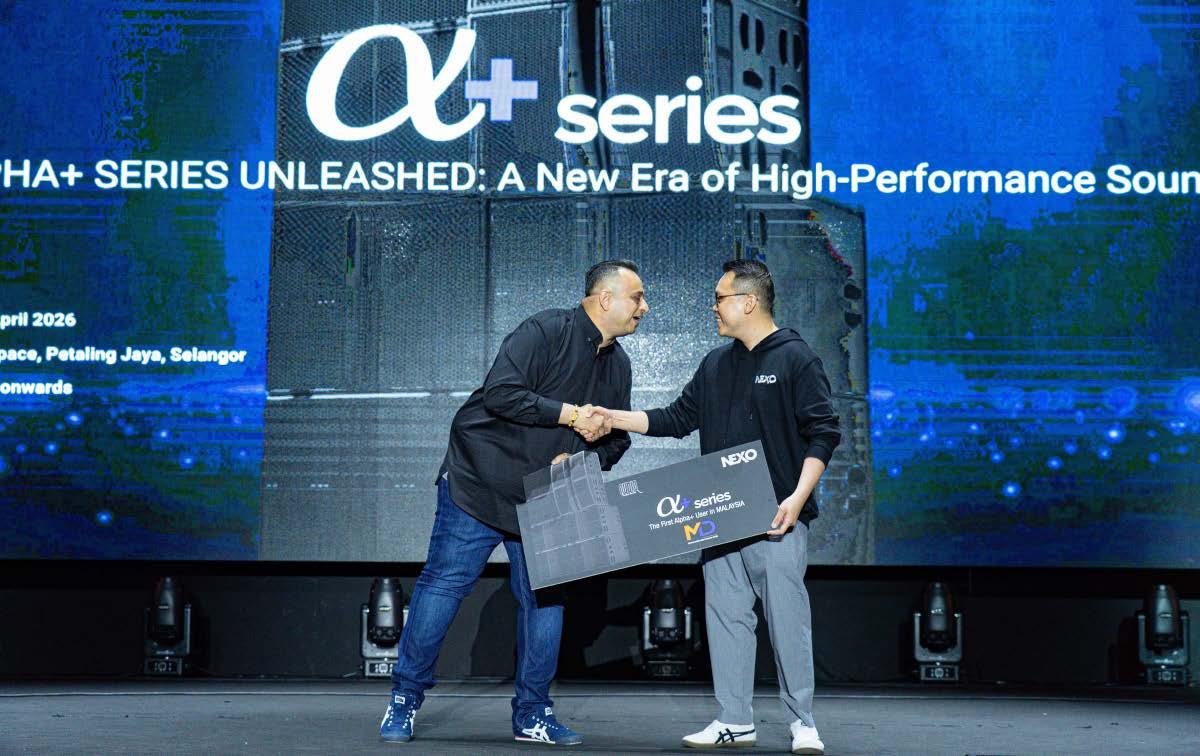
NEXO’s highly anticipated Alpha+ hybridsource sound reinforcement system has made its official debut in Malaysia—marked not only by a high-impact launch event, but more significantly by the announcement of MD Events Asia Sdn Bhd as the first company in the country to invest in the next-generation platform.
Hosted by local distributor Audio Solutions at ODEUM @ JioSpace in Petaling Jaya, the launch brought together more than 60 industry professionals, rental partners and sound specialists, all eager to experience a system that has been the subject of
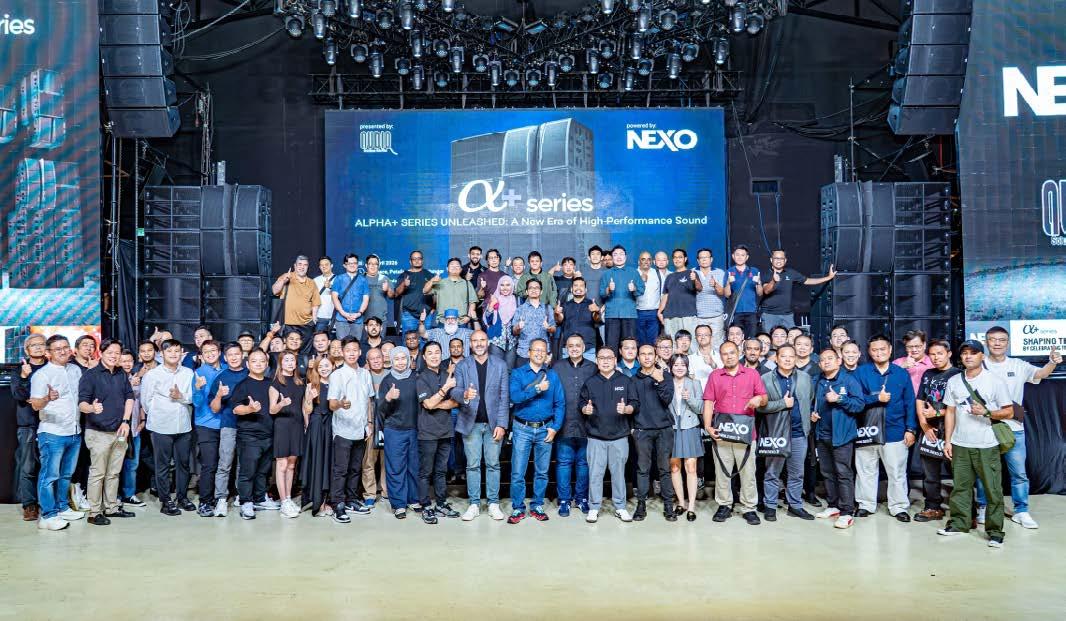
A historic gathering of Malaysia’s pro-audio leaders, rental partners, and specialists at the ODEUM @ JioSpace for the official debut of the NEXO Alpha+ Series.
sustained anticipation following nearly four years of research and development.
While the event showcased the technical prowess of the Alpha+—a powerful longthrow ‘three-box’ FOH system that merges the coupling advantages of line arrays with the deployment simplicity of point-source designs—the defining moment of the evening came with the official confirmation of its first Malaysian adopter.
MD Events Asia Sdn Bhd, a prominent force in the regional live event landscape, was formally introduced as the inaugural Alpha+ owner, with Managing Director Jack Gill receiving a ceremonial key to mark the milestone investment. The acquisition signals strong market confidence in the platform and positions MD Events Asia at the forefront of next-generation touring audio capability within the region.
“The industry has been hearing about the R&D of NEXO Alpha+ for nearly four years. To finally host this debut and witness the raw power of the system in person is a proud moment for us,” said Andrew Lee, Director of Audio Solutions. “The reaction from the crowd during the demo was immediate—the clarity and impact at high SPL levels are exactly what today’s rental market demands.”
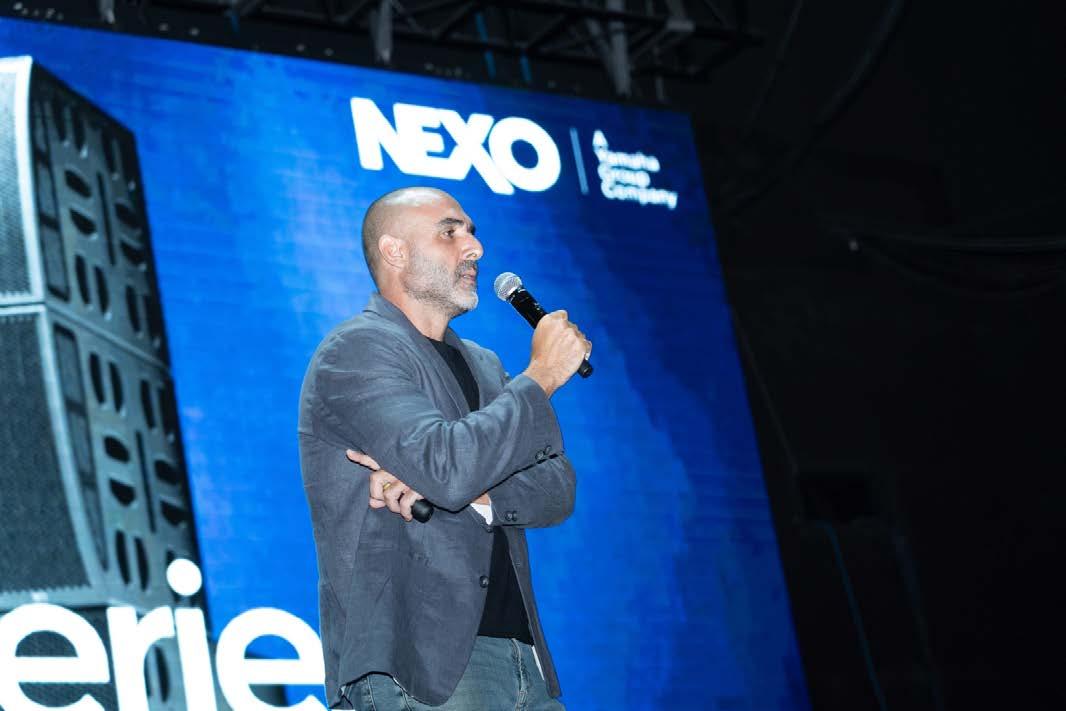
The technical programme featured an indepth presentation by Joe White, NEXO Asia & Australia Business Development Manager, who outlined the company’s longstanding commitment to acoustic innovation before detailing the engineering advancements underpinning the Alpha+ Series. The session also paid tribute to the legacy of the original NEXO Alpha system, with Encik Siswa Azmi Bin Mohd Mubari, Managing Director of the Mubari Group of Companies, sharing insights from over 15 years of real-world deployment—reinforcing the lineage of reliability and performance that defines the Alpha platform.
The event culminated in a live demonstration led by Senior Application Engineer Julian Noor, supported by Joe Yeung, NEXO Asia & Australia Engineering Support Manager. The system’s ‘Step-Up’ performance capabilities were pushed to their limits, delivering a peak output of 148dB and showcasing exceptional headroom, precision and sonic consistency under demanding conditions.
Beyond the technical showcase, the launch underscored a broader narrative — one defined by evolving market expectations, technological progression and strategic investment. With MD Events Asia leading the way as the first Alpha+ owner in Malaysia, the system’s arrival signals a new chapter for high-performance sound reinforcement in the region.
“The NEXO Alpha+ Malaysia debut was more than a technical showcase; it was a celebration of the people and partnerships that drive the Malaysian event industry forward,” concluded Andrew Lee. “Audio Solutions remains committed to bringing world-class audio innovation to local stages.”
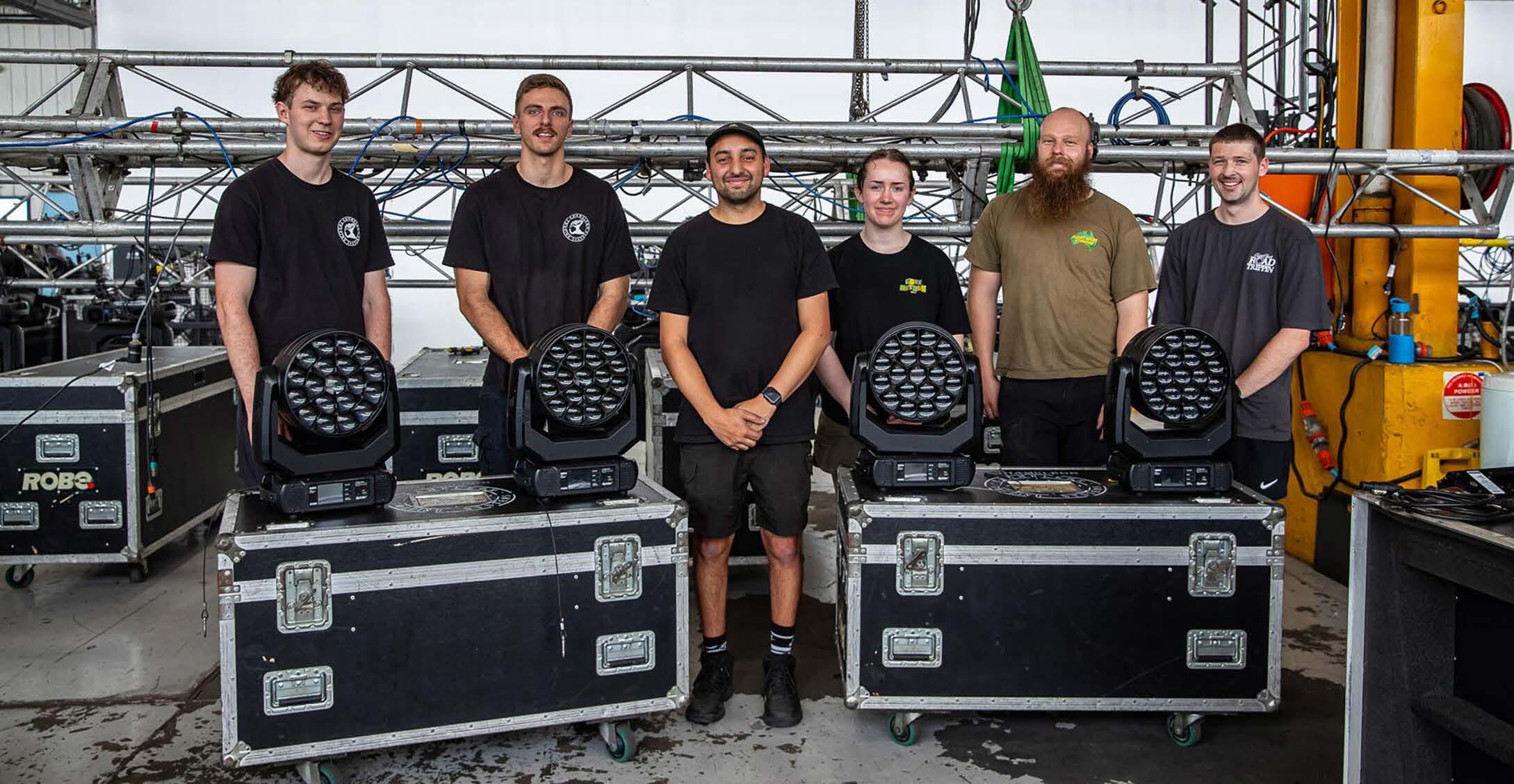
Sydney-based Chameleon Touring Systems has reinforced its position at the forefront of Australia’s live production landscape with the addition of 15 ROBE FORTE LTX and iFORTE LTX FS (Follow Spot with integrated camera) luminaires, delivered over the past six months as part of a sustained investment strategy aligned with evolving rider demands and production workflows.
Headed by Tony Davies, Chameleon Touring Systems operates across concert touring, theatre, festivals, corporate events, broadcast and television, with its equipment inventory continually shaped by both market demand and practical deployment versatility. The company was an early adopter of Robe’s RoboSpot system, investing shortly after its launch and building what is now the
largest stock of RoboSpot remote followspot systems in Australia, currently comprising 20 BaseStations.
These systems are deployed extensively with the newly acquired iFORTE LTX and iFORTE LTX FS fixtures, while also maintaining compatibility with existing BMFL Blades and BMFL FollowSpot LTs, in addition to LightMaster handle sets that remain relevant for specific show requirements. The RoboSpot ecosystem continues to see constant utilisation across Chameleon’s own productions, alongside strong demand within the cross-rental market; following Chameleon’s initial RoboSpot investment in late 2019, which was driven by a clear intent to stay ahead of the curve as remote followspotting gained traction.
For Davies, purchasing decisions are guided by a combination of rider requirements, technical specifications and long-term rental viability, a strategy that has naturally extended to Robe’s iFORTE series; with the LTX Follow Spots subsequently utilised on RoboSpot systems for Ricky Martin’s Australian tour, underlining their adaptability across different production scales and formats. “iFORTE LTXs seem to be the follow spot of choice right now,” stated Tony. “They are nice and bright, have a great CRI and all the LDs are happy to use them!”
From an operational perspective, Davies highlights RoboSpot as a transformative technology. “There’s no climbing involved, and they are extremely quick and easy to set up, especially when the luminaires are stored and transported in pre-rigged truss sections,” he explained, noting the efficiency gains in both setup and crew deployment. In broadcast environments, the ability for a floor electrician to both manage and operate the system further streamlines manpower requirements.
Beyond logistics, the system delivers notable creative advantages, enabling lighting designers to illuminate performers from multiple angles for enhanced depth and reduced shadowing, while also minimising unwanted spill through more precise fixture positioning. The ability to integrate RoboSpot fixtures into the wider rig for specific show moments further extends their functional scope.
Davies considers RoboSpot a highly efficient investment, comparable to core control infrastructure in terms of utilisation and return. “You can basically deliver a much slicker show using RoboSpot and it’s been an important catalyst in moving the whole art of follow spotting into a new era,” he remarked.






ETC has announced the addition of Anne Militello as the brand’s new Designer Relationship Manager and Amanda Schaneman its new Specifier Relationship Manager. As ETC continues on a path of growth, Anne and Amanda will leverage their expertise in these new roles to reinforce engagement with ETC customers through its dynamic Sales team.
Anne is an awardwinning lighting designer, educator, and industry leader; and as the Designer Relationship Manager, she will primarily focus on building strong partnerships within the concert touring and live event production markets. Her extensive experience across concert touring, theatre, themed entertainment, architectural lighting, and largescale light art installations, will help her bridge the connection between ETC offerings and customer needs. She has also spent more than a decade mentoring emerging designers and advancing lighting design education.
Amanda brings extensive experience in architectural lighting and consultant engagement, most recently serving as Director of Marketing at Kirlin Lighting, where she supported architects, lighting designers, engineers, and healthcare consultants with technical guidance, systemlevel recommendations, and CEU programs. In her role as Specifier Relationship Manager, she will expand engagement with specifiers in architectural, theme park, and large corporate sectors—building strategic relationships and supporting system design discussions. Amanda has also been actively involved in IES committees and industry events, strengthening her connections to the specifier market.
Mark Vassallo, ETC Vice President of Sales, says, “We are incredibly excited about these new roles and how they will fortify ETC’s already strong industry partnerships. Both Anne and Amanda bring impressive experience that will play a key role in shaping how ETC engages with customers to continue evolving with their needs in mind.”
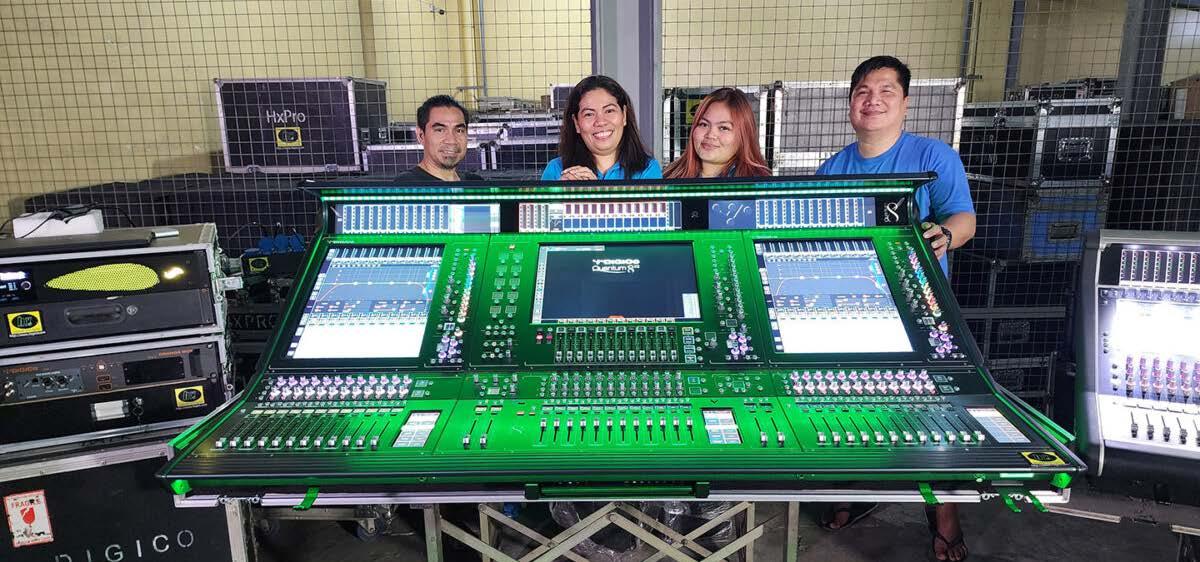
Hx Pro Inc. has taken a significant step in advancing the Philippines’ live sound landscape with the delivery of the country’s first DiGiCo Quantum 852 console, marking a notable milestone for both the company and the wider Southeast Asian market. Supplied by Joint Venture Sound Light Entertainment Concepts, Inc in December, the flagship system now joins Hx Pro’s expanding inventory, further reinforcing its position as a leading DiGiCo rental partner in the region.
The addition of the DiGiCo Quantum 852 — DiGiCo’s most advanced mixing platform— completes Hx Pro Inc.’s Quantum Series lineup while aligning with a growing shift in technical riders specifying the console for major productions heading into 2026. HX Pro Inc’s Managing Director Rex Maliuanag explains that the investment had been in motion since the console’s initial introduction. “We’ve been eyeing the Quantum 852 from the moment it was introduced. Due to strong
global demand, it took some time before our allocation became available. For us, the decision to bring it in-house was a natural step.”
Alongside the console, Hx Pro Inc. has also taken delivery of the country’s first Fourier Audio transform.engine with transform.suite installed, following an early demonstration that highlighted its potential to expand both creative and technical workflows. Designed to integrate seamlessly with DiGiCo consoles, the platform enables native VST plugin support, offering engineers greater flexibility within a unified mixing environment.
“The Fourier platform impressed us immediately,” Maliuanag adds. “Integration with DiGiCo consoles is seamless, and the ability to support industry standard VST plugins within that workflow gives our engineers greater flexibility and control.”
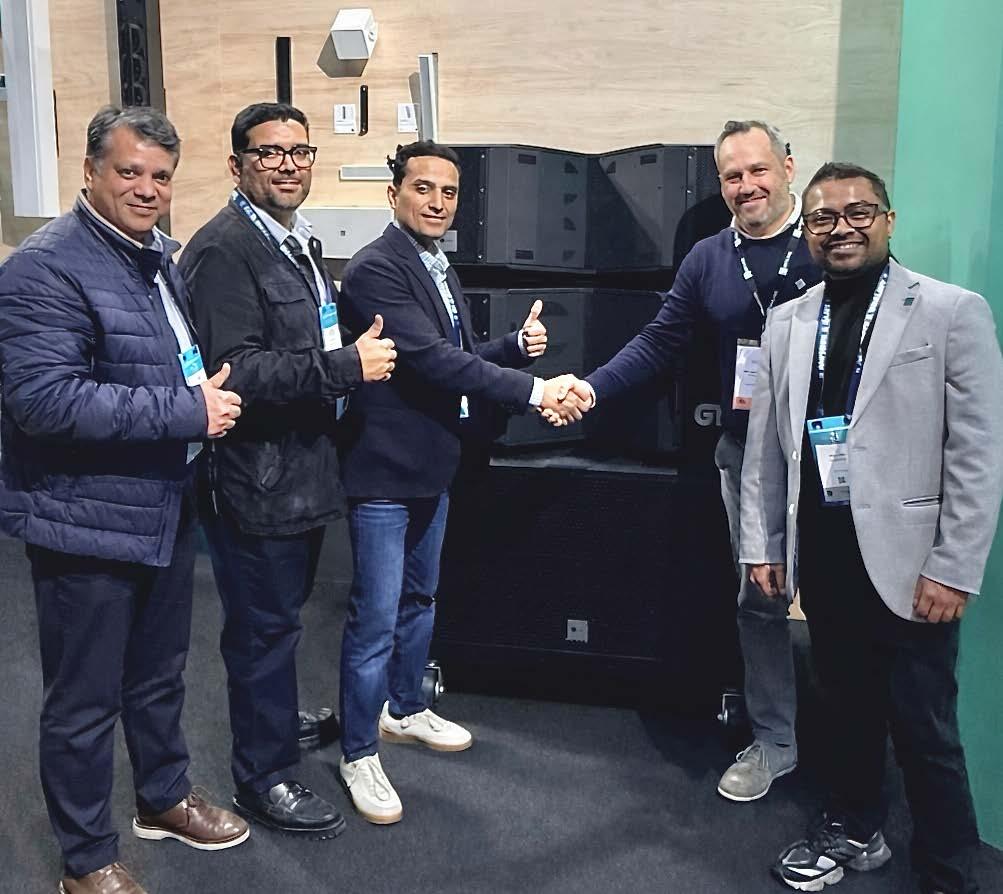
Hi-Tech Audio Video Systems' Manikk Guptha and Outline's Fernando Rey Méndez shake hands at ISE 2026; from left, Nitin Guptha and Ankit Guptha (HiTech Audio Video Systems); from right, Outline's Country Manager Aritra Sarkar.
Outline has strengthened its foothold in one of the world’s fastest-evolving professional audio markets with the appointment of HiTech Audio Video Systems Pvt Ltd as its exclusive distributor for India.
With over two decades of experience in professional AV distribution, and a comprehensive PAN India network, supported by an in-house team of sound designers and application support specialists; Hi-Tech Audio Video Systems Pvt Ltd has identified Outline’s GTO and GTO C-12 line array systems as key solutions for large-scale productions, along with the Superfly and Mantas 28 to address the mid- to large-scale rental segment. At the same time, the company believes Outline’s P Series, A Series and H Series are well-positioned to serve a range of install
applications including luxury hotels, high-end clubs, places of worship and architecturally sensitive venues.
“Outline is a brand on global riders, built for the premium segment, and capable of delivering unparalleled sonic quality at the right price points,” said Manikk Guptha, Director of Hi-Tech Audio Video Systems. “India is becoming a major hub for performances by international and Indian artists, and events of that magnitude demand not just superior sound quality but enough power and headroom to handle massive crowds. GTO and Superfly are just perfect for such applications. Their scalability, powerful output and ease of deployment make them game-changers for multi-city tours and largescale outdoor gatherings.”
As part of the partnership, Hi-Tech Audio Video Systems will deliver comprehensive support across the country, including technical assistance, certified training programmes and financial solutions tailored to local market requirements. The company will also oversee system integration, maintenance and optimisation for both end users and rental partners.
“The appointment of Hi-Tech Audio Video Systems marks a significant step in strengthening Outline’s presence in the country. Their solid reputation, proven expertise and deep understanding of the local market make them the right partner to support our expansion here,” said Aritra Sarkar, Outline’s Country Manager for India.
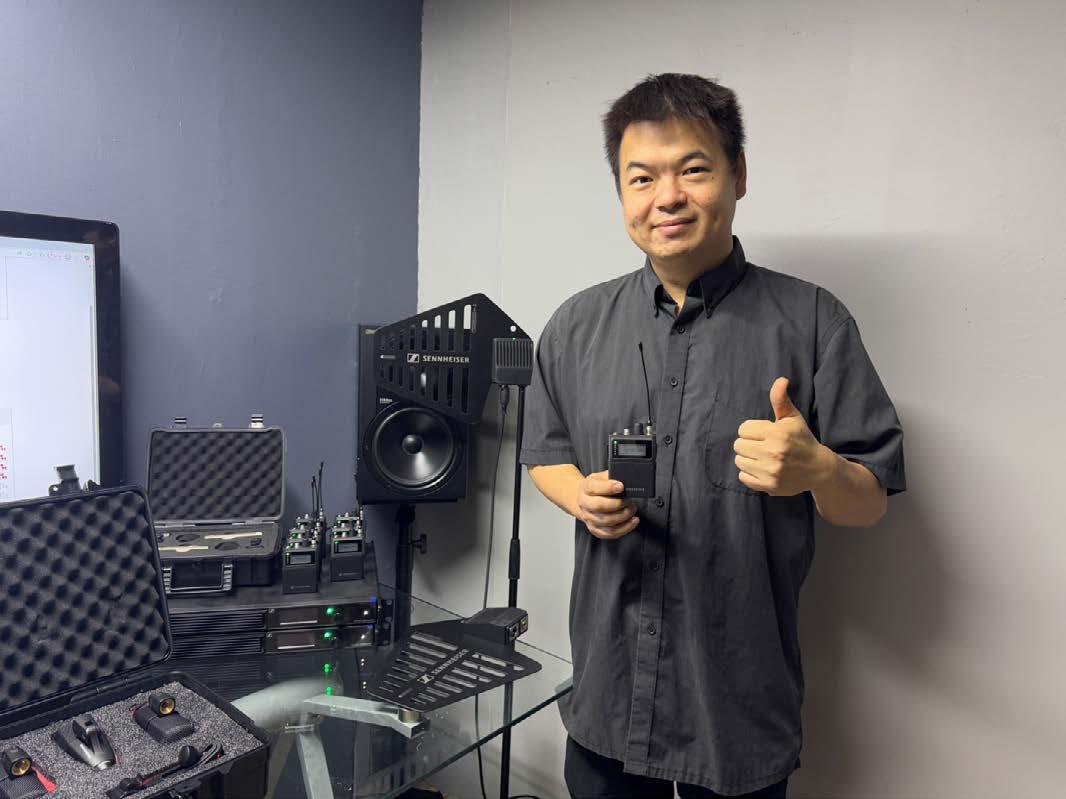
Singapore-based AV Production (AVP) a production house renowned for concert productions and festivals, is redefining its touring audio workflow through the adoption of Sennheiser’s Spectera platform — driven by the real-world demands faced by its Founder, Favian Ngan, who continues to operate as an active touring monitor engineer for leading Asian artists, as he navigates increasingly complex RF environments across large arenas and stadiums, where consistent in-ear monitoring poses a persistent challenge.
“In many venues, the RF environment has become increasingly challenging,” Favian explains. “A frequency that appears clean during soundcheck can suddenly become unusable during the show.” With rising interference from LED systems, lighting and other sources, the limitations of traditional analogue IEM systems—particularly around frequency coordination and troubleshooting— became increasingly apparent.
The turning point came when Favian was introduced to Spectera by Sennheiser’s Darryl Tan. Through the Spectera Pioneer Programme, he gained early access to the system, supported by demos and on-site guidance. While initial listening tests revealed improved audio quality, the real validation came during live deployment at an 80,000seat stadium.
Built on Sennheiser’s WMAS technology, Spectera enables multiple transceivers to operate within a single wideband RF channel, eliminating the need for complex frequency coordination. One of its most immediate advantages is multi-antenna support, allowing up to four antennas to operate simultaneously — critical for wide stages. This flexibility ensures consistent RF coverage across performance areas, while the transition from BNC to CAT6 cabling simplifies deployment and supports longer cable runs without signal loss.
Operationally, Spectera enhances workflow through real-time monitoring of bodypack status, including battery levels, RF performance and connection health. “With analogue systems, if something goes wrong on stage, you are guessing,” Favian notes. “There is no easy way to identify the issue.” In contrast, Spectera’s system visibility allows engineers to troubleshoot instantly and maintain confidence during live shows.
Audio performance has also seen a significant leap. The platform delivers an open, natural sound with an exceptionally wide stereo image, free from compression artefacts.
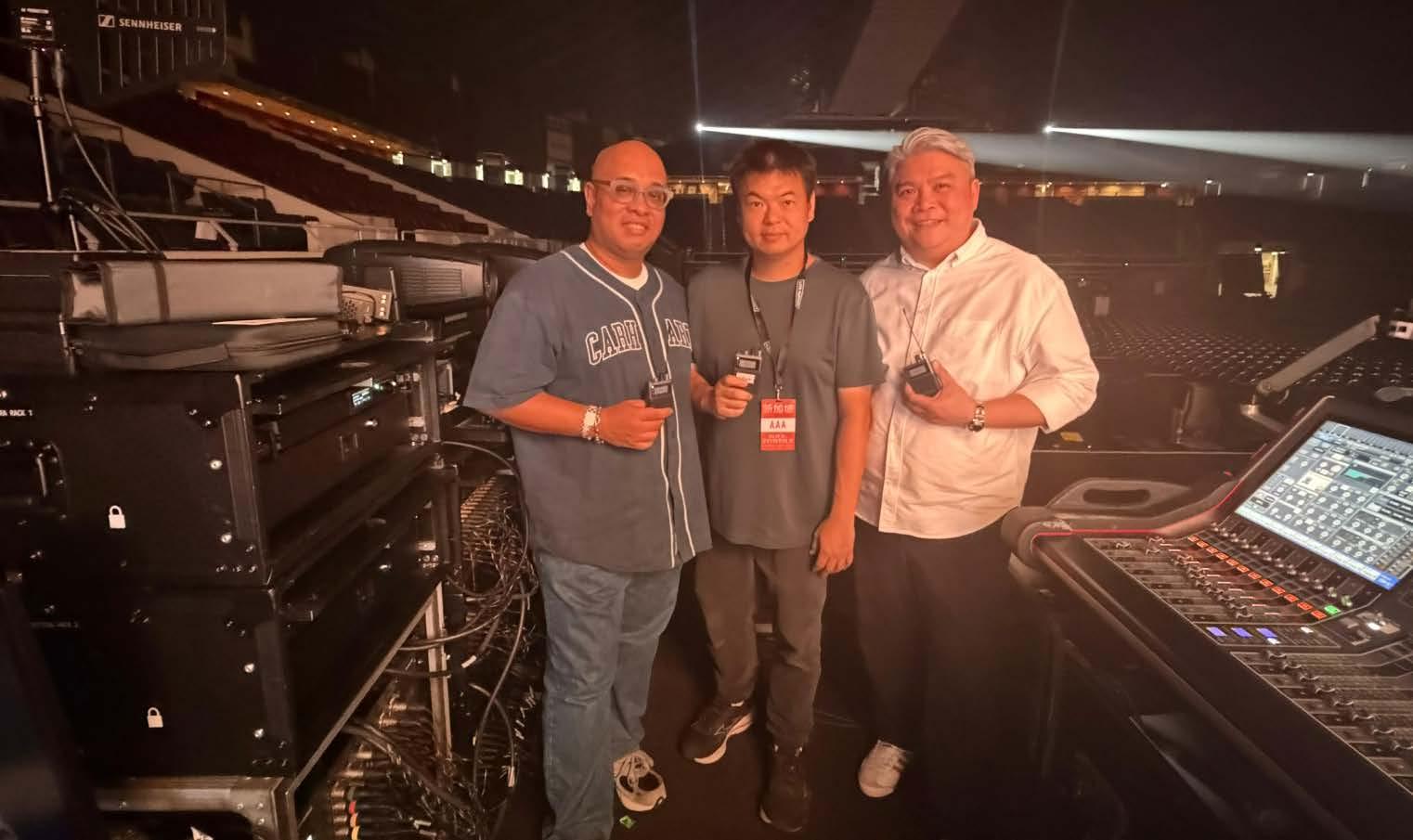
Favian currently operates 22 bodypacks with two Base Stations, configuring different latency modes based on performer needs. With IEM latency as low as 0.7 milliseconds, the system supports precise monitoring for vocalists, reducing comb filtering and improving overall clarity.
Spectera’s compact, one-rack-unit footprint further streamlines touring logistics, while its IP-based architecture enables full system control via the Spectera WebUI. “I can walk around the venue with a phone or tablet and instantly check every pack and antenna,” Favian says, highlighting the system’s flexibility in dynamic environments. The transition has been supported by
close collaboration between AV Production, Sennheiser and Concept Systems in Singapore, ensuring seamless integration into AVP’s workflow. “The support has been very strong,” Favian adds. “They listened to feedback and responded quickly.”
Now firmly embedded in AVP’s touring ecosystem, Spectera represents a decisive shift from analogue limitations to a more controlled, scalable and reliable wireless audio environment. “Beyond sound quality, it is the control, RF stability and confidence it gives you during a show,” Favian concludes— underscoring a new benchmark for wireless performance in large-scale live production.
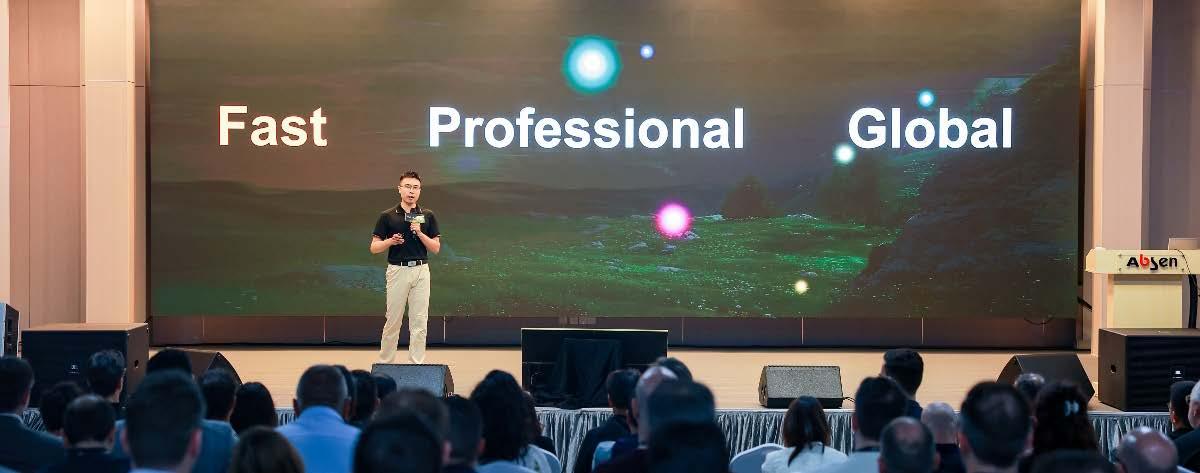
Absen has unveiling its new AbsenCare service framework at the company’s Spring Event 2026, aimed at redefining how service is delivered across the global LED ecosystem. Positioned as a systematic, quantifiable, and traceable service model, AbsenCare translates the principles of “Fast, Professional, Global” into measurable commitments, shifting service from a reactive after-sales function into a proactive value engine.
The framework is built around Absen’s “SUPERCARE” system, which consolidates nine core strengths into a unified approach designed to enhance efficiency through standardisation, ensure delivery quality through specialised expertise, and enable global coordination through an integrated support network.
At the operational level, Absen has implemented a 24/7/365 global online customer service centre, engineered for rapid
response. The system guarantees replies to online enquiries within 10 seconds, with initial solutions delivered within 30 minutes. For repair and on-site interventions, SMD product servicing is completed within 5 days domestically and 8 days internationally, while field engineers are deployed within 4 hours in key domestic cities and within 24 hours across major international regions. Supporting this is a three-tier service architecture comprising a global online service centre, overseas RMA repair centres, and a localised service network. This layered approach is designed to ensure seamless coordination and consistent response times, regardless of geography.
Absen’s service capability is underpinned by a workforce of more than 170 in-house engineers, each trained and certified with an average of over eight years of industry experience. Since 2014, the company’s ACE
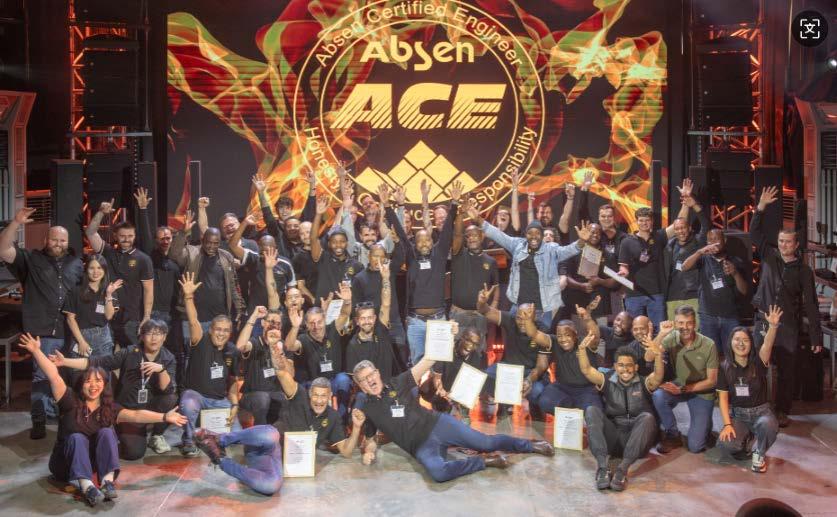
Engineer Certification Program has delivered more than 300 training sessions and certified over 5,400 engineers worldwide, reinforcing a standardised approach to technical service delivery.
Process standardisation forms a key pillar of the AbsenCare model, with clearly defined workflows spanning the entire service lifecycle—from initial customer engagement through to delivery and verification. This is complemented by a broader positioning of service as a “second core product,” with scenario-based solutions tailored to vertical markets including DOOH, Rental & Staging, PROAV, and SPORTS, alongside support for customised deployment requirements.
On a global scale, Absen has established a service network comprising 15 primary service centres, 25 secondary centres, and more than 1,000 service partners. This infrastructure is supported by a digital service management platform that enables endto-end visibility across service requests, resource allocation, work order tracking, and SLA compliance—ensuring transparency and consistency across all regions.
Powersoft is placing a strategic spotlight on one of the most overlooked bottlenecks in live sound systems, as it rolls out a limited-time trade-in initiative designed to help touring and rental companies modernise ageing amplifier platforms without undertaking a full system overhaul. Running through to the end of July 2026, the programme enables companies to trade in amplifiers from any competing brand in exchange for significant rebates on new Powersoft touring amplifiers, effectively lowering the barrier to upgrading critical system infrastructure.
At the heart of the campaign lies a practical industry reality: while many loudspeaker systems in touring inventories continue to deliver dependable performance, legacy amplification often constrains their true potential. Ageing rack-mount units, reliance on external DSP, inefficient bridged configurations, and increasingly cumbersome system management are all cited as limiting factors that impact both performance and operational efficiency on the road.
Powersoft positions amplifier replacement as a high-impact, commercially viable upgrade path, with its modern platforms engineered to consolidate multiple system components into a single, streamlined solution. By integrating DSP, routing and monitoring within one unit, Powersoft affirms that their amplifiers significantly reduce rack space, cut overall system weight, simplify deployment and elevate audio performance.
The trade-in incentives extend across Powersoft’s core touring portfolio, with rebate

values aligned to the selected platform. The UNICA T and X4L/X8 platforms attract the highest per-unit rebates, with the UNICA T tailored for large-scale productions and world tours, while the X4L/X8 platforms are optimised for line array systems and highperformance touring applications. The X4, offering a compact four-channel solution, and the T Series, designed for PA systems, mobile rigs and everyday rental applications, are also included in the programme. The campaign applies to eligible shipped orders between 1 April and 31 July 2026 and is available through Powersoft’s authorised distributor network.
Beyond the financial incentive, the operational advantages of transitioning to a current Powersoft platform are substantial. Integrated DSP eliminates the need for external processing, while improved power density enables more output from a reduced rack footprint. Lower power consumption further enhances efficiency, particularly critical in demanding touring environments. Central to this ecosystem is ArmoníaPlus, Powersoft’s system management software, which provides comprehensive remote monitoring and control within a unified interface; streamlining setup, enabling real-time system oversight, and enhancing reliability across demanding show schedules.
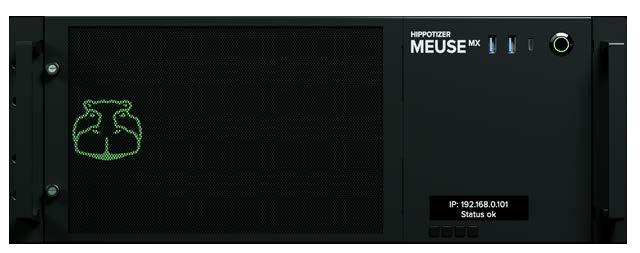
Extreme Productions has taken a decisive step to elevate the Middle East’s technical prowess — becoming the first rental house in the market to invest in Green Hippo’s award-winning Hippotizer MEUSE MX Series Media Servers, and making the platform immediately accessible to designers, programmers, and production teams across the region.
With nearly three decades of operational pedigree, Extreme Productions has consistently delivered some of the Middle East’s most high-profile and technically demanding projects, spanning government summits, international sporting ceremonies, large-scale concerts, brand activations, and cultural showcases. The company today operates across Dubai, Riyadh, and Amman, supporting an impressive client roster that includes Amazon, Microsoft, MBC Group, and Publicis Live.
“We need tools that match the ambition of this market,” says Vincenzo Testa, Partner and Technical Director at Extreme Productions. “The MEUSE MX gives our clients access to the highest level of media server performance, right here in the region. That’s a gamechanger for the productions we’re delivering.”
“This is an important milestone for both companies,” says Tom Etra, Senior Sales Manager for Green Hippo. “Having MEUSE available through Extreme Productions significantly expands the visibility and accessibility of the MX Series in one of the fastest-growing production markets in the world. Their track record and client relationships make them the ideal partner to bring this technology to the region.”
Supporting the rollout is Procom Middle East the official distributor for Green Hippo across the region, providing local market expertise alongside dedicated technical support to ensure seamless deployment and integration.
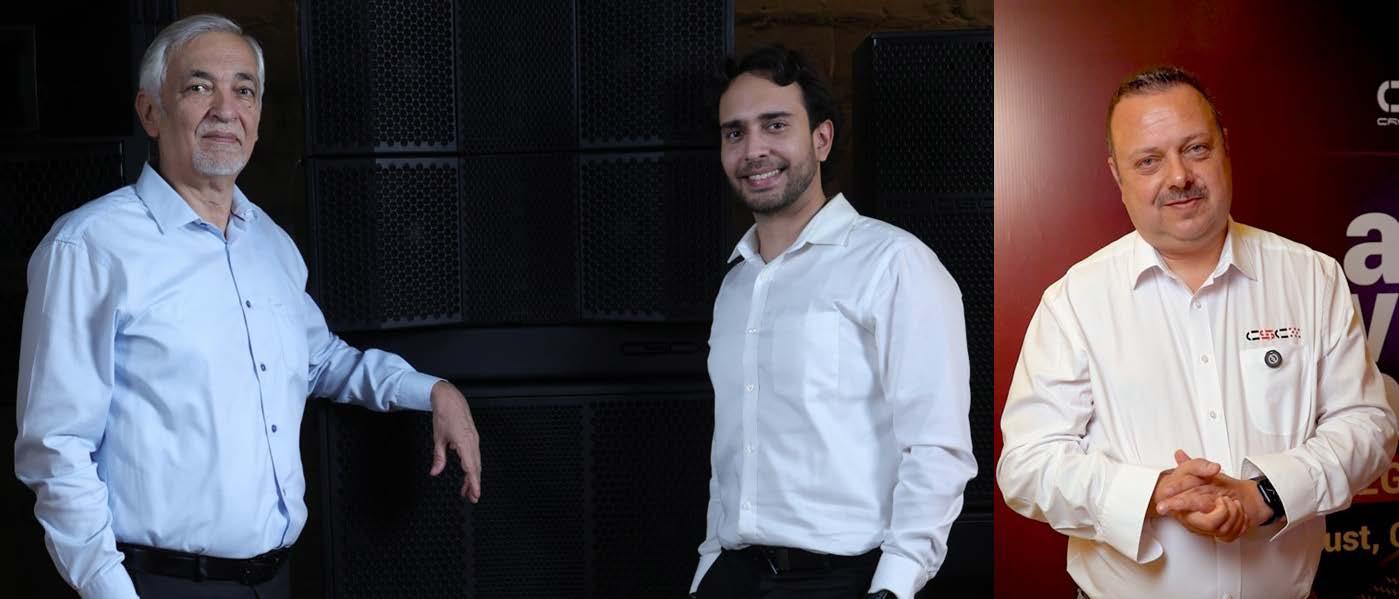
(L-R) CSC Founder Lalit Chopra and CSC Director Aamer Chopra with the Harmonica 210 line array … with CSC Director Daniel René Danzer.
Creative Sound Concepts (CSC) is set to roll out a new wave of high-performance audio solutions that reinforces a philosophy anchored in long-term reliability, sustainable engineering, and real-world performance. The expanded portfolio is slated for release across India, North America, Africa and Europe in September 2026 through CSC’s established network of trusted distribution partners who offer product availability, commissioning, and after-sales support.
“Designing in Germany gives us discipline,” explains Daniel René Danzer, CSC’s Director. “Our philosophy centres on maintaining a unified signal path after the mixer, supported by customised anechoic presets to ensure reliable and consistent performance. Robust, deliberately overengineered passive crossovers reduce distortion and thermal stress, while specially
designed high-current and high-efficiency Class-D amplification feature unique devices that help in minimising heat and power loss. Custom European drivers are housed in Baltic birch plywood or thick-walled aluminium enclosures to optimise resonance control and longevity.”
This philosophy is embodied in the Cello RR Series horn-loaded point source loudspeakers — led by the Cello RR 212hl with three dispersion options — and the Harmonica Series line arrays, including the bi-amplified Harmonica 210 with an isophasic horn for precise wavefront control. Both platforms are conceived as application-driven complete ecosystems engineered for projection, consistency and controlled coverage. CSC is now expanding the Harmonica family
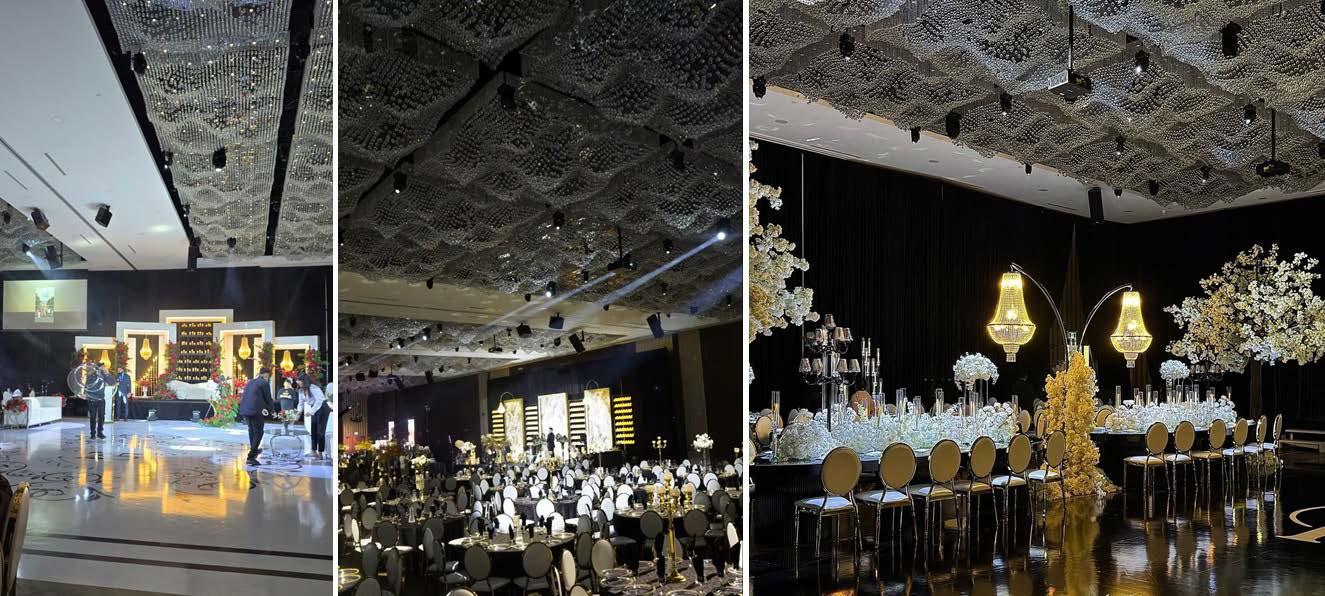
CSC Solutions deliver optimised intelligibility for corporate events alongside impact and headroom for high-energy functions at IKON Event Space.
with new systems for small to mid-scale installations, including the Harmonica 8 (a 16-ohm single 8-inch system) and the Harmonica 208 (an 8-ohm dual 8-inch variant), supported by dedicated, high performance, stackable single and triple 15” ultra-compact flying subwoofers. The installation portfolio also grows with the introduction of the Cello CC 6 and CC 12 coaxial loudspeakers, alongside an upgraded Cello CC 8 featuring a redesigned cabinet and crossover.
“Every CSC product is shaped by years of learning from real venues, real operators and real conditions. Our focus is on systems that scale intelligently, adapt confidently and deliver assured performance” notes CSC’s Founder Director Lalit Chopra, who explains that this focus stems from CSC’s origins.
Lalit – who built his expertise as a system integrator, project engineer, and a distributor that introduced India to global proAV brands in the 90’s through Harness Overseas Pvt
Ltd – repeatedly encountered systems that failed under extreme heat, humidity, voltage fluctuations and continuous operation. This prompted him to establish CSC in 2013; driven by the vision to fuse performance reliability with precision engineering and European tonal sensibilities.
In 2016, CSC evolved into an Indo–German collaboration when Lalit partnered with Daniel Danzer, whose expertise in European market intelligence and R&D alignment helped shape CSC’s future trajectory. This move enabled a seamless confluence of European tonal sensibilities and German engineering precision with the efficiency and scalability of Indian assembly; while offering peak performance accuracy, meaningful customisation and an assembly model that made high-quality professional audio commercially accessible without compromise.
Identifying amplification as a crucial growth vertical; CSC introduced the HPA and MOD Series Class-D amplifiers that are built
around ultra-efficient devices which ensure exceptional thermal efficiency, high current output and some of the lowest switching losses in the industry. Alongside, patented loudspeaker designs such as the CB 215s, RR 212hl and CR 218s further reinforced its engineering-led approach.
Today, CSC’s portfolio spans over 50 professional audio products; all designed for long-term predictability and supported by CE, FCC and RoHS compliance, along with detailed EASE data for system modelling. In tow, CSC operates a balanced global model centred on consistency; wherein product design and validation are led by the German R&D team who rigorously test performance metrics, acoustic measurements, metalwork designs and long-term reliability. Critical drivers and horn components are sourced from Europe in kit form, with final assembly at CSC’s facility in India – allowing CSC to preserve engineering precision and tight small-batch quality control while remaining commercially accessible across diverse markets.
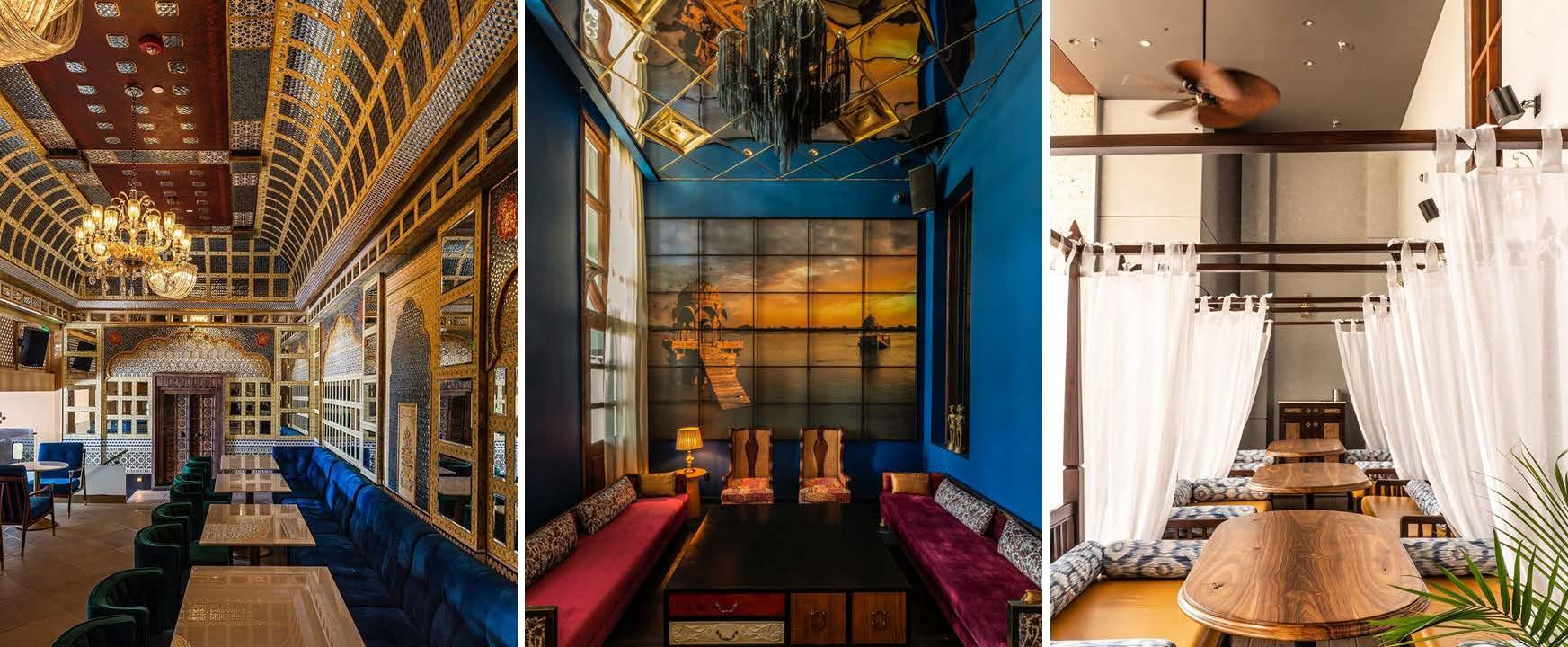
Integrating architectural intelligence into product development, Director Aamer Chopra ensures that CSC systems align acoustics with aesthetics to allow for seamless integration into a variety of architectural environments. The result is a range of practical, globally adaptable solutions that deliver immersive sound without visual intrusion – a strength reflected across diverse installations worldwide, where CSC systems consistently deliver controlled directivity, thermal resilience, deployment flexibility and long-term reliability; further strengthening indelible relationships with consultants, integrators and venue owners globally.
Looking ahead, CSC aims for measured expansion into networked audio, energyefficient electronics and integrated system ecosystems, while strengthening service infrastructure and training; with Lalit concluding, “We deliver rugged, valuedriven systems for all types of environments alongside measured, predictable performance.” This principle, he asserts, will continue to guide CSC’s expansion across Asia, Africa, and select mature markets in Europe and North America.
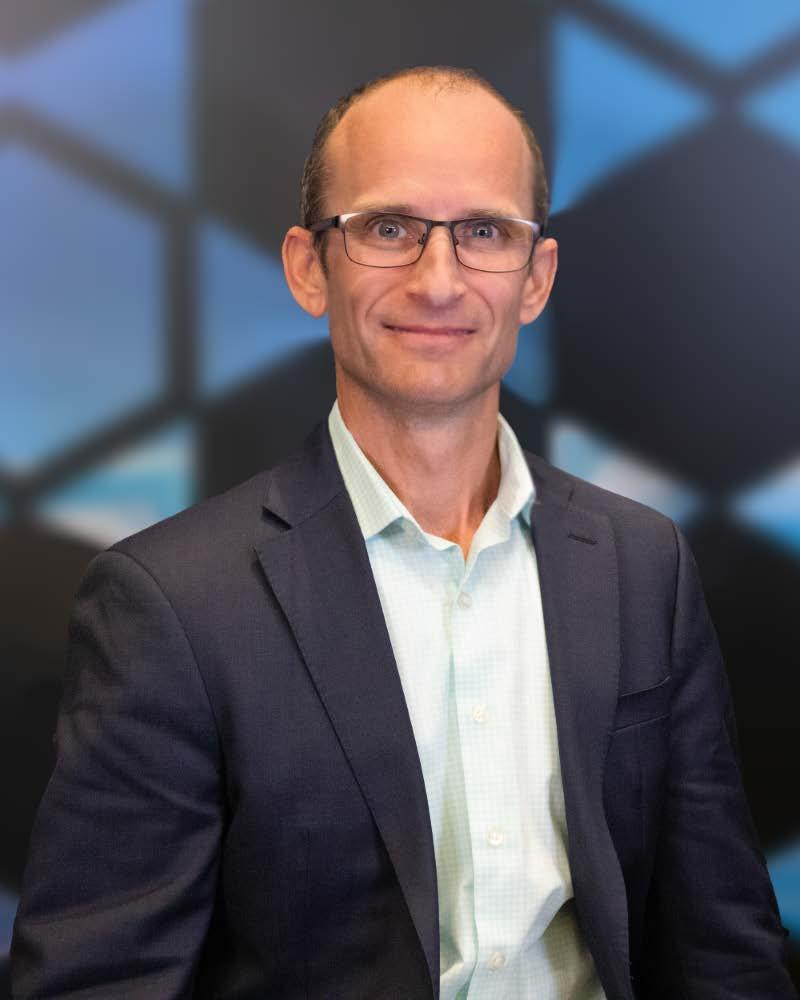
Christie Digital Systems, Inc. has entered a new leadership chapter as its parent company, Ushio Inc. announces the promotion of Michael Phipps to President and Chief Executive Officer, effective April 1. The appointment sees Phipps succeed Takabumi Asahi, who led the company for the past two years and will continue in his role as chief executive officer of Ushio Group, Inc.
A long-standing figure within Christie, Phipps joined the organisation in 2008 and has since progressed through key leadership roles, including chief financial officer in 2019 and president and COO in 2024. His elevation to CEO comes at a time when the company continues to navigate an evolving landscape shaped by advancements in both cinema and ProAV technologies.
“Over the past two years, Mike successfully implemented operational initiatives and drove improvements in our product offerings and processes to better serve our customers and markets. His leadership was instrumental in the company’s transformation, and his passion for our cinema and ProAV industries will lead the organization well into the future,” said Takabumi Asahi, CEO, Ushio Group, Inc.
“The industry is constantly changing, but what stays at the heart of what we do is our customers. We listen to their business challenges and work collaboratively to support their vision, so they can rely on our technology to create unforgettable experiences. I want to thank Mr. Asahi for his guidance over the past two years and look forward to continuing to work with our customers and employees in my new capacity,” said Phipps.
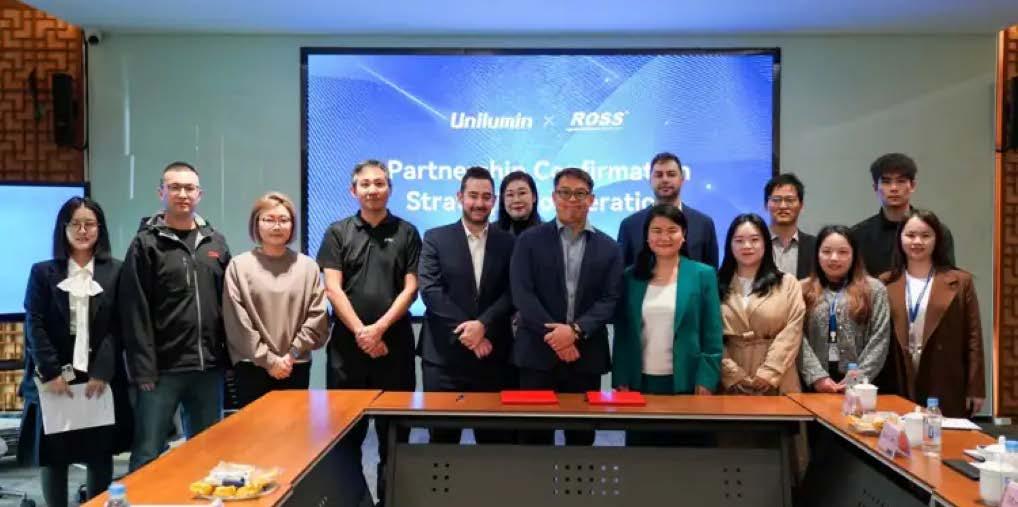
Ross Video and Unilumin Group have signed a Memorandum of Cooperation (MoC) to explore joint opportunities for collaboration across the Asia-Pacific (APAC) region. By combining Ross Video’s live production ecosystem with Unilumin’s LED display technology, the two companies aim to support sports venues, broadcasters, and live event producers looking to deliver more engaging visual experiences.
Travis Wigley, Senior Director of Sales, APAC at Ross Video commented, “By working more closely with Unilumin, we can better support customers with integrated solutions that bring together LED displays, graphics, video processing, and control to power the next generation of live productions.”
The non-exclusive agreement establishes a framework for the companies to explore a range of joint initiatives across the region. These may include participating together in industry exhibitions and marketing activities, sharing market insights, recommending
each other to customers, and connecting with system integrators, consultants, and other industry partners. Both companies will also explore potential technical collaboration and integrations between Ross Video’s live production solutions, including real-time graphics, video processing, and production workflows, and Unilumin’s LED display technologies.
Tina Cao, Deputy General Manager at Unilumin said, “Through this cooperation with Ross Video, we look forward to combining our strengths to create more innovative and seamless solutions for customers across the APAC region.”
The Memorandum of Cooperation is intended as a framework for collaboration and reflects both companies’ commitment to strengthening their presence in APAC while helping customers deliver compelling visual experiences for audiences across sports, broadcast, and live entertainment productions.
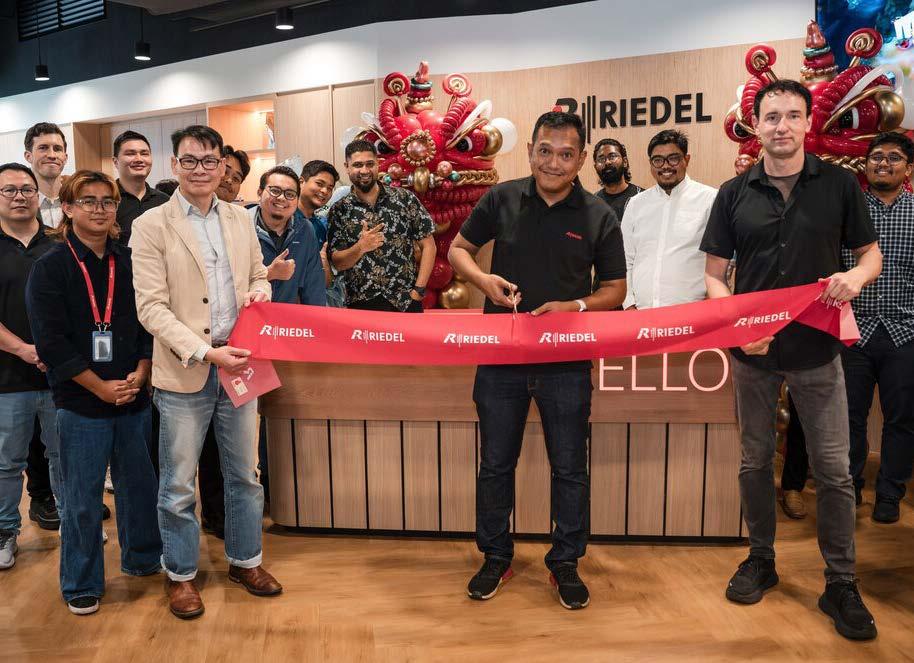
Riedel has strengthened its global Customer Success and IT support infrastructure with the opening of a new office in Kuala Lumpur, Malaysia; marking a significant step in the company’s ongoing transition towards software-driven and service-oriented media workflows.
The launch event of the Kuala Lumpur office, which is led by Mustapha Kamal, Service and Support Manager, was attended by Malaysian partners and customers, alongside hands-on technology demonstrations and networking sessions that offered a closer look at the operational role of the new hub in supporting Riedel’s global user base.
“As our solutions increasingly move into software and IT-based environments, the need for continuous, specialist support has become more critical than ever,” said Kamal. “Our team in Kuala Lumpur works across shifts, including weekends, to deliver global expertise for deploying, supporting, and maintaining customer applications in complex IT infrastructures.”
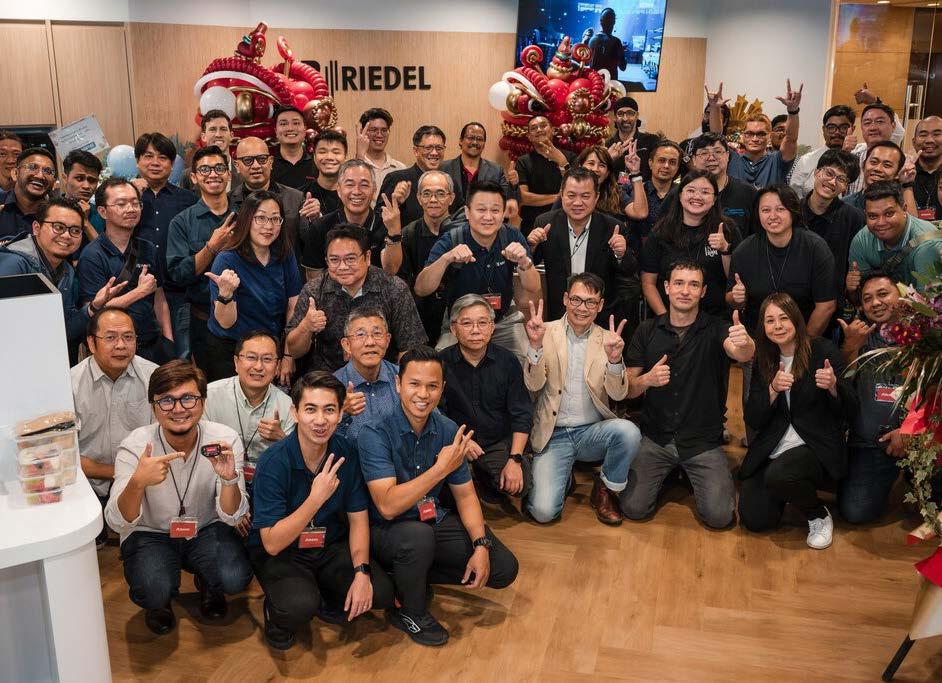
Staffed by a team of 12 locally recruited software and IT engineers, the facility is positioned to play a key role in supporting the deployment and lifecycle management of Riedel solutions such as Virtual SmartPanel (VSP) and SAME Smart Audio & Mixing Engine. The team is also expected to provide technical support for upcoming softwarecentric innovations that demand deeper IT integration and specialised expertise. As part of their onboarding, team members will undergo structured corporate and technical training in the coming months.
“The talent pool in Malaysia is exceptional, supported by strong investments in education and IT infrastructure,” said Craig Thompson, Executive Director of Customer Success at Riedel Communications. “This makes Kuala Lumpur an ideal location to support Riedel’s global move towards software and IT-based solutions, while strengthening our long-term presence and capabilities in the Asia-Pacific region.”
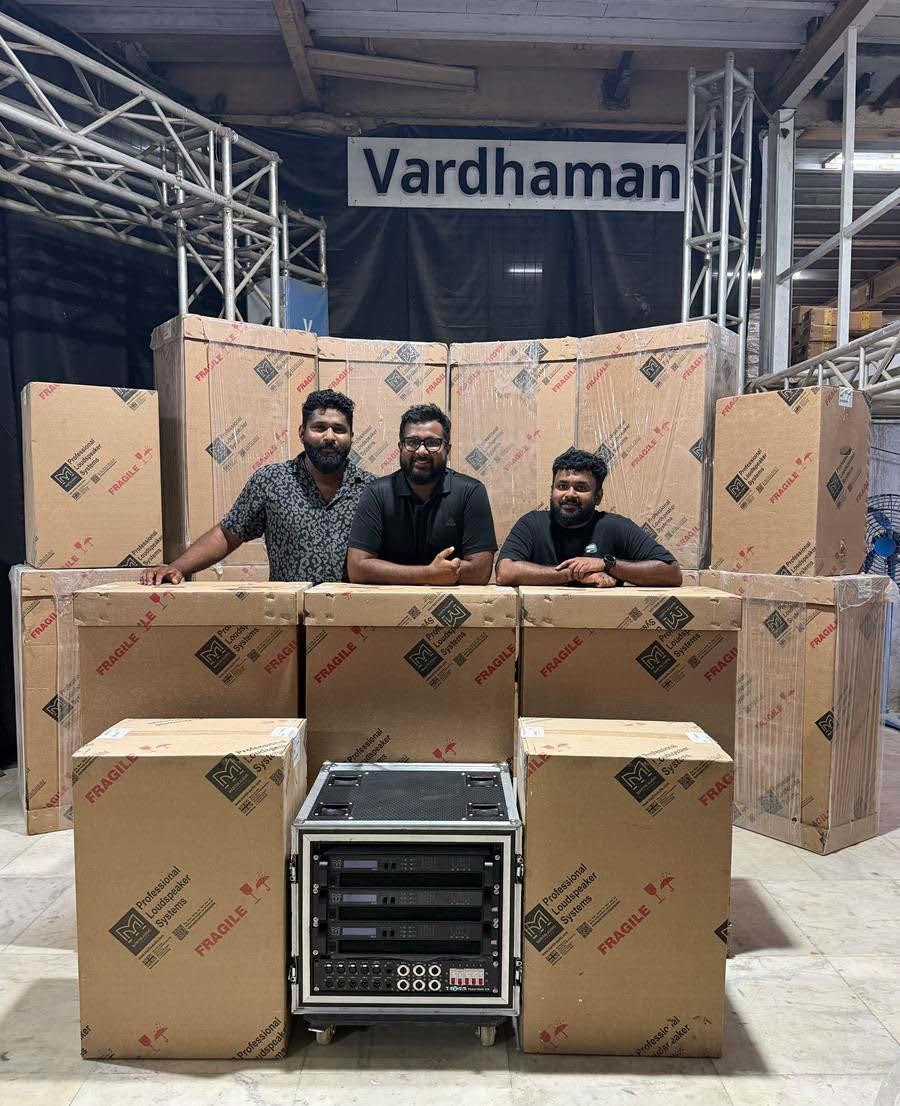
PXL Media has taken a decisive step in strengthening its touring audio credentials, augmenting its existing Martin Audio WPL Wavefront Precision inventory with the addition of a WPC line array system. Having been India’s first adopters of the Martin Audio WPL platform, the company’s latest investment in WPC platform reinforces a strategy centred on building a robust, riderready inventory capable of addressing diverse event requirements with precision.
“WPC adds significant versatility to our Martin Audio setup,” said Sachin Babu, Head of Audio at PXL Media. “The system offers excellent coverage and musical clarity while remaining efficient to deploy for touring environments. It allows our team to
optimise system design while maintaining the performance standards expected for premium productions.”
The WPC FOH configuration features 16 per side 10” three-way line array elements, supported by 12 x SXH218 Hybrid horn/reflex subwoofers for low-frequency reinforcement. Powering the system are 7 x iKON iK42 Dante four-channel 20,000W Class D amplifiers, delivering advanced DSP capabilities, networked control, and substantial headroom suited to demanding touring applications. This integrated WPL-WPC ecosystem provides PXL Media with the operational depth, redundancy, and scalability required to simultaneously service large-scale concerts, festivals, and high-profile productions.
Jeff Mandot, Director at VMT, Martin Audio’s distributor in India commented “ PXL Media’s expanding Martin Audio ecosystem reflects a long-term commitment to quality and scalability. At VMT, we value partnerships built on shared growth objectives, and we are proud to support PXL Media as they strengthen their footprint in the touring sector.”
Pratheesh Michael Zico, Director at PXL Media concludes, “The addition of the Martin Audio WPC platform strengthens our ability to deliver consistent, high-performance sound across diverse event scales. With both WPL and WPC in our ecosystem, we now operate with greater flexibility and deployment depth, allowing us to confidently service larger productions while maintaining the performance standards our clients expect.”
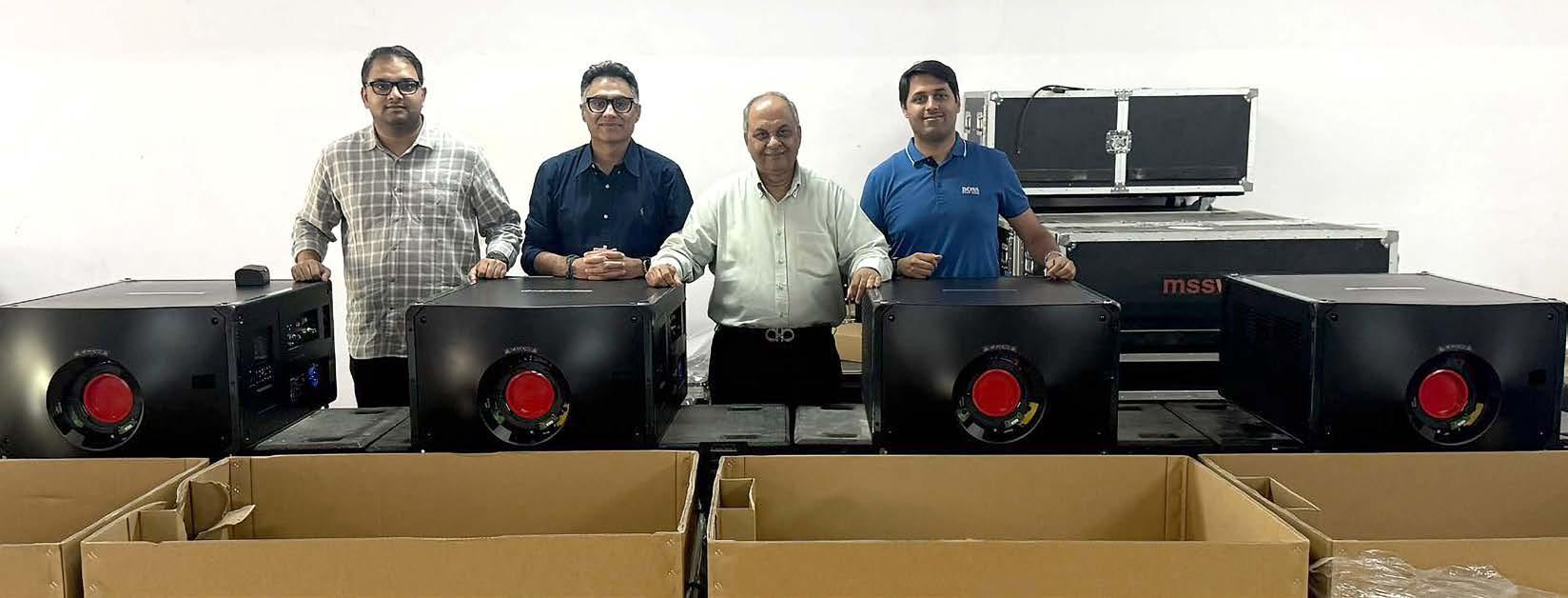
In a decisive move that reinforces its leadership in large-format visual experiences, Christie has announced a significant investment by MSS World in its flagship RGB pure laser projection technology, marking a notable milestone for India’s projection mapping and immersive experience landscape.
MSS World has acquired 16 units of the Christie Griffyn 4K50-RGB, becoming the first company in India to deploy this industry-leading projector. The investment substantially strengthens the company’s already formidable rental inventory, which includes Christie Crimson WU31 laser projectors, alongside DWU23-HS and D20WU-HS 1DLP laser models, further cementing its position as Christie’s largest rental partner in the region.
“Our partnership with Christie has been built on a shared belief in investing early in technologies that redefine what is possible at scale,” said Davinder Wadhwa, Founder of MSS World. “Over the years, Christie’s projection systems have played a critical role in helping us deliver some of India’s
most ambitious live events and cultural installations. Our investment in the Griffyn 4K50RGB builds on this philosophy, enabling us to deliver truly world-class visual experiences.”
Pratik Wadhwa, CEO of MSS World, added, “Our decision to invest in the Griffyn 4K50-RGB reflects both the scale of experiences our clients expect from us and the level of performance we demand from our technology partners. Christie’s RGB pure laser projectors have consistently delivered outstanding brightness, colour fidelity, and reliability in the most challenging environments, from historic monuments to complex outdoor installations. Being the first in India to add the Griffyn 4K50-RGB to our fleet strengthens our ability to deliver bigger and better visual experiences.”
Christie’s ProAV Sales Director for India, Rishubh Nayar, highlighted the strength of the long-standing partnership. “MSS World has been an exceptional partner to Christie for many years, not only in terms of their scale of operations but also their unwavering commitment to quality and innovation. Their continued investment in our latest projection technologies reflects a deep level of trust in our brand and a shared commitment to delivering spectacular visual experiences. We are proud to support MSS World as they continue to set benchmarks for large-format projection in India.”
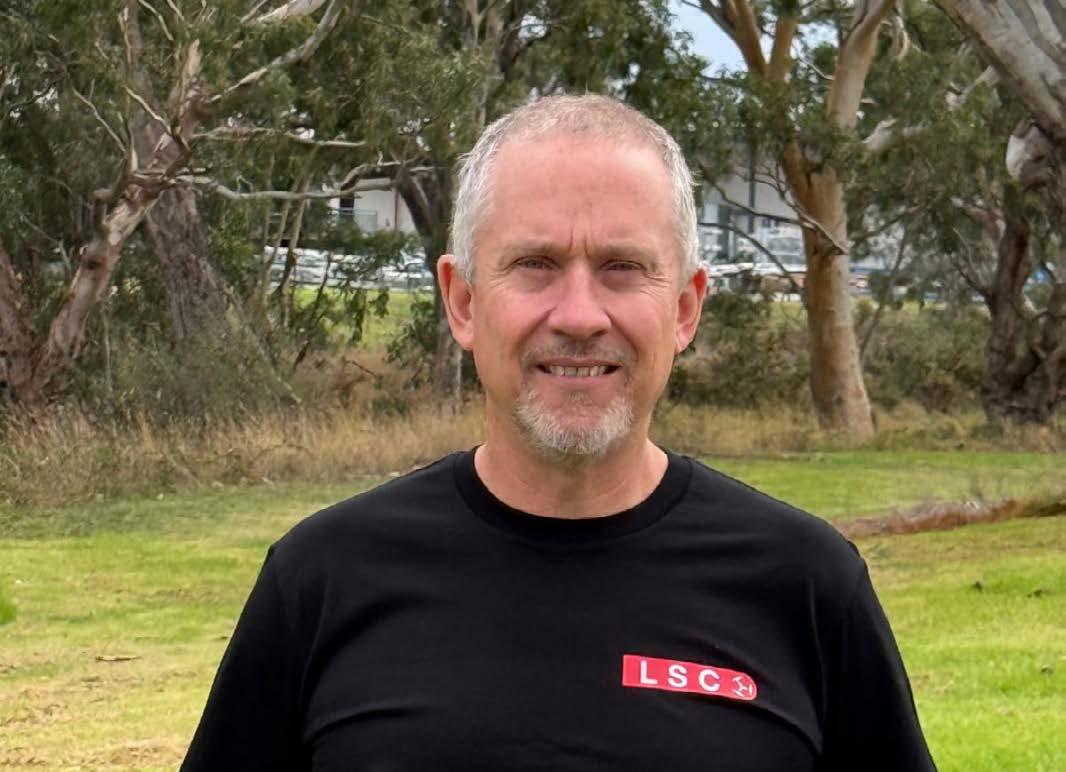
LSC Control Systems has reinforced its internal sales capabilities with the appointment of Martin Bowman, bringing more than three decades of hands-on industry experience into a role designed to deepen customer engagement and technical support across global markets.
With over 35 years of experience spanning theatre, live events, touring and permanent installations, Bowman enters the role with a uniquely comprehensive understanding of the industry’s operational realities. Having previously worked with LSC solutions as a customer, he brings both practical familiarity and technical insight into lighting control, power distribution and networked systems.
His appointment forms part of a broader expansion strategy at LSC, as the company leverages increased access to international markets while maintaining its core design and manufacturing operations at its Melbourne headquarters. The move reflects a clear intent to scale globally without compromising the engineering integrity and reliability that underpin the brand’s reputation.
“When we sat down to assess our needs and identify the kind of individual that could confidently step into this new role, the opinion was expressed that we were looking for a unicorn,” said Greg Lowe, Director of LSC. “I believe we’ve found one. Martin has prodigious industry experience on one hand, with credibility and the kind of positive temperament that has made him instantly welcome within the organisation on the other.”
Bowman emphasised a solutions-led approach rooted in technical accuracy and long-term value. “I like to focus on recommending solutions that are technically appropriate, scalable, and well suited to a customer’s need. It’s a personal approach that helps build trust, reduce errors, and support repeat business. I’m excited by the opportunity to join such a respected name within our field, and I’m looking forward to making a mark and contributing to our further success!”
Analog Way’s CEO Eric Delmas delves into the future of visual infrastructure; revealing how the brand is driving operator-first innovation, seamless convergence, intelligent coordination, and uncompromising reliability to redefine excellence in premium AV performance.
When it comes to high-end live productions, there are no second-chances, no do-overs, no take-twos!
Whether it is a global concert tour, a flagship corporate event, an XR studio, or a largescale immersive installation, the expectation is always the same … everything has to work, flawlessly and without hesitation. When thousands, sometimes millions, are watching; even the smallest visual failure becomes impossible to ignore. And in environments like these, reliability is not just important; it is everything. Few companies understand that better than Analog Way.

For over 35 years, the French manufacturer has stood at the forefront of mission-critical video processing; earning global trust through powerful platforms including most recently, Aquilon — all of which have become synonymous with reliability and confidence at scale. And while Analog Way’s DNA has always been defined by engineering excellence; under the leadership of CEO Eric Delmas, that legacy is being strategically expanded into something far greater: real-time visual infrastructure.
Appointed CEO with a career shaped across premium consumer electronics, automotive, and defence systems, Eric Delmas brought to Analog Way a mindset forged in industries where precision is absolute and failure carries immediate consequences. The brand’s trajectory in the past few years underscores the fact that his leadership has introduced sharper strategic clarity to an AV landscape increasingly defined by AV-over-IP, SMPTE ST 2110 workflows, immersive canvases, and distributed visual ecosystems.
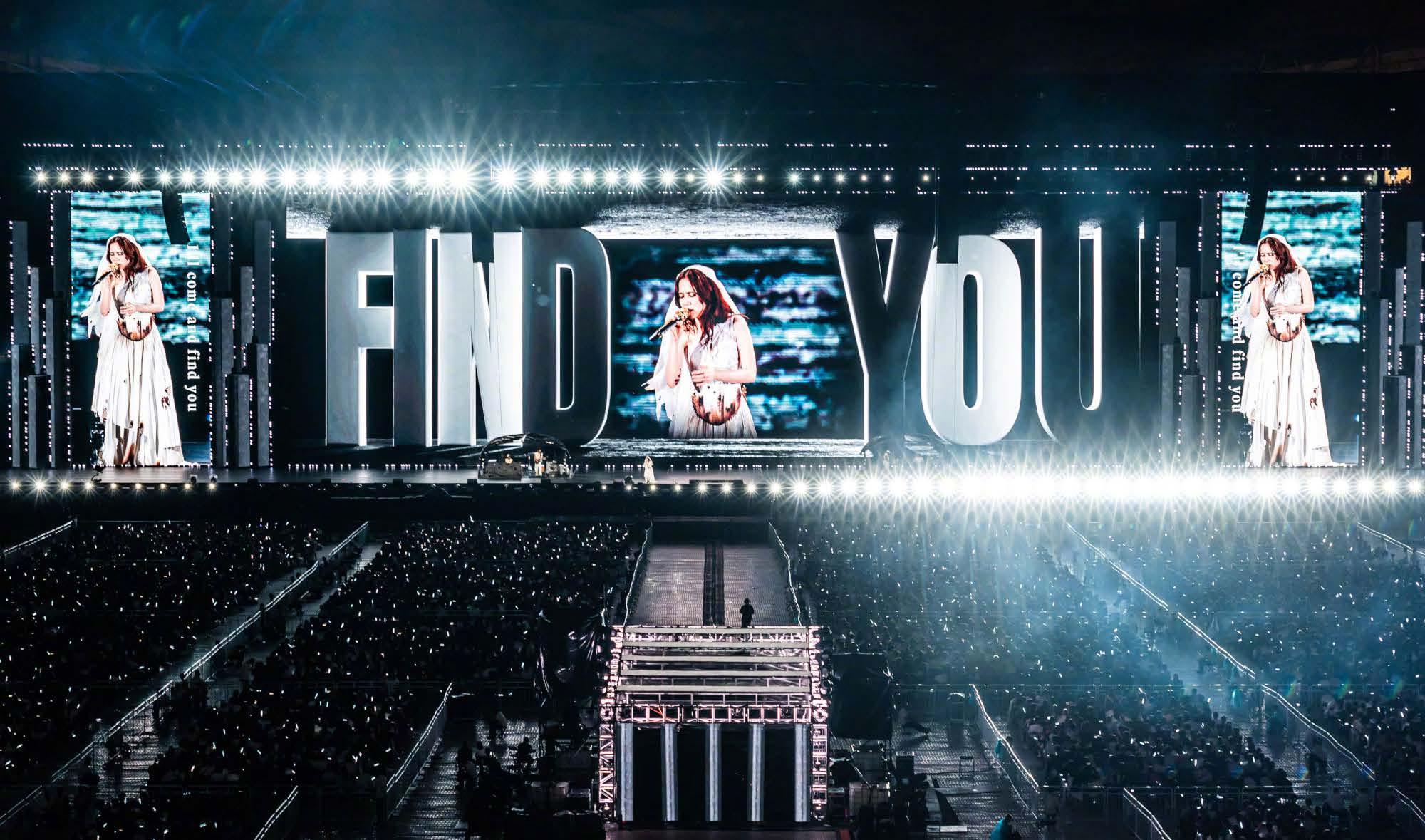
Analog Way Aquilon Drove the LED Screens for GEM World Tour.
Focused on creating more coherent workflows where hardware determinism meets software flexibility, and complexity is absorbed by the system rather than passed on to the operator; Delmas is steering Analog Way beyond traditional processing. And as the company strengthens its footprint across APAC and ME, including major strategic moves such as its China joint-venture and expanding regional ecosystem, his vision remains firmly centred on scale, localisation, and long-term operational relevance.
In this exclusive conversation with Entertainment Technology Asia, Eric Delmas shares his thoughts on leadership, reliability, IP-driven architectures, operator-centric innovation, and the future of professional video systems. More importantly, he offers a clear view into how Analog Way intends to define that future.
ETA: Stepping into the role of CEO at Analog Way meant leading a brand that operates at the intersection of precision engineering and high-stakes live visual performance. On a personal level, how would you describe your leadership philosophy? And how have you aligned it with Analog Way’s ethos of delivering reliability in environments where failure is simply not an option?
ERIC DELMAS: Stepping into Analog Way felt like a natural extension of my previous experience. I have spent my career in industries where precision and reliability are non-negotiable, from high-end consumer electronics to automotive and defense systems. In all those environments, failure is simply not an option. My leadership philosophy is built around that reality: performance only matters if it is predictable under pressure and across all use cases.
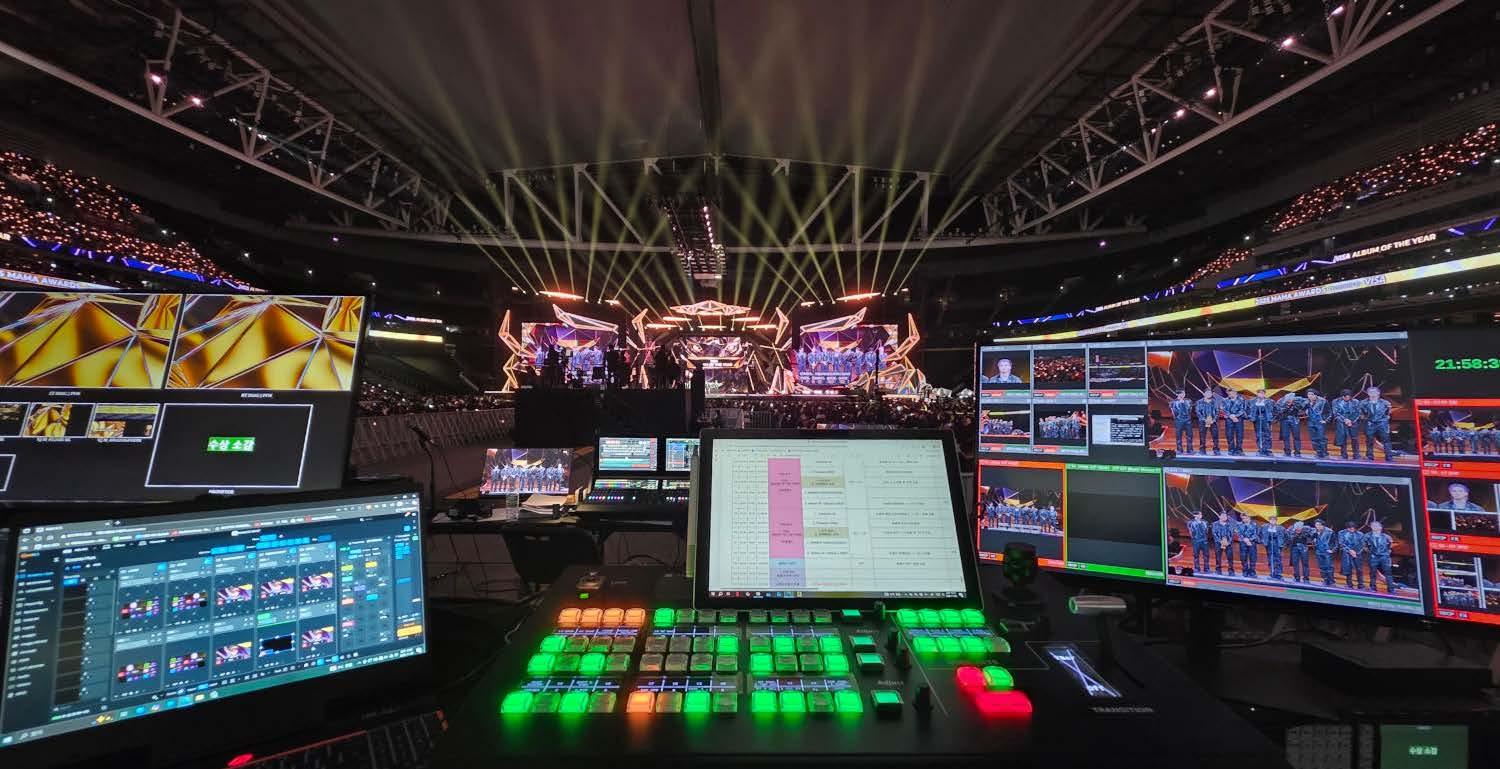
In live visual environments, there is no second chance. Systems are deployed in front of thousands, sometimes millions, of people, and any issue is immediately visible. That requires anticipating problems before they occur, thinking several steps ahead, and building organizations that execute with discipline.
What resonated instantly with Analog Way was this culture of reliability. My role has been to take it further by reinforcing customer-centric thinking and making reliability a non-negotiable requirement across the entire organization. This means addressing it from the earliest stages of product definition and system architecture, rather than relying on final validation steps. It also means ensuring that innovation remains grounded in real operational constraints. Ultimately, reliability is not a feature we add. It is a system-level commitment that defines how we design, build, and support every solution we deliver.
ETA: Over the past few years, Analog Way has significantly strengthened its position in high-end live production and premium fixed installations through platforms such as Aquilon. Looking at the present and beyond, how would you define Analog Way’s strategic identity today—is it still a processing company, or has it evolved into something more akin to a real-time visual infrastructure provider? And on a personal level, how have you contributed to shaping this strategic direction?
ERIC DELMAS: Analog Way has built its reputation as a leader in high-end video processing, and that foundation is stronger than ever. Platforms like Aquilon continue to push the boundaries of real-time performance, with scalable architectures ranging from compact systems to the highest-capacity configurations used in the most demanding productions worldwide. At the same time, we have been deliberately evolving our role in the ecosystem.
We are now moving beyond processing to become a provider of real-time visual infrastructure, enabling the orchestration of complex visual environments rather than simply handling signals. This shift comes directly from what we see in the field. Today’s projects, whether live productions or fixed installations, require managing entire workflows with multiple sources, formats, resolutions, and outputs, all synchronized in real time. The challenge is no longer just performance. It is coordination, scalability, and overall system coherence.
Over the past few years, my focus has been to structure this evolution by clarifying our direction, expanding our approach market by market, and moving toward more complete, workflow-oriented solutions while staying anchored in what defines us: delivering consistent execution in the most demanding environments.
ETA: With the accelerating shift toward AV-over-IP, SMPTE/ST 2110 environments, and increasingly distributed workflows, how is Analog Way rethinking its system architecture to remain relevant in a landscape that is rapidly moving away from traditional signal chains toward networked, software-defined ecosystems? And alongside this technological transition, how has Analog Way’s CXO leadership team actively shaped and influenced the direction of R&D and the development of its next-generation product portfolio?
ERIC DELMAS: The transition toward IP-based and distributed architectures is a fundamental shift in our industry. We anticipated this evolution early and have been investing for several years in technologies such as SMPTE ST 2110 and IPMX.
Our approach is deliberate. We believe the future lies in combining hardwarelevel determinism with software-level flexibility. In live environments, timing, synchronization, and latency are critical and cannot be compromised. At the same time, systems need to become more open, more scalable, and easier to integrate into broader ecosystems. This is why we are developing hybrid architectures, capable of operating in both traditional and IP-based environments, while progressively increasing modularity and interoperability.
From a leadership standpoint, one of our key priorities has been to stay focused. The market is evolving quickly, and it is easy to dilute efforts. We have made deliberate choices to invest where we can create real differentiation, particularly in user experience and close interaction with customers, so that our R&D translates into tangible value in the field.
ETA: Recent developments across Analog Way’s portfolio point toward greater scalability, modularity, and workflow integration; particularly in handling complex, multi-layered visual canvases for live events and immersive environments. Could you share how your latest innovations are addressing realworld workflow bottlenecks faced by operators today?
ERIC DELMAS: The complexity of today’s productions has increased significantly, and operators are under more pressure than ever. Our innovations are focused on removing friction from these environments. And one key area is the ability to scale systems without introducing fragmentation. We have expanded our platforms from very compact configurations to the highestcapacity systems in the industry, while
maintaining a consistent user experience across all configurations. Multiple systems can be combined and operated as a single resource on the same event, without adding complexity for the user. We also address constraints earlier in the workflow, particularly between content creation and final display. With the introduction of DisplayPort 1.4 on our Aquilon platform, we significantly increased what can be carried through a single output, enabling much larger, high-quality canvases, for example 4K at 120Hz or 8K at 30Hz, without splitting or signal compromise. In practice, this reduces the gap that often exists between what creative teams design and what can actually be reproduced on site. In the past, limitations at the output stage frequently forced adjustments, reformatting, or multiple iterations to align content with system constraints. By removing those limitations, we help ensure that what is designed is what gets delivered on site, while reducing last-minute corrections during setup.
We are also addressing one of the biggest operational challenges, which is managing large, distributed setups. For example, our global multiviewer capability allows operators to monitor an entire canvas from a single interface, even when it is powered by multiple machines. This reflects our approach of abstracting system complexity to simplify operation. In parallel, we continue to invest heavily in user interfaces. Solutions like our Web RCS environment evolve continuously based on real operator feedback and are widely adopted for their flexibility and ease of use. We have also been rethinking parts of the ecosystem, including media playback, to better align with operator workflows and simplify deployment across both live and installed environments. The objective
remains the same: reduce friction, eliminate workarounds wherever possible, and give operators full control, even in the most demanding scenarios.
ETA: As visual systems become exponentially more powerful, there is a growing challenge in ensuring that this complexity does not overwhelm the operator. What are your personal thoughts on the matter, and how do they shape Analog Way’s approach in balancing between deep functionality and intuitive control, especially for users managing mission-critical shows under time pressure?
ERIC DELMAS: This is one of the most critical challenges in our industry today. Systems are becoming increasingly powerful, but if that power translates into complexity for the operator, it becomes a liability rather than an advantage, especially in live, mission-critical environments. Our philosophy is to absorb complexity within the system so that the operator experiences clarity and control.
A key insight for us is that there is no single type of event, and no single type of operator. Some environments require highly advanced setups managed by expert users, while others call for simpler, highly reliable workflows, sometimes operated by teams with limited preparation time. This diversity is shaping how we design our solutions. With our latest CorePlay media players, for example, we have focused on delivering the right balance between performance and ease of use, so that systems remain accessible without compromising capability.
More broadly, we maintain a close loop with our users, ensuring that every development is grounded in real operational workflows
and constraints. Ease of use is not about reducing functionality. It is about making highly complex systems intuitive, predictable, and dependable under pressure. That is what ultimately enables operators to execute flawlessly when it matters most.
ETA: Markets across APAC and the Middle East are rapidly redefining expectations around scale, spectacle, and integration; often leapfrogging traditional production models. From your vantage point, what distinguishes these regions in terms of technology adoption, project ambition, and system design philosophy, and how is Analog Way adapting its approach to serve them effectively?
ERIC DELMAS: APAC and the Middle East are among the most forward-looking regions in our industry. What stands out is the combination of scale, speed, and ambition. Projects are often larger, timelines are shorter, and there is a strong willingness to adopt new technologies quickly. These markets are not just following global trends. In many cases, they are pushing the boundaries of what is possible. Our approach has been to work closely with local partners and customers, building solutions together rather than trying to anticipate needs remotely. This proximity is essential to remain relevant and is illustrated by the joint venture we recently established in China.
Today, we see strong adoption of our systems in high-end live productions and major installations across these regions. In markets such as China, our platforms are increasingly used in large-scale productions, confirming that performance and dependability remain decisive factors even in highly competitive environments.
ETA: Looking ahead, the boundaries between video processing, media servers, real-time rendering, and immersive technologies are becoming increasingly blurred. What do you believe will define the next phase of evolution in professional video systems, and how is Analog Way positioning itself to lead in that future?
ERIC DELMAS: We are clearly moving toward a convergence of technologies. Video processing, media playback, control systems, and immersive environments are becoming increasingly interconnected. At the same time, the reality today remains fragmented. Complex productions often rely on multiple high-end systems, with overlapping capabilities and resources that are not always fully utilized as part of a coherent whole.
The next phase will be defined by the ability to bring more consistency and coordination to these environments at scale, ensuring that different technologies work together efficiently without increasing operational complexity. Systems will need to manage entire visual environments across diverse use cases, while remaining predictable, efficient, and straightforward to operate, even in highpressure situations.
At Analog Way, we have been investing across these domains to ensure we remain adaptable as the industry evolves, while staying focused on real operational needs rather than technology trends. Looking ahead, what will matter most is not just performance, but the ability to deliver exactly what is expected, consistently, across the full workflow in the most demanding environments. That is where we intend to lead.
Analog Way
Exploring how SHURE is Strengthening India’s Production Standards with Axient Digital PSM
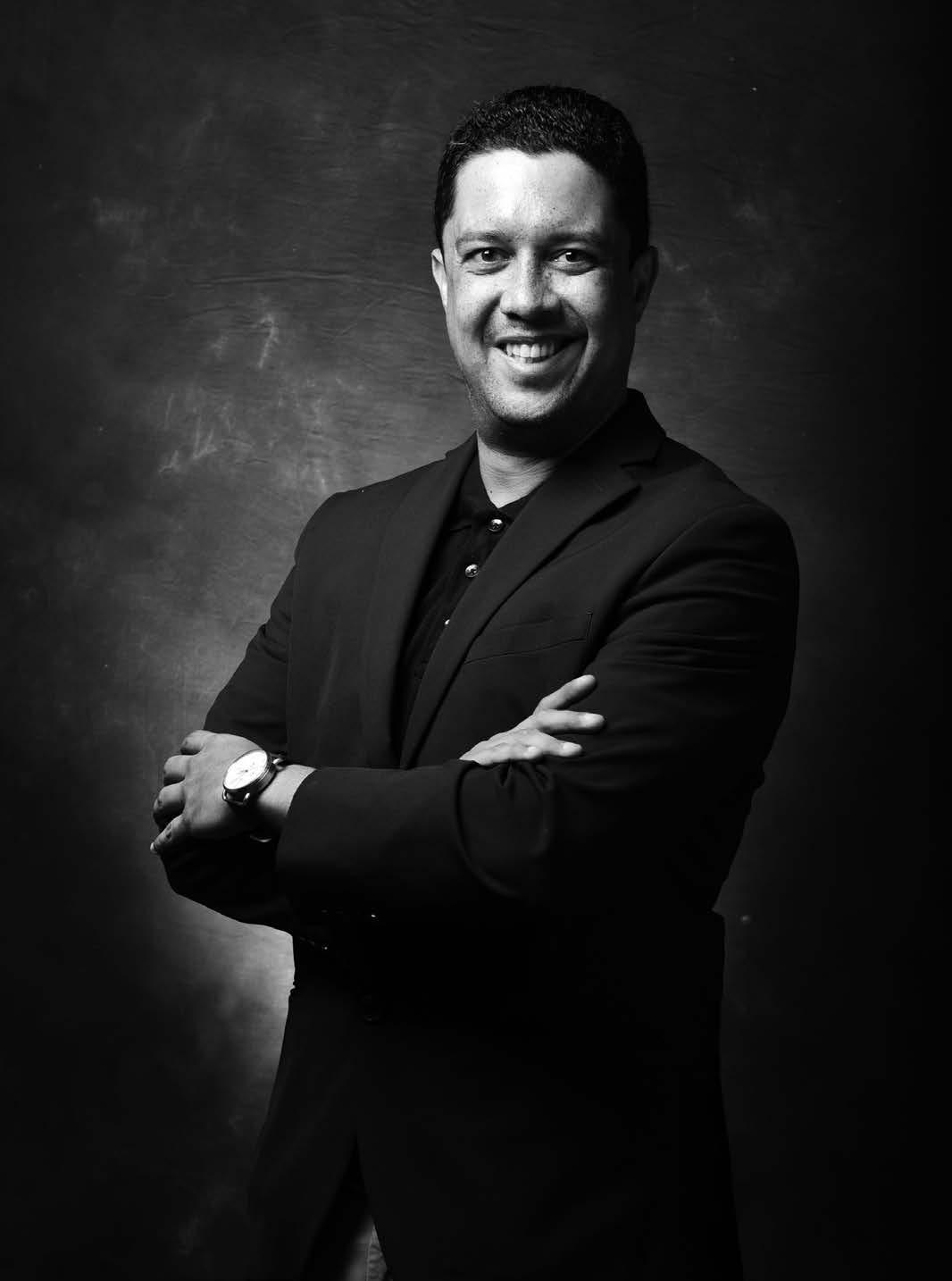
The appointment of Viraaj Shidhaye as SHURE’s Sales Lead for South Asia sees him leading the brand’s efforts in one of the world’s fastest-evolving live production landscapes; where global touring, broadcast, festivals, and large-format entertainment are demanding a new standard of future-ready wireless performance.
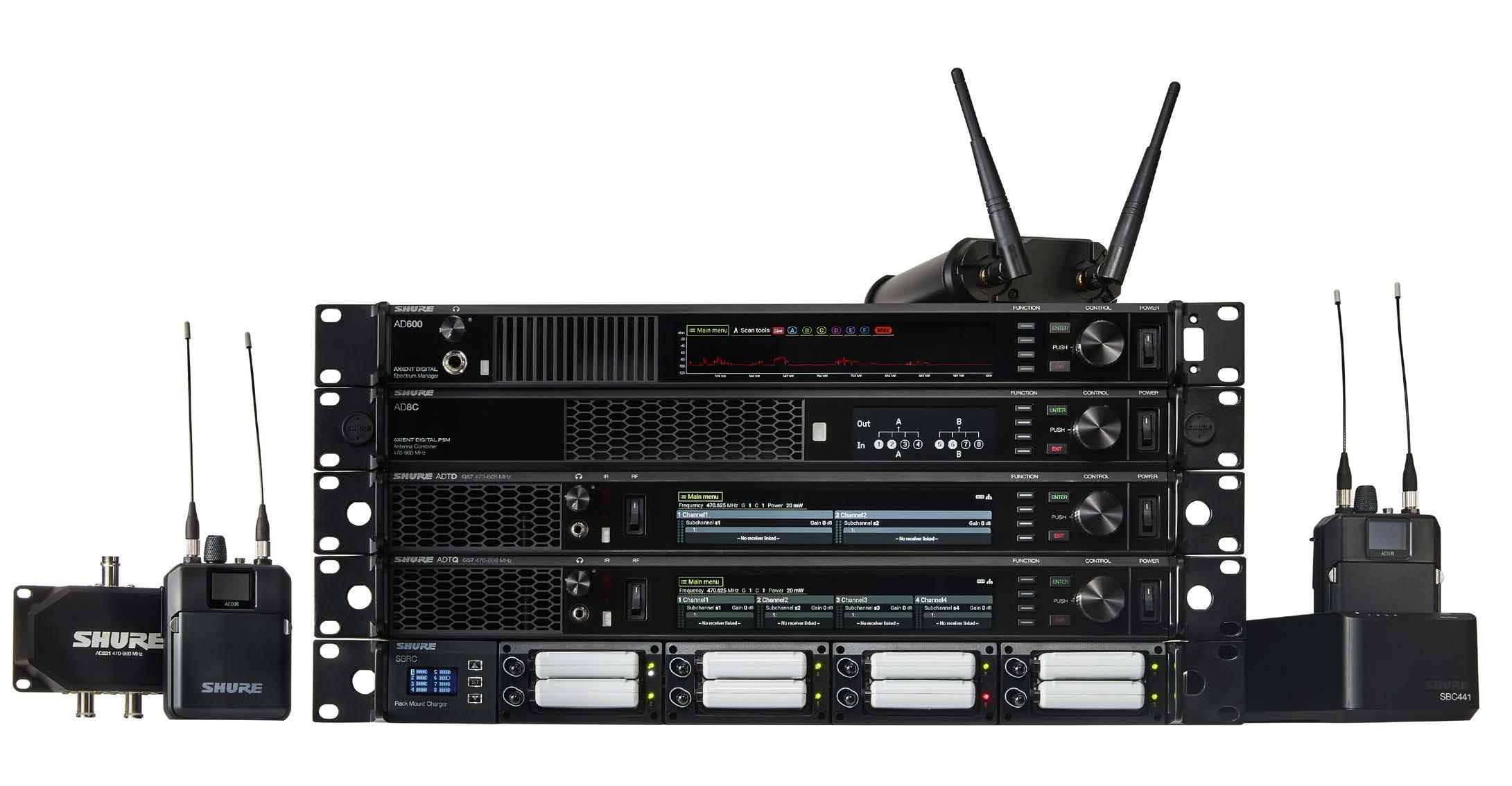
At the centre of this evolution is the SHURE Axient Digital PSM a next-generation digital wireless in-ear monitoring system designed to deliver superior RF performance, spectral efficiency, and uncompromising
audio reliability in the most demanding environments.
“The ‘Experience Economy’ is exploding” says Viraaj. “We are moving from simple gigs to massive, technology-driven productions that demand a far higher level of digital intelligence; and the rise of destination festivals and global touring circuits, especially in India, is a major catalyst. The real opportunity lies in standardisation – touring artists expect to find the same SHURE gear in Mumbai as they use in London.
As India strengthens its position as a global destination for world-class productions, this demand for global parity becomes a major growth engine for SHURE, driving local production houses to upgrade their inventory to meet international benchmarks.”
He points to networked audio as the new benchmark, where every stage component is managed through a single data cable, giving engineers real-time monitoring and complete system visibility. “We focus on redundancy and remote management. As the industry transitions from simply capturing sound to capturing an environment; SHURE is providing the tools and capabilities to capture high-fidelity audio that can be placed accurately in a 360-degree soundstage.”
As RF environments become increasingly congested with 5G expansion and shrinking spectrum availability, Viraaj sees spectral efficiency as mission-critical; stating, “We are moving away from a time when you could
simply find a clean frequency. Now, you have to create your own reliability. And this is where Axient Digital PSM becomes a game changer!”
Leveraging WMAS + digital transmission while packing up to 40 channels into an 8 MHz band, the Axient Digital PSM gives engineers what Viraaj calls ‘RF breathing room’, while empowering rental companies to support massive festivals with a fraction of the hardware, as he notes “Smaller racks, lower shipping costs, and the ability to fulfil high-channel-count riders in cities like Mumbai or Delhi”.
Additionally, remote adjustment of mic parameters in real time is possible via ShowLink without ever needing to interrupt the artist on stage, while CueMode allows precise monitoring of up to 64 encrypted stage mixes from a single bodypack, and Spatial Diversity ensures uninterrupted highfidelity performance even in reflection-heavy stadiums and metal-intensive venues.
Backed by innovations like the Axient Digital PSM, Viraaj’s vision for the future is clear: “We want to be the infrastructure of India’s voice. Be it a stadium tour or a high-stakes boardroom, we want Indian stories told with world-class clarity. Fundamentally, our vision is built on confidence. When an artist sees a SHURE microphone and an Axient Digital PSM bodypack, they know they are safe. That feeling of absolute reliability is what we are scaling across the country.”
“ As the industry transitions from simply capturing sound to capturing an environment; SHURE is providing the tools and capabilities to capture high-fidelity audio that can be placed accurately in a 360-degree soundstage.”
Understanding Adamson’s strategic India push with LewminAdio; as the partners share what it takes to win India’s rapidly maturing professional audio market, and the vision reshaping market expectations

What does it take for a premium, engineering-led audio brand to truly embed itself within one of the world’s most complex and rapidly maturing live sound markets?
That question sits at the heart of Adamson Systems Engineering’s latest move in India; one that signals not just intent, but a recalibration of how global audio brands approach long-term growth in the region.
Earlier this year, Adamson formalised a decisive step in its India strategy by appointing Lewminadio Technologies LLP as its exclusive national distributor. While the brand is already enjoying a strong presence across the country; this partnership introduces a far more structured and locally attuned framework for expansion. At its core, the move reflects a clear recognition: that India’s professional audio ecosystem has evolved beyond opportunistic growth into a technically demanding, relationship-driven market that requires consistent engagement, deep expertise, and reliable on-ground support.
Lewminadio enters this equation with a foundation built on engineering rigour and market intimacy; bringing together complementary strengths ranging from system integration and strategic development to hands-on electroacoustic design, alignment, and deployment. The combined experience of the company’s cofounders, coupled with a clear emphasis on education, process, and long-term value creation, positions them as more than just a distribution entity; rather, as custodians of brand philosophy within a highly nuanced market.
From Adamson’s perspective, the appointment underscores a deliberate shift towards reinforcing its technical and cultural alignment with India’s evolving demands. With expectations rising across touring, installations, and hybrid event formats, the need for knowledgeable, responsive, and application-driven support has become paramount; something the partnership aims to address with precision.
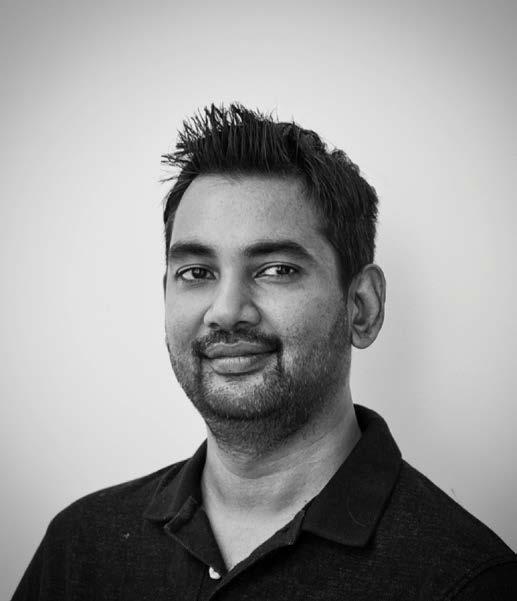
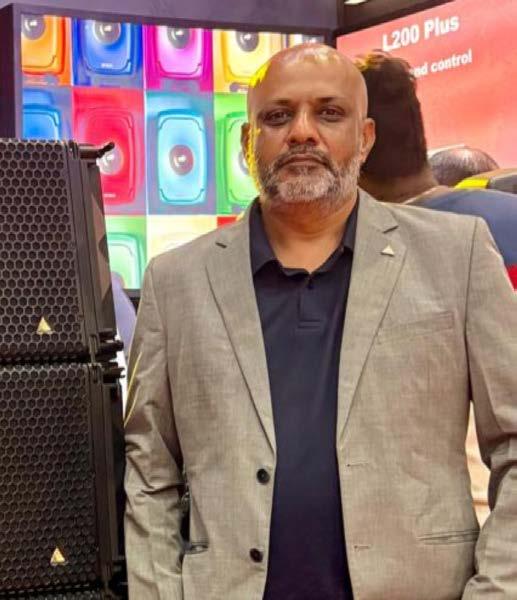
Yet, beyond the formal announcement lies a deeper story. One shaped by shared philosophies, strategic intent, and a grounded understanding of how real-world deployment conditions influence technology adoption. And to explore these dimensions further, Entertainment Technology Asia engaged directly with the key voices driving this collaboration: Lee Stevens, APAC Sales Director, Adamson; Thaddeus Sundar Raj, Sales Manager, Adamson; Annu Jamloki and Sudarshan Srinivasan, CoFounders, Lewminadio.
What follows is a candid and insightful conversation that moves beyond the surface of the partnership announcement to unpack the thinking, priorities, and long-term vision shaping Adamson’s journey in India.
ETA: Why was now the right moment for Adamson to strengthen its presence in India with LewminAdio? And what made LewminAdio the right partner for a market as nuanced and relationship driven as India?
LEE STEVENS: For us, the decision was driven by how quickly the Indian live sound market has matured technically, not just how fast it’s growing. India has always had scale and energy, but what’s changed over the last few years is the level of expectation. Touring engineers are arriving more prepared, rental companies are thinking in terms of system consistency rather than one off success, and promoters are demanding reliability across increasingly complex shows. At that point, simply having product in the market isn’t enough. What’s required is proper technical support, experienced guidance, and education — people who understand how systems behave in real Indian touring conditions and can support engineers before, during, and after deployment. Strengthening our presence through LewminAdio allows us to engage with the market at that level.
India isn’t an emerging opportunity anymore; it’s a serious professional audio market. We felt it was important that Adamson’s presence reflected that maturity, both technically and culturally. And when we looked at LewminAdio, what really stood out was their focus on maintaining the perfect balance between relationships, technical credibility, and long-term intent.
Annu brings a deep understanding of the Indian technology landscape, built through years of consistent engagement across rental companies, integrators, and production teams. She understands how trust is built in this market and how important it is to set expectations clearly and responsibly. That’s critical when representing an engineering led brand like Adamson. On the technical side, Sudarshan brings strong system engineering and touring experience. Conversations immediately move to physics, deployment realities, and workflow. How systems will actually be used, not how they should work in theory. That kind of conversation carries a lot of weight in India, where credibility is earned on shows, not presentations. Both also share a strong commitment to education and knowledge development, which aligns closely with how Adamson thinks about long term market growth. Together, they represent the brand in a way that’s technically accurate, locally relevant, and focused on sustainability rather than short term momentum.
ETA: From LewminAdio’s perspective, what initially attracted you to the Adamson brand? What key strengths — whether technological, sonic, or strategic — convinced you that this was the right partnership for the Indian market?
SUDARSHAN SRINIVASAN: To be honest, it was the mindset behind the brand more than anything else. When we first started looking closely at Adamson, what really
stood out was Brock Adamson’s philosophy. He’s not trying to cut corners or follow what’s convenient. He’s focused on doing things properly, even if it takes more time or effort.In an industry where many brands have moved towards assembling third party components, Adamson has stayed deeply invested in their own R&D, materials, and manufacturing. That level of commitment is rare, and it says a lot about where the brand is headed. And the Vergence Group really reinforced that belief for us. Building their own amplifiers, Milan endpoints, and taking full control of the signal chain shows very clear long-term thinking. VGt is already gaining serious traction globally, and we genuinely believe this is the future of touring sound. We felt this was the right time — and the right partner — to bring that vision into India.
ETA: What aspects of Adamson’s philosophy matter most to touring professionals and system integrators in India?
THADDEUS SUNDAR RAJ: Touring and installation are largely separate disciplines in India, and Adamson understands that distinction clearly. What connects them isn’t shared products, but a shared engineering approach.
For touring professionals, what matters most is predictable behaviour under real world conditions. Indian tours involve constant variation. Venue geometry, trim heights, infrastructure, and time pressure all change from show to show. Adamson’s touring systems are engineered so that behaviour is well understood before deployment, allowing engineers to make confident decisions even when compromises are unavoidable.
In the installation world, the requirements are different, but the discipline remains the
same. The IS portfolio — across both array and point source solutions — is purpose built for fixed environments, with priorities around coverage control, voicing consistency, and long-term stability. These systems aren’t adapted touring products; they’re engineered specifically for how installations are expected to perform over years of use.
What engineers respond to is that each system is designed by people who understand that specific application. That clarity and honesty in design goes a long way in the Indian market, where trust is built through reliability and consistency over time.
ETA: When it comes positioning a premium professional audio brand like Adamson into a complex and competitive market like India; how does LewminAdio plan to introduce Adamson systems to the market, and which segments — touring, large-scale events, installed sound, or others — do you see as the most immediate opportunities?
ANNU JAMLOKI: The Indian market is challenging, no doubt. It’s highly competitive, seasonal, and very sensitive to cash flow. Over time, big brands here have realised that financial flexibility is just as important as performance.
For rental companies, predictable and comfortable payment plans are crucial. They need to expand without overextending themselves. For installations and projects, the expectations are different. Those clients want deep technical involvement, system optimisation, and long-term reliability. Our approach is very practical. With the right financial structure, we can quickly build confidence with the rental market. At the same time, Adamson’s technical strength allows us to engage immediately with projects and installations. With a
strong technical team in place, we see both segments as real opportunities from day one.
ETA: With so many international brands in India, how does Adamson differentiate beyond product performance?
LEE STEVENS: Product performance is the baseline. In India, differentiation comes from how a brand supports the market over time.
Adamson’s focus is on long term engagement rather than short term visibility. That means consistent technical support delivered by people with real touring and installation experience, and education that helps raise the overall technical level of the industry. Well informed engineers make better decisions, and that benefits everyone involved.
Local presence is also key. Working closely with LewminAdio allows Adamson to stay connected to what’s actually happening on the ground—responding quickly, supporting deployments properly, and engaging in ways that make sense culturally and technically. Ultimately, the goal isn’t to be the loudest brand in the market. It’s to be a trusted one — technically honest, well supported, and committed for the long term. In a competitive and fast evolving market like India, that consistency is what builds lasting relationships.
ETA: Beyond distribution, successful brand development in India often requires strong local engagement. What initiatives does LewminAdio envision to build awareness, confidence, and longterm adoption of Adamson systems within the Indian professional audio community?
SUDARSHAN SRINIVASAN: For us, it really comes down to education and support. You can’t just put a premium system into the
market and expect people to adopt it without understanding it. That’s why nationwide training and awareness programs are our top priority.
We’re investing heavily in hands on training, system demos, and direct engagement with engineers and production professionals. Alongside that, service and support are absolutely critical. No matter how good the product is, without reliable support, the end experience suffers. Our focus is on being more process driven, more responsive, and more present. We want to handhold our partners where needed and build long term relationships, not just sales. When users feel supported and confident, the brand grows organically — and that’s exactly the ecosystem we want to create for Adamson in India.
ETA: Looking ahead, what would success for the Adamson–LewminAdio partnership in India look like over the next three to five years? Are there specific milestones, market segments, or types of projects that you hope will define the next phase of Adamson’s journey in this market?
SUDARSHAN SRINIVASAN: Both Adamson and LewminAdio believe long term success in India comes from education, trust, and being genuinely present. There’s a huge level of responsibility carried by engineers and technicians here every day, and we understand how demanding that environment can be. Adamson is built by engineers who’ve lived that pressure, and LewminAdio shares the same respect for the people doing the work. Training is central to how we approach this — hands on sessions, real world demos, and open technical conversations that help engineers understand not just the product, but the system behaviour and deployment philosophy. Just as important is working
closely with key rental partners, integrators, and touring professionals who set standards across the industry.
THADDEUS SUNDAR RAJ: I guess one way of looking at success is when you’re aware that engineers reach for Adamson because they know exactly how the system will behave, even when the conditions aren’t perfect. When rental partners feel confident deploying it night after night. When integrators design with it knowing the system will still perform years down the line. That kind of confidence comes from experience, support, and consistency. If, in three to five years, Adamson is spoken about in India as dependable, well understood, and properly supported — a platform engineers trust under pressure — then I believe the partnership has done exactly what it was meant to do.
ANNU JAMLOKI: India is at a really important moment. The scale is increasing, expectations are rising, and engineers are taking real ownership of quality and outcomes. That shift is powerful. You can see people thinking longer term, caring more deeply about process and discipline, and holding themselves to a higher standard. For us, success means being part of that growth in a meaningful way. Supporting international and national touring, major events, and installations — not just with technology, but with education, presence, and accountability. Being close enough to the market that people know we’re listening and that we’ll stand behind the system when it matters.
LEE STEVENS: What’s happening in India right now feels important. You’re seeing a generation of engineers taking ownership of quality, consistency, and process. That kind of mindset changes industries. The future here is incredibly bright, and it’s being shaped by people who understand that great sound isn’t
an accident — it’s the result of experience, education, and respect for the craft. This was evident in the first education events which rolled out recently in Bangalore, where we had over 80 attendees over the 4 days. Both Adamson and LewminAdio are very aware of this, and so, for us this partnership is about building the market properly, not just placing systems. The focus isn’t speed or visibility — it’s trust. We’re committed to growing Adamson in India in a way that supports people properly and raises confidence across the ecosystem. So, if I were to sum things up, when we talk about success, we’re really talking about the people behind the console— the long nights, the quiet pressure, and the pride when everything finally feels right. For us, success is earning their trust by listening, respecting the craft, and building tools that simply support their stories. That trust, built moment by moment, is what we believe will carry the future of sound in India.
In many ways, the Adamson–LewminAdio alliance reflects a broader inflection point within India’s professional audio landscape; where scale is no longer the sole benchmark of success, and where engineering integrity, education, and consistent on-ground support are fast becoming the true differentiators. And the clarity of thought displayed by both partners suggests that this partnership is poised not merely to expand market share, but to elevate expectations in a bold attempt to reshape how premium audio systems are understood, deployed, and trusted across the country’s ever-evolving live sound ecosystem.
Adamson
LewinAdio
Martin Audio has released a step-by-step guide to the flown horizontal deployment rigging procedures for the TORUS 12, with a focus on assembling, rigging, configuring, and safely flying the loudspeakers.
GreenHippo recent developments of the Hypnotizer MX and Calico Pro video playback and control systems revolves around the theme of “control every pixel”, emphasizing seamless integration, userfriendly control, and cutting-edge technology.
Powered by next-generation MIP technology, UpanelII MIP delivers a new level of visual integrity: smooth motion, deep contrast, and true-to-life uniformity across every angle and surface. With enhanced protection, images stay stable under demanding conditions while maintaining high energy efficiency.
GLP’s new WildBar 16 is a high-performance LED tilt bar built for touring and outdoor productions, featuring 16x 40W RGBL LEDs (10,300 lumens), 200° motorised tilt, 4°–44° zoom, IP65 protection, and advanced control via DMX, ArtNet, sACN, and iQ.Mesh.

In a landmark collaborative move, L-Acoustics and d&b audiotechnik have joined forces with SoundPLAN to introduce the SDE (Sound Data Exchange) standard — an industryfirst initiative aimed at delivering consistent, reliable, and manufacturer-neutral noise prediction for live events. As festivals and outdoor productions continue to expand into increasingly noise-sensitive urban environments, SDE arrives as a timely and much-needed solution to one of the industry’s most persistent challenges.
Until now, predicting environmental noise from multi-system events has been inherently complex. With each manufacturer relying on proprietary design and prediction tools, achieving consistent and comparable results across different systems has remained elusive. This fragmentation has often made it difficult for consultants, promoters, and authorities to accurately assess and manage noise impact—particularly for large-scale festivals involving multiple stages and mixed system deployments.
The SDE standard directly addresses this limitation by introducing a unified method and file format for exporting sound system data into environmental noise prediction software. By standardising how data is generated from leading system design platforms such as d&b’s ArrayCalc and L-Acoustics’ Soundvision, SDE ensures that acoustic calculations are consistent, transparent, and comparable—regardless of the underlying system.
Crucially, the standard incorporates advanced methodologies for modelling complex acoustic interactions, including calibration and decoherence factors, enabling accurate predictions across both near-field and longdistance scenarios. This level of precision— particularly when dealing with coherent sources and phase interactions—marks a significant step forward in environmental noise modelling.
With SDE, system technicians can export their designs as standardised files, which can then be seamlessly imported into software platforms like SoundPLAN. The result is a streamlined workflow that allows consultants and event organisers to perform equivalent calculations across diverse systems, ensuring accurate and reliable noise predictions for multi-stage festivals and complex event environments.
For L-Acoustics users, SDE is currently accessible to trained and certified consultants and via the company’s Environmental System Design service, while d&b users can access the functionality directly within ArrayCalc.
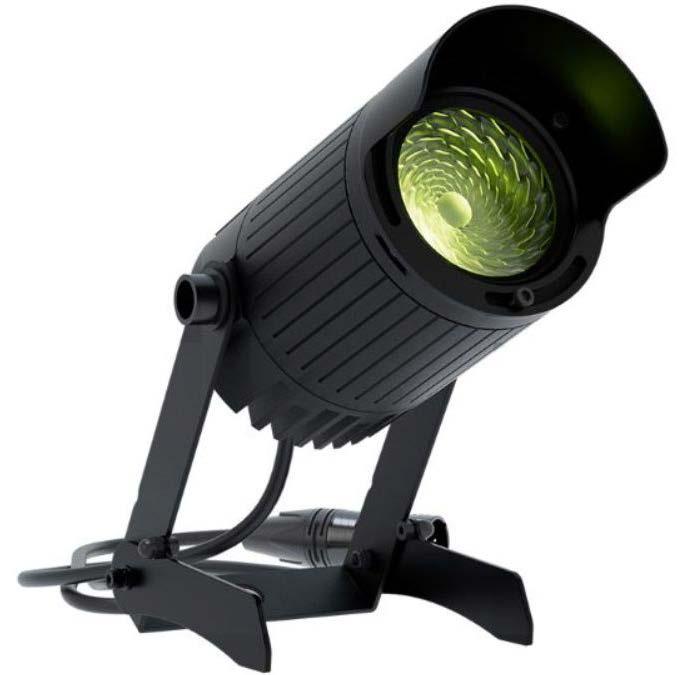
GLP has added a significant new member to its impression X5 series – the impression X5 Dot Wash. This is the most compact fixture in the line to date, and it brings the colour quality, consistency and system logic of the X5 platform to an ultra-compact form factor barely larger than a classic MR16 birdie. And it does so in complete colour harmony with the wider series.
The X5 Dot Wash has been designed for applications where powerful, high-quality light is required in the tightest of spaces. Whether deployed as a footlight in theatre productions, within scenery and props, in television studio setups or in architectural detail lighting, the fixture fills a gap for which no truly convincing LED solution has previously existed. An IP65 rating extends its suitability from conventional indoor environments to temporary or permanent outdoor use.
At its core is a 40-watt RGBL LED engine drawn from the X5 family, operating at up to 20 watts and delivering a light output of up to 550 lumens at 6,500 Kelvin. Weighing approximately 580 grams and fanless, the fixture is both remarkably light and completely silent in operation. A supply voltage of 24–48 V DC is sufficient. No dedicated external drivers or additional hardware are required. Control is available via DMX/RDM or wirelessly through GLP iQ.Mesh.
The X5 Dot Wash excels in the areas where small fixtures have historically forced compromise. The combination of the RGBL LED engine and GLP’s iQ.Gamut colour algorithm delivers precise colour mixing, consistent white points and finely graded pastel tones. Sixteen-bit colour control enables smooth transitions and clean dimming curves, which is a feature of particular importance in theatre applications where any stepping or irregularity in a fade is immediately visible.
One technically noteworthy feature with genuine practical value is the integrated twist-zoom mechanism. By rotating the front lens, the beam angle can be adjusted manually from 16° to 68° without altering the physical dimensions of the unit. That’s a real advantage in tight installation scenarios within scenery, props or architectural applications. Luminous flux remains largely stable across the entire zoom range, avoiding the output losses typical of conventional minioptics.
The Colour Boost function provides additional output when producing deep, saturated colours, allowing the X5 Dot Wash to achieve high intensity in bold hues that are wellsuited for accent lighting, atmospheric looks or pointed close-range effects.
The fixture has been designed with the practicalities of real-world deployment in mind. Integrated ¼” and ⅜” threaded sockets, an adjustable foot and a bracket for hanging installation provide maximum mounting flexibility. An optional adapter
allows the use of classic birdie accessories such as barn doors.
With the impression X5 Dot Wash, GLP is opening the X5 platform in an entirely new direction. For the first time, the colour quality and consistency of the X5 family are available in the form of a static fixture, meaning colours, white points and overall appearance remain consistent across the full series. The X5 Dot Wash works equally well as a standalone unit or as a discreet building block within a larger lighting system.
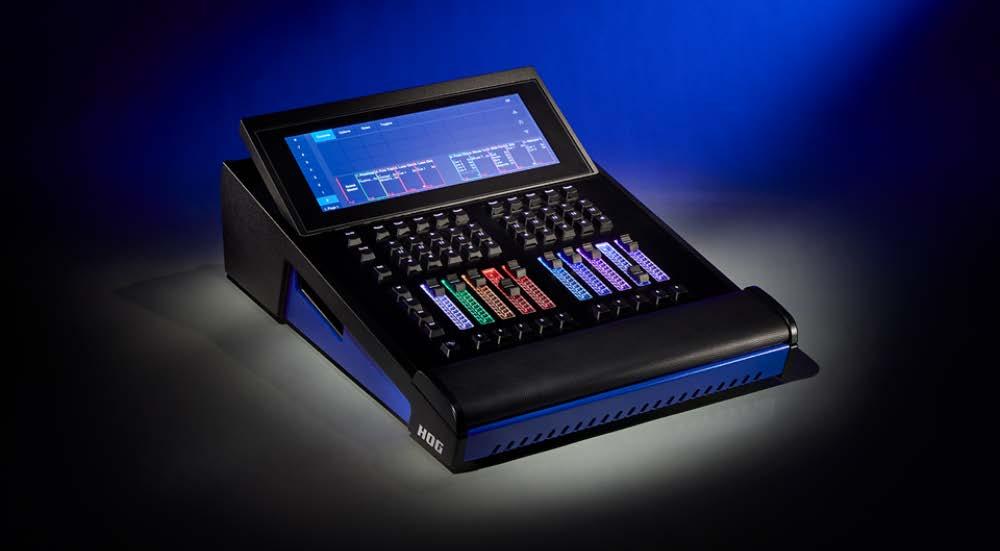
ETC has announced the newest member of the Hog family, the Tour Wing. This fullfeatured playback hardware is the go-to for Hog users in need of additional faders. With the same road-tested design as other Hog family members, the Tour Wing brings professional-quality motorized playback control to any Hog system.
Complete with ten motorized, RGB-backlit playbacks, RGB-backlit keys, and a full dashboard display, the Tour Wing seamlessly integrates with all consoles in the Hog family,
as well as the Hog PC, allowing you to unlock 12 universes of control directly. The addition of the Tour Wing to the Hog family allows you to customize your workflow with intuitive controls and a modular design, making the Tour Wing the ideal choice for productions of any size that require or desire a wider array of playback options.
The launch of the Hog Tour Wing brings with it the release of Hog OS v5.1. Tour Wing requires Hog OS v5.1 software. Version 5.1 supports the Tour Wing on all new Hog consoles, the HPU and Hog PC, and brings improvements to direct entry, adjusted UI for the dashboard displays and support for dashboard sleep, new toolbar defaults and additional functions for the U Keys.
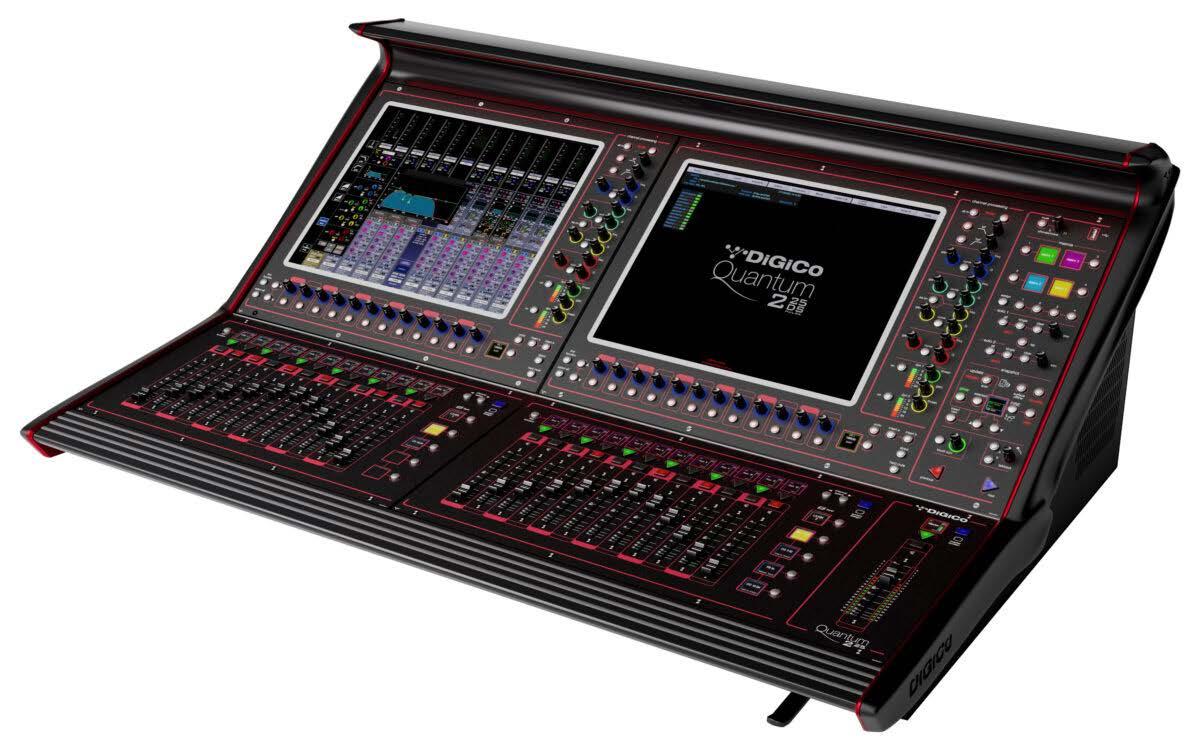
DiGiCo has unveiled the Quantum225 DS, a refined evolution of its widely deployed Quantum225 platform, engineered to meet the demands of fast-paced live production with enhanced control, expanded processing, and improved workflow efficiency.
Building on the Quantum225’s established foundation, the Quantum225 DS introduces a more capable and visually responsive worksurface. The most notable upgrade is the integration of dual 17-inch, full-colour, daylight-bright TFT multitouch displays, replacing the need for an external screen and delivering faster navigation with immediate access to critical mix parameters.
Processing power is further extended via the optional Pulse software package, increasing input channels from 72 to 96
and bussing from 36 to 48, while expanding Mustard and Nodal Processor capacities to 36 and 48 respectively. The inclusion of Mix Minus enhances routing flexibility, while the optional T software package introduces dedicated theatre functionality for specialised applications. Importantly, existing Quantum225 users can upgrade their systems to DS specifications, protecting longterm investment.
The console integrates 41 mini TFT displays for detailed visual feedback, alongside comprehensive connectivity including a 12×12 matrix, four MADI ports, dual DMI ports, 8×8 analogue and four AES channels for local I/O, as well as UB MADI, optional optical interfaces, Fourier Audio compatibility, and Waves SoundGrid integration. Dual redundant power supplies ensure reliability in critical environments.
Alongside the hardware launch, DiGiCo has released Version 22 software for its SD and Quantum platforms, introducing significant workflow and integration enhancements. Central to the update is the continued expansion of the Mustard processing suite, now featuring the Mustard Levelling Amp “Silver One”—a tube-inspired electro-optical compressor designed to add warmth while preserving dynamics, particularly on vocals and bass.
Snapshot functionality has been extensively refined, with Touch and Move reordering, aligned Overview panel views, and the introduction of Setlists within the Snapshots panel—allowing engineers to build flexible show structures from stored snapshots, particularly valuable in dynamic festival environments.
Timecode integration has also been strengthened, enabling snapshots to update recall times directly from timecode, alongside offset adjustments across multiple snapshots for faster show revisions.
Routing flexibility is enhanced with the inclusion of Groups in Aux to Fader mode, while Control Group faders now offer ±18dB adjustment, improving precision in complex mixes. Macro functionality has been expanded with reordering, advanced search, and new commands such as Switch to Bank and Set Security Mode.
Integration remains a key focus, with deeper connectivity to Sound Devices Astral wireless systems, providing real-time RF and telemetry data directly within the console interface. Further integration with Harrison’s LiveTrax 3 enables synchronised recording workflows, with transport control, snapshotlinked markers, and seamless virtual soundcheck functionality.
Additional refinements include improved diagnostics collection, enhanced Aux data handling, updated KLANG integration, and expanded visibility of Mustard processing activity—collectively reinforcing Version 22 as a substantial step forward in performance, flexibility, and operational control.
Harman Professional Solutions has introduced major updates to its FLUX:: ecosystem with the release of SPAT Revolution 26.04 and MiRA 26.04, delivering expanded immersive capabilities, enhanced workflows, and deeper system analysis tools across live production, fixed installations, and content creation.
SPAT Revolution 26.04 marks the platform’s first major update in two years, led by the introduction of Multi Media Recording and Playback. This enables users to capture, store, and reproduce immersive sessions directly within the software, supported by a built-in timeline-based media player. Crucially, it allows simultaneous playback and live object mixing, giving engineers the flexibility to combine preproduced immersive content with real-time performance elements within a single environment.
A new Cue Sequencer further strengthens show control, enabling programmable events to be triggered by internal or external conditions for tightly synchronised workflows. Spatial accuracy is also refined with Morphed Protection Zone, which adapts protection zone geometry to real-world venue layouts, ensuring smoother transitions and more consistent level behaviour for moving sound sources.
The update expands format compatibility with Audio Definition Model (ADM) import, allowing direct loading of Dolby Atmos ADMWAV files from DAWs without the need for stem exports or automation reconstruction— preserving mix integrity across applications. A significantly enhanced plug-in now provides full spatial control from major DAWs including
Pro Tools, Ableton Live, Nuendo, Logic Pro, and Reaper, while integrated FLUX:: processing consolidates source, room, and output processing within a unified workflow.
Additional enhancements include object movement animation, expanded synchronisation via LTC, MTC, and Ableton Link, advanced sub-matrixing for large-scale systems, and a redesigned interface with customisable layouts and expanded language support.
In parallel, MiRA 26.04 introduces a new AI-powered Auto EQ feature, enabling users to define target curves and automatically generate EQ settings for faster, more consistent system tuning. Native support for HARMAN with OF target curves ensures alignment with established performance benchmarks. Analytical capabilities are significantly expanded, with support for unlimited simultaneous input streams and up to 24 channels per stream, alongside improved measurement workflows that allow multiple computed curves, automated sequential measurements, and RTA-based analysis without a reference signal.
Further refinements include enhanced loudness metering with PLR and PSR metrics, improved I/O configuration, an auto-colour capture system, and a daylight mode— collectively positioning MiRA 26.04 as a more powerful and efficient real-time analysis solution.
lear-Com has introduced a major evolution of its intercom ecosystem, rolling out updates to the Arcadia Central Station and Eclipse HX Digital Matrix, powered by the new EHX v15 software. Together, these developments signal a decisive shift towards a unified, software-defined communications platform for modern broadcast and live production workflows.
At the core is EHX v15 for Eclipse HX, delivering expanded configuration, increased capacity, and enhanced network resilience. Central to the release is ARC (Access, Resource, Configuration), a new architectural model that decouples hardware from system behaviour. By removing fixed infrastructure dependencies, ARC enables intercom systems to dynamically adapt to users, devices, and workflows in real time—improving efficiency while reducing complexity.
Built across three layers, ARC introduces identity-based access, allowing users to log in across devices and locations; dynamic
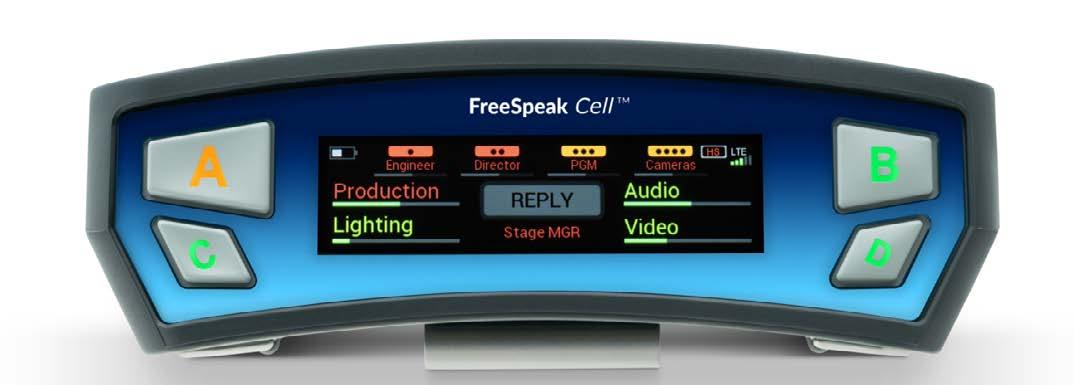
resource allocation for scalable system performance; and role-based configuration to ensure consistent workflows regardless of endpoint. This approach maximises system utilisation while reducing hardware overhead.
System enhancements extend Eclipse HX capabilities further, with expanded support for the FreeSpeak ecosystem and highdensity keypanels. Capacity now scales to 424 registered beltpacks, with up to 255 active simultaneously, supporting complex, high-demand environments across analogue, digital, and IP infrastructures.
Arcadia Central Station also benefits from key upgrades, including IFB support for expanded programme workflows and AES67 compatibility for improved IP interoperability. It continues to unify FreeSpeak wireless, HelixNet wired beltpacks, V-Series keypanels, and analogue partyline within a single scalable platform.
In parallel, Clear-Com has launched FreeSpeak Cell, a next-generation wireless intercom system leveraging LTE and 5G networks. Debuting at NAB 2026, it eliminates reliance on congested RF spectrum, extending full-duplex communication beyond traditional venue limits to support wide-area and distributed productions.
Designed for scalability, FreeSpeak Cell supports 100+ beltpacks and can expand to hundreds of users depending on network configuration. Its dual SIM architecture enables operation across public, private, or hybrid cellular networks, while global frequency support ensures adaptability across international deployments. By utilising existing cellular infrastructure, the system reduces RF complexity, accelerates deployment, and enables greater operational scale.
Integrated with Eclipse HX, with Arcadia and Gen-IC compatibility planned, FreeSpeak Cell extends Clear-Com’s ecosystem into wide-area communication—reinforcing a future defined by flexible, software-driven production workflows.
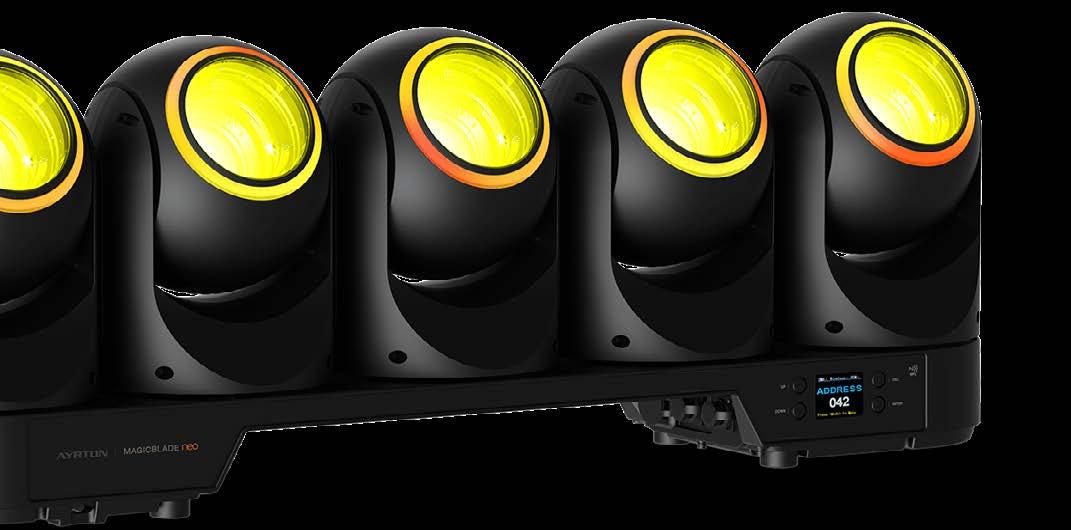
Ayrton has expanded its Creative Series with MagicBlade Neo, a new linear fixture concept that redefines modular lighting design. Conceived as a highly flexible luminaire, it enables the creation of reconfigurable light curtains, volumetric effects, and multidimensional structures, marking a clear evolution in creative stage lighting tools.
Built on the foundation of the MagicDot Neo, the IP65-rated MagicBlade Neo integrates five independently controllable moving heads within an ultra-compact form factor, spaced just 3mm apart. A newly engineered structure minimises vibration, ensuring mechanical stability and precise alignment even under demanding conditions. This precision extends across multiple units, allowing fixtures to align seamlessly and form
continuous, uninterrupted lines of light—ideal for dense matrices, linear compositions, and perspective-driven effects.
Each unit is powered by five 120W RGB-L multi-chip LED sources paired with highefficiency 100mm optics, delivering a colour palette of 4.29 billion hues. A virtual CTC and Virtual Tint channel support high CRI output, while intensity reaches 5 x 17,000 lux at 5 metres, providing the punch required for high-impact environments. Optically, MagicBlade Neo features a 2-element 10:1 zoom system, enabling smooth transitions from Beam to Wash across a 3° to 30° range. Flicker-free operation ensures suitability for broadcast and camera-critical applications.
Creative flexibility is further enhanced by a LiquidEffect ring surrounding each lens, comprising 60 individual pixels. This enables intricate graphic effects, either independently or layered with the primary beams, significantly expanding visual possibilities. Continuous pan and tilt rotation across all five heads, combined with the “Short Cut” function for precise movement control, allows for fluid, complex visual compositions.
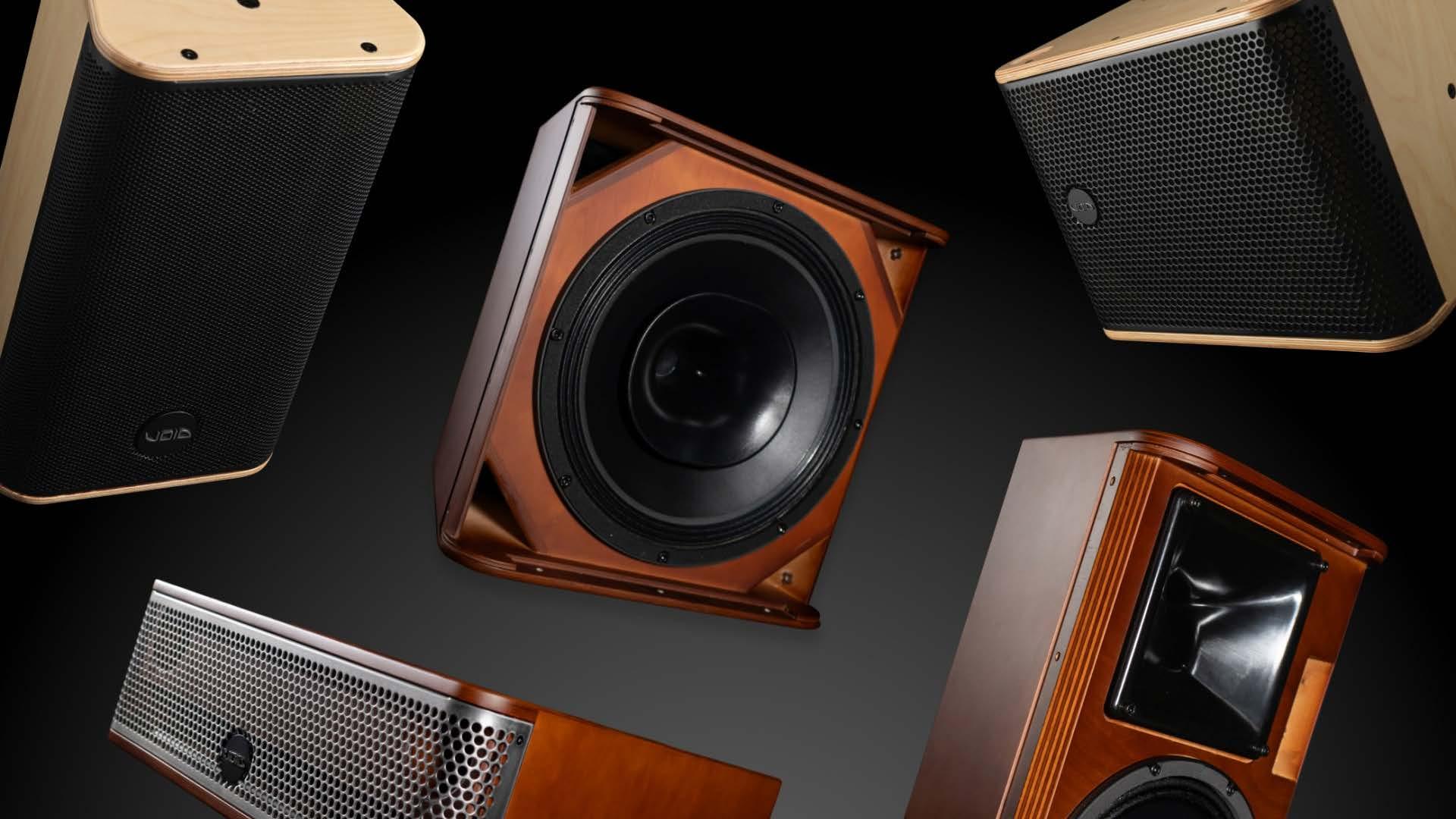
Void Acoustics is responding to the growing convergence of sound and spatial design with the expansion of its Natural Wood finish option across the Venu V2 Series, signalling a clear shift towards audio systems that are as visually considered as they are sonically capable. Driven by increasing demand from design-led hospitality venues, listening bars and retail environments, the move sees what was once a custom offering transition into a more accessible, standardised option within the portfolio.
The newly formalised Natural Wood Collection is now available across the Venu V2 range in two real timber finishes—Barewood and Vintage—each tailored to complement distinct interior aesthetics. From May 2026, the Venu 6 V2, Venu 8 V2 and Venu 208 models will be available as stocked items
in Natural Wood. The Natural Wood models are built to the same acoustic and structural standards as their standard counterparts, ensuring identical performance, full system compatibility and installation flexibility across the range.
Aesthetically, the Barewood finish retains the natural tone and visible grain of the timber, lending itself to light, contemporary interiors often associated with minimalist and Scandinavian-inspired spaces. In contrast, the Vintage finish applies a deeper, oak-inspired stain that enhances the grain structure while introducing warmth and depth, aligning well with boutique hospitality settings and heritage-driven environments.
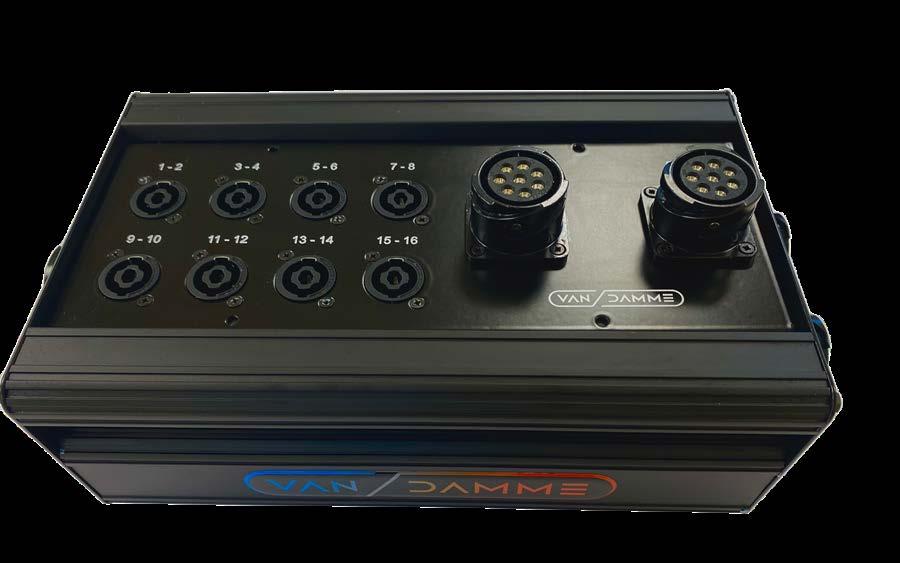
Van Damme has launched the VDC-32 Breakout Box; with the new solution created to compliment L-Series loudspeakers from L-Acoustics offering users a cost-effective way to deploy large and complex audio systems.
Receiving signal via a VDM 37 male panel mount, the VDC-32 delivers output through eight Neutrik NL4MPXX SpeakON connectors and four 8-pole PA-CON connectors. Internally, the unit utilises Van Damme’s premium 32 x 1.5mm speaker cable throughout, ensuring consistent signal integrity and performance aligned with the demands of high-end touring and rental applications. Engineered for durability, the breakout box is built to withstand the rigours of live production while maintaining a price point that supports increasingly cost-sensitive rental markets. And to balance quality with affordability, the VDC-32 is manufactured to order, introducing lead times that require advance project planning. However, this approach enables tighter cost control while preserving the brand’s established build standards.
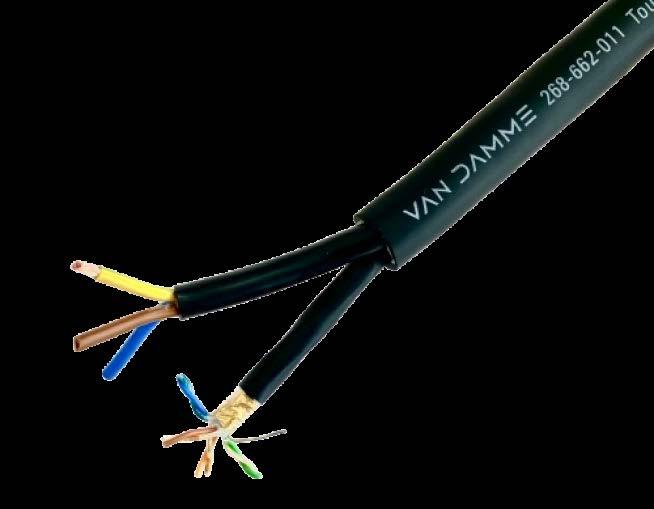
Alongside this launch, Van Damme has expanded its Tourcat Hybrid Multicore range with the introduction of a new 1 x Cat 6A / 1 x 3x2.5mm Power and Data multicore, addressing the growing need for integrated cabling solutions in applications such as LED wall deployments.
Designed as a single-cable solution, the hybrid multicore combines high-bandwidth data transmission with power delivery, eliminating the need for separate cable runs and streamlining deployment workflows. Its compact construction—measuring just 17.2mm in diameter with a bend radius of 15 times its diameter—ensures flexibility and ease of handling in space-constrained environments. Technically, the Cat 6A element features ultra-pure oxygen-free copper conductors, a skin-foam-skin polyethylene dielectric, and an aluminium/ polyester foil screen exceeding 115% coverage, ensuring robust signal integrity. The integrated power cable is a 3x2.5mm² HO5VV-F compliant design, rated at 20A, meeting established standards for safety and performance.
Exploring India’s nuanced live events ecosystem that continues to matures under pressure
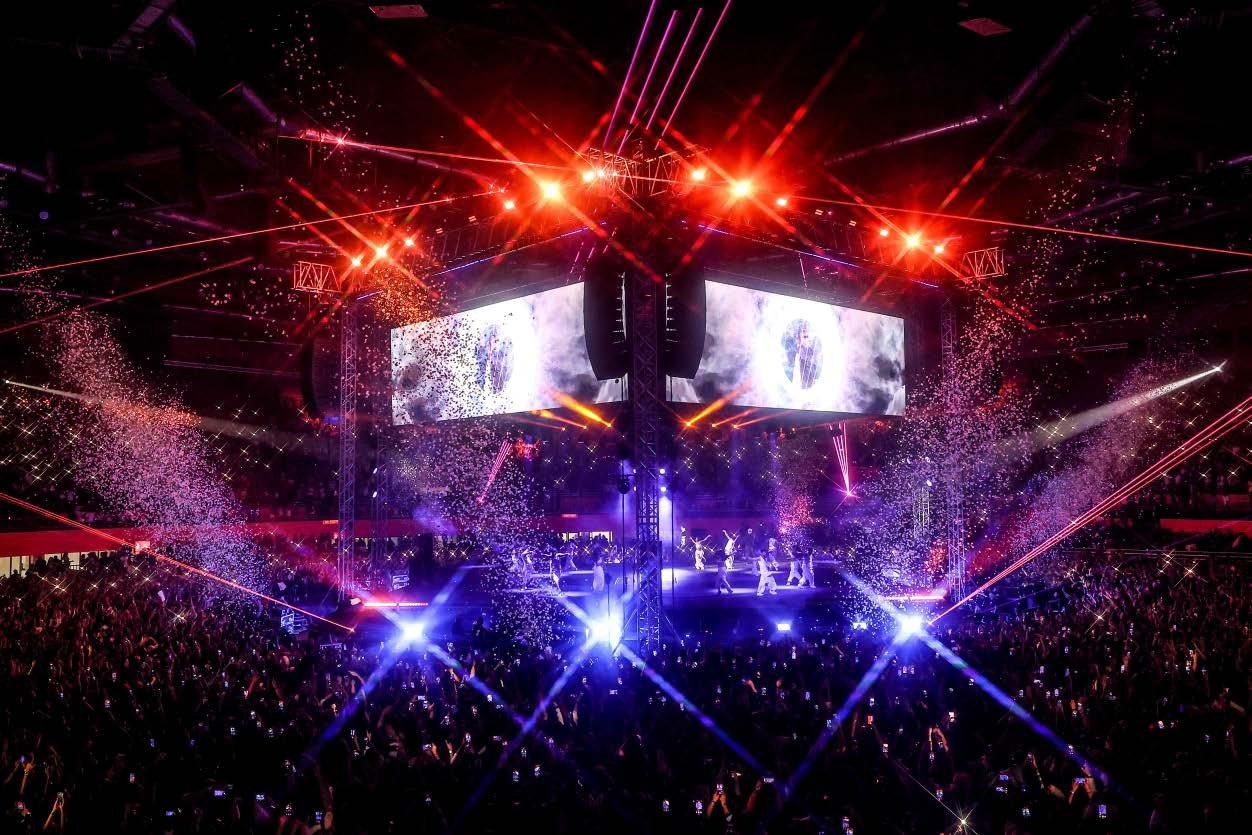
India’s live events industry, which was once viewed as an extension of entertainment and hospitality, has rapidly evolved into a serious business ecosystem; one that now influences tourism, infrastructure, government policy, experiential marketing, and large-scale technology investment. And the numbers tell a compelling story.
According to the latest FICCI-EY report of March 2026, India’s media and entertainment sector grew by 9% in 2025 to reach INR 2.78 trillion, with live events emerging as one of its strongest growth drivers. Most notably, the live events segment recorded
an extraordinary 44% growth in 2025, fuelled by ticketed concerts, major public events, religious gatherings, and largeformat experiential productions. Alongside, the BookMyShow–EY Parthenon report of March 2026 places India’s live events market at approximately INR 13,000 crore (US$1.41 billion), highlighting that 78% of Indian consumers now prefer spending on experiences over products, while 59% recall brands they engage with during live events and 55% report stronger purchase intent after such interactions.
Government attention has followed swiftly. The Ministry of Information & Broadcasting formally established the Live Events Development Cell (LEDC), a single-window facilitation mechanism designed to support India’s ‘concert economy’ and position the country among the world’s leading live entertainment destinations by 2030. The organised live events market, already valued at INR 20,861 crore in 2024 and growing at 15%, is projected to continue expanding at an estimated CAGR of 18%. This is perhaps the clearest institutional recognition yet that live entertainment is definitively policy-worthy – a fact that’s clear in the Maharashtra government’s decision to introduce a singlewindow clearance system for permissions and approvals, along with formal SOPs for live entertainment events and concerts. A dedicated 25-member panel has been constituted to draft a comprehensive and industry-friendly framework aligned with the Centre’s model; and this, for a market like Mumbai — arguably India’s live entertainment capital — could prove transformative.
Meanwhile, the market too is learning that scale must be matched by structure. Across 2026, postponements and rescheduling of major concerts and touring shows have highlighted persistent challenges around venue readiness, permissions, traffic management, audience logistics and commercial viability. Industry observers, however, see these not as signs of weakness, but as symptoms of a rapidly maturing market correcting itself.
Demand is strong, and the ecosystem supporting it must evolve at the same pace. And this is precisely where the professional event technology sector becomes central to the conversation.
For global manufacturers, India is now a decisive market shaping product strategy itself. The scale of productions, the speed of deployment, and the increasingly uncompromising expectations around reliability and performance impact are forcing manufacturers to think differently, design faster, and support deeper.
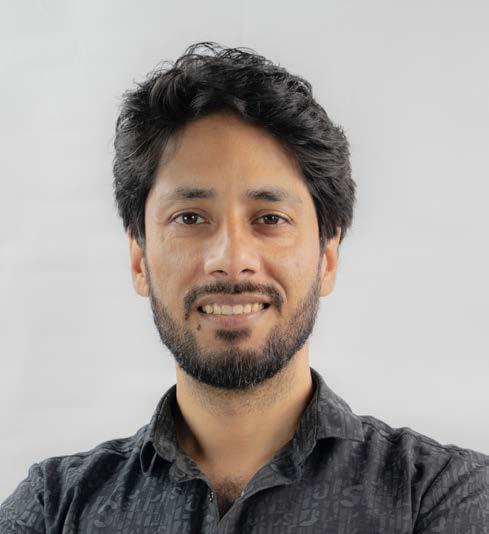
For Giant Truss –India’s leading trussing and stage infrastructure manufacturer that enjoys global presence and acclaim – Director, Arvind Singh, points to India’s growing appetite for stadium-scale productions, global touring shows, political mega-events, and high-impact corporate spectacles as clear indicators of where the market is headed. “The Indian live event industry is rapidly shifting toward large-scale, highload infrastructure, driven by stadium-level concerts, global tours, and high-impact political and corporate events,” he explains. “We are seeing strong demand for massive roof structures, aluminium stage systems, and high-capacity PA towers—now essential for delivering scale, safety, and visual impact” – a point that has pushed Giant Truss to intensify its focus on next-generation roof systems, modular aluminium stages, and robust PA towers engineered for higher loads, larger spans, and faster deployment. “Our focus is not just scale, but precision engineering, structural integrity, and onground efficiency,” Arvind adds. “As events grow larger, our goal is to build infrastructure that enables safer, bigger, and more spectacular productions.”
A similar evolution is being witnessed by SIXTY82 – Doughty Asia (SDA) where the conversation is increasingly centred around movement and efficiency. Menze Van der Sluis, Managing Director of SDA, notes that dynamic motion has become a defining creative language in modern live productions. “We are seeing a strong increase in the use of movement within live productions, which is becoming a key creative element in modern shows. Systems such as the Moveket KES (Kinetic Entertainment System) enable dynamic movement of set pieces, props, and even performers; with uncompromised safety. Alongside, high venue utilisation across India is driving demand for efficient load-in/loadout processes, which is met by solutions like SIXTY82 Arena Frame. The system allows rapid setup, is fully movable when assembled, height-adjustable, tool-free, and foldable for efficient storage. More importantly, India’s price-sensitive yet performancefocused market demands value-led reliability. And this is met by the new PROTOS Atlas chain hoists, which offers IP65 protection, ease of use, durability with a three-year warranty, compliance, and fast, cost-efficient availability” he says.
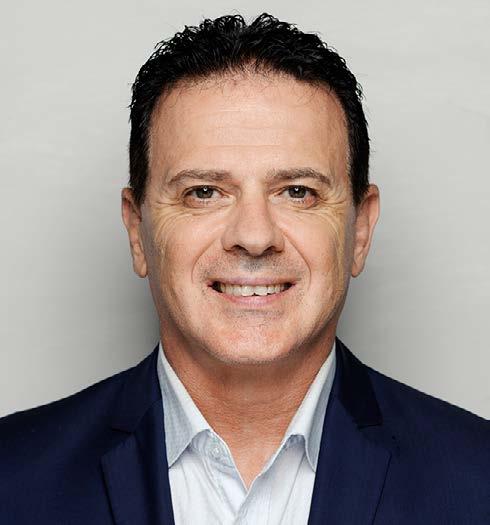
In the lighting segment, MA
Lighting International sees India rapidly embracing networked ecosystems rather than isolated fixtures.
Franco Zaghini,
Director of Business
Development, highlights the accelerated adoption of network-based lighting control, timecode integration, and hybrid show
environments that merge live production with broadcast workflows. “We see strong adoption of grandMA3 consoles and our MA-Net3 architecture, especially for largescale concerts, festivals, and corporate spectaculars,” he says. “India’s production ecosystem is demanding more reliability and versatility, and we continue to align our product roadmap to ensure MA users can seamlessly bridge design, pre-visualization, and show execution within one platform. The scale and ambition of Indian productionsoften involving massive LED surfaces, sync lighting, and fast turnarounds - drive our commitment to higher processing power and real-time responsiveness. Feedback from Indian designers has directly shaped refinements within grandMA3 software, particularly in workflow simplification and multi-user session stability.”

That same demand for scalable performance is equally visible in live sound. For L-Acoustics India’s transformation has been both dramatic and measurable. Peter Owen, Regional
, notes that the sector has seen more than sevenfold revenue growth since Covid, driven by what he describes as the genuine professionalisation of the industry. “The demand is clearly for large-scale, high-SPL, deployable systems that don’t compromise on audio quality,” he says. “Products like our K Series and the newly launched L Series are resonating strongly because they were designed around exactly this need: maximum acoustic performance, integrated cardioid control for clean stage and audience separation, and fast, error-free deployment. The L2, for example, integrates cardioid
behaviour natively, keeping deployments clean and stage-ready at any scale.” He also points to how Indian productions are now exporting that ambition globally. Arijit Singh’s landmark sell-out at Tottenham Hotspur Stadium in the UK and the record-breaking Jana Nayagan audio launch concert in Kuala Lumpur, attended by 85,000 fans, were both powered by L-Acoustics systems supported by Indian and regional partners. “These aren’t outliers; they’re signals of a market that has professionalised rapidly and is now exporting its scale and ambition to the world,” Owen remarks.

For Sennheiser India the transformation is being driven by complexity in RF environments and the growing importance of software-defined workflows. Piyush Mahajan, Business Head – Live Performance & Music Segment, points to the strong adoption of premium wireless ecosystems built for reliability and scalability. “There is a shift towards solutions that deliver RF stability, scalability, and seamless integration as productions become more complex,” he says. “Technologies such as networked audio, remote monitoring, and real-time control are gaining traction, driven by the need for efficiency and precision in high-pressure environments.” He adds that solutions such as Digital 6000, EW-DX, and 2000 IEM systems are seeing strong adoption because they can perform reliably in congested spectrum conditions, while innovations like Spectera are shaping the future of softwaredriven wireless deployment. “We are prioritising plug-and-play usability, simplified frequency coordination, reduced hardware footprint, and enhanced remote monitoring and control,” Mahajan explains.
Across all five manufacturers, one theme emerges consistently: India is demanding better systems. Reliability must be engineered, not promised. Speed of setup must be designed into the product itself. Interoperability across disciplines is no longer optional.
That demand is also exposing another pressing reality: technology adoption is often moving faster than technical training. Whether it is rigging safety, networked lighting architecture, digital RF management, or advanced loudspeaker deployment, manufacturers agree that the skills gap remains one of the industry’s most urgent challenges.
Arvind notes that formal training in rigging, load management, and safety compliance still lags behind the pace of event growth, prompting Giant Truss to conduct structured workshops across major cities with internationally certified experts. Van der Sluis echoes this concern, affirming that SDA has taken concrete steps to address this by running regular seminars at PALM Expo, location-based one-day rigging workshops, certified quarterly rigging seminars in Kuala Lumpur, and Moveket training programmes in Germany.
Franco points to MA University as a key part of building not just operators, but network technicians and system designers capable of leveraging advanced control systems. Peter highlights L-Acoustics’ global Certified Provider programme, ensuring that a certified provider in Mumbai operates to the same standards as one in London or Kuala Lumpur. Meanwhile, Piyush underlines Sennheiser’s collaboration with institutes such as Audio Academy, TAG Institute, SeamEdu, SoundIdeaz, and MMI to strengthen India’s talent pipeline for digital wireless deployment.
If manufacturers are fuelling the future of live production, it is India’s distribution partners who are translating that innovation into commercially viable, on-ground reality. Distributors today are strategic advisors shaping investment decisions, technology adoption, and long-term business sustainability for rental companies and integrators alike.
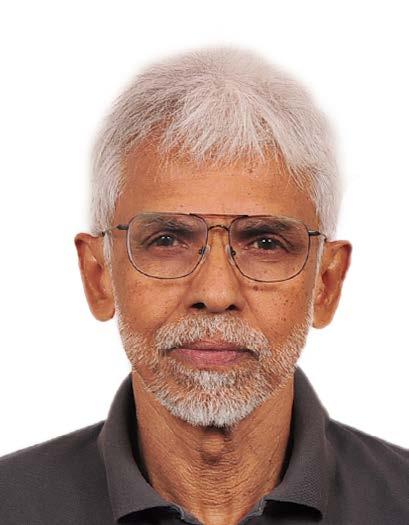
For Ansata which represents globally respected brands including d&b audiotechnik, AVID, WAVES and DPA Microphones in India, the shift in buyer mindset is both visible and decisive. Director Leslie Lean observes that the Indian rental market has moved beyond basic functionality towards performance-led decision-making. “Earlier, it was sufficient for systems to simply function; today, audio quality has become a primary consideration,” he explains, pointing to the rising influence of international touring acts and increasingly discerning audiences.
Leslie highlights strong demand for highperformance systems such as the SL-Series from d&b audiotechnik for large-format productions, while compact systems like the CL-Series continue to support MICE and smaller-format events; ensuring utilisation across multiple applications. This evolution, he notes, extends across the entire signal chain, with rental companies investing in mixing platforms like the Avid VENUE S6L and Waves eMotion LV1 Classic for their
scalability, reliability, and workflow efficiency. “Importantly, rental businesses are thinking long-term, driven by utilisation through larger shows, cross-rental ecosystems, and dry hire,” he adds, underlining a clear transition towards a mature, quality-focused market aligned with global production standards.
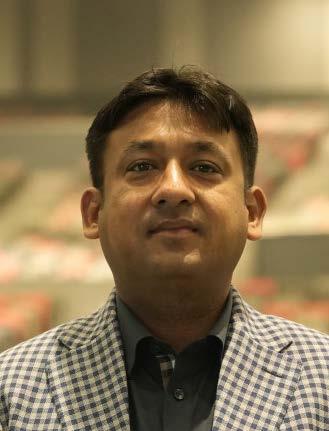
A similar, albeit more sharply articulated shift is outlined by Nirdosh Aggarwal, Managing Partner at Hi-Tech Audio & Image whose portfolio spans leading brands such as L-Acoustics, RCF, DiGiCo, MA Lighting, MADRIX, Luminex and more. For Aggarwal, the transformation is philosophical as much as it is technological. “Indian rental companies have evolved from buying equipment to investing in ecosystems,” he asserts. “The conversation today is no longer about ‘What costs less?’—it is about ‘What performs better, scales faster, and delivers stronger ROI.”
Referencing product-lines like L-Acoustics’ K, L and A series, RCF’s HDL series, DiGiCo’s Quantum Series, and MA Lighting’s grandMA3, among others; he emphasises that rental houses are now prioritising rider-friendly, future-ready technologies with strong residual value and interoperability across concerts, corporate events, broadcast environments, and immersive experiences. “We don’t sell boxes—we curate interoperable, future-proofed solutions that reduce total cost of ownership and increase utilisation,” Nidrosh adds, capturing the essence of modern distribution strategy in India.
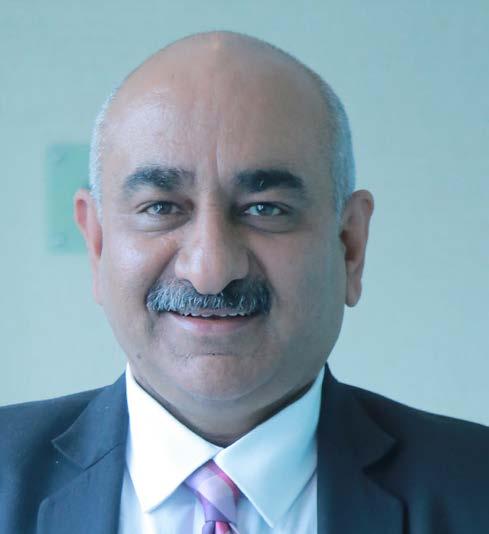
At Sun Infonet which partners with brands such as SHURE, Meyer Sound, Allen & Heath and more; Director Neeraj Gupta presents a layered view of a market that is simultaneously expanding and diversifying. He notes a growing preference for rental over ownership among event companies, production houses, and corporates seeking to remain asset-light, alongside a strong demand for premium, reliable systems for high-stakes applications such as government summits, corporate AGMs, and large concerts.
Neeraj also points to the rapid rise of hybrid and digital-first event formats, driving investment in unified communications and wireless ecosystems, while Tier-2 and Tier-3 markets are emerging as significant growth engines for mid-tier systems that balance cost and performance. “Rental companies increasingly value gear that lasts longer, is serviceable, and reduces replacement cycles,” he notes, adding that inventory diversification, tech-enabled asset management, and distributor-backed financing models are becoming central to business strategy.
Across all three distributors, the interplay between aspiration and pragmatism defines the Indian market. While demand for cuttingedge technologies — immersive audio, AV-over-IP ecosystems, premium digital consoles, intelligent lighting, and networked infrastructure — continues to surge, purchasing decisions remain tightly anchored to ROI, lifecycle value, and serviceability. Nirdosh notes, “India is one of the most aspirational yet commercially disciplined markets in the world,” he says. “Customers
want the latest technologies — but every investment is measured through ROI, utilisation, reliability, and serviceability.” He underscores that premium solutions command value not merely through performance, but through rider acceptance, faster deployment, lower downtime, and long-term durability. “Technology may close the sale. Service closes the relationship. And relationships build markets,” he adds, succinctly defining the distributor’s role in a high-stakes environment.
Leslie echoes this sentiment, stating that the focus has clearly shifted towards long-term performance and uptime. According to him, technologies such as cardioid dispersion, ArrayProcessing, immersive audio workflows, and advanced audio networking protocols like Dante and MILAN are increasingly becoming baseline expectations; adding that Ansata’s nationwide service network, spare part availability, and remote diagnostics capabilities ensure minimal downtime and operational continuity.
Neeraj reinforces this viewpoint; affirming that Sun Infonet nurtures enduring relationships with their clients through a structured approach that spans tiered product strategies, flexible financing models, bundled solutions, and strong after-sales support infrastructure. From regional service hubs in emerging markets to predictive maintenance, technician training, and certification programmes, Sun Infonet’s model is built around reducing risk while maximising utilisation.
Yet, beyond technology and commerce, distributors are now custodians of knowledge; bridging the gap between sophisticated systems and their effective deployment. For Neeraj, this extends into a comprehensive ecosystem approach
that includes localised expertise, pre-sales design assistance, on-site deployment support, certification programmes, regional workshops, and dedicated experience centres across Bengaluru, Delhi, and soon Mumbai. “By embedding knowledge transfer, application support, and training into our distribution model, we ensure that cuttingedge technologies are not just imported but absorbed, applied, and monetised effectively in India,” he explains.
Leslie too emphasises that high-performance systems deliver results only when they are designed and operated correctly, which is why Ansata integrates structured training, on-site deployment support, and ongoing certification programmes into every engagement. As India’s official Dante training partner, the company is also extending expertise into audio networking, ensuring a holistic understanding of modern production ecosystems.
Nirdosh positions knowledge transfer as a foundational pillar of Hi-Tech’s business model, with certified workshops, technical seminars, live demonstrations, and application-driven training programmes spanning brands and disciplines. From Soundvision and system optimisation training with L-Acoustics to advanced console workflows with DiGiCo and programming education with MA Lighting and MADRIX, the focus is on enabling real-world capability. “Technology is only as powerful as the people using it,” he remarks. “The stronger the knowledge ecosystem, the stronger the market adoption.”
If manufacturers are redefining technology and distributors are enabling access, it
is India’s rental companies and technical service providers who ultimately carry the responsibility of execution; translating ambition into reality, often under immense logistical, creative, and commercial pressure, while investing not only in equipment, but in systems, processes, and people.
For Reynold’s Sound & Lighting one of the country’s most established full-service production houses, the approach is rooted in continuous evolution. Director Selwyn Remedios frames the challenge in the context of a globally competitive market. “Events, on a global scale, are constantly evolving and adapting to emerging trends. Event planners are continually seeking innovative ways to captivate audiences, whether through creative concepts or the integration of cutting-edge technology that enhances the overall experience,” he explains.
He adds that India is no exception. “The scale and ambition of live events are equally impressive, with production standards often matching those of international events in both quality and technological sophistication.”
For Reynold’s, this has meant consistently upgrading inventory across audio, trussing, and staging systems to meet global benchmarks. However, Selwyn is clear that equipment alone is not the differentiator.
“Technology alone is not enough. Equally important is having a skilled and experienced team capable of leveraging that technology to deliver seamless, high-impact experiences that truly resonate with audiences.”
one of the country’s premier world-class lighting and visual technology service providers, the response to scale has been both aggressive and methodical. Founder-Director Ulhas Sahasrabuddhe outlines a significant expansion of both control and display ecosystems, including the addition of multiple MA3 Full Size consoles, a large pool of MA3 processing units, advanced Art-Net networks, and NovaStar 4K processing systems. Lighting investments have included nextgeneration fixtures such as Robe Fortes and Ayrton Veloce, alongside what he describes as India’s most advanced RoboSpot setup with LTX follow systems.
The scale of operations is equally telling. “Our systems and crew structure are designed to handle 20+ active sites simultaneously,” Ulhas notes, citing a single weekend in March where SSL executed ten large-format shows across India, each deploying between 300 to 1000 fixtures and up to 5000 square feet of LED, supporting artists including Def Leppard, KeinMusic, Rishabh Sharma, and Karan Aujla. For SSL, inventory is only one part of the equation—deployment capability defines true scale.
Stagecraft one of the country’s most trusted staging and infrastructure service providers, the transformation is being driven by structural complexity and heightened safety expectations. Director Mankaran Singh highlights how dramatically
client demands have evolved. “Clients now expect bigger builds, faster turnarounds, and much higher safety and engineering standards, all at the same time,” he states.
The company’s response has been a sustained focus on long-term infrastructure investment, particularly in Cuplock and Ringlock scaffolding systems that offer higher load capacity, faster installation, and greater flexibility for large-scale productions. Simultaneously, Men-At-Work has invested heavily in static engineering software, structural analysis tools, and Vectorworks to ensure that challenges are identified and resolved at the design stage itself. “It’s not just about having more gear. Rather, it’s about having the right systems in place to deliver safely, efficiently, and at the level today’s productions demand,” Mankaran emphasises.
Yet, while ambition continues to rise, the operational realities remain complex. Across all three companies, logistics emerges as one of the most persistent challenges. Ulhas points to the cost and efficiency of moving equipment across multiple cities as a critical concern, particularly for ticketed events operating within tight margins. His response lies in strategic planning; aligning projects geographically, optimising equipment movement, and reducing downtime.
Selwyn, meanwhile, highlights the complexity of managing large teams across concurrent events, with Reynold’s overseeing more than 175 on-ground personnel. To address this, the company has developed a custom inhouse ERP system designed to streamline equipment allocation, team coordination, and logistics management. “We recognised that the most effective solution was to build a system around our workflow, not force our workflow into a generic system,” he explains.
For Mankaran, the challenge is equally commercial. “Client expectations keep getting bigger, but budgets keep getting tighter,” he observes, pointing to rising costs across materials, transport, manpower, and technology. With high capital investments in staging systems, rigging infrastructure, and engineering tools, ROI must be viewed through a long-term lens. At the same time, the shortage of skilled manpower — particularly experienced riggers and structural supervisors — continues to be a critical concern. In response, Men-AtWork has expanded its capabilities into a fully integrated offering spanning design, engineering, rigging, and execution, while also launching INSTATECH – a venture supplying certified rigging hardware and accessories – to address gaps in access to certified rigging hardware.
A commonality that emerges clearly across all three perspectives though, is that training is foundational. As Ulhas notes, “The pace at which technology is evolving means that simply owning equipment is not enough. Teams must be equally proficient in deploying it,” he states, highlighting the company’s integrated in-house ecosystem of designers, engineers, riggers, and electricians, supported by hands-on training programmes aligned with international touring standards. This capability, he notes, has enabled SSL to support global artists including Enrique Iglesias, Travis Scott, Ed Sheeran, The Lumineers, and Def Leppard with confidence and consistency.
Selwyn underscores the importance of continuous learning, with Reynold’s investing heavily in in-house training, real-world simulation setups, and the use of advanced design tools such as AutoCAD, Vectorworks, and ArrayCalc to validate deployments before execution. “Our teams regularly set
up and test equipment within our warehouse to simulate real-world conditions, ensuring that even the most complex designs can be executed flawlessly before being committed to a client. This hands-on approach allows us to identify challenges early and maintain a high standard of delivery; and the integration of technical expertise and practical training enables our teams to confidently execute increasingly sophisticated, multi-disciplinary event solutions with precision and efficiency.” he shares.
For Mankaran, training is perhaps the most critical investment of all. “Equipment keeps improving, but people are still the real backbone of every successful project. A structure is only as safe as the team putting it together. This is why we run regular internal training for production, rigging, and temporary demountable structures, with a strong focus on safe assembly, load awareness, rigging discipline, and understanding why something is engineered a certain way - not just how to build it. We also spend a lot of time on Vectorworks and pre-production workflow training so our design teams and site teams work with better coordination” he asserts, also pointing to Men-At-Work’s active involvement in the EESA Rigging Certification programme aimed at raising industry-wide standards.
India’s live events industry is no longer chasing growth; it is learning to control it. What emerges is a market that is maturing fast; where ambition is now tempered by accountability, and technology is only as valuable as the expertise behind it. The opportunity is enormous. But from here on, only those who can consistently deliver at scale will define India’s next chapter.
DiGiCo Powers the Pulse of Wonderfruit
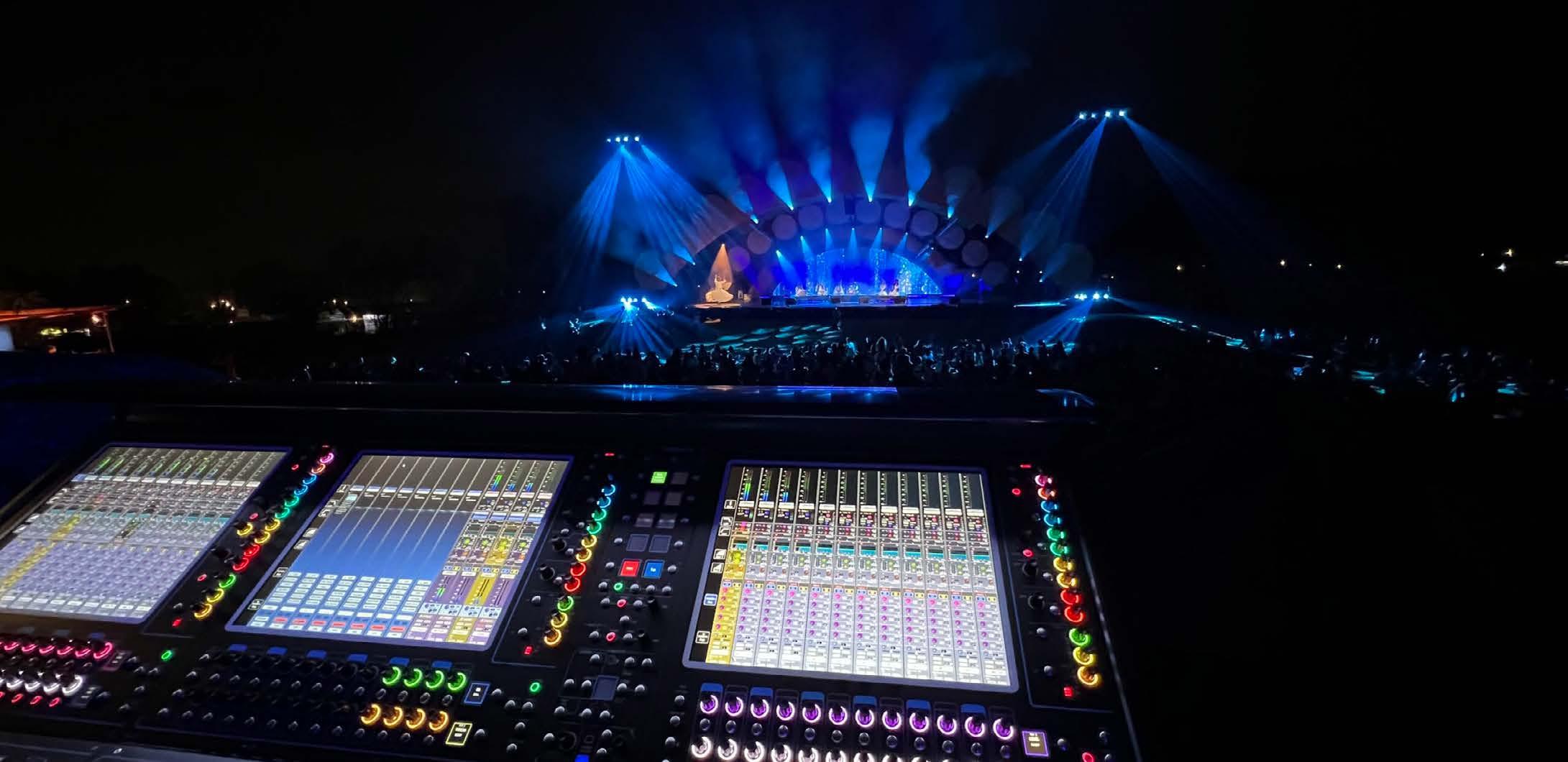
Set against the forested expanse of The Fields at Siam Country Club in Chonburi, Thailand, Wonderfruit has evolved over the past decade into one of the region’s most distinctive cultural gatherings; where music, art, sustainability, and community converge in a continuously active, multisensory environment. Supporting this sprawling, round-the-clock experience is a comprehensive DiGiCo audio ecosystem, with ten consoles deployed across the festival site by Mr. Team Productions alongside technical support from Fuzion Far East DiGiCo’s Thailand distributor.
With six primary live stages and a multitude of additional performance and workshop spaces operating non-stop over five days, the festival demands an audio
infrastructure that is both highly adaptable and uncompromisingly reliable. The DiGiCo lineup in use spans the Quantum Q338, SD10, SD12 and S21, ensuring coverage across diverse applications; from headline stages to spontaneous late-night gatherings. This flexibility allows the production team to respond dynamically, deploying consoles wherever required to maintain the festival’s uninterrupted flow of activity.
“We have been working with Mr.Team Productions and the Wonderfruit team for many years,” explains Joshua Oates, Business Development Director at Fuzion Far East. “Throughout that time, the festival has grown from 2,000 attendees to the 35,000 enjoying the extravaganza it is today. Using DiGiCo consoles not only guarantees
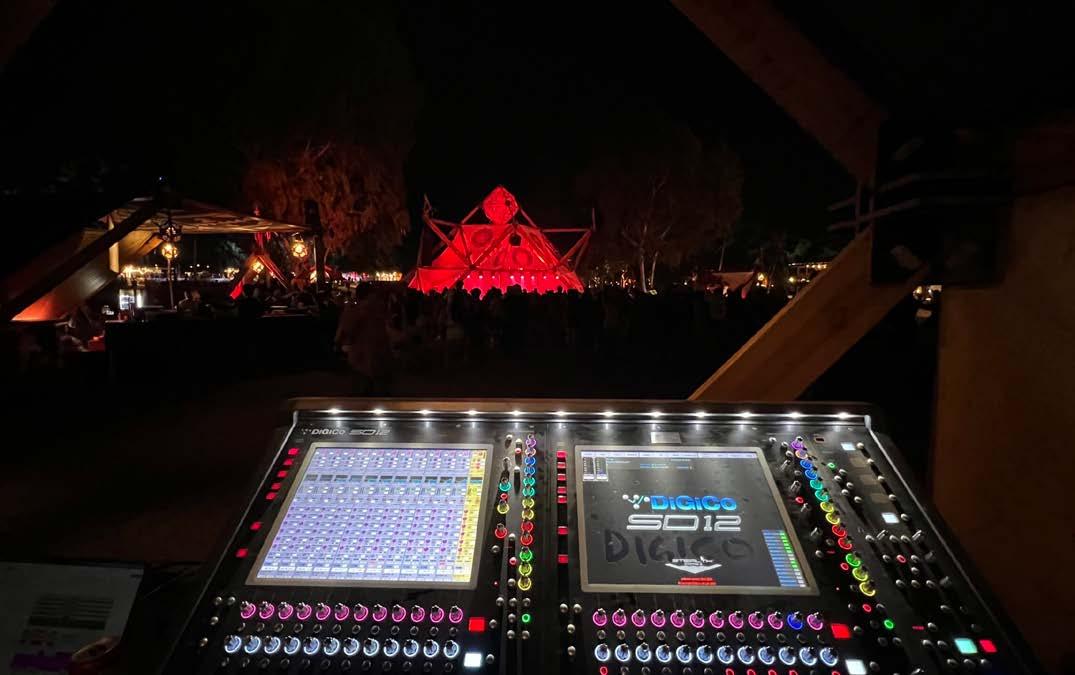
a clean and reliable sound for every stage, it gives us an opportunity to demonstrate exactly what we can do with a wide range of consoles.”
Mr.Team Productions, responsible for the majority of the festival’s audio delivery, operates in an environment shaped as much by nature as by technology. Dust remains a persistent challenge across the site, with fine particles capable of infiltrating sensitive equipment. Yet, according to Suat ‘Pok’ Kohkiat, Director of Mr Team Productions, the resilience of the DiGiCo platform ensures operational continuity even under such conditions.
“We have been supporting the show for a decade, so we are used to the dust! We now have a special treatment for the faders that helps us deal with it,” he explains. “DiGiCo support is great, and the consoles are riderfriendly and robust. We know that visiting engineers will be able to turn up with their show files and get started. Everything just works.”
The scale of operations further underscores the importance of consistency and ease of use, with over 100 personnel on site, including sound engineers and stage crew. For Fuzion Far East, the festival also serves as a real-world demonstration
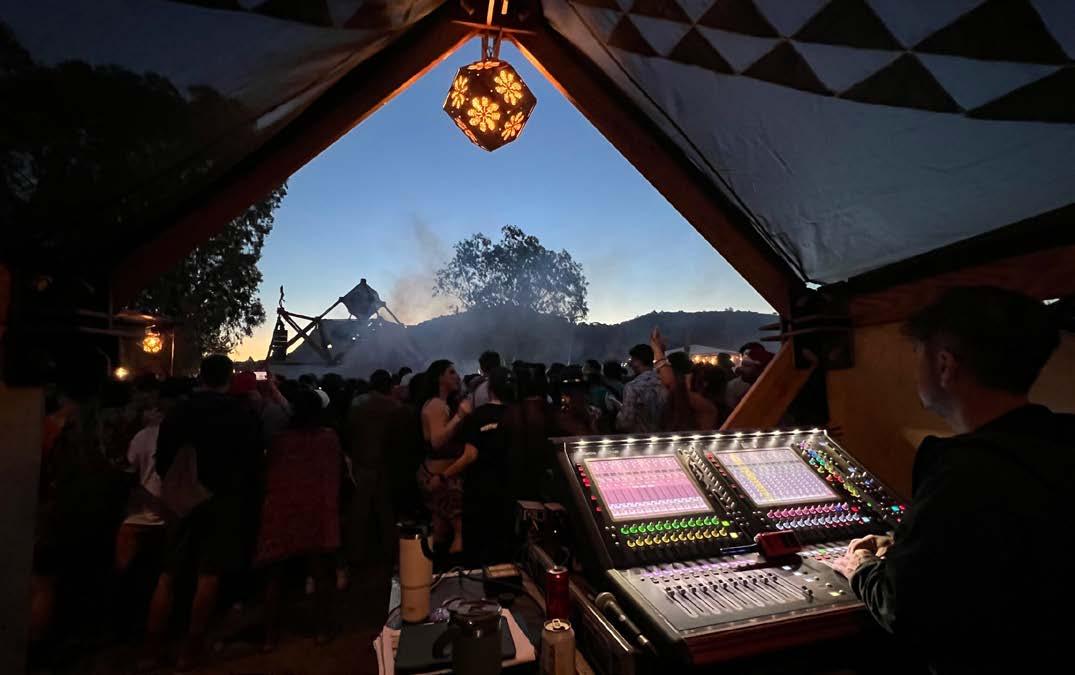
platform, showcasing DiGiCo’s capabilities in demanding, live conditions to both existing and prospective clients.
“With so many staffed stages we had over 100 people on site, from sound engineers to stage-crew, so we needed desks that were reliable and accessible,” Oates continues. “DiGiCo is a consistently reliable digital console, so we actually take our clients, perspective and current, to the festival to show them exactly what is possible.”
For Kohkiat and his team, the DiGiCo ecosystem simplifies workflows across the board—from visiting engineers seamlessly loading their show files, to in-house teams preparing offline and executing with confidence on-site. As Wonderfruit continues to expand its footprint and ambition, the underlying audio infrastructure remains a critical enabler of its unique identity.
“We’re very familiar with the festival now,” he concludes. “My duty is to be on my bike cycling around to every stage, checking it out to make sure everything is OK. I’m a delivery service for my crew. It is more than a festival, it is a lifestyle, during the day we even provide a sound system for cabins, and then cooking or yoga classes. DiGiCo consoles fit right in, they are on everyone’s rider and they always work.”
Hippotizer Drives High-Impact Visual Storytelling at Momentum Global Development Finance Conference
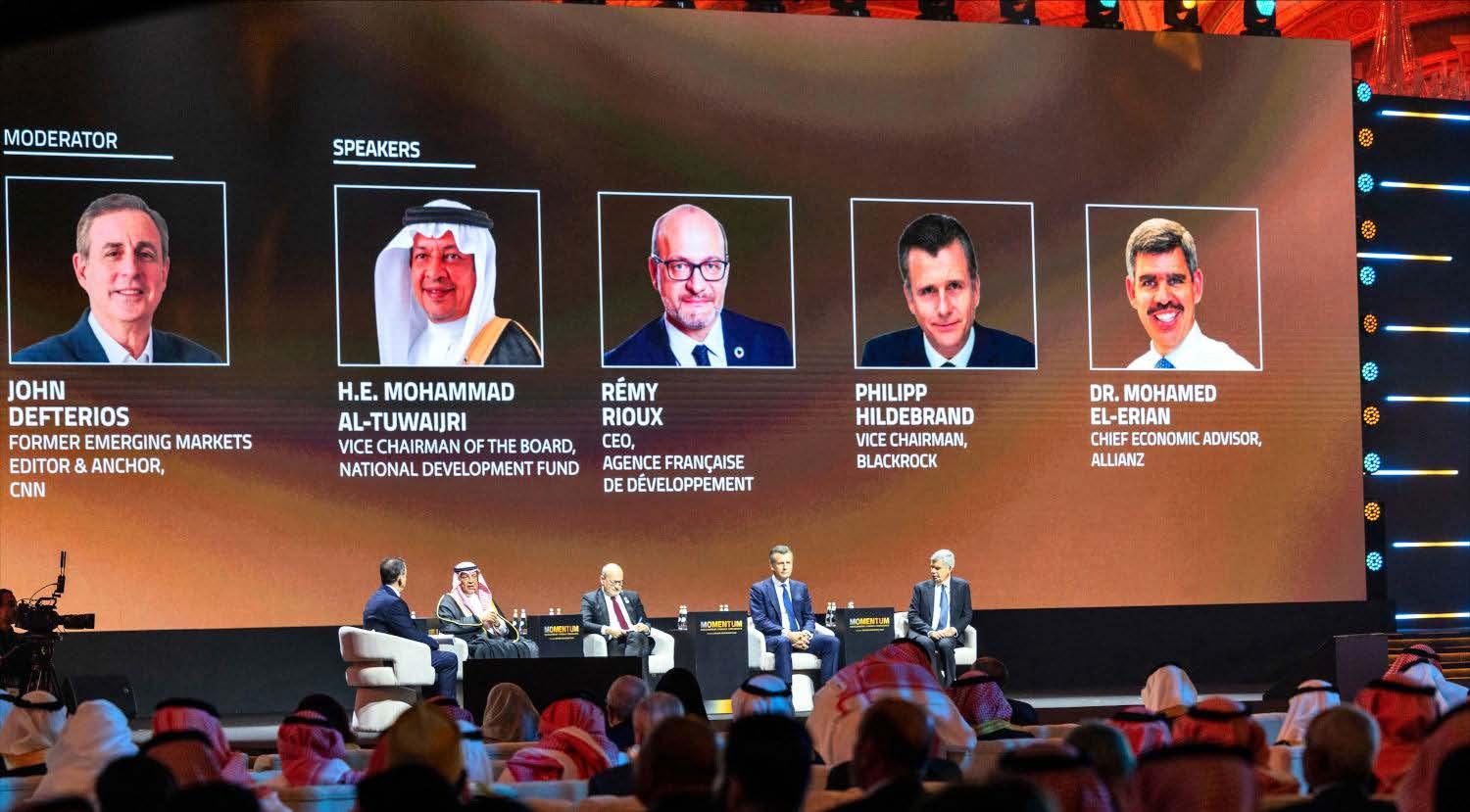
The Momentum Global Development Finance Conference delivered a visually immersive environment shaped by real-time playback, compositing, and multi-surface mapping, with Green Hippo’s Hippotizer Media Servers forming the backbone of the video system. Delivered by HiLights Group in collaboration with La Gloire at the King Abdulaziz Conference Center, the production brought together lighting, video, and stage design into a tightly integrated creative ecosystem.
HiLights Group deployed Hippotizer Boreal MK2+ and Karst+ Media Servers, building a system architecture designed for both flexibility and resilience in a high-pressure live environment. “We designed the system around Hippotizer for flexibility and
resilience,” says Ahmed Mohsen, Head of Video at HiLights Group. “It supported high-resolution outputs, dynamic transitions, and seamless synchronization across all visual and lighting elements. “Hippotizer gave us maximum reliability without compromising creativity, and the confidence to execute complex sequences while remaining adaptable to changes during the show.”
Held under the patronage of His Royal Highness Prince Mohammed bin Salman bin Abdulaziz Al Saud, the event demanded a cohesive approach where video and lighting operated in complete sync, supporting narrative flow while responding dynamically to the evolving structure of the conference. “Lighting and video played a central role in
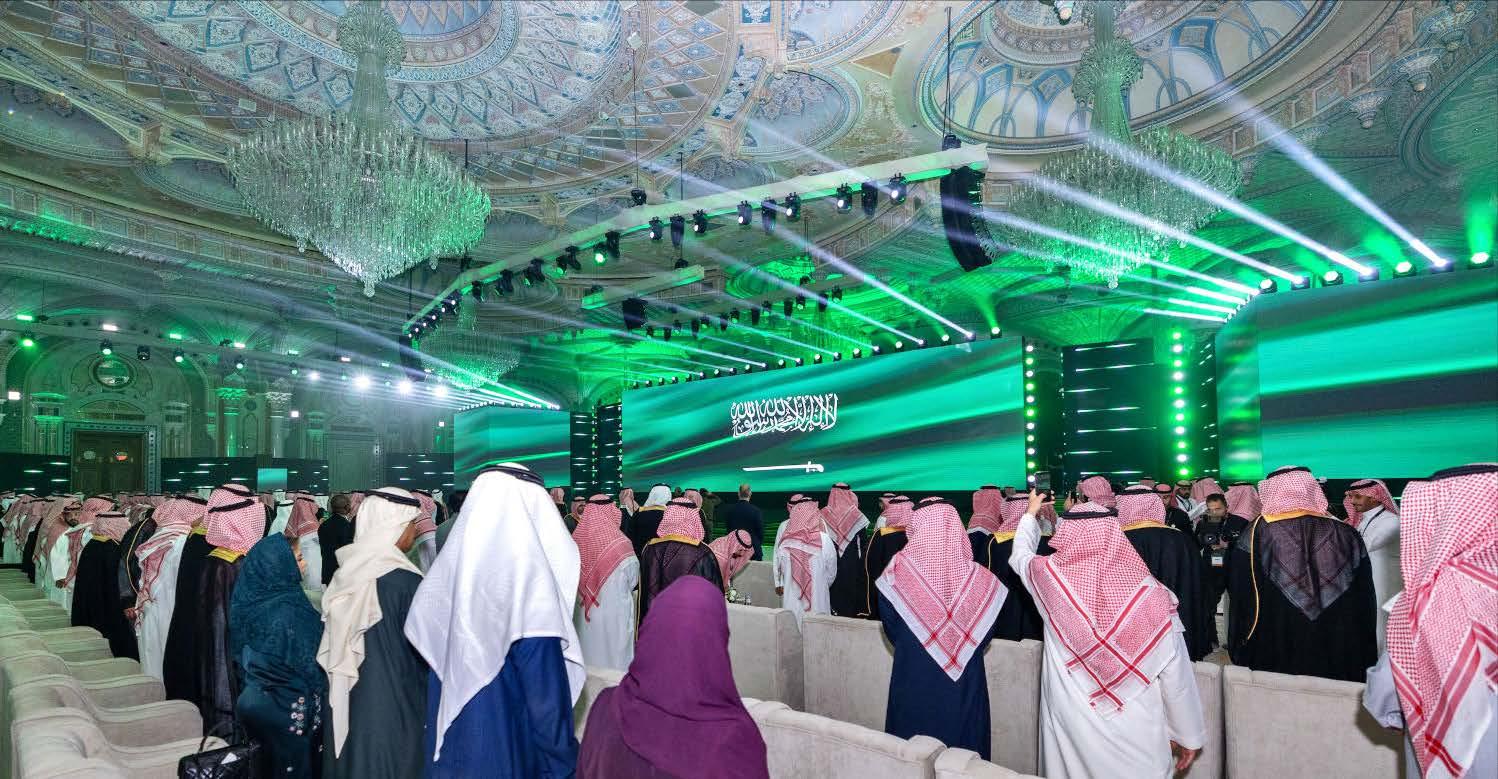
shaping the atmosphere,” Mohsen continues. “We used a wide range of color palettes, movement, and contrast - from bold, highenergy looks to softer, ambient scenes - to create depth and emotional variation.”
Visual content was designed to complement this approach, combining high-resolution graphics, layered compositions, and motiondriven elements mapped across a clean, architectural stage environment. The result was a flexible visual canvas where content could evolve seamlessly across different segments of the programme.
Configured with synchronized timelines and redundancy systems, the Hippotizer platform ensured uninterrupted playback throughout live operation. “Its ability to handle realtime compositing and multi-output mapping allowed us to maintain both precision and flexibility in a fast-paced environment,” Mohsen adds.
A defining aspect of the deployment was its integrated workflow. Using Hippotizer’s Pin
Bridge tool, operators were able to control video parameters directly from the lighting console, enabling tight synchronisation between lighting cues and video content while enhancing creative responsiveness.
“MIDI control further enhanced real-time interaction, giving us a tactile interface for triggering clips, adjusting layers, and manipulating effects during rehearsals and live operation,” says Mohsen. “The Timeline tool structured the show, aligning visual sequences with timecode and key moments, while still allowing manual overrides when needed.”
Operational efficiency was further enhanced through the Mix Preset feature, which enabled rapid recall of complex visual states, reducing programming time and streamlining transitions. Hippotizer’s ZooKeeper network solution allowed multiple servers to operate as a unified system, supporting synchronised playback, shared content, and centralised control across all outputs. “This was critical for maintaining consistency across large-
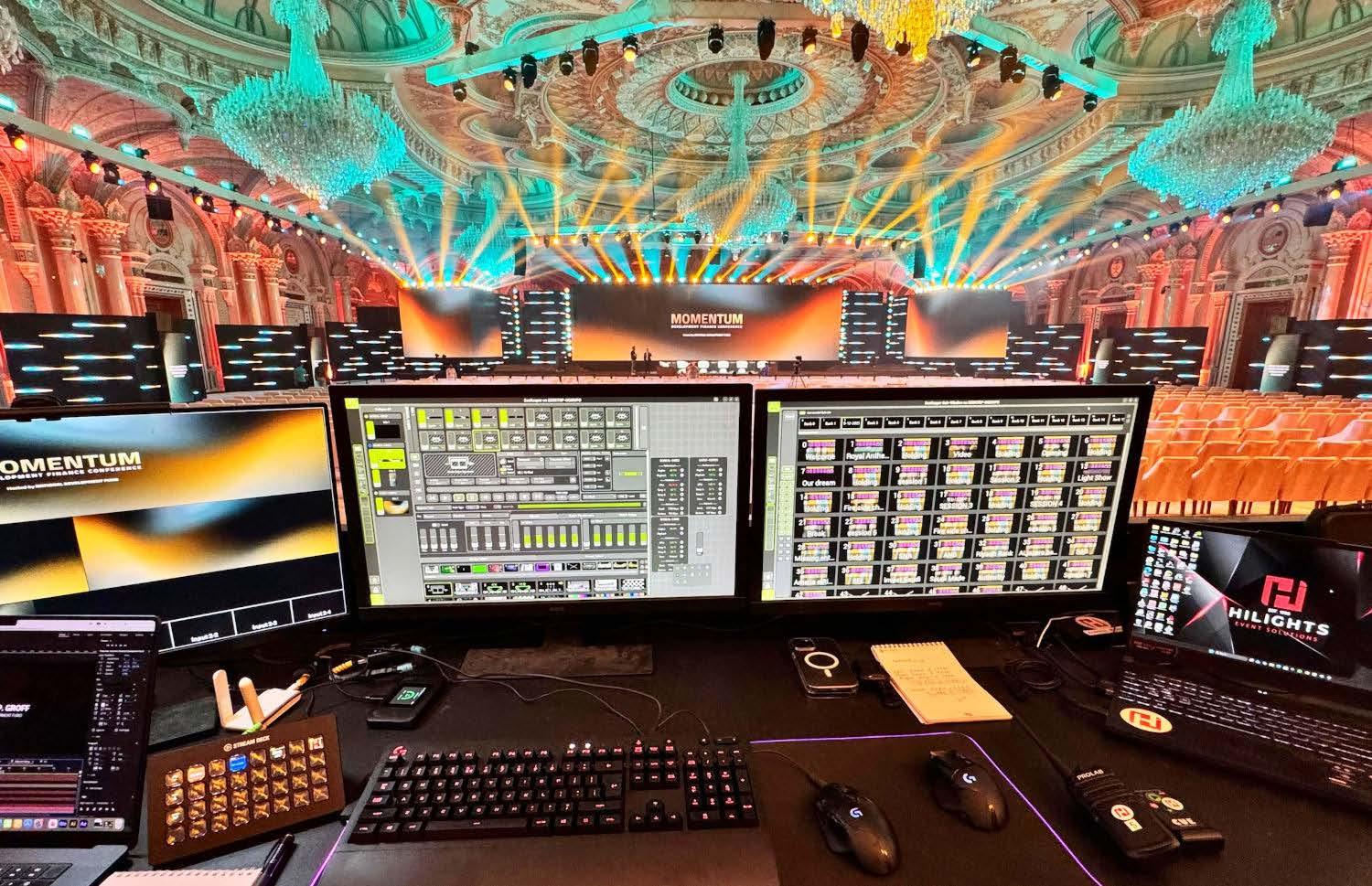
format LED displays and mapped scenic elements,” Mohsen notes. Redundancy planning played a key role in ensuring system stability throughout the event. “The biggest challenge in live production is adapting to last-minute changes,” he adds. “Hippotizer allowed us to make adjustments seamlessly, without impacting performance.”
HiLights Group delivered a comprehensive end-to-end solution encompassing design, pre-visualisation, technical planning, and onsite execution, with close collaboration across teams ensuring smooth integration of all AVL components.
The result was a series of visually striking moments, from high-impact opening sequences to cinematic transitions where lighting and video worked in tandem to shape mood and energy. Large-scale mapped content added dimensionality and
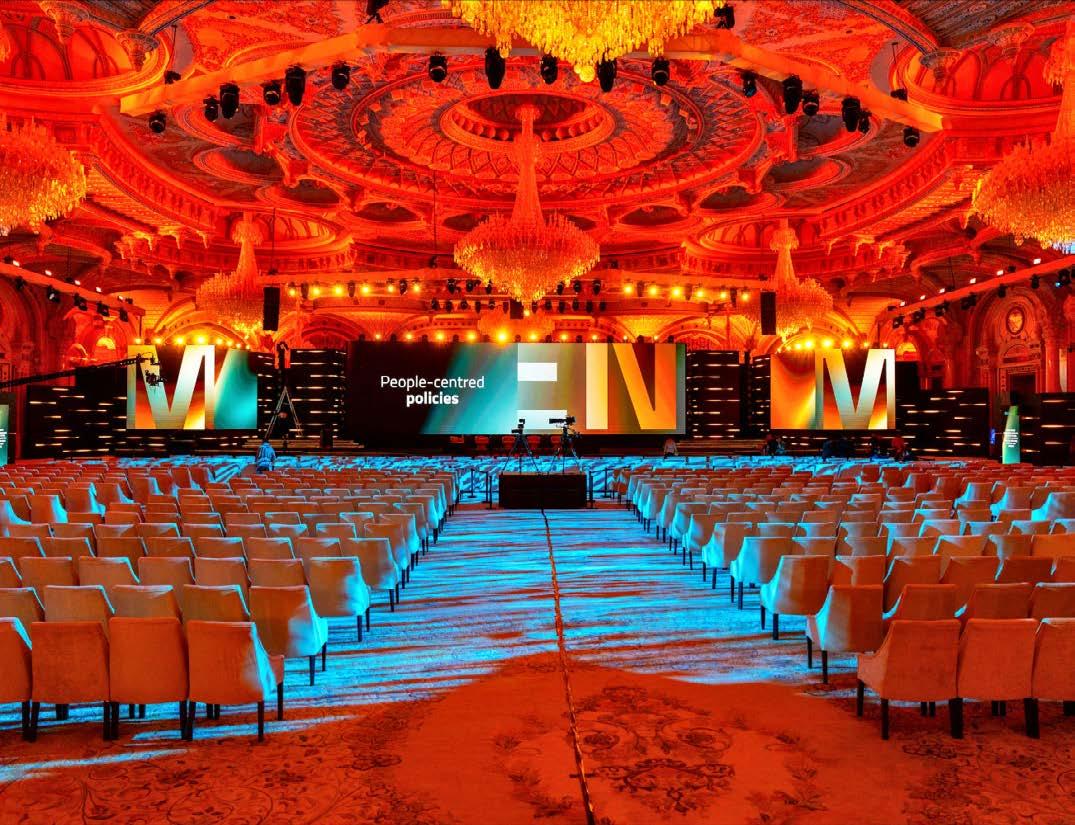
perspective, while more restrained scenes provided contrast and clarity. “Audience response reflected the success of this approach,” concludes Mohsen. “The visuals played a key role in driving engagement and creating a memorable, immersive experience that supported both the performance and the overall storytelling.”
L-Acoustics L Series Powers Fox Xia’s Cinematic Arena Spectacle in Beijing
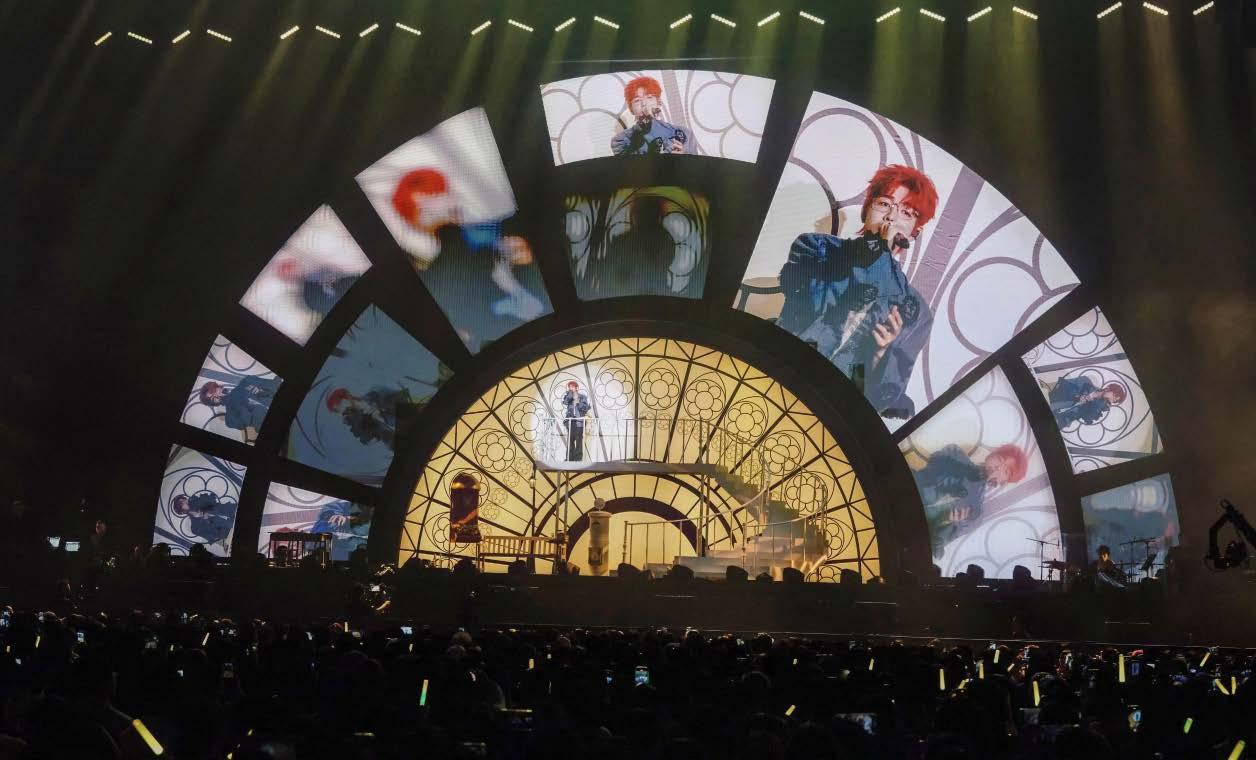
Fox Xia’s “Those Years · Time Cinema” tour arrived at Beijing’s 19,000-capacity Wukesong Arena with a production that blended cinematic storytelling with vocaldriven performance, underpinned by a meticulously deployed L-Acoustics L Series concert sound system. Designed and delivered by Beijing SMILING SAMOYED , a rental partner of L-Acoustics Certified Partner Rightway Audio Consultants (RAC) , the system was engineered to deliver pristine vocal clarity across the vast arena while supporting the show’s immersive visual narrative.
Rising to prominence after winning Taiwan’s One Million Star in 2010, Fox Xia has built a strong reputation through his extensive soundtrack work across television, film and gaming, with his breakout hit “Those Years” from You Are the Apple of My Eye amassing over 100 million views on YouTube. The Beijing show, originally scheduled for April but postponed due to weather, transformed Wukesong Arena into a multi-decade journey through Chinese pop culture, demanding a sound system capable of maintaining both emotional nuance and high-output performance.
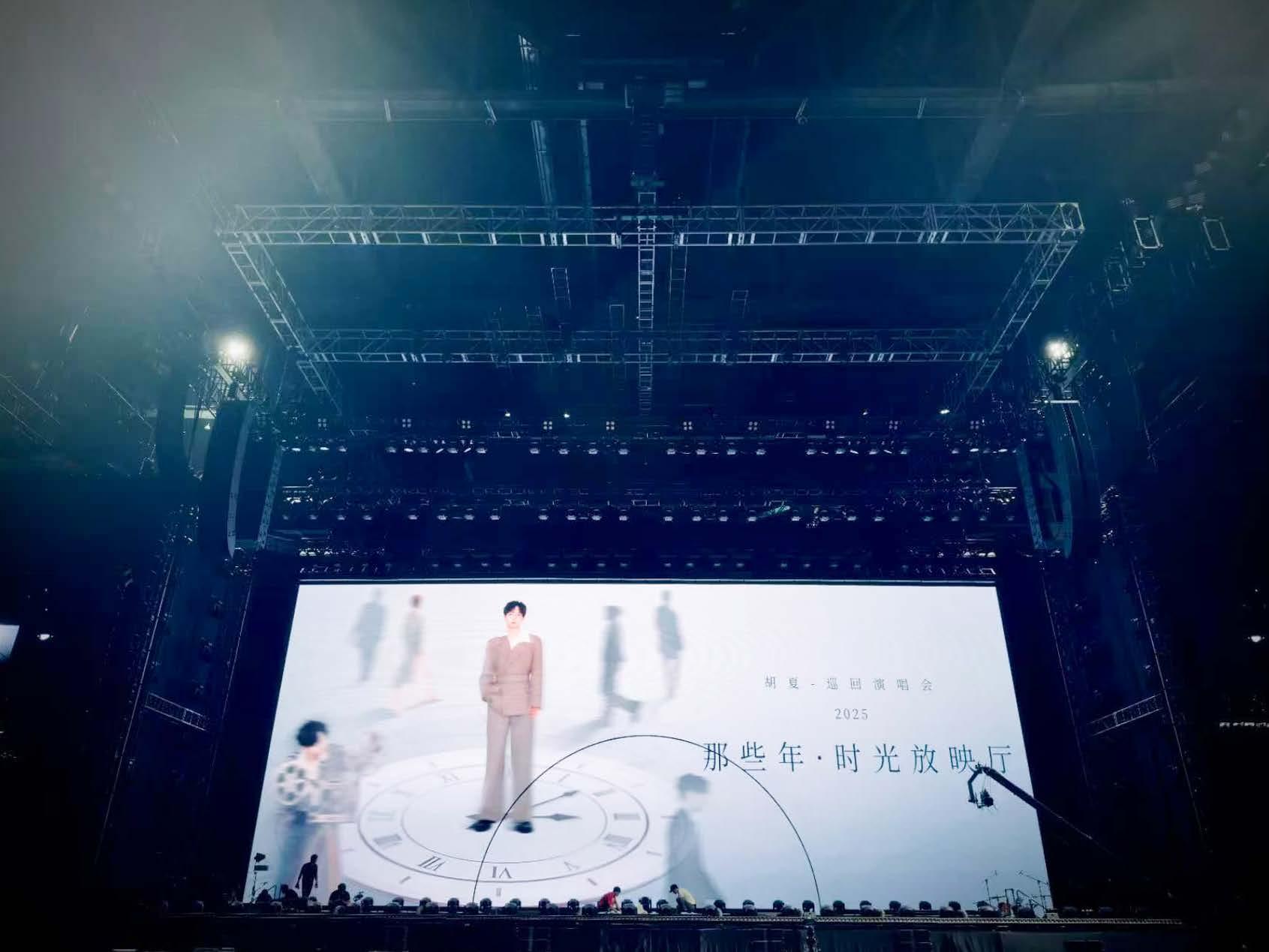
system.
Covering 63,000 square metres, the venue required precise system design to ensure consistent coverage across all audience zones. The deployment featured L-Acoustics’ new-generation L Series as both the main and side-fill systems. Main left and right arrays comprised three L2 and one L2D enclosure per hang, with six KS28 subwoofers flown in cardioid configuration behind each array. Side-fill arrays mirrored this setup with three L2 and one L2D per side. Low-frequency reinforcement was further supported by six ground-stacked clusters of two KS28 subwoofers each, also configured in cardioid mode, with two Kara II enclosures stacked atop each cluster to provide front-fill coverage.
“L-Acoustics L Series was chosen for both its ultra-high SPL capability and its lightweight design,” explains Zheng Xiaofei, Sound Director. “At the same time, the reduced L-Acoustics L Series was chosen for both its ultra-high SPL capability and its lightweight design.
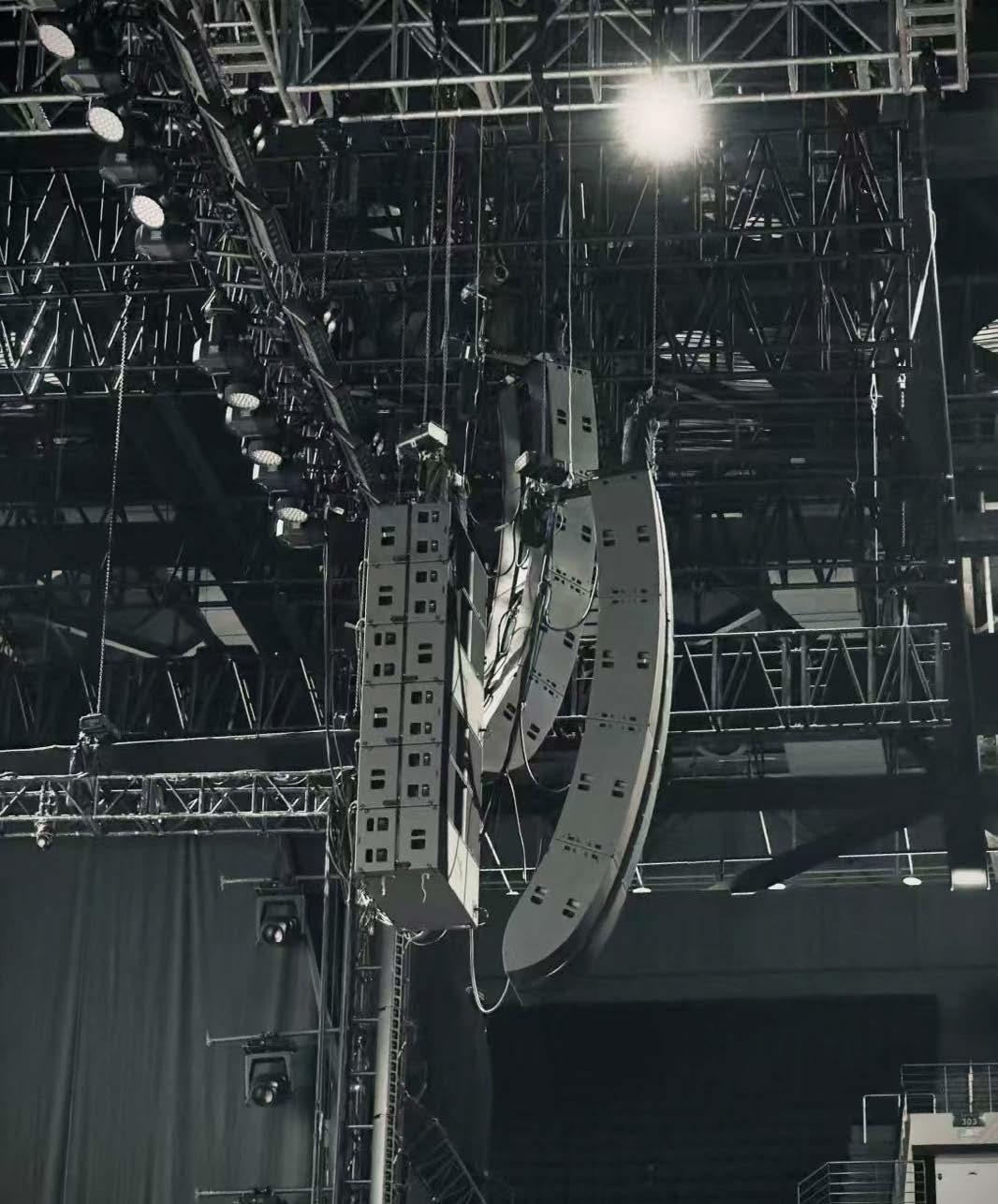

cabinet weight compared to conventional line array solutions enabled more discreet rigging within the venue while ensuring unobstructed sightlines to the stage.” System optimisation was driven by the venue’s scale and acoustic characteristics. The upper modules of the L2 arrays utilised L-Acoustics Panflex technology to precisely tailor horizontal coverage, directing sound energy to targeted audience areas while minimising reflections from the arena’s surfaces. Integrated cardioid functionality within the L Series helped reduce lowfrequency spill onto the stage, maintaining clarity for performers.
To address time alignment across the expansive space, a Kara II delay system was implemented to compensate for acoustic latency, ensuring a cohesive listening
experience for audiences seated further from the stage. The combined output of the L2 arrays and Kara II delays delivered consistent, high-definition vocal reproduction throughout the arena.
“The L Series’ progressive ultra-dense line source technology delivered the clear, authentic vocal reproduction essential for Fox Xia’s performance,” concludes Zheng Xiaofei. “By leveraging the system’s streamlined characteristics and Panflex precision, we ensured that every attendee experienced Fox Xia’s vocal with both clarity and emotional impact - making the concert not just a performance, but an immersive cinematic and musical event.”
Blending heritage with intelligent AV to create an immersive, future-ready performance space
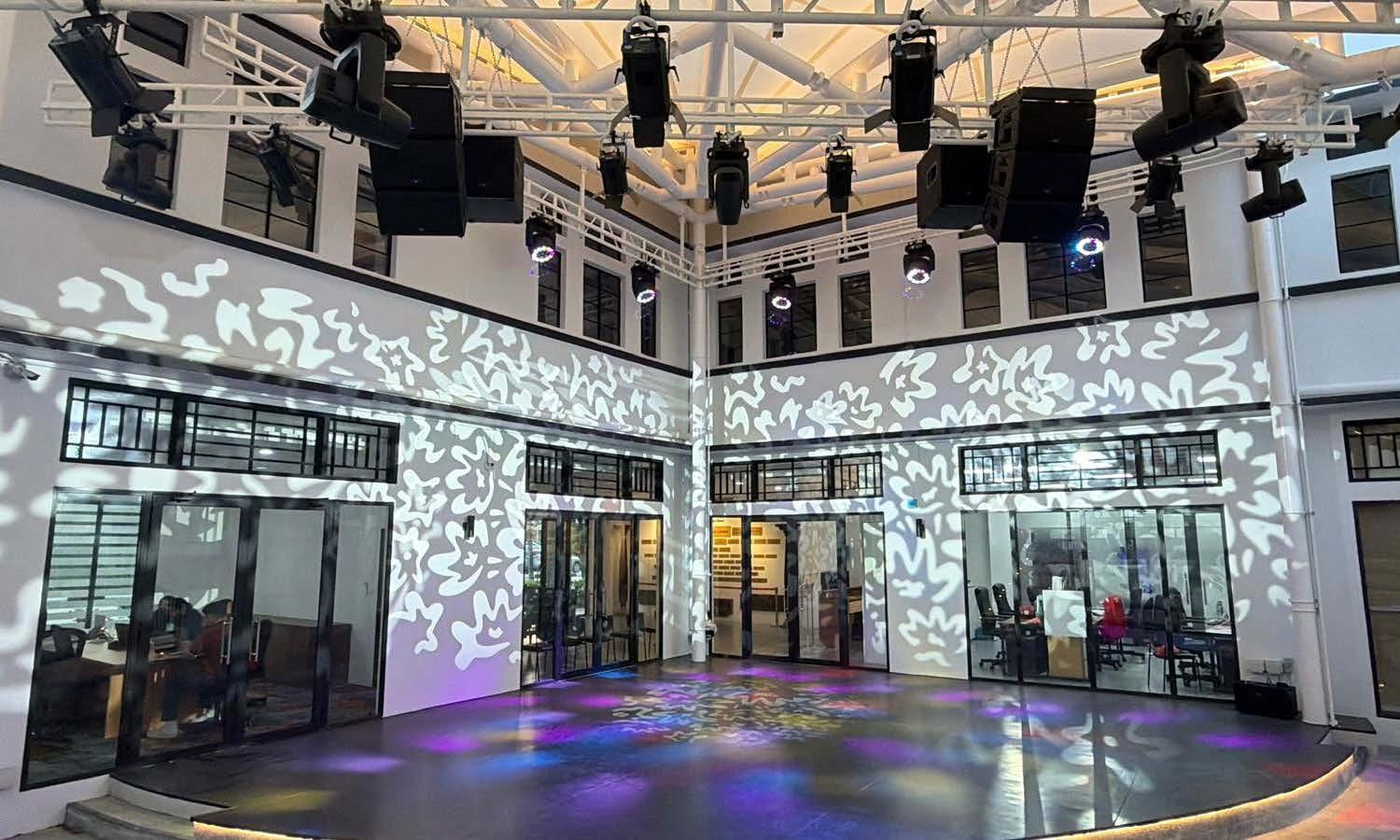
The 135-seat open-air amphitheatre, at The Singapore Indian Fine Arts Society, designed to host performances that demand both intimacy and impact.
In the heart of Singapore’s arts district, a legacy institution has stepped confidently into the future. The Singapore Indian Fine Arts Society (SIFAS), long regarded as a pioneer of classical Indian arts since its founding in 1949, has unveiled a new home that reflects both its heritage and its forward-looking vision.
More than just an academy, SIFAS operates as a vibrant community—where over 1,800 members and students contribute to a living, evolving cultural ecosystem. With 18 disciplines taught by a team of highly qualified tutors, the Society continues to uphold a standard of artistic and technical excellence that has defined it for decades.
Its relocation to 250/252 Middle Road places it firmly within Singapore’s Bras BasahBugis (BBB) arts belt—an apt setting for an institution that bridges tradition and contemporary expression. At the centre of this new space lies a 135-seat open-air amphitheatre, designed to host performances that demand both intimacy and impact.
Kalaiarasan K, Technical Director, SIFAS commented, “I engaged SL Pro to install the lighting and audio systems for the amphitheatre at the SIFAS campus on Middle Road. The venue presented several challenges, as it was not a standard indoor setup and required additional engineering for the installation of overhead equipment.
We selected SL Pro not only for their competitive pricing, but also based on my prior experience with their expertise, as well as their neat and professional approach to both installation and after-sales support.”
For the amphitheatre, the brief was clear: deliver well-rounded audio coverage with clarity and energy, while maintaining a visually unobtrusive presence. Tasked with this challenge, SL Pro Group engineered a solution built around the QSC LA112 line array loudspeaker, deploying three units per side as the front-of-house system.
These were complemented by the QSC LS118 subwoofer on each side, ensuring depth and low-frequency impact, while the Allen & Heath SQ-5 digital mixer served as the control hub for audio operations.
At the core of the system is QSC’s L Class platform—an advanced generation of intelligent, active loudspeakers that combine high-output amplification, integrated DSP, and networked control. With onboard Dante connectivity, the system seamlessly
integrates into modern AV workflows, offering both performance and flexibility.
One of the key challenges faced during the installation was the limited rigging points within the amphitheatre—posing a constraint on achieving optimal coverage without compromising the venue’s aesthetics.
The solution came through the use of the QSC SysNav App, a powerful design and control platform that enabled precise system modelling and deployment.
Using its Array Installation Modelling (AIM) tool, the team was able to simulate and visualise coverage in a scaled digital environment—optimising loudspeaker placement before physical installation. This ensured that every seat within the amphitheatre received consistent, highquality audio.
“The goal was to achieve full coverage despite spatial limitations. SysNav allowed us to design with confidence and execute with precision,” shared Angie Ang, Sales and Project Director, SL Pro Group.
Beyond deployment, SysNav also empowers the SIFAS team with real-time monitoring and post-show analysis—bringing long-term operational confidence to the system.
Recognising the importance of continuity, SL Pro Group conducted hands-on training sessions for the SIFAS technical team.
“This ensures the team can independently monitor system performance and review operational logs after each show, keeping the system running at its best,” noted Angie.
This approach reflects a broader shift in AV integration—where knowledge transfer is as critical as technology deployment.
Complementing the audio system, SL Pro Group also delivered a dynamic lighting setup designed to enhance the visual storytelling of performances.
The rig includes six units of 19x60 watts Clair Lighting Stratos Pro Max Wash, seven units of 600 watts Clair Lighting IP65 Mojo Beam Spot Wash and eight units of Clair Lighting 300 watts 4K Zoom Par fixtures.
Control is handled via the Avolites Quartz lighting console, enabling precise synchronisation of lighting effects with performances.
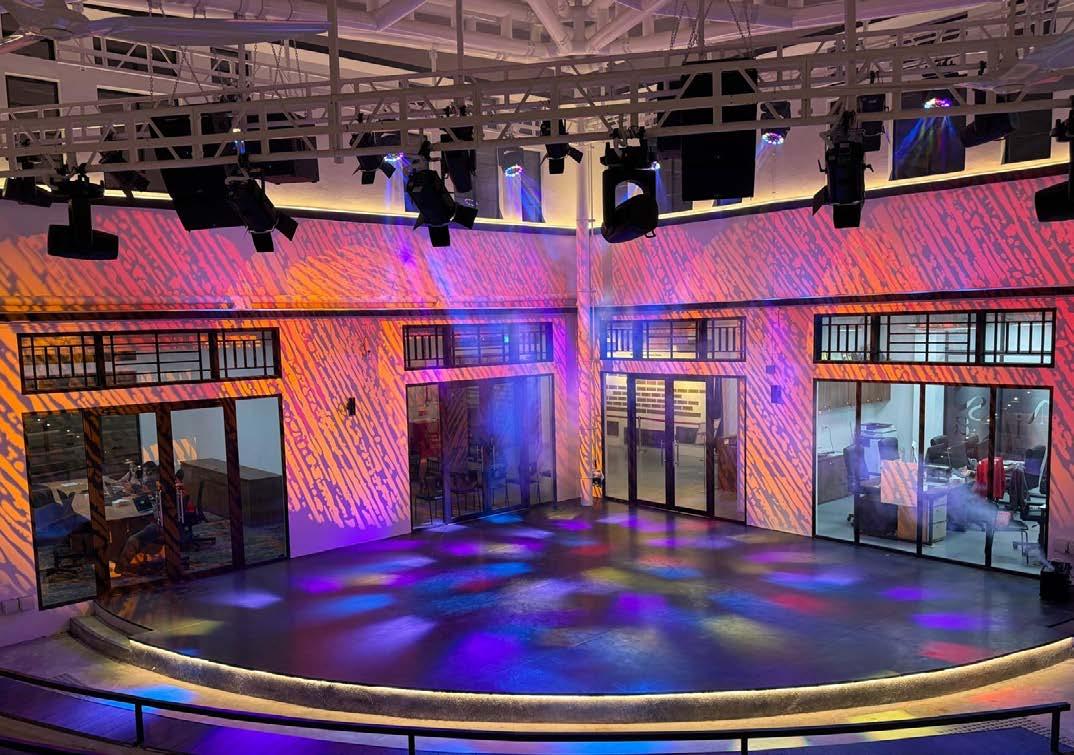
“The vibrant wash colours and sharp moving spots, synchronised with the dances and acts, offer audiences a truly immersive visual experience,” added, Angie.
The success of the installation was also supported by strong collaboration across partners, including timely technical support from Sindo Exports for the QSC deployment.
Kalaiarasan added, “SL Pro rose to the challenge, delivering ahead of schedule while remaining flexible in coordinating with ongoing structural works at the venue. The Clair Lighting system exceeded expectations, creating a visually impressive experience that captivated audiences during performances.
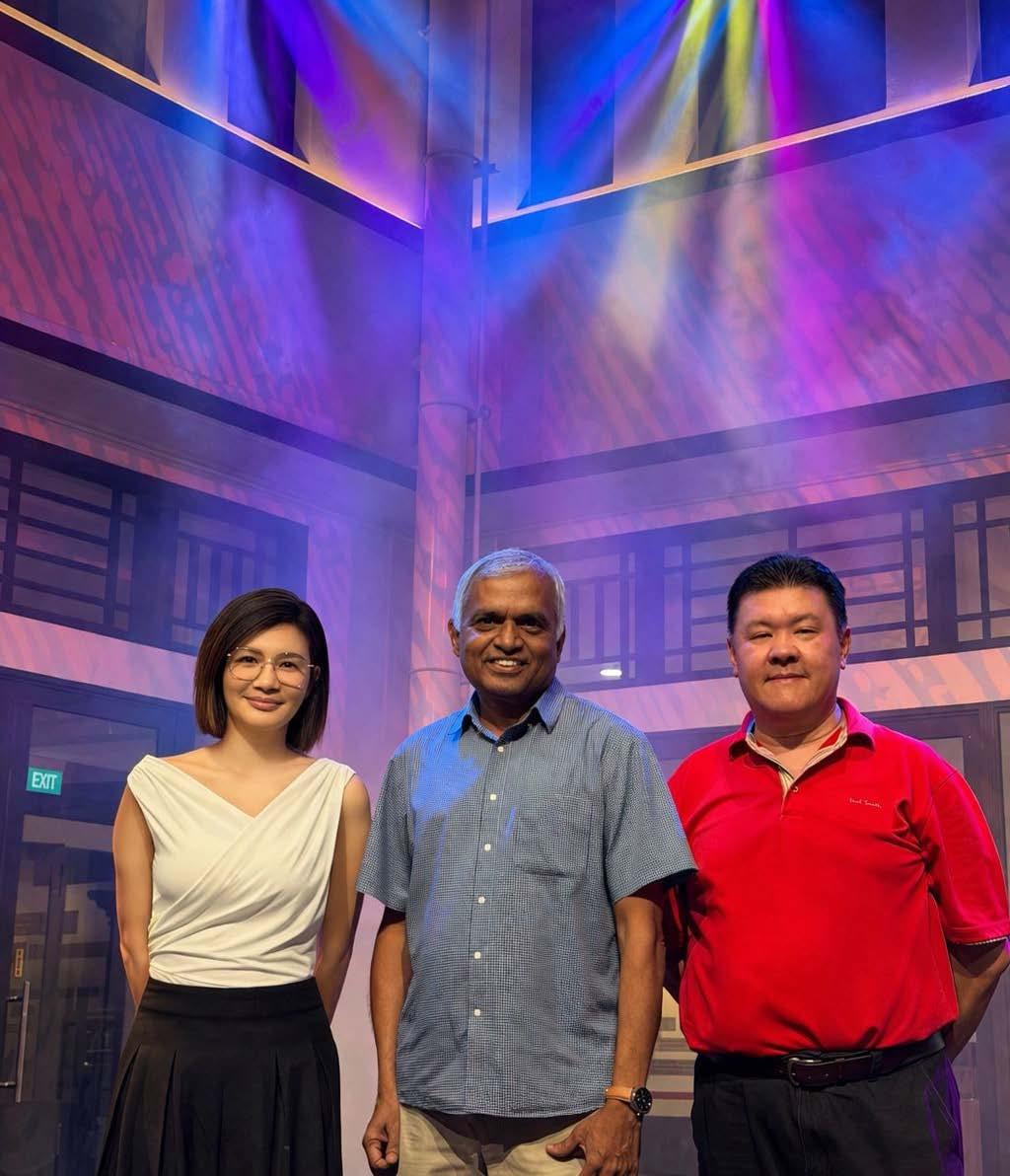
Meanwhile, the QSC speaker system was well-suited to the space, providing a rich and immersive audio experience in an open-air environment.
Overall, the investment proved worthwhile, and we look forward to collaborating with SL Pro again on similar projects in the future.”
With its new amphitheatre, SIFAS has created more than just a performance space—it has built an immersive cultural platform where tradition is amplified through technology. In doing so, the Society reinforces a powerful idea: that the future of classical arts lies not in preservation alone, but in how intelligently they are presented, experienced, and sustained.
SL Pro Group
Sindo Exports
Tokyo’s UTOPIA / DYSTOPIA Redefines Intimate Club Sound with Precision L-Acoustics Deployment
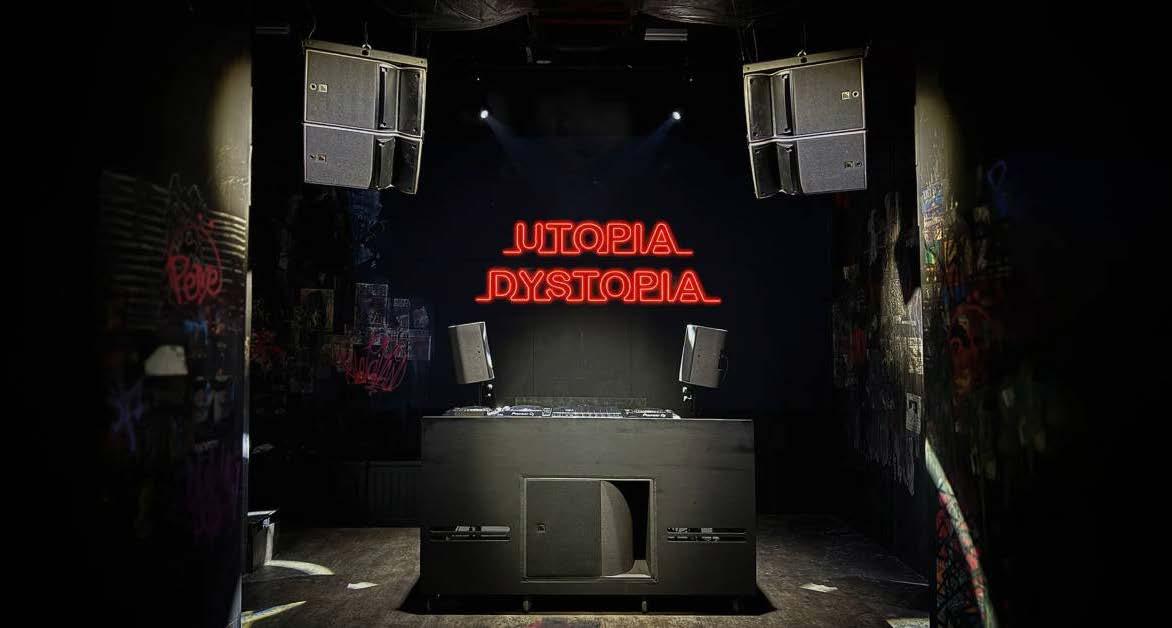
In the heart of Shibuya’s Maruyamacho nightlife district, UTOPIA / DYSTOPIA has emerged as a striking new entrant; pairing a bold visual identity with a deeply considered sonic philosophy. Operated by LD&K Co Ltd, the venue introduces a dualconcept experience: UTOPIA, a vividly styled bar wrapped in red décor and artistic expression, and DYSTOPIA, a basementlevel underground club engineered with an uncompromising focus on sound performance.
Behind the sonic execution is a collaboration with Bestec Audio and L-Acoustics Certified Partner in Japan, with system design led by Satoru Kozukue. The brief was clear yet demanding: deliver physical low-frequency
impact while maintaining clarity, control and fatigue-free listening within a long, narrow underground space where reflections could easily undermine intelligibility.
“We wanted bass you can physically feel, but with a sound character that stays disciplined and precise,” says Venue Manager Shunya Kaneko. “The aim was not simply loudness, but a sound that allows people to stay focused on the music for long periods without fatigue.”
Kozukue notes that the room itself dictated the technical approach. While the ceiling height provided useful acoustic volume, the narrow footprint required tightly controlled directivity to prevent excessive reflections
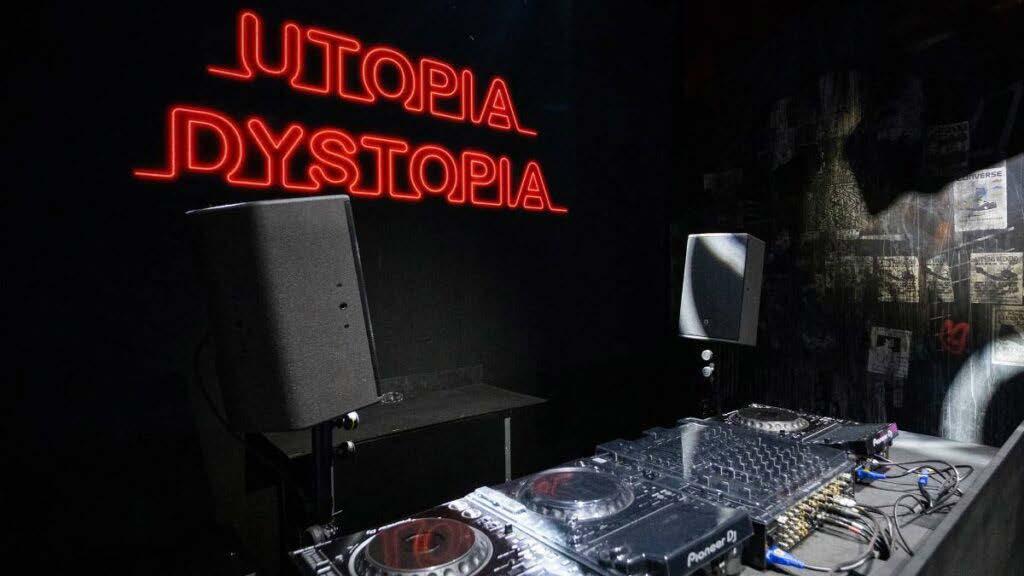
and ensure consistent coverage. “In that kind of space, speakers with overly wide directivity create unwanted reflections very quickly,” he explains. “We needed something that could deliver power while maintaining control and clarity, and L-Acoustics was the clear answer.”
The resulting system features two A10i Wide per side, complemented by a centrally positioned KS21i subwoofer beneath the DJ booth. DJ monitoring is handled by X8i, with LA4X and LA2Xi amplified controllers driving the system.
Bestec Audio’s design carefully balances audience impact with operational precision. By optimising coverage across the dancefloor while limiting energy spill towards the DJ position, the system achieves powerful lowfrequency delivery without compromising the working environment behind the booth.
“One of the most noticeable results has been the degree of isolation achieved behind
the main system,” notes a member of the Bestec audio team. “When onstage, the rear rejection is immediately noticeable. The main system remains highly controlled, which means DJs can work comfortably with the X8 monitors at an optimal level.”
This alignment between the main PA and monitor tonal balance enables DJs to perceive transient detail with clarity, without resorting to excessive monitor levels. “You can hear the edge of the beat very clearly without pushing monitor volume too high,” the team adds. “That makes a real difference during long sets because ear fatigue is reduced.”
Audience response has further validated the design intent, with guests highlighting the system’s ability to deliver impactful low-end energy while retaining overall listening comfort—allowing both immersive engagement and conversation on the dancefloor.
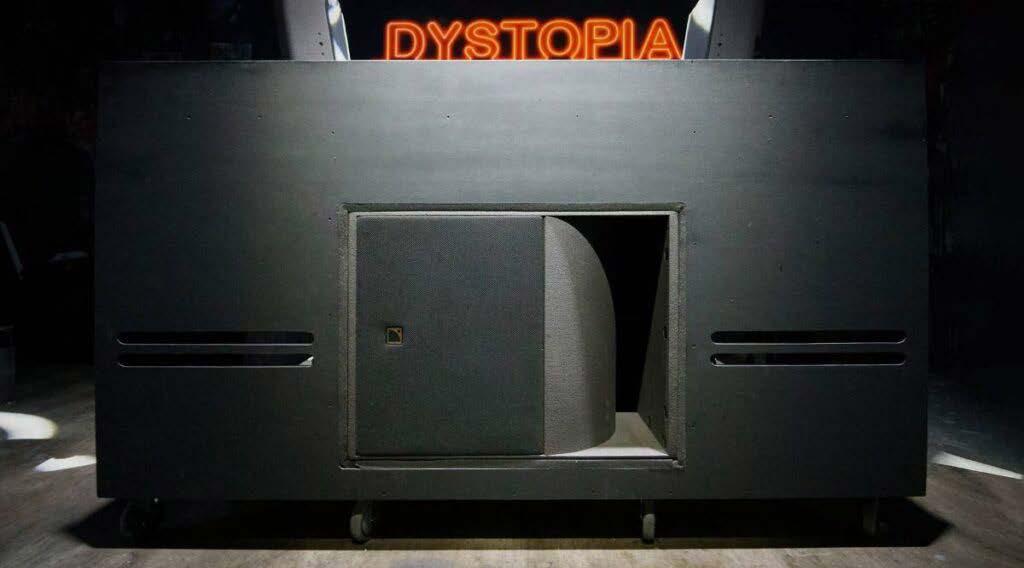
For Kozukue, this balance is rooted in efficiency rather than sheer output. “In reality, we are not running the system at extreme volume,” he says. “The subwoofer works efficiently, and because the sound stays clean, it feels powerful without becoming tiring. That balance is what allows people to enjoy the space for longer.”
For Kaneko, the decision to deploy L-Acoustics also contributes to the venue’s positioning within Tokyo’s competitive club landscape.
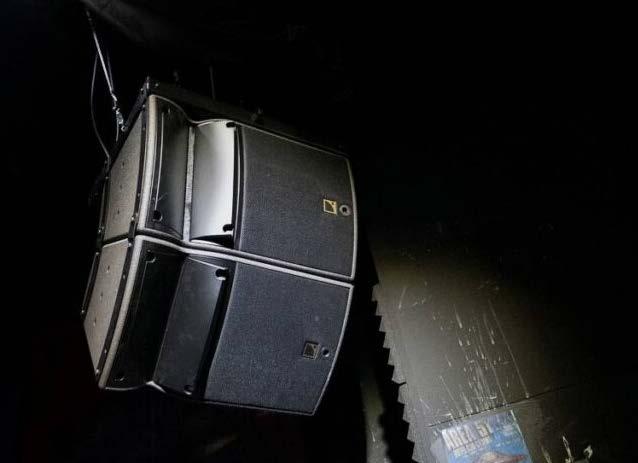
“The fact that we installed L-Acoustics has already become a talking point among people in the club community,” he says. “There are many excellent speaker brands, but bringing L-Acoustics into a venue of this scale was important to us because it creates a clear point of difference.”
“I want club audiences across Japan to experience this level of sound quality,” Kaneko adds. “And I hope visitors from overseas leave saying they discovered an incredible L-Acoustics club in Tokyo.”
Where cutting-edge audio meets high-energy live performance
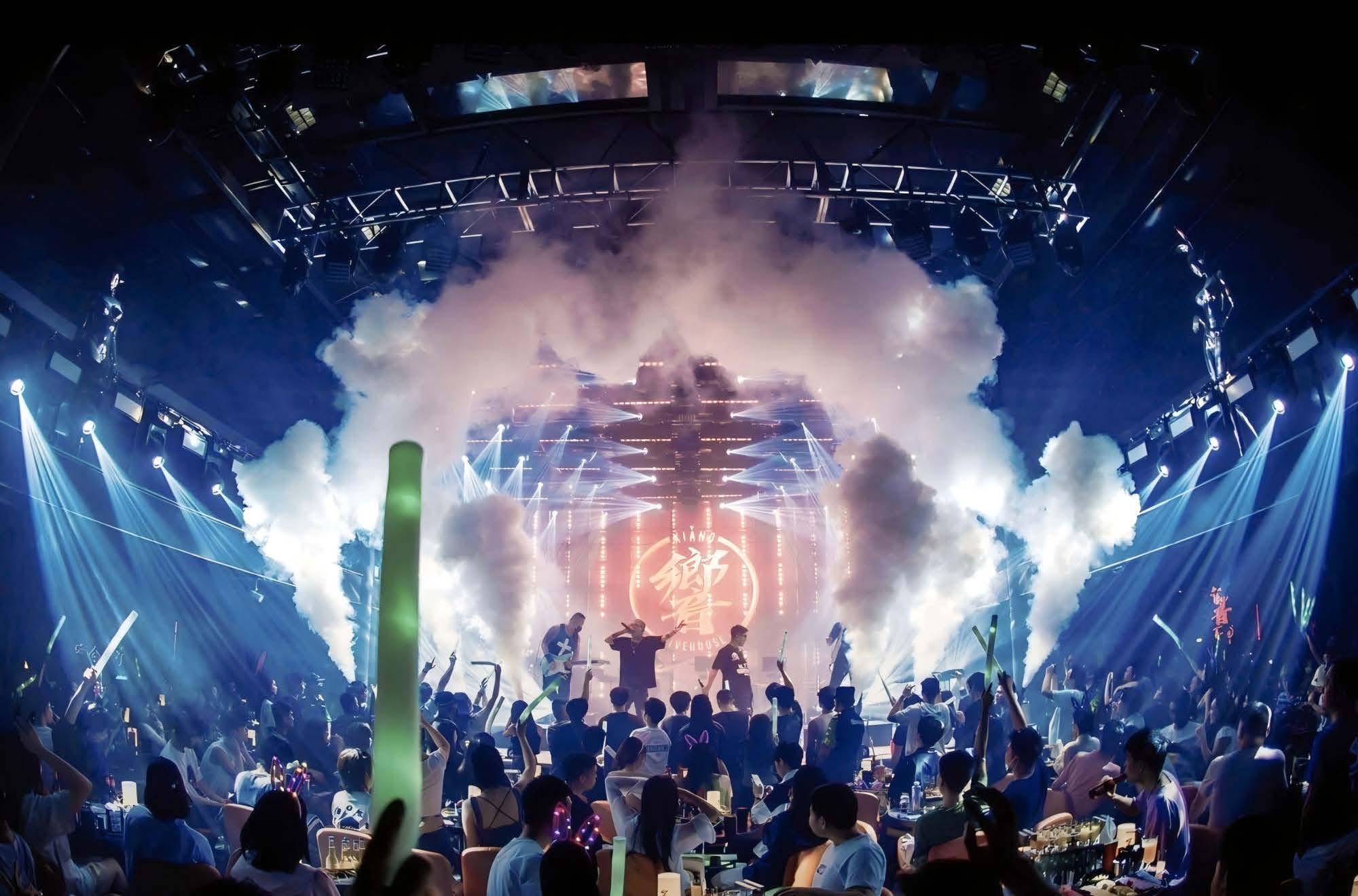
Xiang Livehouse has established itself as a standout destination for live music, blending high-quality sound, immersive performances, and a vibrant, youth-driven atmosphere. As one of Asia’s emerging “super livehouse” brands, it offers more than just entertainment—it creates a space where music, identity, and expression come together.
At Xiang Livehouse, audiences are drawn into performances that are as emotionally authentic as they are sonically powerful. From rock and pop to electronic and hiphop, the venue curates a diverse lineup that resonates strongly with younger audiences seeking both variety and authenticity.
More than a music venue, Xiang Livehouse represents a lifestyle. It is a place where individuals can unwind, connect, and express themselves freely—whether through music, fashion, or shared experiences. Every visit is designed to be both energising and memorable.
The Tongxiang branch, located in the Chamber of Commerce Building on Zhenxing East Road in Jiaxing, has quickly become a nightlife landmark since opening in September 2025. Its rise in popularity is driven by a compelling mix of strong live band performances, dynamic stage design, and an immersive, high-energy environment. Easily accessible and strategically located, it has become a go-to destination for social gatherings, after-work relaxation, and weekend celebrations.
Central to this experience is the venue’s commitment to delivering concert-grade sound. After extensive evaluation, the investors selected KV2 Audio as the sound reinforcement partner for the Tongxiang location.
Originating from the Czech Republic—often referred to as the “Heart of Europe”—KV2
Audio has built a global reputation for innovation in high-definition, high-dynamicrange sound systems. Its point source technology and uncompromising design philosophy have made it a preferred choice for premium live events and performance venues worldwide.
At Xiang Livehouse Tongxiang, the main sound system is built around KV2 Audio’s ES2.5 and ES1.0 speaker systems, delivering powerful and precise front-of-house performance. To ensure consistent coverage throughout the venue, additional systems are deployed across mid and rear zones with
carefully calibrated delay compensation. This approach guarantees clarity and balance from the front row to the furthest corner.
Further enhancing the listening experience, the ESK system is integrated to optimise sound field uniformity. The result is a fully immersive environment where every note is delivered with depth, transparency, and impact—free from dead zones and acoustic inconsistencies.
From the stage to the back of the room, KV2 Audio’s solutions bring a refined sonic character to Xiang Livehouse, allowing audiences not only to hear the music, but to feel it.
Looking ahead, KV2 Audio remains committed to supporting high-quality live music venues and entertainment spaces worldwide. Through its dedication to precision engineering and authentic sound reproduction, the company continues to elevate live performance experiences— helping venues like Xiang Livehouse set new benchmarks for immersive audio.
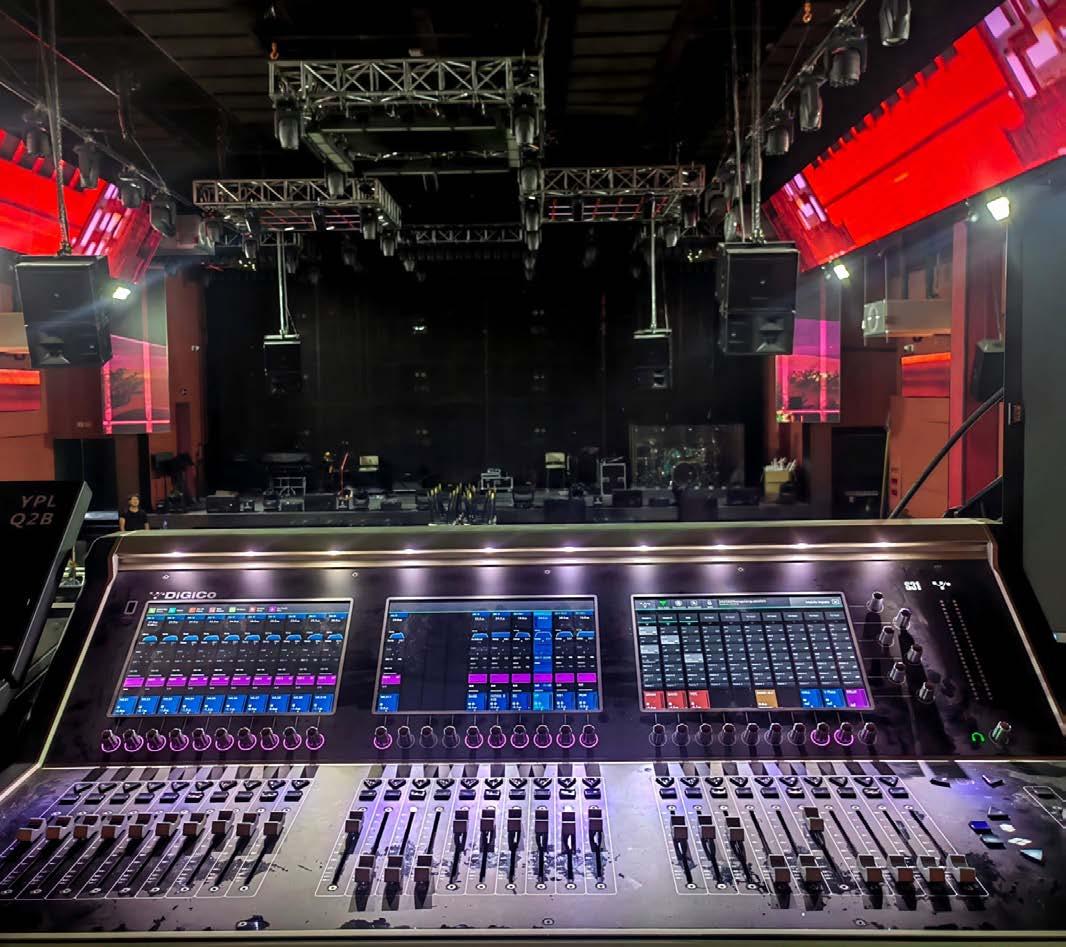
Barco Powers World’s Tallest Landmark Sign into a Desert-Born Spectacle After Dark
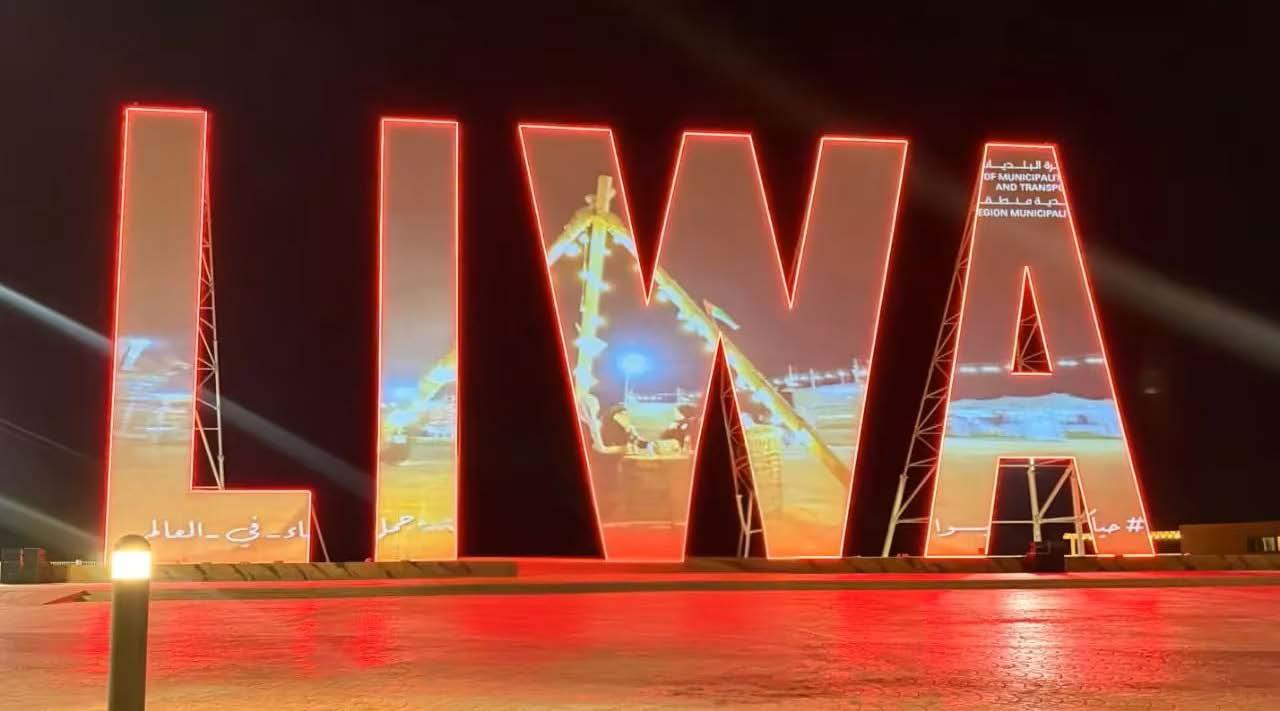
In the vast expanse of the Al Dhafra desert, a monumental steel landmark has been reimagined as a dynamic nighttime canvas, with BARCO projection technology at the heart of a world-first transformation. Tasked with bringing the Guinness World Record–holding “LIWA” Sign to life after sunset, the Al Dhafra Region Municipality partnered with systems integrator Aesthetix to engineer a permanent, high-brightness projection mapping installation capable of withstanding one of the harshest environments on earth.
Standing 23.59 metres tall, constructed from 49 tonnes of steel, and perched atop a hill 197 metres above sea level, the “LIWA” Sign dominates the desert landscape, visible from miles across the dunes. Already a cultural landmark tied to major regional events such
as the LIWA Date Festival and the LIWA International Festival, the ambition was to elevate its presence beyond daylight hours— transforming it into a storytelling medium capable of delivering high-definition visual content at scale.
The technical challenge was formidable. Achieving consistent, high-impact imagery across such a large vertical surface required exceptional brightness and precision, particularly given the long projection distances and steep mapping angles dictated by the sign’s elevated position. Compounding this were the environmental extremes of the Al Dhafra desert, including high temperatures, sand-laden winds, and the need for a fully autonomous system operating in a remote location.
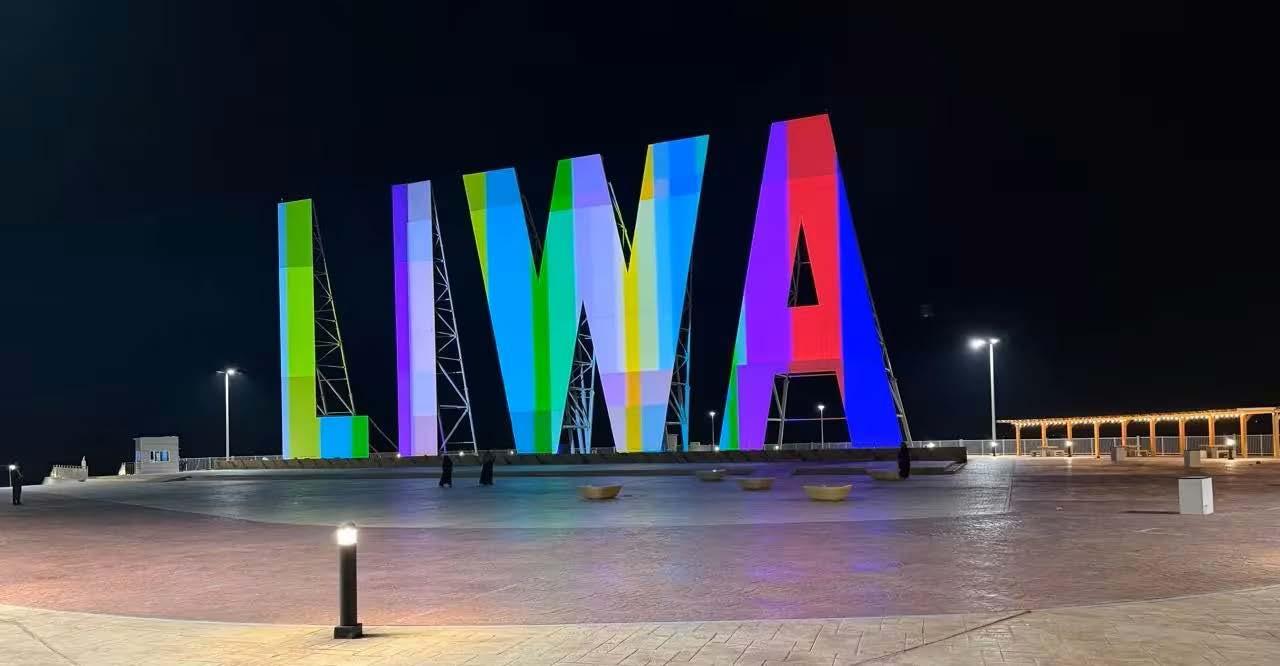
To meet these demands, Aesthetix designed a bespoke solution built around Barco’s QDX projection platform. The installation comprises five QDX-W45 projectors, each delivering 41,000 lumens, alongside two QDX-W35 units rated at 33,000 lumens. Together, these systems provide the sheer output required to maintain vivid, colouraccurate visuals across the expansive surface.
Central to the system’s performance is a precision multi-stacking approach, with projectors configured in stacks of three to function as a single ultra-bright source. This not only amplifies overall luminance but ensures flawless geometric alignment—an essential factor in achieving stable, highresolution 3D mapping across the sign’s tall and narrow structure.
Durability was equally critical. The QDX series, deployed within specialised outdoor enclosures, delivers reliable operation under extreme desert conditions, maintaining
performance despite heat, dust, and environmental exposure.
The projection system is integrated with Dataton WATCHOUT 7 for content playback, forming part of a broader ecosystem that includes CCTV monitoring and a highquality audio setup. This fully engineered infrastructure enables synchronised, automated operation, allowing the installation to function as a self-sufficient multimedia attraction.
Completed on 30 November 2025, the project transforms the LIWA Sign into a striking nocturnal landmark—blending cultural storytelling with large-scale projection technology. Beyond its visual impact, the installation stands as a demonstration of how precision engineering, high-brightness projection, and robust system design can converge to unlock new creative possibilities in even the most challenging environments.
East Kowloon Cultural Centre Sets New Arts-Tech Benchmark with d&b Soundscape Immersive Ecosystem
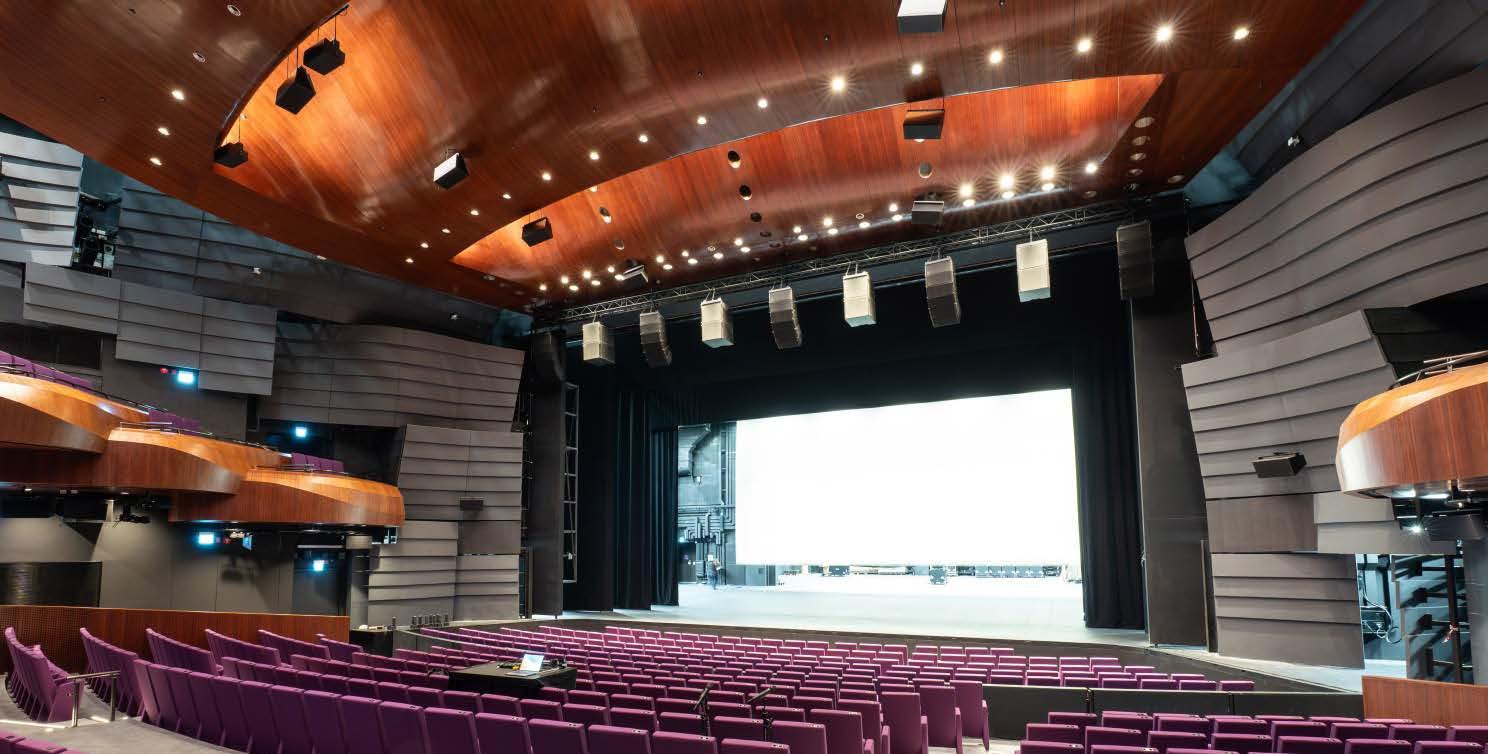
Hong Kong’s newly unveiled East Kowloon Cultural Centre (EKCC) is positioning itself at the forefront of Arts-Tech innovation, underpinned by a HK$4.1 billion investment and a vision to function as a fully integrated ‘living laboratory’ for immersive, technologydriven performance. Designed to support the entire creative lifecycle — from conceptualisation and development through to rehearsal and live presentation — the complex has adopted a unified audio strategy built around d&b audiotechnik’s Soundscape platform.
At the core of this approach is the decision to deploy d&b Soundscape across all key performance and production spaces, enabling a single, scalable system to handle diverse
requirements ranging from live performance and immersive theatre to cinematic presentation and variable acoustics.
“Soundscape just plays nice with whatever you’re trying to achieve,” explains Kelvin Yuen, Education and Application Support Service Manager at d&b. “But without good guidance, a venue like EKCC might think it needs a sound system for live concerts, a separate system for cinema content, and a third system for variable acoustics. This can quickly get out of control cost-wise, installation-wise, and operator overhead, when in fact you can do it all with Soundscape.”
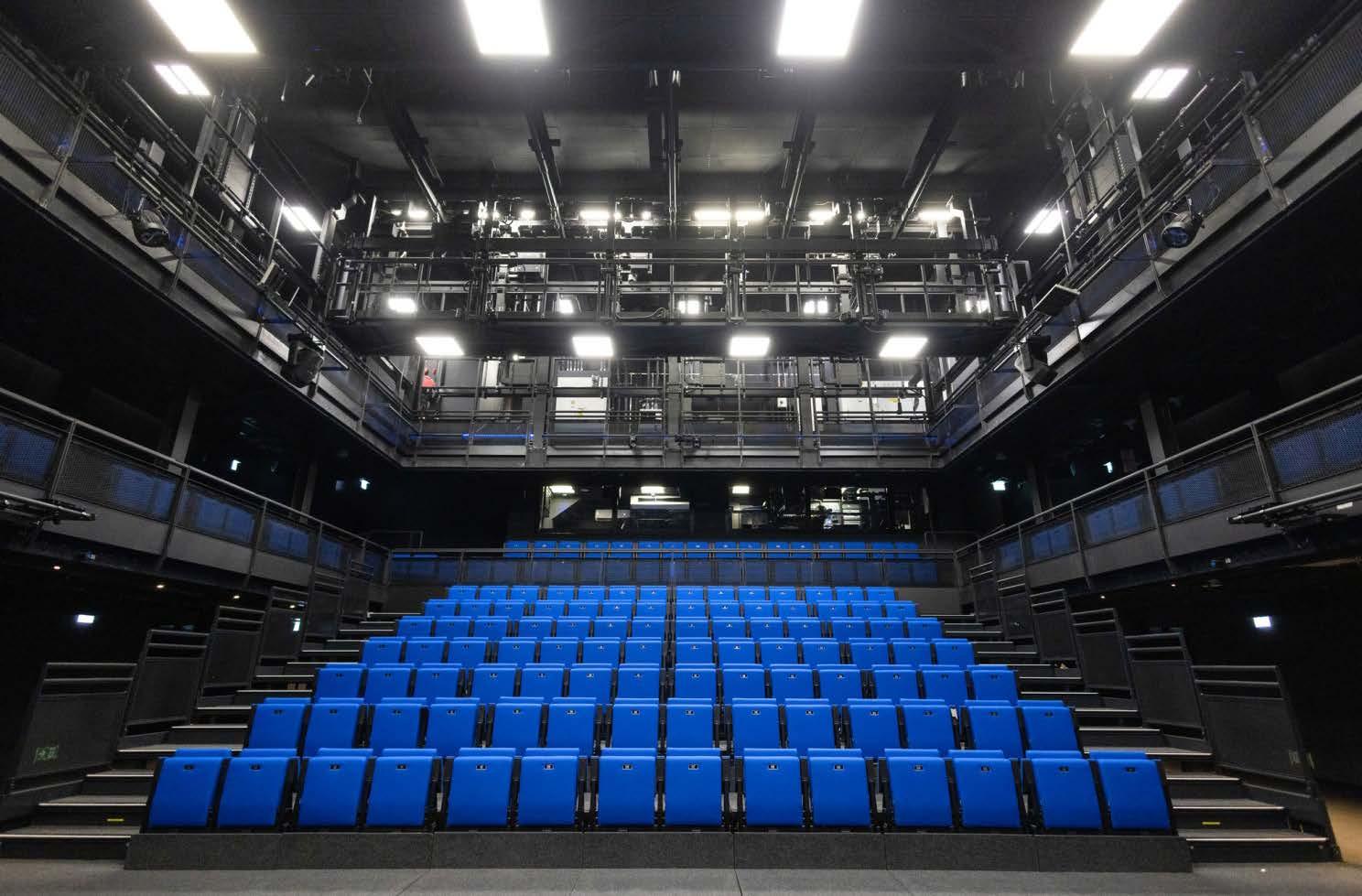
The audio concept was developed in collaboration with Theatreplan with Executive Director Mathew SmethurstEvans engaging d&b audiotechnik UK to deliver a future-ready solution aligned with both emerging technologies and long-term operational reliability. “The EKCC, and the region’s technicians care very much about the longevity of equipment - will it stand up to daily use, will it just keep working? And d&b products do just that. Incoming engineers also know that someone at d&b will have been part of the component selection and system configuration. It’s a real testament to d&b’s outreach training and accessibility of information, and it’s put this venue at a very particular quality level,” he stated.
Four permanent d&b Soundscape systems, designed and integrated by d&b audiotechnik
Greater China, have been deployed across the venue’s primary spaces. The studio environments, known as ‘Incubators’, alongside ‘The Lab’ (a dedicated workin-progress venue) feature full 360° configurations utilising E and V-Series loudspeakers, complemented by the ultracompact, flush-mountable 44S.
The Theatre, a 500-seat thrust-stage venue, is similarly equipped with V-Series arrays for main coverage, supported by fill and surround elements to maintain immersive consistency across the audience area.
At the top end of the scale, The Hall (a 1,200-capacity multipurpose venue with a proscenium format) deploys more than 100 loudspeakers arranged throughout the space, anchored by five full-range Y-Series arrays
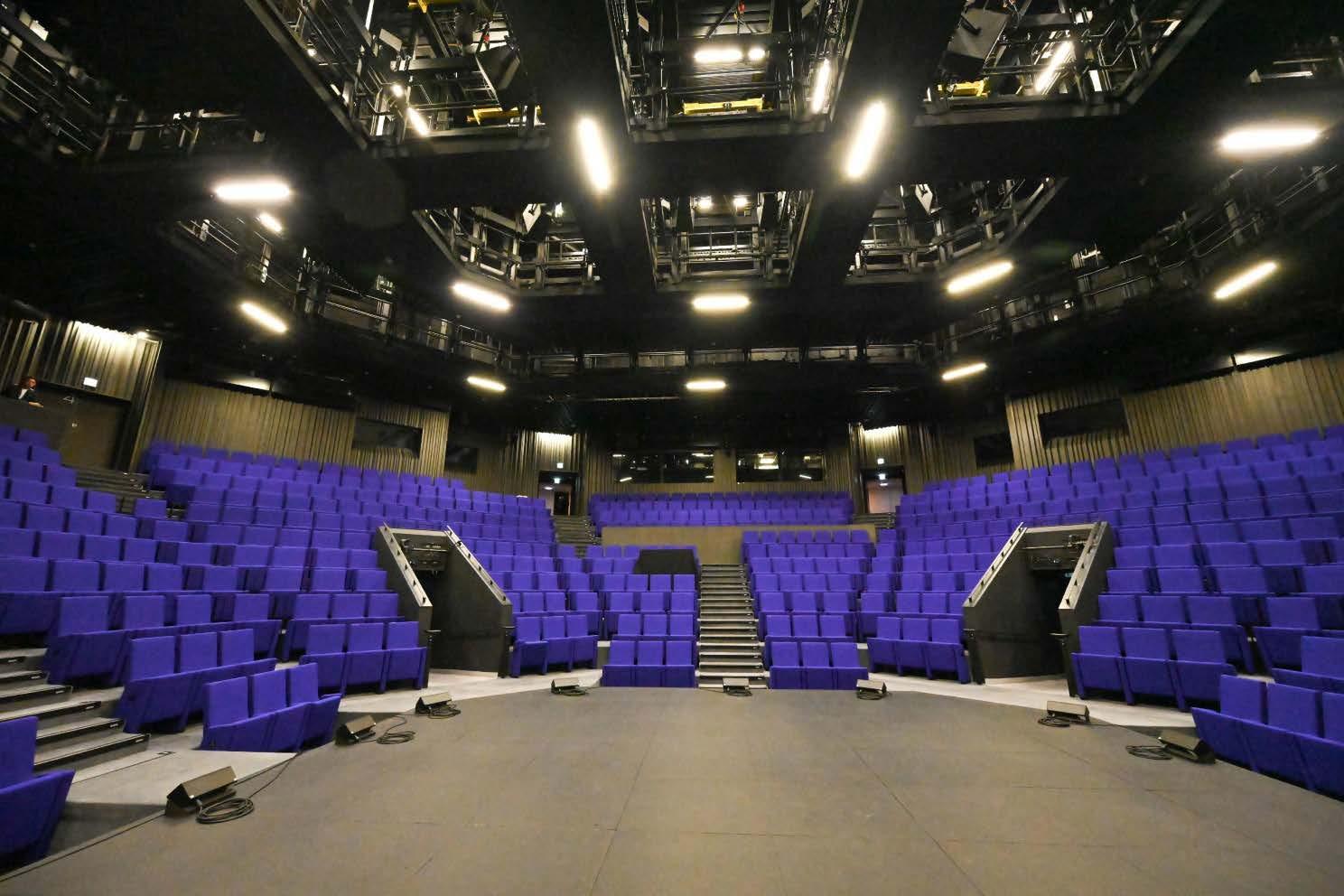
above the stage. In collaboration with Dolby Atmos, a d&b Custom Solutions-engineered pre-rigged dolly system comprising five ViP and Bi-SUB sets delivers cinematic playback, supported by B22-SUBs for low-frequency performance. This mobile configuration allows the system to be rapidly repositioned, enabling seamless transitions between live and film-based content.
All installed Soundscape systems are powered by next-generation amplification, including the high-density, install-specific 5D, while a fifth mobile Soundscape system provides additional flexibility for evolving production requirements.
The creative potential of the system was demonstrated during the venue’s opening production, Highlights – The Memories of Charles Kao, a musical inspired by the life of Nobel Physics Laureate Charles Kao. Multiaward-winning Sound Designer Ha Yanpui leveraged Soundscape’s object-based and spatial processing tools to craft a highly immersive experience.
“An immersive system like Soundscape can create effects far richer than before,” says Ha Yan-pui. “We used En-Scene for many moving sound elements, and I particularly love En-Space for its ability to simulate different rooms and produce powerful envelopment.” Reflecting on a key moment in the production, he adds that En-Space was used to recreate the acoustic signature of the Stockholm Concert Hall, enveloping the audience in the atmosphere of the Nobel Prize ceremony with striking realism.
For Musical Director Johnny Yim, the transition to immersive audio represents a fundamental shift in audience experience. “I could never go back to stereo,” he says. “The difference between immersive audio and stereo or surround sound is tremendous, especially in a large venue. With an immersive system, the sound is evenly distributed across the audience rather than relying on just two arrays. Regardless of where you sit, you hear a consistent, high-quality mix. Physically, more speakers
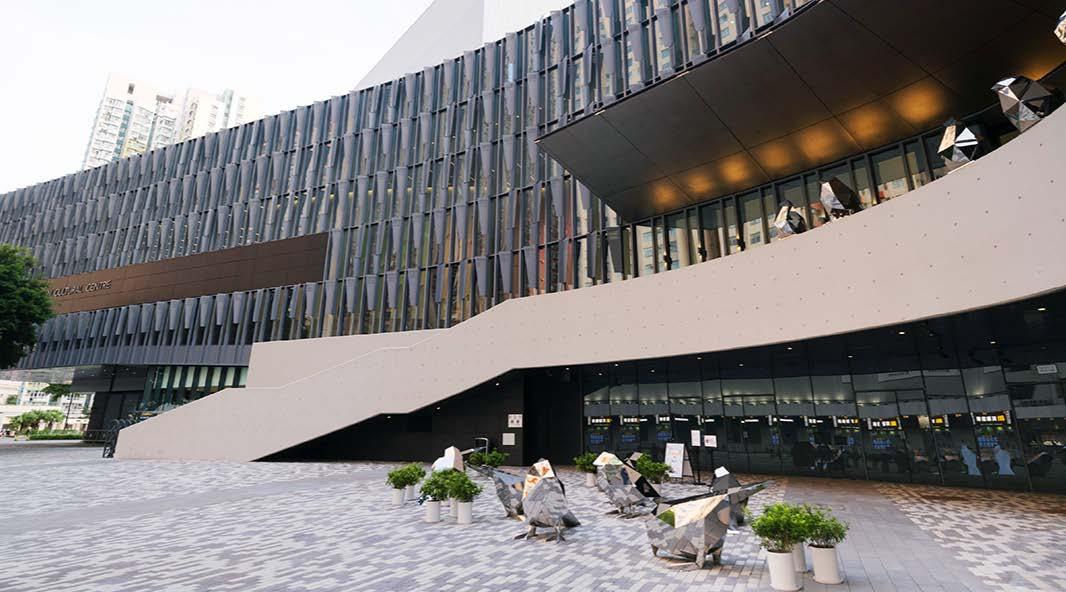
should mean more interference, attenuation, and delay — but the Soundscape processor handles all of that intelligently.”
Central to this capability are Soundscape’s En-Scene and En-Space tools. En-Scene enables engineers to position and move up to sixty-four individual sound objects within a performance space, while EnSpace provides in-line acoustic emulation, allowing environments to be reshaped or entirely redefined using pre-captured room signatures.
Although still in its early operational phase, EKCC’s fully integrated Soundscape infrastructure is already redefining expectations for production workflows. The ability to emulate The Hall’s acoustic characteristics within the Incubators offers incoming productions a powerful preproduction advantage—enabling shows to be pre-mixed and refined in a realistic sonic environment before entering the main venue.
“Sound is a creative discipline,” says Adam Hockley, Global Performing Arts Manager at d&b. “But depending on a director’s priorities, and sometimes because the role isn’t always fully understood, the sound designer often isn’t brought into the creative team until much later in a show’s developmental journey. But at EKCC, with such completely integrated technical facilities, the opportunity is there for the sound designer to join the table much sooner and with the most cutting-edge technology available at every stage of the process, from rehearsals in the studio to the main auditorium. And when sound is fully integrated from the start, there’s no telling what can be achieved technically and creatively, and ultimately for the audience what that experience might be.”