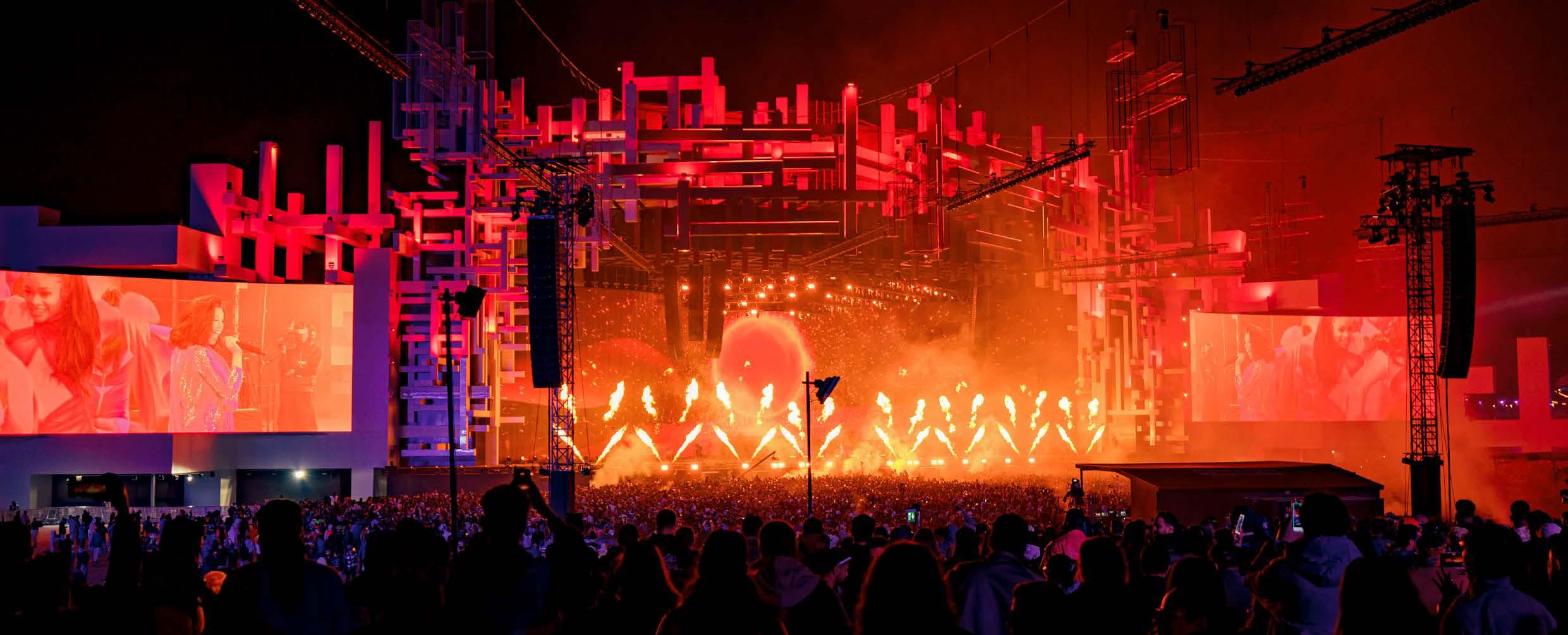
69 LIVE: SAUDI ARABIA - Clair Global Orchestrates Soundstorm’s Sonic Spectacle at the Big Beast Stage
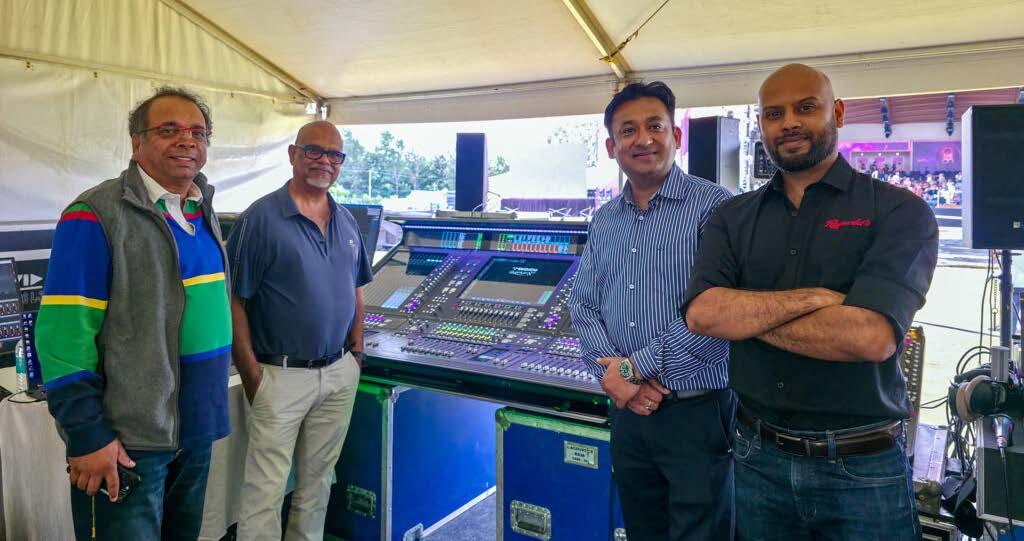
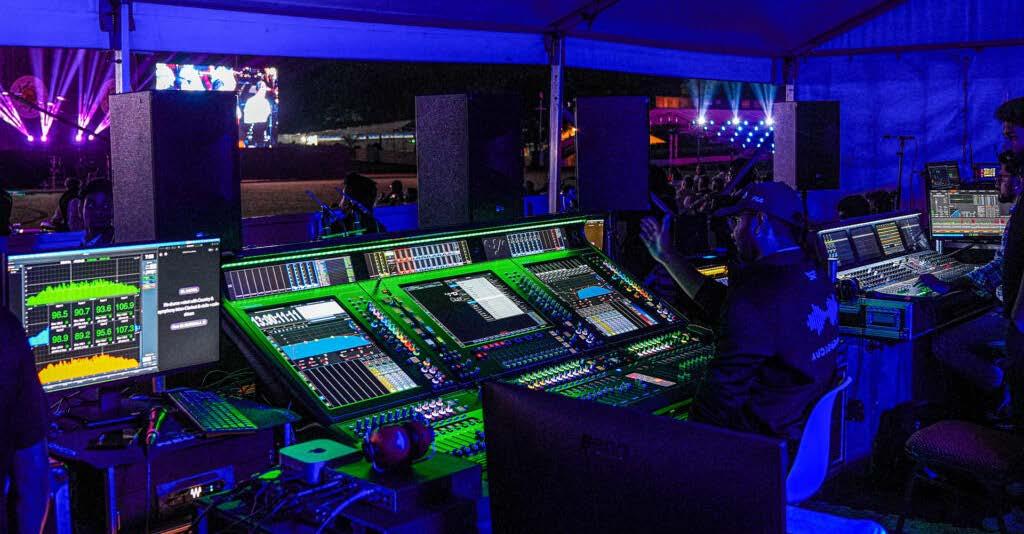
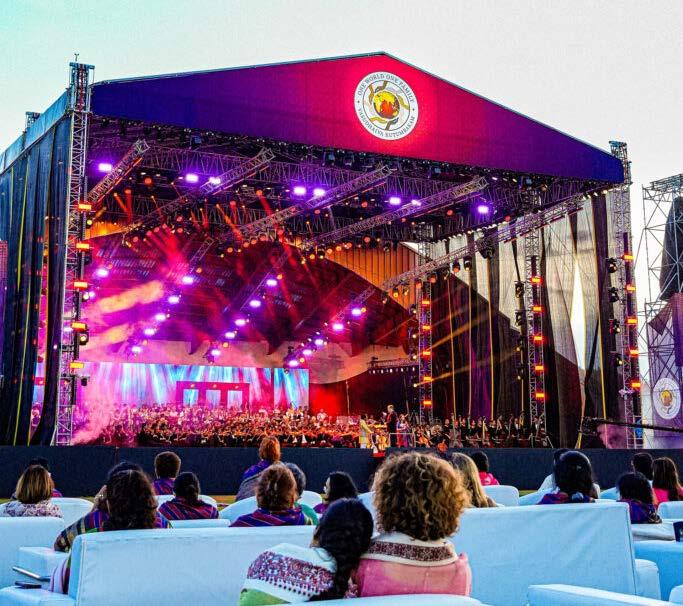
73 INDIA: Reynold’s Makes a Recordbreaking Statement with DiGiCo at the One World One Family Festival INSTALLATION
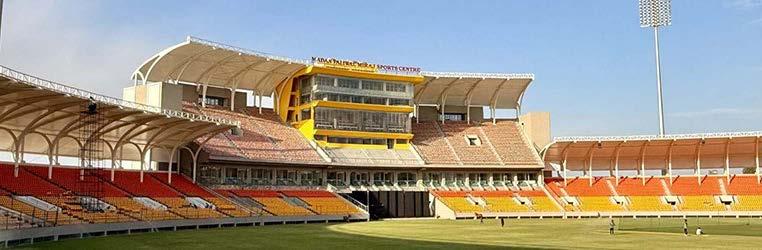
76 INDIA: Bose Professional Powers MultiUtility Stadium Vision at Nathdwara’s Madan Paliwal Miraj Sports Centre
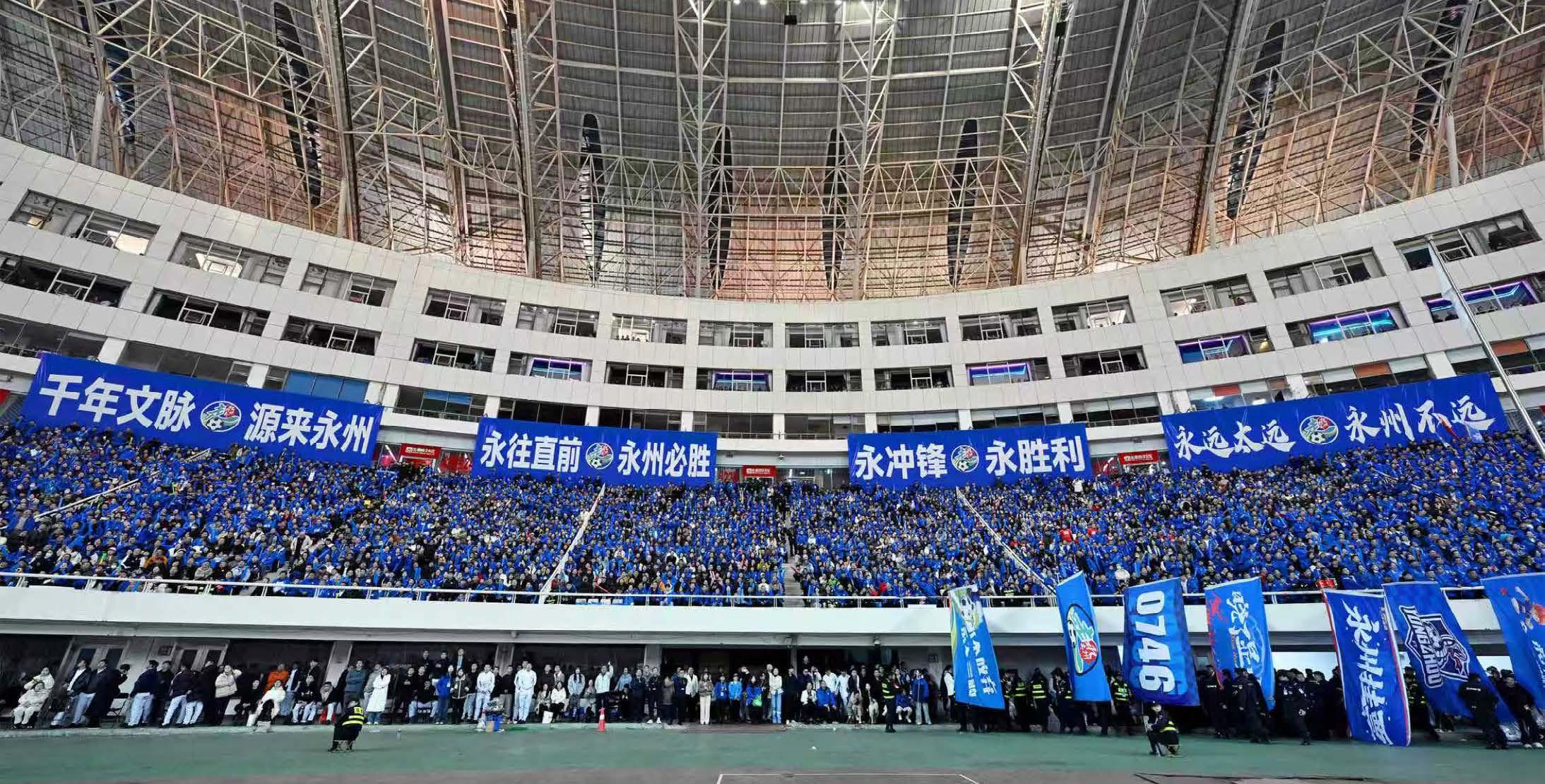
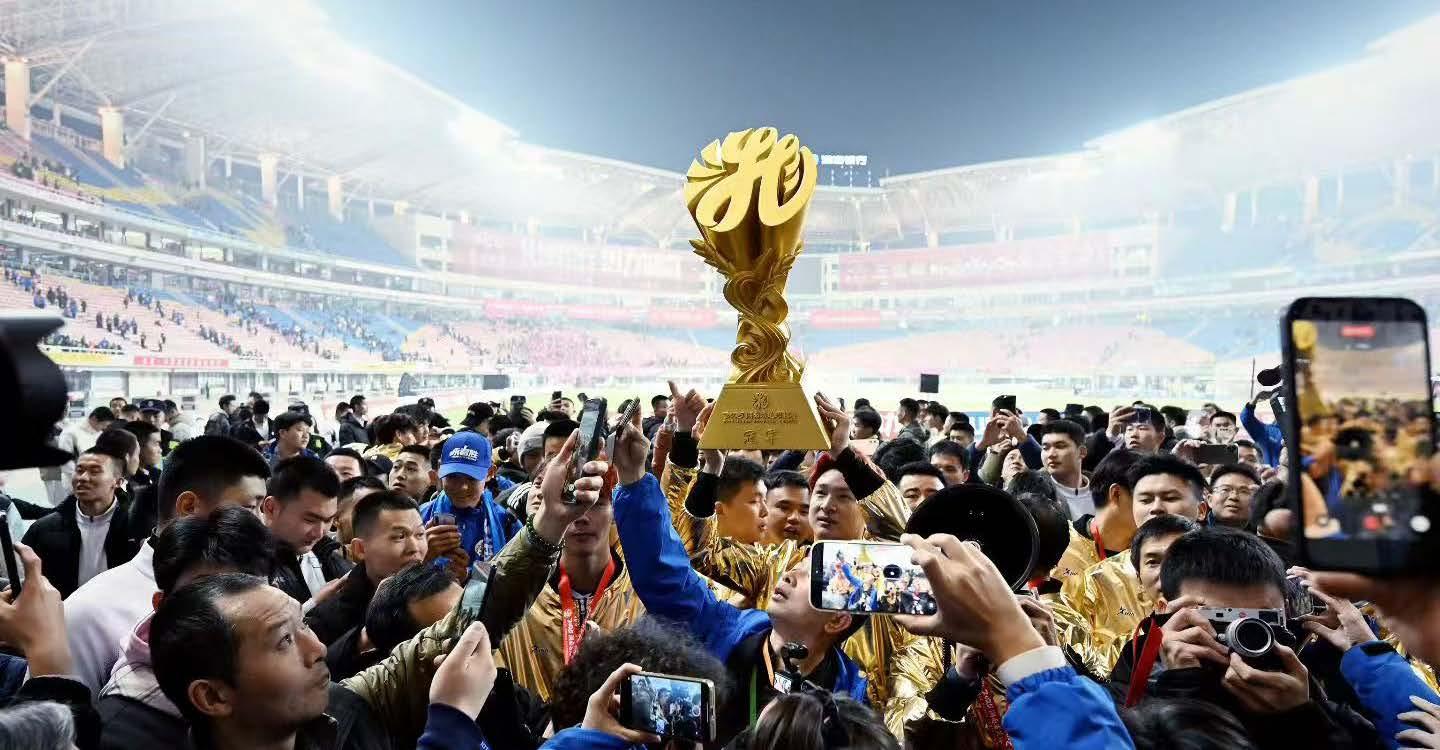
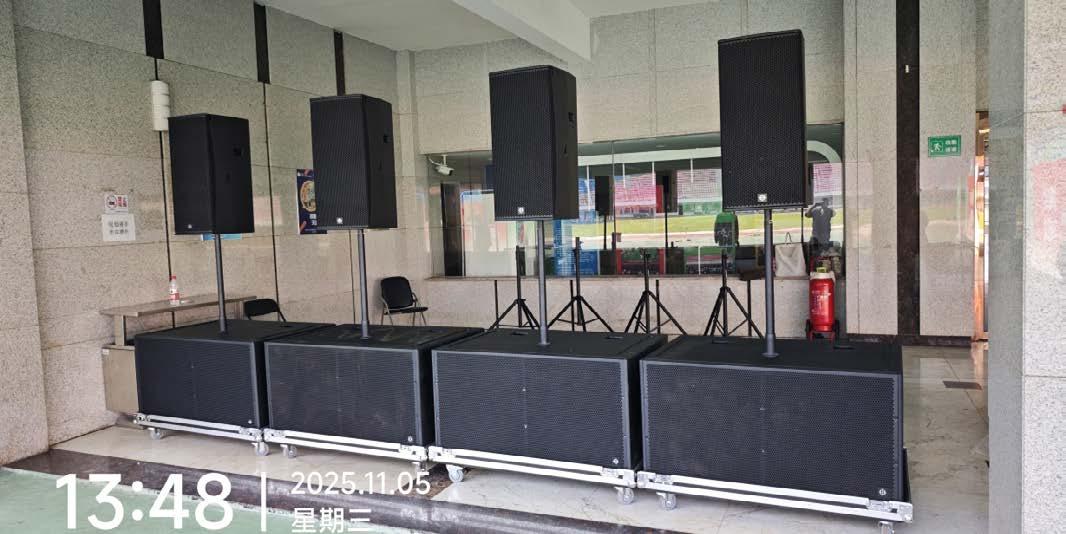
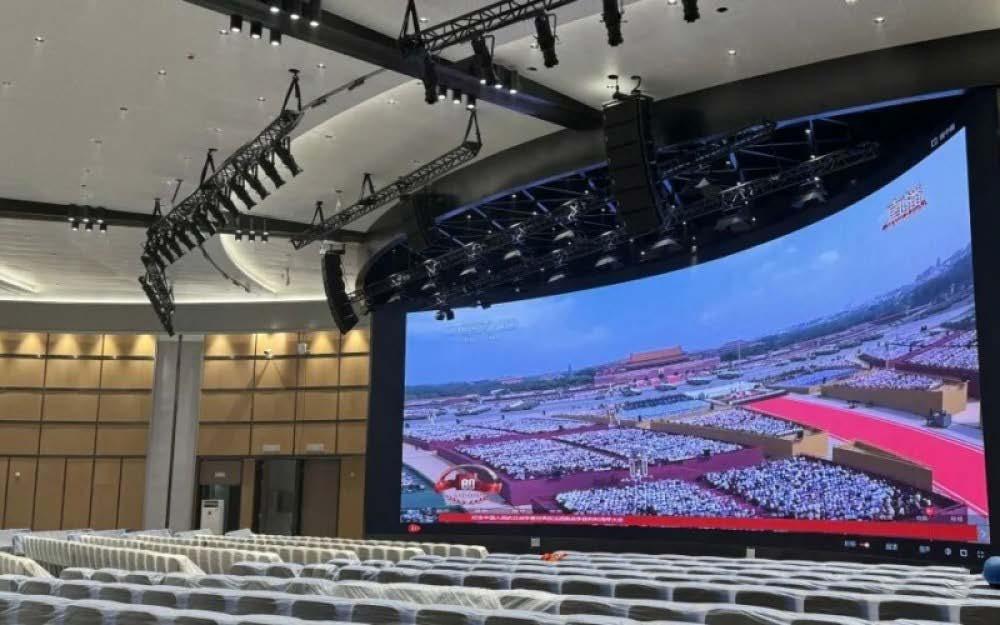
78 CHINA: CODA Audio Supercharges Stadium Sound at Helong Stadium
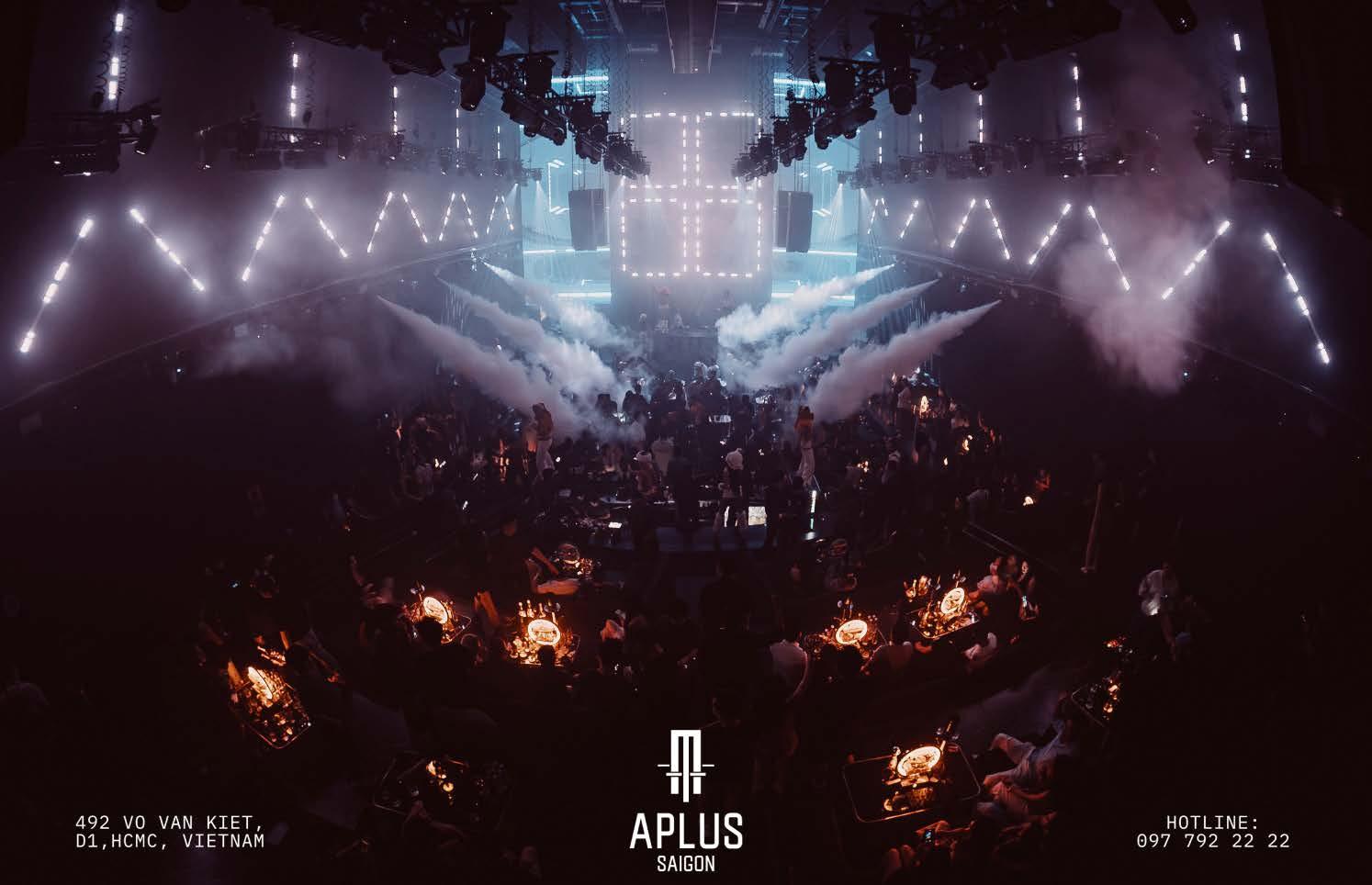
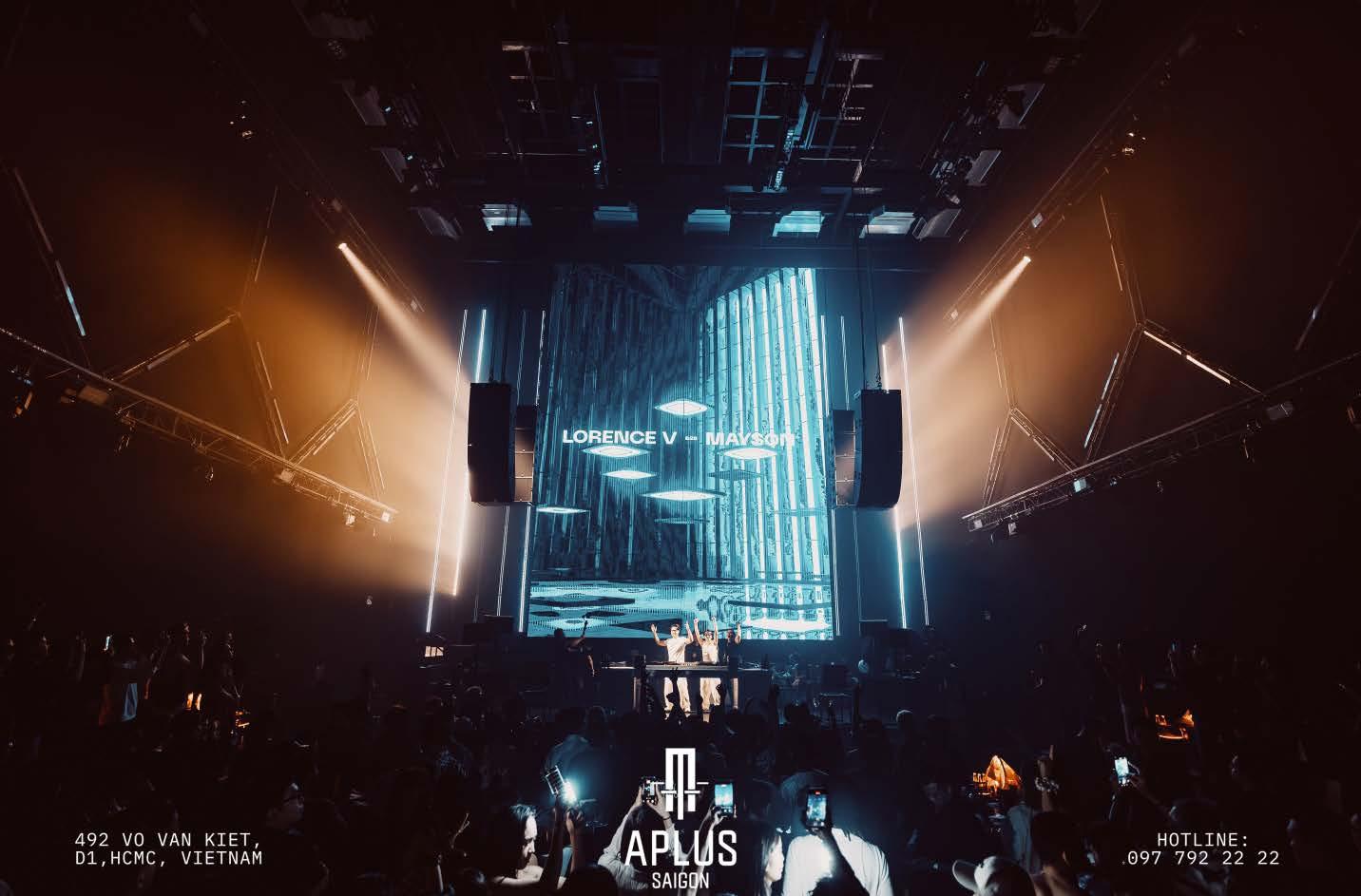
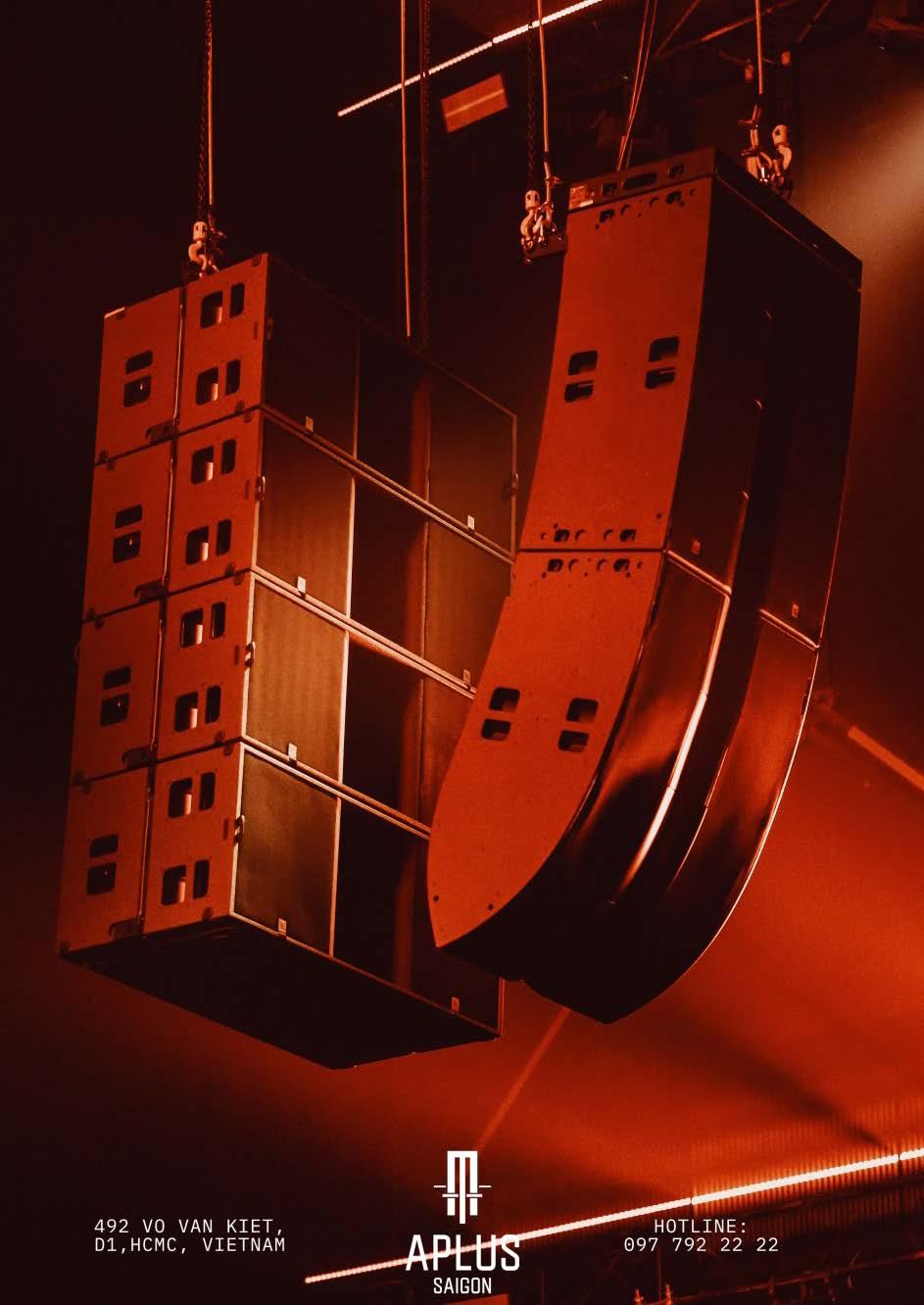
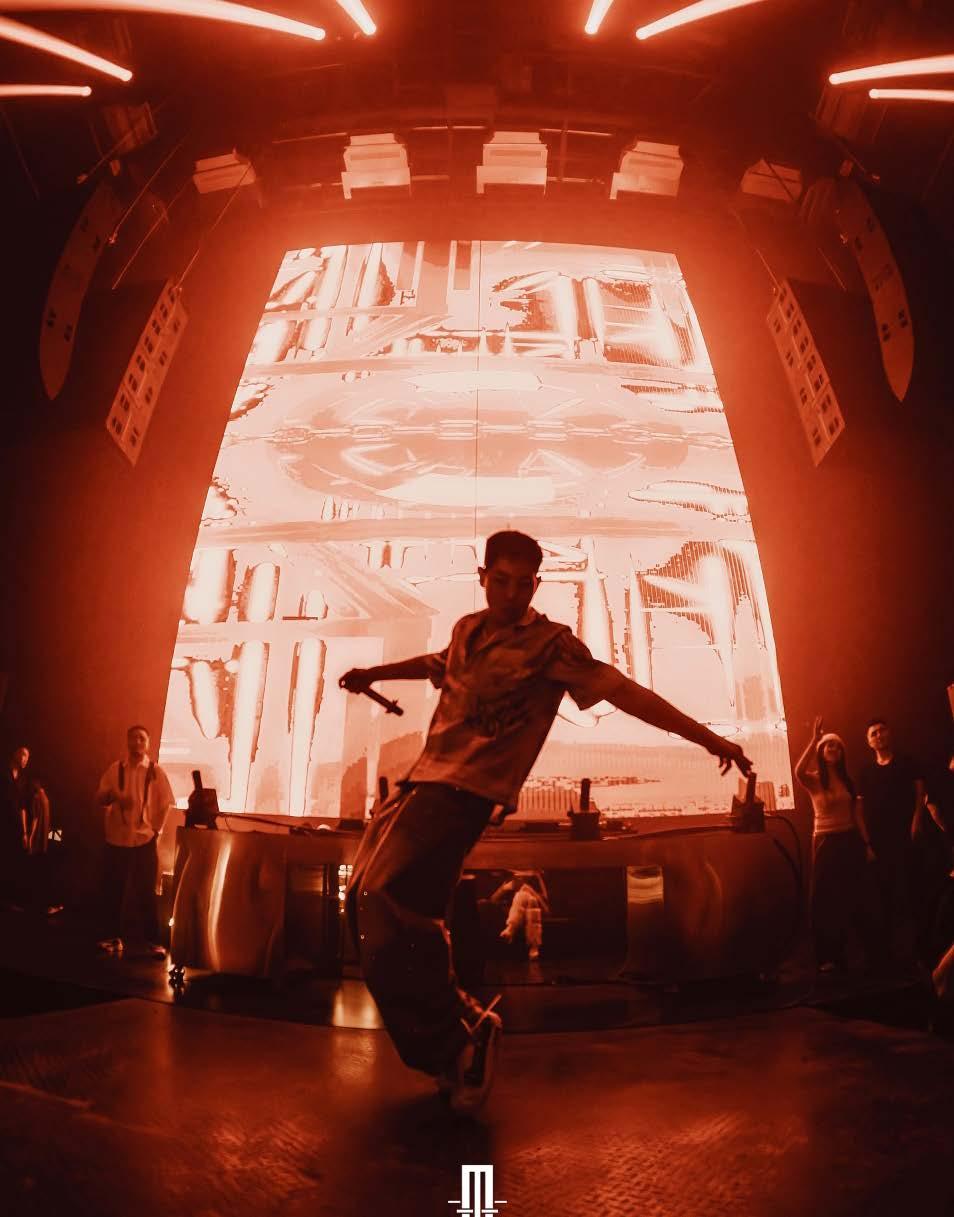
80 VIETNAM: L-Acoustics L Series Debuts in Vietnam as APLUS Saigon Raises the Bar for Club Sound
83 CHINA: NEXO Anchors High-Intelligibility Audio at Zhengzhou’s Zhongyuan Medical Science City
Martin Audio Anchors
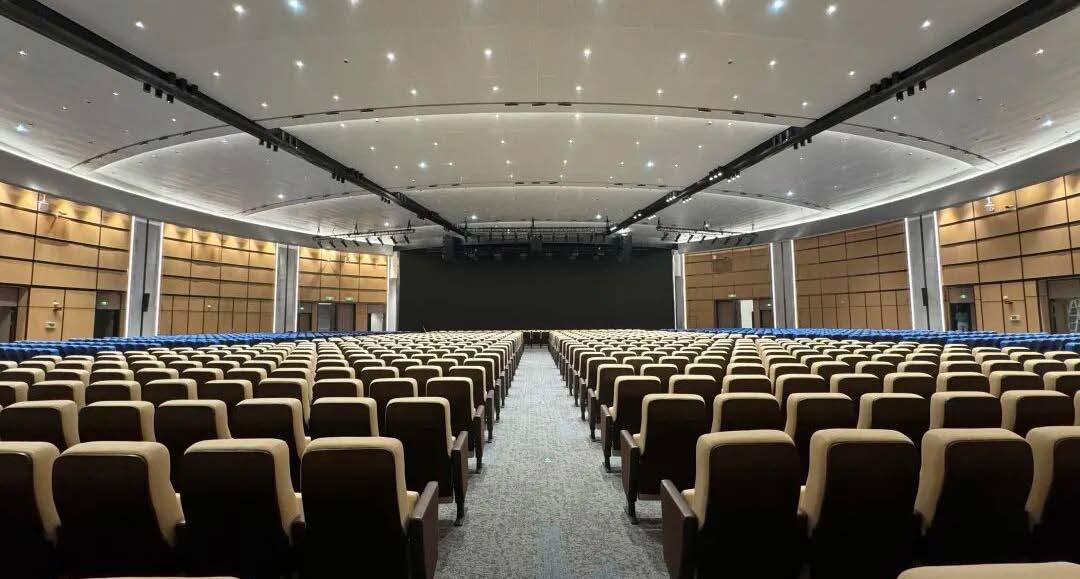
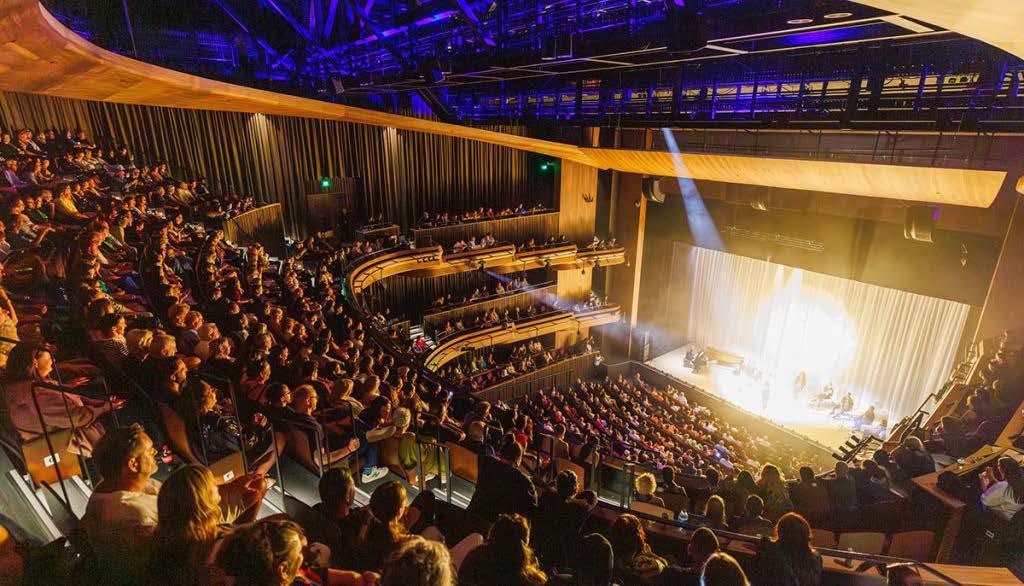
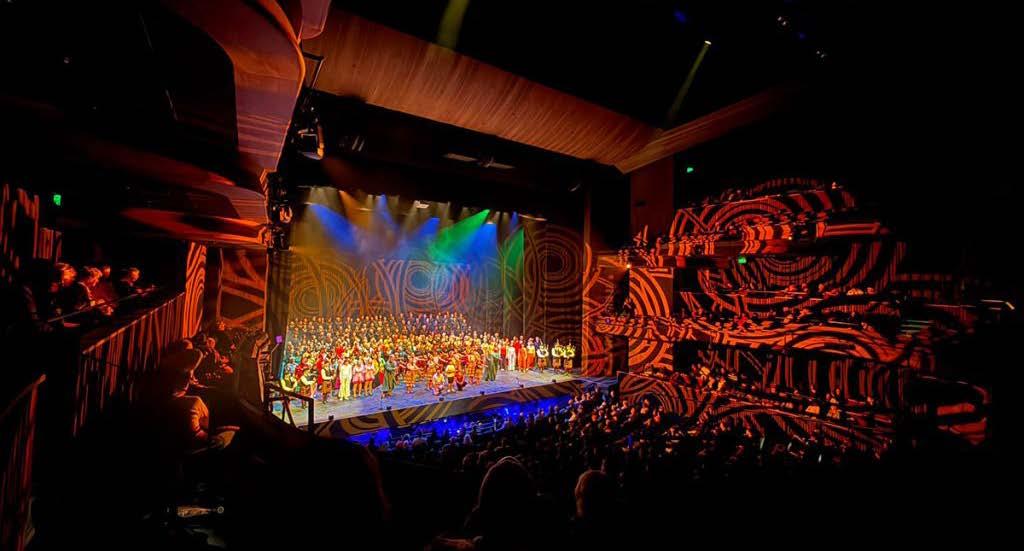
85 NEW ZEALAND: BNZ Theatre Opens with Precision, Power and Performance Excellence
FIRST WORDS
Recent industry reporting highlights record attendance and exhibitor engagement at Integrated Systems Europe (ISE) 2026, where over 92,000 visitors and nearly 1,750 exhibitors converged in February, underscoring continued confidence in large-scale production, immersive technologies and integrated AV workflows. This, coupled with announcements that AVIXA’s InfoComm EDGE experiential buyer showcase will launch later this year in Dubai, signals clear momentum for APAC and Middle Eastern markets hungry for innovation, convergence and high-impact deployments.
Beyond tech, however, lies a far less discussed — yet equally critical — focus on people behind the systems that power the experiences audiences around the world crave today. It is this conversation that sits at the heart of our Feature, Behind the Curtain: The Human Element, where we take a rare and revealing look at the stories, skills and human dynamics shaping the backstage world — from designers and technicians to the production teams whose craft underpins every live experience.
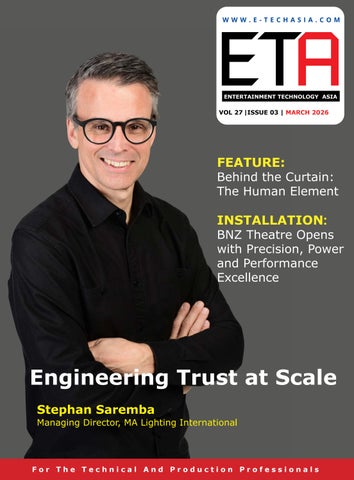
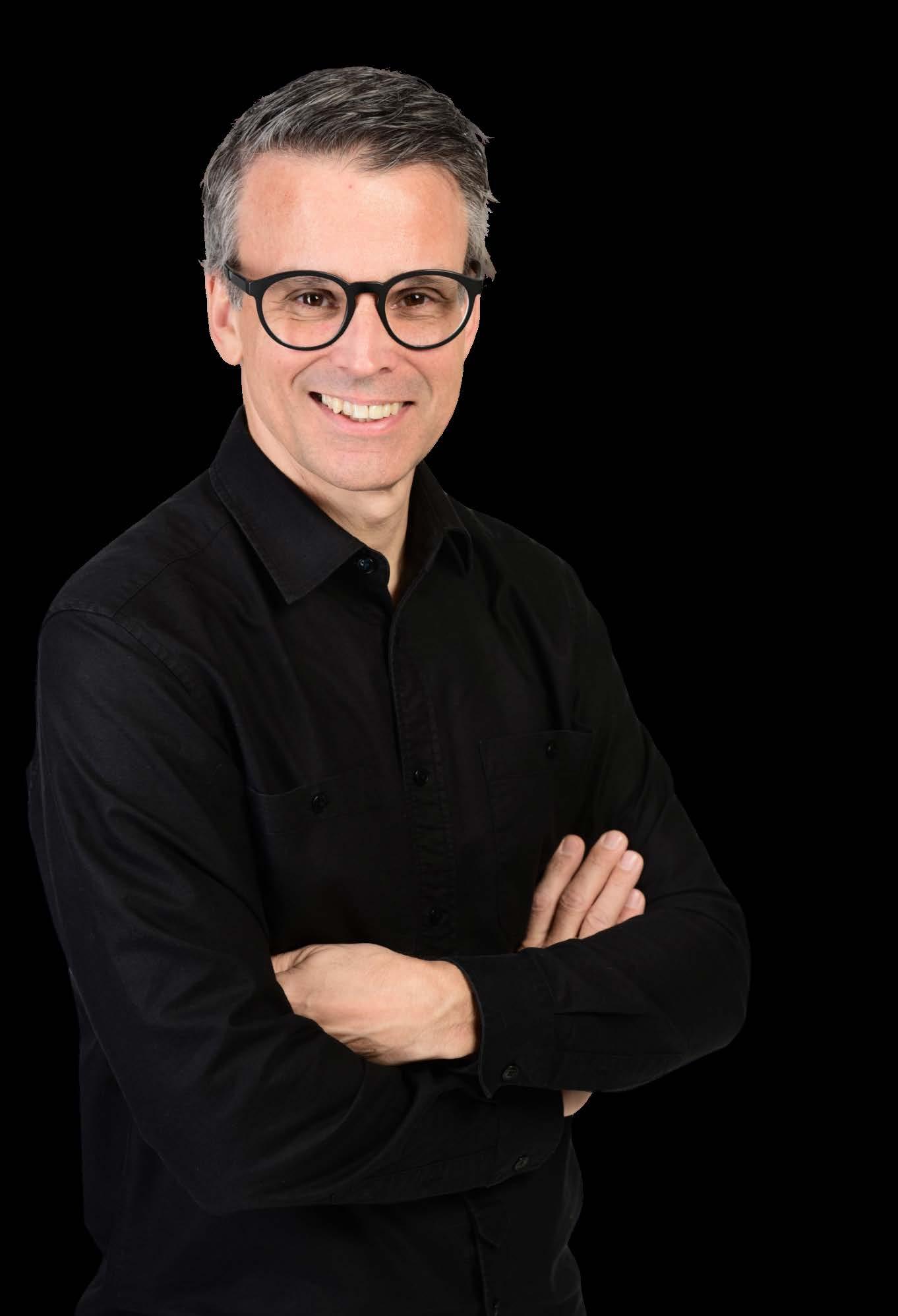
And in our Interview column, we sit down with Stephan Saremba – MA Lighting International’s Managing Director, whose stewardship and perspective on lighting control innovation offer invaluable insights into how systems thinking, collaboration and real-world expertise are shaping the present and future of tech and live event production across Asia and beyond.
In a business increasingly driven by both human talent and technological force, the question isn’t what comes next — it’s who shapes it.
Elton Noronha Editor elton.s.noronha@hotmail.com
PUBLISHED BY 207A, Thomson Road, Goldhill Shopping Centre, Singapore 307640. Tel: (65) 6316 2716 www.spinworkz.com
Thomas Richard Prakasam Publisher / Editorial Director thomas@spinworkz.com
DIRECTOR
INDUSTRY ENGAGEMENT
Andy Tan andytan@spinworkz.com
Julie Tan Admin & Circulation admin@spinworkz.com
Hazel Gundaya Design / Layout
OUR COLLABORATORS
Rosalind Tan Website Management Wizard PV Anthony Server and IT Security Guru
To subscribe to Entertainment Technology Asia click here: https://www.e-techasia.com/subscribe
Disclaimer : Entertainment Technology Asia is published 12 times a year. All rights reserved. No part of this magazine is to be reproduced, whether mechanical or electronic without the prior written consent of the publisher. Views expressed in this magazine do not necessarily reflect those of the editor or the publisher. Unsolicited contributions are welcome but the editor reserves the discretion to use them. Whilst every care is taken to ensure the accuracy and honesty in both editorial and advertising content at press time, the publisher will not be liable for any inaccuracies.
Please be informed that products and company names mentioned in this publication may be protected with tradenames, trademarks or registered trademarks of their respective owners. Our non inclusion of such symbols is not an indication of us not recognising the copyright but rather to have a common look across our articles. Misuse of tradenames, trademarks or registered trademarks is strictly prohibited. It is the obligation of our readers to check if company names and products are protected with tradenames, trademarks or registered trademarks.
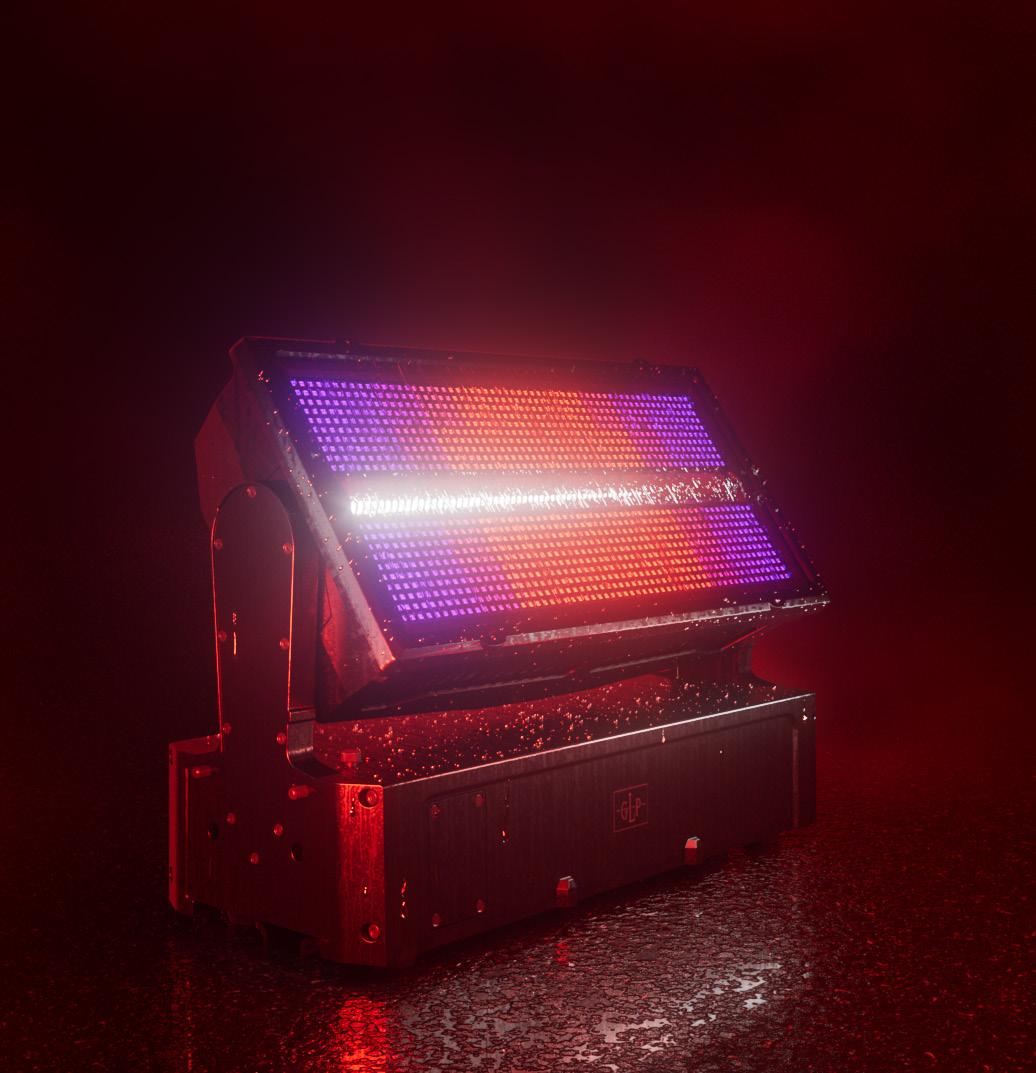
JDC Burst 1 [R]EVOLUTION
The New Original
GLOBAL
ETC Strengthens Architectural Controls Portfolio with the Acquisition of Pharos Architectural Controls
ETC has announced a decisive step toward defining the next era of architectural lighting control with the acquisition of longtime collaborator, Pharos Architectural Controls (Pharos) Pharos is a UK-based developer and manufacturer of dynamic lighting control systems used in architectural, themed entertainment, and large-scale visual installations. This investment builds on more than two decades of partnership between ETC and Pharos whose 21year history of innovation, reliability, and customer-first service has played a central role in the evolution of ETC’s architectural product line.
As the designer and manufacturer behind ETC’s Mosaic product family, Pharos has long shared ETC’s culture of agile development, exceptional support, and dedication to product excellence. ETC’s CEO Dick Titus said, “We look forward to growing our longstanding partnership with Pharos. Their inhouse development team continues to push the boundaries of dynamic lighting control,
and their work will further strengthen ETC’s offerings in the global architectural lighting market.”
Pharos’ extensive market presence and robust sales network across EMEA and APAC is said to position ETC for enhanced growth worldwide; with the respected Pharos brand aiming to give ETC a powerful complementary platform to accelerate growth and broaden market reach.
It is confirmed that Pharos will continue to operate as a stand-alone company. All existing sales and service relationships with Pharos will continue as normal and they will maintain their strong supply and licensing partnerships. Simon Hicks, Pharos CEO, said, “This is an exciting new chapter for Pharos and a fantastic opportunity for the team and our product. ETC provides a long-term home for the company, ensuring continuity of service for our customers, and we can now tap into a wealth of resources to help us accelerate our ambitious product development roadmap.”
ETC says that it looks forward to building on this solid foundation—drawing on Pharos’ innovation, global reach, and customerfocused approach—to deliver even more value and opportunity to clients around the world.
HIGH POWER, HYBRID SOURCE SOUND REINFORCEMENT
Shaping the Future by Celebrating our Past
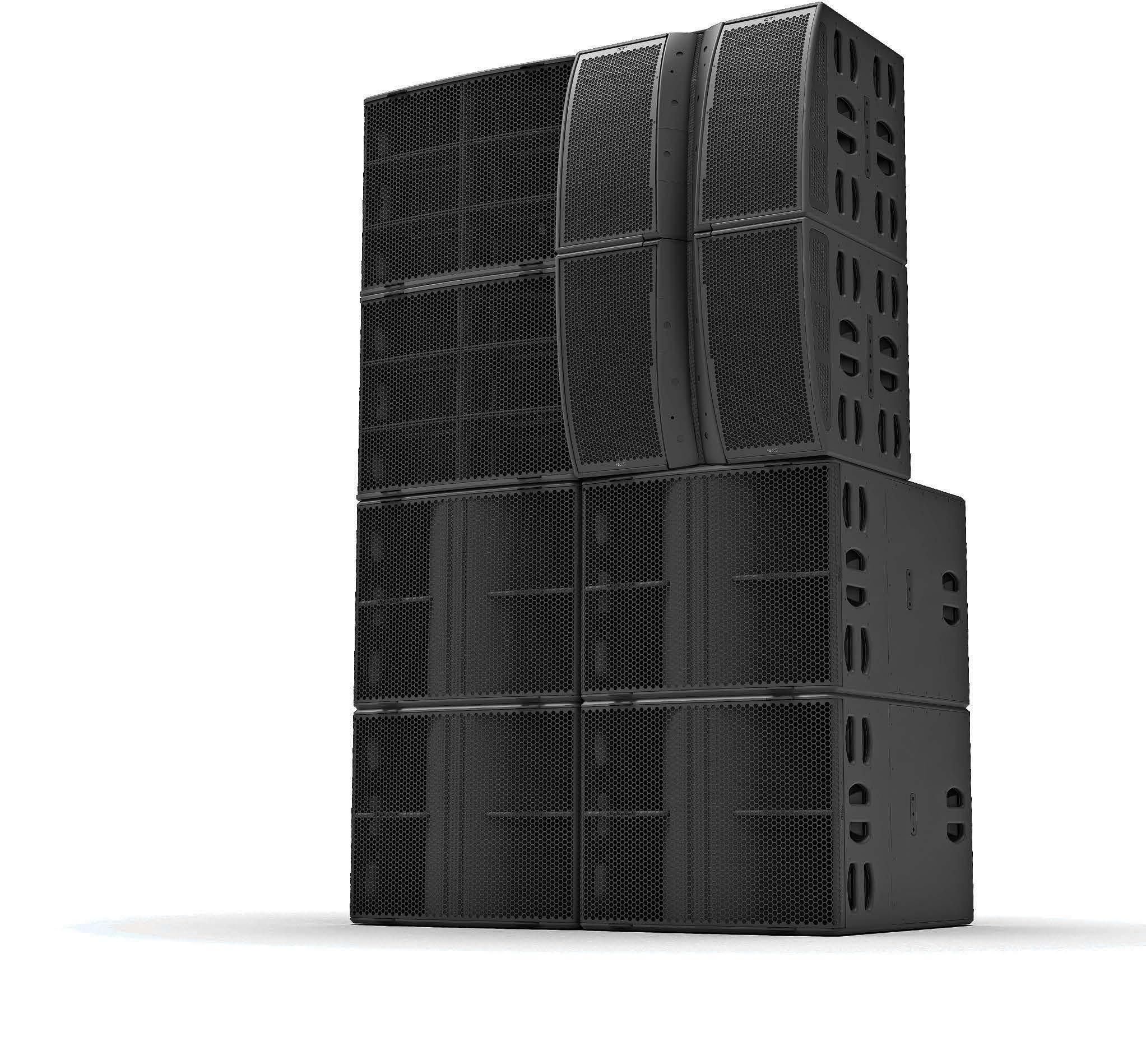
Three decades on and NEXO Alpha systems are still thrilling live music audiences and clubbers with their characteristic power and presence. Now we’ve drawn on the spirit of that ‘90s classic to create Alpha +, a ‘three-box’ FOH system that combines the benefits of line source coupling with the easy deployment of point source speakers.
Stacked on a mid-sized festival stage or installed in a club, it’s all Alpha, reimagined for the modern age.
nexo-sa.com
Renkus-Heinz Appoints AVAIL MEA Trading LLC as Exclusive UAE Distributor
Renkus-Heinz has taken a decisive step to strengthen its presence in the Middle East with the appointment of AVAIL MEA Trading LLC as its exclusive distributor for the United Arab Emirates, marking a strategic step in expanding access to its beam-steering loudspeaker solutions across the region. The agreement positions AVAIL MEA Trading LLC to represent and support Renkus-Heinz technologies in a market where demand continues to grow for precise, intelligible and musically accurate sound reinforcement in acoustically complex environments.
According to the two companies, the partnership will bring Renkus-Heinz beamsteering solutions to a wider range of projects across the UAE, addressing applications where clarity of speech and controlled sound dispersion are critical design requirements.
And with the exclusive distribution agreement now in place, the collaboration is set to reinforce Renkus-Heinz’s footprint in the UAE while enabling AVAIL MEA Trading LLC to deliver specialised audio solutions tailored to the demands of the local professional AV market.
Commenting on the collaboration, AVAIL MEA Trading LLC underlined the technical strengths and regional relevance of the portfolio, stating, “Renkus-Heinz beamsteering solutions represent advanced audio technology, designed for acoustically challenging spaces where the highest levels of speech intelligibility and musicality are essential. We are proud to begin this cooperation in the region and look forward to a strong and successful partnership ahead.”
AUSTRALIA
NEXO Announces New Distribution Partners in Australia
Part of the Yamaha group of companies, NEXO has announced new arrangements for the distribution of their products in Australia. Effective April 1st, 2026, distribution will be shared by three existing NEXO dealers in the country, each with extensive experience in supplying and supporting NEXO customers working in a range of applications, and now each with direct, distributor-level access to sales and technical support from NEXO’s French-based HQ.
“Alongside growing NEXO’s presence in Australia, our absolute priority is to continue the high levels of support that NEXO users there already enjoy, which is why we’re partnering with companies that have a proven track record of supplying NEXO systems with
excellent reputations for technical service” comments NEXO Asia Sales Manager Joe White.
The three new NEXO distribution partners in Australia are Factory Sound with locations in Melbourne and Sydney; Gold Coastbased Captivate AV and the LSV Group headquartered in Melbourne.
Commenting on the new partnership, Factory Sound General Manager Artie Jones says; “We purchased our first PS8/10/15 systems for the Factory Sound store in 2004. Over the following 20+ years, we have watched NEXO grow in Australia, being adopted by many production companies, integrators, and owner-operators. Factory Sound is very proud to be able to
continue the good work started in Australia by Group Technologies, and we look forward to continuing to supply and support the many existing and new potential NEXO customers in Australia in the future.”
For Captivate AV, Managing Director Chris Lang comments; “For the past 10 years, we have used NEXO products exclusively for our high-end audio solutions in both fixed installations and in our rental inventory. NEXO’s extensive range and modularity between series has enabled us to deploy countless creative solutions, exceeding expectations in every scope and scale. Now moving into a new phase of distributorship, we are excited to share our breadth of experience and passion for the NEXO brand with existing dealers and new prospective dealers, integrators and rental houses around Queensland and beyond.”
At the LSV Group, Brands Manager Andrew Stanley says; “NEXO’s reputation for precision engineering and worldclass professional audio fits naturally with our group’s longstanding commitment to the Australian market, with NEXO forming a core part of our audio strategy across touring, live events and installed sound for many years. LSV Group is proud to be appointed as an Australian distribution partner for NEXO and looks forward to working in close collaboration with NEXO HQ and alongside our friends and colleagues at Factory Sound and Captivate AV, to further strengthen NEXO’s long term presence and customer support across Australia.”
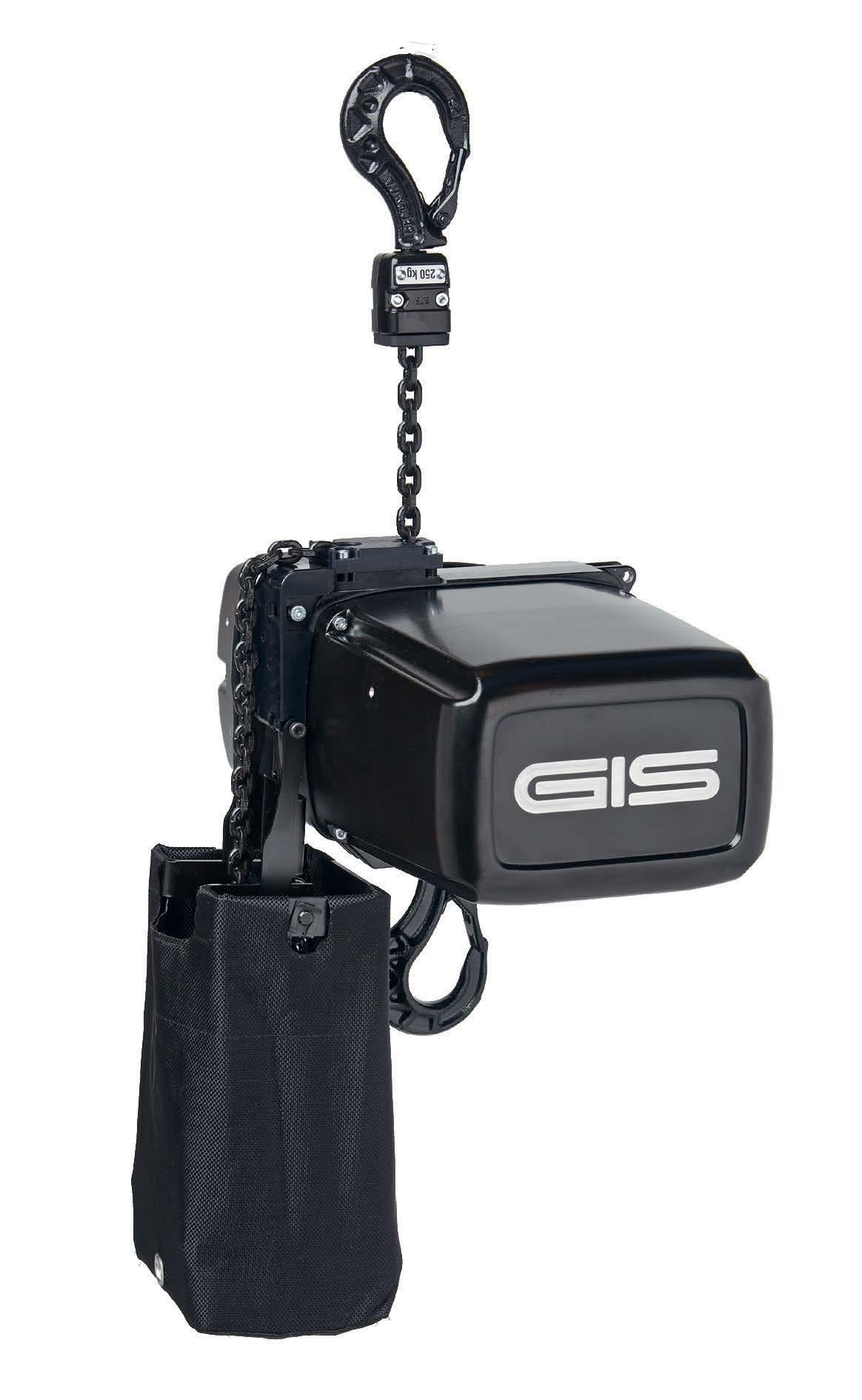
ELECTRIC CHAIN HOIST LP
Audiotonix Moves Closer to the Performer with DPA Microphones, Wisycom and Austrian Audio Acquisition
Audiotonix has announced an agreement to acquire three established names in professional microphone and wireless audio technology — DPA Microphones, Wisycom and Austrian Audio—marking a significant expansion of its global audio technology portfolio. The acquisition is currently being filed for regulatory approval and is expected to be completed in H1 2026, positioning Audiotonix to extend its reach further along the audio signal chain, from system processing to the point of sound capture.
With more than six decades of Danish microphone design expertise, DPA Microphones is widely recognised for delivering exceptional sound quality, consistency and sdurability across live sound, theatre, film and installation markets. Italian manufacturer Wisycom brings advanced wireless audio solutions tailored to complex RF environments, serving demanding applications across broadcast, live events,
corporate production and location sound. Vienna-based Austrian Audio contributes a portfolio of microphones, headphones and audio tools rooted in decades of acoustical design heritage, reinforcing the group’s depth in transducer development.
The three brands will join Audiotonix’s existing roster of professional audio technology companies, which includes Allen & Heath, Calrec, DiGiCo, DiGiGrid, Fourier Audio, Group One Limited, Harrison, JH Audio, KLANG:technologies, Slate Digital, Solid State Logic, sonible and Sound Devices. Collectively, the expanded portfolio reflects Audiotonix’s strategy of assembling specialist brands that address distinct yet complementary segments of the professional audio ecosystem.
Commenting on the rationale behind the acquisition, James Gordon, CEO of Audiotonix, states, “With the development
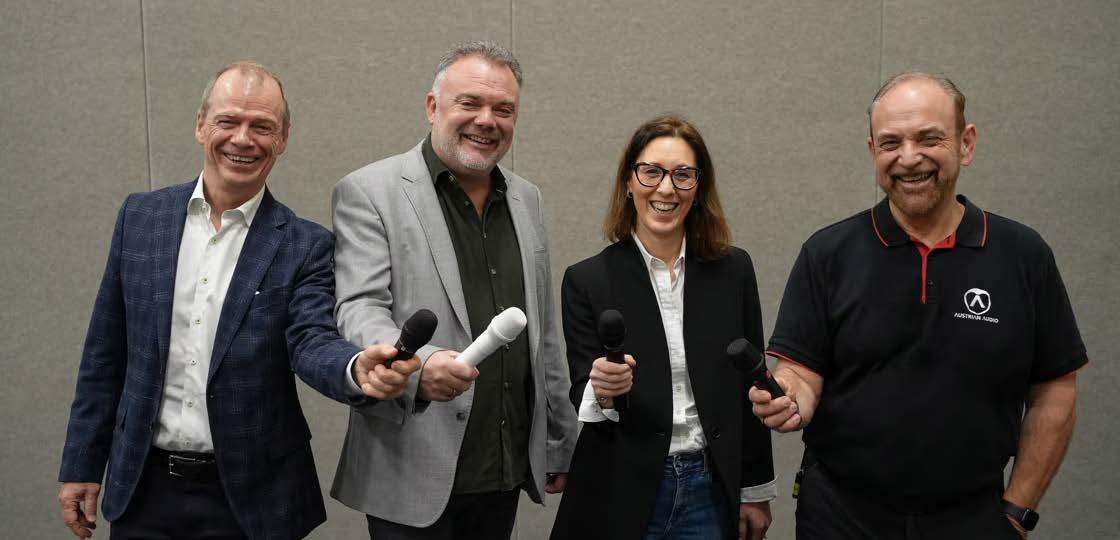
L-R: Kalle Hvidt Nielsen, DPA Microphones CEO; James Gordon, Audiotonix CEO; Marika Stangherlin, Wisycom CSO (Chief Sales Officer); Martin Seidl, Austrian Audio CEO.
work we have been investing in with Sound Devices, it makes technological sense to add Wisycom to the team. The next logical step is to move closer to the performer with microphones, and DPA as a premium brand is the ultimate choice. Austrian Audio, with their decades of microphone and headset design experience, have immense potential and will help complement our existing and future portfolio. We always aim to work with brands that add value for our customers, and the future potential of this trio as part of Audiotonix is not hard to imagine.”
From the perspective of DPA Microphones, the move is framed as a natural alignment of premium brands serving similar high-end user communities. Kalle Hvidt Nielsen, CEO at DPA Microphones, comments, “DPA Microphones, Wisycom, and Austrian Audio are premium brands known for their strong and visionary product offering, used by many high-end customers who are familiar with all the Audiotonix brands. We share
many location sound professionals with Sound Devices who rely on best-in-class audio quality and top-notch reliability and so by joining Audiotonix, DPA Microphones, Wisycom, and Austrian Audio get the opportunity to offer more premium solutions to discerning, quality focused customers.” He adds, “The synergy across the brands enhances the group’s capacity to deliver substantial advantages to all professional customers who demand the best. I look forward to more collaboration and moving the state-of-the-art forward in new verticals.”
If completed as planned, the acquisition will further consolidate Audiotonix’s position across live sound, broadcast, touring and installation markets, strengthening its ability to deliver integrated, high-performance audio solutions that span capture, transmission, processing and monitoring, while allowing each brand to continue operating with its own identity and specialist focus.
ASIA
AVPro Global Expands Asia Push with Generation AV Alliance
AVPro Global Holdings LLC is sharpening its focus on Asia with the appointment of Singapore-based Generation AV as its representation for the AVPro Edge and RTI brands in the region, signalling a calculated move to deepen reach across one of the world’s most dynamic professional AV markets. The parent company of AVPro Edge, AudioControl Pro, Bullet Train, RTI, ProControl, ThenAudio, and Murideo has aligned with a partner positioned at the intersection of distribution relationships, technical expertise, and on-ground market development.
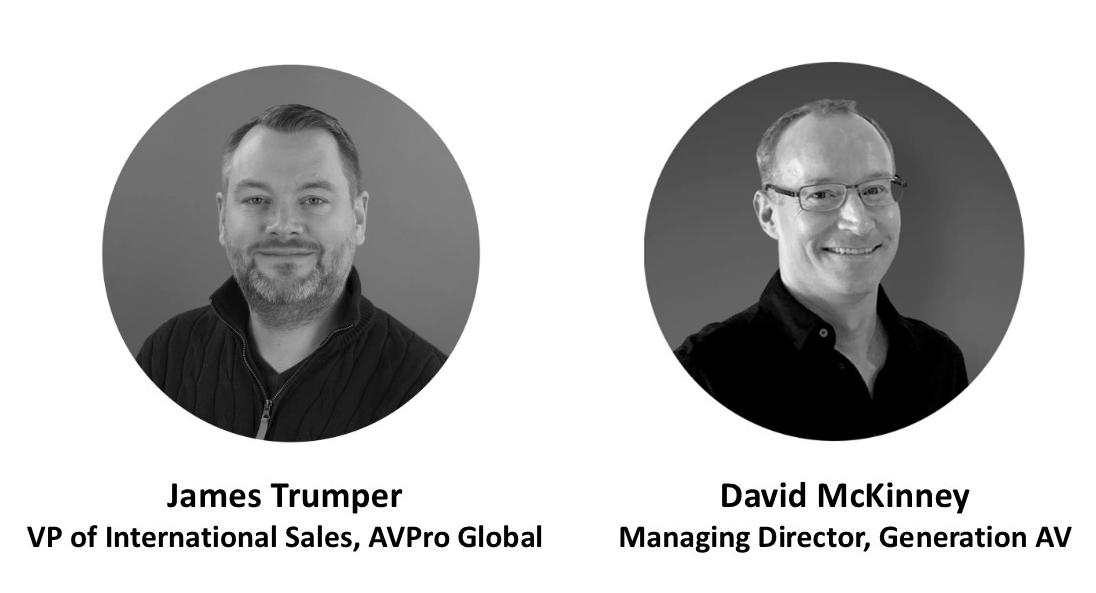
“We are excited to partner with Generation AV in the Asia-Pacific region, representing the AVPro Edge and RTI brands to their network of technology integrators and AV specialists,” stated James Trumper, VP of International Sales at AVPro Global. “I am confident that the exceptional team at Generation AV will establish new and productive relationships for our product lines across this expansive territory.” From the regional partner’s perspective, the momentum is already visible.
“We started working with RTI several months ago and have had a great reception across different parts of Asia,” explained David McKinney, Managing Director of Generation AV. “Adding AVPro Edge to the portfolio really completes the system offering for our partners; We look forward to introducing the latest innovative products and services from both brands that represent vital solutions for integrators and AV specialist dealers and are confident we can build on the strong brand reputation AVPro Edge and RTI already possess in Asia.”
Founded in 2019 and headquartered in Singapore, Generation AV brings decades of combined experience across professional audio/video, control, and automation, supporting a network of technology distributors and integrators throughout Asia. Its remit spans strategic sales and business development alongside technical support and application engineering, including product selection, system design, project support, and troubleshooting. The company further strengthens its value proposition through product and software training for integrators and end users, while its Singapore Experience Centre delivers handson demonstrations of the latest innovations from its represented brands, giving partners a practical environment to explore real-world deployment scenarios.
SINGAPORE:
NB TAY Pte Ltd Brings Power and Elegance Together with the QSC KC12
Founded by brothers Nathaniel and Benson Tay, NB TAY Pte Ltd has quickly established itself as a dynamic audio-visual solutions provider since its incorporation in 2023. The company delivers high-quality professional AV solutions for events with demanding technical requirements, while also supplying backline equipment such as keyboards and drums, in addition to live streaming services for both indoor and outdoor settings.
In October last year, NB TAY expanded its inventory with four units of the QSC KC12 portable loudspeaker system.
According to Nathaniel, event professionals have traditionally had to choose between the unobtrusive look of a column speaker
and the room-filling power of a professional loudspeaker. The KC12 eliminates this tradeoff, allowing NB TAY to offer a system with a minimalist visual profile that delivers uncompromised, high-fidelity audio.
Two key innovations make this possible: LEAF Waveguide – Seamless Coverage for Every Listener. “Our goal was to ensure every guest experiences flawless audio — not just those in the ‘sweet spot.’ Traditional column speakers often suffer from phasing issues and inconsistent sound. The KC12 eliminates this with QSC’s patented LEAF Waveguide technology, adapted from their flagship L-Class line arrays.”
The technology ensures smooth, consistent high-frequency dispersion across a wide 145-degree horizontal plane. The result is seamless audio performance where the speaker effectively “disappears in the mix.”
For NB TAY clients, this translates into crystal-clear vocals and balanced sound coverage — whether at a corporate gala, wedding, or live performance.
True Three-Way Design – Point-Source Power in a Column Format. “Our second objective was to deliver the chest-thumping impact required for modern events — something most column speakers simply cannot achieve.”
The KC12 features a true three-way design comprising a dedicated 12-inch subwoofer for deep, punchy bass, dual 4-inch midrange drivers and a genuine 1-inch compression driver for articulate highs. Powered by a 3000-watt amplifier delivering up to 132dB
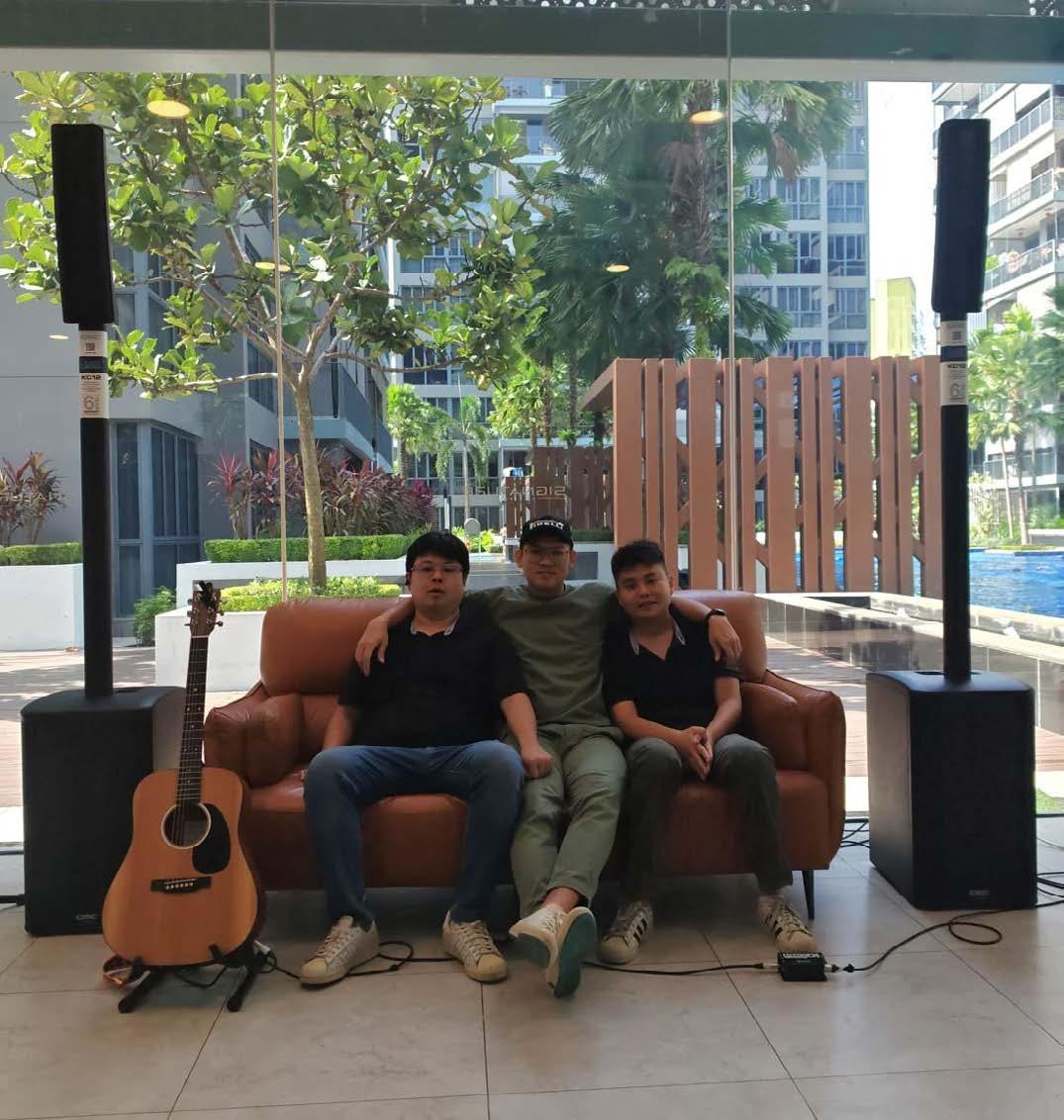
(L-R) Benson Tay, Ethan and Nathaniel Tay flanked by the QSC KC12s.
peak SPL, the system produces natural, highdefinition sound with authoritative low-end performance.
NB TAY can now meet the expectations of demanding artists and DJs — delivering the sonic integrity of a high-end point-source PA system within an elegantly portable column format.
Benson adds, “With the QSC KC12, NB TAY PTE LTD offers clients the complete package: breathtaking aesthetics, effortless setup, and world-class sound.”
NB TAY’s confidence in the KC12 stems from years of real-world experience with QSC systems.
“We’ve deployed the iconic K12 speakers extensively during church camps throughout Malaysia, where they consistently transformed hotel ballrooms into vibrant worship spaces. Their punchy sound and robust power never failed to impress. When QSC introduced the KC12, we didn’t just see a new product — we saw the evolution of a technology we already trusted, now engineered for even greater elegance and versatility,” says Benson.
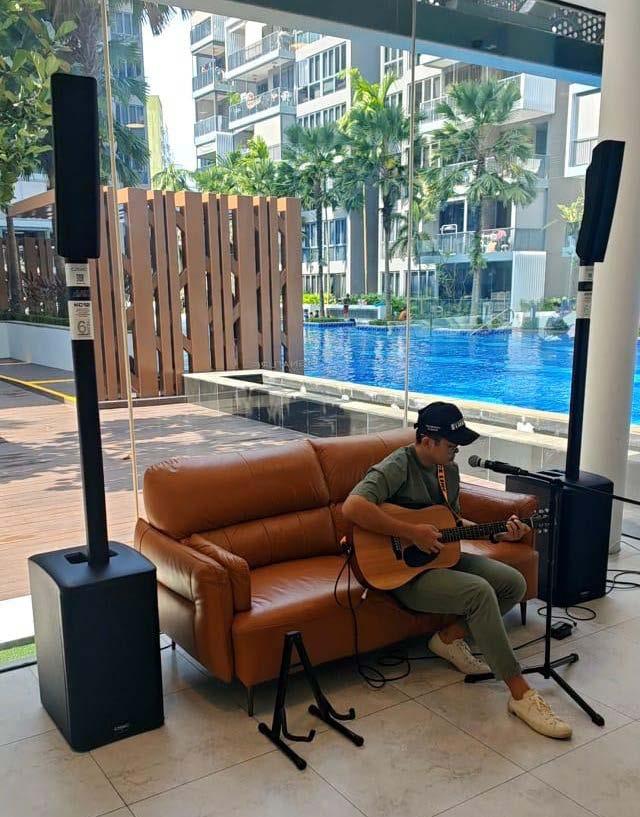
The KC12 was recently deployed at a private condominium event, transforming a casual gathering into a memorable audio experience. The client, Ethan — a retired musician and former sought-after gig guitarist — was struck by how a sleek, understated speaker could deliver such powerful, immersive sound. It perfectly captured the KC12’s promise: big sound, small footprint.
Nathaniel and Benson highlight that the KC12 systems were acquired through Sindo Exports, a partnership that reinforced the value of working with experienced industry professionals.
“Special mention goes to Ashton, a true veteran of the audio-visual industry, whose support was instrumental in our decision. He provided thorough technical explanations and demonstrated an impressive command of the product. He took the time to understand our specific requirements, ensured the speakers were well-suited to our projects, and arranged hands-on testing before we committed. Beyond simply supplying equipment, he offered valuable insights into the industry and the technology behind the speakers — guidance that only comes from years of experience. It’s this level of expertise and partnership that makes Sindo Export a trusted collaborator for NB TAY.”
SINDO EXPORTS
NB TAY
Ethan performing at the private condominium event.
NEWS
GLOBAL
Avolites Marks 50 Years with Golden Console Competition and Avo50 Ambassadors
Avolites has formally launched its 50th anniversary celebrations, marking five decades of influence in professional lighting and media control with the introduction of the Golden Console Competition and the Avo50 Ambassador programme. The initiatives signal a year-long series of activities that recognise both the company’s legacy and its ongoing relationship with the creative professionals who have shaped the look and feel of live entertainment worldwide.
Founded in 1976 on the belief that creative people deserve tools that are fast, flexible and built for the realities of live performance, Avolites has grown into one of the most trusted names in lighting and media control. Its products are used across the full spectrum of performance environments, from experimental theatre productions to global touring, festivals and broadcast events, with a consistent focus on supporting the people behind the control desk. That commitment to lighting and visual designers, programmers and operators has driven decades of workflow innovation and the integration of lighting and video, enabling more ambitious visual storytelling across live productions.
The anniversary year officially gets underway with a set of global initiatives designed to celebrate the community around the brand. Central among them is the Golden Console Competition, which will be unveiled at ISE in Barcelona and will run throughout the year, offering participants the chance to win a one-of-a-kind 24-carat gold plated Avolites console. Alongside this, the company is introducing the Avo50 Ambassadors, a group of fifty influential designers, programmers and operators who will be revealed over the next ten months. Their stories, experiences and achievements will be shared through interviews, video content and social media, placing the spotlight firmly on the individuals who continue to define the Avolites identity.
Reflecting on the milestone, Avolites CEO Nikki Scott stated, “Fifty years is an extraordinary milestone and what truly matters is the community behind it. Avolites exists because of the designers, programmers, technicians and partners who have trusted us with their creativity for half a century. This anniversary is a celebration of them: of their talent, passion, visions, imagination and all the incredible shows they bring to life every day.” Additional anniversary activity will include a time capsule project, archive features and special content that traces the people, products and moments that have shaped the company’s journey over five decades.
“This anniversary isn’t about looking back with nostalgia,” Scott added. “It’s about recognising what we’ve built together and using that momentum to shape the future."
GLOBAL
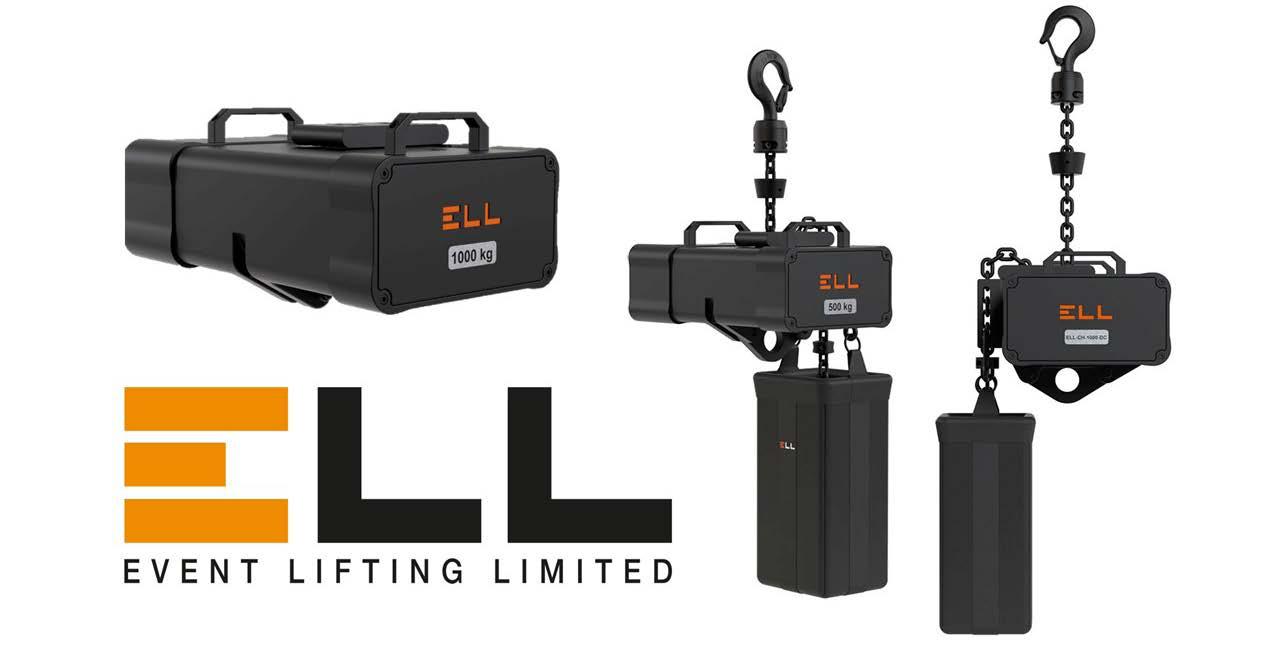
ELL Makes Its First Lift
A new name is entering the global rigging conversation at Integrated Systems Europe 2026, with Event Lifting Limited (ELL) formally launching its professional-grade electric chain hoists to the international entertainment technology market. Positioned as a brand built around compliance-first engineering and digital integration, ELL is presenting what it describes as a strategic step forward for rigging safety in live events, touring and fixed installations.
At ISE 2026, ELL has debuted its first hoist range with 500kg and 1000kg models, marking what the company claims to be the industry’s first fully furnished, thirdparty TÜV certified hoist offering that moves beyond self-declaration. Designed to meet the EN 17206 standard as a baseline rather than an upgrade, the hoists are engineered to integrate seamlessly into existing rental and venue infrastructures, allowing users to retain their current controllers while elevating overall system compliance.
From a mechanical and safety standpoint, each ELL hoist incorporates a drive mechanism designed for twice the characteristic load, a dual braking system, and an 8:1 safety factor (SF) black phosphate load chain. This approach places redundancy and long-term durability at the centre of the product design, addressing the increasingly stringent expectations being placed on modern entertainment rigging systems.
Beyond mechanical performance, ELL is also pushing into smart rigging territory. The hoists feature integrated NFC technology, enabling riggers and technicians to access machinery specifications and documentation instantly via smartphone on site. Embedded digital functionality includes an integrated hour counter to simplify maintenance scheduling, operational logs providing realtime access to usage history and event data, full digital traceability for each unit, and streamlined testing processes for loadsecuring devices, positioning the hoist as
a data-driven asset rather than a purely mechanical tool.
Explaining the thinking behind the brand, Juan José Vila says, “We didn’t just want to build another hoist; we wanted to provide a complete, compliant system solution. By establishing a dedicated infrastructure and a strategic manufacturing base in Valencia, we’ve combined specialised engineering expertise with the logistical agility needed to serve the EU and UK markets.”
While the UC1 models take centre stage at ISE 2026, ELL has already outlined a forwardlooking development roadmap. The company plans to introduce models with integrated
GLOBAL
load cells in 2026, enabling comprehensive load recording and monitoring, followed by the launch of high-capacity hoists in 2027 aimed at supporting the largest-scale global productions.
Established through a collaboration of industry specialists, ELL has been created to address what it identifies as a gap in the market for ready-to-use, fully compliant rigging machinery. With manufacturing based in Valencia, the brand is positioning itself to play a long-term role in shaping a safer, more digitally connected future for entertainment rigging worldwide.
L-Acoustics Rewires the Future of Live Sound with Education and Market Strategy at the Core
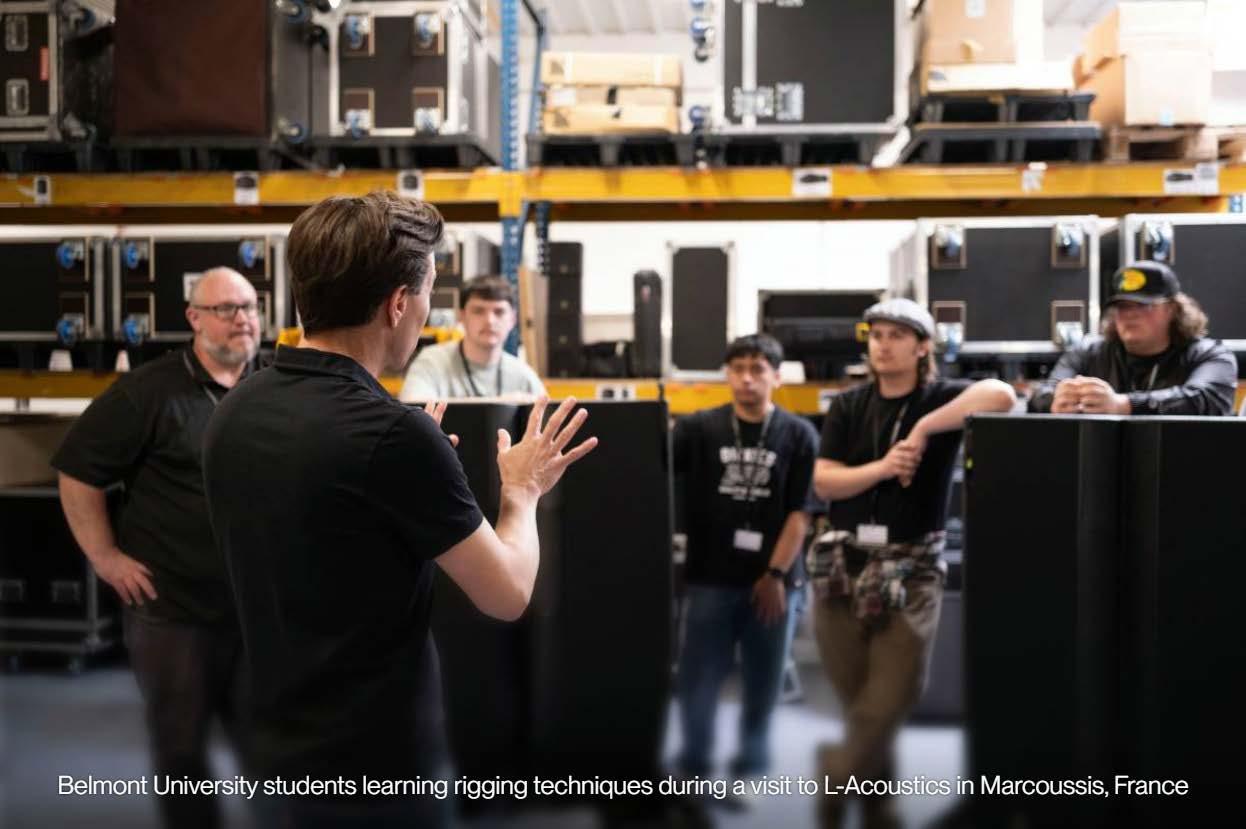
As global demand for concerts, festivals, corporate events and immersive live experiences accelerates, L-Acoustics is responding on two strategic fronts: closing the widening skills gap in live audio education while simultaneously sharpening its longterm market development engine. Together, these moves underline a broader ambition to future-proof both the industry’s talent pipeline and the company’s relevance across an expanding range of professional audio applications.
At the heart of its education strategy is the launch of the L-Acoustics Education Partner Program, a global initiative designed to embed professional live sound training and certification directly into university-level audio curricula. Developed to complement the strong theoretical and studio-based
foundations traditionally offered by academic institutions, the programme focuses squarely on the realities of modern live sound production, including real-time decision-making, complex system workflows and the use of contemporary professional technologies in high-pressure environments. Through partnerships with leading universities worldwide, L-Acoustics integrates its professional training curriculum into academic programmes, enabling students to graduate with both recognised academic qualifications and industry-validated certification.
Explaining the rationale behind the initiative, Luca Iacomino, Director of Education Operations at L-Acoustics, notes: “Universities excel at teaching the theory and science of audio, and when combined with
hands-on experience using professional live sound systems, students gain the complete skill set the industry demands. Through this program, we’re empowering academic institutions to deliver the same professional certification that working engineers receive, giving students hands-on experience with the technologies and workflows they’ll encounter throughout their careers. When these graduates enter the workforce, they arrive ready to contribute from day one.”
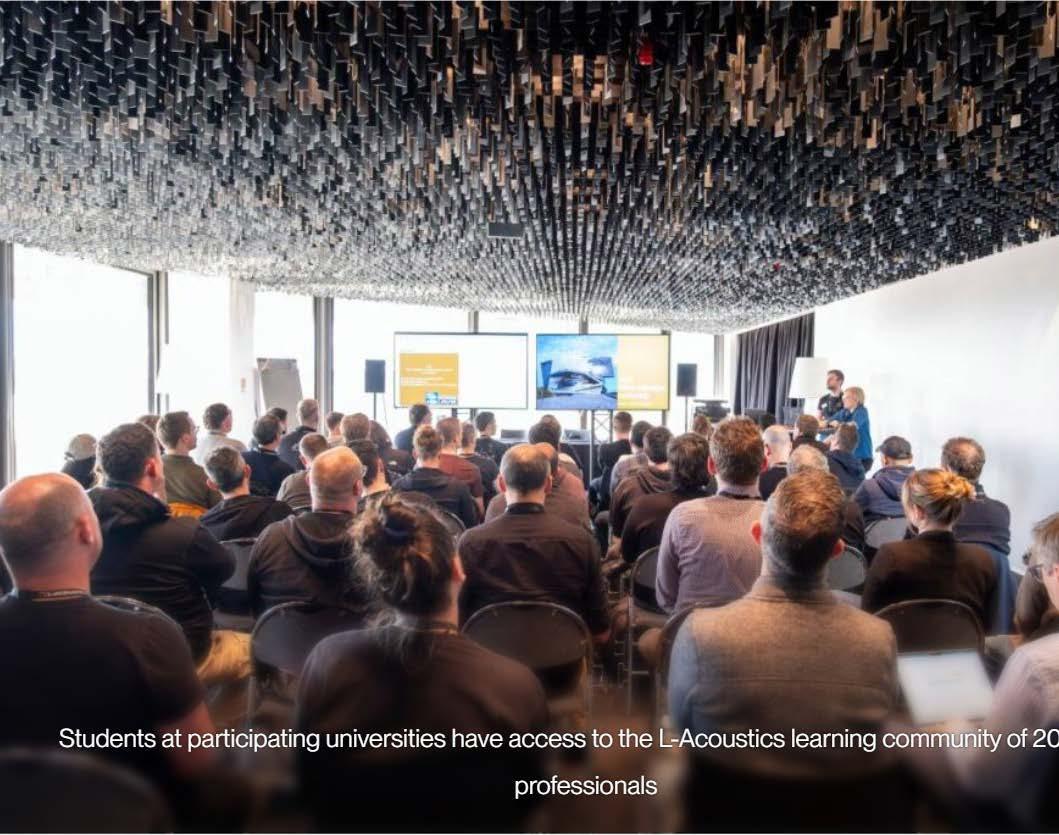
Participating institutions gain access to L-Acoustics’ full learning curriculum, shaped by decades of training nearly 20,000 audio professionals globally, while faculty members undergo accreditation to become L-Acoustics Certified Trainers, allowing universities to deliver official courses and award recognised certifications in-house. Access to L-Acoustics loudspeaker systems for educational use further ensures that students train on the same technologies deployed across leading venues and live events worldwide.
The inaugural cohort of the Education Partner Program brings together 17
University Partners from diverse geographic regions and educational models, selected for their excellence in audio education and commitment to preparing students for professional careers in live sound. For Etienne Corteel, Global Director of Education at L-Acoustics, the programme represents a long-term investment in the industry itself.
“Education has always been at the heart of the L-Acoustics mission. By partnering with the world’s leading academic institutions, we’re training the next generation of audio professionals, and we’re advancing the entire industry. These students will enter the market with a level of practical expertise that would have traditionally taken years to develop, and that benefits everyone: the graduates themselves, the venues and production companies who hire them, and ultimately the audiences who enjoy the best shared sound experiences.”
Beyond graduation, the initiative is designed to foster a sustainable professional ecosystem, linking students into the global L-Acoustics learning community
while supporting L-Acoustics Certified Provider partners with a growing pipeline of qualified, certified professionals. This academic expansion builds on the company’s broader Education Division, which in 2025 alone delivered nearly 100,000 hours of training and issued 14,000 education certificates worldwide, extending professional development firmly into academia.
Running in parallel with this education push, L-Acoustics has also reinforced its long-term growth strategy through the appointment of Olivier Maynard as Executive Director of Strategic Market Development, alongside a significant expansion of the remit and capabilities of the recently established division. The move signals a sharper focus on demand creation, commercial innovation and deeper market understanding as the company continues to broaden its footprint across both established and emerging professional audio verticals.
The Strategic Market Development division unites Business Development, Creative Engagement and Market Intelligence, working closely with regional sales teams to align L-Acoustics’ technical capabilities with the ambitions of diverse market
segments ranging from touring and festivals to houses of worship, sports venues, themed attractions, corporate events and architectural installations.
In his new role, Maynard joins the L-Acoustics Executive Committee and reports directly to co-CEO Laurent Vaissié, with responsibility for leading commercial innovation initiatives and developing new business models from concept through to implementation.
“In an industry where detailed market data is scarce, our ability to truly understand our customers, their challenges, and their ambitions gives us a decisive advantage,” says Maynard. “Our mission is to support our clients’ business by engaging end users in ways that are inspirational and experiential rather than purely technical – speaking to artists, architects, venue owners, and creative professionals about the creative potential when exceptional sound becomes part of their vision. By working hand-in-hand with our sales teams in every territory, we’re creating sustainable demand that benefits our entire partner ecosystem.”
At L-Acoustics, this experience is being applied to professionalising the company’s vertical market approach while exploring innovative business models designed to keep the brand at the forefront of industry evolution. As Vaissié explains, “As our portfolio of source, system, and space premium audio solutions continues to expand into new markets, our long-term vision and clients’ success depends on a leadership team that has a deep understanding of the different vertical needs, as well as an ability to explain our value proposition to a wide range of stakeholders, from technical experts to creatives and decision makers. Welcoming Olivier to our business team and Executive Committee is a key part of this evolution.”
INDIA
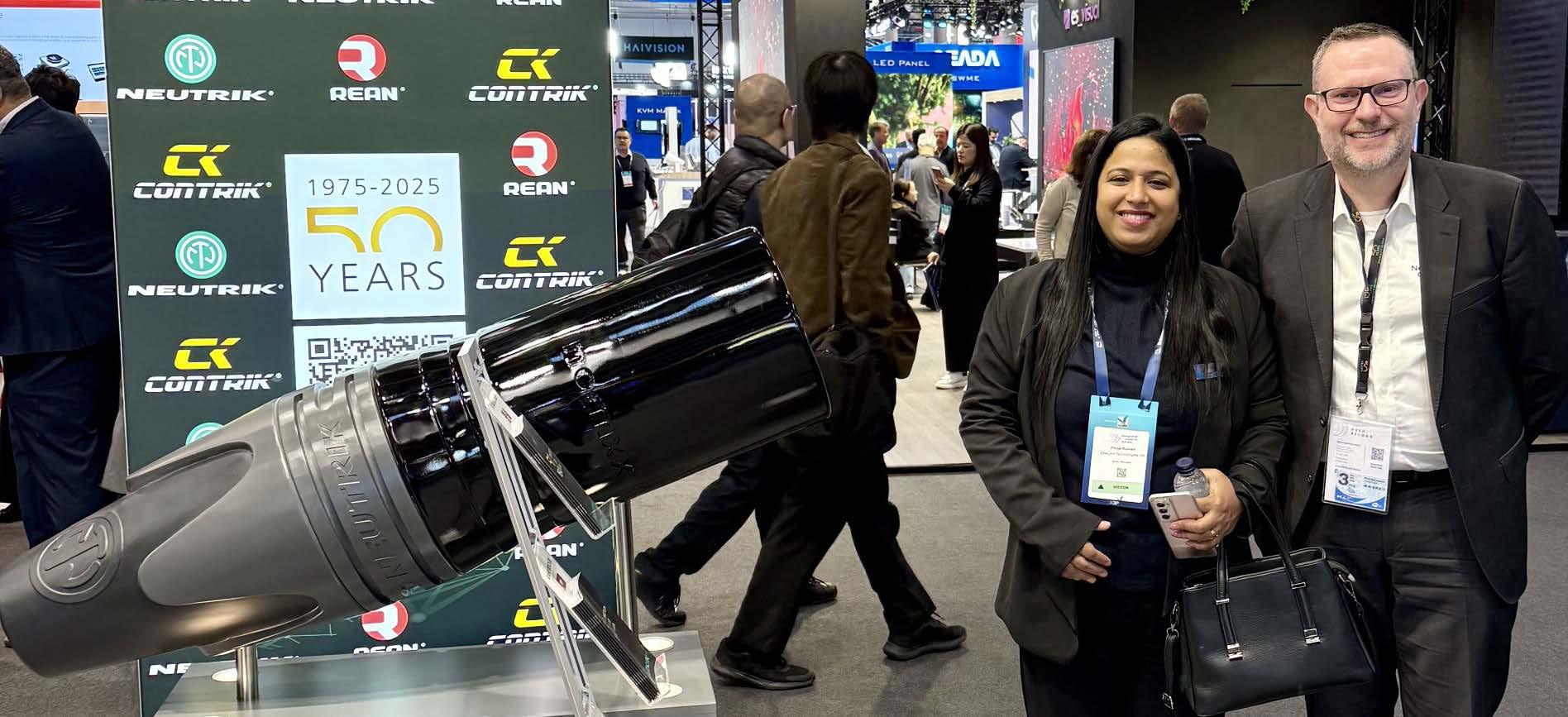
Neutrik Sharpens India Focus with Expanded National Distribution Network
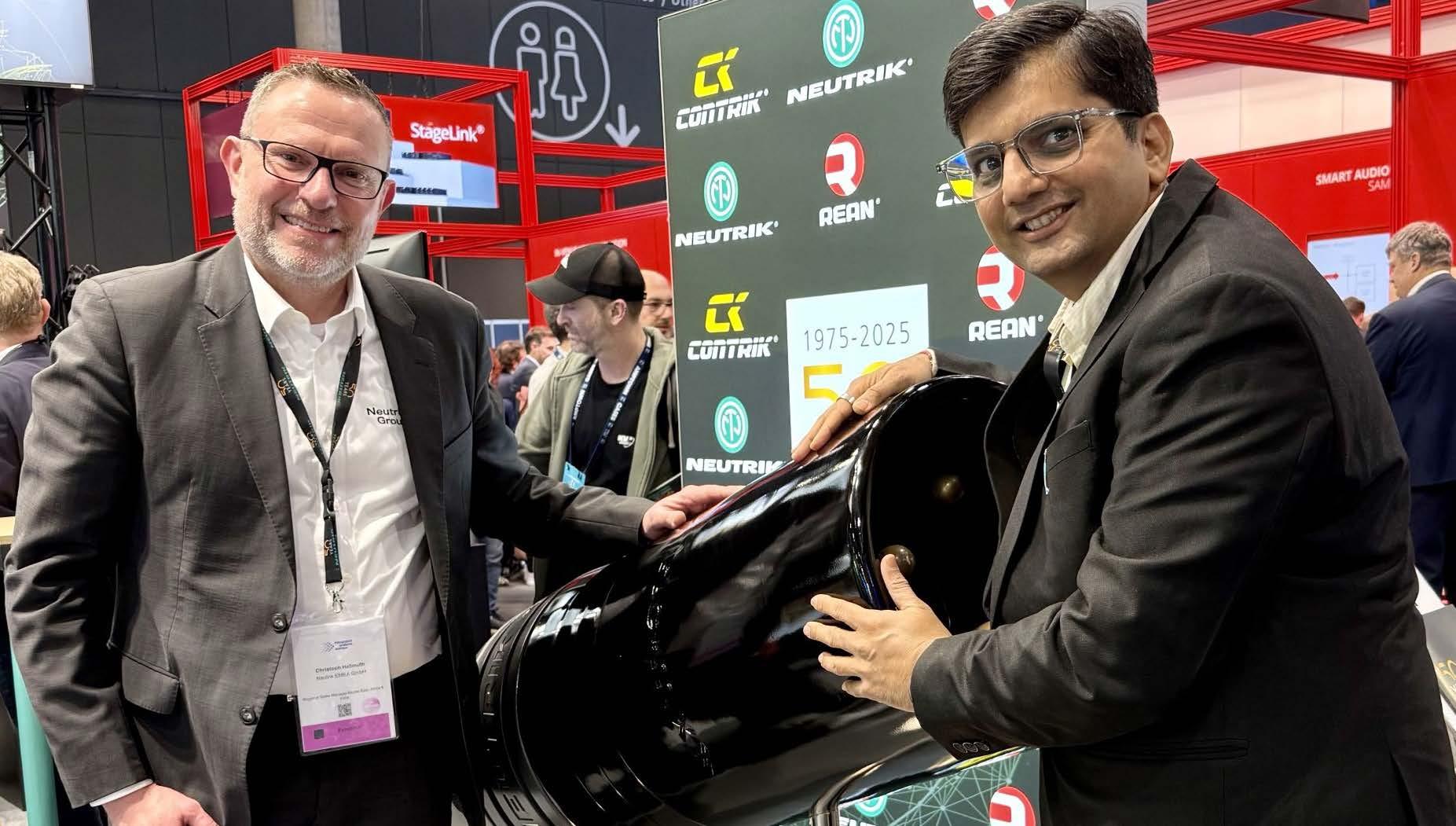
The Neutrik Group has reinforced its longterm commitment to the Indian professional AV market by expanding the distribution footprint of its NEUTRIK brand, appointing RISHABH Incorporated in Mumbai and 4 SQUARES Corporation in Bangalore with immediate effect. The two new partners join existing distributor COMCON Technologies collectively forming a newly structured nationwide distribution network designed to deepen market penetration for the worldleading AV connectivity brand across the subcontinent.
Highlighting the strategic importance of the move, Chris Hellmuth, Neutrik Group Regional Sales Manager MEAI stated, “India represents a considerable opportunity for NEUTRIK, where the potential for expansion and growth requires more partners across different geographical areas to provide sufficient market penetration throughout the subcontinent.” From the channel perspective, the appointments signal a clear recalibration of Neutrik’s go-to-market strategy in response to the scale, diversity and accelerating demand of the Indian AV ecosystem.
Commenting on the company’s appointment, Managing Director of RISHABH Incorporated & Kiran Sales Corporation, Biren Sheth, stated: “We thank Neutrik Group, and the management of Neutrik EMEA, for placing their trust in us and providing this opportunity. Partnership is not just a contract, it’s a shared vision; one in this instance that fully aligns with our mission of bringing world-class solutions to local markets.”
For 4 SQUARES Corporation, Managing Director Tijo George remarked, ”This appointment reflects our shared commitment to performance, reliability and market excellence. We sincerely thank Neutrik Group for welcoming 4 SQUARES Corporation into the NEUTRIK distribution network in India.
“With our strong regional footprint, technical expertise, and agile supply capabilities, we are ready to accelerate NEUTRIK’s reach and deliver world-class connectivity solutions closer to customers across the regions.”
From the EMEA leadership, Mark Perrins, Managing Director Neutrik UK Ltd. and Neutrik France, added, “Neutrik EMEA is delighted to welcome both Rishabh and 4 SQUARES to the Neutrik family, as partners in India, to enhance the reach and availability of our product to customers. Neutrik very much appreciates the size and complexities of the Indian market. The company is working hard to meet demand with the fast pace of growth in these core markets throughout the entire country, through a revised strategy of distribution and available channel stock.
Enlargement of the Neutrik family in any region is always a positive and welcome sign. We look forward to long-standing, fruitful partnerships with Rishabh, 4 SQUARES and COMCON within this new network.”
Alongside strengthening NEUTRIK brand availability, the expanded distributor
structure also sustains opportunities for wider market awareness of Neutrik Group’s CONTRIK and REAN brands, with RISHABH handling distribution of REAN and 4 SQUARES overseeing CONTRIK, further reinforcing Neutrik’s multi-brand connectivity presence across India’s rapidly evolving professional AV landscape.
Neutrik’s Chris Hellmuth with COMCON’s Pooja Barkiya.
Chris Hellmuth with RISHABH Inc’s Biren Sheth.
AUSTRALIA
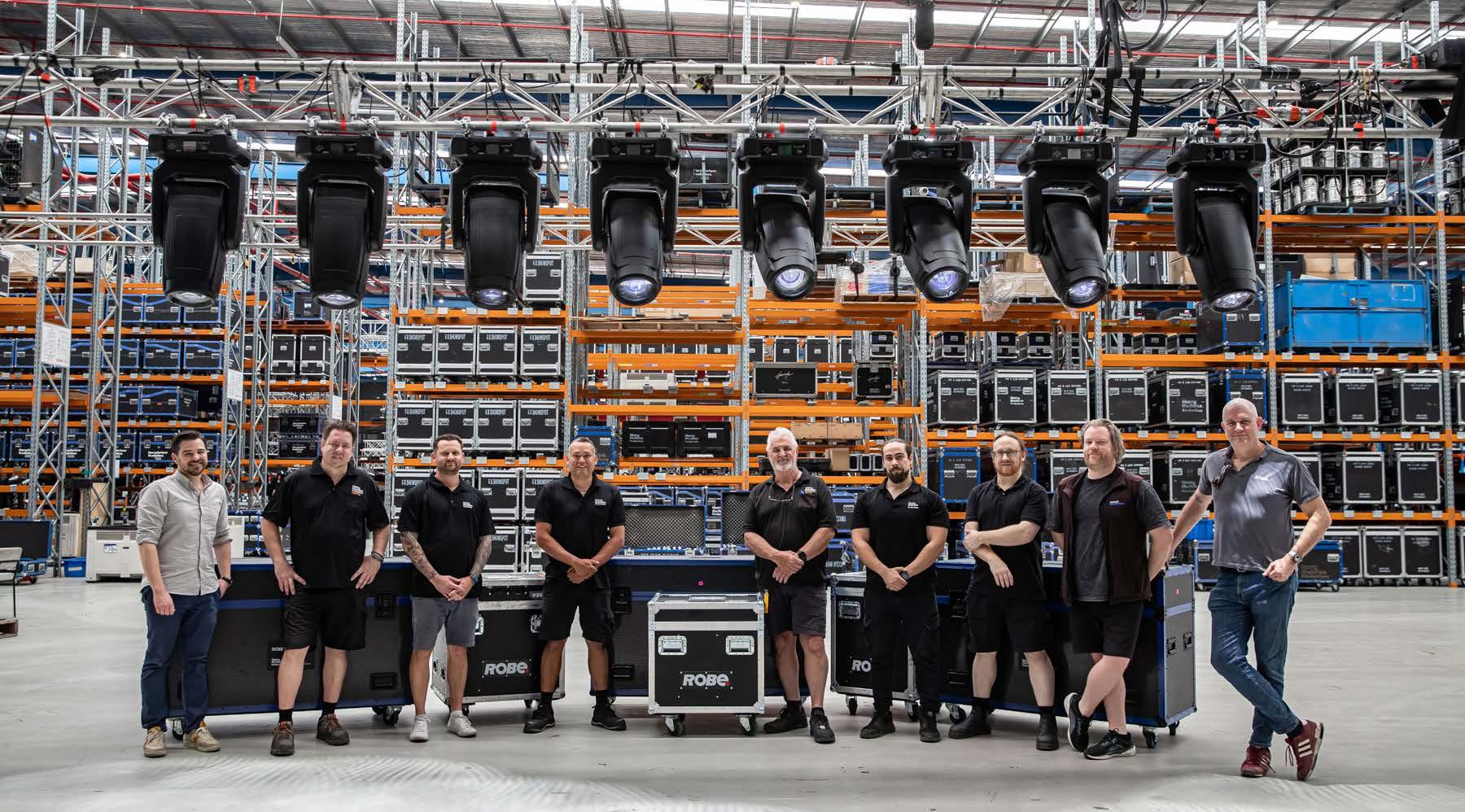
Harry The Hirer Productions Strengthens Touring Firepower with Major ROBE iFORTE Investment
Leading Australian rental specialist Harry The Hirer Productions (HTH) has expanded its lighting inventory with an investment in 80 ROBE iFORTES, reinforcing its commitment to rider-ready, high-performance fixtures for touring and large-scale event work. The new fixtures have been added to the company’s extensive rental stock and will rotate between its major hubs in Melbourne, Sydney and Brisbane, supporting a busy schedule of national and international productions.
Supplied via ROBE ANZ, part of distributor LSC Control Systems the delivery reflects the new distribution structure for Robe across the ANZ region, headed by Darren McLanders. Explaining the decision, Harry the Hirer Productions’ General Manager Simon Finlayson noted that while the
company prides itself on trailblazing trends, it is equally mindful of mature products with proven demand, particularly in the US. The iFORTE’s frequent appearance on international touring riders was a key factor, positioning the fixture to help generate its own demand within the Australian market. Alongside this, the business was actively seeking a long-throw profile fixture capable of meeting both current and future production requirements.
After evaluating multiple options, iFORTE was identified as the strongest choice in terms of brightness and longevity, with Simon adding that their ROI calculations are based on a minimum of three years of constant work, extending ideally to a six-year lifespan for full value. Previous Robe investments had already
NEWS
demonstrated durability in demanding rental environments, while versatility was another decisive factor, with the iFORTE proving equally applicable across touring and eventbased sectors.
Much of Harry the Hirer Productions’ work involves servicing international artists on Australasian tour legs, alongside delivering numerous high-profile corporate and major events. “We put time and money into the research of our investments, and also consult our international connections, so we know what is happening in the US, the UK and Europe, which is where a lot of the touring specs tend to start. This is another good indicator of what we should be purchasing,” stated Simon.
From an operational perspective, the fixture’s IP65 rating was also a major consideration, according to Eddie Welsh, General Manager of the New South Wales branch, particularly given the volume of outdoor concerts and major events in the company’s portfolio. He highlighted that not having to pressurise the unit significantly reduces maintenance time and supports the fast, efficient turnarounds demanded by the business. “The lumens-per-kilo ratio is another consideration,” stated Eddie, noting that roof weight loading is often restricted in venues, while the crisp output over long zoom ranges impressed across both rock ‘n’ roll and corporate event applications. Since delivery, the iFORTES have been in near-constant use, an outcome that aligns perfectly with the company’s investment strategy.
Fifty of the fixtures were recently deployed by lighting designer Ziggy Ziegler of ZZ Creative Australia on a project for a major Australian bank at the ICC Sydney, forming part of a rig comprising 250 static and moving LED fixtures, primarily flown on overhead trusses.
The event combined an environmental technology expo with plenary sessions, breakout rooms and product demonstrations, all presented within a contemporary theatrical framework that blended naturalistic Australian themes with technology-driven lighting.
Throughout the venue, including internally lit free-standing walls and scenic elements, the iFORTES acted as the primary workhorses. “It was simple to assign multiple tasks to the iFORTES,” explained Ziggy, noting their use for focused front light stage washes via the inbuilt shutter system with soft focus, before being re-tasked as chair and fireside chat specials and speech spots throughout the day. “The brightness was amazing – we mostly ran them at around 60 per cent – and they worked well juxtaposed against the projection surfaces in the room,” he added.
Elsewhere, groups of iFORTES were used for effects, gobo washes, set lighting and shutter specials with colour tints tailored to individual expo stands, with individual fixtures delivering both wide zoned gobo floor washes and tight-focus signage highlights, simplifying patching, system design and maintenance.
Both Simon and Eddie emphasised their confidence in Robe as a brand they trust, citing the company’s engineering-led philosophy under the leadership of Josef Valchar. “You can see that these lighting products are designed by a lighting engineer who is passionate about his products, who understands the fundamentals of lighting and who is tuned in to what lighting designers and rental companies want,” he concluded, underlining why the iFORTE has become a strategic addition to Harry the Hirer Productions’ evolving lighting arsenal.
NMK Electronics Expands Lighting Control Portfolio with Exclusive ChamSys Distribution Partnership
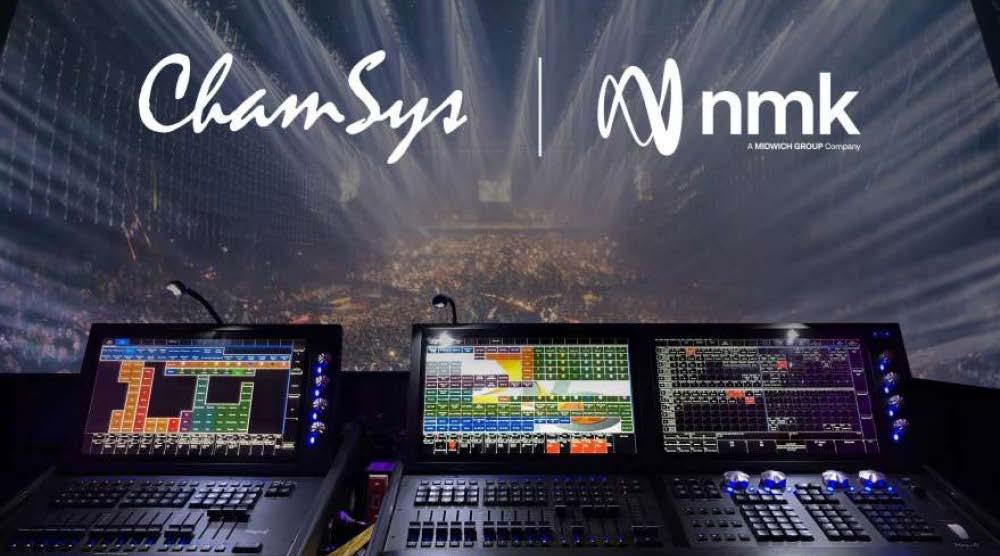
NMK Electronics a Midwich Group company, has entered into an exclusive distribution partnership with ChamSys strengthening its lighting technology portfolio across the GCC region. The agreement brings ChamSys’ lighting control systems into NMK’s offering, complementing its existing distribution of Chauvet Professional products and reinforcing NMK’s strategy of delivering a comprehensive, end-to-end lighting ecosystem under one roof.
The partnership is positioned to support a broad spectrum of applications, spanning live events and rental environments through to broadcast studios, hospitality venues and architectural projects, where fast programming, scalability and operational
reliability are essential. By integrating ChamSys’ control platforms alongside lighting fixtures, NMK aims to offer lighting professionals a more cohesive and streamlined workflow backed by regional expertise.
“ChamSys is a natural addition to our portfolio,” said Dino Drimakis, Director, Strategic Development, MESEA, NMK Electronics. “Our focus has always been on building a portfolio that enables our customers to design, deploy, and operate complete solutions with confidence. ChamSys strengthens that vision by adding world class lighting control to an already powerful lighting technology offering. This is about giving the market access to a complete,
future ready solution under one trusted partner.”
ChamSys is widely recognised for its MagicQ and QuickQ series of lighting consoles, which are used across live event production, broadcast and architectural lighting worldwide, with a reputation built on intuitive design and robust performance. With ChamSys now available through NMK in the GCC, customers gain access to both lighting fixtures and professional-grade control platforms via a single regional partner, supported by local enablement, training and technical guidance.
“We are excited to partner with NMK Electronics to bring ChamSys solutions to the Middle East,” said Simon Cox, EMEA
GLOBAL
Business Development Manager at ChamSys. “NMK's extensive network and commitment to excellence make them an ideal partner to support our growth in this dynamic market.”
To support the rollout, NMK plans to introduce the ChamSys range through targeted marketing initiatives, training sessions delivered via the NMK Academy, and live demonstrations at upcoming industry events. These efforts are intended to equip system integrators, rental companies and lighting designers with the practical knowledge needed to deploy ChamSys’ control technologies effectively across real-world applications, further strengthening NMK’s position as a key regional lighting solutions partner.
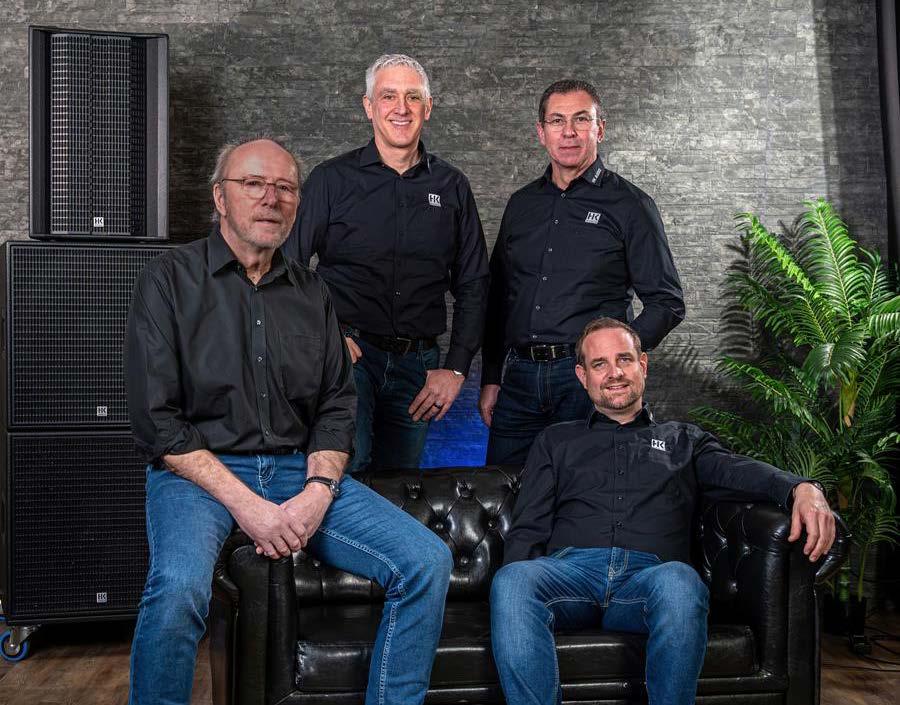
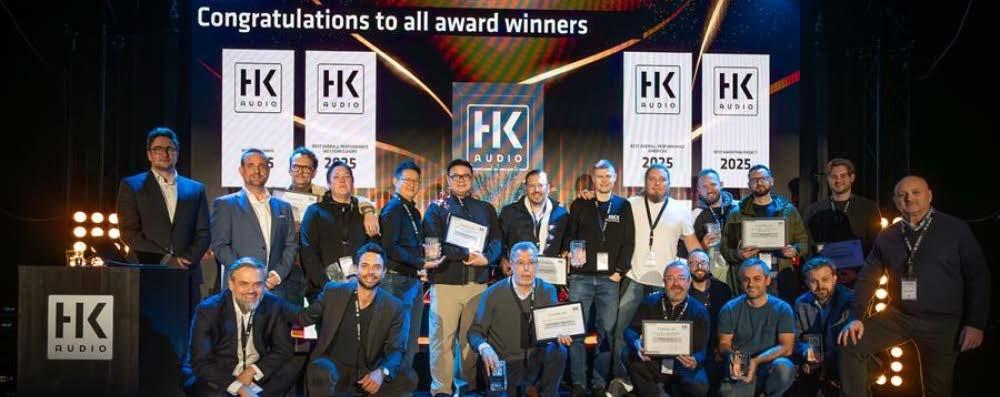
HK Audio Honours Global Partners and Signals Leadership Transition
HK Audio brought its international distributor community together in Barcelona for its annual Distributor Awards, using the global partner event to reflect on a strong 2025, recognise standout achievements across territories, and outline strategic direction for 2026. With partners attending from around the world, the gathering placed equal emphasis on personal exchange, longterm perspectives and acknowledgement of exceptional performance within HK Audio’s worldwide sales network.
Central to the event was the presentation of the HK Audio Distributor Awards, which celebrate partners demonstrating outstanding commitment, market impact and innovation.
In the Best Newcomer category, two partners were recognised, with GuangDong HeShengXiang Electronic Technology Co., Ltd. honoured for its work in China and Gonher awarded for its positive market start in Mexico. The Best Overall Performer category was presented across four regions, with Adagio PRO by Holmusic taking the award for Western Europe, Rock Distribution recognised for Eastern Europe for its work across Estonia and Latvia, Vertice Audio winning for the Americas through its activities in Colombia, and PT. Perkasa Bermitra Sentosa (PBS) receiving the accolade for Asia.
Project excellence was again split between concert sound and installed sound. The Best Concert Sound Project award went to Algam
Benelux for a COSMO installation in the Belgian municipality of Kalmthout, while the Best Installed Sound Project was presented to Algam Maghreb for the audio upgrade at the Mohammed V Stadium, one of the venues used during the recent CAF Africa Cup of Nations. The Best Marketing Performance award was claimed by Eurhythmics Kft. for its case study and campaign activity surrounding the A38 Party Boat in Budapest, rounding off an awards programme that reflected the diversity and strength of HK Audio’s partner network.
Beyond the awards, the distributor event also served as the platform for HK Audio to outline a generational transition in company
leadership. From the beginning of 2026, management responsibilities will be gradually handed over to a future leadership team comprising Christian Jordan as Chief Sales Officer and Chief Marketing Officer, Holger Kartes as Chief Technology Officer and Chief Operations Officer, and Stefan Persch as Chief Financial Officer. The succession strategy underlines a deliberate focus on continuity, deep industry expertise and proven leadership, with all three executives having played central roles in shaping HK Audio’s development over many years and earning strong trust across employees, partners and customers worldwide.
Building on the momentum of the partner summit, HK Audio also reported a highly successful showing at Integrated Systems Europe, where strong international attendance, intensive technical dialogue and sustained interest in the company’s portfolio generated a consistently positive response throughout the exhibition. The stand once again became a focal meeting point for customers, partners and industry professionals, reinforcing HK Audio’s global relationships and closing out the period on a confident note as the company looks ahead to the next edition of the show.
Engineering Trust at Scale
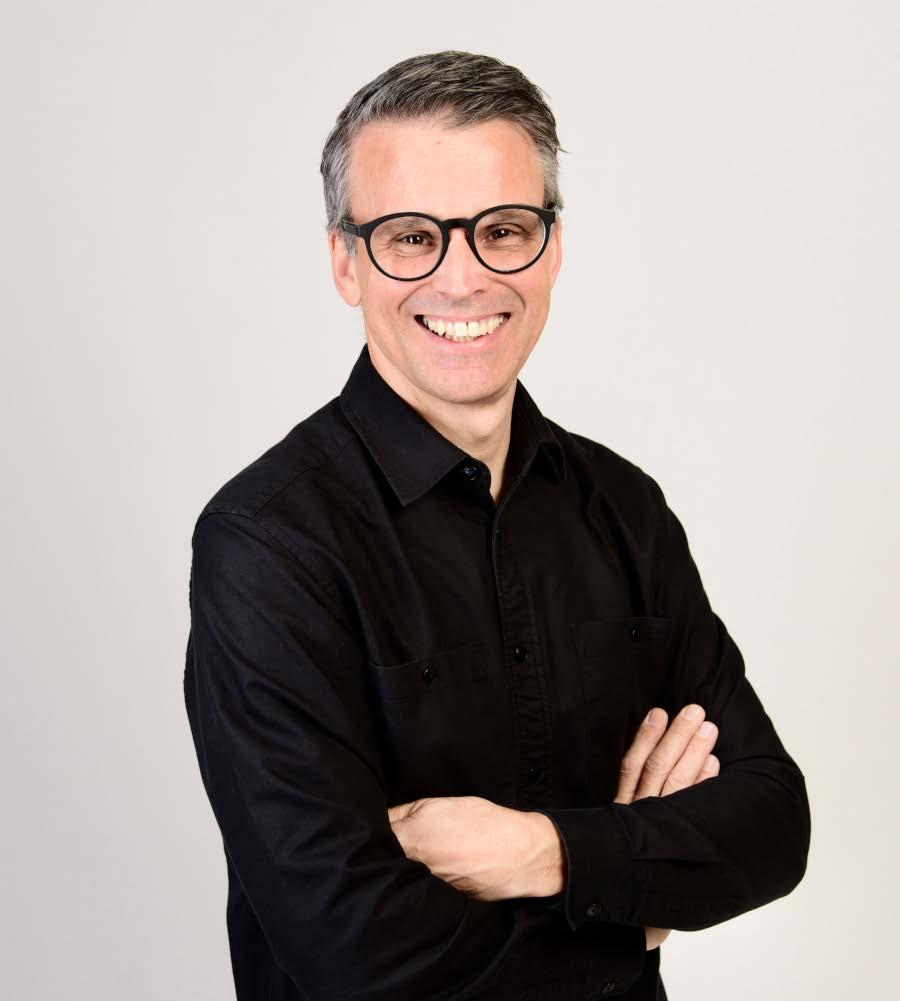
MA Lighting International’s Managing Director Stephan Saremba discusses trust, leadership, software thinking, and why listening to users (instead of chasing speed), continues to define MA Lighting’s global growth
In the world of professional lighting control, when the countdown hits zero and the room goes dark; there is no margin for error, no appetite for excuses, and no tolerance for technology that hesitates.
Few companies understand this reality more intimately than MA Lighting International and few leaders articulate it as clearly as its Managing Director, Stephan Saremba.
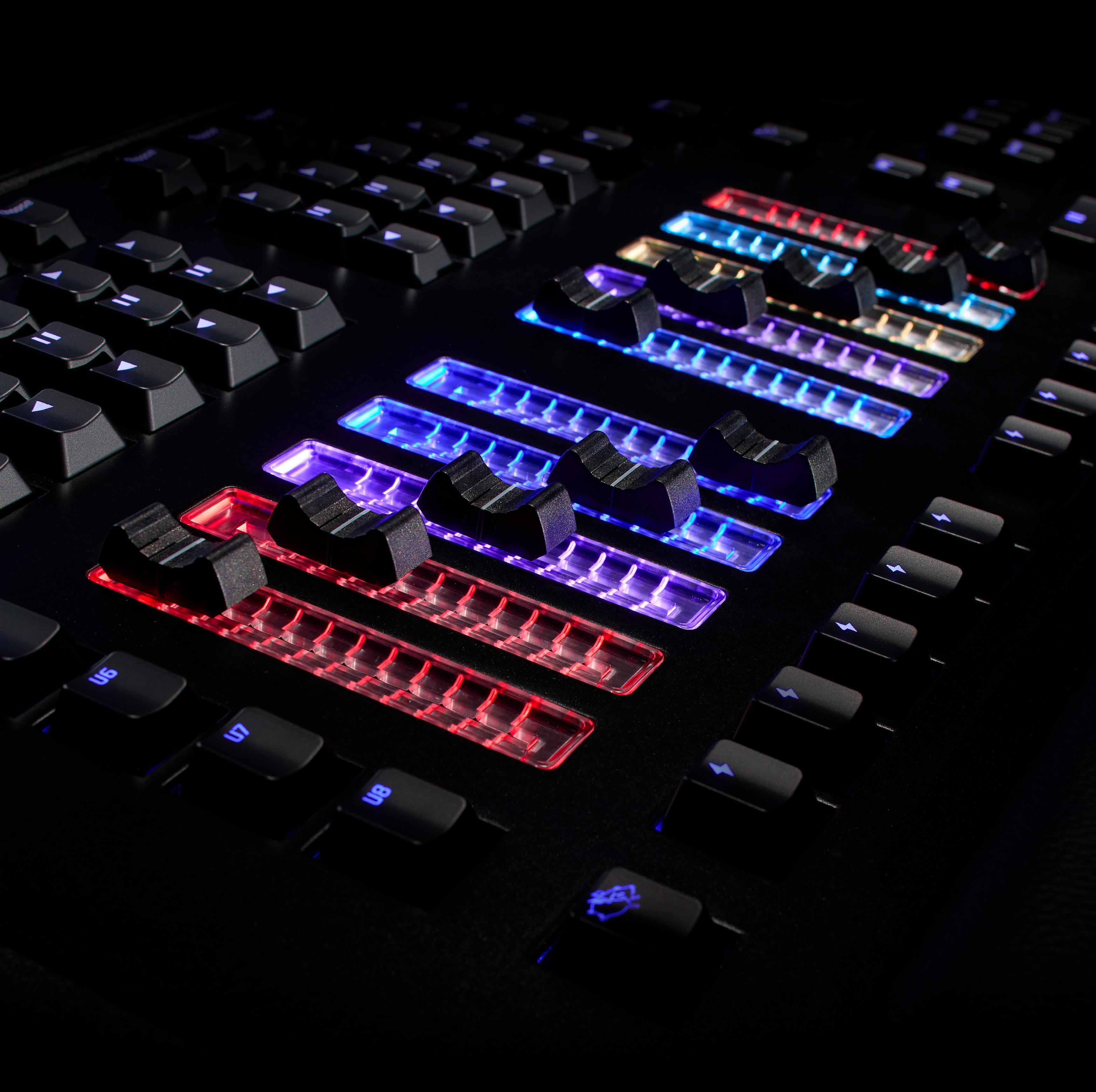
Saremba leads MA Lighting at a moment when the industry is redefining itself. Lighting control has shifted decisively from hardwarecentric thinking to software-led, networked ecosystems that must integrate seamlessly
with video, media servers, tracking systems, and broadcast workflows. Yet, amid all this technological acceleration, MA Lighting’s reputation continues to rest on something more discreet: the decisions users never see. Testing philosophies, architectural rebuilds, lionhearted long-term bets, and an unwavering insistence that reliability is designed, not inspected, into a system.
What makes this moment particularly compelling is that Saremba’s leadership has been shaped by disruption. Joining MA Lighting in early 2020, just as the global live events industry ground to a halt, forced a deeper examination of resilience, diversification, and long-term responsibility; not only to users, but to partners and markets worldwide. That perspective now informs how MA approaches everything from software architecture to regional strategy, especially in fast-moving territories such as APAC and the Middle East, where ambition, scale, and complexity are no longer future concepts, but daily realities.
In this wide-ranging conversation with Entertainment Technology Asia, Saremba speaks candidly about invisible engineering decisions, the balance between accessibility and mastery, the painful rebuilding of the
INTERVIEW
grandMA3 software platform, and why listening … truly listening to users remains the most powerful leadership tool he knows. It is not a discussion about products alone, but about philosophy, responsibility, and the human trust that underpins every successful show.
What follows is a rare, unfiltered look at how one of the industry’s most respected brands thinks from the inside out.
ETA: MA Lighting operates in a segment where reliability is non-negotiable and expectations are unforgiving. From your perspective, what invisible decisions— the ones users never see—matter most in protecting trust at the highest level of the market?
STEPHAN: When it comes to show control technology, trust is created long before a console ever reaches a customer. The most decisive work happens in the invisible layers — the decisions that never make it into a marketing brochure.
For MA Lighting, one of the most fundamental commitments we make is to our testing philosophy. Roughly 30% of every development cycle is dedicated purely to testing — and that mindset continues through every step of production. Reliability isn’t an endofline check; it’s embedded in the software architecture, in the hardware design stages, and in our manufacturing processes. It is a discipline that protects our users in every show they do.
Equally important is how we work with our global network of technical experts. Every software release goes through a structured prerelease phase with our partners and their most experienced specialists. These teams are deeply embedded in local markets,
workflows, and show realities, and they challenge our assumptions long before the software becomes publicly available. This system helps to create a very robust performance for the users.
These unseen decisions might not be glamorous — but they are the backbone of why professionals rely on us when the room gets dark and the countdown starts.
ETA: As lighting control systems become more powerful and complex, there is a growing tension between capability and accessibility. How do you personally think about where responsibility lies— should technology adapt to users, or should users be challenged to evolve with technology?
STEPHAN: The tension between powerful technology and simple workflows is growing everywhere. One example I can think of is the field of Houses of Worship, where volunteer operators often step behind a console for the very first time or only every Sunday.
A major insight we gained from these communities was that people needed a predefined, structured starting point. That’s why we created the MA Startshow: a readytouse file that provides intuitive views, functions, and workflows right from the beginning. Volunteers can immediately create something beautiful, without navigating the full depth of the system.
What’s fascinating is what happens after that first step. Many users in Houses of Worship, school theaters, and smaller venues begin with the MA Startshow — and then curiosity takes over. They move on to MA University’s free E-learning platform or engage in any of the user-generated online videos and some of
INTERVIEW
them then join hands-on trainings run by our global partners. A number of today’s touring programmers and festival operators started exactly this way.
So, in my view, the relationship between users and technology isn’t a one-way street. Technology must adapt to simplify the first step — and then it must challenge users in the best way possible as they grow.
ETA: You’ve stepped into leadership at a time when lighting control is increasingly influenced by software thinking, networked environments, and cross-disciplinary workflows. How has this shift changed the way MA Lighting thinks internally about product development, skills, and organizational structure?
STEPHAN: The shift toward softwaredriven systems and networkcentric workflows has deeply influenced how MA Lighting operates internally — not only in what we build, but in how we think.
Our philosophy today rests on a few core values:
1. We are the most reliable system for entertainment lighting control. That means consoles, network components, software, and workflows must function as one system — not a collection of parts.
2. We focus on what we do best and integrate with the best around us. A good example is our partnership with Luminex. We realized we shouldn’t spend resources trying to become a network switch manufacturer. Instead, we needed to deeply understand networking and partner with those who excel in it.
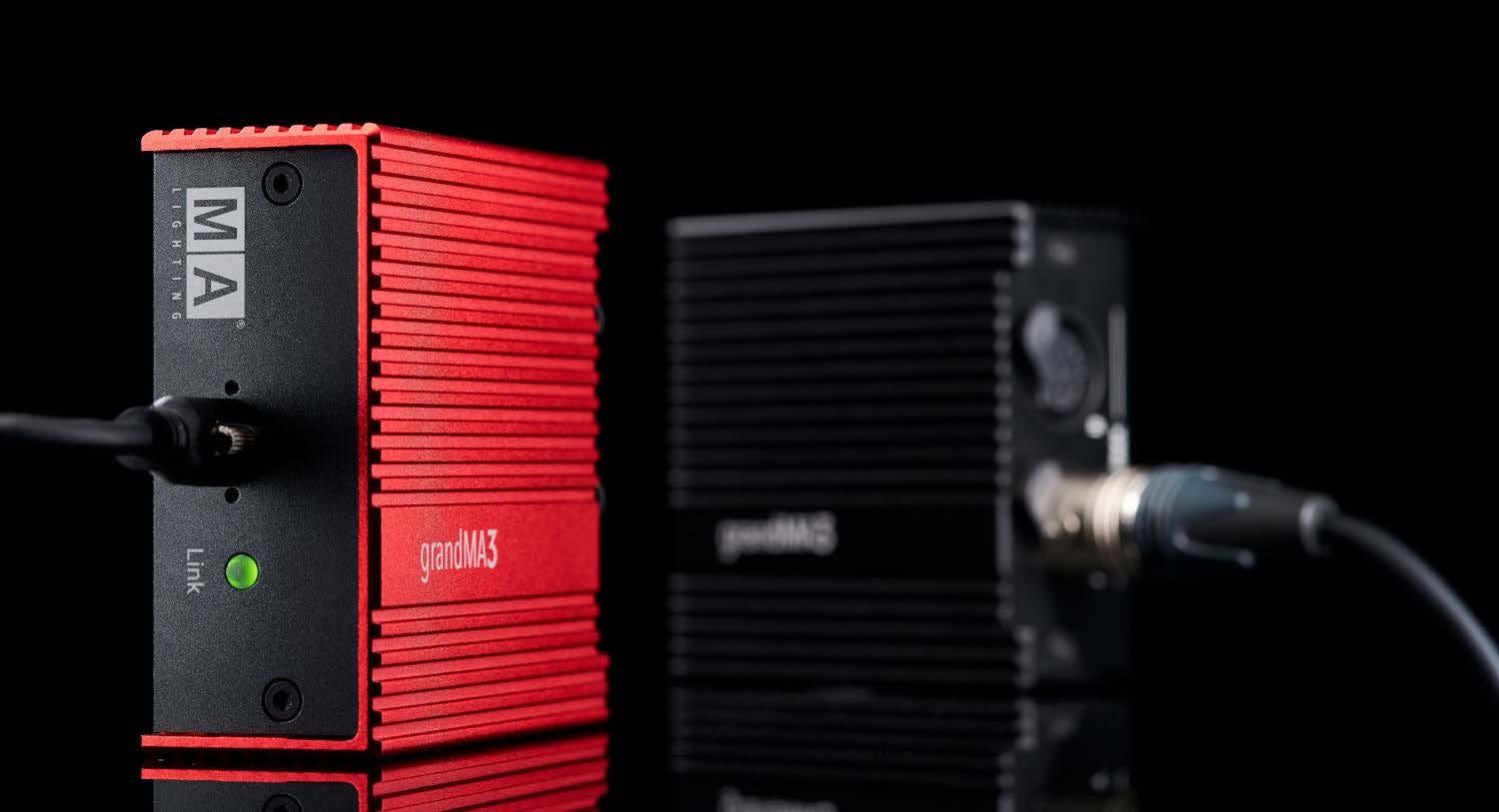
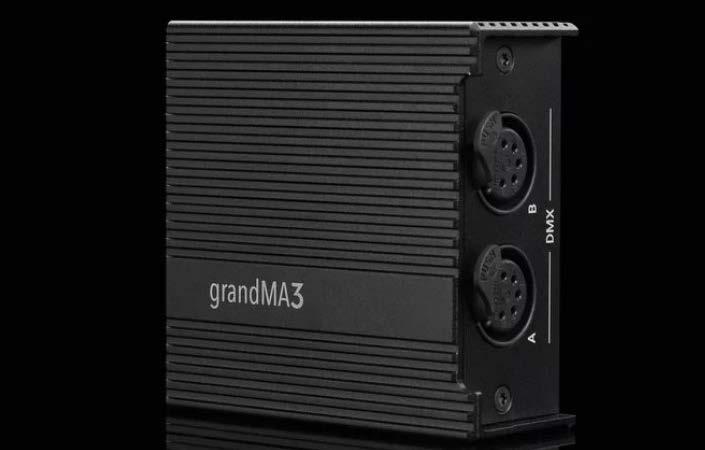
The same is true for the grandMA3 viz-key, which connects our systems to thirdparty visualizers and the grandMA3 net-duct to connect external media servers and tracking systems in an efficient and open way.
3. We rebuilt grandMA3 software from the ground up with the future in mind. grandMA2 had reached its architectural limits. We knew future requirements — multiinstance fixtures, large pixel counts, videoheavy workflows — would exceed what legacy structures could support.
Rebuilding was painful. The early years were tough; we had to reconstruct foundational components, the “basement of the house,” before providing the improvements in efficiency and better workflows that everyone and WE were looking for.
But today, we see how that decision pays off: we’re delivering real innovation, future oriented workflows, and powerful creative tools.
4. Flexibility across segments is now a core development principle.
A programmer in concert touring works differently from someone in theater, and differently again from someone in TV. The grandMA3 system is now shaped around accommodating these differences while remaining one coherent system.
So yes — software thinking has changed tooling, architecture, and workflows. But more importantly, it has changed how we collaborate, listen, and evolve as an organization.
ETA: APAC and the Middle East are seeing explosive growth in scale and ambition, often leapfrogging traditional
production models. From your vantage point, what do these regions understand about modern lighting workflows that more established markets sometimes underestimate?
STEPHAN: Both APAC and the Middle East are moving at extraordinary speed — not because they follow existing models, but because they’re willing to leapfrog them.
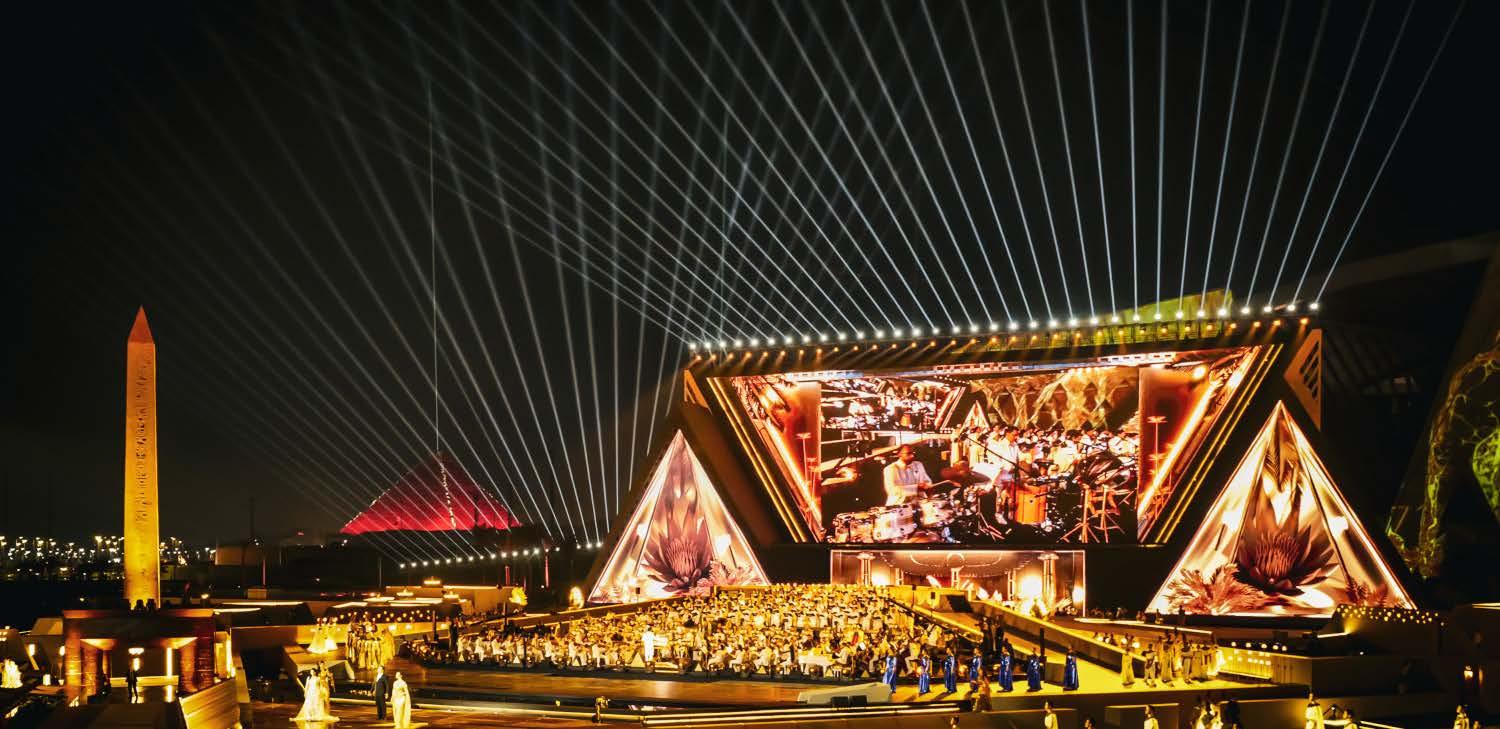
A project in the Middle East that comes to mind is the Opening Ceremony of the Grand Egyptian Museum. This project is a perfect example of how the region embraces networked, highly synchronized workflows. The show combined architectural lighting, large-scale video, and entertainment effects in a single integrated system — and the expectation was that everything worked as one fluid experience. There’s no hesitation to combine disciplines, no separation between “architectural” and “show” lighting. It is all one canvas.
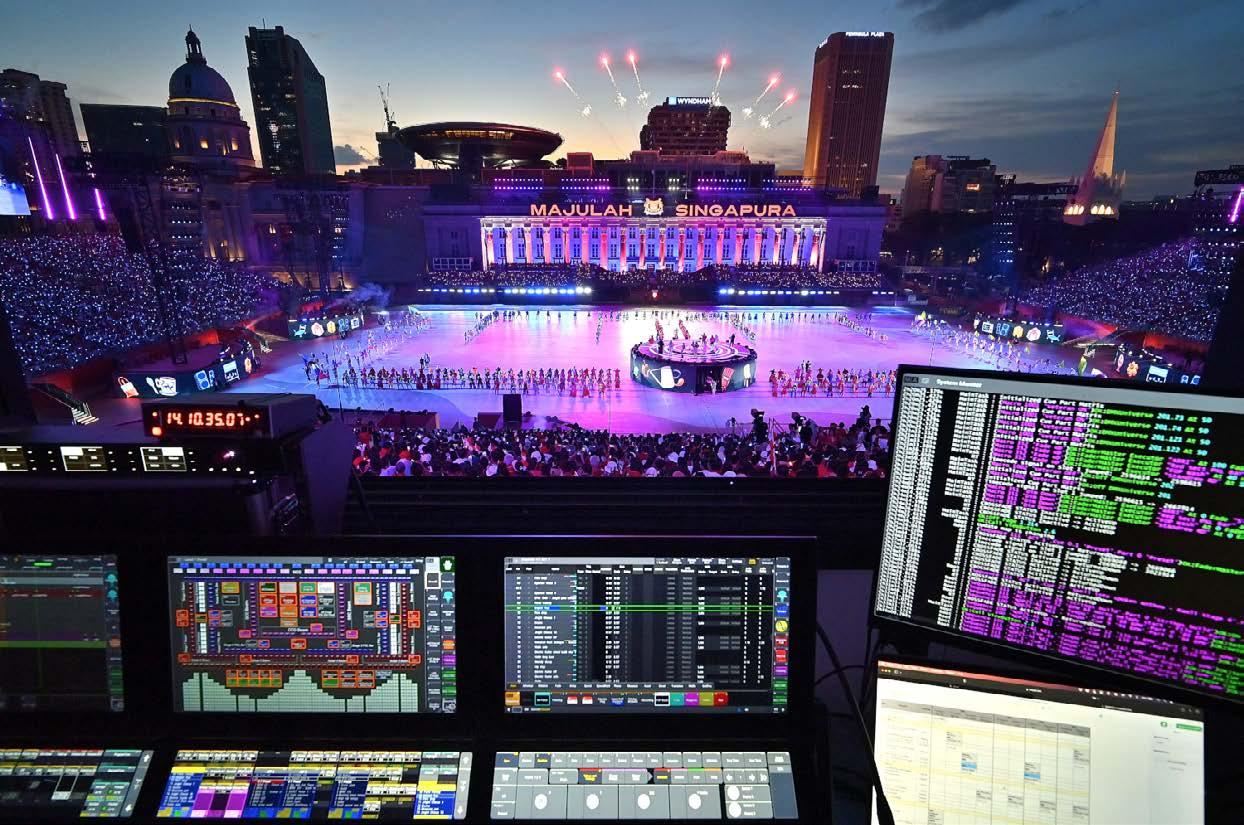
In the APAC region, I believe the Singapore National Day Parade is a great example. NDP is a masterclass in modern show control. It uses massive fixture counts, multiple control stations, pixel-heavy effects, broadcast considerations, and precision timing — all in an outdoor space with unique challenges. APAC productions like this show an extraordinary comfort with scale, networking, distributed systems, and multiteam collaboration.
What these regions understand deeply is that modern lighting workflows thrive when they embrace complexity rather than fear it — provided the tools and planning are right. That mindset often pushes innovation faster than in more established markets.
ETA: In an industry that often celebrates speed—faster processors, quicker workflows, shorter learning curves—MA Lighting has historically stood for depth and mastery. How do you reconcile that philosophy with the expectations of a new generation entering the industry?
STEPHAN: MA Lighting has always stood for mastery, depth, and professional-grade tools. But the next generation enters the industry differently — faster, more self taught, more visual, and more mobile. Reaching them requires lowering barriers without lowering standards.
Two products embody best how we bridge that gap:
1. The grandMA3 onPC DMX-key starter: A simple, accessible entry point into the MA world — intentionally designed for new users, students, Houses of Worship, small theaters, and anyone curious about “getting started.”
2. The MA Startshow in grandMA3: This is perhaps the clearest example of “depth meets simplicity.” The MA Startshow gives beginners a familiar, ready-to-use environment. But behind it lies the full flexibility and depth of grandMA3 — which they can discover gradually as their skills develop.
Both tools make the first step easier — while preserving the long runway of growth that has always defined the MA system.
ETA: Looking back over your career, what has changed most in how decisions are made at the top of a technology company like MA Lighting—and what has remained fundamentally the
same, regardless of market cycles or technological disruption?
STEPHAN: If I look back on my career, the fundamentals haven’t changed as much as people might think. I learned early on that the single most important thing you can do as a leader is listen to your customers. Everyone claims to do this, of course — but in today’s world, it cannot be a line in a mission statement. It has to be embedded structurally, culturally, and continuously.
At MA, this belief shapes almost everything. Customer feedback is not an annual survey; it lives in our software release process, in the way our teams spend time at FoH with users, and in our commitment to listen even and especially when the console in front of them is not an MA console. That perspective is essential. A mentor once told me: “You learn nothing new in the office.” I have carried that with me for many years, and I’m proud that MA embraces this mindset fully.
What has changed for me personally is the breadth of conversations I actively seek out. When I joined MA in early 2020 — at the exact moment our entire industry came to a standstill — I realized quickly that it wasn’t enough to understand only product feedback. I needed to understand the realities, ambitions, and pain points of our global partner companies as well. Many of them are owner-led, built from the ground up, and among the most successful businesses in their countries. The discussions we have are incredibly challenging and energizing. They push me to think critically about where I need to evolve to strengthen the MA brand.
Another thing that hasn’t changed — but has become much more present in my leadership — is my appreciation for the extraordinary
connection between MA and its user community. I have never seen anything like it in my career. These are people who use our tools every day to make their living, support their families, and express their creativity. That carries a real sense of responsibility. And in return, the community gives us something priceless: their time, their honesty, and their trust. They will go out of their way to provide feedback, both good and bad. That is rare. And it’s something I am determined to protect.
That is why, when I face a major decision, I now ask myself one simple question: “Which option creates the most value for the MA user?”
It does not seem like a very grounding principle — but it keeps everything aligned. The pandemic also influenced my leadership profoundly. Starting my first day at MA in 2020, when entertainment worldwide had nearly come to a halt, it taught me not to take anything for granted. It made clear that we must prepare for the worst, hope for the best, and diversify — geographically and across market segments. This thinking has shaped our increased focus on the install market and our global footprint.
And yet, what inspires me most today is the resilience of this industry. Everything stopped. Then suddenly everything came back — all at once, everywhere — and the people in this industry delivered to millions of fans who value shared human experiences more than ever. I am genuinely proud to be part of this community. It keeps me grounded, keeps me curious, and keeps me passionate about the decisions we make as a company.
MA Lighting International
VIDEO FILES
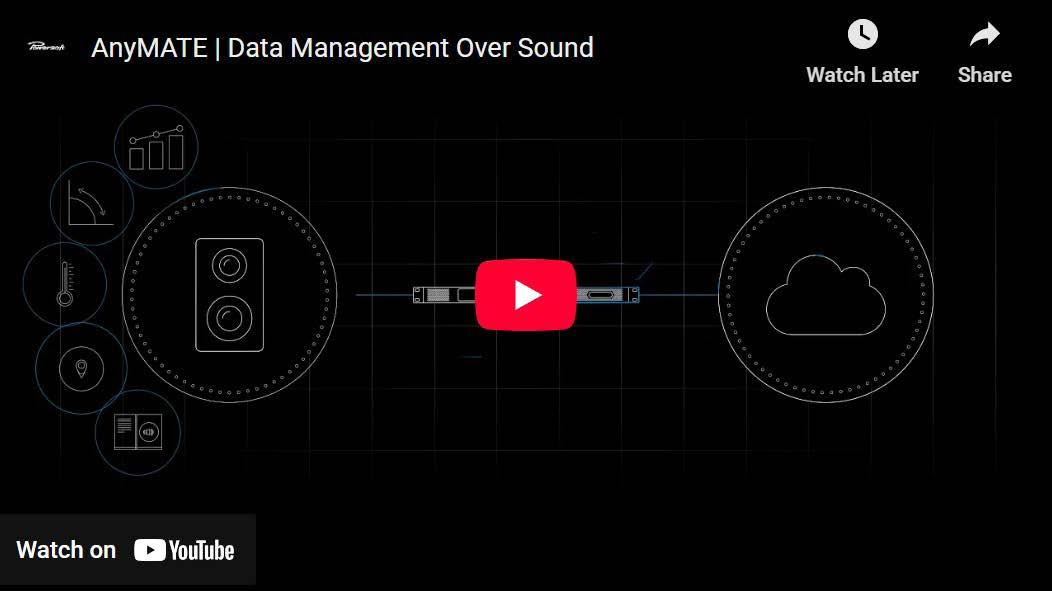
Powersoft Introduces AnyMATE
Powersoft has introduced AnyMATE, a technology that enhances audio systems by enabling them to communicate and manage data through sound. This innovation transforms standard audio systems into intelligent networks that can share information and respond in real-time, integrating all devices into a cohesive cloud-connected ecosystem.
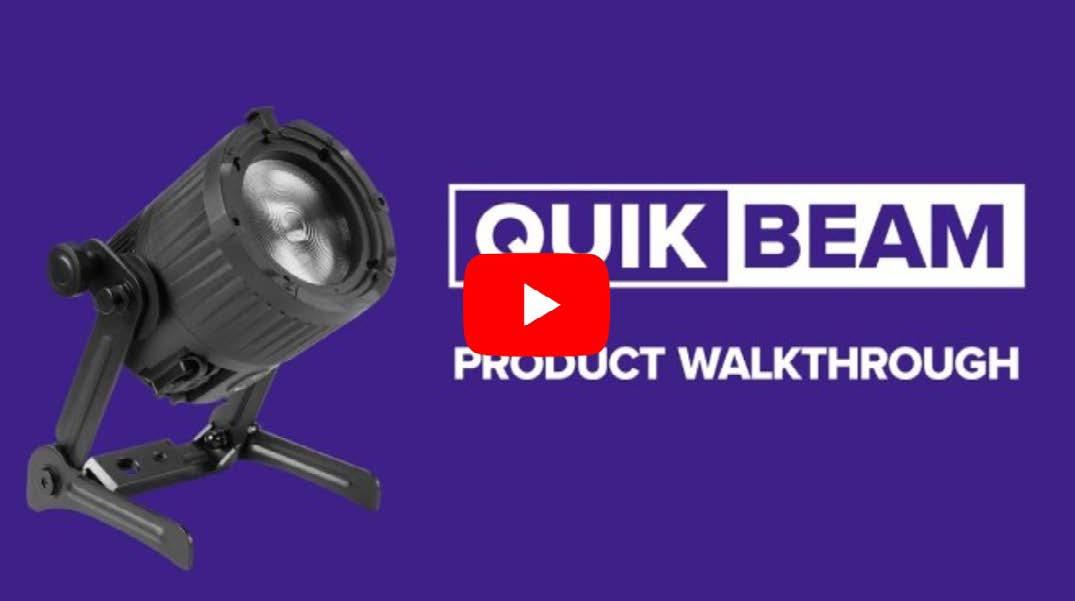
Astera Launches QuickBeam
The Quick Beam is a new addition to Astera’s Quick family of lighting products, designed to be an exceptionally lightweight, compact, and high-performance uplight or spotlight solution suitable for both indoor and outdoor use.
Christie Announces New Korus 4K 1DLP Projectors
Christie’s new KS/Korus projector range introduces a highly versatile and technologically advanced solution aimed at multiple sectors, with its compact design, high brightness, advanced lens options, and compliance features making it a compelling product for 2026
Follow-Me Unveils DeltA
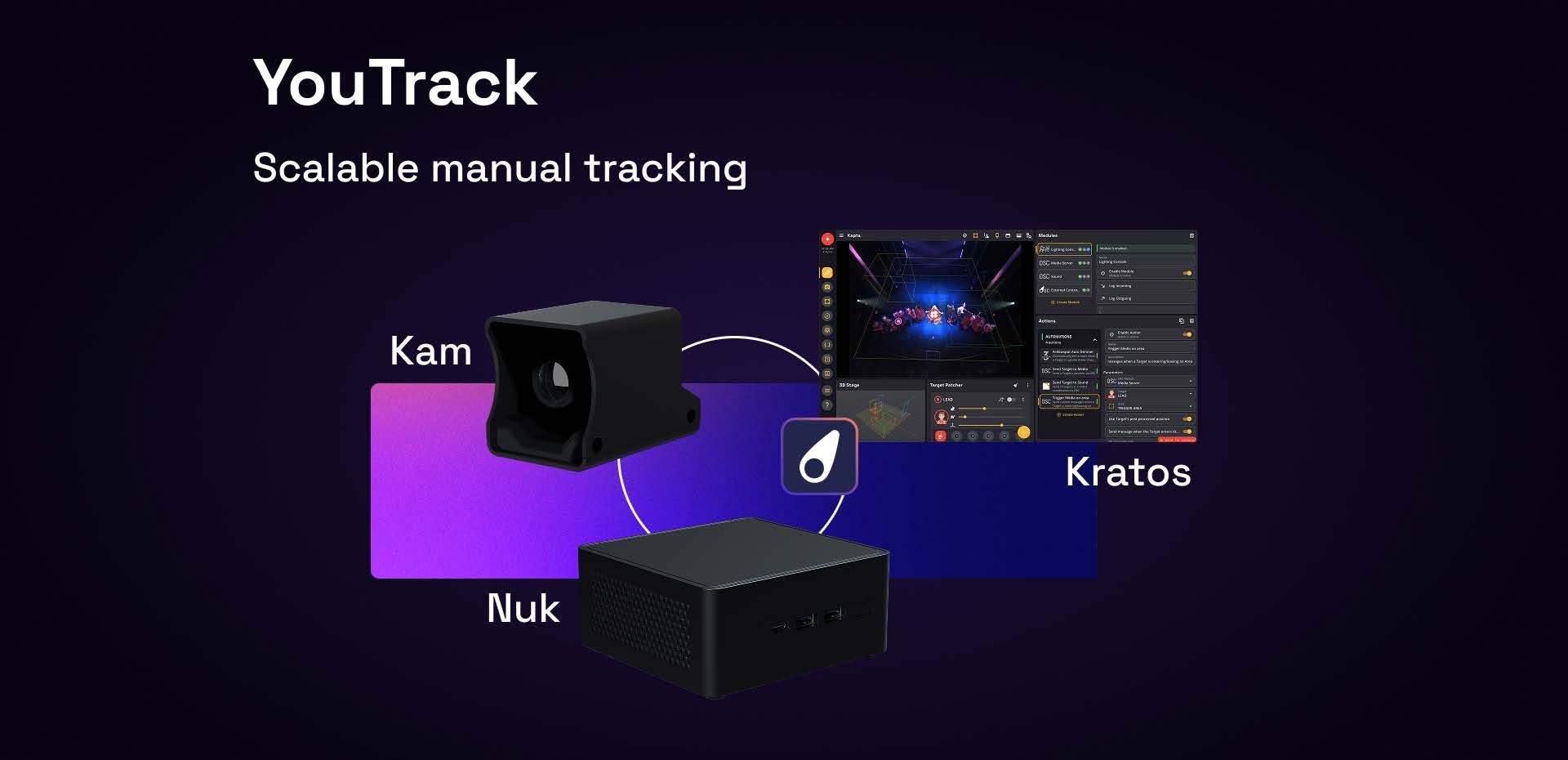
FollowMe Delta represents the latest advancement in manual performer tracking technology, positioned as the most powerful manual performer tracking system to date, and designed to enhance creative control, reduce setup time, and improve operator experience through new hardware, software, and user interface improvements.
GLP Scales Up with a Trio of New Fixture Launches
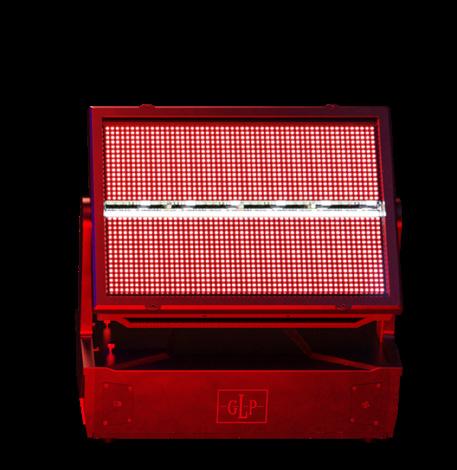
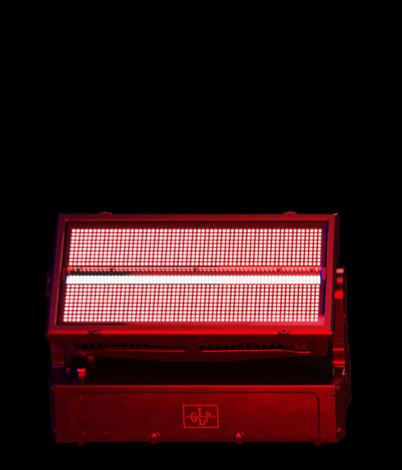
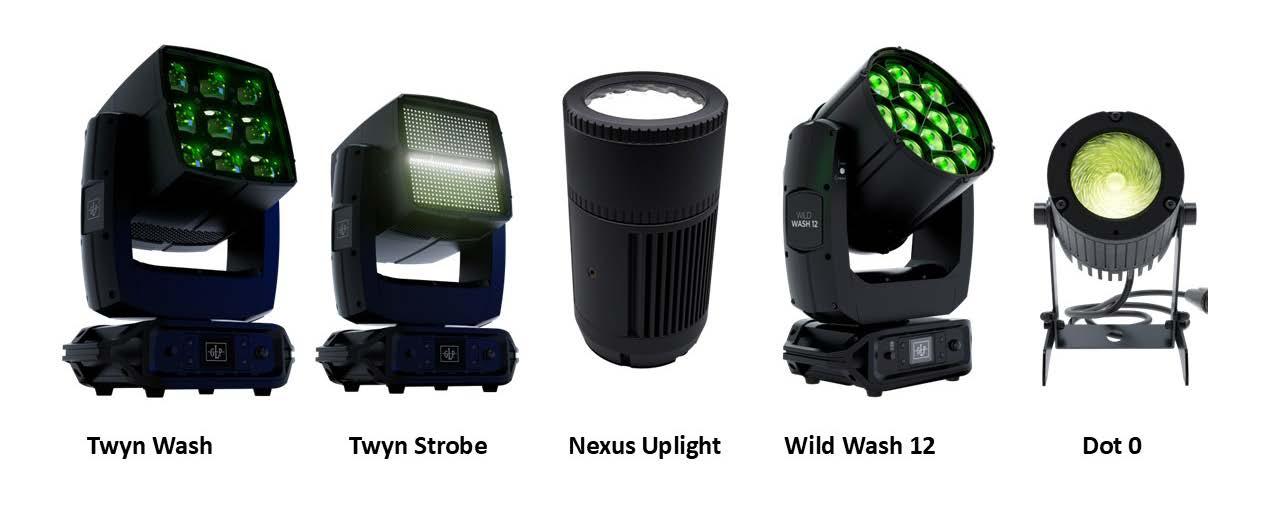
German Light Products (GLP) has emphatically signalled continued growth and a sharpened focus on innovative, application-driven lighting solutions for installations, touring and events; with a host of latest developments, that joins its current portfolio, including the widely adopted X5 series, the next-generation hybrid strobe JDC2 IP, JDC Burst 1, the Creos washlight and new fixtures from the Nexus range of wireless, battery-powered LED solutions.
Three new GLP fixtures take centre stage with this; starting off with the GLP Twyn – a dualface moving head that merges a powerful zoomable washlight with a high-impact hybrid strobe in a single compact unit, aimed at reducing fixture counts while broadening creative scope. Housed in an IP65-rated enclosure and featuring continuous pan and tilt within a compact 16kg form factor, Twyn is tailored for touring and multi-event venues.
Next up, the GLP Wild Wash 12, extends the Wild Series as a compact, performanceoriented LED washlight designed to
complement the Wild Bar 16. It integrates 12 × 40W RGBL LEDs delivering up to 5,790 lumens with a peak intensity of 1.08 Mcd, supported by GLP iQ.Gamut technology for calibrated colour mixing and defined white points. A motorised 1:19 zoom spans 3.5° to 54° to accommodate both tight beams and broad, even washes, while 540° pan, 270° tilt, a 16kg weight, 600 W maximum power consumption and an IP65-rated housing position it for efficient deployment across touring, festival and outdoor contexts.
Completing the trio, the GLP X5 Dot Wash arrives as the most compact fixture in the X5 Series, producing RGBL light from a single 40W LED while maintaining high CRI, full colour matching with the X5 Series and 16bit colour control. Its Twist-Zoom mechanism enables manual adjustment from 16° to 68° without changing the fixture’s body, and with an IP65 rating, 24–48 V DC operation and an optional adapter for classic accessories, the X5 Dot Wash is engineered for both visible and discreet lighting roles across theatrical, broadcast and architectural applications.
Adamson Expands Its Milan Vision with MS8.2 Network Switch and USB Milan Bridge for 2026
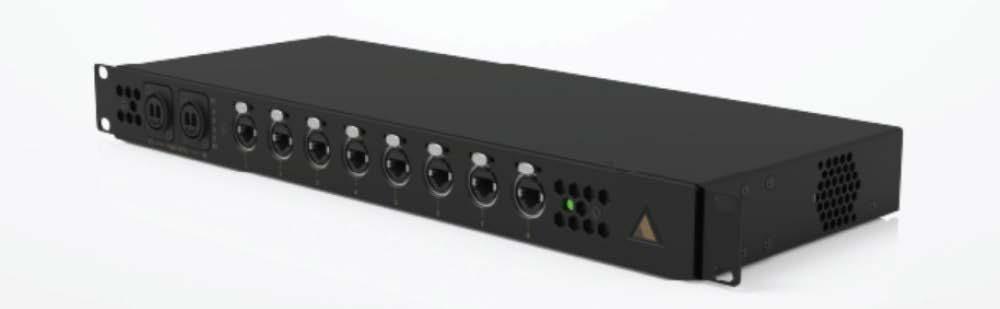
Adamson has set the tone for 2026 with the introduction of two new MILAN-ready networking audio products—the MS8.2 Network Switch and the USB Milan Bridge— reinforcing its long-standing commitment to standards-based audio networking while making Milan more accessible across a wider range of live sound and installed applications. Designed to simplify networked audio connectivity without compromising performance, the new additions extend Adamson’s ecosystem with tools that are flexible, reliable and purpose-built for realworld deployment.
At the centre of the launch is the MS8.2 Milan AVB ready network switch, developed as a streamlined, deployment-friendly solution that is fully compatible with all Milan equipment. Optimised for stage monitors, small arrays and distributed systems, the MS8.2 supports streaming of up to 48 networked loudspeakers and is capable of connecting up to 10 devices, positioning it as a compact yet powerful backbone for scalable systems. Its road-ready design includes 8 × Neutrik EtherCON Cat5 ports alongside 2 × Neutrik opticalCON Multimode DUO fibre
ports, offering robust connectivity options suited to both touring and fixed installations.
Complementing the MS8.2 is the USB Milan Bridge, a compact all-in-one interface designed to provide direct Milan network connectivity for macOS and Windows 11 systems. Engineered for stability and performance, the USB Milan Bridge delivers ultra-low latency and high-resolution audio, making it particularly well suited for engineers who require seamless integration between computers and Milan networks. The unit supports up to 32x inputs in 4 streams, offers 16 inputs and 16 outputs, operates at 96k at 32bit resolution, and is USB-C bus powered, enabling straightforward deployment without external power requirements.
Together, the MS8.2 Network Switch and USB Milan Bridge underscore Adamson’s continued investment in scalable, standardsdriven networking solutions, offering audio professionals practical pathways to build efficient, future-ready Milan systems—from compact setups to more complex networked deployments.
ETC Introduces High End Systems Lonestar Prime
ETC has debuted the High End Systems Lonestar Prime – an enhanced addition to the Lonestar automated fixture offerings. This framing fixture packs even more features in a compact package with the added benefit of an IP54 rating. With its weatherproof design, the brand affirms that the Lonestar Prime is ideal for broad-purpose rental applications and venues that are working either inside or outside,
Lonestar Prime is said to be twenty percent brighter than the original Lonestar with improved color rendering. A new CTO flag also gives users a wider range of bright white points to design with.
A robust library of gobos expands design possibilities with Lonestar Prime. Programmers can select from nine rotating and ten fixed gobos that all can be combined with continuously rotating animation and dual prisms. Lonestar Prime also features framing shutters and dual frosts that function without optical adjustment or conflict.
Lonestar Prime can be ordered with the optional RigPOV camera accessory, streaming live video right from the fixture. It also supports manual followspot operation.
Yamaha and NEXO Align Immersive Audio Vision with Expanded Sound xR and Installation Ecosystems
Yamaha Professional Audio has outlined a clear and unified strategic direction across immersive audio and commercial installation, consolidating decades of research, newly aligned branding and an expanded product ecosystem into a cohesive professional audio narrative that spans design, deployment and real-world operation. Central to this direction is the rebranding of its AFC Enhance and AFC Image technologies as Sound xR Enhance and Sound xR Image, positioning them firmly within Yamaha’s scalable Sound xR immersive audio technologies portfolio and simplifying how both investors and end users navigate the company’s growing range of immersive solutions.
Yamaha’s immersive audio journey dates back to 1969, with Active Field Control (AFC) technology first introduced in 1985 to enhance acoustics without requiring
mechanical or architectural modifications to physical spaces. AFC Enhance was developed as a cost-effective method of sound field control, while the later objectbased AFC Image technology responded to the need for precise three-dimensional sound positioning. Unifying these complementary technologies under the Sound xR Enhance and Sound xR Image banners aligns them with the Sound xR brand launched last year by Yamaha alongside group companies NEXO and Steinberg, built around the concept of ‘Immersive Experiences for Everyone’ and encompassing solutions such as the Sound xR Core virtual spatial audio processing engine for headphones.
Alongside its immersive audio focus, Yamaha has also expanded and reinforced its Commercial Installation Solutions ecosystem, unveiling a broader portfolio of
ENNOVATION
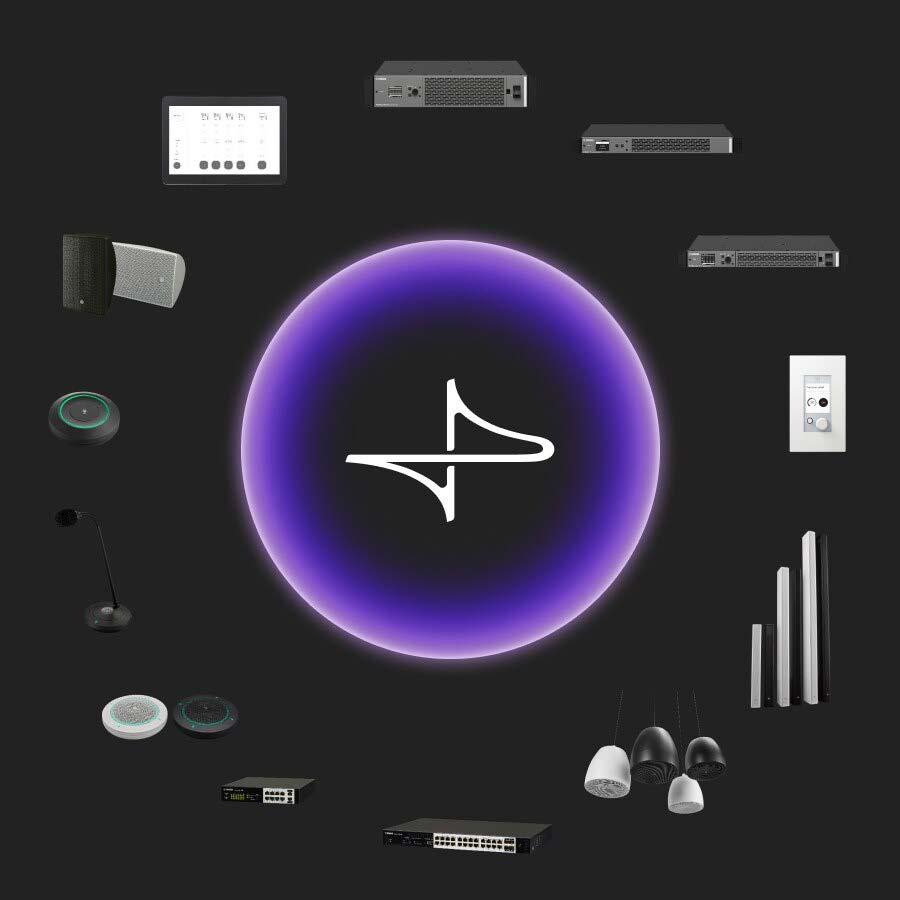
digital signal processors, power amplifiers, control devices and software updates aimed at simplifying the design, integration and long-term management of complex audio systems. Designed for applications spanning hospitality, retail, corporate and education environments, the enhanced CIS offering
places emphasis on reliability, flexibility and future-proof adaptability. At its core are the new DME5 and DME3 digital signal processors, 1U units delivering high-quality 96kHz audio processing with Dante and analogue I/O, seamless connectivity with Yamaha digital mixers and four channels of flexible I/O assignable as inputs or outputs. Dual USB ports support background music playback and PC connectivity for web conferencing, extending their versatility in modern installation workflows.
System amplification is addressed through eight new XMS series power amplifiers in 1U and 2U formats, offering power sharing across four output channels with onboard DSP for speaker processing, delay and matrix routing, alongside a built-in speaker processor to optimise output settings for safe and reliable operation. Control and system management capabilities have also been strengthened with the MCP2 wall mount controller, supporting up to 64 devices, and the TCD10 touchscreen control device,
ENNOVATION
which provides secure power over Ethernet operation and flexible mounting options. Integrated with Yamaha’s ProVisionaire system design and control software, both controllers enable unified AV management, including control of third-party devices such as lighting and projectors. ProVisionaire Design and ProVisionaire Control PLUS have been updated to Version 3.0, introducing a new Conductor feature that allows DME5 or DME3 processors to coordinate multiple Yamaha devices, streamlining system integration and day-to-day operation across large-scale installations. The DME5, DME3, MCP2 and ProVisionaire V3.0 software are scheduled for availability in Spring 2026, with XMS amplifiers and the TCD10 following in the summer alongside a further major ProVisionaire update.
Within the same Sound xR framework, NEXO has introduced an immersive audio solution designed to deliver a seamless workflow from content creation through to live mixing,
with full compatibility with any ADM-OSC project and scalable delivery options suited to a wide range of applications. The system enables truly three-dimensional object-based mixing with ultra-smooth sound movements, even beyond the physical speaker envelope, and straightforward system configuration for live and installed environments alike. Sound xR brings NEXO together with Yamaha group technologies to offer a complete immersive workflow, from sound design and content creation to scalable deployment.
At the centre of NEXO’s immersive platform is the DME10 immersive audio processor, which delivers object-based mixing and rendering, advanced speaker management and a three-dimensional reverb engine that dynamically adapts its processing based on both the sound object’s position and the actual speaker layout in real time. A flexible licensing model allows users to scale processing power according to project requirements, reinforcing the system’s
adaptability across different production scales. Complementing this immersive push, NEXO has also unveiled Alpha+, a hybrid source three-box stacking PA system that draws on the heritage of the brand’s iconic 1990s Alpha system. Designed as a longthrow, high-impact solution, Alpha+ combines the practical stacking advantages of a point source system with the high-frequency dispersion control typically associated with line arrays, reinforcing NEXO’s continued focus on performance-driven loudspeaker innovation.
Taken together, Yamaha Professional Audio’s expanded Sound xR technologies, its strengthened Commercial Installation Solutions ecosystem and NEXO’s latest immersive and loudspeaker developments present a unified vision: one that connects research, tools and workflows across live sound, immersive experiences and installed audio, while offering scalable, futureready solutions for an increasingly complex professional audio landscape.
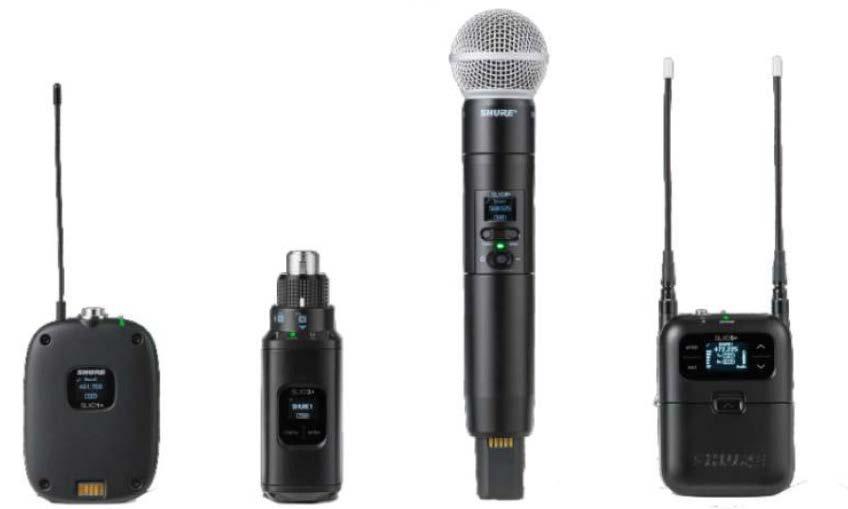
Shure Expands Its Wireless and Condenser Microphone Portfolio with SLX-D+
and New KSM Models
Building on the established performance of the SLX-D wireless microphone system, SHURE has unveiled the SLX-D+ platform, introducing a suite of enhanced features focused on spectrum efficiency, automation and system control for demanding professional environments. Operating across multiple frequency bands, SLX-D+ offers wide tuning across all components of up to 138MHz, allowing greater flexibility when coordinating systems in congested RF conditions. ShowLink Ease technology enables real-time, two-way communication between the receiver and transmitter, ensuring that once synced, the transmitter automatically reconnects to the receiver every time it is powered on, simplifying RF setup and enabling remote parameter adjustments without manual intervention.
Designed to minimise operational risk, SLX-D+ integrates digital feedback reduction (DFR) algorithms that automatically detect
and suppress audio feedback, while also continuously scanning for clean frequencies and deploying them to both the receiver and transmitter should interference occur, without requiring user interaction. System monitoring and control are extended via the Wireless Workbench (WWB) Mobile app over Wi-Fi or Bluetooth, providing mobile access to gain visibility and control, transmitter locking and unlocking, battery status, frequency scans and audio metering. For larger channel counts, RF cascading allows up to three SLX-D+ quad receivers to be linked together to create a 12-channel SLX-D+ receiver system. Audio summing further simplifies system integration by allowing wireless output levels and receiver outputs to be matched to open mixer channels, combining audio levels to one or two outputs on the dual and quad receivers. Maintaining continuity for existing users, SLX-D+ is backwards compatible with current SLX-D systems
and includes AES256 encryption for secure transmission.
Alongside the wireless platform update, Shure has also expanded its KSM condenser microphone series with the introduction of the KSM32C, KSM40C and KSM44MP models. Designed to deliver clarity, flexibility and effective off-axis rejection for vocals, instruments and ensemble applications, the new microphones feature lightweight metal capsules ranging from 0.75 to 1
inch, complemented by advanced shock mounts and curved magnetic pop filters. The KSM32C largediaphragm condenser offers a smooth, balanced response with strong lowfrequency performance for vocals, instruments, drum overheads and ensemble work, and is available in both stage and studio bundles. The KSM40C delivers natural, detailed audio with an enhanced proximity effect and natural high-frequency boost, making it suitable for vocals and a wide range of instruments including guitar amplifiers and kick drums. Completing the range, the KSM44MP employs a dual-diaphragm design to maximise sensitivity, stabilise pattern consistency and improve low-frequency off-axis control, with selectable cardioid, omnidirectional and bidirectional polar patterns providing versatility for vocals, pianos, stereo techniques, distant miking and ensemble recording.
Powersoft Brings Intelligence to Passive Loudspeakers with AnyMATE and SpeakerMATE
Powersoft is redefining the role of passive loudspeakers within installed audio systems with the introduction of AnyMATE and its first implementation, SpeakerMATE, a move that signals a decisive shift towards smarter, more connected infrastructures without adding complexity on site. Designed to embed identification, monitoring and data exchange capabilities directly into passive loudspeakers, the new technologies eliminate the need for additional network cabling or external power,
aligning closely with the practical realities of large-scale installations.
For years, system intelligence within professional AV environments has largely been concentrated in active devices and IPbased networks, leaving passive loudspeakers as disconnected endpoints. AnyMATE directly addresses this imbalance by enabling twoway communication over existing speaker lines, with the amplifier acting as a central
ENNOVATION
hub for both audio and data. By exchanging data via an amplifier’s output channels rather than relying on Ethernet or wireless connections, AnyMATE makes it possible to identify and monitor downstream devices even in environments characterised by long cable runs, Hi-Z architectures and legacy infrastructure.
At its core, AnyMATE is a communication technology built on a proprietary protocol with a patent-pending physical-layer implementation. Developed within Powersoft’s R&D department over more than a decade, the platform has undergone extensive internal testing prior to its commercial release. Crucially for system designers and integrators, AnyMATE is not confined to new builds. Where amplifiers have sufficient current-sensing and processing capability, the technology can be introduced into existing systems by adding compatible downstream hardware, opening the door to retrofit applications across transport, retail and large public venues.
SpeakerMATE marks the first real-world application of the AnyMATE platform. The compact hardware module enables communication between amplifiers and passive loudspeakers and can be deployed either as an external add-on positioned close to the speaker or integrated directly by loudspeaker manufacturers. In retrofit scenarios, SpeakerMATE connects in parallel with the speaker line via quick-splice connectors and requires no dedicated power supply, keeping installation time and system disruption to a minimum.
Once deployed, SpeakerMATE devices are automatically discovered and configured through Powersoft’s Armonía+ software. Integrators can preload additional data such as speaker brand and model information, allowing the system to suggest appropriate presets and reducing the risk of configuration errors during commissioning. Beyond
identification, SpeakerMATE integrates a temperature sensor, accelerometer and microphone, with the option to connect an external sensor via a GPI port. This enables advanced monitoring and diagnostics, including temperature and tilt measurement, on-demand sound pressure level testing, and access to detailed metadata such as installation notes, serial numbers and lifecycle history.
When combined with cloud-based services such as MyPowersoft, accessed through MyUniverso, SpeakerMATE extends system visibility beyond the local site. System status and anomalies can be monitored remotely, supporting faster fault diagnosis, preventative maintenance and reduced site visits— capabilities particularly valuable for large, distributed installations such as shopping centres, airports, stadiums, cinemas and theme parks.
Powersoft is positioning AnyMATE as a scalable platform rather than a single, closed product, with scope for future expansion and licensing to third-party manufacturers. By embedding intelligence directly into existing loudspeaker infrastructure, AnyMATE and SpeakerMATE have the potential to transform passive loudspeakers from silent endpoints into active participants within the networked AV ecosystem.
Barco Doubles Down on Software, Enhances QDX Platform with RGB Models
BARCO has sharpened its software narrative with two distinct yet strategically aligned launches that underscore how deeply software intelligence is reshaping visual and live production workflows, from immersive multi-projector environments to corporate event control rooms. On one front, the company has introduced a new camerabased auto-alignment tool co-developed with Scalable Display Technologies while on the other, it has rolled out SwiftAgent – a software-based switcher aimed squarely at the evolving needs of corporate event production.
The new auto-alignment tool, created in collaboration with Scalable Display Technologies, uses camera-guided calibration to automatically align, warp, and blend images from multiple projectors into a single seamless display. Designed to dramatically simplify setup while improving precision,
the fully integrated software solution targets environments where visual continuity is mission-critical, including museums, theme parks, auditoria, and other immersive venues. The system automates image warping, edge blending, and realignment in just a few clicks, with calibration guided by the camera’s view of the projection surface to deliver fast, precise, and repeatable results. By reducing the need for manual adjustments, the workflow becomes more streamlined on site, cutting setup time and lowering the barrier to complex multiprojector calibration.
The foundation of the solution lies in Scalable’s mature, field-tested technology, refined through more than 20 years in highend simulation systems. Barco’s role in shaping workflow and integration ensures the tool aligns with the practical realities of immersive installations and operator
requirements, while full compatibility with Barco’s Pulse projection platform reinforces a broader push towards tightly integrated, future-ready ecosystems.
Running in parallel to its immersive push, Barco has also addressed the corporate event segment with SwiftAgent, a new softwarebased switcher positioned as an intelligent, flexible, and simple solution for event production. SwiftAgent combines the roles of a production switcher and a presentation switcher within a single platform. Developed for single operators and small teams,
it deploys AI-driven camera tracking, framing, and switching to achieve smooth, professional-quality results without constant manual intervention, allowing operators to concentrate on content and audience engagement.
With centralized management and AVoIP technology at its core, SwiftAgent enables control from any location and is tailored for hybrid and distributed corporate setups. Screen management tools, automation workflows, streaming capabilities, and brandagnostic device compatibility are designed to unify the production chain, while its usability opens the door for event coordinators and IT staff without deep AV specialisation. Taken together, Barco’s latest moves point to a clear trajectory: software not just as a feature layer, but as the engine driving efficiency, accessibility, and creative possibility across both immersive experiences and live corporate events.
ENNOVATION
At the same time, Barco has also unveiled a significant evolution of its QDX projection platform with the introduction of three new RGB light-source models — the QDX-N4K25 RGB, QDX-N4K35 RGB and QDX-N4K45 RGB — completing the family and broadening its appeal for themed entertainment, largescale installations and other high-profile visual experiences. This expansion marks the moment the QDX platform becomes a fully rounded solution that offers both laser phosphor and native RGB options, delivering unrivalled colour performance, resolution and flexibility for creators and integrators across the immersive visualization landscape.
Since its debut in 2024, the three-chip QDX platform has been positioned as a futureready projection solution where visual performance directly supports storytelling value. The addition of the RGB models reinforces that trajectory with enhanced colour performance that meets the demands of the most ambitious projects. Covering the Rec.2020 colour gamut, the QDX RGB series enables designers to reproduce the richest tones and most subtle gradients as originally intended, expanding creative freedom without compromise.
All three RGB projectors share Barco’s native 4K resolution, powered by 0.98" DMD three-chip DLP technology and advanced Pulse electronics, ensuring not only precise imaging but also support for high bandwidth input formats that include 8K@60Hz and 4K@240Hz for fluid motion and refined detail. Compatibility with existing TLD+ lenses and Barco’s comprehensive smart peripherals ecosystem — including rental frames, flight cases, cloud-based Insights Management Suite and control software — makes integration and workflow management seamless for rental houses and integrators alike.
The QDX-N4K25 RGB delivers up to 25,000 lumens, offering vibrant, high-brightness imaging that’s ideal for mid-sized installs and immersive attractions where control and compactness are priorities.
Stepping up, the QDX-N4K35 RGB boosts output to 34,000 lumens, striking a balance of robust brightness and refined colour fidelity suited for larger venues and shows that demand a rich visual palette and powerful presence.
At the top end, the QDX-N4K45 RGB delivers 38,000 lumens, providing flagship-level output and deep Rec.2020 coverage for the most demanding environments. Built for reliability with modular design, advanced protective coatings and optimised air filtration, it ensures stable performance and long life even under arduous conditions. All models also benefit from Barco’s DuraOptix optical design, which optimises the light path for consistent image quality over extended use — a key advantage for projects that need daily, high-intensity operation with minimal downtime. Exceptional lens shift ranges, including up to 150 percent vertical shift on ultra-short throw lenses, further expand creative placement options within complex architectural spaces, giving designers greater freedom in how and where visuals are presented.
With these three new RGB models completing the QDX lineup, Barco offers a complete projection toolkit that combines colour performance, resolution versatility and installation freedom, supporting a wide spectrum of experiences from immersive rides and themed attractions to largescale signature shows and high-impact architectural installations.
Claypaky Showcases New IP66 Lighting Innovations and Marks 50 Years
Claypaky has underscored it’s continued focus on high-performance, all-weather lighting solutions for touring, live events and fixed installations, with a bevy of new technologies that aims to take the lighting world by storm.
Taking centre stage is the AROLLA AQUA
HP – the most powerful fixture in the Arolla Aqua series. Designed for versatile indoor and outdoor use, it is driven by a 1400W white LED engine delivering over 60,000 lumens, paired with an 8.6 in (220 mm) front lens and a 3.6°–55° zoom range to support everything from sharp aerial beams to wide, even washes.
Alongside, the AROLLA AQUA M-LT is positioned as a lightweight and agile option, producing 28,000 lumens from a 550W calibrated white LED engine at 6500K. It features a 6.3 in (160 mm) front lens, a 3.8°–52° zoom, throw-optimised optics, a centre-peaked hotspot and precise mid-air gobo projection.
Completing the trio, the AROLLA AQUA S-LT is an ultra-compact IP66-rated profile fixture weighing 57.1 lbs (25.9 kg) and delivering 21,000 lumens from a 350W cold white LED
engine at 6500K. With a 5.5 in (140 mm) front lens and a 3.8°–52° (13:1) linear zoom, it is engineered for sharp aerial effects and immersive washes through its centre-peaked hotspot.
Also featured within the Arolla Aqua range is the AROLLA AQUA LT, an IP66 LED moving head powered by a 900W white LED source delivering over 40,000 lumens, designed around a centre-weighted peaked beam for consistent illumination. The Arolla Aqua LT FS (CL3041) variant extends functionality further by incorporating an external digital camera for remote followspot operation.
For wash applications, the AROLLA AQUA WASH HC presents an IP66-rated single-lens wash solution built around a 960W custom white LED engine at 6500K, achieving a CRI of up to 95. Claypaky’s TrueCurve technology ensures precise white calibration, delivering uniform and soft beams in both indoor and outdoor environments.
And expanding its IP66 offering, Claypaky also unveiled the ULTIMO SHARPY. This next-generation compact beam fixture uses a 250W OSRAM HID lamp and is designed
ENNOVATION
to deliver sharp beams, smooth movement and maximum output within a robust and versatile housing.
In the creative effects segment, the TAMBORA STORMY LINEAR is a hybrid strobe capable of producing ultra-bright, pixelcontrolled graphical bursts, with a modular design that balances raw power and artistic precision for immersive visual experiences. The TAMBORA GLARE, on the other hand, blends vintage-inspired aesthetics with modern lighting technology to deliver high-impact looks suited to EDM festivals, theatrical productions and live television broadcasts.
And finally, the ADB BY CLAYPAKY ACTORIS PROFILE FC, is a six-colour ellipsoidal fixture incorporating advanced features and stateof-the-art software, designed to deliver toptier performance with particular emphasis on precise and flexible colour control. Beyond product launches, 2026 marks a major milestone for the brand as Claypaky celebrated 50 years of excellence. An open anniversary gathering took place on February 4th from 4 p.m. at the Claypaky stand at ISE, inviting visitors to join the team in commemorating five decades of dedication, creativity and passion that have shaped the company’s journey and its continued presence at the forefront of professional lighting innovation.
Martin Audio Reinforces Wavefront Precision with Major Hardware Upgrades, New Subwoofers
and
Next-Gen DISPLAY 3 Optimisation
Martin Audio has announced a comprehensive evolution of its acclaimed Wavefront Precision line array series and SXH218 subwoofer, introducing significant enclosure upgrades. The launch is further supported by the next-generation DISPLAY 3 optimisation platform, with all new product and software updates arriving in-market during Q2 of this year.
‘Stronger’ comes in the form of a refreshed fit and finish, with every aspect of the enclosure achieving an IP54 rating for protection against dust and splashes. New corrosionresistant coatings, enhanced resilience to high and low temperatures, improved humidity protection, and UV stability ensure
the systems excel in all-weather touring and installation environments.
‘Smarter’ denotes the ability to identify each enclosure on the circuit through the addition of an LED indicator within the grille that can be illuminated via VU-NET control software.
‘Faster’ manifests with the upcoming release of DISPLAY 3, delivering fast optimisation, dramatically accelerating the system design process. The engine of DISPLAY 3 is said to be 27,000 times faster than its predecessor. And even complex systems can be optimised quickly. This speed gives engineers more time to refine system architecture and deliver consistently superior results in every venue.
Finally, ‘Higher Precision’ is also delivered via DISPLAY3 with enhanced control of low frequency and the accuracy of its prediction modelling. The brand’s line array optimisation and the accuracy of its model and patented optimisation process ensures Wavefront Precision arrays meet user-defined SPL and frequency response targets with supreme fidelity. Martin Audio’s algorithms are said to be about precision, not homogenisation, in that, it preserves the signature Martin Audio musicality for every audience memberwithout over-processing.
To accompany these changes, Martin Audio has also announced a similar evolvement of its popular Hybrid horn/reflex double 18” subwoofer, SXH218, featuring weatherisation protection, and an LED circuit indicator and connector panel front and rear to support both cardioid and standard configuration. Furthermore, two new subwoofers have been announced, a single and double 18” subwoofer, SX118+ and SX218+ respectively,
featuring significantly improved low-end extension performance, weatherisation and an LED indicator and connector panel front and rear.
Martin Audio emphasises that protecting existing rental partners’ investment has been central to the strategy. It assures that all existing Wavefront Precision inventory is forward-compatible with new systems. For those who want them, the brand is offering upgrade kits that add the enhanced weatherisation to grille and include the LED. The same applies to existing SXH218 owners. Existing Wavefront Precision owners can upgrade at their own pace - or not at all - and still benefit from lightning-fast optimisation, enhanced LF control, and improved voicing, through the new DISPLAY software. For existing and future partners, this raft of announcements ensures Wavefront Precision systems will remain torchbearers for those who believe in the power and celebration of audio excellence.
d&b Expands xS-Series with the 42S
d&b audiotechnik has extended its xS-Series portfolio with the unveiling of the 42S, an ultra-compact, multipurpose point source loudspeaker designed for applications where visual discretion and acoustic performance must coexist without compromise. Positioned as a smaller sibling to the 44S, the 42S carries forward the series’ defining traits, delivering controlled broadband dispersion in the high frequencies and extended lowfrequency performance, while retaining the same mounting flexibility and integration advantages in a more compact form factor.
Configured as a passive 2-way loudspeaker, the 42S features a 4.5-inch neodymium LF driver paired with an asymmetric 0.75-inch HF dome tweeter. Its 120° x 90° (h x v) dispersion pattern is engineered to provide even coverage with precise directivity and high perceived intelligibility, making it particularly effective in challenging audience areas.
Flexibility is central to the 42S design, supported by a wide range of mounting options, including flush mounting, alongside an extensive Custom Solution offering. This allows the loudspeaker to be integrated
cleanly into diverse environments such as hospitality venues, performing arts spaces, and houses of worship, where aesthetics are often as critical as sonic performance. Acoustically, the 42S is tuned for use with all d&b amplifiers across main, auxiliary, and distributed audio configurations, reinforcing its role as a versatile building block within larger system designs.
Despite its compact dimensions, the 42S delivers a frequency response extending down to 77 Hz, offering a notably rich low-frequency output that adds warmth and natural character. With a nominal impedance of 24 ohms, it supports six to eight loudspeakers per amplifier channel, positioning it as a cost-effective choice for distributed systems. Additional efficiency can be achieved when paired with the 5D amplifier or the Milan-version 5DM, enabling more budget-conscious system architectures without sacrificing performance.
MA Lighting Brings grandMA3 Power to onPC Workflows with New DMX-Key Launch
MA Lighting has expanded the grandMA3 ecosystem with the launch of the grandMA3 onPC DMX-key, a compact yet powerful solution designed to deliver professional lighting control in flexible, space-conscious environments. Built around the proven performance and reliability of the grandMA3 platform, the new DMX-key unlocks 4 096 parameters directly via a conventional USB-C connection to the free of charge grandMA3 onPC software, removing the need for dedicated lighting consoles or complex infrastructure while retaining full professional capability.
Designed for true plug-and-play operation, the grandMA3 onPC DMX-key requires neither configuration nor any networking setup. Users simply connect the device to a PC running the grandMA3 onPC software and are immediately ready to work, a simplicity that makes it particularly attractive for small venues, clubs, theatres, houses of worship and television studios where space, budget and ease of deployment are critical considerations. Despite its compact form factor, the DMX-key delivers the same dependable performance associated with the grandMA3 family, making professional-grade
lighting control accessible in scenarios where traditional hardware may be impractical. Beyond mobile and smaller-scale applications, the DMX-key is also positioned as a compelling option for system designers and integrators. Its compact design and robust feature set make it well suited to permanent installations across museums, theme parks, stadiums and architectural projects. Practical installation features include anti-slip strips on the underside and integrated guide rails with a matching screw set, enabling straightforward mounting within system racks or cases. With full access to the unrestricted grandMA3 onPC software, installations remain MA-ready, offering long-term flexibility, scalability and seamless compatibility with established professional workflows.
Alongside this release, MA Lighting has also announced the grandMA3 onPC DMX-key starter, positioned as an ideal entry point into the world of lighting control. This compact and affordable USB device unlocks the full potential of the free of charge grandMA3 onPC software, providing 1 024 parameters via two DMX outputs without compromising on features or functionality. Aimed at users taking their first steps into the MA Lighting universe, the DMX-key starter broadens access to the grandMA3 platform while maintaining a clear upgrade path within the ecosystem.
Together, the new grandMA3 onPC DMX-key and DMX-key starter reinforce MA Lighting’s strategy of extending professional lighting control beyond traditional consoles, delivering powerful, scalable solutions that adapt to an increasingly diverse range of production environments.
Naostage Pushes the Boundaries of 3D Tracking with YouTrack, Kore S and Multiview
Naostage has emphasised how intelligent tracking is reshaping live entertainment, broadcast and immersive environments with a line-up that blends accessibility, scalability and AI-driven precision.
The brand has released YouTrack, a new manual tracking system positioned for strong price-to-performance value and unlimited scalability, alongside the new Kore S server and a preview of its Multiview technology, which expands tracking possibilities into broadcast, VR/XR, architectural and sports applications. Designed for both fixed installations and staging projects, YouTrack is conceived as an accessible and evolutive platform suited to productions ranging from small venues to large festivals. The system combines Kam, an HDR RGB Full HD spectral camera, with Nuk, a pre-configured compact computer that transmits real-time data to Naostage’s Kratos tracking software. With
IP67 certification and PoE technology, Kam can connect to ten Nuk stations, enabling the creation and management of multiple tracking positions.
YouTrack allows one or more lighting operators to manually track a target such as an artist, performer or audience member using a 3D mouse, while accessing all Kratos features that were previously exclusive to Naostage’s K SYSTEM. Its modular architecture enables it to begin as a manual solution before being expanded with additional sensors or servers, and, depending on project needs, it can evolve into an automated tracking system or operate in combination with K SYSTEM to enable full automation of stage, spatial and architectural tracking. In this way, it presents an open and economical alternative to traditional tracking systems often associated with higher cost and complexity.
ENNOVATION
On the other hand, the Kore S arrived as a new AI-trained tracking solution designed to be accessible across a wide range of budgets. Built into the same robust 4U-rack chassis as Kore and powered by the same proprietary deep learning-trained AI engine, Kore S is tailored for fixed installations or straightforward stage projects of up to 30m × 20m. It is optimised to process up to four video feeds, whether from four Kam cameras or a single Kapta bar, aligning with varied requirements for budget, space and operational efficiency. When paired with Kam for OEM use or integration, its value proposition is further strengthened. Running on Naostage’s Kratos software, Kore S delivers the full Naostage workflow, including intuitive input and output management, action-zone definition, automation tools and integration with third-party systems. Tracking data is transmitted in real time over networks via PSN and OSC, ensuring compatibility with external lighting, audio and video systems.
Naostage has also announced Multiview, described as a major evolution of K SYSTEM that extends AI tracking beyond conventional end-on stereo vision setups. By combining multiple synchronised viewpoints within
a single AI engine, Multiview introduces a multi-perspective tracking approach that increases spatial coverage and accuracy in complex, large-scale or non-front-facing environments with varied geometries. With Multiview, K SYSTEM broadens its suitability to broadcast and XR studios, immersive environments, architectural installations and sports arenas. The technology also sets the stage for future AI-driven functions, as correlating multiple visual perspectives opens the door to capabilities such as continuous tracking even when a target is off-camera and recognition based on costumes or faces.
INFiLED Broadens LED Playbook with ApplicationFocused Display Platforms
INFiLED has widened the scope of its LED display portfolio with the introduction of multiple new series aimed at addressing the distinct demands of corporate, retail, broadcast, control room and rental environments, underlining a strategy that prioritises application-specific design over one-size-fits-all solutions.
For outdoor and high-brightness signage, INFiLED has introduced the InfiPixmk2 series, a weather-resistant LED solution engineered to perform reliably in demanding exterior conditions. Delivering brightness levels of up to 8,000 nits, the series is designed to maintain image stability even in direct sunlight, making it suitable for prominent public-facing installations. Its modular architecture supports flexible configuration, including curved and custom display surfaces, while independent control of individual modules enables more expressive and creative installation designs.
Addressing architectural and overhead display requirements, the GeminiLED series brings
a dual-sided, ultra-slim LED format to environments such as transport hubs, retail spaces and corporate venues. Built around a lightweight magnesium-alloy structure, the design focuses on discreet integration that preserves open sightlines. Each side of the display can be calibrated and controlled independently, allowing different content and brightness levels to be presented on opposing faces within the same installation.
For retail and architectural contexts where visual transparency is critical, INFiLED has added the Mirak series, a transparent LED display platform intended to embed digital content into shopfronts and interior spaces without overwhelming the surrounding architecture.
Completing the portfolio expansion is the Black Widow AMT system, a modular LED solution developed for touring, rental, DOOH and immersive stage environments. The system introduces software-based switching between different pixel pitches, enabling a single inventory to adapt to varying resolution requirements across projects. Its scalable design and transport-oriented features are designed to streamline deployment and logistics for temporary and touring installations, reinforcing INFiLED’s push towards flexible, multi-purpose LED platforms for fast-moving production environments.
PK Sound Launches Mobile App for Real-Time System Optimization
PK Sound has released .dynamics MOVE, a new mobile application that extends the power of PK .dynamics control software to phones and tablets. Working in tandem with the desktop platform, .dynamics MOVE empowers users to mechanically optimize the acoustic coverage of PK Sound robotic line source systems in real-time while moving freely throughout a venue.
PK .dynamics unites every stage of the modern live sound workflow in a single application, freeing users from outdated and needlessly rigid routines. MOVE grants access to key features from the desktop version, allowing them to robotically configure arrays and remotely refine coverage with an unprecedented degree of precision.
Once coverage is mechanically optimized, users can take advantage of the DSP built into each loudspeaker module to fine-tune tonal balance and system response.
Users can also monitor system performance in real-time down to the component level
and even log service notes within individual cabinets for seamless communication between colleagues.
The brand confirms that .dynamics MOVE makes it even easier to take advantage of PK Sound’s variable mechanical coverage control. Users can walk a venue and precisely adjust coverage in real-time from a phone or tablet, in addition to applying EQ or filters to perfect sound and deliver the best-possible audience experience.
Furthermore, they assure that MOVE makes it easier to get the mechanical side right, which means any processing applied afterward is more subtle, transparent, and effective. It is said to remove barriers and simplify workflows, ensuring PK users can make informed decisions and achieve better acoustic results.
.dynamics MOVE is now available via the Apple App Store and Google Play and can only be used in tandem with the PK .dynamics desktop application, available for free download at the brand’s website.
Behind the Curtain: The Human Element
A study of the lived realities, evolving expectations and fragile wellbeing of the people who make extraordinary live experiences happen
When audiences gather under gleaming lights for a festival finale in Bangkok, a livesport opener in Dubai or a corporate awards night in Mumbai, they see the magic. What goes unseen is the human engine that propels those experiences: the technicians rewiring a stage at dawn, the AV engineers troubleshooting a failed codec minutes before curtain up, the crew on their third straight overnight shift. This intricate, electrifying world — full of ingenuity and grit — is entwined with profound challenges that shape the careers and wellbeing of professionals across the live events spectrum in Asia Pacific and the Middle East.
The Human Cost of Spectacle
The live events ecosystem thrives on spectacle, but behind every seamless moment is a mosaic of real labour — long hours, high stakes, and intense physical and emotional demands. Whether you’re in the US, Europe, Australia, Asia or South America or any other part of the world; there’s just one cold hard reality that dictates the industry: there is a huge human element involved in bringing the equipment, the design and the entire vision together.
Industry reports have documented some of these pressures, revealing that many crew members work excessive hours that erode work-life balance and contribute to stress and burnout. For example, in Australia, detailed research found 45 % of live performance crews reported working excessive hours, and 53 % said these hours prevented a healthy balance between work and life — echoing sentiments felt across similar markets globally.
At the sharp end of the Australian live events ecosystem sits WooHah - a fullservice live event and production technology company that has built a reputation for delivering technically ambitious concerts, tours, corporate events and large-scale productions across the country. Headed by Managing Director Arosh Fernando, and with roots firmly embedded in touring and technical delivery, WooHah’s work spans complex multi-city concert runs, esports productions, and high-profile corporate and brand-led experiences, placing its crews at the intersection of creative ambition and operational reality. Having started his own career on the tools, Fernando brings a deeply personal, ground-level understanding of what it truly takes — humanly — to deliver worldclass live events in today’s high-pressure environment.
On the topic of the human capital involved in bringing live spectacles together, Arosh observes, “I think one of the hardest things for teams like ours is that clients sometimes forget that behind every piece of technology there are people, and that putting all of this together takes time, coordination and physical effort. And when decisions are delayed, or when approvals take time; people don’t always see the consequences down the chain. Those delays directly affect technicians and crews.”
Whether it’s a single-day show in one city or a large event planned over six months and multiple cities, states or countries; the doors will open when they’re scheduled to open. And this is not unique to Australia. So, when you minus the sugar-coat and observe ground realities, you’ll notice that the technical crew is often viewed as on only one part of the cog in delivering an event; and unfortunately, the part that is most constrained by time. In live event staffing studies conducted worldwide, technical crews consistently highlight fatigue and unpredictable schedules as fundamental stressors.
Photos courtesy of WooHah.
FEATURE
While festival and touring crews have long accepted dusk-to-dawn shifts as part of ‘the gig’, the cumulative toll is substantial; especially where support systems are weak. For example, tech service providers find themselves in a pickle when approvals, budgets or design decisions are delayed upstream. When those timeframes get compressed, the pressure lands squarely on the crews delivering the show. And these conditions are often compounded when crews have to juggle multiple roles (from rigging and lighting to sound mixing and logistics) with limited rest or downtime.
“A real example that always sticks with me was a concert tour we were doing across Melbourne, Sydney and Brisbane,” Arosh recalls. “Overnight between Melbourne and
Sydney, one of our trucks broke down — a flat tyre that cost us three or four hours. Now, I must admit that everything in live events is planned down to the minute; and I often joke with clients that we’re better than DHL or FedEx because we can tell you exactly what hour a truck will arrive, unload it, build the show, operate it, pack it down and move to the next city. But in this case, the truck, which was meant to arrive around midnight eventually reached the venue at about 4pm, with doors scheduled to open at 6pm. This meant we had about an hour and a half to get the entire rig up and operational — work that would normally take six hours. We had to mobilise a secondary team just to make it happen. The human cost is that those crews didn’t stop for lunch, didn’t get breaks, and had to push themselves physically and mentally to meet an immovable deadline.”
Adapting to Technological Change
A common argument that many use to downplay the stresses of hectic schedules is: “Hasn’t modern-day tech made life and work a whole lot easier?”
Technology has reshaped the events industry at a breakneck pace. Automated lighting rigs, advanced LED surfaces and cloud-enabled mixing consoles are brilliant tools, but they also raise the bar for technical competence. “When I started in the industry back in 2001, everything was bigger, heavier and more physical — from sound systems to lighting,” as Arosh recalls.
Technology since 2001, has become smaller and more efficient no doubt; but what’s also true is that the scale and complexity of events have become evidently bigger than what they used to be. And the thing is that many professionals across continents have embraced this transformation: in a global survey of live events workers, 68 % of crew reported diversifying their skill sets
to meet new demands, spanning areas like digital workflows or 3D visualisation. In fact, technology is now one of the largest cost components of most events, especially in the world of corporate events, where AV can often be the biggest spend outside of talent.
In markets such as APAC and the Middle East, where mega-events, cultural festivals and international conferences proliferate, the adoption of advanced systems has accelerating tremendously. Singapore’s Wonderfruit Festival, for example, involves numerous audio and lighting technicians deploying distributed systems across multiple stages. And what has fundamentally changed is the fact that most systems are now network-based. Audio, lighting and video mostly run over Cat5 or fibre, and a large part of the industry has moved away from single-purpose cables like DMX because we’re pushing far more channels and data through each system.
But digital fluency does not necessarily erase the workload. In fact, in several instances across the world, and particularly in Asia and the Middle East, digital fluency appears to have multiplied the overall workload for tech crews. The shift to network technologies has placed a huge emphasis on networking knowledge; and technicians who understand protocols, data flow and system architecture tend to excel, not only in setup but in troubleshooting when things go wrong.
The pressure to remain current on software updates, hardware integration practices and remote management tools, has, however, become an expectation, adding cognitive load on top of physical and scheduling demands. And critically, the skills shortage in the industry amplifies these pressures. A recent industry synopsis notes that many event planners continue to struggle to recruit qualified staff with both technical proficiency
and live-event experience, an issue that tightens labour markets and drives remaining crew into longer shifts with fewer relief options.
“Over the last decade, we’ve also seen LED and digital screens become the backbone of many productions,” Arosh observes. “Lighting quantities have exploded, with very specific fixture types — washes, profiles, beams, strobes, eye candy — while LED screens increasingly define the structural and visual design of tours and events.”
In Asia, where the events sector has grown quickly alongside tourism and entertainment markets, this gap is felt strongly in countries such as Thailand, Malaysia and India. Technology has absolutely helped tech crews achieve more, but it has also quietly raised expectations; as Arosh concludes. “Crews are now expected to know more, adapt faster and fix problems in increasingly complex systems, often under intense time pressure.”
Irregular Hours, Life Interruptions
Irregular timing is endemic to live events: dawn calls for load-ins, overnight load-outs, late finishes on show nights. And this is a deeply personal topic for a large part of the industry as almost everyone starts out as a technician. The relentless pursuit to get the show up and running takes a huge toll — on mental health, physical health and personal relationships. And this lack of routine can destabilise social and family life, eroding mental resilience over time. A role that demands flexibility can also erode a sense of predictability, making planning even the simplest part of personal life, be it a meal with family or a weekend break, difficult to secure. And this often prompts individuals from within the fraternity to look elsewhere in the hopes of finding a better sense of stability.
FEATURE
“We saw this very clearly during COVID in Australia, when many riggers and technicians left the industry altogether,” Arosh notes. “They went into construction or other trades where the hours were predictable, the pressure was lower and, in many cases, the pay was better.”
Festival and touring crew are not alone; corporate event technicians feel the same. The Antoni Lighting team in Dubai, for example, regularly works up to 14–16 hours during major conference installations, with little recovery time between shifts (industry anecdotes verified by production managers). “What was heartbreaking was losing highly experienced people,” Arosh reflects. “When senior technicians leave, younger technicians lose mentors.” While no formal survey exists yet for the Middle East, qualitative reports from event organisations suggest similar trends. “Before COVID, we might have had three experienced technicians for every junior,” he explains. “Afterwards, that ratio flipped. Suddenly, we had three juniors to one experienced tech, and that made delivering shows harder while also trying to train people on the job.”
Across APAC, where major mega-events are regular features of the calendar — from Fuji Rock Festival in Japan to Thailand’s international corporate summits — crews
frequently spend weeks away from home with minimal downtime, much like touring musicians and road crews in Western markets. The real danger point is fatigue.
Arosh warns, “We ask people to load trucks, fly on minimal sleep, and then rig complex lighting, video and audio systems at height. But this reality extends beyond exhaustion alone. The work we do is not just demanding; it is also high-risk. Yet the mindset of ‘the show must go on’ means we have to keep pushing.”
The consequences often emerge gradually, as Arosh continues “We see this in young technicians who come in passionate and excited, and thrive for a while. But often, when they start families or want some normality, the hours and touring conditions become unsustainable. The cycle persists because delivery rarely fails; and the industry keeps delivering, but almost always at a human cost.”
Invisible Struggles and Mental
Health
In many cultures, the struggle to manage mental health spans stigma, invisibility
Photo courtesy of WooHah.
and under-reporting. In fact, live event professionals across the world have noted that they seldom find a reasonable outlet –emotional and physical – to qualitatively cope with the cycle of anxiety, sleep deprivation and emotional weariness that often accompanies continuous touring or back-toback event seasons. And eventually what happens is that the narrative of the relentless professional soldiering through exhaustion is glorified and internalised, even when it erodes wellbeing. Yet, what remains unseen by the audience, and unfortunately, even clients at large, is the scale of invisible labour that compounds pressure.
“What people don’t see is the months of planning behind a show — the engineering checks, the weight calculations, ensuring we’re not overloading roofs, and designing systems that are safe as well as spectacular. In fact, one of the biggest misconceptions is that the technology is already in the venue. People assume the screens, sound systems and lighting are permanently installed. But when I explain that we bring everything in, design it, engineer it, rig it safely and then remove it all again, they’re genuinely surprised. The truth is, our workload and hours are massively underestimated. Crews regularly deliver shows that are 95 to 98 per cent perfect from the audience’s perspective. If something does go wrong, it’s noticed immediately. When everything goes right, no one realises how close some of those moments were to failure — or how much effort went into preventing that.”
Nevertheless, mental health awareness is gaining traction; at least in some parts of the world. Progressive festival organisers in Europe and North America have introduced on-site counsellors and wellness tents for crew, acknowledging that the pressures experienced by crews warrant similar levels of support as those provided to audiences. And while these initiatives are still rare in APAC
and the Middle East, they offer a blueprint of what progressive support systems could look like regionally.
“Mental health is still a challenge, but we are more aware of it now than ever before,” Arosh acknowledges. “At WooHah, we try to address this through both formal and informal support systems, including access to external confidential support lines. In Australia, we’re also involved with organisations like CrewCare, who do an incredible job supporting technicians, loaders and crew members who are willing to talk about their struggles.”
That said, one cannot overlook the fact that gulf in mental health support is stark when compared to more established risk mitigation frameworks around physical safety. In fact, one of CrewCare’s report on the Australian market dynamic itself shows that even though nearly a quarter of respondents said their work prevented them from maintaining
good mental health, yet very few felt they could raise these issues with their employers or secure adequate support. And
Photo courtesy of WooHah.
FEATURE
corroborating these findings is McKinsey’s research across a broad GCC workforce that examines employee wellbeing more generally (not specific to live events), which states that almost two-thirds of employees reported symptoms of poor mental health and wellbeing, underscoring systemic challenges in regional workplace cultures.
The issue, Arosh argues, is not just awareness but response. “A big part of mental health is how people are treated when things go wrong. Mistakes happen in highpressure, technically complex environments. The absence of psychological safety can quietly compound stress. It’s about giving people some slack and making sure they feel supported rather than blamed. There’s also the external pressure — families, partners, children — and the strain that such irregular work hours place on relationships. Many people carry that burden quietly. If they don’t talk to someone or get support, it compounds. In an industry built on precision and performance, the emotional reality is less forgiving. This is a pressure-cooker environment, and looking after people has to be a priority.”
Freelancing, Gig Work and Uncertainty
The events sector’s increasing reliance on gig-based labour — freelancers, contract technicians, itinerant sound engineers — adds another layer of complexity to wellbeing. Freelancers enjoy flexibility, but they also wrestle with unpredictability: inconsistent bookings, fluctuating income and a lack of structured benefits.
LinkedIn discussions among event professionals captured a common theme: freelancers must efficiently juggle logistics, client demands and self-scheduling, often with minimal safety nets. Pressure from
shifting timelines, last-minute requests and sparse contact with support networks drives up stress levels and can accelerate burnout.
In APAC markets such as India, Indonesia and the Philippines, where the creative workforce includes a large share of contract workers, this trade-offs between independence and instability are especially sharp. While formal data on mental health among freelancers in these countries remains limited, the broader gig economy trend documented in regional workforce reports suggests that gig work can increase vulnerability to stress and turnover unless accompanied by proactive support systems.
Shaping
a Supportive Future
Despite these pressures, the industry is not standing still. Creative events markets in APAC and the Middle East are maturing quickly, bringing with them opportunities to reconceptualise how crews are nurtured, supported and retained. Currently, the world is witnessing a resurgence in large events, and this fact is evident especially in the APAC and ME regions, where several agencies are owned by private equity or big corporations. So, in an environment where music and live events have obviously become a business, the human element often finds itself lost in translation.
FEATURE
That said, it is true that conferences such as the Asia-Pacific Venue Industry Congress and the emergence of region-specific trade shows, have, on several occasions, highlighted not only technology trends but the human infrastructure that powers them.
At the same time, elsewhere around the world, there is also a cultural shift among employers and organisers toward more humane staffing practices. Increasingly, event planners recognise that a fatigued crew is a risk to safety and quality as well as an ethical concern. And case studies from festival circuits in America and Europe that have adopted staggered shift rotations, embedding rest periods and avoiding marathon schedules, offer evidence-based avenues for reducing burnout.
To this effect, Arosh stresses, “Leadership awareness is critical. This is an exhausting industry defined by night work, constant travel and perpetual movement, and understanding why deadlines and workflows matter is not simply about efficiency, but about setting people up for success. When company leadership begins to view these pressures through a crew management lens, it becomes clear that rest is not a luxury, but a fundamental requirement for sustainable delivery.”
Skill development and professionalisation initiatives are also vital. As the industry modernises, investment in structured training programmes, whether around new technologies or stress management competencies, can help both newcomers and seasoned professionals adapt without feeling overwhelmed by the pace of change.
“Training is another huge concern,” Arosh warns. “If experienced technicians leave after ten years, all that knowledge disappears. The long-term cost is systemic. The next generation then has to learn by making mistakes rather than being guided, which
of course can have serious implications. Ultimately, the sustainability of the sector rests on a simple truth that technology alone cannot solve. You need the right people with the right set of skills and experiential knowledge to ensure that your team is always on top of any situation, every single time.”
The Human Imperative
Behind every LED wall, every flawless mix, every awe-inspiring show moment, there are skilled professionals who juggle creativity with chronic pressure. Their lived experiences — often overlooked in favour of spotlight narratives — reveal much about the costs, adaptations and potential paths forward for our industry.
From the isolated crew tents at desert festivals in the UAE to the tech-stack boardrooms of Mumbai’s corporate AV firms, and the sultry beach-side festivals in Southeast Asia – the human element remains the backbone of live experiences. But unless the industry reckons with workforce wellbeing — mental, physical and financial — the magic that fills arenas and plazas across APAC and the Middle East risks becoming an ever-more fragile illusion.
As Arush aptly puts it, “People are our biggest asset. Not the LED screens, not the sound systems, not the moving lights. It’s the designers, the operators, the riggers and the crews who bring everything together. And the conclusion is unequivocal: If we don’t look after them, there is no show.”
What lies ahead is not simply about technology or spectacle alone, but about how we care for those whose expertise and energy make that spectacle possible — and how, in doing so, we ensure that this vibrant industry remains not only innovative, but humane.
THAILAND
A Decade of Wonder, Powered by
Precision
Martin Audio Anchors Wonderfruit Festival 2025
stages
As Wonderfruit Festival marked its 10th anniversary in December 2025, the landmark edition drew 35,000 visitors from across South East Asia to The Fields, a 200-acre site located 50 miles north of Bangkok, reaffirming its reputation as one of the region’s most distinctive cultural gatherings centred on Mind, Nature and Sound. Across three stages, multiple Martin Audio systems—including WPC, TORUS and THS— were deployed to meet the festival’s diverse sonic demands, with the largest deployment taking place on the flagship Creature Stage.
“We’ve been involved with Wonderfruit since the early days of the festival, primarily through our production partners,
Mr. Team ” explains Joshua Oates, Business Development Director of Martin Audio’s Thai distributor, Fuzion Far East “It’s an incredible festival. From our side we’re able to use it as a live, real-world demonstration space.” Mr. Team Productions handled the majority of on-site audio, fielding close to 100 engineers, technicians and sound crew at any given time, with system choices shaped jointly by Fuzion Far East and Mr. Team and informed by stage design and artist genres.
The Creature Stage, the festival’s largest, featured two eight-per-side hangs of Martin Audio WPC as the main L-R system, supported by a centre cluster of four WPS cabinets. Low-frequency energy was
Across three
at the Wonderfruit Festival 2026, multiple Martin Audio systems—including WPC, TORUS and THS — were deployed to meet the festival’s diverse sonic demands.
The largest Martin Audio deployment took place on the flagship Creature Stage, which spotlighted the brand’s Wavefront Precision technology.
delivered via eight ground-stacked SXH218 2 x 18-inch subwoofers, with the full system powered by nine Martin Audio IKON IK42 amplifiers. “The WPC line array was perfect for the Creature Stage,” says Oates. “We needed a long 40-metre throw to cover the main audience area, and WPC delivered consistent SPL and clarity throughout.” Sound containment across the multi-stage site was also a critical factor. “WPC was chosen in part because of its Wavefront Precision technology, which allows us to steer the system and control how it bleeds into the rest of the festival,” he adds. “That made it an ideal choice for the main stage.”
Creature Stage FOH engineer Pinyo Boonpraneewong, who has supported the stage for nearly a decade, echoes this assessment, stating, “Being the FOH engineer and support for the Creature stage for nearly a decade, the Martin Audio WPC with SHX218 was impressive for its audio clarity, ample headroom, and Martin Audio’s scalable resolution.”
Elsewhere on site, the SOT (Straight Out of Thonglor) Stage adopted a Martin Audio TORUS constant curvature array to support a hip-hop-focused programme. Each main L-R hang comprised four TORUS cabinets—three T215 and one T1230—supplemented by a pair of CDD15 front fills and four SXH218 subwoofers, with amplification handled by three IKON IK41 and two IK42 units. “TORUS’s very narrow 15-degree options really helped with noise control,” notes Oates, “especially given its close proximity to other stages.”
The DJ-centric Moonlight Stage, presented in conjunction with Sangsom, featured a Martin Audio THS system, with a pair of THS cabinets covering the main L-R and an additional pair deployed as outfill, reinforced by two SX218 subwoofers. DJ monitoring was provided by ground-stacked L-R arrays of three WPM elements per side, each mounted above an SX118 subwoofer, while amplification comprised two IKON IK42 and one IKON IK81 amplifier. “The house music
being played there most of the time really suited the punch and energy of THS,” says Oates.
All systems were subjected to demanding environmental conditions throughout the festival. “The heat and dust were crazy—like a desert—but we had zero issues,” confirms Oates. “It really proved that Martin Audio systems are robust and well-engineered.”
Feedback from engineering teams was similarly consistent. “They were impressed by how straightforward the systems were to deploy—the ease of setup, the clarity straight out of the box and how little tuning was required,” he concludes. “Their reaction was essentially: ‘It just works. Martin just works.’”
Reflecting on the broader impact of the deployment, Pok Sutat, Production Director of Fuzion Far East and CEO of Mr. Team, summarises, “The deployment at Wonderfruit 2025 with Martin Audio proved that the WPC is more than capable
of handling main-stage duties, while the SXH218 cemented its reputation as one of the most powerful and efficient subwoofers available. For the Southeast Asian market, it was a masterclass in how modern line array technology can deliver ‘big system’ results within a compact, manageable footprint. On the SOT stage, the heavy-hitting combination of TORUS and SXH218 handled the aggressive transients of hip-hop and bass music with ease, demonstrating both ‘gutpunch’ low end and the precision of constantcurvature arrays. While on the Moonlight Stage the high-fidelity THS point-source systems created a ‘boutique club’ atmosphere for deep house and electronica.”
At its tenth anniversary, Wonderfruit 2025 offered not just a celebration of culture and creativity, but a clear demonstration of how carefully matched system design and scalable loudspeaker technologies can deliver consistent, high-impact sound across complex, multi-stage festival environments.
Production partners Mr.Team collaborated with Martin Audio’s Thai distributor, Fuzion Far East to ensure a seamless deployment at the festival.
SAUDI ARABIA
Mastering the Beast!
Clair Global Orchestrates Soundstorm’s Sonic Spectacle at the Big Beast Stage with Comprehensive Audio, Comms and Data Infrastructure
When a festival scales to the size of a temporary city, delivering consistent, high-impact production becomes a feat of engineering as much as artistry. For the fifth consecutive year, Clair Global returned to MDL Beast’s Soundstorm in Riyadh, curating an expansive scope of technical services that underpinned one of the region’s most ambitious live event environments. Described by MDL Beast as a ‘living city that rises from the sand, alive with movement, light, and sound’, the three-day festival drew 450,000 attendees and demanded a level of integration across audio, communications and data rarely seen at festival scale.
This year, Clair Global KSA expanded its remit beyond audio, data services, comms and radio systems to also design and supply the audio system for the main stage, Big Beast.
“We do plenty of stadium shows all over the world, all of the time, but this one was very different,” begins Clair Global KSA’s Stu Wright. “Given the amount of people that backed us by making the change, we had to make sure we delivered it flawlessly, and client feedback suggests we did. It’s a big deal to replace your audio vendor on any main stage, especially this one, and I personally felt the pressure to get it right.”
For Soundstorm 2025, Clair Global KSA expanded its remit beyond audio, data services, comms and radio systems to also design and supply the audio system for the main stage, Big Beast.
The Big Beast system was designed by Clair’s UK-based engineering team led by Josh Lloyd around an L-Acoustics, with DiGiCo control packages being standard across all stages.
With the Big Beast hosting an extensive blend of regional and global talent, the likes of which included bigwigs like DJ Snake, Armin van Buuren, Swedish House Mafia, Steve Aoki, Pitbull, Post Malone, etc; more than 100 Clair Global crew were deployed. Wright notes, “Choosing the right crew is vital. Fortunately, we have some of the best talent available to us. Our Project Managers, Pete McGlynn and CW Alkire, made sure everything ran smoothly. The whole interaction between festival production, festival management and the wider Clair team was seamless. Our designers and engineers at Soundstorm are all world class, they really are the best in the business.”
The Big Beast system was designed by Clair’s UK-based engineering team led by Josh Lloyd around an L-Acoustics deployment featuring K1-SB, K1 and K2 for main and side hangs, supported by flown and ground-stacked KS28 sub arrays and six large delay hangs. DiGiCo control packages were standard across stages, with four SD7 Quantum consoles at Big Beast FOH and monitors, plus an SD1296 as a production console.
Lloyd explains, “It’s quite varied in terms of artistic content, with a mix of both EDM acts and live bands performing. From a system design point of view, we needed to generate high impact, with an almost ‘in your face’, low end, chest-pumping system response for that club experience, while creating a system that also works for bands. Getting the rejection on-stage, the directivity control with low frequency and sub information correct was very important.”
Soundstorm’s premium VIB (Very Important Beast) suites and elevated viewing zones added further complexity, requiring consistent SPL and tonal balance even at the far reaches of the site. The VIB (Very Important Beast) suites offer a festival box experience based around privacy & luxury while having the best view of Big Beast stage. The VIB suites were all equipped with Cohesion CF24 and CF Subs and utilized a Yamaha CL5 control surface. There are elevated zones too, where fans can experience live music from panoramic viewing decks.
Clair also supplied the site’s EVAC PA system with Clair i-3 3-way speaker cabinets and Yamaha DM7-EX and DM7 Compact digital mixing consoles.
Lloyd continues: “On a typical festival site, you can afford to drop the level at the back a little, but at Soundstorm, the raised VIB boxes and grandstand viewing mean that’s not possible. Many areas are removed from the main crowds and situated at the very back of the venue, but these spaces still require an immersive and engaging audio experience.”
The engineering team had to consider the festival’s sprawling layout, a multi-stage site with entertainment occurring simultaneously. To combat the possibility of stage bleed, the delay system distribution was another big factor. To maintain the level and low-end impact, particularly within the hard-hitting EDM realm, Josh employed L-Acoustics modelling software to really dig into the design detail and nuances.
He also praises Clair’s on-site system engineers for doing a brilliant job, stating “With Andy Fitton and Dan Fathers on our team, I knew I was handing the design over to two very talented engineers who worked collaboratively and assured the design was deployed as intended. The success of Big Beast is a testament to their work as much as it is the system design.”
And echoing the importance of collaboration, he adds: “A strength within our company is that we deliver such a breadth and depth of events, meaning we can draw on both personal experience and our wider team to devise the right solution for the client. We truly tailor each system design around what’s best for them.”
Owen Orzack managed audio across the entire Soundstorm site. He notes: “We wanted to ensure that Big Beast coverage & low frequency impact of the various systems were solid. Most of the artists who were bringing in their own control packages were already known to us, so we had guest snakes, RF coordination and 120V power for the US-based acts, ready for their arrival.”
Beyond Big Beast, Clair handled audio for four Underground stages, featuring Cohesion CO12 systems, a d&b audiotechnik KSL8 deployment, and a 360-degree d&b audiotechnik V8/12 setup at the Silk stage. The Underground stages housed a combination of DiGiCo SD10, SD12-96 and SD11 consoles. And alongside some spectacular drone shows - all triggered from Clair-supplied playback and timecode rigs - Clair also handled 24hr cover a week before the festival commenced to facilitate soundchecks, rehearsals, the technical build and any last-minute artist enquiries.
Orzack adds that the festival’s evolution continues to raise the bar: “Every year, the team at MDL Beast works hard to ensure that the crew experience, alongside the patron experience, is improved. For Clair, this festival continues to be a multi-company, multicountry event with our local KSA workforce too. We’re all proud to be involved.”
Clair Global KSA General Manager Nora Alsalem highlights the broader impact: “I’m proud to be part of the progressive development happening here. The Saudi people are benefiting greatly from all the changes, and I am excited to help with the transformation by creating new employment opportunities for Saudis while we build a new entertainment industry, aid tourism and welcome overseas visitors. At Soundstorm, the local knowledge from our Saudi team
LIVE
helps to unite the multicultural crew. Breaking down linguistic and cultural barriers increases operational efficiencies and brings people together, ultimately reducing risk for all involved. This year it was especially great to see the festival’s Arabic stage fusing the best in western and eastern creativity and talent to crowds who loved it.”
Equally formidable was the communications and data backbone. Clair deployed 171 Riedel Communications Bolero belt packs, 108 Riedel SmartPanels powered by Artist-1024 and Artist-32 frames, RTS hardwired packs, and an extensive fiber network.
Comms engineer Jimmy Xiloj observes, “We serviced 8 x stages in total and provided equipment for the Event Control team. The biggest obstacle for us was the miles of fiber required to cover such a big area. It was essential for robust communication.” A four-site Motorola SLR-based DMR trunked radio network, 3,200 accessories, Avtec dispatch integration and dedicated timecode transmission for fireworks further reinforced operational safety and coordination.
Strategically planned radio channels were also integrated into the sitewide Bolero show comms system with the use of Motorola Mobile DM4600e’s. Additional repeaters were located at the Big Beast’s audio FOH station to provide constant transmission of the firework time code for remote firing, ensuring ultimate audience and crew safety.
Neil Chapman oversaw the radio systems, commented “We opted for Motorola R7’s for user handsets with accessories including noise cancelling headsets, covert earpieces and remote speaker microphones (an incredible 3,200!). Our radio channels were organized in sequence of priority across the repeater sites to allow for resilience and redundancy. The radios were integrated into
an Avtec dispatch console system, giving dispatchers in Event Control site wide channel access with features including call history, call recordings and instant replay.”
On the data side, to enable seamless connectivity for crew, artists, vendors, and guests, Clair built a large-scale, multi-zone Layer 3 network supporting production, broadcast, public Wi-Fi, ticketing, RFID, CCTV and emergency systems. The deployment included 1,100 wireless access points, 226 switches, 36,576m of fiber, 45,720m of CAT6, and transport layers up to 75G, collectively carrying more than 150 terabytes of data. The core transport layer was built on 75G, 40G, and 10G aggregated LAN links, providing the throughput required for Dante audio, lighting networks, broadcast systems, comms integration, and site-wide radio programming. In total, the network supported 53 VLANs, including 15 SSIDs and 150+ terabytes of data moved during the event.
Carlos Elizondo, Director of IT for Clair Data Services on Soundstorm, explains, “What makes data especially critical is that it functions as the integration layer between every department. Systems operate across the same engineered fabric, but are isolated, protected, and prioritized so they can coexist without risk. This environment is high performance; everything is live and there is no margin for error.” He concludes, “This event reinforces the strength of the Clair Global brands. Teams from different disciplines, regions, and companies aligned around a single goal and that is reflected in the technology we deploy, in the people we trust and in our company culture.”
At Soundstorm’s scale, technology is not merely support infrastructure but the foundation that allows spectacle to exist.
INDIA
Record Breaking Quantum Leap!
Reynold’s Makes a Record-breaking Statement with DiGiCo
Reynold’s became India’s first rental company to invest simultaneously in the Quantum 852 and the newly launched Quantum 112.
India’s live sound sector reached a significant milestone as Reynold’s Sound & Lighting Services Pvt Ltd became the country’s first rental company to invest simultaneously in both the largest and the smallest consoles in the DiGiCo Quantum range—the Quantum 852 and the newly launched Quantum 112— supplied and supported by Hi-Tech Audio & Image LLP The move signals a deliberate step towards global touring standards, reinforcing Reynold’s long-standing reputation for technical ambition and large-scale execution.
With roots dating back to 1908 and its modern rental operations taking shape in 1981 under Managing Director Felix Remedios, Reynold’s has evolved into
one of India’s leading rental companies, headquartered in Bengaluru with advanced testing and warehouse facilities and a workforce of over 250 full-time engineers across sales, installation and showroom operations. The addition of the Quantum consoles was immediately put to work on one of the most demanding projects imaginable: the One World One Family festival in Muddenahalli, a 100-day cultural event conceived to mark the 100th anniversary of the birth of Bhagawan Sri Sathya Sai Baba, celebrating unity, humanity and global cultural exchange.
At the festival, which officially broke the Guinness World Record for the longest cultural festival, the DiGiCo Quantum
The addition of the Quantum consoles was immediately put to work at the One World One Family festival, a 100day cultural event celebrating unity, humanity and global cultural exchange.
852 took centre stage at front of house, managing more than 220 input channels, while the Quantum 112 operated as the production console and an additional Quantum 5 handled monitor and broadcast duties. For Remedios, the investment was about far more than expanding inventory.
“The DiGiCo Quantum 852 is built for the world’s most expressive, complex, and technically demanding productions,” he said.
“Introducing it to South India signals that our artists, engineers, and audiences deserve global-grade sonic precision. At Reynold’s, we believe in leading with intention, not fashion, and this investment marks a defining moment in India’s journey toward the highest international touring standards.”
On-site technical support was provided by Satyam Rajvanshi, Application Engineer (DiGiCo) at Hi-Tech Audio & Image, who worked closely with the Reynold’s team to ensure stability and redundancy across
the entire system. “My role was to ensure seamless performance across the entire DiGiCo ecosystem from engine redundancy to Optocore integration, delivering the reliability, stability, and precision required for a production of this magnitude,” he explained. “Being present for the deployment of the Quantum 852, Quantum 112, and Quantum 5 consoles for monitors and broadcast, in collaboration with the Reynolds team, was an immensely proud moment for all of us.”
Official Guinness World Record recognition was awarded on November 23rd, 2025, with the event also setting a second record for the most nationalities performing in a choral symphony, bringing together 65 nationalities in a single performance. Reflecting on the achievement, Remedios noted, “Watching the Quantum ecosystem power two Guinness World Records with perfect stability was one of the proudest moments in our history. The audio system didn’t just perform; it elevated
the entire production. Our engineers mixed over 250 channels, supported a 200-piece orchestra, and united musicians from around the world. Quantum exists for shows like this and that’s why Reynold’s chooses it. Its performance validated every decision we’ve made.”
From the distribution perspective, Rajan Gupta, CEO & Founder of Hi-Tech Audio & Image LLP, described the deployment as a benchmark moment for the Indian market.
“Reynold’s Quantum deployment, especially during the Guinness World Record production, is a reminder of what India can achieve when talent and technology converge,” he said.
“The decision to invest ahead of the curve sets a new standard for the country and this milestone proves India is not simply matching global touring expectations; we are becoming a destination the world respects and
celebrates. Quantum technology doesn’t just enhance sound; it enables India to perform on the world stage.”
His colleague Nirdosh Aggarwal, Managing Partner at Hi-Tech Audio & Image LLP, echoed this long-term outlook, adding, “This is more than an acquisition; it is a responsibility to the future. The Quantum 852 and Quantum 112 represent the next era of sonic precision, and we are committed to helping the industry unlock its fullest potential.”
As India’s live events sector scales up in ambition and technical complexity, the collaboration between Reynold’s, Hi-Tech Audio & Image LLP and DiGiCo reflects a broader shift towards reliability, creative freedom and engineering excellence. With projects ranging from spiritual megaevents such as the Isha Mahashivratri to international touring formats like Lollapalooza India, the investment in Quantum technology is shaping not just individual productions, but the infrastructure and confidence of the wider industry. As Remedios concluded, “The world has now seen what India can do. Two Guinness World Records, a 450-piece global orchestra, 250+ channels, and a DiGiCo Quantum 852 at the heart of it, all executed flawlessly. This is India’s moment.”
Official Guinness World Record recognition was awarded on November 23rd, 2025, with the event also setting a second record for the most nationalities performing in a choral symphony.
INDIA
Future-ready Stadium Audio
Bose Professional Powers Multi-Utility Stadium Vision at Nathdwara’s
Madan Paliwal Miraj Sports Centre
The development of a 34,000-seat international cricket stadium in Nathdwara by Miraj Group was conceived as far more than a conventional sports venue. Envisioned under the purview of the Board of Control for Cricket in India, the Madan Paliwal Miraj Sports Centre was designed as a landmark, multi-utility destination capable of hosting international cricket alongside largescale live events and public gatherings, placing significant demands on its audio infrastructure from the outset.
To meet this brief, Miraj Group required a high-performance, scalable sound reinforcement system capable of delivering consistent, high-impact audio across the expansive open-air stadium. The system needed to address dual use cases, combining crisp speech intelligibility for sports commentary and public address with highenergy music playback for events, while achieving sound pressure levels exceeding
100 dB SPL and a Speech Transmission Index of 0.5 or higher. Environmental resilience was equally critical, with all components required to withstand rain, dust, and elevated outdoor mounting, while the entire solution had to be designed, supplied and installed within a demanding three-month timeline.
Following a detailed evaluation process and close coordination with Miraj Group’s projection and IT teams, the final design was built around loudspeaker technology from Bose Professional Arena Match Series loudspeakers were specified to deliver powerful, scalable coverage throughout the stadium, complemented by Show Match SMS118 single 18-inch subwoofers to extend low-frequency performance, particularly for concert scenarios. Power Match and Power Share PSX series amplifiers were integrated to provide efficient and reliable system amplification, while custom-designed mounting brackets were engineered to
INSTALLATION
securely position loudspeakers at heights of up to 30 metres, ensuring both optimal coverage and long-term environmental protection.
System simulation and performance validation were carried out using Bose Modeler software, Bose Professional’s proprietary 3D acoustic modelling tool, alongside Enhanced Acoustic Simulator for Engineers (EASE), enabling independent verification in line with consultant requirements. A demo installation of Bose Professional Arena Match loudspeakers was subsequently conducted at the stadium pavilion, where more than 20 senior stakeholders, including the CEO, IT leaders and cinema division heads, attended and validated system performance firsthand.
Wesco Anixter representing Bose Professional in India, collaborated closely on the project, generating simulations that allowed Miraj Group to review system parameters in detail prior to implementation. This process was further simplified by enabling stakeholders to audition the proposed sound systems using Bose’s modular trademark approach. Despite the presence of lower-cost alternatives, Bose Professional’s sound quality and proven reliability played a decisive role in securing customer confidence.
Onsite execution presented notable logistical challenges, including loudspeaker installation at 30-metre heights, the fabrication of customised weatherproof mounting solutions, and the completion of trial mock-ups and rehearsals before final deployment. Nevertheless, the project was completed
successfully within the stipulated three-month timeframe. The system installation was executed by M/s Sound Affairs with technical support from Wesco Anixter, delivering results that met both performance and timeline expectations.
“The audio system installed by M/s Sound Affairs, using Bose Professional loudspeakers with technical support from Wesco Anixter, delivers excellent coverage, clear announcements and impressive lowfrequency control. Overall, outstanding performance and a truly impactful output,” commented Tarun Audichya, IT Head of the sports centre.
Arjun Singh, Contracts and Procurement of the sports centre, added, “With the support of the Wesco Anixter team, M/s Sound Affairs successfully completed the entire project within the stipulated timeframe. Moreover, Wesco Anixter went above and beyond by arranging air shipment of Bose Professional materials to ensure timely delivery.”
The successful deployment at the Madan Paliwal Miraj Sports Centre underscores the ability of Bose Professional solutions, supported by Wesco Anixter and Sound Affairs, to deliver complex, large-scale stadium audio projects under stringent timelines, while meeting the performance demands of both elite sport and live entertainment in India’s rapidly evolving venue landscape.
CHINA
Twelve Days to Transform
CODA Audio Supercharges Stadium Sound at Helong Stadium
At the 55,000-capacity Helong Stadium in Changsha, a venue synonymous with national football fixtures and large-scale music events, a recent audio overhaul has quietly reset expectations for how stadium sound should perform. With a brief centred on achieving both high speech intelligibility and musically satisfying reinforcement, the stadium’s management set out to strike a careful balance between clearly audible announcements and an enjoyable listening experience for music across its vast, tiered seating areas.
The comprehensive upgrade was delivered by Zhejiang Tongbo Vision Technology Co. Ltd, who specified and installed a professional-grade system from CODA
Audio Stadium acoustics present inherent challenges, from open architectural volumes to complex audience geometry, and this project was further complicated by an extremely tight timeline driven by an impending schedule of major events. Drawing on extensive experience with largescale installations and a deep familiarity with CODA Audio’s technologies, the Tongbo team completed design, preparation, installation and commissioning in just twelve days.
The system design centres on CODA Audio’s HOPS range of high output point source loudspeakers. In the grandstand areas, 32 units of HOPS12i full-range, threeway loudspeakers are powered by 8 units of LINUS14 DSP amplifiers. For mobile
The comprehensive upgrade at Helong Stadium was delivered by Zhejiang Tongbo Vision Technology Co. Ltd, who specified and installed a professional-grade system from CODA Audio.
performances within the venue, the system deploys 8 units of HOPS12T alongside 8 units of PW418 subwoofers, driven by a further 8 units of LINUS14 amplifiers, while VIP areas are covered by 6 units of HOPS5 loudspeakers powered by 2 units of LINUS6.4 amplifiers. Together, the configuration is engineered to deliver uniform coverage and consistent performance throughout the stadium.
A spokesperson for Tongbo comments: “Optimised for speech intelligibility and music performance, the new CODA system at the Stadium constitutes a major leap
forward in audio performance, maintaining exceptional clarity for announcements, with uniform coverage and a natural listening experience in every seat, from the front rows to the furthest reaches of the stands. It will significantly enhance the audio experience for both sporting events and cultural activities, setting a new benchmark for venue acoustics.”
David Webster, Global Head of Sales and Marketing for CODA Audio adds: “Tongbo have once again excelled themselves with this installation, particularly as it has been completed in such a short time. We’re very proud to see a CODA system trusted to deliver audio at this high-end internationalclass stadium.”
With its upgraded audio infrastructure now in place, Helong Stadium reinforces its position as a leading sports and cultural destination, equipped to meet the demands of both elite football and high-profile live entertainment with clarity, consistency and confidence.
The system design centres on CODA Audio’s HOPS range of high output point source loudspeakers.
VIETNAM
A Groovy Debut
L-Acoustics L Series Debuts in Vietnam as APLUS Saigon Raises the Bar for Club Sound
APLUS Saigon ushered in the New Year with the launch of its 1,000-capacity venue powered by an L-Acoustics L Series DJ sound system, marking the first-ever deployment of the L2 in Vietnam. The installation also represents the second collaboration between the APLUS brand and L-Acoustics Certified Provider Distributor ProAVL Vietnam following the opening of APLUS Hanoi in December 2023, and signals a significant step forward for high-end club sound in the country.
Already recognised on the global stage, the APLUS brand secured the #67 position in DJ Mag’s Top 100 Clubs for 2025, building its reputation on international DJ bookings and premium electronic music experiences. The Ho Chi Minh City venue scales up both capacity and technical ambition from its 800-capacity Hanoi counterpart, centred around a 3,000-square-foot single-room layout designed along a front-to-back LED panel axis. A central dance floor is complemented by layered VIP terraces and
Wang Tobi. APLUS SAIGON's 1,000-capacity dance floor on New Year's Eve, powered by Vietnam's first L2 system deployment.
elevated seating, creating distinct audience zones while maintaining uninterrupted sight lines to the DJ booth.
The programming reflects this international outlook, with monthly appearances by global artists such as Argy and Dombresky alongside regional talent, spanning tech house, melodic techno and EDM. Each weekend, the venue transforms through festival-inspired productions that combine synchronized lighting, visuals and live performance elements. Delivering consistent sonic impact across such a dense, multilevel space presented a clear challenge.
“The APLUS team wanted iconic, high-quality sound for world-class DJs,” says Trung Vo, Technical Manager at ProAVL Vietnam.
“Within a compact footprint, high audience density and multiple elevation levels demanded a system capable of delivering high-impact energy while maintaining exceptional clarity and control.”
L-Acoustics formed the backbone of that vision, bringing the scale, precision and authority associated with major festivals such as Tomorrowland and Coachella into a club environment. For APLUS, the system choice was as much about cultural positioning as technical performance, aligning the venue with global electronic music standards while helping to redefine expectations within Vietnam’s nightlife scene.
To address the core design challenge of balancing low frequencies from the front of the stage to the back of the room, ProAVL
Vietnam relied on L-Acoustics Soundvision. Working alongside L-Acoustics
Application Engineer Kim Fai Hep on system tuning and Chung Wah Khiew on system design, the team optimised coverage across elevation changes and areas of high audience density to ensure consistency throughout the space.
The main system comprises one L2 and one L2D per side, supported by four KS28 subwoofers on each side to deliver the lowfrequency impact essential for electronic music while preserving clarity across the spectrum. Two A15 Focus and Wide enclosures cover VIP seating located behind the DJ booth, while DJ monitoring is handled
by a pair of A10 Focus loudspeakers per side. The system is powered by LA7.16, LA12X and LA4X amplified controllers, with P1 processing and LS10 switches completing the L-Acoustics ecosystem.
Reflecting on the results, Vo notes, “Soundvision predictions matched the installed performance closely. The coherent response across the room and smooth frequency transitions give us the headroom for high-SPL electronic music without distortion.” Since opening, engineers have continued to push the system, highlighting its ability to deliver high output levels while maintaining clarity and avoiding listener fatigue, even during extended, high-energy performances. The L Series installation supports APLUS' long-term vision to meet global sound standards while maintaining local identity. It positions Vietnamese nightlife alongside leading international clubs.”
CHINA
Precision with Clarity
NEXO Anchors High-Intelligibility Audio at Zhengzhou’s Zhongyuan Medical Science City
AV technology specialists Shanghai Haoyun Intelligent Technology Co., Ltd. designed and installed a NEXO GEO S12 line array system to meet the requirements of the International Exchange Center at Zhongyuan Medical Science City.
As Zhengzhou accelerates its transformation from an ancient Shang Dynasty capital into a future-facing hub for medical innovation, professional AV infrastructure is playing a pivotal role in supporting the city’s ambitions. At the heart of Zhongyuan Medical Science City, a 130 square kilometre development positioned as an international centre for medical research and industry, the 40,000 square metre International Exchange Center has emerged as a key venue for conferences, exhibitions, banqueting and accommodation,
demanding audio performance that matches its scale and status.
In the venue’s large main conferencing hall, the brief for the sound system placed particularly stringent emphasis on speech intelligibility, sound field uniformity, reliability and versatility. To meet these requirements, AV technology specialists Shanghai Haoyun Intelligent Technology Co., Ltd. designed and installed a NEXO GEO S12 line array system, configured with left and right main clusters of six boxes each, supported by a
INSTALLATION
To ensure consistent coverage across the wide audience area, eight of NEXO’s ID84 column speakers are deployed equidistantly along the left and right sides of the seating, working in tandem with the main arrays to maintain intelligibility throughout the space.
central three-box cluster. Low-frequency reinforcement is provided by two pairs of LS18 subs positioned on the stage, delivering controlled LF extension without compromising clarity.
To ensure consistent coverage across the wide audience area, eight of NEXO’s ID84 column speakers are deployed equidistantly along the left and right sides of the seating, working in tandem with the main arrays to maintain intelligibility throughout the space. Front-fill duties are handled by NEXO ID24 super-compact speakers, while presenter return monitoring is delivered via four NEXO P12 point source speakers. The entire system
is driven by NEXO NXAMP Powered TD Controllers, providing integrated amplification and processing for dependable performance.
Reflecting on the project, NEXO Asia Sales Manager Joe White notes, “This is a very large conferencing hall in which the ID84 columns supplement the main line array system really well to deliver excellent speech intelligibility to every corner of the room. Congratulations to the team at Shanghai Haoyun for another highly successful NEXO installation.” The installation stands as a clear example of how carefully engineered loudspeaker systems are enabling nextgeneration conference environments within Asia’s rapidly evolving innovation hubs.
NEW ZEALAND
BNZ Theatre Opens with Precision, Power and Performance Excellence
Robert Juliat, MA Lighting and Prolights solutions deliver a future-ready lighting infrastructure at New Zealand’s newest landmark performing arts venue
When a new performing arts venue opens its doors, expectations are unforgiving. Artistic ambition, technical precision and long-term operational flexibility must align seamlessly—and at the newly unveiled BNZ Theatre that alignment has been delivered with confidence, clarity and control.
Located in Hamilton and formerly known as the Waikato Regional Theatre, the 1,300seat venue enters its next chapter following
a five-year naming-rights partnership with Bank of New Zealand, in collaboration with Live Nation New Zealand. Designed to host everything from large-scale concerts and touring productions to ballet, opera and community ceremonies, the theatre demanded a lighting system capable of responding to vastly different creative and operational requirements.
Waikato’s leading production equipment supplier ACLX was appointed to provide technical consultancy and equipment solutions, who identified Robert Juliat followspots and MA Lighting control as the optimal foundation for the venue – all supplied by Show Technology Australia & New Zealand.
INSTALLATION
the heart of the followspot specification are two
LED followspots, controlled via a grandMA3 light console.
Waikato’s leading production equipment supplier ACLX was appointed to provide technical consultancy and equipment solutions, with Managing Director Aaron Chesham quickly identifying Robert Juliat followspots and MA Lighting control as the optimal foundation for the venue – all supplied by Show Technology Australia & New Zealand
At the heart of the followspot specification are two Robert Juliat Tristan high-output 825W cool-white LED followspots. With a 7°–14.5° zoom range and a compact footprint ideally suited to mid-throw theatrical environments, Tristan delivers performance comparable to traditional 1800W MSR followspots—without the operational drawbacks.
“The two Tristans will serve them better over a long period of time,” said Chesham. “A nice sharp focus in a small size is pretty much what they’re running with. However, they
can apply the frost on top of that sharp focus to achieve a very nice soft focus with no fiddling around. Tristan’s CTO is perfect for a theatre—it really feels like a warm tungsten.”
Ease of use was equally critical. With volunteer operators initially staffing the followspot positions, the Tristan’s ergonomic design proved decisive. “The dimmer, pan and tilt features allow smooth one-handed operation,” Chesham added. “The electronic iris is an amazing feature—it offers smoother control, adjustable scaling, max limits, and direct console operation.”
For lighting control, the choice was unequivocal. With MA systems firmly entrenched across the region, the venue adopted the grandMA3 light console. “Every big venue in Waikato has an MA for control,” noted Chesham. “We have them in our hire inventory, the arena has them—it’s solid, familiar and provides excellent redundancy.”
At
Robert Juliat Tristan high-output 825W cool-white
To further enhance the opening concert lighting package, ACLX supplied six Prolights Astra Hybrid330IP fixtures— recently added to its hire inventory.
Opening night performances reinforced the venue’s technical credentials, with Māori soul artist TEEKS headlining the public debut on January 23, followed by New Zealand icons Sir Dave Dobbyn and Bic Runga, and international pop star Sophie Ellis-Bextor.
To further enhance the opening concert lighting package, ACLX supplied six Prolights Astra Hybrid330IP fixtures—recently added to its hire inventory. Compact, IP-rated and visually powerful, the fixtures replaced longserving Martin MH7 units while significantly expanding outdoor and hybrid event capability.
“We needed an IP-rated fixture for the outdoor work we do,” explained Chesham.
“Despite its size, the Astra Hybrid330IP delivers impressive power, strong effects, useful animation and zoom, and very accurate colour. They’re bright—and they perform.”
So impressed was Chesham with the fixtures’ performance that plans are already underway to double the inventory.
With a lighting infrastructure built around proven performance, intuitive operation and future scalability, BNZ Theatre enters New Zealand’s cultural landscape not just as a new venue—but as a technically confident one, equipped to meet the demands of artists, designers and audiences alike for years to come.