The Truth Behind Braid
Suzuki, the “S” logo, and Suzuki model and product names are Suzuki Trademarks or ®. © 2026 Suzuki Marine USA, LLC. All rights reserved.


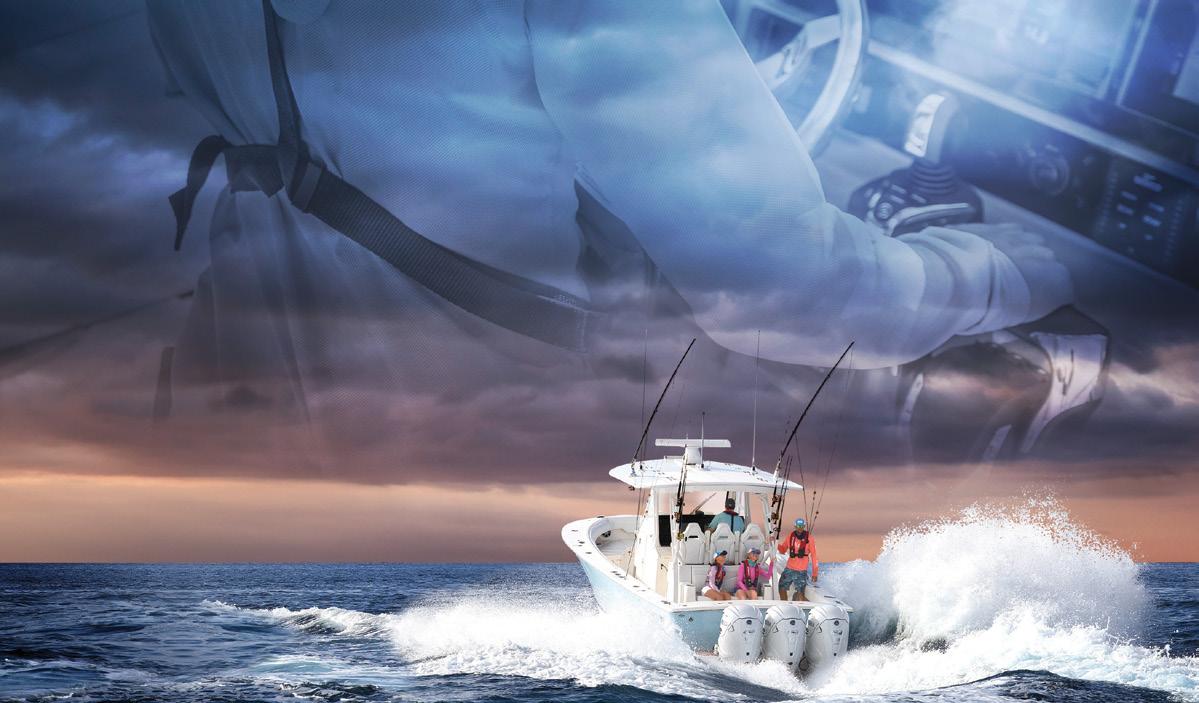

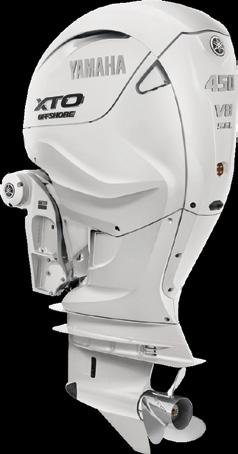
Uncharted adventure is on the horizon—and the Yamaha 450 hp XTO Offshore® is ready to power it. 5.6 liters of V8 displacement, a Phase Angle Control charging system, and integrated electric steering combine to change the way you offshore. And with Helm Master® EX, it becomes a complete power platform that takes outboard engineering to the edge—and back. Learn more at YamahaOutboards.com/XTO.
Uncharted adventure is on the horizon—and the Yamaha 450 hp XTO Offshore® is ready to power it. 5.6 liters of V8 displacement, a Phase Angle Control charging system, and integrated electric steering combine to change the way you offshore. And with Helm Master® EX, it becomes a complete power platform that takes outboard engineering to the edge—and back. Learn more at YamahaOutboards.com/XTO.

DELAWARE
DELAWARE
CONTACT YOUR LOCAL YAMAHA DEALER TODAY
Cedar Creek Marina | 302.422.2040 100 Marina Lane, Milford, DE cedarcreekmarina .com
Cedar Creek Marina | 302.422.2040
100 Marina Lane, Milford, DE cedarcreekmarina .com
410.267.8681 919 Bay Ridge Rd, Annapolis, MD annapolisinflatables.net
DELAWARE
North Bay Marina | 302.436.4211 36543 Lighthouse Rd, Selbyville, DE northbaymarina.com
North Bay Marina | 302.436.4211 36543 Lighthouse Rd, Selbyville, DE northbaymarina.com
Cedar Creek Marina | 302.422.2040 100 Marina Lane, Milford, DE cedarcreekmarina.com
Rt 113 Boat Sales | 302.436.1737 52 Cemetary Rd, Selbyville, DE rt113boatsales.net
MARYLAND
Beacon Light Marina | 410.335.6489 825 Bowleys Quarters Rd, Baltimore, MD beaconlightmarina.com
Beacon Light Marina | 410.335.6489 825 Bowleys Quarters Rd, Baltimore, MD beaconlightmarina.com
VIRGINIA
Boats, Inc. | 410.287.8280 448 N Mauldin Ave, North East, MD anchorboat.com Campbell’s Boatyards - Jack’s Point | 410.226.5105 106 Richardson St, PO Box 410, Oxford, MD campbellsboatyards.com
Centerville Waterway Marina | 757.547.4498 100 N Centerville Turnpike, Chesapeake, VA centervillemarina.com
MARYLAND
Rt 113 Boat Sales | 302.436.1737 52 Cemetary Rd, Selbyville, DE rt113boatsales.net
MARYLAND
MARYLAND
Fairwinds Marina | 410.216.0205 1000 Fairwinds Dr, Annapolis, MD 21409 fairwindsmarina.com
Fairwinds Marina | 410.216.0205 1000 Fairwinds Dr, Annapolis, MD 21409 fairwindsmarina.com
Fairwinds Marina | 410.216.0205 1000 Fairwinds Dr, Annapolis, MD 21409 fairwindsmarina.com
Tri-State Marine | 410.562.6247 222 Severn Ave #12, Annapolis, MD tristatemarine.com
Tri-State Marine | 410.562.6247 7320 Edgewood Rd, Annapolis, MD tristatemarine.com
Tri-State Marine | 410.562.6247 7320 Edgewood Rd, Annapolis, MD tristatemarine.com
Annapolis Boat Sales, LLC | 410.604.6962 1629 Postal Rd, Chester, MD annapolisboatsales.com
Tri-State Marine | 410.867.1447 5861 Deale Churchton Rd, Deale, MD tristatemarine.com
VIRGINIA
Tri-State Marine | 410.867.1447 5861 Deale Churchton Rd, Deale, MD tristatemarine.com
5861 Deale Churchton Rd, Deale, MD tristatemarine.com
Jim’s
Jett’s Marine, Inc. | 804.453.3611 18477 Northumberland Hwy, Reedville, VA jettsmarine.com
Jett’s Marine, Inc. | 804.453.3611 18477 Northumberland Hwy, Reedville, VA jettsmarine.com
Jim’s Marine, Inc. | 410.648.5106 96 East Cross St, Galena, MD jims-marine.com
Bosun’s
Jim’s Marine, Inc. | 410.648.5106 96 East Cross St, Galena, MD jims-marine.com
Anchor Boats, Inc. | 410.287.8280 448 N Mauldin Ave, North East, MD anchorboat.com
Legasea Marine | 757.898.3000 821 Railway Rd, Yorktown, VA legaseamarine.com
legaseamarine.com
Legasea Marine | 757.898.3000 821 Railway Rd, Yorktown, VA legaseamarine.com
411 Winchester Creek Rd, Grasonville, MD bosuns.com/about-us-maryland
Bosun’s Maryland | 410.286.1350 411 Winchester Creek Rd, Grasonville, MD bosuns.com/about-us-maryland












Confidence for Long Runs and Early Starts.
DELAWARE
Cedar Creek Marina | 302.422.2040 100 Marina Lane, Milford, DE cedarcreekmarina.com
MARYLAND
Fairwinds Marina | 410.216.0205 1000 Fairwinds Dr, Annapolis, MD 21409 fairwindsmarina.com
Tri-State Marine | 410.562.6247 222 Severn Ave #12, Annapolis, MD tristatemarine.com
MARYLAND
Beacon Light Marina | 410.335.6489 825 Bowleys Quarters Rd, Baltimore, MD beaconlightmarina.com
Tri-State Marine | 410.867.1447 5861 Deale Churchton Rd, Deale, MD tristatemarine.com
Jim’s Marine, Inc. | 410.648.5106 96 East Cross St, Galena, MD jims-marine.com
Anchor Boats, Inc. | 410.287.8280 448 N Mauldin Ave, North East, MD anchorboat.com

VIRGINIA
Centerville Waterway Marina | 757.547.4498 100 N Centerville Turnpike, Chesapeake, VA centervillemarina.com
Jett’s Marine, Inc. | 804.453.3611 18477 Northumberland Hwy, Reedville, VA jettsmarine.com
Legasea Marine | 757.898.3000 821 Railway Rd, Yorktown, VA legaseamarine.com






Drop-Shot Rigs for Beginners
The drop-shot comes in handy in a number of situations and is a rig every angler needs to know.
By Staff
40
The Thunnus Among Us: Catching Yellowfin Tuna, Part II Behold, the Ballyhoo.
By Staff presented by siriusXM Marine
44
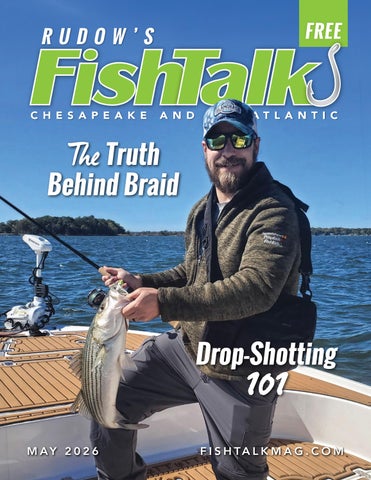
Breaking Down Braid: How To Choose the Right Braided Line
Learn about the differences between brands, styles, colors, and more so that you can make an informed decision next time you spool a reel.
By Adam Greenberg
46
Mayworm Madness
When those little red wigglers appear fishing can get tough. By Lenny Rudow
48
Spiked Wrecks off DelMarVa
Multiple shipwrecks sometimes share the same name— but not the same fishing prospects.
By Wayne Young
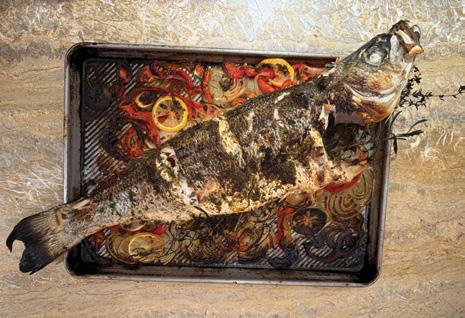
Rockin’ it with Dan’s Rockfish Recipe
When you take home your first slot fish of the season, try something new in the kitchen.
By Dan Mendelson
FishTalk contributor Peter Turcik reeled up one rockfish after the next while fishing his hand-tied rabbit fur jigs.





Maryland
Fairwinds Marina | 410.216.0205
1000 Fairwinds Dr, Annapolis, MD fairwindsmarina.com
PYY Marine | 410.255.1771
1132 Pasadena Yacht Yard Rd, Pasadena, MD pyymarine.com
Richardson’s Marine Repair | 410.745.9279
25145 Saint Michaels Rd, St. Michaels, MD 21663 richardsonsmarinerepair.com
Smith’s Marina | 410.923.3444 529 Ridgley Rd, Crownsville, MD 21032 smithsmarina.com
Thornes Marine | 410.957.4481
1237 Greenbackville Rd, Stockton, MD thornesmarine.com
Top Knotch Marine | 410.253.1299 1735 Little Creek Rd, Chester MD tkmsvc.com
Delaware
Carlisle’s Marine | 302.389.0100
49 Artisan Dr, Smyrna, DE carlislesmarine.com
Virginia
Legasea Marine | 757.898.3000
821 Railway Rd, Yorktown, VA legaseamarine.com
ANGLER IN CHIEF
Lenny Rudow, lenny@fishtalkmag.com
PUBLISHER
Mary Iliff Ewenson, mary@fishtalkmag.com
ASSOCIATE PUBLISHER
Chris Charbonneau, chris@fishtalkmag.com
MANAGING EDITOR
Molly Winans, molly@fishtalkmag.com
SENIOR EDITORS
Beth Crabtree, beth@fishtalkmag.com
Kaylie Jasinski, kaylie@fishtalkmag.com
COPY EDITOR
Lucy Iliff, lucy@fishtalkmag.com
FISHING REPORTS EDITOR
Dillon Waters
ADVERTISING SALES
Eric Richardson, eric@fishtalkmag.com
CUSTOMER SERVICE MANAGER
Brooke King, brooke@fishtalkmag.com
DISTRIBUTION / BROKERAGE / CLASSIFIEDS MANAGER
Beatrice M. Mackenzie, beatrice@fishtalkmag.com
ART DIRECTOR / PRODUCTION MANAGER
Zach Ditmars, zach@fishtalkmag.com
GRAPHIC DESIGNER / PRODUCTION ASSISTANT Royal Jackson, royal@fishtalkmag.com
COASTAL CORRESPONDENT EMERITUS
John Unkart
CONTRIBUTING WRITERS
Adam Greenberg, Jim Gronaw, Chuck Harrison, Capt. Monty Hawkins, Eric Packard, David Rudow, Wayne Young
DISTRIBUTION
Larry Botts, Bob and Joann Bruffy, Martin and Betty Casey, Jennifer and Al Diederichs, Gregory and Dorothy Greenwell, Dave Harlock, Jim Persing, Mark Schlichter
Rudow’s FishTalk is a monthly magazine for and about Chesapeake and Mid-Atlantic anglers. Reproduction of any part of this publication is strictly prohibited without prior consent of the officers of Rudow’s FishTalk LLC. Rudow’s FishTalk LLC accepts no responsibility for discrepancies in advertisements.
Rudow’s FishTalk is available by first class subscription for $45 a year, and back issues are available for $4 each. Mail payment to Rudow’s FishTalk Subscriptions, 612 Third Street, Suite 3C, Annapolis, MD, 21403.
Rudow’s FishTalk is distributed free of charge at more than 850 establishments along the shores of the Chesapeake and the DelMarVa Peninsula. Businesses or organizations wishing to distribute Rudow’s FishTalk should contact the Rudow’s FishTalk office, (410) 216-9309 or beatrice@fishtalkmag.com.

612 Third Street, Suite 3C, Annapolis, MD 21403 (410) 216-9309 FishTalkMag.com © 2026 Rudow’s FishTalk LLC
ve things you should know about boat insurance
Are you ready to embark on your next on-water adventure? Before you set sail, here are ve things to know about boat insurance.
1. Boat insurance isn’t just for accidents
With comprehensive coverage, you’ll also be protected nancially for theft, vandalism, and unexpected events like storms if you need repairs or replacements due to damage.
2. Accidents can happen to anyone
When accidents happen, boat insurance offers liability coverage for damages or injuries you cause while boating, up to speci ed limits. It can also cover lawsuit costs if you’re sued.
3. Boat insurance can cover medical payments
Boat insurance offers a range of optional medical payments coverage limits, helping to cover medical expenses if you’re in an accident or someone is hurt on your boat, regardless of fault.
4. Most lenders require boat insurance
If you nanced your boat, you’ll likely need boat insurance since most lenders require boat insurance to protect their investment. Additionally, some marinas or municipalities require proof of insurance for docking.
5. Progressive offers specialized boat coverages Ever worry about getting stuck on the water?
Progressive’s Sign & Glide® On-Water Towing coverage** can help. It’s an additional coverage that steps in if your boat is disabled or breaks down on the water, paying for on-water towing, jump starts, soft ungroundings, and fuel delivery. Fuel cost isn’t included.
Don’t let unforeseen circumstances disrupt your voyage. Cruise with con dence thanks to Progressive Boat insurance. Because when it comes to your boat, peace of mind is the ultimate luxury.
Progressive Casualty Ins. Co. and af liates. Product features are subject to policy terms and conditions and may not be available in all states or for all vehicles and coverage selections.
*No. 1 rating based on boat market share data from Rate lings.com.
Sign & Glide® is an optional coverage you can add to any Progressive Boat policy and costs $30/annually ($50/annually in Florida). Prices are subject to change.
Scan to get a quote in as little as 4 minutes.
Go to progressive.com to learn more.
A New Fishing Season Arrives… and maybe a new way of thinking?
By Lenny Rudow
It will come as a shock to exactly no one reading these words right now that rockfish regulations have grown tight in recent years. And that’s generated plenty of angst among recreational anglers of all types, as well as guides and charter captains—who are allegedly regu-
lated as “recreational anglers” even though they often fish under differing regulations. Here’s something else we’re all well aware of: those regulations are promulgated and enforced by the Department of Natural Resources (DNR) in Maryland, the Potomac River Fisheries Commission (PRFC) in
the tidal Potomac River, and the Virginia Marine Resources Commission (VMRC), in Virginia, under guidelines set by the Atlantic States Marine Fisheries Commission.
Love it or hate it, that’s how our regulatory system works. And one thing I’ve noticed at public meetings and in feedback we’ve received from our readers is that there’s very little love and more than a little hate in the relationship.
This is a shame, and it only serves against our interests. At a meeting regarding the proposal to shift the striped bass season baseline in Maryland late last year, a very well-spoken and intelligent commercial fisherman stood up and made the point that all of the tightening rules and regulations didn’t amount to squat as far as saving the fishery goes, when the water quality and habitat in our Bay and tributaries are so degraded that the fish can’t thrive in them. The crowd roared with agreement including recreational anglers, guides and charter, and commercial fishermen. This issue, we can all agree on. But blaming the regulators doesn’t help one bit, because they aren’t the ones responsible for maintaining water quality.
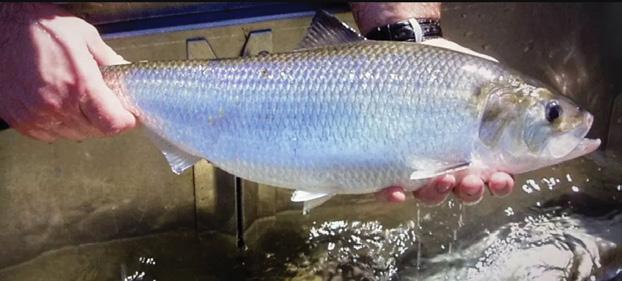
It should be apparent to anyone paying attention that in the modern age, where factory-level mega-harvest on the commercial side isn’t a danger for Bay species—excepting menhaden, of course—spawning success has a far more dramatic impact on the number of fish out there than our regulations do. American shad provide an illuminating example. The population crashed in the 1970s and in 1980 a moratorium was placed on harvest in Maryland. Not only did we stop yanking them out of the water, we also started putting them back in. In fact, the state stocked over 50 million American shad in various waterways feeding the Bay. The net result? Populations increased from virtually nonexistent to merely pitiful through 2001, declined from there
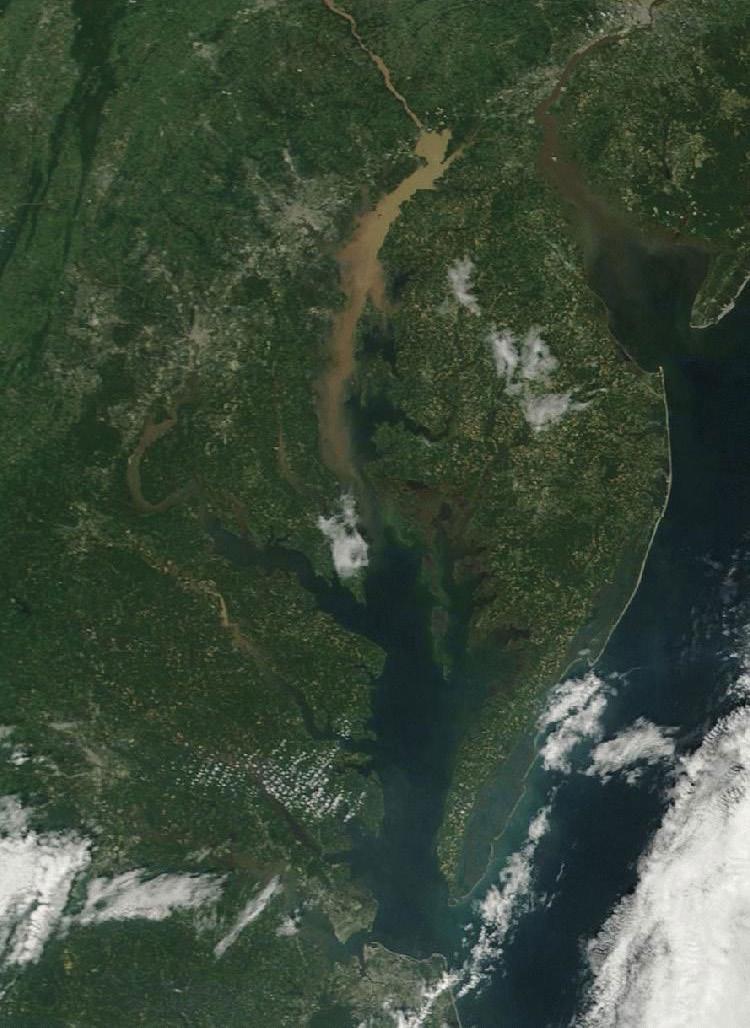
# Can we even hope for the fish to spawn successfully, when this is the Bay water quality we deliver?
Photo courtesy of NASA.
Notes from the Cockpit
through 2007, and after 39 years of zero harvest, in 2019 this population was described by the DNR as “likely near historic lows.”
Rockfish aren’t very different. The moratorium surely helped save some fish, but it was a handful of spectacular spawns (1989, 1993, 1996, and 2001) that sent the population through the roof. In more recent years as catch regulations have tightened, conversely, the population of resident striped bass has steadily dropped. The crux of the problem is reproduction, not overharvest.
“Overharvest” is a relative term, and what amounts to overharvest changes year by year as the population shrinks. The DNR and its regulating brethren are charged with preventing overharvest, so they react to changes in fish populations by tightening up the regs. We love to hate them and scream as they tighten the screws, but we really shouldn’t blame them for it.
Who does get the blame? In Maryland, the Maryland Department of the Environment (MDE) is responsible for “protecting, managing, and improving Maryland’s water quality,” including “ensuring environmental health.” The MDE issues pollution permits, monitors compliance, and manages wastewater, stormwater, wetlands, and both nontidal and tidal waterways. In Virginia, the Virginia Department of Environmental Quality (DEQ) is responsible for “administering state laws and regulations to improve and protect Virginia’s streams, rivers, bays, wetlands, and ground water for aquatic life, human health, and other beneficial water uses.”
Is there anyone out there who’d like to argue that water quality conditions are “environmentally healthy” in Maryland, or that aquatic life is adequately “protected” from the environmental standpoint in Virginia?
If we anglers are aggravated by watching one species after the next crash beyond our ability to fish for them, wouldn’t those agencies charged with protecting the environmental health of our rivers, streams, and bays be the ones we deem culpable? Wouldn’t the little bit of public pressure we can apply as citizens be better directed at protecting and improving the aquatic
environment, as opposed to fighting over the table scraps of a tiny harvest that fisheries regulators have determined is allowable?
We must recognize that progress is necessary for our economies and our society, and that progress often has negative impacts on the environment. The MDE and DEQ are undoubtedly in a neverending tug-of-war between progress and protection. But when 39 years of moratorium fails to restore a species’ population, when ratcheting regulations tighter and tighter on another species has zero positive effect, we should recognize that the pendulum may have swung too far in the wrong direction.
So, what are we to do? We all have full-time jobs already, and none of us can be expected to endlessly write letters, go to permit hearings, and otherwise fight to push the pendulum back where it belongs. But our society long ago recognized this fact of life, and that’s why people create organizations we can enlist to help do our bidding. We’ve tried to point out, time and time again, the intersection of interests between Bay anglers and the Coastal Conservation Association (CCA). If you’ve joined, I sincerely thank you for helping to support what you and I both believe in: better habitat, more fish, and more access for recreational anglers to the fish that are out there. If you haven’t heard about CCA as of yet I strongly urge you to find out what they’re all about (visit ccamd.org or ccava.org) and join. And if you’ve heard about the organization and agree with its mission “to conserve, promote, and enhance the present and future availability of coastal resources for the benefit and enjoyment of the general public,” but haven’t joined, I ask you to do
so now. Consider this: the cost of joining CCA is $40, hardly more than a bag of bloodworms and likely far less than you spent the last time you filled up the fuel tank on your way to go fishing.
But that’s not enough. I firmly believe that Bay anglers, one and all, should also be members of the Chesapeake Bay Foundation (cbf.org). Sure, there will be times when this organization might be in favor of tighter catch restrictions, but that only occurs after a population’s numbers have plummeted—and no other organization has done more to help prevent the Bay’s populations from plummeting in the first place. And there’s more: join your local tributary’s Riverkeeper Federation and/ or Waterkeeper Alliance (waterkeeper. org). While CCA works on a state-wide basis and the Chesapeake Bay Foundation looks at issues on a Bay-wide scale, the Riverkeepers work on a more granular level. They give their undivided attention to specific rivers like the Susquehanna, the James, and many more.
Does it sound like this could get expensive? Not really. I’m far from wealthy but I’m a member and/or donor to all of these organizations: CCA, CBF, and the Arundel Rivers Federation (which keeps watch over my home river, the South). All that totals up to around $100 a year—which I’ll bet is a lot less than you spent the last time you bought a rod and reel. You could join all three in the next 15 minutes. And I absolutely, positively guarantee that supporting these organizations is a much more effective use of your time and effort than complaining about the DNR, PRFC, or VMRC.
# Despite decades of protection from harvest, American shad numbers remain near historic lows.
Photo by US Fish & Wildlife Service.
Anxious Over August
Dear FishTalk,
Iheard all of August will now be closed for rockfish. Okay, fine, but we all know we can’t choose what fish bites the bait. Plenty of rockfish will still get caught when it’s 100 degrees outside, and plenty will die. But now, they’ll go to waste. Why can’t I keep a fish if I know it’s gushing blood and likely to die? It just seems wrong, to me.
Adam P., via email
Dear Adam,While we agree it’s a darn shame that some fish will go to waste, it’s also a reality that if the rules weren’t strictly enforced many people would take advantage of them. So, painful though it may be, we can’t keep a fish even when we know its chances of survival are low. However, we can all do our part to ensure that as few fish die as possible. As for rockfish in August, that means removing the hook without removing the fish from the water whenever possible, in addition to the usual catch-and-release best practices.
Dear FishTalk,
Q: Why is the swordfish known as the best-looking fish in the ocean?
A: He always dresses sharp.
-Anonymous
Send your fish photos, questions, and comments to lenny@fishtalkmag.com
Feeling Salty
Dear FishTalk,
Remember how amazing it was that striped bass were in the Inner Harbor in recent years? Dollars to doughnuts they will be gone this year... though I hope I am wrong. It snowed a lot this winter and when snow and ice melt, the road salt washes into storm drains and eventually into local streams, lakes, rivers, and groundwater. This increases the salinity of freshwater ecosystems, often to levels exceeding the U.S. Environmental Protection Agency’s (EPA) safety guidelines for aquatic life. The high chloride levels are toxic to many freshwater species, including fish, frogs, insects, and amphibians. This can reduce their abundance, growth, and reproductive success. It can also contaminate drinking water supplies, posing health risks to people on low-sodium diets. Salt spray from vehicles and salty runoff damage roadside plants and soil, too, and increased soil salinity makes it difficult for plants to absorb water and nutrients leading to browning leaves, branch dieback, and reduced plant growth. Oh, and road salts accelerate the corrosion of vehicles, roads, bridges, and other infrastructure, too, costing an estimated $5 billion annually in repairs in the U.S. alone.
-Howard
Z., via email
Dear Howard, While reasonable people can agree that we have to keep the roads open, we think reasonable people can also agree that we need to do so in ways that minimize damage to the environment. We welcome your comments and hope the Department of the Environment and the Department of Transportation are paying attention, too.
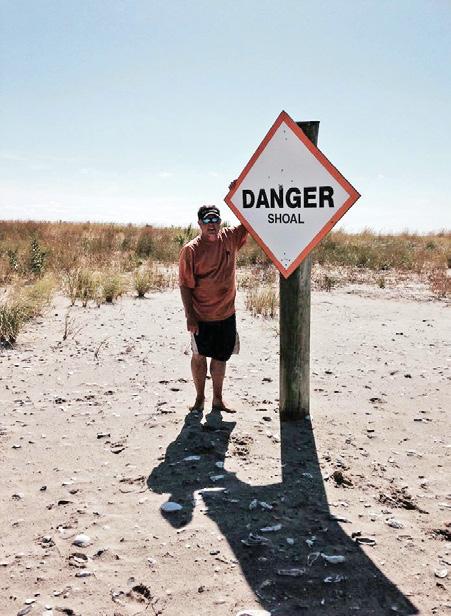
# The shifting shoals of DelMarVa can cause navigational hazards. And every now and again, a good laugh. Photo courtesy of Capt. C.L. Marshall.
FISH NEWS
By Lenny Rudow
No Doubt About More Trout
Maryland has announced a $15 million renovation at the Albert Powell fish hatchery in Hagerstown, the largest hatchery operated by the state. It will include adding another hatchery building as well as updating infrastructure including water circulation and electrical systems. It will also include a new visitor center with an aquarium and educational displays. Currently producing around 270,000 trout annually, the improvements are expected to boost production by around 37 percent.
TPsyched for Spat
he future of oysters in the Chesapeake is showing some glimmers of hope. The results of 2025 surveys of spat (baby oysters) in Maryland waters are in, and they hit six times the average. Virginia continues to also report high spat sets, which have been occurring since 2019. Restoration projects have been completed in Virginia in the Lafayette, Piankatank, Great Wicomico, lower York, and Lynnhaven rivers. In Maryland, Harris Creek, the Little Choptank, Tred Avon, and St. Mary’s River restorations have been completed, and the Manokin is near completion.
“This has been an exceptional year for the oysters of the Chesapeake Bay,” said Maryland Department of Natural Resources secretary Josh Kurtz. “In the past year, we learned that the state’s oyster populations have tripled in two decades, and we also wrapped up major projects at our oyster restoration sanctuaries. Now we’re finding that oysters are reproducing at levels we haven’t seen in nearly 30 years. For an important species that’s struggled for many decades, these are great signs of recovery.”
Shake-Ups Underway
As we go to press, multiple fisheries are poised for change, with the Virginia Marine Fisheries Commission (VMRC) discussing a possible closure on speckled trout to protect the spawning stock after a rough 2026 “cold-stun” event. The VMRC also decided to consider increasing private and for-hire recreational bag limits on bluefish. In Maryland, a realignment of the striped bass season results in the closure of the entire month of August, following an opening of catch-and-release fishing plus additional fishing days during May. By the time this issue hits the streets final rules on these changes may have been announced; visit mrc.virginia.gov and dnr.maryland.gov for the latest information and be sure to check the regs before fishing this season.
Women who Fly (Fish)
The Virginia Department of Wildlife Resources will host a virtual woman’s mentored fly fishing series of eight classes, starting May 20 and running every other week after that. Designed for beginners and women interested in the basic information and resources needed to get started, the classes will consist of 45 minutes of instruction and 15 minutes of Q&A. Topics will cover fly fishing in general, as opposed to focusing on any specific one species. Scheduled in-person opportunities will also be available. Learn more at dwr.virginia.gov/events.
# More hatchery raised trout means more happy anglers!
# Get your surf fishing groove on for the Old Inlet Spring in the Surf tournament, and you could go home a (sandy) winner.
TOURNAMENT NEWS
SIFT: See You in 2027
The Smith Island Fishing Tournament (SIFT), usually held this month, is on hiatus for 2026. Due to a late start and conflicting work commitments of the (all-volunteer) organizing committee, the decision was made to leapfrog this year’s event and keep doing things the right way rather than slapping it together at the last minute and risk doing a poor job. The SIFT management team thanks everyone who has supported the event and hopes you’ll come back for 2027 “with a fishing ferocity.” Dates for the 2027 tournament will be May 21, 22, and 23, and you can find out more at the Smith Island Fishing Tournament Facebook page.

Spring in the Surf
The Old Inlet Spring Surf Fishing Tournament takes place May 2, from 7 a.m. through 3 p.m. in designated surf fishing areas along the Delaware Seashore State Park. There are Open, Ladies, and Kids divisions, plus a Special Grand Slam prize and a Largest Bluefish calcutta. Anglers are limited to two rods and can use any baits or rigs; prizes will be awarded at 4:30 p.m. at the Savage Ditch Pavilion. Visit oldinlet.com for the details.
King of Spring
Pleasure Cove Marina has announced a new event, the King of Spring Rockfish Tournament, taking place on Saturday, May 16. This is a 100-percent payout competition and is limited to the first 100 boats to enter. Multiple calcuttas, numerous prizes (including an outboard motor!), and multiple entry tiers should make this a very, very interesting one. Register fast, because the first 50 boats score “one of the largest captain’s packages on the Bay.” Learn more at Pleasure Cove Marina’s Facebook page.
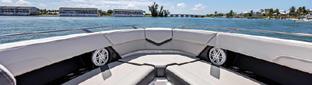
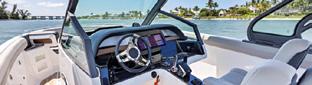

HOT NEW GEAR
Editor’s Note: We wish we could personally test every item that appears on these pages, but that simply isn’t possible. So that you know the difference between when we’ve physically tested a piece of gear and when we’re writing about it because it’s newsworthy and we think you’ll want to know about it, we’ve developed this FishTalk Tested button. When you see it printed next to something in this section, it means we’ve personally run it through the wringer.
Feeling Chummy
Have you ever watched your chum flowing out in the current, and wished it stayed a bit closer to your baits? Enter: Charlie’s Chum on the Spot. These mini chum-pots, including the Chumming Tube and the Chumming Bobber, attach inline and allow you to deliver the chum exactly where you cast. And when you move your bait the chum moves right along with it. The Chumming Tube unscrews at the top for loading and has a separate attachment point for your leader and hook-bait, and the Chumming Bobber floats above your bait, showering it with a steady drip of fish-attracting yum as it bobs on the water’s surface. Both units are made of 100-percent recycled 3-D filament, and when we tested them we found the tubes exceptionally rugged. We particularly like the Chumming Tube for catfish fishing, since you can give a tug on the line now and again to aid dispersion when the current is slacking off. It can also be quite effective in ponds and lakes where there isn’t any current since you
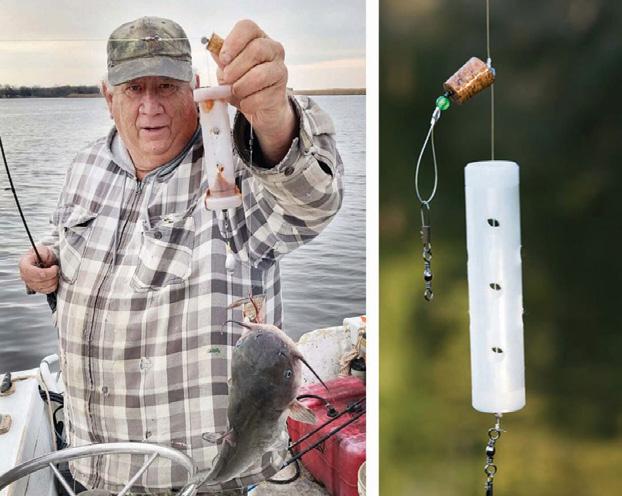
can cast out, allow your rig to settle, then reel it part of the way back to create a chum “trail” going through the water. Plus, easily loaded dehydrated crab and
shad/crab/cricket chum is currently being tested and will be on the way soon. Price: $9.99. Visit charlieschumonthespot.com to put a mini chum pot right on the hotspot.

Rod Squad
If you’re looking for a new Bay-worthy rod that’s got the feel of a pricey pick but an MSRP that beats the competition, check out the Penn Squadron IV Inshore. We tested a SQDINIV1017S70, a 7’0” long, extra-fast action spinning rod rated for 30-pound braid and lures up to an ounce. Models ranging from light to heavy are available, in 7’0” and 7’6” lengths. They’re built on graphite blanks with graphite reel seats and a mix of cork or EVA grips depending on the model. Guides are Penn’s one-piece stainless-steel DuraGuides, which may not have the heat-dissipating abilities of some pricier guides with inserts, but they can take a lot of use and abuse without failing. We found the rod we tested light in hand, there was zero wiggle in the tip, and matched up with a 4500 Slammer IV it made a fine rig for casting jigs to winter stripers. Price: $84.99 to $94.99. Visit pennfishing.com before you take the next cast.




















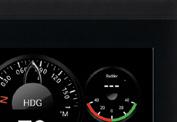



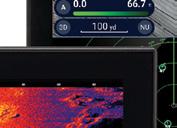
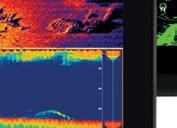
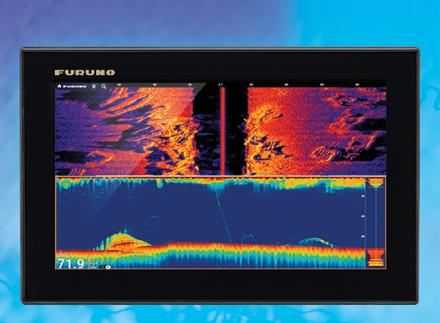
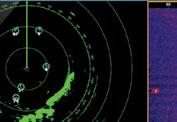







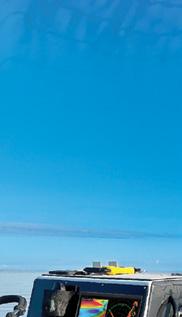
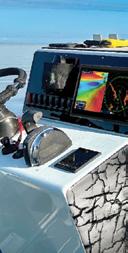

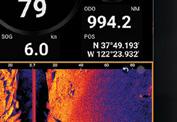











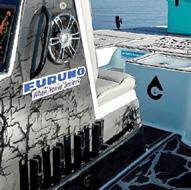



Find Less Stress










With this streamlined MFD, Furuno is bringing big-boat confidence to everyone. & More Fish



TZMAP9 - 9"
Time To Touch
Bay and inshore anglers who wish they had the helm space to accommodate those heavyhitting, high-tech Furuno NavNet TZtouch systems: get ready to rejoice! Furuno has introduced two new lines, the TZMAP and TZTouchE, which bring that big-boat tech to small and mid-sized center consoles.
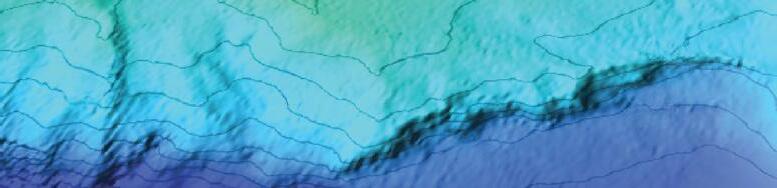
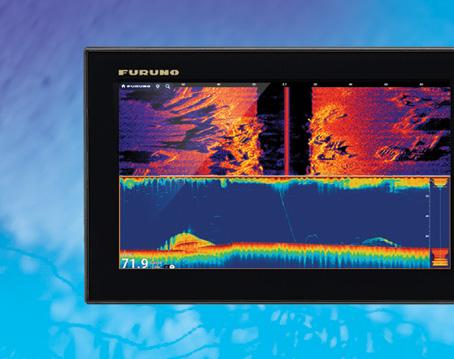
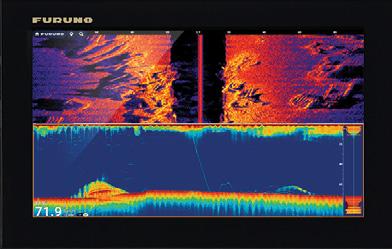
TZtouchE MFDs offer a streamlined TZtouch experience in 9” and 13” multi-touch touchscreen displays. These boast the full suite of fishfinding abilities, including built-in 230kHz/455kHz CHIRP side-scan and 300W/600W/1KW TrueEcho CHIRP sonar. TZtouchE also offers full compatibility with Furuno’s fishfinder modules including 3D Multibeam sonar, the entire DFF series, and even CSH10 Omni Sonar. System expandability options also include compatibility with NavNet DSR radar units. They come preloaded with a full suite of NOAA vector charts for the entire U.S. and you can beef up your bathymetric views with TZ Maps charts including satellite imagery, community-sourced data, and hi-res BathyVision. When
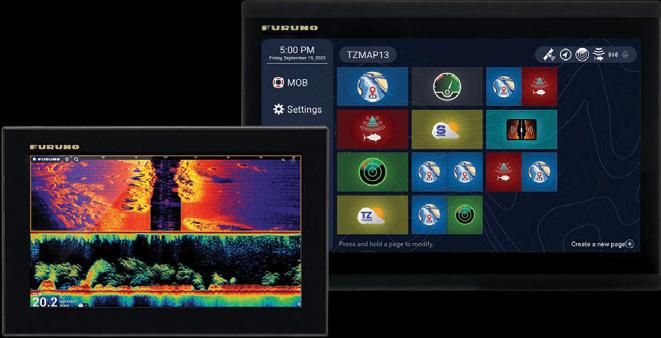
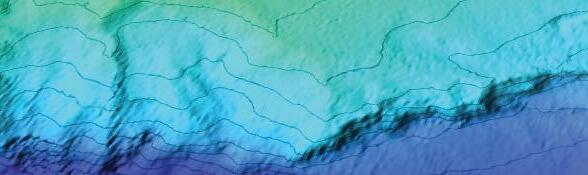
Furuno says “hi-res,” they mean it— BathyVision can take you to a contour resolution of three inches, three times what any other bathymetric chart can deliver. Navigation will also be easier and safer to boot, because the TZtouchE has the ability to run advanced tools and AI including AI Avoidance Route and Risk Visualizer.
With the new size availability anglers with cobia towers and/or aft stations behind a pilothouse now have the ability to get TZtouch tech running through their boat’s veins at multiple stations. You could have a
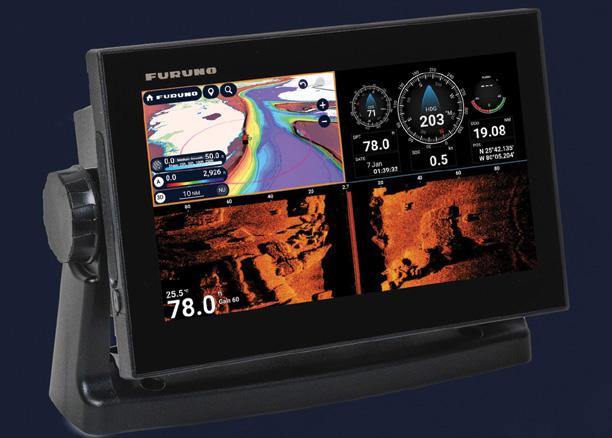
13” unit or maybe two at the helm, and a 9” unit up top in the tower or at an aft console module where larger MFDs often won’t fit. TZMAPS units, also in 9” and 13” sizes, are designed for slimmeddown stand-alone systems where complex integration isn’t necessary. Onboard fish-finding abilities include the 230kHz/455kHz CHIRP side-scan and 300W/600W/1KW TrueEcho CHIRP sonar, and these units have the same digital chart enhancement abilities. They can also run Furuno’s solid-state Doppler DRS2DNXT and DRS4NXT radar.
We tried playing with these units at the Miami International Boat Show this winter, and found that all the edge-swiping, icon-tapping ease of use translates directly from those big-boat NavNet systems to the TZtouchE and TZMAP. Every manufacturer says their system is the most intuitive, but do some swiping and tapping of your own and you’ll find that TZtouch delivers truckloads of tech in a system that’s shockingly easy to adapt to. Plus, the TZtouchE and TZMAP deliver all that tech and all that ease of use for a surprisingly low price point: $1595/$2195 and $2395/$3095. Visit furunousa.com to touch more tech—and more fish.

Addictive Behavior
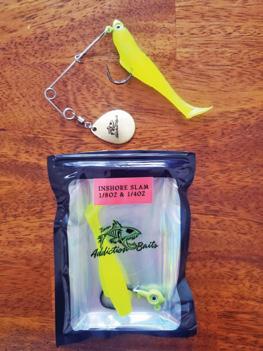
Start throwing an Addiction Baits Inshore Slam, and you might have trouble stopping. These spinnerbait-style lure kits come with a pair of rugged 3 3/8” paddletails and a pair of heads (1/8-1/4, 1/4-3/8, or 1/4-1/2 ounces) for quick size changes. Seven different color patterns are available, and hardware includes 2X hooks and stainless wire so they can be cast into sweetwater for snakeheads one day and into the brine for bull reds the next. We particularly like the way the front of the tails are molded, with an inset pocket so the plastic seats firmly on the jighead; many tooth-proof plastics are very difficult to seat properly over the keeper barbs, but rigging these is a breeze. We’re also thoroughly impressed by the spinnerbait wire, which is twice as thick and stout as most and definitely qualifies as heavy-heavy-duty. Price: $7.49. Visit addictionbaits.com to feed the need.
YMagic Keys
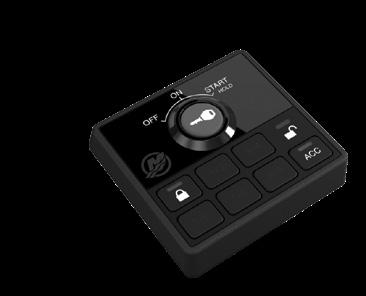
ou walk down the dock, step into the boat, reach for your keys… and realize they’re back at home sitting on the kitchen table. D’oh! We’ve all done that a time or two, but if there’s a Mercury outboard on the transom of your boat this sort of disaster can become ancient history. The new Mercury Keyless Ignition system lets you power up your boat with—you guessed it—your phone and the Mercury Marine app. Once your phone is paired the system will power up upon your approach, and power down when you leave. You can also custom create PINs for friends or family, and if you have compatible remote battery switches, set the system up to turn those on and off automatically as well. And on the off chance your phone is the item you left at home, you can still crank up the engine using a PIN and the keypad. Price: TBA. Visit mercurymarine.com





Whatever Floats Your Boat
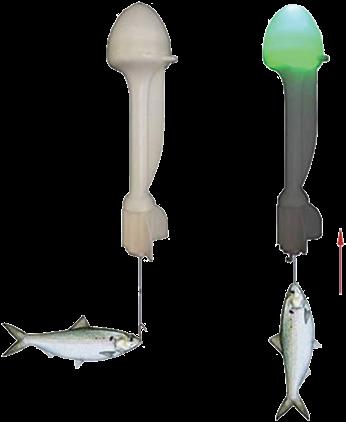
You say fishing is great, but all that casting and reeling is bothersome? Okay, no prob: check out the Float Fish Bite Trigger, from a company called Smart Kingfisher. This fine little battery-operated float automatically hooks the fish and reels in the line when there’s a bite, and then the LED light goes off to let you know it’s time to collect your “catch.” While certain technicalities may make using these things illegal in certain places, we love the idea of setting a few, then taking a nap or whatever, and still going home a winner. Sort of. According to the manufacturer (we find their name vastly inappropriate), the Float Fish Bite Trigger is currently out of stock but will become available in March of 2018. Price: irrelevant. Visit: a shrink if you want to buy this.
Trading up
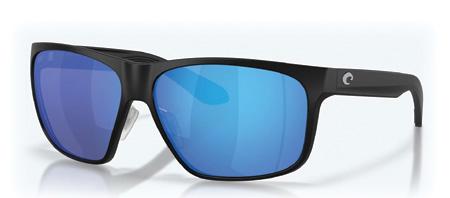
If a new pair of sunglasses is in order for the new fishing season it might be time to check out a pair of Costa Del Mar Trades. The Trades frames are designed to be minimalist but good looking and comfortable, and comfort is enhanced thanks to the 580 lenses. These are polarized glass, not polycarbonate, with a C-wall coating that enhances scratch-resistance even more, while being 20 percent thinner and 22 percent lighter than average glass lenses. They also absorb HEV blue light, are fully polarized, filter out harsh yellows, and have an encapsulated blue mirror layer. Put all that together and they’re ideal for use in full sunlight on open water and offshore. Price: $285. Visit costadelmar.com to learn a new trade.

Ask an Expert
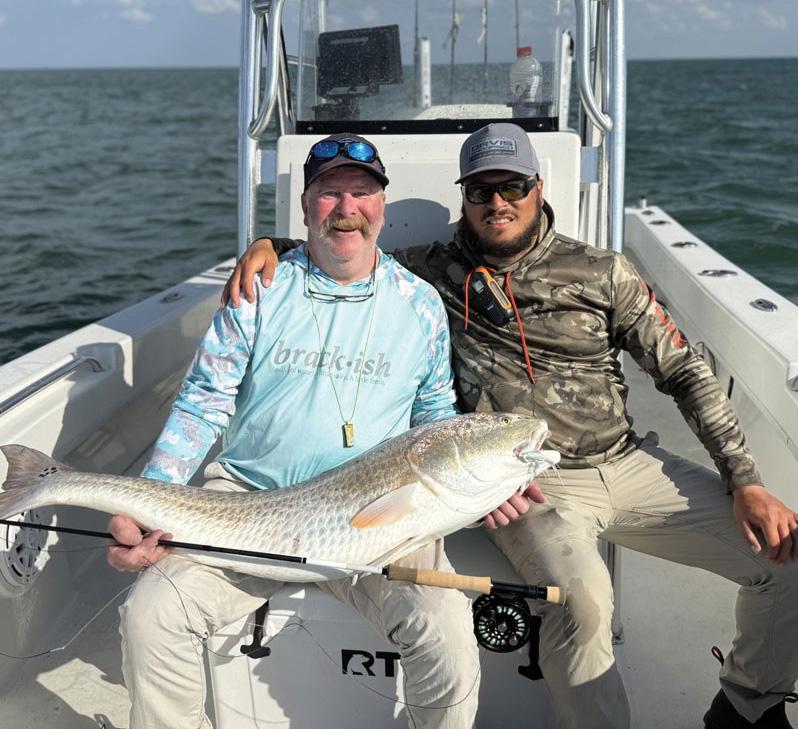
Captain Scott Barmby not only runs Rock On Charters , but is also an Orvis-endorsed outfitter and an Orvis Fly Fishing School instructor. Fly fishing for spring bull reds is one of his favorite fisheries, so that’s the topic we’ll cover this month.
Q: What’s your favorite environment to fly fish for reds in the spring?
A: Shallow flats with oyster beds or grass flats are key areas to watch. Because they’re shallow, they warm up quickly in the sun.
Q: What’s the right rig for this sort of fishing?
A: We use Orvis Helios and the all-new Orvis Recon 10-weight rod. Both give you the backbone to drive tight loops into the wind and turn over weighted flies accurately. We pair them with an Orvis Mirage V reel because they have a sealed drag, smooth startup, and more than enough stopping power when a bull redfish decides to head for the oysters. The line is Scientific Anglers Sonar Titan Full Intermediate, 10-weight. A full intermediate line is key. It keeps the fly just under the chop and maintains a straight connection to it when fish are cruising slightly below the surface. Then we use a short six-foot leader. A weighted Clouser Minnow is the fly of choice and white/chartreuse is a staple. Olive/ white works great over grass. Black/ purple is the pick for lower light. Give a quick strip, pause, and let it drop— that’s usually when they eat.
Q: Is stealth important in this sort of fishery?
A: Stealth matters, but it’s not the most important factor. This is a sight-fishing game so the ability to see fish first is critical. That means great eyes, a tower on the boat, and high-quality electronics to help locate and track fish moving across shallow
flats. The single most critical factor, however, is the angler’s ability to quickly get the fly where it needs to be. You typically have three to five seconds to make the presentation so long false casts, slow line management, or hesitation usually means a missed opportunity.
# Their name may be Rock On Charters, but fly fishing for spring bull reds is one of this outfit’s specialties.
learning. Schools combine casting, tackle, fly selection, fish behavior, and on-the-water application into one complete experience.
Q: Any tips for fighting a redfish up to the boat?
A: They pull—and they keep pulling. Reds don’t give up quickly and they use their size, weight, and stamina to their advantage. The key is to fight the fish with your body, not your arms. Keep the rod low and angled and use the lower butt section. Do not fight with the tip, that leads to fatigue and broken leaders. Use your legs, core, and the reel’s drag to do the work. Stay calm, keep steady pressure, and let the gear do what it’s designed to do.
Q: You not only take people fly fishing but you also teach fly fishing, so tell us your top three tips for becoming a better fly angler.
A: Becoming a better fly angler doesn’t happen by accident, it comes from doing the right things consistently.
1. There’s no substitute for practice, and even short practice sessions improve casting accuracy, timing, and confidence.
2. Take a lesson. A good instructor will identify small casting issues, fix them quickly, and help you understand why, not just how, things work. One lesson often does more than months of trial and error.
3. Sign up for a fly fishing school, because the structure accelerates
Q: Open mic—what haven’t we talked about that you’d like to tell all the anglers out there?
A: Fly fishing for trophy spring bull redfish is not easy, but we have a worldclass fishery right in our backyard. Here are some additional tips:
• Casting speed matters more than casting beauty; you need to get the fly there fast because you won’t get many chances.
• Forget long, delicate leaders. We fish short, strong leaders, typically 40- to 60-pound test. They turn over big flies, handle wind, and survive oysters.
• Big flies catch big fish. Bull redfish are hunters and they’re not afraid of size.
• If you remember one thing: this fishery rewards preparation. When everything comes together— conditions, eyes, timing, and execution— this fishery is about as exciting as it gets.
Thank you, Captain Scott! To give fly fishing for bull reds a shot or to learn more about saltwater fly fishing, give him a call or text at (240) 372-1864, email scott@fishrockon.com, or via fishrockon.com
Ask an Expert
Angling for Annapolis
Captain C.L. Marshall of Tangier Sound Charters has spent more time bobbing around on the Bay than just about anyone and has a well-earned reputation for putting anglers on the fish. It turns out he’s also running for office for the House of Delegates in District 38A, so we asked him for a quick chat.
Q: What is it about your experience as a captain and an angler that would influence your decisions as a representative?
A: The obvious answer is an unwavering love for protecting the Chesapeake Bay and its assets. I get to share six hours every day with a new group of folks who love the Chesapeake experience. During this time, I learn much about their connection with the Bay and their feelings about the things that occur around it. Trust me, you can learn more about a man when fishing with him than you can in any interview. I’ll be consistent in defending the Chesapeake, the Lower Shore counties, our farmers, and our fishermen.
Recently I stood on the second floor of the State House looking down at the state seal, which coincidentally was made by a young lady on the Eastern Shore. It portrays a fisherman and a farmer… and I thought about how far we’ve gone from that.
Q: How well do you feel the interests and concerns of the angling community are currently represented?
A: Our striped bass fishery is many different things to many different user groups. Lately, thanks to the efforts of Tom Weaver, Dave Sikorski, and others, I think the field has leveled. I also think the needs of anglers with a closer proximity to Annapolis are often heard more than those of the Lower Shore, but that’s not just in fishing. I would like to see a unified charter boat association putting forth a single, strong message. Our fishery screams for marketing dollars. I’d like the state to bolster efforts highlighting our tremendous fishery. At Harrisburg recently the common thought by outdoorspeople was that our fisheries were dismal, declining, and dead. State
marketing to promote our Chesapeake experiences would do much to add tourism dollars.
Q: Okay, now let’s talk fishing: We enjoyed some awesome scenery while fishing with you around marsh islands last year; when you explore areas like that, what visual clues are you looking for to find potential hotspots?
A: I love to fish structure. When most folks think of structure wrecks and obstructions come to mind, but structure can be in the form of grass flats, edges, fingers of super shallow shoals and what I like to call “spotty bottom.” Folks are often surprised how shallow we fish. I like it skinny.
Q: How do you factor in the tides when fishing in backwaters?
A: I like a strong ebb tide in a creek with tons of small feeder creeks off a main stem. Those fish are head into the tide looking for bait washing out of the marsh
and the current will damper the sound of the trolling motor, spooking fewer fish.
Q: What are your three favorite lures for casting in the shallows?
A: That really isn’t up to me, it’s up to the fish on any given day. I do, however, really like using the 4 Horseman popping cork. What’s under it will vary from live spot to an assortment of plastics. On a tough day last year we couldn’t trigger a bite so we put half a peeler under one and let it drift around a point and over stumps. Crushed em.
Q: Open mic—what haven’t we talked about that you want all the anglers out there to know?
A: Just enjoy the experience and don’t let the catch dictate the success of the day. On days when it’s tough for us we’ll often explore new areas, slide into Drum Point Market for the best crab cake in the world, get Ice cream in Tangier, or a cocktail at the Tiki Bar. This is a pretty cool area we live in. Get out there in it.
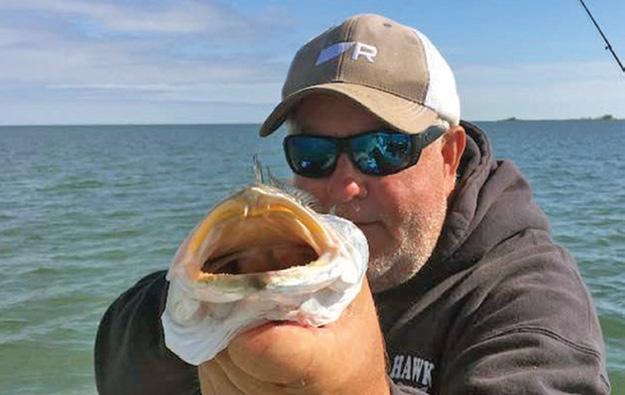
# Will the voters send this angler to Annapolis?
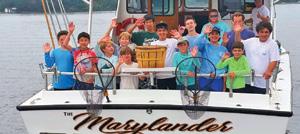
Charters, Guides, and Headboats
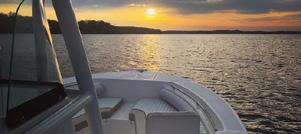
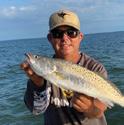
hether you like light tackle jigging, fly fishing, trolling, or bottom fishing, there’s a local expert who can lend a hand. If you’re just now trying to learn how to fish you can jump-start the learning process by stepping aboard a Chesapeake Bay or Mid-Atlantic fishing charter. For more information visit fishtalkmag.com/charter-fishing-guide










CHESAPEAKE CALENDAR
MAY
Through Mar 31, 2027
CCA Great Chesapeake Invasives Count Fishery managers need help understanding which invasive species are being caught and where in order to support the science-based management of our natural resources. Log your catch and get entered to win great prizes each month! Register: ccamd.org
2 Anne Arundel County River Days 11 a.m. to 3 p.m. at the Smithsonian Environmental Research Center in Edgewater, MD. All events are free and open to the public. Each festival will feature fun activities for all ages, including boat rides, water activities, environmental educators, live music, games, crafts, food trucks, and more.
2 Clean the Bay Day
Each year on a single day, thousands of Virginians simultaneously descend on the rivers, streams, beaches, and inland parks of the Chesapeake Bay watershed to remove harmful litter and debris. Register: cbf.org
2 Double T Oyster Ranch ‘Oysters and Beers’ Festival
Join the CCA Southern Maryland chapter as we support Double T Oyster Ranch for their biannual festival at Tall Timbers Marina in Tall Timbers, MD. Farm-raised oysters, locally sourced craft beer, live bluegrass music, all you can eat and drink. 12 to 5 p.m.
2 Solomons Maritime Festival
10 a.m. to 4 p.m. at the Calvert Marine Museum in Solomons, MD. Free! Celebrate Southern Maryland traditions with cooking demonstrations, traditional live music, toy boat building, Quilts of Valor display, Chesapeake Bay Retriever demonstrations, antique boats and motors, and more.
2-3 Boater Safety Course CBMM’s Boater Safety Course teaches participants the basics needed to safely and confidently operate a vessel on Maryland waterways. Individuals and families with children 10 and up are welcome to participate. $30. At the Chesapeake Bay Maritime Museum in St. Michaels, MD.
2-3 Havre de Grace Decoy and Wildlife Art Festival
The 44th annual festival takes place indoors at the STAR Centre (700 Congress Avenue), featuring waterfowl decoys, art, and collectibles. Admission costs $10 for the weekend.
2-3 Susquehanna Flats Marine Exhibition
This outdoor event features boat dealers, marine services, and more and will be held in conjunction with the Havre de Grace Decoy and Wildlife Art Festival at the STAR Centre (700 Congress Avenue). Free admission.
6 Free State Fly Fishers Cub Meeting
Join us for a “smorgasbord” of presentations, about 10 minutes each, of club members’ favorite fly fishing trips over the last year(ish). 7 p.m. to 8 p.m. at the FSFF Club House, Davidsonville Family Rec Center, 3789 Queen Anne Bridge Rd, Davidsonville MD 21035.
10 Mother’s Day Take mom fishing!
13
CCA Oyster Reef Ball Build 9 to 11 a.m. at Huntingtown Elementary School in Maryland. CCA Maryland is a proud partner of Calvert County Public Schools (CCPS) to support habitat construction via reef ball building with every 5th-grade class and student in the county through their CHESPAX program. RSVP to volunteer at ccamd.org
13 Frederick Saltwater Anglers Monthly Meeting
6:30 p.m. at 289 Willowdale Dr, Frederick, MD 21702. Speaker and vendor TBD.
14
CCA Annapolis Chapter Angler’s Night Out
5:30 to 7:30 p.m. at West End Grill in Annapolis, MD. Glen Odor of Big Fish Daily will introduce Fishtechy, an innovative AI-powered system that instantly measures fish from a simple photo. Free and open to all.
16
Free State Fly Fishers Saturday Hands-On Session
Andy Grosko, FSFF past president, will examine the invasive fish species found in local and regional waters and their effect on our fly fishing experiences. 10 a.m. to 12 p.m. at the FSFF Club House, Davidsonville Family Rec Center, 3789 Queen Anne Bridge Rd, Davidsonville MD 21035.
16
King of Spring Rockfish Tournament
Presented by Pleasure Cove Marina in Pasadena, MD. This is a 100-percent payout competition and is limited to the first 100 boats to enter. Multiple calcuttas, numerous prizes (including an outboard motor!) and multiple entry tiers. Register fast, because the first 50 boats score “one of the largest captain’s packages on the Bay.”
18
CCA Oyster Reef Ball Build 9:30 to 11:30 a.m. at Windy Hill Elementary School in Owings, MD. RSVP to volunteer at ccamd.org
19 Blue Angels Flight Rehearsal
Tentative flight rehearsal date for U.S. Naval Academy Commissioning Week; 2 p.m. in Annapolis.
20 Blue Angels Flight Demonstration
Tentative flight demonstration date for U.S. Naval Academy Commissioning Week; 2 p.m. in Annapolis.
19 PSWSFA Monthly Meeting Peninsula Saltwater Sportfisherman’s Association. 7 p.m. at Peninsula Baptist Church (2605 Cunningham Dr, Hampton, VA). Free.
20 Annapolis Anglers Club Monthly Meeting Speaker, food and drink, table raffle, and 50/50. Food starts at 6 p.m., followed by meeting at 7 p.m. At the American Legion Post 7, Crownsville Road, Annapolis, MD. Speaker: EJ Hartman, Combos for Kids.
24
Crisfield Soft Shell Festival 12 to 5 p.m. at City Dock, Crisfield, MD. Watermen’s Hall of Fame, crabcakes, soft shell crabs, local seafood, beer/wine, artisan vendors, live music, and more. Free admission.
26
CCA Oyster Reef Ball Build 9:30 a.m. to 12: 30 p.m. at Beach Elementary School in Chesapeake Beach, MD. RSVP to volunteer at ccamd.org
JUNE
6 Extreme Boat Docking 11 a.m. to 3 p.m. at 468 Buzzards Point Rd. in Reedville, VA. Get your ticket at the gate. Free parking, food vendors, live music.
6
Youth Fishing Derby at Piney Run Park
7 to 11 a.m. at Piney Run Park in Sykesville, MD. Youth (15 years and under) cost $10 per child. All participants must be accompanied by an adult. Park gates open at 6:30 a.m. Vehicle entry fee waived for participants. $10 boat launch fee applies. To register call (410) 386-2103.
6-7
Yorktown Battle of the Boats
Watch as crews go bow to bow racing small, medium, and large workboats along the York River - all building to the can’t-miss King of the Bay showdown. At Riverwalk Landing in Yorktown, VA.
7 Heroes Fishing Event
The first annual Heroes Fishing Event Cast for Hope is a guided fishing experience on the Potomac River created for Veterans and First Responders carrying the invisible weight of PTSD. Hosted by Symbolisms for Resilience in partnership with Fish the Potomac Charters, this day is about still water, shared experience, and creating space to breathe.
10 Frederick Saltwater Anglers Monthly Meeting
6:30 p.m. at 289 Willowdale Dr, Frederick, MD 21702. Speaker and vendor TBD.
12-13
Tuna and Tiaras
The world’s only tuna tournament exclusively for women. In Ocean City, MD. Benefits a local breast cancer support organization, Women Supporting Women.



JUNE
(continued)
13
Baltimore Floatilla
Five-mile paddle across the Baltimore Harbor from Canton to the Inner Harbor and back. Kayaks, canoes, standup paddleboards, and rowboats are welcome.
13
Bands in the Sand 5:30 to 10 p.m. at the Philip Merrill Environmental Center in Annapolis, MD.
16
PSWSFA Monthly Meeting Peninsula Saltwater Sportfisherman’s Association. 7 p.m. at Peninsula Baptist Church (2605 Cunningham Dr, Hampton, VA). Free.
17 Annapolis Anglers Club
Monthly Meeting
Speaker, food and drink, table raffle, and 50/50. Food starts at 6 p.m., followed by meeting at 7 p.m. At the American Legion Post 7, Crownsville Road, Annapolis, MD.
19-21 38th Annual Antique and Classic Boat
Festival and Coastal Arts Fair
Father’s Day weekend at the Chesapeake Bay Maritime Museum in St. Michaels, Md. One of the largest classic boat shows in the Mid-Atlantic region.
19-21 FSA Offshore Challenge Tuna Tournament
Frederick Saltwater Anglers. Details TBD. Location: 2246 Curtis Merritt Harbor Dr, Chincoteague, VA 23336.
19-21
Norfolk Harborfest At Town Point Park along the Downtown Norfolk waterfront, VA. Tall ships, parade of sail, fireworks, live music, and more.
20 MVFD East Riverfest
Extreme boat docking contest with the Chesapeake Cowboys at Williams Wharf in Mathews, VA. Get tickets online or at the gate. Music 4:30 to 9 p.m. at fireworks over the East River at 9 p.m.
21 Father’s Day Take dad fishing!
Tune in Thursday, May 7, 2026 at 6 p.m. for a new episode!
Presented by
New episodes air on the first Thursday of the month on our Facebook page (facebook.com/fishtalkmag) and YouTube channel (youtube.com/fishtalkmagazine). View past episodes at fishtalkmag.com/live-with-lenny
24-30 Sail 250 Maryland and Air Show Baltimore
A global gathering of international tall ships, military ships, and aircraft celebrating the 250th Anniversary of the founding of the United States. Baltimore, MD.
26-28 11th Annual Kids Catch-All
Out of Indian River Marina in Rehoboth Beach, DE. Open to all youth anglers ages 3-18. Fish one or both days. Weigh-ins at Hook’em and Cook’em Bait and Tackle. Mexican fiesta Saturday 6:30 to 8:30 p.m. Awards banquet Sunday 6 to 8 p.m. A portion of the proceeds benefit the Lyme Disease Association of Delmarva, Inc.
27 East of Maui EWE Spirit Chesapeake Stand Up Challenge
This is an open water race set in Annapolis Harbor and the mouth of the Severn River. Course options: The 7-mile Challenge, a 3-3.5 mile Challenge, a one mile Just for fun Race, and a free kids race. This year’s race will be dedicated to our friend Geoff Ewenson. A portion of your entry fee will be donated to the EWE Spirit Foundation.
Scan this code to follow us on Facebook and YouTube or sign up to get notified about upcoming LIVE video streams via email at fishtalkmag.com/live-with-lenny

Reader Photos
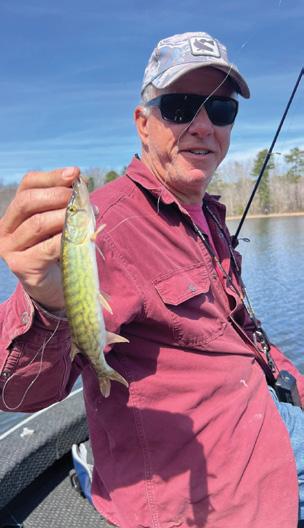
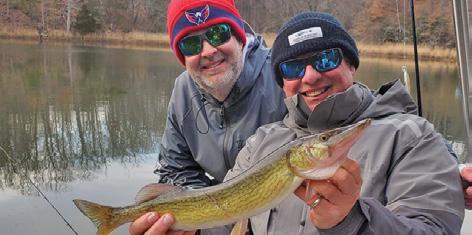
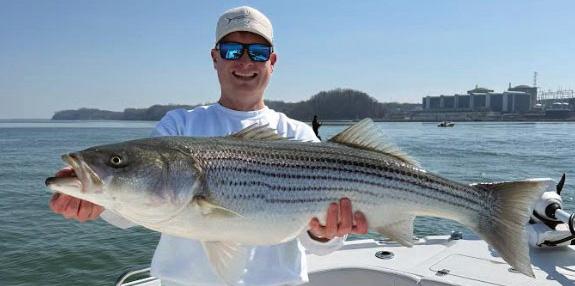
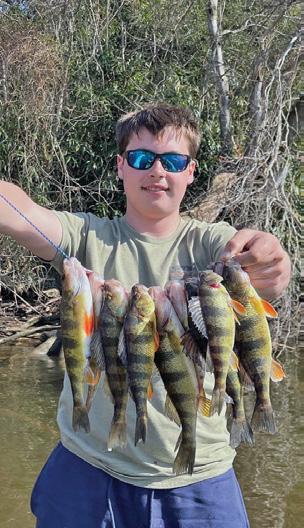
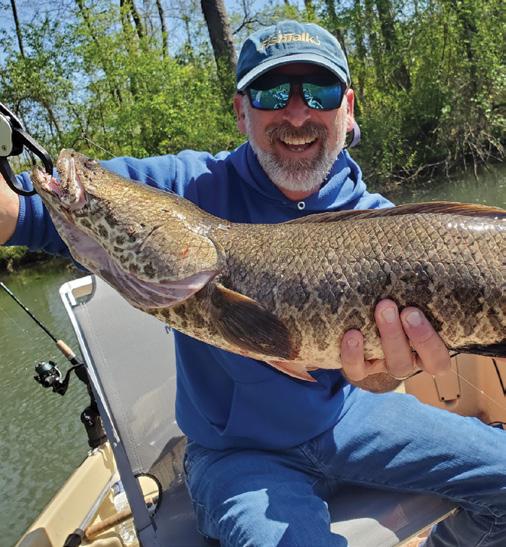
# Kevin tied into a trophy at the Power Plant.
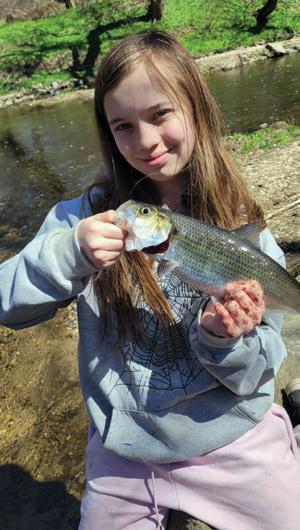
# Lucy greeted spring by greeting some hickory shad to the neighborhood.
# Parker and his dad crushed it while chasing yellow perch in the Tuckahoe.
# Dennis with his NEW PB pickerel!!!
# Captain Tom and Dr. Luke searched out this pickerel in the Severn.
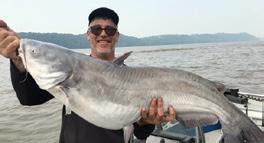
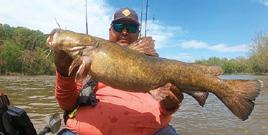
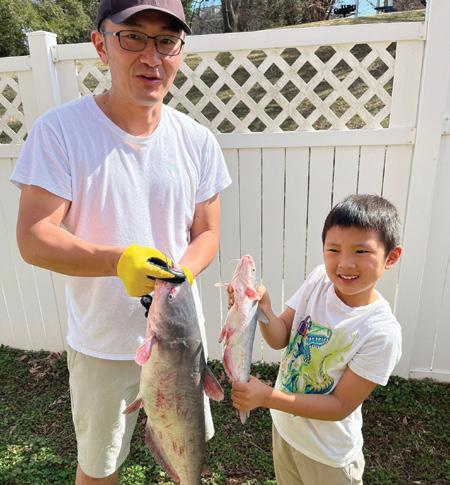
# Masataka and his son Soichiro tied into the blue cats at Kings Landing Park.
Youth Trout Day Special
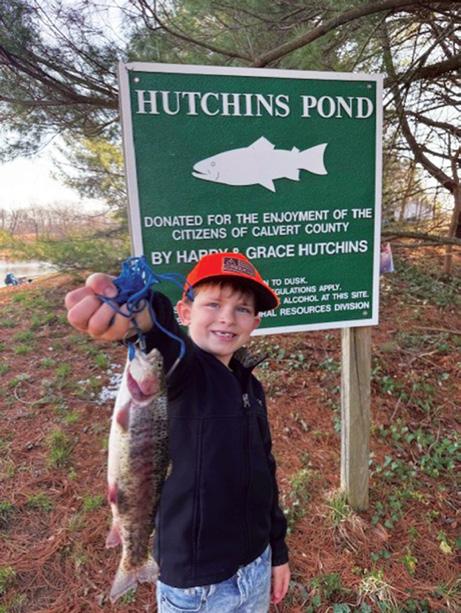
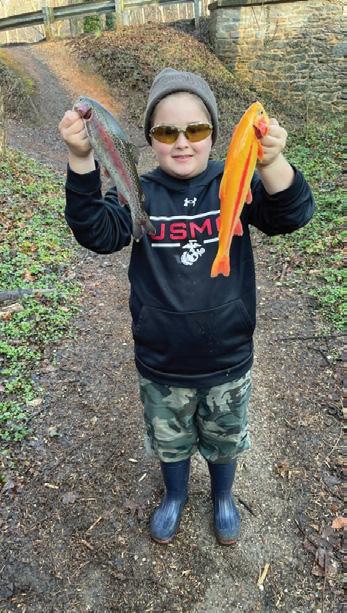
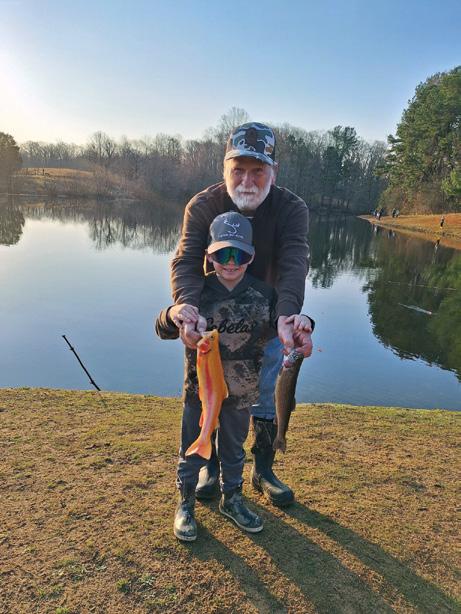
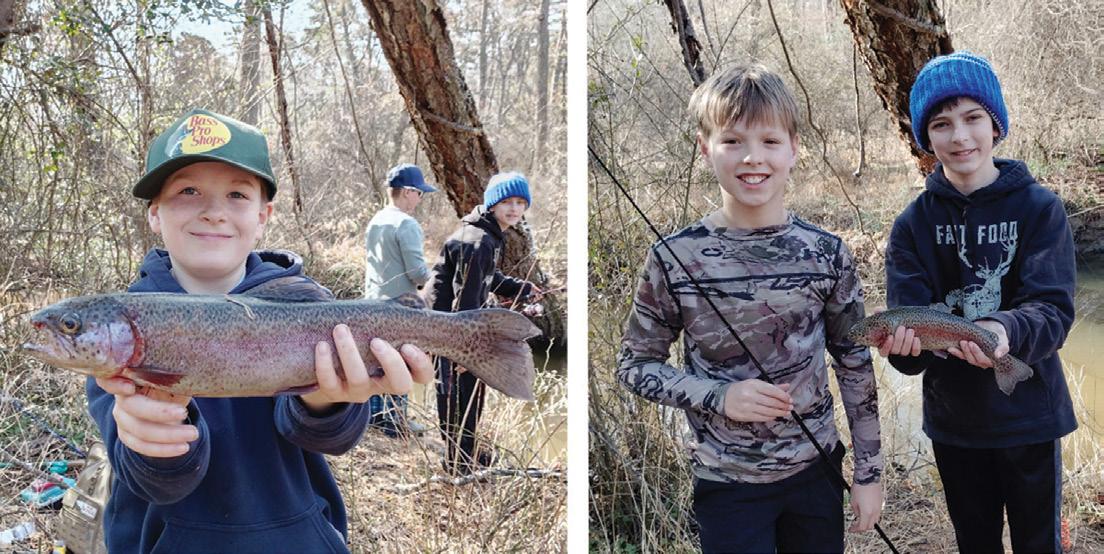
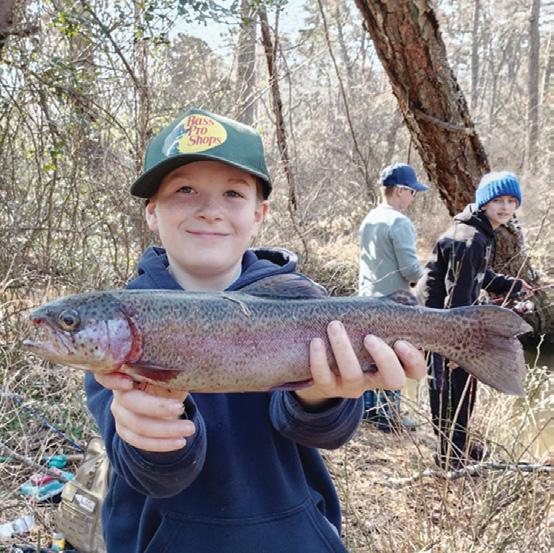
# Eli, Ripley, Andrew, and Adoniram had an awesome day of trout fishing on youth opening day this spring.
# James caught his first golden trout—WTG James!
# Everett and his grandfather Mike enjoyed Youth Day in a big way, catching trout in Calvert County.
# Liam got his first trout! Liam got his first trout!
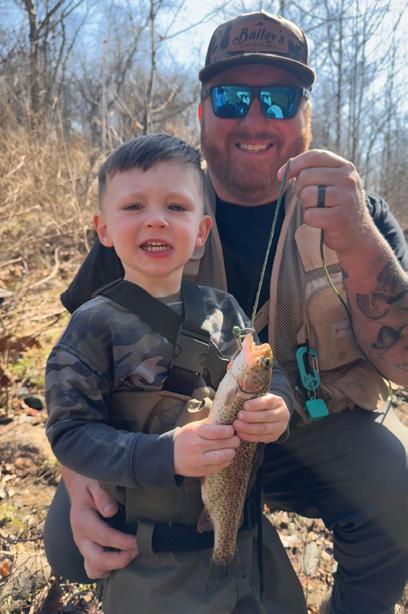
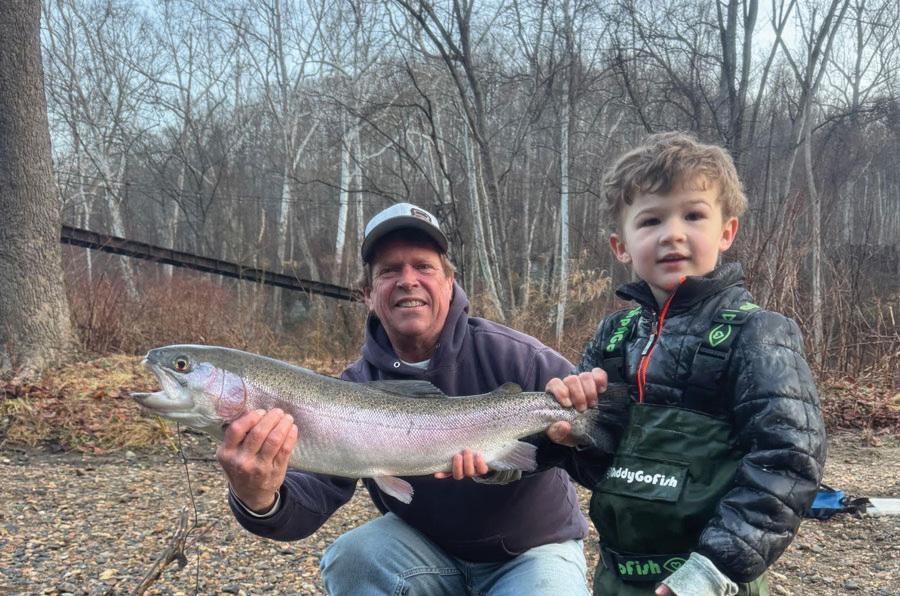
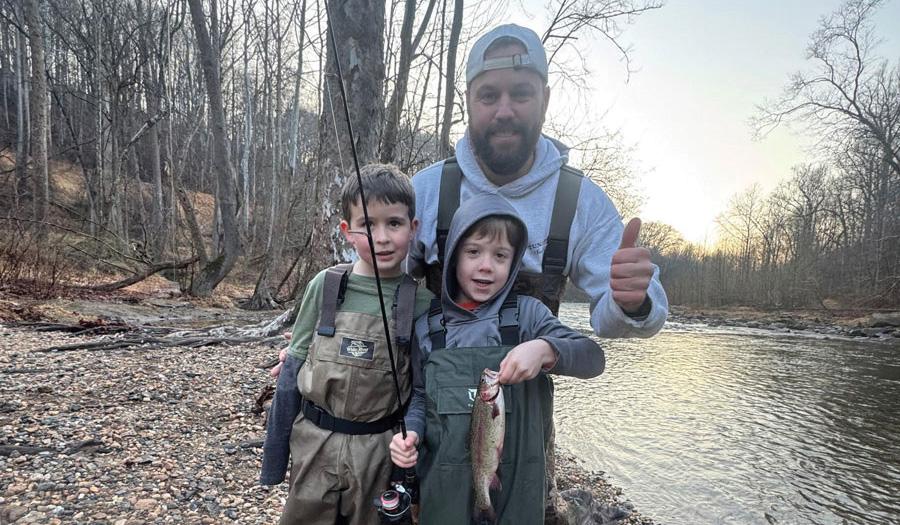
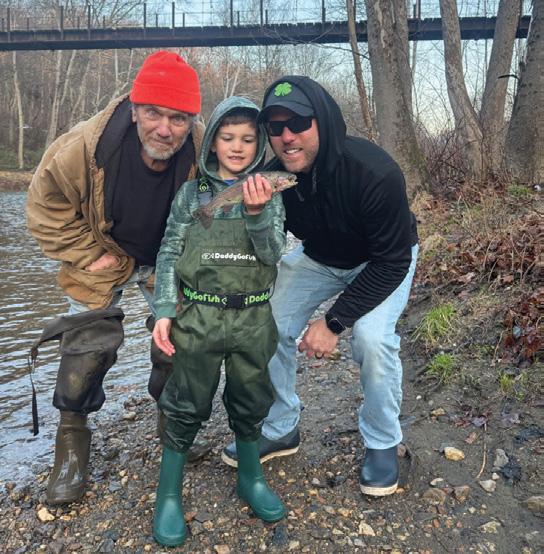
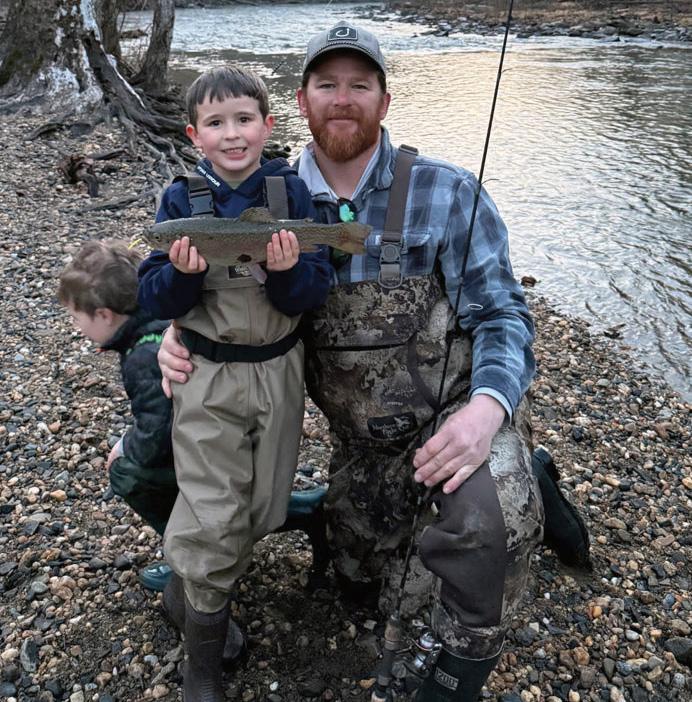
# Marcus showed Judah (dad) how to bring in those trout.
# Waylon and Uncle Preston got in on the action, too!
# Three generations of anglers, Dennis, Brody, and Craig, enjoyed some opening day trout fishing.
# Kevin and Michelle got ‘em!!
# Brian holds up Arlo’s monster rainbow.
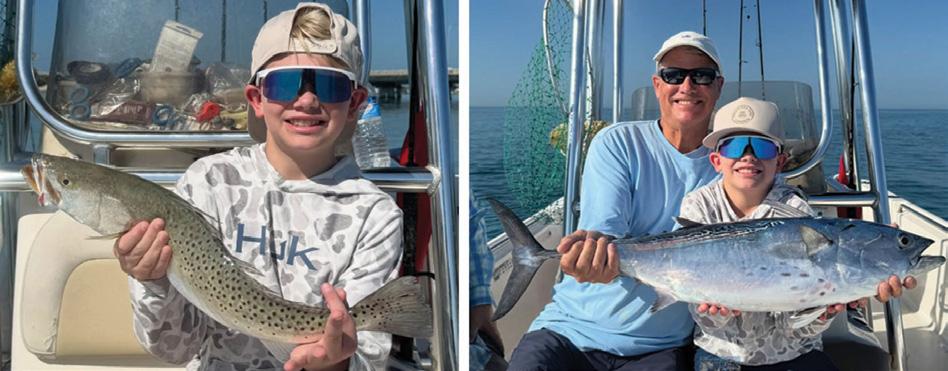
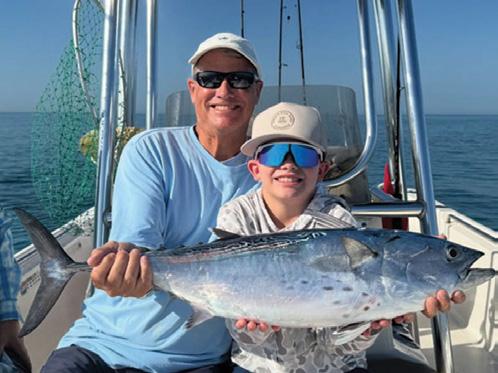
# Owen had quite an exciting visit to Long Boat Key, both inshore and offshore.
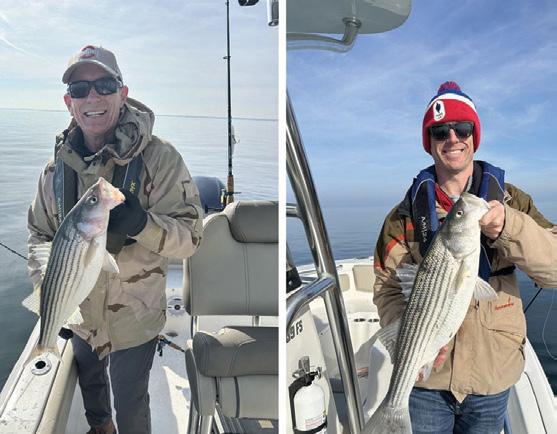
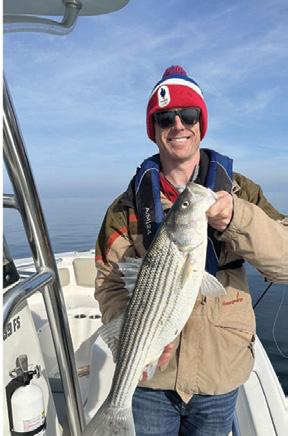
# Scott and Ryan had some fun aboard the new boat (and cousin Jeff says hi).
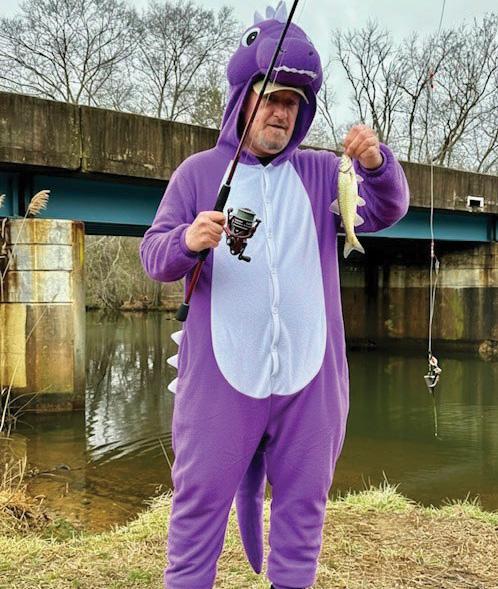
# Bob, dressed as Barney (allegedly for a charity event) caught a nice fallfish.
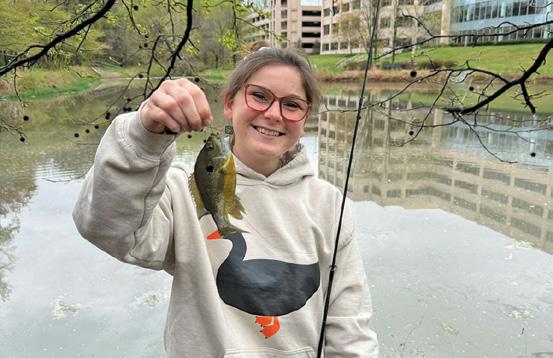
# Mollie somehow survived an utterly epic battle with this monster bluegill, which almost dragged her into the lake, which was full of alligators and dragons.
# Wyatt caught some nice shad in the Mattawoman this spring.
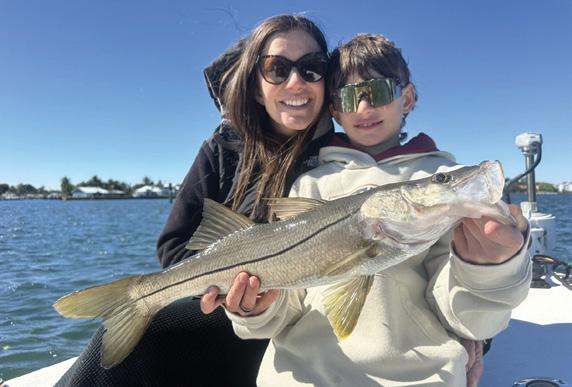
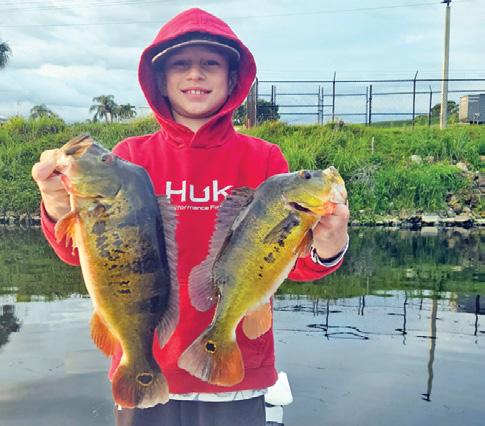
# Webb again—we couldn’t fail to include this proud pair of peacock bass!!
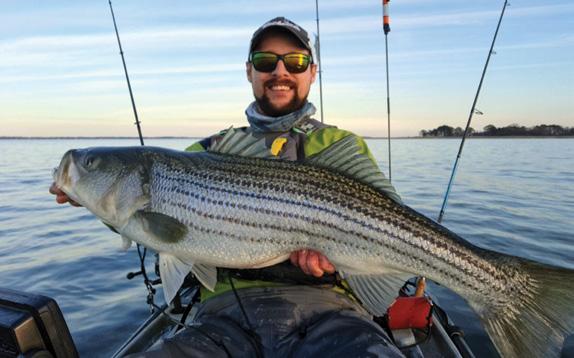
# Dave found a trophy striper on the kayak this March.
# Webb and his mom enjoyed some angling action down south.
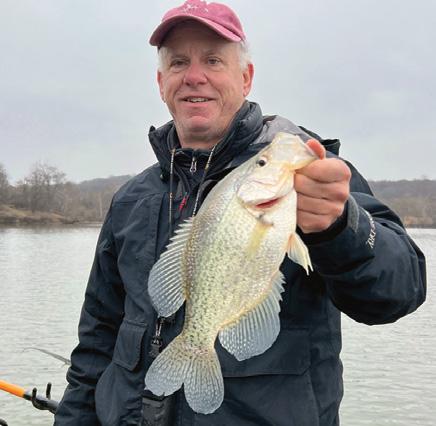
# Dennis deployed his spider rig, and came up with the crappie.
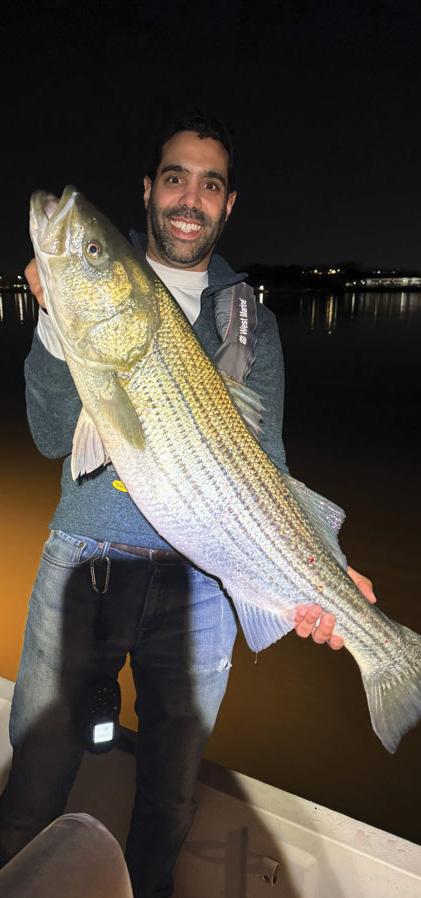
# Adam encountered a mega-striper this spring while fishing in a mere two feet of water near Baltimore.
Hot New Fishboats
By Lenny Rudow
Sportsman Open 402: The Quad Squad
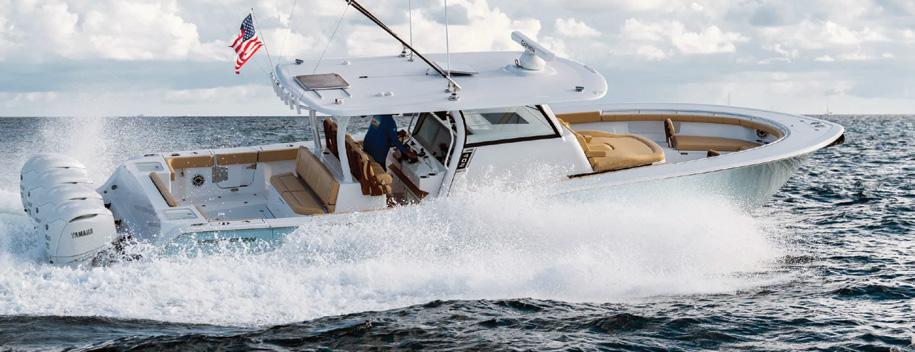
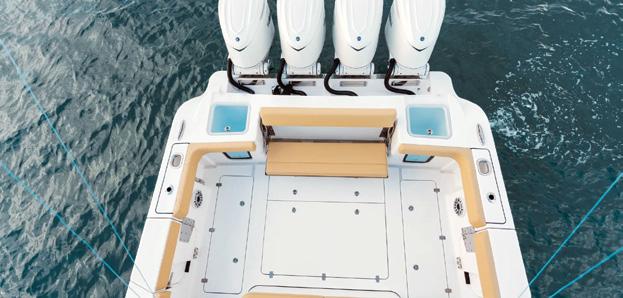
Four outboards, four-across seating at the helm, four fishboxes in the deck, and lounger space for four people to stretch out in complete luxury in the bow—if you say double the fun is great but quadruple the fun is twice as nice, you’ll soon be checking out the new Sportsman Open 402. This isn’t only Sportsman’s latest model, it’s also the biggest boat they’ve ever built.
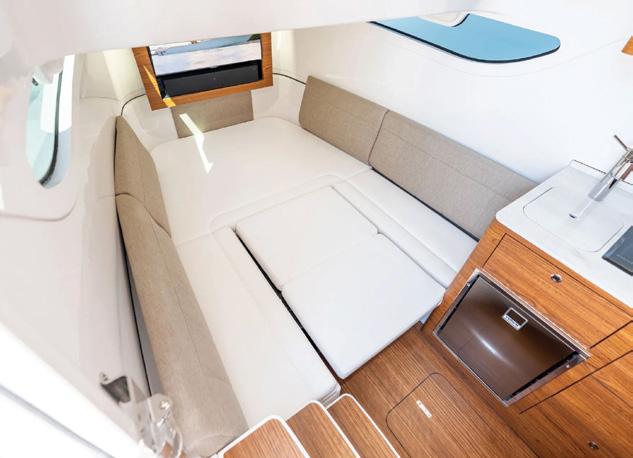
The Open 402 is large enough and luxurious enough that it makes the jump from center console boat to center console yacht, with all the perks and pleasures you’d expect from a 40’4” long, 13’ wide CC with an air-conditioned cabin in the console. Step down below and you’ll discover a queen-sized berth that converts into a dinette, a galley, and an enclosed head with a separate stall shower. Rough-
ing it on overnighters at the canyon just became a thing of the past. But even down here Sportsman doesn’t lose sight of the fishing mission, incorporating a vertical rodrack for nine rigs in the sole.
Those rod holders in the cabin don’t even begin to scratch the surface as we begin tabulating fishing features. The number one thing to keep in mind is that thanks to the sheer size of this boat, most of us will have four times as much angling territory as we’re used to. The cockpit is just plain huge, with coaming bolsters all around; a pair of 40 gallon pressurized aquarium-style livewells in the transom; six flush-mount rodholders in the gunwales plus seven rocket launchers on the hard top; under-gunwale electric reel outlets and gaff/mop racks; four macerated and insulated fishboxes in the deck; and
Quick Facts
LOA: 40’4”
Beam: 13’0”
Displacement: 19,436 lbs.
Draft (min.): 2’6”
Transom Deadrise: 23 degrees
Fuel Capacity: 650 gal.
Water Capacity: 60 gal.
Max. Power: 1700 hp
a massive tackle station hidden behind the drop-down seatback in the aft-facing mezzanine seat.
More about that mezzanine seat: it has stowage and a drink cooler underneath which can be optionally refrigerated. With room for three, it’ll be the spot of choice to kick back in comfort as you watch the baits while trolling offshore. And as you pass over the pinnacles and canyon walls you’ll appreciate the fact that this boat comes with a pair of Garmin GPSMAP 9227 MFDs at the helm and an Airmar PM275LHW 1kW CHIRP transducer in the hull. Like other Sportsman boats it also features their SportLink electronics integration, so the Garmin displays are fully connected with all the other electronics ranging from the Apollo RA770/JL Audio sound system to the tank sensors. Additional techy touches include the Seakeeper Ride vessel attitude control system, a pair of Scanstrut ROKK wireless cell phone holder/chargers, multiple USB/ USB-C ports, and an onboard Xantrex
# The fish-fighting arena is vast on the Sportsman Open 402.
battery charger. Still, the highest-tech touch of them all may well be the boat’s construction. This is an infused boat with an infused stringer system, Sileather silicon marine fabrics on the cushions, and a digital switching system that gives you full control of the boat’s systems via swipes and taps on the touchscreens.
The Sportsman Open 402 can be had with a wide range of engine packages all the way up to a whopping 1700 horsepower. The stock rig is a brace of 350s, which offers more than enough oomph. Set the throttles at 4500 rpm and you’ll be cruising across the water at over 45 mph. Nail the throttles and top speeds hit a hat-stripping 61 mph. And note that these are real-world numbers recorded with five people and half a load of fuel aboard.
Why have merely twice the fun, when you could have four times as much? Why double the pleasure, when you could quadruple it? We may not be mathematicians, but these seem like simple calculations to us. And if you want the biggest, most luxurious Sportsman ever built, it’s time to put down the calculator and check out the Open 402.
For more information visit the Sportsman Boats website, or FishTalk supporter Riverside Marine, Essex, MD, (410) 686-1500 or riversideboats.com.

# Overnighters at the canyon just got a whole lot more comfortable.
Robalo R277 Family Matters
It’s an indisputable fact: Nothing brings an entire family together like going out for a day of fishing aboard the family boat. Too bad that if you get a good family boat, you’ll have to give up on getting a serious fishing boat, right? Balderdash! The all-new 2026 Robalo R277 is all the proof we need to nix that assertion.
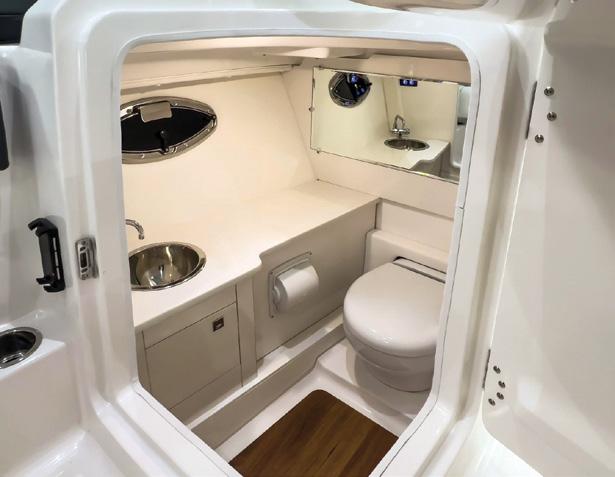
Regular readers of FishTalk have previously heard us speak about the merit of a dual console fishing boat for family anglers, because while you might not have 360-degree fishability of a center console, the protection gained with a full wraparound windshield and the ability to close off the bow is invaluable when kids are aboard. The cockpit is where most of the angling action takes place anyway, and there’s still room in the bow for a couple of fishermen—or fisherkids—to swing rods. Added bonus: in this day and age most dual consoles, the R277 included, have an enclosed head compartment in the passenger’s side console.
Robalo does take a slightly different tack with the R277 as compared to many boats of this genre, adding an L-shaped settee behind the helm and a seat/ lounger on the passenger’s side. A dropin table turns the settee into a dinette
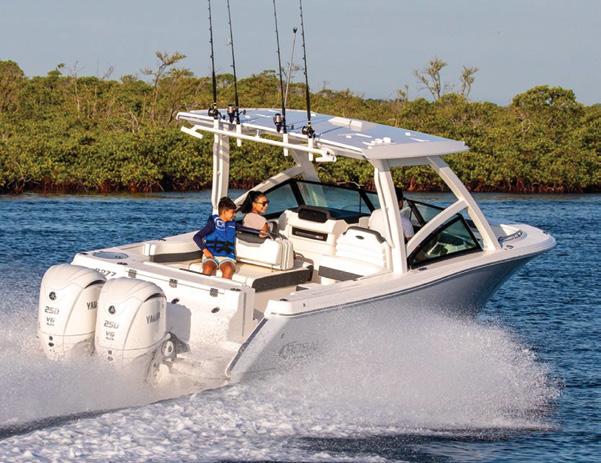
(with stowage underneath), while the port-side seat/lounger transforms to fill several niches. Put the split backrest in the center and you have seats facing fore and aft. Push the front backrest forward and slide the back one aft, and it turns into a huge lounger. Swing the seat bottom up and there’s a cavernous stowage area underneath. There’s a fold-down transom bench seat, too, so there’s more than enough seating to go around even if the family brings along some friends.
Ready to get those kids casting? Finding fish will be a bit easier with a Simrad NSS4 12” MFD or Garmin GPSMAP 1243xsv at the helm. Drop

Quick Facts
LOA: 27’6”
Beam: 9’6”
Displacement: 7850 lbs.
Draft (min.): 1’10”
Transom Deadrise: 23 degrees
Fuel Capacity: 180 gal.
Water Capacity: 15 gal.
Max. Power: 500 hp
in a filler (while noting that it’s RTM molded so it’s fully finished on both sides) and the bow cockpit turns into a casting deck. There’s a pair of rodholders in the gunwales, four in the transom, and six rocket launchers lining the hard top. If live-lining is in the plans the 30-gallon transom livewell will come in handy, and after making the catch you can sluice off the deck with the raw water washdown then ice your fresh fish dinner in the 53-gallon in-deck fishboxes.
The R277 also offers plenty of perks for when the bite’s slow and those kids need some extra entertainment, like a Bluetooth stereo system with six speakers, wireless charging docks, and an elevated ski tow pylon on the hard top. Speaking of the hard top: pay close attention to how it’s supported on all four corners with stout powder-coated tubes that arc around the windshield.
Despite those goodies the best entertainment will come when you mash
# Close off that bow compartment and everyone sitting behind the windshield will enjoy a ride protected from sun, rain, and windblast.
the throttles down and feel the power of 500 outboard horses in a full gallop. With max power on the transom the R277 breaks through the 50-mph barrier, and set at a reasonable 4500 rpm cruising speed trots along at a hair over 40 mph.
A few construction items of note jump out at us about the R277, as well. The upholstery is the newer silicon fabric type, which is much more stain/ mildew/mold resistant than old-school marine fabrics; wiring is tinned-copper with O-ring-sealed watertight connectors; the transom is a poured composite; house and engine batteries are on separate switches but parallel via a voltage sensing relay switch; and the Kevlarreinforced hull comes with a limited lifetime warranty.
You say you love fishing, you love your family, and you’re looking for the ideal boat to bring the two together? Then we sure hope you’ve considered the dual console design. And we also hope there’s a sea trial on a Robalo R277 in your future.
For more information visit the Robalo Boats website, or FishTalk supporter Anchor Boats, North East MD, (800) 773-2628 or anchorboat.com.

# A roomy head is part of the mix with the R277.
DROP-SHOT RIGS for Beginners
By Staff
comes in handy in a number of situations and is a rig every angler needs to know.
The
drop-shot
It’s driving you crazy… Maybe the fish are simply ambivalent about your bait. Or they’re holding tight to a drop-off and won’t move an inch, so you need to work a bait in the strike zone without moving it much. Or the fish may look at your lures but refuse to chase them as they zip past. In all of these scenarios a likely solution to your angling angst is an application of the drop-shot rig, which is known for working well on lock-jawed and highly pressured fish.
What Is a Drop-Shot?
A drop-shot rig is, at its most basic, adding a weight to the very end of your line and tying in the hook above the weight, and then adding a lure or bait. The length between the weight and hook can vary by how you tie the rig and should be changed to meet the situational requirements. If the fish are two feet off bottom, for example, a three-foot distance between the weight and hook should prove effective. This will allow you to present that bait and gently jiggle or quiver it without moving it out of the strike zone or changing its depth.
Drop-shot rigs can be tied out of virtually any size line, but as a rule, it works best with monofilament as op-
posed to braid. Braid droppers tend to tangle and can become a huge mess in short order, but this is much less of a problem with slightly more rigid mono lines. If your mainline is braid it’s best to use a Palomar knot to tie a small, light swivel to the end of your line. Then tie the drop-shot rig out of mono or fluoro leader, tie a loop at the top, and clip it on.
As for your offering, it can take a number of forms but is most commonly a neutrally buoyant or slightly off-buoyant soft plastic, such as a fluke, worm, or tube. Size and color will of course vary by the target species and conditions. But you can also fish bait on a drop-shot and it’s often an effective way of presenting a live shiner or minnow.
How To Fish a Drop-Shot
A drop-shot rig can be fished in countless ways, but most of the time it boils down to fishing it vertically, cast and retrieved, or drifted. Use the vertical presentation when you’re directly above the fish and have spotted them on the meter. Simply drop down until the weight hits bottom, and use slight jiggles of the rod tip to give your offering some wiggle.
Casting and retrieving allows you to present the bait to various forms of structure by casting at or just beyond it, retrieving until it’s in position, then jiggling. With the line taunt drop your rod tip toward the rig enough to let a slight bow into the line, then jig it back just enough to come taut again
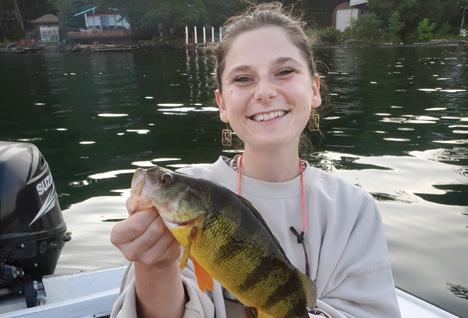
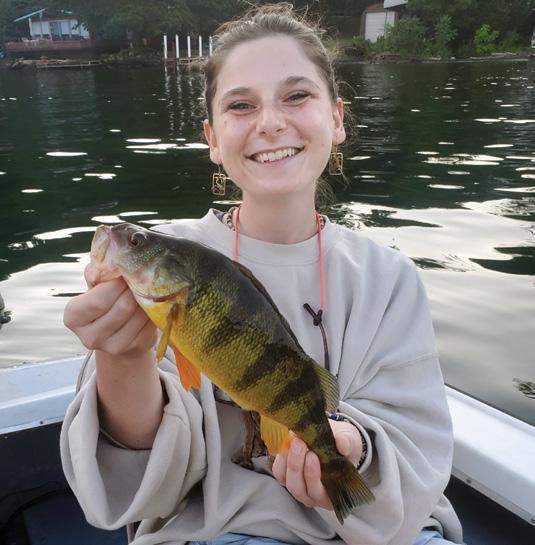
# This monster perch ate a shiner on a drop-shot rig slowly jiggled along a drop-off.

4 5 1 2 3
# There are several ways to tie a drop-shot, but the quickest and easiest for most people is to add on the hook with a Palomar knot, pass the tag end back through the eye of the hook, then tie or crimp on the weight.
without actually moving the weight. Doing so quickly and repeatedly will give the lure a quivering motion. After a few moments of trying quiver-pause-quiver with no strike you can reel or pull back to move the bait a foot or two, let the weight settle, and try again.
Drifting with a drop-shot works well when you haven’t nailed down where the fish are and want to cover a lot of territory. With a minnow this is set-and-forget, and you could drop down multiple lines, sit the rods in holders, and wait for a bite. With lures the drift of the boat will provide some limited action, but often you’ll catch a lot more fish if you gently jiggle that tip. When the weight drags across a depth change or significant structure, a gentle pop-pop-pop of the rod tip to make the line go momentarily slack-tautslack will give the lure gobs of appeal.
The next time you know the fish are there but can’t buy a bite, try giving a drop-shot a try. Then maybe you can drive those finned critters crazy, instead of the other way around.
Drop-Shotting Tips
• If line twist in the dropper becomes an issue try reeling the rig back slower. Most of the time twist is generated because the lure or bait spins when you’re reeling it in at a fast speed after a cast, not while you’re actually fishing the rig.
• When setting rig lengths remember that you want to present the offering just above a fish’s depth. Right at the same depth works, too, but if your lure or bait ends up below the fish your chances of getting a bite plummet.
• Between the moments of slack and finicky bites, it can be very difficult to detect a strike and often all you’ll feel is a slight tap or bump. Because of this, drop-shotting is often most effective when using light lines and sensitive rods—a healthy dose of finesse is in order. When bass fishing, for example, scaling all the way down to six-pound test and a seven-foot light power rod is not out of line.
Offshore Fishing
presented by

Catching Yellowfin Tuna, Part II
Behold, the Ballyhoo
By Staff
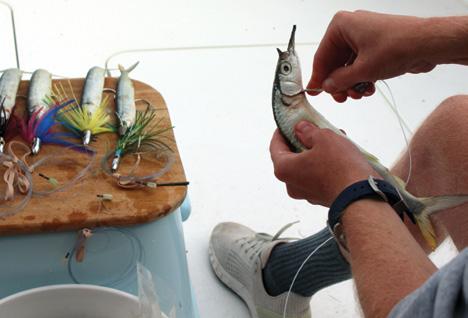
Rigging ballyhoo used to be considered an art, but with rigger swivels, rubber bands, and ballyhoo springs it’s become as simple as one, two, three… right? Nope! These tools certainly do aid in rigging, but if you want those yellowfin tuna to pounce there are some fine details you’ll want to pay attention to.
It’s All in the Eyeballs
Not the ballyhoo eyeballs—the yellowfin’s. Tunas have incredible eyesight, and they aren’t easily fooled. If you send a ballyhoo back in the spread and it drags like a stick, the chances of a tuna striking at it go down the tubes. And different rigged baits will swim more or less depending on how they’re prepped and how they’re rigged. In fact, the number one mistake most offshore anglers make, be they beginners or pros, is failing to observe each and every bait to be sure it’s swimming like the live thing. When you drop one over the side if it drags, spins, turns on its side, or looks unlifelike, pull it in and try a repair job. Make sure that every bait you leave out there is slithering and kicking vigorously, and you absolutely will get more hits.
Tip: In rough seas upsize the chin weights a bit. This will help keep the ballyhoo on an even keel as the boat surfs waves and speeds up, or beats into them and slows down. We’ll talk more about wind, waves, and weather in a bit, but suffice it to say that planning around it can have a dramatic impact on your day offshore. Running to an area that allows you to set the lines while trolling downsea, for example, will be a big help as the day gets started. And trolling in a direction that allows you to run home with the seas on your transom will make life a lot more pleasant. Of course, the weather is constantly changing out there. You’ll want to keep constant tabs on it even as the forecasts change, which is best done via SiriusXM Marine weather since it constantly brings in the latest updates to your MFD.
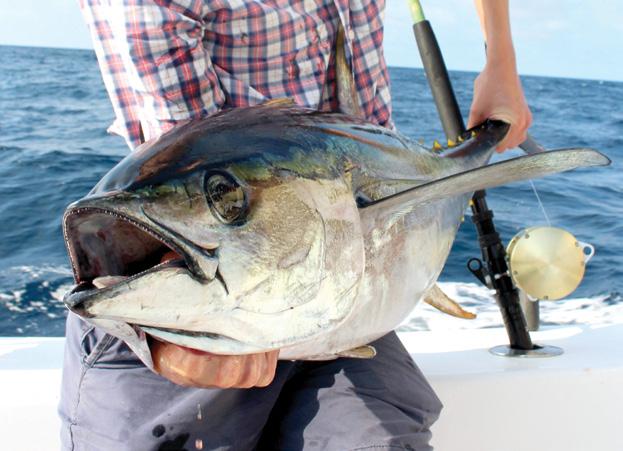
So, about the ballyhoo’s eyeballs: there are two schools of thought. Traditionally some very good anglers (especially down south) believed a ballyhoo would never swim its best with the eyes intact, and they punched them out. Some other very good anglers (especially up north) believed that predators target the eyes of a fish they’re trying to eat, and that if you punch the ballyhoo’s out you’re diminishing the bait.
Like many aspects of fishing we could all argue about this all day long, but the advent of some newer rigging techniques have made the argument moot to some degree. In the past the ballyhoo’s eyes often bugged out when you wrapped copper wire through the
sockets, and the fish started swimming funny. But this is less of a worry these days because fewer people wrap with copper anymore, and when you’re using a pin rig with a spring or rubber band, it’s rare for the eyes to bug out. Plus, most modern anglers troll most baits in tandem with skirts or lures, which negates much of the problem as well.
Whichever side of the argument you fall on, in this case the important thing to remember is that yes, buggy eyes can mess up the swimming action and you should be watching for them. But no, if you’re not rigging with copper you shouldn’t have to worry about it too much.
SiriusXM Weather For SERIOUS ANGLERS
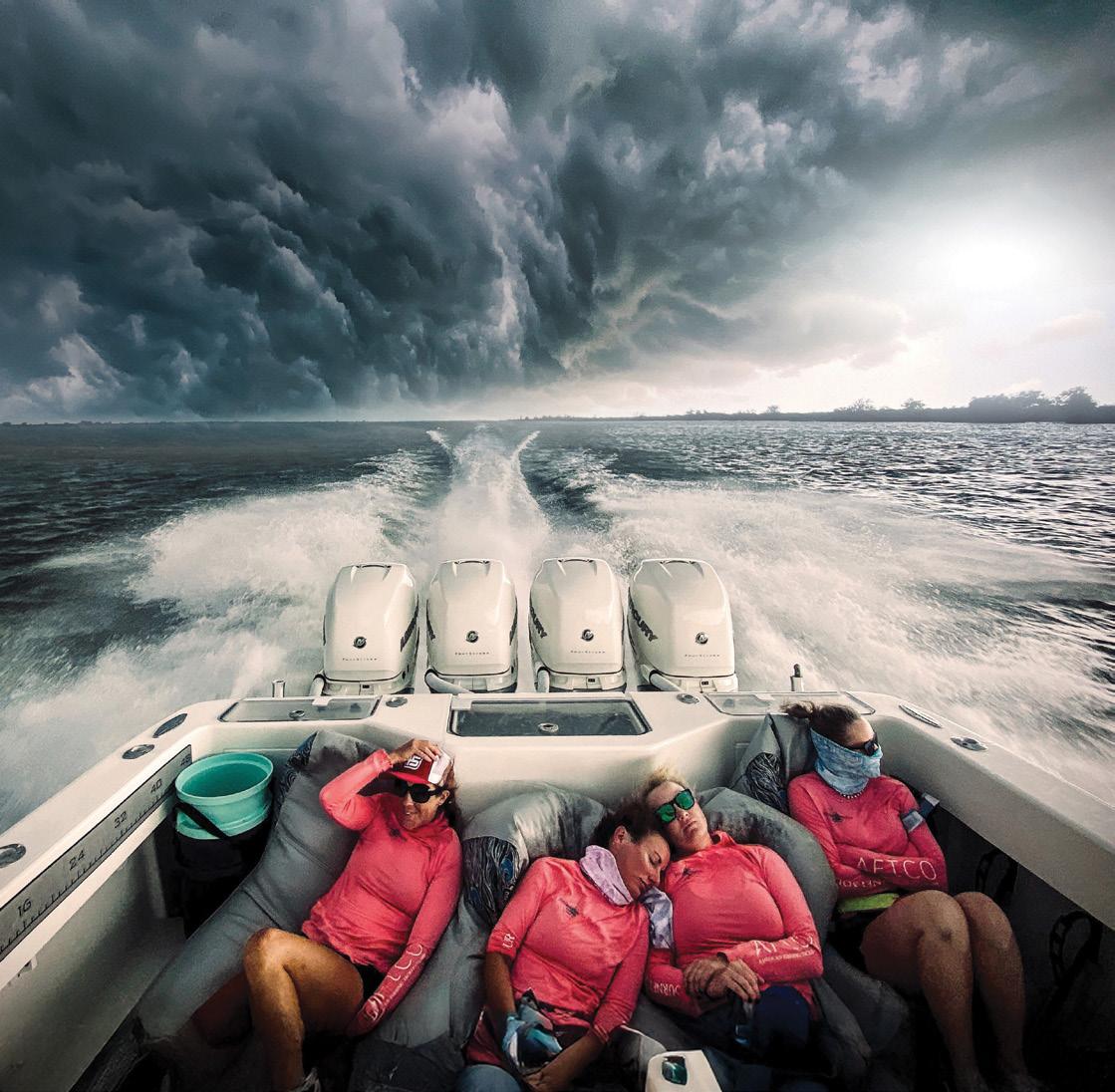
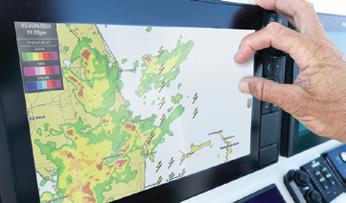

Photo credit: Journey South Outfitters
Offshore Fishing
Prepping the ‘Hoo
Most people are familiar with the basics of the rigging process: de-poop the ballyhoo, hold the hook up against it to see where the shank will come
through, use the hook point to open up a hole, then slide the hook in under the gill plate and thread it through to the hole. Do it properly, and the ballyhoo will sit on the hook shank without
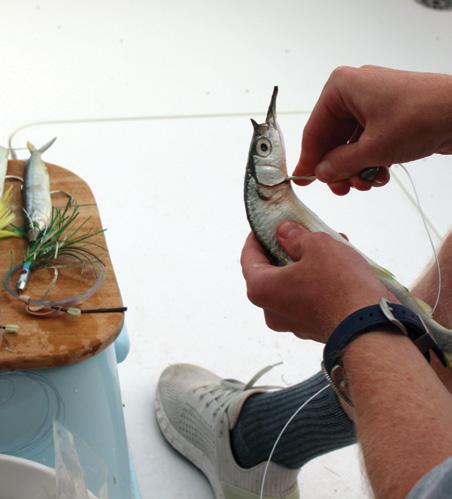
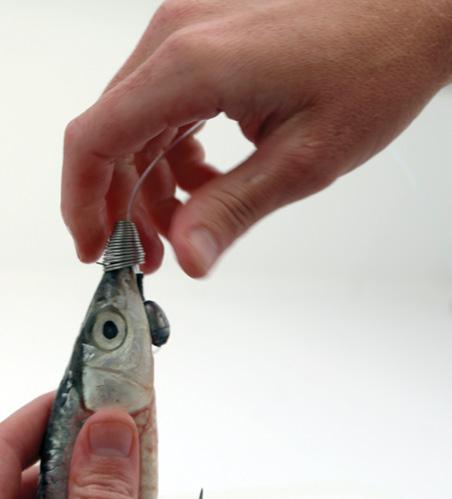
bending, with the pin positioned to push up through the lower and upper jaws. Then you can spin on the spring, bend on the rubber band, or if you’re a dedicated old-timer, wrap on the cop-
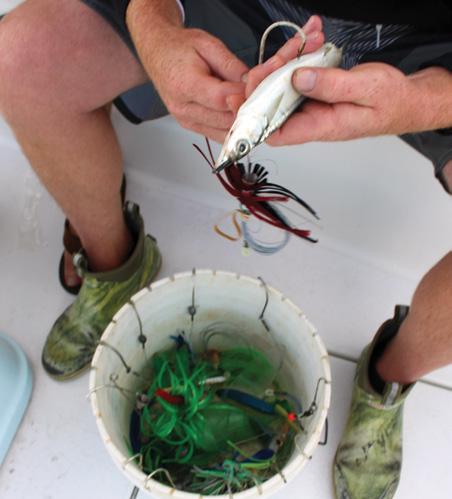
# Push the pin up through the
jaws, then spin on the spring (or bend on the rubber band).
ballyhoo’s
# Slide the hook in under the ballyhoo’s gill plate, and bring the point out through the hole.
# Line the hook up and use the hook point to poke a hole.
# Pop the scales along the ballyhoo’s back.
Before you deploy a single one of those lovely baits you’ll want to figure out just where those yellowfin tuna are swimming. SiriusXM Marine is bringing us this three-part series focused on fishing for yellowfin because finding these fish is one of the features their service can help with. But choosing a destination then setting out a spread of tempting baits is all rather moot if you can’t get off the dock in the first place. Offshore anglers are at the mercy of nature, and gusty winds or raging thunderstorms can shut us down in the blink of an eye. With SiriusXM Marine satellite weather data being beamed into the MFD, however, we’ve had experiences where it was possible to leave the dock before the rest of the pack because we knew the storms were heading elsewhere or had cleared out. We’ve been able to stay out longer, knowing that the wind was going to drop out rather than pick up. And
per. The key here is to make sure the fish sits on the hook without bending and/or pulling against the skin where the hook comes through. Either will prevent the bait from swimming properly.
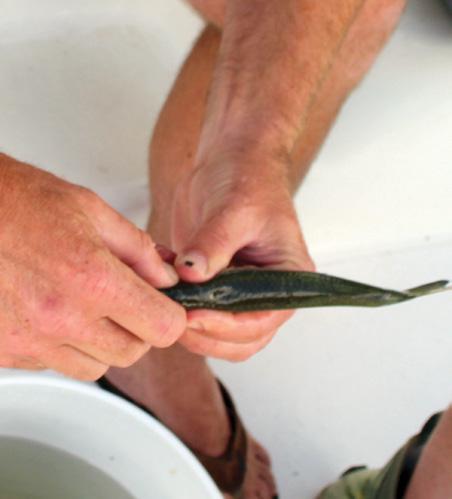
Okay: let’s say you’ve got it on perfectly. Don’t be so fast about tossing that bait over the side. First you need to limber it up (which many people prefer to do prior to inserting the hook). Taking your forefinger and thumb, start at the back of the ballyhoo’s head and pinch hard enough to pop up the ridge of scales where they meet along the fish’s back. Work your
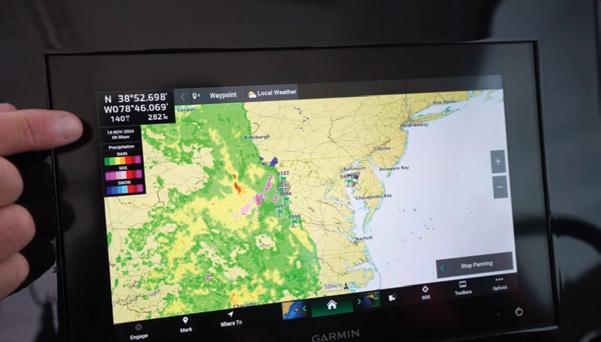
we’ve changed course—more than a few times—to avoid running through storms. Having the latest weather intel available at a glance makes heading offshore safer each and every time you toss the lines and pull off the dock, period. Get Fish Mapping, and on top of the safety boost you’ll get the ability to tap into sea surface temperatures (SST) right on your chartplotter even when you’re far offshore. You can also see
way all the way aft to the fish’s tail, loosening up those scales. Then grab the fish’s tail in one hand and the head in the other, and manually make it “swim” to loosen up the backbone. Now that bait has a lot more flex, and you’re ready to try tempting a tuna with it. But instead of sending the ballyhoo directly into the spread, hold the rod tip low and keep it close to the boat for a few moments to observe that fish. Is it swimming like a champ? Excellent. Is its aquatic agility sub-par? In that case yank it up and re-limber. You may also be able to salvage un-swimming baits by
Some anglers brine their baits to toughen them up. Brining does indeed help them last far longer, but it can also reduce their swimming aptitude, especially if you brine them too long. And most store-bought ballyhoo were prebrined before they were frozen, so repeating the process upon thawing them has the potential to do more harm than good. That said, if you get a batch of soft or weak baits most pros recommend letting them thaw, lining them belly-up, sprinkling on a dusting of dry brine, and giving them a few hours to sit before use.
subsurface sea temperature 30 meters down, look at plankton charts, and when you plan your trip on the Fish Mapping app you can check out ocean currents and create and store routes. Still, marine weather is the number one reason to sign up for SiriusXM. Because when you’re working with an old weather “prediction” instead of considering the very latest data, you’re simply not as safe as you could be.
adjusting the pin, spring, rubber band, or copper. And if you can’t get that little fish to start paddling furiously, the smart move is to toss it back into the cooler and grab a different rig.
Tip: When you first arrive at the offshore grounds, you may want to set out the complete spread post-haste just to get the ball rolling. As we mentioned, doing so while trolling down-sea is advantageous when it’s sporty out. Start by just getting the lines out and after the initial spread is set you can turn your attention to each individual bait, one at a time, to make sure they’re swimming properly. Then through the course of the day you can take your time with each of the baits as you change or replace them.
So, can we still call ballyhoo rigging a form of fine art today? That certainly isn’t as true as it once was. But if you pay attention to the details and make sure each and every ballyhoo in the spread is kicking and swimming like an Olympian, that fishbox will soon be painted in red. And that, for many of us, looks better than the finest masterpiece in the world.
# With SiriusXM Marine at the helm you get all that data delivered directly to the MFD. Image courtesy of 410 Films.
How To Choose the Right Braided Line
By Adam Greenberg
Learn about the differences between brands, styles, colors, and more so that you can make an informed decision the next time you spool a reel.
Braided line is not just braided line.
What I mean by that is, Braid A can be composed one way and perform entirely differently than Braid B. Unlike monofilament or fluorocarbon, braid varies much more significantly from style to style, brand to brand. On a basic level, all braided line consists of strands of synthetic material woven together. It has virtually no stretch as compared to monofilament or fluorocarbon, which allows for ultimate sensitivity. Most braid is also made of buoyant material and floats. It is thinner than monofila-
ment or fluorocarbon, and has a higher breaking strength at a smaller diameter. For example, a 20-pound test braid may have a diameter of .23 millimeters, whereas a 20-pound monofilament could have a diameter as high as .45 millimeters. This slimmer line allows for more capacity on the spool at a higher breaking strength as well as a faster sink rate.
Selecting Strands
We know now that braided line is composed of a series of strands woven together. However, it’s important to know how many strands make up the
line before selecting the right one for your purposes. The most common options are: four-strand, eight-strand, and nine-strand (also known as eight-plus-one-strand).
Four-strand braid is rougher to the touch, making it more abrasion resistant than lines with a higher strand count. The caveat, however, is that the coarser construction causes more friction when coming through the rod guides and can hinder maximum potential casting distance. An example of this type of line is original Power Pro.
Eight-strand braid is smoother to the touch and comes cleanly through the
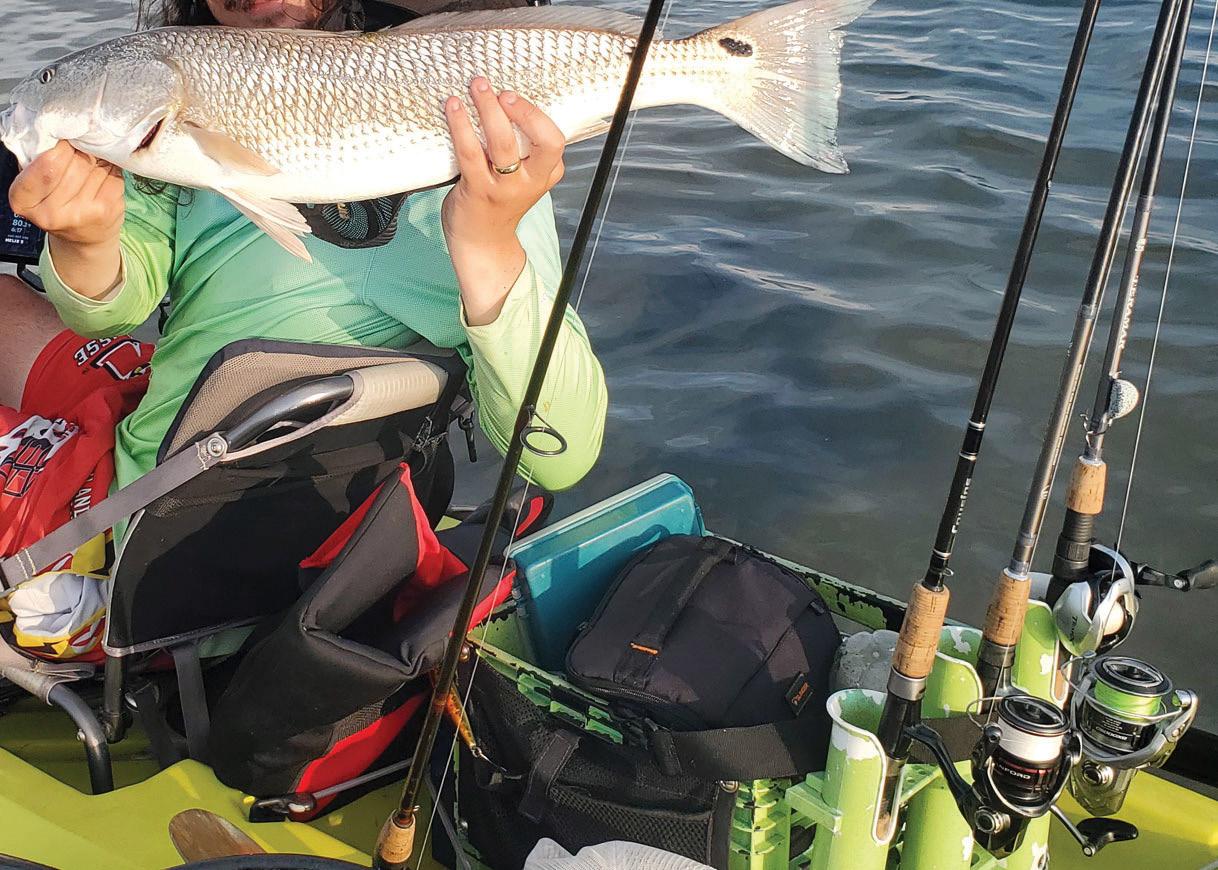
# Different types and colors of braid are best for different jobs.
guides, allowing for longer casts. But, being silkier than four-strand line, it will in turn be less abrasion resistant. Suffix 832 is a popular option. Finally, we have nine-strand braid (eight-plus-onestrand). This line is constructed very similarly to eight-strand, but with an added core strand. What we’re left with is the smoothest, longest casting option of the three different types of braid discussed thus far. In turn, though, nine-strand will be the least resistant to abrasion. A common choice is Berkley X9.
Discussing Diameter
As we mentioned previously, braided line generally has a thinner diameter than monofilament, allowing for more mainline capacity and a faster sink rate. However, diameter varies even further from braid to braid, even those composed of the same number of strands. Take two of Power Pro’s four-strand options as an example. Power Pro Max Cuatro 20-pound line is .19 millimeters thick in comparison to original Power Pro, which comes in at .23 millimeters. This may seem like a minute difference, however the increased line capacity and sink rate of Max Cuatro is highly noticeable when comparing the two. It’s important to note, though, that the thinner the braid you go with, the tougher it will be to tie knots and the more tangles you may experience when casting, especially in windy conditions.
Choosing Color
There is and always will be a great debate among the fishing community as to how much line color really matters to fish. It’s most important when tying lures directly to braid, in which case I recommend matching the hue of the water. When fishing the Bay, go with a moss green. When fishing the ocean, a blue may provide more camouflage.
If you’re using a low-visibility fluorocarbon or monofilament leader, it’s my belief that mainline color makes little difference in terms of getting bites. Rather, it matters much more to the angler. Brightly colored lines like yellow are great for a variety of reasons. Tactics which may require you to watch your line to detect bites will be improved by using a colored line that is easy to see. Untangling lines or tying knots is also
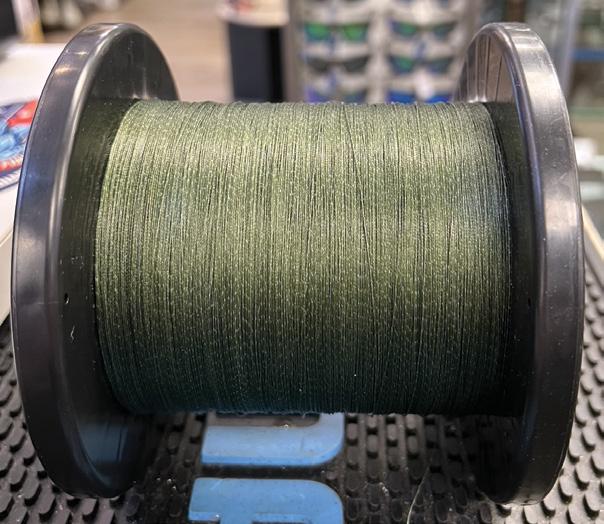
generally less painful when you can see the line most clearly. Lastly, bright colors will catch the moonlight and allow for better visibility during night-fishing adventures.
Another option is going to be metered line, where the color changes by increments. For example, an offering from Daiwa J Braid features a color change every ten meters. This allows for anglers fishing vertically to count down the exact depth at which their lure or baits will be.
Spooling Up
There are several nuances that go into selecting the right braid for your mode of fishing and the species you plan to target. Let’s say you’re fishing shallow water structure for rockfish during the summertime. Abrasion resistance is going to be important here, so you’ll want to use a leader. That means we can use a high-visibility line color. For added abrasion resistance around rocks, docks, and oyster beds, a four-strand braid is ideal. So, we’ll spool up with Power Pro, 10-pound yellow.
Now we’re sight-fishing cobia in the open Bay. Long, accurate casts are key, so we’ll want an eight-strand option. While we plan to use a leader, cobia can be spooky, so we’ll go with a moss green color for camouflage. Spooling up with Suffix 832, 30-pound moss green sounds perfect.
Heading through the inlet to jig seabass off a wreck in 100 feet of water? We’re going to want high abrasion resistance for the structure and thin line to make sure we reach the bottom without our lure getting swept away in the current too quickly. Think: low diameter, fourstrand. Power Pro Max Cuatro would be ideal here in 20-pound yellow. You could also opt for metered Daiwa J Braid X4 so that you’ll always know exactly what depth your lure is at and can stop it before reaching the bottom and getting hung up in the wreck.
All of this being said, whatever works for you, works for you. These are not hard and fast rules regarding braided line, only tips for potentially maximizing your efficacy and performance on the water. Fourstrand equals high abrasion resistance but less casting distance. Eight-strand is less abrasion resistant but smoother and further casting. Nine-strand is least abrasion resistant but is smoothest and casts farthest. Thinner line sinks faster but tangles easier. Brightly colored line is easiest for anglers to see, “natural” colored line provides the most camouflage, and metered line details exact lure depth.
You’ve got the hang of it now. So spool up, get out there, and catch some fish!
# A moss green colored braid can be excellent camouflage when fishing the Bay.
Mayworm Madness
When those little red wigglers appear, fishing can get tough.
By Lenny Rudow
You
see rockfish rolling on the surface, cast time and time again, and you can’t get a bite…
What the heck is going
on?!?
Then, you notice a steady stream of little red worms wiggling as the current carries them past. It’s those cursed May worms—ARGH!
Perturbing Polychaete
Countless Bay anglers have lived out this scenario while fishing in May, when the May worm “hatch” goes off. Except that it’s not a hatch at all. These are the same type of little worms that you’ll find crawling along oyster shells and wiggling in the Bay’s muddy bottoms; polychaetes (segmented marine worms, sometimes known as bristle worms or cinder worms), cousins
of the larger bloodworms we use to catch a wide variety of species. In May, peaking at night around the full moon, the clam worm Nereis Succinea wriggles out of the tubular burrows they construct in the bottom with sand and mucus, and swim to the surface where they swarm, mate, and then die. It isn’t a hatch, it’s a spawn. And for a rockfish or a white perch this isn’t a mere ringing of the dinner bell—it’s an unlimited feast.
For eons we Chesapeake Bay anglers have groused and groaned over the May worm hatch. The fish are so focused on vacuuming up the tasty morsels that our jigs, spoons, and plugs often go virtually unnoticed. And when you do manage to land a rockfish while the May worms are going off it’s often bursting at the seams, belly packed full with those strange little critters.
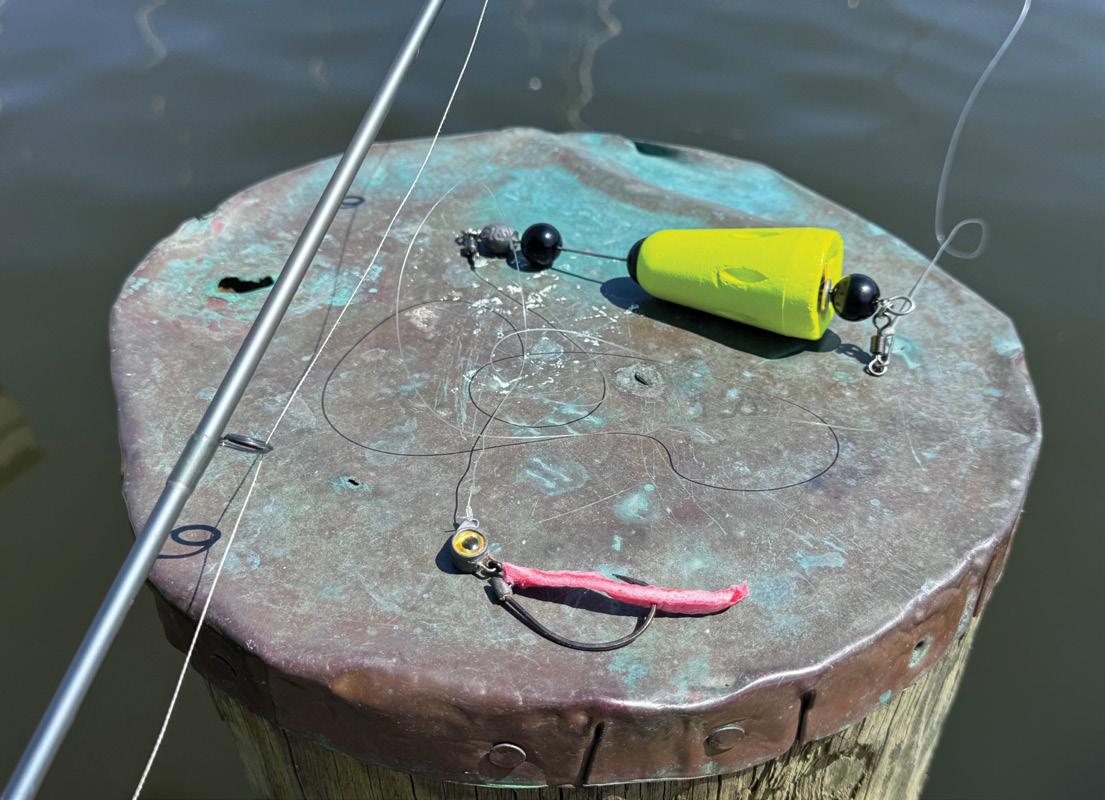
Matching the Hatch
For many years I myself battled the May worm conundrum with limited success. I practiced (and preached) the plug-and-dropper method; tried larger red plastics on jigheads; and timed trips for late in the day to avoid fishing early in the morning after the fish had gorged themselves all night long. And then I watched as the Zach Rig was on-the-spot invented—and utterly crushed it.
I spoke of the Zach Rig in a Notes From the Cockpit column shortly afterwards, but of course by then the May worms were gone and it was too late to be of much help to anyone. So, here’s a recap: The water was full of wriggling May worms and four experienced anglers on the boat (myself, Contributor Eric Packard, Reports Editor Dillon Waters, and Art Director/Production Manager Zach Ditmars) stood dejected as rockfish were rolling to the left of us and to the right of us, yet we flailed the water to no avail. Zach dove into his tacklebox and went dark for a couple of minutes, then resurfaced, took a cast, and immediately hooked up with a 25” fish. On the very next cast he hooked another. And then another… and we all began scrambling to make up a “Zach Rig.”
Step one in constructing the rig is tying on a popping cork. Then, tie on two feet of 20-pound fluorocarbon leader terminating in a 1/0 to 2/0 swimbait hook, the EWG variety with an offset in the shank just below the eye. Next cut a two- to three-inch segment of FishBites artificial bloodworm strip. Slide it over the hook point, and slide that end all the way up to and over the offset bend. Then push the far end of the Fishbites strip onto and back through the hook point. Now with the Fishbite strip strung between the bend of the hook and the offset you’re ready to cast out, give the cork a few chugs, and wait for it to get yanked under. If and when it does, set the hook immediately.
Since the initial discovery the Zach rig has also been successfully used with a swiveling “Texas Eye” style jighead
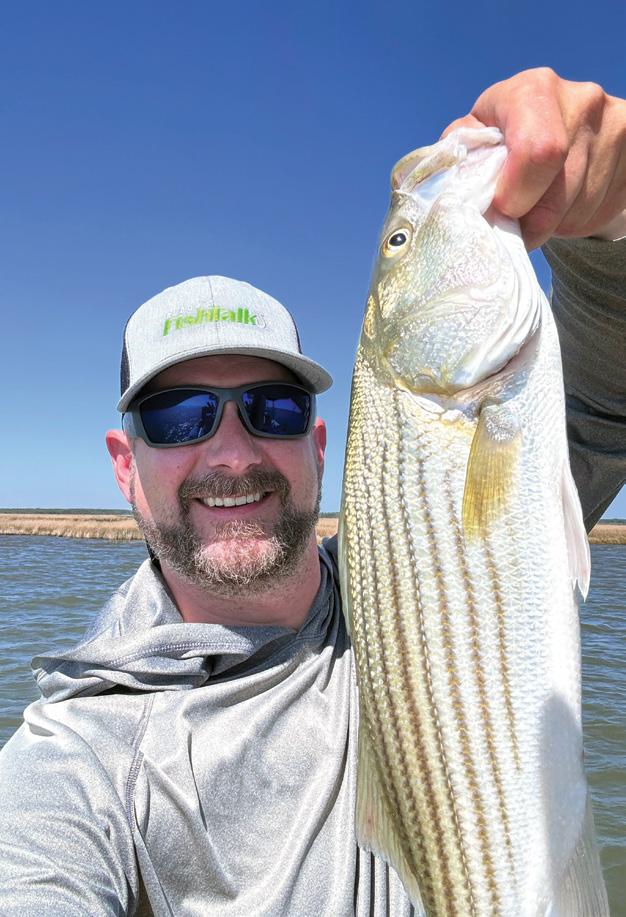
(which has the same offset in the shank), and it’s been assembled using several different types of popping corks. The specific sizes, colors, and rattles don’t seem to be critical details.
Trading Places
The worms are often thickest where the current drains marshy areas then hits a point or creek bend where the flows (and thus the worms) get concentrated. Marsh guts with sod banks dropping off to five or more feet and good current
also makes for a prime pick. Note that north of the Potomac, due to the lack of Western Shore marshland this is mostly an Eastern Shore phenomenon. Just a few years ago I’d often avoid areas where I knew the May worms were thick, because I knew there would likely be fish there that I couldn’t tempt into biting. Now I’ll be reversing that decision and seeking such spots out. And instead of cursing those worms in my head, I’ll be thanking Zach.
Spiked Wrecks off DelMarVa
Multiple shipwrecks sometimes share the same name—but not the same fishing prospects.
By Wayne Young
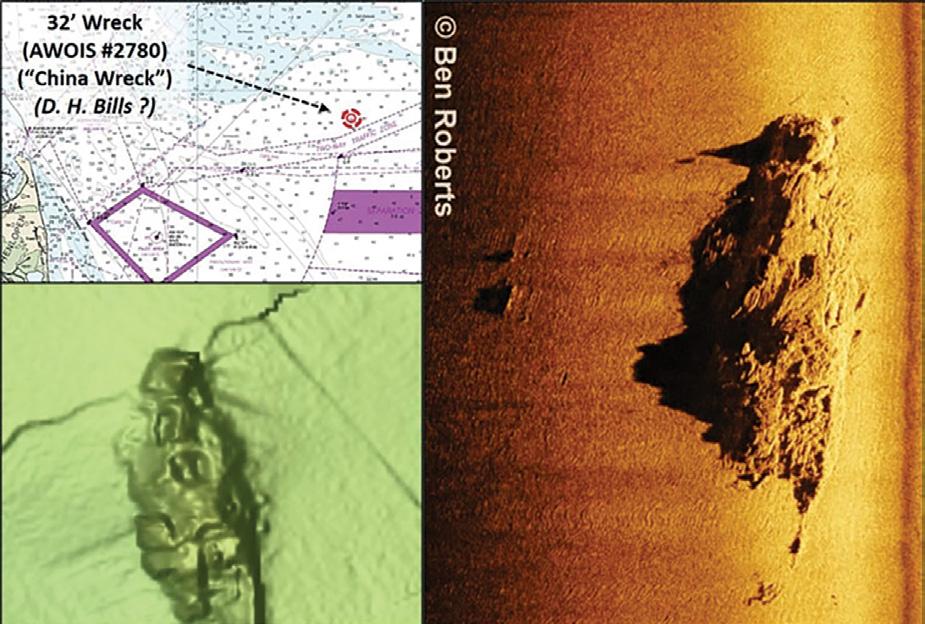
Assessing which spot will be productive as tomorrow’s fishing destination is a guessing game. Fishing reports from yesterday are yesterday’s report. Fish come, hang around for a while (or not), and go, and environmental conditions are constantly changing. Another complicating factor is that identifying spots can get confusing because some wrecks are known by the same name. Take for example the “flour wreck” at New Jersey’s Barnegat Inlet. Actually, there are two wrecks at Barnegat, one north of the inlet and one south just down the beach. Each was carrying a cargo of flour when they stranded and broke up, and both are known by the same local name. There are multiple “steel wrecks,” “boiler wrecks,” “car floats,” “wood wrecks,” and “China wrecks,” as well.
There are also multiple wreck sites that bear the same actual ship names. Take for
example the name Mohawk. The U.S. Revenue Cutter Mohawk was lost in New York Bight. A later Coast Guard Cutter Mohawk is now an artificial reef off Florida. The S.S. Mohawk, a large liner, was lost off Manasquan Inlet following a collision. This ship bore the same name as a former liner from the same shipping company. The earlier S.S. Mohawk caught fire and sank in Delaware Bay. I don’t necessarily believe in jinxes, but naming a ship after one lost by the same organization isn’t necessarily a good marketing strategy and could end up pushing fate to the limit.
One of the more well-known “China wreck” fishing and diving hotspots is in the ocean approach to the Delaware Bay, not to be confused with the “China wreck” just up the coast at Townsends Inlet. This wreck off the Bay Entrance is within Bathymetric Attributed Grid
(BAG) Color Shaded Relief coverage by the Bathymetric Data Viewer (BDV).
The image displayed by this National Oceanic and Atmospheric Administration (NOAA) online application was based on multibeam sonar data collected in 2013. The image is somewhat grainy, but still gives a good indication of what’s there. The wreckage is oriented approximately north-south with the bow at the northern end. The site was scanned by wreck detective Ben Roberts during his 2021 Eastern Search & Survey (ESS) offshore wreck hydrographic survey project. In addition to the high-definition scan of this wreck Ben shared with FishTalk included as part of Chart 1, more scans and background information are accessible through the ESS Facebook page.
“Brass spike wreck” is another local name that has been applied to multiple wrecks, one of which is off Ocean City,
# Chart 1: Top left – Area chart showing location of the Delaware Bay Entrance “China wreck.” Bottom left – BAG image of wreck. Right – High-definition side-scan sonar image of wreck by Ben Roberts, Eastern Search & Survey.
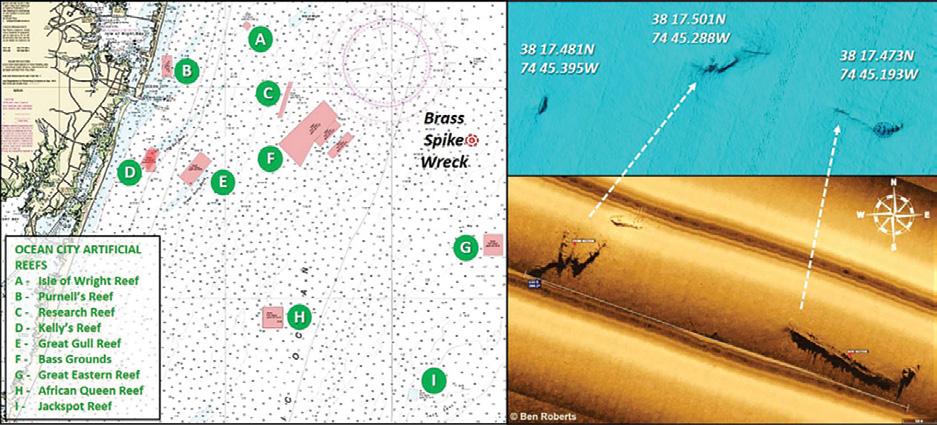
MD, and the other off the Chesapeake Bay Entrance. Both are popular dive sites. The name “brass spike” is derived from the yellow alloy used by shipbuilders back in the days of sail to hold the ships together. The alloy is probably bronze rather than brass, and held up better than iron spikes. Coordinates for the unidentified wreck off of Ocean City from Gary Gentile’s “Popular Dive Guide Series: Shipwrecks of Delaware Maryland,” 38°17.507 x 74°45.263. Also known locally as the “wood wreck” this one was included in Ben Robert’s 2021
survey project. He found the wreck broken in two main sections spanning about 630’. A third, smaller object is shown about 200 yards west; best guess is that it’s also a broken off fragment from the wreck. The wreckage has been there a long time and is highly deteriorated, but that doesn’t mean there aren’t any fish there. In fact, Ben imaged a huge pile of fish suspended over the wreckage at the southeast end of the site. When fishing off of Ocean City there are a lot of other spots to choose from as well, including the Ocean City Reef Foun-
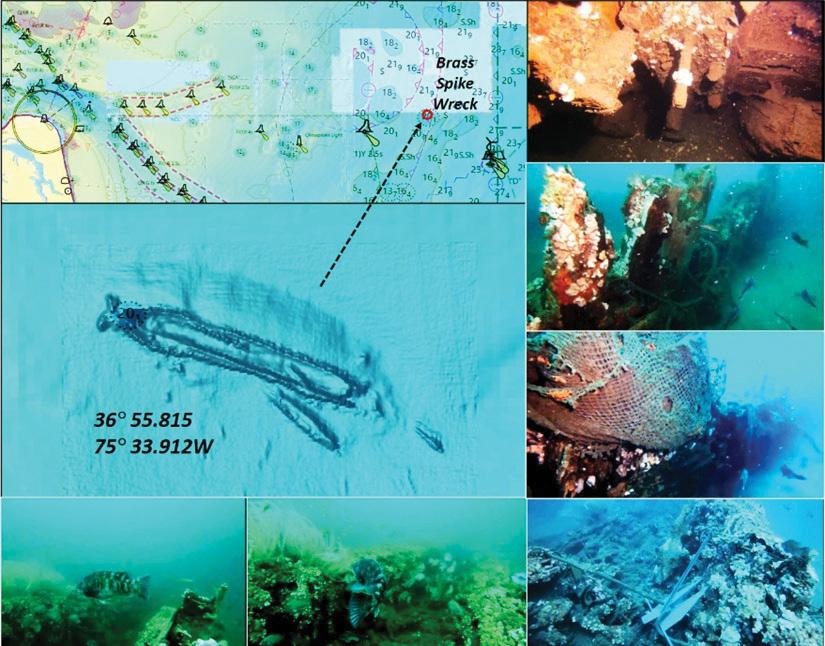
dation (OCRF) reef sites. Captain Monty Hawkins and his Morning Star party boat have been adding materials to the artificial reef system since the late 1990s when Ocean City accepted the reef permits. Reef development there is an ongoing nonprofit enterprise that relies on sponsors, donors, and volunteers. Coordinates for the artificial reefs are available from the foundation and all donations go to continued reef development; find out more at ocreefs.org.
The other “brass spike wreck” is directly off the Chesapeake Bay Entrance at coordinates 36°55.815 x 75°33.912. This wreck is somewhat broken up and lies in a scour hole. As with the Ocean City wreck, this is an older and unidentified wooden wreck. The stills were taken from a video by diver Jerrod K. Jenkins, JKJ Diving, who made them available to FishTalk. The full video is posted on YouTube. (There are other “brass spike” videos on YouTube, most annotated as taken at the Virginia wreck site.) This site is at times covered with fish, as shown, but it’s also festooned with fishnets and is quite rugged so there are a lot of snagging hazards. These wrecks are valuable resources, so let’s respect them and avoid damaging what’s left by anchoring off of them, or using a sacrificial wreck anchor that can be left behind.
by J. K. Jenkins, JKJ Diving.
# Chart 3: Middle left – BAG image of wreck. Bottom and right – Stills of the wreck site from a 2021 video
# Chart 2: Left – Area chart showing location of the Ocean City “brass spike wreck,” also called the “wood wreck,” in relation to artificial reefs. Top right – BAG image of wreck. Bottom right - High-definition side-scan sonar image of wreck by Ben Roberts, Eastern Search & Survey.
Rockin’ it
with Dan’s Rockfish Recipe
By Dan Mendelson
When you take home your first slot fish of the season, try something new in the kitchen.
There’s nothing better than serving friends and family a whole rockfish that you caught the day before. I’ve always liked cooking whole rockfish as opposed to filets, particularly on slot-sized rockfish where there’s always meat tucked into the jaws and along the bones. This recipe also consistently produces an incredibly flavorful and moist meat, and if you get the temperature right, guests consistently say it tastes like crab… I guess they’re eating the same thing.
A 22” to 24” rockfish will serve four people easily with sides. This recipe uses a bed of vegetables in a pan under the fish, and a flavorful rub for the inside and skin. I prefer this to grilling whole fish, which can dry the fish out.
1. Prep the fish by gutting and scaling, leaving the head and tail on. Be careful to remove all of the scales and clean the body cavity out as best you can; remember to take the gills out as well. Pat the fish dry and make two angled cuts on each side of the fish, scoring down to the bone.
2. Prep a bed of vegetables to put under the fish. I like to use onions, peppers, and lemon sliced to about 3/8”. Toss the vegetables with olive oil and a little salt, then spread them in an even layer on the pan. This creates nice steam under the fish, keeps the fish constantly moist, and provides a great sauce for serving with the fish.
3. Prep a rub—there are lots of options here. I like to use olive oil (about a cup), plenty of garlic, herbs de Provence, parsley, some smoked paprika, salt, and pepper. Rub the mix generously over the entire fish, pushing it into the scores and inside the cavity. I also use
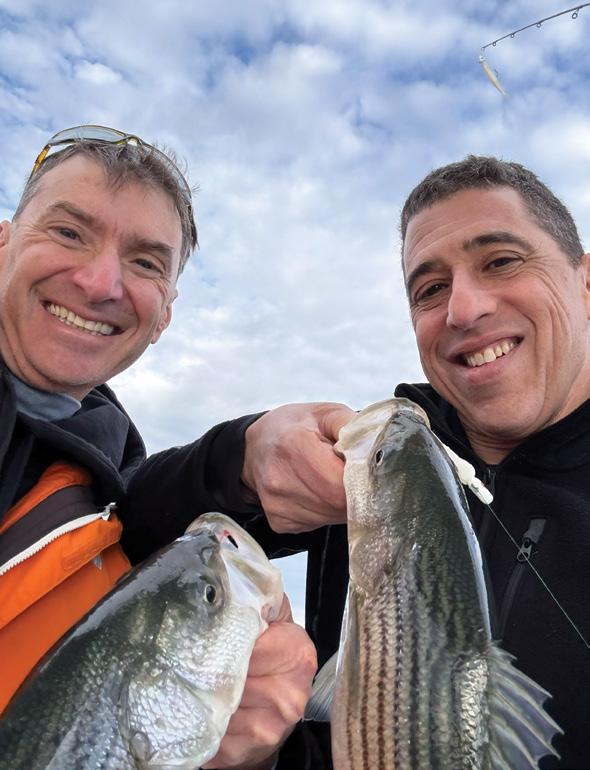
fresh thyme, rosemary and sage in the cavity to help create more steam. This rub recipe is Mediterranean, but you can also use an Asian rub (with ginger), a middle eastern rub (try zaatar), or other flavors.
4. The fish will be cooked under high heat in a broiler, with the rack set so the fish sits about six inches below the heating element. First preheat the oven for a few minutes so it’s hot (450-500 degrees) and then heat up the vegetable bed for seven minutes— the olive oil on the vegetables will be hot enough to sear the bottom of the fish if you have this right. Now put the fish on the bed of vegetables under the broiler. For a 24” rockfish I do 10 minutes on one side, then take the fish out and flip it with two grill forks, and give it another 10 minutes on the other side. For smaller or bigger fish

the rule of thumb is five minutes per pound. When it’s ready the skin should be crunchy (and delicious).
My 24” rockfish was 4.5 pounds after the fish was cleaned, but remember, every oven and every fish is different; monitor temperature using a good meat thermometer. If you don’t have one, get a Thermapen ONE instant read thermometer on Amazon ($69.00). Your target is 137 degrees in the deepest part of the fish, and be careful not to overcook it!
Make sure your guests are ready to eat before you start cooking, so everyone sits down right as it comes out of the oven. Serve with the vegetables from the pan, and the juices as well. I also like to roast carrots separately and serve with baked potato or rice. That’s it! Enjoy and let us know how yours turns out.
Editor’s note: Dan took me and our mutual friend Vadim out fishing one day late last fall, and the next evening, texted me the picture of his meal. I thought, “Wow! I’ve gotta try that!” I thought plenty of you might want to give it a shot, too.
# Vadim and Dan with the catch of the day.

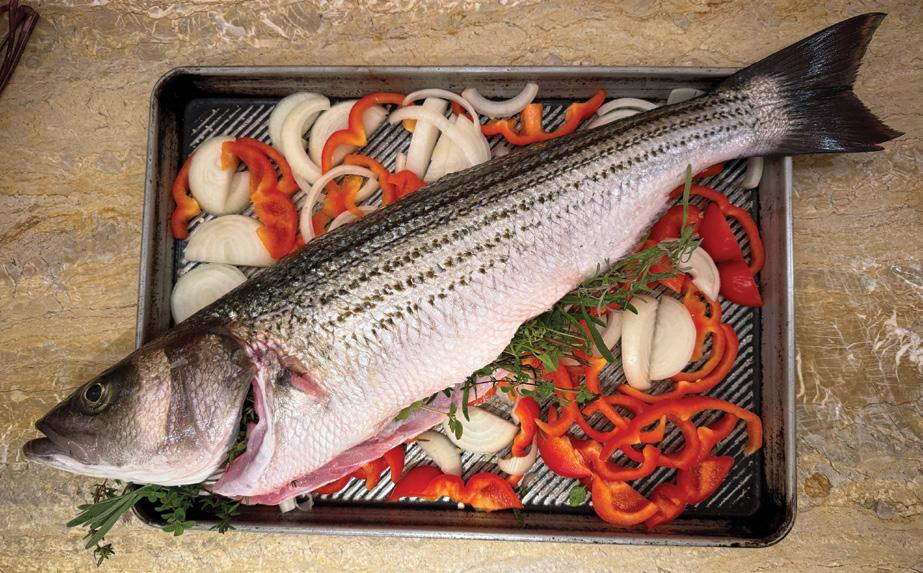
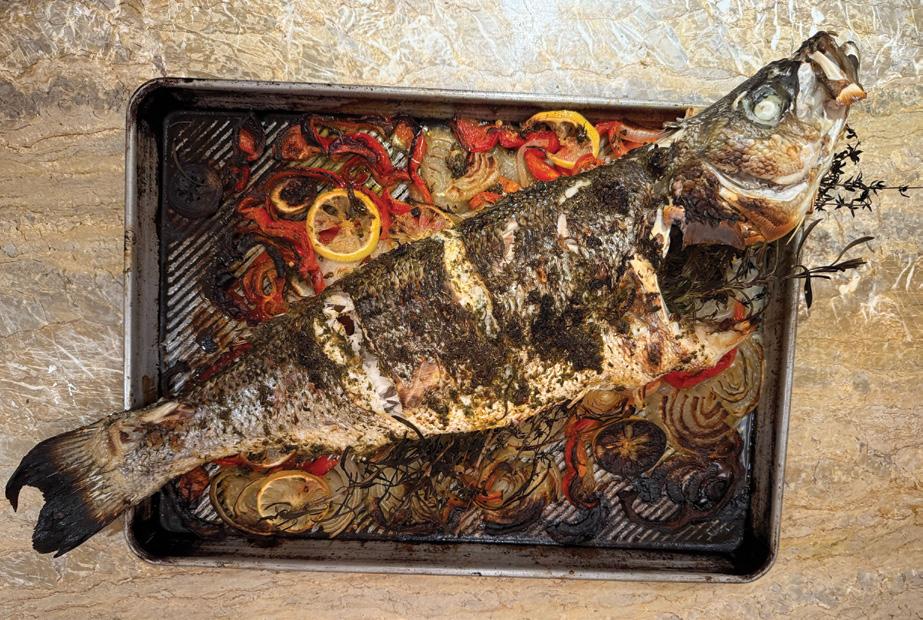
# Dan’s Rockin’ Rockfish is ready for the plate!
# The fish has been cleaned and scaled, then stuffed with fresh thyme, rosemary, and sage.
Get A Grip
By Eric Packard
Whether it’s for the weather or for comfort, a good pair of fishing gloves is a must. Summer requires sun gloves and during winter you’ll need gloves that keep your hands warm. There are times when gloves provide protection against cuts and abrasions, and they also help with your grip when needed.
I started wearing fishing gloves to protect myself from the sun during the long hours I spend on the water in my kayak. Burns and overexposure to the sun have health risks we all want to avoid. But gloves are more than just sun protection, they’re also an important part of your fishing gear. If you’re hunting big fish off your kayak you need gloves to handle leaders, and provide a better grip on slippery surfaces. And gloves give me the protection I need when loading and unloading my kayak, or hauling the kayak down to the water. Maybe most important of all, they also reduce the risk of injury that fish can cause. Some fish have sharp teeth while others have sharp gill plates and/or sharp fins, and a good pair of gloves can protect you from those hazards.
Final Cut
If you keep your fish and fillet them before heading home, first swap those fishing gloves for a pair of dedicated filleting gloves. Gloves intended specifically for filleting will have a much more rugged, protective back, and ideally should be ANSI-rated for cut/abrasion/puncture resistance. A rating of one can withstand up to about 0.44 pounds of cutting force, while a rating of nine can withstand over a dozen pounds of cutting force. Some filleting gloves also have a grippier palm and fingers so you can hold that fish in place.
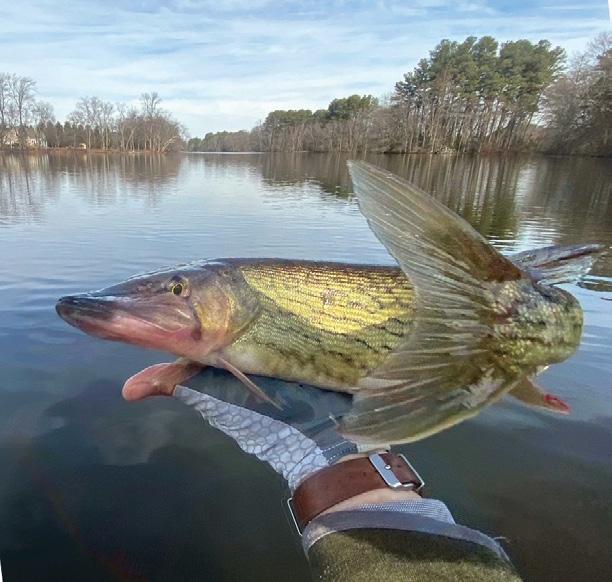
The fishing gloves I use are all fingerless. This allows me the dexterity to tie knots without having to remove my gloves, whether it’s winter or summer. I own several brands including some from Glacier Glove, Huk, West Marine, Fish Monkey, NRS and some off-brands, too. I actually don’t have a favorite brand, but pick up a pair if the old ones are worn or if I’ve left them at home and need a pair for the day. They can vary greatly in price. You can buy gloves as inexpensive as just a few bucks to well over $50. Price
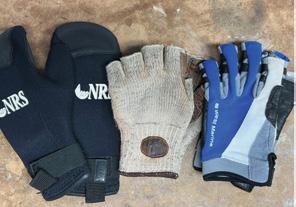
While wearing gloves provides you with protection, remember that you should wet them or remove them when handling your catch (other than lipping a fish). That will prevent the removal of their protective slime coating.
is normally dependent on style, season, and if they are for freshwater or saltwater use. With a little research and scanning of the internet you can find the fishing gloves that fit your specific needs.
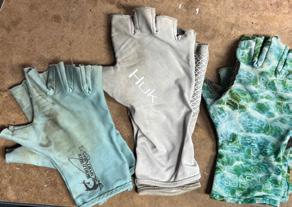
# Fishing gloves will protect against poking fins and a blazing sun.
#
anglers
fishing gloves on hand
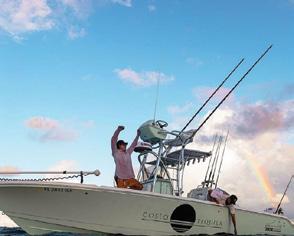



Gathered from our reports by Dillon Waters
We all know printed fishing reports are generalized, and weeks have passed before the report gets into your hands. For timely, up-to-date reports, visit our website FishTalkMag.com. Current reports will be published every Friday by noon. However, there are some big changes in store for FishTalk’s fishing reports; see Notes from the Cockpit: Change is Coming at FishTalkMag.com for the details. In the meantime, here’s our monthly prognostication.
Coastal
May is a great time to be at the beaches or fishing in the backbays. Flounder fishing should be in full swing by now, and tautog, stripers, and blues could all be snapping in and around the inlets. Anglers heading for the wrecks and reefs will be waiting for midmonth when black sea bass come back into season. And offshore anglers may get an early shot at yellowfin as they run up the coast. It will likely be surf fishing, however, that is the real highlight this May. Just about all the serious surf species could be in play: black drum, red drum, migratory striped bass, big chopper bluefish—all are good prospects.
Freshwater
Various species will be spawning this month and just how the different bites progress will depend to some degree on what the weather does. Crappie should be past their spawn by now, headed for structure on or near the shoreline but in slightly deeper water. By midmonth the smallmouth should be finished as well, and begin to feed hard to re-energize. And as for largemouth, at the beginning of the month we’re likely to see them on beds and by the end of the month they ought to be in post-spawn patterns. Snakeheads should really wake up this month, too, and begin blasting those frogs and mice.
Way North
Shad fishing might still be a thing as April wraps up, although even if they do hang around for a bit that action will likely be done in another week or two. And anglers in this zone will have another month to wait before rockfish come into play, since May remains closed for the upper reaches of the Bay. Fortunately, the past couple of years have seen some very good bass action plus snakeheads on the flats and in the rivers this month. In the Susquehanna blue cats and flatheads are usually pretty active right about now, too.
# Kate had a great day searching for slots last spring—and released her fish to fight another day.
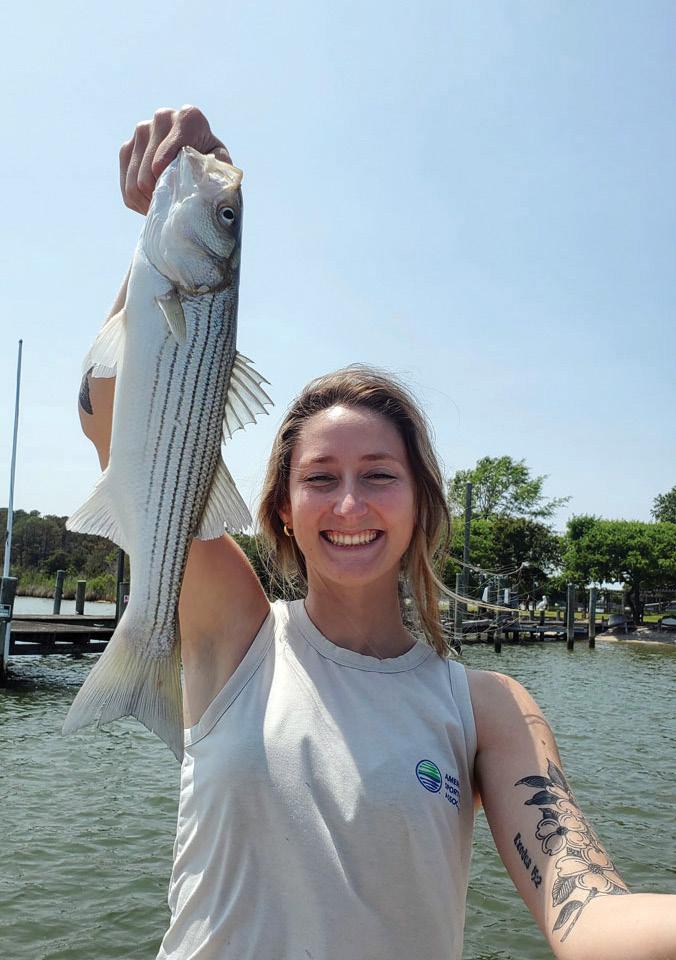

Upper Bay
As of the first of the month rockfish are IN, people! If the past few seasons are any indication the Bay Bridge and Love Point are likely to produce fish, while catchand-release anglers should enjoy good action in the mouth of the Patapsco. Setting those rockfish aside for a moment, here’s a question that’s sure to be on many minds: will white perch show up in the tribs later this month? Or, will they remain difficult to find during 2026?
Middle Bay
As of the first of the month rockfish are a go—and the main-stem Middle Bay is entirely open (though most tributaries remain closed to harvest and/or targeting rockfish entirely). The Bay Bridge, the mouth of Eastern Bay, Poplar Island, outside the mouth of the Choptank, and the lower Potomac are all likely suspects. Plus, don’t forget that last season, starting in late April and running through mid-May good numbers of black drum were caught as far north as Sharp’s Island. Fingers are crossed for a repeat of that action.

Lower Bay
The middle of the month marks the opening for striped bass harvest season in Virginia and Potomac River Fisheries Commission waters, though you can catch-and-release fish in either at any time this month. Last May anglers enjoyed a few bites in all of the Western Shore lower tribs, with specks and reds making their initial showing in May as well. However, this winter’s cold stun has triggered a closure on specks through the end of June in Virginia, so be sure to gently release any you might encounter. Last May we also saw some croakers, including some barely-keepers, show up at the mouths of the Rappahannock, York, and James. Fingers are crossed that they come back bigger this year.
Tangier, Pocomoke, and Lower Shore
Lots of options should be in the Sounds and along the lower Shore at this point; hopefully the specks and reds will make a stronger showing in the shallows than they did last season (but remember to let those specks go in all Virginia waters). And while the slot reds were tough to find last May, bigger drum of both varieties were around on the channel edges and drops, ready to suck down peeler crab baits fished on bottom near the depth changes. Blues made an early appearance last year, too, particularly around relatively shallow wrecks where they were blasting topwater—let’s hope that happens again!


Way South
If this season is anything like last year May will prove prime for catching black drum on peeler crab chunks, schools of big bull reds will move into the area, and bluefish will likely be prowling our waters as well. Before the month is out the sheepshead should reappear, too, so get ready to grab those fiddlers and fish ‘em right up against structure. The beginning of the month is also prime time to get in on some tautog action around the CBBT pilings before they go out of season on the 15th. Fortunately, slot stripers come in at the very same time tog go out, presenting yet another option for anglers. Note that in the past the lower Elizabeth has been an excellent bet for making mixed catches of stripers and slot reds, while tossing paddletails and plastics to docks and bridge pilings.

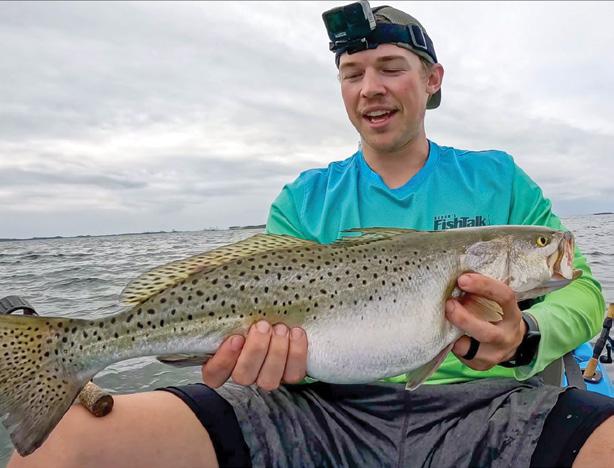
Hats
This garment-washed 100% cotton twill cap has the FishTalk logo embroidered on the front. One size fits all Tech T-Shirts
Moisture wicking UPF 44+ performance shirts with original artwork by Eric Packard on the back.
Available in short or long sleeve in men’s, women’s, and youth sizes.
# How will last winter’s cold stun affect the speck bite this spring? You can bet our intrepid reports editor Dillon Waters will be working hard to find out.






Acquired
Seattle Yachts Annapolis is now Crusader Yacht Sales—again! All business operations have been acquired by Crusader Yachts Sales and owners Mike and Tia Titgemeyer are excited to be back in an ownership and management role for this legacy Annapolis boat dealership. This transition ensures continuity, experience, and a strong commitment to the boating community. Crusader will continue to represent Jeanneau Sailboats, Excess Catamarans, Tartan Yachts, Nordic Tugs, and Nimbus Boats. Conveniently located at Bert Jabin Yacht Yard, its team looks forward to providing the same expert, personalized service— whether buying your next boat or preparing to sell. “Thank you for your continued support, and we look forward to helping you navigate your next adventure on the water,” the company shared in a press release. crusaderyachts.com
Launched
Mustang Survival announces the launch of the new men’s waterproof Taku jacket and bib. Designed for saltwater anglers, marine professionals, fishing guides, and cruisers, the updated Taku collection is built for inshore and coastal environments. Made of Mustang Survival’s signature Marine Spec SP 3-layer fabric to withstand saltwater, spray, fish guts, oil, rain, and long days on the water, the Taku jacket and bib deliver durable protection that keeps wearers dry and comfortable in cold, wet conditions year-round. The redesigned Taku kit incorporates functional updates informed by active users. The jacket features improved hood articulation and a refined collar fit for better comfort and visibility in sustained wet weather, along with extended neoprene gaskets and adjustable split over-cuffs to help prevent water ingress without restricting movement. Updates to the bib include handwarmer chest pockets, durable two-way YKK Aquaguard zippers for ease of use and ventilation, and removable knee pads that provide added comfort and protection during long days on the water. mustangsurvival.com

Taking the Helm

Salt Yacht Brokerage announces the addition of Ed “Cap” Pickering to the team. Cap will take the helm at Salt Yacht Brokerage Company, bringing a wealth of experience and innovation. Tom Lippincott will continue to serve his clients and work alongside Cap and broker Connie Ranney to maintain the highest level of service. Born and raised in Rock Hall on Maryland’s Eastern Shore, Ed, known to locals as Cap, grew up on the water. His love of the sea and sense of duty followed him through college and beyond. He holds the rank of Lieutenant in the U.S. Navy Reserves and a U.S. Coast Guard 3rd Mate’s License. After years of owning and operating a remodeling company in the area, Cap returned to the waterfront once again, serving as dockmaster at his family’s marina for five years. In the fall of 2019, he combined his passion for boats with years of direct sales experience and became a yacht broker serving Maryland’s Eastern Shore with a large brokerage company. Over the past five years, he has worked with both national and regional brokerages before ultimately choosing a more locally focused firm, joining Salt Yacht Brokerage in October 2025. Cap has logged more than 18,000 nautical miles in a short period of time, adding broad on-the-water experience and perspective that benefit both buyers and sellers. saltyachts.com
Reimbursement
Veterans can now use U.S. Department of Veterans Affairs education benefits to receive reimbursement for nine American Boat and Yacht Council (ABYC) certification exams, supporting veterans who are entering the marine industry or advancing their technical skills. The certifications were approved by the Maryland Higher Education Commission as the state approving agency and accepted by the U.S. Department of Veterans Affairs, where they are now listed in the VA’s Web Enabled Approval Management System (WEAMS). Veterans may seek reimbursement for approved ABYC certification exams taken on or after December 10. GI Bill education benefits help veterans, and in some cases their dependents, offset the cost of education. Active-duty service members also may be eligible to use these benefits. The recreational marine industry continues to seek skilled technicians as boats become more technologically advanced and service demands grow. ABYC certifications are widely recognized as a benchmark for technical knowledge and professionalism, demonstrating a technician’s understanding of nationally accepted safety standards and industry best practices. Additional information about ABYC certifications and exam requirements is available at abycinc.org/va-reimbursement.
New Places To Pick Up FishTalk
Let’s give a warm welcome to these new FishTalk distribution stops!
• Gott Auto Body in Annapolis, MD
• Back Bay Anglers Club in Virginia Beach, VA
• Tidewater Anglers Club in Virginia Beach, VA