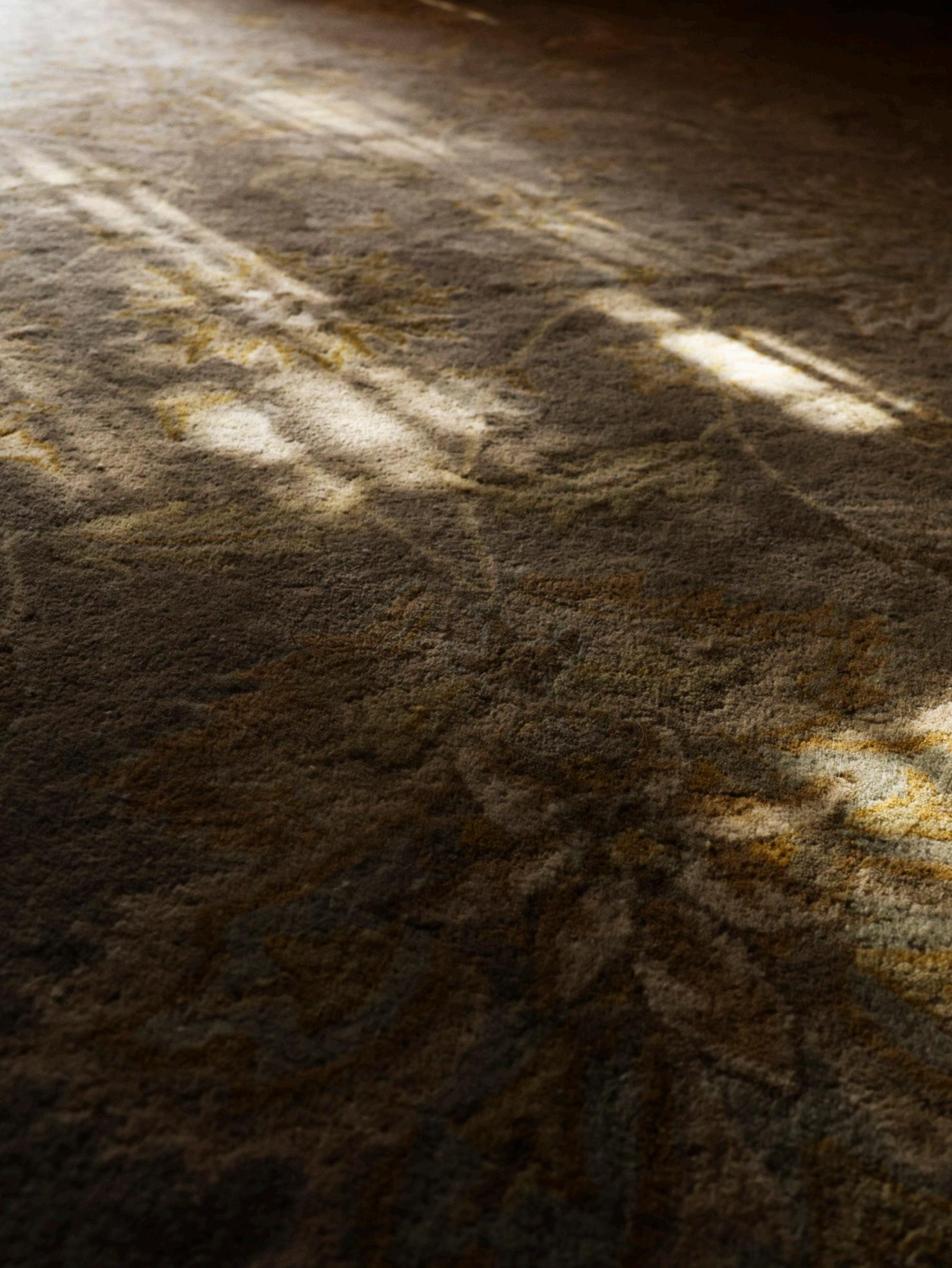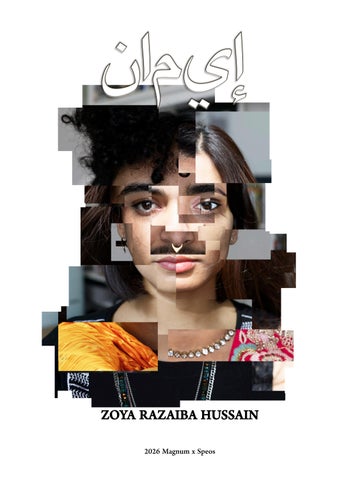
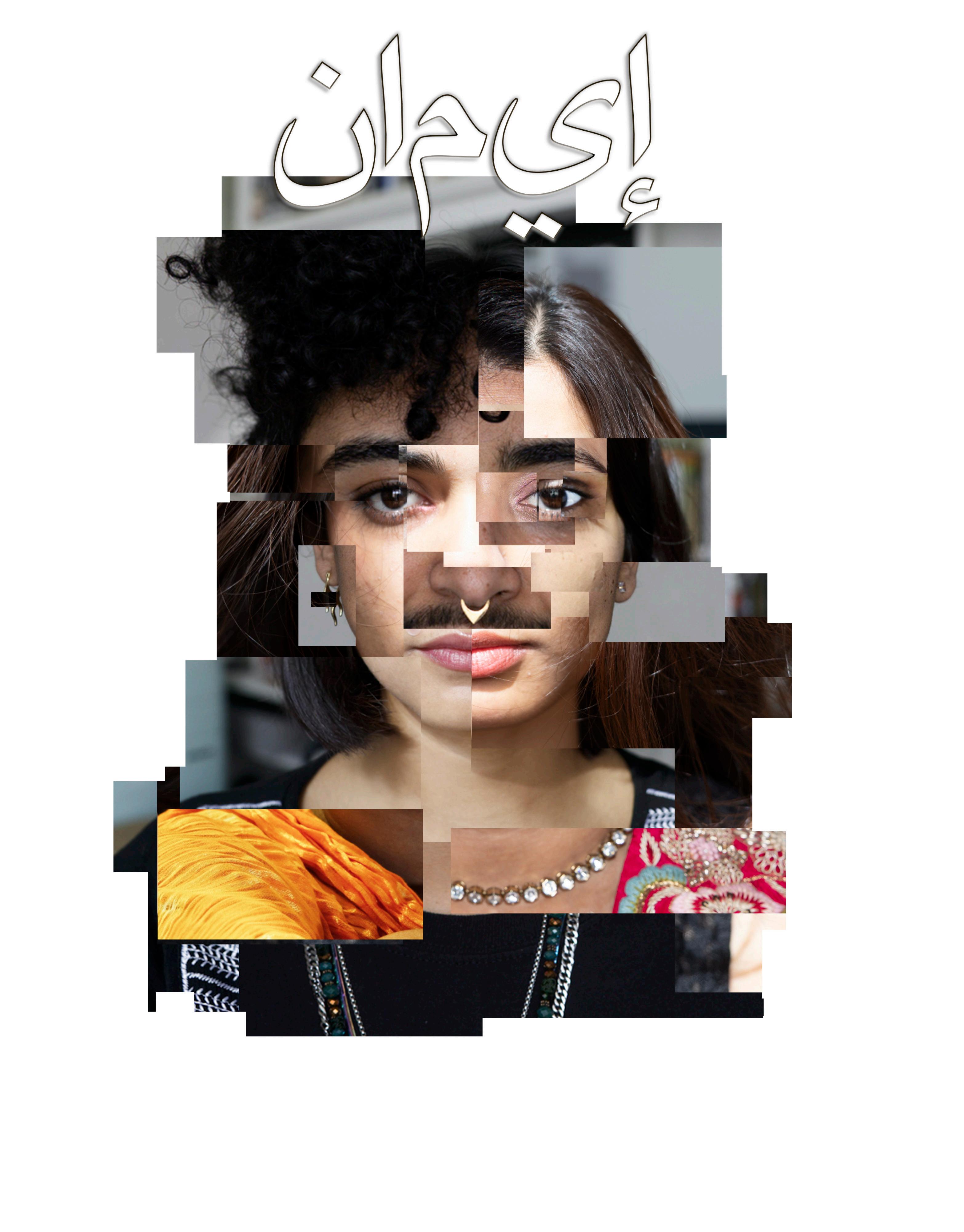
is an emotion that reflects faith, belief, and something that can- not always be held still.
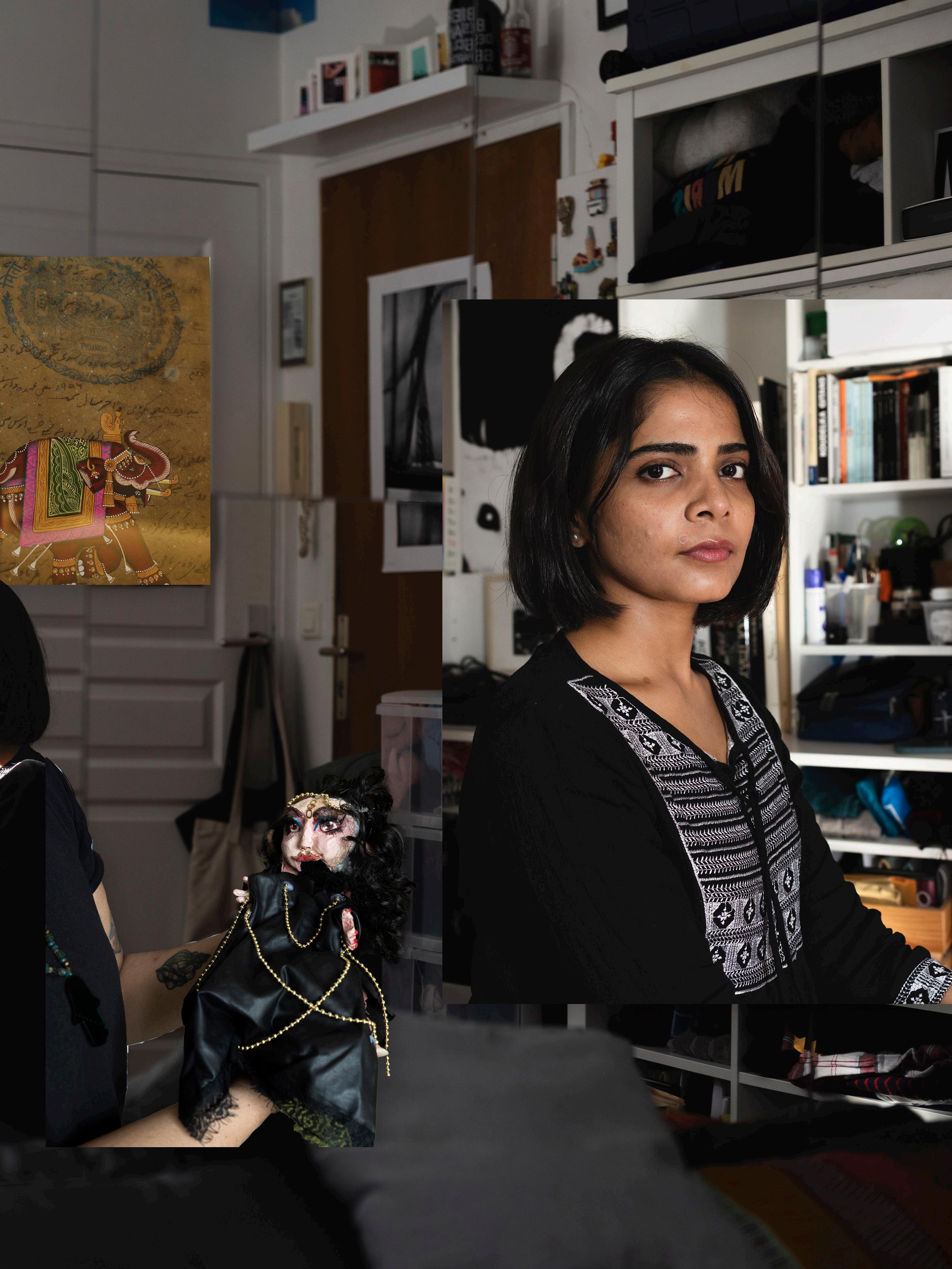
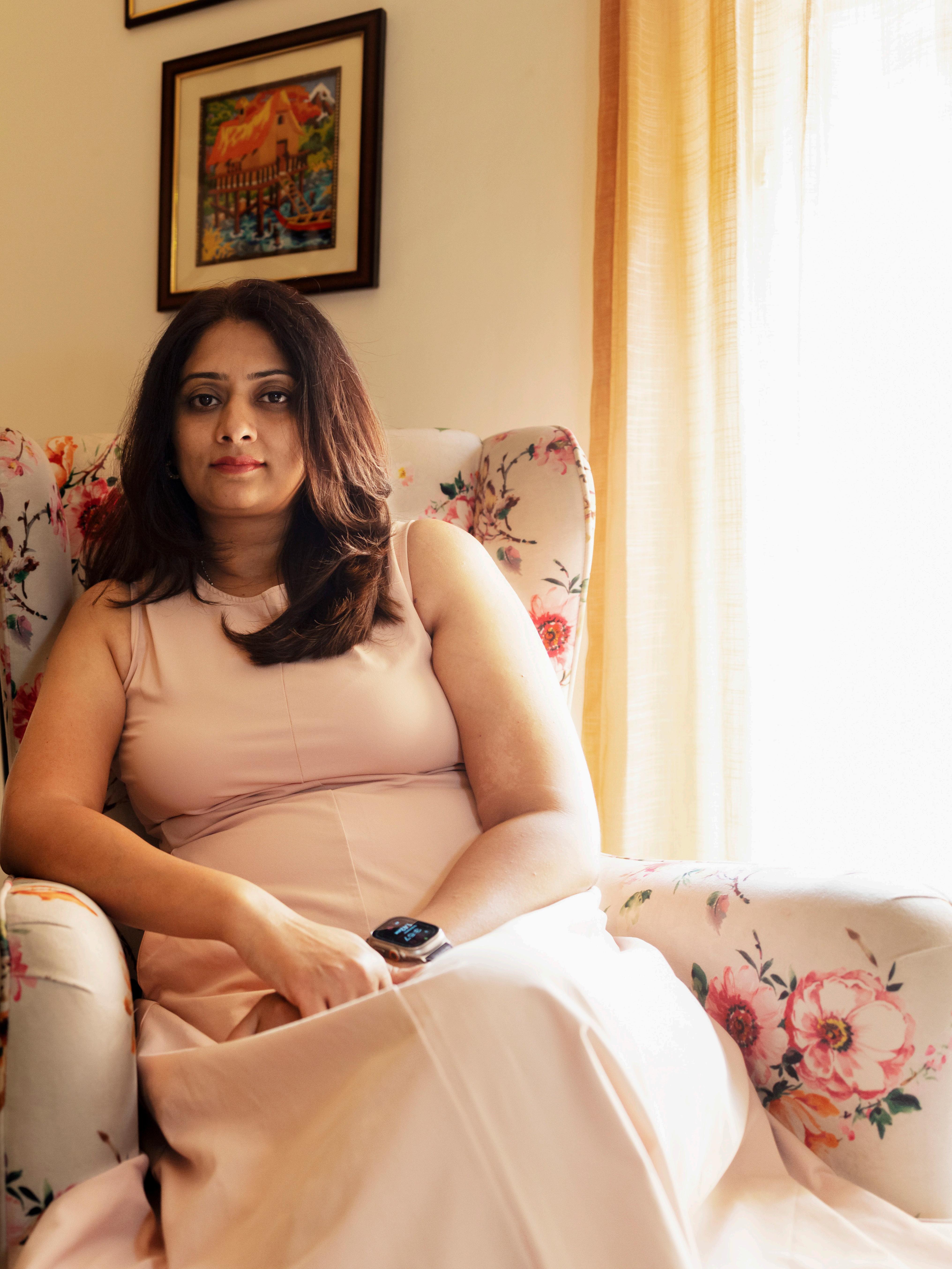
There is no singular way of being Muslim. No fixed image, no stable form, no one way of holding or leaving faith. What exists instead is a constant shifting, between closeness and distance, belief and doubt, inheritance and choice. For some, it is something deeply held; for others, something questioned, redefined, or quietly carried. These positions do not cancel each other out. They exist alongside one another, often within the same person.
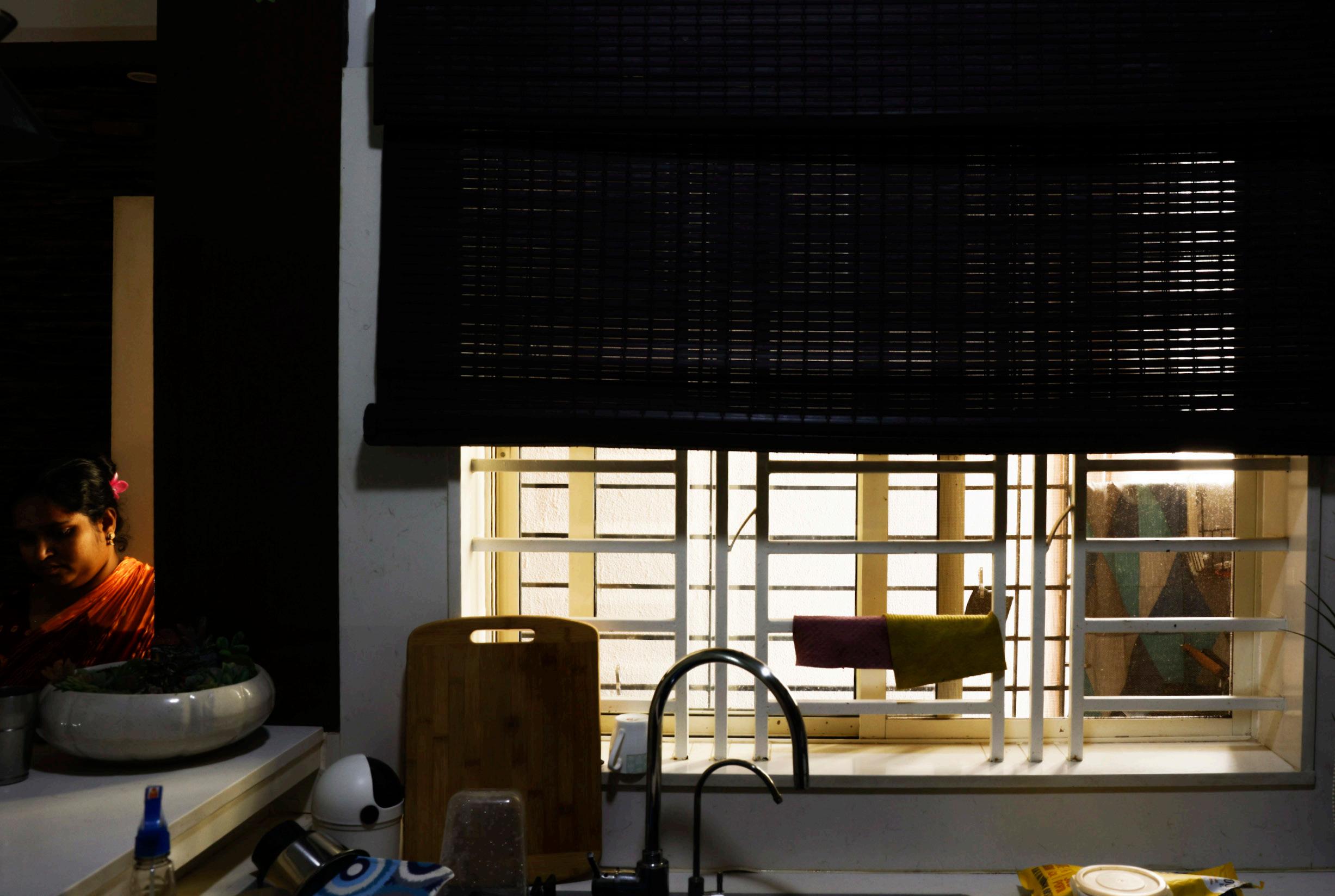
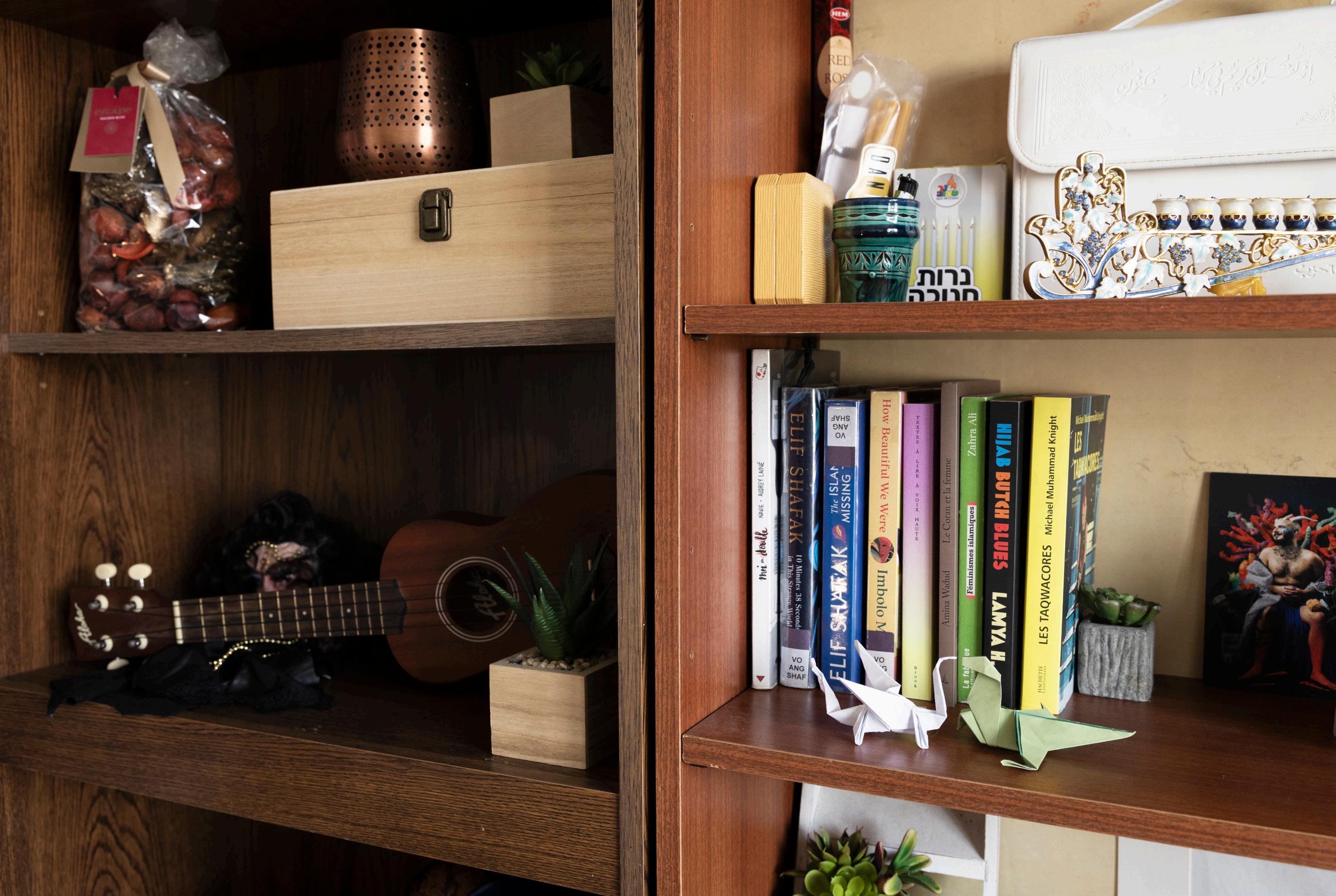
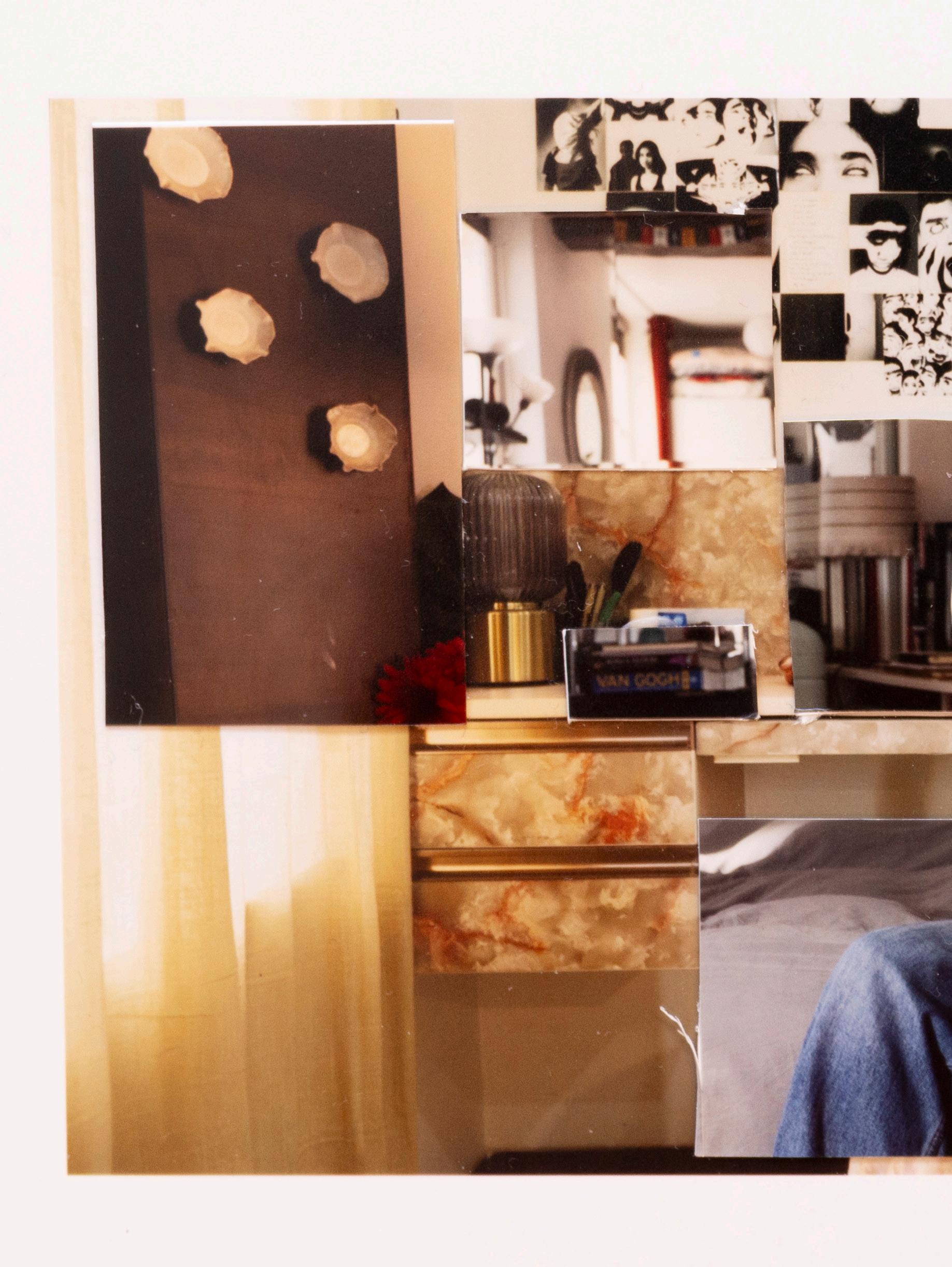
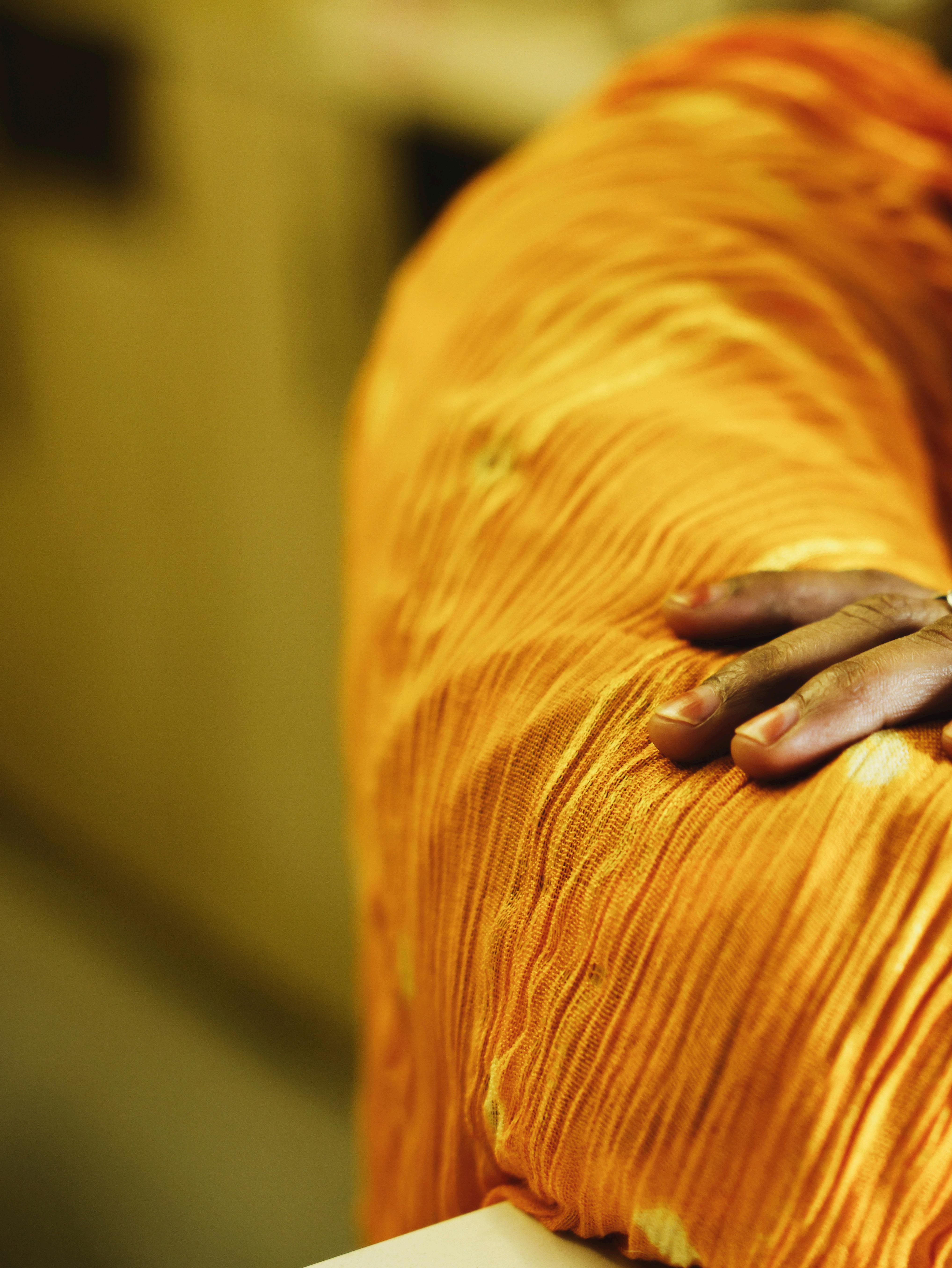
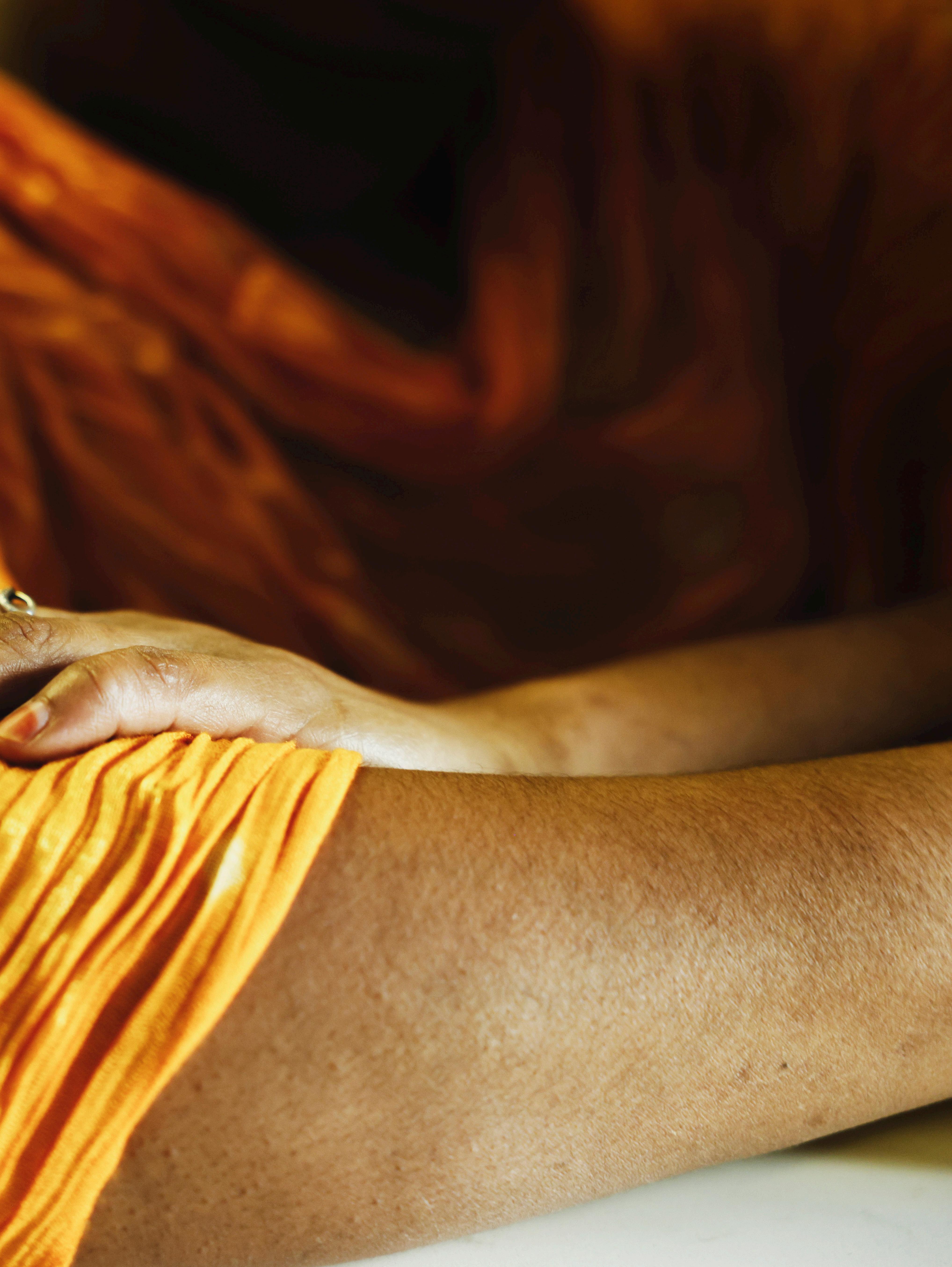
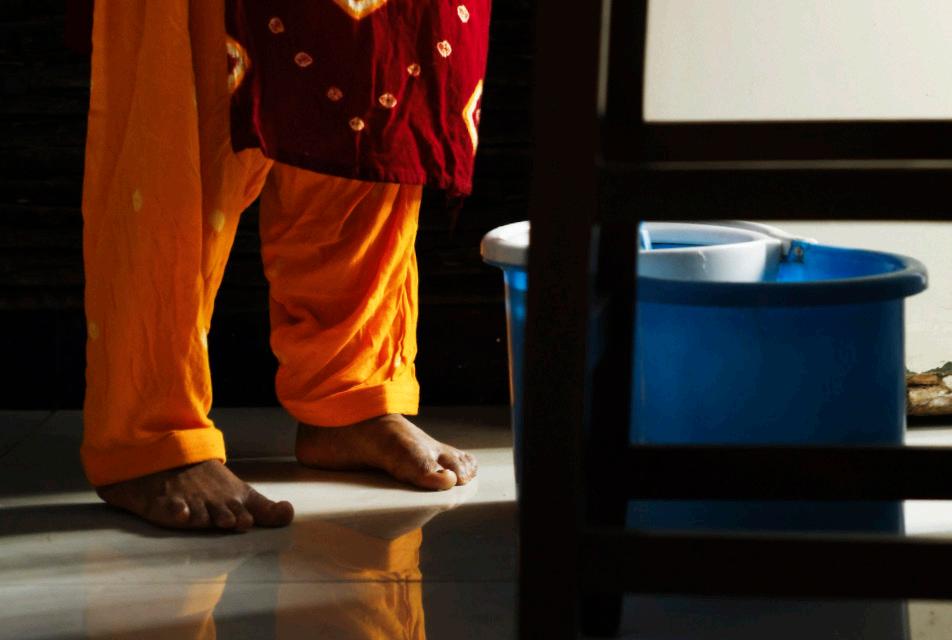
Identity here is not something that can be easily read or understood from the outside. It is shaped by memory, by geography, by family, by language, by what is kept and what is let go of. It moves across cultures and contexts, changing in the process. What is visible is only a fragment of what exists. What is assumed rarely holds the full truth.
Some are seen as Muslim without claiming it. Others claim it without being seen. Names, appearances, and cultural markers become points of projection, ways in which identity is assigned before it is understood. Within this, there is a quiet tension between how one exists and how one is perceived. A constant negotiation between self-definition and external reading.
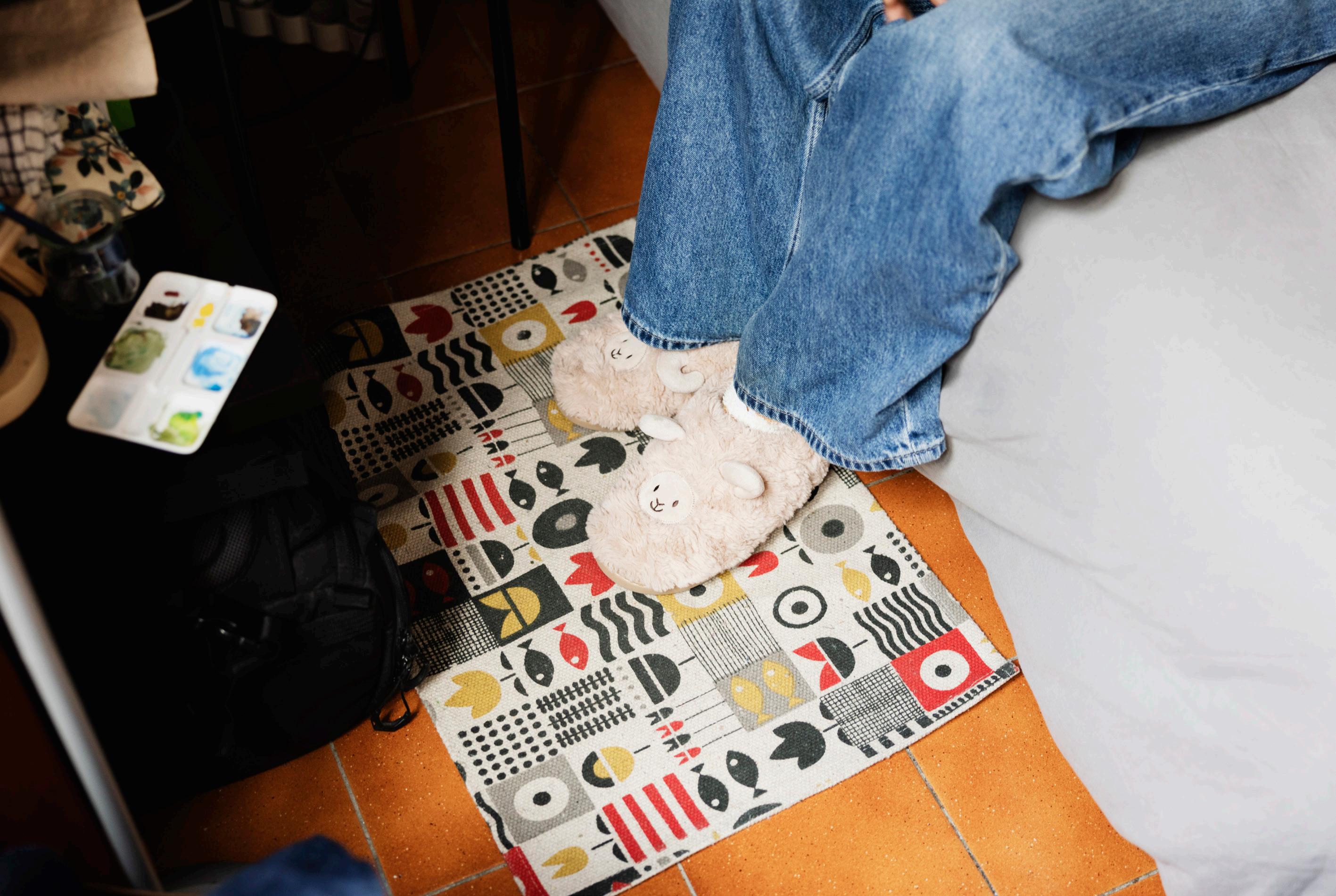
There are as many ways of being as there are people within it. Some align with what is expected, others move away from it, and many exist somewhere in between. These differences are not exceptions, they are the reality. What is often presented as a singular identity is, in truth, made up of multiple, sometimes conflicting, ways of living and understanding.
What remains is not an answer, but a space. A space where contradiction is allowed, where identities do not need to resolve into something singular or legible. A space where multiple narratives can exist at once, without hierarchy, without needing to justify themselves.
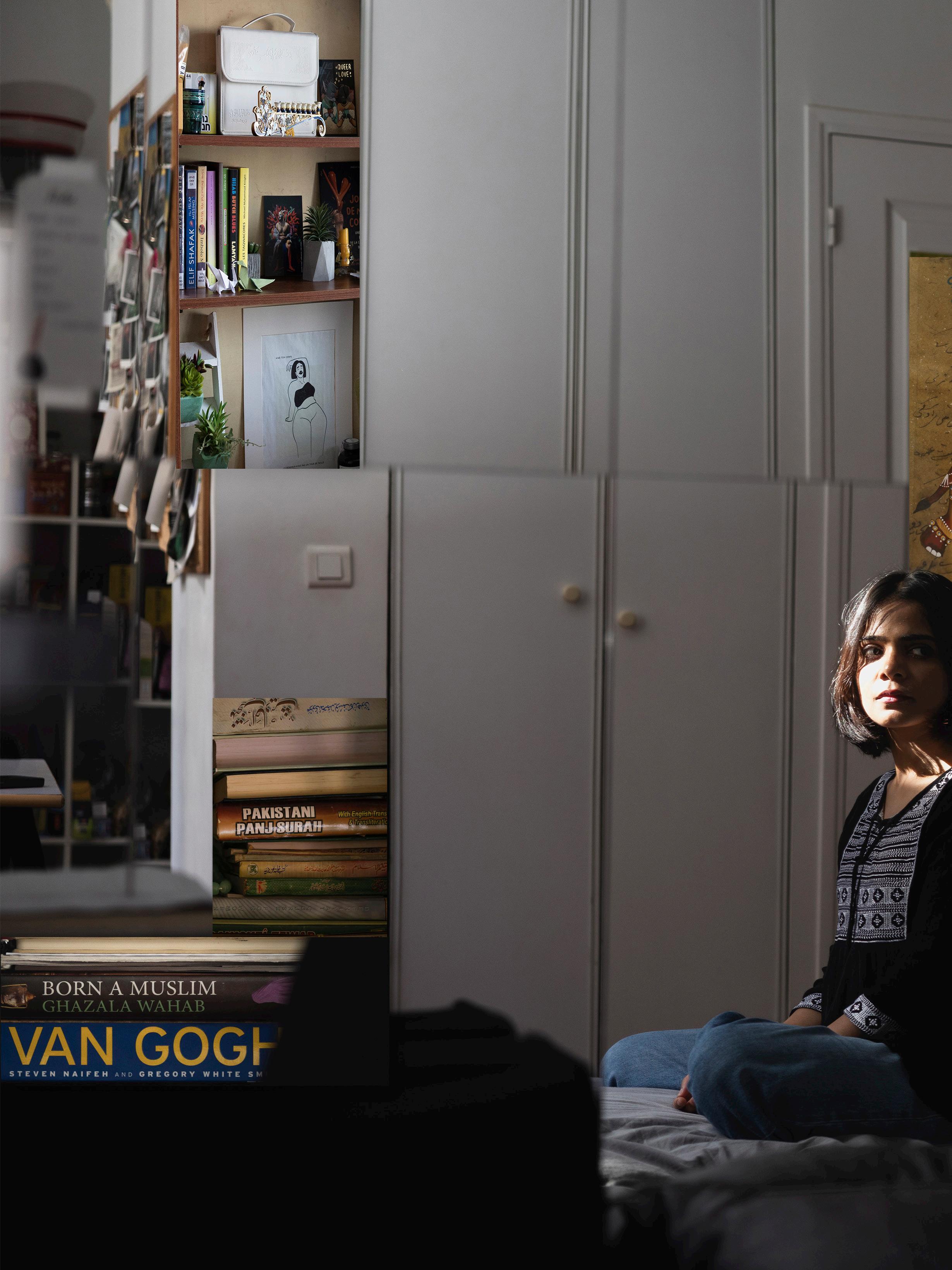
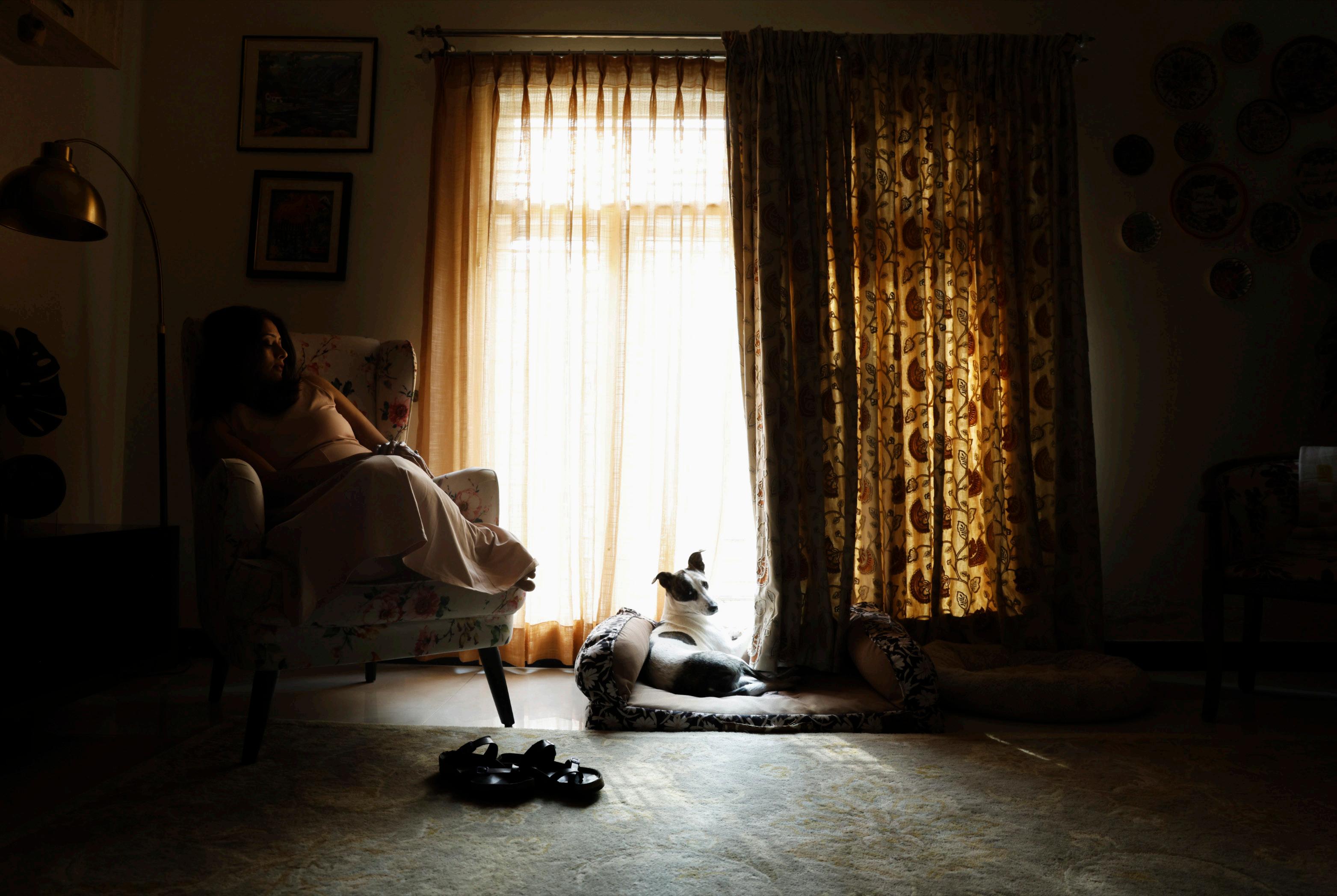
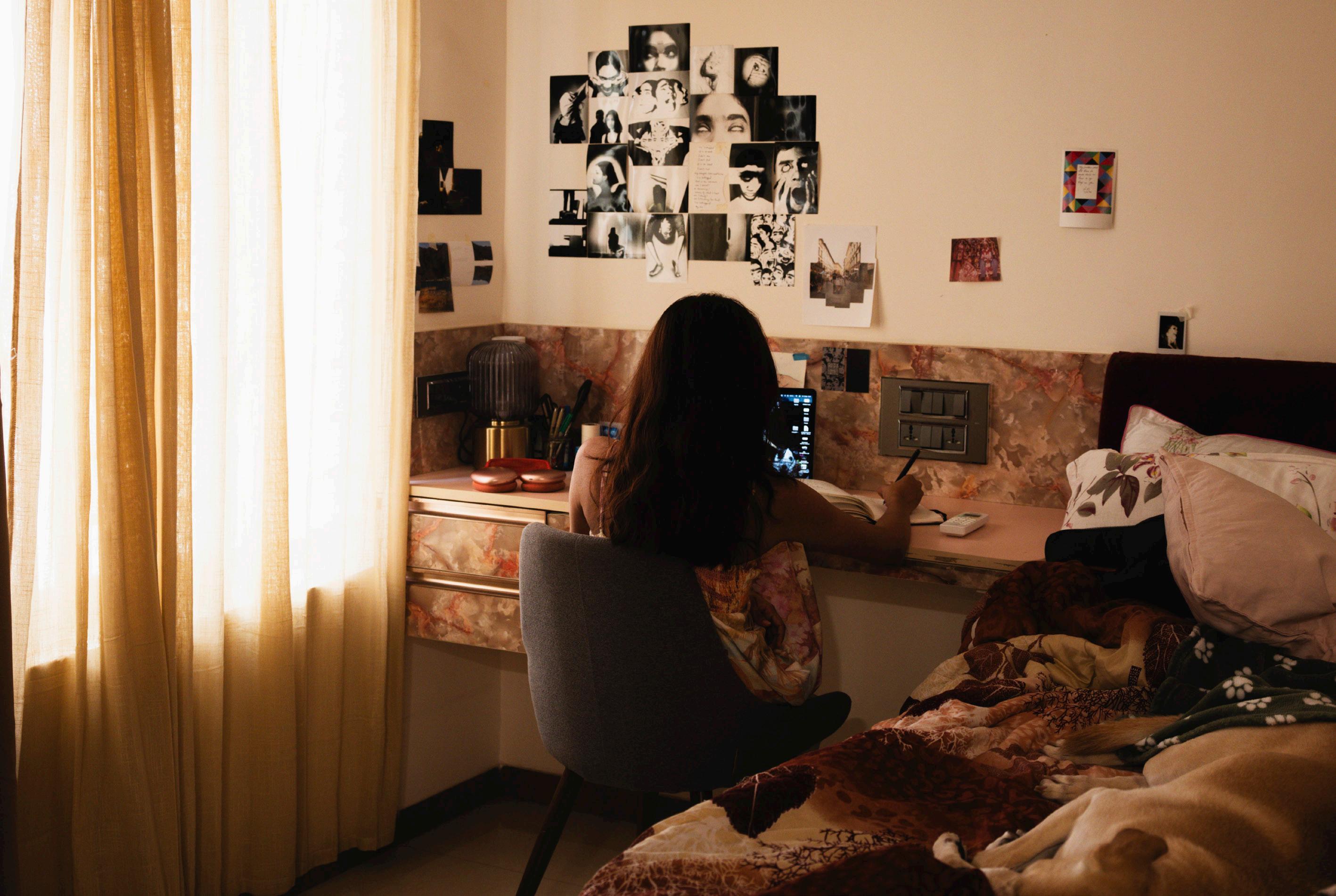
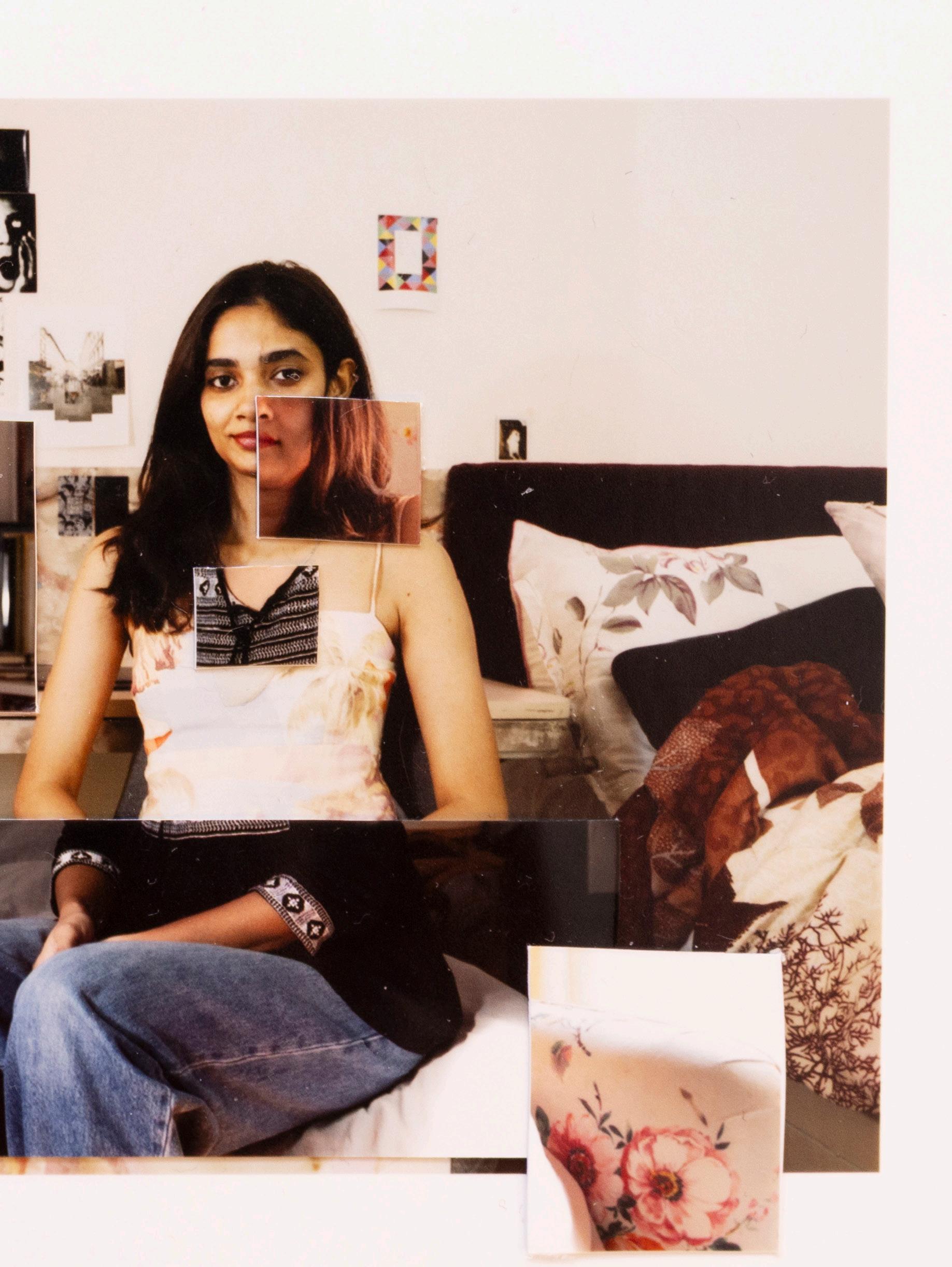
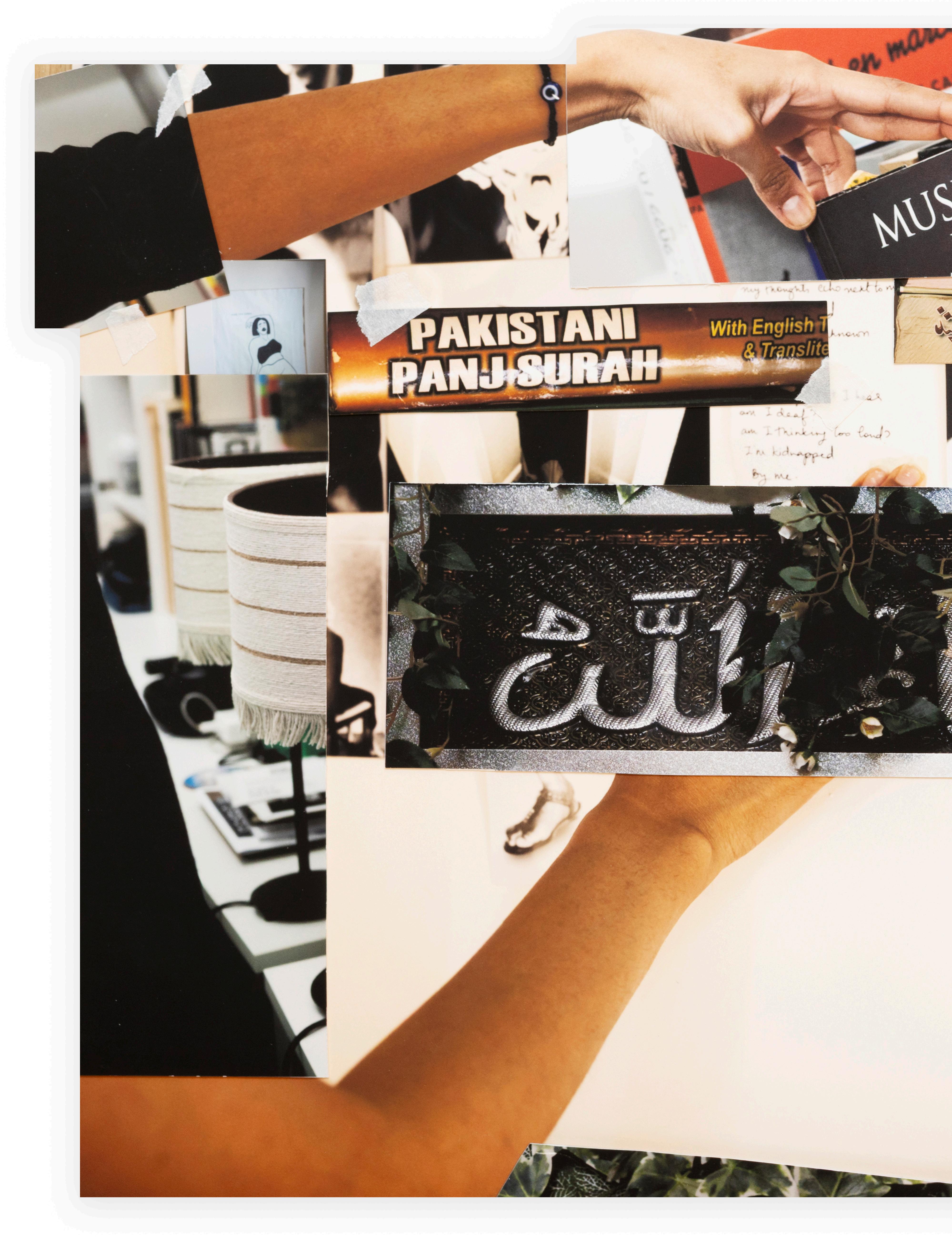
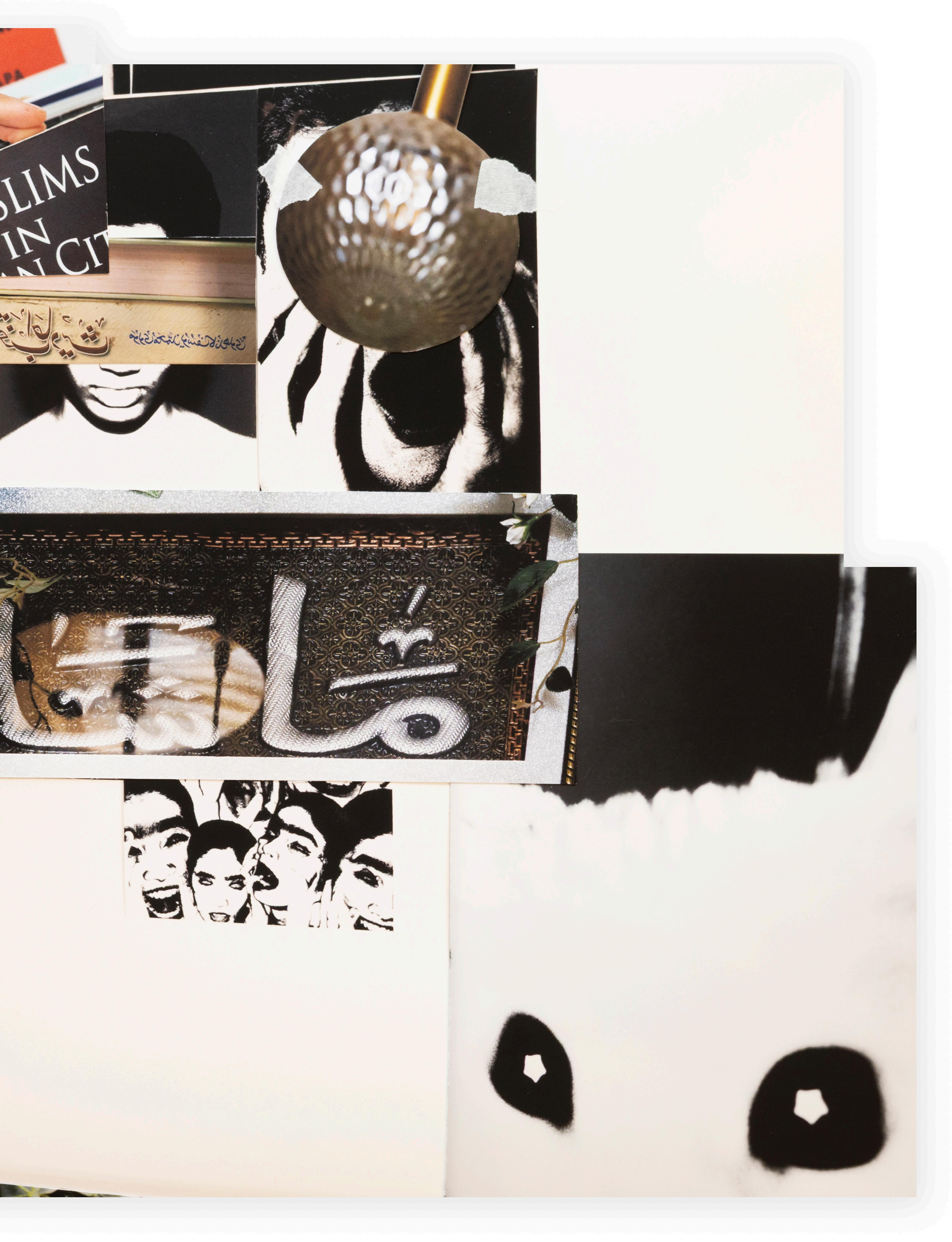

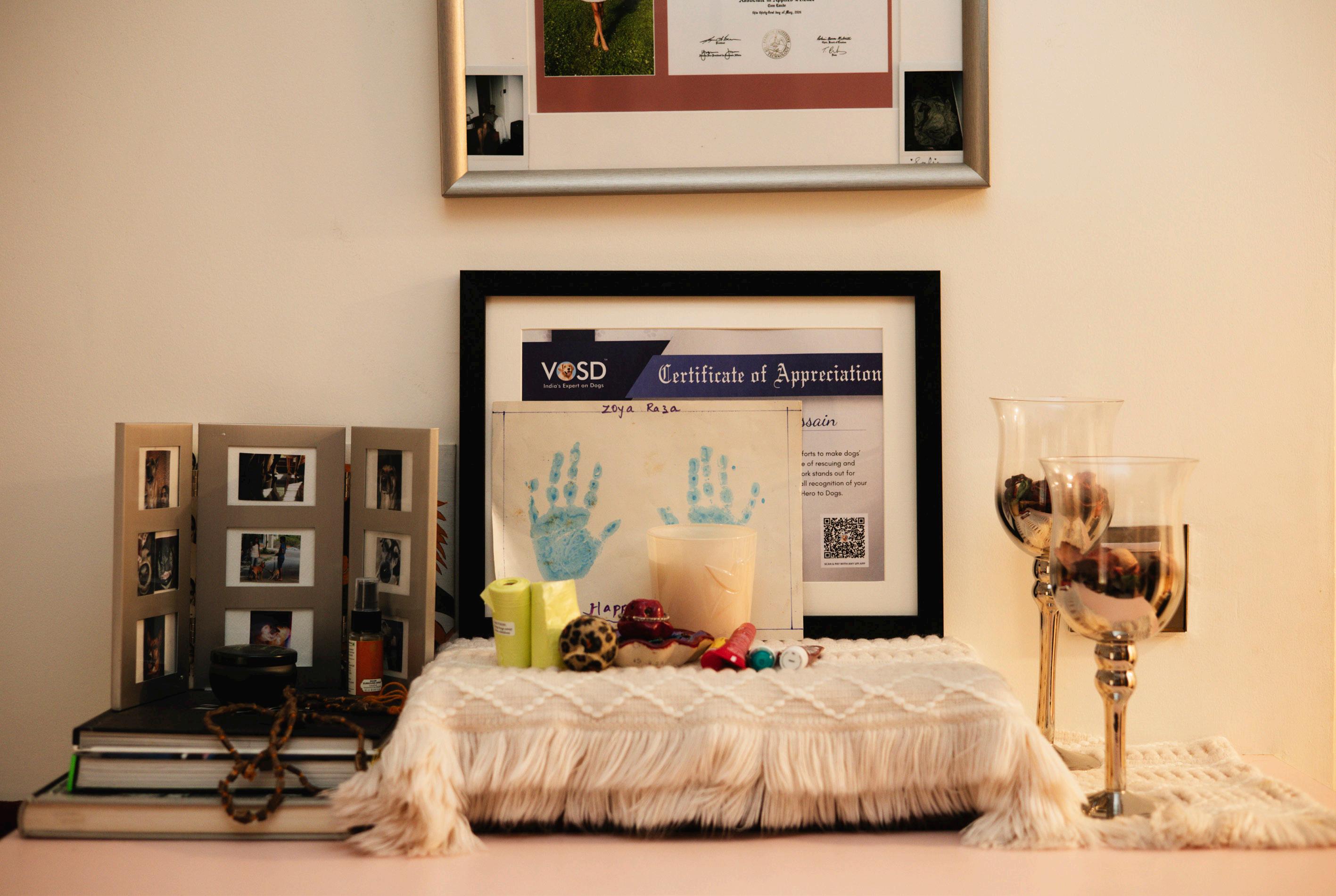
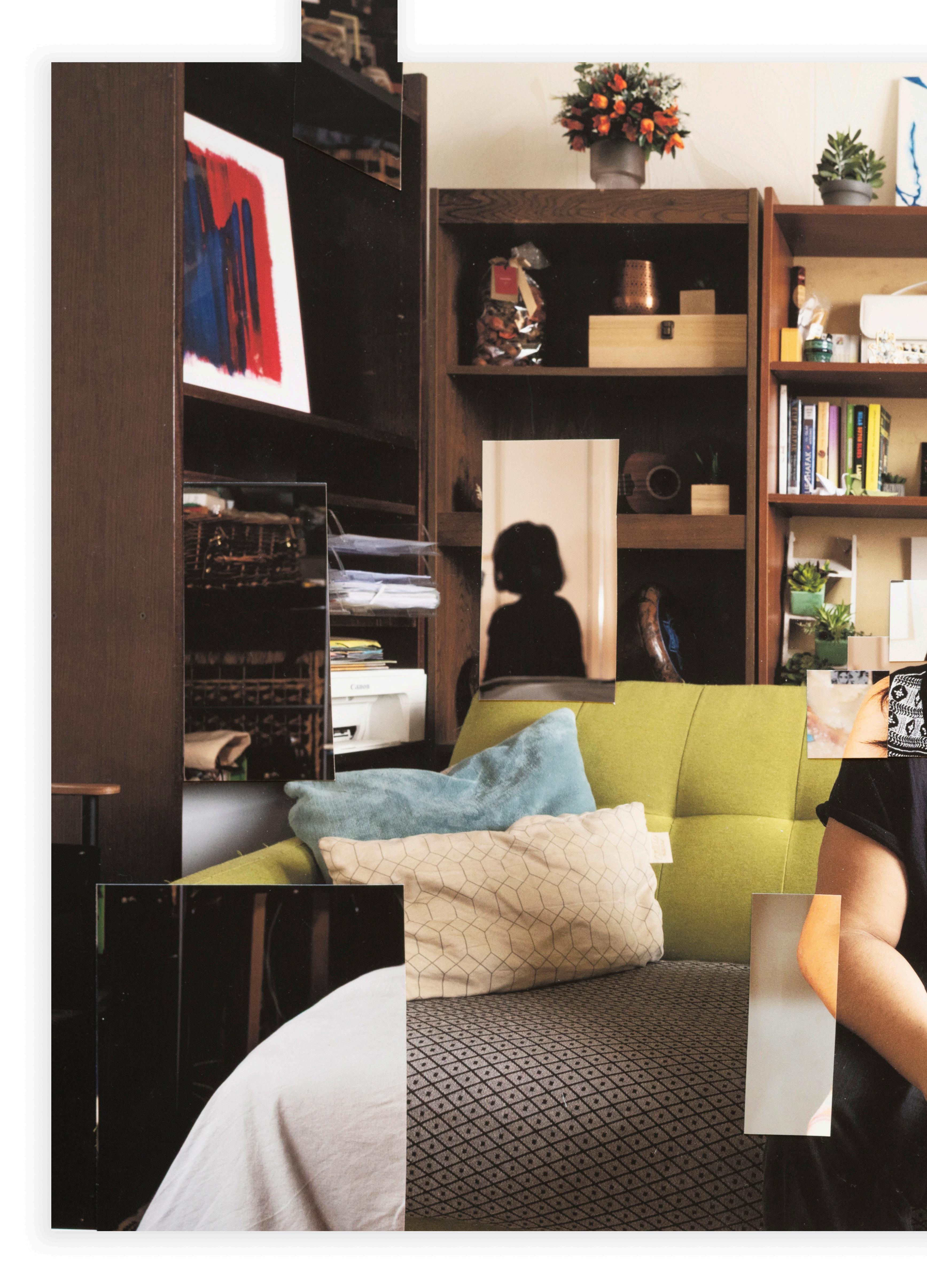
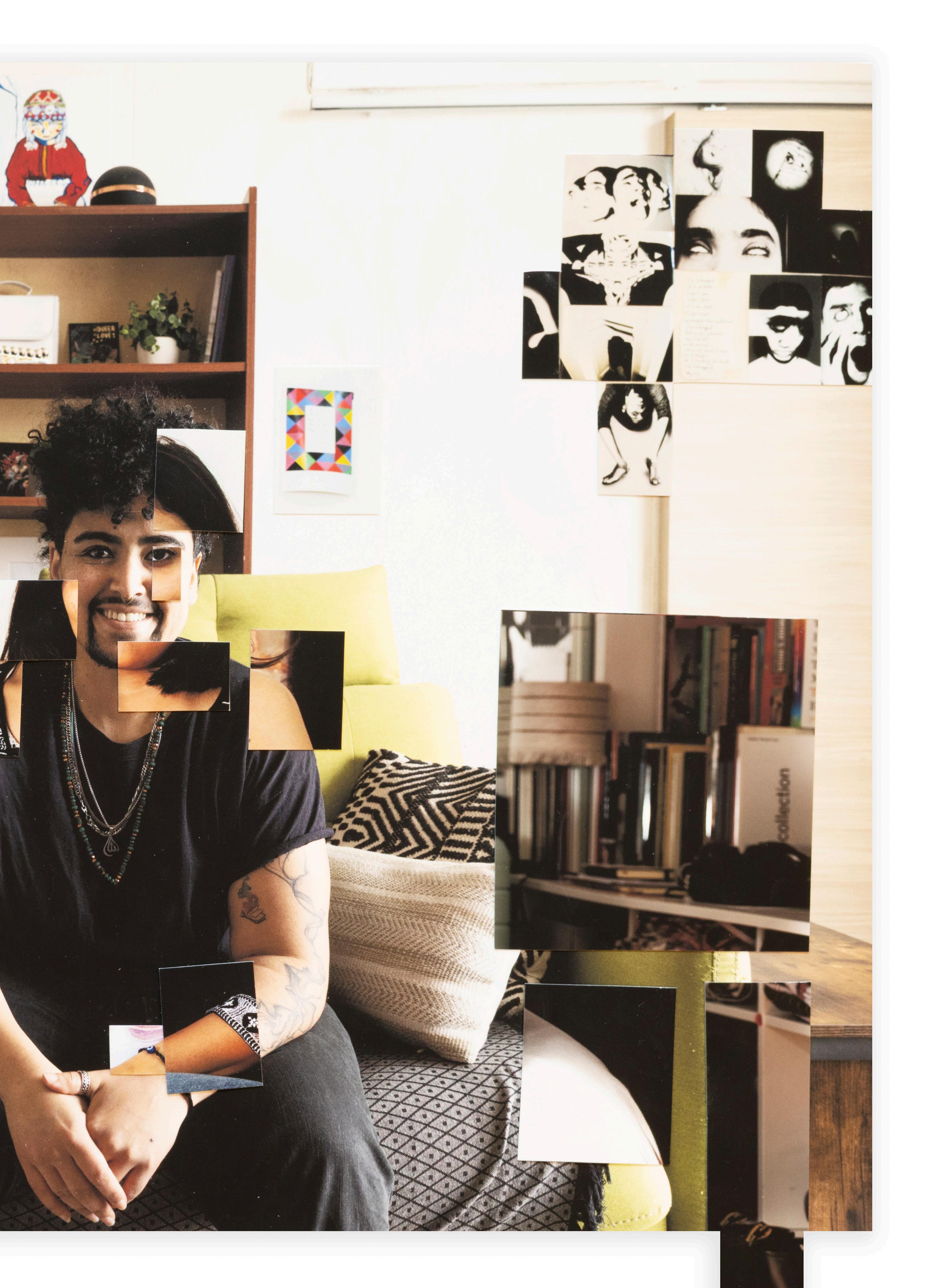
ناميإ does not arrive at a conclusion in the traditional sense. There is no final image, no fixed definition, no single truth that holds everything together.
What this work has made clear is how easily that complexity is reduced when seen from the outside. Identity becomes something read too quickly, flattened into a single story, while in reality it is made up of many shifting and sometimes conflicting ones.
Contradiction is no longer something to be solved, but a space to be inhabited.
Clarity dissolves into something less bounded, more expansive— Multiplicity.
And perhaps that is where it begins.