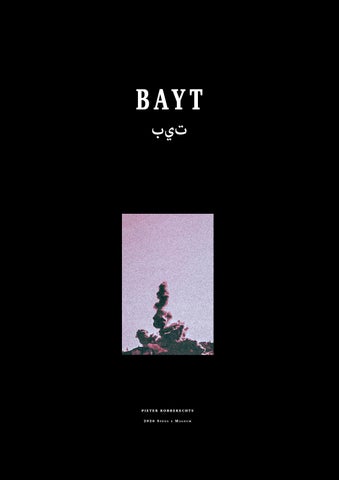
BAYT بيت
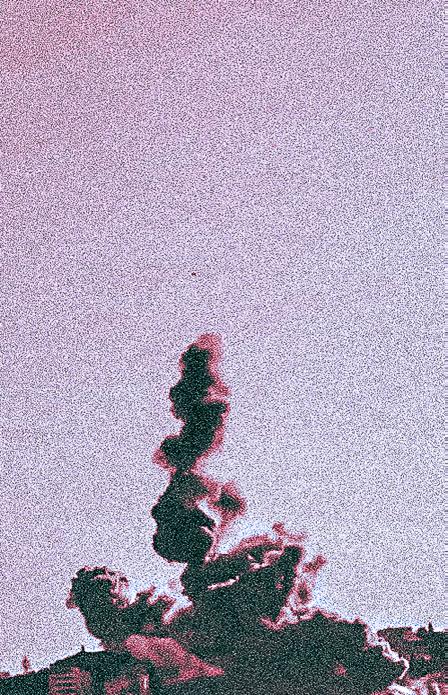
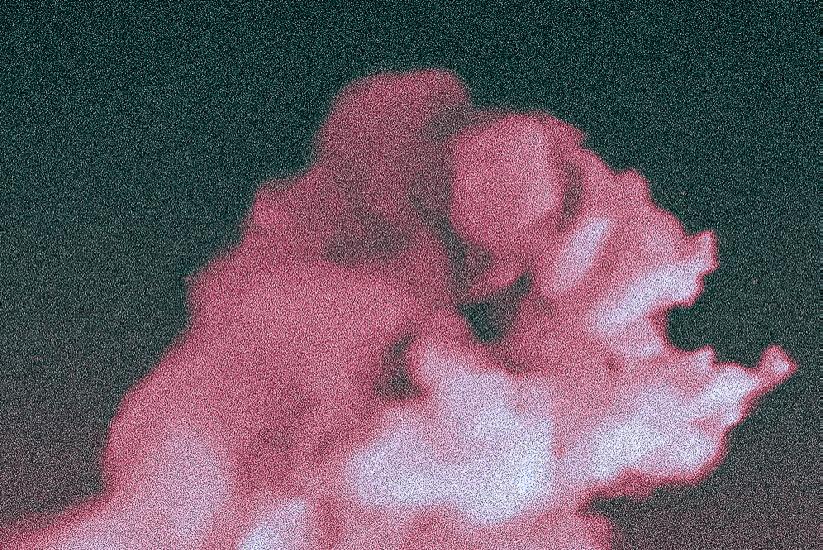
On February 28, 2026, The United States and Israel launched a massive, coordinated military campaign against Iran, codenamed ‘Epic Fury’ and ‘Roaring Lion’, respectively.
The operation began with a strike on a high-level security facility, deep in Iranian territory, killing the Supreme Leader, Ayatollah Ali Khamenei, along with the Defense Minister, the Army Chief of Staff and the commander of the IRGC. In the following days, strikes would hit nuclear facilities, ballistic missile sites and air defense systems across Iran, severely limiting their capabilities to respond. Although United States officials already declared victory, Iran responded fiercely. Following the confirmation of Khamenei’s death, Hezbollah Secretary-General Naim Qassem declared an ‘existential battle’. On March 2, they retaliated. Over a hundred missiles flew at northern Israel, a barrage unseen since the so-called ‘ceasefire’. The IRGC described these strikes as part of a joint operation between what was left of the Iranian regime and the Lebanese resistance. The people of Lebanon are in crisis.
Israel invaded on the 16th of March. The retaliation by Hezbollah had been the perfect excuse. The effects were immediate. Over one million people are displaced, fleeing their homes in the South, as Israel establishes their own buffer zone. The displaced arrive in Beirut feeling abandoned by their government, abandoned by Hezbollah.
As of late March, more than 1,024 people have been killed in Lebanon, and infrastructure damage is estimated at €14 billion. These numbers will only go up.
In an unprecedented public announcement on March 2, the Lebanese Government officially banned Hezbollah’s military activities, declaring that ‘decisions of war and peace’ belong solely to the state. Israel continues to strike Lebanon; in the South, in the Bekaa Valley, in the southern suburbs of Beirut. The area south of the Lithani River now belongs to Israel.
The international community watched and sighed.
On March 2, I found myself in an apartment in the center of Beirut, following the news of the retaliation of Hezbollah. Everybody hoped they wouldn’t, but they did. Over a hundred missiles were launched at the north of Israel, only inciting the latter to invade. The excuse for Israeli boots on Lebanese soil handed to them on a silver plate.
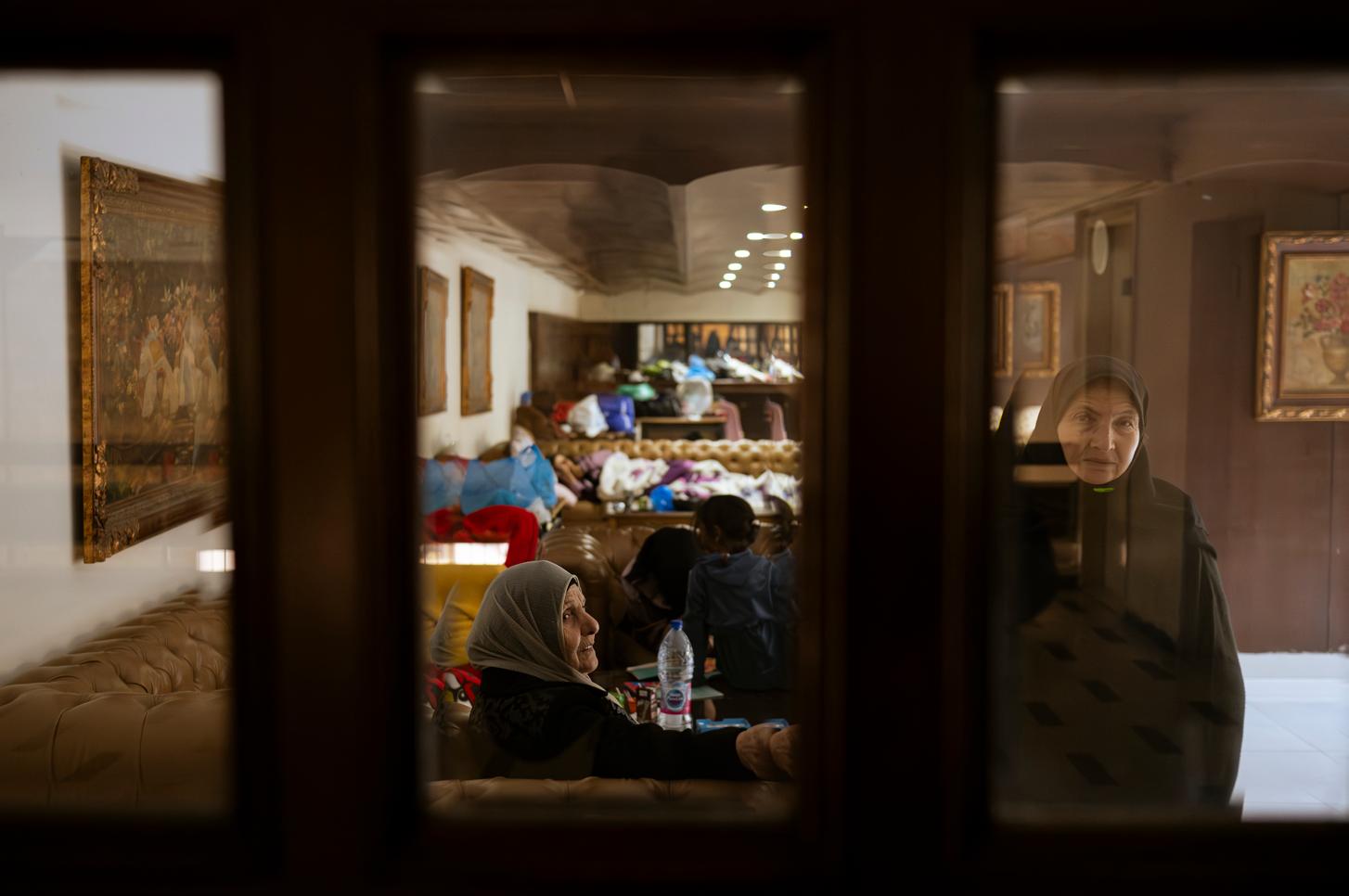
I was in Lebanon to record stories about long-term Syrian refugees. Syrians that fled the war in their home country ten, twelve, fourteen years ago. Overnight, the NGOs I worked with ceased operations. The embassies were evacuating personnel. Flights were cancelled. The trip turned into something else. In search of what it means to live in exile for these Syrian refugees, to be unable to go home, I saw thousands of Lebanese fleeing theirs.
The title of this book means home in Arabic. A place where one can go to rest, be in peace.
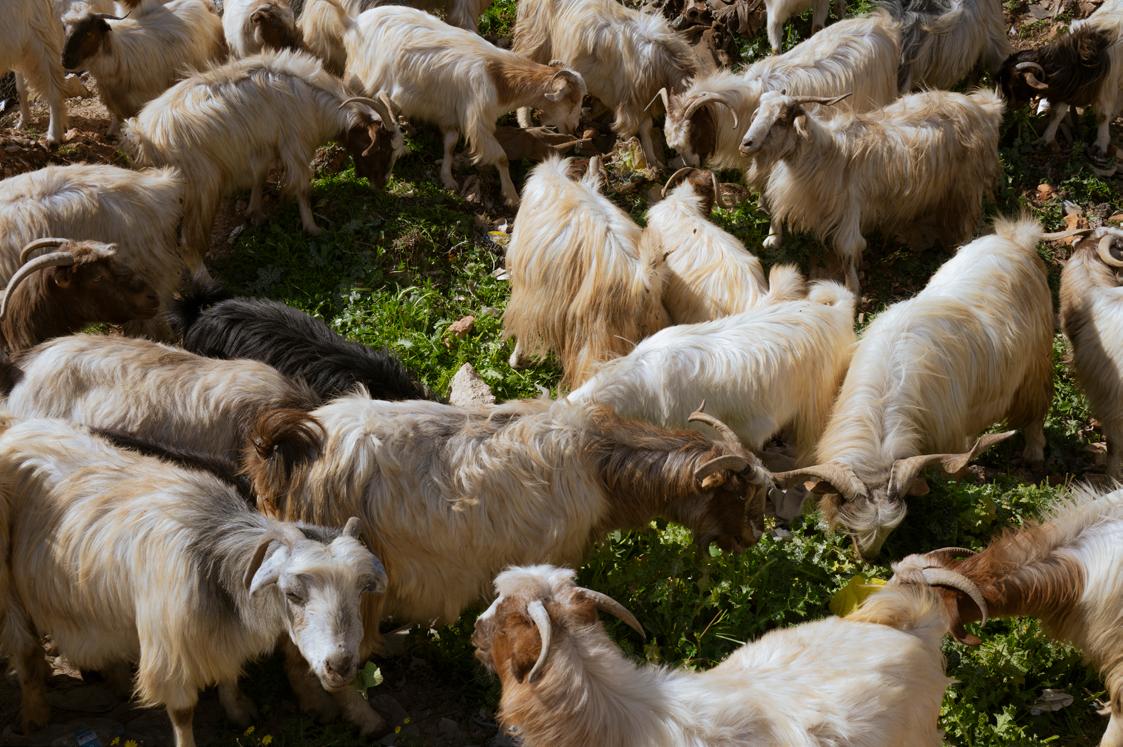
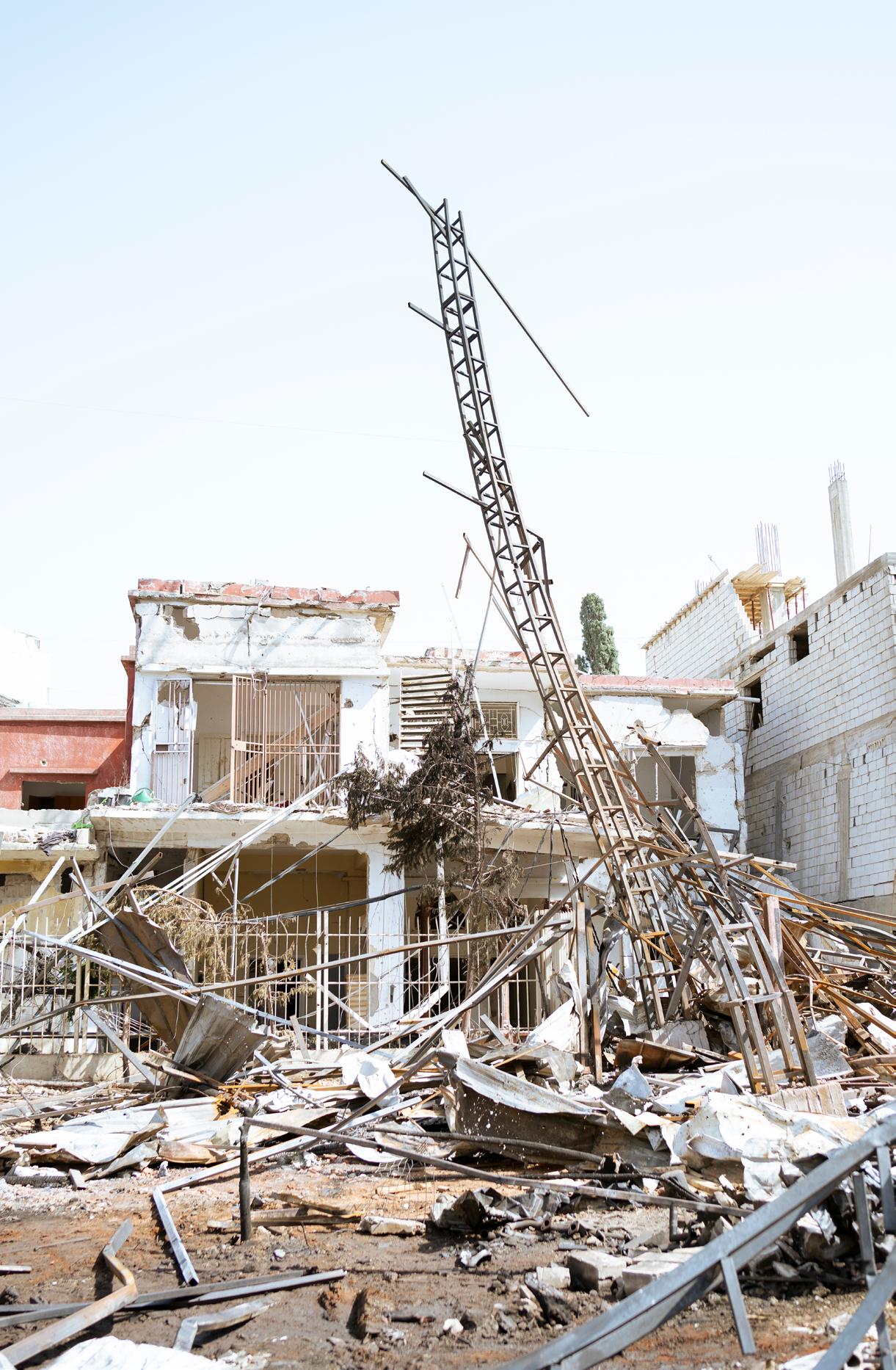
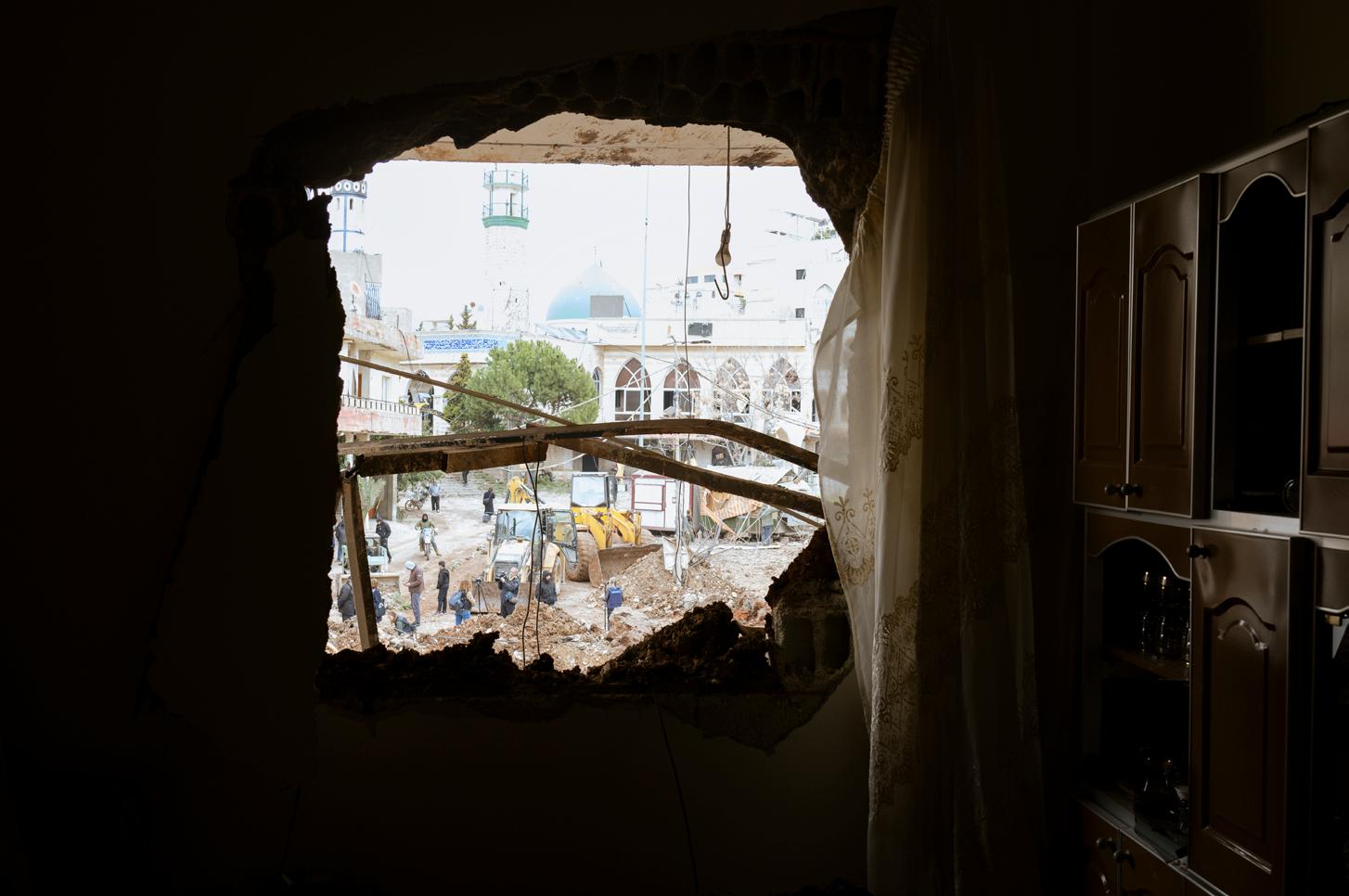
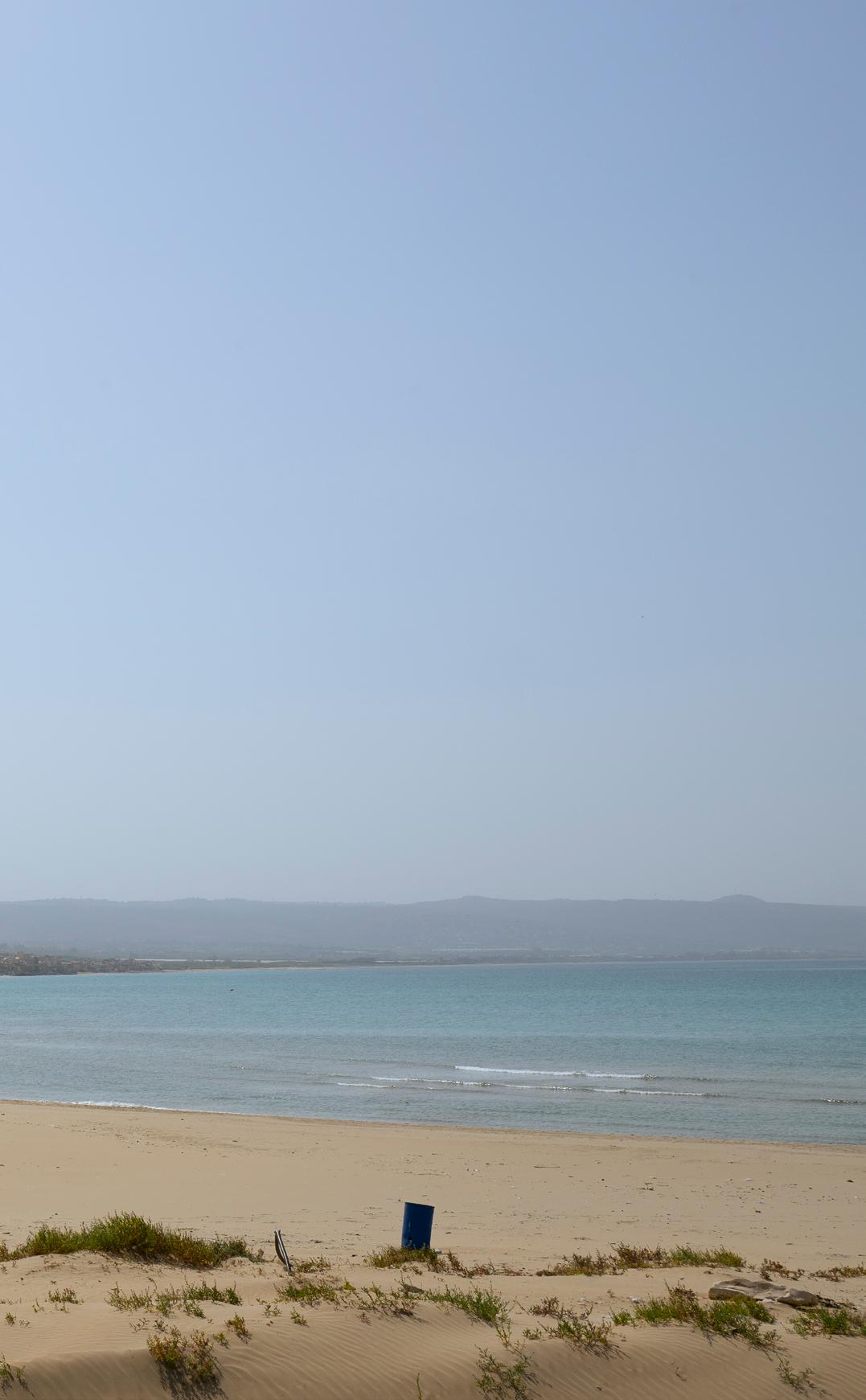
And letters make the sword on the dawn’s belt glitter til the desert becomes parched for songs or drowns in them
- ‘Mural’ M. Darwish
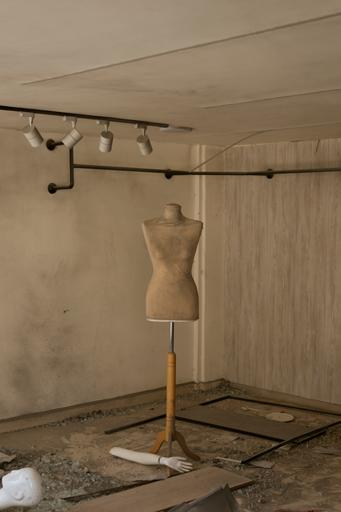
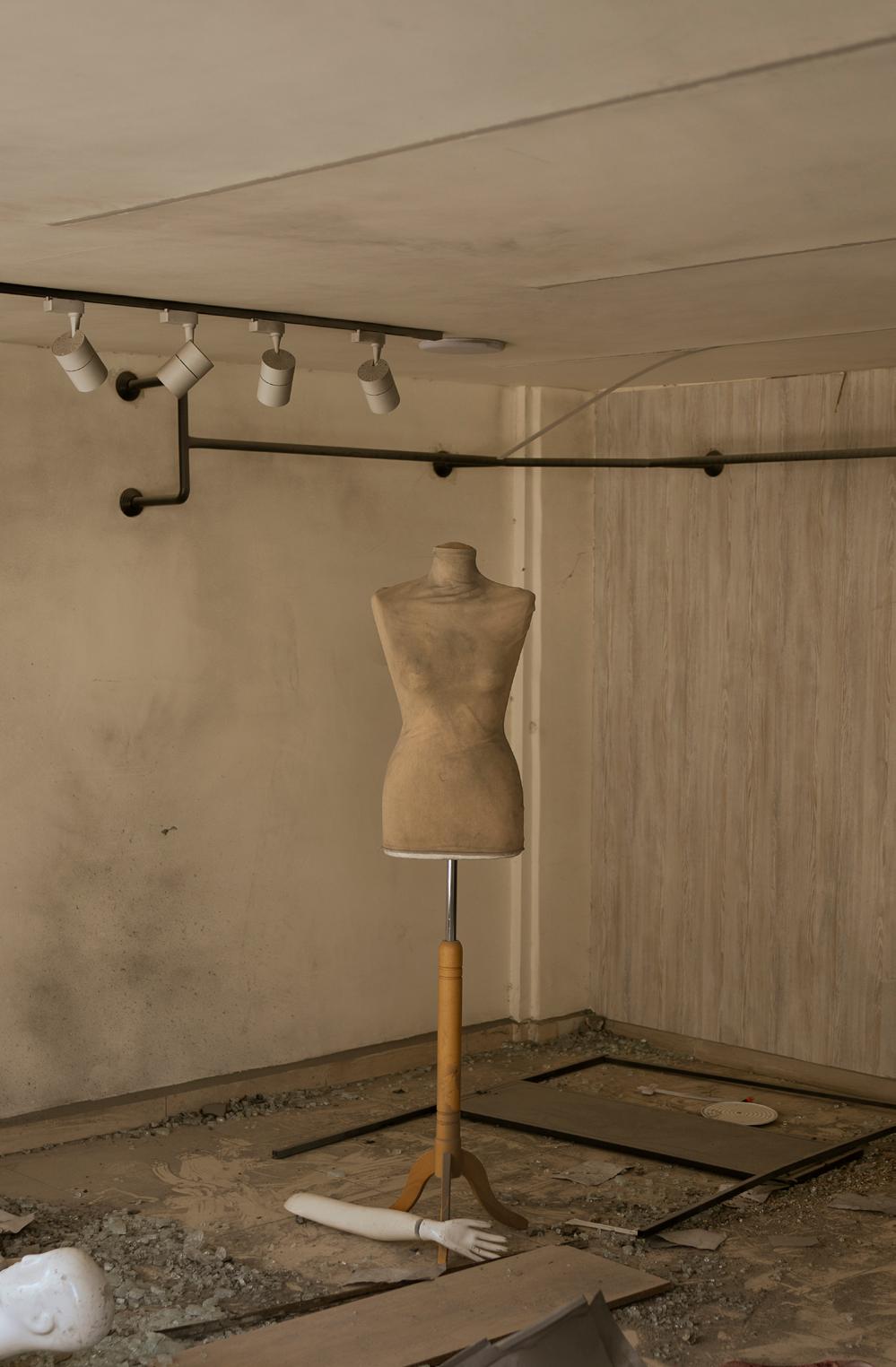
TYRE, South Lebanon. A mannequin is the only thing left standing after a bombardment by the IDF on a Hezbollah-affiliated financial institution.
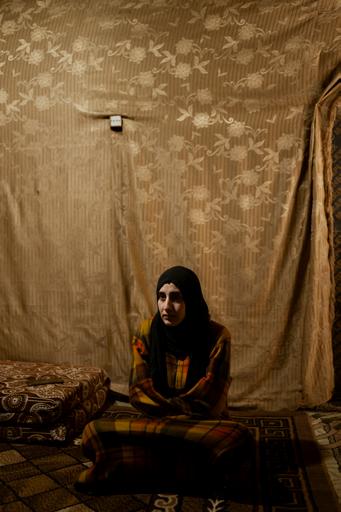
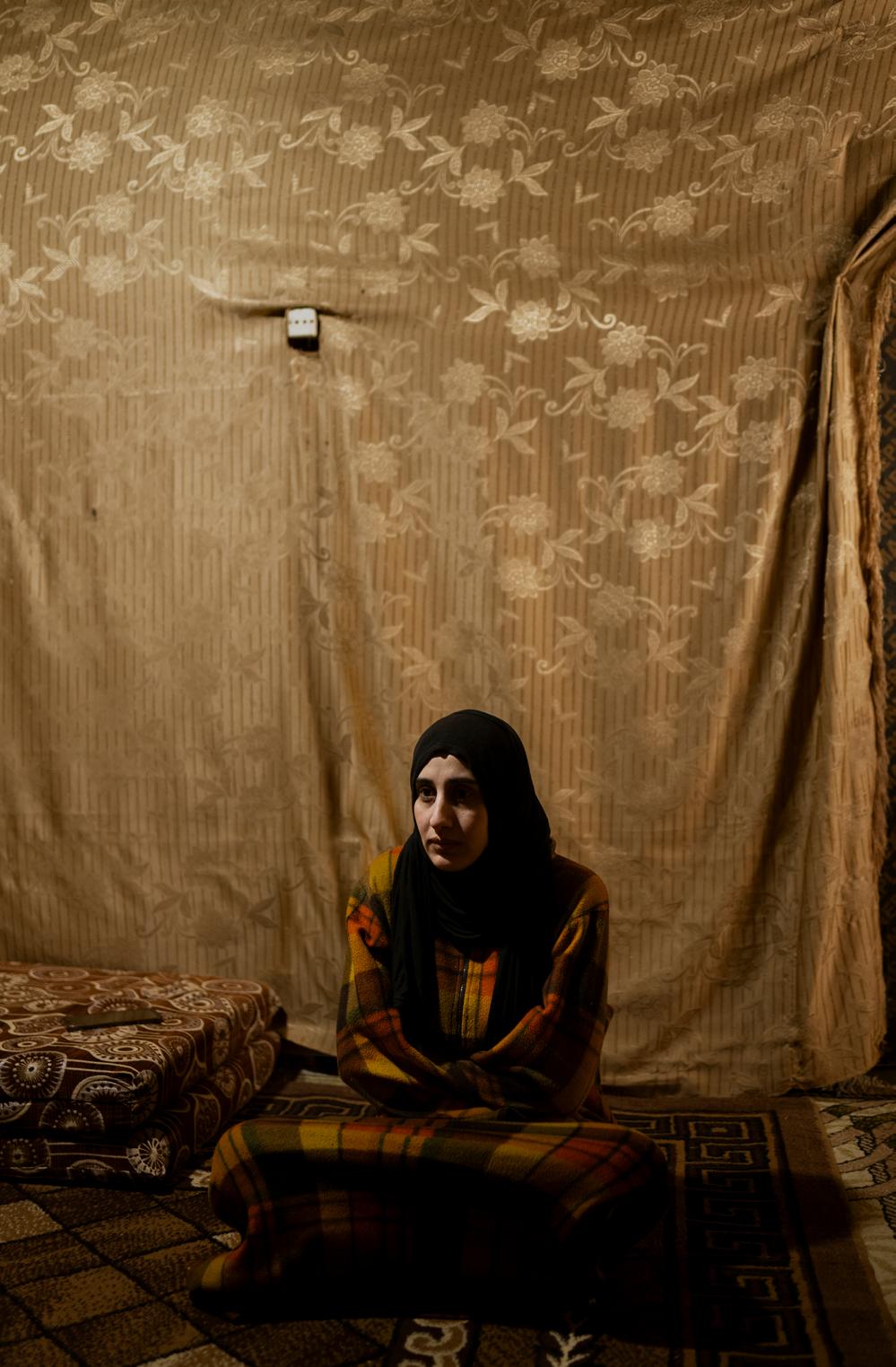
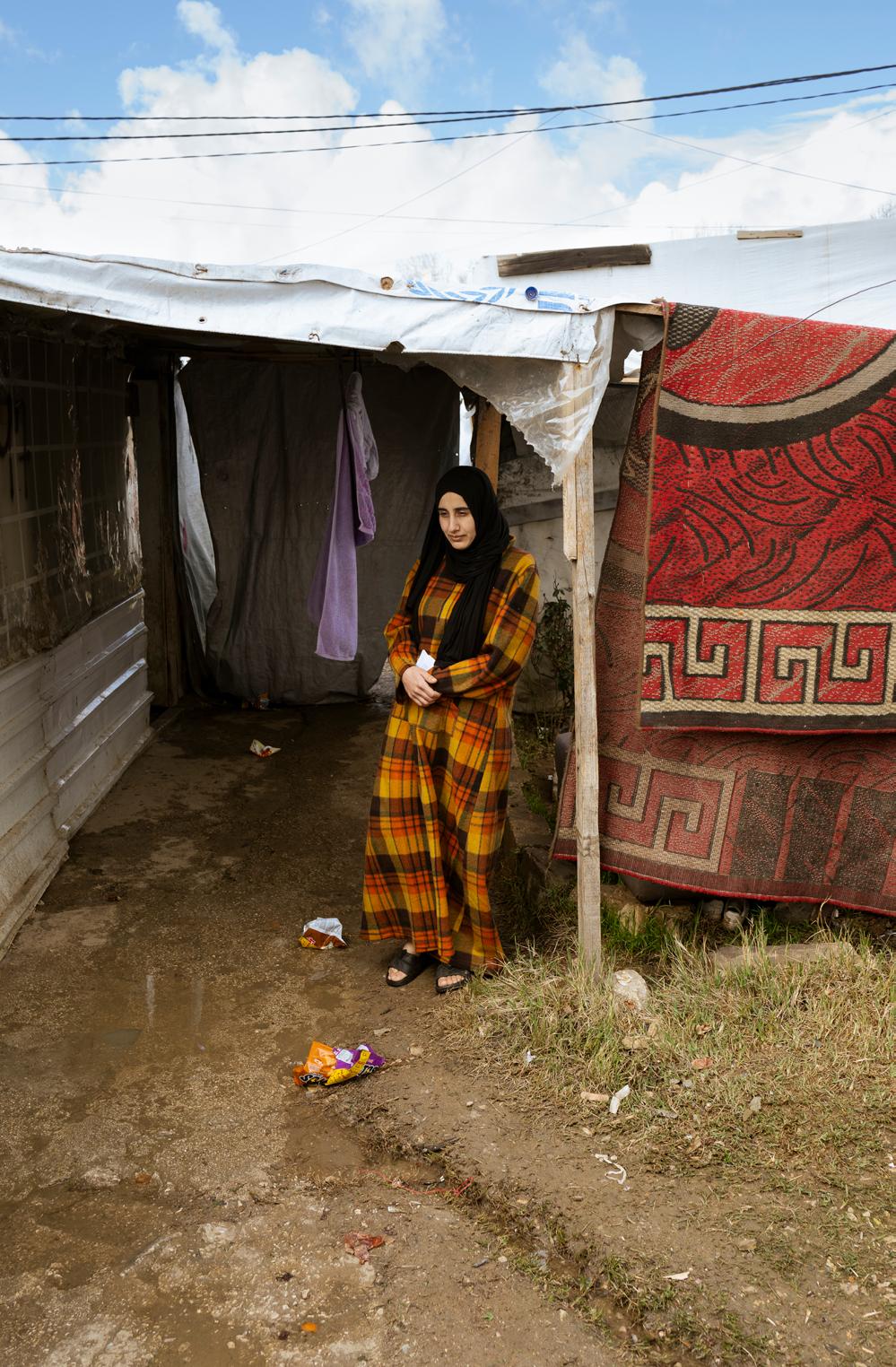
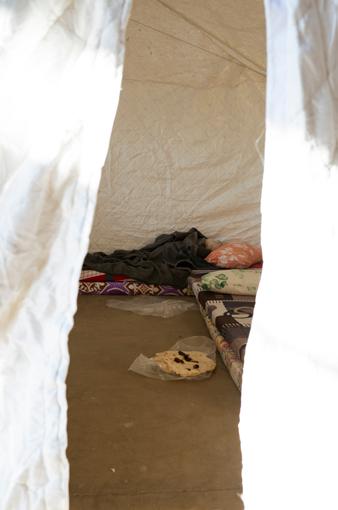
Bekaa Valley. A Syrian refugee sits in her twelve square meter home in a UNICEF-camp in the Bekaa Valley. Together with her husband and three children, they have been living in Lebanon for over eleven years.
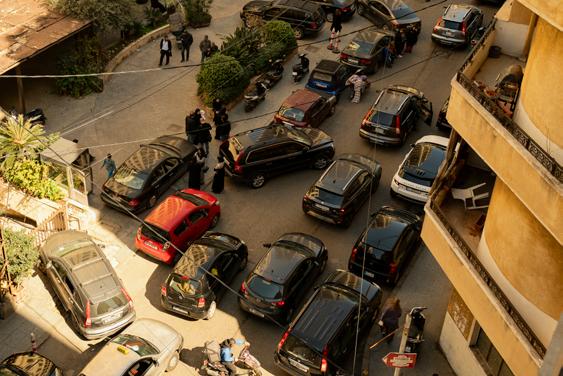
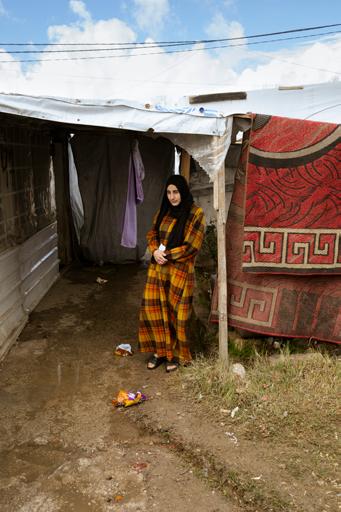
A
stands in front of her twelve square meter home in a UNICEF-camp in the
Valley. Together with her husband and three children, they have been living in Lebanon for over eleven years.
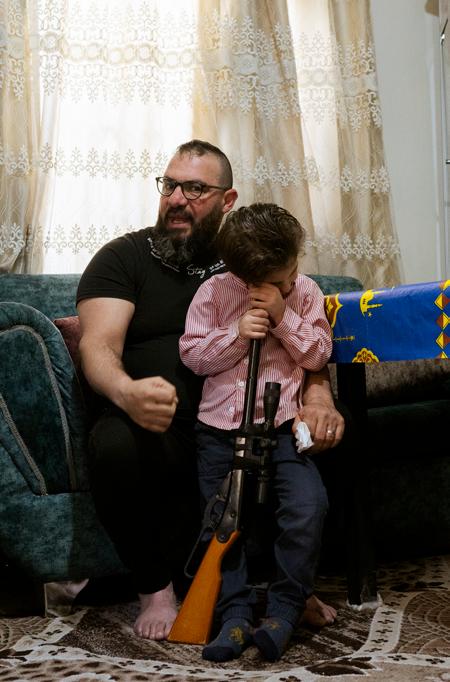
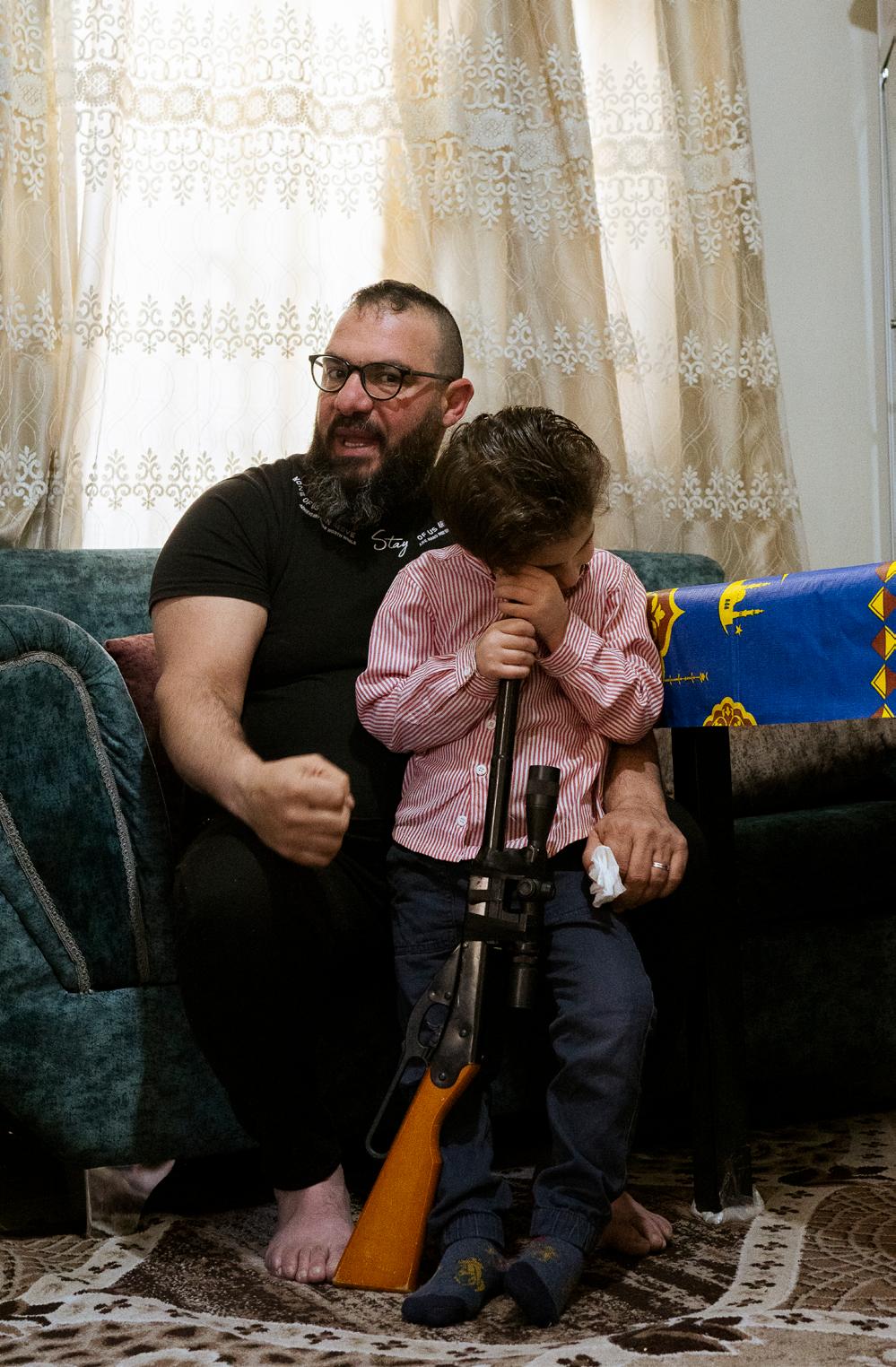
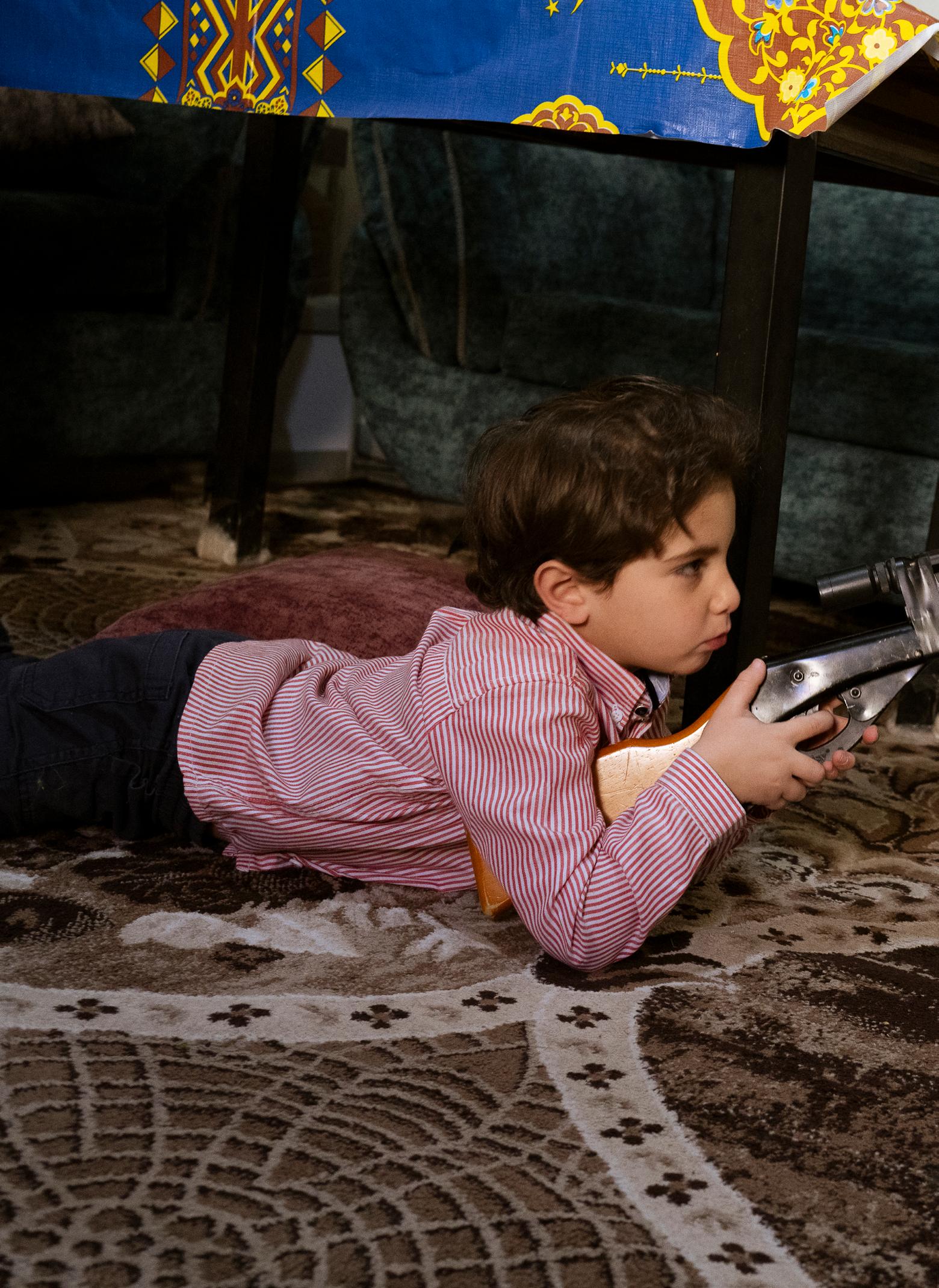
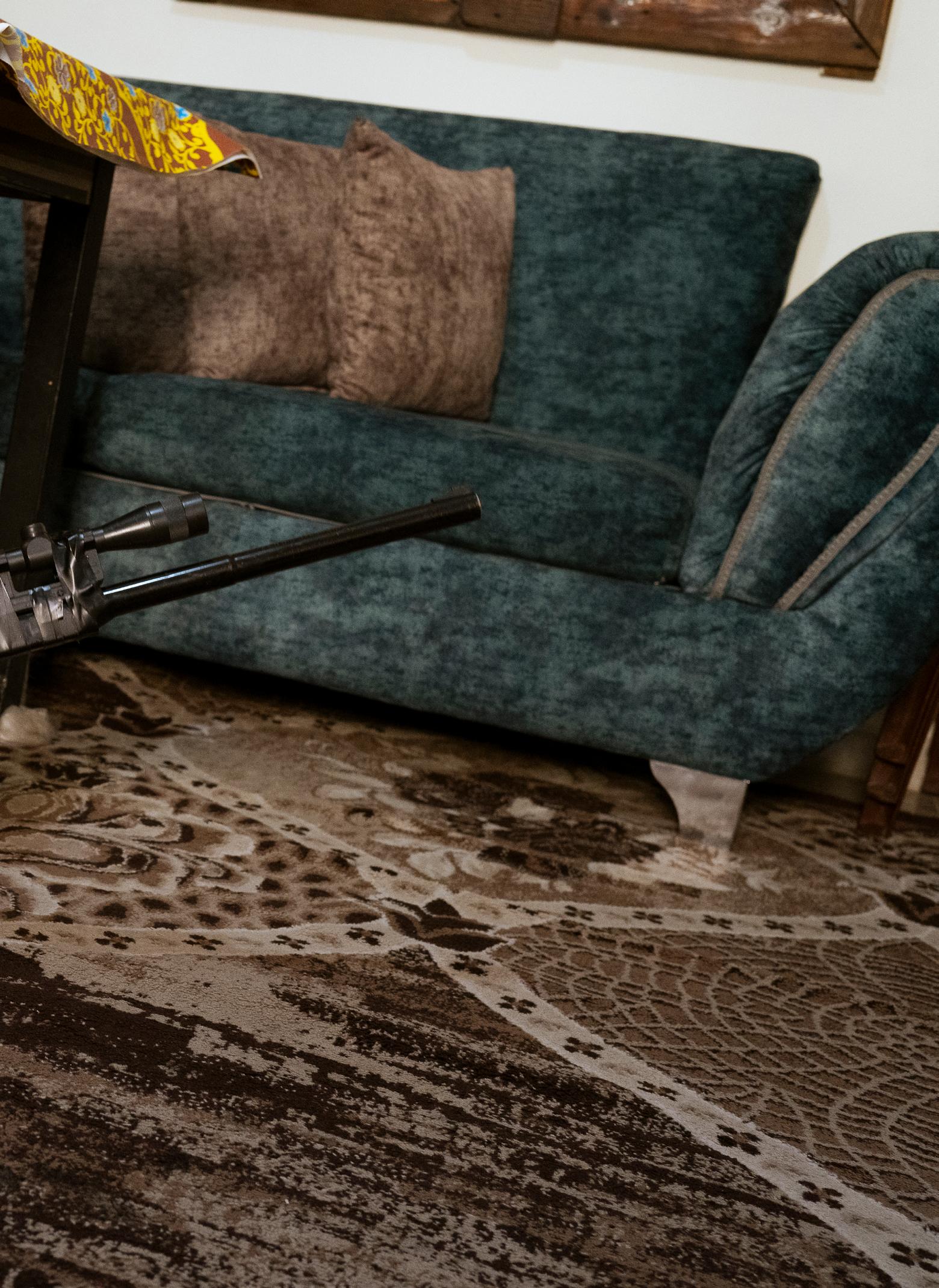
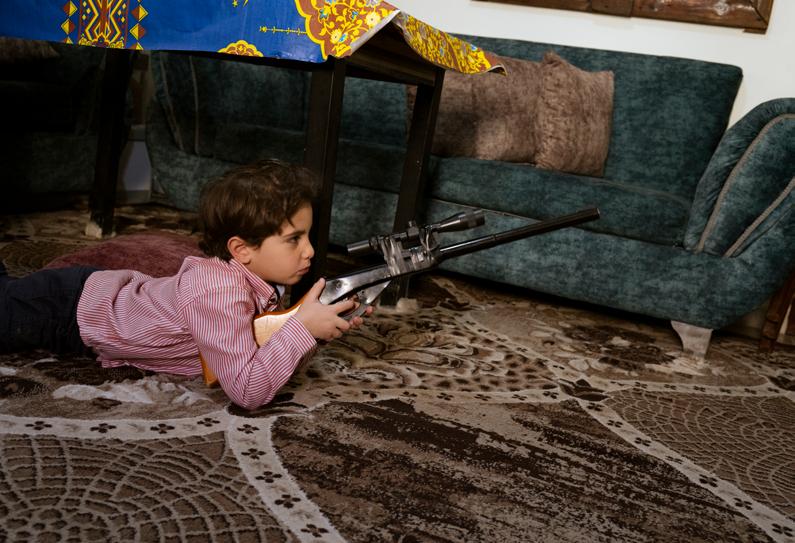
BAALBEK, Bekaa Valley. An ex-Hezbollah fighter tells of his experiences and why he left the movement while his son looks down the barrel of a toy gun.
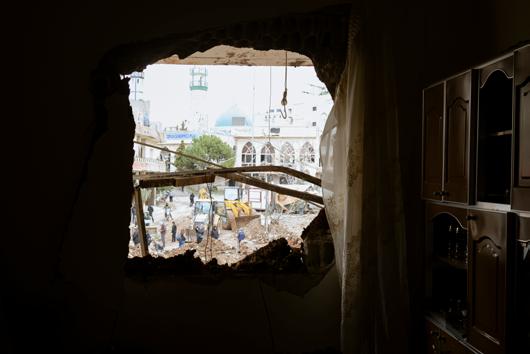
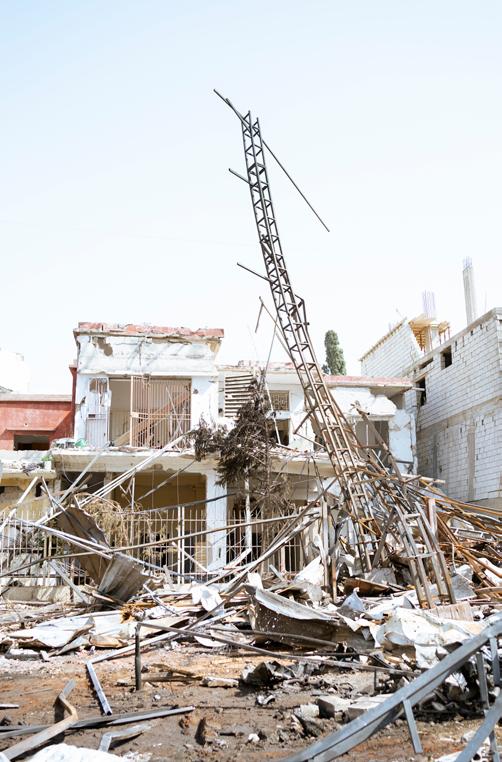
AN-NABI SHAYTH, Bekaa Valley. Local farmers and construction workers clean up after an attack by the IDF killing over forty people.
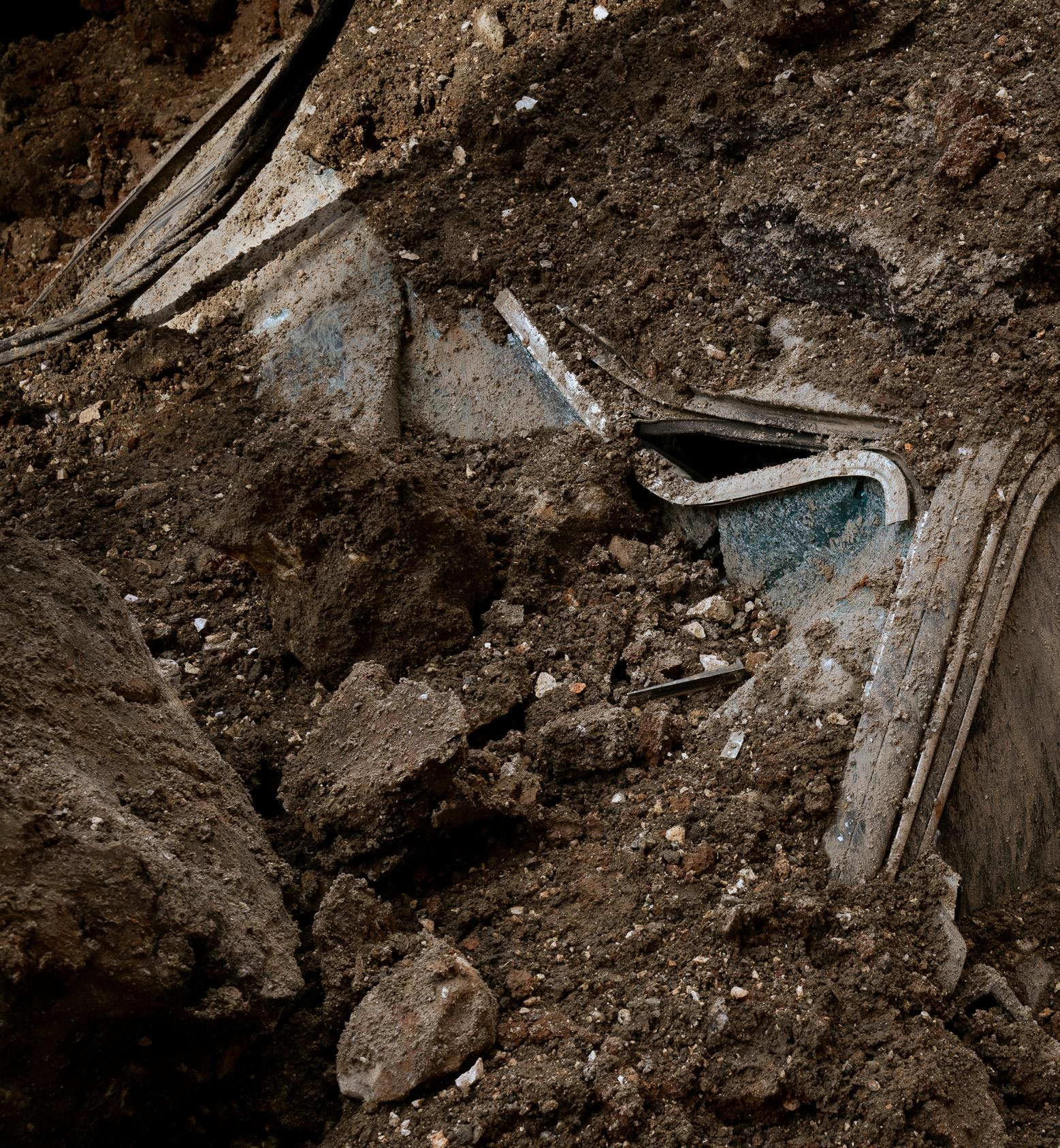
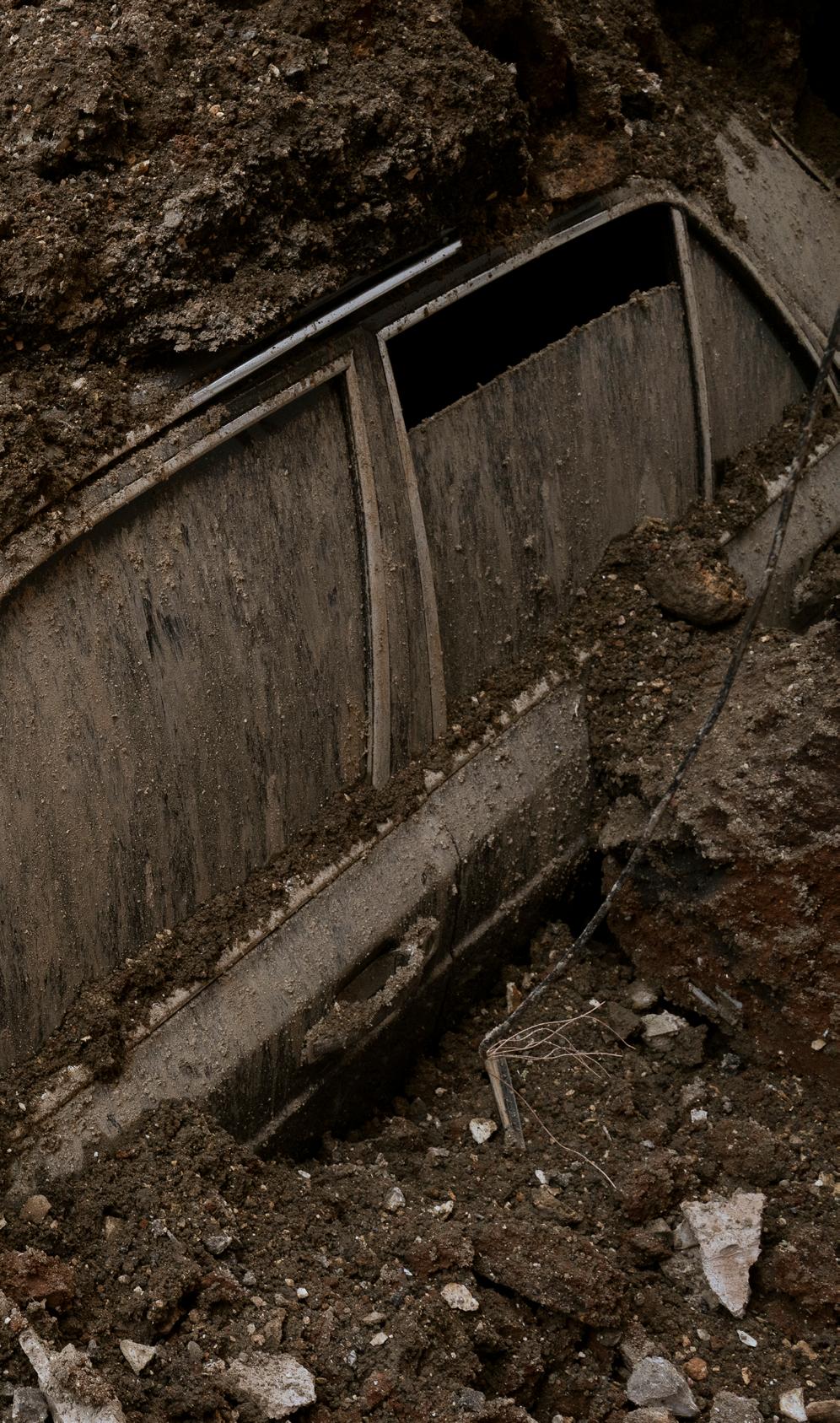
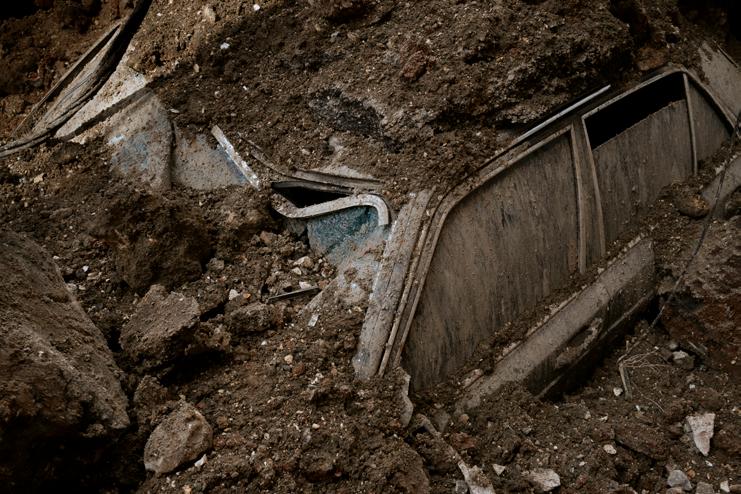
AN-NABI SHAYTH, Bekaa Valley. A car is nearly burried under the dirt after an attack by the IDF killing over forty people.
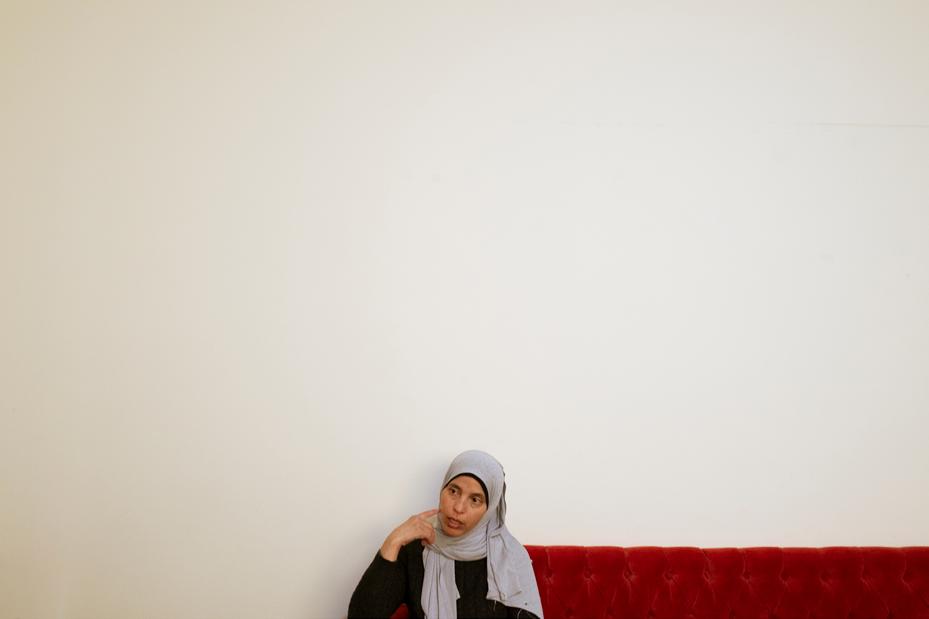
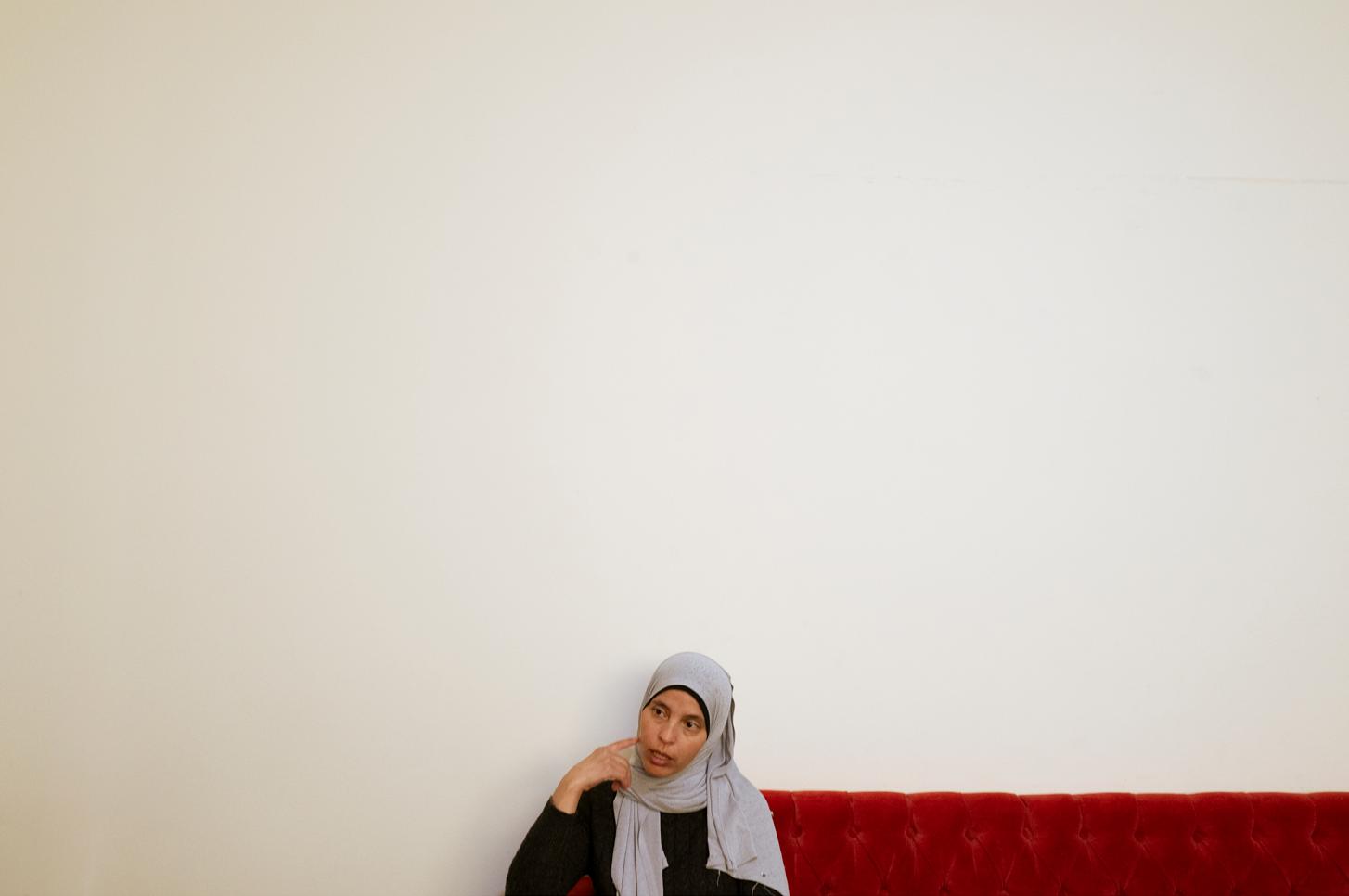
GHAZZE, Bekaa Valley. A Syrian refugee tells about her experiences fleeing the war in 2011. After moving more than five times, she has now been relocated in social housing with her three children.
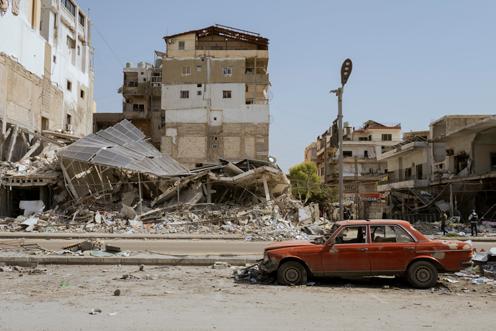
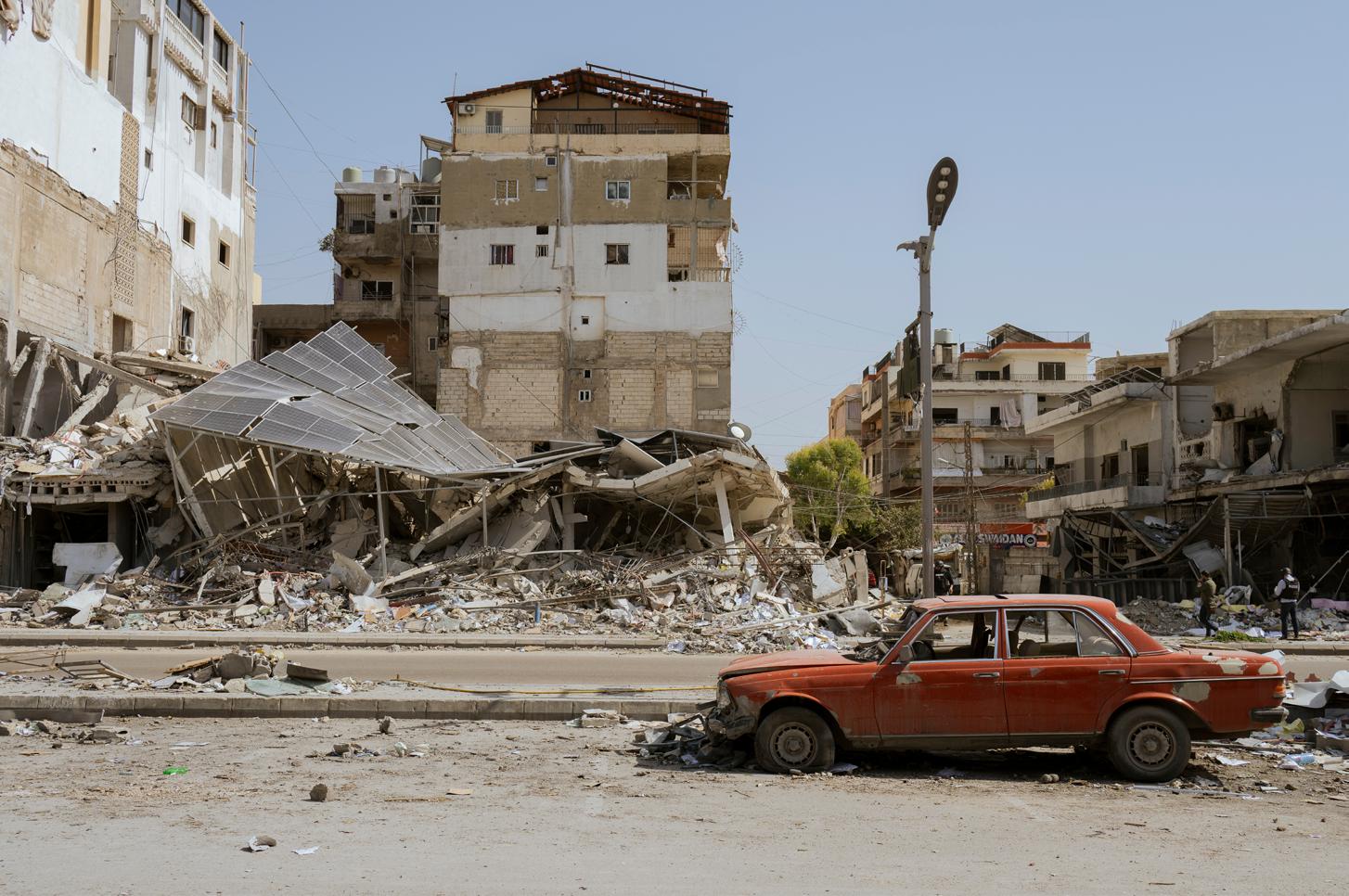
TYRE, South Lebanon. The aftermath of an IDF strike on Al-Qard Al-Hassan, a quasi-banking institution affiliated with Hezbollah that offers interest-free loans to the people in the region.
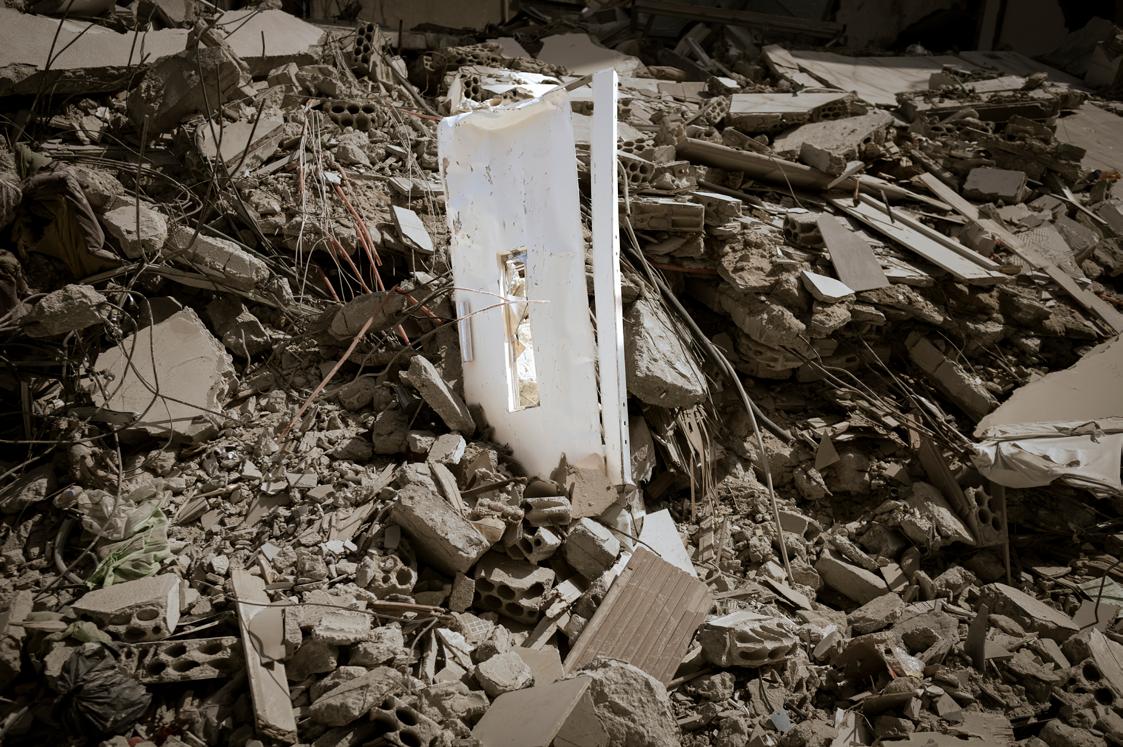
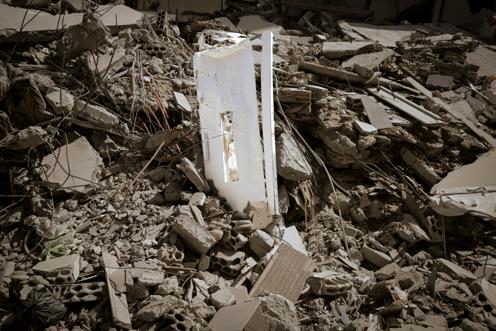
TYRE, South Lebanon. A door is the only recognisable feature after a strike by the IDF on Al-Qard Al-Hassan, a quasi-banking institution affiliated with Hezbollah.
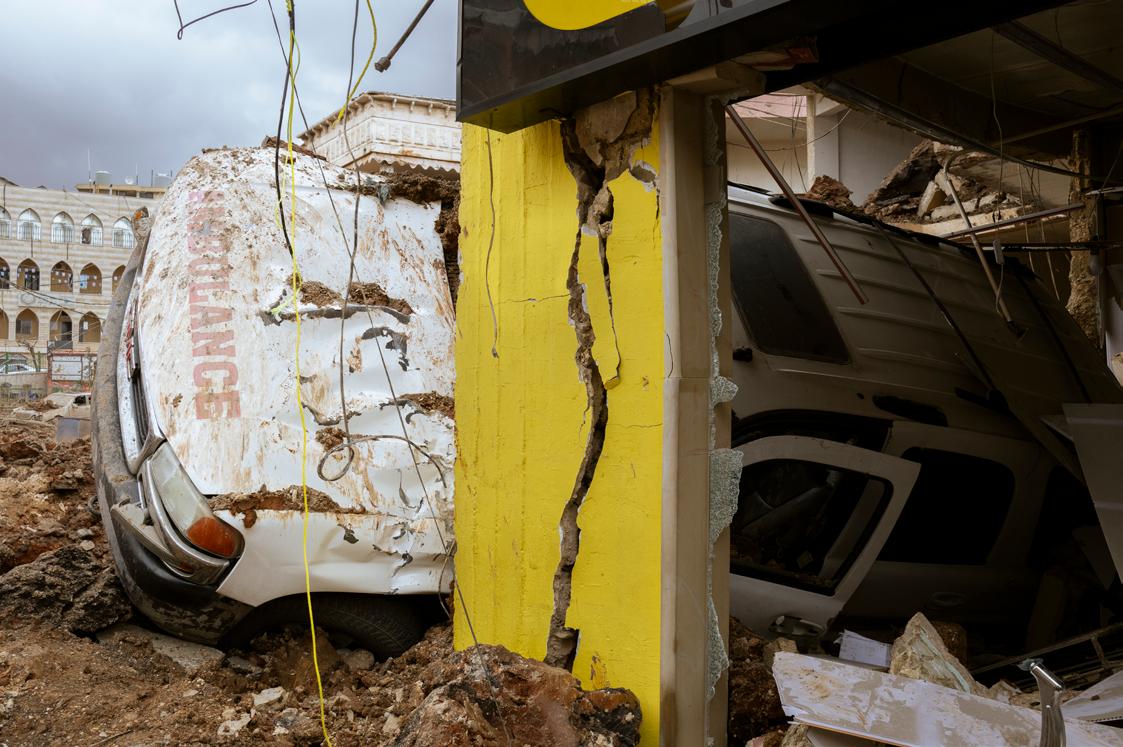
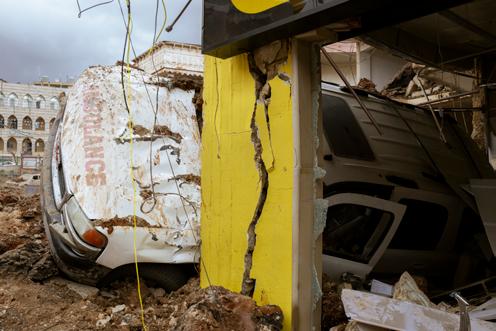
AN-NABI SHAYTH, Bekaa Valley. An ambulance is badly damaged after an attack by the IDF killing over forty people.
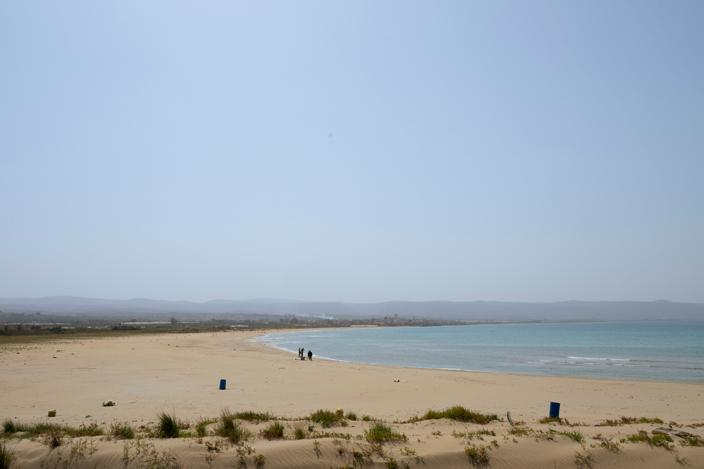
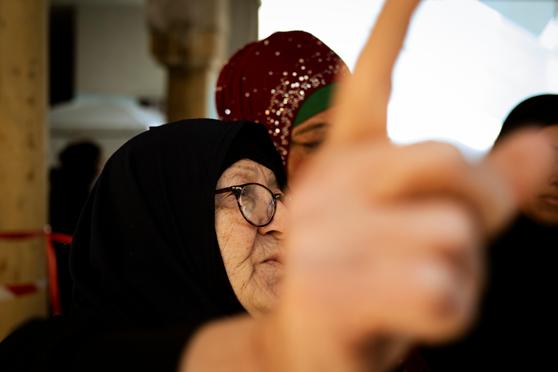
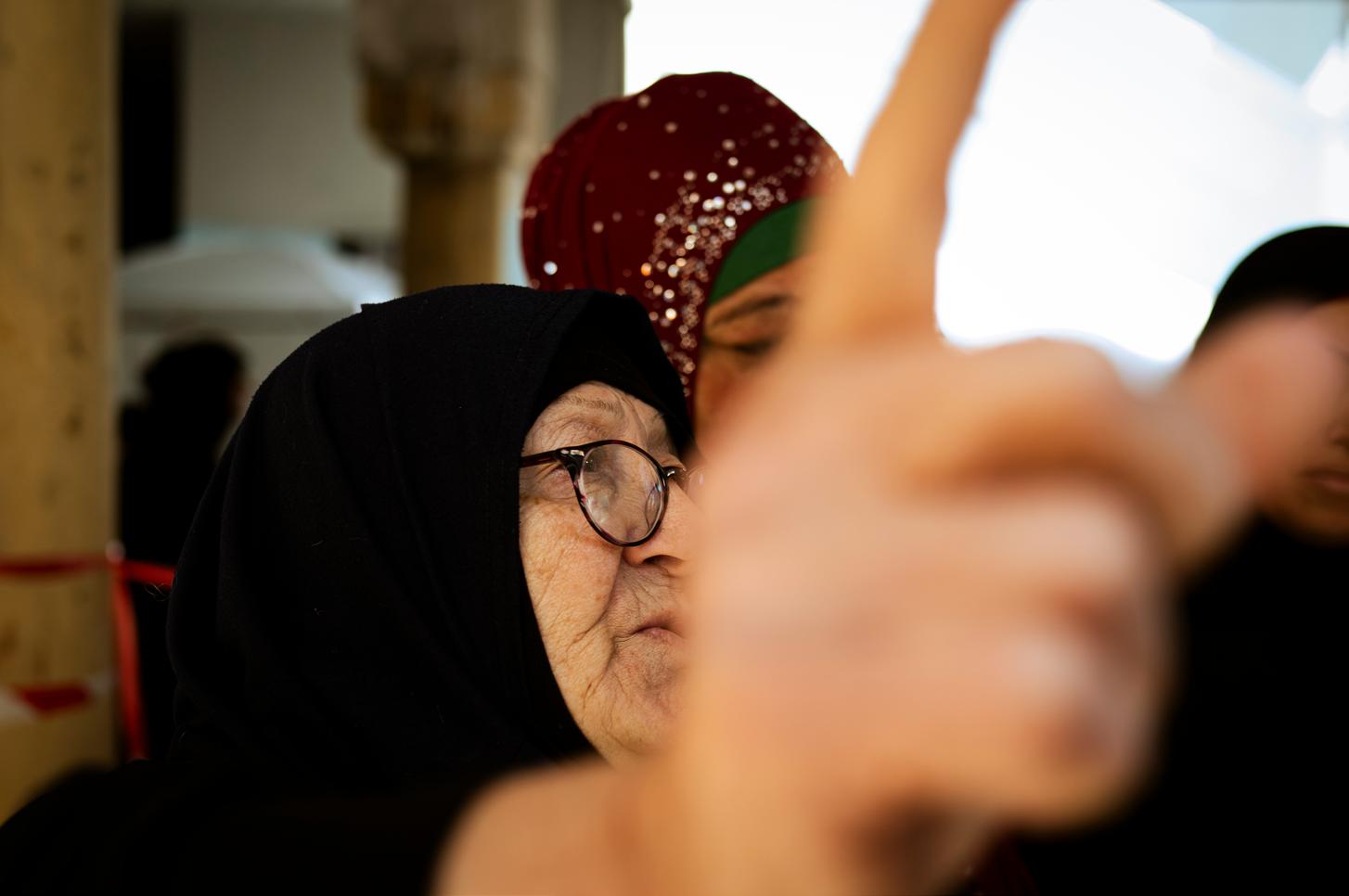
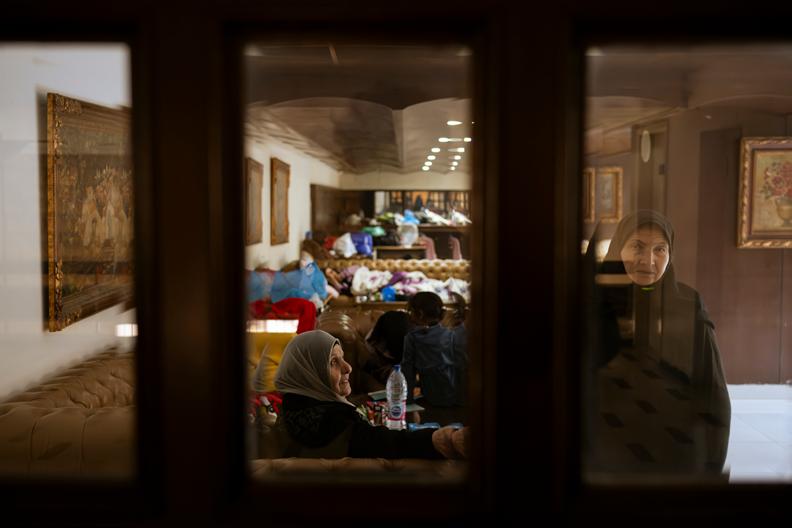
SIDON, South Lebanon. Three women recall their experiences to a TV crew. They have fled their homes further south and are now forced to take shelter in a former school.
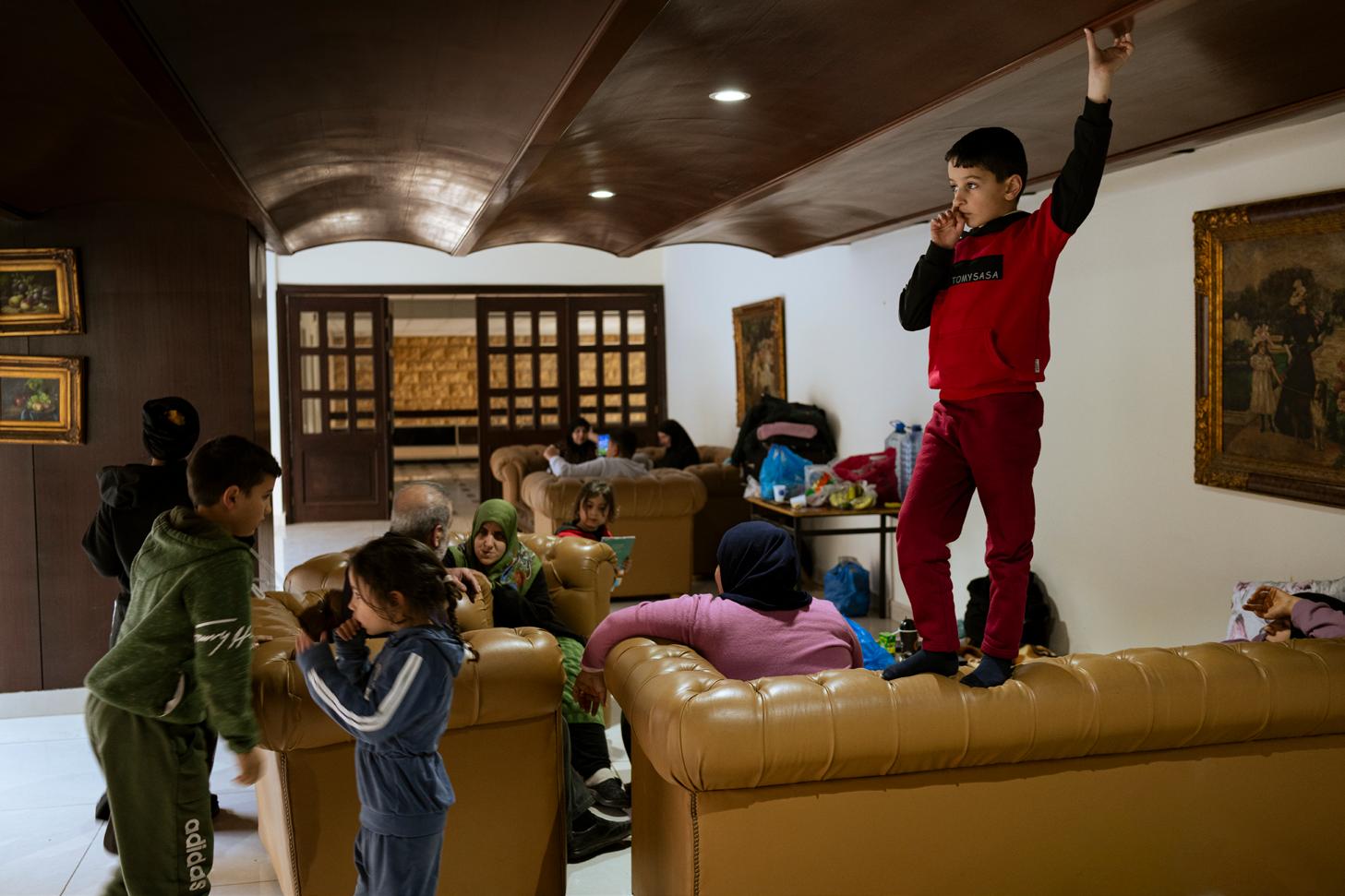
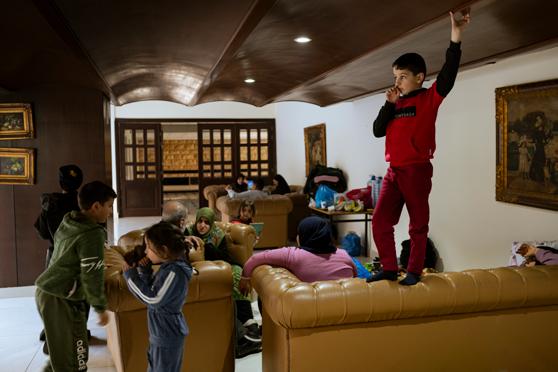
BEIRUT, Capitol. Children play in the halls of a technical institution temporarily serving as a shelter.
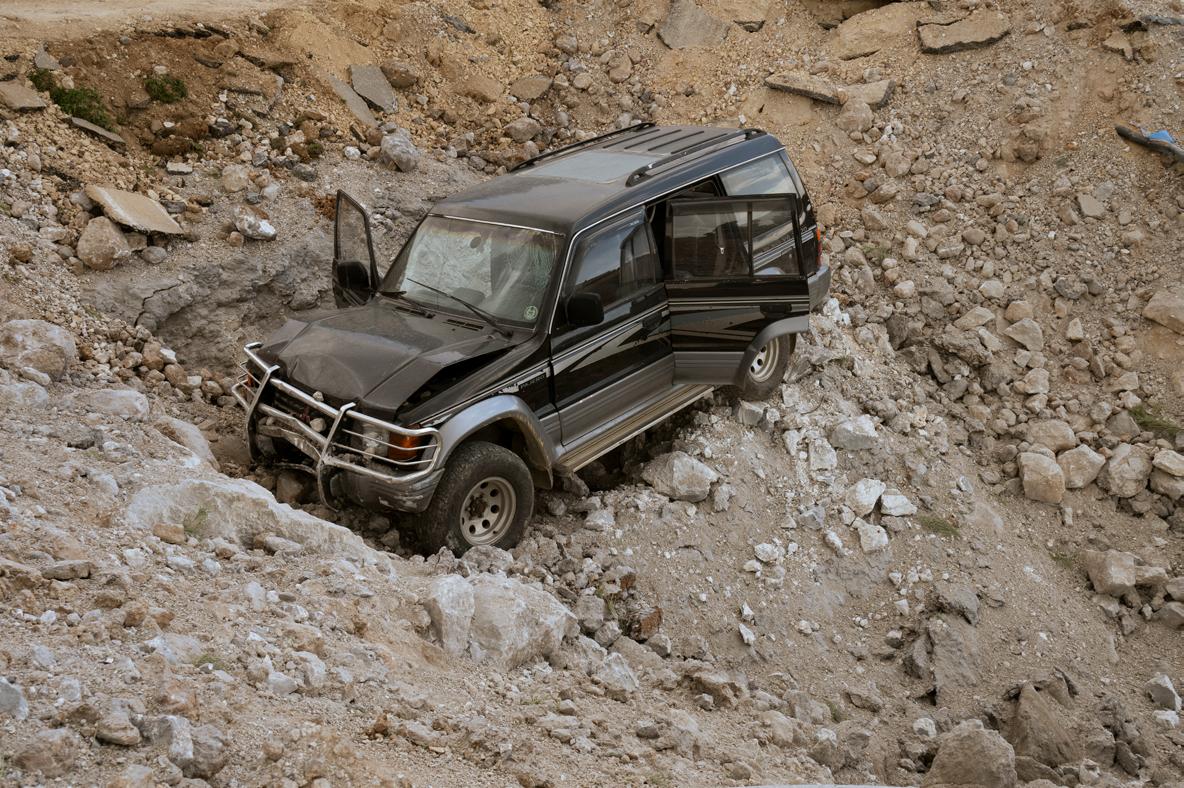
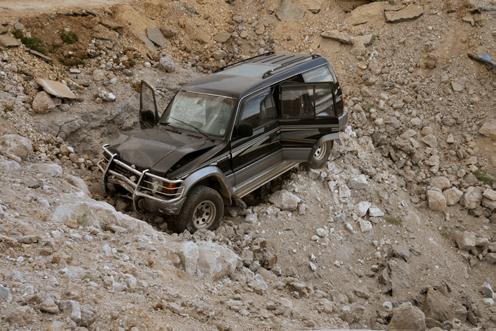
AN-NABI SHAYTH, Bekaa Valley. An SUV is badly damaged after a strike by the IDF killing over forty people.
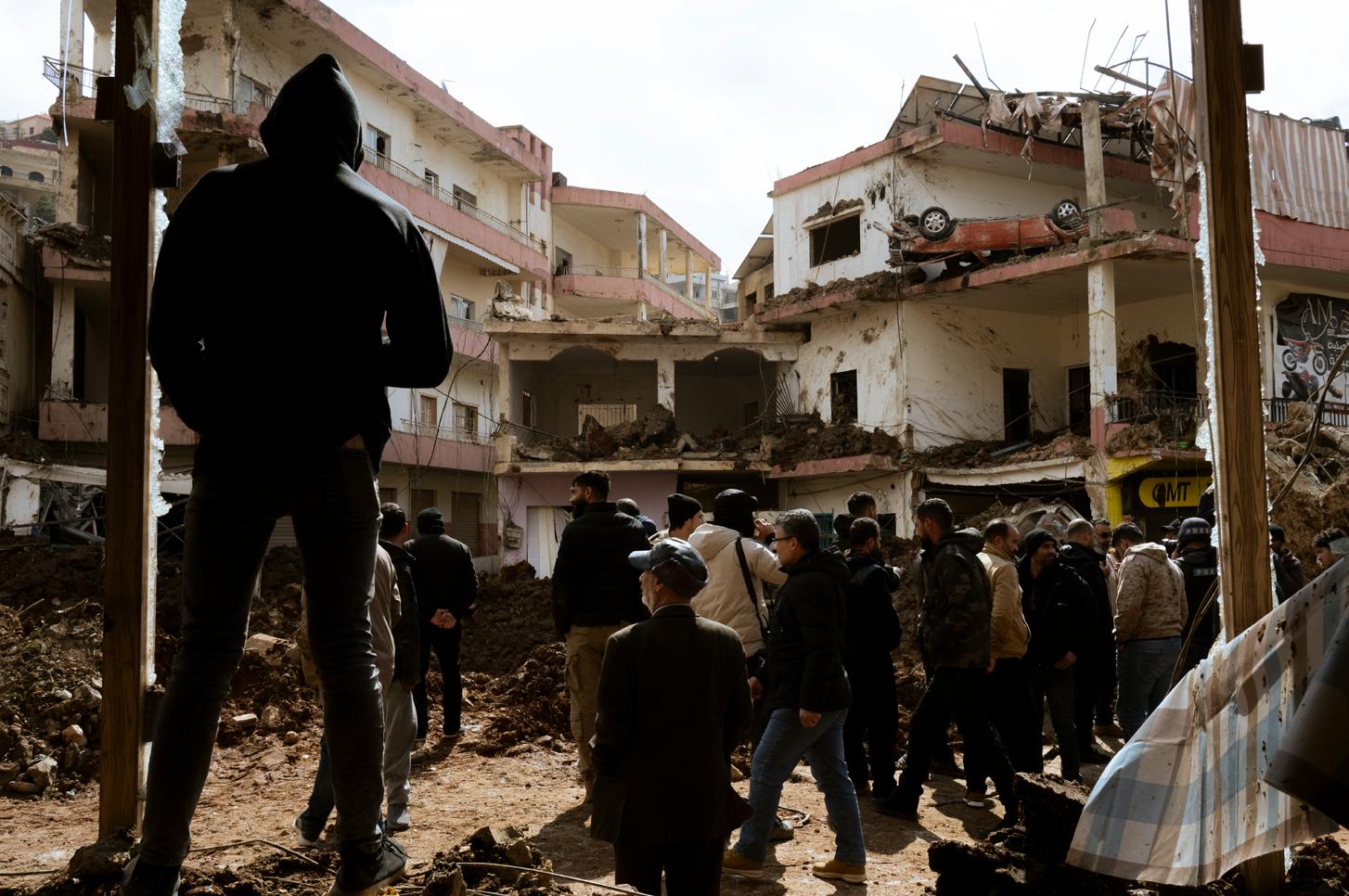
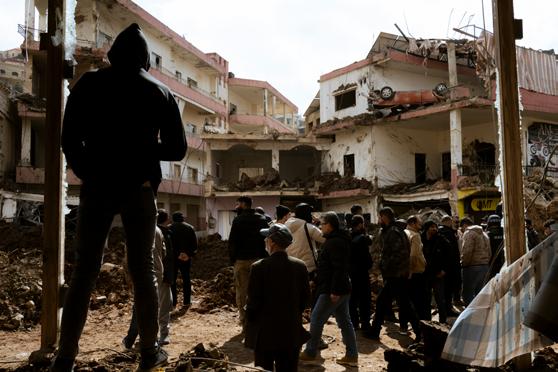
AN-NABI SHAYTH, Bekaa Valley. People stand around the crater of a strike by the IDF killing over forty people.
Pieter Robberechts is a Belgian photographer currently based in Paris. His main interests lie in migration and its underlying causes.
For prints and/or collaborations: pieter-robberechts.com +33 6 75 32 88 82
HEIMWEE is an ongoing series in which the photographer explores the notion of home. Unlike traditional documentary photography, HEIMWEE does not offer linear stories. Instead, it functions as a visual poem. The title, the Dutch word for homesickness, serves as an artistic compass. Its first volume focused on the invasion of Russia in Kharkiv, Ukraine. This one, second in the series, focuses on Lebanon.