Queen Anne & Magnolia News Real Estate - August 2018
Nicole Bailey
The summer selling season is nearly behind us. If you’re worried you’ve missed out on listing your home this year, don’t be. Fall is a great time to sell a home in Seattle. In fact, last year the selling season extended into early Winter for homes that were properly priced and presented. Rely on your broker to guide you in preparing and pricing your home.
If you’re starting to notice mixed results in listings you see in your neighborhood, realize that we’ve had double-digit home price increases, year over year. We are due for market stabilization. Seeing a longer
marketing time will drive buyers back into the market for Fall and isn’t anything to worry about. Our educated Seattle buyer is looking for a place to call home and realizes the investment potential Seattle real estate provides.
In the past several weeks we’ve been seeing fewer homes with “Offer Review Dates,” and many that have set dates are bypassing them without receiving any offers. This is obviously discouraging for sellers, but the funny thing is that we’ve seen several examples where there are still two or three buyers competing for the same home only now the offers are coming in after the review date has safely passed.
We have a fatigued buyer pool and the hardy buyers who haven’t found anything yet are looking to push any advantage they can find. We’re also seeing them pushing back against Contingency-Free offers, wanting instead to maintain a financing contingency and other common buyer protections.
Review dates do serve a purpose as an
organizing principle for buyers. It allows them the time to view and inspect your home without feeling rushed. When sellers take offers as they come, buyers will often rush to bring an offer in and sometimes be punished for acting as the first mover. The seller doesn’t owe the buyer a duty of confidentiality so it’s inevitable that if other buyers are sniffing around the property, they will learn of the offer and what they need to do to beat it.
This week I was stopped in Met Market by buyers of mine who bought earlier in the spring. They were under the impression that the market was crashing due to some long market times of homes in their neighborhood. It’s imperative to price your home properly. Even in an overheated market, you can be penalized for overpricing. Cautious fall buyers were often frustrated spring buyers, so any perceived flaw, such as a busy street or no backyard can become a focus and affect your ability to get your price.
By realistically pricing your home at or
near neighboring properties, buyers will believe you are a fair-minded seller with realistic expectations. When a property is substantially over-priced, bruised buyers may mistakenly believe that the final selling price will be substantially over your list price and hesitate to make an offer at all.
Through our most recent months of data, the Queen Anne/Magnolia homes that sold above asking were on the market for an average of six days, while homes that received price reductions before selling were on the market for an average of 70 days. Quite a difference. You can never price your home based on a previous sale at the tip-top of a multiple offer battle and expect the same result. To attempt to recreate that result, you have to price your home at where the earlier listing started at, all else being equal. What we have now are homes that are coming on where others were driven to in March with six-offers and these homes are appearing overpriced in the heat of August.
Here are the Fall Statistics you’ll want to keep in mind: Last year from September 1st until year-end our neighborhoods of Queen Anne/Magnolia had 231 single family home sales. Average dollars per square foot were just under $498 and the average sales price
was $1,106,396. The median sales price was $960,000. Cumulative days on market were a reasonable 21 days As agents, many of us had active buyers who hadn’t found anything yet and were avidly touring every new home that met the buyer’s criteria. Although there is naturally seasonal slowing, it’s this slowing that’s
encouraging this year’s buyers to come back to the market. We’re optimistic about a healthy fall real estate market. Talk to your agent about listing your home this fall and get ready for great results!
Traveling With Pets? What to Know
(StatePoint) Do your upcoming travel plans include pets? Whether you’re flying to an exciting destination or hitting the road, these suggestions can make the journey easier for animals and humans alike.
• Prep your pet: Traveling can prove stressful to animals, so don’t catch your pet off-guard. Before leaving town, practice taking short rides in the car or spending time in a carrier. This will help your pet get used to the experience.
If you haven’t already microchipped your pet, this may be a good opportunity to do so. This is also the time to ensure your pet’s collar is up-to-date with your current contact information.
• Pack right: Pack plenty of food and fresh water and a sufficient supply of any medications your pet is taking, as
getting refills away from home could be difficult. To alleviate anxiety, bring along pet blankets and toys as reminders of home. Also pack a pet-specific first aid kit, which should include non-stick bandages, adhesive bandages, towels, gauze and your veterinarian’s phone number.
• Follow rules: Do your research to ensure you’re following rules along the way and at your destination. Check airline policies, as well as hotel and campsite restrictions and accommodations. Travel across state or international borders requires a health certificate. Some locations require more information and documentation. Give yourself plenty of time to handle these details. Your veterinarian can be a good resource in learning what to expect. To that end, a check-up is also a good idea before a trip,
as vaccinations or preventive medications may be needed before traveling.
• Safety first: While seatbelts alone can keep a dog from moving about the cabin of the car, they are not your safest option. To help protect pets in a crash, anchor a crate using a seatbelt or other secure means. When flying, opt to keep your pet in the cabin of the plane if possible. Temperatures and air quality in cargo can put a strain on pets. If your animal is too large to fly in the cabin, speak to your veterinarian about what you can do to keep your pet safe and relaxed in-flight.
• Prepare for anything: Even the best laid plans can hit snags. Be prepared for the possibility that your pet will become accidentally injured or develop an unexpected illness while traveling, prompting an unplanned trip to the
vet. To prepare, consider solutions like the CareCredit credit card, issued by Synchrony Bank, which features special financing options (subject to credit approval) that can allow you to focus on getting your pet better while making monthly payments. More than 200,000 health care providers and healthfocused retailers, including over 20,000 veterinarians accept the CareCredit credit card nationwide, which also sponsored the distribution of the tips in this article. Go to www.carecredit.com for pet healthcare providers closest to your vacation destination.
Advance planning is key when traveling with a pet. With a little care, you can make your travels with furry friends safe, fun and memorable.
“Ask Sam”
Question: Due to new tariffs and “trade wars,” the markets have been in a great deal of flux over the past few weeks. Amidst the unique economic environment, how do you anticipate these conditions will impact the real estate market?
Answer: When considering the third and fourth order impacts of economic events on the real estate market, we typically consider a few factors: consumer confidence, unemployment, the Federal Reserve, and homebuilder sentiment.
In June, the consumer confidence index demonstrated a mild tempering of consumer spending. This index is a barometer for short-term economic certainty. Economists attribute the dip to concerns surrounding the new trade policies. Many expect the policies to slow the recent rates of economic growth.
2017’s rapid economic growth resulted in job growth and nearly full national employment rates. With a full workforce, typically, the Federal Reserve raises interest rates, inflation increases, and wages rise. Currently, two of the three are projected: an incremental rise in interest rates (which is the second rate increase of 2018) and mild inflation of consumer goods (partly due to tariffs). However, wages are not anticipated to rise proportionally with these other two indicators. A lower rate of wage growth impacts consumers’ sentiments around spending, which likely contributed to June’s dip in consumer confidence.
While consumers’ confidence may have ebbed in other sectors, demand for single-family homes remains strong. With regards to sustained housing demand, it’s important to keep a slight slowing of economic growth in perspective. If we can categorize the past few months of economic performance as excellent, the next few months’ projections are still very strong. If the economy experiences even modest growth levels, the Federal Reserve is likely to slowly but steadily increase rates. As a result, buyers seeking mortgage financing are motivated to purchase before rates increase further.
Due to stable demand for single-family homes, steady job growth, and low unemployment, homebuilder sentiments remain positive. Real estate developers are confident buyers’ demand will continue. However, construction costs are rising as a result of tariffs on steel and aluminum and increasing lumber costs. Thus cutting into builders’ margins and making competitively priced housing – especially at entry level price points - more challenging to construct. Unfortunately for buyers, housing at lower price points is where additional housing units are most needed.
Despite the anticipated implications of new trade policies, the combination of persistent buyer demand, low levels of re-sale housing inventory, a competitive entry-level housing market, and the Fed’s interest rate increases, we can expect sustained strength in the real estate market! However, we can expect to see a less dramatic pace of growth! With the current economic climate, persistent demand and a slightly elevated interest rate, we can expect home value growth to slow. Based on Seattle real estate’s year-over-year double-digit percentage increases of the past few years (especially on Queen Anne and Magnolia), this could offer a small reprieve for buyers. Many buyers have grown discouraged by low inventory, competition from other buyers, and rapidly escalating prices. Many buyers recollect competitive offer situations from less than a year ago on properties with current values outside of their price range. A deceleration of value growth, - but growth nonetheless – may alleviate some buyer stress while still maintaining a strong environment for home sellers.
Data and statistics obtained from the NWMLS.
Sam Konswa
Founder/Managing Broker of Queen Anne Real Estate
Sam Konswa specializes in the Queen Anne and Magnolia neighborhoods, using his local market expertise to give his clients a distinct advantage in these areas.
Phone: 206-972-4045
Email: sam@queenannerealestate.com
Website: www.QueenAnneRealEstate.com
Send your questions for “Ask Sam” to pacsales@nwlink.com
Sam Konswa is the Founder/Managing Broker of Queen Anne Real Estate. He specializes in the Queen Anne and Magnolia neighborhoods, using his local market expertise to give his clients a distinct advantage in these areas. 206-972-4045 • www.QueenAnneRealEstate.com
How to Help Prepare Young People for the Workforce
(StatePoint) Student loan debt is on the rise and, unfortunately, the high cost of tuition doesn’t mean that graduates are guaranteed to find high-paying, meaningful work after earning a degree.
“Our education and workforce development systems are broken right now, and as a result, the country is facing a crisis,” says Mark C. Perna, workforce development consultant, education strategist and author of the new book, “Answering Why: Unleashing Passion, Purpose, and Performance in Younger Generations.”
“Millions of jobs in sectors crucially important to our economy and society are open and we have no one with the right skills -- or even the desire -- to fill them,” he says.
In “Answering Why” (markcperna.com/book) Perna lays out a road map for better preparing young people for the opportunities ahead, while also closing the skills gap currently dogging the economy.
Here he offers some of his top insights and recommendations:
• Biases and misconceptions about younger generations continue to persist and there’s an intergenerational struggle to connect effectively.
Perna refers to Generations Y and Z collectively as the “Why Generation,” because its members want to understand the “why” behind everything they are asked to do. We need to get to know and understand their traits and abilities if we expect them to perform beyond expectations.
• Non-college career paths have become stigmatized in this country. Experts like Perna believe that teachers and parents need to move away from the belief that everyone has to go to a four-year university to be a successful and productive citizen. Fulfilling, high-demand, high-wage careers can be attained by postsecondary training pathways beyond the traditional college route.
• We should prioritize career development exploration and education as part of the K–12 system, Perna stresses. Even many teachers, counselors and school administrators are themselves unaware of the robust opportunities available to today’s youth and have tended to devalue career exploration for the sake of sending everyone through one pathway -- college.
• The Why Generation needs to better understand the relationship between selfmotivation and outside motivation when it comes to achieving goals, and parents and teachers can help. To succeed today, young people must develop the ‘want-to’ that fosters passion, achievement and positive self-esteem.
“As young people prepare for and enter the world of work, we need to coach them to do three things: focus, plan and take action,” says Perna. “This generation is tenacious and talented, but they need to be motivated to reach their peak performance. They can do it, but we have to help.”
Sam Konswa
QUEEN ANNE REAL ESTATE
Bathroom Renovation Made Easy
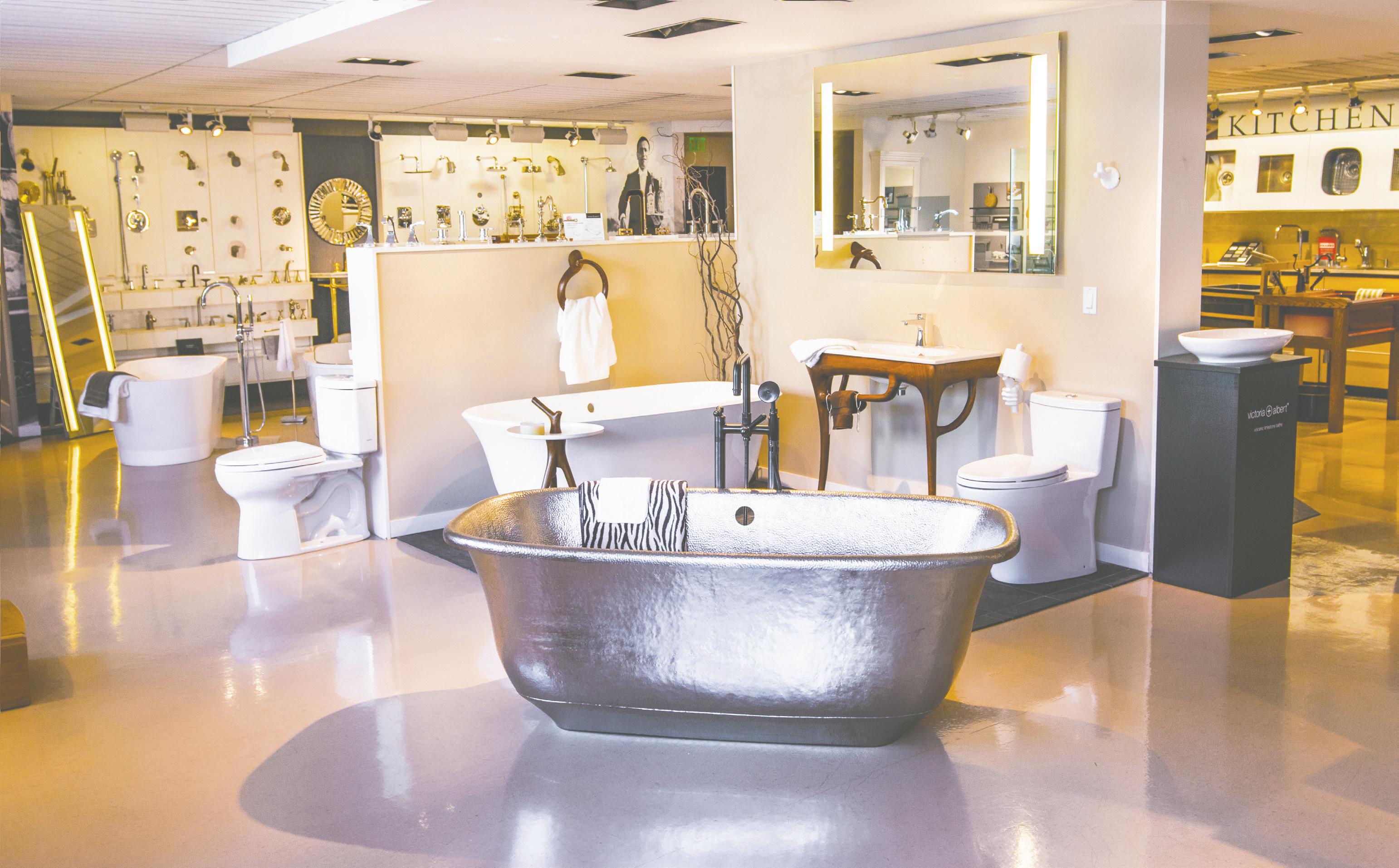
the benefits of each fixture. Let us guide you with our comprehensive knowledge through the selection process. For instance, in our showroom alone, we have over 18 bathtubs on display from 6 different manufacturers. There are many material choices and features to consider besides just size & style.
Bathtubs fall into four basic categories; freestanding, undermount, drop-in, and alcove. Freestanding tubs are very popular in master suites. Comfort is key when selecting a bathtub, so we try to showcase a wide variety of options. We have 15 freestanding tubs on display for this reason. You don’t have to have a palatial master suite to install a freestanding bathtub. There are several manufacturers that make smaller freestanding tubs which can fit into a standard 60” alcove space. It is not required to use a freestanding tub filler unless it is truly freestanding in the center of the room. We frequently pair wall mounted tub fillers with freestanding baths for our customers.
Undermount & drop-in tubs require some sort of deck either to be mounted under or dropped into. Having a deck around the bathtub is nice for storage of bath products or towels. It also makes it easier to get in and out of by providing a surface to sit on.
Alcove bathtubs typically are used in bath rooms where the tub is used to bath and shower in. They have a lower threshold than freestanding and have an integral apron on one long side of the tub. They also do not require a deck being built which makes it easier to install. Alcove bathtubs are common in guest and children’s bathrooms for their versatility. Some manufacturers offer different threshold heights, 18” or 22”, to give you an option for a deeper soak. The taller height is not recommended for tub/ shower set ups as it is more awkward to step over the edge every day to shower.
There are also several material options for bathtubs including acrylic, cast iron, metal, and stone composite. Acrylic is the most versatile in shape and size. Some product lines even offer customizable panels or sizes. Acrylic is also the most lightweight material which makes it a nice choice for baths on the second or third floor. It also stays at the ambient room temperature, so it is not cold to the touch. You can add in-line heaters or back rest heaters to add to your comfort while bathing.
Typically, only acrylic tubs offer upgrades which is also why it is a popular choice for many projects. Upgraded features include whirlpool, massage, heated back, air bath, sound, chromatherapy, and accessory options. Whirlpool jets are directed at key muscle groups vulnerable to stress and soreness. The benefits of jets include increased blood flow, relief of muscle tension, & enhances body’s natural healing process, etc. Most manufacturer’s offer an UV light sanitation option to keep the lines clean. Another feature that supports sanitation is oxygenated air features. The small bubbles cleanse skin without the use of soap and
leave the skin intact with its natural oils.
Cast iron is tried and true, heavier than acrylic but with better heat retention. You are essentially heating the bathtub initially up to help keep the water warm. You can add whirlpool or air jets to cast iron as well. When properly cared for, cast iron fixtures can last decades. Using natural cleaners and avoiding harsh chemicals can prolong the life of your cast iron bathtub which is also good advice for any plumbing fixture.
Copper bathtubs conduct heat more quickly than cast iron so it takes less time to warm up the tub. Copper metal is bacteria and mold resistant which eliminates the need for abrasive cleaning agents that can damage the patina. If you accidentally scratch away the patina, the copper will eventually heal itself and return to its natural glory. This is only true of quality copper baths. Inferior products use filler metals which end up deteriorating. Copper is 100% recyclable and most of copper fixtures are obtained from renewable sources.
Stone composite baths are ideal because they have the strength of cast iron but are usually about half the weight. The stone composite is a better insulator and therefore doesn’t lose as much heat initially when filling the bath with water. Since they are made 100% out of the stone composite, there is no finish to fail or crack. It is also possible to buff out most minor scratches with fine grain sandpaper.
With so many options at hand, your head might
be swimming with the daunting task of selecting a tub! We know it is easy to get overwhelmed, so our job as Sales Consultants is to walk you through your options and explain the benefits of each fixture. Our goal is to assess your needs, wants, and budget then find the balance between the three. Let us use our comprehensive knowledge to guide you through the selection process. It’s best to work by appointment to use everyone’s time efficiently. Please stop by or call our showroom today. We look forward to seeing you!
By
Best Plumbing Showroom team
Wine and Cheese Pairing Tips for Summer Entertaining
(StatePoint) Summer is a time for picnics, festive garden gatherings and poolside parties. For hot days and warm evening entertaining, keep things cool by creating a delicious, yet easy-toprepare spread of wines, cheeses, fresh fruits and nuts.
Choosing cheeses to go with your favorite wines does not need to be difficult. Start by thinking of each component of the wine and cheese as a complementary or contrasting flavor, considering the texture, sweetness and flavor intensity of each. Experiment by tasting each on its own to get a sense of its characteristics. Then, see how they taste when combined. You can do this on your own while planning your event or make it a fun activity with your guests.
As part of their hospitality program, the culinary team at St. Francis Winery & Vineyards in Sonoma County, CA looks to local cheese producers for interesting choices to pair with their certified sustainable wines. To help hosts recreate the winery experience at home, here are a few pairing tips for preparing summer spreads that feature some of the best wines and cheeses of Sonoma County: Pair wines and cheeses of equal flavor intensity. Bold wines can overwhelm some cheeses. One pairing example of balanced flavor intensity is Laura Chenel Goat Brie paired with St. Francis Sonoma County Chardonnay 2016 (SRP $16.99). The goat brie is delicious for summer, with a
light creamy quality that carries notes of grass and nuts and has a clean lemony finish. The Chardonnay has delicate aromas and flavors of green apple, juicy pear and melon. The combination is a bright, crisp wine that nicely matches the cheese’s flavors and weight.
Pair bold reds with aged cheeses. Aged cheeses are richer in flavor. This aspect of their character counteracts the tannins of a bold red wine, making for a delicious pairing. Consider serving Vella Dry Monterey Jack, an aged cheese similar to Parmigiano with a sweet flavor reminiscent of butterscotch, with Sonoma Valley Merlot 2015 (SRP $20.99). The expressive Merlot, with aromas and flavors of red cherry, plum, espresso bean and savory spices, complements the cheese beautifully. The aged Dry Monterey Jack cheese highlights the smooth texture of the Merlot wine
Add an array of fresh fruits to your spread. After assembling the cheese board, add color and texture with fresh fruits of the summer season. Strawberries, cherries, grapes, raspberries and figs are festive choices. For an added cool factor, put frozen green grapes in your glass of Chardonnay to keep it chilled without diluting the flavor.
With these pairing tips, you are sure to have an entertaining and delicious cheese and wine filled gathering.
Knowledgeable and Personable
“Nicole Is Simply The Best!!
We have both purchased and sold a home with Nicole. She made the selling process a breeze! She worked within our budget for small improvements, found quality contractors, managed the process, and at the end our house looked top notch!! She made all the right decisions about listing and negotiating. We ended up selling way over asking and both buyer and seller were happy. We were so lucky that she was able to represent us in the transaction. I would give 6 stars if I could.”
--Montlake Seller
photo by pinkyone/stock.Adobe.com
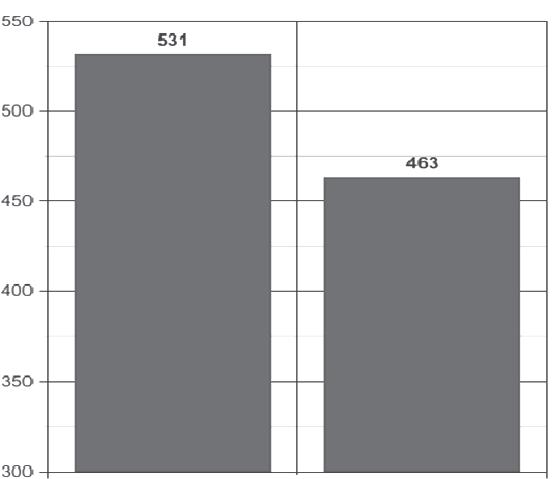
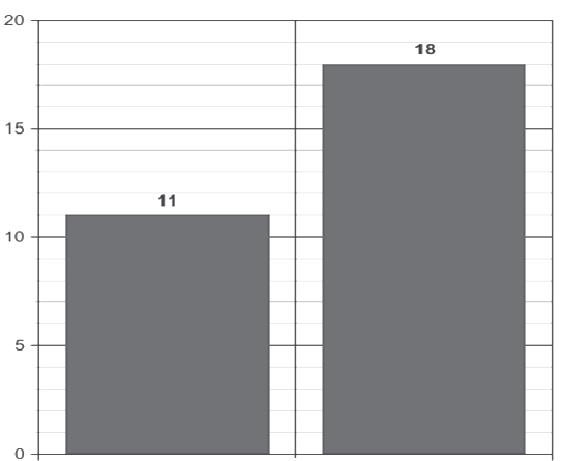
In 2017, Queen Anne Real Estate’s residential listings sold for 15% more per square foot than Seattle’s average ($531 vs. $463). Queen Anne Real Estate sold residential listings in Queen Anne 39% faster than the area's average (11 days vs. 18 days
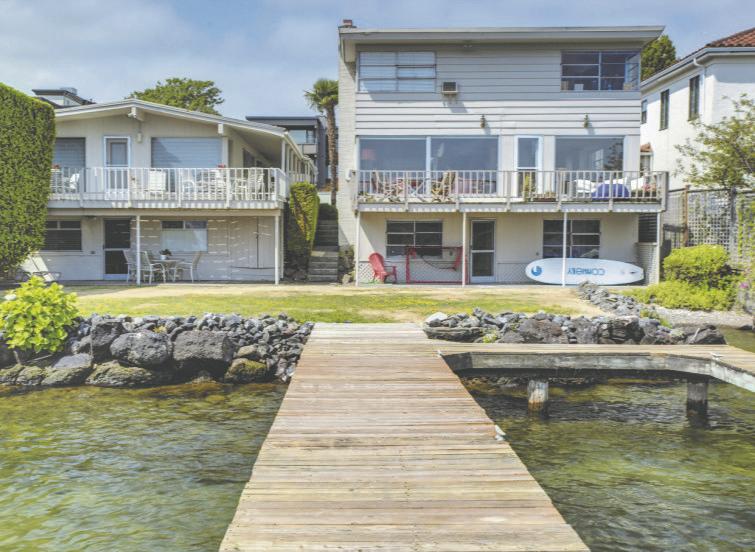
Once in a lifetime opportunity to either build two dream homes or nine ultra-luxury condos, each with its own boat slip. Located in the most prestigious location in Seattle. Extremely private and within short blocks of Madison Park Village, shopping, dining, and less than 10 minutes to downtown Seattle.
Marcel Kluetz
Sam Konswa Craig Watson Jeff Strand Brooke Roberge Maria Hewett