

Home & Real Estate
Seattle by the Numbers: How & why dramatic population growth had such a dramatic impact on Seattle real estate
In 2010, Seattle’s population was estimated at 608,000. Now, eight years later, the city has more than 730,000 residents making it the US’s fastest growing large city over the decade. Since 2010, Seattle’s population grew by nearly 20% or 114,000 residents. In 2014, this growth shot Seattle onto the US’s Top 10 most densely populated large cities list for the first time. As the nation’s 18th most populous city, Seattle sits on 83.9 square miles of land making its population density 8,645.06 per mile2 or 3,337.86 per kilometer2. (Source: US Census; City of Seattle)

Baltimore’s density: 2868/km2
DC density: 4438/km2 Minneapolis density: 3008/km2
Denver is the nation’s 19th most populace, with an estimated 704,621 residents, but due to a nearly doubled geographic size (153mi2), Denver’s density is 4,596.23 per mile2. This is nearly half the population density of Seattle. Since 2010, Denver has experienced a similar level of population growth to Seattle, 16.81% (up from 603,218 in 2010).
Other large cities with similarly dense populations include:
Aside from fresh seafood and a pervasive coffee culture, Seattle’s lifestyle contrasts with that of similarly dense cities in a number of ways. Seattle’s lack of sufficient public transportation is a widely accepted critique of the city. The well-established systems in other cities are more varied, logistically practical, and, as a result, more widely utilized. Additionally, our unique neighborhood pockets provide Seattle with charm and character, but by nature, these pockets result in disproportionately high number of single-family zoned housing plots. An estimated 69% of housing plots are single-family. To put this in perspective, similarly dense DC is only 29%. Denver, with roughly half the population density, rings in at 67%.
Of all developable land in Seattle, 49% is zoned single family, while only 8% is multi-family with an additional 8% zoned for
mixed-use. In terms of acreage, approximately 19,000 acres are allotted for single-family residences, whereas areas allowing for higher densities account for only 6,200 acres. Zoning places notable constraints on the availability of new housing units, thus limiting the housing supply available for purchase. As Seattle rapidly grew, demand quickly outpaced supply and drove the rapid rise in home prices. (Source: King County) Seattle’s economy steadily grew since the turn of the decade. In 2010, GDP per capita was $69,814. The forecasted value for 2018 is $78,984 per capita, a 13.13% increase since 2010. As the nation recovered from the recession, this level of steady growth was not experienced in all areas. Minneapolis’s GDP growth over the same period is relatively flat. The forecast for 2018 is $61,534. DC’s projected 2018 GDP ($74,159/capita) sits slightly below its 2010 value of $75,227. Similarly populace but less dense Denver experienced 7.78% per capita GDP growth over the same period, rising from $59,191 in 2010 to a projected $63,797 in 2018. (Source: US Census Bureau)
With a growing economy, an

5 Water-Saving New Year’s Resolutions
(StatePoint) It’s that time of year to start setting New Year’s resolutions: work out more; get a new job; save money. While these are admirable goals, have you considered how your resolutions might make a bigger impact?
Protecting our water is one of the biggest challenges facing the planet, but many of us don’t realize how much water flows through our lives every day. According to the EPA, the average US household wastes nearly 10,000 gallons of water each year – roughly enough to fill a residential-sized swimming pool. Talk about a reality check.
This year, resolve to care for our most precious resource with a few simple ecoconscious tricks and swaps that will reduce water waste and keep our water clean – not to mention help out your wallet, too.
• Implement meatless Mondays: A single pound of beef requires more than 1,800 gallons of water to produce, compared to tofu, which only takes approximately 300 gallons, according to the Water Footprint Network. So, once a week, plan a meat alternative for a meal or hit up your hipster, foodie friend and go to a vegan restaurant (they’re all the rage right now).
• Reuse excess water: Your leftover cooking water is liquid gold. Save water remaining from boiling pasta and steaming vegetables and recycle it by nourishing your houseplants

expanding population, and limited availability of housing units, an increase in home values is expected. If we compare Seattle to DC and Denver, Seattle’s pronounced growth, zoning limitations, and housing scarcity yielded the most dramatically pronounced impact on home values than these other two cities. In 2010, Seattle’s median sales price of a single-family home was $399,950. In 2018, this figure had nearly doubled to $770,000; a 92.5% increase. (Source: NWMLS)
In contrast, DC has a similarly dense population and higher percentage of high density housing, but lacking a similar growth in the local economy. This stagnation of GDP is partially due to the nature of employment in the region. One out of ten are employed directly by the Federal government, and the figures for government related employment far exceed this figure. Nonetheless, DC’s median sales price rose by 34.4%, from $382,000 in 2010 to $513,400 in 2018 (Zillow.com). The much less densely populace, Denver, experienced tremendous economic and population growth. Many new residents hoped to buy relatively low compared to other emerging markets. This
influx of demand for single family homes especially, pushed Denver’s home values to see a 121.3% increase, from $211,000 in 2010 to $467,000 in 2018! (Zillow. com) While this is a dramatic increase, Denver’s median sales price is 49% lower than Seattle’s. Due to Denver’s lower relative population density and a 27.8% lower median household income (Denver: $56,258 vs. Seattle: $74,458), values remain lower than cities with similar levels of economic and population growth. (U.S. Census Bureau)
The take-away message for Seattle’s market paints a clear picture. A rapid population influx due to a booming local economy sparked high levels of demand. The housing market was unable to match the increased demand. Many of the new jobs were in the high-paying tech sector, which yielded higher relative ceilings for home values. This combination of factors caused the median sales price of homes to nearly double since 2010.
After a decade as an investment banker on Wall Street, the interactions between economics, investing, and real estate perme-
The Verdict Is In: These 5 Home Design Ideas Will be Trending in 2019
(StatePoint) Usher in the new year with a crop of inspiring fresh ideas across home design.
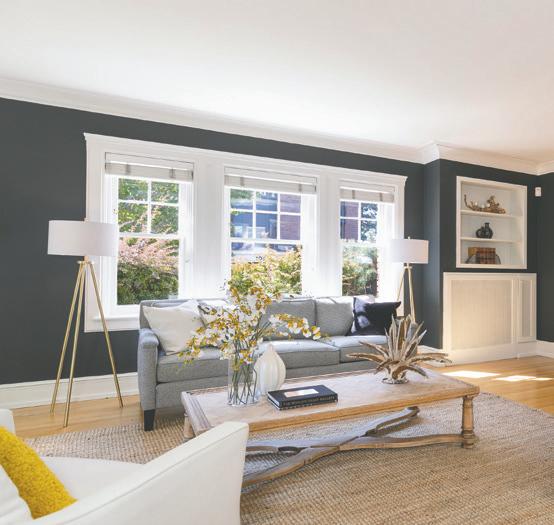
To help you keep up with the latest décor trends, celebrity interior designer, Taniya Nayak, has pulled together the top five home design trends for 2019 to provide inspiration no matter your personal taste.
1. Natural and Organic. Bring a touch of Mother Nature into your home with this trend that accentuates earthy, organic elements. Nayak recommends adding layers of textures, like natural raw jute, and incorporating muted tones, such as terra cotta, moss green or mustard, to achieve this nature-inspired style.
2. Feminine and Free. This style embraces a pastel palette of pale blue, pink and cream to achieve a romantic and glam look. Infuse this trend into your space by creating a striped accent wall with soft-hued tones or alternate different paint finishes, such as eggshell and satin, in the same color for a dimensional effect. Bring the look to life with fresh greenery and indoor plants.
3. Eclectic and Bold. Nayak says “own your own style and show it off…make a statement!” An easy way to achieve this bold trend is to paint a door, an accent piece or even a ceiling in a bright color, like Jester Red or Ceylon Yellow. Unsure if bold colors are for you? Take a look in your closet to see which shades you tend to gravitate toward most. And when it comes to achieving clean, sharp paint lines, one of Nayak’s go-to tools is a premium painter’s tape like FrogTape brand painter’s tape that delivers the sharpest paint lines possible. Treated with patented PaintBlock Technology, FrogTape is a foolproof way to get professional-looking results and eliminate the need for touchups.
Sam Konswa
QUEEN ANNE REAL ESTATE












or outdoor garden with the surplus. Plus, your plants will love the extra nutrients.
• Replace your showerhead: A great way to conserve water is by installing a low-flow showerhead. With an Eco-Performance showerhead, like the Velocity rainshower showerhead from Moen, you can conserve water and still have plenty of pressure to lather, rinse and repeat.
• Invest in a reusable water bottle: Whether you’re
➧ Trending, from Page R1
chugging water after SoulCycle or casually sipping throughout the day, reusable water bottles are convenient and eco-friendly. With the growing problem of plastic pollution in our water supply (see ya, straws!), utilizing a reusable water bottle can make a big difference, with the possibility to save an average of 156 plastic bottles each year, according to EarthDay.org.
• Try a waterless facial cleanser: The secret is out: rinse-free cleansers are taking over. These detergent-free
4. Fluid and Fashionable. Create a space that exudes effortlessness by infusing repetitive patterns and fluid transitions of the same color. According to Nayak, the best way to incorporate varying shades of a single color is to use a paint sample strip like you might find at a paint supply store as guidance to achieve a serene look throughout the space. Otherwise, stick to a single shade and carefully play with patterns. For example, pair striped dining room chairs with a patterned rug for a fashion-forward statement.
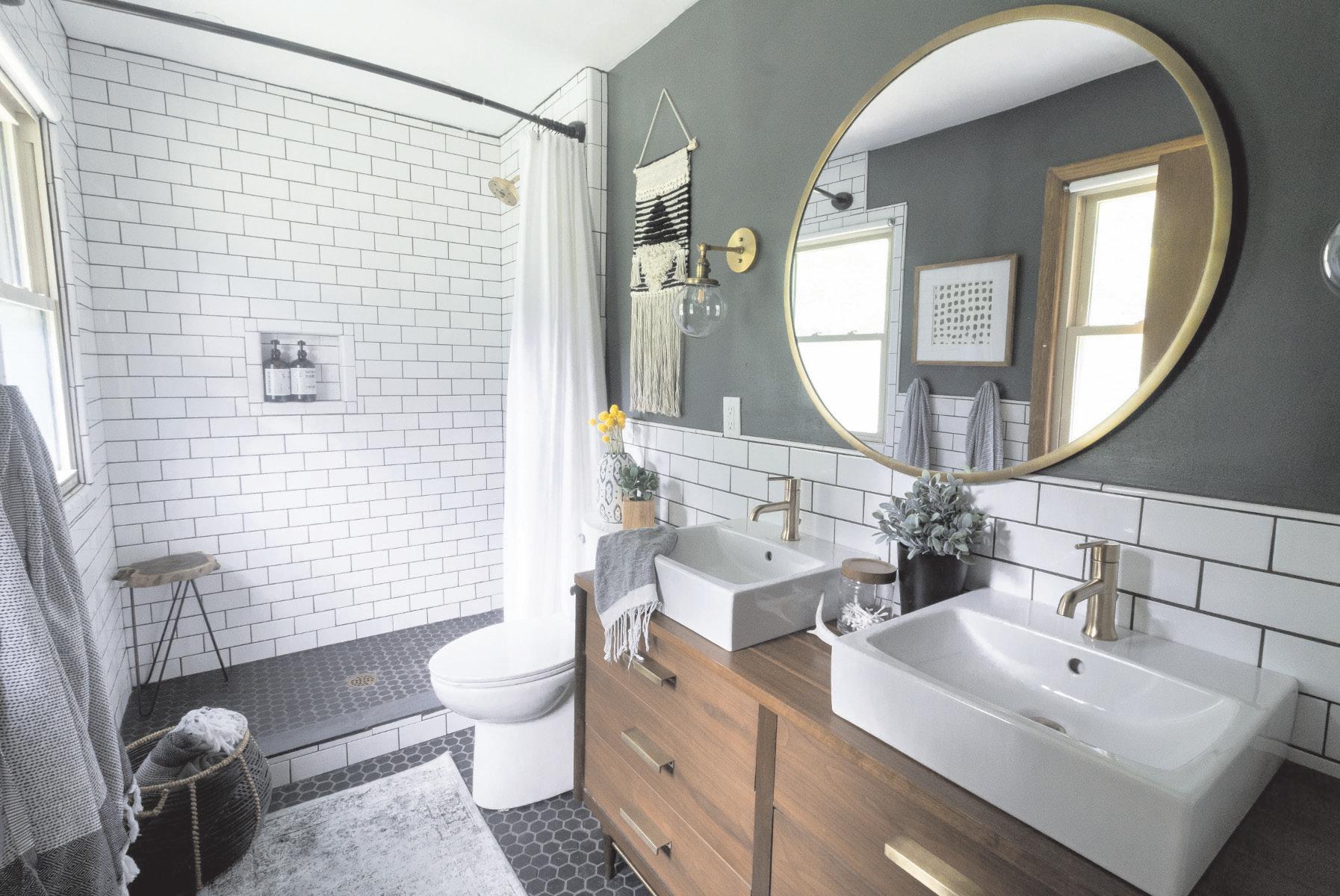
5. Luxe Modern. A little design secret to keep in mind: mixing metals is back and in a big way. Nayak encourages DIYers to complement metallic accents, instead of matching them. She suggests creating a palette of two to four metal tones and distributing them throughout the space in ways that are intentional and maintain balance. For a look that is glam, yet modern, consider pairing rose gold with pewter or brushed gold and stainless steel.
Visit FrogTape.com/Trends for more trend information and ideas.
Ingenious and easy to achieve, these rising trends for 2019 will provide the necessary inspiration to update your home’s interiors.

liquids will purify skin of dirt, oil and makeup. Simply apply a few drops to a cotton pad, swipe it across your skin and you’re done. These cleansers will get your complexion squeaky clean -- no water necessary.
As you pledge to improve yourself in the year ahead, these great water-saving ideas can help you be more conscientious when it comes to protecting this limited resource -- and will ensure you’ll get a hearty pat-on-the-back from Mother Earth.

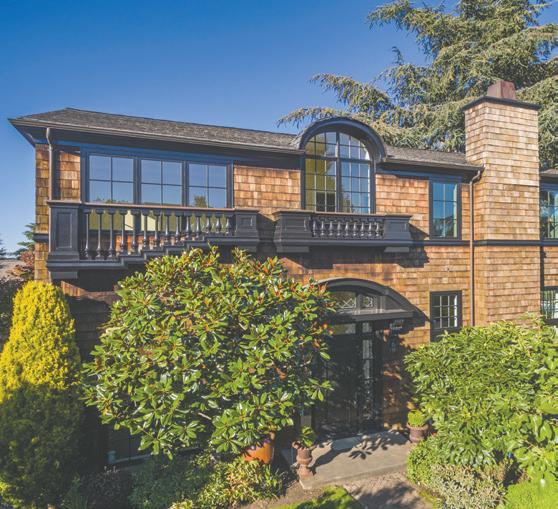
$2,049,000 (sold in 1 day)
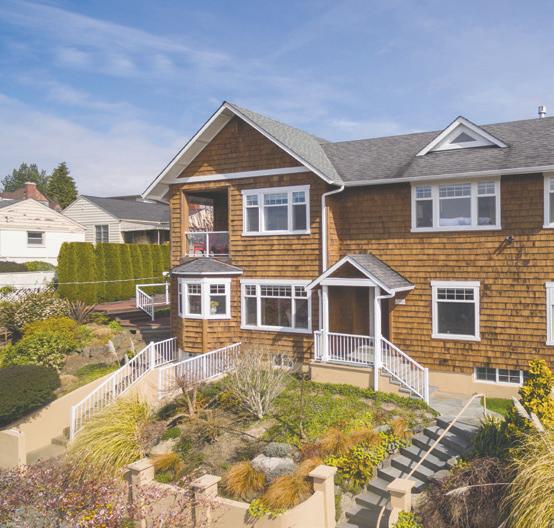
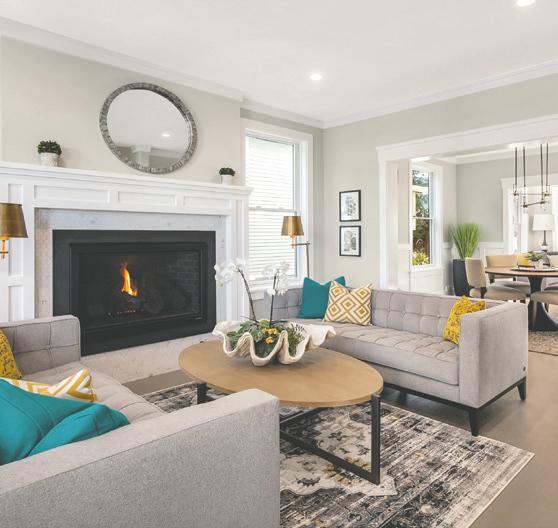
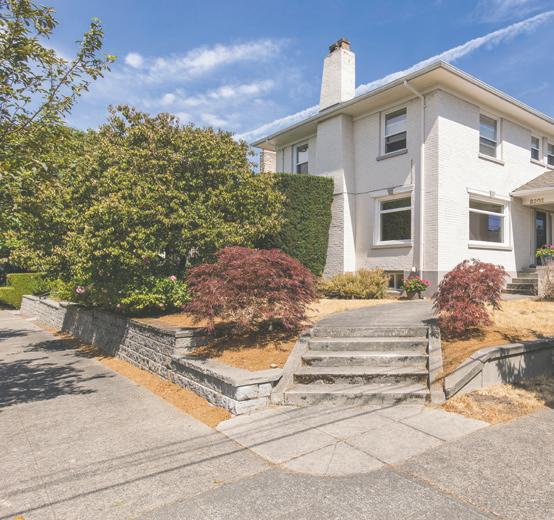
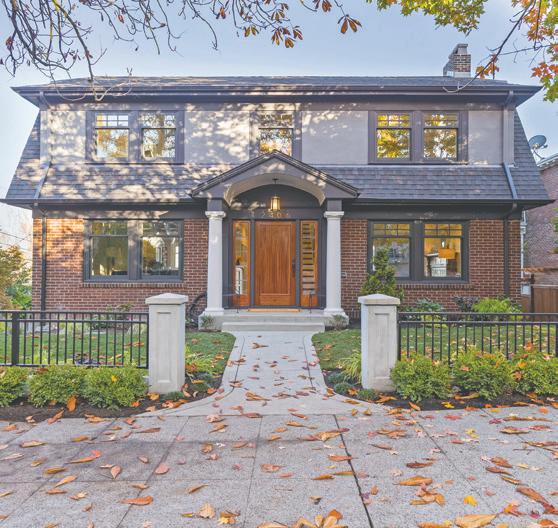
Classic Queen Anne Remodel 2406 Bigelow Avenue N
Custom construction on the top of Queen Anne. Outstanding design and quality by Eugene Sherman R.E. Design. & Development.
Living the Dream 1915 5th Avenue West
“Ask Sam”
QUESTION:
For a while, the market was too hot for many buyers to succeed. Now that the market has softened somewhat, how can buyers prepare themselves for success in this new climate?
ANSWER:
From a buyers’ perspective the market is much more approachable than it was six months ago. For the past few years, many properties sold in only a few days and frequently for above the listed price. Now, 42% of currently available single-family homes listed over the past 90 days have been reduced from their original price. For condos, this figure is even higher at 44%. As a result, buyers are less likely to be competing with another offer, more likely to be able to include contingencies, and in a much better position to negotiate. While the market is less intense than the blitzkrieg pace it once was, there was only a 2 month supply of inventory for Queen Anne and Magnolia during October. This was a 33% year-over-year increase. While potentially less competitive, a two-month supply is still considered a sellers’ market. As such, buyers still need to come prepared with lender pre-approvals and realistic expectations with regards to their negotiating power. For properties with a few weeks on the market, it is increasingly common for buyers to offer less than the listed price. However, buyers shouldn’t expect deeply discounted offers to be seriously considered just yet. In Queen Anne and Magnolia, single-family homes sold for 98% of their listed price in October. Condos sold for even higher at 99%. Buyers who are too aggressive on price with the intention of negotiating may find their offer offended the seller rather than greased the wheels for negotiation.
Buyers previously needed to waive nearly all contingencies just to be considered. Now, structural inspection contingencies, financing contingencies, and even current home sale contingencies are increasingly more common. If intending to include one or more contingencies of this nature, buyers should confirm they are the only offer and will likely have more success when properties have spent longer on the market. Setting shortened contingency timelines can help bridge the gap mentally in a sellers mind. For example, instead of a 10day inspection contingency, consider shortening it to 5 days.
For buyers hoping to optimize their chances at a deal, look for properties with at least one price reduction and a longer time on the market. Most often, properties with a large number of days on the market but without a price reduction will be less flexible in negotiations. Price reductions are often signs of a motivated seller and realistic expectations. Buyers who understand the market, come prepared with lender pre-approval, and include realistic contingencies are likely to find this market much more navigable.
When working with buyers, especially buyers reentering the market under today’s more buyer-favorable circumstances, we identify and target the right properties for our clients’ goals, competitiveness, and needs. Every client’s package of needs, wants, and strategies differs. The same is true of the seller whose home a buyer may desire to purchase. Through an understanding of the balancing act of negotiations and presenting our clients with the options most likely to work within their goals, we are able to help buyers who come to us after years of searching, find success.
Send your questions for “Ask Sam” to pacsales@nwlink.com
Sam Konswa is the Founder/Managing Broker of Queen Anne Real Estate. He specializes in the Queen Anne and Magnolia neighborhoods, using his local market expertise to give his clients a distinct advantage in these areas. 206-972-4045 • www.QueenAnneRealEstate.com
ate my approach to navigating the market. Through a comprehensive understanding of local, national, and global economic trends, I bring a holistic approach to helping clients understand how the housing market and their investment in real estate fit into a larger economic picture. The better clients understand the interrelated nature of their purchase with outside economic forces, the
more informed they will be to strategically consider how their property relates to future investments in both real estate and non-real estate assets. By offering this comprehensive approach to clients, he or she obtains a more complete perspective on how their property fits into his or her personal finances, future plans, and the economy. Data and statistics obtained from the NWMLS.
Sam Konswa, Founder/Managing Broker of Queen Anne Real Estate
Sam Konswa specializes in the Queen Anne and Magnolia neighborhoods, using his local market expertise to give his clients a distinct advantage in these areas.
Phone: 206-972-4045
Email: sam@queenannerealestate.com
Website: www.QueenAnneRealEstate.com ➧ Market, from Page R1
Sam Konswa
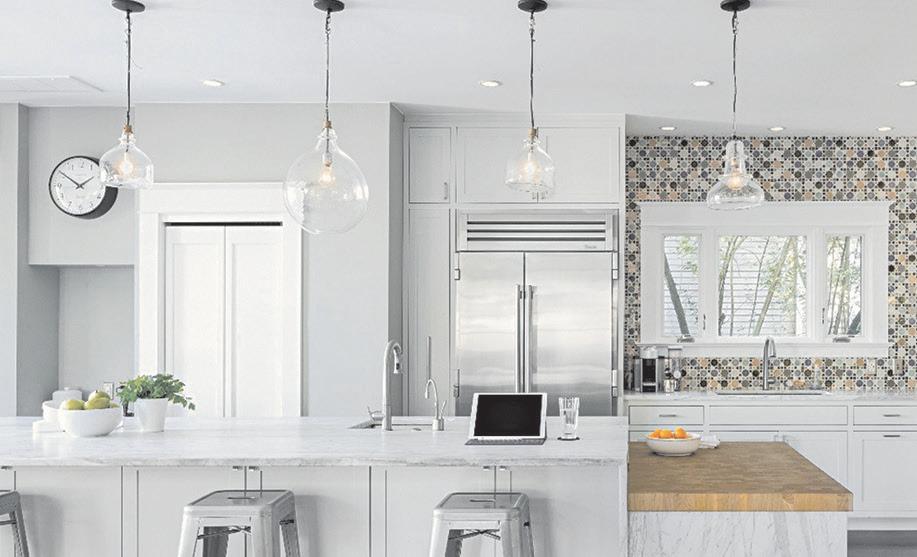
How to design a kitchen that ‘wows’

By Cat Schmidt, Model Remodel
The kitchen is the heart of the home and the room you likely spend the most time in, which makes it the ideal place to invest in your home. Scouring photos of dreamy kitchens online is helpful to determine your taste, but the idea of designing a kitchen from the ground up can be overwhelming. It’s complex—there are dozens of choices to make and even more options from which to choose. A design-build contractor or an architect is usually hired to help with the planning and decision-making. They will guide you, lend their expert advice and help you with permitting, building codes and inspections.
Regardless of whether you’re hiring a pro or going the DIY route, the key to the perfect kitchen is to strike a balance between functionality and aesthetics.
One of the most important choices you’ll need to make is what kind of layout you want. There are only a handful of archetypal kitchen layouts, but there are many ways to blend those layouts or modify them to fit your needs. Keeping in mind that changing the layout of your kitchen could be more expensive than working within its existing parameters, think about the top three things you don’t like about your current kitchen. If one of them is layout, consider how you might open up the space or make it more usable—the two most common problems in older kitchens. This choice is mostly about functionality, and how the kitchen will flow best.
Your kitchen requirements may help determine which layout is right for you. For example, if you want to include seating somewhere in the kitchen, you’ll probably consider installing an island or peninsula. Other times, additional appliances such as wine refrigerators, convection ovens or microwave drawers are going to be added. Those appliances may help determine how the kitchen is laid out naturally.
One of the most well-known kitchen design concepts is the “work triangle.” This concept implies that a kitchen is composed of three interconnected work areas—the refrigerator, stove and sink—which should form a triangle for optimal usability. It’s rare to see a one-wall kitchen because placing three work areas in a row leaves little room for preparation and is therefore less efficient when making a meal. If you often have multiple cooks in the kitchen, this concept will help you give each person plenty of space at their individual workstation. Once the layout is chosen and its feasibility
is determined by an architect or contractor, you can start thinking about the fun stuff!
Next, consider the kitchen fundamentals: cabinets, floors, countertops, backsplash and appliances. These choices will be a combination of functionality and aesthetics. Most people have a good idea about what they want in these areas, but to design a kitchen that will really wow guests, you’ll want to select at least one of these to make a statement. Whether that’s a unique texture, color or material is up to you. There should be at least one unique talking point in the kitchen that not only shows your personality but also sets the tone for the rest of the room. Examples of this include two-toned cabinets, specialty tile, a waterfall countertop or exposed beams. There are many, many ways to give a space character, but most commonly we see homeowners choose tile to express their individual style, since there are so many options.
Finally, you’ll need to choose the fixtures and fine details of the kitchen. This may include lighting, cabinet and drawer hardware, outlets, storage, shelving, sinks, faucets, and paint. These choices will be mostly about aesthetics and what will bring the look you’re going for together.
Consider the statement piece you chose from the kitchen fundamentals and work around that. Ensure that every decision you make for fixtures works well with that statement piece. It really is an art! Many people, especially designers, find it useful to create a mood board that shows the color palette and samples of tiles, textures and materials all in one place.
While these details are small, they can easily prove to be one of your favorite parts of your new kitchen. If your kitchen lacks light, under-cabinet lighting can help make tasks easier to see and do. If your current faucet doesn’t move, a pull-out faucet can easily be a game-changer. Often, spending time thinking about storage and how things will be arranged within kitchen cabinets is one of the most important exercises in kitchen design. There are many custom, yet affordable, upgrades that you can add to your cabinets for specialty storage that will exponentially improve the organization of your kitchen.
No detail is too small when designing the perfect kitchen. If it adds to the character of the room or makes your life easier, it’s worth considering. Making deliberate, thoughtful choices during your remodel will make all the difference in how you use and enjoy the space for years to come.
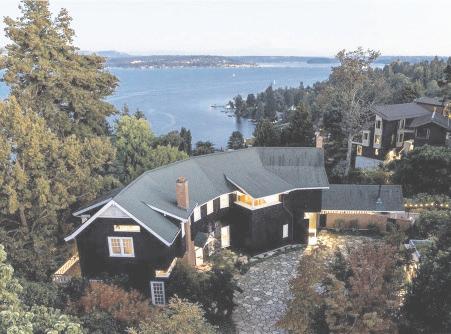
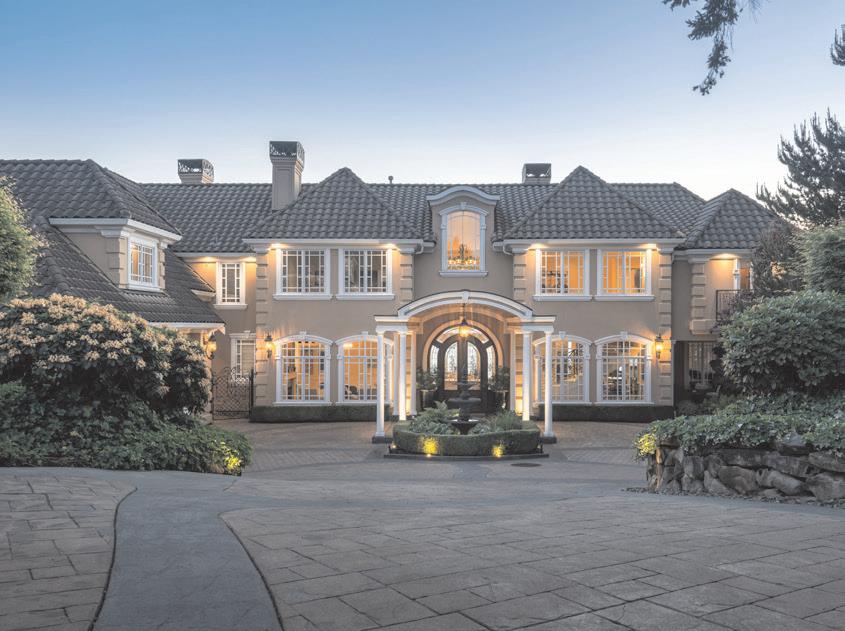
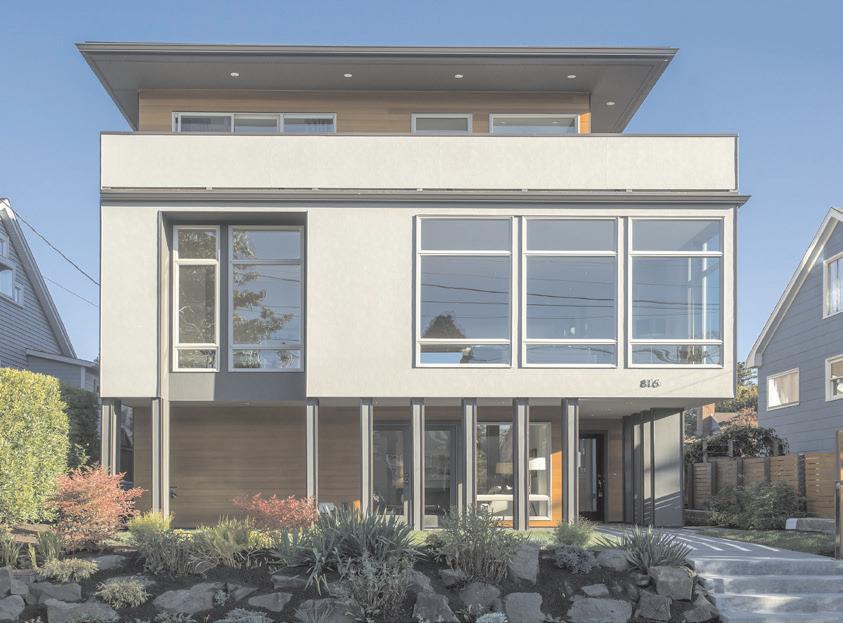
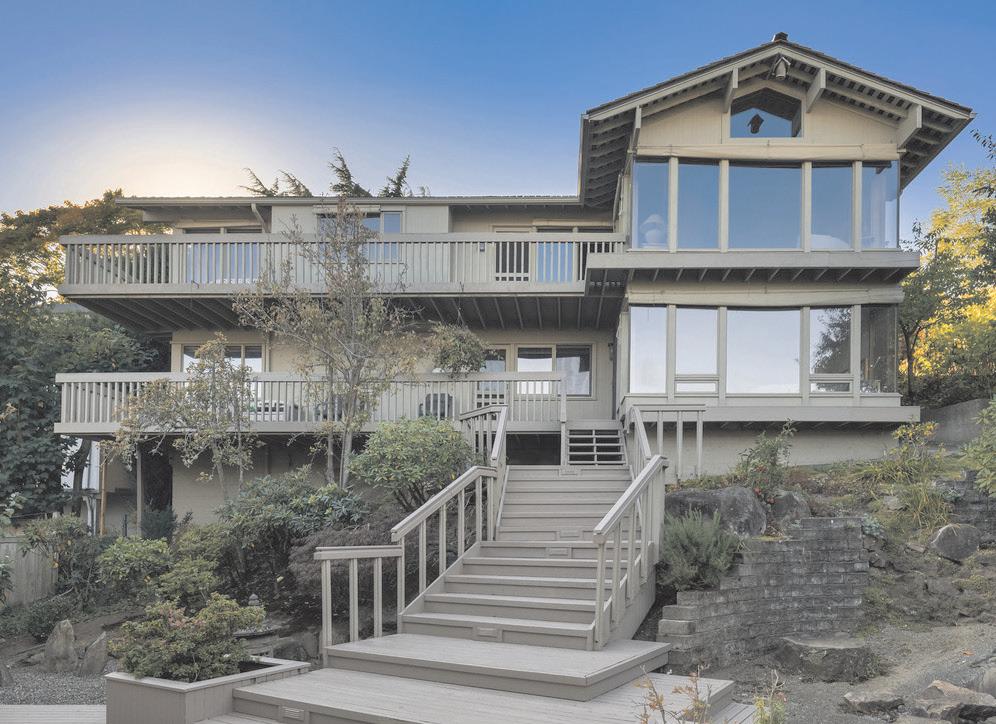
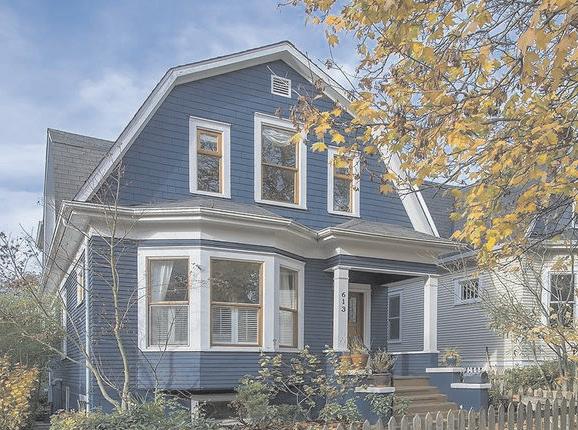
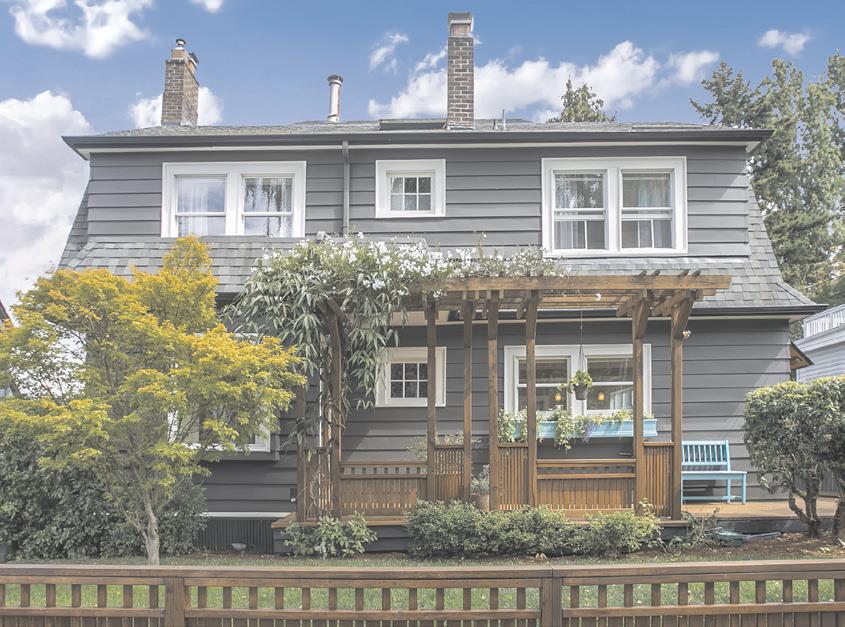
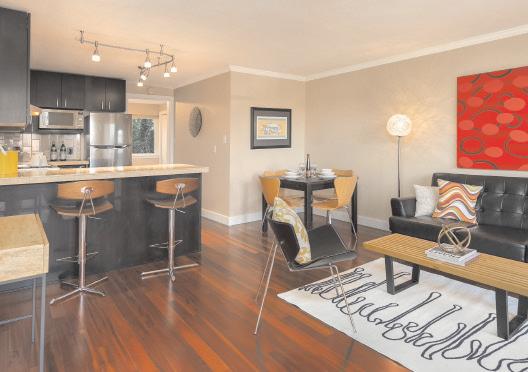
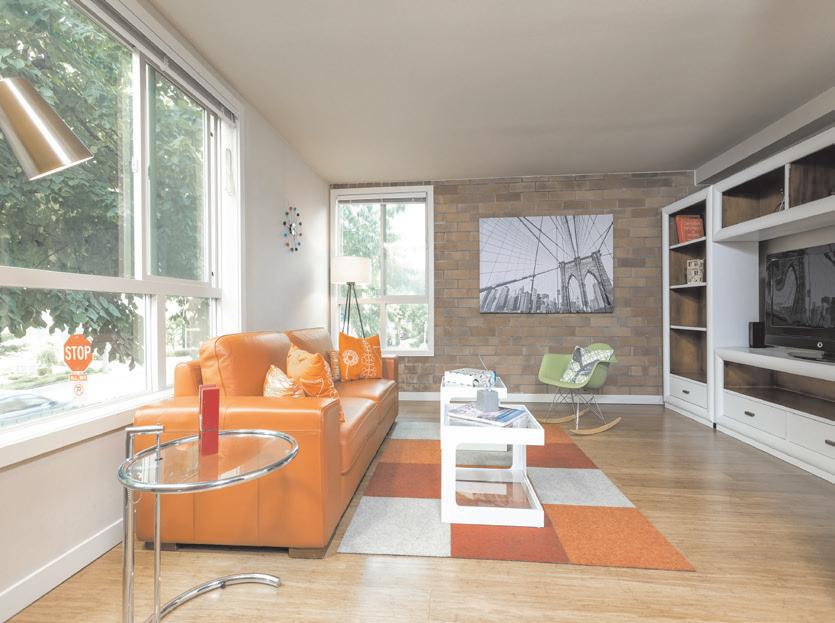


Photo by, Cindy Apple Photography for Model Remodel



“His
quickly for a fair price and we are completely satisfied.”
-Garren & Cindy




8 ways to make your home more sustainable and achieve net zero living

By Amy Golden, Dwell Development
Maybe you’re concerned about the most recent climate change data. Perhaps you’re simply interested in living a more sustainable life. Whatever the reason, net zero living is appealing to more and more Americans every year. And it’s not just multi-million-dollar homes that can achieve this top sustainability status. From giant mansions to tiny homes and everything in between, net zero living is possible.

What is a net zero energy home? Net zero energy means a building produces as much renewable energy as it consumes over the course of a year. Solar panels are the most common way to achieve net zero energy. However, achieving net zero energy is more than simply installing solar panels—although that certainly helps! Read on to find out how you can transition to a greener home life and achieve net zero living in your own home.
Energy efficiency
This one is obvious. Homes designed to use as little energy as possible will help you achieve net zero living. Make sure the heating and cooling systems for your home are up to date and as efficient as possible.
The details
When it comes to saving energy, some of the things that you can’t see might be your biggest energy savers. Design features like thick, airtight walls, advanced insulation, green window technology, and high-quality air year-round can have a major impact on the energy use of your home as well as your comfort.
Reclaimed materials
We all know recycling is important. So why not take it one step further and build your home out of recycled materials? It’s a win-win all the way around: you stop materials from ending up in the landfill when you reclaim them for your homenergy and resources by not needing to generate brand new products for building materials in the first place. And, incorporating salvaged materials gives you a unique and one-of-a-kind look for your home. Go ahead, show off your 100-year old hardwood floors!
Renewable energy
One thing you must do to achieve Net Zero Energy use is to get your house to produce its own energy! That’s where solar power comes in. In fact, installing solar panels can take your home from net zero to net positive if you generating more energy than you use throughout the year. Solar power is the cleanest, most reliable form of renewable energy available and can be used in several ways to help power your home. Energy from solar panels can generate heat, warm water, or even charge electric cars.
Your car
If you’re looking to lessen your overall carbon footprint, one of the biggest things you can do is cut down on driving (or think about transitioning to car-free living). If that’s not an option for you, consider an electric vehicle. And with an at-home electric car conduit, your car can be charged from energy collected from your home’s solar panels.
Your lights
Highly energy efficient LEDs use at least 75 percent less energy and last 25 times longer than incandescent lighting. And it gets better: Energy Star appliances save homeowners about 20 percent on their energy bills every year.
Your water
There are many ways that you can conserve water. Smaller commitments include things like installing low flow fixtures on your sinks and showers and planting drought tolerant native plants in your yard to avoid overwatering. Or if you’re ready to take the plunge, you can install a rainwater harvesting system to reduce your dependency on water from traditional city utility companies.
Built to last
This last one is simple. Durable, high-quality homes last longer. And nothing is more sustainable than a long-lasting home.
Amy Golden is the Director of Marketing at Dwell Development and a member of the Master Builders Association of King and Snohomish Counties (MBAKS).













































QUEEN ANNE REAL EST ATE WISHES YOU THE HAPPIEST OF HOLIDAYS!
We specialize in Queen Anne and Magnolia. Our brokers are Queen Anne and Magnolia residents with close ties to the community. Our expertise in these neighborhoods makes us uniquely qualified to navigate the local market and provide our clients with a distinct advantage. Come find out why we are one of the most highly reviewed and award-winning brokerages in Seattle!
Local knowledge:
Process expertise:
Responsiveness:
Negotiation skills:
“Sam is the best, most knowledgeable, honest/high integrity, and well connected real estate pro in the city. Sam and his team have never let us down, we’ve bought and sold multi-million dollar property in less than 4 weeks with no issues. Sam and his team were excellent.”
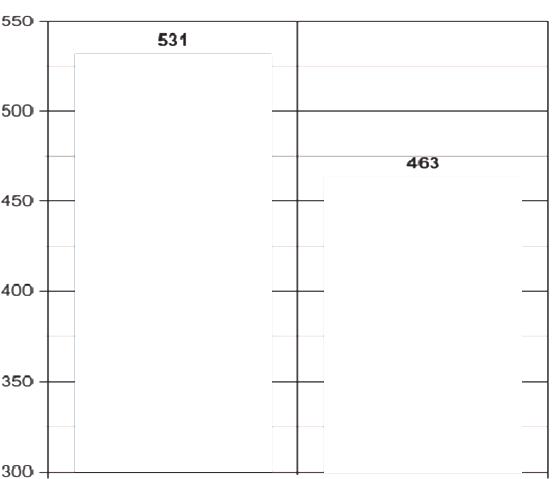
Source: zillow.com
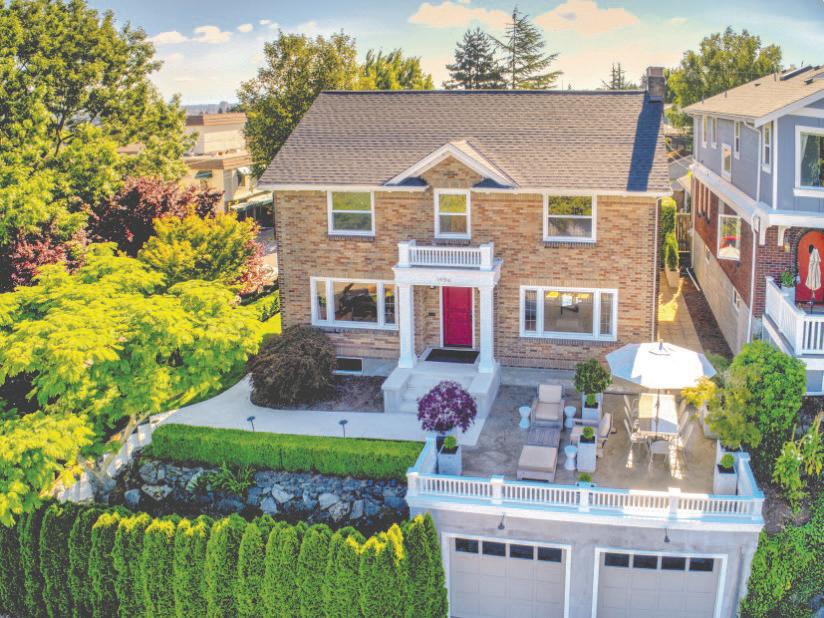
1956 7th AVE W
LISTED at $1,850,000 SOLD at $1,910,000 Days on Market: 7




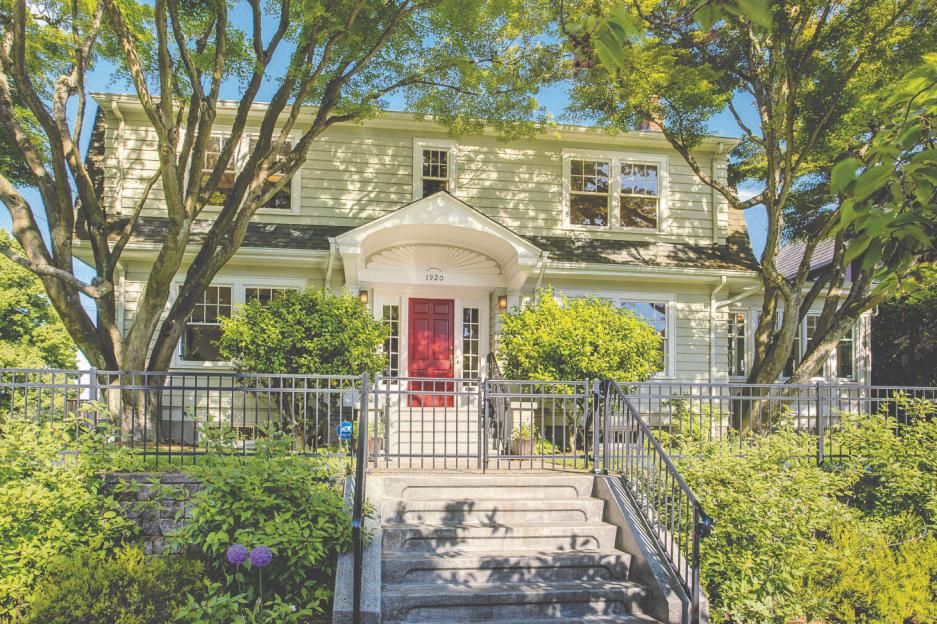
1920
BIGELOW AVE N
LISTED at $1,895,000 SOLD at $2,072,000 Days on Market: 12




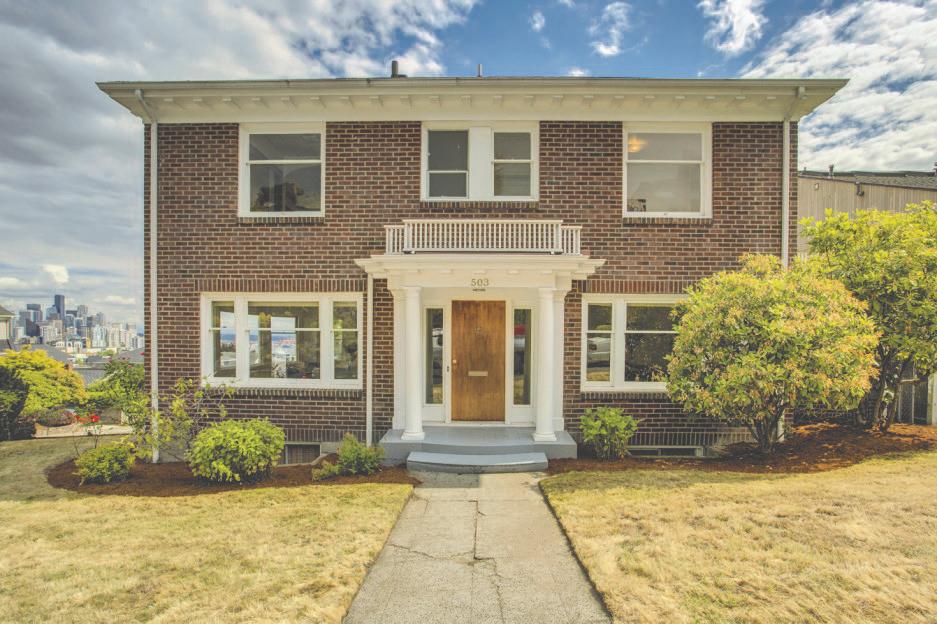
503 W PROSPECT ST.
LISTED at $1,750,000 SOLD at $1,750,000 Days on Market: 6




Marcel Kluetz
Sam Konswa Craig Watson Jeff Strand Brooke Roberge Maria Hewett
Carol Griffith Tim Gaydos
Backus
Source: NWMLS
Queen Anne Real Estate
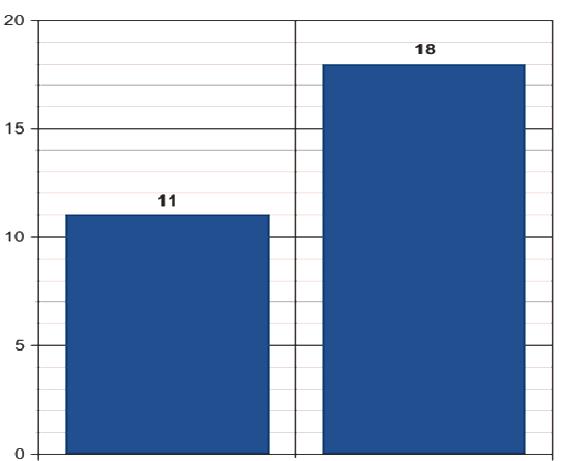
Queen Anne Real Estate Other Brokers Other Brokers