Madison Park Home & Garden Tour supports McGilvra PTA
More gardens than homes during this year’s fundraising event; organizers raise more than $5,000
By Brandon Macz Madison Park Times editor
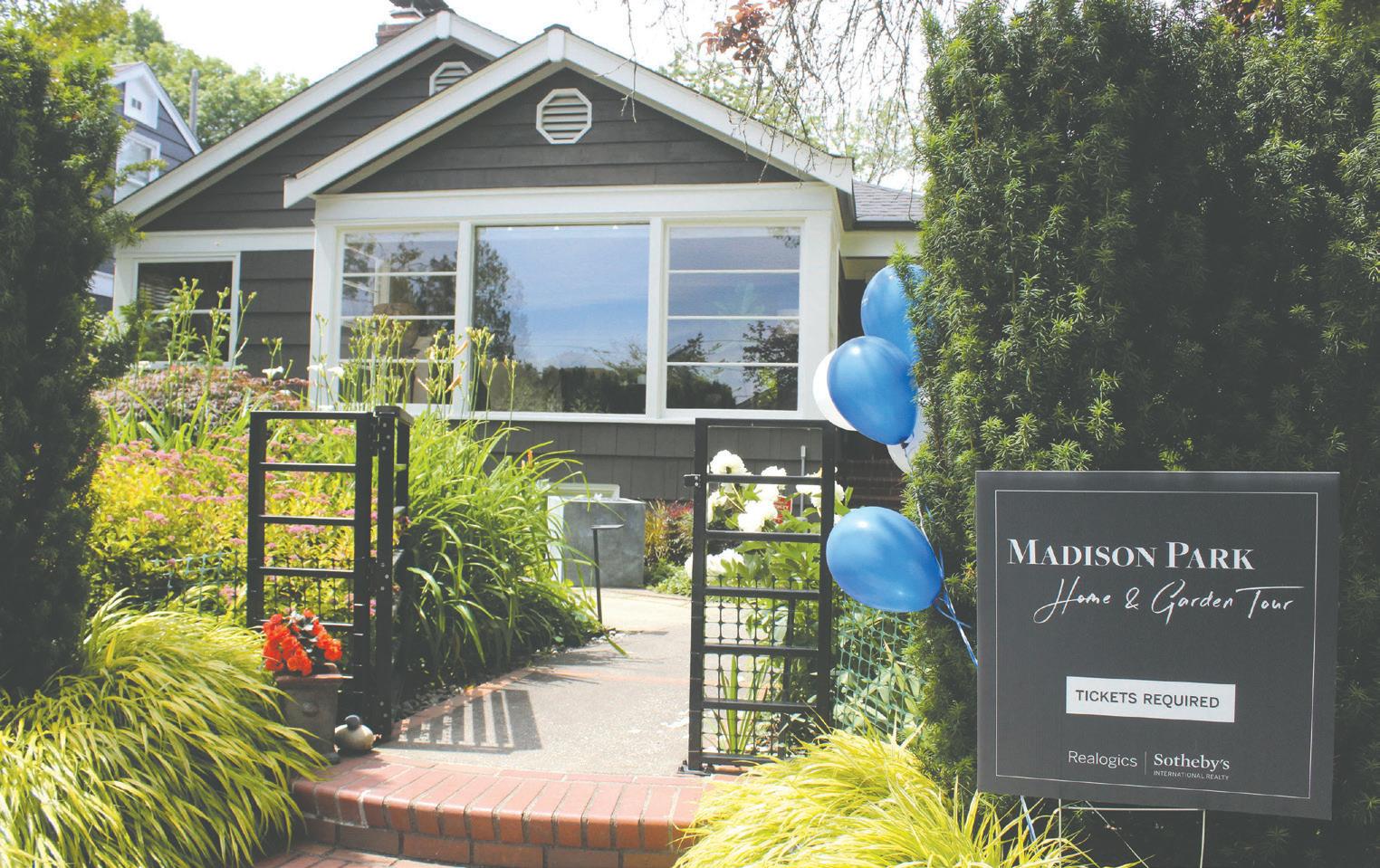
Madison Park Home & Garden Tourists got their steps in during the annual fundraising event on June 9, raising more than $5,000 to support McGilvra Elementary students.
The Madison Park Garden Club had hosted a home-and-garden tour since the’80s, but that event ended years ago. Realogics Sotheby’s International Realty in Madison Park worked with the McGilvra PTA to bring back the event as a fundraiser for the school in 2017.
The tour raised $10,000 for the PTA in its first year, and $4,000 last year. Orga -
MAGNOLIA
nizers have had trouble finding homeowners willing to participate, so future events will focus more on gardens.
More than 200 attendees toured eight gardens on this year’s map, and just one home, on Sunday, June 9.
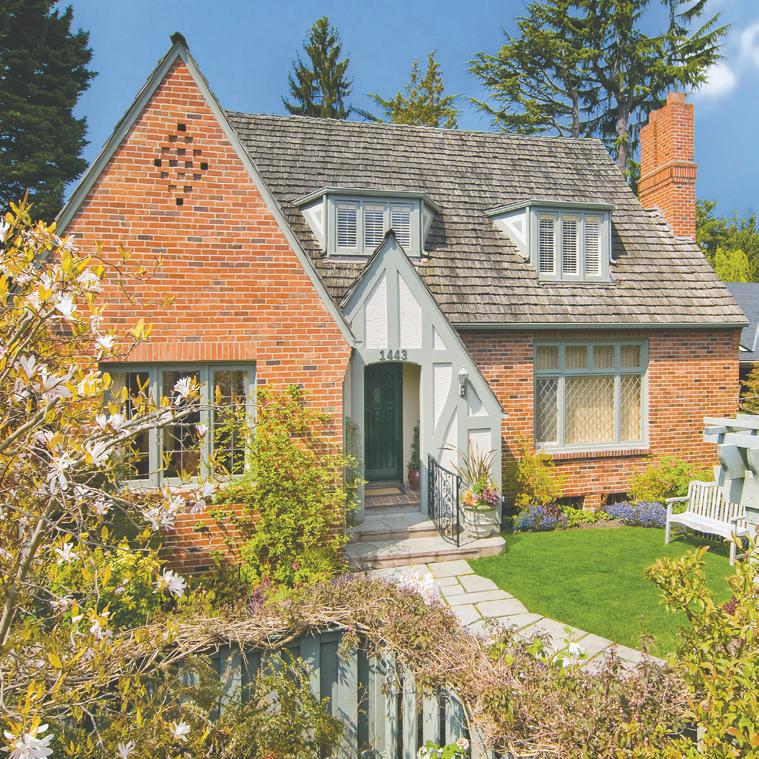
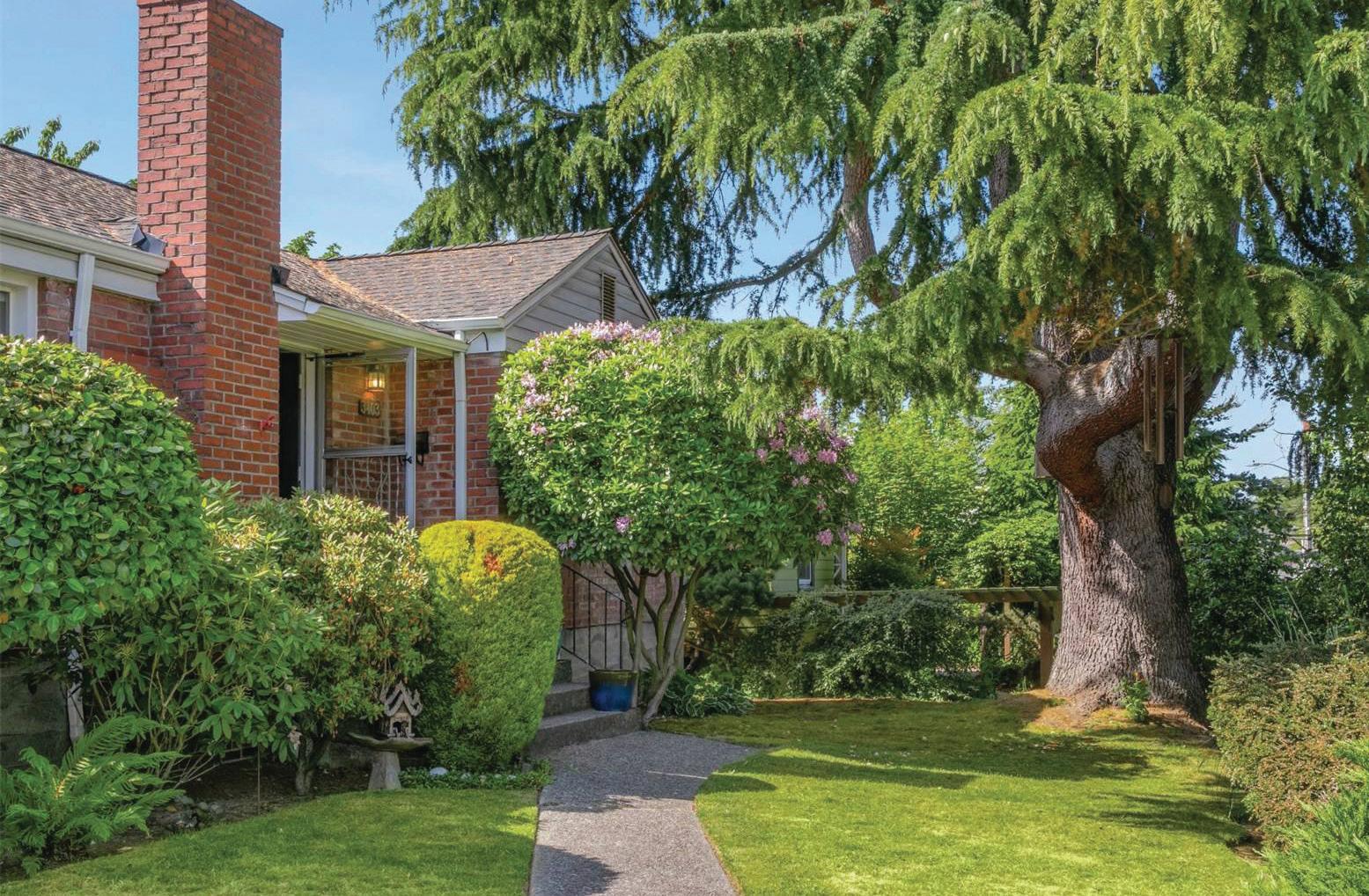
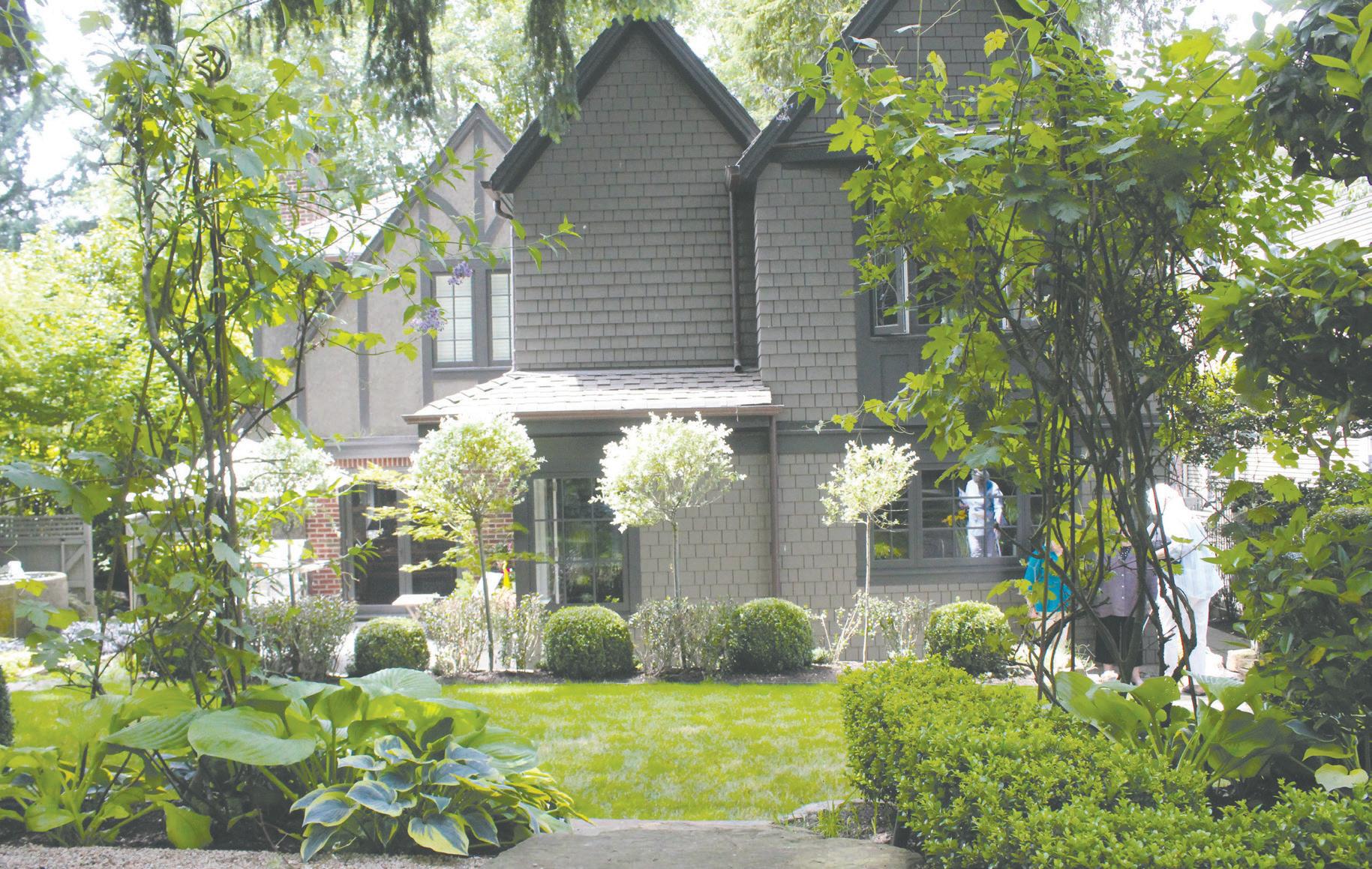
Paula Rees and Jeff Thompson have spent the past three decades renovating their home and growing their garden at 808 33rd Ave. E.
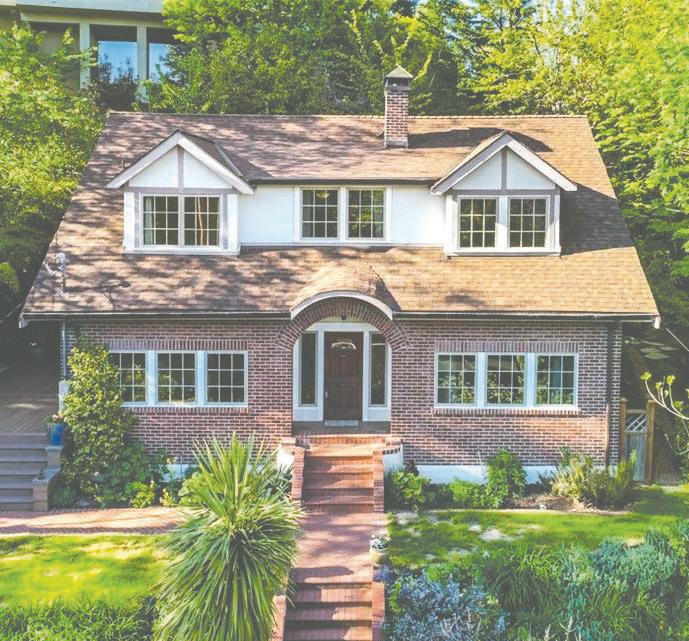
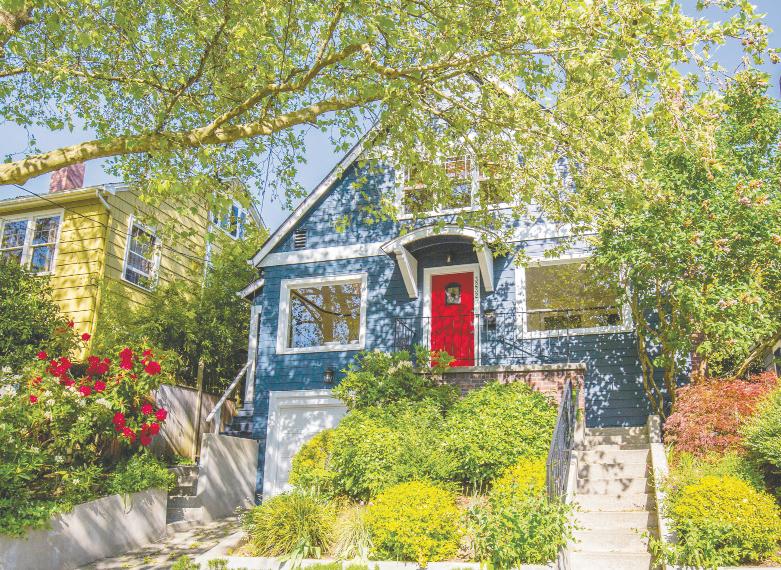
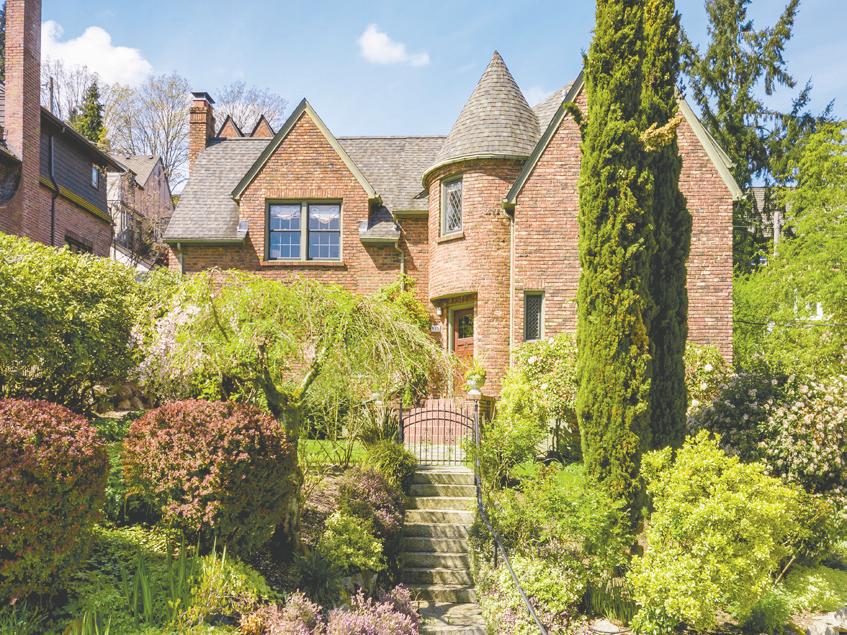
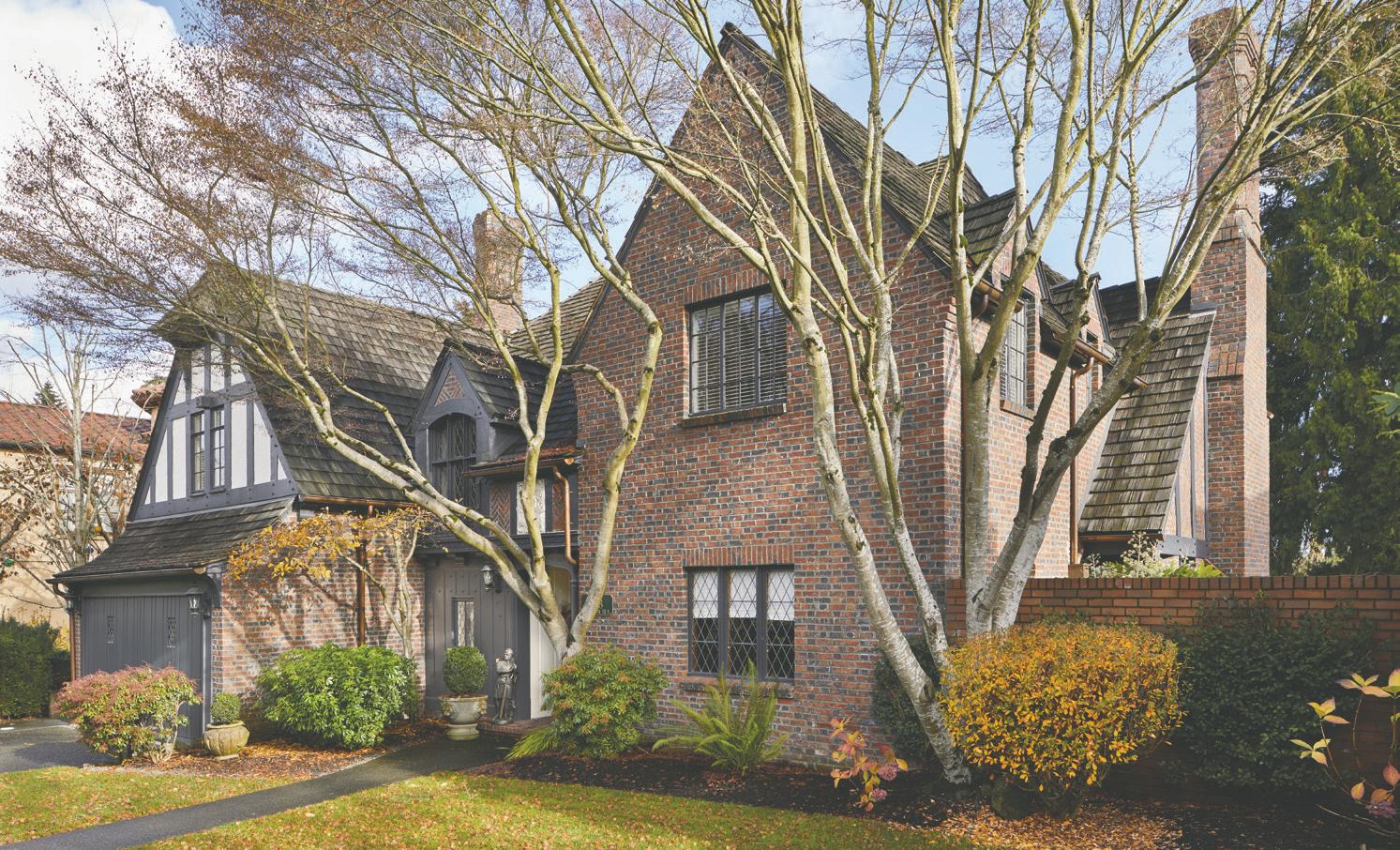
The couple purchased their 1920s Tudor-style home in 1984, later building a more contemporary stucco addition, Thompson said. They expanded the kitchen where the back porch had been and added an upstairs guest bathroom in 2005. Thompson used old sidewalk along the
property to build a retaining wall. He said seeing how plants take shape and which types grow best was the most rewarding part of tending his garden.
“It’s classic of a garden,” Thompson said, “which I don’t think, when I started, I knew what a garden was.”
Participating in the Madison Park Home & Garden Tour was not only for a good cause, but it also motivated Thompson, he said.
“It was kind of an excuse to finish some things and clean it up,” Thompson said. “It seemed like a good thing for the school.” First on the tour map was the garden of Brenda Ellering and Todd Bonime, at
Photo by Brandon Macz
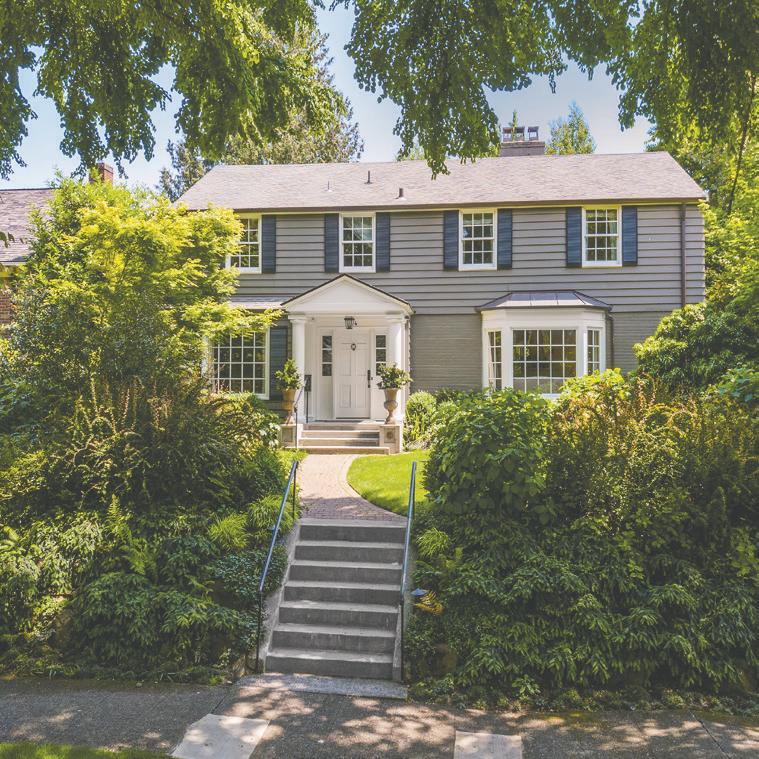
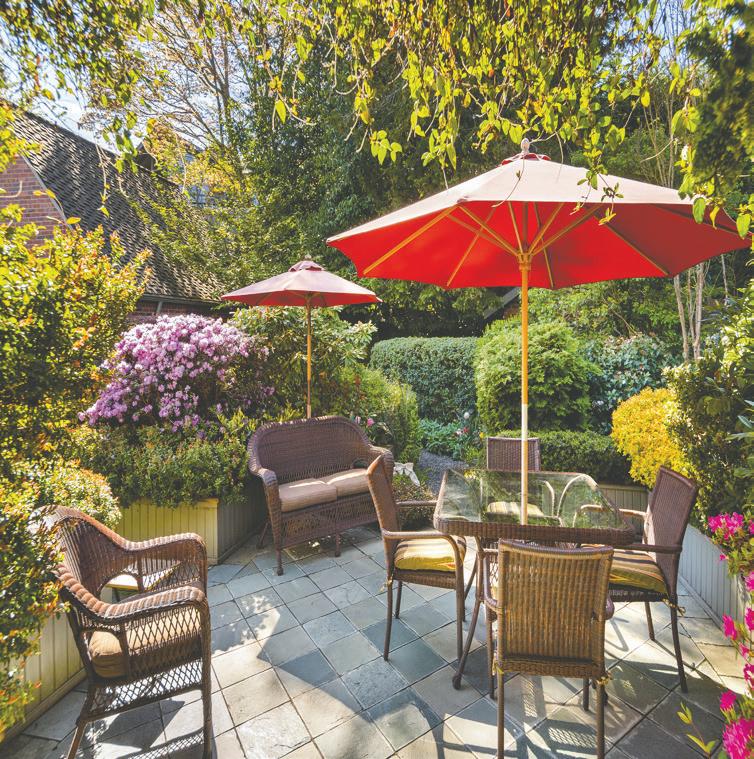
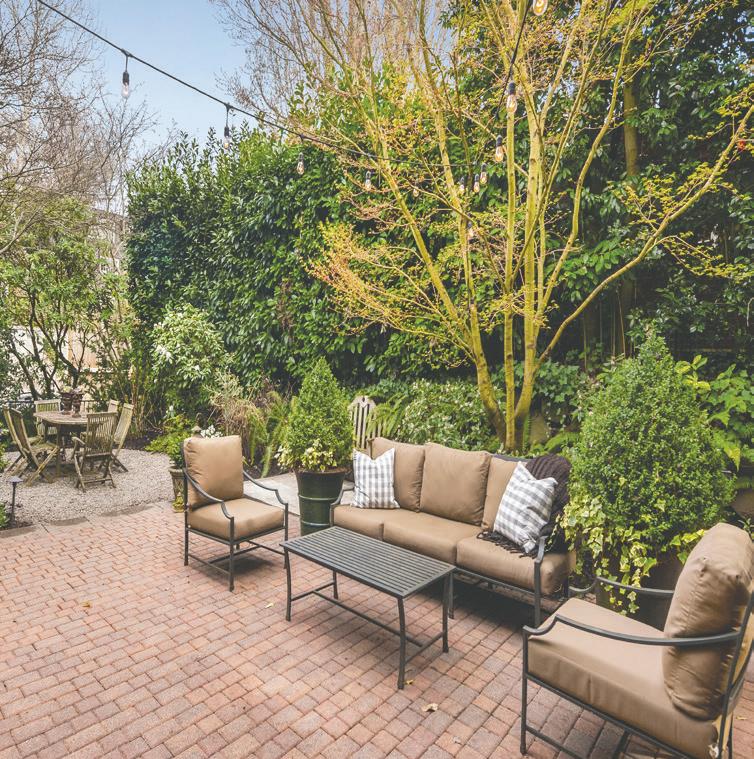
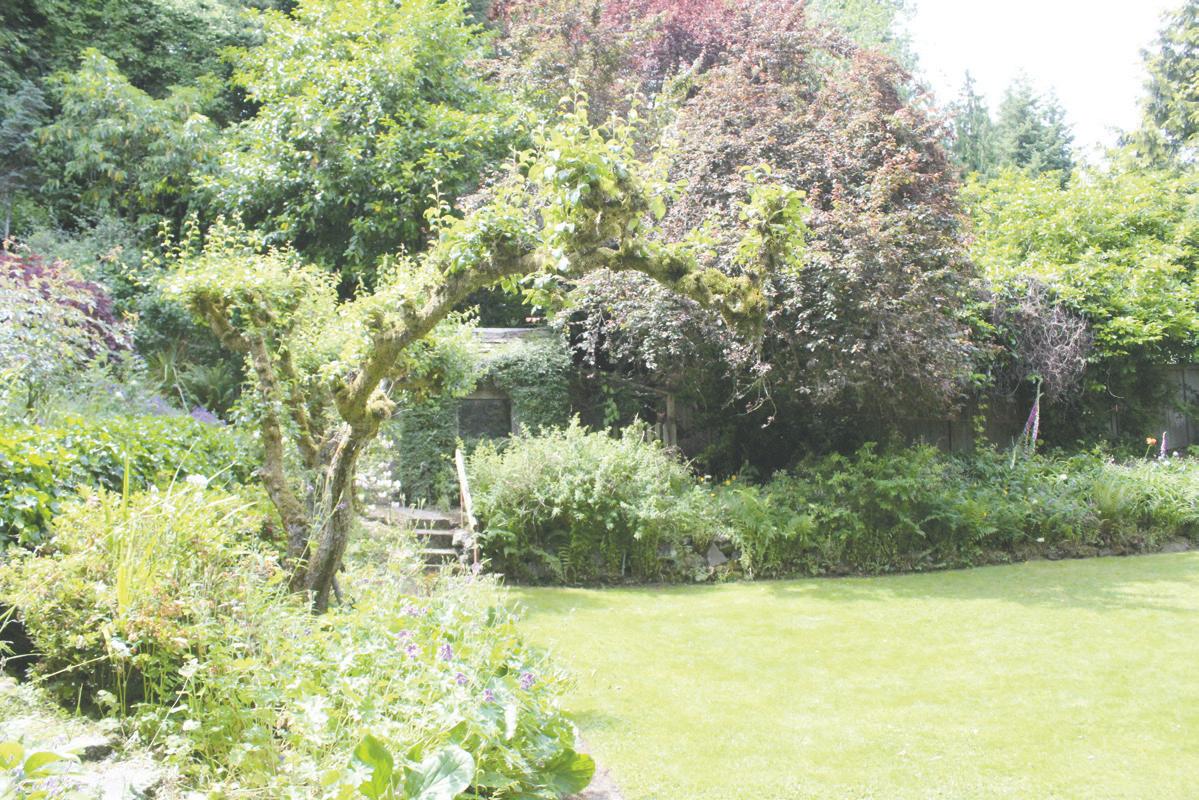
The 2019 Madison Park Home & Garden Tour featured eight gardens and one home on Sunday, June 9.
TOUR , Page 6
More guidance for Africatown Plaza
Community provides feedback on three design concepts for new affordable housing development
By Brandon Macz Madison Park Times editor
Africatown Community Land Trust and a cadre of architects checked three design concepts with the Central Area community on Tuesday, with the potential for elements from each to be incorporated into plans for a new affordable housing development in the neighborhood.
The three concepts for Africatown Plaza all include a minimum of 134 housing units averaging 600 square feet, with 64 studios and 42 one-bedrooms currently proposed.
“I think it’s going to work. I think it’s a good idea,” said Lawrence Pitre, president of the Central Area Chamber of Commerce. “I just think the ratio should be looked at again.”
Rita Green agreed. Her mother, the late DeCharlene Williams, owned DeCharlene’s Beauty Shop & Boutique, and was the founder of the Central Area Chamber of Commerce.
“A lot of families have left the community,” Green said. “If they don’t own, they’ve left because they can’t afford to rent here.”
Rather than funding by unit, she said, Seattle’s Office of Housing should base its financial support on the number of bedrooms, so Africatown Plaza can include more twoand three-bedroom units. Only 12 units each are proposed at those sizes currently.
The three concepts presented on June 25 were designed using feedback provided by community members during the first Africatown Plaza Community Design Meeting in May. By a show of hands, many residents who showed up to critique the preliminary designs were new additions to the process.
Three architecture firms and one landscape architecture company used the overlapping ideas from the first round of group exercises to come up with the concepts. They will now use feedback from the second meeting to come up with a preferred design. A funding application will be submitted with the Office of Housing in September, said GGLO architect Whitney Lewis. Another public meeting will follow, as the project enters the early design guidance process with the Central Area Design Review Board.
Standing inside the Liberty Bank Building, architect Laurie Allison Wilson pointed across the street, where Lake Union Partners will redevelop 80 percent of the Midtown Center superblock — between 23rd and 24th avenues and Spring and East Union streets — to include 430 apartment units, a 12,000-square-foot drug store and smaller ground-floor retail units intended for women- and minority-owned businesses.
Beyond that, Africatown and Capitol Hill Housing will develop Africatown Plaza. The property was acquired with a $4.5 million loan the Africatown LLLP entity — CHH and Africatown — received from Seattle’s Office of Housing, and represents 20 percent of the entire Midtown prop-
erty.
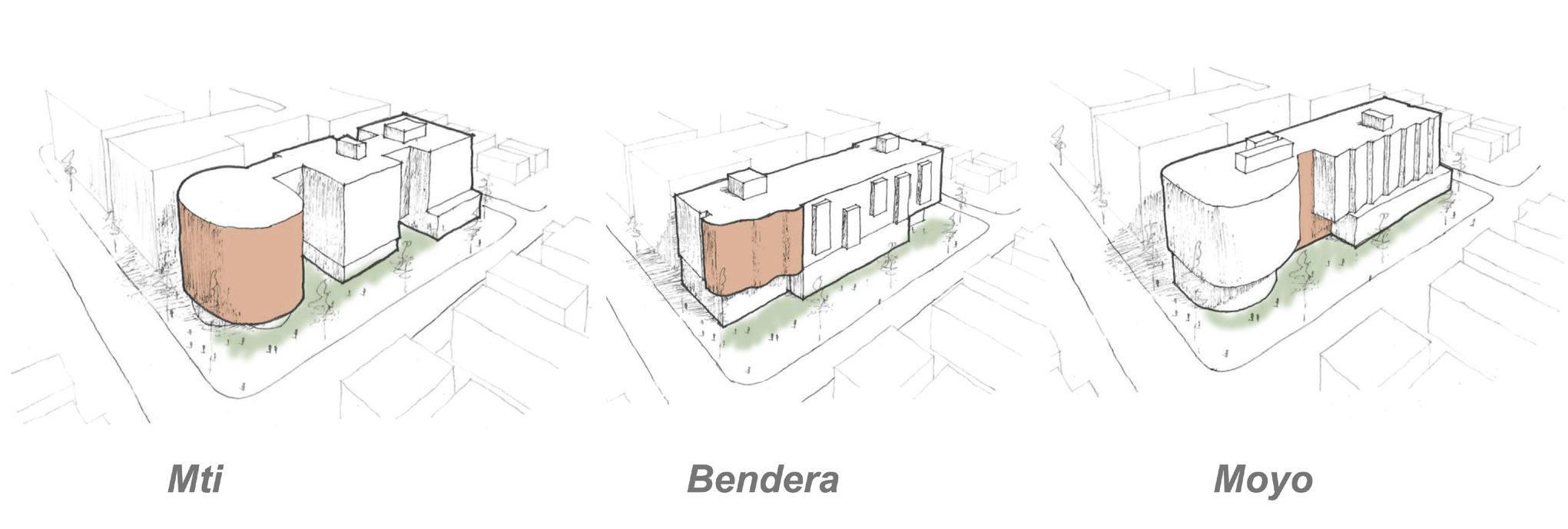
The concepts discussed in groups on June 25 had Swahili names: Mti (the canopy); Bendera (the flag); and Moyo (the heart).
Each concept was designed with a focal point at the corner of 23rd Avenue and Spring Street, where Africatown will have its offices and additional community spaces. It will have an iconic form and use premium materials, which are planned for 20 percent of the project, while the other 80 percent will be less expensive materials, said architect Erin Feeney with David Baker Architects in San Francisco.
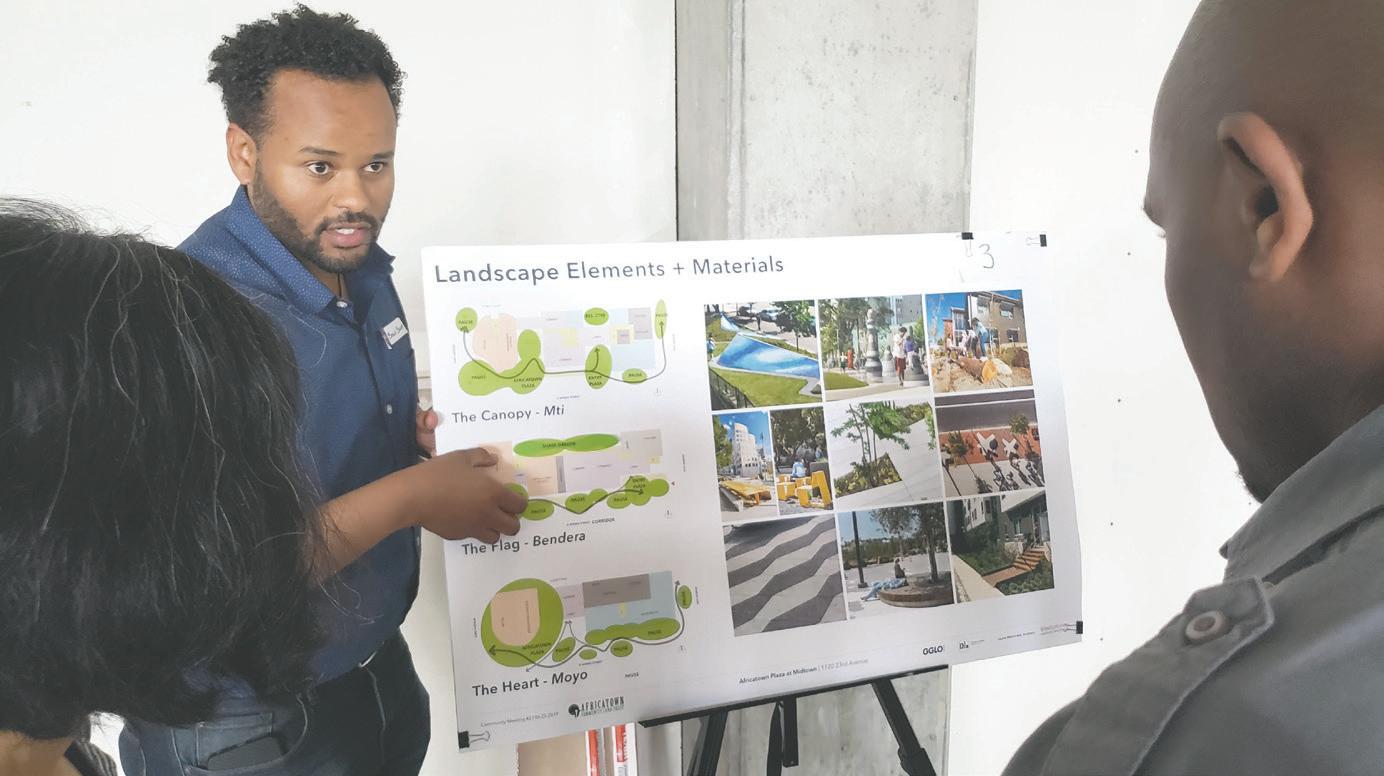
“We’re trying to make sure that the indoor programs really speak to the outdoor programs, and there’s transparency between them,” said landscape architect Biruk Belay with SiteWorkshop.
Community-generated ideas for Africatown Plaza include art installations, childcare and after-school programs, electric vehicle charging stations, job training and case management services and underground parking. While Lake Union Partners struggled to get its Midtown
, Page 3
Image courtesy of Africatown Community Land Trust
Three Africatown Plaza design concepts were presented to the community during a meeting at the Liberty Bank Building on Tuesday, June 25. The best elements of each could be incorporated into a new design in the future. AFRICATOWN
Landscape architect Biruk Belay talks about landscaping concepts for Africatown Plaza during a community design meeting on Tuesday, June 25.
AFRICATOWN, from Page 2
Commons through design review due to its heavy focus on art along its facades and pass-throughs, art programming won’t be as intensive at Africatown Plaza.
“That wouldn’t be true to the mission of Africatown, for us,” Lewis said.
But the community made clear in May, and again in June, that they want a design and art that is Afrocentric and honors the history of the Central District community. Feeney said there will be opportunities to address these elements and gather more ideas during Umoja Fest, which runs Aug. 2-4 in Judkins Park. The annual festival celebrates the African American community and African Diaspora culture.
Residential units are planned along Spring Street and 24th Av-
enue, but community input is to avoid any on the ground floor. If any are developed, they request that they include stoops.
For the Bendera concept, people liked the idea of a shade garden between Africatown Plaza and Midtown Commons, and wanted to make sure the window fenestration allows in enough light, said architect Clara Cheeves with GGLO.
Community members assigned to the Moyo focus group talked about the desire for a stage or amphitheater along Spring Street, and also supported having a community garden, said Mujale Chisebuka, cofounder of Black Dot, an incubation hub for Central District entrepreneurs.
For Mti, community members wanted to see the tree canopy inspiration expressed in some way with the rooftop design, said Jamila Wasson-Pehan, a member of Africatown and Liberty Bank resident. They also pushed for
more community access. Tacoma resident Chris Jordan came out to the design meeting on June 25, inspired by the collaboration between developers and grassroots organizations. His historically black Hilltop community is facing its own issues regarding economic displacement, which he said is due to people moving from Seattle to Tacoma for more affordable housing. With higher wages in Seattle than Tacoma, that gives them an advantage, he said.
“We’ve been pushing in Tacoma for more representation in our housing development, especially in Hilltop,” Jordan said. Jordan is co-director for the Fab-5 nonprofit that started nearly 20 years ago in Pierce County to expand opportunities for young people in the community. The organization is now working with developer Mithun on the community design process for a new 250-unit development in his neighborhood.
DESIGN & NATURE IN HARMONY
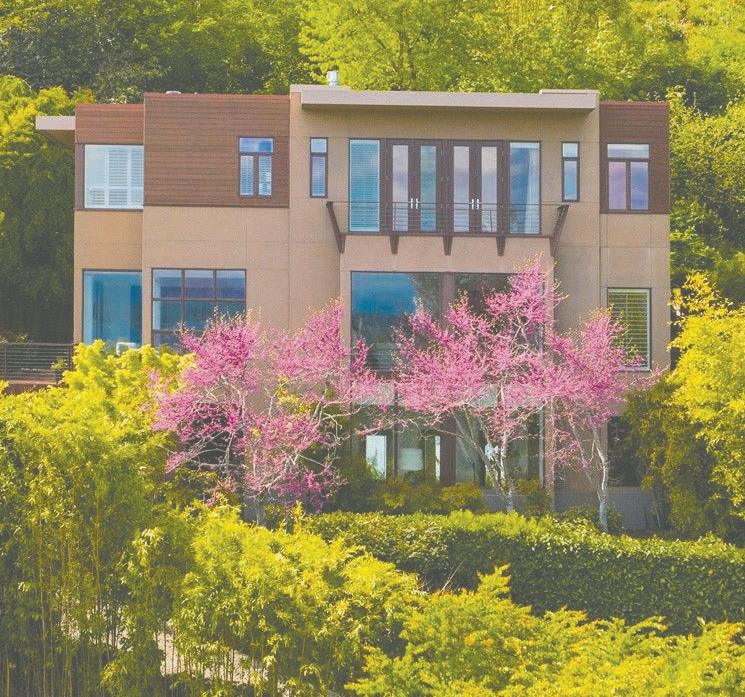
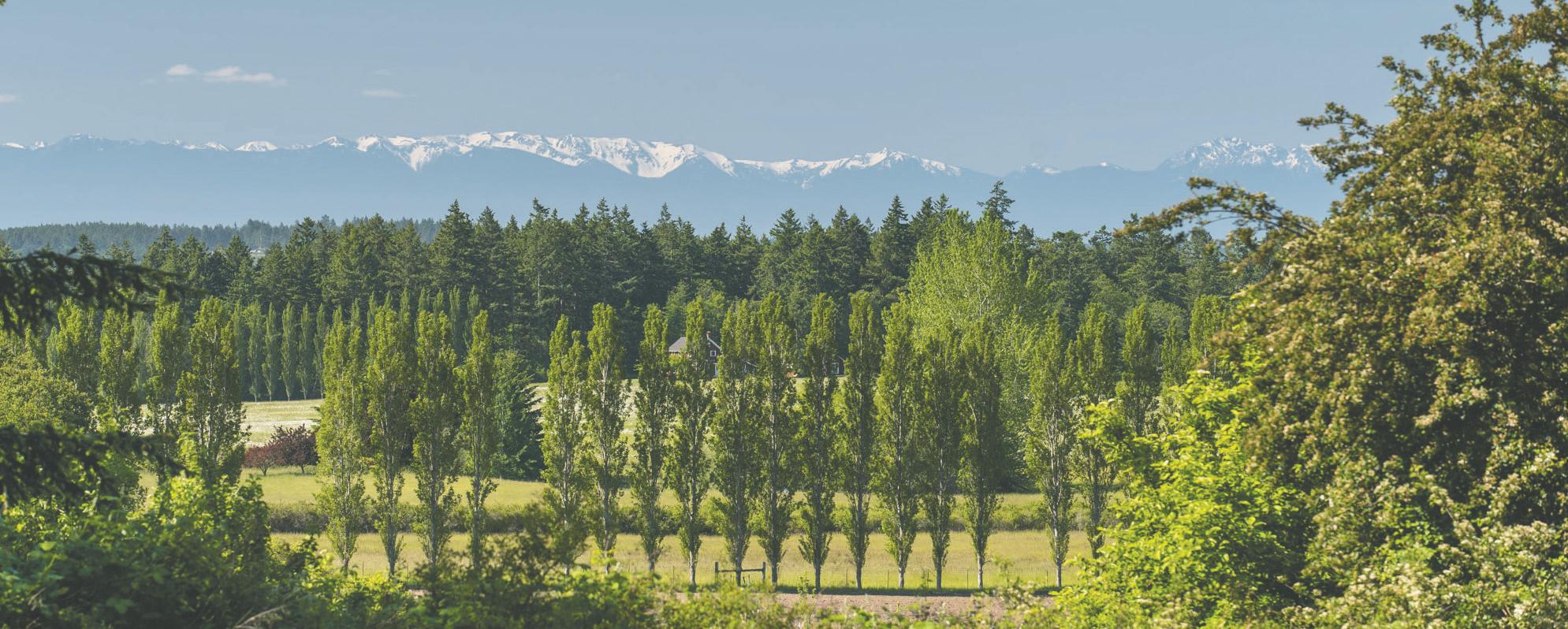
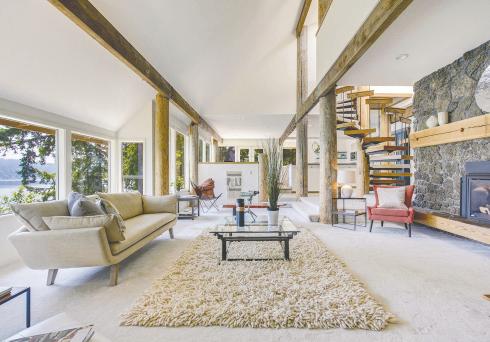
Incredible island compound of well crafted architecture anchored in pastoral setting. 4.8 acre property includes: state of the art, environmentally respectful home; original farmhouse recently updated and expanded, three accessory dwellings for guests, greenhouse, and spacious studio/workshop/office. Engaging landscape and breathtaking views complete the overall composition.
$1,595,000 / MLS# 1467631
ealogics Sotheby’s International Realty recently launched Only With Us®, a brand campaign that showcases the many unique advantages of working with our award-winning local brokerage and trusted international brand. What the Only With Us® campaign means to you: unmatched marketing exposure, access to 230 hand-selected real estate professionals, unparalleled global reach, 275 years of the trusted Sotheby’s heritage, a PR powerhouse and proven sales results. There is only one RSIR. Experience the difference today.
Managing Broker | Senior Global Real Estate Advisor Founding Member | 206.399.5842 Laura.Halliday@rsir.com
I invite you to view a Comprehensive Waterfront Report at RSIRWaterfront.com. If you prefer, I can email it directly — just let me know.
Phoebe Day
206.709.8144
pday@windermere.com
A CONTINUED LEGACY
RSIR ranks amongst the largest, most productive and fastestgrowing real estate companies in Washington with access to 22,700 brokers in 72 countries that generate US sales of $100 billion+ annually.
Laura's reputation as a top agent is well-deserved! She is just the best! She talked us through every step of selling our house. We were so impressed with her professionalism and upto-the-minute market analysis. She is warm, open and honest and has our utmost respect and admiration. She was always available for our questions and was always on time for every appointment. Her team of restylers, photographers and her brochures were all A+++. We would recommend her without reservation!
Sotheby’s Presents Finest & Rarest Wines featuring a Great Northern European Cellar, this July.
JACKIE MANSFIELD
Photo by Brandon Macz
Save Madison Valley seeks new appeal decision
Group challenging development plans wants motion for dismissal reversed, new order put in place to allow for appeal in the future
By Brandon Macz Madison Park Times editor
King County Superior Court Judge John Ruhl will consider arguments from Save Madison Valley and Velmeir Properties in deciding the fate of a land-use petition challenging redevelopment plans for the City People’s Garden Store site on East Madison Street.
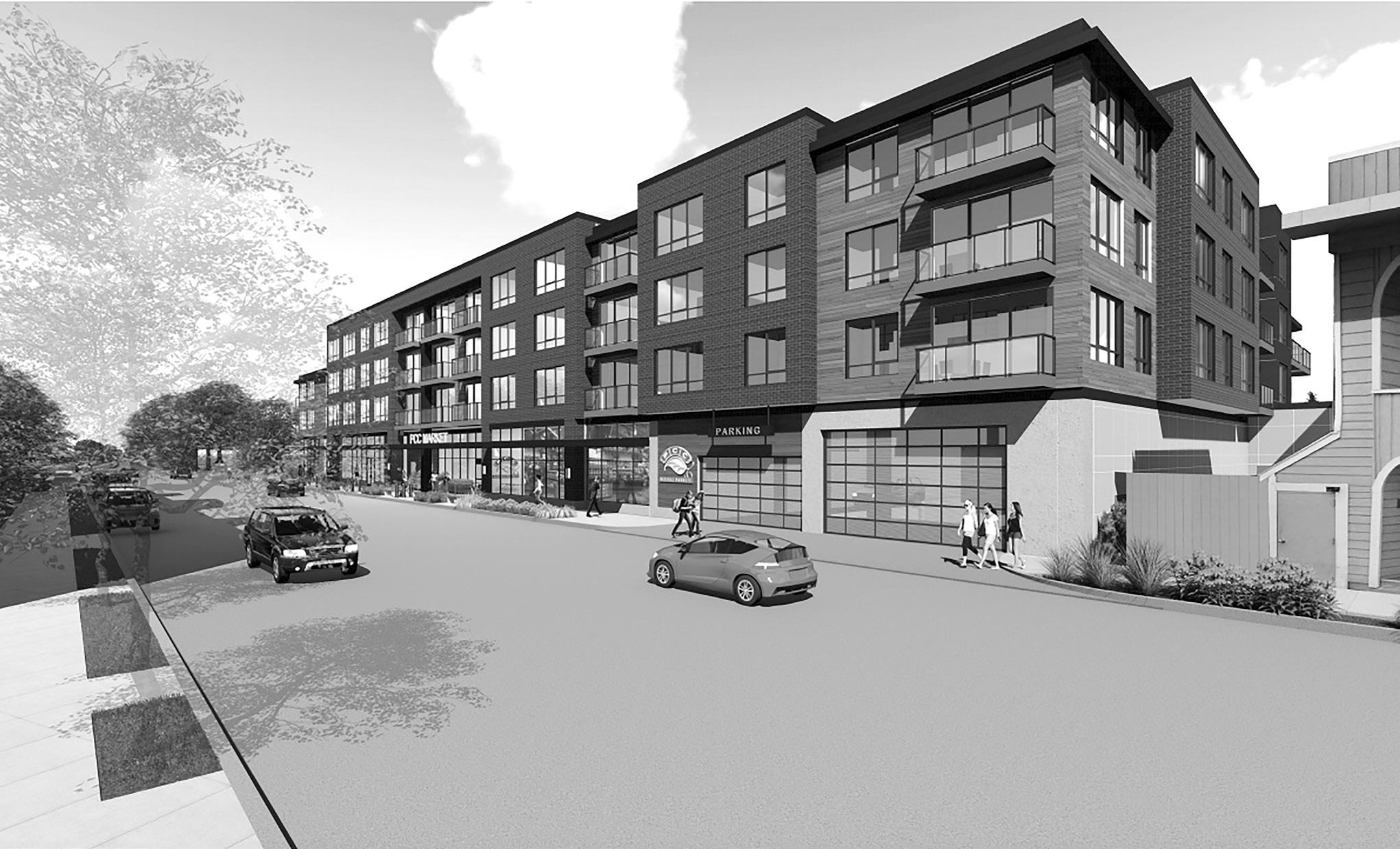
The Seattle Hearing Examiner’s Office in February partially sided with the Department of Construction and Inspections director’s decision to allow Velmeir Properties to construct the six-story mixed-use development, which will have a PCC Market as its ground-floor anchor tenant.
Save Madison Valley challenged Deputy Hearing Examiner Barbara Dykes Ehrlichman’s decision in King County Superior Court within the 21-day deadline, but filed a motion to dismiss its case on May 23, arguing that issues related to the Mad P-Patch and drainage for the project had been remanded back to SDCI, and therefore the group felt the court did not yet have jurisdiction until those matters were resolved by the city.
Save Madison Valley wanted Ruhl to dismiss the appeal, but as an order by the court and as a matter of law, and not as a voluntary dismissal.
Ruhl’s order of dismissal of Save Madison Valley’s land-use petition states a petitioner can dismiss their own claims for any reason, and so the court did not consider the group’s argument “that the court lacks subject matter jurisdiction…”
“The concern that we had, and the attorney had, is that because the judge issued the decision as a voluntary dismissal, it sets up the very real possibility that we would not be able to appeal in the future,” said SMV member Tony Hacker.
Save Madison Valley filed a motion to reconsider that asks Ruhl to pull back his order for a voluntary dismissal, so the group can continue challenging the hearing examiner’s decision, but at a later date.
“We’re asking for the judge to say, basically, ‘You can
LETTER TO THE EDITOR
Image courtesy of Studion Meng Strazzara King County Superior Court Judge John Ruhl will decide whether to reverse his order to accept a voluntary dismissal Save Madison Valley says it didn’t want regarding its appeal of The Madison development.
appeal, but you can appeal it all later,’” said SMV member Melissa Stoker.
Ruhl required any parties wishing to respond to SMV’s motion to submit court filings by June 28, and the neighborhood group had until July 1 to address those responses.
If the judge rules that the voluntary dismissal not be reversed, and not address jurisdiction, Hacker said SMV would have to challenge Ruhl’s decision at the court of appeals, which could revive the option to appeal in superior court.
Ehrlichman found that SDCI’s determination of nonsignificance was erroneous in its threshold determination related to drainage, and an updated drainage study was needed to assess stormwater detention.
The deputy hearing examiner also denied a motion for reconsideration by SDCI regarding mitigating shade on the Mad P-Patch adjacent to the property.
“While Save Madison Valley does not believe that there was a final land use decision that could be challenged under LUPA [Land Use Petition Act], Save Madison Valley
The ‘Madison Mess’
Collectively, we three Wyman Sisters have lived 166 years on Madison Street: Broadmoor, Madison Park, Washington Park, Canterbury, and Madison Valley. We used to shop at Clifton’s Nursery before City People’s Garden Store moved into that same space. We are not unique; Madison Street is lined with wonderful neighborhoods to grow up in, raise families, and retire.
Once alerted that the City People’s site was proposed for development, we turned our attention to the initial sketch. The draft looked like the Kingdome had returned and landed! Plans for a 140-car garage, a full-size supermarket topped with 82 market-rate apartments dwarfed all surrounding structures, nullifying any effort to fit into the surrounding neighborhood.
We have attended all the Design Review meetings. We listened to former City Councilman Peter Steinbrueck, now Port Commissioner, point out repeatedly the development’s violations of city codes and of Seattle’s protections for the environment laid out in “Seattle’s Comprehensive Plan for Managing Growth for a Sustainable Seattle.” We now refer to this project as “The Madison Mess.” An attorney for
Save Madison Valley (SMV) described it:
“The proposal does not respond in a complimentary or supportive way to the built features of the …neighborhood. Instead, it looms over… like a fortress on a hill.”
City People’s is the center of this commercial area on Madison. To take its vibrant, friendly, and peaceful presence away and replace it with this project as planned will change this corridor completely. From the appeal filed by SMV: “Grocery stores are one of the most traffic intensive uses in an urban environment. The unique characteristics of the project site and the design and use of the commercial entrance on East Madison Street will cause significant safety and congestion issues. The entrance will operate at an LOS F [level of service: F, for failure] with major delays. The design of the loading dock will create serious conflicts between cars entering the site and trucks using the loading area. The entrance and exit do not even meet minimal safety requirements of the Seattle code.” We were shocked and dismayed that the city’s response was to give the developer everything he wanted, and add a year-round traffic flagger—forever!
We care about our community and have enjoyed watching it grow. None of us ex -
filed its petition to preserve its right to appeal the Examiner’s conclusions on those other issues under LUPA,” the May 23 motion to dismiss states. “… The Petitioners’ LUPA petition must be dismissed because there is no final land use decision for the Petitioners to challenge.”
Attorneys for Velmeir Properties, representing its Velmeir Madison Company, LLC, opposed the motion to dismiss, arguing a final land-use decision had been made, and that Save Madison Valley “should not be allowed to withdraw and recast its appeal at some future date.”
Velmeir notes SMV did not question the hearing examiner’s decision as incomplete in its appeal, and is barred from doing so now. It also cites Ehrlichman’s decision, under the “Concerning Further Review” subhead: “The decision of the Hearing Examiner in this case is the final decision for the City of Seattle.”
Hacker said he expected Ruhl to make a decision relatively quickly. The timing was after the Madison Park Times’ press deadline, and an update on that decision will be available at madisonparktimes.com when available.
pects or wants things to remain the same forever. But all three of us, like many of you, want growth that enhances our community and improves it. We feel certain that this proposed colossus along the Madison Street corridor will not accomplish this. That’s why we have decided to support Save Madison Valley – because it’s actually also Saving Madison Park, Saving Washington Park and Broadmoor. It’s not
too late to become informed and involved, and join us in financially supporting this effort to have a better, more appropriate development for East Madison Street. SMV is carrying the torch for all of us and they cannot succeed without our support.
Deehan Wyman, Virginia Wyman and Ann Wyman
from Page 1
2037 McGilvra Blvd. E. They purchased the property from friends in 2011, and the garden was already well stocked with nice plants, Bonime said. They repositioned a number of them around their own landscape design.
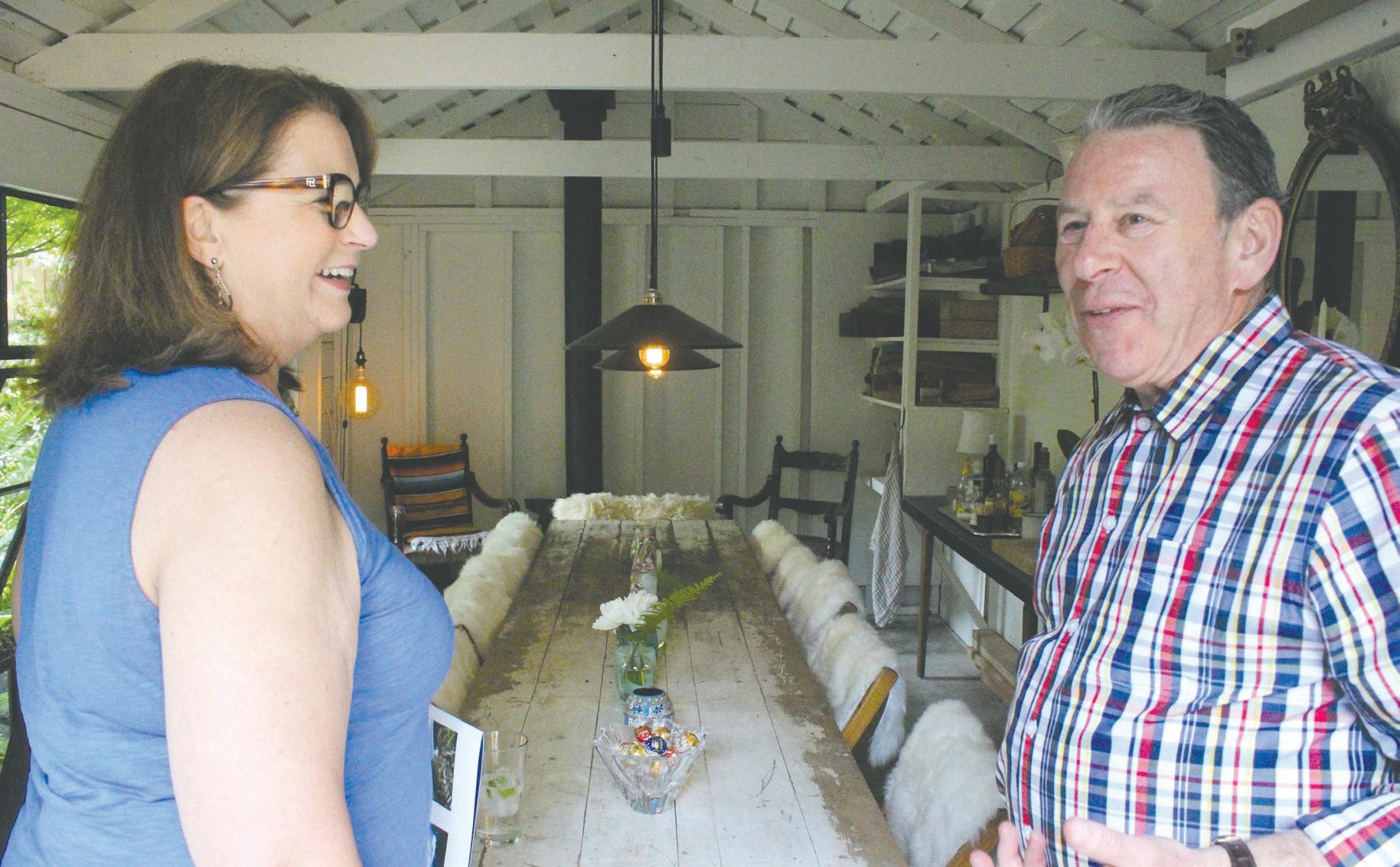
While their home wasn’t opened up for the tour, the main attraction was an outdoor entertainment room they created in an underutilized storage shed in the backyard, with French doors, a long dining table, intimate lighting, windows facing the garden and a little room for mixing drinks. Their home dining room only provided seating for six, Bonime said, and now they’ve hosted six dinner parties since completing the garden entertainment room. Bonime credits his wife for most of the project, Ellering having been a buyer for Alaska Airlines for 20 years.
“She came in under budget, within a thousand dollars, and this is what she came up with, and it’s just fantastic,” he said.
There were two gardens a stone’s throw from each other, on the southern leg of the tour.
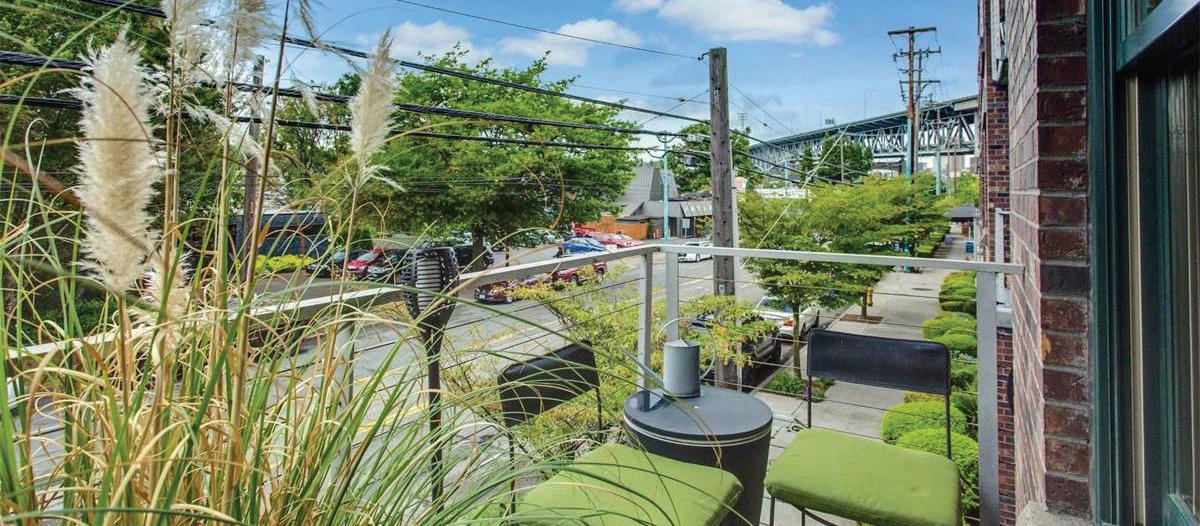
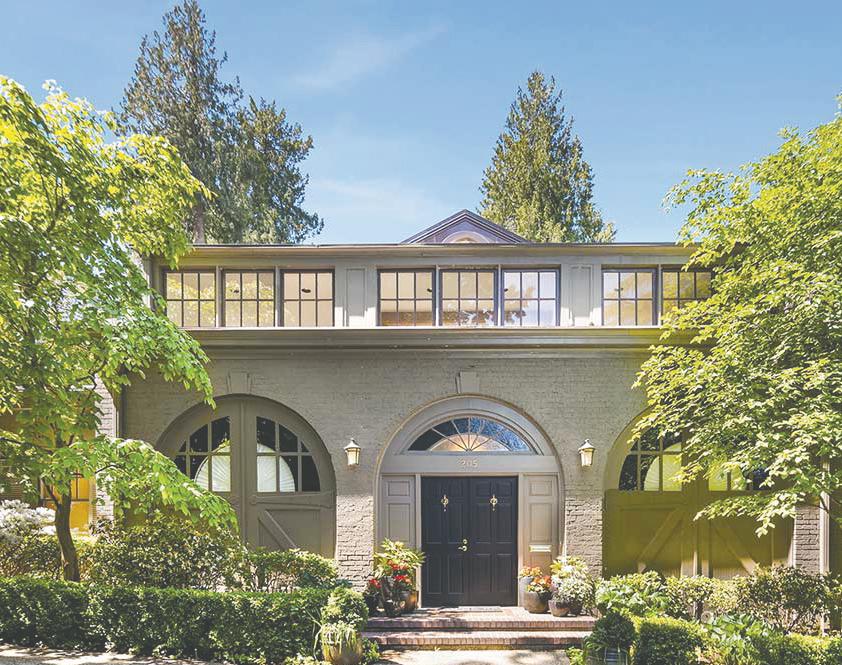
Deborah’s Garden is tucked away behind lush foliage, next to its 3,000-square-foot Denny
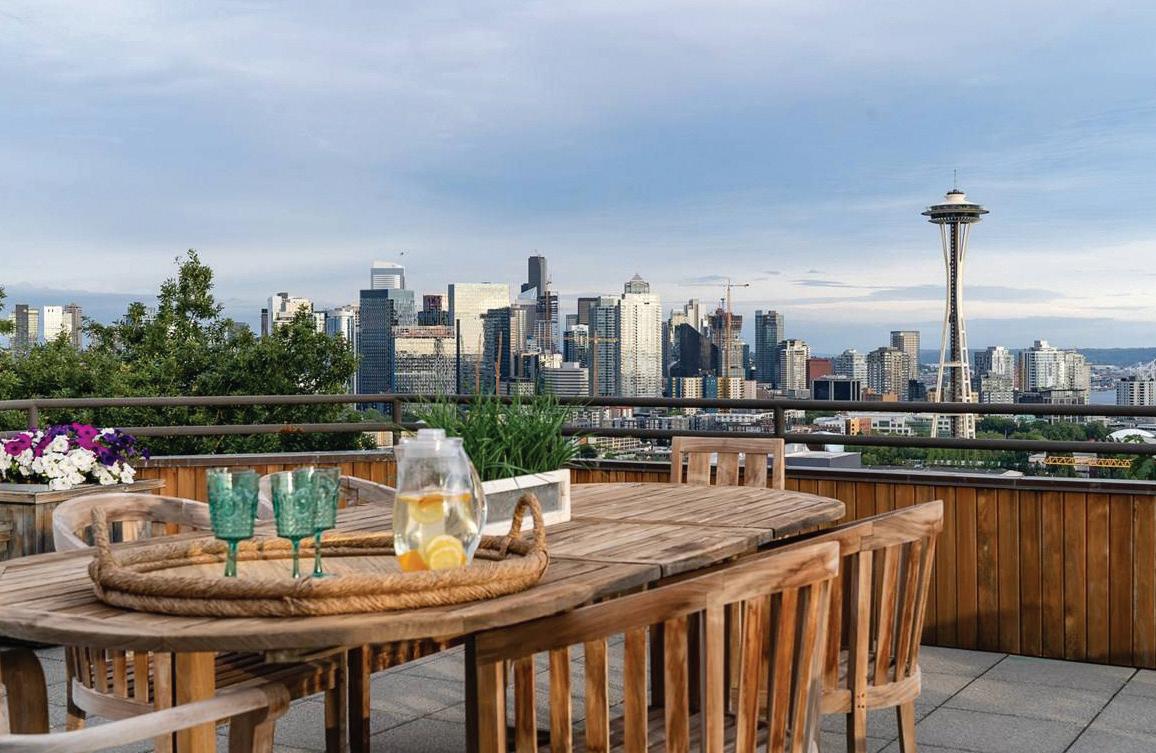
Todd Bonime shows off his outdoor entertainment room, constructed using a storage shed that was on the property when they purchased it in 2011. (Above) The former garden of Zeke and Lexie Robbins in Denny Blaine will go on the market in July. More photos at madisonparktimes.com.
Blaine carriage house, but Realogics managing broker John Madrid was there to show folks the way. He said the carriage house, 205 40th Ave. E., was once used by a large home across the street. It’s now on the market for $2.9 million.
Down the street, at 231 40th Ave. E., is the former home of Zeke and Lexie Robbins. Their son, Spafford Robbins, greeted Madison Park Home & Garden Tour-ists, and shared some history of the garden and the home, which was built in 1895.
It used to be waterfront property, Robbins said, until Lake Washington was lowered for the
Montlake Cut in 1917.
During World War II, the neighborhood grew a victory garden on a plot that is now part of the property. The street ends in a cul-de-sac, he said, because the city had once planned to use it for turning its trolleys around.
The Robbins purchased the home in 1962, and were the fourth owners.
“It’s just been a great old house,” Robbins said.
Three generations of his family went to McGilvra, he said.
Now that his parents have passed, Robbins plans on putting the Denny Blaine home on the market this month.
When you need a mortgage, experience counts
If you’re planning to purchase or refinance a home, choosing a lender is as important as choosing your mortgage. Look to my ��� years of mortgage lending experience to help you understand your options. Combined with the resources of one of the nation’s leading residential lenders, I can help you find a home financing option to meet your needs.
• Jumbo loans for higher-priced properties
• Competitive interest rates
• Wide selection of conventional loan options
Let’s have a conversation today.
Photos by Brandon Macz (Top)
Photo by Brandon Macz
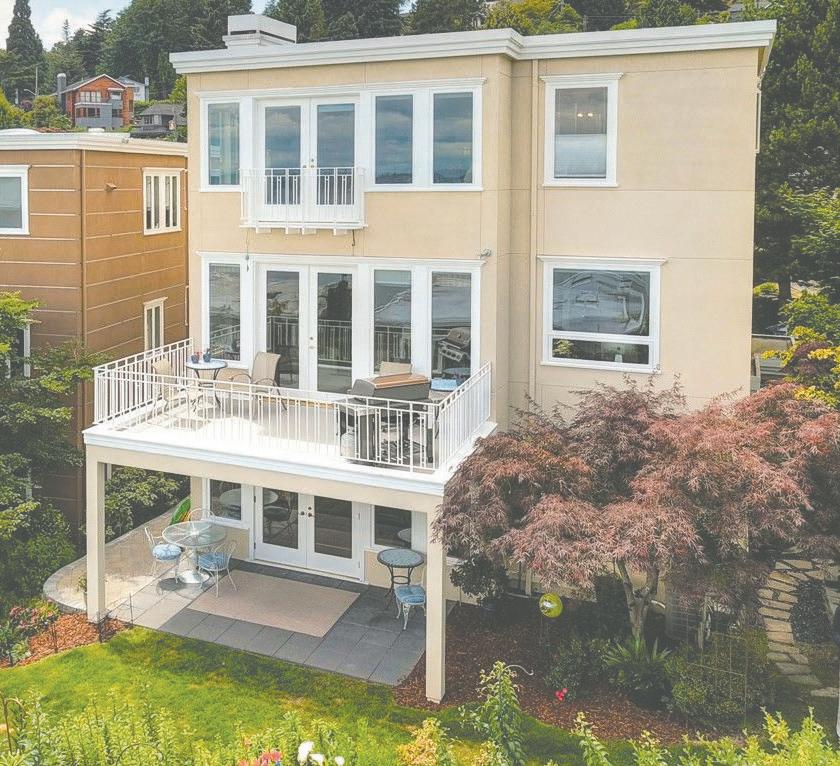
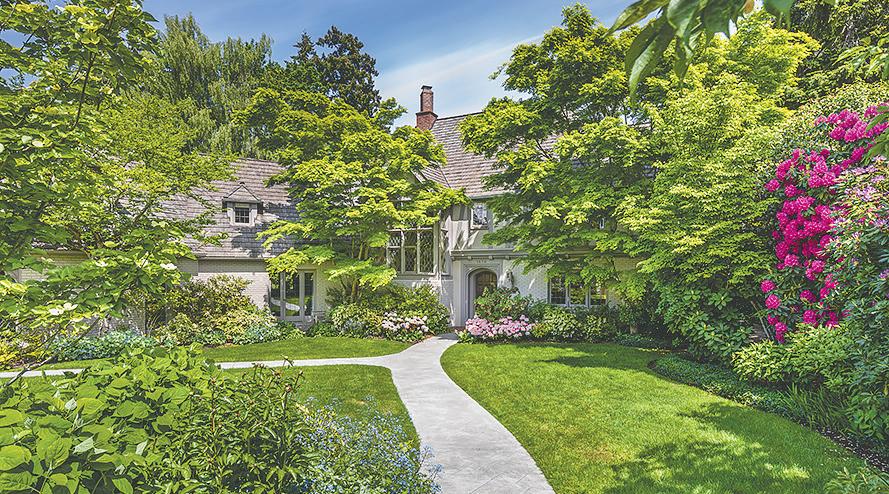
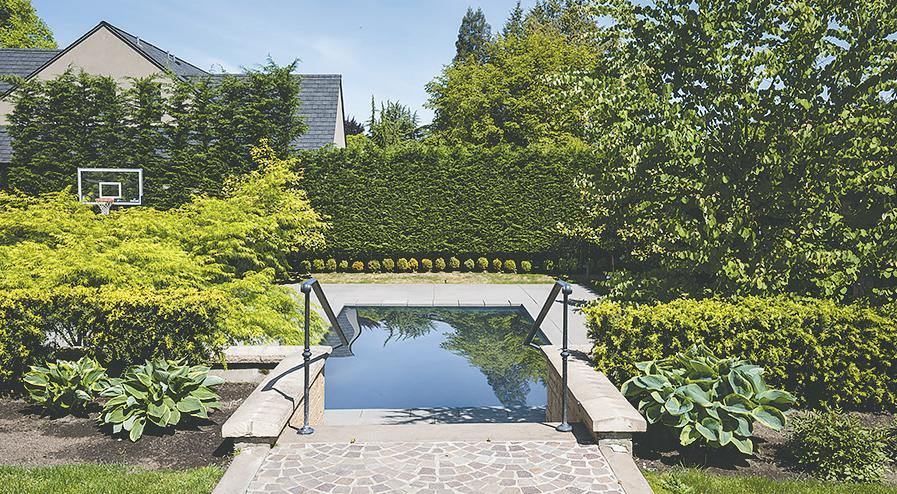
The backyard of Paula Rees and Jeff Thompson’s home. They purchased the 1920s Tudor-style house in 1984.
8106
Loquat can be high point of garden
38
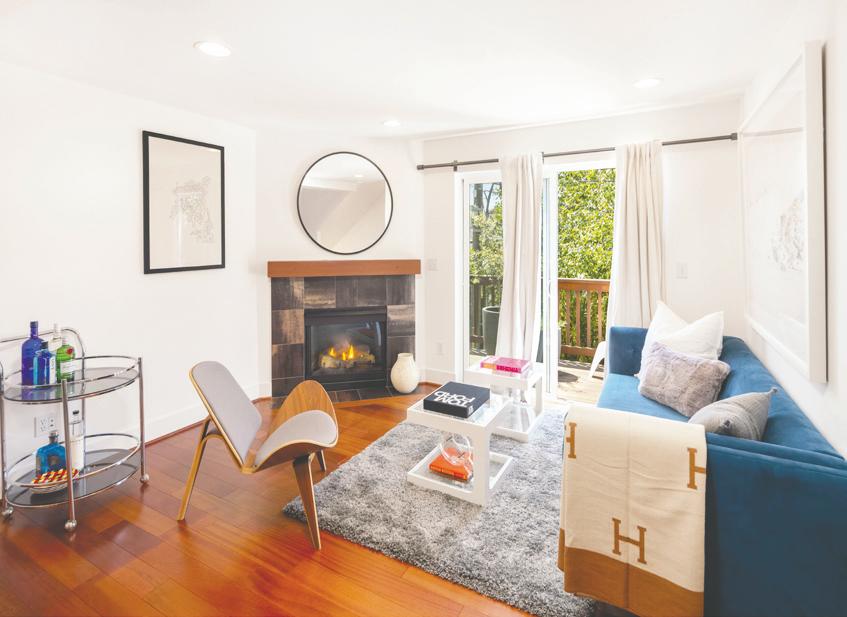
Strolling around Madison Park is always a horticultural treasure hunt. This week I struck a payload. Midway down the block on 41st Avenue East, east side, up a bit from the sidewalk and standing before a pristine early 20th century house, I stopped, blinked and muttered “Wow! Gold!”
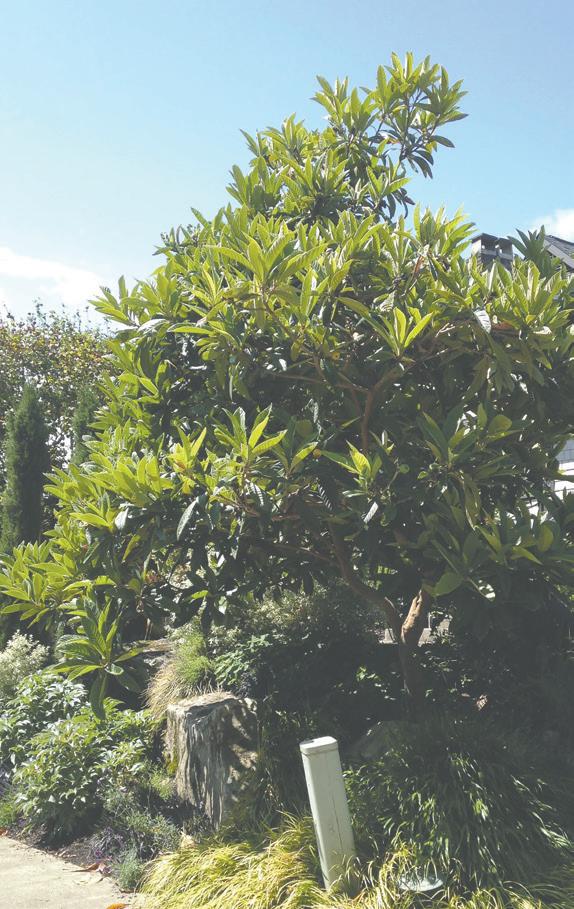
It was a robust Loquat (Eriobotrya japonica and among its large, leathery and deeply veined leaves were clusters of ping-pong ball sized fruits in 24-karat yellow.
Something of a staple in the gardens of California, this tree is uncommon in the Pacific Northwest. In fact, my attempt at growing one more than 30 years ago ended in winter-kill.
But the plant you’ll see here went into the ground as a 4-foottall sapling in 2012, and has been going strong since. It even survived our February snow without a sign of broken branches or freeze burn on its evergreen leaves. The owner did go out and shake the snow from the limbs, just as a fastidious gardener would do with Magnolia grandiflora and other broad-leafed evergreens.
The branches of loquat can be tender, especially in youth.
Native to China and Japan, this tree can reach 15 to 30 feet in height, with an equal spread. To assure sturdy branches that don’t stretch for light, give it a location where it will get a good half day or more of direct sun exposure.
Drainage is also important. Up on a bank, the one in the photograph never has its roots standing in water or even soggy soil. In fact, wet winter roots, not the cold, is what I suspect may have been what did in the plant I tried to grow.
The stout leaves can be 6-12 inches long, deep green on top, with a woolly rust-colored undersurface. Before the plum-like loquats set and begin to mature, the plant blooms. Small white flowers appear, unremarkable but
fragrant. The fruits, which contain a large central seed, are quite tasty, with a flavor between guava and pineapple, and a texture firmer but reminiscent of mango. Eriobotrya japonica does perfectly well in our acid soil. The owners of this tree top dress it annually with compost. It was given ample summer irrigation for the first several years after planting and until it was established. It fits nicely as a focal point in a garden, which is designed to echo subtropical New Zealand. Plus, there is an added bonus to these large and abundant leaves. In a stiff summer breeze, they catch the wind and rustle, bringing both movement and a soothing resonance to the garden.
A loquat will not be easy to find in nurseries. You may have to ask for a special order. Currently, Monrovia Nursery, headquartered in Azusa, California, and Dayton, Oregon, sells plants for $24.99, with free shipping, according to their website.
Given you have the space and the right exposure, this tree is worth growing. Its statuesque form, handsome foliage and edible fruit, each, alone, makes it garden worthy. Imagine the fun of surprising a house guest with three of these exotic plump fruits at breakfast or with a scoop of vanilla ice cream after dinner. Your guest will squeal in amazement, and you’ll chatter with pride. So luscious is loquat, it will make you loquacious (sorry, I couldn’t resist). But do give this plant a try.
Steve Lorton Tree Talk
Photo by Mary Henry Tree Talk columnist Steve Lorton writes that a loquat tree is a worthwhile and tasty investment for your home garden.
Madison Park real estate market heating up
SPU to begin new major institution master plan process
City council clears path for campus expansion into nearby industrial zone
By Brandon Macz Madison Park Times editor
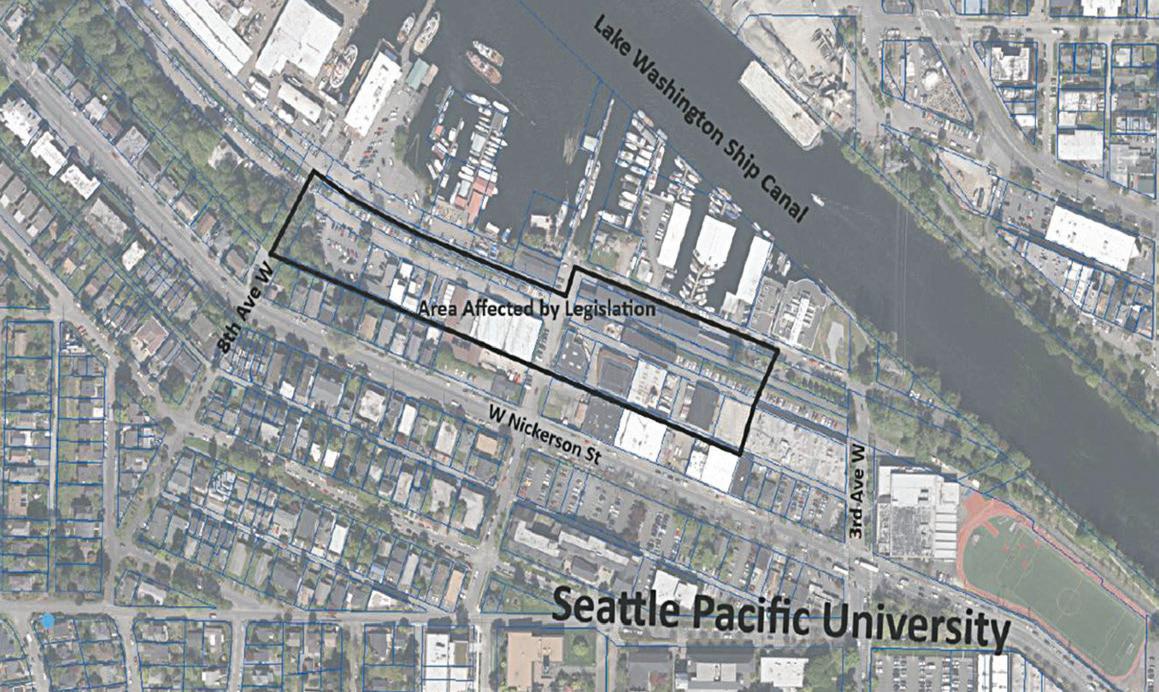
The city council approved legislation on June 10 that clears Seattle Pacific University to explore growing into the industrial area north of its campus.
The council previously approved removing property zoned industrial at the corner of Eighth Avenue West and West Ewing Street from the Ballard/Interbay/ Northend Manufacturing/Industrial Center (BINMIC), and on June 10 it unanimously approved a landuse code change that allows major institutions “to operate more freely within a limited area zoned Industrial General 1 (IG1) and Industrial Buffer (IB),” according to a legislative summary.
The affected area is north of West Nickerson Street, between Eighth Avenue West and just north of Third Avenue West.
The private Christian university can now submit a letter of intent to the city to begin a new Major Institution Master Plan process, said Dave Church, SPU assistant vice president for facility management.
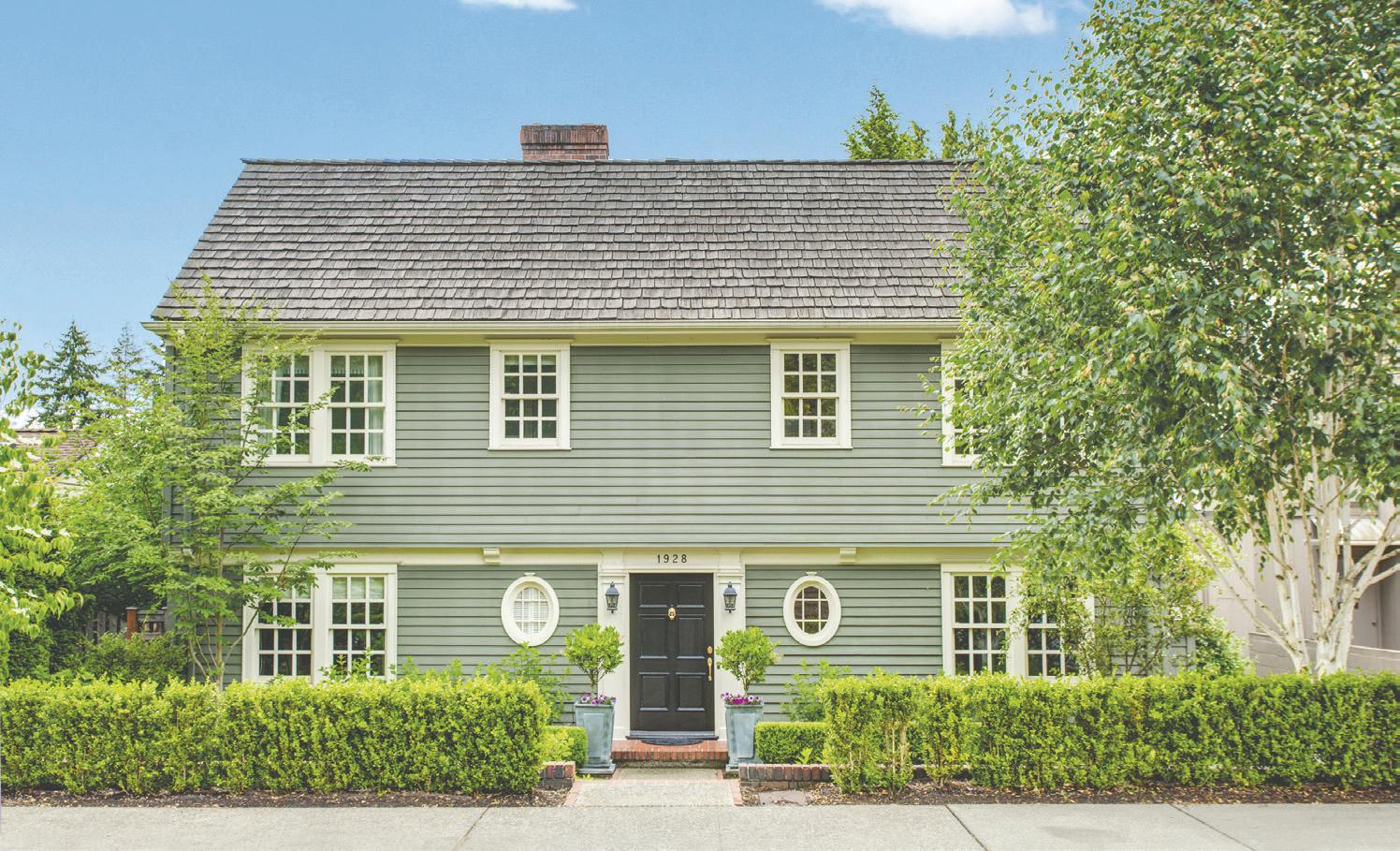
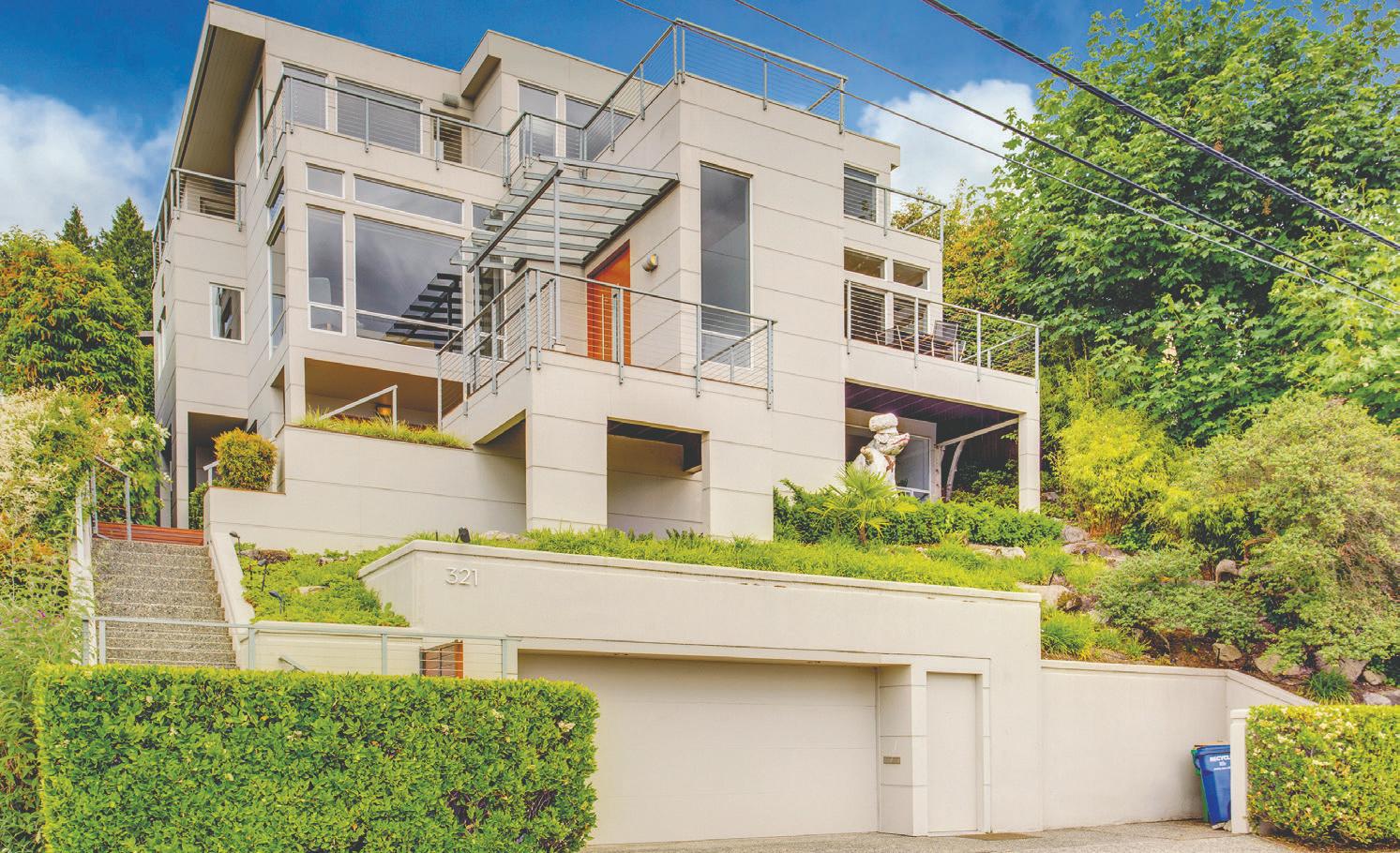
After a somewhat slow start to the year, the real estate market in Seattle is showing clear signs that things are heating up! In May, median home prices hit their 2019 high point, reaching $775,000. If expected seasonal trendlines follow, we will continue to see favorable outcomes for sellers through the duration of the summer months.
Our market is much more balanced than we have seen in recent years, and buyers are benefitting from more home choices and the ability to take more time when making home purchase decisions; in May 2019, inventory grew to 1.8 months, and homes sold in an average of three to four weeks.
As was the case in Seattle as a whole, the Madison Park market experienced an increase in average days on market and inventory in May. Months of inventory more than doubled from this same time last year—to 2.7 months—edging closer to neutral market conditions, which typically fall between 3-6 months. Greater inventory has contributed to lengthier market times, with buyers weighing their decisions and carefully navigating the purchase process. Madison Park homes sold in an average of 41 days in May, a slightly longer market time than seen in Seattle at large, but not uncommon in an area with a higher price point.
There have been four condominium sales in Madi-
son Park since May 1, and a total of nine for all of 2019, ranging in price from $395,000 to $1.673 million. At the time of this writing, single-family inventory in our community is healthy: there are currently 24 residential listings in Broadmoor, Madison Park, Washington Park and Denny-Blaine, ranging in price from $995,000 to $15 million; there are just two condominium homes for sale. Since the start of 2019, there are have been 24 sales in total, down slightly from last year’s figure of 31, but not unexpected given the slow start to the 2019 sales season. Madison Park remains one of Seattle’s most beloved neighborhoods, with a stellar location just minutes from downtown Seattle and the growing Eastside tech corridor, and a timeless neighborhood sentiment. The sunshine-filled days of summer bring us out to our community’s quaint cafés, delectable eateries, boutique shops, and of course, the waterfront. Though they opened their doors in April, I want to give a special welcome to Madison Books— it’s truly wonderful to have a bookstore back in Madison Park!
Our local real estate market is expected to continue its upward swing through the busy summer sales season, with strong market fundamentals, low mortgage rates and steady job growth. If you’re considering making your next move, now is an opportune time to take advantage of the market and begin your next adventure, whether it’s a waterfront estate for summertime aquatic adventures or an in-city, lockand-leave lifestyle that affords the opportunity to travel the world.
“We have a master plan; it’s 19 years old,” Church said. “It’s time that we would do another one. Basically, these two amendments allow the university to propose a new master plan process, moving our boundary into that area.”
Because major institutions can’t expand into single-family zones, SPU was encouraged to look at expanding its campus to the north, south or east, Church told Queen Anne News back in November. SPU was later encouraged to liquidate its properties south of campus.
The university sold its Robbins Apartments, 2701 Third Ave. W.,
SPU, Page 10
Laura Halliday is a managing broker at Realogics Sotheby’s International Realty.
Arboretum, Denny-Blaine, Broadmoor, Leschi and Madrona in
Laura Halliday Property Views
from Page 9
to Bellwether Housing in 2012, and its two-acre tennis court and parking lot space, near the Queen Anne Bowl, to Aegis Living, which used it to construct its Aegis of Queen Anne at Rodgers Park facility.
SPU used the proceeds to help fund a new performance hall, as well as property acquisitions to the north and east of campus, within the zone in which it expects to eventually expand.
“There’s more left; probably a lot more left,” Church said. “We own some of the property north of Nickerson, and between Sixth Avenue and Third Avenue, but we don’t own it all.”
Seattle Pacific University’s last Major Institution Master Plan (MIMP) was adopted in August 2000, with work on its creation starting in 1998.
Once a letter of intent is filed with the city, the MIMP process can start. The two agencies that will assist in the process are the Seattle Department of Construction and Inspections and Department of Neighborhoods, which will first organize a citizen advisory committee. The CAC will represent the public’s interest as the new master plan is developed. Church expects work with CAC to be at least a two-year process.
“This limited expansion would occur away from existing residential development to the south and west of the institution, as requested by the neighborhood,” according to the legislative summary. “It would also create a limited opportunity for the University to reassess uses on this land, on which the University is the primary land holder.”
After the first CAC completed its work advising the creation of the master plan, it became a standing advisory committee, reviewing SPU’s development plans and making sure they followed the MIMP.
That group will be disbanded in order to establish another citizen advisory committee, though members could still apply to join the new CAC, Church said.
“There will be new blood that applies, and both the city and university will probably try to advertise and recruit people,” he said, “so the neighborhood is as widely represented as possible.”
Part of the master plan process will be deciding how far SPU might want to expand its major institution overlay into the industrial buffer land around it.
SPU worked with neighbors in the light industrial zone, and briefed the Queen Anne Community Council and its standing advisory committee, before proceeding with plans to update its master plan, Church said, and so far there have been no objections.
Before the June 10 council vote, District 7 City Councilmember Sally Bagshaw said that early outreach “has made a huge difference.”
Mayor signs off on Fort Lawton Redevelopment Plan
With legislation ratified, feds to review plan for final approval
By Brandon Macz Madison Park Times editor
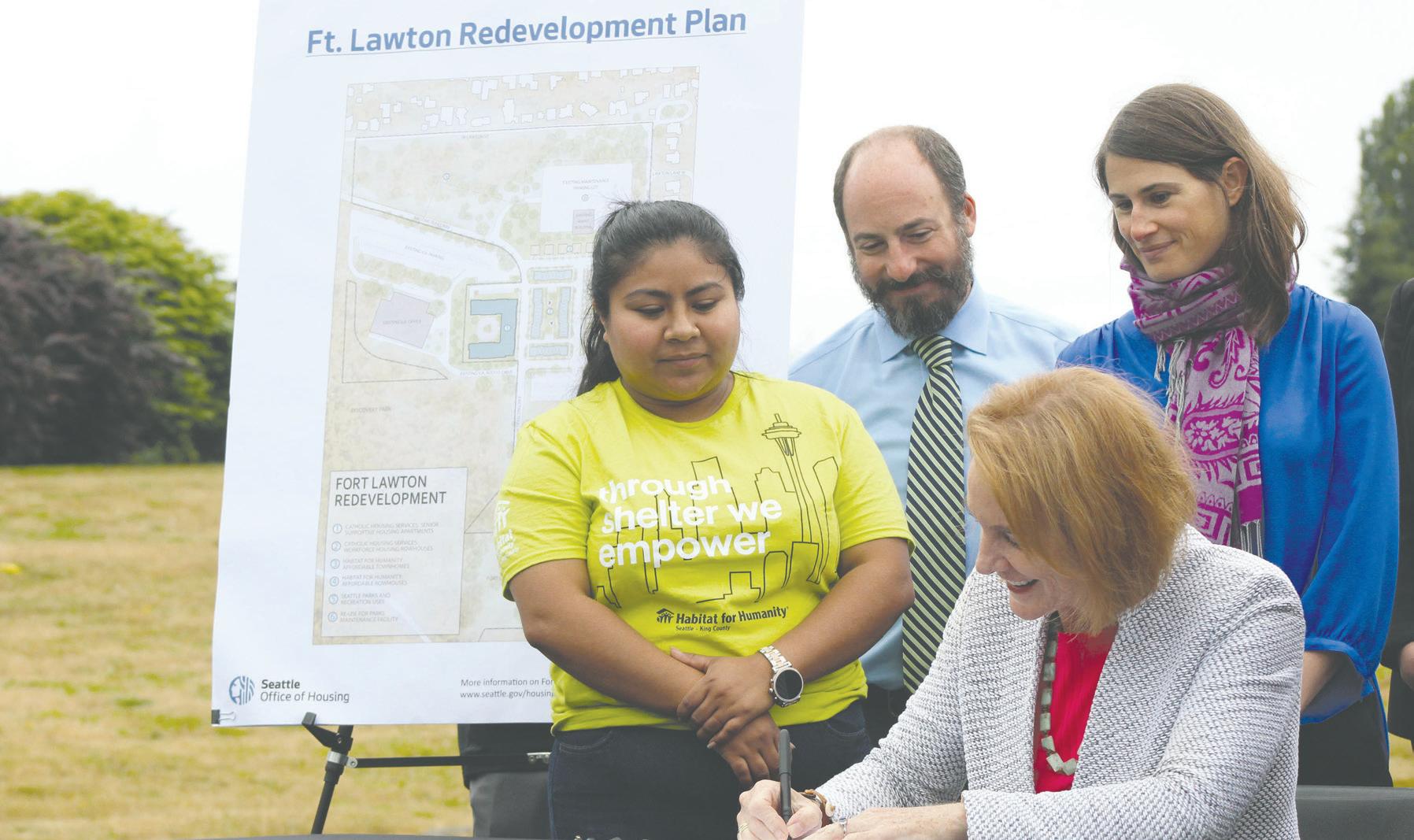
The Fort Lawton Redevelopment Plan is ready to be reviewed by the U.S. Department of Defense and U.S. Department of Housing and Urban Development following signing of legislation to push the affordable housing project forward. Plans to create 237 affordable housing units for rent and homeownership on a portion of the decommissioned Fort Lawton Army Reserve Center were approved by a unanimous vote of the Seattle City Council on June 10, and Mayor Jenny Durkan signed the legislation during a ceremony at the site on Tuesday, June 18.
Emily Alvarado, acting deputy director of Seattle’s Office of Housing, said review of the plan should only take a few months, as it was built off the original 2008 plan approved by the Base Realignment and Closure Commission (BRAC) in 2010. In that time, the city will work on conveyance and infrastructure planning, she said.
Prior to signing legislation, the mayor recalled the 1970 occupation of Fort Lawton by Native American activists, led by Bernie Whitebear, who founded the United Indians of All Tribe Foundation. Through that action, the federal government granted UIATF property on which its Daybreak Star Indian Cultural Center now sits.
“But anyone who knew Bernie knew his vision for Seattle was much bigger,” Durkan said.
Whitebear had always envisioned creating housing on the former Duwamish tribal land.
“I guess housing wasn’t a strong concern back then,” said UIATF executive director Michael Tulee. More than 40 years later, UIATF has partnered with Catholic Housing Services to create 185 afford-
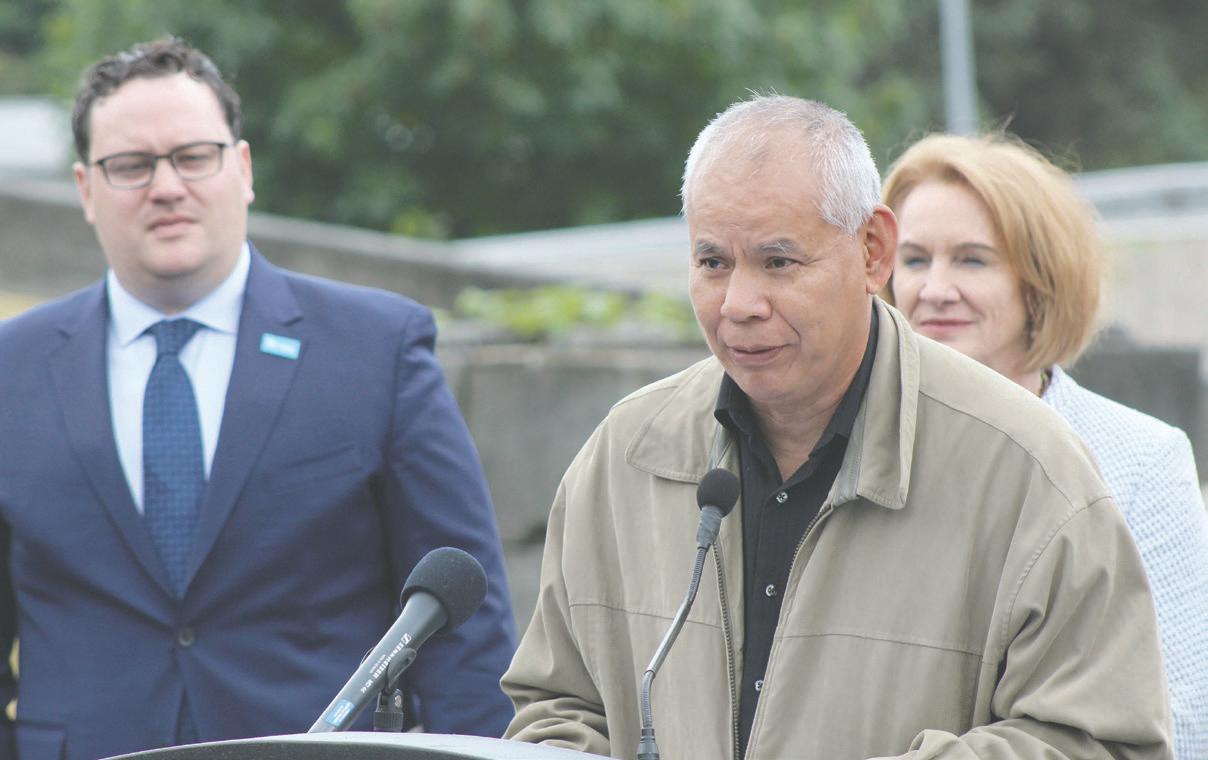
Seattle Mayor Jenny Durkan signs a legislative package approved by the city council earlier last month that clears the redevelopment project to proceed to federal review. (Above) UIATF executive director Michael Tulee speaks about the United Indians of All Tribes Foundation’s partnership with Catholic Housing Services.
able housing units at Fort Lawton. There will be 85 supportive housing units for homeless seniors and veterans, at or below 31 percent of area median income, and 100 affordable rental units. One unit will house a site manager.
“We’re going to combine forces and make it happen,” Tulee tells Queen Anne News.
Flo Beaumon, associate director at Catholic Community Services of Western Washington, said some of the seniors and veterans that will benefit from the supportive housing units are those among the city’s homeless population now, with wraparound services that include behavioral health and case management.
Habitat for Humanity is developing 52 units of affordableownership housing in the form of three-bedroom townhomes and six-unit row houses constructed with sweat equity. The homes will be roughly 1,200 square feet and available to families with up to six members, said Brett D’Antonio, CEO of Habitat for Humanity of Seattle and King County. Those families will make less than 80 percent of the area median income, D’Antonio said, adding they will also need good credit in order to obtain a mortgage, which Habitat for Humanity will help make affordable.
The price tag for the nearly 240 affordable housing units is
around $90 million, and it’s taken nearly 15 years to get to this point, BRAC having offered the Fort Lawton property to the City of Seattle back in 2005.
Magnolia resident and Discovery Park Community Alliance founder Elizabeth Campbell spent the better part of a decade fighting the project, arguing the site should be used to expand the 534-acre Discovery Park.
“I think, when they see this project built, they’re going to wonder why they didn’t do this years ago,” Durkan said of the project’s detractors.
While a third of the 34-acre Fort Lawton site has been rezoned to allow for multifamily development, 60 percent of the land will be used for greenspace, including a 13-acre addition to Discovery Park, as well as two athletic fields for Seattle Public Schools.
Durkan said the city should see more than 5,000 new affordable housing units created by 2024, and she is pushing to include them in every part of the city. She expects funding from the recently passed Mandatory Housing Affordability program to help with that effort.
“It’s never been more important in Seattle,” she said. “Our city has grown so fast.”
If everything stays on track from this point, people could be calling Fort Lawton home by 2026.
Photos by Brandon Macz (Top)
SPU,
USPS announces new East Union Post Office location across street
By Brandon Macz Madison Park Times editor
The East Union Post Office can keep its name after redevelopment forced its closure at 23rd and Union back in January. USPS has decided to relocate across the street in the old Electric Lady Bicycles space, 2207 E. Union St.
“We don’t have a lease formally done, but I think that nine months is still a decent timeline,” said USPS spokesperson Ernie Swanson. “I think location was the main criteria.”
Nine months was the estimated timeline for establishing a new post office location provided by USPS real estate specialist Greg Shelton during a community meeting in early May. Residents in attendance were asked to provide a preference for either the Electric Lady Bicycles space or a space in the Madrona Refuge building at 34th and Union, after the majority at the May 2 meeting said they did not want to wait three years for the post office to return to its original corner.
Lake Union Partners plans to break ground on that corner of 23rd Avenue and East Union this summer, constructing a seven-story mixed-use development with 430
Seattle Postmaster Trent McNeal thanks residents for their support of the post office at a May 2 public meeting about relocating.
apartment units spread across three buildings.
“They tell me they’re going to try to put a drive-up collection box somewhere in the area,” Swanson said.
USPS vice president of facilities Tom Samra announced the relocation decision to Seattle Mayor Jenny Durkan in a June 7 letter, noting another location may be selected if a lease agreement can’t be reached.
“While the Postal Service is sensitive to the impact of this decision on its customers and the East Union community, the Postal Service properly considered community input and this decision
is consistent with Postal Service objectives,” the letter reads. “Postal Service operations are not supported by tax dollars. To be self-sustaining, the Postal Service must make decisions that ensure it provides adequate and affordable postal services in a manner that is as efficient and economical as possible.”
Leschi Community Council member Diane Snell contacted Grocery Outlet owner Steve Mullen after the May meeting with USPS, and there is now a new dropbox next to the Central Area grocery store, at 1126 Martin Luther King Jr. Way.