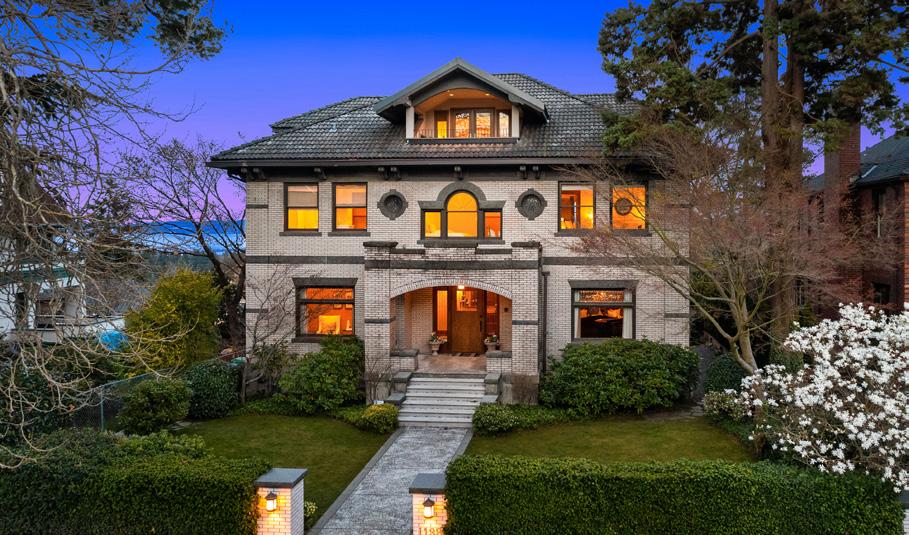
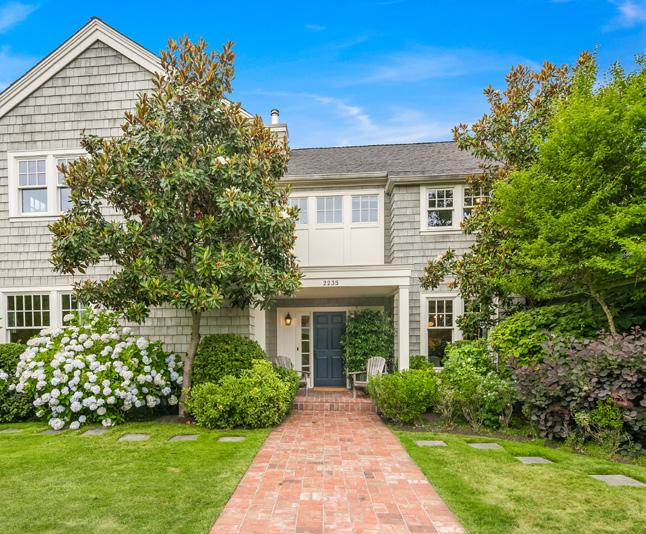
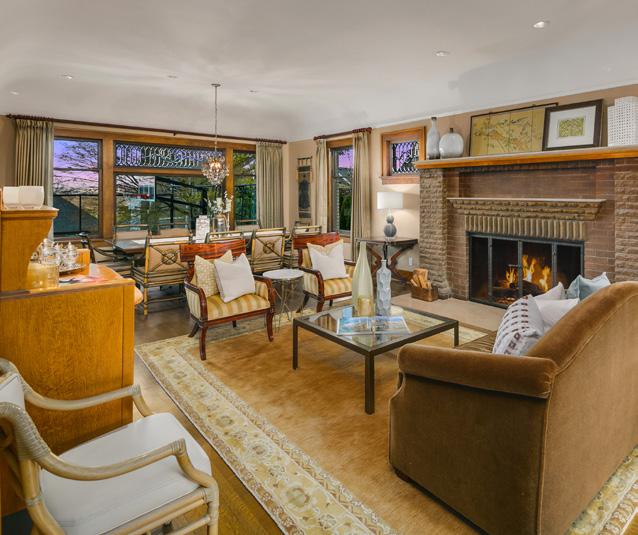
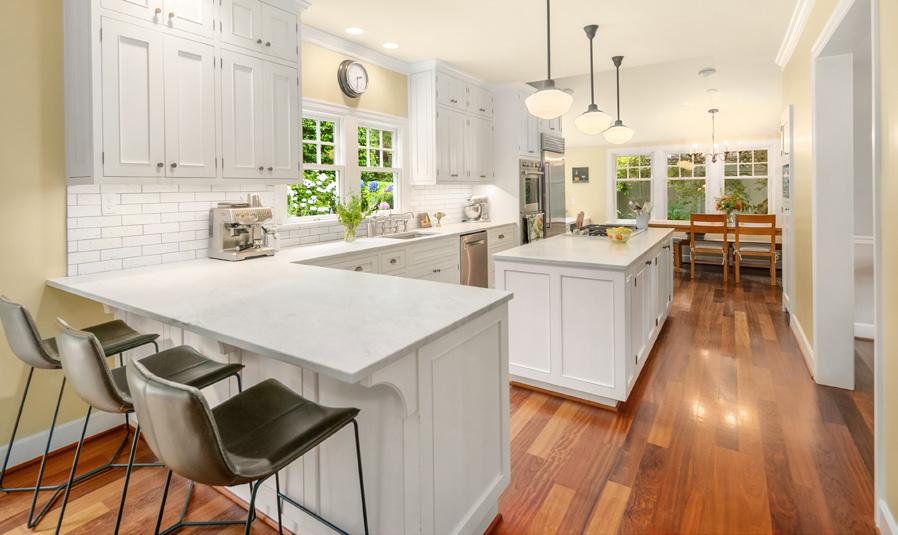
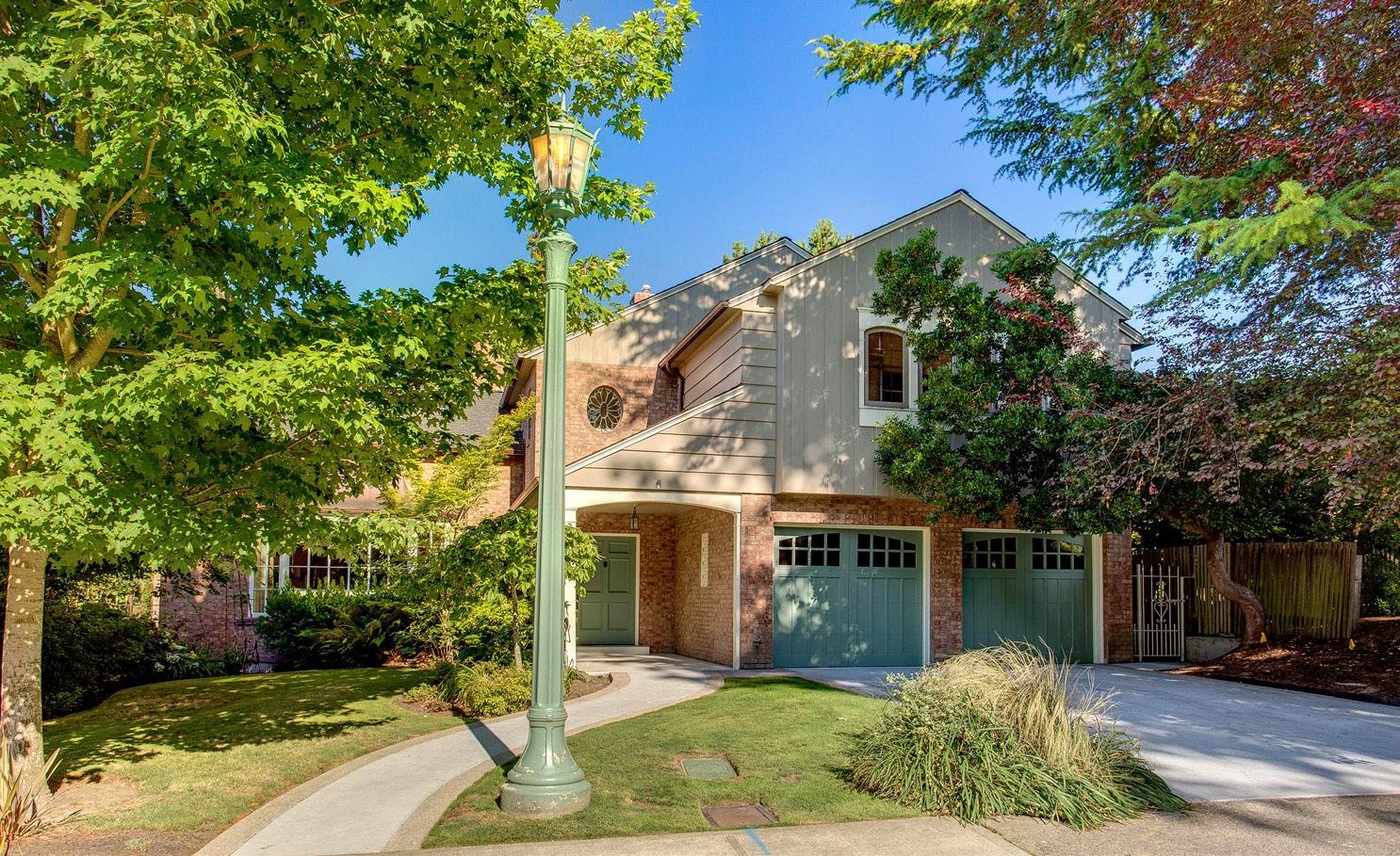
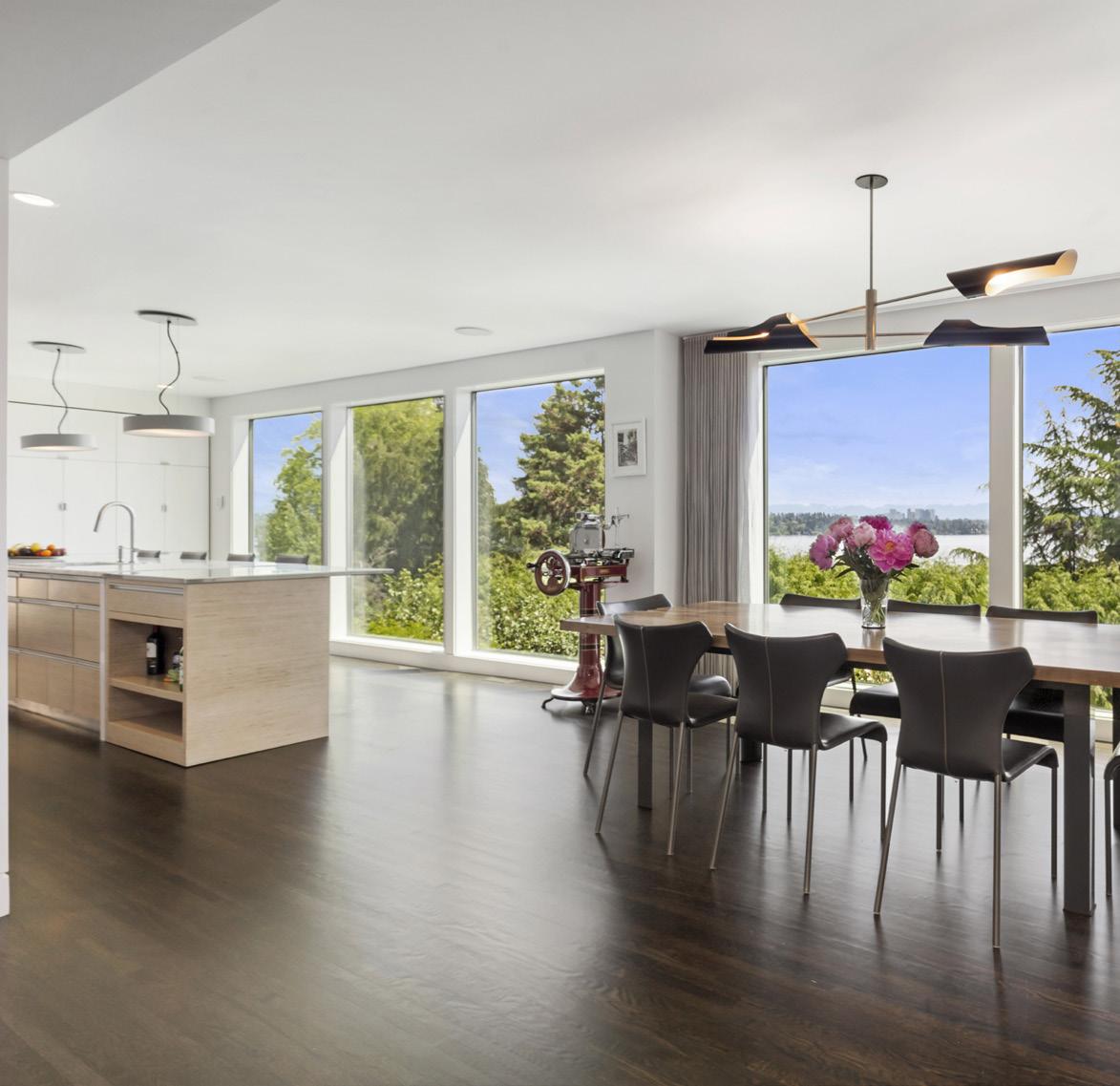
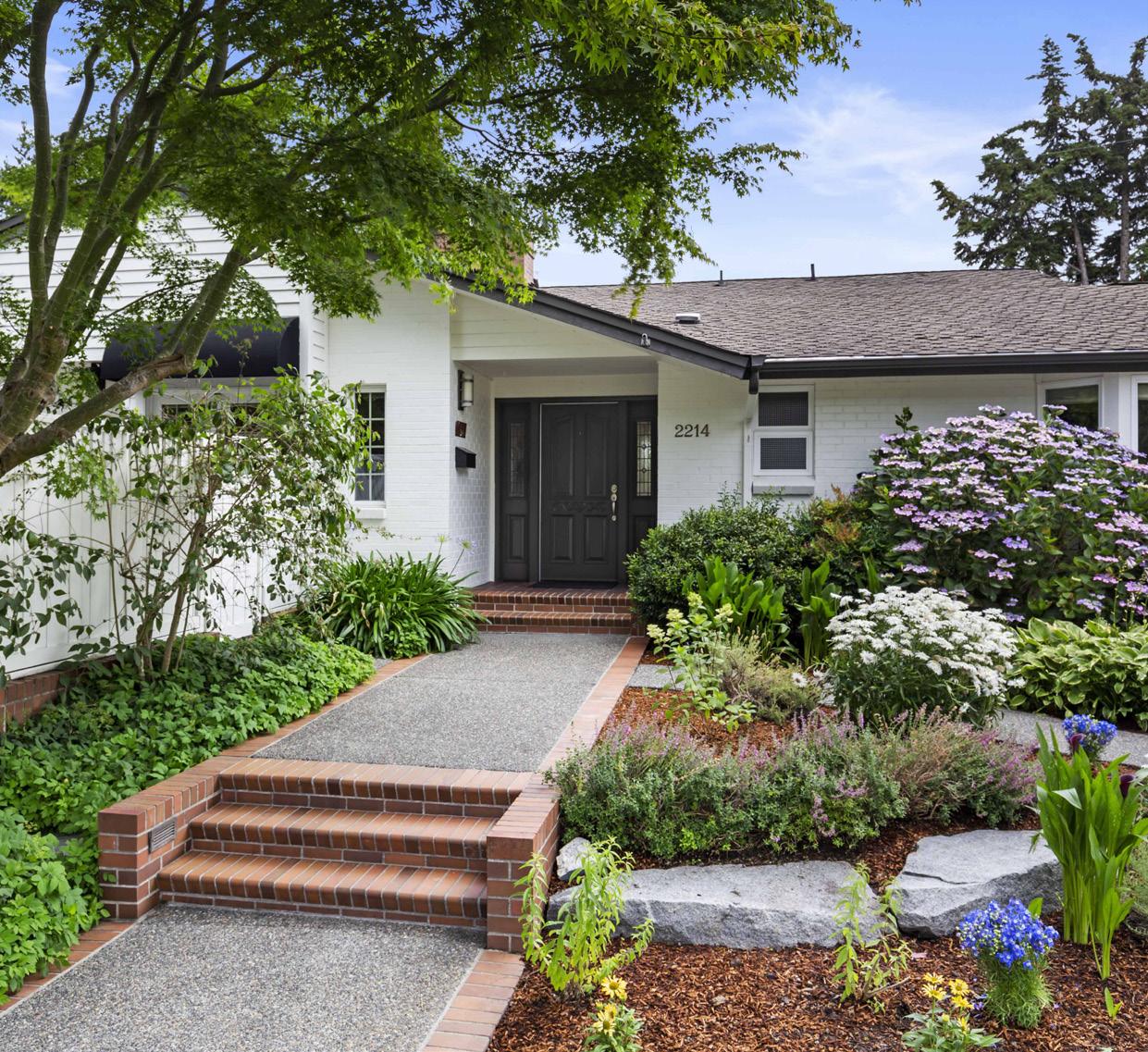
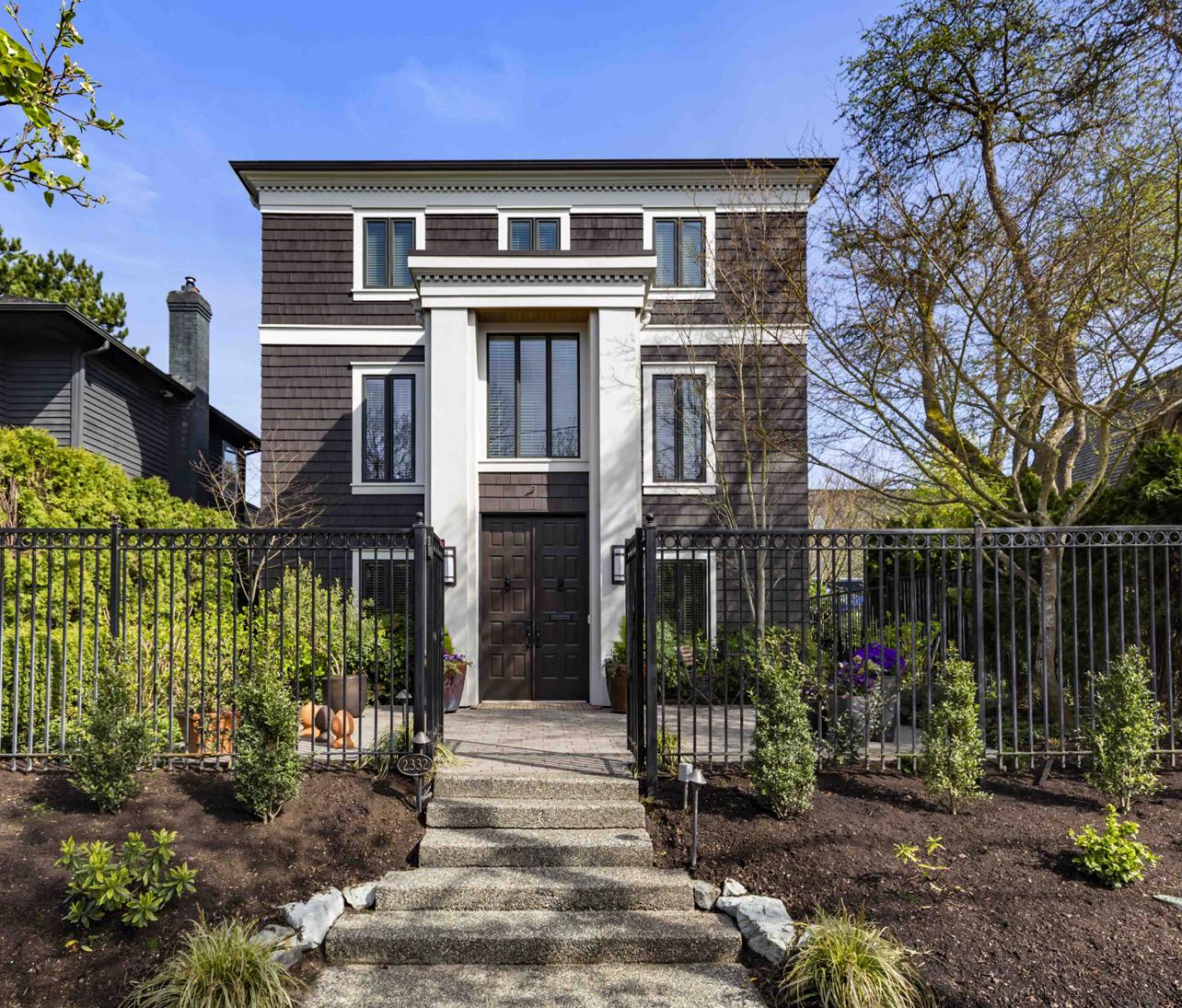
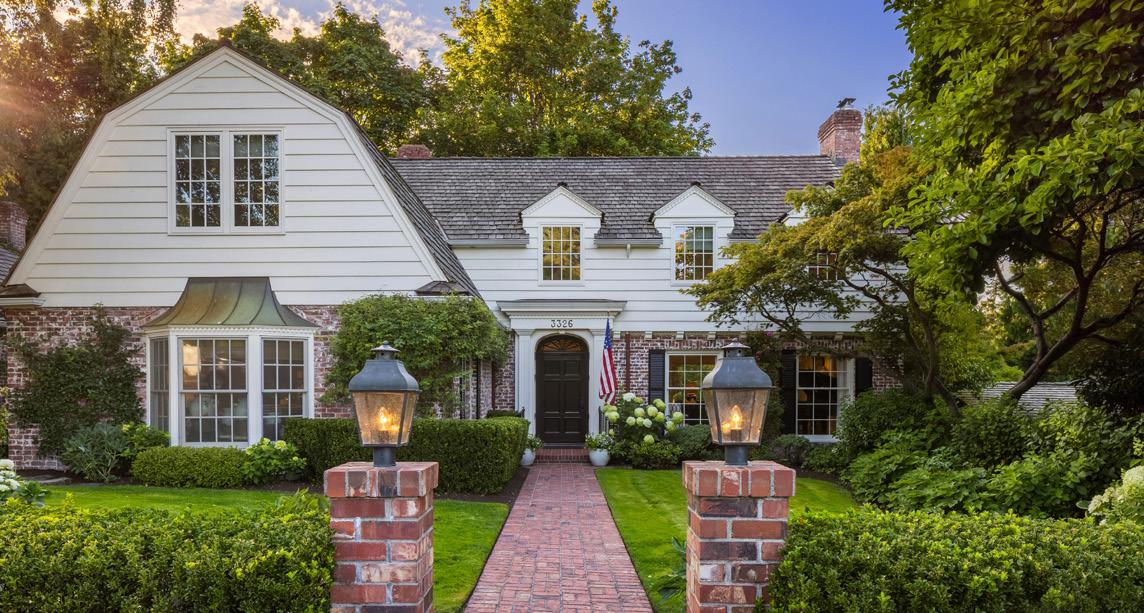
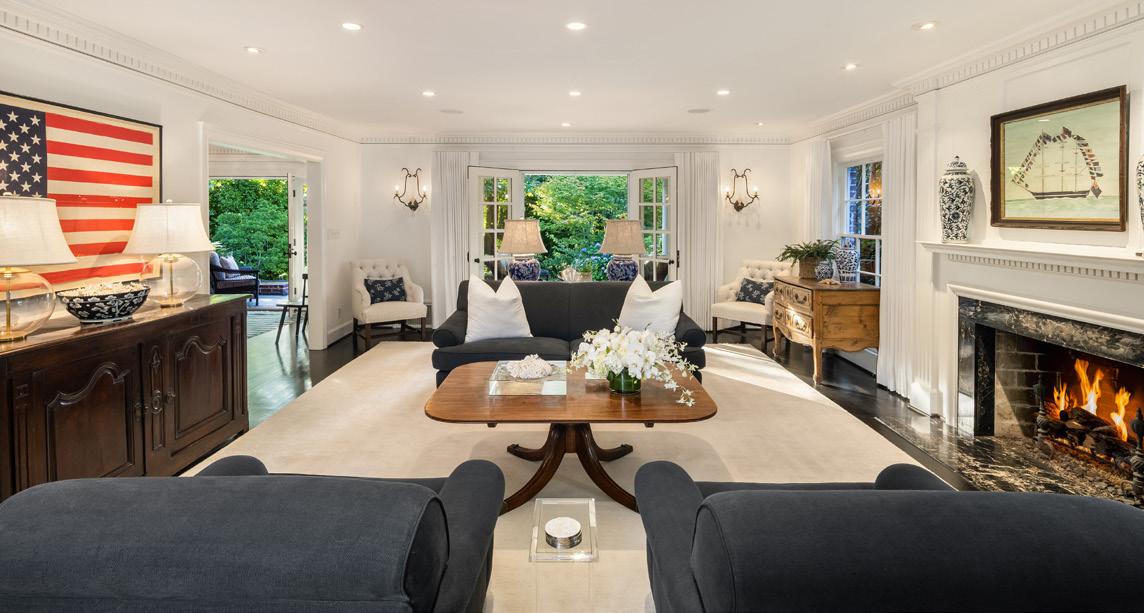
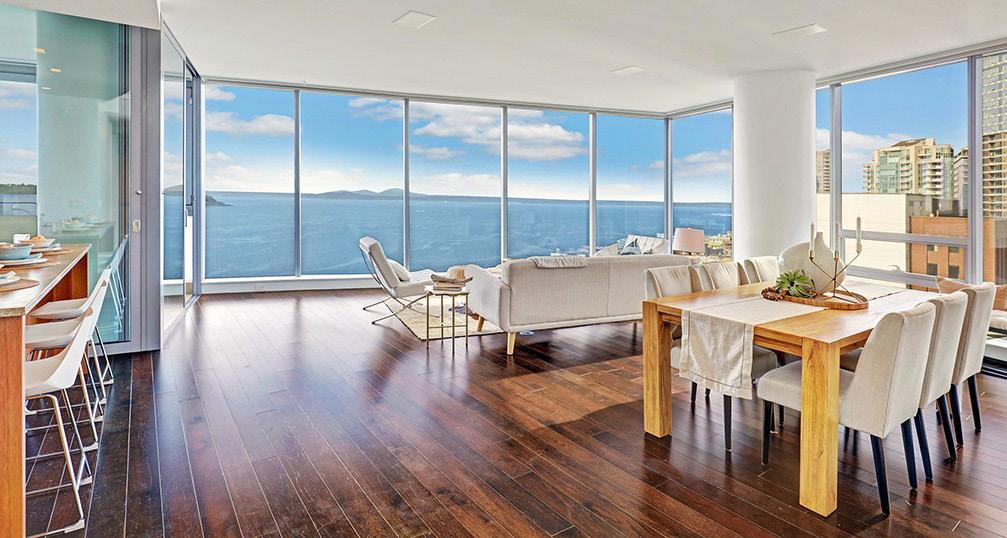
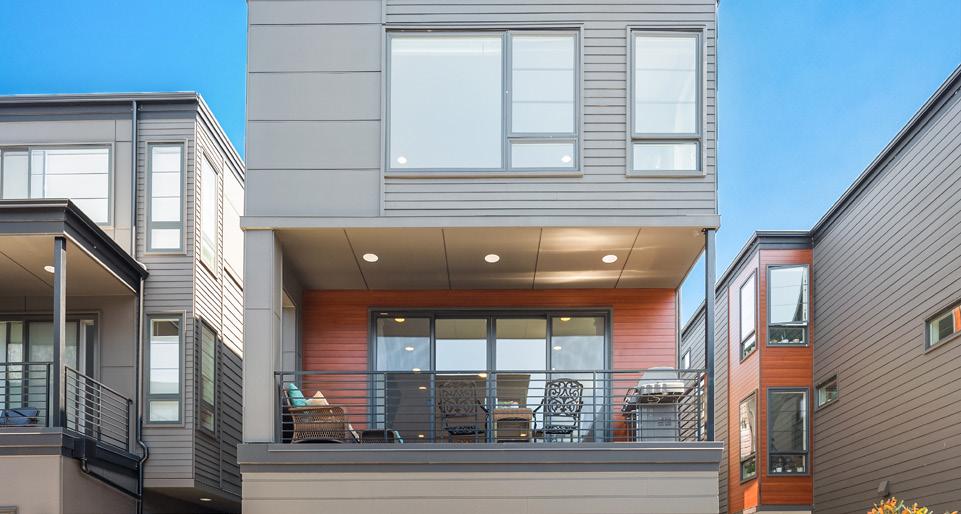
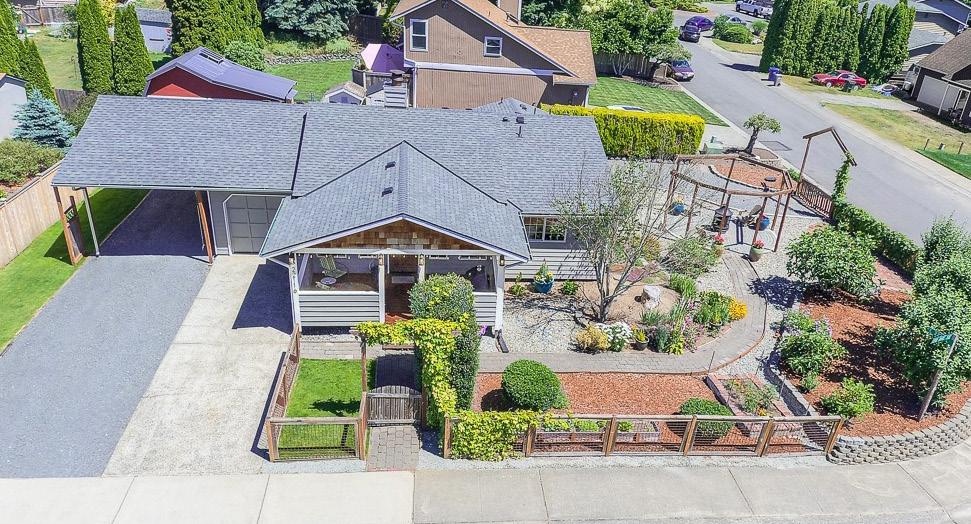
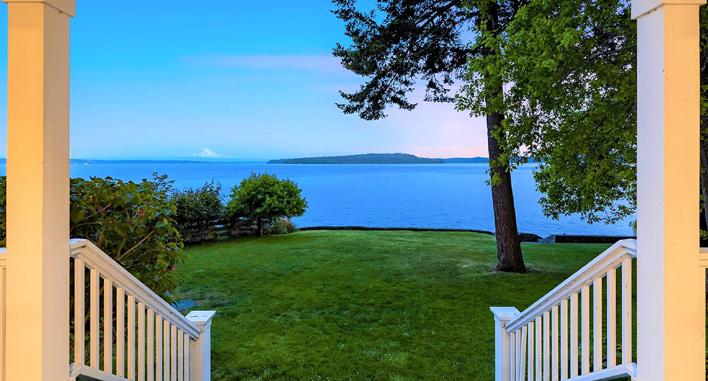
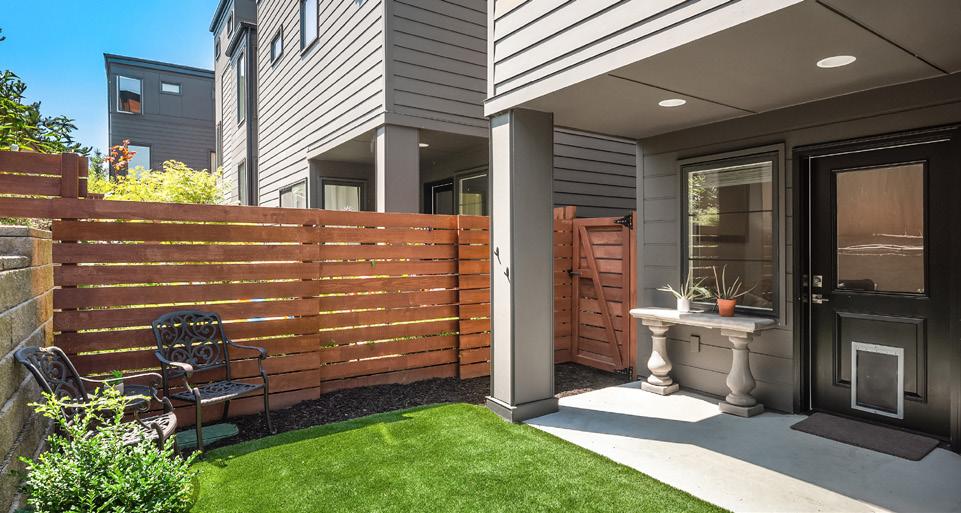
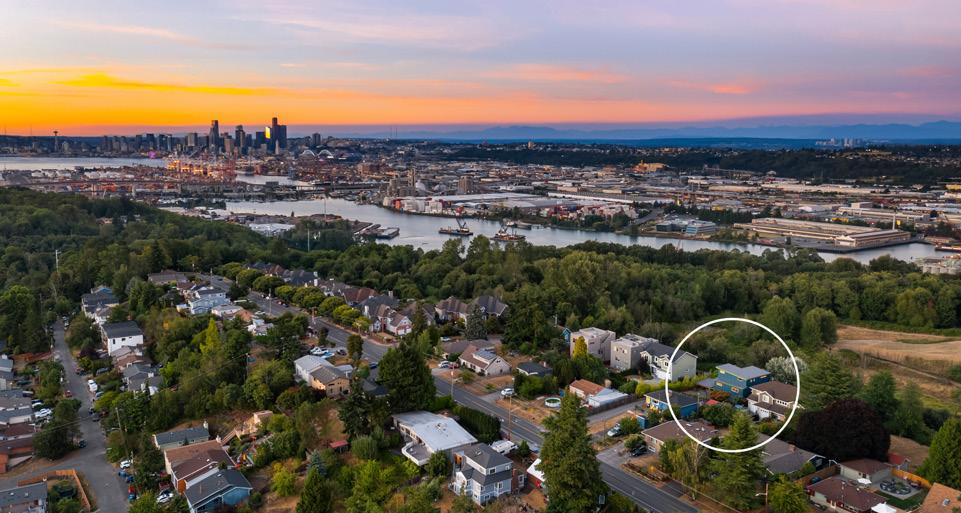
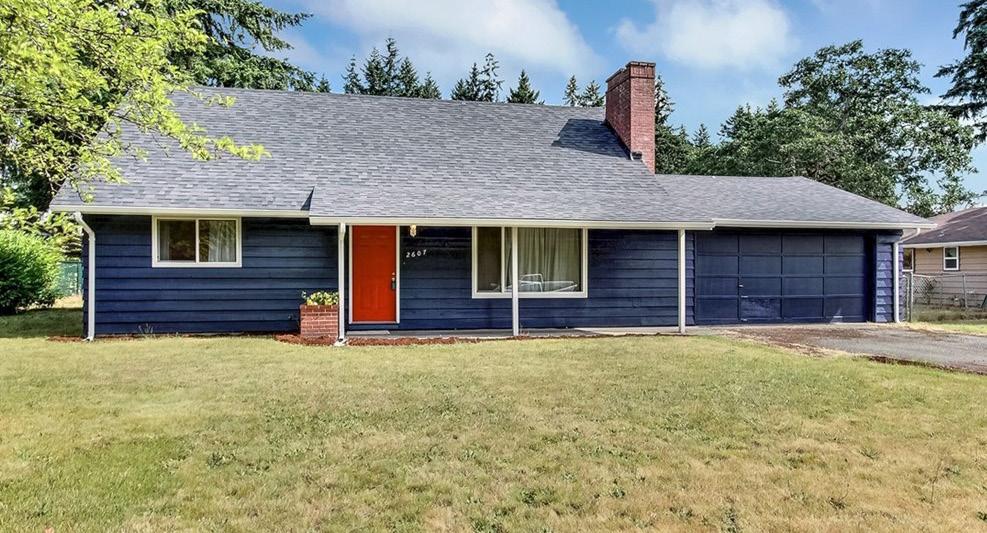
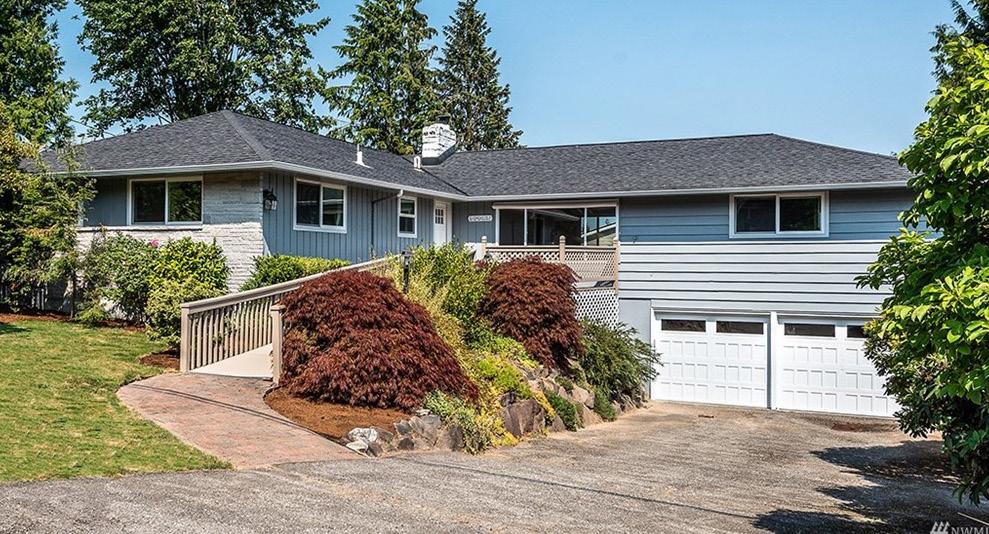
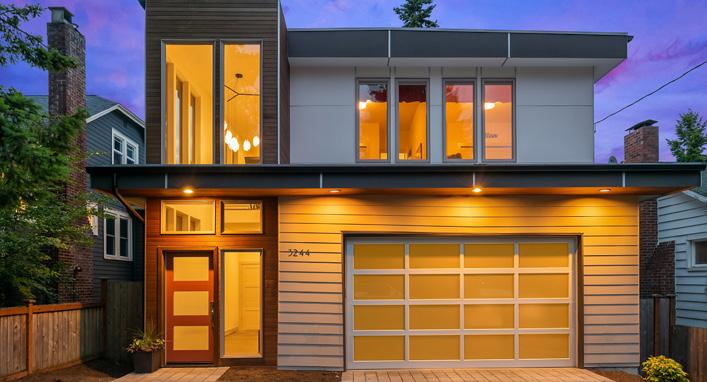
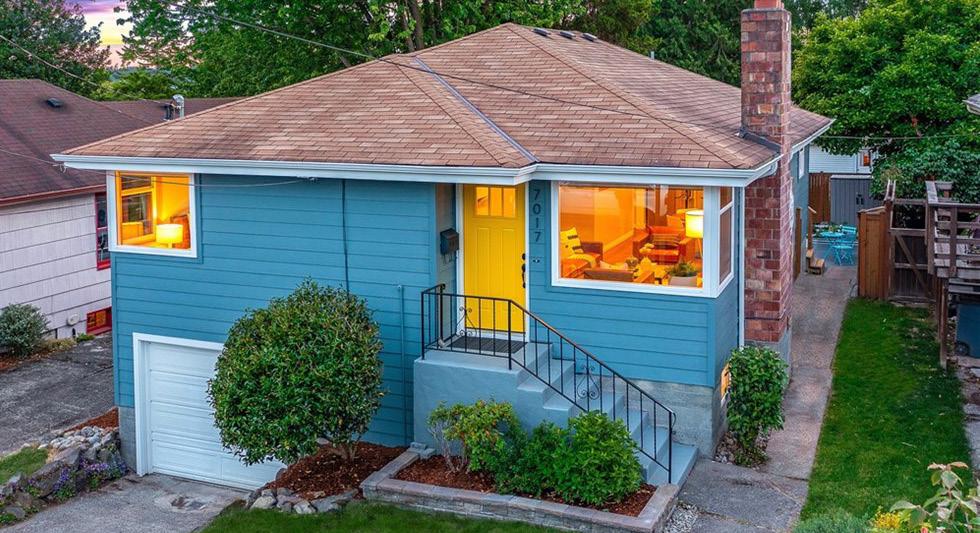
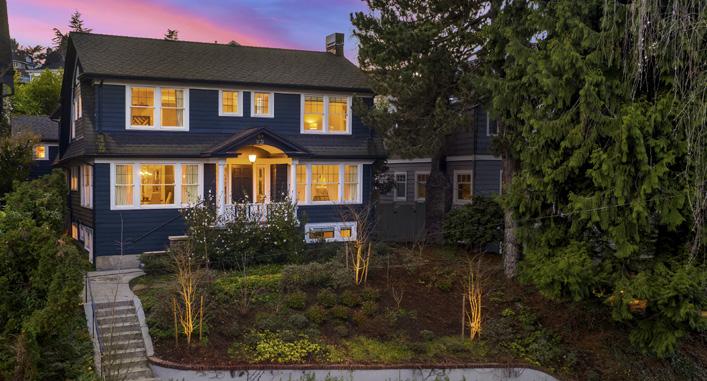
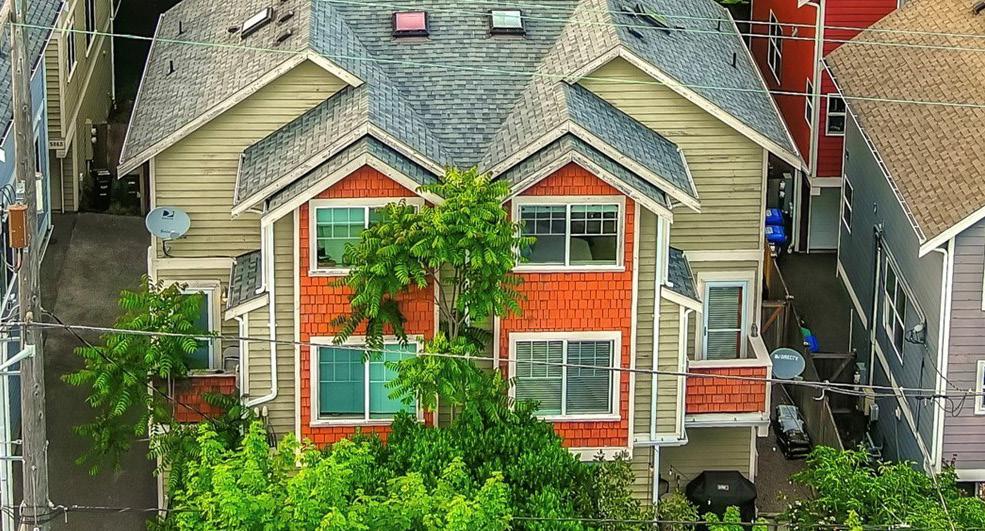
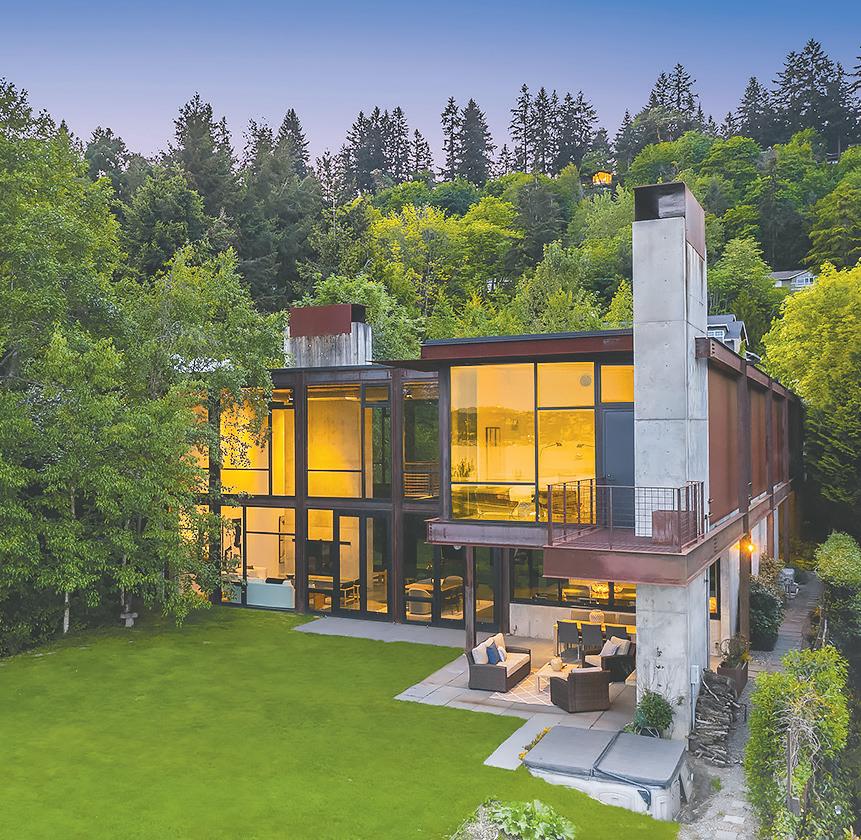
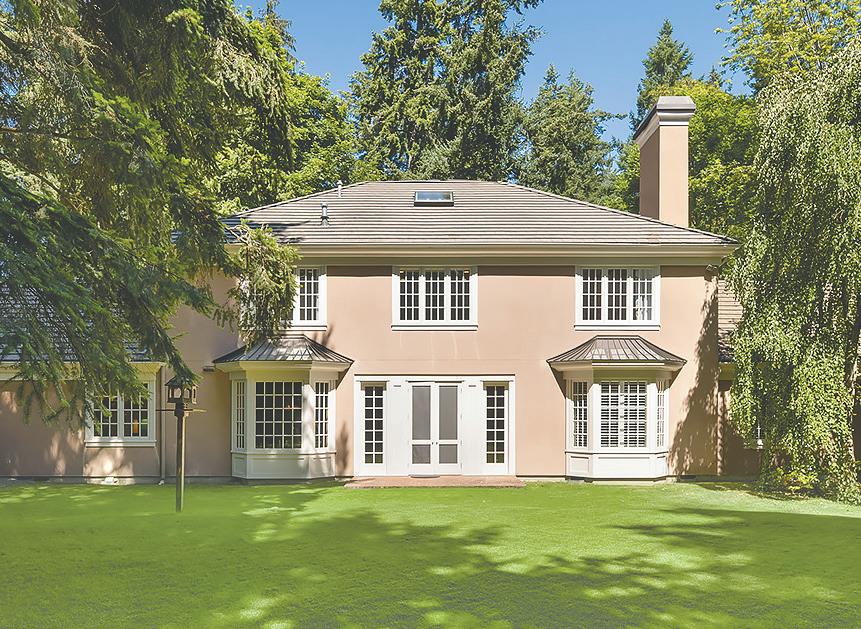
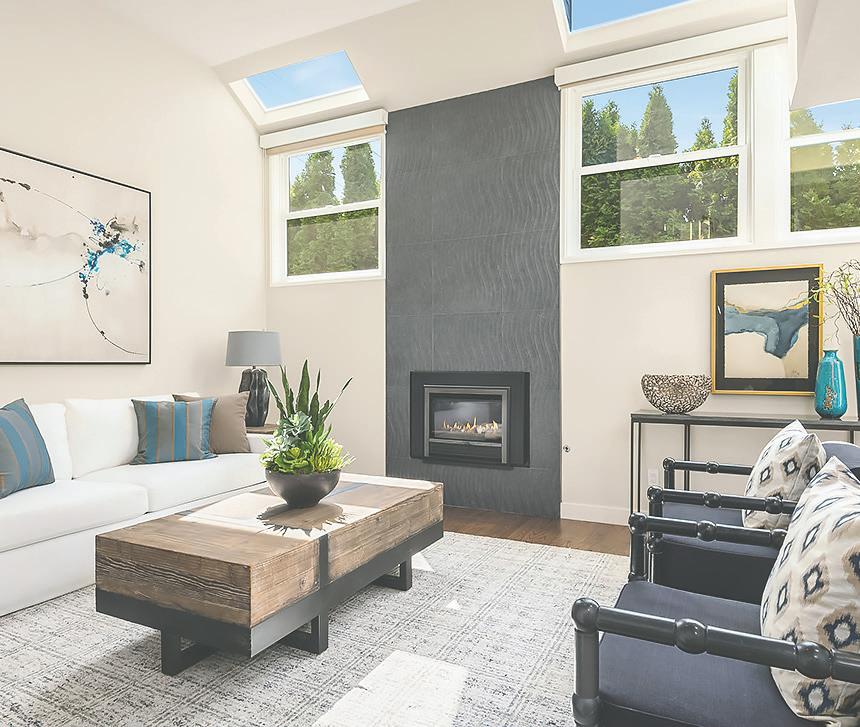
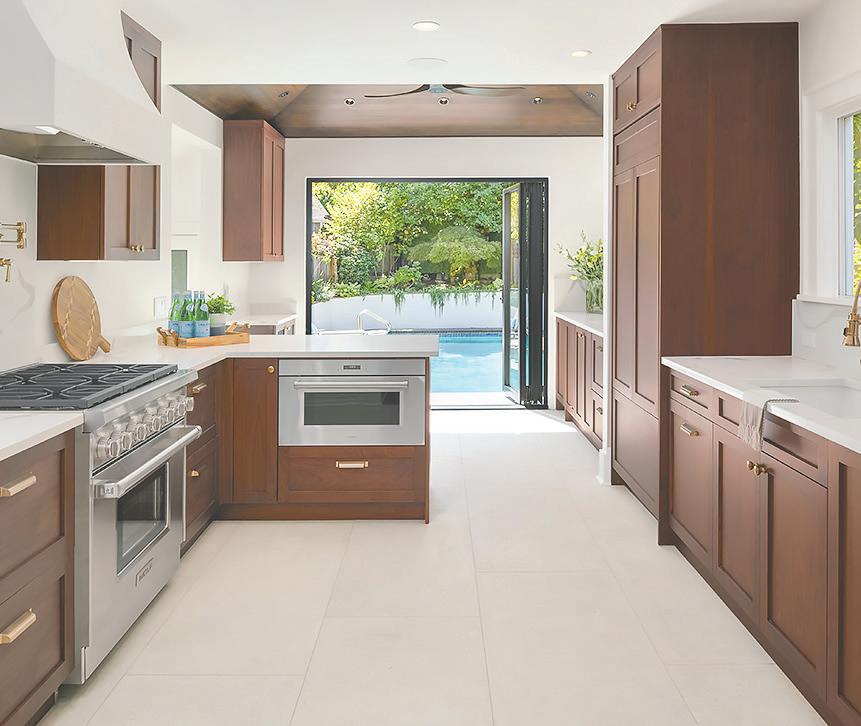
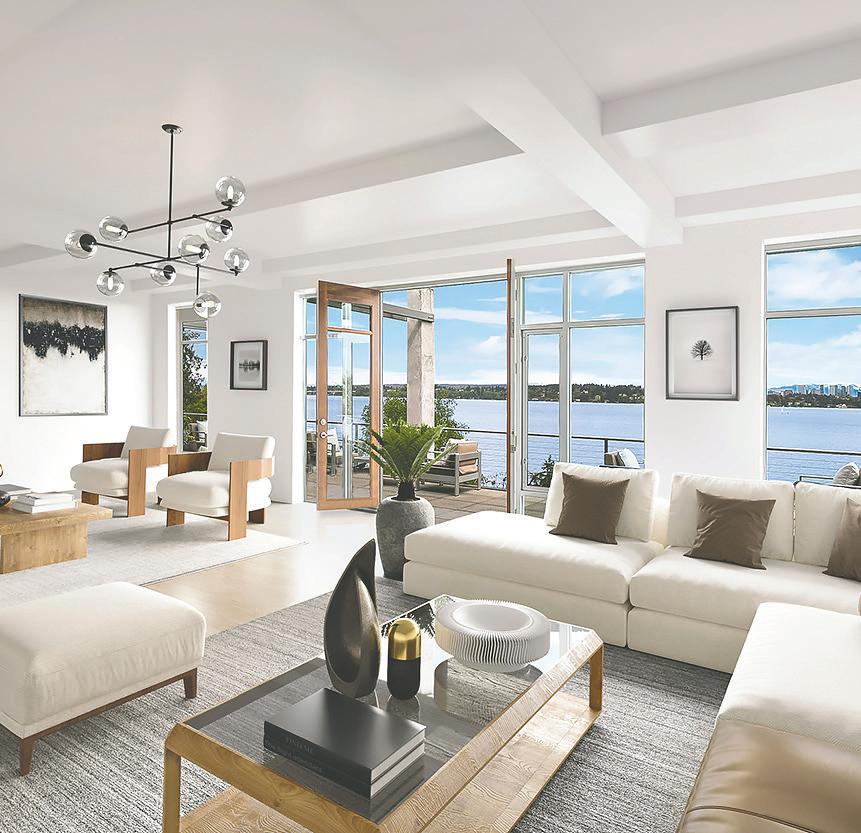
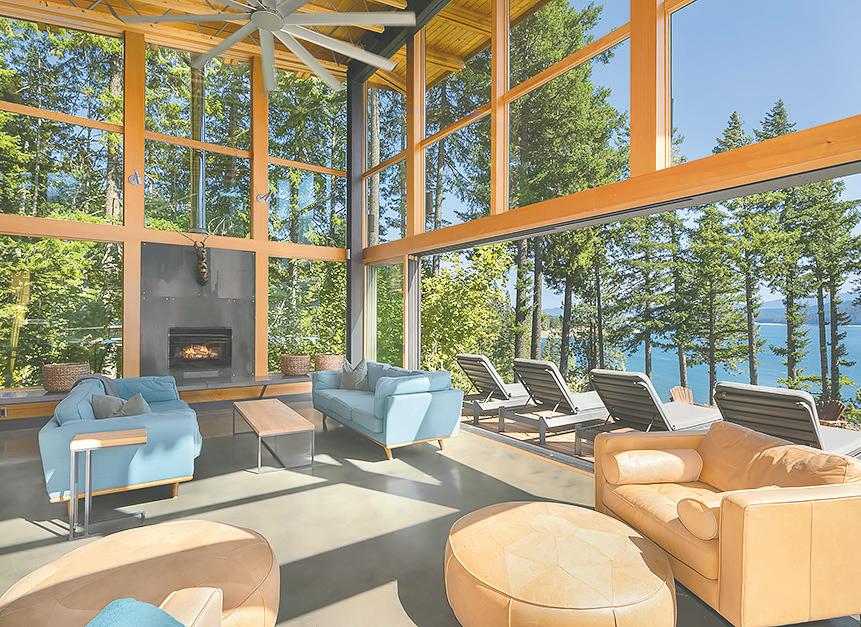
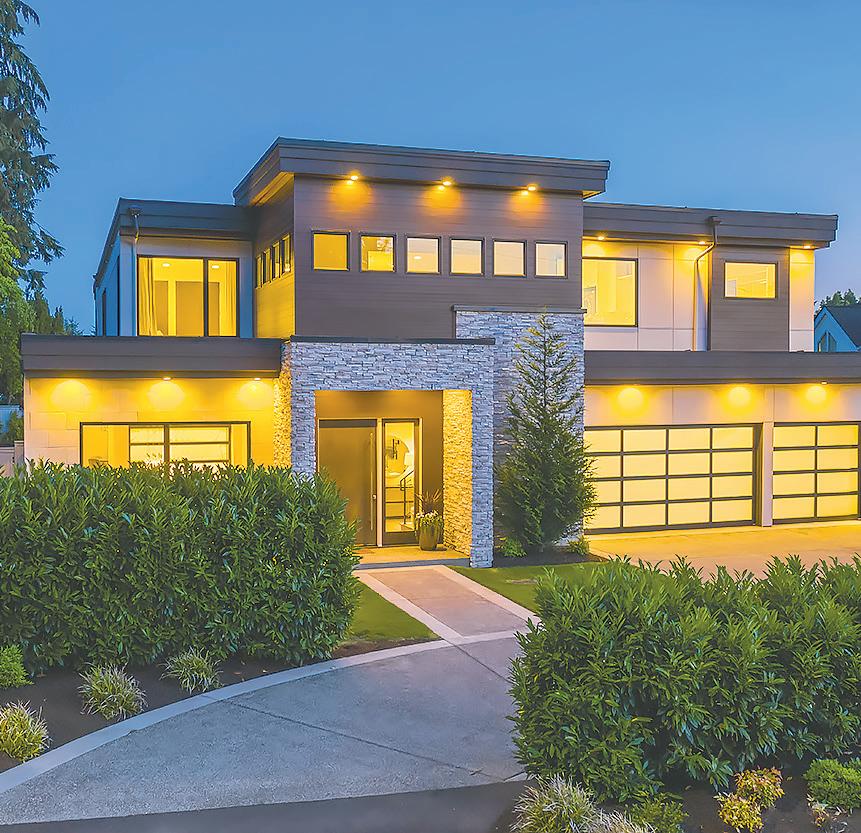
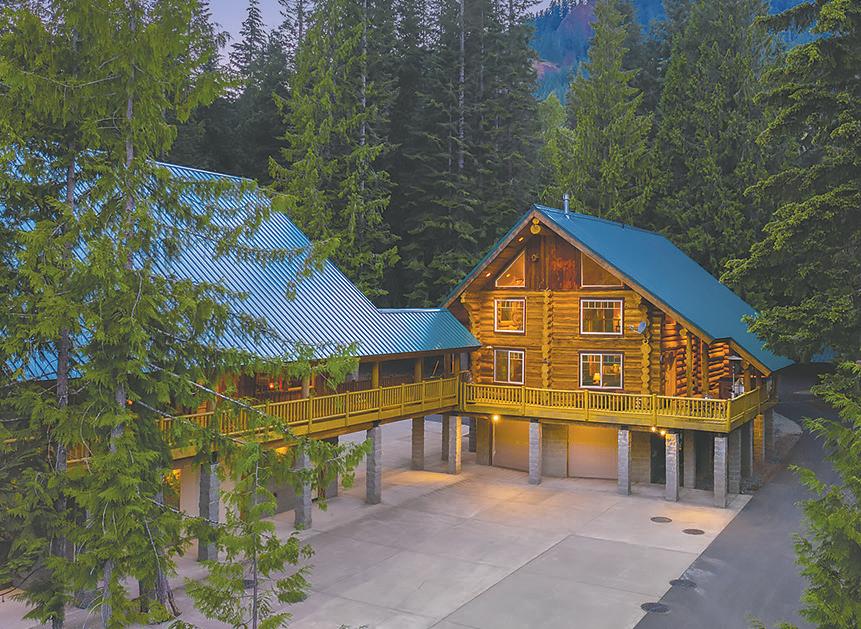
Seattle has seen an unprecedented summer in the real
Year-over-year July numbers for Seattle show median sales price up 6.8 percent to $801,000, active listings down 22.7 percent to $1,296, closed sales volume up an astonishing 27.8 percent to $1,397 and average days on market down by 25 percent to just 15 days.
Spafford Robbins Property Views
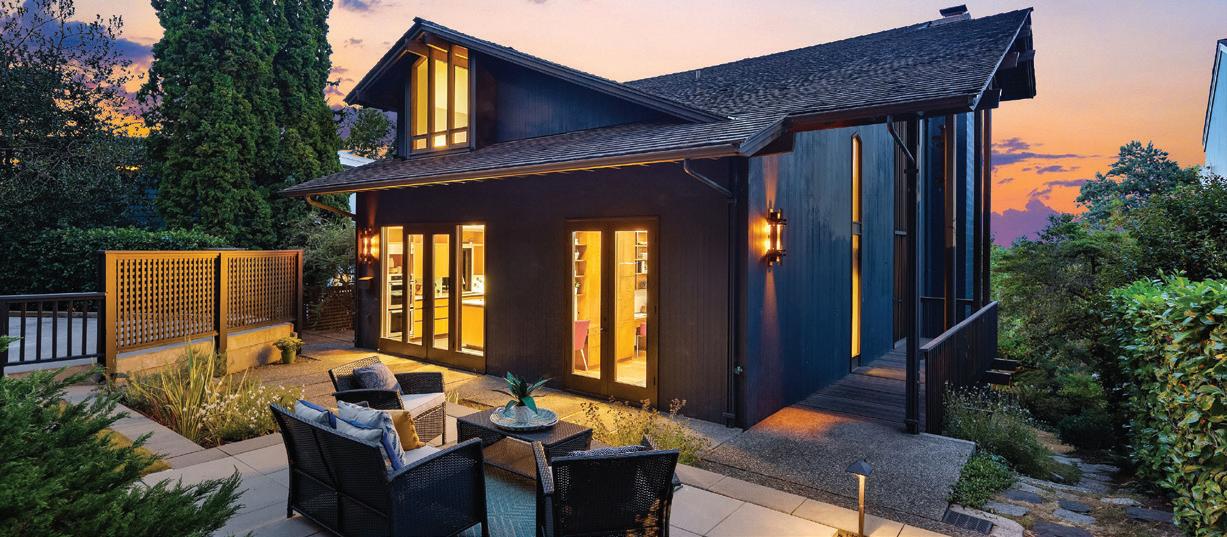
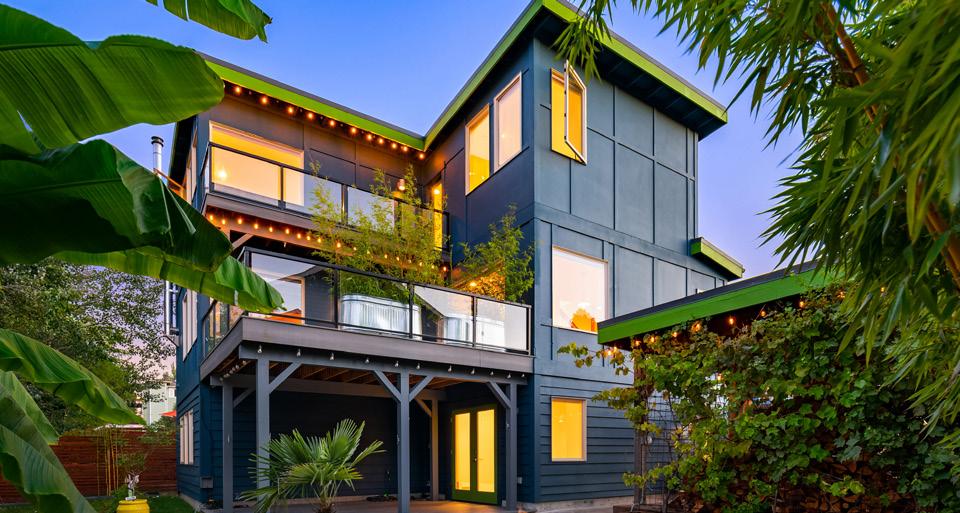
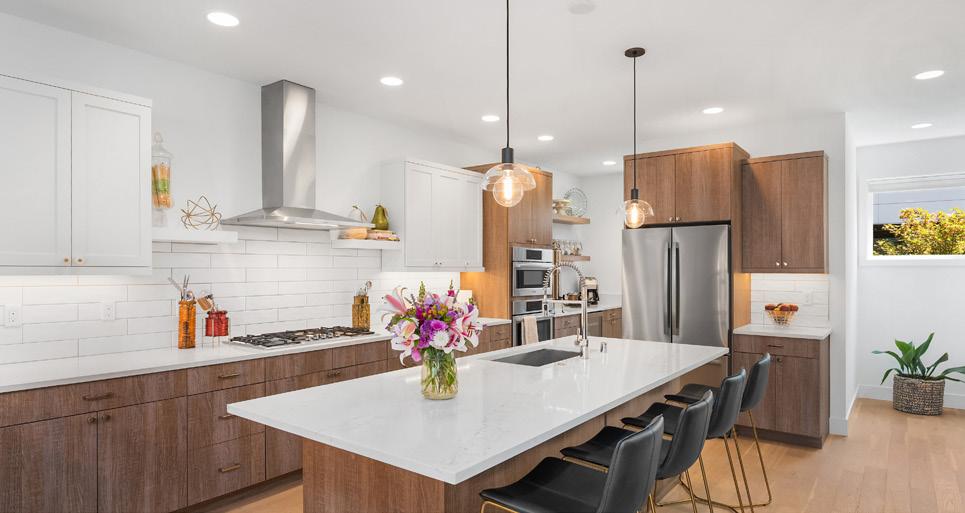
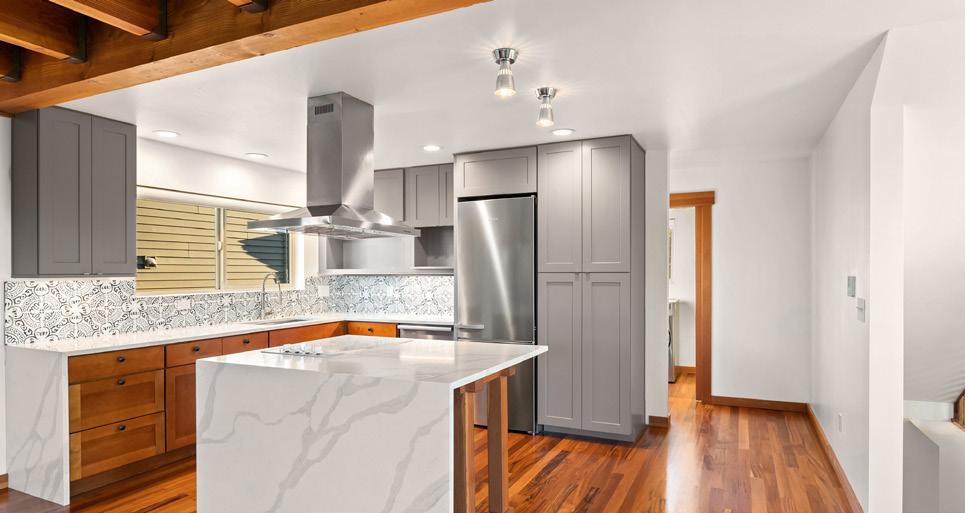
Preparing a home to present to market has never been more important, our home prep gurus, styling team, photographers and inspectors have never been busier. The single family home market has continued to be extremely robust. We are seeing further awaken-
ing of the condo market, which is a great sign for a morebalanced market.
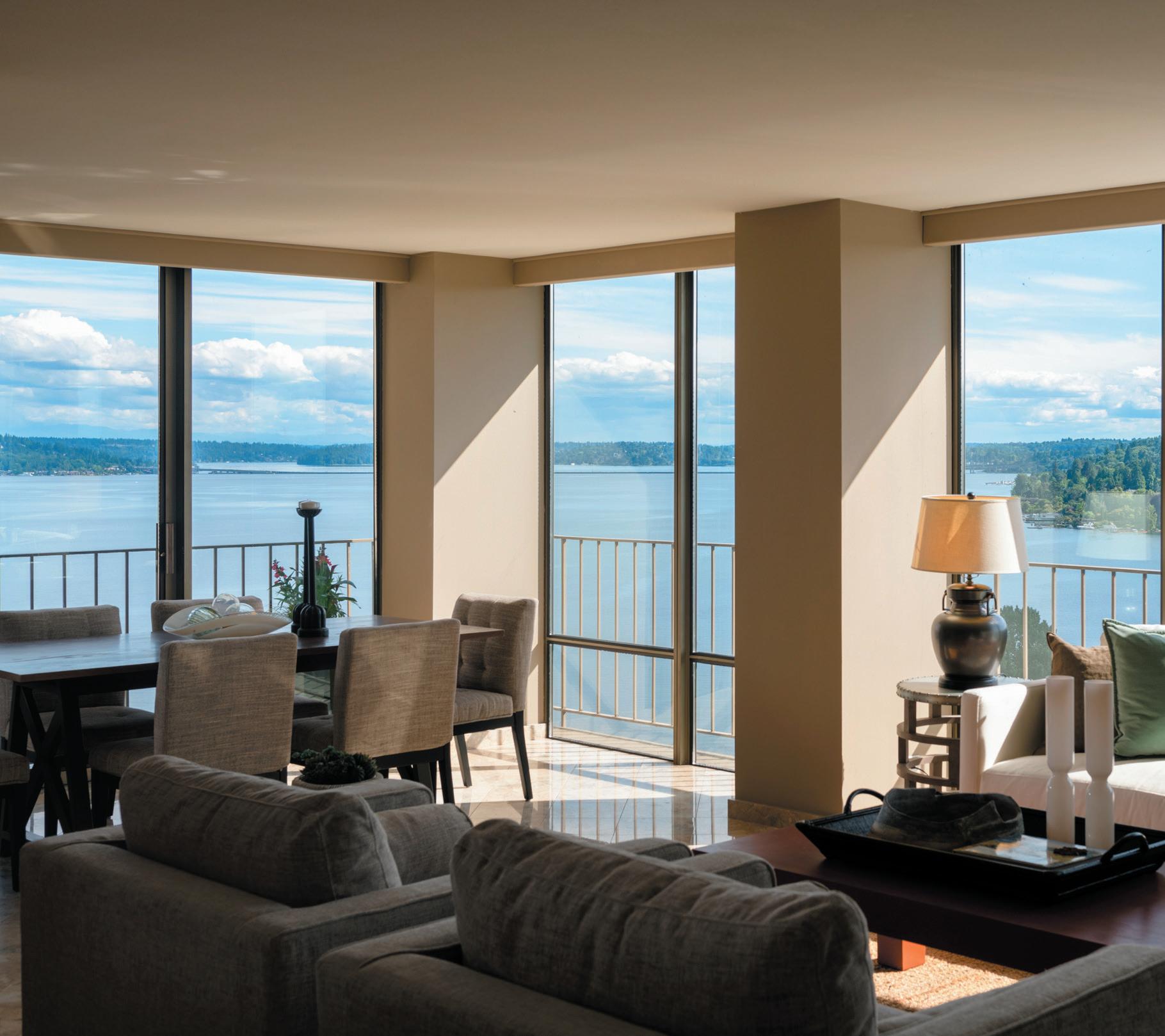
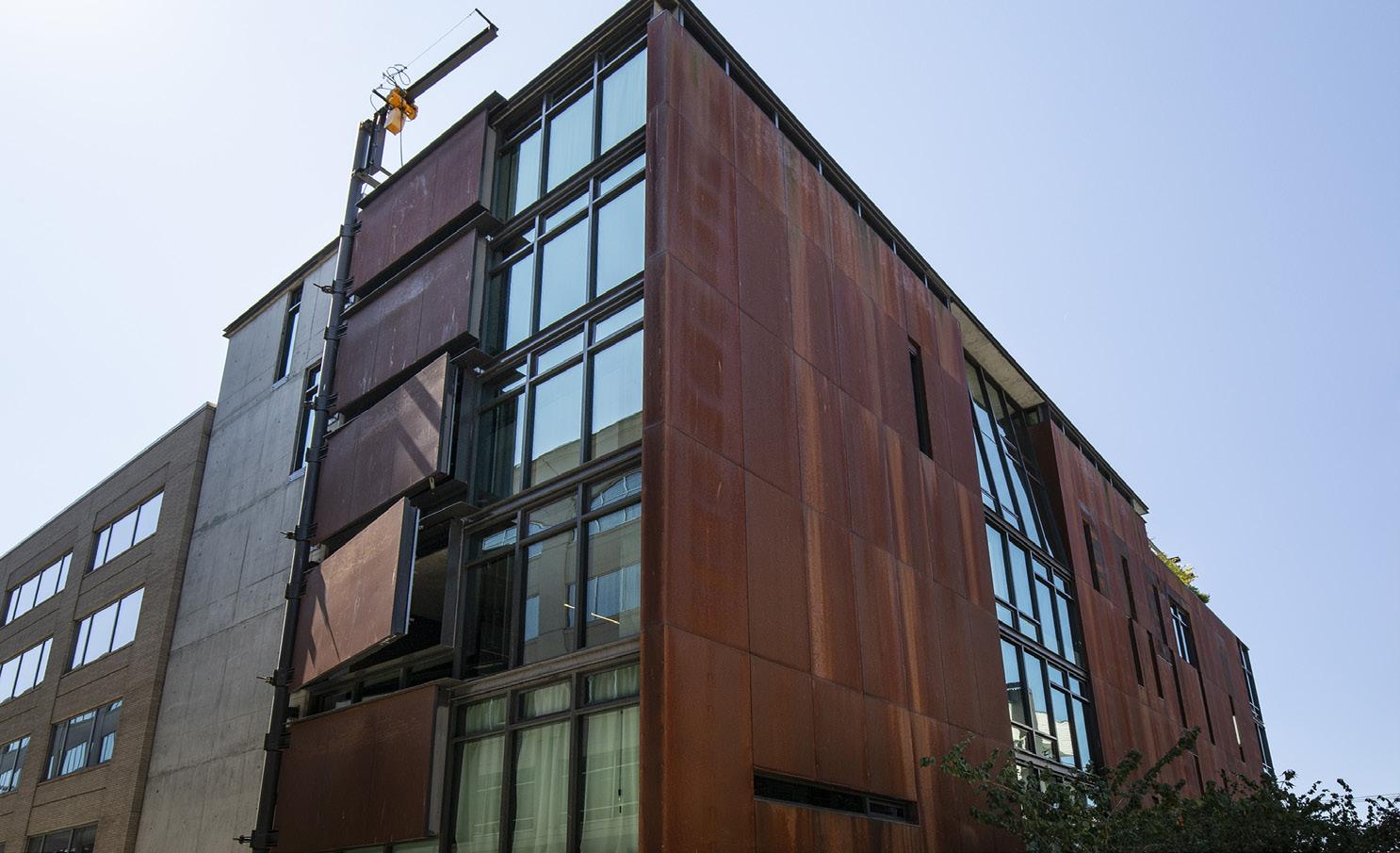
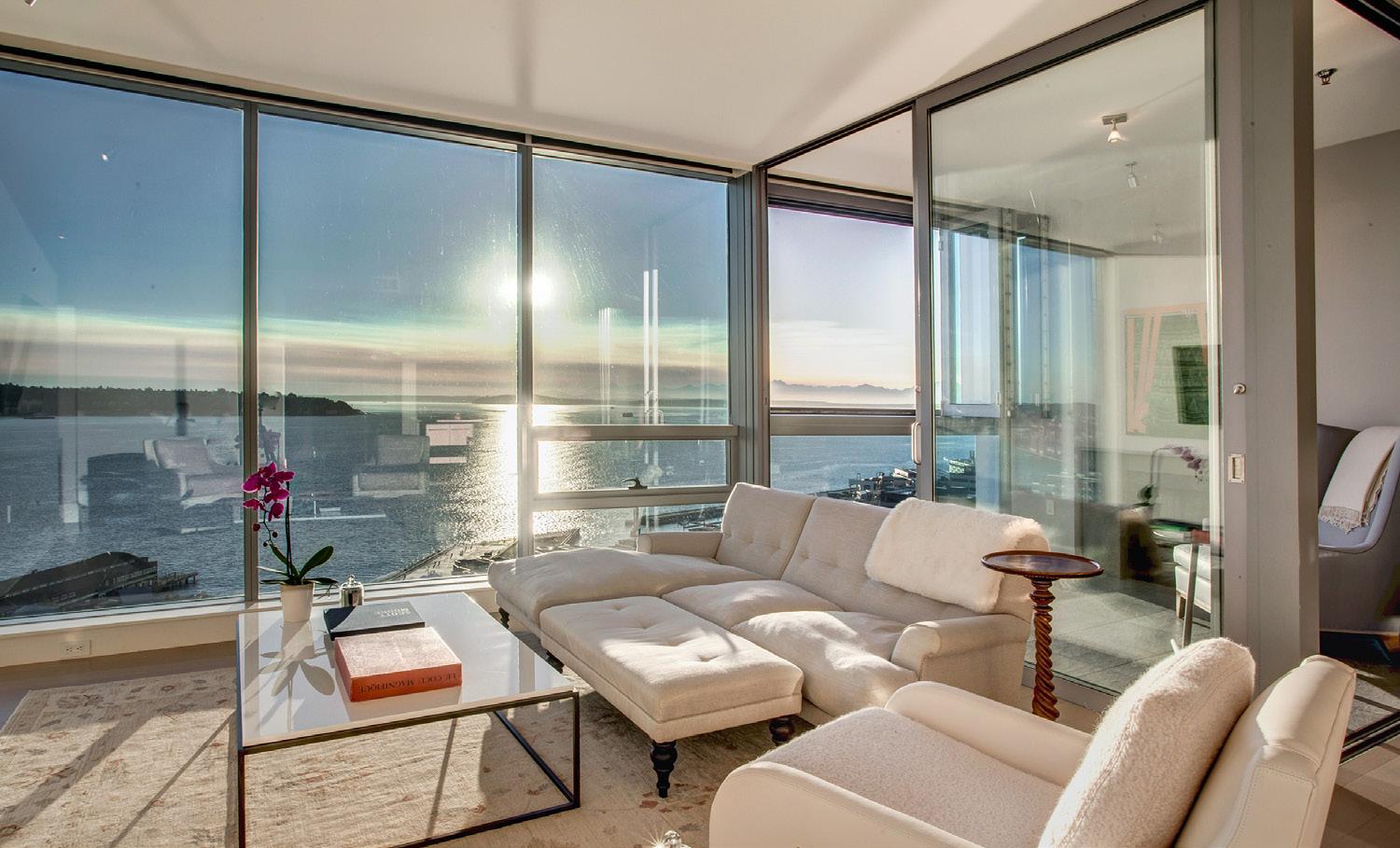
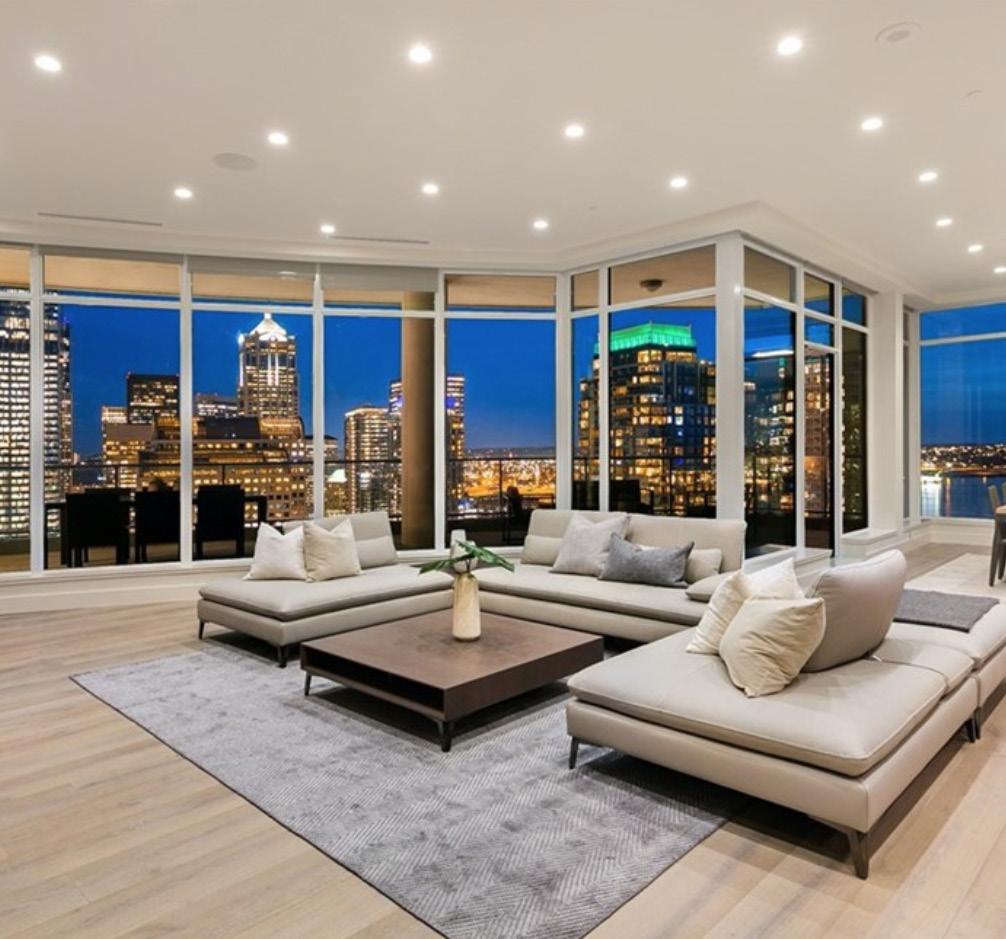
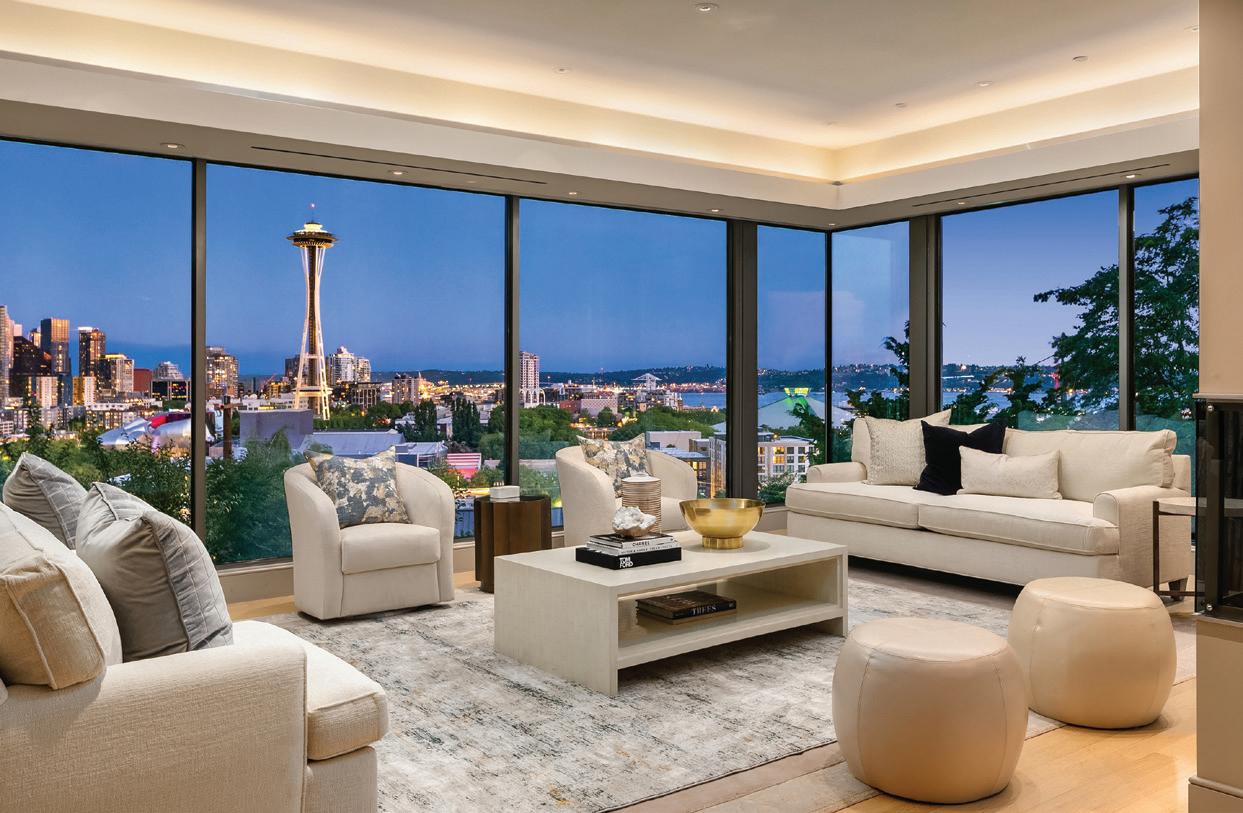
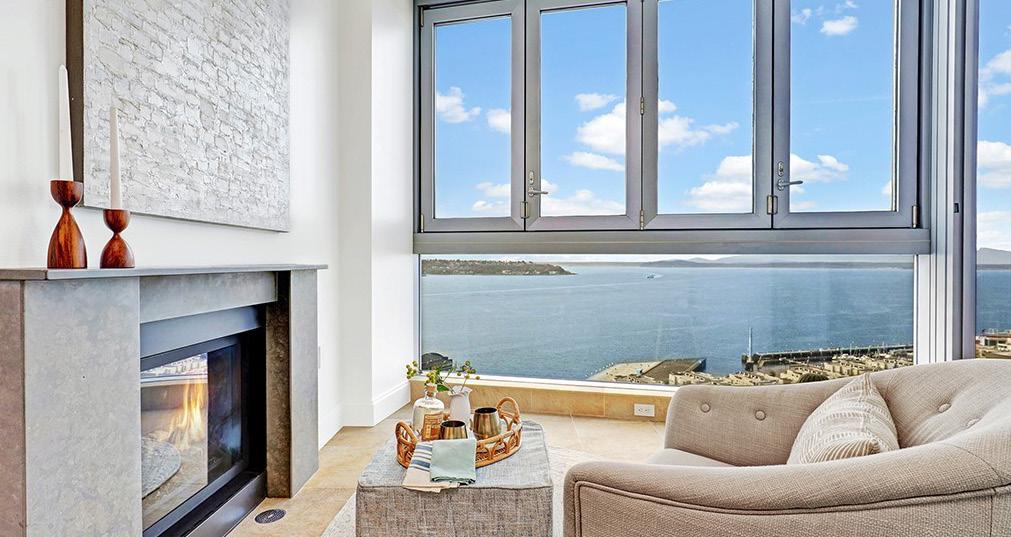
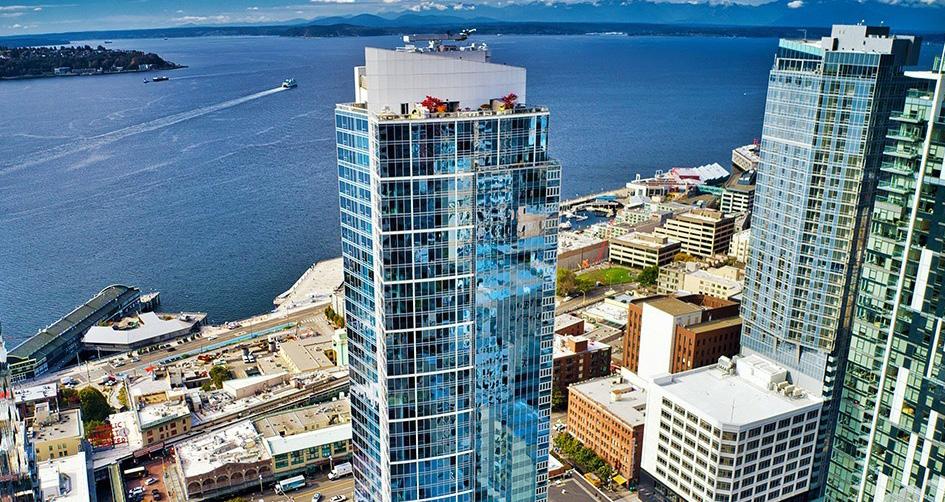
The downtown Seattle condo market will be particularly interesting to keep your eyes on as it has been a buzz of activity as of late, and it is expected to be a busy fall with new inventory and some significant recent sales.
Denny Blaine, Broadmoor, Washington Park, Madison Park (single family)
7/10/21-8/24/21 (45-day market recap)
13 Sold Homes
Average sales price: $2,308,308
Average days on market: 12
Average price per square foot:
$830
Lowest sales price: $925,000
Highest sales price: $3,985,000
There are currently 10 active properties with average offering price of $4,179,700
Homes range from an offering price of $974,000 to $14,250,000 with an average days on market of 66.
There are currently eight properties pending sale, average offering price of $3,421,500 and an average days on market of 23.
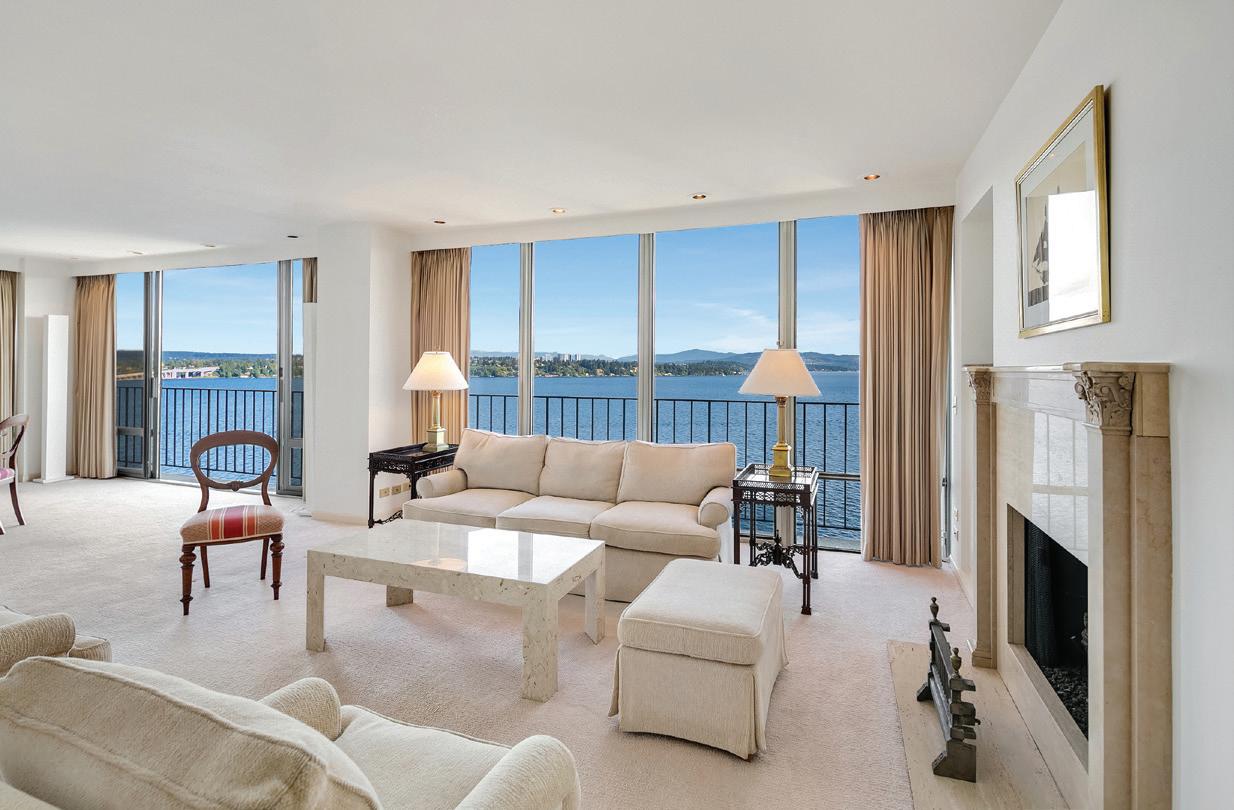
Denny Blaine, Broadmoor, Washington Park, Madison Park (condominiums)
Six sold condominium homes
Average sales price: $779,883
Average days on market: 52
Average price per square foot: $760
Lowest sales price: $640,000
Highest sales price: $1,200,000
There are currently five active properties for sale with an average offering price of $2,030,000.
“We are seeing further awakening of the condo market, which is a great sign for a more-balanced market. The downtown Seattle condo market will be particularly interesting to keep your eyes on as it has been a buzz of activity as of late, and it is expected to be a busy fall with new inventory and some significant recent sales.”
Properties range in price from $490,000 to $3,295,000 with an average days on market at 215 days.
There are currently two properties pending sale with an average offering price of $500,000 ranging from $485,000 to $515,000 with an average days on market of five days.
I am honored and happy to help with anything I can in understanding and maneuvering this ever-changing and dynamic
Seattle real estate market. My team, Gina Hasson, Eric Premo and myself at GBK/ Compass are here to assist with the presentation of your home in preparation of bringing it to market, as well as thoughtful home search with the utmost attention to detail and care.
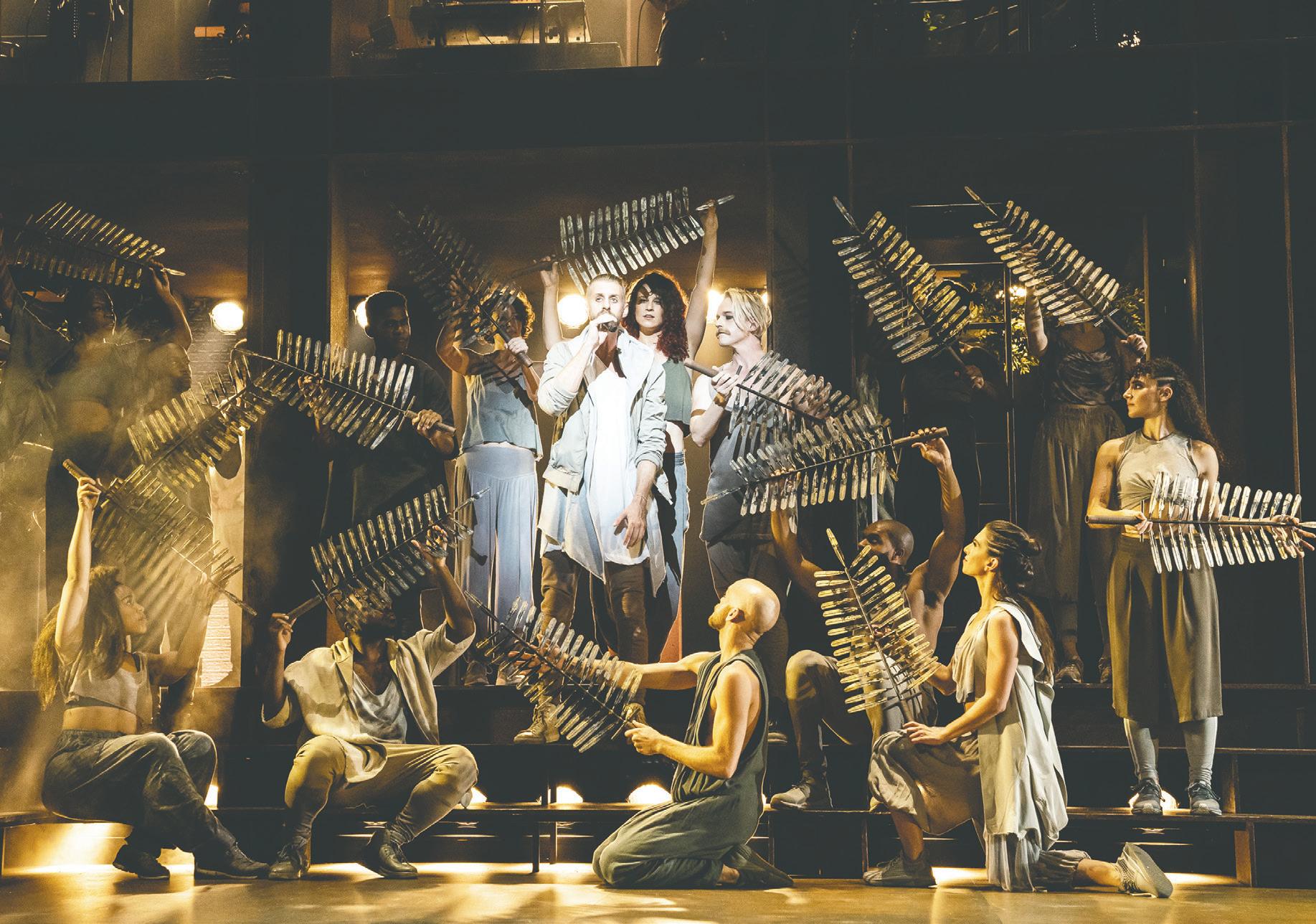
‘Jesus Christ Superstar’ will play Seattle’s Paramount Theatre Oct. 5 through Oct. 10
Courtesy Paramount Theatre
Following critically acclaimed, sold-out engagements in the United Kingdom, the reimagined 50th Anniversary tour of “Jesus Christ Superstar” will come to Seattle from Oct. 5 through Oct. 10 at the Paramount Theatre.
Tickets for the 2017 Olivier awarding-winning production from Regent’s Park Open Air Theatre are now on sale to the general public at Ticketmaster. com, STGPresents.org, by calling (800) 982-2787 or in person at The Paramount Theatre Box Office from 10 a.m. to 6 p.m. Monday, Wednesday and Friday, 911 Pine St. Groups of 10 or more can purchase tickets by calling (206) 701-8383.
Featuring award-winning music by Andrew Lloyd Webber and lyrics by Tim Rice, the North American tour of this musical is be helmed by acclaimed director Timothy Sheader and choreographer Drew McOnie.
Rounding out the creative team is set and costume design by 2016 Tony Award nominee Tom Scutt, lighting design by Lee Curran and music supervision by Tom Deering.
“Jesus Christ Superstar” is
concept album and its continued success spanning an incredible 50 years.
The North American tour of “Jesus Christ Superstar” is produced by Stephen Gabriel and Work Light Productions, and will have traveled to more than 50 cities during its three-year run. The original production was produced by London’s Regent’s Park Open Air Theatre.
To prioritize the safety of audiences, staff, cast and crew, Premera Blue Cross Broadway at The Paramount and Seattle Theatre Group are working in consultation with local government and public health officials and will observe increased safety protocols to allow for reopening at full capacity in the theater. STG will require proof of vaccination for entry to all performances. Those individuals unable to be fully vaccinated, including children under 12, must have proof of a negative PCR test taken within 48 hours of performance.
set against the backdrop of an extraordinary series of events during the final weeks in the life of Jesus Christ, as seen through the eyes of Judas. Reflecting the rock
roots that defined a generation, the legendary score includes “I Don’t Know How to Love Him,” “Gethsemane” and “Superstar.”
On Sept. 17 a variety of special
edition Jesus Christ Superstar albums, remastered at Abbey Road, will be released. These special anniversary editions are a celebration of the original 1970 double
What My Clients Are Saying...
“We recently hired Laura to help us sell a long-time family property. While Laura had already earned our respect for helping another family member sell a house a few years earlier, we still ran a competitive process as the property and house we were selling were somewhat unique. Her research and positioning suggestions made us believe she was the right candidate for this sale as well. Our trust in her was greatly rewarded. In addition to the top-quality marketing of the property, Laura did an excellent job in managing the family dynamics that come with the sale of a multi-generational property. When the offers started to arrive, Laura really shined with both her negotiating skills (truly top drawer) and her communication (we were in the loop on all details during the negotiating process, no matter how small.) The outcome was both significantly above what we thought the value of the property might be, and a high water mark result for the geographic area and type of house. We would recommend her highly to anyone looking for an experienced and professional partner." - Brock Mansfield
STG staff will check for proof of vaccination and negative Covid tests at the doors as a condition of entry. Masks will be required at all times when in the venue. Visit Seattle Theatre Group’s COVID-19 Resources page at stgpresents.org for more information.
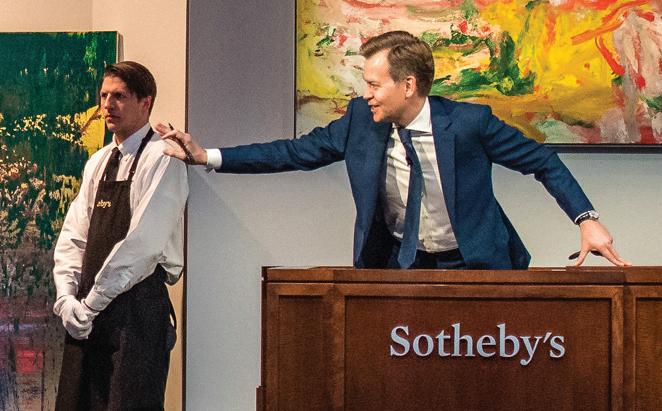
Sotheby’s
House
Picasso:
Casino in Las Vegas.
Photo by Matthew Murphy
Aaron LeVigne and the company of the North American Tour of ‘Jesus Christ Superstar’ will perform at the Paramount Theatre in Seattle from Oct. 5 through Oct. 10.
Seattle salvage company finds time capsule at site of now-demolished church in Queen Anne
By Jessica Keller Madison Park Times editor
A Seattle architectural salvage company assigned to remove as much historic architecture from a former German evangelical church in Queen Anne prior to its demolition this summer found an unexpected discovery: a small time capsule from 1906, the year the church was built.
Aaron Blanchard, Earthwise Arcitectural Salvage director of operations, said staff was hired to perform a salvage assessment, going through the old church at 165 Valley St., which has since been demolished, looking for as many materials and items that could be salvaged and sold.
“We try to find and save as many things that we can sell,” Blanchard said, adding his company usually salvages items from old residences but has been doing more vacant churches, like the one in Queen Anne.
The goal, he said, is to keep as many things out of land fills as possible.
“The owner of the company calls it CSI of the building. We just nerd out,” Blanchard said.
Blanchard said, toward the end of the two-week salvage, his crew was digging around some blackberry bushes and found the cornerstone of the church, which they were excited about, not only because cornerstones are rarely left behind, but because sometimes they hid things like time capsules.
“We just knew that if it’s an old church, and there’s a cornerstone, there’s frequently a time capsule behind it,” Blanchard said. He said this was the first time his crew has found a time capsule or found and removed a cornerstone from a church.
“We knew we were the last hope for this to get salvaged,” Blanchard said.
According to information provided by Earthwise Architectural Salvage on the history of the church, the Evangelical United Brethren Church bought the site of the former church for $3,500 at the turn of the 19th century because it was outgrowing its space near where the Seattle Center is now.
According to information from Earthwise, the Evangelical Auditorium was built for $17,000 in 1906.
The church, which Blanchard estimated was approximately 4,500 square feet, was designed to seat 600 and featured services in both German and English and placed an emphasis on bringing youth into the church.
Its first pastors were T.R. Hornschuch, who gave sermons in English, and F. Benz,
whose sermons were in German.
The now-demolished building had actually not been a church for some time, Blanchard said.
The building was last used for counseling services in 1970, and the last owners of the building likely didn’t know about the cornerstone or the time capsule, which was why it had never been opened. The building was torn down over the summer to make way for affordable housing.
Blanchard said, while the cornerstone and time capsule were a surprise, the contents were not, comprising of documents and other things from that time.
That does not mean they weren’t excited, however.
“We were giddy,” Blanchard said. “We were like little kids getting excited.”
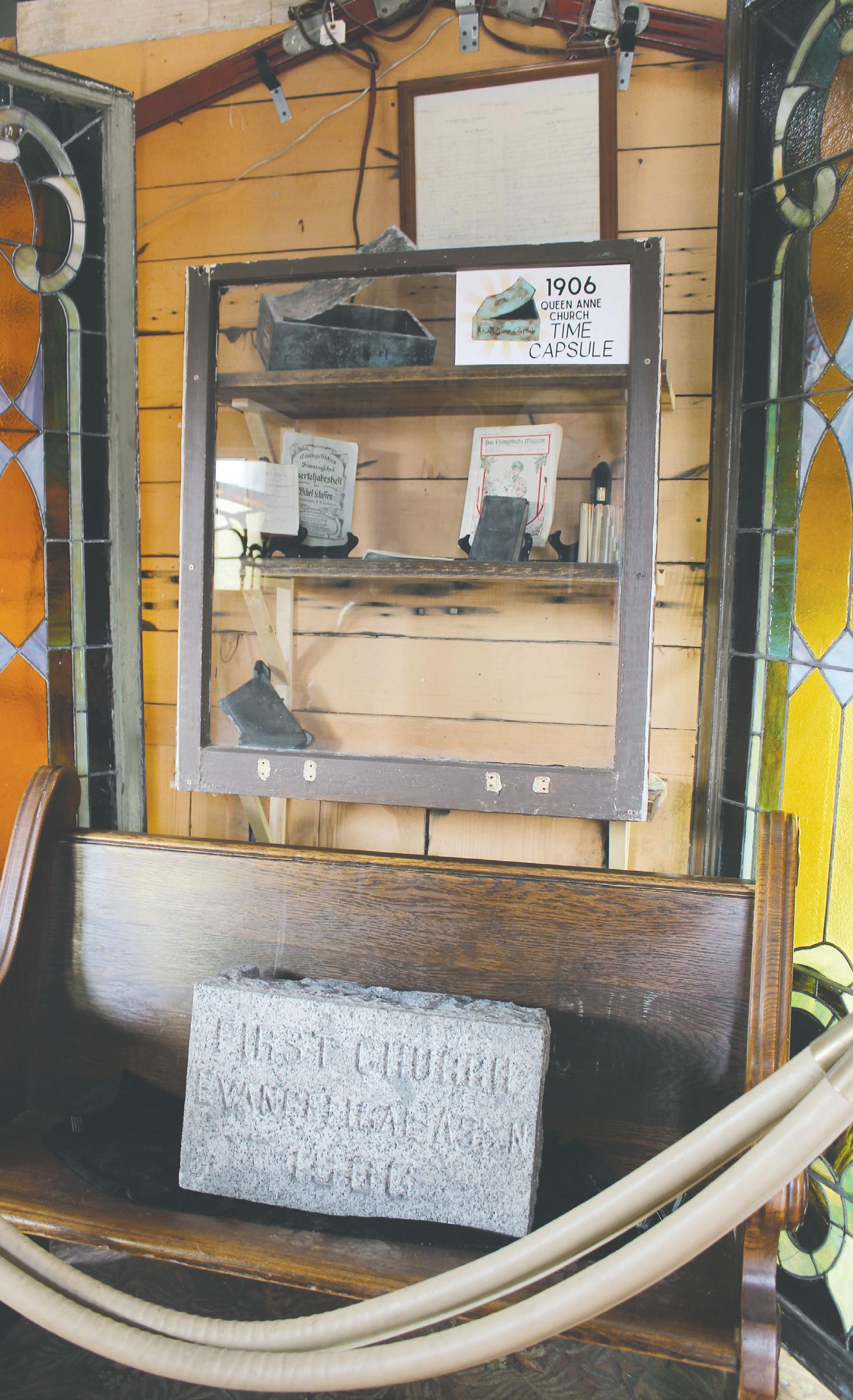
The time capsule actually comprised of a copper box, which, according to information from Earthwise, is ideal for time capsules because it does not rust.
When the Earthwise crew opened the box, they found:
• The Evangelical Messenger, a newspaper publication dated Nov. 21, 1906;
• Der Christliche Kinderfreund, a children’s newspaper dated Sept. 30, 1906; The Missionary Messenger, a periodical that was by the Woman’s Foreign Missionary Society;
• A Sunday School Quarterly Book, written in German and featuring songs, Bible topics, advice sections and more;
• The Evangelical Herald, published Nov. 1, 1906;
• The Evangelical Magazine, printed in German, January 1906;
• The Christian Messenger, printed December 1906, written in German;
• The Oregon Conference Evangelical Association minutes from 1906; A book of German evangelical hymns;
• An English Bible from 1898 with old and new testaments translated out of “original tongues;
• A ledger of donations for the church, which listed the names of people who donated to the church’s building, $205 total, or approximately $6,000 today;
• A copy of the Evangelical Doctrine, written in German;
• A letter about money received and location prospects of the church.
The time capsule and other items from the old church are on display for the public to see from 9:30 a.m. to 5:30 p.m. seven days a week at Earthwise, 3447 Fourth Ave. S., through Sept. 12.
The contents of a time capsule and other items salvaged from a now-demolished church in Queen Anne now make up a small display in the entrance of Earthwise Architectural Salvage, 3447 Fourth Ave. S., where the public can view it through Sept. 12.
Blanchard said, ideally, after the display is taken down, he would like to donate the time capsule and its contents because,
although the items are not valuable monetarily, they may be of interest to a museum or another organization.
Pacific Northwest Ballet and others to require proof of vaccinations
Pacific Northwest Ballet and other Seattle-area performance groups — including ACT-A Contemporary Theatre, Seattle Opera, Seattle Symphony, Seattle Rep, The Fifth Avenue Theatre, Village Theatre and more — are now requiring patrons wear masks and show proof of vaccinations or negative COVID-19 testing to attend upcoming live performances. Like other organizations, PNB patrons will be required to provide proof of vaccination, a valid ticket to the performance and photo ID upon entering Marion Oliver McCaw Hall at Seattle Center.
PNB patrons must be able to show proof that they are fully vaccinated at the time of their entry into the theater. A person is considered fully vaccinated at least 14 days passed since receiving either the second dose of FDA- or WHO-authorized vaccines.
Patrons unable to be vaccinated because of age, medical condition or religious belief must provide results of either a negative COVID-19 PCR test taken within 48 hours of their ticketed performance or a negative COVID-19 antigen test taken within 24 hours of their ticketed performance.
Masks will also be required for all audience members at all times except while eating or drinking.
Patrons should check the requirements of any performing arts facility when buying tickets.
“The safety of PNB’s artists, staff, and audiences continues to be our first priority,” Executive Director Ellen Walker said in a press release.
“PNB’s artists and crew have been filming safely in-person since March 2020, and we are thrilled to evolve our safety plans to include in-person audiences. Multiple surveys confirm that
our ticket-buyers overwhelmingly want to return to McCaw Hall, but with as many health and safety protocols in place as possible.”
PNB’s mask and vaccination mandates will be in place for its return to performances in McCaw Hall during its upcoming Rep 1 (Sept. 24 – 26) and Rep 2 (Nov. 5 – 7).
Additional safety features at McCaw Hall include top-of-theline MERV 13 filters and running 100 percent fresh air circulation for all events.
Attendance numbers will follow
state and CDC guidelines for large indoor events. Capacity will be limited and social distancing measures will be taken in seating. Safety precautions for George Balanchine’s The Nutcracker and performances in 2022 will be announced soon and will continue to evolve over time in direct response to the pandemic.
For updates and additional information regarding PNB’s efforts to make the return to McCaw Hall as safe as possible for audiences, dancers and staff, visit PNB.org and click on “Health & Safety.”
Photo by Jessica Keller
The perfect time for planting fall veggies
h, Seattle. You do like to keep gardeners on the edge of their trowels.
As an urban farmer of any scale, we wait and wait ’til the climate forces align to plant your summer crops — your tomatoes, peppers, squash and cucumbers. Maybe an heirloom French cantaloupe or pumpkin for the Type A’s.
Then, just as those plants are gaining momentum and a fruit or two, we’re supposed to plant some fall and winter crops! You saved space for that in spring, right?
You’re not ripping out your “Black Krim” tomato or Japanese cucumber now. Depending how those melons are faring, there
could be some space there … just saying.
At the start of the season, we must wait until the soil has warmed up enough for those heat-lovers to recognize it as a happy home instead of the freezer section at Trader Joe’s.
Now in the middle, we need to get those plants in the ground soon enough so they can at least get their roots established, if not mature, before we have a killing frost. It’s because we have a preciously short growing season here.
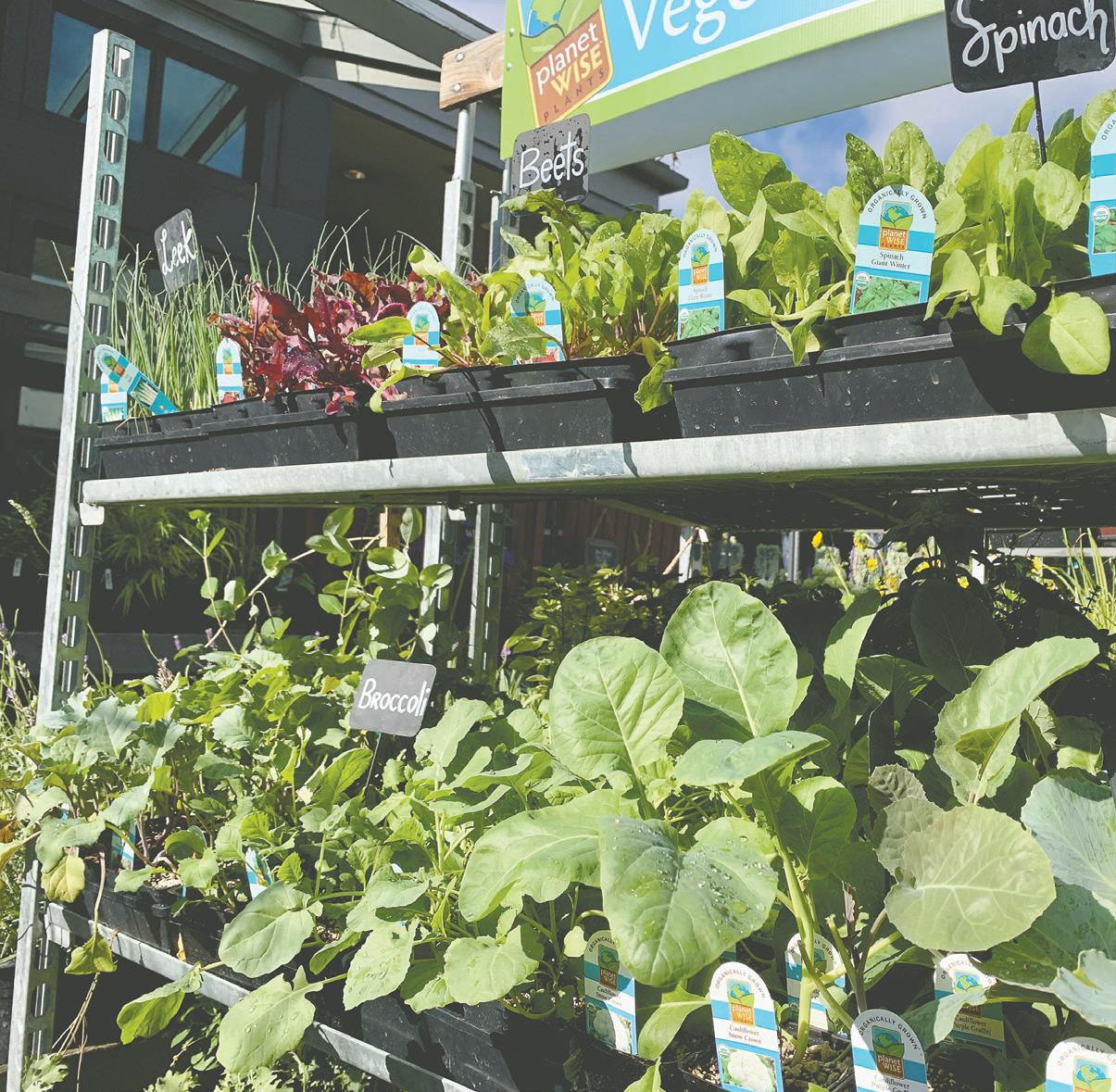
A few vegetables that like a nip in the air are legumes like beans and peas; beets and carrots; greens including arugula, collards, lettuce
and spinach; brassicas like kale, cabbage, bok choy, broccoli and cauliflower; onions, garlic and leeks.
Most of those can withstand some frost, except for lettuce, which would require protection from row-cover fabric to grow over winter. Mints and thymes can “live” over winter but usually look molted or melted and generally unappetizing. Consider protecting, replanting or supplementing from the store.
Kales and carrots are reported to taste sweeter after a frost, offering another delicious example in life when doing nothing for a minute can be a good thing.
A few of these crops, however, take 100 or more days to mature, which may or may not be worth your garden real estate. For instance, not having unlocked the power-up key to cauliflowergrowing yet, I give it a pass and just buy it at the market.
Leeks and purple-sprouting broccoli, hereafter referred to as PSB, on the other hand, are both so easy, long-keeping and majestically stunning in the garden that they earn their pots on our patio. The leeks soar up 2 and a half feet, topped with white baseballs made of stars that magnetically attract pollinators.
The PSB has magnificent wavy whale-fin leaves in blues and purples, and finally, around April, sends up 3-foot stalks topped with purple broccolini-style florets. I planted some late as an experiment last year.
This spring I wasn’t sure when to harvest them, and then a snow broke the stalk — and while it looked funky, it found a way and grew back! But I was so mesmerized I didn’t really mind the lack of stir-fry.
This year, I’m trying a purple
Gardeners should get fall veggies in the ground soon so they can at least get their roots established, if not mature, before there is a killing frost because Seattle has a ‘preciously short’ growing season.
bok choy as well as the PSB. When my blue potatoes come in, it will be quite the party.
Some ways to easily extend your harvest:
• Plant another crop of coolseason veggies if you have leftover seeds or saved seeds from your open-pollinated (non-hybrid) varieties and there is time based on the variety’s “Days to Maturity.”
• Buy starts of cool-season vegetables, checking those tags so you know how and when to plant and harvest.
• Forgo a crop but boost next year’s garden by planting cover crops now that will feed the soil next spring. Fava beans and Austrian clover are two great
Residents invited to participate in Parks and Recreation strategic plan
open house
Seattle Parks and Recreation is requesting public participation as it implements its 2020-32 strategic plan. Input will help SPR identify critical needs and priorities as it plans for the next three years and beyond. Residents should the visit Seattle Parks and Recreation Strategic Plan Implementation online open house at https://sprstrategicplan.infocommunity.org/ to participate.
The purpose of this online open house is to seek community input to inform SPR’s plans for pandemic and economic recovery, responding to climate change and supporting racial equity. Staff want to learn more about what people want to see in their parks, open spaces and community centers in the coming years.
“Our charge as public servants and stewards of this incredible system is to ensure we’re serving our community, especially those with the greatest needs,” Seattle Parks and Recreation Superintendent Jesús Aguirre said in a press release. “We can only do that if we have a clear vision for our work, if we’re engaged in authentic and open dialogue with our constituents, and if we are able to articulate our plans for meeting the needs of community. To accomplish this, we need to create an implementation plan that directs the adaptation of our programs, services and amenities to aid in our city’s recovery and meet the needs of our changing city.”
choices. These help fix nutrients like nitrogen in the soil that may be depleted from past seasons’ growing. The fava beans have gorgeous white and purple flowers in early spring, followed by the edible beans. Then you cut down and dig in the remains to compost in your soil before planting your next crops.
• Sow seeds of microgreens inside. These are sprouts of a lot of the same crops mentioned above, from greens to beets, brassicas and peas, but also sunflowers, the shoots of which are all concentrated with nutrients. Easy to grow in shallow trays, they’re ready to top your salad, soups or smoothies in a few weeks.
In March 2020, after extensive public input, SPR released an updated strategic plan to guide programming, services and investments from 2020-32. Guided by a new Pathway to Equity, a road map for SPR to play its part in ending institutional and structural racism in Seattle, the plan identified 40 strategies to advance our collective vision. These strategies support a vision of promoting healthy people, a healthy environment and a strong communities while pursuing racial equity and organizational excellence.
“As we look to implement the priorities in our 2020-2032 Strategic Plan, it’s critical to check back in with communities we serve and consider the dramatic change and disruption we’ve faced over the past 18 months through the COVID-19 pandemic, the associated economic downturn, the nationwide racial reckoning, and the increasing impacts of climate change,” Aguirre said in the press release.
This engagement effort to support strategic plan implementation will also inform the next six-year cycle of the voter-approved Seattle Park District, which was put on hold during the pandemic. The Seattle Park District is a sustainable funding source to repair, maintain and restore basic services at the city’s parks, community centers and regional attractions, and provides about 20 percent of SPR’s funding, according to the SPR press release. Originally planned for 2021-26, the next Park District funding cycle will now span 2023-28. SPR will resume this financial planning process in early 2022.
For more information, visit https://www.seattle. gov/parks/strategicplan or contact PKS_SprStrategicPlan@seattle.gov.