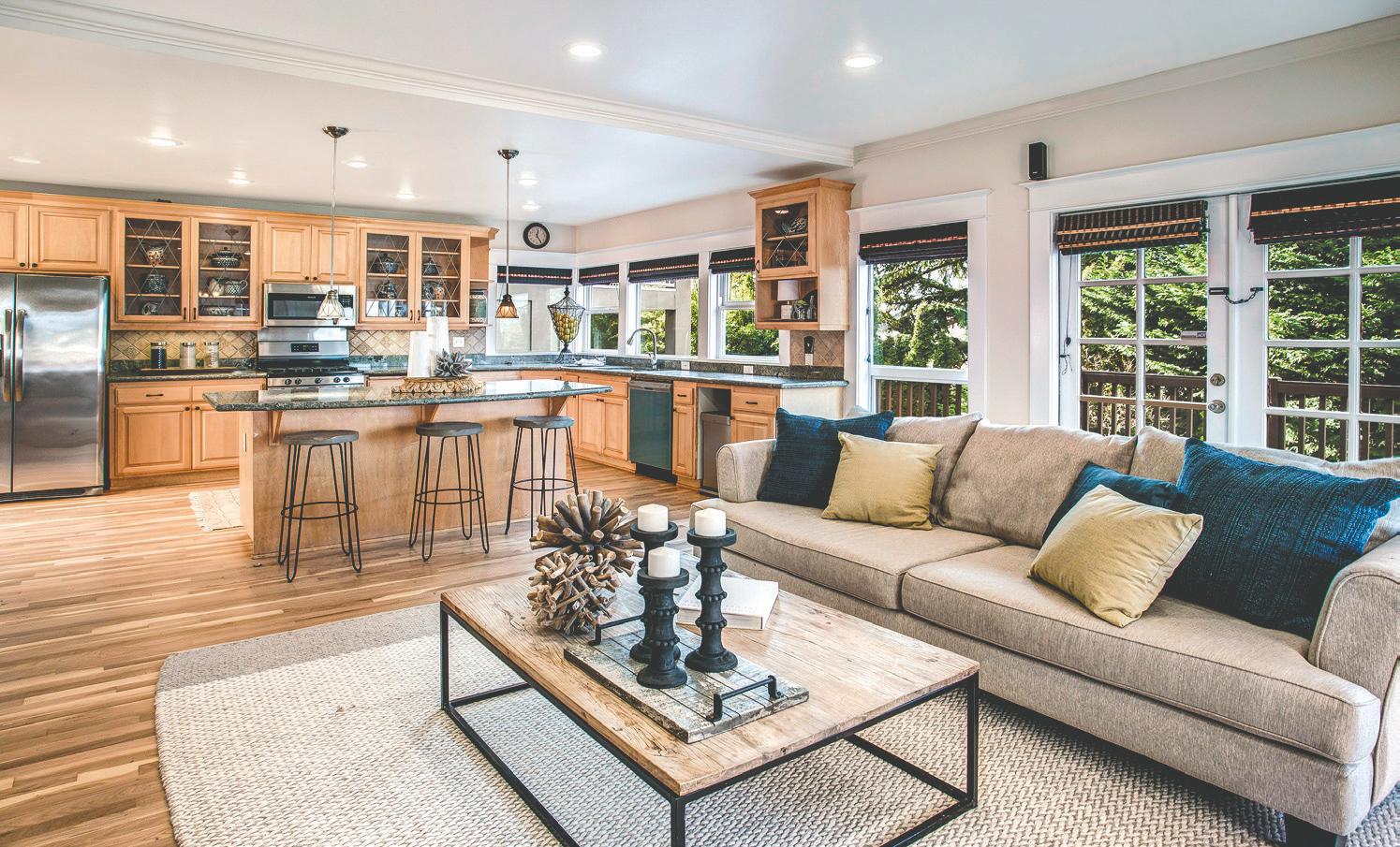
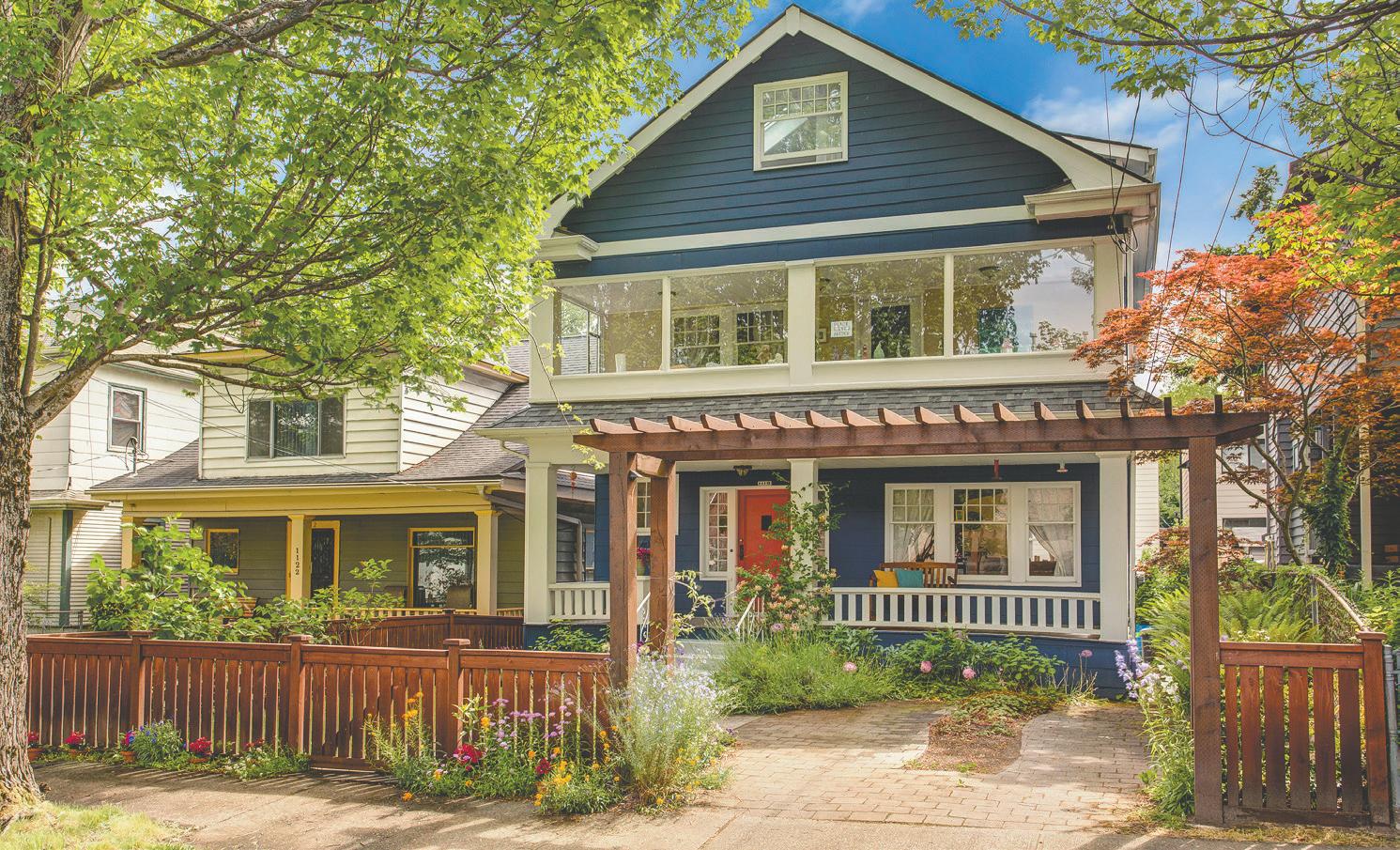
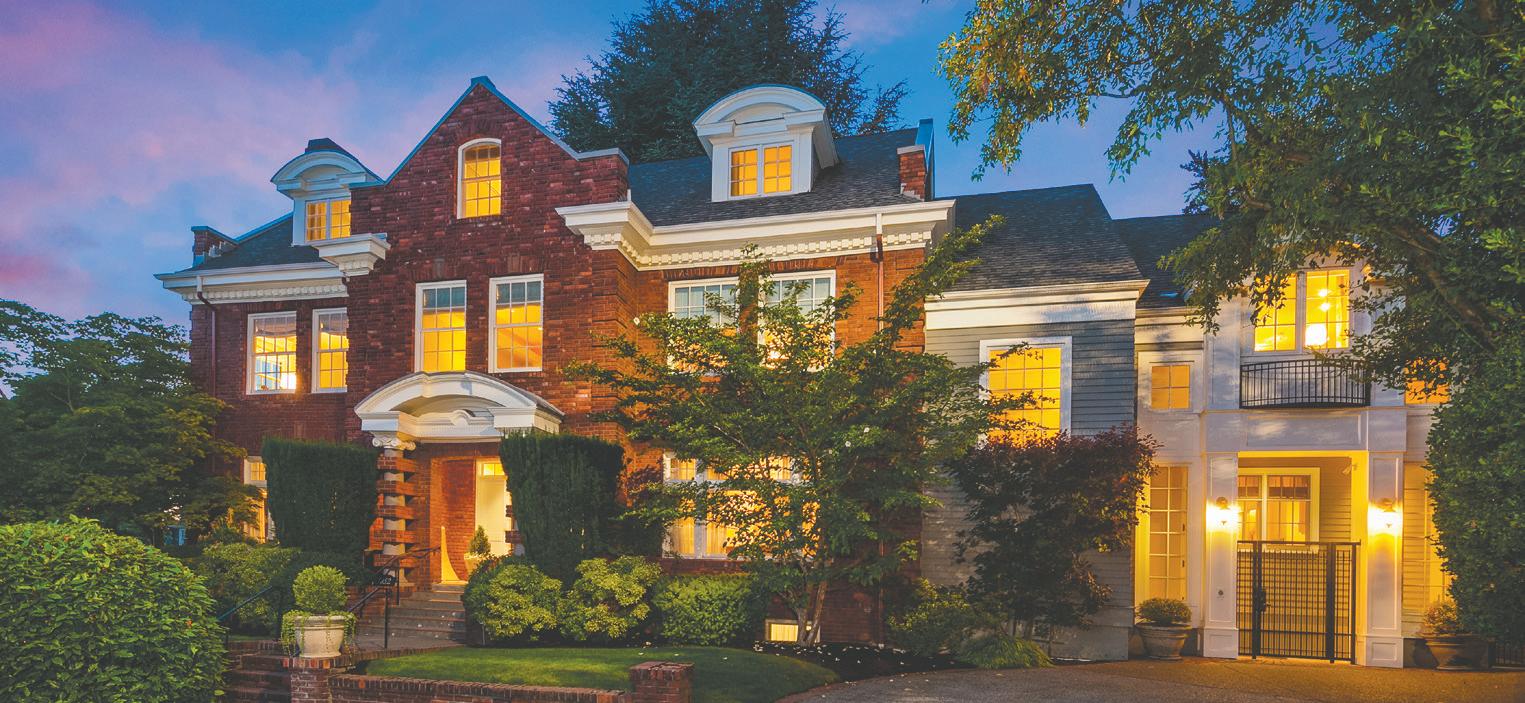
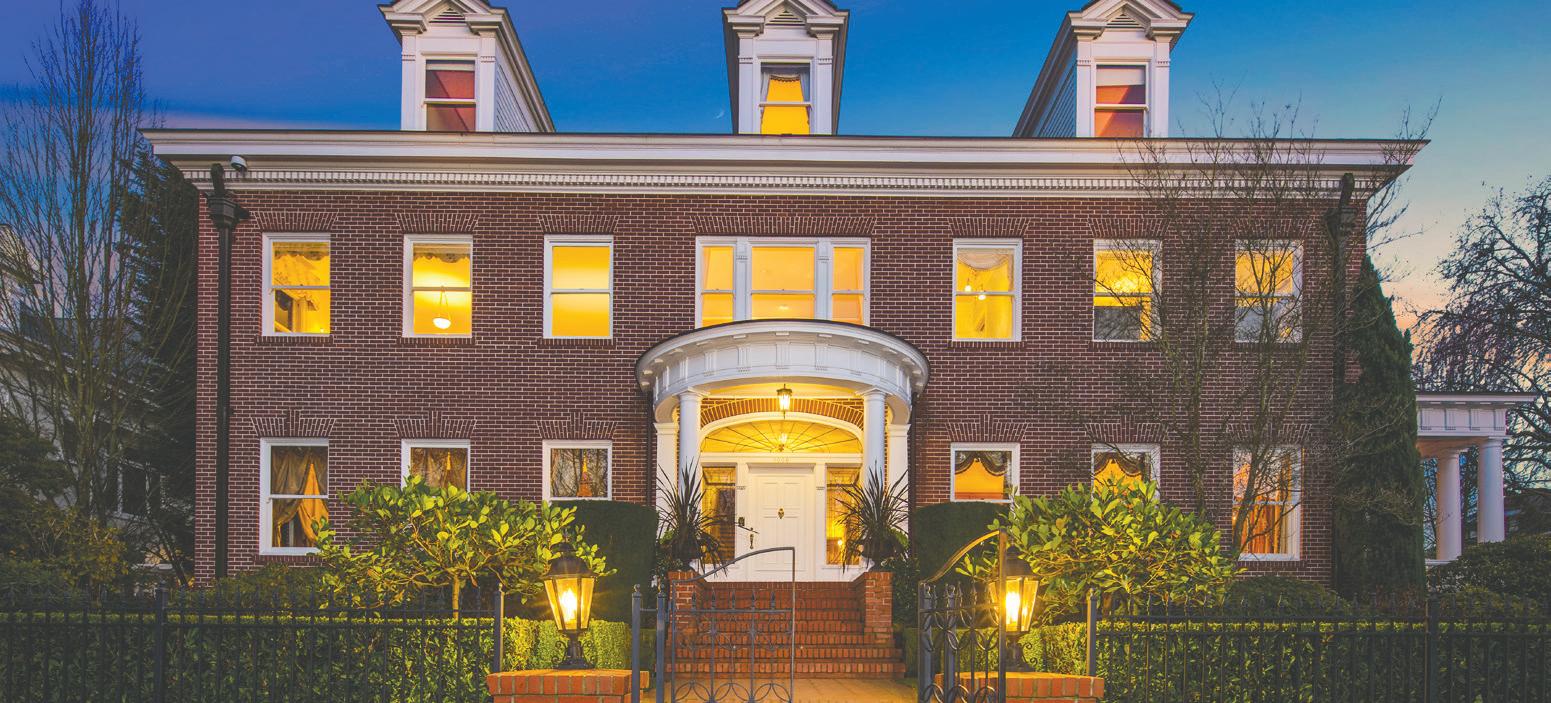
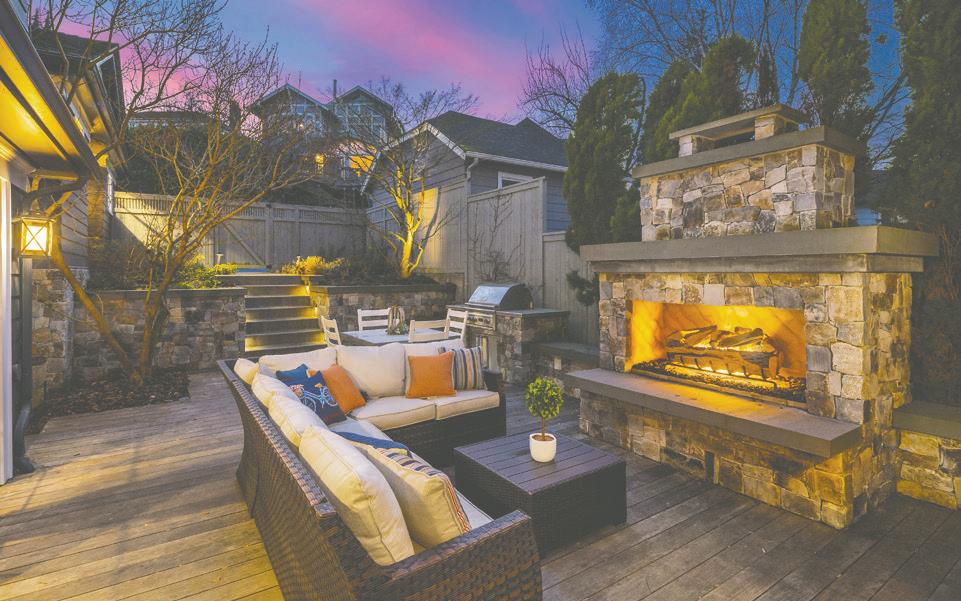
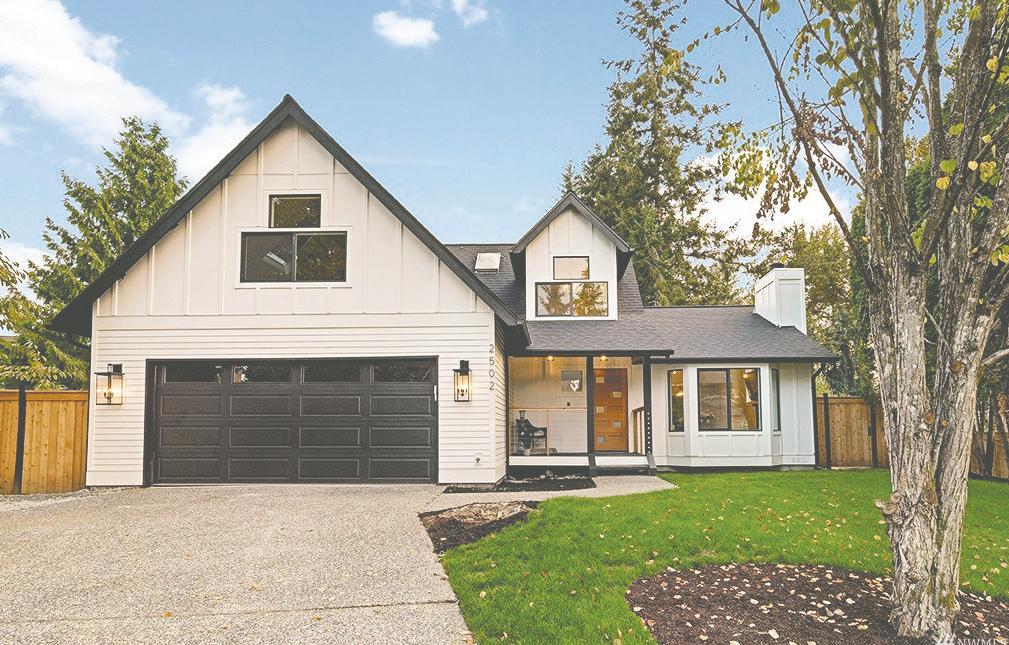
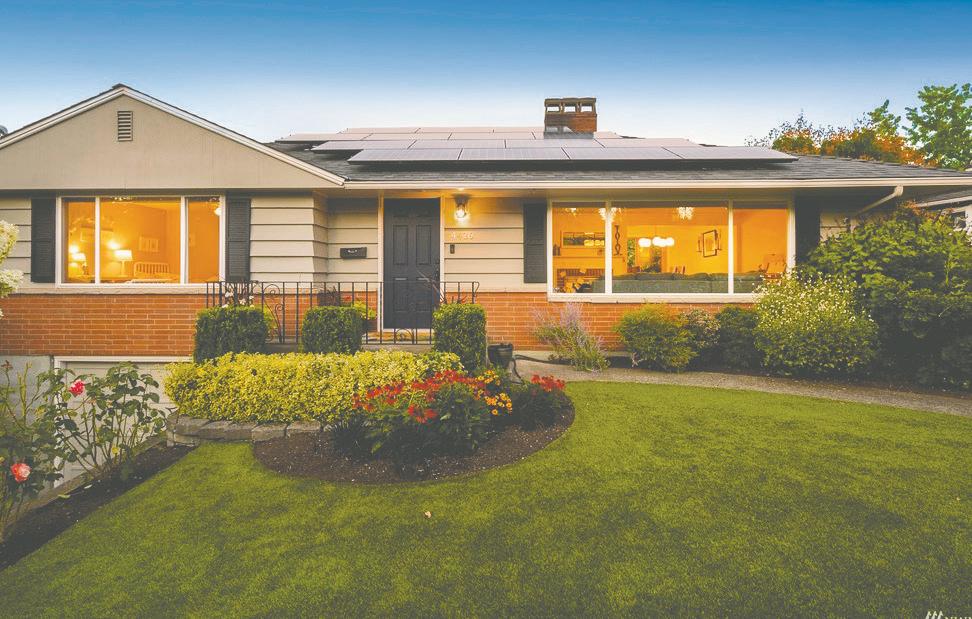
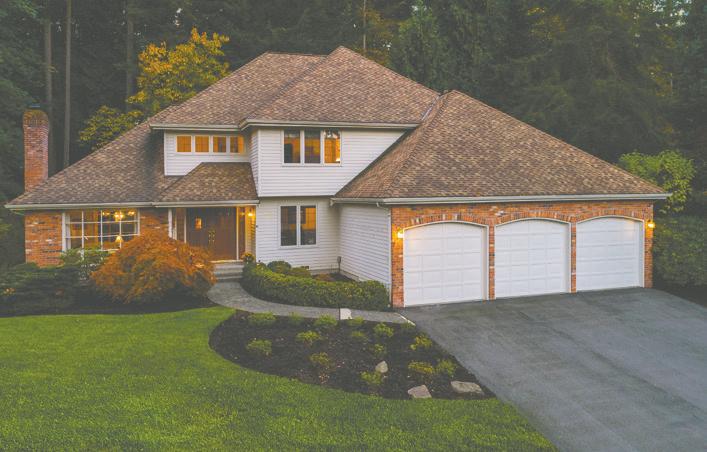
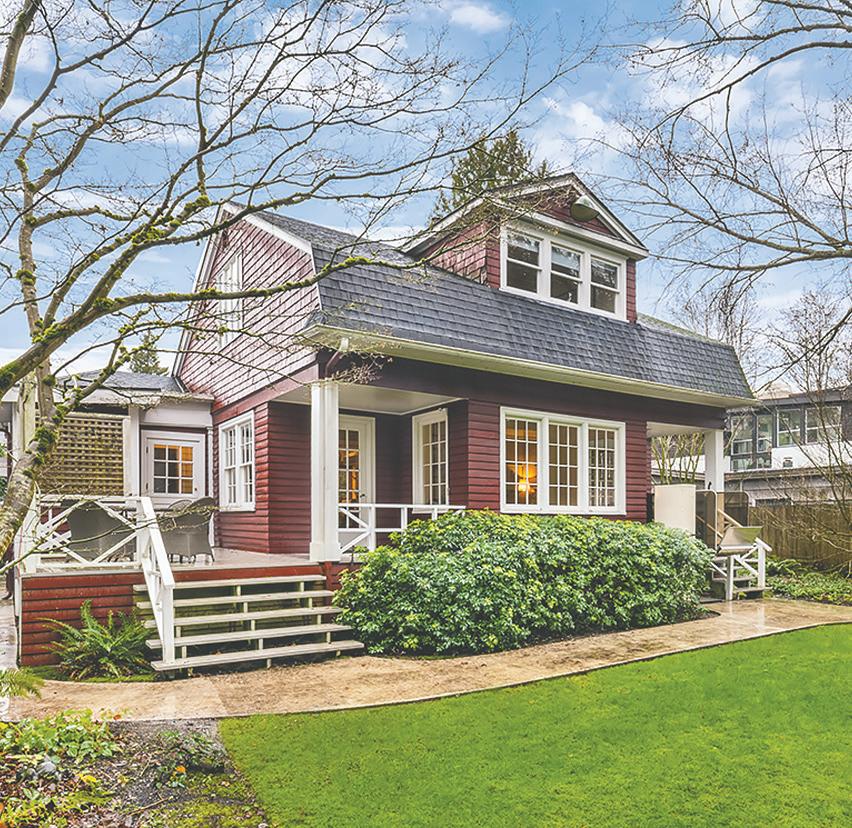
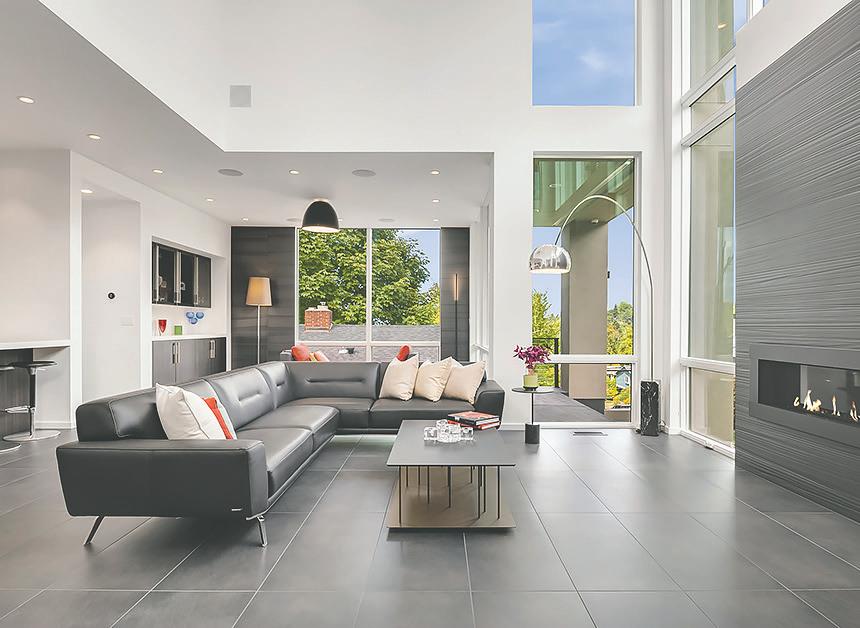
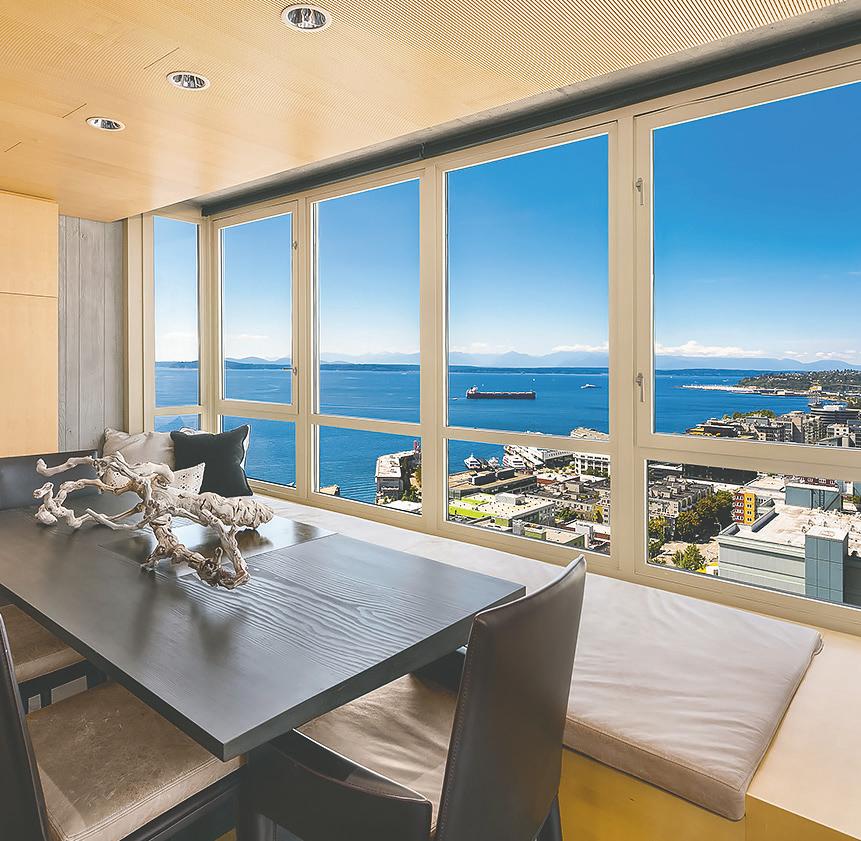
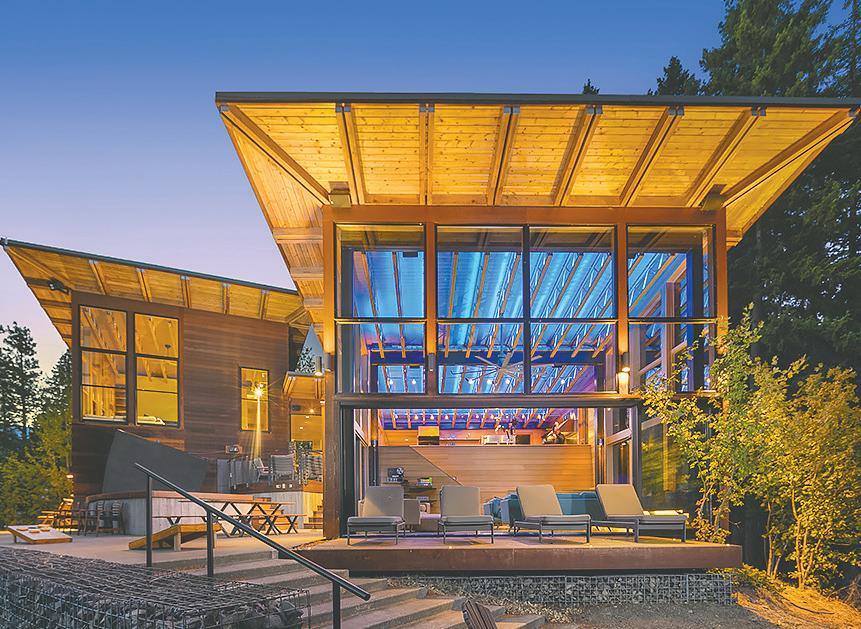
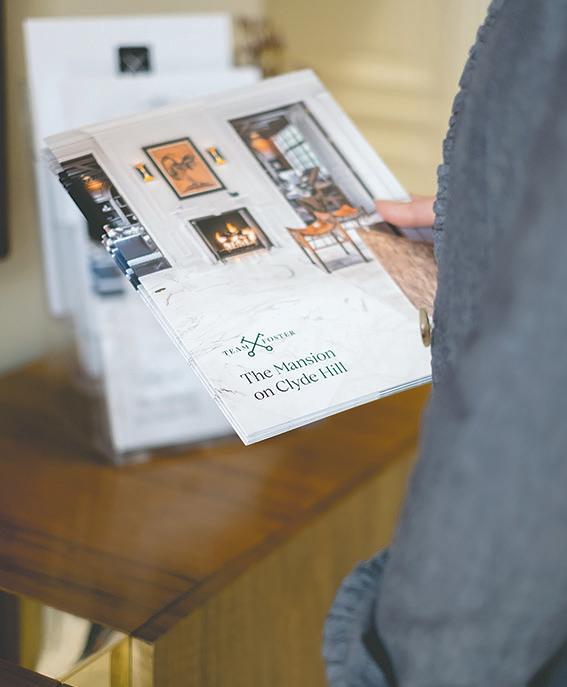
Is love in the air for Seattle’s real estate market?
The onset of the COVID-19 pandemic disrupted much of the seasonality we rely on in the Seattle real estate market, and it continued to do so as we said goodbye to 2020.
At the end of the year, when many are gathering for the holidays, real estate activity has historically slowed.
But in this unusual year, the number of single-family homes for sale in Seattle during 2020’s fourth quarter was up 24 percent. Buyer activity also remained strong, with the number of sales in the final quarter up 28 percent year-over-year and a sense of urgency in the market, with the average home spending only three
weeks on the market.
With new contracts for purchase exceeding new listings, inventory levels are markedly low and contributing to a steady climb in median home prices, with Seattle single-family homes rounding out the year at $840,000.
Taking a closer look at our micromarket in the Central Seattle region (Area 390), we saw an even larger flurry of activity in Q4-2020, with the number of homes sold and pended both up over 30 percent.
Despite the disruption in seasonality, some trends we expect in our neighborhoods held strong. As is typically the case, the median sales price and days on market tend to be slightly higher here than in Seattle at large. In Q4-2020, the median sales price was $980,000, and homes spent an average of one month on the market.
So, what’s ahead?
The enviable market fundamentals of our region will keep
primary residences here while attracting like-minded followers who will take advantage of the relative home values, lower cost of living and greater prospect for capital appreciation compared with West Coast peer cities. We also expect to witness
a massive downsizing cycle in the next decade, as Generation X’ers become empty-nesters, and retirees seek a “lock-and-leave” lifestyle and harvest equity for second homes in destination
www .M adison P ark T i M
Laura Halliday Property Views
ost people have an idea of what it means to do “core training” since we now know how important core performance is for body performance, but many people never come to understand what “core strength” is and how that might be different from “core coordination.”
What most people think is that if they just do the right exercises, and do them enough, that they will develop all that is needed for an effective core.
While other muscles in the body may respond well to bluntedged repetition and consistency, the core is a different kind of apparatus that must be linked effectively to a life-giving muscle: the diaphragm.
The (thoracic) diaphragm, also known as the “breathing muscle,” is a thin and parachute-shaped muscle that helps pull air into the lungs when we breath in. When the diaphragm is relaxed, it lengthens upwards toward a partially empty and now smaller set of lungs, and when the diaphragm contracts it draws the lungs down toward the pelvis, helping to expand the lungs and draw air inwards. Your abdominal contents, for the most part, go along for the ride undisturbed.
So then, what does the diaphragm have to do with the core? As it happens, quite a lot.
Our diaphragm works with our trunk and pelvic muscles to create stability for our spine and pelvis, taking the load off (quite literally) of our spinal joints, as well as reduce tension in spine- and hip-stability muscles by connecting tension with each other throughout the breathing cycle.
Breathing and bracing effectiveness is one of the first things I check for in both chronic and acute lower back pain (among other conditions) because if one does not have a coordinated breathing and bracing mechanism, spinal biomechanics quickly deteriorate, leading to compensation patterns and ultimately back pain.
Much like riding a bike, learning this method is prohibitively difficult to perform alone for even the most experienced and fit people, so I will not attempt to teach you here in this article, but I will share some tips that can get you started.
Step 1: Lay down with your knees bent and feet flat on the floor. Breathe in deeply and become aware of where in your trunk and chest the “air” seems to “go.” Does it feel like the air
is going more into the chest, or into the belly? Check to see if there are muscles other than the diaphragm working to bring air in, such as the neck, shoulder and hip muscles. Can you breathe deeply without using these muscles?
Step 2: As you breathe in, can you manipulate where the “air” goes in your chest and trunk? With each breath in, try to “push” the air into different parts of your chest, trunk and spine — front and back, side to side, top and bottom.
While Step 1 is about mindfulness, Step 2 is about coordination and control of the muscles around your trunk and your diaphragm working together, and how well they can “push air” around. This step of “core coordination” is often missed before people set out to perform “core strengthening exercises,” so be sure to learn this step.
Step 3: Challenge yourself in a variety of positions and activities to perform step 1 and 2.
Caution: Be careful not to breathe too quickly as it can lead you to become light headed, no more than eight to 10 deep breaths per minute. Do not
“While other muscles in the body may respond well to bluntedged repetition and consistency, the core is a different kind of apparatus that must be linked effectively to a life-giving muscle: the diaphragm.”
restrict yourself with this number, however; everyone has unique breathing needs.
Start slow and move from laying down on your back to sitting up in a chair, and then, if you feel comfortable, you can try the exercise while standing up, walking, etc.
Take this Step 3 exercise in one- to two-minute segments to start, and slow your breathing down so that you can focus on what you feel.
Step 4: Link your trunk muscles to your breathing muscle. This is where breathing becomes like learning how to ride a bike and where help is often needed. Just like how your diaphragm lengthens and shortens in a coordinated and tensioned fashion, so the
muscles in your core should move in a coordinated and tensioned fashion right alongside and in “contact” with the diaphragm. Think of it like two ballroom dancers’ lead hands as they press together and stay together, with the diaphragm leading the movement.
If you are having trouble with this, do not worry, almost everyone struggles in the beginning and, as mentioned, this step likely will require a trained clinician’s guidance.
Following these steps and connecting your breathing to your core support is the most important thing you can learn how to do before going straight into a core-training program, or any training program for that matter. It is also critical to learn if you suffer from chronic injuries because our bodies are so adept at compensating. What may appear to be a hip, shoulder or even an ankle problem may be sourced from an incompetent core. These steps may be hard to follow, so if any further clarity or discussion is needed, please do write to let me know.
— Dr. Dan Michael is a chiropractic physician at NW Sports Rehab, 1929 43rd Ave. E., in Madison Park. Call 206-3285466 for more information.
Dr. Dan Michael Northwest Sports
LUXURY LIVES HERE
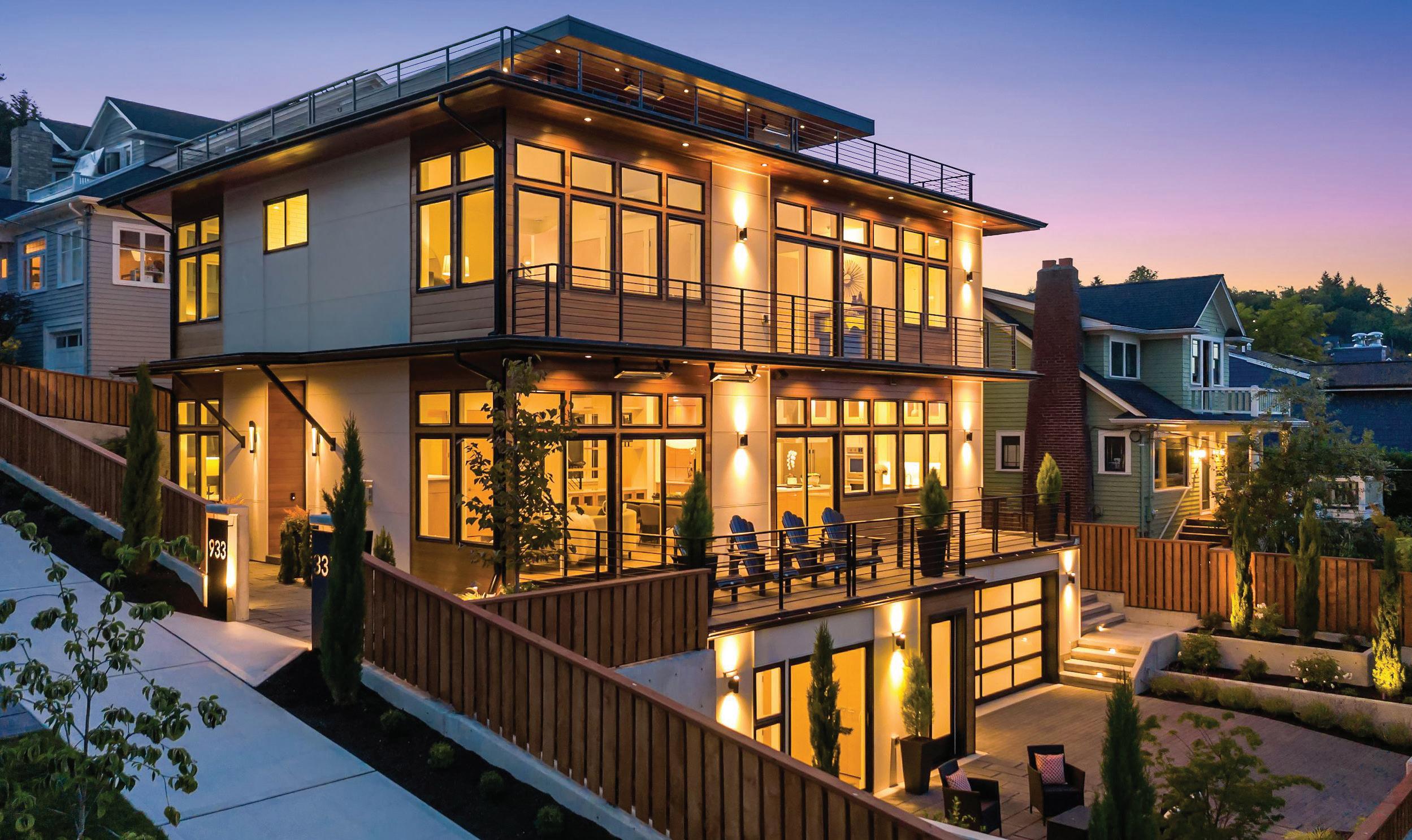
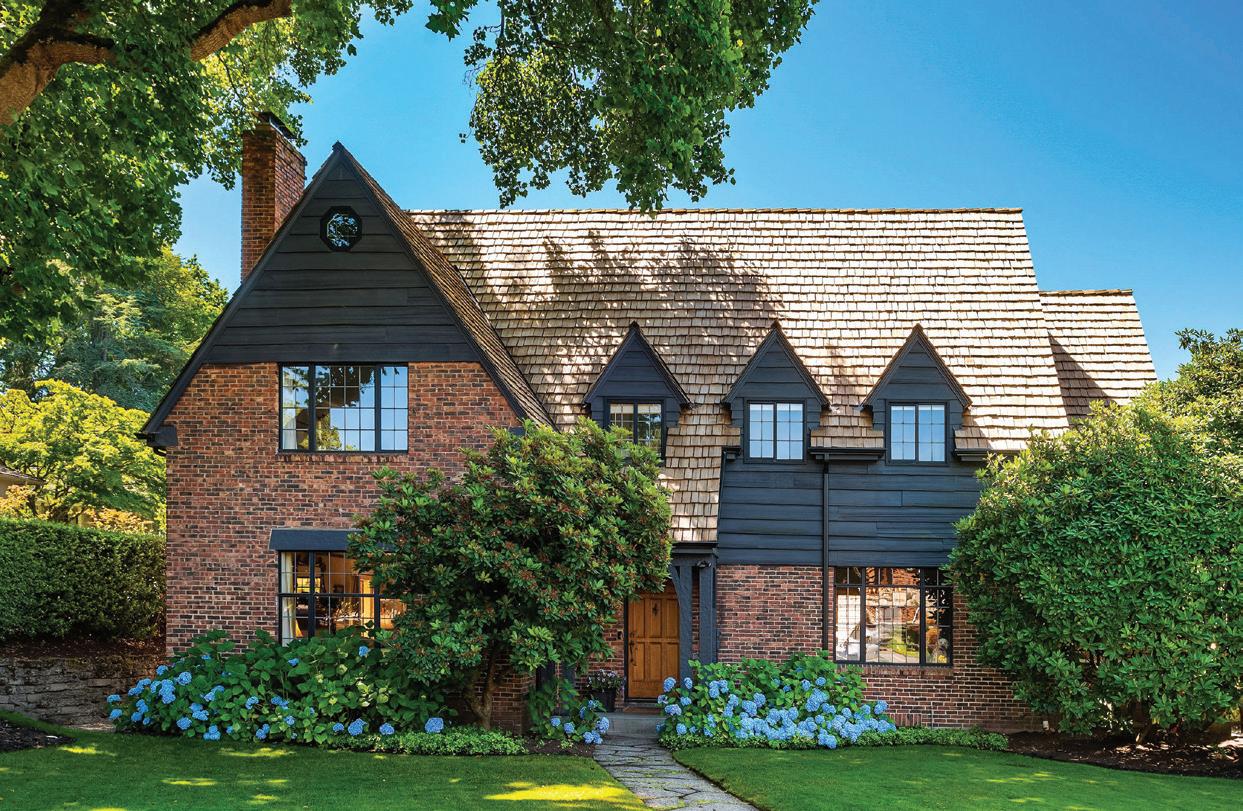
n the aftermath of such a challenging year, the winter issue of RESIDE® Magazine looks ahead at some exciting updates for Realogics Sotheby’s International Realty. The firm announced an achievement of $2.8 billion in annual sales, a new partnership with Chateau Ste. Michelle Wine Estates as a newly envisioned retail experience in our Kirkland office, and the highly anticipated 2020/2021 annual report. Also, in this edition, Kristin Davis shares her five favorite things, we explore a 21st century take on the Tudor home, and much more. Please reach out to me for a complimentary print or digital copy!
RSIR ranks amongst the largest, most productive and fastestgrowing real estate companies in Washington with access to 23,000 brokers in 70 countries that generate global sales of $114 billion annually.
MY CLIENTS ARE SAYING
We were first-time ho mebuyers who had no idea what they were doing. Laura was patient, extremely professional, and went above and beyond to make the home buying process a seamless one. On top of her local knowledge and expertise of the Seattle housing market, Laura takes the time to actually get to know her clients to ensure they are going after homes that fit them and their family’s needs. She is a consummate professional and allout wonderful person.
Sotheby’s Auction House Presents Open Roads, a range of high-quality motor cars and a selection of automobilia spanning a multitude of segments of the market.
- Pat & Tana Chiarelli
The great seed-starting game
It’s the time of year when, if the sun peeks out for more than an hour, gardeners’ fingers start twitching, reaching for their trowels.
There are things to be done, from sweeping squishy, brown former plants off your paths, to planting any new potted plants. There’s a lot that shouldn’t be done yet, like most pruning. What you want to be thinking about is planning your garden on paper and any indoor seed-starting you are contemplating.
This week, because you might need to order some things before you can play, we’ll discuss seedstarting. If you’re not doing any seeds this year, grab a good garden book or start doodling where you can add some evergreens and flowers for winter interest.
Indoor seed-starting is a fascinating and exacting game, especially here in Seattle. It’s a little like cake baking and a little like betting on racehorses. You need a lot of specific knowledge and a big pinch of faith.
Each type of plant you can sow has its preferred germination heat and light conditions, as well as ideal growing and flowering con-
ditions. Some like to be planted on the surface, some deep, and some with just a dusting of soil welcoming diffuse streams of light. So, you need to know what you’re growing and give it precisely what it likes and when.
Don’t forget the Seattle spring wild card! Seattle’s cool springs mean that if your timing is off, you could have plants bursting their shelves inside while it’s still too chilly to put them outside.
For the highest survival rate, you have to make a good bet as to our average last frost date. The key word there is “average.” No one really knows when frost will hit, especially with the erratic weather patterns trending in recent years.
The first week of May is a timehonored guess, hosting plant sales throughout the state every year — but even that is often too cool for plants that like the soil toasty, like tomatoes, basil, peppers, melons and sunflowers. The last frost date only considers the air temperature, not the soil temperature.
Seasoned players will have already procured heated greenhouses, frost fabric covering their
raised beds, and/or red plastic on their soil to hedge their bets when the little plantlings first hit the cold world.
If you want to get your nerd out and do the research, check out the National Garden Association’s last frost date charts and planting guide (https://garden.org/apps/ frost-dates/Seattle,%20Washington/) and WSU soil temperature maps (https://weather.wsu. edu/?p=89750) online. Feeling lucky and ready to gamble on putting the plants out in May? Err on the late side for starting your seeds. Count back the seed packet’s specified weeks from your chosen planting-out date, say May 5.
You can try seeds from anywhere, but regional growers like Territorial Seeds, Ed Hume Seeds or Seattle Urban Seed Co., will select and choose plants that grow well here or that have been acclimated to our conditions. Home growers do the same.
That’s where most of our seed varieties come from: generations of farmers and gardeners saving the tastiest, tallest, earliest plants they grew. This only works with “open-pollinated” seed, by the way, not “F-1 hybrids.” Check your packet or do your research on a variety before you save seed. Many grocery produce varieties will not KATHRYN HINDS
SEE SEEDING, PAGE 7
Each type of plant you can sow has its preferred germination heat and light conditions, as well as ideal growing and flowering conditions. So you need to know what you’re growing and give it what it likes and when.
Windermere Madison Park 206•650•6488
KATHRYNHINDS@COMCAST.NET KATHRYNHINDS.WTHWRE.COM
TAYLOR HINDS
Windermere Madison Park 206•434•5102
TAYLORHINDS@WINDERMERE.COM TAYLORHINDS.WTHWRE.COM
Photo courtesy Erica Grivas
Erica Grivas Get Growing
A Trusted Legacy
The Stewart Lumber & Hardware Company
Seattle Symphony’s Community Stages Fund opens Benaroya Hall stage to local organizations
The Seattle Symphony is launching the Community Stages Fund, which aims to support nonprofit organizations by providing fully sponsored or heavily subsidized use of the performance and backstage spaces of Benaroya Hall and access to digital streaming equipment and production crew.
The initiative will serve organizations within the Pacific Northwest who do not have access to technology or spaces of their own to produce digital content, which impacts not only their ability to connect with audiences but also their ability to fundraise.
SEEDING, FROM PAGE 4
come true from seed.
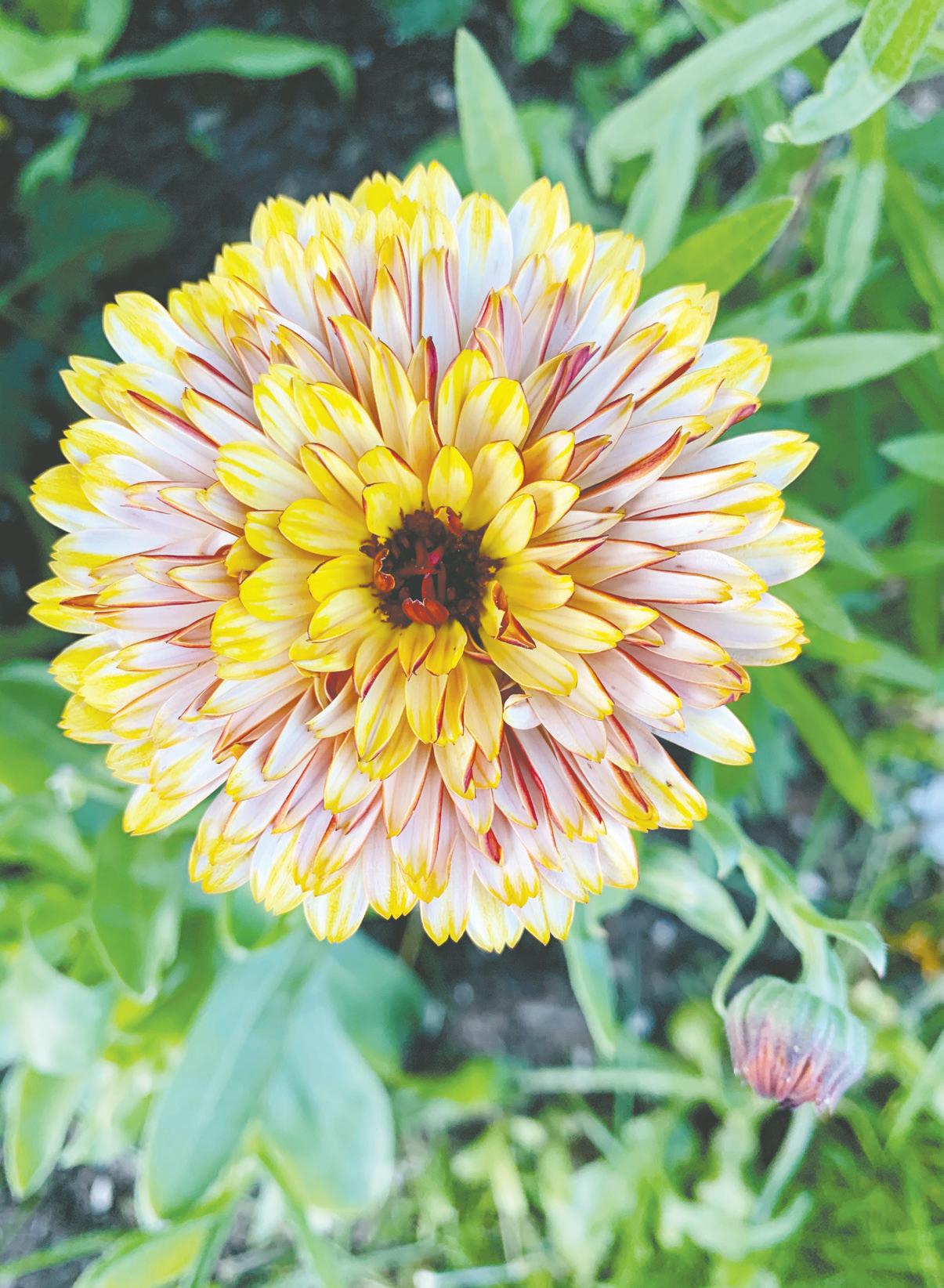
This year, I’ll be growing seeds saved from my favorite blossoms on the variable calendula Bronze Beauty, in which each flower offers its own riff combining buff, gold, champagne and burgundy. If I did that selectively for six or seven years until my seeds reliably produced the same flower, I could create “Erica’s Bronze Beauty.” Luckily there’s time to think of a better name.
It’s possible not all seeds in your packet will germinate. I like to pre-germinate my seeds to save time and space and prevent watering any duds. It’s also a good way to test the viability of older seeds you may have. I put the seeds in a damp paper towel in a labeled/ dated Tupperware or Ziploc bag. Usually you’ll see sprouting in two or three days.
You will want to sow your seeds in “Seedling Mix,” which is far lighter and easier for plantlings to push through than potting soil or mix.
How close to plant your seeds? Depends on your tolerance for thinning (removing runty seedlings), accidental or otherwise. Many people only put two or three seeds in a cell, but tomato expert Craig Lehoullier plants thousands of tomato starts every year by planting densely, say 10 seeds in a cell, and transplanting into bigger pots as needed. There could be some attrition in that process.
A grow light or three is smart, because even a lovely south-facing windowsill may offer weak light
PROPERTY, FROM PAGE 1
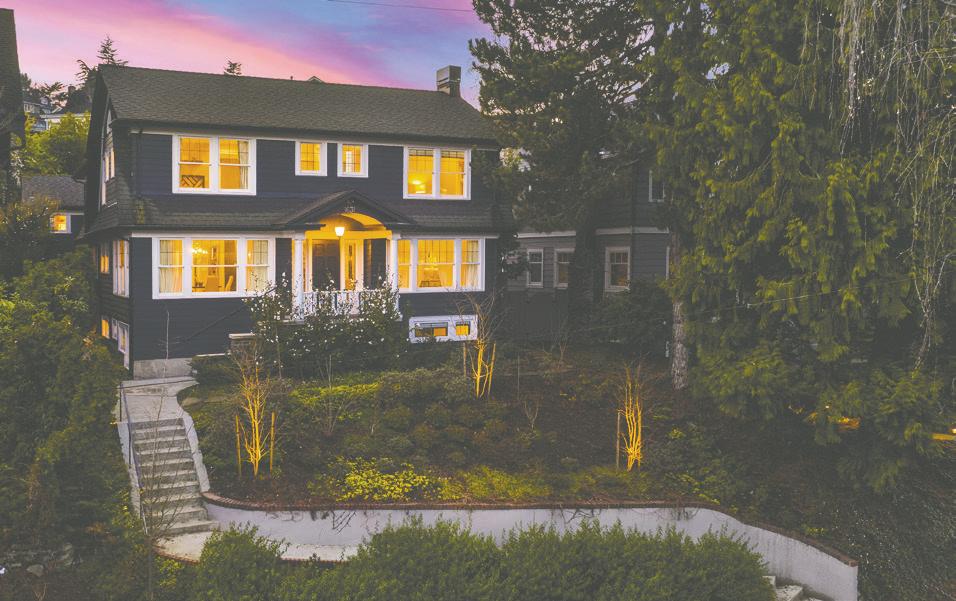
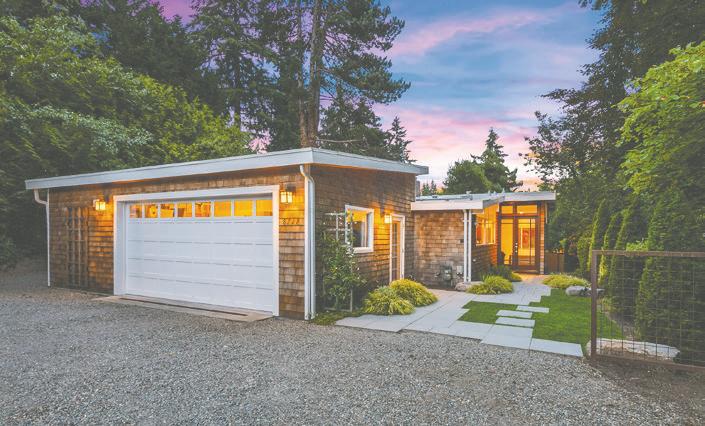
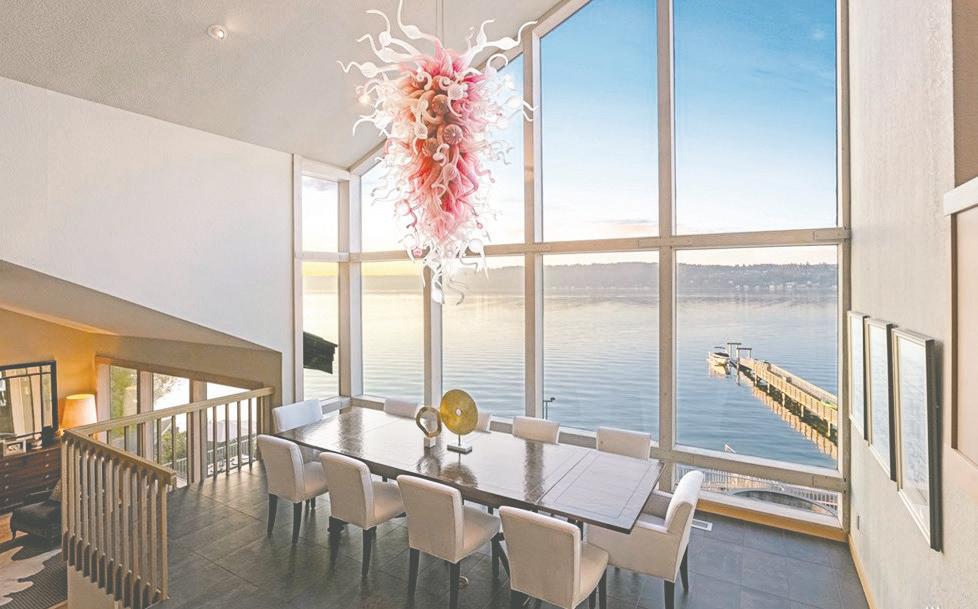
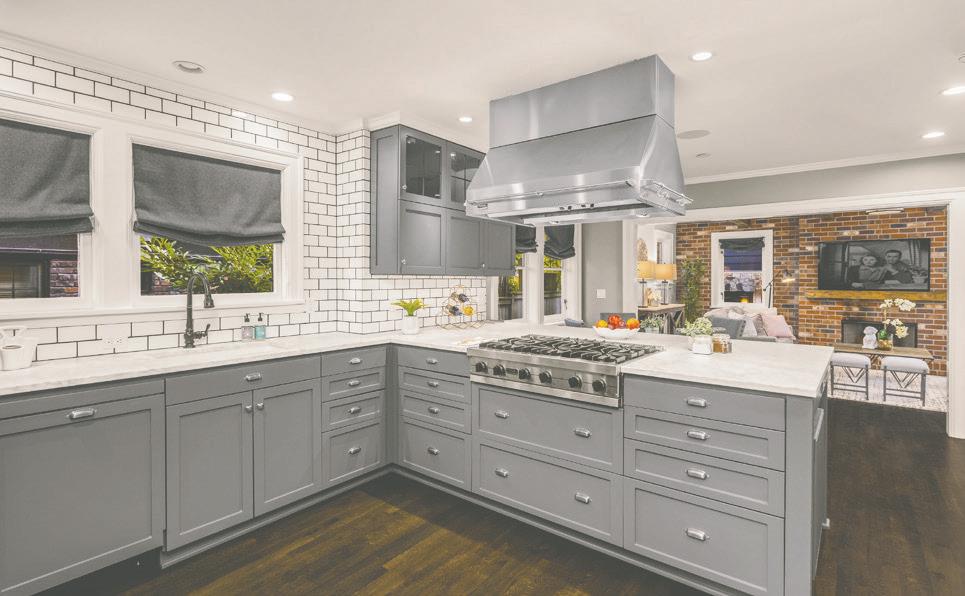
markets with a return to travel post-pandemic. In the short term, the first three weeks of January 2021 have proven to be slightly busier than in past years. In our neighborhood, we’ve seen one condominium sale at $440,000 and three pending condos ranging in list price from $474,950 to $769,950. Six single-family homes went under contract, priced from $1,995,000 to $8,950,000, with another four homes sold ranging from $1,240,000 to $4,625,000.
Additionally, as the systemic inequities that impact BIPOC communities have been made even more apparent by the pandemic, the Symphony’s fund seeks to bridge these gaps and support the organizations of the Pacific Northwest region by providing a digital platform and live stage to share their work.
Organizations interested in a Community Stages Fund grant can apply at seattlesymphony.org/ communitystages. First round applications are due by Feb. 8, with additional applications accepted on a rolling basis. Initial
participants will be announced by March 1. The selection committee will consist of Symphony leadership and partners within the Symphony’s Community Connections program. Selection will be prioritized based on demonstrated need of the organization as well as service to racially diverse communities.
The Seattle Symphony’s Community Stages Fund is underwritten by the Tagney Jones Family Fund at Seattle Foundation.
For questions about the application process, contact community. stages@seattlesymphony.org.
“There is nothing like the magic of watching a little nugget, which appears as hard and inert as a pebble, transform into a sprout, a seedling and, finally, a stout plant, and then feeling the satisfaction of saving your best-performing seeds and growing them next year.”
in Seattle in winter. To be effective, the lights need to be close to the plants, like within 4 inches, and you’ll need to adjust as the plant grows — that’s why “shop lights” on chains are popular, though for smaller operations, you can use a grow-light bulb in a gooseneck lamp.
Tomatoes and peppers will germinate best in hot temperatures, so a heat mat is helpful for them.
I’ve also heard of people putting them on top of their refrigerator for the heat, but that one didn’t work for me.
As always inside, getting the balance of humidity for plants is tricky. Not enough, your seed tray looks like concrete, too much, and you get the mysterious “damping off” disease, where precious seedlings just kind of melt away. Covering the planting tray with one of those shallow kit lids a.) only works for a minute once the seeds grow, and b.) may be too wet and not allow enough air circulation. A soaking at planting followed by misting the surface a couple of times a day will help.
As to outdoor seeds, a handful of half-hardy annuals (they can take a little cold) can be sown outside in either autumn or early spring, but I would recommend
At the time of this writing, there are seven condominiums listed for sale in Madison Park, ranging in price from $310,000 to $3.5 million. There are nine single-family residences currently on the market in Broadmoor, Madison Park, Washington Park and Denny-Blaine, priced from just $950,000 to $14.7 million. Overall, inventory in our city is down an unbelievable 47 percent from last year. Month-to-date stats comparing the current year with one year ago also reveal that, while inventory is sharply down, pending sales are up 14.5
dedicating a protected sunny spot with well-draining soil. Some of these are: calendula, sweet peas, bachelors’ buttons, larkspur and breadseed poppies. Local Floret Farms has some tips, https:// www.floretflowers.com/easy-togrow-hardy-annuals/. Cool-season veggies like arugula, lettuce, chard, spinach and kale are best sown under some cover (such as under hoop houses). Again, check the soil and air temperature needs of your seeds.
All this is not to discourage, but to ensure the best experience growing your first seeds. Yes, you may have to experiment a bit before you hit your stride, but that’s part of the fun of gardening. There is nothing like the magic of watching a little nugget, which appears as hard and inert as a pebble, transform into a sprout, a seedling and, finally, a stout plant, and then feeling the satisfaction of saving your bestperforming seeds and growing them next year.
— Erica Browne Grivas is a Seattle resident and avid gardener with a certificate in landscape design and a national regional director for Garden Communicators International.
percent and sold properties are up 16.4 percent — spelling out that demand is far outstripping supply. If you are looking to sell this year, your timing could not be better. I’d love to connect with you to discuss how these market trends are impacting homes in your neighborhood. Here’s to a wonderful year ahead!