Madison Park Times
By Anna Power Contributing writer
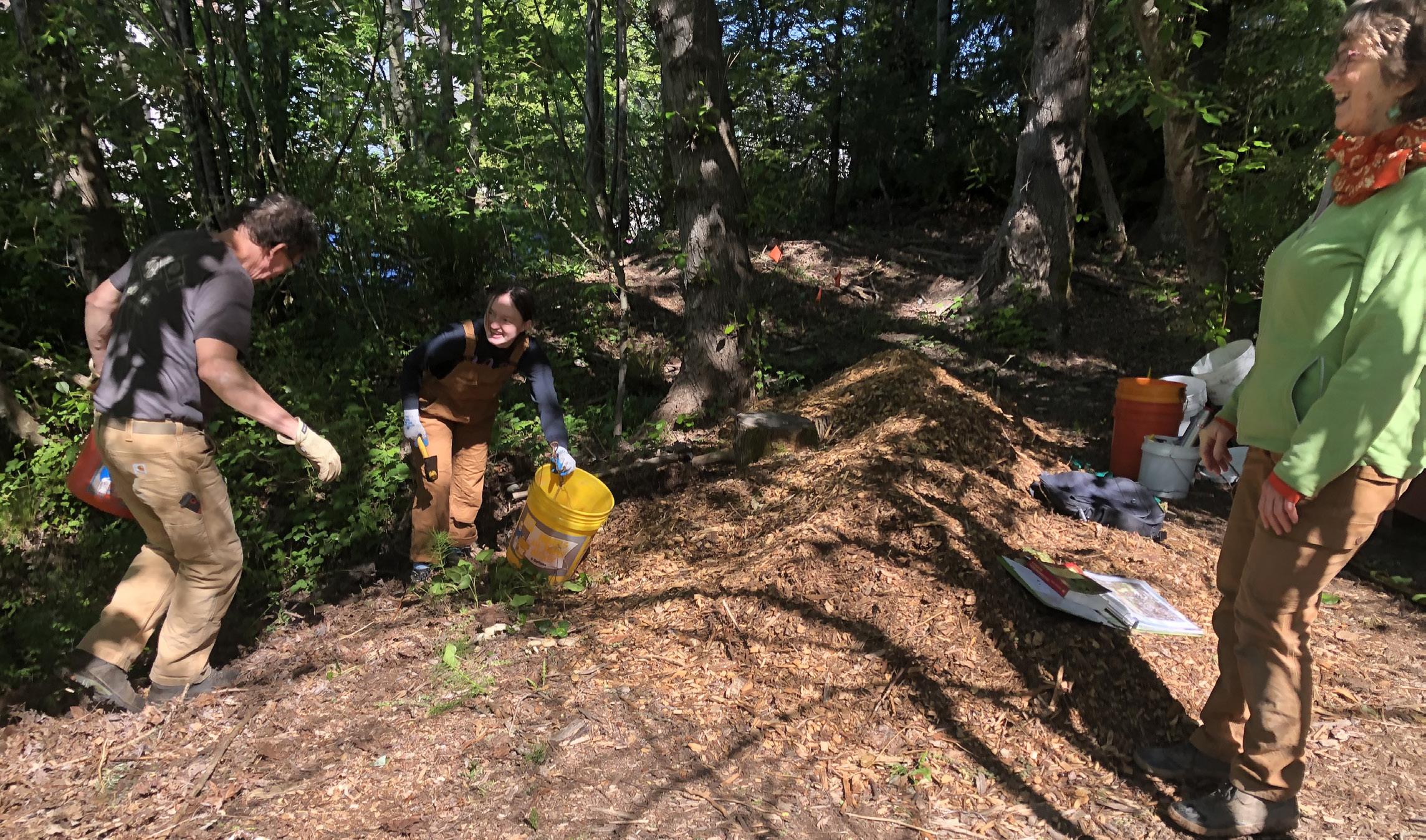
Across Seattle, volunteers are laboring to make a greener city for the community outside city parks and on greenbelts.
Through the Green Seattle Partnership, a combination of volunteer, city staff and contract crews work to restore these greenbelts by removing invasive plants and
establishing native plants, Seattle Parks and Recreation Public Relations Specialist Karen O’Connor said. The city has been active in neighborhood greenbelts in Madison Valley and Queen Anne for sometime — since 2010 for the Harrison Ridge Greenbelt in Madison Valley, 2006 for the Northeast Queen Anne Greenbelt and 2012 for Southwest Queen Anne, O’Connor said.
The Harrison Ridge Train volunteers meets every Thursday to improve the Harrison Ridge trail, situated along 32nd Avenue East between East Denny Way and East Thomas Street.
Kevin Castle, a volunteer consultant, researches which plant species do well in this native habitat.
By oycee Zhou UW News Lab
With almost 20 years of privatepractice experience, child psychologist Dr. Karen Pavlidis has opened a new clinic in Madison Park.
Pavlidis’ new clinic, Child & Teen Solutions, specializes in treating children and adolescents and offers a variety of services, including online therapy, parenting services, children and teen therapy and evaluation and young adult therapy.




Photo:
Greenbelt
He said volunteers will work hard to spare tender, native plants like Indian plum that have survived despite the sheer volume of ivy, blackberry and holly.
The volunteers are currently removing invasive plants to make room for 150 native plants, which they will be planting in the fall, Forest Steward Linda Becker said.
Among the native plants will be Douglas fir, western red cedar, salal, snowberry, red flowering currant and a diversity of other plantings,” Castle said.
Since the greenbelt doesn’t have water systems, the volunteers lug buckets of water from their houses to help sustain the plants after the rain season is over, Becker said.
Removing invasive species is hard but important work.
Holly, ivy, clematis and blackberry take over native plants, harming the ecosystem and taking away habitats for local wildlife, Becker said.
Holly is one of the toughest invasive species to remove.
“You can’t dig it out because it spreads with its roots, which are really quite deep, so they have to be treated with some sort of herbicide from above,” Becker said.
While volunteers pull out the ivy and blackberries themselves, a professional arborist is on hand from the city to treat the holly, Becker said.
People plant holly all over the city, often unaware of the harm it causes, Becker said. English ivy,
fragrant water lily and butterfly bush are other common invasive plants sold at local stores.
Black cottonwood is a native species, but it prevents Douglas fir, red cedar and evergreen trees from growing under it, so Becker hopes to prevent it from spreading.
“If we couldn’t hold back cottonwood, we’d end up with not an evergreen forest at all,” Becker said.
According to its website, Green Seattle Partnership is a collaborative effort between the city, Forterra and volunteers “working together to create a sustainable network of healthy forested parkland throughout Seattle, supported by an aware, engaged public.”
Forterra is an environmental organization that buys up properties so they can become public land instead of getting developed, Becker said. The city supplies volunteers with tools and training to maintain the greenbelts.
“There are projects along major public stairways, near playgrounds and ballfields and event plantings near Interstate-5,” O’Connor said. “In this way, the work is made visible so people can see their investment and can learn about the importance of the work and how to get involved.”
Howard Langeveld, forest steward for the Southwest Queen Anne Greenbelt calls these green spaces “the lungs of Seattle.”
“These greenbelts are designed for trees, shrubs, flowers and herbaceous plants, for the birds, mammals and insects,” he said.
“They help clean the air, water and soil, and they provide a sound
buffer between industrial areas and residential areas above.”
COVID-19 has put greenbelt maintenance training on hold and limited the number of volunteers, but Becker hopes the Harrison Ridge group will expand after restrictions are lifted.
“We need to get a hardcore group of people that get together on a regular basis because that’s the only way to keep the restoration activities,” Becker said.
Most Harrison Ridge Greenbelt volunteers live in the neighborhood and are in their 70s. A bigger issue in recruiting younger people is most can’t afford their own homes or to pay Seattle rents, so many are only temporary residents, making it hard to form a dedicated group of volunteers.
“We had one fabulous volunteer last fall, and he has moved to Tacoma because he can’t afford a place in Seattle,” Becker said.
Volunteering in local parks also highlights the Seattle homeless crisis.
“Initially, I worked over near Prospect and Elliot Avenue West. I spent three years there, and it just seemed like the homeless situation was too rough for my volunteers,” Langeveld said.
He said volunteers encounter tents on newly planted areas and a great deal of trash.
Langeveld wants the greenbelts to feel safe for neighbors and children.
“The ultimate goal is to restore 2,750 acres of forested parklands and commit to long-term stewardship and maintenance to safeguard over decades of investment
from the city and its residents,” O’Connor said.
Green Seattle Partnership is also working to dismantle institutionalized racism, O’Connor said.
“GSP intentionally invests in neighborhoods that have not traditionally seen the same level of attention that some parks have received since the park system was created over 120 hundred years ago … We put people at the center of the restoration program while also building resilience in the urban ecosystem,” O’Connor said.
Langeveld’s goal, which he set when he started working in 2010, is to make the greenbelt all native plant life in 26 years. Currently, the Southwest Queen Anne Greenbelt volunteers are meeting once a week to remove invasive plants.
Becker’s goal is to expand the Harrison Ridge Greenbelt, which is about six and a half acres, and turn more of it into native Northwest indigenous plants and have a commitment with some younger people who are going to live in Seattle for a long time.
Becker dreams of families work-
ing on their local greenbelt and having it be a key nature outlet for neighborhood kids.
“Some of the trees and other native plants we install today will endure for centuries, much longer than some of the traditional gray infrastructure that supports our city life,” O’Connor said.
To learn about volunteering for the Harrison Ridge Greenbelt, email HarrisonRidgeVolunteer@ gmail.com.
For more information about the Green Seattle Partnership, got to www.greenseattle.org.
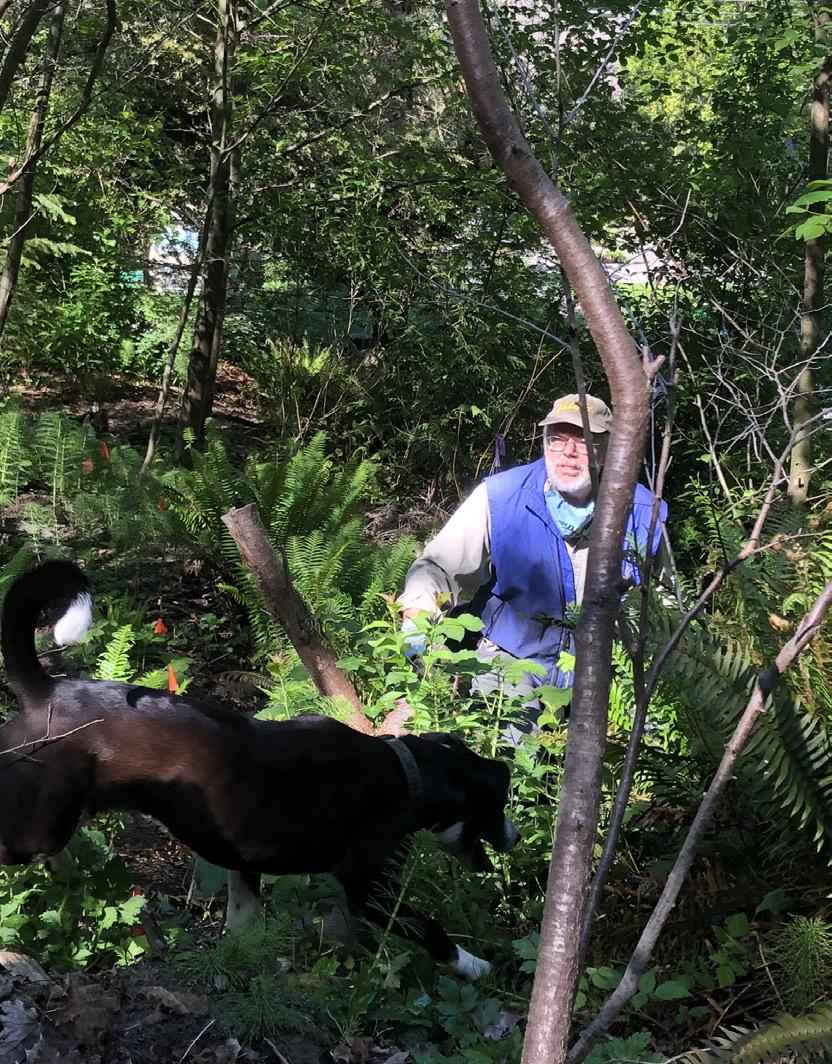
Photo: Anna Power Harrison Ridge Greenbelt volunteer Wayne Grytting removes blackberries with his dog, Cherry.
Sensi for Stress
Using cannabis to reduce anxiety and promote relaxation
Amid a global pandemic threatening society, effective ways of soothing stress, anxiety, and fatigue are progressively more important. Cannabis has a famed ability to calm the mind, ease the nerves, and boost emotional elasticity. Cannabis is a genetically diverse plant, with a wide range of possible effects. While some cannabis products can have a stimulating effect, other cannabis products have a soothing, relaxing, and potentially drowsy effect. In this article, I’ll explore methods for using cannabis to promote relaxation, and the various products available at your local dispensary.

Let’s start with an overview of the two main varieties of cannabis: sativa and indica . While both sativa and indica varieties often have high levels of THC (the psychoactive cannabinoid produced in cannabis flowers), they have subtly different ratios of trace cannabinoids and terpenes These slightly different genetic makeups influence the unique characteristics or personality of each strain. THC and CBD are two examples of commonly known cannabinoids (chemical structures produced by the cannabis plant that interact with our bodies). THC induces the psychoactive “high,” while CBD is a non-intoxicating cannabinoid often used for wellness applications. While both THC and CBD can help with stress-relief, some people find the intense mental effects of THC to be over-stimulating.
While these two common cannabinoids alone can restore a sense of calm for many people, newly emerging science indicates that certain trace cannabinoids can also promote relaxation. Trace cannabinoids, as the name implies, are cannabinoids from cannabis just like THC and CBD, except they occur in smaller, trace amounts. Common examples include THCV, CBN, and CBG, to name a few; however, there are dozens of trace cannabinoids with a myriad of potential effects. Since cannabis science
and research are relatively new topics, and because many of these trace cannabinoids occur in such small amounts, we don’t yet understand how many of them work or how they affect the body.
One trace cannabinoid , in particular, CBN (cannabinol), is produced as cannabis ages, causing the cannabinoids to gradually shift in chemical structure from THC to CBN. CBN has been preliminarily researched as a mildly psychoactive cannabinoid that can induce sleep and ease physical pain and tension. For this reason, some users of cannabis who struggle with insomnia or anxiety select aged cannabis with higher levels of CBN.
Certain terpenes , aromatic compounds that give cannabis its unique fragrance, are renowned for their stress-relieving and relaxing qualities. The concept is similar to aromatherapy: the physiological effects of aroma combine with the effects of the cannabinoids to produce an entourage effect. For example, linalool is the chemical structure that smells, to us, like lavender; linalool is found both in lavender flowers and some cannabis flowers. The presence of this terpene can have a similar effect to a lavender aromatherapy diffuser, such as anxiety relief and tranquility. In addition to linalool, myrcene is a terpene shared between cannabis and mango fruit. Myrcene, like linalool, is prominent in indica strains and is thought to help induce their stereotypically relaxing and sedating qualities.
In a first-of-its-kind study, Washington State University compared how peoples’ self-reported levels of stress, anxiety, and depression were affected by smoking different strains and quantities of cannabis at home. The research was published in 2018, and suggests smoking cannabis can significantly reduce short-term levels of depression, anxiety, and stress.
“Existing research on the effects of cannabis on
depression, anxiety, and stress are very rare and have almost exclusively been done with orally administered THC pills in a laboratory,” said Carrie Cuttler, clinical assistant professor of psychology at WSU and lead author of the study. “What is unique about our study is that we looked at actual inhaled cannabis by medical marijuana patients who were using it in the comfort of their own homes as opposed to a laboratory.”
The WSU research team found that one puff of cannabis high in CBD and low in THC was optimal for reducing symptoms of depression, two puffs of any cannabis was sufficient to reduce symptoms of anxiety, while ten or more puffs of cannabis high in CBD and high in THC produced the most significant reductions in stress.
Additionally, cannabis massage, which features a CBD or THC infused massage oil, is an increasingly popular stress-fix. Direct application of cannabis oil through massage improves circulation and streamlines the soothing effects of cannabis directly to tense and tired muscles. Unique formulas for various cannabis oils can provide effective relief for specific ailments, such as a highCBD joint/tissue gel for arthritis pain, or a cooling mentholated balm for a sore back or stiff neck.
As a final piece of advice, conventional wisdom suggests that lower doses are best for relaxation and stress relief, especially in regards to the potent psychoactive cannabinoid THC. Additionally, set and setting are critical considerations. “Set” refers to your mindset, meaning that cannabis is only so effective on its own, and becomes even more effective with the proper expectations. “Setting” refers to your physical environment, suggesting that a cannabis bubble bath, or cannabis yoga/ meditation, will likewise augment the stressrelieving qualities of either THC or CBD
Cody Funderburk
Matthew Allan Rohn
April 12,1995 - April 27, 2020
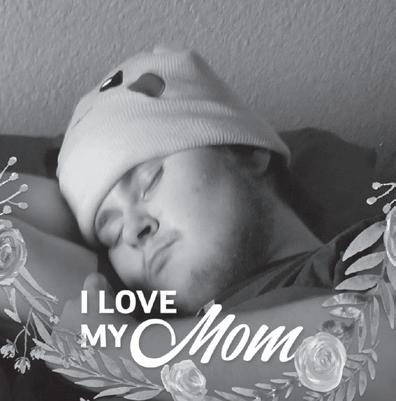
Matthew Allan Rohn, 25, of Burien, WA, died April 27, 2020, after battling colon cancer for more than a year and a half. He is survived by his mother, Melonie Rohn-Jordan, longtime childcare provider and food service worker for McGilvra Elementary in Madison Park. He is also survived by his stepdad Christopher Jordan, older brother Lonnie Rohn, and fiancée Faith Dawson, all of Burien, and aunts, uncles, cousins, nieces and nephews, plus his almost in-law family, Catherine Dawson, Felicity Dawson and Caitlyn Dawson.
Matthew was born in Seattle April 12,1995, and grew up in Seattle and Burien. He got to spend time in Washington, Oregon, California, Idaho, Montana and Texas.
He liked to work on cars, build things, play computer games and go fishing. He liked to watch a lot of different things on TV. He taught his mom to cook his favorite meal, salmon smothered in garlic parmesan sauce with steamed broccoli. He enjoyed life.

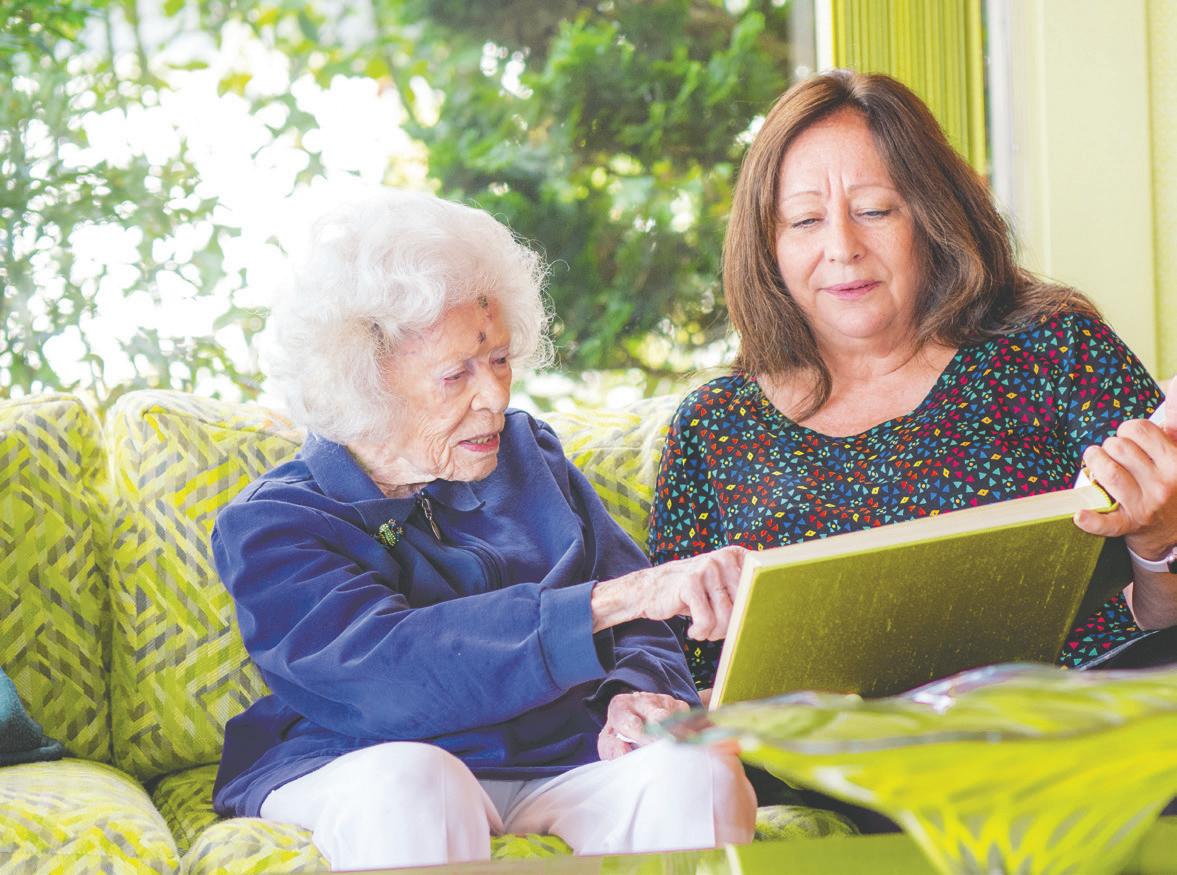








Pavlidis is a licensed child psychologist. She has had a private practice in Capitol Hill for the past 20 years. She received her Ph.D. in child clinical psychology from the University of Washington and completed her child clinical predoctoral internship at Stanford University School of Medicine.
Pavlidis said she opened her clinic in Madison Park so she can serve more people.
“For as long as I’ve been practicing, Seattle’s demand for child and adolescents’ providers has always been exceeding the availability,” Pavlidis said. “I was tired of turning people away who wanted help for their child, so I expanded what I had to offer.”
Because of Gov. Jay Inslee’s “Stay Home, Stay healthy” order, Pavlidis’ clinic is only offering online therapy sessions for the time being.
“Many people have concerns about the effectiveness of online therapy,” Pavlidis said. “There are studies that show online therapy sessions are equally effective compared to face-to-face sessions.”
In 2018, a study published in the Journal of Psychological Disorder said that online cognitive behavioral therapy is “effective, acceptable, and practical health care.” The study analyzed two groups of people who were diagnosed with major psychological concerns. One group of patients received online therapy, and the control group followed normal care procedures. It compared the patients’ results, and indicated online cognitive behavioral therapy is equally as effective as face-to-face treatment.
According to Pavlidis’s website, often, teens are more comfortable adapting to the virtual format. The online session provides a sense of privacy for teens and teenagers.
Pavlidis’s clinic experienced an initial slow down during the beginning of the pandemic, but for the last month, there has been a gradual increase in referrals. Pavlidis said she expected an additional sense of anxiety from her patients because of the virus. Yet, a majority of her patients are struggling with the same mental health problems as they did before the pandemic.
“It has actually been the same issues as before the pandemic, however, it just got more intense because everybody is at home,” Pavlidis said. “A big reason is that the kids don’t have the structure at school as they usually have, and parents don’t get the break as they usually get.”
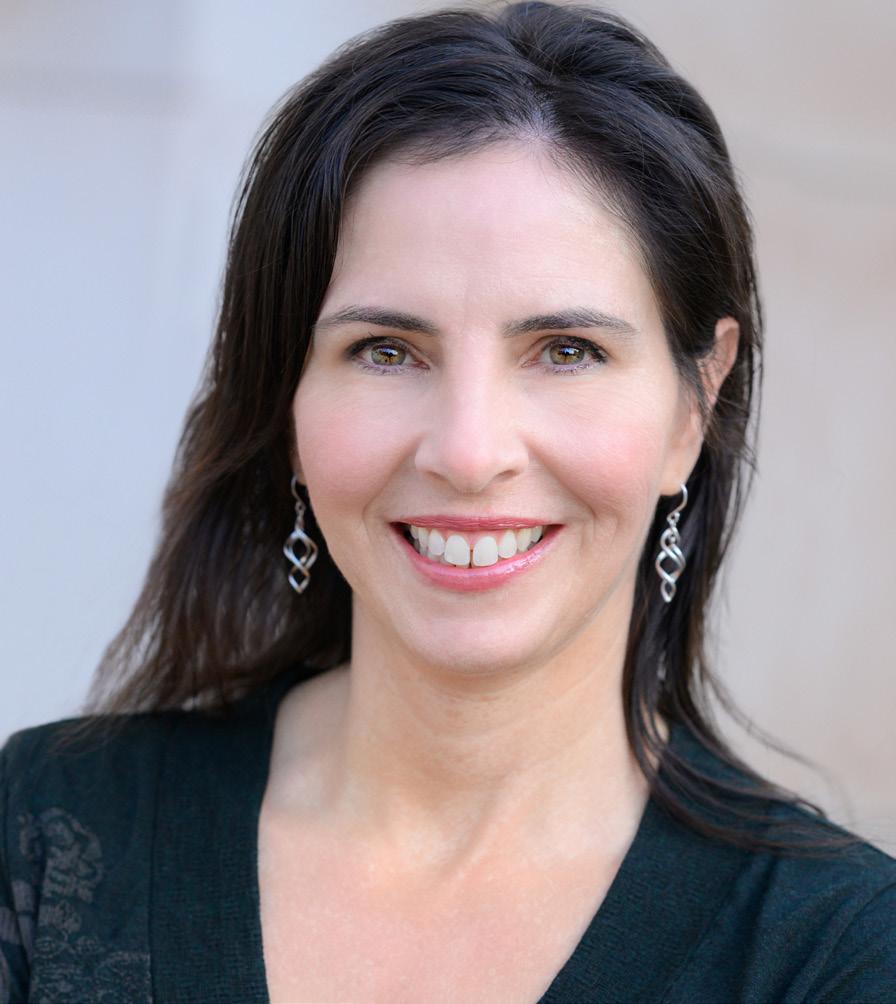
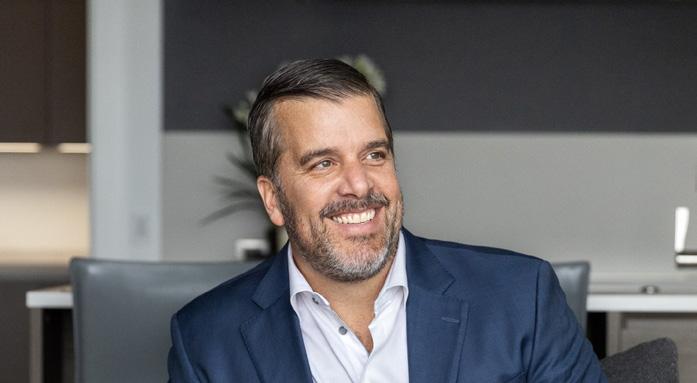
Clinical child psychologist has opened Child & Teen Solutions in Madison Park. The clinic is currently offering online therapy services for children and teens, young adults and parents.
Pavlidis strongly believes in parental involvement during a child’s therapy. One-third of Dr. Pavlidis’ patients are parents. Pavlidis finds that for young children, online therapy with the parents is a productive avenue to target the child’s issues. For elementary school-aged children, sessions that are held jointly with the parents maximize their effectiveness.
Pavlidis mentioned one way to boost confidence and stay connected during social distancing is to encourage gratitude.
Gratitude can calm people’s minds during stressful conditions, she said. There is evidence showing that expressions of gratitude can calm the amygdala, which is the center in the brain that sets off alarm signals.
Pavlidis recommends creating a gratitude box at home. Each family member can jot down what they are thankful for throughout the week and read them all together at the end of the week.
Unlike physical illness, mental illness can be easily hidden behind a “healthy” body. Pavlidis suggests treating a mental health issue like a cold or fever. Regularly checking in with a mental health provider is crucial, especially during self isolation.
For more information about Child & Teen Solutions, go to www.childandteensolutions.com. People can now make a 10-minute phone appointment to learn about the clinic’s services at childandteensolutions.com/contact. Pavladis expects additional health care providers to join her clinic over the summer.
Rental bikes removed from Seattle during Lime-Jump merger

The bikes are being removed for maintenance and re-branding. (Isopix/Shutterstock)
SEATTLE (AP) _ A San Francisco-based transportation company has prepared to redeploy rentable bikes in Seattle after it took over a rival bike renting company in a merger.
The announcement came after Uber, which owned Jump, led a $170 million investment in Lime, resulting in Lime acquiring Jump’s operations, The Seattle Times reported.
Jump previously had red-colored rentable bikes throughout the city, but Lime temporarily removed them for maintenance and system changes after the acquisition, Lime spokesperson Jonathan Hopkins said.
The Jump bikes are expected to return with new branding under Lime and be available in both the Uber and Lime applications.
``We’re going to try to do it as quick as we can,’’ Hopkins said.
Both Lime and Jump had previously provided rented bikes in Seattle, but Lime took its 2,000 or so green-colored bikes off the street in December and pursued plans to rollout a scooter program, company officials said.
``The absence of bikes will be a small blip, then they will come back. . We’ll be here a very long time,’’ Hopkins said, adding that Lime wants to maintain both bike and scooter services in the city.
The city formerly allowed permits for up to 20,000 scooters and bikes, but the companies never deployed that amount, meaning fewer permits might be granted upon the companies return, city officials said.
Photo courtesy Karen Pavlidis
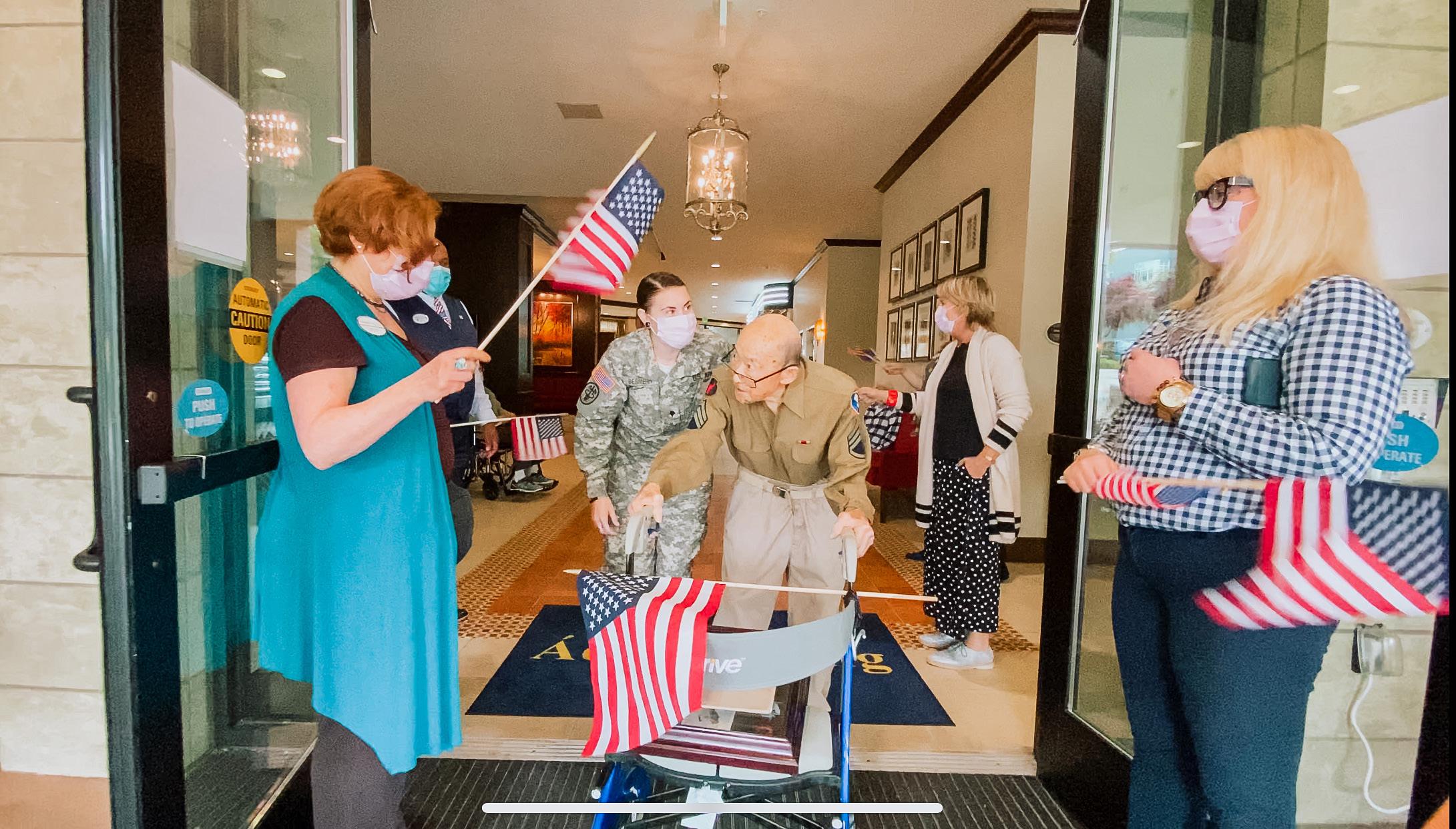
Honoring veterans on Memorial Day
Aegis Living on Madison
3 tips for sluggish bodies and stiff joints
If you want your body to feel better, feel your body move better.
Admittedly, we have all been sitting on the couch more than we would like under the constricts of modern-day quarantine life. For some food, drink and TV have been a comfort. For others, video chats with friends and family maintain sanity. But one thing is nearly certain, we have all been missing out on movement. It’s not unlikely that we have also lost touch with how our body is feeling. Maybe your body has already spoken to you and told you that something needs to change, or maybe you’ve already tried to make the change, but it hasn’t been as successful as you had hoped. You are not alone.
Many of us are suffering from lack of movement in one way or another, and whether we realize it now or later, we will have to find new ways to manage our movement. With the global pandemic reaching its tentacles into every aspect of our lives, how we move and how we manage our movement health is no exception. If you have been struggling with a major movement roadblock, now is the time to address it full on. If
there is a moderate health issue you’ve been postponing, now is the time to address it, too. These small- to medium-sized problems that we might have managed easily before with nearly instant access to support systems that we had available to us pre-pandemic will have to be addressed in a new way going forward, a way that fits the new normal. We’re all having to change how we do almost everything with the pandemic problem we all have to solve, and managing our movement health is likely not an exception. Focus on fundamental movements.
So, how is your body moving?
One way to assess yourself is by spending some time on the floor and moving around. Children play on the floor all the time, and, once upon a time, so did you. Eventually, adulthood crept in, and then over time your body began to form into a chair, which led to loss of mobility in your hips and loss of strength in your trunk required to get up and down off the floor. We all used to be very good at the floor routine at one point or another, and if you try, it can be easy again. If you’re looking for proof, you can search the internet for 80-year-old men and women who are still doing gymnastics
and powerlifting and who can do things that even professional-level athletes would pay a lot of money to be able to do. Indeed, some people are naturally more flexible or stronger than others, but your body is 50 percent a product of your daily habits; the other 50 percent you can blame on your parents.
Being able to get up and down from the floor is one of the most important things we can do for our strength, mobility, longevity and independence. In fact, health researchers have identified that people over 50 who could get up and down from the floor without using their hands for help were the healthiest. When the subjects in the study scored a 3/10 or less on the test, their risk of dying was five times greater than the average person over the next five years. The test is called the Brazilian Longevity Test, also named the “Sitting Rising Test.” Be advised, this is a challenging test, and you should take care not to injure yourself by attempting it.
Want to do this test? There are plenty of resources on the internet to find the test instructions, or you can send an e-mail to info@nwsportsrehab.com to get instructions sent to your email.
Long and slow may be better
than hard and fast.
Movement is cultural, and as Americans, we can’t seem to get enough of high intensity interval training, which fits nicely with our frequently used adage “No pain, no gain.” From Orange Theory to CrossFit to spin classes, we can’t seem to get enough of the pumped up, loud and sweat-filled sessions that leave us doubled over, sucking oxygen and reaching for the nearest source of water. To be fair, these hard and fast workouts are proven by research to be helpful for our hearts, muscles and brain, but so are easier workouts that focus on cardiovascular endurance. In fact, some of the best endurance athletes in the world have figured out that it is better to do more work at lower intensity than say “no pain, no gain” all the time. Olympic-level Nordic crosscountry ski researchers found that training at a higher intensity isn’t always worth the cost of injury risk, and most of their endurance training focuses on being in the “Green Zone,” where they can train for longer at an easier strain level.
So what does this mean for regular (non-Olympic) level people? When you plan your next movement or exercise episode, plan a few sessions where you
keep it easy and keep it interesting, but plan to spend more time doing whatever you’re going to do to get the benefit you had hoped for. Maybe that means spending an extra 30 minutes on your walk and listening to a podcast or audiobook, or maybe you’d rather talk on the phone with a friend. Whatever you decide, the important thing is that you establish regularity of your routine. Once you establish regularity, and you’re moving through the week like clockwork, then you might consider trying your creativity by playing with higher-intensity challenges. Why is this important? Because, getting an intense workout can be good, but pushing the intensity too quickly without a well-established routine, and you can risk being too sore and unmotivated to keep carrying on with what you know is important for your health and wellness.
Dr. Dan Michael is a chiropractic physician at NW Sports Rehab in Madison Park.
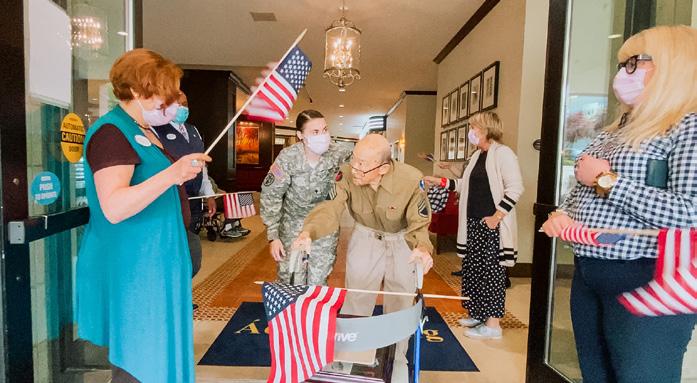
staff recognize resident Fred Shiosaki during the assisted living and memory care community’s celebration of veterans on Memorial Day, May 25. The community’s traditional pinning ceremony was changed in light of COVID-19. Employees holding American flags lined the community lobby six feet apart, while one resident at a time was honored and pinned. Family members joined from outside the community and watched their loved ones being honored through the lobby windows. Veteran and Aegis
Living on Madison Care Director Ashley Besmehn pinned all veterans. The Aegis Living team also made one-on-one room visits for all residents to celebrate the day. Resident veterans honored included were: Bob Bailey, Jules Berger, Bob Bingham, Steve Block, George Eggler, Don Fitzhugh, George Gilman, Father Tony Haycock, Steve Kiesow, Masao Koba, Frank Nishimura, Leon Pope, Roy Prosterman, Joe Quinn, Carl Rabun, Lou Satz, Fred Shiosaki, Steve Starkovich, David Swan and Stephen Warner.
Photo courtesy Aegis Living on Madison
Dr. Dan Michael NW Sports
The struggle is real
Richard Carl Lehman
Revisiting the Park
My visits to my grandparents’ house in Madison Park in the late ‘30s were, in a word, exciting. The beach was heard before it was seen for the many family and friend gatherings. The youngsters swam near the shore in a roped area. The raft had a high diving platform with three levels, and it was busy.
At the southern end of the beach, my grandparents had a refreshment stand where throngs of people stood in line to buy burgers and hot dogs. There were picnic tables where people could sit and enjoy their meals.
Johnsons Marina, just east of the area, rented canoes, rowboats, outboards and larger vessels for chartered events. Ice cream and popsicles were sold in separate kiosks and cost a dime.
The dock was where you could partake of the exciting pastime “Penny, Nickel, Dime, get em every time!” It was a draw for many onlookers.
It was just too much to absorb to be able to tell my friends in Riverton Heights. School was tolerable at Shoalwater grade school. We learned upper- and lower-case lettering, even writing. Later in my life I worked for a firm
where the project engineer asked me to write a paragraph for him — he didn’t know how to print. Yes, writing and printing have become a thing of the past.
The Army had Dad and us traveling, but when we lost him in war exercises, we headed back to Madison Park. There were no rentals to be found, so we lived in my grandparents’ garage, which is still standing. It was confining for sure. After school in the winter, with the already short days, we had to hurry home, socialize a bit before dark, and then it was lights out in case of enemy attack. None of us wanted to take a chance of losing our lives.
We were so sheltered during World War II. The beach changed, and you could feel the difference. First, it was quiet, with most adults and mid-teens having gone to war. Kids still dove for coins, but fewer of them did so. The only effects we saw of the war was when the wounded came to the park on a one-day pass. We asked a couple of guys if they would let us have their empty beer bottles, which we turned in for cash. They said sure and invited us to sit with them as they told about the war. Those stories really came through loud and clear, especially when one of them showed us his shrapnel-riddled side. That kind of thing could be useful today — hearing stories from those who’ve recovered from COVID-19, and maybe that would hit
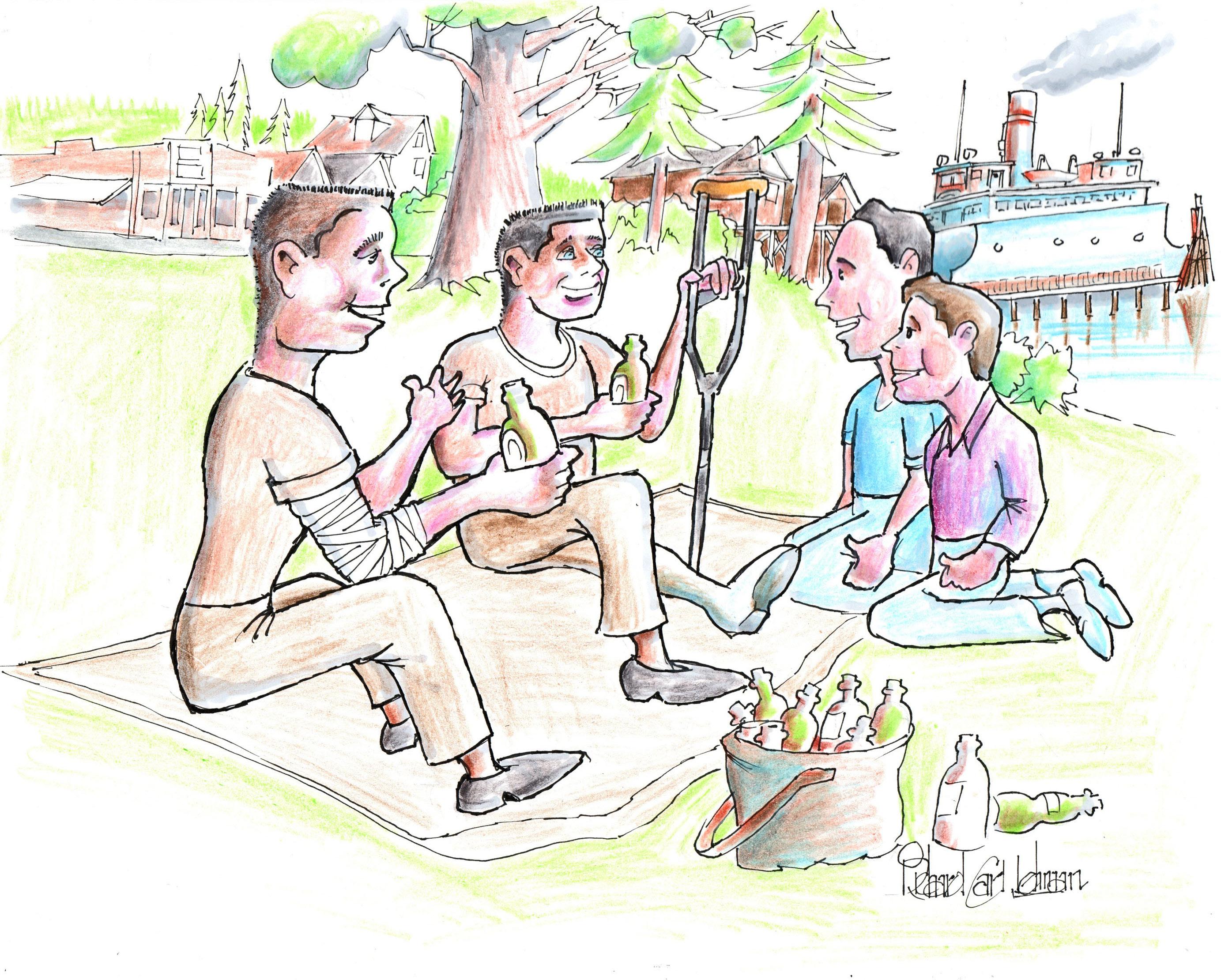
home for some who don’t believe it.
I remember a first officer in the Army, Lt. Hiller, was given battlefield commission. I had done some artwork for him, and I asked if he could tell me about his commission. He poured us some coffee, sat down and looked right at me. He talked about the guys in his unit when he was staff sergeant — he knew them by name. They had covered many miles in Korea and were suddenly under attack. By the fire, he knew they were outnumbered. There was no radio contact, as in no receiving, but maybe sending. Eventually reinforcements and backup arrived, and here is where his expression changed. His unit had been wiped out — he was made 2nd lieutenant. He mentioned that if I found myself over there to keep my head down. Bottom line, communication was and is key. Later, I was accepted into a communication company and operated that same ARG19-26, which filled the rear of a five-ton truck. Lt. Hiller was in a hilly region, and it was a big problem to have to relay antennas to secure a signal. Much could be learned today by what he went through. All parties have to be fighting the same enemy. No snake oils, just guts and knowledge and a commonality.
Second week of basic training, 36 of us were in barracks and were looking forward to a night in Monterey to enjoy a tequila marathon at the Oasis bar. Hours before our big night, the ol’ man CO commander’s voice comes over the intercom.
“All personnel, put your cars in the motor pool, turn in all bedding, full battlefield uniform. Formation 0-2300 hours.” This was not fitting into our plans in Monterey!
That night we slept on box springs. Next morning after chow, on a bright, sunny 100-degree day, we were to march to the orderly room for shots. Oh joy! They injected cholera, typhus and another one for a chaser. Word was the serum had been kept cold. Little chance of that. Within a couple of hours, 36 of us all had the shakes and headed for the shower, but 36 guys do not fit in a six-man shower. We took turns in there trying to get warm while dealing with all the other side effects.
This was confinement at its best and even got to the point of us laughing and yelling, “I quit! I didn’t sign up for this!” I’m a casualty laying here on hard box springs in shorts and a T-shirt. Can’t remember if it was two days later when the old man yelled, “All units fall out in fatigues 0-600 hours!”
That fallout felt strangely good. We were brought to attention when the ol’ man says, “This company, 84th Combat Engineers Airborne, is exempt from mission!” You could hear that yell all the way to Madison Park.
We still weren’t feeling up to par, but no way would we miss the next tequila marathon, swapping stories, girls dancing, maybe a short fist fight or two.
Like today, when the chills are gone and there is no virus, we too can get back and celebrate in our own way and get on with life — knowing more about life. We’re all in this together! What a neighborhood to be proud of!
Virus outbreak targeted in agricultural Washington county
SPOKANE, Wash. (AP) _ The state of Washington is implementing safety recommendations to battle a large outbreak of the coronavirus in an agricultural county in the central part of the state, officials said Tuesday.
Yakima County, a major food producer, has recorded about 3,000 cases of the virus among its 250,000 residents, and infections have moved into the county’s massive farm and food processing sector. The outbreak has caused one case for every 89 people in the county.
``’’That’s really where we are seeing our hot spot at the moment,’’ said John Wiesman, state secretary of health. By contrast, King County, which includes Seattle, has one case for every 274 residents.
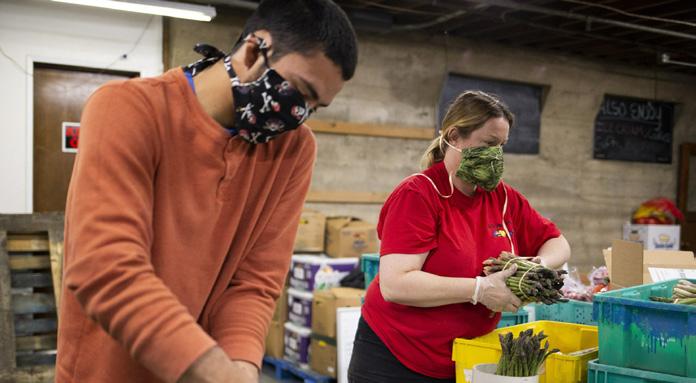
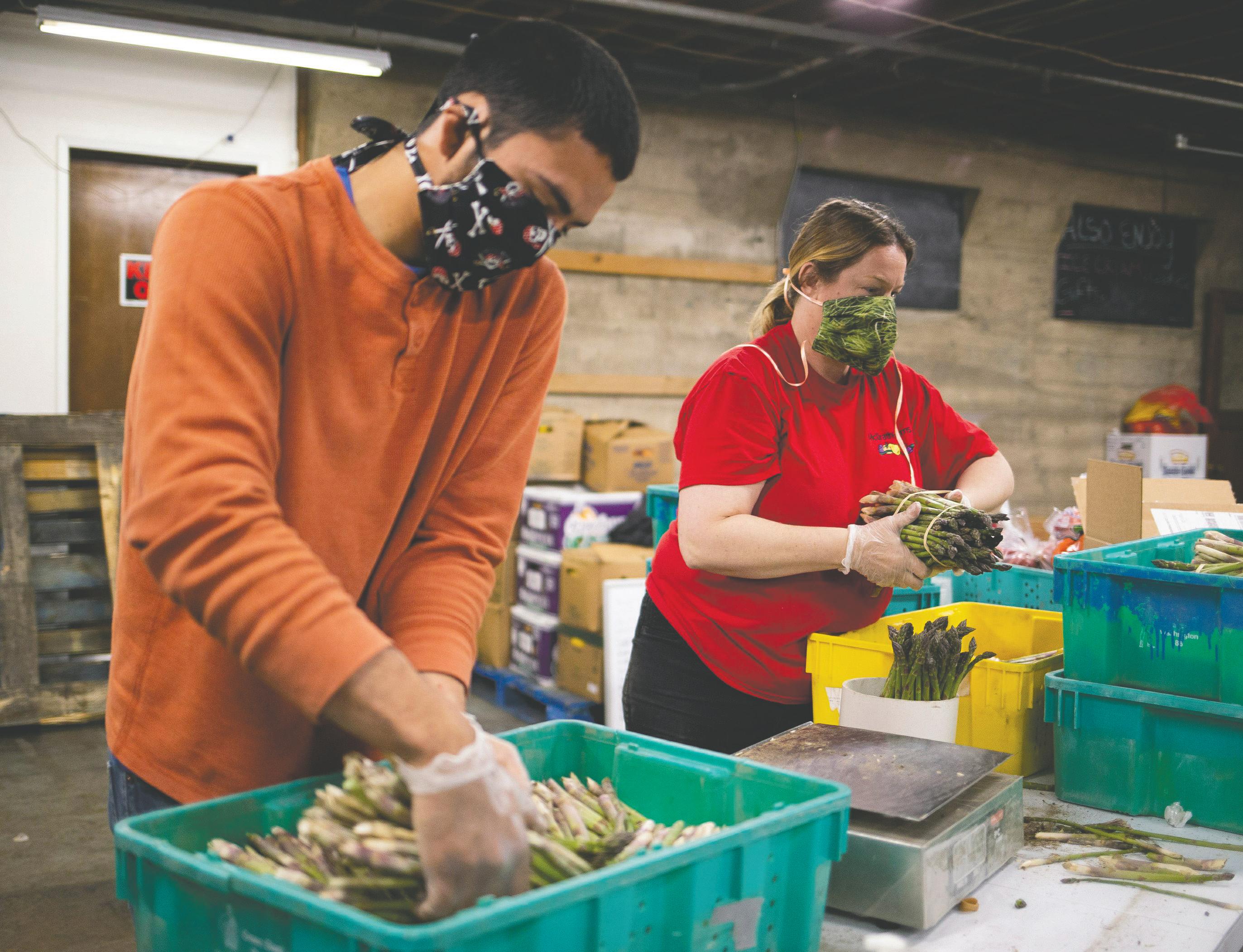
Many of the cases in Yakima County are showing up on farms, in meat plants and in fruit and vegetable processing warehouses, officials said.
State and federal disease experts descended on the county in the past two weeks to look for ways to stem the burgeoning number of cases, which comes as other parts of Washington are reporting shrinking numbers.
The experts recommended a series of steps that employers can adopt immediately, while the state worked to make the reforms mandatory, said State Epidemiologist Dr. Scott Lindquist.
The recommendations included that workers be at least 6 feet apart, not working shoulder-to-shoulder, Lindquist said. All employees should wear face masks, he added.
Plastic dividers should be installed between work stations, employers should introduce staggered shifts and employees should not all eat together in the plant cafeteria, Lindquist said.
Employers should also offer sick leave to discourage ill people from coming to work, and all employees should have their temperature taken and be screened for symptoms when they report to work.
``’’The strike teams have been going out to farms and factories to implement these,’’ Lindquist said.
The office of Gov. Jay Inslee was in the final stages of amending the governor’s emergency proclamation to include the guidelines, said David Postman, the governor’s
chief of staff. That new order could be finished this week. Yakima County is one of the nation’s greatest food producers, growing a wide variety of crops, including apples, cherries, wine grapes and most of the nation’s hops to flavor beer.
Workers at numerous warehouses have been conducting wildcat strikes in recent weeks, demanding safer working conditions and hazard pay.
The governor’s office earlier issued orders regulating the management of group housing that farmers provide for migrant workers. Advocates have criticized those orders for, among other things, allowing up to 15 people to sleep in dormitory rooms.
Lindquist said the current guidelines for agriculture laborers are specific to Yakima County, while the new orders will cover the entire state.
Eight experts from the Washington state Department of Health and two from the federal Centers for Disease
Agricultural , Page 6
Control have been working in Yakima County for two weeks to try and limit the outbreak there, Lindquist said.
The outbreak appeared to start at multiple longterm care facilities in the county before moving into the agricultural work force, officials said.
``Our priority, our focus, is to make sure we are able to prevent the spread of infection in places where people are in close quarters,’’ Lindquist said.
``We realized that there was a need for additional support to do that successfully, which is why we requested extra support from the CDC.’’
For most people, the new coronavirus causes mild or moderate symptoms, such as fever and cough that clear up in two to three weeks. For some, especially older adults and people with existing health problems, it can cause more severe illness, including pneumonia, and death.

A Yakima Health District worker checks in people for a drive-thru COVID-19 test at Highland High School, Thursday, May 21, 2020 in Cowiche, Wash. (Evan Abell/Yakima Herald-Republic via AP)



The Center
opportunities for persons of all ages, races, cultures and ethnic groups to participate in a wide range of programs that educate and stimulate the public, enhance self-confidence, and promote mental and physical health.
The MLK FAME Community Center is following the CDC guidelines and the Governor’s recommendations regarding the coronavirus pandemic. Please see our website regarding when we are allowed to fully reopen to the public.
MLK Fame Community Center 3201 East Republican Street, Seattle, WA 98112 (206) 257-5572 | www.mlkfame.com | mlkcommunitycenter@gmail.com

NEIGHBORHOOD MARKETPLACE






KITCHENS, BATHROOMS OPEN SPACE REMODELS STRUCTURAL MODIFICATIONS Richard Potter, 206-910-2262 Richard@rapotterconstruction.com CONSTRUCTION/HANDYMAN
lic # RAPOTCL957RH
Lic.#ELECTCI020BN • service@elcose.com www.elcose.com

Furniture
5015-15th Ave. NW, Ballard www.MacTops.com • 206-783-1696 • Auto & Marine Interiors/Repairs



— 30+
STEP INSIDE