Review boards clear Midtown Commons
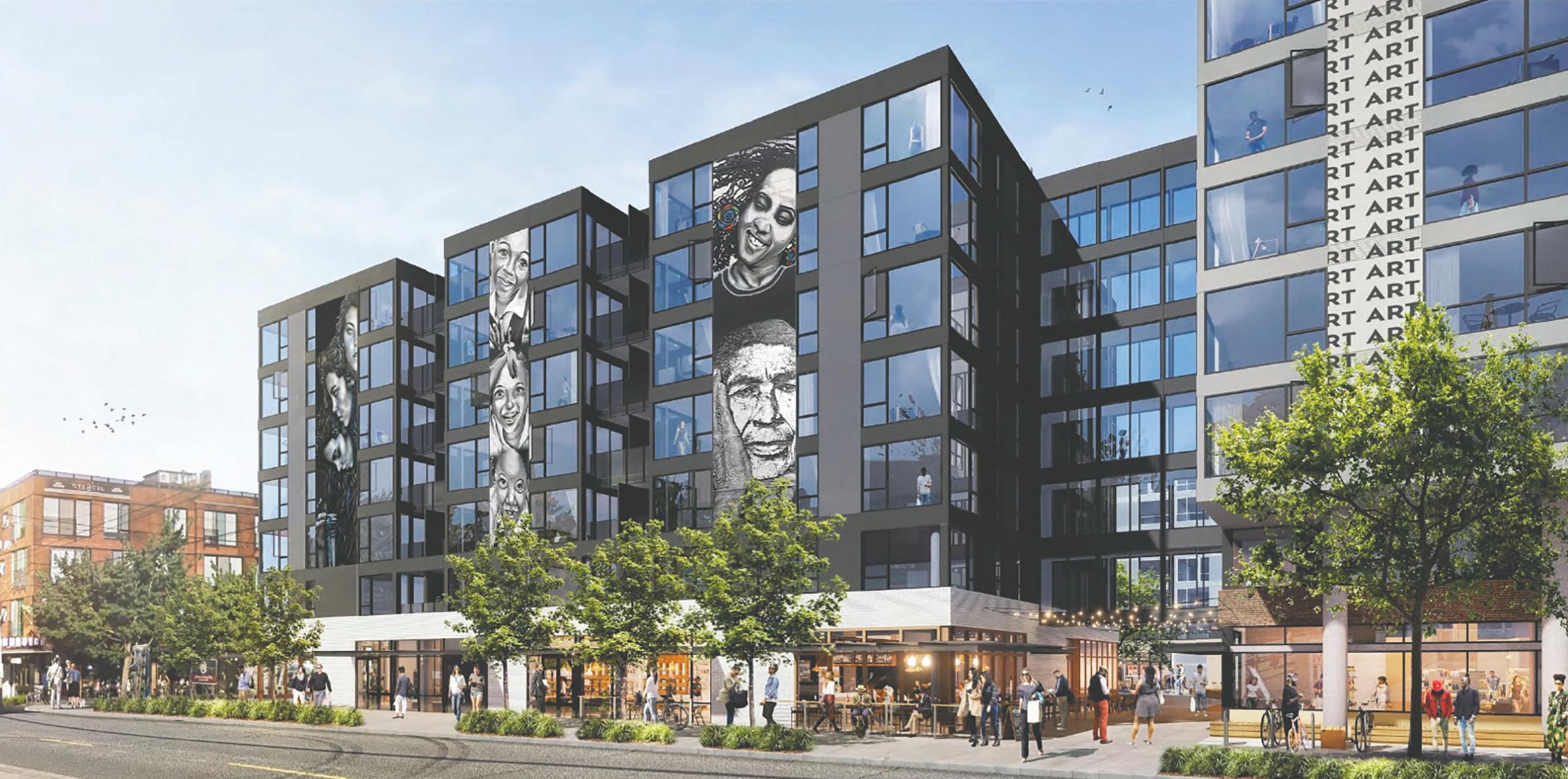
Lake Union Partners to begin two-year construction in July
BY BRANDON MACZ
After four rounds of critical review of the Midtown Center superblock redevelopment, Lake Union Partners received the green light on Wednesday to proceed with the master use permit process.
LUP principal Pat Foley tells MPT plans are to begin the two-year construction of Midtown Commons on July 15, starting with the demolition of existing commercial buildings at the southeast corner of 23rd and Union.
A contentious project among longtime Central District residents concerned about their quickly gentrifying neighborhood, Midtown
Commons is a seven-story mixed-use development that will spread 430 apartment units across three buildings. About half of those are proposed to be priced at affordable housing levels for incomes between $28,000 and $60,000.
The northwest building will have a 12,000-square-foot drug store anchor tenant, which is expected to allow LUP to offer smaller retail spaces at below market to minorityowned businesses.
The Midtown Commons design team had its last presentation before both the East and Central Area design review boards in December. The boards joined forces to address the large development after residents protested last July that the East Design Review Board was not representative of the neighborhood, as its members are mostly white architects from Capitol Hill. The Central Area Design Review Board had just been formed at that point.
LUP hosted three community open houses last fall to help inform a refreshed design that
Safeway redevelopers ready to begin design process
BY BRANDON MACZ



better represented the neighborhood and its strong African-American roots.
But the East and Central review board members agreed during a second recommendation meeting in December that the design relied too heavily on art and that they lacked enough information about its context and function to pass it through.
Board members said during the third recommendation meeting on March 13 they were put more at ease by the addition of Vivian Phillips as the project’s communications and arts advocacy lead.
Phillips is a former member of the Historic
MIDTOWN, Page 6

Developers behind plans to level the old Queen Anne Safeway and replace it with a store double its size, with roughly 280 apartments on top, took community feedback one last time on Tuesday before proceeding with designs for the project.
barrientosRyan managing partner Maria Barrientos said input gathered from concept boards at the March 26 open house would be incorporated into plans before applying for Early Design Guidance.
The EDG packet will be shared with the Queen Anne Community Council’s Land Use Review Committee and during another community meeting before being submitted to Seattle’s Department of Construction and Inspections, she said, to make sure nothing was missed. Once the packet is submitted, the development team will have about two months to prepare for its presentation before the West Design Review Board.
Residents give feedback at March open house
The Safeway will be replaced with a new urban concept store similar
, Page 6





Image courtesy of Weinstein A+U
The 430-unit Midtown Commons mixed-use apartment development received approval from the East and Central Area design review boards on Wednesday, March 13.







GROWING SAFE HARBOR
Interbay tiny house village expands, adds facilities for residents
BY BRANDON MACZ
When Interbay Village opened on the Port of Seattle’s Tsubota property near the Magnolia Bridge in 2017, there were more residents than there were tiny houses, so a number of them moved into dormitory-style tents.
The Low Income Housing Institute began expanding the village on March 9, taking out its tents and putting 23 new tiny houses in their place.
“The goal of this expansion is to eliminate these dorms, so everybody in the village has their own tiny home,” said Luke Reynolds, LIHI’s essential needs coordinator for tiny house villages.
Two of the new tiny houses will be used for storage and a second case manager’s office.
Carlo Gnecchi’s tiny house was on the back of a truck part of Friday, and by Saturday he was putting up his belongings and planning a small garden on the shelves built into the exterior.
“This was my first pick, to be honest with you,” Gnecchi said of
his tiny house.
That house was built by Dale Hoff, who is about to start his 20th tiny house. He started building them in December 2017, setting a goal of finishing one every month.
“Each one I try to do just a little different,” Hoff said, “to make them all unique.”
Hoff attends the University Temple United Methodist Church, where he cooks breakfast once a month for the youth shelter there. The retired builder said he was looking for other ways to help.
“It feels good to provide for someone like this with the skill set I have,” Hoff said.
The curtains in Gnecchi’s tiny house were made by a church member, Hoff said, as was the coat hanger where Gnecchi can hang his favorite hat.
More information about his Building Dreams program is available at utemple.org/buildingdreams.
Reynolds said LIHI strives for equity with the 100-squarefoot tiny homes while still letting builders flex their creativity.
Gnecchi is an executive camper



at Interbay Village, which is selfmanaged by the Tiny Cabins Safe Harbor residents (formerly Tent City 5). He said he’s looking for work, and wants to be a builder.
“I’m a 40-year-old greenhorn, but work is work,” he said.
Gnecchi said his dream is to walk by Interbay Village some day and be reminded of the part he played there, and to see he’d made it better for the new residents.
A large work party was held at Interbay Village over the weekend, where new tiny houses were put in place, dorm tents were torn down, new homes were painted and the site was generally spruced up.
“The aesthetics do count when the community’s looking at it,” Gnecchi said of the village.
Other new additions to the site include four restroom/shower units, as well as washers and dryers. Reynolds hopes to have this hygiene facility running by midApril.
“These are huge resources,” Gnecchi said.
Residents currently have to go to an Urban Rest Stop in either Ballard or Downtown to take showers and do their laundry. The Ballard facility doesn’t take appointments, Gnecchi said, so getting in a shower and some laundry can take 3-4 hours, which can be especially hard for residents with jobs.
The Rotary Club of Mercer Island raised funds last year to support the creation of 10 tiny houses at LIHI’s True Hope Village, and this year is providing $22,000 for another nine. Five vocational organizations are constructing eight, which could be sited at a future tiny house village in Seattle.
Rotarians were at Interbay Vil-
Editorial
Photo by Brandon Macz
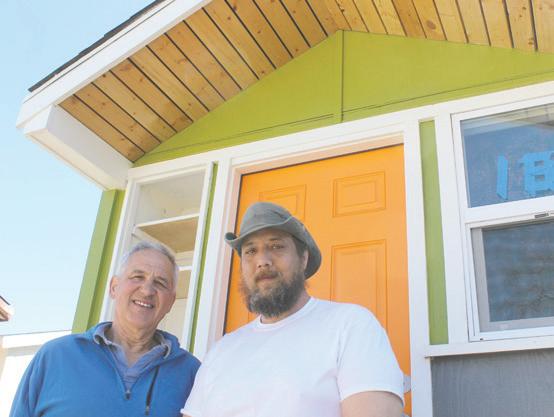
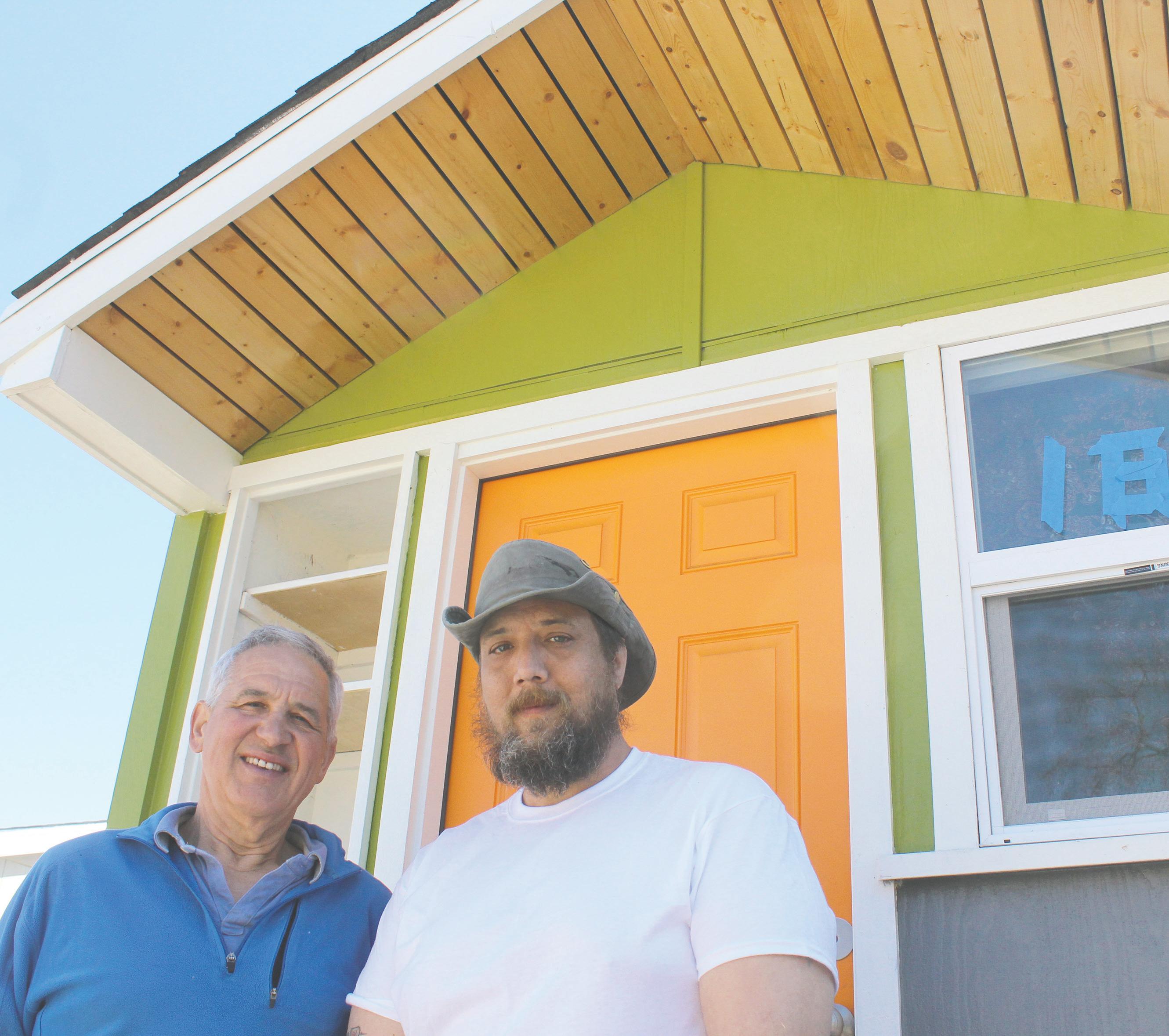
Retired builder Dale Hoff makes one tiny home each month for the Low Income Housing Institute. Interbay Village resident Carlo Gnecchi moved into one of them over the weekend. LIHI began expanding the village in March, and a work party took place there on Saturday, March 30.
Photo by Brandon Macz
The Rotary Club of Mercer Island raised funds for 10 tiny houses last year and nine this year. They put one together at Interbay Village on March 2930.
Think Magnuson Park
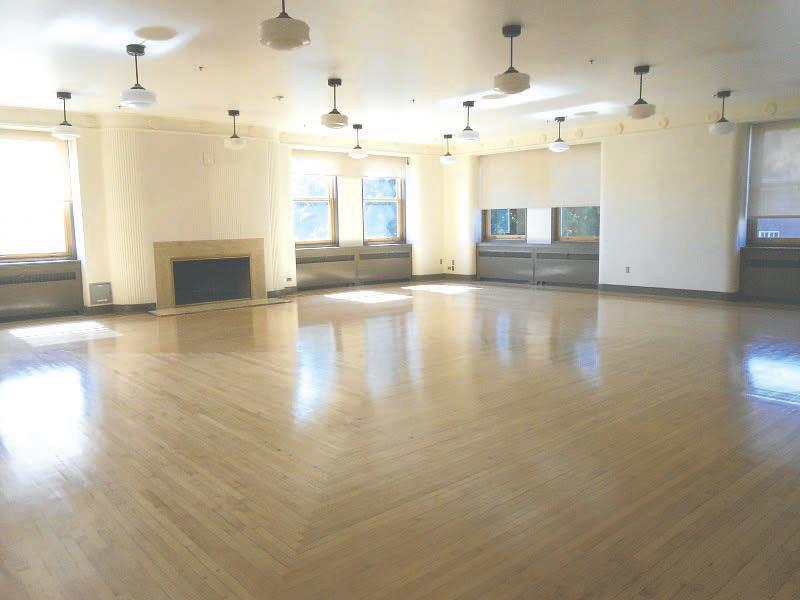


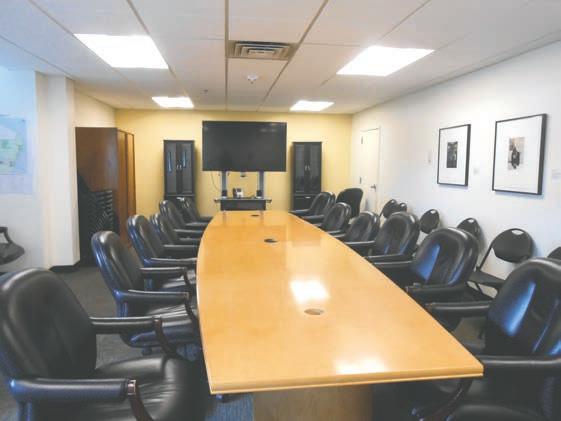

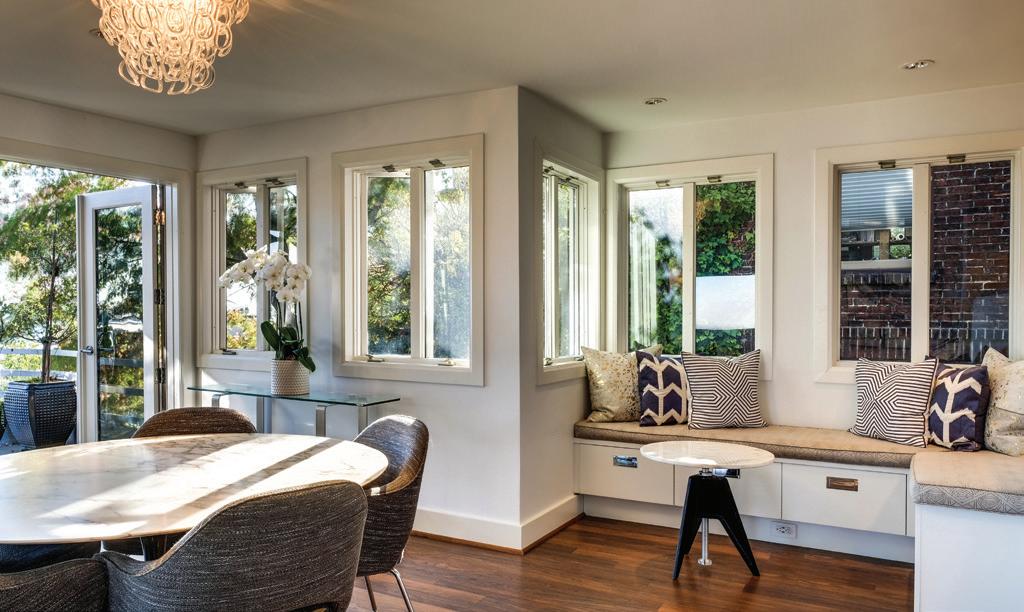
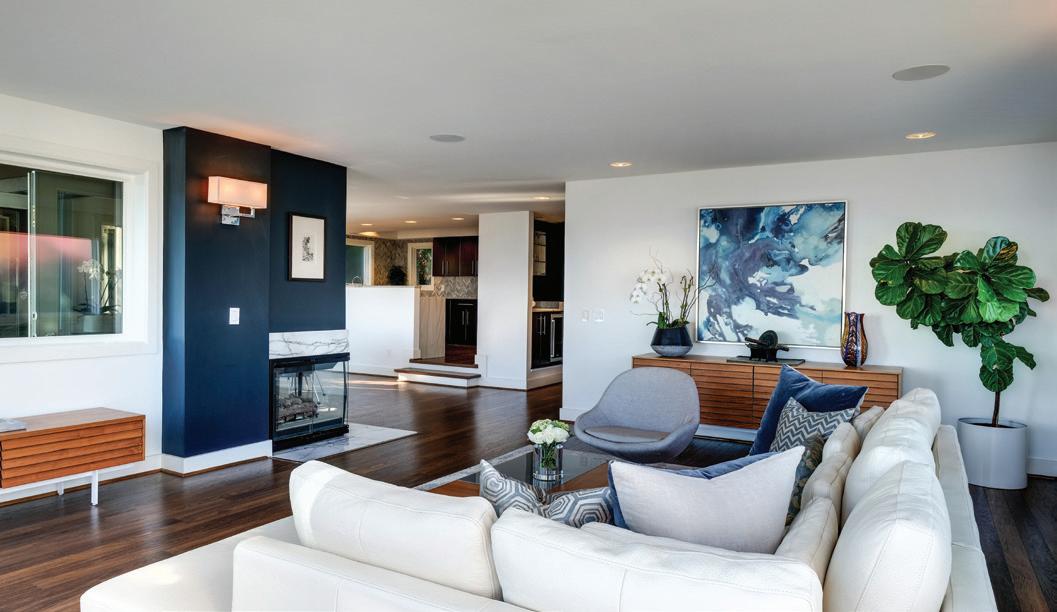
Magnuson Park is a 300-acre park located in the Sand Point neighborhood of Seattle, Washington. The park is the second largest in Seattle and is located on the former Naval Air Station Puget Sound. Magnuson has multiple indoor facility rental spaces. These spaces can accommodate anywhere from 20 to a maximum of 1,300 people and are priced substantially lower than comparable venues across the City.
See what we have to offer at: http://www.seattle.gov/parks/reserve/event-space-rentals/magnuson-park-event-space-reservations

WSDOT releases Montlake Market survey results
Neighborhood business’ fate remains uncertain as SR 520 Bridge replacement looms
BY BRANDON MACZ
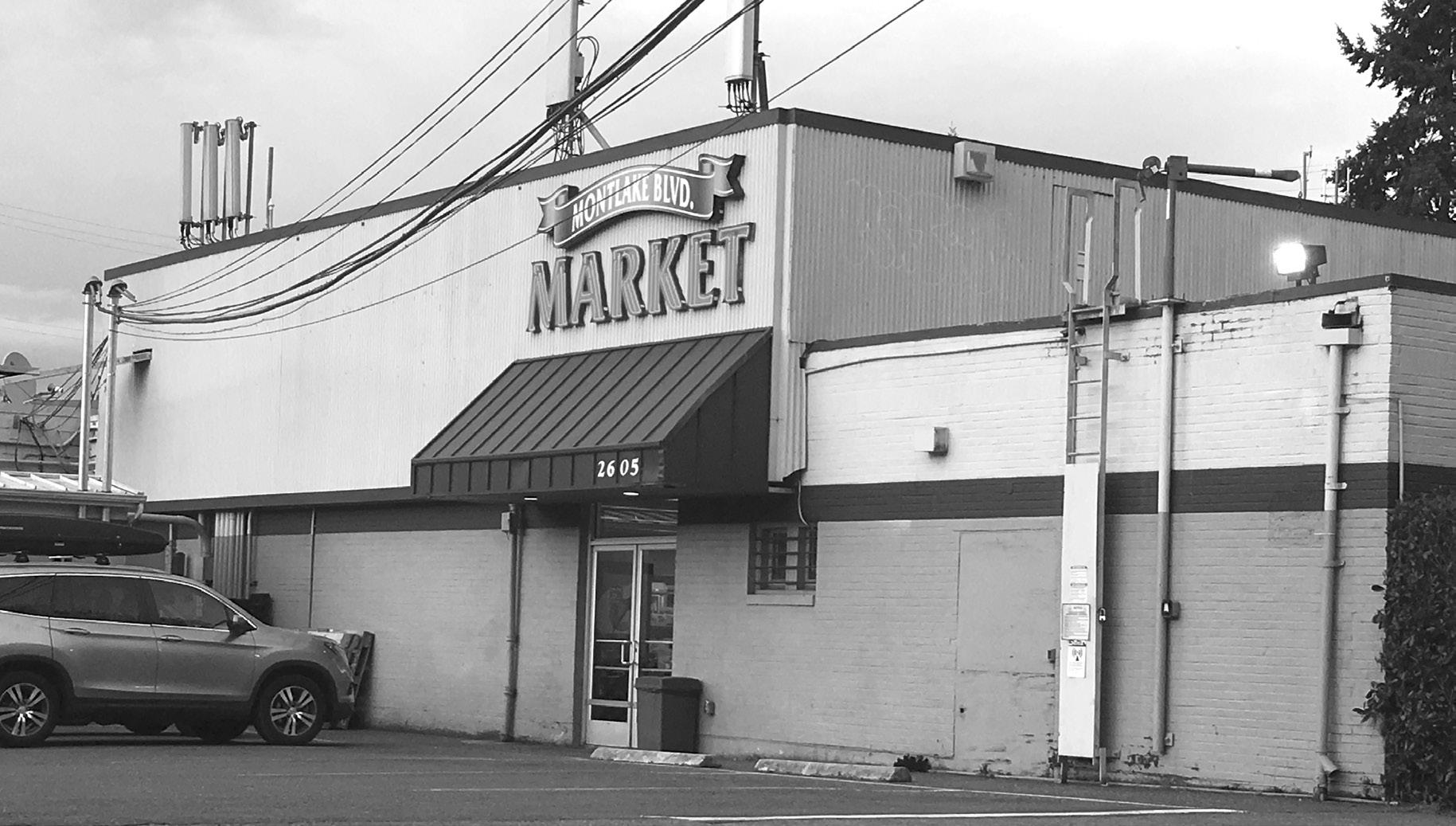
It is feasible to preserve the Montlake Market and still reconfigure Montlake Boulevard during the next phase of the SR 520 Bridge Replacement and HOV Program, but it will add millions to the project.
Whether public opinion captured in a community survey conducted by WSDOT will sway the transportation department or fuel another push in Olympia to spare the neighborhood market from the wrecking ball remains to be seen.
The Montlake phase of the SR 520 replacement includes a new West Approach Bridge South for eastbound traffic that will connect to the floating bridge over Lake Washington, a lid over 520 and a bicycle/pedestrian land bridge east of the lid that connects the Washington Park Arboretum and East Montlake Park.
The Montlake Market was removed and later added back into plans for a reconfiguration of Montlake Boulevard, which caused an outcry from the neighborhood and legal challenges. The
Legislature passed a proviso in 2018 directing WSDOT to preserve the market if possible.
WSDOT provided the public with design options in January that would preserve the market, at which point it launched a survey that ended on Feb. 14. Forty-one people took the survey that night, and another 1,688 weighed in before the survey closed. Two-thirds of respondents were from Montlake, Madison Park, north Capitol Hill, Portage Bay and Eastlake. Keeping the market building upright and operational is estimated to add 45 days to the project — about $50,000 more per day — which is estimated at $15.3 million to $20 million in added cost.
WSDOT interprets the legislative proviso as requesting the transportation department address preserving the building, and not the business. Just keeping the building, leaving it vacant and not operating during construction, is estimated to cost $7 million to $10.15 million. The building could be reused later, or surplused and
Generations of Experience
sold to the highest bidder.
The transportation department awarded Graham Contracting Ltd the design-build contract for the project in October. Even as the lowest bidder, the cost came out to $455.35 million, which was $30 million more than WSDOT’s highest estimate for the project.
Half of the survey respondents said they wouldn’t mind adding 45 days of construction to keep Montlake Market operating, and 25 percent said they would still accept the delay even if only the building were preserved. About 10 percent would accept an increased timeline of 31-45 days.
Two-thirds of respondents cited the loss of Montlake Market and its neighborhood amenities as their highest concern for community effects, and a quarter said their concern was travel and construction impacts from preserving the market.
Twenty-five percent of survey respondents said they would accept a project cost increase of $20 million or more, 20 percent were fine with up to $10 million, and 10 percent found an increase of $10 million to $20 million acceptable.
Forty-four percent of respondents said it wasn’t worth it to preserve the building if the Montlake Market is unable to continue operating.
People also provided written comments, with 451 expressing a desire to save Montlake Market and 211 writing against preserva-

WSDOT takes ownership of the property this summer. Another public meeting is expected before then to provide an update on the property’s fate.
The survey report has been provided to WSDOT senior leadership, Seattle representatives and Washington legislators for review.
What’s That Smell? Fragrance may be Toxic for Your Health
What is the ingredient “fragrance”?
“Fragrance” is an ingredient - often times multiple ingredientsrolled under the singular-sounding ingredient listing. The ingredient(s) contained within the term “fragrance” do not need to be specifically listed. Therefore, when you see the word “fragrance” in an ingredient list, it is likely a variety of undisclosed chemicals.
“Fragrance” is considered a “trade-secret” ingredient. Although the FDA requires products to list their ingredients, they are not allowed to be used to force a company to tell “trade secrets.” “Fragrance” falls into a strange realm of “a complex mixture of many different natural and synthetic chemical ingredients” (of which do not need to be disclosed to the consumer).
If the secrecy isn’t concerning enough, what else is bad about “fragrance”?
The innocuous-looking ingredient “fragrance ” often contains hazardous chemicals linked to negative health effects. “Fragrance” is considered to be among the top 5 known allergens and can trigger asthma attacks. According to the American Academy of Dermatology, “fragrance” is the number one cause of cosmetics-induced dermatitis. A report by the Committee on Science & Technology noted that 95% of chemicals used in fragrances are synthetic compounds derived from petroleum, which are capable of causing cancer, birth defects, central nervous system disorders and allergic reactions.
Phthalates are used to make fragrances last longer, and are usually present in products that have fragrance in them. The phthalate commonly used in products that contain fragrance is diethyl phthalate, or DEP. Research has shown that DEP is confirmed to be harmful to aquatic life. And when tested on rats in a laboratory setting, it has been shown to cause musculoskeletal and neurologic problems. Phthalates are also associated damage to the male reproductive system. I could go on and on, but the idea is to realize that “fragrance” isn’t healthy or safe. Fragrance irritates individuals with chemical sensitivities as well as contains hazardous chemicals that can harm individuals and the environment.
Where can fragrance be found?
Fragrance chemicals are commonly found in your average cleaning products, scented candles, and air fresheners; as well as shampoos, conditioners, lotions, and many more products. Even some products labeled “unscented” may contain fragrance ingredients! This is because the manufacturer may add just enough “fragrance” to mask the unpleasant smell of other hazardous chemical ingredients.
How to I avoid products that contain fragrance? What are the alternatives?
Once we realize the importance of finding products that do not contain “fragrance”, the mission then becomes where - and how - do we find better products. Choosing healthier products also requires an awareness of not only ingredients but also “brand knowledge”. We must learn how to choose products that are safer alternatives to hazardous chemical-based products. Unfortunately, not all brands that claim to be “safe” or “green” really are. Some of the brands that I have come to love and trust for cleaning are BioKleen and Ecover. These are the brands that we use at my cleaning company. For personal care products, the brands EO, Aura Cacia, Alaffia and Earthpaste are my personal favorites. When choosing your own products, consider shopping at a local natural foods store, such as Whole Food or a local natural food Co-Op. Other rules of thumb when shopping for and choosing healthier products are to look for products that clearly declare all of the following statements on the container: plant based, contains no fragrance, non-toxic and biodegradable. Another nice tool for “checking” a product’s “heath rating” is through this website: www.ewg.org/ guides/cleaners
Gea Bassett is the founder and owner of Green Cleaning Seattle - OtiumMaid Services™ (GCS), an eco-safe AND FRAGRANCE-FREE home cleaning company in Seattle. She has an MA in Sustainable Education from Goddard College. Her mission is to continually expand and improve on what it means to be a “green business” by injecting a sustainable mission into every element, including using natural products, reducing carbon footprint, growing local, providing continuing education for her employees, and beyond.
Photo by Brandon Macz
WSDOT has still not decided whether it will add construction time and cost to spare the Montlake Market from demolition.
Lawmakers consider extending eviction process timeline
BY EMMA EPPERLY WNPA OLYMPIA NEWS BUREAU
Protecting tenant rights through increasing the length of eviction proceedings is part of eviction-reform legislation, currently in the state House of Representatives.
The House Committee on Civil Rights and Judiciary heard public testimony on Engrossed Substitute Senate Bill 5600 on March 19.
The bill would extend from three to 14 days the time a tenant has to comply with a notice to pay rent or vacate before unlawful detainer action. This notice means that a tenant must vacate the property or pay the back rent if they do not want eviction proceeds on their record.
The measure also authorizes judicial discretion in unlawful detainer proceedings. Landlords would be allowed, under certain circumstances, to seek payment from the Landlord Mitigation Program Account, which is an account held by the Department of Commerce that tenants payback over time, for an unpaid judgment of over $500.
Sen. Patty Kuderer, D-Bellevue is the prime sponsor of the bill and the chair of the Senate Housing Stability and Affordability Committee. Kuderer testified in support of the bill and noted the continued work being done with stakeholders to perfect the bill.
“It was interesting because what jumped out at us is that right out of the gate the leading cause of homelessness was evictions. Eviction for nonpayment of rent in particular,” Kuderer said.
The change of notification time from 3 to 14 days was the major point of contention throughout the public testimony.
“What the data showed us is that Washington was an outlier at three days and that it was inhumane to give someone a notice and three days later expect them to pack up all their worldly possessions and find another place to live,” Kuderer said.
In a study done by the Housing Stability and Affordability Committee, 26 other states have longer periods of time than Washington’s current 3 days. Some states allow as long as 30 days. Kuderer said she settled on two weeks because it would allow tenants to receive an additional paycheck during that time. The bill represents a “hard-earned compromise” for Kuderer.
, from Page 1
to one opened in Boise under the Albertsons brand. Albertsons and Safeway completed a merger in 2015.
Michelle Fleharty, real estate manager with Safeway, said the Boise store is a testing ground for the new concept, which will eventually be recreated in other Seattle Safeways, San Francisco, Los Angeles and Utah.
“When you go in, you’ll go, ‘Wow, it’s completely different,’” said Paul O’Sullivan of Forecast Energy, a consultant for Safeway.
There will be no ceilings — ducts and all will be exposed — for a more open feeling, and concrete floors will replace linoleum.
The food-to-go options will be elevated.
“They’re all bigger, better, more tasty, et cetera,” O’Sullivan said.
A Starbucks will also be located inside.
The open house focused more on what residents want to see in terms of streetscapes and a public plaza space at the corner of Queen Anne Avenue North and Crockett Street. Attendees were asked to comment on concept boards set up during the open house, indicating with green stickers what design elements they liked and using red stickers for ones they didn’t.
“I wish it could be scaled a little smaller than it is,” said Queen Anne resident Steve Butler. “I think a lot is going to be dependent on how the design fits with the neighborhood.”
Central Area Arts & Cultural District, which will be engaged in the outreach and artist selection process from start to finish.
“They’re very eager to be a participant in this project,” Phillips told the joint board.
After reviewing feedback gathered at the three open houses, Phillips concluded that Central District residents want to see art symbolic of the legacy of that corner that also generates continued community engagement.
Phillips and HCAACD will conduct targeted outreach and establish a partnership network of local arts groups, including the Northwest African American Museum, Langston Hughes Performing Arts Center, Black Dance Collective and Central Area Arts Commission.
There are eight opportunities for art in Midtown Commons, including along facades and its three pedestrian portals leading to a 16,000-square-foot central plaza.
A long-term communications plan will be established that includes electronic and printed updates ahead of the formation of an advisory panel to assess artist applications, which will be due in September. Artists are slated to be announced in December. Phillips said artists will live in Seattle or have strong ties to the Central District, and will have experience working on projects with communities.
Central Area Design Review Board member Sharon Khosla said she was happy Phillips had
There will likely be five stories added to the new Safeway store for the apartment units, which will be divided between 2-3 separate buildings.
Brian Runberg with the Runberg Architecture Group said the allowable 75 feet in building height will likely be used, but there will be opportunities to scale heights down in certain areas.
Townhouses are planned along First Avenue North, which Runberg said architects believe can be raised to include stoops for a more brownstone design.
been attached to the project and will provide accountability for the art programming.
“That’s not in the [design] packet, and that needs to happen,” she said.
EDRB member Andrew Haas said he wanted to make sure there was no branding art in Midtown Commons, which the boards agreed to make a condition for their approval.
While the artwork is expected to be long-term, EDRB chair Melissa Alexander said she likes the idea of it being changeable over time if a concept doesn’t work.
Late artist James Washington’s Fountain of Triumph is still planned to be relocated to a plaza at the corner of 24th and Union.
The James and Janie Washington Foundation, which is overseeing the artwork’s restoration, previously provided a letter agreeing with its proposed placement. It had originally been sited along 23rd Avenue, near Earl’s Cuts and Styles.
Tom Bangasser, who managed Midtown Center for 50 years and commissioned the fountain piece, pushed for the fountain to be placed in the center of the public square and that the intent of the piece — Martin Luther King Jr.’s dream, integration, and segregation’s impact on community — be fully realized.
“Let’s give the man the honor that he deserves,” Bangasser said.
Review board members agreed that they would like to see the fountain’s intent fully realized, but were fine with it remaining at the corner of 24th and Union. EDRB
member Alastair Townsend said he’d like to see the sidewalk pavers have a better connection to the fountain, noting the intricate paving pattern in the public square; all lines leading to a significant tree near its center.
Khosla expressed concern about a lack of artwork planned further down 24th Avenue, near where Midtown Commons would meet the future site of a development being created by Africatown Plaza LLLP, a shared entity of Africatown Community Land Trust and Capitol Hill Housing, which secured $4.5 million in city funding to help purchase 20 percent of Midtown Center from LUP.
Landscape architect Todd Bronk with Berger Partnership said the design team is working with the James and Janie Washington Foundation to spread a number of Washington’s unfinished sculptures in its streetscape and landscaping along 24th Avenue.
Board members also approved of changes made to the three pedestrian portals planned at Midtown Commons, which include planters and raised wood decks as focal points to draw people in. A planter in the 24th Avenue portal will spill out onto a portion of the sidewalk, near the delivery truck loading entrance, for added safety.
The board approved of two new departures that will allow for constructing townhomes along 24th Avenue, a pedestrian-designated zone that under code would only allow 20 percent of street-facing facade to be residential.

Townhomes with stoops only received one green vote of approval during the open house.
Butler said the plaza space should feel open to the public without a sense that they need to purchase something from Safeway to be there.
The Safeway store’s 50,000 square feet is the maximum commercial space allowed on the site under city code, meaning open areas outside the store will not be
able to conduct sales, according to SDCI.
Queen Anne Community Council member Trevor Klein said he liked that the residential portion of the project is being split up across multiple buildings and that the outdoor space will be blended in nicely.
“It doesn’t seem like the hard wall that had people up in arms,” he said.
Barrientos said activation and
places to sit and relax were already known desires of the community, but the open house was an opportunity to narrow that focus.
“I know there are concerns about the height,” she said, “and those are valid comments.”
Queen Anne resident Susan Allington said she appreciates the work developers are putting in to make people feel that their opinions are being heard and considered. She favors any design choices
that maximize setbacks and make it feel more open.
“It’s big,” she said of the project, “and there’s probably no going back to cozy Queen Anne.”
Photo by Brandon Macz Brian Runberg with the Runberg Architecture Group listens to feedback from a resident during a design open house at the Queen Anne Community Center on Tuesday, March 26.
➧ SAFEWAY
Spring has come bloomed in Seattle in more ways than one!
After a long, cold winter, with record breaking snowfall, Spring has finally arrived in Seattle. But Spring has not only arrived on the calendar, or in the gorgeous northwest gardens beginning to erupt in glorious colors, it is also evident in the blossoming real estate market.
As many of you will recall, last Fall the real estate market quieted significantly and there was talk of a downturn in the market. Analysts speculated about a potential correction this Spring and homeowners began to fret a bit about whether they had missed their opportunity to sell, or at least to see the value of their real estate investment in their home increase.

But instead, the start of 2019 has offered a welcome surprise, as the market has continued at a strong pace of activity versus what some had anticipated. In reviewing the statistics year to date 2019, for the city of Seattle, the numbers are looking good. As of early April 2019, there are currently 860 pending and pending inspection single family sales in Seattle and 1,559 single family closed sales year-to-date. This is very close to 2018’s 1,580 closed sales for the same period. Though the 2019 numbers are similar to 2018’s figures, this actually exceeds the expectations that existed in the Fall and offer an impressive indicator given February’s multiple snow storms that brought the real estate market to a virtual halt for several weeks.
LUXURY DIRECTOR
BANKER BAIN
In contrast to the similarity of recent market activity first quarter 2018 to first quarter 2019, days on market saw a pretty significant increase from last year for this period. In 2018, average days on market for single family homes city-
wide for the first quarter was 20 days, while year-to-date 2019 average days on market is now 38 days. This is not an alarming statistic but indicative of more typical market time. This increase of days on market is partially due to added inventory in the marketplace. March experienced the start of the annual Spring increase in listing inventory and this year’s active listings are ahead of where we were at this time last year. The increased days on market is also indicative of buyers moving away from the desire to “compete” for properties by participating on an offer review date scenario. That said, some highly desirable homes, that are competitively priced, are still seeing multiple offers and limited or no contingencies.
You do not or should not have to spend a lot of money, that you likely will not make back, remodeling your home to sell it.
So, what does all of this mean for Seattle’s Spring market? I would say that it means that we are off to a healthy start of our 2019 Spring market. To take it one step further, while we are still in a “seller’s market”, as evidenced by only about two months of available inventory, but the market is not as frenzied as it was last year. A normal market is typically defined as a market with 4-6 months of available inventory. Over that amount begins to lean towards a buyer’s market. While sales are still brisk and there are some multiple offer situations still occurring, many homes are selling with only one offer and in a more “normal time frame”. So, while prices remain strong, buyers are afforded the opportunity to actually get into contract before doing their inspection and not having to waive all contingencies to get a home. Though this is still happening for some sought after properties, it is certainly not the norm. In addition, sellers need to understand when they list, that their market time may be longer than it was last year.
Given these statistics, you may be wondering what you should be doing if you are considering selling your home
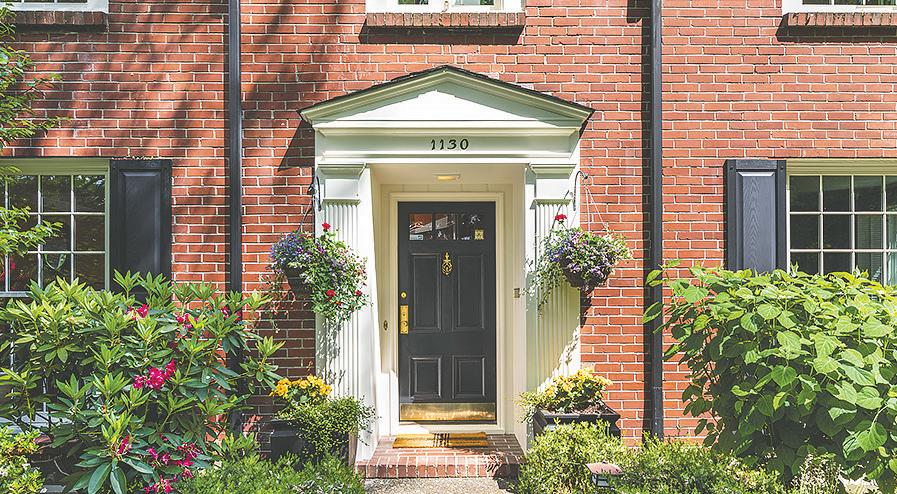
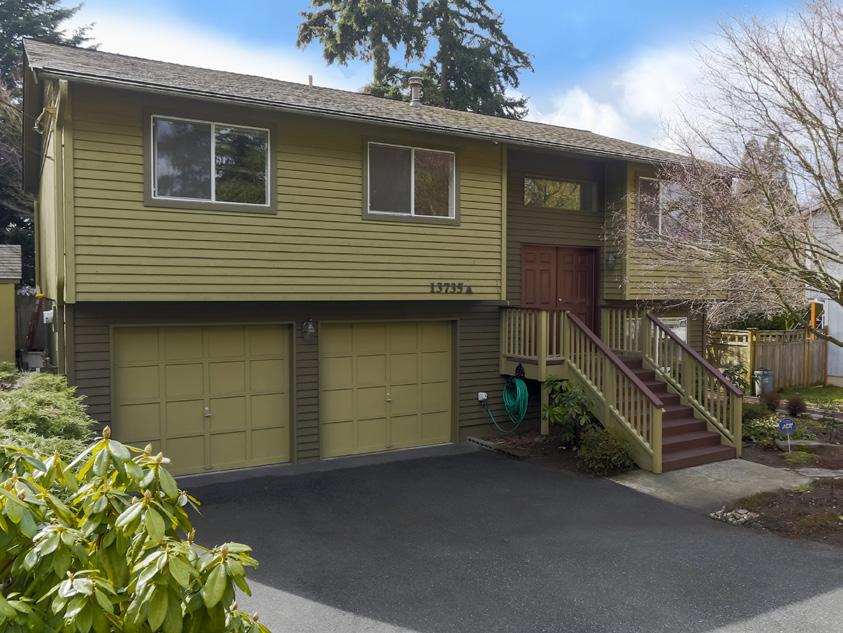
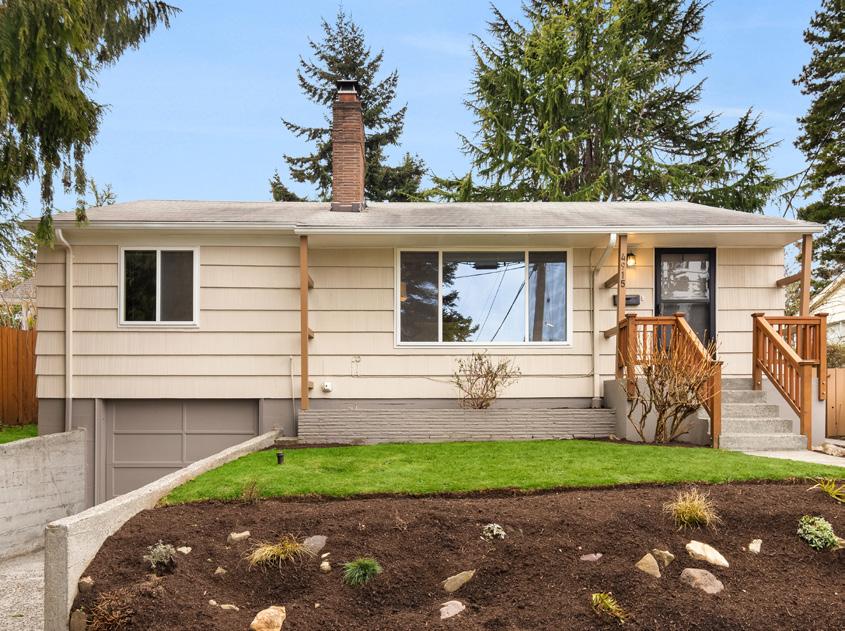
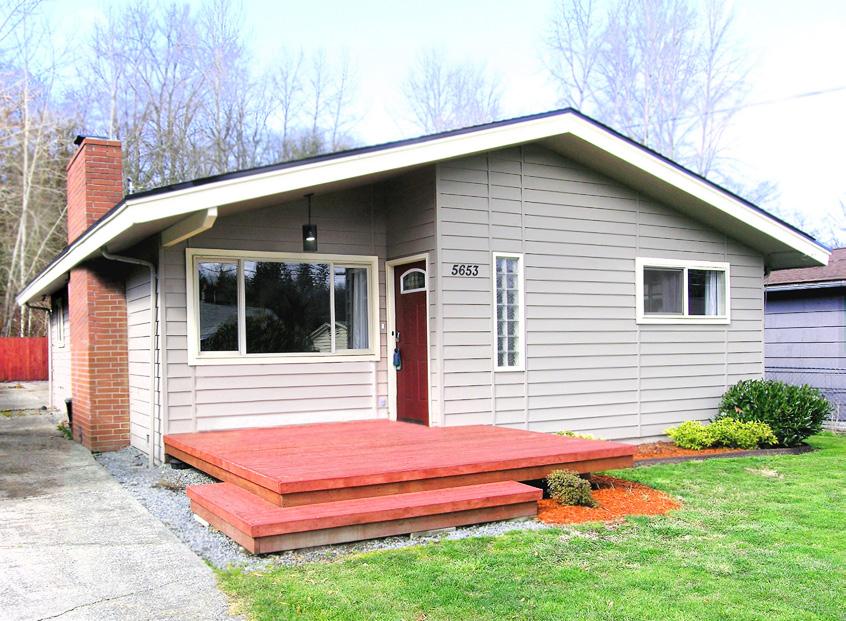
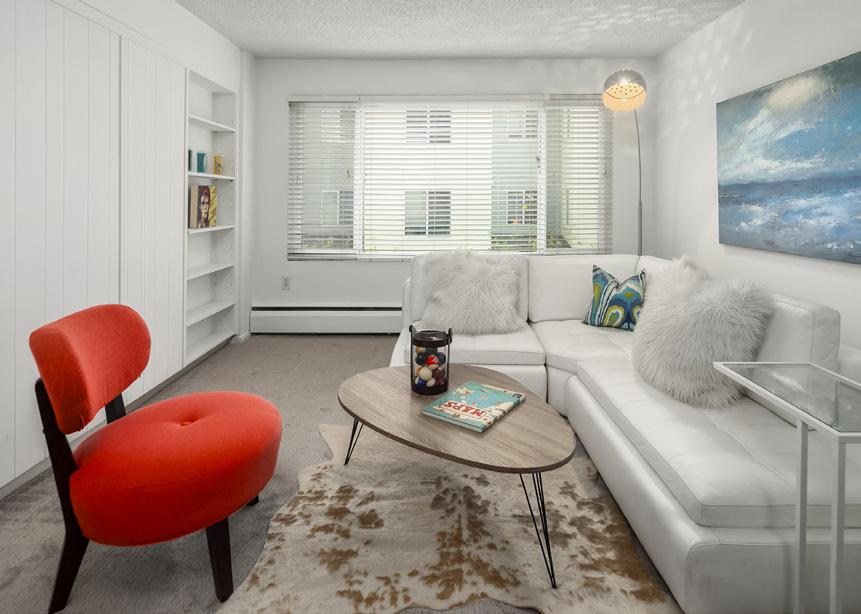
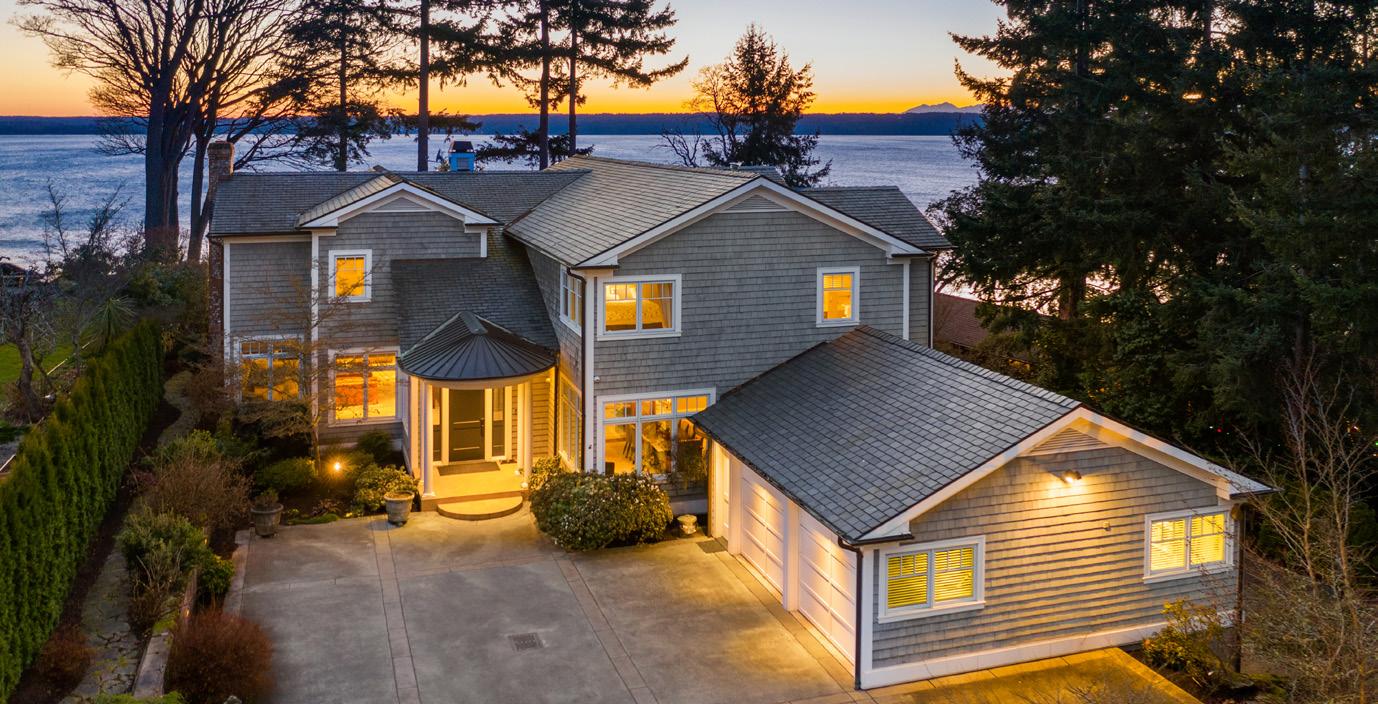
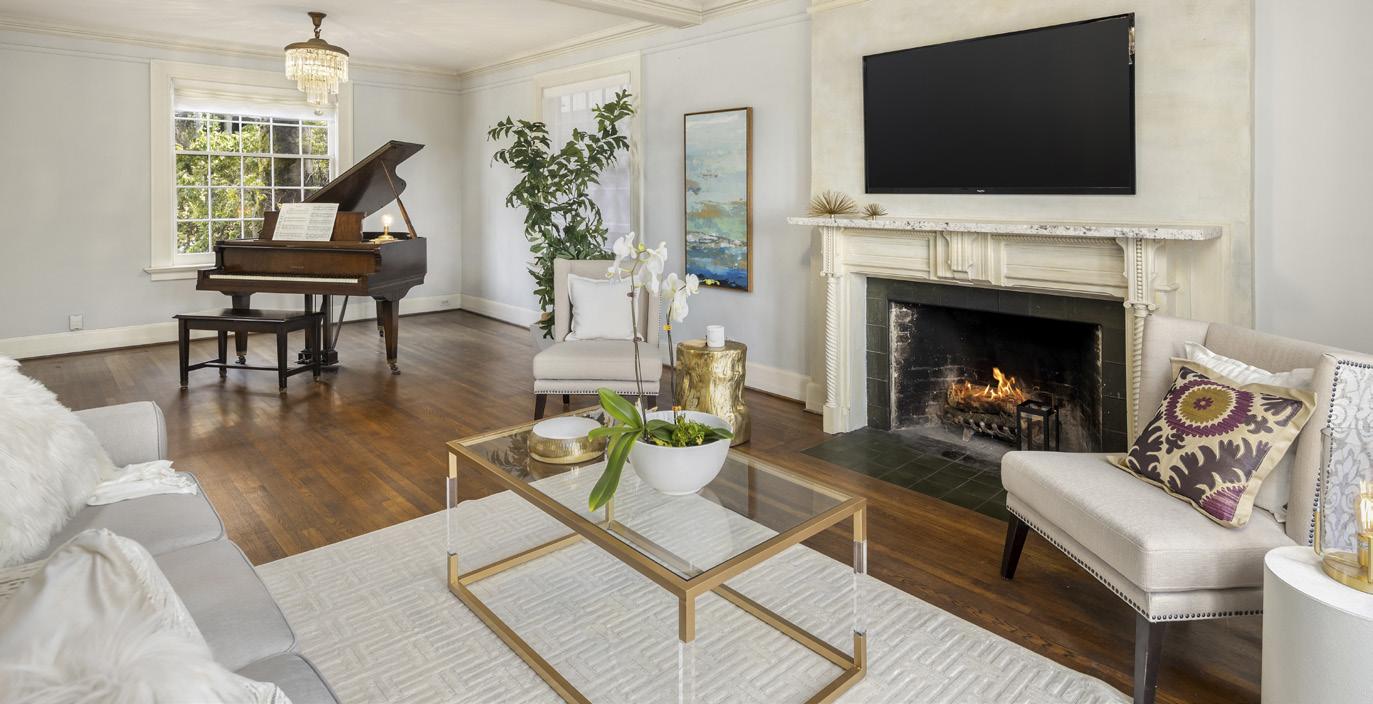
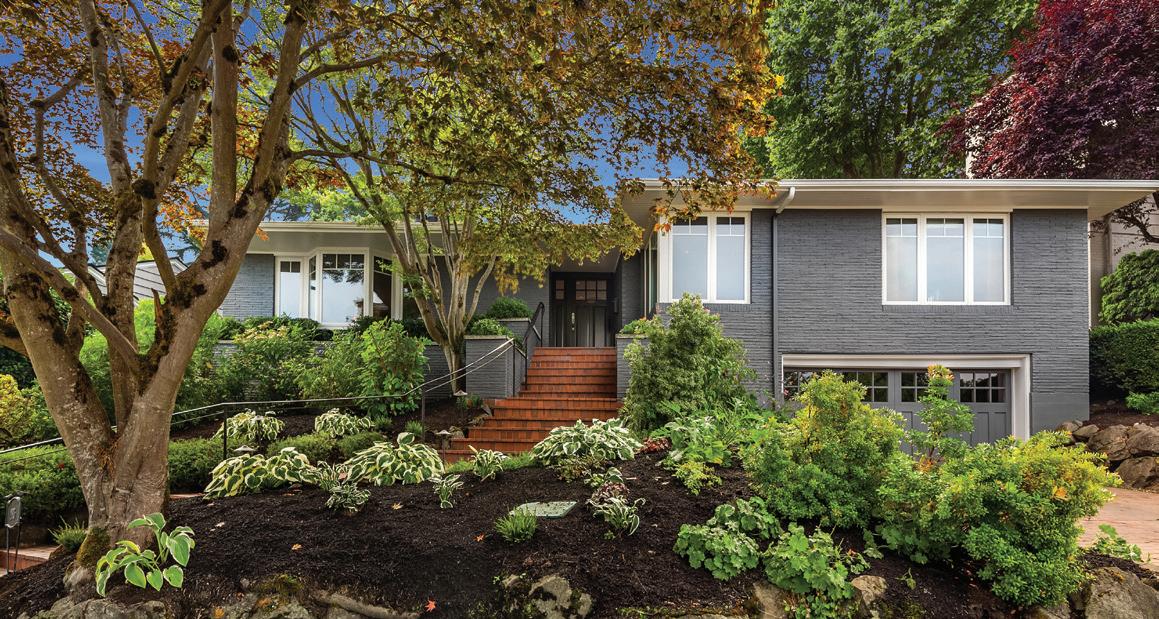
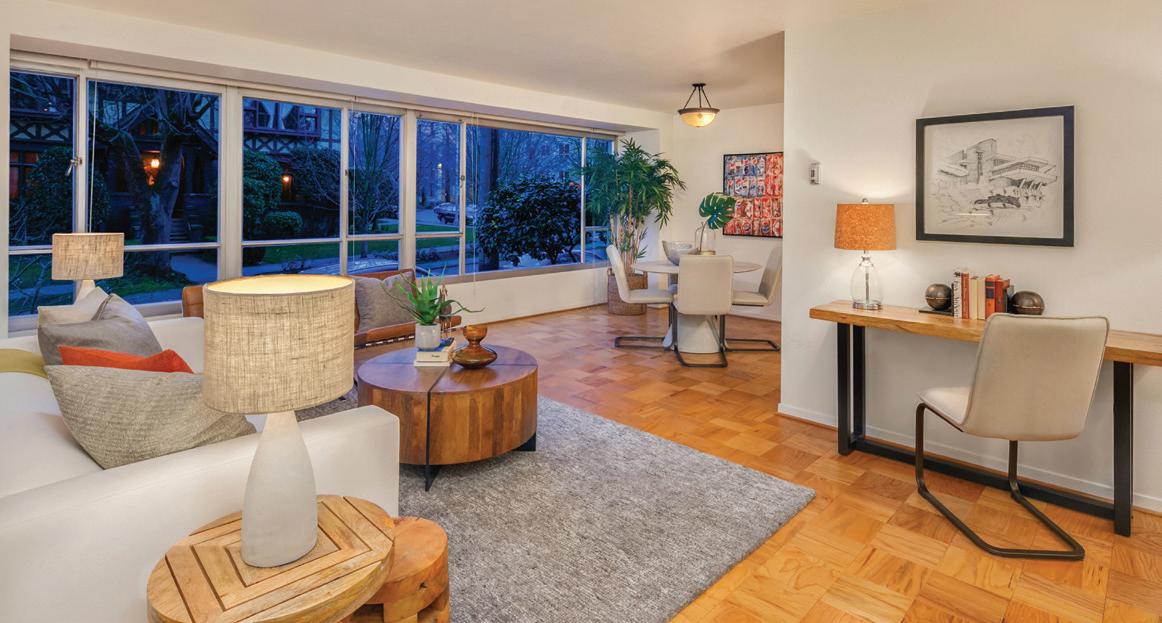
this Spring. The most important things that you can do to prepare your home for sale are fairly simple; clean, de-clutter, tidy up your garden and think about first impressions. You do not or should not have to spend a lot of money, that you likely will not make back, remodeling your home to sell it. If you do feel that you home needs a face lift something as simple as paint can change the whole look and feel of a space. Also, furnishings can make a huge difference too. This does not mean that you need to start over and buy all new furniture for your home. Updating linens and towels or adding a few light throw pillows can often do the trick. Or, when preparing to sell, consider using a stager to bring in a few key pieces without having to purchase them. The main thing to keep in mind is that first impressions are so important. When a buyer drives up to your home is your front yard tidy? Is the front clear of shoes, packages or garden tools and does it instead have some flower pots filled with fresh Spring annuals? First impressions matter!
But it is also important that you not only make a great first impression with your home, your Realtor needs to as well. Your agent should be working with a high caliber photographer, not trying to cut corners with a lesser skilled resource or worse yet taking their own photos. Brochures, ads and marketing materials should be professional, beautiful and showcase your home in the best light possible. Remember, you only get one chance to make a great first impression and you and your real estate professional should be a team with this goal in mind. Both seller and broker being well prepared can go a long way to achieving a well-presented listing and successful sale in today’s market.
Ways to Boost Your Home’s Curb Appeal
(StatePoint) When it comes to your home, you only get one chance to make a great first impression -- and that takes place before anyone ever steps inside, making curb appeal upgrades an effective way to beautify your home while boosting its value.
Here are some great ways to enhance curb appeal that will give you a great return on investment, according to Remodeling Magazine’s 2019 Cost Vs. Value Report.
Garage Door
Replacement
Whether you want your garage door to take center stage or provide a demure complement to your home’s overall exterior, the right selection will make a great visual impression. Luckily there are a growing number of ways to personalize a garage door.
New color options, which include two-tone combinations, are growing in popularity, and an expanding array of panel designs can help you work in harmony with your home’s architectural style.
But know that this is not just any cos-
metic upgrade. A new garage door has the potential to improve your family’s safety and comfort, providing safety features not found in older models, while reducing heat and cold transfer for lower energy bills.
Manufactured Stone Veneer
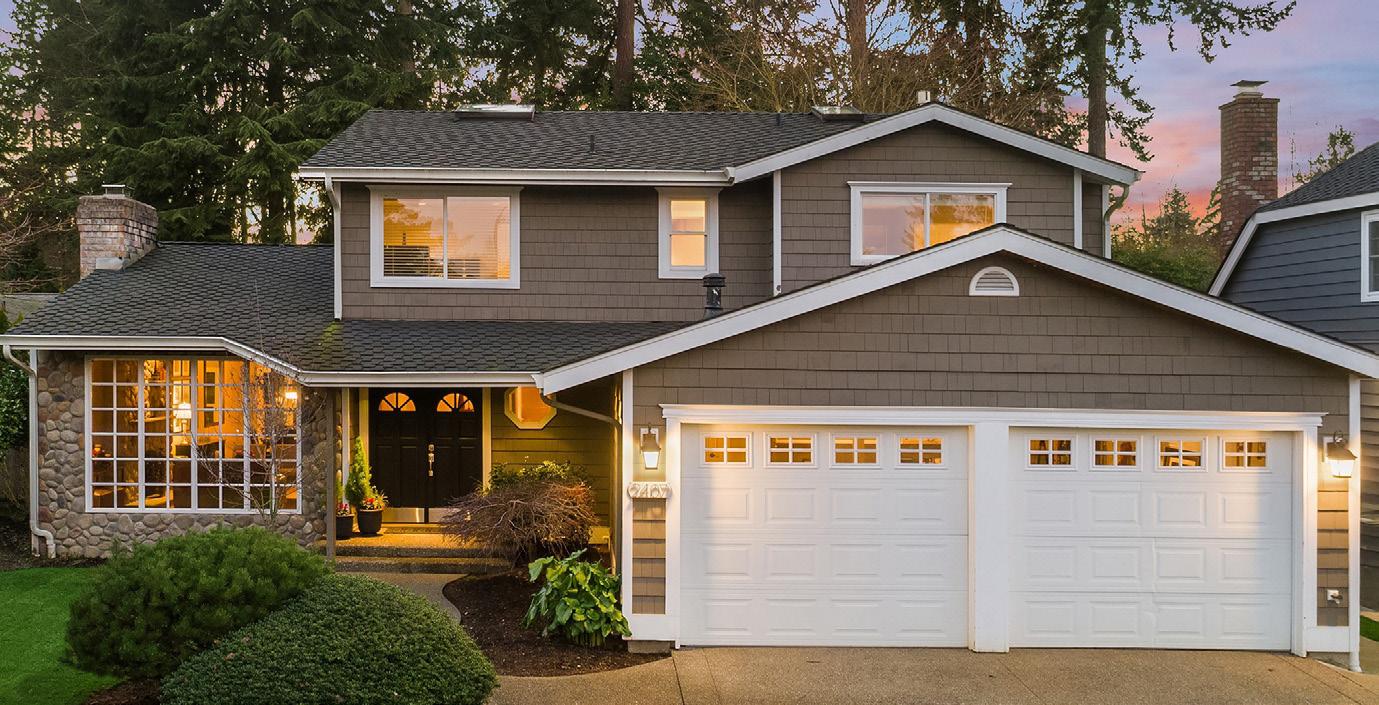
A manufactured stone veneer project can enhance the aesthetic appeal of any space, indoors or out, and can be customized to suit your needs and style. When applied to a home exterior, this project has an impressively high return on investment at 95 per-




cent, according to the 2019 Cost vs. Value Report.
Maximize this upgrade by opting for high-quality materials that look like authentic stone, even upon careful inspection. For example, the choices available from ProVia are molded and colored to produce a realistic, dramatic effect, mimicking stones from unique geographic regions in a range of cuts. Their online resources, which can be found at provia.com, include design ideas and tools for selecting harmonious color groupings, helping you make the best choices for your home.
➧ APPEAL, Page 19

Lisa Turnure
NATALIE IVASHKINA, ECO GERMAN KITCHEN
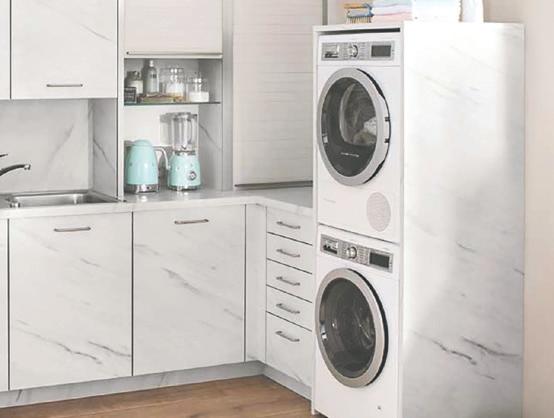
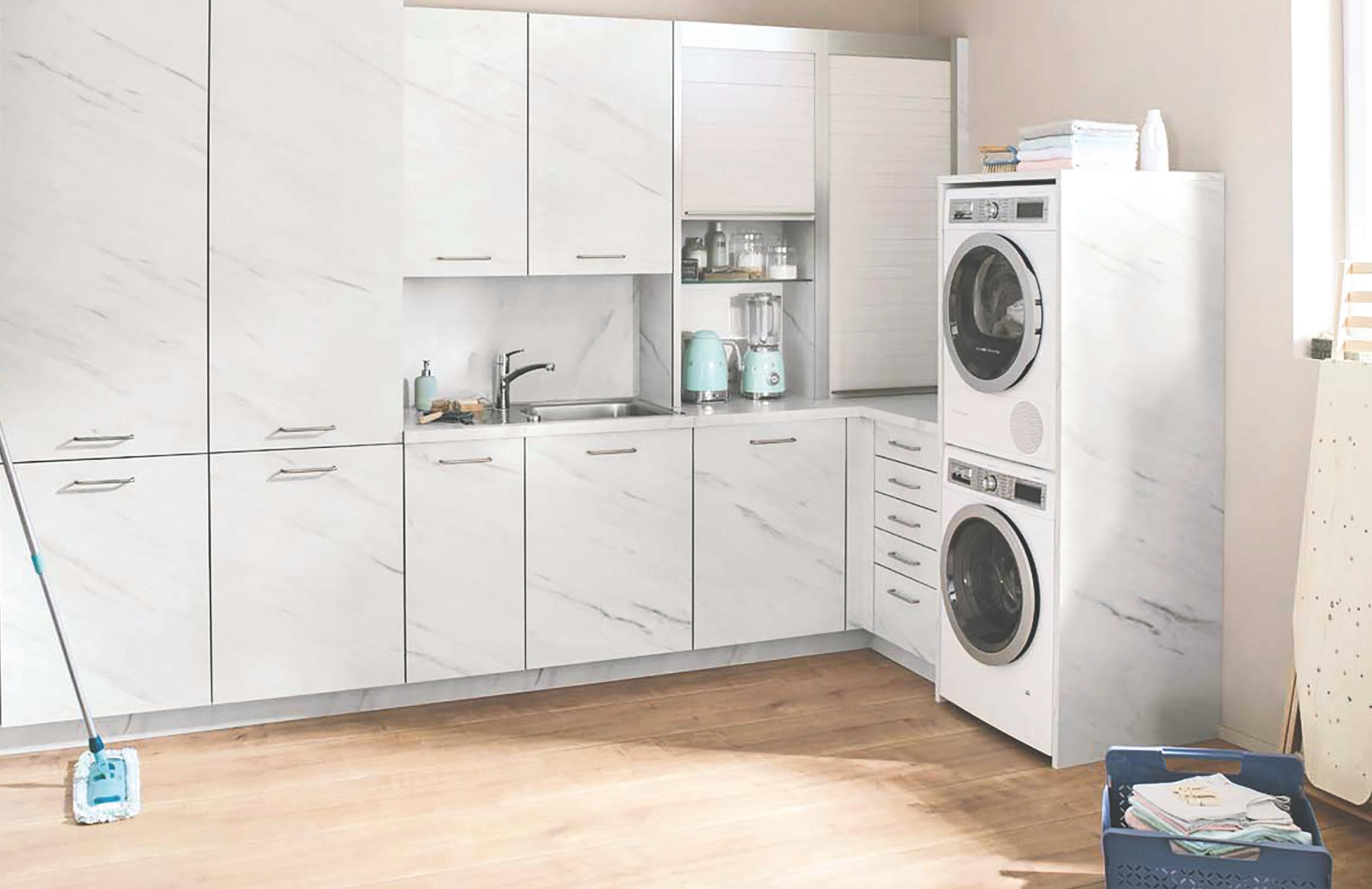
Utility rooms don’t get enough love. Because these rooms are generally closed to the public, they are often the most neglected spaces in our homes. That’s a shame, because a well-organized utility room makes daily household activities easier and much more efficient.
You don’t have to be Marie Kondo to understand the benefits of organizing. Having ironing boards, laundry baskets, paper goods and vacuum-cleaner attachments in easy reach is essential for effectively responding to any cleaning needs that arise. You don’t want to have to scour your house in search of a hand vacuum after you tracked dirt all over your antique rug.
The trick to maximizing the utility of your utility room is approaching its form and function with the same attitude you bring to more public-facing spaces in your home. If you start with the idea that the room is as important as your kitchen, the value of keeping it clean and well-organized will be obvious. Take the project as seriously as you would any other room.
to the task.



Once you know what you’re trying to accomplish, you can remodel or rearrange the room to optimize the layout to best serve you. Everything from a work station to placement of the ironing board to storage solutions will flow naturally from that goal. The room should be laid out so you can quickly access the things you need while giving you space to work, or maneuver, as needed. If you decide to hire a remodeler or interior designer, it’s essential that they grasp your vision for the space before they start.
These days there is a wide variety of clever spacesaving solutions catering to almost every aspect of utility room efficiency, all designed to meet the specific needs and tastes of the client. You can purchase all-in-one cabinet systems that provide storage and baskets for laundry, depositories for recyclables and additional space for cleaning utensils and maintenance tools. Such systems might also include a tall unit for mops and brooms, and a pull-out ironing board.






Just like a kitchen, the utility room should be tailored to your needs and expectations. Before you rearrange everything, you should start by identifying your most essential requirements. Do you need a depot for small appliances and cleaning supplies? Space to fold and iron laundry? Additional storage for recyclables or amenities? By asking these questions, you will get a sense of the kinds of activities you will need to accomplish in the space, and the varieties of storage suitable



Whatever uses you decide to prioritize or solutions you employ, getting your utility room sorted will improve the flow of your home and your life. Having a clean, logical and accessible layout will give you the utility you need without the stress-inducing clutter or piles of laundry. The room will go from being a private space hidden away to one you show off to guests. All it takes is caring about it.
Natalie Ivashkina is the general manager at Eco German Kitchens, a member of the Master Builders Association of King and Snohomish Counties (MBAKS) Utility rooms deserve the same attention



















Easter Worship




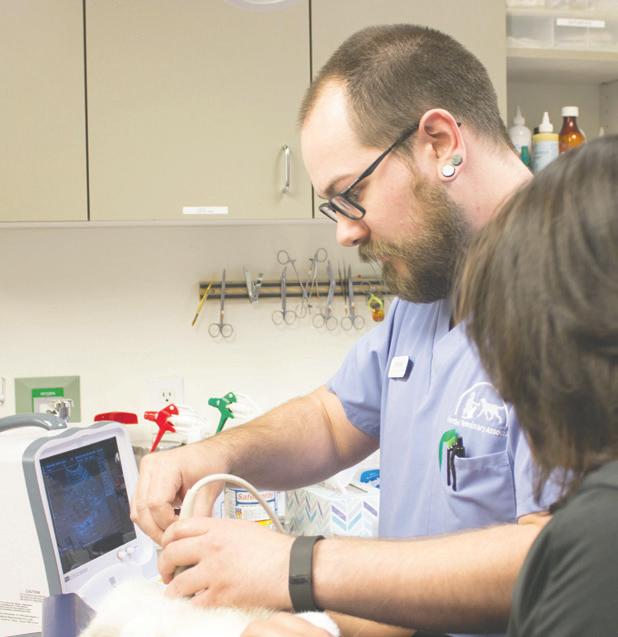



Occasionally, well-intentioned owners are tempted to treat an ailing pet by using over the counter medications or medications prescribed for another animal without first consulting a veterinarian. This choice can cause unintended harm to a beloved pet. One may understandably choose to research treatments on the internet or phone a friend for an opinion due to decreased cost and increased convenience. But, bear in mind that if your pet ends up needing medical care due to drug toxicity, this can be exponentially more expensive and can result in illness, long term organ damage, or even death. Mistakes can be easily made with respect to appropriateness of treatment, dosage, frequency, or duration of therapy. Even if toxicity does not result, it may limit your veterinarian’s ability to prescribe superior treatments when at-home remedies fail.
Over the counter medication may seem like a safe, cheap, immediate fix to whatever is ailing your favorite furry friend. However, medications available for purchase on the drug store
Journey With Us to Easter Joy
Maundy Thursday, Join us at 6pm to remember Jesus’ final meal. We’ll share a simple supper and pass the bread and cup.
Good Friday, April 19
Our traditional solemn Tenebrae Service begins at 7:30pm
Easter Sunday, April 21
Community Breakfast at 8am
Easter Celebration at 9:30am Kid’s Easter Egg Hunt at 11am
University Lutheran Church 1604 NE 50th St., Seattle 98105 UniversityLutheranSeattle.org

shelf were formulated for use in humans. Because these medications have not been tested and certified as safe for animals in FDA safety trials, their use in pets is termed “off-label.” Off-label use does occur commonly in both human and animal medicine, but means that it is being used in a non-approved way. Veterinarians have extensive training and access to resources not available to the general public that help them know which medication and doses are safe and appropriate for pets and which are not.
One of the important things to know in choosing medications is that while humans, cats, and dogs are all mammals they do not metabolize drugs in exactly the same ways. For example, cats are deficient in a number of drug metabolism pathways that can slow drug clearance and result in increased risk of toxicity. Medications that may have some window of safety for humans or dogs can result in severe toxicity for cats. There are also many medications approved for use in humans (such as Tylenol or Advil) that can cause severe illness in dogs.
Finally, although there are many of medications sitting on the store shelf that can be used to treat dogs and cats, they may be minimally effective, have increased risk of side effects or a narrow therapeutic index, or may have fallen out of favor to better alternatives. Fortunately, with ongoing medical advances there are always new drugs coming to market. This allows humans and animals the opportunity to use many newer and more effective products that are not available without a prescription.
Veterinarians receive years of medical training and have the clinical experience to choose optimum therapies with respect to your pet’s health needs. We want you to ask us about best treatment options for your pets – we have dedicated our careers to making animals feel better, and if their treatment includes cost-effective over-the-counter medications, we’re happy to recommend them! Learn more about toxic drugs by visiting www.seattlevetassoc. com
Home and Garden
Is My Frozen Shrub Dead?
BY CASS TURNBULL
After an extraordinarily cold winter in Western Washington, many garden owners will want to know what to do about the damage to many of our not-completelyhardy shrubs. With many of our broadleaf evergreens, it’s common for their leaves to turn brown or black and eventually fall off. The plants themselves are probably still alive. To check, use a hand-pruner blade to peel back a little bit of the “skin” to see if the cambium layer just beneath is alive (green) and not dead (brown). If alive, it’ll probably flush out with a new set of leaves. So, don’t panic if your shrub looks dead. Wait and see. How long? By June you will have an answer. By then, those that can put on a new set of leaves will have done so. If you can’t stand the sight of the stricken brown shrub until June, try running your hands along the branches to knock the brown leaves off. Then, the plant might seem to be deciduous, not dead. By the end of August, the final report will be in. Freezing weather sometimes does internal damage that doesn’t show up until after the stress of the summer “drought”. A shrub may look okay through June and July, but then, while it is

pumping H2O like crazy trying to keep up with the heat demand in August, some portions can collapse, and you will see die-back. (The non-scientific explanation is my own and may be a little, well, anthropomorphic.)
Many evergreen shrubs, such as escallonia, that suffer freeze damage, will die from the tip back. These shrubs respond well to radical size reduction which in this case means big ugly cuts to the point of green wood. The plants will “break bud” just below your cuts and many new green-leafed shoots will rather quickly grow out to hide the cuts and provide you with a “new” plant by the end of the growing season. In the case of choisya, branches will split, break or splay flat to the ground due to snow loading. Get your loppers out and whack everything back to 4” to 6” off the ground. Yes, it’s really Okay. I promise. I have done this thing many times. As soon as the growing season begins, the majority of cut plants will spring into action. As the renovated shrubs grow up, it is advisable to pinch them back every so often, to encourage branching and thicken them up. “Pinching” means a very light heading, just nipping the end bud of each branch with your fingernails or hand-pruners. Courtesy of PlantAmnesty.
Get More Bang for Your Buck With These Spring Home Improvements
(StatePoint) The warmer weather means it’s time to start thinking about home improvement projects. Whether you’re getting your home in tip-top shape for your own enjoyment, or getting it ready to put on the market, not all home improvement projects are created equal when it comes to return on investment (ROI). Here are top areas on which to focus:
Interiors
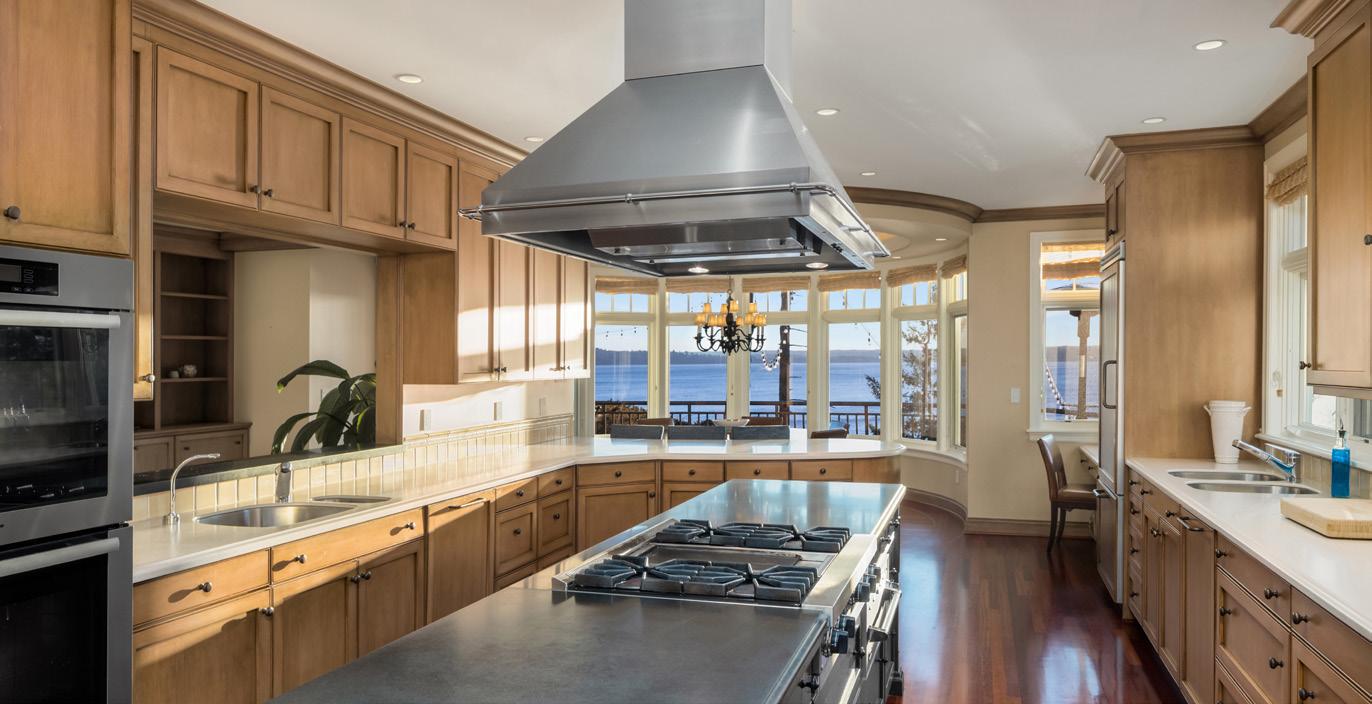
The kitchen is the heart of the home and it’s one of the best areas to renovate in terms of ROI, according to Remodeling magazine’s annual Cost vs. Value Report, which puts the price tag of the average minor kitchen remodel at $22,507, with 80.5 percent of the cost recouped upon resale.
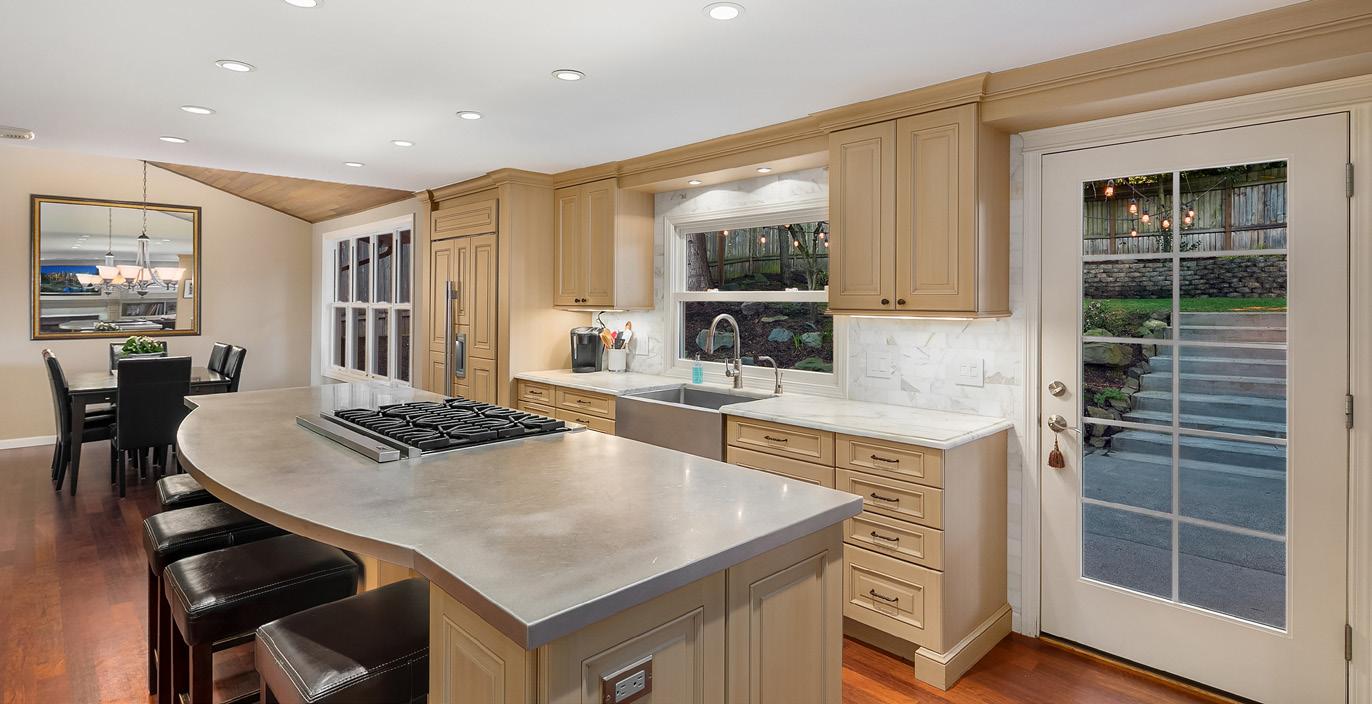
To give the kitchen an updated appearance, replace the flooring, countertops, sink and faucet. A fresh coat of paint in a trendy shade, such as Living Coral, Pantone’s Color of the Year, can add a vibrant pop of color to energize any kitchen. Not looking to go that bold? Consider an accent wall, or stick to a classic palate of gray and white in terms of cabinets and countertops. White on white is also a popular new style for kitchens and bathrooms.
Other features home buyers are paying close attention to are laundry rooms and such energy-saving elements as Energy Star appliances and windows, according to the survey “What Home Buyers Want in 2019” by the National Association of Home Builders.



Curb Appeal
The popularity of outdoor projects remains strong and it’s for a good reason. According to the Cost vs. Value Report, the biggest bang for your buck in 2019 will come from replacing a garage door. The report says the average price is $3,611, and 97.5 percent of it is recouped when the house is sold.
Other outdoor projects with high ROI include adding manufactured stone veneer to the exterior (94.9 percent), adding a wood deck (75.6 percent) and replacing siding (75.6 percent). Looking for a simpler way to make an impact? Sprucing up the landscape by planting flowers or bushes or even just clearing the yard of debris will make a big statement.
No matter what updates you end up making, it’s always a good idea to notify your insurance agent. “Certain upgrades may change the value of a house, so homeowners need to make sure they’re properly covered,” says Bob Buckel, vice president of product management, Erie Insurance. “There are a few things to look for. Ask your agent about guaranteed replacement cost policies that can cover the cost to rebuild a home in today’s dollars following a covered loss.”
Some upgrades may also make you eligible for discounts, Buckel adds, especially if they make the home more secure. “For example, Erie Insurance offers certain safety discounts such as for installing smoke alarms or an automatic sprinkler system.”
Now you have a checklist of DIY projects to focus on this spring. But before you start, take a moment to assess which ones are worth your time and money.


























MAY:
Space & Copy Deadline: Weds, May 1 - noon
Publication Date: May 10 CR: May 7
JUNE:
Space & Copy Deadline: Weds, June 5 - noon
Publication Date: Jun 14 CR: Jun 11
JULY:
Space & Copy Deadline: Weds, Jul 3 - noon
Publication Date: Jul 12 CR: Jul 9
AUGUST:
Space & Copy Deadline: Weds, Jul 31 - noon
Publication Date: Aug 9 CR: Aug 6








SEPTEMBER:



Space & Copy Deadline: Weds, Sept 4 - noon
Publication Date: Sept 13 CR: Sept 10
OCTOBER:
Space & Copy Deadline: Weds, Oct 2 - noon
Publication Date: Oct 11CR: Oct 8
NOVEMBER:
Space & Copy Deadline: Weds, Nov 6 - noon
Publication Date: Nov 15 CR: Nov 12
DECEMBER:
Space & Copy Deadline: Weds, Dec 4 - noon
Publication Date: Dec 13 CR: Dec 10





















HANDYMAN:




















When hiring a contractor, start early and choose wisely
Working with a contractor sounds daunting, but it doesn’t have to be. Prepare for your next project with these useful tips.
NOAH FRANCE AND DANA CHERMAK, CHERMAK CONSTRUCTION
The process of hiring a contractor can be very stressful. But if you take your time and do your homework before hiring, you can save a tremendous amount of time, money and anxiety, and still achieve great results.
The following tips will help guide you through the process.
1. Start looking early.
If you’re interested in tackling a project this year, you should already be planning. Once the holiday season has passed, homeowners feel energized and start refocusing on their homes. Our business starts picking up on Day 1 of the new year, and the earlier you jump in the better off you’ll be. If you’re planning to go all out — full design and engineering plus permitting — anticipate waiting 12 weeks before a contractor starts on the project. If the project doesn’t require engineering, half that (six weeks) will be enough. Due to all the planning involved, no contractor will start a project immediately. Because of this, you should engage a contractor a month or two before the project’s start time. Some projects are dependent on cooperative weather, which drives up seasonal demand for certain trades like painting, concrete and dirt work. It can be very difficult to book these contractors during the summer, so you must get on their schedules very early in the year, even if it means contacting them before Jan. 1.
2. Know your project scope before you start. Often, clients will come to us with a laundry list of work they’d like done. In this situation, our job is to help align their budget with the overall scope of work — adding to the scope always drives up costs. Having this conversation early on can help you get the most value from your project budget.
3. Identify a reputable contractor.
To find a reputable contractor, start with a credible source. The Master Builders Association of King and Snohomish Counties’ Remodelers Directory is a good place to start. The Better Business Bureau is also a great source — to be listed,


a contractor must have no outstanding issues with their customers—and a great place to find out if a business is licensed, insured and bonded. You can also verify a contractor’s license by visiting the state’s Department of Labor and Industries website at http://www.lni.wa.gov
4. Before you hire, see their team in action. You should visit the company’s offices and meet the crew to see their project approach firsthand, including how they manage accounting, scheduling, and production. You’ll get a feel for the atmosphere of the office and how that might affect the project. We also recommend visiting one of their job sites to ask questions and get a sense of how clean and safe it is. Don’t be afraid to request a meeting with a past client. Their testimony will prove whether the contractor can deliver what they promise.
5. Always get a referral.
A trusted friend or colleague’s opinion can be a great place to start if they worked with a contractor and had a positive experience. During a major project, you’ll be spending a lot of time with the contractor in your home — having a
first-person account you trust will help you make the right choice. You can also call your local lumber store and ask them who their biggest customers are as they might be able to refer you to reputable contractors.
6. If you are unsure, start with a small project.
When it comes to recruiting a contractor for a large project, having them start with a smaller project is one of the best ways to find out how effectively they work, schedule and budget. Before and during a project, ask specific questions to see if they can answer in a relatively straightforward manner. For example, how do they deal with a problem when it arises? Be wary of contractors who tell you your project is going to be smooth sailing the whole time.
7. Once you begin, stick to the schedule.
Your contractor should always give you a tentative but detailed schedule for a project, and it’s in their best interest as well as yours to keep to that schedule. When they go over on time, they go over budget and drive up overall costs.
8. Choose wisely.
The key to this entire process is finding a contractor you
➧ VILLAGE from Page 3
lage on Friday and Saturday building the ninth. Their work supporting tiny villages is spearheaded by member Eva Agrawal.
“I have projects that I’ve done in India, and if you go to India, and whether in cities or in villages, you see people living on the streets,”she said, “and the first time I saw that in the early ‘70s it was very shocking, and it always bothered me seeing people living on the street.”
Agrawal said seeing people living unsheltered in Seattle upsets her, and she began discussing how the rotary club could make a difference with various homeless outreach organizations. She met LIHI executive director Sharon Lee, who told her about the concept of tiny house villages.
“It’s essentially a stepping stone to getting people on their feet,” Agrawal said. “There’s been ups and downs, as with any new initiative, and they work really hard on
maintaining the grounds.”
“She’s been amazing. She’s been the consummator for all of this,” said John Matthews, a Mercer Island rotarian who also serves as vice president on Rotary International’s board of directors.
Matthews was among the volunteers at the village on Friday and Saturday, lending his carpentry skills toward completing the rotary’s tiny house.
“That’s one of the fun things about rotary, is you kind of find a way to make your passion happen,” he said.
He lauded the communal nature of the village, its residents coming by occasionally to greet them.
Gnecchi is one of many Interbay Village residents who was upset by the portrayal of the homelessness crisis by Eric Johnson in his “Seattle is Dying” special on KOMO.
Interbay Village is not a low-barrier shelter, said another resident,

and not everyone facing homelessness in Seattle has a drug addiction.
“Look at the volunteers,” Gnec-
chi said. “This is something the city can be proud of.”
Interbay Village is a clean-andsober site, which means families
can reside there. A couple could share a tiny house, Reynolds said, if they went through the intake process at the same time.
Photo by Brandon Macz LIHI held a work party at Interbay Village on Saturday, March 30.
What to love about Bigleaf Magnolias

How do I love thee? Let me count the ways?
Not long after Elizabeth Barrett Browning published that line in 1850, the opening of likely the most famous poem in her collection, “Sonnets from the Portuguese,” much of Victorian Britain was quoting it. The line applied to anything beloved: sweethearts, children, friends, dogs, pet crows or adored milk cows, and the poem was paraphrased to suit the object of affection.

I’m thinking about that poem as I look out on my rear garden and see a deciduous Magnolia macrophylla in its statuesque nudity, knowing that in a few weeks fuzzy buds will swell and leaves will begin to emerge in lime green. These leaves will grow and continue to grow, becoming richly verdant, papery, elongated ovals between 1 and 3 feet in length. The summer sun will filter through these leaves making a soft green glow that shades the terrace. When autumn comes, the leaves will drop (a daunting but well-worth-it cleanup), but I’ll collect a couple dozen of the largest and best of these leaves and take them indoors to lie and dry on my basement floor. In a few weeks these leaves will be slightly curved, a robust dark brown on the outside and silver on the inside. They make great filler for dried winter arrangements. I’m proud to say that my leaves have graced the altar at nearby Epiphany Parish. No doubt the angels were involved.
Now for the zinger: this magnolia not only has the largest leaves of the genus, but when the big creamy buds of thick petals open, the flowers are the size of volley balls. The blossom show peaks in June, but the plants continue to put out a bloom here and there
throughout the summer. And with doors and windows open, the delicate fragrance, which fills the garden, wafts into the house. No doubt the angels are involved here, too. In a word: Heavenly.
There is still time to get this plant in the ground this month if you can find it. It’s a bit rare. As to why, that’s a mystery. Everyone should have this tree. It grows slowly to a height of 30 feet with a 20-foot spread; a good size for a city garden. Happy in our cool moist climate and rich acidic soil, this American tree, commonly called Bigleaf Magnolia, can be found sparsely scattered in forests from southern Ohio to the Gulf of Mexico. It has the largest single leaves and blossoms of any plant native to North America. That bragging right alone makes it worth growing.
If you put a plant in this month, keep it well watered through the summer and for the two following summers, at least. Then it should do just fine on its own. Remove the plant ever so gently from the nursery can, so as not to damage the fleshy roots. Dig a generous planting hole, placing the base of the trunk in a shallow saucer just slightly below the level of the surrounding ground, thereby funneling rain water to the tree.
You’ll fall in love with the foliage immediately. Then the day comes when the plant blooms.
How do I love thee? Let me count the ways. I love thy form, thy foliage, thy flowers, thy fragrance, the ease of thy cultivation, the joy thou giveth me each season of the year. So, a deep and well-deserved bow to you, Elizabeth Barrett Browning. Thanks to a Magnolia macrophylla, your words continue to resonate in the 21st century.
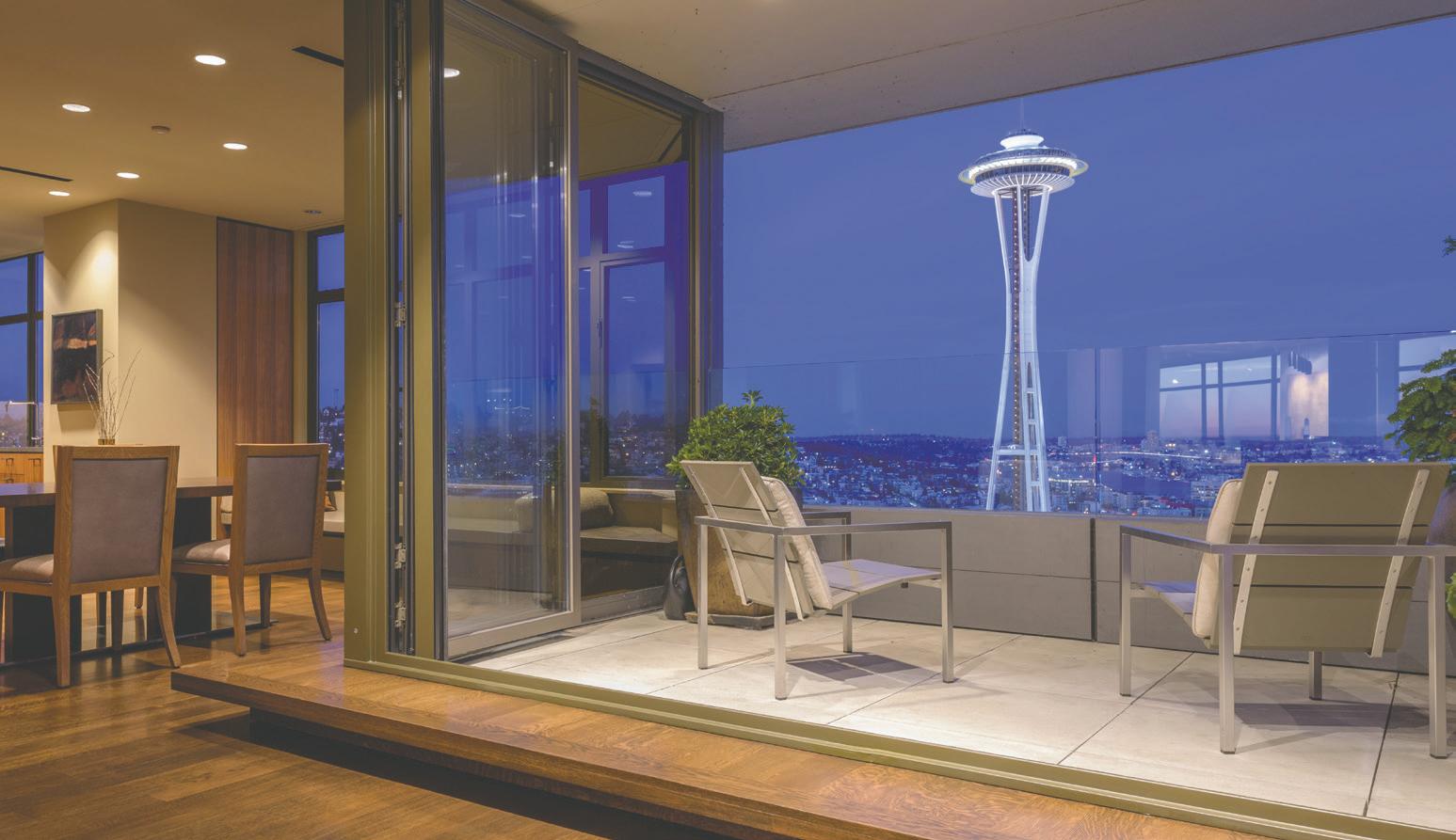

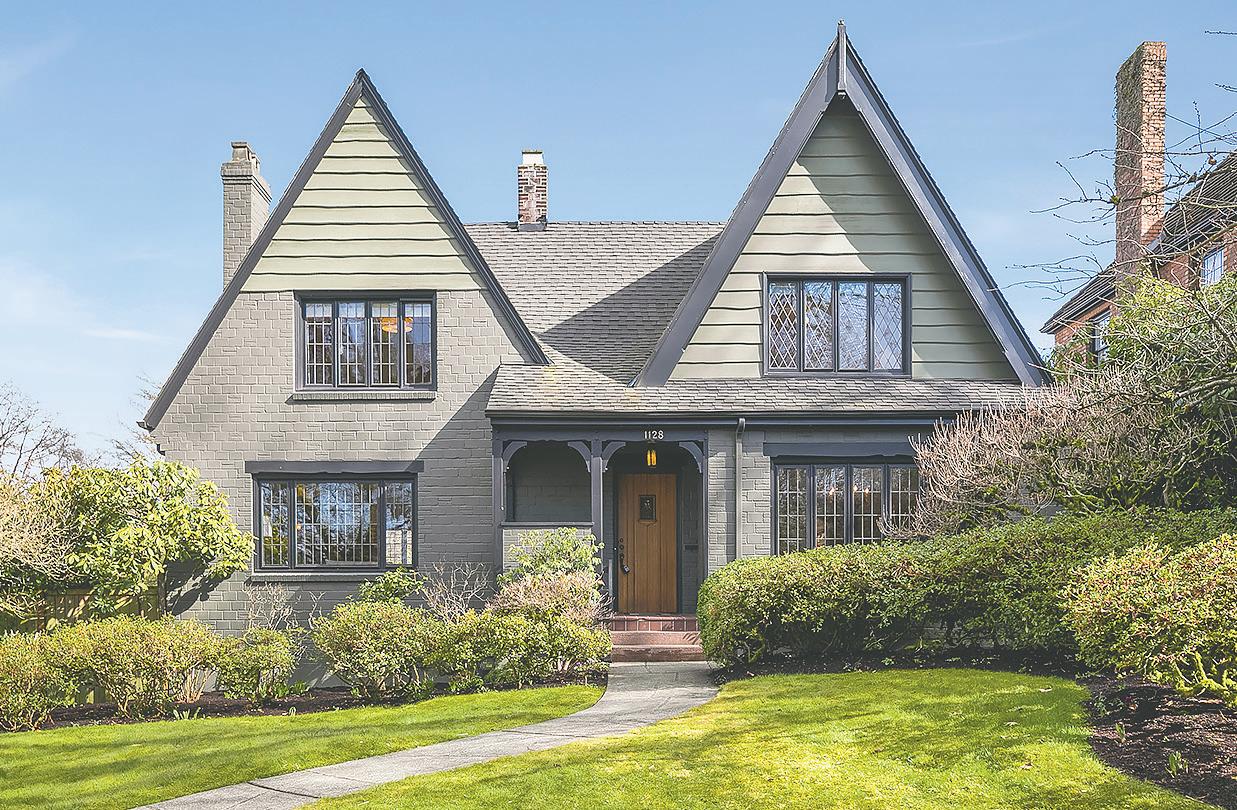
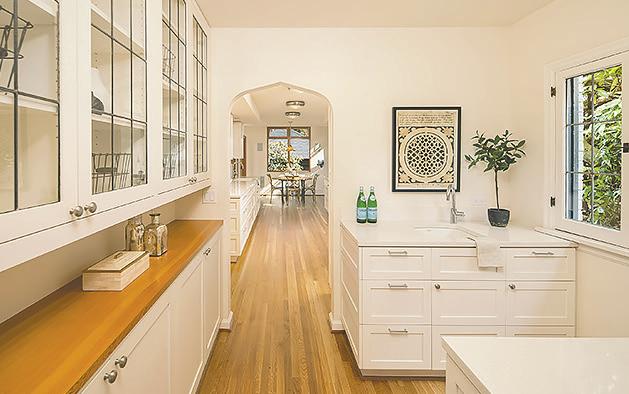
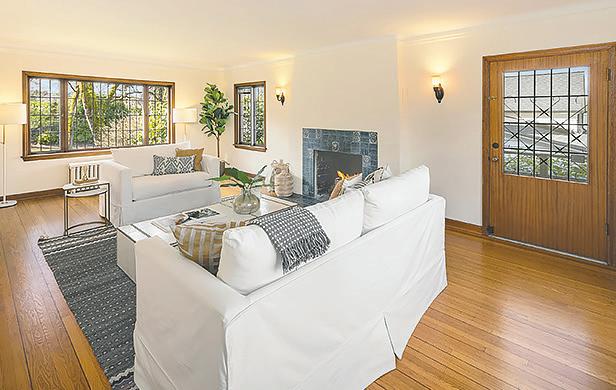
Photo by Mary Henry Tree Talk columnist Steve Lorton loves his Bigleaf Magnolia. How much? In this month’s column he counts the ways.
Steve Lorton TREE TALK

• Is your direct mail post card in the trash with the rest of the junk mail?
• Is your advertising message lost inside all the digital clutter?
• Are your pop-ups blocked?
• Is your email sitting in an inbox with all the other spam?
Reach potential customers on their commutes, during lunch breaks, on weekend mornings, or at home in the evenings during their down time.
Print Advertising does NOT have all the issues the above marketing avenues do that you have been using. In fact, it might just be the best investment you have made for your business!
Call today and let us help you target your market the right way.
Tammy
206-461-1322 • ppcadmanager@nwlink.com
King County on track to open modular homeless shelter on Elliott Avenue this summer
BY BRANDON MACZ
Uptown Alliance representatives had a second meeting with King County and Catholic Community Services officials on Tuesday, April 2, to discuss reaching a Good Neighbor Agreement ahead of the opening of a modular homeless shelter on Elliott Avenue this summer.
King County’s Department of Community and Human Services is opening the modular shelter, which is part of a pilot program announced by King County Executive Dow Constantine last August. Catholic Community Services will operate the 24/7 low-barrier shelter, which is expected to serve 72 people experiencing homelessness on surplus county property at 531 Elliott Ave.
King County and CCS representatives provided information about the shelter at a meeting in Queen Anne last December, followed by a presentation at the Uptown Alliance’s January meeting, where residents expressed a number of concerns.
King County staff met with Uptown Alliance co-president Rick Hooper and other UA members after the meeting, where a Good

contact
Or, if you are considering
please contact me for

Neighbor Agreement was suggested.
A Good Neighbor Agreement was developed with the White Center Community Development Center before a family shelter opened in 2017, and a GNA commits operators to maintaining communications about shelter operations and addressing any issues that may arise.
The April 2 meeting provided the Uptown Alliance an opportunity to respond to a draft agreement provided by the county that was used as a starting point for negotiations.
“The discussion went very well,” said Uptown Alliance member Debi Frausto. “We had six basic points that we wanted to have incorporated into their basic agreement, if you will, and they had no problem with that.”
Uptown Alliance wants there to be a mechanism in place to provide more police emphasis patrols in the area if drug or property crime issues do increase, to consider improvements to Elliott Avenue for pedestrian safety near the shelter, commit to providing shelter residents with on-site services, have
the ability to respond quickly to any trash that accumulates outside the shelter, and to provide at least an annual report on the success of the program.
“This is supposed to be the opportunity for a low-barrier place where people can come in and maybe get referred to some services,” Frausto said, and the Uptown Alliance.
Mark Ellerbrook, King County Housing and Community Development division director, has been leading development of the modular shelter and working with Uptown Alliance toward adopting a Good Neighbor Agreement.
“We heard them on their six points,” he said. “In fact, there was a seventh that we added, which was identifying volunteer opportunities for the community and we are going to incorporate those into the draft agreement.”
Two-thirds of the April 2 meeting was focused on Uptown Alliance’s request that the agreement include language that prioritizes people experiencing homelessness in the neighborhood for shelter.
➧ SHELTER, Page 19




Ellerbrook said the request is understandable, and King County and Catholic Community Services will work with their outreach partners to identify areas where they can engage with homeless populations in those areas.
“This is a highly resourced facility,” he said, “so it is designed to take people that haven’t necessarily done well in other shelter or are living unhoused and getting them in here and connected to services.”
Queen Anne Community Council chair Ellen Monrad was invited by Hooper to attend the April 2 meeting, and provided an update to QACC the following evening.
“Uptown thinks it’s only Up-
town,” she said. “I’m insisting that whatever they do over there shoulve involve all of Queen Anne.”
Monrad said there are many people living unsheltered in Queen Anne’s greenbelts that should be served.
Ellerbrook said those areas would likewise be considered when providing outreach to those who may use the shelter when it opens this summer.
The dormitory style units are currently being assembled in Marysville, and will later be trucked to the surplus site owned by the King County Wastewater Division. There will nine dorms with eight beds each, plus a full


kitchen facility, dining area, bath rooms, laundry and case manage ment offices.
While the Uptown Alliance is taking the lead as the community sponsor for the Good Neighbor Agreement, Ellerbrook said rep resentatives from upper Queen Anne are welcome to be involved.
“I think that that would be com pletely fine,” he said. “I think we do want to have a neighborhood group of some kind be the host, and Uptown Alliance has stepped into that.”
➧ APPEAL, from Page 7
Siding Replacement
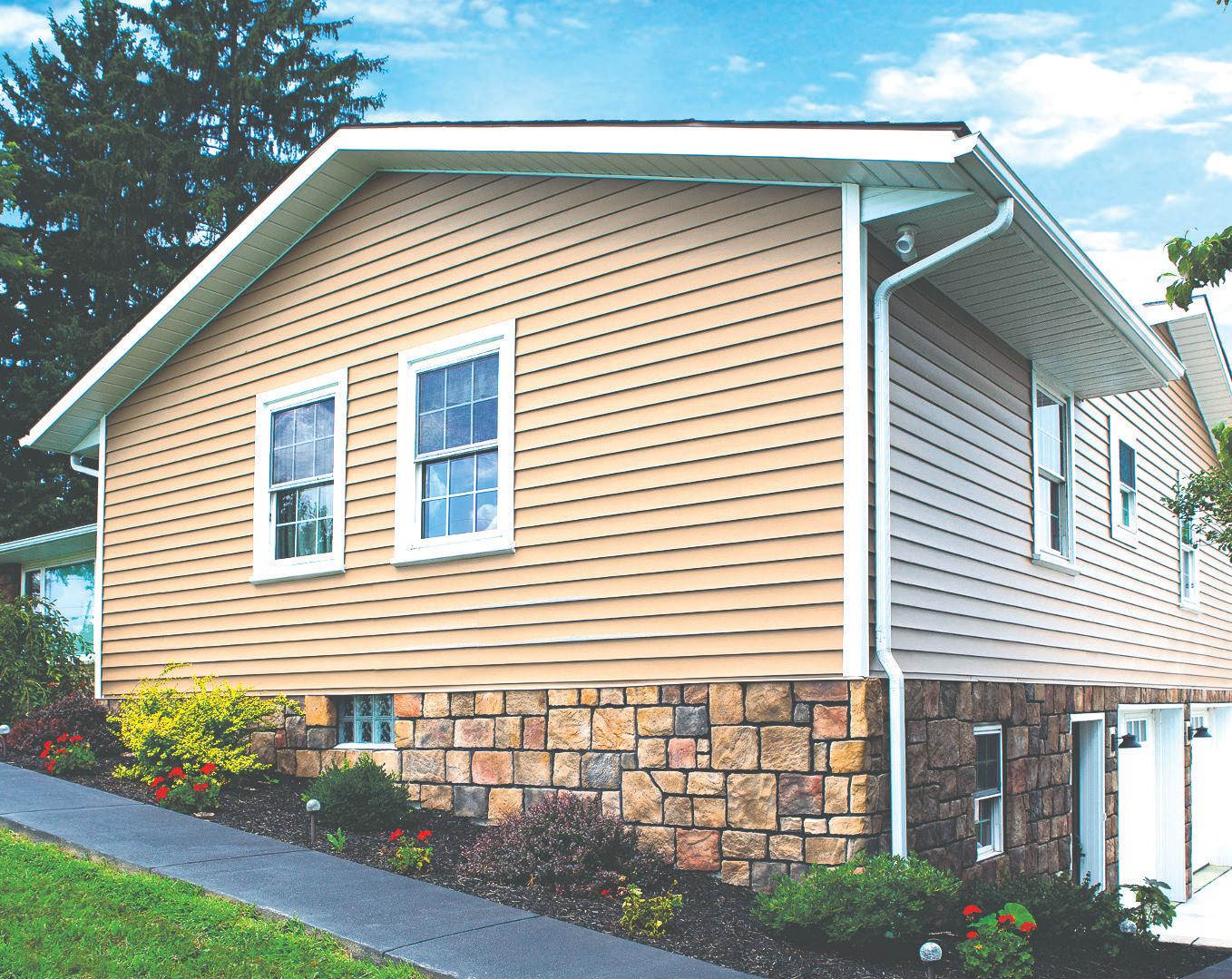
Of all the home updates that will boost your curb appeal, new siding has the third highest return on investment, according to the report. When making this upgrade, consider materials wisely. Thanks to its overall low cost, ease of installation, minimal maintenance required and

Ellerbrook remains confident the agreement will be in place well in advance of the shelter’s opening.


long-term durability, vinyl is the most popular home siding material. Whether you opt for insulated, traditional or decorative siding, this can be a great way to give your home a high-impact facelift that’s well worth the cost.
To add beauty and value to your home, start with curb appeal, selecting projects that offer a great return on investment.


TRUNK SHOW SERIES FEATURING LOCAL MAKERS JOIN US THIS SPRING FOR A SERIES OF IN-STORE EVENTS WITH LOCAL ARTISANS
ealogics Sotheby’s International Realty recently launched Only With Us®, a brand campaign that showcases the many unique advantages of working with our award-winning local brokerage and trusted international brand. What the Only With Us® campaign means to you: unmatched marketing exposure, access to 230 hand-selected real estate professionals, unparalleled global reach, 275 years of the trusted Sotheby’s heritage, a PR powerhouse and proven sales results. There is only one RSIR. Experience the difference today.


For more information I invite you to visit www.LauraHalliday.com

RSIR ranks amongst the largest, most productive and fastest-growing real estate companies in Washington with access to 22,500 brokers in 72 countries that generate US sales of $80 billion+ annually.
Managing Broker | Senior Global Real Estate Advisor Founding Member | 206.399.5842 Laura.Halliday@rsir.com WHAT MY CLIENTS ARE SAYING
Laura is on it from minute one. That’s who she is professionally and we were the beneficiaries of her experience, street smarts and diligence. She set a perfect price point, managed the marketing focus and quality, and we had a verbal on the evening of day five followed by the contract at noon the next day. We were able to go about our jam-packed lives knowing Laura was in charge. Excellent job! - BILL WHITAKER AND SUZANNE SHEPPARD
Sotheby’s Presents Finest & Rarest Wines at Auction this Spring.
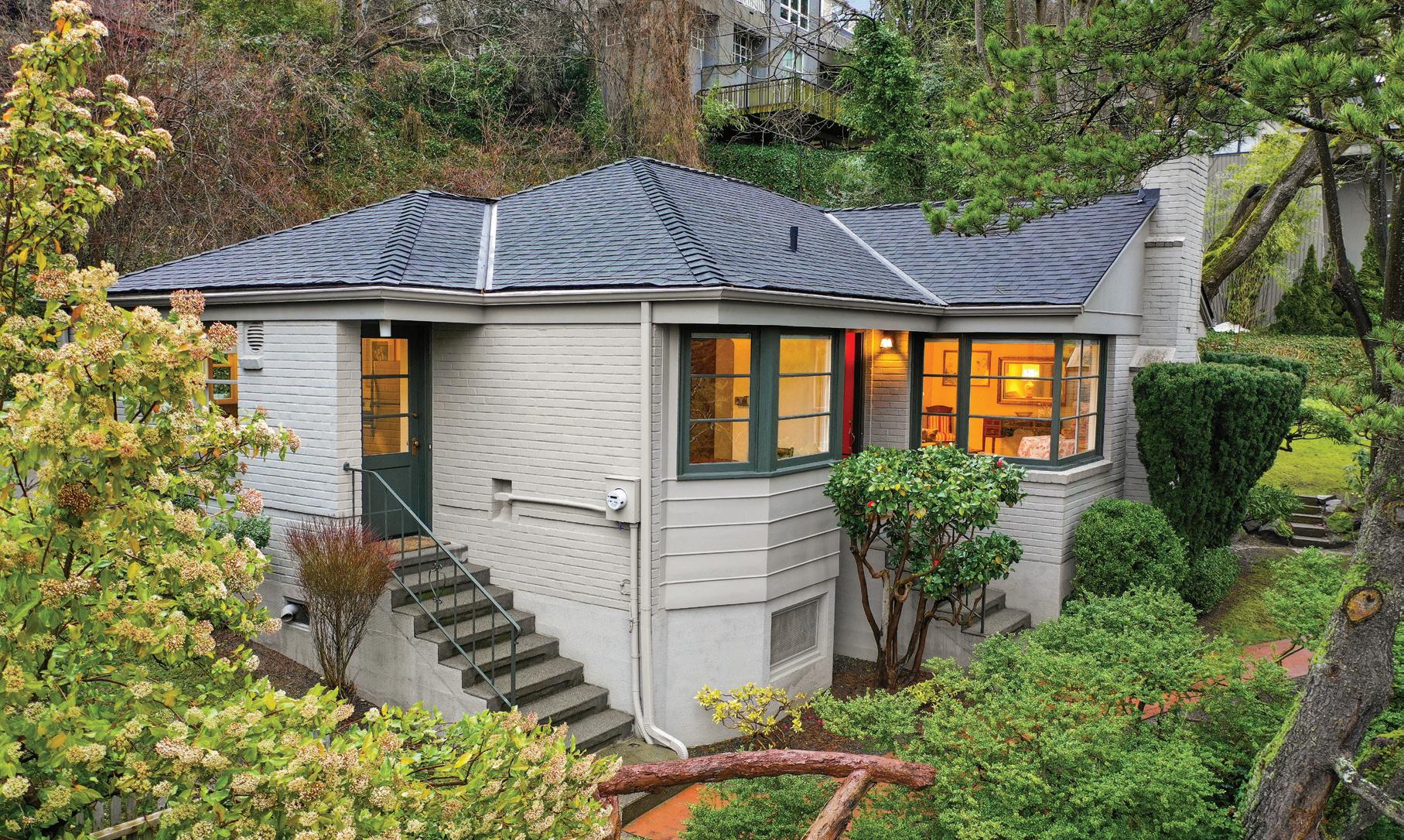
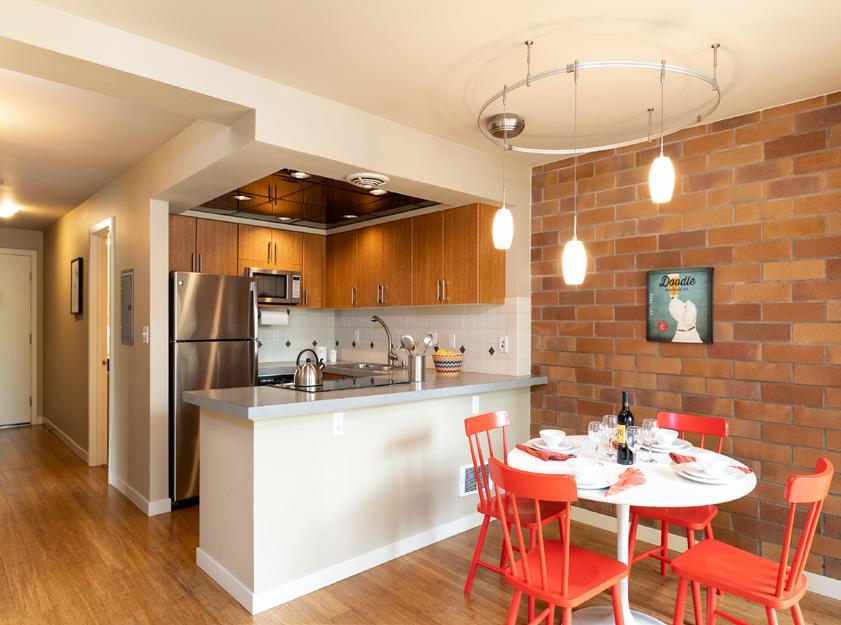
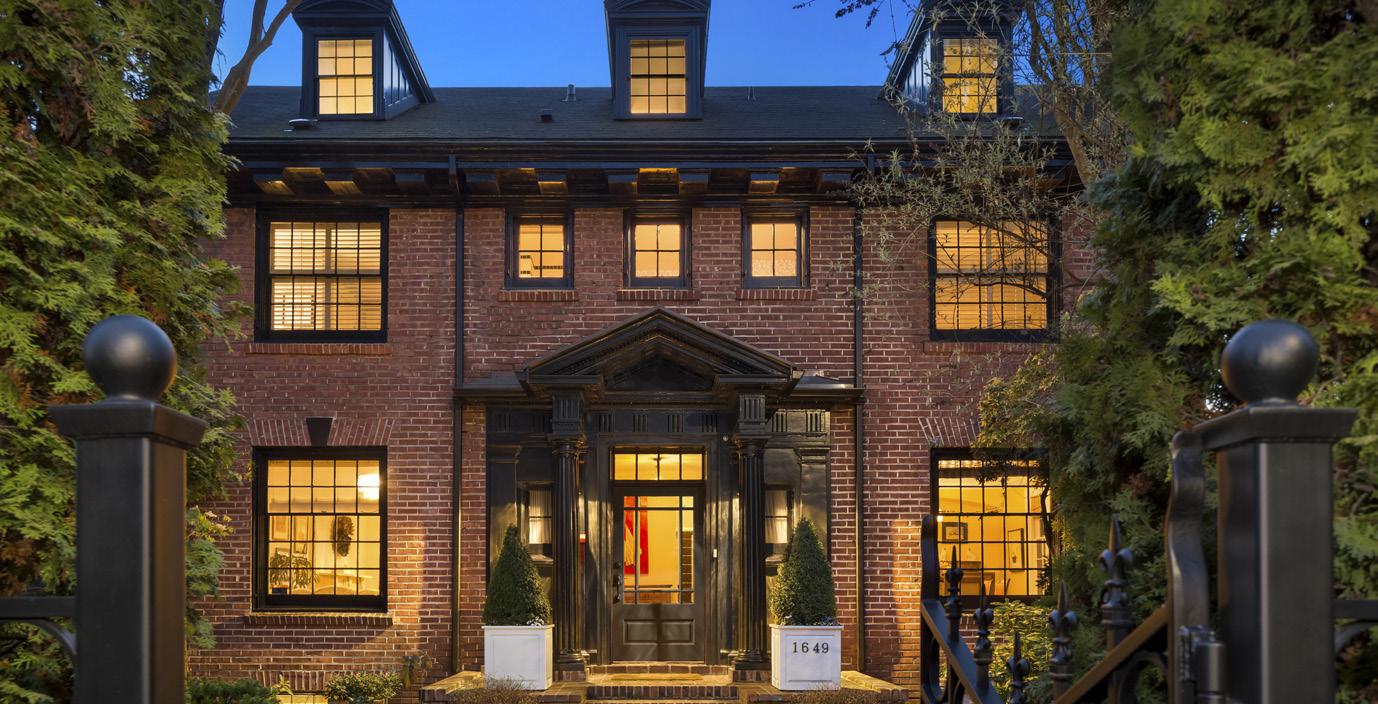
2135 Broadmoor Drive East - Timeless elegance meets a floor plan that really works for the way we live today with gracious formal rooms flowing into the spacious kitchen/family room complete with stainless appliances and granite counters. French doors open to an outdoor entertaining space with a fireplace, covered patio, and sunny, private backyard.
King County continues assembling its modular buildings in Marysville that will later be brought to Seattle for a new 24/7 low-barrier shelter on Elliott Avenue. Photo by Hannah Johnson/King County
➧ SHELTER
18
THE FUTURE ARRIVES THIS YEAR.
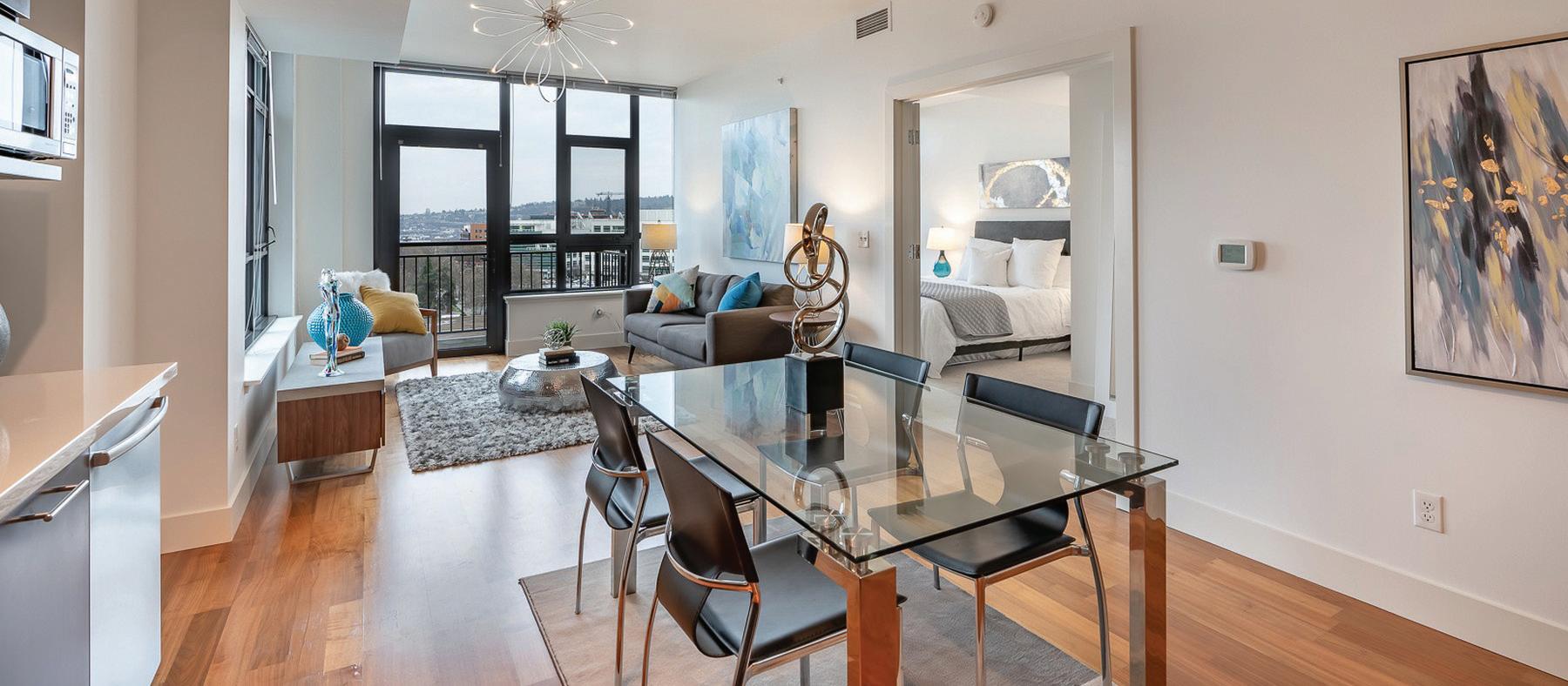
A better, streamlined life is within arm’s reach. At NEXUS, awe-inspiring architecture meets modernized convenience in an unmatched location. Residents will enjoy an in-city resort lifestyle and an enriched quality of living through tech-driven home automation and concierge service. Make your move. Urban living awaits you.
93% Sold: The final 28 premium homes are now pre-selling for occupancy late 2019: One, two, and three-bedroom plans (1,000-2,025+ SF) offered from $1 million to $2.75 million.
Register today for a priority preview opportunity BY BURRARD
JULIE MCAVOY, Sales Director
206.801.9220
julie@NexusSeattle.com