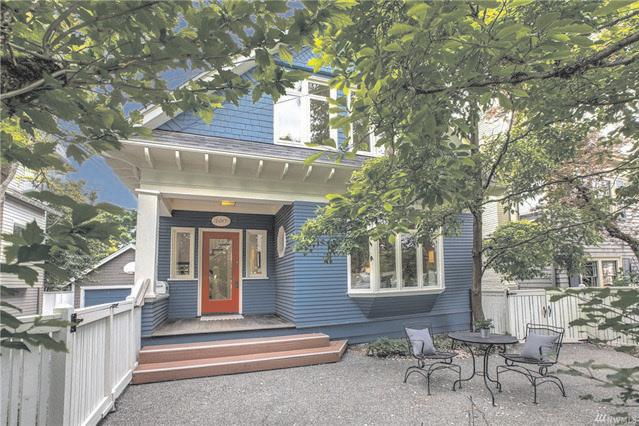
Your Home is Your Castle: How to Protect it Through the Years
(StatePoint) For many people, owning a home is the American dream, and the single biggest financial investment they will ever make. With the stakes so high, in addition to picking out the perfect property, it’s critical to have the right insurance.
While homeowners may start out with the right amount when they first purchase their home, over time, their policy can become outdated. Why? One big reason is inflation.
“Labor and building material costs go up over time, which means that if your home were destroyed by a fire or natural disaster, for example, and you had to rebuild it in today’s dollars, it would very likely cost much more,” said Bob Buckel, vice president and product manager, Erie Insurance. “That’s why we recommend that all homeowners get ‘guaranteed replacement cost’ coverage.”
In addition to making sure your insurance keeps up with inflation, experts also recommend homeowners reach out to their insurance agent when:
• You remodel: 2019 is expected to be a popular year for remodeling, according to the Leading Indicator of Remodeling Activity.

Whether it’s putting on an addition or finishing the basement, be sure the extra square footage and finishes are listed on your policy. Why? If something were to happen (think: fire, water damage, etc.), you’ll want your insurance policy to provide enough funds for everything to be repaired or
Is repairing an appliance on the fritz worth the effort?
BY JAKE SHORT MIKE’S HANDYMAN SERVICE LLC
Your washer is leaking, food in the freezer is thawing, the clothes in the dryer are damp, and the oven refuses to bake. When should you replace an appliance?

Some of my older home appliances, such as my washer, dryer, and kitchen appliances, aren’t working as efficiently as they used to. How do I determine when it’s time to replace an appliance?
Broken appliances can be a headache. When your appliances stop working, most homeowners will kick the old appliance to the curb and purchase a shiny new replacement. But that isn’t always the best decision. Oftentimes, it’s more practical and cost efficient to repair rather than replace, should your appliance fit certain criteria. Consider repair cost, lifespan of the product, and what a brand-new appliance may cost. If the appliance breaks down past its average lifespan or the cost of repair would surpass half the price of a new one, it may be time for a replacement.
To save time, money and trouble, here are some key factors to consider when you are deciding what to do with a defective appliance.
replaced.
• You make changes to outdoor space: The same is true with any remodeling to your outdoor space. The addition of an in-ground pool or fence can add value to

your home. There are also liability concerns associated with certain equipment, such as a swimming pool or trampoline. Unfortunately, at least 148 children drowned in swimming pools last summer and many more were injured, ac(c) GutesaMilos / stock.Adobe.com
➧ PROTECTION, Page 7
After the blizzard
It was beautiful. Characteristically, the city turned the event into a party It will be interesting to see if there is a spike in births come next November.
My nephew, who was staying with me, ever the organized, well prepared soldier, rushed to the grocery store to stock up. The place was mobbed. Shelves were empty. He ran into the manager and sagaciously asked, “When this happens here, what sells out first?” The answer: toilet paper and booze.

be the gardener.
How can one not love this city?
Then the snow started falling and falling… and falling… and piling up. Shrubs bent over, some trees came down, early blooming perennials and camellias were flattened and frozen. Will they ever be the same?
A downed or splintered tree? Cut it up for firewood, chop up the small stuff and put it in the garden waste recycling bin. It may take several weeks to get it all in and hauled off; there’s time. Make certain the jagged and rough spots where limbs broke off are sawn smooth. Wait for spring. You can expect new shoots to emerge from the wound. Let them go. The following spring, pick the two or three strongest, prune off the others and allow the strong ones to develop. You may want to edit that even more in subsequent years, but stout new branches will replace those that were lost to the snow.
Bent over or flattened shrubs? Give them a good shake. Prune off broken or damaged branches.
There is an opening for a structural engineer to serve on the 12-member Seattle Landmarks Preservation Board. The board makes recommendations for designating properties as landmarks and reviews and sets conditions for all proposed physical alterations to landmarked properties.
The board is composed of two architects, two historians, a structural engineer, representatives from urban planning, real estate and finance, a Get Engaged member and three at-large members. The mayor appoints all members, subject to city council approval.
These are volunteer positions for three-year terms open to Seattle residents. Board meetings are held at 3:30 p.m. on the first and third Wednesday of each month.
Of course they will. Nature is resilient… and so, too, must
➧ REPAIRING, Page 6 ➧ BLIZZARD, Page 7
Interested applicants should email a letter of interest and resume to landmarks coordinator Erin Doherty at Erin.Doherty@ seattle.gov by Monday, April 8.
Steve Lorton Tree Talk

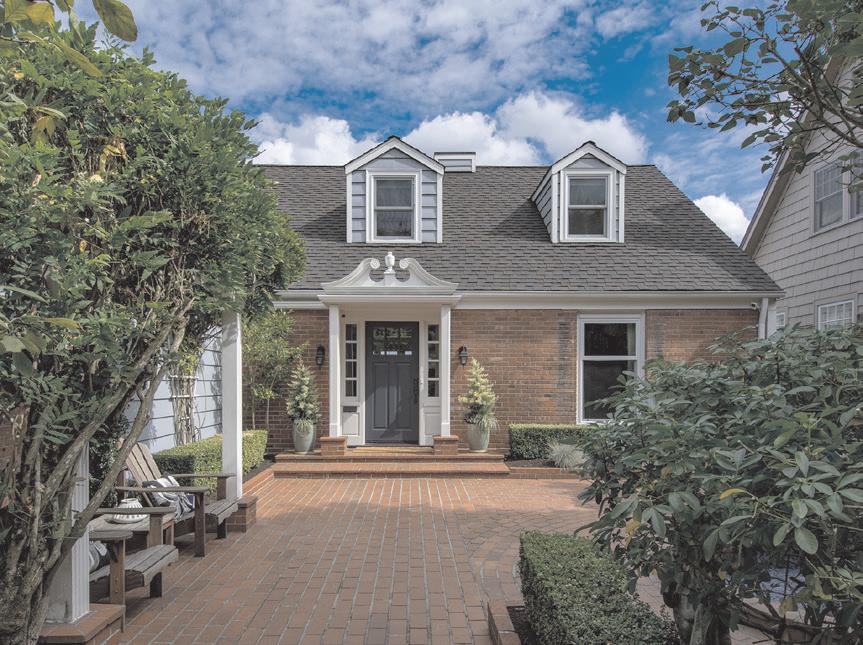
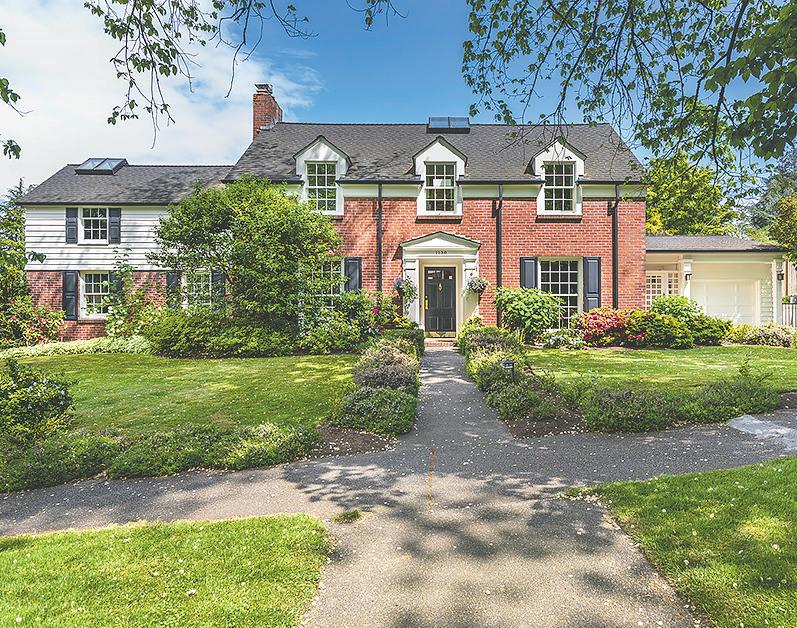
3+ bedrooms, 4 baths, and 4,180 sq. ft. MLS #1415624. Offered at $2,745,000. WRE Co. Linda Moline / 206.618.2189 / lmoline@windermere.com

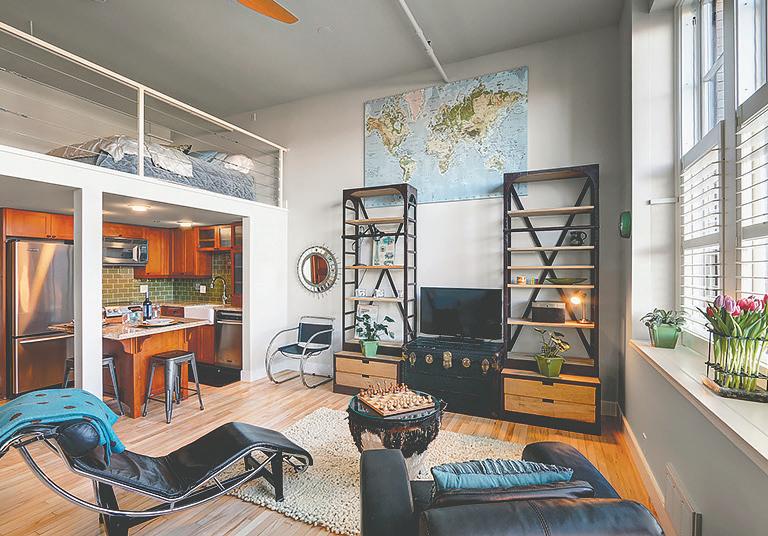
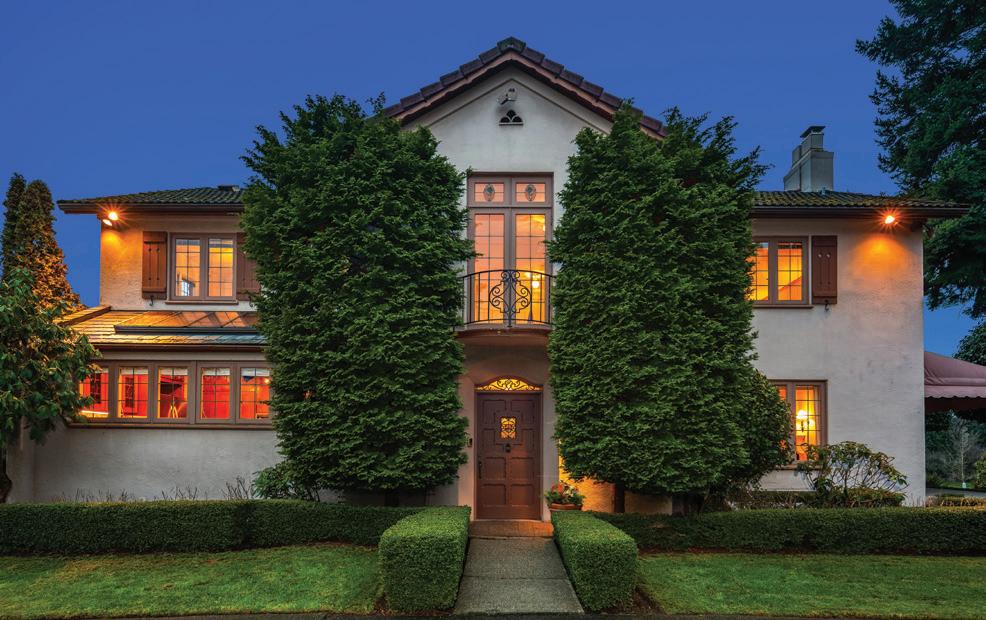
LUXURIOUS CITY LIVING / Queen Anne
Beautifully updated, historic 1908 Queen Anne High School condo. Dramatic 14-ft. ceiling and wall of windows; bathed in natural light. Spectacular rooftop views of Seattle, Elliott Bay, and Mt. Rainier. MLS #1406482. $469,950. WRE/BI, Inc. Cheryl Chuka Mauer / 206.276.3417 / CherylMauer.com
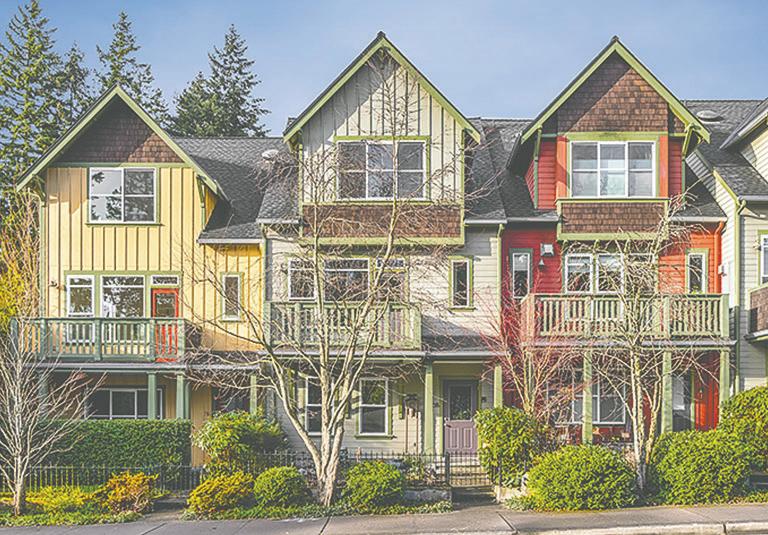
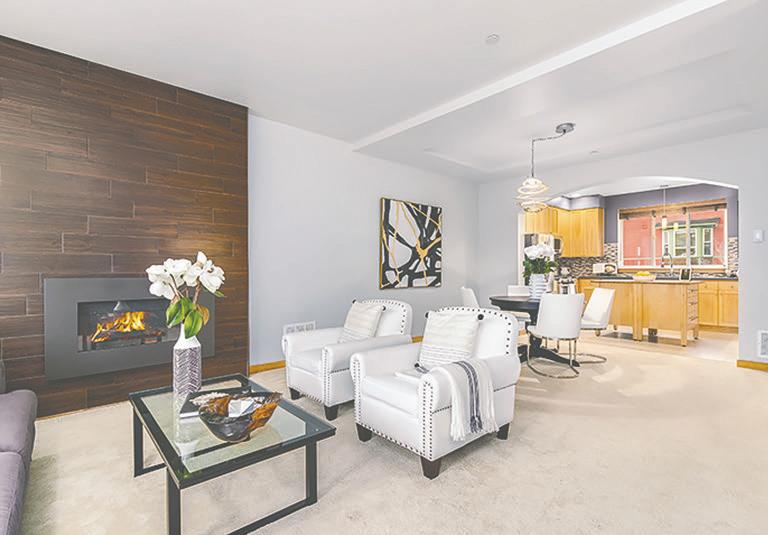
COVETED IN-TOWN LIVING / Bainbridge Island
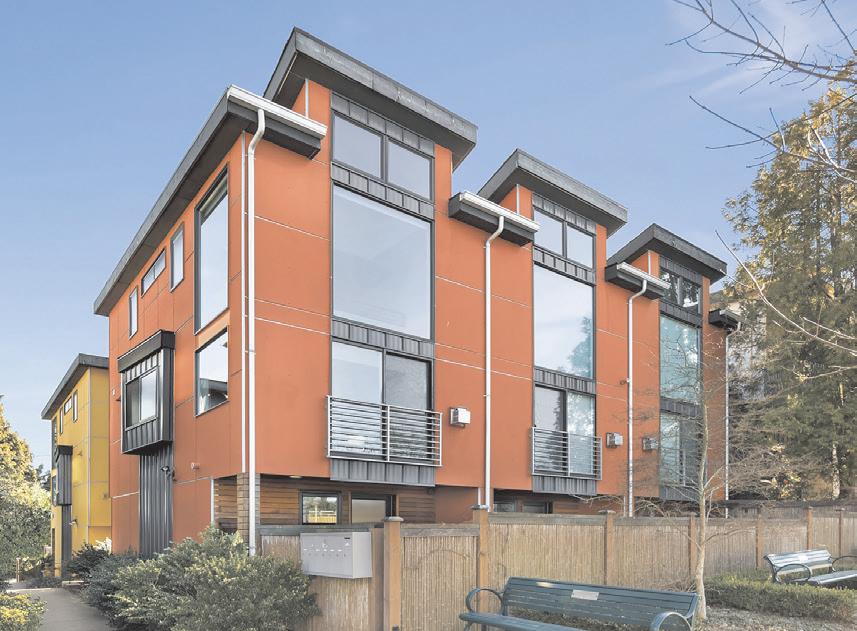
Remodeled townhouse in the heart of town. You’ll love the fabulous deck for watching the 4th of July parade march down Madison. Stroll to everything: restaurants, shopping, theaters, and so close to the ferry! MLS #1398686. $618,000. WRE/BI, Inc. Ty Evans / 206.795.0202 / TyEvans@Windermere.com

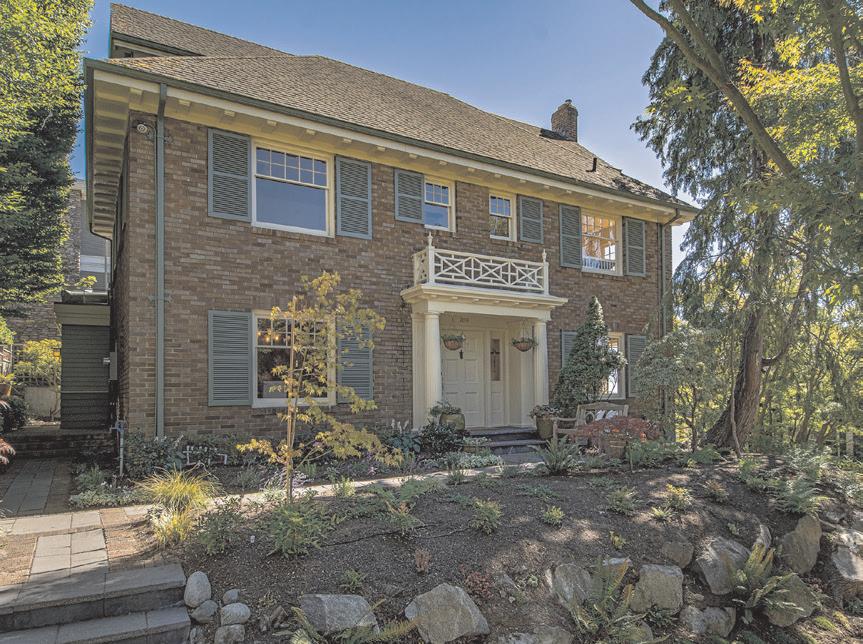
SOPHISTICATED & TIMELESS / Mount Baker
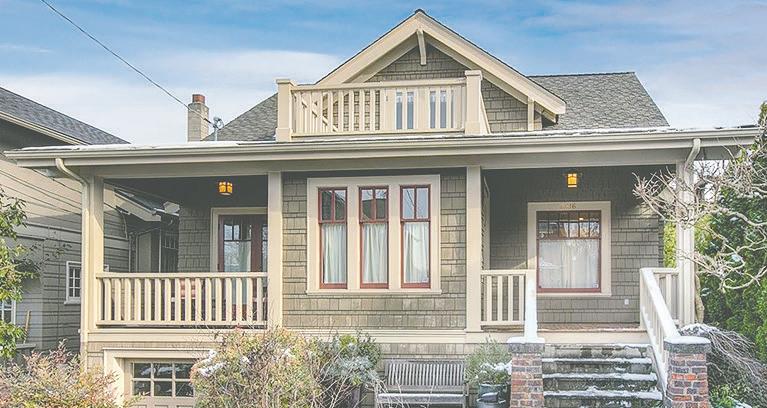

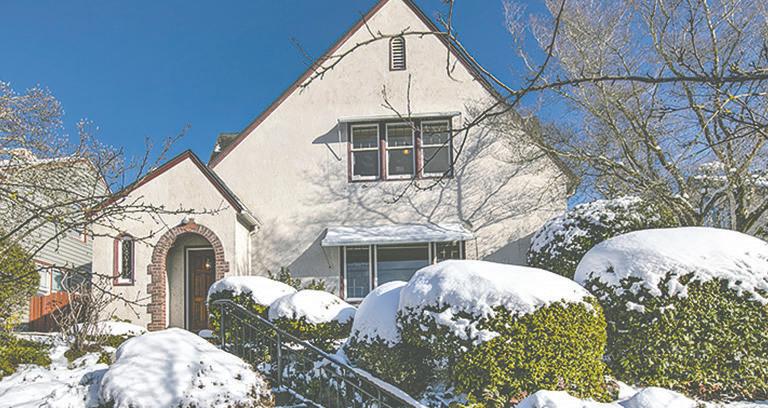
ONCE IN A LIFETIME / Capitol Hill
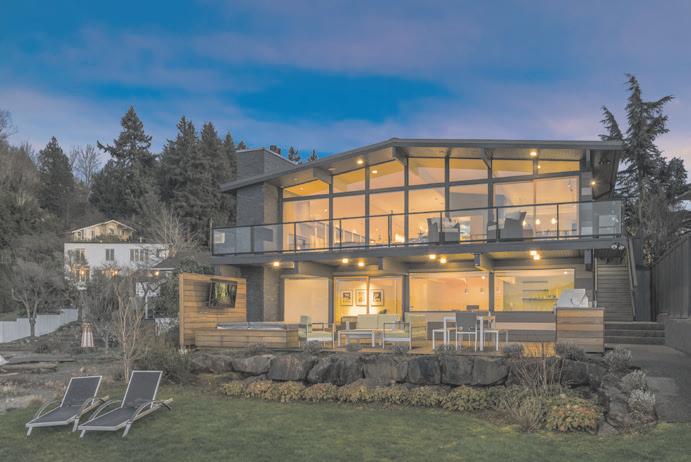
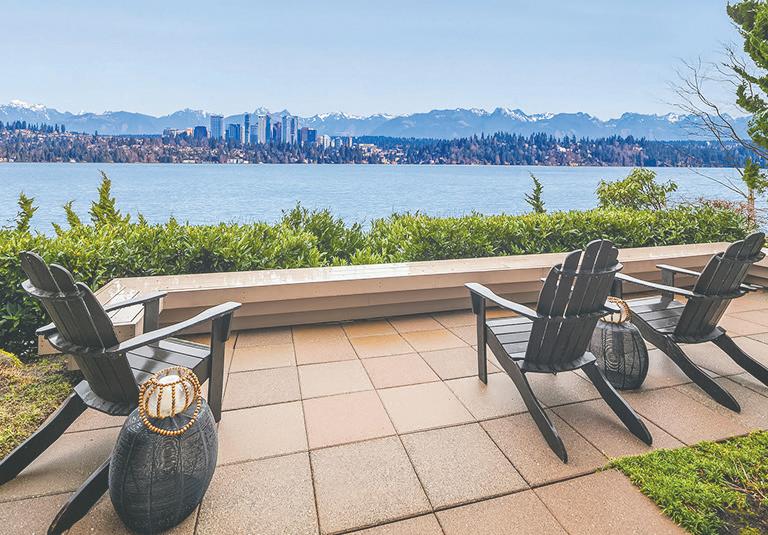
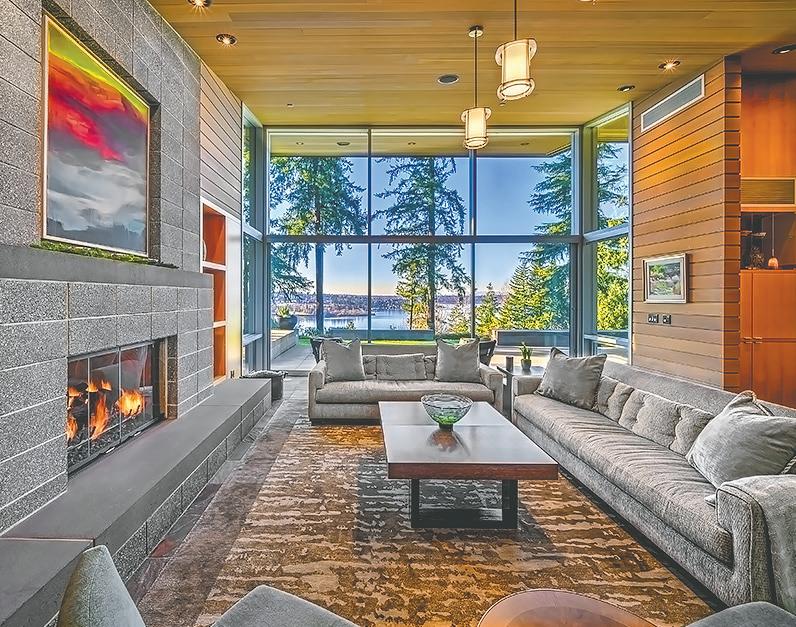
Privacy & elegance along the shores of the lake! Front-row views of Mt. Rainier & Cascades with 180 feet of waterfront. Beautifully appointed kitchen and an open floor plan that embraces indoor/ outdoor living. MLS #1392419. $11,250,000. WRE Midtown. Deirdre Doyle & Patrick Chinn / 206.234.3386 IN THE HEART OF IT ALL / Capitol Hill
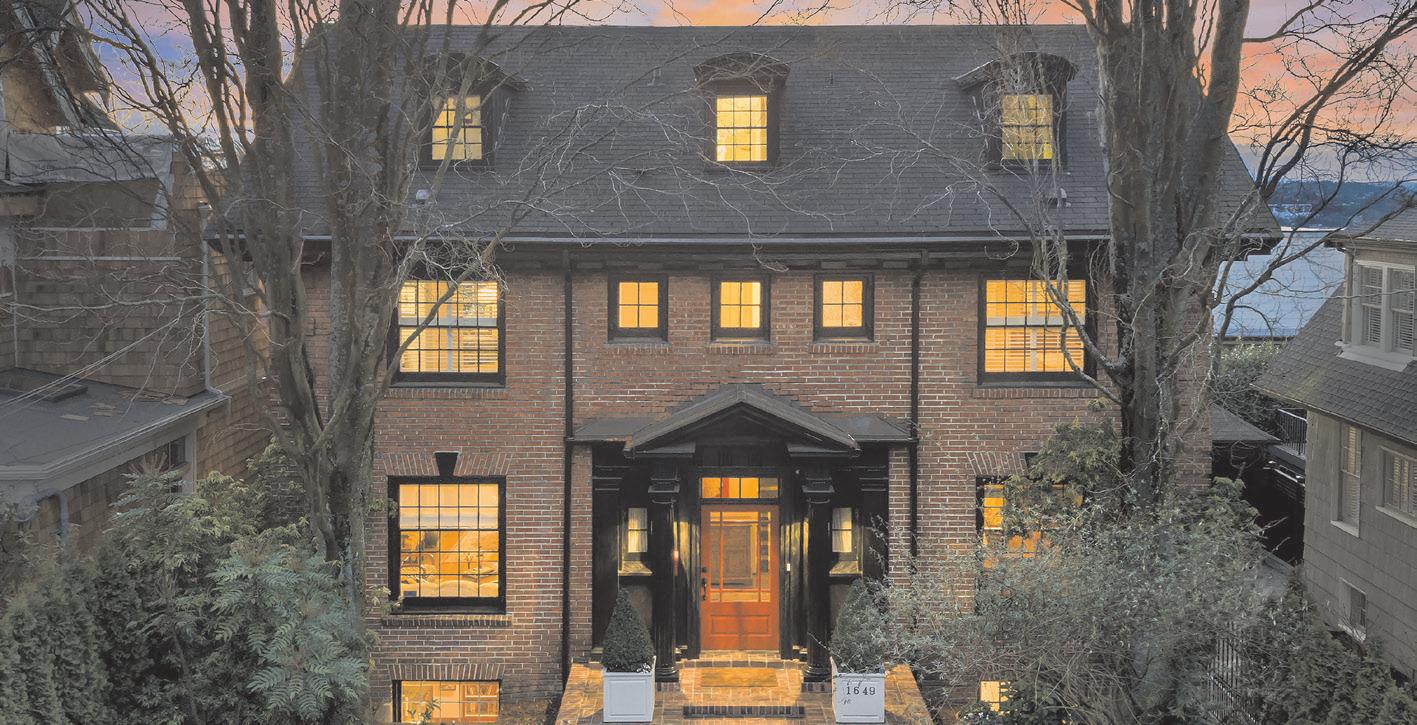
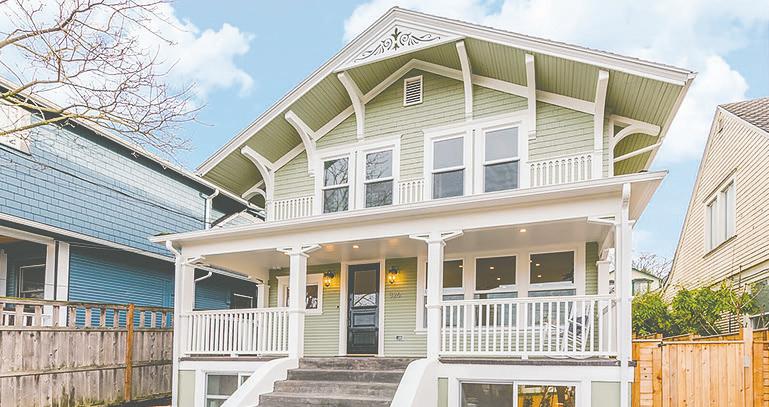
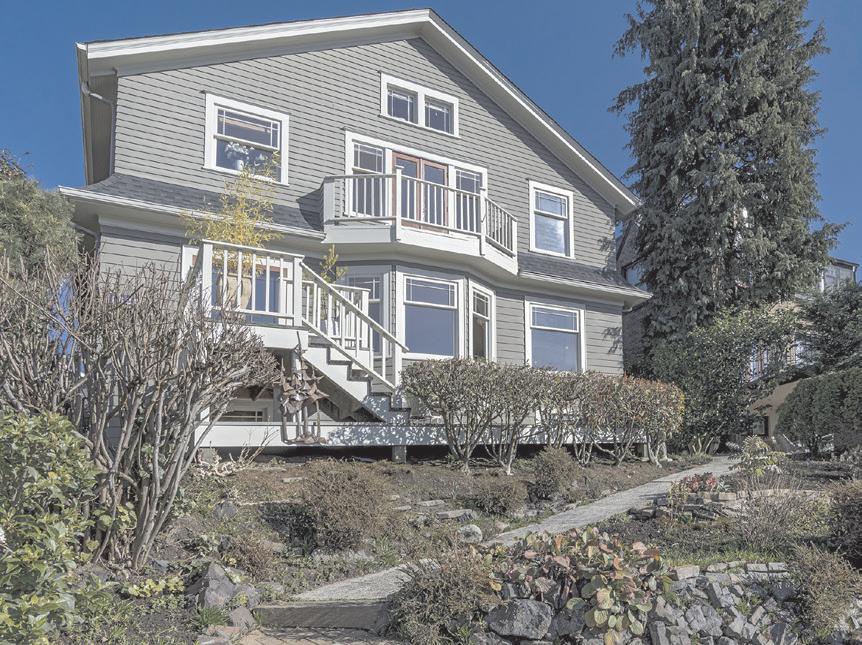
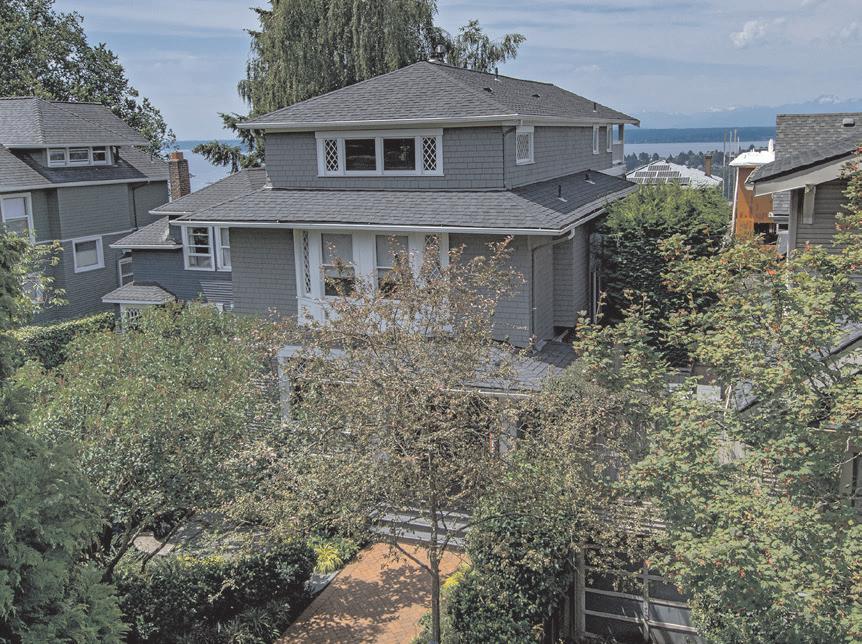
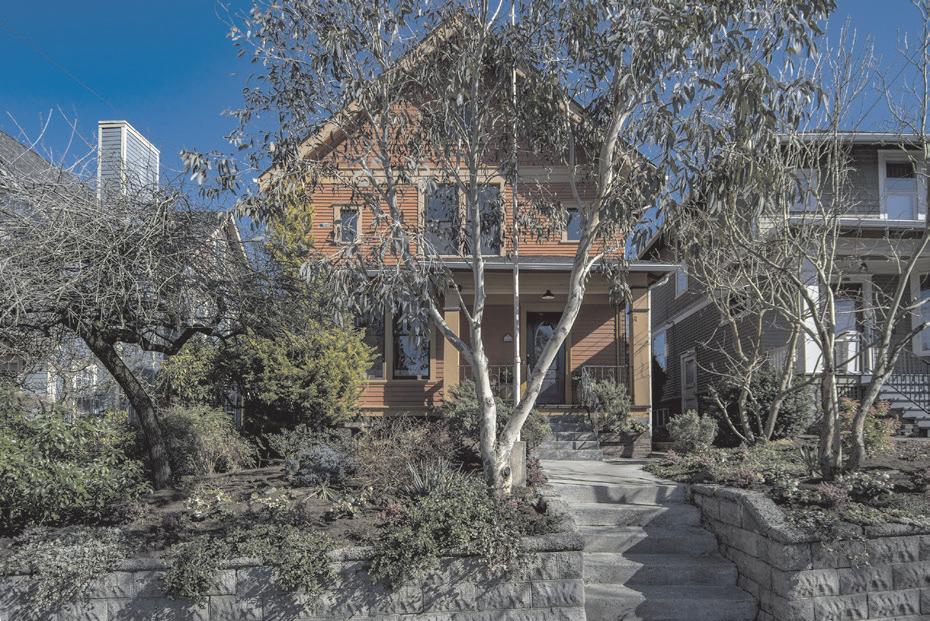
Majestic Foursquare Craftsman in a coveted pocket of one of Seattle’s finest neighborhoods. Four floors of grand & gracious spaces flooded with natural light and filled with beautiful Arts & Crafts details. MLS # 1415246. $3,500,000. WRE Midtown. Shawna Ader / 206.251.2337 / aderberger.com
FEDERAL AVENUE EAST / Capitol Hill
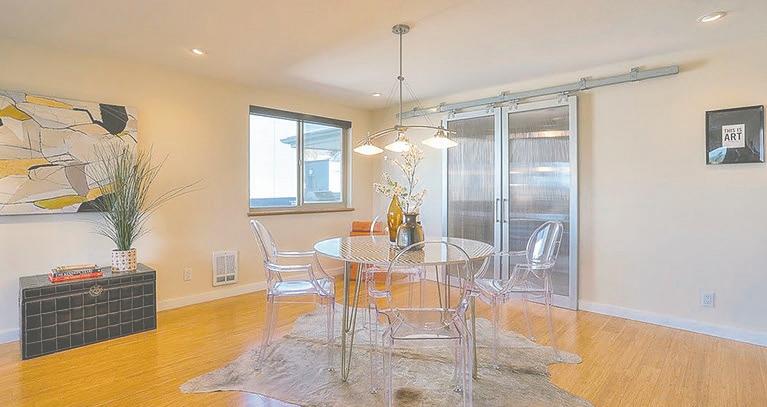
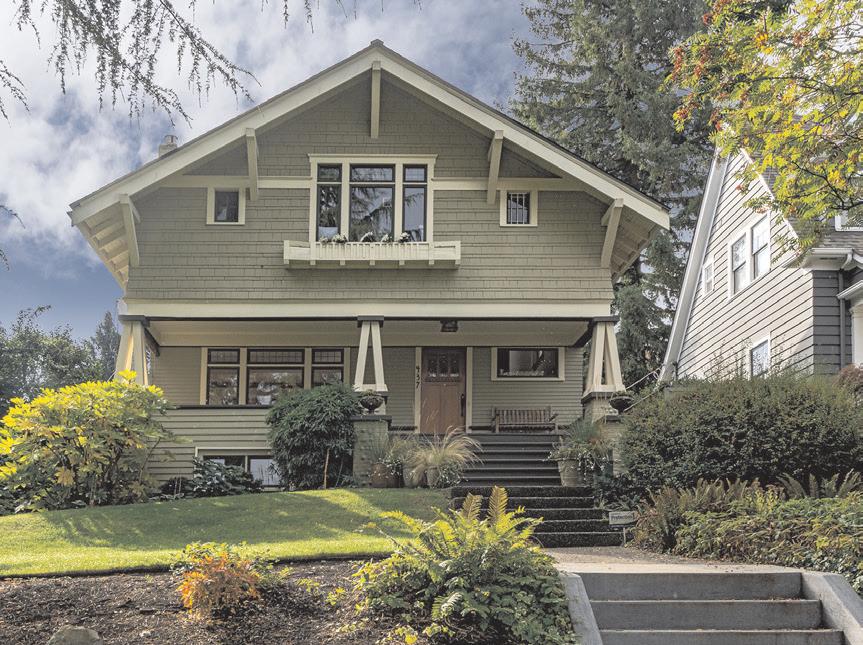
Stylish 1915 Bungalow, skillfully restored by Krekow Jennings, lives beautifully and showcases gumwood millwork throughout the main floor. Artfully updated eat-in kitchen opens to deck and landscaped backyard.. MLS #1411342. $1,798,000. WRE Midtown. Deirdre Doyle / 206.234.3386 / deirdre-doyle.com
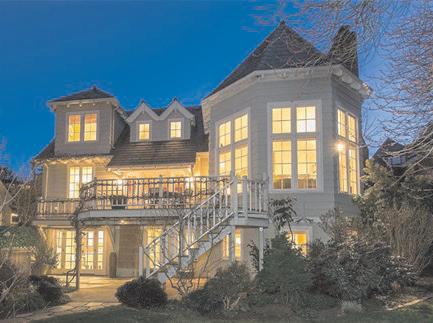
Completely restored Victorian Craftsman in the heart of Capitol Hill. Open kitchen, Viking range and farmhouse sink. Top-ofthe-line finishes, high-efficiency heating, AC, hardwood floors & quartz counters. MLS #1402959. $1,650,000. WRE Midtown. Jaime Davern / 206.527.5445
A major remodel requires the right pro — and lots of patience
How long does a major remodel take from start to finish?
BY DENNY CONNER CRD DESIGN BUILD

In Seattle, whole-house remodels can take a year or more.
Whether you want to renovate a home you just purchased or one you’ve lived in for decades, you may be shocked to find out just how long it takes. To make the process faster and easier, let’s break it all down.
Allow a month or two to choose a designer. A gut renovation is one of the most involved home projects imaginable, and your designer will be integral to its success. Take your time to find a designer or design-build contractor who communicates well and understands your vision. You will thank yourself later.
The design process may last two to six months. The time it takes depends on the company you choose and several other factors: if they have a queue to get started, how refined their process is, how complicated the project is, and what level of detail is included in the specifications. If you have never re-
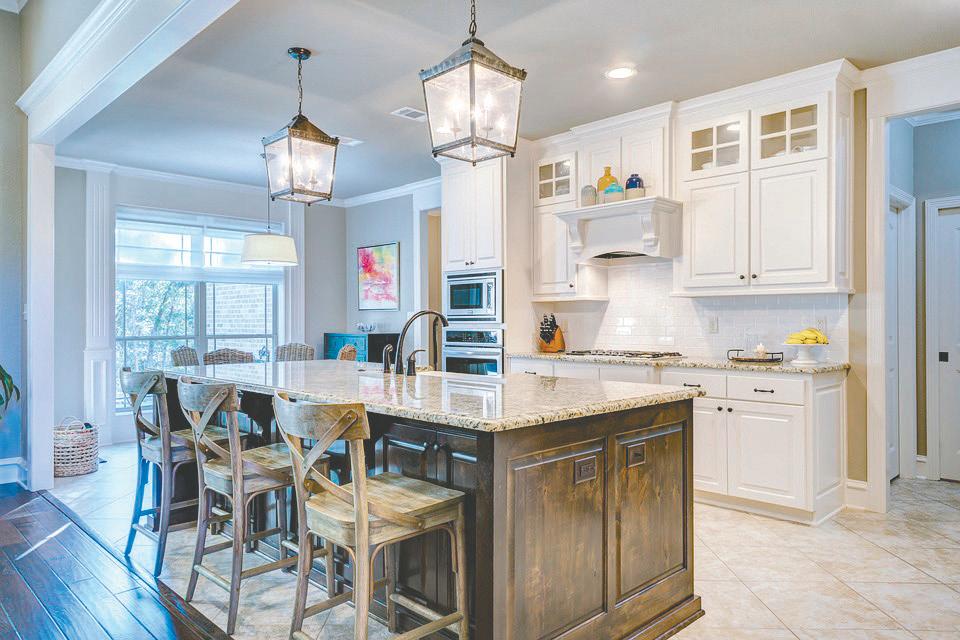
modeled your home before, you may be surprised at how many decisions there are to make. It’s best not to rush. Taking the time to carefully choose layouts and finishes helps ensure you will be happy with the result. It can take five months or more to get a building permit. Seattle’s permitting process has many steps and can stretch on for months. After waiting two weeks for the city to assign you a project number, you’ll wait even longer (two to four months) for your “intake,” the day you’ll be able to submit your complete set of drawings. City staff will review your plans (another two to eight weeks) to ensure they comply with all relevant building and safety codes. In most cases, you’ll go through at least one round of revisions (another one to four weeks), and only then will the city finally issue your permit. That said, there is a quicker alternative: Some simpler projects may be eligible for a “Subject to Field Inspection” permit, which


bypasses the detailed plan review. A knowledgeable designer or design-build contractor can guide you.
Construction will take three to five months. Many homeowners are surprised to find out that the building phase of their project is quicker than the design and permitting phases. Of course, this depends on how organized and focused your builder is and the degree to which you can stick with your original plan and design choices. Most builders will create a detailed schedule of the construction process and share it with you.
Make your remodel go faster. Remodeling a home in Seattle can take longer than in other locales, but that doesn’t mean you must sit back and wait. While some factors are out of your control, there are steps you can take to complete your remodel as quickly as possible.
Be decisive: Try to decide everything during design and avoid making any major changes after construction begins.
Limit your scope: By focusing on just the problem areas of your home, your project will be quicker to design, permit and build — and you’ll save money, too!
Choose a company with reliable subcontractors: Nothing slows down a project more than subs who don’t show. Choose a remod-

ealogics Sotheby’s International Realty recently launched Only With Us®, a brand campaign that showcases the many unique advantages of working with our award-winning local brokerage and trusted international brand. What the Only With Us® campaign means to you: unmatched marketing exposure, access to 230 hand-selected real estate professionals, unparalleled global reach, 275 years of the trusted Sotheby’s heritage, a PR powerhouse and proven sales results. There is only one RSIR. Experience the difference today.
Managing Broker | Senior Global Real Estate Advisor Founding Member | 206.399.5842 Laura.Halliday@rsir.com
For more information I invite you to visit www.LauraHalliday.com



eler who has established relationships with reliable tradespeople.
Avoid contractors who are juggling too many projects: We’ve all heard horror stories of remodels that dragged on forever. Choose a remodeler who can give your project the undivided attention it deserves.
As you can see, remodeling doesn’t happen overnight, especially in busy Seattle. If you are considering a major renovation, it’s best to start reaching out to remodelers as soon as possible. With realistic expectations and the right team, your vision of a transformed home is within reach.
Denny Conner is the president of CRD Design Build and is a member of the Master Builders Association of King and Snohomish Counties (MBAKS).

RSIR ranks amongst the largest, most productive and fastest-growing real estate companies in Washington with access to 22,000 brokers in 72 countries that generate US sales of $80 billion+ annually.
Laura Halliday is a visionary. When other realtors saw much less value in the property, she recognized its uniqueness, understood the benefit to buyers, and knew how to showcase and market the property so that potential buyers could picture themselves living, relaxing, and entertaining in this beautiful waterfront condominium. Laura listed the property at what others thought was a ridiculously high price and in six days, had two bids above asking, setting a new benchmark for dollars per square foot in the area. She is simply a pleasure to work with. - MADISON PARK CONDO OWNER
Sotheby’s Presents Finest & Rarest Wines at Auction this Winter.





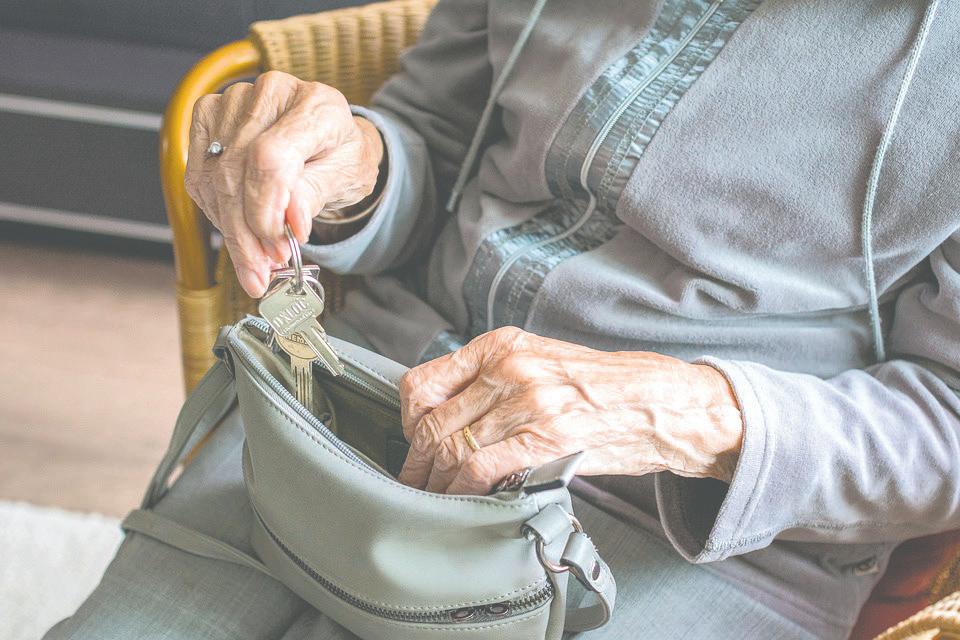
Improving accessibility will help older homeowners age in place
BY PAUL KOCHARHOOK, PATHWAY DESIGN & CONSTRUCTION
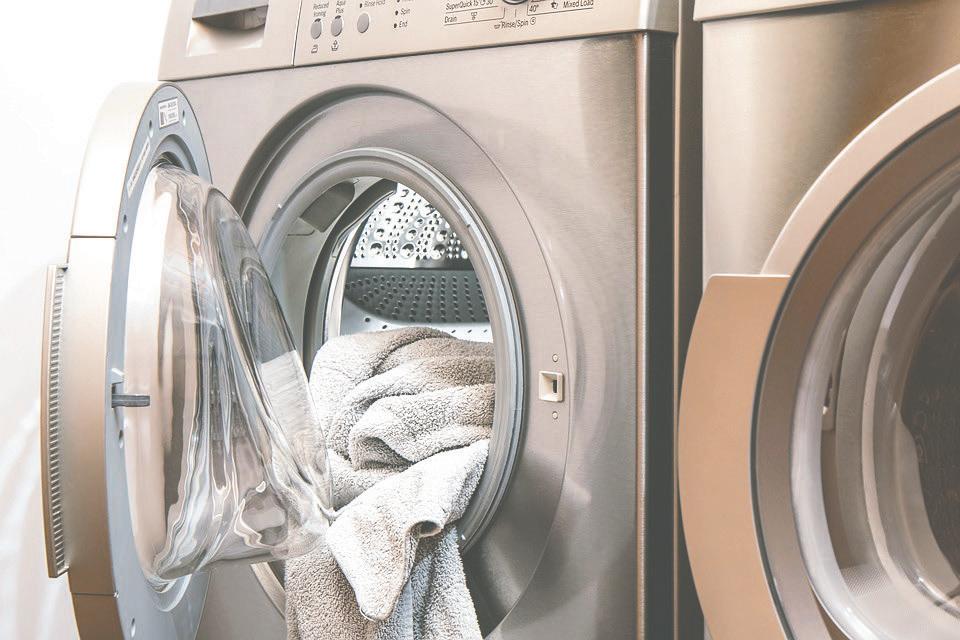
WASHING MACHINES
Brand new: $450–$1,750 ($750 average) Lifespan: 10 years
Average installation cost: $50–$150
Average repair cost: $125–$225
Replace: If the washer no longer spins, you’re better off purchasing a new one. The process to repair this particular problem is lengthy and the replacement parts are expensive.
Repair: If it’s leaking, if water isn’t properly draining, or if it’s just behaving a bit oddly. Washers having these problems are typically simple and affordable to fix.
DRYERS
Brand new: $250–$1,200 ($450 average) Lifespan: 12 years
Average installation cost: $50–$100
Average repair cost: $75–$150
side of your fridge and freezer are warming, it’s time to replace it.
Repair: So long as the compressor isn’t the problem! Leaks, sealing, fan and coil problems, ice machine repairs, etc., are all relatively simple repairs.
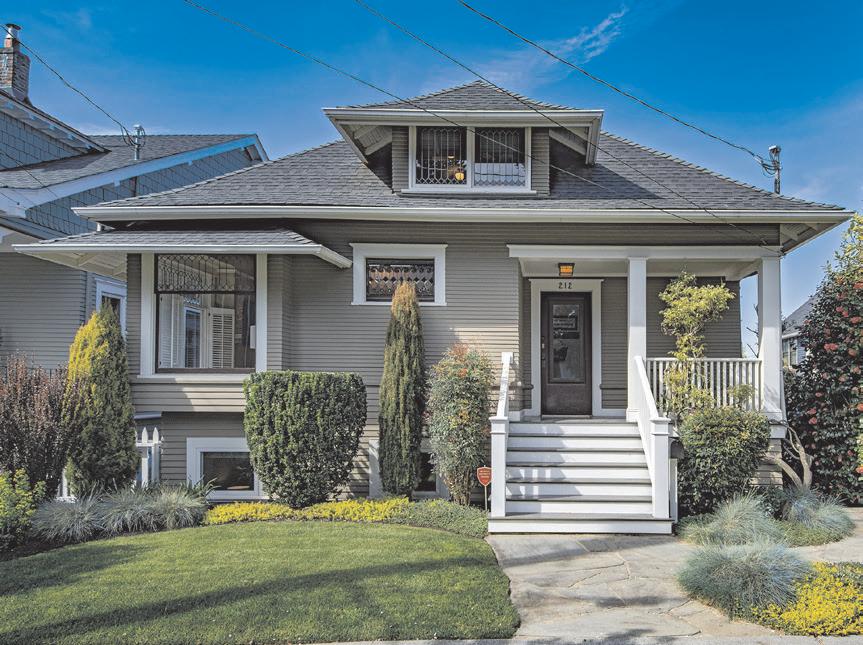
As we age, the seemingly simple tasks we once took for granted can become much more trying. But there are changes you can make to your home’s kitchen and bathrooms that will make them more manageable to your parents and allow you to stay there longer as you get older.
Remodelers can employ universal design — or “aging in place” design — that melds safe, practical and accessible conveniences with a modern and updated aesthetic. Not only will this make these rooms safer and easier to use, it could also add value to your home in case you decide to sell it.
You might be asking yourself, why start with the kitchen or bath? Kitchen or bath remodels are the best projects to introduce the “aging in place” approach into your home, not only for yourself but for guests as well — even young and spry ones. We’ve all seen the statistics that accidental falls happen most frequently in kitchens and bathrooms.
Many daily self-care tasks usually take place in either the kitchen or the bathroom. Seemingly simple tasks like preparing food, cooking, eating, cleaning, showering or bathing, using the toilet, dressing or even walking through the house can become difficult as we age. Introducing “aging in place” design can significantly improve efficiency, ease of use and safety for you and your guests.
While major remodeling projects should be left to the professionals, you can assess your home to identify problem areas and consider necessary solutions. Check your bathroom and kitchen and see if you can spot areas that could be safer, more functional and more pleasing to the eye. Do you have enough light? One easy way to begin is with the lighting. If you’re living in a house that’s more than 40 or 50 years old (built in the 1970s, 1980s or earlier), chances are good the lighting may need some attention. Abundant lighting will improve safety and make the space more attractive. If it’s too dark or dingy in your home, some refreshed lighting is going to make a big difference right away.
Are cabinets in reach? Closely examine the cabinets in your kitchen. Are they too high? Do you need a step stool to reach essential foods or dishes? Are the cabinets too low? Do you have to get down on your knees and stretch to grab the frying pan or electric grill? Updating and reworking the cabinets can turn a navigation nightmare into a highly functional space.
Is the bathroom accessible? If your home has its living area and kitchen on the main floor with only a powder room, you may need to remodel the powder room by adding a shower and making it accessible for people of all walking abilities and in wheelchairs.
Time for a remodel? We’ve only discussed a few of the problem areas, but a true “aging in place” approach will require professional assistance. Once you have assessed your home, contact a reputable remodeler with a certified aging-in-place specialist. They can design and implement solutions that will transform a once-treacherous obstacle course into a bright, easy-to-use room.
It can be hard to imagine a time in your life when simply exiting a shower or making a sandwich might be a challenging experience, but acting on it now will help older family and friends make themselves at home when visiting — and increase your house’s resale value for buyers with accessibility needs. If, however, you decide to stay for the long haul, “aging in place” renovations can transform your house into a forever home.
Paul Kocharhook is the owner of Pathway Design & Construction and is a member of the Master Builders Association of King and Snohomish Counties (MBAKS).
Replace: If you ever witness the dryer begin to smoke and it isn’t due to a clogged lint trap or vent hose, get rid of it. The repair costs would be high and the appliance is a fire risk.
Repair: If it isn’t drying your clothes as quickly as it should, it isn’t spinning, or if it’s making odd sounds or smells. Other common problems can be associated with venting, which are easy to fix.
Additional tip: Clean out your lint trap and vent hose regularly to keep your dryer healthy. A clogged dryer can cause the motor to burn out quickly.
REFRIGERATORS
Brand new: $550–$2,200 ($1,100 average)
Lifespan: 12 years
Average installation cost: $150–$250
Average repair cost: $225–$400
Replace: If the compressor is broken. You can identify if the compressor is broken by listening to your fridge—it’s the device that provides that typical low-hum noise people often associate with their refrigerator. If you can’t hear that hum and the in-
OVENS & RANGES
Brand new: $600–$3,000 ($1,600 average)
Lifespan: 14 years
Average installation cost: $100–$200
Average repair cost: $100–$225
Replace: If the inside of the oven is rusting or the glass on the door is cracked. If rust gets in your food, it can make you extremely sick. Door replacements are hard to find and expensive.
Repair: If burners won’t turn on, the oven won’t heat or self-clean, the oven door won’t close, or if the cooking temperatures are inaccurate.
It’s the start of a new year and time to look at improving your home. The health of your appliances is a great place to start.
Jake Short is the Social Media Manager at Mike’s Handyman Service LLC and is a member of the Master Builders Association of King and Snohomish Counties (MBAKS).




Allow the plant some time to get erect again. You may want to put a sturdy stake in the ground next to the shrub and lasso it, pulling it upright and secure it to the stake. In three months or so, it will be fully upright.
If it is hopelessly broken down, cut it to within six inches off the ground. New shoots will emerge, and in a few years the plant will be dense and bushy; you’ll likely have to thin it out a bit.
Perennials? Most herbaceous perennials (the ones which die back in fall and look dead through winter) will hardly skip a beat. If you did not cut them back in autumn, cut them back now within six inches of the ground. These dead stalks leave a crown of stubs at the base of the plant, up and through which the new shoots will come this month and next. The dead stems will protect the new shoots from foot traffic and dogs until they are sturdy enough to stand on their own.
Evergreen perennials? Hellebores got hit the hardest. Most were limp and forlorn. Likely you’ve watched them stand up and, while they might look slightly worse for wear, they are stand-
cording to the Consumer Product Safety Commission. You’ll want to make sure you’re properly covered in the event of an accident.
• You install a security system: You may qualify for a discount on your insurance if you’ve recently installed a security system. One study by the Electronic Security Association (ESA) looked at the 10 largest insurance companies and found many offer worthwhile premium discounts.
• You start a home-based business: Whether you have a side hustle or draw a full-time income from a home-based business, you may not have the right coverage in place. For example, if you’re sell-

ing tall and blooming beautifully again. If they really got hit, you may want to cut them back as you would an herbaceous perennial. New shoots will emerge as the year progresses. Yes, it compromised your winter garden, but the snow was gorgeous. In all, trees and hardy plants are better equipped to deal with a prolonged and heavy snow than we humans are. Don’t panic. Don’t be grumpy. Your garden will likely be
ing LuLaRoe clothing and there’s a fire, your merchandise might not be covered since typical policies don’t always cover home-based businesses. You’ll most likely need an incidental business endorsement. Coverage from Erie Insurance could cost about $30 to $70 per year.
• You acquire valuables: Homeowners insurance covers your belongings, but generally only up to a certain dollar amount per item. So, if you acquire an expensive item, such as an engagement ring, a fur or a valuable artwork, you should talk to your insurance agent about adding special coverage. You may also need to provide a receipt or appraisal.
fine and, if you did lose anything, dig it out and know that Mother Nature has given you a spot for something new and wonderful. That’s how it works. Reward your garden early in the month with a gentle broadcasting of a complete fertilizer or a top dressing of compost and be thankful… thankful that you never had to guarantee its survival by rushing out to buy it booze or toilet paper.



Serving North Seattle Neighborhoods: Ballard, Fremont, Green Lake, Northgate, Phinney/Greenwood, Ravenna/Roosevelt and Wallingford
STAFF DEADLINES
Contributing Editors: Brandon Macz and Danielle Chastaine 206-461-1305 or CityLivingEditor@nwlink.com
Art Director: Mark Falconer
Production Designers: Guy L. Jackson
Subscriber Services | Circulation: Chris Lemmen 206-461-1337 or ppccirc@nwlink.com
Vice President of Operations/ General Manager: Robert Munford
Retail Display Advertising: Wednesday, April 3, Noon Tammy Knaggs Sales Director 206-461-1322 or PPCadmanager@nwlink.com
Classified Advertising: Wednesday, April 3, 5 p.m. Matt Wilemski 206-461-1332 or class@nwlink.com


ANNUAL SPRING RUMMAGE SALE
April 4 - 7, 2019
First time offered: Collectibles, furniture, household items, clothes, books, electronics, tools, plants, ethnic items, jewelry and much more.
Coffee bar & ethnic snacks

• Thursday, 4/4, 9:30am-7:00pm (Numbers assigned starting at 8:00am)
• Friday 4/5, 9:30am - 7:00pm
Saturday, 4/6, 9:30am - 5:00pm
Sunday, 4/7, 12:00pm - 4:00pm















Emergency preparedness a community effort
Why prepare for a disaster?
I confess: it took me a while to embrace the idea that our household should have supplies and a plan in place in case of an emergency. I’m one who always snickers during those airplane safety announcements that, in case of emergency, lights on the floor will guide you to safely evacuate. Yeah, right! That’s piein-the-sky thinking.

Margie Carter Guest Column
But then, in 1989, friends in California gave me firsthand reports of the 6.9 quake, and a 6.0 again in 2014, but by then they were far more prepared and it was less emotionally traumatic.
So, our family reviewed the suggested supplies listed for earthquake survival and began to gather essential items. Still, we made jokes about it (e.g., I need to know what time of year it will hit, so I can plan my spare clothes accordingly; which will bring more comfort, hot chocolate or whiskey?).
I’ve always been unsettled to think our household might have water and food for a few days, but what about our neighbors? How would that play out?
Fast-forward to 2019, and I am far more persuaded that the big one may likely strike anytime now and probably in my lifetime. According to Seattle Times science
writer Sandi Doughton’s 2013 book, “The Full Rip 9.0: The Next Big Earthquake in the Pacific NW,” it could be significantly more disastrous.
While the city has been putting systems in place for disaster response for big infrastructure issues, they expect neighborhoods will need to be on their own to cope for quite some time — weeks, if not months.
How prepared are you in the event of a major disaster? Do your family members have grab-and-go basic supply bags, a plan for how to communicate and where to meet if you aren’t together? Do you know where and how to turn off your gas and have the tool to do that?
Do you have a way to filter water, an adequate supply of medicines, source of power for lights and recharging/running devices? You can take advantage of the valuable resources on the Office of Emergency Management website — seattle. gov/emergency-management/prepare — and perhaps attend their series of disaster skills workshops to get your own household, faamily and neighbors prepared.
Thanks to earlier planning a few years back, the Madison Park neighborhood has a basic HUB communications system set up at the tennis courts. It is not set up to provide/distribute supplies.
For neighbor-to-neighbor assistance and emergency response we need to form ideally two-block neighbor SNAP groups (Seattle Neighbors Actively Prepare). The City of Seattle has suggestions and resources to learn more and get started at this shortened link: https://bit.ly/2BJXKWL.
To start this process, the Madison Park Community Council is holding a community event at 7 p.m. on Monday, March 18, at the Parkshore Senior Living Community, 1630 43rd Ave. E. Come hear Sandi Doughton’s presentation and learn how to assess needs and organize resources and responses with your immediate two-block neighbors. For questions about this event, contact madparkhub@ gmail.com.
We hope you will make every effort to attend this meeting or send someone from your block to represent you. This is a great way to learn more about and get connected to our wider neighborhood, resources, needs and next steps. To stay abreast with our neighborhood updates on our emergency preparation work, look for followup information in the Madison Park Times and connect with and post on the Madison Park Nextdoor Emergency Group page: https://bit.ly/2V6mTDx.
Let’s connect and stay connected.
Home and Garden Improvements That Will Benefit Local Wildlife
(StatePoint) When it comes to changing the world, your own backyard is a great place to start. As you make home improvements, consider their potential to benefit local wildlife that travel in and around your property.
Here are a few important steps you can take.
Plant Native Species
By planning native species exclusively in your garden and yard, you will be promoting a healthy local ecosystem while providing proper nourishment and a natural habitat for visiting wildlife, whether that be insects, birds or furry creatures. Because native plant species are meant to thrive in your local climate, they will require less maintenance, which means a beautiful yard with less stress.
Prevent Bird Strikes

(c) Sharon Day / stock.Adobe.com
Happy St. Patrick’s Day

You may not realize it, but your home poses a risk to birds. Window strikes are common among many species of migrating birds, and millions of wild birds are killed annually flying into windows.
However, a simple home improvement project can make your home safer for birds. Birds can see certain light frequencies that humans can’t, so by applying UV decals and UV liquid to your home’s windows and sliding glass doors, you can make windows visible to birds in a way that won’t obstruct your own view.
“Protecting birds adds beauty to your garden, is good for the environment and most importantly, saves lives,” says Spencer Schock, founder of WindowAlert, a company that offers UV decals and UV Liquid.
The UV decals and liquid from WindowAlert have been proven to effectively alter the flight path of birds to prevent window strikes. The coating will look like etched glass to the human eye, but be very visible to a bird. As UV reflectivity may fade over time, it’s important to replace the decals and liquid every four months. Application techniques can be found by visiting WindowAlert.com.
Build a Bird house
Add beauty to your yard with a wooden bird house. Find a design you love or get creative and craft your own, using your own home’s architecture for inspiration. A strategically placed bird house -- either within three feet of a window or over 30 feet away -- will help avoid bird strikes.
Be a good neighbor -- not just to the other humans. Make improvements to your home that will help protect both local and migratory wildlife.




If you or a loved one suffer from chronic knee pain so bad that it can even stop you from walking, then reading this report may be the most important thing you do this year. It will help you unlock the mystery of your debilitating knee pain and show you a way to get back to the life you deserve.
- A life where you can go for a walk with your significant other or dog without the fear of agonizing pain.
- A life where you can take the stairs without anxiety of your knee “going out” leaving you hobbled and in agony.
- A life where you can pick up and play with your kids or grandchildren, a life without the uneasiness of squatting down leaving you in pain on the couch with your leg up and an ice pack on your knee.
- A life where you can do all the things you see so many others doing and enjoying but your troublesome knee has kept you watching from the side-lines.
…. Basically, a life without the curse of knee pain.
Finally, one the nation’s leading knee pain experts, Kelly Vanhove of Rehab United Seattle who has already helped 100’s of people with knee pain recovery advice has recently released a new FREE 7 page “Knee Pain Consumer Awareness” report. This report helps you to actually get to the cause of knee pain without talking to your insurance company, a chiropractor, or needing a referral from your doctor.
This 100% FREE report, entitled: “The 7 Quick and Easy Ways to End Knee Pain and Stiffness Without Pills, Injections, Straps, or a Call to Your Doctor.” (Value $30!) reveals the leading cause of knee pain that is overlooked by 95% of doctors (hint: there’s a chance you could be doing it right now!) and even shows how you can get to the cause of your knee pain quickly, naturally, without needing a referral from a doctor and for Free!
More: The report also exposes what most doctors fail to recommend to people who suffer from chronic knee pain, and reveals simple yet often overlooked routines
that help that pain go away fast. In addition, you will improve your mobility and independence all at the same time.
Here’s What You’ll Learn Inside This New Report:
- Coping strategies every knee pain sufferer must never forget when pain strikes!
- Why over half of knee pain sufferers make their own knee pain WORSE by doing this one thing wrong.
- The most successful treatment for knee pain that doesn’t involve any drugs, injections or talking to a doctor.
- How you can find out what’s REALLY causing your knee pain, in under thirty minutes, with no cost incurred.
- And, even what to do right now if you suffer from nagging, debilitating knee pain.
If you’re currently seeing a doctor (or chiropractor), thinking about it, or just don’t want to face the hassle of talking to your insurance company, but still want some real help, then you need this free report which reveals everything you need to know about how to actually get to the true cause of your knee pain without the need for a referral from a doctor!
More: It includes at least 3 ways to ease knee pain at home that most people say they were shocked (and disappointed!) that no one else told them about, until now.
Request your 100% Free copy to be sent to you, by calling (206) 524-4977. You can leave a message 24hrs a day.
Or, if you want the report right now, please visit: knee pain.rehabunitedseattle.com and you can download it instantly.
**P.S. There are just 17 Free copies left of this valuable report (worth $30), so please call NOW to get yours and when you do, you will breathe a sigh of relief once you realize how easy (and cost free) it is to finally find out what is actually causing your knee pain. All without needing a referral from a doctor!
P.P.S. No one will ask you for money for anything else when you call (206) 524-4977 to collect your free consumer awareness report, perfect for people aged 35+ suffering from chronic knee pain.
Kelly Vanhove is a
Physical Therapist and Owner of Rehab United Seattle.




Kelly Vanhove Leading Knee Pain Expert
VENTILATION SYSTEM IS KEY TO IMPROVING INDOOR AIR QUALITY

BY LUCAS HOWARD PANASONIC ECO SOLUTIONS
We spend most of our lives indoors. Whether at work, school, shopping, dining or comfortably ensconced in our homes, the average American easily spends 90 percent of their time inside buildings. Just think about how much time you’ve already spent indoors today. Unfortunately, indoor air quality is rarely as good as fresh outdoor air. But ideally it should be. We should all think more about how indoor air quality affects our health, and what we can do to improve it. Healthy indoor air should be fresh, maintain comfortable temperature and humidity levels, and be free of chemicals, mold and
other contaminants.
There are many ways to improve indoor air quality that will make your living space more comfortable, save energy and money, and improve health outcomes for you and yours. Proactively limiting the introduction of pollutants into your home is the first crucial step for protecting indoor air quality, but eliminating all potential pollutants is impractical.
For this reason, mechanical ventilation is critical for improving occupant health. Additionally, it will increase the long-term durability of your home.
In Washington, state building

codes have required mechanical ventilation in all homes constructed after the implementation of the 1991 Ventilation and Indoor Air Quality code (VIAQ). Many homes built before the VIAQ also had some sort of ventilation system installed. These systems may be as basic as exhaust fans installed in bathrooms and kitchens to dispel odors, moisture, particulates and other indoor pollutants where they are produced.
Some homes may also have a dedicated whole-house ventilation
➧ AIR, Page 15

• Is your direct mail post card in the trash with the rest of the junk mail?
• Is your advertising message lost inside all the digital clutter?
• Are your pop-ups blocked?
• Is your email sitting in an inbox with all the other spam?
Reach potential customers on their commutes, during lunch breaks, on weekend mornings, or at home in the evenings during their down time.
Print Advertising does NOT have all the issues the above marketing avenues do that you have been using.
In fact, it might just be the best investment you have made for your business!
Call today and let us help you target your market the right way.
Tammy
206-461-1322 • ppcadmanager@nwlink.com
CAPITOL HILL MODERN



On those chilly Seattle mornings, heated floors are worth the hype
BY JASON LEGAT MODEL REMODEL
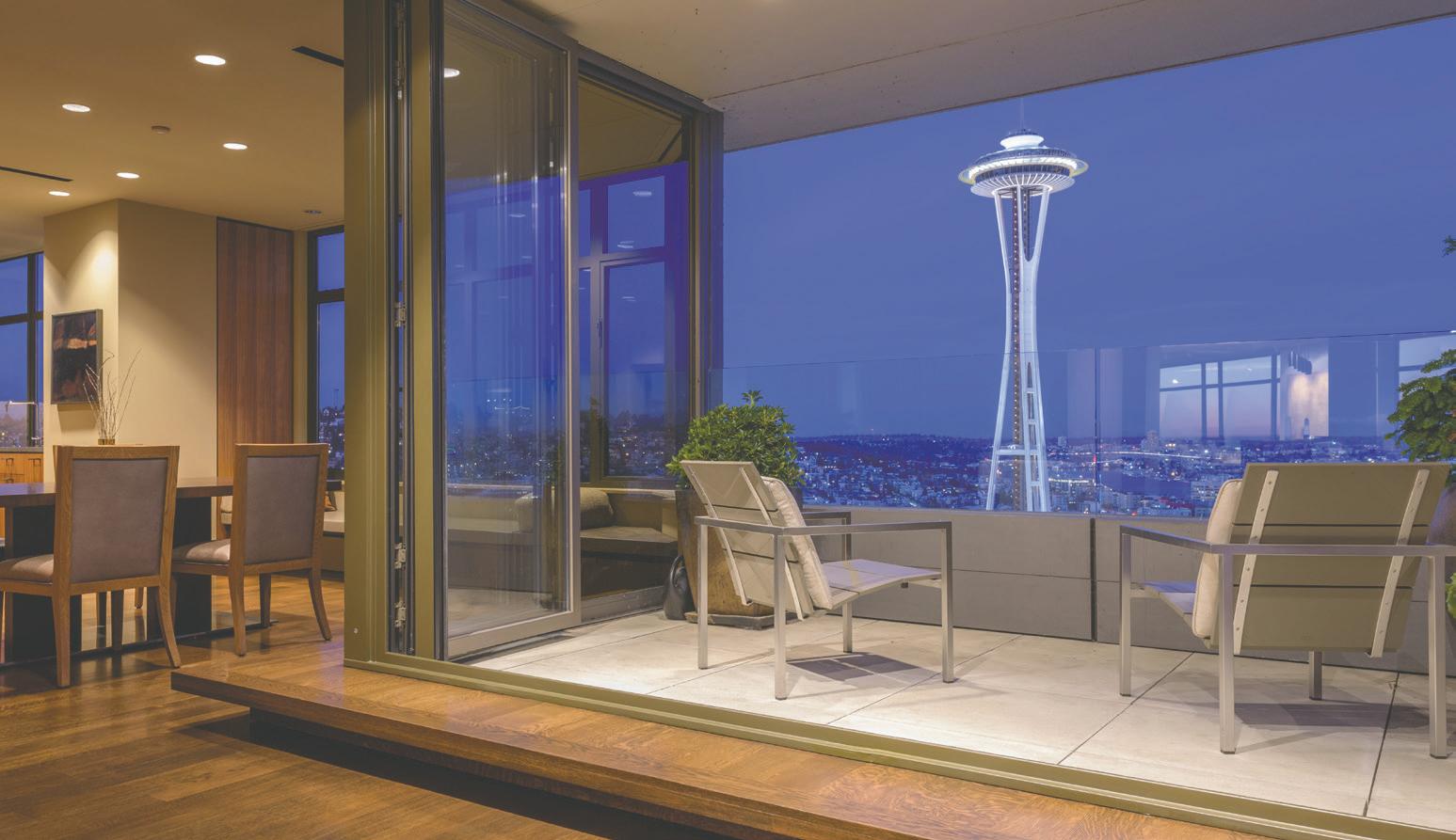
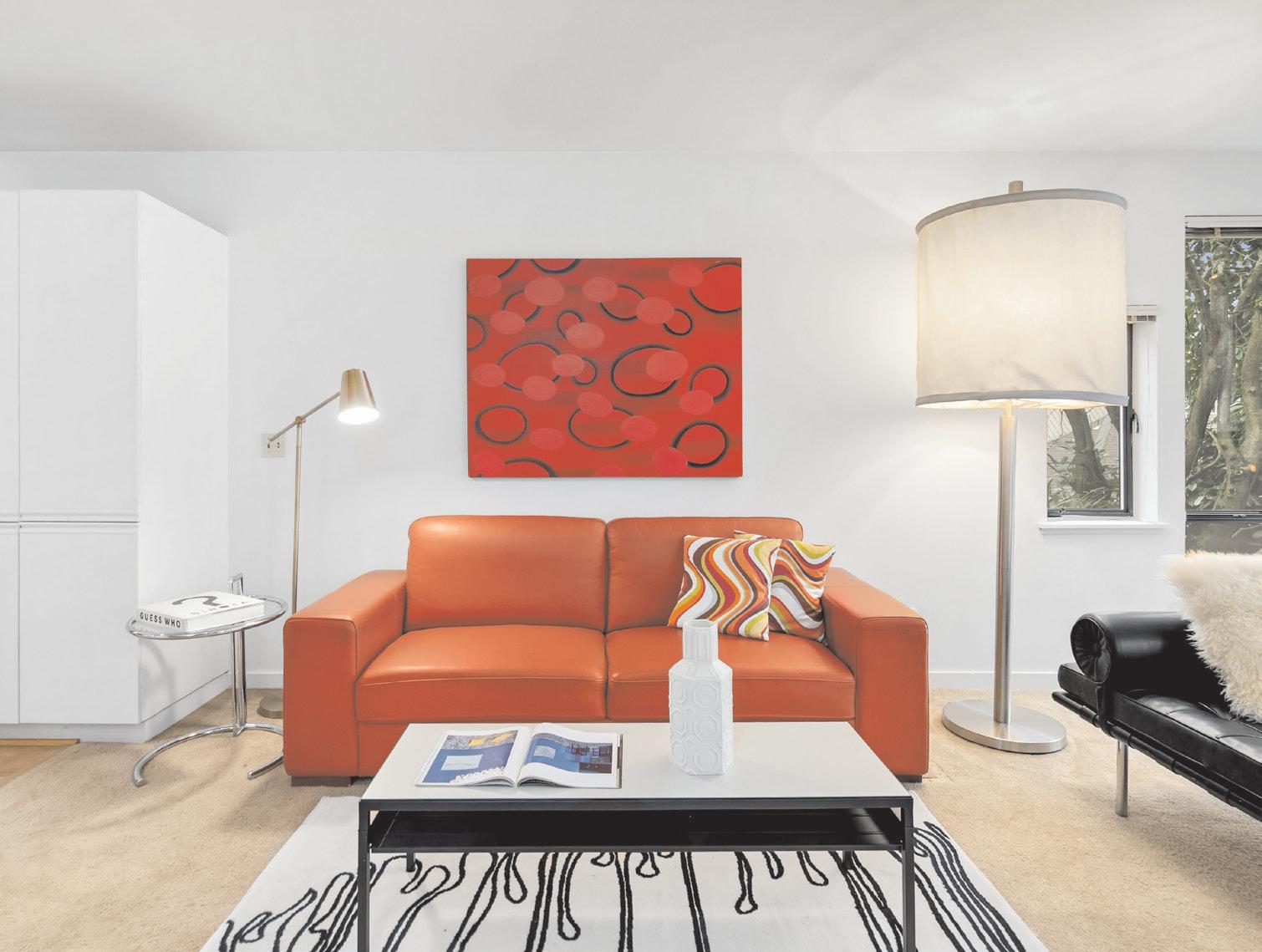
If you’ve ever felt the warmth of a heated floor on a cold, rainy Seattle day, then you know it makes a big difference in your comfort level. There are few people who wouldn’t appreciate the added warmth in their home during cooler months, especially when they learn that heated floors are relatively energy-efficient. If you’re considering a new home, the cost of adding in-floor heating to a single-room remodel is a relatively inexpensive upgrade, given the immense satisfaction that comes along with it.
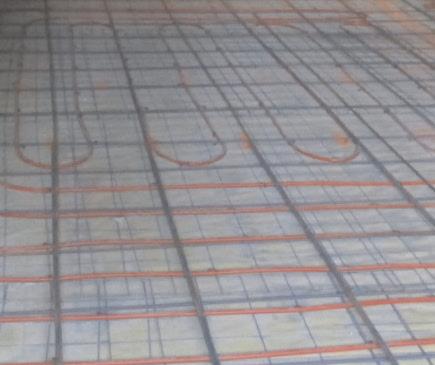
Heated floors are known in the building industry as “radiant floor heating” or “underfloor heating.” They work by transferring heat through the floors using electrical cables or tubes of hot water (called hydronic floor heating).
Floor heating is typically installed on top of the underlayment (electrical) or just below the subfloor (hydronic), in a precise pattern that ensures every inch and corner has an even heat distribution. The temperature can then be controlled via a programmable thermostat on the wall.
You can choose to heat your entire home with radiant floor heating, or just use it for supplemental heating in one or two rooms. For most homeowners, we recommend the latter. The most common rooms to install them in are bathrooms, mudrooms and basements. Tile or concrete are often the natural
choice for these locations because they are easy to clean, but those materials feel cool to the touch. To combat the cool, especially in rooms where you walk with bare feet, heating is a simple solution.
Thankfully, both tile and concrete hold heat better and withstand higher temperatures than other flooring materials, making them the perfect match for radiant heating. They will retain the heat even after the system is turned off, thereby using less energy than, say, a space heater, to heat the room longer. Electric floor heating is reasonably energy-efficient, and close to negligible if you’re already powering your house with solar.
Electric systems are the most common and affordable choice for small spaces or single-room applications. They are great for remodels because they are thin, adding little height to the floor.
Heating cables are snaked across the floor in a patterned channel or using pre-manufactured mats, depending on the customization required. The tile installer or flooring specialist will be able to install the heating system, but you should plan for the additional cost of a certified electrician to hook it up to your power supply.
When all is said and done, adding floor heating to a small bathroom can cost as little as $1,500. It’s a relatively minor investment when you consider that the overall cost of a bathroom remodel in Seattle can be upwards of $50,000.
Hydronic systems are recommended for larger applications —
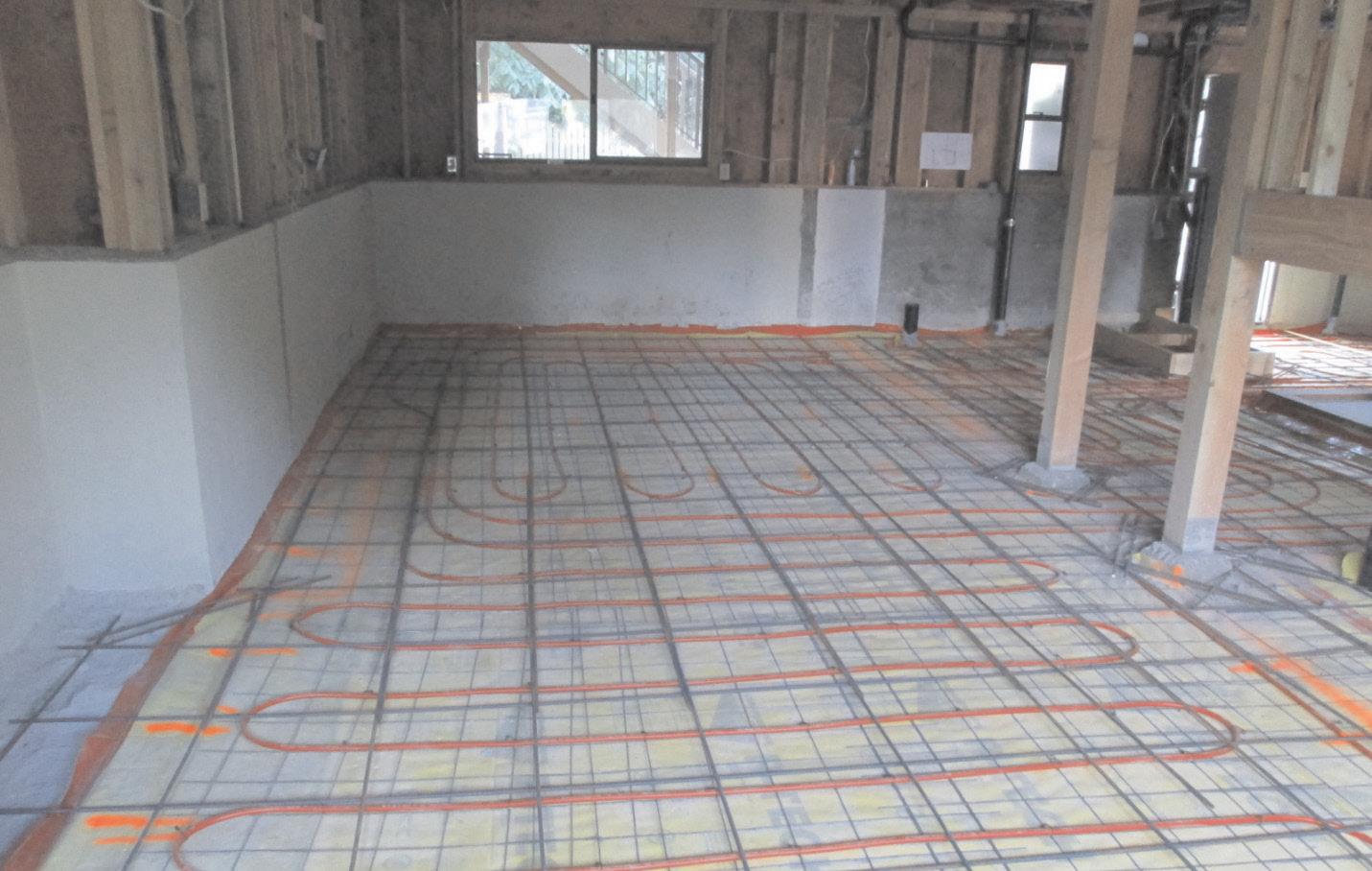
such as an entire house or a full basement — due to the lower operational costs. Larger systems could initially cost well over $50,000 but are very energy-efficient over their lifetime. These systems are most often installed during initial construction or major remodels because they are installed deeper in the floor and require more height for the tubing. At the end of the day, heated floors are a preference, but one worth indulging if you have the means. If you tend to run cold, the simple joy of warm feet straight out of the shower is worth the relatively low cost. Ask your contractor about your options.
For a feature you’ll use daily for most of the year, this seemingly small luxury goes a long way.













Jason Legat is the founder and president of Model Remodel and is a member of the Master Builders Association of King and Snohomish Counties (MBAKS).
Model Remodel
Neighborhood Marketplace


















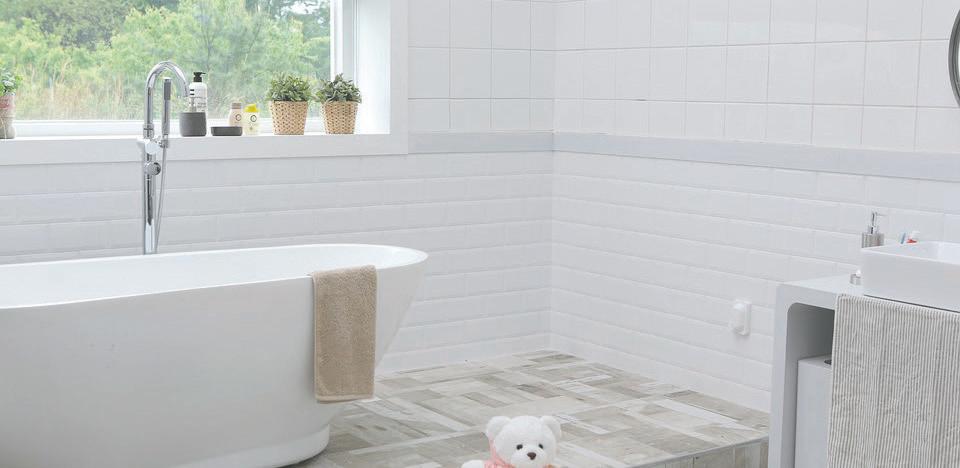
Get the best from your bathroom with these pro tips
A combination of practical renovations and visual trickery can transform a cramped bathroom into an airy and welcoming space.
BY MIA HANNOM IN FORM DESIGN
There are few things as pleasing as walking into a bright and spacious bathroom. But bathrooms are notoriously tricky spaces; there’s a lot going on in a very small piece of real estate. Fortunately, there are some nifty tricks you can use to make your bathroom feel bigger without moving walls. Some of these tips will create actual space while others will make your bathroom seemmore spacious.
Frameless shower doors






A shower curtain steals space because it’s effectively an extra wall in your bathroom. By replacing it with frameless glass, you can reclaim it. Take the glass as high as you can afford to go. The clear glass will act as a mirror, reflecting light back into the bathroom.
Bathtub reclamation
Your veterinarian may recommend performing a fine needle aspirate (FNA). The objective of the FNA is to determine the identity of the cells involved in the mass. Once the cells have been identified, the pet owner can be advised on the best course of action. There are several reasons that veterinarians recommend a FNA procedure as a first diagnostic step: a FNA can be performed in the course of a routine office exam; the procedure is minimally invasive and low risk; and a FNA is much less expensive than a surgical biopsy.
Chances are that you don’t even use your bathtub as a bathtub. Replacing it with a walk-in shower will dramatically increase your floor space. Just make sure to keep the floor finish uniform throughout the bathroom and cut out the shower curb if you have the option. Whatever tiles you choose for your shower should well match the rest of the floor.
Elevated vanity
A little trick that creates more space in a bathroom — and in any room — is lifting the furniture off the floor. A floating vanity opens the floor space beneath it. The same goes for any other storage unit, like linen cupboards with legs for example. The floor will extend to the walls instead of ending at the furniture, and it will feel more spacious.
Hidden stuff
A cluttered room feels small. To
make your bathroom feel larger, keep as much stuff as possible out of sight. Maximize the storage space under the sink with pull-out shelves and organizers. Keep everyday items around the sinks and bathtub — if you don’t replace it with a walk-in shower — in containers for easy access.
Receding walls
The No. 1 trick for creating the sense of space in a room is to make its walls appear farther away. An non-uniform wall — contrasting halves of tile and paint, for example — draws our attention and seems closer than it is. To make it recede, keep it uniform.
Toned-down accent tiles
The same goes for accent tiles. Don’t get too creative here. Contrasting strips and blotches carve up the walls and emphasize boundaries. The point is to make

To perform the FNA, the doctor will use a small vaccine size needle. This small diameter needle is introduced into the mass and cells are trapped in the needle hub. The needle is withdrawn and the sample is then forced out of the needle and spread onto a microscope slide. The slides are prepared for microscopic examination by dipping them in a series of staining solutions.
This simple procedure causes the pet no more discomfort than a routinely administered vaccination. Mild restraint-in the form of a reassuring pat or treat is usually all that is needed help the animal stay still while a FNA is performed.
Veterinarians routinely use FNA procedures to identify several common skin and subcutaneous tissue tumors of dogs and cats: Lipomas are fatty tumors found in middle aged and older pets. Lipomas can readily be identified with FNA. They are benign and in most instances do not need to be surgically removed. When these lumps occur in areas that interfere with mobility or limb function (such as in the armpit), or are in sites that are subject to trauma (such as the underside of the chest), surgical removal may be indicated.
Sebaceous adenomas are benign skin tumors which are common in dogs. These lesions are easily diagnosed by FNA. Some adenomas do eventually become inflamed or infected. They can rupture, releasing fluid and debris. This can be irritating to the pet and distressing to the owner. Lesions that rupture
can be surgically removed. Masses that are dormant and are not subject to self-trauma by the pet are generally left alone. Mast cell tumors are frequently diagnosed through FNA. Determining whether a skin lump is a mast cell tumor is very important because prompt surgical removal of these potentially serious tumors is almost always recommended. The biological behavior of the cells of a mast cell tumor can be quite variable. FNA can diagnose a mast cell tumor but this sample is not sufficient to permit accurate assessment of the aggressiveness of the cells. In these cases, surgical biopsy is recommended. With a biopsy sample, the pathologist can see the tumor cells in association with blood vessels and surrounding normal tissue and predict how those tumor cells will behave.
In summary, the FNA is a simple diagnostic procedure that can be performed with minimal little distress or discomfort to the patient. The diagnostic utility of this simple procedure warrants its performance.
Image by isakarakus on Pixabay
PRO TIPS from Page 14
the backdrop of the room fade into the distance. It’s better to draw attention to an eye-catching vanity unit than a colorful strip of tiles on the wall.
Maximized light
Bring as much natural light into the room as possible and add dimmers to both general and task lighting so you can be more flexible with artificial light. A dark room feels small and enclosed. A well-lit room feels airy and spacious.
AIR from Page 11
system that runs continuously, constantly flushing pollutants at a low flow rate. Some whole-house ventilation systems not only exhaust pollutants but also supply filtered and sometimes tempered outside air (or low-temperature air used to regulate indoor air temperature) to the living and sleeping areas of a home.
Mechanical ventilation systems don’t just guarantee better indoor air quality; they also help mitigate potential moisture-related building durability issues. Moisture generated from everyday activities can build up in the air and condense on the many surfaces within the home if not evacuated effectively. That mildew growing on the grout in our bathrooms is an obvious symptom of ineffective or nonexistent exhaust ventilation.
More concerning than a little mildew is moisture condensing, undetected, within our home’s structural cavities. While relatively uncommon, moisture that’s ineffectively managed can migrate into inaccessible wall or attic cavities, resulting in serious health problems and compromised building durability.
Keep in mind that just because your fan is making noise does not mean it is effectively eliminating moisture and potential pollutants.
A large mirror can easily make your room feel twice as big. Mirrors add endless depth and reflect light from adjacent rooms into the space, brightening it up. Stretch your vanity mirror all the way to the corners to create a horizontal band or extend it up to the ceiling and add light sconces on the sides. Mia Hannom is the owner of In Form Design, a member of the Master Builders Association of King and Snohomish Counties (MBAKS).
The duct work connecting the fan to the outdoors needs to function as intended to clean the air. Often duct work is compromised by improper construction, limiting the ability of some fans to move air and moisture to the outside of the house.
Sometimes problems arise because those of us living there simply do not understand how our actions lead to ineffective ventilation. How long should we run our bath fan after a shower? And how important is that range hood anyway? These are questions you might find yourself asking.
If you want to answer these questions and are interested in obtaining more information on residential ventilation systems, check out the video “Fresh Air for a Healthier Home,” produced by the Washington State University Energy Program. The information in the video is well vetted and presented by regional and national experts on the subject. And when it comes to indoor air quality, the more you know, the healthier you — and your home — will be.
Lucas Howard is an indoor air quality specialist at Panasonic Eco Solutions and is a member of the Master Builders Association of King and Snohomish Counties (MBAKS).
NOTICE OF NONDISCRIMINATORY POLICY AS TO STUDENTS
Bethany Bear’s Preschool admits students of any race, color, national and ethnic origin or religion to all the rights, privileges, programs, and activities generally accorded or made available to students at the school. It does not discriminate on any basis including race, color, national and ethnic origin, sexual orientation, disability, or veteran status in administration of its educational policies, admission policies, scholarship and loan programs, and athletic and other school administered programs. Bethany Bear’s Preschool, 2410 N. 46th, Seattle, WA 98103. Published in City Living Seattle: March 15, 2019.