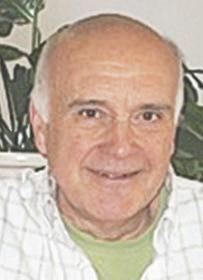
SEATTLE ATTORNEY, NONPROFIT FOUNDER RUNNING FOR COUNTY COUNCIL

Girmay Zahilay is running for King County Council District 2, which covers the Central Area, Capitol Hill, Beacon Hill, the Rainier Valley, Seward Park, Skyway, UW, Fremont, Ravenna and Laurelhurst.
BY BRANDON MACZ
Girmay Zahilay was born in Sudan, the child of Ethiopian refugees. He grew up poor in South Seattle, his parents having no high school or college education. He’s experienced life in public housing and in a Union Gospel Mission homeless shelter.
Despite those challenges, Zahilay went on to attend Stanford University, and then earned a law degree from the University of Pennsylva-
nia Law School. He interned at the White House during the Obama administration and started his law career in New York.
Following a brief stint at a firm after returning to Seattle, Zahilay turned his focus back to the youth mentorship nonprofit he started in Harlem. Rising Leaders now operates in three states, including two schools in Seattle.
Committee gets to work on ADU legislation
Councilmembers talk about making accessory dwelling unit creation, rents more affordable
BY BRANDON MACZ
With all legal challenges currently settled, the Seattle City Council is pushing forward with revised legislation meant to make it easier and more financially attractive to build accessory dwelling units in single-family neighborhoods.
The Queen Anne Community Council lost its appeal of a final environmental impact statement addressing the proposed land use code changes on May 13, the FEIS being required by the Seattle Hearing Examiner after QACC challenged the Office of Planning and Community Development’s determination of non-significance in 2016.
“Given the groundbreaking nature of some of the features of the proposed legislation, it is impossible to know whether none, some, or all of the ill effects claimed by Appellant will come to pass,” Deputy Hearing Examiner Barbara Dykes Ehrlichman wrote in her decision, adding that’s a policy debate the city council now faces.
QACC Land Use Review Committee chair Martin Kaplan, who spearheaded the appeal, cited that line from the hearing examiner’s decision during public
comment before the council’s Sustainability and Transportation Committee on Wednesday, May 29. He said the environmental impact statement should have been able to inform the council and public of the potential impact of the land-use changes and how to mitigate them.
Under the proposed changes, lots in single-family zones could have an attached accessory dwelling unit (AADU) and 1,000-square-foot detached accessory dwelling (DADU) unit in lots with a minimum of 3,200 square feet, or two AADUs.
Providing off-street parking would not be required, and the property owner would not have to live in any of the dwelling units. One year of continuous ownership would be required to build a second accessory dwelling unit.
Lots with two ADUs could house 12 unrelated people, which QACC argued would result in up to nine cars per single-family lot. The city anticipates one vehicle per ADU. If a property is already required to provide an off-street parking



ATTORNEY, Page 4
Be water wise during summer months
“When most of America is singing ‘June is bustin’ out all over,” we’re in our woolies and slickers and loving it. Summer doesn’t arrive here until mid-July and we have the greenery to prove it.
Those are the words I’d use to defend our climate when friends in other parts of the country would make cracks about rainy Seattle. How suddenly times can change.
Google’s weather forecast for the coming month is warmer than normal temperatures, with dry, sunny days.
It’s plain scary, and I fret this is the new normal. Adding to the anxiety is the reality that, with reduced precipitation, there are more people in the Pacific Northwest using water.
OK, gardeners: start learning the tricks of water wisdom now. Grow your knowledge as you reduce your consumption. An ounce of conservation can stave off a pound of suffering.
Surely you’ve already mastered some of the basics: shorter showers, fewer flushes, no running faucet as you prepare for or clean up after meals. Simple stuff. Reduce the amount of lawn in your gar -
den starting now and as the years progress. Let what grass you have assume what I call “The Tuscan Look” — brown in the hot months. The rich, green color will come back in November.
Water beds weekly and well, getting up early to irrigate. The water you apply will soak into the ground, where plants can use it before the sun gets hot and you watch steam rising from the soil. You won’t be witnessing evaporation. Thorough, deep soaking is preferable to a daily spritz. You can also water in the evening, but that risks the development of mildew as moisture clings to plants through the dark, cool nights. Early morning is best.
There are many commercial mulches available with which to top beds. The “Chop and Drop” method is also good. As you groom and prune, cut up the clippings and spread them around under vulnerable plants. A 4-inch-deep layer is not excessive.
Or try this: soak the ground. Then cover beds with an overlapping patchwork of newspaper, 10 to 12 sheets thick. Soak the
Steve Lorton Tree Talk
Courtesy photo
Community shares designs for Africatown Plaza

BY BRANDON MACZ
The Africatown Community Land Trust is designing its mixed-use affordable housing development to be a cultural place-maker in the Central District, but not before the neighborhood has weighed in on what that looks like.
Longtime residents and those wanting to return to the Central District after being economically displaced participated in the first Africatown Plaza Community Design Meeting on Thursday, May 23, inside a vacant retail space at the Liberty Bank Building.
Africatown is partnering with Capitol Hill Housing to develop the south end of the Midtown Center superblock to include 138 affordable apartment units, ground-floor retail and Africatown office space.
Lake Union Partners purchased the entire 106,000-square-foot Midtown Center property from the Bangasser family for $23.5 million in May 2018, making the southern 20 percent of the site available to Africatown for redevelopment.
The property was acquired with a $4.5 million loan the Africatown LLLP entity — CHH and Africatown — received from Seattle’s Office of Housing.
Africatown CEO K. Wyking Garrett said he wants the design for Africatown Plaza to improve upon what was created with the Liberty Bank Building, which CHH also developed in partnership with Africatown, The Black Community Impact Alliance and self-sufficiency nonprofit Centerstone.
“For one, we were not included in this phase for Liberty Bank Building project,” Garrett tells MPT, “so when we did get involved we were able to give more community involvement.”
A memorandum of understanding with CHH committed the affordable housing developer to bringing on minority-owned subcontractors and business owners to fill Liberty Bank’s retail spaces.
“For us, it’s about designing and building with, not designing and building for,” Garrett said, “so it’s important to get the ideals, include the process, building the community’s IQ around design and planning, so we’re not always subjected to other people’s designs and plans that happen to us.”
Design meeting participants first drew an image or symbol they felt represented the black experience in the Central District, and then were given posters of Africatown Plaza’s footprint along Spring Street, between 23rd and 24th avenues. Us -
ing cutout pieces representing apartments, entryways, retail spaces and multiple amenities, groups collaborated on designs, with each table sharing what they came up with at the end of the meeting.
“It should be done that way, right?” said Muammar Hermanstyne, formerly a project manager at CHH and now real estate development lead for Africatown. “It’s called community development.”
GGLO architecture firm principal Jon Hall told attendees the design team would incorporate input from the May 23 meeting into a concept design to share at a later meeting, with a final schematic design expected by the end of summer. Fundraising will ramp up after that, and Hermanstyne said he expects financing to be similar to Liberty Bank, with Office of Housing funding and 4 percent low income housing tax credit bonds. Hall said the project could break ground by fall 2020 if everything goes according to plan.
Edd Hampton was raised in the Cenral District, but now lives in West Seattle, he said. Hampton came out to help shape Africatown Plaza with the hope of someday living there. He said he wants to see tech incubator space to help people gain skills, and he also wants the development to offer restaurants, clothing stores and maybe a grocery spot.
“I want to see it all in one place,” Hampton said, “because you don’t see black communities with just everything in one place.”
Creating spaces that empower residents and provide them with marketable skills was among the top asks from the community.
Dr. Jewel Sae-Tiew said another important amenity for Africatown Plaza would be youth activity spaces that keep them close to home and safe. That sentiment was echoed by 8-year-old Saire Williams-Bullen, who also wanted an art studio at Africatown Plaza and stoops to sit on.
Sae-Tiew grew up on 32nd Avenue, but ended up moving to Redmond because it’s more affordable.
“This is my neighborhood,” she said. “When Wyking put it out that this meeting was going on, I made a point to come out.”
Beryl Fernandes, an urban planner who provides student mentorship from Rainier Valley to Rainier Beach, also pointed out the story booth her group
➧ PLAZA, Page 5
JULY:
Space & Copy Deadline: Weds, Jul 3 - noon
Publication Date: Jul 12 CR: Jul 9
AUGUST: Space & Copy Deadline: Weds, Jul 31 - noon Publication Date: Aug 9 CR: Aug 6
SEPTEMBER:
Space & Copy Deadline: Weds, Sept 4 - noon
Publication Date: Sept 13 CR: Sept 10
OCTOBER:
Space & Copy Deadline: Weds, Oct 2 - noon
Publication Date: Oct 11CR: Oct 8
NOVEMBER:
Space & Copy Deadline: Weds, Nov 6 - noon
Publication Date: Nov 15 CR: Nov 12
DECEMBER:
Space & Copy Deadline: Weds, Dec 4 - noon
Publication Date: Dec 13 CR: Dec 10
Photo by Brandon Macz
Africatown Community Land Trust real estate development lead Muammar Hermanstyne and Africatown CEO K. Wyking Garrett address participants at the design meeting.
Breathing easier: How to maintain indoor air quality during a remodel

BY PAUL KOCHARHOOK, PATHWAY DESIGN & CONSTRUCTION
Homebuilding has advanced considerably over the last few decades. Newer homes are more airtight and less drafty, warmer in the winter and cooler in the summer. Indoor air quality is a lot better these days, which is a good thing since we spend about 80 percent of our time indoors.
A lot of ink has been spilled on how to maintain indoor air quality, but what about air quality during a home remodel or construction project? Remodel projects are creative but they’re also messy, because they get into the walls and guts of your home.
Before you start knocking down walls, here are some things to consider.
Microscopic particulates are a major concern during remodels. Putting in a new kitchen and bath or repurposing a space often requires some demolition, leading to drywall, wood and concrete dust in the air. Construction means sawing, drilling, grinding and even more dust, while finishing (paint, sealants, adhesives, finishes) can off-gas after being applied. Carpets can also off-gas.
While most construction companies will completely seal off the working area, it’s still essential to monitor and remove particulates throughout the process. This doesn’t just benefit you but also creates a safe work environment for carpenters and trade professionals working in the space.
Particulates are insidious. Once a remodel project is completed, an intensive deep clean to remove dust from all nooks and crannies is highly recommended. As a homeowner the best thing you can do is proactively ask questions up front before the remodel begins. Don’t be afraid to find out everything you can about the policies and procedures the designbuild or construction company employs to ensure

good indoor air quality during a remodel — especially if you and your family are living onsite during construction.
It’s critically important that the company you hire can answer the following questions:
• Are they specialists or certified in any air quality training?
• Do they seal off the construction portion of the project, and how? What methods and materials do they use?
• Do they monitor air quality with equipment that can measure the volume of particulates?
• How do they ventilate the project, so dust and gasses are released safely outdoors?
• How do they report air quality levels throughout the project?
• Did they ask you about your family’s respiratory health during the interview or onboarding process? This is especially important if members of your family are already impacted by respiratory conditions.
If a company can’t provide this basic information, find another company. No remodel is worth the health and quality-of-life issues that poor air quality can cause during and after a project. A reputable design-build or construction company can get you that dream kitchen or add-on without coughing fits or medical bills. You’ll breathe easier knowing they have you covered.
Paul Kocharhook is the owner of Pathway Design & Construction and is a member of the Master Builders Association of King and Snohomish Counties (MBAKS).





Publisher Pacific Publishing Company Robert Munford, General Manager ppcprint@nwlink.com 206-461-1304
Advertising Wednesday, June 5, Noon
Classified Advertising: Wednesday, June 5, 5 p.m. Tammy Knaggs PPCadmanager@nwlink.com 206-461-1322
Editorial Contributors CityLivingEditor@nwlink.com 206-461-1305
Brandon Macz, Editor John Livingston, Editor Master Builders Association of King County
Circulation —
Chris Lemmen ppccirc@nwlink.com 206-461-1337

Zahilay campaigning on platform of improving access, investments for underrepresented residents
His next venture is politics, having declared his campaign for King County Council in District 2. He is focusing on making systemic changes that provide improved access to housing, transportation, government and education, as well as criminal justice reform and environmental justice.
“We can’t use me as an example and say the system doesn’t need to be fixed,” Zahilay said. “It definitely needs to be fixed.”
Zahilay was the first challenger to announce his campaign for the county council seat long held by Larry Gossett, who hasn’t faced a contested race in the last 14 years.
“I have nothing negative to say about Larry Gossett,” Zahilay said. “I think he’s been a faithful servant of the public.”
The District 2 candidate said he sees the need for a new generation of leadership, and wants to build on Gossett’s legacy of advocating civil rights and social justice.
Zahilay said running at the county level was a decision based on what he sees as a needed regional response to the issues and major challenges that continue to push longtime residents out of South Seattle.
“I think King County needs to step up and be the leader in the response to homelessness and affordable housing,” he said.
The District 2 candidate wants to see the formation of a central authority that includes all King County municipalities.
He also wants to boost landlord education programs and better address source-of-funds discrimination, such as against households using Section 8 vouchers.
Zahilay said there’s no time to wait when it comes to improving and increasing infrastructure and housing stock, and the county needs to focus its long-range planning farther into the future. While upfront costs may be high, he said, the emergency response due to inaction will be even more expensive.
“These problems are by design and predictable,” he said, “and we need to have an adequate amount of investment to address these problems.”
Washington has one of the most regressive tax systems in the country, and cities and counties continue to rely on sales and property taxes to deliver needed infrastructure and services.
Zahilay said he wants to create a county bank where revenue can be saved and collect interest, providing infrastructure loans and returns on investments. The county already invests public pension funds, he said, and data shows the return on local investments would be slightly better than the more risky stock market. New York and Dallas already use their employee pension funds to invest in public housing, he said.
Zahilay said he also wants the county to provide more lobbying in Olympia to push the Legislature to pass a progressive income tax to reduce the burden of sales and property taxes.
There is a lack of open and green space in South Seattle, which has had negative health impacts on youth, Zahilay said. He supports the 2020-2025 Parks, Trails, and Open Space Replacement Levy, which is expected to generate $810 million over six years.
Zahilay is also a proponent of King County Executive Dow Constantine’s Best Starts for Kids ini-

tiative and how it’s allowed communities to invest funds into programs for early childhood development.
“I’m a big fan of Best Starts for Kids,” he said, “and I like how holistic it is.”
While he sees the county moving in the right direction in addressing criminal justice reform, he finds it hard to believe a zero youth detention model is a real goal when a new facility is being created to continue jailing children. The Children and Family Justice Center is being funded through a 2012 levy to the tune of $232 million, up from an original estimate of $210 million. Zahilay said the argument has been framed as either the new facility is built or children continue being jailed in an aging, dilapidated jail.
“I think that’s a false choices,” he said. “I don’t think there are just two choices.”
Zahilay believes all youth offenders are capable of being rehabilitated, and that there are a number of diversion programs that can be implemented.
He sees an imbalance in investment in areas of the county, particularly communities of color, which he said has also had negative environmental impacts on children in places like Holly Park or Rainier Vista, where he grew up.
While in law school Zahilay interned for the White House Counsel during the creation of the Affordable Care Act, and said he was able to watch how laws and policies are drafted, as well as the impacts they have on people’s lives.
“That was just amazing to watch,” he said.
Zahilay wants to address inequities in the county’s transit system, especially transit deserts in areas where low-income and marginalized populations are being pushed, he said. He also wants more incomebased fare programs for transit, and to make it free for those who otherwise couldn’t afford it.
The District 2 candidate wants to make it so people who do have to travel downtown to participate in county council or commissions business can recover those costs, and would try to have more council meetings in other communities, especially when addressing issues or policies that directly impact those areas.
Part of his campaign focus will be on political access, and he said he will not be accepting contributions from large corporations or political action committees.
“The question is, who are you going to answer to once you’re elected?” he said.
Zahilay said he’d like to see King County duplicate the Democracy Voucher program used by the City of Seattle to attract more candidates that otherwise might not be able to run and allow voters who normally don’t have the means to be able to support those candidates.
The District 2 candidate does want to engage large companies in the county to help address the housing and homelessness crisis, he said, as they have a vested interest. There are many Amazon employees that don’t work on the tech side of the company, he said, and it is interested in keeping them from being displaced too.
“In terms of taxation, absolutely you need to be paying your fair share,” Zahilay said.
Follow the campaign and learn more about where Zahilay stands on the issues at electgirmay.com.



WSDOT will not preserve Montlake Market during State Route 520 Bridge replacement
Transportation department cites cost of keeping building operational during construction; deal inked with Kemper Freeman to acquire site for $16 million
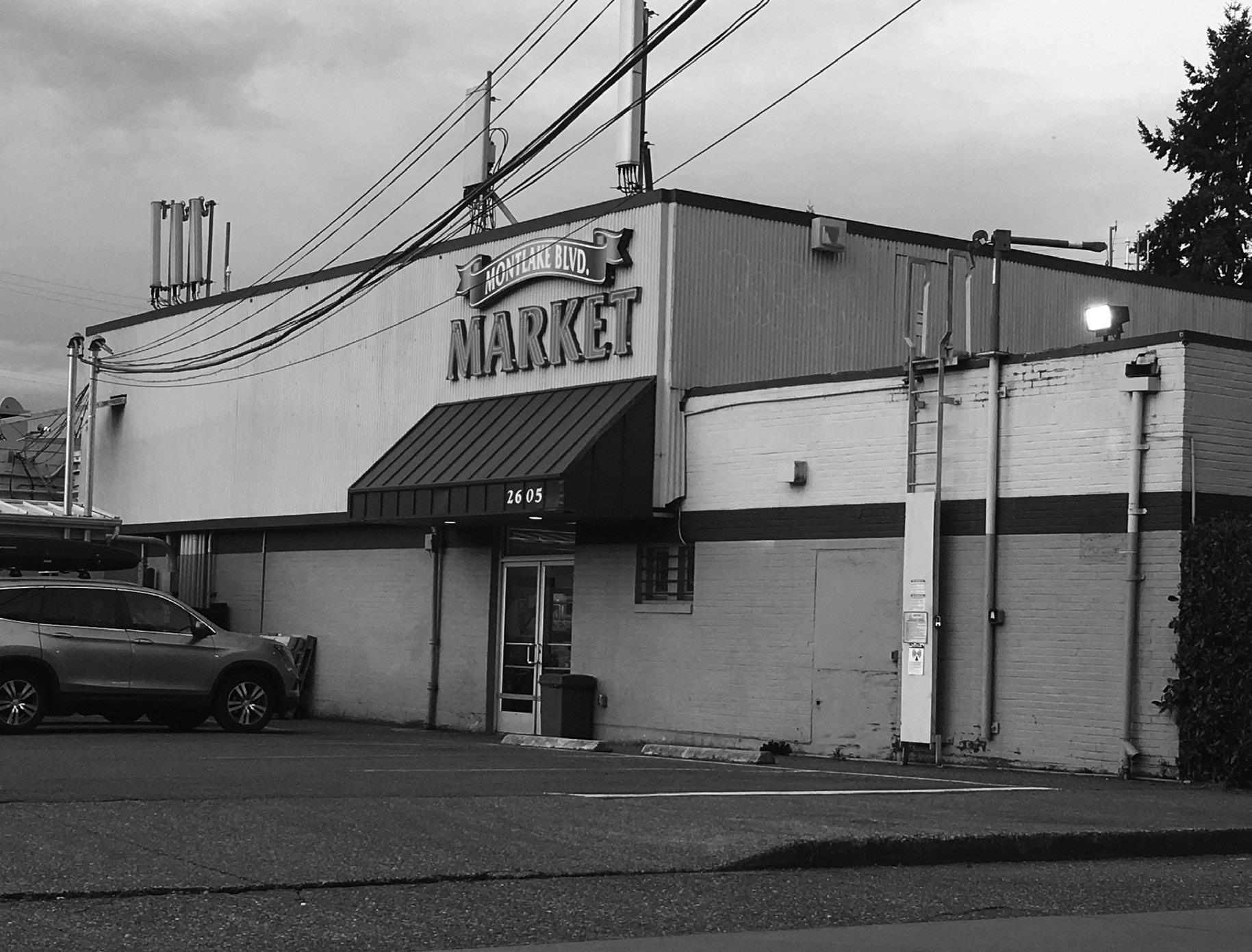
Photo by Brandon Macz
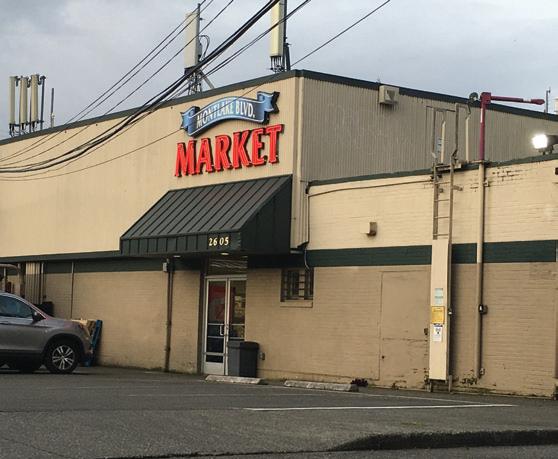
WSDOT has decided it will not preserve the Montlake Market during the Montlake Phase of its SR 520 Bridge Replacement and HOV Program.
BY BRANDON MACZ
WSDOT has decided not to preserve the Montlake Market during the Montlake Phase of its SR 520 Bridge Replacement and HOV Program.
WSDOT spokesperson Steve Peer said the transportation department reached an agreement with property owner Kemper Freeman to acquire the Montlake Market and 76 station site for $16 million, and the building will be razed. WSDOT plans to use the site for staging construction equipment and materials.
The Montlake phase of the SR 520 replacement includes a new West Approach Bridge South for eastbound traffic that will connect to the floating bridge over Lake Washington, a lid over 520 and a bicycle/pedestrian land bridge east of the lid that connects the Washington Park Arboretum and East Montlake Park, and a major revision to Montlake Boulevard to accommodate the new bridge.
The Montlake Market was removed and later added back into plans for a reconfiguration of Montlake Boulevard, which caused an outcry from the neigh-
borhood and legal challenges. The Legislature passed a proviso in 2018 directing WSDOT to preserve the market if possible.
Design-build contractor Graham Contracting Ltd was selected for the Montlake Phase in October, and in January WSDOT shared what potential preservation of the Montlake Market could look like.
Keeping the market building upright and operational was estimated to add 45 days to the project — about $50,000 more per day — or $15.3 million to $20 million in added cost. Just keeping the building, leaving it vacant and not operating during construction, was estimated to cost $7 million to $10.15 million.
WSDOT reports legislators couldn’t support the additional project costs.
An offer was extended to Montlake Market owner Scott Baker to have a popup location further away from the off-ramps on the property in a temporary building. If Baker declines, WSDOT would solicit offers for other pop-up market or food vendors
Mixed-use affordable housing development following inclusive strategy

put on the table, with a gathering space for elders nearby.
“They have wonderful stories going back decades,” she said.
Fernandes said she saw representatives of the diversity that once existed in the Central District at the May 23 meeting.
“How do you generate this kind of energy?” she said. “There’s no formula.”
It’s her hope that other developers follow Africatown’s model of community development, bringing together stakeholders first and designs second.
to use that portion of the site. In any case, lease extensions for the market and 76 station are being negotiated. The Montlake Market is expected to continue operating through the rest of this year.
WSDOT has set a timeline to close the gas station sometime this summer to perform additional soil and groundwater testing after petroleum-related contaminants were found during soil testing in December.
Cleanup of the gas station site would likely occur in last into the fall, followed by the Montlake Market parcel after the building is demolished in early 2020.
The entire Montlake Project is expected to be completed in 2023, and more information about next steps will be shared by WSDOT and Graham during a preconstruction open house 5:30-7:30 p.m. Thursday, June 6, at St. Demetrios Greek Orthodox Church, 2100 Boyer Ave. E. The open house will be followed this summer by the start of monthly public meetings and a Montlake Project drop-in information center opening.










MAKING HOME IMPROVEMENTS? YOU NEED A MASTER PLAN
BY LESLIE EILER, CRD DESIGN BUILD
Most people start tackling projects on their wish list without thinking much about the future, resulting in homes that don’t meet their family’s needs, lack any cohesive look, and cost more over the long term. As the old saying goes, if you fail to plan, you are planning to fail.
A better approach is creating a long-term plan, or master plan as we call it in the remodeling industry, that encompasses work you are doing now but also looks ahead to your future needs and wishes. Here are some common considerations to help you start your master planning process.
Planning for kids
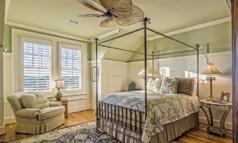
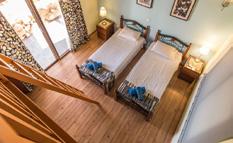
If you have or are planning to have kids, your needs may change drastically. Where will your kids play, sleep and do homework? Sometimes it’s as simple as converting a guest bedroom into a kid’s bedroom or splitting it into two smaller bedrooms. Be sure to include enough space for at least one full-sized bed, as most kids will
grow out of a twin bed quickly.
Avoid costly built-ins for toy storage. All those toys will be gone someday, so storage solutions should be simple and inexpensive.
Keeping basements flexible
Basements can be designed for maximum flexibility. With proper planning, a finished basement can transition over the years from a workout room to a media room to a playroom for kids to a hangout space for teenagers.
Utilize easily moveable furniture to make room for board games, fort building or parties. Sliding screens or a room divider can provide private guest sleeping space when needed.
Aging in place with universal design
There are many ways to prepare your home for when you or a loved one is older and less able-bodied. Consider including wider doorways for wheelchairs and installing no-
threshold showers, which look great and make independent bathing easier. In the kitchen, use drawers and lower cabinets for storage as they’re much more accessible than upper cabinets. Locating the master bedroom and bath on the first floor is another popular universal design choice with obvious benefits.
You may never need these features, but universal design details can make your home more livable for anyone.
Planning for resale
When planning renovations, one of the most important considerations is how long you think you will be living there. If you believe this is your “forever home” it may make sense to customize it to suit your own needs. If you think you’ll be moving within five years, you may want to focus on renovations that add the most resale value.

Remodeler magazine recently found that in our region, deck additions, siding replacement and kitchen remodels retained most of their value at resale.
Maintaining a cohesive look
If your goal is to space out your renovation projects over several years, make sure to tie the overall design together. You don’t want a hodgepodge.
Determine if you want to maintain the original style throughout or introduce more modern elements in certain sections. Often, kitchens and baths receive more modern
designs, while original period details are preserved in bedrooms and living areas. Introducing a new style is most effective when you carefully integrate it with the original style.
Looking
to the outdoors
If you want to add on in the future, plan for your home’s increased footprint. It doesn’t make sense to invest in extensive landscaping in an area of your yard, only to tear it out in a few years to make room for a bump-out addition, deck, driveway or backyard cottage.
Don’t bite off more than you can chew. Creating a master





plan now will help you save money and headaches by keeping you focused on what you really need now and in the future.
Please note that if your vision involves moving walls or other major renovations, you should enlist the help of a design professional.
Leslie Eiler is the design manager of CRD Design Build and a member of the Master Builders Association of King and Snohomish Counties (MBAKS).








You likely know someone who has had, or perhaps yourself have had, a surgical procedure performed with laparoscopy and had a quick recovery afterwards. Laparoscopic surgical techniques are now being used in the veterinary field with similar benefits. A great example of this is a laparoscopic ovariectomy.



Laparoscopic ovariectomy is a minimally invasive approach to spaying dogs. Two small incisions (approximately 5-10mm long) are made along the dog’s abdominal midline. One incision is used to pass the videoscope into the abdomen, while the other is for the surgical instruments. The abdomen is inflated with carbon dioxide to aid in viewing of the abdominal organs and blood vessels. A special device is used to seal the blood vessels and tissue around the ovaries so that they can then be removed. The incisions are then sutured closed.
Spaying your dog
laparoscopically holds many benefits compared to the traditional procedure. Visibility is improved with the videoscope, which can magnify and provide enhanced lighting. Compared to a traditional spay, where tissues connecting the ovaries to the

and recovery times are faster. Another advantage is a lower risk for complications, such as infection and dehiscence (where a surgical incision reopens).

body wall are blindly torn, the videoscope allows a direct view of the ovaries so that these ligaments are not torn. This, in conjunction with a smaller incision size, lowers the overall tissue trauma and pain level experienced by your dog. Bleeding is also reduced,
Although it is uncommon, there is a possibility that the surgeon may need to convert to a traditional spay at the time of the procedure. This can be due to a dog having abnormal anatomy, poor viewing conditions, too much bleeding, or even the rare equipment malfunction. In these unlikely situations, the veterinarian performing the spay will elect the procedure that is safest for your dog. Spaying your female dog is an important step in responsible pet ownership, and laparoscopic ovariectomies are a valuable advancement in this procedure. For more information about this low-risk option, please speak with your veterinarian.
Dr. Catherine Gamber of Green Lake Animal Hospital















One thing we always hear from first-time clients is that they’re stressed out because they’ve never been through the remodeling process before. Without knowing all the necessary steps, they’re unsure where the project will lead them and what it will involve.
We all fear what we don’t know, and we’ve all heard the horror stories from friends and family who started a remodeling project only to realize — too late — that it was going to take far longer, and cost a lot more, than they thought.
So, how can we avoid becoming a character in our own horror story and sidestep these unexpected surprises? First off, it helps to think about a construction project in terms of planning rather than building. This may seem counterintuitive, but without a wellthought-out plan and strategy to achieve your vision, you won’t have a clear picture of how to achieve results.
The horror stories usually start with the same misguided approach: We know most of what we want, so let’s just start and figure out the rest as we go. This may work well for some things in life, but improvisation is a terrible approach for a remodel. There are simply too many small pieces and critical details that must come together seamlessly. A good remodeler knows that jumping blindly into a construction project is highly risky and they will make sure that you start with the design.
The time and energy that goes into the design phase can be a little frustrating because when you approach a remodeler, you’re ready for the change now. But a professional knows that how you start a project will greatly impact how you finish it. They will take the time to put together all the necessary elements for you and make sure that you are happy with all of them before beginning.
This may mean multiple rounds of looking at conceptual drawings and sampling materials. But be patient. The time to experiment is during the design phase and not during construction, when experimentation can be costly.
For accomplished design/build remodelers, the construction phase is the easiest part of a project. All key decisions have been made, and all parts and pieces have been selected, laid out, and accounted for. We know everything fits in its proper place and will perform as designed because we have put the whole project together already — on paper and in specifications, probably multiple times.
With effective planning, the vision is already in place. The only thing left to do is install that vision in your home. Now comes the fun part!
Gary Potter is president of Potter Construction, a member of the Master Builders Association of King and Snohomish Counties (MBAKS).

BY GARY POTTER, POTTER CONSTRUCTION




including music classes, art classes, reading specialists, math specialists and more. Tickets can be purchased at the Park House or through MadisonParkHomeTour.com
Laura







Sotheby’s Presents Contemporary









Neighborhood Marketplace














3 Ways to Kick Your Plastic Habit
This Summer
(StatePoint) Summer is the perfect time of year to take stock of the way you quench your thirst, whether in the backyard, at the beach, around the campfire or in route to your next adventure.
Unfortunately, society has become addicted to the convenience of plastic, especially when it comes to the way we hydrate. Globally, 1 million single-use plastic water bottles are purchased per minute, and on average, Americans purchase 50 billion water bottles per year, equating to about 13 bottles per month for every U.S. citizen.
Think all that plastic gets reused? Think again -- 90.5 percent of plastic has never been recycled; a figure that was International Statistic of the Year in 2018 according to the Great Britain’s Royal Statistical Society.
Besides being an eyesore, plastic hurts the environment, wildlife and human health. Virtually every piece of plastic ever made still exists, as it takes between 500 to 1,000 years to degrade. Much of it has changed shape over time into microplastics -- small pieces less than five millimeters in diameter that end up in waterways, ground water and marine life and have been shown to absorb toxic chemicals linked to cancer and other diseases.
So, what can you do to help turn the tide on your own plastic consumption? This summer, consider upgrading your hydration habits in the following ways:
➧ ADU, from Page 1
1. A plastic-free pour. In the pursuit of always having a source of great-tasting, healthy water at home, many families stock their fridge with single-use water bottles. That adds up to a lot of plastic! For a far more sustainable solution, use a water filter pitcher, such as the LifeStraw Home, which is the only pitcher to filter microplastics (in addition to other contaminants including bacteria, lead and mercury). Made from shatter-resistant glass, it’s ideal for everyday use or even when entertaining guests on the back patio.

Choose glass water filter pitchers over single-use plastic.
2. The last straw. If you’re an iced tea or iced coffee lover, you know that plastic straws quite literally suck. In fact, half a million straws are used globally each day, and they’re tough to recycle. Skip the straw entirely or bring your own reusable straw with you on coffee runs.
3. Hydrate safely anywhere. Whether you’re trekking up a mountain or running around town doing errands, the hot summer weather will make you extra thirsty. Be prepared to hydrate on the go with a reusable water bottle that features
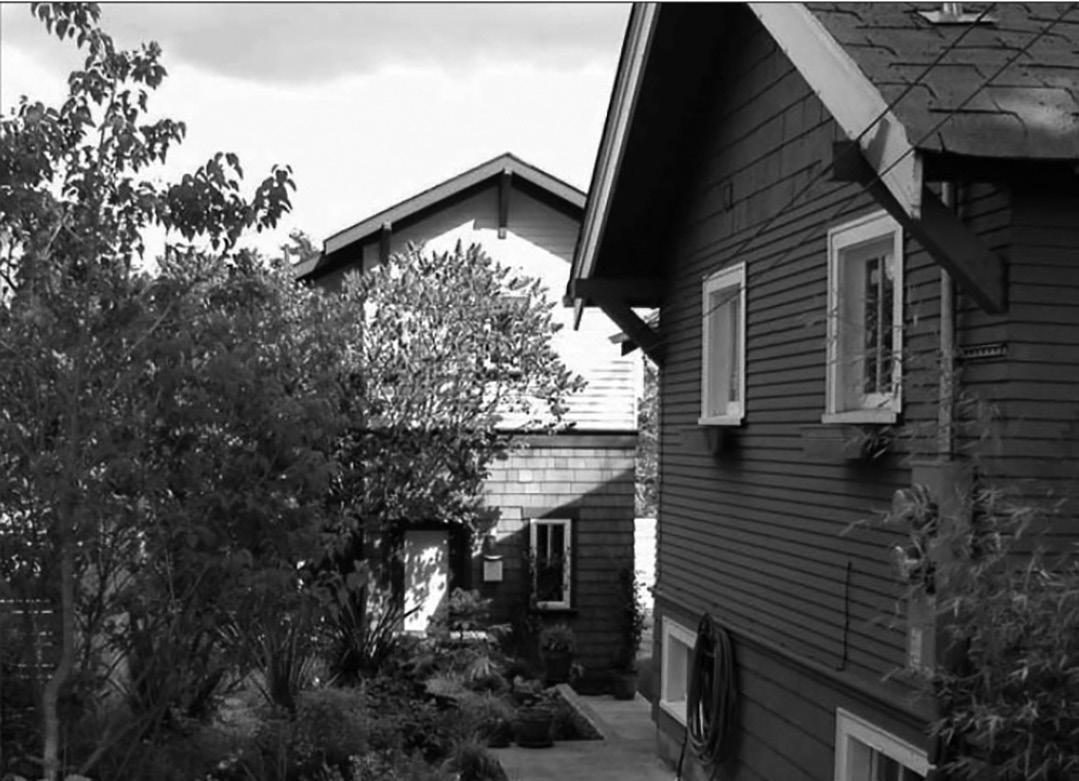
The Seattle City Council’s Sustainability and Transportation Committee is reviewing legislation to ease restrictions on building accessory dwelling units, such as backyard cottages, in single-family neighborhoods.
space, creating an ADU would not allow that property owner to eliminate that parking space.
District 7 Councilmember Sally Bagshaw said she wanted to find ways to minimize off-street parking impacts, suggesting something like restricted parking zones, where a homeowner and ADU resident would each have a sticker authorizing them to park there.
She also wanted to address concerns about the loss of tree canopy in the city in general, but revised legislation in one of
her committees isn’t likely to be ready by the fall budget season, she said. If a single tree on a lot were prohibiting creating an accessory dwelling unit, she said, she’d like to consider allowing a homeowner to make a payment to replace the tree elsewhere.
If a second ADU is created in a new structure, such as a backyard cottage or carriage house (DADU), it must meet a green building standard, which is a code change not included in the preferred alternative studied in the FEIS. A DADU on a 30-50-foot-
a filter and is designed for travel. For example, the LifeStraw Go (and the LifeStraw Play for young children) filters out microplastics, bacteria, protozoa and other toxins and contaminants found in many water supplies; a good choice for when traveling domestically or internationally. Why LifeStraw? LifeStraw products are the only water filters tested to remove microplastics and, they also make a global impact -- every product purchased provides a child in need with safe drinking water for an entire year.
A few simple changes to your at-home and on-the-go hydration routine can help you reduce your plastic use and protect the environment.
wide lot would be allowed to reach 15 feet in height, or 18 feet with a green roof.
Mother-in-laws (AADUs) have been allowed since 1994, and backyard cottages since 2010. Only 600 DADUs have been created since then, which represents less than 1 percent of eligible singlefamily lots, according to draft legislation sponsored by Councilmember Mike O’Brien.
Annual average ADU production in Seattle is at 160 units, far lower than the average 732 in Vancouver, British Columbia, or the 270 produced in Portland.
Those building ADUs in Seattle are primarily white and wealthy homeowners. Councilmembers at the May 29 committee meeting stressed the importance of not only making ADUs affordable to build but also affordable to rent.
Aly Penucci with Central Staff addressed a proposal by O’Brien to require a second ADU on a property only be allowed if it were rent- and income-restricted. That kind of incentive zoning would require a 50-year term of affordability under state law, she said, which likely would discourage homeowners from developing a second ADU. Councilmembers responded favorably to the potential for a loan program the
city could offer to homeowners wanting to construct an income-restricted accessory dwelling unit, which Penucci said would not fall under the same restrictions as incentive zoning.
“I think there’s opportunity going forward to find that sweet spot to help out homeowners,” O’Brien said, particularly those with affordable housing creation as their motivation for creating an ADU.
University District resident Ruedi Risler expressed concern about the legislation not requiring owner occupancy, which he said would result in real estate investors buying homes and turning them into boarding houses for college students.
Penucci said the city found removing the owner-occupancy requirement had a significant impact on increasing the number of ADUs built in Seattle. In addressing concerns about speculation, Penucci said developers and investors generate more profit from selling large homes than from renting out three units.
Architect Sheri Olson, who serves on the American Institute of Architects (AIA) Seattle’s Housing Task Force, delivered the group’s support for the draft legislation. As a residential architect, Olson said, she has heard a lot of interest from homeowners looking forward to the land-use changes taking effect.
Emily Johnston, a member of the climate justice organization 350Seattle, also expressed support for the legislation and a desire to create her own accessory dwelling unit once it becomes less restrictive.
The Sustainability and Transportation Committee will hold a public hearing at 5:30 p.m. Tuesday, June 11, and then meet a week later to potentially vote the legislation and any amendments out of committee.
Photo courtesy of City of Seattle


paper. Then cover the paper with a decorative layer of commercial mulch or gathered vegetable matter. The water-retention benefits of this system are amazing.
Newly planted trees require 15 gallons of water a week. Those green plastic bags you see attached to the trunks of seedlings, often called Tree Gators, work well. Fill them. Over a 5- to 9-hour period, the water will slowly leak out, saturating the ground around the thirsty roots. Trees should only need this kind of irrigation for the first two growing seasons. I once knew a frugal and inventive gardener who took empty 15-gallon plastic detergent buckets, drilled five tiny holes in the bottom of each one, set it beside his newly planted trees and filled them with water. It worked quite well: drip irrigation from a recycled reservoir.
If you like floriferous summer containers, water them well, once planted. Then give them a drink around the base of each plant daily. Years ago, covering a story on the hanging baskets of Victoria, British Columbia, the head gardener gave me a great tip:When you’re planting the baskets, make the camouflaging nest of moss, then put an aluminum pie plate in the bottom of each one, then the potting soil, then the plants. With that pie pan down there, it will keep the water from running out the bottom and the baskets will stay moist much longer.
Similarly, you can cut a generous circle of plastic from a lid you’d normally pitch. Put that over the drain hole of the pot before you add the soil. This forms an imperfect seal and dramatically slows the escape of the water. You’ll irrigate, with watering can or hose. The water will fill to the brim, temporarily flooding the pot. You’ll literally see air bubbles come up through that water as the soil soaks.
Think about drought-tolerant plants. There are so many lively, colored yuccas available now for beds and pots. The big Sedums are another good option. Talk to your nursery person. Thankfully, City People’s Garden Store will still be going strong this summer. They never fail to offer impeccable advice, practical as it is beautiful. Now is as good a time as any to say to those folks down there in the Valley that Madison Park is going to miss you. Thank you for years and years of joyful gardening wisdom and flair. Methinks the days of creating your own backyard typhoon are over. How I loved going out there and soaking up, down and all around until the garden virtually dripped like a secret garden in New Orleans after a downpour. No more. Now hydro-stinginess is a necessity, but it should come at no cost to our enjoyment of gardening. It’s really a matter of how you take it in, what you do with it. It’s fair to say that gardening can be as much fun on the dry side as humor. All the same, pray for rain.
Tips to Outsmart Bugs in Your Home
(StatePoint) If you have bugs in your home -- as many households do and the majority worry about -there may be good reasons for this. Insects are resilient, strategic and way smarter than you may realize.
But before dealing with insect invasions, it’s helpful to understand what you’re up against. These surprising bug facts can help you better understand common opponents:
• Cockroaches have the capacity to memorize and learn -- and they may just use those smarts to remember the layout and contents of your kitchen, including hiding spaces! But even without their heads, cockroaches are fairly formidable -- decapitated, they can survive for weeks.
• Once an ant knows where food is located, it’ll leave a scented trail to guide others to the source. Ants help each other out in other ways, too. Certain ant species have been observed linking their bodies together to build ladders, chains, walls and even rafts that float in water.
• If your fly-swatting skills leave something to be desired, don’t feel bad. Flies can detect danger from all angles and can react four times faster than humans.
Ninety-three percent of respondents said that they’re concerned with having bugs inside their home in a recent survey conducted by Zevo -- a maker of bug killer sprays that are safe for use around people and pets when used as directed. Survey respondents also said they see more bugs in their homes as the weather warms. In another recent survey, more than eighty-five percent of people expressed some level of safety concern with using traditional insecticide sprays inside the home.
According to experts, you don’t have to trade one worry (bugs) for another (traditional bug sprays). So how should you deal with creeping, crawling and stinging invaders? Take a fresh approach to home insect control that you can feel good about with these safe extermination tips:
• Keep common entry points like doors, windows and garages closed. Need a cross-breeze? Install screens on doors and windows.
• Seal cracks around window and door frames, which are both entry points and hiding spaces for bugs.
• Don’t stack firewood or scrap wood next to your house -- bugs love these havens.
• Avoid leaving food around after meals. Make a habit of prompt clean-ups.
• For bugs you see, use a spray that doesn’t contain harsh chemi-
cals, such as Zevo Instant Action Spray. Its active ingredients are essential oils that target nerve receptors active only in insects, so you (and your pets) don’t need to leave the room after spraying, as you would with traditional insecticide. Just spray on the roach, ant, fly, wasp or other pesky bug, and wipe up after use.
• For the bugs you don’t see, use chemical-free traps in areas heavily trafficked by bugs. Those from Zevo, which plug into outlets around the home, use multispectrum light technology and a body heat attractant that mimic nature’s most primal powers of attraction. Try to reduce competing light around the traps. Though they work 24/7, flying insects will find the traps especially enticing at night.
Bugs are smart, but with some new strategies, you can safely outsmart them.