When is the best time to list your
By Jason Legat, Founder And President Of Model Remodel
Have you been dreaming about adding square footage to your home? You’re not alone. Home additions are a hot commodity here in Seattle as home prices soar. Not only can they dramatically increase the value of your home, they can also provide extra functionality and even become a source of supplementary income. Discover which type of addition is right for your family and find out what it takes to get the job done.
The type of addition that fits your home is dependent on many factors, so assuming you should “do what the neighbor is doing” isn’t going to be the best strategy. Instead, determine what matters most to you. Is it adding a view?
Expanding the kitchen? Creating a master suite? Building a rental unit? Each reason comes with its own considerations—something
your contractor can help you talk through. Here are the four, most common types of additions that our clients here at Model Remodel have been asking for:
Traditional Additions
Are you lucky enough to have some extra yard space? If you have square footage in your lot you’re willing to part with, a traditional addition might be right for you. This type of addition essentially adds a new room to your existing home. Create another bedroom, office, playroom or other space that is seamlessly attached by removing a wall and building out from there. Your contractor can help you match the siding and roofing, so you’ll hardly be able to tell it’s not part of the original architecture. Traditional additions are a good option if you feel your home is missing a single room or needs a fair amount of extra space.
BumpOuts and Dormers

Need just a little more space? If your kitchen feels small, your family needs a bit more play space or you could use an extra bathroom upstairs, you should consider a bumpout. Like a traditional addition, a bump-out usually requires the removal of a wall, but it doesn’t require as much space. You’d be surprised what a few extra feet in your home can do for you! More floor space, more cabinets, a bigger closet—the options are endless. Dormers, a type of bump-out, are used to give more headspace to an upper floor or attic that has a pitched roof. They
Q: When remodeling, the world of permits and hiring a professional is a scary one. Can you walk me through the basics?
Most projects require design help and require permits. These initiatives not only maximize the investment you are spending on a remodel, but they also ensure that your project is built to minimum code and safety standards.
Here are the top five discussion points to help guide you in deciding to engage a professional designer and/or architect in your project and if permits apply.
Design help, whether an architect or designer, can help you achieve the best product use in your space and within budget.
1. WHEN DO I NEED DESIGN HELP?
• If your project involves adding more square footage or structural changes.
• If you are changing the use of the space.
• If your project will affect egress and safety.
• If intricate details are required for construction and installation.
• If a specialty need is involved, such as aging in place or accessibility.
• If you are reconfiguring spaces and floor plans in the living areas or basement.
• When the project involves more than removal and replacement.
• For assistance with color and finish detail selections. (Note: These will all most likely involve the permitting process as well.)
2. WHEN DO I NEED A BUILDING PERMIT? This is based on your property’s jurisdiction, but generally include:
• When adding onto or expanding the current footprint.
Homeowners often ask if there is a best time to list their home. Homes are no different than anything else in that you will receive the most money when the demand is high, and the supply is low. Think about selling a boat in the winter or a sports car when it is snowing. The supply might be low, but there is not a high demand. In the north end of Seattle, we continue to experience a high demand for homes with a very limited supply of new listings. November and December are typically our slowest months in real estate. When the new year begins we start seeing a few listings the first week and then they steadily climb until June or July. Listing and sales activity typically slow a bit through the end of the summer, pick up in the Fall and then slow again in winter. One way to gauge a very hot market is that it doesn’t slow down in August or December.
Many people believe that summer is the best time to sell because children are out of school. But, Seattle is a young city where the median age is 37 and many of our home buyers are not are not yet constrained by school schedules and can buy any time of the year.
Other homeowners might think they want to wait until their garden is in full bloom, and that is a great idea, but everyone else’s garden is peaking at the same time. You may want to list while the bulbs are in bloom but perhaps not wait for the peonies.
I think we are all beginning to lose count of how many “Best of...” lists that Seattle is on. “Best place for young professionals” (Forbes 2017), “# 2 Coolest city” (Forbes 2017), “#6 Best places to live” (U.S. News and World Report 2017), and “Fodor’s 1 of 52 top destinations to go in the world”.
You get the idea—we have been discovered! How do you take advantage of all the media attention that is helping to bring approximately 500 people per week to the area? We might complain about the traffic that our new residents bring, but let’s not forget that we are also getting a young, highly educated, well-paid work force who prefer to live near the urban core.

Selling a home takes a lot of preparation (a good Realtor will give you suggestions as to what to do), but it also takes a lot of physical and emotional energy to move. You want to list your home when you are ready to start your next adventure, whether it be retirement, a bigger or smaller home, or a new community.
Once you know you are ready, then I would suggest listing it as early in Spring as possible. The number of listings typically peak in June—yes, yards look good and school is out, but you also have more competition then. We are already starting the year with pent up demand from buyers and the stories of multiple offers and buyers doing pre-inspections and waiving conditions prior to bringing an offer are true. 2018 is starting where 2017 left off-- with high demand and low supply.
No one has a crystal ball telling us when the market is going to slow down. But I do know that this is the best seller’s market that I have seen in over 25 years of selling real estate in Seattle.
I suggest that if you have been thinking of selling your home for the past couple of years, then you should seriously consider selling it this year. And if you can put your home on the market this Spring, when there are plenty of buyers and not enough sellers, you may be in the desirable position of having to decide which offer to accept.
Kris Hendricks is a managing broker with Windermere Real Estate/Wall Street Group, Queen Anne office. 206 755-5757 email: khendri@windermere. com
• When the project involves making structural or wall changes.
• When changing unconditioned space to dwelling space (e.g. a garage conversion or basement remodel).
• When changing the use of space, like turning a rec room into a bedroom.
• When it affects egress and safety.
• In commercial or multifamily properties, especially those with ADA requirements.
• When the scope of work involves utilities (gas, plumbing, water, sewer, electrical, etc.).
• If the project involves work not listed on the jurisdictions permit exemptions list. (Please check with your local building department on permit exemptions in your location.)
3. WHAT HAPPENS WITHOUT A BUILDING PERMIT?
Check with your contractor or designer on the project scope and permitting needs. You can also find out when permits are needed by checking with the local building department.
That said, without a proper permit:
• Property sales transfer can become difficult.
• Resale value can deplete.
• Your homeowner’s insurance could become void.
• Safety hazards may be overlooked.
• No code enforcement is conducted.
• Your project may receive a stop work order from the building department.
• You can be assessed penalties and fines. It’s not worth finding this out until it’s too late in most cases, so do your research and get the required permits!
4. COMMON PERMIT EXEMPTIONS
Every building department is different, and so it’s worth double-checking. Typical projects exempt from permitting:
• Flooring.
• Cabinet installation.
• Painting and wall coverings.
• Roofing.
• Siding.
• Fencing.
• Countertops.
• Sheds and accessory buildings.
5. COMMON PERMIT ASSUMPTIONS
Every building department is different. The list below usually requires a permit:
• Decks.
• Garage or carport additions.
Provided by Ellen Gillette, Real Estate Broker, Windermere Real Estate/ Wall Street Inc.
Queen Anne Windermere
• Large Accessory buildings (cottages, DADUs).
• Interior wall removals.
• Converting a garage.
• Attic and basement conversions.
• Heated floors.
• Tub-to-shower conversions.
Remember to check with your local DPD to confirm permit requirements and exemptions.
Below are a few quick thoughts to help you consider further about whether your project will need design help and/or permits.
Ask yourself:
• Would I benefit from hiring a design professional for this project?
• Does my project need a permit?
• Should I risk NOT permitting?
• Does my project require expertise to achieve the best result?
We suggest using the information above, along with resources from your building professional or remodeling contractor, design professional, or your local building department to help you plan your project to create a successful outcome worthy of your time and investment.
In our March 14, 2018 issue of Queen Anne & Magnolia News Real Estate, we ran a story titled, “How to Remodel Your Home in an Eco-Friendly Way”, without the photographer credit. The correct photographer credit name is: Cindy Apple Photography for Model Remodel
































20

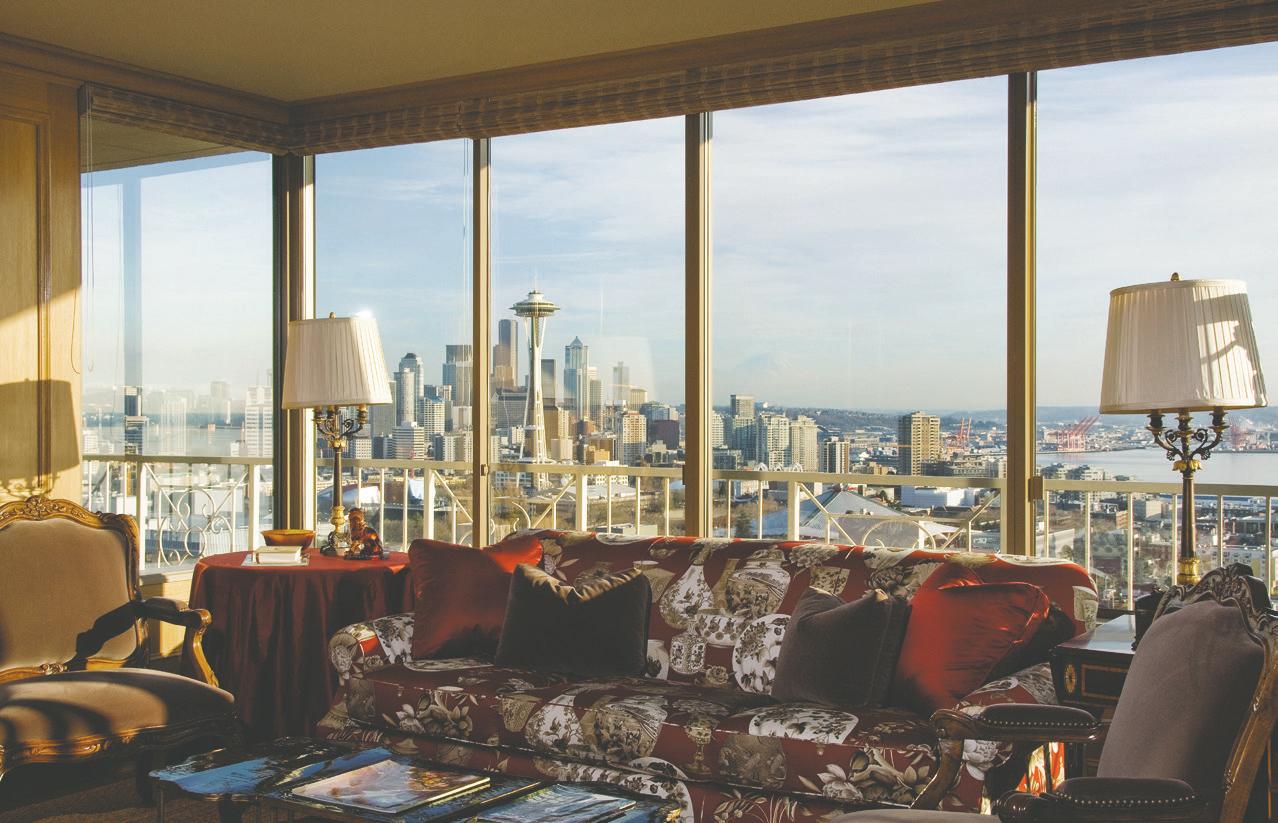
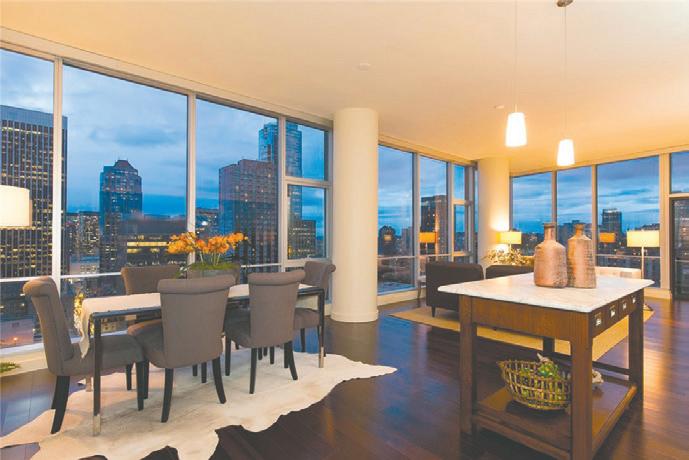
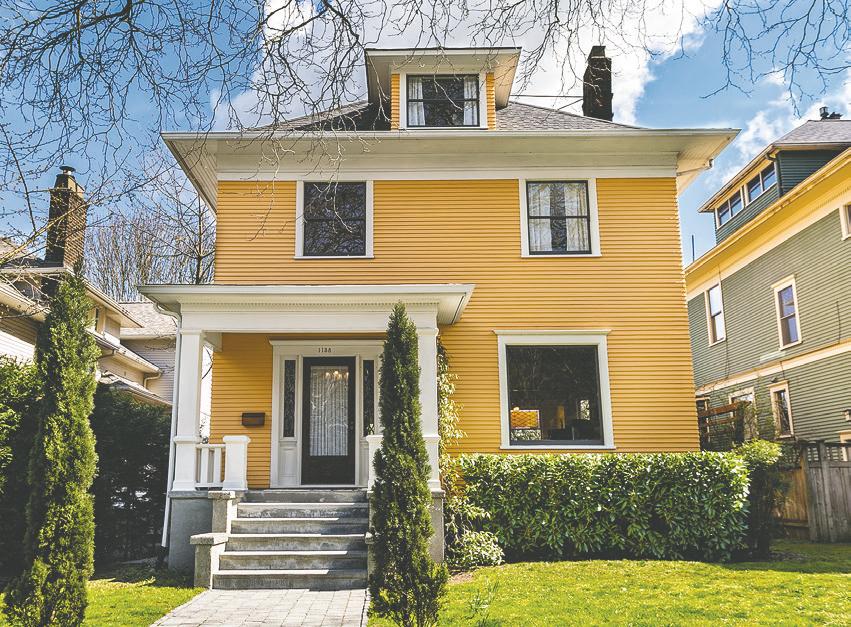
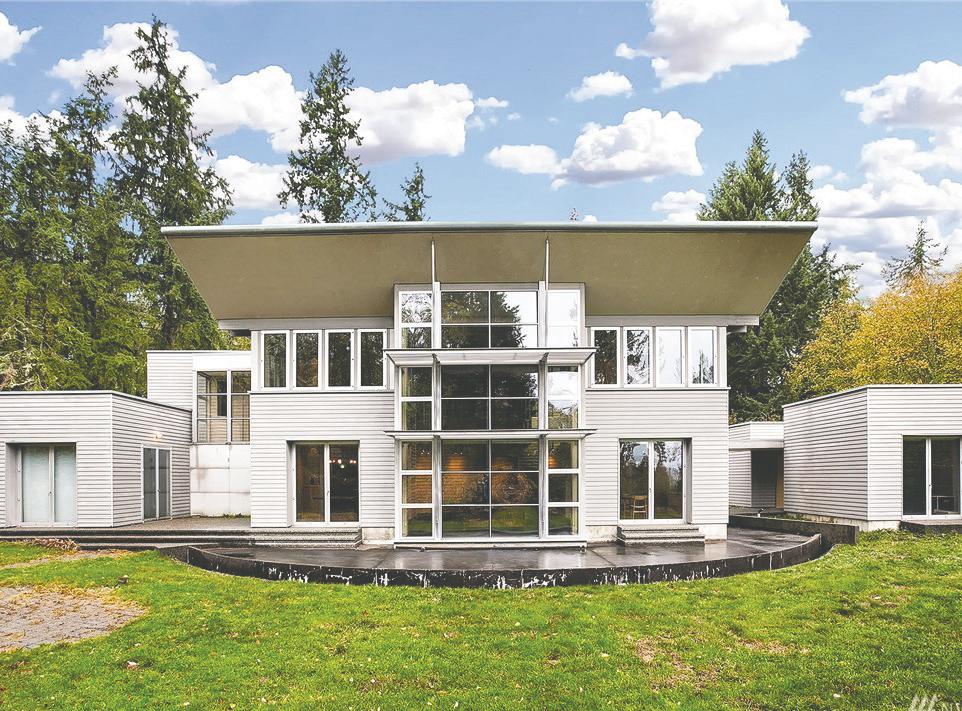
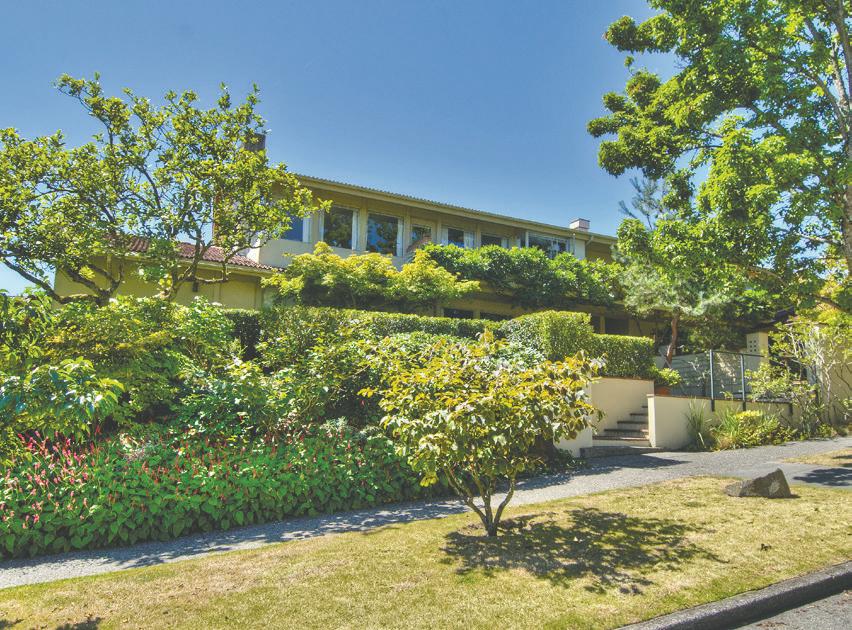
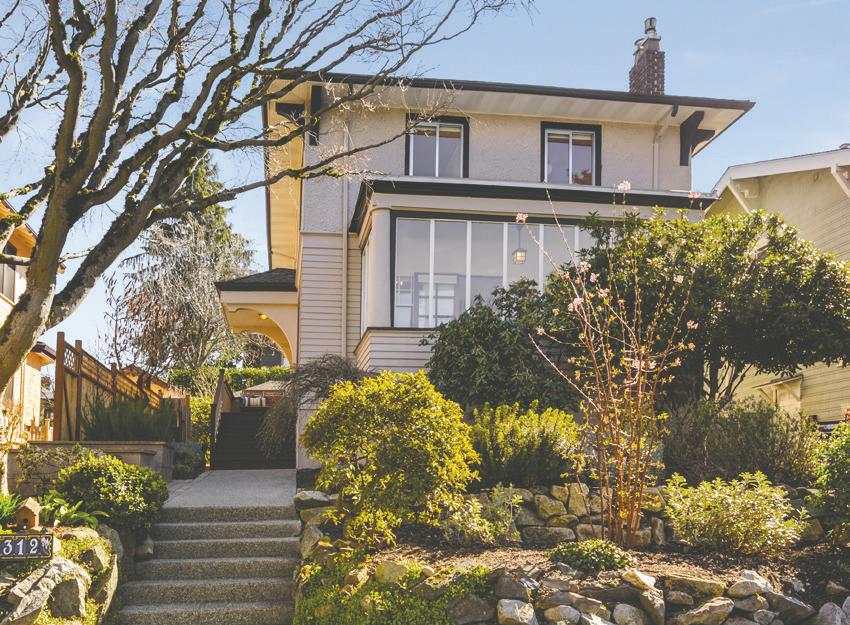
Beautiful 20th floor luxury downtown home with breathtaking city views of Space Needle, Puget Sound & Olympic Mountains. Light-filled open spaces with 10’ ceilings, chef’s kitchen with top-of-the-line appliances and gas cooking. 1 bedroom, 1.5 bathrooms. Great neighborhood near Seattle Public Library, Pioneer Sq., Sports Stadiums, Waterfront. 24/7 concierge, exercise room, pet area, entertainment area BBQ, guest suite. 1-car garage pkg & storage rm. No rental cap.
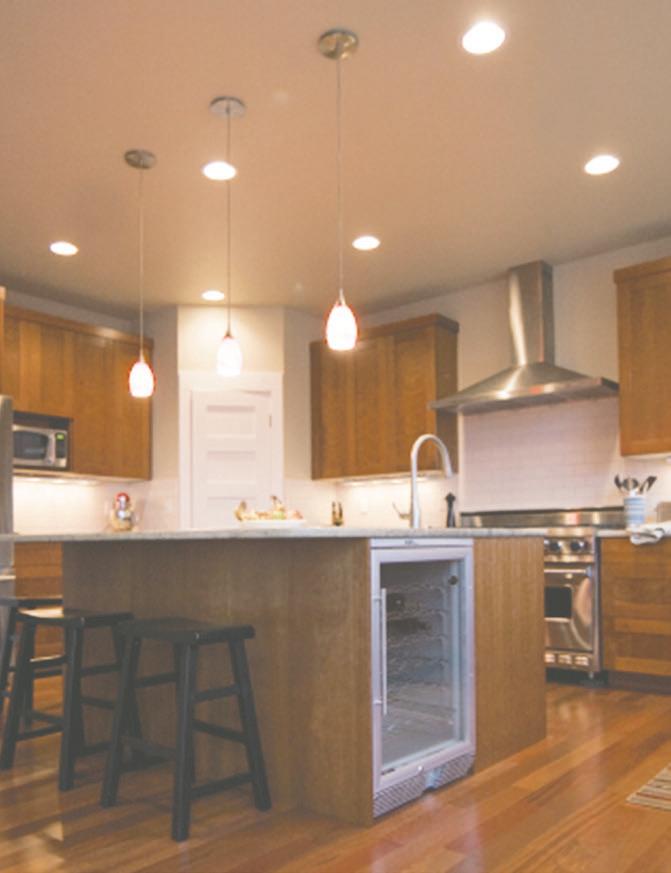
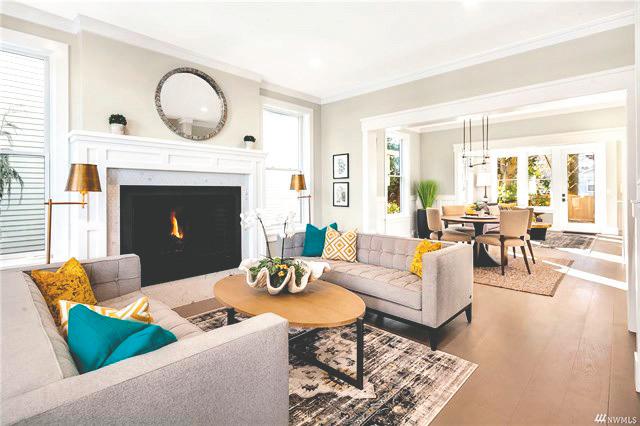
Outstanding custom construction and design by Eugene Sherman Design & Development nestled on the top of Queen Anne Hill. Openfloorplan main level greets you with light-filled living room with gas frpl, dining room, true chef’s kitchen with adj. family room. 2nd floor offers king size master suite with spa-like bath, laundry, 2nd full bath and two additional bedrooms. 3rd floor has 2 bedrooms full bath and open area. Lower level provides media room and wine room. One car detached garage.
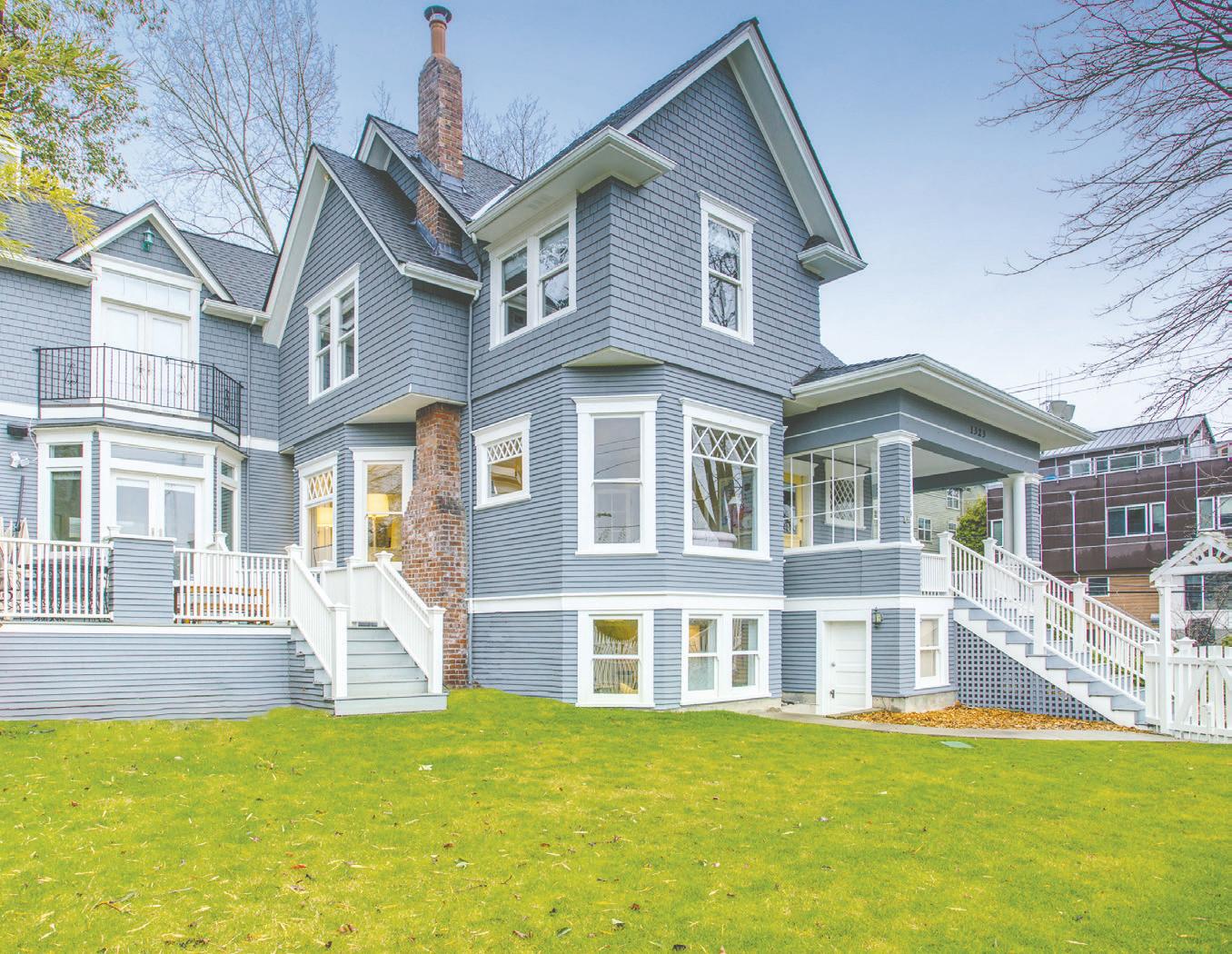
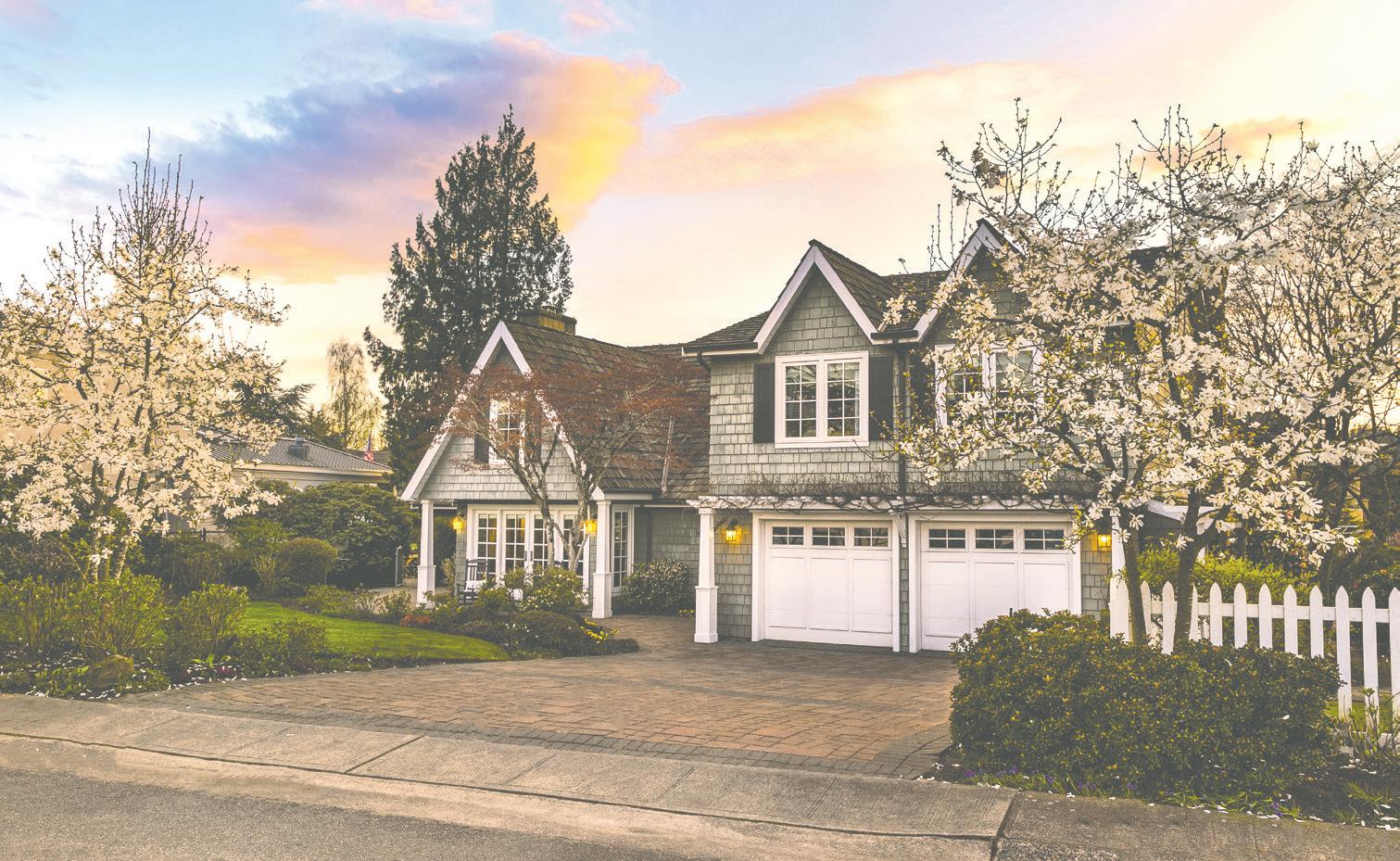
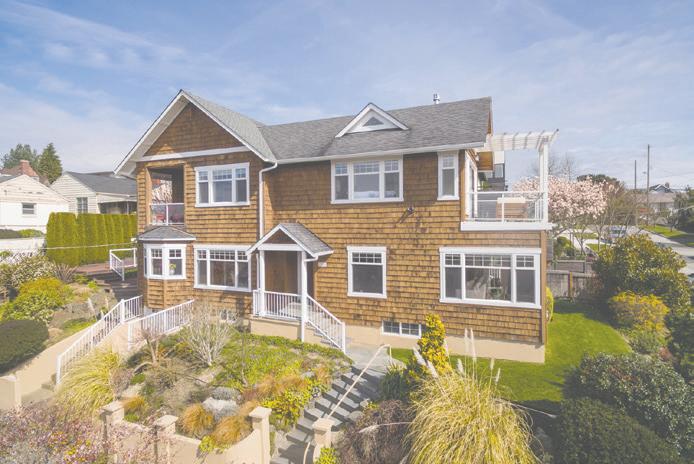
Lovely Shingle-style home perched above the street provides privacy, light & fab views of Puget Sound&Olympic Mtns. A few blocks to Magnolia Village, schools, parks, sports fields & Mounger Pool. Main floor offers chef’s kitchen with adj. family rm, 3/4 bath,coveted guest bdrm, spacious view living&dining rooms. 2nd floor presents huge view master suite w/ vaulted ceilings&updated bath, two additional bedrooms and full bath. Lower level media rm, laundry, 1/2 bath, storage. Attached two-car tandem garage.
can bump out a large portion of the roof, or they can simply add an extra window nook. You’ll recognize gable dormers by their resemblance to a dog house, including a roof that peaks in the middle and descends on the sides. Shed dormers are bump-outs that gradually slope up toward the existing roof. Added functionality is the most often reason for a bump-out or dormer addition.
Second Story Additions
Is your family growing? If you’ve started to outgrow your home or have more kids on the way, a second story addition could be a good solution. Adding a floor can also be the right choice if your home is near a good view, but it’s just outside of your current reach. Many lots in Seattle are positioned on a hillside with downtown, mountain or water views that have yet to be experienced from inside the home. Either way, a second-floor addition increases the square footage to your home—typically doubling the space. If you’d like to stay in your neighborhood but want to take your home from a 2-bed/1-bath to a 4-bed/2-bath, go up!
Interested in becoming a landlord? If supplementary
income is your focus, consider a Detached Accessory Dwelling Unit, or DADU. These increasingly popular additions to your lot aren’t attached to your home. DADUs—also known as backyard cottages or tiny homes—are separate dwellings on a single lot. The city of Seattle legalized their construction in 2001, so you’ll be seeing them pop up a lot more in years to come. You’ll need significant space to build a whole new structure with its own kitchen and bathroom, but the payoff could be worth the tradeoff. Since they’re separate from the main property, they have more flexibility and opportunity for evolution as your needs change. DADUs can also be used for a variety of personal purposes including as a guest house or a yoga or art studio, hobby space and more. Consult your contractor for more information on permitting and requirements for DADUs, as they are regularly changing with the increasing population in Seattle.
If you’re still not sure which type of addition is right for your home and budget, we recommend reaching out to a local contractor. They will be able to give you additional insight and lay out the most realistic options to fulfill your home wishes.
Model Remodel (MRM) is a design-build contractor located in Queen Anne. Find them at modelremodel.com.
By Brenda Nunes, Nunes
Group Real Estate, Keller Williams Eastside inc., Real Estate Managing Broker, Global Property Specialist, Green, Leed Ap
If you’re remodeling or moving to a new home, there may be large or bulky household items you’ll want to replace and recycle. A remodel may mean updating kitchen appliances. You may want to replace the carpet or get new mattresses and box springs. Or you might need to declutter and get rid of old electronics in your new home.
When clients come to me for tips as they look to clear out or update their home, I guide them to be environmental stewards, to utilize conservation resources and follow sustainable practices. Note that professionals in construction and remodeling have different rules and regulations to follow for the disposal of or when recycling large household materials and appliances.
Donating items for reuse is ideal, but unfortunately not always possible. Can the materials be sold at a garage sale, gifted to another or donated to a charity or service organization? The first two are easy enough to try, the third— donating to an organization—may

present a challenge. Each organization will have different acceptance policies with explicit directions online. Because you are giving away larger items, ask if the organization will pick up from your location.
Depending on where you live, you may be near a transfer station with recycling and disposal options or recycler. Your city may also offer disposal or recycling through a special “bulky item collection.” The King County Solid Waste Division website provides info on recycling, reuse and disposal options, green home remodeling, and more at kingcounty.gov/solidwaste.
Electronic Products
Take it Back Network locations will accept electronic products such as computers, televisions, cell phones and certain




Question:
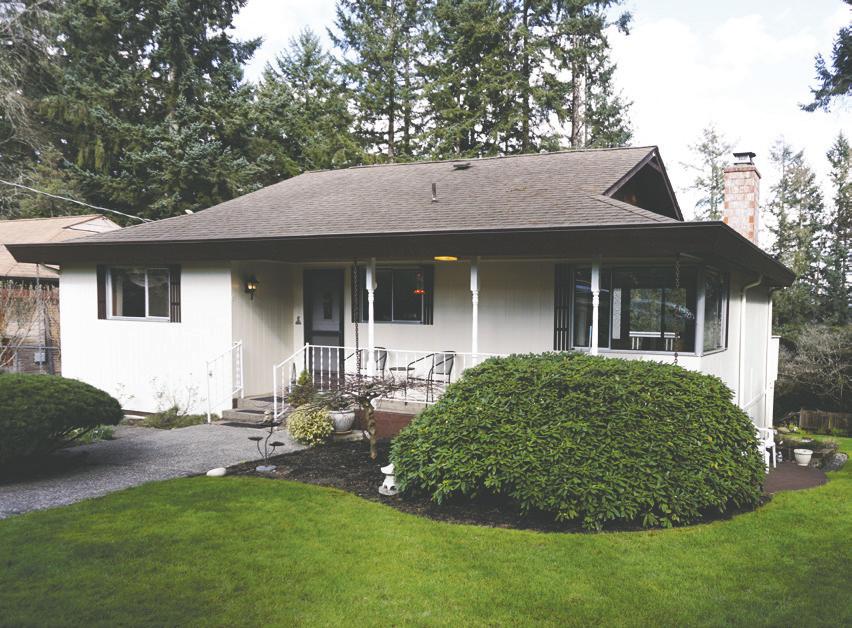
I have a lot of mature plants around my house. I keep them in good order, but there are a lot and the house is a bit obscured in places as a result. What is your advice on landscaping, is mature, well-kept growth good or should I move toward a more open and minimal plant-scape?
Answer:
Whenever possible, we do everything we can to keep mature plants and trees in place and intact! In fact, we love mature, well-groomed landscaping! Mature, lush, and healthy landscaping adds wonderful street appeal, privacy, and provides summer shade. Not only have we found mature landscaping to be selling point for many buyers, but it makes homes appear more stately, established, and inviting! In the past, we have seen clients go to extreme lengths to preserve mature trees and landscaping when constructing a new home on a lot where a previous home stood!
Healthy greenery not only provides a more welcoming atmosphere, but it also helps outdoor spaces feel more serene and calm. For homes lacking mature landscaping or with sparse plants, we will often have mature plants installed as part of the listing preparation process.
When considering a property with existing mature landscaping, there are two primary considerations we make with regards to listing the home. The first is the best time of year to list, photograph, and feature the landscaping as an asset to the property. This consideration is of particular importance when a large number of the plantings comprise seasonal foliage or blooms. Well-kept, lush vegetation will naturally showcase the landscaping as a desirable feature better than sparse or winterized vegetation. The second important consideration is to keep all vegetation trimmed at least 12” from the structure of the house. Some plants can actually damage the structure of the home with contact, so this is important for demonstrating structural integrity, proper maintenance, and pest prevention measures. When vegetation is touching or too close to the structure, a home inspector will almost certainly note it as an area of concern to prospective buyers.
to
Sam Konswa is the Founding/Managing Broker of Queen Anne Real Estate.

One of the best parts of backyard living in the warmer months is all the potential for bird watching that comes with it. You may have even installed a birdfeeder in your garden in an attempt to attract more birds to your property.
But did you know, your home poses dangerous risks to the birds that visit your yard and garden? Window strikes are common among many species of migrating birds, and millions of wild birds are killed annually flying into windows.
Whether you are an avid amateur ornithologist or just a casual observer of feathered friends in flight, by taking precautions your home need not be part of the problem. Take advantage of the fact
that birds can see certain light frequencies that humans cannot to make windows visible to birds in a way that won’t obstruct your own view. Doing so can be a simple home project completed in just an afternoon. Try applying UV decals and UV liquid to your home’s windows and sliding glass doors. Those from WindowAlert, for example, have been proven to effectively alter the flight path of birds to prevent window strikes. While the coating will look like etched glass to the human eye, it will look very visible to a bird. As UV reflectivity may fade over time, it’s important to replace the decals and liquid every four months. Application techniques can be found by visiting WindowAlert.com.
“Turning your home into a refuge for birds is a simple way to save lives and protect the creatures that beautify your yard and, in the case of hummingbirds, pollinate your garden,” says Spencer Schock, founder of WindowAlert.

electronics. The Network is a partnership among government agencies (King County Solid Waste Division, Snohomish County and Seattle Public Utilities) and retailers, repair shops, charitable organizations and recyclers that provides consumers with options for recycling certain wastes—and their hazardous components—in a safe and cost-effective manner. Search for a Take it Back Network location here: kingcounty.gov/ takeitback.
Many second hand stores or nonprofit organizations will accept your appliances. Most have online guidelines as to the kind and quality of appliances they accept. As refrigerators, freezers and air conditioners contain chlorofluorocarbons (CFCs), which are regulated under the federal Clean Air Act, they cannot be disposed and must be recycled. Check your local transfer station for restrictions and fees that may
apply for recycling specific appliances. Your local utility company may offer to recycle your old appliance for no cost, and in some cases, you may get a rebate check. Ask if the utility will haul away your unwanted fridge or freezer. Look online for easy to follow guidelines or options for recycling from your utility company.
Mattress recycling is becoming more common. When you buy a new mattress, ask the company you purchased it from if they will haul and recycle old mattresses and box spring. Few second hand stores will accept used mattresses. Another option is to search King County’s What Do I Do With…? (just Google it) to find a hauler who will recycle mattresses. Most transfer stations will accept mattresses and box springs for disposal—be sure to check fees and restrictions before you go.
Carpet
Because of health concerns,
Schock also recommends planting trees, shrubs and flowers that provide birds with nourishment and shelter, as well as paying attention to pet cats when they are outdoors, to ensure they don’t hunt the birds that visit. (StatePoint)
This season, be a better friend to birds by taking a few simple measures in your home and garden. (c)
used carpet and padding is not typically accepted for donation. Some organizations may accept new or unused carpet, depending on their guidelines. If you are replacing carpet, ask your retailer or installer if they offer removal options. Carpet recycling options are currently very limited in Washington state. Most transfer stations accept carpet for disposal, with restrictions, depending on whether the homeowner or installation company is disposing. Always make sure to check online before you take your materials to a transfer station as different locations may have varying rules on what they will accept.
Happy purging!
The Nunes Group, a division of Keller Williams Real Estate, believes that real estate is an important asset for everyone’s financial plan. Start the path toward finding your home at nunesgrouprealestate.com.








Corey 206/818-3386
Dawn 206/948-4340












































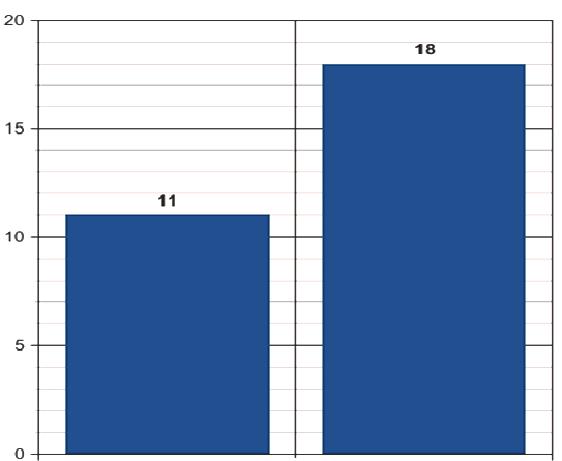
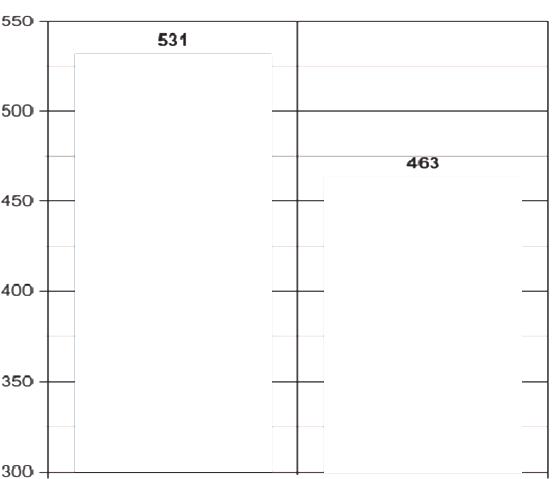
In 2017, Queen Anne Real Estate’s residential listings sold for 15% more per square foot than Seattle’s average ($531 vs. $463). Queen Anne Real Estate sold residential listings in Queen Anne 39% faster than the area's average (11 days vs. 18 days).

Residential home prices in Seattle remained high in Q1 2018 after a year of strong growth, as the median sales price increased 16.9% year-over-year from $650,000 to $760,000.
Median residential home prices in Queen Anne increased 12.3% compared to Q1 last year as the number of new listings dropped by 14.0%.
Median residential home prices in Magnolia increased 47.8% compared to Q1 last year and the average days on market increased 58.3% to 38 days.