
meet ANDY HEINS
The Art of Flying Differently



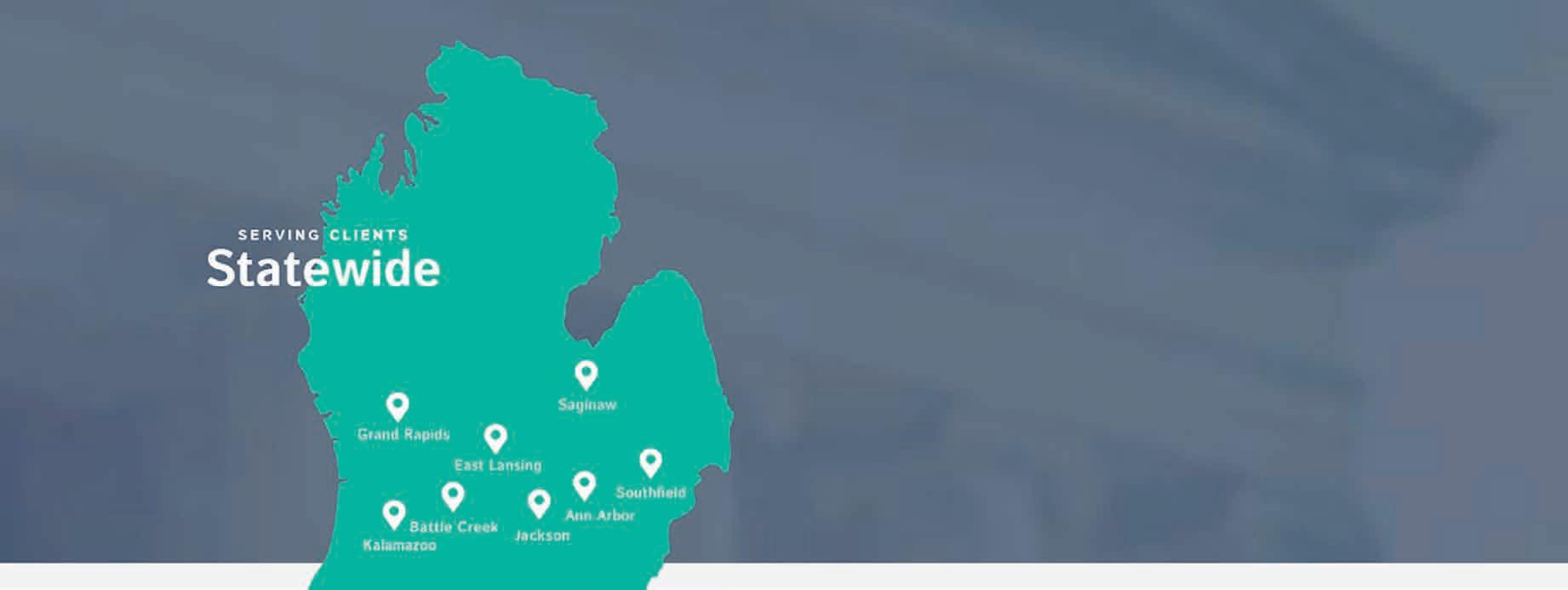


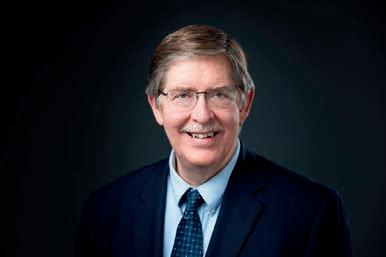
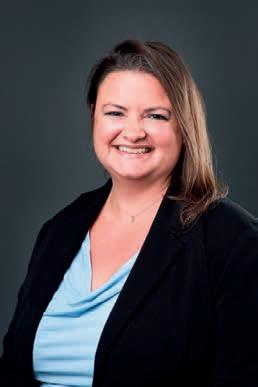

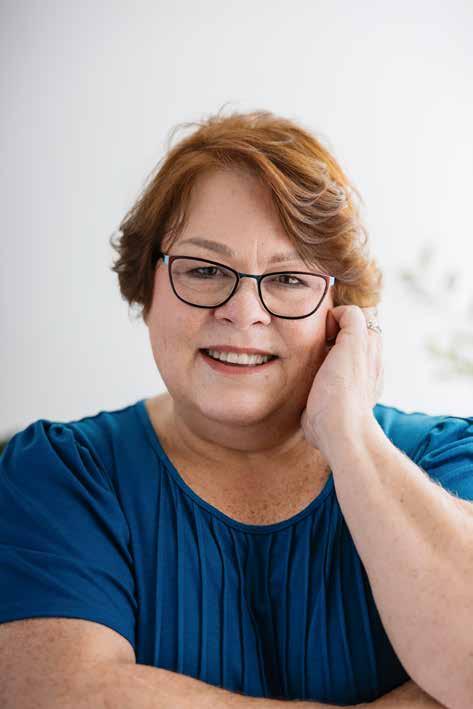
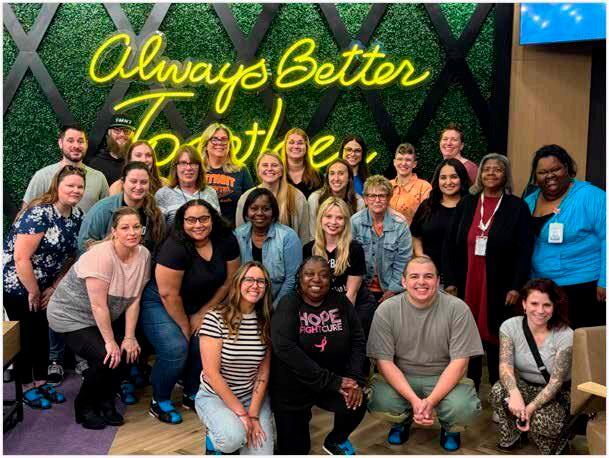
Meet the Uniquely You Team!
Publication Staff
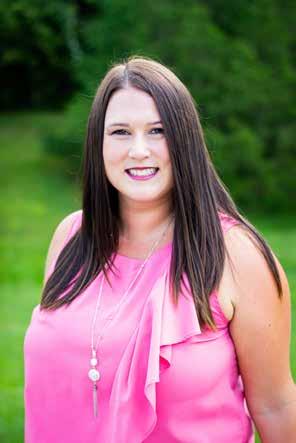



Staff Writers and Contributors


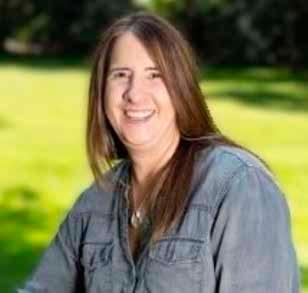


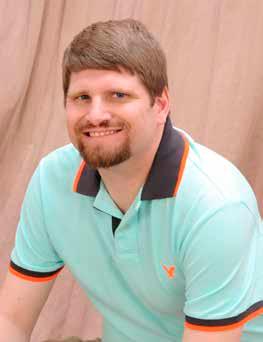
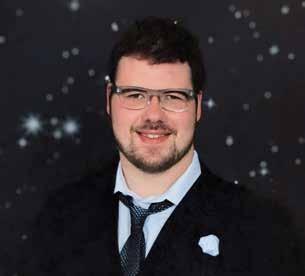

Christia Woodford CONTENT
Jamie Olson AREA DIRECTOR
Christina McGairk EDITOR-IN-CHIEF
Janalee Grainer
Kristin Dillon EVENTS
Steve Friess
Ron Sandison
Melanie Young Maria Giancott i
Jesse Ronne
Rebecca Parten
Dorene Philpot
Chris Butts
Charlotte Bachelor Molly David
IMPORTANT PHONE NUMBERS
517-241-3740
517-487-5426
877-463-2266
517-882-2800
517-241-3740
Aging, Community Living, and Supports Bureau (ACLS Bureau) www.michigan.gov/mdhhs/adult-child-serv/ adults-and-seniors/behavioral-and-physical-healthand-aging-services/aging-services Arc Michigan arcmi.org
Autism Alliance of Michigan https/autismallianceofmichigan.org/ Autism Support of Michigan https/autism-mi.org/ Behavioral Health and Developmental Disabilities Administrationwww.michigan.gov/mdhhs/ keep-mi-healthy/mentalhealth/procurement/ welcome-to-behavioral-health-and-developmentaldisabilities-administration
269-345-1913 517-241-3740
800-605-6722
517-333-6655
616-732-7358
269-337-3600
517-241-3740
Michigan Foundation for the Blind and Visually Impaired Michigan Developmental Disabilities Council www.michigan.gov/mdhhs/keep-mi-healthy/ mentalhealth/developmentaldisability
Michigan Rehabilitation Services (MRS) Capital Area Down Syndrome Association www.cadsa.org
Deaf and Hard of Hearing Services (DHHS) www.deafhhs.org/
Disability Determination Bureau Division of Aging
www.michigan.gov/mdhhs/adult-child-serv/adults-andseniors/behavioral-and-physical-health-and-agingservices/aging-services
517-241-3740
800-75-SEALS
Division of Family Resources (DFR) www.michigan.gov/mdhhs
Easterseals MORC www.easterseals.com/MORC/

Would you like to advertise in Uniquely You! to share valuable information and help support the community? Scan to grab some time to connect & learn more about being involved: https://calendly. com/jamie-mccabe/ special-needs-livingmagazine

Scan to view the past issues of Special Needs Living and Uniquely You!


Scan to view past digital copies, find resources, share a story or learn more about being involved.
Jamie Olson: Uniquely You! Magazine Area Director jamie.olson@n2co.com 248-882-8448
911
1-800-327-5966
833-633-5788
517-374-1171
517-241-3740
517-241-3740
517-241-3740
833-808-7452
800-457-4584
313-446-4444
988
517-241-7004
517-284-7290
800-772-1213
1-800-772-1213
833-633-5788
517-203-1200
517-241-5324
Emergency
Ealy On Michigan
https://www.1800earlyon.org/directory.php
Michigan Department of Education: Office of Special Education https/www.michigan.gov/mde/services/ special-education-
Michigan Family Forum
Michigan Family to Family www.f2fmichigan.org/
Michigan Department of Health and Human Services www.michigan.gov/mdhhs
Michigan Family and Social Services Administration (FSSA) www.michigan.gov/mdhhs
Michigan State Department of Health www.michigan.gov/mdhhs
Michigan Statewide Independent Living Council (MSILC) www.misilc.org/
Medicaid Disability
MI Choice Waiver Program
National Alliance on Mental Illness
Preschool & Out-of-School Time Learning www.michigan.gov/mde/about-us/mde-divisions-andoffices/preschool-and-out-of-school-time-learning
Self-Advocates of Michigan (SAM)
Social Security Administration (SSA)
Social Security Disability Insurance (SSDI)
Special Education Questions
United Cerebral Palsy Association of Michigan ucp@ucpmichigan.org
Vocational Rehabilitation Services (VR)
n2co.com
Celebrate. Connect. Impact. © 2026 The N2 Company, Inc.
DISCLAIMER: The views expressed in the articles and advertisements in Uniquely You are those of the authors and advertisers and do not necessarily reflect those of The N2 Company or the publisher. Inclusion of paid advertisements does not imply endorsement, and neither N2 nor the publisher is responsible for the business practices of advertisers. We are proud to feature businesses that share our commitment to showcasing local connections. Please note that businesses profiled may have provided free products and / or services for the review. Uniquely You is for general informational and entertainment purposes only and is not intended to provide medical, therapeutic, educational, or legal advice. Always consult qualified professionals regarding the care and support of individuals with disabilities. NOTE: When community events take place, photographers may be present to take photos for the event, and they may be used in this publication.

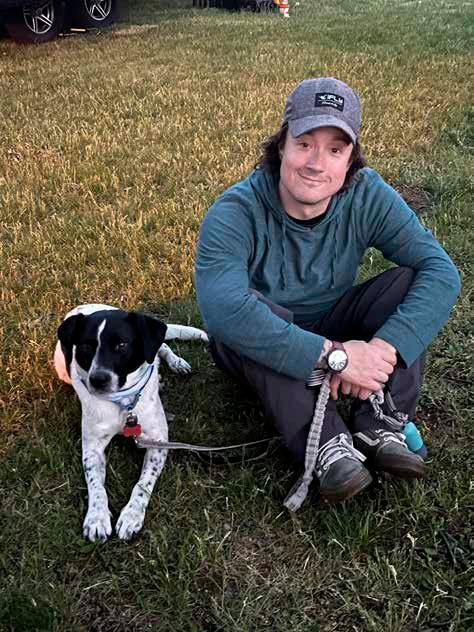
ANDY HEINS
ANDY HEINS and the Art of
Flying

ONLY A FEW DOZEN paralyzed skydivers exist worldwide. Andy Heins is one of them.
On his first skydive, he watched the sky split in two. Storm clouds churned to the north.
A full arc of rainbow cut across the eastern horizon. Suspended between weather and wonder, he felt weightless. It was the kind of moment that rearranges a life.
His story begins decades earlier, in a hospital room where twin brothers were born. Andy was diagnosed with spina bifida that same day. While his twin Kyle began life without those challenges, Andy’s early years were marked by hospital stays, surgeries, and months of physical therapy. Kyle and his older sister Nicky raced through childhood playing sports and chasing neighborhood adventures.
But ask Andy what he remembers most, and it isn’t the medical parts.
“We fished from sunup to sundown,” he says. “We rode bikes. My brother taught me by putting me on his BMX and pushing me down a hill. Somehow, that lesson worked.”
That reckless, loving moment captures something essential. Andy grew up in a family that never let his disability limit his world.
The Physics of Becoming Light
BY KRISTIN DILLON,
“I learned to walk when I was never supposed to,” he says. “I learned to drive with hand controls. I learned to skydive and land independently. Whatever it was, my family made me feel like I could do it. And I did.”
Kristin
Learning the Mechanics
For Andy, spina bifida meant limited sensation in his lower body and constant negotiation with how his body moved.
“Physical therapy was a big part of my childhood,” he says. “Any time I got a new set of AFOs, it took months for my body to adjust.” (AFOs are ankle foot orthoses, rigid braces that stabilize the ankle and foot. Each new pair forces the body to relearn its mechanics.)
Adaptation wasn’t a burden. It was a kind of creativity in how he moved through life.
“I’ve always had to adapt,” he says. “It’s just part of who I am.”
That mindset would eventually carry him to a place few people imagine: the sky.
Between Storm and Rainbow
In 2006, right after high school graduation, Andy made his first skydive. It was supposed to be a milestone, just something fun to do with friends. When the canopy opened, the roar of freefall softened into steady wind.
“I remember being under canopy, five thousand feet up, and feeling pure freedom,” he says. “Storm clouds were building to the north. To the east, a rainbow was breaking through. It was absolutely beautiful. That was the moment I knew I wanted to fly between the clouds with my friends.”
He completed several tandem jumps before deciding to pursue his license. Becoming a solo skydiver required him to rethink everything about how a body moves through the air.
“Skydivers rely on the arch of their hips and back to gain stability,” he explains. “I can’t arch very well, so I had to figure out how to stay stable using my arms and legs in more unconventional ways.”
Landing also required a new strategy. Most skydivers run out their landings; Andy slides in on his backside, with extra padding on the harness to protect his myelomeningocele at L4 and L5.
On his final student jump, his mentor Steve did something Andy never forgot. He borrowed a friend’s plane and removed the seats so Andy could exit more easily.
“It was one of the nicest things anyone had ever done to accommodate me,” Andy says.
Love in the Waiting Room
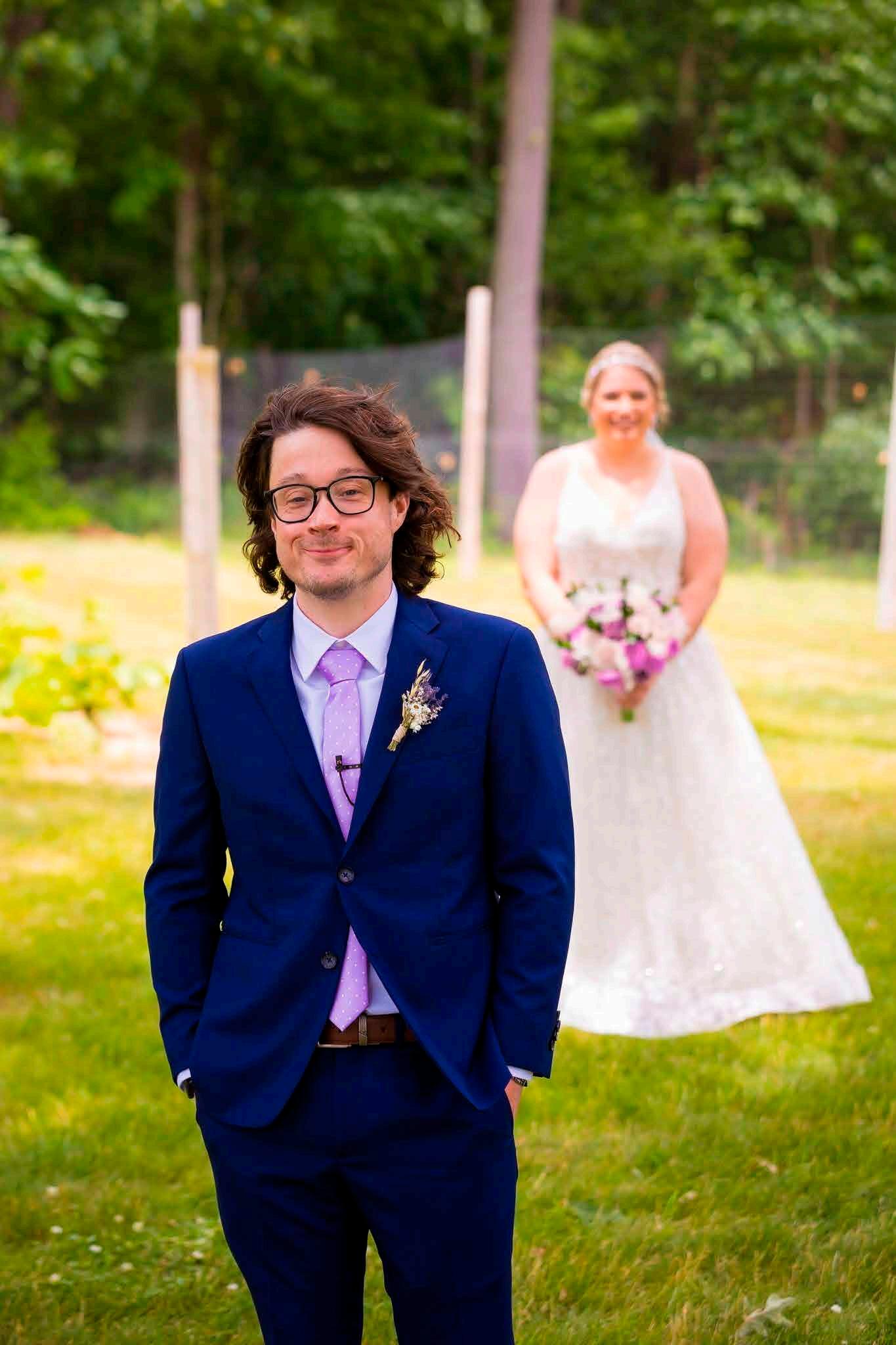
If skydiving taught Andy how to fly, meeting Lisa taught him how to handle everything that comes crashing in from the side. From the beginning, their relationship grew alongside medical detours. Their second date was in the emergency room. Andy had a broken VP shunt, the device that drains excess fluid from his brain. When he proposed, he was in a walking boot from a skydiving injury. On their wedding website, they even created a timeline marking their relationship with his hospital stays, a quiet acknowledgment of the life they were already living together.
“In addition to spina bifida, I’m quite accident prone,” he says. “We always have a good time laughing at the number of hospital stays I’ve gotten us into.”
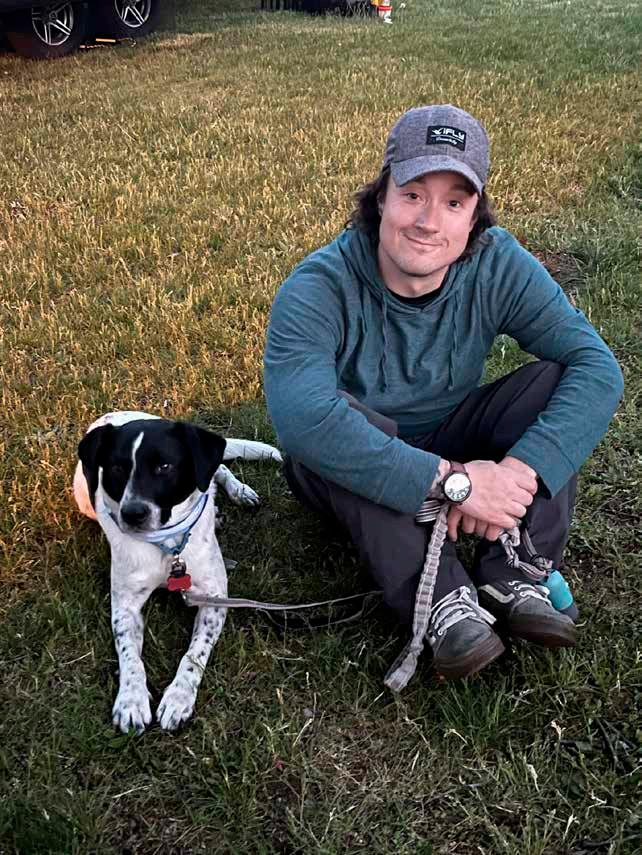
In 2023, they bought their first home in Madison Heights and talked about getting a dog later down the road. But fate had other plans. One night after a couple of beers, they found Earnhardt Bernard, Earnie, on Petfinder and couldn’t resist. He quickly became their best friend, their travel buddy, and their chaos generator.
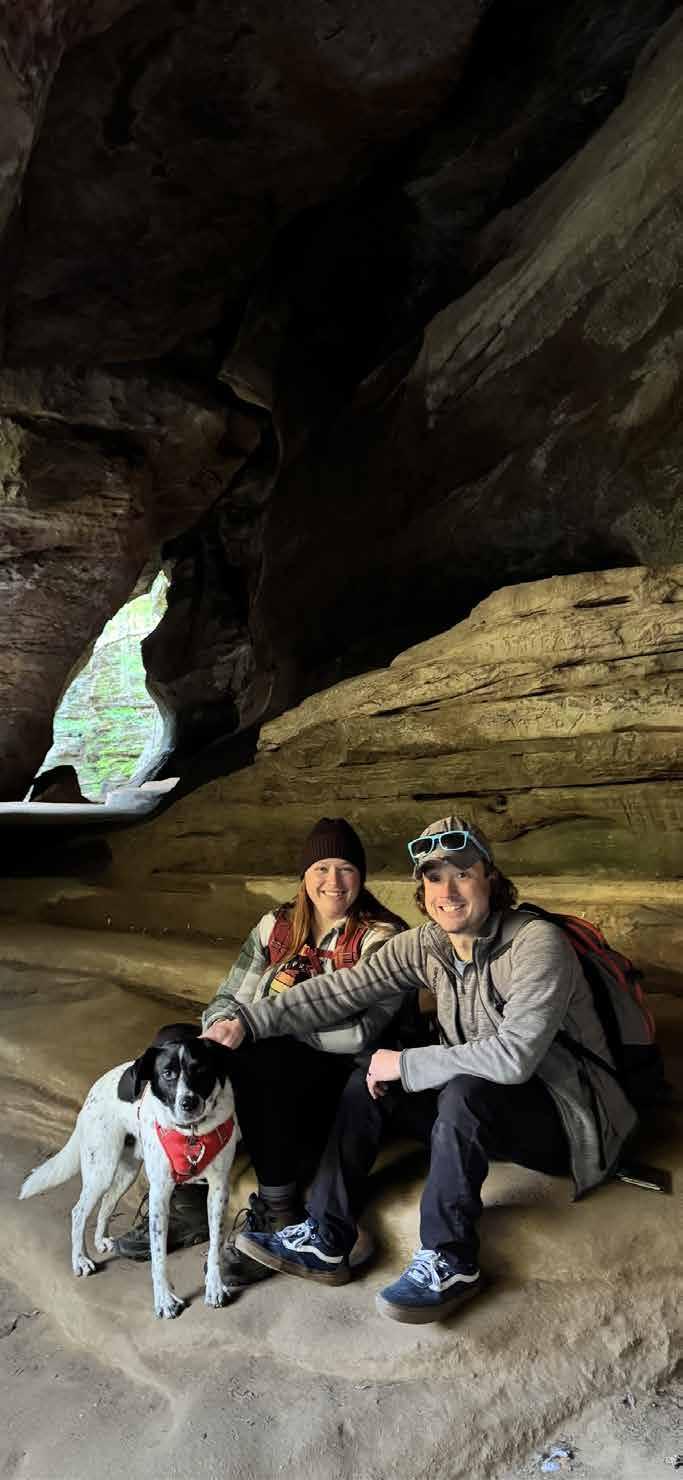
One of Andy’s favorite stories is the time Lisa let Earnie out to go to the bathroom. Within seconds, he was gone. She panicked, grabbed her shoes, and ran to the front door just in time to see him sprinting home with a tray of Kroger ground beef he had borrowed from the neighbors’ grocery delivery.
“He’s my best friend,” Andy says. “He really is.”
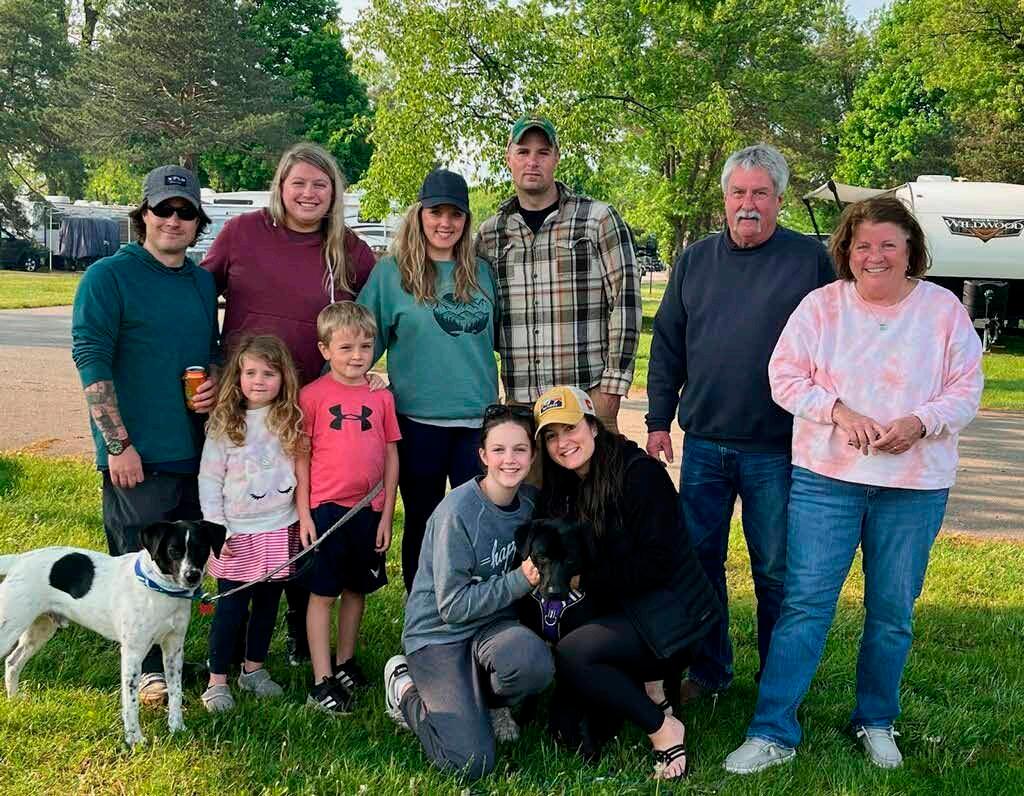
Their weekends are simple and steady: house chores, long sniffari walks, and evenings on the couch with Earnie curled between them.
How the Tunnel Found Him
When an indoor skydiving facility called iFLY was preparing to open in Detroit, Andy wasn’t looking for a job in a wind tunnel. At the time, he was working in a high stress job and feeling burned out, searching for something that felt closer to what he cared about.
He first saw the job posting in a local fun jumper Facebook group. Friends started sending it to him too, nudging him toward something they knew fit him better than he realized.
“At that point in my career, I was looking for a less stressful job,” he says. “It made sense to look into something closer to my passion.”

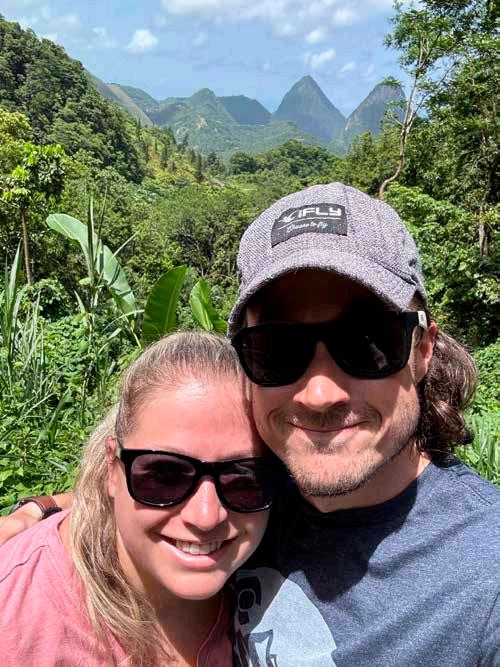
He wasn’t hired as an instructor. He came in as a shift supervisor, one of the original opening team members when iFLY Detroit launched. Five years later, he’s the only member of that original team still there.
The All Abilities Program
The All Abilities Program at iFLY Detroit is designed to make indoor skydiving accessible for people with physical, cognitive, and developmental disabilities.
Andy realized he was exactly where he belonged the day his twin brother Kyle, a lieutenant firefighter, shared a social media post about him and the program, urging his friends to check it out.
“It made me unbelievably proud,” Andy says. “I grew up looking up to him. Seeing him proud of me meant everything.”
At its core, the program is built on adaptation.
“Someone with limited mobility may need more hands on support getting in and out of the tunnel,” he explains. “Someone on the spectrum may need a quieter environment. We adjust to what each person needs.”
On All Abilities nights, the facility closes to the public. The tunnel is reserved for first time flyers with disabilities and their families. The staff is pared down to the most experienced instructors, including Andy.
“I absolutely adore driving the tunnel,” he says. “Kids run up and put their hands on the glass with their jaws dropped. And I love when families come back and become regulars.”
For anyone curious what it feels like inside, Andy puts it simply.
“iFLY gives you the feeling of being weightless and flying while being completely safe,” Andy says. “When the air lifts you, it’s totally freeing.”
When Air Beats Gravity
Inside the wind tunnel, a column of air rushes upward at highway speeds. When a body meets that air at just the right angle, gravity loosens its hold and lift takes over.
“Freedom,” Andy says. “That’s what I hope people feel the first time they fly. Nothing else matters in the tunnel. It forces you to be in the moment. Some people hesitate before stepping

in, but when they finally become weightless, they just look like they’re having fun.”
Bodies that have spent years negotiating gravity move differently once inside. For a few minutes, chairs, braces, and diagnoses stay outside the glass.
“It changes people,” he says. “It changes how they see themselves.”
“Most of the time, families are so excited. A lot of them want to get in the tunnel too.”
Watching that moment never gets old for Andy.
The Physics of Freedom
“I don’t always have the luxury of resting when I’m in pain,” Andy says. “Sometimes I just have to push through and keep moving forward. Mentally, it makes you tough. People like me are capable of much more than we’re given credit for. Sometimes you just have to find different ways to adapt.”
He also has advice for families navigating disability for the first time.
“Don’t panic. Don’t let life overwhelm you. Reach out. Talk to people. There’s a lot more support out there than people realize.”
A Life Built on Lift
He was the kid launched down a hill on a BMX who mastered wheelchair wheelies, loved orange sherbet, and once spotted his former neurosurgeon, Dr. Sanjay Gupta, on CNN and thought, Hey, I know that guy.
He grew up to drive with hand controls, skydive without feeling his feet, and build a career helping other people discover lift for the first time.
If you ask him what someone new to the community should do, he’ll grin.
“Come to iFLY Detroit,” he says. “And check out the poutine at Vinsetta Garage.”
We would love to share your story: https://form.jotform. com/202464921200140
WARRIOR: A Patient’s Courageous Quest by Shannon
Stocker
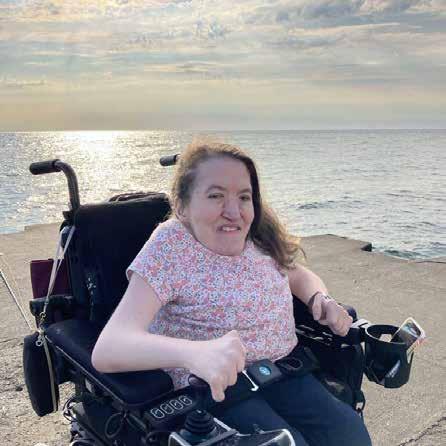
WARRIOR: A Patient’s Courageous Quest by
Shannon Stocker is a colorful picture book published in 2023. It follows the story of Maria who must travel her kingdom to ring a bell in order banish all sorts of beasts. The full-page illustrations are fun and full of adventures. Maria encounters different types of challenges as well as helpers. After conquering each challenge she is reminded that she is in fact a warrior. As the story progresses the challenges and helpers more closely resemble situations that a child might encounter while in the hospital. For example, her trusty sidekick, Hercules (service dog), and a forest sprite (pharmacist / nurse).
I enjoyed this book because even though it’s revealed that Maria is actually battling cancer, the story seems relatable for many kids with chronic illnesses or diagnoses. At the end of the book there is additional information about the inspiration behind the story: the author’s daughter. A brief overview of the different types of professionals a child might interact with while hospitalized (or even in an outpatient setting). Finally, there is a page with tips for interacting with service dogs which is always great information to have. All in all, I’d recommend this one!
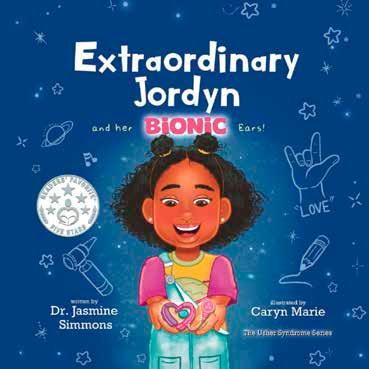

NEXT MONTH
I’ll be reviewing Extraordinary Jordan and her Bionic Ears by Dr. Jasmine Simmons.
LIAM’S STORY: Finding His Voice Through Communication
BY JUDSON CENTER
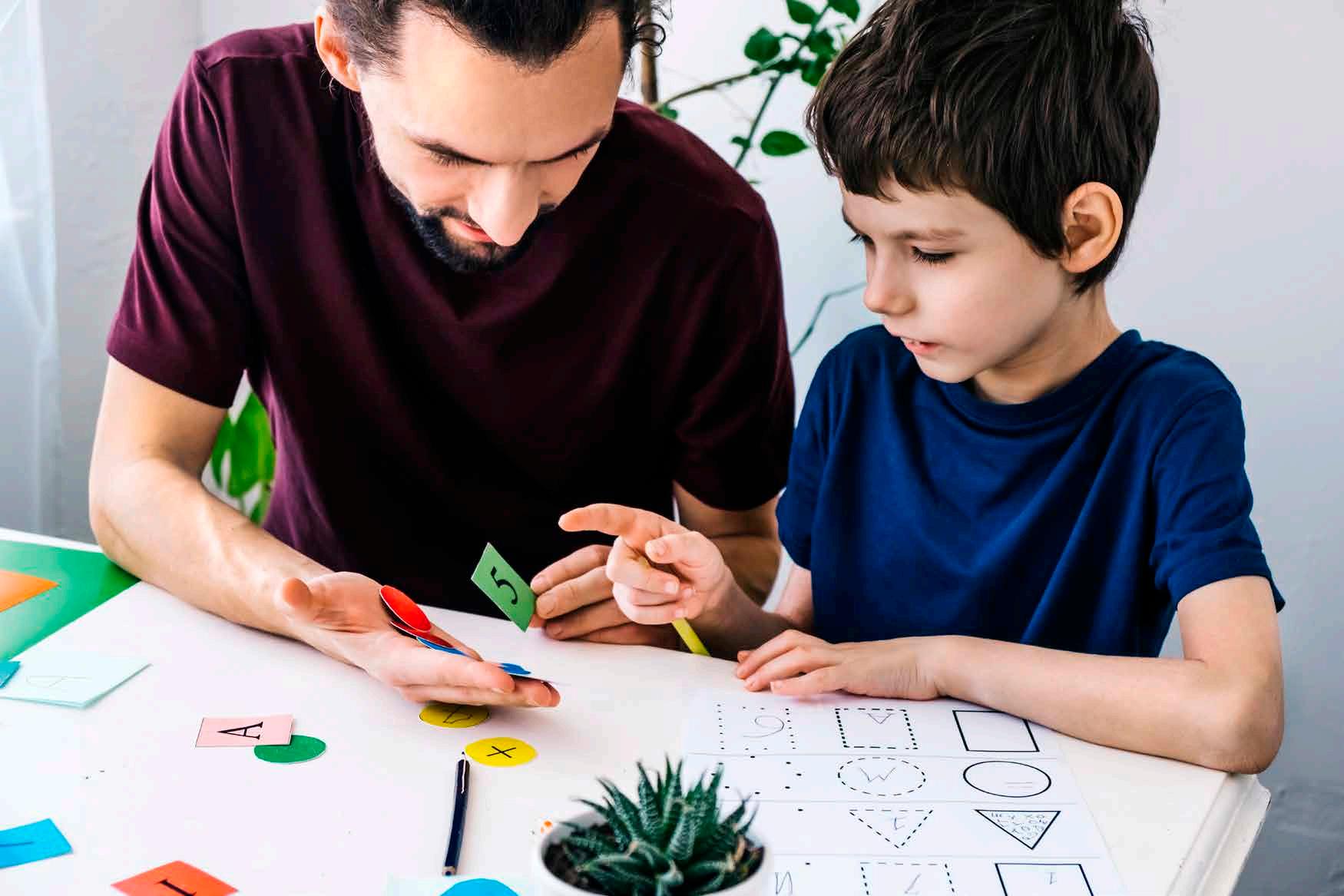
When Liam first came to the Bridges to Success Program at the Judson Center, he was a 10-year-old with an autism spectrum disorder diagnosis who relied on nonvocal forms of communication. His family had been facing significant challenges at home, and they were looking for guidance, support, and a path forward. The Applied Behavioral Analysis (ABA) team at Judson Center welcomed Liam with a clear goal in mind: help him build the communication skills he needed to better navigate his world.
Building a Foundation With PECS
Liam began his journey by learning to use a Picture Exchange Communication System (PECS). Through PECS, he was able to communicate his wants and needs by exchanging picture icons with staff. This system gave him a structured, reliable way to express himself and opened the door to many essential skills.
PECS proved to be an effective starting point, but it also had limitations. Although Liam was making progress in using pictures to communicate, he continued to experience challenging moments—periods when not being able to fully express himself led to behaviors that were difficult for him and required staff to use supportive safety procedures. These measures were always implemented with Liam’s safety and well-being as the priority, and they reinforced the importance of expanding his communication abilities.
The team remained focused on the long-term goal: building functional communication skills that would reduce these distressing episodes and help Liam communicate more independently.
A Major Step Forward: Introducing AAC
A significant turning point came in the fall when Liam began working with a speech-language pathologist. Together with his family and ABA team, they introduced an Augmentative and Alternative Communication (AAC) device—a tablet programmed with a robust system of picture icons. This device provided the same familiar structure of PECS but offered far more flexibility, vocabulary, and room for growth.
Because the AAC device speaks the words associated with chosen icons, it also supported the development of vocal communication. From the moment Liam began using it, the team could see how this tool would allow him to express himself more fully.
November, ABA treatment concentrated heavily on helping Liam use his AAC device across many different types of communication. His goals included requesting preferred items, identifying body parts and locations, answering social and safety-related questions, asking for breaks or time alone, and labeling items and people in his environment.
Progress That Spoke for Itself
Liam made significant gains with his AAC device. He learned to independently identify letters and numbers. He could answer various safety and social questions. He learned to request breaks before becoming upset. He grew able to identify familiar people and label his body parts. He expanded his communication to include full sentences made from multiple icons, even correctly using “-ing” to describe actions. These advancements had a clear impact. By the end of August 2025, Liam had not experienced any major behavioral episodes at the center that required restrictive safety measures. Being able to prompt Liam to use his device—to tell staff what he needed before frustration escalated—helped create a safer, calmer environment for him and for the people supporting him.
Supporting Success Across Settings
Liam’s parents continue to work closely with his BCBA through parent training, focusing on bringing the communication skills he has mastered at the center into the home environment. They have already reported seeing a meaningful reduction in challenging behaviors at home, reflecting Liam’s growing ability to communicate his needs more effectively.
Moving Forward
Liam’s story is one of steady, meaningful progress. With the right tools, consistent support, and a team committed to his success, he has gained new ways to express himself and navigate his day. His journey illustrates the profound impact that accessible communication can have—not only in reducing challenging moments, but in opening pathways for learning, connection, and confidence.
Providing
Delivering

Learn more about how Judson Center can help! Connect with our Autism Program at judsoncenter.org/autism/

BUILDING STRUCTURE WITH HEART
HOW THE STRATEGIC HUSTLE CREATES SUSTAINABLE SYSTEMS FOR REAL LIFE
M COGAR PHOTOGRAPHY LLC HTTPS://MCOGARPHOTO.COM/
THE STRATEGIC HUSTLE was not born out of theory, trends, or hustle culture. It was built from decades of lived experience, professional discipline, and the deeply personal journey of motherhood, particularly the experience of raising a daughter with Down syndrome. At its core, The Strategic Hustle is an education and strategy platform designed to help entrepreneurs, mompreneurs, small business owners, and everyday people build structure, simplify decision making, and create sustainable systems that support both business and life.
While The Strategic Hustle serves a diverse and mixed clientele, special needs families and caregivers remain an important part of its audience. The direction of the business was shaped not only by professional expertise, but also by the realities of caregiving, advocacy, and navigating life with limited capacity.
That intersection, where structure meets compassion, is where The Strategic Hustle truly stands apart.
Rooted in Michigan, Grounded in Family
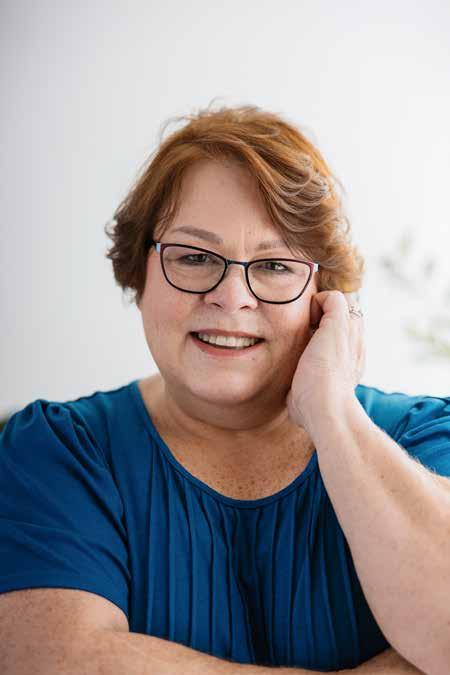
The founder of The Strategic Hustle grew up in Michigan and has called West Michigan home for more than 30 years. A single parent and the proud mother of four adult daughters, her life has been deeply influenced by her youngest daughter, who has Down syndrome. That journey has shaped how she approaches leadership, inclusion, and the environments she builds, at home, at work, and within the broader community.
Raising a child with a disability brings a heightened awareness of systems, which ones work, which ones fail, and which ones place unnecessary burdens on families. Over time, that
awareness evolved into a philosophy centered on creating environments where people are supported, valued, and able to thrive, not despite their differences, but alongside them. This belief would become foundational not only to her personal life, but to the businesses she would go on to build.
A Career Built on Systems That Hold Up Under Pressure
Before entrepreneurship, she spent nearly 40 years working within corporate environments, including highly regulated industries where precision, compliance, and accountability were non-negotiable. Her career focused on building, auditing, and improving quality systems, operations, and strategic frameworks, work that required clear thinking and the ability to
design processes that could withstand pressure, complexity, and change.
Throughout her career, she became highly skilled at identifying what was not working and redesigning systems so they actually functioned in real world conditions. This was not about perfection, it was about sustainability. Systems had to support people, not overwhelm them, and they had to work even when circumstances were less than ideal.
Those professional skills took on a new and deeper meaning when she transitioned into entrepreneurship while also navigating caregiving responsibilities.
From Corporate Systems to Purpose Driven Entrepreneurship
The move into entrepreneurship coincided with the creation of POSSiBiLiTEEs, a mission driven screen printing and laser gift business built to provide meaningful work opportunities for adults with special needs. What began as a way to create purposeful employment for her own daughter grew into a business rooted in dignity, contribution, and inclusion.
Running a purpose driven business while balancing caregiving responsibilities quickly highlighted something important. Strong systems are not just helpful, they are essential. Without structure, overwhelm becomes constant. Without repeatable processes, everything depends on memory and sheer effort, which is unsustainable over time.
It was within this intersection, decades of corporate systems experience and the lived reality of parenting, caregiving, and mission driven business ownership, that The Strategic Hustle began to take shape.
The Strategic Hustle: Systems for Business and Life
Originally created to support business owners, The Strategic Hustle was designed to help entrepreneurs and small business owners reduce overwhelm, avoid costly mistakes, and build foundations that support long term success. The platform focuses on structure, clarity, and decision making, helping people move away
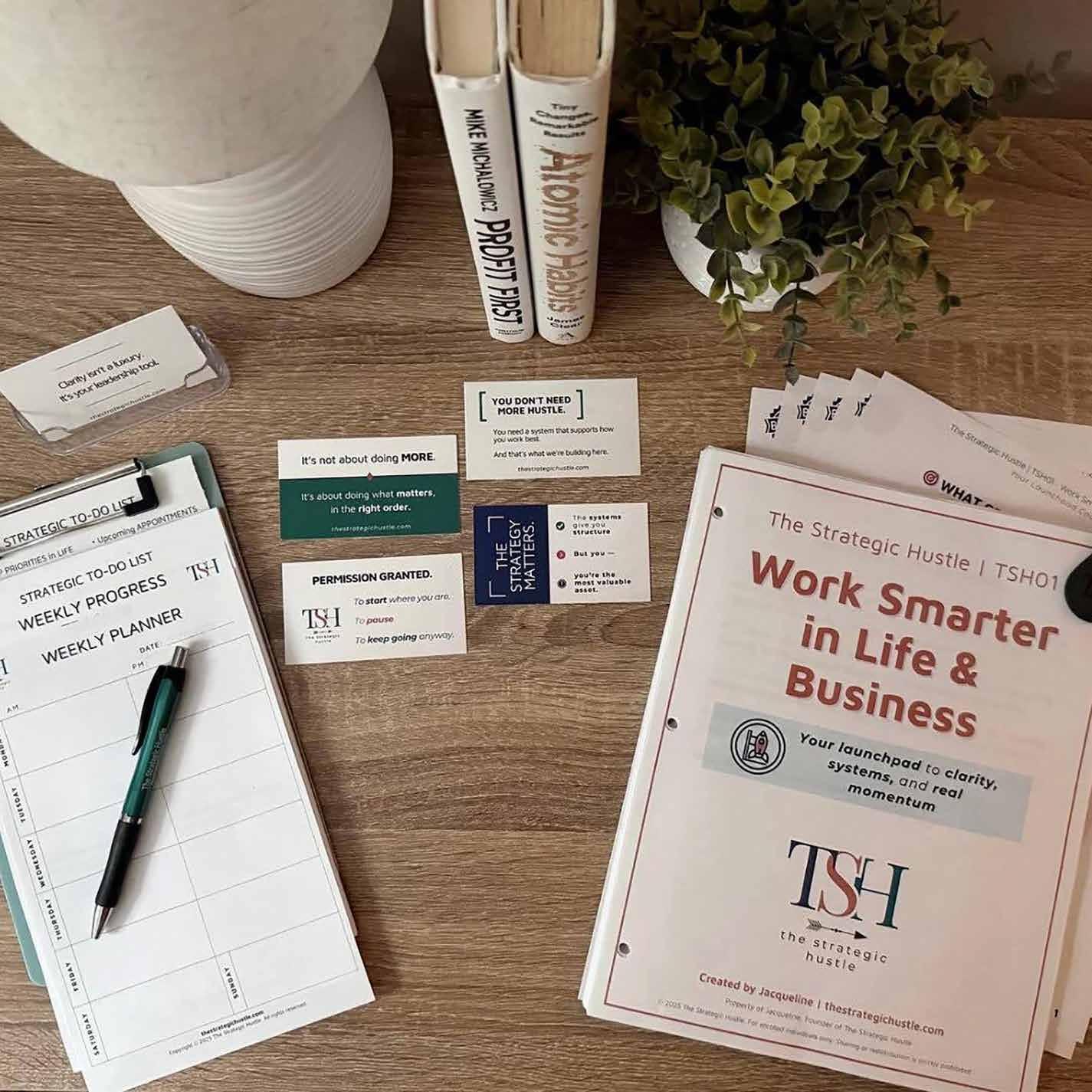
from chaos and toward intentional, repeatable processes.
As the work evolved, it became clear that the same systems improving business operations were equally effective in everyday life. Families managing complex schedules, caregiving responsibilities, advocacy demands, and limited capacity needed structure just as much as business owners, if not more.
The Strategic Hustle intentionally expanded to bridge that gap, applying practical, repeatable systems beyond business alone. Today, it supports individuals in creating clarity and stability across both work and life, helping them make decisions with confidence rather than exhaustion. What makes this approach unique is that it respects real life constraints. These systems are not designed for ideal circumstances, they are built for full, unpredictable lives.
Supporting the Special Needs Community in Meaningful Ways
Although The Strategic Hustle is not exclusively dedicated to individuals with special needs, its connection to the community is intentional and deeply rooted. The platform supports the special needs community in two significant ways.
First, it equips parents, caregivers, and mission driven business owners with practical tools that reduce overwhelm and honor limited capacity. Rather than asking people to do more, The Strategic Hustle helps them do what matters more sustainably. These tools allow families to build structure alongside caregiving and advocacy responsibilities, instead of feeling crushed by them.
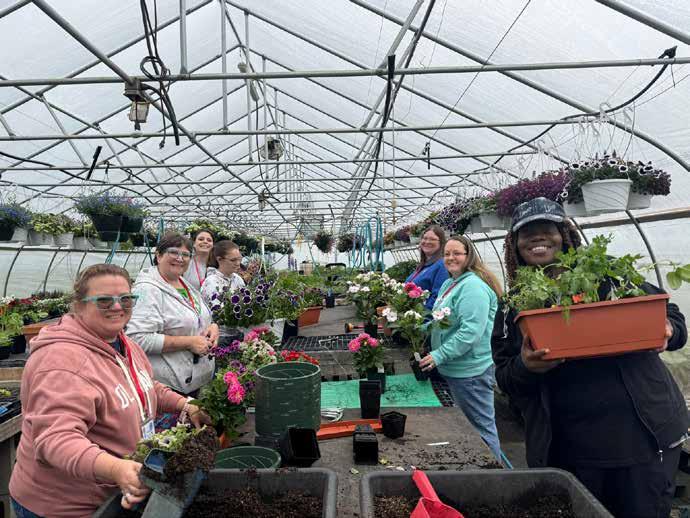
Second, the physical materials for The Strategic Hustle are prepared for shipment by adults with special needs through POSSiBiLiTEEs. This partnership provides purposeful, meaningful work opportunities while reinforcing the belief that everyone has valuable contributions to make. Inclusion, in this model, is not symbolic, it is operational.
By embedding dignity and opportunity into the day to day functioning of the business, The Strategic Hustle demonstrates that inclusion can be practical, sustainable, and impactful.
A Philosophy Rooted in Reality, Not Hustle Culture
What truly sets The Strategic Hustle apart is its grounding in real life. It was not created to promote hustle culture or unrealistic productivity standards.
Instead, it challenges the assumption that constant overwhelm is a personal failure.
For special needs families, caregivers, and mission driven business owners, overwhelm is often a systems issue, not a lack of effort, intelligence, or commitment. Relying on memory and sheer determination alone eventually leads to burnout.
The Strategic Hustle reframes structure as support. Systems create a foundation people can rely on when energy is low, circumstances change, or unexpected challenges arise. They reduce decision fatigue and provide stability in both work and life.
Just as importantly, the platform emphasizes that people do not need to build these systems from scratch. When capacity is limited, trying to design everything independently can add stress rather than relieve it. Simple, ready to use systems allow families and leaders to focus on caring, serving, and advocating without constantly reinventing the wheel.
Life Beyond the Business
When she is not working on The Strategic Hustle, she remains deeply involved in POSSiBiLiTEEs, a screen printing and laser gift business she founded. The business creates tees, drinkware, and laser engraved gifts designed for comfort, crafted for quality, and made to be enjoyed while intentionally including individuals of different abilities in the creative process.
Outside of her professional work, she finds balance and connection through quilting, supporting her daughter in sports activities, and being actively involved in her church. These moments of creativity, movement, and faith provide grounding and perspective, reinforcing the values that guide her businesses.
Giving back, for her, is not separate from work, it is embedded within it. Every decision reflects a commitment to inclusion, respect, and real life support.
Why Storytelling and Visibility Matter
At the heart of her work is a belief that meaningful inclusion happens when people are seen as individuals, not labels. Stories matter because they
create connection, reduce isolation, and reflect the complexity of real lives.
This is why supporting platforms like Uniquely You holds such significance. By celebrating individuality and lived experience within the special needs community, Uniquely You creates visibility and understanding. It highlights real families, real challenges, and mission driven businesses that are navigating life with honesty and heart.
That visibility helps people feel less alone and that matters deeply to families walking the special needs journey every day.
Built From Real Life, Designed to Last
Both The Strategic Hustle and POSSiBiLiTEEs were built from lived experience, not abstract theory. Everything created within these businesses is designed to be practical, sustainable, and supportive when life is full and unpredictable.
The work reflects a simple but powerful belief. Meaningful impact comes from building systems and opportunities that truly support people where they are. When structure is compassionate and inclusion is intentional, businesses and lives can thrive together.
BUSINESS CONTACT INFORMATION:
The Strategic Hustle 520 Butternut Dr, Unit 8201, Holland, MI 49424
616 613 0386
jacqueline@thestrategichustle.com thestrategichustle.com
Instagram: @strategichustle_society
We are excited to share a meaningful opportunity with our Uniquely You community, one created to support you in real, practical ways when life feels full, heavy, or overwhelming.
On behalf of POSSiBiLiTEEs, LLC and The Strategic Hustle our readers are being offered free access to a simple one-page weekly reset worksheet designed to help quiet the mental noise, refocus your energy, and gently guide you through the week with more steadiness and intention.
This resource is especially helpful for anyone juggling caregiving, work, family, or simply navigating a season that feels like a lot.
How to Access It For Free:
Visit https://thestrategichustle. com/products/just-this-week and use the dedicated code UNIQUELY_ YOU to unlock the worksheet at no cost.
You are also welcome to explore the site to learn more about the heart and purpose behind The Strategic Hustle and how it serves individuals and communities seeking clarity, balance, and sustainable growth.
We truly believe this worksheet will resonate with our community and serve as an encouraging takeaway you can use immediately, whether for yourself or to share with someone who could use a little extra support this week.


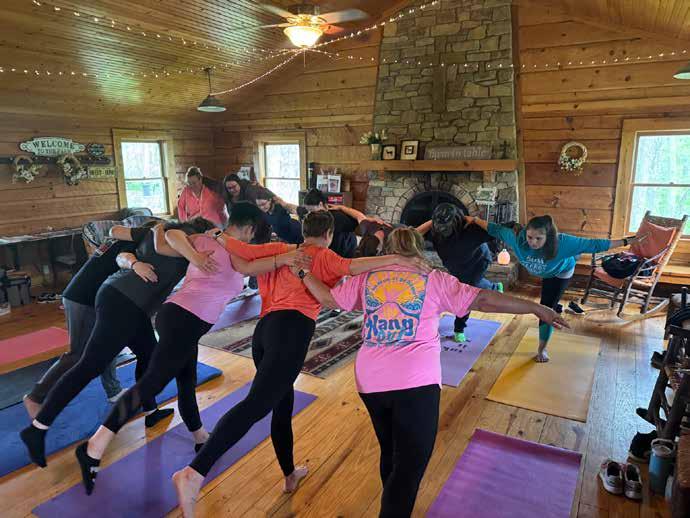

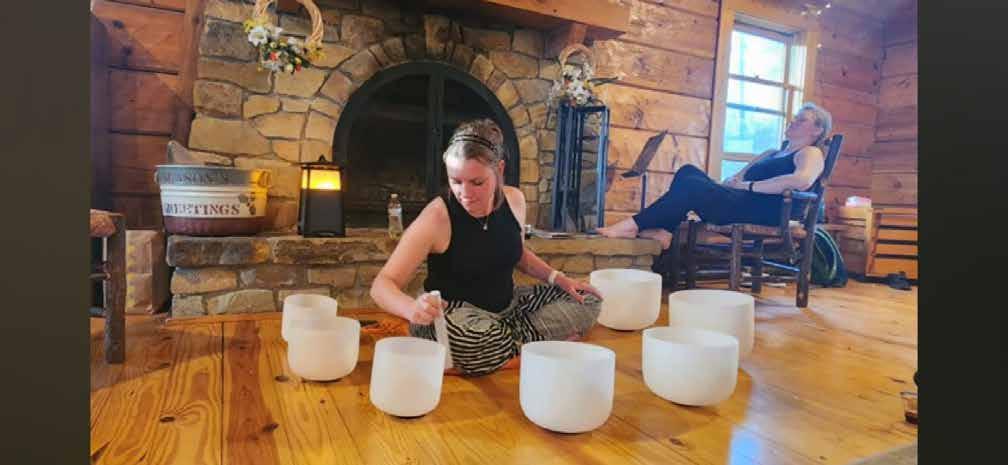
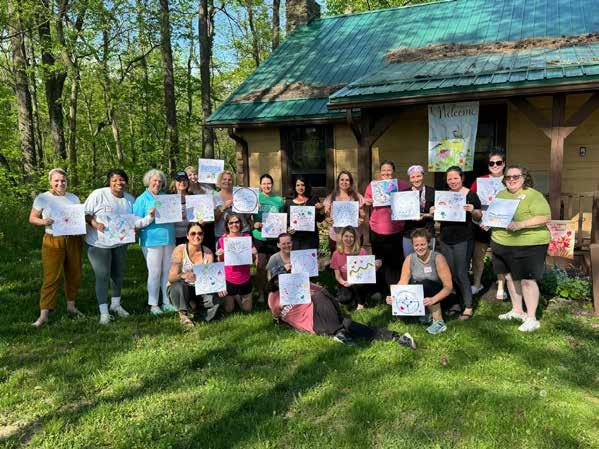
Healing & Mindfulness Workshops
Art Activities
Nature Hikes
Campfire Gatherings
Music & Yoga Sessions
Meals: Dinner (Fri), Breakfast, Lunch & Dinner (Sat), and Breakfast (Sun)
Two Nights at North Star Reach
R e g i s t e r

Increasing Independence for Individuals with Intellectual Disabilities through Technology
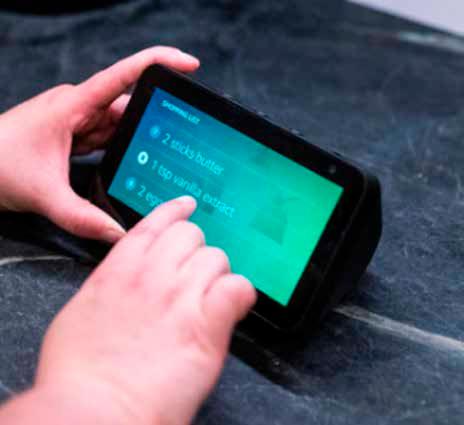

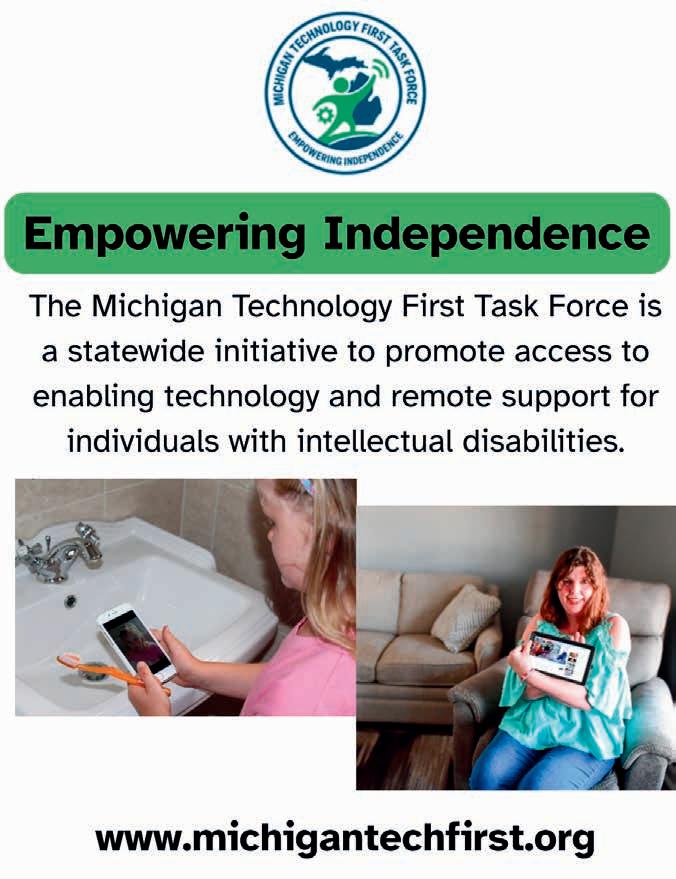
ARE YOU OR DO YOU know an individual with an intellectual disability who longs for greater independence? Are you struggling with a shortage of direct care workers and constant turnover? A grassroots group of individuals with intellectual disabilities, parents, provider and advocacy organizations, and other community stakeholders is working to bring an innovative support approach to Michigan called Technology First.
Technology First prescribes that technology is considered as one of the first support options for individuals with intellectual and developmental disabilities (IDD) and their families when discussing a person-centered plan of support. This means that individuals with intellectual disabilities will have greater access to enabling technology and remote support, both of which will be covered by Medicaid. These technologies will increase individuals’ self-esteem, independence, and ability to live their best lives according to their own personal goals.
Technology First has launched in some form in 40 states. Michigan has 50,000 individuals with IDD on Medicaid and is one of only a few states without public funding for enabling technology for this population. With a grant from the Michigan Health Endowment Fund, the Michigan Technology First Task Force is working to change that by developing a blueprint to bring Technology First to Michigan.
Enabling Technology includes devices and technology that support individuals to live as independently as possible. Some examples are wearable or other smart devices, mobile applications, medication dispensers, communication systems, or home sensors. Remote support is another technology solution that helps individuals gain greater independence. For example, a person who doesn’t need a human caregiver present overnight might have a device to contact a support person or an emergency button to call for help. Bed sensors that indicate when a person is out of bed unusually long can alert a remote worker to check on the individual. Or if the individual is feeling ill or worried, he or she can use a tablet to connect with a support person to ask for help or discuss concerns.
When enabling technology and remote support are included in an individual’s plan, it frees up the available direct care workers to support individuals with higher needs.
“Our goal is to make enabling technology and remote supports widely available to individuals with IDD and autism,” said Colleen Allen, Task Force member and President and CEO of the Autism Alliance of Michigan. “Availability includes affordability through Medicaid.”

Mental Health Awareness Month: IT’S OKAY TO ASK FOR HELP
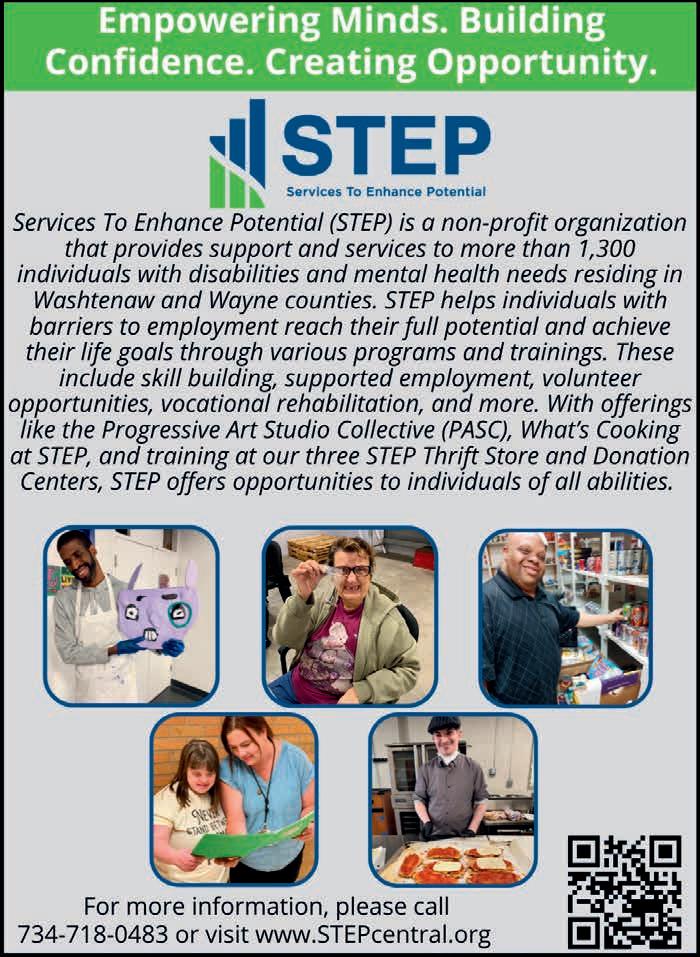
May is Mental Health Awareness Month, a time to shine a light on something that affects all of us. Mental health is just as important as physical health, yet many people still struggle in silence. At Services To Enhance Potential (STEP), we want our members, families, and community to know one simple but powerful truth: It is okay to ask for help.
Life can feel overwhelming at times. Job searching, workplace expectations, personal responsibilities, financial pressures, and social challenges can all take a toll. For individuals with disabilities or barriers to employment, these stressors can sometimes feel even heavier. Anxiety, depression, frustration, or burnout are not signs of weakness - they are human experiences. Reaching out for support is a sign of strength.
At STEP, we see firsthand how meaningful work and community connection positively impact mental health. Having a job, learning new skills, volunteering, or participating in training programs builds more than résumés - it builds confidence, independence, and purpose. When individuals feel valued and capable, their overall well-being improves.
But even in supportive environments, challenges happen. That’s why STEP encourages open conversations about mental health. Whether it’s speaking with a Supports Coordinator, connecting with a trusted staff member, talking to a family member, or seeking professional counseling, no one should feel like they have to navigate difficult moments alone.
Here are a few reminders during Mental Health Awareness Month:
• Your feelings are valid.
• Taking care of your mental health is part of taking care of your whole self.
• Asking for help is courageous.
• Small steps - like talking to someone, taking a break, or practicing self-care - can make a big difference.
• You are not alone.
STEP is committed to supporting the whole person. Through skill-building programs, supported employment, volunteer
opportunities, vocational rehabilitation, and community engagement, we help individuals overcome barriers and reach their full potential - not just in the workplace, but in life.
This May, let’s work together to reduce stigma, start conversations, and support one another. Because everyone deserves the opportunity to thrive - mentally, emotionally, and professionally.
The Guidance Center
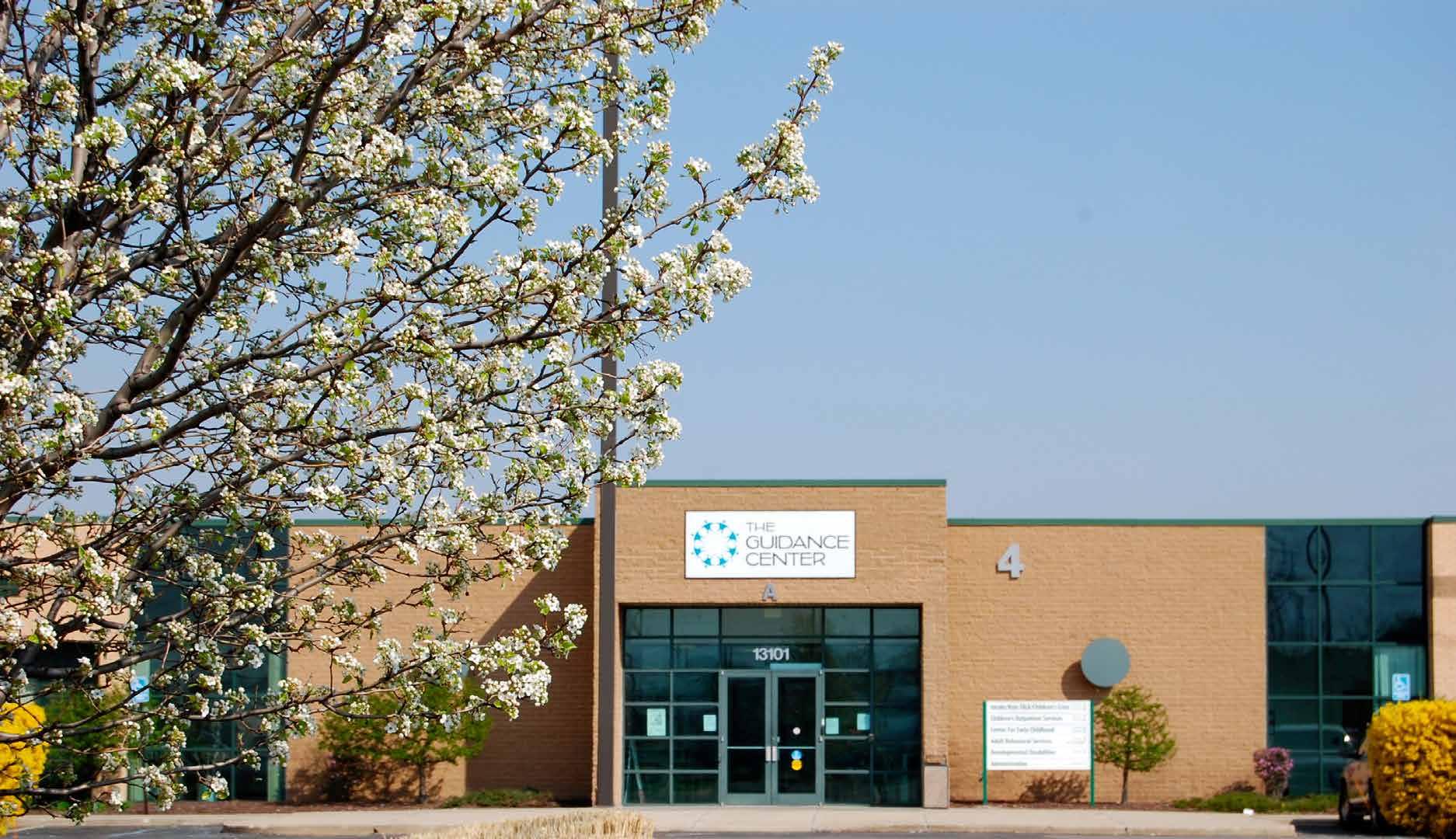

HUMANS ARE COMPLEX creatures; we’re extremely different from every other species inhabiting our planet in many ways, but the most significant difference is our brains. It’s one of our greatest strengths, having the intelligence and creativity to put us on top of the totem pole. However, this strength also poses a lot of unintended issues. It is such a vital part of what makes us, us, that anything affecting it can drastically shift a person’s life. A good example would be depression or anxiety, where the way the brain releases chemicals can cause a person to struggle to get through the day.
But those aren’t the only things that can affect the mind. Roughly one to two percent of the world’s population (around 200 million people) are born with an intellectual or developmental disability. These can be very difficult to navigate, both growing up with one or having a child with one when you have no previous experience. Luckily, the nonprofit we will be talking about today is dedicated to helping both children and adults who are born with these disabilities, The Guidance Center.
The Guidance Center has been around for nearly seven decades, being formed in 1958. It was originally formed by a group of concerned residents and educators in the southeast Michigan area that recognized the need for mental health services. Since then, they have worked both tirelessly and collaboratively to respond to the needs of children, adults, and families that reach out to them. Even after six decades, they still have a partnership with local communities and schools to help those experiencing challenges with their mental health.
Their mission, as stated on their website, is to nurture development, foster resilience, and cultivate well-being. And this can be seen in the way they approach each case. When it comes to serving their clients, The Guidance Center takes a comprehensive approach, tailoring each plan to the needs, wishes, and dreams of each person and their family. They have a strong focus on strength-based interventions and approaches that empower both the individual and their family.
The way that they accomplish this is through determining a level of care through several evaluations and disciplines. After that, they move on to making a timeline of objective and measurable goals that outline treatments in specific areas based on the wishes of the client. There are also periodic reviews that are completed based on a person-centered plan. And all of this is achieved with the individual and caregivers working together to meet these goals in a safe and comfortable environment.
You may be wondering what types of services The Guidance Center can provide. Well, they can provide support coordination, helping their clients implement support plans. They provide psychiatric and psychological services to those who are looking to improve their mental well-being. Individual, family, and group therapy are services that they also excel at. Speech, occupational, and physical therapy are available for those wishing to improve their speaking and independence. Finally, they can help with vocational skill-building, along with autism services, helping people to build up their careers and assisting people across the spectrum of autism.
COLESON HENRY
Personally, as someone who is legally blind, I feel the need to emphasize the vocational services. Even though I never used The Guidance Center’s vocational services, they are extremely useful for those with disabilities entering the job market. Having somebody in your corner at your workplace to make sure you are accommodated and to help assure employers that it won’t come out of their pockets is one of the greatest boons you can have when starting the job search and getting your first job. I would highly recommend looking into all these services, as they can help make or break a potential career.
In October of 2021, The Guidance Center was selected by the Michigan Department of Health and Human Services to take part in its five-year Certified Community Behavioral Health Clinic demonstration pilot. This is a very big deal, as only 12 other community mental health agencies in the state of Michigan were selected for this poll. This certification process required that they meet 125 national standards required of CCBHC service providers by the U.S Substance Abuse and Mental Health Services Administration.
Now, that can seem a bit complicated with all the government organizations and such listed. But to summarize, this shows that The Guidance Center has been rigorously tested and examined by multiple official bodies and came away with a certification showing that they know what they’re doing. But if that still hasn’t convinced you about the effectiveness of this nonprofit, let’s move on to something more personal.
I find it important to look at individual cases when it comes to talking about organizations like this, to show the impact that they can have on a single person. It shows how big a change these organizations can make with just one life, and how massive their effect is when you consider that they have helped thousands more over the last sixty years. The personal case we will be looking at was submitted by a woman named Lynda.
Lynda, a caseworker at The Guidance Center, shared a testimonial about Zake, one of her clients. She talked about how when she first met Zake 8 years ago, he would not want to come out of his bedroom and didn’t have very many social skills. He had experience with talking with people online, but never met any of his internet friends in person. However, as time progressed, things drastically improved.
“Zake currently obtained his GED this year (2025) without studying for it and took the test the first time and passed, which led him into having the confidence to register and enroll at Henry Ford Community College, taking 3 classes toward becoming a Computer Engineer.”
Lynda went on to write how, at the time of writing her testimonial, Zake had made his first in-person friend at his college, allowing him to hang out with them on or near campus. Lynda also expressed how Zake is a very smart young man with some newfound confidence, and that he has expressed happiness with his continued therapy sessions and the Supports Coordination Services at The Guidance Center.
This one example shows the effects that The Guidance Center can have on a person. Zake went from having very limited social skills to gaining his GED, some extra confidence, a new friend, and pursuing a college education. It also shows that they are with you for the long haul if you seek out their services, with Zake having been a client of theirs for eight years.
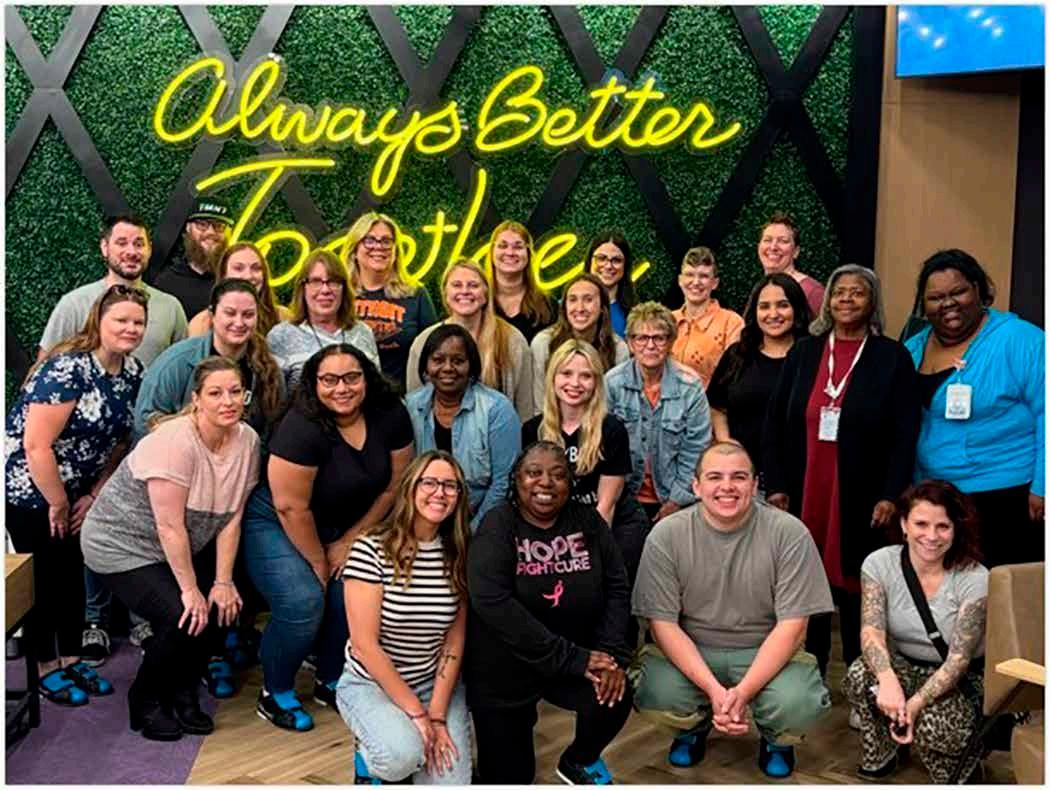
“Zake currently obtained his GED this year (2025) without studying for it and took the test the first time and passed, which led him into having the confidence to register and enroll at Henry Ford Community College, taking 3 classes toward becoming a Computer Engineer.”
I believe that all of this shows the positive impact that The Guidance Center has to offer. It has a multitude of services available, a person-centered approach that has your own best interests and wishes as the priority, and over sixty years of experience in helping people with mental health and disabilities. So, if you, a family member, or friend, ever finds themselves needing a helping hand when it comes to an intellectual or developmental disability, then don’t hesitate to give them a call. Or, if you’d like to support their efforts, they make sure to use every donation wisely.
To donate to learn more about The Guidance Center, visit their website at: https://www.guidance-center.org/
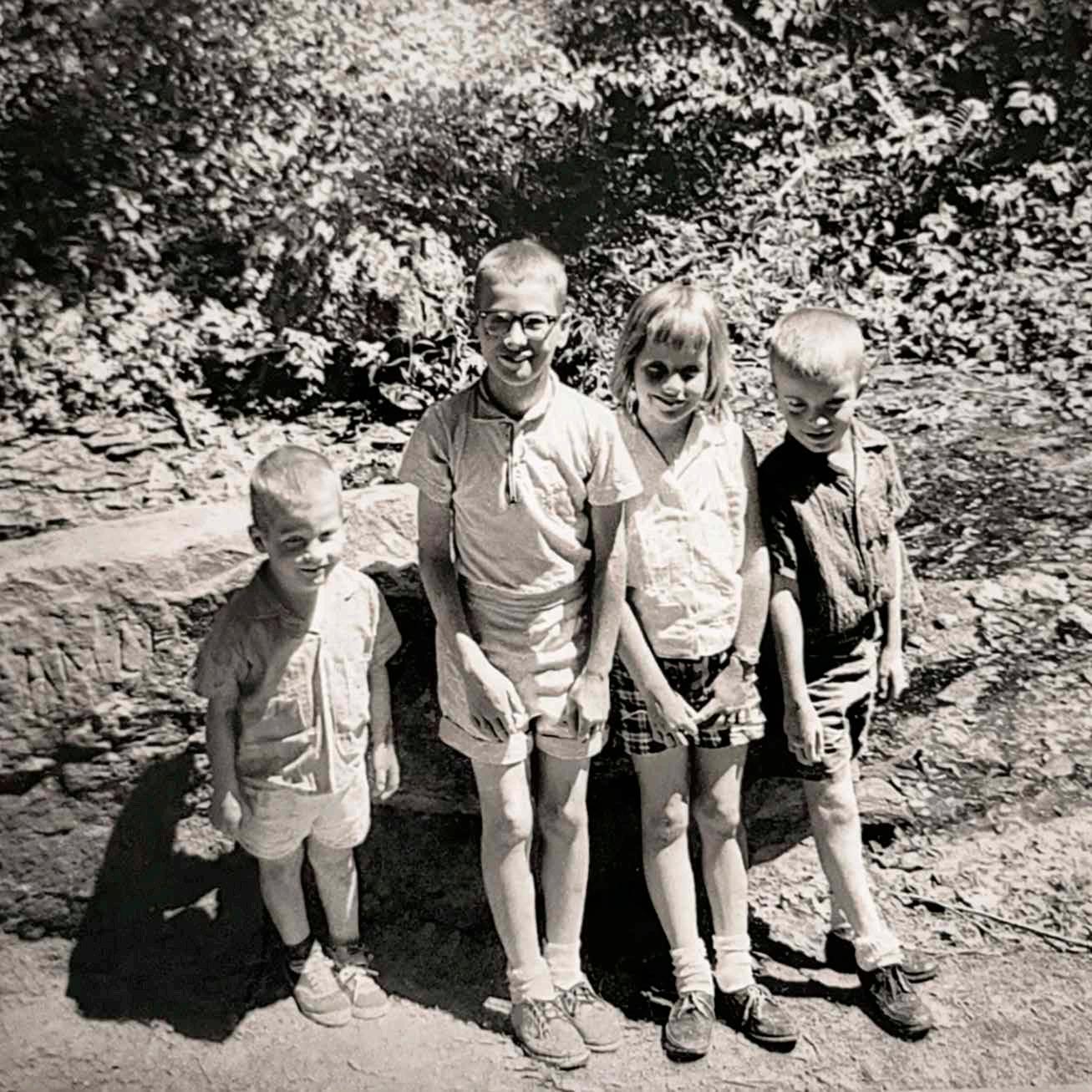
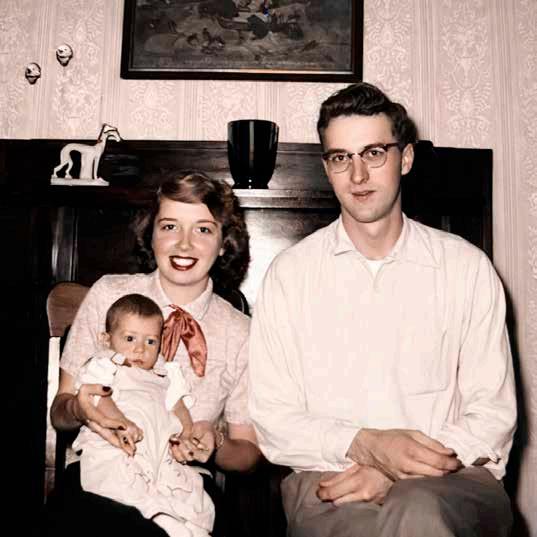
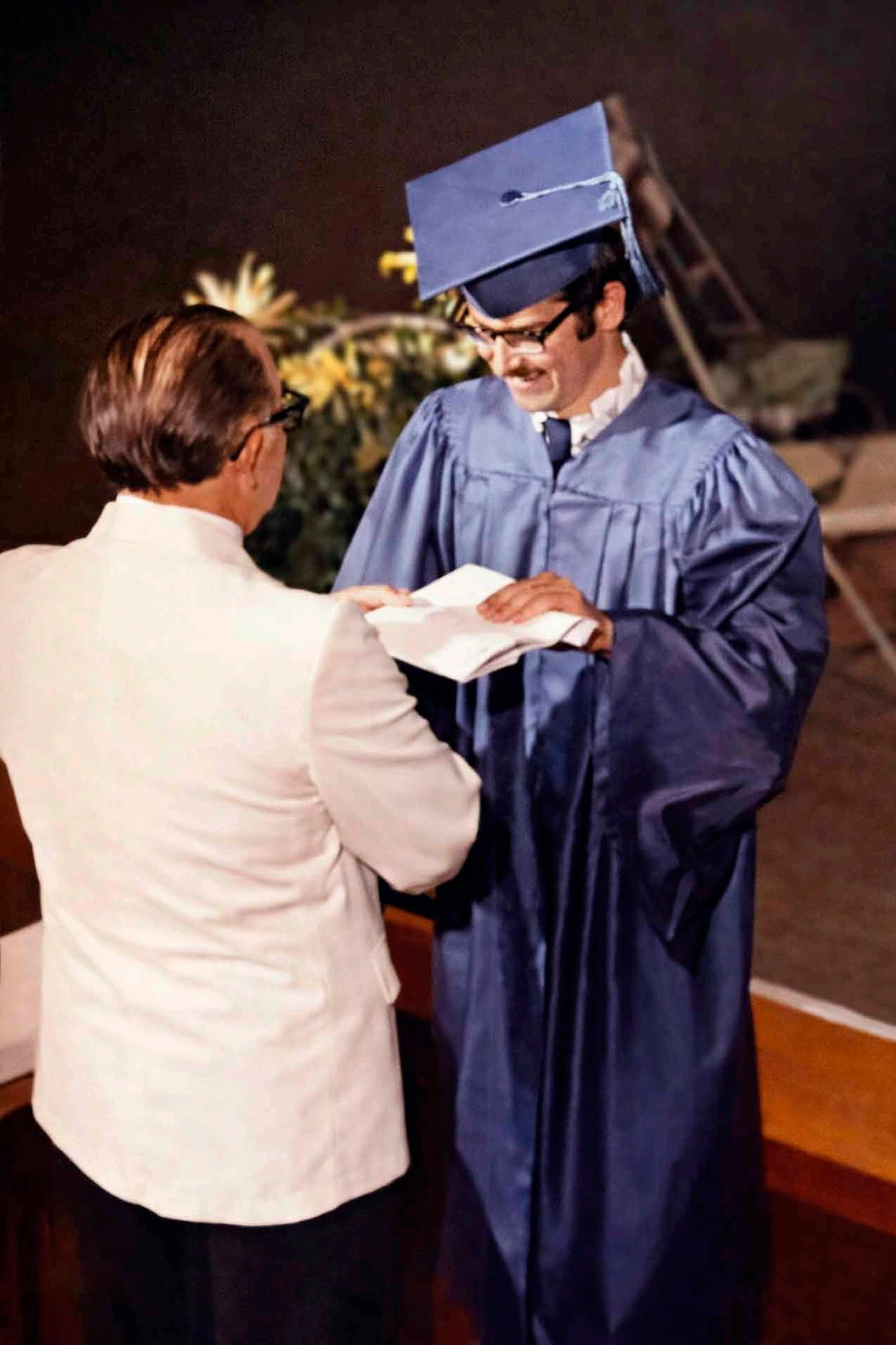
For the Love of Stephen
A Story About Seeing What the World Too Often Misses
STUART D. JONES, PH.D. AUTHOR | EDUCATOR | ADVOCATE | SPEAKER
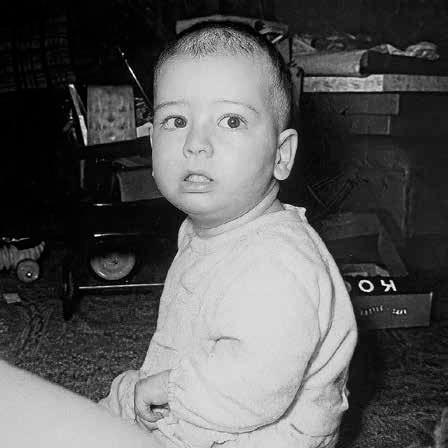
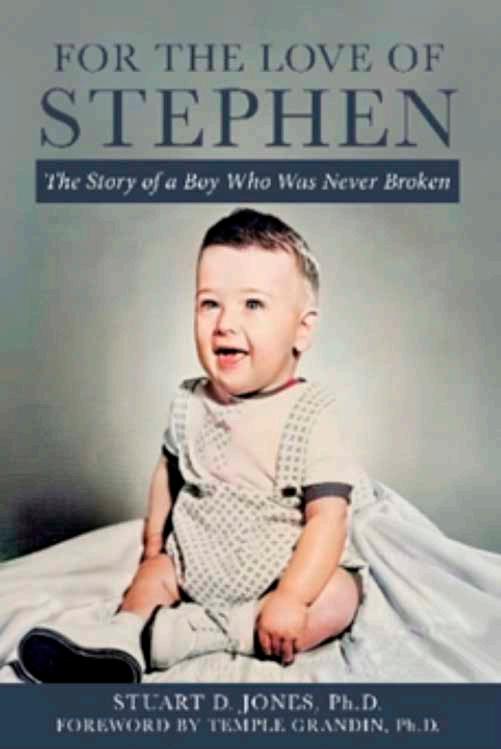
Some stories arrive loudly, demanding attention. Others arrive quietly and stay with you long after you’ve closed the book. For the Love of Stephen: The Story of a Boy Who Was Never Broken by Stuart D. Jones, Ph.D., belongs firmly in the second category.
This is not a memoir about “overcoming” disability. It is not an inspirational tale meant to make readers feel good for a moment and then move on unchanged. Instead, For
the Love of Stephen is a deeply human story about dignity, belonging, and the cost of being overlooked, told through the life of a man the world too often underestimated.
Stephen Jones was different. He lived with significant intellectual and developmental disabilities, visual impairment, and physical differences that marked him as “other” in a society deeply uncomfortable with difference. But as his brother Stuart makes clear from the opening pages, Steve was never broken. What was broken were
the systems, assumptions, and quiet exclusions that followed him throughout his life.
Stuart did not set out to write a memoir. He set out to tell the truth about his brother. What emerged is a narrative that is, in Jones’s own words, “a memoir, a mirror, a memorial, and a movement.”
At its heart, this book is a memoir, an honest, unpolished account of growing up alongside Steve in a family that chose love over fear at a time when institutionalization was still strongly
encouraged. Readers meet Steve not as a diagnosis or a symbol, but as a brother: funny, stubborn, perceptive, trusting, wounded, joyful, and deeply human. Disability is part of his story, but it is not the plot.
The book also serves as a mirror. Without lecturing or shaming, it invites readers to examine their own assumptions about disability, worth, faith, and belonging. As Steve navigates classrooms, churches, workplaces, and relationships, readers are gently confronted with uncomfortable questions: Who gets overlooked rather than outright rejected? Who is spoken about instead of spoken to? Whose presence is tolerated rather than welcomed?
For Stuart, one of the earliest places these questions emerged was church, ironically, a space meant to embody grace. He recalls moments when Steve was pitied instead of respected, managed instead of known. Yet Steve, perceptive beyond what people assumed, responded not with bitterness but with a quiet dignity that reshaped Stuart’s understanding of faith itself. It was here that a simple phrase, “God don’t make no junk,” became a lifelong theological anchor.
That grounding runs throughout the book. Drawing from his background in education, theology, and ministry, Stuart weaves spiritual reflection into the narrative without turning the story into a sermon. Biblical themes like imago Dei, the belief that every person bears the image of God, are not argued so much as embodied. Steve’s life becomes living theology, challenging cultural hierarchies that equate worth with productivity, independence, or intellect.
As a memorial, For the Love of Stephen is an act of love and grief. Steve is gone, and Stuart does not shy away from that loss. He honors Steve honestly, refusing to sanitize suffering or romanticize disability. The book addresses painful realities, including exploitation and abuse, what Stuart refers to as “the vultures,” those who mistook Steve’s trust and kindness for weakness. These sections are written with restraint and care, naming harm without sensationalizing it, always centering dignity over drama.

Perhaps most striking is Steve’s resilience. Not the loud, triumphant kind society often celebrates, but a quieter, deeper resilience. Steve absorbed hardship without becoming hardened and pain without becoming cruel. He kept showing up after disappointment. He pursued friendship, work, and love despite rejection. He laughed easily, forgave freely, and found joy in ordinary moments. His strength was not toughness, but tenderness without surrender. Softness without collapse. Steve remained whole in a world that repeatedly failed to protect him.
The final responsibility the book carries is that of a movement. Not a branded campaign or loud call to action, but a persistent shift in how readers see and respond. Stuart is clear: advocacy does not begin with expertise, it begins with attention. The movement this book gestures toward asks readers to notice who is missing from rooms and opportunities, to challenge low expectations when they surface casually, and to resist systems that prioritize efficiency over humanity.
Importantly, For the Love of Stephen stands apart from many disability
narratives by refusing both tragedy and inspiration as its primary lenses. Steve’s life is not framed as something to be pitied or applauded. It is presented as a life that mattered, full stop. That refusal alone makes this book quietly radical.
For readers new to disability narratives, this book does not require the “right” language or prior understanding. It simply introduces them to a person. And once you truly know Steve, it becomes very difficult to move through the world the same way again.
Ultimately, For the Love of Stephen is a book about seeing. Seeing a life the world rushed past. Seeing how much meaning is missed when worth is measured too narrowly. Seeing that inclusion is not compliance, and presence is not the same as belonging.
This book does not ask readers to be heroes, experts, or saviors. It asks something far more challenging and far more necessary: to care, and to let that care change how they move through the world.
And in doing so, Stephen’s story continues what it always did best, quietly, persistently, changing how people see.


BOOK & AUTHOR INFORMATION:
For the Love of Stephen: The Story of a Boy Who Was Never Broken
© 2025 Every Life Publishing LLC
ISBN: 979-8-89694-939-8
Email: fortheloveofstephen@yahoo.com
Website: http://www.authorstuartjones.com
Facebook: AuthorStuartDJones
Instagram: @AuthorStuartJones
LinkedIn: Stuart D. Jones, Ph.D.
BIO
Dr. Stuart D. Jones is an author, educator, and retired higher education executive whose career spans more than three decades of leadership, service, and advocacy.
Over 31 years in higher education, he served in senior enrollment leadership roles at six universities, consistently guiding institutions from enrollment decline to significant growth while strengthening student access, retention, and diversity. Known for his data-informed strategies and ethical approach to recruitment, his work helped thousands of students pursue life-changing educational opportunities.
Earlier in his career, Dr. Jones served in Christian ministry as an ordained American Baptist minister, a foundation that continues to shape his leadership style through compassion, integrity, and a deep respect for the dignity of every person.
In 2025, he founded Every Life Publishing and released his memoir, For the Love of Stephen: The Story of a Boy Who Was Never Broken. The book shares the story of his brother with intellectual and developmental disabilities and has helped elevate national conversations around disability awareness, belonging, and the inherent value of every human life.
Dr. Stuart D. Jones Ph.D.

What is ABA Therapy: YOUR QUESTIONS ANSWERED
BY HEALING HAVEN
Following an autism diagnosis, many professionals recommend ABA Therapy as the first form of support. But many parents often leave those meetings wondering, what is ABA Therapy? It’s common to have lots of questions, and it’s important to feel informed and clear about treatment options as you seek support for your child.
What is ABA Therapy?
ABA (Applied Behavior Analysis)
Therapy is a scientific approach to understanding behavior. It is a method of therapy used to improve specific behaviors, decrease interfering behaviors, and help individuals gain new skills such as communication, play, social, and daily living skills. ABA Therapy is evidence-based and the most frequently recommended option for the treatment of autism.
Is ABA Therapy effective?
ABA Therapy has been shown to be highly effective, based on over 50 years of research. Medical professionals and institutions such as the American Psychiatric Association, the American Psychological Association, and the U.S. General Surgeon recognize ABA as a valid treatment for autism.
ABA programs are individualized and goal-driven. Therapy teams break skills into manageable steps and adjust strategies as needed to best support the child.
Is ABA Therapy a fit for my family?
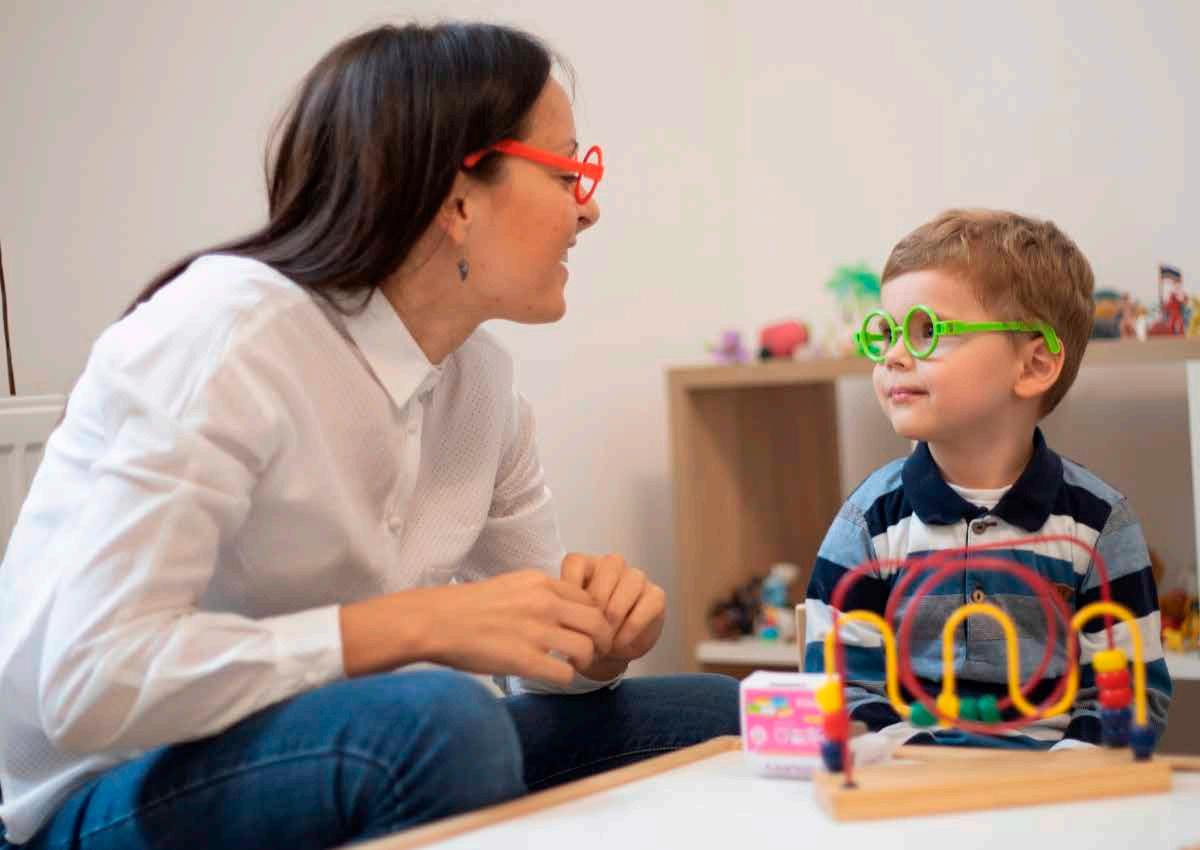
When deciding if ABA Therapy is right for your family, it’s important to understand the provider’s approach. ABA should be highly individualized with a focus on generalization, meaning skills are practiced across environments like home, school, and the community. It’s also important to feel confident in the provider’s qualifications, training practices, and communication style. A strong, positive relationship between your family and your child’s therapy team is essential. Open communication and collaboration help ensure goals are meaningful and appropriate for your family.
What happens during an ABA session?
ABA sessions are typically one-on-one and geared toward helping the child learn and understand targeted skills. Encouragement, praise, and motivation are tailored to the individual across each session.
Kate Fritz, MA, BCBA, LBA, Vice President of ABA Operations at Healing Haven, describes sessions this way: “In ABA sessions, we work hard and play hard! How an ABA session looks can greatly vary depending on the client’s age and skillset. In general, you can expect to see the use of play to work on communication and social skills, building independence with daily living skills, and both individual and group times to support school-readiness.”
When should my child start ABA?
ABA Therapy may begin after a child receives a medical diagnosis of autism spectrum disorder. Autism can often be identified as early as 18 months, and early intervention is instrumental. Research shows that starting therapy early can provide critical learning opportunities.
That said, ABA Therapy can also benefit older children, teenagers, and young adults. It is not automatically a lifelong commitment—many individuals transition to lower levels of support as skills are mastered.
Is ABA Therapy covered by insurance?
Because ABA is considered a behavioral health service, it is covered by most insurance plans, though coverage varies by state and provider. In Michigan, coverage depends on employer plans, so families should contact their insurance provider directly. State resources and organizations like the Autism Alliance of Michigan can also help families navigate coverage options.
To learn more about Healing Haven’s comprehensive services – ABA, Speech and Occupational Therapies, Testing & Evaluations, and Counseling – visit healinghavenaba.com

Preparing for an IEP Meeting: A Parent’s Quick Checklist
BY MARIA GIANCOTTI, M.ED. - STUDENT ADVOCACY MICHIGAN

IEP MEETINGS can feel overwhelming for parents, but preparation can make a big difference. When parents come to the meeting organized and focused, it helps the team have a productive discussion about what your child truly needs to succeed at school. Below are practical steps parents can take to prepare for an upcoming IEP meeting.
Write Your Parent Concerns
One of the most important things you can bring to an IEP meeting is a written Parent Concerns statement. The IEP team must consider parent input, and putting your concerns in writing ensures your voice is clearly documented. Keep it focused and concise, about one page. Long documents often make it harder for the team to identify the key issues.
When writing your concerns, think about:
• Academic struggles (reading, writing, math)
• Behavior or emotional regulation challenges
• Attention or executive functioning difficulties
• Communication or language needs
• Social interaction with peers
• Sensory or regulation issues
• Safety concerns or school avoidance
• Lack of progress despite supports
After the meeting, email your concerns to the school and ask that they be attached to the IEP and placed in your child’s permanent educational file. This ensures the concerns you have are documented exactly as you intended them, not a shortened version of the school’s interpretation.
Review Evaluation Reports and the Current IEP
Before the meeting, carefully review:
• Evaluation reports
• Your child’s current IEP
• Recent progress reports
Look closely at the areas of need identified in evaluations. These areas should be reflected in the IEP through goals, services, or accommodations.
Ask yourself:
• Are all identified needs being addressed?
• Are there needs mentioned in evaluations that are missing from the IEP?
Look at Progress on Current Goals
Parents should also review progress toward existing IEP goals. Schools sometimes say a child is “making progress,” but that does not always mean the goal was mastered. Ask the team for specific performance data, such as percentages or measurable benchmarks. For example:
• “Your child is currently performing at 85% accuracy.”
Ask these questions:
• Did my child actually meet the goal?
• What data shows progress?
• If the goal was not met, why not?
If goals were not met and progress has been limited, parents may want to discuss additional supports or compensatory education.
Identify Needs That Require Goals or Accommodations
Every area of need should be addressed in the IEP, but not all needs require a goal. Some needs may require direct instruction and IEP goals, while others may be addressed through accommodations.
Examples of accommodations include:
• Extra time for assignments or tests
• Reduced workload
• Preferential seating
• Scheduled breaks
• Assistive technology
Making a list of supports you believe would help your child can make the meeting more productive. If you’re looking for ideas, you can download a free list of over 200 accommodation ideas on our website at www. studentadvocacymi.com.
Talk With Your Child

Does your child qualify for ESY (extended school year) through their IEP? Spring is the time to find out!
If your child can share their experiences, their input can be very helpful. Consider asking questions like:
• What makes school hardest for you?
• Are certain classes or times of day more stressful?
• What helps you calm down or focus?
• Is there a trusted adult at school you can go to when you’re upset?
These conversations can provide valuable insight into supports your child may need. Share your child’s feedback in the meeting. This supports self-advocacy and ensures your child’s voice is heard during the IEP development process.
Consider Additional Supports
Parents should also think about whether their child may need:
• Behavioral supports or a Behavior Intervention Plan (BIP)
• Extended School Year (ESY) services to prevent regression
• Adjustments to services if progress has been slow
These are important topics to raise during the meeting if they apply to your child.
Bring a Simple List
Finally, bring a short list of the most important items you want discussed during the meeting. Staying organized helps ensure the team focuses on the issues that matter most. Preparing ahead of time allows parents to walk into an IEP meeting with confidence and helps keep the conversation focused on one goal, making sure your child receives the support they need to succeed.
If you need help preparing for an IEP meeting or navigating special education services, Student Advocacy Michigan is here to help families advocate for the support their children deserve. You can contact us through the website www. studentadvocacymi.com or call (248) 372-9770.
Therapy that helps your child succeed with a personalized care plan that works with your family’s schedule.
In the convenience of your home, we can provide your family relief through education and hands-on support in an environment where your child is most comfortable.
Through evidence-based and individualized ABA therapy practices, your child can be guided on their path forward to a successful and supported adulthood.
Individualistic Care
Flexibility
Communication & Social skills
Evidence-Based Practices
Hands-On Support
947.300.6700
benevolentbehaviortherapy.com
This section is here to give our readers easier access when searching for a trusted neighborhood partner to use. Get to know the businesses that make this magazine possible. Please support them in return and thank them if you get the chance!
ABA Services
Budding Behavior Therapy (248) 622-5191 www.buddingbehavior.hi5aba.com
ABA Services - In Home
Benevolent Behavior Therapy (947) 300-6700 www.benevolentbehaviortherapy.com
ABA/Autism Therapy Services
Healing Haven (248) 965-3916 www.healinghavenaba.com
ABA/Comprehensive Services
Total Spectrum ABA (844) 263-1613 totalspectrumcare.com
Adaptive Bike Program
The Agape Project (586) 388-2110 www.theagapeproject.com
Adaptive Custom Equipment
3D3 Custom Solutions (248) 763-1367 3d3custom.com
Adaptive Sports Program
CVLL Challenger Baseball (586) 781-5547 www.midistrict6.org
Advocacy
Student Advocacy Michigan (248) 372-9770 www.studentadvocacymi.com
Art Studio Paint a Miracle (248) 652-2702
www.paintamiracle.org
Attorney/Wills, Trusts, Estate Planning
Chalgian & Tripp Law Offices PLLC (248) 799-2711
www.Mielderlaw.com
Community Support
Judson Center (248) 837-2020 www.JudsonCenter.org
Disability Support Services
Easterseals MORC (586) 303-6866
morc.easterseals.com/
Employment and Training Services
Services To Enhance Potential (STEP) (734) 718-0483 www.stepcentral.org
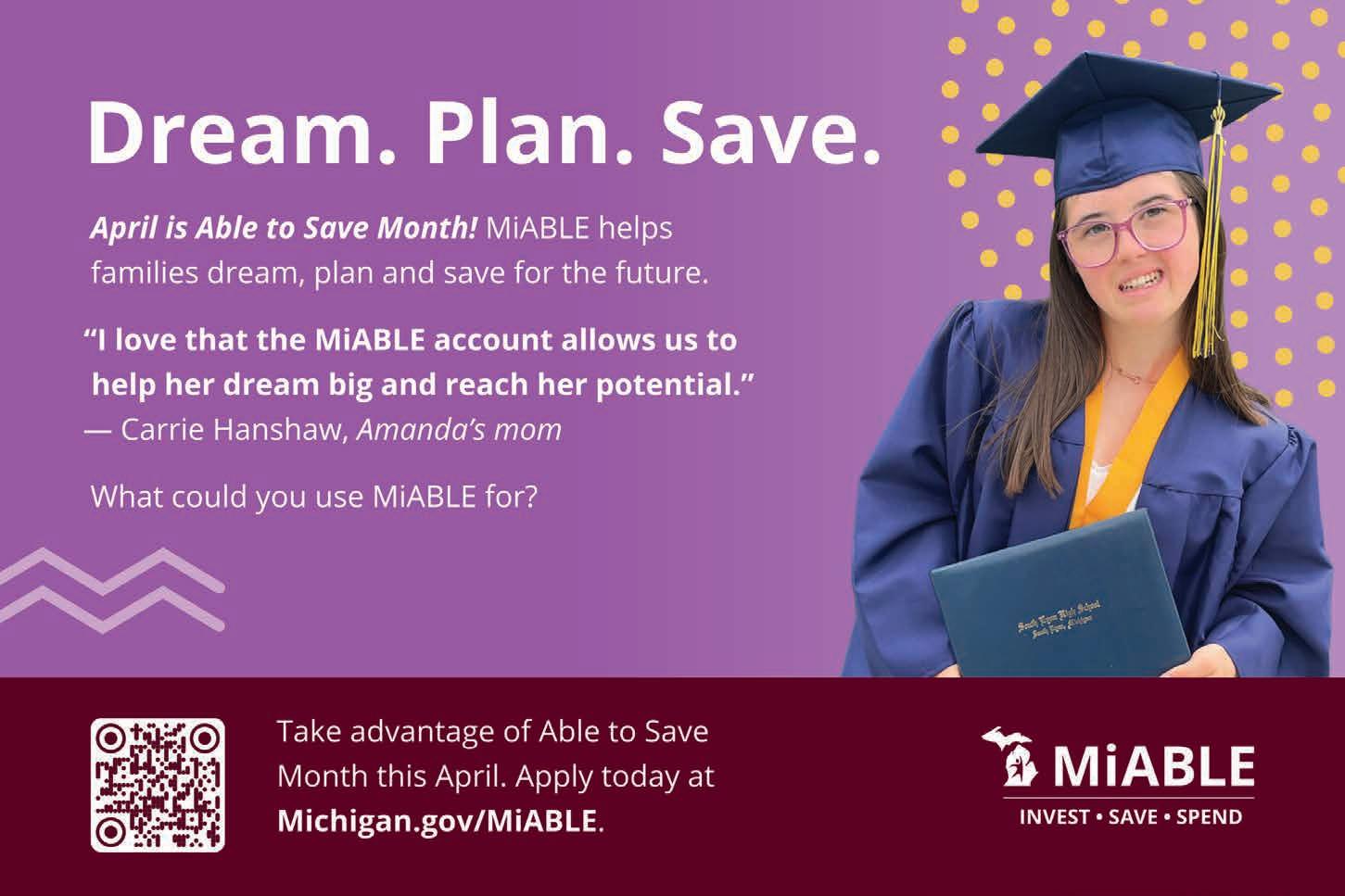
Financial MIABLE (844) 656-7225
mi.savewithable.com
Photographer
Footprints Photography ®️ (248) 922-1802 www.footprintsphotography.com
Podcast On the Verge Blog & Podcast (734) 780-6795 www.VergeTalks.com
Print Solutions: Apparel & Beyond
POSSiBiliTEEs, LLC (616) 613-0386 www.POSSiBiliTEEs.shop
Private High School
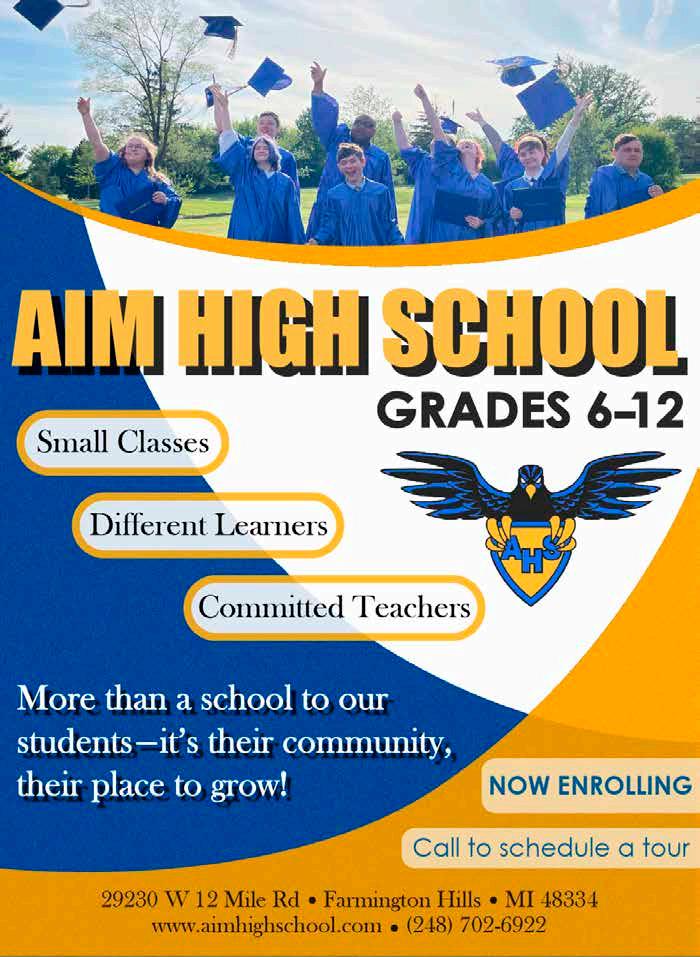
AIM High School (248) 702-6922 www.aimhighschool.com
Recreational support
Rochester Avon Recreation Authority (RARA) (947) 886-0084
www.rararecreation.org
Recreational/ Music/ Art Therapy
Advanced Therapeutic Solutions (734) 352-3543
www.advancedtherapeautic solutionsmi.com
Relationship Support/Sexual Health
My Relationships Project (313) 489-0043 www.myrelationshipsproject.com
Special Needs Trust
Springhill Pooled Accounts Trust (248) 269-1319 springhillpooledtrust.org
Summer Camps & Programs
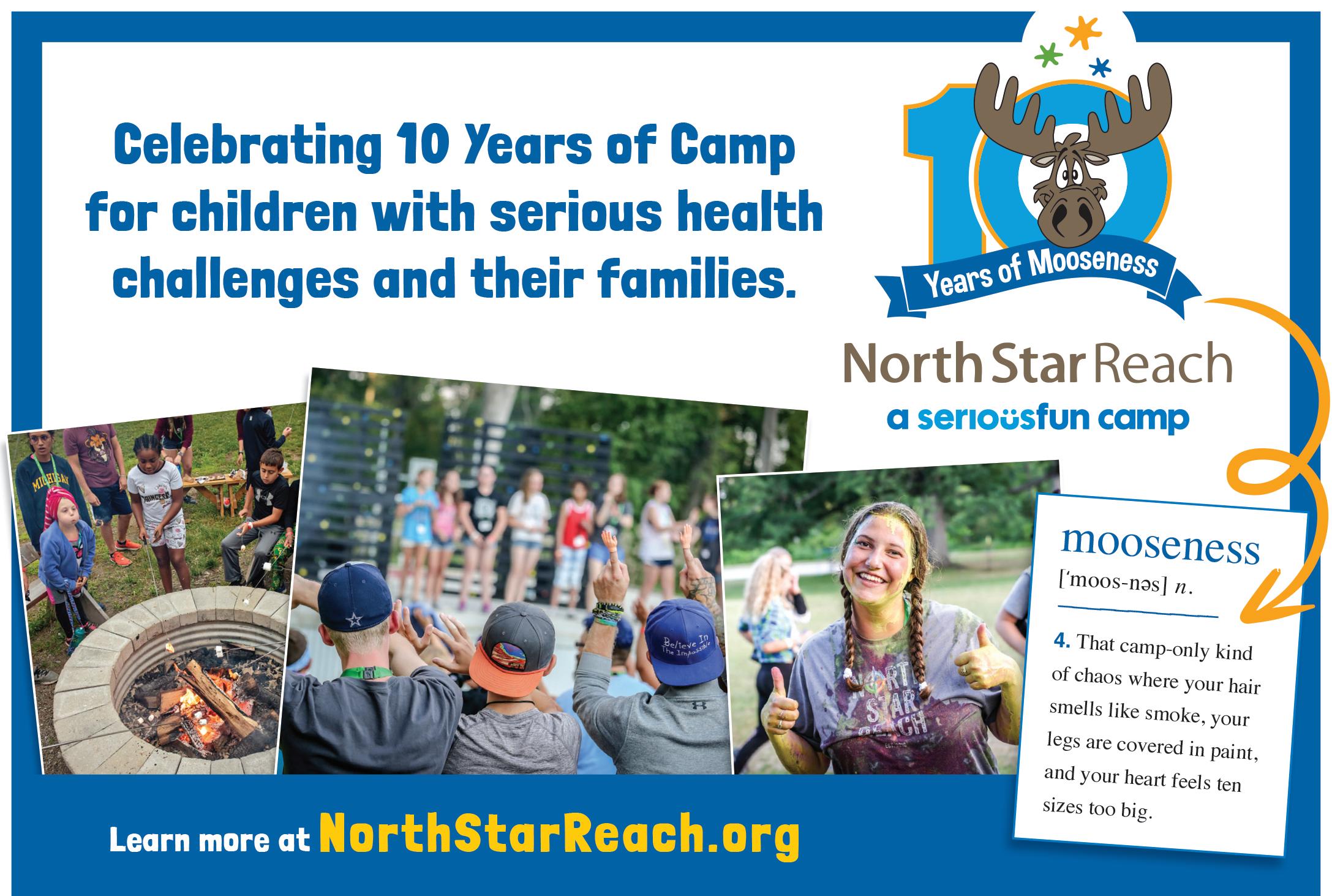
North Star Reach (734) 680-8744 www.northstarreach.org