COME JOIN JD ANGELS FAMILY CARE FOR SUMMER & HOLIDAY FUN
At JD Angels Family Care, every season is an opportunity to create meaningful experiences, build life skills, and celebrate community. Our program is designed to empower individuals through structured support, engaging activities, and safe, inclusive environments where everyone is encouraged to thrive.
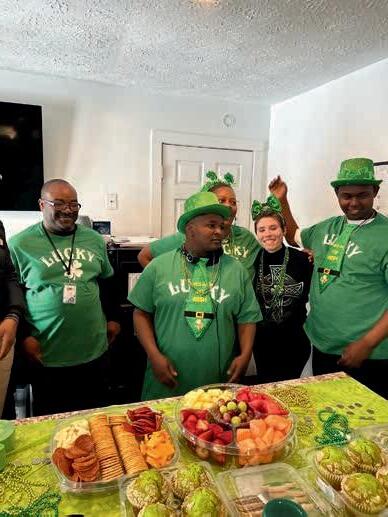
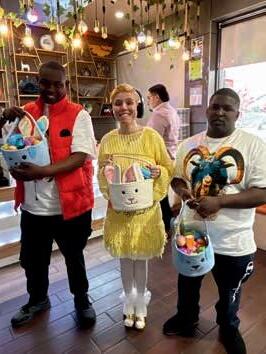
This spring, we kicked things off with a festive St. Patrick's Day celebration filled with exciting games, delicious snacks, dancing, and vibrant decorations. Clients and staff came together to laugh, socialize, and enjoy a day full of joy and connection.
In April, we proudly sponsored an Inclusive Community Dance, bringing people together through music and movement. With energizing beats from DJ Jesus Indy, the event was a huge success—filled with dancing, laughter, memorable photos, and meaningful community engagement.
Our program continues to shine through hands-on experiences and community outings. Clients have enjoyed:
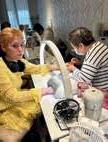
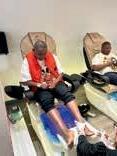
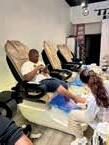
• Grooming and self-care activities that promote independence and confidence
• Visits to Uncle Bill's Pet Centers, focusing on pet wellness and responsibility
• Dining experiences at local favorites like Golden Corral and The Juicy Crab
• Relaxing and exploring the scenic Indianapolis Canal Walk, including picnics, park activities, and enjoying the beautiful waterfalls
Looking ahead, we’re excited for even more adventures! Plans include celebrating Independence Day fireworks on July 4, 2026, as well as trips featuring:
• Underground cave explorations
• Fishing excursions
• Horseback riding experiences
• And many more enriching activities

Our long-term vision includes traveling to Florida to experience the beach, stay at a resort, and enjoy unforgettable group outings—including a yacht celebration.
Our Mission & Commitment
At JD Angels Family Care, we are dedicated to changing lives through compassionate care and structured programming. We proudly support individuals with:
• Autism
• Cerebral palsy
• Intellectual and developmental disabilities
Our program focuses on:
• Building daily routines and life skills
• Encouraging independence and personal growth
• Reducing behaviors associated with Post-Traumatic Stress Disorder, anxiety, and social isolation
• Promoting emotional wellness and confidence
Safety, Support, and Connection
Safety is at the core of everything we do. Our trained staff provide continuous supervision, structured schedules, and individualized support plans tailored to each client’s needs. We prioritize:
• Clear communication with families and guardians
• Safe transportation and monitored community outings
• Positive behavior support strategies
• A respectful, inclusive environment where every individual feels valued
We believe in building strong connections—not only between staff and clients, but within the community. Through shared experiences, social interaction, and supportive guidance, we help individuals develop lasting relationships and a sense of belonging.
Join Our Community
If you’re looking for a program that combines fun, structure, personal growth, and compassionate care, JD Angels Family Care is here for you.
Come grow with us, explore with us, and celebrate life—together.


contact us by phone or email.


Meet the Uniquely You Team!

Publication Staff


Staff Writers and Contributors








Photographers












Katie Mende PHOTOGRAPHY
Christia Woodford CONTENT MANAGER,
Dr. Darolyn “Lyn” Jones CONTENT COORDINATOR
Jamie Olson PUBLISHER AND AREA DIRECTOR
Zachary Curtis COMMUNITY ENGAGEMENT
Christina McGairk EDITOR-IN-CHIEF Lisa Jegen
Kelsey Green
Debra Bader Jessica Willits Andy Fitzenrider
Kelsey Amos Marissa Pangle
Francisco ‘Jay’ Javier Luna, Jr.
Coleson Henry
Tanya Sood
Lindsey Watson
Charles Spray MS, LMHC
Susan Graham Dorie Zipperle
Paul Hathcoat
CREATING A STRONGER, MORE INCLUSIVE COMMUNITY where individuals of all abilities are not only welcomed- but empowered.
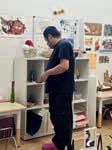
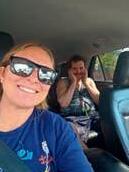
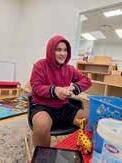
Inclusive day habilitation and community-based programming for individuals with intellectual, developmental, and mental health disabilities
We understand the unique needs of families with medically complex children. We offer a network of support, ensuring their caregiving journey is a bit lighter.


Call or text with questions 317-575-3983 comforcare.com/indiana/north-metro-indianapolis @comforcareindy @comforcare_northmetroindy ComForCare Home Care goes beyond just home care.


SCAN TO LEARN MORE
IMPORTANT PHONE NUMBERS
UNIQUELY YOU!
MAGAZINE AREA DIRECTOR
Jamie Olson 248-882-8448 jamie.olson@n2co.com


Scan to view the past issues of Special Needs Living Indy and Uniquely You!

Scan to view past digital copies, find resources, share a story or learn more about being involved.
317-426-7733
317-977-2375
317-676-4222
800-609-8448
877-241-8144
800-545-7763
800-545-7763
317-542-3325
800-622-4968
888-673-0002
800-403-0864
317-232-7800
317-925-7617
877-511-1144
317-466-1000
911
800-545-7763
317-232-0570
844-323-4636
317-233-4454
317-232-7770
812-855-6508
317-233-1325
844-446-7452
855-641-8382
800-332-4433
800-457-4584
317-232-7770 988
800-772-1213
800-772-1213
877-851-4106
317-871-4032
800-545-7763
Ability Allies of Indiana https://abilityallies.org/ Arc of Indiana www.arcind.org
Autism Community Connection www.autismcc-in.org
Autism Society of Indiana
Blind and Visually Impaired Services (BVIS) Bureau of Developmental Disabilities Services (BDDS) Bureau of Rehabilitation Services (BRS) Deaf and Hard of Hearing Services (DHHS) https://www.in.gov/fssa/ddars/brs/ deaf-and-hard-of-hearing/ Disability Determination Bureau
Division of Aging (IDA)
Division of Family Resources (DFR)
Division of Mental Health and Addiction Down Syndrome Indiana
Early Childhood and Out of School Learning (OECOSL) Easterseals Crossroads www.easterseals.com/ Emergency First Steps
Indiana Department of Education: Office of Special Education www.doe.in.gov/specialed Indiana Family to Family www.inf2f.org
Indiana Family and Social Services Administration (FSSA) www.in.gov/fssa/index.htm
Indiana Governor’s Council for People with Disabilities (GPCPD)
Indiana Resource Center for Autism
Indiana State Department of Health
Indiana Statewide Independent Living Council (INSILC)
Indiana Works INSOURCE http://insource.org/ Medicaid Disability
Medicaid Waivers
National Alliance on Mental Illness
Social Security Administration (SSA)
Social Security Disability Insurance (SSDI)
Special Education Questions
United Cerebral Palsy Association of Greater Indiana Vocational Rehabilitation Services (VR)
DISCLAIMER: The views expressed in the articles and advertisements in Uniquely You are those of the authors and advertisers and do not necessarily reflect those of The N2 Company or the publisher. Inclusion of paid advertisements does not imply endorsement, and neither N2 nor the publisher is responsible for the business practices of advertisers. We are proud to feature businesses that share our commitment to showcasing local connections. Please note that businesses profiled may have provided free products and / or services for the review. Uniquely You is for general informational and entertainment purposes only and is not intended to provide medical, therapeutic, educational, or legal advice. Always consult qualified professionals regarding the care and support of individuals with disabilities. NOTE: When community events take place, photographers may be present to take photos for the event, and they may be used in this publication. n2co.com Celebrate. Connect. Impact. © 2026 The N2 Company, Inc.




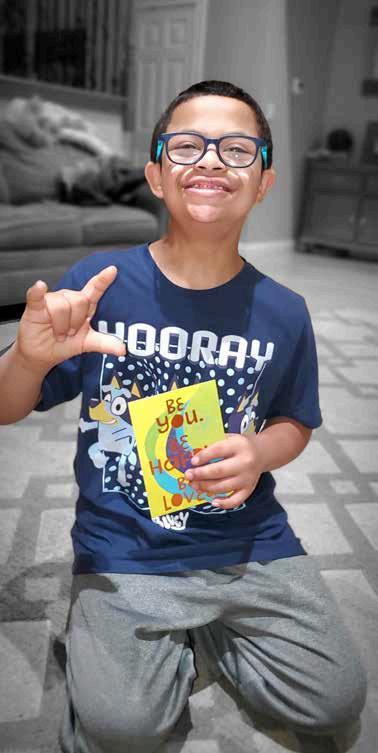


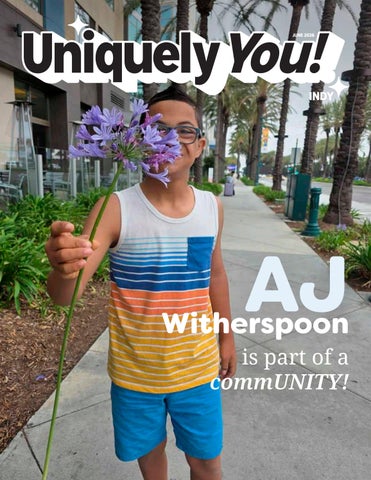
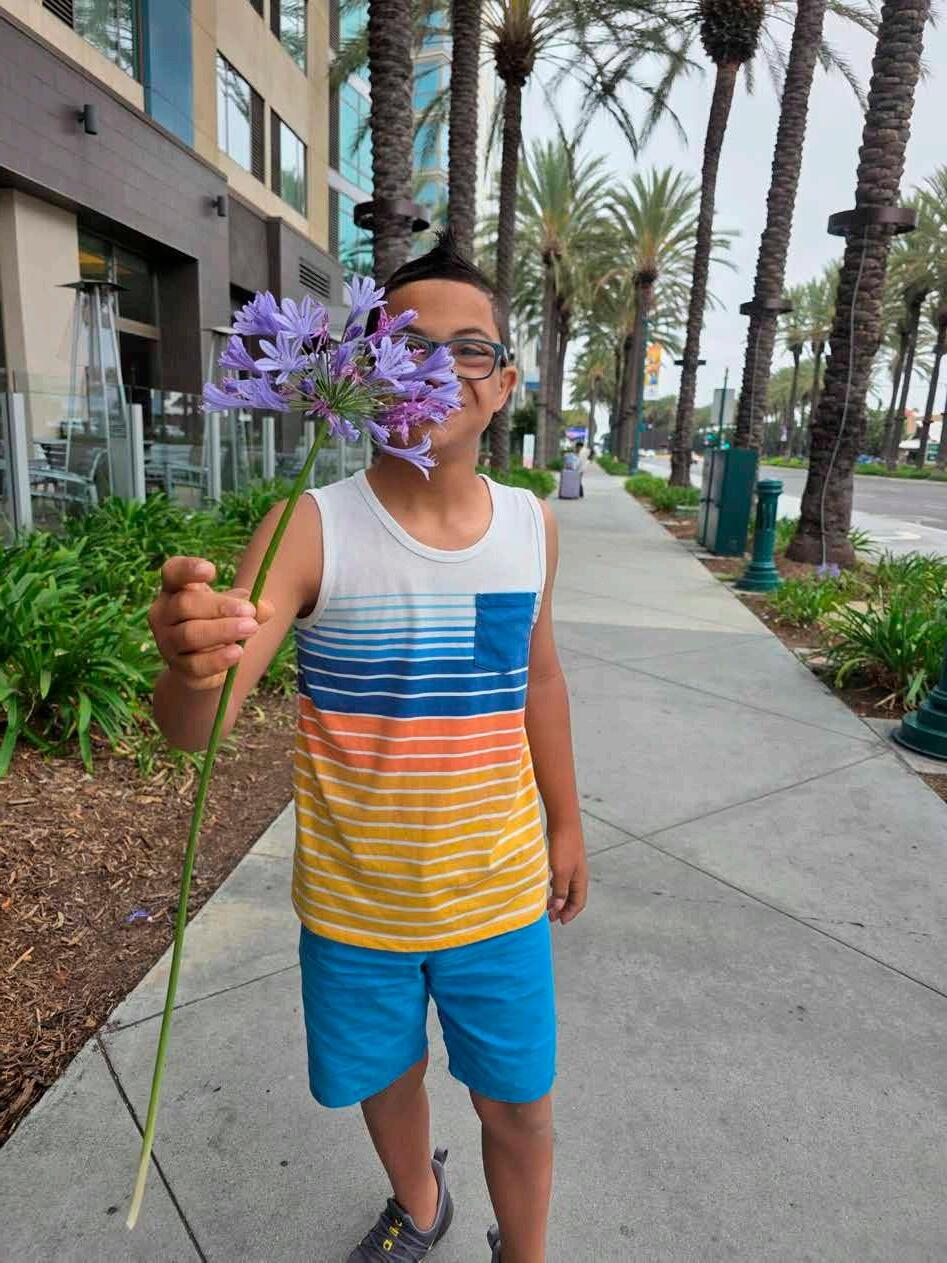
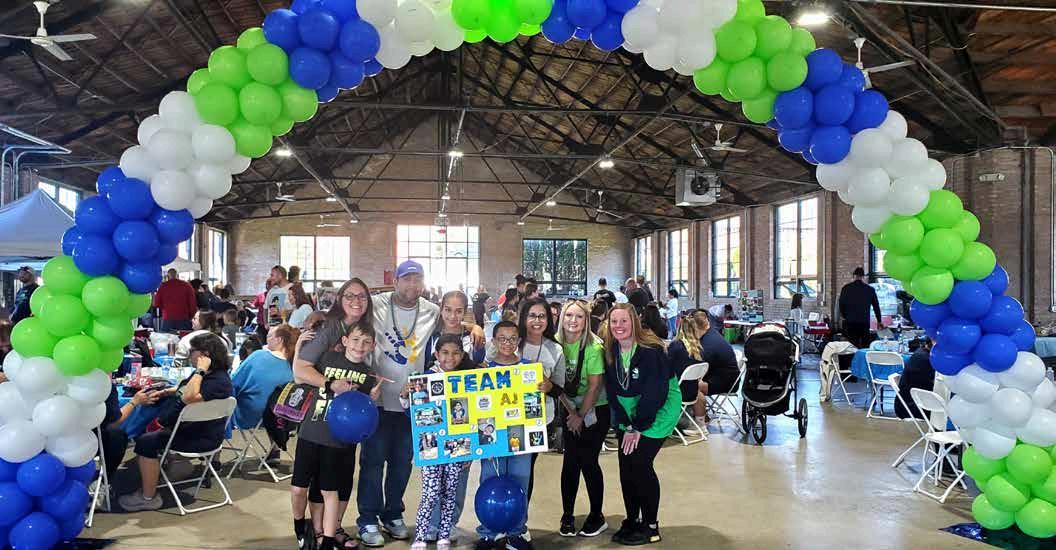
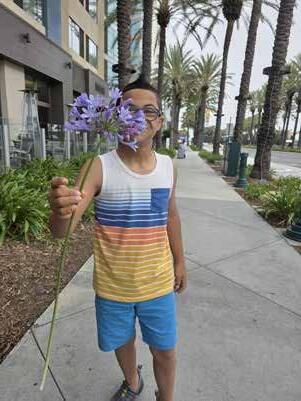
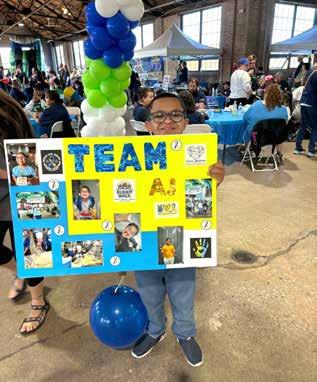
AJ Witherspoon is part of a commUNITY!

DR. DAROLYN “LYN” JONES
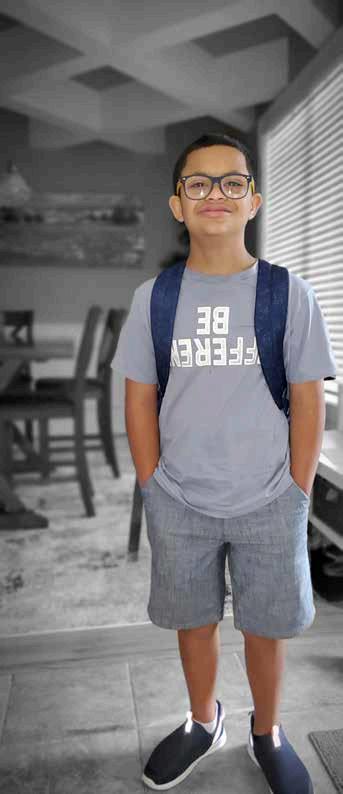
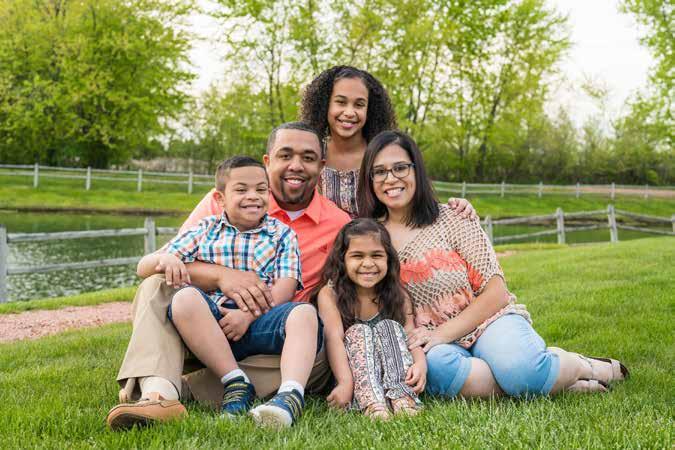
Creating an inclusive community for her son in Valparaiso, Indiana, AJ (age 12), is Jessica Witherspoon’s mission. As a parent with no immediate family or natural support system in place to help, Jessica knew she needed to create her own village to ensure her son would have access to the resources and inclusion he needed and deserved. And Jessica needed that village for herself as a mother navigating this new world of being a mom to a child with multiple disabilities.
AJ was given a birth diagnosis of Down syndrome, but he was also born with a rare medical condition called VACTERL Association, which requires round-the-clock medical care. VACTERL stands for vertebral defects, anal atresia, cardiac defects, tracheo-esophageal fistula, renal anomalies, and limb
abnormalities. VACTERL impacts at least one of those anomalies in three of those body systems.
Despite having prenatal screenings throughout pregnancy which included ultrasounds, AJ’s Down syndrome and VACTERL were missed. After delivery, the Witherspoon family met with a geneticist to find out what form of Down syndrome AJ had. They learned that he does have the more common version known as Trisomy 21.
AJ has a team of medical professionals who help manage AJ’s VACTERAL. With the help of those medical professionals and the therapies he has taken part in since he was a newborn, Jessica is determined to give AJ the best quality of life she can.
Jessica has faced many challenges. Jessica has two other children, Jayla, age 15 and Jasmine, age 10. Juggling being a
working mother while managing multiple therapy and medical specialties in three different states is not easy.
But Jessica and her family do not dwell on the challenges they have faced and will continue to face. Instead, they focus on the blessings and encourage other families along the way.
Due to AJ’s VACTERL, he’s had over a dozen surgeries and had an unfortunate rough start in life. On day one of life, he had a colostomy created to help him with his bowels. At a tiny six weeks old, he went through reconstructive surgery that was intended to help him with his bowels and at three months old his colostomy was closed and the goal was to see if bowel control would be stabilized. This ended up being unsuccessful and at 3 years old, AJ
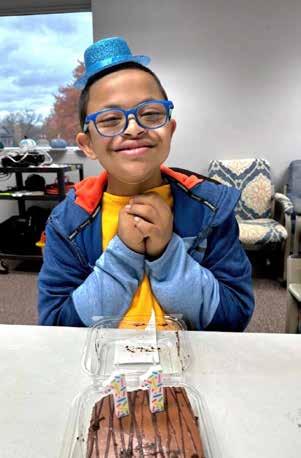
was required to have his colostomy recreated, with the disclaimer given that this would be his ‘forever normal’.
At ten months old, AJ began catheterization treatment due to a neurogenic bladder. This means, he was unable to empty his bladder naturally due to the VACTERL, so parents were required to provide round-the-clock intermittent catheterization. This condition and treatment will be lifelong.
He was also born with two holes in his heart that required frequent follow-ups with a cardiologist.
In 2019, Jessica was able to connect with a specialty team through Nationwide Children’s Hospital in Ohio to get a second opinion on AJ’s newer colostomy after the disclaimer she was given was not sitting well with her. She ran into a roadblock with AJ’s insurance covering these visits, despite this team


specializing in VACTERL and not having an Indiana team that was known for treating this condition.
Something Jessica describes as victorious is winning appeal hearings against large health insurance systems. She credits the professional experience she gained prior to having AJ. She worked in various social service systems and even with the Medicaid waiver. That background helped her gain critical healthcare access for her son, AJ, and become an advocate for him immediately after birth, when he had his first surgery. And because of those wins, AJ was able to have that colostomy closed and his quality of life took a major turn for the better.
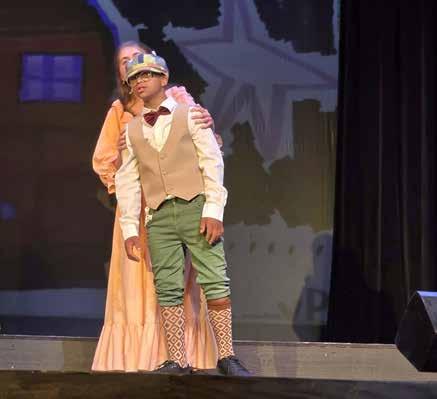
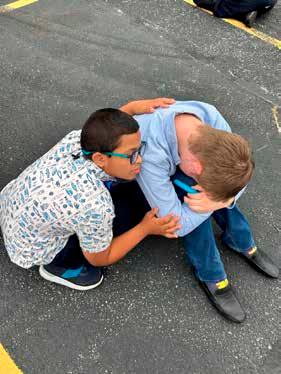
AJ faced new challenges in the second grade when he was diagnosed with Attention Deficit Hyperactive Disorder (ADHD) and then the following year with Autism Spectrum Disorder (ASD). But like so many other challenges this family has faced, they have learned to pivot and not focus on labels or diagnoses. They have accepted AJ for the person he is, just like he’s accepts the people in his life as they are. He is wrapping up his fifth grade year - his final year of elementary. He is thriving and has been active in cheer, baseball, swim, basketball, theater, choir and after-school sports club.
Jessica has taken her learning journey with her son, AJ, and is giving back. Over the last handful of years, she has been fortunate to be a part of a variety of disability boards, committees, and
networks. She was appointed by the Governor of Indiana to be a member of the Governor’s Council For People With Disabilities and served from 2023-2025.
She served as an active member of the City Of Valparaiso’s Disability Awareness & Inclusion subcommittee. She continues to invest in her community as a registered Parent Volunteer with the National Association for Down Syndrome (NADS), and tries her best to help families through local organizations such as Chasing Dreams NWI and the Down Syndrome Association of NWI, who both hold a special place in her family’s heart.
In 2022, she also created the very first Special Education Parent Advisory Council (SEPAC) in the Northwest Indiana region and has worked on helping to get other SEPACs formed in the area. She is an active member on statewide SEPAC initiatives and feels honored to have her path cross so many other passionate parents, who share the same mission of reshaping the special education culture.
Jessica demonstrates that finding your voice as a parent when you think you have none is critical. She teaches parents that it’s okay to ask questions and speak up when there are uncertainties. There is no stronger voice than the voice of a parent is what Jessica wants every single parent to remember. She believes with every ounce in her, that her purpose in life is to empower and uplift parents to never forget the power of their voice.



~Maria S. (parent)


GIGI’S PLAYHOUSE: “Dash for Down Syndrome”
Down Syndrome Awareness Month is every October, but did you know that there is also a Down Syndrome Awareness Day? Held annually on March 21st, the specific date itself holds a special significance, representing the 3rd copy of the 21st chromosome that causes Down Syndrome. Honing the represented colors of blue and yellow, this day is not only for educational awareness, but also for celebration, advocacy, and to promote inclusion for individuals with Down Syndrome throughout many spaces. With so many great awarenessness and organizations already in effect, it’s especially important for us to keep up with our local, community based organizations and events right here in our state of Indiana. This month, we’re pleased to honor the wonderful non-profit located here in Castleton, Indiana – Gigi’s Playhouse!
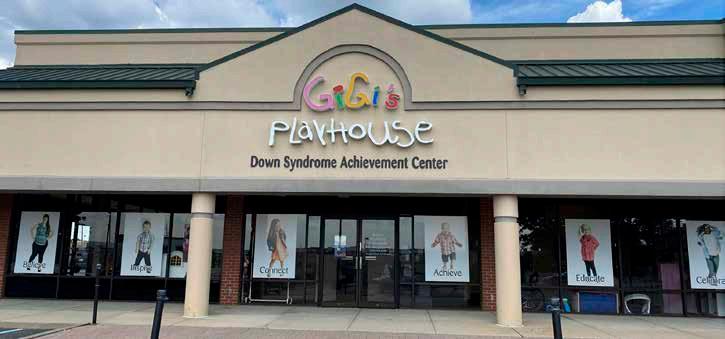
What is Gig’s Playhouse? Although the name inspires images of a toy store or a fun jungle gym, this non-profit is a Down Syndrome Achievement Center for children, teenagers, and adults with Down Syndrome. The Playhouse doesn’t fail to live up to its name though, offering various programs tailored to each individual’s needs, all free of charge for folks and their families. Their main philosophy? As stated on their website, “Gigi’s programs aim to help parents overcome the diagnosis [of Down Syndrome] and maintain high expectations for their child to achieve success in social, educational, and employment opportunities in the future.” Some of these achievement programs target educational difficulties for schoolaged children in areas such as math and literacy, where they can receive free tutoring. And for teens and adults, social and
life skills that foster self-confidence, health, wellness, personal growth and career readiness are offered.
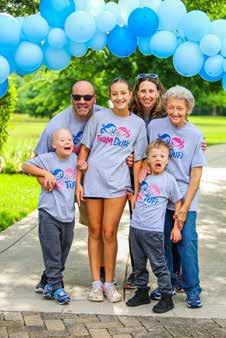
But these programs aren’t the only services available at Gigi’s Playhouse: a multitude of therapeutic programs are also offered. These various therapies target areas such as language & speech, fine motor skills, and physical wellness, to name a few. The programming is flexible, with families having the choice to schedule either in the mornings, afternoons, or evenings. The Playhouse also partners with local groups such as PureAbilities and FLOW Recreation – organizations that provide recreational therapies to those with disabilities. Other than these wonderful resources, Gigi’s also holds an annual fundraising event to raise essential funds for these very needed programs called “Dash for Down Syndrome”. Taking place on June 14, 2026 this widespread event aims to bring together thousands of participants from around Indianapolis and its surrounding counties to Dillon Park; a spacious beautiful park located in Noblesville, Indiana. The event will be held in a 5k style run, but don’t let that scare you! Whether you’re a seasoned runner, excited beginner, or simply a tranquil walker, people of all physical abilities and limitations are encouraged to attend! Expect to see mothers pushing strollers, individuals in wheelchairs, “slow walkers” and children, to name a few, all participating in this event. There’s even a virtual option for those who can’t physically make it but still want to support Gigi’s and make a difference in this inclusive, fun and lowpressure event. The true goal isn’t the finish line, but the impact being made. And despite the name, it isn’t only for those with Down Syndrome, but also for their families, friends, neighbors, and anyone who wants to attend on this crucial day. Not only
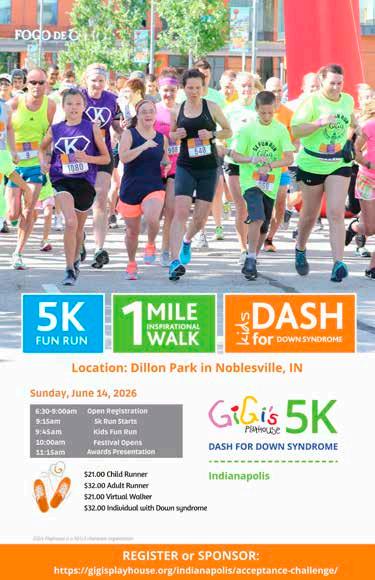
will participating promote the funding of Gigi’s Playhouse, but also celebrate those with Down Syndrome and promote acceptance.



With its advanced sensory regulation features and remote monitoring technology, parents can check in on their kiddo sleeping peacefully from anywhere. #cubbybed
Get a good night's sleep with our insurance approved Cubby Beds, now available in Indiana. Contact Specialized Home Care Services to learn more and order yours today!
But what if you can’t participate in the 5k run, even virtually? There are still other ways you can support Gigi’s Playhouse. After the Dash, a community festival will take place, where a vendor marketplace, live music performances, kids’ games and activities, and numerous food trucks will liven up your post-race experience. Organizations, businesses, and individuals can be involved in the festival activities, whether by participating as a vendor themselves, becoming a sponsor, or rallying teams of their own to run in the dash. With an anticipated attendance of over 2,500, Gigi’s and the disability community welcomes you to come and become a part of the life-changing, important work happening right here in central Indianapolis. Anyone can show support for the families and individuals with Down Syndrome! (888)






Accessibility at the New Fishers Community Center
Lindsey Watson

SINCE OPENING
its doors on November 1, the new Fishers Community Center, Strengthened by IU Health, has quickly become a vibrant hub for families, fitness enthusiasts, and anyone looking to connect with the community. The 105,000-squarefoot facility, located on Hoosier Road near 121st Street, was deliberately designed with accessibility and inclusivity at the forefront, ensuring that both residents and non-residents can enjoy its many offerings.
Members have access to a stateof-the-art fitness center, multiple basketball courts, an indoor zero-entry pool, and 90+ group fitness classes. Non-members are welcome to enjoy the indoor walking track and indoor playground for free by signing up for a free Community Pass. The building also houses the Fishers Health Department and Sahm’s Community Café.
A Facility Designed for Everyone
From the beginning, planners made intentional choices to ensure universal accessibility. They consulted with a nationally recognized ADA and
accessibility expert and sought input from the Fishers Advisory Committee on Disability. Their guidance resulted in thoughtful additions like automatic sliding doors at the main entrance. The planning team even toured other accessible facilities—like the Turnstone Center in Fort Wayne, a Paralympic training site—to gather ideas and best practices.
Indoor Playground
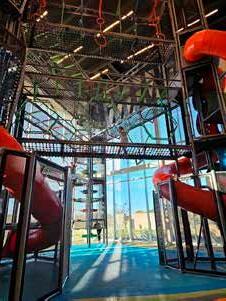
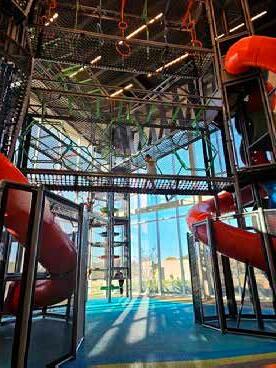
A colorful indoor playground welcomes families right as they enter, setting an energetic tone for the entire visit. The play area is open to all who sign up for a free Community Pass. Online reservations are required.
Steps away, Sahm’s Café provides a convenient spot for snacks. Tables include removable chairs to accommodate wheelchair users, and parents like Mandy Myrick appreciate that café ingredients can be easily viewed online, which is helpful for anyone managing allergies or food sensitivities.
Sports Courts and Track
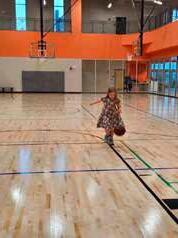
The Community Center boasts three full-size basketball courts that can be reconfigured for six cross basketball
courts, three volleyball courts, and up to nine pickleball courts. Open gym times give families plenty of opportunities to be active. Charter Member, Adam Frazier, and his family have already made great use of the facility; their daughter Anastasia loves playing basketball from her wheelchair using the mini hoops.
Looking ahead, the FCC plans to introduce chair volleyball gym time in 2026, using a balloon in place of a ball to create a fun, low-impact experience. Additional adaptive sports may be added in the future.
Above the gym, a large indoor walking track circles the courts. This free amenity is available to anyone ages 11 and up (children under 13 require adult supervision) with a free Community Pass. While strollers aren’t allowed, wheelchairs are fully welcome.
Fitness Center
The second-floor fitness center (accessible by elevator or stairs) features an expansive selection of modern equipment. Some lockers are marked with handicap placards, offering lower storage options for wheelchair users.
Members can also take advantage of a free personalized circuit-training program called EGYM. After a free EGYM orientation session, members can simply scan their wristband at each machine, automatically adjusting the settings to match their personalized goals.
The fitness area includes inclusive equipment such as a wheelchairaccessible NuStep, which pivots to accommodate a chair. Health & Fitness Manager Jenna Haas explained how many low-impact machines can be tailored to a wide range of needs. She also shared that several athletic trainers are experienced in working with neurodiverse individuals, further supporting an inclusive environment.
There are multiple group fitness classes available on this floor too. Classes are designed with accommodations in mind, and specific offerings, like Chair Yoga, ensure that all abilities can participate.
Group fitness instructors are trained to incorporate ASL cues during class. Frazier, a former teacher at St. Rita School for the Deaf, noted how meaningful this is within the Deaf and Hard-of-Hearing community. Frazier also notes that staff is eager to learn, even teaching some members additional signs to use in the childcare area when he drops off his kids.
Aquatics Center
The aquatics area includes a 25-yard lap pool, AquaClimb wall, the only indoor NinjaCross System in Central Indiana, a water slide, and a warmwater zero-depth entry pool with interactive splash features.
The Myrick family, who are frequent pool visitors, especially appreciate the dual handrails along the wheelchair-accessible ramp, which provide their daughter the extra support she needs due to muscle coordination challenges. The Fraziers also enjoy the zero-entry pool, where Anastasia, who is partially paralyzed, can crab walk and explore the water.
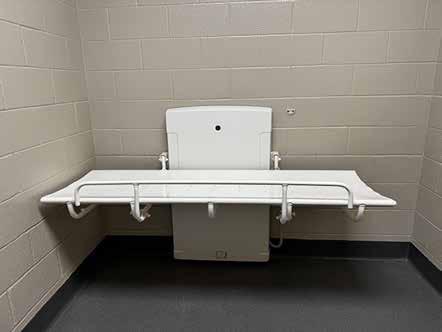
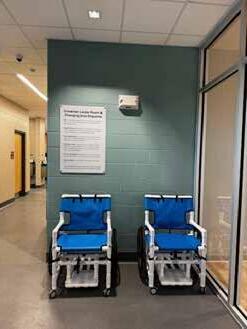
Accessibility continues into the locker and restroom areas. An adultsized changing table is available in a private restroom near the pool entrance. Frazier remarks that their
family does have to wait on ablebodied individuals using the restroom sometimes, but that they really appreciate the changing table space when it’s available.
Two wheelchair lifts and two water wheelchairs are available on a first-come basis. When swimmers are finished in the pool, there are multiple hand-held shower attachments to rinse off.
While floatation devices are generally not permitted in the pool, U.S. Coast Guard–approved safety devices are allowed for those who need additional support.
Myrick shared how patient instructors have been in the pool with her daughter, whose disability can impede her ability to process instructions. During a swim test, the instructor provided ample opportunity to pass the test and didn’t mind repeating instructions.
Assistant Aquatics Manager Garland Wilson said the team is exploring potential adaptive aquatics programs for the future.
Action Zone
Action Zone, the center’s childcare facility, serves children ages 2 months to 12 years and is intentionally designed for a wide range of developmental stages. A sensory-friendly room is also in the final phase of completion.
The program welcomes children with special needs. Gaby Slayton, Youth and Family Manager said, “I’m very intentional during the hiring process. With my background in early childhood and elementary education, I carefully review each applicant’s experience and qualifications to ensure we bring on staff who are capable, compassionate, and prepared to support all children in our care.”
Parents affirm this. Frazier considers Action Zone “the crown jewel of the facility,” praising how thoughtfully staff learn what each child can and can’t do. Myrick similarly commends the team’s attention to detail and consistency, sharing that staff not only remember her daughter but ensure they have necessary medical items on hand.
Camps and Day Programs
City of Fishers Camps are managed by the Fishers Community Center. These programs strive to create an inclusive environment, and staff receive training to support a variety of camper needs. While one-on-one care isn’t available, staff work closely with families to learn how to best support each child.
The Community Center is open to exploring partnerships with outside organizations to host occasional daytime activities for adults with disabilities, although no formal adult day programs are currently offered.
Mike Lindbloom, Director of the Fishers Community Center says, “The Fishers Community Center was designed for everyone in our community. We are committed to adding additional inclusive programming for all ages and abilities to ensure everyone feels welcomed and supported.”
How to Join
Multiple membership options are available, with a special discount given to Fishers Residents. All members on a household plan must reside at the same address. Tours are available to those interested in seeing the facility before becoming a member.
The Fishers Community Center is more than just a fitness center, it’s a place where connection, belonging, and accessibility come together. The center reflects how our inclusive community is committed to ensuring that everyone feels welcome.
As the facility continues to grow and expand its offerings, it stands as a model for what inclusive public spaces can be: vibrant, adaptable, and built for all.




Championing Rights, Empowering Lives
FRANCISCO J. LUNA JR.

WHEN ONE
IS living with disability or supporting someone who does, how to navigate disability-related legal issues is not always obvious. Indiana Disability Rights (IDR) provides resources, advocacy, and support so that Hoosiers don’t have to navigate these issues alone.
According to IDR, their mission is to uphold, promote, and advance the rights of individuals with disabilities through empowerment and advocacy to achieve a more equitable society. This mission is guided by the organization’s vision statement which is “to live in a fully accessible, equitable society where people with disabilities are free from abuse and neglect, are free to be effective advocates, and are free to fully exercise their civil, legal, and human rights, ensuring full inclusion.”
IDR’s Special Projects Manager, Michelle Wickham, emphasizes that these two statements guide the organization’s work every day. To that end, IDR provides a variety of assistance to individuals with disabilities.
This is evident in resources that IDR has published to strengthen the confidence and capacity of Hoosiers with disabilities to self-advocate.These include numerous fact sheets and templates in various accessible formats available on their website. For example, there are documents and sample language that can be used in letters, requests for reasonable accommodations, or appeals. These resources can be used individually or with the help of a friend or family member, providing Indiana residents with tools to better understand and advocate for their rights.
Individual Advocacy
In cases where individual advocacy is needed, the first point of contact is IDR’s Intake & Referral Team. IDR receives many requests for help – there were more than 3,000 just last year. In some cases, the intake team can answer questions and fulfill requests immediately. For instance, when someone requests an alternatively formatted IDR resource.
When an individual is seeking more involved advocacy, the team first must determine whether the individual’s concern is within IDR’s scope of services. This includes determining whether the individual would be better referred to another organization. A recent quarterly report describes the types of cases IDR has been working on. These include cases in the areas of abuse and neglect, facility monitoring, civil rights, education, employment, health care and supported decisionmaking. You can read more about the organization’s recent cases by reading their latest quarterly report, available on the IDR website (URL at end of article).
In situations where the concern involves a disability right within the scope of IDR’s practice, it’s the intake team’s responsibility to gather more information and certain documents needed to evaluate if it is something IDR can help with. The information and request are then sent to the Case Review Committee, which decides whether IDR has sufficient resources to open a request into a case.
If IDR finds that an individual’s rights have likely been violated, it may offer individual advocacy services or, if necessary, legal representation. Issues can often be resolved without an attorney or a lengthy legal process. “When
someone calls IDR, they want to know the right steps to take to address their concern as soon as possible,” Wickham says. “IDR staff can help by offering information about their rights, selfadvocacy tools, referrals and other advocacy.”
IDR tries to address right violations in the least adversarial method whenever possible. There are situations where guidance that is not full representation can be very empowering. This can mean offering individuals knowledge and skills to solve problems or assert their rights on their own. It may include coaching on how to communicate with organizations or helping someone understand their options and offering strategies for resolving an issue without the need for formal advocacy.
In cases where a specialist is assigned as a client advocate, having the advocate observe or participate during interactions with the conflicting party is sometimes enough to reach a resolution. One recent example of this was when a Hoosier came to IDR because he was inappropriately charged pet fees for having a service animal at his home. He had already requested a reasonable accommodation, but the request was not honored. Through advocacy, IDR informed the landlord of the resident’s rights which led to the approval of his accommodation request and a refund of the improper pet fees.
Only in cases where legal representation is truly necessary and IDR has sufficient resources will more adversarial forms of advocacy be used. One recent example of a more involved type of advocacy concerns a student with a disability who had been without instruction for more than a year. This was because the teacher at his school who was qualified and licensed to provide his instruction left and the district did not provide a replacement. The student’s mother contacted IDR and with its advocacy the school agreed to place him in the most appropriate, least restrictive setting with the services and supports he needs. This has allowed the student to return to school and resume his education.
Although many cases can be resolved through advocacy or guidance, there are also times when IDR’s services can include litigation as a last resort. Even as scope and limited resources affect whether IDR can open a case, Michelle notes that IDR staff aim to offer various alternatives when they cannot take on a client. “Staff always try, at the very least, to provide those requesting assistance with technical assistance, a self-advocacy tool, or referrals to other organizations.”
Monitoring and Investigation
In addition to its online resources and advocacy services, IDR exercises its monitoring authority to enter any spaces where people with disabilities are being served. This can include state hospitals, group homes, and nursing facilities. When IDR is monitoring one of these spaces, it is to ensure that those receiving treatment or other services are free from abuse, neglect, and exploitation.
IDR also has a team of investigators that can respond to direct allegations of abuse or neglect against people with disabilities. If IDR verifies that abuse or neglect is occurring, an advocacy case may be opened to ensure that mistreatment stops, and responsible parties are held accountable.
An example of this type of investigation concerned a youth whose Social Security benefits were being kept by a relative
who had no ongoing relationship with him. IDR’s review confirmed that for at least two years, none of benefits were used to provide for the youth or given to his actual caregivers. IDR helped the youth’s primary caregiver to become the payee for his Social Security benefits.This has ensured that the youth’s income is finally used to provide for his needs and well-being.
Public Engagement
IDR also engages in systemic advocacy to highlight the community’s interests in the public forum. This includes IDR’s participation in various committees and workgroups, educating policymakers about disability issues, and issuing public reports.
The organization has presented to the disability community itself on various educational topics. For example, last Fall IDR participated in a series of Family Employment Awareness Training (FEAT) sessions offered by the Indiana Institute on Disability and Community. These sessions provided individuals with disabilities who sought employment important information about their employment rights and the support available to them.
A specific educational topic that IDR is funded to address is voting. This has allowed the organization’s team to present to many audiences of people with disabilities about their voting rights. In the first quarter of 2026, IDR advocates distributed 260 plain language rights resources to residents during its facility monitoring visits. These included the new Know Your Voting Rights fact sheet, which advocates guided individuals through. In 2024, IDR also conducted its first candidate survey regarding disability issues, creating greater transparency for voters on this topic.
How to get involved
Check out the resources available on IDR’s website. Selfadvocacy tools are free to download and use at https://www. in.gov/idr/downloadable-materials/.
Learn about IDR’s latest work by accessing their quarterly reports at https://www.in.gov/idr/impact-report/.
The Indiana Protection and Advocacy Services (IPAS) Commission prioritizes IDR’s focus areas based on feedback from the disability community. Hoosiers can comment on the IPAS Commission’s three-year Priorities & Objectives. Learn more at https://www.in.gov/idr/priorities-and-objectives/.
For those who want to take their advocacy to the next level, consider joining the IPAS Commission or Mental Health Advisory Council. Learn more and apply at the following links:
• https://www.in.gov/idr/ipas-commission/
• https://www.in.gov/idr/mental-health-advisory-council/
Finally, follow IDR on social media to stay up to date on their work
• http://www.facebook.com/IndianaDisabilityRights/
• https://www.twitter.com/INDisRts
• https://www.instagram.com/IndianaDisabilityRights/
• https://www.youtube.com/channel/ UC2nAqidRiPfQa53Yaf9qeCg
• https://www.linkedin.com/company/indiana-disability-rights


Meet Marissa Pangle Founder of Independent Pathways
BY MARISSA PANGLE
MARISSA PANGLE IS an unapologetically authentic voice for the disabled community, combining personal experience as an autistic adult with nearly 20 years of professional expertise in education, behavior analysis, and advocacy.
Diagnosed with Autism at 33, Marissa brings a unique perspective to her work, helping others navigate the challenges of adulthood, communication, and daily life.
Growing up in a family of six, Marissa’s passion for advocacy was shaped early on. Her triplet brothers, born prematurely in 1992, faced disabilities that significantly impacted their lives. Inspired by their resilience, Marissa has dedicated her career to empowering individuals with disabilities to thrive.
A dynamic leader and outspoken advocate, Marissa’s mission is to create inclusive spaces where individuals feel seen, valued, and supported. Whether through one-on-one guidance, community events, or public speaking, Marissa is transforming lives and breaking barriers.
Academic Information:
Marissa Pangle is an interdisciplinary educator and clinician working at the intersection of behavior analysis, sexology, and neurodivergent-centered education. Her work challenges
traditional approaches by prioritizing access, autonomy, and real-world applicability.
She specializes in adaptive sexuality education and relationship development, translating complex concepts into direct, concrete, and usable skills. Her work rejects infantilization and instead focuses on equipping individuals with the knowledge needed to make informed, self-directed decisions.
As the founder of Independent Pathways, Marissa develops curriculum, trainings, and educational systems designed to support individuals across the lifespan. Her work is academically grounded, practically applied, and has a measurable impact within the neurodivergent community.
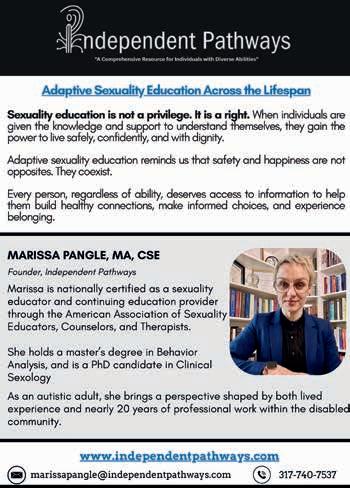
Marissa Pangle is certified through the American Association of Sexuality Educators, Counselors and Therapists (AASECT) as a Sexuality Educator. This certification represents advanced training in human sexuality, ethics, education, and best practices for delivering accurate, inclusive, and developmentally appropriate information. AASECT is widely recognized as the leading professional organization in the field of sexuality education, setting rigorous standards for competency and ethical practice.
In addition to certification, Marissa is an approved Continuing Education (CE) provider. This allows her to offer professional trainings that award continuing education credits to applicable providers who require ongoing training to maintain or work towards credentialing. These trainings are structured to meet professional standards and are designed to translate complex topics into applicable, practice-based knowledge.
The combination of AASECT certification and CE provider status positions Marissa’s work at both the individual and professional level. She not only delivers direct education to individuals, but also trains providers, caregivers, and organizations to implement sexuality education in ways that are ethical, evidence-informed, and functionally applicable. This ensures that education extends beyond theory and results in meaningful, real-world impact.
Independent Pathways Services:
Independent Pathways is a comprehensive resource designed to support individuals with diverse abilities as they navigate adulthood. The program provides education, coaching, and community-based services that prioritize autonomy, meaningful connection, and real-world skill development.
Adaptive Sexuality Education: At the center of Independent Pathways is an adaptive sexuality education curriculum delivered across the lifespan. This curriculum expands beyond traditional risk focused models by addressing safety, autonomy, identity, relationships, and pleasure.
The goal is to provide individuals, families, and professionals with knowledge that is practical, relevant, and directly applicable to everyday life.
For Individuals
Adaptive Sexuality Education for individuals is designed to provide clear, direct, and developmentally appropriate instruction on topics including safety, autonomy, identity, relationships, and pleasure. Education is tailored to each person’s cognitive, emotional, and communication profile, ensuring that concepts are not only understood but can be applied in real life.
Sessions focus on building functional knowledge and skills that support informed decision making, personal boundaries, and meaningful connection. The approach prioritizes clarity, respect, and autonomy, equipping individuals with the tools needed to navigate their lives with confidence.
For Providers
Adaptive Sexuality Education for professionals and caregivers focuses on how to effectively teach, support, and respond to topics related to sexuality, relationships, and personal autonomy. Training emphasizes ethical considerations, communication strategies, and practical implementation within real world settings.
Participants learn how to translate complex topics into concrete, accessible instruction while supporting the autonomy and dignity of the individuals they serve. The goal is to increase confidence, reduce uncertainty, and provide actionable strategies that can be integrated into everyday practice.
Professional Training for Continuing Education
Independent Pathways offers trainings for professionals and caregivers focused on implementing sexuality education and life skills in ethical, practical, and accessible ways. Continuing education opportunities are available for select trainings. Participants are encouraged to confirm acceptance with their specific licensing or credentialing organizations.
Divergent Dating
Divergent Dating is a space designed for neurodivergent individuals to explore dating, relationships, and meaningful connection in a way that is clear, respectful, and aligned with who they are.
The focus is on building real skills around communication, boundaries, consent, and navigating relationships with intention. This includes both romantic relationships and friendships, with an emphasis on understanding what a healthy, safe, and fulfilling connection means to you.
Individualized Coaching
Individualized coaching provides structured, one on one support focused on expanding independence and navigating
the complexities of daily life. Sessions are tailored to each individual’s goals, with an emphasis on translating knowledge into meaningful, real-world application. Coaching prioritizes autonomy and empowerment to navigate life with confidence.
Lectures and Workshops
Lectures and workshops focus on adaptive sexuality education, neurodivergent centered supports, and ethical behavior interventions. Content is designed to translate complex topics into clear, practical strategies that can be applied in real world settings.
Trainings support professionals and caregivers in building confidence, increasing competence, and responding to situations in ways that prioritize autonomy, dignity, and safety.






The Father’s Day Story
By Christina McGairk

FOR FATHER’S DAY, I wanted to do something different. I wanted to spotlight a single father raising a child with exceptional needs. I wanted to hear his story, his struggles, his victories, and the kind of love it takes to carry so much on your own. I reached out, asked around, searched, and came up empty.
At first, I felt disappointed. Then I realized maybe the story I was meant to write was not about finding
one man. Maybe it was about what it means that I could not.
Where are the single dads? I know some are out there. I know some fathers are deeply involved, loving, committed, and doing the hard work every day. Some are raising children quietly without applause or attention. Some are working long hours, making sacrifices, and showing up in ways the world never sees. Good fathers absolutely exist, and they deserve to be honored.
But I would be dishonest if I did not also speak the truth many single
mothers know too well. Too often, women are still carrying the weight alone. Too often, mothers are the ones managing appointments, therapies, school meetings, sleepless nights, financial stress, emotional meltdowns, and the thousand invisible tasks that come with raising a child, especially a child with exceptional needs.
As a single mom, I know what it feels like to carry a lot. I also know how valuable support can be. I am grateful that I have my mom, who helps me in ways that matter more than words can explain. For many of
So this Father’s Day, I want to honor the men who truly show up. The fathers who attend the meetings, learn the routines, stay patient, pay attention, keep their word, and love their children through actions, not just titles. Your presence matters more than you know.

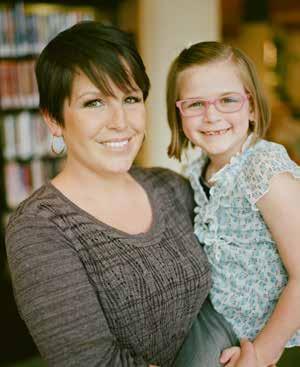
us, support does not always come in the form people expect. Sometimes it is a grandmother, an aunt, a sibling, a friend, or a chosen family member who steps in and helps hold everything together.
Even with help, there can still be loneliness in responsibility. There are decisions only you can make, burdens only you can carry, and moments when the weight feels personal and heavy. But there is also strength in knowing you are not completely alone.
Single mothers keep going. We figure things out. We become strong in places we never asked to be tested. We learn how to advocate, nurture, provide, protect, and comfort often all in the same hour. We celebrate the small wins because we know how hard they were earned. We cry in private and show up in public anyway.
Father’s Day can bring mixed emotions for many women. Some want to celebrate amazing fathers who co-parent well and stay involved. Some grieve fathers who are absent. Some carry anger. Some carry gratitude. Some carry both. Real life is rarely simple enough to fit inside a greeting card.
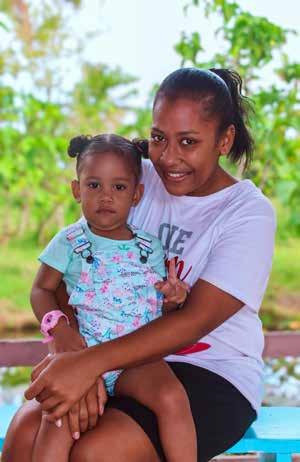
So this Father’s Day, I want to honor the men who truly show up. The fathers who attend the meetings, learn the routines, stay patient, pay attention, keep their word, and love their children through actions, not just titles. Your presence matters more than you know.
And I also want to acknowledge the mothers carrying so much, with or without support. The women doing everything they can to keep the household steady, the child
encouraged, and themselves moving forward on empty some days. I see you too.
I started out looking for one story. Instead, I found a bigger truth. Families come in many forms. Some are supported by two parents. Some are strengthened by grandparents and extended family. Some are rebuilt after loss. Some are held together by one determined mother doing everything she can. And that story deserves to be seen too.
If you know a single parent you wish to nominate go to https://form.jotform. com/240566014402142
HELEN KELLER’S Enduring Legacy
FRANCISCO J. LUNA JR.

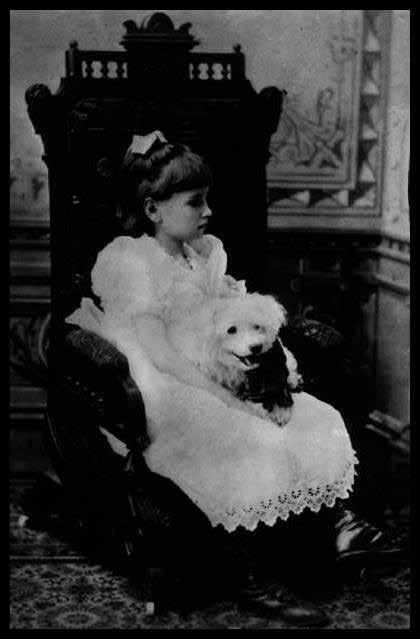
EACH YEAR , Deaf and Blind Awareness week is observed during the last week of June in honor of Helen Keller’s June 27th birthday. The National Women’s History Museum recounts how a serious illness left Keller deaf and blind around her second birthday. At age seven, Keller’s mother engaged a teacher who used touch to teach the child the alphabet and to make words by spelling them with her finger on Keller’s palm. The girl caught on quickly. From there, Keller learned to read Braille and to write with a specially made typewriter. By the time she was a teenager, Keller had impressed no less a writer than Mark Twain to the point that he urged his wealthy friend to finance her education. With this benefactor’s financial support, Keller went to college and graduated cum laude in 1904.
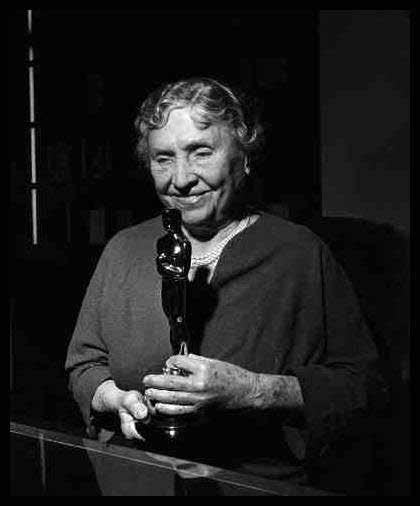
While still a student, Keller published two books, which launched her career. She went on to author ten more and numerous articles in major magazines. She also lectured, advocating for prevention of blindness in children among other causes. She received some of the world’s highest honors and in the 1950s a Pulitzer winning play about her life was adapted into a film that won numerous awards and became a classic.

It is easy to see why Keller is often framed as an inspiring figure. Yet her own writing and legacy suggests deeply held beliefs and priorities that are sometimes overlooked in the popular imagination.
In Keller’s autobiography Midstream: My Later Life, she wrote: “I had once believed that we were all masters of our fate, that we could mold our lives into any form we pleased... I had overcome deafness and blindness sufficiently to be happy, and I supposed that anyone could come out victorious if he threw himself valiantly into life’s struggle. I forgot that I owed my success partly to the advantages of my birth and environment, and largely to the helpfulness of others... Now, however, I learned that the power to rise in the world is not within the reach of everyone.”
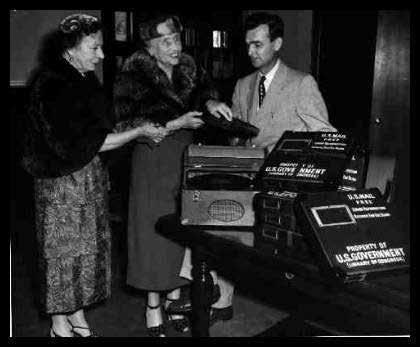
One of the most enduring ways Keller empowered others to rise in the world was through co-founding the Permanent Blind Relief War Fund. Originally focused on supporting soldiers who had been blinded in combat, the organization evolved and today has greatly expanded its scope under the name Helen Keller International (HKI).
Helen Keller Intl operates in 20 countries across Africa, Asia, Europe, and the United States. In a time when 43 million
Helen Keller Deaf & Blind Awareness Week
Helen Keller holds her Oscar
Helen Keller caressing a white pigeon
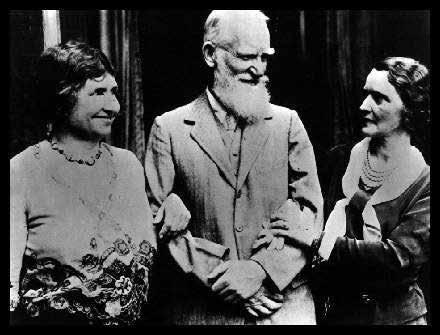
Portrait, Helen Keller, George Bernard Shaw, Lady Astor


people are blind, yet 90% of all vision loss is preventable or treatable (The Lancet), HKI provides low-cost interventions that allow people to see. Early in its 100-year history, the organization found that vitamin A could, in cases of severe malnutrition, prevent blindness and decrease the risk of childhood mortality by nearly a third. Over time, it became apparent that sight-related disability did not exist in a bubble. In many cases, this type of disability is related to other factors that have broader consequences for a person’s life.
To quote modern research written in the spirit of Keller’s own published writings, the Stanford Social Innovation Review contends, “Ableism doesn’t exist in a vacuum. For philanthropy to play a role in systems change, it must first understand that disability coexists with other identities.... Siloing disability from other movements and justice work only serves to further isolate…. When foundations address ableism separately from other forms of oppression, they can’t achieve systems change.”
Today, Helen Keller Intl’s mission is to improve the lives of people around the world by protecting vision, enhancing nutrition, and fighting disease. Their vitamin A program distributes a twice-yearly dose to malnourished individuals that costs $1. In addition to its links with eye health, research firm GiveWell estimates that 200,000 childhood deaths are caused by vitamin A deficiency each year. This is because many families in poorer countries don’t have access to the vitamin A rich foods that are an every-day part of the American diet.
In addition to providing 94.4 million vitamin A capsules in 2025 alone, HKI works at the system level to improve access to this and other essential nutrients through support for growing nutrient-rich foods at home, fortification of foods like flour, and supporting the breastfeeding of infants.
Tropical Diseases & Supporting Clear Vision
Another area where Helen Keller Intl has made a difference is in the treatment of tropical diseases. To take one example,
HKI has made significant gains in the fight to eradicate trachoma. According to the Mayo Clinic, trachoma is the leading preventable cause of blindness worldwide. Through HKI’s work with governments, partners, and communities, they were able to eliminate trachoma in Mali as well as achieve other important global milestones between 20182025. Focused on five tropical diseases, the organization reached more than 32.3 million people with treatment for at least one disease.
In 2025 the non-profit supported more than 22.7 million people with essential vision care. They screened more than 136,000 children and adults for vision impairment and provided more than 33,500 people with free or low-cost prescription glasses. Finally, they screened more than 46,900 patients for diabetic eye disease.
Empowerment
While supporting vision remains an essential part of Helen Keller Intl’s mission, the focus is also on empowering those with less resources so that they may attain successes like those that Keller herself experienced and attributed to the “advantages of [her] birth and environment.”
In a 1924 letter to a U.S. senator, Keller complained, “So long as I confine my activities to social service and the blind, they compliment me extravagantly, calling me ‘arch priestess of the sightless,’ ‘wonder woman,’ and a ‘modern miracle.’ But when it comes to a discussion of poverty... that is a different matter!”
Today, the scope and impact of the international organization that bears Keller’s name serves as a poignant reminder of a woman who refused to be confined by a onedimensional understanding of who she was and what she had to offer the world.
You can support or learn more about Helen Keller Intl’s work at https://helenkellerintl.org.
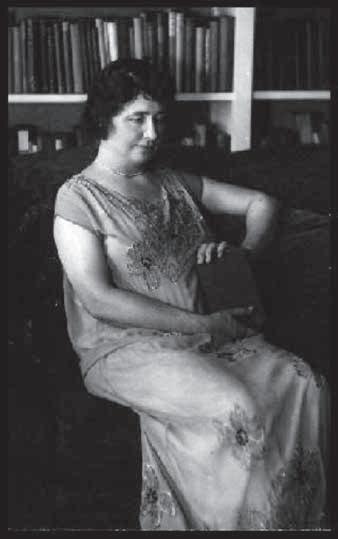
Portrait of Helen Keller at her Radcliffe Graduation, 1904
Prince in the WILDERNESS
An Easter Story
BY CALEB BANKS, STORY TELLER; AMY E. MARTIN-BETZOLD, WRITER, REVIEW BY THOMAS ANDERSON EDITOR IN CHIEF OF LITERARY TITAN
Prince in the Wilderness is a work of Christian historical fiction, and it reads like an Easter story told around a fire, with Scripture, family memory, and frontier life all braided together. Set in 1846 Indiana, it follows Laurent Fontaine, a young man standing between boyhood and adulthood, as he moves through the demands of family, faith, wilderness, and first love. Around him, the novel builds a full household world: his
mother and father, his younger sisters, the rhythms of trapping and homesteading, and a deep sense that the natural world is not just background but part of the book’s spiritual language. I enjoyed the book’s warmth. It’s earnest in a way that can feel rare now. The family scenes are where it really comes alive. The joking between Laurent and his sisters, the meals, the storytelling, the small household rituals, all of that gives the novel its pulse. I also liked how much the authors trust the domestic details.
Food, chores, baths, tools, prayer, reading aloud, all of it matters. That gives the story weight. The prose is very rich. Still, I never doubted the sincerity behind it. The book knows exactly the kind of world it wants to build, and it commits.
I found the authorial choices interesting too, especially the way faith is not tucked into the corners but placed right at the center. This isn’t a novel that nods vaguely toward belief. It’s openly shaped by Christian conviction, and the wilderness becomes both a physical place and a spiritual testing ground. That worked for me more often than not because the book is at its best when it lets those ideas arise through character and scene rather than explanation. Laurent’s sense of responsibility, his tenderness toward his sisters, and the family’s conversations about protection, obedience, gender, and calling give the story something to wrestle with. I didn’t agree with every idea, but I respected that the book is honest about what it believes and lets those beliefs shape the stakes.
The book reminded me a little of Janette Oke’s work, especially Love Comes Softly, because it shares that same gentle Christian historical fiction tone, where faith, family, and everyday frontier life matter as much as plot. There is also a touch of Laura Ingalls Wilder in the attention to household rhythms and the feel of the natural world, though Prince in the Wilderness is more openly devotional.
I came away feeling that this book will mean the most to readers who enjoy faith-forward historical fiction with a strong family core, a coming-of-age thread, and a frontier setting that feels lived in rather than decorative. People who like their fiction reflective, morally serious, and rooted in Christian themes will probably find a lot to appreciate here. For those who want an intimate, heartfelt Christian historical story with frontier texture and a sincere spiritual center, Prince in the Wilderness has a steady, generous pull.










Unlocking Potential, Regardless of Age or Diagnosis

We're proud to participate in Indiana's Education Scholarship Account (ESA) program, making this transformative approach accessible for more families.


In just 16 weeks, families see measurable improvements in: Reading fluency and comprehension • Processing speed Focus and attention • Learning confidence
The best part? These sessions fit into your family's life —many complete them from home, sometimes even in pajamas. Your child's brain can change—and we can prove it
DR. REBECCA
Because every child deserves the chance to read, learn, and thrive—no matter their starting point. retrainthebrain.com/apply | 218-393-2423
Our neuroscience-based approach doesn't just work around learning differences—it transforms them. Whether your child has dyslexia, ADHD, autism, processing challenges, or simply struggles with reading and learning, our targeted brain training activates dormant neural pathways.




Spelling to Communicate is an innovative method of communication that starts with presuming in the cognitive competence of non, minimal and unreliably speaking individuals. It is believed that all individuals can and want to learn and communicate despite their perceived limitations. S2C empowers said individuals to overcome communication barriers through the motor movement of pointing to letters on a letter board and thus promoting synchrony between cognitive and motor systems. It is through the repeated practice (pointing to letters) that new neural pathways become formed and myelinated. The end result being a viable means of communication and the ability to show the world their cognitive prowess.
Simple, realistic strategies that help parents and teachers:
• Cut down daily chaos (especially mornings + homework).
• Build routines that neurodivergent brains can actually stick with. •Shift from constant frustration to more calm, connection, and confidence. popsugarcafe.com









This section is here to give our readers easier access when searching for a trusted neighborhood partner to use. Get to know the businesses that make this magazine possible. Please support them in return and thank them if you get the chance!
ABA & Comprehensive Services
BehaviorWorks ABA (317) 731-7777 behaviorworksaba.com
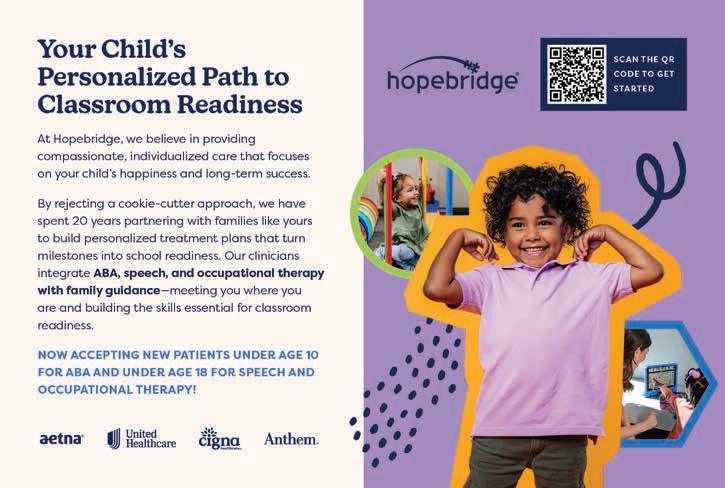
Hopebridge Autism Therapy Centers (844) 786-0672 www.hopebridge.com
K1ds Count Therapy (317) 520-4748
ABA / Residential & Community Support
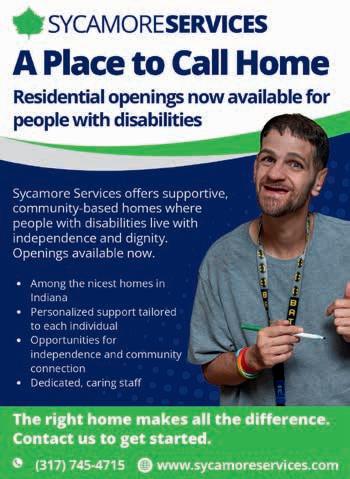
Sycamore Services (317) 745-4715 sycamoreservices.com
ABA/Comprehensive Services
The Hope Source (317) 578-0410
Advocacy & Disability Support AccessABILITY (317) 926-1660 www.accessabilityin.org
Attorney-Wills/Trusts/Estate Planning
Law Office of Elizabeth A. Homes LLC (317) 660-5004
Behavioral Support/Pac New Beginnings BIS (317) 366-3432 www.newbeginningsbis.com
Catering & Meal Prep
Indys Kitchen (317) 476-7507 mealprep.indyskitchen.com
Community Inclusion & Adult Services
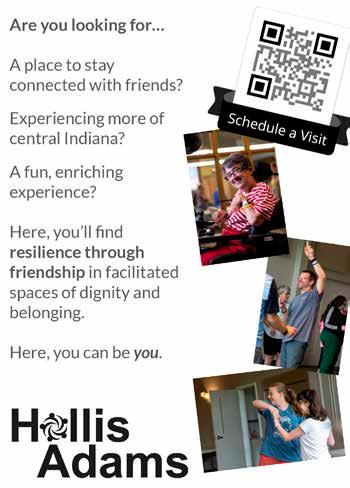
Hollis Adams (463) 206-1032 www.hollisadams.org
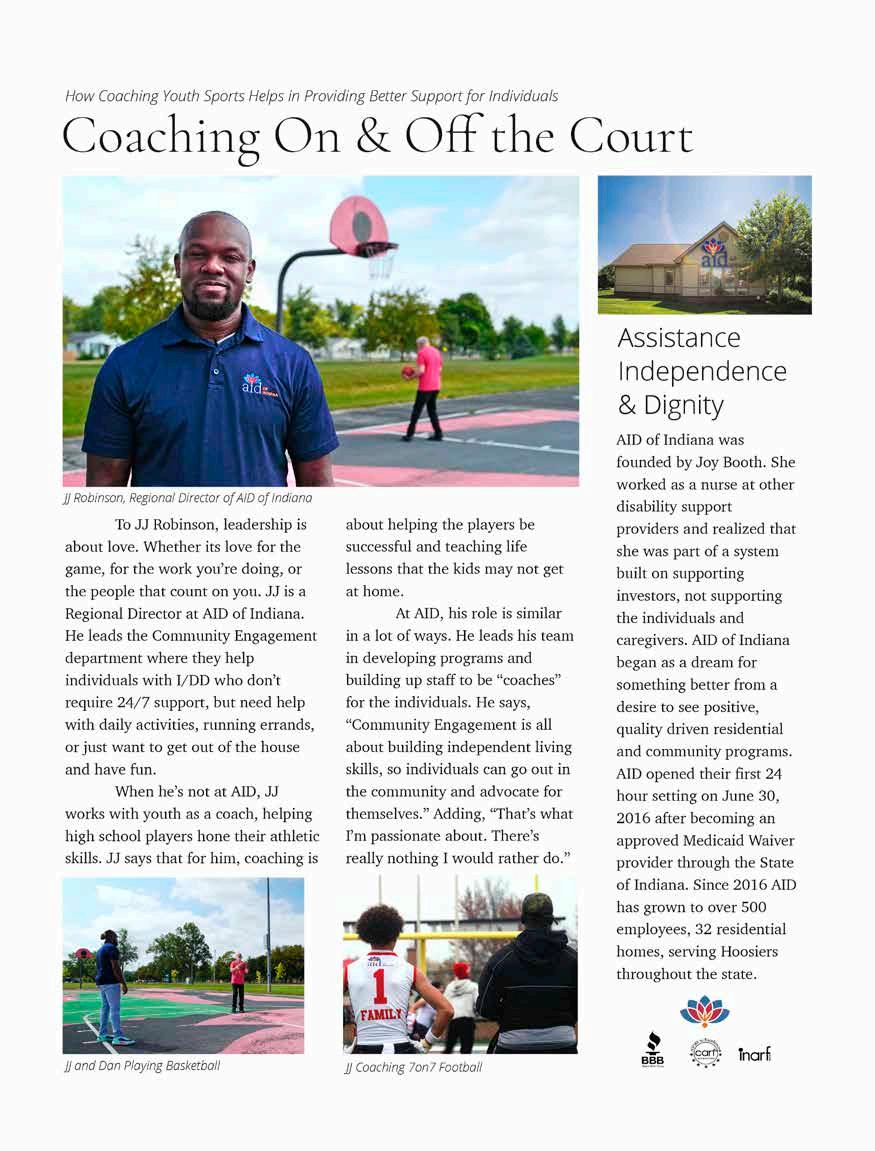
Community Support AID of Indiana (765) 273-3999 aidofindiana.com/
Best Buddies Indiana (317) 436-8440 www.bestbuddies.org/indiana
Carters Play Place (317) 836-5510 cartersplayplace.com
Connie’s Clubhouse (435) 621-4153
www.conniesclubhouse.work
LEL Home Services (317) 387-1443 lelhomeservices.com
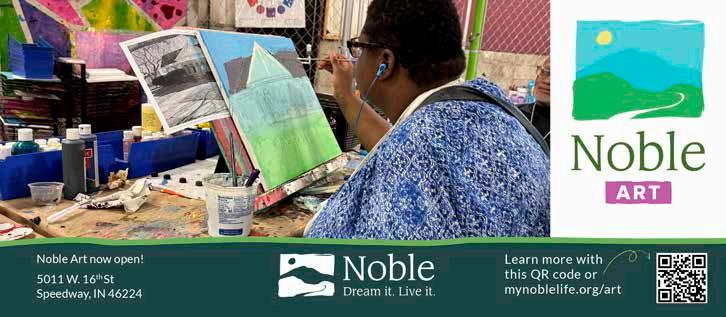
Noble (317) 375-2700
Phoenix Community Services LLC (765) 622-7808
www.Phoenixcommser.com
DJ/Entertainment Services
DJ Jesús Indy (317) 766-5742
www.instagram.com/dj_jesus_indy
Dyslexia Support Program
Retrain the Dyslexic Brain by Dr. Rebecca Troy (218) 393-2423
www.DrRebeccaTroy.com
Employment/Community Support
Hopewell Center (765) 642-0201
www.hopewellcenter.org
Financial
WestPoint Financial Group
Gordon Homes (317) 567-2005
Home Care & Transportation
ABC Community Services LLC (317) 516-1178
www.abccommunity services.com
Home Health Services
ComForCare Home Care (317) 575-3983
www.comforcare.com/indiana/ north-metro-indianapolis
Home Modifications / Specialty Equipment
Specialized Home Care Services (888) 506-4182
www.specialized4u.com/
Housing/Transportation/PAC/Respite
JD Angels Family Care (317) 654-2609
Ice Cream
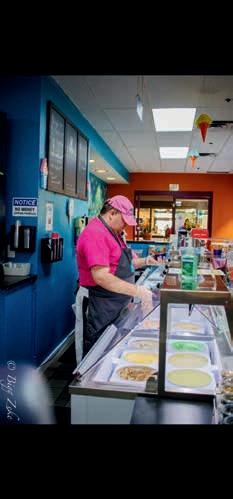
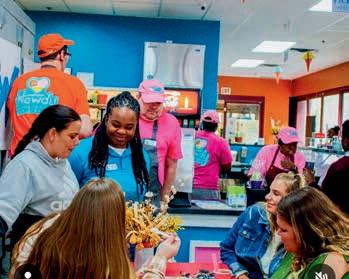
Howdy Homemade Ice Cream (317) 397-0008 www.howdyindy.com
Insurance
State Farm
John Cole (317) 430-1958
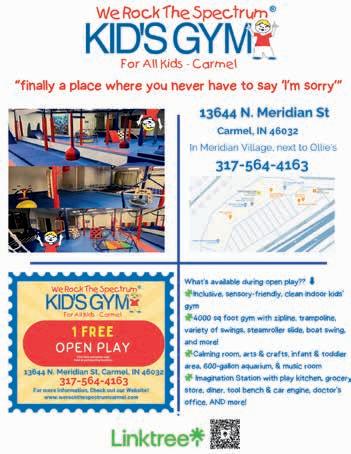
Kid’s Sensory Gym
Rock the Spectrum (317) 764-6607 werockthespectrum carmel.com/
Neurodiversity support tools
Pop Sugar Cafe (260) 237-2377 www.popsugarcafe.com
Neurofeedback Therapy
Indy Neurofeedback (317) 888-8500
Occupational Therapy Support NIKS Independence Academy (NIA) (463) 328-2637
Organizational Employee Development
Team Sylvester (317) 691-9000 teamsylvester.com
Orthodontics
Godley Family Orthodontics godleyfamilyortho.com
Pediatric Home Care
Guardian Care www.myguardian.care
Political Friends of Blythe Potter (317) 285-8263
www.blythepotter.com
Relationship/Intimacy Education
Independent Pathways (317) 740-7537 www.independentpathways.com
School Dynamic Minds Academy (317) 578-0410
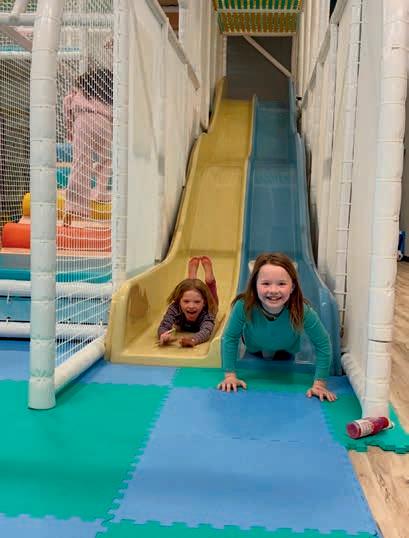
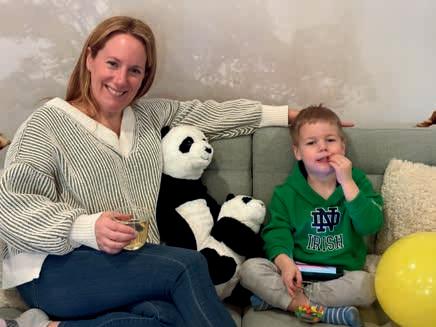
Sensory Play / Therapy Support Prana Play (317) 653-0444
www.pranaplaycarmel.com
Spelling to Communicate
Exceptional Minds LLC (317) 408-3990
Vehicle Transportation & Rentals
Superior Van & Mobility (877) 892-6382
superiorvan.com/
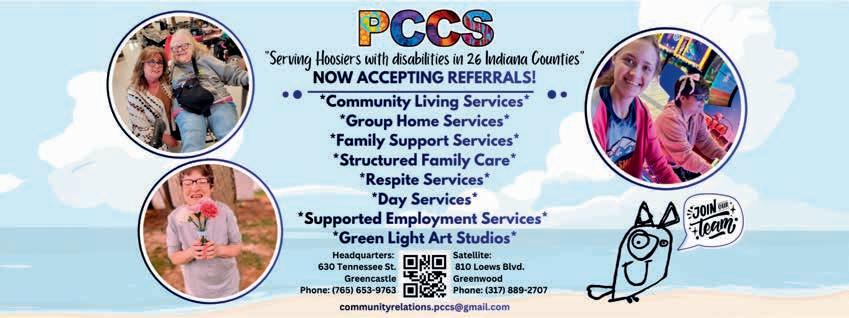
Waiver Provider & Employment Putnam County Comprehensive Services (765) 653-9763 www.pccsinc.org


9151
Celebrating the Disability Community in Indy counties