Redefining Independence, One Adaptation at a Time
Meet Kitty McClintock


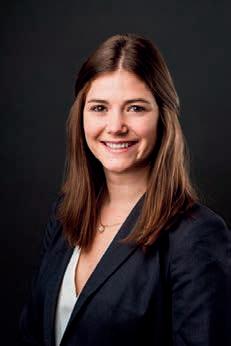



Redefining Independence, One Adaptation at a Time








517-241-3740
Aging, Community Living, and Supports Bureau (ACLS Bureau)
www.michigan.gov/mdhhs/adult-child-serv/adults-andseniors/behavioral-and-physical-health-and-agingservices/aging-services
517-487-5426
877-463-2266
517-882-2800
517-241-3740
269-345-1913
517-241-3740
800-605-6722
517-333-6655
616-732-7358
269-337-3600
800-75-SEALS
Arc Michigan arcmi.org
Autism Alliance of Michigan
https://autismallianceofmichigan.org/ Autism Support of Michigan https://autism-mi.org/ Behavioral Health and Developmental Disabilities Administration
https://www.michigan.gov/mdhhs/keep-mi-healthy/ mentalhealth/procurement/welcome-to-behavioralhealth-and-developmental-disabilities-administration Michigan Foundation for the Blind and Visually Impaired Michigan Developmental Disabilities Council https://www.michigan.gov/mdhhs/keep-mi-healthy/ mentalhealth/developmentaldisability
Michigan Rehabilitation Services (MRS) Capital Area Down Syndrome Association www.cadsa.org
Deaf and Hard of Hearing Services (DHHS) www.deafhhs.org/
Disability Determination Bureau Easterseals MORC www.easterseals.com/MORC/

Would you like to advertise in Uniquely You! to share valuable information and help support the community? Scan to grab some time to connect & learn more about being involved: https://calendly. com/jamie-mccabe/ special-needs-livingmagazine

Scan to view the past issues of Special Needs Living and Uniquely You!


Scan to view past digital copies, find resources, share a story or learn more about being involved.
Jamie Olson: Uniquely You!
Magazine Area Director jamie.olson@n2co.com 248-882-8448
911 1-800-327-5966
833-633-5788
517-374-1171
517-241-3740
517-241-3740
517-241-3740
517-241-3740
833-808-7452
800-457-4584 313-446-4444 988
517-241-7004
517-284-7290
1-800-772-1213
1-800-772-1213
833-633-5788 517-203-1200
517-241-5324
517-241-3740
Emergency Early On Michigan https://www.1800earlyon.org/directory.php
Michigan Department of Education: Office of Special Education https://www.michigan.gov/mde/services/ special-education
Michigan Family Forum
Michigan Family to Family www.f2fmichigan.org/
Michigan Department of Health and Human Services www.michigan.gov/mdhhs
Michigan Family and Social Services Administration (FSSA) www.michigan.gov/mdhhs
Michigan State Department of Health www.michigan.gov/mdhhs
Michigan Statewide Independent Living Council (MSILC) www.misilc.org/
Medicaid Disability
MI Choice Waiver Program
National Alliance on Mental Illness
Preschool & Out-of-School Time Learning https://www.michigan.gov/mileap/educationpartnerships/out-of-school-time-and-summer-learning Self-Advocates of Michigan (SAM)
Social Security Administration (SSA)
Social Security Disability Insurance (SSDI)
Special Education Questions
United Cerebral Palsy Association of Michigan ucp@ucpmichigan.org
Vocational Rehabilitation Services (VR) Division of Family Resources (DFR) www.michigan.gov/mdhhs
n2co.com
Celebrate. Connect. Impact. © 2026 The N2 Company, Inc.
DISCLAIMER: The articles and opinions expressed in this publication are those of the respective authors and do not necessarily reflect the views of The N2 Company d/b/a Uniquely You (“N2”). Advertisements appearing in this publication are paid placements and are not endorsed or recommended by N2. N2 is not responsible for the statements, opinions, or business practices of any authors, contributors, or advertisers featured herein. Portions of this publication may include content created with the assistance of artificial intelligence (AI) tools by authors or contributors and may not be independently verified by N2. We are proud to feature businesses that share our commitment to showcasing local connections. Please note that businesses profiled may have provided free products and/or services for the review. Uniquely You is for general informational and entertainment purposes only and is not intended to provide medical, therapeutic, educational, or legal advice. Always consult qualified professionals regarding the care and support of individuals with disabilities. NOTE: When community events take place, photographers may be present to take photos for the event, and they may be used in this publication.We are proud to feature businesses that share our commitment to showcasing local connections. Please note that businesses profiled may have provided free products and/or services for the review. Uniquely You is for general informational and entertainment purposes only and is not intended to provide medical, therapeutic, educational, or legal advice. Always consult qualified professionals regarding the care and support of individuals with disabilities. NOTE: When community events take place, photographers may be present to take photos for the event, and they may be used in this publication.
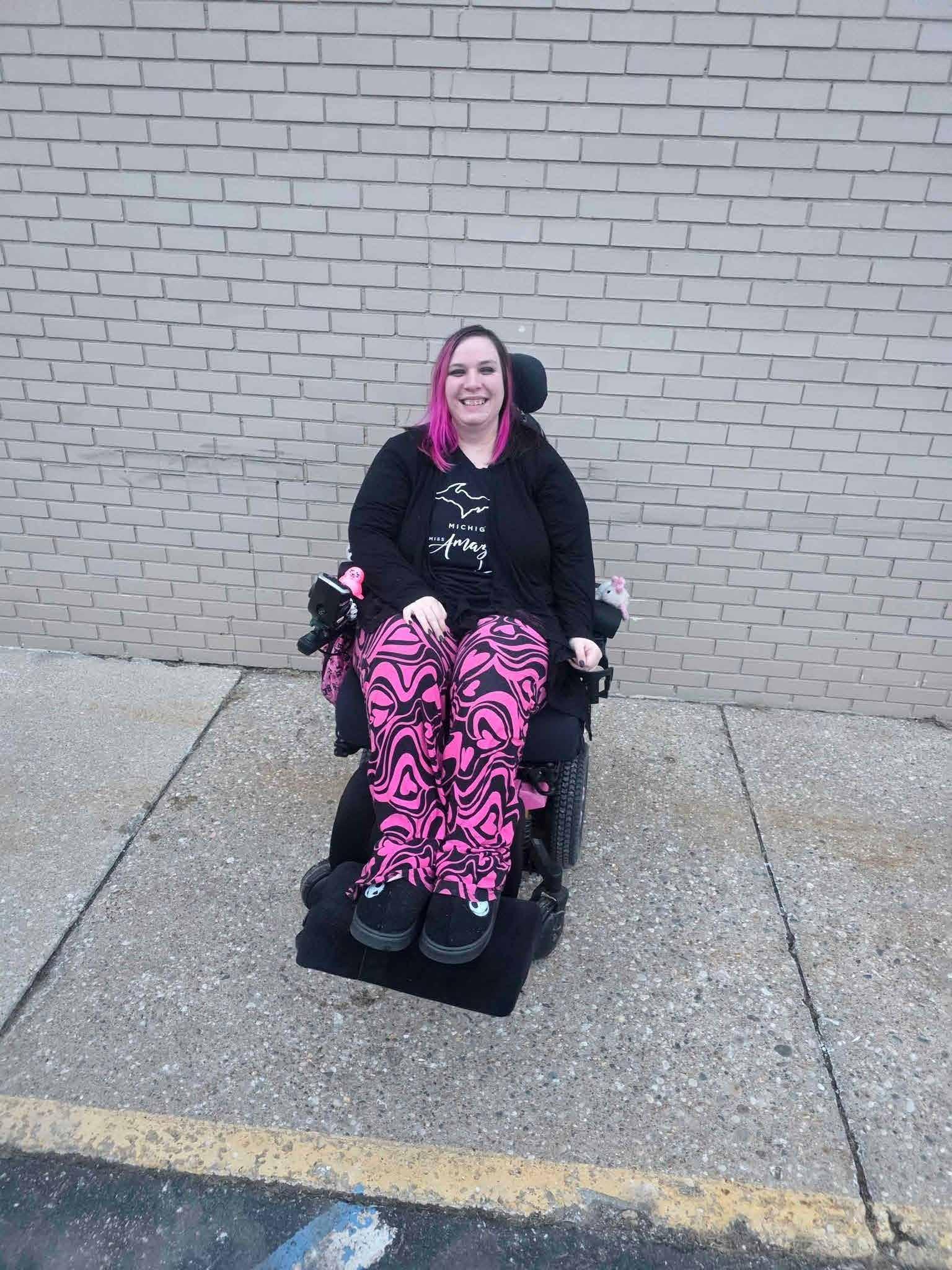
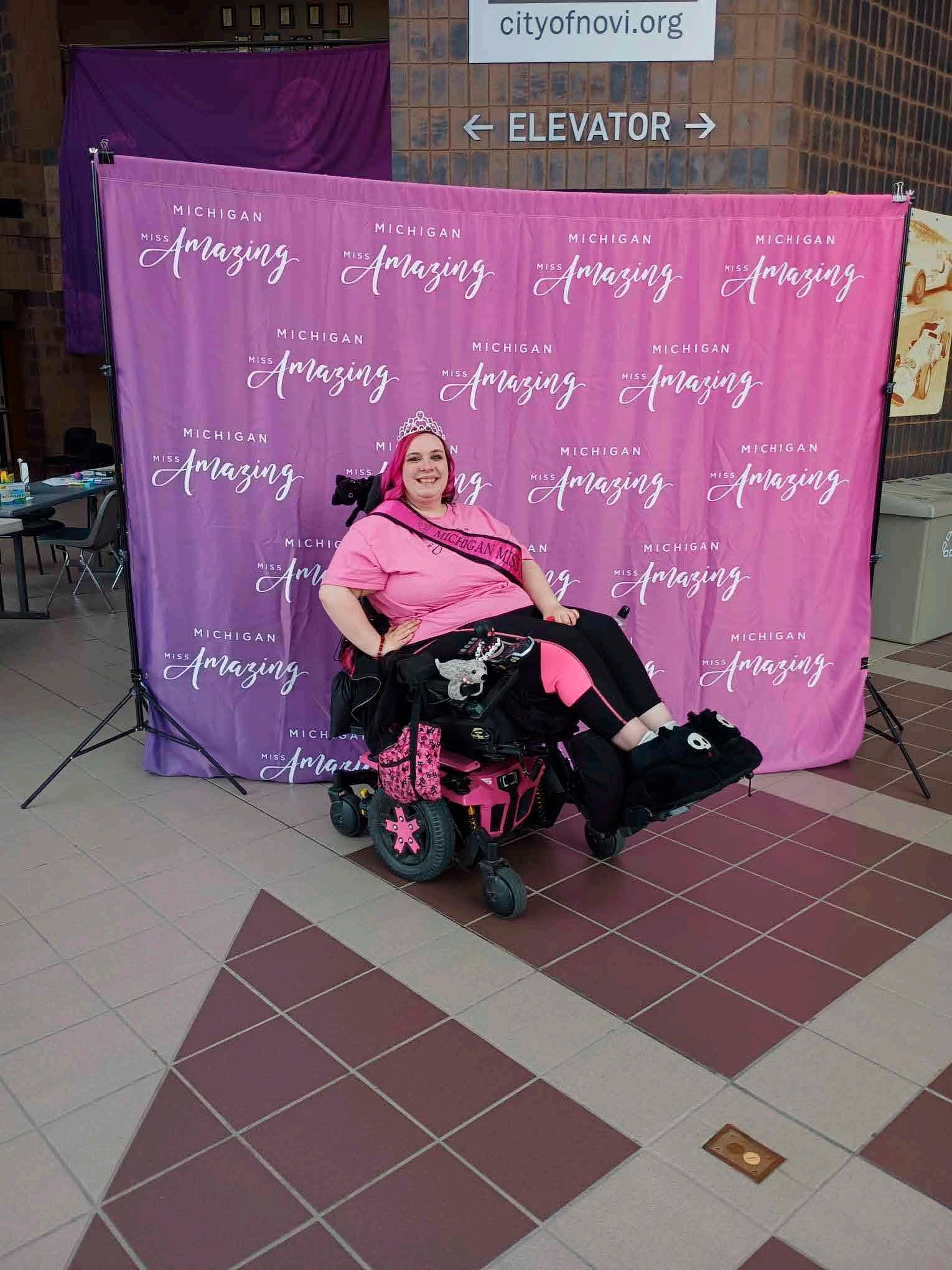
A life shaped by complexity, advocacy, and a refusal to be simplified.
BY KRISTIN DILLON,

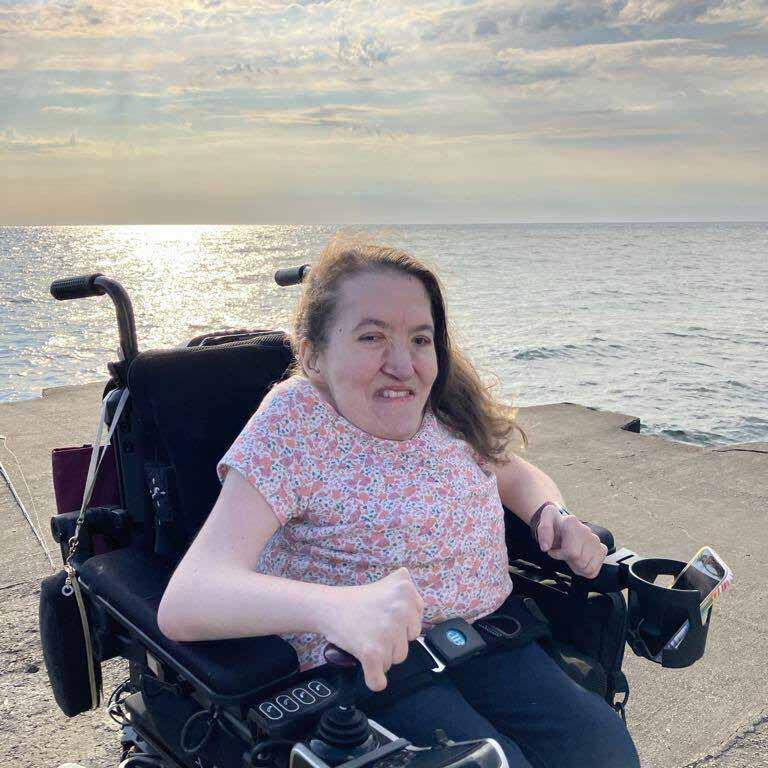
AT FIRST GLANCE , Kitty McClintock might be introduced by her titles—advocate, pageant titleholder, content creator, athlete.
But that would miss the point.
Kitty’s life isn’t defined by any single role. It’s defined by the constant, often invisible work of navigating a body that requires adaptation in a world not built with her in mind.
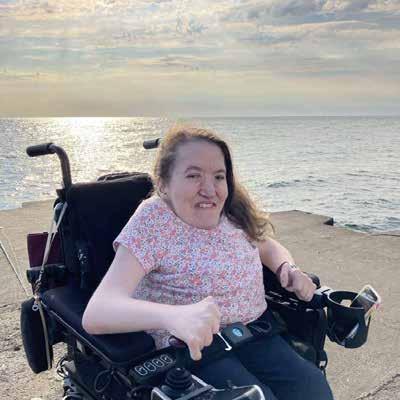
At 26, living in Berrien Springs, Michigan, Kitty manages a complex set of chronic and genetic conditions—EhlersDanlos syndrome (EDS), mast cell activation syndrome (MCAS), postural orthostatic tachycardia syndrome (POTS), hip dysplasia, polycystic ovarian syndrome (PCOS), asthma, and hidradenitis suppurativa (HS). Together, they affect nearly every system in her body.
They also reveal something larger than medical complexity: the gap between what disabled people need and what systems are designed to provide.
“Halloween is my absolute favorite holiday, especially as a gothic chick.”

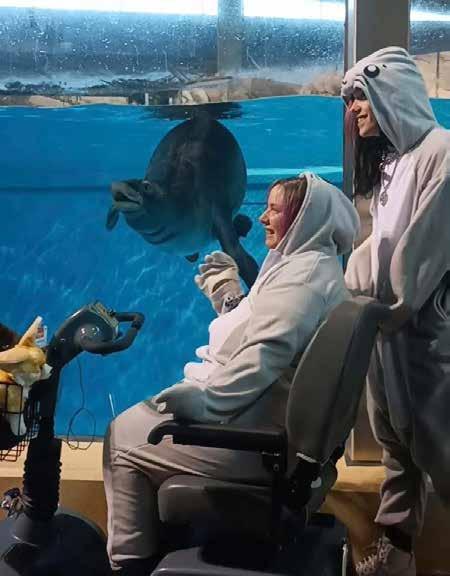
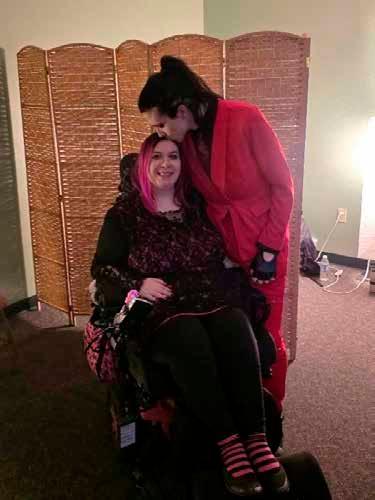
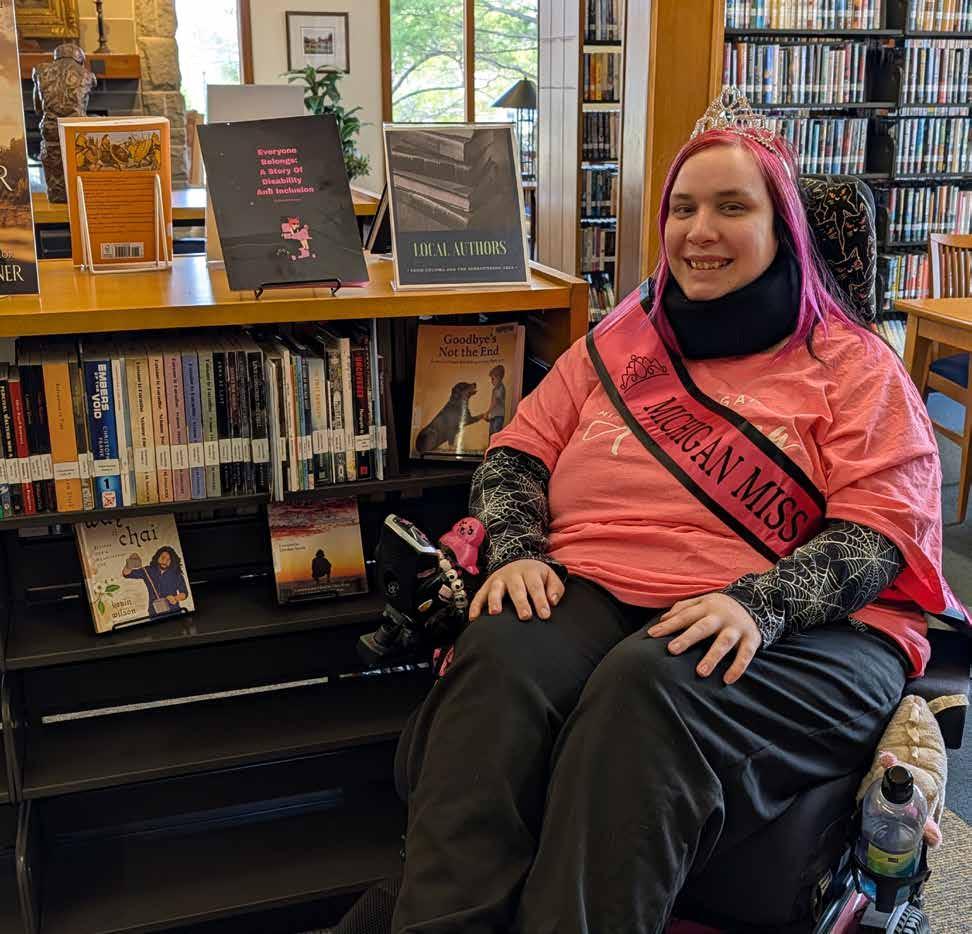
Kitty’s medical story didn’t arrive as a single revelation. It came in fragments—joint instability, chronic hives, dizziness, hormonal irregularities—each treated as an isolated issue.
They weren’t.
Her hip dysplasia was identified at birth. PCOS at age 12. But the broader pattern didn’t emerge until her mid-teens, when a physician finally recognized what others had missed.
The diagnoses that followed didn’t create a new reality.
They named the one she had been living in all along.
And that delay matters.
For many people with chronic and rare conditions, the hardest part isn’t the illness itself, it’s believed.
Many of Kitty’s conditions are invisible, lifelong, and often misunderstood. Symptoms don’t always show outwardly, but they shape every part of daily life.
“Disability does not mean a lack of independence, but rather a different way of achieving it with the right support.”
Kitty
This is the hinges of Kitty’s story—the place where the narrative turns.
Independence, she explains, has never meant doing everything alone.
It means having the right support to make choices, participate in daily life, and maintain autonomy.
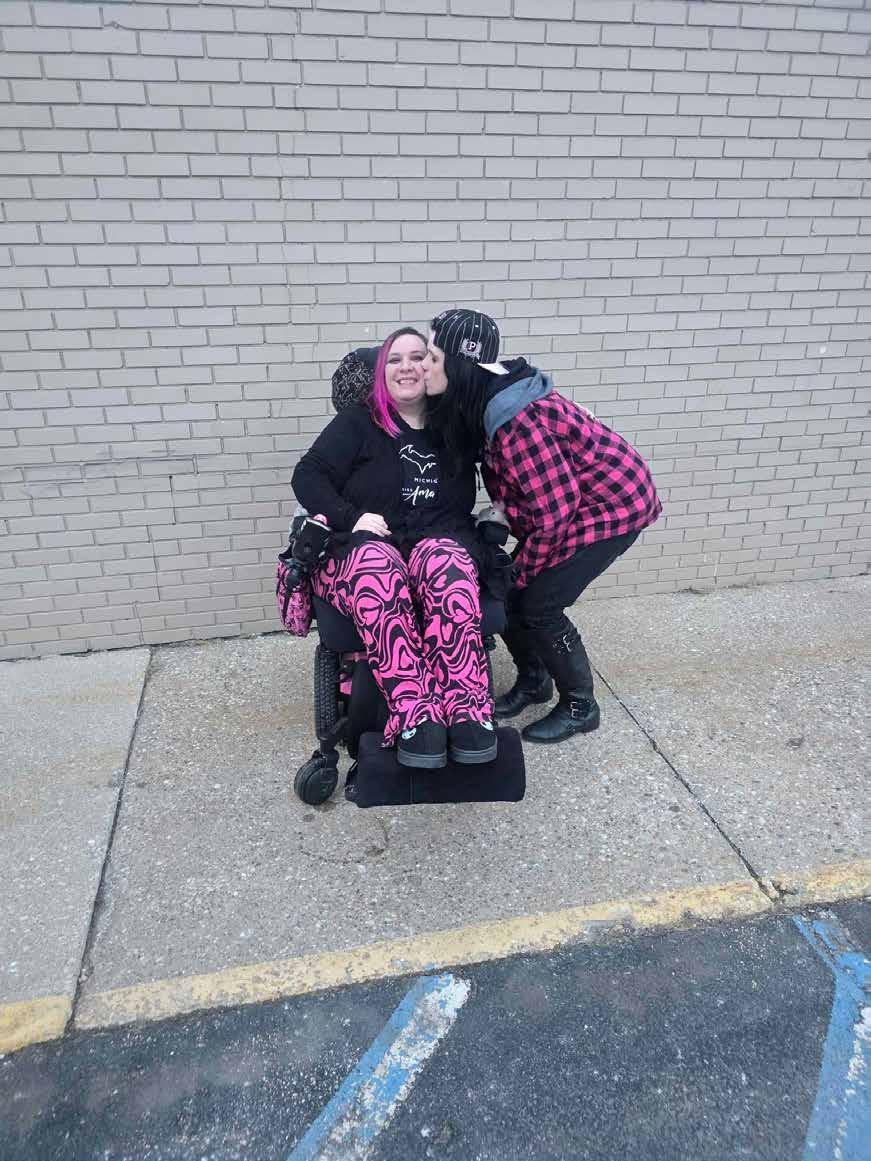
She lives with her caregiver, Scarlet Neko, and her partner, Jaide—both essential to her daily functioning. Their support doesn’t diminish her independence.
It makes it possible.
“Having a strong support system has significantly improved my quality of life—not only physically, but emotionally and mentally,” she says.
Her family also shifted into caregiving roles early on, learning how to support her medical and daily needs as her conditions evolved. Supported independence, she says, has been life changing.
This is the redefinition:
Not independence as isolation, but independence as interdependence.
Medical complexity is only part of the story. The other part is structural.
• Medicaid gaps.
• Equipment not covered.
• Medications are out of reach.
• Physical spaces that remain inaccessible.
• These aren’t personal failures. They’re systemic ones.
Recently, Kitty has struggled most with Medicaid not covering essential medical equipment—items she needs for safety, mobility, and daily functioning.
To bridge these gaps, she has relied on community-based support, including Berrien County Cancer Services, which stepped in when traditional coverage fell short.
But accessing help is its own labor—documentation, advocacy, persistence, and the emotional weight of repeatedly proving your needs are real.
Kitty does that work not only for herself, but for the people who will come after her.
“Delayed diagnoses, insurance denials, and accessibility barriers are not personal failures—they are systemic issues.”
Pageantry is often treated as a footnote in disability stories.
In Kitty’s life, it’s a rupture; a moment where the expected narrative breaks open.
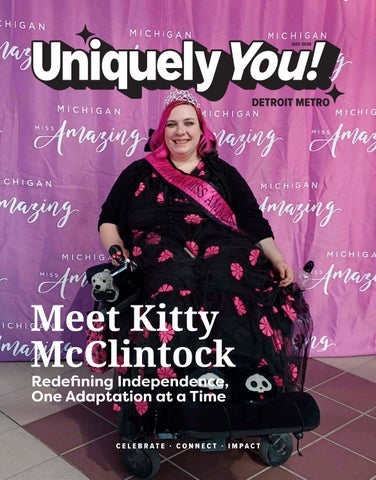
In 2018, she became the first wheelchair user to participate in the Blossomtime Festival, earning the title Miss Baroda Congeniality.
Later, she was crowned Ms. Wheelchair Michigan USA (2022–2023), expanding her advocacy statewide.
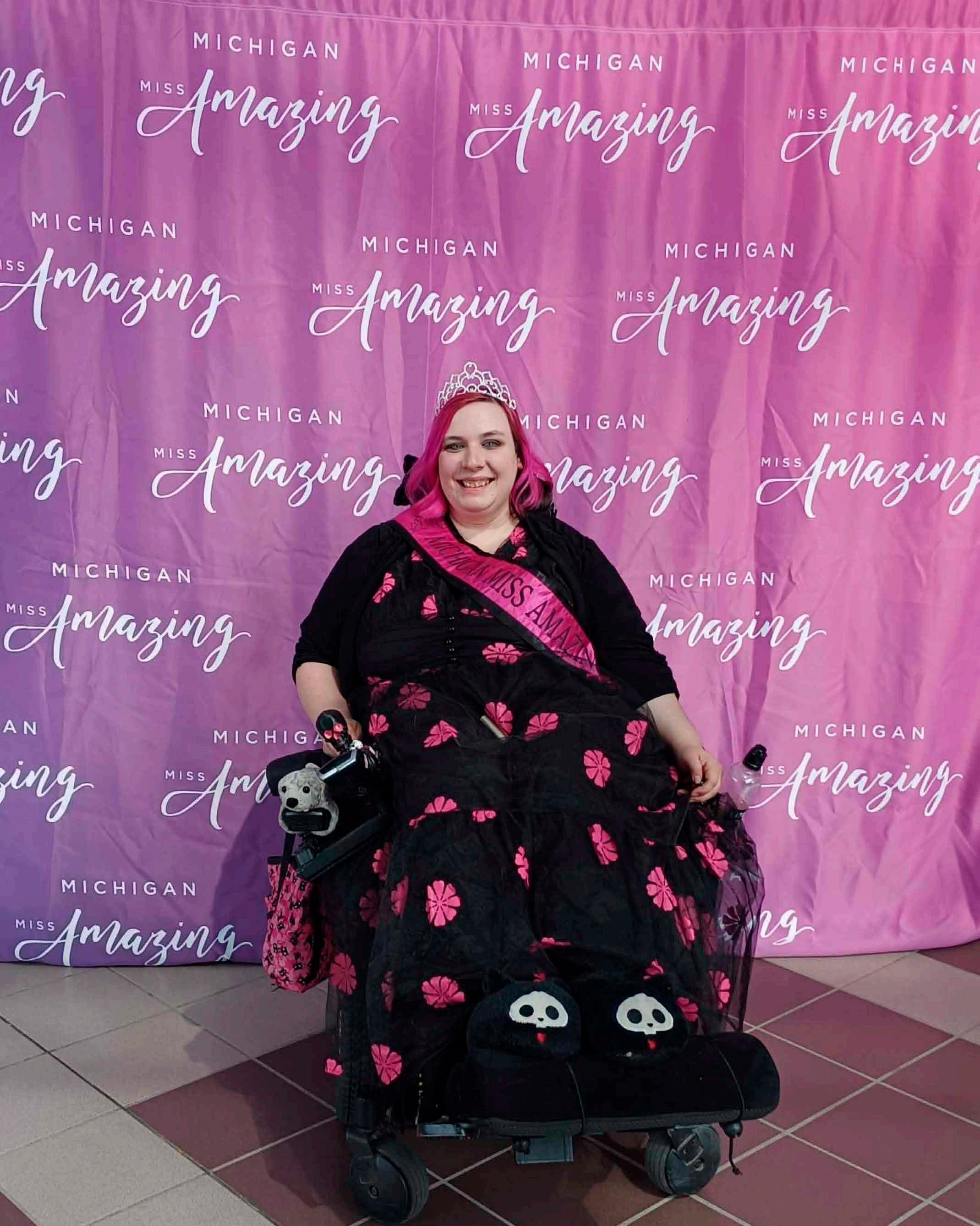
In 2024, she was named Michigan Miss Amazing and became a national finalist—through an organization built not on appearance, but on confidence, expression, and personal achievement.
These aren’t just personal milestones.
They are structural disruptions.
“Pageantry gave me a platform. It allowed me to speak publicly about disability, accessibility, and representation.”
She entered a space that had never accounted for her—and stayed.
Online, her advocacy reaches even further. Through Instagram, Facebook and TikTok, she educates others about invisible disabilities, access barriers, and the realities of supported independence. “Online advocacy allows me to reach people who may have never interacted with disability perspectives before,” she explains.


One of the most defining parts of Kitty’s life has been pageantry—a space she never expected to enter, but one that became central to her confidence, advocacy, and sense of purpose.
• First wheelchair user to participate in the Blossomtime Festival (2018)
• Miss Baroda Congeniality (2018)
• Ms. Wheelchair Michigan USA (2022–2023)
• Michigan Miss Amazing (2024)
• Miss Amazing National Finalist (2024)
• Michigan Miss Amazing (2026)
• Published: Everyone Belongs: A Story of Inclusion and Disability (2026)
• Exemplary Pageants Ambassador Advocate Contestant–potential to be a queen will find out later this year (2026
Stories about disability often center struggle.
Kitty refuses that.
Some of her most meaningful moments are rooted in joy—the kind that requires intention, access, and support to exist.
Traveling to Minnesota to see seals, one of her special interests.
Creating adaptive Halloween photo shoots with her partner.
Playing wheelchair hockey in St. Joseph, where adaptive sports support her physical health, confidence, and mental well-being.
And then there’s her aesthetic: a self-described “gothic chic” girl with a signature palette of pink and black—softness and edge held on her own terms.
Those Halloween shoots aren’t just fun. They’re an expression without compromise. They’re proof that disability doesn’t flatten identity—it sharpens it.
If you ask Kitty what matters most, she doesn’t hesitate:
• Believe people when they say something is wrong.
• A delayed diagnosis does not mean imagined symptoms.
• Disability evolves—and needing more support is not failure.
And most importantly:
• The barriers disabled people face are not personal shortcomings.
They are systemic.
Kitty’s life is not about overcoming disability. It’s about living fully within it—while pushing back, consistently, against the systems that make that harder than it should be. Through advocacy, creativity, and community, she’s building something both practical and powerful:
• A version of independence that tells the truth.
Not the polished version— the real one.
We would love to share your story: https://form.jotform.com/202464921200140
BY REBECCA PARTEN
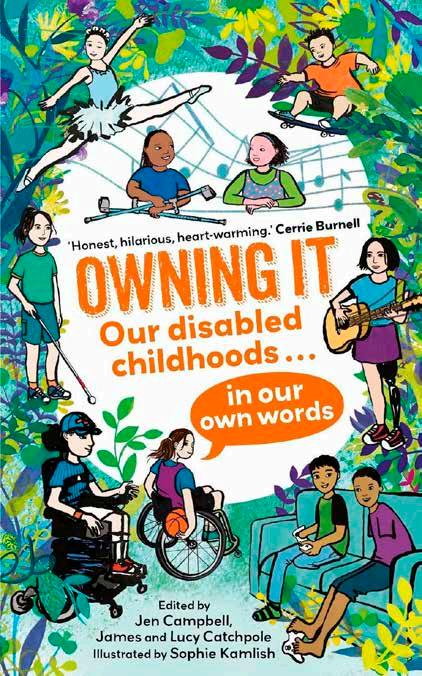
OWNING IT: Our Disabled Childhoods in Our Own Words is an anthology (book containing essays or stories by multiple authors) published in April 2025.
Before getting into the details, I’ll say that I enjoyed the essays throughout the book. I found them relatable even when the disabilities experienced by the author differed from my own. Some were funny, some were serious, and some I found a bit confusing.
This leads me to my criticism of the fact that Amazon lists the reading age as 9-12 years old. I feel this is way too young. To me, this book would be more appropriate for (maybe) late middle to high school age teens. A younger reader might enjoy reading this with a mentor or trusted adult though.
Some of the more serious essays were thought-provoking. As I was reading them I wondered: what would I write if asked to reflect on my childhood with a disability? What are my thoughts about my identity as a person with a disability? I’m not sure! It would be interesting to sit and reflect on this.
In general, my thoughts were mixed on this book. I personally enjoyed it, but feel that some of the essays might be too advanced (both in terms of actual words used and the ideas expressed) for the stated reading level.
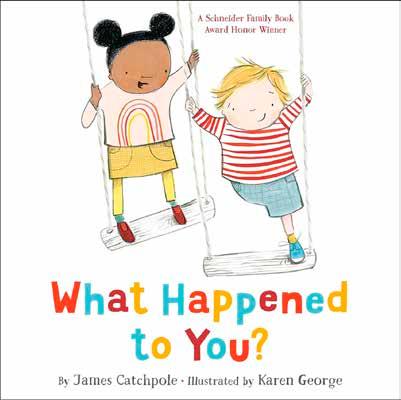
I’ll be reviewing What Happened to You? by James Catchpole.
In general, my thoughts were mixed on this book.

When Francine Stroud describes the people she works with, she reaches for an image every parent will recognize.
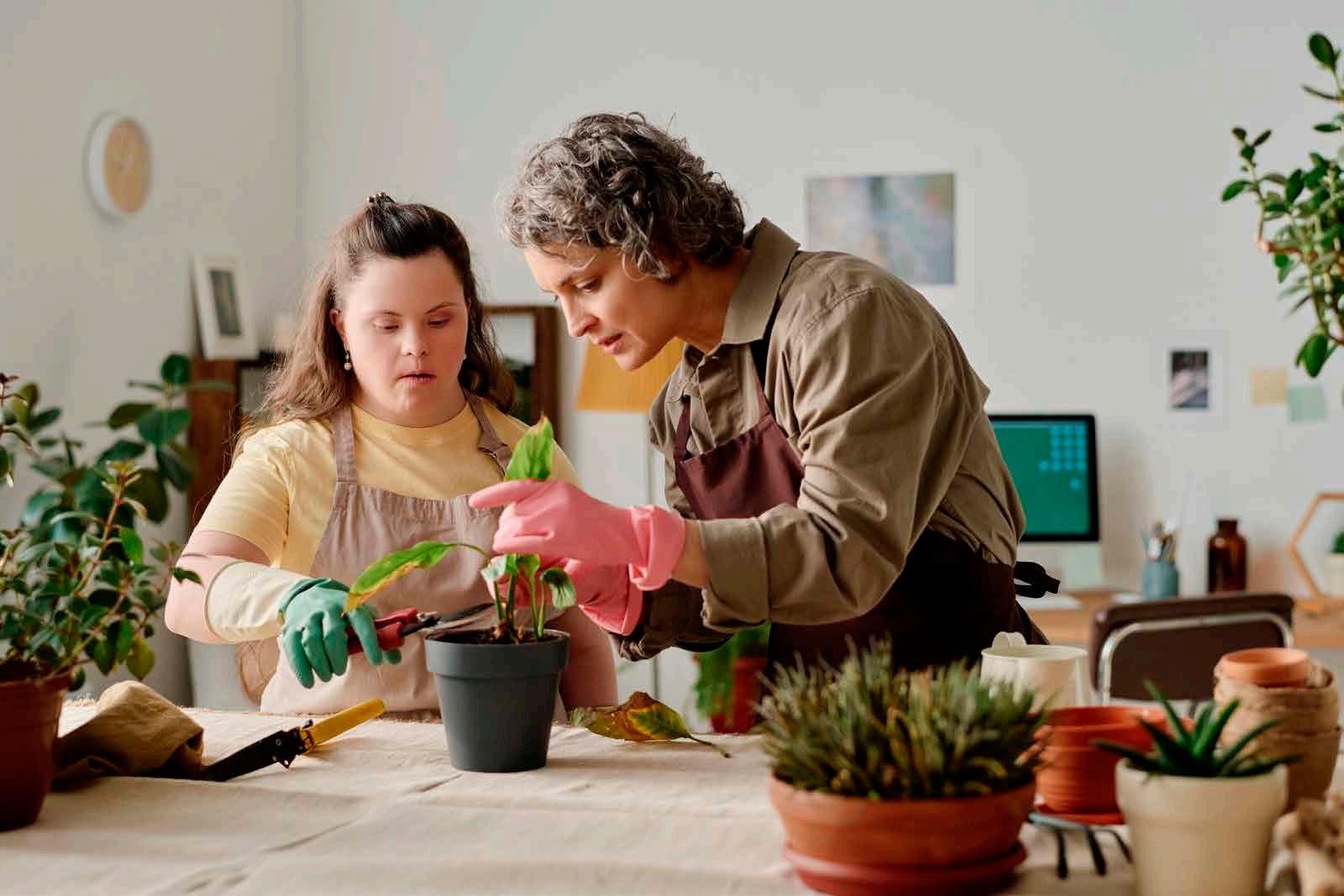
“You see a caterpillar when they first come in,” said Stroud, Vocational Services Program Manager at Judson Center. “And as they grow, they turn into this beautiful butterfly and venture out to employment.”
For nearly 27 years, Stroud has guided that transformation. Her program helps individuals with disabilities build the skills, confidence, and real-world experience they need to find and keep meaningful jobs in their communities. For families watching a loved one take those first uncertain steps toward independence, that kind of support can change everything.
Vocational Services works in structured stages. Participants begin in a skill-building program, develop workplace readiness, and move into supported employment with ongoing coaching. But the work goes well beyond teaching someone how to perform a task.
“How do I transition from task to task? How do I adapt to my environment? How do I socialize appropriately?” Stroud explained. “The conversation I have with my friend is different than the conversation I have at my employer site.”
For many individuals with disabilities, those unwritten workplace rules are the hardest part. The program creates a safe space to practice them, with job coaches providing encouragement and guidance every step of the way.
The results are real. Clients build new skills, enter the workforce, and continue growing once they get there.
“They’ll come back and say, ‘Hey, I saw an opening come up on the job board that I think I can apply for,’” Stroud said “Now they want to move up in the company.”
One of the things that sets Judson Center apart is that no family has to piece together services from multiple providers. Everything is under one roof.
Stroud compares it to a department store: “Instead of going to a bunch of different stores for shoes, hair products, and perfume, everything you possibly want is under that umbrella. That’s the Judson Center.”
In practice, that means Vocational Services can call on colleagues in Autism Connections, behavioral support, housing, and therapy without putting that burden on the family.
“I can go to Autism and say, ‘Hey, we might need some support from one of your behavioral techs to help us work with an individual on a job who’s having some challenging issues,’” Stroud said. “You should never feel like your program is just out there by themselves. We’re together.”
For parents, one of the hardest moments is wondering whether their child will find people who genuinely care about them. Stroud’s answer is straightforward.
“Our clients come from a variety of different backgrounds, and they’re like family,” she said. “You spend a lot of time with them, and you want to see those clients succeed.”
Some of those relationships span decades. Stroud talks about clients who have been with the program as long as she has, still pushing forward, still working toward new goals.
And when a client lands a job they worked hard for? “They go in there and they walk out, and they’re happy,” she said. “That’s what brings joy to your heart.”
That joy is mutual. Stroud recalls the kind of moment that stays with a person: a client reflecting on a coach who believed in them before anyone else did.
“She rooted for me when nobody else was rooting for me.”
That kind of encouragement, Stroud says, is at the core of everything the program does.
“It’s the difference that you make in people’s lives,” she said. “It’s about the relationships.”
The goal of Vocational Services has always been competitive employment, and the evidence that it works is plain to see for anyone who follows a client’s journey from start to finish.
“Those individuals coming through the program, they’re making it through, they’re building new skills, and they’re able to maintain those skills and go out into the community and find competitive employment,” Stroud said.
For families who wonder what the future looks like for their loved one, programs like this offer a clear and hopeful answer.
“Judson Center makes a difference,” Stroud said. “If Judson Center wasn’t here anymore, the community would notice. Something wouldn’t feel right.”
Learn More About How Judson Center Can Help! Connect with our Disability Program at judsoncenter.org/disability
Therapy that helps your child succeed with a personalized care plan that works with your family’s schedule.
In the convenience of your home, we can provide your family relief through education and hands-on support in an environment where your child is most comfortable.
Through evidence-based and individualized ABA therapy practices, your child can be guided on their path forward to a successful and supported adulthood.
& Social skills
Springhill Pooled Accounts Trust is a trusted advocate in the special needs community. As professional trust administrators, we manage your assets, distribute funds for discretionary expenses, and help maintain your public benefits eligibility.
benevolentbehaviortherapy.com

We take the time to understand beneficiaries' specific needs to determine if our trust is the best option for their long-term goals.
• Unparalleled Client Advocacy
• Assistance Maintaining Public Benefits
• Professional Asset Management Schedule your free consultation to get started!
248-269-1319 springhillpooledtrust.org
When: Sunday, July 19, 2026—3:00p.m.
Where: The Peter D. and Julie F. Cummings Cube, 3711 Woodward Avenue, Detroit, MI 48201
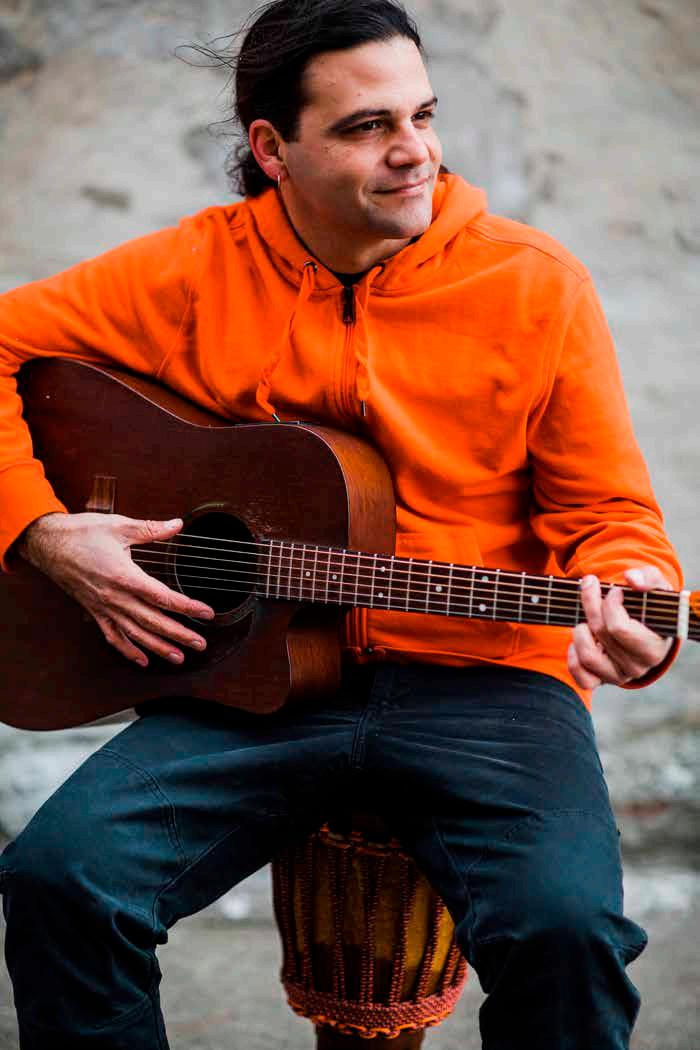
Join us for hands-on activities and a 45-minute interactive concert featuring a solo acoustic set of music by the great Joe Reilly. This free sensory-friendly concert welcomes individuals with neurodiversity and/or intellectual or developmental disabilities with their families and/or caregiver(s).
Reserve tickets and learn more at dso.org/sensory-friendly



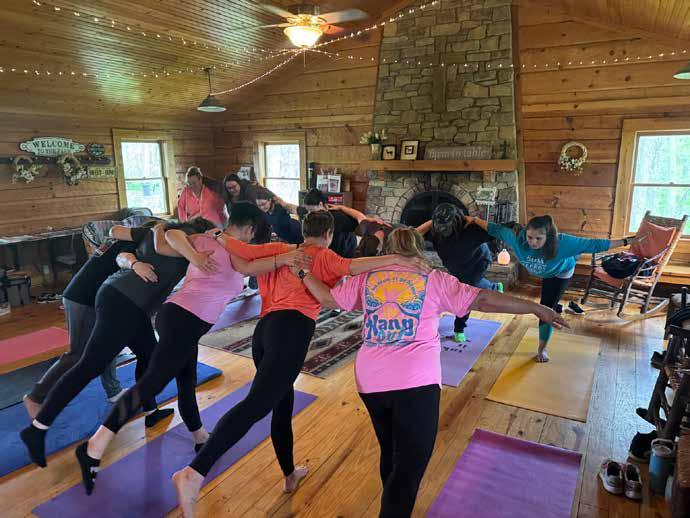

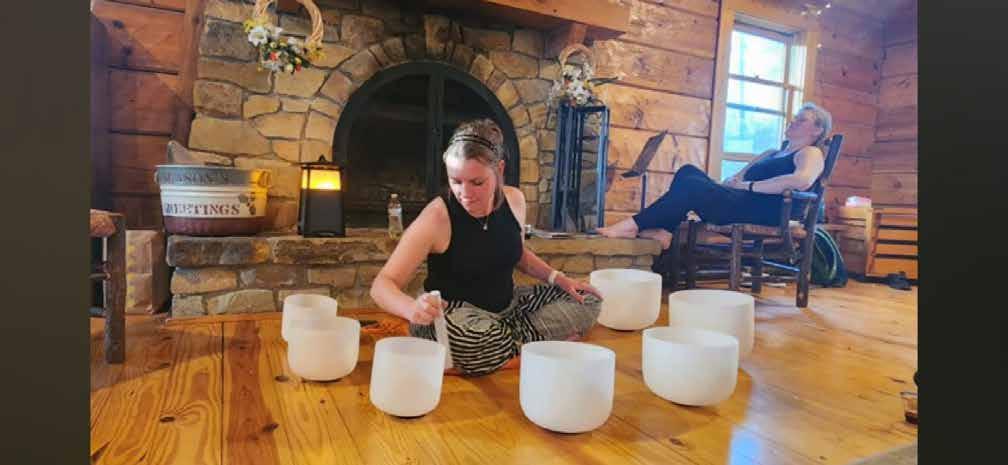
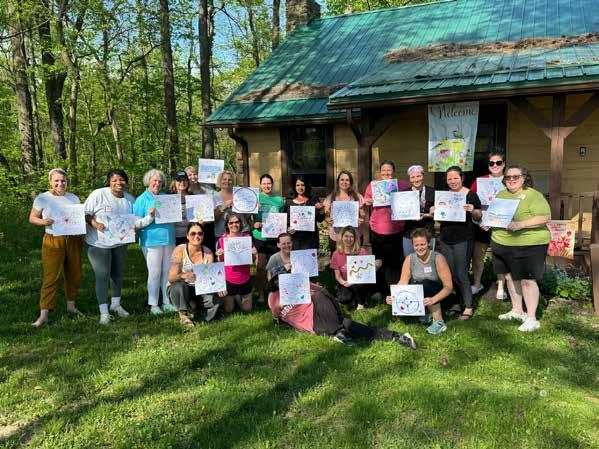
Healing & Mindfulness Workshops
Art Activities
Nature Hikes
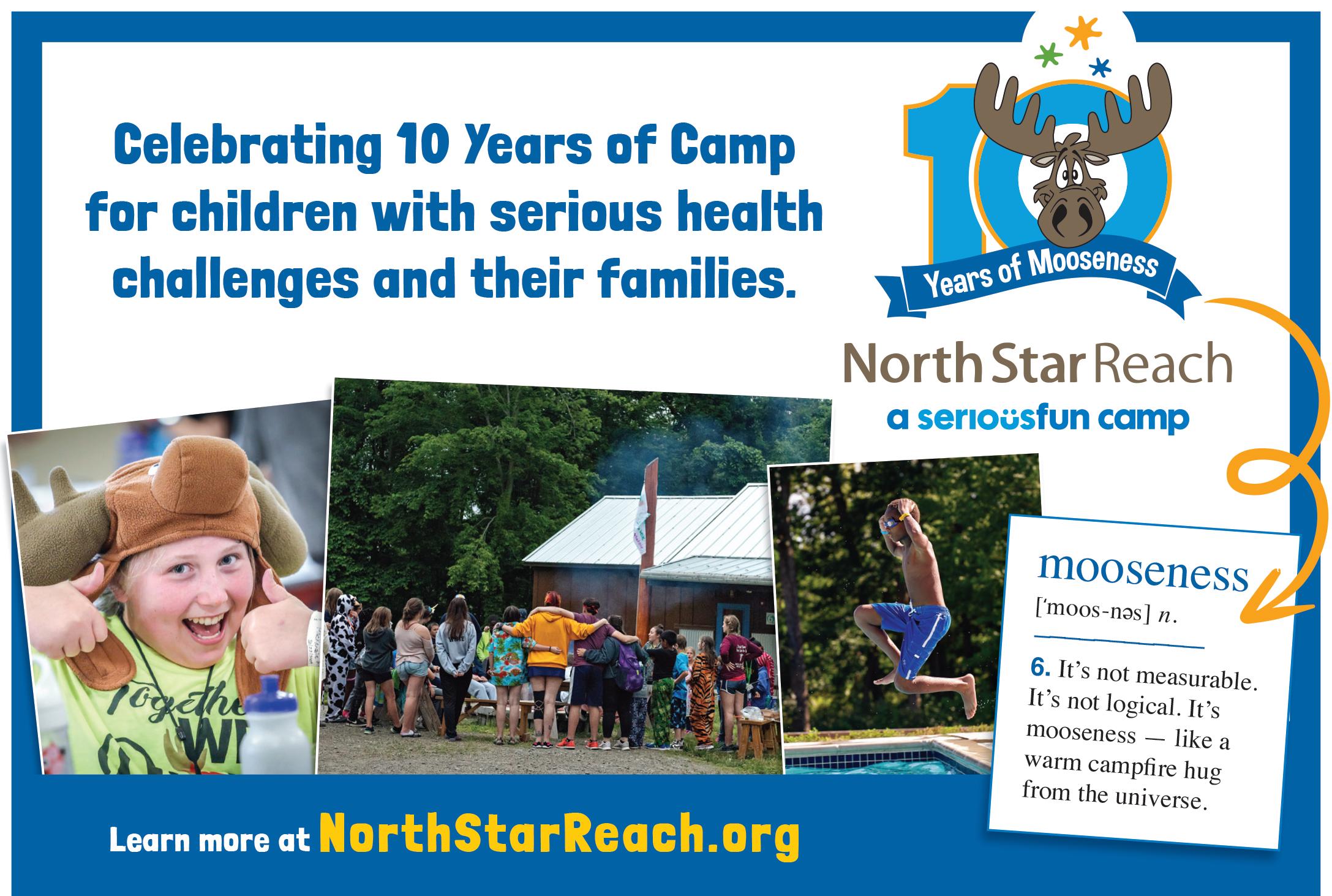
Campfire Gatherings
Music & Yoga Sessions
Meals: Dinner (Fri), Breakfast, Lunch & Dinner (Sat), and Breakfast (Sun)
Two Nights at North Star Reach
R e g i s t e r


THE MICHIGAN TECHNOLOGY FIRST Task Force, which consists of diverse stakeholders from across the state, is working on a blueprint to integrate enabling technology and remote support for individuals with intellectual disabilities in Michigan.
Several initiatives across the state are already demonstrating how innovative housing options can promote community inclusion and/or incorporate enabling technology and remote support to help those with intellectual disabilities live more independently with less reliance on direct care staff.
MOKA, a provider located in West Michigan, currently operates two Smart Homes, the first of their kind in Michigan. Each home is occupied by four adults who have an intellectual disability and is outfitted with customized enabling technology tailored to the individual needs of the residents. For example, the homes might have bed and stove sensors that promote independence while helping ensure safety.
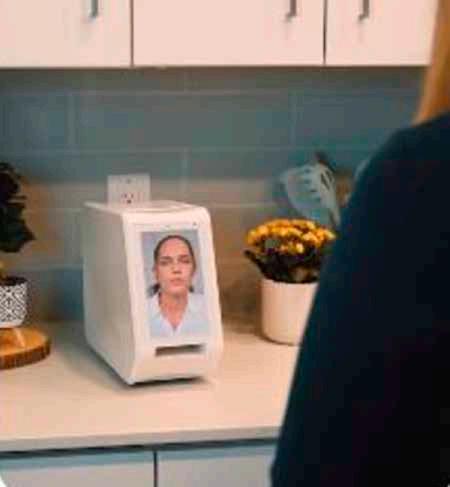
Other common types of technology in the homes include environmental controls that allow individuals with limited mobility to operate lights, doors and thermostats with a tablet, as well as technology-supported medication dispensers that help residents correctly take prescribed medication without the assistance of a direct caregiver.
In addition to enabling technology, Smart Homes use a combination of in-person and remote staffing to support their residents’ needs. Each resident has a designated amount of in-person staffing hours, based on support needs, to assist them in areas where they need more hands-on assistance.
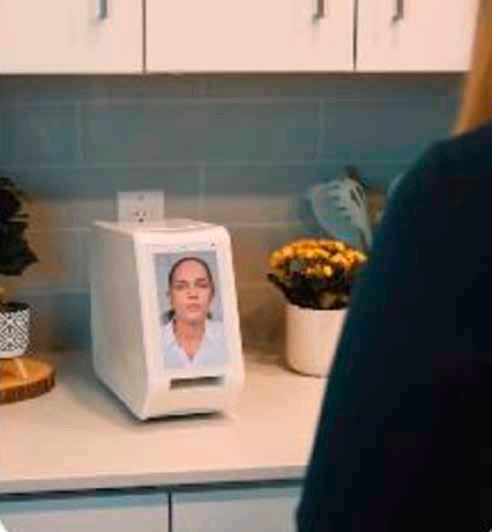
The rest of the time, they have access to remote support. Each resident has a user-friendly, two-way audio and video tablet that keeps them connected to their care team while living independently. They can contact a remote staff person at any time if they need assistance.
Alternatively, remote staff members can also offer optional audio or video check-ins, schedule reminder messages, respond to sensor alerts and perform wellness checks with ease.
The MOKA Smart Home pilots have been very successful in demonstrating how an innovative model for residential living that combines technology-enabled supports with direct care staff can increase independence for adults with disabilities while also modeling a more effective use of direct support hours amid a nationwide staffing shortage.
Another innovative housing solution is being initiated by Rochester Housing Solutions (RHS), a nonprofit organization run by parents of individuals with intellectual and developmental disabilities (IDD) in Oakland County.
RHS is working with a developer to create two integrated condominium neighborhoods in Rochester Hills, Michigan. One neighborhood will consist entirely of single-family homes, three of which are dedicated to individuals with IDD. The others will be sold to the neurotypical population at market rates.
The second neighborhood consists of a mix of two- or threebedroom condominium units, singlefamily homes and townhouses. Approximately 25 individuals with IDD have reservations for this community, with the remaining houses and units for sale to the general population.
In addition to creating a safe place to live as independently as possible, RHS hopes to foster community activities within the neighborhoods, including with the neurotypical population living there. Direct care services, as needed, will be provided by independent care provider agencies of the individuals’ or families’ choice.
To learn more about the work of the Michigan Technology First Task Force, visit our website at www.michigantechfirst.org.
To learn more about the Rochester Housing Solutions integrated communities, visit www. rochesterhousingsolutionsmi.org.
BY KATIE DION, CPRP COMMUNICATIONS OFFICER
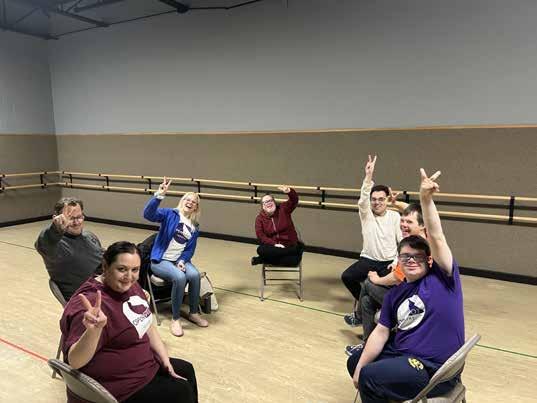
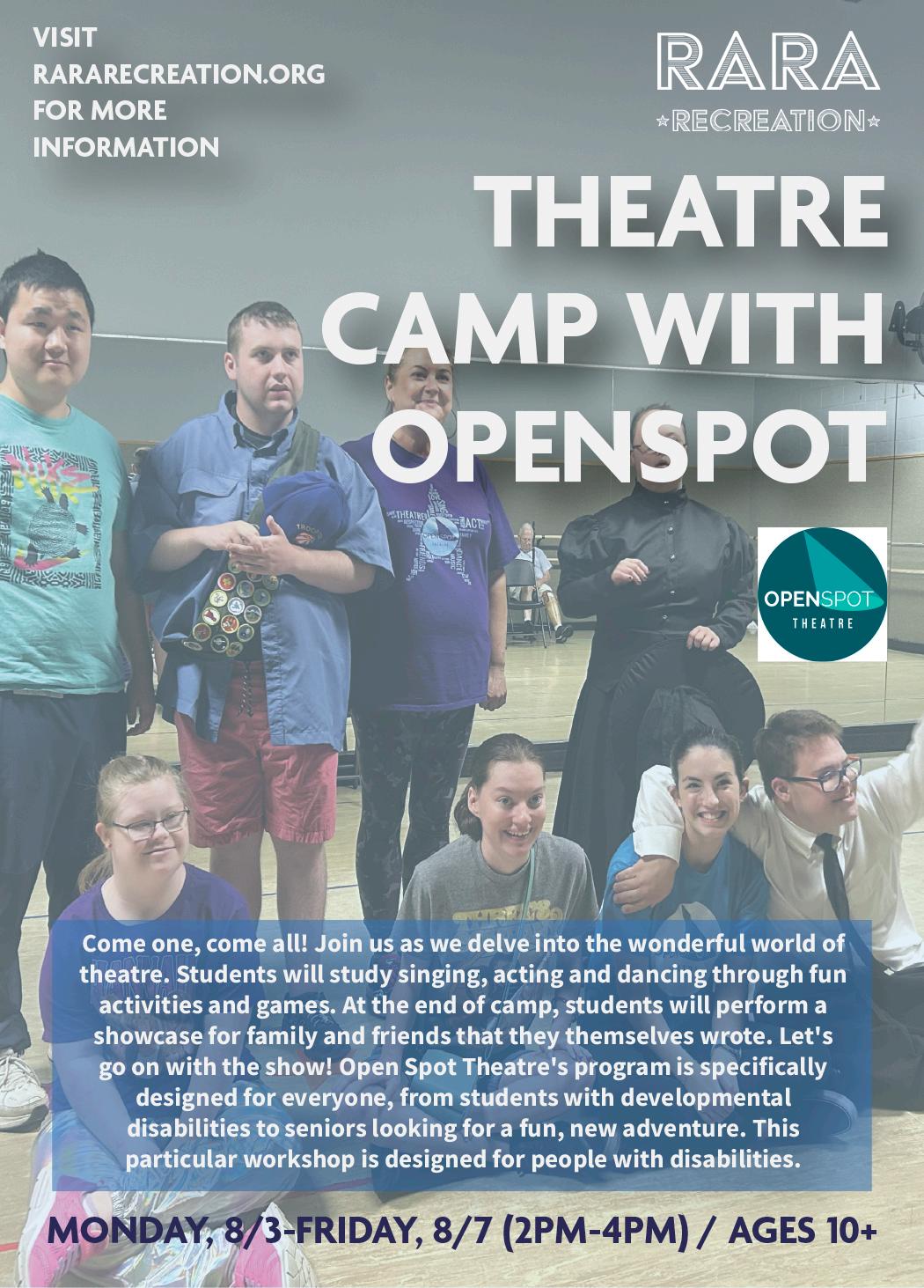
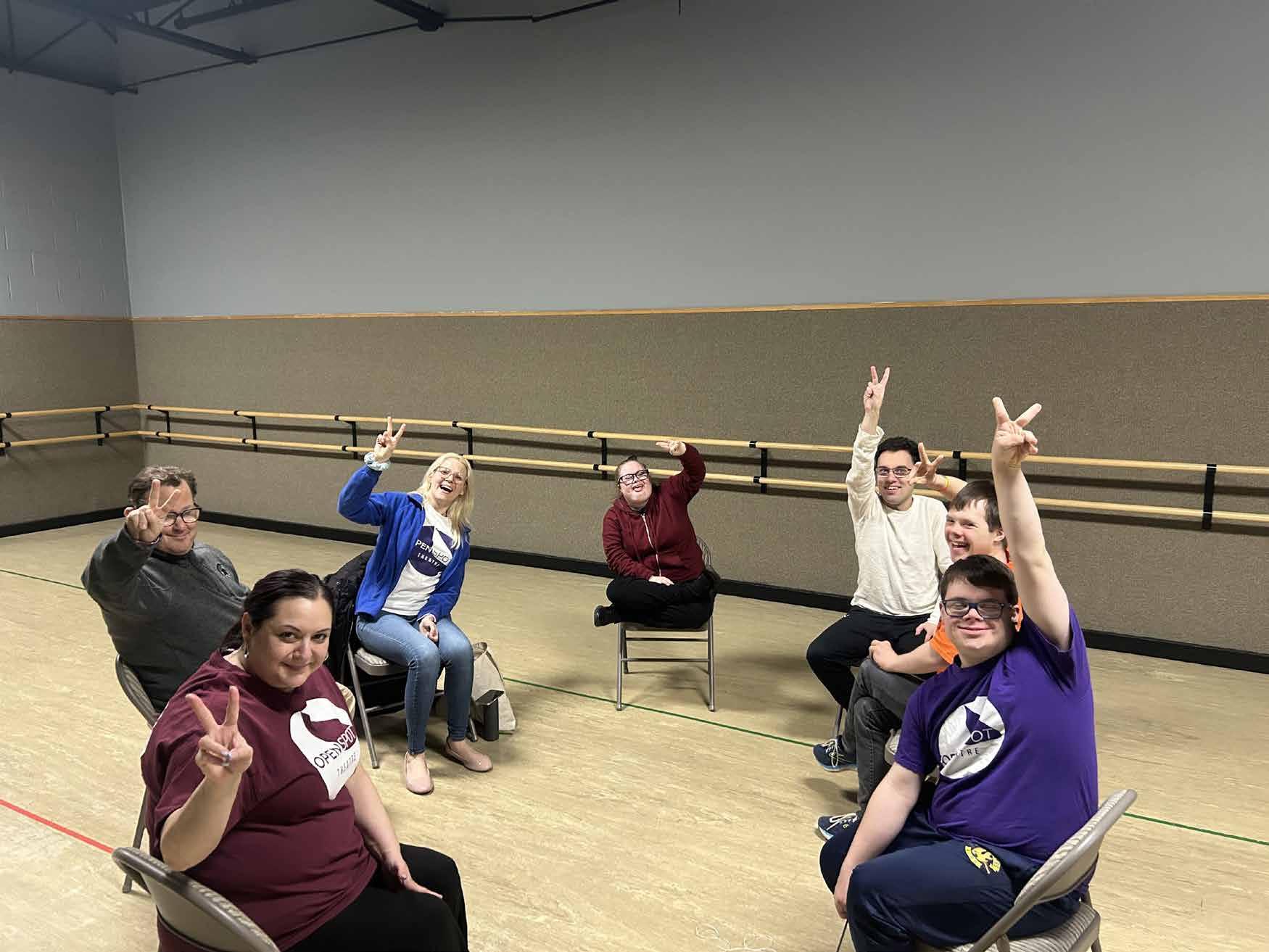
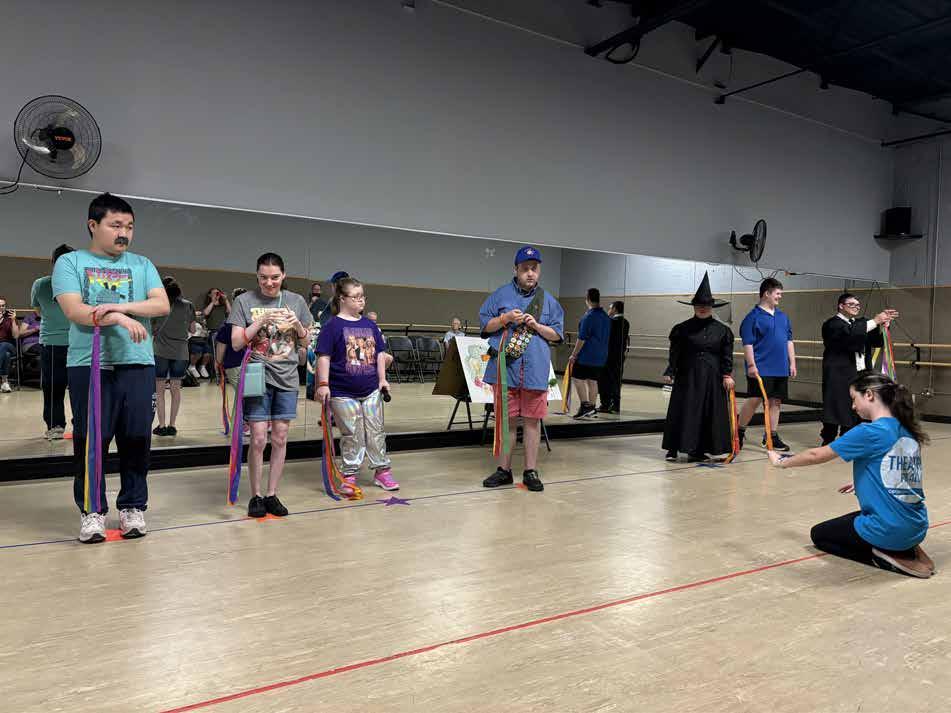
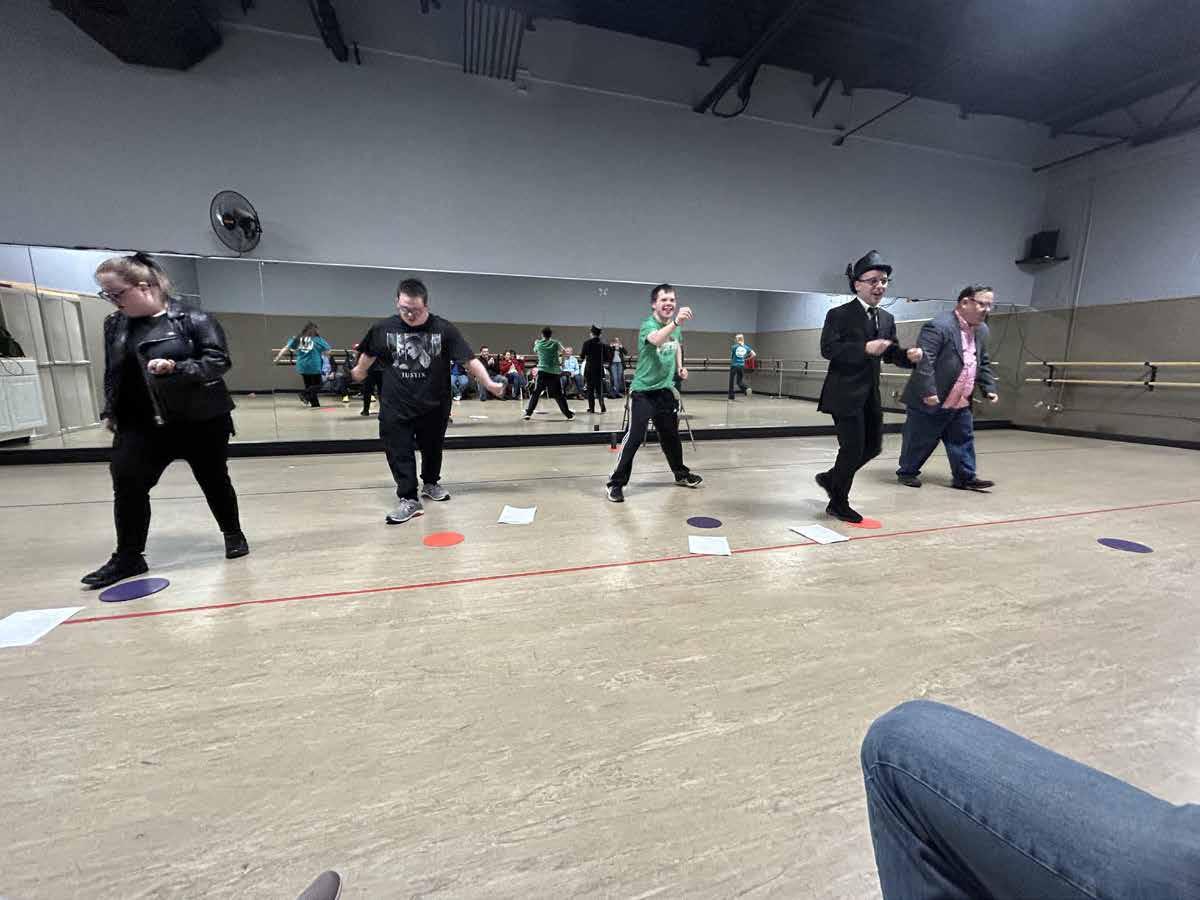
OpenSpot Theatre Camp is much more than a summer program — it is a space where creativity, confidence, friendship, and self-expression take center stage. Through music, movement, storytelling, and performance, participants are encouraged to explore who they are while discovering the joy and excitement of theatre in a welcoming and inclusive environment.
Designed specifically for individuals with disabilities, OpenSpot Theatre Camp invites participants to “come one, come all” as they dive into the wonderful world of acting, singing, and dancing. Campers participate in interactive games, theatre exercises, improvisation activities, and creative movement experiences that help build communication skills, self-confidence, teamwork, and personal expression. The week culminates in a special showcase performance for family and friends — a production created and written by the campers themselves.
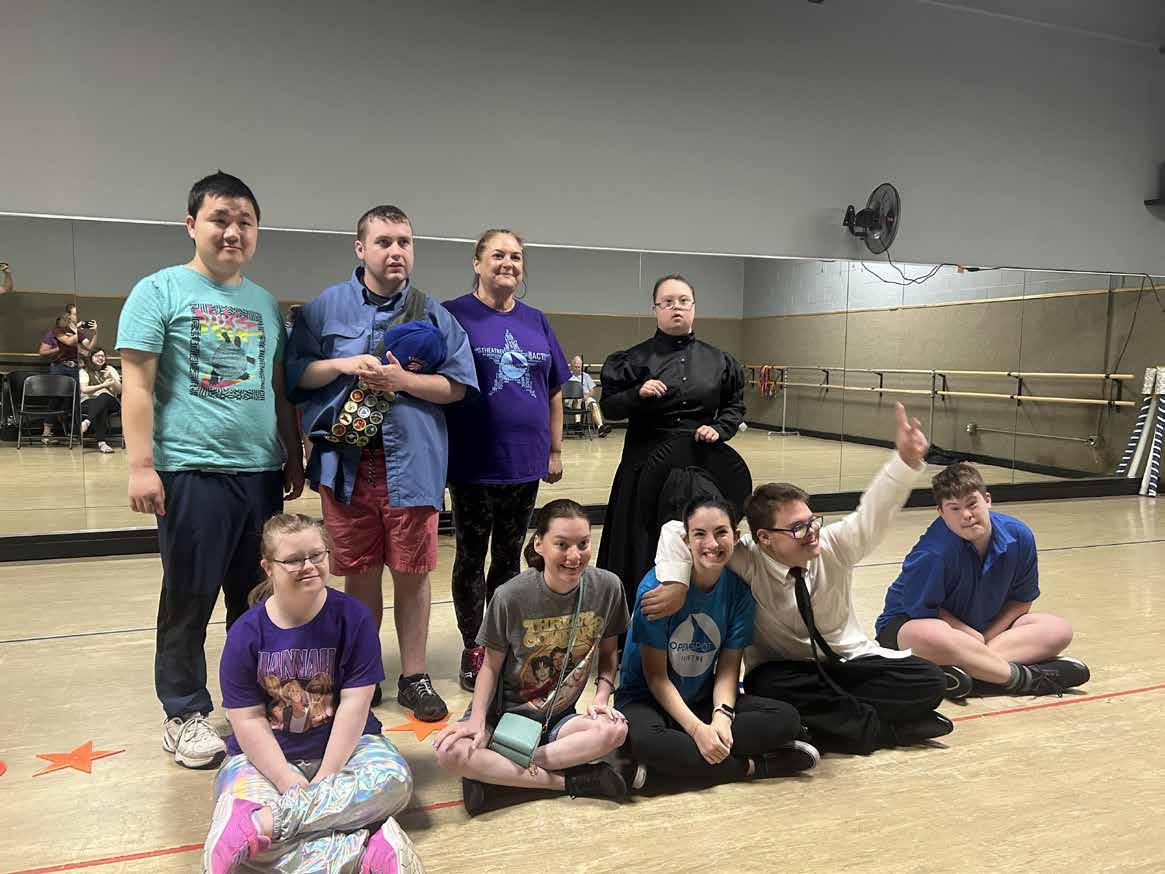
What makes OpenSpot Theatre truly unique is its belief that every individual deserves the opportunity to be seen, heard, and celebrated. Theatre provides campers with a creative outlet where they can communicate thoughts and feelings in ways that feel natural and meaningful to them. Whether through movement, song, storytelling, or performance, participants are encouraged to express themselves freely while discovering strengths and abilities they may not have realized they possessed.
For many campers, the theatre environment becomes a place of independence and belonging. OpenSpot provides individualized and supportive instruction that accommodates participants’ physical, cognitive, and behavioral needs, ensuring every camper can participate successfully at their own comfort level and pace. Staff and instructors focus on creating a positive, encouraging atmosphere where creativity can flourish without judgment or limitation.
The benefits of creative arts experiences extend far beyond the stage. Through theatre, campers build selfawareness, develop problem-solving skills, strengthen social connections, and gain confidence in their own voice. Activities encourage collaboration and companionship while also allowing participants the freedom to make creative choices independently. Campers are empowered to take risks, try new things, and celebrate accomplishments both big and small.
The program also offers opportunities for participants to reveal dimensions of themselves that may not always be visible in traditional settings. Theatre can become a bridge for communication, emotional expression, and personal growth. Families often see participants leave camp with increased confidence, stronger social skills, and a sense of pride in what they have accomplished together.
At its heart, OpenSpot Theatre Camp is about joy. It is a creative playground where imagination, laughter, music,
and movement come together to create meaningful experiences and lasting memories. Campers are not simply learning theatre skills — they are building friendships, discovering confidence, and experiencing the power of being fully included and celebrated for exactly who they are.
As the curtain rises on each new camp season, OpenSpot Theatre continues to provide an environment where every participant has the opportunity to shine in their own unique way. Through creativity, collaboration, and community, campers discover that the stage is a place where everyone belongs.
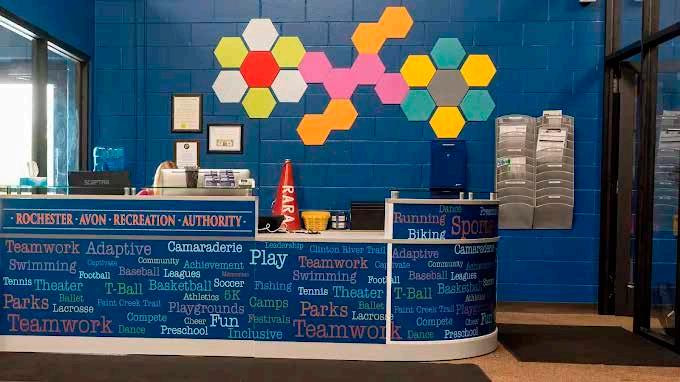
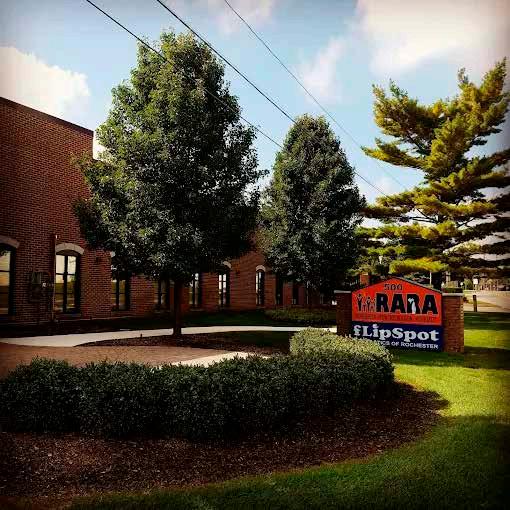
This summer, OpenSpot Theatre will be bringing its inclusive theatre experience to RARA Recreation with a special weeklong camp for participants ages 10 and older. The camp will run Monday through Friday, August 3–7, from 2:00 p.m. to 4:00 p.m. To learn more and register, visit rararecreation.org.
BY AMBER B. NAX, PASC GALLERY ASSISTANT
Being an artist requires confidence in your skills and artwork. Confidence is developed by setting goals, practicing skills, using positive self-talk, pushing yourself to try new things, and facing your fears. Whether an artist is self-taught or holds an arts degree, both are valid paths to artistry and involve the same goals, skills, fears, exploration and positive thinking. Confidence forms over time, but is supported by those who believe in your abilities and can increase your sense of self-worth.
The Progressive Art Studio Collective (PASC) launched in January 2021 as the first and only progressive art studio and exhibition program, in Detroit and Wayne County with the goal of advancing adult artists with disabilities into careers as contemporary artists. PASC is a program of Services To Enhance Potential (STEP), a non-profit disability service organization. With three studios in Detroit, Southgate, and Westland, Michigan, PASC works with over 190 artists with developmental disabilities and/or mental health differences weekly.
Before joining PASC many of our members did not consider themselves artists, and some didn’t even create art.
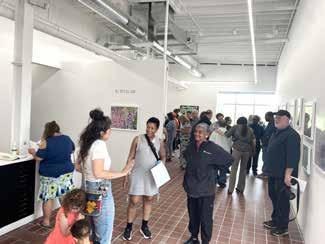
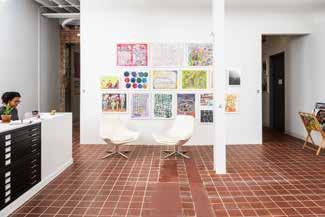
Photo by Amber B. Nax
Presenting their artworks to wider audiences has been a major confidence boost for PASC participants. PASC studio artists are supported by our staff of Art Advisors, working artists with a wide knowledge of different art practices and techniques. Art Advisors research and develop new art skills to better support studio participants’ interests while nurturing engagement, maximizing participation, and increasing the independence of PASC artists. Within five years of growth with STEP, our program has built significant career pathways for artists with disabilities into the arts.
PASC has two professional galleries in Detroit and Southgate, Michigan, where we present 8-10 exhibitions a year. Additionally, PASC has sought out opportunities to exhibit our artists at exhibitions and art fairs across the United States and globally. In October 2025, artwork by PASC Detroit artist Keisha Miller was showcased at Art Basel in Paris, France. In March 2026, PASC presented our own booth at the 34th Outsider Art Fair in New York. Established in 1993, The Outsider Art Fair is the premier US fair dedicated to Self-Taught, Art Brut, and Outsider Art, and one of the most popular fairs visited by thousands of art buyers during this four-day event. PASC has also participated in many other art fairs such as Open Invitational, Miami (2024/2025), New York City (2025) and San Francisco (2026). In May of 2026, PASC Detroit artist Chantell Donwell presented two artworks at Gallery 1882 in Indiana. And in June 2026, eight PASC artists exhibited in Basel, Switzerland through the Open Invitational’s collaborative art fair with The Living Museum. In total, yearly art sales at PASC have exceeded $90,000 with 60% of sales paid to the artists.
Creative growth validates the skills developed through artistic practice. Over their time at PASC, our artists have gained a stronger sense of self while navigating professional art spaces such as galleries, art fairs, and museums. As an artist, a personal belief in your ability to create is driven by the people who can advance your artwork. The PASC program builds confidence in artists’ creative choices while presenting their original artwork to the global art market and an art collector base that supports their careers. To learn more about our program and to view artworks by our artists, visit our website: www.progressiveartstudiocollective.org.
The N2 Company was named to Inc.’s Best in Business list for Social Good — the authoritative list of companies that make a meaningful impact beyond profit.
Here’s the part we’re most proud of: The magazine you’re reading is part
Read how THIS magazine is part of something bigger.
Julie Cadman President & CEO Healing Complex Kids
FOR MORE THAN 21 YEAR s, Healing Complex Kids® has walked beside families raising children and young adults with special needs and learning challenges, helping connect them to support, resources, advocacy, and encouragement so they can move from surviving to thriving.
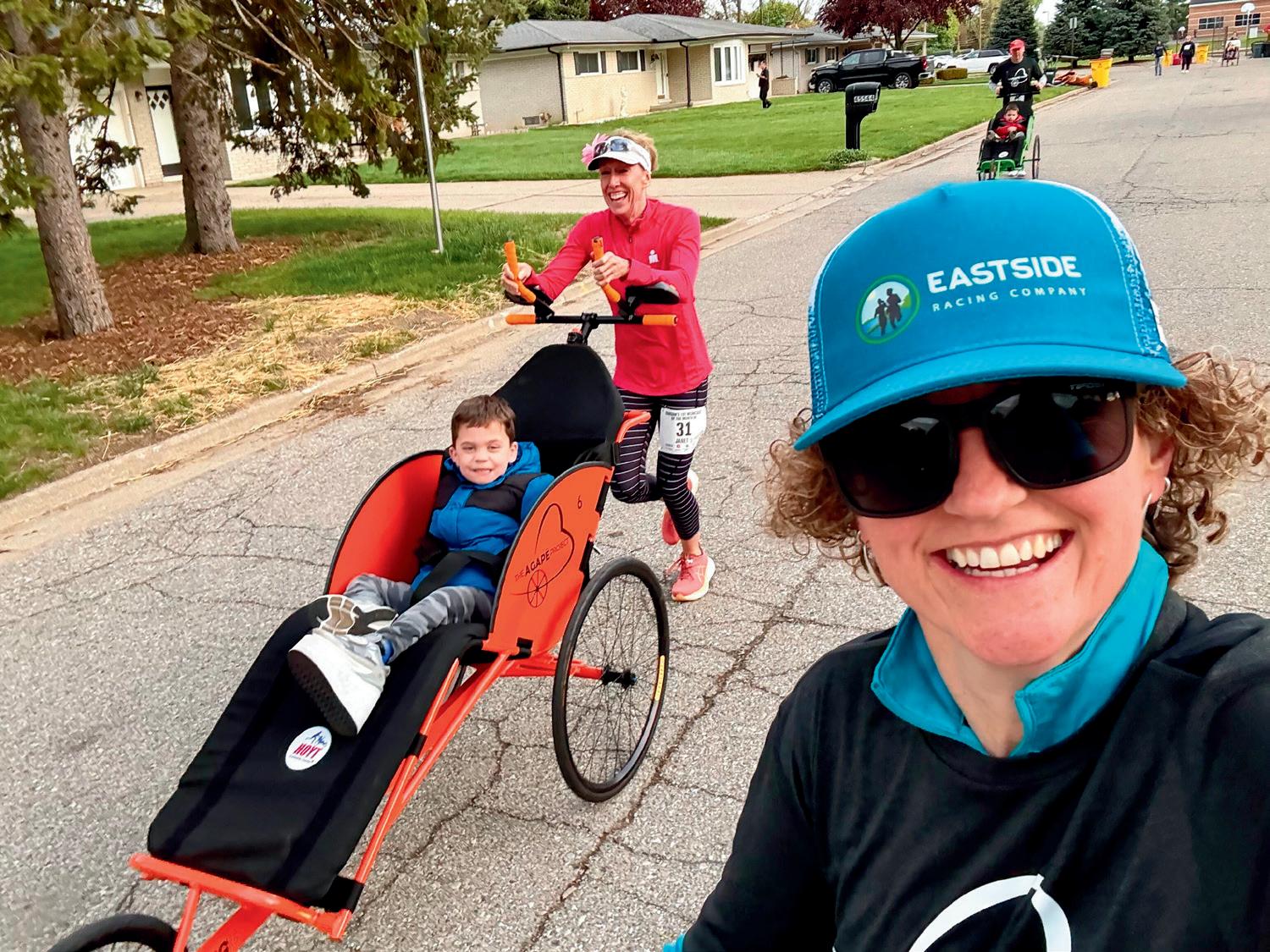
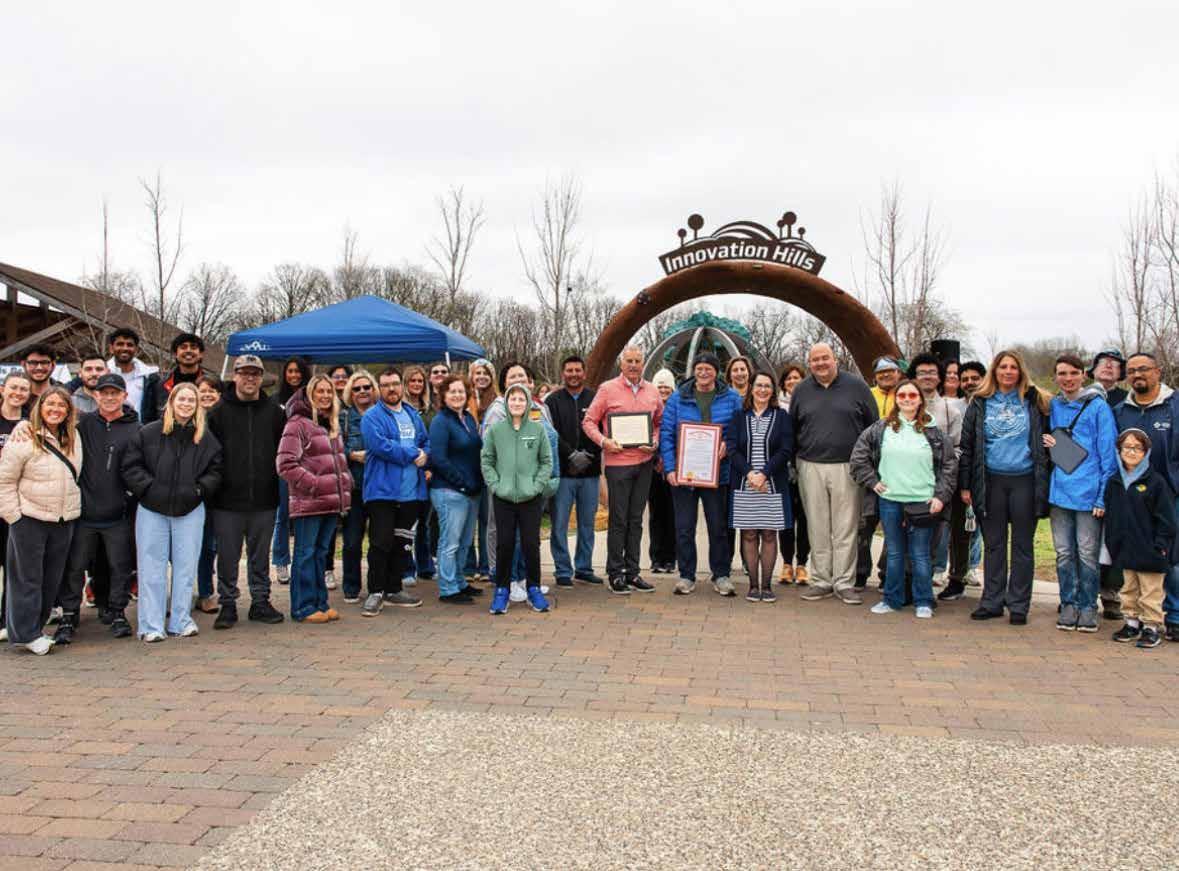
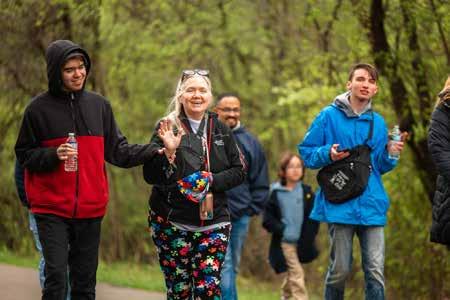
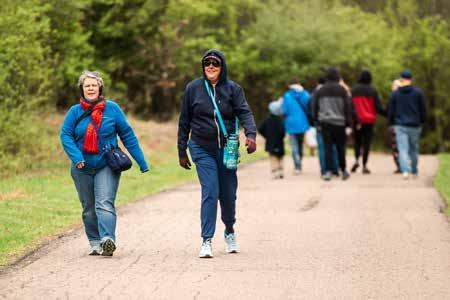
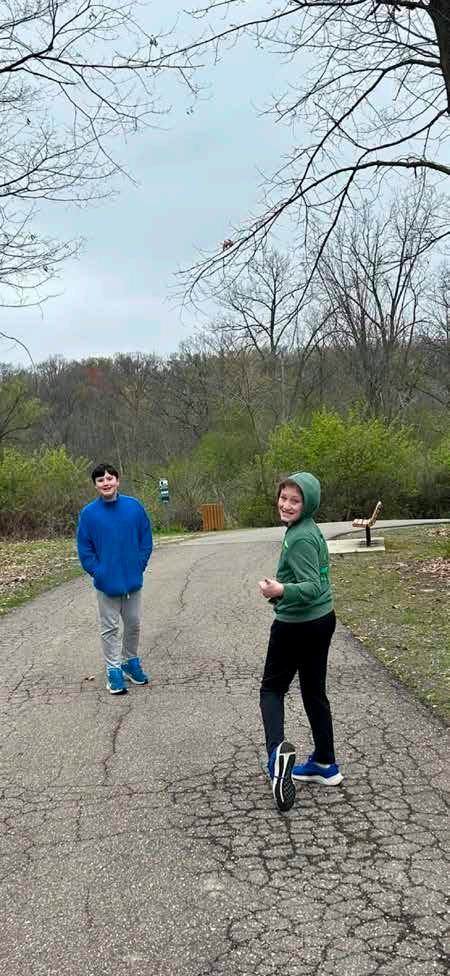
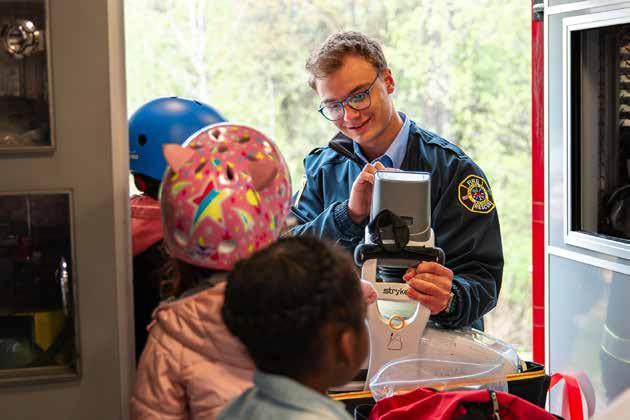
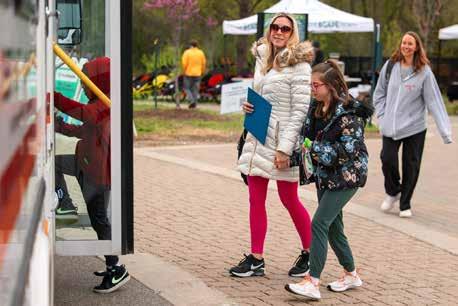
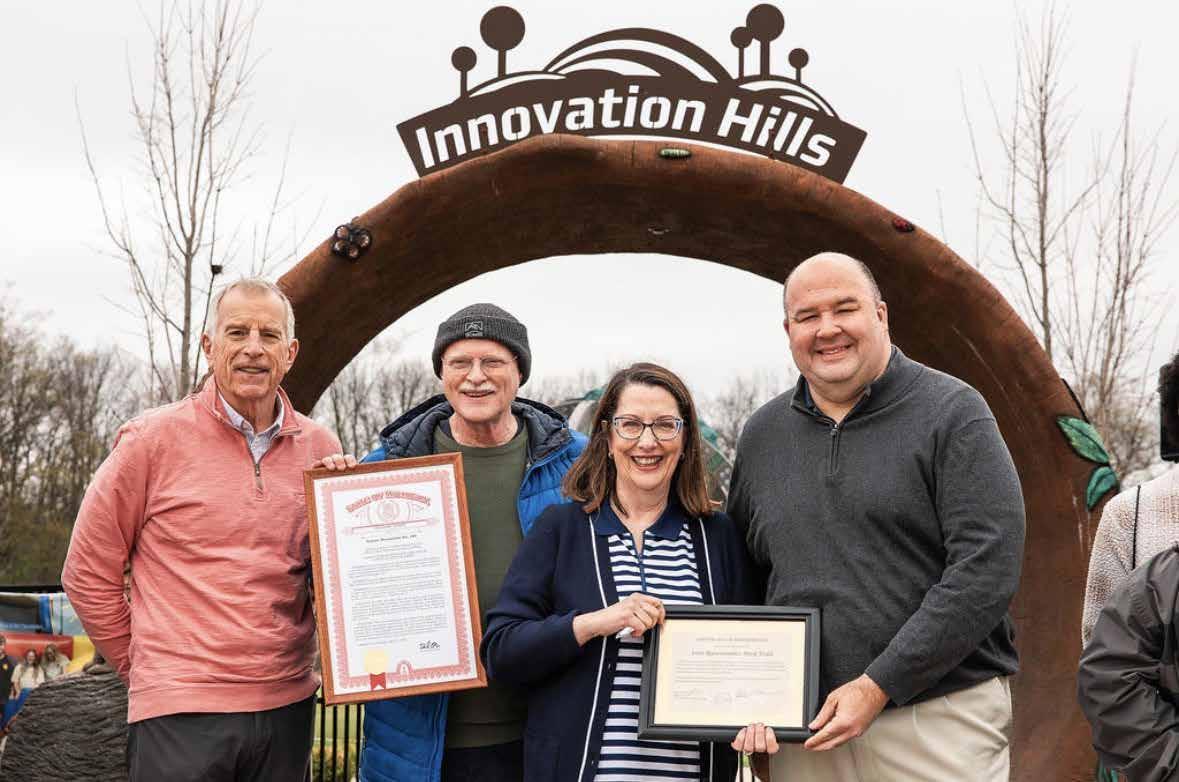
That mission was at the heart of this year’s Pathway to HOPE Wellness Walk at Innovation Hills in Rochester Hills. The event welcomed more than 110 committed walkers for an afternoon focused on raising awareness, connecting families to resources, meeting people who care, and reminding families they are not walking alone.
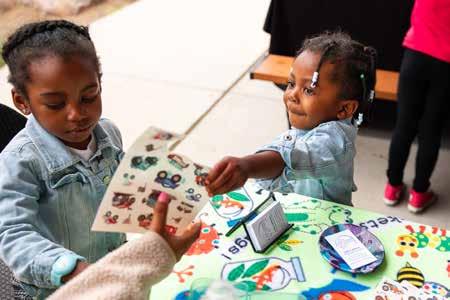
Families enjoyed the beautiful walking paths at Innovation Hills, sensory-friendly activities, community resources, healthy snacks, and opportunities to connect with organizations and professionals who
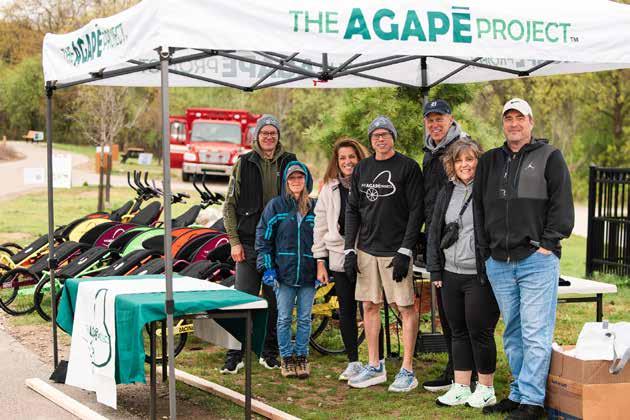
want to help children and families thrive. The event also featured Hoyt Running Chairs provided through The Agape Project, helping create a more inclusive experience for participants of all abilities.
Despite the chilly Michigan temperatures, the rain stayed away and the warmth of the community showed up in a big way throughout the afternoon.
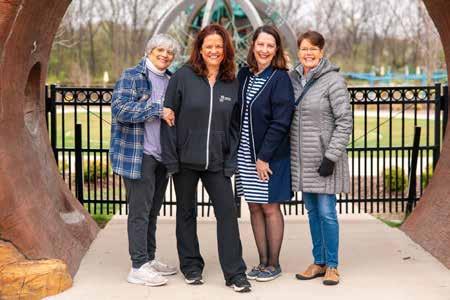
Also attending the event were Representative Mark Tisdel and Senator Michael Webber, who were both recognized for their work in the community, their efforts helping make Innovation Hills a reality, and their continued support of the special needs community.
Healing Complex Kids® was also honored to receive a proclamation certificate recognizing April 2026 as Autism Acceptance Month.

One of the highlights of the event was sharing complimentary copies of the international bestselling Pathway to HOPE Resource Guide for Special Needs with families attending the walk.
This guide was created to help families better understand educational, medical, behavioral, and emotional challenges while offering practical tools and encouragement for the journey ahead.
Healing Complex Kids® is deeply grateful to the sponsors, volunteers, and community partners who helped make this year’s event possible.
• Credit Acceptance Corporation
Student Advocacy Sponsor
• JDW Advocacy
Community Impact Sponsors
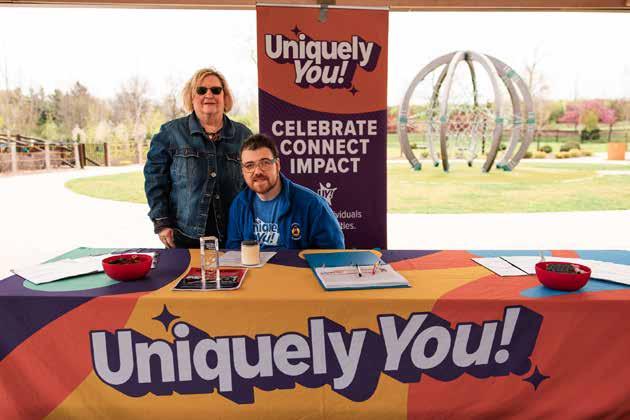
• Uniquely You Magazine
• Living and Learning Enrichment Center
• North Blend Botanicals
• Dave & Buster’s
• The Southeastern Michigan Academy of Family Physicians (SEMAFP)
Supporting Sponsors
• Metro EHS
• Easterseals MORC
• Frankenmuth Bavarian Inn
• Whole Table Nutrition
• Dennis, Moye, Branstetter & Associates
• Flourishing Lives
• The Wright Counseling
Food & Beverage Sponsor
• Meijer
Event Partners and Supporters
• The Agape Project
• Torch 180
• OPC Activity Center
• HannahMitkusPhotography
• 1 Vision Media
• Oakland Community College (OCC) Student Volunteers
• Rochester High School Student Volunteers
• Community volunteers and fundraising teams
A heartfelt thank you goes to every family, volunteer, donor, and walker who participated and helped create such an encouraging afternoon for families who often feel overwhelmed and isolated.
At Healing Complex Kids®, the mission has always been bigger than awareness alone. Families need real support, practical resources, and hope for the future. They need to know they are seen, supported, and not alone.
Stay tuned. Planning is already underway for next year’s Wellness Walk in June, with hopes for warmer weather and another wonderful afternoon together.
To learn more about Healing Complex Kids®, upcoming programs, resources, the HOPE Talks Podcast, or ways to support families, visit HealingComplexKids.org.
BY CHRIS BUTTS

HAVE YOU EVER wondered what it would be like to zipline or climb a tree, or maybe even a rock wall, but because of your disability you never thought it would be possible? At The Fowler Center, those dreams are turned into reality. This article will not only showcase the camp and its history, but also my personal experiences at The Fowler Center for Outdoor Learning
The Fowler Center was established with the belief that everyone, no matter their challenges, deserves the opportunity to try new things, grow, and, most importantly, be accepted. It was founded by Jack Fowler, who loved summer camp as a child and
realized the profound impact those experiences had on his life. In fact, Fowler once said, “Camping provided me with the experiences of learning the art of independence and the meaning of fellowship.”
Since 1977, The Fowler Center has been located on 200 acres of land in Mayville, Michigan. In March 2021, the center became part of the MCHS Family Services, a nonprofit organization that has been providing essential services to Southeast Michigan since 1917.
The Fowler Center offers unforgettable camping experiences for individuals with a variety of disabilities, including cognitive and physical impairments, autism spectrum disorder (ASD), traumatic brain injury, emotional impairment, and sensory and communication disorders. Some campers may require one-to-one

support for behavioral or medical needs. For an additional fee, a one-to-one aide can be provided for any camper who requests it.
Now that I’ve shared the basics of Camp Fowler, let me tell you about the experiences that showed me that having a disability does not mean you shouldn’t be able to enjoy summer camp, learn new things, gain confidence, and make friends.
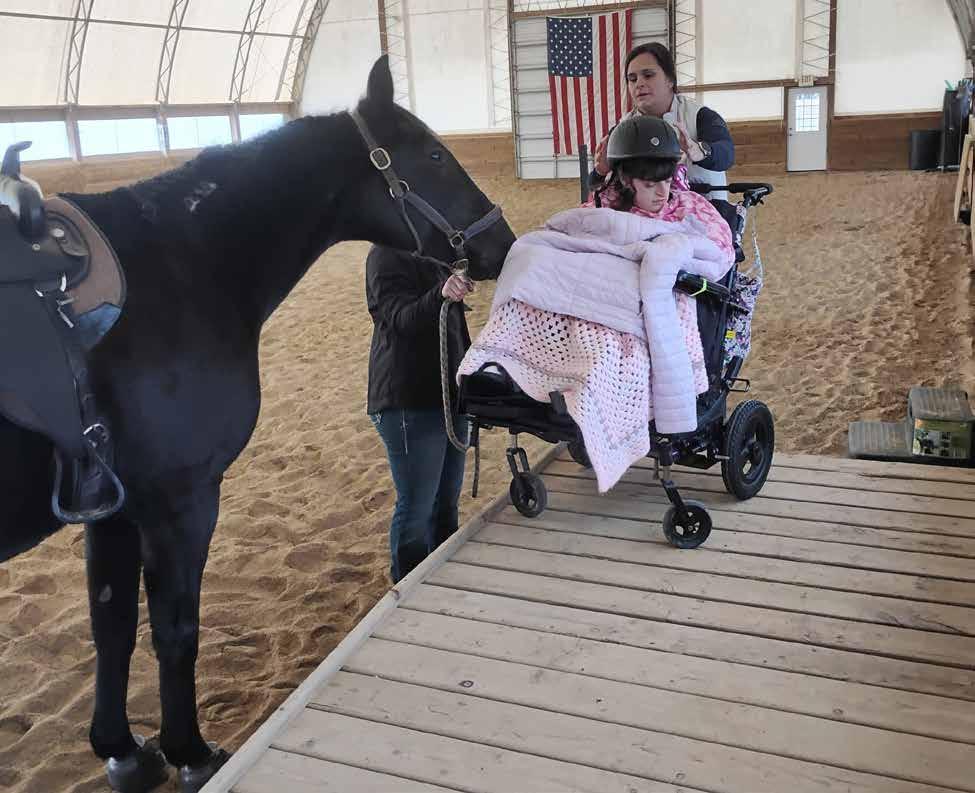
In 2023, when I attended the culinary session for the first time, I had no idea who I would be sharing a cabin with or what activities we would be doing. As the week went on, though, I realized I was in for a treat. While most of my activities focused on cooking, I also went horseback riding,
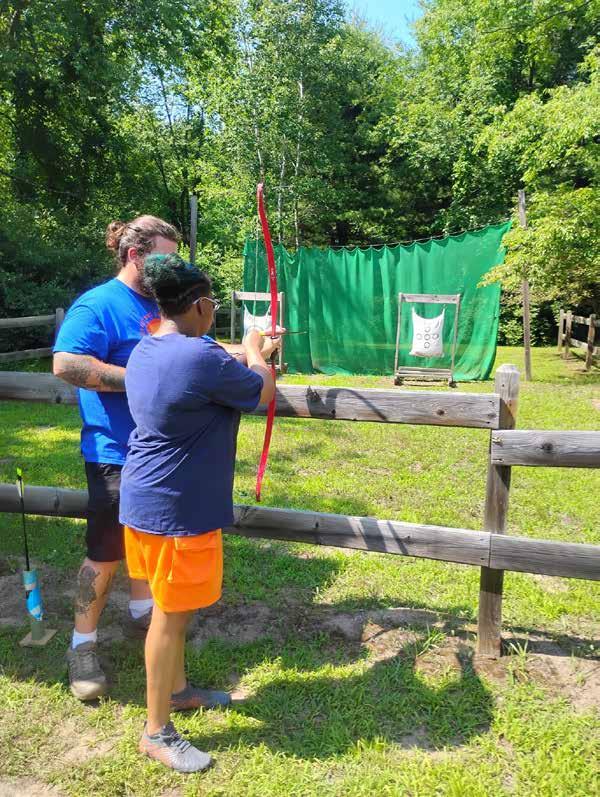

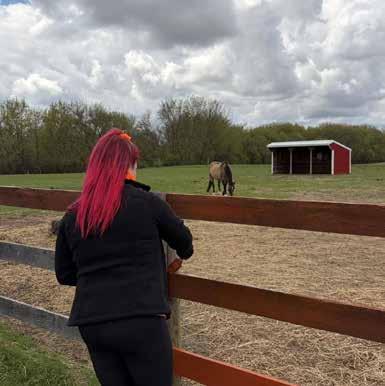
which was especially meaningful since I hadn’t done that since I was a child. At the end of the session, there was an awards banquet where each camper received a certificate from their cabin counselors. I was honored to receive the Positive Soul Award for bringing light to everyone’s day.
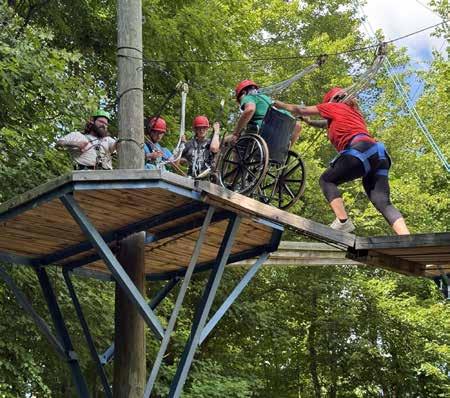
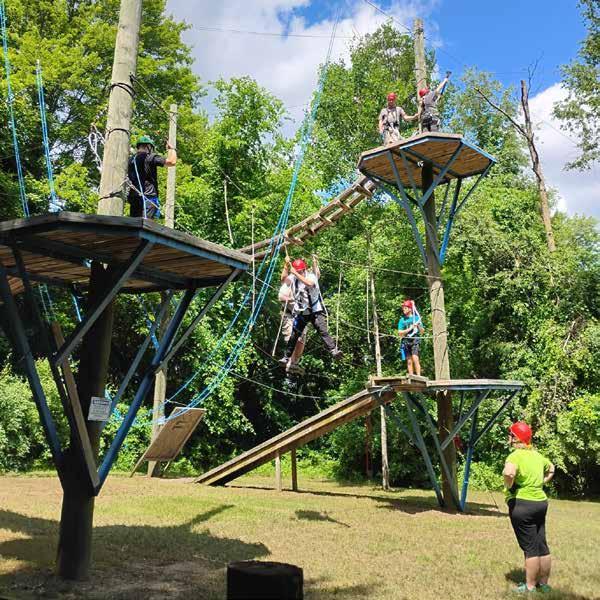
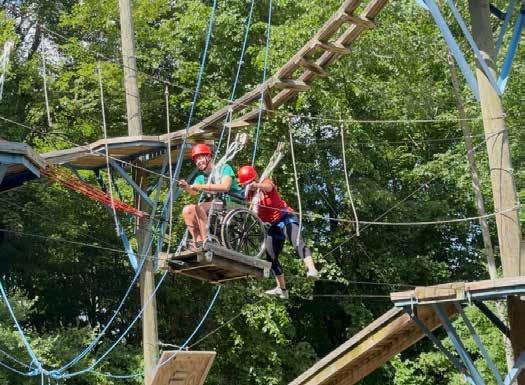
My second year was a regular camp session without a specific theme, but many of the same activities were included. One major highlight was on day three, when we went to the challenge course and I went ziplining. There was also a rock wall that we could climb using a safety harness. That experience earned me the Positive Courage Award for trying something new, even though it was scary at first.
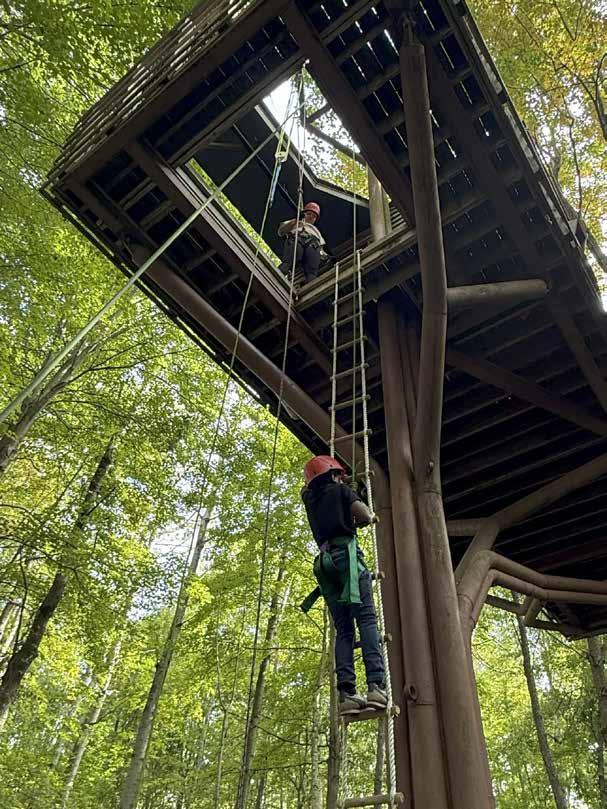
During my third year, there was no challenge course, but instead we had a treehouse that could be accessed in two ways: either by a Hoyer lift or by climbing a rope ladder, both with safety harnesses. At the top, campers could write their own message. Each option came with its own challenges, and everyone cheered one another on as we took turns. I was tempted to use the Hoyer lift, but I chose the rope ladder, and when I made it to the top, I earned the Fear Factor Award for conquering my fear of the unknown. One thing I almost forgot to mention is that the camp counselors come from all over the world, which makes the experience even more special.
Although I was nervous about what to expect, I am so grateful for the opportunity I had. For anyone, or anyone’s child, looking for a wonderful, confidence-building experience, I highly recommend Camp Fowler. You will definitely have s’more fun there. I guarantee it.
BY BROADSREET PUBLISHING,

HOLLAND, MICH. — The demands of caregiving can often leave someone feeling exhausted, isolated, stressed or unappreciated.
Jessica Ronne has devoted most of her life to caregiving and understands the accompanying challenges, sacrifices and rewards. Through her journey, she has experienced a greater sense of purpose, fulfillment and blessings.
As the eldest of 11 siblings, Jess was responsible for their care during her upbringing. Her commitment to caregiving continued after she married and received the medical news that her son Lucas would be born with significant disabilities requiring lifelong care.
In 2010, Jess faced another heartbreak when her 30-yearold husband was diagnosed with a terminal brain tumor, leaving her a young widow raising four children alone. Her life took a remarkable turn when she met Ryan, a widower with three children. Their marriage blended their families, and they welcomed a child together.
Today, they lovingly parent eight children. Additionally, Jess leads The Lucas Project, a nonprofit outreach organization committed to supporting individuals with disabilities. Alongside her husband, Jess established Hope Farm, a residential facility that assists the needs of her son and other young adults with disabilities.
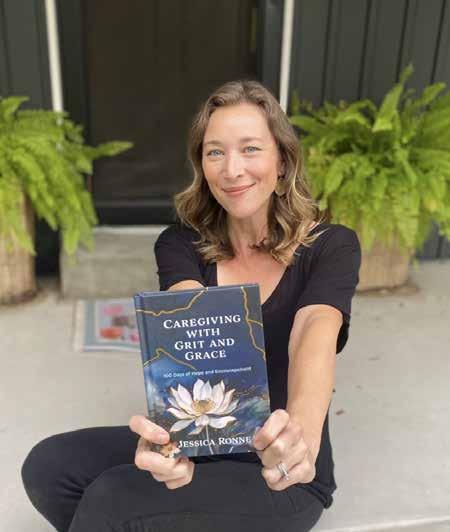
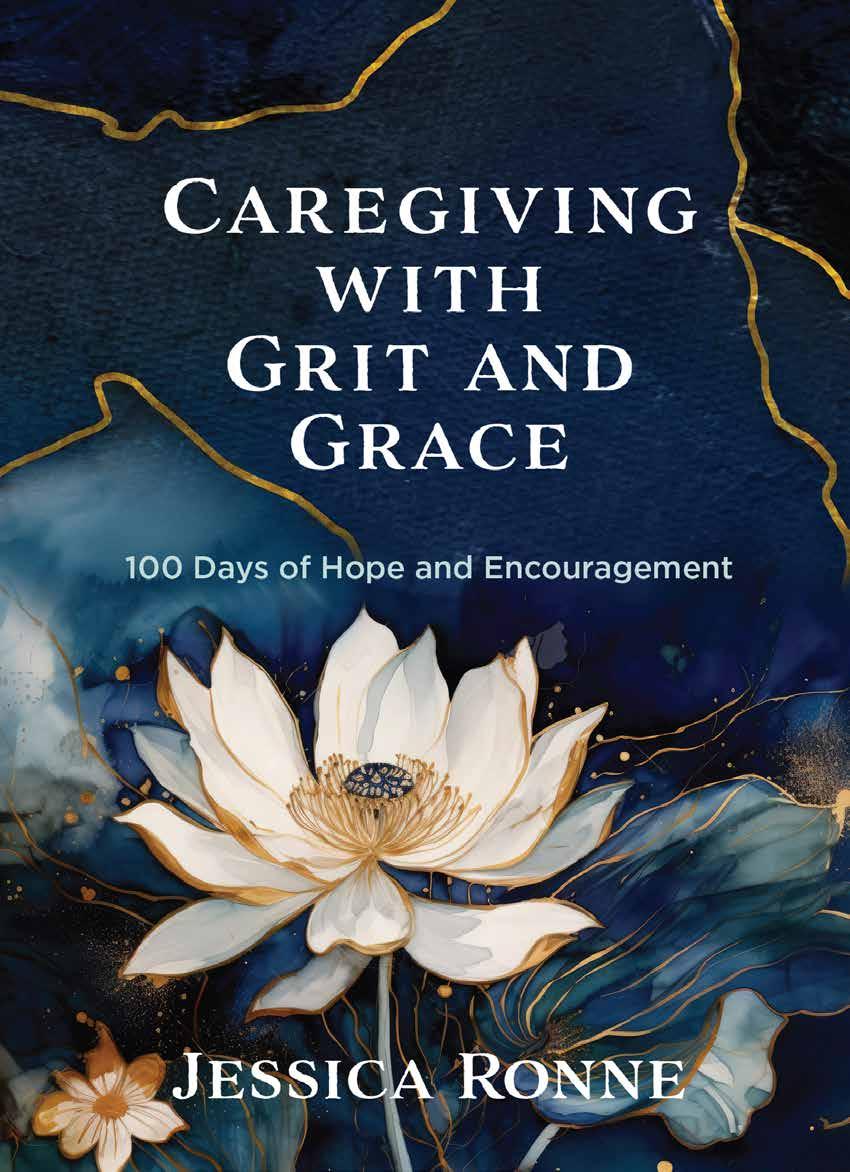
In Caregiving with Grit and Grace (BroadStreet Publishing), Jess offers support and understanding to caregivers by encouraging them to see caregiving as sacred work and to view it from an eternal perspective. She shares personal stories, encouragement and insight on topics that include:



It is natural to feel angry when life seems unfair, but holding anger in your heart leads to harm. It does not solve or change circumstances. When we give in to intense anger, we miss out on our blessings.
It’s easy to fixate on caregiving circumstances and feel sorry for ourselves, but think about how much time and energy we could preserve if we stop staring at the storm. Fix your gaze on the positive and on God rather than the storm.
Sometimes the temptation arises to moan and groan about our lives and solicit sympathetic attention, which can be comforting and validating during difficult times. We must remember the dignity of our loved ones and practice restraint when sharing our personal lives with others. It is helpful to lean on faith and ask for assistance to minister to your weary heart.
Reframing the Narrative:
When we view our lives and circumstances from a human perspective, we focus on despair or diagnosis. To develop a greater perspective, we must reframe the narrative. God has promised that challenging times will not last forever. Through her writing, speaking and podcast, Jess inspires audiences not to grow weary while discussing parenting children with disabilities, respite care, housing initiatives for disabled adults, and managing stress and anxiety.
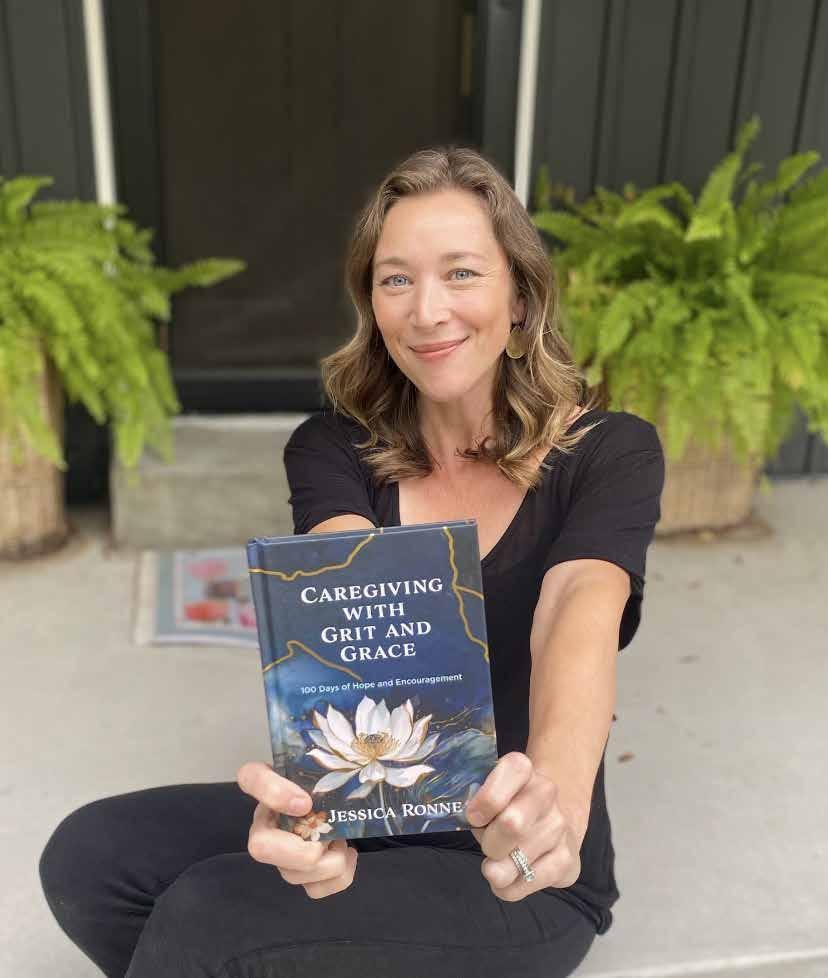
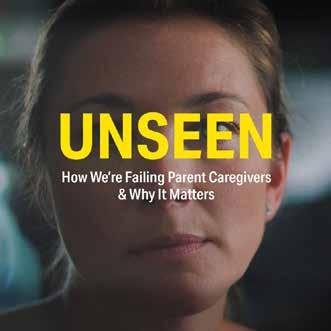
Jess Ronne is an author, caregiver advocate, podcast host of Coffee with Caregivers, and associate producer of the documentary Unseen: How We’re Failing Parent Caregivers & Why It Matters.
She holds a master’s degree in education. She is the founder of Hope Farm, a residential home for disabled adults, and the executive director of The Lucas Project, a nonprofit dedicated to serving parent caregivers with recognition, respite and resources (www.thelucasproject.org).
Jess is the author of Sunlight Burning at Midnight, Blended with Grit & Grace, Lovin’ with Grit and Grace, and Caregiving with Grit and Grace.
Jess and her husband, Ryan, live in Holland, Michigan, with their eight children.
More information is available at jessronne.com, Instagram @jessplussthemess, or Facebook.

BY EMILY CRANE
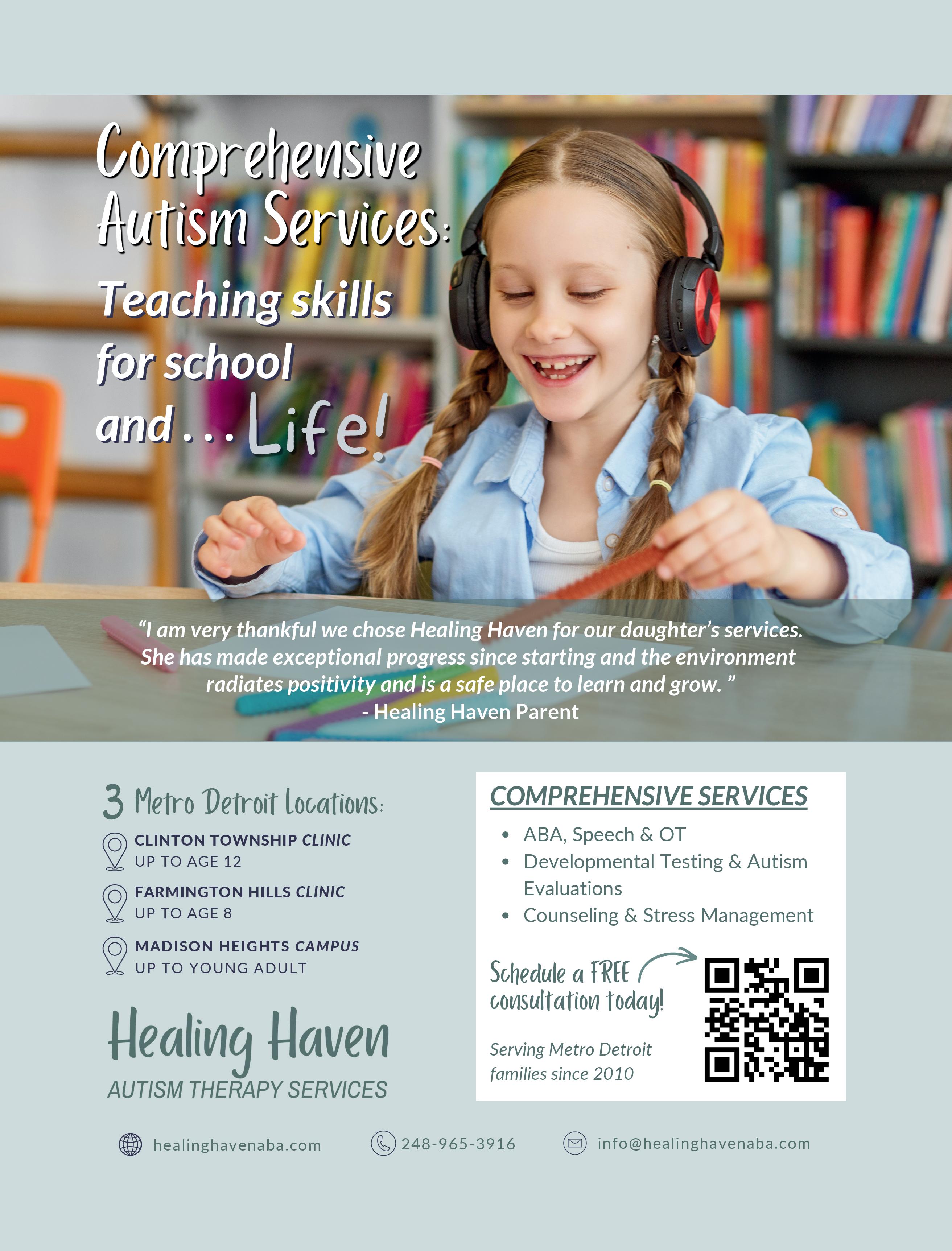
Many kids love the break summer brings – a relaxed schedule, sleeping in, and activities like the pool, summer camps, and vacations. But for a child with autism (and their parents), the lack of a regulated school or therapy schedule can cause struggles over summer break.
Having a predictable schedule helps kids on the autism spectrum make sense of their world. Knowing what to expect from day-to-day helps reduce anxiety. So, as a parent, how do you facilitate a summer break that provides the structure your child with autism needs, while also incorporating fun summer activities?
We have compiled 5 tips to help your child with autism adjust to summer break.
Use a visual calendar to show your child what their typical weekdays, weekends, vacations, and holidays will look like. Another great tool is a “typical day” schedule to show when they should get up, get dressed, eat meals, and participate in activities or outings.
Review the schedule each day, or the night before, so they know what is coming. Doing so can help reduce anxiety involved with the unknown.
Teach your child about a backup plan, or “Option A” and “Option B.” If your schedule is to go to the pool tomorrow, but thunderstorms are in the forecast, talk with them about a backup plan. Reviewing what you will do if plans
Creating a tradition can help establish a positive rhythm for the start of summer.
change can help reduce behaviors associated with unexpected changes.
If you stay home with your child in the summer, it is easy to get too relaxed and let go of any set schedule. But the more you can stick to routines for meals, bedtime, wake-up time, and limit screen time, the more well-regulated your child will hopefully be.
The never-ending requests for the iPad, video games, and TV can be exhausting. Manage these requests with a Summer Vacation Rules chart. The chart can list things they need to do before using technology.
Some options include getting dressed, brushing teeth, making their bed, cleaning their room, reading, math work, or playing outside for a certain amount of time.
Celebrate the end of the school year and the start of summer with an activity or treat you can repeat every year. Make their favorite dinner, go out for ice cream, visit the zoo, or pack a picnic lunch and head out to a special park or beach.
Creating a tradition can help establish a positive rhythm for the start of summer.
We hope these ideas help you create some structure AND fun for you and your family this summer.
To learn more about Healing Haven’s comprehensive services—ABA, Speech and Occupational Therapies, Autism Evaluations & Developmental Testing, and Counseling— visit healinghavenaba.com
BY MARIA GIANCOTTI, M.ED. - STUDENT ADVOCACY MICHIGAN

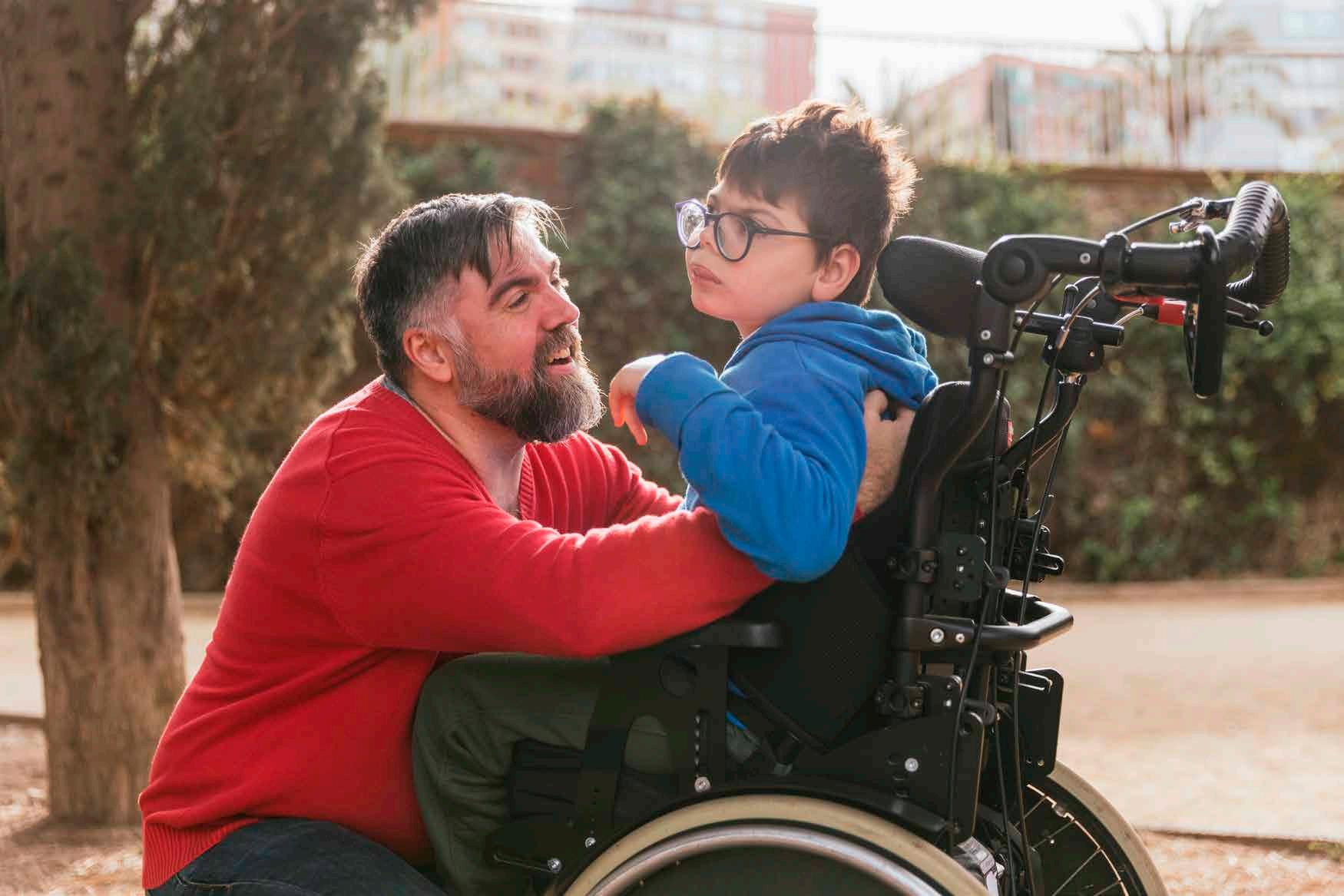
FOR MANY FAMILIES, thinking about life after high school can feel overwhelming, especially when your child has an IEP. Transition planning is a part of the IEP process designed to help students prepare for adulthood and build a plan for what comes next. Whether a student plans to attend college, learn a trade, work, live independently, or continue receiving special education services until age 26, transition planning is an important piece of preparing for the future.
Under the federal Individuals with Disabilities Education Act (IDEA), transition planning must begin no later than age 16. However, Michigan law requires transition planning to begin earlier, during the IEP that will be in effect when the student turns 14. This gives families and schools more time to identify strengths, needs, interests, and future goals.
Transition planning is not just a conversation about graduation. It is a legally required process focused on helping students move from school into adult life. IDEA defines transition services as a coordinated set of activities designed to improve the student’s academic and functional achievement and support movement into post-secondary education, employment, vocational training, independent living, and community participation.
A transition plan should be individualized and based on the student’s unique strengths, preferences, interests, and needs. The student should also be invited to participate in IEP meetings when transition services are discussed. This is important because self-advocacy and student involvement are key skills for adulthood.
During transition planning, the IEP team may discuss:
• Career interests and job exploration
• College or trade school goals
• Independent living skills
• Community participation
• Transportation needs
• Daily living and self-care skills
• Financial literacy
• Self-advocacy and decision-making skills
• Vocational training or job coaching
• Adult service agencies and supports
The transition section of the IEP should include measurable post-secondary goals and transition services that help the student work toward those goals. For example, a student interested in becoming a mechanic may participate in career and technical education classes, job-shadowing opportunities, or vocational training. A student planning for college may work on self-advocacy skills, organization, study strategies, and accommodations needed for higher education.
Parents should understand that transition planning looks different depending on the student’s educational path.
For students working toward a traditional high school diploma, transition planning often focuses on graduation requirements, career exploration, college readiness, employment skills, and preparing for adult independence. Once a student earns a regular diploma, the student’s entitlement to special education services under IDEA generally ends.
However, some students with disabilities may continue receiving special education services beyond the typical high school years. In Michigan, eligible students may remain in special education until age 26 if they have not yet earned a regular diploma and continue to qualify for services under IDEA.
These students may participate in programs focused on functional academics, vocational training, independent living skills, community-based instruction, workplace readiness, travel training, and adult daily living skills. Transition programming for these students is often highly individualized and designed to improve independence and quality of life.
For example, an older student remaining in special education until age 26 may work on:
• Learning to use public transportation
• Practicing grocery shopping and meal preparation
• Building workplace communication skills
• Completing job training or supported employment
• Managing personal schedules and routines
student grows, develops new interests, and gains skills. Parents should ask questions, review transition goals carefully, and make sure services truly match their child’s long-term needs. Helpful questions for parents to ask during transition planning include:
• What specific skills does my child need for adult life?
• What assessments or transition evaluations have been completed?
• How are current services helping prepare my child for adulthood?
• Are there community experiences or vocational opportunities available?
• What adult agencies or supports should we connect with now?
• Is my child on track for a diploma or a certificate of completion?
Strong transition planning can make a significant difference in helping students with disabilities move successfully into adulthood. When schools, parents, and students work together early and intentionally, transition planning becomes more than an IEP requirement, it becomes a roadmap for the future.
If you need help or support with your child’s IEP, 504 plan or transition plan, reach out to Student Advocacy Michigan at 248-372-9770.

• Accessing community resources safely and independently
Families should also understand the difference between a certificate of completion and a diploma. Some students who remain in transition programs beyond age 18 may receive a certificate of completion rather than a traditional diploma. Unlike earning a diploma, receiving a certificate of completion does not automatically end IDEA eligibility in Michigan.
Transition planning should never be treated as a checklist completed once per year. Goals and plans should evolve as the
How the Detroit Symphony Orchestra is creating concerts where movement, sound, and community all belong.
BY KRISTIN DILLON, PHOTOGRAPHY COURTESY OF HARRY DILLON, DETROIT SYMPHONY ORCHESTRA, AND ATTENDEES
You walk in and immediately feel it—your shoulders drop.
Smiling ushers wave you in and show you different spaces to explore. The program is clear, everything laid out in a way that makes sense right away. Individuals are in motion, not being corrected. A parent leans back in their seat, taking a deep breath, watching their person enjoy something instead of managing the room.
It isn’t quiet. It’s calm.
People are getting up, sitting down, walking the aisle, coming back. No tension. No second-guessing whether you should stay.
And then the music starts, and the room exhales.
Not because everyone suddenly goes still, but because no one has to.
The Detroit Symphony Orchestra isn’t treating this like a special program. It’s just part of how they do things. Sensoryfriendly concerts and relaxed open rehearsals are built for people who need flexibility—movement, breaks, space to reset—but the effect is bigger than that. It means you can come in, find your spot, and not spend the whole time wondering if you’re doing it “right.”
That changes everything.
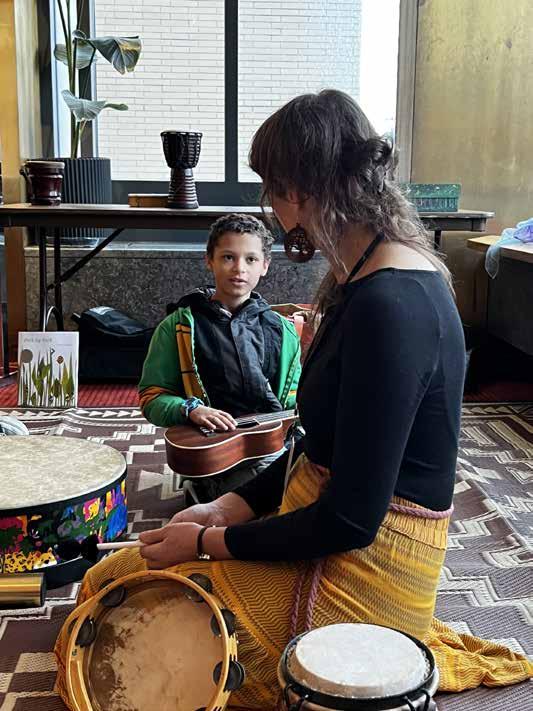
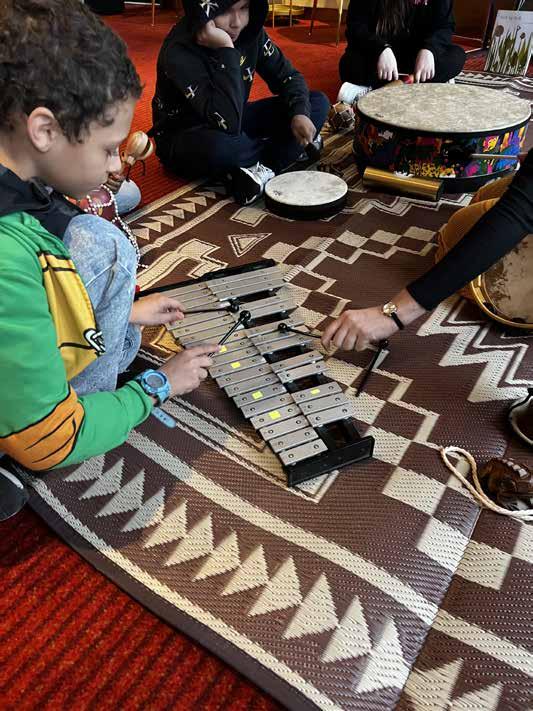
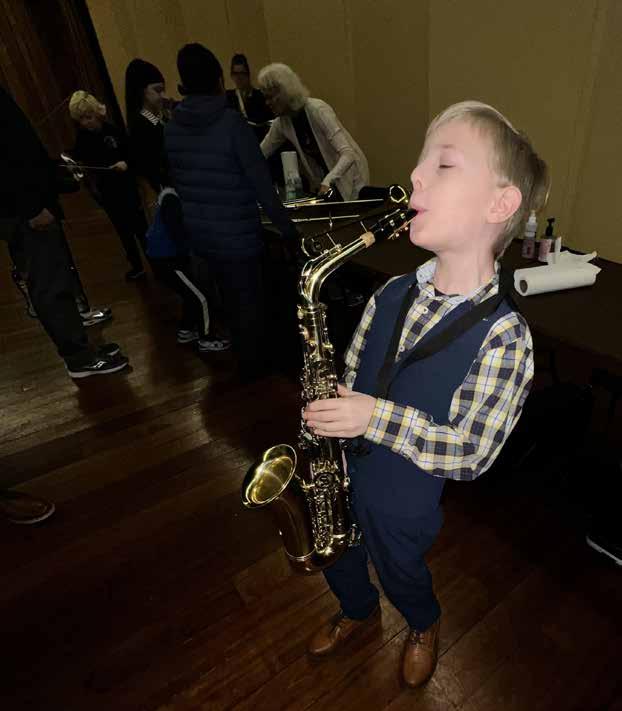
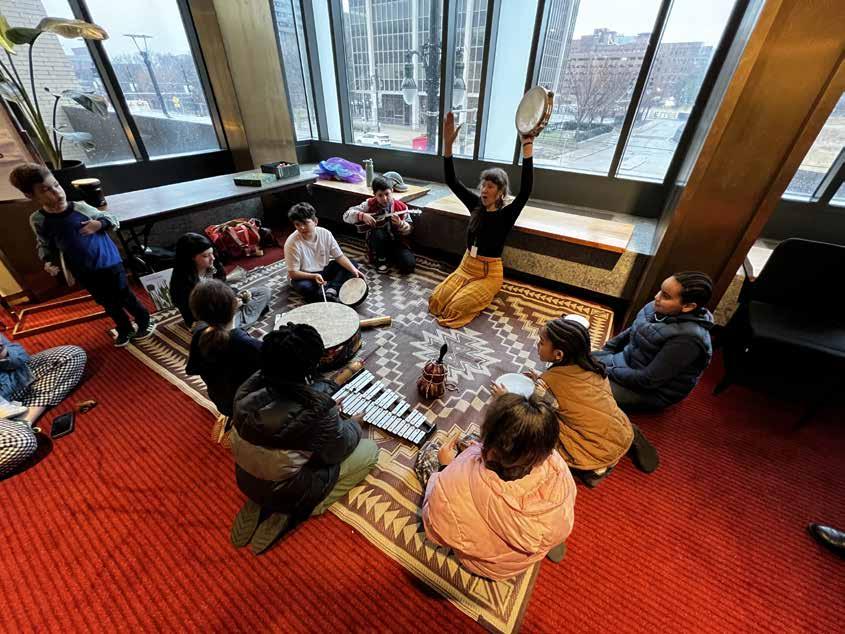
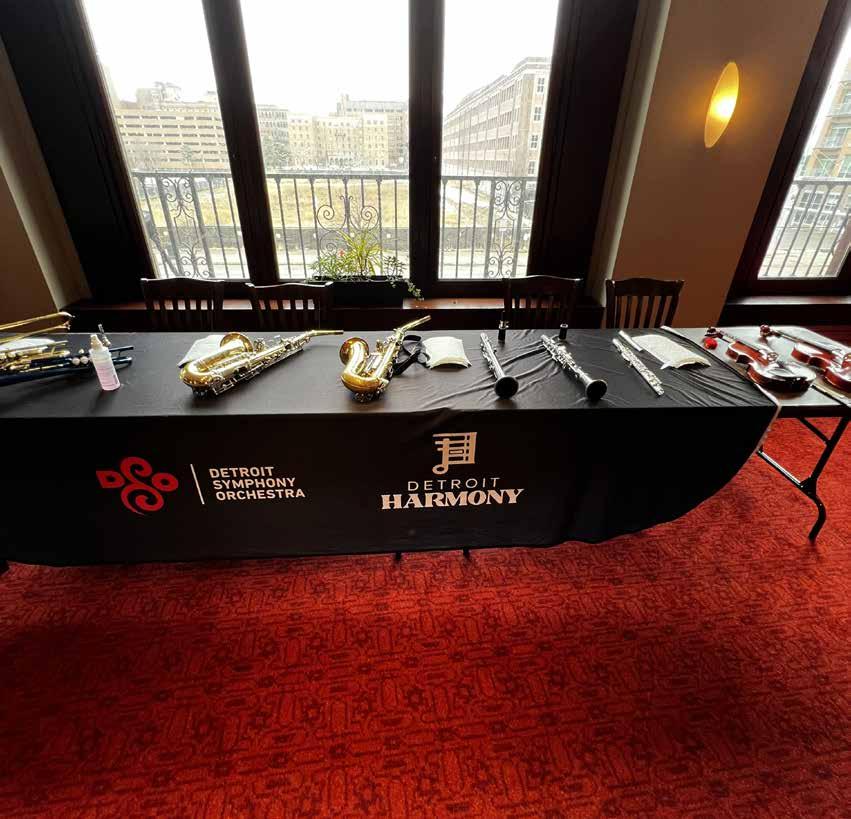
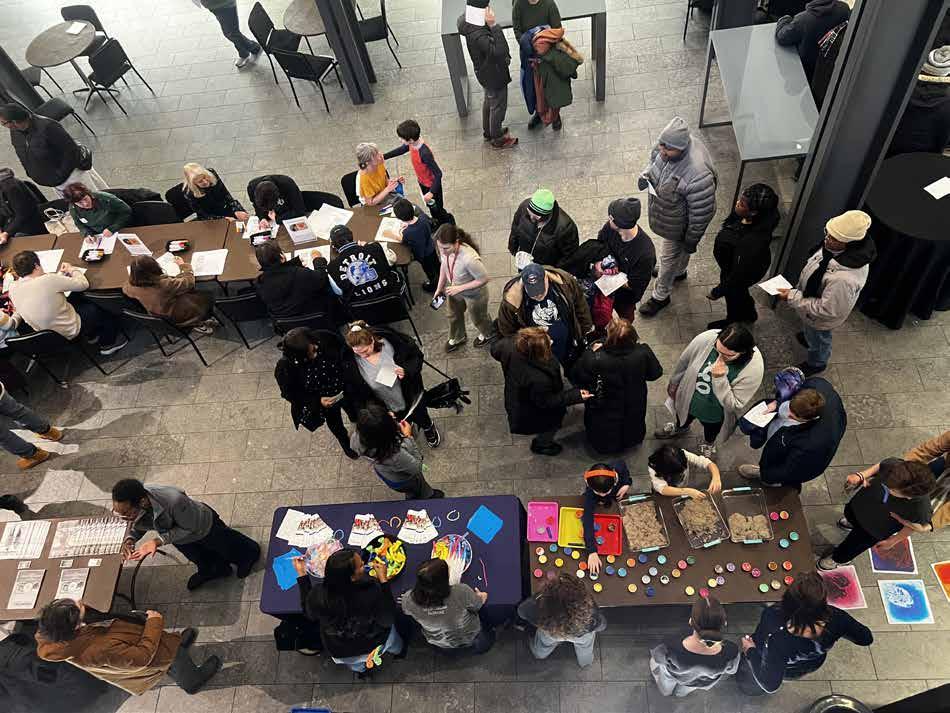
You don’t walk into a silent hall—you walk into activity. Tables are set up across the atrium. Individuals are already playing instruments—trying out a violin, tapping on a drum, figuring out how a saxophone works. Volunteers are right there with them, patient, easy, not rushing anyone through.
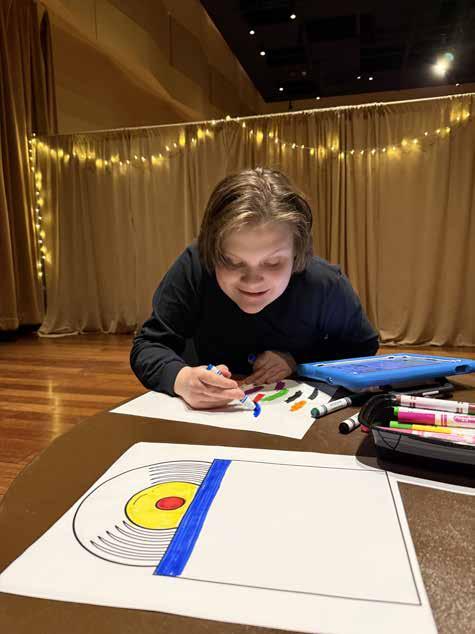
At another table, someone’s gluing ribbon onto a paper tambourine. Somewhere else, a kid is deep into coloring, completely locked in. There’s a “passport” getting stamped as they move from table to table, collecting the experience as they go.
No one’s hurrying you along. You can do one thing or everything or nothing at all.
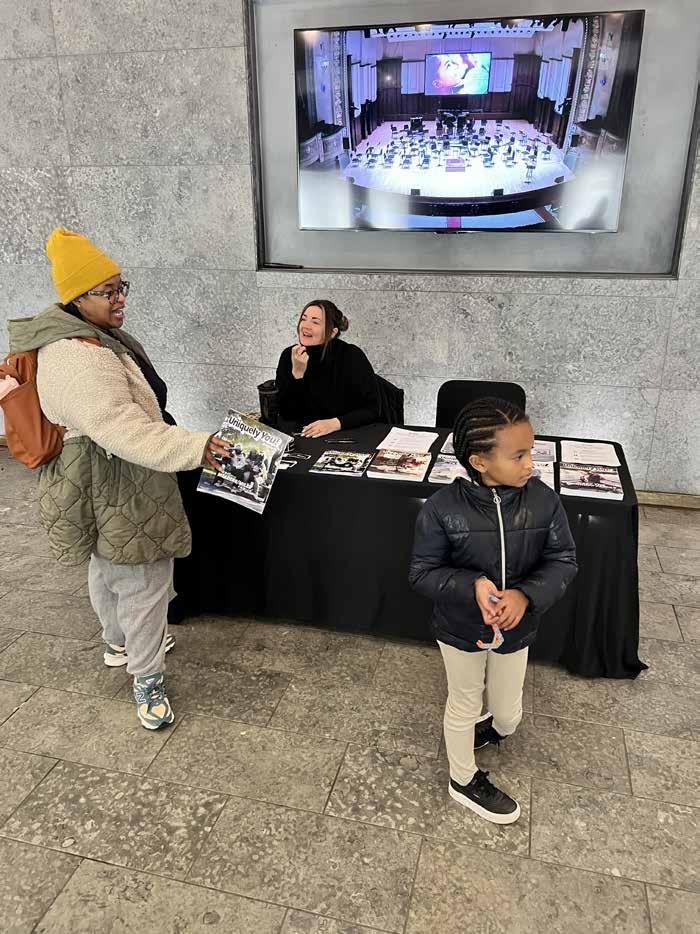
Vendors and community partners from across Detroit set up tables with activities and take-home items—organizations like Henry Ford Health, Healing Haven, Detroit Harmony, and others who support disability communities with resources, accessible products, and social opportunities.
Upstairs and throughout the building, activity stations invite exploration. People can try a violin, a saxophone, a flute, or sit down at a piano. At another table, they’re building tambourines out of paper plates, ribbons, and bells. Nearby, someone is designing their own album cover, while others are coloring, crafting, or writing postcards to the orchestra.
Everything is hands-on. Everything is optional. You can move through it however you want.
As one parent said, “The patience shown by the supporters at each station was appreciated. We were able to do everything.”
What stands out isn’t any single feature. It’s the accumulation of details that make regulation possible.
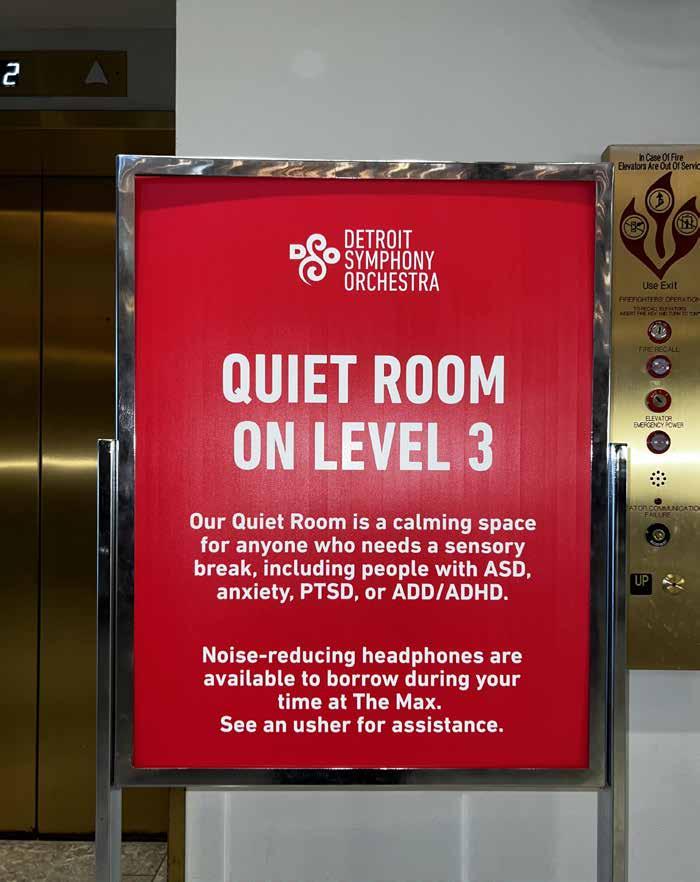
The DSO offers multiple quiet rooms, including a large sensory space on the first floor and a smaller enclosed room upstairs. The attention to detail is unmistakable: Weighted blankets. Bean bag chairs. Exercise balls. Fidgets. Soft lighting. Lava lamps. Space to move. Paper, markers, and coloring sheets. Books.
During performances, noise-reducing headphones and sensory toolkits are available to borrow. Attendees are free to enter and exit as needed. And getting the wiggles and dance moves at your seat or in the aisles is what it’s all about.
One visit, a parent shares, “could have gone either way. My son hadn’t slept well the night before, and we were walking into something new. That kind of day usually comes with an exit plan already forming. But when we arrived, he lit up. He moved through the stations, tried instruments, settled into coloring—and when the concert started, he made his own choice. We spent most of it in the sensory room, sitting side by side, coloring together. And it counted. It was the experience.”
That’s the difference. You’re not trying to redirect the experience back to what it’s “supposed” to be. You’re allowed to meet it where you are—and stay there.
Families don’t have to wonder what the day will look like. Before each event, the DSO sends detailed emails—social stories, Spotify playlists, clear maps, parking instructions (including codes for free parking), what to expect, how long things last.
You can picture the whole experience ahead of time.
That level of preparation matters. It takes away the guesswork, the contingency planning, the “what if this doesn’t
work” that usually sits in the back of your mind before you even leave the house.
By the time you arrive, you’re not bracing. You’re ready.
The DSO’s sensory programming appears in two distinct forms, each with its own energy and purpose.
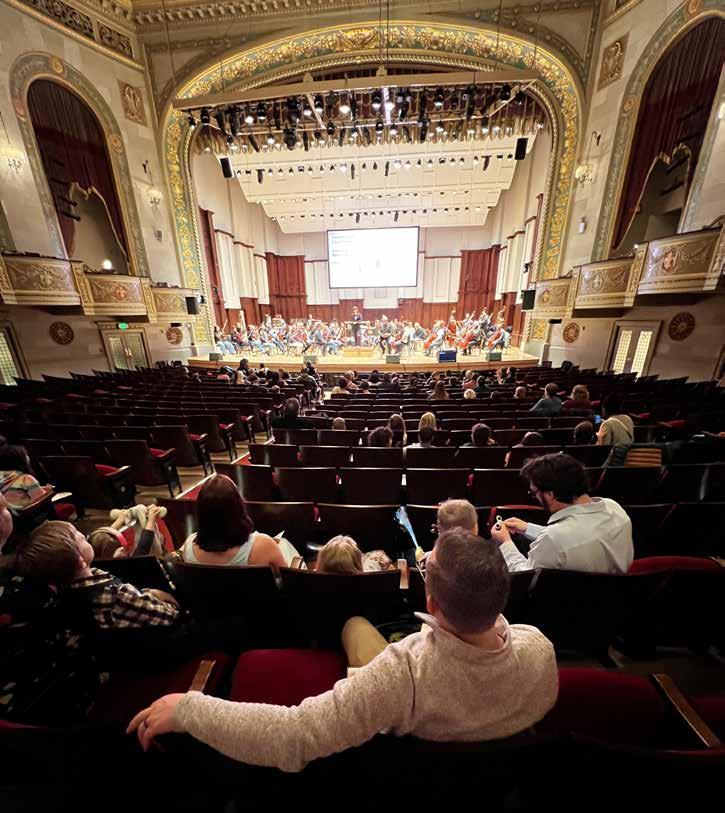
These take place in Orchestra Hall during real rehearsals— not a performance, not a presentation.
The orchestra is working. Stopping, starting, adjusting, running sections again. You’re watching the process as it happens. You can sit, stand, move around, step out, come back in. Some people stay the whole time. Some don’t. Both are completely fine. The point isn’t to follow every note—it’s to be in the room while the music is being built.
Events this season included:
• Dvořák’s New World Symphony (November 2025)
• Frederick’s Fables (March 2026), featuring music by Michael Abels and narration that brought Leo Lionni’s stories to life
• Songs of America (May 2026), celebrating the nation’s musical legacy with vocalists Melinda Doolittle and Jimmie Herrod
These weekend shows take place in the Peter D. and Julie F. Cummings Cube (“The Cube”), the DSO’s flexible, intimate black-box venue. The atmosphere is entirely different, closer to an event hall than a traditional concert.
The February Motown Hits performance, led by tenor saxophonist Charles Prophet Jr. and his band, turned the room into a dance floor. Colored lights, open space, and a 45-minute set created an environment where movement was part of the experience.
One attendee put it this way: “The joy that this event brought to my daughter… I cannot express how deeply grateful we are.”
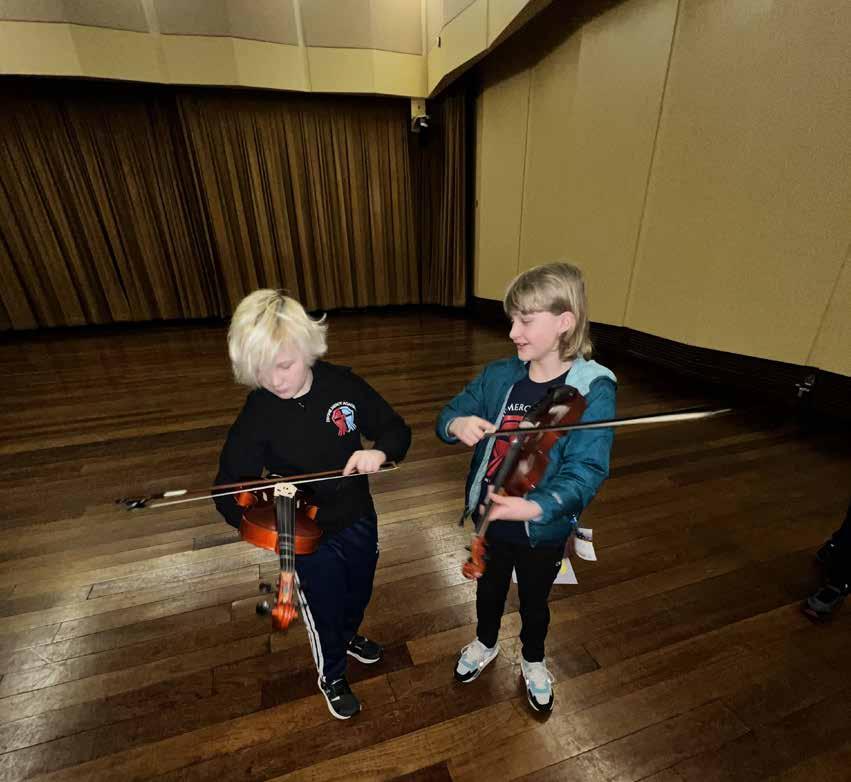
Tucked inside the DSO’s home in Midtown, the Peter D. and Julie F. Cummings Cube (“The Cube”) is a smaller, flexible performance space that feels completely different from Orchestra Hall. It’s designed to shift depending on the event. Sometimes there’s seating. Sometimes the floor is open. Sometimes it’s a mix. You can stand, sit, move around, or stay in one place—the room doesn’t lock you into a single way of being there.
For sensory-friendly concerts, that flexibility matters. The lighting is softer. There’s space to move, dance, or sit on the floor. Headphones and fidgets are available, and quiet rooms are nearby if you need a break. Staff and volunteers are present, but not hovering—they’re there if you need them. Nothing about the space asks you to adjust yourself to fit it. It adjusts to you.
You hear it in how people talk about it afterward.
One parent described something simple but rare—being able to sit and watch her son watch the orchestra, without that constant undercurrent of stress about whether he was being too loud or moving too much. For once, the experience wasn’t about managing him. It was about sharing something together.
Another moment stays with you: kids moving, bouncing, shifting—and then, when the music starts, a kind of quiet focus settling in. Not forced. Not corrected. Just happening. As one attendee put it, they watched children who had been in constant motion suddenly stop and gaze in amazement.
The music itself lands, too. One person said it plainly: “The music was transcendent. My eyes watered.”
But what comes up just as often isn’t the music alone—it’s the relief.
Families talk about being able to come without that familiar calculation in the back of their mind: How long can we stay? What happens if this goes sideways?
One parent shared that they had a meltdown on the way there. That part doesn’t magically disappear. But once they arrived—fidgets, smiles, people who get it—”It was smooth sailing.”
That shift—small on paper, huge in real life—is what people keep describing.
Teachers notice it too. Students who might not typically have access to something like this are not just present, but engaged—exploring instruments, participating, settling into the experience in their own way.
One educator said their students “loved being able to handle and try instruments before the concert,” while another emphasized how comfortable the environment felt for students with more complex needs.
And then there are the families who simply wouldn’t be there otherwise.
One attendee said it directly: “We are low income and really appreciate the gift of free tickets. We would not have been able to participate otherwise.”
Another said what sits underneath so many of these experiences: “This allowed us both to come and hear the music without the stress.”
That word—stress—comes up again and again.
And so does its absence.
“Everything was so very thought out for this audience,” one person wrote. “The understanding exemplified such trust and care.”
And then, maybe the simplest line of all: “Music feeds the souls of everyone.”
When something works, people show up.
Schools including Wing Lake Developmental Center, Greenfield Elementary, Hazel Park Schools, and Novi4All Center have attended. Community organizations such as Community Work Opportunities, Mi Cookie Project, All WellBeing Services, Neighborhood Service Organization, and the Henry Ford GROW Center are showing up too.
And they come back.
One teacher described how thoughtfully everything was set up—from the coloring sheets to the headphones to the fidgets—so students could actually settle in and participate.
Another shared that their students were able to experience a symphony orchestra in a relaxed environment, and simply: they loved it.
You Can Actually Stay
There’s a moment families talk about—not the music, not the venue—but the point where they realize they don’t have to leave.
One grandparent described it as finally getting to try something most families take for granted—going out together, staying, being part of it. “We could leave the house and join our community,” they wrote. “It was unforgettable.”
Another parent said it more simply: they rarely find events that work for their daughter. This one did. And that alone meant everything.
That’s the shift.
Not being accommodated. Not being “included.”
Just being able to go—and stay.
And It Keeps Growing
It’s not a one-time thing.
Families come back. Schools come back. Groups start planning around it.
Because they know what they’re walking into.
They know there will be space to move, places to reset, people who understand, and no pressure to get it exactly right.
They know their child or adult can try instruments, walk the room, sit when they want to sit, leave if they need to leave—and still be part of it.
And they won’t be the only ones there.
That’s What Works
The early arrival time, the activity tables, the quiet rooms, the headphones, the emails ahead of time, the free tickets, the free parking—it all adds up to the same thing:
You don’t have to plan your exit before you even get there.
What Actually Changed
It’s easy to say this is about access.
But what people keep describing is something simpler. They came.
They stayed.
They enjoyed it.
That’s it.
And for a lot of families, that’s not a small thing.
More
For upcoming sensory-friendly concerts and relaxed open rehearsals, visit dso.org/sensory-friendly
For questions or group inquiries: Kiersten Alcorn Manager of Engagement & Accessibility kalcorn@dso.org 313-576-5122


This section is here to give our readers easier access when searching for a trusted neighborhood partner to use. Get to know the businesses that make this magazine possible. Please support them in return and thank them if you get the chance!
ABA Services - In Home
Benevolent Behavior Therapy (947) 300-6700 www.benevolentbehaviortherapy.com
ABA/Autism Therapy Services
Gateway Pediatric Therapy (248) 712-4266 gatewaypediatrictherapy.com
Healing Haven (248) 965-3916 www.healinghavenaba.com
ABA/Comprehensive Services
Total Spectrum ABA (844) 263-1613 totalspectrumcare.com
Adaptive Bike Program
The Agape Project (586) 388-2110 www.theagapeproject.com
Adaptive Custom Equipment
3D3 Custom Solutions (248) 763-1367 3d3custom.com
Adaptive Sports Program
CVLL Challenger Baseball (586) 781-5547 www.midistrict6.org
Advocacy
Student Advocacy Michigan (248) 372-9770 www.studentadvocacymi.com
Art Studio Paint a Miracle (248) 652-2702
www.paintamiracle.org
Attorney/Wills, Trusts, Estate Planning
Chalgian & Tripp Law Offices PLLC (248) 799-2711 www.Mielderlaw.com
Community Support
Judson Center (248) 837-2020 www.JudsonCenter.org
Disability Support Services
Easterseals MORC (586) 303-6866
morc.easterseals.com/
Employment and Training Services
Services To Enhance Potential (STEP) (734) 718-0483 www.stepcentral.org
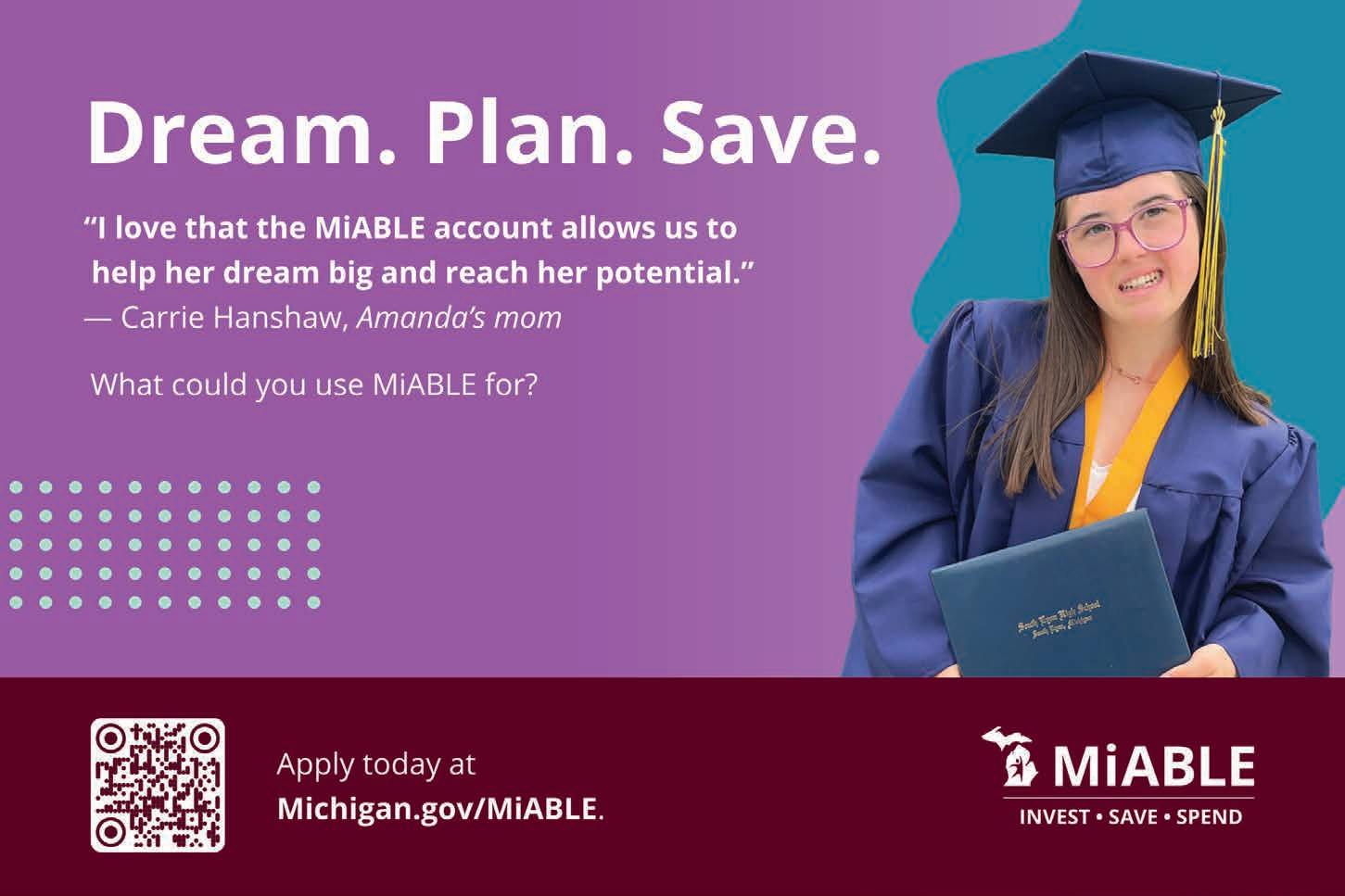
Financial MIABLE (844) 656-7225 mi.savewithable.com
Photographer
Footprints Photography ®️ (248) 922-1802 www.footprintsphotography.com
Podcast On the Verge Blog & Podcast (734) 780-6795 www.VergeTalks.com
Print Solutions: Apparel & Beyond
POSSiBiliTEEs, LLC (616) 613-0386 www.POSSiBiliTEEs.shop
Private High School
AIM High School (248) 702-6922 www.aimhighschool.com
Recreational support
Rochester Avon Recreation Authority (RARA) (947) 886-0084 www.rararecreation.org
Recreational/ Music/ Art Therapy
Advanced Therapeutic Solutions (734) 352-3543
www.advancedtherapeautic solutionsmi.com
Relationship Support/Sexual Health
My Relationships Project (313) 489-0043 www.myrelationshipsproject.com
Special Needs Trust
Springhill Pooled Accounts Trust (248) 269-1319 springhillpooledtrust.org
Summer Camps & Programs
North Star Reach (734) 680-8744 www.northstarreach.org
9151 Currency St. Irving, TX 75063
Celebrating the Disability Community in Detroit Metro counties