Autism Support of Michigan https://autism-mi.org/ Behavioral Health and Developmental Disabilities Administration
911 1-800-327-5966
833-633-5788
269-345-1913
517-241-3740
800-605-6722
517-333-6655
616-732-7358
269-337-3600
800-75-SEALS
https://www.michigan.gov/mdhhs/keep-mi-healthy/ mentalhealth/procurement/welcome-to-behavioralhealth-and-developmental-disabilities-administration Michigan Foundation for the Blind and Visually Impaired Michigan Developmental Disabilities Council
Capital Area Down Syndrome Association www.cadsa.org
Deaf and Hard of Hearing Services (DHHS) www.deafhhs.org/
Disability Determination Bureau Easterseals MORC www.easterseals.com/MORC/
517-374-1171
517-241-3740
517-241-3740
517-241-3740
517-241-3740
833-808-7452
800-457-4584
313-446-4444
988
517-241-7004
517-284-7290
1-800-772-1213
1-800-772-1213
833-633-5788
517-203-1200
517-241-5324
517-241-3740
Would you like to advertise in Uniquely You! to share valuable information and help support the community? Scan to grab some time to connect & learn more about being involved: https://calendly. com/jamie-mccabe/ special-needs-livingmagazine
Scan to view the past issues of Special Needs Living and Uniquely You!
Scan to view past digital copies, find resources, share a story or learn more about being involved.
Jamie Olson: Uniquely You! Magazine Area Director jamie.olson@n2co.com 248-882-8448
Emergency
Early On Michigan https://www.1800earlyon.org/directory.php
Michigan Department of Education: Office of Special Education https://www.michigan.gov/mde/services/ special-education
Michigan Family Forum
Michigan Family to Family www.f2fmichigan.org/
Michigan Department of Health and Human Services www.michigan.gov/mdhhs
Michigan Family and Social Services
Administration (FSSA) www.michigan.gov/mdhhs
Michigan State Department of Health www.michigan.gov/mdhhs
Michigan Statewide Independent Living Council (MSILC) www.misilc.org/
Medicaid Disability
MI Choice Waiver Program
National Alliance on Mental Illness
Preschool & Out-of-School Time Learning https://www.michigan.gov/mileap/educationpartnerships/out-of-school-time-and-summer-learning
Self-Advocates of Michigan (SAM)
Social Security Administration (SSA)
Social Security Disability Insurance (SSDI)
Special Education Questions
United Cerebral Palsy Association of Michigan ucp@ucpmichigan.org
Vocational Rehabilitation Services (VR) Division of Family Resources (DFR) www.michigan.gov/mdhhs
DISCLAIMER: The views expressed in the articles and advertisements in Uniquely You are those of the authors and advertisers and do not necessarily reflect those of The N2 Company or the publisher. Inclusion of paid advertisements does not imply endorsement, and neither N2 nor the publisher is responsible for the business practices of advertisers. We are proud to feature businesses that share our commitment to showcasing local connections. Please note that businesses profiled may have provided free products and / or services for the review. Uniquely You is for general informational and entertainment purposes only and is not intended to provide medical, therapeutic, educational, or legal advice. Always consult qualified professionals regarding the care and support of individuals with disabilities. NOTE: When community events take place, photographers may be present to take photos for the event, and they may be used in this publication.
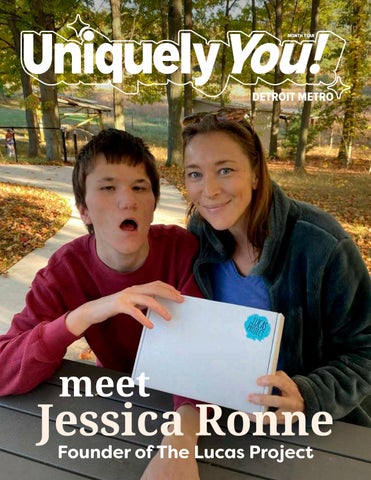
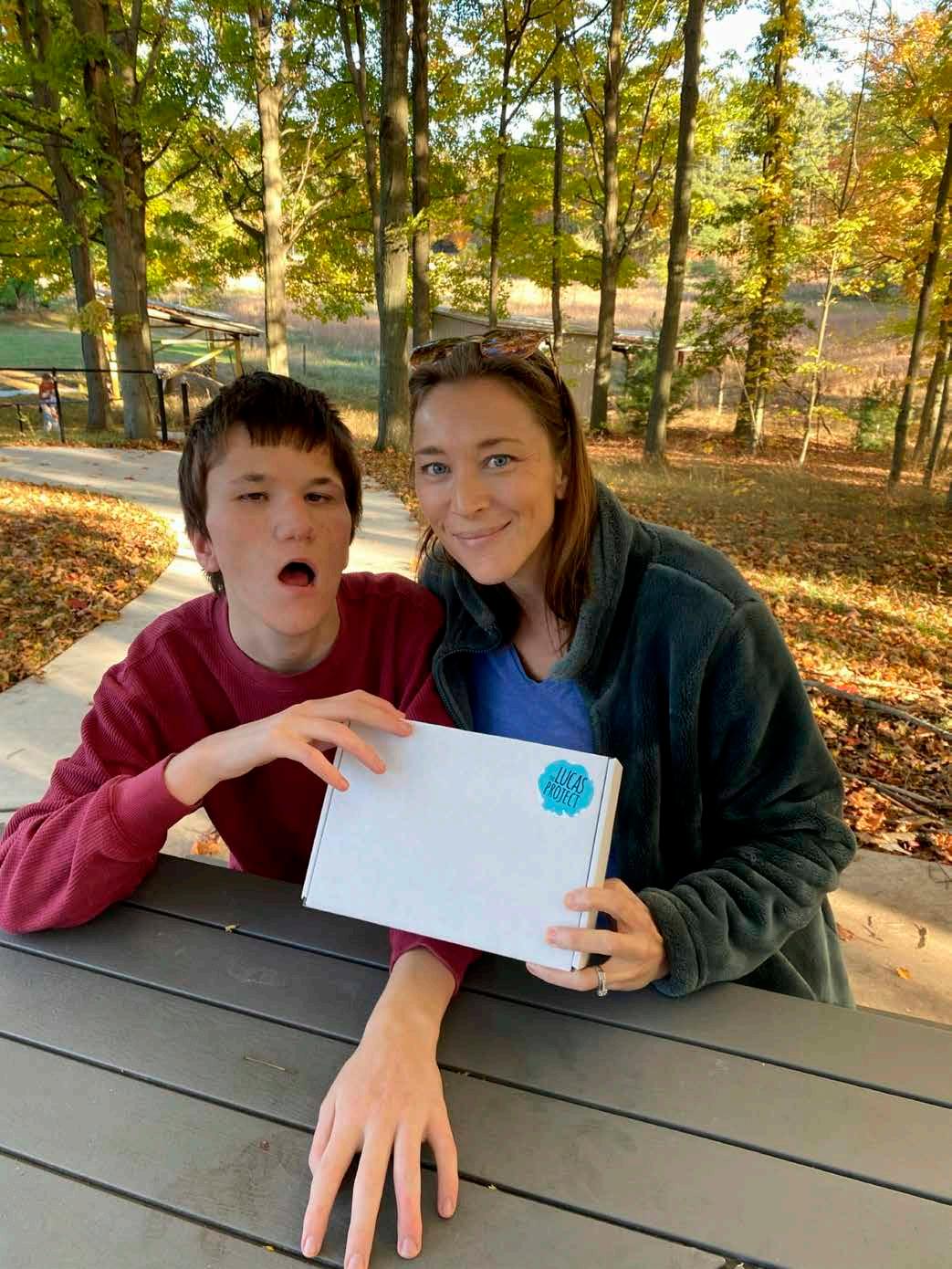
Founder of The Lucas Project meet JESSICA RONNE
A mother, caregiver, and advocate changing the way we support family caregivers.
BY: CHARLOTTE BACHELOR,
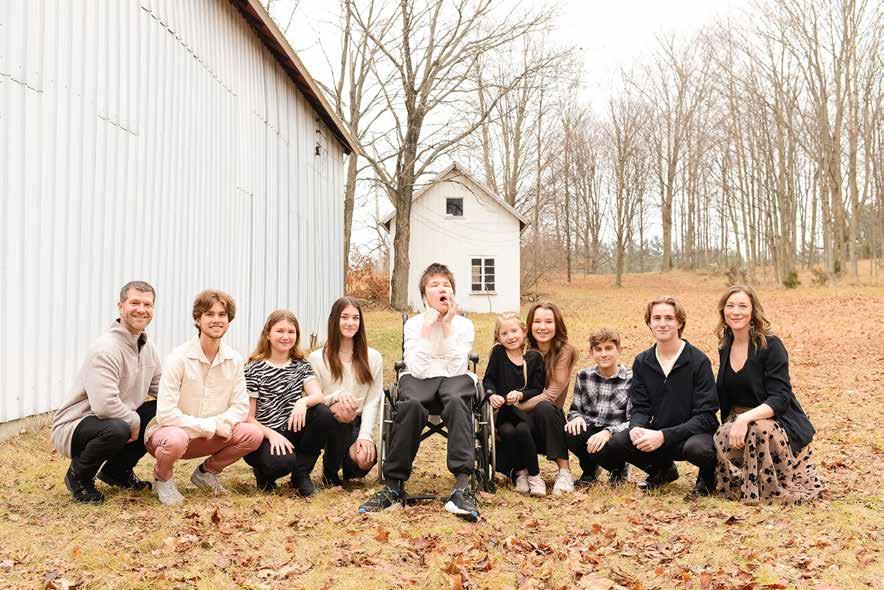
Who is Jess Ronne? Jess Ronne, a mother of eight, describes her advocacy journey as a ‘fight’.
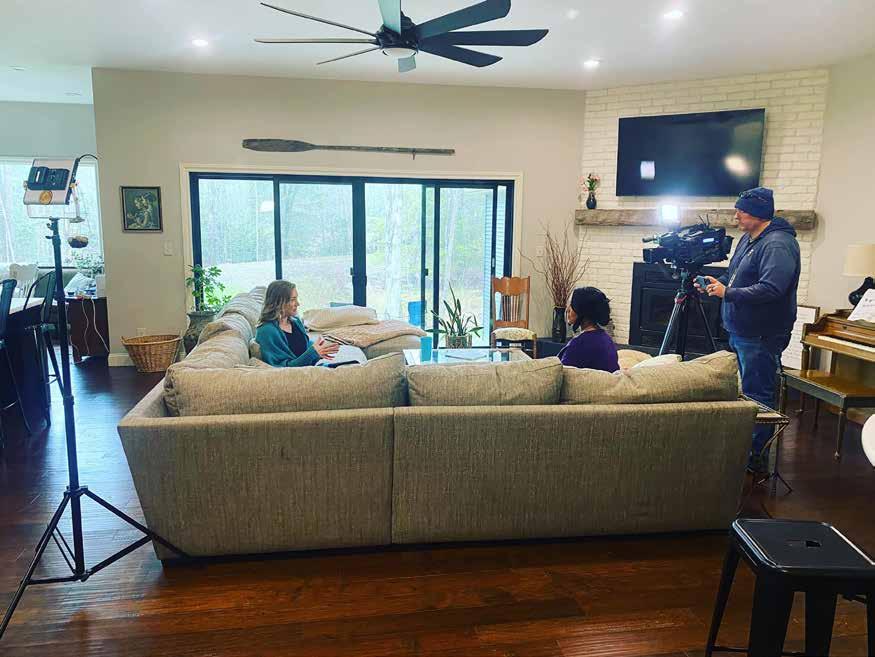
She never intended to become a podcast host, nonprofit CEO, nationally recognized public speaker, and author who would eventually be featured on Good Morning America and Today
She didn’t expect her caregiving journey to resonate with millions of people.
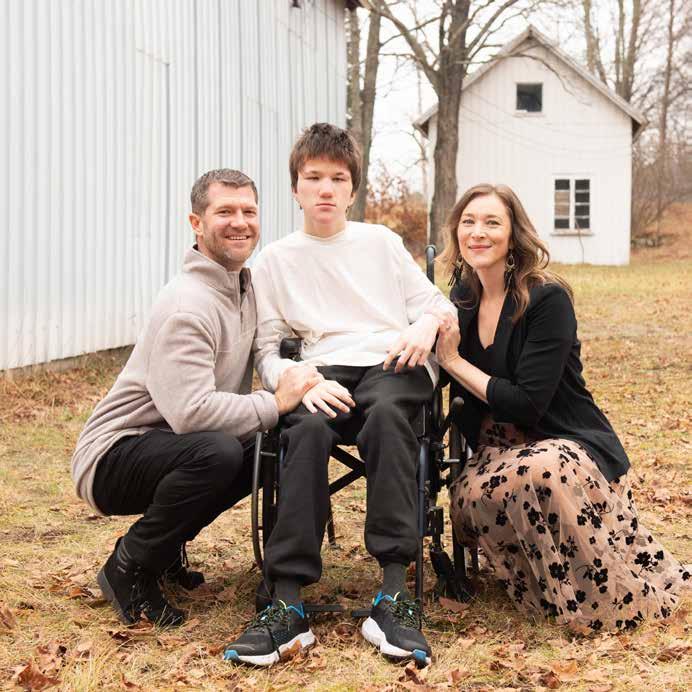
Her advocacy story starts with the birth of her son, Lucas. He suffered a stroke in utero at 20 weeks, and the doctors didn’t think he would make it.
“He came out screaming with life,” said Ronne. Lucas continued to defy the odds by surviving brain surgery at three days old. He was diagnosed with multiple disabilities and would require 24/7 care for the rest of his life.
Navigating the ups and downs of her own caregiving journey, Jess soon realized the need to create supportive spaces for family caregivers, which led to the creation of The Lucas Project, a nonprofit dedicated to supporting family
“It’s made me more human. I think when you’re a caregiver for so many years, you truly see other people, and caregivers are some of the most empathetic people I’ve ever met because they’ve walked the journey,”
caregivers. Lucas serves as the namesake and Chief Inspiration Officer. The Lucas Project provides a variety of free resources, including a support group, a podcast called Coffee with Caregivers, care packages for caregivers nationwide, and caregiver appreciation events.
“All of the advocacy work came out of a need that we had personally for either Lucas or our family. The thread was always Lucas,” she said.
Jess believes that her caregiving experiences have changed her for the better.
“It’s made me more human. I think when you’re a caregiver for so many years, you truly see other people, and caregivers are some of the most empathetic people I’ve ever met because they’ve walked the journey,” she continued,
“It’s tied me to this grand story of humanity, like nothing else. I often say we enter the world needing care and most likely will leave the world needing care. We’re fortunate if we don’t require it in between. To be a part of that beautiful journey for so many years just changed my perspective completely.”
Shining a light on the untold stories of caregivers
Ronne believes that the number one resource that caregivers need is more residential housing options for their loved ones with a disability.
“The question that haunts us parents and keeps us awake at night is what happens to my loved ones if I die. Or, they become too challenging, too old for me to take care of. Most of us can wrap our minds around raising a child for 18, 19, 20 years, and then they begin the process of becoming more independent. There comes a point when you want that child to gain more independence and fly the coop and start to live their own life apart from you. When you have a child with profound disabilities and high support needs, you don’t see an end in sight,” shared Ronne.
To share these untold stories of caregivers’ struggles, Jess is the associate producer of two documentaries, UNSEEN: How We’re Failing Parent Caregivers & Why It Matters, which was picked up by ABC AND PBS last year, and UNCERTAIN: The Search for Supportive Living
She says that creating the documentaries was the most impactful experience of her career.
“My goal was always to peel back the curtain of our life and allow the general public to peek into what life looks like for a parent of a profoundly disabled child. We were thrilled that it was able to reach a wider audience. Other people had no idea that this is what families go through on a day-to-day basis.”
Outside of the silver screen, Ronne is also the producer and host of the podcast Coffee with Caregivers, where she sits down and chats vulnerably and honestly with caregivers about
their journey. The goal of her podcast is to raise awareness for parents who are raising disabled children.
Jess even leveraged her lifelong dream of becoming an author to share her story and provide hope to other caregivers. In 2016, she released her debut memoir, Sunlight Burning at Midnight, which detailed her early caregiving experiences, faith, becoming a widow, and eventually remarrying.
She would later release three books: Blended with Grit and Grace, Lovin’ with Grit and Grace, and Caregiving with Grit and Grace
Jess has signed a contract with Broad Street Publishing for her fifth book, set to be released in 2027. “It will be a devotional for anyone walking through burnout, weariness, and exhaustion,” she shared.
Ronne sees her writing as therapeutic. “I get these downloads from the Lord, and I put them on little sticky notes in a basket in my office. At some point, these downloads become a book. I just have to be really intentional. It helps me put things into perspective. It helps me get to that kernel of truth that I’m searching for. I also journal a lot, and those journals do become books at some point, too.”
Balancing family, caregiving, and mental health
Jess also believes that her role as a caregiver has had a positive impact on her other seven children.
“I don’t see any resentment from any of my kids having Luke as their brother growing up. In fact, they’re extremely empathetic and sensitive to other people’s needs. I see them very much concerned about other people, and that’s a really beautiful thing,” shared Ronne.
Balancing motherhood, caregiving, and advocacy work doesn’t come without its challenges. As her platform has grown, Jess has learned to navigate the negativity that comes with this level of visibility.
“As you grow, you get the accolades, and you get the scorn. I’m a highly sensitive person, and the insults and controversy surrounding what I’ve created have been shocking at times. My goal was always to bring awareness and to help others. The central question for me and everything that I do these days is if it’s going to take too much of my peace, it’s not worth it, shared Ronne.
For families navigating the ups and downs of caregiving, Jess has a few practical tips for staying balanced and grounded.
“One, give yourself grace if you change your mind. I think when our children are young, we have these ideas like ‘I’ll never give them medication’, or ‘I’ll never put them in a group home’, and then as they age, it becomes more challenging, and we have to reconsider these choices. Then there’s a lot of guilt and shame surrounding that. What may have worked in one season of life may not work anymore, and that’s okay.”
Her next piece of advice is to stay present. “I find that as caregivers, we so often ruminate on either the past, and all the things we should have done differently, or could have done differently, or we are obsessed about the future. We fail to stay present, and that’s really where the joy can be found in each and every moment we are blessed to spend with our loved one,” shared Ronne.
Meeting the need for supportive housing Jess and her husband took their advocacy work a step further and opened up a group home for Lucas.
“We had a need as he began to age and have behavioral issues and aggression issues. We saw how it was impacting us as a family. He seemed frustrated being at home all the time,” shared Jess.
She leveraged the family’s rental property business and her husband’s experience flipping houses and got to work.
“We bought it, threw ourselves in, and renovated this ranch home. It wasn’t that easy. It took about a year and a half. We ran into major roadblocks with the township and the State of Michigan. We just kept putting one foot in front of the other,” Jess shared.
They found three other families who were also in need of supportive housing for their loved ones. In February of 2024, Lucas officially moved into his own house, marking a huge shift for him and Jess.
“He’s living his best life. I had no idea how desperately he wanted his own adult experience. He has gained skills, and he’s gained independence. When I reflect on that, I think, what 20-year-old man wants their mom feeding them or bathing them? I’m still in a caregiver role, and I’ll always be in some capacity. But it’s really nice when I visit with him to just be his mom,” she shared.
This transition was not only a big step for Luke, but for Jess as well, as she explored her identity outside of being his primary caregiver.
“It’s a journey, I’m still working through it. My whole identity was wrapped up in being Luke’s caregiver for 19 years. There is a deep process of grief when you make that decision to entrust other people to care for your child. There’s nothing you can do to bypass this, you just have to walk through it” she continued,
“You will hit this point of absolute exhaustion that you didn’t even realize you were holding on so tightly for so long. I hit total burnout for three months. I had fought so hard for 19 years, just never coming up for breath. In hindsight, recognizing how exhausted I was. How much I needed to reclaim my own identity as a human being.”
As she’s adjusted to Luke’s newfound independence, Jess has enjoyed learning pottery, crocheting with her daughter, and working on her next book.
To keep up with Jess Ronne, visit her website at www.jessplusthemess.com and follow her on social media at @jessronneofficial.
To learn more about The Lucas Project, visit www.thelucasproject.org.
Please enjoy my latest book!
We would love to share your story: https://form.jotform. com/202464921200140
Autism Services in Action
Cameron’s Story of Growth Through Applied Behavior Analysis
BY JUDSON CENTER
When Cameron first began Applied Behavior Analysis (ABA) services in 2023, he was facing significant challenges that impacted his ability to succeed in a traditional school setting. ABA therapy is an evidencebased and scientific approach to supporting individuals with Autism Spectrum Disorder (ASD). Following his removal from school due to behavioral concerns, Cameron entered Judson Center’s Autism Connections program with high rates of challenging behaviors, limited functional communication, and minimal interest in engaging with peers. Transitions and unexpected changes in routine were especially difficult, often acting as triggers for these behaviors. At that time, Cameron communicated using brief 1–2 word phrases, and most of his requests required consistent verbal prompting.
Where
Cameron’s
Journey Began
Over the course of the past three years, Cameron’s growth has been both steady and meaningful. Through consistent support
and early, targeted intervention, the challenging behaviors that once interfered with his daily life have significantly decreased and, in many cases, have been replaced with functional communication skills that support his daily interactions. These behaviors now occur at low rates, allowing Cameron to engage more fully in his environment.
Cameron has also made notable strides in social skills development. He now independently initiates interactions with both staff and peers and often chooses socially mediated activities over playing alone. Situations that were once overwhelming, such as transitions or changes in routine, no longer present the same level of difficulty, marking an important shift in his ability to adapt and regulate.
Equally impactful has been Cameron’s progress in communicating to independently express his needs. He now speaks in 3–5 word sentences and can clearly express his wants and needs with minimal prompting. This increased independence has opened the door to stronger connections and more meaningful participation in daily activities, and you can see how other children have benefited from ABA therapy.
Through an individualized treatment plan tailored to his unique needs, Cameron has made significant gains across behavioral, social, and communication domains, allowing him to meet the primary goals of his services. As a result of his hard work and progress, he is demonstrating strong school readiness as he prepares to successfully return to the classroom in-person in the fall of 2026 – a milestone that reflects just how far he has come.
LEARN MORE ABOUT HOW JUDSON CENTER CAN HELP!
Connect with our Autism Program at judsoncenter.org/autism/
Autism awareness and building community outside of April in Metro Detroit
CHARLOTTE BACHELOR
AUDAPT LLC is the brainchild of Jessica and Michael Powell, a Metro Detroit couple who started their brand after their firstborn son, MJ, was diagnosed with Autism. They wanted to connect with other parents going through similar situations through their unique Autism bracelets and apparel.
“Our merchandise/brand is aimed at promoting awareness and helping with daily functions. Our most unique item is the Learning Socks, which help individuals with dressing themselves. Our Learning Socks are highly durable and fashionable. We plan to keep producing trendsetting items that
promote learning and year-round awareness,” shared Michael.
Audapt is truly a family affair. Jessica and Michael run the day-to-day operations, and MJ designed the logo and maintains full ownership of the brand.
Audapt Provides Hope and Community to Local Families
Jessica and Michael believe that sharing their story is what makes their business unique.
“Our business expertise is simple: sharing our story! Everyone has a journey that could benefit someone else. I would encourage residents not to undervalue their life experiences and
use their testimonies to help others,” said Michael.
In addition to apparel, Audapt also offers referrals to support services and hosts parent support groups in the Detroit area.
“We hope that Audapt will encourage others within the Autism Community in Metro Detroit to get involved, not limit themselves, and share their story. We hope to motivate people to keep an open mind and never limit themselves or compromise their dreams, shared Michael.
Audapt’s Commitment to Community
The Powells hope to use their unique brand and story to spread Autism Awareness and inspire others.
“Our long-term goals for Audapt are to grow brand partnerships, helping spread inclusion, develop more functional items that aid with day to day tasks, and open brick-and-mortar locations to better serve the community. Our brick-and-mortar locations will
carry our branded items and help offer visibility to other special needs entrepreneurs,” shared Michael.
To learn more about Adapt, visit their website at https://www.audapt.com/ and follow them on social media @audapt.
Need to Know ACRONYMS
COMMONLY USED ACRONYMS
• ABA: Applied Behavior Analysis
• ADA: Americans with Disabilities Act
• ANE: Abuse, Neglect, Exploitation
• APE: Adapted Physical Education
• APS: Adult Protective Services
• ASL: American Sign Language
• AT: Assistive Technology
• BDDS: Bureau of Developmental Disabilities Services
• BIP: Behavioral Intervention Plan
• BMR: Budget Modification Review
• BQIS: Bureau of Quality Improvement Services
• BRQ: Budget Review Questionnaire
• BS:Behavior Specialist
• BSP: Behavior Support Plan
• CAP: Corrective Action Plan
• CERT: Compliance Evaluation Review Tool
• CIHW: Community Integration and Habilitation Waiver
• CMS: Centers for Medicaid and Medicare Services
• CPS: Child Protective Services
• DD: Developmental Disability
• DDRS: Division of Disability and Rehabilitation Services
• DFR: Division of Family Resources
• ED: Emotional Disturbance
• EI: Early Intervention
• EVV: Electronic Visit Verification
• FBA: Functional Behavior Assessment
• FSSA: Family and Social Services Administration
• FSW: Family Support Waiver
• HCBS: Home and Community Based Services
• HRC: Human Rights Committee
• IA: Instructional Assistant
• IAC: Indiana Administrative Code
• ICAP: Inventory for Client and Agency Planning
• ICF/IDD: Intermediate Care Facilities for Individuals with Intellectual/Developmental Disabilities
• IDEA: Individuals with Disabilities Education Act
• IFUR: Incident Follow-up Report
• IHCP: Indiana Healthcare Coverage Program
• IR: Incident Report
• IST: Individualized Support Team
• LD: Learning Disability
• LOC: Level of Care
• LRE: Least Restrictive Environment
• MAP: Medication Administration Plan
• MAR: Medication Administration Record
• MRP: Medical Review Plan
• MUTH: Music Therapy
• NOA: Notice of Action
• OBA: Objective Based Allocation
• OHI: Other Health Impairment
• OMPP: Office of Medicaid Policy and Planning
• OT: Occupational Therapy
• PA: Prior Authorization
• PAC: Participant Assistance and Care
• PALS: Peer Assistance Learning Program
• PAR: Personal Allocation Request
• PBS: Positive Behavioral Supports
• PCA: Personal Care Assistant
• PCP: Person Centered Planning
• PCISP: Person-Centered Individualized Support Plan
• POA: Power of Attorney
• POC: Plan of Care
• POC/CCB: Plan of Care/Cost Comparison Budget
• PRN: As needed
• PT: Physical Therapy
• RETH: Recreational Therapy
• RID: Medicaid Identification Number
• RHS: Residential Habilitation Services
• RSPO: Respite Services
• RTI: Response to Intervention
• SFC: Structured Family Caregiving
• SI: Sensory Integration
• SIB: Self-injurious behavior
• SLD: Specific Learning Disability
• SNAP: Supplemental Nutrition Assistance Program
• SPD: Sensory Processing Disorder
• SSA: Social Security Administration
• SSI: Supplemental Security Income
• VR: Vocational Rehabilitation
• WIC: Women, Infants, and Children (Supplemental Program)
The Michigan Technology First Taskforce
Empowering Independence through Systems Change
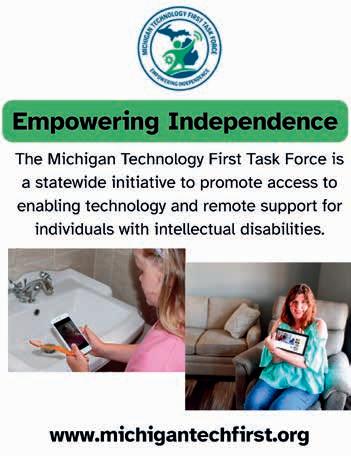
IN 40 STATES, individuals with intellectual disabilities have access to enabling technology through their Medicaid waivers. These technologies complement natural and traditional supports to enhance independence among individuals with intellectual disabilities while also reducing dependence on direct caregivers amid a nationwide shortage. Michigan is one of only 10 states that does not have any public funding for enabling technology. That is why a grassroots group of community stakeholders called the Michigan Technology First Task Force is working to change that by bringing Technology First to Michigan.
Funded through a grant from the Michigan Health Endowment Fund, the Michigan Technology First Task Force was established in January 2025 to research and recommend strategies to integrate enabling technology and remote support for individuals with disabilities in Michigan.
The Task Force includes diverse stakeholders from across the State, including self-advocates, parent advocates, representatives from service providers, advocacy organizations, technology experts, and representatives from the business and philanthropic communities. Over the last year and a half, the Task Force has been studying how Technology First has been implemented in other states, working with state officials to determine how Michigan’s public mental health system could incorporate Technology First, and identifying best practices that could be applied to implement Technology First in Michigan.
The Task Force consists of four committees. The Medicaid Committee is making recommendations for waiver and policy changes to incorporate Techology First. The Technology Committee is working on identifying the infrastructure changes needed to incorporate technology, how to integrate technology into person-centered planning, and recommendations regarding technology itself. The Communications, Education and Training Committee is writing the plan for educating stakeholders, training professionals and raising overall awareness. Finally, the Strategy Committee is responsible for pulling it all together in a coherent strategy to make adoption possible.
By the end of this year, the Task Force will complete a blueprint for integrating Technology First into Michigan’s
system of support for individuals with intellectual disabilities. This report will be delivered to the Michigan Department of Health and Human Services and state legislature with the ultimate goal of creating a sustainable, state-wide program that supports independent living through technology.
If you are interested in learning more about the work of the Michigan Technology First Task Force and how you can get involved, visit our website at www.michigantechfirst.org.
STEP in the kitchen: Building Skills, Confidence, and Careers
BY: ALYSON STAUDER, CULINARY PROGRAMS MANAGER
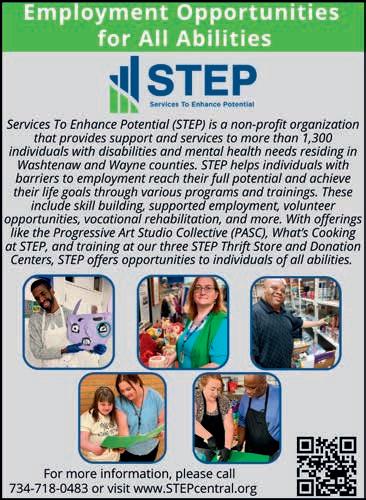
AT SERVICES TO ENHANCE POTENTIAL (STEP), building confidence is at the heart of everything we do - confidence opens doors, both personally and professionally.
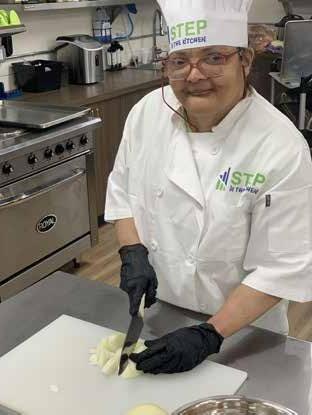
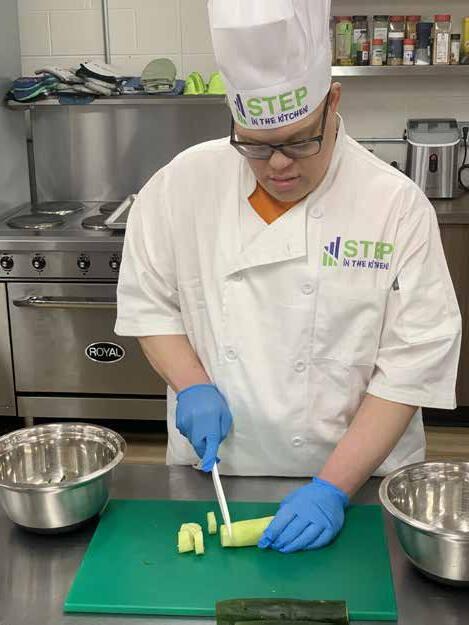
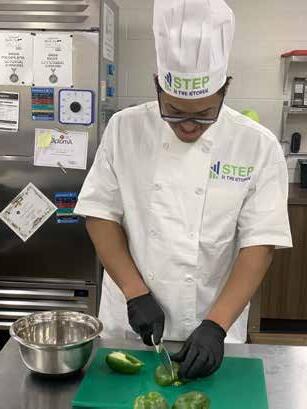
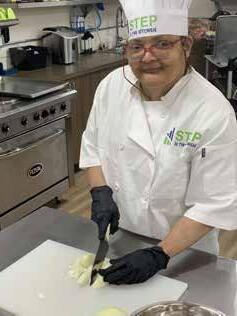
While many in the community are familiar with our kitchen classrooms in Westland and Detroit, where members participate in hands-on cooking classes five days a week, there’s even more happening behind the scenes. It’s not just about making a meal for the day - it’s about preparing individuals for employment in the food service industry and more. As the program continues to grow, we’re expanding opportunities across all four STEP resource center locations, giving more members access to hands-on job readiness training using the Restaurant Ready curriculum from the National Restaurant Association Educational Foundation.
The Restaurant Ready cohort experience emphasizes commitment, with members attending classes twice a week - mirroring the typical part-time work schedule many of our members will start with in the community. In addition, they focus on essential workplace skills that help individuals secure and succeed in employment. Participants build habits like punctuality, professional presentation, teamwork, and effective communication - skills that employers consistently value.
Food safety is also a key component of the program, especially when participants STEP in the kitchen classrooms. By integrating ServSafe Food Handler training, participants gain the knowledge needed to work safely in a kitchen. Many participants take their learning beyond the classroom, practicing skills at home and preparing for certification exams, further building independence and self-assurance. To ensure accessibility, STEP staff became certified proctors, removing barriers and helping members earn a nationally recognized credential with confidence.
The impact has been remarkable. Nearly half of STEP’s first cohort secured employment before completing the program. Others continue exploring career opportunities or maintaining employment, often returning to classes to stay connected and keep growing. Their journeys reflect the lasting sense of community and support that defines STEP.
In addition to classroom learning, STEP gives participants hands-on exposure to a variety of real-world kitchen environments. Guided tours of fast casual restaurants, bakeries, catering operations, and full-service kitchens allow members to experience differences in pace, layout, noise, and workflow, helping them discover which settings match their strengths and interests. These experiences compliment classroom training, giving participants a clearer picture of potential career paths in the culinary field.
To expand these opportunities, Alyson Stauder, Culinary Programs Manager, is seeking Metro Detroit employment partners willing to host group tours or visit classrooms to share industry insights and expectations. These collaborations further support participants’ career readiness while strengthening connections between our members and local culinary employers.
Interested in getting involved? Contact Alyson Stauder via email astauder@stepcentral.org or by phone, at (734) 722-1000 ext. 1636.
offer adults and children living with disabilities the opportunity to explore the visual arts in an inspiring and innovative environment. Our artists work in a variety of mediums, including painting, drawing, ceramics, ber arts, encaustic, and more. We offer weekly classes and workshops onsite and offsite, plus opportunities to exhibit and sell artwork throughout the community.
to schedule a tour or try out a class.
“Extraordinary Jordyn and Her Bionic Ears” by Jasmine Simmons
BY REBECCA PARTEN
“EXTRAORDINARY JORDYN and Her Bionic Ears” by Jasmine Simmons is a short picture book featuring a little girl who wears hearing aids. It is part of a series of books called The Usher Syndrome Series. Based on the title of the book I thought there would be a more emphasis on how the hearing aids work but this wasn’t the case. Instead, while Jordyn’s hearing loss is definitely addressed, the overall theme of the story is about loving yourself and treating other people with kindness.
At the end of the book there are also 5 tips for teaching kids about disability. They are short, practical suggestions which is great.
Style-wise, I liked the illustrations. They feature characters of varying skin tones, hair textures and ages. The text does seem small though. Unfortunately this seems to be a common theme among picture books.
In general I think this is a good book for all kids- it could help spark some very important conversations!
NEXT MONTH
I’ll be reviewing “Owning It: Our disabled childhoods in our own words” by Sophie Kamlish.
Supporting Siblings of Children With Autism
BY EMILY CRANE
Raising a child with autism affects the whole family in both positive and challenging ways. Much of your attention naturally goes toward caring for your child on the spectrum, but siblings may also experience their own challenges navigating their often complex world. With planning and intentional communication, you can better balance the needs, time and attention of all your children.
Sibling Stress
Studies show siblings of children with autism tend to face more social and emotional challenges than those with nonautistic siblings. These may include:
• Embarrassment in social situations when a sibling displays certain behaviors
• Jealousy due to differences in parental attention
• Exposure to aggressive behaviors
• Anxiety from limited understanding of autism or feeling responsible
• Pressure to compensate for their sibling’s challenges It’s common for parents to feel discouraged or guilty when they recognize these difficulties. While it’s important to remember that you are doing your best, we want to share eight strategies that may help you in supporting your neurotypical children.
Supporting Siblings of Children with Autism
1. Tune In
Recognize how your child may be feeling. Pay attention to their reactions during difficult moments and family interactions. Understanding concepts like “glass child syndrome” can help you identify emotions and behaviors and open the door to problem-solving.
2. Communicate
Talk about autism openly and in an age-appropriate way. Encourage your children to ask questions and express difficult feelings. Ongoing, honest communication helps siblings feel included and informed.
3. Plan
Because your child with autism may require more of your time, it’s especially important to intentionally plan consistent
one-on-one time with your other children. Doing activities they enjoy helps them feel seen and valued.
4. Set Boundaries
While siblings may occasionally help care for their brother or sister, avoid placing too much responsibility on them. Work together to set boundaries and create a plan for when they feel overwhelmed. Also prioritize safe spaces. If aggressive behaviors occur, teach your child how to respond and ensure they have areas where their belongings and personal space are respected.
5. Involve Siblings in ABA Therapy
If your child attends ABA therapy, consider asking if siblings can participate in some sessions. This can provide them with tools, perspective, and a better understanding of their sibling
6. Foster Individuality
Encourage your child to explore their own interests. Supporting their hobbies builds confidence and reinforces their identity outside of being a sibling to a child with autism.
7. Utilize Outside Support
Connecting with others in similar situations can be validating. Support groups allow siblings to process their experiences and feel less alone, while friendships with peers who understand them can foster belonging.
Benefits of Having a Sibling on the Spectrum
Challenges can foster growth. Siblings of children with autism often develop empathy, patience, and compassion. They also gain unique perspectives and develop maturity, leadership, and resilience.
Keep in mind that how you respond to your child’s diagnosis will influence how your other children respond. By modeling positivity, you can help your family focus on joy alongside challenges. Amidst it all, siblings of children with autism are truly rockstars in life.
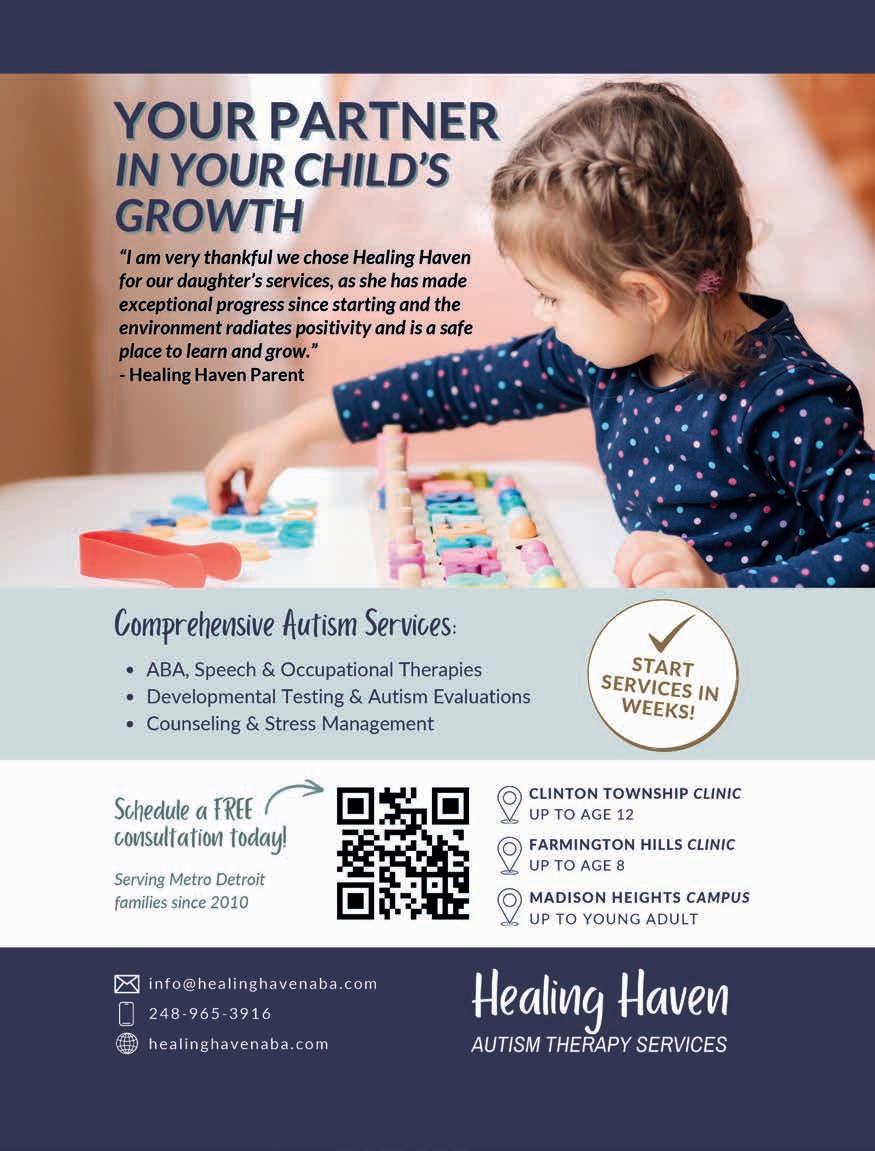
To learn more about Healing Haven’s comprehensive services—ABA, Speech and Occupational Therapies, Autism Evaluations & Testing, and Counseling—visit healinghavenaba.com.
Prince in the WILDERNESS
An Easter Story
BY CALEB BANKS, STORY TELLER; AMY E. MARTIN-BETZOLD, WRITER, REVIEW BY THOMAS ANDERSON EDITOR IN CHIEF OF LITERARY TITAN
Prince in the Wilderness is a work of Christian historical fiction, and it reads like an Easter story told around a fire, with Scripture, family memory, and frontier life all braided together. Set in 1846 Indiana, it follows Laurent Fontaine, a young man standing between boyhood and adulthood, as he moves through the demands of family, faith, wilderness, and first love. Around him, the novel builds a full household world: his mother and father, his younger sisters, the rhythms of trapping
and homesteading, and a deep sense that the natural world is not just background but part of the book’s spiritual language. I enjoyed the book’s warmth. It’s earnest in a way that can feel rare now. The family scenes are where it really comes alive. The joking between Laurent and his sisters, the meals, the storytelling, the small household rituals, all of that gives the novel its pulse. I also liked how much the authors trust the domestic details. Food, chores, baths, tools, prayer, reading aloud, all of it matters. That gives the story weight.
The prose is very rich. Still, I never doubted the sincerity behind it. The book knows exactly the kind of world it wants to build, and it commits.
I found the authorial choices interesting too, especially the way faith is not tucked into the corners but placed right at the center. This isn’t a novel that nods vaguely toward belief. It’s openly shaped by Christian conviction, and the wilderness becomes both a physical place and a spiritual testing ground. That worked for me more often than not because the book is at its best when it lets those ideas arise through character and scene rather than explanation. Laurent’s sense of responsibility, his tenderness toward his sisters, and the family’s conversations about protection, obedience, gender, and calling give the story something to wrestle with. I didn’t agree with every idea, but I respected that the book is honest about what it believes and lets those beliefs shape the stakes.
The book reminded me a little of Janette Oke’s work, especially Love Comes Softly, because it shares that same gentle Christian historical fiction tone, where faith, family, and everyday frontier life matter as much as plot. There is also a touch of Laura Ingalls Wilder in the attention to household rhythms and the feel of the natural world, though Prince in the Wilderness is more openly devotional.
I came away feeling that this book will mean the most to readers who enjoy faith-forward historical fiction with a strong family core, a coming-of-age thread, and a frontier setting that feels lived in rather than decorative. People who like their fiction reflective, morally serious, and rooted in Christian themes will probably find a lot to appreciate here. For those who want an intimate, heartfelt Christian historical story with frontier texture and a sincere spiritual center, Prince in the Wilderness has a steady, generous pull.
ENJOY THE FIRST BOOK IN THE SERIES:
• Crossroads Holiday Series - Book One
• The Gypsy King - A Christmas Story
Springhill Pooled Accounts Trust is a trusted advocate in the special needs community. As professional trust administrators, we manage your assets, distribute funds for discretionary expenses, and help maintain your public benefits eligibility.
We take the time to understand beneficiaries' specific needs to determine if our trust is the best option for their long-term goals.
• Unparalleled Client Advocacy
• Assistance Maintaining Public Benefits
• Professional Asset Management
When AAC Isn’t Optional: WHAT SCHOOLS MUST DO FOR NONVERBAL STUDENTS
BY MARIA GIANCOTTI, M.ED. - STUDENT ADVOCACY MICHIGAN
FOR STUDENTS WHO are nonverbal or minimally verbal, an Augmentative and Alternative Communication (AAC) device is not a luxury, it is access. Access to communication, learning, relationships, and ultimately a Free Appropriate Public Education (FAPE). Yet, far too often, I see AAC devices underutilized, inconsistently implemented, or treated as an “extra” rather than an essential part of a student’s educational program.
Let’s be clear: under the Individuals with Disabilities Education Act (IDEA), communication is a foundational need. Schools are required to consider assistive technology for every child with an IEP (34 CFR §300.324(a)(2)(v)). If a student requires an AAC device to communicate, that device, and the services and supports tied to it, must be provided to ensure meaningful educational progress.
Additionally, IDEA requires that IEP teams consider the communication needs of the child, and for students who are deaf or hard of hearing, it goes even further. However, for nonverbal students with autism, developmental disabilities, or other communication challenges, this requirement is just as critical. If a student cannot effectively express wants, needs, knowledge, or emotions without AAC, then the device becomes a necessary component of FAPE, not an optional support.
What Should AAC Implementation Actually Look Like?
An AAC device should be integrated throughout the student’s entire day, not limited to speech therapy sessions or specific “communication times.” Communication does not happen in a vacuum, and neither should AAC use. Best practice includes:
Consistent access: The device should be with the student at all times, charged, and available across all environments, classroom, specials, lunch, recess, and transitions.
Aided language modeling: Staff should actively model language on the device while they speak, demonstrating how to use it in real-time communication. This is how students learn to use AAC effectively.
Trained staff: Teachers, paraprofessionals, and related service providers must be trained in the specific AAC system the student uses. Without training, implementation fidelity breaks down.
Opportunities for use: Students should be given meaningful opportunities to communicate using their device throughout the day, not just prompted responses, but authentic interactions.
When these elements are missing, the device becomes little more than a tool sitting on a desk rather than a bridge to communication.
AAC and the IEP: It Must Be Written In
If AAC is necessary, it must be clearly reflected in the IEP. This can include:
• Assistive technology services and supports (34 CFR §300.105)
• Speech and language goals targeting functional communication
• Supplementary aids and services, including staff support for device use
• Training for staff and, when appropriate, parents
IEP goals can, and should, address AAC use. For example, goals may target increasing independent communication, expanding vocabulary use, initiating interactions, or combining words/ symbols for more complex expression. Importantly, the law also requires that services be based on peer-reviewed research to the extent practicable (34 CFR §300.320(a)(4)). AAC is widely supported by research as an effective communication intervention, particularly when paired with consistent modeling and multimodal strategies.
The Power of Multimodal Communication
AAC does not replace other forms of communication, it enhances them. Students should be encouraged to use multimodal communication, which may include gestures, vocalizations, sign language, facial expressions, and their AAC device.
There is a common myth that AAC will prevent a child from developing verbal speech. Research consistently shows the opposite: AAC often supports and increases speech development when appropriate. The goal is not to limit communication to one method, but to expand a student’s ability to express themselves in whatever way is most effective.
• There are no goals tied to communication
• Or your child is not making meaningful progress
These are red flags. The issue is often not the device, it’s the lack of proper implementation, training, and accountability. Schools have a legal obligation to ensure that supports like AAC are not only provided but effectively used. When they are not, the student is denied meaningful access to their education.
Final Thoughts
AAC is not just about communication, it is about autonomy, dignity, and access to learning. When implemented correctly, it can be life-changing for students and their families. But it requires intentional planning, proper training, and consistent use across environments.
If you are struggling to get appropriate AAC supports in your child’s IEP or feel that the device is not being implemented effectively, you don’t have to navigate this alone.
Student Advocacy Michigan offers paid advocacy services to help families understand their rights and secure appropriate supports for their children.
You can contact us at 248-372-9770 or visit www.studentadvocacymi.com for more information.
experienced advocates are
ensuring every child receives the support they deserve. We will be by your side every step of the way.
When Things Aren’t Working
If your child has an AAC device but:
• It stays in their backpack
• Staff don’t know how to use it
This section is here to give our readers easier access when searching for a trusted neighborhood partner to use. Get to know the businesses that make this magazine possible. Please support them in return and thank them if you get the chance!
My Relationships Project (313) 489-0043 www.myrelationshipsproject.com
Special Needs Trust
Springhill Pooled Accounts Trust (248) 269-1319 springhillpooledtrust.org
Summer Camps & Programs
North Star Reach (734) 680-8744 www.northstarreach.org
In the spring of 1977, Rick told his father that he wanted to participate in a 5-mile benefit run for a Lacrosse player who had been paralyzed in an accident. Far from being a long-distance runner, Dick agreed to push Rick in his wheelchair, and they finished all 5 miles, coming in next to last. That night, Rick told his father, “Dad, when I’m running, it feels like I’m not handicapped.”
AGAPE THE PROJECT™
MVHCT Heroic Walk, Run & Roll Saturday, June 6, 2025, 5K in Chesterfield
Escape to Belle Isle supporting RMHC Detroit Saturday, July 18, 5K & 10K on Belle Isle
Sterling Fast Saturday, July 25, 5K in Sterling Heights
Growler Gallop Sunday, September 27, 5K in Detroit (Atwater Brewery)
Kona Chocolate Run Sunday, November 8, 5K on Belle Isle
9151 Currency St. Irving, TX 75063
Celebrating the Disability Community in Detroit Metro counties