Expert Advice
Health

Financial Services
Transitions

Q: What small heart-healthy habits can make a big difference after 60?
A: February is American Heart Month, a reminder that it is never too late to care for your heart. Daily physical activity and stretching help keep the heart strong and support balance and mobility. Choosing heart-healthy foods, limiting sodium and staying hydrated can improve blood pressure and cholesterol. Managing stress, getting quality sleep, having regular checkups with your doctor and taking medications as prescribed also play a key role in preventing heart disease. You do not need to make drastic changes to see benefits. Focus on progress, not perfection, and talk with your doctor about small steps to support a healthier heart at any age.
Primary care is where prevention starts. To find a doctor, visit bronsonhealth.com/findadoc.
Bronson Healthcare
Roofing
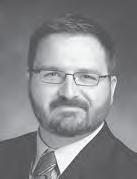
Justin Reynolds Manager
Q: Should we be concerned about the amount of snow and ice accumulating on our roof?
A: Since the first week of January, our total amount of snowfall has been significant. Since the weight of snow and ice is substantial, we recommend removing as much of the snow and ice as possible. However, safety should be your foremost concern. Emergency room personnel can tell you many stories of unfortunate homeowners injured while climbing a ladder or getting onto their roofs to remove snow and ice. Therefore, we recommend purchasing a ‘snow rake’, a long handled shoveling device, designed to pull snow and ice off the roof while you stand safely on the ground. Please be aware, however, since a snow rake is made from aluminum, you must kept it away from any electrical power lines on your roof.
Sherriff-Goslin Roofing Co. Since 1906 342-0153 800-950-1906
Member Home Builders Association of Greater Kalamazoo
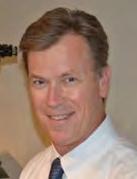
Chuck Henrich President & Owner
Q: Do I need a budget for retirement?
A: A budget is a necessary item to have BEFORE you actually retire. First, having a budget will show you where you are spending your money TODAY and help you see what expenses might disappear once you are retired.
Second, you need to know how much money you will need each month in retirement to live your retirement lifestyle. Without knowing this information, how will you know how much income you’ll need each and every month for the rest of your life?
We can help you figure out these two very important numbers and help you put together your own retirement income plan and budget.
Southwest Michigan Financial, LLC
The Atriums • 4341 S. Westnedge #1201 Kalamazoo, MI 269-323-7964
Health Food

Q: Tell me about Café ’36
A: Located on the second floor above Sawall Health Foods , Café 36 uses natural and organic ingredients in preparing flavorful and exotic selections like Blackened Salmon with Blistered Tomato Rice, Asparagus, and Bleu Crea and Pork Secreto with Chimichurri rice, grilled fennel and charred lemon! There are wonderful pasta dishes including: Bolognese, Cavatelli and creative pizzas such as the Bambini, Margherita, Crudo and Vegano. Organic salads, with produce from local farmers, include Kale Caesar and Spinach & Arugula.
There are 20 wines, organic craft beers and hand-crafted cocktails that compliment any meal. After dinner, delicious desserts include Amorino Gelato and Sorbetto, Eton Mess -- English whipped double cream, house-made Meringue, red berry Chambord coulis, Amorino Gelato, and Seasonal New York Cheesecake. Café 36 is very popular with Sawall customers looking for a healthy place to eat. Check out the new fall Café 36 menu! Café ’36 Wed—Sat 5-9pm 501-3399
Sawall
Health Foods
Oakwood Plaza • 2965 Oakland Dr. at Whites Rd. • 343-3619 • www.sawallhf.com
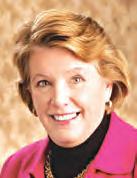
Q: May I still travel if I live in an independent living community?
A: Many residents continue to travel after moving into senior living. In fact, some communities provide discounts on monthly service fees if you intend on traveling for a month or more. Contact your community’s resident liaison or other staff member to understand your community’s policies on travel.
Friendship Village
“Where Connections Matter” 1400 North Drake, Kalamazoo 269-381-0560 www.friendshipvillagemi.com
Funeral Services

Q: What is the relevance of food and meals with funerals?
A: Food has deep, quiet relevance in funerals—emotionally, culturally, and practically. It’s one of those things people don’t always articulate, but everyone feels.
Grief is physically exhausting. People forget to eat, feel ungrounded, and are emotionally drained. Food offers basic care—a way of saying “You’re safe. You’re being looked after.” Even a simple sandwich or cup of coffee can be helpful.
Sharing food brings people together when words fall short. Sitting around a table allows quiet conversation, shared memories, a sense of togetherness and it turns grief from something you carry alone into something held by a group. Our locations each have reception areas to provide your family with a location to share a meal after your services. Compassionate care, meaningful memories
Adams - Redmond Funeral Homes & Cremation Services and Adams Funeral Homes & Cremation Services
3 locations to serve you
269.343.6156 Kalamazoo
269.349.7735 Parchment
269.657.6347 Paw Paw www.adamsredmond.com www.adamspawpaw.com
Mark Sawall Owner
Diana Duncan Director of Sales and Marketing
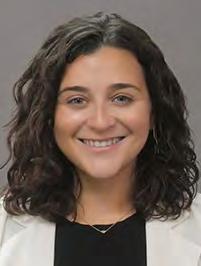
Emily Ruimveld, NP
Bronson Cardiothoracic Surgery Specialists
Kyle Kutlik
A Question of Time and Space
I read of the recent passing of Erich von Däniken, author of Chariots of the Gods, the book that introduced the idea that ancient Earth established contact with aliens.
I was always fascinated by Big Foot, the Loch Ness Monster, flying saucers and other phenomena along this line that seemed to be everywhere in the early 1970’s.
Two of my favorite TV shows were Twilight Zone, and Night Gallery, that blended science fiction, fantasy and fantastic strange stories.
My grandfather, Sam Harmon, loved this stuff as well, and he gave me copies of Fate Magazine, books about the mystic, Edgar Cayce and Chariots of the Gods. He didn’t try to convince me of anything, but wanted me to think and be aware of other possible things out there, just beyond our sight or view
cigarettes, which were prone to theft) and he would sometimes ask if I would like him to ride with me for safety and company.
While driving down I-75 during rush hour traffic towards Detroit, he would ask a question like, “Steve, how do you think dogs can hear sounds and high-pitched whistles that we can’t hear? Can they hear other things out there in space?”

I had a job where I was required to drive around the Detroit area, delivering drugstore supplies (this also included large cases of
A favorite conversation was discussing time and space. He would ask, “If you point your finger into space, how can it go on forever, millions and millions of miles past anything we can see or ever remotely know about?”
Another question he asked was, “Has time gone on forever and will it continue to go on forever. His thoughtprovoking questions and the idea of infinity was a lot for a 17 year old to comprehend, but made me think.
Years later, I read Stephen Hawking’s, A Brief History of Time and Space, that discussed some of these same, very complex ideas (black holes, anti-matter, etc) that he put in layman’s terms.
Chariots of the Gods was not on the level of Stephen Hawking, Isaac Asimov or other
great scientists of the time. In fact, most scientists thought von Däniken was a crack pot. But the general public ate it up, and at the time, so did I.
With little evidence , he proclaimed that the Egyptian pyramids could have been built only with alien help. The statues on Easter Island, Mr. von Däniken declared, were built as a way to honor the supreme beings who had come down from outer space to land on the remote island in the Pacific.
Even though many in the educational and scientific world continued to scoff, Mr. von Däniken continued to pump out books and eventually sold over 77,000,000 copies.
Even Braniff Airlines, jumped on the bandwagon by offering, for about $8,000, 15-day pilgrimages to South America, allowing fans to visit some of the sites that Mr. von Däniken wrote about in his books.
Eric von Däniken has passed, but his legacy lives on today in many books, movies and TV shows like Stranger Things with The Demogorgon, a creature hailing from a parallel dimension.

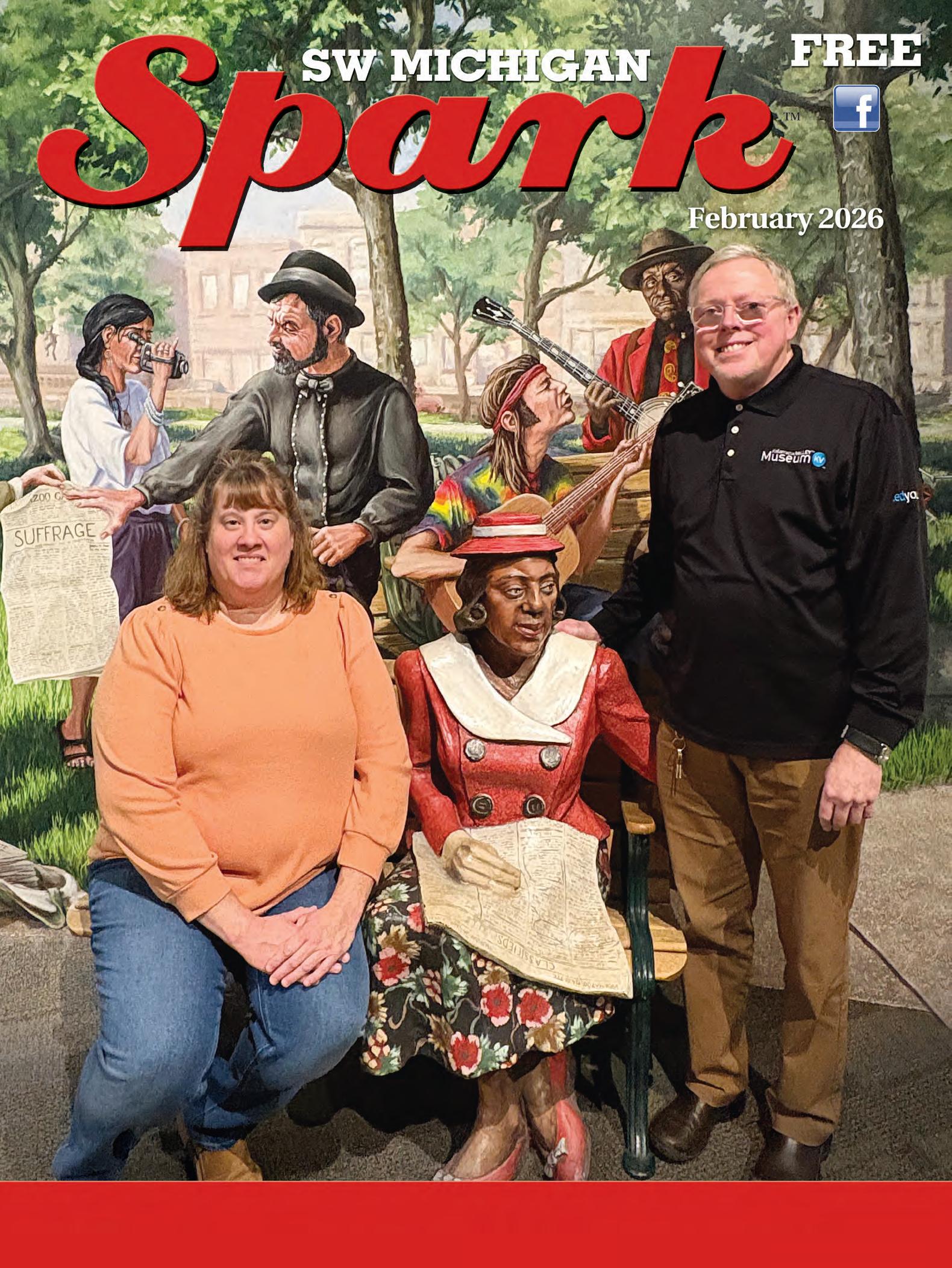
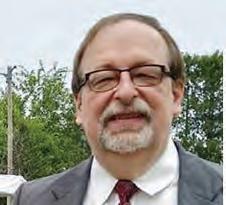
Julie Bunke and Bill McElhone at the Kalamazoo Valley Museum.
Photo by Steve Ellis
To the departed, with gratitude
Lee A. Dean screendoor @sbcglobal.net
Every year when writing my column in tribute to famous people who have died in the previous year, I try to come up with a theme to tie all their lives together. This year, I write with an overwhelming sense of gratitude to these who have enriched my life and the lives of many others.
Every time I think of Jimmy Carter, the phrase “blessed are the peacemakers” comes to mind. As president, his greatest accomplishment was the seeming impossible task of engineering peace between Israel and Egypt. After his presidency he built Habitat for Humanity houses and eradicated a deadly disease in Africa, among other accomplishments. Thank you, Mr. President, for making the world a better place.
The first three faces on my music Mount Rushmore are Beethoven, Ellington, and Hank Sr. The fourth is Brian Wilson, the creator of beautiful harmonies and uniquely crafted albums. My wife, the Viking Goddess, gave me a sublime birthday gift of tickets to see Brian and his crack-
erjack band play the best album ever made, the Beach Boys’ “Pet Sounds.” Thanks for all the good vibrations. The music of Sly Stone was the sound of my high school years. One day during lunch, one of the older guys sat behind a drum kit and was laying down a deadly serious groove to accompany a 45 record called “Sing A Simple Song.” That’s still my favorite Sly and the Family Stone song among many gems that still sound fresh today. Thanks for taking us higher.
Two of our greatest singers will live on in their recordings. Sam Moore, the Sam of Sam and Dave, sang with stirring power and emotion. Find his recording of “I Can’t Stand Up For Falling Down” and fasten your seat belt. Raul Malo, leader of the Mavericks, had a voice that burrowed into your soul. Need a lift? Dial up The Mavs’ “Dance the Night Away” and you’ll feel better in no time. Thanks, gentlemen, for your heavenly voices.
No one had more impact on sports entertainment than Hulk Hogan. I like other grapplers better, but no one can deny that the Hulkster was the biggest celebrity of any pro wrestler in history. Thanks for the always-
good advice to say our prayers and eat our vitamins.
George Foreman was fearsome in the ring but charming outside of the squared circle. He boxed far longer than normal while succeeding as a businessman with his George Foreman grills. His assets: a huge right hand and a championship attitude. “If it’s not positive, I didn’t hear it,” he liked to say. That’s how winners think. Big George, I appreciate your power and grace.
Ryne Sandberg was pure class on and off the field. He was to the Cubs what Al Kaline was to the Tigers: a no-frills, immensely talented, team player. After each of his 282 home runs, he took the same approach: “Put your head down, drop the bat, and run around the bases, because the name on the front is a lot more important than the name on the back.” Ryno, those of us who bleed Cubbie blue are in your debt.
Mr. Baseball, Bob Uecker, was no great shakes as a player, But as an announcer, author, and storyteller, his quick wit was Hall of Fame caliber. “You know how to catch a knuckleball?” he once asked Johnny Carson. “Wait until it stops rolling
and pick it up.” Baseball has more memorable characters than any other sport, and none more so than Uecker. Thanks for the laughs, good sir.
How unfair and unfortunate that Rob Reiner had to pass in the way he did, allegedly murdered by his own son. Our family watched “All In the Family” every week. For the rest of the week, my dad and I played the roles of Archie and the Meathead. Guess which one I was? Then Reiner gave the world three of my favorite movies, “This Is Spinal Tap,” “Stand By Me,” and especially “The Princess Bride.” Thank you for amps that go up to 11.
From the farm to outer space, June Lockhart was America’s favorite TV mom. She held the household together on “Lassie,” keeping tabs on a husband, a son, and a loyal collie. Then she held the Robinson family and crew together in “Lost In Space.” In each role, she kept her cool and maintained her dignity, although in the latter series I wish she would have conked Dr. Smith on the head with a 2-by-4. Thanks for being such a sweet and wise mom.




SOUTHWEST MICHIGAN LAND CONSERVANCY
Beneath the Snow
There’s been another winter storm and the world is covered in fresh snow, pristine and untouched. Nothing seems to move – or does it? The snow hides a secret, a place called the “subnivean zone” where life goes on no matter what’s happening weather-wise up top.
It may sound strange, but snow keeps soil warmer than bare winter ground. It provides good insulation because the pointy star shapes of fresh snowflakes keep them slightly apart from each other, making teensy air pockets – kind of like the fluff inside a down jacket. “Subnivean zone” is the scientific name for the ground-level place under snow where conditions stay moist and relatively warm (32 degrees), a stable micro-habitat for small critters.
It’s a busy scene. Small animals like mice, shrews, and voles (sometimes called field mice) dig tunnels through the snow, making elaborate networks complete with peepholes and air vents. They look for seeds and fungi, stashing any extra food they find in caches, and gather dry dead grass for cozy nests, often in spaces under branches or logs.
The tiny critters freely go about their business in the subnivean zone – but they’re not completely safe. Predators like owls, foxes, and coyotes can hear the tiny squeaks and scampers coming from under the snow with their incredibly sharp ears
and are very good at catching their prey, even when they can’t see it. Every now and then, you may find the imprint of an owl’s wings and feet in the snow where they nailed a mouse.
If the snow is light, you can often see these tunnels in open areas as slightly raised ridges zigzagging across the surface. During thaws, melting snow exposes them and you can sometimes find small piles of stored maple seeds and other critter foods.
A great place to look for signs of life in the subnivean zone is at one of Southwest Michigan Land Conservancy’s 18 public nature preserves. They’re open for everyone from dawn to dusk everyday with no admission fees. Find out more on our website: https://swmlc.org/public-naturepreserves/


Crunch Time!
By Laura Kurella
Since February 3rd is National Carrot Cake Day I thought, “Why not celebrate Carrot Cake all month long?”
Sweet, dense, and moist, carrot cake is a pretty amazing food, so celebrating this dessert’s journey should last longer than one day!
From medieval sugar substitute to a beloved American classic, I was surprised to learn that this cake originally came to us during the Middle Ages, which was during a time when sugar and other sweeteners were scarce. Carrots were added to cakes and puddings to help provide them their natural sweetness.
It was because of their sweetness that carrots continuing to be used throughout the ages, and the idea traveled with settlers to early America. Likewise, carrot cake saw a huge surge in popu-
larity during WWII sugar rationing, making carrots, and the cake they made, a very popular economical treat!
Post war American bakers helped cause a further bump in its popularity when American cream cheese came along in the1960s. Pairing perfectly in both flavors and textures, this pairing ultimately cemented the status of this now very classic and well-loved dessert!
Celebrating the ingenious, centuries-long evolution of a vegetable-based dessert into a cultural phenomenon, I think it’s awesome that a unique cake that blends the wholesome ingredients of carrots into an incredible treat is also very easy to make at home.
Here now is very delicious way to celebrate its incredible goodness any day you like. Enjoy!
Laura Kurella is an award-winning home cook who loves to share recipes from her Michigan kitchen. She welcomes comments at laurakurella@yahoo.com.

Incredible Carrot Cake
CAKE
2 large eggs
1 cup plain Greek yogurt
1/3 cup mild oil (avocado, canola, or light olive oil)
1/3 cup pure maple syrup or honey
1/2 cup milk of choice
1 tablespoon pure vanilla extract
2 cups all-purpose flour
1 tablespoon cinnamon
2 teaspoon baking powder
1 teaspoon baking soda
1/2 teaspoon sea salt
2 cups finely grated carrots
Mix-ins (optional):
1/2 cup unsweetened coconut flakes
1/2 cup drained crushed pineapple
1 cup chopped walnuts or pecans (toasted)
FROSTING (optional)
8-ounces Neufchatel (or cream) cheese
1/4 cup plain Greek yogurt
1/4 cup maple syrup or honey
1 teaspoon pure vanilla extract
Garnish(Optional): Crushed pistachios
Preheat your oven to 350 degrees. Spray a 9x13-inch baking dish with cooking spray.
In a large bowl, whisk together the eggs, Greek yogurt, oil, maple syrup/ honey, milk, and vanilla extract until well combined.
In a separate medium bowl, whisk together the flour, cinnamon, baking powder, baking soda, and salt.
Add the dry ingredients to the wet mixture and stir gently until just combined; do not over mix.
Gently fold in the grated carrots and any optional mix-ins (nuts, coconut, pineapple).
Pour the batter into the prepared baking dish and spread evenly. Bake for about 40 minutes, or until a toothpick inserted into the center comes out clean.
Let the cake cool completely on a wire rack before frosting.
To Make Frosting: In a medium bowl, beat the softened cream cheese, Greek yogurt, maple syrup/honey, and vanilla extract with an electric mixer until smooth and fluffy.
Spread the frosting evenly over the cooled cake and garnish with extra nuts or coconut flakes, if desired.

For many years, local manufacturers stamped the “Kalamazoo” brand name on a variety of consumer goods, from trucks and sleds to stoves and guitars. Meanwhile, other products, perhaps not-so-well-known to the average consumer, became famous within their respective industries. One example was The Star Brass Works, manufacturers of, among other things, “Kalamazoo Trolley Wheels and Harps,” devices used to connect streetcars to overhead electrical lines.
The Star Brass Works
by Keith Howard, Kalamazoo Public Library
In 1895, Detroit-based manufacturers Frederick P. Crockett and Osro Prentiss Johnson opened a small brass foundry on North Church Street in Kalamazoo. Their business grew rapidly, especially after they devised a method to make trolley wheels and harps that were seemingly superior to most others on the market.
The firm was incorporated in September 1898, and the factory was moved to a larger facility at the corner of North Church Street and West Willard, next to the Michigan Central Railroad tracks. The Star Brass Works soon became one of the largest such manufacturers in the country. Their closely guarded trade secret was a unique alloy, resulting in a brass wheel that was extremely conductive to electricity yet was
remarkably resistant to wear.
By 1903, Crockett and Johnson had been granted patents for their designs.
Star Brass Works components were being used by more than 300 streetcar companies by then, helping power some 28,000 electric streetcars nationwide. By 1908, the company was touted as “the largest exclusive trolley wheel makers in the world.”
kept growing, despite the overall decline in the street railway industry. In 1913, the company acquired the former Ford Buggy Company property and moved its operation to Fulford Street next to the Grand Rapids & Indiana Railway line.
During the 1920s and 1930s, Star Brass Works manufactured tone rings for the Gibson company’s popular prewar Mastertone banjos. Aficionados often credit these tone rings for the Gibson’s unique sound. A third building was added in 1941, but sales dropped steadily after World War II. The company declared bankruptcy in 1954 and was consolidated as SBW, Inc. The firm ultimately closed its doors in December 1961.

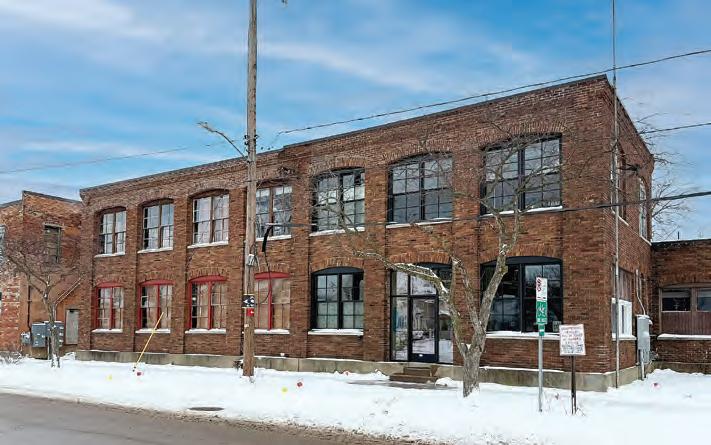
Today, the former Star Brass Works buildings on Fulford Street have been renovated and repurposed as Jerico, “a community of creative entrepreneurs, makers and artists.” The complex currently houses 23 individual and shared spaces, including artist studios, a coffee shop, music and video production studios, and The Clover Room performance space.
As time went on, Star Brass Works diversified and
More at kpl.gov





Following 2024’s Kinds of Kindness and Poor Things (2023), which significantly netted a quartet of Oscars. Subversive and sharp, Bugonia, is a retelling of Jang Joon-hwan’s Save the Green Planet! (2003) punched up for modern sensibilities. Stone plays Michelle Fuller, a billionaire pharma CEO who has drawn the attention of a pair of traumatized apiarists (Jesse Plemons and newcomer Aidan Delbis), who believe she is secretly alien royalty from the Andromeda galaxy sent to Earth to pave the way for invasion. Teddy (Plemons) is the true believer of the two, having carefully crafted his assertions after digesting hundreds of hours of conspiracy podcasts and YouTube videos. His cousin Don (Delbis) is along for the ride, reluctantly deferring to Teddy on matters of kidnapping and chemical castration. Successfully bumbling their way through a daring daytime abduction, they chain Fuller in their basement and shave her head so she cannot use her hair to communicate with the mothership (duh). With only three days until the next lunar eclipse, Teddy must compel her to confess her cosmic sins and arrange for them all to be taken aboard the ship to negotiate peace between worlds... unless, of course, Teddy’s thesis turns out to be flawed. – Submitted by Patrick J.
The Last Showgirl (2024)

Stories of people who dedicated decades of their working life to one vocation, only to see that work disappear, have long been common. Director Gia Coppola’s 2024 film The Last Showgirl explores the story of Las Vegas revue dancer Shelly (played by Pamela Anderson with fierce honesty) who, after 35 years of performing in the same troupe, gets two weeks’ notice that the revue will be closing for good. Revue members have become like family - younger dancers (a practical Brenda Song and a guileless Kiernan Shipka) see Shelly as a mother figure; former revue dancer Annette
Movie Reviews
Shelly for camaraderie and confidence; stage manager Eddie (an understated Dave Bautista) maintains a guarded friendship with Shelly, which suggests a personal history neither needs to discuss. Shelly’s uneasy attempts at reconciliation with her estranged daughter Hannah (a clear-eyed Billie Lourd) coincide with her struggles to figure out what to do next, in an age when the classic Las Vegas showgirl revue has become obsolete (screenwriter Kate Gersten spent time observing such a revue during its final days in the mid-2010s). Shelly’s rejection of obsolescence earns The Last Showgirl its poignancy; the film is a testament for anyone who’s taken an unexpected final bow for their own work. – Submitted by Karl K.
The 49th Parallel (1941)
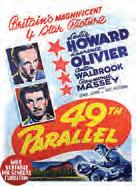
When an enemy German U-boat is spotted off the coast of Nova Scotia by the Canadian military, its desperate crew attempts to hide in the Hudson Bay, near the rural town of Wolstenholm. Once safely concealed, the Germans decide to send six soldiers onto land to scout out the small hamlet, and to locate food and fuel. Shortly after their land invasion, the Canadian Airforce bombs and sinks the submarine, leaving the soldiers to fend for themselves in enemy territory. The little village, comprised of First Nation Canadians, a French-Canadian hunter, and the head of the outpost, are no match for the armed soldiers, who later commandeer a plane. On the run and looking to either cross into the United States or flee to Japan, the Germans come across a German Canadian Hutterite community that provides them with food and lodging, but who also reject their philosophy of Nazism. As the soldiers attempt their escape, the film introduces characters who symbolize the strength and moral clarity of Canadian society. The film was produced, directed and written by the great movie-making duo of Michael Powell and Emeric Pressburger in 1941, and was intended to be a celebratory salute to the role the Canadian government, and its brave citizens, played in fighting the Germans during World War II. – Submitted by Ryan G.




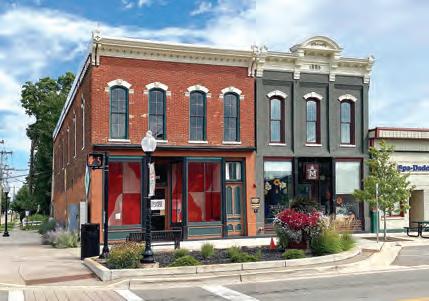
Mackenzies Bakery
By Richard Martinovich
“All sorrows are less with bread,” stated Cervantes, author of Don Quixote.
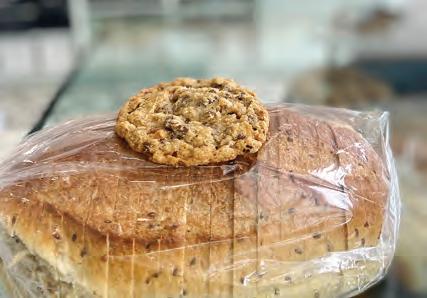
Today, that could certainly be said of “artisan bread,” bread that is hand-crafted, freshly baked with quality ingredients, and without preservatives. It can make any meal special, or a sandwich supreme. Spark publisher Steve Ellis drops in weekly to Mackenzies Bakery in Vicksburg for a loaf of Harvest Grain bread, sliced in store for great tasting sandwiches!
Mackenzies Bakery is located in the heart of Vicksburg at 103 E. Prairie, in an 1885 building that originally was a drugstore, and then home to the Vicksburg Commercial newspaper! In 1917, Herman Faust opened Faust’s Place of Sweets there and operated it for 26-years. But starting in 1944, it would be forever known as the Doris Lee Sweet Shop, and make owner Doris Lee a local legend!
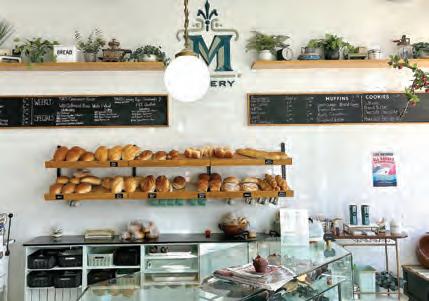
Mackenzies Bakery moved in 2022, and beautifully renovated the interior. “Working in Vicksburg is like working in a Hallmark movie,” says Jill Younger, General Manager and Head Baker. “It’s such a quaint little spot. What we have going on here is pretty special, both in and out of the bakery!”
Scratch-made breads are available daily, and feature French Baguette, Crispy Italian
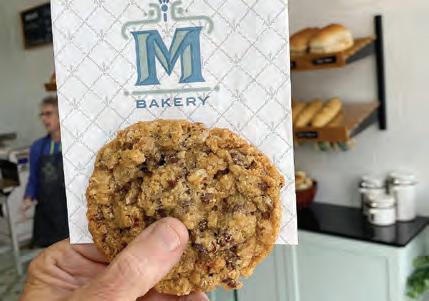
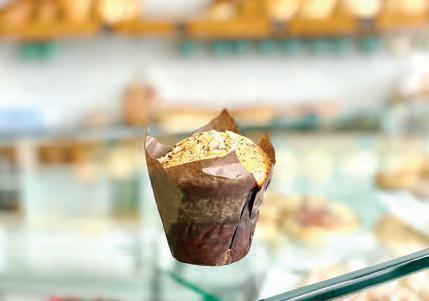
Baguette, and Paesano. Cookies, too -- Toll House, Chocolate Chocolate Oat cookies. Muffins include Almond Poppy, chocolate muffins, Lemon Crumble and Tropical Banana.
Mackenzies Bakery is closed Sunday and Monday, but Tuesday through Saturday are weekly specials, and a selection of breads -Raisin Bread, caraway rye, sourdough, grinder subs, multi-6 bread, cherry almond, and cinnamon rolls.
The tradition of Challah bread on Fridays continues at Mackenzies. Challah has a light sweet flavor and soft texture, and is known for its braided shape.
During the cold winter months, enjoy Mackenzies delicious soup of the day, Tuesday through Friday! Pair the soup with a slice of warm, freshly baked, bread!
Danish pastries were served at President Woodrow Wilson’s 1915 wedding and became an instant American favorite. Sample the variety of tasty fillings in Mackenzies Danish rounds. Or start your morning with coffee cake.
Brownies, joy bars, and fruit bars are just some of the sweet treats at Mackenzies Bakery sure to satisfy any sweet tooth!
Mackenzies Bakery - 103 E. Prairie - Vicksburg - (269) 475-5015 - Tues.-Fri. 7am-6pm. Sat 8am-2pm


“It Just Feels Good to be Needed” – Martha Hervey
By Dale Abbott, Milestone Senior Services
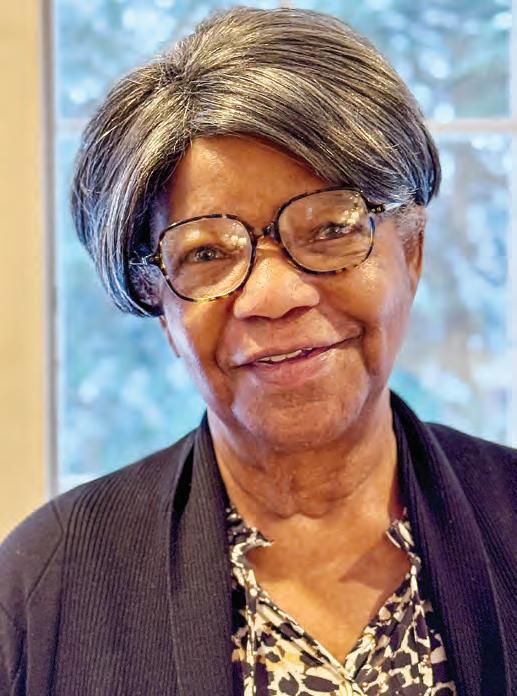
Martha Hervey has always been drawn to people— helping them, listening to them, and finding purpose in the quiet, everyday work of caring. It’s a thread that runs through her professional life and, just as clearly, through the way she spends her time now.
Born in Bentonville, Tennessee, Martha moved north at nineteen, first to Detroit and then to Kalamazoo to be closer to her two sisters and a brother. In Kalamazoo, she took a job at Bronson Hospital as a transportation technician. It didn’t take long for her to discover a deep and lasting passion for medicine and patient care.
While working and raising a young family, Martha enrolled at Kalamazoo Valley Community College to study surgical technology. That certification led to a full-time position as a surgical scrub technician at Borgess Hospital, where she worked for sixteen years. She loved the work completely. “Often, after I ‘punched out’ for the day,” she says, “I would go back to work.” She continued taking classes and earning additional certifications, driven as much by a love of learning as by the work itself. Eventually, she became a sterile processing nurse, responsible for one of the most critical steps in any surgical procedure.
Martha retired in 2008 and quickly realized how much she missed being productive and engaged with others. A longtime supporter of Kalamazoo’s Gospel Mission, she was soon recruited by the organization to join the staff, greeting clients as they checked in for its various programs.
It was also her sister, Augusta Wilcox—an accomplished community volunteer who earned Milestone’s 2025 “Volunteer of the Year” award—who encouraged Martha to become more involved in volunteering. Martha took the suggestion to heart and soon became

deeply engaged in the Senior Companion program at Milestone and a volunteer at the Villas, where she remains active today. Her role is simple but powerful: encouraging residents to participate in daily activities, whether that’s games, music, or just sitting down for a conversation. Martha says these one-onone moments mean everything to seniors who may not have family nearby. She finds the experience just as meaningful, noting that, like many volunteers, she receives as much as she gives.
Coming home after volunteering, Martha says, fills her with gratitude and a sense of accomplishment. It feels much like her working years, when she looked forward to each new day and returned home knowing she had done something worthwhile.
Outside of volunteering, Martha enjoys reading, music, going to church, and being both a grandmother and great-grandmother. All are blessings, she says, and part of what keeps her going. And, like her sister Augusta, she is quick to encourage others to volunteer. She describes it as a kind of medicine— something that lifts the spirit and improves one’s outlook on life. Or, as she puts it simply, “It just feels good to be needed.”
To learn more about the AmeriCorps Senior Companion or RSVP volunteer programs, contact Milestone’s Volunteer Services department at 269-382-0515 or get started right away by applying on the Volunteer page of their website: www.MilestoneSeniorServies.org/ Volunteer.

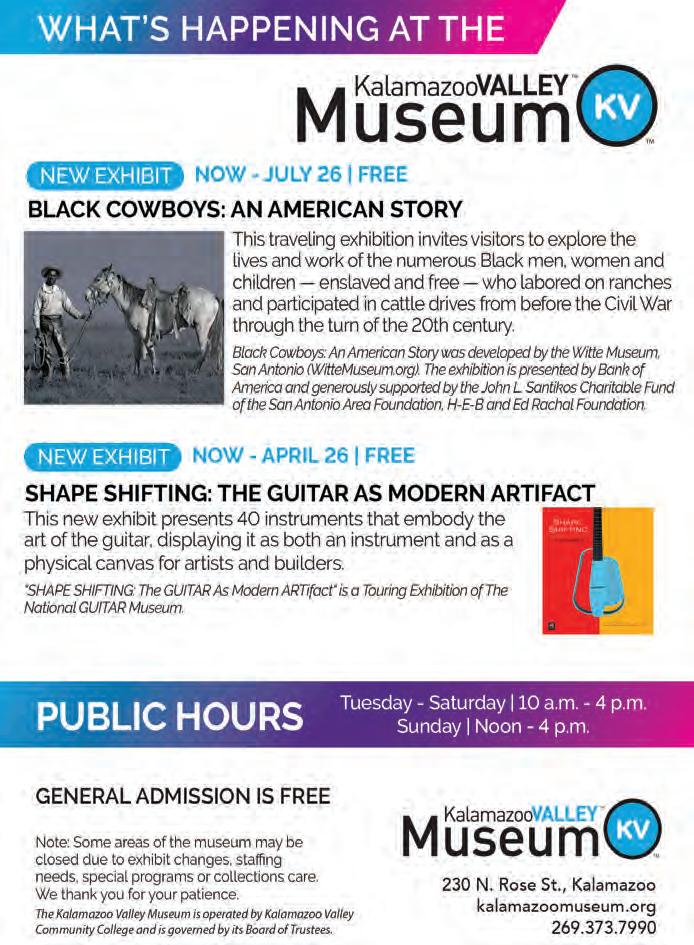
KALAMAZOO VALLEY MUSEUM LOOKING GOOD AT 145!
By Dave Person david.r.person@gmail.com
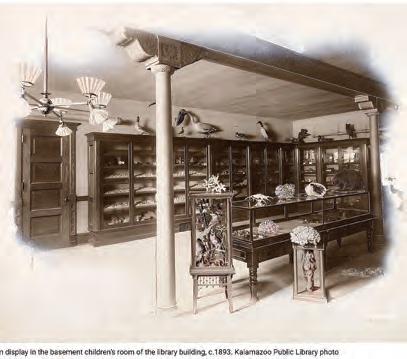
The Kalamazoo Valley Museum has come a long way in the 145 years since its origin as a donated collection of “seashells, corals, fossils and marbles.”
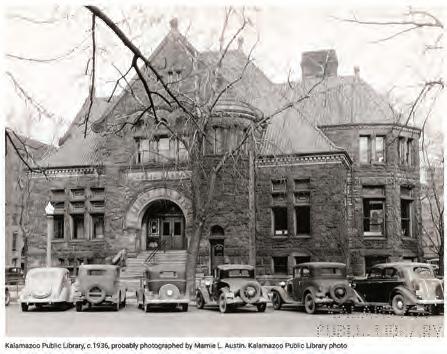
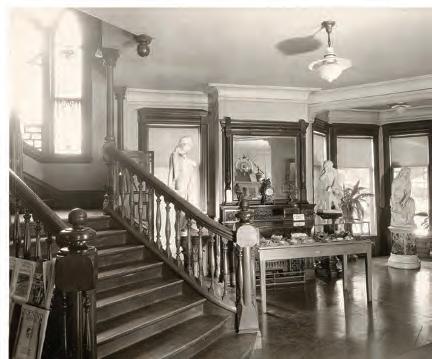
It is now a Kalamazoo showcase, getting its own home 30 years ago — in February 1996, to be exact, after years of sharing space with the Kalamazoo Public Library — in a spanking new, 60,000-square-foot edifice that boasts three floors of constantly changing exhibits and public programming.
“Whatever we do, it’s, ‘How can we connect it back to the community?’” says Bill McElhone, the museum’s director since 2010.
That is evident to visitors to the museum at 230 N. Rose Street who get to experience local displays and activities as well as nationally touring exhibits.
And, get this, you can take in all this entertainment without getting out your wallet or opening your purse.
“The beauty of the programs we offer is that they are free,” says Julie Bunke, manager of exhibits and interactive experiences.
All you need to bring is your curiosity.
Just don’t plan a Monday outing, since the museum is closed that day. Hours are 10 a.m. to 4 p.m. Tuesday through Saturday and noon to 4 p.m. Sunday.
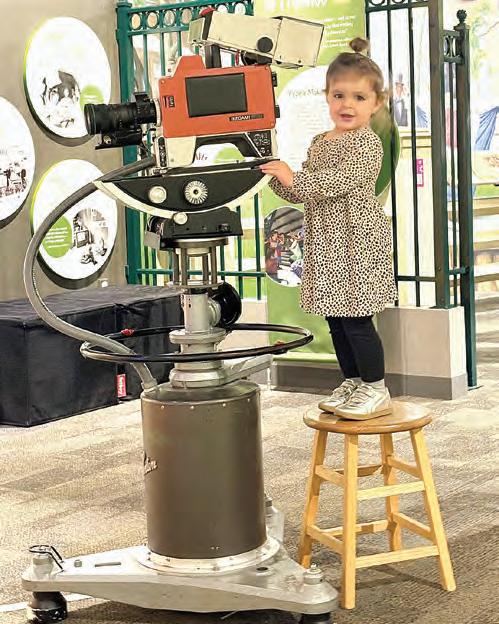
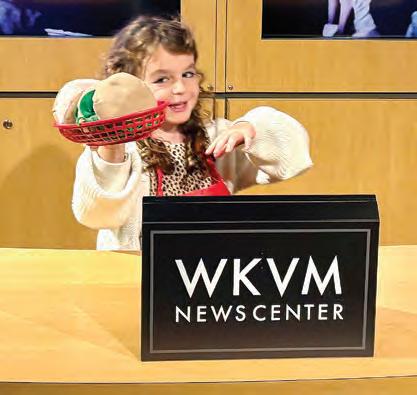
The museum, under the governance of Kalamazoo Valley Community College since 1991 and funded by a millage passed that same year, is constantly changing its offerings, and yet has an unwavering loyalty to Kalamazoo, McElhone and Bunke say.
Marilyn Schlack, president of KVCC when it took over the museum, “wanted to make sure we were hands-on,
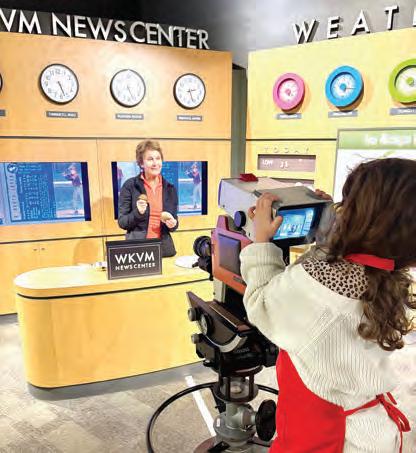
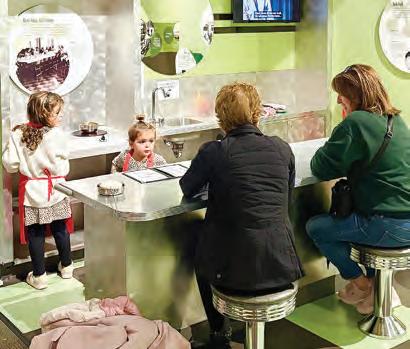
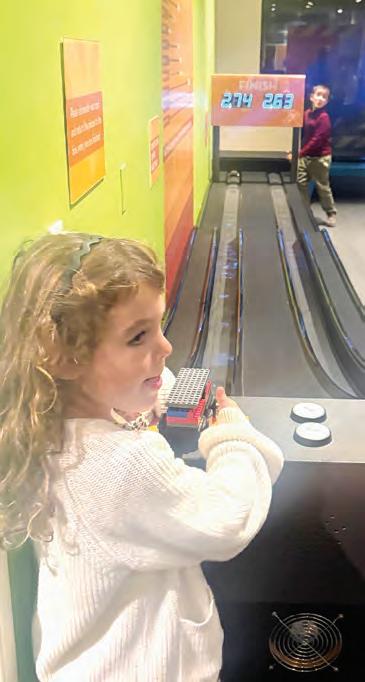
interactive,” McElhone says. That’s evident even in the Children’s Landscape, designed for preschoolers, starting at birth.
“I see it as a training ground for future visitors,” the director says of the second-floor feature.
Major exhibits, whether traveling or local, change six times a year, with most sticking around for several months.
The museum is currently featuring two traveling exhibits with a Kalamazoo flavor.
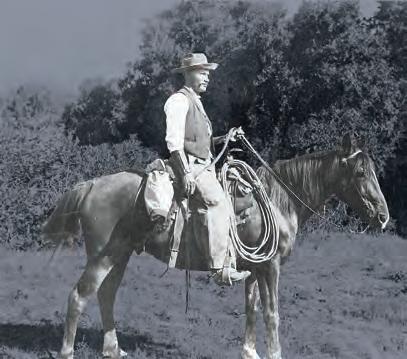
“Black Cowboys: An American Story,” tells the story of black cowboys, who made up a quarter of the cowboys of the Old West.
It pairs well with black cowboy items from the collection of the late Murphy Darden, a local artist and collector of African-American memorabilia, including many items that related to black cowboys.
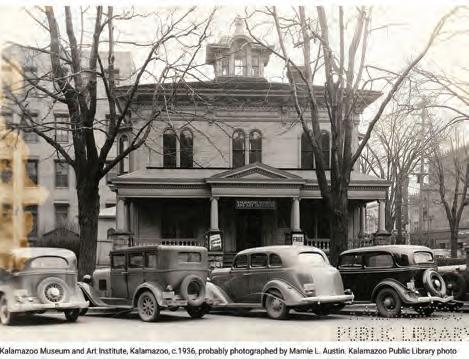
The black cowboys exhibit will be on display on the museum’s first floor until July 26.
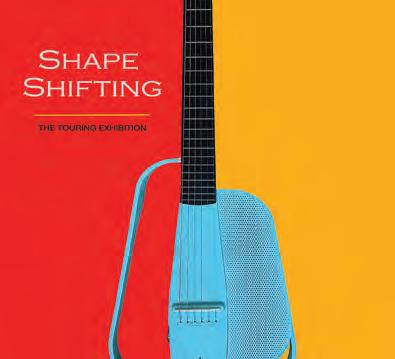
Meanwhile, in the special exhibit gallery on the third floor is “Shape Shifting: The Guitar as Modern ARTifact,” featuring 40 guitars displayed both as instruments and works of art.
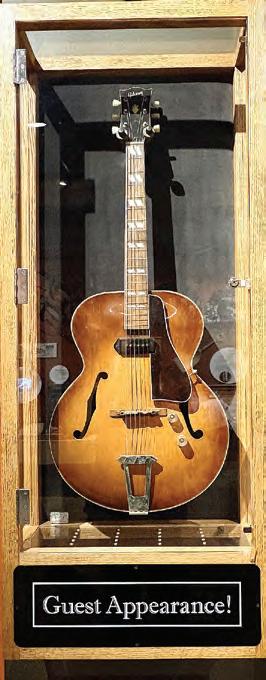
With Kalamazoo steeped in guitar history, from the Gibson Guitar factory of the past to the locally crafted Heritage Guitars of today, the exhibit, which will be up until April 26, should strike a chord with local residents.
Recent locally produced exhibits at the museum have included, “The Art of Advertising,” “Colorful Collections,” which was a big hit with small children, and “A HeLa Story: Mother of Modern Medicine,” which featured not only the exhibit but also an original play by local playwright Buddy Hannah about the life of Henrietta Lacks, whose great-nephew Jermaine Jackson, of Kalamazoo, provided much of the material for the exhibit.
One of Bunke’s favorites was “The State Hospital: 165 Years of Psychiatric Care” in 2024. Many people visited the exhibit and shared their personal stories about the local institution, she says.
Past exhibits can be viewed on the museum’s website, kalamazoomuseum.org.
“It’s really a neat way for the exhibit to live on long after
its time here is done,” Bunke says.
Meanwhile, Bunke and her crew are constantly conjuring up ideas for new displays, and are currently working on exhibits for 2028 to 2030.
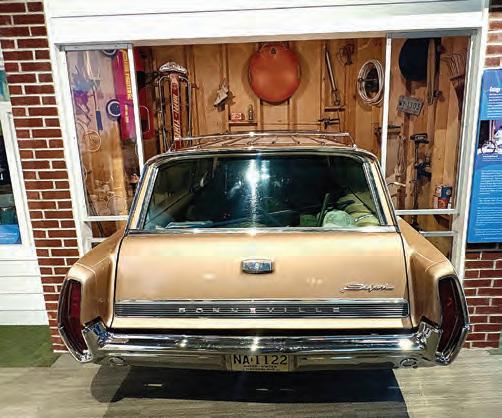
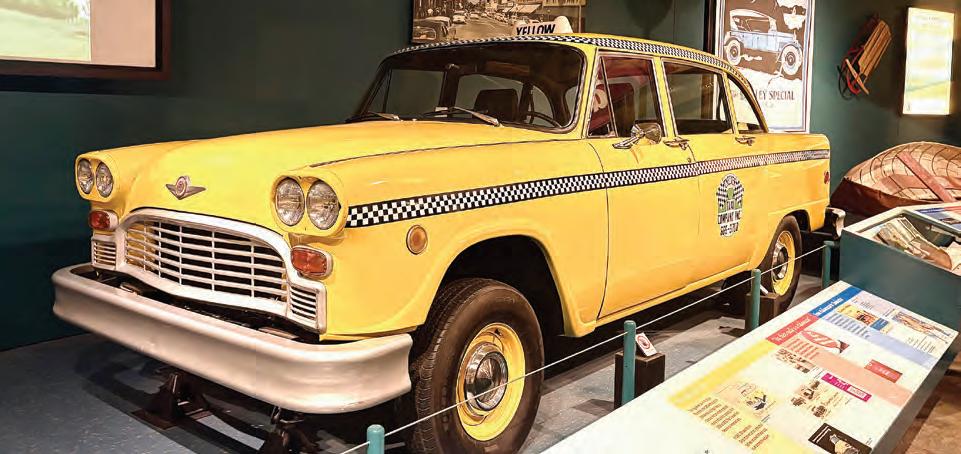
Mainstays of the museum include the Innovation Lab and Innovation Gallery, the Kalamazoo Direct to You history gallery, a Checker Cab and the Egyptian mummy exhibit, which has been around since 1928.
In addition to the larger temporary exhibits, the museum puts together three or four pop-up, community-based exhibits each year.
And, with its 360 Virtual Tour available online, people don’t have to come to the museum. They can experience it from the comfort of their own home.
The museum also hosts several community events.
The annual Fretboard Festival will take place at the museum on March 20 and 21; the 2026 Kalamazoo Valley Foodways Symposium on April 10-11 will celebrate the Southeast Asian food culture in Michigan with a seed share and keynote address at the museum on the 10th and cooking demos, classes, hands-on activities and more at the Marilyn J. Schlack Culinary and Allied Health Building on the 11th; and the annual Gilmore Film Series will take place April 28 through May 1, at noon each day, with piano-related films in the museum’s theater.
In addition to everything planned for 2026, the museum is getting ready to celebrate its 100th anniversary next year.
Although the collection of shells, fossils and marbles from local resident Horace M. Peck was gifted to the Kalamazoo Board of Education in 1881, followed by many other donated artifacts over the next 46 years that were housed at the Kalamazoo Public Library, the school board didn’t officially establish the museum until 1927.
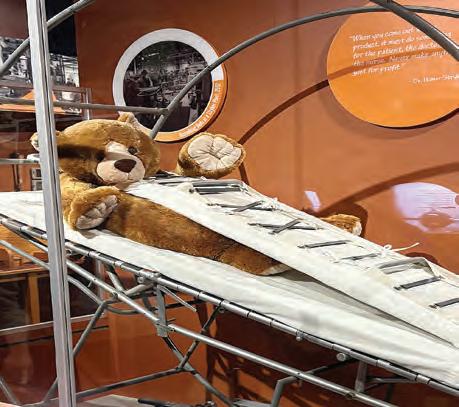
Next year’s centennial celebration will feature a major traveling exhibit, Toytopia,, featuring interactive displays of favorite toys through the years. Several local displays will celebrate the occasion, as well, including “a retrospective of fan favorites” from throughout the years, Bunke says.
And what about the Peck Collection that started it all 145 years ago?
“That will be out (on display) for the 100th year,” McElhone promises.
“Shape Shifting: The Guitar as modern ARTifact,”Through April 26. “Black Cowboys: An American Story,” Through July 26.


Kalamazoo Expo Center February Events
Feb
Feb
Feb
Feb
Feb

Avian Exhibit Showcases the Art of Flight
By Tom Springer, Vice President for Development
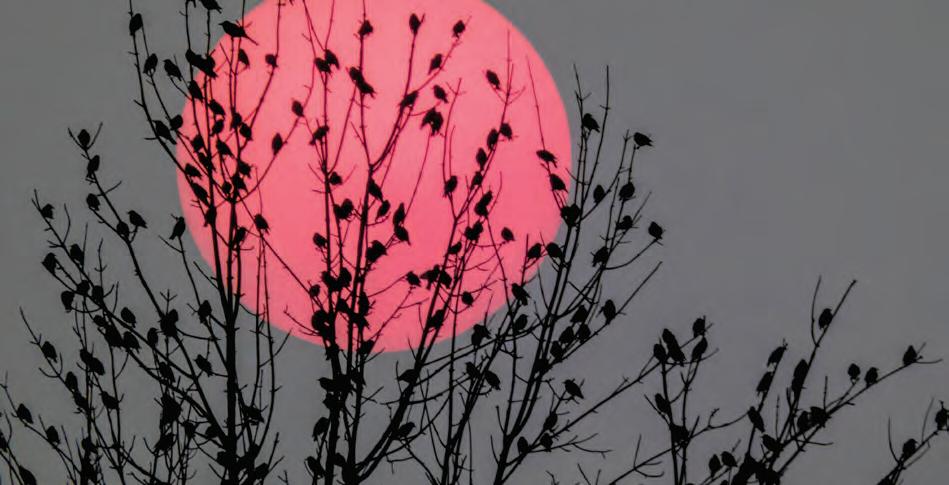
With bird photographs and illustrations, there are those that depict birds in readily identifiable ways. A chickadee here, a white-breasted nuthatch or blue jay there. And then there are those that not only capture the bird’s likeness but show its relation to the world in astounding ways the viewer never expected – and may never forget.
It’s this rare, ineffable quality that visitors can expect from the Avian Arts Exhibition at the Kalamazoo Nature Center
from February 6 to April 30. The first-of-its-kind show at KNC will display the work of six photographers and six illustrators selected through a juried process. Each artist will have five to six images on display. KNC will host a free artist reception from 2-4 p.m. on Sunday, February 8.
“The quality of the artists’ entries was exceptional, and several of the images are absolutely stunning” said Lisa Panich, KNC’s vice president for marketing and com-
munications. “And there’s a wide variety of mediums to display. Along with photos, we’ll have pen and ink, painting on wood and watercolor.”
The exhibit reflects KNC’s 60+ year commitment to bird conservation and the arts as a means to promote their protection. “Art can inspire a deeper appreciation for the bird life around us,” Panich said. “Visual storytelling gives us a powerful way to promote awareness of various species in ways we may not notice in daily life.”
KNC was founded by Dr. H. Lewis Batts, a renowned ornithologist, photographer and cinematographer. His photos and films set a high standard for nature art and photography that was a hallmark of KNC publications produced by its imprint the Beech Leaf Press. Through its Kalamazoo Valley Bird Observatory program, established in the early 1970s, KNC operates one of the oldest continuous bird banding programs in North America. To date, KVBO staff have banded more than 600,000 birds.
Panich said the images featured in the Avian Arts Exhibition often tell a story within a story. A blue heron on a bowed tree trunk reflected with parabolic perfection in a pond waterscape whose colors evoke Monet. A pigeon, almost impossibly (but no AI here!) perched upon a weathered statue who’s left arm cradles … a marble pigeon. These are moments of poetic symmetry and irony; freeze-frames of the fluid physics and grace of birds easily missed when we see them on the wing.
And this being the Nature Center, visitors are free to hike the trails afterward for their own personal encounters with birds and the charmed forest landscape they call home.
Tom Springer is vice president for Development at the Kalamazoo Nature Center and the author “Looking for Hickories,” and “The Star in the Sycamore.”

The Kalamazoo Civic Theatre

February 6-15 • Civic Auditorium
Brilliantly adapted from the iconic animated series, The SpongeBob Musical: Youth Edition is a fun-filled deep-sea musical featuring your favorite characters and magical music, making it a splash with audiences young and old. When the citizens of Bikini Bottom discover that a volcano will soon erupt and destroy their humble home, SpongeBob and his friends must come together to save the fate of their undersea world.

February 20-March 1 • Parish Theatre
On the eve of the Vietnam War, a young soldier learns the power of compassion when he plays a cruel joke on an unsuspecting girl. Dogfight by Benji Pasek and Justin Paul (Dear Evan Hansen, The Greatest Showman, and La La Land) and Peter Duchan, is a love story about how the choices we make define who we become. Based on the Warner Bros. Film and Screenplay by Bob Comfort.
BOX OFFICE AND TICKET INFORMATION
Hours: Monday-Friday, 10:00 AM - 4:00 PM and 90 minutes prior to all performances.
Location: 329 S. Park St., Kalamazoo, MI, 49007
Phone: 269-343-1313



HEALTHY LIVING
Pass the Bowl, Protect the Heart:
Reclaiming the Joy of Shared Meals
Our hearts don’t just need a good rhythm—they need a good reason to beat. While February is American Heart Month—a time typically reserved for tracking steps and cutting sodium—there is another vital metric we can celebrate this year: the number of chairs filled around our dinner /meal tables. As someone of Greek descent, I grew up in a culture understanding that a meal was never just about fuel; it was about kefi—a spirit of joy and passion for life—and the trapezi (the table). But this isn’t just a Mediterranean secret. Whether it’s a big Greek feast or a scene straight out of classic television—think of the Waltons or the Huxtables passing steaming bowls of this, that, and the other thing down a crowded
table—the sentiment is the same. Those classic Sunday dinners were more than just tradition; they were a form of cardiovascular protection. In my family, the table was the heartbeat of the home. Modern science is finally catching up to that ancient wisdom, proving that what we feel at the table is mirrored in our biology. We often think of heart health as a solo journey of “selfcare,” but the healthiest hearts are often those that beat in community.
The Connection Connection
The data now confirms the heavy toll of the ‘silent epidemic’ of loneliness. Health experts have quantified the risk, revealing that social isolation carries a cardiovascular burden equivalent to smoking 15 cigarettes a day. Without the buffering effect of community, the body stays in a state of chronic ‘stress,’ where elevated cortisol levels gradually lead to the stiffening of our arteries.
Conversely, when we engage in communal dining—laughing and sharing stories—we activate the vagus nerve. This triggers our “rest and digest” system, lowering the heart rate and allowing the cardio-

vascular system to recover from the stresses of the day.
Reclaiming the Ritual
To help our hearts “flutter and brim with love” this February, we can look for ways to bring that spirit of the communal table back into our daily lives:
• The “Plus-One” Invitation: Loneliness is often a silent struggle. This month, we can invite a neighbor or a friend who lives alone to share a meal. This “social prescription” is preventative medicine for everyone involved.
• The Shared Plate (The Art of “Meze”): Instead of serving individual plates, we can put dishes in the center of the table. Whether it’s my Yiayia’s Greek Pastitsio or your Grandma’s famous pot roast, passing bowls and sharing portions encourages interaction and slower eating—all of which help our hearts and stomachs synchronize.
the table allows us to remove digital distractions. This opens the door for the deep, meaningful connection that lowers blood pressure and fosters true “community-care.”
Beyond the Numbers
Certainly, we should still monitor our blood pressure and get 150 minutes of weekly movement. (I happen to know a place where you can do that!) Our hearts still pump 2,000 gallons of blood a day and deserve our protection. But this Valentine’s Day, as we celebrate those who make our hearts skip a beat, let’s remember that our hearts aren’t meant to beat in isolation.
Let’s not just feed our bodies this month; let’s nourish our souls. This February, we don’t have to just count calories; we can count the faces around our tables. Our hearts will thank us for the company.

• The “Basket the Phone” Rule: Heart health requires presence. Creating a “No-Phone Zone” at
Happy Heart Month!
Submitted by Vicky Kettner, Association Director of Marketing, Community Relations, and Member Engagement at YMCA of Greater Kalamazoo.

Kalamazoo Institute of Arts
Future Now: Virtual Sneakers to Cutting-Edge Kicks
Opening Saturday, February 7, 2026

The KIA is thrilled to present the groundbreaking exhibition Future Now: Virtual Sneakers to Cutting-Edge Kicks through June 7, 2026, for the very first time in West Michigan! This exhibition isn’t just a showcase of footwear design, it’s about creating a space where the community can interact and engage with forward thinking ideas centered around a medium we often think of as practical.
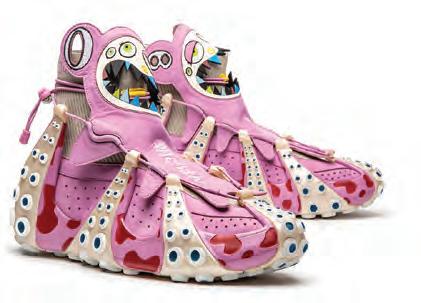
This innovative national exhibition features nearly 60 state-of-the-art designs pushing the boundaries of what footwear can be. Exhibiting an incredible mix of fashion, design, gaming, new media, architecture, and material arts as well as sustainable and collaborative practices, the exhibition showcases work by a diverse group of designers.
“Future Now is a natural fit for Kalamazoo—a community that champions creativity, education, entrepreneurship, and making.
The KIA is bringing sneakers into the museum because they are art: objects that tell our stories through design, engineering, and how we move through the world. Together with educators, makers, and design leaders, we’ll transform the KIA into a place where innovation, sustainability, and culture come together.”
Future Now features sections exploring Innovative, Sustainable, Transformative, and Virtual shoes. Exhibition highlights include the self-lacing Nike MAG (first conceived for the movie Back to the Future Part II), digitally designed and 3D-printed shoes, sneakers made from mushroom leather and reclaimed ocean plastics, virtual footwear, and more.
To learn more about Future Now: Virtual Sneakers to Cutting-Edge Kicks visit kiarts.org/futurenow


MUSEUM AND GALLERY SHOP HOURS
Wednesday: 11am – 5pm
Thursday: 11am – 8pm
Friday-Saturday: 11am – 5pm
Sunday: Noon – 4pm Museum closed Mondays & Tuesdays.
315 S. Park (269) 349-7775
kiarts.org


Celebrities that came to Kalamazoo
Walt Disney
Story by Steve Ellis
Walt Disney was born in Chicago in 1901 and raised in Missouri, where he developed an early interest in drawing. He moved to California in the early 1920s and set up the Disney Brothers Studio (now the Walt Disney Company) with his brother Roy. He developed the character Mickey Mouse in 1928, The brothers soon moved into features such as Snow White and the Seven Dwarfs (1937), Pinocchio, Fantasia (both 1940), Dumbo (1941), and Bambi (1942) and furthered the development of animated film. New animated and live-action films followed after World War II, including Cinderella (1950), Sleeping Beauty (1959), and Mary Poppins (1964), the last of which received five Academy Awards.
as a way to help offset the cost; other sponsors included Carnation, Swift, and PepsiCo. Having grown up in a small midwest town, Walt Disney knew that the center of many American towns was the local drugstore. Thus, the Upjohn Pharmacy was a natural inclusion in Disneyland’s Main Street USA, when the park opened in 1955.
In the months leading up to the park’s opening, Upjohn purchased hundreds of fabulous pharmaceutical antiques to display in its pharmacy. All of them were authentic, many international in origin, and some dating back several centuries.
The building and collection were part of Disneyland up until 1970 when the exhibit closed. The collection was donated to, and is now the centerpiece of the History of Pharmacy Museum at the University of Arizona.
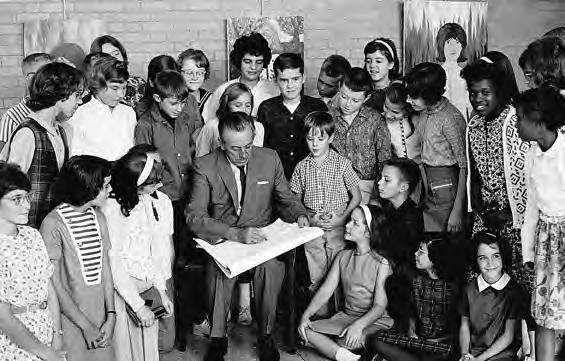
One of their next stops was at the Kalamazoo Art Center (now the KIA). Surrounded by two dozen youngsters, Disney sat in a chair Thursday afternoon and scrawled his signature on a large drawing tablet with a blue crayon.
“Can you read it?” he asked 7-year-old Candice Metler, who was perched on his left knee.
“Sure,” she replied, “It says ‘Walt Disney’.”
“That’s right,” confirmed the 62-year-old creator of Mickey Mouse, Pluto and Donald Duck.
Alfred P. Maurice, director of the art center, took Disney and his group on a tour of the facility, which at the time was displaying art work by local children.
After the tour, Disney was asked if he had a favorite among the characters he has created for animated cartoons.
“For sentimental reasons, I would have to say Mickey Mouse is my favorite,” Disney confided.
In the 1950s, Disney expanded into the theme park industry, and in July 1955 he opened Disneyland in Anaheim, California. To fund the project, he diversified into television programs, such as Walt Disney’s Disneyland and The Mickey Mouse Club.
In 1965, he began development of another theme park, Disney World, the heart of which was to be a new type of city, the “Experimental Prototype Community of Tomorrow” (EPCOT). Disney was a heavy smoker throughout his life and died of lung cancer in 1966 before either the park or the EPCOT projects were completed.
On September 15th, 1964, Disney went to Washington D.C., to receive the Presidential Medal of Freedom, the nation’s highest civilian recognition, bestowed upon him by President Johnson.
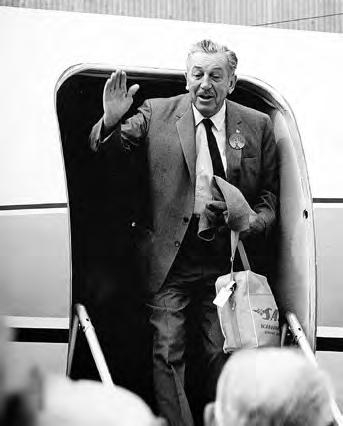
On Wednesday, September 17, 1964, Walt Disney came to Kalamazoo to visit Mr. and Mrs. Donald S. Gilmore, owners of Gilmore Bros. Departments Store, who were personal friends. The Gilmore’s and Disney had winter homes next door to each other at Smoke Tree Ranch in Palm Springs, California.
Disney was traveling with seven other winter residents of Smoke Tree Ranch, stopping in Kalamazoo on their route back to California from Buck Hill Falls, Pa., where they had participated in a lawn bowling tournament, which was a favorite past-time of many Smoke Tree residents.
One of the first stops for Walt Disney and his entourage in Kalamazoo, was to tour the Upjohn Co., of which Gilmore was a former president and board chairman. The Gilmore (Upjohn) and Disney friendship helped both parties when Walt Disney was planning Disneyland. He sought numerous corporate sponsorships
Walt Disney entertaining children at the Kalamazoo Art Center (now the KIA).
Disney said that his first “break” came in 1920 when he was given a job by a Kansas City, Mo., commercial art firm at $40 a week. “That was a lot of money in those days — 1920,” Disney said. “I was making $50 a month before I got that job.”
During his visit, Disney toured and rode in cars, at the Gilmore Car museum which was not yet open to the public. The Gilmore Car Museum started in the early 1960s when Donald S. Gilmore began collecting vintage automobiles.
To accommodate his collection, he acquired 90 acres of land in Hickory Corners. It was his wife Genevieve who had the idea of turning the collection into a museum, providing future generations access to Donald’s one-ofa-kind collection.
The museum was opened to the public for the first time on Sunday, July 31, 1966. In 1967, The Gilmore Car Museum received The Gnome-mobile 1930 Rolls Royce movie car and its giant replica backseat set piece as a gift from Walt Disney, shortly after the film’s 1966 release. It was a key early exhibit for the museum’s public opening and is still on-site.
Disney stayed with Donald and Genevieve at their summer home on Gull Lake. Word quickly spread of the famous visitor, and one afternoon, the yard was filled with neighbors and area children hoping to see and talk to Disney.
During his stay, Walt Disney was given a tour of downtown Kalamazoo.
He entertained a whole crowd of children and adults just by sipping a cup of coffee at the Mall’s outdoor cafe. Disney talked quietly with friends while excited youngsters worked up courage to ask for autographs. Some of the kids got their prize.
While downtown, Disney visited Gilmore’s Department Store and even strode off up the Mall, alone, to replenish his cigar supply at Louie’s Pipe Shop.
Walt Disney’s four-day visit to Kalamazoo back in 1964, was just a few days in the life of a talented man that accomplished so much in his lifetime, but for those who were lucky enough to talk to or catch a glimpse, his visit remains a cherished memory!



Book Reviews
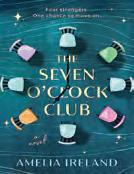
The Seven O’Clock Club
Amelia Ireland
Four strangers are brought together in a treatment designed to help them heal from a traumatic event. They are Victoria, a haughty fifty-something, Mischa, a withdrawn teenager, Freya, a young wife, and Callum, a successful singer-songwriter. They meet once a week with their therapist, Genevieve, and they are all a bit distrustful and wary of each other. However, there is more to these four people than meets the eye, and they are connected in a way that will completely shock them once they discover it. Amelia Ireland has written a lovely story about grief, connection, healing, and learning to let down your walls to let others in. Each character is well-written and has a satisfying arc, each reveal feels earned, and each plot thread is tied neatly up at the conclusion of the novel. This is a clever, thoughtful debut novel for this author and an engrossing read.
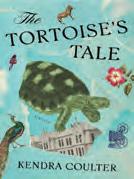
The Tortoise’s Tale
Kendra Coulter
This must-read will appeal not only to animal lovers and environmental advocates but to anyone looking for a significant novel with a heartfelt story. Activist and professor Coulter’s first novel is told from the point of view of a long-lived giant tortoise named Magic. It begins with the tortoise’s hatching and goes on to span over a century, offering a glimpse into generations of humans and other animals as they pass through Magic’s life on a luxurious estate in Southern California. She witnesses much, including animal cruelty, human kindness and unkindness, and decades of societal change. The book is both beautifully written and thoroughly researched and will tug at the heartstrings, making readers feel invested in the fate of Magic and those she encounters.
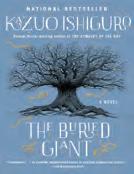
The Buried Giant
Betsy Cornwell
We are in England, where Saxons and Britons coexist in an uneasy but functioning truce. The land is wreathed in icy mists – the exhalation of a she-dragon, whose effect is to rob people of their memories. We follow an ageing couple, Axl and Beatrice, who live in a British settlement composed of tunnels dug into a hillside. They decide to journey to a village to visit their son, even though they can hardly remember him. It turns out that the collective amnesia of the dragon’s breath may be more benign than we first thought. The center of the story is Axl and Beatrice’s love for each other, but when the dragon is slain, what will they remember? The bad times, as well as the good? It all heads to a sad and desperate conclusion.

Magic in the Air: The Myth, the Mystery, and the Soul of the Slam Dunk
Mike Sielski
A staple of postgame shows and social media feeds, the slam dunk is omnipresent. Sielski, a Philadelphia sportswriter and Kobe Bryant biographer, writes in this informative account. Consider the book’s cover star, Julius Erving, who wowed fans by leaping from the free-throw line, 15 feet from the hoop, and slamming the ball home. While at the University of Massachusetts, Erving, like every other college player from 1967 to 1976, was prohibited from dunking during games. Sielski shows that race was among the factors behind the purportedly safety-minded rule change. Sielski chases a host of historical leads about early dunkers, yielding memorable, if not always verifiable, anecdotes. Joe Fortenberry, a college player in Texas, dunked in a 1930s game, but his coach said, “Joe, that’s not elegant,” and forbade further dunks. A suitably vibrant history of spectacular doings on—and above—the hardwood.
Book Reviews by the Portage District Library staff
Kalamazoo’s Winter Farmers Market
is now open in its brand new building!
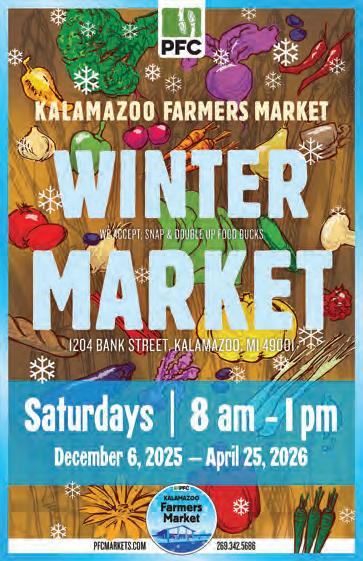
The Winter Market features over 40 local farmers, food businesses, and artisans weekly. You will find a great selection of fresh produce, meats, cheeses, baked goods, coffee, honey, crafts, and more. It is open from 8am-1pm, through April 25, 2026 and run by the Peoples Food Co-op of Kalamazoo.
The Winter Market is located at 1204 Bank Street in Kalamazoo, to the left of where the summer market is located.
For more information you can call (269) 359-6729 or go to pfcmarkets.com

Kalamazoo Symphony Orchestra Mahler’s Third Symphony
Miller Auditorium
Saturday, Feb. 21, 7:30pm
200 artists. Six exhilarating movements. One chance to experience music voted one of the “top 10 symphonies of all time.”
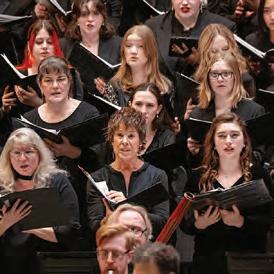
Each magnificent movement of Mahler’s Third brings us closer to a finale of profound emotion, blazing brass, and sheer orchestral grandeur. For the first time in over 100 years, the Symphony brings Mahler’s monumental Third Symphony to Kalamazoo.
Julian Kuerti, Symphony Music Director
Deborah Nansteel, Mezzo-Soprano
Sopranos & Altos, Western Michigan University Grand Chorus, Dr. Amanda Quist, Director
Kalamazoo Children’s Chorus, Taylor Gudbrandson, Director
Tickets can be purchased online or through the Community Box Office at the Epic Center in Downtown Kalamazoo, 359 S Kalamazoo Mall - 269 250-6984Email: wmu-olli@wmich.edu - (269) 387-4157

By Steve Ellis
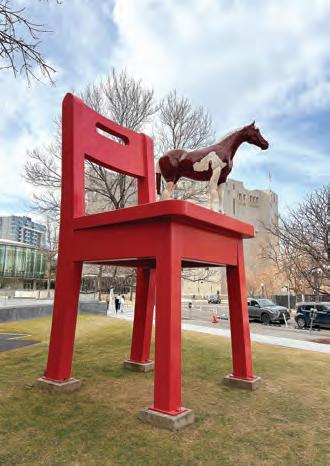
Denver, known as the “Mile High City” with its elevation of 5280 feet above sea level, is the largest city in Colorado and also its capitol.
With a population of 730,000, Denver is growing rapidly and is now the 19th largest city in the United States. Jackie’s son and his family live in Denver and we visit a few times per year.
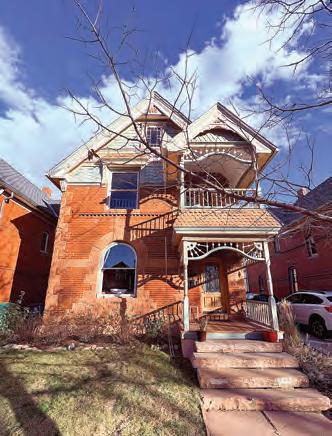
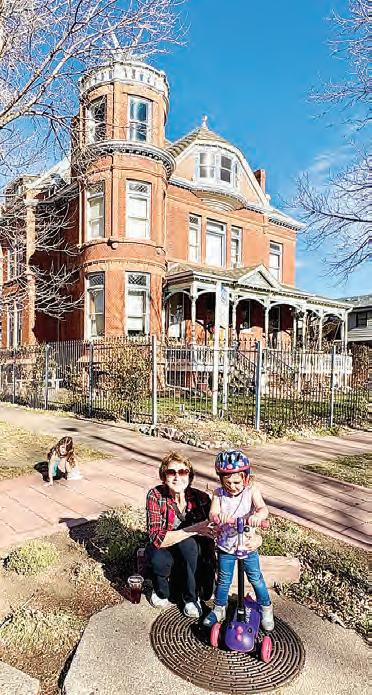
They live in the historic Potter Highlands neighborhood, which is perfect for walking and biking amongst the hundreds of classic 1900 era houses.
Within a few blocks, in any direction, are some of our favorite cafes’ (Sunny’s for breakfast), bakeries (Urban Spoon is delicious), groceries (Leevers Locavore), pizza (Cosmos), restaurants (Pepper Asian Bistro), and many others.
A short walk to 32nd St, brings you to the West Highland Neighborhood, with a few blocks of great shops and restaurants. The Sassafras
Tales road FROM THE denver, colorado
American Eatery in the restored 1889 Dunwoody House with patio seating, is our go-to place for breakfast and El Camino, with their tasty burrito bowls (large enough for two), is one of our favorite dinner spots. Jackie loves the Perfect Petal (a florist packed with lots of plants and gifts). I always stop at Westside Books, which has a large selection of great reads. A Wax Records store just opened with a great selection of used vinyl. Cerebral Brewing is located in a large restored church and is a great stop to sit outside and enjoy the sunshine and a beer.
Another favorite area that is closeby, is Tennyson Street in the Berkeley neighborhood. A half mile or so stretch of funky stores and restaurants with Cesar Chavez and Berkeley Lake Parks nearby. The breakfast croissants at the Berkeley Hotel Bakery are great. You need to get there

early as they sell out every morning. We missed out so we tried the very good, Salty Donut across the street. The pizza at MAS Kaos Pizzeria and Taqueria’s outdoor patio is a favorite of Jackie’s granddaughter Romy. The outdoors store, FERAL, has a great selection of new and used outdoor goods at reasonable prices and is one of our favorite stops.
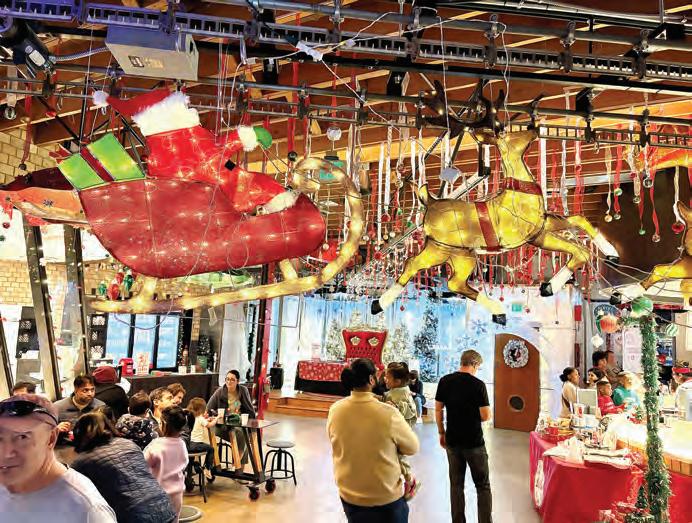
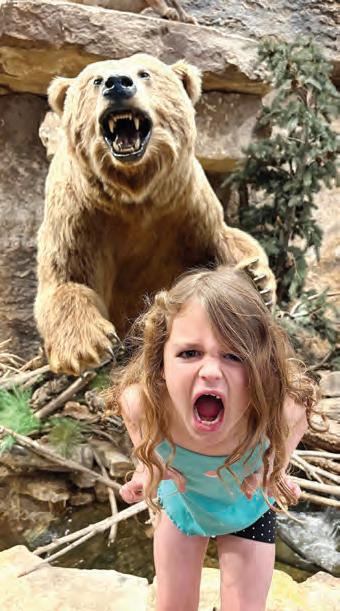
On our recent trip at Christmastime, we went to the Bass Pro Shop to visit Santa and his village. I have never been in one of their stores and was highly impressed with the selection and the prices. We spent a few hours admiring the large animal taxidermy mounts, aquariums, games, clothing, hunting, camping and fishing equipment and so much more.
Afterwards, we went with their friend’s family to Esters Pizza in the Oneida Park area of Denver and enjoyed great pizza and drinks. Next door was a very colorful Dang Soft Serve Cream with an outdoor, astroturf play area for kids. After dinner, the adults were too full, but the kids are never too full for ice cream and

enjoyed a soft serve ice cream cone with sprinkles on one side and marshmallows on the other side. We later found out that it is part of the Little Man Ice Cream Company.
Little Man Ice Cream has been scooping since 2008. They opened their first shop in a 28-foot milk can in Denver’s Lower Highland neighborhood. Their handcrafted ice cream is now available at eleven distinct locations in the greater Denver area.
We visited The Little Man Ice Cream Factory at 4411 West Colfax Avenue. According to their website, it is a “design tour de force where Willy Wonka meets the Industrial Age.”
The 6,000 square foot production facility and tasting room is like no other ice cream parlour we’ve ever visited. The girls loved the winding slide that started on a second floor balcony, and slid down into the middle of the ice cream parlour.
One day on our visit, the parents had to work, so Jackie and I took her 5 and 2 ½ year old granddaughters downtown to the seven- story Denver Public Library. The library is located in the Golden Triangle neighborhood, near the capitol, the Denver Art Museum and the History Colorado Center. The library is known for its extensive Western History collections (600,000 photos, maps, genealogy resources, etc. ) and fine art, housed in a distinctive modern structure. The girls loved the very large children’s area with a mailing center, and mailbox, toys, games, window seats and movable seating options, books and all kinds of other things the girls loved. I headed up to the 7th floor for a few minutes to browse the art gallery, old photos and 1920’s bound volumes of the Denver Post newspaper.
When we got home, Romy wanted to show us her soccer skills on the patio. She got a soccer jersey and shorts and was ready to go! After a few kicks, she said she needed her
“cleaks” (cleats). Before long she said she needed her shin guards, and then she wanted to fetch her wrist guards, by the time she was all geared up, it was time for dinner.
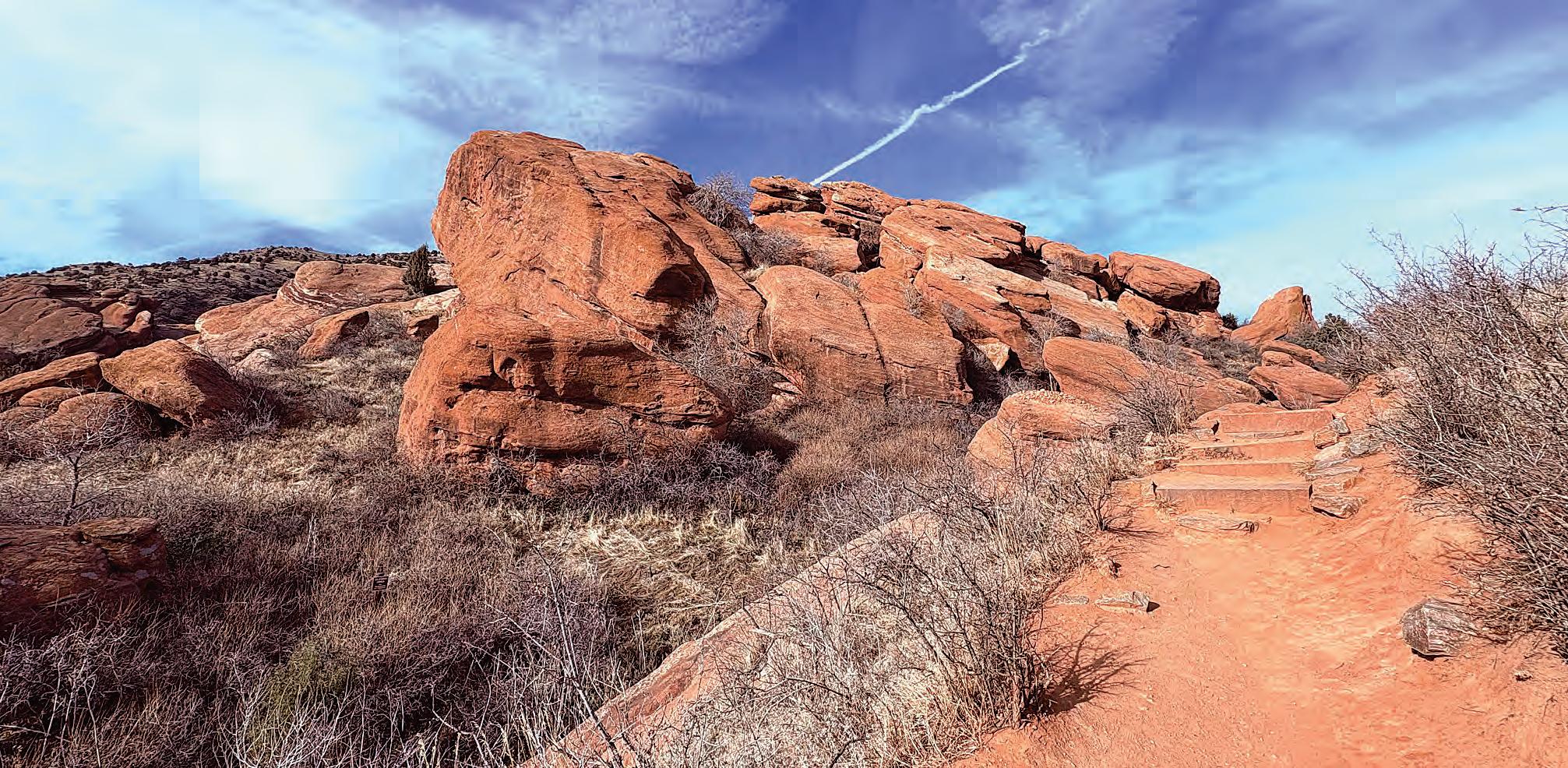
One of the highlights of our visit was a trip to the Red Rocks Park and Amphitheatre, only about 15 minutes away.
In 1872, Marion Burts became the first recorded owner of Red Rocks. He sold it to Leonard H. Eicholtz, a civil engineer who helped build the Union Pacific Railway and develop the property into a park in 1878. Eicholtz added roads, trails, picnic grounds, and steps, so visitors could
explore the park. In 1906, Eicholtz sold Red Rocks to famed editor John Brisben Walker who purchased it with proceeds from his sale of Cosmopolitan magazine. It was formally given the name Red Rocks
when Denver acquired it in 1928 from Walker.
The 9500 seat, Red Rocks Amphitheatre, opened in 1941 and is located between two massive slabs of red stone (Ship Rock and Creation Rock). Many famous performers have played there over the years including the Beatles in August 1966. Ringo Starr later remembered that the altitude bothered them and they needed oxygen canisters during their performance. In 1971, a mini riot at a sold-out Jethro Tull concert, caused rock shows to be banned for five years.
Red Rocks has many multi- use trails, open to hikers, mountain bikes, horses, and leashed dogs. We hiked the 1.4 mile Trading Post Trail, with giant red rocks and cliffs on both sides of the trail throughout the hike. It was absolutely gorgeous.
The Denver area offers many magnificent outdoor highlights and is sunny almost every day. Take a trip to the Mile-high city and be prepared to fall in love with the area, as we have!