The Communal Power of Empathy: The Butterfly Effect in Matter of Time
Por Fran Romero
Empathy
Empathy has two meanings: to feel a sense of identification with someone or something, and to have the capacity to understand another person and share their feelings. In this documentary, both definitions are fulfilled.
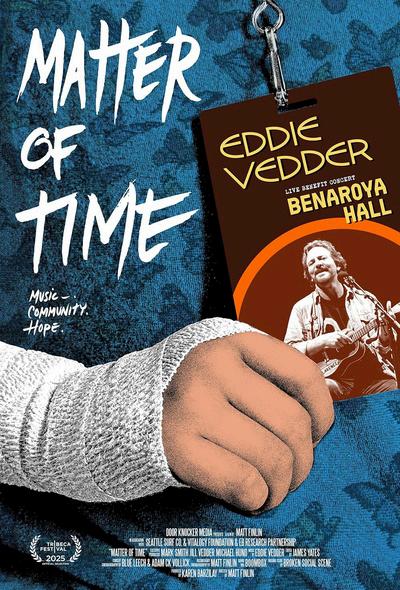
Netflix, the platform with the red “N,” has just released—following its premiere at the Tribeca Film Festival—the documentary Matter of Time, directed by Canadian filmmaker Matt Finlin. The film chronicles the efforts of Eddie and Jill Vedder, alongside researchers, doctors, families, and children, to find a cure for the rare genetic disease Epidermolysis Bullosa (EB), in which a misaligned gene renders a child’s skin as fragile as butterfly wings, with wounds and blisters encasing their bodies Fifteen years ago, the couple began this journey when no treatment existed. Today, thanks to the “butterfly effect,” the FDA has approved three treatments born from research funded by their organization. Still, there is a long road ahead and, as Pearl Jam’s lead singer Eddie Vedder says it is “just a matter of time” a reference to the persistent pursuit of a cure that remains on the horizon.
The Butterfly Effect
The documentary brings together the intersection of science, the humanization of patients, and the powerful force of art.
In 2019, while producing a television program about young people transforming their communities, director Matt Finlin met a six-year-old boy who would change his life and ultimately redirect his next project. This was no longer simply about telling a story; it was about standing beside it, supporting it, and amplifying it.
“I first met a boy named Eli, who appears in the film, when he was six years old in 2019, while I was producing a television program about young people across the United States doing good in their communities. When I met Eli, it changed my life”, says Finlin.
Eli and his sister had launched a simple yet courageous campaign: “Come Say Hi to Eli.” A small but powerful gesture aimed at breaking the social discomfort surrounding visible difference. Don’t look away. Come closer. Ask. Understand. The condition they were explaining was epidermolysis bullosa
This part of the documentary invites deep reflection. It challenges us to examine how we respond, whether we are informed, what we can do to make a child, one who faces daily challenges, feel just a little more at ease. A child whose smile lights up a room, whose resilience leads him to educate society about his illness and about who he is beyond it. It is a story of resistance.
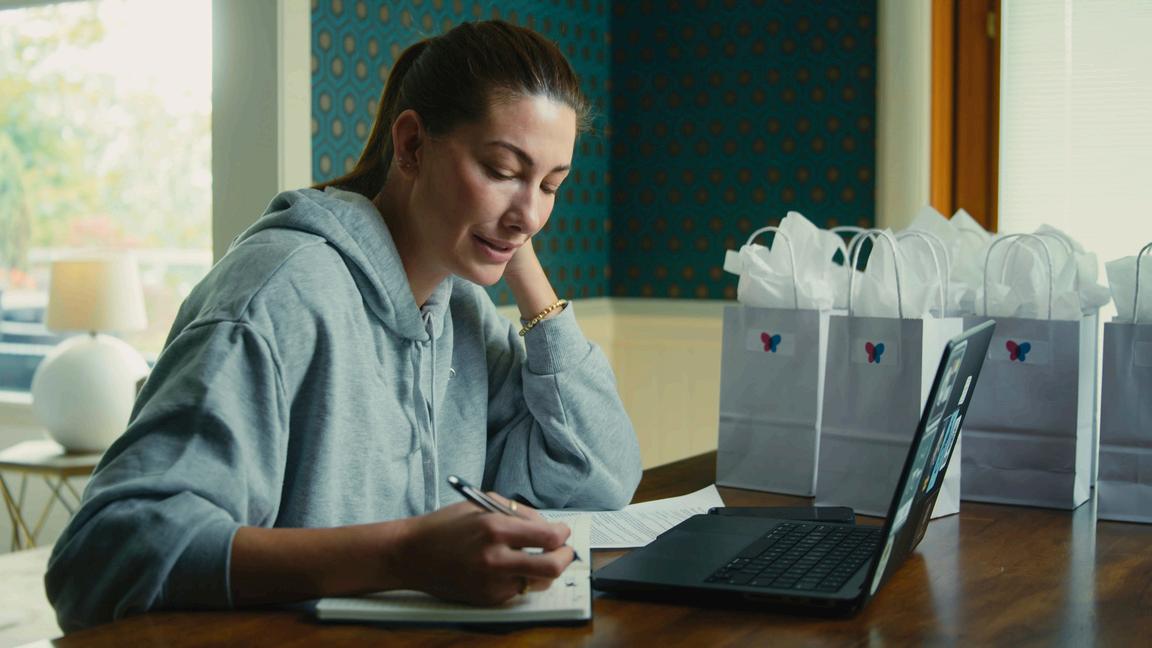
Jill Vedder “Matter of Time” Netflix
Finlin explains that he discovered Eli and his sister’s campaign, “Come Say Hi to Eli,” whose idea was simple: instead of staring, go up and say hello. Give him the chance to tell you about his condition.
“It was such an inspiring story that after producing that segment for the television show, I reached out to Jill Vedder.”
That call connected him with Jill and Eddie Vedder, founders of EB Research Partnership, an organization dedicated to funding clinical research with one clear objective: effective treatments and, ultimately, a cure. I discovered that she was part of an organization that had recently
been created at the time called EB Research Partnership, which she and her husband, Ed, had started with a group of families to raise funds for clinical research that would ultimately lead to treatments and, hopefully, a cure for the disease. And I simply said, how can I help, even in some small way?
Empathy: The Common Ground That Moves Mountains
Neither the director nor the leaders of EB Research Partnership have close relatives diagnosed with the disease. Finlin learned of Eli’s case, and Eddie and Jill Vedder were moved by friends whose child lives with EB.
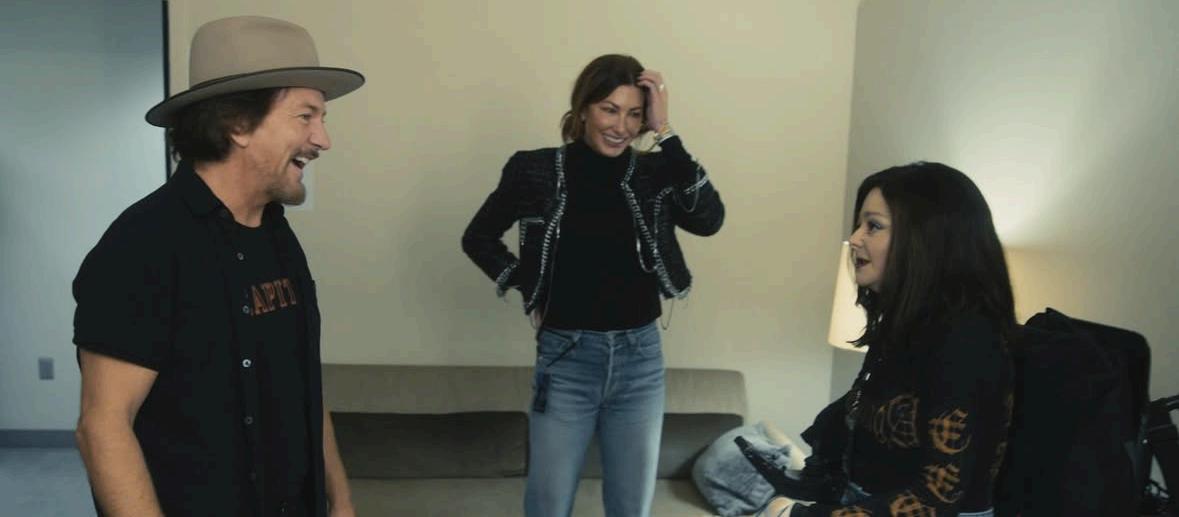
Eddie Vedder, Jill Vedder Y Deanna Molinaro, “Matter of Time”
Interview with the director
What remains with me after watching the documentary is love for others. The hope in the power of human cooperation, especially in times when individualism often takes center stage and the reminder that there are still people willing to step into someone else’s shoes and help. The film reveals not only the harshness of the disease but also the strength of a group that refused to surrender, and of an artist who used his platform to mobilize resources and expand a community.
“Of course, you feel sorrow, but it’s empathy. You want to put yourself in their shoes, in the shoes of those parents. And they would do anything to stop this disease,” Finlin says.
That empathy translates into action: families organizing, scientists dedicating their lives to the laboratory, artists lending their voices and their platforms to the cause. This is a network of support.
“Everyone involved in this community, whether the scientists, who are brilliant, the families, the patients, of course, but also the artists, the rock stars or whoever they all feel touched by these children. And I think the community is truly authentic.” Finlin affirmed.
Art and Its Cathartic Power
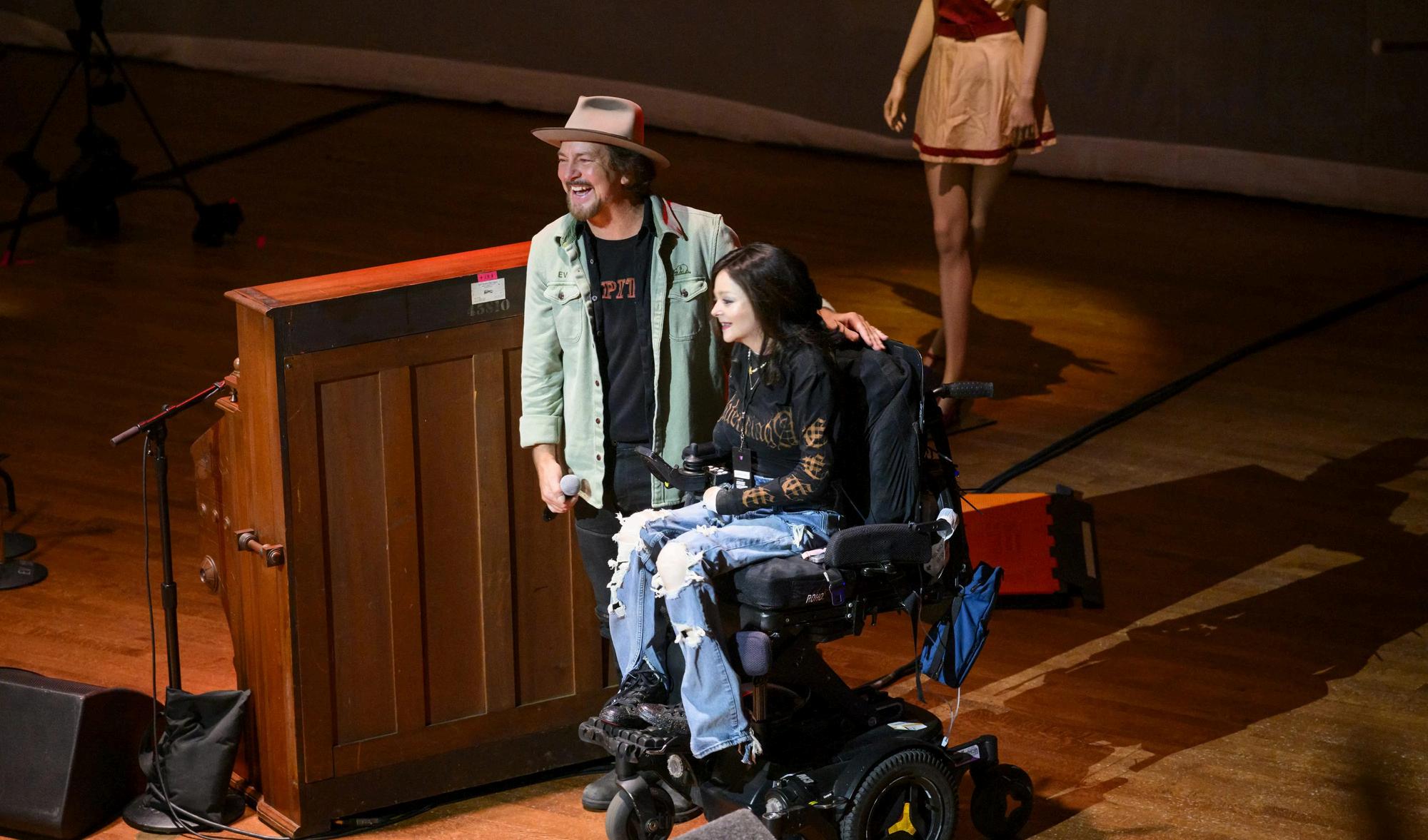
Eddie Vedder held several solo concerts in Seattle to raise funds for the cause. Visibly moved, the Pearl Jam frontman stands before sold-out crowds who rallied behind the mission.
One of the most special concerts occurred when children and families with EB attended together, some meeting for the first time, sharing that experience and writing a new chapter side by side.
Traveling is far from easy for them, and the filmmaker intimately follows this process with the families and children who agreed to open their lives to the camera. We witness the stories of Eli and Rowan among others. Gauze, alcohol, bandages, and countless medical supplies are the bare essentials mothers must always have at hand in case of bleeding or injury.
“Airplane air is highly contaminated because it’s recycled, and that will always be an issue for me,” says Deanna, who lives with recessive EB and participated in a panel alongside doctors, families, and researchers at the organization’s annual meeting.
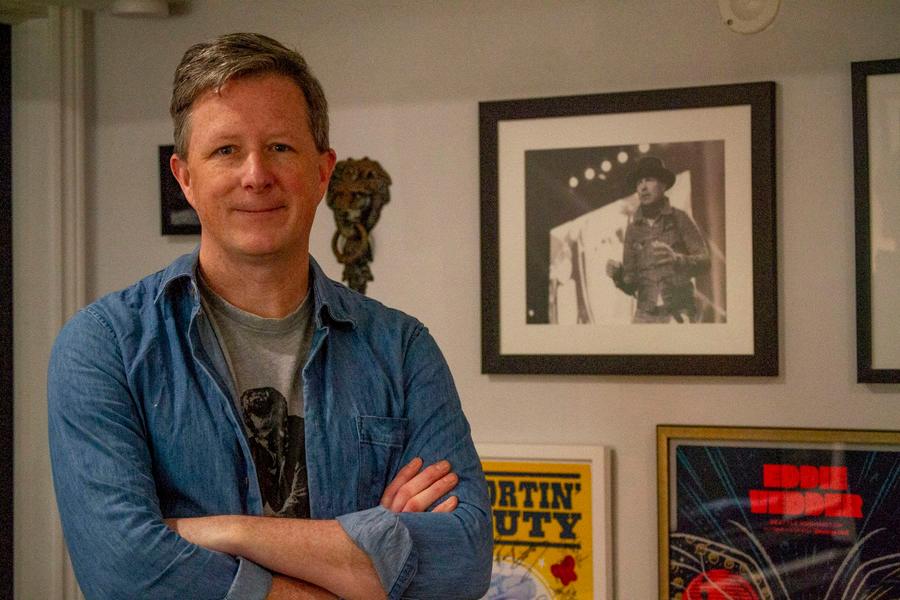
» Matt Finlin IMDB
Here we begin to see an essential blending of art’s human and social dimension: Eli presenting a drawing to Eddie Vedder; Debbie expressing herself through surreal, dreamlike art; Rowan, a sweet girl with infectious joy, immersing herself in her own drawings; the singer using his voice as a magnetic force to extend a charitable cause; and a director who observes and holds each participant’s story in memory before sharing it with the world
We speak about the challenges of filming in such a context, where ethics must be delicate and meticulous. There are moments of pain that allow no artifice.
“As a filmmaker, as someone with a camera, you have to dissociate a little while capturing some of the moments seen in the film and be strong for them; because they are being strong and giving so much,” Finlin tells me.
Through this experience, the director admits he was transformed. In everyday life, he feels a heightened awareness of the present and gratitude for the simple things. “I’m more conscious of it,” he says.
“There is something they put into the universe that I truly can’t put into words. The phrase ‘wise beyond their years’ doesn’t do them justice.”
As the film takes shape, science advances alongside it When the project began, regulatory approvals were barely part of the conversation Today, three FDAapproved treatments stand as tangible signs of progress Yet the ultimate goal lies further ahead
“As Jason Holler says in the film, it’s a treatment. And we are going for the cure.”
Bringing therapy from laboratory to bedside requires years of research, resources, and persistence, as evidenced in the work of Stanford physician Jean Tang and her advances made possible through financial and social support. The documentary illuminates that invisible path, the quiet labor that rarely makes headlines. The music underscores the story without dwelling on pain: the Canadian band Broken Social Scene composes a score that breathes hope.
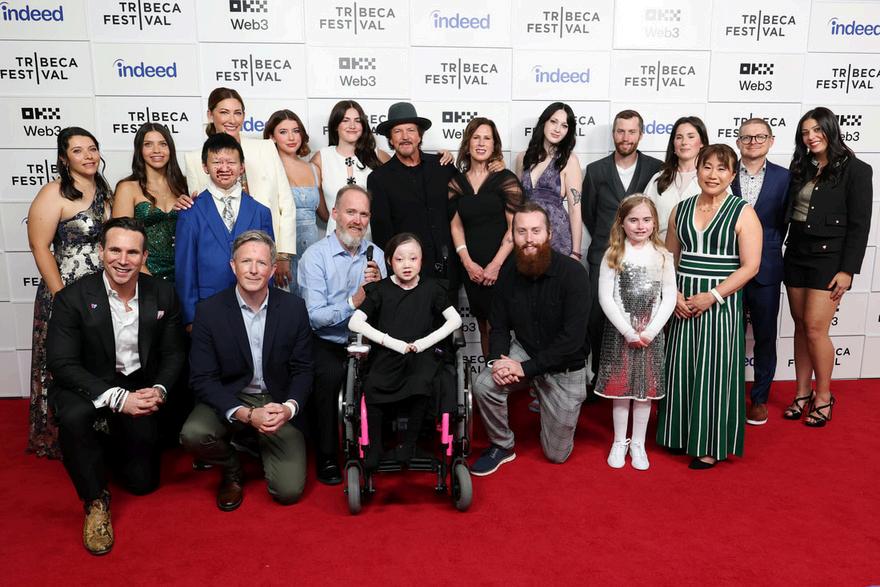
Matter of Time premiere at Tribeca Film Festival, EB Research

“Kevin from the band would talk about it constantly while we were working. We have a responsibility to hope. We have a responsibility, when creating this music, when creating art for this film, to sustain a narrative of hope, not sadness,” Finlin explains.
That is the film’s pulse: not denying the hardship but blending it with the artist’s music in service of a humanitarian cause, with the connection shared by all participants and the light that endures through the darkness their patients experience.
In closing, the director’s hope is clear:
“I hope it comes through in the film how deeply the Vedders care about this, how the only thing that matters to them is future treatments and, ultimately, curing this disease. So if you can support EB Research Partnership, please do. Every dollar donated goes directly to research and nothing else. ”And if financial support is not possible: “Tell someone about EB. That means everything to the people in this community and to us.”
The documentary seeks to activate us to awaken that part of ourselves that struggles to truly see what another person is feeling and it does so through its most resilient protagonists: children who deserve to be children, not defined by a disease. Alongside them, we are reminded that art can be a bridge to action. That empathy can translate into funded research, completed clinical trials, and less painful lives.
“If what you take away is hope, then I think we’ve done our job.”
Watching the film is a first step he next:sharing it, speaking about it, supporting research, may bring us closer to the day when EB belongs to the past. SC