SPANGLISH cinema
*Originally
*Originally
Por Francisca Romero
Shih-Ching Tsou, su directora, hace su debut en solitario después de que ha sido una acérrima colaboradora de Sean Baker en la mayoría de su filmografía, produciendo icónicas películas como “Tangerine” o “The Florida Project”. Esta película tiene tintes de esa esencia, además Baker, es el co-escritor, productor y editor en el film.
Esa sincronía de la dupla se nota en el reconocimiento de tonos y formas que acompañan también la historia de sus otras colaboraciones. En ese contexto, la película de Tsou tiene esa familiaridad en colores y uso de cámara que hace que el espectador no solo esté hipnotizado con lo estético, sino también pueda disfrutar plenamente de sus diálogos y narrativas si conoces sus trabajos anteriores.
La sinopsis del film versa sobre una madre taiwanesa y sus dos hijas que se relocalizan en Taipeí tratando de adaptarse al entorno e intentando mantener la unidad familiar.
Así vemos como las protagonistas regalan al auditor un poco de su vida, mientras se reinventan para salir adelante y nos deleitan con inesperados giros de guion. El film, parte de la sección de la Semana de la Crítica de Cannes, logró hacer reír y llorar al público presente, lo que se afirmó en la ovación que tuvo a su término.
Shih-Ching Tsou makes her solo directorial debut after being a close collaborator of Sean Baker throughout most of his filmography, producing iconic films such as Tangerine and The Florida Project. This film carries echoes of that same essence, with Baker serving as co-writer, producer, and editor.
The synchronicity between the duo is evident in the recognition of tones and stylistic elements that also accompany their previous collaborations. In this context, Tsou’s film demonstrates a familiar use of color and camera work that not only mesmerizes the viewer aesthetically but also allows for full immersion in the dialogues and narrative—especially for those familiar with their past work.
The film follows a Taiwanese mother and her two daughters as they relocate to Taipei, striving to adapt to their new environment while maintaining family unity. We witness the protagonists offering glimpses into their lives as they reinvent themselves, navigating unexpected twists along the way. Selected for Cannes Critics’ Week, the film elicited both laughter and tears from its audience, a response confirmed by the standing ovation at its conclusion.
La Película
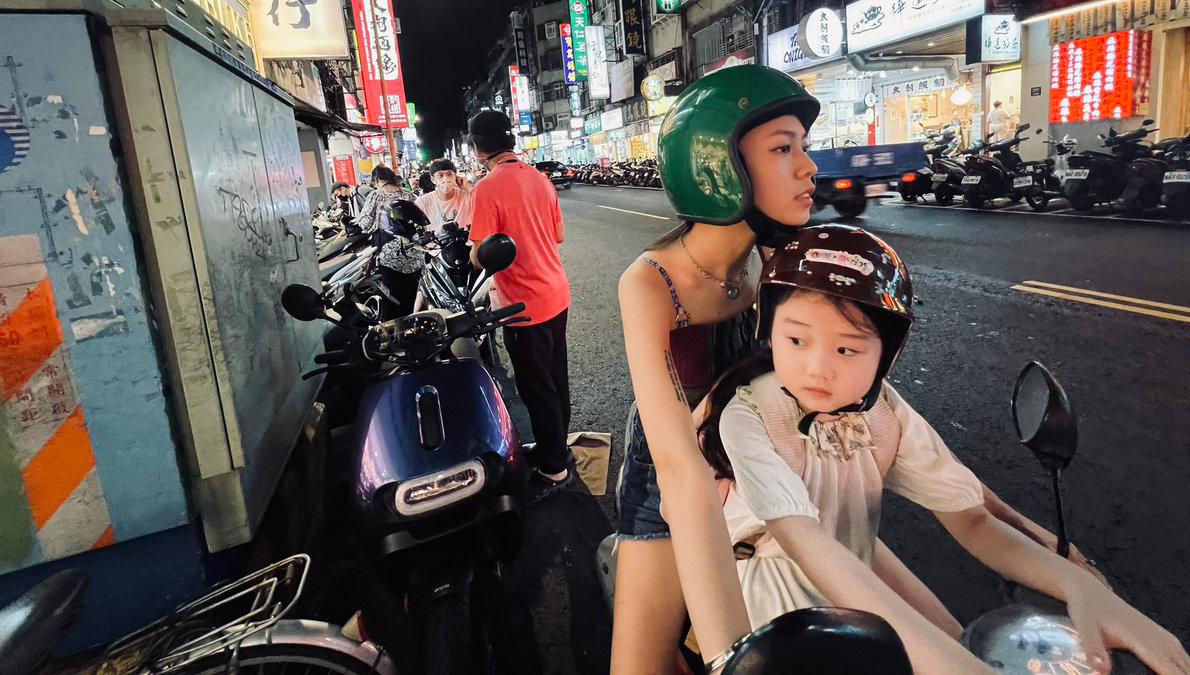
Las tres generaciones de mujeres de la familia nos muestran distintas visiones de la vida, personalidades que no siempre son compatibles pero que de alguna u otra manera se encuentran en la necesidad y el amor. Tiene pequeñas luces casi documentales a ratos, acompañada con una fotografía increíble, y una cámara que sigue a sus protagonistas casi en tiempo real lo que hace ir viviendo cada segundo con ellas, filmada igualmente que en su codirección con el ganador de la Palma de Oro «Take Out» donde utiliza un iPhone para grabar lo que lo hace más alucinante.
En cuanto a sus personajes quien se roba totalmente la película – incluso con actuaciones majestuosas – es Nina Ye, la actriz, interpreta a una pequeña niña de cinco años llamada I-Jing que con sus pequeños microgestos se roba el corazón de quien la asiste, incluso cuando comparte el protagonismo con su hermana mayor I- Ann (Shih-Yuan Ma) que desbordada talento actoral y se lleva el mayor peso del dramático en el film. Por otra parte, con su madre en pantalla Shu -Fen, una espectacular Janel Tasi, que entrega una perfecta performance, de igual manera Ye, conmueve, saca carcajadas y da una perspectiva transversal a cualquier
The three generations of women in the family present different perspectives on life—personalities that are not always compatible yet connect through necessity and love. The film occasionally adopts a subtle documentary-like style, accompanied by breathtaking cinematography, with a camera that follows the protagonists almost in real time, making viewers experience each moment alongside them. This approach mirrors Tsou’s co-direction of Palme d’Or-winning Take Out, where she also used an iPhone to film, adding a striking intimacy to the visuals.
Among the characters, the one who steals the film— even amidst other standout performances—is Nina Ye as five-year-old I-Jing. Through subtle micro expressions, she captures the audience’s heart, even while sharing the spotlight with her older sister I-Ann (Shih-Yuan Ma), whose talent carries much of the film’s dramatic weight. Their mother Shu-Fen, portrayed by the remarkable Janel Tasi, delivers a flawless performance. Ye, in turn, evokes laughter, empathy, and insight, presenting a child’s perspec-

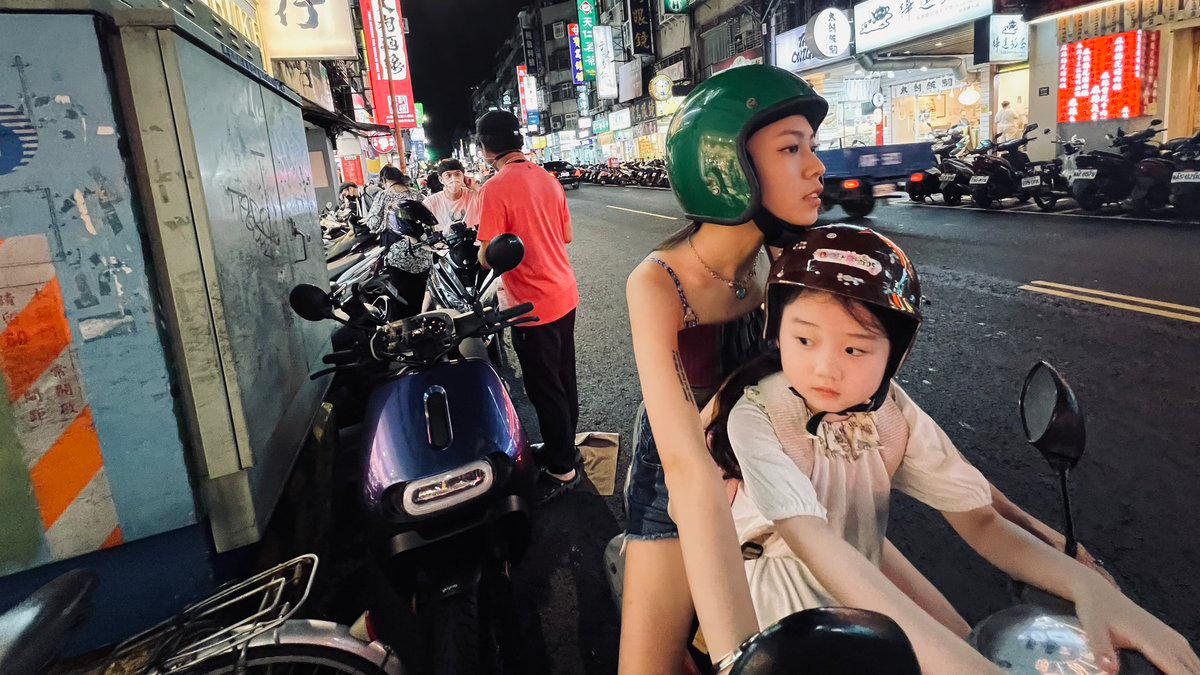
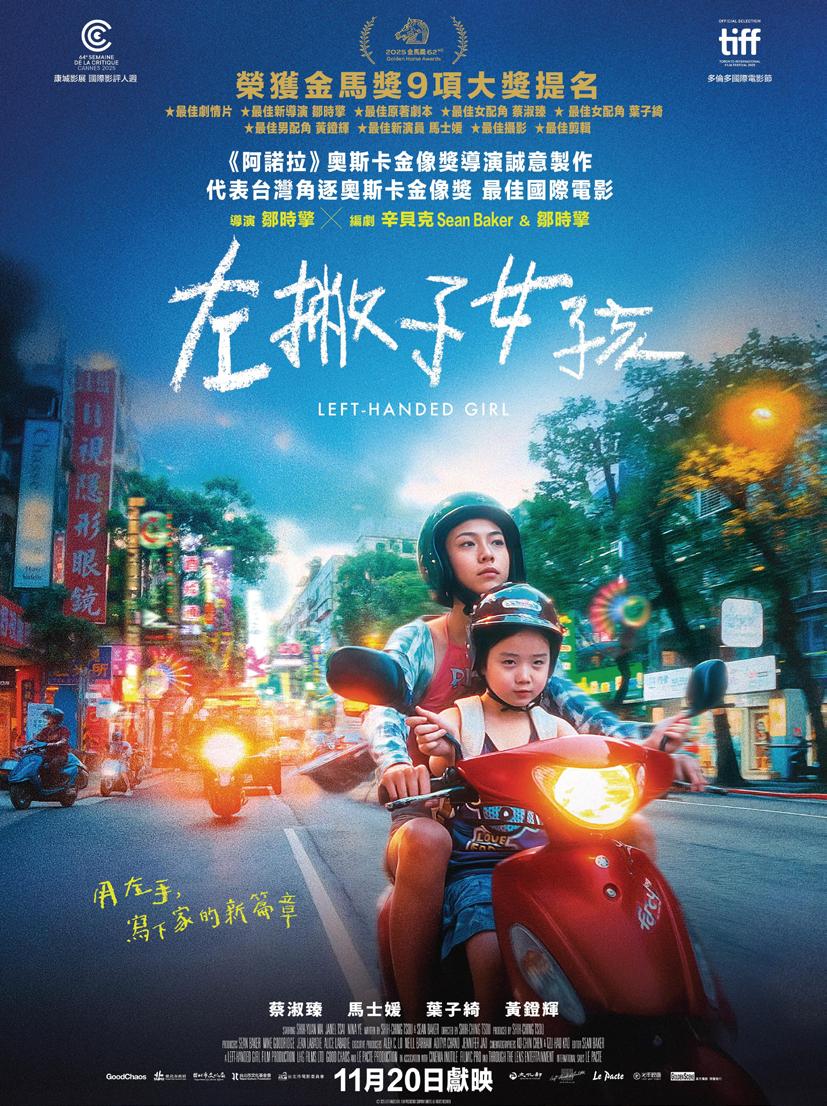
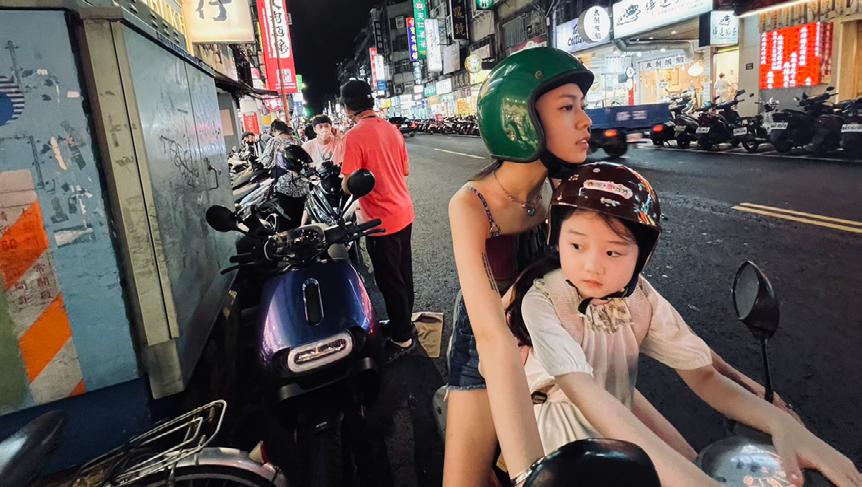
de Left-Handed Girl. Left-Handed Girl protagonists
problemática adulta, es una niña e intentar vivir esa etapa de una manera feliz a pesar de todo nuevo contexto.
En el comienzo del film la vemos saltando, ayudando con las tareas del nuevo negocio nocturno de su madre donde vende comida, se la ve persiguiendo a su hermana o recorriendo los distintos pasillos de la feria donde se encuentra el puesto de alimentos. Construimos a través de ella una visión de mundo a partir de sus ojos que intentan adaptarse al entendimiento de todo lo que pasa a su alrededor y que se resalta por los dramas a los que están sometidas su hermana y su madre.
Desde pequeña se enfrenta a conversaciones como la muerte, la falta de dinero o la inhabilidad emocional de su familia que la trata como un adulto más. Pero que, dentro de todo, es una familia que se quiere y que quiere que sea feliz, incluyendo su reconexión con su familia ampliada, como su abuela y el padre de su madre quién será esencial en el relato a pesar de casi no aparecer en pantalla.
Una tarde que I-Jing debe quedarse en casa de sus abuelos. Su abuelo, al darse cuenta que es zurda, le impide utilizar esa mano aludiendo a que está dirigida por el diablo, vinculándolo a antiguas creencias de generaciones anteriores, lo que caló profundamente en la adorable protagonista que cambia su vida por ese mandato y nuevas creencias.
Una de las cosas más interesantes del film es como va intercalando la vida de las protagonistas, pero haciéndola volver a los ojos de I-jing y sus cortos cinco años de vida.
Su hermana mayor, no tiene los medios para ir a la universidad y la distancia de sus compañeros que se ha encontrado nuevamente en la ciudad hace que viva al límite. Su dura carcasa es solo una proyección de la falta de cariño, pero su estoicismo la hace caminar con la frente en alto desafiando todos los esquemas de la sociedad. En el caso de la madre de ambas, su pasar no es fácil, a duras penas intenta mantener el negocio para poder sobrevivir y sacar a su familia adelante.
Es, en lo dulce y agraz, de cómo van reaccionando y entrelazándose las historias de estas tres mujeres- y los personajes secundarios que los rodean- que la audiencia encuentra refugio en ese vaiven emocional que la directora logró construir delicadamente, teniendo como otro personaje
tive on adult dilemmas while navigating a new and challenging world.
At the film’s start, we see I-Jing jumping around, helping with her mother’s night-market food stall, chasing her sister, and exploring the fair’s aisles. Through her eyes, the audience constructs a worldview shaped by the struggles her mother and sister endure. From an early age, she confronts conversations about death, financial hardships, and the emotional limitations of her family, who often treat her as another adult. Yet the love within the family remains palpable, extending to their extended relatives—her grandmother and grandfather, who, despite minimal screen time, play crucial roles in the story.
One afternoon, while staying with her grandparents, I-Jing’s grandfather discovers she is left-handed and forbids her from using that hand, claiming it is guided by the devil—a belief tied to older generations. This profoundly impacts I-Jing, who reshapes her behavior in response to this mandate.
One of the film’s most compelling aspects is how it weaves together the protagonists’ lives, consistently returning to the perspective of five-year-old I-Jing. Her older sister, lacking the means to attend university and distanced herself from peers she reconnects with in the city, navigates life on the edge. Her tough exterior masks a lack of affection, yet her stoicism allows her to face society’s challenges with dignity. Their mother faces no less difficulty, struggling to sustain her business and support the family.
In the bittersweet interplay of these three women’s stories—and the secondary characters around them, the audience finds solace in the emotional ebb and flow that Tsou delicately constructs. The city itself emerges as another central character, explored on foot, by scooter, or through an iPhone camera tracking the protagonists along narrow passageways lit by vibrant market stalls.
Key moments include I-Jing’s bond with a meerkat that unexpectedly enters their lives, and a family dinner for the grandmother’s birthday, which reveals long-hidden truths that astonish all present.
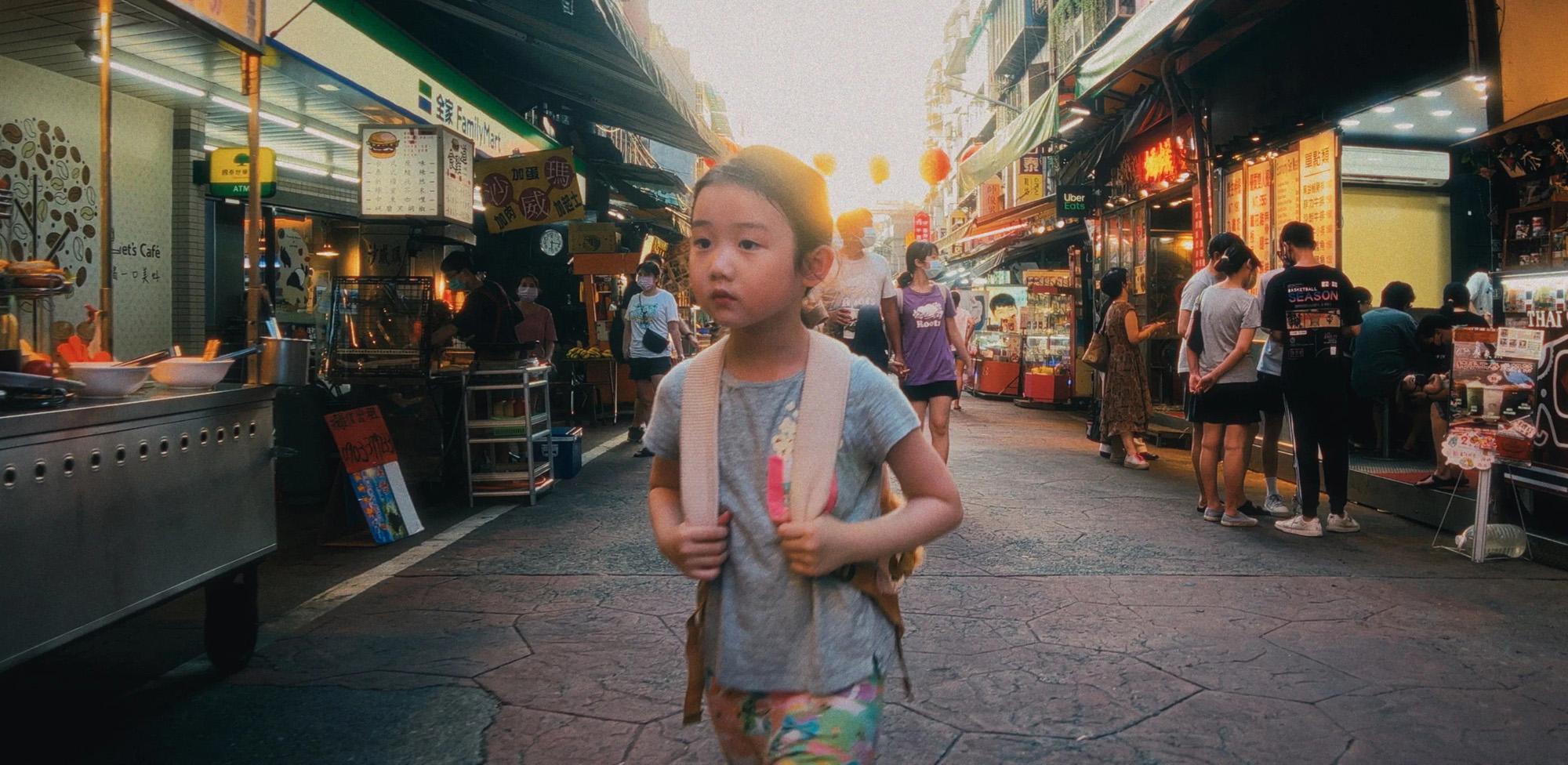
principal a la ciudad que es recorrida a pie, en moto, o con cámara de un iPhone siguiendo a las protagonistas por pequeños pasajes llenos de luces y puestos comerciales.
Los peaks del film tienen que ver con la relación de la pequeña con una suricata que llega a sus vidas repentinamente y luego con una cena familiar del cumpleaños de la abuela que dejará a todos atónitos ante visitantes que terminan destapando una verdad que se había escondido por años.
La transversalidad de lo real y lo social, que siempre está cuestionando la perspectiva de quien lo construye y lo vive es tal como el cine de Baker y sus colaboraciones con Tsou, ese que deja entrever la brechas de clases, en este caso particular el machismo disfrazado en la cultura asiática, la dificultad de la vida diaria que se vuelve esencial en el relato de la película y el retrato de estas tres generaciones que no solo cuestionan sus propios constructos y valores, sino también nos hacen dar cuenta que a veces lo que vemos es solo una pequeña parte de lo que se lleva por dentro. En especial en los ojos de una niña que intenta descifrar este mundo de adultos y no perder su esencia de esa niñez.
Definitivamente un must de todo cinéfilo.
The film’s realism and social awareness—always questioning perspective—is reminiscent of Baker’s cinema and his collaborations with Tsou. Class divides are subtly revealed, here highlighting machismo embedded in Asian culture, while the depiction of everyday struggles grounds the story. The portrayal of three generations of women challenges their own values and structures, reminding us that appearances often reveal only a fraction of one’s inner world. This is especially true through the eyes of a child striving to decode the adult world without losing her innocence.
A must-see for every cinephile.
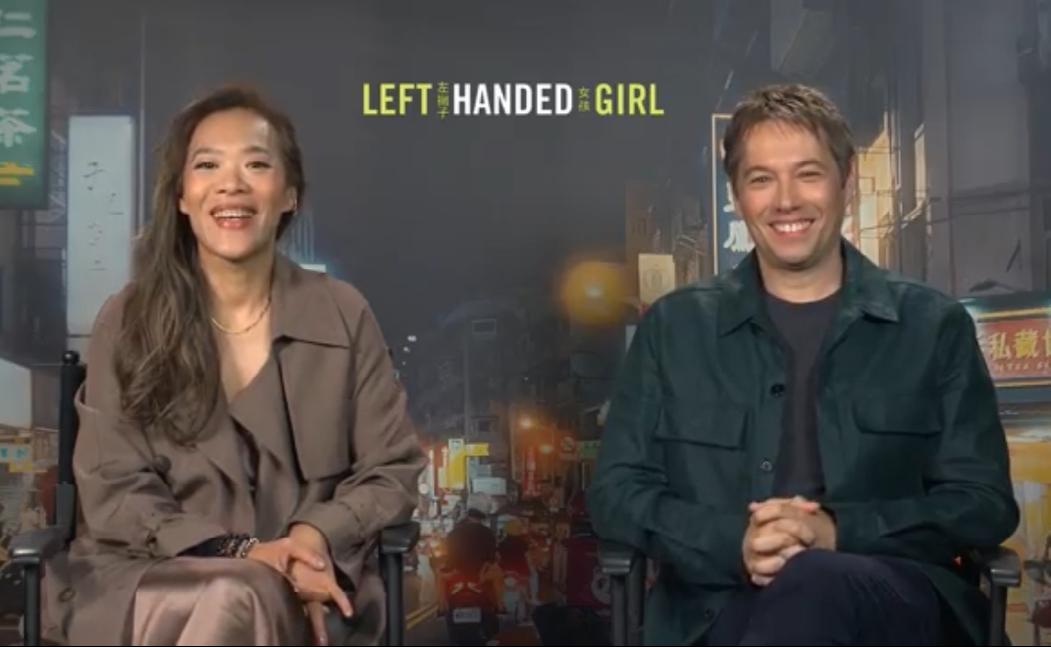
*Esta entrevista está basada en dos conversaciones con Shih-ching Tsou y Sean Baker por el lanzamiento de la película Left-Handed Girl
Spanglish Cinema (SC): Comparten tanta metodología en el proceso, usando distintos roles en distintas producciones, que tienen una visión integral del cine. Así que quería saber qué piezas de todo eso usaste para tu primer debut como directora en solitario.
Shih-ching Tsou (SCT): Oh Dios mío… Es muy gracioso, porque cuando fui a Taiwán sola, aún en tiempos de pandemia, estaba sola, y contraté a un productor de línea taiwanés que me ayudó a formar el equipo. Pero todo lo demás lo hice prácticamente yo: iba en bicicleta buscando locaciones por mi cuenta, haciendo casting callejero, encontré a Shi en Instagram. Así que usé todas las habilidades que aprendí trabajando en las películas de Sean, todas y cada una de ellas. Muy útil, como una academia de cine de Sean Baker para mí. Increíble.
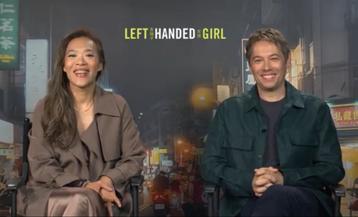
We spoke with director, co-writer, and producer Shihching Tsou, as well as co-writer, editor, and producer Sean Baker, to take a deeper look into the making of Left-Handed Girl.
Spanglish Cinema (SC): You share so much methodology, I guess, doing the process of different hats in different productions. So, you have an integral scene of cinema, and I wanted to know which pieces of those things you used from your first solo directorial debut.
Shih-ching Tsou (SCT): Oh my God, you know what, it is funny, because when I went to Taiwan on my own, because it was still pandemic time, so I was there by myself, and I hired the Taiwanese line producer who kind of helped me form the crew. But everything else I kind of did myself, I was biking around, finding locations on my own, and doing all the street casting, you know, find Shi Yuan on Instagram. So, I kind of used all the skills I learned working on Sean's films, you know, every single of them. It's very, very useful, it's like a Sean Baker film academy for me. That's amazing.
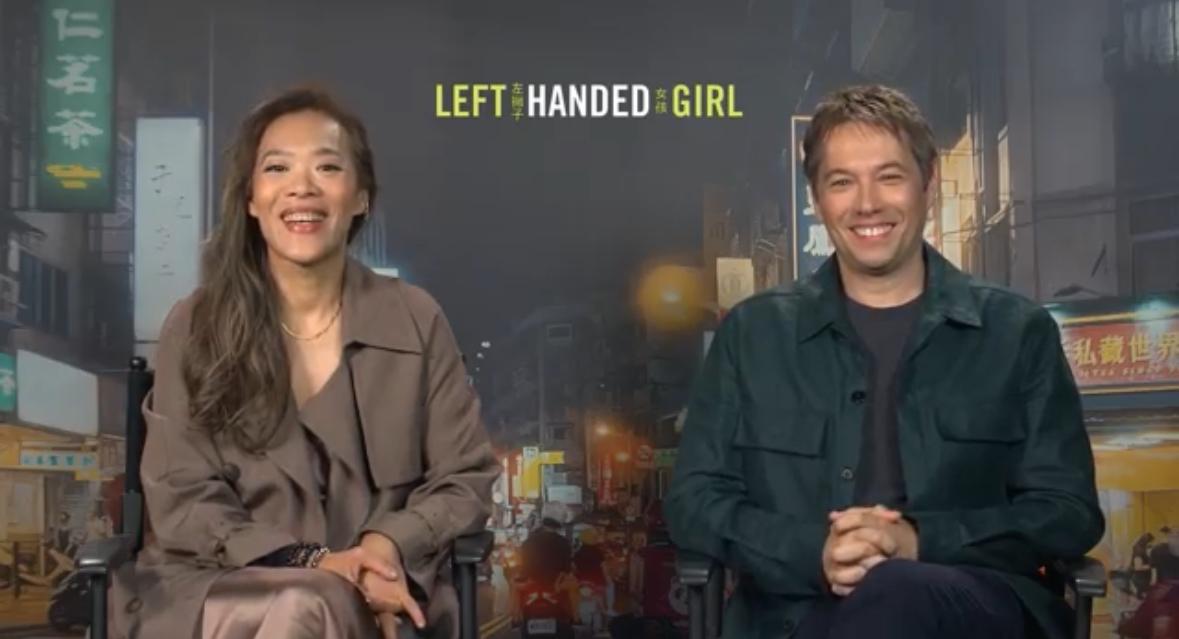
SC: Hablaste con Sean (Baker) sobre esta idea hace 20 años, con esa frase increíble que decía que la mano izquierda es la mano del diablo; es parte de tu historia. Y realmente quería explorar esto: han sido 20 años con un sueño, revisitando ese sueño. Entonces, ¿cómo ha cambiado el punto emocional a lo largo de este proceso, o cómo han cambiado las decisiones de lo que iban a incluir en la película durante esos 20 años?
SCT: Bueno, tengo que decir que, desde que escribimos el guion en 2010 en Taiwán, realmente nada cambió. El arco de la historia siempre ha sido el mismo. Pero debo señalar que sí hubo un personaje que cambió: Cuckoo.
Porque en el guion original era un mono. Y eso es porque quería recordar a mi mono mascota cuando crecí en Taiwán que se llamaba Cuckoo. Así que, cuando entramos en preproducción, queríamos encontrar un mono en Taiwán, pero hay reglas muy estrictas respecto al uso de monos en películas o televisión, porque es un animal protegido. Así que necesitábamos una licencia de actuación para el mono, y era plena pandemia. Era muy difícil traer a alguien de fuera del país. Así que fui con un veterinario, y el veterinario tenía dos animales exóticos. Uno era un zorro blanco y el otro era una suricata. Y la suricata vivía con ellos, y es el rey de la familia, domina a los perros y a los gatos, es muy listo. Entonces el veterinario dijo: “Creo que él es el mejor candidato para este papel”, y escogimos al suricata.
Sean Baker (SB): Shih-ching me llamó desde Taipéi y me dijo: “No podemos usar un mono”, yo pensé: “No, por favor. Estoy casado con ese personaje, necesito ese mono”. Y ella respondió: “No te preocupes, tengo un suricata. Todo está bien”. Y dije: “Bueno… es un buen sustituto, de hecho”. Y este suricata ha estado viajando con Shih- ching y su equipo en festivales de cine en Taiwán. Me encanta. Incluso vino a nuestra función de prensa.
SC: Es hermoso, lo he visto. Bueno, Sean, tú tuviste un reto increíble aquí porque tenías el sueño de tu amiga y tu colaboradora creativa de tantos años en tus manos, y tuviste que editar ese sueño. Entonces, ¿cuáles fueron los desafíos, cuáles fueron las conversaciones que tuvieron cuando llegó ese momento?
SC: You talked with Sean (Baker) about this idea 20 years ago, with this amazing phrase that said, left hand is the devil's hand, it's part of your story. And I really wanted to explore, this has been 20 years with a dream, revisiting that dream. So how does the emotional point change through this process, or does the selections of the things that you're going to put in this movie change in those 20 years?
SCT: Well, I have to say, you know, since we wrote the script in 2010 in Taiwan, like nothing really changed. The story arc is always the same. But I have to point out one character has changed. It's cuckoo.
Because in the original script, it was a monkey. And that's because I wanted to remember my pet monkey when I grew up in Taiwan. It's called cuckoo. So, when we went into the pre-production, we wanted to find a monkey in Taiwan. But they have a very strict rule about putting monkeys on films or TV because it's a protective animal. So, we needed a performance license for the monkey, and it was the pandemic. So, it was hard for us to bring anybody from outside the country. So, I went to a veterinarian, and the vet had two exotic animals. One is a white fox, and one was a meerkat. And the meerkat lived with them, and he is the king of the family. He is ruling over the dogs and the cats. You know, he is really smart. So, the vet said, “Well, I think he is the best candidate for this role”, so, we picked the meerkat.
Sean Baker (SB): When she called me, she called me from Taipei and she said, yeah, we can't use a monkey. And I was like, no, please. I'm married to that character. I need that monkey. And she goes, no, no worries, I got a meerkat. It's all good. Oh, good, and I was like: That's a good substitute, actually. And, you know, this meerkat has been touring with Shih-ching and her team at film festivals in Taiwan. I love it. He came to our press screening. Yes, he's doing well. We are going to bring him out again. I saw it.
SC: It's beautiful. Well, you had amazing things to do here because you have your friends and long-time creative collaborator dream. And you had to edit that dream. So, which were the challenges, which were the conversations that you had when you have to do that part?
SB: Bueno, para mí fue realmente interesante porque no fui parte del rodaje principal. Solo estuve en la primera etapa, coescribiendo, y luego en la última etapa, la edición. Así que entrar después y ver: “Oh, esas fueron las decisiones que tomó Shih-ching”.
Así cubrió la escena, así dirigió esa interpretación. Fue una manera completamente distinta de trabajar para mí, obviamente. Estaba muy impresionado con lo que había hecho. Fue un placer editar su trabajo, me dio muchísimo material con el que trabajar. Me divertí y no había conocido a esos actores aún, los conocí en el estreno en Cannes, así que llegué a conocerlos a través del material. Y fue realmente un deleite, la verdad, recrear nuestro guion ahora con el material que Shih-ching rodó tan hermosamente, fue un verdadero placer, un verdadero honor.
SC: Es hermoso. Y una de las cosas que más me gustan de tu filmografía colaborativa —y también en tu filmografía en solitario— es que tienes el don de presentarnos ciudades o personas extranjeras. Aquí, Taipéi es un personaje extendido de la protagonista. Así que me encantaría saber cómo trabajaste con la ciudad para los personajes. Porque a veces siento que se reflejan entre sí.
SCT: Bueno, trabajar en esta película me hizo redescubrir todas las bellezas de Taipéi. Crecí en Taipéi, así que todo me resulta muy familiar. Conozco todo al derecho y al revés. Pero después me mudé y viví en Nueva York durante 25 años y aunque regreso con regularidad, cada año, volver y escoger las locaciones, ir a distintos mercados nocturnos, buscar esos rincones específicos… Por ejemplo, cuando la niña corre por ese callejón oscuro: descubrí ese callejón yo misma. Dije: “Esto es perfecto. Es la representación perfecta de cómo se siente por dentro. Tal vez está muy asustada”. Pero también es muy familiar: debe conocer el camino, por eso encuentra el atajo. Así que, al trabajar en esta película, encontré aún más amor por mi país. Más amor por mi ciudad. Y quiero que una audiencia global vea Taipéi; que quizá un día todos vayan a Taipéi y hagan este recorrido de la niña zurda por ese mercado nocturno. Sería maravilloso.
SC: Estaba pensando en eso, si el mercado tendrá más atención ahora que es conocido por la película. Bien.
SB: Well, it was really, really interesting for me because I wasn't part of principal photography. It was really I was in the first stage, co-writing and then the last stage, the editing. And so, to come in after and see, oh, those were the choices that Shih-ching made.
That's how she covered the scene. That's how she directed that performance. It was so it was a completely different way of working for me, obviously, and I was so impressed by what she had done. It was a pleasure to edit her. She gave me a wealth of material to work with. I had fun. I had not met those actors yet. I didn't meet anybody until the Cannes premiere. So, it was so I got to get to know them through the footage. And it was really a delight to tell you the truth, to recreate our script now with the footage that Shih- ching beautifully shot. So it was a real pleasure, a real honor.
It's beautiful. And one of the things that I like the most is in your collaborative, I'm sorry, filmography and also in your solo filmography, you have the gift to introduce us cities or foreign people. So here Taipei is an extended character of the protagonist.
So, I would love to know how did you worked with the city for the characters? Because sometimes I feel that they mirror themselves.
So, you know, working on this film, I, you know, rediscover all the beauties in Taipei.
You know, I grew up in Taipei, so everything is very familiar. Like, you know, I know everything inside out. But when I lived, you know, when I moved away, I lived in New York City for 25 years. Although I go home regularly, like every year, I am still going back there, trying to pick out all the locations and, you know, going to different night markets, trying to pick out that specific corner. For example, when the little girl ran through that dark alley, I discovered that alley myself. They say, well, this is perfect, t's a perfect depict of how she feels inside. Maybe she's really scared, she's like, doesn't really know. You know, and also like very familiar.
Like she must know her way. That's how she found the shortcut. So, throughout working on this film, I found more love for my country. I found more love for my city. And, I want a global audience to see Taipei, too. Maybe
Otra de las cosas de las que me encantaría hablar con ustedes es que esta película habla de tres generaciones de mujeres. Habla de tres historias de mujeres muy distintas, muy observadoras entre sí, pero que están ahí unas para otras.
Pero además están experimentando cosas nuevas. Y en esta película es tu primer debut en solitario. Es la primera película de Nina después de comerciales. Es el primer papel de su hermana. ¿Cómo fue explorar esas cosas, esas novedades que también sentiste cuando volviste a Taipéi?
SCT: Bueno, creo que trabajar con actores implica hacer que entiendan la historia detrás del guion, Así que traté de… tuvimos esta reunión al principio. Todos fueron al puesto de fideos, que es parte de la vida de todos. Si vives en Taiwán, es imposible que no hayas ido a un mercado nocturno. Así que creo que todos tienen sus propias historias del mercado nocturno, y sus propias dinámicas familiares. Así que cuando trabajé con ellos, les pedí que llevaran sus propias experiencias de vida a la historia; al personaje. Porque creo que los elegí porque se parecen a los personajes que describimos en el guion. Quiero que traigan una parte de sí mismos a la filmación, al set, y colaborar. Ellos crearon este personaje conmigo, y yo simplemente creé este entorno auténtico para ayudarlos a convertirse en él.
Increíble. Y para cerrar, ¿Imaginaron que 20 años después esos dos jóvenes Sean Baker y Shih-ching Tsou estarían en este viaje creativo juntos desde aquella conversación inicial?
SB: Es una buena pregunta. Siempre tuvimos pasión por lo que hacíamos y esperanza de poder hacer esto algún día. No tenía idea de que iba a tomar tanto tiempo, pero estoy muy feliz con los resultados. Estoy muy impresionado con lo que Shih-ching ha hecho. Ha sido un viaje largo, pero completamente gratificante. Ahora Left-Handed Girl es real, es real y ya ha sido celebrada en festivales alrededor del mundo. Netflix la está estrenando globalmente y millones de ojos la verán.Y digamos que tuvo el resultado ideal. Todo salió bien y se siente maravilloso. Hermoso.
one day they will all go to Taipei, have this left-handed girl tour in this night market. I think that would be wonderful.
SC: Definitely. I was thinking about that. If the market is going to have more like highlights now that it's known by the movie and everything.
Okay. One of the other things that I would love to talk with you both is that this movie talk about three generations of women. It's talk about three stories of women, like very different, very observant between them, but they are there from one of each other.
But also, they are experiencing new things. And in this movie, it's your first solo debut. It's first Nina's movie from commercials.
It's first, the first role for her sister, her sister. So how was that, like exploring those things, those novelties that you also feel when you came to Taipei?
SCT: You know, I think like working with actors, it's important to make them understand the story behind the script, right? So, I try to, you know, we have this gathering together in the beginning. Everybody comes to the noodle stand, kind of, you know, of course, that's everybody's life. If you live in Taiwan, there's no way you've never been to a night market. So, I think they all have their own night market stories, and they all have their own family dynamic. It's, you know, so when I work with them, I ask them to bring their own life experiences into the story, you know, into the role.
Because I believe I picked them because I think they look like the character that we depict in a script. I want them to bring one part of themselves into the film, into the set, and collaborate. They created this character with me, and I just created this authentic environment, helping them to become the character.
SC: Did you imagine that 20 years later those two, younger Sean Baker and Shih- ching Tsou, will be on this journey together from that conversation that started?
SB: You know, that's a good question. We always had, you know, obviously a passion behind what we did and a hope that we'd be able to do this someday. I had no
SCT: Y eso es parte de la razón por la que Left-Handed Girl puede estar aquí. También el Oscar de Sean trajo mucha luz; hizo que la gente prestara más atención a lo que hacemos.
Fue maravilloso. Tengo que decir que fue frustrante a veces, cuando no encontrábamos financiamiento aquí o allá.
SB: Y no sabíamos el futuro de esta película. Pero viéndolo ahora, como dijo Shih-ching, tenía que pasar así, porque mira el elenco: algunos ni siquiera habían nacido cuando escribíamos este guion y gracias a que sucedió cuando sucedió, Nina pudo ser la niña zurda. Estaba destinada.
SC: Y para cerrar: la música. Escuchas el tráiler y estás sumergido en esas calles con esa música magnética. ¿Trabajaron con alguien especial? ¿Querían esa canción?
SCT: Elegimos ese tema musical con ese tambor metálico. Es la música que representa ese espíritu infantil travieso. Cuando Sean empezó a editar, escogió esa canción en particular.
SB: Y a lo largo de la película la fuimos integrando para hilvanar la emoción y ese espíritu infantil. Es una pista ligera, muy lúdica. Pero creo que eso, en contraste con las dificultades que viven los personajes, crea algo interesante.
Prepara al público para pensar que esta será una película muy ligera, y en parte lo es, pero al mismo tiempo ese contraste crea algo especial. Ese equilibrio que siempre buscamos: un poco de comedia, un poco de dolor, mezclados. Y creo que esa música establece eso desde el inicio.
Muchas gracias, me encanta ver la travesía de la película en redes y… amamos las suricatas. SC
idea it was going to take so long, you know, but I'm so happy with the results.
I'm so impressed with what Shih-ching has done. And it's been a long journey, but it's been, it's completely rewarding. Like now it's the Left-Handed Girl is real, it's real, and it has been celebrated already in film festivals around the world. Netflix is releasing it around the world, millions of eyes will see it and it's just, let's just say it has the ideal outcome. Everything worked out and it felt really wonderful. They weren't even alive when we originally wrote this screenplay. And thank God it happened when it happened, because if it didn't, Nina wouldn't be the Left-Handed Girl. She wouldn't, you know, it was meant to happen when it was meant to happen.
SC: And to wrap up the music, I mean, you listen to the trailer, and you are immersed in those streets with that amazing music, magnetic. So, did you work with someone special? Did you want that song?
SCT: We picked that, the theme music, you know, throughout that very, like a metal drum, right? So, that was like the music that kind of represents that little, you know, mischievous kind of children's spirit. So, you know, Sean, when he started editing, he picked out that very particular song.
SB: And then throughout the film, we kind of, you know, put that inside to kind of wave the emotion and all that children's spirit in there. It's a very light-hearted, whimsical track. But I think that that is juxtaposed with some of the hardship that the characters are going through.
It plays out in a way where the audience is set up to think this might be a very light-hearted movie, and kind of is. But at the same time, I think that, again, as I just said, that juxtaposition, there's something interesting there. It's the way, it's that balance that we're always looking for in our content, where it's like, you know, a little bit of comedy and pathos, you know, mixed.
And I think that music track is sort of setting the audience up for that from the very beginning.
My time is up. But thank you so much, and I love to see the journey of the movie on social media and we love Meerkats. SC