SENIORS in ACTION

Living Longer. Living Safer. Living Well.

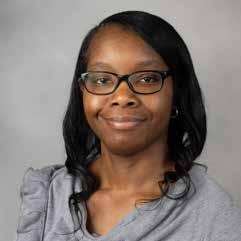
As I begin this new chapter as AAA Director for the Sowega Council on Aging, I want to begin by saying thank you to the communities, partners, caregivers and families who continue to support our mission across Southwest Georgia. Your trust and support make it possible for us to continue expanding services and strengthening resources for older adults throughout our region.
At the heart of our work is a simple but important mission: to coordinate a system of services that promotes the well-being and independence of older and disabled Georgians, helping them achieve healthy and self-sufficient lives. That mission continues to guide every decision we make as we look toward the future of aging services.
Over the past year, our transition to an administrative-only office has allowed us to focus resources more directly on outreach and service delivery throughout our 14-county Planning and Service Area. As a result, we have increased participation in programs, expanded services into additional areas and reduced waiting list numbers in several areas. We are continuing to strengthen provider partnerships and improve access to support where it is needed most.
As an Area Agency on Aging, collaboration is at the center of what we do. Through our network of providers and local partners, we are able to connect seniors and caregivers with services that help individuals remain safe, healthy and independent in their homes.
I am also incredibly thankful for the leadership and mentorship of former Executive Director Izzie Sadler, whose dedication and vision helped shape this organization for decades. Her commitment to seniors throughout Southwest Georgia has left a lasting impact on our agency and the people we serve.
As we move forward, I want our region to know that we are here to help. Whether you are looking for information, caregiver support, nutrition services or assistance navigating available resources, our team is ready to guide you through the process. If you or a loved one needs assistance, please contact us at 800-282-6612 to learn more about available programs and services.
Thank you again for your continued trust and support of the Sowega Council on Aging, your Area Agency on Aging. I look forward to continuing this work alongside our staff, partners and communities across Southwest Georgia.
With gratitude, Erin
Willingham AAA Director

Bed bugs, once common worldwide, declined significantly in the mid-20th century due to heavy pesticide use but have resurged globally as seen in the news. This rise is linked to increased international travel, pesticide resistance, changes in pest management, and limited public awareness. Today, bed bugs infest a wide variety of environments, including long-term care facilities, where early detection and swift, coordinated responses are essential due to the vulnerability of residents.
Bed bugs are small, flat, wingless insects that survive solely on blood from humans or warm-blooded animals. Adult bed bugs are reddish-brown and hide in cracks and crevices near sleeping areas. They reproduce quickly. Females lay up to 500 eggs in their lifetime, and all life stages require blood meals. Their bites are painless, but reactions differ widely; residents may develop welts, itching, allergic responses, or secondary infections from scratching. Infestations can cause anxiety, sleep disruption, and distress among residents and families.
In long-term care settings, bed bugs often spread by hitchhiking on clothing, linens, visitors’ belongings, or used furniture. Because the bugs hide deeply and disperse as infestations grow, thorough inspection is critical. Staff should examine beds, headboards, mattresses, seams, bedside furniture, baseboards, wall fixtures, curtains, electrical outlets, and especially adjoining rooms. Bed bugs leave telltale signs, including black fecal spots, shed skins, eggs, and a sweet, musty odor.
Protecting residents and staff and preventing spread requires careful protocols:
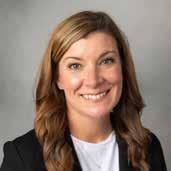
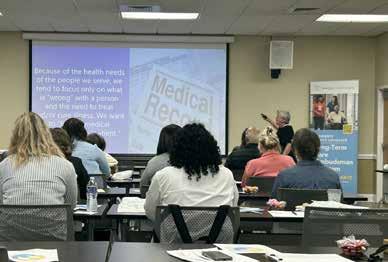
Long-Term Care Ombudsman Representative Program Coordinator, South Region
minimizing personal items brought into rooms, avoiding sitting on furniture during inspections, wearing protective clothing when needed, and isolating suspected items in sealed bags. Education is essential. Housekeeping, nursing, and maintenance staff should know what bed bugs look like and report concerns immediately.
Professional pest control should include a combination of inspection, vacuuming, heat or steam treatment, mattress and box-spring encasements, and targeted insecticides applied by licensed professionals. Chemical treatments alone are not sufficient and often require repeated visits. Adjacent rooms must be inspected because bed bugs quickly travel between units. Facilities should also reduce clutter, seal cracks, use metal or non-porous furniture when possible, and launder linens on high-heat settings.
Ongoing monitoring is important. A proactive, facility-wide strategy protects residents’ health, prevents spread, and reduces long-term costs associated with bed bug management.
Erin Willingham AAA Director
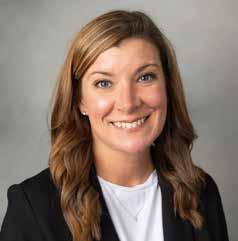
For more than 14 years, I have had the privilege of serving the seniors, caregivers and families of Southwest Georgia through my work at Sowega Council on Aging. What began as a wellness internship while attending college has grown into a career that has shaped both my professional life and my understanding of service and community.
I grew up in Sylvester, graduated from Lee County High School and earned a degree in Health Science with a major in Community Health from Georgia Southern University. I first joined the agency as a Wellness intern and later served as Wellness Coordinator, working directly with older adults throughout the region. That experience gave me a firsthand understanding of the importance of outreach, relationships and meeting people where they are.
Over the years, I have also served as Quality Specialist, Contracts Manager and Deputy Director before recently being named AAA Director. Each position gave me a broader understanding of how our organization supports older adults and caregivers across Southwest Georgia and strengthened my appreciation for the work happening every day throughout our 14-county region.
One of the most rewarding parts of this journey has been seeing how our organization continues to evolve to better serve the community. We have seen services expand, program participation increase and our outreach efforts and partnerships continue to grow as we work to better serve older adults and families
across Southwest Georgia.
I have also been fortunate to learn from incredible leadership along the way, especially former Executive Director Izzie Sadler. I am deeply thankful for her mentorship and guidance throughout my career and know her passion for serving seniors will continue in meaningful ways.
Today, I live in Mitchell County with my husband of 16 years and our two children. Outside of work, you can usually find me at a ball field for practice or a game. I enjoy spending time outdoors with family and friends and appreciate the “village” it takes to balance work and family life.
I’m excited for this new role and the opportunity to build even stronger relationships with our providers and local leaders. Working together we will provide much needed resources to seniors and adults with disabilities.

Written by Wendy Bellacomo
When the Sowega Council on Aging shared plans to transition away from its longtime Society Avenue facility, the goal was clear: strengthen services, expand access and better serve older adults across southwest Georgia.
Today, that work is already taking shape. In the months since the transition began, SCOA has moved administrative operations, expanded programming and increased service capacity in ways that reflect the organization’s long-standing mission. What was once a centralized model is now reaching further into communities across all 14 counties.
“Our focus has always been on making sure people have access to the services they need,” said Erin Willingham, AAA director at SCOA. “This transition has allowed us to put that into action in a more meaningful way.”
SCOA’s administrative offices are now located at 618-A N. Westover Blvd. in Albany, providing a more efficient base for staff while allowing more resources to be directed toward programs and services.
For many clients, the change in office location has had little impact on how they interact with SCOA. That is by design. Most services are delivered through community partners or through outreach efforts that do not require a visit to an administrative office.
What has changed is how those services are distributed.
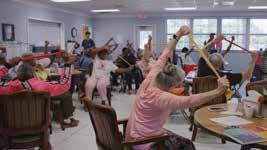
One of the most visible shifts has been the expansion of classes and activities in community-based locations. At Albany’s Central Baptist Church, participation has grown as more individuals take part in wellness programs, social activities and educational opportunities.
The increased attendance reflects a broader
trend: when services are offered in familiar, accessible settings, more people are able to participate.
For some, the transition required an adjustment. One participant, now in her 90s, had grown comfortable with the previous location and was unsure about trying something new.
With a little encouragement, she decided to attend a class at Central Baptist. What began with hesitation quickly shifted. She found a welcoming space, familiar faces and a routine that felt good again.
Today, she attends regularly and looks forward to being there — a reminder that even small changes can open the door to renewed connection and community.
Beyond classes and activities, SCOA is seeing growth in several core service areas. The organization is currently accepting new clients for the home-delivered meals program in all 14 counties, an important step in reaching more older adults who rely on consistent access to nutritious meals.
This expanded capacity reflects both increased efficiency and a renewed focus on outreach. By reallocating resources, SCOA is able to connect more individuals to services that support health, independence and quality of life.
SCOA has also expanded its ramp services into additional counties, including Seminole, Miller and Early. These services play a critical role in helping older adults and individuals with disabilities safely enter and exit their homes.
For many, something as simple as a safe entryway can determine whether they are able to remain in their homes. Expanding ramp services into new areas allows SCOA to respond to those needs more quickly and
more equitably across the region. This kind of growth reflects the broader goal behind the transition: ensuring that services are not limited by geography.
Across all programs, the guiding approach remains the same — meet people where they are.
Whether that means delivering meals, offering classes in community settings or connecting individuals through phonebased programs, SCOA continues to adapt to how older adults prefer to access services.
This approach has become increasingly important in recent years, as more individuals seek flexible, local options that fit their daily lives.
It is also central to the role SCOA serves as the Area Agency on Aging for southwest Georgia, coordinating services, working with providers and ensuring access across a diverse and widespread region.
As services expand, SCOA continues to encourage referrals from individuals, caregivers and community partners.
The organization has capacity to serve more people and is actively working to connect older adults and individuals with disabilities to available programs and services.
That process begins with a conversation. Through its Aging and Disability Resource Connection, SCOA provides information, guidance and support to help individuals understand their options and access the services that best meet their needs.
While the transition away from a centralized facility marked a significant change, the results reflect a model that is both more flexible and more responsive.
Programs are reaching more people. Services are expanding into additional communities. Participation is growing in spaces that feel familiar and accessible.
Most importantly, the organization is continuing to deliver on its mission.
“This is about making sure we are using our resources in the best possible way,” Willingham said. “We are seeing that play out every day in the number of people we are able to reach and the services we are able to provide.”
SCOA’s work continues to evolve, guided by the needs of the communities it serves. The shift toward community-based services is not a one-time change, but an ongoing process that allows the organization to remain responsive, adaptable and focused on what matters most.
For the individuals and families who rely on SCOA, that focus remains clear: access to services, support when it is needed and connection to a broader network of care across southwest Georgia.
“We are continuing to build on what works and expand where there is need,” Willingham said. “Our goal is to make sure every person in our service area has a clear path to the support they need.”
Senior Centers are reinventing themselves to meet the needs and desires of the aging baby boomer generation and today’s active older adults. In response to this shift, Sowega Council on Aging’s senior center programs operate under a new model, the Senior Center Without Walls.
The program offers the same core components as a traditional senior center, including opportunities for social connection, wellness activities, nutrition, education, and enrichment, but delivers them through community-based partnerships rather than a brick-and-mortar facility. Programs and services are brought directly into local communities, helping reduce isolation and support healthy, independent living for adults age 60 and older.
This program has been so popular that we are at capacity for congregate meals with over 700 clients in the program and over 400 on the waitlist. For activities, please contact the providers listed on this page directly.

DOUGHERTY
Albany YMCA
229-436-0531
1701 Gillionville Rd., Albany, GA
LEE
Lee YMCA
229-759-9770
316 Robert B. Lee Dr., Leesburg, GA
COLQUITT
Arts Council
229-985-1922
401 7th Ave. SW, Moultrie, GA
MILLER
Spring Creek Health
Meeting at: First Methodist Church
229-726-0089
453 E. Main St., Colquitt, GA
MITCHELL
Christian Life Center 229-330-2767
647 Old GA Hwy 3, Camilla, GA

Written by Wendy Bellacomo

For many older adults and families across Southwest Georgia, knowing where to turn for help can feel overwhelming. Questions about meals, caregiving, transportation or long-term support often come during stressful moments, when families are already trying to manage health concerns, changing needs or unexpected challenges.
That’s where SCOA comes in.
The mission of the Sowega Council on Aging is to coordinate a system of services that promote the well-being and independence of older and disabled Georgians, helping them achieve healthy and self-sufficient lives.
Since 1966, SCOA has served as a trusted resource for older adults across the region. What began as the Albany-Dougherty Council on Aging has grown into a regional organization serving 14 counties across Southwest Georgia. Today, SCOA provides information, guidance and access to services for more than 60,000 seniors and disabled adults each year.
At the center of that work is an important role many people may not fully understand.
SCOA operates as the region’s Area Agency on Aging, commonly called an AAA. An Area Agency on Aging is a nonprofit organization designated to coordinate services and resources for older adults at the local and regional level. Rather than directly providing most services, the AAA works with community partners throughout the region to make those services available. That coordination role is what allows services to reach individuals across a large geographic area while still being delivered locally by organizations that know and understand their communities.
SCOA helps:
• Coordinate services across the region
• Connect individuals to available
programs
• Provide funding support to service providers
• Guide seniors and caregivers through available options
This network approach allows multiple organizations to work together with a shared goal: helping older adults remain healthy, safe and independent for as long as possible.
SCOA also operates as the region’s Aging and Disability Resource Connection, or ADRC.
The ADRC serves as a trusted starting point for individuals, caregivers and families looking for information about aging services and long-term support options. Whether someone needs immediate assistance or is planning ahead for future care needs, the ADRC helps connect them to the right resources.
The process is designed to be simple and person-centered.
Through the ADRC, individuals can:
• Receive information about available services
• Explore public and private resource options
• Complete screenings for programs
• Receive options counseling and referrals
• Connect with providers that best fit their needs
This “no wrong door” approach helps ensure people can find assistance without having to navigate the system alone.
Many of the services coordinated through SCOA are designed to help older adults continue living safely and independently at home.
Programs may include:
• Home-delivered meals
• Emergency meal support
• Homemaker assistance
• Caregiver support
• Wellness and community programs
• Information and referral services
These services can make a meaningful difference for seniors who may be recovering from illness, managing chronic conditions or simply needing additional support to remain independent.
SCOA is currently accepting new clients for the home-delivered meals program in all 14 counties within its service area.
One of the strengths of the Area Agency on Aging model is partnership.
No single organization can meet every need across a 14-county region alone. By working together with providers throughout Southwest Georgia, SCOA helps build a coordinated system that connects people with the services that best fit their situation.
That collaboration allows organizations to focus on what they do best while ensuring seniors and families have access to reliable support close to home.
For older adults and caregivers, the result is a stronger network of care designed to promote independence, dignity and quality of life.
To learn more about services available through SCOA and the Aging and Disability Resource Connection, call 800-282-6612.
SCOA works with trusted partners throughout the region to help older adults access meals and support services that promote health, independence and quality of life.
Middle Flint Council on Aging helps provide home-delivered meals for older adults who may be unable to prepare meals for themselves or travel to meal sites. The program delivers nutritious meals to homebound seniors, helping support both nutrition and independent living. For many seniors, meal delivery also provides regular contact and an added sense of connection and routine.
Middle Flint Council on Aging has served seniors in the region for decades and offers a range of aging services focused on dignity, wellness and community support.
Golden Gourmet provides shelf-stable and meal solution options that help fill gaps when traditional meal delivery may not be available. These meals can play an important role during emergencies, severe weather events or temporary service interruptions.
Shelf-stable meals help ensure older adults continue to have access to reliable nutrition when unexpected situations arise.
Mom’s Meals provides home-delivered meal solutions designed to support individuals recovering from illness, managing chronic health conditions or facing temporary emergency situations.
Meals are delivered directly to homes and are designed to support nutrition needs while helping individuals remain safely at home. In many cases, these services help provide support following hospitalization or during periods when access to food may be limited.
For many older adults living on fixed incomes, tax season can bring added stress and unexpected expense. Questions about changing tax laws, required documents and filing requirements can quickly become overwhelming, especially for seniors navigating the process alone or after the loss of a spouse who once handled household finances.
This year, however, the AARP Foundation Tax-Aide program helped ease that burden for hundreds of Southwest Georgia residents through expanded service, dedicated volunteers and strong community partnerships.
Held this year at the former St. Teresa’s Catholic Church school building, the free tax preparation program served 318 clients during the 2025 tax season — a significant increase from 184 clients the year before. Volunteers also helped return nearly $184,000 in refunds to local residents.
The Tax-Aide program, sponsored by the AARP Foundation, provides free tax preparation assistance with a focus on serving older adults and individuals with limited incomes. For many local residents, the service eliminates the need to pay expensive tax preparation fees while also providing trusted, face-to-face assistance during a process that can often feel confusing or intimidating.
Volunteer Gloria Bronson said several changes helped the program serve
significantly more residents this year, including a move to the new location, expanded service hours and a dedicated team of trained volunteers.
“Dedicated volunteers who adapted to the new site and made it work for us and our clients” were a major reason for the program’s success, Bronson said. Volunteers completed required training and certification testing before the tax season began and worked expanded hours twice a week throughout tax season.
The larger space at St. Teresa’s also allowed the program to operate full-day sessions, compared to the half-day schedule previously available at the former Society Avenue location. The additional space improved efficiency for both volunteers and clients and created the opportunity to serve significantly more people during the busy filing season.
The effort relied on a team of 10 volunteers, including certified tax counselors and client facilitators who helped organize appointments, assist clients and guide residents through the filing process.
SCOA AmeriCorps Volunteer Program Coordinator Sarah Bass said the free service can make a meaningful difference for older adults living on fixed incomes.
“Rising costs mean that every dollar individuals on a fixed income have has to go further and further,” Bass said. “Anything
volunteers can do to help defray the cost of living helps limited resources stretch a little further.”
For Bronson, one of the most meaningful parts of volunteering is helping older adults navigate difficult or unfamiliar situations, especially after major life changes.
“Helping widows and widowers with their tax returns, especially when the spouse who passed away was the one who handled everything, really stays with me,” she said. Bronson said volunteers often assist clients who are unsure how to retrieve missing documents, access online records or handle filing questions after the death of a spouse. In many cases, volunteers help guide clients through steps they have never had to manage on their own before.
She also said the appreciation shown by clients is one of the most rewarding parts of the program.
“We get positive feedback from our clients at each contact,” Bronson said. “The trust and respect they have in us shows up each year when we see their names back on our appointment spreadsheet.”
Bronson originally planned to use her tax preparation training to open a business of her own, but working alongside experienced volunteers and serving local residents changed her direction.
“I enjoy what I do,” she said. “Being a lifetime learner, there’s always something new to learn being a part of the AARP Foundation Tax-Aide program.”
For the volunteers who give their time each tax season, this year’s growth was a reminder of how important the service has become for many older adults in Southwest Georgia.
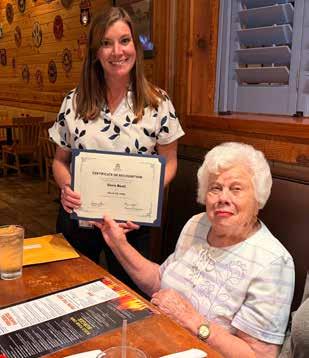
When Tax-Aide volunteers gathered this spring, there was an especially meaningful birthday to celebrate.
Longtime volunteer Doris Beall turned 100 years old in March and recently received a Centenarian certificate from the Governor’s Office recognizing the milestone.
Beall began volunteering with the Tax-Aide program in April 2002 and has served as a client facilitator for more than 20 years. According to fellow volunteer Gloria Bronson, Beall is the only original client facilitator still volunteering with the program today.
Over the years, her birthday became a cherished Tax-Aide tradition during the busy spring season, complete with cake, cards and volunteers gathering to sing “Happy Birthday.”
Bronson described Beall as a dedicated volunteer whose steady presence has remained an important part of the program for decades. Her longtime commitment has made her a well-known and valued member of the Tax-Aide volunteer team.

Caring for a loved one at home can feel overwhelming, but you don’t have to do it alone. SCOA has teamed up with CareABC, your on-demand guide for family caregivers, to provide the knowledge and support you need—anytime, anywhere.
With SCOA and CareABC, you gain:
• Step-by-step, on-demand guidance for caregiving at home
• Practical tips to manage daily care routines with confidence
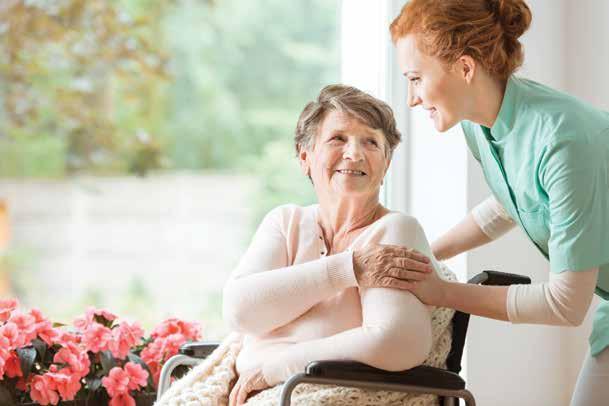
• Resources designed to reduce stress and improve quality of life
• Local support and outreach, rooted in community care
"Family caregivers are the backbone of our community. With CareABC’s on-demand guidance and SCOA’s local support, we ensure caregivers are never left alone in their journey of care.”
– Dr. Johannes scan to learn more.
Together, we empower caregivers and strengthen families.
For details, visit us online at sowegacoa.org/care-abc/


JULY 13 • 11 AM – NOON
Phoebe Northwest Healthworks Fitness after 50 Program (Phoebe Northwest Conference Room C) 2336 Dawson Road, #1500, Albany, GA
Medication Management - Dr. Shawona Walker-Kirk Join us for free quarterly seminars focused on
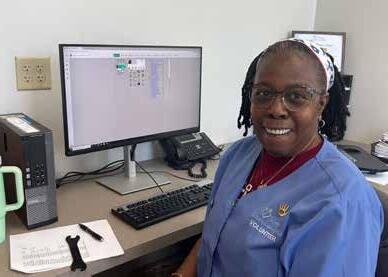
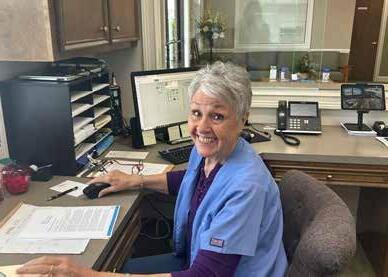
SCOA is grateful for administrative volunteers Gilda Houston and Phyllis Houston and their continued support.
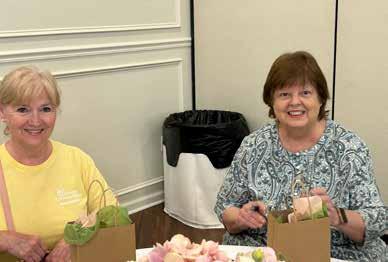
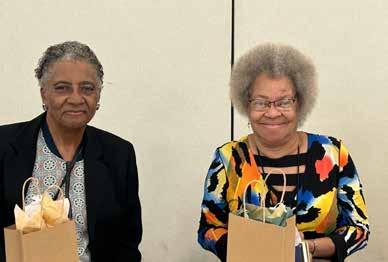
honored its dedicated volunteers during a Volunteer Appreciation
celebrating their service and impact across Southwest Georgia.
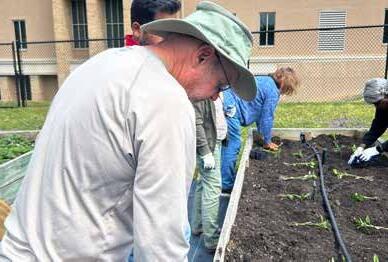
SCOA’s raised garden beds are ready for the season, thanks to the work of RSVP volunteers and guidance from UGA Master Gardener support.
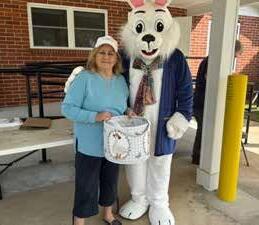
Brenda Joiner welcomes a special Easter Bunny visitor during meal distribution at the Miller County Senior Center.
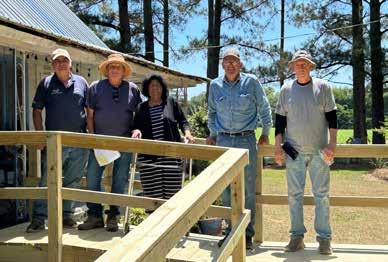
Ramp Brigade volunteers Tim Sheffield, Emmett Mock, Charlie Mae Johnson, Charles Brackin, and Hal Alston help improve safe home access for seniors and disabled adults across Miller, Early, and Seminole counties.
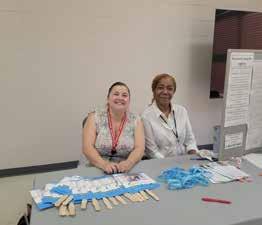
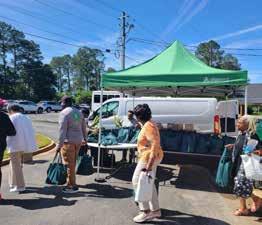
The Regional Resource Fair and Farmer’s Market in Albany.

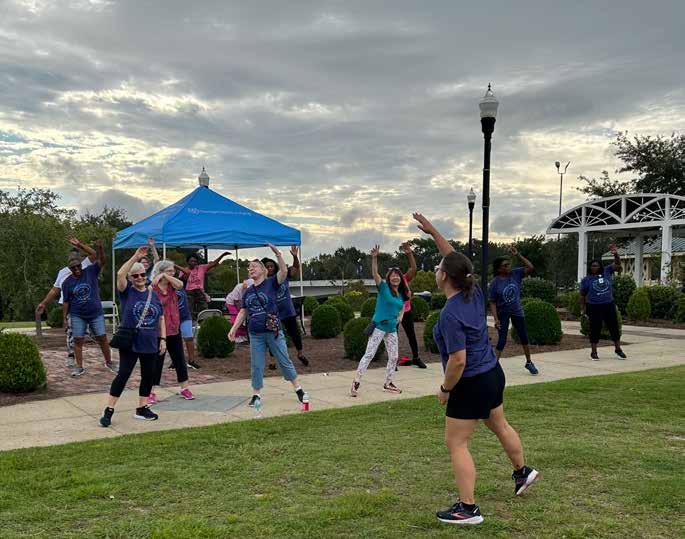
Recognizing when it’s too hot to exercise is an important part of staying active safely during peak summer heat.
In July, high temperatures and humidity can place extra strain on the body, especially during physical activity. While staying active supports overall health, pushing through extreme heat can increase the risk of dehydration, fatigue and heat-related illness. Knowing when to adjust or pause activity is key.
The heat index, which combines temperature and humidity, is a helpful guide. When humidity is high, the body has a harder time cooling itself through sweat. Even moderate temperatures can feel much hotter and increase risk during movement. Checking the heat index before going outside can help determine if conditions are safe.
Certain warning signs indicate that it may be too hot to continue. Feeling lightheaded, unusually tired, nauseated or excessively sweaty can signal that the body is overheating. Muscle cramps or a rapid
heartbeat may also occur. If these symptoms appear, it is important to stop, rest in a cool place and hydrate.
Timing can make a difference. Early morning and evening are typically safer for outdoor activity, while midday hours carry the highest risk. On especially hot days, indoor options such as walking in a mall, stretching at home or participating in a community class may be better choices.
Clothing and hydration also play a role. Lightweight, breathable clothing helps the body stay cooler, while drinking fluids before and during activity supports temperature regulation. Waiting until thirst appears may be too late.
Staying active during summer requires flexibility. By paying attention to conditions and listening to the body, individuals can maintain movement while avoiding unnecessary risk.

Traveling and staying healthy away from home takes a little planning, especially during summer months when routines and environments often change.
Whether visiting family, taking a short trip or spending time away for appointments, travel can disrupt daily habits. Changes in schedule, meals and sleep can make it easier to forget medications, skip meals or become dehydrated. Simple preparation can help maintain consistency and prevent unnecessary stress.
Start with medications. Packing enough medication for the entire trip, plus a few extra days, helps avoid gaps in treatment. Keeping medications in a carry-on bag or easily accessible place prevents delays. Bringing an up-to-date medication list can also be helpful in case of emergencies.
Hydration is another important factor, especially in hot weather. Traveling often involves time in cars, airports or outdoor settings where access to water may be limited. Carrying a refillable bottle and
drinking regularly throughout the day helps maintain hydration.
Planning for meals can also make a difference. Travel schedules may lead to irregular eating times or reliance on convenience foods. Packing simple snacks such as fruit, nuts or whole grain items can help maintain energy and support balanced nutrition.
Movement should not be overlooked. Long periods of sitting can lead to stiffness and fatigue. Taking short breaks to walk, stretch or move around helps improve circulation and comfort.
Organization supports a smoother experience. Keeping important items such as identification, insurance information and appointment details in one place reduces confusion and saves time.
Travel does not have to interrupt healthy habits. With a few thoughtful steps, it is possible to stay on track while still enjoying time away from home.

Medication safety in high temperatures is an important part of protecting health during late summer, when heat can affect how medications are stored and how they work in the body.
Many medications are sensitive to heat. Exposure to high temperatures can reduce effectiveness or, in some cases, change how a medication works. Leaving medications in a hot car, near windows or in areas without air conditioning can lead to damage, even if it is not immediately visible.
Proper storage helps maintain safety. Most medications should be kept in a cool, dry place away from direct sunlight. Bathrooms and kitchens, which can become warm and humid, may not always be ideal. During travel, keeping medications in a bag that stays with you, rather than in a parked vehicle, helps avoid heat exposure.
Heat can also affect how the body responds to medications. Some medications increase sensitivity to sunlight or reduce the body’s ability to stay hydrated. Others may affect how the body regulates temperature. These
factors can increase the risk of dehydration or heat-related illness.
It is important to stay aware of any changes in how you feel. Increased dizziness, fatigue or unusual symptoms may be related to heat and medication combined. Drinking fluids regularly and taking breaks in cooler environments can help reduce risk.
Reviewing medications with a health care provider or pharmacist is a helpful step, especially during summer months. Asking whether medications should be stored differently or if they affect heat tolerance can provide useful guidance.
Medication safety does not require complicated steps. With proper storage, awareness and simple precautions, individuals can protect the effectiveness of their medications and support overall health during high temperatures.

Light meals that support energy in hot weather can help prevent fatigue and discomfort when high temperatures affect appetite and digestion.
During August, many people notice they feel less hungry or prefer smaller portions. Heavy meals can feel overwhelming in the heat and may lead to sluggishness or discomfort. Choosing lighter options throughout the day can help maintain steady energy without feeling weighed down.
Smaller, more frequent meals are often easier to manage than large portions. Eating every few hours helps prevent dips in energy while supporting digestion. Meals do not need to be complicated. Simple combinations of protein, fruits, vegetables and whole grains can provide balanced nutrition.
Fresh foods are especially helpful during hot weather. Salads with lean protein, fruit with yogurt, or whole grain toast with nut butter are easy options that require little preparation. Cold or room-temperature foods can also feel more appealing when it
is hot outside.
Hydration continues to play a role in energy levels. Dehydration can cause fatigue, headaches and dizziness, even when meals are balanced. Drinking water regularly and including water-rich foods such as fruits and vegetables can help support both hydration and nutrition.
It is also helpful to limit foods that feel heavy or difficult to digest in the heat. Fried foods, large portions and high-sugar snacks may contribute to energy crashes. Choosing lighter meals with a mix of nutrients can help maintain a more consistent energy level throughout the day.
Listening to the body is key. Appetite and preferences may shift during warmer months, and adjusting meal patterns can help maintain comfort and energy. Light, balanced meals support overall well-being and make it easier to stay active during hot weather.

AMERICORPS RSVP


August 18, 2026 10:30 a.m. - 12:00 p.m.
Dougherty County Public Library, Northwest 2507 Dawson Road, Albany, GA
Join us for our AmeriCorps RSVP Volunteer led workshop instructed by Rachelle Bitterman, retired Director of Communications with the Albany Chamber of Commerce.
Rachelle will cover a variety of topics relating to your mobile phone, including:
• Shopping apps (applications)
• Online banking
• Tips on creating effective passwords
• Password manager apps (applications)
This workshop will last from 60 – 90 minutes.
To register, please visit www.sowegacoa.org/volunteer or call 229.432.0994, ext. 3.

Below are recommended local walking sites within each county. Seniors are encouraged to start their own weekly walking groups.
Baker- Senior Center Parking Lot
Calhoun- Track by Health Department in Morgan
Colquitt- Tom White Walking Trail
Decatur- Boat Basin Track
Dougherty- River Front Park or Tift Park
Early- Blakely Senior Center
Grady- Davis Park
Lee- Cheshire Park Trail
Miller- Downtown Colquitt Courthouse
Mitchell- Mitchell Co Stadium in Camilla
Seminole- Track by Seminole Co Elementary
Terrell- First Baptist Church of Dawson
Thomas- Cherokee Lake Park
Worth- Poulan City Park
The Georgia Council on Aging has opportunities for organizations, citizens and providers to become involved in The Coalition of Advocates for Georgia’s Elderly (CO-AGE). This group identifies and addresses “aging specific” issues that affect older Georgians throughout the state and brings awareness to the legislature on these issues. Please visit www.gcoa.org for more information.
July 13, 11 am‑Noon
Phoebe Northwest Healthworks Fitness after 50 Program
(Phoebe Northwest Conference Room C)
2336 Dawson Road, Albany
Medication Management - Dr. Shawona Walker-Kirk
Join us for free quarterly seminars focused on key areas of healthy aging—designed to inspire and inform. Stay informed. Stay connected. Live well now. Learn more at sowegacoa.org or call 229-432-0994 Option #3.
Tuesday, August 18, 2026, 10:30 a.m. ‑ 12:00 p.m.
Dougherty County Public Library, Northwest Location (2507 Dawson Road, Albany)
Join us for our AmeriCorps RSVP Volunteer led workshop instructed by Rachelle Bitterman, retired Director of Communications with the Albany Chamber of Commerce. Rachelle will cover a variety of topics relating to your mobile phone, including shopping apps (applications), online banking, tips on creative effective passwords and password manager apps (applications). This workshop will last from 60 – 90 minutes.
To register, please visit www.sowegacoa.org/volunteer or call 229.432.0994, ext. 3.
Deadline to register is Tuesday, August 18th
Class size is limited to 25
Light refreshments will be served.
August 20, at 9:00 am
The Senior Hunger Coalition is an initiative that brings Southwest Georgia area businesses together around the shared goal of combating senior hunger. If you, a business or other organization would like to get involved, please join us! Those interested in joining may request a Zoom link by emailing Sabriecka.Ford@sowegacoa.org.
August 25 – September 29, Tuesdays, 1 pm ‑ 3:30 pm
This six-week evidence-based program provided by Open Hand Atlanta is for those who are pre-diabetic, diabetic or caring for a person with diabetes. Learn practical skills on managing this chronic health problem. The workshop is designed to give people the confidence and motivation they need to manage the challenges of living with a chronic health condition. Class size limited to 12. Call 229-432-0994 Option #3 to register.
August 11 ‑ December 4
Beginners: Tuesdays, 10 am – 11 am or 1:30 pm – 2:30 pm
Advanced: Fridays, 9am ‑ 10 am
Led by Jennifer Crosby, this 16-week evidence-based program is designed to improve muscular strength, flexibility, balance, and stamina, making it an effective strategy for preventing falls and promoting overall well-being. It incorporates Sun-style Tai Chi and educational components into a seamless class. Call 229-432-0994 Option #3 to register.
For those actively enrolled in the Claris Companion Tablet Program. If you have a Claris Companion Tablet, you can engage in daily content from Claris with the Automated Daily Content and live classes led by AARP Senior Planet Instructors. Content is scheduled and deployed by Claris for seniors to enjoy something new every day.
Getting older doesn’t have to mean slowing down, accepting pain, or running out of energy. Using a functional medicine approach, these talks look at the foundational systems of the body to understand why you feel the way you do, and what you can actually do about it.
Sessions are led by Izzie Sadler, FMCHC, FNS, a certified Functional Medicine Health Coach and Functional Nutrition Specialist with 30 years of experience in community health and healthy aging.
• July 17, 11:30 am | Finding Balance & Healing Over 60 How to find optimal health at any age
• August 14, 11:30 am | The Healing System What changes about sleep after 60, and how to reclaim your rest
• September 18, 11:30 am | Eating for the Body You Have Now How nutrient needs, digestion, and metabolism shift with age
All sessions are free virtual events listed on the Events Calendar at www.izziesadler.com. Click any session to join. No registration and no password required. Questions? Call or text 229-234-7228
SENIOR LUNCH AND LEARN & BINGO
First Monday of each month, 11:30 am
Baker County Board of Commissioners Office (439 GA-91, Newton)
Call the Family Collaborative Office at 229-854-2517 to learn more.
SENIOR GATHERING
Thursdays, 10 am
Thankful Baptist Church (GA-91, Newton)
Call 229-734-5401 to learn more.
Calhoun County Library (19379 Hartford Street, Edison)
Call the Library at (229) 835-2012 to learn more.
The Arts Center of Moultrie (401 7th Avenue SW, Moultrie)
The Arts Center offers many special opportunities for senior adults to participate in the arts, thanks in part to a grant from the Southwest Georgia Council on Aging. Visit https://www.moultriearts.org/senior-adults or call (229) 985-1922 to learn more.
PRIME TIMERS
Tuesdays & Thursdays, 10 am ‑ Noon
Bainbridge‑Decatur County Recreation Authority (1401 Cox Avenue, Bainbridge)
Call Parks and Rec at (229) 248-2010 for more information.
Tuesdays & Thursdays, 9 am ‑ Noon
Albany Area YMCA (1701 Gillionville Road, Albany)
Participate in classes, take a swim, play pickleball, or just enjoy a weight/cardio workout every Tuesday and Thursday. Call the YMCA at (229) 436-0531 to learn more.
October 1, 9 am ‑ 1 pm
Margaret Jo Hogg Dementia Support Center (229 N. Jackson Street, Albany)
Pre-registration is required. This free workshop is hosted by the Margaret Jo Hogg Dementia Support Center and is for those caring for someone with dementia. Learn how to manage problem behaviors and how to relieve stress and find time for you. To reserve your spot email Nancy Goode, nancygoode1215@gmail.com or call (229) 432-2705.
Last Tuesday of each month, Noon
Margaret Jo Hogg Dementia Support Center (229 N. Jackson Street, Albany)
Support group for male caregivers of spouses or parents with dementia, hosted by the Margaret Jo Hogg Dementia Support Center. Lunch is provided. For more information, call (229) 432-2705.
1st Wednesday of each month
Margaret Jo Hogg Dementia Support Center (229 N. Jackson Street, Albany)
Support group for families and caregivers of persons with dementia, hosted by the Margaret Jo Hogg Dementia Support Center. Lunch is provided. For more information, call (229) 432-2705.
• July 18, 9 am ‑ 4 pm
Phoebe Northwest Healthworks Fitness After 50 Program
Conference Room C (2336 Dawson Road, Albany)
$20 AARP Member/$25 Non-Member
Call Kimberly Knighton, Instructor, at 229-291-3564 for details and to register.
• July 14 & 15, 9 am ‑ Noon (must attend both days)
St. Teresa’s Catholic Church (421 Edgewood Drive, Albany)
$20 AARP Member/$25 Non-Member
Call Janice Burgess, Instructor, at 229-436-0820 for details and to register.
Mondays & Thursdays – 10 am
Wednesdays – 11 am
Central Baptist Church (1618 W. 3rd Avenue, Albany)
In this class, you will work to improve your stamina, strength, flexibility, balance, and coordination with the assistance of a chair. Chairs and equipment will be provided.
Mondays – Beginners Class 9 am, Advanced Class 11 am
Central Baptist Church (1618 W. 3rd Avenue, Albany)
This fun and motivating class will be sure to get you moving while learning some of the more popular line dances. No previous dance experience required.
Tuesdays – 10 am
Central Baptist Church (1618 W. 3rd Avenue, Albany)
This class will benefit seniors who want to begin to exercise or those who need a low impact class. It will begin in the chair with a warm-up, exercises in the chair, a short standing portion, weights in the chair, and a short cool-down segment.
Tuesdays & Thursdays – 11 am
Central Baptist Church (1618 W. 3rd Avenue, Albany)
This class is led by a certified volunteer instructor, and is a relaxing workout designed to improve flexibility, balance, and joint mobility.
TAI CHI – INTRODUCTORY
Wednesdays – 9 am
Central Baptist Church (1618 W. 3rd Avenue, Albany)
A certified instructor leads this program to build skills in Tai Chi and to explore its benefits. This class is a gentle low impact form of martial arts that emphasizes slow, flowing movements, balance, and controlled breathing. This class helps improve joint flexibility, strength, and range of motion, while reducing pain and stiffness. This class is a pre-requisite for the in-person 16-week Tai Chi for Arthritis and Falls Prevention class.
TAI CHI FOR ARTHRITIS AND FALL PREVENTION
Wednesdays – 10 am
Central Baptist Church (1618 W. 3rd Avenue, Albany)
This 16-week evidence-based program is designed to improve muscular strength, flexibility, balance, and stamina, making it an effective strategy for preventing falls and promoting overall wellbeing. It incorporates Sun-style Tai Chi and educational components into a seamless class. Must have attended the pre-requisite Tai Chi Introductory Session.
Wednesdays – Noon (Starting July 15)
Albany Area Arts Council (215 N. Jackson Street, Albany)
This welcoming salsa class for seniors explores rhythm, creativity, and connection through beginner-friendly movement, supporting confidence, balance, coordination, and community in a fun, culturally engaging environment. Call or email Nicole Willis at 229-439-2787 or nicole@albanyartscouncil.org
A special preview will take place on July 9 as part of the Albany Area Artist Network’s Show & Tell Event hosted at the Arts Council.
Tuesdays & Thursdays, 9 am ‑ 1 pm
Blakely Senior Center (310 Meadowbrook Drive, Blakely)
Led by volunteers, join the Blakely Senior Center for BINGO, excercises, and crafts offered each morning. Lunch is provided for a small fee. Visit the Senior Center to learn more.
Mondays & Thursdays, 9 am ‑ Noon
Roddenbery Memorial Library, Grady Room (320 N. Broad Street, Cairo) Call the Library at 229-377-3632 to learn more.
SENIOR OPEN GYM
Tuesdays & Thursdays, 9 am ‑ Noon
Albany Area YMCA Lee Branch (316 Robert B. Lee Drive, Leesburg)
Participate in classes or just enjoy a weight/cardio workout every Tuesday and Thursday. Call the YMCA at (229) 759-9770 to learn more.
3rd Thursday of each month, 1 pm ‑ 3 pm
Smithville Community Center (106 Main Street, Smithville)
Join the Community Enrichment Foundation for their Thrive At Any Age program in Smithville. This group meets monthly for a lunch and learn and games on the 3rd Thursday of the month. Call Ilean Bady at 229-938-7263 to learn more.
SENIOR RECREATION ACTIVITIES & OPEN
Monday ‑ Friday, 10 am ‑ 1 pm
Miller County Senior Center (501 N. Cuthbert, Colquitt)
Activities and classes are provided in partnership with Spring Creek Health and Miller County Partners. For more information, call Sheila Freeman at 229-726-0089 or Leigh Ribolzi at 229-400-3635.
• BINGO
Tuesday Mornings, 10 am
Miller County Senior Center (501 N. Cuthbert, Colquitt)
• COMMUNITY EDUCATION/SPEAKERS
Last Thursday of each month, 10 am
Miller County Senior Center (501 N. Cuthbert, Colquitt)
• MONTHLY BIRTHDAY CELEBRATION
Last Thursday of each month, 11:30 am
Miller County Senior Center (501 N. Cuthbert, Colquitt)
• BINGO
2nd Monday of each month, 10:30 am
Miller County Library (259 Main Street, Colquitt)
• BOOK CLUB
3rd Tuesday of each month, 10 am
Miller County Library (259 Main Street, Colquitt)
• CRAFT CIRCLE
3rd Thursday of each month, 3:30 pm
Miller County Library (259 Main Street, Colquitt)
Bring a craft project and share space with the community as you work on a craft.
• GAME DAY WITH THE GRANDKIDS
1st Monday of each month, 10:30 am and 1st Wednesday of each month, 4 pm
Miller County Library (259 Main Street, Colquitt)
Bring the grandkids for Lego Club, and you play with other grandparents, while they play!
INDOOR WALKING GROUP
Monday – Thursday, 8 am – 9 am
Colquitt Methodist Church (453 Main Street, Colquitt)
Join Spring Creek Health for an indoor morning walk at your own pace and intensity.
OUTDOOR WALKING GROUP
Tuesdays & Thursdays, 5:30 pm
Miller County School Track (996 Phillipsburg Road, Colquitt)
Join Spring Creek Health for an evening stroll outdoors at your own pace and intensity.
COFFEE KLATCH
Tuesdays, 10 am ‑10:30 am
Christian Life Center (647 Old GA Hwy 3, Camilla)
Enjoy a cup of coffee and conversation to start your morning off at the Christian Life Center.
BINGO & OTHER GAMES
Tuesdays, 10:30 am – 11 am
Christian Life Center (647 Old GA Hwy 3, Camilla)
Get ready to play! Each week features 30 minutes of game play (and prizes) before our guest speaker’s presentation.
GUEST SPEAKER
Tuesdays, 11 am ‑ Noon
Christian Life Center (647 Old GA Hwy 3, Camilla)
Join the Christian Life Center for a guest speaker every Tuesday from 11:00 to 12:00.
SENIOR LUNCHEON
Last Tuesday of each month, Noon – 1 pm
Christian Life Center (647 Old GA Hwy 3, Camilla)
Call Julie Tucker at (229) 328-5008 to learn more.
SENIOR ACTIVITIES
Days & Times Vary
Seminole County Senior Center (403 S. Wiley Street, Donalsonville)
Call Seminole County Family Connection at 229-309-0531 to learn more or email scfamilyconnection@gmail.com.
AUGUST 25 – SEPTEMBER 29
TUESDAYS, 1 PM - 3:30 PM
This six-week evidence-based program provided by Open Hand Atlanta is for those who are pre-diabetic, diabetic or caring for a person with diabetes. Learn practical skills on managing this chronic health problem. The workshop is designed to give people the confidence and motivation they need to manage the challenges of living with a chronic health condition. Class size limited to 12. Please call 229-432-0994 Option #3 to register.
SENIOR ACTIVITIES
Days & Times Vary
Dawson Library (913 Forrester Drive, Dawson)
Call the Library at (229) 995-2902 to learn more.
SENIOR ACTIVITIES
Monday ‑ Friday, 10 am ‑ 1 pm
Scott Senior Center (611 N. Stevens Street, Thomasville)
Join the Scott Senior Center for crafts, activities, exercise, BINGO, and fellowship every day. Call the Senior Center at (229) 228-9618 to learn more.
SENIOR ACTIVITIES
Mondays & Wednesdays, 9 am ‑ 1 pm
City of Sylvester Senior Center (710 W. Price Street, Sylvester)
Join the City of Sylvester Senior Center for a morning filled with crafts, including floral arranging and sewing, or play BINGO and other games, or just socialize with other seniors. Lunch is served on Wednesdays. Call Willie Mae Marlin at (229) 291-0951 to learn more.

Wednesdays
9:30 am ‑ 11:30 am
Lee County Library ‑ Leesburg Branch (245 Walnut Avenue S., Leesburg
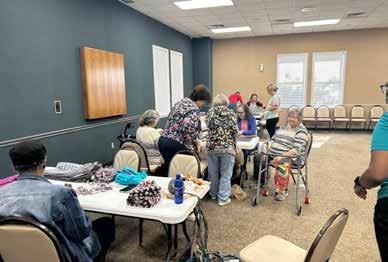
This recycling project is aimed at reducing the number of single-use plastic bags that enter local landfills. We turn gently used plastic bags into sleeping mats for the homeless and other items that are reinvested in local programming and initiatives. In addition, volunteers can also choose crocheting activities to assist in our partnership with Phoebe Putney Memorial Hospital and St. Paul’s Episcopal Church. Call 229-432-1124, ext. 3 for more details or simply apply to become a volunteer online at sowegacoa.org/volunteer.
The RSVP Garden Club will resume this fall.
Check online calendar www.sowegacoa.org/events for updates. (Times and locations to be announced each week through text messages)
Join our RSVP volunteer group for our weekly gardening activities. Our work will center around growing produce and teaching mature adults the how to’s and benefits of gardening. This group is led by our UGA certified master gardener, Jim Ball, who guides our crop development while giving insightful and useful tips for home gardeners as well. Apply to become a volunteer online at sowegacoa.org/volunteer.
OCTOBER 5-11
Watch social media and check our online calendar for special activities all week!

Note: Sowega Council on Aging does not necessarily endorse or recommend the advertisers in this publication. Select programs and services are supported in part by the United Way.
Another great way to help Sowega Council on Aging financially is to save postage money. Sign up online to receive this newsletter and other communications in your email.
www.sowegacoa.org
*If you would like to support the congregate meal program, please include your donation in the self-address stamped envelope inside.