
Focus on Technology
Discover what to watch out for and how innovation can improve the way you do business.




Commercial Real Estate
A section that is a quarterly SWFL Commercial Real Estate market overview.













Discover what to watch out for and how innovation can improve the way you do business.
Commercial Real Estate
A section that is a quarterly SWFL Commercial Real Estate market overview.
2025 SWFL TECH PULSE REPORT


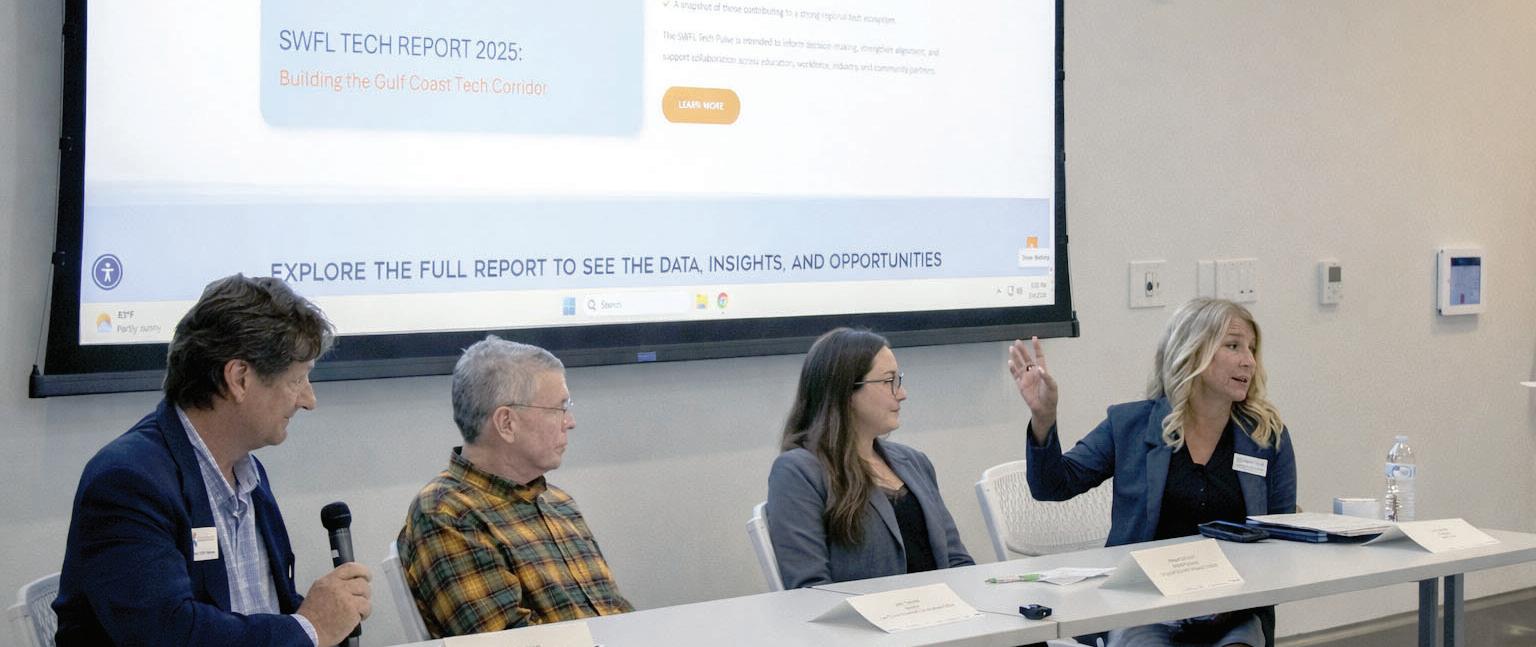
Regional leaders gathered at the SWFL Tech Pulse Forum to discuss the findings of a new report on where the technology sector stands in the region. Laura Schmidt (far right) discusses findings with panelists (l-r) Bill Welch, John Talmage and Melanie Schmees.
Submitted by Karen P. Moore, Publisher Special to SWFBT
The 2025 SWFL Tech Pulse Report establishes a baseline for understanding where the region stands today regarding technology—and what it will take to move forward together. It was produced by the local technology organization, SWFL Tech, in collaboration with Florida Gulf Coast University’s Regional Economic Research Insti-


Get Southwest Florida’s business news and information mailed straight to your mailbox each month. Start your subscription to Southwest Florida Business Today.® Call (239) 573-9732.
Edison Awards offer ‘day pass’ for SWFL businesses
Southwest Florida business owners, executives and entrepreneurs have an exclusive opportunity to experience the future of innovation coming to life.
The 2026 Edison Awards unveiled a special ticket package for the local business community that offers access to the Innovators Showcase and Innovators Forum, a pair of events on April 16 that provide sneak peeks into the technology that will define our future.
The Innovators Showcase is an exhibition that allows attendees to experience emerging technologies, breakthrough ideas and futuristic solutions, hearing directly from engineers, scientists and innovators who developed the products. The showcase doubles as a networking session, allowing attend-
tute (RERI), CareerSource Southwest Florida, and the Lee County Economic Development Office, Per the report, “The findings herewith confirm what many across the region are experiencing firsthand: the Gulf Coast Tech Corridor is emerging, talent and innovation are growing, and collaboration is strengthening. The next challenge is clear — moving from momentum to maturity.”
Suffolk broke ground on Phase 1 for the first-of-its-kind Estero Sports Park. The groundbreaking milestone is a significant step forward in delivering the sports complex that will serve as a shared recreational destination for the region’s families, residents and visitors of all ages with state-of-the-art athletics, entertainment and community amenities.
Suffolk is utilizing its progressive design-build delivery approach for the Sports Park, along with sophisticated data analytics, artificial intelligence and innovative construction technologies. This approach enhances collaboration, increases cost certainty and optimizes project outcomes, ensuring
ees to connect with exhibitors, panelists and event sponsors.
Meanwhile, the Innovators Forum includes panel discussions and fireside chats featuring global innovators representing international household brands like Samsung and Lenovo. This year’s panel topics include technologies shaping 2030, the future of power, medical innovations, the future of food and water systems and investing in the future.
The day pass includes the Innovators Showcase and Innovators Forum on April 16 and costs $500 per person. The event takes place at the Caloosa Sound Convention Center. Learn more at EdisonAwards.com/the-edison-awards.
The Edison Awards are sponsored by the
Foundation and sponsored and hosted by the
of Fort Myers.
“The strength of Southwest Florida’s tech ecosystem comes from the people and organizations who choose to build it together. The ‘2025 SWFL Tech Pulse Report’ we created reflects a shared commitment to grow opportunity, expand talent and shape a regional future we can all be proud of.”
— Laura Schmidt
President and Board Chair, SWFL Tech

A Suffolk rendering shows the entryway for the Estero Sports Park under construction now. The first phase of construction has begun and will be completed this year.
Lehigh Acres Charter School named national finalist for prize
Donna J. Beasley Technical Academy, a public charter school located in Lehigh Acres and a member school of the Florida Consortium of Public Charter Schools, has been named a national finalist for the Future Forward Schools Prize, which recognizes middle and high schools helping students explore and prepare for future careers.
Beasley Technical Academy is one of 10 national finalists and the only Florida charter school in the running for the new prize and fellowship program, with five winning schools to be announced later this year, when they will share $250,000 in prize funding.
Located on Bell Boulevard North in Lehigh Acres, Beasley Technical
Academy is designed as a secondchance school and offers a smaller, supportive environment where students learn at their own pace with a technology-based, flexibly-scheduled program. Students at Beasley Technical Academy choose from college, military or trade pathways that lead to career independence and long-term success.
The Future Forward Schools Prize was created by Building Hope in partnership with Britebound. Building Hope is a national nonprofit that supports the growth and success of innovative schools, while Britebound is a national nonprofit working to change the way young people learn about careers and navigate to postsecondary education and career success.
As Southwest Florida continues to experience rapid growth, businesses across the region are busier than ever. Now more than ever, it is critical that operations run smoothly.
Whether it is streaming, virtual meetings, file sharing or even managing a workforce of global remote workers, i5 Fiber has the gear and expertise to guarantee internet functions smoothly.
We at i5 Fiber deliver for businesses a model with 0 data caps, no long-term contracts, no installation fees and no hidden costs on a secure network.
Customer Google Review Lynn Doty wrote: “We switched to i5 Fiber in March 2025 and haven’t looked back. We are extremely satisfied and can’t wait until the service is available at our rental property. The speed is much faster than what we had before (Comcast) and just seems to almost never go down. When you call to ask a question, you get the office manager sitting at her desk in Bonita Springs. It’s a small but mighty company. You won’t be disap-
BY DAVID CHASE Guest Columnist
pointed if you make the switch.”
After serving Central Illinois for 30 years, PCCI Group expanded to Southwest Florida and founded i5 Fiber, nestled in the heart of Bonita Springs. For the past five years, i5 Fiber delivered reliable and lightning-fast fiber optic internet to SWFL residents with specialized care and attention to detail for each customer.
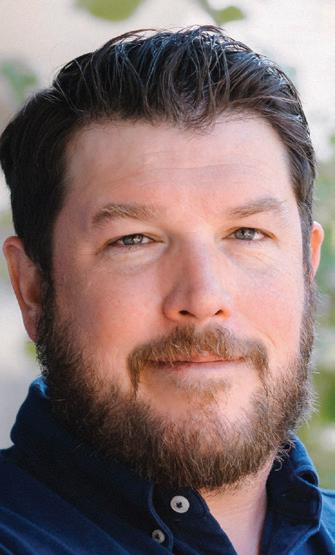
David Chase is the Director of Operations for PCCI Florida, i5 Fiber, and State Certified as an Underground Utility and Excavation Contractor. PCCI Group founder Jim Perley expanded into Southwest Florida in 2019, founding i5 Fiber, a fiber to home internet provider. Contact (239) 444-8567.
Florida Gulf Coast University’s Lutgert College of Business Ethics Case Competition Team competed in Stetson University’s Templeton Business Ethics Competition. The team consisted of presenters Emalee Postma and Ashley Fearday, with Dario Benes and Emma Takacs serving as researchers.
The team was mentored by faculty advisor Taylor Daum from the Department of Management, with additional support from Dr. Mathew Sheep, Dr. Steven Fraser, Professor Tom Mathews, Dr. Mark Case, Dr. Jenny Manegold, Professor Kira Lewis, Dr. Eric B. Dent and Dr. Sunny Song.
The FGCU team earned First Runner-Up in the Manatee Division, finishing just behind UMass Amherst. The University of Florida won the overall competition. Presenters Postma and Fearday were awarded $500 and received individual recognition plaques for their performance.
The team analyzed the case
“Flying Green: Should Delta Airlines Go All-In on SAF?,” which examined the ethical, financial and strategic trade-offs surrounding Delta Air Lines’ investment in sustainable aviation fuel (SAF).
The case challenged students to evaluate how companies balance environmental responsibility with cost, scalability and stakeholder expectations.
“Competing pushed me outside my comfort zone and strengthened my teamwork and communication skills. It challenged us to clearly present complex ideas under pressure and collaborate effectively,” Postma said
“Analyzing Delta’s SAF strategy required us to weigh legal, financial, and ethical trade-offs while delivering a clear, compelling recommendation in real time,” Fearday said.
Southwest Florida leaders in artificial intelligence gathered at the inaugural AI Day on March 12, hosted by Florida Gulf Coast University. Experts from academia, healthcare, business, public safety and government explored how cutting-edge AI is transforming industries and creating new opportunities for innovation.
Designed to spark collaboration and provide actionable insights, the program featured panel discussions, breakout sessions and networking opportuni-
ties for students, faculty and industry professionals.
Among the featured speakers was Cary Greenwood, AI engineer at Suffolk, who participated in both the Opening Plenary “AI in Community and Business Applications” and the “AI in SWFL Community and Industry Panel.” Suffolk was the sole representative from the construction industry and Greenwood shared how emerging technologies are reshaping the built environment. Specifically, Greenwood discussed how AI and advanced data analytics are helping construc-

tion teams plan projects more effectively, strengthen decision-making and deliver more predictable, seamless outcomes on complex builds.
Hosted by FGCU’s U.A. Whitaker College of Engineering, which includes the Stock Development Department of Construction Management, AI Day highlighted the expanding role of artificial intelligence across different sectors and in fields not traditionally associated with technology, including construction.

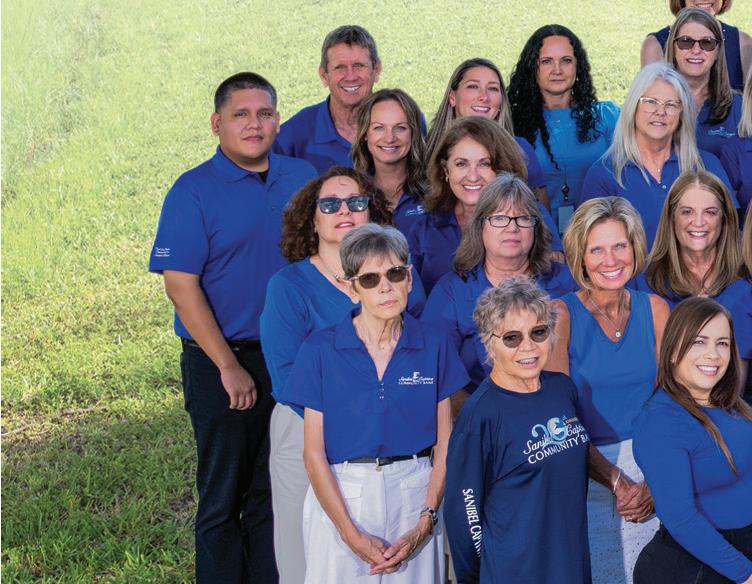
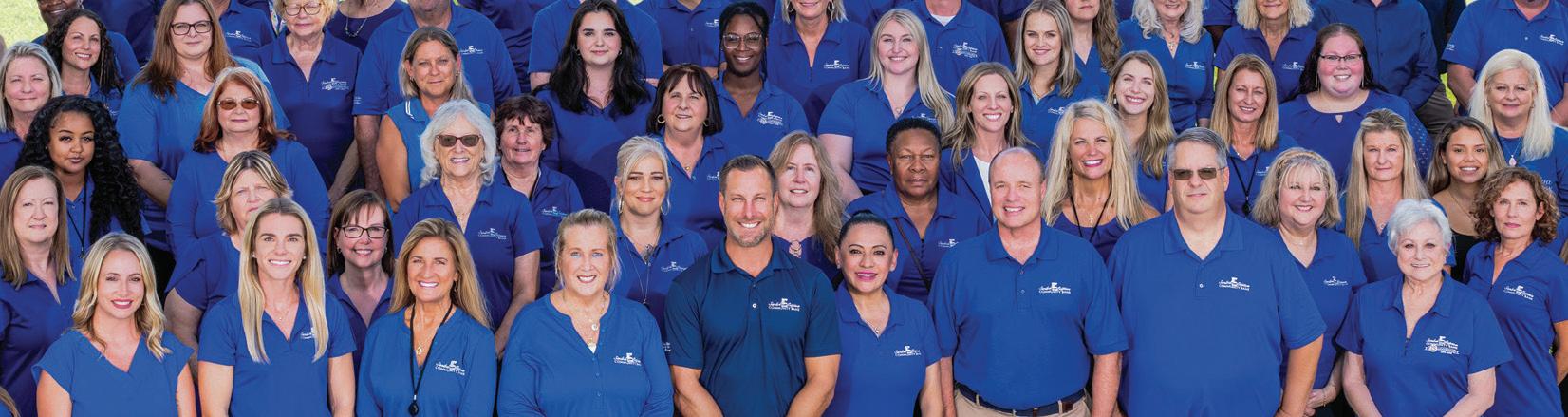
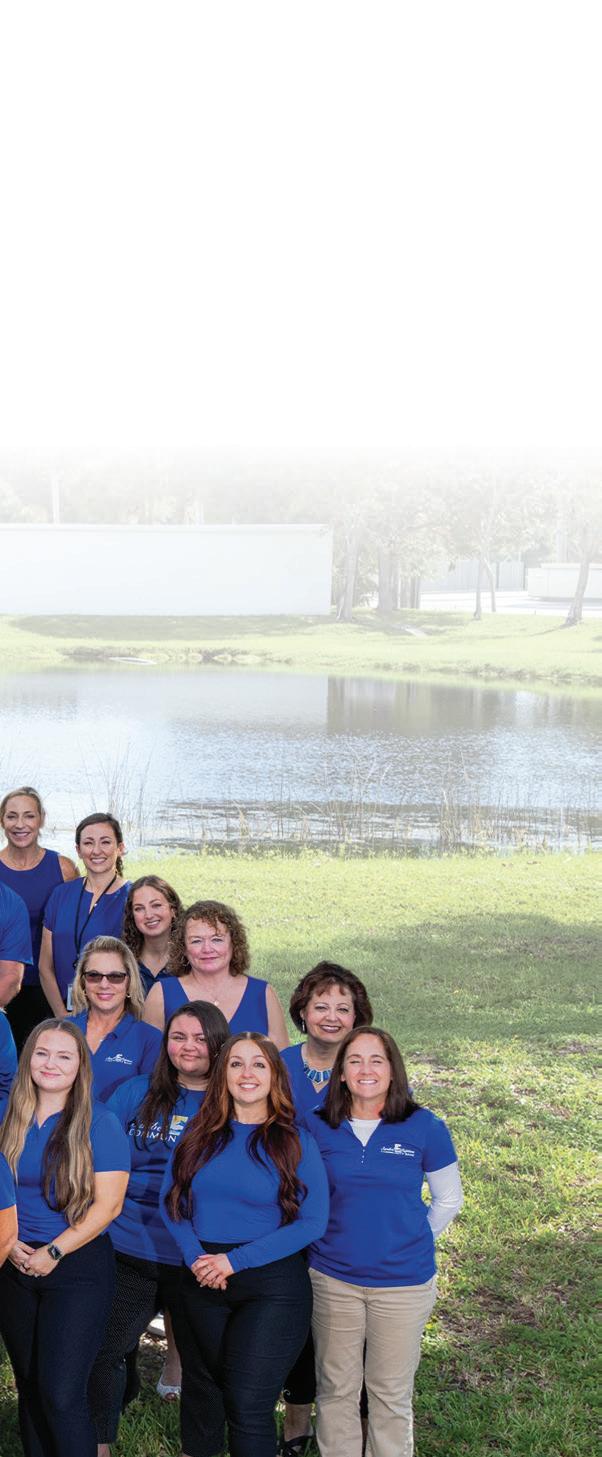
For more than 20 years, Sanibel Captiva Community Bank has proven that smart banking and lending decisions start locally. While we’ve grown to nine locations across Lee County with more than 125 dedicated employees, our focus has never changed: strong relationships, thoughtful lending and real investment in the communities we serve.
That commitment is why we’re proud to be recognized as a GrowFL Florida Company to Watch — a prestigious program honoring high-performing, second-stage businesses that drive innovation, create opportunity and make a meaningful impact on Florida’s economy.
Big enough to lead but always local at heart.


Two generations ago, many businesses maintained large file rooms where they stored important documents – copies of contracts, invoices, bank statements, personnel files, payroll records and more.
A generation ago, businesses shifted from paper copies to digital files, converting file rooms into climatecontrolled server rooms housing the organization’s IT digital infrastructure – computer hardware and electronic boxes with lots of colorful blinking lights.
As technology continued to evolve, “the cloud” became the place where computer users and smartphone users began storing backup copies of photos, videos and digital files. Businesses, though, were not as quick to adopt cloud-based storage solutions, citing several reasons.
• They had data security concerns with records being accessible over the internet.
• They needed to identify and trust a third-party vendor.
• They weren’t sure how to transition files from servers to the cloud.
• They didn’t have a clear picture of the potential costs.
Today though, many businesses have gravitated toward the cloud as an economical, secure and mainstream storage solution.
Cloud providers have invested heavily in data encryption and monitoring systems, so files are safe. Cloud-
BY JOHN JOYCE Guest Columnist
based systems are less expensive because there are no hardware purchases. They’re also easier for businesses to scale – adding more storage space no longer means buying more equipment, just clicking a higher level on subscription options. Plus, many employees now access the network from outside the office and cloud-based systems are perfect for businesses with a remote and hybrid workforce.
In Southwest Florida, cloud-based solutions also offer superior peace of mind during hurricane season – flooding or loss of power does not affect the cloud.
Amazon Web, Microsoft Azure and Google Cloud Platform are the most popular cloud solutions, but businesses often select alternatives based on their individual needs. Partner with an IT provider that can recommend a solution that best fits your needs and budget.
John Joyce is CEO of CRS Technology Consultants, a Fort Myers-based IT company serving businesses, nonprofits and government agencies across the region. Contact (239) 542-8450.



What are the numbers really saying? Every year, I take the stage at the Market Trends of Southwest Florida event to cut through the noise and share what the data actually says about our commercial real estate market. This year, the contrast between national headlines and local reality was sharper than ever.
The headline the media wanted to write: commercial real estate is struggling, construction is soft, industrial vacancy is spiking. The headline the data actually supports: $1.6 billion in commercial transaction volume — up 14% year-over-year. Commercial permits up 24%. The number of individual projects permitted up 61%. And commercial land transaction velocity accelerating dramatically into early 2026 as capital comes off the sidelines.
Industrial: Two speeds, not one story
The industrial vacancy headlines are technically accurate but wildly misleading. Yes, overall vacancy has risen above 7%. But when you break that number down by building age, a very different picture emerges. Buildings constructed in 2023 or later are sitting at 30%-plus vacancy — and up to 46% in Charlotte County. Buildings from 2020 or earlier are essentially full.
The problem is concentrated entirely in new, large-scale institutional distribution product that simply requires a longer lease-up runway. The regional supply figure — 93 square feet of industrial space per household across all three counties — is

BY MATT SIMMONS Guest Columnist
within the healthy benchmark range of 50–90 square feet. And with Collier County unable to accommodate its own industrial demand, Lee and Charlotte are absorbing that overflow. A major undisclosed industrial user is also expected to announce in Charlotte County in the coming weeks.
Office: A structural advantage
While major metros wrestle with 18% office vacancy, Southwest Florida sits at 3% to 6% — a remarkable figure that reflects the fundamental character of our market. Our office stock is predominantly small, owner-occupied buildings.
We simply don’t have the high-rise, multi-tenant towers that are suffering nationally. The market is bifurcating between distressed traditional office (selling at $150–$160 per square foot, far below replacement cost) and thriving medical office ($470–$545 per square foot), where new construction economics work and demand continues to grow.
Retail and hospitality: The real story
Retail led all asset classes at 49% of total transaction volume. Major national brands are entering or expanding rapidly across Lee, Collier and Char-
lotte counties — from Walmart and Lowe’s on State Road 82 to Buc-ee’s in Port Charlotte to Starbucks and Chick-fil-A retooling existing sites for drivethrough-only formats targeting 80,000 daily vehicles.
Meanwhile, hospitality is undergoing a generational brand upgrade: Four Seasons in Naples, a JW Marriott on the East Trail, a billion-dollar South Seas rebuild on Captiva and Margaritaville reportedly available at a price that could reset the barrier island hospitality market.
What this means for your assets
Whether you own, lend against or invest in commercial real estate in Southwest Florida, the market conditions in 2026 demand precise, locally grounded valuations — not estimates built on national averages or outdated data. At Maxwell, Hendry & Simmons, our team has nearly 250 years of combined appraisal experience in this specific market. We provide commercial appraisals, market analysis, feasibility studies, property tax appeals and litigation support across South Florida.
If you have a commercial asset, transaction or valuation question, we’re here to help.
Matt Simmons is the Managing Partner of Maxwell, Hendry, & Simmons, the oldest and largest real estate appraisal and consulting firm in Southwest Florida. Contact matts@mhsappraisal.com.
Airport Passenger Activity
Seasonally adjusted airport activity for the region ascended 1% in December 2025 compared to December 2024.
Tourist Tax Revenues
Seasonally adjusted real tourist tax revenues for the coastal counties improved 7% in December 2025 compared to December 2024.
PHOTO REVIEWER Lindi Daywalt
DIGITAL MEDIA Active Data Digital Marketing
WEBSITE ASSISTANT Jennifer Ogles
P.O. Box 152299
Cape Coral, FL 33915-2299
News: 239-573-9731
All other: 239-573-9732
News email: editor@swfloridabusinesstoday.com
All other information requests: publisher@ swfloridabusinesstoday.com
Taxable Sales
Seasonally adjusted real taxable sales in the five-county region fell 15% in January 2026 compared to January 2025.
Unemployment Rate
The seasonally adjusted unemployment rate in Southwest Florida rose 0.1 percentage points from November to December 2025, up to 5.4%.
Single-Family Building Permits
Single-family building permits for Southwest Florida fell 21% from December 2024 to December 2025.
Single-Family Home Sales
Single-family home sales for the coastal counties increased 14% in January 2026 compared to January 2025.
Single-Family Home Prices
Single-family median prices in Lee remained flat from January 2025 to January 2026, while falling 1% and 7% in Charlotte and Collier.
Residential Active Listings
Active listings for the coastal counties were down 3% in January 2026 compared to January 2025.
Consumer Sentiment Index
The Florida Consumer Sentiment Index rose in February 2026, improving 2.4 points from January 2026.
Source: FGCU Regional Economic Research Institute

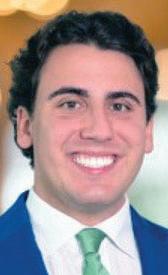
BY JACK HELLMER
UBYou is a health and wellness app that I created over my sophomore year at Florida Gulf Coast University. After experiencing a personal loss over a summer, I began to deal with real anxiety for the first time in my life. I sought out clinical support and was quickly recommended to seek medicine to help with my anxiety. This led me to reflect and explore natural remedies to help with my mental health. I started to exercise, changed my diet, started breathing exercises and mediation. After a few months I noticed lot of improvement in myself in how I was feeling.
I returned to school and started to talk more openly with my peers about managing mental health – swapping tips and healthier habits. That was when UBYou really started to take shape in my mind.
Over the COVID-19 pandemic, with a lot of free time on my hands and with a $4,000 grant from the Rist Family Foundation Institute for Entrepreneurship’s Runway Program, I was able to put together a prototype of UBYou. The app started to come together after sharing it with some of my fellow students and getting their feedback.
UBYou works with a university’s resources like a Dean of Students Office – pooling them all into a central hub for student’s to easily access. The app features mental health check-ins and progress tracking, meditation techniques, affirmations and educational resources all at the fingertips of the user.
Today, UBYou is being supporting thousands of students not just at FGCU, but at universities and within Greek Life organizations around the country.
Jack Hellmer is the founder and creator of UBYou.. The app is available on the Apple App Store and Google Play Store. Contact Contact@UBYouapp.com.



Submitted by Jacob Ogles, Editor
Special to SWFBT
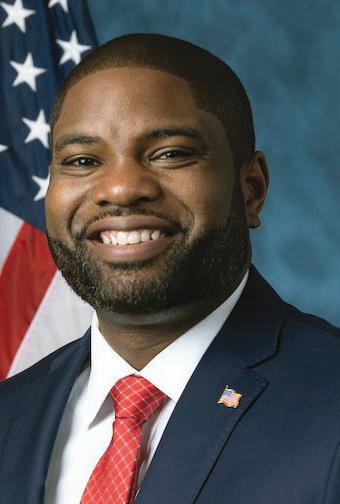
Florida condominium buyers since the Great Recession have needed to put more down for a loan than in any other state. But U.S. Rep. Byron Donalds, RNaples, said that will change in August.
“This is a major step forward for affordability in our state,” Donalds said. “People trying to get into the game of ownership in our state will be able to put less down to buy a condo.”
Since 2008, Freddie Mae and Mannie Mac had geography-specific selling rules that require anyone buying a condominium in Florida to pay 25% of the value of the home up front, with loans only able
to cover 75% of the costs. Elsewhere, buyers only need to pay a 10% down payment, with loans covering up to 90% of the rest of the purchase price.
It is an issue that has long frustrated real estate professionals in the state, who have stepped up efforts in the last year to have the policy changed.
“The Florida Association of Mortgage Professionals and A&D have been working with Fannie Mae and FHFA to reduce the down payment for condos in Florida,” Max Slyusarchuk, founder and CEO
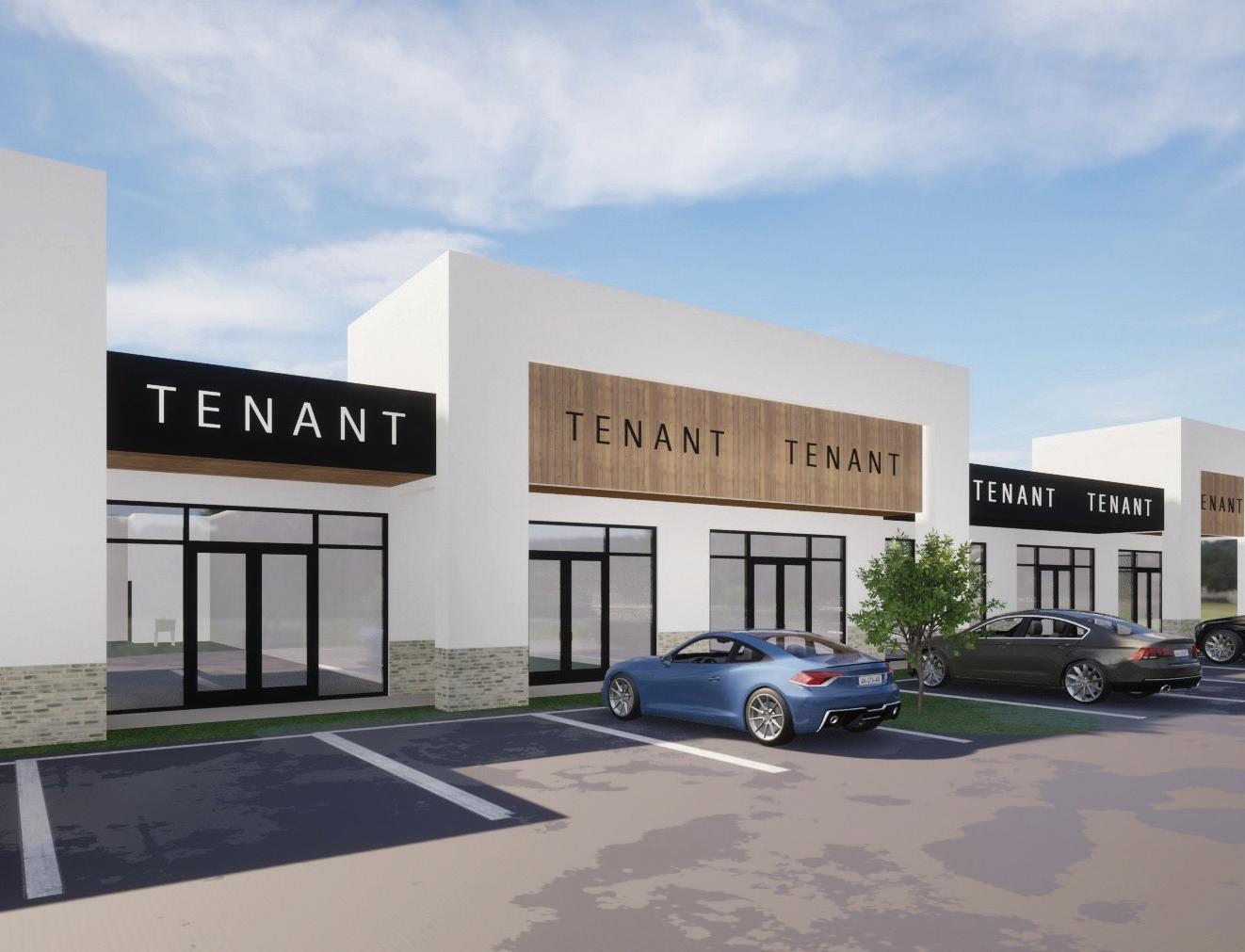
Forager Real Estate Partners is offering a full slate of commercial leasing opportunities at The Bonita Foundry, a mixed-use development designed to serve both high visibility flex-commercial and industrial tenants. The project combines high-visibility flex-commercial space along Old 41 with shallow-bay flex-industrial units toward the rear of the site, creating options that accommodate a range of tenant needs.
“From a broker standpoint, we’ve structured The Bonita Foundry to be as flexible and negotiable as possible,” said Kyle Campins, sales associate for The Bonita Foundry. “Pre-construction incentives are available, and we’re here to work with tenant representatives to help prospects achieve their space objectives, including any customizations they may need.”
Street-facing flex-commercial
With 600 feet of frontage along Old 41, high-visibility units feature storefront exposure, rear loading, full drive-in clearance and a generous parking ratio. They are ideal for customer-facing businesses, including:
• Food and beverage: Sit-down dining, coffee house, café, roastery, pastry boutique, craft brewery, catering kitchen and kava.
• Creative studios: Art gallery, photo studio, calligraphy studio, pottery school, neon sign shop, woodshop and interior design.
• Beauty and wellness: Nail lounge, massage, hair salon, wellness lab, cosmetic studio, pilates, cross-fit and barber shop.
• Retail and specialty: Exotic car showroom, flower boutique, designer warehouse and flooring studio.
Shallow-bay flex-industrial
Located toward the rear of the site, these units are designed for light industrial and service-based operations, ranging from 1,500 to 43,000 square feet and ideal for:
• Professional services: Event studio, tech startup, print shop, auto detailing and catering.
• Trades and logistics: HVAC, flooring, roofing, last mile, electrical, plumbing, specialty storage and landscaping.
• Recreation: Pickleball, gymnastics, performance training, dance, martial arts and sports training.
All units feature: flexible floorplans and scalable layouts; 21-foot clear height at the front; contemporary coastal design; energy-efficient, sustainable features; storm-rated concrete construction above FEMA ‘X’ zone; ample on-site parking and 24/7 video surveillance; and EFSR sprinklers throughout. Construction delivery is scheduled for 2027.


of A&D Mortgage told Mortgage Professional American magazine last year.
Donalds took up the issue at a January meeting of the House Financial Services Committee, where Housing and Urban Development Secretary Scott Turner testified to Congress. At the hearing, Donalds urged a review of the Florida specific policy, and Turner said he would direct the Federal Housing Finance Agency to do so.
“I will make sure that we work very closely with our partners at FHFA to make sure that Florida residents, as it pertains to your issue, are being treated appropriately and fairly in this issue,” Turner said.
Donalds said he began engaging the







FHFA in early March on a regular basis. That agency is headed by Bill Pulte, a Boca Raton private equity firm founder who also chairs Freddie Mae and Fannie Mac. The FHFA oversees the Federal Home Loan Bank System, which collectively provides more than $8.5 trillion in funding for U.S. mortgage markets and financial institutions.
On March 19, Donalds said his office was informed the Florida-specific rule would change, and loans for condos in Florida would be subject to the same down payment rules as every other state. New rules should take effect in August.
“This is a major win for Florida,” said Donalds, who notably is running for Governor this year.















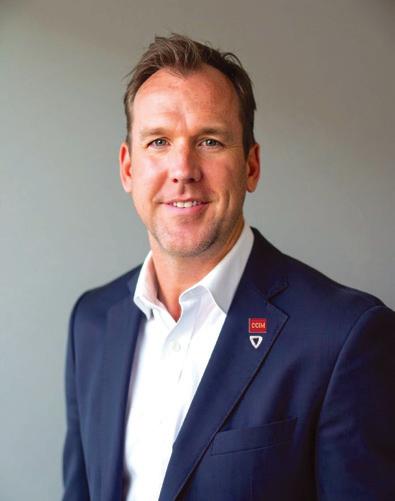













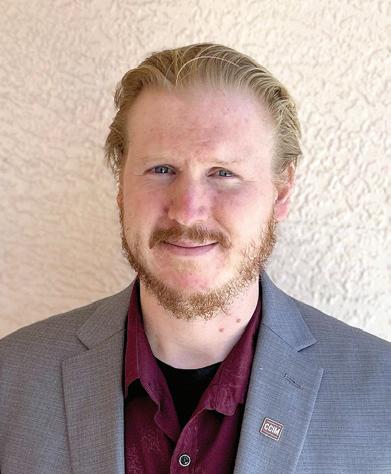
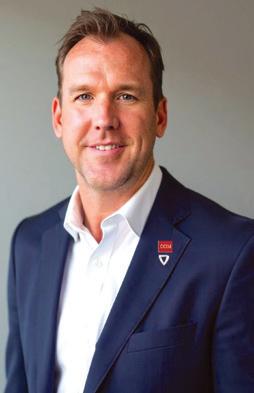
Today there are CCIMs in every state, across Canada and Mexico, and in more than 30 countries around the world. Domestically, the network encompasses more than 1,000 markets, from large metropolitan areas to small cities and towns. A truly global network, CCIMs are a powerful force in markets large and small.



Overall, CCIM's global network enables members to close thousands of transactions annually,representing more than $200 billion in value. But closing transactions is only part of what CCIMs can do. In addition to holding dealmaking occupations in every property sector, CCIMs are also found in leasing, asset management, development, lending, financing, proper ty management, site selection and corporate real estate positions. So, whatever assistance your real estate project requires, a CCIM can help you achieve a better result.


CCIM is the most prestigious designation commercial real estate professionals can achieve within the industry. Graduate-level education, coupled with industry-leading technology tools, practical proven experience, and in-depth knowledge of their local markets, gives CCIMs the ability and the credibility to conduct business confidently and successfully. CCIM designees are bound to the strictest ethical guidelines and standards of practice in the industry today. If you ask around the industry, you'll learn that companies and other real estate professionals are more likely to seek out experts who possess the CCIM designation, as they know CCIM stands for trust, knowledge and reliability.
The Southwest Florida CCIM District is a chapter of the Institute established in 1954 to give practitioners of Commercial Real Estate the valuable opportunity to further their business knowledge through focused education and networking opportunities. Today, with the addition of advanced technology resources, CCIM is the Global leader in Commercial and Investment Real Estate education and services. The Certified Commercial Investment Member (CCIM) designation is recognized











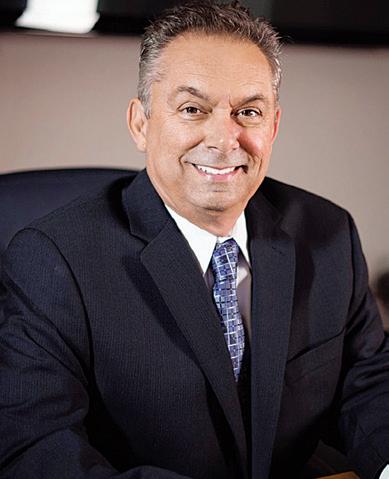





Stevens Construction completed construction of Premier Women’s Care of Southwest Florida’s 40,797-square-foot medical office building on Santa Barbara Boulevard in Cape Coral, announced Daniel Adams, Stevens Construction executive vice president and partner.
Premier Women’s Care of Southwest Florida expanded its Cape Coral practice, which offers com-
prehensive gynecological and obstetrical care.
Situated on 2.27 acres, the first floor of the new office building features three ultrasound suites, 3D mammography with changing rooms and offices. In addition, 3,000 square feet of office space is available for lease. Also on the first floor is a parking garage to accommodate 18 vehicles and two car charging stations. The second floor includes 37 exam rooms, four enhanced procedure rooms, phlebotomy, consultation rooms, offices, storage and a break room. Completed on budget and on schedule in 13 months, Stevens Construction provided nearly two years of pre-construction services, providing budgets and schedules at specific design milestones to ensure the project stayed on track. Stevens Construction identified $500,000 in cost-saving opportunities.
Owen-Ames-Kimball has reached significant construction milestones on schedule at the Heights CareerTech Institute, a transformative post-secondary career and technical education campus and a project of The Heights Foundation/The Heights Center.
The Heights CareerTech Institute represents the third building OwenAmes-Kimball has constructed for The Heights Foundation, following the successful completion of The Heights Center and The Harlem Heights Community Charter School—a continuation of a long-standing partnership focused on education, opportunity and community impact. The project was designed by RG Architects, which also designed The Harlem Heights Commu-
nity Charter School.
Located on Gladiolus Drive in the Harlem Heights neighborhood of Fort Myers, The Heights CareerTech Institute will serve students from across Southwest Florida, providing hands-on training and industry-recognized credentials in high-demand skilled trades.
At full capacity, the Institute will serve up to 500 students annually, preparing graduates for viable, family-supporting careers while helping address critical workforce shortages throughout the region.
The project is on schedule and nearing completion of major structural components that historically present the greatest risk for delays due to weather and material availability.

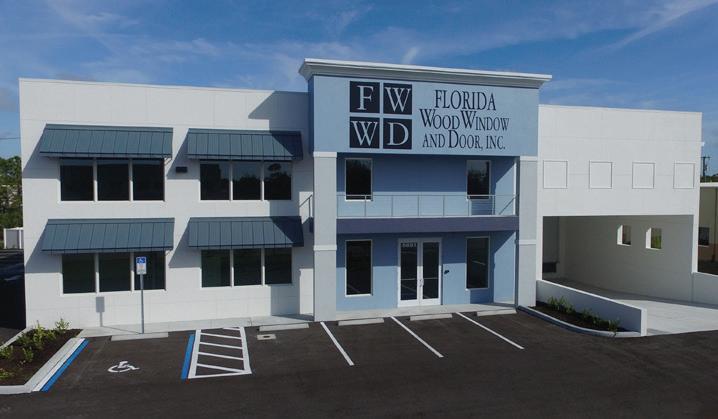

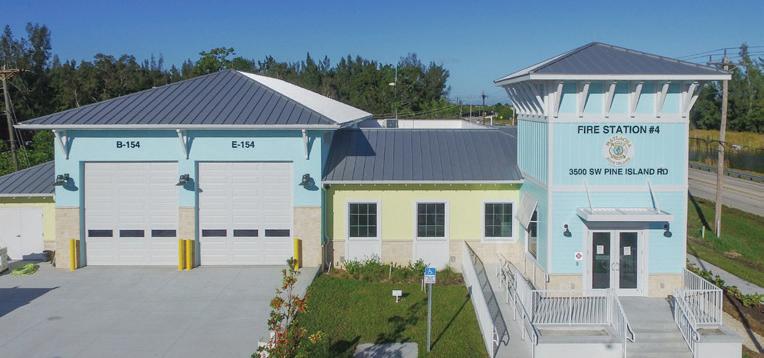
As cities face layered pressures, climate risk, housing shortages, rising construction costs and shifting social needs, urban land is no longer just a physical asset. It has become a testing ground for resilience, adaptability and long-term relevance.
Looking ahead to 2026, five recurring signals stand out as urban “lighthouses” projects and ideas that illuminate how architects and developers can rethink place, performance and purpose.
1. Waterfronts as civic infrastructure: Large-scale waterfront redevelopments are moving beyond iconic design to become multifunctional civic systems. Flood mitigation, public access, mixed-use programming and economic activation are no longer separate goals, they are integrated into one urban framework. The future waterfront is less about spectacle and more about resilience at the edge.
2. Rebuilding as opportunity to redesign: Post-disaster reconstruction is increasingly approached not as replacement, but as transformation. Cities responding to extreme events are rethinking density, housing delivery and community resilience simultaneously. This reframes recovery as a chance to correct long-standing vulnerabilities rather than replicate them.
3. Cost awareness driving design intelligence: Persistent construction cost volatility is pushing teams to rethink materials, phasing and delivery models earlier in the design process. Value engineering is giving way to value alignment, where design, finance and long-term operations are coordinated from day one to ensure projects remain viable without sacrificing ambition.
4. Entertainment districts as urban anchors: Stadiums and large-scale entertainment developments are evolving into mixed-



BY DIANA GIRALDO Guest Columnist
use districts that stitch together downtowns rather than isolate them. When integrated thoughtfully, these projects can act as catalysts for walkability, housing and year-round economic activity, anchoring cities socially as well as financially.
5. The “forgotten middle” as a design frontier: From senior housing to missingmiddle residential typologies, underserved demographics are driving innovation in scale, flexibility and community-oriented design. These projects challenge conventional assumptions about density and return, opening new pathways for inclusive, human-centered development.
Signals to strategies
Together, these five themes point to a clear direction for 2026: urban development must be resilient by design, sustainable for our future, revitalizing by intent, and constantly rethought through interdisciplinary collaboration.
This is precisely where Community Development Reimagined operates, helping architects and developer partners translate challenges into opportunities for resiliency and sustainability, integrating forward-looking strategies. By aligning design vision, economic reality, and community impact, CDR supports projects that don’t just respond to today’s constraints, but actively shape the needs of the future.
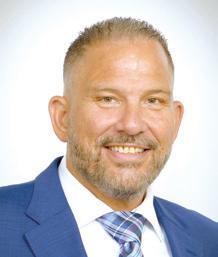
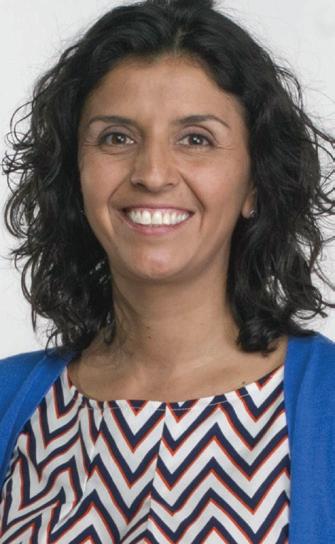
Diana Giraldo is founder and CEO of Community Development Reimagined. Contact diana@cdrgreen.com or (239) 476-0033.



















Dunbar High School announced Dunbar students earned numerous distinctions in the 2026 NCWIT Aspirations in Computing Awards – Southwest Florida Region. Honors included multiple SWFL Affiliate Winners, Honorable Mentions, Rising Stars and a prestigious National Award Winner.
Out of 36 total regional honorees, Dunbar High School secured 13 recognitions, reinforcing the strength of the school’s STEM pathways and a commitment to advancing young women in computing.
Nishini Fernando was named as National and SWFL Affiliate Winner. In 2026, out of thousands of applications submitted nationwide, only 40 students were selected as National Winners, while 260 students were recognized as National Honorable Mention recipients. This distinction places National Winners among the most elite high school computing students across the United States and U.S. territories.
Angel investors from Southwest Florida invested in Samara Aerospace, a satellite company whose technology improves stability, performance and weight compared with current satellites in space.
Members of Tamiami Angel Fund V invested $1.227 million in Samara Aerospace, the fund’s 12th portfolio company.
“Samara’s satellite bus technology breaks new ground for improving space-based internet communications and terrestrial imaging, giving it an edge over legacy satellites,” said Timothy Cartwright, partner of Fifth Avenue Family Office and chairman of Tamiami Angel Funds in Naples. “Samara’s patented hinges allow satellites to be folded and loaded into the cargo bay of space vehicles to increase cargo space up to 2.5 times.”
A key component to Samara’s Hummingbird satellite are special hinges that connect the solar panels powering the vehicle. These hinges are 1,000 times more stable than the traditional wheels that position satellites in space, reducing the vibrations that create blurry images and degrade communications performance. What’s more, the Samara satellites weigh less and take less room, saving launch payload expenses.
“It’s a fundamentally different way to develop satellites,” said Patrick Haddox, CEO of Samara Aerospace.
The company is currently testing its technology on the Impulse Space craft now in orbit and its first Hummingbird satellite is scheduled to be launched by SpaceX next year from Vandenberg Space Force Base in California, with another planned in 2028. Investors associated with the university introduced Haddox, an engineering graduate from the University of Illinois, to Tamiami Angel Funds. Haddox said the funds raised from Tamiami Angels and others will be used to hire additional engineers and build new satellites in a recently expanded facility in San Francisco where the company is headquartered.
Cartwright commented, “This investment signifies an intentional diversification of Fund’s portfolio construction strategy to include probable unicorn startups from hot industry sectors projecting exponential growth in the next three to five years.”
The initiative highlights schools creating innovative, scalable models for career exploration and career-connected learning. Winning schools ensure students have access to experiences that help them understand their strengths, interests and potential career pathways.
“The Florida Consortium of Public Charter Schools congratulates Donna J. Beasley Technical Academy for being one of ten finalists for the Future Forward Schools Prize,” said Robert Haag, president of the Consortium.
Don’t forget to post your in-person and virtual business events on our B2B events calendar at swfloridabusinesstoday.com/calendar
“I am very grateful for this opportunity to be recognized as an NCWIT National Winner,” said Fernando. “It is an honor to be in the company of 39 other incredible individuals who are all working on remarkable projects and STEM outreach. I am so excited to meet everyone later this month in North Carolina.”
SWFL Affiliate Winners included Isabella Fowler, Deetya Gogineni, Shourigna Madishetty, Guadalupe Nato-Ocampo, Missel Isaac, Emma Smock and Meiya Zhang.
SWFL Affiliate Honorable Mentions went to Ashleigh Green and Farjana Hera. SWFL Affiliate
Rising Stars included Aditi Chaudhari, Amia Louisme and Kadence Trask.
The historic showing for Dunbar High, with representation across every recognition tier including the only National Winner from SWFL, underscores the school’s strategic investment in high-demand, high-skill technology pathways that consistently celebrate the accomplishments of the young women enrolled in these programs.
The results reflect a rigorous computer science and engineering curriculum, industry-aligned certifications and advanced coursework, mentorshipdriven student leadership and a culture that actively promotes inclusion and access in STEM
The students, along with their mentors, will be formally celebrated at the Southwest Florida Regional Awards Ceremony on May 3 at Florida SouthWestern State College in Fort Myers.
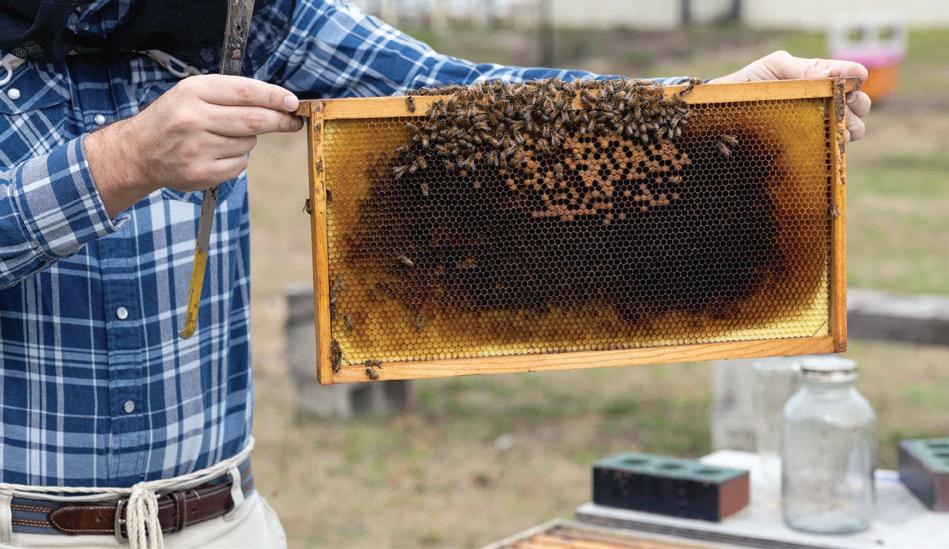
For anyone who’s dreamed of owning their own farm, the journey can feel daunting. Between business planning, marketing and the challenges of producing goods in a dynamic economic environment, getting a business off the ground can feel like an up-hill battle.
That’s why the University of Florida Institute of Food and Agricultural Sciences (UF/IFAS), in partnership with Florida Agricultural and Mechanical University, is expanding its Small Farm Start-Up School to be statewide and include more resources for burgeoning farmers.
Registration is open for the school’s nine-week course, which will run from April 14 to June 23. Classes are limited to 20 people per site and will be offered in Lee and other counties. The class is well-suited for anyone interested in starting their own small farm in Florida, as well as entrepreneurs who want to transition into the agribusiness space.
“This class is for all entrepreneurs, but we will be addressing the most pressing issues for those who want to start their own small farms,” David Campbell, state coordinator for the UF/IFAS Small Farms and Alternative Enterprises initiative. “Farming is vital to Florida, and preparing future business owners to create resilient, profitable businesses means a stronger food system for the state and the country.”
The hybrid nature of the class allows students to balance their existing work and their continuing education. Online classes will focus on business fundamentals like creating a business plan, creating a marketing plan, production practices, loan management, insurance information and other related information.
In-person classes will be a combination of farm visits, where students can see how successful farms are using business best practices, as well as Q&As with business owners and networking events with agribusiness professionals.
Being a farmer in today’s economy is rewarding but tough, Campbell said.









“We respect our growers and commodity producers and want to respond to their request for more business planning and marketing resources so new farmers can go into the industry prepared,” he said.
Between challenges like market changes, crop loss due to pests and weather and limited available agricultural land due to urbanization and changing land use, owning and operating a small farm can feel intimidating.
This foundational course is to not only help future farm owners figure out a plan for achieving that goal – but also help them figure out the right timing to do so and whether they are properly prepared to take that step, Campbell said.
The course began at UF/IFAS six years ago and builds upon a program from University of Minnesota Extension from retired Extension agent Rod Greder. It began in Florida in Sarasota County and is expanding statewide this year.
The program is also particularly useful for anyone that has a Farm Service Agency loan because this class is an official financial management training for FSA borrowers.
When Life happens and you’re not prepared, my team and I are here for you, to help with unexpected bills.
what Kelly’s customers are saying:
“ Kelly came into my business and educated my employees about the benefits that she offers and was very helpful and offered my employees the option if they wanted to use it or not. She is who you need to go to as a small business owner.” — Chase Brzeczek
“Excellent service. Kelly has been fabulous, she’s knowledgable, attentive and has been really helpful in providing us with the information we needed to obtain the best plan for our needs. Thank you!” — Jackie Pike

Radiation has been among the many treatment options used for generations to successfully treat cancer. In Southwest Florida though, one machine is revolutionizing cancer care – the IBA ProteusONE.
The ProteusONE still uses radiation to eradicate cancer cells, but rather than photons, it uses protons.
Proton therapy uses positively charged particles to deliver radiation directly to a tumor. This technology allows radiation oncologists to control exactly where the proton beam releases most of its energy. The beam enters the body, slows down at a precise depth and stops to deposit the peak dose into the tumor itself. The beam does not continue through the body, so it spares healthy tissue and organs and thus reduces side effects during treatments, as well as long-term impacts.
Traditional photon radiation is still highly effective in treating tumors, but reduced exposure of healthy tissue is the difference maker with proton
BY SHANNON MACDONALD Guest Columnist
therapy. Dozens of cancer treatment centers across the region offer photon therapy, but only one – Southwest Florida Proton in Estero – offers proton therapy. In fact, it’s the only such center on Florida’s west coast and one of just 48 nationally to offer proton therapy.
Proton therapy is often recommended for many patients with cancers of the brain and spine, pediatrics, eye and select patients with breast, head and neck, esophagus, liver, lung, pancreas, prostate, lymphomas and soft tissue sarcomas. Proton therapy is a safer option for patients who have undergone prior radiation treatments and can reduce the long-term risks of radiation exposure.
Lee County Commissioners voted to approve loan agreements to rehabilitate 484 affordable rental units at multi-family affordable housing developments.
The projects are using part of the U.S. Department of Housing and Urban Development’s (HUD) Community Development Block GrantDisaster Recovery allocation to Lee County.
Hurricane Ian made landfall in Lee County on Sept. 28, 2022. In early 2023, HUD announced the $1.1 billion allocation of Community Development Block Grant-Disaster Recovery (CDBG-DR) funds to support Lee County’s long-term recovery efforts.
Commissioners have made affordable housing a priority for the funding and voted to:
• Authorize execution of loan documents for Renaissance Preserve Senior and Family Apartments, on Renaissance Preserve
Way in Fort Myers, to provide about $8.4 million in CDBG-DR funding for the rehabilitation of 272 affordable rental housing units. Continued affordability will be maintained for 20 years.
• Authorize execution of loan documents for East Pointe Place (Phase 1), on Dale Street in Fort Myers, to provide about $7.1 million in CDBG-DR funding for the rehabilitation of 86 affordable rental housing units. Continued affordability will be maintained for 20 years.
• Authorize execution of loan documents for the Landings at East Point Affordable Housing Project to receive CDBG-DR funding in the amount of about $6.1 million for the rehabilitation of 126 affordable rental housing units. The housing development is located on Nelson Tillis Boulevard in Fort Myers. Continued affordability will be maintained for 20 years.
Prior to the first treatment at Southwest Florida Proton in December 2025, cancer patients from Southwest Florida had to travel several hours each way to proton centers in Miami, Orlando or Jacksonville. Now, this state-of-the-art treatment option is available right in Southwest Florida, reducing the physical, financial and emotional strain of long-distance travel during an already challenging time.
For a region with a rapidly growing population – particularly older adults who face higher cancer risks – the arrival of proton therapy signals an important shift in the local health care landscape. Cutting-edge cancer care is available right here, allowing patients to focus on what matters – healing, spending time with loved ones and beating cancer.
Dr. Shannon MacDonald is senior medical director at Southwest Florida Proton in Estero. Contact (239) 5160009.
every dollar is maximized for the best possible design and construction value. With decades of experience delivering high-profile projects throughout Florida, Suffolk is known for fostering transparency and alignment among owners, designers and builders from the earliest stages of development.
“By working alongside partners like the Village of Estero who share our commitment to innovation and community impact, Suffolk is able to deliver projects that not only meet today’s needs, but also support long-term growth and quality of life for the entire region,” said Ben Wilson, general manager of Suffolk, Southwest Florida. “Early alignment allows us to make smarter decisions sooner, reduce risk and deliver greater value for the entire Estero community and we’re proud to bring this unifying recreational destination to life.”
As population growth continues across Southwest Florida, owners and developers are increasingly turning to the design-build model to achieve greater collaboration, predictability
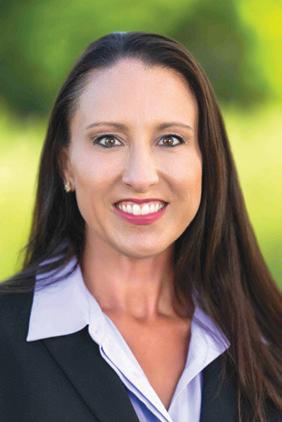
The Real Estate Investment Society of Southwest Florida named Kristine Smale, Christopher Alan Homes’s executive vice president of revenue and strategy, as president for 2026. Smale has been a member of the REIS board for over six years and has been actively involved in advancing the organization’s mission to promote responsible real estate development through education, collaboration and community engagement.
Smale also currently serves as chair of ULI Southwest Florida and participates on Urban Land Institute product councils at both the state and national levels, contributing to conversations shaping development trends and best practices across the country.
and efficiency. Rather than separating design and construction into sequential phases, Suffolk’s design-build process brings architects, engineers, contractors and owners together from the outset. This allows teams to identify cost drivers, supply chain considerations, labor and constructability challenges early when solutions are most efficient and cost-effective.
The first phase of construction for the Sports Park will include design, site preparation and core infrastructure updates, with completion anticipated in late 2026 in conjunction with the opening of the High 5 entertainment venue. Suffolk’s work on Phase 1 will lay the groundwork for the entire complex which will be located along Williams Road adjacent to Estero High School and the Entertainment District.
More specifically, the initial phase will include construction of the Via Coconut Point main entrance to provide access to High 5, parking, two practice fields, lake and privacy wall, along with the comprehensive site preparation and infrastructure work that includes water, sewer, power and stormwater systems. Phase 2 will begin while Phase 1 is under construction.

















The Gulf Coast Tech Corridor, as stated in the report, is comprised of Lee, Collier, Charlotte, Hendry and Glades Counties, while naturally extending northward into Sarasota, Manatee and DeSoto, where regional talent, entrepreneurship, supply chains and partnerships increasingly intersect.
According to RERI’s analysis of Lightcast data from 2024, Southwest Florida employs 8,543 workers in computer and mathematical occupations and 17,212 in core tech industries. Between 2019 and 2024, employment in these industries grew 37.8%, significantly outpacing overall regional job growth.
The report indicated Southwest Florida’s tech sector is defined by organizations that create, deliver or enable technology-driven products and services — spanning software development, IT services, data analytics, cybersecurity, cloud infrastructure, digital health, advanced manufacturing and med-tech.
But the broader tech ecosystem includes far more, as the report notes: the educators, startups, employers, investors, nonprofits and community groups that collectively shape innovation, talent development and economic opportunity.
“This report,” Schmidt pointed out, “uses a regional ecosystem lens to reflect both the direct tech economy and the tech-enabled industries that drive Southwest Florida’s competitiveness. It captures the partners who build talent, the firms that create jobs, the networks that accelerate collaboration, and the emerging geographic patterns of innovation across the region.”
To dig deeper into the report’s findings, the SWFL Tech Pulse Forum took place last month.
It brought together regional leaders to explore what it will take to build lasting capacity across Southwest Florida’s tech economy — from AI readiness and workforce alignment to startup growth and operational scale.
Via three focused panel discussions, the forum examined how founders, employers, educators and ecosystem partners can work together to ensure tech companies don’t just start here — but scale and stay here. The audience heard from leaders actively shaping Southwest Florida’s tech ecosystem, including Lee County Economic Development Director John Talmage.
“I think we’ve got to work on finding ways to connect AI to our small businesses, which is our bread and butter: 97% of our businesses in Lee
County have less than 10 employees,” Talmage stated.
“If we don’t find ways to address the AI Divide, which is going to be worse than the Digital Divide because you either can find ways to understand it, or you can’t even talk about it, there will be this huge disconnect. With no middle ground. So without going into DEI, or anything like that, we have to figure out how to bring equity into the system; we’re going to have to find ways to democratize these tools and opportunities for our small businesses.”
The report noted Southwest Florida’s tech workforce is expanding steadily, driven by employer demand across health care, med-tech, logistics, education, advanced manufacturing and professional services. While the region’s tech talent base remains smaller than major Florida metros, it is experiencing rapid acceleration — a defining characteristic of emerging tech hubs.
Looking ahead, Amir B. Ferreira Neto, Director of RERI at FGCU, noted, “SWFL’s Technology Ecosystem is nascent and closely connected with the region’s roots including healthcare, agriculture and hospitality technology. While several elements for a healthy ecosystem are becoming available in the region, we still need connections across education, workforce, business, and funding networks to converge.”
Peter Ocsody, Program Director of Daveler Institute of Entrepreneurship at Florida SouthWestern State College, shared his take.
“Any ecosystem needs density of networks. Larger organizations put a lot of money back into the ecosystem: millions and millions of dollars, as well as the government, and the education system and individual investors,” he said.
“So quite a bit of money has to be put into it for the benefit of everybody, and in order to create the required density. Additionally, it needs to be a long term focus—like a decade long and that decade starts every day. If that kind of focus is not there, don’t even bother because these kinds of things cannot be done overnight.”
He added, “We need these types of events--frequently and continually from all kinds of organizations, forums, gatherings, pitch events, etc. These types of events then need to cross-pollinate so that density is actually created and everyone has access to that ‘asset map’ of what’s available in the ecosystem right now. That density of networks is critical to create vibrant ecosystems — and vibrant ecosystems will lift all businesses — small and large.”
Dragon Horse Agency, the first business marketing services firm to deploy an AI-based solution in 2016 with its award-winning DragonIQ platform, announced the launch of DragonAI, a breakthrough agentic artificial intelligence solution that significantly elevates the firm’s end-to-end business strategy and consulting services into a full-service marketing platform.
DragonAI builds on the proven success of DragonIQ by introducing a new level of proactive, goal-driven intelligence into client engagements. DragonAI is designed to understand high-level business objectives and translate them into coordinated, micro-actionable steps, enabling Dragon Horse Agency to deliver faster, more precise and more scalable results for its clients.
“Since 2015, Dragon Horse Agency has been dedicated to innovation, beginning with our industry-first DragonONE and subsequently advancing to AI-powered digital marketing with the launch of DragonIQ in 2016,” said Blake Renda, co-CEO of Dragon Horse Agency. “The addition of DragonAI to our award-winning platform of DragonONE and DragonIQ is a major milestone for our firm and our clients. Dragon Horse Agency harnesses the power of both qualitative
and quantitative AI-driven insights to craft visionary, step-by-step strategies that empower our clients to transform their organizations. Our seamless platform inspires innovation, drives substantial results, and unlocks new horizons—saving time and capital while fueling future growth.”
DragonAI can break down complex objectives—such as entering a new market, optimizing a sales funnel, or improving customer retention—into a series of granular actions, then execute those actions across integrated systems and platforms.
“DragonAI elevates and re-emphasizes our reputation for innovation and excellence. Our clients don’t just receive plans and recommendations—they gain an AI Intelligence Aviator producing tactical outcomes,” added Julie Koester, co-CEO.
With DragonAI, Dragon Horse Agency further strengthens its position as an innovation leader in AIdriven business marketing services. The combined power of DragonONE, DragonIQ and DragonAI’s analytical insights enables organizations to move from vision to execution to impact more quickly, efficiently and confidently than ever before.

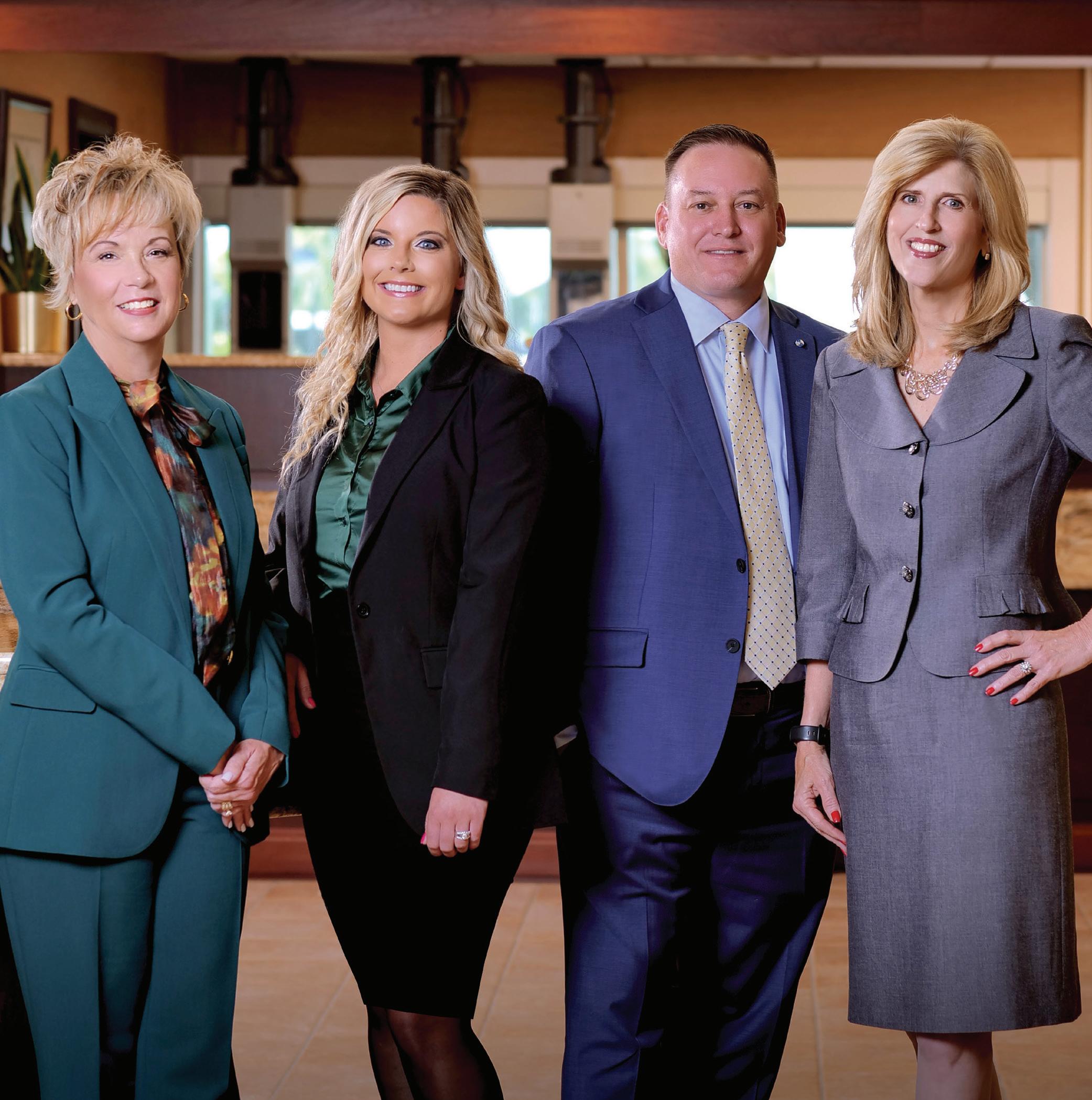






In a market filled with hype and headlines, businesses and homeowners need clear financial insights and dependable banking solutions.
Edison National Bank/Bank of the Islands helps customers move forward with confidence through comprehensive cash management services and lending solutions for both residential and commercial needs.
• Automate payroll services and vendor payments with ACH Origination
• Automate payroll services and vendor payments with ACH Origination
• Conveniently deposit checks at your office using the Remote Deposit Capture Service
• Conveniently deposit checks at your office using the Remote Deposit Capture Service
• Protect your account from fraud with Fraud Protection Services
• Protect your account from fraud with Fraud Protection Services
• Secure residential and commercial loans, tailored to your goals
• Secure residential and commercial loans, tailored to your goals
From managing cash flow to financing growth, our relationship-focused team delivers modern, safe banking solutions backed by a 5-Star Rating by Bauer Financial for more than a decade.