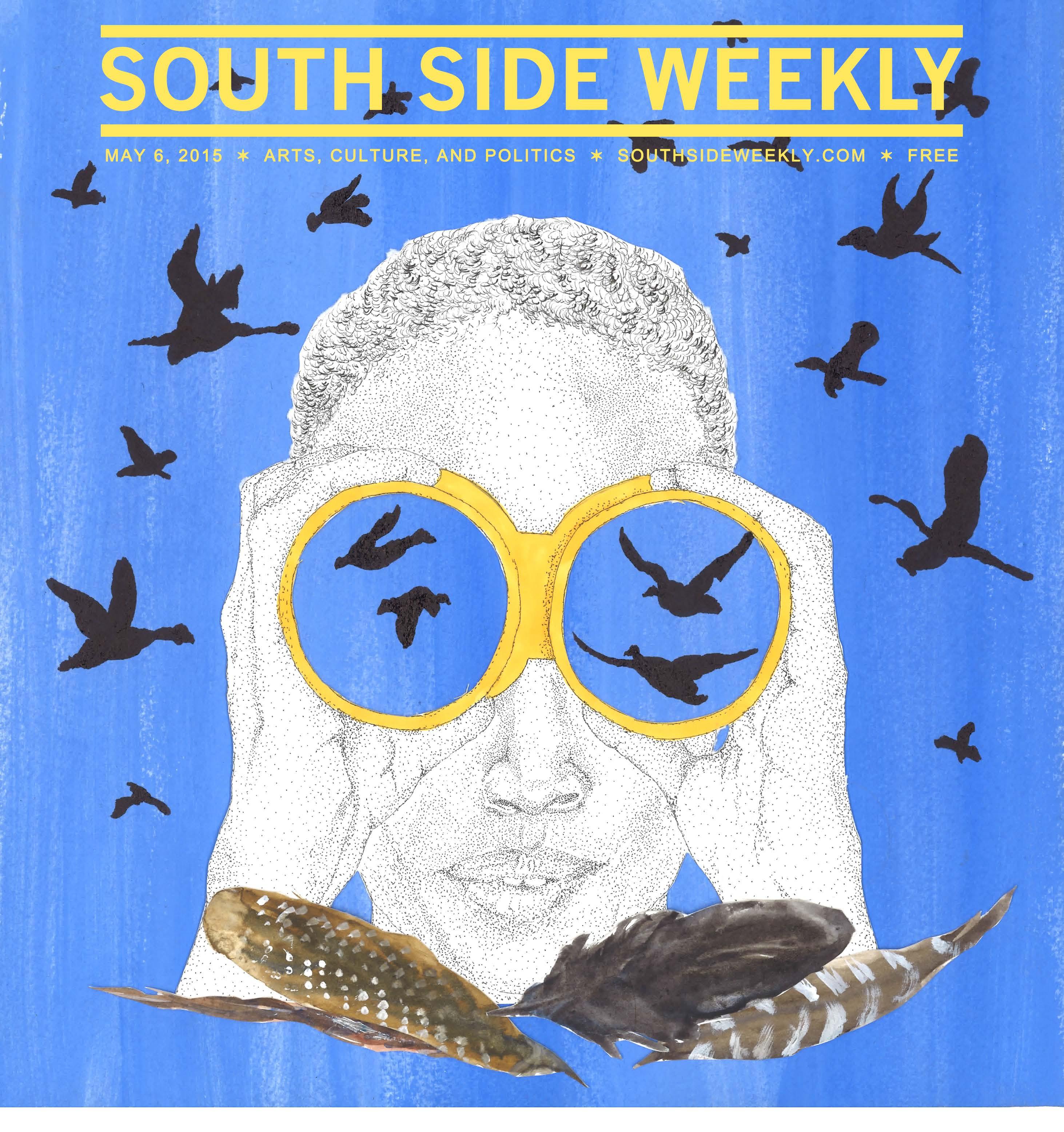
Examining the migrations of Chicago’s birds and people

Examining the migrations of Chicago’s birds and people

The South Side Weekly is a nonprofit newsprint magazine written for and about neighborhoods on the South Side of Chicago. We publish in-depth coverage of the arts and issues of public interest alongside oral histories, poetry, fiction, interviews, and artwork from local photographers and illustrators. Started as a student paper at the University of Chicago, the South Side Weekly is now an independent nonprofit organization dedicated to supporting cultural and civic engagement on the South Side, and to providing educational opportunities for developing journalists, writers, and artists.
Editor-in-Chief Osita Nwanevu
Executive Editor Bess Cohen
Managing Editors Jake Bittle, Olivia Stovicek
Politics Editors Christian Belanger, Rachel Schastok
Education Editor Mari Cohen
Music Editor Maha Ahmed
Stage & Screen Lucia Ahrensdorf
Editor
Visual Arts Editors Lauren Gurley, Robert Sorrell
Editors-at-Large John Gamino, Bea Malsky, Meaghan Murphy, Hannah Nyhart
Contributing Editors Julia Aizuss, Austin Brown, Sarah Claypoole, Emeline Posner, Hafsa Razi
Social Media Editor Emily Lipstein
Web Editor Andrew Koski
Visuals Editor Ellie Mejia
Layout Editors Adam Thorp, Baci Weiler
Senior Writers: Patrick Leow, Jack Nuelle, Stephen Urchick
Staff Writers: Olivia Adams, Max Bloom, Amelia Dmowska, Mark Hassenfratz, Maira Khwaja, Jeanne Lieberman, Zoe Makoul, Olivia Myszkowski, Jamison Pfeifer, Kari Wei
Staff Photographers: Camden Bauchner, Juliet Eldred, Kiran Misra, Siddhesh Mukerji, Luke White
Staff Illustrators: Jean Cochrane, Lexi Drexelius, Wei Yi Ow, Amber Sollenberger, Teddy Watler, Julie Wu
Editorial Intern Clyde Schwab
Webmaster Shuwen Qian
Business Manager Harry Backlund
The paper is produced by an all-volunteer editorial staff and seeks contributions from across the city. We distribute each Wednesday in the fall, winter, and spring, with breaks during April and December. Over the summer we publish monthly.
Send submissions, story ideas, comments, or questions to editor@southsideweekly.com or mail to:
South Side Weekly
1212 E. 59th Street
Ida Noyes Hall #030 Chicago, IL 60637
For advertising inquiries, contact: (773)234-5388 or advertising@southsideweekly
Read our stories online at southsideweekly.com
A week’s worth of developing stories, odd events, and signs of the times, culled from the desks, inboxes and wandering eyes of the editors
Indiana’s efforts to draw Chicagoans over the border may come off as aggressive—highway billboards offer constant reminder that we are all “Illinnoyed,” or at least that we should be. But as talks about a Chicago-owned casino progress, reasons to head over to the Hoosier State dwindle. The most recent proposal from the city would allow for not just a city-owned casino, but also new casinos in the south suburbs and video gambling at five Illinois horse race tracks. There are still legislative and financial hurdles to clear, and a location to pick; potential spots include McCormick Place, the area by the United Center, and the vacant Michael Reese hospital lot, which has been a burden to taxpayers’ pockets since the failed Olympic bid. The proposal as it stands could bring in an extra $457 million per year, and maybe even a couple Indianans for a Chicago gambling experience. Casino expansion has faced serious opposition for years, however, and it’s far from clear that this latest push will ultimately be successful, or that it will take the form Rahm hopes. We’ll see if casino proponents are left “Illinnoyed” or not.
Having Fun Isn’t Hard…
When the President of the United States of America gives you a library card. And that’s exactly what he’s doing. The effort to put a
On THE WIng
“...boundaries get pushed over and over again. We see that mimicked by [birds].”
emily lipstein…4
mITcHELL aTTacKS raUnEr bUDgET
“We need to go downtown with an agenda.”
christian belanger…7
cHIcagO TO baLTImOrE
“They worked tirelessly to keep us from this property. That’s the only shit they care about.”
christian belanger…8
Chicago Public Library card in the hands of every Chicago Public Schools student is part of a 2013 White House initiative called ConnectED, which seeks to make educational technology and digital content more accessible to K-12 students. Announced last Thursday, the library card initiative is being rolled out in thirty-one cities across the country, though according to CPL Commissioner Brian Bannon, reaching every CPS student may take a few years. The initiative was announced just in time to get kids thinking about Rahm’s Readers, Mayor Emanuel’s attempt to get CPS students excited about reading over the summer.
Detox
In addition to a shiny new Jeanne Gang boathouse (coming eventually to 28th and Eleanor), it looks like the South Branch of the Chicago River, colloquially known as “Bubbly Creek” due to its notorious toxicity, could be getting a real cleanup. According to an Army Corps report, a thorough spring cleaning, with an estimated cost of $2.65 million, could increase water quality and thus, incidentally, improve the “outdoor experiences” of residents in Bridgeport, Pilsen, and McKinley Park. It could also protect a few endangered species whose riverbank habits have been eroded. See this week’s feature for more on the dynamics of migratory birds in Chicago.
prODUcE man
“It’s all about keeping them happy right now—keeping them excited to come here.”
eleonora edreva…9
prODUcTIOn vaLUE
“‘Who’s Thelonious Martin?’ He’s the soul producer, from Chicago, Illinois.” austin brown…10
gaTES TO OpEn bOOKSTOrE
In WaSHIngTOn parK
Theaster Gates will open Chicago’s first arts-focused bookstore as the newest addition to his “arts bloc” on Garfield.
eleonora edreva…11
rEcOnSTrUcTIng THE cEnSUS
Carol Vieth managed to tease a rich and personal history out of rows of data. lewis page…13
THE SOUTH SIDE’S EnDangErED bUILDIngS “What do you do with something that is part of your history but can no longer really function in the same way?” zach taylor, andrew yang…14
can mcKInLEY parK bEcOmE an arT HUb?
“A community needs an art space.” julia aizuss…16
BY EMILY LIPSTEIN
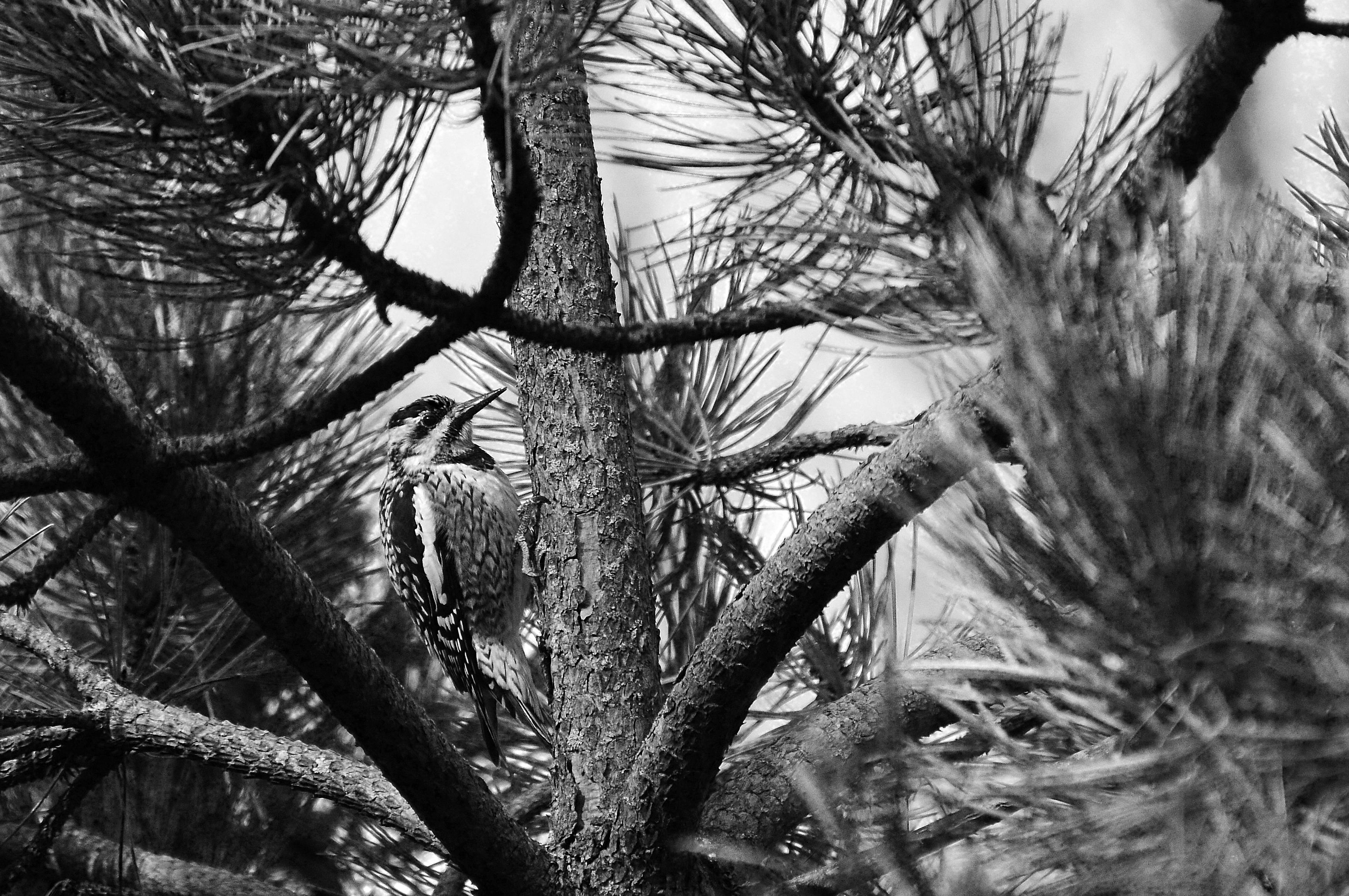
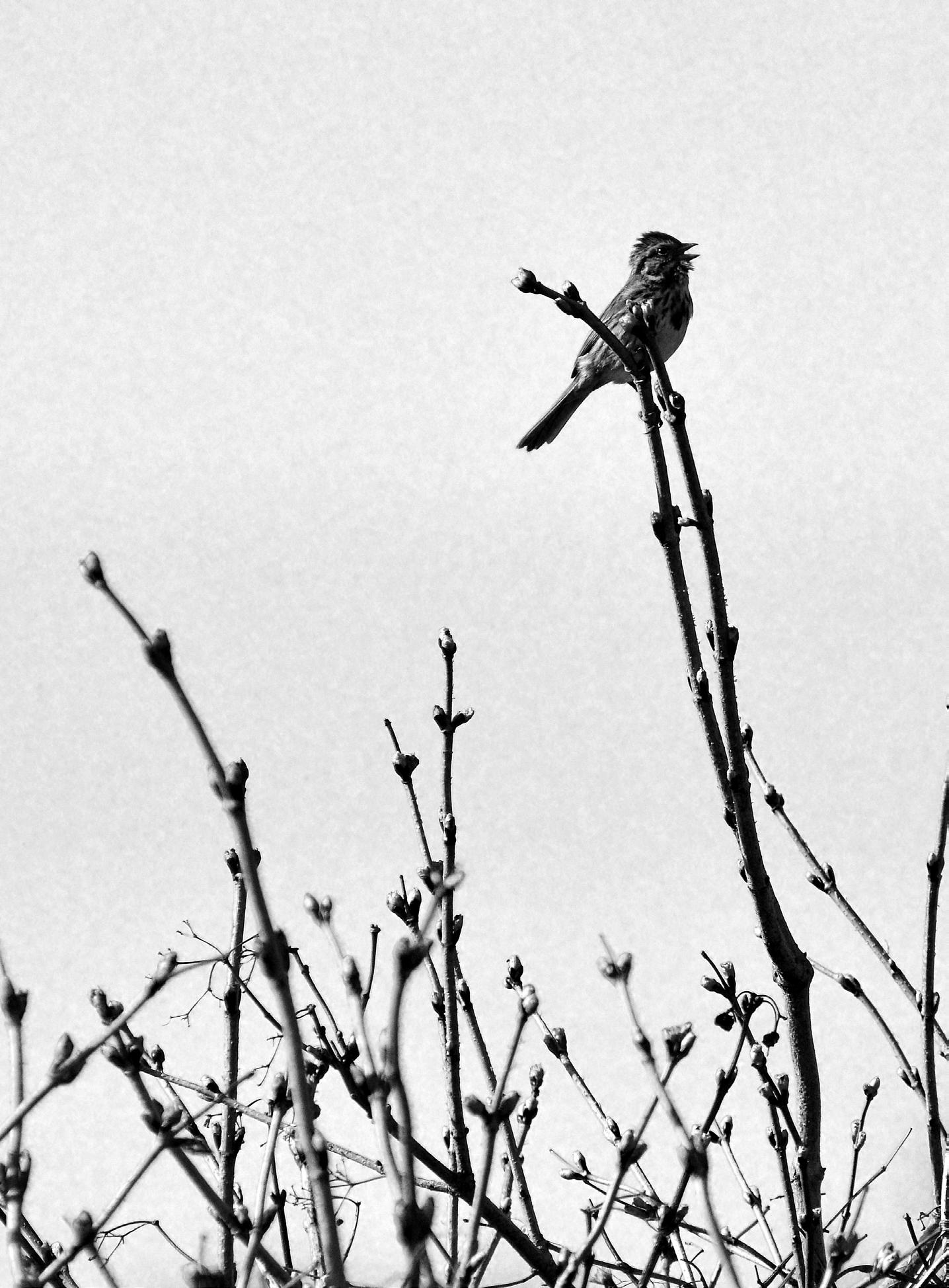
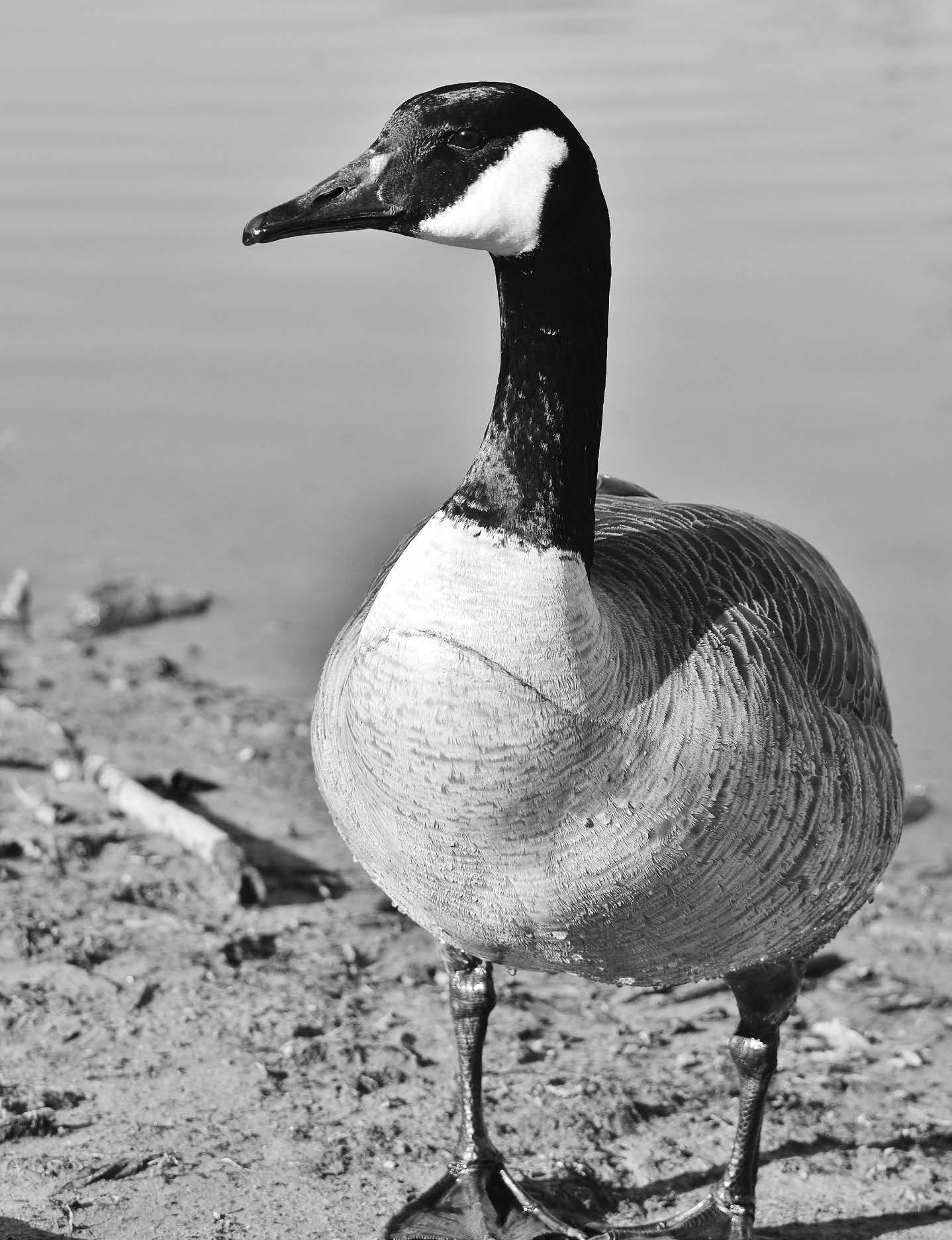
Twice a year, birds cross innumerable boundaries in their voyages south to warmer areas during the fall and back north again in the spring. This week brings the heaviest influx of birds to the area during the spring migratory period, which spans from March to May, with peak migration during April and May. Chicago is a major stop on the Mississippi Flyway, a route for migratory birds that extends from northwestern Canada, over the Great Lakes, and down through the Mississippi River Valley. Over five million individual birds fly through the area each year, making this route one of the most important in America for songbirds and their eagle-eyed observers.
Birding has been a pastime since people have thought to look at the sky, and has been organized in Chicago more recently. Two of the city’s larger organizations, the Chicago Ornithological and Audubon Societies, have been around since 1912 and 1971, respectively. These organizations, in recent years, have been more inclusive, expanding their focus past the North Side. The April 12 bird walk at Washington Park sponsored by the park’s Conservancy attracted twenty-six birders who spotted forty-three different species. Nonetheless, the birds were overwhelmingly more diverse than the birders who spotted them. The
group was primarily—if not entirely—white and old; the median age seemed to be around sixty-five.
“Birding traditionally has been a hobby that is a little bit exclusive for older, retired, rich people,” explains John Cawood, an education program coordinator at Openlands, a Chicago regional environmental advocacy and outreach organization, who runs Birds in my Neighborhood (BIMN), a partnership program from Openlands and Audubon Chicago. “And [birding is] not necessarily the most diverse hobby, either, culturally or ethnically or financially.”
The path followed by the songbirds that make their way to the area every year roughly parallels the itinerary of another mass migration that brought multitudes to the city: the Great Migration of African-Americans from
the rural south northward during the early twentieth century.
The histories of both migrations are interwoven in the work of Englewood native Sherry Williams, founder and president of the Bronzeville Historical Society. Williams, the first of her family to be born in the city, describes herself as a descendant of former slaves from the Mississippi Delta region and says her roots are what drive the mission of the Afrobirders, a group she founded in 2006 that explores the connections between the Great Migration of the 20th century and the yearly migration of birds. Williams had always loved birding, but it took her a long time to identify why it felt so important. “It’s sharing the narrative about how my mother and grandmother came from Mississippi in 1942 and that their experience leaving
the segregated South and coming to Chicago did not just bring them here as permanent residents: they continue to go back and forth to learn about family history. On those trips back home, my mom and grandmother would then introduce me to what they did and where they lived in Mississippi. They picked cotton—we were a family of sharecroppers. Coming back and forth really mimicked the back and forth movement of migratory birds.”
Since 2007, Williams has been leading bird walks that use the narrative of African-American immigrants during the Great Migration to talk about migratory birds and conservation. “Those parallels are so great and so rich,” she says. “It’s so valuable that we continue to share and tell the fortitude, the tenacity, to uproot from the South and move
to Chicago. Migratory birds mimic that same migration…[the parallels] became a valuable way for us to talk about the need for conservation.”
One of the main goals of the Afrobirders is education and outreach, always framed within the historical context of the Great Migration. Through her work with the Bronzeville Historical Society, Williams has visited grade-school classrooms around the city, where she has discussions with students about the parallels between the two migrations. These lessons teach kids about different species of birds and trees and have even been integrating urban coyotes into these discussions over the past two years. She says that several local elementary schools have even introduced it as a thematic unit.