$204 ,773
AVERAGE NET INCOME FOR OPTOMETRISTS WHO OWN ALL OR A PORTION OF THEIR PRACTICE
$204 ,773
AVERAGE NET INCOME FOR OPTOMETRISTS WHO OWN ALL OR A PORTION OF THEIR PRACTICE
During your educational journey, many windows of opportunity will open for you. Whether through your courses, organizations or simply the people you meet, the key to finding the best career match for you is to keep an open mind. We at Southern College of Optometry (SCO) encourage you to explore your options and ask questions.
At SCO, your educational training will prepare you for this outstanding career.
Remember, your education is an investment in your future. If you make sound decisions now, you will reap the benefits later.
If you are interested in a profession that helps people live better lives, provides a stimulating work environment, and allows you and your family to enjoy a comfortable lifestyle without sacrificing work/life balance, optometry is a career you should investigate!
Who are optometrists?
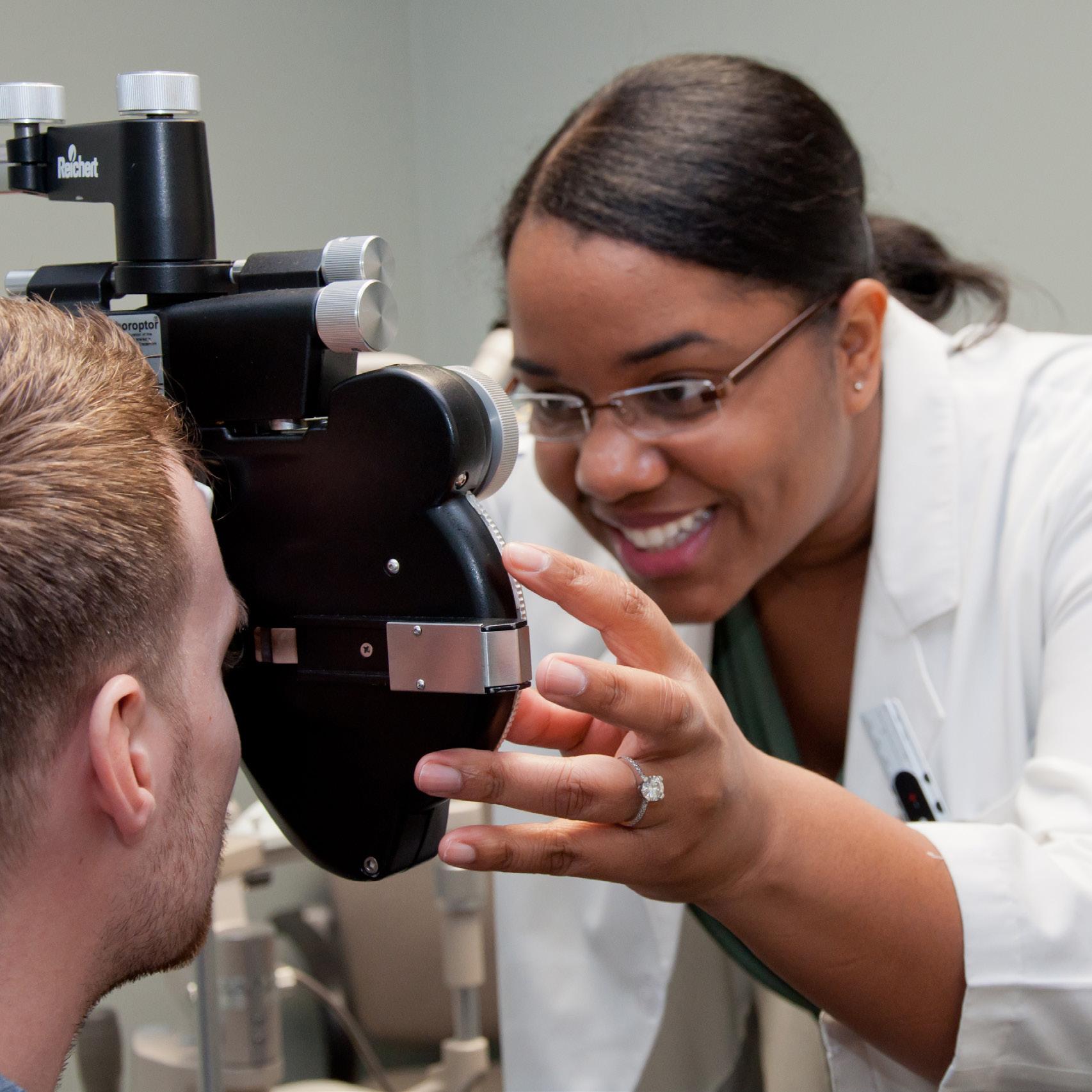
Optometrists are primary care providers for eye and vision care who diagnose, treat and manage diseases and disorders of the eye, the visual system and associated structures.
Where do optometrists work?
Anywhere and everywhere! Optometrists work in a variety of settings ranging from a solo or group private practice, to larger venues such as hospitals, health maintenance organizations and referral centers.
Is there more to optometry than glasses and eye exams?
The optometric field is vast, diverse and growing every day. Optometrists are now providing patient services in the areas of specialty contact lenses, low vision rehabilitation, vision therapy, sports vision rehabilitation and post-surgical care, just to name a few.
What is the day-to-day like for an optometrist?
Flexibility allows optometrists to enjoy a work/life balance that prioritizes personal health and family obligations. Many optometrists own or partner a practice and experience the role of not only doctor and healthcare professional, but also smallbusiness owner.
What income can an optometrist expect to earn?
Data from the American Optometric Association’s 2022 Survey of Optometric Practice shows the average net incomes ranging from $168,193 for the primary practice of optometry to $204,773 for optometrists who own all or a portion of their practice.
ESTABLISHED IN 1932 8000+
ALUMNI PRACTICING IN ALL 50 STATES AND WORLDWIDE
535 STUDENTS ATTENDED SCO IN 2025-2026
9:1 STUDENT-TOFACULTY RATIO
Founded in 1932, Southern College of Optometry is an independent not-forprofit coeducational institution of higher learning. As the largest optometry school in the southern United States, SCO has graduated over 8,000 optometrists, including 12 presidents of the American Optometric Association.
SCO offers a four-year curriculum with courses in the biomedical, optometric and clinical sciences leading to the Doctor of Optometry (O.D.) Degree. SCO’s advanced facilities feature biomedical labs, expanded and renovated optometry labs, laser instruction, and biomedical and clinical research areas.
The college’s academic facilities utilize cutting edge technology and interactive instructional methods. In April 2026, SCO began construction on a new wing that combines academic and clinical training. The new space will house a new library and study space, as well as additional clinical space for pediatric patient care. The additional 31,005 square feet expansion is expected to be completed by Fall 2027. SCO also offers an Activity Center that features basketball, volleyball
and racquetball courts, as well as fitness equipment and a recreation area.
With a low 9:1 student-to-faculty ratio, SCO’s faculty are easily accessible for one-on-one classroom and/or clinical instruction. Faculty members are all
practicing optometrists, and many engage in a wide range of research projects, including a collaborative summer research program with students. By contributing to basic and visual science literature, faculty research enriches each student’s classroom experience.
Our mission is to lead the profession of optometry by commitment to service.
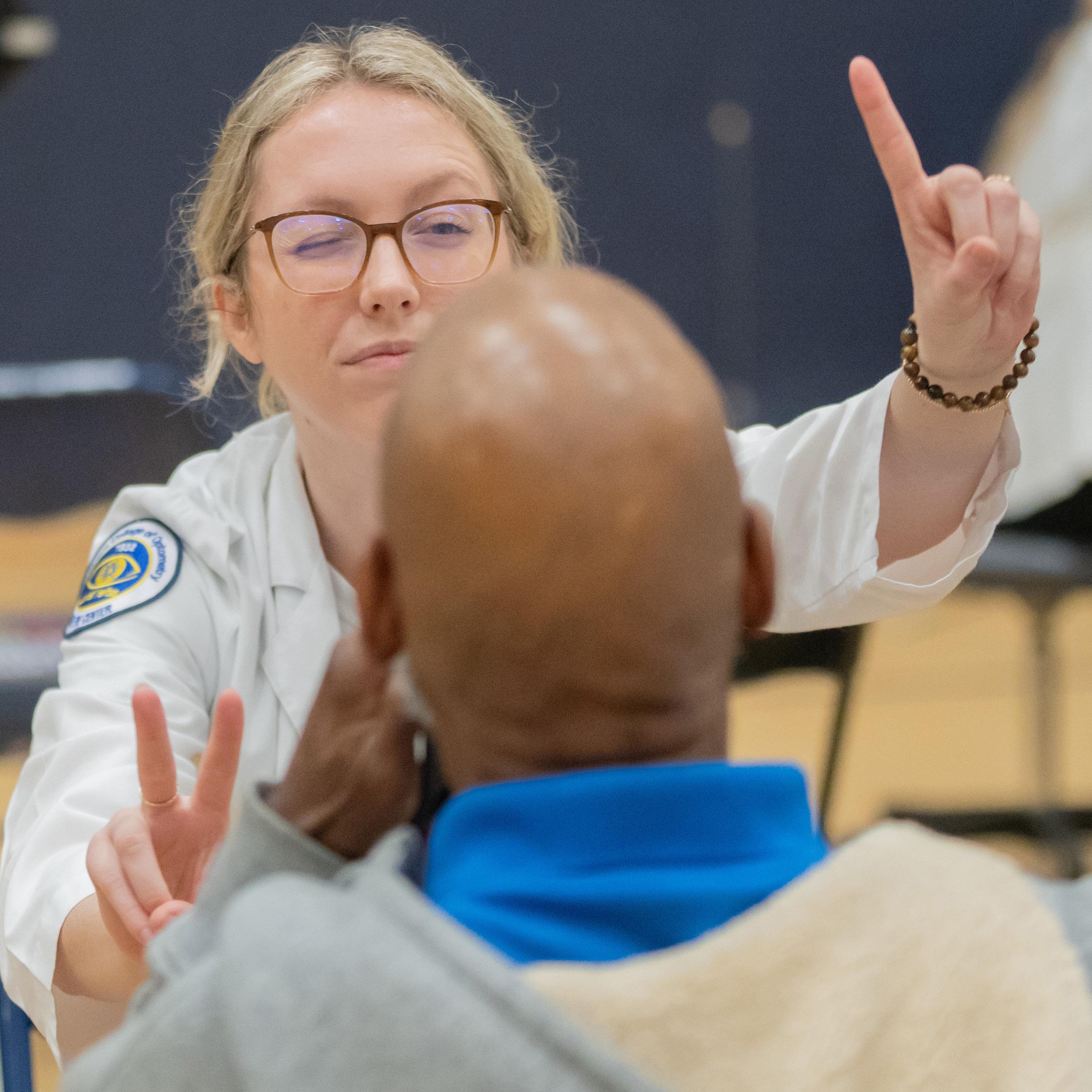
# OF YEARS SCO HAS PARTICIPATED IN “901 COUNTS” HEALTHCARE OUTREACH TO PEOPLE EXPERIENCING HOMELESSNESS
Optometry is a people profession dedicated to enriching the vision health and lives of patients.
One of the hallmarks of the SCO mission is fostering a personal commitment to service. Optometry is a profession dedicated to enriching not only the visual health, but also the everyday lives of patients. That same sense of helping others is encouraged in SCO’s students through service-learning.
SCO’s students serve others in a variety of positive ways. Some are active in the local community by tutoring and mentoring at risk students. Others volunteer their time with service projects such as the annual Dr. Martin Luther King Jr. Day of Service event.
Student Volunteer Optometric Services to Humanity (SVOSH) is one of SCO’s most popular student organizations; it provides free eye care and glasses to impoverished international areas via annual 10-day service trips. Since 1975, members of SVOSH have served over 215,000 patients in 16 different countries.
Students also participate in Remote Area Medical to provide vision screenings in underserved areas. Volunteering at the Special Olympics is another way our students give back during their time at SCO.
Whether volunteering time or service through an awareness event or a student organization, opportunities are plentiful for the SCO community to make a difference in the lives of others.
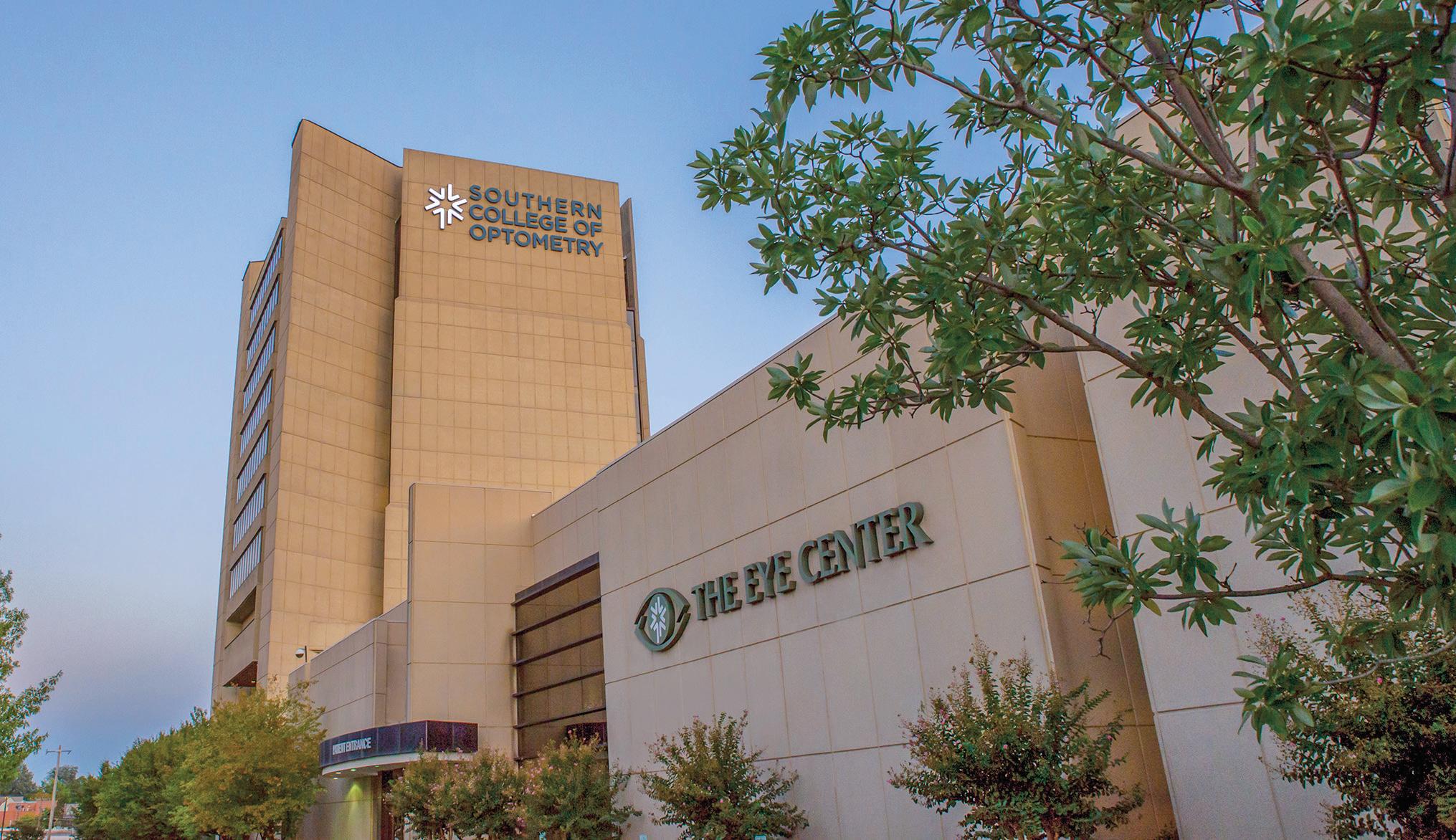
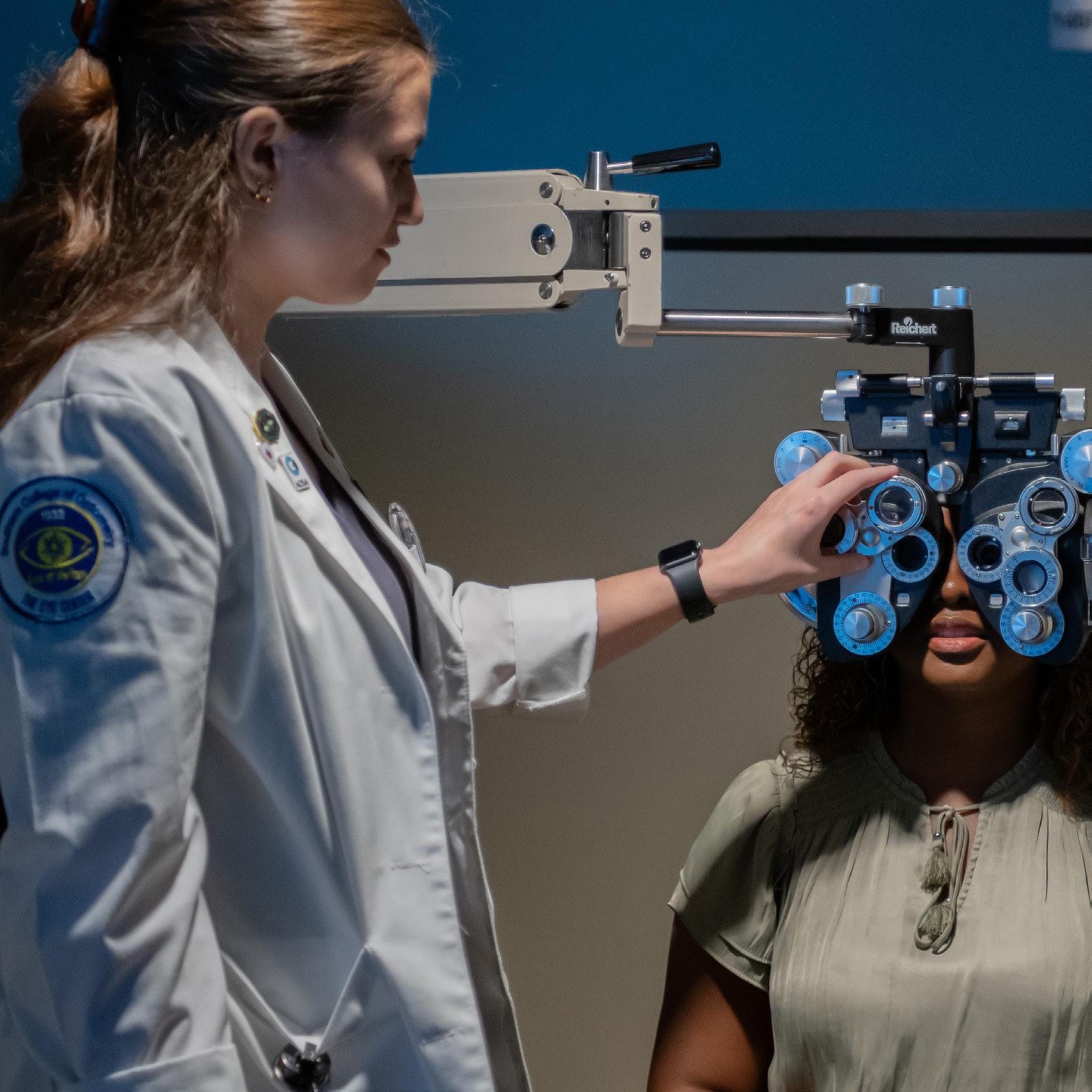
SCO’s clinical education is also designed to highlight the people-focused aspects of optometry and ensure students have the experience needed to be exceptional doctors. Our clinical facility, The Eye Center, is one of the largest state-of-the-art vision and eye care facilities in the nation and the center of our patient care.
The Eye Center has 48,000 square feet of usable space and provides the opportunity to introduce clinical exposure to the students early in the curriculum. It is designed to be patient, student and doctor friendly, while also incorporating the most up-to-date features and equipment such as:
• Examination rooms equipped with the latest in electronic health record management systems.
• 14 individual spaces for advanced technologybased testing.
• A retinal laser center.
• A digital angiography center.
• An advanced procedures and observatory suite.
• Conference rooms for group learning.
• A patient simulation laboratory.
• An optical service area.
• Practice suites which enable interns to experience an exceptional practice atmosphere with the attending staff doctors.
Additional patient care is provided by faculty and interns at FocalPoint at Crosstown Concourse. FocalPoint is a smaller boutique setting that also houses the TearWell Advanced Dry Eye Treatment Center. Through FocalPoint, SCO also partners with Church Health to meet the needs of patients throughout the Memphis community.
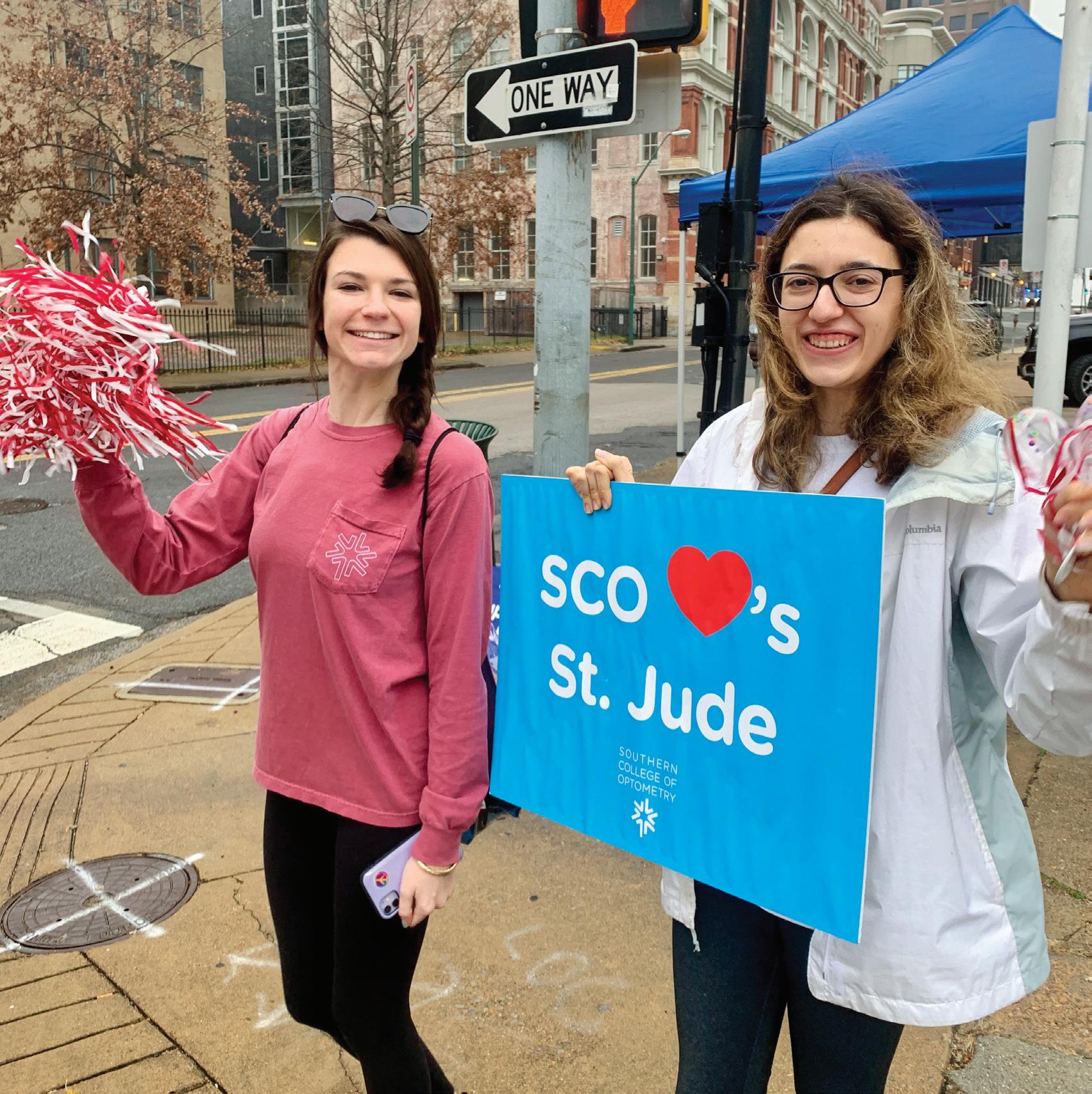
# OF YEARS STUDENTS, FACULTY AND STAFF HAVE PARTICIPATED IN THE ST. JUDE MEMPHIS MARATHON
Approximately 90% of SCO students are active members in at least one student organization. For almost any organization which exists on undergraduate campuses, a comparable organization is active at SCO.
The Student Government Association (SGA) recommends policies and coordinates many of the academic, service and social events on campus. The SGA also oversees an extensive intramural program open to all students, spouses, faculty and staff. Intramural sports include basketball, softball, golf, flag football, racquetball and volleyball, with many events housed in the SCO Activity Center.
American Optometric Student Association (AOSA)
A national organization of optometry students dedicated to the enhancement of educational, political and professional concerns.
Amigos
Dedicated to providing a venue for students seeking to enhance their Spanish conversation skills.
Beta Sigma Kappa
An international optometry honor fraternity whose purpose is to stimulate scientific attainment and ethical practice.
Contact Lens Society
Organization open to third- and fourth-year students interested in expanding their knowledge of contact lenses through presentations by guest lecturers.
Fellowship of Christian Optometrists
Dedicated to the promotion of good will and Christian belief within the profession of optometry.
Gamma Omicron
Dedicated to increasing awareness of issues for women in optometry, networking opportunities and professional development.
Gold Key Society
Honors outstanding students whose professional and ethical attitudes are in the interest of service to their class, college and profession.
Lions Club
Promotes service through community involvement, especially working with those who are visually impaired.
Low Vision Club
Provides information for students interested in low vision patient care.
National Optometric Student Association
Dedicated to increasing minority representation in optometry.
Neuro-Optometric Rehabilitation Association
Focused on bringing an inter-professional approach with multiple health care providers in order to advance the art and science of rehabilitation for brain injury patients.
Ocular Disease Club
Founded to help increase exposure to ocular disease by discussing rare cases and learning more about future aspects of a career in disease management.
Omega Delta, Iota Chapter
Oldest and largest optometric fraternity; activities include the SCO Holiday Party, tutoring retinoscopy for first-year students, camping and canoe trips, and other social events.
Optometric Private Practice Club
Dedicated to preparing students for the business of optometry by providing resources and information from experienced persons, practices and business entities.
Remote Area Medical
Provides free vision care in underserved areas through mobile clinics.
Spectrum
A school community where all students and faculty/staff feel welcome and supported, regardless of sexual orientation or gender identity.
Sports Vision Society
Provides vision care to athletes at the state and international levels.
State Clubs
A collection of students interested in practicing in a particular state.
Student Ambassadors
Members assist in student recruitment, admissions and public relations functions of the college.
Student Chapter of the Academy of American Optometry
Official student chapter of the Academy, promoting research and scholarly activity in optometry.
Student Public Health Vision Care Association
Connecting students who have an interest in public health to promote health and wellbeing, with an emphasis in vision and eye health.
Student Volunteers in Optometric Service to Humanity
Founded at SCO in 1975 to provide free eye care and glasses to the underserved in Central America and throughout the world. Members work year-round to prepare for their annual 10-day missions. The club is open to all interested students.
Vision Therapy Club
Dedicated to facilitating the awareness that vision involves more than eyesight and to expanding the number of students that will deliver developmental vision care and vision therapy to their patients.
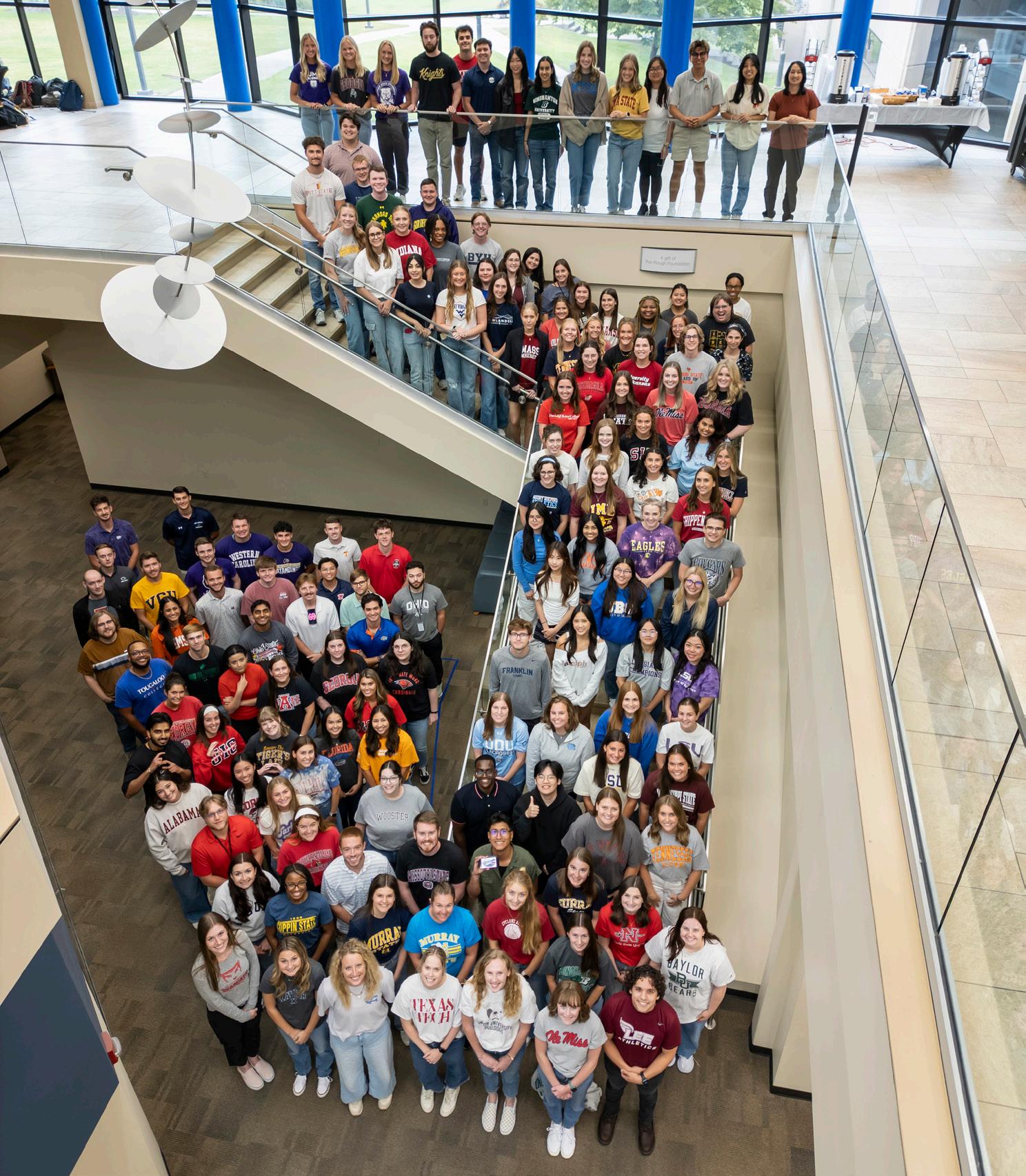
SCO is one of the most regionally diverse optometry schools in the nation. Our student body represents various academic backgrounds, ethnicities, and life experiences. For example, our 2025-2026 student body came from 46 states and eight Canadian provinces. Our diversity makes the SCO experience a true learning endeavor.
The geographic representation of the SCO student body for the 2025-2026 academic year was as follows:

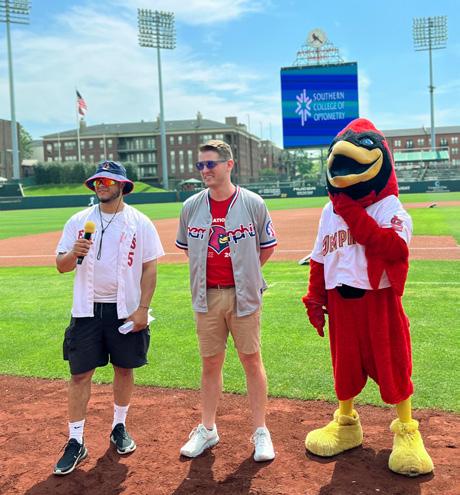
SCO SERVES AS THE OFFICIAL EYE DOCTORS OF THE MEMPHIS REDBIRDS
Memphis, TN is SCO’s hometown and the secret behind why our student experience is so enjoyable. A big city with a small-town feel, Memphis has one of the lowest costs of living in the nation. This allows our studentsto enjoy many of the things a major metropolis has to offer, yet at an affordable price.
Sitting on the banks of the mighty Mississippi River, Memphis is known for its rich musical heritage. SCO students have many opportunities to enjoy the sounds of Memphis and visit historical and cultural hubs such as:
• Graceland, the home of Elvis.
• Beale Street, birthplace of rock ‘n roll.
• Numerous musical clubs ranging from blues to gospel.
• An array of music festivals throughout the year.
Memphis is world-renowned for its culture. The Memphis in May International Festival, the city’s premier cultural experience, annually hosts and celebrates another country’s culture, music and cuisine. This festival also features the World Championship Barbecue Cooking Contest, and the River Beat Music Festival.
Memphis has several unique and award-winning museums, such as the acclaimed National Civil Rights Museum.
Memphis also hosts a diverse range of touring musicians, performers and Broadway productions at the historic Orpheum Theatre, in addition to our very own Ballet Memphis, Opera Memphis, the Collage Dance Collective and the Memphis Symphony Orchestra. The city is also home to a great selection of locally-owned restaurants with a broad range of cuisines; most are well within a student’s budget.
Conveniently, many of these attractions are located in or near the city’s rejuvenated Downtown area, just minutes from SCO.
Students with families find Memphis a great place to live. Because the city offers such a low cost of living in a reasonable housing market, about 10% of SCO students have been able to own a home.
The city is also home to the wonderful Children’s Museum and the Memphis Zoo and Aquarium.
Memphis features several immersive shopping venues, including one of the largest retail stores in the world, Bass Pro Shops at the Pyramid. The massive destination experience offers something for everyone, from serious outdoor enthusiasts to fun-loving families.
The Memphis sports scene is very active. The city is home to several professional teams and tournaments, such as:
• The Memphis Grizzlies (NBA)
• The Memphis Redbirds (AAA Baseball)
• The FedEx St. Jude Invitational (WGC)
If you prefer college sports, the city has the University of Memphis, and is also in the heart of the Southeastern Conference.
Many of these major sporting events are held at either the FedEx Forum or AutoZone Park – voted one of the best baseball venues in America – both centrally located in Downtown Memphis.
Due to the moderate weather we have in Memphis, our students enjoy all of the music, culture, sports and outdoor activities this city has to offer year-round.
3.68 332
AVERAGE GPA | OAT SCORES FOR THE ENTERING CLASS OF 2025
SCO participates in the centralized application service
OptomCAS. The service collects student information, official transcripts, Optometry Admission Test (OAT) scores and letters of recommendation, then forwards them directly to optometry schools. For the 2026-2027 application cycle, SCO will accept applications June 25, 2026 through March 1, 2027. SCO utilizes a rolling admissions process and offers of acceptance begin in August.
Like any endeavor worth pursuing in life, it takes careful preparation to become an optometrist.
Before an interview invitation can be extended, SCO must receive all application and supplemental documents, as well as the official OAT scores. Interview invitations are only extended to the most promising applicants based on academic performance, OAT scores and experience in optometry.
A minimum of 90 semester (or 135 quarter) hours of undergraduate work is required for admission, with at least 30 semester (or 45 quarter) hours completed at a four-year college or university. Strong preference is given to applicants with baccalaureate or higher degrees. The required pre-requisite courses are as follows:
• General Biology w/Labs (1 year)
• Microbiology w/Lab (1 course)
• General Chemistry w/Labs (1 year)
• Organic Chemistry w/Lab (1 course)
• Biochemistry (1 course)
• General Physics w/Labs (1 year)
• Calculus (1 course)
• Statistics (1 course)
• General Psychology (1 course)
• Social Science (1 year)
• English (1 year)
For the 2026-2027 academic year, tuition is $48,540. A limited number of regional seats are available for competitive applicants from states that support contracts with SCO. The contracts provide eligible students with significant reduction in tuition. For more information on regional seats, please contact the Admissions Office or visit sco.edu/state-residency-certification
SCO attracts students nationally and internationally. It visits approximately 100 college campuses each year and updated listings can be found in the “SCO Visits Your Campus” section of the SCO website.
Prior to application, prospective students are encouraged to schedule a campus visit to meet with an admissions officer and receive a tour of SCO. Campus tours can be scheduled by submitting a request on our website at sco.edu/visit-sco-prospective-students
We currently offer a supplemental application fee voucher for those who arrange an official campus tour between March 1 and August 1 before submitting an application. All details can be found on our website at sco.edu/supplemental-applicationfee-waiver

$136,449
THE MEAN LOAN DEBT FOR THE CLASS OF 2025
One of SCO’s primary objectives is to provide students with the means to complete our program with the least possible debt at graduation. The first step in managing debt is controlling what you spend.
Our Financial Aid Office works individually with students to develop realistic financing strategies. Counselors meet with students at least annually through our Debt Management Program to make sure students have sufficient funds at the best rates, and that they are borrowing wisely. Our Debt Management Program educates students on how debt can also be minimized through budgeting, personal savings, maintaining zero credit card balances and parttime work. This program, coupled with minimal tuition increases and added scholarships and awards, has led to SCO graduates having a 0% default rate for 27 of the past 28 years.
The SCO Class of 2025 had a mean loan debt of $136,449 upon graduation. Below is a repayment chart using that average debt amount. The chart uses annual net income projections in line with national averages and is assuming a repayment period of 10 years with no deductions taken.
This chart uses a federal loan rate of 7.952% based on data from 2026. Since some graduates have tax deductions (i.e. marriage, children, mortgage, etc.), these estimates are conservative. Many SCO graduates choose to slightly increase the amount of their monthly repayments. This method, even with only a small increase each month, will shorten a 10-year repayment schedule by several years.
SCO participates in the Federal Work-Study Program, which allows students to work on campus up to 20 hours per week towards their educational expenses.
To apply for Federal Work-Study, each student must submit the Free Application for Federal Student Aid (FAFSA) to the Federal Government. A student’s ability to contribute to educational costs will be calculated according to Federal criteria and will determine eligibility.
Graduating with the least possible debt allows our alumni greater flexibility in repaying loans and thus greater personal financial freedom. SCO’s Office of Financial Aid offers a debt management program where financial aid officers work closely with each student in developing a budget and planning out financial needs, leading our students to be better borrowers.
$850,000
APPROXIMATE VALUE OF SCHOLARSHIPS AWARDED TO THE ENTERING CLASS OF 2025

SCO offers a significant number of endowed scholarships and awards for incoming students. Eligibility requirements vary, but most require exemplary achievements in academics, OAT performance, leadership and/or service. SCO annually awards four-year scholarships to more than one-half of each entering class.
Approximately $850,000 were awarded to the entering class of 2025 through the endowed scholarship fund. A complete listing of scholarships with the requirements for each is published in the college catalog.
Rewarding academic and clinical excellence through scholarships is a top priority for the college and its alumni.
Annual scholarship approximations for the entering class of 2025 include:
• $20,000 (11)
• $15,000 (13)
• $10,000 (16)
• $7,000 (13)
• $5,000-6,000 (22)
• $1,000-4,000 (27)
In addition to the endowed scholarships for entering students, SCO offers other endowed scholarships and awards to currently enrolled students through the Annual Student Awards Program. Overall, approximately 60% of SCO students receive academic scholarships ranging from $1,000 to $20,000 per year, and we are actively seeking ways to expand scholarship opportunities.
In addition to scholarships offered by SCO, select students are awarded federal scholarships through the miltary and Indian Health Services. Also, Arkansas, Kentucky, North Carolina and West Virginia offer state scholarships (selected by the state) which several SCO students receive.
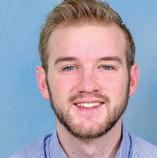
Canon Presson
| Knoxville, Tennessee | SCO Class of 2028
Optometry is a great career with a bright future ahead of it. As the population ages and the next generation is increasingly reliant on digital devices, the need for quality eye care providers will only continue to grow. Optometrists play a role not just in correcting vision but also in the detection and management of eye disease. Through comprehensive eye exams, we are also able to obtain a glimpse into a person’s systemic health in a unique way and identify systemic conditions long before a patient is even aware of symptoms. The impact we can make as healthcare providers is only growing, as several states have already or are currently in the process of expanding their scope of practice to allow Optometrists to perform specific laser procedures. These procedures will help Optometrists prevent blindness and increase access to care for patients in remarkable ways.
As far as finding employment after graduation, SCO has great resources through the Hayes Center for Practice Excellence, which connects employers looking for new hires and SCO students and alumni searching for a job. Not only will they help you find a job, but they also assist students in reviewing contracts to ensure that they are receiving a fair offer. Many optometrists are also retiring, leaving many openings for new Optometrists to fill and jump into thriving practices.
Optometry, as you will soon come to find, is a relatively small world and a very supportive community. You will make so many great connections with people from all over during your time in school who are more than willing to connect you to employers to obtain your dream job after graduation. With SCO’s support and the strong reputation of its graduates, students can be confident about their future after graduation.
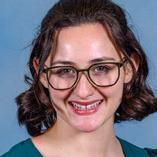
Kylie Brooks | San Diego, California | SCO Class of 2029
Many aspects of applying to optometry school can be time consuming and daunting, so starting early and doing a little bit everyday will help prevent any panic around deadlines. The first step in the application process is to make an account through OptomCAS. This is the application portal where you will upload all of your information like your personal statement, transcripts, and letters of recommendation. In writing your personal statement, I recommend outlining the reasons why you chose optometry specifically (not just healthcare) and what qualities would make you a good optometrist before drafting your response. Include specific examples! Admissions reads a lot of essays but what makes yours unique is your personal experience.
SCO requires you to complete certain prerequisite courses; however, they don’t all need to be completed before you submit your application. Additionally, you will need to complete the OAT, a standardized exam required for admission. There are many study resources available and it is recommended to study and take the exam early, so you have time to retake if necessary. It is also highly recommended to gain some experience in the field of optometry either by shadowing doctors in your area or working in an office. After you feel confident in all of your materials, you are ready to submit your application! In addition to completing the OptomCAS application, SCO has a supplementary application found on their website.
Once you submit both applications, SCO reaches out quickly if you are offered an interview. The SCO interview process includes: a one-on-one meeting with a faculty member; a counseling session with our admissions department; a Memphis bus tour; a financial aid and housing information luncheon; and a campus tour led by Student Ambassadors.
The averages for SCO’s entering class are usually around a 3.65 GPA and a 335 on the OAT. However, as a student you
aren’t solely defined by your stats and SCO takes a holistic approach to reviewing every applicant profile. Well-rounded applicants with good experiences shadowing or working in optometry are the ideal candidates.
The SCO admissions office is a fantastic resource if you have any further questions and they are very timely in their replies!
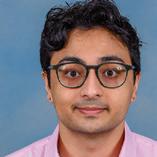
How does the application process differ for Canadian students?
Suragan Upadhyay | Surrey, British Columbia, CAN | SCO Class of 2028
Yes, International students can apply to SCO! There is a continuously growing population of Canadian students from coast to coast that attend SCO.
For the most part, the application process is similar for Canadian and US students. You will take the OAT exam and request for scores to be sent to the school, fill out your OptomCAS application with your personal statement and recommendations, take the appropriate pre-requisite courses (contact admissions if you have questions about differences in courses offered in undergraduate institutions between the US and Canada), and fill out the supplemental SCO application. Upon invitation to interview, you have the choice between an online or on-campus option. It will not be held against you for interviewing virtually, but SCO highly encourages getting the full experience of an in-person tour of the school and the city through possible travel grants!
Upon acceptance and paying any required deposits, SCO will also provide a checklist of items to be completed to finalize enrollment and issue an I-20. Included in the checklist are proof of medical and vaccination forms, a financial affidavit, citizenship documents, and a background check. After each component is completed, you will be issued an F-1 Visa closer to the program start date, which also requires a I-901 SEVIS fee to be paid. Upon being issued an F-1 Visa/I-20, you will be on student status and should bring your student documents
with you every time you cross into the USA for the duration of your studies, even if it is a semester break and you are entering the US for recreation and not to return back to Memphis for school at that point. You do not need to show your F-1 Visa for domestic travel within the USA
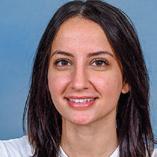
Marina Ikladyous | Greenville, SC | SCO Class of 2027
Optometry and medical school both prepare students for a career in healthcare while focusing on different areas of practice. Each one requires a demanding education, competitive GPA, high test scores, and rigorous prerequisites courses. While optometry is moving toward a more holistic approach, it is primarily focused on eye health and vision care. On the other hand, medical school covers a broad range of health issues.
Optometry programs last four years and can be followed by an optional one-year residency. While medical school also requires four years, it is followed by a mandatory residency program that varies from three to seven or more years based on the specialty.
Both programs provide clinical training and research opportunities to increase exposure for students. However, in optometry school, clinical rotations occur in settings generally focused on eye care. In medical school, clinical rotations cover the spectrum of specialties.
To practice optometry, students must pass the National Board of Examiners in Optometry (NBEO). With optometry being a legislative profession, rules and regulations dictated by federal and state legislation play a key role in determining optometry’s scope of practice. Therefore, each state has its own boards requirement to practice. Alternatively, medical school graduates must pass the United States Medical Licensing Examination (USMLE) and become licensed in each state.
Lastly, I think it’s important to consider one’s career path after school. Optometrists are more likely to have a more predictable schedule compared to other healthcare professions, as well as more opportunities to develop long term patient relationships.
I believe choosing between the two comes down to personal interests and what you wish to provide for future patients. Each one offers a unique way to make an impact on peoples’ lives.
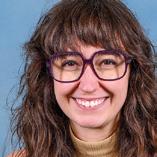
Rebekah Tuchscherer | Milbank, SD | SCO Class of 2028
As someone who majored in journalism at a liberal arts university, I can confidently say that a science degree is not a requirement to succeed or be accepted into optometry school. Optometrists are in a line of work that requires critical thinking, good listening, empathy and a variety of soft skills that aren’t necessarily inherent to a major in biology or chemistry.
I’ll admit that I was initially anxious about being a nonscience major entering a health professional program, but I quickly learned that my outside perspective and expertise are just as valuable and are even beneficial to the greater SCO community. While one classmate helps me gain a greater understanding in first-year anatomy lab, I’m able to do a much-appreciated round of final edits on a group paper.
Becoming a great optometrist means so much more than learning and understanding the science – it entails knowing patient communication, practicing smart business, and even moonlighting as a detective to find the right answers when they aren’t crystal clear. Non-science majors definitely have their niche in optometry school, as well as the overall optometric profession.
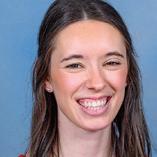
Landyn
Goodwin | Kansas City, KS | SCO Class of 2027
There are many benefits to having The Eye Center at SCO. For starters, The Eye Center sees a wide range of patients because we accept many forms of insurance and work with local organizations to get eyecare to all patients, even those who can’t afford it.
Our Eye Center is lucky enough to have its very own laser procedures room overseen by an ophthalmologist. This gives us the opportunity to not only observe laser procedures, but to also perform them under their guidance. I was able to watch a lumps and bumps removal procedure performed by 4th years while I toured!
In The Eye Center, students rotate through the different clinics on different days of the week. This allows us to focus on one specific aspect of eye care each day and, at some point, get exposure to all parts of the process. These different clinics, to name a few, include peds/teens, ocular disease, adult primary care, vision therapy, low vision, and contact lens, as well as the optical. We also get to spend time in the technology wing analyzing test results as third years.
The other major benefit to The Eye Center comes during third- and fourth-year while preparing for boards. The Eye Center has two mock NBEO rooms set up almost exactly like the real NBEO exam rooms in Charlotte, NC. Being able to place ourselves in the same setting where we will be taking the exam really helps with our preparation for NBEO Part 3.
Getting exposure to the eye care process and seeing a wide range of patients as early as we do helps us to build our confidence, our efficiency, and our preparedness for patient care.
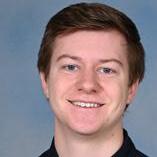
Ben Stepan | Sandy, Utah | SCO Class of 2028
Between tuition and living expenses, costs can seem to add up quickly. SCO has been a huge help in finding affordable ways to pay tuition through financial aid services, such as scholarships, and providing help with living expenses through offering Federal Work Study positions. The financial aid office is efficient and always makes sure you get the kind of financial help that you need. They even help students make and manage a budget according to their needs!
SCO seeks to support its students while studying and preparing to graduate and practice optometry. Students are given tools and advice to help them make sound financial decisions. These resources are even available after graduation! With all of this help, finding solutions to the cost of school is never too difficult for anyone.
SCO graduates have averaged around $140,000 in student debt the past few years, and while optometry school can be expensive, it is worth the investment! An education that allows you to practice optometry is of utmost value. It can be scary to understand the process of taking out loans or feeling like you have too much debt. However, with all of the great support from SCO, I feel like I can manage my debt and have a stable financial future!
Joshua Smith | Decatur, Alabama | SCO Class of 2027
That definitely depends on how busy you like to be!
Optometry school is comparable to working a full-time job, but having a work-study position is a great way to earn extra income. Some positions have a work schedule that is set for the semester, while others may offer more flexibility. In my experience, the set work schedule has served me well.
Work-study is a job, so it is important to approach it that way. However, there is usually plenty of time to study when there isn’t any assigned work to do. The biggest challenge
of having a work study may be time management. This is a necessary skill for not only a work-study position, but also optometry school.
It is important to plan your schedule well to make room for practicing outside of the lab and any other extracurriculars. Many students are successful at balancing school and work-study, but it is probably most important to decide if the position is a good fit for you.
Will I have
Daniel Carrasco | Knoxville, Tennessee | SCO Class of 2029
Optometry school is challenging — there is no way to sugarcoat it. But is it not the goal of optometric education to test one’s mettle? To train students to be competent and compassionate doctors? To achieve this, a strong academic foundation is crucial. At times, the pacing can feel like drinking from a fire hose. But the initial overwhelming feeling experienced by every student becomes something manageable as you develop structure, routine, and effective study habits.
Like training for a marathon, success is not found by trying to run it all in one day (although if you can, color me quite impressed). Nor do you find it by sacrificing your personal life. Success lies in consistency and endurance. Using a planner or an agenda can be quite useful in mapping out your day, which helps students find their pace. Additionally, prioritizing what matters most for the day and creating a to-do list can focus your time much more efficiently. Eventually, the academic load becomes something quite manageable.
One of the things I love about SCO is the network of people who are there to help you on your journey to becoming an optometrist. Faculty and classmates create a strong support system and become a great source of encouragement. Each and every person there wants you to succeed, so don’t be afraid to ask for help. Having those around you who understand the rigor of school is incredibly helpful in managing stress and maintaining your schedule.
Another great resource for managing the stress of optometry school is your family and friends. As a married student myself, it is possible to find the balance between school and family, although it may look a little different than it did before. There will be busy weeks as exams and lab practicals come around, but explaining these priorities to your family and friends can help them understand. Then, when your schedule opens up, you can relax and enjoy the time that allows for rest and connection. Additionally, they can be the first ones to see when you need a break and provide one that aligns with your schedule.
Ultimately, optometry school does require sacrifice, but it is also deeply rewarding. Not only do you grow in knowledge and clinical skills, but you learn to value the time you spend studying with your classmates, relaxing with your friends, and sharing meaningful moments with your family that keep you going.
What activities are available to students at SCO?
Trinity Travis | Fayetteville, Georgia | SCO Class of 2028
Students at SCO have a variety of organizations to choose from based on their interests.
With the demanding schedule that comes with optometry school, these organizations offer a great way to spend time outside of the classroom while still staying connected to the field of optometry. Getting involved allows students to explore different specialties, build leadership skills, and build long-lasting relationships with their classmates.
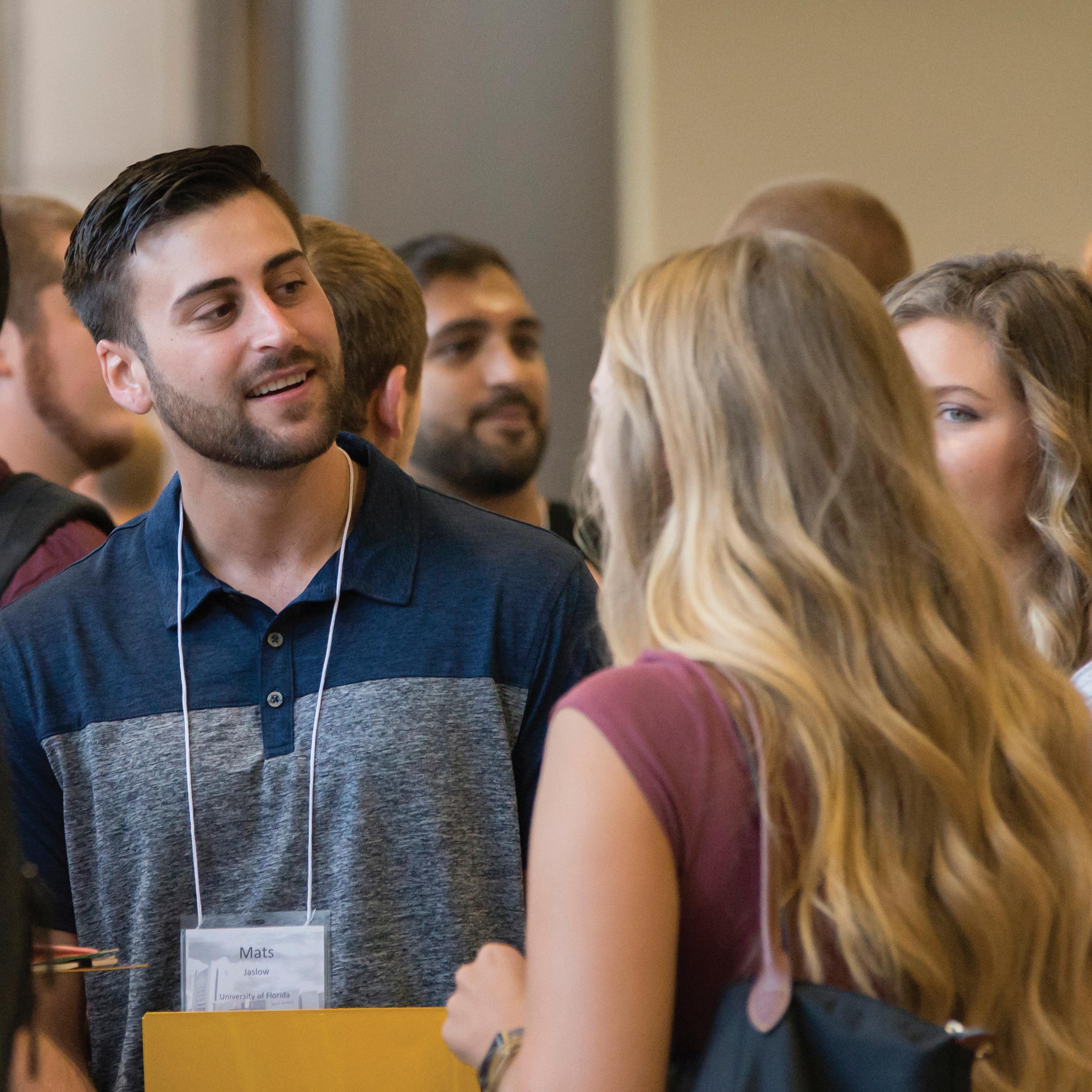
With more than 20 student organizations available, there is truly something for everyone. One of the first questions I asked other students was, “How do I know which clubs to join when there are so many options?” Luckily, SCO holds a Student Organization Fair each year where every club shares more about what they do. This event gives students a chance to learn about the different organizations and figure out which ones match their interests.
SCO has several clubs that focus on specific areas within optometry. These include the Contact Lens Society, Dry Eye and Aesthetics Club, Neuro-Optometric Rehabilitation
Association (NORA), Ocular Disease Club, Private Practice Club, Sports Vision Club, and Vision Therapy Club. These organizations give students the opportunity to explore various specialties within optometry and learn more about areas they may want to pursue in the future. In addition to these organizations, there are many opportunities to get involved in leadership and professional development. Organizations such as state clubs, Student Government Association, Beta Sigma Kappa, Gold Key, and the American Optometric Student Association (AOSA). These groups help students develop leadership skills, connect with professionals in the field, and stay engaged with the optometric community.
For students who enjoy giving back, SCO offers several service-oriented organizations including Remote Area Medical (RAM), Fellowship of Christian Optometrists (FCO), Lions Club, and Student Volunteers for Optometric Service to Humanity (SVOSH). Through these groups, students have the opportunity to serve underserved communities while gaining valuable clinical and outreach experience. There are also organizations that focus on diversity, inclusion, and building a strong student community. Groups such as Spectrum, National Optometric Student Association (NOSA), and Gamma Omicron help foster a supportive and inclusive environment within the school and the optometric profession.
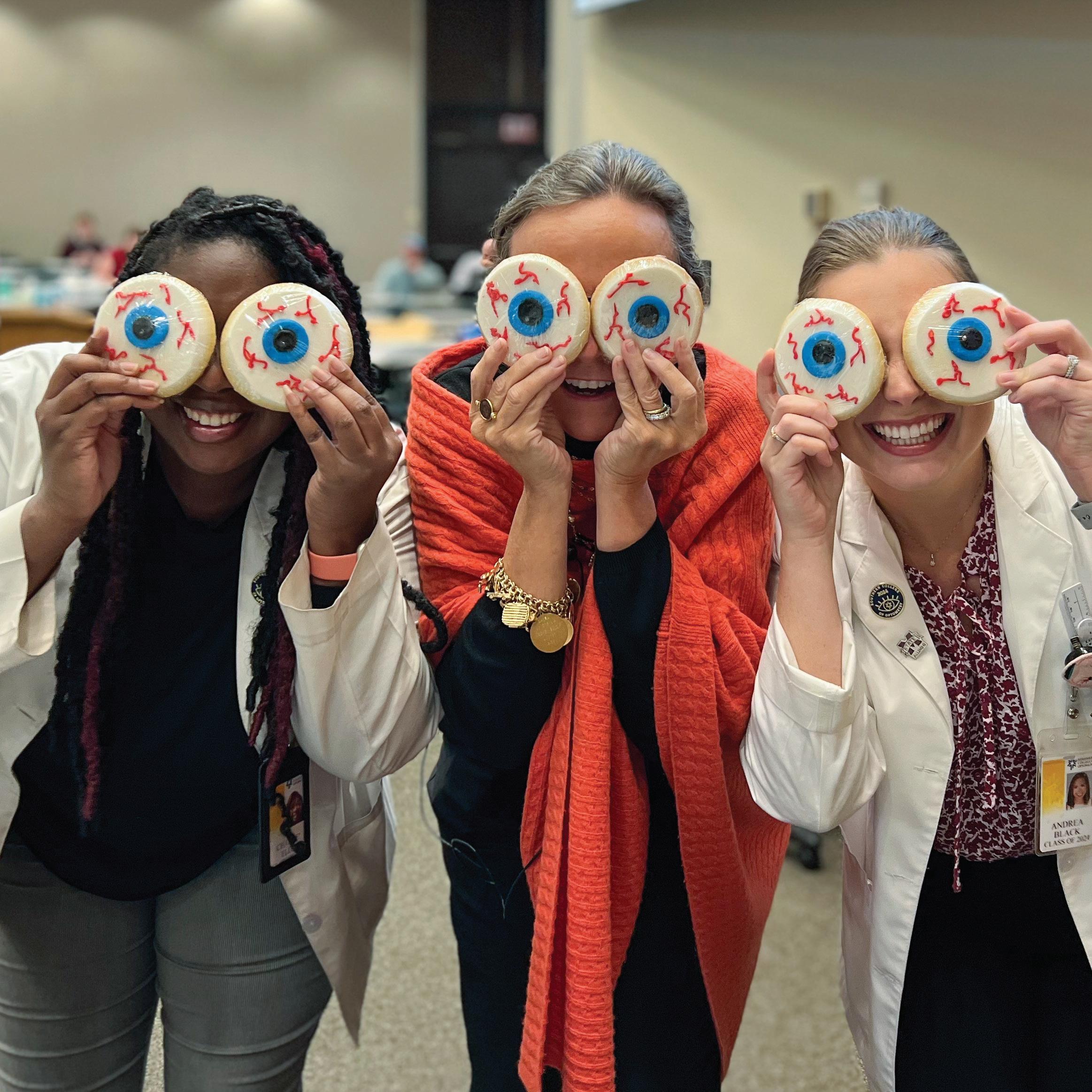
SCO also has organizations that help capture student experiences and bring students together socially. SCOPE, the school’s yearbook club, documents many of the clubs, activities, and events throughout the year, while Omega Delta helps organize social gatherings such as the Float Trip, Jersey Parties, and the Eyeball After Party. Additionally, students can participate in recreational groups like Run Club and Intramural Sports to stay active, meet new people, and most importantly have fun.
With so many opportunities available, it is easy for students to get involved. Whether someone is interested in exploring different areas of optometry, developing leadership skills, serving the community, or simply building friendships, these organizations help create a well-rounded student experience.
Entering Class Late August 2027
Application Cycle June 25, 2026-March 1, 2027
Admissions Decisions ....................... Rolling
First Admissions Decisions ............... Early August 2026
OAT Administration Deadline March 1, 2027
Anticipated Class Size 140
States Represented (2025-2026) 46
Foreign Countries Represented (2025-2026)......................................... Canada (8 provinces)
Tuition 2026-2027
$48,540
Regional Contract Seats 2026-2027* Arkansas, Georgia, Louisiana, Mississippi, South Carolina........................ $21,184/year
Kansas .................................... $6,500/year
Tennessee ............................... $14,354/year**
West Virginia .......................... $11,510/year
* Regional contract seats are available for a limited number of students from each regional state. Acceptance does not guarantee a contract seat.
** The amount listed was for the 2025-2026 academic year. Updates for 2026-2027 can be found at sco.edu/tuition-and-fees
Financial Aid Application Cycle January-April (All 4 Years)†
Registration/Financial Aid Disbursements Each Semester
Percent Receiving Financial Aid 80%
Debt Management Counseling ......... Annually
† Financial aid application packets (SCO application and FAFSA) are sent in early January to students accepted between August and December. For students accepted after January, those financial aid application packets will be sent with their acceptance letters. Enrolled students must re-apply annually for financial aid.
Applicants to Southern College of Optometry may access the Annual Security Report posted on the college website: sco.edu/campus-safety. The report contains safety efforts and statistics for the campus. Applicants may also request a printed copy by contacting the Safety and Security Department at (901) 722-3312 or by emailing donhenson@sco.edu.