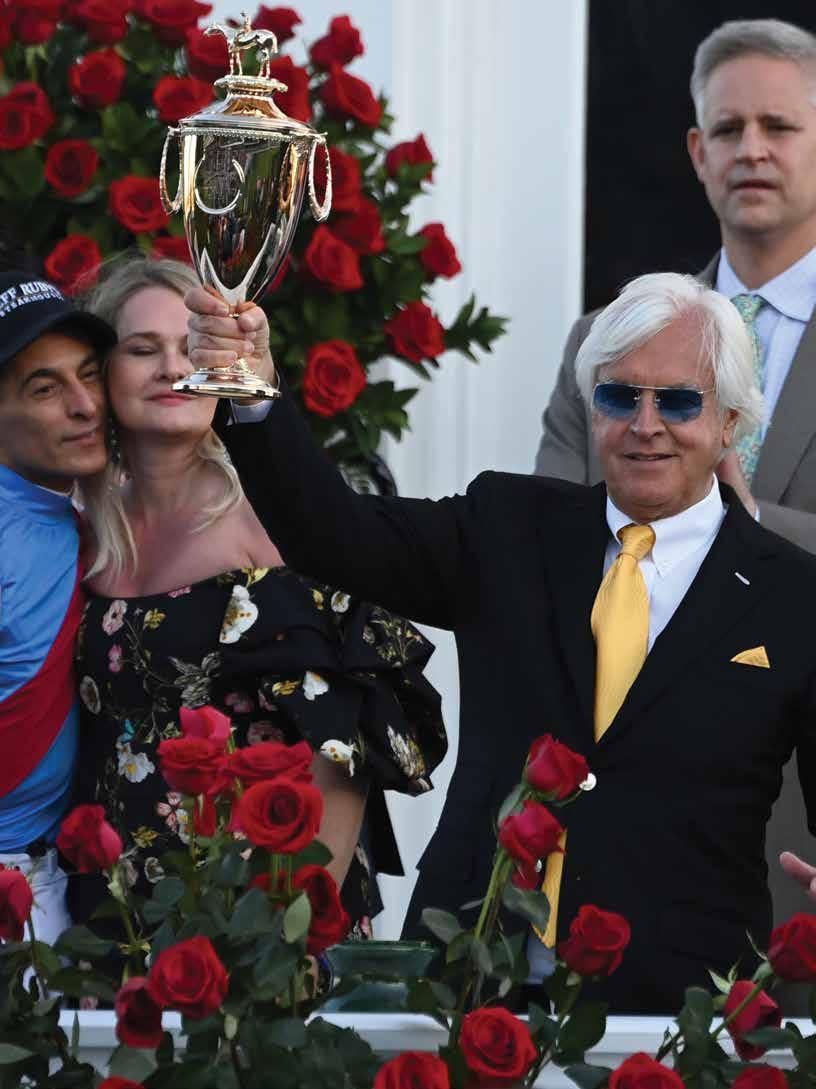



Thoroughbred racing’s elite trainers are judged by a demanding trifecta of metrics including purse earnings, overall win totals and Triple Crown success Check our rundown of some of the top trainers in the industry and pay attention when they have entries.
2 Casino Scene: Hot Happenings at Our Preferred Properties
Get the scoop on what’s happening at our preferred properties around the region.
A controversial practice known as Computer Assisted Wagering (CAW) is reshaping the sport—and leaving many players frustrated enough to walk away.
12

Side bets are optional wagers placed alongside your main blackjack bet. Check out our rundown of the ones you might see on your next casino getaway.
With summer right around the corner, we are excited to highlight a few of our favorite casinos to visit if you want to beat the heat.
Tucked deep in the towering pines of northern Wisconsin, North Star Mohican Casino Resort delivers a distinctly different casino experience—one shaped as much by its natural surroundings as its gaming floor.

22 The Beginning of Blackjack: A Timeless Card Game
Fund out how one of the most popular casino games got its start dating back to 17th-century Europe and why it is still all the rage today.
24 Texas Hold’em: How to Win a No-Limit Hold ‘em Tournament
Find out the in’s and out’s of the best strategy to win a No-Limit Hold ‘em tournament from early ante play to fighting when short stacked from the best poker player in the world.
25 Caribbean Stud: Patient Play & Paytable Discipline
Find out how this fun game doesn’t rely on fast decisions, bluffing, or complex strategy, but instead, it rewards patience and disciplined hand selection. Find out the best play for your next session.
26
Craps looks chaotic, sounds loud, and moves fast—but for savvy players, it’s one of the most beatable games on the casino floor from a house-edge perspective.
28
Future odds of major sporting events. Find the edge and make your play!
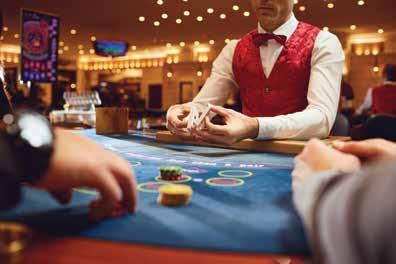
HOT HAPPENINGS AT OUR PREFERRED CASINOS, RACETRACKS AND MORE.
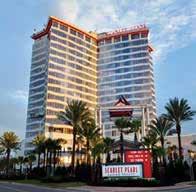
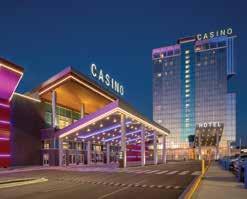
(D’Iberville, Mississippi – Gulf Coast) Scarlet Pearl Casino Resort – Scarlet Pearl Casino is celebrating 10-Years of great casino gaming on the Gulf Coast, and if you are looking for stunning views, decadent dining & dynamic gaming, you have found your spot. The property claimed several of our top Readers’ Choice Awards including Best Suites, Casino Floor, Players Club and more. For sports fans, there is not a better place to watch and wager on your favorite teams than the Scarlet Pearl Sportsbook featuring 23 HD screens including a 144-inch entertainment screen that is awesome! For more information, call 1-888-752-9772 or visit ScarletPearlCasino.com
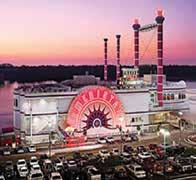
(Vicksburg, Mississippi) Ameristar Casino Hotel - Ameristar Casino in Vicksburg offers a vibrant escape with its dazzling gaming floor and luxurious amenities. Guests can try their luck at a wide array of slots and table games, savor fine dining options, and unwind in the elegant hotel rooms with scenic river views. Stay in one of the 148 guest rooms that have been redesigned with a crisp, modern look and unparalleled comfort offering European-style bedding, high-tech lighting fixtures, LCD flat screen televisions and wireless high-speed Internet access. Guests also enjoy live entertainment in the Bottleneck Blues Bar, great dining and more, all in the heart of Mississippi. There are always great deals on rooms and promotions in the casino, so be sure to check the website before you go. For more information, call 1-601-6303786 or visit AmeristarVicksburg.com.
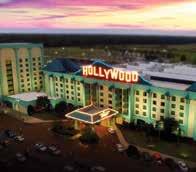
(Tunica, Mississippi) Hollywood Casino Tunica – Get a taste of the glitz and glamor of the stars at Hollywood Casino Tunica. After checking out the amazing collection of memorabilia around the property, guests can enjoy the award-winning Fairbanks Steakhouse for one of the best dining experiences in the region and then stay in a 5-story tower overlooking the casino floor or the 8-story tower next to the largest indoor pool in Tunica. When it’s time for casino action, Hollywood Tunica has you covered with over 1,000 slots, a variety of table games, and plenty of sportsbook kiosks to place your winning bets! For more information, call 1-800-871-0711 or visit HollywoodCasinoTunica.com.
(West Memphis, Arkansas) Southland Casino Hotel - Southland Casino Hotel is the only AAA Four Diamond premier gaming destination in the Mid-South, offering players excitement day or night. Just minutes from downtown Memphis, it blends nonstop action with elevated dining and entertainment, creating a destination that feels both electric and unmistakably Southern. It’s where big wins, bold flavors, and a vibrant atmosphere come together. For more information, call 1-800-467-6182 or visit SouthlandCasino.com
HOT HAPPENINGS AT OUR PREFERRED CASINOS, RACETRACKS AND MORE.


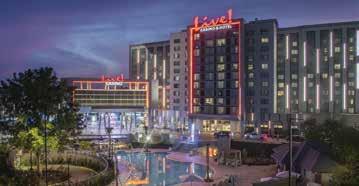
(Bossier City, Louisiana) Live! Casino Hotel Louisiana
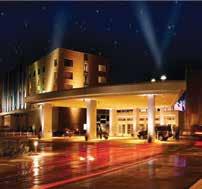
Live! Casino & Hotel Louisiana is a premier gaming destination in Bossier City along the Red River. Home to over 1,000 slot machines and 40+ live table games gamers will find just about anything they want in this casino. Guests can also extend their stay at a luxurious 549-room resort-style hotel featuring top-tier restaurants, an outdoor pool with cabanas and poolside service. Also be sure to check the website for top tier entertainment including... Eli Young Band (May 1), Morgan Jay (May 16), Bingo Loco Presents Name That Song (May 30), Eric Benet (June 13) and more.
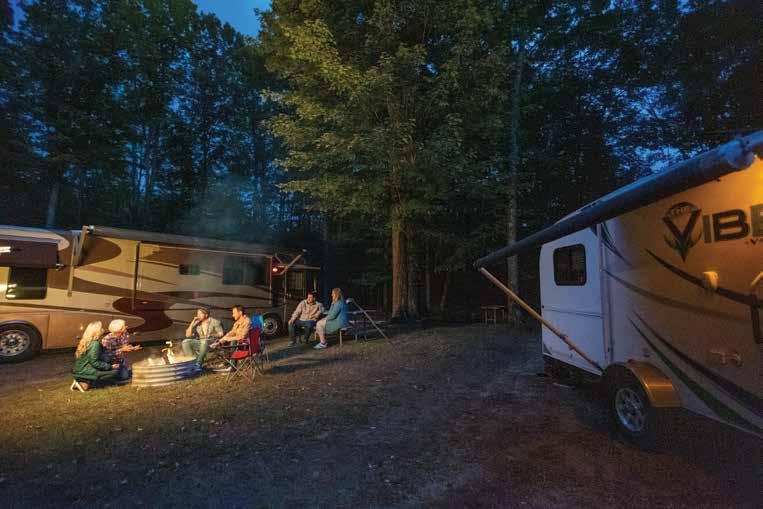
(Bowler, Wisconsin) North Star Mohican Casino Resort – As if you ever needed a reason for a gambling getaway, North Star certainly has plenty of them to ensure your stay is great from the second you step in the lobby. Guests enjoy great gambling with over 1,200 machines, plenty of table games including blackjack, Three Card Poker, Let it Ride, Craps and more. Also, book a room in their luxurious contemporary hotel or the 57-site RV Park with 20-30-and 50-amp service, pull-through sites, picnic table area and pet friendly. Also check out their great promotions and top entertainment including Clint Black: Back on the Blacktop Tour (May 29), The LaLa’s Burlesque Show (June 12 & 13), Jamey Johnson: The Traveling Truebadour Tour (July 25) and more. For more information, call 1-800-952-0195 or visit NorthStarCasinoResort.com.
(Harris, Michigan – Upper Peninsula) Island Resort & Casino – As the Midwest golf season gets into full swing, the Island Resort & Casino is already welcoming players to Sweetgrass and Sage Run golf courses—two of the region’s premier golf experiences. Guests can build custom Stay & Play packages that combine golf with all the Island has to offer, including the latest slots and video games, lively table games, dining options, the Drift Spa, and live entertainment that includes Free Beer and Hot Wings Radio Shows (May 15), The Voice Finalist and WI Native - Chris Kroeze (May 22), Fettuccine Funnies Comedy Show (May 23), Who’s Bad: Michael Jackson (June 27) and more. Book your golf package at Island ResortGolf.com and for more information, call 1-800-682-6040 or visit IslandResortandCasino.com.
(Milwaukee, Wisconsin) Potawatomi Casino Hotel - Potawatomi Hotel & Casino in Milwaukee is a premier Midwest gaming destination featuring more than 500 upscale guest rooms and suites with stunning floor-to-ceiling city views. The expansive casino floor boasts thousands of slot machines, a wide variety of live and electronic table games, a lively 15-table poker room, and a 2,000-square-foot sportsbook. Guests can also enjoy multiple dining options, live entertainment, and luxury amenities for a complete resort experience. For more information, call 1-800-729-7244 or visit Potawatomi.com.
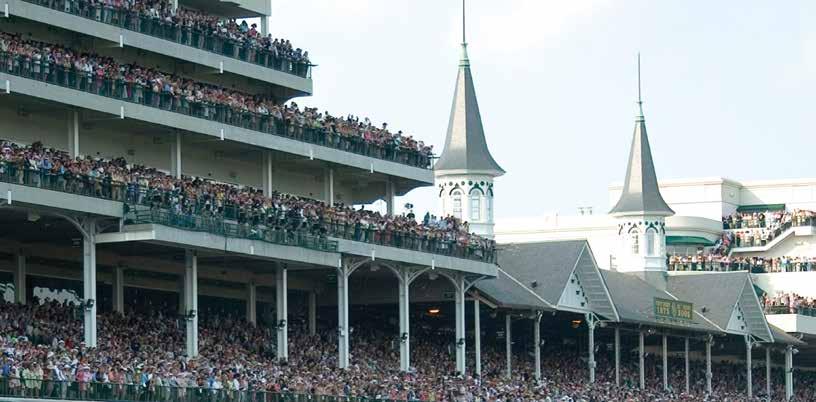
Thoroughbred racing’s elite trainers are judged by a demanding trifecta of metrics: total career purse earnings (a direct measure of the quality and market value of their horses), overall win totals (proof of volume, longevity, and day-in-day-out excellence), and success in the Kentucky Derby plus the other Triple Crown races (the ultimate test of preparing champions for racing’s most iconic stages). Data from Equibase through early 2026, combined with official Kentucky Derby and Triple Crown records, highlight a clear pantheon of modern legends who have dominated these categories. While historical figures like Ben Jones (six

Derbies) or Sunny Jim Fitzsimmons (two Triple Crowns) set early benchmarks, today’s purse inflation and expanded racing calendars elevate those who combined volume with elite performance.
We are excited to highlight some of the top trainers in the modern era of the past thirty years as we embark on another Triple Crown season of racing. Each boasts the prestige as a Hall of Famer or future inductee whose numbers place them in the conversation for “greatest ever.”
Steve Asmussen stands alone as Thoroughbred racing’s all-time leader in victories, with 11,144 wins from 55,958 starts through early 2026. His horses have banked nearly $489 million in purse earnings, second only to one peer on the all-time list. While Asmussen has yet to capture a Kentucky Derby or complete Triple Crown sweep, his sheer volume—more wins than anyone in North American history— reflects unmatched consistency across decades and circuits. Multiple Eclipse Awards as Outstanding Trainer (2008, 2009, 2016 among others) and a 2016 Hall of Fame induction underscore his dominance. Asmussen’s operation churns out stakes winners year after year, proving that sustained excellence at scale trumps occasional classic flashes. In an era of specialization, his ability to win at every level from maiden claimers to graded stakes makes him the benchmark for longevity and productivity. No other trainer has approached his win total, cementing Asmussen as the most prolific horseman in the sport’s modern history.



Todd Pletcher reigns as the all-time leader in career purse earnings at $518.3 million from 26,625 starts and 5,948 wins (22% win rate). Those staggering figures dwarf most competitors and reflect his unmatched ability to develop elite horses that cash the biggest checks. Pletcher has two Kentucky Derby victories (Super Saver in 2010, Always Dreaming in 2017) and multiple Triple Crown race placings, plus a record nine Breeders’ Cup wins in various race categories over the years. Back-to-back Eclipse Awards and a 2021 Hall of Fame induction came after seasons in which his stable repeatedly led the nation in money earned. Pletcher’s strength lies in quality over raw quantity: his horses consistently outperform expectations in Grade 1 company, driving earnings that no other trainer has matched. Whether prepping two-year-olds for championship campaigns or stretching classic-distance prospects, Pletcher’s program has redefined what consistent financial dominance looks like. In the purse-driven modern era, no name sits higher on the all-time ledger.
Bob Baffert owns the modern record for Triple Crown race victories with 16 (six Kentucky Derbies, seven Preaknesses, three Belmonts) and is the only trainer besides Sunny Jim Fitzsimmons to condition two Triple Crown winners—American Pharoah (2015) and Justify (2018). His six official Kentucky Derby triumphs tie Ben Jones for the all-time lead (Medina Spirit’s 2021 win was later disqualified). From 15,169 starts, Baffert has secured 3,569 wins and $378.7 million in earnings. Those numbers reflect an extraordinary strike rate in racing’s biggest moments: his horses simply perform when the spotlight is brightest. Eclipse Awards and a 2009 Hall of Fame induction recognize the brilliance behind champions like Silver Charm, Real Quiet, War Emblem, and Authentic. Baffert’s West Coast-based operation consistently produces speed that translates to classic success, making him the gold standard for preparing horses to peak on the first Saturday in May and beyond. When history judges trainers by their ability to deliver immortality, Baffert’s classic tally remains unmatched in the contemporary era.
D. Wayne Lukas, who passed in June 2025, compiled 4,953 wins from approximately 30,439 starts and more than $300.5 million in purse earnings— placing him among the top six all-time in money won at the time of his retirement. He captured four Kentucky Derby wins (Winning Colors 1988, Thunder Gulch 1995, Grindstone 1996, Charismatic 1999) and amassed 15 Triple Crown race victories (four Derbies, seven Preaknesses, four Belmonts). Lukas remains the only trainer to win all three Triple Crown races in a single year with different horses (1995) and once won six consecutive Triple Crown events spanning 1994-96. He was the first trainer to eclipse $100 million and then $200 million in career earnings, led the nation in money 14 times, and took home four Eclipse Awards as Outstanding Trainer. His 20 Breeders’ Cup victories set a record that stood for years. Lukas revolutionized the sport by treating training like a national corporation, shipping stars coast-to-coast and dominating classics for four decades. His blend of volume, earnings, and historic classic success secures his place among the immortal few.

William (Bill) Mott has amassed 4,556 wins from 29,158 starts and $370.9 million in purse earnings, ranking him among the elite in both categories. A 1998 Hall of Famer with five Eclipse Awards for Outstanding Trainer (including recent honors in 2023 and 2025), Mott has secured multiple Kentucky Derby victories, most notably Country House (awarded 2019 after disqualification) and additional classic-level success. His 48% in-the-money rate and consistent top-ten national rankings demonstrate decade-after-decade reliability. Mott specializes in developing older horses and turf stars while delivering on the Derby trail when called upon. His earnings total places him directly behind only the very top names, proving that patient, high-percentage horsemanship translates into massive bankrolls. Whether conditioning Hall of Famers like Cigar or modern standouts, Mott’s program epitomizes professionalism and longevity. In a sport that rewards flash, Mott’s quiet accumulation of wins, money, and classic hardware makes him the model of sustained excellence across eras.
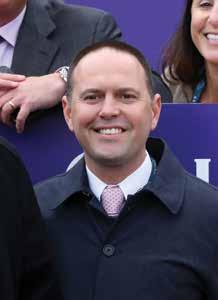
Chad Brown has exploded onto the all-time scene with 2,978 wins from just 12,029 starts (an elite 25% win rate) and $332 million in purse earnings. While his career is the shortest among this group, Brown already ranks among the top earners and maintains the highest win percentage of any elite trainer. He has secured multiple Eclipse Awards (including 2024) and consistently produces Grade 1 winners on both dirt and turf. Though Derby and Triple Crown tallies remain lower than the legends above, Brown’s horses frequently contend in classics and have generated outsized returns per start—nearly $27,600. His turf dominance and rapid rise to national leadership in earnings underscore a new-school approach: precision conditioning and elite bloodstock selection. At his current pace, Brown threatens to climb even higher on the all-time lists.
In an era obsessed with efficiency, Brown’s combination of sky-high win rates and massive purses positions him as the future standard-bearer once longevity catches up to his early brilliance.
These six trainers have collectively redefined the sport through the very metrics that matter most. Asmussen and Pletcher set volume and earnings benchmarks that may never be touched. Baffert and Lukas own the Triple Crown record books. Mott and Brown prove that consistency and efficiency still produce legendary careers. Together they illustrate why Thoroughbred racing remains a game of both art and science—where one brilliant decision on a single afternoon in Louisville or Baltimore can immortalize a career built on decades of quiet excellence. As purses continue to grow and classics retain their mythic status, these masters stand as the measuring sticks for every trainer who dreams of greatness.
TRAINER
Bob Baffert
Steve Asmussen
Todd Pletcher
D. Wayne Lukas
Bill Mott
Chad Brown
American Pharoah, Justify, Arrogate, Authentic
Curlin, Gun Runner, Epicenter
Tapit, Uncle Mo, Malathaat
Charismatic, Thunder Gulch, Lady’s Secret
Cigar, Country House, Cody’s Wish
Bricks and Mortar, Lady Eli, Good Magic




DEFINING EDGE
Big-race dominance; 2 Triple Crowns
All-time wins leader; volume king
Pipeline depth; Belmont success Industry pioneer; mega-stable model
Patient developer; elite horseman
Turf specialist; modern powerhouse


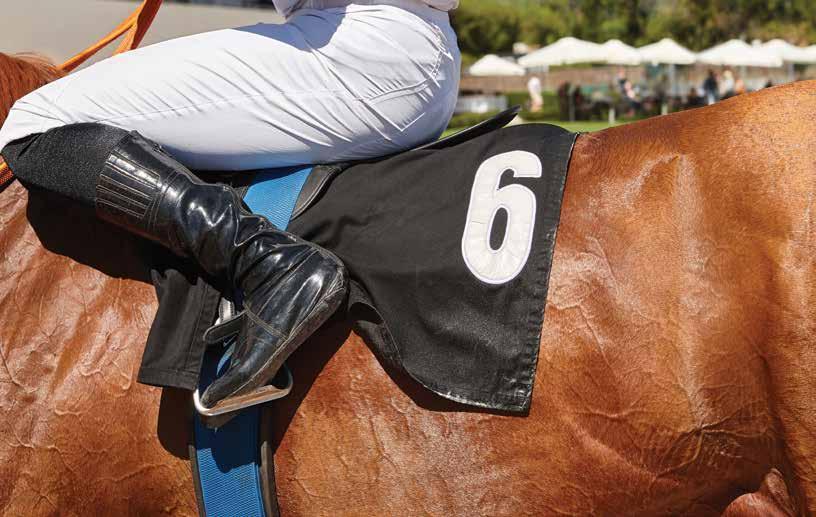
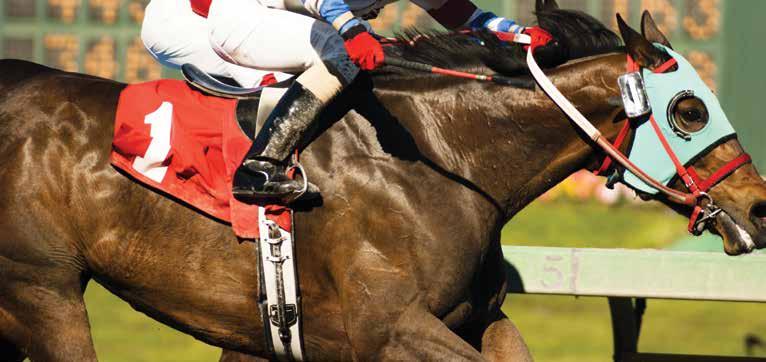
Whether you are in the shadows of Churchill Downs’ famed twin spires, amid the rolling bluegrass fields of Keeneland or most racetracks across the country, horse racing has always been about more than money. It’s about the roar when your longshot surges down the stretch, the shared excitement with buddies on a group bet, and the fair chance that a sharp handicapper can beat the game. But for growing numbers of everyday bettors, that magic is fading. A controversial practice known as Computer Assisted Wagering (CAW) is reshaping the sport—and leaving many players frustrated enough to walk away.
CAW refers to high-volume, algorithm-driven betting by professional syndicates. These groups use powerful computers, real-time tote data, and lightning-fast batch betting to identify “overlays”—situations where the potential payout in a pool exceeds the true mathematical odds— then flood those opportunities with millions of dollars in seconds.
Unlike traditional handicapping, which relies on studying past performances, trainer patterns, track bias, and racing form, CAW players rarely care which horse wins. Their strategy is straightforward: break even (or close to it) on the actual race
outcome while collecting substantial rebates from the tracks, often 1521% of their massive handle. In the parimutuel system, all bets flow into shared pools. The track deducts 1823% and distributes the rest according to the final odds. CAW groups exploit that structure by pumping enormous volume across win, exacta, trifecta, pick-four, pick-five, and even rainbow pick-six pools for their almost guaranteed returns.
Seasoned handicapper and owner of horse picking site FatBaldGuyRacing. com, known as Keeneland Dan, has been immersed in horse racing his entire life. Thirteen years ago, he and a neighbor launched
FatBaldGuyRacing.com as a casual back-porch idea. Today it thrives while much of the industry struggles:
“Everybody else that does this continues to shrink and we continue to grow,” he said. “Every year we get more members and more meet ups.” His team of seven veteran handicappers covers major Kentucky meets, Gulfstream, Saratoga, as well as a number of smaller tracks.
Subscribers can buy single-day cards for the tracks of choice or monthly packages, or annual access—often getting value on multiple tracks for the price of one.
The core complaint about the CAW groups is simple but profound: They receive advantages regular bettors do not. They often access detailed pool information and can place bets extremely close to post time— sometimes right up to the gate, or event after the race goes off as some claim. This creates dramatic late odds swings that turn planned value bets into disappointments.
“You may look at the pool with three minutes to go and think, ‘I like this 8-7 exacta, it’s gonna pay 50 bucks,’”
Keeneland Dan explained. “Then the computer hammers it as it’s going into the gate, the bet hits and you get 26 bucks.” Recreational players feel the sting most acutely. Imagine a group of friends pounding a 20-1 longshot only to watch it shorten to 5-1 by the stretch. They cash the ticket, but the celebration dies. “It’s a terrible feeling,” He said. “They think somebody stole from them… You don’t want people winning money and being mad when they do win.”
Then, rebates widen the gap. A solid mid-level player might earn 7-8% back. CAW syndicates betting tens or hundreds of millions annually can secure 19-21%. Their model often involves spreading money to minimize risk on the outcome, then profiting from the rebate. One big pick-six score can offset a year of near-breakeven play. And it happens every day—not just on Derby or Breeders’ Cup cards, but on ordinary Thursday programs at Oaklawn or elsewhere, and these optics compound the problem. Even when bets technically stop at the gate, tote updates lag, making it look like money is pouring in mid-race. “It’s a bad look,” Dan stressed repeatedly. “Something’s gotta be done.”
CAW isn’t without its defenders. These syndicates inject billions into the pools each year—by some estimates 25-35% of total U.S. handle. That volume helps sustain larger purses and keeps some tracks financially viable. Without it, exotic payouts could shrink dramatically, and overall liquidity would suffer. Tracks benefit from the steady, highvolume handle, and some argue the activity makes markets more efficient over time.
For the casual race fans who attend once or twice a year, families enjoying a day at the races, or local handicappers grinding value—the downsides outweigh the benefits. Handle has been under pressure industry-wide, and many big recreational players have simply quit, turning instead to sports betting with its even-money lines, perks, and transparency. “There’s too many other options now,” Dan noted. “You can get even money on a sports bet every night…and in Vegas they’ll give you free rooms, limo rides to a from
the airport and a lot of incentives to do business with them.” Knowing this, many bettors are opting for the greener pastures of other betting options.
However, recent developments underscore the tension. In late 2025, a class-action lawsuit was filed in New York accusing major track operators (including entities tied to Churchill Downs and NYRA) of colluding with CAW platforms to disadvantage everyday bettors. The suit alleges RICO violations, conspiracy, and unjust enrichment. Meanwhile, NYRA implemented meaningful guardrails in early 2026, cutting off most CAW activity at one minute to post across pools and limiting late betting speed. The move has reduced dramatic volatility and earned praise for prioritizing the customer experience. Some tracks have quietly adjusted rebate structures or win-pool policies, but many fans feel the changes remain too slow and inconsistent.
Keeneland Dan offers practical, bettor-focused solutions suggesting to first, adopt a clear, visible betting clock—similar to those in boxing or basketball. “When the clock hits zero, there’s no more bets—before the race is ever run.” Fans would adapt by betting earlier, and final odds would settle with time to spare. “Everybody will get their bets in… It gives the computer a chance to update the final odds.”
Second, greater transparency giving public bettors access to the same pool data CAW groups receive. Standardize or cap rebate tiers so the system doesn’t disproportionately favor massive volume at the expense of smaller players.
Third, and most importantly, racing needs independent oversight. “The racetracks are in desperate need of a commissioner,” Dan said, “just like
any other professional sport… We need gamblers, we need handicappers on those boards. Somebody that cares about the bettor and not just some rich guy that owns farms in Kentucky.”
However, horse racing still has unmatched soul—mint juleps under the twin spires, tailgating at Keeneland, opening day at Santa Antia, the electric atmosphere when a hometown longshot delivers. CAW threatens to erode that by making the game feel stacked. But with thoughtful reforms—clear cutoffs, better transparency, and genuine focus on the recreational bettor— the industry can restore confidence.
FatBaldGuyRacing’s continued growth shows that passionate handicappers and fans still love the game when it feels fair. The question now is whether track operators will listen before more voices decide the rail isn’t worth the frustration anymore.
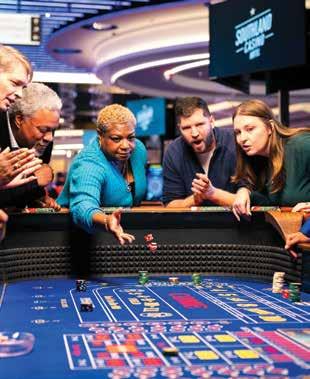
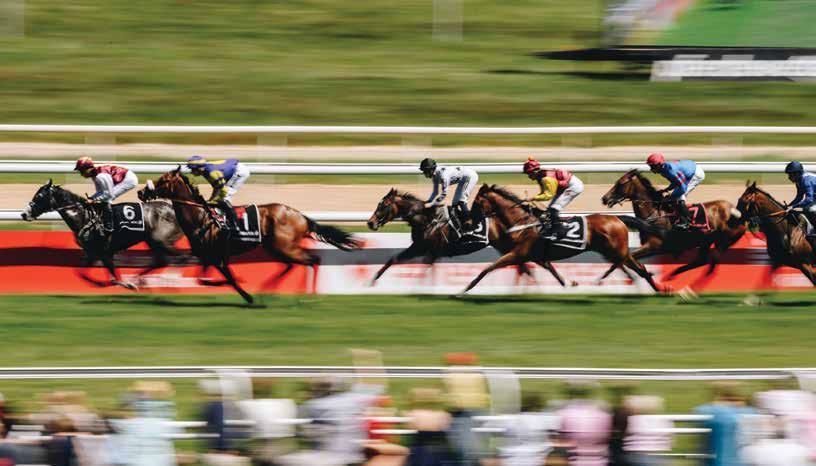
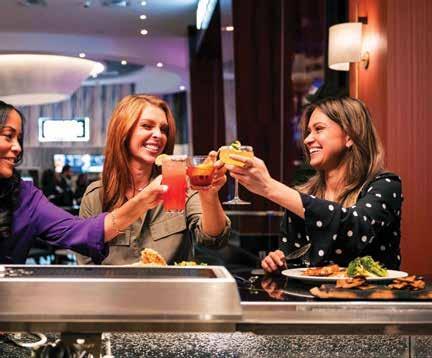
From slot machines to table games, fine-dining to luxurious accommodations, weekly promos to huge prizes — Southland is where entertainment comes alive.
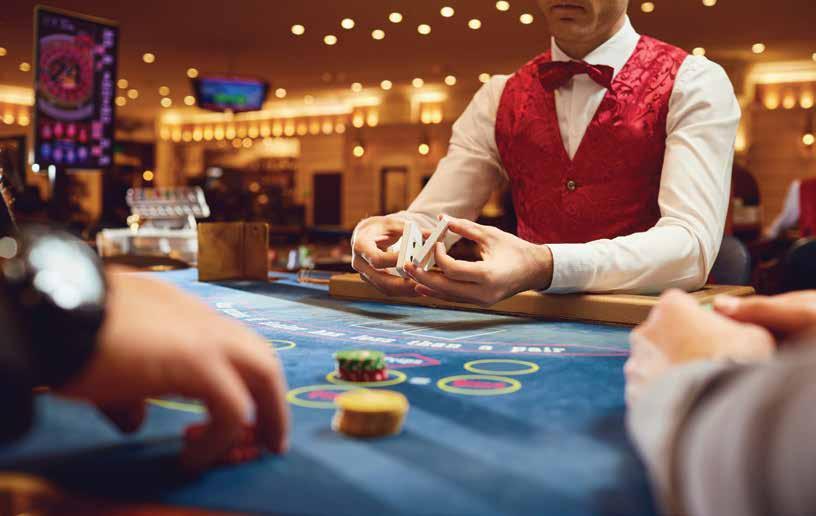
Blackjack has held its crown as the most popular casino table game for decades, and it’s easy to see why. Few games combine skill, pacing, and suspense quite like it. Every hand offers a decision—hit, stand, split, double— and every decision carries weight. Add in the dealer’s unknown hole card, and you’ve got a steady stream of tension that keeps players locked in.
For many, that’s more than enough. But for others, the grind of even-money wins and incremental bankroll swings doesn’t quite scratch the itch. They’re looking for something sharper, faster—a chance to turn a routine hand into a headline moment. That’s where blackjack side bets come in.
Side bets are optional wagers placed alongside your main blackjack bet. They don’t change how the base game plays, but they do offer a shot at outsized payouts— sometimes 10-to-1, 25-to-1, or even five figures on a single hit. The tradeoff? A higher house edge. While a solid basic-strategy player might face a house edge under 1% in blackjack (and often around 2%–2.5% for the average recreational player), most side bets range from 3% to well over 20%.
That gap is the price of admission for volatility—and for many players, it’s worth it.
Casinos love side bets because they increase theoretical win without slowing the game. Players love them because they inject excitement and variety. The result is a constant cycle of innovation. New bets appear, surge in popularity, and sometimes fade—only to reemerge years later.
One example is Royal Match, a staple of the 1990s that’s enjoying a resurgence thanks in part to electronic table platforms. Meanwhile, games like 21 + 3 have shown remarkable staying power, becoming near-standard features on many blackjack floors.
Most tables offer just one side bet at a time, though the specific option varies by property. And importantly, you’re never obligated to play them. Many seasoned players ignore side bets entirely, while others sprinkle them in selectively.
Let’s break down some of the most common—and most interesting—blackjack side bets on the felt today.
If blackjack side bets had a flagship, this would be it. Invented by Derek Webb (the mind behind Three Card Poker), 21 + 3 blends blackjack with poker logic.
Your first two cards plus the dealer’s upcard form a threecard poker hand. If that hand is a flush, straight, three of a kind, or straight flush, you win—typically at 9-to-1 on a standard pay table.
Statistically, you’ll hit a winning combination about once every 10.3 hands in a six-deck game. Flushes make up the bulk of those wins, as they’re more common than straights or trips in a three-card format. The house edge sits around 3.2%, making it one of the more playerfriendly side bets available.
That relatively modest edge explains its durability. Compared to the base game, you’re giving up a bit more ground—but not dramatically more, especially for casual players. It’s also social: at busy tables, you’ll often see multiple players in on the bet, creating shared excitement when a straight flush lands.
Royal Match is simple, elegant, and surprisingly sticky. You win if your first two cards are suited, typically paying 2.5-to-1. But the real prize is a “royal match”—a King and Queen of the same suit—which can pay 25-to-1 or more depending on the table.
Here’s where it gets interesting: the math improves with more decks. In a six-deck game, the house edge is about 6.7%. In single-deck, it jumps to around 10.9% because suited combinations are less frequent.
You’ll hit some kind of suited hand nearly 24–25% of the time in multi-deck games, so there’s a steady drip of small wins while you wait for the big one. The royal match itself is rare—roughly once every 330–336 hands—but that’s the nature of the beast.
Some alternative pay tables tweak the payouts to reduce volatility, but those versions are less common in live casinos.
Perfect Pairs focuses on just your first two cards. If they match in rank, you win—but how they match determines the payout.
A typical pay table looks like this:
• Perfect pair (same rank and suit): 25-to-1
• Colored pair (same rank, same color): 12-to-1
• Mixed pair (same rank, different color): 6-to-1
In a six-deck game, the house edge is around 6.1%, dropping slightly in eight-deck shoes. The bet is straightforward and easy to understand, which makes it popular with newer players.
One limitation: it can’t exist in single-deck blackjack. With only one card of each rank and suit, a “perfect pair” is impossible.
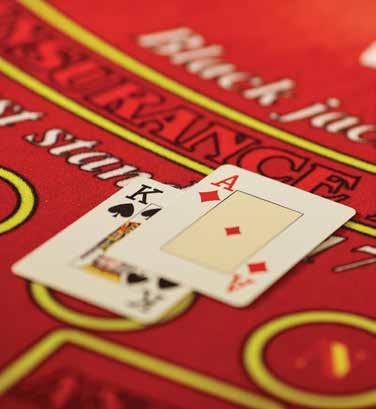
Many side bets revolve around totals of 20, and for good reason—it’s one of the strongest hands in blackjack, yet often results in pushes.
Bonanza-style bets flip that frustration into opportunity. If you’re dealt a 20 and the dealer shows a 10, you’re in business. Payouts vary widely based on card composition, from modest returns for unsuited 20s up to massive jackpots (sometimes $25,000 for a $1 bet) for ultra-rare combinations like matching suited pairs against the dealer.
The catch? A steep house edge—often around 18% or higher. These are pure jackpot plays, designed for players who are willing to trade long-term value for a shot at a life-changing hit.
This side bet only activates when the dealer shows an Ace. You’re betting that the dealer will ultimately bust.
Because it’s conditional, it feels more strategic than most side bets. And the math can be relatively reasonable:
• If the dealer hits soft 17: pays 6-to-1, house edge ~2.6%
• If the dealer stands on all 17s: pays 7-to-1, house edge jumps to ~7.6%
That variability makes this one worth a closer look depending on house rules. In favorable conditions, it’s one of the rare side bets that approaches the base game’s odds.
Progressive side bets bring slot-style jackpots to the blackjack table. Jackpot Blackjack pays based on blackjacks—yours, the dealer’s, or both.
Small wins are common: a basic blackjack might pay 3-to-1, with higher payouts for suited or matching combinations. But the real draw is the progressive jackpot, often triggered by extremely rare outcomes like both player and dealer holding suited Ace-Jack in spades.
At a baseline jackpot (around $10,000), the house edge can exceed 23%. As the jackpot grows, that edge shrinks—sometimes significantly. This dynamic mirrors other progressive table games like Caribbean Stud Poker.
Still, make no mistake: this is a long-shot play. You’re paying for the dream.
Over/Under 13: Simple, but Be Careful
This bet is as straightforward as it sounds. You wager whether your first two cards will total over or under 13. If it’s exactly 13, the house wins.
Despite its simplicity, the math isn’t great:
• Over 13: house edge ~6.5%
• Under 13: house edge just over 10%
Card counters once exploited this bet by playing it selectively, but casinos have since tightened the rules— often requiring a blackjack wager and limiting side bet sizes.
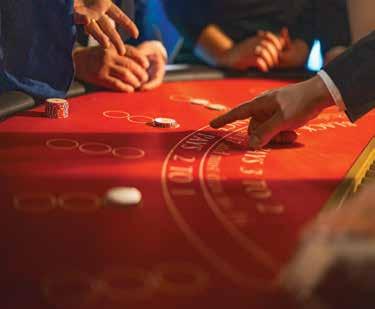
This creative twist gives you a fallback if your hand busts. The card that busts you, combined with four additional cards, forms a five-card poker hand. If that hand qualifies, you get paid according to a poker-style pay table.
With a house edge around 5.28%, it sits in the middle of the side bet spectrum. It’s not widely available, but it adds a fun psychological cushion—turning a losing hand into a potential comeback.
Blackjack side bets aren’t about grinding out profit— they’re about adding spikes of excitement to a steady game. The numbers make that clear. Even the best side bets carry a higher house edge than the base game, and many are significantly worse.
But that doesn’t mean they’re “bad.” It just means you should treat them for what they are: entertainment with a price tag.
If you’re playing to maximize your odds, stick to basic strategy and skip the extras. If you’re playing for fun and don’t mind the cost, side bets can deliver some unforgettable moments—the kind you’ll be talking about long after you leave the table.
Because sometimes, it’s not about the grind. It’s about the pop.

Earn 5X entries on Thursdays, and 10X entries on Fridays and Saturdays.
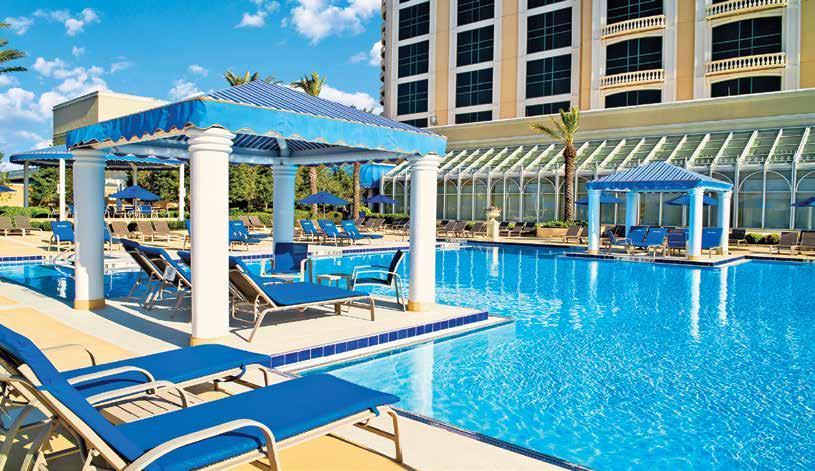
The summer is upon us and there is nothing better than lounging by the pool on a hot day while thinking about winning big in the casino at night. In this article, we are excited to highlight a few of our favorite gambling getaways where you will find resortstyle amenities and hot gambling action to keep you busy. Enjoy!
BEAU RIVAGE RESORT & CASINO
(BILOXI, MISSISSIPPI)
1-888-567-6667
BEAURIVAGE.COM
At Beau Rivage Resort & Casino, the expansive second-floor pool
deck is a centerpiece of summer relaxation along the Gulf Coast. Overlooking the waters of the Gulf, the pool area offers a vibrant yet laid-back atmosphere with a fullservice bar, seasonal café, and live DJ entertainment on select weekends, creating a true resort-style escape. Guests—and even locals—can enjoy access by reserving cabanas, gazebos, or premium loungers, each offering upgraded comfort with cushioned seating, shaded areas, and dedicated cocktail service. Cabanas elevate the experience further with private seating areas, stocked refrigerators,
TVs, and personalized amenities.
The pool scene is just one part of what makes Beau Rivage a top warmweather destination. The property features 13 dining venues ranging from casual bites to upscale cuisine, multiple bars and lounges, and an 85,000-square-foot casino floor packed with gaming action. Guests can also take in live performances at the on-site theater, unwind at the full-service spa and salon, browse the shopping promenade, or hit the links at Fallen Oak, the resort’s acclaimed championship golf course.
(HOT SPRINGS, ARKANSAS)
1-800-625-5296
OAKLAWN.COM
At Oaklawn Racing Casino Resort, a modern resort experience meets one of the South’s most historic gaming and racing destinations. Located in the longtime leisure hub of Hot Springs, the recently expanded property blends thoroughbred racing tradition with a full-scale casino, upscale dining, and resort-style amenities designed for year-round escapes.
One of its standout summer features is the rooftop pool, offering a relaxed, elevated setting with private cabanas, poolside cocktails, and a full food menu delivered directly to guests lounging in the sun. It’s a social yet comfortable atmosphere that captures the essence of a warm-weather retreat in the heart of Arkansas.
For a more restorative experience, the Astral Spa provides a luxury wellness
escape with signature treatments, serene relaxation lounges, and fullservice locker rooms designed to help guests unwind before and after services. The focus on calm, comfort, and rejuvenation adds a strong wellness component to the resort experience.
Beyond the pool and spa, Oaklawn delivers with live horse racing, a vibrant casino floor, and multiple dining options, making it a true stayand-play destination. It’s a unique combination of history and modern resort luxury, ideal for a summer gaming getaway.
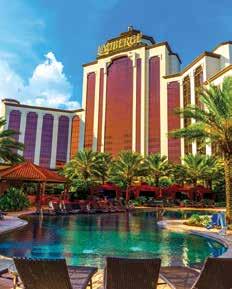
L’AUBERGE CASINO RESORT LAKE CHARLES (LOUISIANA)
1-866-355-7111
LLAKECHARLES.COM
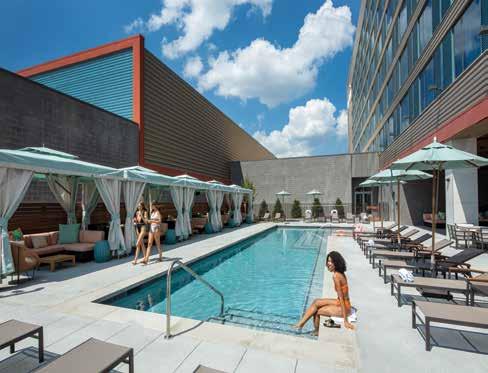
At L’Auberge Casino Resort Lake Charles, the resort’s outdoor pool complex delivers a true resort-style escape built for relaxation and allday lounging. In addition to a full casino, upscale resort amenities, and a championship-style golf experience nearby, the property’s tropicalinspired pool deck stands out as one of its signature attractions. Guests can unwind in a heated pool surrounded by spacious lounging areas designed for comfort and sun-soaked afternoons. A winding lazy river adds a laid-back, resortstyle flow to the experience, where visitors can float at their own pace or drift over to the swim-up pool bar for frozen cocktails and cold drinks without ever leaving the water.
For those seeking a quieter retreat, the adults-only pool offers a more serene atmosphere with luxury cabanas, shaded seating, and full-bar service. It’s a more private, upscale environment ideal for couples or guests looking to step away from the livelier main pool scene.
Blending relaxation, convenience, and a touch of indulgence, L’Auberge’s pool area captures the essence of a tropical getaway. Whether floating the lazy river or lounging poolside with a drink in hand, it’s designed as an easy, all-day escape where time tends to slow down in the best way
LIVE! CASINO & HOTEL LOUISIANA (BOSSIER CITY)
1-318-944-7100
LIVECH.COM/LOUISIANA
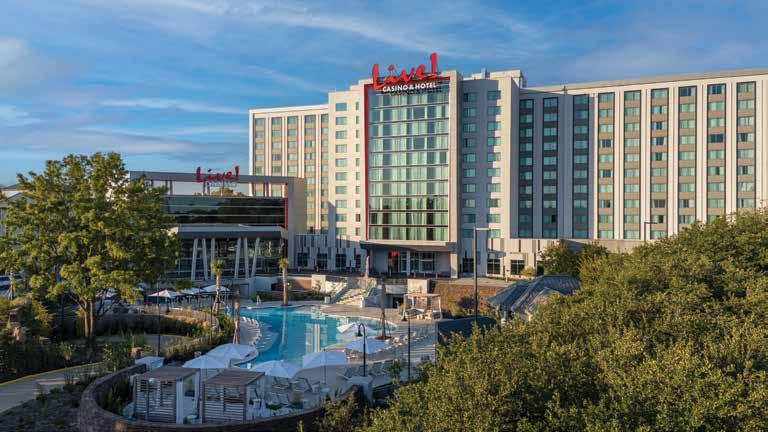
At Live! Casino & Hotel Louisiana, summer brings a high-energy resort experience paired with upscale comfort along the Red River. As one of the region’s newest gaming destinations, the property delivers a modern casino floor packed with slots, table games, and a dynamic sportsbook atmosphere, all anchored by a sleek, contemporary hotel.
Outside the casino, guests can unwind at the resort-style pool complex, designed for both social energy and laid-back relaxation. Comfortable loungers, private cabana options, and full-service food and beverage offerings create an easygoing daytime escape, while the atmosphere shifts seamlessly into a lively evening scene.
The resort’s dining lineup adds to the appeal, with a mix of casual spots and elevated concepts that keep guests fueled from day to night. Live entertainment and nightlife venues

round out the experience, giving the property a vibrant, around-the-clock feel.
Blending modern amenities with a strong focus on entertainment, Live! Casino & Hotel Louisiana offers a fresh take on the summer casino getaway—where poolside relaxation, nightlife, and gaming action all come together in one stylish, all-in-one destination.
(FRENCH LICK & WEST BADEN SPRINGS, INDIANA)
1-888-936-9360
FRENCHLICK.COM
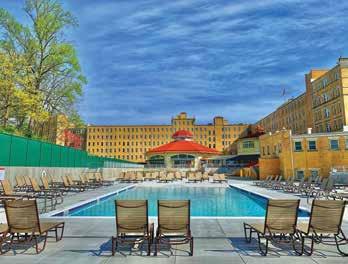
At French Lick Resort, summer unfolds across a sprawling 3,200acre playground that blends casino excitement with classic resort luxury. Home to Indiana’s only fully non-smoking casino, the property features 600+ slots, live-dealer table games, and a sleek sportsbook lounge, offering a fresh, comfortable gaming experience just steps from its expansive resort amenities.
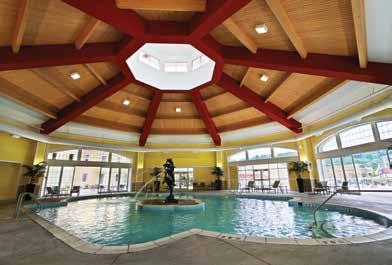
Beyond the casino, French Lick shines as a true outdoor and leisure destination. Guests can relax at indoor and outdoor pools, indulge in award-winning spas featuring signature mineral spring baths, or tee off on two nationally acclaimed golf courses designed by Pete Dye and Donald Ross. The resort’s scenic grounds also invite exploration with horseback riding, sporting clays, and seasonal outdoor events.
Accommodations span three distinct properties, including the grand West Baden Springs Hotel and the historic French Lick Springs Hotel, connected by convenient and free shuttle service. Dining ranges from casual fare to upscale experiences like 1875: The Steakhouse.
With its blend of outdoor recreation, relaxation, and gaming, French Lick offers a well-rounded summer getaway where guests can seamlessly shift from poolside lounging to championship golf and casino action—all in one destination.
1-800-682-6040
ISLANDRESORTANDCASINO.COM
At Island Resort & Casino, summer feels like a full-scale getaway built into one destination. The resort delivers a complete experience with gaming, championship golf, live entertainment, spa relaxation, and one of the most distinctive indoor water attractions in the Midwest.
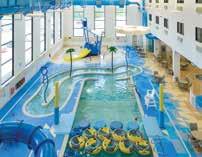
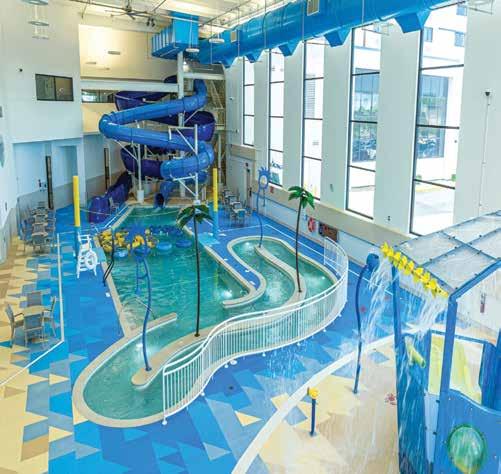
At the heart of the property is Splash Island, a 14,000-square-foot indoor water park designed for year-round fun. Guests can race down winding tube slides—one of which splashes into a kid-friendly pool—or drift along a relaxing lazy river that loops through the tropical-style space. The atmosphere blends energy and relaxation, making it ideal for both
families and casual getaways. For a quieter escape, the adultsonly indoor saltwater pool offers a more serene experience as part of the Drift Spa. The spa emphasizes nature-based treatments with skilled therapists focused on restoring balance, along with tranquility rooms and a fitness center for total wellness.
Beyond the water attractions, Island Resort and Casino also features nationally recognized golf courses and a full lineup of entertainment and dining options, making it a wellrounded summer destination where guests can move seamlessly from adventure to relaxation all in one stay.
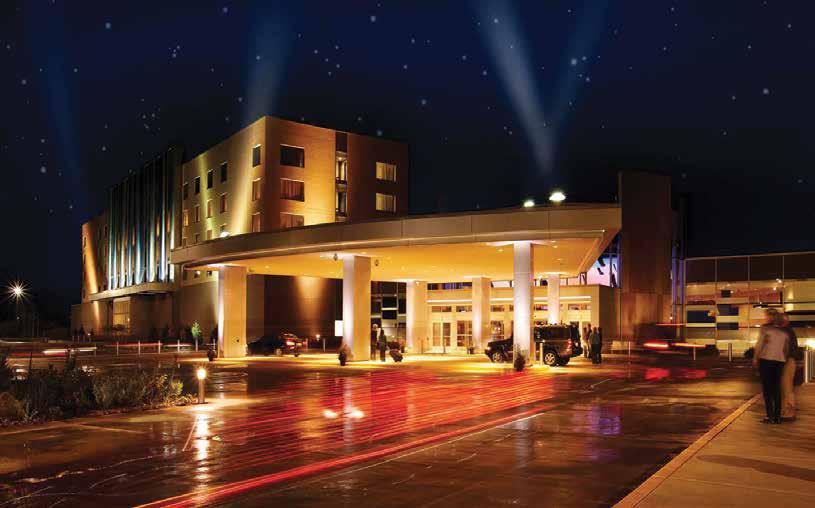
Tucked deep in the towering pines of northern Wisconsin, North Star Mohican Casino Resort delivers a distinctly different casino experience—one shaped as much by its natural surroundings as its gaming floor. Located between Green Bay and Wausau, the property has built a reputation as the “Midwest’s Friendliest Casino,” a tagline that, for many guests, feels less like marketing and more like a mission statement.
Owned and operated by the Stockbridge-Munsee Band of Mohican Indians, North Star has been welcoming players since 1992. Over the years, it has evolved into a full-service resort that blends
approachable gaming with a relaxed, upscale atmosphere—more getaway than grind, and all the better for it.
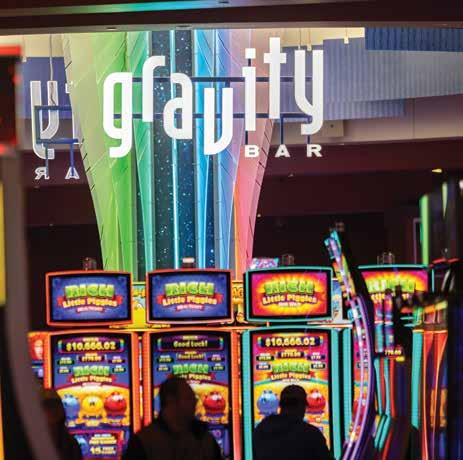
North Star doesn’t try to overwhelm with sheer size, but it offers more than enough variety to keep players engaged. The casino floor features over 1,000 slot machines, with denominations ranging from penny games to higher-limit action in a dedicated VIP area.
The mix includes popular video slots and classic favorites, giving casual players and seasoned regulars alike plenty to explore. The entire casino
The overall feel is less highstakes intensity and more steady, approachable action—a casino where players can settle in, find their rhythm, and enjoy a longer session without the chaos of larger regional giants. PROPERTY PROFILE:
is smokefree, a welcome feature in a region where that option isn’t always guaranteed.
Table game players will find a more intimate but well-rounded selection. Expect approximately 14 to 18 tables, including blackjack, along with carnival-style games such as Three Card Poker, Let It Ride, and Ultimate Texas Hold’em. Electronic tables are also available 24/7.
One of North Star’s defining features is its active bingo program, which still draws a dedicated crowd multiple times a week. In an era where many casinos have moved away from bingo, its continued presence here adds both nostalgia and diversity to the gaming mix.
Layered on top of that are frequent promotions, giveaways, and the property’s Star Club rewards program, which helps cultivate a loyal base of repeat visitors.
It’s a formula that leans heavily into relationship-building rather than flash—a key reason North Star maintains a steady following despite increased competition across the Midwest.
For reservations and more information, call 1-800-952-0195 or visit NorthStarCasinoResort.com
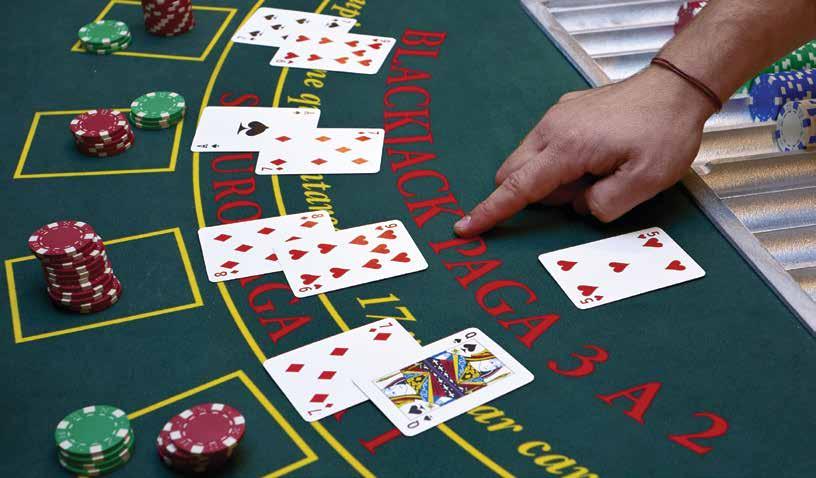
Blackjack stands as one of the most strategic and enduring casino games in the casino. Players around the world still chase that perfect 21 with the same thrill that has captivated gamblers for centuries.
The game’s roots stretch back to 17th-century Europe. Spanish writer Miguel de Cervantes referenced a similar game called “veintiuno” (twenty-one) in his 1601–1602 novella Rinconete y Cortadillo. In the story, characters cheat at a game where the goal is to reach 21 without busting, with the ace counting as 1 or 11. This early version used Spanish decks that sometimes lacked tens, influencing later rules.
By the 1700s, the French embraced “Vingt-et-Un” (Twenty-One), a popular banking game in Parisian salons and at the court of King Louis XV. It likely evolved from earlier European games like Chemin de Fer and possibly Spanish “Trente-un” (Thirty-One) or Italian precursors. French colonists carried variations to New Orleans in the early 1800s, where gambling thrived in legalized halls. The game appeared in the United States by the early 19th century, with the first American rules published in 1825 as a reprint of 1800 English instructions.
The name “Blackjack” emerged in America during the early 20th
century. Casinos promoted a special 10-to-1 bonus for a hand consisting of an Ace and a black Jack (spades or clubs). Even after the bonus disappeared, the catchy name stuck. Some accounts link the term to gold rush mining towns, where “blackjack” also referred to a valuable mineral, adding local flavor to the hand.
Blackjack faced ups and downs. It was banned in France during the Revolution and briefly outlawed in parts of the U.S. in the 19th century. It roared back in the 1930s, especially after Nevada legalized gambling in 1931. The game’s mathematical appeal drew serious
players, and basic strategy charts later helped reduce the house edge.
When states like Mississippi, Louisiana, Illinois, Indiana, and Missouri revived riverboat gambling in the 1990s, blackjack tables became staples. The Alton Belle in Illinois launched in 1991 with table games, and similar vessels in Biloxi, Tunica, and along the Ohio River offered the game to locals and tourists seeking old-school casino action with modern comforts.
One legendary figure was Eleanor Dumont, a French immigrant known as “Madame Mustache.” In the 1850s, she dealt Vingt-et-Un in California mining towns, drawing crowds with her skill and free champagne. Her story highlights how women dealers helped popularize the game in frontier America.
Fun facts abound. Some unverified tales suggest Roman soldiers played a version using numbered wooden
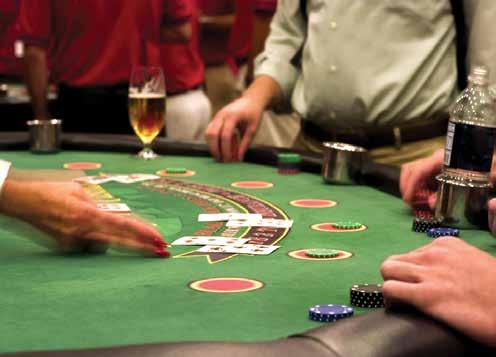
blocks instead of cards. Napoleon reportedly enjoyed Twenty-One during his exile. The game has been banned multiple times yet always returned stronger. Today, variations like Spanish 21 or multi-deck shoes keep it fresh, while card-counting legends (though casinos counter with multiple decks) add mystique.
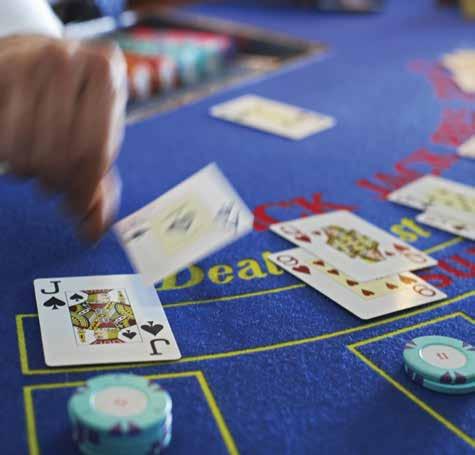
Today, blackjack offers that perfect blend of skill and luck. Basic strategy can lower the house edge to under 1%, making it more playerfriendly than many games. Side bets like Perfect Pairs or 21+3 add excitement for players.
The game’s enduring popularity stems from its accessibility. Newcomers learn quickly, while veterans appreciate the decisions on hitting, standing, splitting, or doubling. Next time you sit down for a hand, remember you’re part of a story spanning continents and centuries—one that began with Spanish storytellers and French courtiers and found its American soul on the Mississippi.
The game continues to thrive because it rewards smart play without eliminating luck. In an era of high-tech slots, the simple deck of cards still delivers timeless tension. For regional players, it’s more than a game—it’s a link to the riverboat era that helped revive struggling river towns in the 1990s. The cards shuffle, the dealer calls “hit or stand,” and the chase for 21 rolls on.
At this point in the tournament there is a better mathematical argument for “getting involved” (making blind steals or coming over the top of others who are presumably making blind steals). But certain players (me, on occasion) like to sit back and let the other players go crazy, and then nail them when they finally do have a nice hand. It just depends on who is at your table, and what they seem to be doing.
A lot of times I will sit back and let other players outplay me for long periods of time, and then “felt them” (bust them, leaving nothing but felt). I let them think they can outplay me, even going so far as folding the best hand more than once when the hand is close, which encourages them to feel comfortable moving in on me; then bang, they’re busted. Many times these days I’m forced to sit back and set the bait, but I will always take what the table gives me, and I’ll raise and reraise when I have good reads (or good hands), or when the table is particularly passive.
So at an aggressive table, I will relax and wait until the aggressive players give me their chips (or outdraw me!). And when I’m at a passive table, I will control the action by making raises and reraises.
An axiom that I love states basically that when you have little money, then take tons of chances, but when you have a ton of money, quit taking chances altogether. In my life I have found that this axiom manifests itself naturally: when I started winning big poker tournaments, I gave up riding motorcycles and piloting small planes. Why take chances now that I had a future? In poker tournaments the same thing has generally been true for me. When I have a ton of chips, then there is no need for me to gamble and take chances by playing weak hands. Status quo is good, protecting chips is better, and having a winning situation come up when you have a big stack--because I waited for it--is the best! So remember to protect your chips when you’re in the lead in a tournament.
On the other hand, when you have no chips, and not too much to lose, then you can take a few chances. I’m not saying that you should go crazy, just that you should make a few all-in moves. For example, with $2,000 left and the
blinds at $200-$400 with a $50 ante, you should be thinking, “I need that $1,050 in ante and blind money!” If I have, say, Q-9 two positions off of the button with no callers, I like moving all-in here better than folding. If I win the pot uncontested, then I move up in chips at least 50 percent, from $2,000 to $3,050. A few welltimed moves like that and your chip position changes quickly.
If you’re still in there late with at least average chip stacks, then whatever you’re doing that day is working. Don’t change it until you reach the final 12 players or so. Stick to what brought you there for the next few levels of play. Pay attention to some of the older players or the more fatigues players, because many of them will become easier to read the later the hour. When players get tired, they will make more mistakes, and will lean too heavily on the very character that makes up their nature.
Some will be fighting all day long to play tight enough, and then suddenly revert to their more natural loose style. Some will be avoiding the over-the-top move that they love, but now they lose their discipline and start coming over the top. Some will simply disintegrate under the pressure-more often than not, that happens somewhere among the final 18 players.
Things change as people smell the big money and the big prize. Disintegrations, fatigue, and loss of effective play all hit about now. It’s like watching the final holes of one of the four golf majors: the pressure is on and the choking begins for many players. But on day one, many times, the goal is simply to make day two. If that was your goal, then keep this in mind. Sometimes, players are so desperate to make day two that they fold an absurd number of hands, and you can make a good number of blind steals to fortify your stack for the final table battle the next day, and the big money. (Remember that the big money goes to only the final three spots in most poker tournaments.)
So you do have to pay attention to making the final table, but be sure to watch for opportunities to steal some extra blinds along the way, as the table goes from 18 players down to 10. If you do go out, then fine. Just make sure you have a good “bad beat” story. Don’t disintegrate!
by PHIL HELLMUTH, JR.
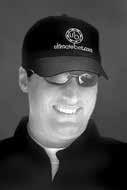
Hellmuth Jr. is an 17time World Series of Poker Champion leading all poker players in the world. He has two New York Times best-seller books — “Play Poker Like the Pros” and “Bad Beats and Lucky Draws”. Phil’s books, blog, tips and more can also be found at PhillHellmuth.com.
This column is an excerpt from Hellmuth’s “Texas Hold ’em,” which discusses playing How to Win a NoLimit Hold’em Tournament.
“when you have little money, take tons of chances, but when you have a ton of money, quit taking chances altogether”
“Folding marginal hands is not losing — it’s preserving bankroll for stronger spots.”
Caribbean Stud Poker is a different kind of casino game. It doesn’t rely on fast decisions, bluffing, or complex strategy trees. Instead, it rewards patience, disciplined hand selection, and an understanding that most of your edge comes from what you don’t play. It’s a game where the rhythm is slow, the decisions are simple, and the temptation to chase big payouts is always sitting right next to you in the form of a progressive jackpot.
Every hand begins with an ante bet, followed by five cards dealt to both you and the dealer (one dealer card is exposed). Your decision is binary: fold and surrender your ante, or raise by doubling your ante to continue.
That simplicity is deceptive. The key question every hand is not “Can I win?” but “Do I have enough to justify continuing against a qualifying dealer hand?” The dealer must have at least Ace-King high or better to qualify, which is a critical part of the math working in your favor.
Solid Caribbean Stud strategy is built around restraint. Most hands should be folded unless you have a clear reason to continue.
As a general guide, you should typically raise with:
• Any pair or better
• Ace-King with at least one additional high card or strong supporting value
• Strong high-card combinations when the dealer’s up card is weak
Everything else is usually a fold. The biggest mistake recreational players make is calling too often with weak high cards, hoping the dealer “misses.” Over time, that hope is expensive.
Caribbean Stud carries a house edge often around 5% when played poorly, but disciplined strategy can reduce it closer to
the 2–2.5% range depending on rules and progressive contributions.
The edge comes primarily from two factors: the forced raise structure and the fact that you only see one dealer card. That uncertainty means you are frequently playing behind in equity unless you’re selective.
The game rewards patience far more than aggression. Folding marginal hands is not losing—it’s preserving bankroll for stronger spots.
The progressive jackpot is the loudest attraction on the table. A small side wager can unlock life-changing payouts for rare hands like a royal flush.
But this is where discipline gets tested. The side bet typically carries a very high house edge, often well into double digits. It is entertainment first, strategy second.
Many experienced players treat it as an optional “lottery ticket” rather than a core part of their plan. The key is understanding that the base game and the side bet are not the same experience—or the same math.
Caribbean Stud is a game of frequent small losses and occasional meaningful wins. Because you’re often folding, it can feel like nothing is happening for stretches of time.
That’s normal.
Set a session budget and accept that folding is part of winning. Avoid increasing raise frequency out of boredom. The most common bankroll drain in this game isn’t bad luck— it’s impatience.
Caribbean Stud rewards selectivity over action. The fewer weak hands you play, the more your strong hands matter. Stick to disciplined raises, respect the math, and don’t chase the progressive as a primary strategy.
In the end, it’s not about playing more hands—it’s about playing the right ones.
Craps looks chaotic, sounds loud, and moves fast—but for savvy players, it’s one of the most beatable games on the casino floor from a house-edge perspective. The cheers after a hot roll and the collective groan on a sevenout are all part of the appeal, but beneath that energy is a game driven by math. Strip away the noise, and you’ll find a handful of bets that consistently give players the best chance to stretch their bankroll.
Every smart craps session begins with the Pass Line (or Don’t Pass, if you prefer betting against the shooter). The Pass Line carries a low house edge of about 1.41%, making it one of the most efficient wagers in the casino. It’s straightforward: win on a natural (7 or 11), lose on craps numbers (2, 3, 12), and otherwise ride the point. It keeps you aligned with the table’s momentum and sets up the most important part of a winning approach.
Once a point is established, you can back up your Pass Line bet with odds—and this is where craps truly shines.
Odds bets carry zero house edge, paid at true mathematical probability. That’s virtually unheard of in a casino setting. Whether the point is 4, 5, 6, 8, 9, or 10, the payouts reflect actual odds, not inflated ones.
The more odds you take, the more you reduce the overall house edge on your total wager. Even doubling your odds makes a difference; taking maximum odds is where disciplined players gain a real edge over time.
Want to build on a solid foundation without getting complicated? Add Come bets.
Come bets act just like a new Pass Line bet after the point is established. They travel to a number and allow odds, meaning you can
create multiple low-edge positions across the board. This spreads your action and keeps you engaged in every roll without sacrificing smart play.
For experienced players, a table with several Come bets working (all backed with odds) is where craps becomes both strategic and highly engaging.
The center of the table is designed to grab your attention—and your chips.
Proposition bets, hardways, and single-roll wagers offer flashy payouts, but they come at a steep cost. House edges often range from 9% to over 16%, turning them into long-term losing plays.
They’re fine for occasional fun or a quick adrenaline spike, but seasoned players know these bets should never be the core of your strategy. Discipline means knowing when to pass.
Even the best bets can’t eliminate variance. Craps is streaky by nature—hot shooters can carry a table, while cold tables can drain chips quickly.
Set a session budget before you step up to the rail. Keep your base bets consistent, and scale your odds based on comfort—not emotion. Avoid chasing losses with riskier bets, and don’t abandon a sound strategy during shortterm swings.
Craps rewards players who keep it simple and trust the numbers. Stick to the Pass Line, back it with odds, and use Come bets to expand your action intelligently.
Do that, and you’re not just caught up in the excitement—you’re playing one of the most player-friendly games in the casino with a clear, disciplined edge.
“Stick to the Pass Line, back it with odds, and use Come bets to expand your action intelligently.”
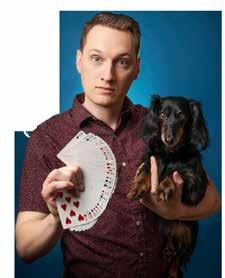
MAY | 8PM
MAY 2: TITUS GILLARD BAND (BLUES)
MAY 9: CHAD MARSHALL (BLUES)
MAY 15: KARAOKE NIGHT
MAY 16: LADY MALANA (R&B/SOUL)

MAY 22: STEVIE J BLUES (BLUES)
MAY 23: FEVER DREAM (VARIETY)
MAY 29: KARAOKE NIGHT
MAY 30: LEE DENTON & THE DREAM TEAM (POP/ROCK)

Shows start at 9pm


Defending Champion: Oklahoma City Thunder won 4 games to 3 over the Indiana Pacers
Team May March January November
Oklahoma City Thunder 2/1 2/1 2/1 3/1
Boston Celtics 6/1 15/1 N/A N/A
San Antonio Spurs 6/1 15/1 N/A N/A Denver Nuggets 10/1 6/1 8/1 7/1 Cleveland Cavaliers 15/1 13/1 21/1 8/1
New York Knicks 19/1 13/1 13/1 11/1
Detroit Pistons 19/1 15/1 26/1 N/A
*All others are higher than 30/1
**Odds courtesy of Vegasinsider.com in April 2026
Defending Champion: Los Angeles Dodgers beat the Toronto Blue Jays 5-4 in Game 7. Team May
Los Angeles Dodgers 2/1
New York Yankees 9/1
Seattle Mariners 13/1
New York Mets 17/1
Philadelphia Phillies 17/1
Toronto Blue Jays 19/1
Chicago Cubs 23/1
Atlanta Braves 19/1
Detroit Tigers 21/1
Baltimore Orioles 23/1
Texas Rangers 23/1
Boston Red Sox 26/1
Milwaukee Brewers 25/1
*All others are higher than 30/1
**Odds courtesy of Vegasinsider.com in April 2026

Defending Champion: Seattle Seahawks beat the New England Patriots 29-13 Team May
Los Angeles 8/1
Seattle Seahawks 10/1
Buffalo Bills 11/1
Baltimore Ravens 11/1
Kansas City Chiefs 16/1
Green Bay Packers 17/1
San Francisco 49ers 17/1
San Diego Chargers 17/1
Philadelphia Eagles 17/1
Detroit Lions 17/1
Denver Broncos 19/1
New England Patriots 19/1
*All others are higher than 30/1
**Odds courtesy of Vegasinsider.com in April 2026
Defending Champion: Indiana Hoosiers Beat the Miami Hurricanes 27-21
Team
May
Ohio State Buckeyes 7/1
Indiana Hoosiers 8/1
Notre Dame Fighting Irish 8/1
Texas Texans 8/1
Oregon Ducks 8/1
Georgia Bulldogs 11/1
LSU Tigers 16/1
Miami Hurricanes 14/1
Texas Tech Red Raiders 16/1
Alabama Crimson Tide 16/1
Ole Miss Rebels 26/1
Michigan Wolverines 26/1
*All others are higher than 30/1
**Odds courtesy of Vegasinsider.com in April 2026


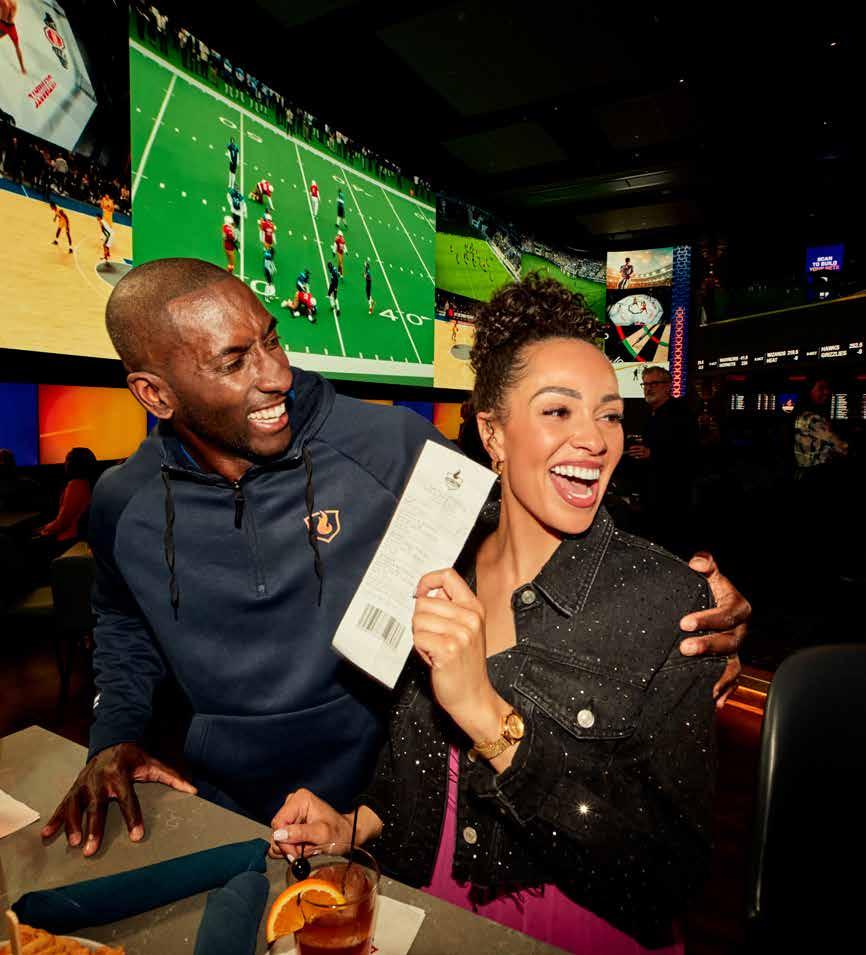
Your playbook isn’t complete without a trip to Potawatomi Casino Hotel Milwaukee. Games galore, diverse dining options, best-in-class sports betting, a 19-story luxury hotel and more—it’s all at here. The Midwest plays at Potawatomi.