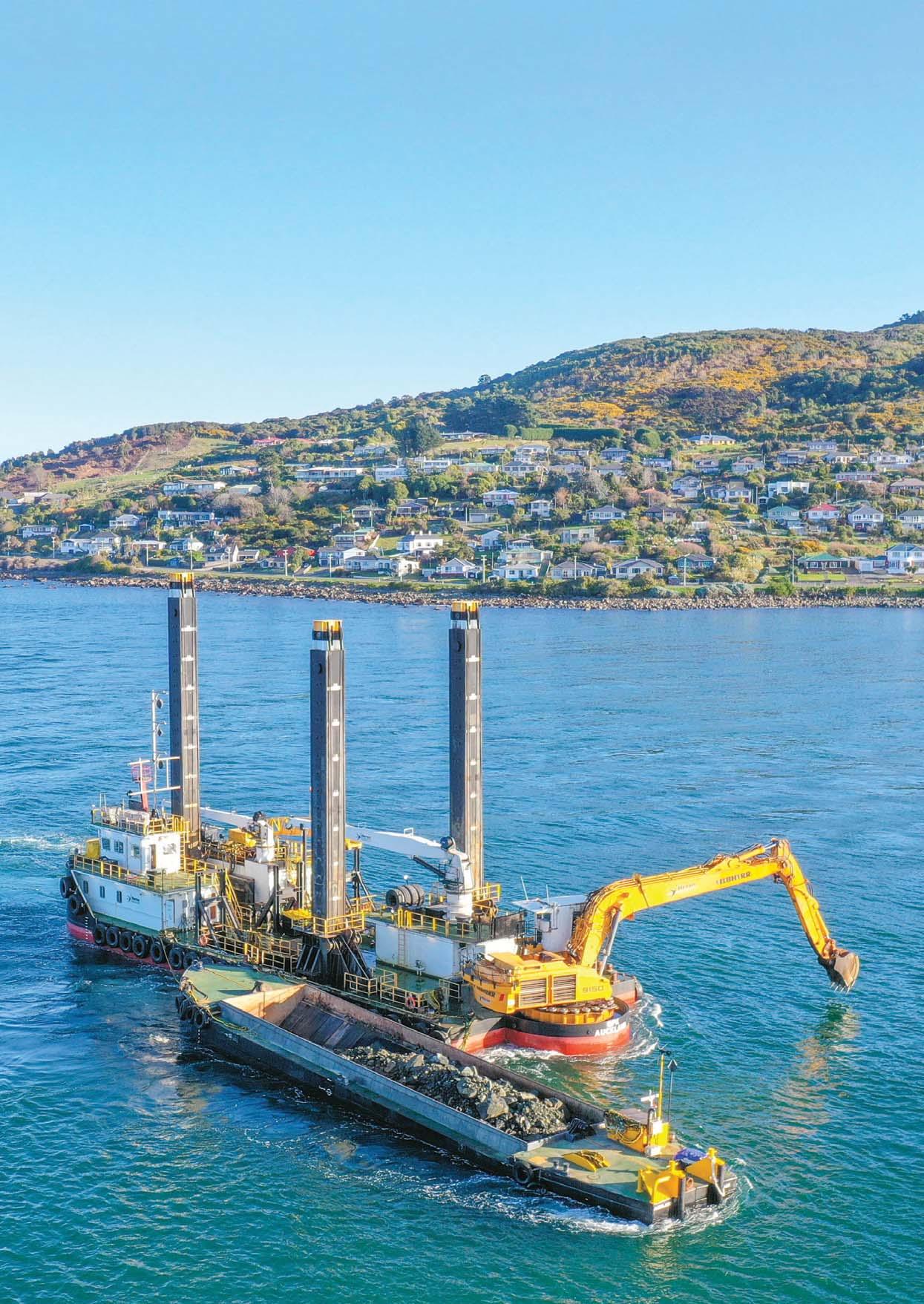
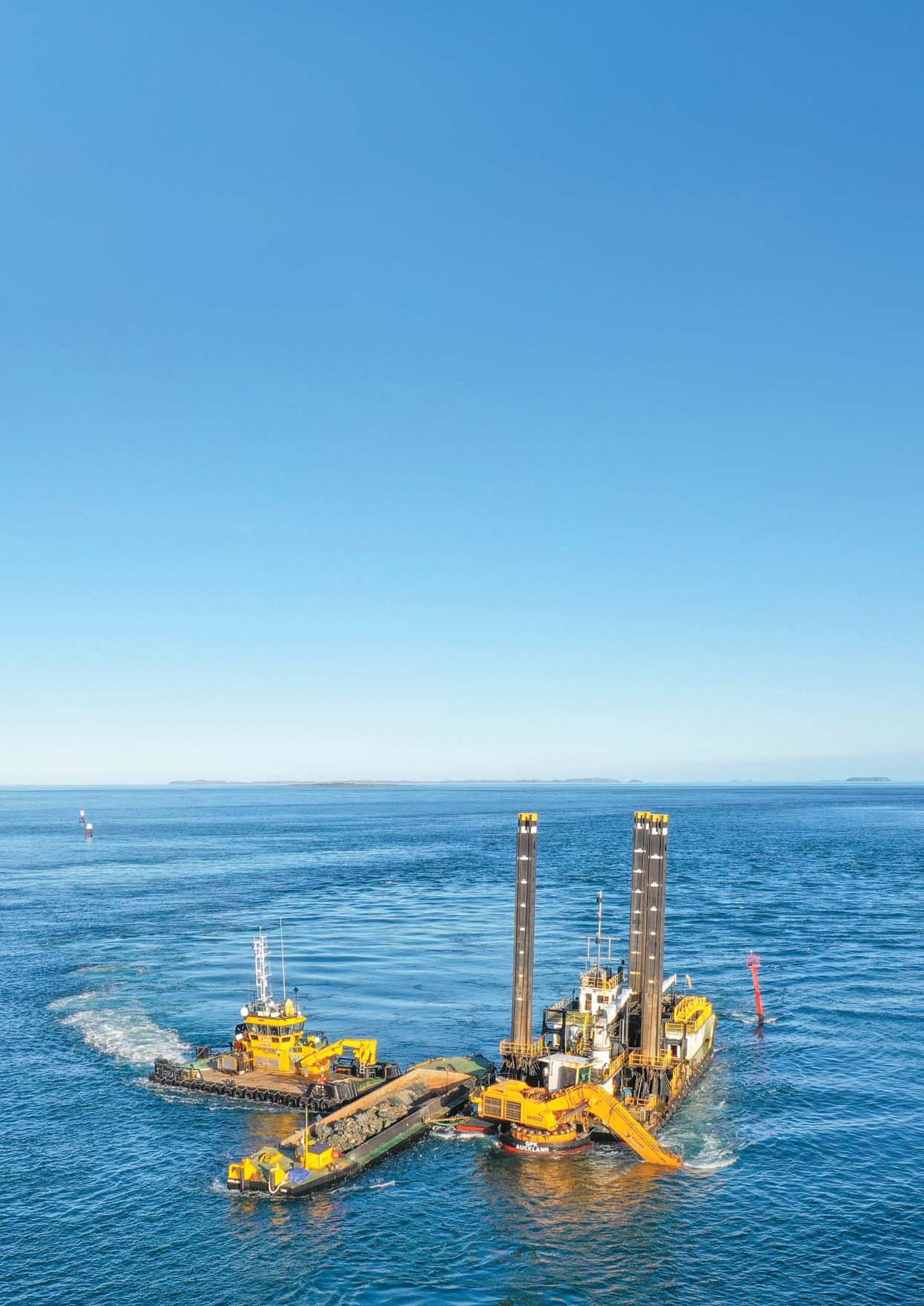
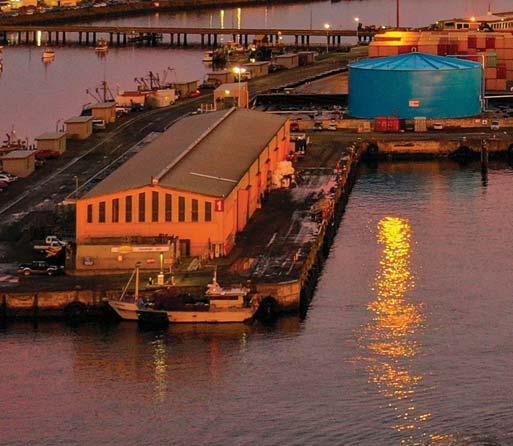
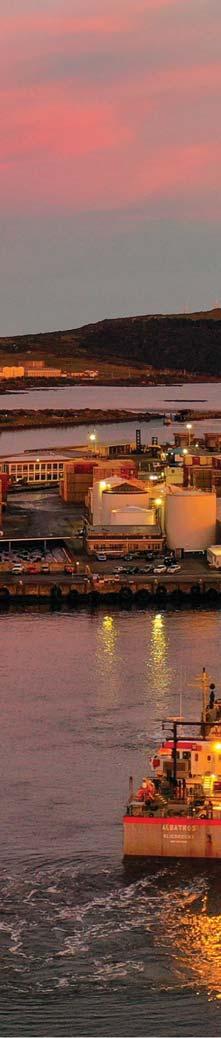
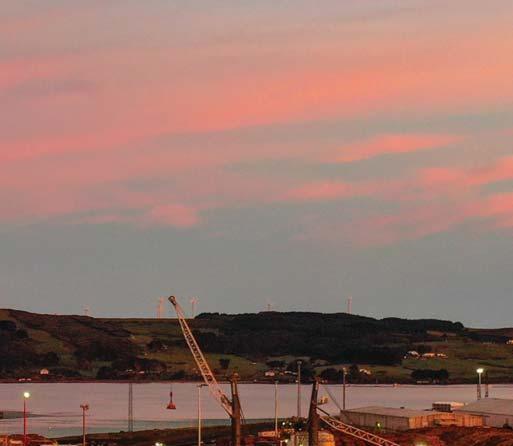
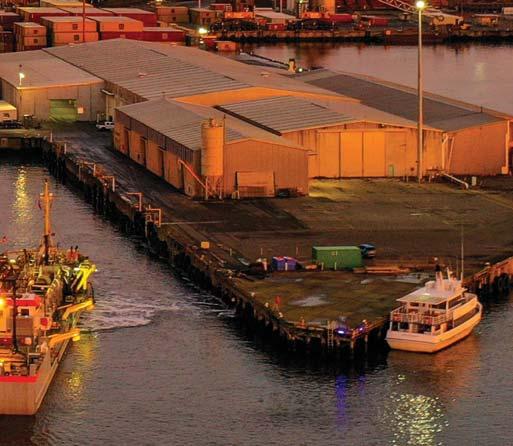
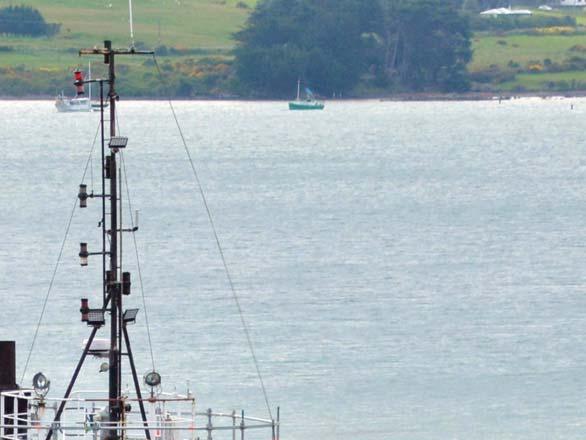
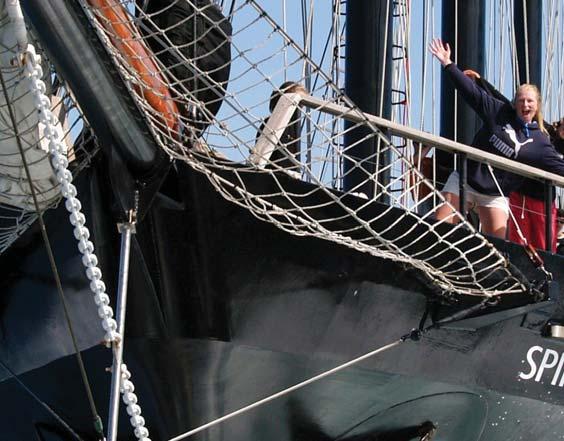
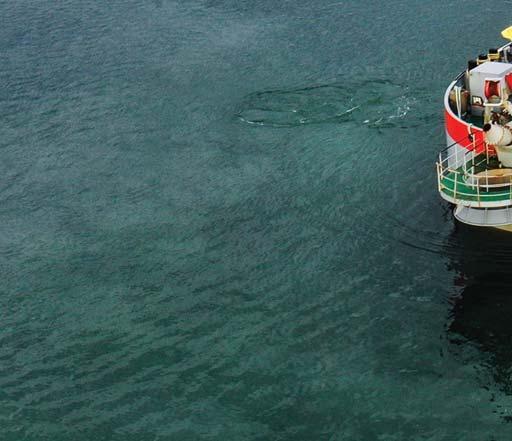
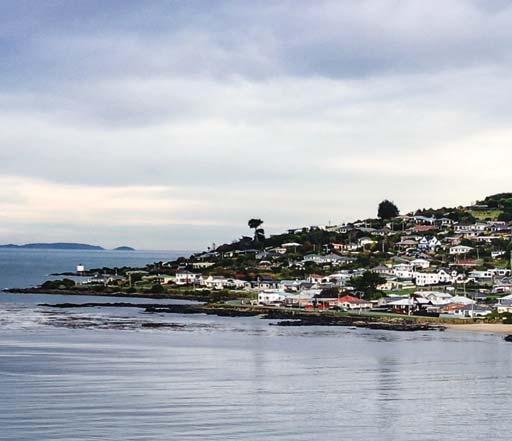
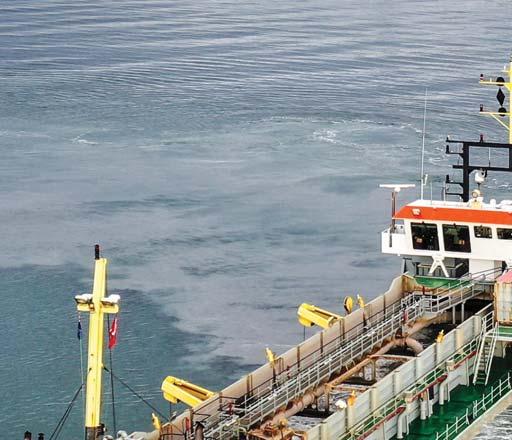
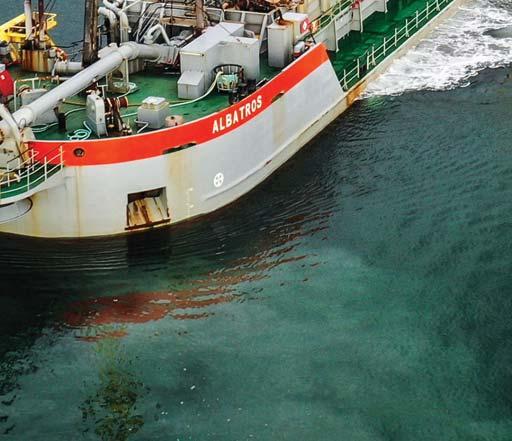
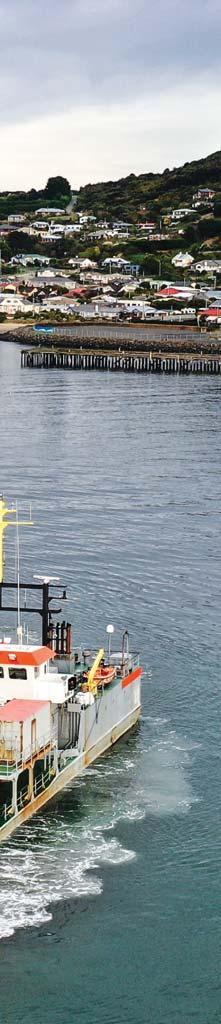
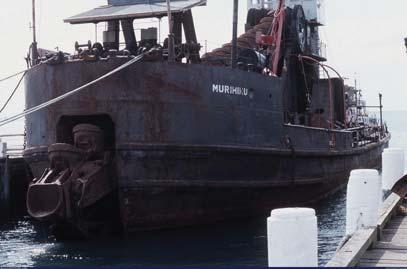
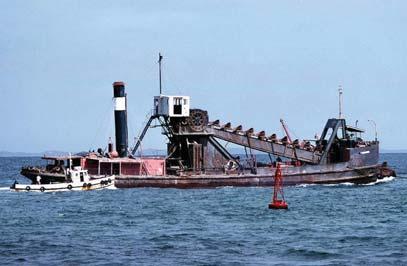
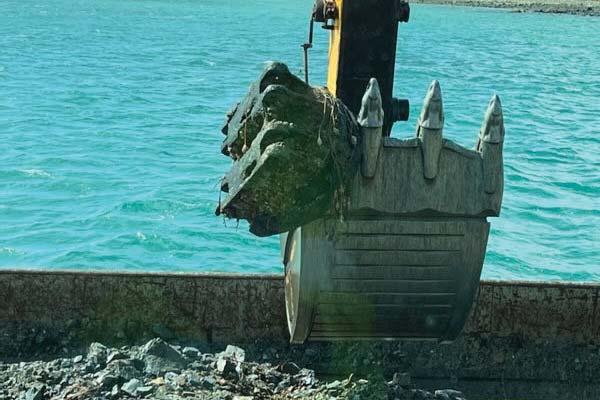
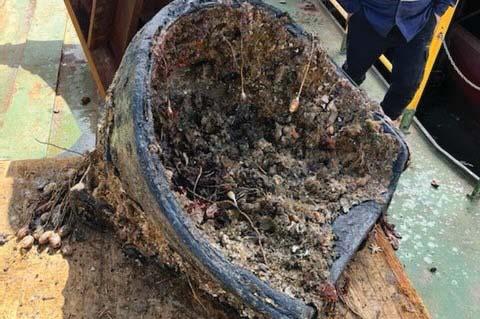
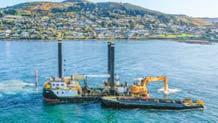
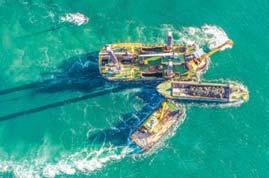
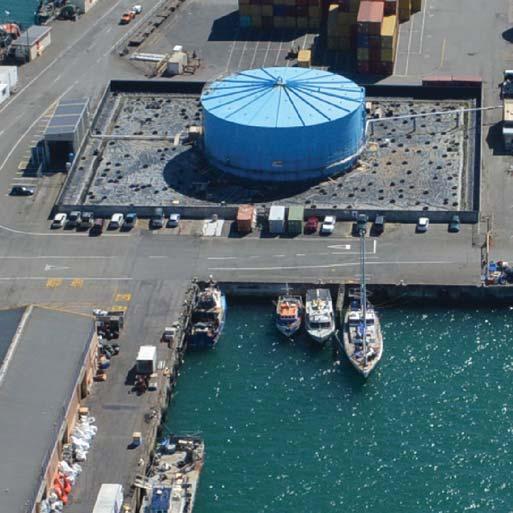
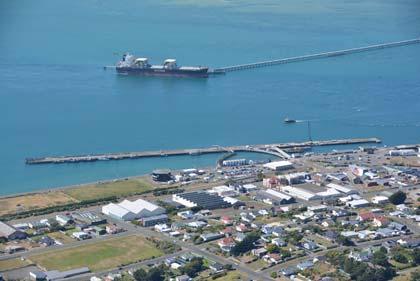
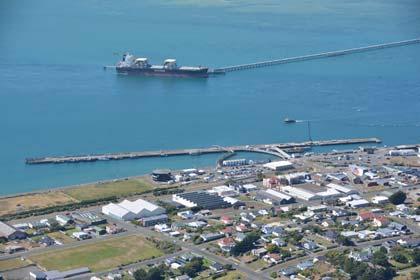
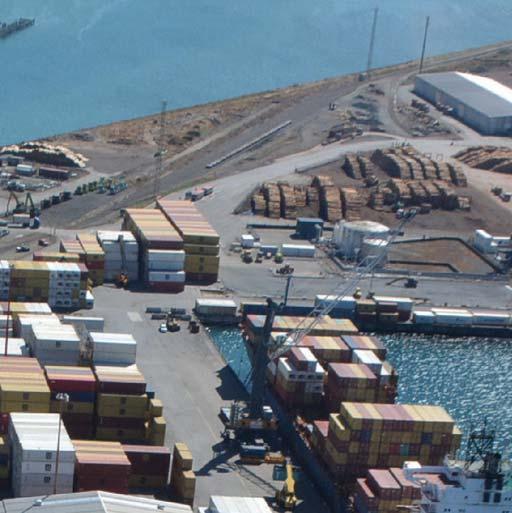
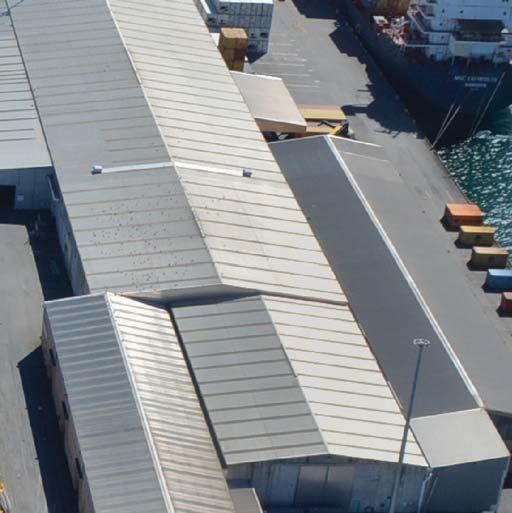
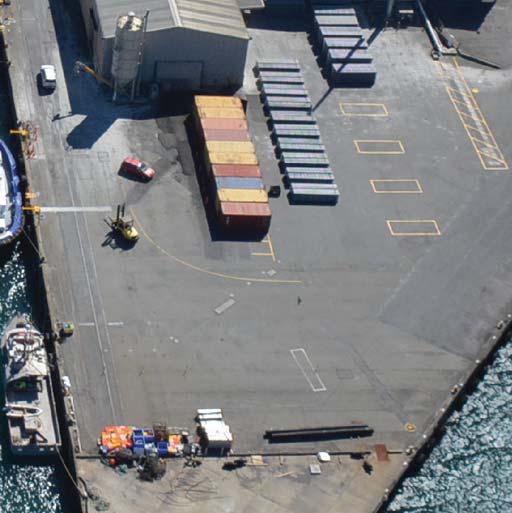
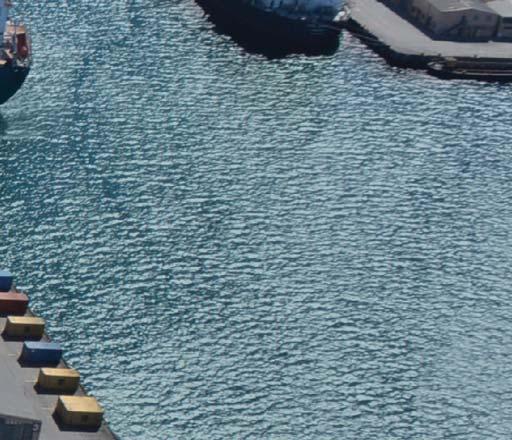
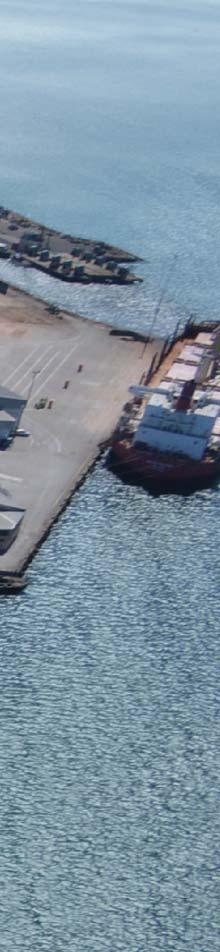
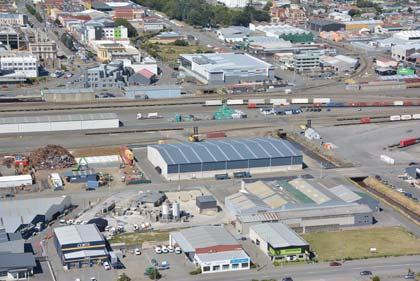
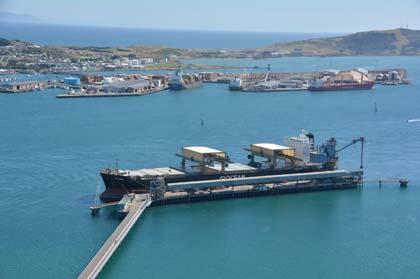
GPK De Donge ‘B’ Type backhoe dredger, operated by Heron Construction Company Ltd, while maintenance dredging in Bluff, August 2022.
The following provides readers with a snapshot of the most significant events for the year ended 30 June 2023.
This includes larger capital projects, financial performance, and company milestones.
Strategy
F C AC HE
TO FACILITATE THE BEST LOGISTIC SOLUTIONS FOR THE REGION
o rv eh p u s s N T TI ange s go sit t at to m land n
Company Profile
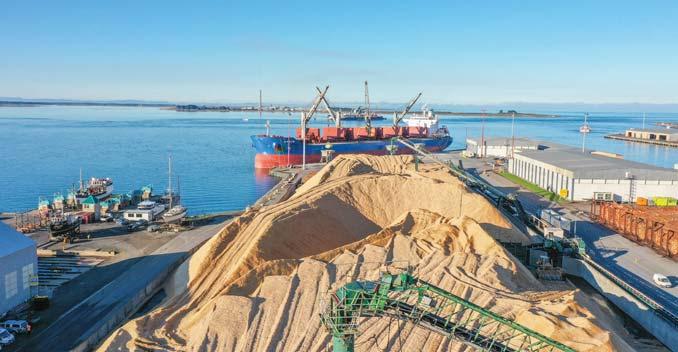
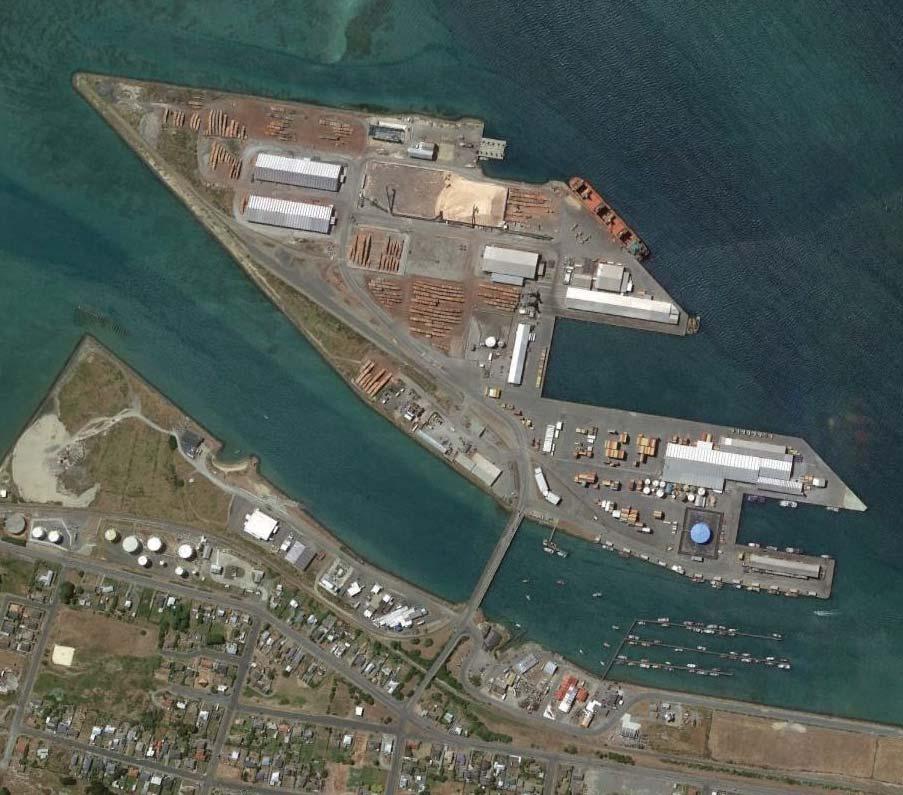
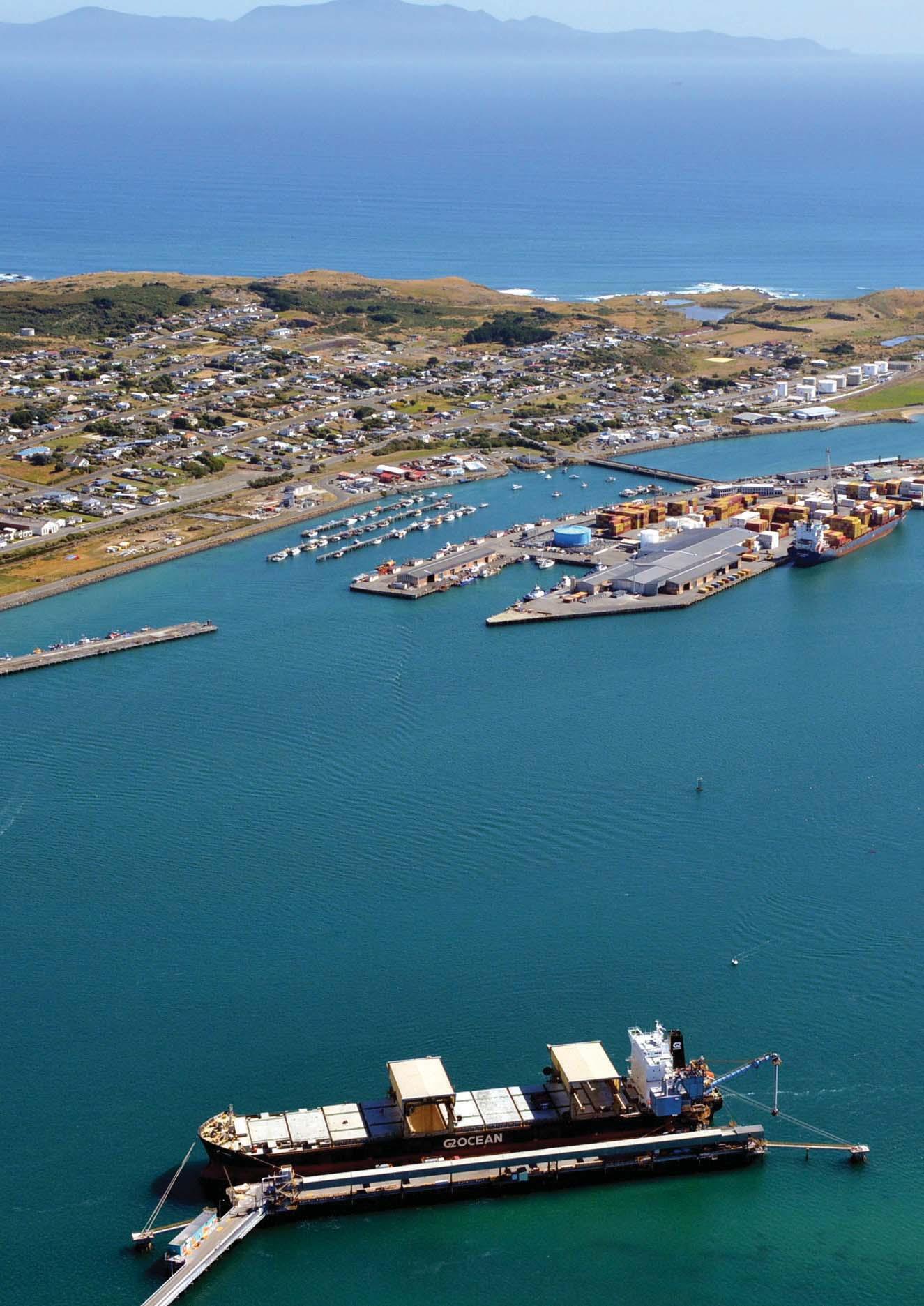
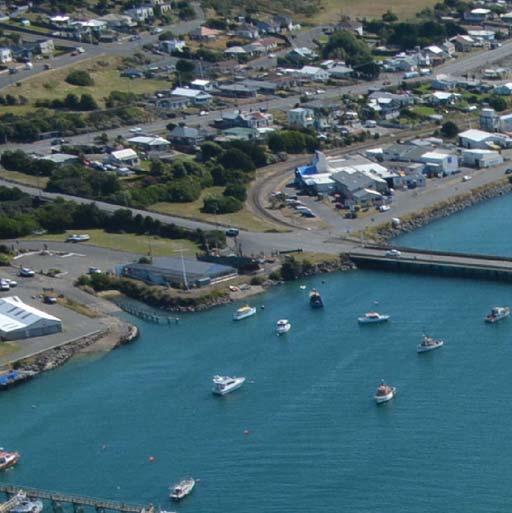
South Port New Zealand Limited (South Port) is the southernmost commercial port in New Zealand, located at Bluff and operating on a year-round, 24-hour basis. It is situated in the rich productive province of Southland, responsible for generating a sizeable proportion of New Zealand’s total exports by value. The region’s major cargoproducing sites are situated within 30km to 80km of the Port.
South Port was listed on the NZ Stock Exchange (NZX) in 1994 and has Environment Southland, the region’s local government environmental agency, as its 66% majority shareholder.
t a, a y
The Port is proud to provide a full range of marine services, cargo and container shipping, and on-site warehousing for both domestic and international customers. It is ideally situated to service Southland’s significant export and import industries including aluminium, timber, fisheries, dairy, meat byproducts, woodchips, stock food, cement, alumina, fertiliser, and petroleum products.
The Port of Bluff has been operating since 1877, while the Company was formed in 1988, having taken over the assets and liabilities of the former Southland Harbour Board.
South Port established its off-port Intermodal Freight Centre (IFC) in July 2016. Strategically located adjacent to the KiwiRail railhead in Invercargill, the IFC allows importers and exporters in the Southland and Otago regions to distribute their products promptly and efficiently.
r d m d da e nific t e cts, woo s, l d i p ce
o rs, d h rt pri
South Port prides itself on adding value to its import and export customers, providing customised solutions to meet their needs, and partnering with them to achieve their operational objectives.
with th ds o th in ei eir
Strategic Focus
In all activities the Company will ensure a safe workplace is provided, employee wellbeing is enhanced, the physical environment is respected and cultural impacts are assessed. This aspect of the strategy requires the Company to deliver continuous improvement and active engagement in these areas.
Protect existing trade and develop growth opportunities.
Strengthen and extend existing New Zealand port relationships/alliances and position the business for potential future sector rationalisation.
Develop and/or influence optimal logistic solutions with port linkages.
Optimise shareholder value and reinvest in our business.
Evaluate and acquire appropriate technology to enhance, protect and expand our core business.
Infrastructure, fit for purpose, whole of life. Available, flexible, and resilient, with acceptable returns.
Owns and manages assets which have a book value of
Directly employs 124 permanent staff and utilises additional fixed-term and casual staff to support our marine activities and seasonal operations.
Is the only Southland-based company listed on NZX – market capitalisation as of 30 June 2023 equated to $195 million.
$195
Handles more than 3.5 million tonnes of cargo in a normal trading year.
Operates a separate dedicated fuel berth at Bluff Town Wharf plus provides the Tiwai Wharf facility to the New Zealand Aluminium Smelter (NZAS) under a long-term licence.
Has split its land-based operating resource into four main divisions –dairy warehousing, containers, cool and cold storage, and general cargo. 1 2 3 4
Owns and operates an off-port container packing/unpacking facility adjacent to the KiwiRail railhead at Mersey Street, Invercargill. The 8,000m2 site houses a 4,000 m2 customscontrolled and MPI transitional facility. 8,000
Offers full container, break bulk and bulk cargo capability, and services the following main cargoes:
IMPORT – alumina, petroleum products, fertiliser, acid and stock food.
EXPORT – aluminium, timber, logs, dairy, meat by-products, fish and woodchips.
Has approximately 0.5 hectares of on-port land available for further port development or industry establishment.
0.5
HECTARES
Undertakes its primary port operation on a 40-hectare man-made Island Harbour situated at Bluff. 40 HECTARE
Services vessels carrying approximately 1 million tonnes of cargo destined for movement across the Tiwai Wharf each year, of which three quarters are raw material imports, while one quarter is finished aluminium product.
Financial Highlights
NET PROFIT AFTER TAX $11.71m 8.7% on previous year $12.83m
DIVIDENDS DECLARED PER SHARE 27.00c = Same as previous year 27.00c EARNINGS PER SHARE 44.6c 8.7% on previous year 48.9c
on previous year $21.15m RETURN ON SHAREHOLDERS’ FUNDS 20.3%
on previous year 24.5%
Key Statistics
33.9
Gross container moves per hour
349
41,700
20 foot container equivalents
10,300
Breakdown of Cargo
436,000
2,794,000
249,000
Comparative Cargo Breakdown
Noteworthy Events
1.NPAT of $11.71 million (2022 - $12.83 million), an 8.7% decrease from last year.
2.Normalised profit of $11.50 million (2022 - $11.16 million), a 3% increase from last year.
3.Total cargo of 3.48 million tonnes (2022 - 3.55 million tonnes), a 2% decrease from last year.
4.A 9% increase in container vessel calls at the Port; however, still not back to pre-COVID levels.
5.Total container volumes were down 4% on the previous year, a direct result of the disruption in the New Zealand container supply chain.
6.Rio Tinto continues to negotiate a potential pathway for NZAS to operate and contribute to the local and national economies beyond 2024.
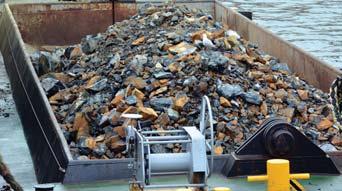
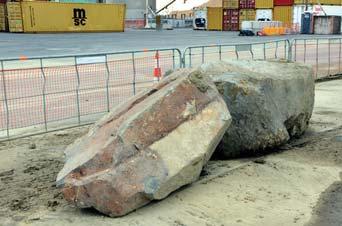
7.A deemed consent from the 1980s was executed, with fragmented rock in the entrance successfully removed from a previous drill and blast exercise.
8.Consent was issued for project Kia Whakaū.
9.Total log volumes exported through the port were up 9% from the previous year.
10.Total stock food imports were down 15% from the previous period.
11.A full-year dividend of 27.0 cents was maintained (2022 – 27.0 cents).
12.A four-year project to install impressed current cathodic protection systems on the Island Harbour access bridge has been successfully completed.
13.Meridian Energy, with the support of Ngāi Tahu, selected Woodside Energy (Woodside) as the preferred partner to move forward to the development stage of the proposed Southern Green Hydrogen (SGH) project.
14.The new Town Wharf accessway, pipeline corridor, and discharge platform was opened in November 2022 and has since won several local and national construction awards.
15.Construction of the hardstand for the South Rail log storage yard is complete and operational.
16.Development of a new hardstand on the Island Harbour for the storage of wind farm equipment.
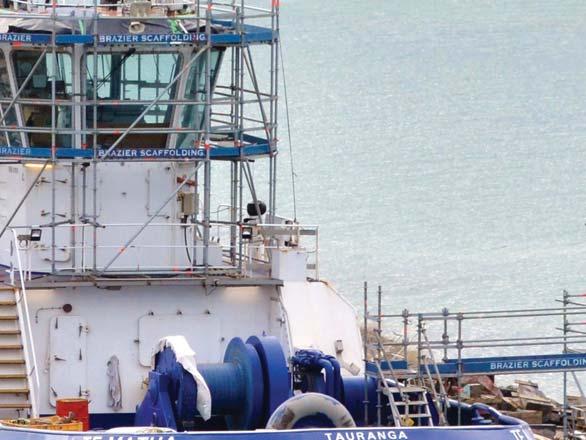
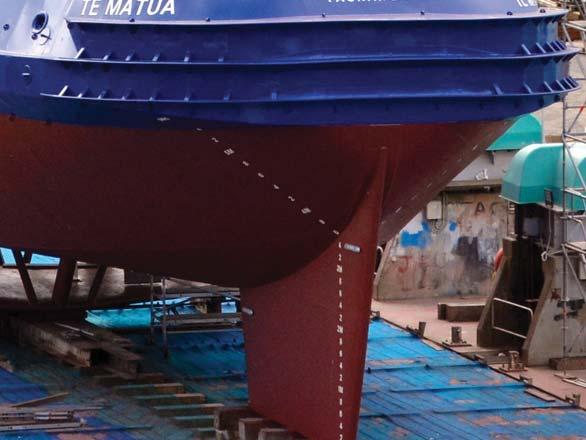
17.Successful docking of tug Te Matua completed.
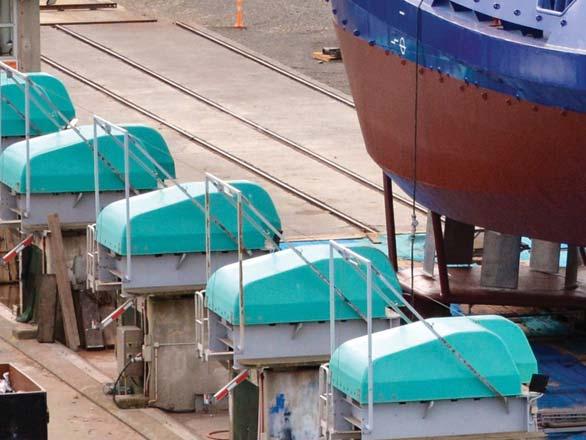
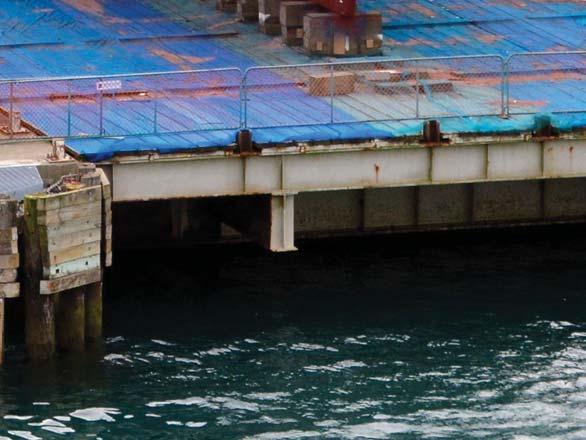
18.The dry dock syncrolift underwent a major upgrade.
19.The Murihiku Aquaculture Group is working closely with Ngāi Tahu Fisheries and Sanford on the establishment of Open Ocean Aquaculture in the southern region.
20.The first community survey was carried out in the Bluff township.
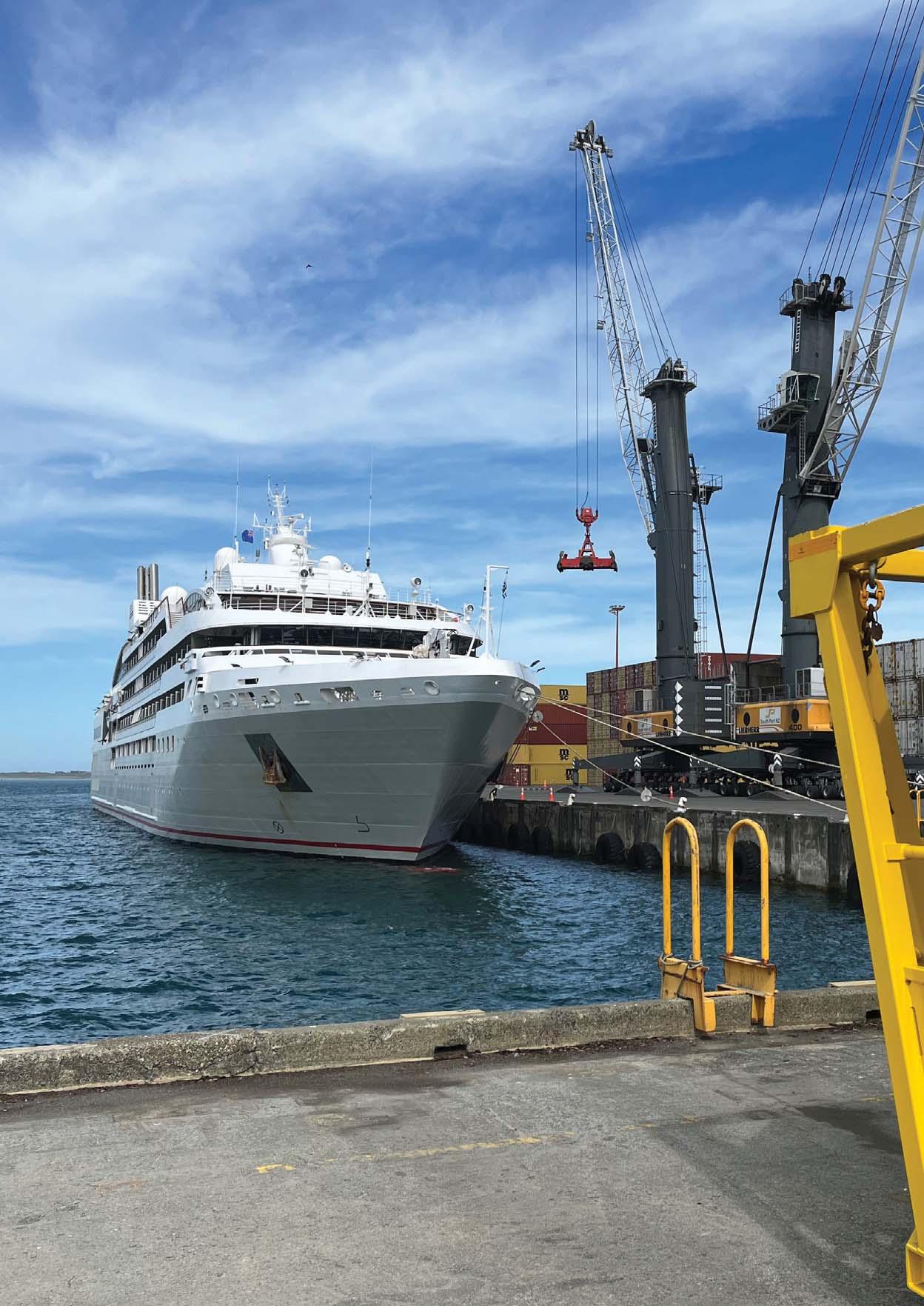
21.Cruise activity began again in Fiordland, with a number of these vessels also calling at Bluff.
22.Significant improvements were made to the container terminal, to improve the safety of the operation.
23.South Port appointed an intern director for the first time, to help grow governance expertise in the region.
24.The first stage of Kaiwera Downs cargo was received at the Port.
25.A section of the Town Wharf was opened to the public for recreational use.
The Year in Review
Welcome to South Port’s Annual Report for the financial year ended 30 June 2023.
Review of Operations
Overview and Cargo
The Company recorded an after-tax profit of $11.71 million (2022 - $12.83 million), an 8.7% decrease on last year’s result, but ahead of the guidance provided in our 2023 Interim Report. This result has been influenced by a 2.0% decrease in cargoes being handled through the Port, at 3,479,000 tonnes (2022 – 3,554,000 tonnes).
Normalised profit was $11.50 million (2022 - $11.16 million), a 3% increase on last year, and a record for the Port.
This is an excellent result, taking into consideration the decrease in cargo volumes through the Port.
This is an excellent result, taking into consideration the decrease in bulk cargo volumes, which were down by 2.5% at 3,043,000 tonnes (2022 –3,123,000 tonnes), led by decreases in fertiliser, stock food, and woodchip volumes imported and exported through South Port.
These decreases were balanced out by a 9% increase in logs, at 720,000 tonnes (2022 – 659,000 tonnes).
The Mediterranean Shipping Company (MSC)’s “Capricorn” container service calling at the Port continues to be disrupted, with 38 calls recorded for 2023 (2022 – 35 calls). This is still significantly down from pre-COVID levels of 52 calls per annum and is reflected in the volumes being handled at the Port at 41,700 TEU (2022 – 44,000 TEU).
The recent trend of greater tonnage being handled per container has however continued, with a 6% increase this year compared with a 2.5% increase recorded in 2022. This reflects better utilisation of containers being handled through Bluff, promoting efficiencies in the supply chain and improved environmental outcomes.
The marine division has had a productive year, with a 14% increase in activity at 349 vessel calls for the Port (2022 – 305 calls). This was reflected in a 26% increase in small vessels, and an 11% increase in large vessels calling at the Port.
Infrastructure spend was down 13% on 2022, as was forecast and signalled by the Company at the last AGM.
The warehousing division continues to perform well, providing an important service supporting the supply chain, especially for the MSC container service calling at the Port.
The warehousing division is split into two distinct units – the dairy operation and cold storage operation. The dairy operation services the products manufactured at the Open Country Dairy facility at Awarua, and the cold store operation services the fishing and meat industries in the region.
Rex Chapman, Board Chair
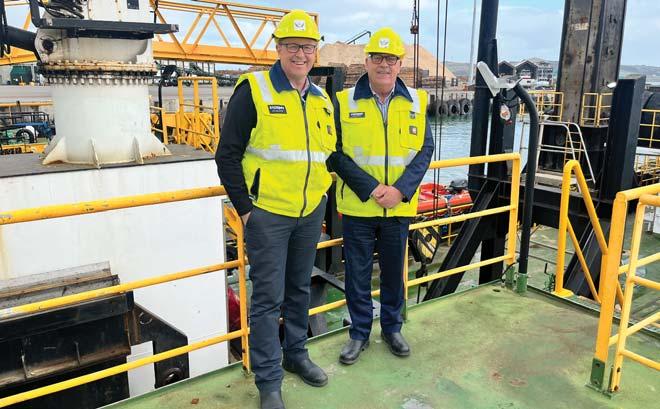
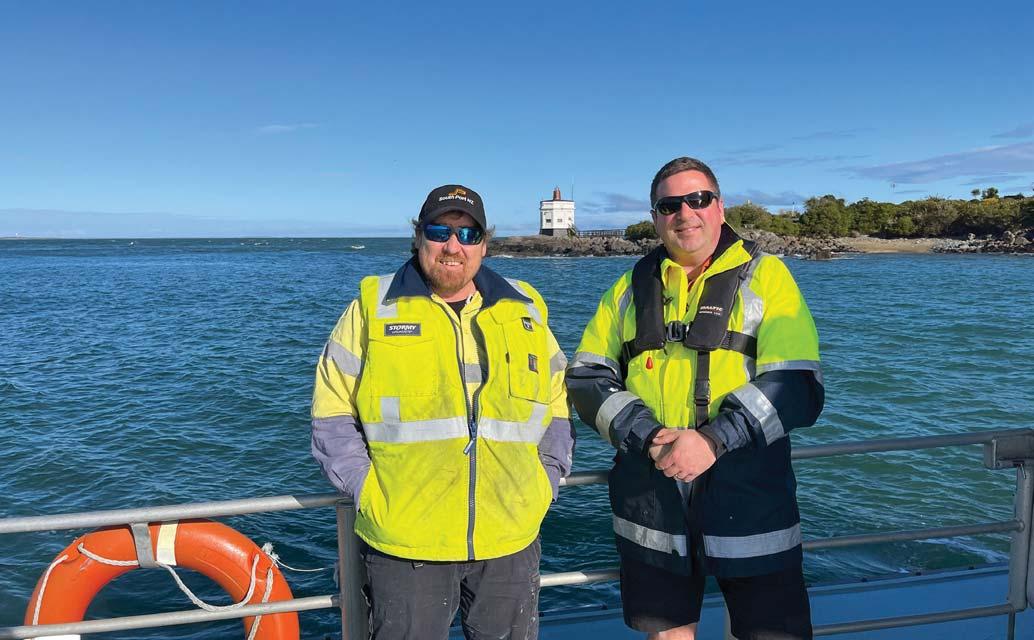
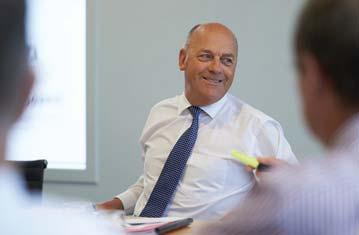
Nigel Gear, Chief Executive (left), and Rex Chapman, Board Chair (right), aboard the Heron Construction GBK Backhoe Dredge.
Safety, Health and Wellbeing
The Port Health and Safety Leadership Group was established in 2022, consisting of port companies, unions, stevedoring companies, and regulators consisting of WorkSafe and Maritime New Zealand.
The vision of the working group is to create a ‘high-performing, resilient port sector where people thrive, and worker health and safety is prioritised through high-trust, tripartite collaboration.’
There have been several actions undertaken since the establishment of this group, including gathering data from each port on the incident and near-miss activity, and the release of a fatigue risk management good practice guideline. Further work is now underway on an approved code of practice for stevedoring.
At a local level, the decision by the Company to demolish shed 6 in 2022 and expand the container terminal has provided significant gains in the safety of this operation. This expanded area has allowed the container repair function to be separated from the container terminal providing a safe space for the third-party contractors performing this function.
Further improvements have been made to the terminal area including controlling access through the installation of wind alarms, designated walkways, and better lighting to help keep people and plant separated.
As mentioned last year, the Port can see upwards of 1,000 vehicle movements through the entry gate each day. A large proportion of these movements are third-party vehicles, therefore processes such as inductions, policies, and transport management plans play an important part in the education and control of access at the Port. Collaboration between all parties is essential, therefore regular forums involving port users and contractors play an important role in sharing information and improving safety.
Marine Operations
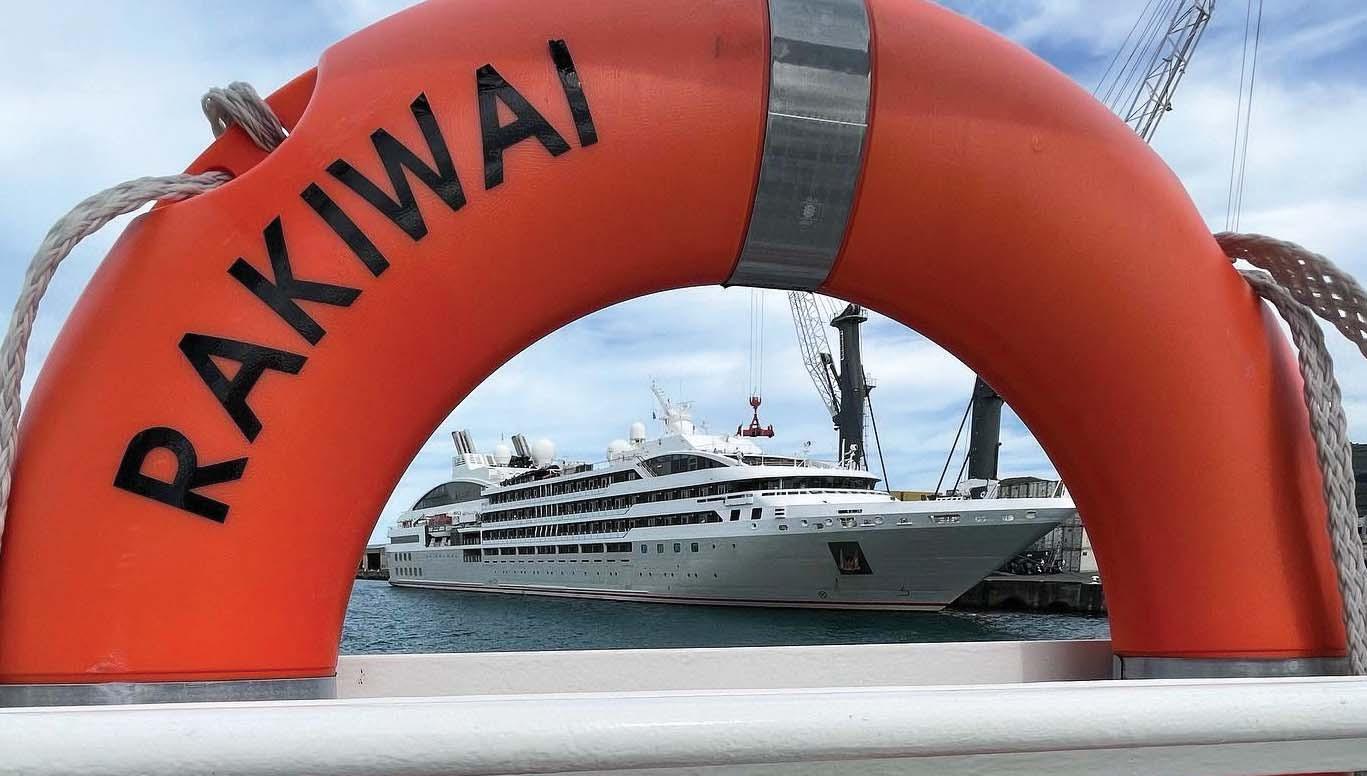
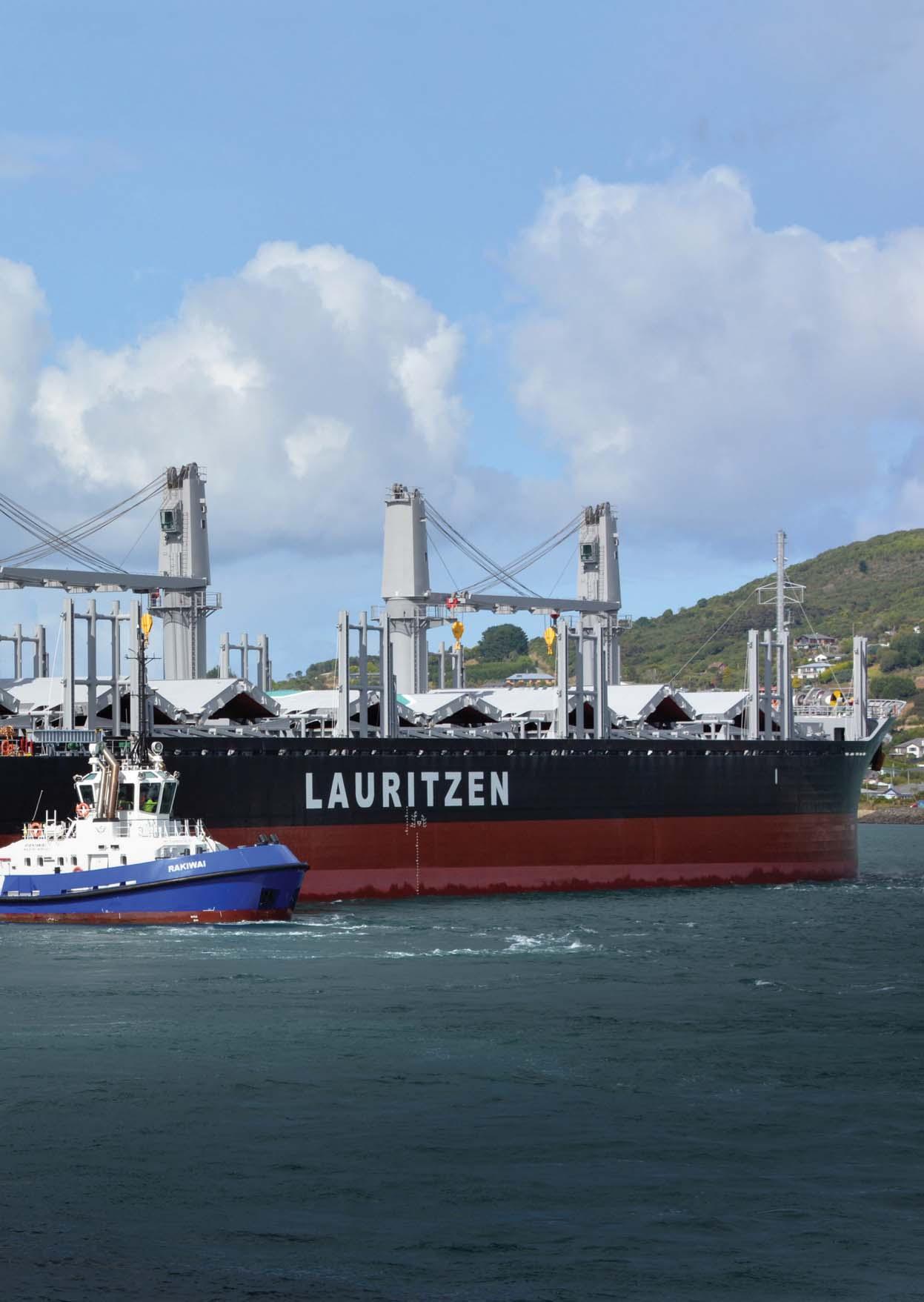
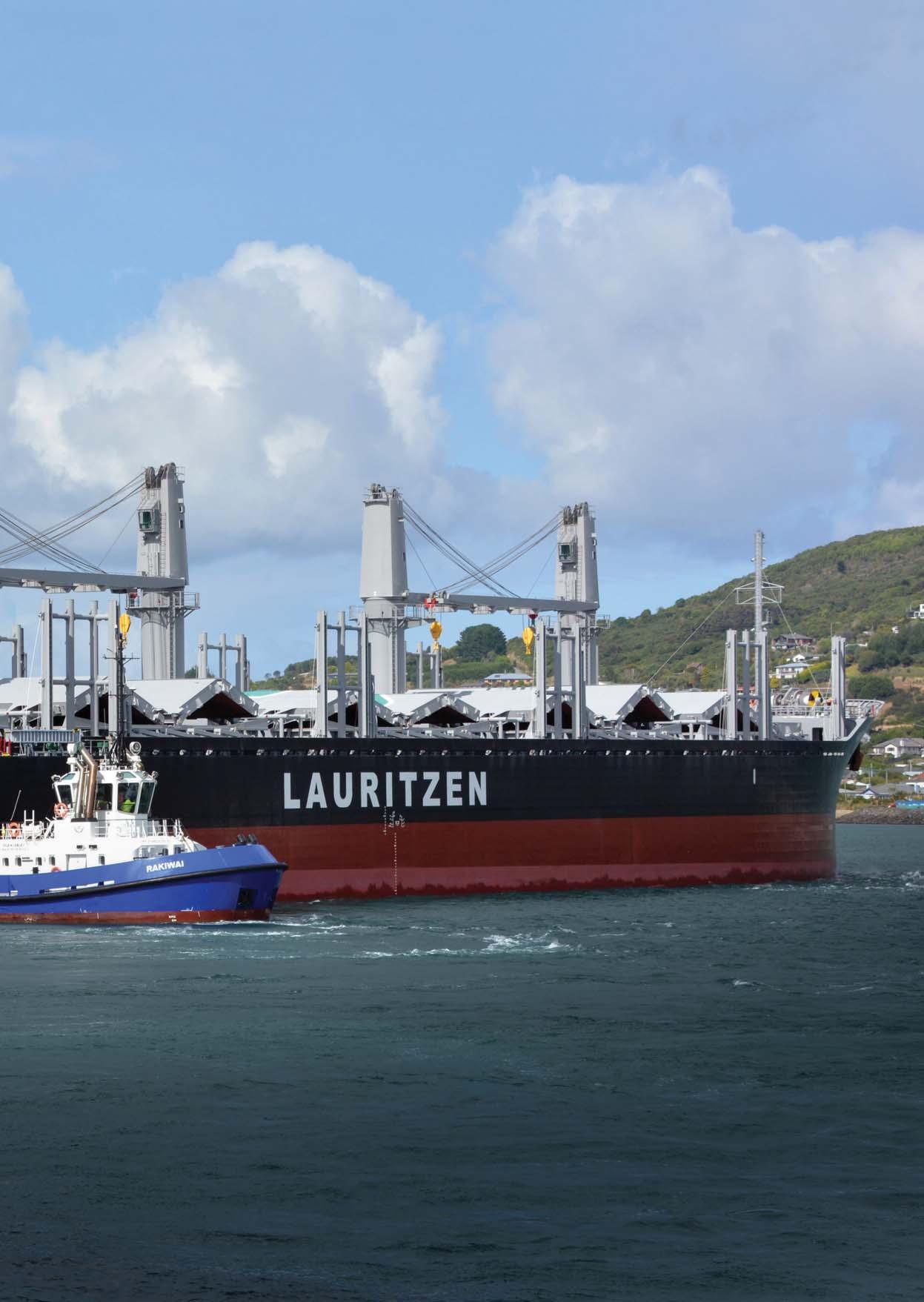
The "Rakiwai," our 65-tonne bollard pull ATD Tug, has been in operation for just under two years now and has become an important part of our shipping movements in and out of the Port.
Typically, in the past the Port has operated a two-tug model, therefore the “Hauroko,” our oldest tug, was due to be sold this past year. The decision was made, however, to retain it as a third tug, to provide additional resilience to the marine operation. Although this comes at a cost, with the deepening of the channel and the likelihood of heavier-laden vessels transiting the Port, the retention of the “Hauroko” will mitigate the risk of disruption to shipping movements due to tug availability.
Our other tug, the “Te Matua,” was docked this past financial year for a five-year survey, involving a significant amount of maintenance. This work was successfully completed and the “Te Matua” is now back in service.
It is pleasing to note that we now have five fully qualified, unrestricted pilots working at the Port. These same pilots are currently working through their licencing requirements to also become unrestricted for piloting cruise ships through Fiordland.
New Zealand Aluminium Smelter (NZAS)
NZAS continues to regularly engage with the community on the remediation of the Tiwai Peninsula site and the pathway to keep operating beyond December 2024, a date that the plant is still scheduled for closure.
At the time of writing this report, NZAS is negotiating with the electricity generators and no decision has been made on the long-term future of the operation.
Southern Green Hydrogen
Meridian Energy announced on 29 November 2022 that, with the support of Ngāi Tahu, Woodside Energy had been selected as their preferred partner to move forward to the development stage of the proposed Southern Green Hydrogen project in Southland.
Mitsui & Co Ltd is also in the mix to join the project, having vast experience in the production, shipping, and handling of ammonia products.
It is positive that there is now a widely held view that there is the potential for both NZAS to remain open and a hydrogen facility to be constructed, rather than just one or the other.
Wind Farms
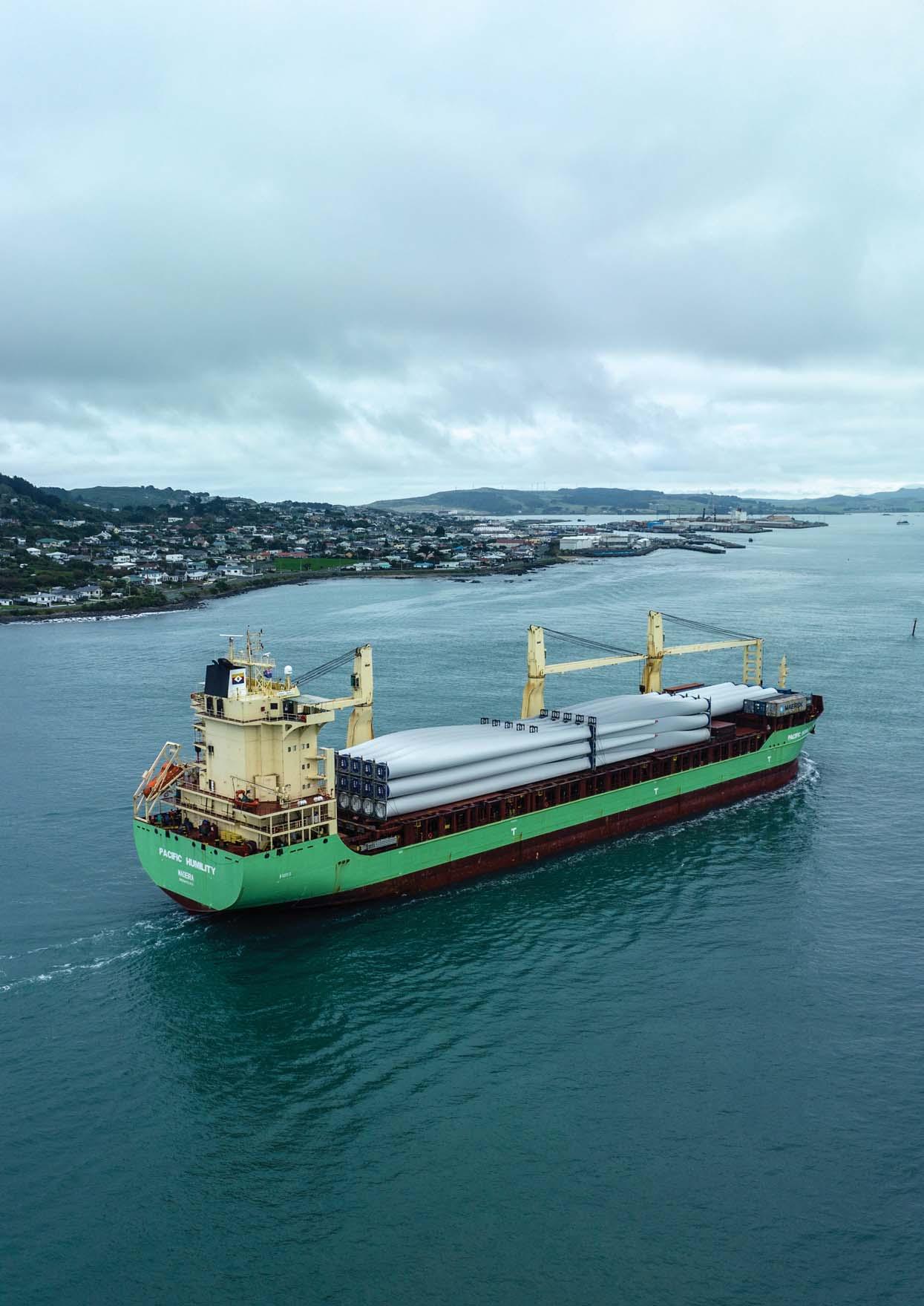
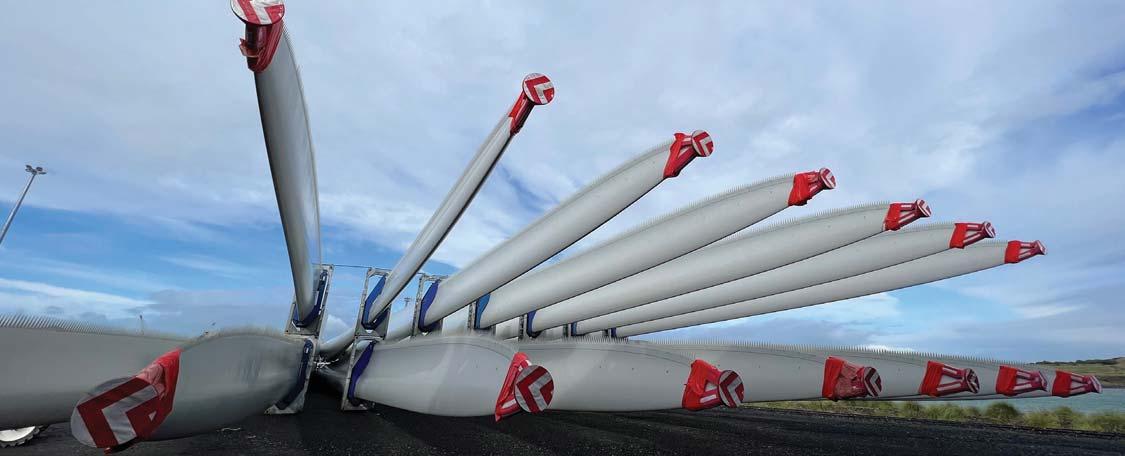
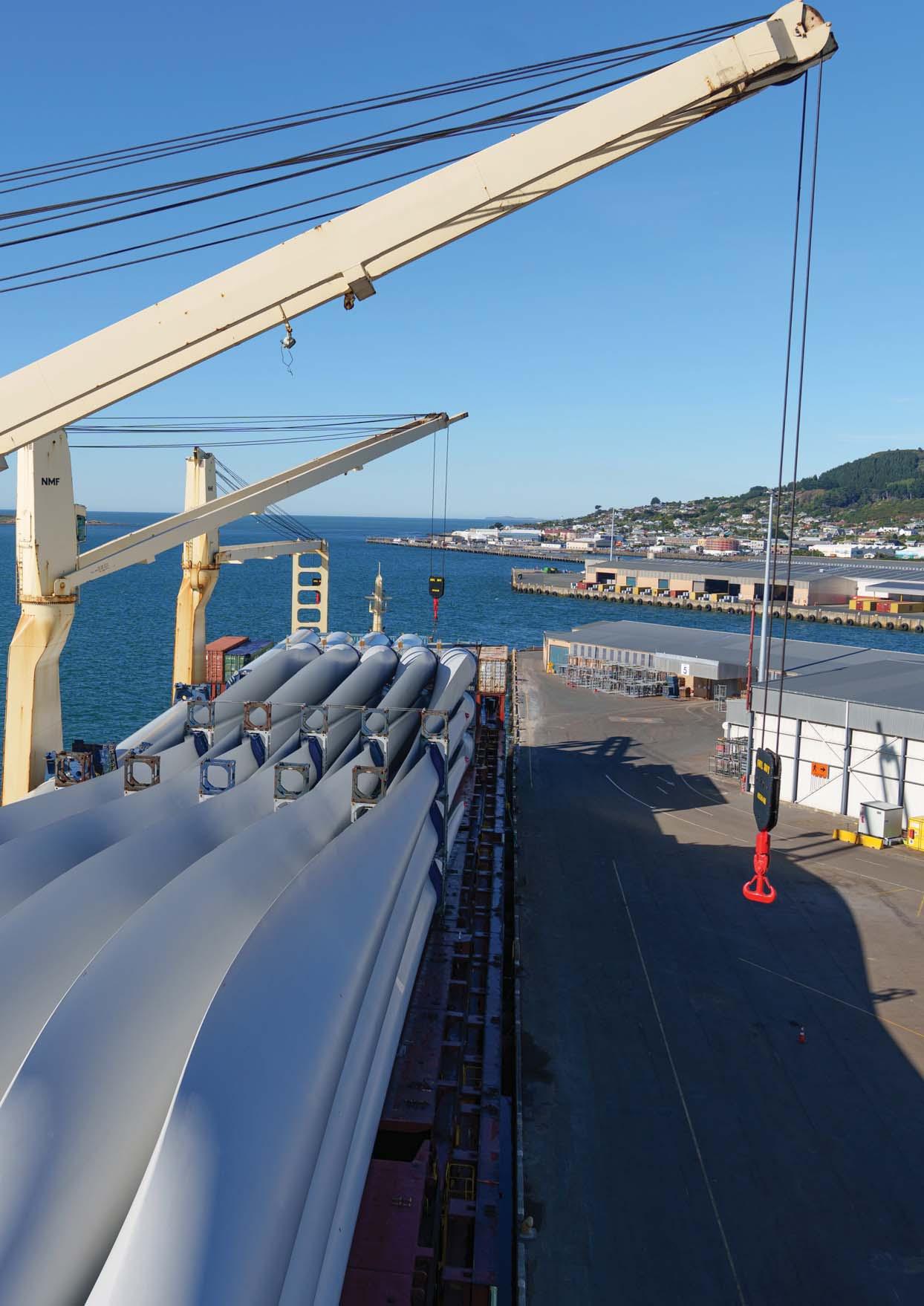
Stage one of Mercury Energy’s Kaiwera Downs wind farm, 10 turbines equivalent to an output of 40MW, was recently discharged at the Port. The equipment was stored on the Island Harbour before being transported to the site over a period of six weeks. The total project has been consented for 240MW and 60 turbines. We expect that a decision on the second stage will be made in the coming 12 months.
Contact Energy has also recently announced the potential development of the Southland Wind Farm project. This project is located east of Wyndham, with the capacity to produce up to 300MW from 50 turbines. The Minister for the Environment, David Parker, has recently provided approval for a fast-track consent, which could potentially save years in this process.
A decision on the future of the NZAS will most likely have an impact on the development timeline and pathway for both above projects. If NZAS signs a new electricity contract, then it is likely that these projects will move forward in the next 24 months – however, if this does not happen, then they may be delayed for several years.
Open Ocean Aquaculture (OOA)
The Murihiku Aquaculture Group, chaired by Rick Christie, a previous South Port director, has been working together with industry participants Ngāi Tahu Seafoods Limited and Sanford Limited for the past 18 months to help assist in the development of the OOA opportunity for the region.
At the time of writing, Ngāi Tahu Seafoods’ consent being processed through the COVID-19 Recovery (Fast-track consenting) act 2020 was declined by the expert panel. This is hugely disappointing for Ngāi Tahu, the New Zealand aquaculture industry, and the Southland region. It is hoped that Ngāi Tahu will appeal this decision. New legislation is urgently required to facilitate the development of new aquaculture opportunities, especially those targeted for open ocean locations.
Sanford Limited has also lodged an application for consent with Environment Southland, currently on hold, to create an open ocean salmon farm, 28km from Bluff and 10km from the nearest Island, at the south end of Foveaux Strait.
It was pleasing to see that on 23 May 2023, Minister Woods announced a Southland Just Transitions funding package of approximately $108 million. This included $1.4 million in funding over three years to support projects to accelerate aquaculture development in Murihiku/Southland.
Infrastructure
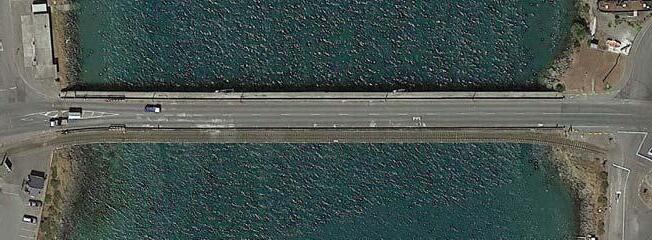
The project to install impressed current cathodic protection (ICCP) on the Island Harbour access bridge has now been completed. This process has taken approximately four years and has been successfully executed, with the team initiating several efficiencies in the process, saving both time and cost. However, ongoing routine maintenance of the bridge will continue.
The construction of the Town Wharf fuel berth accessway, pipeline corridor, and discharge platform has now also been completed and was officially opened in November 2022. This structure, providing resilience for the fuel import sector for the next 50 years, has since won multiple local and national construction awards.
At the completion of this project, it was pleasing that we could open a section of the Town Wharf for public access to recreational activities.
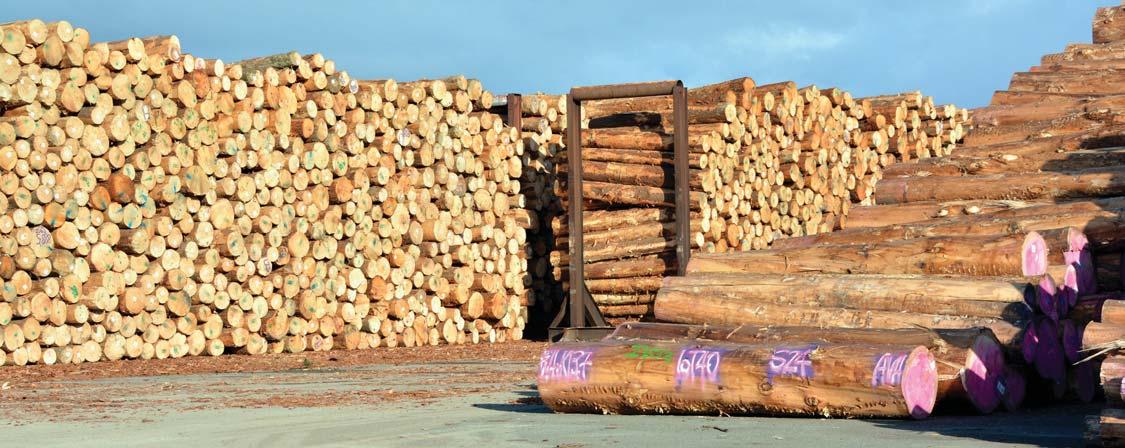
The development of the log yard hardstand at “South Rail" was completed and opened in October 2022. This 17,000m2 development doubled the amount of hardstand available for the logging industry while improving handling conditions, storage utilisation, and environmental impacts.
Environment
From the 2024 reporting period, it will be mandatory for South Port to produce climate statements according to disclosure requirements in the External Reporting Board (XRB) standards. South Port is currently developing a framework for the 2024 reporting cycle, working with external consultants that are assisting the process.
The Company has elected to provide a summary of the framework in this year’s annual report in advance of the mandatory 2024 reporting cycle.
A sustainability committee has also been formed and will be working on strategies to decarbonise the Port operations and to select appropriate Sustainable Development Goals for implementation.
Some of the recent initiatives in this area include the replacement of the diesel heating system with electric heat pumps for the administration office, installation of dust monitors around the Port, electrical upgrade and variable speed fans installed in the cold stores, the purchase of EVs in the security division, the trialling of an electric forklift in the dairy warehousing division, and a number of other initiatives are underway or in the pipeline.
Project Kia Whakaū
On 31 August 2022, South Port was granted resource consent by Environment Southland for project Kia Whakaū.
Kia Whakaū is a project to dredge and remove seabed materials to 9.7m chart datum (CD) in the harbour entrance channel, 10.7m CD in the Island Harbour berth basins, and 9.45m CD in the swinging basin.
The benefits of removing the high points in the channel and increasing the current operating draft by 1 metre will assist with improving safety margins for ship movements and provide capacity for vessels to take on additional cargo.
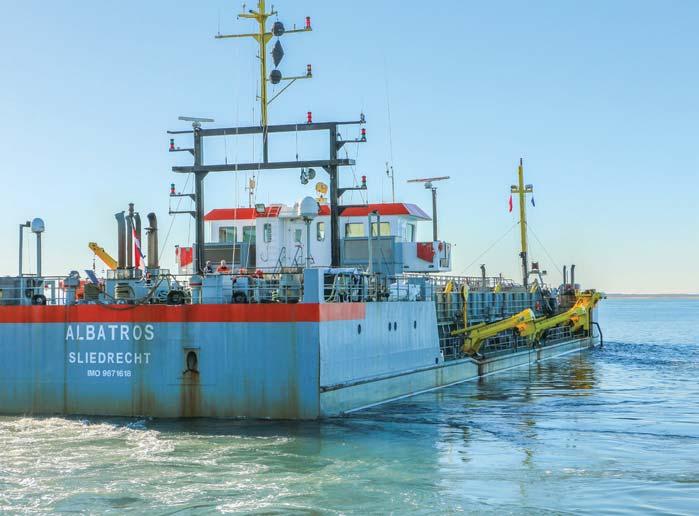
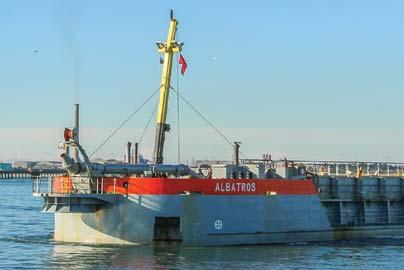
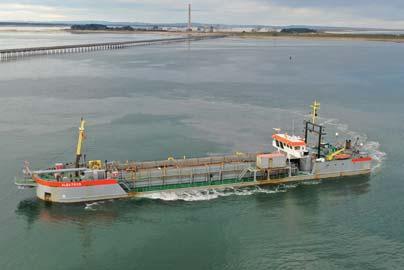
In May 2023, the “Albatros,” a trailer hopper suction dredge, came to the Port to dredge the swinging basin and berth pockets in accordance with the consent conditions. The “Albatros” has finished its work, and the Port is now waiting for the arrival of the Heron Construction GPK backhoe dredge to complete the outstanding dredging requirements under the consent.
It is expected that the GPK dredge will be at the Port in mid-August and will be finished its work by the end of September.
A business case supporting the expenditure for this project had previously been approved by the Board and has resulted in the establishment of a new Infrastructure levy. This new levy will ensure the Port has the best opportunity to obtain a fair return for this investment. This has been communicated with our customers, with follow-up face-to-face meetings to discuss the rationale and mechanics of the charging structure.
Channel Dredging –1980s Consent
In August 2022, a backhoe dredge came to Bluff to carry out dredging in the entrance channel to the Port.
In the early 1980s, a drill and blast campaign was carried out to deepen the channel to 10.24m CD. Unfortunately, due to the nature of the dredging equipment at the time, there was not enough capacity to lift all the fractured rock and therefore some of this material was left in the channel.
The Company was very pleased to announce to the market in October 2022, this dredging campaign had been very successful with it being expected that the Company hoped to achieve 9.7m CD in the harbour entrance channel, without having to drill and blast.
Unfortunately, the dredge had to leave the Port prior to finishing the work due to previous commitments; however, as noted previously, is due back in August 2023.
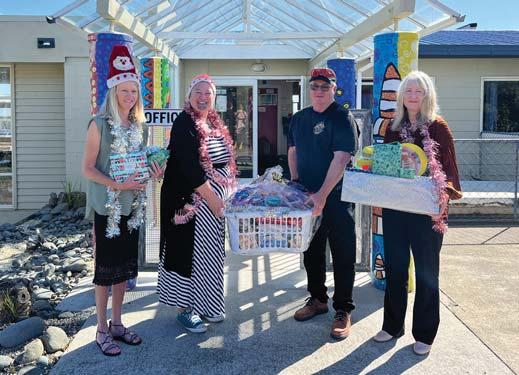
We continue to meet with both the Bluff Community Board and the Awarua Rūnaka, to consult and inform on the current port activities, and development plans and to receive feedback on the same.
A major project this year will be the rescheduling of the Port Open Day (POD) in October 2023. The last POD was planned for March 2022 and unfortunately was cancelled due to COVID-19 lockdowns. The team is looking forward to this event and enjoys the opportunity to show off the Port operations to the community, friends, and family.
Staff
The Company would like to thank our staff for the continued hard work and resilience they have shown over the past 12 months. Our people are the most important part of our business, and it is only through their dedication that the Company operates successfully and safely for the benefit of Southland businesses and the community.
Community Engagement
Community Engagement continues to be an important part of our daily business activities at the Port.
In August 2022, the Company carried out its first Bluff community survey. This was an excellent process with great feedback received from the community. It is expected that this survey will be followed up with another in 18 to 24 months’ time.
Dividend
The Board has an ongoing policy of assessing South Port’s dividend flow after taking into consideration both its Free Cash Flows (FCF) and its reported profits. For the purposes of this policy, FCF is interpreted as being annual operating cash flow less net maintenance capital expenditure in the same period. In establishing the dividend payment level, Directors considered the Company’s annual profit movement plus future maintenance requirements that are expected to impact profitability.
Accordingly, the Board elected to pay a consistent final dividend of 19.5 cents. This translates to a full-year dividend of 27.0 cents (2022 – 27.0 cents). Full imputation credits will be attached to all distributions. The dividend payment represents a gross return of 5.1% (net 3.6%), based on a share price of $7.43 as at 30 June 2023. A dividend payout ratio of 60% results for 2023 (using reported NPAT) and equates to 59% of FCF.
Board Composition
Mr Philip Cory-Wright has elected to retire this year and, being eligible, offers himself for re-election. Mr Rex Chapman announced that he will retire at the 2023 AGM. Rex was appointed to the Board in 2002 and has been Chair since 2011. His contribution to the Board has been extensive over this time, overseeing impressive growth in cargo volumes, profitability, dividend payments, infrastructure development, and improvements to safety. Rex’s sharp intellect, warm personality, and contribution to the Company will be missed. A special feature reviewing Rex’s time at the Port is contained later in the Annual Report.
Director Nominations
At the time of writing this report, the Company has received a valid nomination for Ms Cassandra Crowley. The Company has received no other valid Director nominations.
Outlook
The Port has had a very pleasing result backed by our traditional bulk cargo base being handled. This has been supplemented by the import of wind farm equipment and increased cruise activity in Fiordland.
There continues, however, to be uncertainty for a few of our cargoes that are likely to fluctuate in the coming financial year.
The log market is currently in a depressed state. Receipts at the Port have significantly reduced in recent months driven by a reduction of exports into China, who are currently struggling with credit issues. This is impacting forest owners throughout New Zealand, and it is difficult to see when this market will show some improvement.
The farming sector is also currently going through a tough period due to lower export prices and high interest rates. This is likely to impact expenditure on the farm and will have a flow-on effect on the use of fertiliser and stock feed.
In the coming twelve months, we expect that NZAS will decide on the future of their operation past December 2024. As commented on previously, NZAS represents 20% of our NPAT and 30% of our cargo base.
Considering the above uncertainty, the Port remains confident in the future. We have a wide range of cargo being handled, which provides us with resilience and helps to smooth out fluctuations in the market.
The Company continues to invest, upgrading and modernising our infrastructure, and the completion of project Kia Whakaū will provide further growth options for exporters in the region for many years to come.
There are also many exciting opportunities developing in the Southland region. Increased generation opportunities through wind farm developments, open ocean aquaculture, and green hydrogen, all of which the Port could have a significant role to play in the future.
Based on all known factors at the date of compiling this report, South Port estimates that earnings in the next financial year will be in the range of $11.70 - $12.30 million (2023 - $11.71 million).
In the absence of unforeseen circumstances, earnings within this range should allow the current level of dividend payment to be maintained.
R T CHAPMAN Chair
N G GEAR Chief Executive
Infrastructure
Capital Dredging
TIMEFRAME 8 MONTHS
LOCATION
BLUFF ISLAND HARBOUR
PROJECT STATUS IN PROGRESS
Ongoing Development
Maintenance
The Port was last deepened in the 1980s, but the fire had gone out on the idea of going deeper, because “Bluff has the hardest rock in New Zealand.”
However, the fire was rekindled in 2016 at an annual strategy workshop when the decision was made to investigate the feasibility of deepening the Port by 1m, which would allow the Port to meet the needs of the current customer base while providing some future-proofing.
Fast forward to 2023, and the capital dredging is almost complete. It has been a journey of twists and turns, peaks and troughs, thrills and spills, disappointments, and successes, but South Port expects to have achieved the target depth by 30 September 2023.
The Dutch dredging-owned "Albatros" trailer hopper suction dredge (THSD) arrived in Bluff in May 2023 and departed in June 2023, having successfully completed dredging the swinging basin and berth pockets. The "Albatros" has paved the way for the Heron-owned GPK backhoe dredge to arrive in August, remove the harder material from the entrance channel, and complete the capital dredging campaign.
Increasing the Port’s draft by 1m proves to be an exciting time for importers and exporters in the lower South Island region. It creates an opportunity for log exporters to fully load vessels, enabling increased tonnages to be handled across various cargoes.
Syncrolift Upgrade
TIMEFRAME 18 MONTHS
LOCATION
BLUFF ISLAND HARBOUR
PROJECT STATUS IN PROGRESS
Maintenance
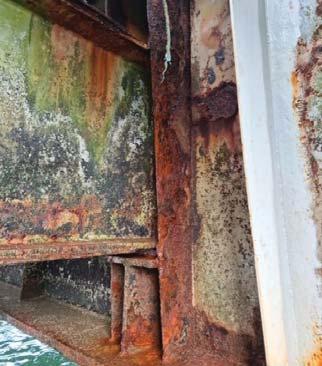
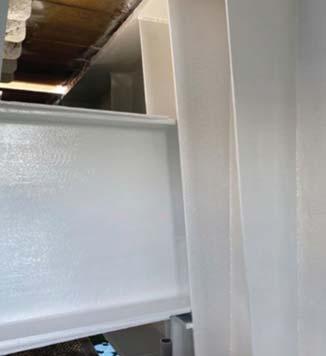
The Syncrolift facility at South Port is 40 years old and, like any steel structure in a marine environment, it is subjected to harsh environmental conditions.
In the case of the Syncrolift, this year major maintenance was undertaken on the steel structure, which supports the platform, to extend the life of the lift. This work required significant coordination to ensure minimal downtime for the facility. The work involved removing and installing structural steel, hydro blasting, and repainting the structure. It was important that this maintenance was completed to ensure the lift is available to the Southland community for the next 10 to 15 years. Further painting of structural steel is expected in FY24.
Island Harbour Access Bridge
Following an intensive maintenance programme on the Island Harbour access bridge, South Port is delighted to announce that the underside of the deck is now repaired, and an Impressed Current Cathodic Protection (ICCP) system is in operation. It is great to be able to remove the delineators off the bridge, which have been used to manage the traffic over the past four years.
With the deck repaired, the focus is now on the piles. These will be repaired on an as-required basis. The first pile was repaired in FY23. There is no major maintenance work planned for the access bridge in FY24.
What next for the bridge?
Resurface the roadway to fix the shoving of asphalt and improve drainage
Waterblast and paint the nib walls
Monitor the piles and repair as required
Wind farm Development
TIMEFRAME 6 WEEKS
LOCATION ISLAND HARBOUR
PROJECT STATUS
Development
With the size of windfarm equipment requiring significant storage area on Port, South Port developed some of the last areas of vacant land on the Island Harbour, on the western tip.
Over the space of six weeks, the new pavement was constructed from subbase gravel recycled from the South Rail pavement project and smaller terminal projects.
South Rail Log Yard
TIMEFRAME
With the North Rail log yard having been originally constructed in 2018, the next stage of improving the log storage on Port was the completion of South Rail log yard, which took place in FY23. With both projects now complete, South Port has created approximately 3.5ha of sealed log storage in the centre of the Island Harbour.
The South Rail log yard project included improved drainage, a new water main, fire hydrants, ducting, a 30m light tower, and a sealed surface.
The material excavated from the site was stockpiled on our foreshore road land and recycled, to build a new windfarm laydown area, and to upgrade the unchaining road for log trucks.
Southern Institute of Technology Partnership
In 2023, South Port and Southern Institute of Technology (SIT) partnered to develop six Civil and Mechanical Engineering projects.
The South Port infrastructure and environment department assisted SIT in defining the scope and will provide support during development, mainly in data collection. Students will conduct the projects under the supervision of SIT tutors Carlo Gabriel (Civil) and Naveed Rehman (Mechanical).
The chosen themes are:
• Topographic survey for 3D modelling purposes
• Stormwater: 3D modelling and determination of catchment areas
• Design of the Syncrolift area drainage system
• Study of climate change impact on South Port's infrastructure
• Solar panels: a feasibility study
• Replacement of the heating system in the administration building, from a diesel boiler to an HRV system: a case study
In addition to offering students the opportunity to have contact with the real needs of the industry, South Port aims to obtain data and information that collaborate in developing its infrastructure projects. These dynamics favour both the academic aspects of the students' training and meet the Company's practical needs.
"The partnership between SIT and South Port's Engineering Project offers significant benefits for students and the educational institution. It equips students with practical skills, facilitates industry exposure, and provides networking opportunities while ensuring that SIT remains at the forefront of engineering education. This collaboration exemplifies the value of industry partnerships in enhancing the educational experience and preparing students for successful careers in the engineering field."
Carlo Gabriel, Programme Manager and Engineering Tutor
SCHOOL OF ADVANCED ENGINEERING TECHNOLOGY, SIT
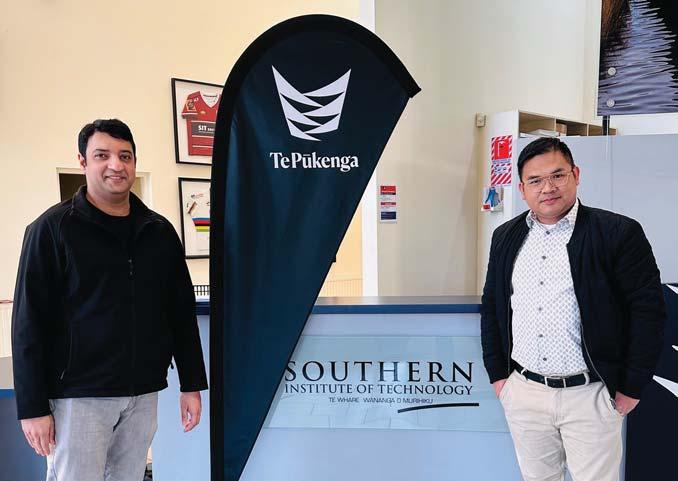
Naveed Rehman, left, Carlo Gabriel, right, who are tutors at the School of Advanced Engineering Technology, at SIT.
South Port continually looks for opportunities to improve on its environmental responsibilities.
Our Environment
Air Quality Monitoring
TIMEFRAME 3 MONTHS
LOCATION
BLUFF ISLAND HARBOUR
PROJECT STATUS
COMPLETED
Sustainability
As part of our continued commitment to improve our operations, we completed an Air Quality Monitoring programme over a three-month period.
Between December 2022 and March 2023 monitors were placed adjacent to Berths 5 and 8, focusing on Particulate Matter of up to 10 microns (PM10). These berths were selected due to the type of cargo handled, such as stock food, fertiliser, logs, and woodchips. An additional sensor was installed at the Finger Piers to detect the impact of our operation on the Bluff Community.
The project was conducted with the support of an external advisor. The advisors concluded that PM10 data presents a green light situation regarding the standards, emphasising that 24-hour average PM10 concentrations are well below the National Environmental Standards for Air Quality (NES-AQ) threshold.
The advisors also listed recommendations for further studies, which are under consideration to be adopted in the following investigation phase.
Dredging Environmental Monitoring
TIMEFRAME 6 MONTHS
LOCATION BLUFF CHANNEL
PROJECT STATUS IN PROGRESS
Sustainability
Consent to deepen the Port was issued in 2022, with a total of 61 conditions to ensure the dredging operation would not adversely affect the Bluff community or the surrounding environment.
Before starting work, the infrastructure and environmental team developed and implemented the project's environmental management plan to ensure compliance of the consent conditions, covering biosecurity, noise control, sediment control, and protection of marine fauna, among others.
Monitoring during dredging relied on precision equipment, such as water quality sensors and class 1 sound metres, and geoprocessing software (GIS) for recording and analysing the collected data.
Actions aimed at protecting seagrass areas in Bluff Harbour involved daily control and testing of water quality, checking turbidity, pH, temperature, and dissolved oxygen in the dredging areas and at the disposal site for the dredged material.
The monitoring results did not show any deviation from the Coastal Permit conditions, which allowed us to operate without delays from an environmental perspective. Further monitoring will occur when the backhoe dredge arrives in August.
Air quality monitoring locations
Berth 8
Substation B
Fisherman wharves
Sustainability Strategy
TIMEFRAME 18 MONTHS
LOCATION
BLUFF ISLAND HARBOUR
PROJECT STATUS IN PROGRESS
New Development
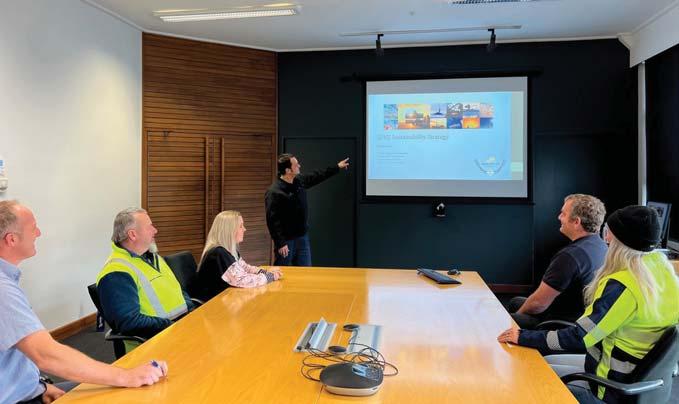
During FY22, we continued to develop our sustainability strategy based on the Triple Bottom Line and the Sustainable Development Goals (SDGs). In FY23, we went a step further by creating the South Port Sustainability Committee, comprised of representatives from each department.
The committee's work started with a series of workshops to raise awareness of sustainability issues that affect the Company. Then, the committee met to identify and assess the Company’s sustainability materiality, stakeholders, and the SDGs.
The committee reached the final objective of this stage – by selecting the SDGs that will be the base for policies, targets, indicators, and initiatives.
The Company's Sustainability Strategy will be developed over the next 18 months.
Utilisation of Recycled Materials
TIMEFRAME 6 MONTHS
LOCATION
SOUTH RAIL LOG YARD, ISLAND HARBOUR
PROJECT STATUS COMPLETED
Sustainability
South Port has always looked to reuse material from infrastructure projects where possible.
This year material excavated from the South Rail log yard and container terminal upgrade projects were recycled and used in the construction of the Kaiwera Downs Wind Farm storage yard, and the development of the log truck unchaining area.
Other initiatives for recycling include:
• Recycling asphalt millings to repair hardstand areas
• Recycling shrink wrap from warehouse operations
• Excess pallets used as kindling
Diesel Boiler Replacement
TIMEFRAME 6 MONTHS
LOCATION
ADMINISTRATION BUILDING
PROJECT STATUS COMPLETED
Maintenance Sustainability
In April 2023, South Port replaced the diesel boiler in the administration building with a Heating Recovery System (HRV System).
One of the objectives of this project was the reduction of GHG emissions. To be able to evaluate the results, the system has an independent reading of its energy consumption in real time. This way, it is possible to compare the emissions of the diesel boiler with the HRV.
The first readings, between April and June 2023, point to more than a 90% reduction in emissions, even considering that the system is also responsible for cooling the offices during the summer.
This project was co-financed by Great South/EECA through the Government Waihōpai/Invercargill Decarbonisation Contestable Fund. This initiative is part of the New Zealand Government's COVID-19 Response and Recovery Fund.
South Port Sustainability Committee.
Climate-Related Disclosures
South Port is a Climate Reporting Entity (CRE) under the new Aotearoa New Zealand Climate Standards which came into effect on 1 January 2023. The Group’s first mandatory reporting period under these new standards will be for the year ended 30 June 2024.
The new climate standards provide a consistent framework for entities to consider the climate-related risks and climate-related opportunities that climate change presents for their activities over the short, medium and long term. The climate-related disclosures cover four pillars being; governance, strategy, risk management, and metrics and targets.
South Port is currently working towards compliance with these new standards and has engaged an external advisor to assist management and the Board with this process.
A summary of the draft proposed framework that we are working towards is outlined on the following pages.
Proposed Governance Framework
Climate risks & opportunities are a standing item at biannual audit & risk meetings.
Board Papers
Climate Risk and Opp Register
Strategies, metrics and targets
EXECUTIVE LEADERSHIP TEAM
The Board of Directors is responsible for the ultimate oversight of climate-related risks and opportunities, and the strategy and controls required to manage them. This includes approving targets and reviewing them annually. The Board’s Audit and Risk Committee is responsible for ensuring climate-related strategies and policies are implemented and managed. The Audit and Risk Committee meet twice each year at which climate-related risk is a standing agenda item.
The executive leadership team (ELT) is made up of the CEO, CFO and managers from each business unit. The CEO reports directly to the Board at each meeting and has a specific focus on market risks and opportunities. The CFO oversees climate-related risks at the executive level as part of their responsibility for leading risk management. The CFO is supported by a Risk Advisor; a new position that requires competency in applied climate-risk analysis. Upskilling key decisionmakers in this area is very important to the Company. We have therefore recently employed a Climate Change Advisor for a fixed-term to assist the ELT, Board, and wider South Port team to develop their understanding of climate-related matters.
The CEO and CFO are invited to attend these committee meetings, along with other managers as required.
The skills matrix for the Board requires members to be conversant with the type of climate-related risks and opportunities that may impact a port. The Board itself holds responsibility for integrating specific skill and knowledge requirements into management positions that ensure competency to manage climaterelated risks and opportunities.
Managers submit updates to the Board as necessary, which are included in the monthly board papers along with the climate risk and opportunity register. The ELT reviews and advances strategies, plans and initiatives developed by the Sustainability Committee, and coordinates these with the Board as needed. While the Sustainability Committee in conjunction with the ELT develop climate-related strategies, targets and metrics, they must be approved by the Board. The ELT must evaluate any new or amended business strategy with reference to the climate risk and opportunity register, and this analysis must be submitted to the Board where the potential impacts of the risk or opportunity exceed $5M. Typically, this analysis should map identified climate risks and opportunities against South Port’s strategic goals and include an analysis of the potential impacts from climate change upon the goals.
SUSTAINABILITY COMMITTEE
The Sustainability Committee is comprised of managers and staff from across the business, as well as the CFO. The Sustainability Committee guides the development and implementation of South Port’s sustainability strategy, which includes supporting climate-related risk and opportunity management. The committee is responsible for monitoring and measuring progress against strategies and targets that have been approved by the ELT and the Board, as well as promoting initiatives to managers.
Each business unit manager is responsible for recommending their own performance-based target and metrics, as well as those for other members of staff in their portfolio, which link management of climate-related risks and opportunities to their remuneration. These must be submitted to the Board for approval at the first board meeting of each financial year and reviewed annually.
Proposed Strategy
For FY23 we are not disclosing our current impacts from climate change, scenario analysis or transition planning. These will be disclosed in accordance with the Aotearoa New Zealand Climate Standards in FY24. This year, our interim disclosures are limited to a description of our climate-related risks and opportunities, and the anticipated impacts of those risks and opportunities. Those included here are those that are expected to be at least ‘just as likely as not’ to happen. DESCRIPTIONANTICIPATED
SHORT TERM
0 20 years
MEDIUM TERM
20 50 years
LONG TERM
50 years
The time horizons used to evaluate risks and opportunities are anchored to the range of lifespans that port equipment and infrastructure typically enjoy. This means the cost-benefit analysis of investment in adaptation measures can be integrated into existing capital planning exercises.
EXAMPLE OF POTENTIAL RISKS AND OPPORTUNITIES IDENTIFIED
Disruption to on-land freight routes (roads, bridges, rail ways) that connect the Port to Southland.
Storm surges and tide surges impacting operations and damaging ships, infrastructure and equipment.
An increase in the number of high-wind days, particularly during winter months, that disrupt port equipment and activities.
Extreme wind releases ships from berths causing a blockage in the channel and/or damage to large infrastructure.
Increasing cost of carbon associated with fossil fuel taxes.
Increased insurance premiums, larger excesses, and reduced scope of coverage.
Industrial and commercial demand for diesel decreases in Southland and regional wood producers in Southland and Otago divert wood exports for local consumption as biomass for process heat.
Increasing costs of commercial farming of ruminants drives down regional production of meat and dairy. Demand for fossil fuels and farming inputs (like fertiliser and stock food) decrease.
Decrease in yields across regional forestry and agriculture as a result of climate-related impacts.
Shipping companies and on-road freight providers require alternative fuel sources.
National policy settings and Govt investment drive an increase in coastal shipping's share of domestic freight movement.
Development of large-scale aquaculture farming along the South Coast.
Large-scale infrastructure climate resilience projects and large-scale rebuilds from climate-induced extreme weather events drives a significant increase in building and construction material imports.
Increase in the number of times, and the length of the periods, in which South Port cannot offload or receive cargo, operational inputs or staff due to transit routes being unavailable.
Significant costs of repairs and operational downtime.
An increase in the amount of time operational equipment cannot be used and ships cannot pass through the channel due to high winds. Leading to reduced commercial activity.
Significant expenditure for wreckage removal and repairs.
Port operations that depend on fossil fuel become increasingly more expensive on an annual basis. Imports of fossil fuel decrease.
Increased insurance costs and potential stranded assets.
South Port receives increasingly fewer port calls with diesel imports, and loads increasingly fewer ships with wood exports
South Port exports fewer meat and dairy products and imports less fossil fuel and fewer agricultural inputs.
South Port exports fewer meat, dairy, vegetable, and forestry products.
South Port has to invest in end-of-trip infrastructure for alternative fuelling, like hydrogen, bioenergy, or diesel-electric hybrid.
South Port facilitates an increase in coastal shipping.
South Port facilitates an increase in seafood exports.
South Port imports more steel, wood, iron, heavy machinery and other building and construction products.
Climate-driven population growth in Southland. Access to more talent and potential for downstream industry to be developed which could result in further trade through the Port.
South Port’s capital expenditure (capex) is classified as either maintenance capex (upgrading or replacing an existing asset), or growth capex (an asset that generates new business). All capex has a risk score allocated to it, to ensure that high risk projects are given priority. If the proposed capex has a health and safety component that deems the spend necessary to mitigate risk, then this capex is given priority over other projects. Going forward, climate-related risks and opportunities will also become an increasingly important aspect to consider when allocating capital.
Identify high-level risk hotspots and drivers along value chain
Proposed Risk Management
We are in the early stages of developing our approach to identifying, assessing, and managing climate-related risks. However, the following structure is emerging:
Identify and update potential risk hotspots along the value chain and categorise the drivers for the hotspots (i.e. physical, technological, economic, social or regulatory). A hotspot may be fuel technologies, predicated weather
patterns, emerging or contracting markets, or new regulation. Refer to information from industry bodies, governmental organisations, and industry peers, market commentators, academics, etc.
Carry out initial screening of potential risks
Carry out formal assessment to determine risk
Submit potential risks to the climate risk and opportunity register and then evaluate: the type of risk and its driver; how the risk may present itself in South Port’s context; the potential financial impact; the likelihood of impact and the expected time horizon; and any assumptions or sources of information used in the assessment.
Assuming no additional action is taken to mitigate the risk, if the initial assessment suggests the risk is ‘just as likely as not’ to occur, then the risk is elevated for formal assessment.
Screened risks are evaluated along three parameters and given a score of Low (1), Medium (2) or High (3):
Hazard: What type of hazard does the risk present? Has it occurred in the past? What is the trend?
Exposure: Which physical assets, ecosystems, regulatory, economic, or social dependencies are exposed to the hazard? Do the temporal and geographic aspects of the hazard coincide? If so, when?
Vulnerability: How susceptible are we to the hazard? What features or systems are already in place to mitigate impact? What adaptive steps might stakeholders in our value chain be taking?
Depending on the context, the evaluation may require engagement with specialised external experts, predictive modelling, engagement with stakeholders in the value chain linked to the hazard, etc. This is a judgement call for the ELT in conjunction with the Board. Where the total score exceeds 4, the risk is deemed ‘actual’ and is submitted to the Company risk register for consideration by the Audit and Risk Committee.
This risk assessment is similar to the current business risk model at South Port. The ELT complete inherent risk assessments for all risks identified, rating the likelihood and impact of the various risks. Key controls and mitigation processes are then noted, resulting in a residual risk score. The risk register is then reviewed and approved by the Board.
Identify potential adaptation measures
Proposed Risk Management
Carry out financial analysis
Identify potential mitigation and adaptation measures through internal brainstorming, research, stakeholder engagement and data collection. Measures should be identified and categorised with reference to the Intergovernmental Panel on Climate Change (IPCC) adaptation categories:
Structural/Physical
Engineered & built environment
Technological
Ecosystem-based
Services Social
Informational
Behavioural
Institutional
Economic
Laws and regulations
Government policies and programmes
Carry out costbenefit analysis
Score
5
4
3
2
Develop implementation and review plan
All major capex spend requires financial analysis to be completed prior to approval. South Port uses a weighted average cost of capital (WACC) model to ensure that capital deployment meets internal hurdles before proceeding with new projects. Future modelling will need to incorporate climate-risk analysis into the decisionmaking process.
This will include climate-risk relating to adaptation (e.g. preparedness for extreme weather events), and also mitigation (e.g. considering carbon emissions linked to purchasing new equipment).
Prioritise adaptation measures using score-based multicriteria analysis:
Net-present value
Monetary value of adaptive measure
Urgency
Balance between timing of investment / timing of risk
Effectiveness of adaptation
Extent that risk is mitigated
Environmental benefits
Peripheral benefits to environmental ecosystems
Social benefits
Peripheral benefits to local communities
Climate mitigation
Potential to reduce emissions
Appoint a project manager, allocate resources, set milestones. Develop targets that are Specific, Measurable, Achievable, Relevant, and Timebound. This includes developing associated metrics for monitoring and review. Business unit managers are appointed to lead the implementation of the adaptation measure, and this includes supporting the annual review of the risks and management approaches.
Our approach to climate-related risk management will develop significantly over time. Initially, we will integrate scenario analysis which will strengthen both the identification and assessment of potential risks. This will underpin our transition planning, which has the benefit of strengthening our management response to risks. We are also working to integrate an IT-based risk management program, which will coincide with the appointment of a Risk Advisor.
Metrics and Targets
Greenhouse Gas (GHG) Emissions Profile
South Port has been recording and reporting its GHG emissions since 2019. In accordance with the GHG Protocol Initiative, our emissions are divided into three scopes:
SCOPE 1
Direct GHG emissions occurring from sources that are owned or controlled by the Company (eg, fuel).
SCOPE 2
Indirect GHG emissions occurring from the generation of purchased electricity consumed by the Company.
SCOPE 3
Other indirect GHG emissions occurring as a consequence of the activities of the Company, but generated from sources not owned or controlled by the Company (eg, air travel).
GHG Emissions - Scope 3 Breakdown
There is a significant change to FY23 GHG emissions when compared to the previous four years. This is due to new regulations that make it mandatory to disclose the financial impacts related to climate change, which includes the Company's carbon footprint.
The main impact on the calculations is the inclusion of additional Scope 3 categories. Between FY19 and FY22, the following categories were included:
• Category 3: Transmission and Losses
• Category 5: Solid Waste
• Category 6: Business Travel
The additional categories measured in FY23, to comply with the mandatory regulations, are:
• Category 1: Purchased Goods and Services
• Category 2: Capital Goods
• Category 5: Wastewater
• Category 13: Downstream leased assets
South Port Fuel Consumption
For FY23, South Port reduced its fuel consumption by 9.3% which can be attributed to the introduction of a new tug, the reduction of generator use and the replacement of a diesel boiler.
The "Rakiwai," a new tug that started operating in 2022, is more efficient in fuel consumption. Its use, supplementing one of the old tugs in almost every shipping movement, significantly reduces the operation's total consumption.
Other factors are the significant reduction in the use of generators (-64%) and the replacement of the diesel boiler with an electric heating system in the administration building (approximately 11,000 litres less for FY23).
Carbon Intensity
From FY22, South Port adopted Carbon Intensity as a key performance indicator, which relates to GHG emissions (tCO2e) and cargo handled (tonnes). We also apply the same concept to diesel consumption (part of Scope 1) and energy usage (Scope 2).
South Port Power Consumption
Energy consumption at South Port was flat for FY23. The 2% reduction in energy consumption can be attributed to the reduced volume of cargo handled between FY22 and FY23. However; the Scope 2 emission factor, set by the Government, increased this year - resulting in higher GHG emissions being calculated.
People and Communities
South Port is committed to having a culture that cares. This includes the South Port team as well as the wider Bluff community, as the Company strives to be effective, engaged, and being good neighbours.
Safety, Health and Wellbeing
Health and Safety
Our primary responsibility for health and safety is providing a safe environment and keeping our employees healthy and safe at work.
Providing reliable systems, technology, inductions, and education/training, enables our people to access the information required to perform work to their best, ensuring a safe working environment and getting home safely to their families.
South Port is committed to continuous improvement in all aspects of our operations, especially relating to our employees’ health, safety, and wellbeing.
Through collaboration, we seek to improve our operational management and facilities, to operate effectively, and contribute to our business’s success and strategic outcomes.
Effective leadership fosters a climate of teamwork, openness, and mentoring while promoting growth and opportunities at South Port.
Port Health and Safety Leadership Group
As a response to tragic fatalities in Auckland and Lyttelton in April 2022, the Minister of Transport requested that the Port Health and Safety Leadership Group provide him with advice on a collective set of actions, including regulatory standards, to address harm on New Zealand ports. This was alongside independent investigations undertaken by the Transport Accident Investigation Commission and Maritime NZ, and joint Health and Safety at Work Act assessments in each of New Zealand’s 13 major international commercial ports.
WorkSafe and Maritime NZ Monthly Regulator Visits
In mid-2022, Maritime NZ and WorkSafe NZ undertook Health and Safety at Work Act assessments at South Port; these assessments fed into the wider port sector data and insights picture. This initial assessment was followed up with monthly visits covering operations within port environs. These visits provide another level of oversight and have helped us identify areas where we are doing well and areas where we can improve our safety practice.
Safety Observations and Interactions
Safety observations play a critical role in helping to:
• Identify and control risk exposures
• Reinforce safe behaviours
• Drive our speak-up culture, and help reduce incidents or injuries to our people
The Leadership Group, formed in 2021, comprises representatives from port and stevedoring companies, unions, the Port Industry Association, Maritime NZ, and WorkSafe New Zealand. Its vision is to deliver “a high-performing, resilient port sector, where people thrive and worker health and safety is prioritised through high-trust, tripartite collaboration”.
South Port also utilises Vault Check, which is software that ensures all leaders are observing and interacting at ground level, in real-time situations.
387 PEOPLE Health monitoring*
2,582 Site inductions
360 PEOPLE Training completed
251,190 Inwards vehicle movements
* Drug and alcohol surveillance testing, occupational health checks
Critical Risks
Identifying, monitoring, and controlling our critical risks is key to protecting our people.
Ports are complex and high-risk environments. On the Island Harbour, numerous businesses have overlapping responsibilities for health and safety, and risks change daily, depending on Port activity (imports, exports, vessel arrivals, and departures). These risks can be managed with the right strategies and controls in place.
We have identified the need to implement a more robust approach to managing the critical risks associated with port operations.
Health and Safety Initiatives Board Safety PanelNight Walk
The Board Safety Panel has continued with its biannual safety walks - one during the day, and one at night. These are designed to assess the effectiveness of our health and safety systems, review performance trends and significant events and gain insights from direct engagement with our staff.
Last year’s night safety walk prompted a discussion about safe work practices around cranes and overhead loads. This resulted in developing and implementing a new Overhead Warning Load (OWL) Safety System, with fixed red lights positioned on the crane carriage angled and highly visible to all ground crew and machinery operators.
A solid red beam of light is visible during the slewing operations of containers, alerting people that they are standing in a critical risk zone, and an overhead load is approaching.
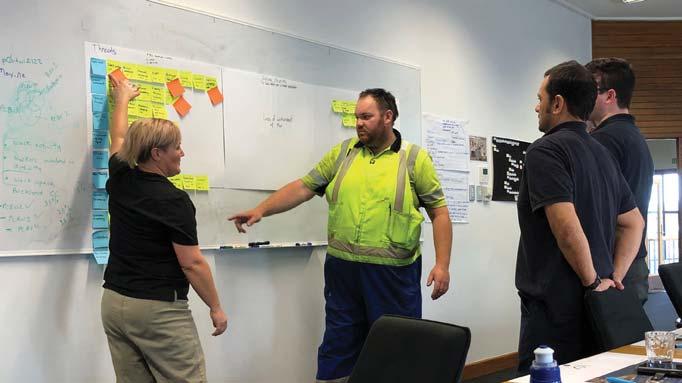
Over the past year, the Health and Safety Committee facilitated several staff workshops to identify critical risks within each department or work area, and to discuss how we can improve the way we monitor and control these risks. These workshops were staff-led, and deliberately excluded managers and frontline leaders to encourage free and frank discussion.
This work is ongoing and will be followed up by in-depth analysis of controls and measurement of their performance.
Implementing the OWL safety system has significantly reduced the risk associated with suspended crane loads and has been met with overwhelmingly positive feedback from staff directly affected. This has been a great example of our staff leading the way and finding effective, practical solutions.
Workers’ Voices - Staff Representatives
Board Safety Panel: Tyson Irwin (Fleet Maintenance Team Leader) and Tarryn Hamilton (Cold Stores Senior Leading Hand) stepped down in May as staff representatives on the Board Safety Panel after completing a 24-month term. Tyson and Tarryn are highly respected and experienced staff members, who are never ‘shy’ about sharing ideas and opinions (they tell it like it is!), so the Board certainly got a lot of value from their involvement.
They have been replaced by Hayden McLiskey (Dairy Warehousing Operations and Training Co-ordinator) and Michelle Lawson (Depot Operator, Surveyor) who benefitted from joining in on the May night walk and learning the ropes.
The past year has seen a turnover of the Health and Safety Committee, with new staff representatives bringing with them different perspectives and fresh ideas.
Log Lane Upgrade
During peak times, there can be upwards of 140 log trucks delivering logs to the Port every day. One of South Port’s site critical risks, ‘mobile plant vs person’, is a focus we are always striving to make improvements on.
A hazard raised by a third-party Port user was at our unchaining area for log trucks coming on-site; all loaded trucks park in an area where the drivers remove chains securing logs, in preparation for unloading. The hazard identified that while performing this task, there was a risk that another truck could drive past, and the person on the ground removing their chains could inadvertently step back into the line of traffic.
Improvements involved asphalting of the area, then splitting the zone into two defined lanes divided by concrete blocks and raised fencing to give physical separation for drivers. All feedback has been positive about the improvements made, with greater control of a critical risk in one of our busier sections of the Port.
The most significant change occurred when positions previously held by frontline leaders were replaced with operational staff, in line with our commitment to ensure that our staff are given a full opportunity to be heard.
Health and Safety Committee Visit
The Health and Safety Committee (and a few extras) had the opportunity to visit a different industry. As such, they visited Alliance Group at their Lorneville site in Invercargill to understand the day-to-day risks associated with operating a sheep and lamb processing plant. The team was split into two groups to visit different plant areas and finished up with a discussion about critical risk, innovation, and education.
Bow Tie Fundamental Training
The Bow Tie risk analysis model is used to help simplify risk assessment and support business understanding of risk. It is a visual way of understanding the impacts of a hazard, identifying the risk it presents, the potential consequences, and the controls that should be put in place.
A two-day intensive Bow Tie Fundamentals Training stepped a group of 10 staff through the risk evaluation method, giving them an overview of multiple plausible scenarios, and how they can be prevented and mitigated.
Health and Safety Reporting
2023 has seen a heavy emphasis on improving our health and safety reporting process with the intent of more meaningful and insightful data. This is crucial to monitoring, measuring, and analysing our health and safety performance, particularly concerning our critical risk management.
Wellbeing Healthy Heart Initiative
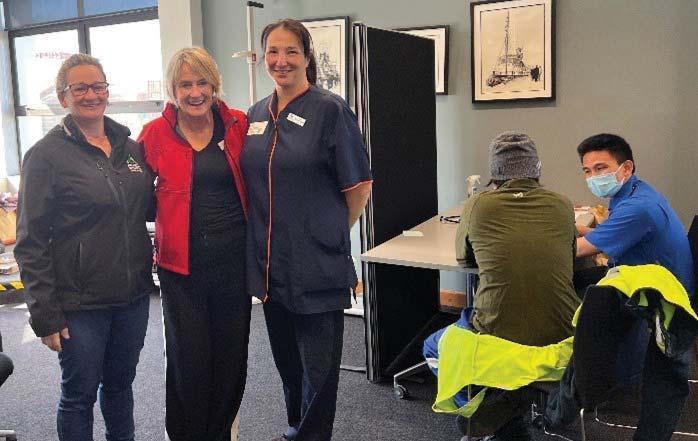
In August 2022, the Heart Foundation, along with nurses from Awarua Whānau Services and nursing students from Southern Institute of Technology (SIT), were on-site at South Port to perform heart health checks. This allowed staff to learn their ‘heart age’ and other indicators of potential health risks. This was a positive initiative on many levels - it allowed the SIT students a safe environment to practice their skills and communication and provided a good link to Awarua Whānau Services in case follow-up was required.
Fifty-nine staff were screened, with the predominant age being in the 40-49 year age range. The tool is designed to be used for people 30-75; however, some staff who attended were below 30 years old. We still took these people through the process and had heart health conversations with them.
People were given their own calculated ‘heart age’ along with a risk percentage of having a heart attack within the next 5 years. This risk percentage ranged from <1% to 12%. People were referred back to their GP if their risk exceeded 5%; however, all the staff with >5% risk were already medicated or under GP supervision. Some staff were encouraged to visit a GP to recheck their blood pressure and discuss their medication. A small number of people were offered referral to smoking cessation support.
Influenza Vaccinations
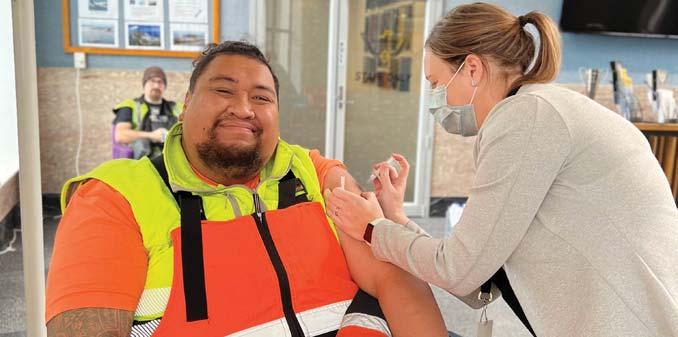
Throughout April 2023, South Port held its annual Influenza Vaccination Drive, which 47 people received. Staff that could not attend the set times on the Island Harbour were captured throughout the month by utilising the Bluff Medical Centre or Awarua Whānau Services free vaccination programme.
Surf to City
The More FM Surf to City has once again proved to be a hit with South Port, with a turnout of 54 people. The event saw a total of 3,500 people strolling, running, rolling, dancing, and bouncing their way from Oreti Beach to a festival finish at Queen’s Park in Invercargill.
Pink Shirt Day
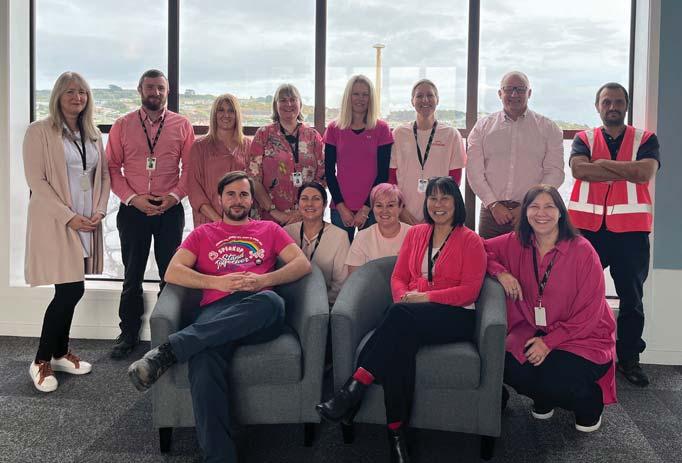
Pink Shirt Day is about working together to stop bullying by celebrating diversity and promoting kindness and inclusiveness. It’s about creating a community where everyone feels safe, valued, and respected, regardless of gender identity, sexual orientation, age, ability, religion, or cultural background.
Celebrated annually around the globe, Pink Shirt Day began in Canada in 2007 when two students took a stand against homophobic bullying after a new student was harassed for wearing pink. South Port has been celebrating Pink Shirt Day since 2022, and our campaign grows stronger yearly.
Staff Winter Warmer
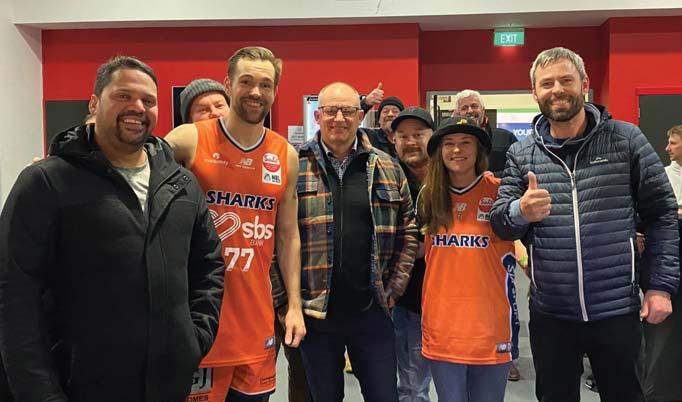
Our annual Staff Winter Warmer was held in June 2023, with South Port staff getting together at a Southland Sharks game in the corporate lounge. This was a great chance for staff from different departments to mix ‘n’ mingle and cheer on the local team. There was a prize for the best-dressed fan, with lucky random draws at half-time.
Our People
South Port people are ‘good people’
Our people are our greatest asset in these busy and bustling times when our attention is focused on supply chain disruption, export commodity prices, a cooling economy, and inflation.
It’s easy, but important, to not lose sight of our people - they are our greatest asset.
Values in Action Union Relationships
South Port’s Values guide the way we do business. They sum up what our Company stands for, influence our culture, and drive how and why we do things. They help us build a positive, trusting, high-performing environment where our people can thrive and succeed.
‘We encourage celebration of achievements and success’
‘Values in Action’ is one of the ways we acknowledge and thank the staff who live our Values day-to-day, whose performance and behaviours stand out, and who act as role models for others to follow.
We encourage the celebration of achievements and success. This could be at a staff briefing or toolbox, another internal communication channel, or a personal thank you and a handshake from the boss.
To a tee, recipients show a mix of surprise, pride, and humility when their efforts are acknowledged. They see themselves as simply doing their job and aren’t motivated by extra rewards or accolades - although a box of chocolates or a coffee voucher always goes down a treat!
Recipients over the past year include:
General Cargo: For introducing simple, safe, and effective traffic management and signage improvements around the berth, while packing aluminium.
Infrastructure: For working tirelessly to develop and implement a new visual high wind alarm system into the container terminal.
Fleet Maintenance: For undertaking a comprehensive system check on the mobile harbour crane ahead of a container exchange, notwithstanding that no warning alarms had gone off, preventing a potential breakdown that would have proved costly for the Company.
Cruise Operations (inaugural cruise vessel call of the season): For ensuring the traffic management plan was implemented on the day in a safe and efficient manner.
General Cargo, Terminal, and Health and Safety: A collaborative multi-team effort to isolate a potentially hazardous container and safely de-van damaged goods.
Driving a positive safety culture at the Port: Numerous examples of staff identifying unsafe practices and going out of their way to stop, alert, and educate – for example observing individuals not wearing correct PPE, ship’s crew not harnessed when working at heights, and traffic incidents.
South Port maintains an established, effective working relationship with our worker unions, amidst mutual trust and respect. This doesn’t just ‘happen,’ it takes energy, effort, and good faith on everyone’s part, along with an understanding that we all share in the success of the Port.
The Maritime Union of New Zealand (MUNZ), the union with the largest number of union members, has staff delegates with the experience and confidence to bring issues to the table before they escalate. This ensures we can work collaboratively to find solutions, rather than looking backward.
We also have several committees and working groups where workers are encouraged to voice their opinions, ideas for improvement, issues, and concerns. The concept of the workers’ voice is not new, but something we are promoting and publicising more and more.
Recruitment Challenges
The tight labour market continues to challenge employers nationwide, and South Port is no exception. This reaffirmed the Company’s commitment to invest more time and energy in training and developing from within.
In FY2023, we experienced a higher than usual turnover of 23 staff (19%) - two of which were retirements, and eight were relocating to other regions. The latter group includes former refugee staff employed in our cold stores, a business unit with a historically transient workforce. We also experienced the pressure of ‘poaching’, with key staff fielding approaches from other employers locally and within the wider port sector.
Over the past year, we struggled to fill some vacancies or fill them within desired timeframes, resulting in temporary workload pressures. This required careful management to maintain safe operating levels and staff morale; however, there were also positives in the succession planning around several retirements.
Port Sector Networking and Sharing
Most business areas within South Port engage regularly with port sector colleagues through established industry and sector networks. In some cases, these are direct port relationships, and in other cases via the Port Industry Association (PIA). PIA facilitates key workstreams covering Health and Safety, Container Operations, People and Capability, Training and Development, and Port Security. These connections enable us to broach common issues and share best practices. While there is a significant variance from port to port regarding business structures, operating models, scope, size, and scale of operations, we have similar drivers and face similar issues and challenges.
Training, Development and Career Progression
In this challenging labour market, alongside our recruitment to introduce new skills and expertise, we are committed to upskilling our people. We encourage them to take up every available training opportunity.
South Port also encourages staff to be active and present. This includes speaking up, asking questions, sharing ideas in staff briefings and toolboxes, and putting their names forward for committees, working groups, or feedback sessions.
Throughout the year, we invested significantly in technical and jobspecific training courses. These included:
• Pilots completing bridge simulation training in Australia
• Container Operators completing Napier Port's crane simulator training and assessments
• Warehousing Logistics Administrators completing advanced inventory management systems training, and
• Finance modelling training for our Accounting personnel.
Ultimately, however, on-job skill development still accounts for the bulk of South Port’s operator training, and the Company is fortunate to have highly skilled senior operators available for training.
In addition to technical training courses, South Port also invested in professional development around leadership, critical thinking, and communication.
In the leadership space, professional development was targeted at our frontline leaders and emerging peer leaders who could influence positive change in the workplace. We also trialled a tailored professional coaching and mentoring programme to stimulate a transition from a hands-on ‘business as usual’ approach to one more focused on leadership and strategic direction. This exercise resulted in clear, measurable, transformative change, and encourages us to consider bespoke programmes again in the future.
South Port also supported staff undertaking academic study, including Andrew Hill, whose Bachelor of Engineering will round out his Diploma, Sian Tarrant who is undertaking
a Bachelor of Applied Science in Psychology, and Sam Withey, who completed a Ports and Shipping Logistics paper with a 92% final A+ mark.
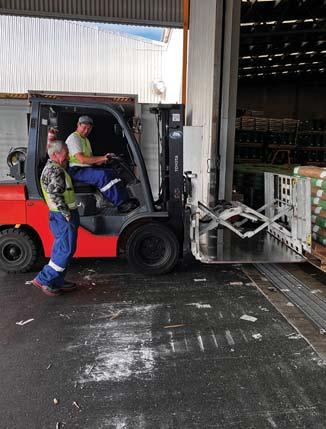
Dairy Warehousing Operator, Riki Goodman, training James Jay on the push-pull mechanism.
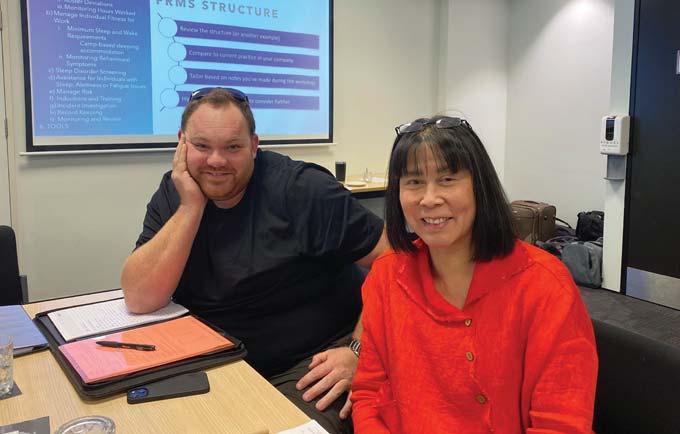
Fleet Maintenance Team Leader, Tyson Irwin, left, and People and Safety Manager, Helen Young, at a Fatigue Risk Management workshop in Wellington.
Warehousing Operators Rikki Goodman, left, and James Jay, right.
Bluff Masters Ahoy!
Robert (Bob) Coote
MARINE PILOT
With Bob at the helm, South Port is in safe hands!
Captain Robert Coote, our longestserving and most senior Marine Pilot, plays an integral role in keeping the Southern supply chain going.
Bluff Harbour is Bob’s backyard - he knows the channel inside out. For him, a typical workday involves safely guiding vessels in and out of the Port, using navigational aids to augment the skills he gained from a long and successful career at sea.
Bob grew up in Bluff. His home and heart have always been here, even through the years of serving in the Merchant Navy.
Bob spent time on fishing boats as a young man before joining the government-owned New Zealand Shipping Corporation in 1976. He started as a deck officer apprentice and eventually worked up to Master of Foreign Going in 1987, sailing ‘meat boats’ between New Zealand and the United Kingdom. This involved fivemonth-round trips and being away most of the year. He spent several years on various island traders and container vessels, before focusing on the offshore oil and gas industry on anchor handlers and supply vessels in the South China Sea, Persian Gulf, and off Taranaki. He further honed his navigation skills in Papua New Guinea as a Master on Copper Ore Carriers, transporting product 450 miles down the Fly River from the Oktedi Mine.
Bob jumped at the chance to join South Port in 1995, which coincided with him settling back permanently in Bluff with his wife Reo, eventually joined by their three beautiful daughters Roimata, Makareta, and Katarina.
When you ask Bob what’s good about working for South Port, he quickly answers: “it is enjoyable work, it’s always interesting, always changing, and I get a certain amount of satisfaction from doing the job well.”
He is proud of his contribution when the Port and Harbour Marine Safety Code was in its infancy, setting up safe operating systems that conformed to the newly introduced quality standards of good practice. This knowledge and experience were used when the Company started updating to a cohesive contemporary Port-wide health and safety system.
Bob acknowledges that his job can be tough given the unique structure of the channel, strong tidal flow, and challenging weather conditions, but it keeps him on his toes and keeps him energised.
Outside of work, his priority “[has] always been family” - one that comes from generations of Bluffies and is deeply entrenched in the South.
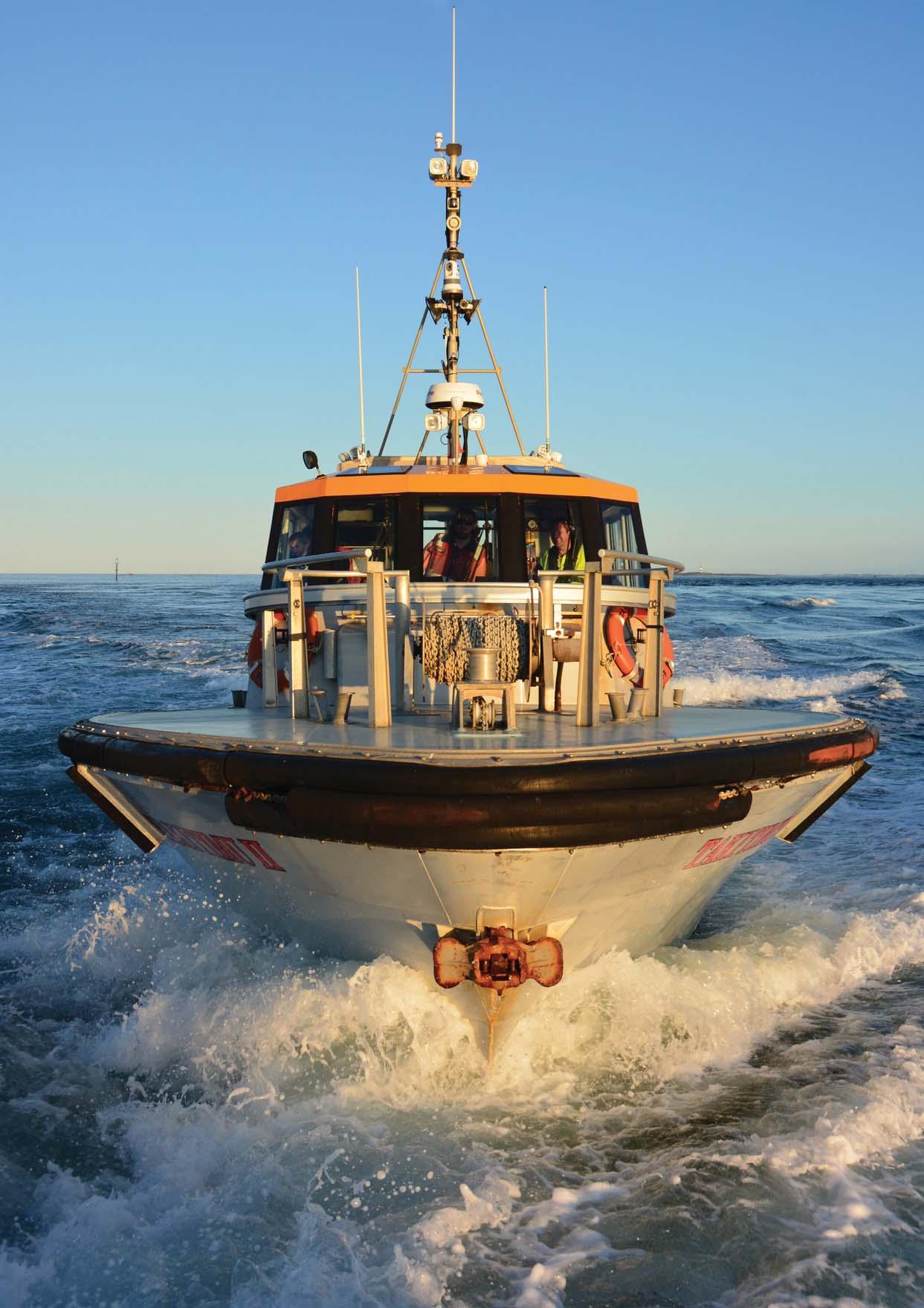
Warren Topi, left, and Bob Bowen, aboard the "Takitimu II."
Warren Topi
SENIOR TUG MASTER
The harbour is his playground, and his place of work
Senior Tug Master, Warren Topi, is a Bluffie through and through.
Warren’s career has been tied to the sea since he left school at 15 to work on his father’s fishing vessel, catching crayfish in Fiordland and blue cod in Foveaux Strait and around Stewart Island. He spent a decade working in Australia, including four years as Skipper of a 60m offshore fishing vessel, catching reef fish off the Queensland Coast.
After returning to New Zealand in 2006, Warren returned to Bluff where he worked as a Skipper for Sanford before the opportunity to join South Port arose in 2017. His decision to take a step backward and accept a deckhand position quickly paid off when he was offered the chance to join the relief tug master roster soon after.
In December 2022, Warren was promoted to Senior Tug Master. He is now the main point of contact for all tug-related matters, managing the tug fleet’s day-to-day operation and compliance requirements. He also works closely with our Tug Engineering Team Leader, Ed Allison, to co-ordinate surveys, repairs and maintenance.
Warren is not afraid of responsibility and hard work and has a reputation as “an all-round good guy”. He enjoys the responsibility that comes with his leadership position, and not much throws him off. The biggest adjustment is evolving technology - but as a selfproclaimed “pen and paper man” he has adapted superbly to the bells and whistles that come with South Port’s relatively new tug boat “Rakiwai.”
However, it’s not all work and no play! Warren loves getting over to Ruapuke Island and the Muttonbird Islands during the muttonbird season and enjoys travelling further afield, especially to Southeast Asia. Closer to home, following his son’s rugby team provides some good weekend entertainment through the winter months.
Bob Bowen
SENIOR LAUNCH MASTER
“Cool office and spectacular views”
Bob is another Bluffie, spending all his early years and most of his adult life in the southern township.
After leaving school in 1996, Bob joined the NZ Navy and worked his way to Leading Seaman before retiring in 2004. He has enjoyed a lot of variety in his career, including a stint as a Mayoral chauffeur, before working as a ferry skipper for Stewart Island Experience (Real NZ).
Bob started with the Pilot Launch 10 years ago when the service was contracted out. After South Port brought the launch operations back in-house last August, Bob and his fellow Launch Masters, Josh Neilsen, and Mark Edmiston, ensured the launch operations continued seamlessly 24/7.
Bob is excited about what the future holds for him at South Port. A highlight over the past year has been working with Marine Operations Manager, Peter Zotov, investigating options for a backup pilot launch - part of the Company’s long-term plan to build resilience in our marine fleet and ensure port operations continue without disruption when vessels are out of action for survey, repairs and maintenance.
For Bob, the best things about working for South Port are the “cool office and spectacular views!” He also rates the great people and quality equipment.
While there are peak periods when it’s all hands-on deck, Bob values the role’s flexibility. He especially enjoys supporting his wife Lara who has a full-on job as our Chief Financial Officer and spends quality time with their fouryear-old son Te Haunui-a-Kiwa (Kiwa). They are regularly out and about in Bluff on fun pāpā-and-son adventures.
“South Port’s commitment to Manaakitanga impresses me. I love being part of South Port and feel the Company genuinely cares for us and wants us to succeed.”
Dylan von Sommaruga IT
SUPERSTAR
“The job is a dynamic blend of systems and project work”
South Port’s IT Co-ordinator, Dylan von Sommaruga, loves overseeing our computer systems and networks, scoping technology projects, and ensuring our systems and processes are fit for purpose, fully functional and risk managed.
Dylan’s IT knowledge and systems expertise is what you’d expect from anyone in this kind of role - but throw in an easy-going, engaging personality, naturally curious mind, the joy of problem-solving, and highly attuned drive to ‘get things right’, and you have a superstar.
South Port blends his professional career in IT with his previous maritime experience dating back to a childhood on the sea with his yachtie parents, and his adventures as a young man on several blue water passages crewing on yachts to destinations such as Fiji,
Tonga, Norfolk Island, The Kermadec Islands, as well as many coastal passages up and down New Zealand. He has also worked in seagoing roles on Foveaux Strait, Abel Tasman in Nelson, and the Hauraki Gulf in Auckland.
Although Dylan’s a self-described computer geek, he’s not your stereotype. He has a beautiful grand piano which he plays (or lovingly polishes) each day - which is not always easy to do as his four children keep him on his toes. He has a goal of someday going coastal and ocean sailing again.
Over the coming year, Dylan is leading a major infrastructure ‘refresh’ project, replacing our physical servers, storage, and networking. “These projects are fun and involve unboxing and setting up shiny new equipment - my ultimate happy place!”
Blair Cousins 43 YEARS SERVICE, WHAT A MILESTONE!
After 43 years with South Port, Blair Cousins closed the chapter on a long and impressive career last August.
Turn back the clock to 1979, and a 19-year-old Blair ventured south from Nelson for employment as an Engineering Technician/Cadet with the Southland Harbour Board. At that time, the Island Harbour was only in the second stage of its development, which kept Blair and other engineers busy into the early eighties. After this, he moved into the role of Port Services Engineer, supervising contractors as they completed capital works, repairs, and maintenance.
Blair was responsible for the operation and maintenance of our Syncrolift facility from 2018 and was a qualified Dockmaster at the time of his retirement.
Blair’s contribution went beyond technical engineering. The Bluff Volunteer Fire Brigade was a part of his life for 20 years, resulting in lifelong friendships. He appreciated South Port’s support that he and other fire and ambulance volunteers received when they needed time off for emergency callouts.
Blair worked hard but he made sure to play as well. He was great fun in the staff room and was extremely competitive at pool and darts, he had such great success on the pool table, we were sure at times he was adjusting the levels between smoko breaks.
He was also an integral part of the social club committee. In the early days, the social club included work colleagues and their partners, who were always looking at ways to get staff connecting outside of the normal workday. Blair was always in the thick of organising events, especially the annual picnic and Christmas function, which focused heavily on family and was a great tradition for many years.
Thank you, Blair, for your 43 years of devoted, loyal service, and go well in your retirement.
Blair Cousins, right, with his son Philip, just before his retirement.
Diversity and Inclusion
At South Port, we want to create an environment that recognises and values different skills, abilities, genders, ethnicities, backgrounds, and experiences, but it’s fair to say that our journey toward a diverse and inclusive workforce is still early on.
To date, our diversity focus has been around gender representation. Over the past year, concerted efforts have increased the number of women employed in operational roles, or ‘on the tools.’ This is no mean feat, as the port industry is historically one of the most male-dominated in the world, and change is slow.
At the same time, we have also worked to be inclusive by creating an environment where all staff feel welcomed and treated equally, enabling them to participate and thrive. Different areas of the business involve different strategies depending on gender, age, ethnicity and lived experiences. But regardless of job, department, or seniority the end goal remains to develop and nurture a loyal, dedicated, motivated, and productive workforce.
Women at Work
As of 30 June 2023, we have seven women in operational roles. They are all working hard to pave the way for others to follow.
Michelle Lawson
DEPOT OPERATOR
Michelle started with South Port in 2020. Soon after she was signed off to operate heavy container handlers, joining the roster for continuous container vessel exchanges. She has gained her Institute of International Container Lessors survey qualification and is now sharing her knowledge with other trainees.
Michelle is a strong peer leader and always willing to offer suggestions to improve safe work practices, so she was a logical choice to join the Board’s Health and Safety Panel.
Sha’trece Woods
DAIRY WAREHOUSING OPERATOR
Sha’trece was originally employed as a fixed-term (seasonal) part-time labeller, and at the tail-end of the 2021-2022 season, South Port offered her forklift training.
After a tentative start, the dairy warehousing leadership group coached her into a permanent full-time position, and their efforts have paid off with Sha’trece learning new skills and gaining more confidence as time passes.
After completing her first full season on the forklift, Sha’trece has spent the offseason getting a better understanding of what it takes to succeed in the business.
Jess Snyman
DEPOT OPERATOR
Proactive efforts by the HR team helped Jess secure an interview, but from then on it was all her!
Jess’ enthusiasm, initiative and willingness to learn impressed the Company from the start. After years of seasonal work, she has a permanent full-time position, operating heavy machinery and is rostered for continuous container vessel operations.
Jess loves being based in Bluff, working outside by the sea, learning new things, and progressing in her career.
Jess has even undertaken crane simulator training and assessment, a pre-cursor to further on-job crane training in the coming year: “[The training] was awesome, I’m very lucky and very grateful [to South Port]”.
Lee McDermott
TERMINAL OPERATOR
Lee started with South Port in 2022, bringing her extensive experience as a Smelter Operator in Australia.
She had big shoes to fill, replacing a staff member with over 40 years of experience. That didn’t daunt her though, and although her training was interrupted due to an extended period of leave related to a non-work injury, she is ‘back in the saddle’ and continuing to develop her driving skills and become more familiar with our operations.
Debbie Sutherland, Julie Lay and Leudy Mora
COLD STORES OPERATORS
Debbie, Julie, and Leudy were appointed to permanent positions during the 2022-2023 season. They trained on outwards and inwards scanning, under the watchful eyes of our Senior Leading Hand, Tarryn Hamilton, and Senior Tally Operator, Elgreene Leviste.
Their appointments were made as a direct result of us reviewing our criteria for operational roles in the cold stores.
Traditionally, operators always started with heavy, repetitive, manual loading and sorting and didn’t get an opportunity to move on until they’d ‘done their time.’ Physiological differences and lack of upper body strength hindered women from getting a start, let alone progressing up the ranks.
However, the skillset for scanning and tallying is quite different and more specialised and justified ‘bypassing’ the heavily manual entry-level function.
Debbie is a Bluffie and started in the cold stores a couple of seasons ago as a casual. She very soon proved to be a real asset to the team, with her friendly, obliging personality and eagerness to learn new skills. Julie originally started in the cold stores as a fixed termer in 2016. The manual work was ultimately too strenuous for Julie, and after a short period, she moved to a seasonal labelling position in dairy warehousing, where she took the lead in training and coaching new members of the labelling team and generally acted as ‘aunty’ to the wider team! After several seasons, Julie transferred to the cold stores when a permanent opening arose.
Leudy came to South Port through the Red Cross ‘Pathways to Employment’ programme in November, and quickly established herself as a key member of the night shift team. Originally from Colombia, Leudy has worked hard to overcome the barriers posed by English being her second language and is now the primary scanner on the night shift.
FROM LEFT TO RIGHT: Leudy Mora, Julie Lay, Debbie Sutherland, Jess Snyman, Sha'trece Woods, Michelle Lawson and Lee McDermott.
Our Community
As part of our long-term commitment to the local community and wider region in which South Port operates, we offer sponsorship and support of sporting, cultural and community groups.
South Port’s community engagement includes:
• Community group interaction
• Port tours
• Sponsorship
• Written communication
• Not-for-profit and charity support
• Event support
• Working with young people
• Expert advice
• Staff volunteering in and around the community
Community and Regional Assistance
An investment of over $90,000 into the local community was made during the past 12 months.
Organisations that received sponsorship assistance over recent financial years include:
• Badminton Southland
• Bluff Bowling Club
• Bluff Hill/Motupōhue Environment Trust
• Bluff Kindergarten
• Bluff Netball Club
• Bluff Promotions
• Bluff Rugby Club
• Bluff Schools
• Bluff Volunteer Fire Brigade
• Burt Munro Challenge (Bluff Stage)
• Export Southland
• Graeme Dingle Foundation
• Hospice Southland
• Matariki Festival – Tūturu Charitable Trust
• Port Softball Club
• Rakiura Community Workshop –Stewart Island
• Rugby Southland
• Southern Steel Netball
• Southern Wood Council
• Southland Chamber of Commerce
• Southland Football
• Southland Mountain Bike Club – Bluff Bike Trails
• Southland Sharks
• St John Ambulance Service, Bluff
• Te Ara o Kiwa Sea Scouts, Bluff
• Te Rourou Whakatipuranga o Awarua
• Te Rūnaka o Awarua
• Tour of Southland
South Port Community Scholarship Recipients 2023
We want to congratulate this year’s successful scholarship recipients:
COMMUNITY SCHOLARSHIP
Paula Brown
Local Bluff resident Paula Brown is married with three children and is commencing a Master of Environmental Management degree. Her long-term goal is to pursue a PhD. Paula is interested in managing and conserving Antarctic and Subantarctic marine environments, especially as they relate to the ecology and conservation of bird populations. Living in Bluff during her childhood ignited Paula’s interest to study in this area. Paula started a Master’s in 2001, but her plans changed after the birth of her eldest child, and she has devoted the last 20 years to raising her children.
Paula loves the outdoors and is often out trail running, walking up a mountain, kayaking, mountain biking or tramping. Her other interests are photography and reading. She has spent the last eight years working as a science teacher and has really enjoyed interacting with the students she has taught.
Paula’s proposed course of study heavily focuses on conservation ecology and wildlife management. Paula is a dedicated student and always strives to do her best. Gaining this scholarship will mean that Paula will need to work less to help support her family, allowing her to continue her community involvement at the RSA and Bluff Senior Citizens.
We wish Paula well on her journey toward gaining her degree.
STAFF SCHOLARSHIP
Jackson Faithfull
Jackson has excelled both academically and in the sporting domain at James Hargest College. He is commencing his academic journey with the University of Otago, to study a Bachelor of Commerce, majoring in Accounting and Finance. Jackson aims to work towards either chartered accountancy or stock brokerage in the future. Jackson is the son of Scott Faithfull, South Port’s Bulk Cargo Coordinator.
Jackson is a very competent sportsman who has been involved in triathlons, volleyball, and basketball and has represented Southland in touch rugby at nationals for five years, captaining the side for two of those years. Jackson has played club football for the past 13 years for Old Boys AFC. He has been involved in the senior Donald Gray premier men’s team as one of their youth development players for the last two years. As well as club football,
Jackson has also been involved in age group Southland representative teams from U13-U17. He has also refereed summer and winter football matches for several years and coached an Old Boys junior team for the last two years.
Jackson has learned many valuable skills from his past coaches and managers. He enjoys coaching the younger aspiring players, as it allows him to give back and teach the younger players important skills to help them grow and develop.
Jackson’s other interests include cycling, running, skiing, and socialising with friends. He is currently working at Mitre 10 Mega, which has helped with his costs for university this year.
His teacher described him as a very dedicated and diligent student, Jackson shows initiative and commitment. These attributes will serve him well in the future. Haere pai (go well) Jackson!
South Port Chair, Rex Chapman, scholarship recipients Paula Brown and Jackson Faithfull, and South Port Board Member, John Schol, at the award ceremony in February.
Manaakitanga
Accountant,
Business Development Support, Sam Withey, Environmental Engineer, Eduardo Queluz, and Chief Financial Officer, Lara Stevens delivering Christmas gifts and a food hamper to Te Rourou Early Learning Centre Manager Andria Cross, to be distributed to families in the community. Andria is flanked by Lesharna Bryan-Patterson (left) and Rebecca Woods.
Christmas Hampers
South Port rallies the troops annually to donate Christmas gifts to selected Bluff families.
In November 2022, Bluff School, St Teresa's, Te Rourou, and Bluff Kindergarten each nominated one family. We then detailed the ages and genders of those selected to the broader South Port team, providing some guidance on what was required - such as food, gifts, and vouchers. The commercial team then facilitated the wrapping and handover of the hampers to each family, confidentially, via each school.
This Christmas, we had the fundraising assistance of PowerNet, along with former employee Anneke and her husband Ander Grobler, who put in a mammoth effort, substantially adding to the gift and pantry pool. Christmas 2022 was met with true manaakitanga style, and we truly appreciated the support.
Financial
Sarah Smith (left), and Executive Assistant, Justine Solomon (far right), along with Ander Grobler, handing over the kindly donated gifts and food to Bluff School Principal, Desiree Alapaki.
Rosi Coyle (centre left), taking receipt of the goodies from Payroll Administrator, Desre Breet, Cold Stores Supervisor, Doug Walker, and Cold Stores – Operations Nights Leading Hand, John Dobbie.
Finance Administrator, Donna Goodman (left), and PowerNet’s representative, Tony Clarke, present Bluff Kindergarten staff Sarahlee Bragg and Diane Slaughter, with Christmas hampers and presents for their chosen family.
Community Engagement and Sponsorship
Bluff Hill Motupōhue Environment Trust fouryear sponsorship
In August 2022, South Port partnered up with the Bluff Hill Motupōhue Environment Trust (BHMET) to improve the Little Blue Penguin habitat around the region.
As a result, South Port has committed to $50,000 over the next four years, allowing the Trust team to intensify their trap networks and continue to plant native species where the penguins nest.
Stewart Island Rescue Helipad
In December 2022, the Stewart Island community gratefully opened a game-changing emergency helipad, located at Traill Park. The project was estimated to cost around $65,000, funded by the Stewart Island Rakiura Visitor Levy, Sanford, and Community Trust of Southland, along with multiple businesses and individuals.
Unfortunately for the Helipad Working Group, construction costs exceeded budget, due to material costs increasing substantially post-COVID. When the group reached out to South Port to see if we could help, the answer was a quick yes, with a donation made.
Conservation Week Planting
Conservation Week took place from 5 to 11 September 2022. The Bluff Hill Motupōhue Environment Trust aimed to get 20,000 native plants into the ground, so, naturally, South Port wanted to get involved and help them reach their goal!
Planting events took place every day during the week, on multiple sites around Bluff. South Port teams participated over four days, often braving four seasons in one day.
FROM LEFT TO RIGHT: South Port’s Infrastructure and Environmental Manager, Frank O’Boyle, and Chief Executive, Nigel Gear, alongside BHMET Trustee and Project Leader, David Swann, and BHMET Chair, Estelle Pērā-Leask.
Community Engagement Survey
In August 2022, in line with South Port’s community engagement policy, the commercial team reached out to the Bluff community by way of:
• mail drop
• forms at the Bluff Service Centre
• targeted advertising on social media
• and organic Facebook posts.
This was to find out how we were doing in the eyes of the community, and what we might need to improve on.
Five $100 Prezzy Cards were offered as prizes to encourage responses, with the winners pictured here.
After two weeks of the survey being live, we received almost 120 completed forms - primarily through our online survey, with a small handful completed with a traditional hand-written form.
We shared the relevant results with the community in our six-monthly Community Newsletter, and will share our journey along the way as we look to put this feedback into play.
Hospice Southland Annual Street Appeal
In February 2023, 16 South Port team members took turns standing outside the Bluff Four Square and Foveaux Dairy, raising money for the Hospice Southland Annual Street Appeal. This was complemented with collection buckets in each department on Port, as well as the Bluff Service Centre and Sold Coffee and Gifts. South Port’s Environmental Engineer, Eduardo Queluz, and Site Engineer, Andrew Hill, are pictured here fundraising on the day.
The efforts saw the community raise $1,186, which went directly to Hospice Southland to support over 140 patients right across Southland and the Wakatipu Basin.
Bluff + St Teresa’s School – Channel Deepening Education
In September 2022, our Infrastructure and Enviromental Manager, Frank O'Boyle, Project Engineer, Jason Paul (pictured), and Communications Advisor, Charlotte Scoles, visited Bluff School to talk about the dredging project in the harbour. Many children from St Teresa's School and Bluff School thoroughly enjoyed learning about how the equipment works, with a hands-on example of why the dredging is taking place, and what it means for vessels visiting in the future.
Jumping June with Bluff School Tamariki
Some South Port staff excitedly participated in the Heart Foundation’s Jumping June event at Bluff School, performing in various skipping stamina activities and raising funds to go directly to the Foundation. The $5,000 aim was exceeded, with $6,500 raised.
St Teresa’s SchoolAnnual STEM Recipient
South Port provides a trophy to the St Teresa’s 'Science, Technology, Engineering and Mathematics (STEM) Award winner at the end of each school year. The winner of the 2022 trophy was Hazel Taei Aluni.
Monopoly – Southland Edition
In December 2022, the Southland Business Chamber released the Monopoly – Southland Edition, which was created to be a fun way to promote the region and support local companies. South Port features on the board so, as a part of the launch, the Port had a surprise visit from Mr Money Bags pictured with Communications Advisor, Charlotte Scoles, Administrator, Arlene Delgado, Commercial Manager, Jamie May, and Business Development Support, Sam Withey.
2022 Drop for Youth
On 26 November, Warren (Ratbag) Topi, South Port's Senior Tug Master, leaped off the AJ Hackett Kawarau Bridge Bungy in Queenstown for the 2022 Drop for Youth fundraising event, organised by the Graeme Dingle Foundation. When asked why he was keen to participate, Warren said, “our southern youth face many challenges in this ever-changing world, and I am passionate about supporting this charity which believes that every child is owed the opportunity to thrive, belong, and live a fulfilling life." Warren raised a whopping $5,515 for the foundation.
Young Enterprise –Speed Coaching and Judging
South Port annually supports the Young Enterprise Scheme (YES), where business professionals and entrepreneurs provide support and advice to students who are starting their new business ventures. Support is provided through speed coaching sessions with students, pitch judging, and sponsorship of the Social Enterprise Award. The proud winner of this award for 2022 was “Bees n’ Trees” from Mt Aspiring College in Wanaka.
Getting Active in the Community
Southland Stags
After several years of sponsorship, the relationship between the Southland Stags and South Port remains very strong. South Port utilise one home game each season, hosting upwards of 60 customers and team members at the event. South Port’s logo is also featured on the back of one of the playing jerseys.
Bluff Rugby Club
South Port proudly continued the sponsorship of Bluff Rugby Club, which started back in 1989. The team included five South Port employees, pictured here with some of the wider team who went along to show their support. The team impressively won the 2023 CJ Soper Cup.
South Port Football
South Port had just one team entered in the 2022/23 Invercargill Summer Football Competition, which is a social competition playing a series of 7-aside matches. While there was little success on the field, with just two wins and one draw, the team thoroughly enjoyed the camaraderie.
Regional Sponsorship
Tour of Southland –Share the Road
After supporting the Tour of Southland (Bluff Hill stage) for several years, South Port decided to partner with the “Share the Road team” and join some prominent Southland businesses to cosponsor a team. A number of our team got to interact with the riders on a daily basis travelling in the support vehicles.
Southland Sharks
South Port is a proud, longstanding Southland Sharks basketball team supporter. Our staff enjoy the tickets we receive as part of our sponsorship for every home game, where we also host customers courtside.
Southern Steel
South Port teamed up with Southern Steel for the 2023 season, the second year of the sponsorship partnership. Player Kate Heffernan, pictured, has the South Port logo featured on the back of her uniform.
Michael Bradley Photography
Monica Toretto Dempster
Directors
Clare Kearney Independent Director
BAgSci, MProfStuds, GradDipArts(Phil), CFInstD
Appointed October 2016
Philip Cory-Wright Independent Director
BCA, LLB (Hons), CFInstD
Appointed September 2010
John Schol Independent Director
MBA, FCA, CMInstD, DipGrad, BCom, NZDipBus
Appointed November 2022
Carla Harper Intern Director
NZIPIM, MInstD
Appointed May 2023
Michelle Henderson Independent Director
BE (Hons), CMInstD
Appointed October 2021
Nicola Greer Independent Director
MCom (Hons)
Appointed November 2019
Rex Chapman Independent Director
LLB, CMInstD, Chair
Appointed October 2002, Chair from 2011
Statutory Report of Directors
The Directors have the pleasure of submitting their 2023 Report and Financial Statements.
Principal Activities
The Company is primarily engaged in the commercial operation of the Port of Bluff. There has been no significant change in the nature of the Company’s business during the year.
Accounting Period
The financial statements are for the 12-month period from 1 July 2022 to 30 June 2023.
Results
The Company recorded a Net Surplus After Tax for the period of $11,712,000.
Disclosure of Share Dealing by Directors
The following Directors hold the following equity securities in the Company:
Dividend
The Directors have declared an ordinary dividend of $7,083,000 (27.00 cps) for the period ended 30 June 2023 including the final dividend amount of $5,116,000 (19.50 cps) payable in November 2023.
Directors’ and Officers’ Liability Insurance
The Company has arranged Directors’ and Officers’ Liability Insurance. This cover insures Directors against liabilities to other parties that may arise from their positions as Directors. The insurance does not cover liabilities arising from criminal actions.
Accounting Policies
There were no changes in accounting policies during the period. All policies are consistent with those applied in the previous year.
Remuneration of Directors
1 July 2022 - 30 June 2023
Directors’ remuneration for the 12 month period ended 30 June 2023 was as follows: Gross Taxable
R Chapman
P Cory-Wright
N Greer
M Henderson
C Kearney
J McClean1
J Schol2
1 | Retired 1 November 2022
2 | Appointed 1 November 2022
$100,000
$60,000
$60,000
$60,000
$60,000
$20,000
$40,000
Remuneration for Employees over $100,000 1 July 2022 - 30 June 2023
$160,001-$170,000
$170,001-$180,000
$210,001-$220,000
$220,001-$230,000
$250,001-$260,000
$260,001-$270,000
No other benefits have been provided by the Company to a Director or in any other capacity. No loans have been made by the Company to a Director nor has the Company guaranteed any debts incurred by a Director.
Remuneration of Employees
Section 211(1)(g) of the New Zealand Companies Act 1993 requires disclosure of remuneration and other benefits, including redundancy and other payments made on termination of employment, in excess of $100,000 per year, paid in respect of the current year by the Company to any employees who are not Directors of the Company.
The Chief Executive Officer’s Employment Contract is reviewed annually by the Board. It is not a fixedterm contract.
The remuneration of senior management is reviewed annually and is determined in a transparent, deliberate, and objective manner.
Notice and Pause Provisions
The Company has adopted “notice and pause” provisions in its Constitution.
Audit & Risk Committee
The Company has a formally constituted Audit & Risk Committee comprising Messrs P Cory-Wright (Chair), J Schol and Ms N Greer.
It is the role of the Audit & Risk Committee to review the Company’s financial statements and announcements, liaise directly with the Company’s Auditors and review the Company's accounting policies, practices and related matters.
Auditor’s Remuneration
During the year $79,858 was paid to the Company’s Auditors, Deloitte Limited, for audit services carried out as agent for the Controller and Auditor General for the year ended 30 June 2023. The Company did not pay the Auditors for any advice or guidance on other matters.
Directors' Interests
The Company is required to maintain an Interests Register in which particulars of certain transactions and matters involving the Directors must be recorded. No material transaction entries were recorded in the Interests Register for the period 1 July 2022 to 30 June 2023. The Directors of the Company have declared interests in the following identified entities as 30 June 2023:
Position
Mr R T Chapman
Cruickshank Pryde Partner
Forklifts NZ Ltd
IFS Growth
Makarewa Cool Stores Ltd
Niagara Sawmilling Company Ltd
Prime Range Meats Ltd
Pyper's Produce Ltd
Winton Stock Feed Ltd
Bluff Limited
Position
Solicitor
Solicitor
Solicitor
Solicitor
Solicitor
Solicitor
Solicitor
Solicitor
CP Trustees Limited Director
Mr P W Cory-Wright
NZ Local Government Funding Agency Director
Papa Rererangi I Puketapu Limited (New Plymouth Airport) Chair
NZ Windfarms Limited Director
Matariki Forestry Group Director (and its wholly owned subsidiaries)
Powerco NZ Holdings Limited Director (and its wholly owned subsidiaries)
Mrs C M Kearney
New Zealand Alpine Club President
New Zealand Alpine Club Board Chair
Mrs M A Henderson
Meridian Energy Limited Director
Fulton Hogan Limited Director
Fulton Hogan Land Development Limited Director
Fulton Hogan Transport Pty Ltd Director
Fulton Hogan Utilities Pty Ltd Director
Fulton Hogan Quarries Pty Ltd Director
Fulton Hogan Industries Pty Ltd Director
Fulton Hogan Construction Pty Ltd Director
Fulton Hogan Australia Pty Ltd Director
Fulton Hogan Australia (Management) Pty Ltd Director
Ms N J Greer
Fidelity Life Assurance Company Limited Director
Fidelity Insurance Limited Director
New Zealand Railways Corporation Limited Director
Precinct Properties NZ Limited Director
NZ Markets Disciplinary Tribunal Member
Mr W J Schol
Invercargill City Holdings Limited Director
Invercargill City Property Limited Director
Malloch McClean Limited Director
Amberly Trustees Limited Director
Clarity HQ Limited Director
Mr J J McClean
Malloch McClean Limited Director
Tara Downs Forestry Limited Director
R T CHAPMAN Chairman of Directors P W CORY-WRIGHT Director
Dated 25 August 2023
Statutory Disclosure in Relation to Shareholders
Top Twenty Ordinary Shareholdings
* New Zealand Central Securities Depository Limited (NZCSD) provides a custodial depository service which allows electronic trading of securities to its members. For the purpose of this table, shares in the Company held by NZCSD have been allocated to the applicable members. For reference, as at 30 June 2023, the total holding through NZCSD in the top holders list was 1,341,422 ordinary shares or 5.11% of shares on issue.
Size of Holding
Substantial Security Holders
Shareholder Highlights
Domicile of Shareholdings
10 Year Cumulative Total Shareholder Return
Corporate Governance Statement
South Port New Zealand (South Port) prepares a full Corporate Governance Statement which can be accessed on the Company’s website by using the QR code or link below. Scan the QR code to read more.
The Board of Directors (the Board), and Leadership Team of South Port are committed to building long-term value for shareholders and employees. We are honouring this commitment by maintaining the highest standards of governance, supported by best practice structures, people, and policies. This includes maintaining high standards of business integrity and ethics in all of our activities. The extent to which South Port has followed the recommendations of the NZX Corporate Governance Code dated 17 June 2022 (NZX Code) for the financial year ended 30 June 2023 is detailed in the Company’s full Corporate Governance Statement. This statement was approved by the Board on 25 August 2023 and was accurate as at that date.
Consistent with its commitment to best practice corporate governance, the Board’s view is that South Port’s corporate governance policies, practices and processes generally follow the recommendations set by the NZX Code in all material aspects for the financial year ending 30 June 2023. The Board regularly reviews and assesses South Port’s governance policies, procedures, and practices to ensure they are appropriate and effective. The Corporate Governance Statement includes disclosure to the extent to which South Port has followed each of the recommendations of the NZX Code or, if applicable, an explanation of why a recommendation was not followed and any alternative practices followed in lieu of the recommendation.
South Port’s key corporate governance documents referred to in the Corporate Governance Statement, including charters and policies, can be found on the Company’s website:
https://southport.co.nz/ page/?kjSY0Y
These documents should be read in conjunction with this statement:
• Audit & Risk Committee Charter
• Board Charter
• Code of Ethics
• Company Constitution
• Continuous Disclosure Policy
• Director and Executive Remuneration Policy
• Diversity and Inclusion Policy
• External Auditor Relationship Framework
• Health and Safety Policies
• Protected Disclosures / Whistleblowing Policy
• Securities Trading Policy and Guidelines
• Sensitive Expenditure Policy
Our Directors and Board Composition
South Port’s Directors bring a diverse wealth of experience, acting on behalf of our shareholders and other stakeholders.
Directors are chosen for their corporate leadership skills, professional backgrounds, experience and expertise.
The right blend of skills and experience, combined with the diversity of Directors’ perspectives, is crucial to ensuring the attainment of long-term value for South Port’s shareholders.
At 30 June 2023, the Board comprised six directors: Rex Chapman, Philip Cory-Wright, Nicola Greer, Clare Kearney, Michelle Henderson and William (John) Schol.
Past director Jeremy McClean retired at the 2022 Annual Meeting. Mr Schol was appointed at the 2022 Annual Meeting as an independent director replacing Mr McClean on the Board.
Under the NZX Listing Rules, a director must not hold office (without reelection) past the third annual meeting following that Director’s appointment or three years, whichever is longer. The Company’s Constitution also requires at least one third of the Board to retire annually. Accordingly, Mr Chapman is required to retire by rotation this year. Mr Chapman, who was appointed to the Board in 2002 (Chair from 2011), has previously indicated his intention to retire from the Board at the conclusion of the 2023 Annual Meeting.
Mr Cory-Wright will also retire this year despite his three-year rotation not being due until 2025. This is to ensure the Company adheres to the Board rotation requirements outlined in its Constitution. Being eligible, Mr Cory-Wright has offered himself for re-election at the Annual Meeting in October 2023.
For more information about our Board, please visit:
https://southport.co.nz/ page/?XhtaCZ
Board Composition and Performance
“To ensure an effective board, there should be a balance of independence, skills, knowledge, experience and perspectives.”
Director Particulars
Recommendation 2.4: Every issuer should disclose information about each director in its annual report or on its website, including a profile of experience, length of service, independence and ownership interests and director attendance at board meetings.
As at 30 June 2023, the Board was comprised of six independent nonexecutive directors including a nonexecutive Chair. The biography of each Board member is available on the Company’s website.
The size and composition of the Board is subject to the limits imposed by South Port’s Constitution and in accordance with the provisions of the Port Companies Act 1988. The Constitution requires the Board to comprise of a minimum number of six directors. Under the NZX Listing Rules the Board is required to maintain at least two independent directors. The criteria for director independence are outlined in the Board Charter. Pursuant to the Company’s Constitution, one third of the directors retire by rotation at each annual meeting but are eligible for reappointment by shareholders.
Diversity
Recommendation 2.5: An issuer should have a written diversity policy which includes requirements for the Board or a relevant committee of the Board to set measurable objectives for achieving diversity (which, at a minimum, should address gender diversity) and to assess annually both the objectives and the entity’s progress in achieving them. The issuer should disclose the policy or a summary of it.
The Company and its Board recognise and believe that building a diverse and inclusive workforce provides significant opportunity to leverage engagement, innovation, productivity and improved service to our customers.
South Port is committed to providing a work environment that recognises and values different skills, ability and experiences and where people are treated fairly in order to attract and retain talented people who will contribute to the achievement of South Port’s commercial success.
Diversity and inclusion is a commitment to recognising and appreciating the variety of characteristics that make individuals unique; for example, gender, age, race, ethnicity, culture, disability, education and background.
The South Port Diversity and Inclusion Policy is disclosed on the Company’s website and includes the following specific measurable objectives set by the Board:
• At least 25% gender diversity across all SPNZ Staff by 2025;
• At least 20% gender diversity across SPNZ Supervisors by 2025;
• At least 25% gender diversity across SPNZ Executive by 2025;
• At least 25% gender diversity across SPNZ Board by 2025;
• At least 10% gender diversity across operational areas by 2025.
The following table compares the above measurable objectives against the actual data at balance date:
Director Independence
Recommendation 2.8: A majority of the Board should be independent directors.
South Port acknowledges that having a majority of independent directors makes it harder for any individual or small group of individuals to dominate the Board’s decision-making and maximises the likelihood that the decisions being made by the Board will reflect the best interests of the entity and its shareholders.
South Port’s Board Charter specifies that the Board shall maintain at least a minimum number of two independent directors or where the Board comprises eight or more directors, the number of independent directors shall be at least three or one-third of all directors. The Chair of the Board must be a nonexecutive director.
As at 30 June 2023, the Board was comprised of six independent directors including an independent Chair. All six directors are considered by the Board to be “independent” directors having regard to (amongst other things) the following factors. None of those directors:
• Have been employed by the Company in an executive capacity within the last five years;
• Holds 5% or more of the shares on issue in the Company;
• Is, directly or indirectly, an adviser or consultant to the Company or a member of senior management or who has been in such a relationship within the previous three years;
• Have a personal service contract with the Company or a member of senior management;
• Within the last five years has had a significant business relationship with the Company (other than as a director) from which the director has derived or is likely to derive 10% or more of that director’s annual revenue;
• Is employed by a corporation of which a member of senior management serves as a director;
• Is a member of the immediate family of any person described above; or
• Have had any of the relationships described above with any affiliate of the Company.
PRINCIPLE 3
Board Committees
“The Board should use committees where this will enhance its effectiveness in key areas, while still retaining board responsibility.”
Overview of Board Committees
Recommendation 3.5: An issuer should consider whether it is appropriate to have any other board committees as standing board committees. All committees should operate under written charters. An issuer should identify the members of each of its committees, and periodically report member attendance.
The Board does not operate any other committees apart from the Audit & Risk Committee. Consideration has been given as to whether any other standing board committees are appropriate and determined they are not required.
Takeover Protocols
Recommendation 3.6: The Board should establish appropriate protocols that set out the procedure to be followed if there is a takeover offer for the issuer including any communication between insiders and the bidder. The Board should disclose the scope of independent advisory reports to shareholders. These protocols should include the option of establishing an independent takeover committee, and the likely composition and implementation of an independent takeover committee.
The Board has not established protocols for setting out procedures to be followed in the event of a takeover offer. This is because the Board considers receipt of a takeover offer to be an extremely unlikely event given the Southland Regional Council’s (Environment Southland) majority shareholding in the Company.
Remuneration
“The remuneration of directors and executives should be transparent, fair and reasonable.”
Board of Directors Remuneration
Recommendation 5.1: An issuer should recommend director remuneration to shareholders for approval in a transparent manner. Actual director remuneration should be clearly disclosed in the issuer’s annual report.
Director remuneration is paid in the form of director’s fees. On 1 November 2022 the shareholders approved the directors’ fee pool limit of $400,000 per annum.
1 | Retired from ARC 9 December 2022
2 | Appointed to ARC 9 December 2022
3 | Retired from Board 1 November 2022
4 | Appointed to Board 1 November 2022
Information on director remuneration is available in the South Port Annual Report 2023; refer “Statutory Report of Directors” (page 68). It includes a breakdown of remuneration for board fees. There are no separate fees provided for members of the Audit & Risk Committee. Directors are entitled to reimbursement of reasonable travel and other expenses incurred by them in connection with their attendance at Board or Annual Meetings, or otherwise in connection with South Port business.
Remuneration Policy
Recommendation 5.2: An issuer should have a Remuneration Policy for remuneration of directors and officers, which outlines the relative weightings of remuneration components and relevant performance criteria.
South Port has adopted a Remuneration Policy which sets out the guiding principles and structure of South Port’s remuneration to the Board and executives, together with the review process and reporting requirements to ensure that remuneration is transparent, fair and reasonable to meet the needs of the business, corporate governance bodies and shareholders. The Board seeks to ensure that directors and executives receive remuneration that is fair and reasonable in a competitive market for the skills, knowledge and experience required by the Company.
Employees’ Remuneration
The Board is responsible for reviewing the remuneration of the Company’s senior management in consultation with the Chief Executive of the Company. The remuneration packages of senior management consist of a mixture of a base remuneration package and a variable remuneration component based on relevant performance measures, designed to attract, motivate and retain high quality employees who will enable the Company to achieve its short and longterm objectives.
Details relating to the number of employees and former employees who received remuneration and other benefits in excess of $100,000 during the year ended 30 June 2023 is available in the South Port Annual Report 2023, refer “Statutory Report of Directors" (page 68).
Chief Executive Remuneration
Recommendation 5.3: An issuer should disclose the remuneration arrangements in place for the CEO in its annual report. This should include disclosure of the base salary, short-term incentives and long-term incentives and the performance criteria used to determine performance-based payments.
The Chief Executive’s remuneration is made up of fixed remuneration and variable remuneration (short-term incentives only). Variable remuneration refers to remuneration that is “at risk” and linked to individual and organisational performance with clearly defined metrics. The Chief Executive’s remuneration is reviewed annually by the Board and an external consulting firm is engaged as appropriate to review market relativity and comparability against peer groups.
The fixed remuneration is determined in relation to the market for comparable sized and performing companies and includes all benefits and allowances. The position in the market will normally be comparable to the median. Adjustments are not automatic and are determined by performance which is reviewed annually by the Board.
The Chief Executive’s remuneration for the year ended 30 June 2023 was made up as follows:
Chief Executive Remuneration
2023
Fixed Remuneration
Short Term Incentive
Total
2022
Fixed Remuneration
Short Term Incentive
Total
$458,021
$94,000
$552,021
$429,042
$54,000
$483,042
The fixed remuneration includes a base salary, employer KiwiSaver contributions, vehicle allowance and medical insurance.
The short-term incentive (STI) is set at a maximum of $54,000 per annum (including holiday pay) for the Chief Executive. 20% of the STI is linked to the Company’s financial performance with the actual opportunity being either 0% or 100%. The other 80% of the STI is based on achieving strategic objectives with the actual opportunity in the range of 0% to 100%. Objectives are set each year by the Board and for the 2023 year included financial and other targets for the Company overall, as well as personal objectives and targets, appropriate for the role. FY23 remuneration for the Chief Executive also included a one-off STI relating to project Kia Whakaū.
PRINCIPLE 6
Risk Management
“Directors should have a sound understanding of the material risks faced by the issuer and how to manage them. The Board should regularly verify that the issuer has appropriate processes that identify and manage potential and material risks.”
Environmental Social And Governance (ESG) Factors
South Port is a Climate Reporting Entity (CRE) under the new Aotearoa New Zealand Climate Standards which came into effect on 1 January 2023. The Group’s first mandatory reporting period under these new standards will be for the year ended 30 June 2024.
The new climate standards provide a consistent framework for entities to consider the climate-related risks and climate-related opportunities that climate change presents for their activities over the short, medium and long term. The climate-related disclosures cover four pillars being; governance, strategy, risk management, and metrics & targets.
South Port is currently working towards compliance with these new standards and has engaged an external advisor to assist management and the Board with this process. A brief overview of the work undertaken to date is included in the ‘Environment’ section - refer to page 27.
Te Pūkorokoro o Murihiku South Port Waiata
Nā Pip Hakopa i Tito
Composer: Phillipa Hakopa
Tai timu, tai pari o Awarua e
I raro i te maunga Motupōhue
Tai aroha e te tupuna…Tahu Pōtiki
Waitaha, Ngāti Māmoe, Ngāi Tahu e
Tū whakaiti mātou
Te Pūkorokoro o Murihiku
Nei rā ngā mihi ki a koutou e
Nei rā ngā mihi e te iwi ….
Te taurapa o te waka Aoraki
Auē! Auē! Auē! hā! hī!
The ebb and flow of the Bluff Harbour
Under the auspice of Bluff Hill
The tides of love for the chieftan Tahu Pōtiki
Waitaha, Ngāti Māmoe, Ngāi Tahu e
South Port stands humbly before you
Te Pūkorokoro o Murihiku
We greet you all the people of the marae
We greet you all the people of this land
The stern of the waka that is Aoraki
Auē! Auē! Auē! hā! hī!
A Fond Farewell After 21 Years at the Helm:
Rex Chapman
Rex Chapman was appointed to the Board in October 2002, replacing Ian Tulloch, who retired by rotation. The correlating Annual Report stated at the time that Rex was a prominent Invercargill-based commercial solicitor. Rex was later appointed Chair in 2011, replacing John Harrington, and has remained in this position until his retirement this year. Below is a brief look at what has happened at the Port during Rex’s time on the Board.
The Port was a slightly different ‘animal’ back in 2002.
Total cargo throughput was 2.12 million tonnes, of which the New Zealand Aluminium Smelter (NZAS) represented 53% of total cargo. There was 8,600 TEU handled on three shipping services, Tasman Orient Line, P&O Nedlloyd, and MSC. All these containers were handled using ship cranes. In 2002, there was also a large percentage of breakbulk timber and MDF being loaded on shipping services for the West Coast of the USA and North Asia. It is also interesting to note that South Port had a cargo split of 64% imports (36% exports) which is unusual in the New Zealand context in that the country is predominantly heavily balanced towards export cargo.
Looking at the numbers, total revenue was $14.2 million, net operating surplus (before tax) was $3.9 million, return on assets 14%, return on shareholders funds 11%, dividends per share 6.5c, total assets $28.7 million and the share price was $1.72.
What changed on the journey to 2023?
Today is quite a different picture. Total cargo is 3.48 million tonnes a 64% increase from 2002 and NZAS now represents 30% of total throughput, showing that the Port has successfully diversified its cargo base, providing more resilience. Containers have increased to 42,000 TEU (a 388% increase) with modern mobile harbour cranes now loading the vessels with the increased use of technology to track container movements.
Over this time, we have gone through a period of extensive investment on our infrastructure as follows:
• The establishment of the Intermodal Freight Centre, adjacent to KiwiRail in Invercargill.
• Major work carried out to the roads, wharves, and electrical infrastructure on the Island Harbour.
• The access bridge to the Island Harbour has had a major refurbishment, including the installation of impressed current cathodic protection.
The table below highlights the changes to the Company's returns during the past 21 years:
• The accessway, pipeline corridor, and discharge platform for the fuel berth at the Town Wharf were upgraded providing another 50 years of life.
• The largest single investment on a piece of plant was made with the purchase of the new ATD tug “Rakiwai.”
• Project Kia Whakaū, to deepen the entrance channel, swinging basin, and berth pockets by a metre was completed successfully. This last project to deepen the Port will have everlasting benefits for all Southland importers and exporters.
While Rex will probably not wish to claim all the success for these achievements, he definitely played a key role during his 21 years at the Port, and especially the last 12 as Chair.
It would be fair to say that Rex’s sharp intellect, calm demeanour, humour, and some good old-fashioned Southland commonsense will be sorely missed by his colleagues on the Board and the senior leadership team.
Kia Whakaū Capital Dredging Project
https://southport.co.nz/page/?MrBb6M
"Murihiku"
This campaign fell within the scope of work subject to approval in the 1980s
F Fishshinng Bo Boat at Pieiers s
Auditor’s Report
Independent Auditor’s Report
To The Shareholders of South Port New Zealand Limited
The Auditor-General is the auditor of South Port New Zealand Limited and its subsidiaries (the Group). The Auditor-General has appointed me, Mike Hawken, using the staff and resources of Deloitte Limited, to carry out the audit of the consolidated financial statements on his behalf.
Opinion
We have audited the consolidated financial statements of the Group on pages 90 to 111, that comprise the consolidated statement of financial position as at 30 June 2023, the consolidated statement of comprehensive income, consolidated statement of changes in equity and consolidated statement of cash flows for the year then ended, and the notes to the consolidated financial statements including a summary of significant accounting policies and other explanatory information.
In our opinion, the consolidated financial statements present fairly, in all material respects, the consolidated financial position of the Group as at 30 June 2023, and its consolidated financial performance and its consolidated cash flows for the year then ended in accordance with the New Zealand equivalents to International Financial Reporting Standards and International Financial Reporting Standards.
Basis for opinion
We conducted our audit in accordance with the Auditor-General’s Auditing Standards, which incorporate the Professional and Ethical Standards and the International Standards on Auditing (New Zealand) issued by the New Zealand Auditing and Assurance Standards Board. Our responsibilities under those standards are further described in the Auditor’s responsibilities for the audit of the consolidated financial statements section of our report. We are independent of the Group in accordance with the Auditor-General’s Auditing Standards, which incorporate Professional and Ethical Standard 1: International Code of Ethics for Assurance Practitioners issued by the New Zealand Auditing and Assurance Standards Board, and we have fulfilled our other ethical responsibilities in accordance with these requirements.
We believe that the audit evidence we have obtained is sufficient and appropriate to provide a basis for our opinion.
Other than in our capacity as auditor we have no relationship with, or interests in, South Port New Zealand Limited or any of its subsidiaries.
Key Audit Matters
Key audit matters are those matters that, in our professional judgement, were of most significance in our audit of the financial statements for the current period. These matters were addressed in the context of our audit of the financial statements as a whole, and in forming our opinion thereon, and we do not provide a separate opinion on these matters.
Key audit matter
Property, Plant and Equipment
As outlined in note 11 of the financial statements, the carrying amount of the Group’s property, plant and equipment is $87,727,000.
Amounts are capitalised to property, plant and equipment and the Group assesses the recoverable amount of these assets in accordance with the accounting policies outlined in notes 3e and 3f(ii) of the financial statements.
The Group identified the possible closure of the New Zealand Aluminium Smelter (NZAS) as an indicator of impairment for property, plant and equipment, so performed an impairment test of the cash generating units related to the NZAS assets.
The impairment model was completed using a discounted cashflow analysis to determine value in use which contains several key assumptions:
• Annual revenue and expense growth rates over the next 5 year forecast period (including the impact of the possible NZAS closure at 31 December 2024)
• Pre-tax discount rates
• Terminal growth rates
We include impairment of property, plant and equipment as a key audit matter due to the level of subjectivity involved in the assumptions and the significance of the amounts involved.
We obtained an understanding of the Group’s assessment for impairment indicators and its impairment model for property, plant and equipment, and focused our procedures on the key assumptions used in the model.
Our procedures included:
• Agreeing forecast cashflows to Board approved budgets
• Challenging the reliability of the Group’s revenue and expense growth rates by considering the accuracy of previous forecasts by comparing them to actual results and considering the impact of Covid 19 on forecast revenue and profitability.
• Evaluating the assumptions and impact of NZAS exit on the forecast cashflows.
We used our internal valuation specialists to assist with evaluating the models and challenging the Groups key assumptions.
The procedures of the specialists included:
• Evaluating the appropriateness of the valuation methodology
• Testing the mathematical integrity of the models
• Evaluating the Group’s determination of the pre-tax discount rates used in the models through consideration of relevant risk factors for the Cash Generating Unit, the cost of capital to the Group, and market data for comparable businesses
• Comparing the terminal growth rates to market data.
We also performed sensitivity analysis to consider the extent to which a change in one or more of the key assumptions could give rise to impairment of Property, Plant and Equipment.
As a result of the above procedures, we are satisfied that there is no impairment.
Other information
The Directors are responsible on behalf of the Group for the other information. The other information comprises the information included on pages 2 to 86, and 112 to 121, but does not include the consolidated financial statements and our auditor’s report thereon.
Our opinion on the consolidated financial statements does not cover the other information and we do not express any form of audit opinion or assurance conclusion thereon.
In connection with our audit of the consolidated financial statements, our responsibility is to read the other information and, in doing so, consider whether the other information is materially inconsistent with the consolidated financial statements or our knowledge obtained in the audit or otherwise appears to be materially misstated. If, based on the work we have performed, we conclude that there is a material misstatement of this other information, we are required to report that fact. We have nothing to report in this regard.
How our audit addressed the key audit matter
Directors’ responsibilities for the consolidated financial statements
The Directors are responsible on behalf of the Group for the preparation and fair presentation of the consolidated financial statements in accordance with the New Zealand equivalents to International Financial Reporting Standards and International Financial Reporting Standards,and for such internal control as the Directors determine is necessary to enable the preparation of consolidated financial statements that are free from material misstatement, whether due to fraud or error.
In preparing the consolidated financial statements, the Directors are responsible on behalf of the Group for assessing the Group’s ability to continue as a going concern, disclosing, as applicable, matters related to going concern and using the going concern basis of accounting unless the Directors either intend to liquidate the Group or to cease operations, or have no realistic alternative but to do so.
The Directors’ responsibilities arise from the Financial Markets Conduct Act 2013.
Auditor’s responsibilities for the audit of the consolidated financial statements
Our objectives are to obtain reasonable assurance about whether the consolidated financial statements as a whole are free from material misstatement, whether due to fraud or error, and to issue an auditor’s report that includes our opinion.
Reasonable assurance is a high level of assurance, but is not a guarantee that an audit conducted in accordance with the Auditor-General’s Auditing Standards will always detect a material misstatement when it exists. Misstatements can arise from fraud or error and are considered material if, individually or in the aggregate, they could reasonably be expected to influence the economic decisions of shareholders taken on the basis of these consolidated financial statements.
As part of an audit in accordance with the Auditor-General’s Auditing Standards, we exercise professional judgement and maintain professional scepticism throughout the audit. We also:
• Identify and assess the risks of material misstatement of the consolidated financial statements, whether due to fraud or error, design and perform audit procedures responsive to those risks, and obtain audit evidence that is sufficient and appropriate to provide a basis for our opinion. The risk of not detecting a material misstatement resulting from fraud is higher than for one resulting from error, as fraud may involve collusion, forgery, intentional omissions, misrepresentations, or the override of internal control.
• Obtain an understanding of internal control relevant to the audit in order to design audit procedures that are appropriate in the circumstances, but not for the purpose of expressing an opinion on the effectiveness of the Group’s internal control.
• Evaluate the appropriateness of accounting policies used and the reasonableness of accounting estimates and related disclosures made by management.
• Conclude on the appropriateness of the use of the going concern basis of accounting by the directors and, based on the audit evidence obtained, whether a material uncertainty exists related to events or conditions that may cast significant doubt on the Group’s ability to continue as a going concern. If we conclude that a material uncertainty exists, we are required to draw attention in our auditor’s report to the related disclosures in the consolidated financial statements or, if such disclosures are inadequate, to modify our opinion. Our conclusions are based on the audit evidence obtained up to the date of our auditor’s report. However, future events or conditions may cause the Group to cease to continue as a going concern.
• Evaluate the overall presentation, structure and content of the consolidated financial statements, including the disclosures, and whether the consolidated financial statements represent the underlying transactions and events in a manner that achieves fair presentation.
• Obtain sufficient appropriate audit evidence regarding the financial information of the entities or business activities within the Group to express an opinion on the consolidated financial statements. We are responsible for the direction, supervision and performance of the group audit. We remain solely responsible for our audit opinion.
We communicate with the Directors regarding, among other matters, the planned scope and timing of the audit and significant audit findings, including any significant deficiencies in internal control that we identify during our audit.
We also provide the Directors with a statement that we have complied with relevant ethical requirements regarding independence, and to communicate with them all relationships and other matters that may reasonably be thought to bear on our independence, and where applicable, related safeguards.
From the matters communicated with the Directors, we determine those matters that were of most significance in the audit of the consolidated financial statements of the current period and are therefore the key audit matters. We describe these matters in our auditor’s report unless law or regulation precludes public disclosure about the matter or when, in extremely rare circumstances, we determine that a matter should not be communicated in our report because the adverse consequences of doing so would reasonably be expected to outweigh the public interest benefits of such communication.
Our responsibilities arise from the Public Audit Act 2001.
Mike Hawken Partner for Deloitte Limited
On behalf of the Auditor-General Dunedin, New Zealand
25 August 2023
Consolidated Statement of Comprehensive Income
Consolidated Statement of Changes in Equity
Consolidated Statement of Financial Position
On behalf of the Board Dated 25 August 2023
Chair of DirectorsDirector
Consolidated Statement of Cash Flows
Notes to the Financial Statements
01 Reporting Entity
South Port New Zealand Limited (the “Company”) is a company domiciled in New Zealand, registered under the Companies Act 1993 and listed on the New Zealand Stock Exchange (“NZX”). The Company is an issuer in terms of the Financial Reporting Act 2013.
The consolidated financial statements of South Port New Zealand Limited as at and for the period ended 30 June 2023 comprise the Company and its subsidiary Awarua Holdings Ltd (together referred to as the “Group”). South Port New Zealand Ltd is primarily involved in providing and managing port and warehousing services.
02 Basis of Preparation
(a) Statement of Compliance
The Parent Company is a Financial Markets Conduct (FMC) reporting entity for the purposes of the Financial Reporting Act 2013 and the Financial Markets Conduct Act 2013. These financial statements comply with these Acts and have been prepared in accordance with the New Zealand Equivalents to International Financial Reporting Standards (NZ IFRS) and other applicable Financial Reporting Standards, as appropriate for profit-oriented entities. These financial statements comply with International Financial Reporting Standards (IFRS).
The financial statements were approved by the Board of Directors on 25 August 2023.
(b) Basis of Measurement
The financial statements have been prepared:
• On the basis that the Group is a going concern
• On the historical cost basis except for the following:
‐Financial instruments measured at fair value
The methods used to measure fair values are discussed further in Note 04.
(c) Functional and Presentation Currency
These financial statements are presented in New Zealand dollars ($), which is the Company's functional currency. All financial information presented in New Zealand dollars has been rounded to the nearest thousand.
(d) Use of Estimates and Judgements
The preparation of financial statements requires management to make judgements, estimates and assumptions that affect the application of accounting policies and the reported amounts of assets, liabilities, income and expenses. Actual results may differ from these estimates.
Estimates and underlying assumptions are reviewed on an ongoing basis. Revisions to accounting estimates are recognised in the period in which the estimate is revised and in any future periods affected.
In particular, information about significant areas of estimation uncertainty and critical judgements in applying accounting policies that have the most significant effect on amounts recognised in the financial statements are as detailed below:
• Depreciation Rates and Asset Useful Lives (Note 03(e))
• Impairment (Note 03(f) and Note 11)
• Classification of leased assets PPE vs Investment Property (Note 11)
03 Significant Accounting Policies
The accounting policies set out below have been applied consistently to all periods presented in these financial statements, and have been applied consistently by Group entities.
(a) Basis of Consolidation
Consolidation of a subsidiary begins when the Group obtains control over the subsidiary and ceases when the Group loses control of the subsidiary. Assets, liabilities, income and expenses of a subsidiary acquired or disposed of during the year are included in the statement of comprehensive income from the date the Group gains control until the date the Group ceases to control the subsidiary.
Control is achieved when the Group is exposed, or has rights, to variable returns from its involvement with the investee and has the ability to affect those returns through its power over the investee.
The financial statements of subsidiaries are prepared for the same reporting period as the parent company, using consistent accounting policies.
In preparing the consolidated financial statements, all intercompany balances and transactions, income and expenses and profit and losses resulting from intra-group transactions have been eliminated in full.
Subsidiaries are fully consolidated from the date on which control is obtained by the Group and cease to be consolidated from the date on which control is transferred out of the Group.
(b) Foreign Currency
Transactions in foreign currencies are translated to the respective functional currencies of the Group at exchange rates at the dates of the transactions.
(c) Goods and Services Tax (GST)
All financial information is expressed exclusive of GST, except for trade and other receivables, and trade and other payables, which are expressed inclusive of GST in the Statement of Financial Position.
(d) Financial Instruments
(i) Non-derivative financial instruments
The Group is party to financial instruments as part of its normal operations. These financial instruments include cash and cash equivalents, trade and other receivables, loans and borrowings, and trade and other payables.
Non-derivative financial instruments are recognised initially at fair value on transaction date plus, for instruments not at fair value through the profit or loss, any directly attributable transaction costs. Subsequent to initial recognition nonderivative financial instruments are measured as described below.
A financial instrument is recognised if the Group becomes a party to the contractual provisions of the instrument. Financial assets are derecognised if the Group’s contractual rights to the cash flows from the financial assets expire or if the Group transfers the financial asset to another party without retaining control or substantially all risks and rewards of the asset. Purchases and sales of financial assets are accounted for at trade date. Financial liabilities are
derecognised if the Group’s obligations specified in the contract expire or are discharged or cancelled.
Cash and cash equivalents comprise cash balances and call deposits.
Trade and other receivables
Trade and other receivables are recognised initially at fair value.
Trade receivables are held with the objective of collecting the contractual cash flows and therefore they are subsequently measured at amortised cost, less a provision for expected credit loss.
Interest-bearing borrowings
Borrowings are initially recognised at fair value, net of transaction costs incurred. After initial recognition, interest-bearing loans and borrowings are subsequently measured at amortised cost using the effective interest method. Borrowings are classified as current liabilities unless the Group has an unconditional right to defer settlement of the liability for at least 12 months after the balance sheet date.
Trade
and other payables
Trade and other payables represent liabilities for goods and services provided to the Group prior to the end of financial year which are unpaid. The amounts are unsecured and are usually paid within 30 days of recognition.
Trade payables are recognised initially at fair value less transaction costs and subsequently measured at amortised cost.
(ii) Derivative financial instruments and hedging activities
The Group uses derivative financial instruments to hedge its exposure to foreign exchange and interest rate risks arising from financing and investment activities.
In accordance with its treasury policy, the Group does not hold or issue derivative financial instruments for trading purposes. However, derivatives that do not qualify for hedge accounting are accounted for as trading instruments.
Derivative financial instruments qualifying for hedge accounting are classified as non current if the maturity of the instrument is greater than 12 months from reporting date and current if the instrument matures within 12 months from reporting date. Derivatives accounted for as trading instruments are classified as current.
Derivative financial instruments are recognised initially at fair value and transaction costs are expensed immediately. Subsequent to initial recognition, derivative financial instruments are stated at fair value. The gain or loss on re-measurement to fair value is recognised immediately in profit or loss. However, where derivatives qualify for hedge accounting, recognition of any resultant gain or loss depends on the nature of the hedging relationship.
Interest rate swaps
Derivative financial instruments also include interest rate swaps to hedge (economically but not in accounting terms) the Group’s risks associated with interest rate fluctuations. Such derivative financial instruments are initially recognised at fair value on the date on which a derivative contract is entered into and are subsequently remeasured to fair value. Derivatives are carried as assets when their fair value is positive and as liabilities when their fair value is negative.
Any gains or losses arising from changes in the fair value of interest rate swaps are taken directly to profit or loss for the year.
The fair values of interest rate swap contracts are determined by reference to market values for similar instruments.
(e) Property, Plant & Equipment
(i) Recognition and measurement
Items of property, plant and equipment are measured at cost, less accumulated depreciation and impairment losses. Land is not depreciated.
The initial cost includes the purchase price and any costs directly attributable to bringing the asset to the state of being ready for use in location. These costs can include installation costs, borrowing costs, cost of obtaining resource consents etc. Any feasibility costs are expensed.
(ii) Subsequent expenditure
Subsequent expenditure is added to the gross carrying amount of an item of property, plant or equipment, if that expenditure increases the future economic benefits of the asset beyond its existing potential, or is necessarily incurred to enable future economic benefits to be obtained and its cost can be measured reliably.
(iii) Disposal of property, plant and equipment
Where an item of PPE is disposed of, the gain or loss is recognised in the Statement of Comprehensive Income at the difference between the net sale price and the net carrying amount of the item.
(iv) Depreciation
Property, plant and equipment are depreciated on a straight-line basis so as to allocate the costs of assets over their estimated useful lives as follows:
Depreciation methods, useful lives and residual values are reassessed at the reporting date.
(f) Impairment
The carrying amounts of the Group’s non-financial assets are reviewed at each balance sheet date to determine whether there is any objective evidence of impairment.
An impairment loss is recognised whenever the carrying amount of an asset exceeds its recoverable amount. Impairment losses directly reduce the carrying amount of assets and are recognised in the Statement of Comprehensive Income.
(i) Impairment of receivables
For trade and other receivables the Group makes use of a simplified approach, as permitted by NZ IFRS 9, and records the loss allowances as lifetime expected credit losses from that recognition. This is expected credit losses that result from all possible default events over the life of the financial instrument.
(ii) Impairment of Property, Plant and Equipment (PPE)
For property, plant and equipment, the Group assesses whether there are any circumstances that have materially changed during the year or after balance date that could lead to the potential impairment of PPE. If there is a risk of impairment, then Management prepare cash flow models for the Cash Generating Units (CGU) that could potentially be adversely affected, to determine whether any impairment against PPE needs to be recognised in the financial statements.
(g) Provisions
A provision is recognised if, as a result of a past event, the Group has a present legal or constructive obligation that can be estimated reliably, and it is probable that an outflow of economic benefits will be required to settle the obligation.
(h) Revenue
(i) Revenue from port services
Port operations revenue is derived from an integrated performance obligation for the provision of marine services, berthage, wharfage, storage and other services. Revenue is recognised both at a point in time when the Group satisfies its performance obligations by transferring the promised services to its customers, and over time as the Group performs the service and the customer simultaneously benefits from the service. All services performed have short service performance timeframes. Revenue received in advance is recorded as a liability and recognised as revenue when the performance obligation is satisfied.
(ii) Rental income
Rental income from property is recognised in the Statement of Comprehensive Income on a straight-line basis over the term of the lease.
(i) Lease Payments
The Group leases certain property, plant and equipment. The Group recognises a right-of-use asset and a corresponding lease liability with respect to all lease arrangements in which it is the lessee, except for short-term leases and leases of low value assets where the Group recognises the lease payments as an operating expense on a straight-line basis over the term of the lease.
Lease Liabilities
The lease liability is initially measured at the present value of the lease payments that are not paid at the commencement date, discounted by using the rate implicit in the lease. If this rate cannot be readily determined, the Group uses its incremental borrowing rate (IBR).
Lease payments included in the measurement of the lease liability comprise:
• Fixed lease payments (including in-substance fixed payments), less any lease incentives receivable;
• Payments of penalties for terminating the lease if the lease term reflects the exercise of an option to terminate the lease.
The lease liability is presented as a separate line in the consolidated statement of financial position.
The lease liability is subsequently measured by increasing the carrying amount to reflect interest on the lease liability (using the effective interest method) and by reducing the carrying amount to reflect the lease payments made.
The Group remeasures the lease liability (and makes a corresponding adjustment to the related right-of-use asset) whenever:
• The lease term has changed or there is a significant event or change in circumstances resulting in a change in the assessment of exercise of a purchase option, in which case the lease liability is remeasured by discounting the revised lease payments using a revised discount rate.
• The lease payments change due to changes in an index or rate or a change in expected payment under a guaranteed residual value, in which cases the lease liability is remeasured by discounting the revised lease payments using the initial discount rate (unless the lease payments change is due to a change in a floating interest rate, in which case a revised discount rate is used).
• A lease contract is modified, and the lease modification is not accounted for as a separate lease, in which case the lease liability is remeasured based on the lease term of the modified lease by discounting the revised lease payments using a revised discount rate at the effective date of the modification.
Right of Use (ROU) Assets
The ROU assets comprise the initial measurement of the corresponding lease liability, lease payments made at or before the commencement date, less any lease incentives received and any initial direct costs. They are subsequently measured at cost less accumulated depreciation and impairment losses.
ROU assets are depreciated over the shorter period of lease term and useful life of the underlying asset using the straight-line method. The estimated useful lives of ROU assets are determined on the same basis as similar owned assets within property, plant and equipment. Depreciation starts at the commencement date of the lease.
ROU assets are presented as a separate line in the consolidated statement of financial position.
The Group applies IAS 36 to determine whether a ROU asset is impaired and accounts for any identified impairment loss under the same policy adopted for property, plant and equipment.
The Group as a lessor
The Group enters into lease agreements as a lessor with respect to some of its properties. Leases for which the Group is a lessor are classified as finance or operating leases. Whenever the terms of the lease transfer substantially all the risks and rewards of ownership to the lessee, the contract is classified as a finance lease. All other leases are classified as operating leases.
Rental income from operating leases is recognised on a straightline basis over the term of the relevant lease.
(j) Finance Income and Expenses
Finance income comprises interest income on funds invested, dividend income, foreign currency gains and changes in the fair value of financial assets at fair value through profit or loss.
Interest income is recognised as it accrues, using the effective interest method. Dividend income is recognised on the date that the Group’s right to receive payment is established.
Finance expenses comprise interest expense on borrowings and lease liabilities, foreign currency losses, interest rate swap losses, and impairment losses recognised on financial assets. All borrowing costs are recognised in the Statement of Comprehensive Income using the effective interest method.
(k) Income Tax Expense
Income tax expense comprises current and deferred tax. Income tax expense is recognised in the Statement of Comprehensive Income except to the extent that it relates to items recognised directly in equity, in which case it is recognised in equity.
Current tax is the expected tax payable on the taxable income for the year, using tax rates enacted or substantively enacted at the reporting date, and any adjustment to tax payable in respect of previous years.
Deferred tax is recognised using the balance sheet method, providing for temporary differences between the carrying amounts of assets and liabilities for financial reporting purposes and the amounts used for taxation purposes.
Deferred tax is not recognised for the following temporary differences: the initial recognition of assets or liabilities in a transaction that is not a business combination and that affects neither accounting nor taxable profit, and differences relating to investments in subsidiaries to the extent that they probably will not reverse in the foreseeable future.
Deferred tax assets and liabilities are measured at the tax rates that are expected to be applied to the temporary differences when they reverse, based on the laws that have been enacted or substantively enacted by the reporting date.
A deferred tax asset is recognised to the extent that it is probable that future taxable profits will be available against which temporary differences can be utilised. Deferred tax assets are reviewed at each reporting date and are reduced to the extent that it is no longer probable that the related tax benefit will be realised.
Additional income taxes that arise from the distribution of dividends are recognised at the same time as the liability to pay the related dividend is recognised.
(l) Earnings per Share
The Group presents basic earnings per share (EPS) data for its ordinary shares. Basic EPS is calculated by dividing the net surplus after income tax attributable to ordinary shareholders of the Company by the weighted average number of ordinary shares outstanding during the period.
There is no value difference between basic EPS and diluted EPS.
(m) Segment Reporting
Operating segments are reported in a manner consistent with the internal reporting provided to the chief operating decision maker. The chief operating decision maker, who is responsible for allocating resources and assessing performance of the operating segments, has been identified as the Chief Executive.
The Group operates solely in the port industry and all operations are carried out in the Southland region, therefore there are no separately reportable segments to be disclosed.
(n) Amendments to NZ IFRS
There are no new, revised or amended accounting standards issued by the International Accounting Standards Board (IASB) and the New Zealand Accounting Standards Board (NZASB) that are mandatory for application by the Group for the financial year beginning 1 July 2022.
(o) NZ IFRS issued but not yet effective
No other standards, amendments or interpretations that have been issued but are not yet effective are expected to materially impact the Group's financial statements.
04 Determination of Fair Values
A number of the Group’s accounting policies and disclosures require the determination of fair value, for both financial and nonfinancial assets and liabilities. Fair values have been determined for measurement and/or disclosure purposes based on the following methods. Where applicable, further information about the assumptions made in determining fair values is disclosed in the notes specific to that asset or liability.
(a) Derivative Financial Instruments
The fair value of forward exchange contracts and interest rate derivatives are determined using quoted rates at balance date.
(b) Other Non-Derivative Financial Instruments
The carrying values less impairment provisions of trade receivables and payables are assumed to approximate their fair values.
The carrying values of loans and borrowings approximate their fair values.
Revenue arises from the delivery of port related services (under NZ IFRS 15), and rental property leases (under NZ IFRS 16). To determine whether to recognise revenue, the Group follows a 5-step process:
1. Identifying the contract with a customer
2. Identifying the performance obligations
3. Determining the transaction price
4. Allocating the transaction price to the performance obligations
5. Recognising revenue when/as performance obligations are satisfied
Marine and storage services revenue is derived from an integrated performance obligation for the provision of channel navigation, berthage, and storage of customer cargo. This revenue is recognised over time as South Port performs the service, and the customer simultaneously benefits from that service.
Cargo and logistics services revenue is derived from an integrated performance obligation for the provision of wharfage, container packing and other cargo logistics services. This revenue is recognised at a point in time when South Port satisfies its performance obligations by transferring the promised services to its customers.
All port services performed have short service performance timeframes. All revenue is shown net of volume discounts.
Rental revenue from property leased under operating leases is recognised on a straight-line basis over the term of the relevant lease, as per NZ IFRS 16. Total variable rental revenue for 2023 was $1,597,000 (2022: $1,566,000).
Other income relates to the gain on sale from property, plant and equipment. This income is recognised when an unconditional contract is in place, and it is probable that the Group will receive the consideration due and significant risks and rewards of ownership of assets have been transferred to the buyer.
The compensation of the Directors, Chief Executive and other senior management, being the key management personnel of the entity, is set out below:
INCOME TAX RECOGNISED IN PROFIT OR LOSS
The prima facie income tax expense on pre-tax accounting surplus reconciles to the income tax expense in the financial statements as follows:
The tax rate used in the above reconciliation is the corporate tax rate of 28% payable on taxable profits under New Zealand tax law. There has been no change in the corporate tax rate when compared with the previous reporting period.
(B) INCOME TAX RECOGNISED DIRECTLY IN EQUITY
There was no current or deferred tax charged / (credited) directly to equity during the period.
(C) CURRENT TAX ASSETS AND LIABILITIES
(D) DEFERRED TAX BALANCES COMPRISE:
Taxable and deductible temporary differences arising from the following:
IMPUTATION CREDIT ACCOUNT BALANCES
The Group has identified the possible closure of the New Zealand Aluminium Smelter (NZAS) at 31 December 2024 as a possible indicator of impairment for Property, Plant and Equipment. An impairment test of the Cash Generating Unit (CGU) to which NZAS relates has been completed using a discounted cashflow analysis to determine the value in use. While the discounted cashflow model relies on certain assumptions such as forecast future cashflows, growth rates and the use of discount rates, there is no indication of impairment of any Property, Plant and Equipment. The impairment test included sensitivity analysis of key assumptions, which also supported the carrying value of Property, Plant and Equipment.
* These amounts relate to adjustments for crane spare parts to/from maintenance after a stocktake of spares is completed each balance date.
Included in the property, plant and equipment are the following assets, all integral to the import or export of goods through the port and subject to an operating lease with a port customer.
The holders of ordinary shares are entitled to receive dividends as declared from time to time and are entitled to one vote per share at meetings of the Company. All of the 26,234,898 ordinary shares rank equally with regard to the Company’s residual assets. All shares are fully paid and have no par value. There were no shares issued or redeemed during the year.
DIVIDENDS
are recognised in the period that they are authorised and declared.
The Group’s capital includes share capital and retained earnings. The Group’s policy is to maintain a strong capital base so as to maintain investor, creditor and market confidence. The Board of Directors’ objective is to ensure the entity continues as a going concern as well as to maintain optimal returns to shareholders and benefits for other stakeholders.
The Group meets its objectives for managing capital through its investment decisions on the acquisition, disposal and development of assets and its distribution policy. It is Group policy that the dividend pay out takes account of its free cash flows and reported profit.
The Group is required to comply with certain financial covenants in respect of external borrowings set by the Group’s bankers. All covenants have been adhered to throughout the years ended 30 June 2023 and 30 June 2022.
The Group’s policies in respect of capital management are reviewed regularly by the Board of Directors. There have been no changes in the Group’s management of capital during the year.
The calculation of basic earnings per share at 30 June 2023 was based on the reported profit attributable to ordinary shareholders of $11,712,000 (2022: $12,829,000) and a weighted average number of ordinary shares outstanding of 26,234,898 (2022: 26,234,898). Basic and diluted EPS are the same value.
The calculation of the net asset backing per share at 30 June 2023 was based on the total net assets value of $59,903,000 (2022: $55,274,000) and a weighted average number of ordinary shares outstanding of 26,234,898 (2022: 26,234,898).
South Port New Zealand Limited’s credit facility of $38 million from ANZ is split between four different facilities as follows:
• Term Facility - $5 million expiring 1 February 2024
• Term Facility - $8 million expiring 1 July 2024
• Term Facility - $3 million expiring 31 October 2024
• Short Term Advances Facility - $22 million finally terminating 1 November 2024
The total facility is secured by way of a general security registered over all assets both present and future of South Port New Zealand Limited. The same security was in place the previous year.
The Facilities as at 30 June 2022 were as follows:
• Term Facility - $5 million expiring 1 February 2024
• Term Facility - $8 million expiring 1 July 2024
• Term Facility - $3 million expiring 31 October 2024
• Short Term Advances Facility - $16 million finally terminating 1 November 2024
Interest on the first $16 million drawn at any one time is payable according to the interest rate swap agreements the Company has with ANZ. Interest on the balance of funds drawn at any time is calculated using a variable rate based on the BKBM (3 month bank bill rate).
EMPLOYEE ENTITLEMENTS
(i) Wages, salaries and annual leave Liabilities for wages, salaries and annual leave are calculated on an actual entitlement basis at current rates of pay to be settled within 12 months from reporting date.
(ii) Long service leave
The Group’s net obligation in respect of long-term employee benefits is the amount of future benefit that employees have earned in return for their service in the current and prior periods; that benefit is discounted to determine its present value, and the fair value of any related assets is deducted. Any actuarial gains or losses are recognised in the Statement of Comprehensive Income in the period in which they arise.
The Group is exposed to market risk through its use of financial instruments and specifically to currency risk, interest rate risk and certain other price risks, which result from both its operating and investing activities.
Note 22 continued...
The Group has a series of policies to manage the risk associated with financial instruments. Policies have been established which do not allow transactions which are speculative in nature to be entered into and the Group is not actively engaged in the trading of financial instruments. As part of this policy, limits of exposure have been set and are monitored on a regular basis.
CREDIT RISK
Financial instruments which potentially subject the Group to credit risk principally consist of bank balances, interest rate swaps and accounts receivable. The carrying amount of these financial instruments represents the maximum exposure to credit risk. Management has a credit policy in place under which each new customer is individually analysed for credit worthiness. In order to determine which customers are classified as having payment difficulties the Group applies a mix of duration and frequency of default and makes provision for estimated balances considered to be impaired. The Group does not require collateral in respect of trade and other receivables. Cash handling is only carried out with counterparties which have an investment grade credit rating.
LIQUIDITY RISK
Liquidity risk is the risk that the Group will not be able to meet its financial obligations as and when they fall due. The Group’s approach to managing liquidity risk is to ensure, as far as possible, that it will always have sufficient cash and borrowing facilities available to meet its liabilities when due, under both normal and adverse conditions. The Group’s cash flow requirements and the utilisation of borrowing facilities are continuously monitored, and it is required that committed bank facilities are maintained above maximum forecast usage.
The only liquidity risks the Group has at balance date are trade payables totalling $4,105,000 (2022: $3,325,000) which are all due within 30 days, and loans and borrowings totalling $30,000,000 (2022: $25,500,000) as per Note 18. The Group has undrawn facilities of $8,000,000 to assist with managing any liquidity risks.
Funding risk is the risk that arises when either the size of borrowing facilities or the pricing thereof is not able to be replaced on similar terms, at the time of review with the Group’s banks. To minimise funding risk it is Board policy to spread the facilities’ renewal dates and the maturity of individual loans. Where this is not possible, extensions to, or the replacement of, borrowing facilities are required to be arranged at least two months prior to each facility’s expiry.
MARKET RISK
The Group enters into derivative arrangements in the ordinary course of business to manage foreign currency and interest rate risks.
FOREIGN EXCHANGE RISK
The Group is exposed to foreign currency risk on purchases that are denominated in a currency other than the Parent's functional currency, New Zealand dollars ($), which is the presentation currency of the Group.
The Group does not have any material exposure to currency risk except for the one-off purchases of assets (e.g. plant and machinery) denominated in foreign currencies. It is Group policy that foreign exchange exposures on imported goods must be hedged by way of foreign exchange forward contracts or options to a minimum of 50% at the time the exposure is known with certainty on all transactions that are material.
The purpose of these contracts is to reduce the risk from price fluctuations of foreign currency commitments associated with these one-off purchases. Any resulting differential to be paid or received as a result of the currency change is reflected in the cash flow hedge
reserve to the extent that the hedge is effective, until the asset is recognised. To the extent that the hedge is ineffective, changes in fair value are recognised in profit or loss.
The Group has no foreign exchange forward contracts at balance date (2022: nil).
INTEREST RATE RISK
The Group is exposed to interest rate risk on their borrowings. All debt is borrowed on either a fixed or floating interest rate basis. As per the Group’s Treasury Policy, interest rate risk management bands apply to ‘core debt’ forecasts (defined as the lowest level of debt projected over the forecast period). Once core debt exceeds $10 million, the fixed; floating mix is subject to the limits in the following table:
Interest payable to ANZ is charged on the following basis:
(i) A range of interest rate swaps; and (ii) Variable rates based on the BKBM.
During the period the range of variable interest rates applying to the credit facility (including margin) were between 3.43% and 6.65% (2022: 1.32% and 3.43%). The Company is exposed to normal fluctuations in market interest rates.
Interest rate swap (i) – South Port has an interest rate swap in place which commenced in November 2019 and matures in November 2024. The interest rate swap has a fixed swap rate of 3.64% with a notional contract amount of $5 million at 30 June 2023 (2022: contract in place for $5 million @ 3.64%, commencing November 2019 and maturing November 2024).
Interest rate swap (ii) – South Port has an interest rate swap which commenced 1 July 2021 and matures in July 2026. The interest rate swap has a fixed swap rate of 1.27% with a notional contract amount of $8 million (2022: contract in place for $8 million @ 1.27%, commencing July 2021 and maturing July 2026).
Interest rate swap (iii) – South Port has an interest rate swap which commenced 1 November 2021 and matures in October 2024. The interest rate swap has a fixed swap rate of 2.59% with a national contract amount of $3 million (2022: contract in place for $3 million @ 2.59%, commencing November 2021 and maturing October 2024).
CREDIT FACILITY
At balance date the Group had a total loan facility of $38 million (2022: $32 million), of which $30,000,000 (2022: $25,500,000) had been drawn down.
The Group also has an overdraft facility of $200,000 (2022: $200,000), of which $0 (2022: $0) had been drawn down.
FAIR VALUES
The carrying amount is considered to be the fair value for each financial instrument.
The maturity profiles of the Group’s interest bearing investments and borrowings are disclosed on the following pages.
Note 22 continued...
FINANCIAL INSTRUMENTS CLASSIFICATION TABLE
The Group held the following financial instruments at reporting date:
Note 22 continued...
MATURITY PROFILE OF FINANCIAL INSTRUMENTS
The following table details the Group’s exposure to interest rate risk on financial instruments:
The following table details the ageing of the Group’s trade receivables at balance date:
SENSITIVITY ANALYSIS
The following table details a sensitivity analysis for each type of market risk to which the Group is exposed:
Explanation of interest rate risk sensitivity
The interest rate sensitivity is based on a reasonable possible movement in interest rates, with all other variables held constant, measured as a basis points (bps) movement. For example, a decrease in 100 bps is equivalent to a decrease in interest rates of 1.00%.
The sensitivity for derivatives (interest rate swaps) has been calculated using a derivative valuation model based on a parallel shift in interest rates of -100bps/+100bps. (2022: -100bps/+100bps).
Explanation of foreign exchange risk sensitivity
The foreign exchange sensitivity is based on a reasonable possible movement in foreign exchange rates, with all other variables held constant, measured as a percentage movement in the foreign exchange rate.
No sensitivity for derivatives (forward foreign exchange contracts) has been calculated for 2023 or 2022 since the Group had no forward foreign exchange contracts in place at balance date.
Note 22 continued...
FAIR VALUE HIERARCHY
For those instruments recognised at fair value in the statement of financial position, fair values are determined according to the following hierarchy:
• Quoted market price (level 1) - Financial instruments with quoted prices for identical instruments in active markets.
• Valuation technique using observable inputs (level 2) - Financial instruments with quoted prices for similar instruments in active markets or quoted prices for identical or similar instruments in inactive markets and financial instruments valued using models where all significant inputs are observable.
• Valuation techniques with significant non-observable inputs (level 3) - Financial instruments valued using models where one or more significant inputs are not observable.
The following table analyses the basis of the valuation of classes of financial instruments measured at fair value in the statement of financial position:
VALUATION TECHNIQUE
In Thousands of New Zealand Dollars Total Level 1 Level 2 Level 3
Financial assets
Derivatives – interest rate swaps 1,199 — 1,199 —
Financial liabilities
Derivatives – interest rate swaps — — — —
VALUATION TECHNIQUE
In Thousands of New Zealand Dollars Total Level 1 Level 2 Level 3
Financial assets
Derivatives – interest rate swaps
Financial liabilities
Derivatives – interest rate swaps — — — —
There were no transfers between the different levels of the fair value hierarchy during the year and no financial instruments fall under the level 3 category.
Changing a valuation assumption to a reasonable possible alternative assumption would not significantly change fair value.
The fair value of derivatives traded in active markets is based on quoted market prices at the reporting date. The fair value of derivatives that are not traded in active markets (for example over-the-counter derivatives), are determined by using market accepted valuation techniques incorporating observable market data about conditions existing at each reporting date.
The fair value of interest rate swaps is calculated at the present value of the estimated future cash flows.
Valuation inputs for valuing derivatives are as follows:
• Interest rate forward price - published market swap rates.
• Discount rate for valuing interest rate derivatives - published market interest rates as applicable to the remaining life of the instrument adjusted for the credit risk of the counterparty for assets and the credit risk of the Group for liabilities.
23 Commitments and Contingent Liabilities
Capital expenditure commitments
As at 30 June 2023, South Port Group had entered into capital expenditure commitments on the dredging of the channel and the harbour as well as other minor capital projects at an estimated cost of $4,880,000 (2022: paving and services in the South Rail log yard and Shed 6 areas as well as other minor capital projects at an estimated cost of $4,691,000).
Contingent liabilities
At 30 June 2023 there was a claim against the Group for $2.1 million in damages (2022: $2.1 million), however the Group has a counter-claim against the claimant for $5.6 million (2022: $5.6 million). The Group has undergone arbitration in FY23 to defend the claim and is waiting on a decision from the arbitrator. The Group does not believe that it is exposed to the liability.
The Group leases certain property, plant and equipment. The Group recognises a right-of-use asset and a corresponding lease liability with respect to all lease arrangements in which it is the lessee, except for short-term leases and leases of low-value assets where the Group recognises the lease payments as an other operating expense on a straight-line basis over the term of the lease.
GROUP
Lease liabilities (as Lessee noted above) relate to a ten year land lease commitment with KiwiRail Limited for the lease of a parcel of land situated on the Island Harbour, Bluff, due to expire in December 2026 and a 9 year, 20 day lease commitment with KiwiRail for the lease of a parcel of land situated at Invercargill which expires in September 2027.
The total cash outflow for leases relating to Right-of-Use Assets in 2023 was $113,000, (2022: $127,000). This amount is split in the cash flow statement as follows:
- $93,000 (2022:
Operating leases where the Group is the Lessor.
Future minimum lease receivables under non-cancellable operating leases (as Lessor):
Operating lease commitments (as Lessor) relate to various port land, wharves and buildings in Bluff that are leased (both short term and long term) to a number of tenants for port related activities (refer to Note 11).
The following is a reconciliation between the surplus after taxation shown in the statement of comprehensive income and the net cash flow from operating activities.
The South Port Group operates in the Port Industry in Southland, New Zealand, and therefore only has one reportable segment and one geographical area based on the information as reported to the chief operating decision maker on a regular basis.
South Port engages with one major customer which contributed individually greater than 10% of its total revenue. The customer contributed $9.62 million for the year ended 30 June 2023 (2022: $9.50 million).
27 Related Party Transactions
CONTROLLING ENTITY
Southland Regional Council (Environment Southland) owns 66.48% of the ordinary shares in South Port. During the year there were no material transactions with this related party.
A total dividend of $4,709,000 was paid to Environment Southland during the year (2022: $4,709,000).
Rates and consents of $110,100 were paid to Environment Southland during the year (2022: $136,200).
Please refer to note 28 for additional related party transactions disclosed separately in relation to the Company’s subsidiary Awarua Holdings Ltd.
28 Investment in Subsidiary Company
Awarua Holdings Ltd is 100% owned by South Port and has been consolidated into the South Port NZ Ltd Group results. Awarua Holdings Ltd provides management and administration services to South Port based on market rates for the services provided.
All balances owed to Awarua Holdings Ltd by South Port are classified as inter-entity receivables and are repayable on demand. All inter-entity amounts are eliminated in the consolidated financial statements. During the year ended 30 June 2023 no amounts invoiced by Awarua Holdings Ltd were written off as bad debts or included in the doubtful debts provision at balance date (2022: nil).
The Directors have reviewed the composition of the Group and its relationship with other entities, in light of the revised definition of control and have not identified additional subsidiaries, joint ventures or associates which have not previously been recognised.
29 Subsequent Events
FINAL DIVIDEND
On 25 August 2023 the Board declared a final dividend for the year to 30 June 2023 for 19.50 cents per share amounting to $5.116 million (before supplementary dividends). (2022: Final dividend declared for 19.50 cents per share amounting to $5.116 million).
FACILITY AGREEMENT
On 20 July 2023 South Port New Zealand Limited entered into a new facility agreement with ANZ as set out below.
Total credit facility of $46 million split between five different facilities as follows:
• Term Facility - $3 million expiring 31 October 2024
• Term Facility - $5 million expiring 4 November 2024
• Term Facility - $8 million expiring 1 July 2026
• Term Facility - $5 million expiring 28 July 2028
• Short Term Advances Facility - $25 million finally terminating 1 November 2025
Financial and Operational Five-Year Summary
FINANCIAL SUMMARY
1 * Based on average of period start and year end balances
** Normalised Group surplus after tax is calculated by making the following adjustments.
1 | Return on Assets equals Earnings Before Interest and Tax/Average Total Assets.
2 | Normalised Group surplus after tax removes the volatility of unrealised fair value movements, adjustments relating to tax legislation changes, and gains/losses on the disposal of assets, to provide a more consistent measure of Group performance.
Leadership Team
Nigel Gear
Chief Executive BCom, Dip Port Management
Geoff Finnerty
Frank O’Boyle
Infrastructure & Environmental Manager
BEng (Civil), MIPENZ, CPEng, Dip Port Management
Jamie May
Commercial Manager BCom
Murray Wood
Warehousing Manager DipBus
Helen Young People and Safety Manager
Lara Stevens Kāi Tahu
Glossary of Port and Shipping Terms
BBeam The width of a ship at its widest point.
Berth The place beside a pier, quay, or wharf where a vessel can be loaded or discharged.
Bollard Post on wharf, ship or tug for securing lines.
Bollard Pull Bollard pull refers to a test of a tug’s capability to pull, measuring how many tonnes of pull are being applied.
Bulk Cargo moved in bulk form, such as fertiliser (dry bulk) or diesel (bulk liquid).
Bund Area designed to contain any spills.
Bunkering Supplying of fuel for use by ships.
C Carter’s Note A carter’s note is documentation provided when cargo is sent from the location where it is packed to the port for loading. It contains shipping instructions.
Chart Datum Depth of water at the lowest astronomical tide (spring tide).
Coastal Services Shipping service between ports within New Zealand.
Consolidated Cargo Cargo containing the shipments of two or more shippers, usually coordinated by a consolidator.
Container Crane Large crane specially designed to stow (load) and discharge (unload) containers from a ship.
Container Terminal Facility designed to handle containers, with special-purpose equipment such as container cranes, straddle carriers and container stacking areas.
Crane rate A measure of productivity based on the number of containers moved. Usually expressed as number of TEUs per gross hour per crane.
D Devanning The removal of freight; the unloading (unpacking, ‘stripping’) of a container.
Demurrage A penalty fee against shippers or consignees for delaying the carrier’s equipment beyond the allowable time.
Draft The depth of a ship’s keel below the waterline. The number of feet that the hull of a ship is beneath the surface of the water.
Dredging Mechanical removal of sediment to deepen access channels or to maintain adequate water depth along waterside facilities.
Dwell Time The length of time cargo remains in port before being loaded onto a ship or collected for domestic distribution.
E Empty Handler Used to handle, transfer and stack empty containers of various specifications.
F Freight Forwarder The party arranging the carriage of goods including connected services and/or associated formalities on behalf of a shipper or consignee.
FEU 40 foot equivalent unit is an alternative measurement for containers.
G Gate / Gatehouse Entry to wharf or terminal areas.
H Hoist / Fork Hoist Heavy forklift machine used for lifting and stacking containers and cargo.
Hub Port / Service Refers to the practice where shipping lines call at one port in a country or region, rather than at several ports.
Hydrographic Survey Scientific mapping of the sea bed for navigation.
I Impressed Current Cathodic Protection (ICCP) ICCP is a type of system usually applied where there are elevated current requirements for protection against corrosion. It offers permanent and automatic protection that aids in preventing galvanic corrosion and electrolysis from attacking the undersides of various mobile or fixed offshore structures i.e. concrete reinforced bridges and wharves.
Internal Movement Vehicle Heavy-haul truck used to move containers between facilities within the port.
J JAS Japanese Agricultural Standard. The Japanese Agricultural Standard cubic metre is a global industry standard measurement of log volume. It is an attempt to measure the volume of the log available to the saw miller, involving special methodologies of assessing log diameter and length.
K Keel A structure running lengthwise along the base of a vessel to help increase stability.
L Lash Containers stacked on the deck of a ship are secured (lashed) at all four corners by wires or rods.
Line Handling Task of securing lines to the wharf when a vessel berths.
M Marine Services On-water services, such as piloting, towing and line handling for vessels as they arrive, depart or are moved between berths.
Mooring A location in a port or harbour used specifically for mooring vessels while not at sea.
Mudcrete Soil mixed with cement used to form a quickdrying, solid reclamation in a marine environment.
P Piers Floating pontoons used in marinas to provide access to commercial craft.
Pilotage Activity where a pilot guides a vessel within harbour limits to ensure navigational safety.
Provedore A person or business which provides stores and supplies, such as food and beverages, to ships.
R Reach Stacker Heavy hoist machine that stacks containers.
Receiving and Delivery Export cargo is received into the port and import cargo is delivered to truck or rail.
Reefer Container See refrigerated container.
Reefer Tower Structures that allow refrigerated containers to be easily monitored and stacked more efficiently.
Refrigerated Container Controlled temperature container suitable for chilled or frozen cargoes. Also referred to as a reefer container. A reefer container can be a porthole (must be fitted with or to refrigerating equipment) or an integral (has built-in refrigeration equipment).
Roll-On, Roll-Off Vessel Referred to as ro-ro. A ship which has a ramp allowing cargo to be driven on and off. Cargo which is driven on and off is ro-ro cargo.
S Sacrificial Anodes Highly active metals that are used to prevent a less active material surface from corroding. Sacrificial Anodes are created from a metal alloy with a more negative electrochemical potential than the other metal it will be used to protect.
Shipping Agent A shipping agent, or shipping agency, is the designated person/agency held responsible for handling shipments and cargo on behalf of ship owners, managers, and charterers.
Spreader Device used to lift containers with a locking mechanism at each corner. Used on container cranes, straddle carriers or other machinery to lift containers.
Stevedore Individual or company employed to load and unload a vessel.
Storm Bollard Post/structure on a wharf used in rough weather to help keep ships secured.
Straddle Carrier Large machine that traddles a container, lifts and moves it within a container yard. Capable of straddling a single row of containers three-high.
T TEU 20 foot equivalent unit is the international standard measure of containers.
Towage Where a tug tows or manoeuvres a vessel into or out of a berth.
Trans-Ship Cargo landed at a terminal and shipped out again on another vessel without leaving the port area. Can be international (a container arrives from one country and is trans-shipped to another) or domestic (a container arrives from overseas and is trans-shipped to another New Zealand port by a coastal service).
Turnaround Time Time taken for a vessel to arrive in port, unload, reload and depart. Also refers to the time taken for a truck to arrive in port and deliver or receive cargo.
V Vanning Stowing cargo in a container.
Verified Gross Mass (VGM) A mandatory requirement for shippers is to provide the verified gross mass of a packed container prior to it being loaded onto a ship.
W Wharfage The fee charged for using a wharf to load/unload cargo from a vessel.
from bluff
Directory
Directors
Rex Chapman
Chair
Philip Cory-Wright
Nicola Greer
Michelle Henderson
Clare Kearney
John Schol
Carla Harper
Intern Director
Corporate Executives
Nigel Gear Chief Executive Officer
Geoff Finnerty Port General Manager
Lara Stevens Chief Financial Officer
Jamie May Commercial Manager
Hayden Mikkelsen Container Manager
Frank O’Boyle Infrastructure and Environmental Manager
Murray Wood Warehousing Manager
Helen Young People and Safety Manager
Group Companies
Parent Company
South Port New Zealand Limited
Subsidiary Awarua Holdings Limited
Auditor
Deloitte as Agent for the Controller and Auditor General Otago House, 481 Moray Place, Dunedin 9016
Bankers
ANZ Ground Floor, ANZ Centre, 23-29 Albert Street, Auckland Central, Auckland 1010, New Zealand
Tax Advisors
McIntyre Dick & Partners 160 Spey Street, Invercargill 9810
Share Register
Link Market Services Limited 138 Tancred Street, Ashburton 7700
Registered Office
Island Harbour, PO Box 1, Bluff 9842
Contact Details
Telephone +64 3 212 8159
Email reception@southport.co.nz
Website www.southport.co.nz
South Port NZ
Inside front cover
Tammi Topi, SouthDrone NZ
Photographs provided by Tammi Topi – SouthDrone NZ, Chris Howell, South Port staff, Videocopter.nz