JULY 2026 | VOL 46 | ISSUE NO. 2

INSIDE
▶ Farewell Nigel Gear
▶ Rakiwai has her first survey
▶ Logs to India
PROFILE:
▶ BBC Chartering
PUBLISHED BY

JULY 2026 | VOL 46 | ISSUE NO. 2
▶ Farewell Nigel Gear
▶ Rakiwai has her first survey
▶ Logs to India
PROFILE:
▶ BBC Chartering
PUBLISHED BY
Tēnā koutou katoa,
The close of FY26 marks a significant year for South Port, with solid trading activity continuing across much of the business. As previously reported, the Company delivered a record interim result for the six months ended 31 December 2025, supported by higher cargo volumes, increased container activity and improved smelter-related throughput. Cargo volumes, revenue and earnings have remained resilient into the second half of the financial year, reflecting continued agricultural demand, export activity and operational performance.
The past 12 months have reinforced the important role South Port plays in enabling Southland’s economy. As a regional infrastructure provider, our focus remains on ensuring the capability and capacity are in place to support trade today while positioning the Port for future growth opportunities. Our diversified trade base has once again proven its value, helping maintain resilience despite ongoing uncertainty in global markets.
Alongside this activity, we have continued to invest in our infrastructure and asset base. One example is the acquisition of the former Southland Coldstore facility , which is being redeveloped to provide additional capacity and flexibility for customers requiring dry warehousing, cargo handling and logistics services. Work is ongoing to optimise the facility so it can meet current and anticipated demand.
The Port is also seeing encouraging signs from a number of major developments progressing across Southland. Renewable energy projects, including large-scale wind farm developments, continue to advance through the consenting process. Aquaculture opportunities, such as the Hananui Aquaculture Project, and emerging industries including data centre infrastructure and urea production, have the potential to create significant economic activity for the region over time. While many of these projects remain subject to approvals and market conditions, they demonstrate the breadth of opportunities developing within Southland and the potential demand they may generate for port services in the future.
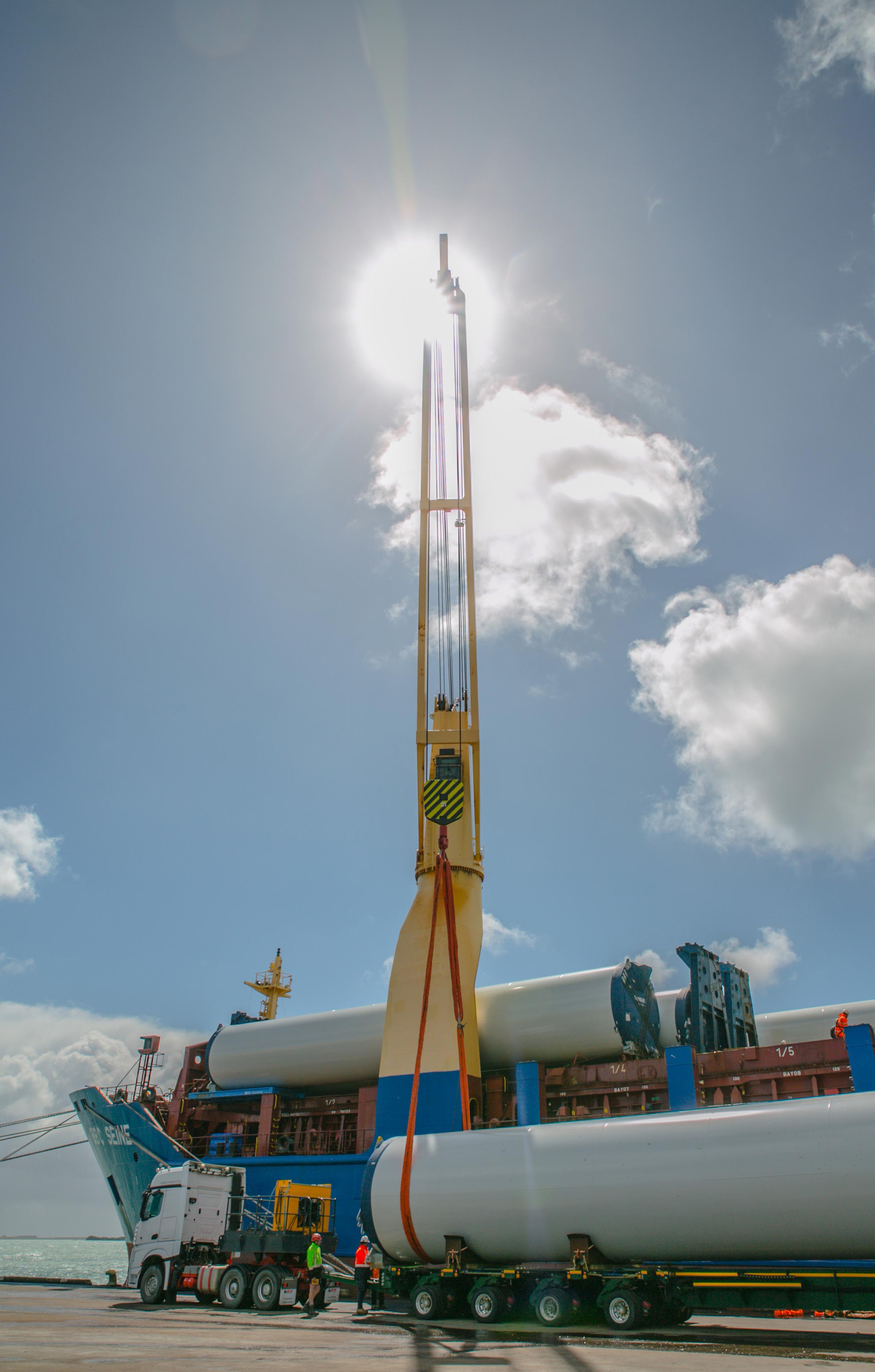
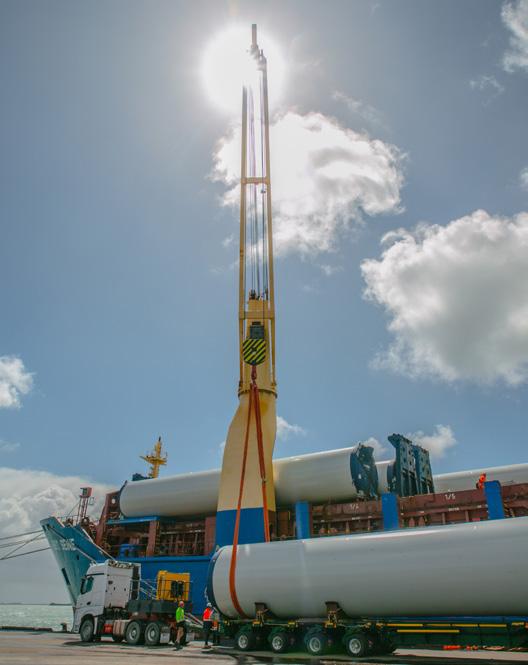
The BBC Seine discharging wind farm components while the sun is shining at South Port, Bluff
Photo by Tammi Topi.
At the same time, we remain focused on working with our existing customers to improve productivity and efficiency across the supply chain. Following the success of Project Kia Whakaū, our attention has turned to enhancing landside operations and ensuring cargo and vessels continue to move through the Port as efficiently as possible.
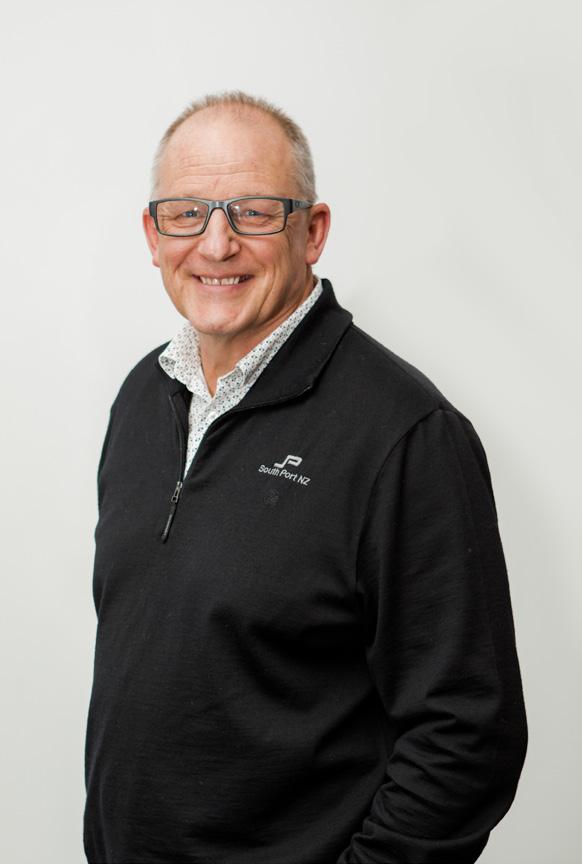
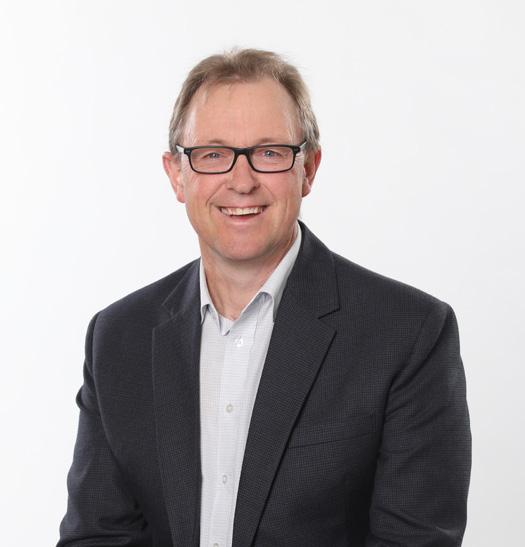
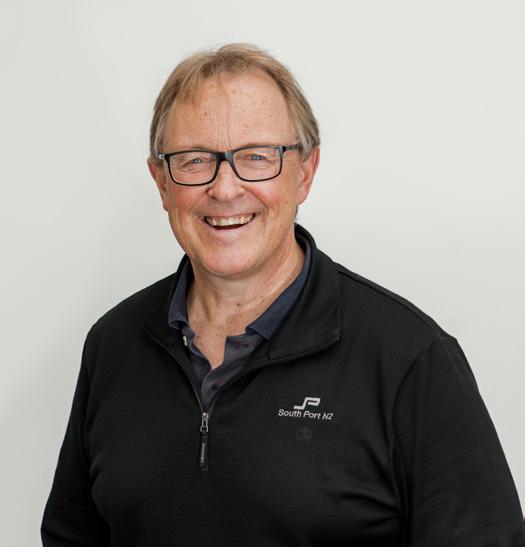
This year has also been one of transition. In May we farewelled Nigel Gear after more than 30 years with South Port, including eight and a half years as Chief Executive. Nigel leaves a strong legacy and has played a significant role in shaping our modern Port. We now look forward to welcoming Derek Nind as Chief Executive Officer later this month. Derek brings extensive industry experience, a deep understanding of the port sector and strong Southland connections, making him well placed to lead South Port through its next phase of growth and development.
As I conclude my time as Interim CEO, I would like to thank our staff, customers, shareholders and wider community for their continued support. South Port enters the 2027 financial year with strong momentum, a clear strategic direction and an exciting pipeline of opportunities ahead. We look forward to continuing to support Southland’s growth while maintaining safe, reliable and efficient services for our stakeholders.
Ngā mihi nui, Geoff Finnerty Port General Manager | Interim CEO
The Portsider is compiled and produced in-house by South Port Communications Advisor, Hollie Cooper with contribution from Dave Edge.
It is delivered to subscribers and available online @ southport-plato. netlify.app/media-and-investors/ communications-centre
If you would like to subscribe please email Hollie: comms@southport.co.nz.

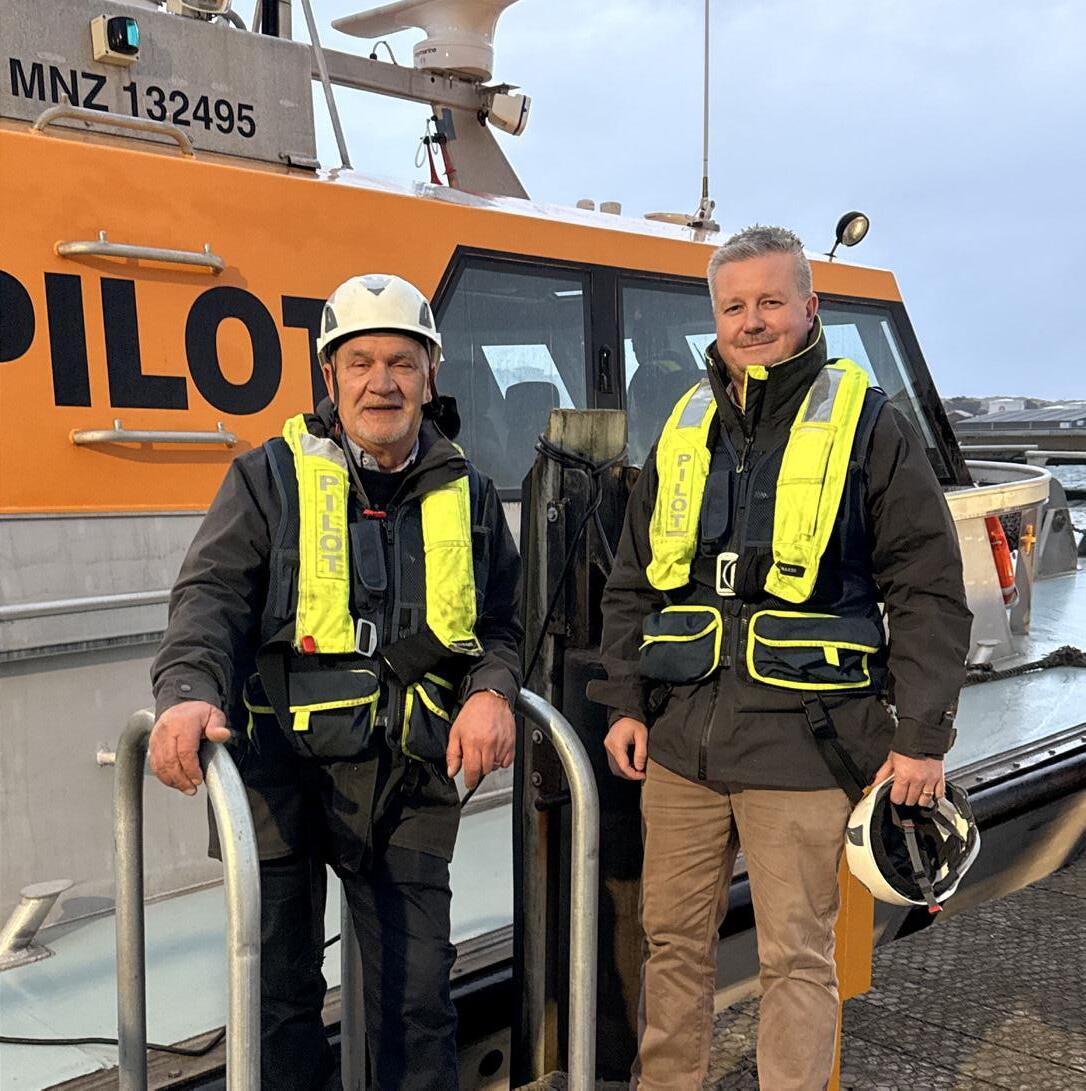
For more than three decades, South Port’s marine team has played a critical role in safely guiding vessels through Bluff Harbour and the Channel. While experience remains at the heart of the operation, the past few years have also seen a strong focus on building the next generation of marine professionals.
Over the last three years, the Marine Department has been on a deliberate journey of renewal, developing new talent, while maintaining the knowledge and expertise that comes from a highly experienced team. Under the leadership of Sam Moore, Marine Operations Manager, a new generation of pilots is gaining valuable experience alongside some of South Port’s most respected mariners.
At the centre of this development is Captain Robert Coote, who has spent more than 30 years with South Port and has played an important mentoring role in preparing future pilots for the unique challenges of Bluff Harbour.
The team continues to grow and evolve. Paul James and Mark Saunders are now well-established members of the pilotage team, while Ray Tull, who joined in 2020, has become a valued part of the marine operation. More recent arrivals, Brad Goldsworthy and James Laurent, have brought fresh energy and perspectives to the team. Together, they represent a new generation of marine professionals committed to maintaining high standards for South Port.
In a role that demands skill, judgement and continuous learning, each brings their own experience and approach, and share a healthy respect for the challenging weather conditions, and unique characteristics of the Channel and Harbour.
When they’re not rostered for pilotage duties, the team also supports South Port’s towage operations, operating the harbour tugs and ensuring a true whole-team approach across the marine department.
With a strong mix of experience, knowledge and emerging talent, the future looks bright for South Port’s marine team. By 2027, South Port expects to have a full complement of unrestricted pilots - an important milestone in the ongoing development of one of the Port’s most specialised and critical functions.
Kevin Dunstan ▶ Dairy Warehousing Operator
Milcah Paul ▶ Cold Stores Administrator
Keanu Taite-Kupa ▶ General Cargo Operator
Terry Reid ▶ Infrastructure Maintenance
Ian Sutherland ▶ Senior Project Engineer
Legion Henry ▶ Terminal Operator
Te Muunu Seymour ▶ Port Services Operator
Rob Goodman ▶ Fleet Maintenance Team Leader
Houston Te Tai ▶ Senior Crane Operator
Zaul Pirangi ▶ Senior Crane Operator
Martin Pukeiti ▶ Cold Stores Leading Hand, Nights
Andres Cano Gaitan ▶ Depot Operator
Logan Fraser ▶ Terminal Team Leader
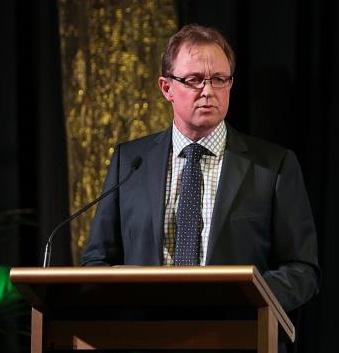
At the end of May, we farewelled Nigel Gear as he concluded his time at South Port. Over his 32-year tenure, Nigel progressed through the company before becoming Chief Executive in 2017, leading South Port with a strong commitment to its people, customers, and the wider community.
Nigel’s first role at the Port, in 1994, was as Company Accountant. He recalls the work was done in pencil on A3 paper, which he describes as “a flaming disaster”. He says he learnt a lot in this role, including how to get his team on board after initially receiving plenty of pushback.
“They would say no to everything: ‘It’s not my job, that’s your job,’ and walk off. I’d think, ‘Okay ... what am I going to do now?’” Nigel laughs.
“But it was a great experience,” he said.
When the newly created role of MDF Coordinator came up in 1997, it was an ideal fit for Nigel, who had previously worked in operational roles while studying accounting parttime before joining South Port.
The role saw Nigel learn to drive forklifts and work alongside staff on operational duties, while also managing office work and building relationships with customers.
Nigel’s natural leadership qualities saw the role expand in 1998 to Warehouse Manager, adding dry dairy and cold stores to his existing responsibilities.
In 1999, containerised cargo was also added, and his role became Cargo and Warehousing Manager.
“That was busy, really busy, juggling staff. There was a lot going on,” Nigel said.
There was plenty of change during his time in the role, including the implementation of new digital systems and
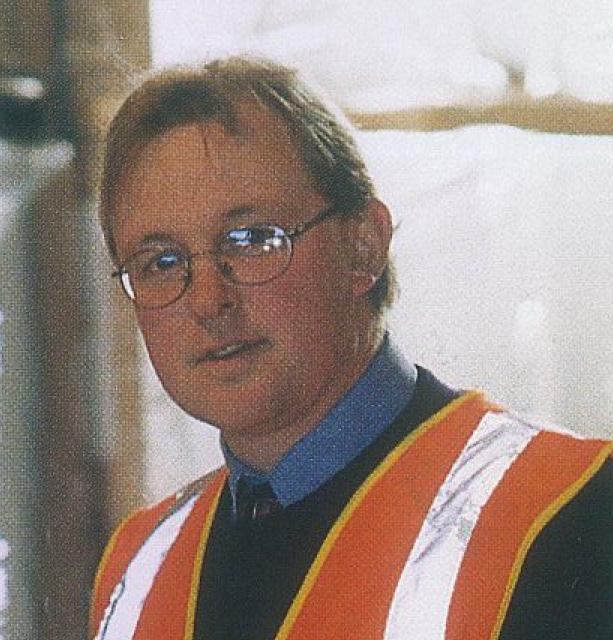
more modern equipment, such as the Liebherr mobile crane in 1996.
Nigel also fondly remembers the Pawling & Harnischfeger (P&H) mobile harbour crane. “That was an old rust bucket with big levers to operate it. It was terrible,” he said.
In 2007, looking for a change of pace, Nigel took on the role of Commercial Manager. His accounting background meant he was already doing analysis, costings, and business case work for the Port, which carried over into the position.
Nigel spent 10 years in the role, deepening customer relationships, exploring development opportunities, and overseeing data and costings.
Those skills, along with the knowledge he gained during that period, helped Nigel transition into the role of Chief Executive in 2017.
“Nigel has been with South Port for more than 32 years. I have had the pleasure of being on the Board for half that time and can say with confidence that he has shaped many careers and initiatives during that period. He was instrumental in developing the six key values that South Port aspires to and has held himself accountable for ensuring we live by them,” said Philip Cory-Wright, Chair.
“A highlight of his contribution was the successful completion of our channel deepening project, Kia Whakaū, with 40% of our ship visits now utilising the deeper draft. He is leaving the business in great heart,” he said.
On behalf of all those who have had the privilege of working with him, we thank Nigel for his service, leadership, dedication, and contribution to the organisation, and wish him every success in the next chapter ahead.
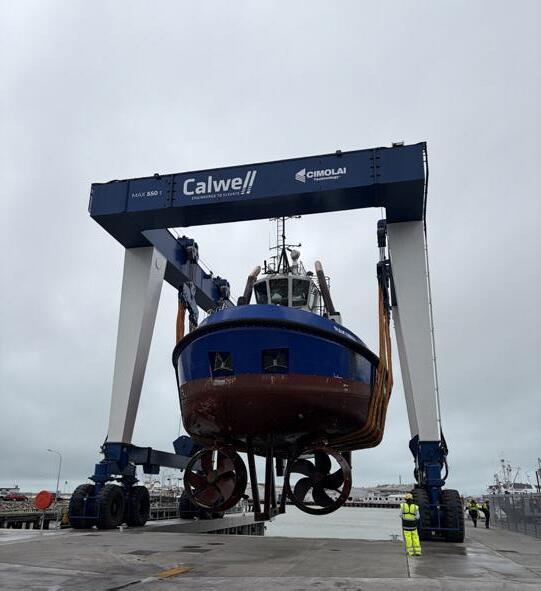
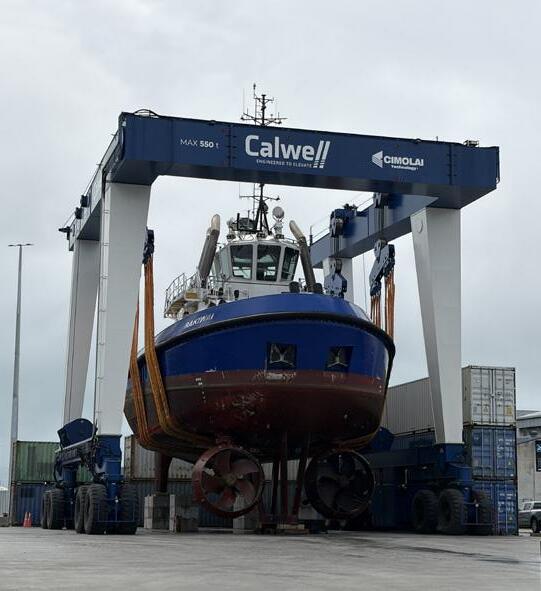
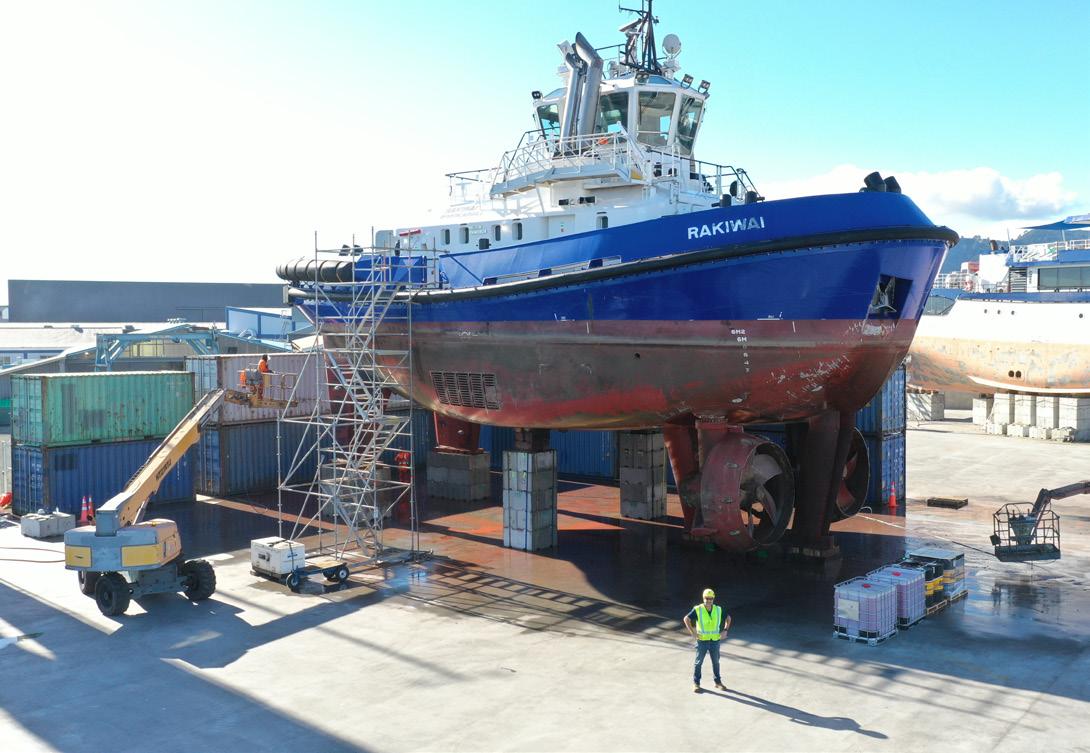
South Port’s tug Rakiwai has successfully completed her first five-year special docking survey. Built in the Damen Shipyard in Song Cam, Vietnam in 2021 the tug recently travelled to Nelson for the comprehensive inspection required under its Lloyd’s classification.
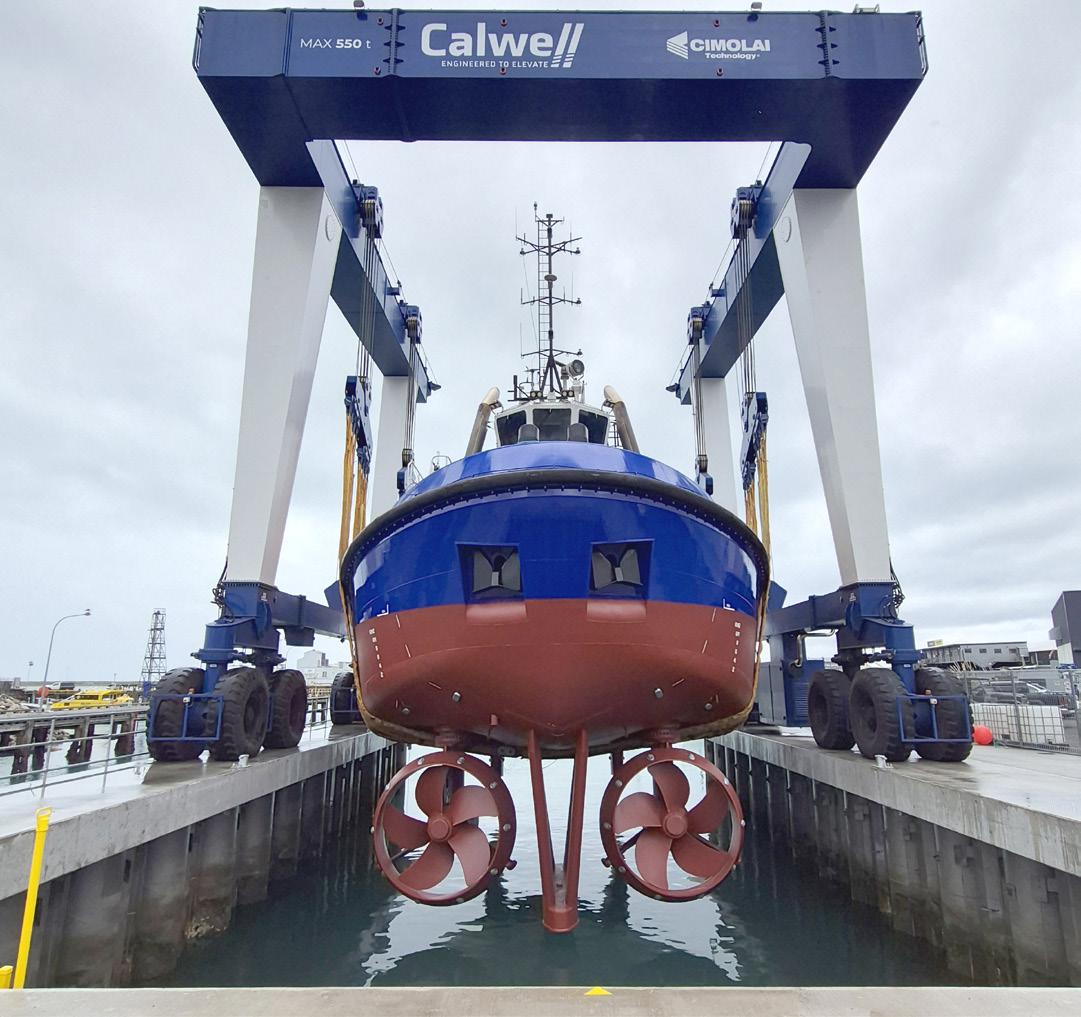
At Calwell, Port Nelson’s new docking facility, Rakiwai became one of the largest vessels handled to date. Weighing approximately 463 tonnes with fuel and water on board, the tug was lifted using a 550-tonne straddle lift after divers positioned and secured 16 lifting slings beneath the hull. The operation required extensive planning and coordination, with the vessel safely removed from the water in around an hour once the final lift commenced.
The special survey involved removing the vessel from the water to inspect and maintain critical underwater components including work on the hull coating and corrosion protection systems, underwater valves, cooling systems, propellers and the tug’s azimuth thrusters.
“These inspections form part of a rigorous classification regime that helps ensure the vessel continues to meet high international maintenance and safety standards,” said Sam Moore, Marine Operations Manager.
“Interestingly, the way we berth her she gets more sun exposure to the port side, and once out of the water it was obvious there was more marine growth on the hull on the port side versus the starboard side,” he said.
The voyage to Nelson covered approximately 548 nautical miles and took around 60 hours, with a crew of six on board maintaining continuous watchkeeping operations.
For the return journey they took a different route due to unfavourable sea conditions in Cook Strait, travelling down New Zealand’s west coast, equating to approximately 630 nautical miles. Along the way, the crew were fortunate to see whales near Farewell Spit and enjoyed spectacular views of the snow-covered Southern Alps and Aoraki/Mount Cook.
As South Port’s highest-capacity tug, Rakiwai plays a critical role in shipping operations. Its bollard pull is approximately equivalent to the combined pulling power of South Port’s two other tugs, making it an essential asset for servicing visiting vessels. The successful completion of its first special survey ensures the tug remains ready to support safe and efficient port operations for years to come.
South Port has recently joined The Biosecurity Business Pledge, a voluntary national partnership that encourages businesses to actively manage biosecurity risks as part of their everyday operations.
As the gateway port for Southland, South Port handles cargo that arrives from all over the world. Every vessel that docks, every container that is opened, represents a potential pathway for unwanted organisms to enter New Zealand. Joining the Pledge signals the Port’s commitment to doing everything it can to stop that from happening.
“For us, biosecurity isn’t just a compliance box to tick, it’s personal. We operate at the front door of New Zealand, and we take that responsibility seriously. Every cargo movement, every vessel interaction is an opportunity to either protect our country or put it at risk. We choose to protect it,” said Nigel Gear, Chief Executive.
The Biosecurity Business Pledge connects organisations across New Zealand who are committed to lifting biosecurity standards. Members share knowledge, practical tools, and innovations to build a stronger, more resilient system, because biosecurity works best when everyone plays their part.
For South Port this means embedding biosecurity thinking into how staff are trained, how contractors are managed, how cargo is handled, and how vessels are serviced. It is a whole-of-organisation commitment.
Logs are a major export through Bluff and most other major ports in New Zealand, and most such exports are bound for the Far East, especially China.
Ships loading logs are usually bulk carriers equipped with securing arrangements to carry a deck cargo of logs in addition to the cargo loaded in the holds, the ships concerned generally being ‘Handysize’, ranging between 10,000 and 39,999 tonnes deadweight, or ‘Handymax’, between 40,000 and 59,999 tonnes deadweight.
Occasionally larger bulk carriers in the ‘Ultramax’ class, which are not configured to secure a deck cargo of logs, will complete discharging their inward cargo only to find there is no suitable outward cargo other than logs available.
“Becoming part of this national network means we can learn from others doing great work around the country and share what we’ve learned here in Southland. As global trade grows more complex and new risk pathways emerge, working together like this is more important than ever. We know every organisation is at a different stage in its biosecurity journey – what matters is that we’re all moving forward,” Nigel said.
Bluff doesn’t need to imagine what happens when biosecurity fails, the community has seen the impact of a disease entering the environment through Bonamia ostreae (commonly referred to as bonamia). It has significantly reduced Bluff oyster populations, impacting the local economy and community. Its spread is difficult to control once established, highlighting the importance of strong biosecurity to prevent and limit such threats.
If you notice anything suspicious in local waters or on-shore, contact Biosecurity New Zealand’s Exotic Pest and Disease Hotline: 0800 80 99 66
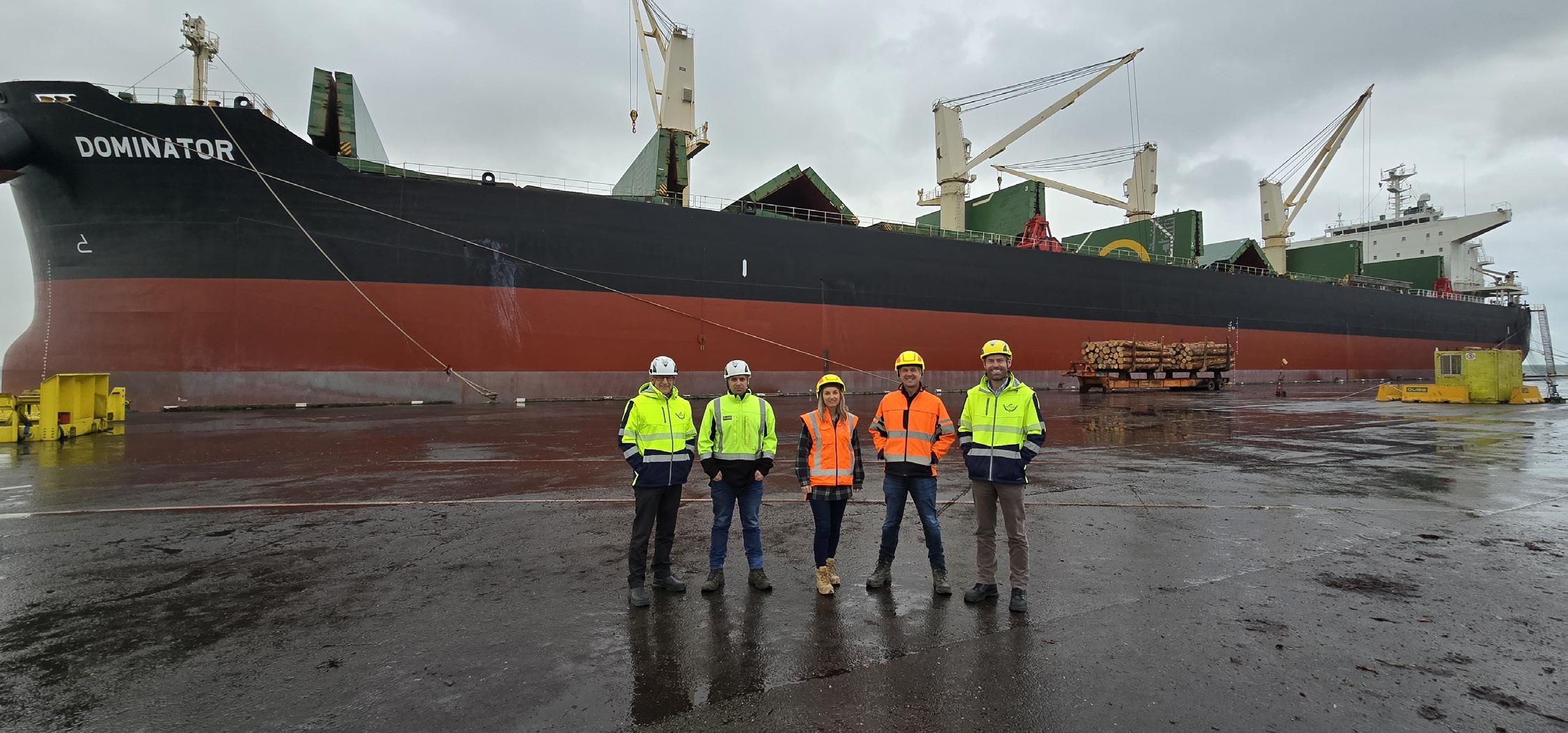
Such was the case with the “Dominator” which, at just under 64,000 tonnes deadweight is a typical ‘Ultramax’ class bulk carrier. Rather than sail light ship to her next loading port she was chartered to load logs for India.
With the cargo holds full, even though the ship is not loaded to her marks, expenses for the voyage will be covered and the ship will be much closer to the fertiliser ports of the Middle East and Africa when she completes discharging her logs.
During June Matariki Forests celebrated its first shipment of logs from Bluff to India since 2020.
Following the signing of the Free Trade Agreement (FTA) in April, improved access to the Indian market is already providing New Zealand’s forestry sector with new opportunities.
Hamish Fitzgerald, Matariki Forests Southland Regional Manager, says the shipment represents a significant reopening of the market for the lower South Island.
“Southland is home to Matariki Forests’ largest estate and the wider Southland-Otago region is New Zealand’s secondlargest forestry region. 95% of forestry exports became immediately tariff-free and the removal of the remaining 5.5% tariff over the next few years will improve returns to forest owners helping to ease financial pressures currently facing the industry,” says Fitzgerald.
“This shipment represents an important step in reestablishing supply chains and relationships with our Indian customers. There is positive momentum with suppliers and customers working to rebuild the trade lane ahead of the anticipated FTA ratification by the New Zealand government.”
With an estimated sustainable harvest of around 4 million cubic metres annually, local processors continue to invest in capability and play a critical role in the forestry value chain. Export markets are also essential to the sector, helping balance supply and demand, maximising utilisation of the resource, and support regional employment and economic activity.
The total shipment is approximately 44,000 tonnes of logs with 40 per cent of the cargo sourced from Southland (18,000 tonnes) and the balance will be loaded at Port of Tauranga, before heading to Kandla Port in India.
“South Port is pleased to support the first loading of logs to India from the region since 2020, and looks forward to continuing its support of this export opportunity,” said Geoff Finnerty, Interim CEO, South Port.
The logs will be processed into a wide range of products including plywood, construction timber, furniture, such as tables and cabinetry, and interior applications such as doors and wall panels.
Wood and wood products are New Zealand’s largest goods export to India worth NZ$134 million in the year to June 2025.
In FY25 forestry made up 35.9% of South Port’s exports.
Those who have recently travelled between Mataura in eastern Southland and Clinton in South Otago via The Old Coach Road, cannot have failed to notice the towers and turbines that comprise the new Kaiwera Downs Wind Farm currently under construction. All the machinery and equipment for this new facility was brought in through Bluff, the carrier for the trans-ocean leg of their journey being the German shipping company Briese Schiffahrts.
Captain Roelf Briese founded his eponymous company in 1984, shifting its headquarters to Leer in 1999, Leer being a town of some 35,000 people located about 48 miles from the North Sea and adjacent to the River Leda, a tributary of the River Ems upon which the major port of Emden lies. Although the port of Leer is little known outside its homeland it has the second biggest concentration of shipping companies in Germany residing there.
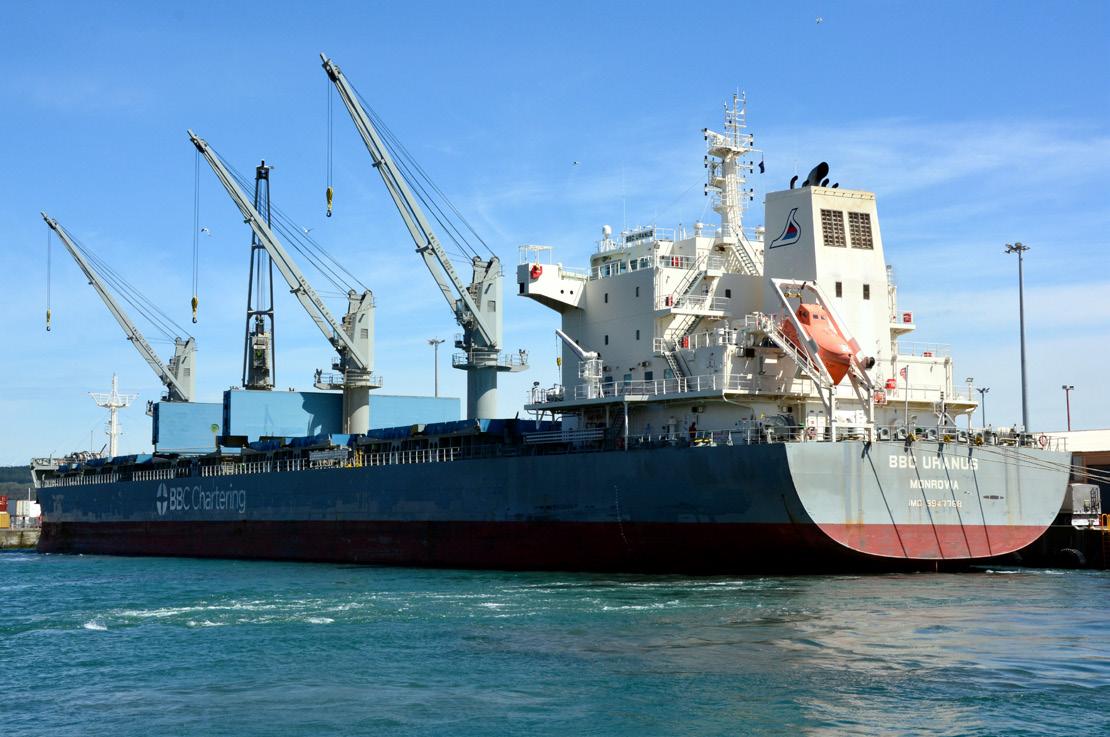
Today Briese is the largest shipping company in Leer with a fleet of about 150 vessels, the majority of them multipurpose/heavy-lift ships. Most of the ships have names prefixed by ‘BBC’, following a meeting held in Bremen in 1997 by the partners Rolf Briese and Bruno Bischoff to establish BBC Chartering & Logistic, BBC standing for Briese Bischoff Company. This was also the year in which the company began operations with a fleet of ten multi-purpose cargo vessels so its growth has been nothing if not spectacular.
Perhaps the speed with which the company expanded is not so surprising when one of the first orders placed was for no less than twenty ships shared among a few Chinese shipyards, all general cargo ships of about 12,800 tonnes deadweight fitted with 2x 150 tonne cranes, able to lift 300 tonnes in tandem. Even larger orders have followed in a program of constant renewal which ensures that the fleet has an average age of about nine years.
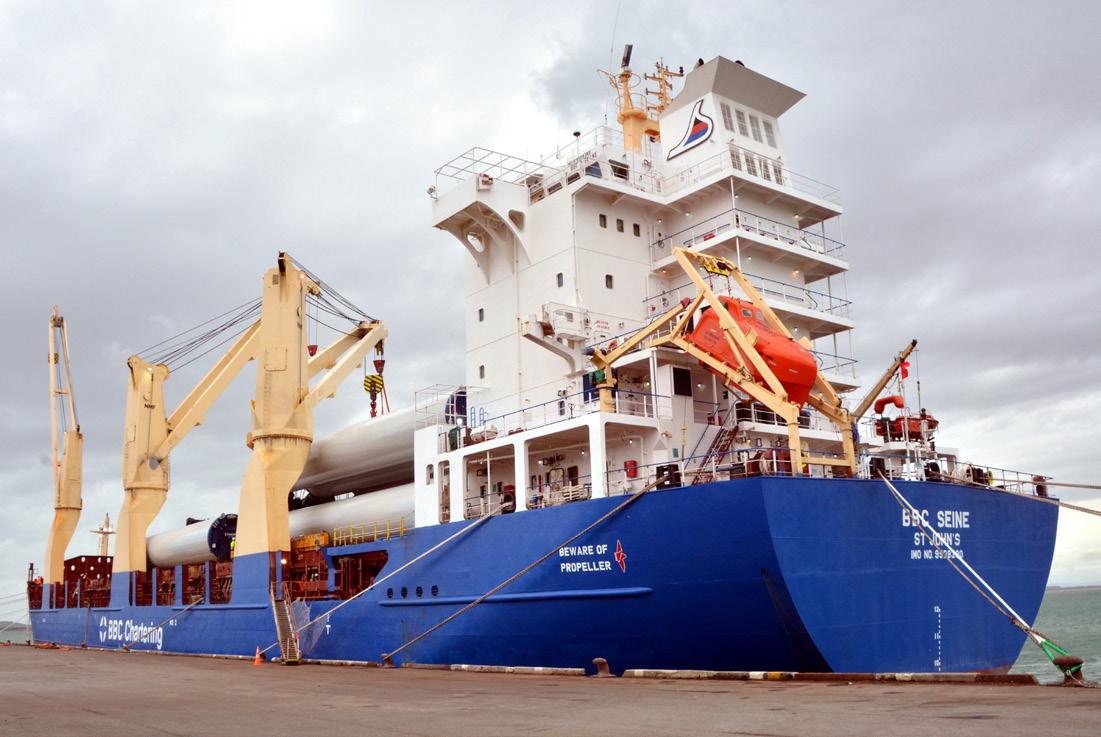
The cranes aboard most of the newer ships comprise 2x 250 tonnes, able to lift 500 tonnes in tandem, while some have 400 tonne cranes and can handle 800 tonne lifts.
BBC Chartering has become the ‘go-to’ company for those seeking to transport wind farm equipment – it is the world’s largest ocean carrier of this cargo – while some have ice classification up to 1A, adding to their versatility. To ensure it maintains its dominant position in transporting wind farm equipment the company is developing “The Briese Offshore Terminal, Cuxhaven”, a 20 hectare site which will be fully operational in 2028. Cuxhaven is at the mouth of the River Elbe and offers unhindered access to the North Sea and adjacent waters.
The fleet operates under the motto ‘Any port. Any cargo’, with three service styles on offer, tramp shipping, “We go where your cargo needs to”; regular services, with fairly frequent sailings making port calls according to cargo requirements, and liner services, with sailings to fixed schedules and ports of call. The main liner routes are Europe to East Coast South America; Europe to West Coast South America; Houston/U.S. Gulf to East Coast South America and the U.S. Gulf to West Coast South America.
Following enquiries from clients, Briese moved into dry bulk carriers about five years ago and currently operates ten such ships, all about 40,000 tonnes deadweight placing them in the ‘large handy-size’ group. Nor are container ships ignored with eight being owned and/or managed by Briese. The company also manages eight research ships for their German owners, the largest being the Sonne at 8,554 gross tonnes with accommodation for forty scientists who are provided with twenty-four laboratories to investigate all aspects of the maritime environment. It seems that Briese Schiffahrts has most aspects of the maritime industry comprehensively covered.